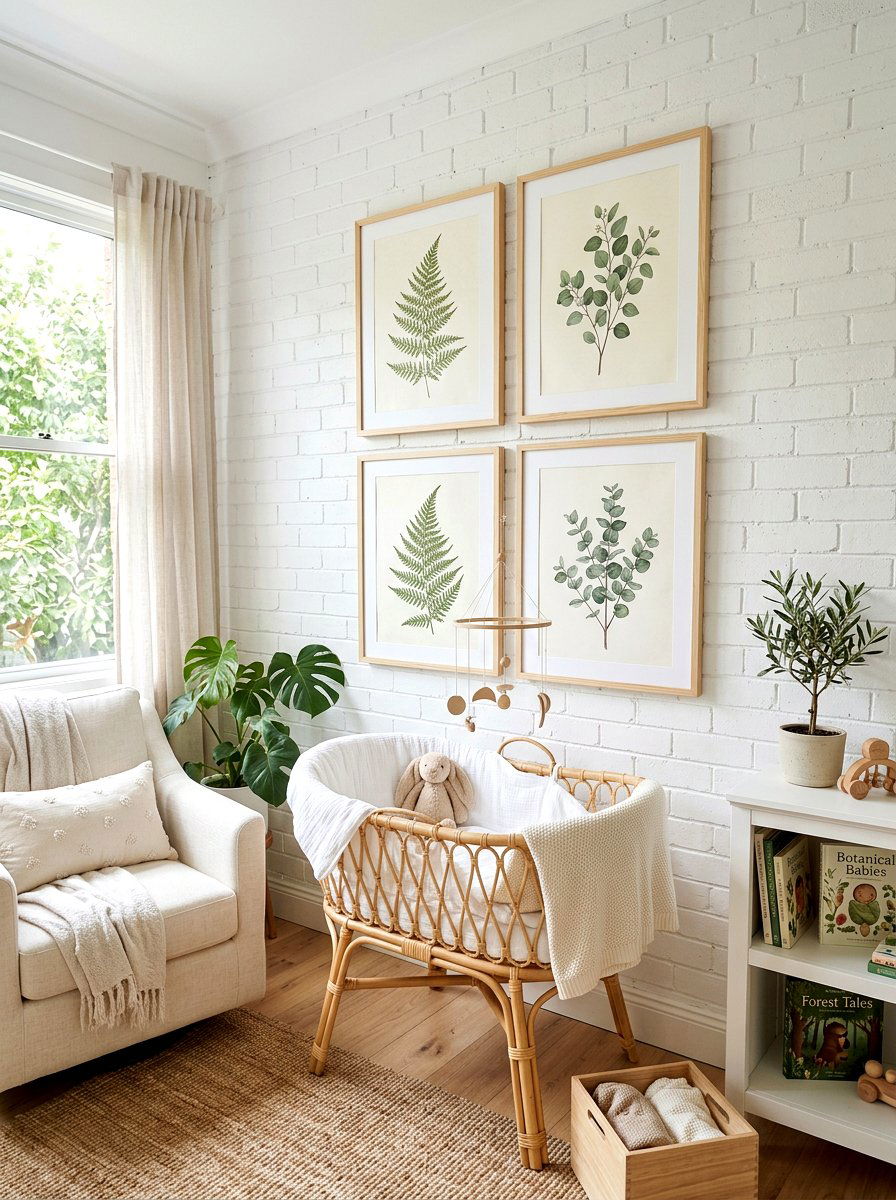
Creating a Montessori playroom at home is one of the most rewarding projects you can undertake for your child's developmental journey and long-term independence. These spaces are carefully curated to foster a sense of calm, order, and self-directed exploration by removing the overwhelming clutter often found in traditional play areas. By focusing on child-sized furniture, natural materials, and accessible shelving, you allow your little one to take ownership of their learning environment from a very early age. The goal is to create a "prepared environment" where every single object has a specific purpose and a designated home. This approach not only supports fine and gross motor skills but also nurtures a deep, lifelong love for discovery and mastery.
1. Low Open Shelving Layout
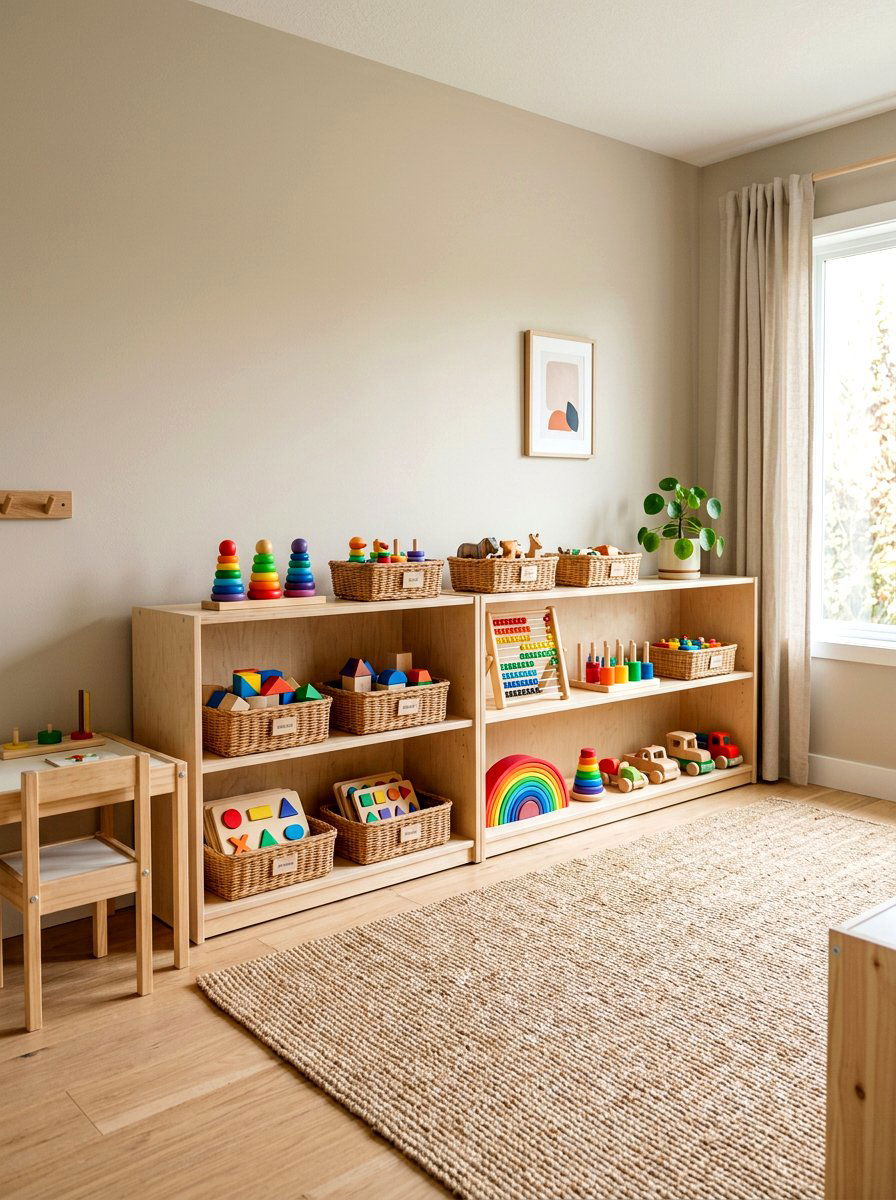
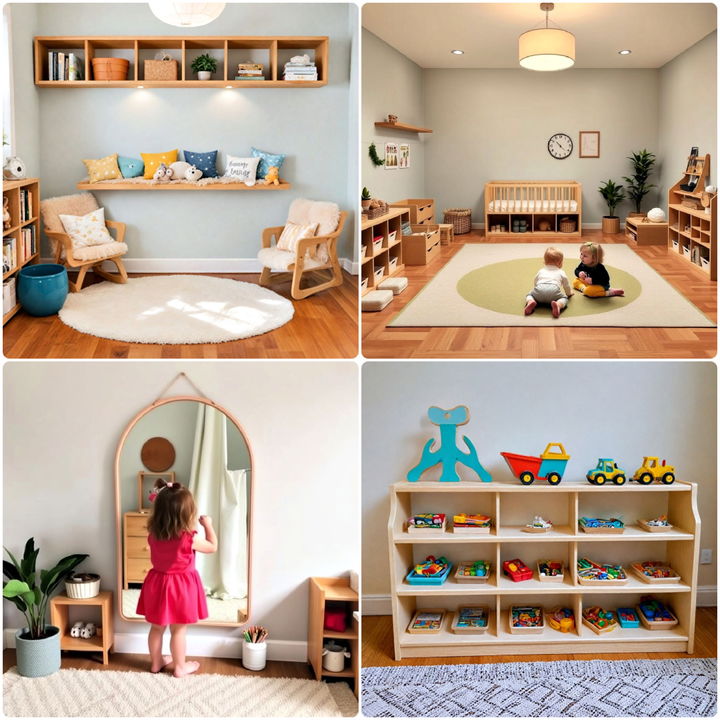
Implementing a low open shelving layout is the foundational step in designing an accessible Montessori playroom that promotes independence. By placing toys on low, reachable shelves instead of deep toy chests, you allow your child to see every available activity clearly without needing adult assistance. This setup encourages them to choose a task, complete it, and then return it to its rightful place, fostering a strong sense of order and responsibility. Use simple wooden shelves with plenty of space between items to prevent sensory overload and keep the environment visually calm. It is essential to choose sturdy, high-quality furniture that creates a safe and inviting atmosphere for daily exploration.
2. Child Size Table And Chair Set
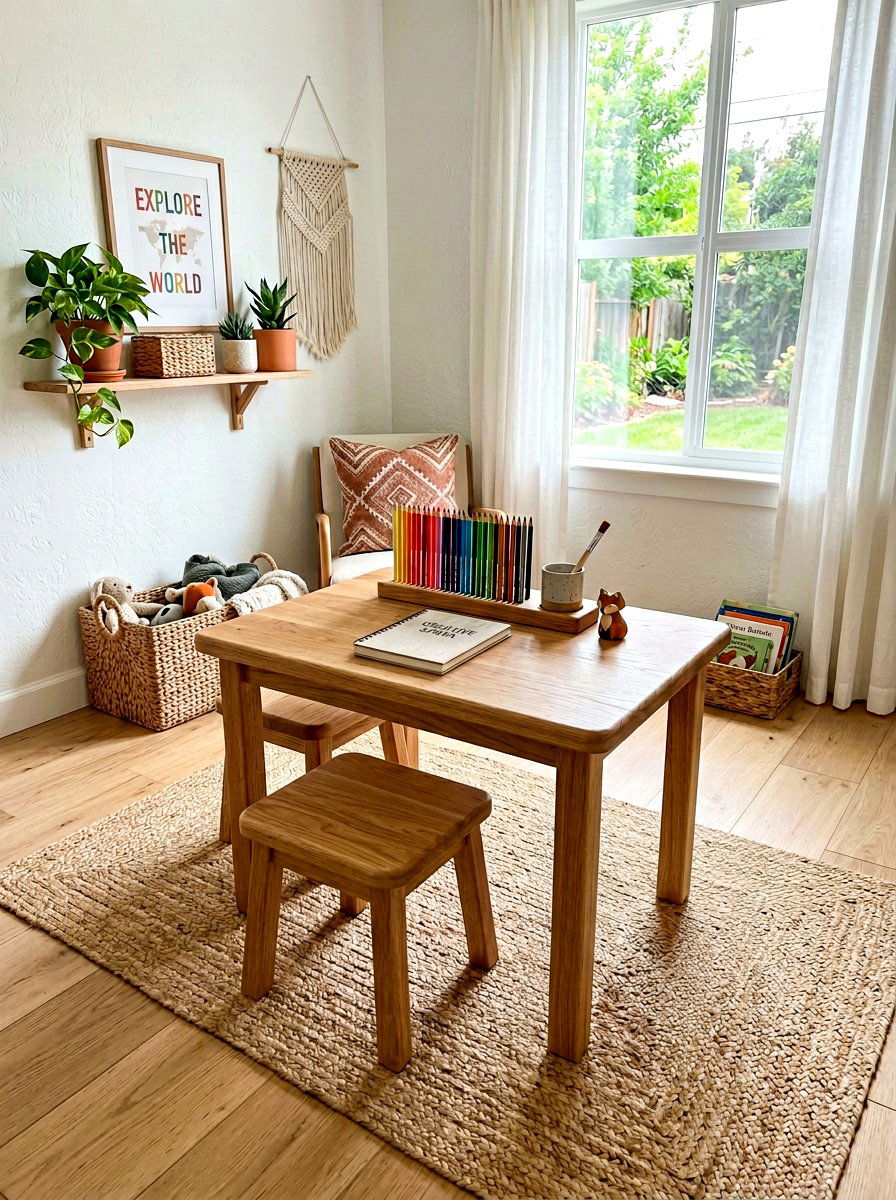
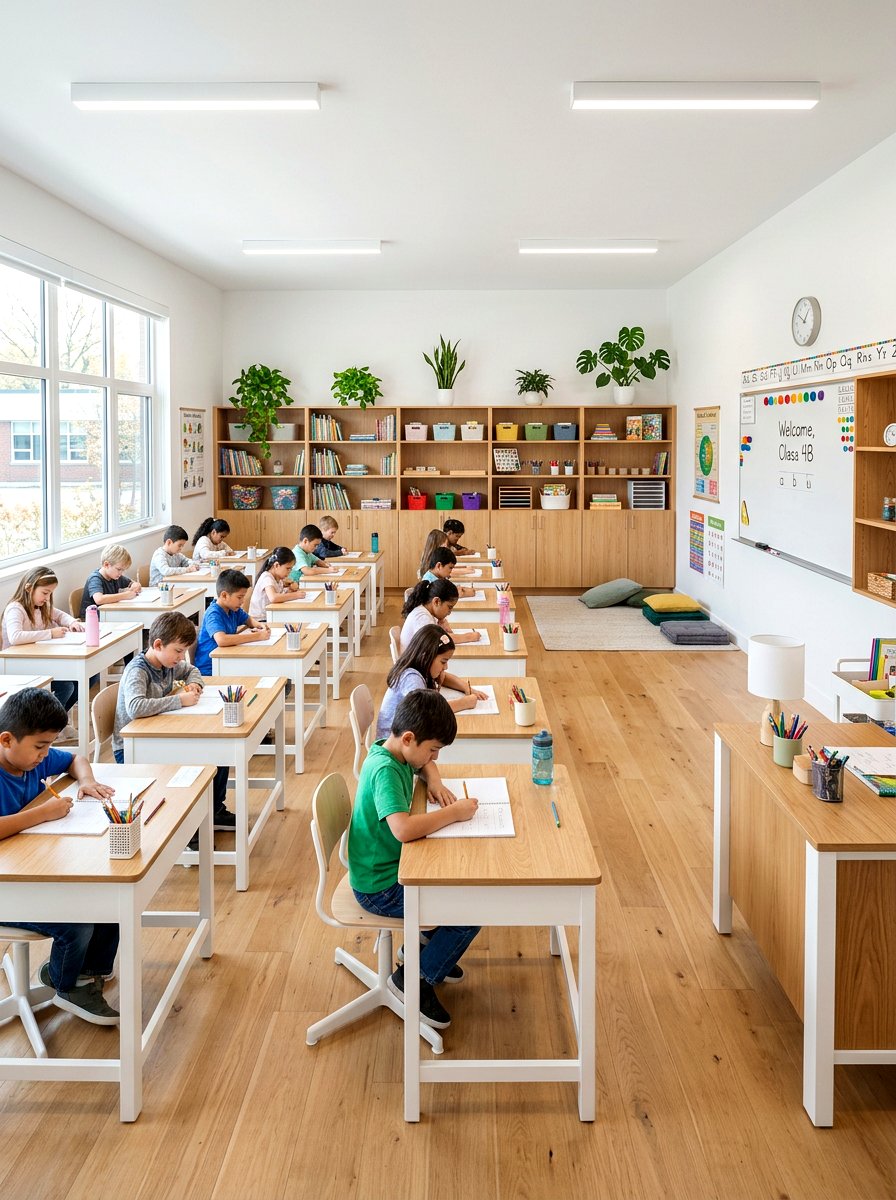
A dedicated child size table and chair set provides a functional workspace where toddlers can focus deeply on their chosen activities. Unlike standard adult furniture, these pieces are specifically scaled to a child's proportions, allowing their feet to rest flat on the floor for better posture and concentration. This zone serves as the perfect hub for puzzles, clay modeling, or snacks, giving the child a sense of autonomy over their daily routine. Look for minimalist designs made from sustainable wood that blend seamlessly with your home decor while remaining durable enough for heavy daily use. Positioning this set near a window provides beautiful natural light for focused work.
3. Floor Mirror With Wooden Pull Up Bar
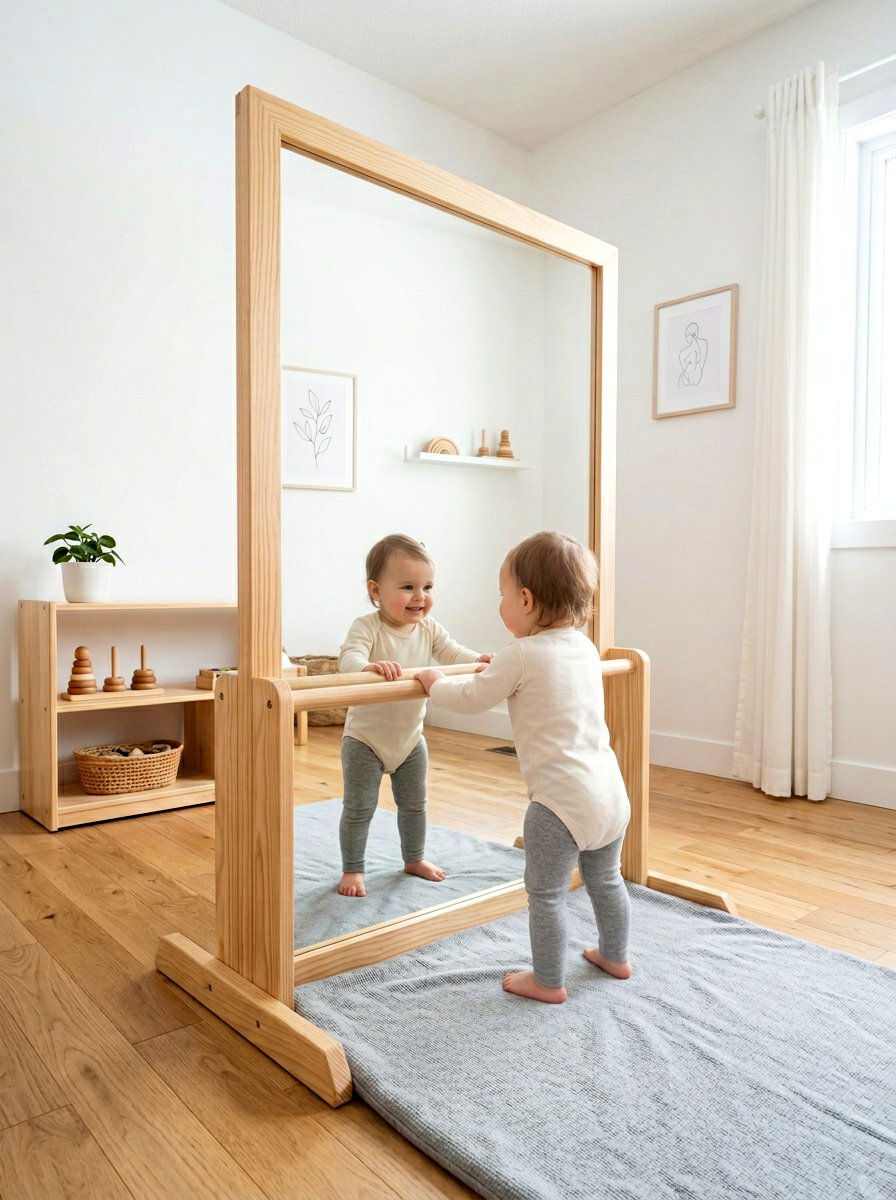
Installing a floor mirror with a wooden pull up bar is an excellent way to support gross motor development and self-awareness in infants and toddlers. The mirror allows young children to observe their own movements, facial expressions, and body mechanics as they learn to navigate the world around them. The addition of a sturdy, smooth wooden bar gives babies a safe place to pull themselves up and practice their first steps independently. This design concept creates a purposeful movement zone that is both aesthetically pleasing and developmentally significant. Ensure the mirror is made of shatterproof material and securely anchored to the wall for maximum safety during play.
4. Pikler Triangle Indoor Movement Zone
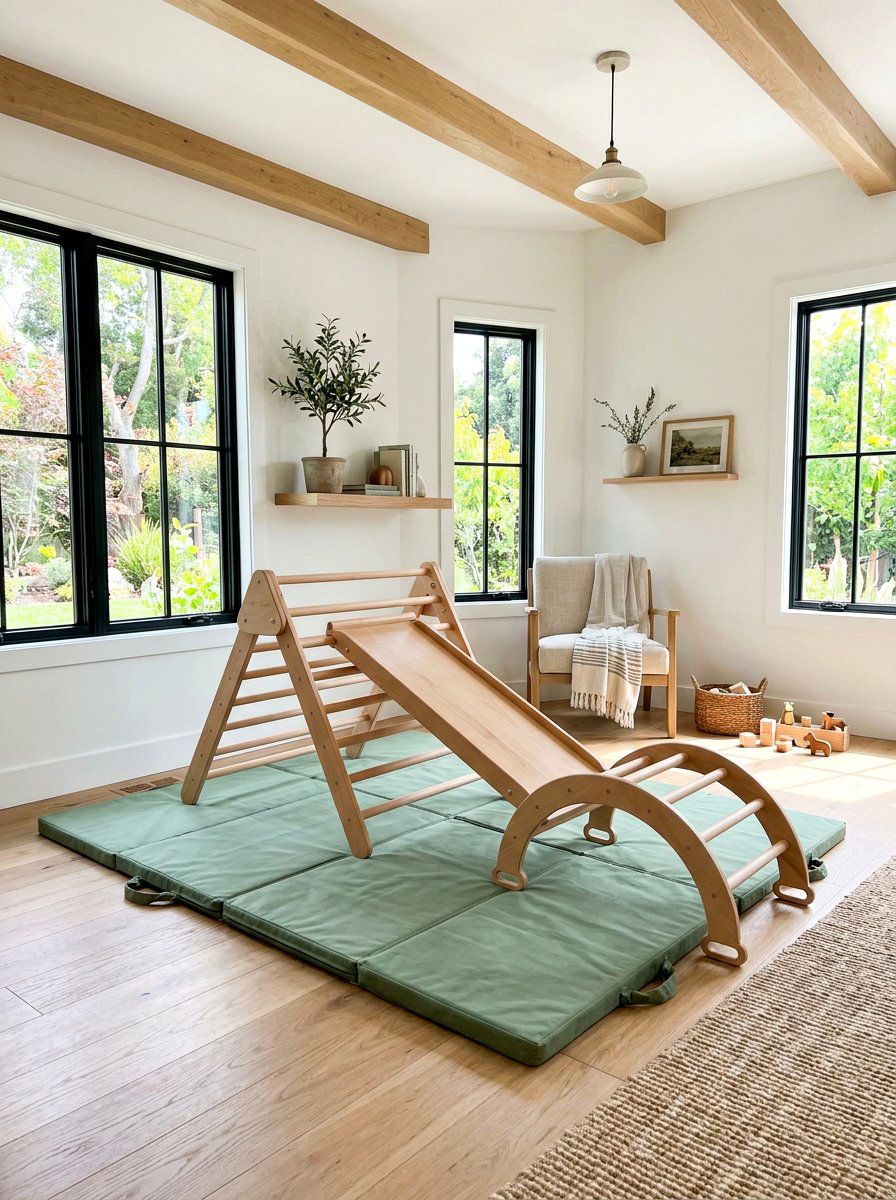
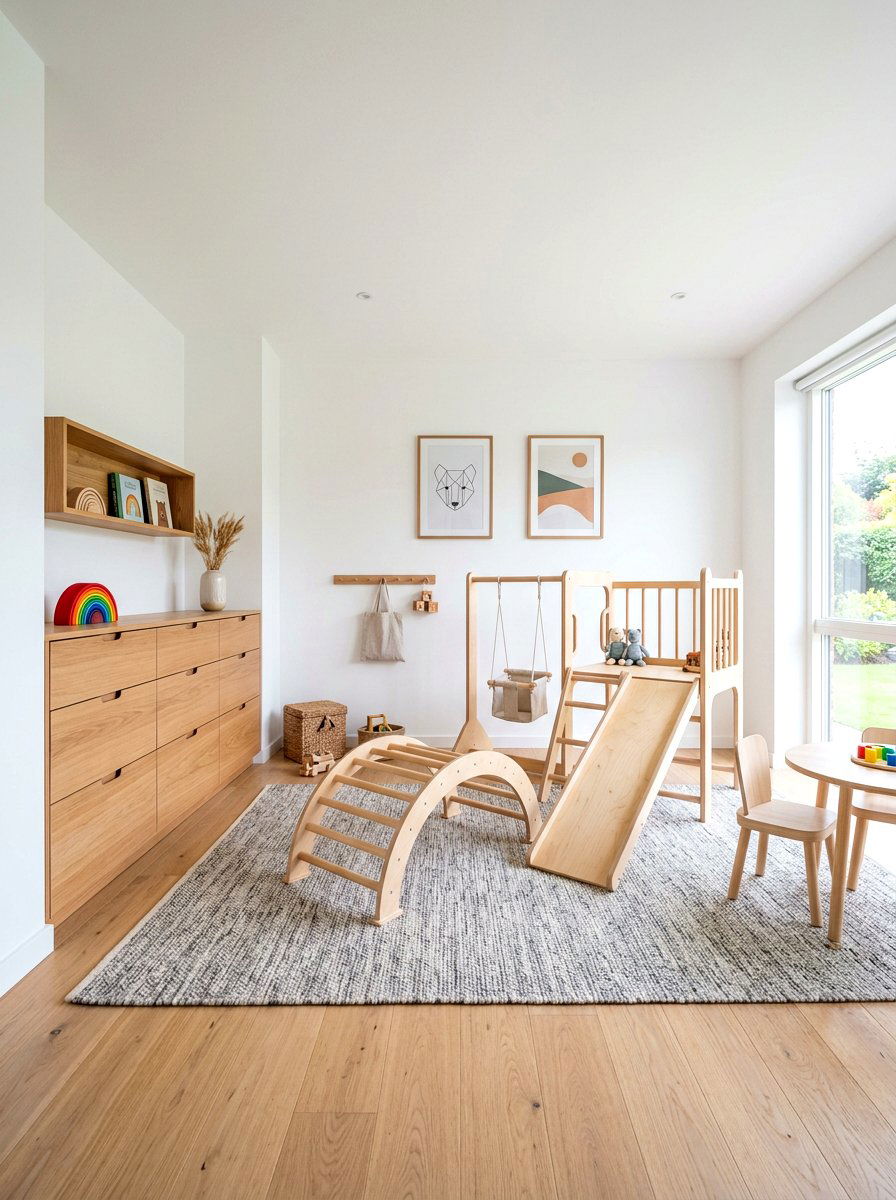
Creating a Pikler triangle indoor movement zone transforms a simple playroom into a dynamic space for physical challenge and building confidence. This climbing structure allows children to explore their physical limits, develop grip strength, and improve their sense of balance in a controlled environment. When paired with a soft cotton rug or a foldable play mat, it becomes a safe harbor for active play regardless of the weather outside. The natural wood finish maintains a minimalist aesthetic that does not distract from the room’s overall tranquility. You can even add a slide attachment to increase the complexity of the movement as your child grows and develops.
5. Cozy Reading Nook With Front Facing Books
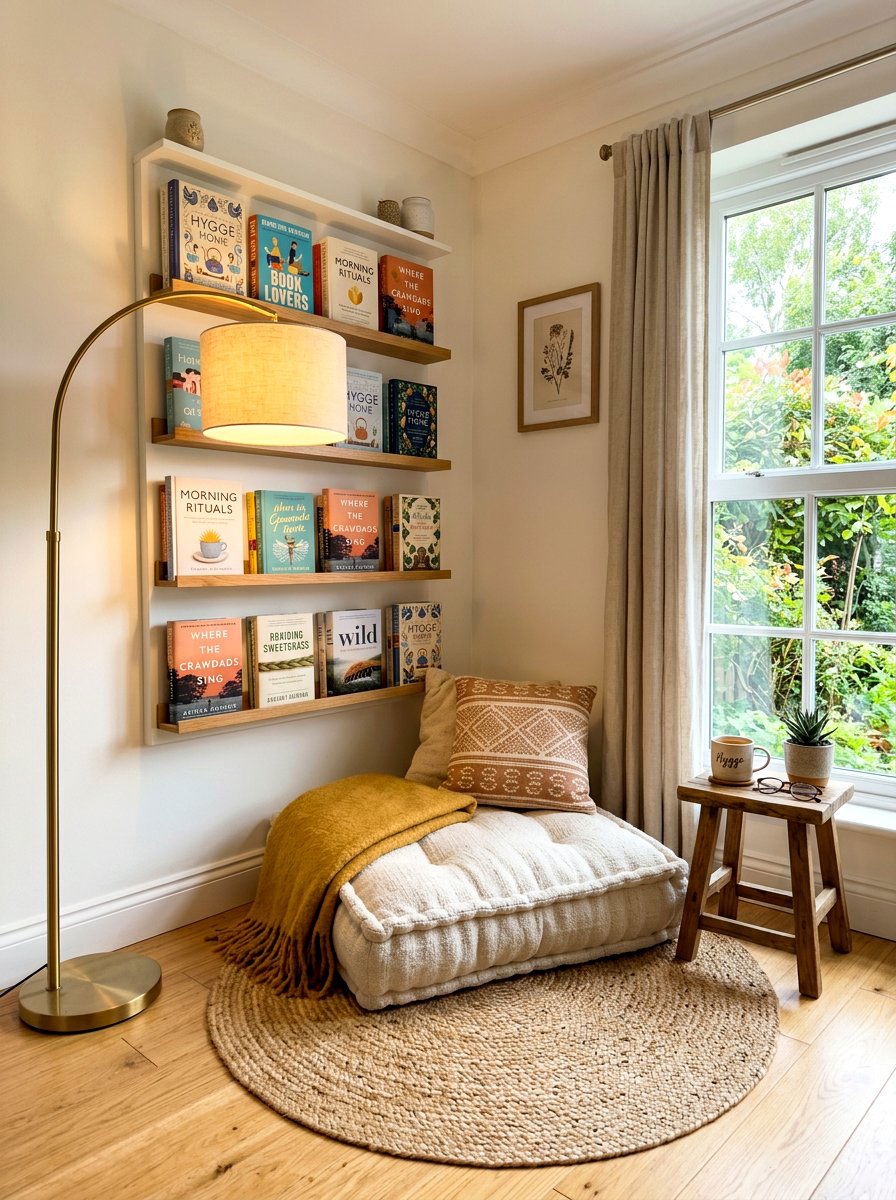
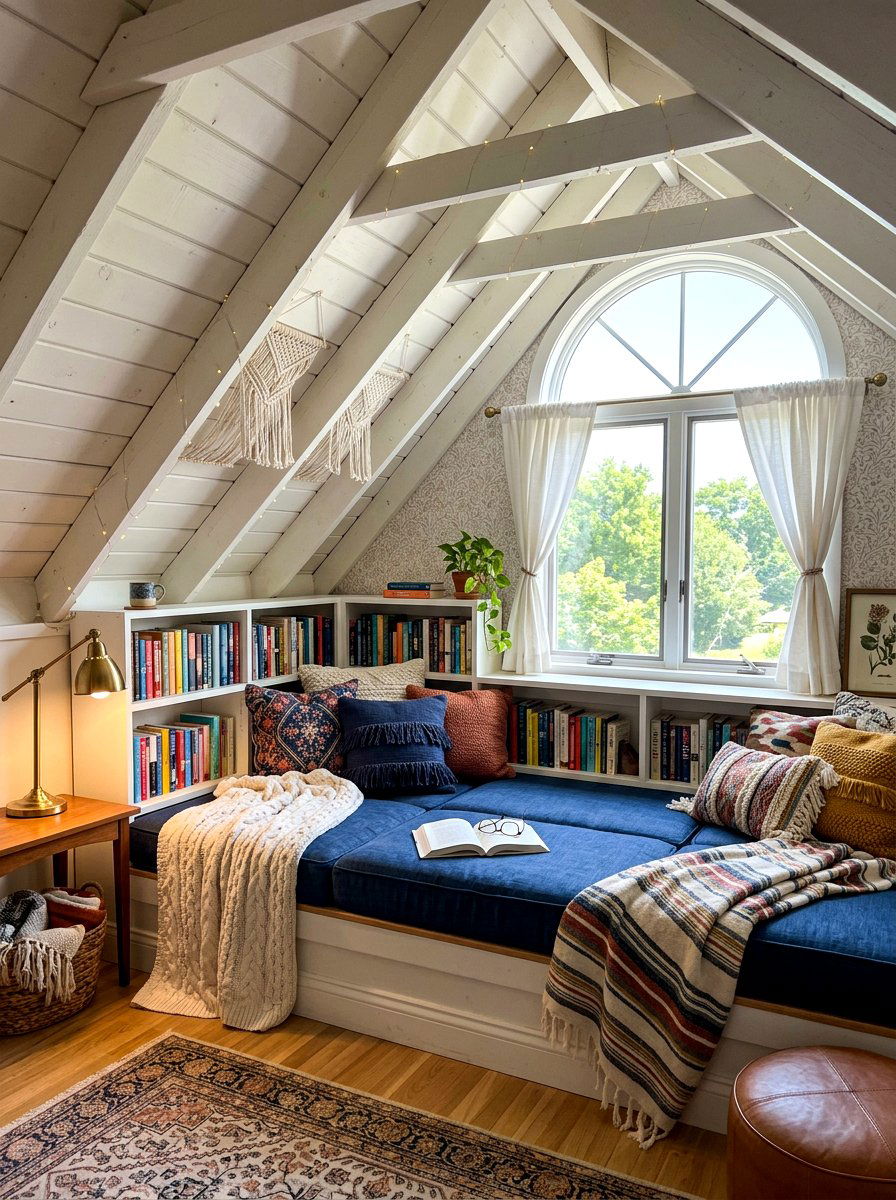
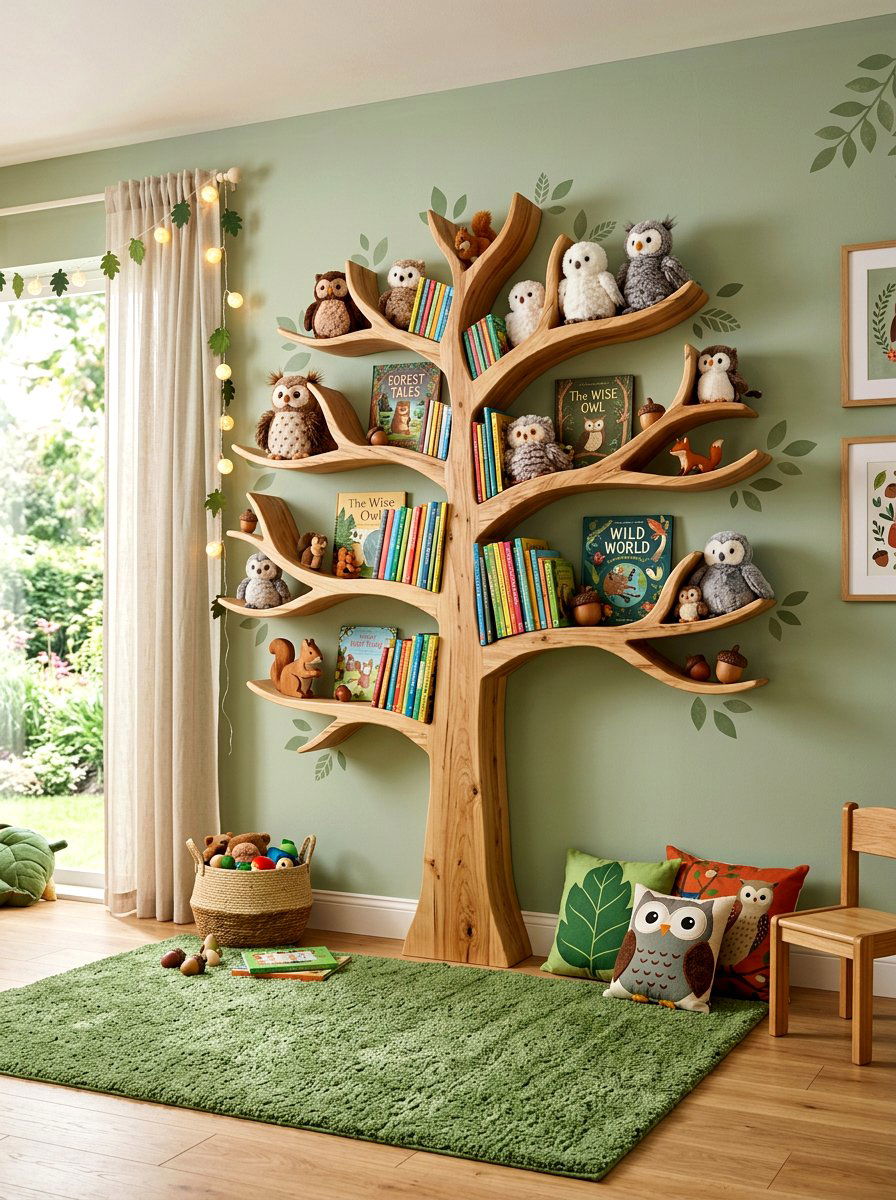
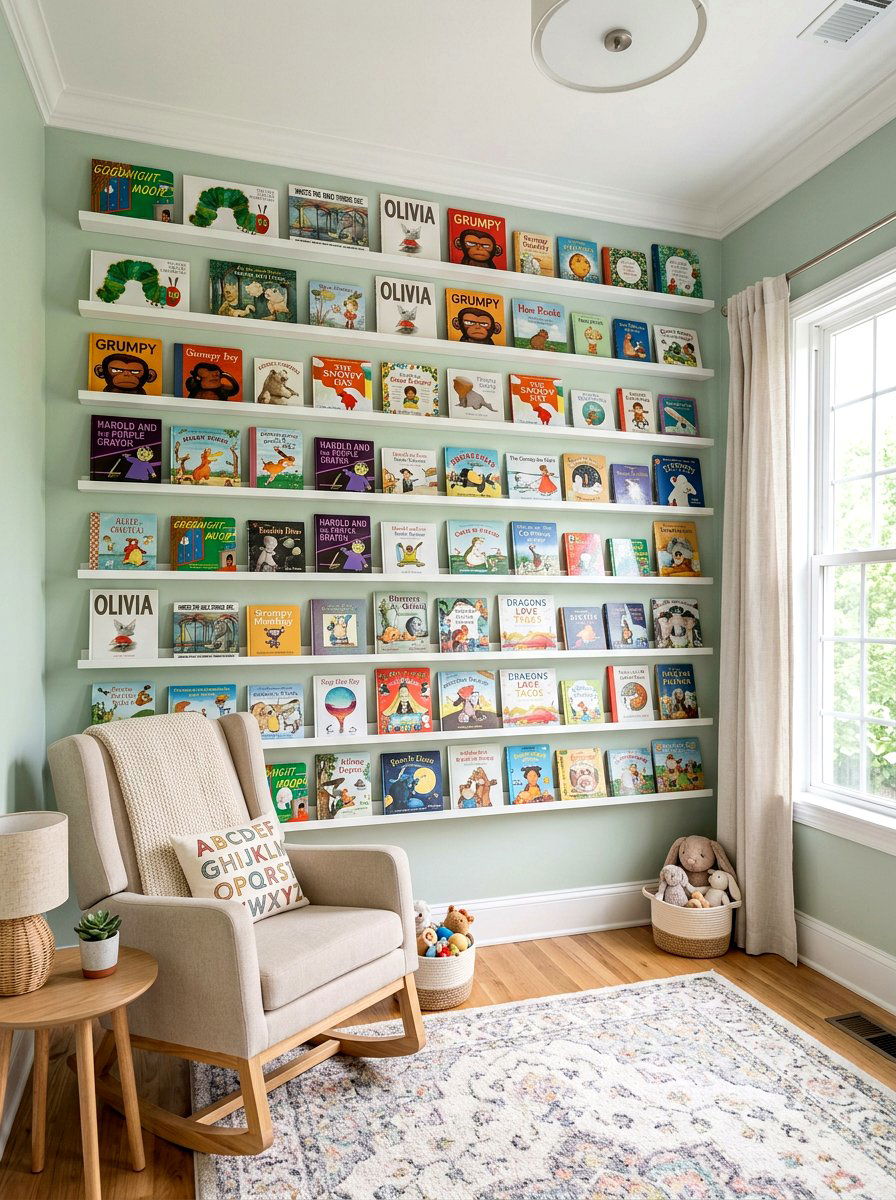
A cozy reading nook with front facing books invites children to develop a love for literature by making stories visually accessible and inviting. Traditional bookshelves hide the covers, but front-facing displays allow a child to recognize their favorite books by the illustrations, prompting them to pick up a book more often. Add a soft floor cushion, a small rug, and a warm lamp to create a dedicated sanctuary for quiet time and reflection. This specific area should be kept separate from high-energy movement zones to encourage a peaceful atmosphere. Rotating the selection of books every few weeks ensures the content remains fresh, engaging, and relevant to their interests.
6. Nature Inspired Neutral Color Palette
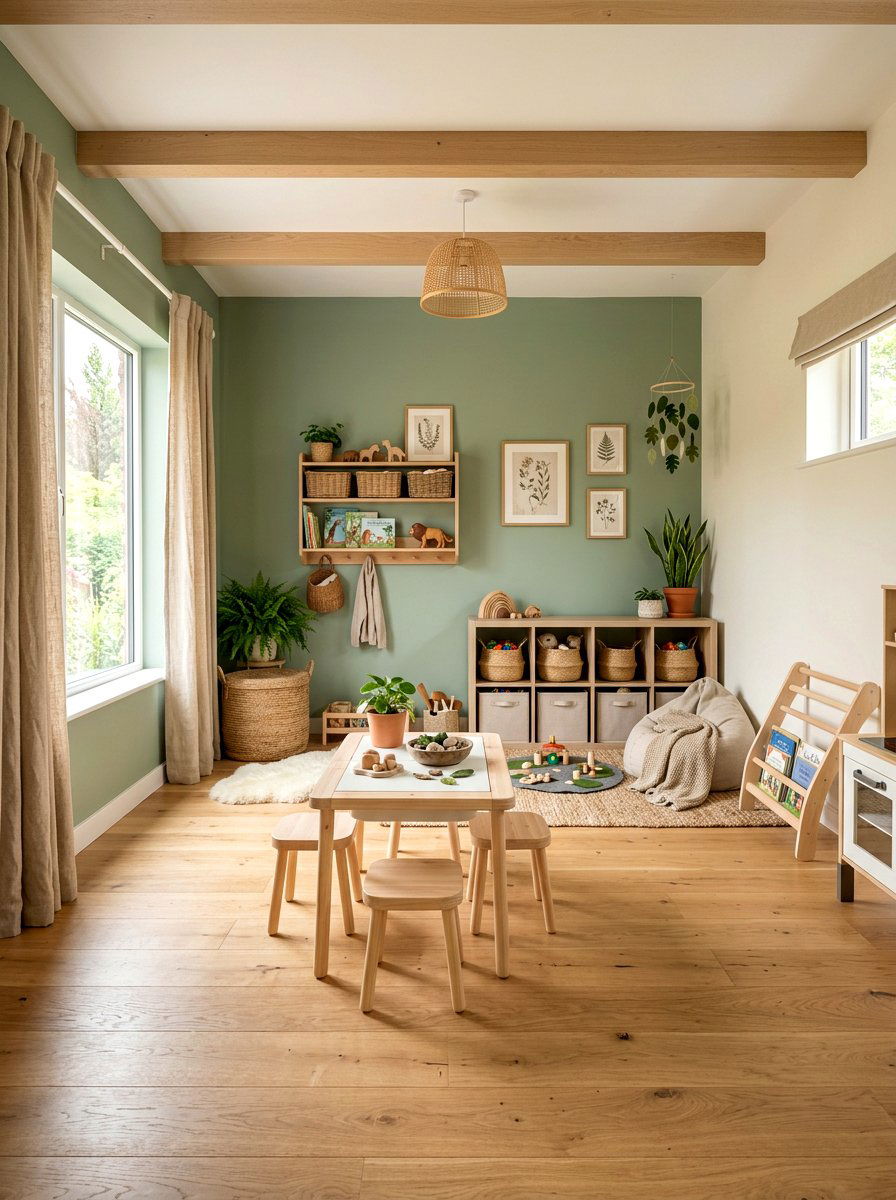
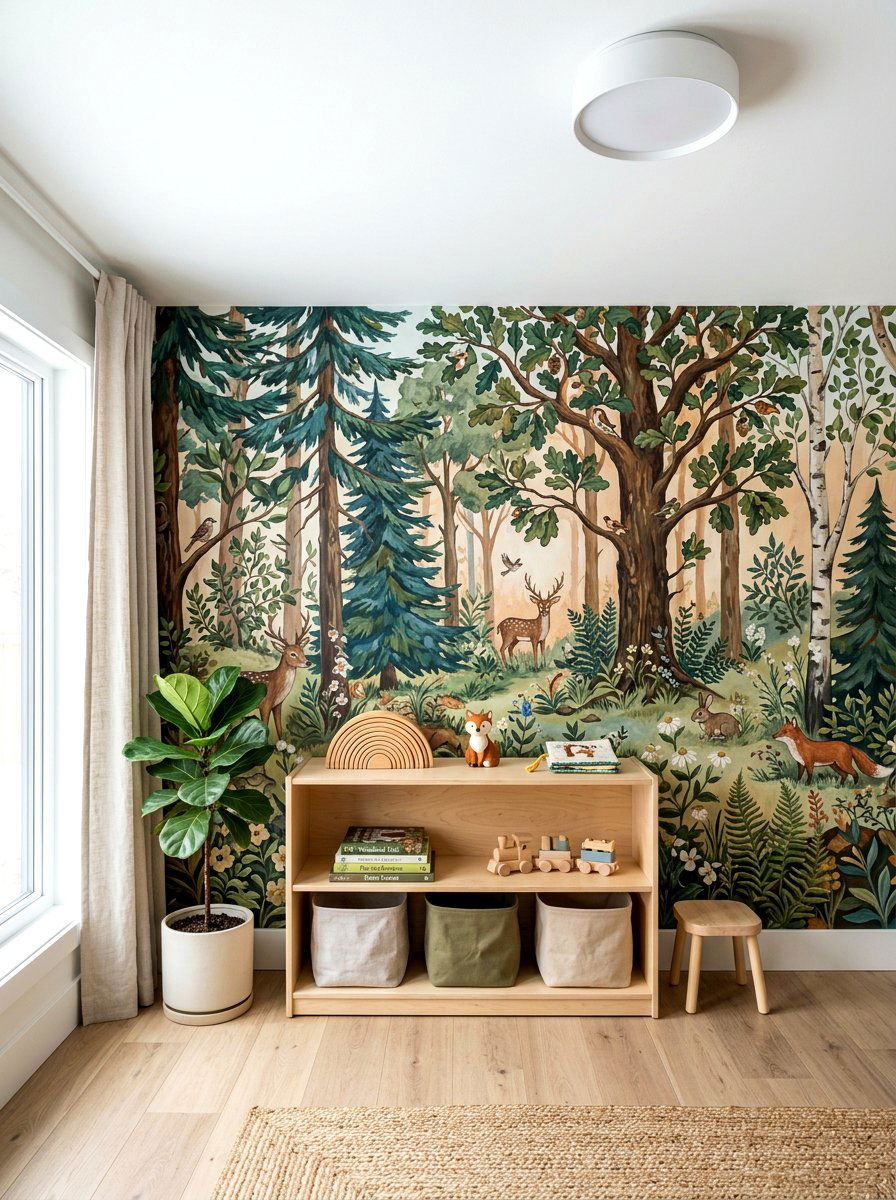
Choosing a nature inspired neutral color palette is essential for maintaining a calm and purposeful Montessori environment that avoids overstimulation. Soft tones like beige, sage green, warm wood, and creamy whites create a soothing backdrop that allows the colorful educational materials to stand out. This design choice mimics the natural world, which helps children feel grounded and focused on the tasks at hand rather than being distracted by bright, clashing colors. Incorporate various textures like woven jute rugs, linen curtains, and wooden furniture to add warmth and depth to the room. A cohesive color scheme also makes the space feel more like an integrated part of your home.
7. Creative Art Station For Toddlers
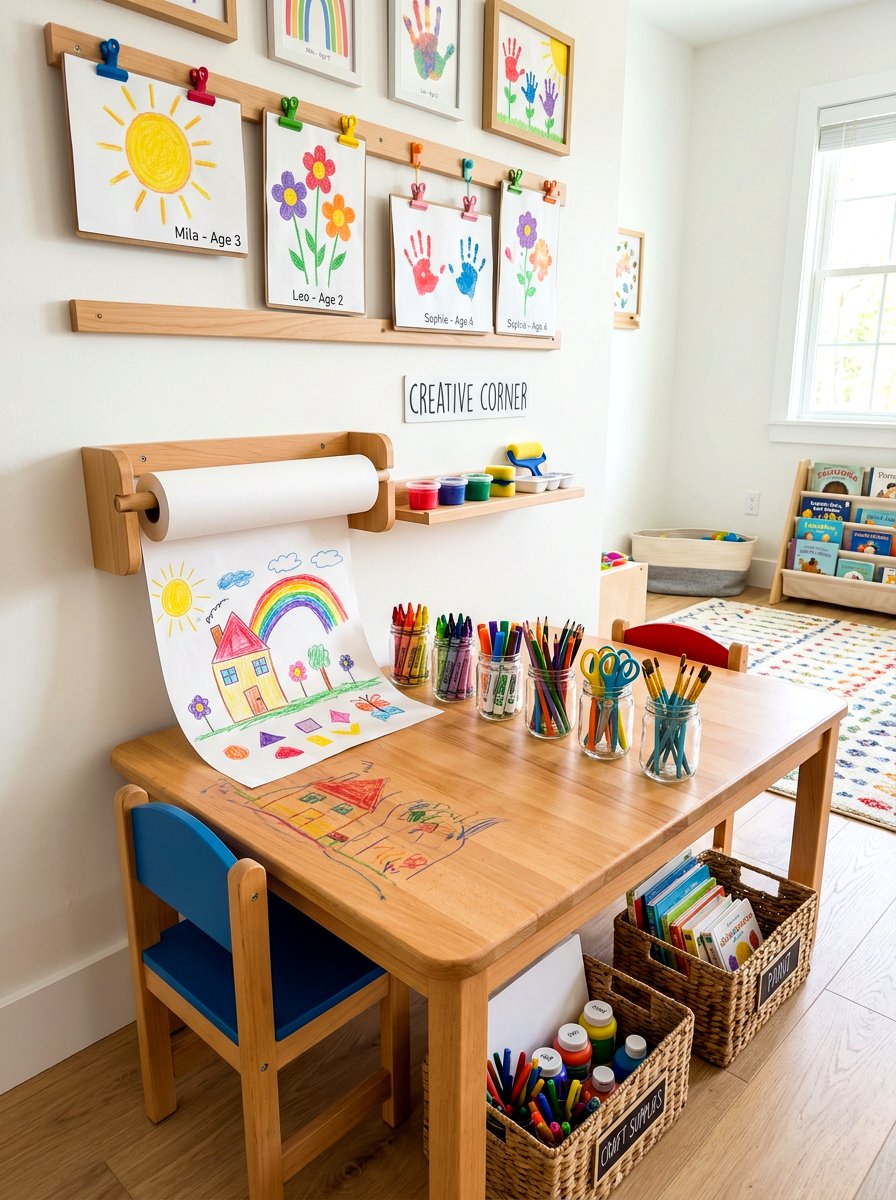
Setting up a creative art station for toddlers empowers young artists to express themselves freely while learning how to manage their own supplies. This area should feature a low table or a wall-mounted easel with accessible containers for crayons, paints, and recycled paper. By keeping the materials organized in small trays or baskets, you teach the child the importance of preparation and cleanup as part of the creative process. This zone encourages fine motor development and hand-eye coordination through drawing, cutting, and gluing. Displaying their finished masterpieces at their own eye level further boosts their self-esteem and makes the playroom feel uniquely personalized to their journey.
8. Practical Life Cleaning Set Corner
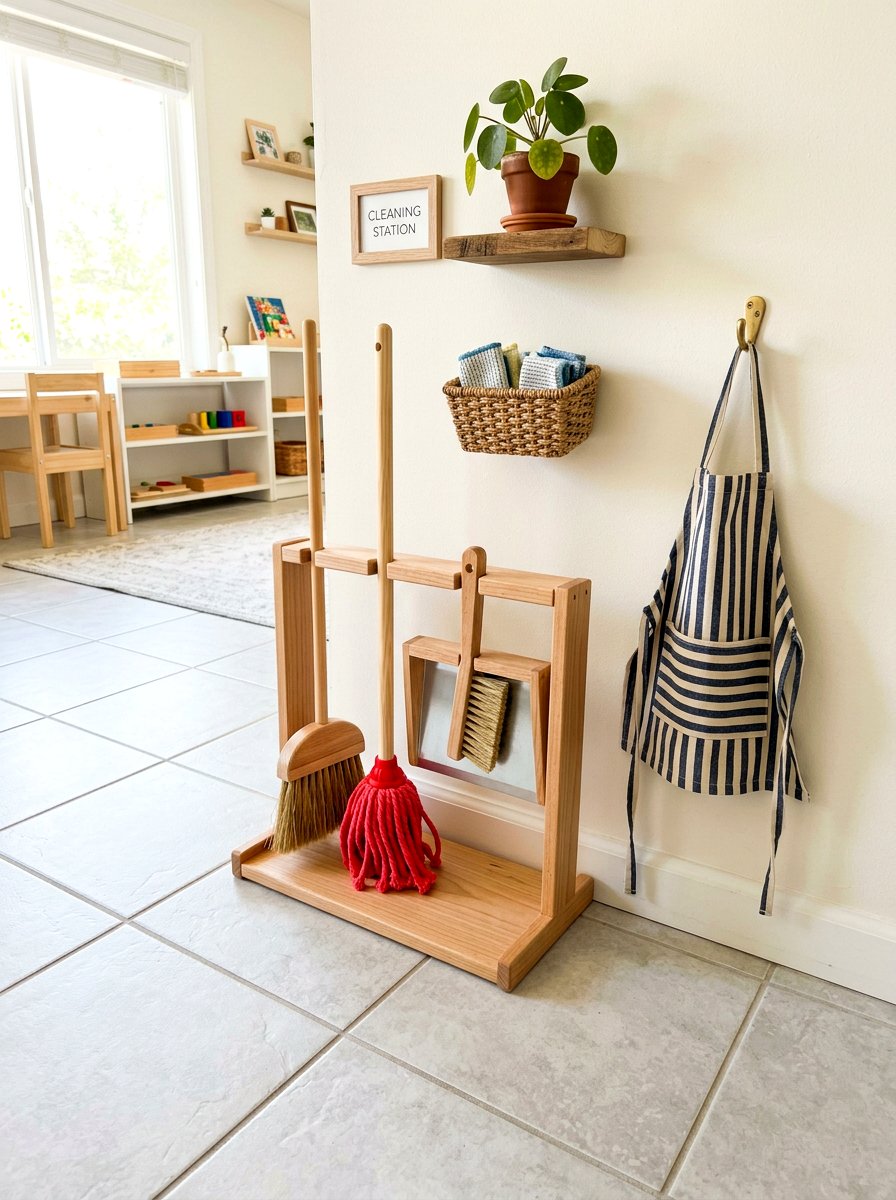
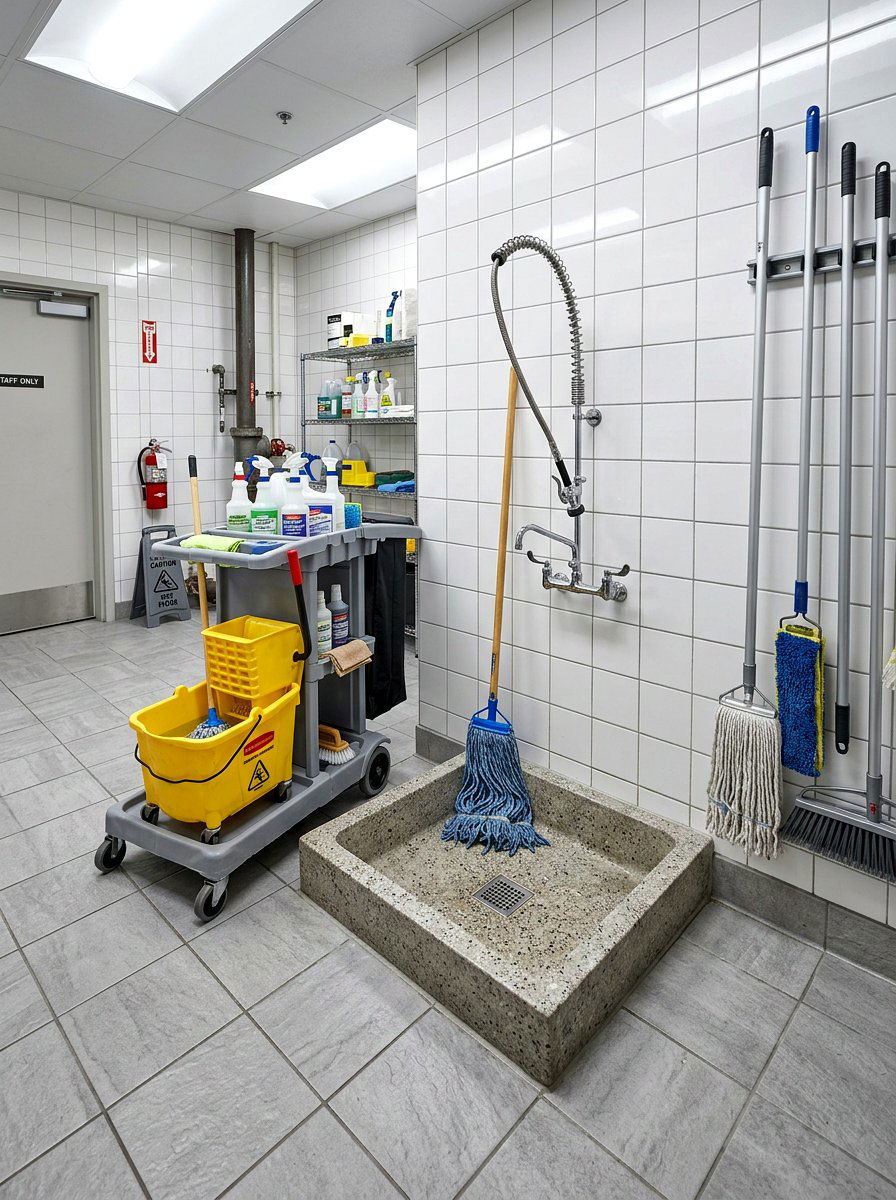
A practical life cleaning set corner is a staple of Montessori design that allows children to participate in the care of their own environment. Children naturally want to imitate the adults in their lives, and providing them with functional, child-sized brooms, mops, and dustpans satisfies this urge. This area should be clearly defined with hooks or a small stand so the tools are always within reach when a spill occurs. Engaging in these real-world tasks builds coordination, responsibility, and a sense of belonging within the family unit. It turns mundane chores into an empowering learning experience that reinforces the value of maintaining a tidy and respectful living space.
9. Sensory Table With Wooden Bins
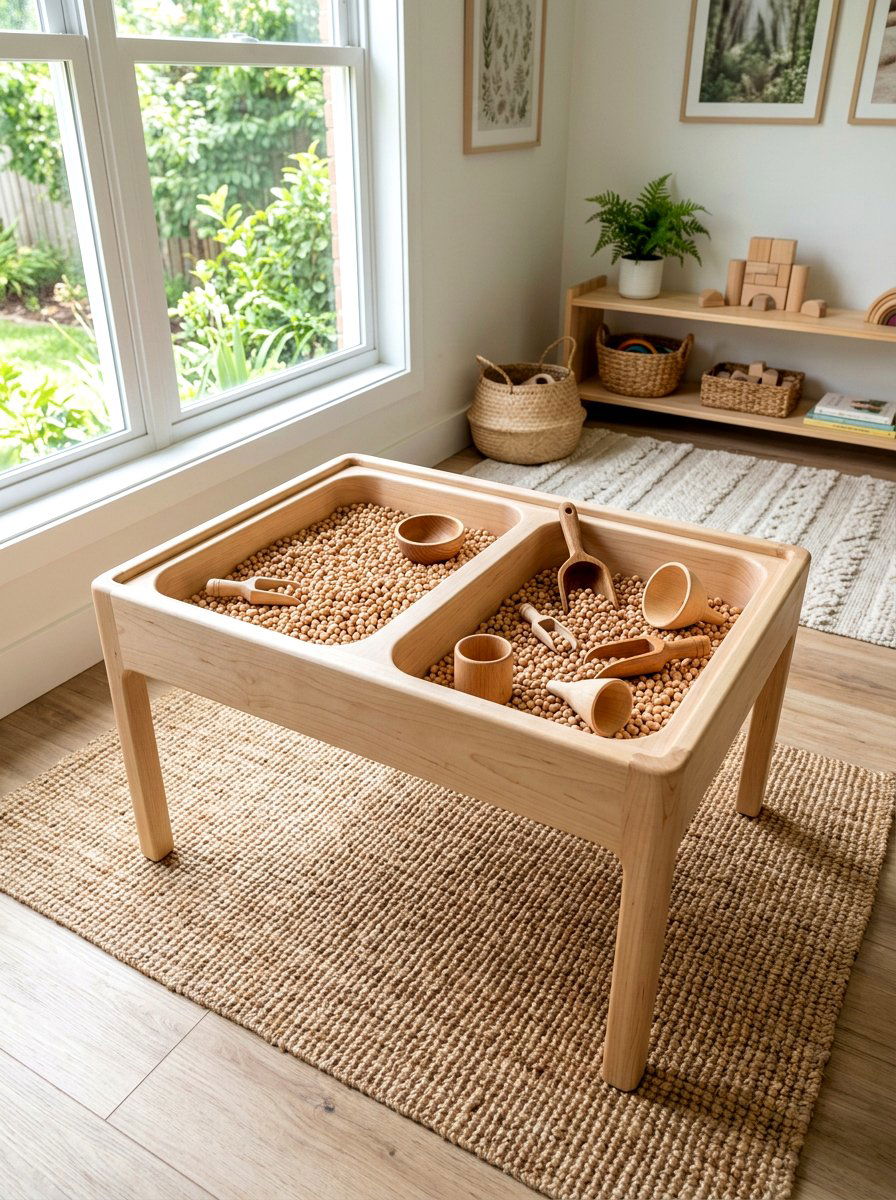
A sensory table with wooden bins offers a dedicated space for tactile exploration and fine motor practice using various natural materials. Filling the bins with rice, dried beans, sand, or water allows children to scoop, pour, and sift, which are foundational skills for practical life and mathematics. Unlike plastic sensory bins, wooden structures provide a warm, organic feel that aligns with Montessori principles of using high-quality materials. This zone should be placed on a washable rug or an easy-to-clean floor surface to manage the inevitable mess that comes with deep sensory play. It provides a therapeutic and engaging outlet for children to process their daily sensory experiences.
10. Montessori Toy Rotation Storage System
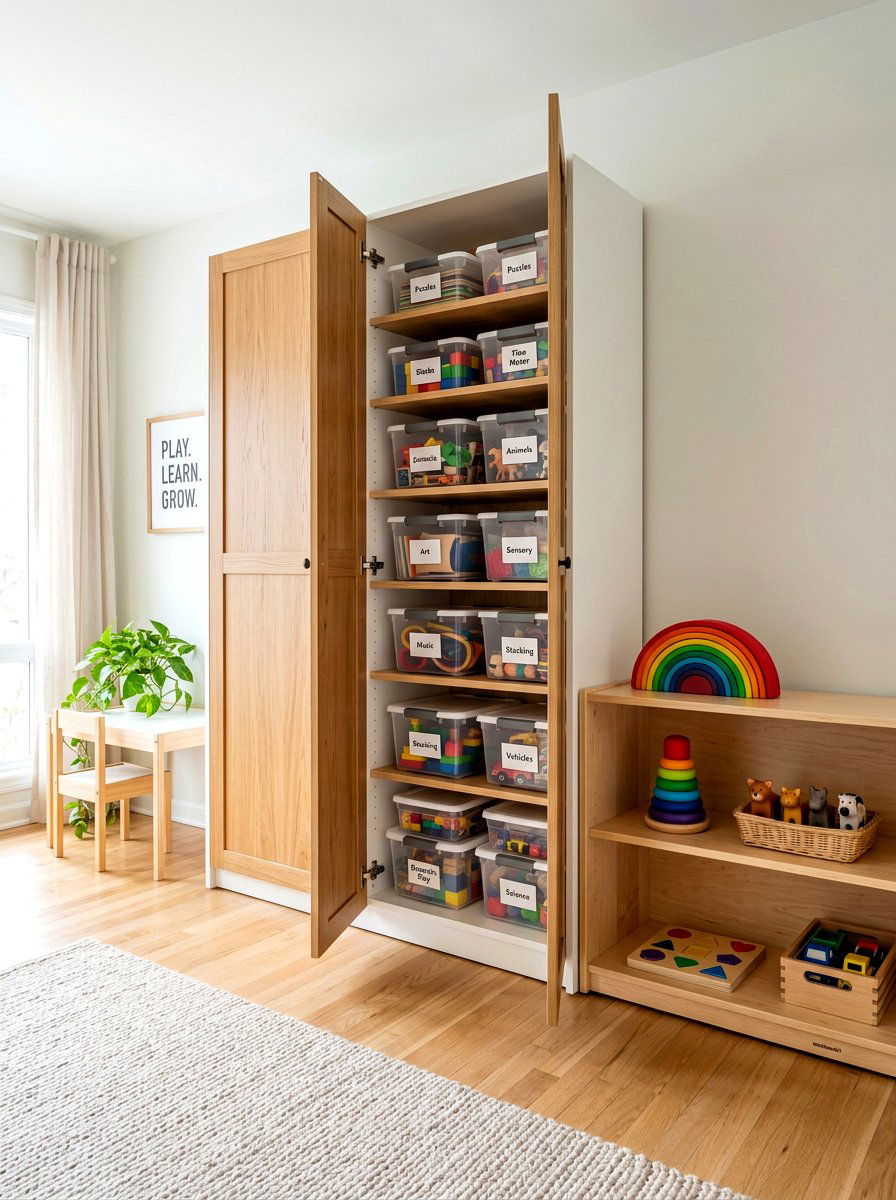
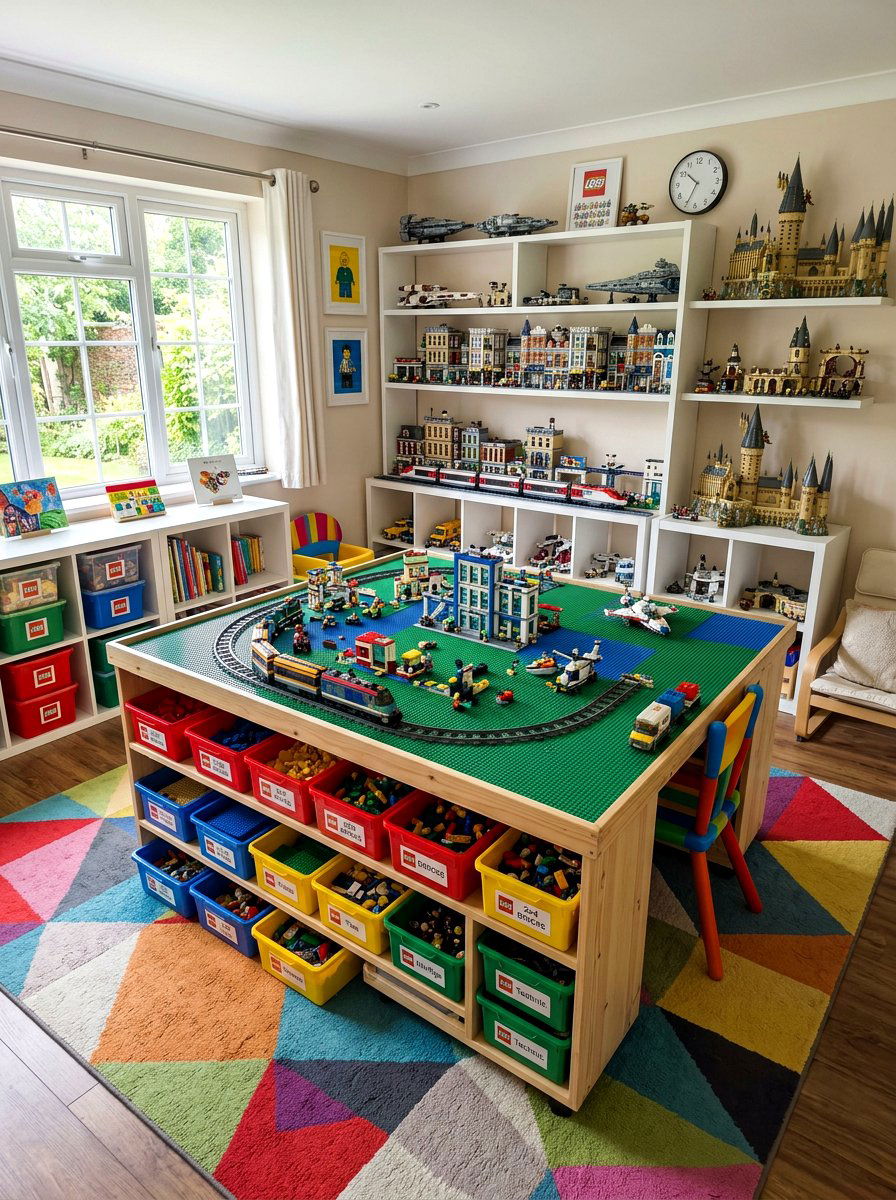
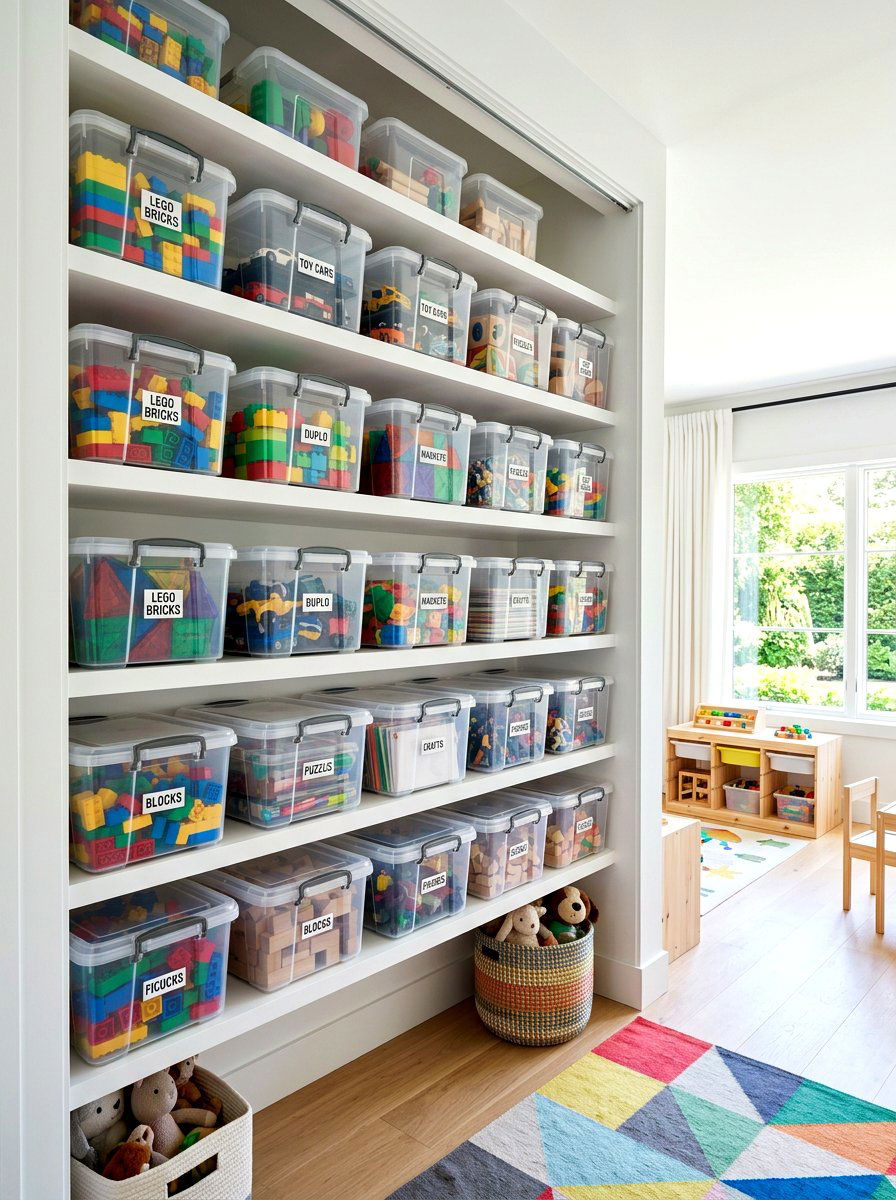
Developing a Montessori toy rotation storage system is the secret to maintaining a clutter-free and engaging playroom that never feels overwhelming. Instead of displaying every toy at once, select eight to ten purposeful activities to place on the open shelves while storing the rest in hidden bins or a closet. Every few weeks, observe your child’s interests and swap out the items to keep their curiosity peaked and their focus sharp. This method prevents the "choice paralysis" that occurs when a child has too many options and encourages deeper engagement with each individual toy. It also makes daily cleanup much faster and more manageable for everyone.
11. Gross Motor Stepping Stones Area
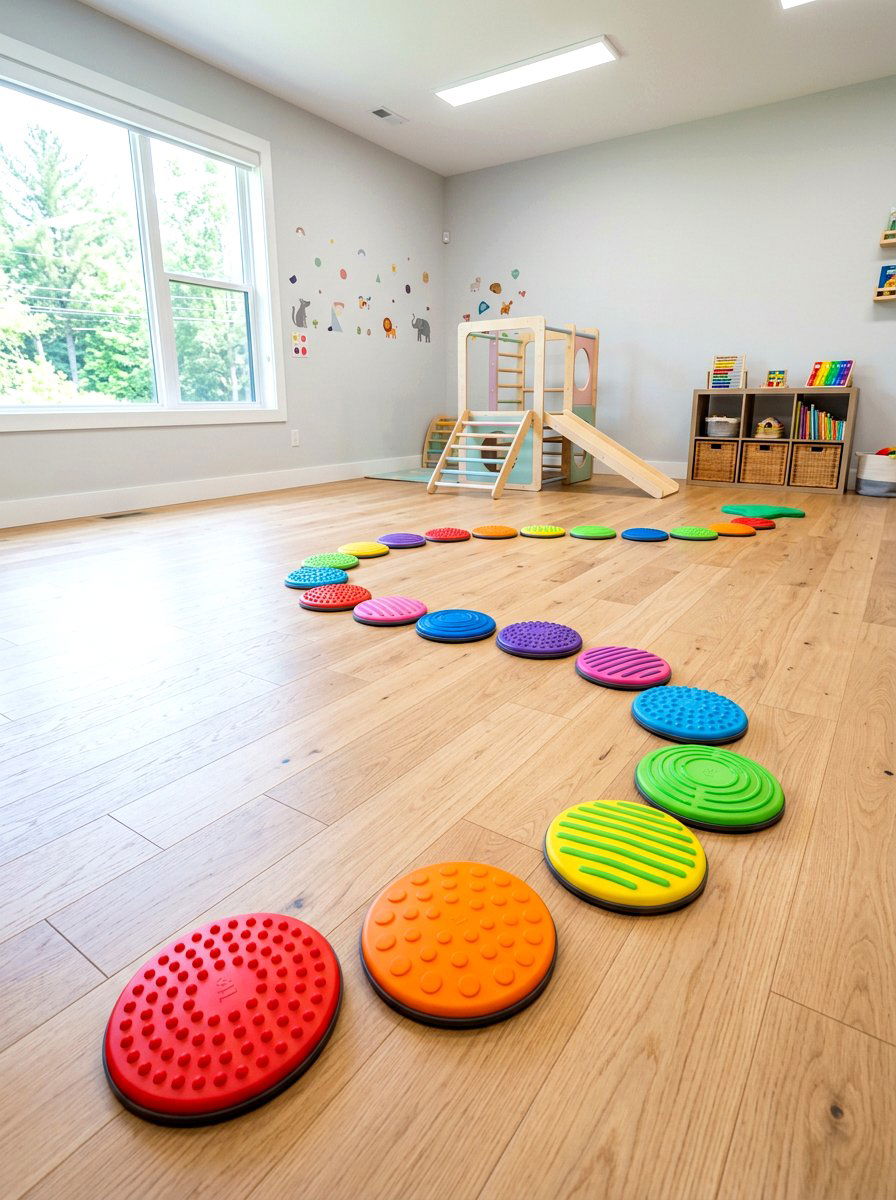
An indoor gross motor stepping stones area provides a fun and creative way for children to practice their balance and coordination skills. These colorful or wooden balancing discs can be arranged in various patterns across the playroom floor to create an engaging obstacle course. As children navigate the path, they develop spatial awareness and core strength while burning off extra energy in a productive way. This activity is easily stored away when not in use, making it a versatile addition to any small or large play space. Pairing the stones with other movement elements like balance beams creates a comprehensive indoor gym that supports physical health.
12. Wall Mounted Front Facing Book Display
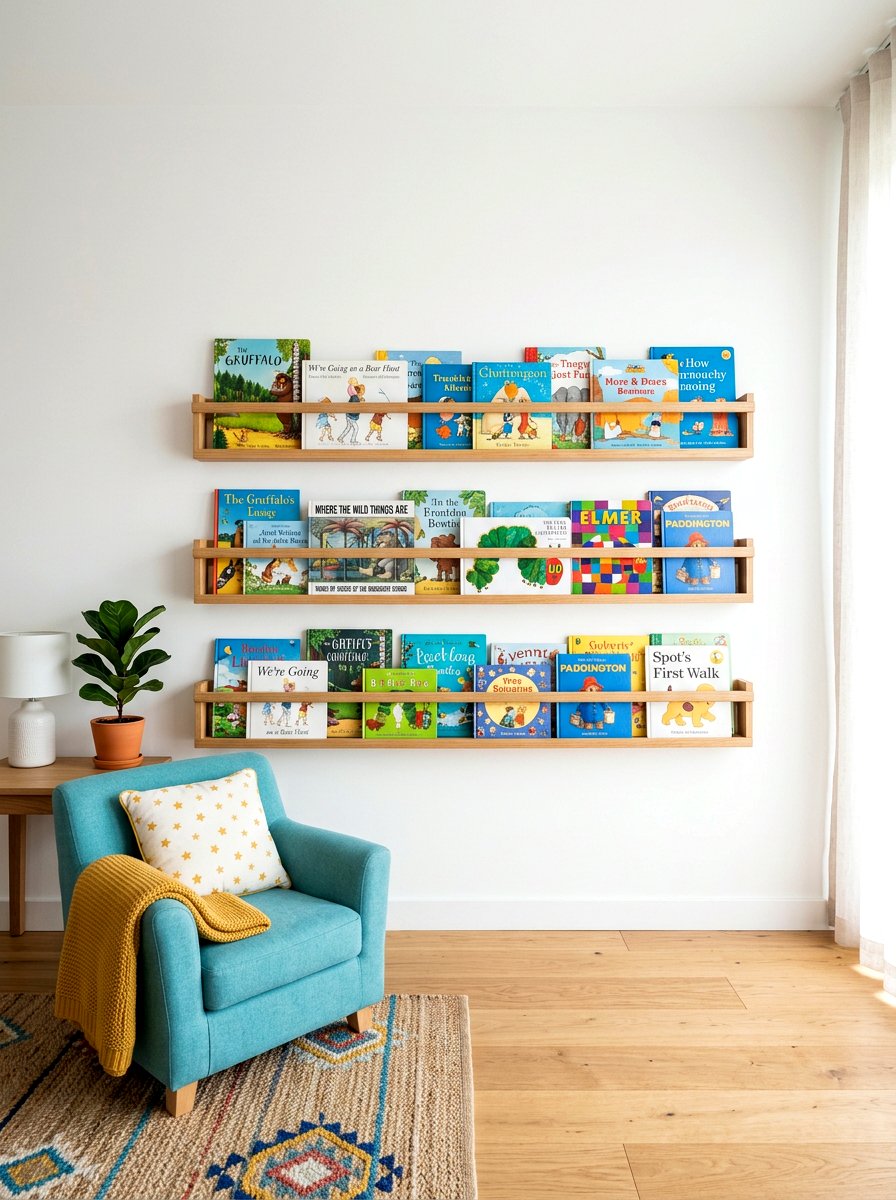
A wall mounted front facing book display is a space-saving solution that turns children’s literature into beautiful, functional wall art. By mounting thin ledges at a child’s height, you ensure that even the youngest toddlers can reach their favorite stories independently. This design keeps the floor clear for movement while making books the focal point of the room, signaling their importance in daily life. Choose simple white or natural wood ledges to maintain a clean aesthetic that doesn 't compete with the colorful book covers. This setup makes it incredibly easy for parents to rotate seasonal books or specific themes that match the child' s current learning.
13. Wooden Unit Block Building Station
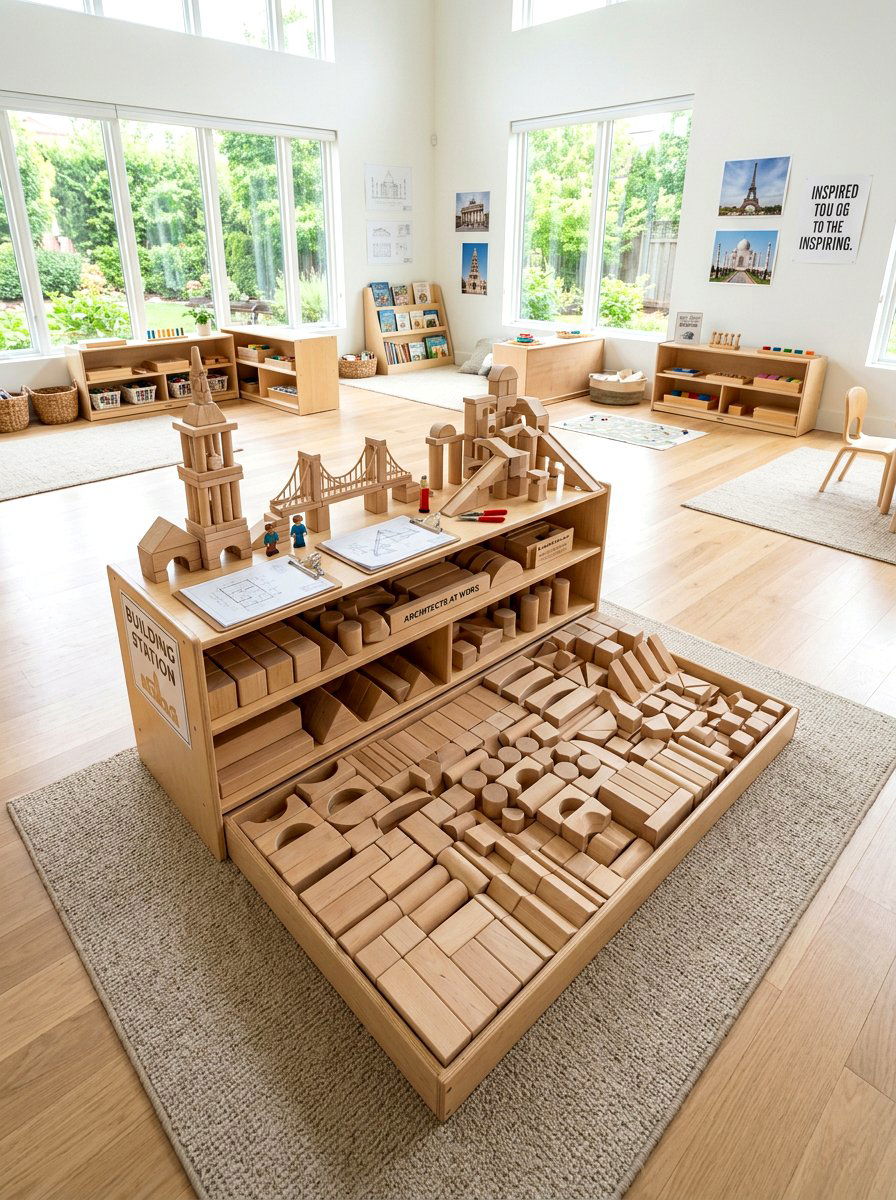
A wooden unit block building station is a timeless addition to a Montessori playroom that encourages open-ended play and early engineering skills. Providing a variety of shapes and sizes in a sturdy wooden tray allows children to explore concepts of balance, gravity, and symmetry. This zone should have a clear, flat floor area or a low-pile rug to provide a stable foundation for tall towers and complex structures. Blocks are one of the most versatile toys, growing with the child from simple stacking to elaborate city planning. Storing them in categorized baskets helps children learn about sorting and mathematical sets while keeping the play area tidy.
14. Independent Self Serve Water Station
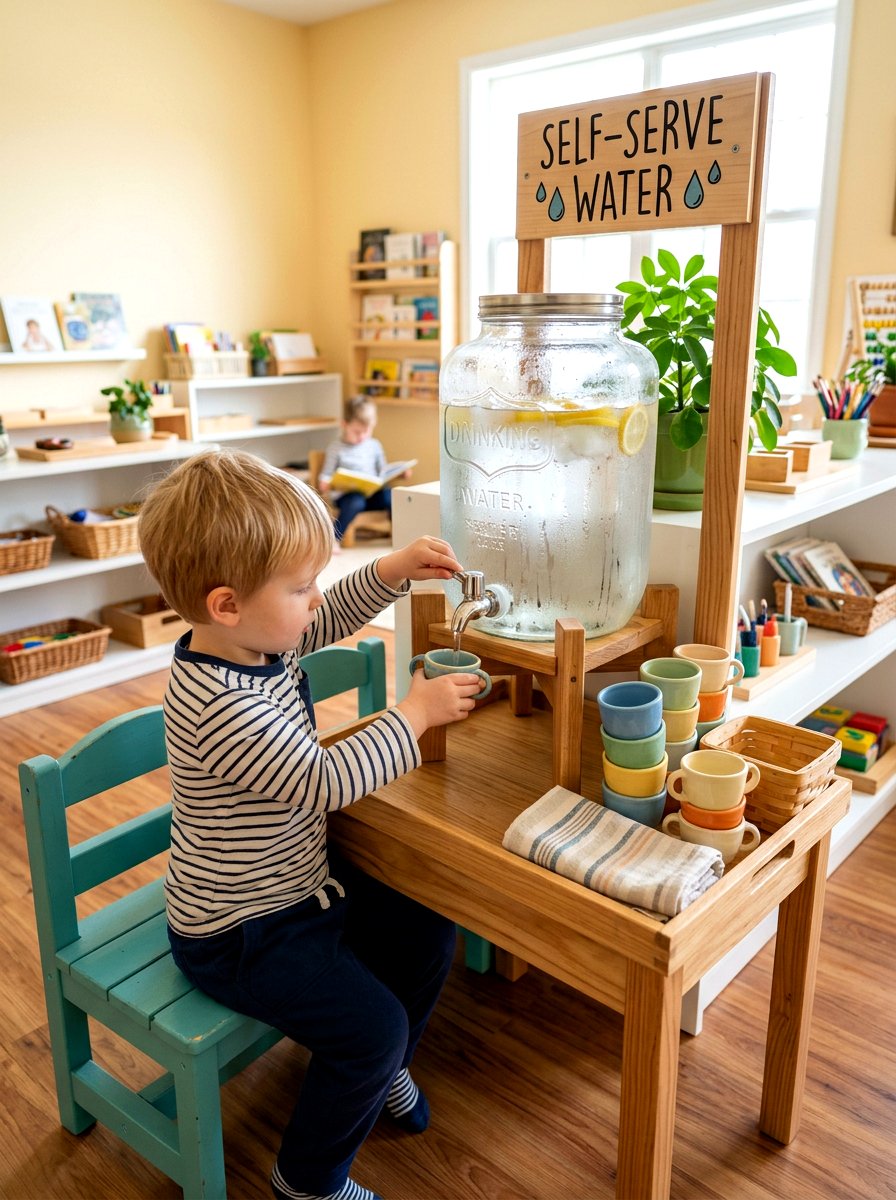
An independent self serve water station is a brilliant way to incorporate practical life skills into the playroom while encouraging healthy hydration habits. This setup typically includes a small wooden stand with a manageable water dispenser, tiny cups, and a small cloth for wiping up spills. By allowing children to pour their own drinks, you foster confidence and fine motor control while reducing their dependence on adults for basic needs. This station should be located near a waterproof mat to protect your flooring. It serves as a gentle reminder that the playroom is a space where they are capable and empowered to take care of themselves.
15. Indoor Swing And Hammock Chair
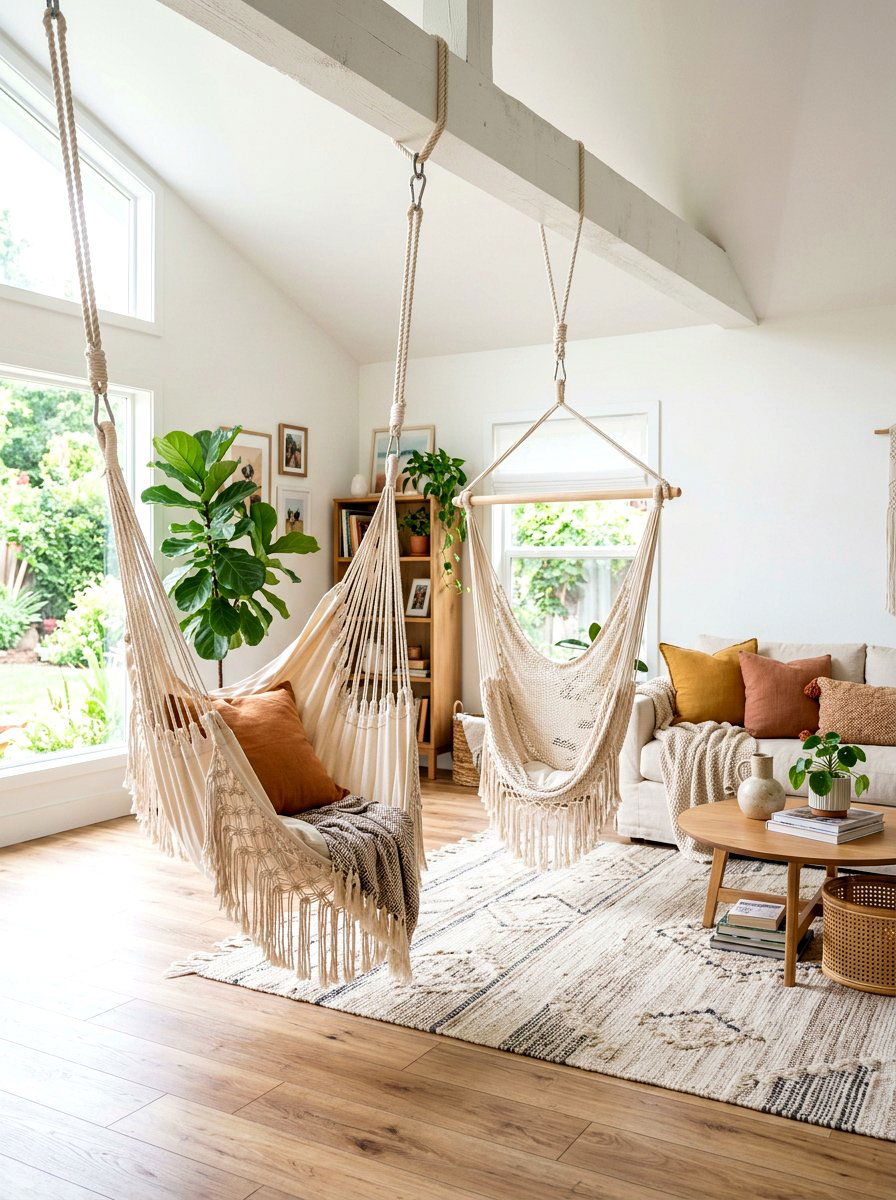
Integrating an indoor swing or hammock chair into the playroom design offers a unique way to support vestibular development and provide a cozy retreat. Gentle swinging motions can be incredibly calming for children who need a break from high-energy activities or sensory input. This element serves as both a movement tool and a quiet spot for reading or relaxing, making it a multifunctional piece of furniture. Ensure the swing is installed securely into a ceiling joist and placed in an area with plenty of clearance to prevent collisions. Choosing natural fabrics like cotton or canvas ensures the swing feels soft, inviting, and aesthetically pleasing.
16. Musical Instrument Discovery Corner
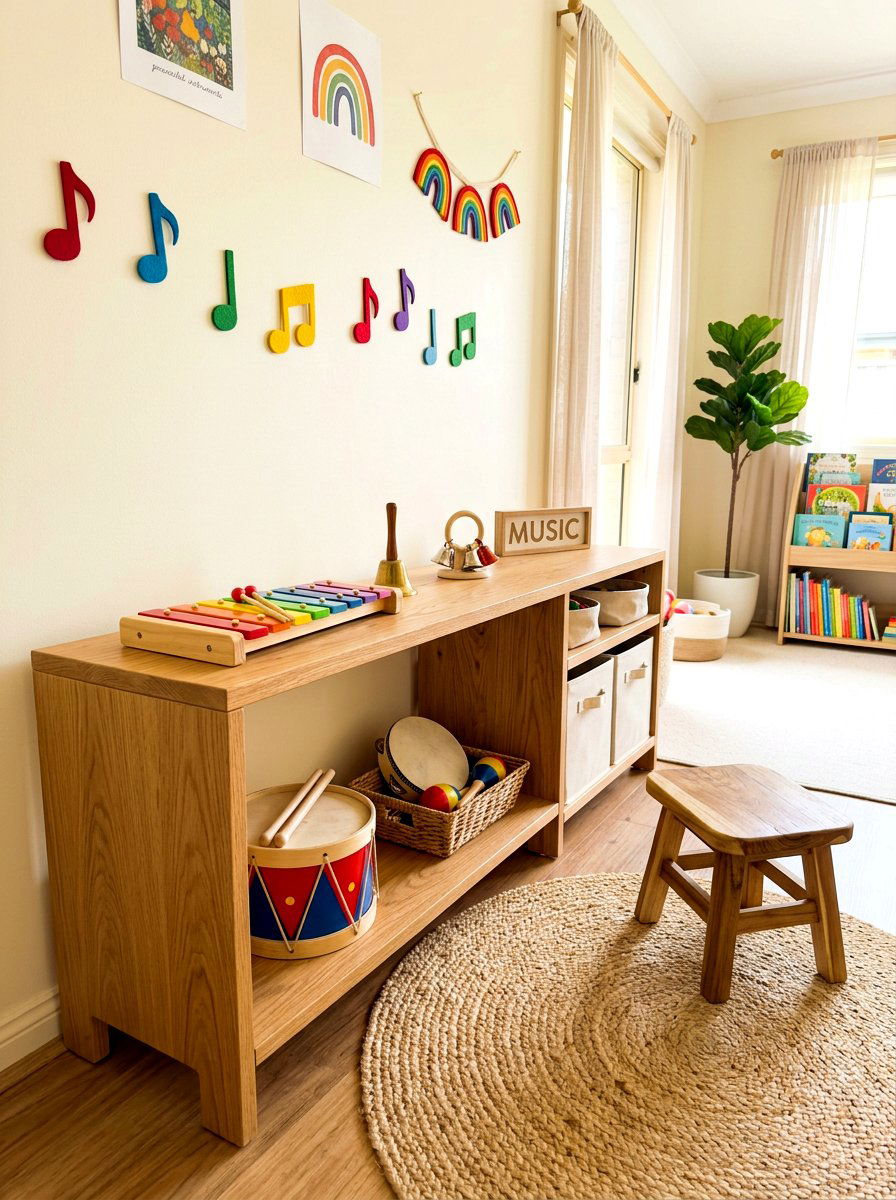
A musical instrument discovery corner provides a dedicated space for children to explore rhythm, sound, and self-expression through high-quality instruments. Instead of plastic toys that play pre-recorded sounds, offer real wooden xylophones, tambourines, maracas, and small drums that respond to the child’s touch. Storing these items in a low basket or on a dedicated shelf allows the child to engage with music whenever the mood strikes them. Music helps develop auditory processing skills and mathematical patterns while providing a joyful outlet for creativity. Keeping the selection limited to a few instruments at a time ensures the sounds remain purposeful and the environment stays organized and calm.
17. Floor Bed And Soft Play Mat Area
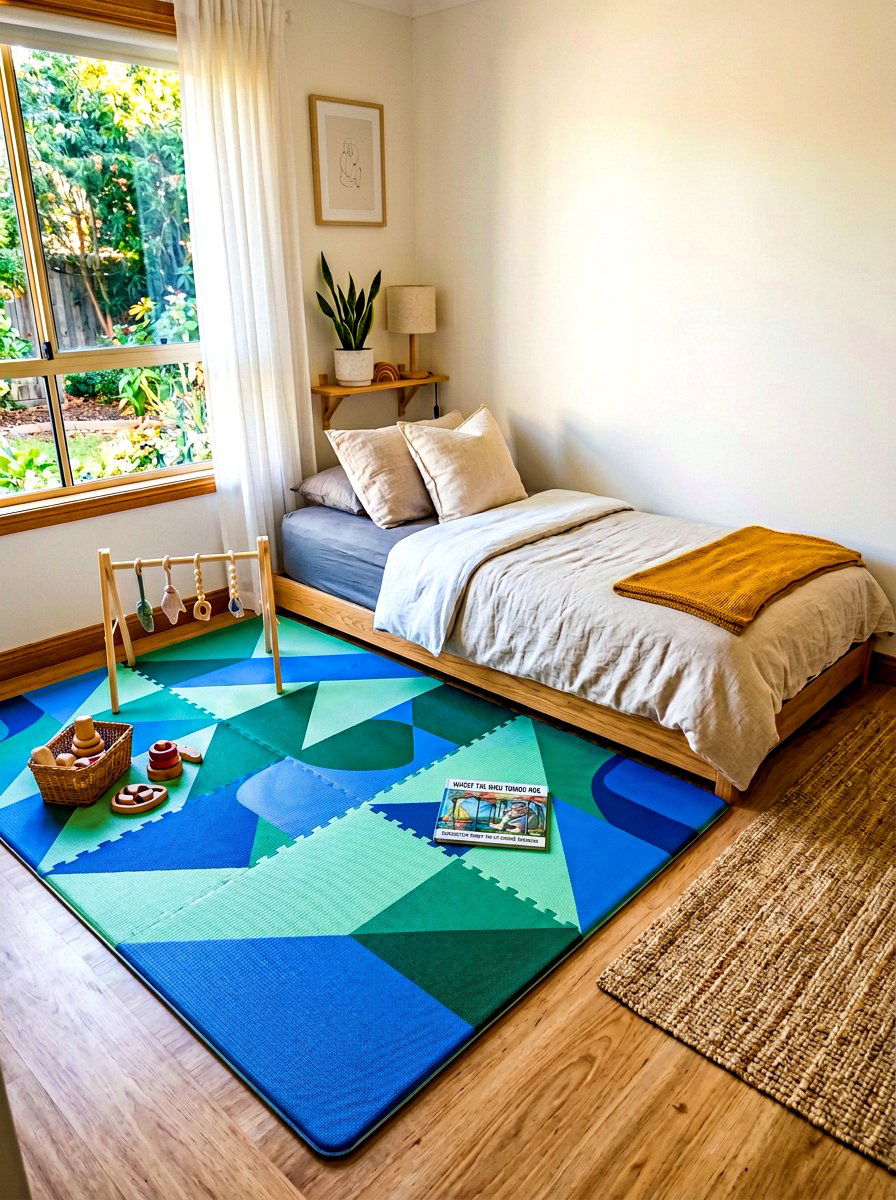
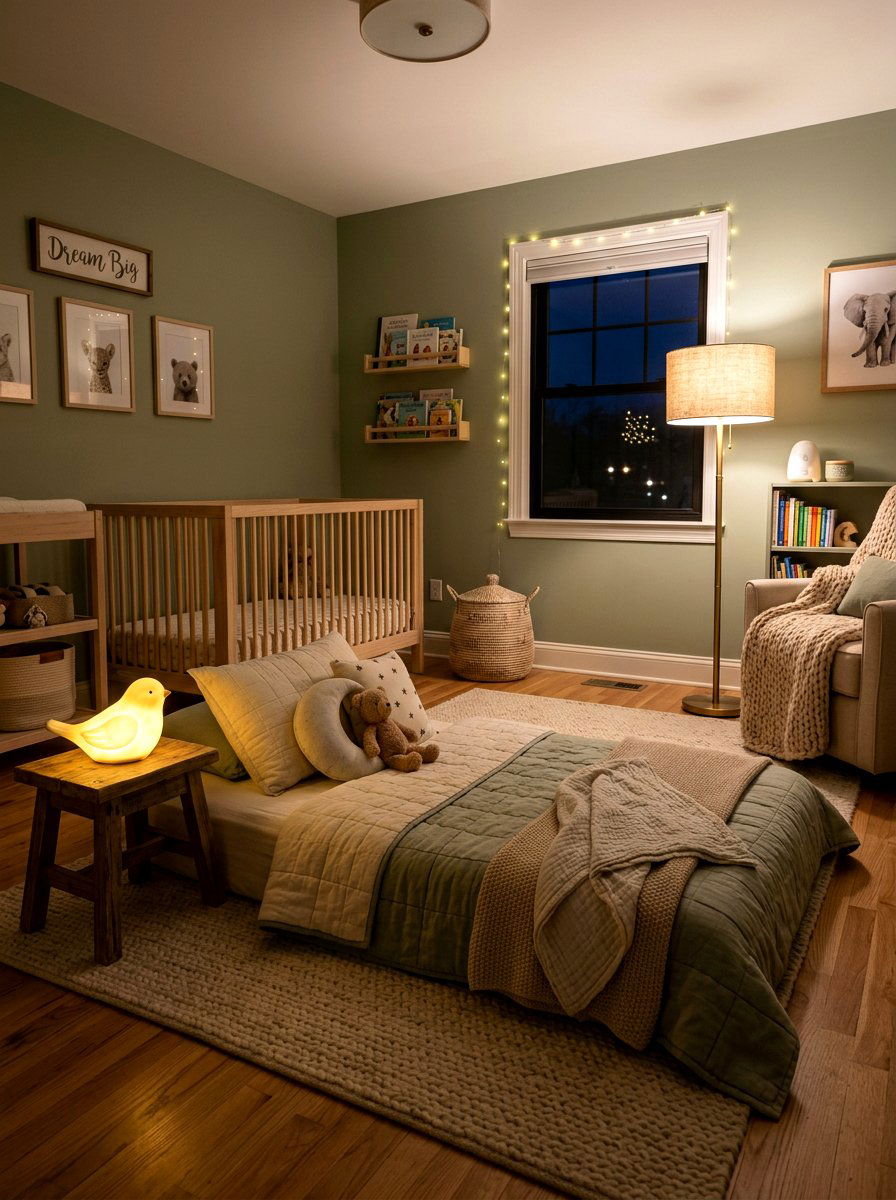
A floor bed and soft play mat area is a core Montessori concept that prioritizes the child’s freedom of movement and safety. By placing a high-quality mattress directly on the floor or a low frame, you eliminate the physical barriers of a traditional crib. This allows a child to wake up and move directly to their play area without waiting for an adult to lift them out. Surrounding the bed with a soft, non-toxic play mat creates a seamless transition between sleeping and playing, encouraging a natural rhythm to their day. This setup fosters independence from infancy and helps children learn to listen to their own body’s cues.
18. Natural Light Play Space With Windows
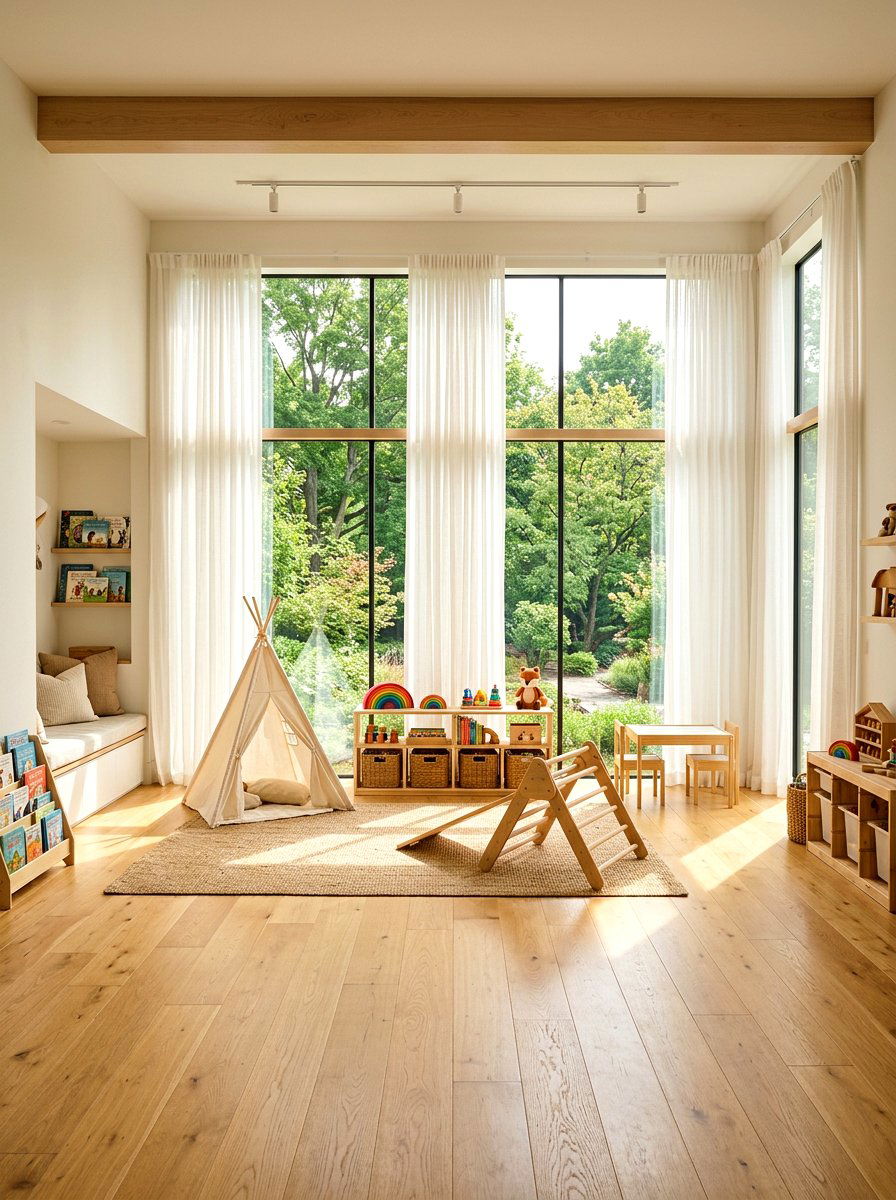
Designing a natural light play space with windows connects the child to the outside world and provides a bright, inviting atmosphere for learning. Large windows allow children to observe the changing seasons, watch birds, and experience the natural progression of daylight, which supports their internal circadian rhythm. Position the most focused activity zones, such as the art station or reading nook, near these light sources to reduce eye strain and enhance the mood. Use sheer curtains to soften the glare while still allowing plenty of sun to fill the room. This connection to nature is a fundamental aspect of Montessori philosophy that nurtures a sense of wonder.
19. Dress Up Rack With Full Length Mirror
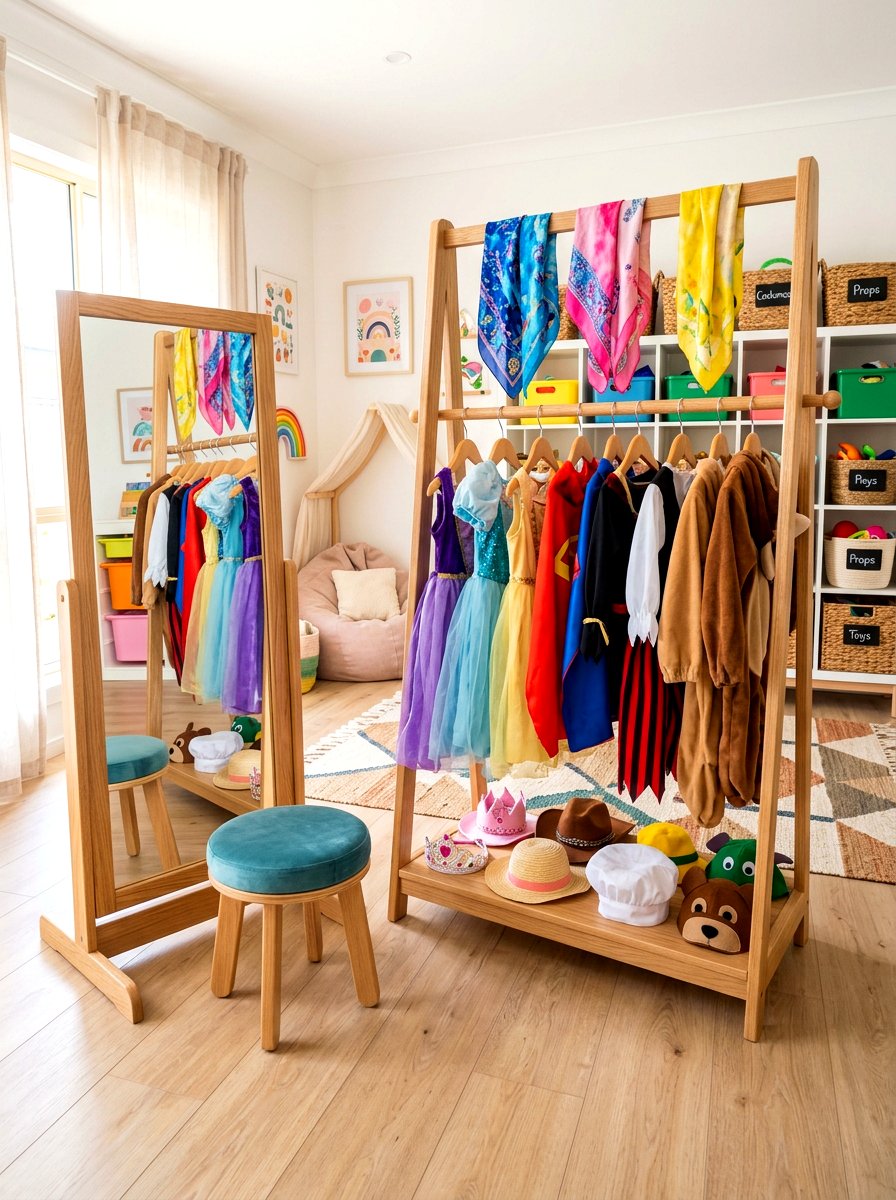
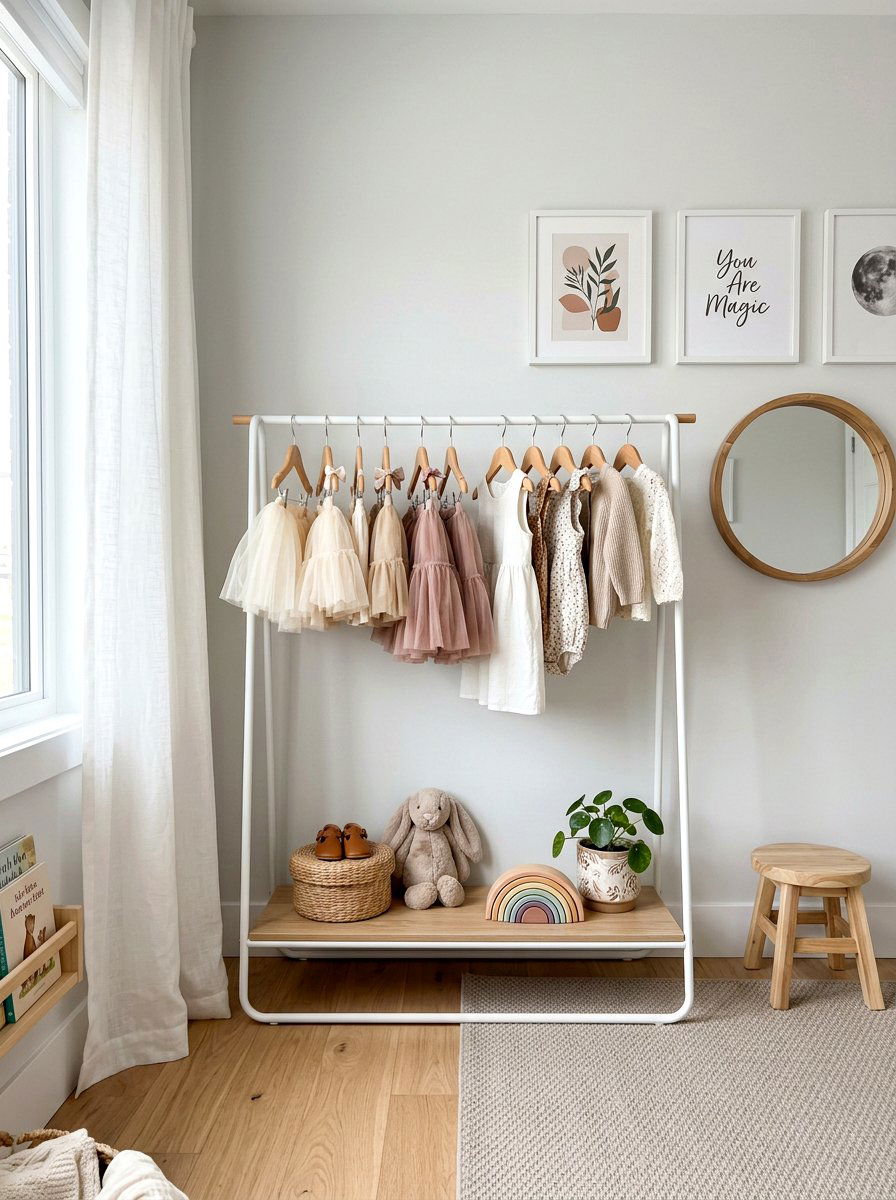
A dress up rack with a full length mirror encourages imaginative play and helps children master the practical skill of dressing themselves. Use a small, open wardrobe or a simple wooden rail to hang a few high-quality costumes or real-world clothing items like hats, scarves, and vests. Providing a mirror at their level allows them to see their progress as they learn to navigate buttons, zippers, and snaps. This area promotes self-identity and creative storytelling as they transform into different characters. Keeping the selection limited prevents the floor from becoming a sea of discarded fabric and helps the child make focused choices during play.
20. Wooden Puzzle Storage Rack System
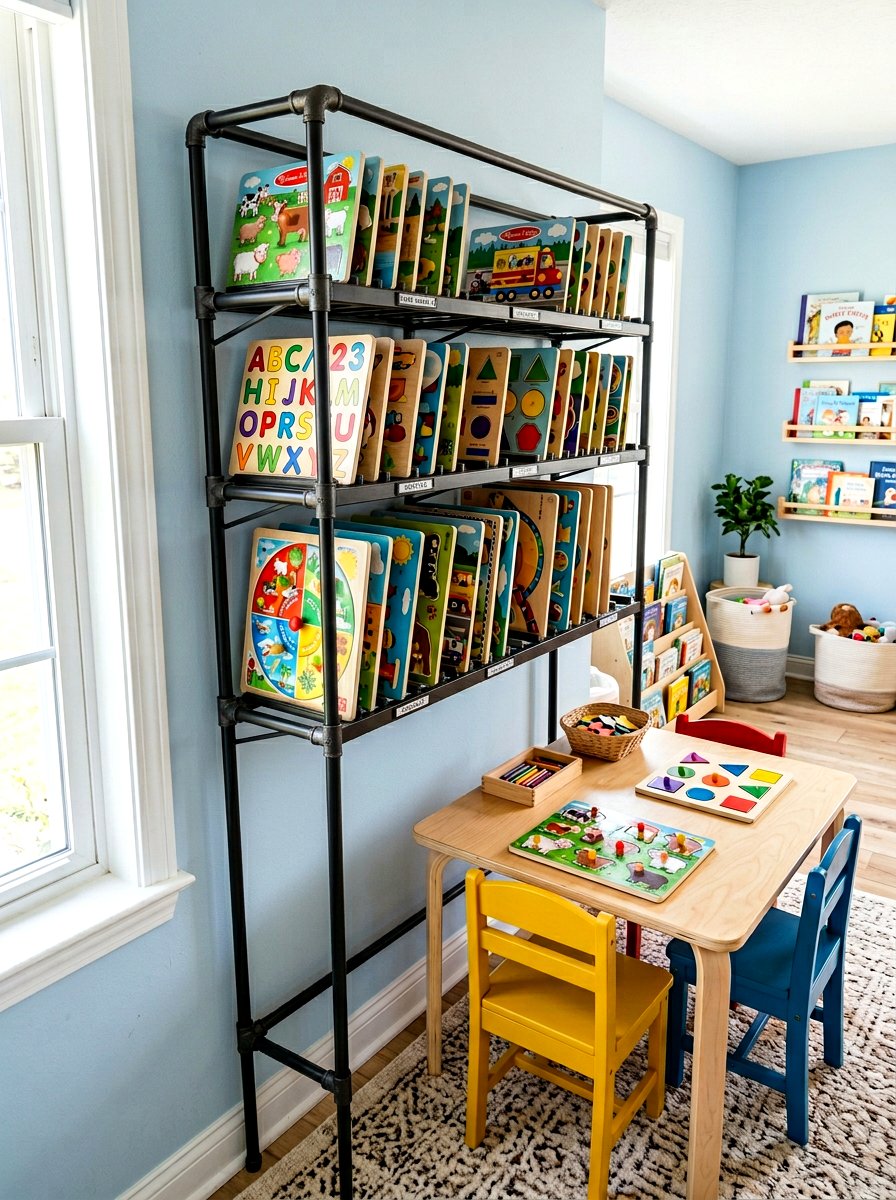
A wooden puzzle storage rack system is essential for keeping multi-piece activities organized and inviting for young learners. Instead of stacking puzzles on top of each other, use a vertical rack that allows each puzzle to be seen and pulled out individually. This prevents the frustration of pieces falling out and helps the child see exactly which challenge they want to tackle. Choose high-quality wooden puzzles that range in difficulty to match your child’s current developmental stage. Organizers made of wood or metal maintain the clean, professional look of a prepared environment. Proper storage ensures that all pieces stay together, preserving the integrity of the educational material.
21. Geometric Shape Sorter Activity Table
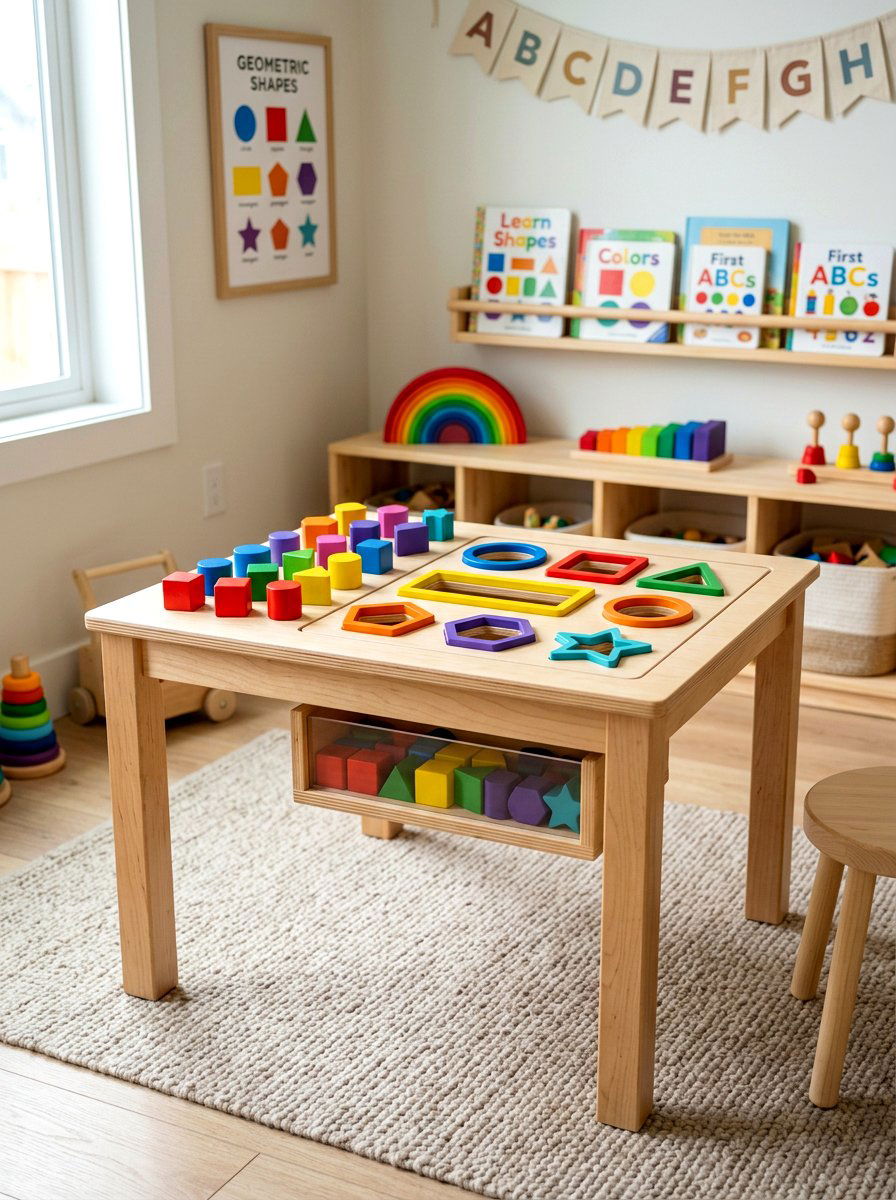
A geometric shape sorter activity table provides a focused area for children to develop their spatial reasoning and hand-eye coordination. This specific design idea integrates the sorting activity into a sturdy, child-height table, making it a permanent fixture for mathematical exploration. By manipulating different shapes and fitting them into corresponding slots, children learn about geometry, problem-solving, and persistence. This zone should be minimalist and free of other distractions to allow for deep concentration on the task. Using natural wood shapes provides a tactile experience that is far superior to plastic alternatives. It is a classic Montessori material that remains a favorite for toddlers across different age groups.
22. Realistic Toddler Size Workbench Area
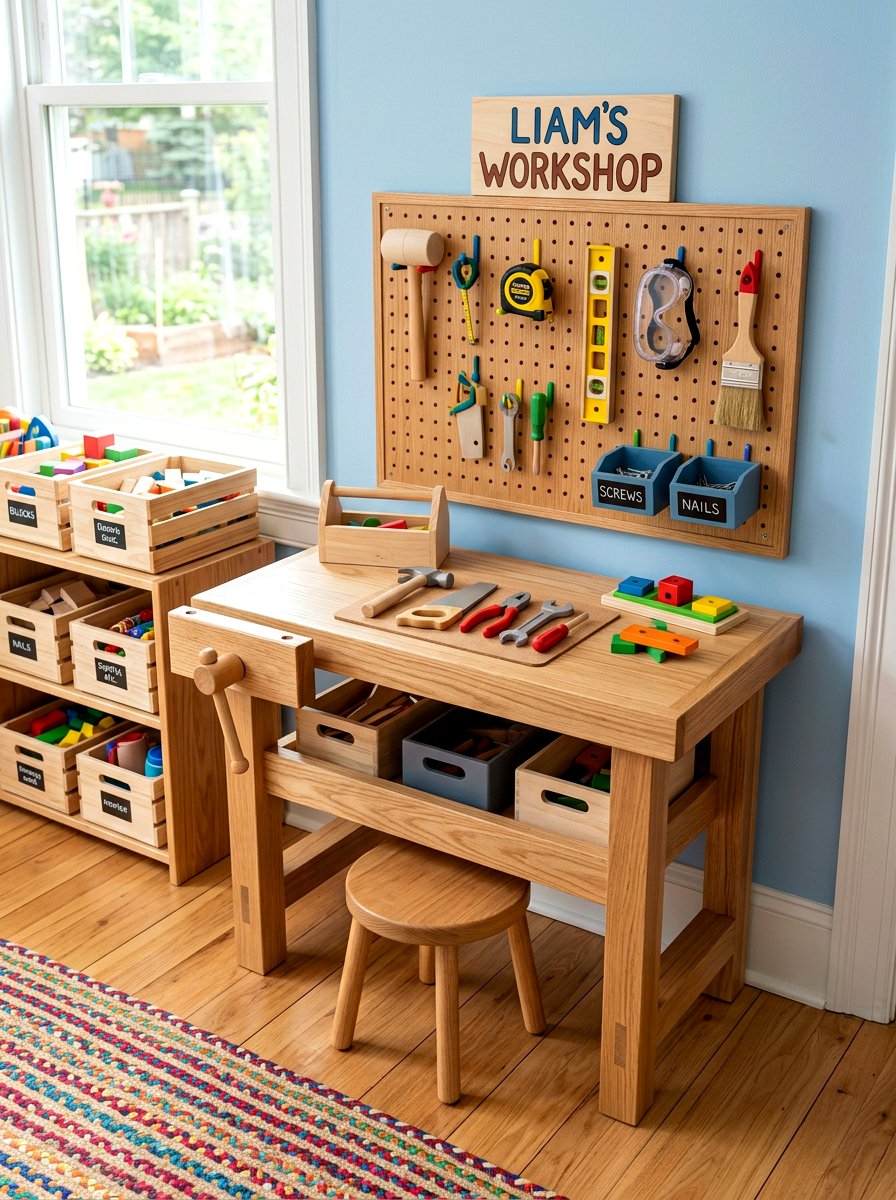
A realistic toddler size workbench area satisfies a child's natural curiosity about how things work by providing a safe space for "real work. " This station should feature child-sized versions of actual tools, such as a small hammer, screwdrivers, and wooden boards with pre-drilled holes. Engaging in these activities builds significant hand strength and fine motor control while making the child feel like a capable contributor to the household. The workbench itself should be heavy and stable to ensure safety during use. This design concept bridges the gap between play and practical life, fostering a sense of pride and accomplishment as they "fix" and build various objects.
23. Botany Nature Table With Houseplants
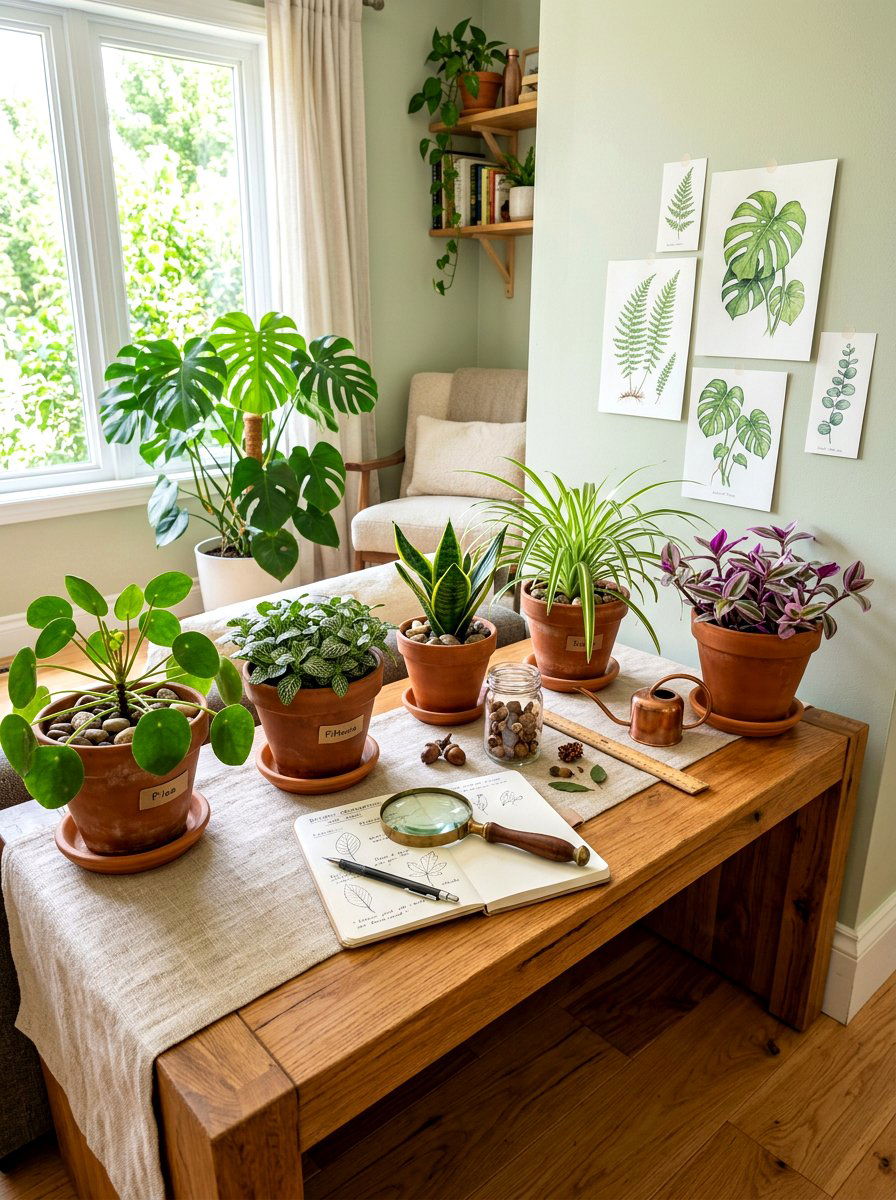
A botany nature table with houseplants brings the beauty of the outdoors inside, teaching children how to care for living things. This area can include a few non-toxic indoor plants that the child is responsible for watering and dusting with a small spray bottle and cloth. You can also display found items from nature walks, such as pinecones, interesting stones, or colorful leaves, in small wooden trays. This station fosters a deep respect for the environment and encourages observational skills as they notice how the plants grow and change over time. It adds a touch of life and vibrant greenery to the room’s neutral color palette.
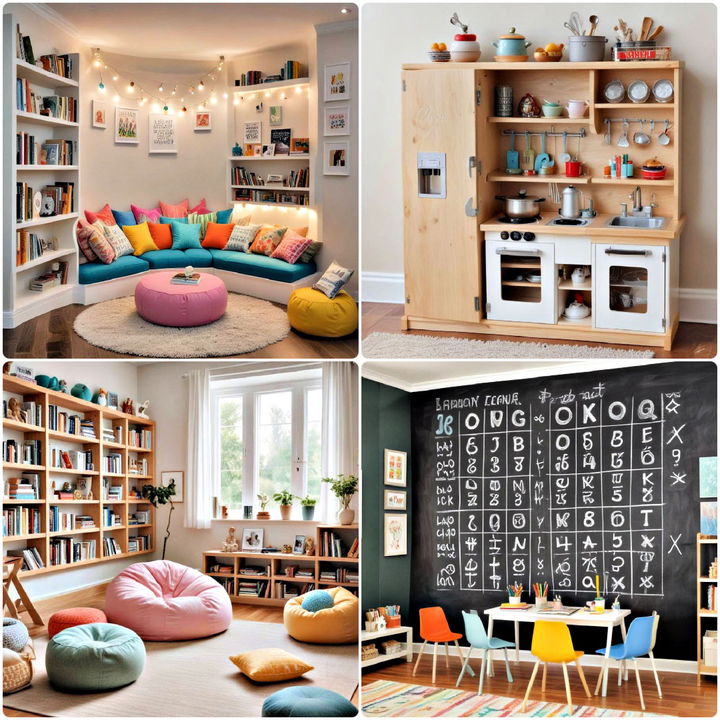
24. Chalkboard Wall For Creative Drawing
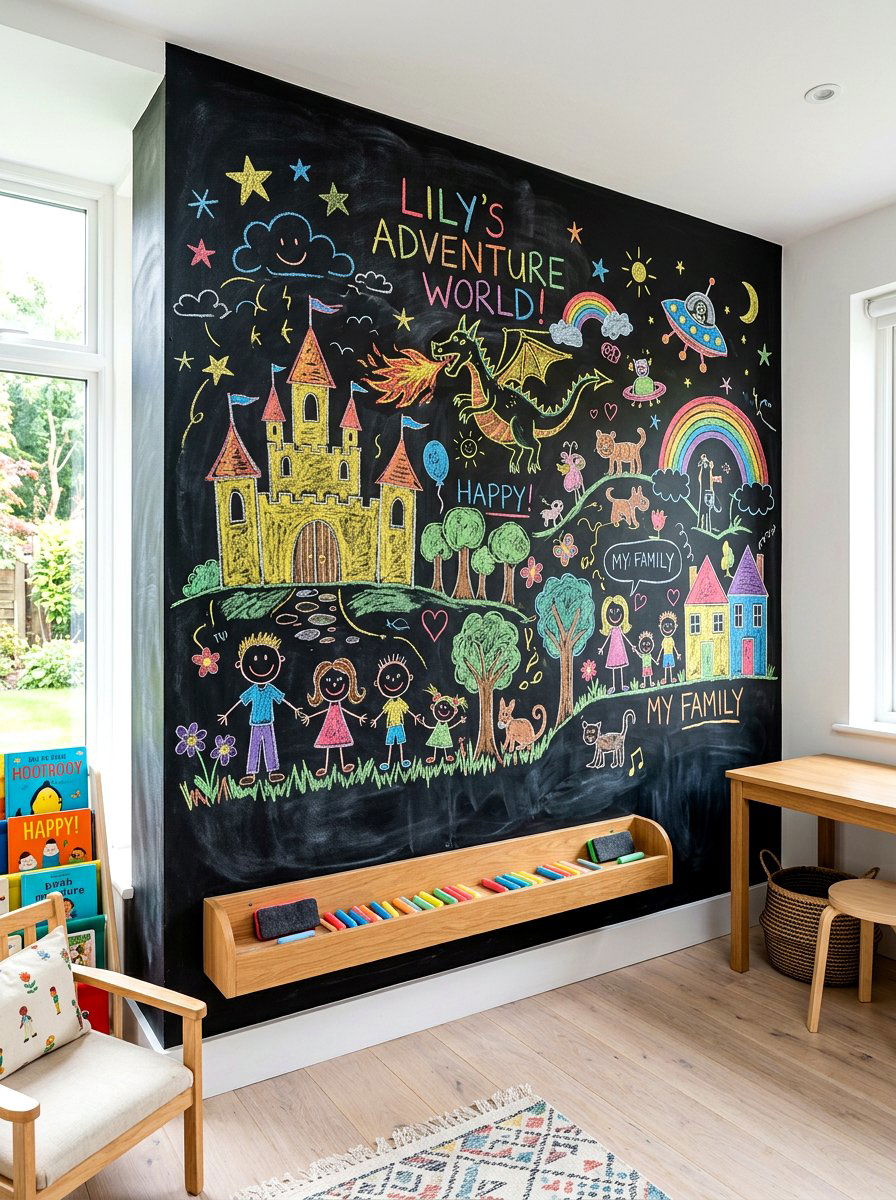
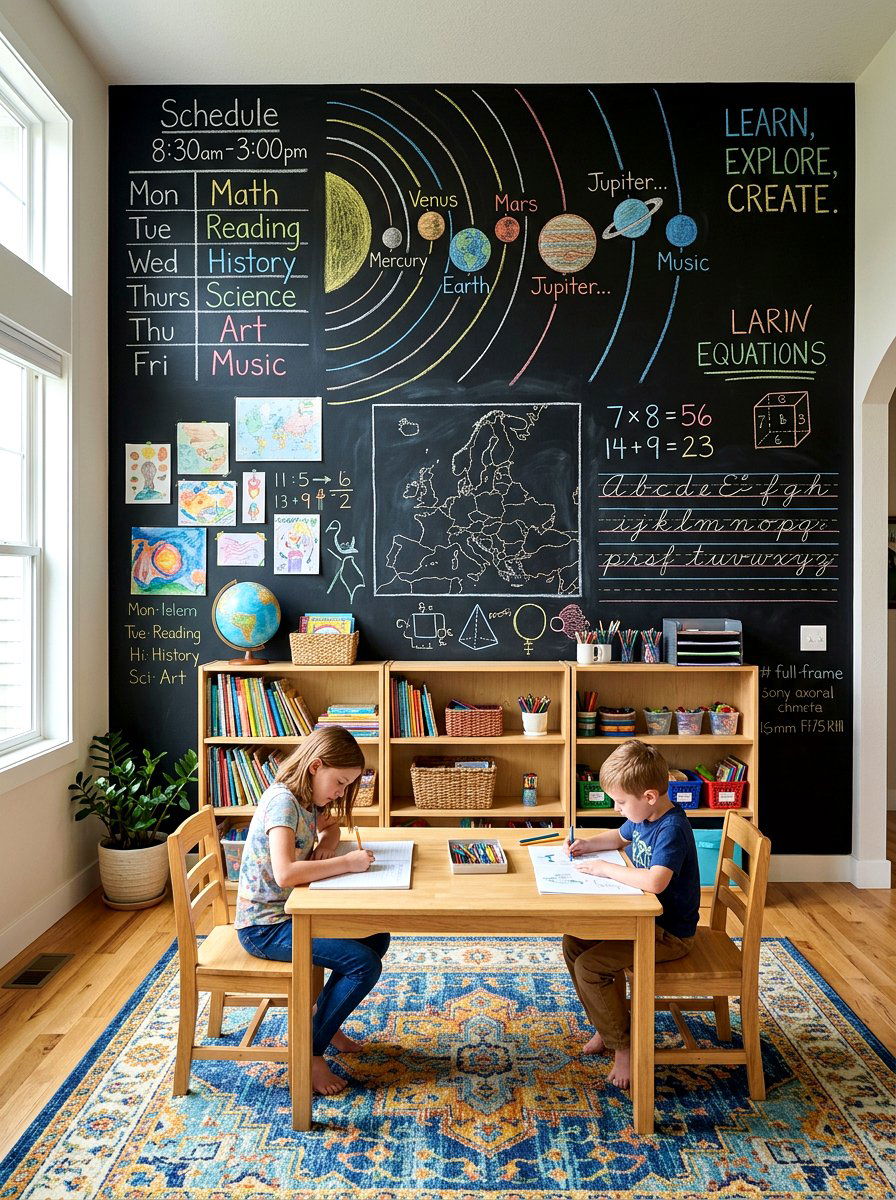
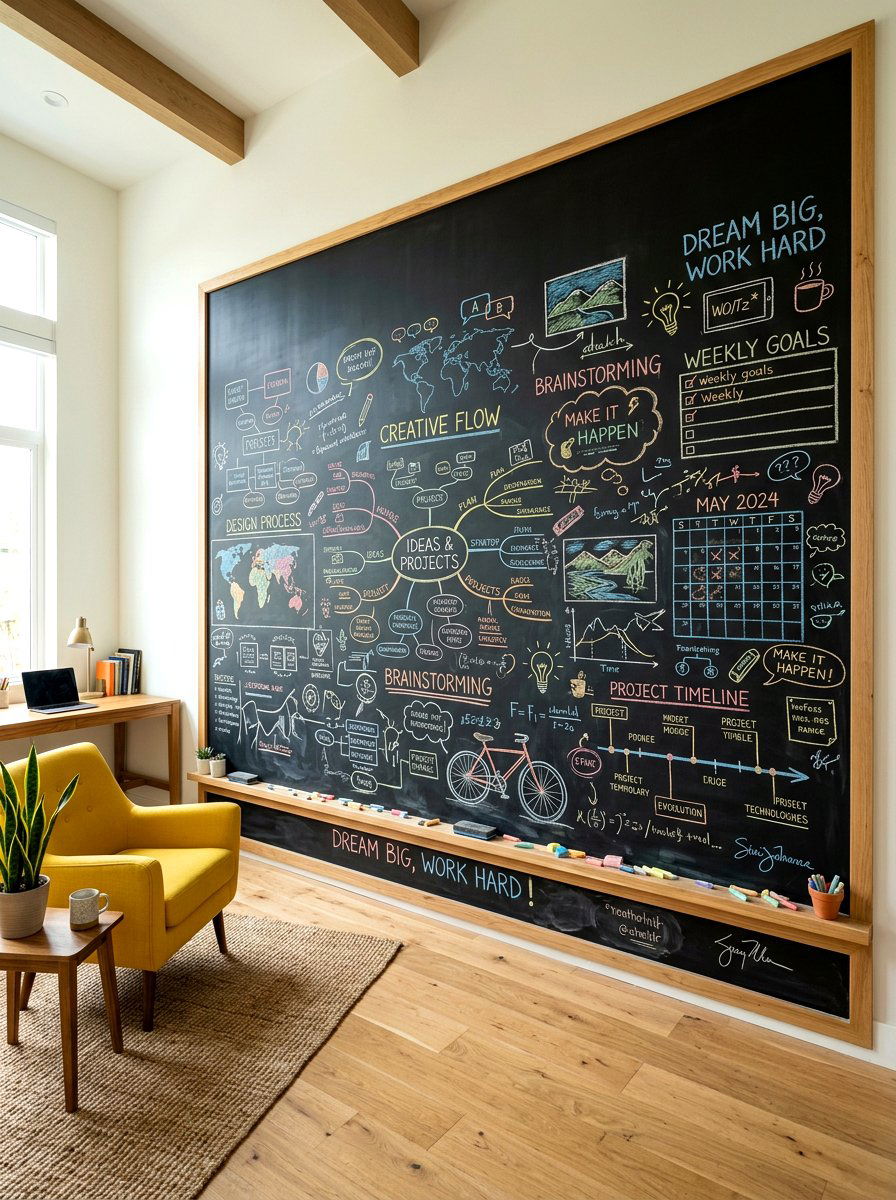
A chalkboard wall for creative drawing offers a massive vertical surface for gross motor artistic expression and pre-writing skills. Unlike a small piece of paper, a large wall allows children to use their whole arm and body while drawing, which is crucial for physical development. Use dustless chalk and a low-mounted eraser holder to keep the area tidy and accessible. This design feature turns an entire wall into an interactive canvas that can be easily cleaned and refreshed for new ideas. It also provides a great space for parents to write encouraging messages or draw simple diagrams that support the child's current learning themes and interests.
25. Quiet Time Teepee Tent Hideaway
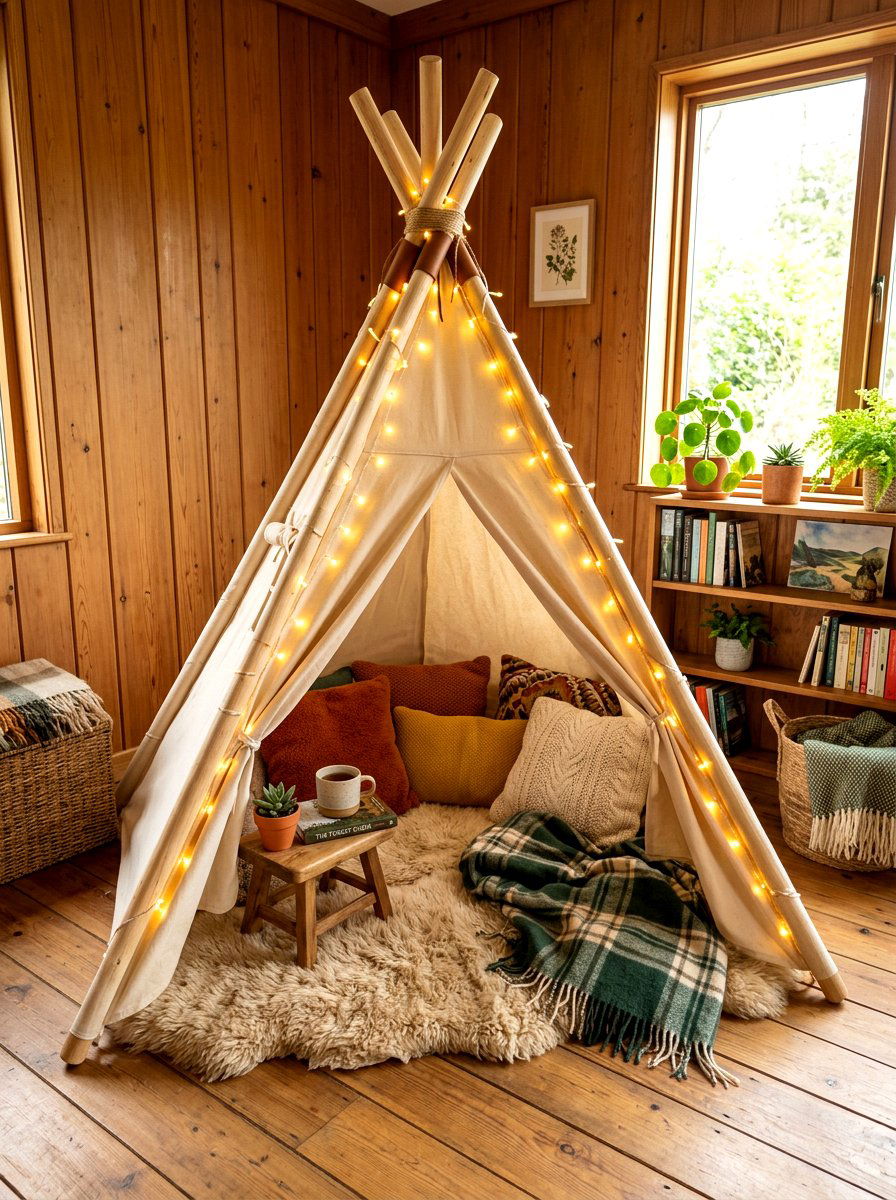
A quiet time teepee tent hideaway serves as a cozy sanctuary where children can go when they feel overwhelmed or simply need a moment of privacy. Fill the inside with soft sheepskin rugs, plush pillows, and a few favorite stuffed animals to create a nurturing and safe environment. This space is perfect for self-regulation, allowing a child to reset their emotions before returning to more active play. The minimalist fabric design of a teepee fits perfectly into a modern Montessori aesthetic without cluttering the room. It also provides a wonderful backdrop for imaginative play, serving as a cave, a house, or a secret base during games.
26. Wooden Balance Board Movement Zone
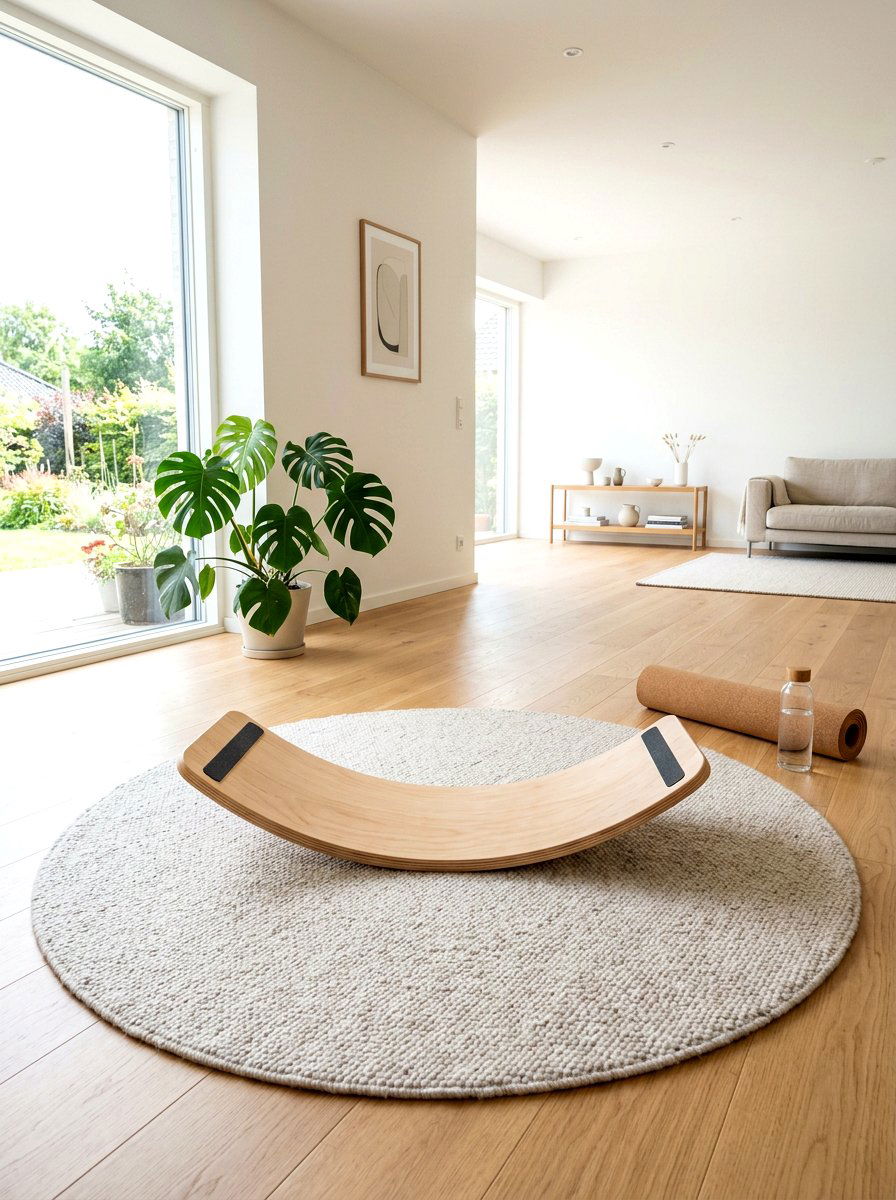
A wooden balance board movement zone is a versatile design element that supports core strength and equilibrium in a very small footprint. These curved boards can be used for rocking, balancing, or even as a bridge for toy cars and a slide for dolls. Because the toy is open-ended, it grows with the child’s imagination and physical abilities, making it a high-value investment for a Montessori playroom. Placing it on a non-slip rug ensures safety while protecting your floors from scratches during vigorous play sessions. The sleek, natural wood design ensures it looks like a piece of modern art when it is not in active use.
27. Low Hanging Eye Level Wall Art
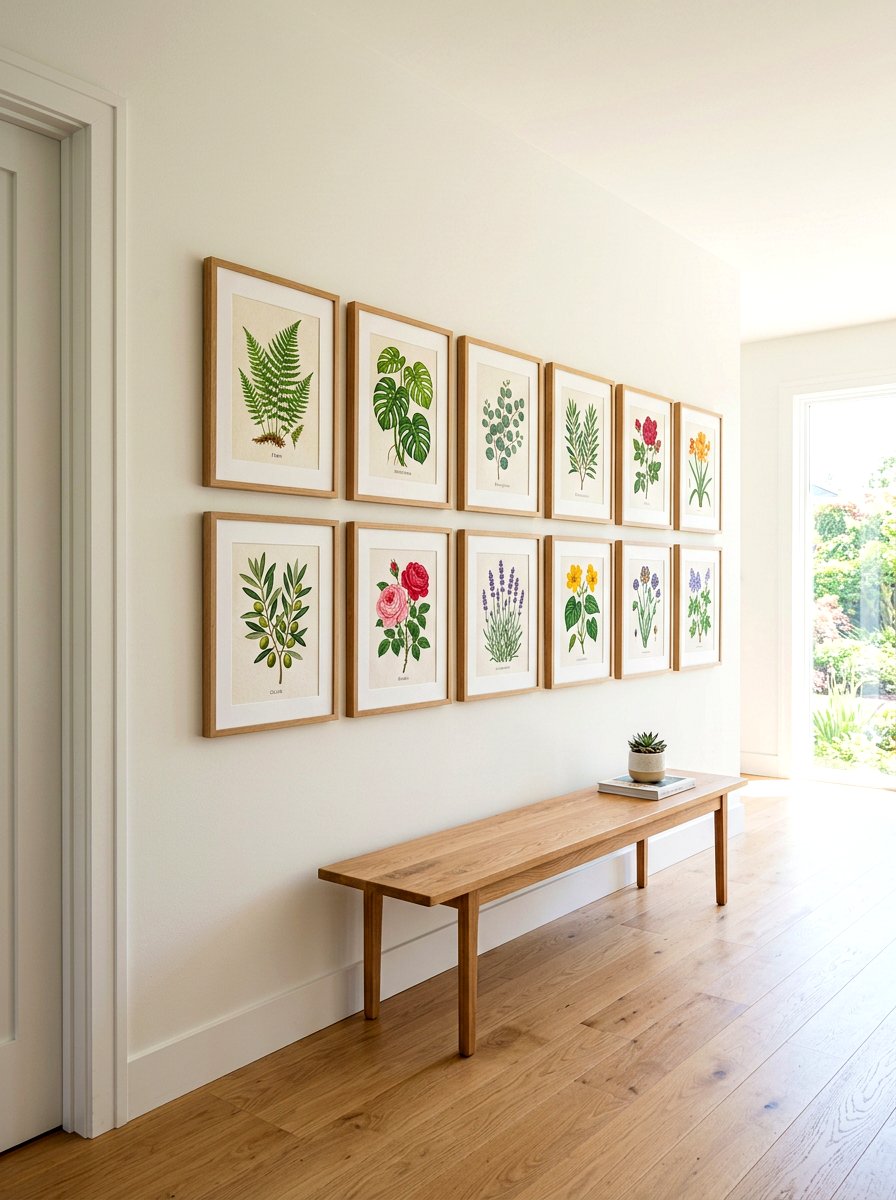
Hanging art at the child 's eye level is a simple yet transformative design choice that shows respect for the child' s perspective. Most homes hang pictures at adult height, but placing beautiful prints, photographs, or the child’s own artwork lower down allows them to truly appreciate the details. Choose frames with plexiglass instead of glass for safety, and stick to simple, realistic imagery that reflects the natural world. This encourages visual discrimination and an early appreciation for aesthetics and culture. Regularly rotating the art keeps the environment stimulating and provides new opportunities for conversation and vocabulary building as you discuss the different images together with your child.
28. Sorting And Categorizing Basket Shelving
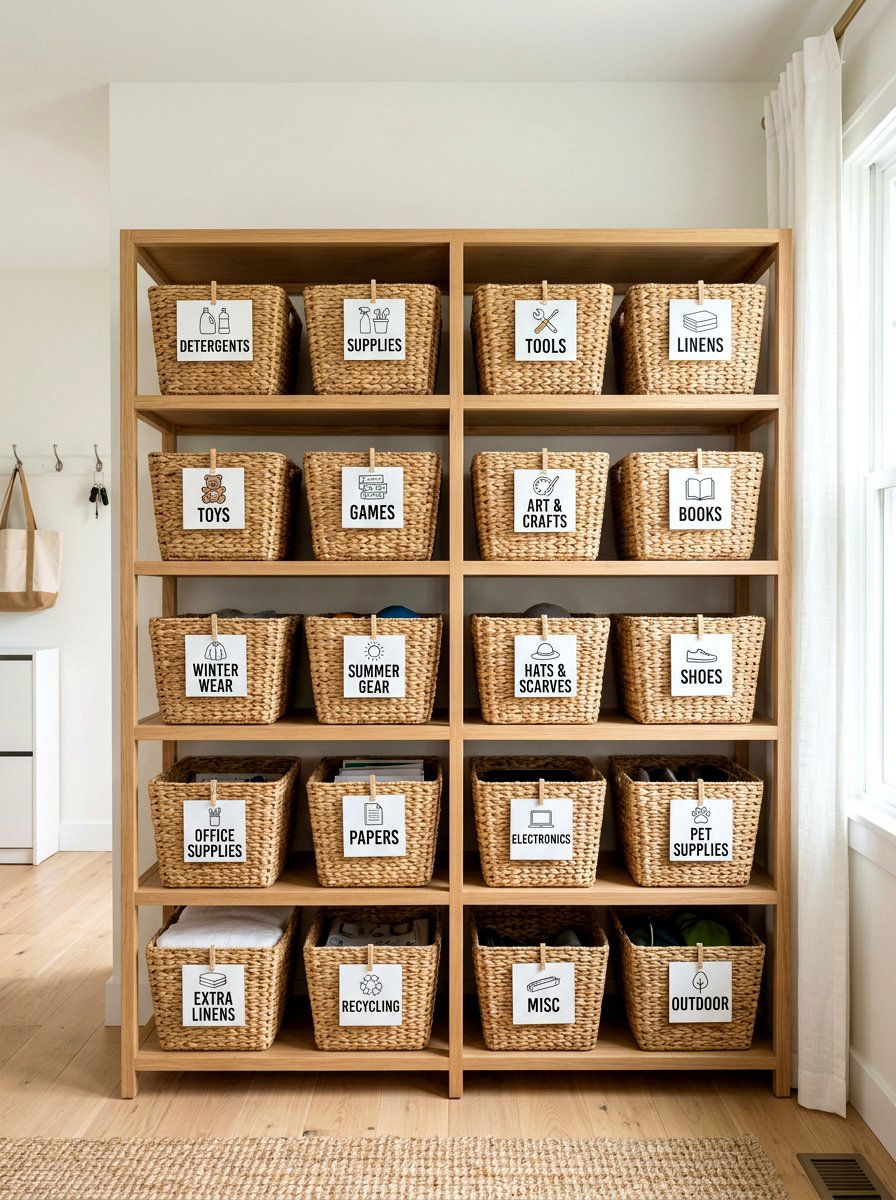
Using sorting and categorizing baskets on your shelving units is the best way to keep small parts organized and accessible for young children. Instead of one large bin where everything gets lost, use small wicker or cloth baskets to group related items, such as animal figurines, wooden blocks, or silk scarves. This clear organization helps children understand the concept of sets and categories, which is a foundational math skill. It also makes the process of "putting away" much more logical and successful for a toddler. When every object has a specific basket, the child feels more confident in their ability to maintain the order of their beautiful play space.
29. Small Indoor Wooden Slide Structure
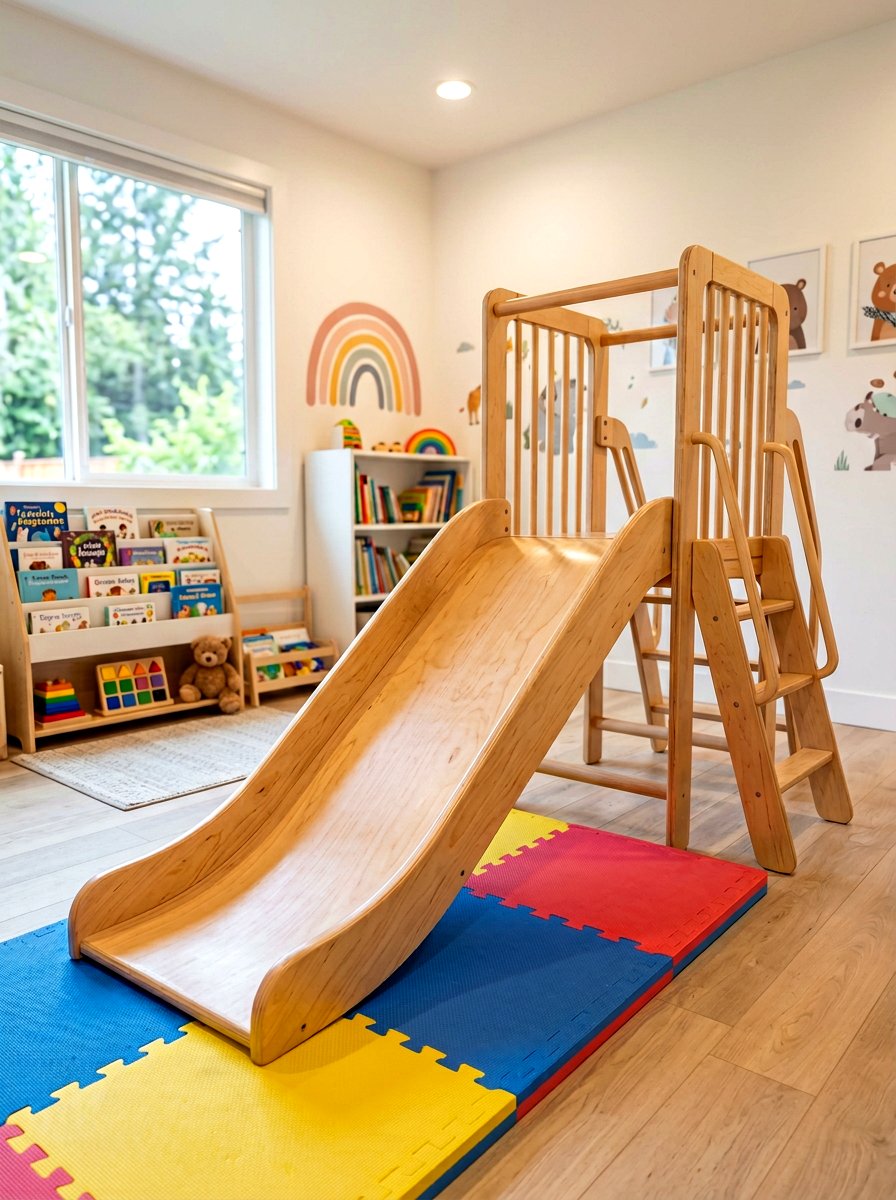
A small indoor wooden slide structure provides an exciting physical outlet for toddlers who have a high need for movement and gross motor challenges. Slides help children understand gravity and speed while building the coordination needed to climb the ladder and position themselves correctly. A well-crafted wooden slide acts as a beautiful focal point in the room, offering a much more tactile and aesthetic experience than bright plastic versions. Ensure there is a soft landing area at the bottom, such as a thick rug or a foam mat, to prevent any bumps or bruises. This piece of furniture quickly becomes the most popular destination during active indoor play sessions.
30. Peaceful Calm Down Corner Space
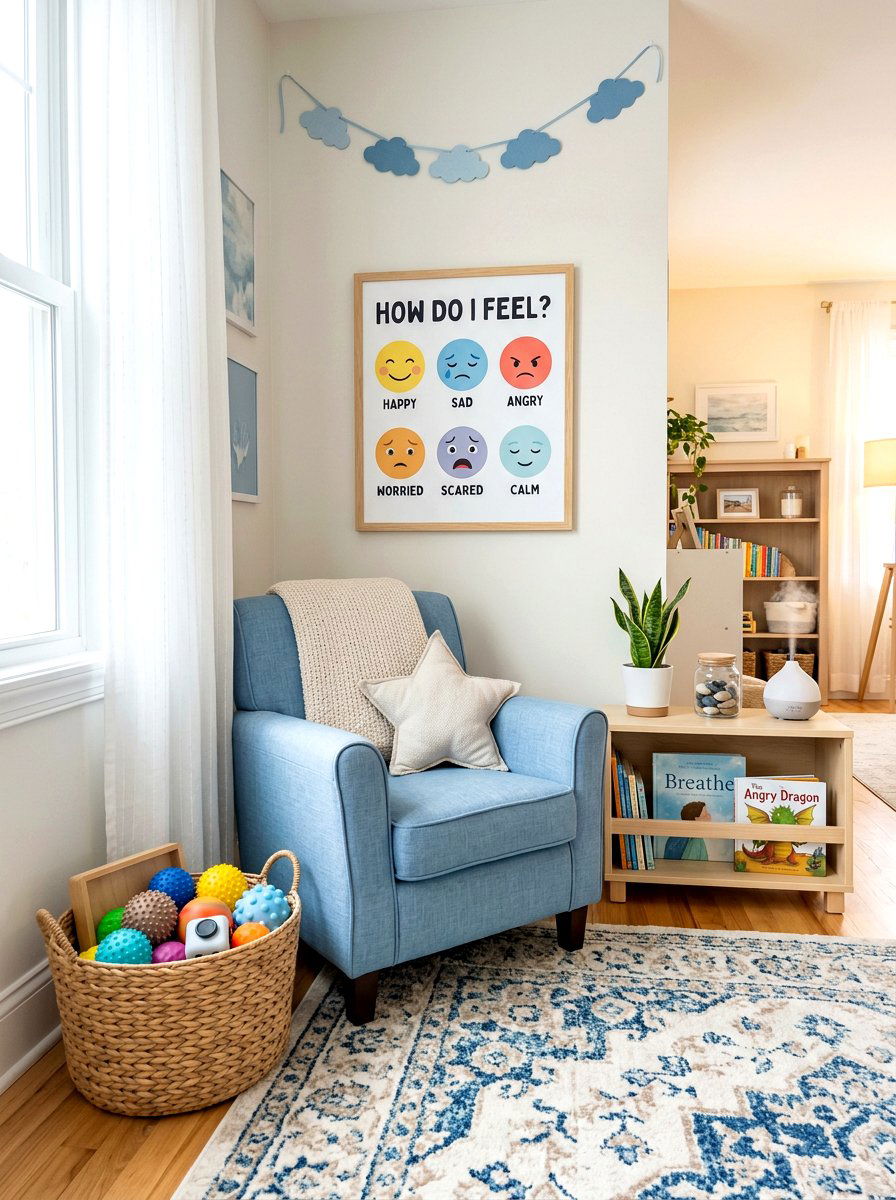
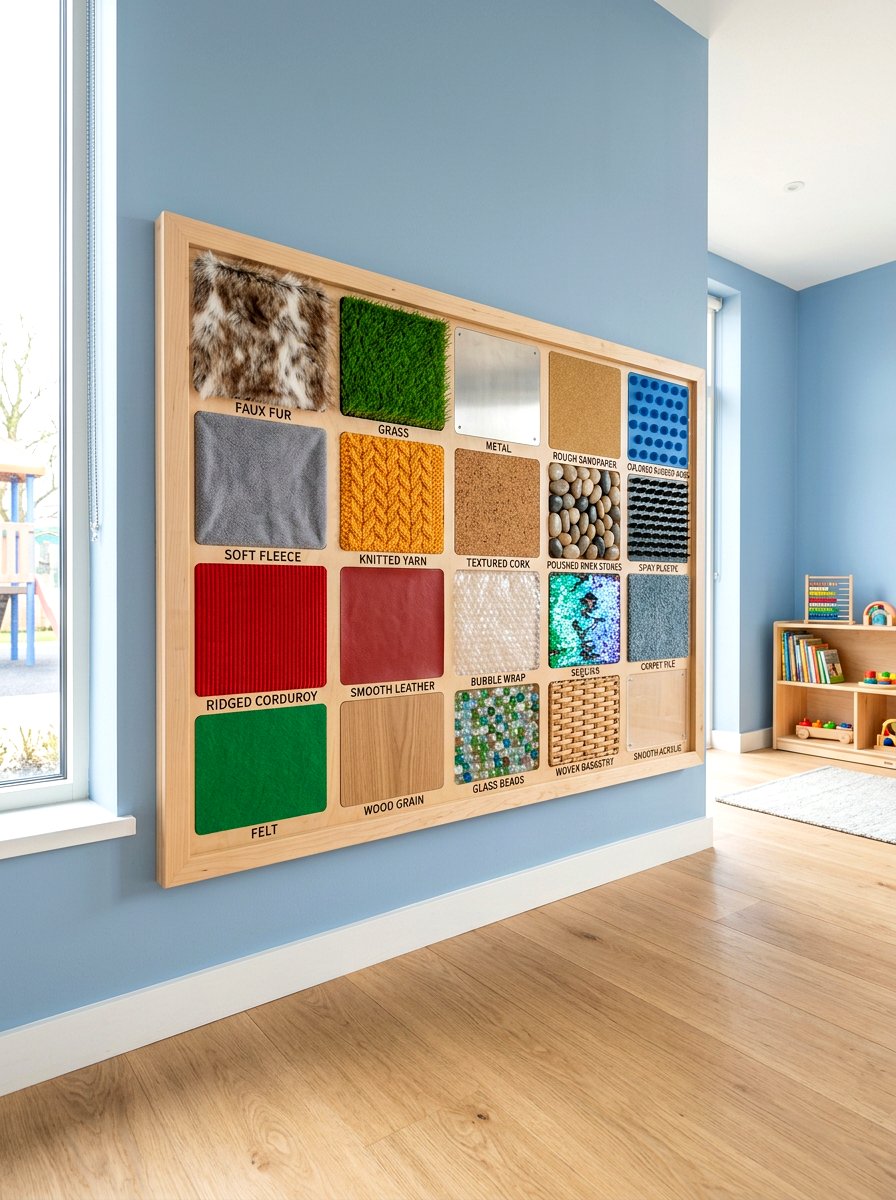
A peaceful calm down corner space is a dedicated area designed to help children manage their big emotions through sensory tools and comfortable seating. This zone might include a "calm down jar, " some soft tactile fabrics, and a few books about feelings to help them identify what they are experiencing. By providing a specific, non-punitive place for reflection, you teach children healthy emotional regulation skills that will serve them throughout their entire lives. Keep this area away from the main traffic flow of the playroom to ensure it remains a true sanctuary. It reinforces the idea that all feelings are valid and that finding peace is a valuable skill.
Conclusion:
Designing a Montessori playroom is an ongoing journey of observation and adaptation that evolves alongside your child’s unique interests and developmental milestones. By adhering to the principles of simplicity, accessibility, and natural beauty, you create a space that doesn't just entertain but truly nurtures the whole child. Every intentional choice, from the height of the shelves to the texture of the rugs, contributes to an environment where your little one feels capable, respected, and free to explore. As they grow, you can continue to refine the space, ensuring it remains a source of inspiration and a safe harbor for their natural curiosity.

Related posts: