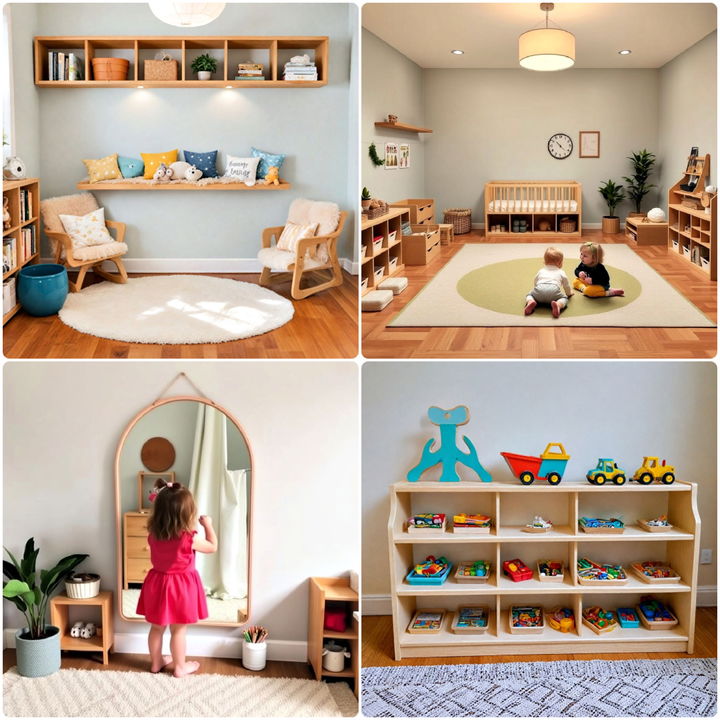
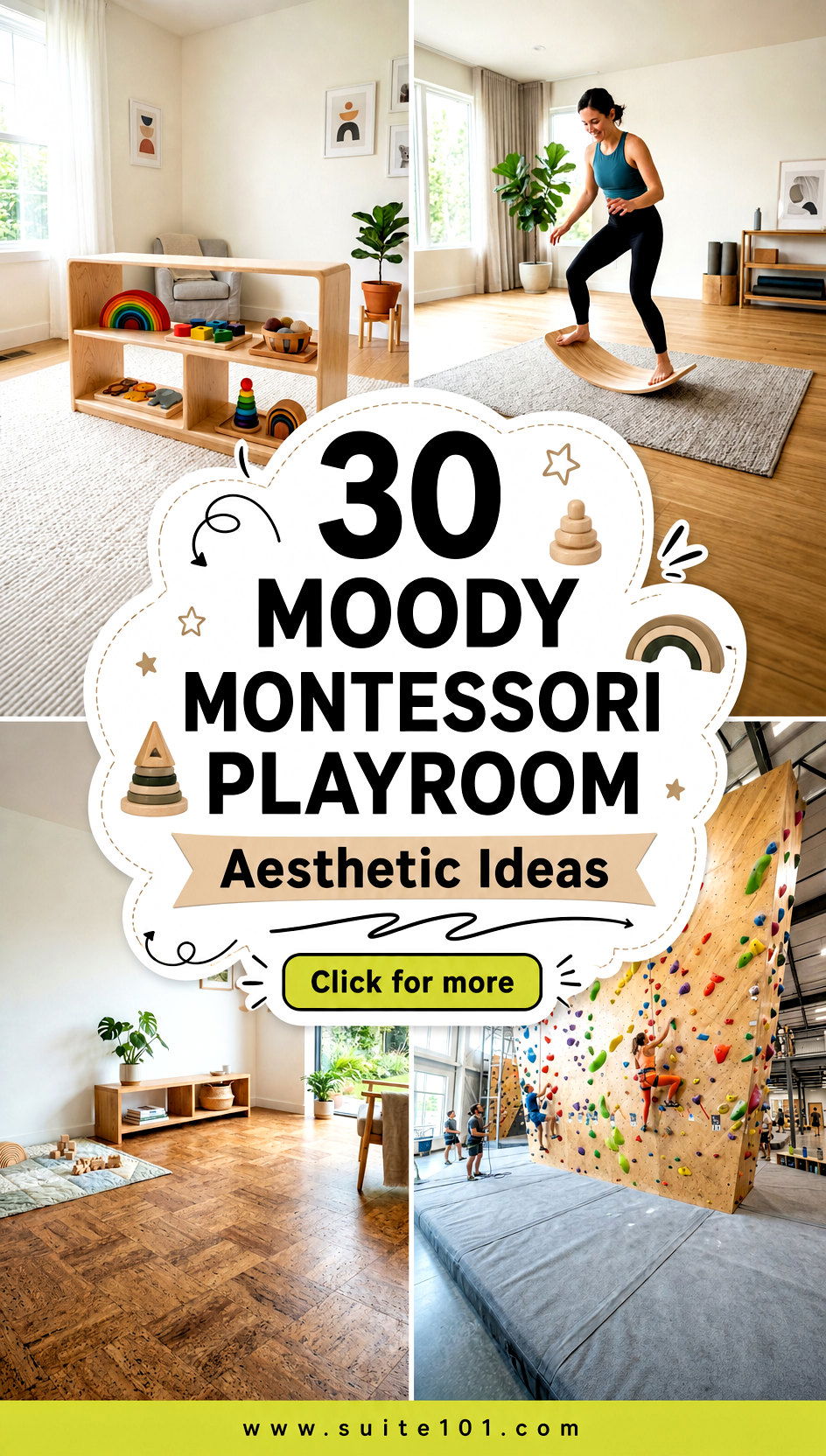
Creating a thoughtful Montessori playroom focuses on fostering independence and curiosity while maintaining a beautiful and orderly environment for your young child. This educational approach emphasizes natural materials, minimalist layouts, and child-sized furniture to empower little ones to explore their surroundings without constant adult intervention. By carefully selecting elements that encourage motor skills, practical life activities, and creative expression, you can transform any space into a nurturing sanctuary for growth. A well-designed aesthetic often features soft neutral tones combined with warm wood textures to provide a sense of calm and focus. Every item in the room should serve a specific purpose, allowing your child to master new skills at their own individual pace comfortably.
1. Toddler low wooden shelf
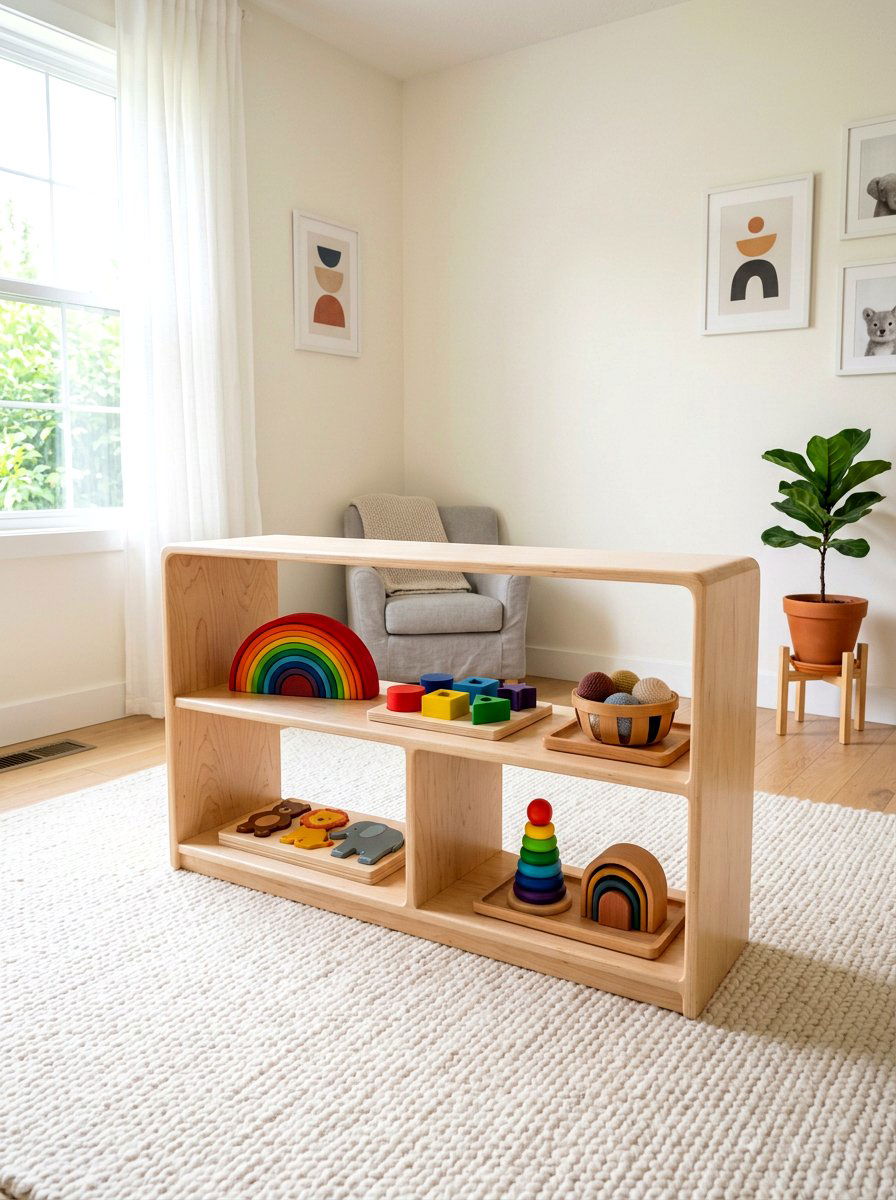
A sturdy low wooden shelf serves as the backbone of an organized Montessori play area. These open units allow toddlers to see and reach their activities with complete independence. You should opt for a model made from natural birch or pine to keep the aesthetic warm and organic. Unlike deep toy chests, shallow shelving prevents items from getting lost at the bottom. This layout encourages your child to choose one task at a time and return it to its designated spot. Limiting the number of items on display reduces visual clutter and helps your little one maintain deep focus during their play sessions. The clean lines of wood complement any modern home interior beautifully.
2. Kids floor reading nook
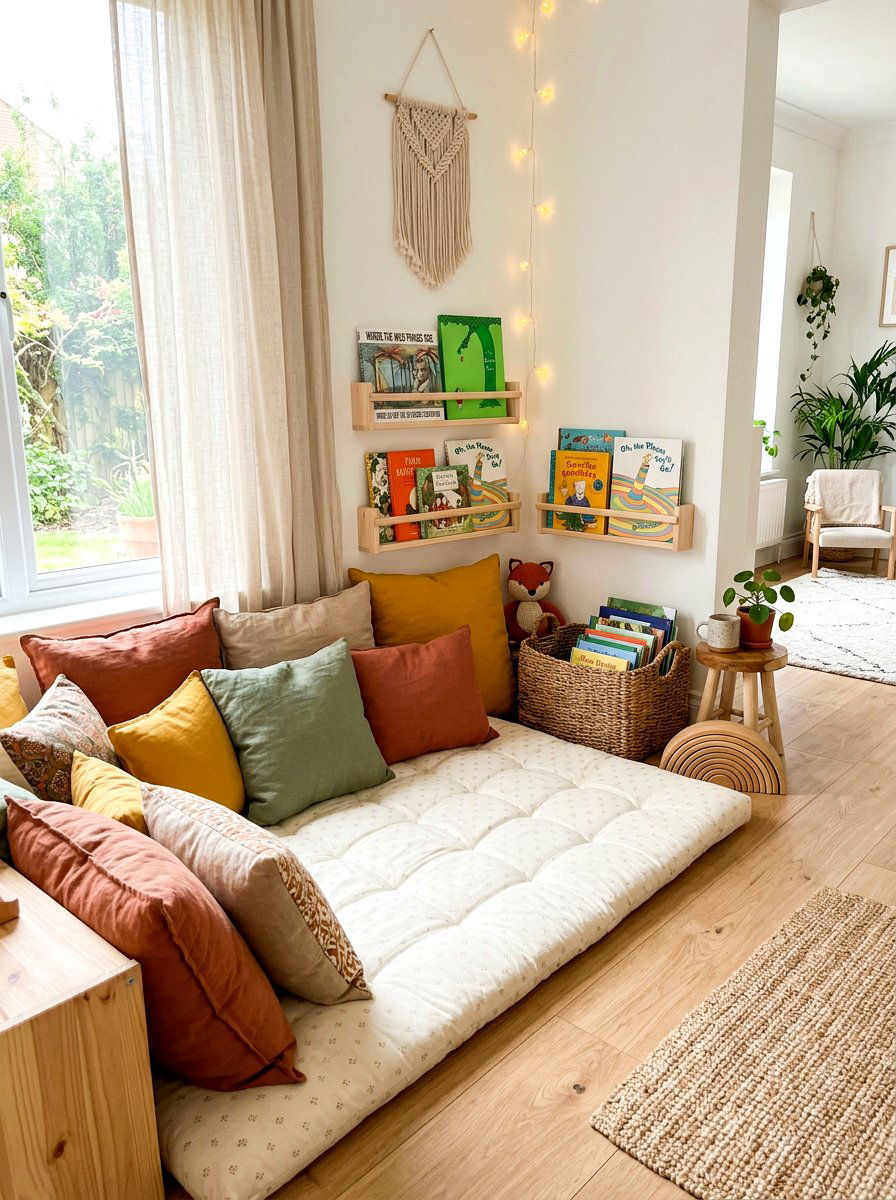
Building a cozy floor reading nook creates an inviting space where children can fall in love with books. Start with a soft, padded cotton mat or a plush sheepskin rug to provide a comfortable base. Adding a few oversized linen floor pillows allows your child to lounge comfortably while exploring stories. You can place a small basket of seasonal books nearby to keep the selection fresh and manageable. Soft, natural lighting from a window makes this area feel bright and airy during the day. This dedicated quiet zone helps teach children how to regulate their energy and enjoy peaceful moments. It is a perfect addition for promoting early literacy skills.
3. Pikler triangle climbing set
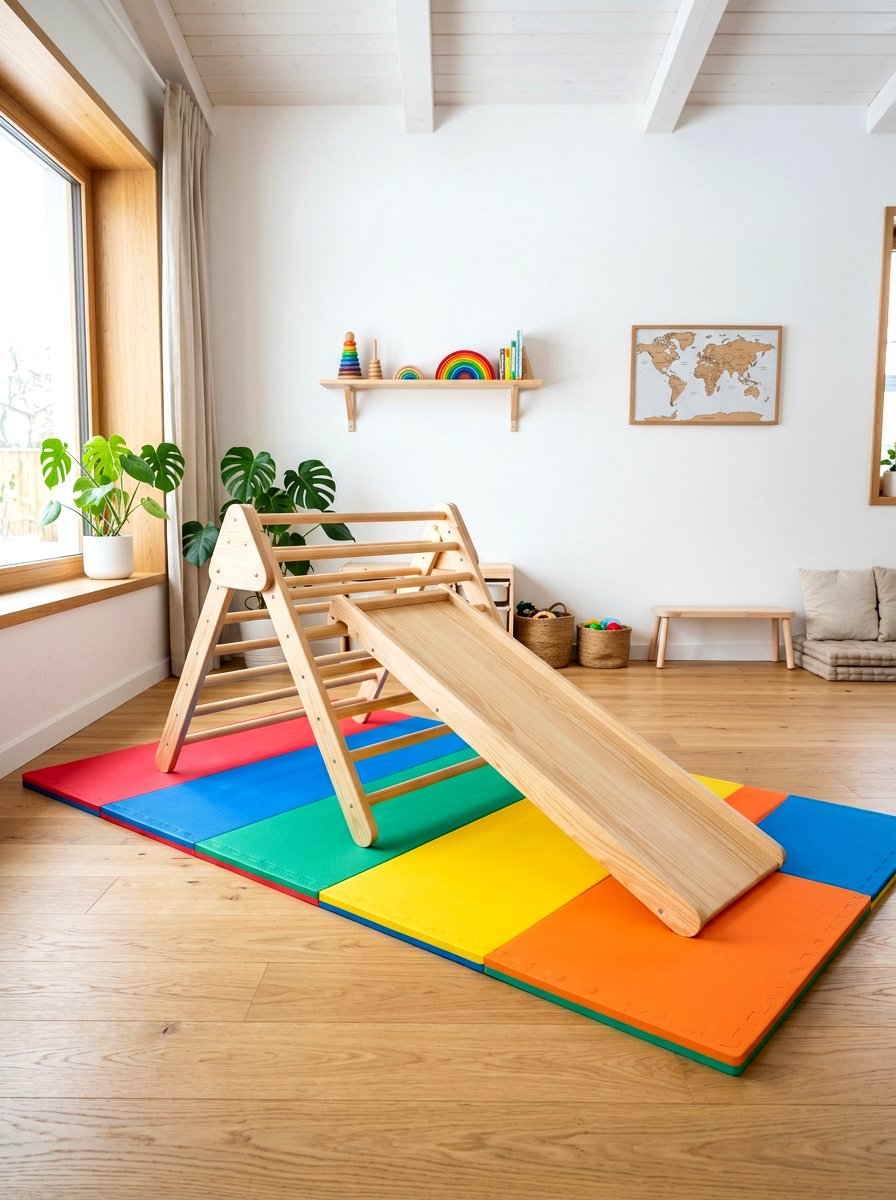
Integrating a Pikler triangle climbing set into your playroom supports gross motor development through safe, indoor active play. This wooden structure allows toddlers to practice climbing, balancing, and sliding at their own comfort level. The natural wood finish matches a minimalist Montessori aesthetic while providing a durable surface for tiny hands and feet. You can place a thin, colorful tumbling mat underneath to ensure a soft landing for adventurous movers. This piece of equipment grows with your child, offering new challenges as they become more confident in their physical abilities. It serves as a great focal point that encourages healthy movement even on rainy days spent inside.
4. Wall mounted book display
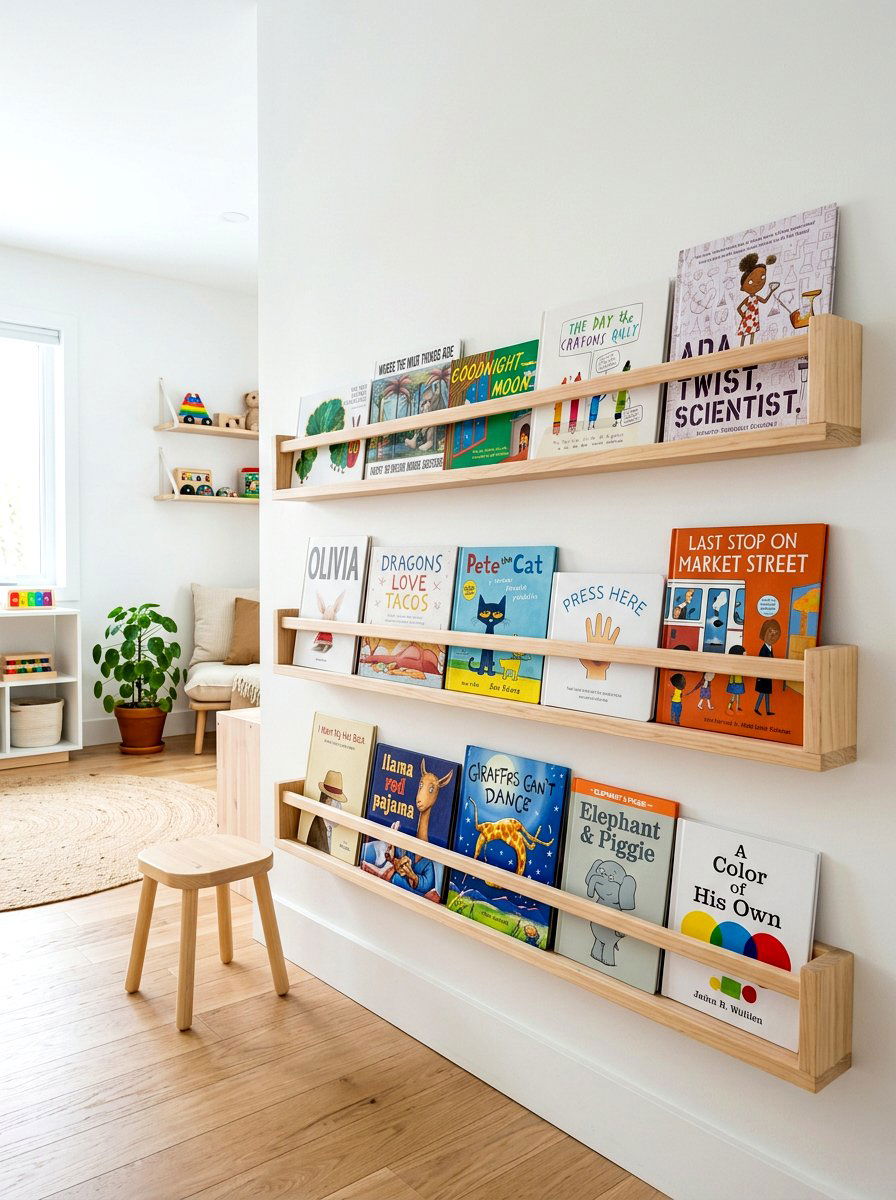
A wall mounted book display turns your child’s favorite stories into a vibrant work of art. These thin ledges allow you to showcase book covers forward rather than just the spines. This visual orientation makes it much easier for young children to recognize and select the stories they want to read. You should hang the shelves at your child's eye level so they can reach every book without help. Using multiple rows of light wood ledges keeps the floor space clear and provides a streamlined look. Rotating the books regularly based on current interests or themes keeps the reading area exciting and engaging for your growing toddler.
5. Toddler mirror pull bar
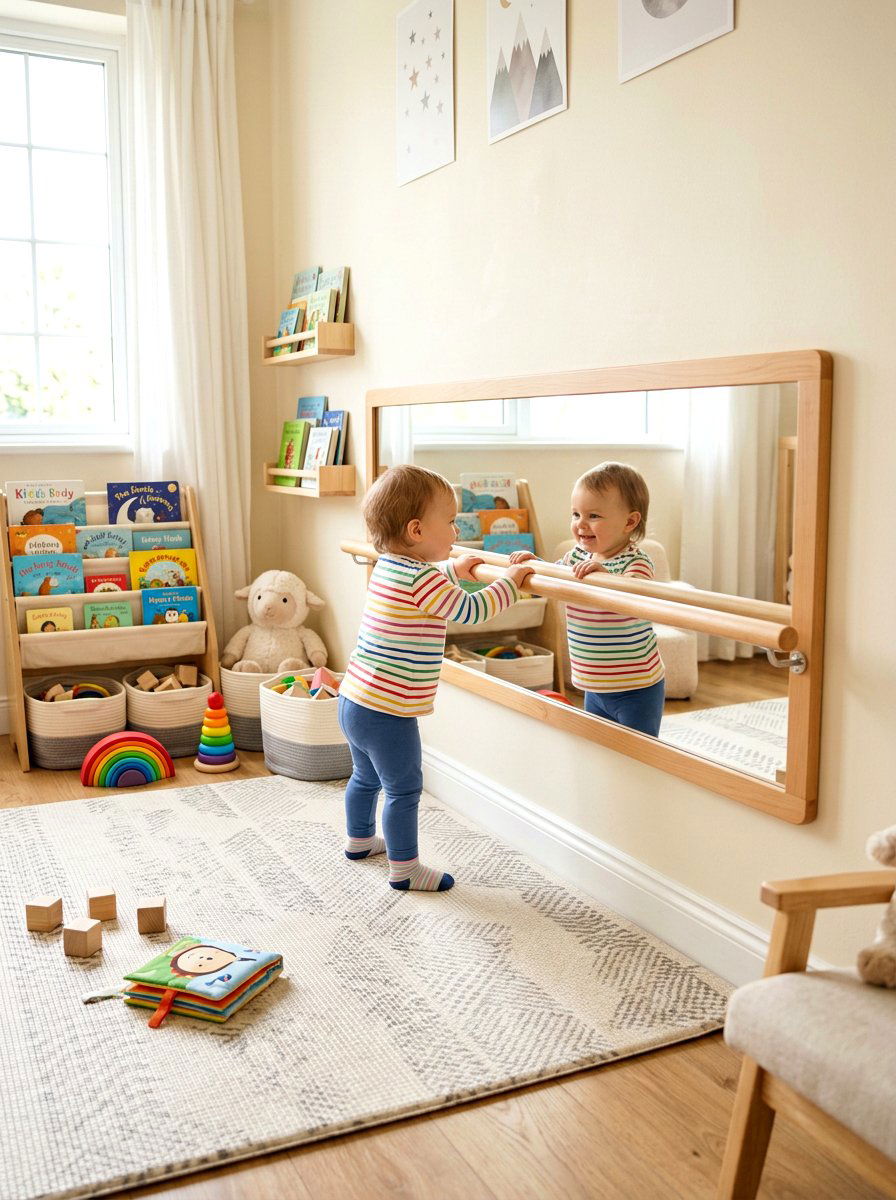
Installing a toddler mirror and pull bar is a fantastic way to support babies who are learning to stand. A large, shatterproof acrylic mirror should be mounted horizontally at floor level so infants can observe their own movements. This self-recognition is a vital part of early cognitive development. Attaching a sturdy wooden handrail across the front of the mirror gives your little one a safe place to pull themselves up. As they practice standing and cruising, they can watch their reflections to gain better spatial awareness. This simple setup encourages physical independence and builds core strength in a very natural, self-directed way during those early months.
6. Natural wood sensory table
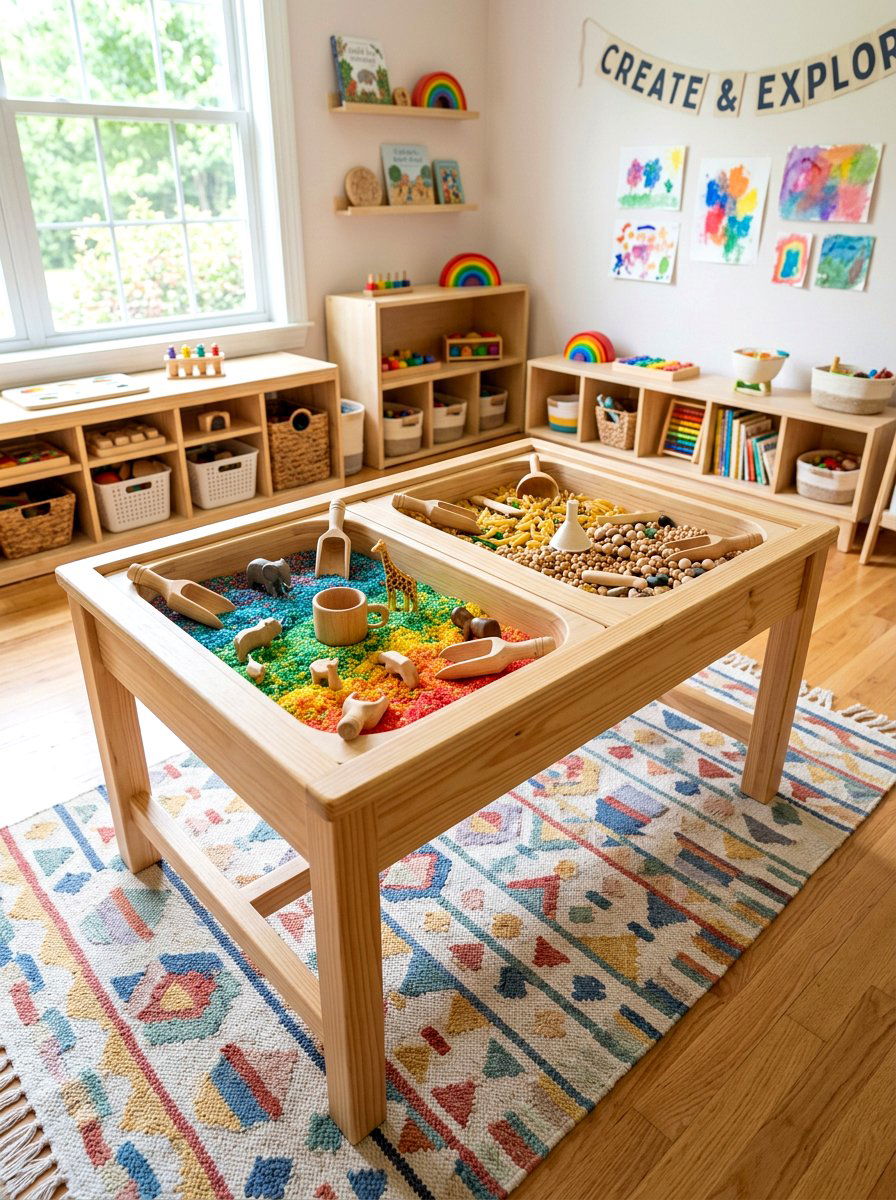
A natural wood sensory table provides a dedicated place for hands-on exploration with various textures and materials. These tables typically feature removable plastic bins that you can fill with rice, water, or kinetic sand. Using a table made from solid wood ensures the piece feels like a high-quality part of your home decor. The height should be perfectly scaled for your child to stand and work comfortably for extended periods. Sensory play is essential for developing fine motor skills and scientific curiosity in young children. You can easily switch out the contents to match different seasons or learning themes. This activity station keeps messy play contained and organized.
7. Children art easel station
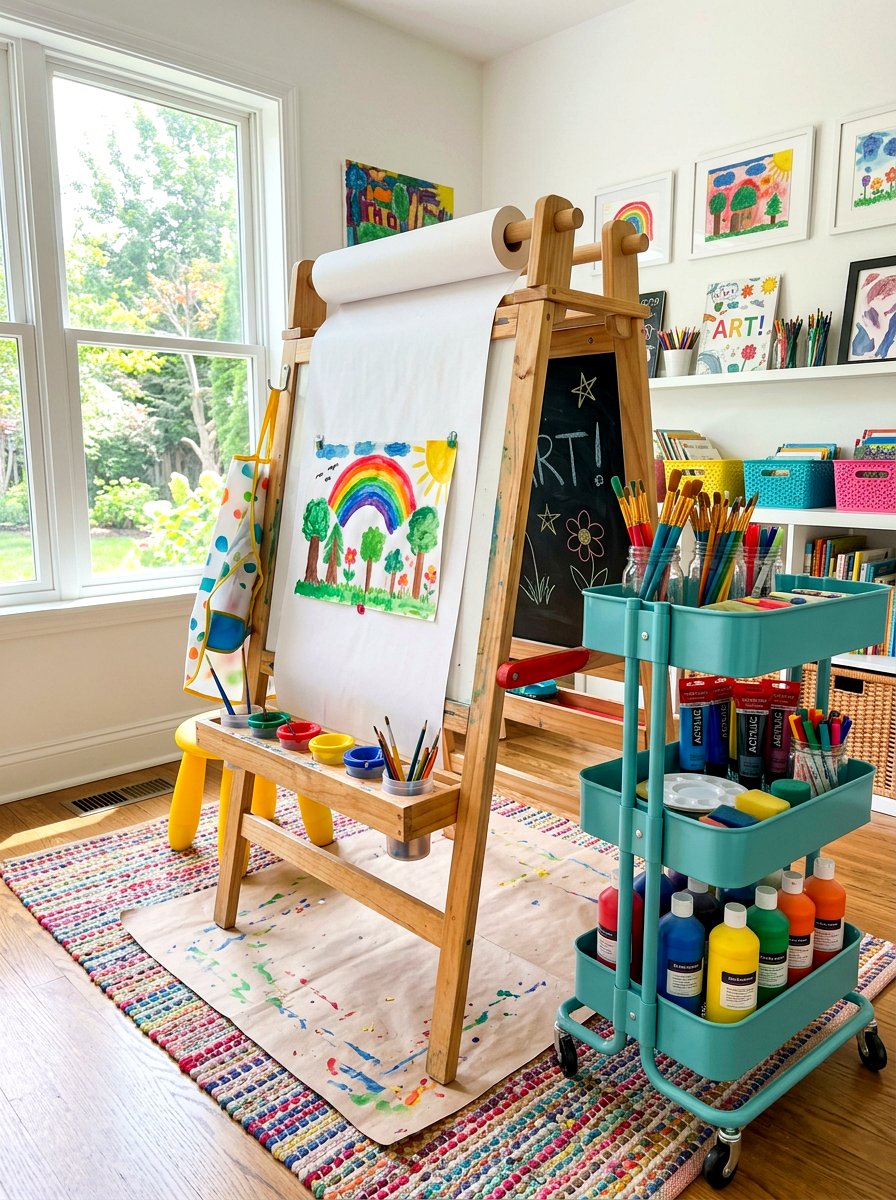
Setting up a children art easel station encourages your little ones to express their creativity through painting and drawing. A double-sided wooden easel often includes a chalkboard on one side and a whiteboard or paper roll on the other. This vertical working surface is excellent for developing the shoulder and wrist strength needed for future writing skills. You should place the easel in a well-lit corner of the playroom with a washable rug underneath for easy cleanup. Keeping a small tray of art supplies within reach allows your child to start a project whenever inspiration strikes. This creative zone celebrates artistic exploration while keeping the overall room layout orderly.
8. Neutral canvas play tent
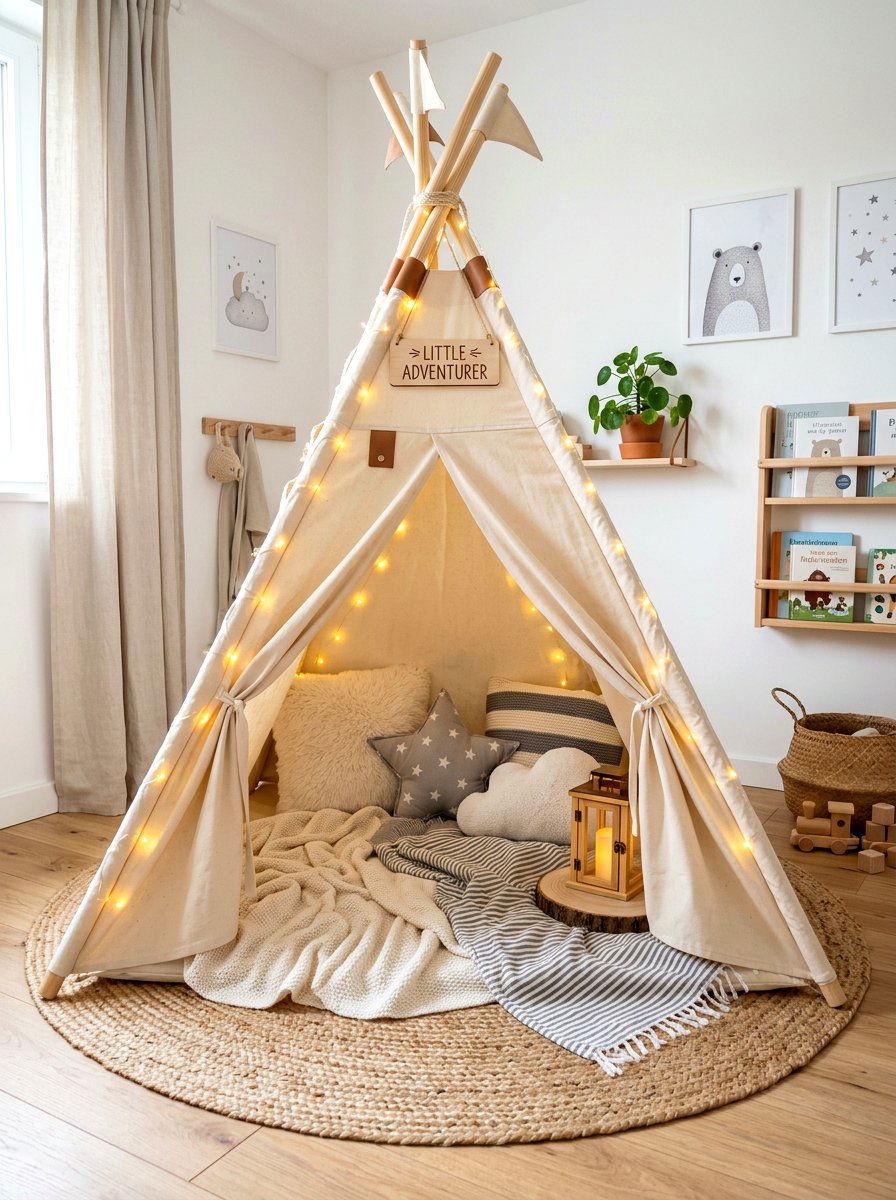
A neutral canvas play tent offers a private sanctuary where children can enjoy quiet play or imaginative adventures. The simple fabric design fits seamlessly into a calm Montessori environment without being visually overwhelming. You can fill the interior with soft blankets and a few favorite stuffed animals to make it feel extra cozy. This small "house" provides a sense of security and ownership for toddlers who crave their own personal space. It is also a great spot for hide-and-seek or role-playing games with siblings and friends. Because it is lightweight, you can easily move it around the room to refresh the layout whenever you desire.
9. Wooden balance board area
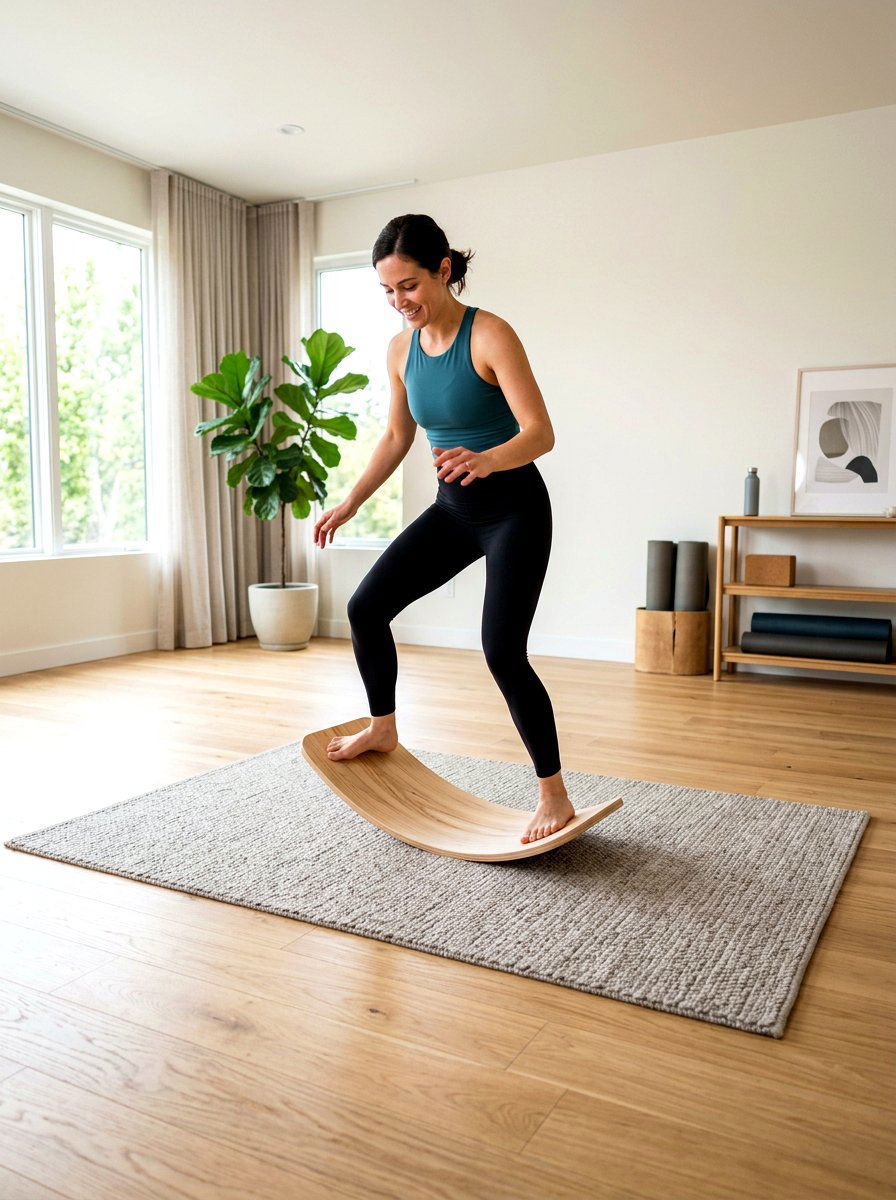
Designing a wooden balance board area gives your child a versatile tool for physical activity and creative play. These curved boards can be used for balancing, rocking, or even as a bridge for toy cars. Placing the board on a soft rug or cork tiles helps prevent slipping while protecting your home flooring. The minimalist design of the board ensures it does not look like traditional plastic toy clutter. It helps children develop better coordination, strength, and spatial awareness as they experiment with different ways to move. This simple piece of equipment encourages open-ended play and keeps toddlers active while they are exploring inside the playroom.
10. Toy rotation shelving unit
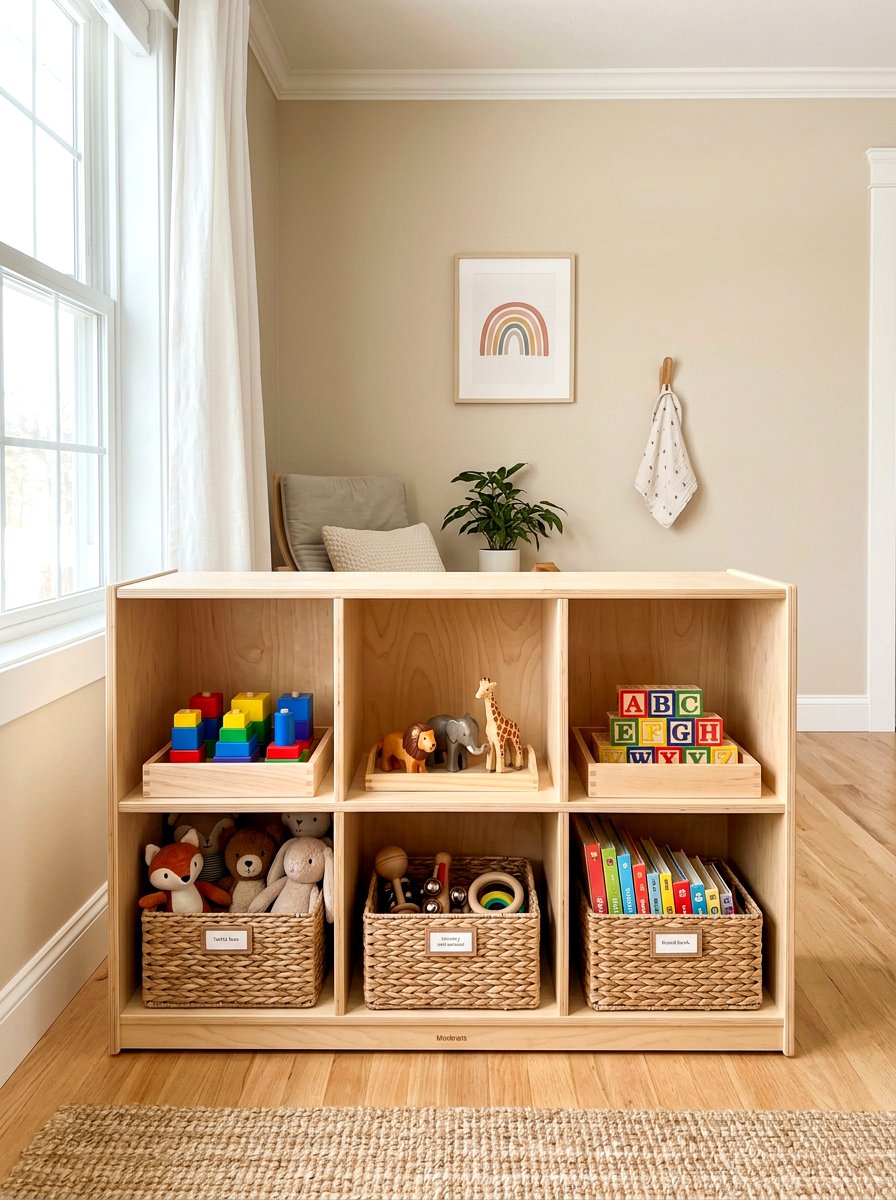
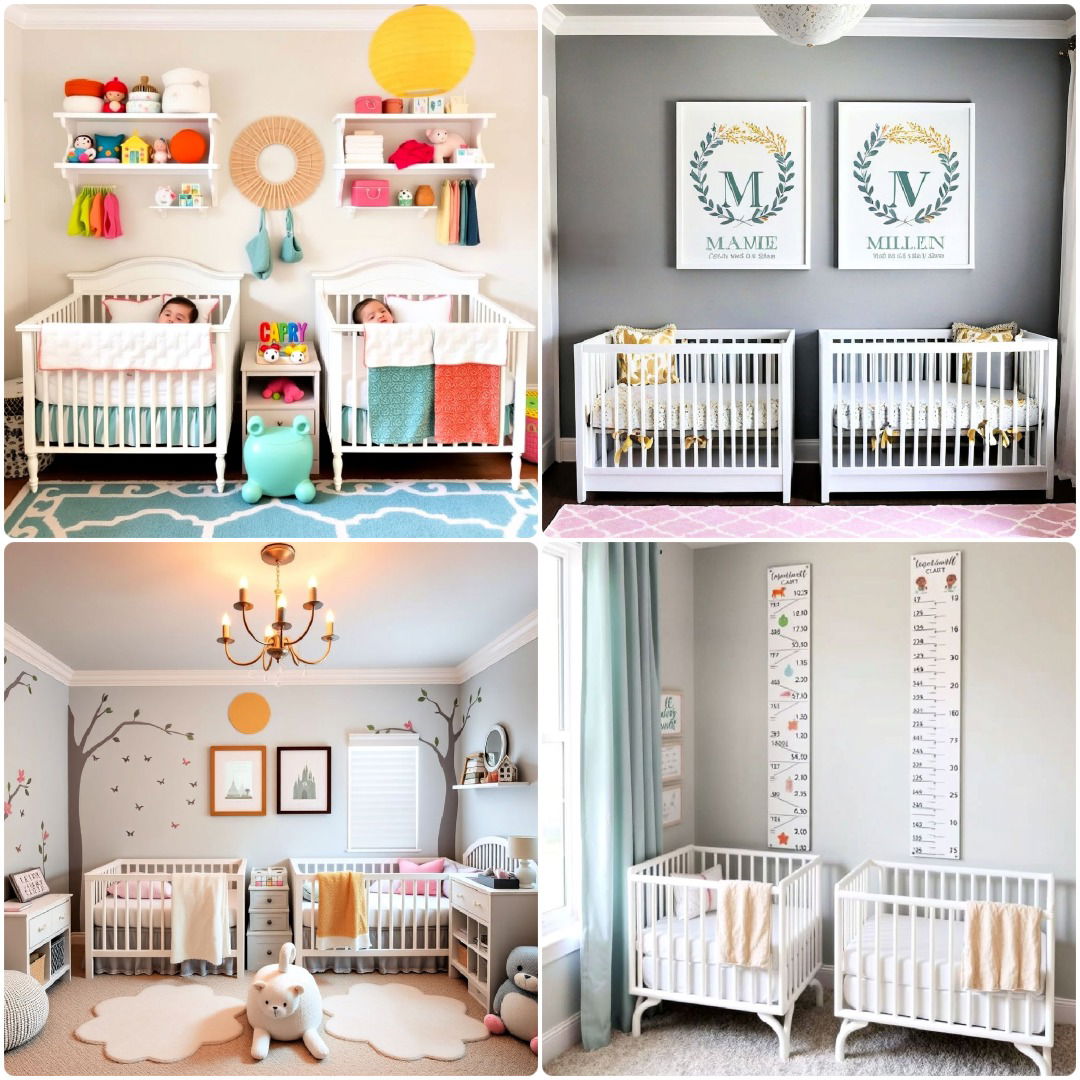
Implementing a toy rotation shelving unit is the best way to keep your playroom from becoming messy and overstimulating. Instead of having every toy out at once, you only display a small selection of curated items on open shelves. You can store the rest of the toys in a closet and swap them out every few weeks to maintain interest. This strategy helps children appreciate their toys more and play with them for longer periods. Using uniform wooden trays or baskets on the shelves makes the room look cohesive and beautiful. A clean, organized shelf makes it easy for your child to find what they need independently.
11. Montessori floor mattress corner
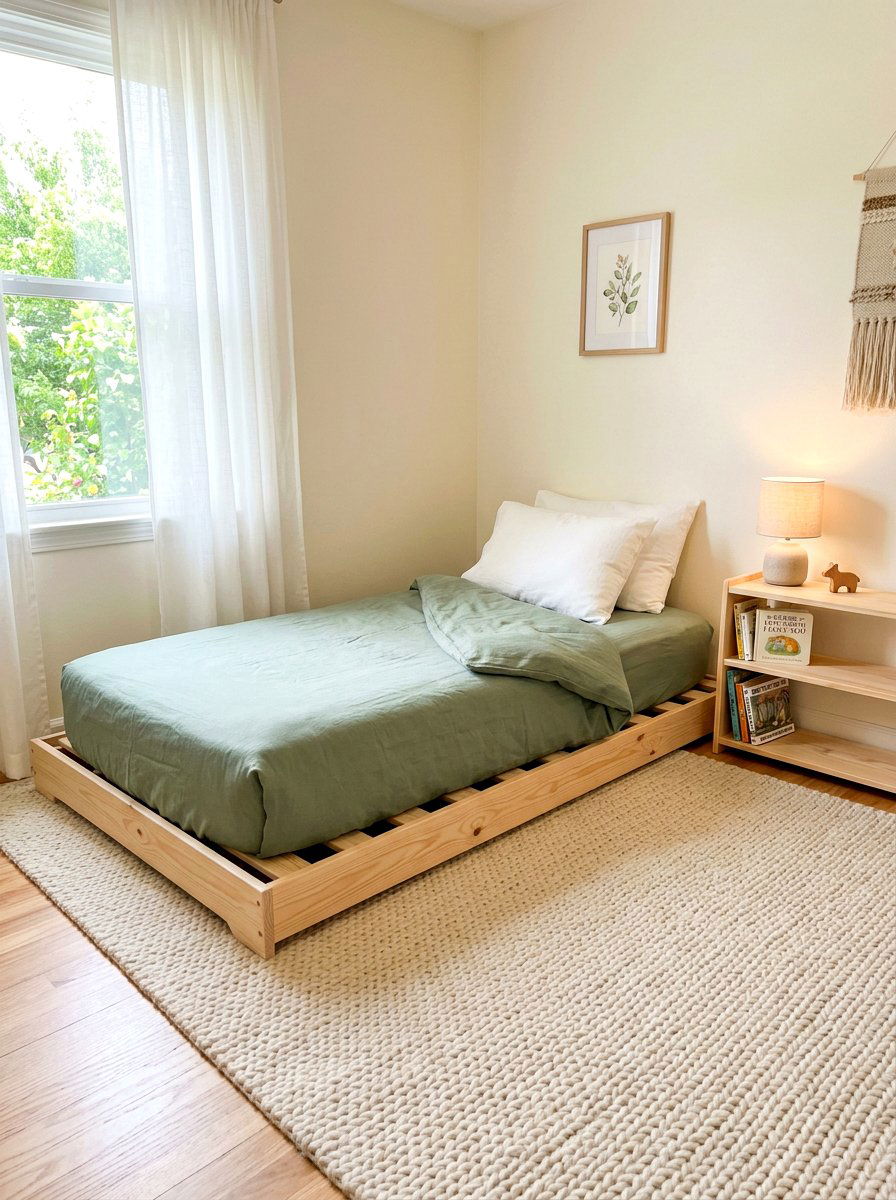
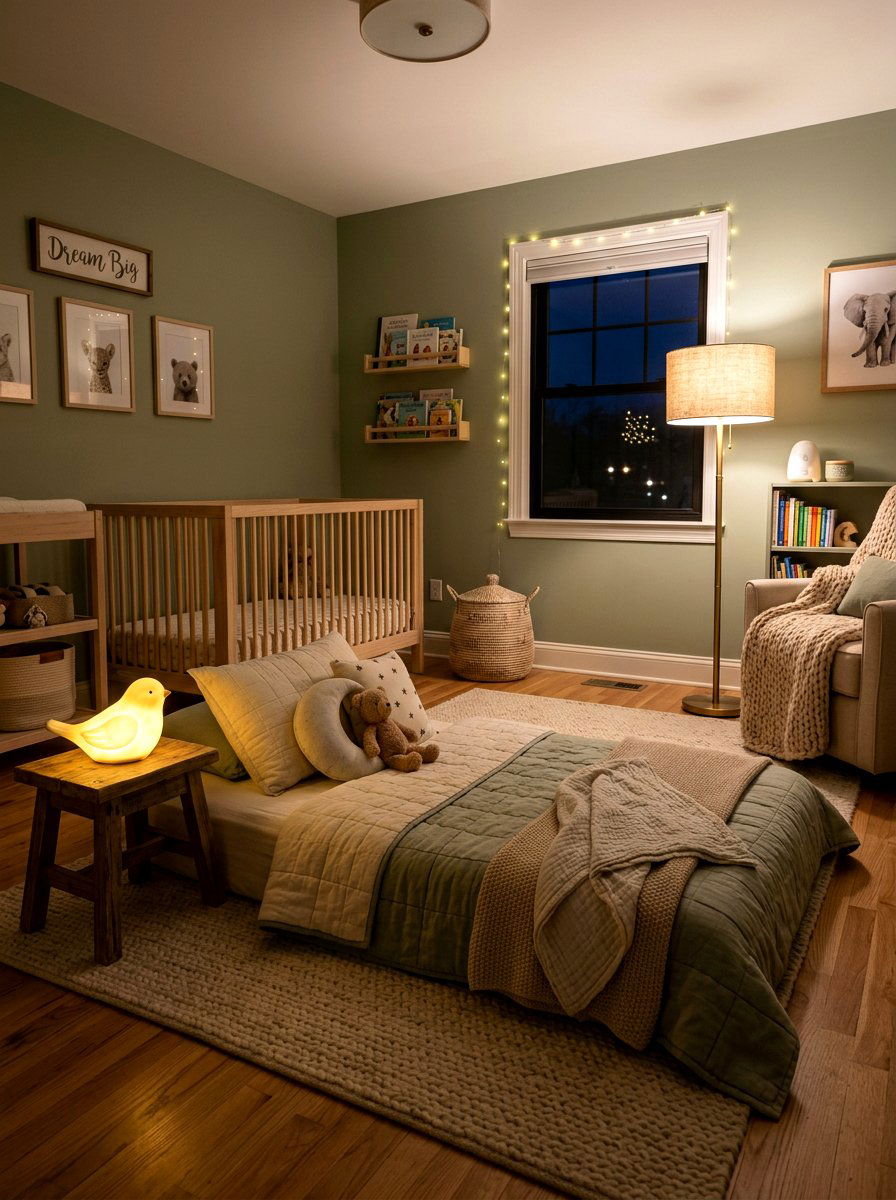
A Montessori floor mattress corner creates a safe and accessible resting spot that promotes healthy sleep independence. Unlike traditional high cribs, a floor bed allows your toddler to get in and out of bed without assistance. This setup respects the child 's freedom of movement and helps them learn to listen to their own body' s needs. You can surround the mattress with a soft rug and low shelving to create a complete bedroom-style zone within the playroom. Using high-quality cotton bedding in neutral tones keeps the space looking sophisticated and serene. This approach fosters a positive relationship with sleep and encourages a sense of autonomy from a young age.
12. Child size cleaning tools
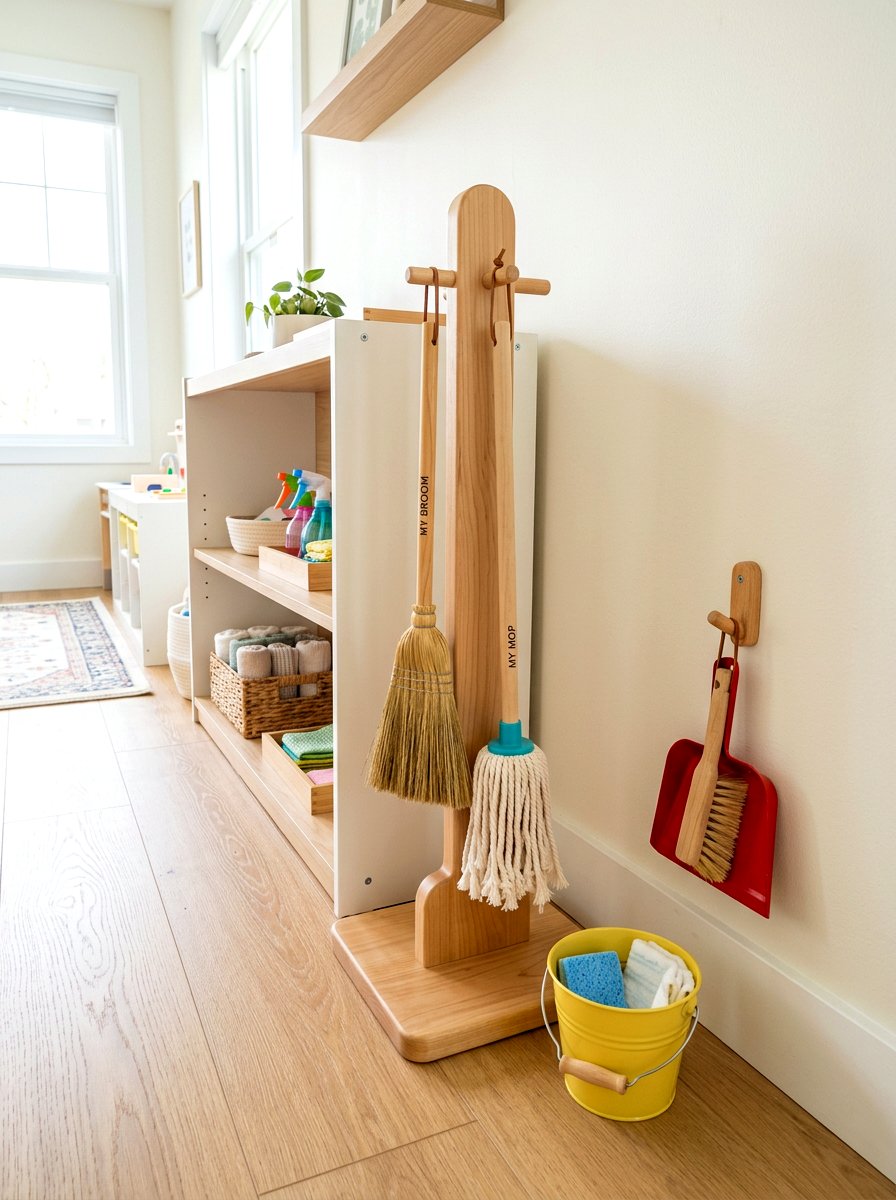
Providing child size cleaning tools allows your little one to participate in real-life chores around the playroom. A small wooden stand with a tiny broom, mop, and dustpan encourages "practical life" skills, which are a core part of Montessori learning. These tools should be functional and made from high-quality materials so the child can actually help tidy up. Hanging them on a low wall rack makes them easy to access whenever a spill occurs. Participating in these daily tasks builds confidence and teaches children the value of taking care of their environment. It turns cleaning into a fun activity that promotes responsibility and fine motor coordination for toddlers.
13. Minimalist wooden block set
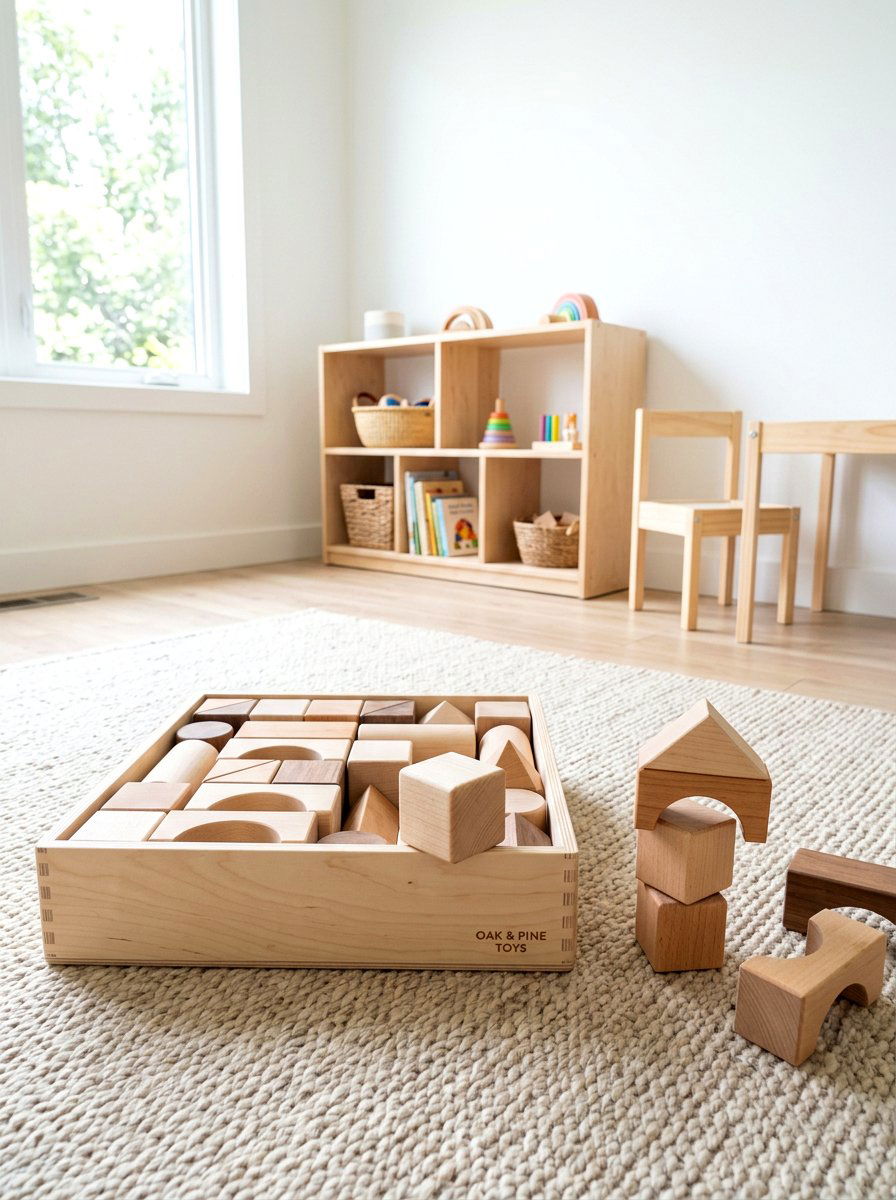
A minimalist wooden block set is a timeless activity that belongs in every well-prepared Montessori environment. These natural blocks come in various geometric shapes that help children learn about balance, gravity, and spatial relationships. You should store them in a low wooden crate or a shallow tray so the child can easily see the different pieces. Building with blocks encourages problem-solving and creative thinking without the distraction of loud noises or flashing lights. The smooth texture and weight of real wood provide a wonderful sensory experience for young hands. This open-ended activity can occupy a child for hours as they design complex towers and imaginative landscapes.
14. Nature themed wall mural
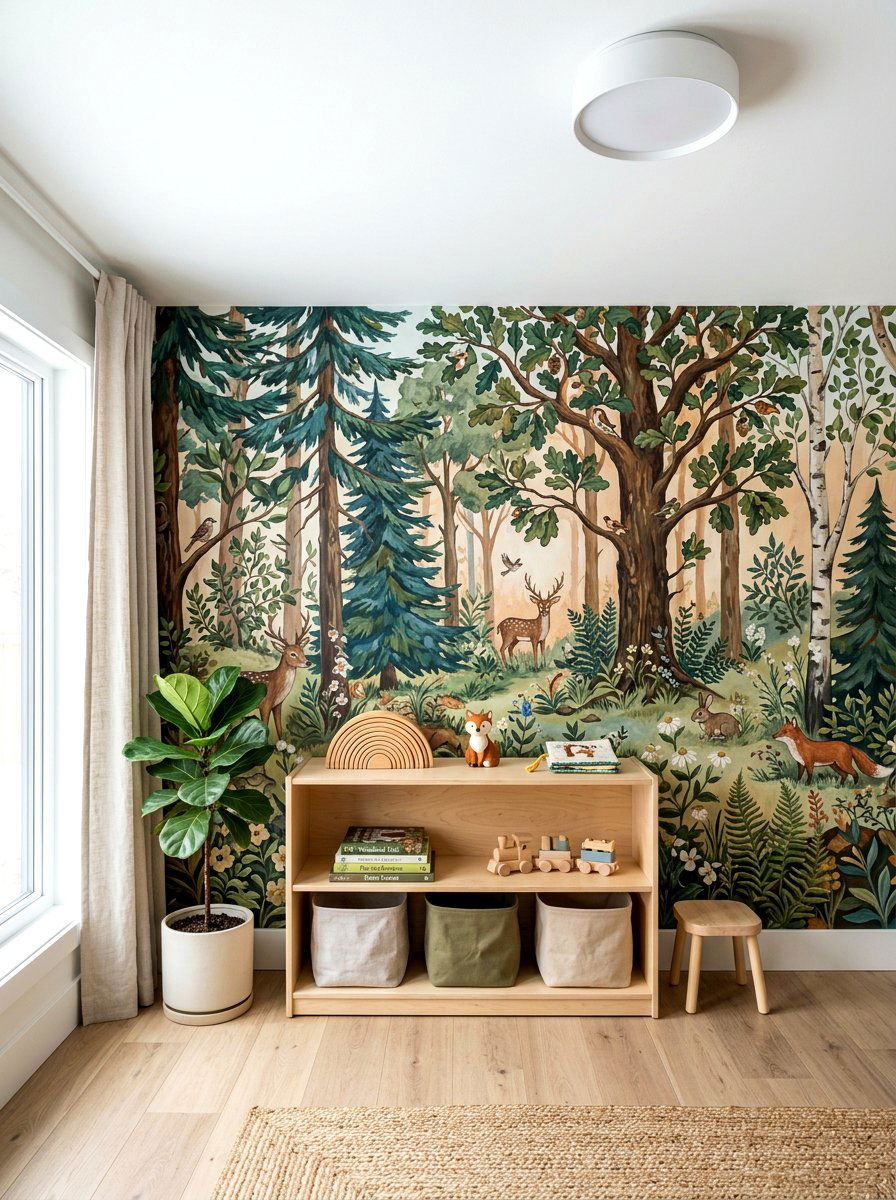
A nature themed wall mural adds a beautiful, calming focal point to your playroom without taking up any floor space. You should choose designs that feature realistic landscapes, mountains, or forests in muted, earthy tones. This aesthetic choice connects the indoor environment to the natural world, which is a key principle in Montessori design. High-quality peel-and-stick wallpaper makes it easy to update the look as your child grows. Avoid overly cartoonish styles to maintain a sophisticated and peaceful atmosphere that won't overstimulate your little one. A large mural can make a small room feel much more expansive and adventurous while keeping the play area feeling organized.
15. Woven seagrass storage baskets
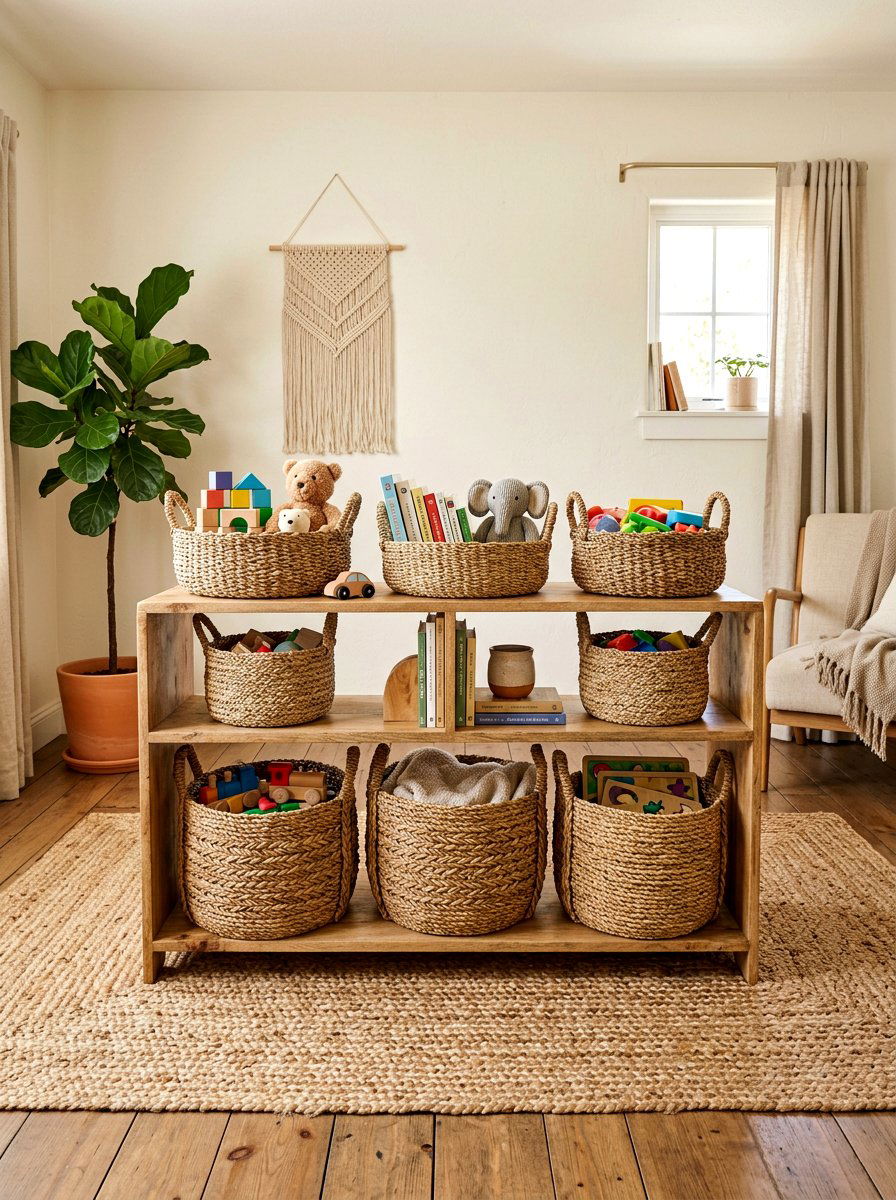
Using woven seagrass storage baskets is a stylish and functional way to organize toys in a Montessori playroom. These natural containers add warmth and organic texture to the space while keeping small items neatly tucked away. You should use shallow baskets on low shelves so your child can easily see what is inside each one. Labeling the baskets with simple pictures or words helps children learn where everything belongs during cleanup time. Seagrass is a durable material that can withstand daily use by energetic toddlers. These baskets replace unsightly plastic bins and help create a cohesive, high-end look for your child’s dedicated play and learning environment.
16. Toddler height craft table
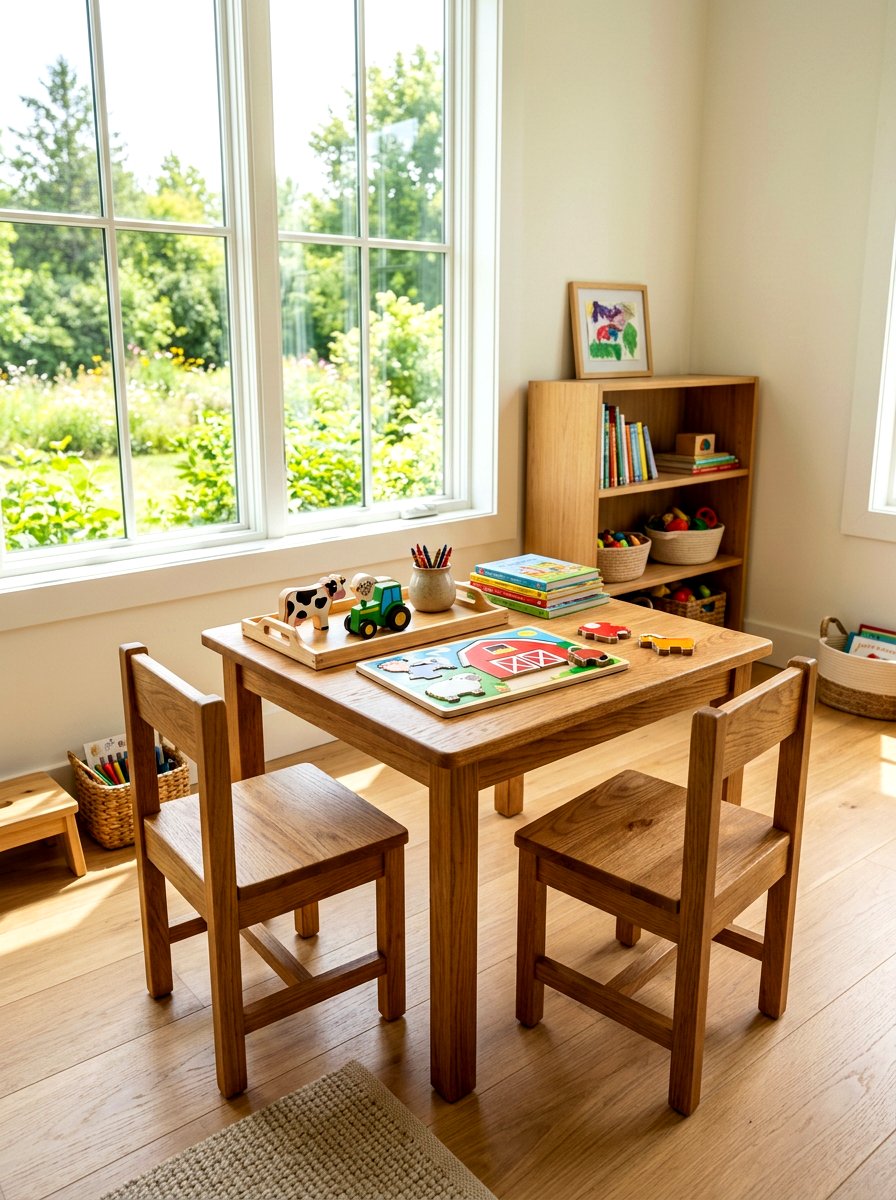
A toddler height craft table provides a stable surface for various activities like puzzles, drawing, and playdough. It is essential to choose a table and chair set that allows your child’s feet to rest flat on the floor. This ergonomic setup ensures they are comfortable and can focus on their "work" for longer stretches of time. A simple wooden design with a clean finish keeps the area looking tidy and professional. You can place the table near a bookshelf or art station to create a dedicated zone for seated tasks. This furniture piece empowers your child to sit down and start an activity without needing help.
17. Hanging playsilk rainbow station
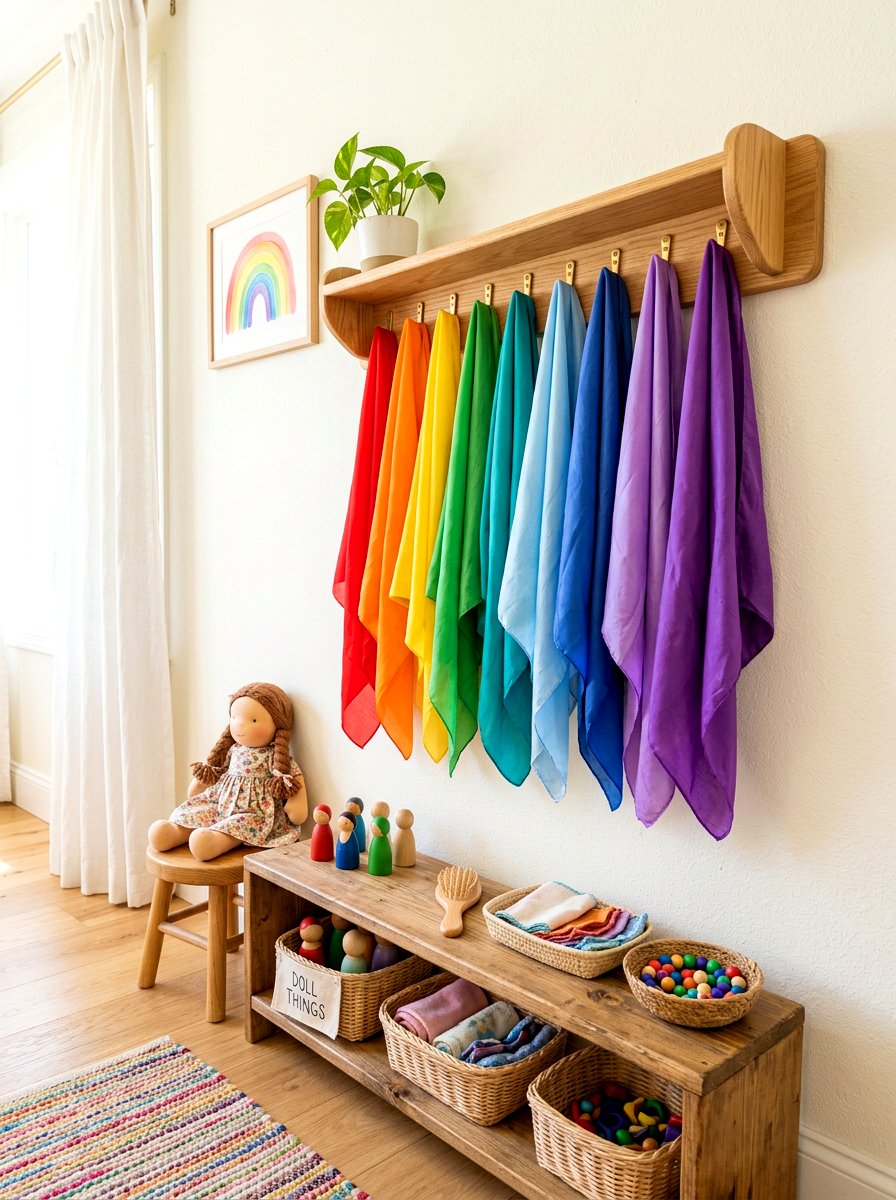
A hanging playsilk rainbow station introduces vibrant colors and soft textures into the room in a very organized way. You can use a wooden wall rack with pegs to drape beautiful silk scarves within your child’s reach. Playsilks are wonderful for open-ended play, serving as capes, doll blankets, or landscape elements for building projects. The light, airy fabric is gentle on the hands and visually pleasing when displayed neatly. This setup encourages imaginative play while ensuring that materials are easy to put away when the fun is finished. It adds a pop of color to a neutral room while maintaining the orderly aesthetic of the space.
18. Open shelf loose parts
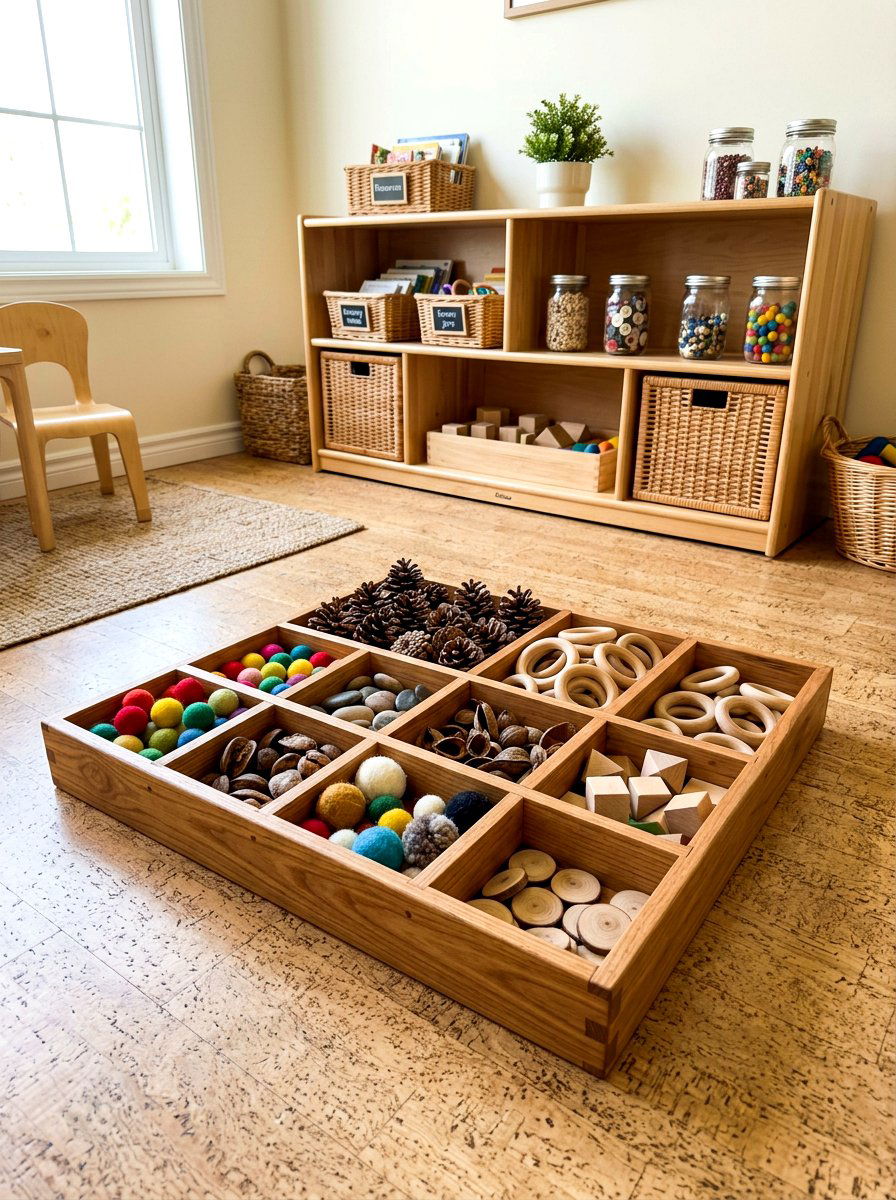
Storing open shelf loose parts like wooden rings, pinecones, and stones encourages creative thinking and sensory exploration. You should use a divided wooden tray or several small bowls to keep different materials separated and visible. Loose parts play has no set rules, allowing your child to use their imagination to create patterns, structures, or pretend stories. This activity helps develop fine motor skills and mathematical concepts through sorting and counting. Keeping these natural materials on a low shelf makes them an attractive and accessible option for daily play. It is a simple way to bring elements of the outside world into your child’s learning environment.
19. Indoor wooden swing seat
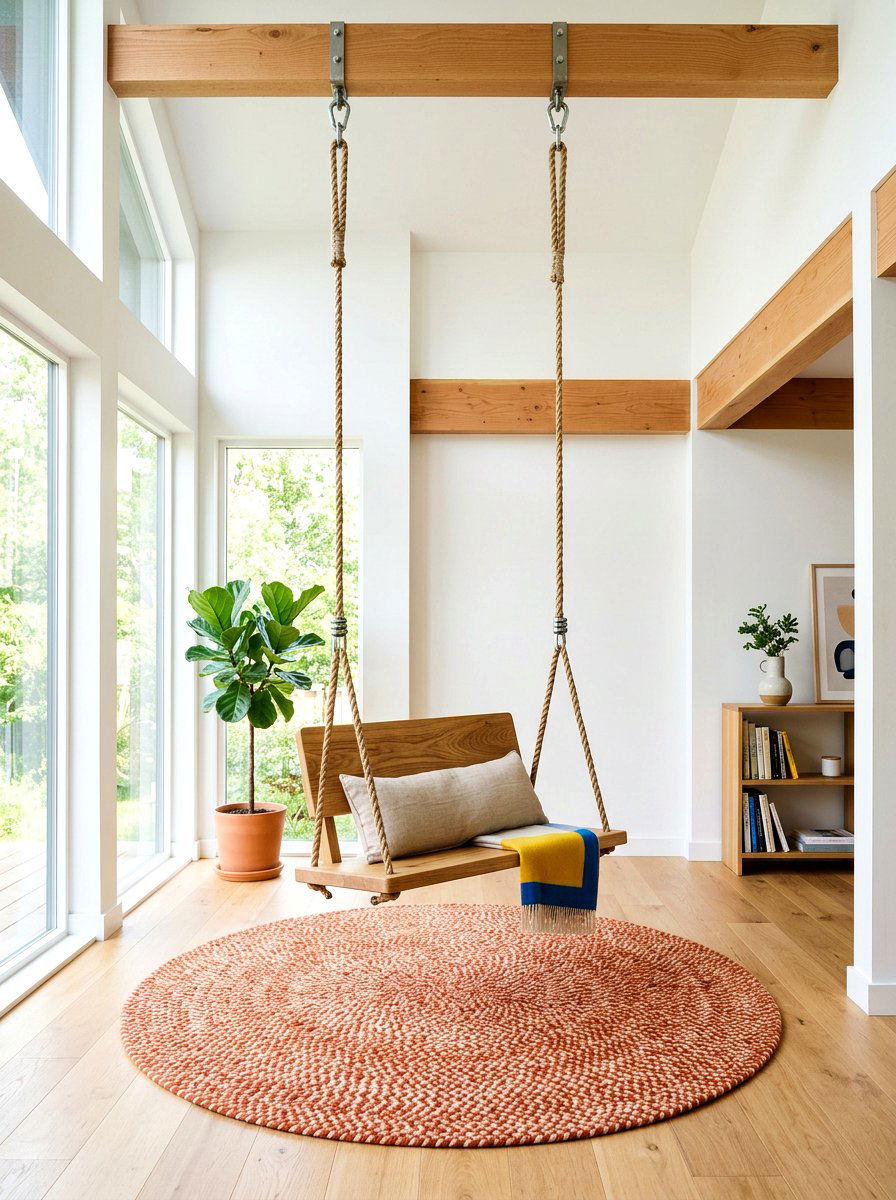
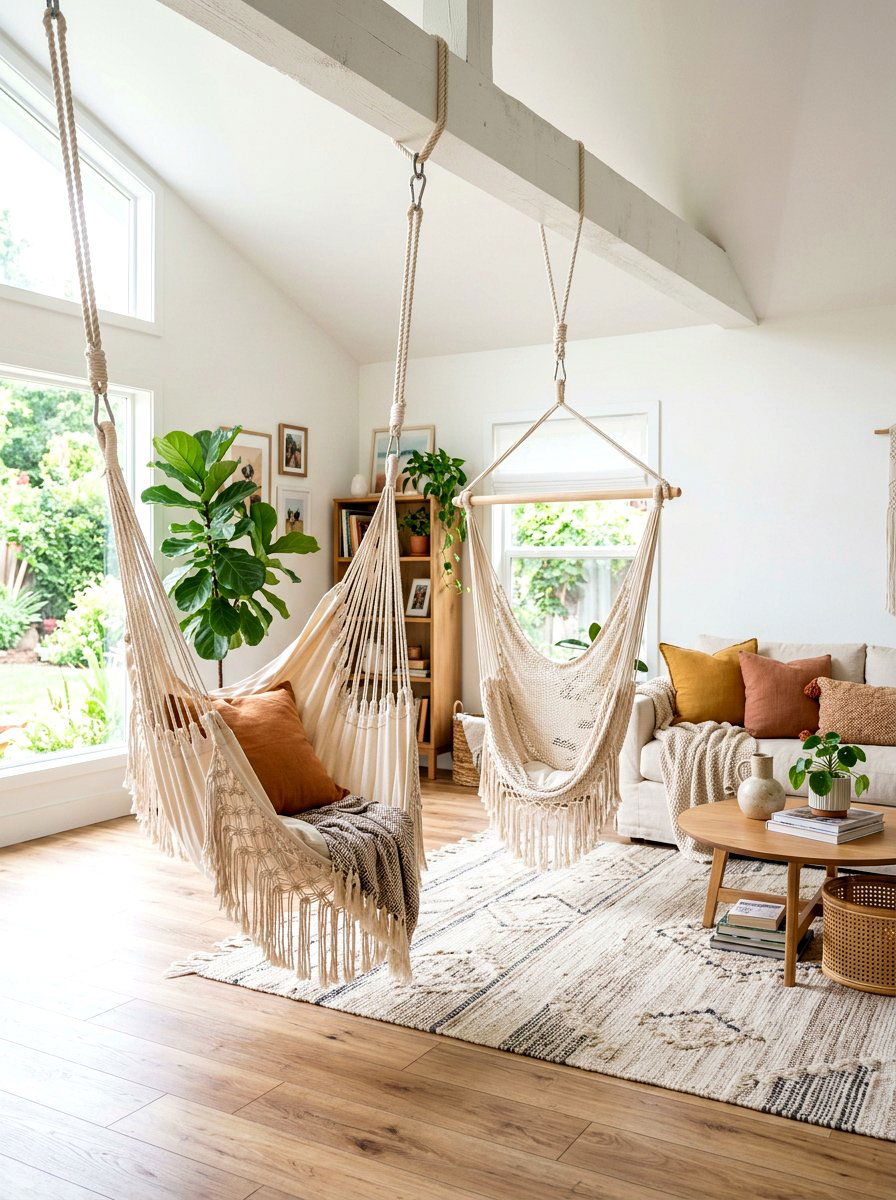
An indoor wooden swing seat provides a fun way for children to develop their vestibular system and core strength. Hanging a simple, minimalist swing from a sturdy ceiling beam adds a touch of whimsy to the playroom layout. You should ensure there is plenty of clear space around the swing to allow for safe movement back and forth. A smooth wooden seat with natural rope keeps the aesthetic clean and modern. Swinging is a naturally calming activity that can help children regulate their emotions after a busy day. This feature makes the playroom feel like a special destination while promoting healthy physical development for your active toddler.
20. Calm down corner pillows
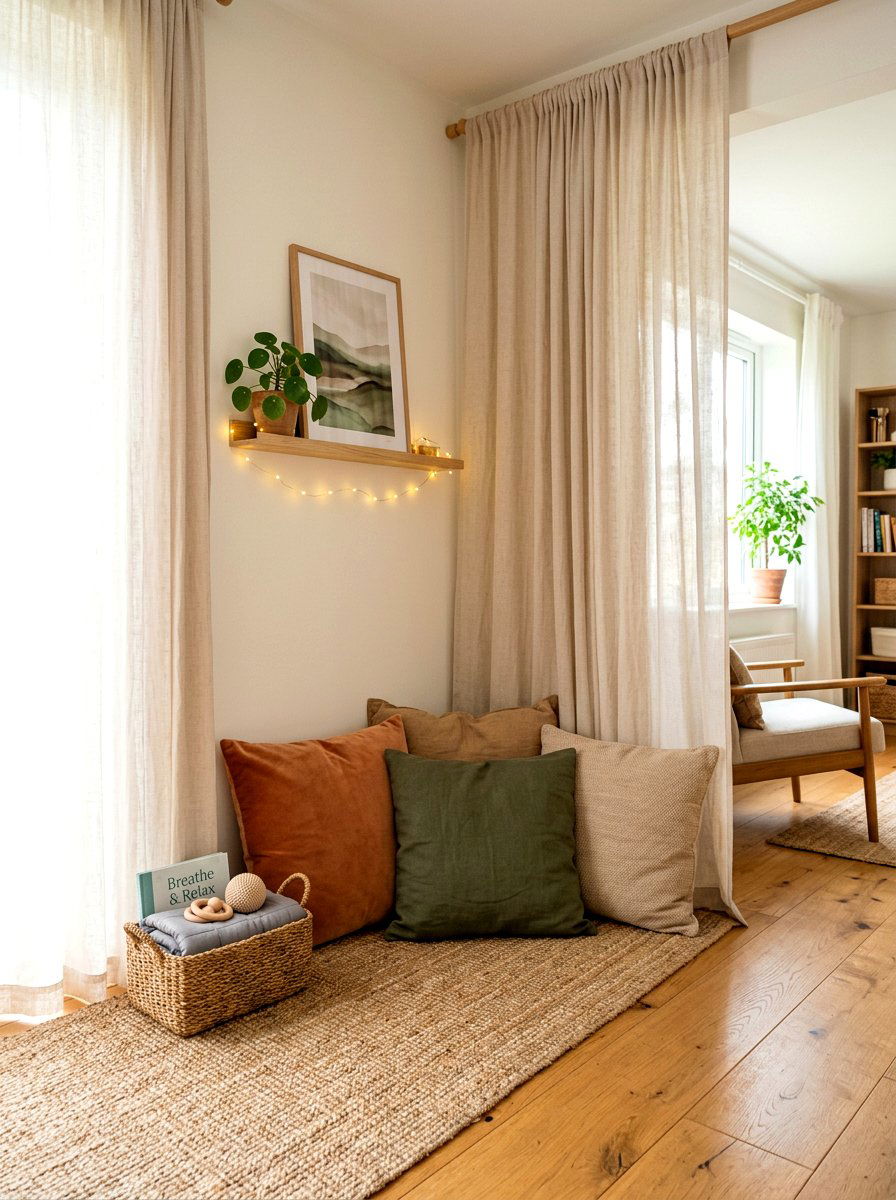
Creating a calm down corner with soft pillows gives your child a safe place to process big emotions or take a break. You should select high-quality floor cushions in soothing colors like sage green or soft beige to promote relaxation. This area should be separate from the high-energy zones to ensure it remains a peaceful sanctuary. Adding a few sensory bottles or a soft weighted blanket can further enhance the calming effect of the space. Teaching children to use this area when they feel overwhelmed helps them develop emotional intelligence and self-regulation skills. It is a beautiful and functional addition that supports your child's overall mental well-being.
21. Math counting bead frame
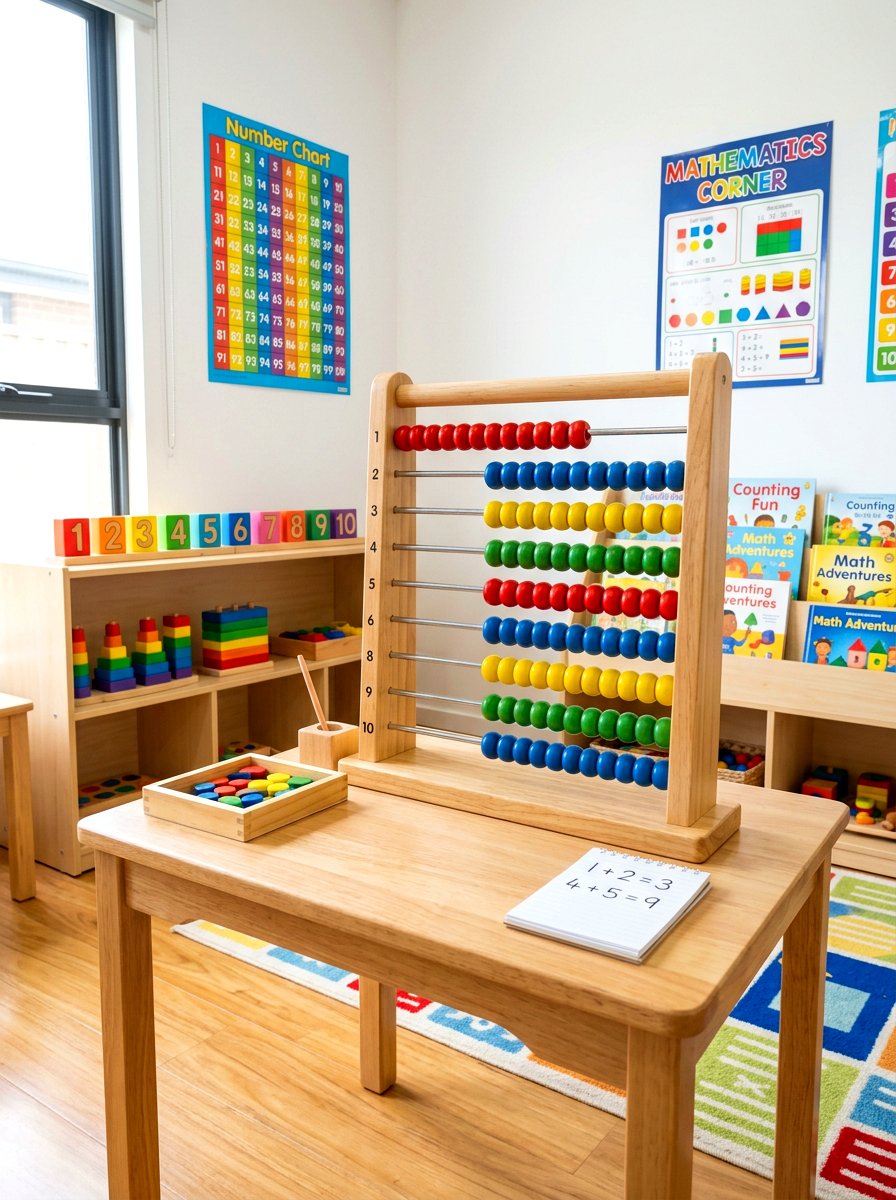
A math counting bead frame, often known as an abacus, is a classic Montessori tool for introducing early numeracy concepts. This wooden frame features rows of colorful beads that children can slide back and forth to practice counting and basic addition. You should display the frame on a low shelf or a dedicated math table to invite exploration. The tactile nature of the beads helps make abstract numbers more concrete and understandable for young minds. Its traditional design fits perfectly with a natural wood aesthetic while providing a high-quality educational experience. This simple tool encourages a love for numbers and helps build a strong foundation for future learning.
22. Practical life play kitchen
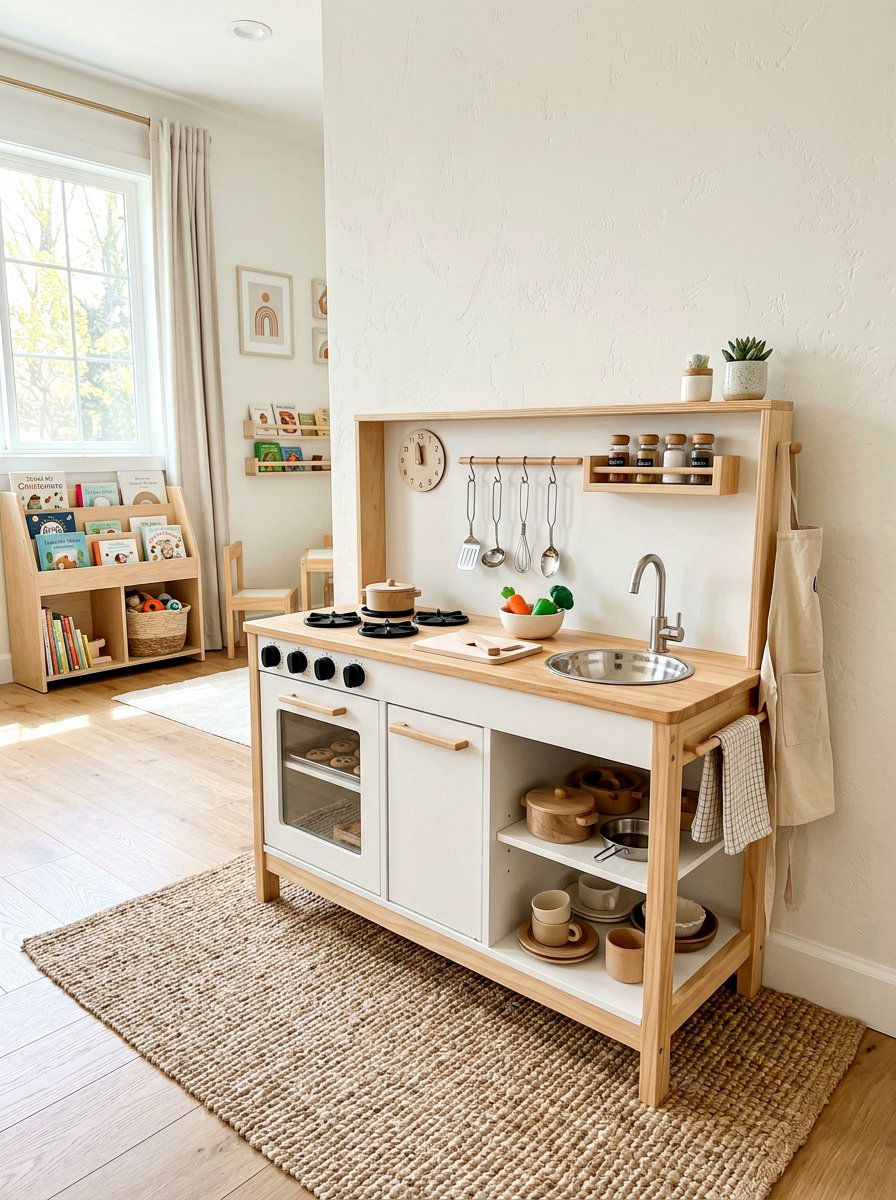
A practical life play kitchen allows toddlers to mimic the daily activities they see their parents doing in the main home. You should choose a minimalist wooden kitchen that features realistic details like a sink, stovetop, and storage cabinets. Avoid models with loud electronic sounds to keep the play focused on the child’s own imagination. Stocking the kitchen with small stainless steel pots and wooden play food adds to the high-quality sensory experience. This area helps children develop social skills, fine motor coordination, and a sense of responsibility. It is a wonderful way for them to practice "serving" others and learning about different food preparation tasks.
23. Musical instrument wall rack
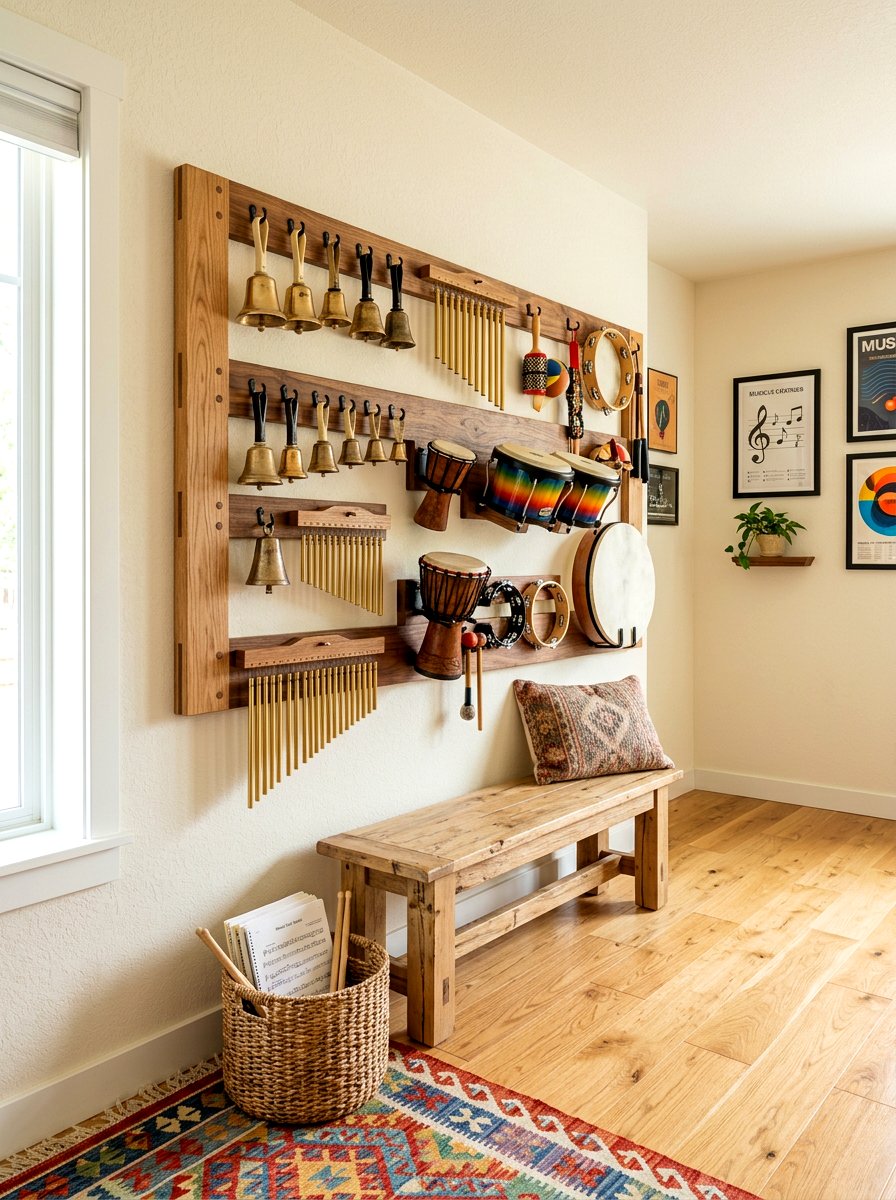
A musical instrument wall rack keeps bells, tambourines, and wooden xylophones organized and ready for a jam session. Mounting these instruments on a low wall board prevents them from getting tangled in a toy box and makes them a visual feature. You should choose instruments made from natural materials like wood and metal for the best sound quality and aesthetic appeal. This setup encourages your child to explore rhythm and sound independently whenever they feel creative. Music play is essential for auditory development and self-expression in young children. Keeping the collection small and curated ensures the room remains a peaceful place for learning and exploration.
24. Large world map mural
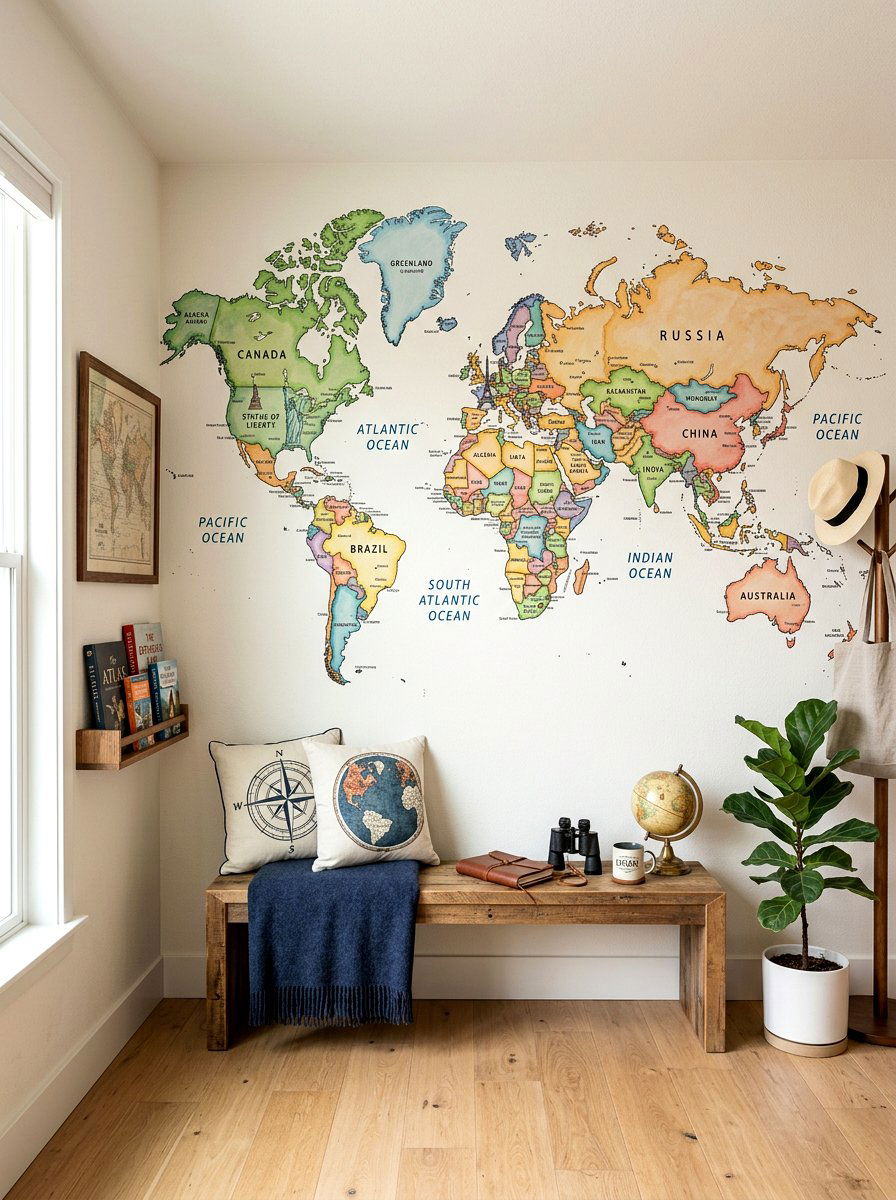
A large world map mural serves as an educational backdrop that sparks curiosity about different cultures and geography. You should look for a map with clear, simple labels and beautiful illustrations of animals or landmarks from around the globe. Placing this mural on a main wall in the playroom provides a great starting point for many learning conversations. It helps children develop a sense of their place in the world and an appreciation for global diversity. Using a map with muted or vintage tones ensures it blends well with a sophisticated Montessori aesthetic. This visual aid makes the space feel adventurous and intellectually stimulating for your growing explorer.

25. Natural cork floor tiles
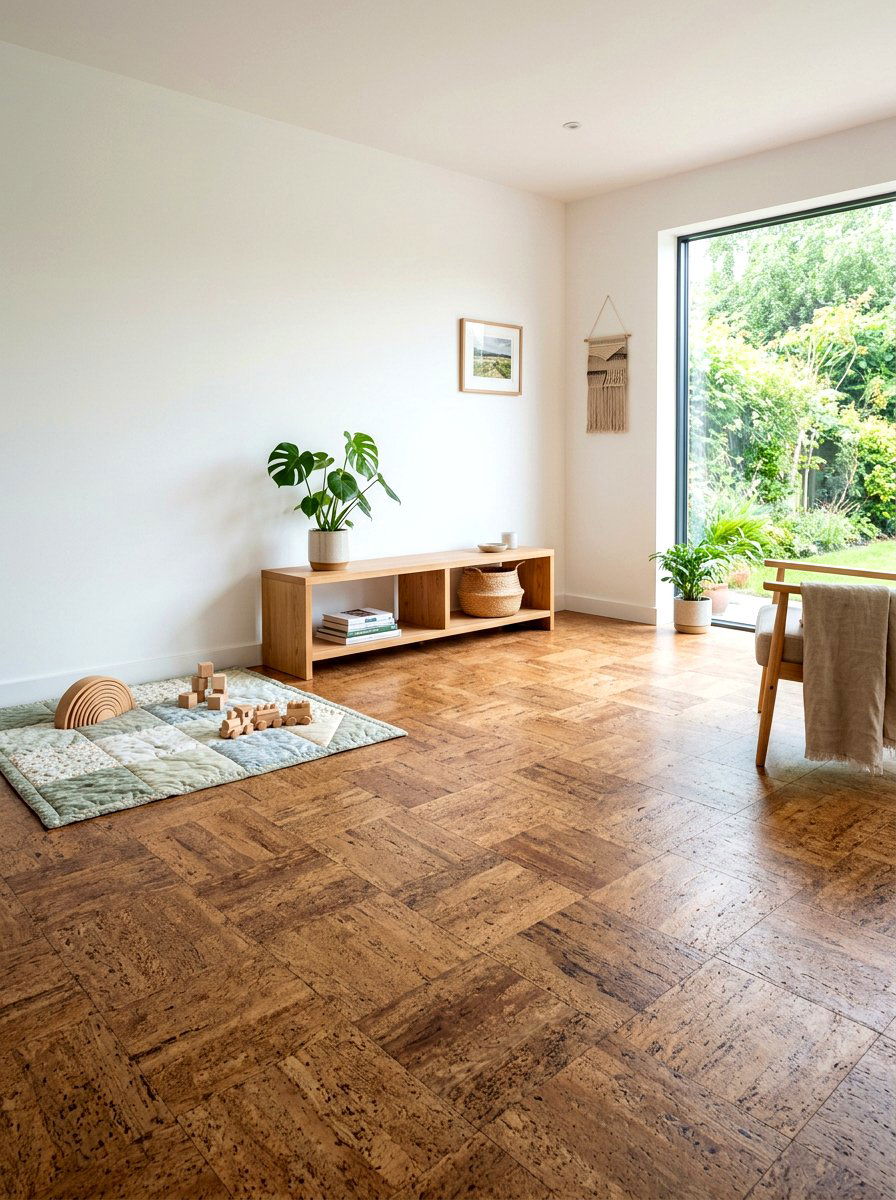
Installing natural cork floor tiles provides a warm, soft, and sustainable surface for your child to play on all day. Cork is naturally antimicrobial and easy to clean, making it a practical choice for a busy toddler’s environment. The earthy texture and color of cork complement wooden furniture perfectly, creating a grounded and cohesive look. Unlike hard laminate or cold tile, cork provides a comfortable cushion for knees and elbows during floor activities. It also helps dampen sound, which is a major benefit when children are building and knocking over wooden block towers. This flooring choice enhances the overall safety and comfort of the prepared environment.
26. Indoor climbing wall holds
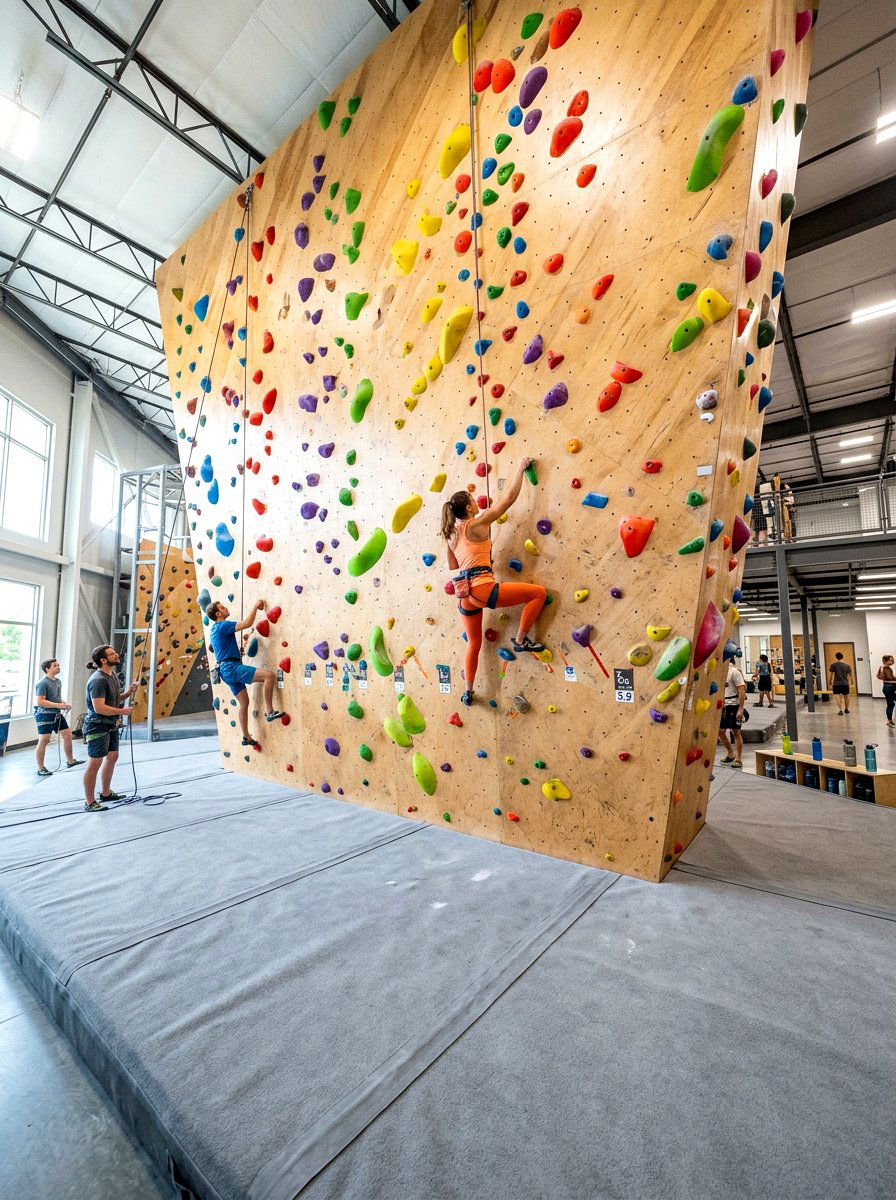
Adding indoor climbing wall holds to a small section of the playroom wall maximizes vertical space for active movement. You should select holds in natural stone shapes or neutral colors to maintain a clean and modern appearance. Installing a thick safety mat at the base of the wall is essential to protect your child during their climbing adventures. This activity helps develop impressive grip strength, coordination, and problem-solving skills as they navigate different routes up the wall. It is a great way to burn off extra energy when playing outside isn't an option. A climbing wall turns a simple room into a dynamic and fun physical playground.
27. Clear toy sorting bins
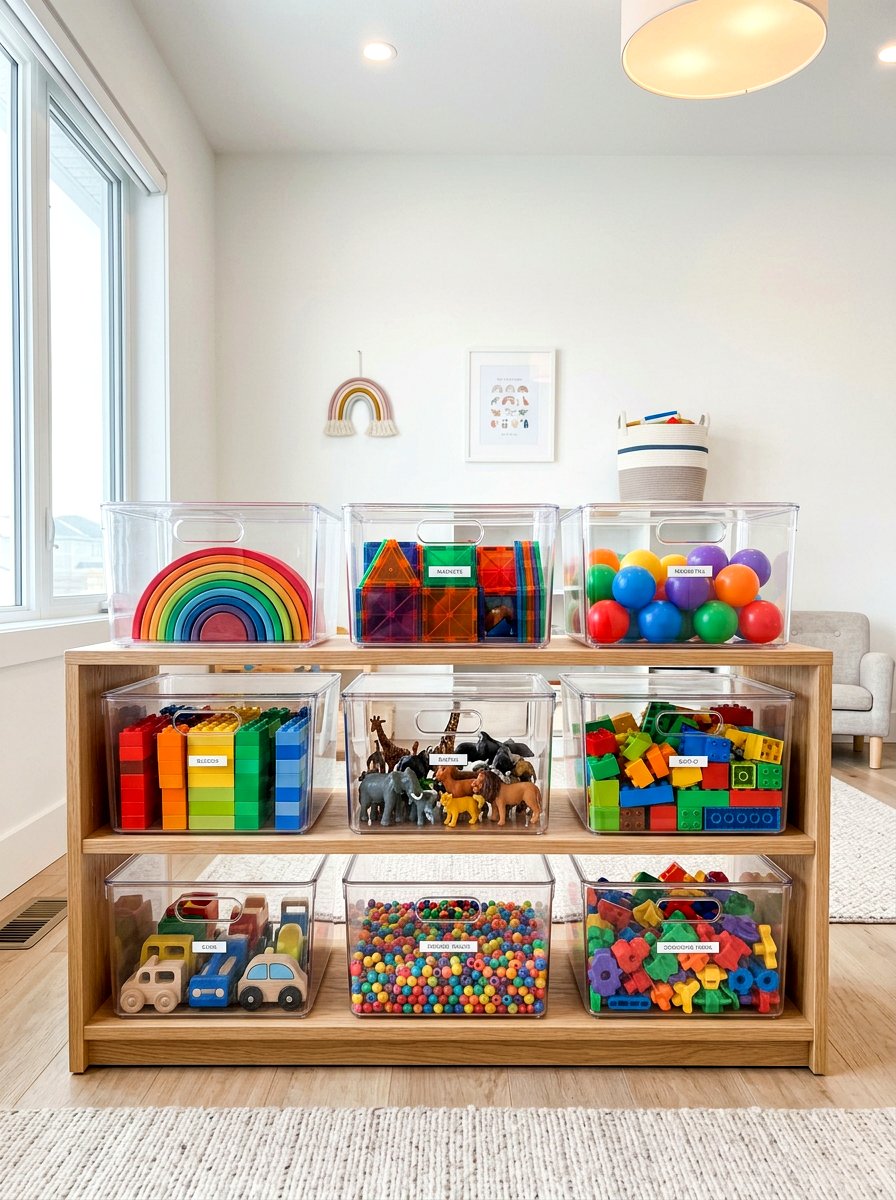
Using clear toy sorting bins allows your child to see exactly what materials are available for their next activity. These transparent containers are excellent for organizing sets like LEGO blocks, magnetic tiles, or art supplies. You should place the bins on low shelving units so your toddler can slide them out and carry them to their workspace. This transparency promotes independence because the child doesn't need to ask what is inside each box. Choosing high-quality, BPA-free plastic or acrylic bins keeps the look modern and streamlined. Being able to see the colorful components inside adds a touch of visual interest to an otherwise neutral and organized room.
28. Botanical art gallery wall
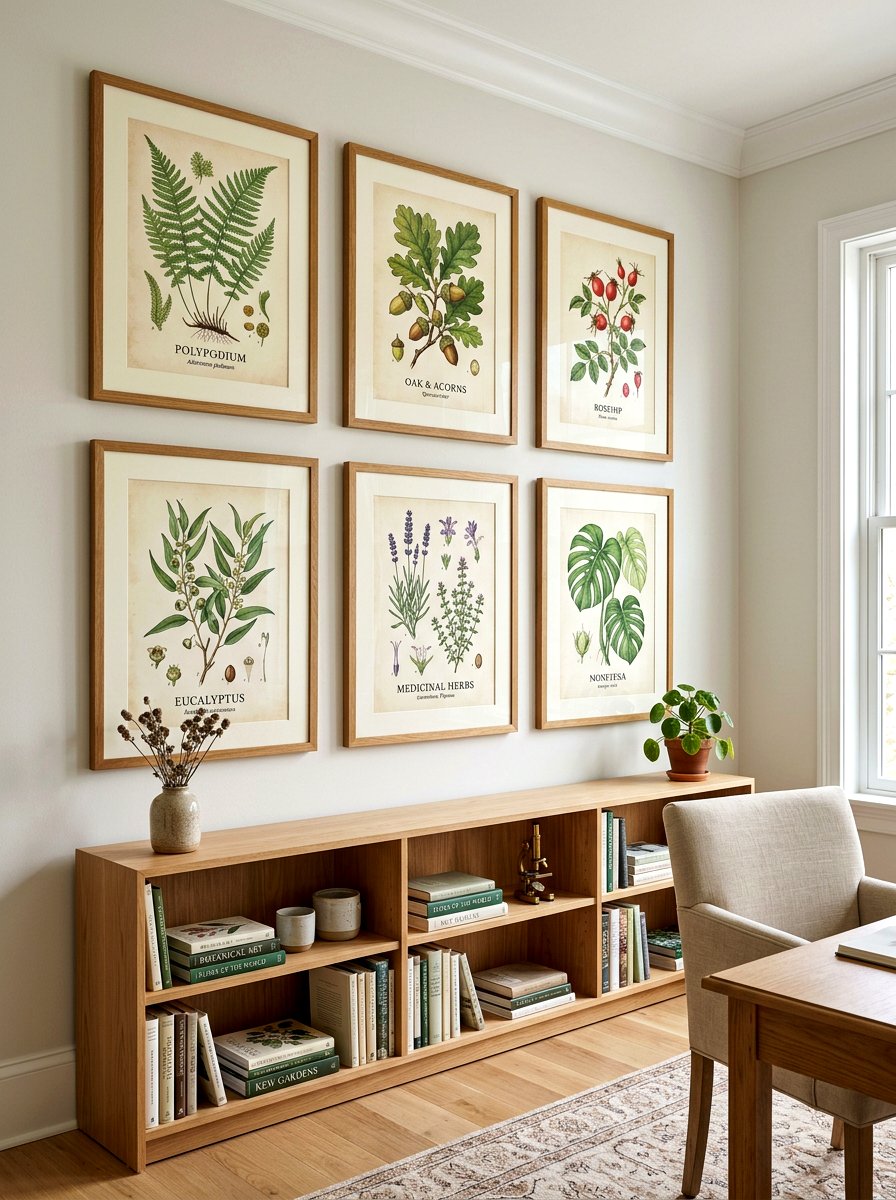
A botanical art gallery wall introduces your child to the beauty of the natural world through realistic illustrations of plants and flowers. You should hang these prints at your child's eye level using simple wooden frames to create a sophisticated and educational display. This choice of decor aligns with the Montessori principle of surrounding children with real-world beauty rather than abstract cartoons. You can rotate the prints to reflect the changing seasons, which helps your child connect with the environment outside. A botanical theme creates a serene atmosphere that encourages observation and appreciation for nature. It is a timeless design choice that grows with your child beautifully.
29. Floor activity gym frame
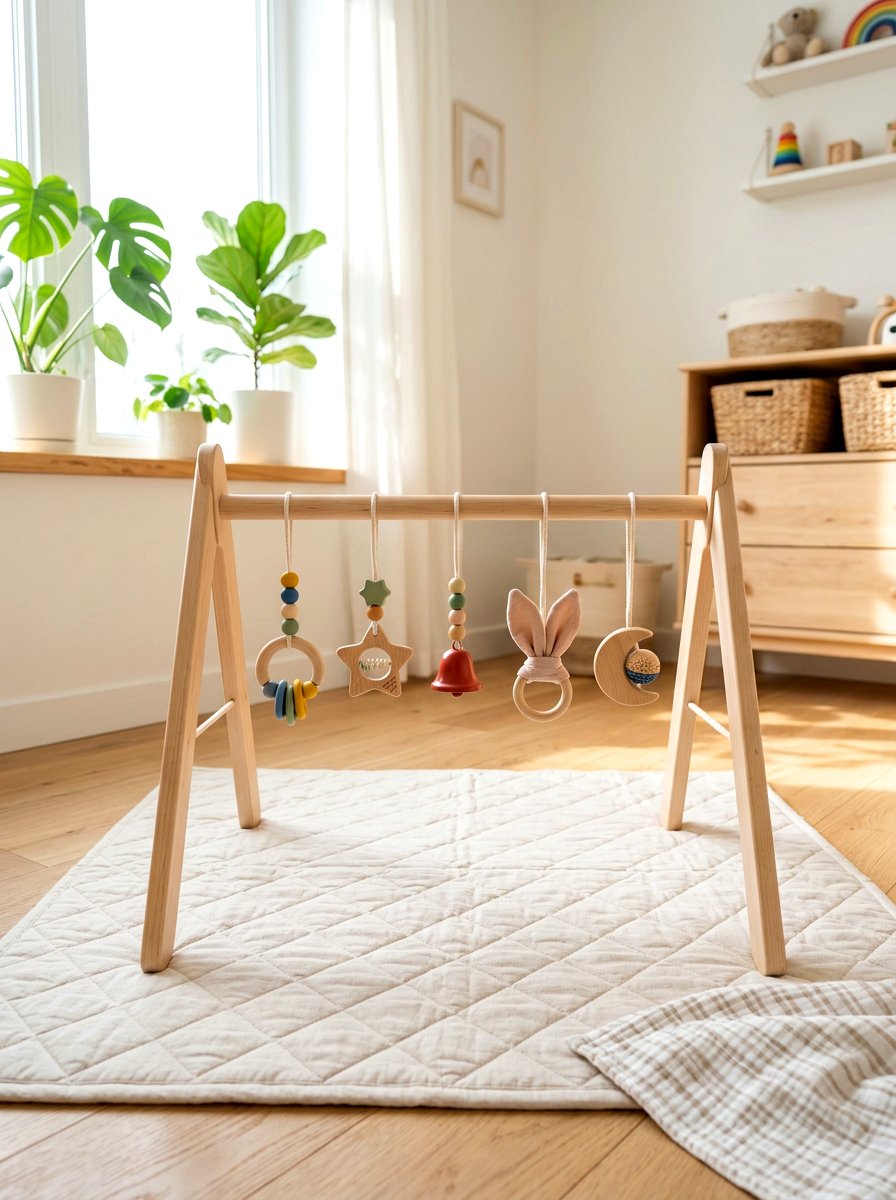
A minimalist floor activity gym frame made from smooth wood is a perfect addition for the youngest Montessori explorers. These simple structures allow you to hang a few high-quality sensory toys like wooden rings or soft fabric balls. The frame should be placed on a soft mat where your baby can lie comfortably and reach for the items above. This activity encourages eye-tracking, grasping, and early motor coordination in infants. Unlike plastic versions with flashing lights, a wooden gym provides a calm and focused environment for development. It is a beautiful piece that can be easily folded and stored away when it is no longer needed.
30. Child size wardrobe mirror
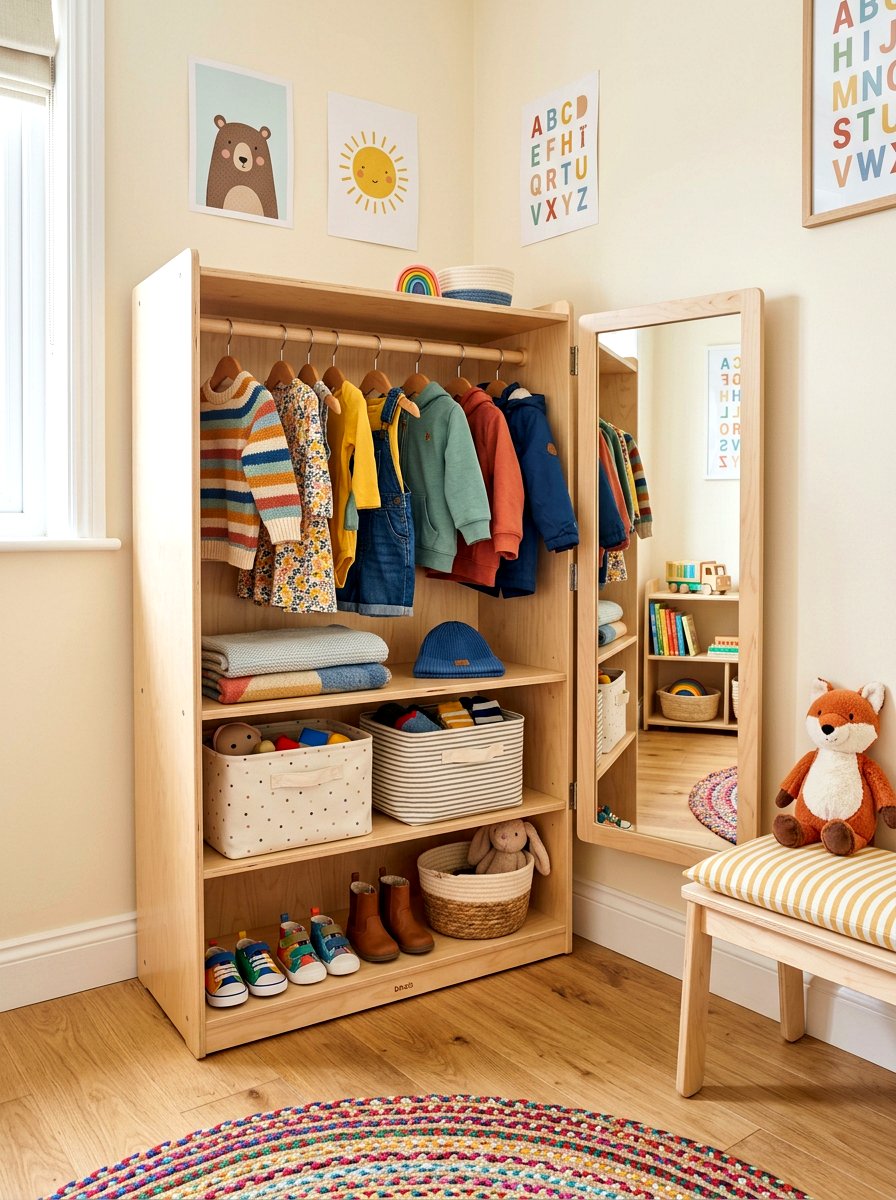
A child size wardrobe with an attached mirror empowers toddlers to take charge of their own dressing routine each morning. You should choose a low, open unit that features a hanging rod and a few small shelves for folded clothes. Having a full-length, child-safe mirror next to the wardrobe allows them to see their progress as they practice putting on shoes or coats. This setup fosters self-care skills and builds confidence in their ability to manage personal tasks independently. It is a key element of a "practical life" environment that respects the child's growing need for autonomy. A beautiful wooden wardrobe makes the playroom feel like a complete living space.
Conclusion:
Designing a Montessori playroom is an ongoing journey of observing your child and adapting the environment to meet their ever-changing developmental needs. By prioritizing simplicity, order, and natural beauty, you create a space where your little one feels truly capable and respected. Each of these thirty ideas serves as a building block for a home that celebrates independence and a love for learning. Remember that you do not need an enormous room to implement these principles; even a small corner of your living area can become a wonderful "yes space" for your toddler. When children are given the right tools and a thoughtfully prepared environment, they will naturally flourish and find joy in discovering the world around them.

Related posts: