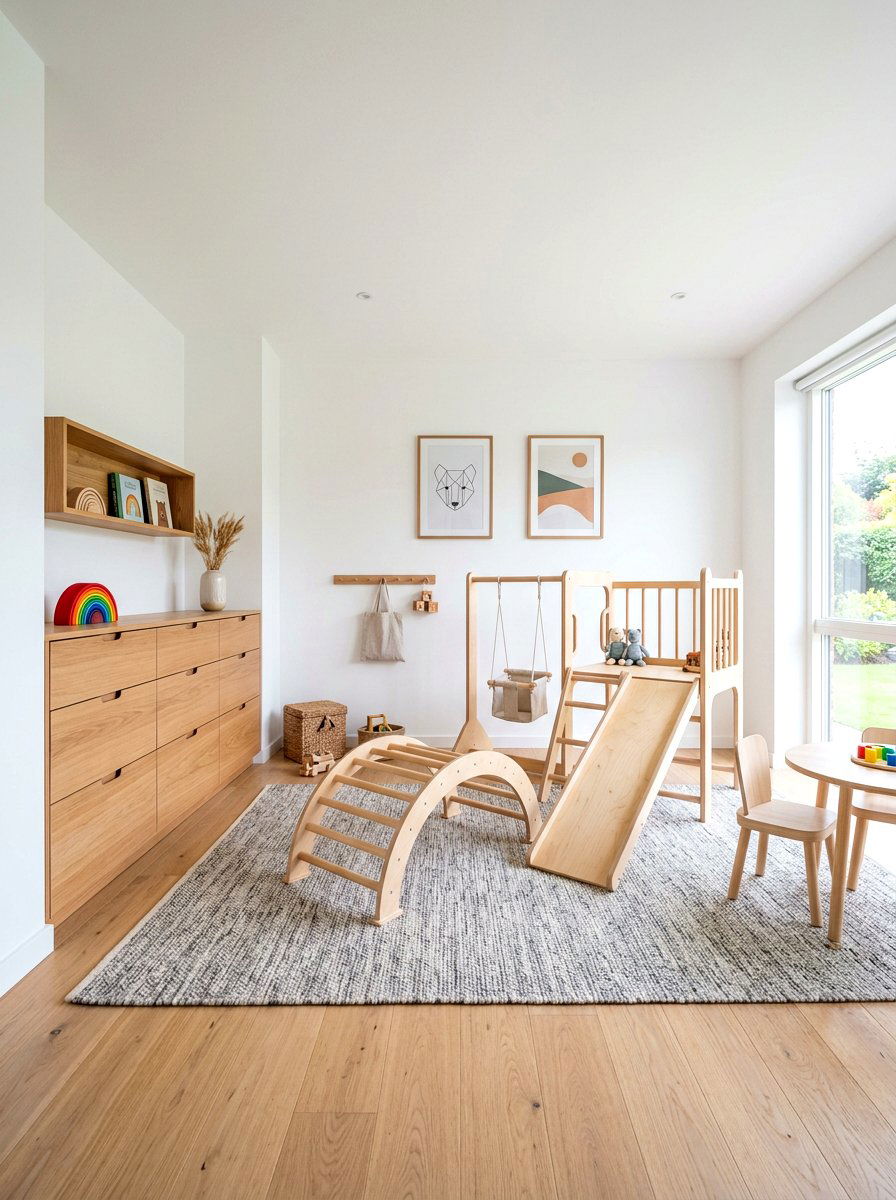
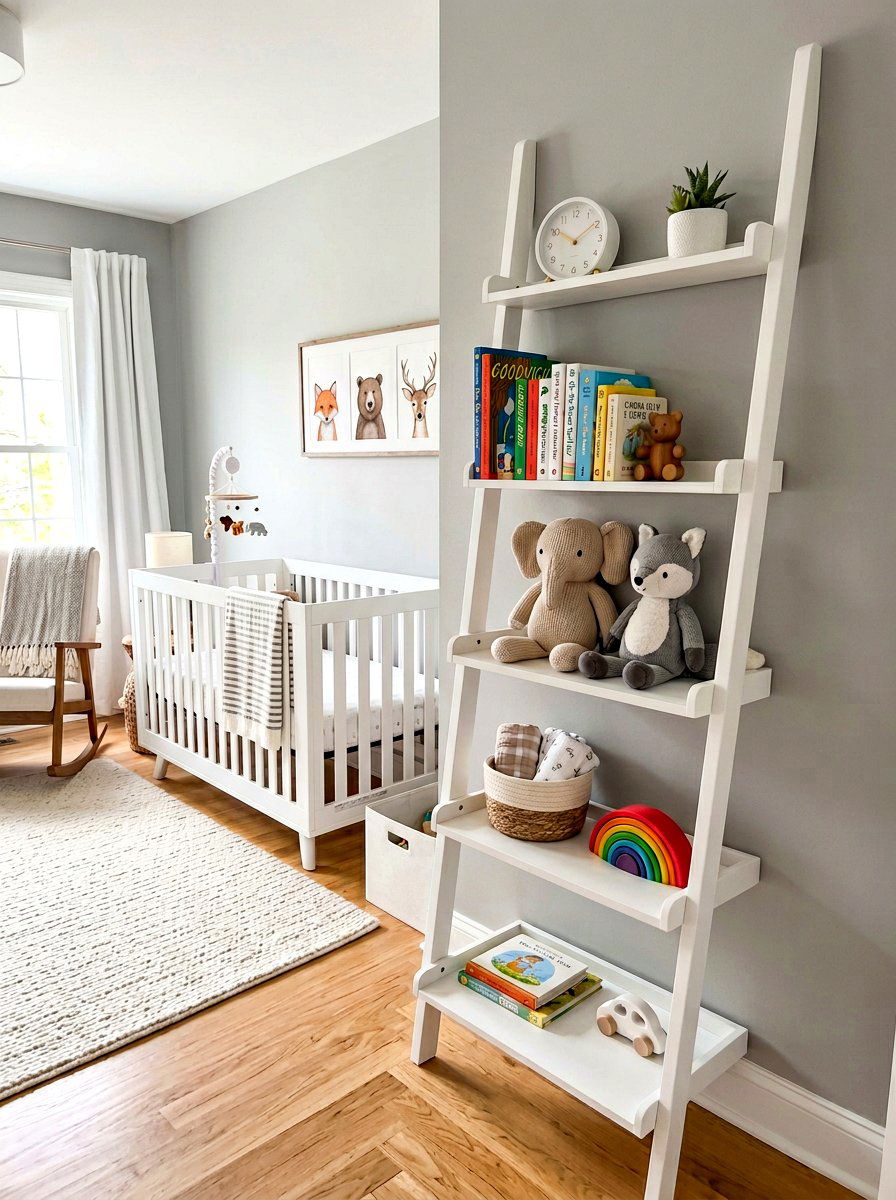
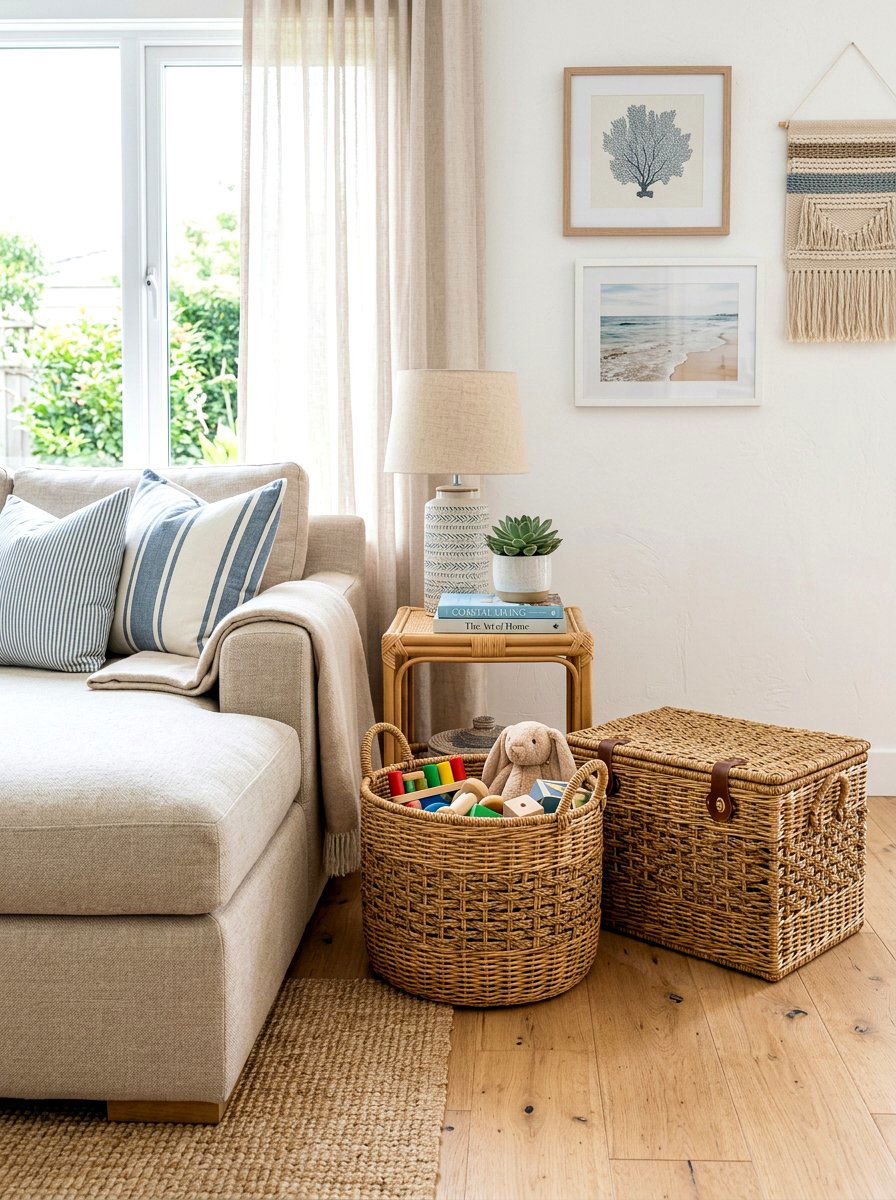
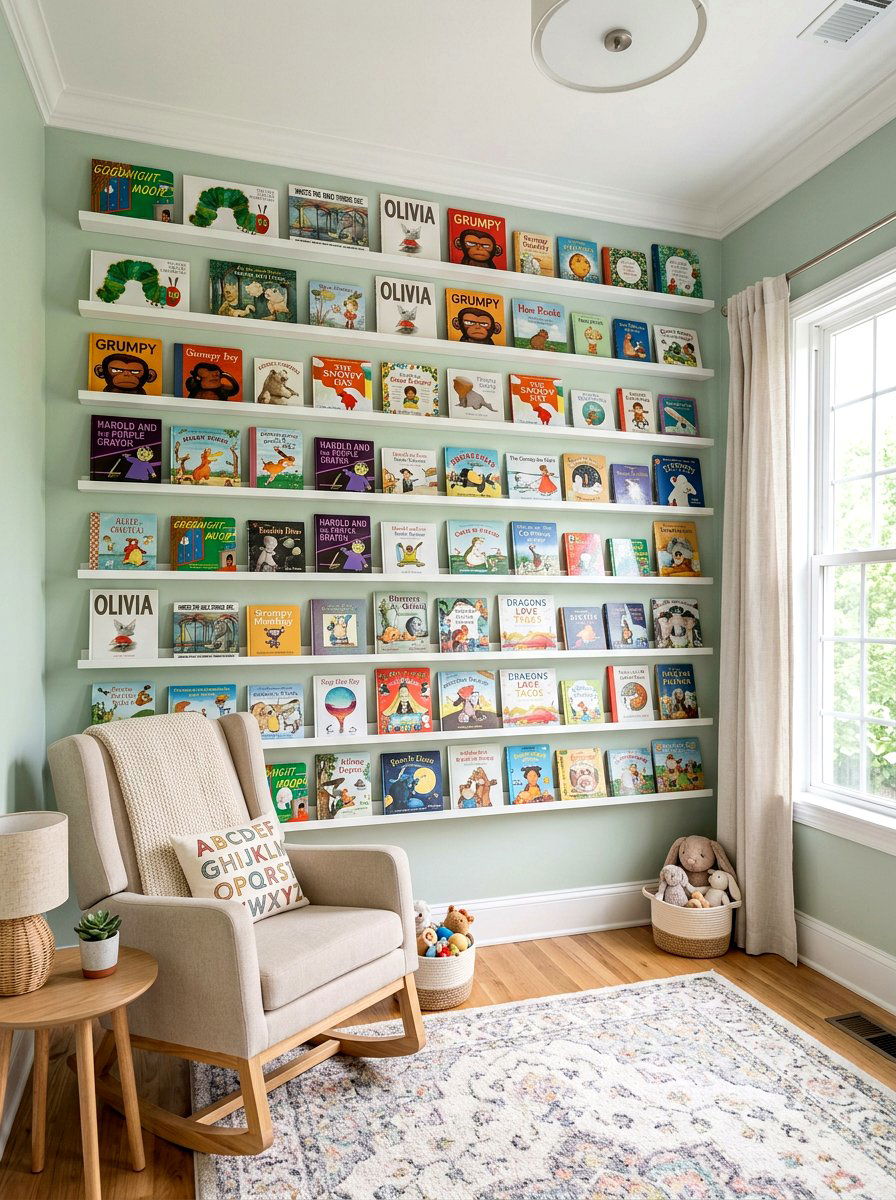
Creating a functional and organized playroom is a common challenge for many parents who want to balance fun with a tidy home environment. The closet often becomes the secret weapon in this battle against toy clutter because it provides a dedicated space to tuck away the mess. By rethinking how you use this square footage, you can transform a simple storage area into a magical destination for your children. Whether you are dealing with a small reach-in or a spacious walk-in, these clever strategies help you maximize every inch of vertical and horizontal space available. Beyond just holding toys, a well-planned playroom closet can encourage independence and creativity in your kids as they learn to manage their own belongings.
1. Built In Bookshelf
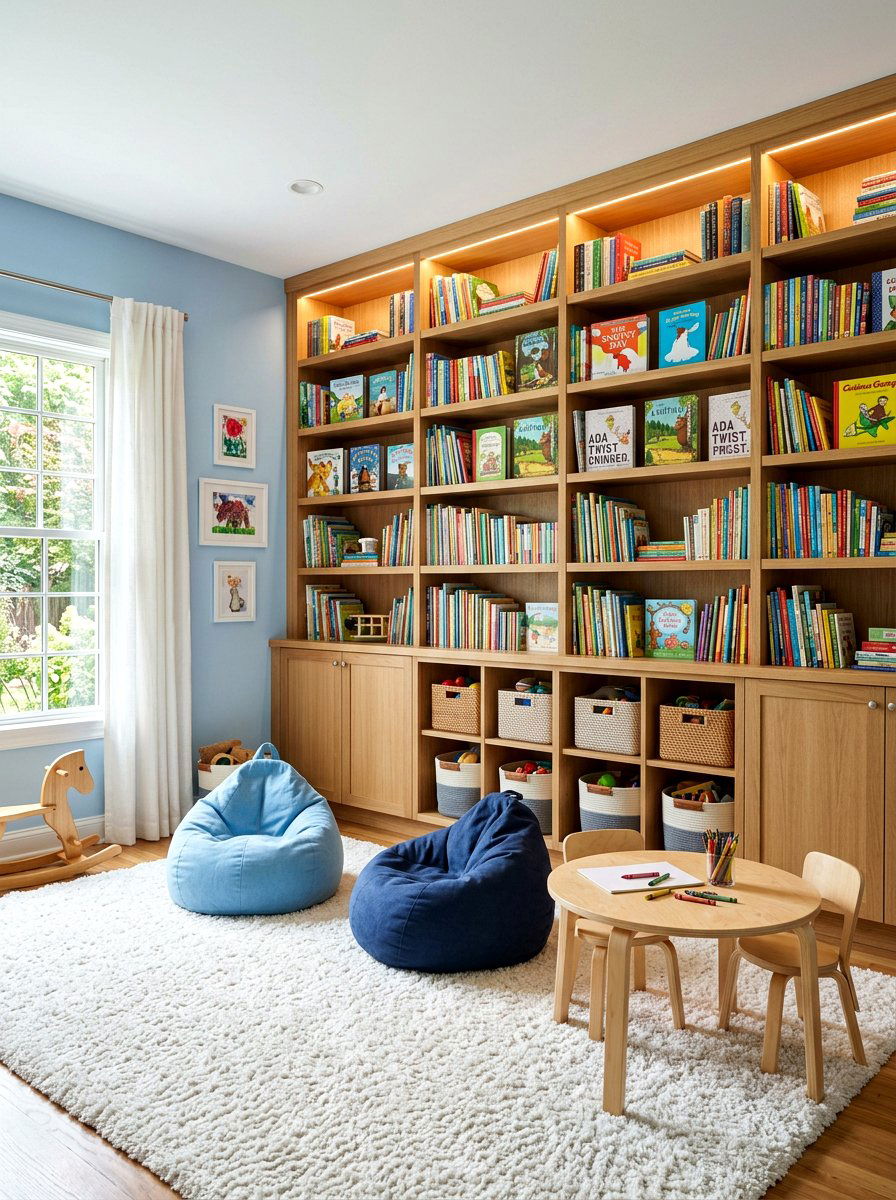
Imagine a playroom where every book has its dedicated place on a custom-built shelving unit that replaces traditional closet doors. These permanent structures offer a clean and polished look that transforms a standard closet into a sophisticated library for young readers. By removing the doors, you open up the room and make literacy a central part of the child's daily environment. The shelves can be adjusted to accommodate tall picture books or small chapter novels as the child grows. Surrounding the built-in unit, soft rugs and bean bags create a cozy atmosphere for reading. This choice maximizes vertical space while keeping the floor clear for active play and other creative activities.
2. Closet Reading Nook
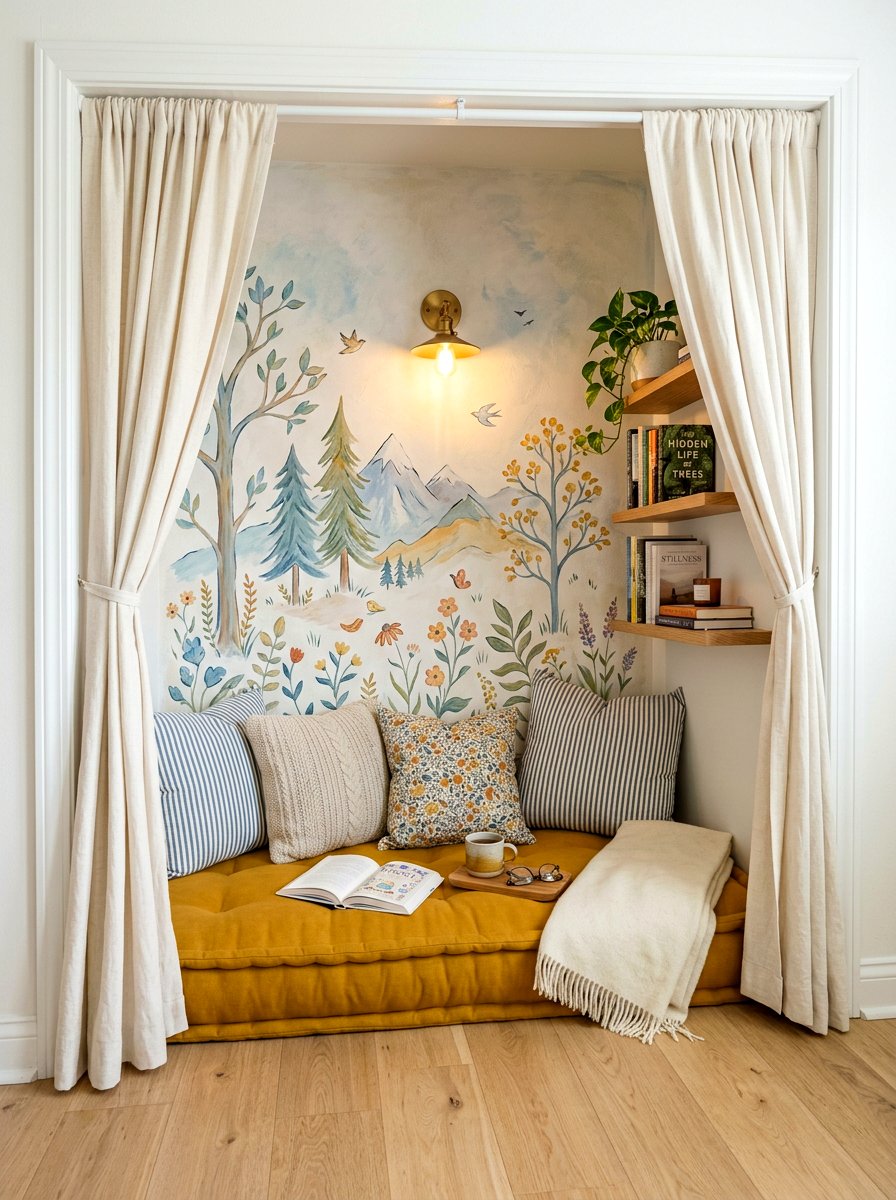
Could a small closet become the most magical part of your child’s playroom? Transforming an unused storage space into a dedicated reading nook offers a quiet escape for little ones. You can add a thick floor cushion, several plush pillows, and a dimmable wall light to make it extra cozy. Soft curtains or a fun canopy can be hung across the opening to provide a sense of privacy. This setup encourages children to spend more time with books in a comfortable and private setting. The surrounding walls are often painted in soothing colors to enhance the relaxing vibe of this miniature indoor sanctuary for children of all ages.
3. Toy Storage Bin
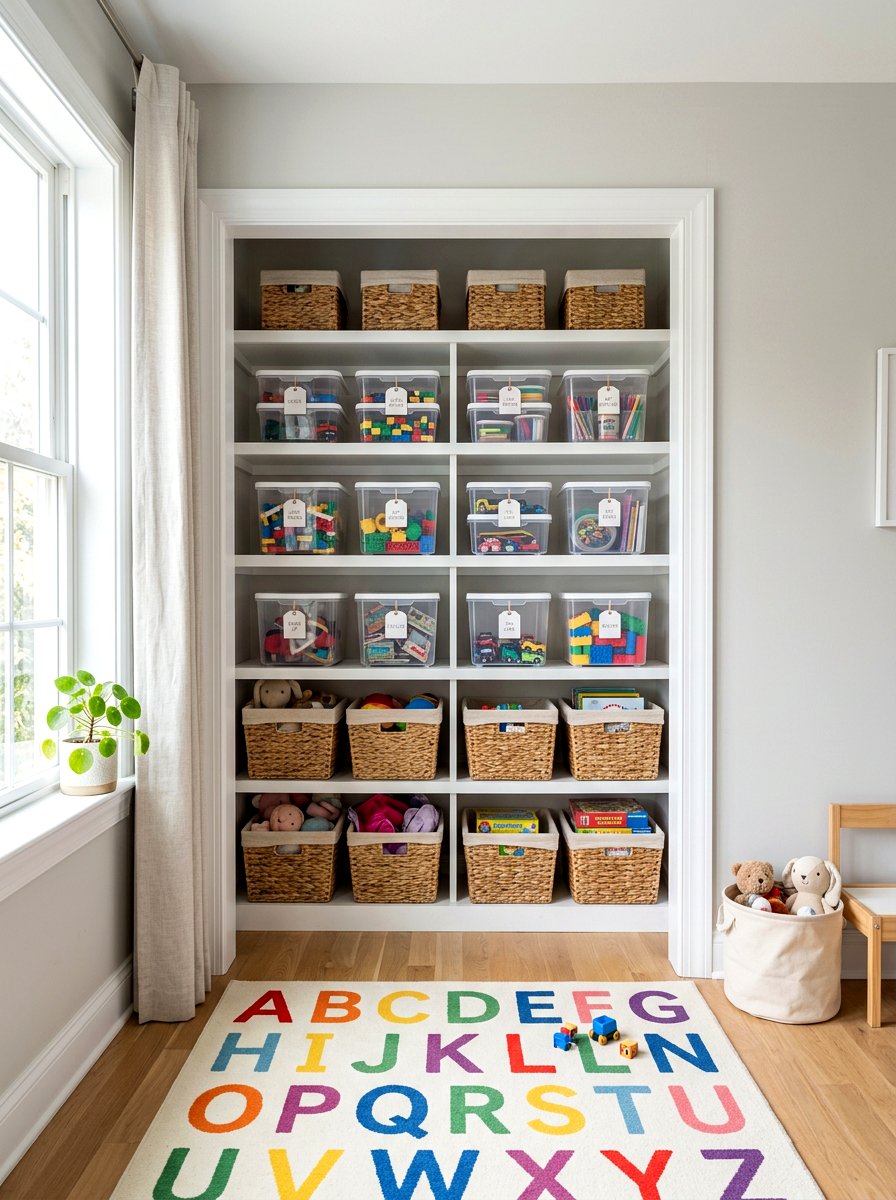
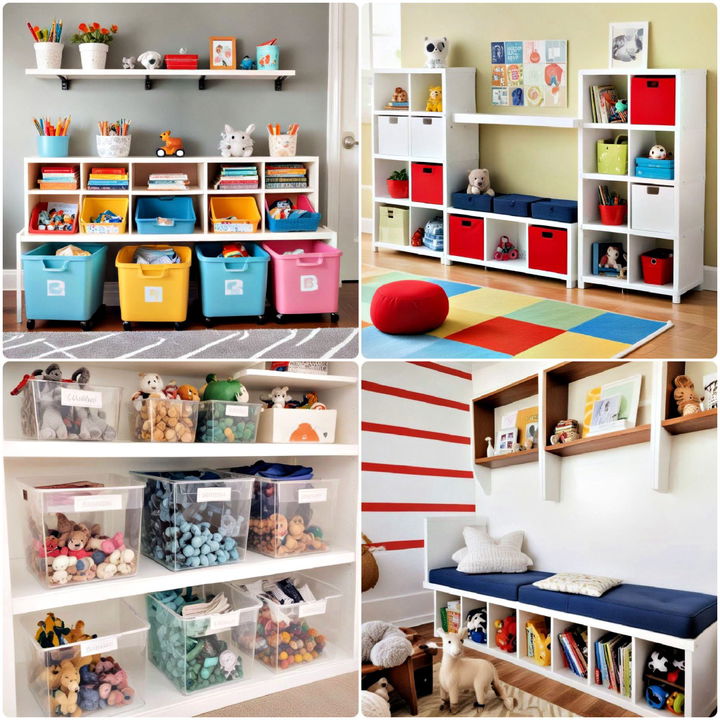
Standard closets often suffer from wasted floor space, but a structured system of toy storage bins can solve this problem instantly. Using uniform containers creates a cohesive look that reduces visual clutter even when the closet doors are left open. You can choose from heavy-duty plastic, woven wicker, or soft fabric bins depending on the aesthetic of the playroom. Placing larger bins on the floor allows kids to easily toss in bulky items like trucks or stuffed animals. Meanwhile, smaller bins on the middle shelves can hold building blocks or action figures. This tiered approach ensures that every single toy has a proper home and stays off the floor.
4. Kids Desk Closet
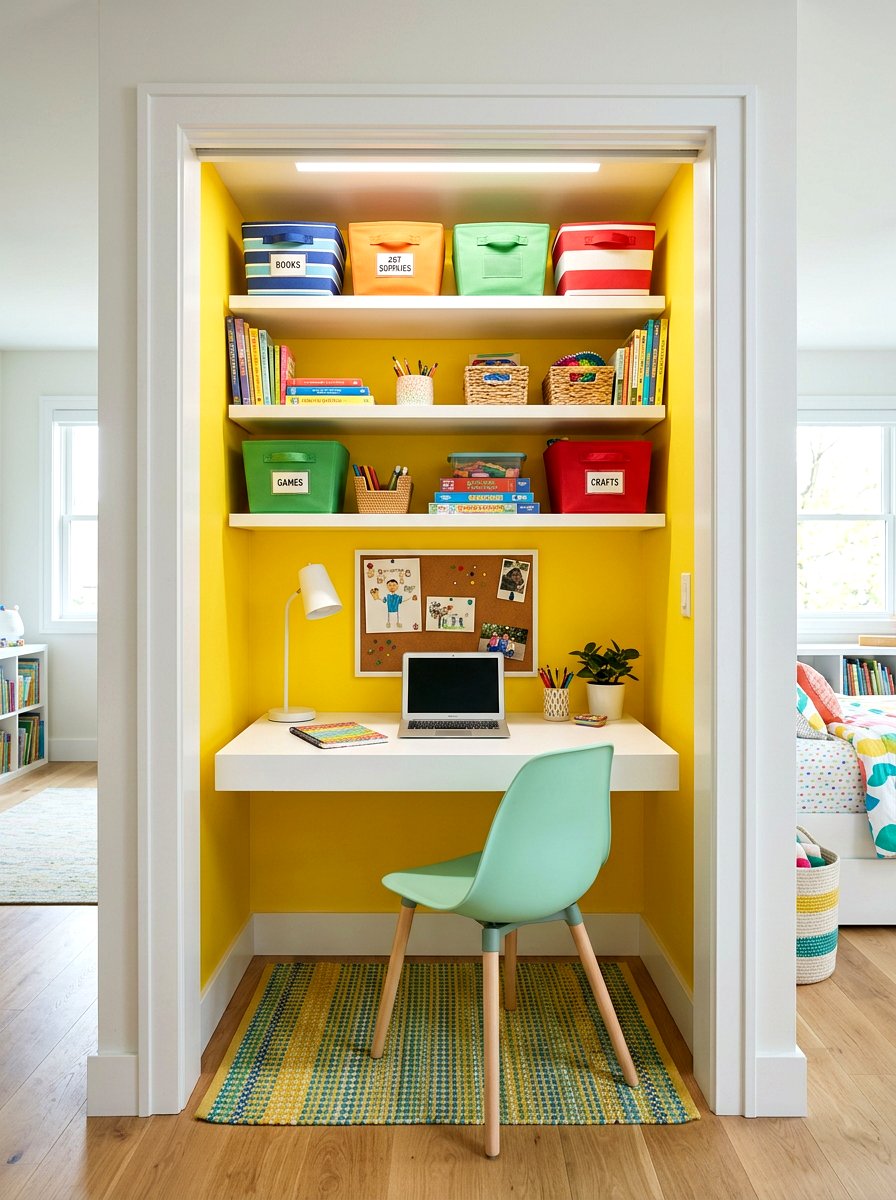
When space is limited in a playroom, a closet can serve as a perfect hidden workstation for homework or art projects. By removing the lower shelves and installing a sturdy floating desktop, you create a focused environment for your child. The upper shelves remain intact to hold school supplies, paper, and reference books within easy reach. You can even paint the interior a bright, motivating color to distinguish the workspace from the rest of the room. A slim chair that slides completely under the desk allows you to close the doors at the end of the day. This keeps the playroom looking tidy and professional while maximizing utility.
5. Costume Dress Up Station
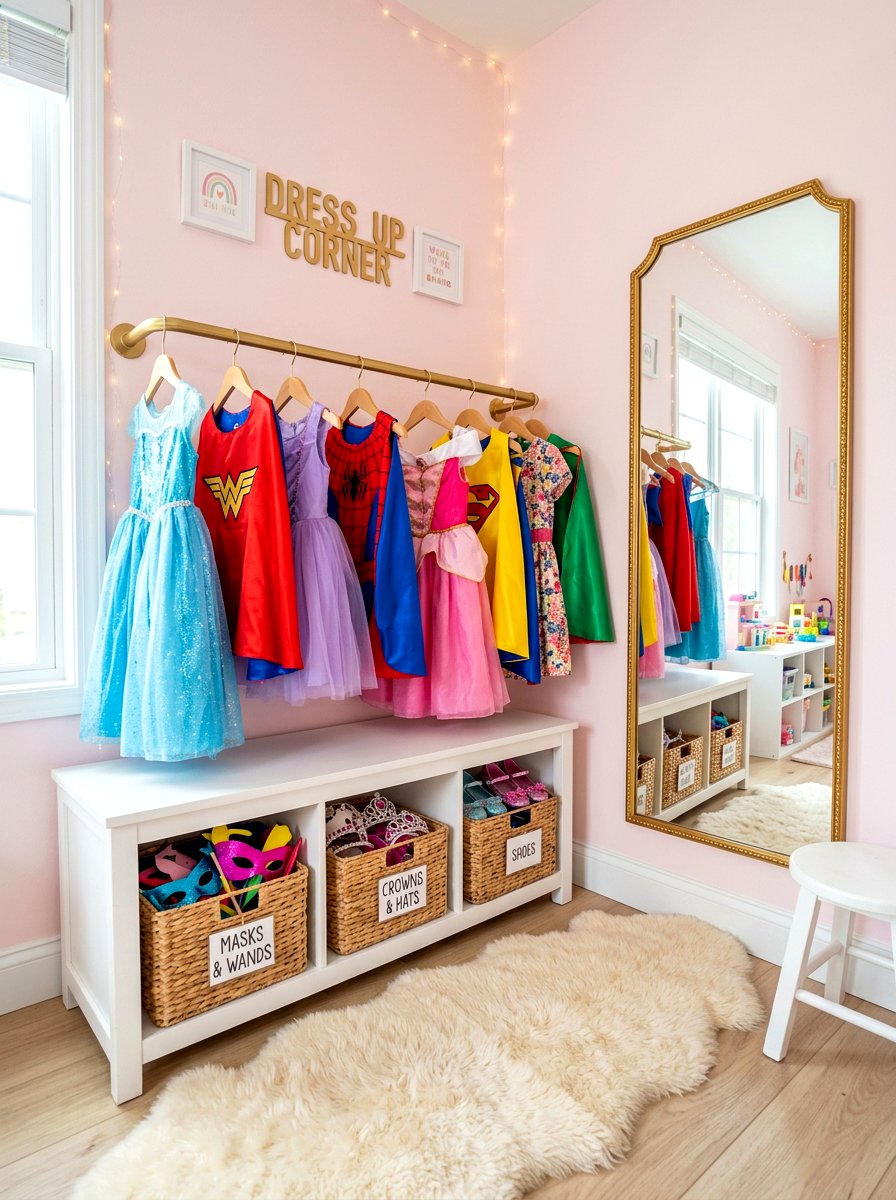
Children love to play pretend, and a dedicated costume dress-up station inside a closet keeps their finery organized and accessible. You can install a low hanging rod so toddlers can reach their own capes, gowns, and superhero outfits without help. Adding a few sturdy hooks on the side walls provides a spot for hats, masks, and sparkling accessories. A small floor-length mirror mounted to the back of the door allows kids to see their full transformations immediately. This specialized setup prevents delicate costumes from getting crushed at the bottom of a toy box. It also makes the daily ritual of imaginative play much more exciting and structured.
6. Arts And Crafts Center
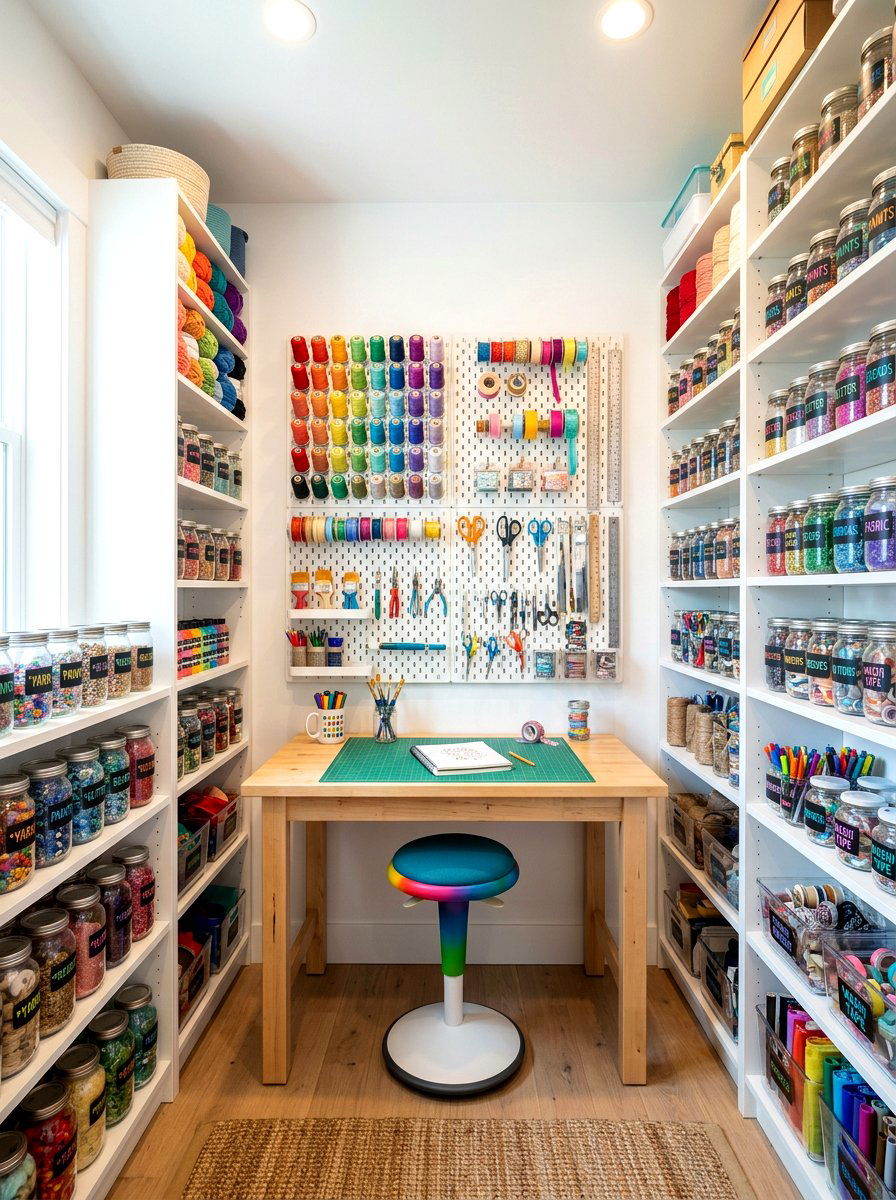
Transforming a playroom closet into a full-scale arts and crafts center is a brilliant way to contain messy supplies. You can install deep shelves to hold containers of markers, paint, and glitter while keeping them out of reach of younger children if necessary. A fold-down table mounted to the wall can provide a temporary workspace that disappears when it is not in use. Adding a pegboard to the back wall of the closet allows you to hang scissors, tape, and ribbons in an organized fashion. This system ensures that all creative materials are in one place, making it much easier to set up and clean up after projects.
7. Montessori Toy Shelf
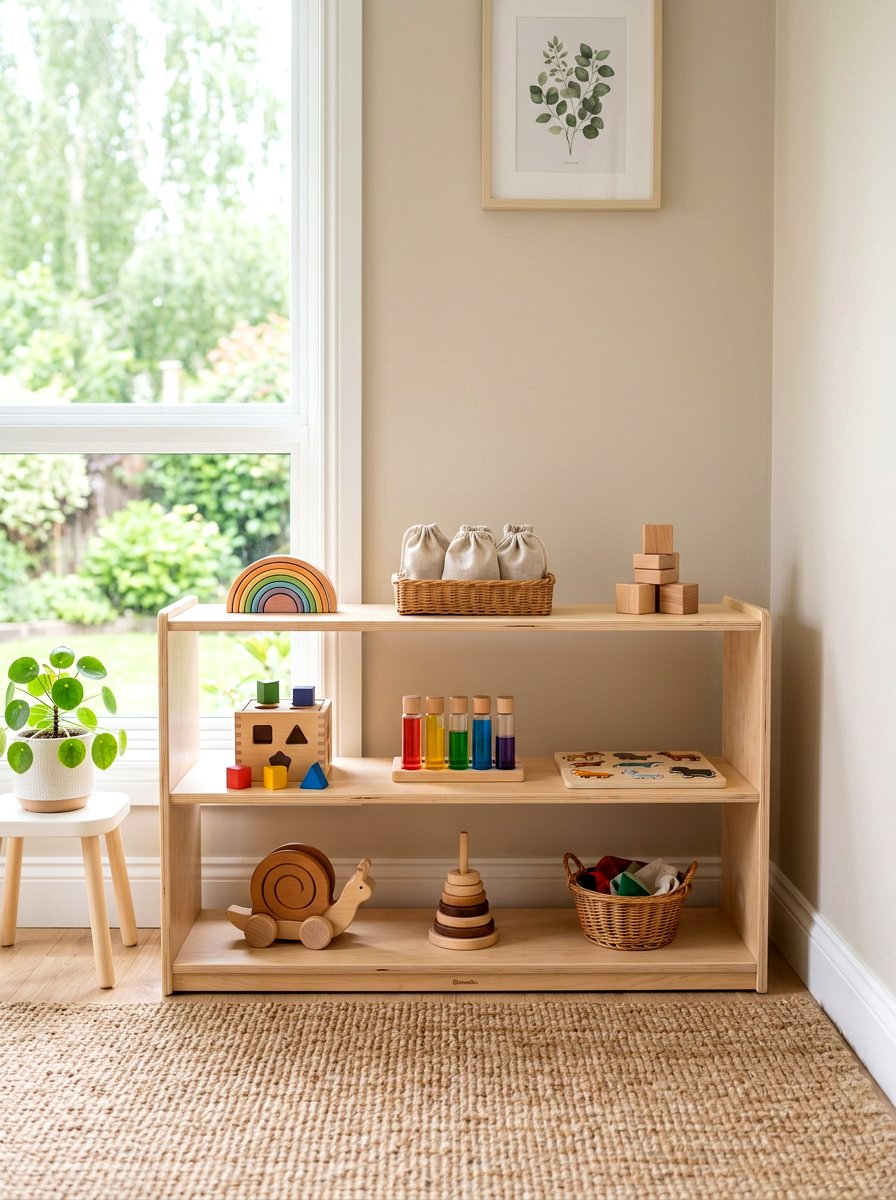
Adopting a Montessori-style approach in your playroom closet involves using low, open shelving that allows children to choose their own activities. Instead of overflowing bins, you place just a few high-quality toys or puzzles on each shelf at eye level. This minimalist method reduces overwhelm and encourages deep focus during playtime. The closet provides a natural boundary for these curated items, keeping the rest of the room feeling airy and calm. Using natural wood shelves and neutral tones helps maintain a peaceful atmosphere. It is a wonderful way to foster independence as kids learn to select and return toys to their specific spots on their own.
8. Sliding Barn Door
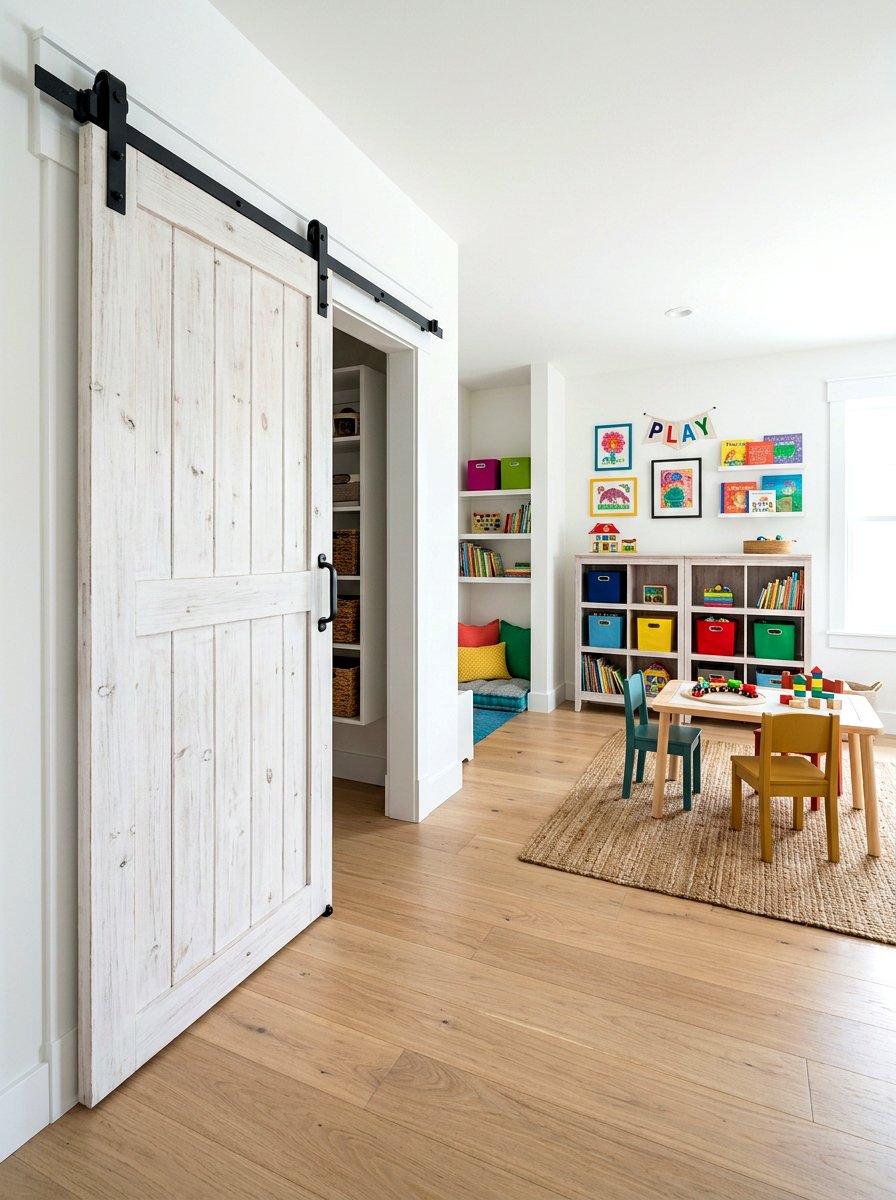
If your playroom closet is located in a high-traffic area, a sliding barn door can be a stylish and space-saving solution. Traditional swinging doors often get in the way of furniture or floor play, but a sliding mechanism keeps the doorway clear. You can choose a door with a rustic wood finish for a farmhouse look or a sleek painted version for a modern vibe. The hardware itself adds an interesting architectural element to the room. This design is particularly useful because it allows you to easily hide a messy storage area with a simple slide. It also prevents small fingers from getting pinched in traditional door hinges.
9. Color Coded Organization
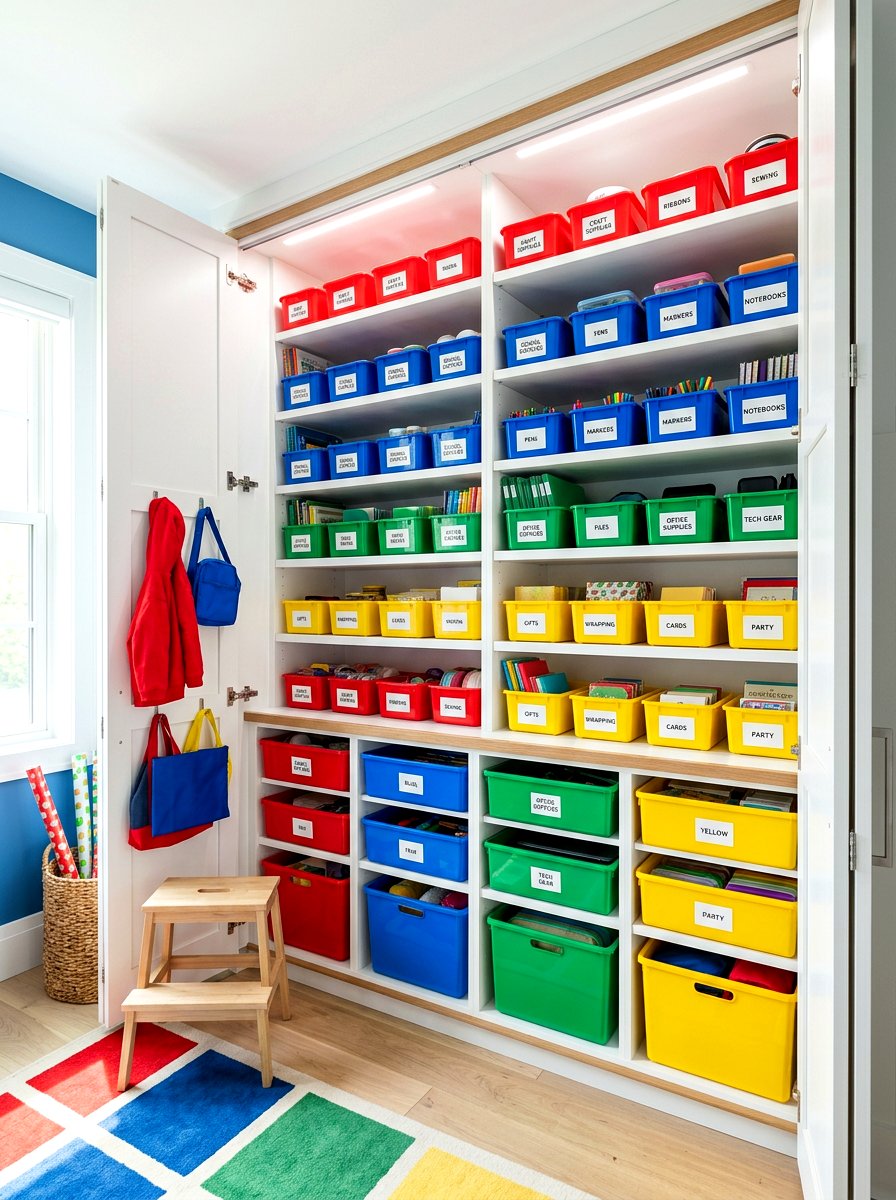
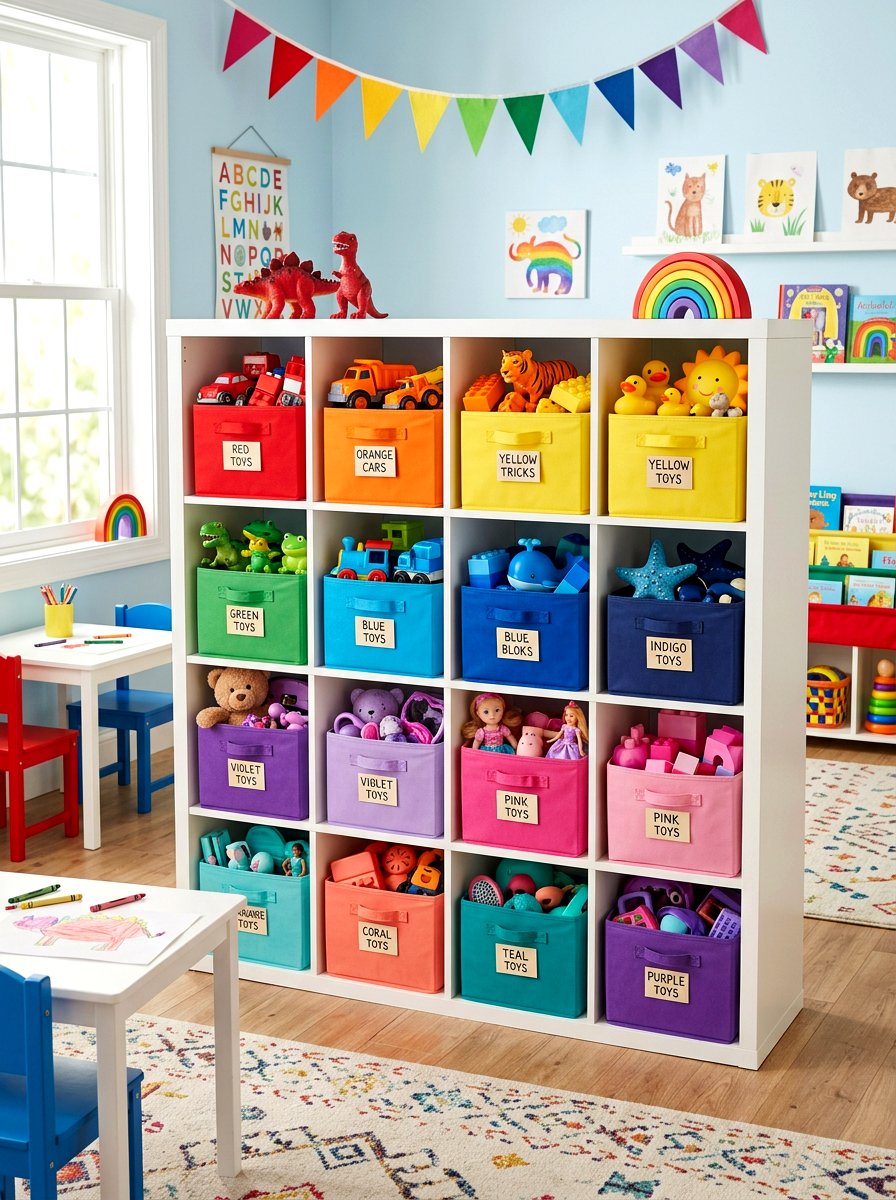
Using a color-coded organization system within your playroom closet makes cleaning up a fun and educational game for kids. You can assign a specific color of bin or basket to different categories of toys, such as blue for vehicles and red for blocks. This visual cue helps children who cannot yet read to identify exactly where each item belongs. The bright colors also add a cheerful and energetic feel to the interior of the closet. When the doors are open, the rows of colorful containers act as a vibrant backdrop for the room. It is a highly effective way to maintain order while teaching kids about sorting.
10. Walk In Playroom Closet
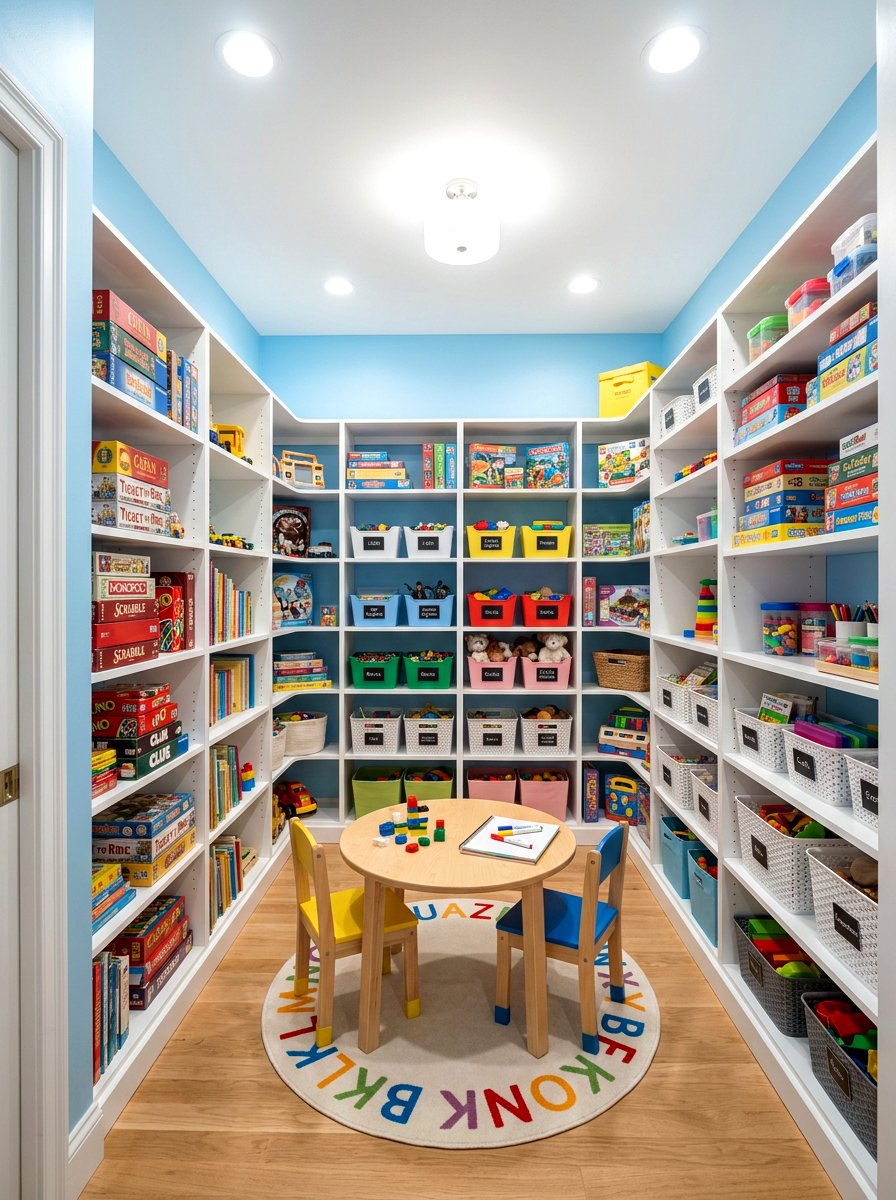
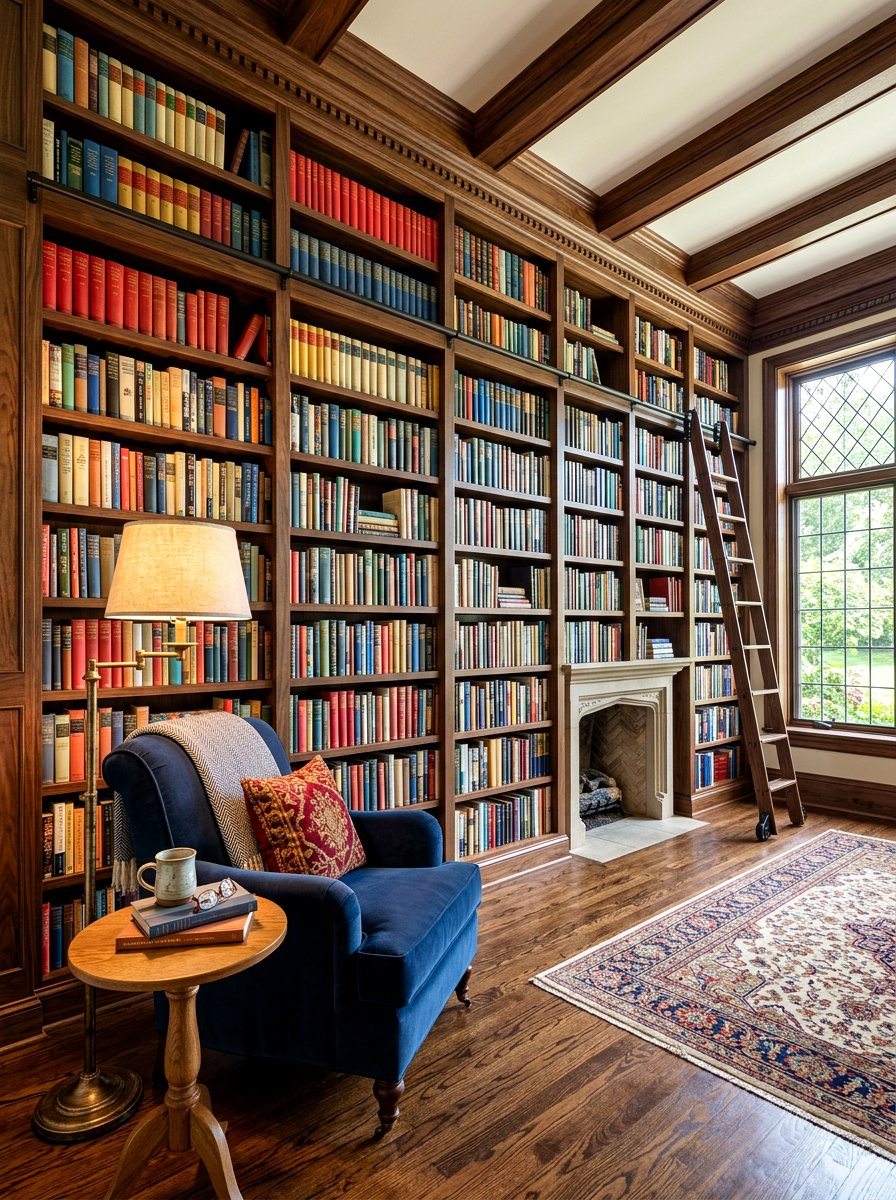
A walk-in playroom closet is a dream for families with large toy collections because it functions like a mini-room. You can line the walls with floor-to-ceiling shelving to maximize storage capacity for board games, dolls, and building sets. The center of the closet can remain open for a small play rug or a tiny table for focused activities. This layout keeps the most active parts of play tucked away, allowing the main room to stay relatively clean. Adding bright overhead lighting is essential to ensure every corner of the walk-in space is usable and inviting. It truly becomes a secondary play zone for children to explore.
11. Adjustable Wire Shelving
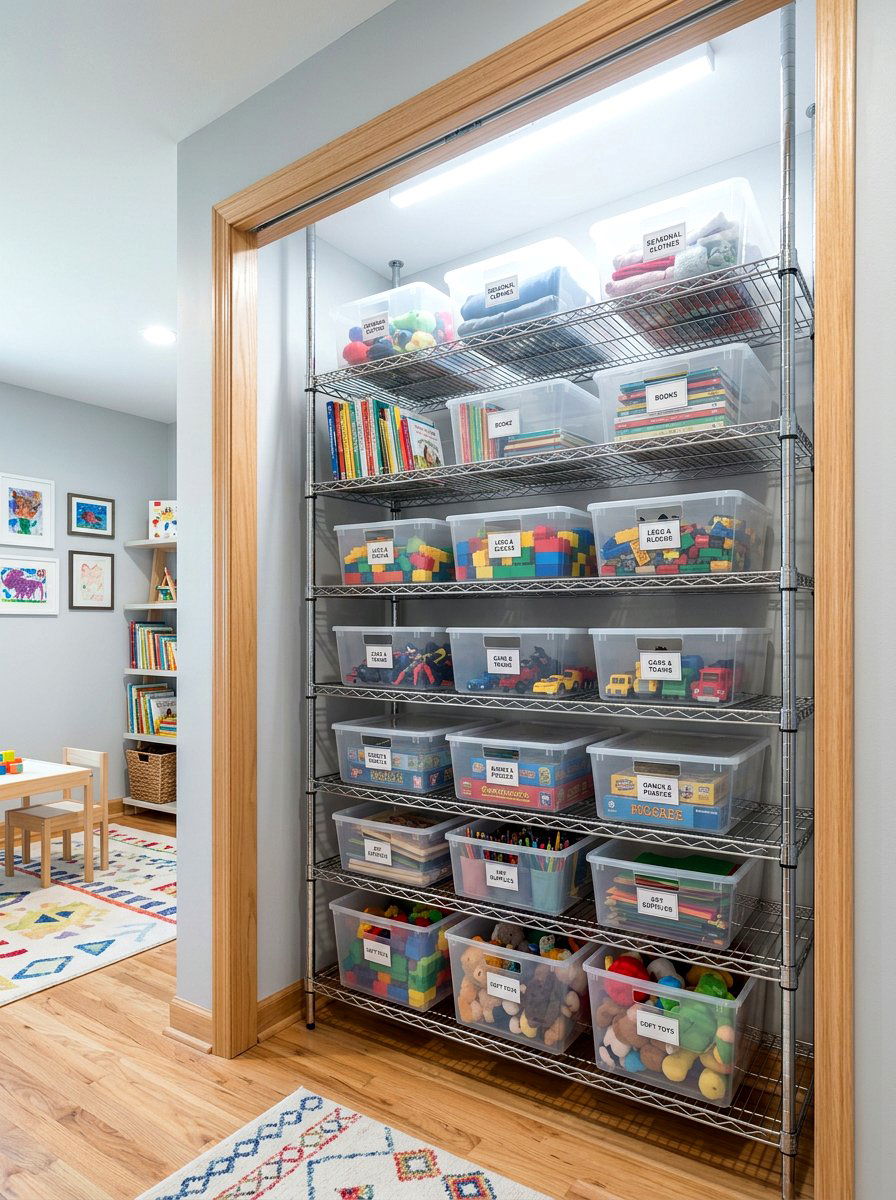
Adjustable wire shelving is one of the most practical choices for a playroom closet because it can grow alongside your child. As toddlers transition into school-age kids, their toy sizes and storage needs will inevitably change. These systems allow you to easily move shelves up or down to accommodate taller items like dollhouses or science kits. The wire design also provides excellent visibility, making it easy to see what is stored on higher levels. You can use S-hooks to hang bags or light equipment from the edges of the shelves for extra utility. This flexibility makes wire shelving a cost-effective long-term investment for any busy and evolving family.
12. Wallpapered Closet Interior
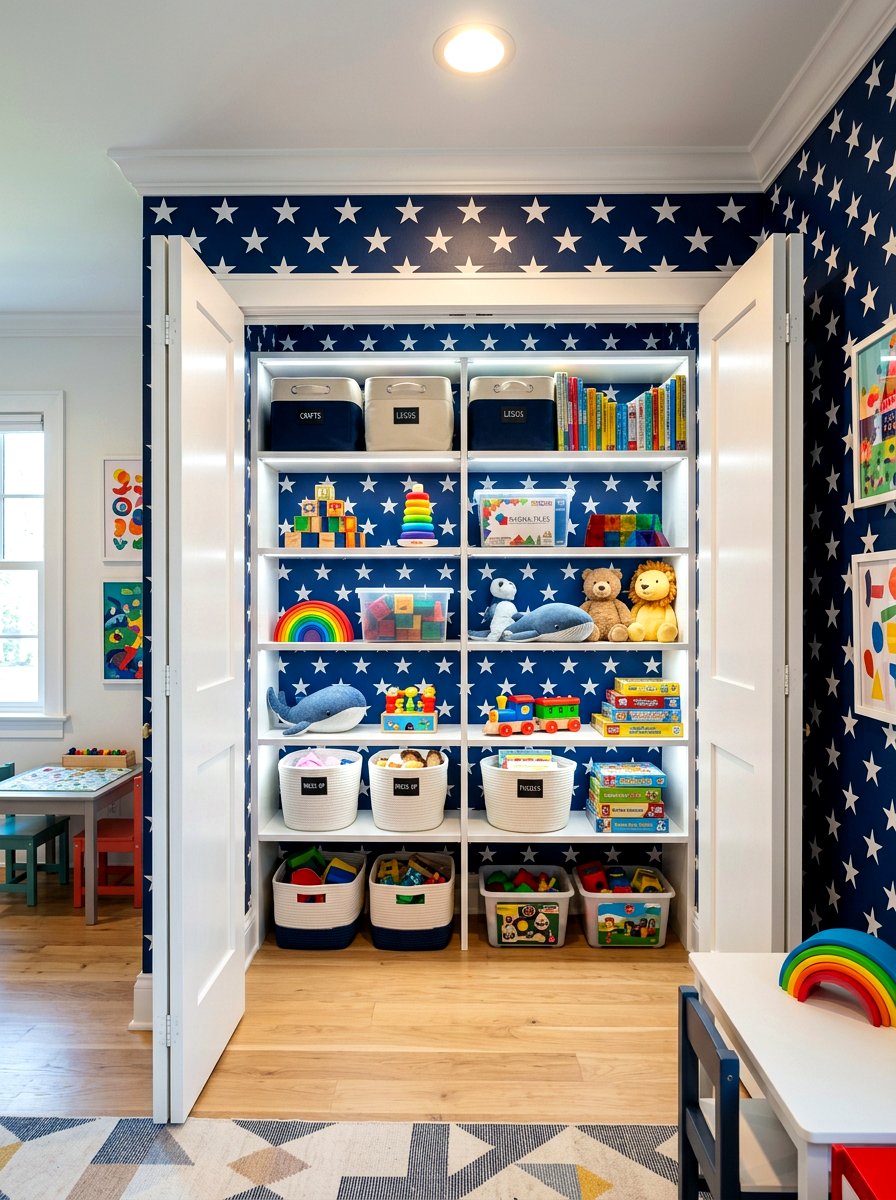
Adding a vibrant wallpaper to the interior of a playroom closet is an unexpected design detail that brings a lot of joy. Since the closet is a confined space, you can afford to be bold with patterns and colors that might feel overwhelming on a larger wall. Choose a whimsical print like stars, animals, or geometric shapes to create a surprising pop of personality when the doors open. This decorative touch makes the closet feel like a special destination rather than just a utilitarian storage box. It also coordinates beautifully with the surrounding room decor, tying the entire design theme together with a professional and polished finish.
13. Lego Building Station
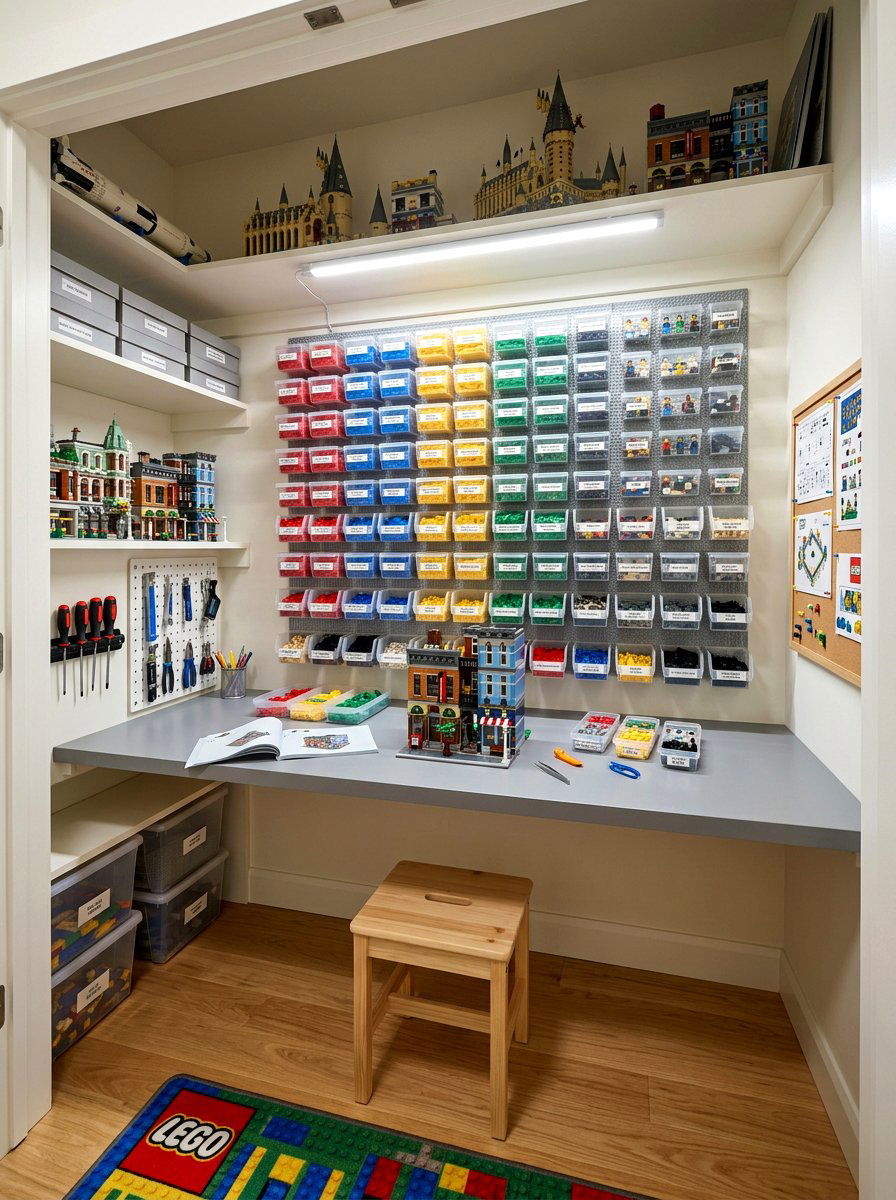
For the serious young architect, a dedicated Lego building station inside a closet is the ultimate organization solution. You can install a flat work surface at chair height and surround it with small, clear drawers for sorting bricks by color or size. Mounting base plates directly onto the desktop or even the back wall allows kids to display their latest creations safely. This setup prevents the dreaded experience of stepping on stray pieces in the middle of the playroom floor. By keeping the building process contained within the closet, you allow projects to stay out for days without cluttering the main living area or the playroom.
14. Clear Storage Bin
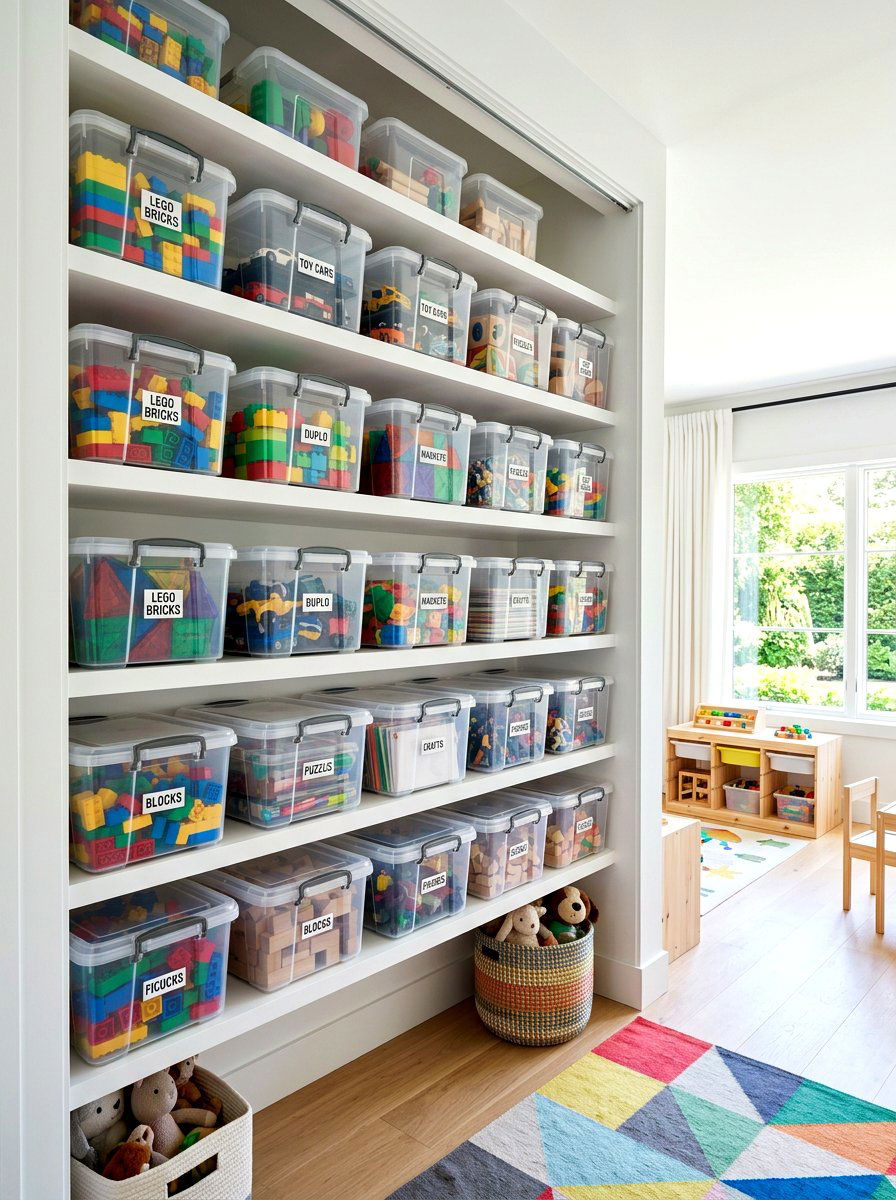
Transparency is key when it comes to keeping a playroom closet organized, which is why clear storage bins are so popular. These containers allow children to see exactly what is inside without having to dump the entire contents onto the floor. This leads to less mess and more focused play as they find the specific toy they want quickly. Clear bins work exceptionally well on middle and upper shelves where visibility might otherwise be limited. You can stack them neatly to utilize vertical space while maintaining a clean and modern look. They are also very easy to wipe down if they get dusty or sticky.
15. Floor To Ceiling Cabinet
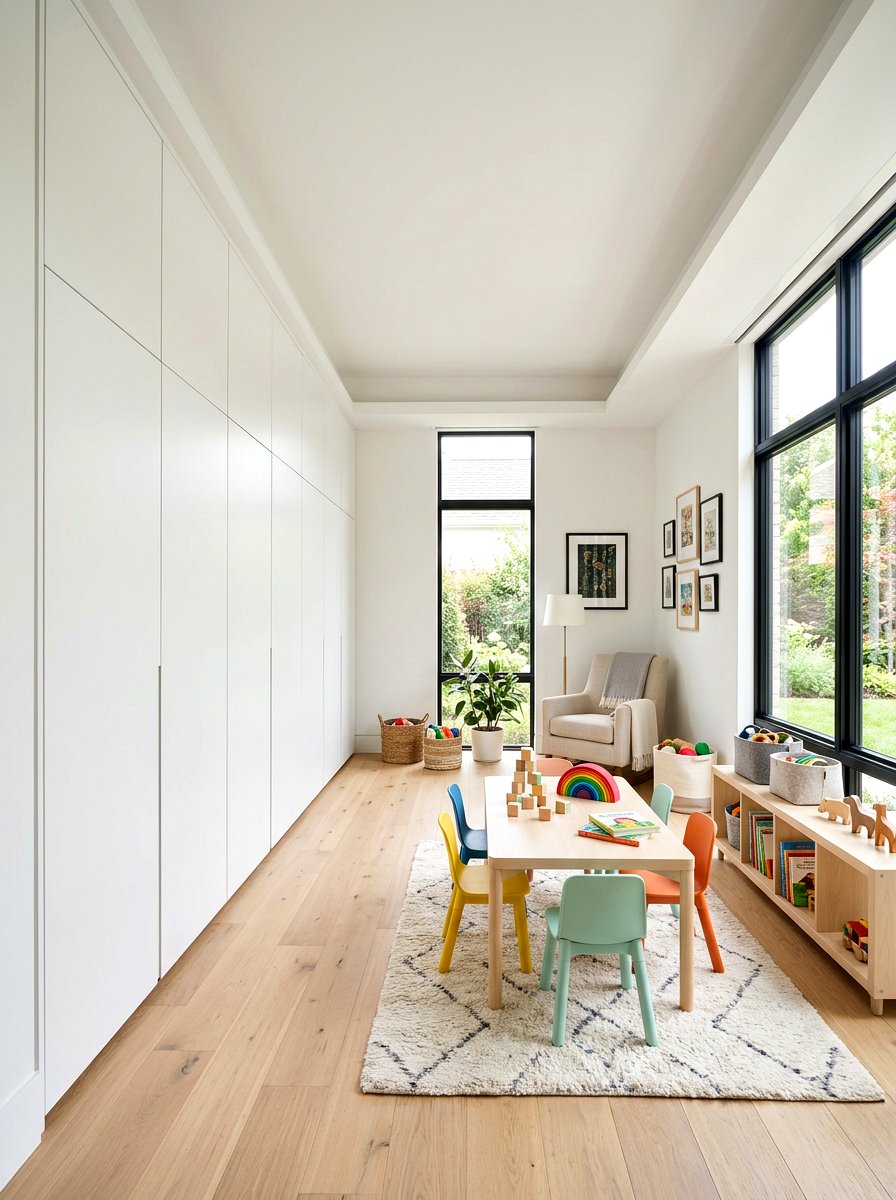
If you prefer a completely streamlined look, installing floor-to-ceiling cabinets in your playroom closet provides the most seamless storage. These tall units hide everything from floor toys to seasonal items behind solid doors, creating a calm and uncluttered environment. You can mix and match drawers at the bottom for easy access with shelves at the top for items that require adult supervision. The cabinetry can be painted to match the room's walls, making the closet almost disappear into the architecture. This approach is perfect for multi-purpose rooms where the playroom needs to look sophisticated and tidy when the children are not actively playing.
16. Under Stair Play Closet
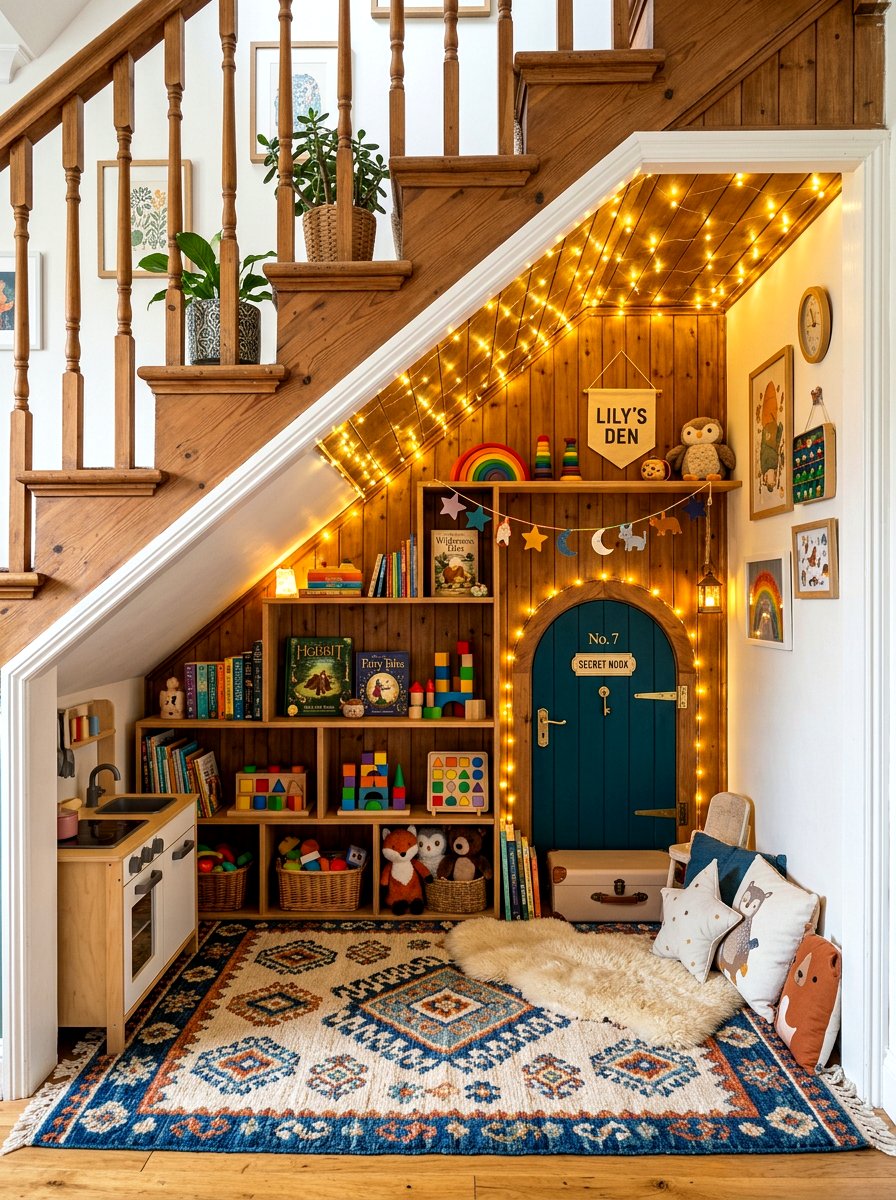
The awkward space underneath a staircase can be transformed into a charming and secretive play closet for kids. Because of the sloped ceiling, this area feels naturally cozy and "kid-sized, " which children often find incredibly appealing for hide-and-seek or quiet play. You can add low shelving along the taller wall to hold toys and a soft rug on the floor for comfort. Installing a small light fixture is necessary to brighten the deep corners of this unique architectural space. It is a clever way to utilize square footage that might otherwise go to waste. This hidden gem often becomes a child's favorite spot in the entire house.
17. Chalkboard Door
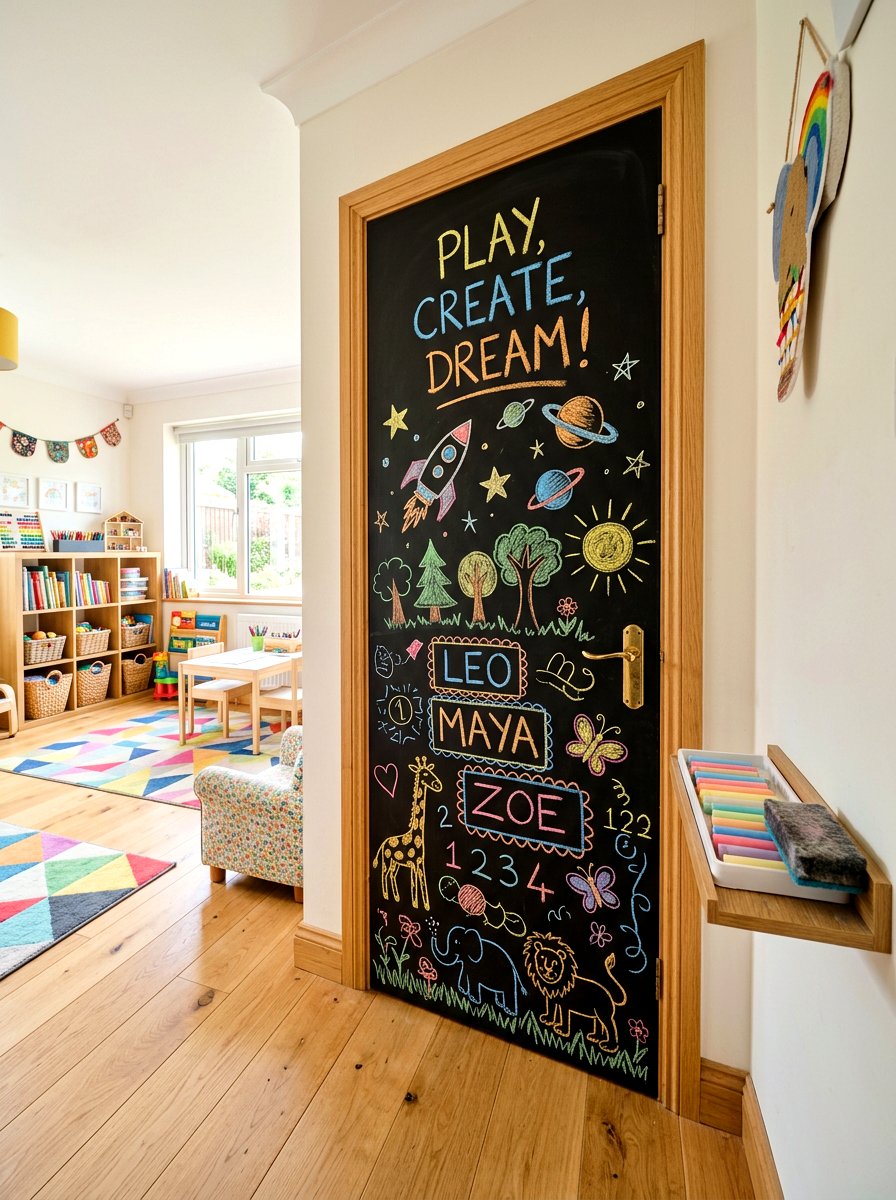
Why settle for a plain closet door when you can turn it into an interactive art surface? Painting the exterior or interior panels of a playroom closet door with chalkboard paint provides a vertical canvas for drawing and practicing letters. This feature saves floor space that would otherwise be occupied by a bulky easel. It also encourages children to express their creativity in a way that is easy to clean up with a simple damp cloth. You can even use the chalkboard surface to write labels for what is stored inside the closet. It is a functional and fun addition that adds character to the playroom layout.
18. Pull Out Toy Drawer
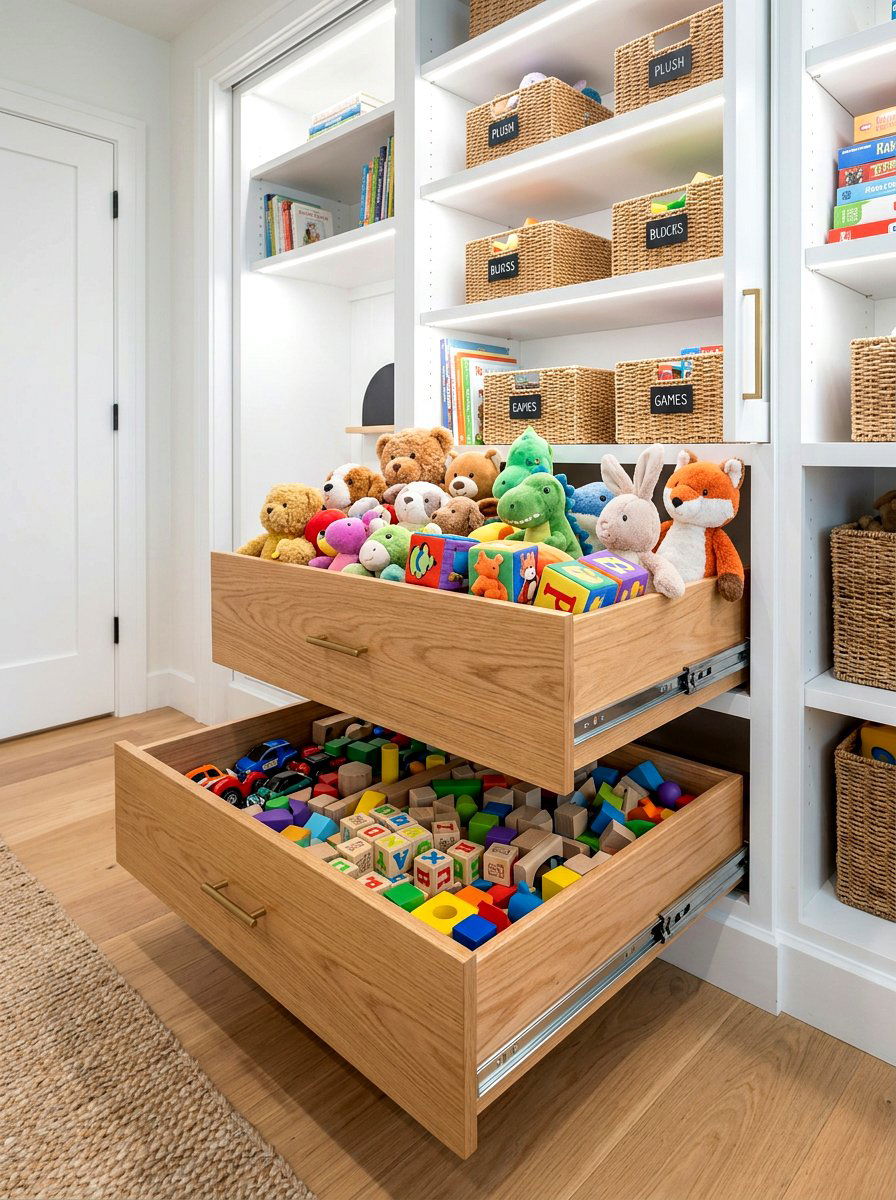
Standard deep shelves in a closet can often lead to toys getting lost or forgotten in the dark back corners. Installing pull-out drawers or sliding baskets solves this problem by bringing the entire contents out into the light for easy browsing. These drawers are perfect for heavy items like wooden blocks or train sets that can be difficult for children to lift. The smooth gliding motion allows even small kids to access their toys safely without straining. By choosing drawers with mesh or wire fronts, you can maintain visibility while keeping everything contained. This system ensures that every toy in the closet stays in the active play rotation.
19. Pegboard Wall Organizer
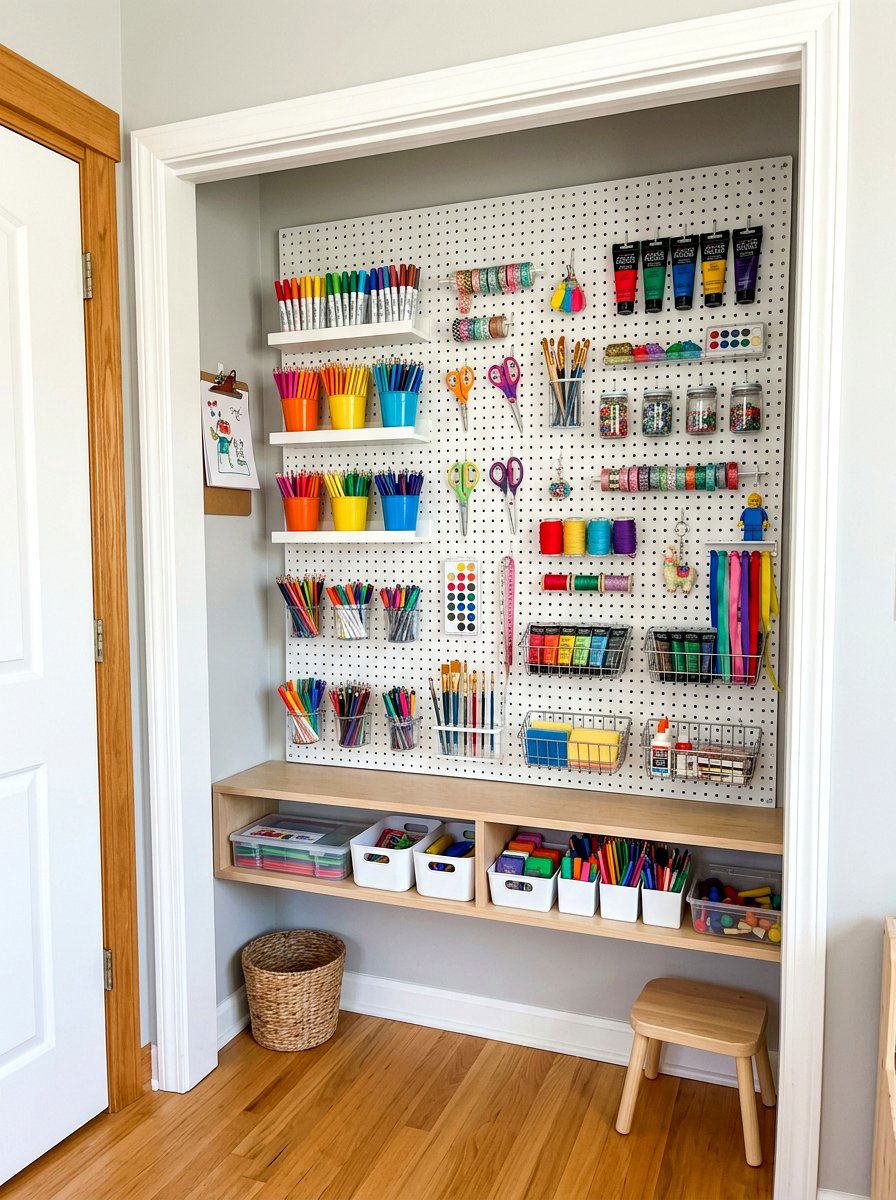
A pegboard wall is an incredibly versatile addition to the back or side of a playroom closet. By mounting a large board, you can use various hooks, baskets, and clips to organize items of all shapes and sizes. This is particularly useful for craft supplies, small toys, or even sports equipment that doesn't fit well into standard bins. The beauty of a pegboard is that you can reconfigure the layout as your child’s interests change over time. It keeps items off the floor and at eye level, making the most of the vertical space. This organized look appeals to kids and parents alike for its efficiency.
20. Nursery Closet Conversion
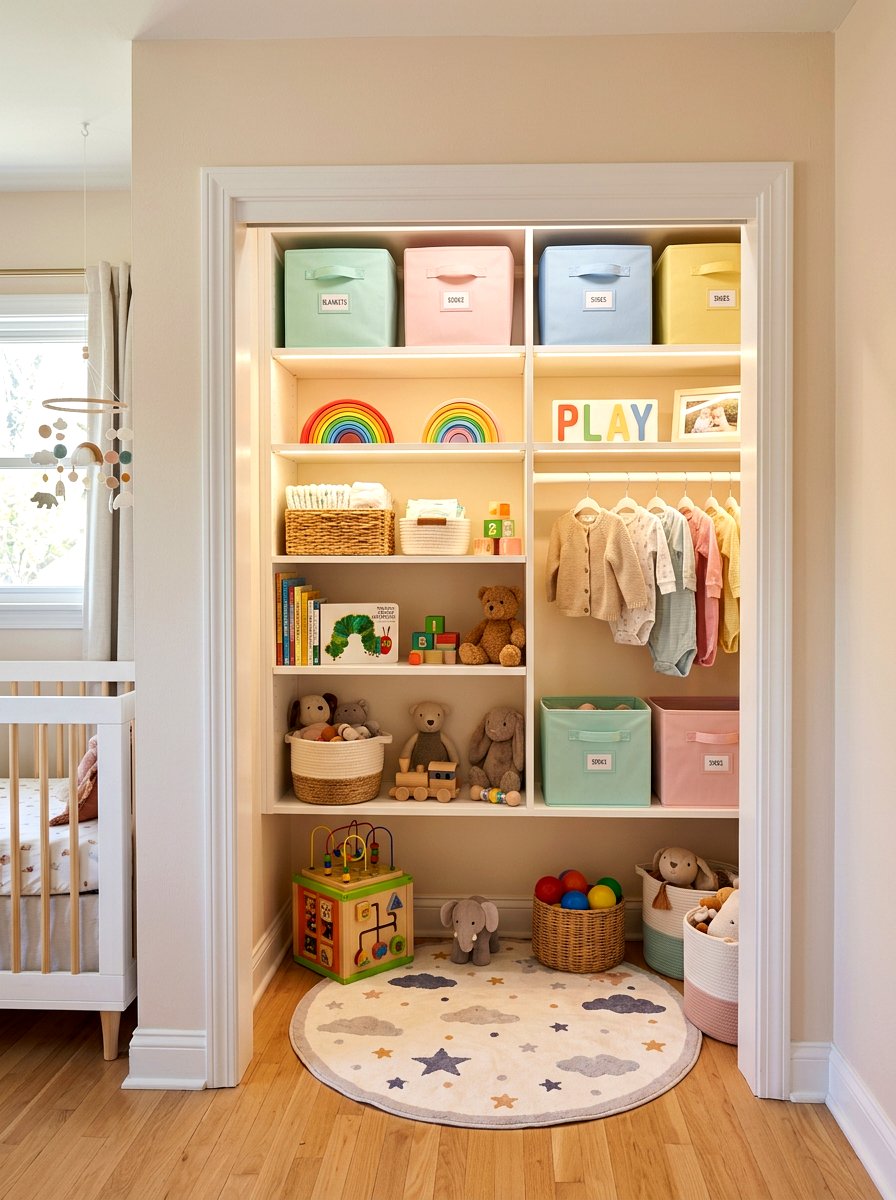
As your baby grows into a toddler, their nursery closet can be easily converted into a more functional playroom storage zone. By removing the traditional clothes hanging rods, you make room for tiered shelving units and toy organizers. You can keep the upper shelves for storing extra bedding or out-of-season clothes while the lower half becomes a play-focused area. This transition allows the room to evolve without requiring a major renovation. Adding colorful bins and a small floor mat inside the closet can instantly change the vibe from a bedroom to a play-ready space. It is a smart way to adapt your home to your growing family.
21. Hidden Play Space
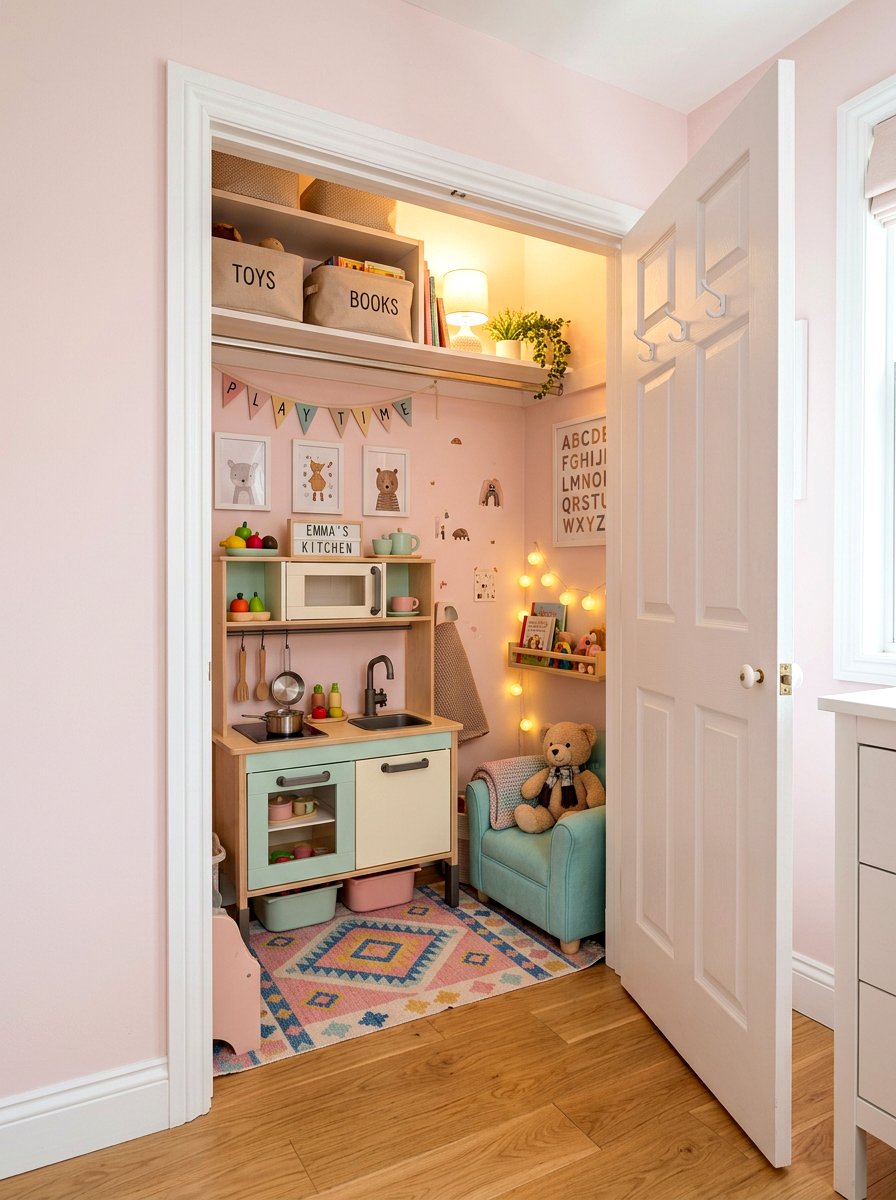
Sometimes the best use for a large closet is to turn it into a completely hidden play space that kids can call their own. By removing most of the shelving, you create a room-within-a-room that can be outfitted with a tiny kitchen, a workbench, or a dollhouse. This keeps the larger toys out of the main room, providing more floor space for physical activities. You can add a small battery-operated lantern or fairy lights to make the interior feel cozy and magical. When the closet doors are closed, the entire play area disappears, leaving the room looking perfectly tidy. It is an excellent solution for smaller homes or apartments.
22. Slatted Wood Door
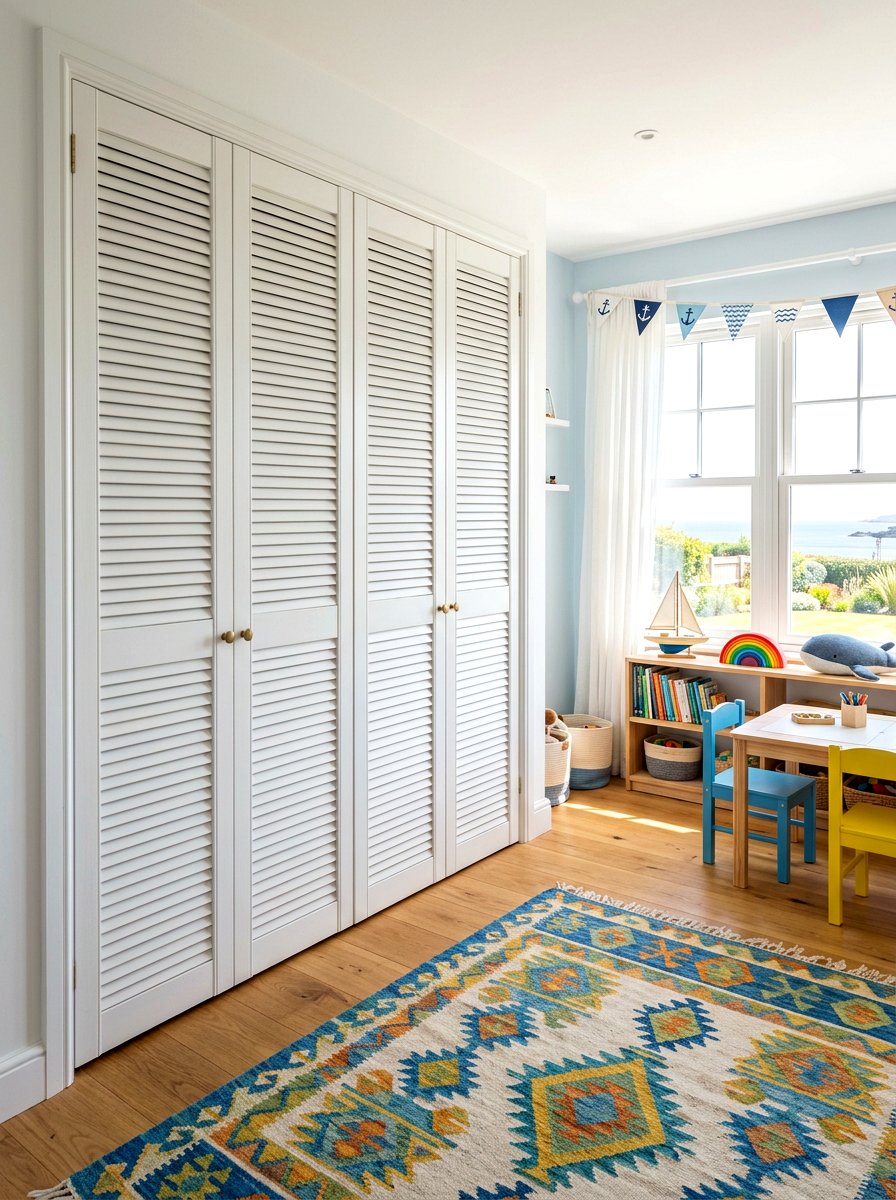
Slatted wood doors, often called louvered doors, are a great choice for playroom closets because they provide excellent ventilation. This is especially important if you are storing items like costumes or stuffed animals that benefit from airflow. The architectural lines of the slats add texture and visual interest to the room without feeling too heavy. These doors also allow a small amount of light to filter through, which can make the closet feel less dark and intimidating for younger children. You can paint them in a soft pastel or a crisp white to match the playroom's color palette. They offer a classic look that never goes out of style.
23. Labelled Toy Basket
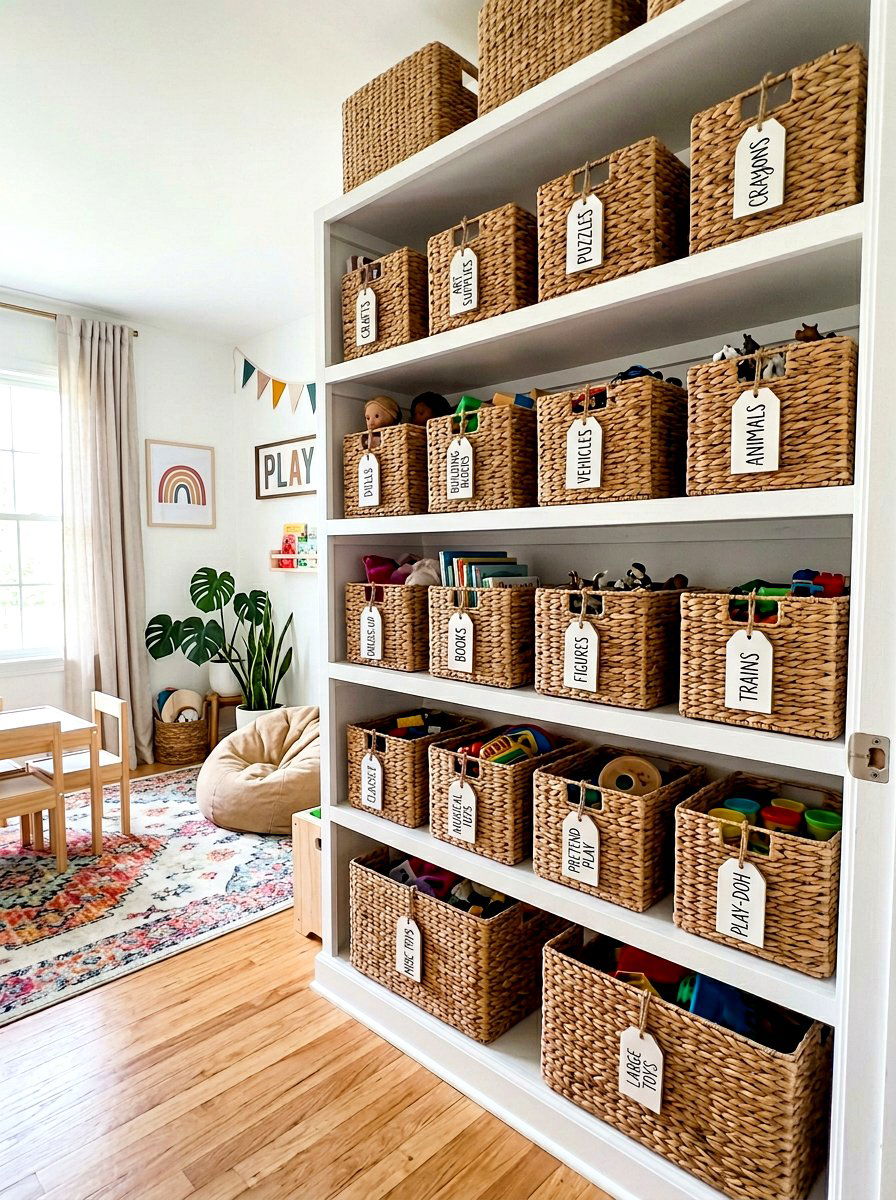
Woven baskets with clear, stylish labels are a staple of organized playroom closets for a reason. The natural texture of the baskets adds warmth and a high-end feel to the storage area, while the labels ensure that everything returns to its proper place. For younger children, you can use labels that feature both a word and a simple picture of the toy. This helps them develop literacy and sorting skills while they help with the daily cleanup routine. Baskets are easy for kids to carry out into the room and then slide back onto the shelf when play is finished. They provide a tidy and uniform look.
24. Small Closet Shelving
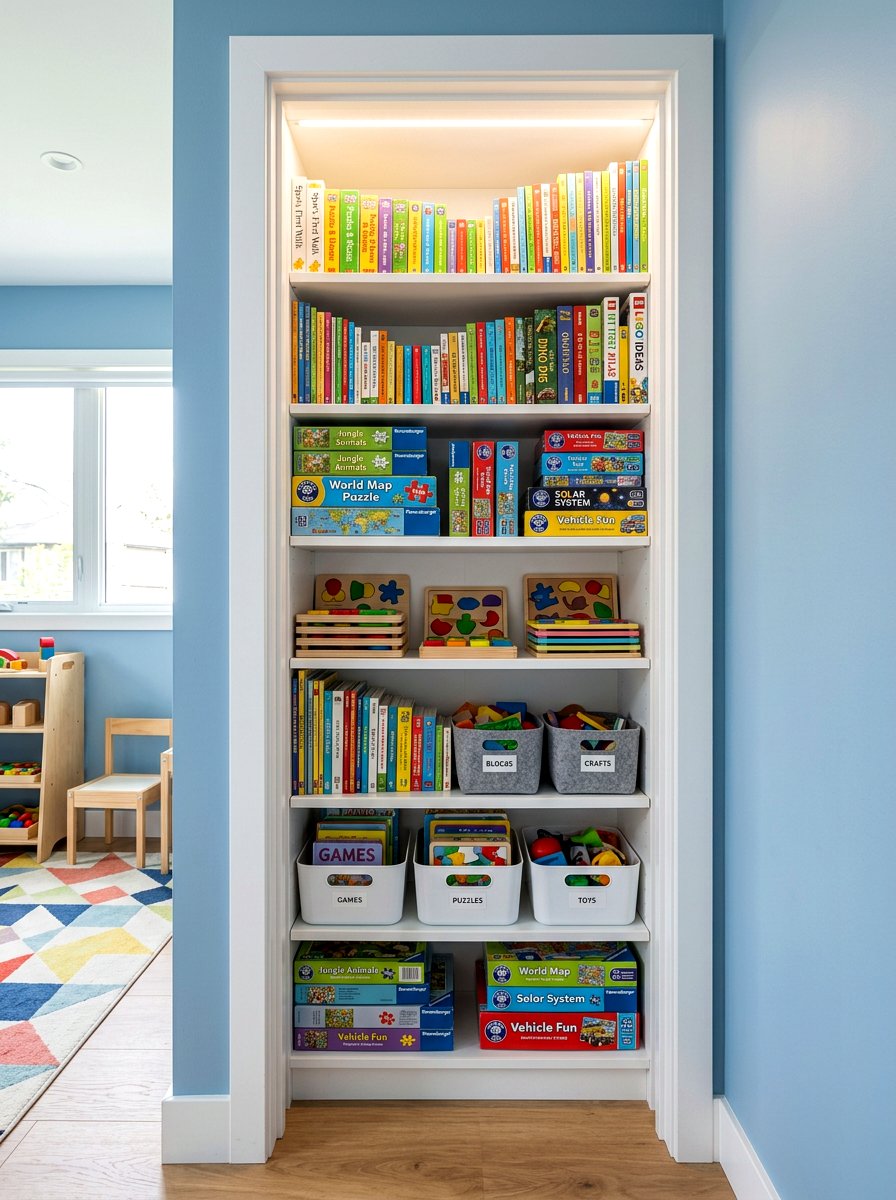
Even the narrowest playroom closet can be transformed into a storage powerhouse with the right shelving strategy. Using slim, vertical shelving units allows you to store books and small games in a space that might otherwise be ignored. You can also install shallow shelves on the back of the door to hold art supplies or small figurines. By thinking vertically, you can fit a surprising amount of gear into a tiny footprint. The key is to keep everything visible and within reach, which prevents the space from becoming a cluttered "catch-all" area. This focused organization makes even a small closet feel spacious and incredibly useful for daily activities.
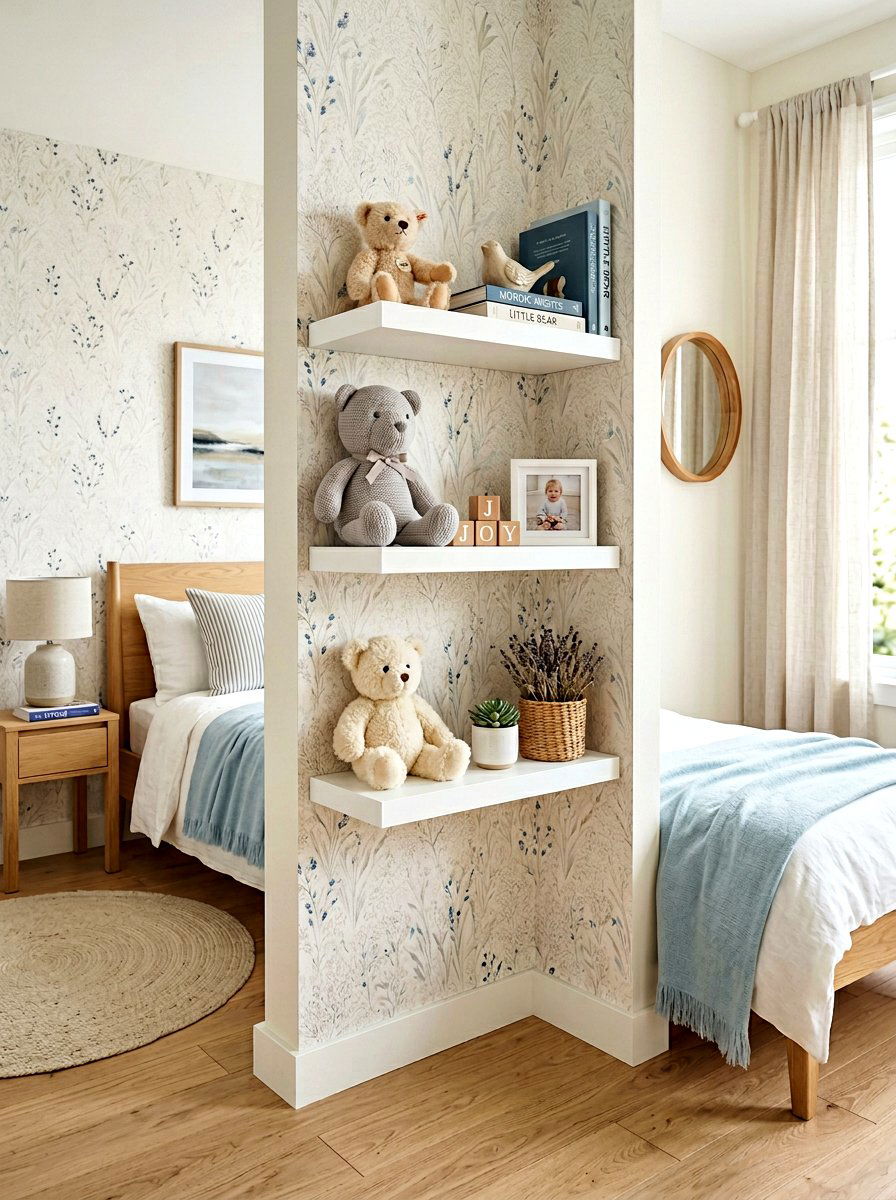
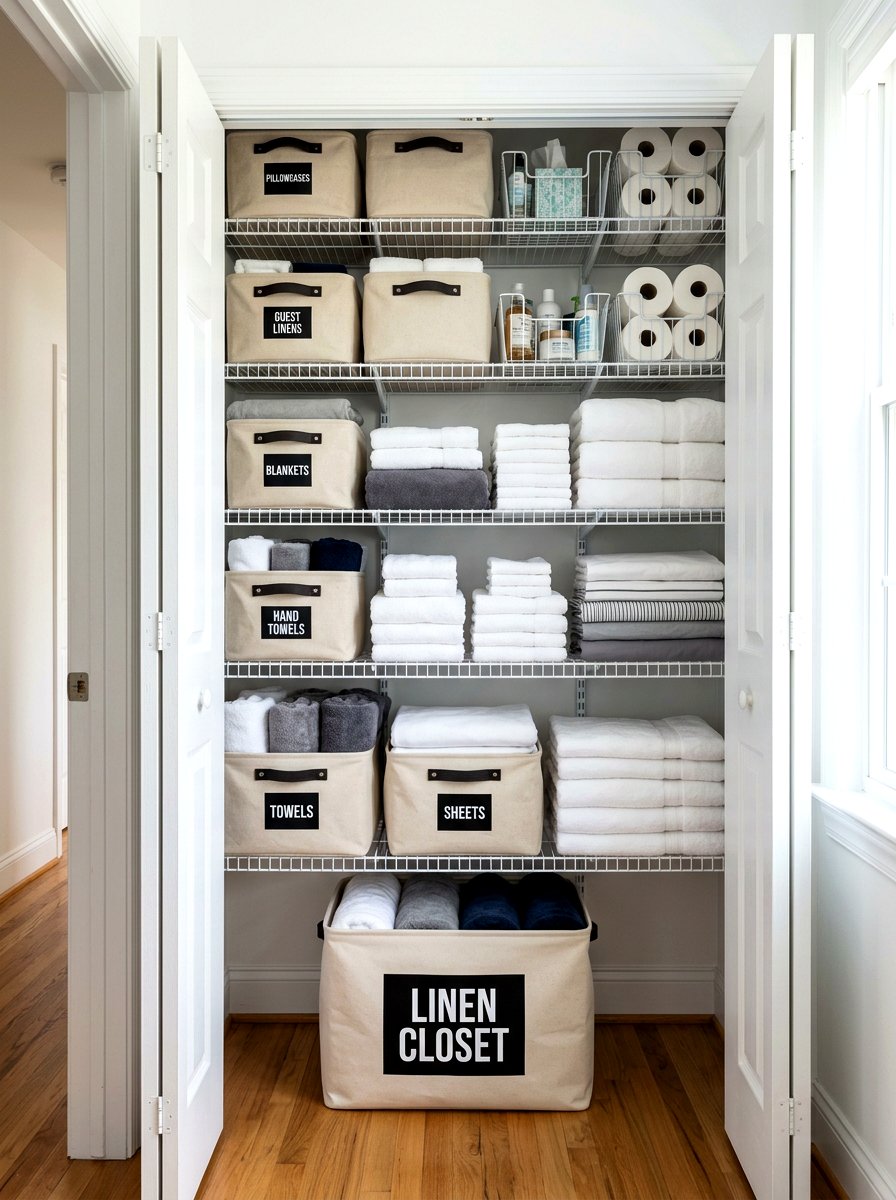
25. Open Concept Toy Storage
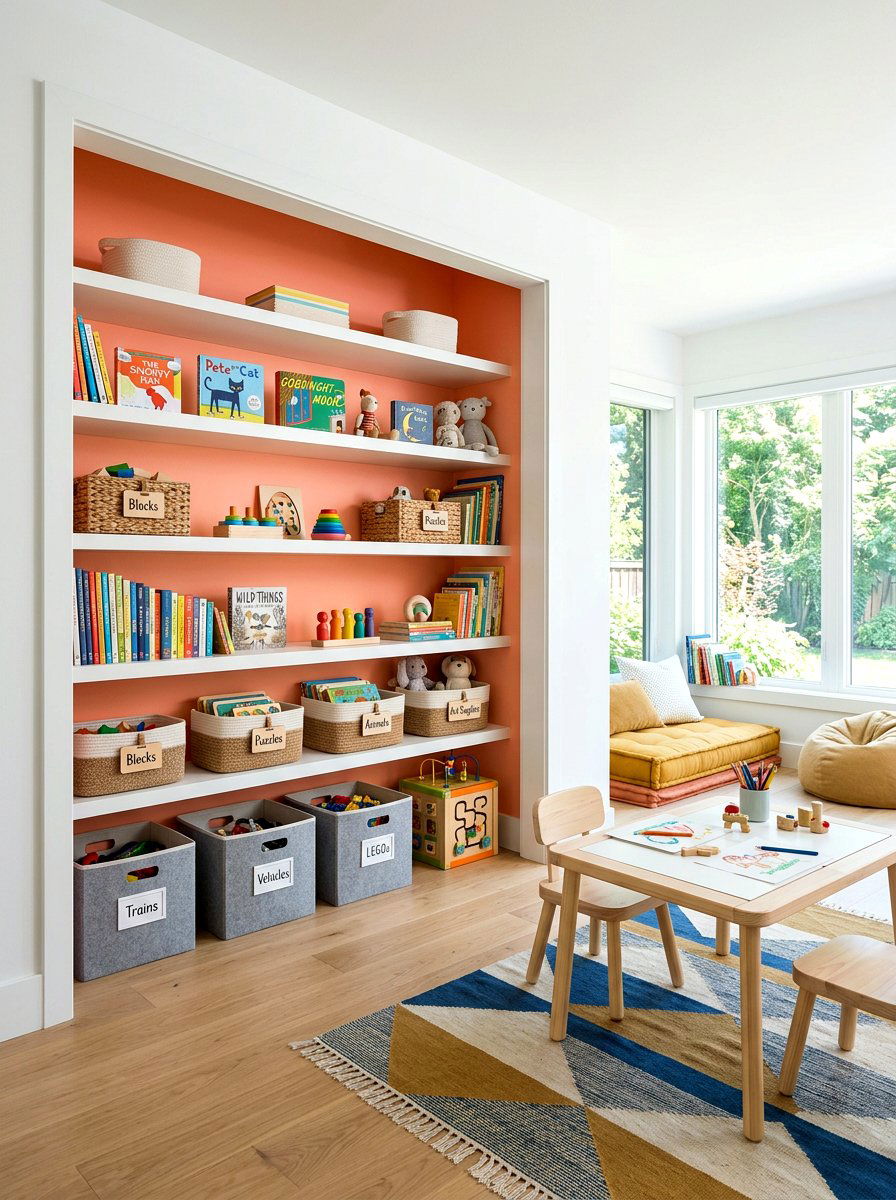
For families who prefer a more modern and accessible look, removing the closet doors entirely creates an open-concept storage wall. This approach makes the playroom feel larger and more inviting, as there are no barriers between the children and their toys. You can use a mix of built-in shelves and decorative bins to keep the look intentional and styled. Painting the interior of the closet a contrasting color can help define the zone and make it a focal point of the room. This setup is ideal for displaying beautiful wooden toys or a curated collection of children's books. It encourages kids to engage with their belongings more frequently and easily.
26. Mirrored Closet Door
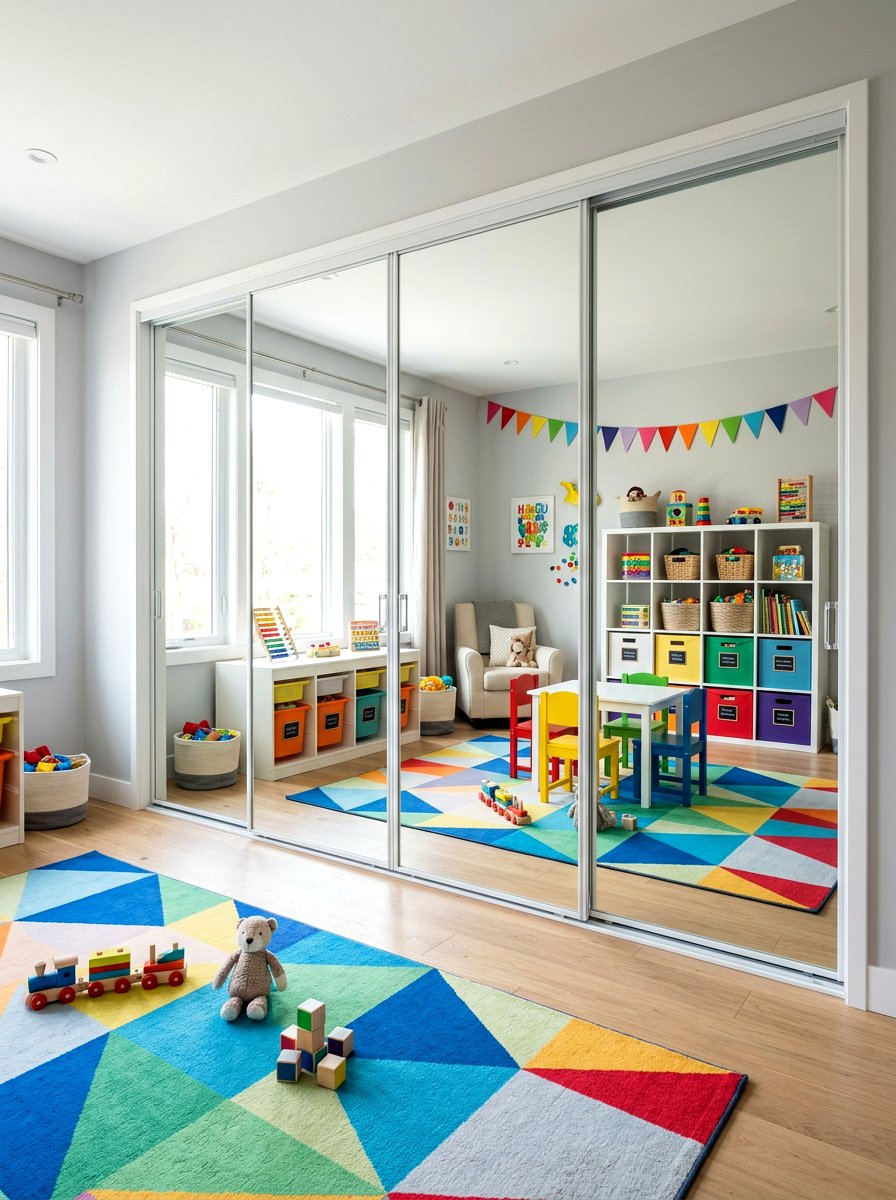
Installing mirrored doors on a playroom closet is a clever design trick that makes the entire room feel twice as large. The reflection bounces natural light around the space, making it feel bright and energetic even on cloudy days. Beyond the aesthetic benefits, children often love playing in front of mirrors, making them a functional part of the play experience. Mirrors can be used for dance practice, dress-up, or just making funny faces during playtime. If you are worried about safety, look for shatter-resistant acrylic mirrors that are specifically designed for kids' environments. It is a practical addition that serves both a decorative and interactive purpose.
27. Playroom Toy Wardrobe
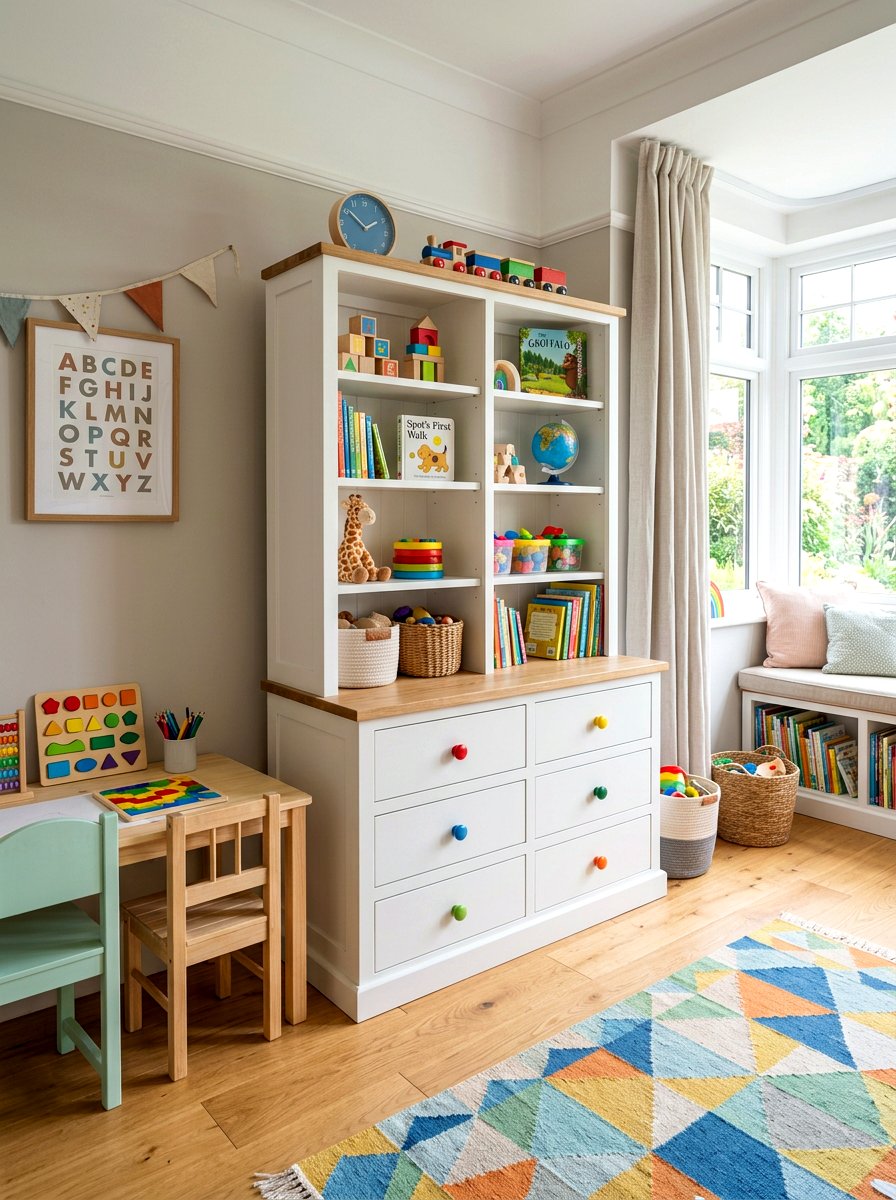
A freestanding toy wardrobe can be used inside a large closet or as a substitute for one if your playroom lacks built-in storage. These units typically feature a combination of hanging space, shelves, and drawers, providing a versatile home for a wide variety of toys. You can use the hanging section for costumes or bags, while the drawers hide messy items like craft scraps or small blocks. The top of the wardrobe can even serve as a display area for trophies or large-scale Lego models. Choosing a wardrobe in a fun color or with unique hardware can make it a standout piece of furniture in the playroom.
28. Vertical Board Game Storage
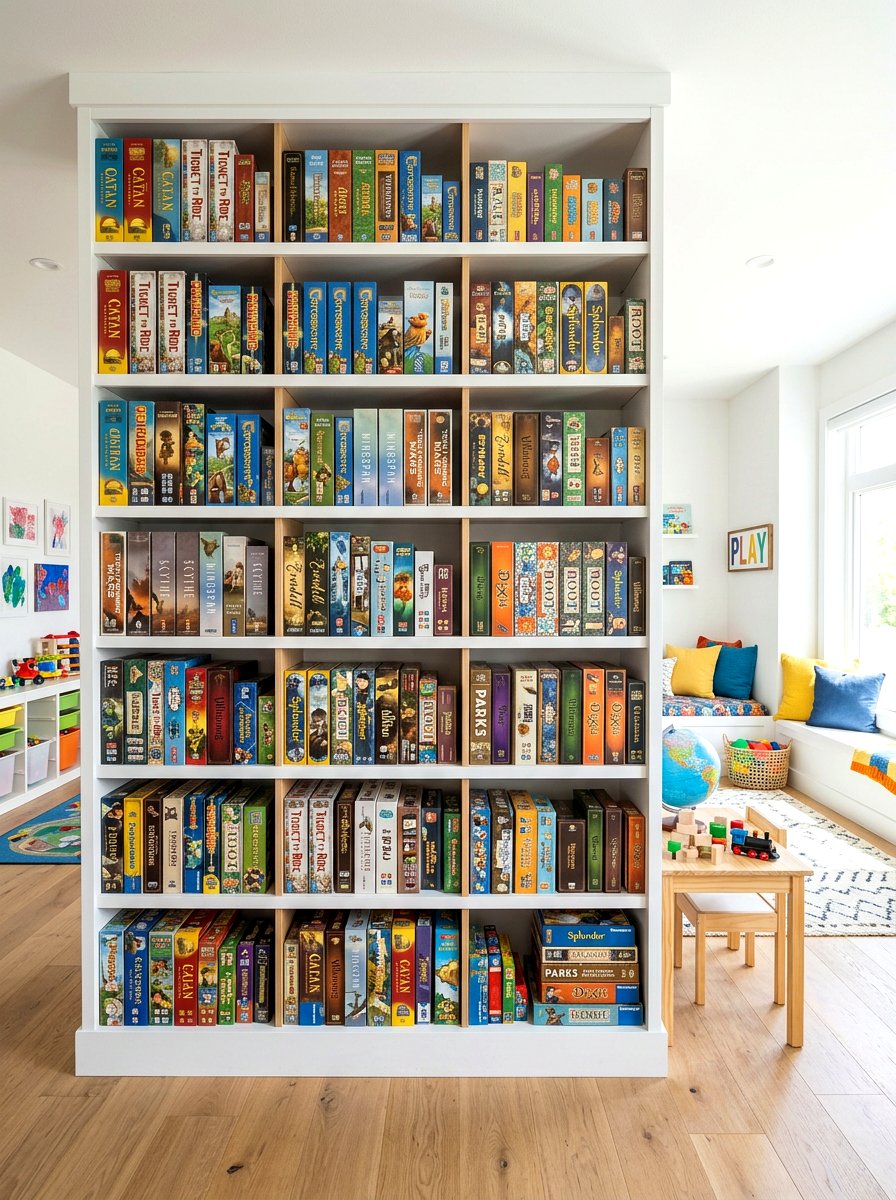
Board games are notoriously difficult to store because their boxes come in so many different sizes. By utilizing vertical shelving or specialized dividers inside your closet, you can stack games like books on a shelf. This prevents the "avalanche" effect that happens when you try to pull a game from the bottom of a horizontal stack. It also makes it much easier for children to see all their options at a glance. You can use adjustable shelf dividers to keep the boxes upright and tidy. This method maximizes the capacity of your closet shelves while making it simple to grab a game for family night.
29. Padded Bench Seating
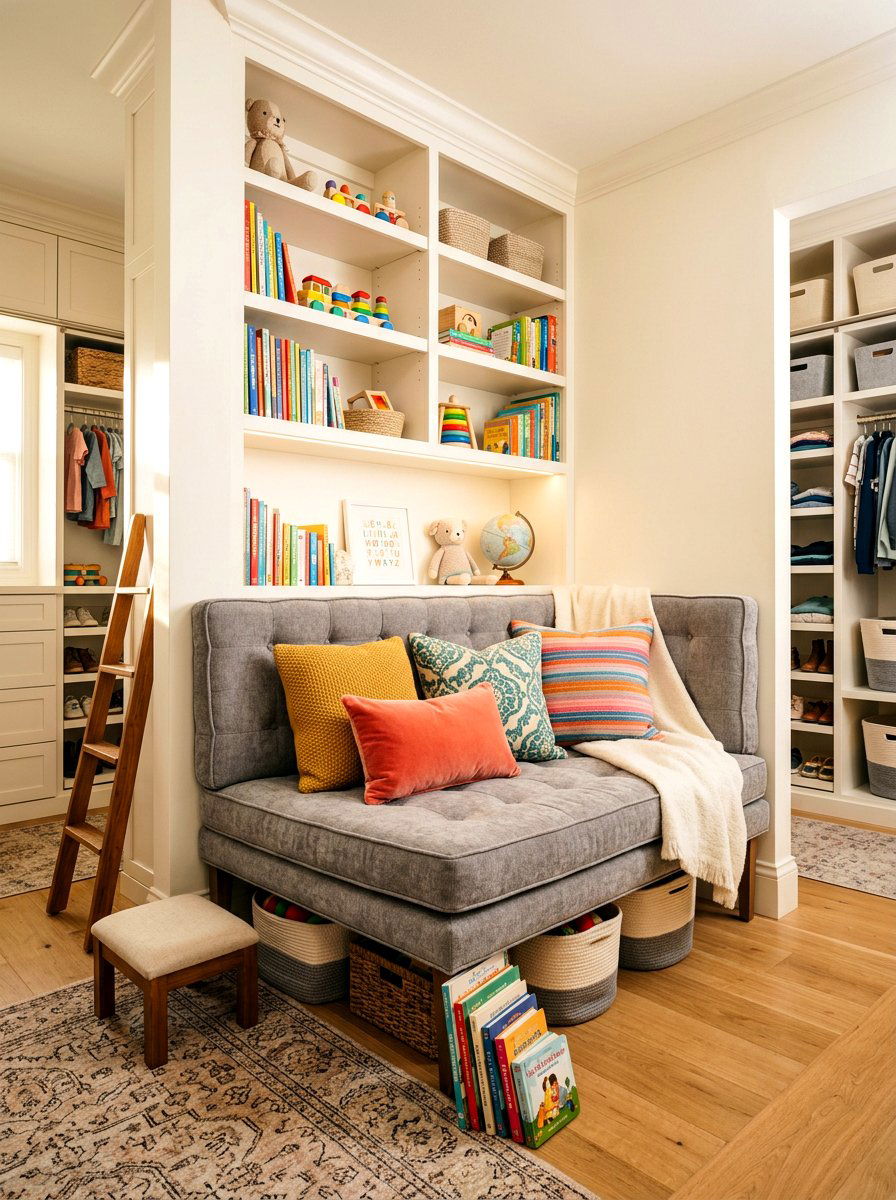
If you have a deep walk-in closet, consider adding a low, padded bench at the back or along one side. This provides a comfortable spot for children to sit and play with small toys or look at books inside their own private sanctuary. You can even choose a bench with built-in storage underneath for even more organization potential. Soft fabrics and colorful cushions make the space feel inviting and cozy. This layout turns the closet into a destination for relaxation as much as for storage. It is a wonderful way to create a multi-functional zone that serves several different needs throughout the day.
30. Cube Storage Unit
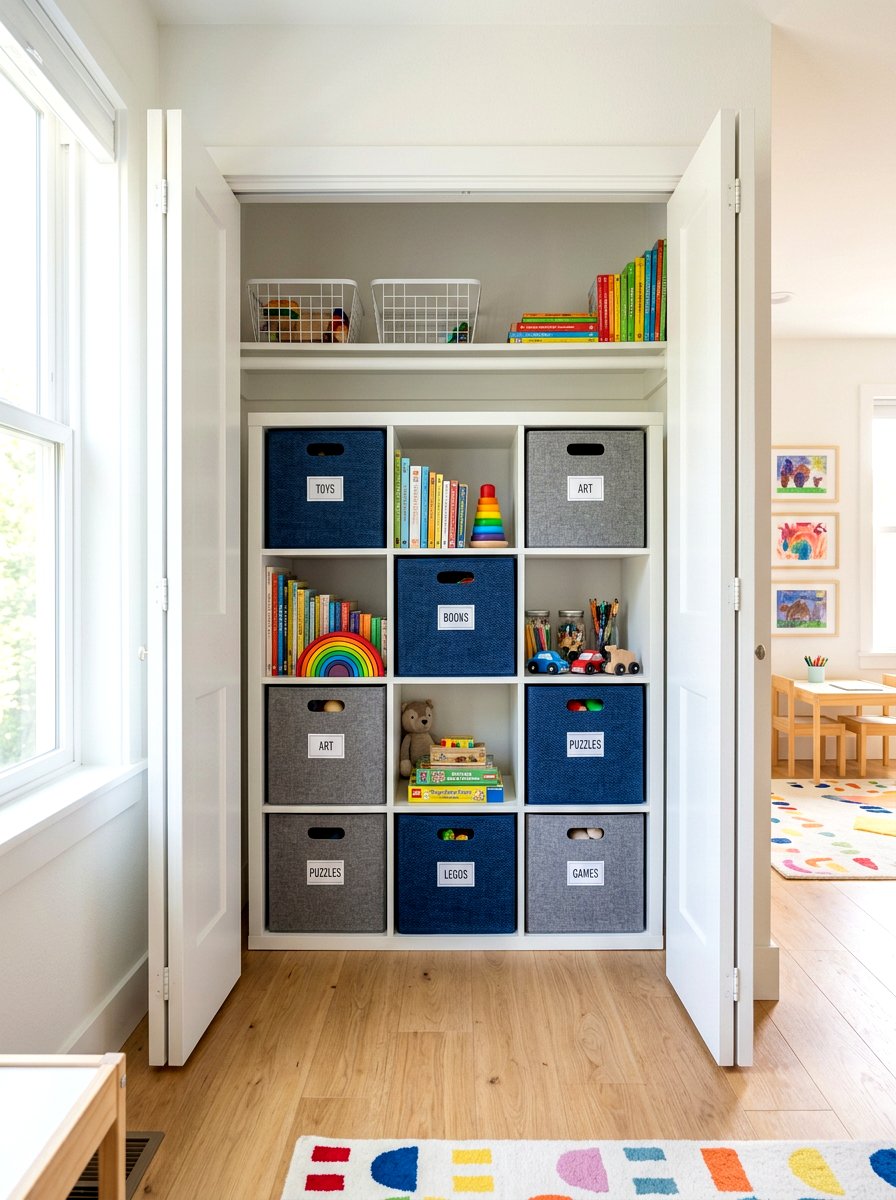
The classic cube storage unit is perhaps the most popular choice for playroom closets because of its extreme versatility. These units fit perfectly into most standard closet openings and offer a clean, grid-like appearance that appeals to the eyes. You can leave some cubes open to display favorite items and use fabric bins in others to hide the smaller, messier toys. The uniform size of the cubes makes it easy to categorize different types of play materials. Because they are so widely available, you can easily find bins in any color or pattern to match your playroom's theme. It is a simple and effective organization staple.
Conclusion:
Organizing a playroom closet is one of the most rewarding home improvement projects because it directly impacts your daily quality of life. By implementing these creative ideas, you can reclaim your floor space and provide your children with a structured environment that supports their development. A well-designed closet does not just hide clutter; it empowers kids to take ownership of their space and learn valuable life skills like sorting and tidying. Whether you choose a simple bin system or a full-scale closet conversion, the goal is to create a balance between accessibility and order. Your playroom will finally become the joyful, organized sanctuary that your family deserves for years to come.

Related posts: