Creating a functional play space for children often feels like a never-ending battle against the clutter that seems to grow overnight. When you walk into a room filled with scattered blocks and tiny figurines, the stress can be overwhelming for both parents and kids alike. Having a dedicated system helps transform a chaotic playroom into a peaceful sanctuary that encourages focused play and creativity. We have researched the most effective and visually appealing ways to manage the mess while keeping toys accessible for little hands. This guide explores thirty smart solutions that blend perfectly with your home decor. Each strategy focuses on maximizing your available space while teaching children the valuable skill of tidying up their own belongings daily.
1. Clear Plastic Bins
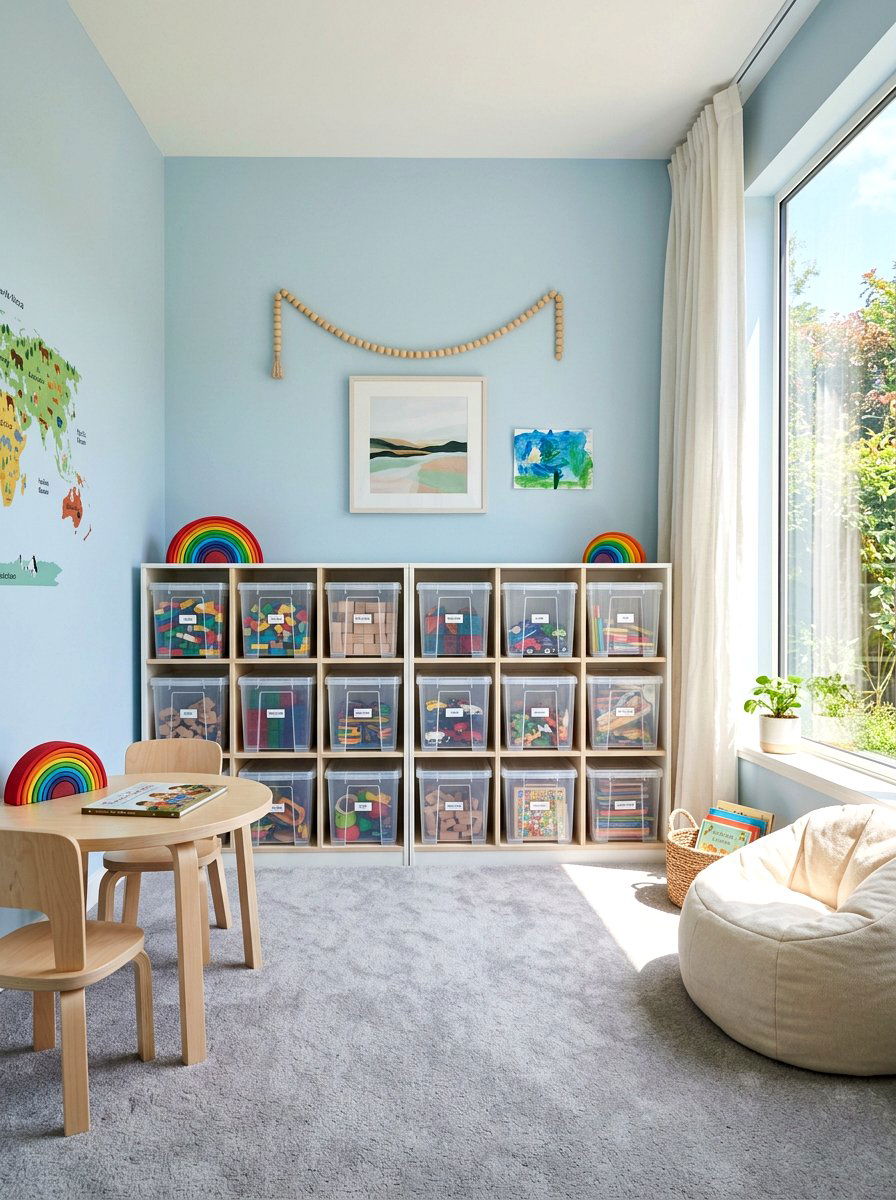
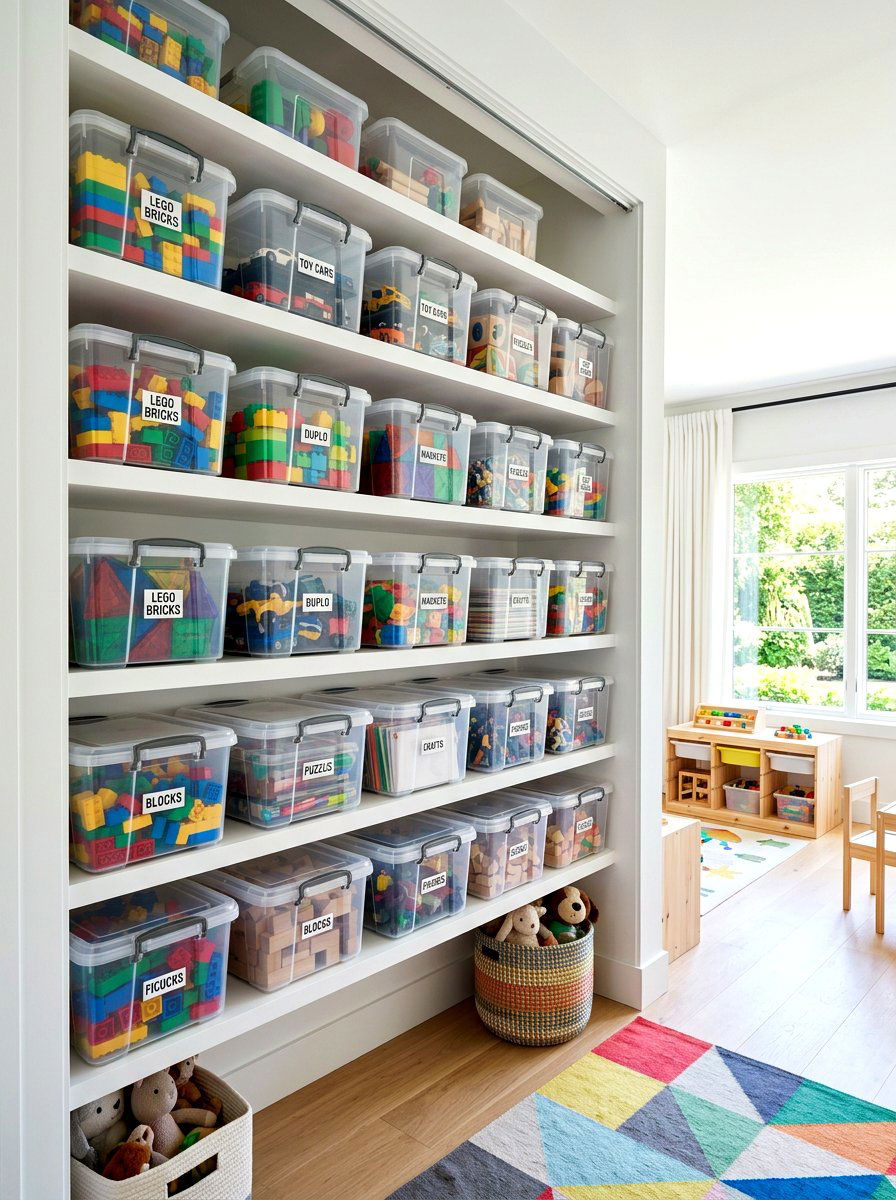
Using transparent containers is a game-changer for maintaining order in a busy playroom. These bins allow children to see exactly what is inside without needing to dump everything onto the floor to find a specific figurine. When you arrange these containers on low shelves, they create a visual catalog of available activities. This design approach works exceptionally well in a modern, minimalist setting where clean lines are a priority. By selecting uniform sizes, you can stack them neatly to save vertical space while keeping the room looking professional. Pair these clear vessels with simple white shelving to create a bright, airy atmosphere that feels organized and inviting for hours of creative and focused play.
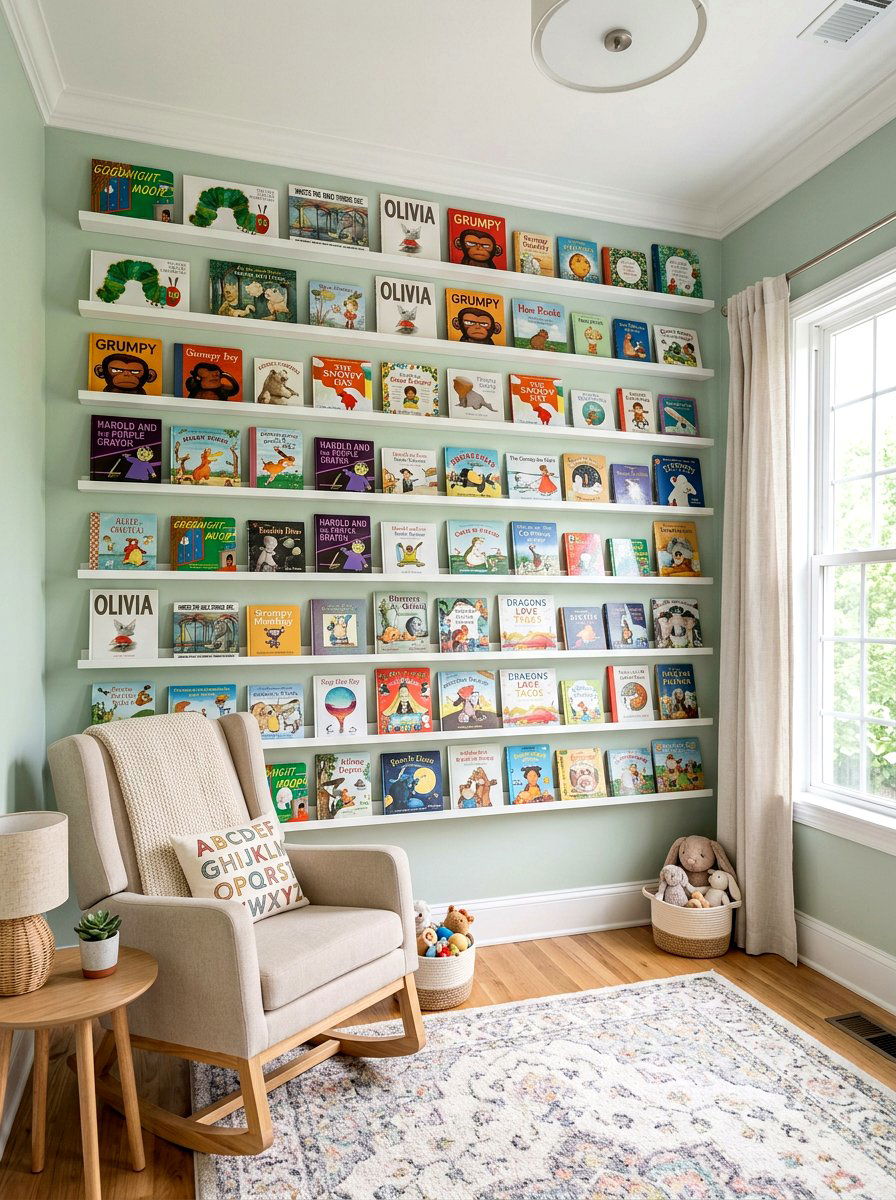
2. Wall Mounted Bookshelves
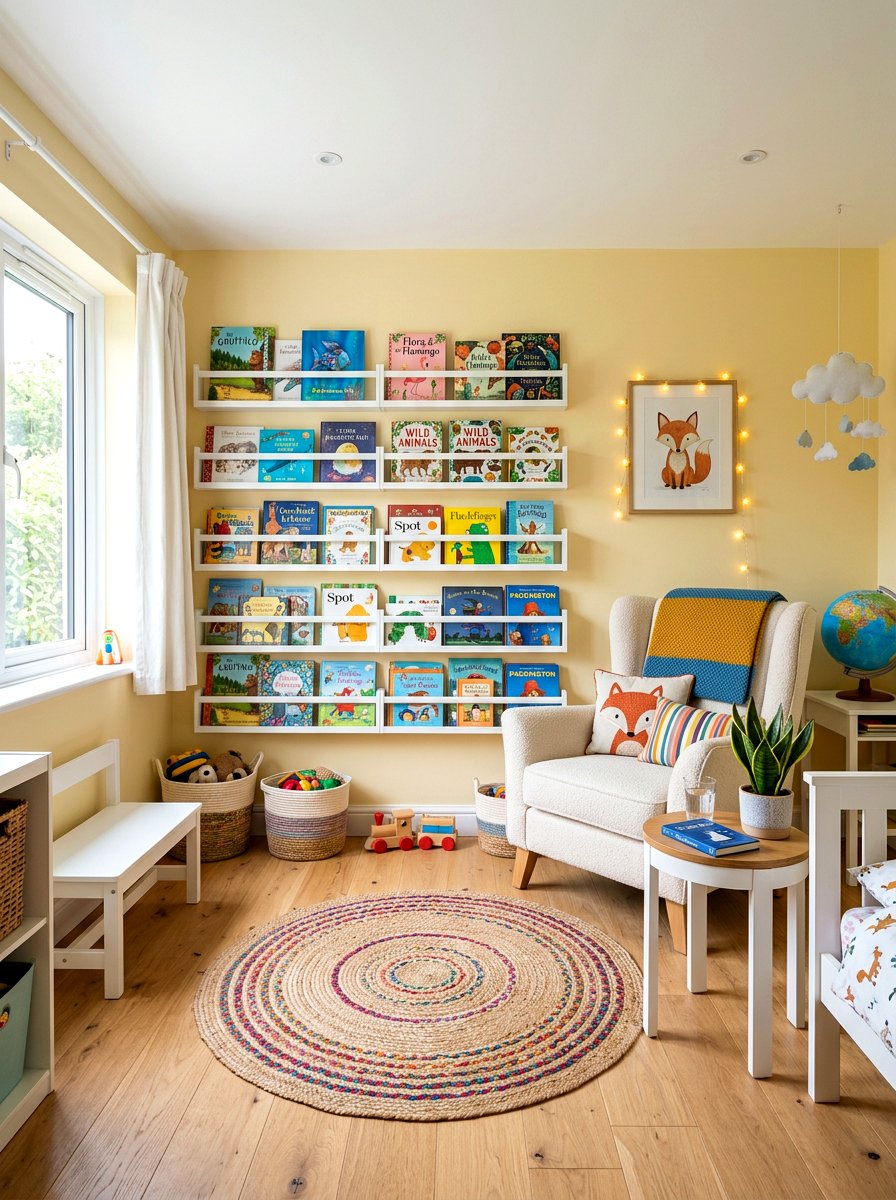
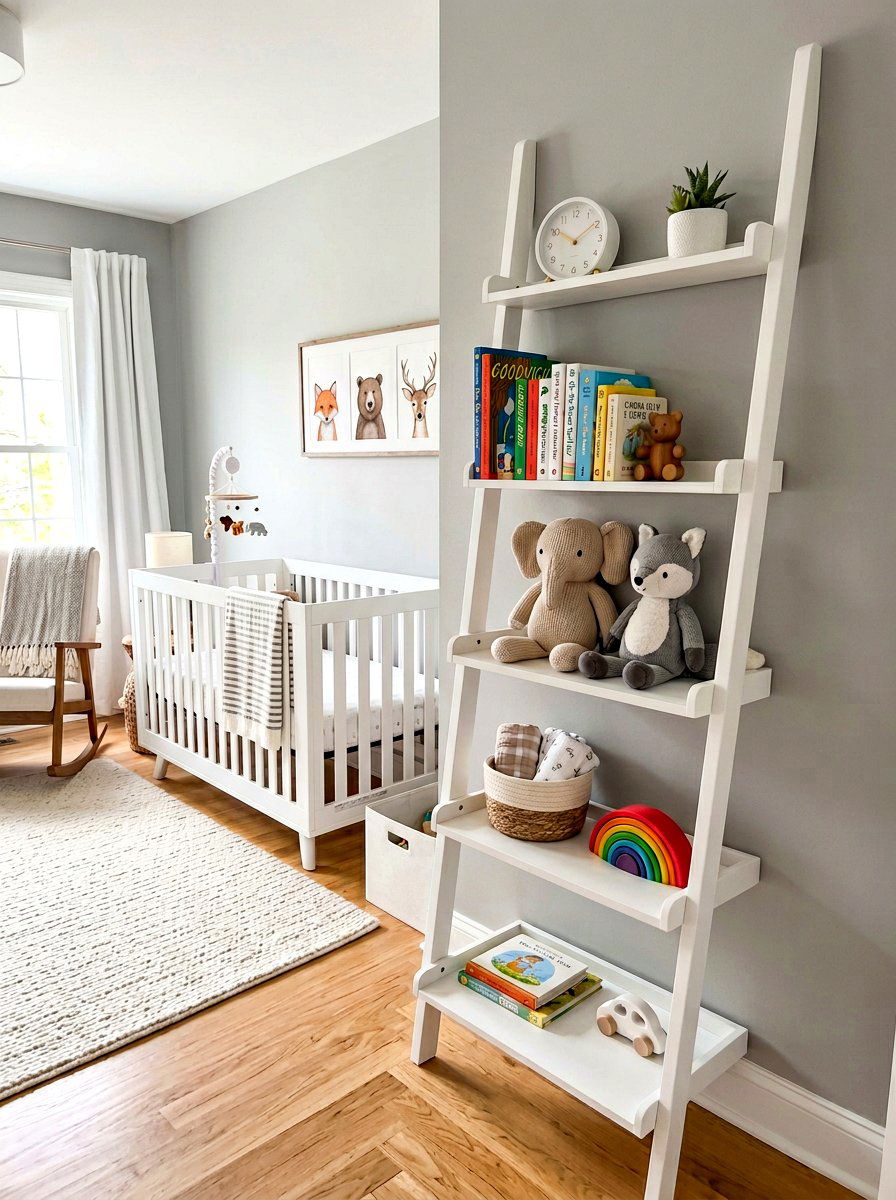
Transforming your child's book collection into a stunning wall display adds both color and character to the bedroom. These slim ledges save precious floor space by utilizing the vertical area that often goes unnoticed in smaller rooms. When books are displayed with their covers facing forward, they act as vibrant pieces of art that entice young readers to pick up a story. This layout makes it incredibly easy for a toddler to identify their favorite bedtime tale independently. You can install these shelves at varying heights to accommodate children of different ages. This design creates a cozy reading nook that feels like a boutique library, turning a simple storage solution into a beautiful focal point of the room.
3. Toy Rotation System
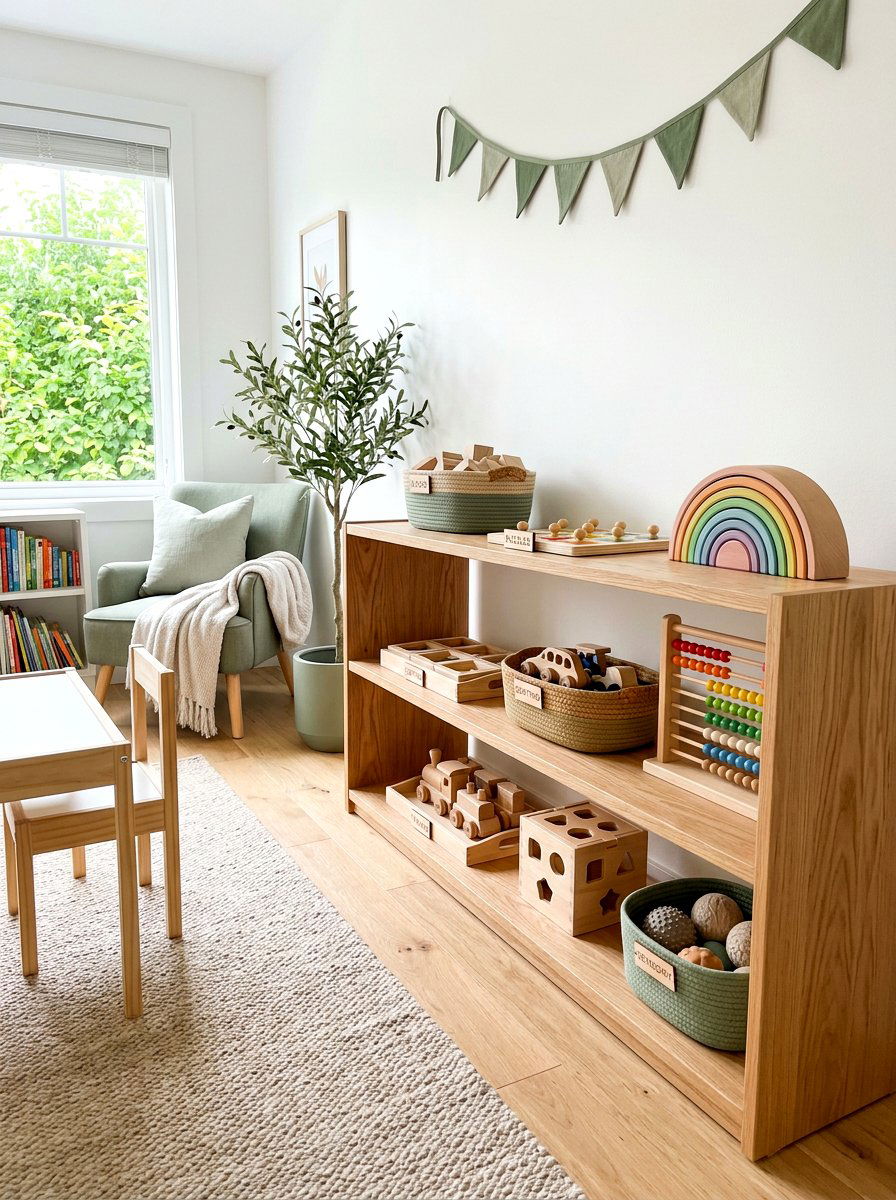
Implementing a rotation strategy is one of the most effective ways to reduce overstimulation and keep play fresh. Instead of having every single toy available at once, you curate a small selection to display on open shelves. The remaining items stay tucked away in a closet or basement until the next rotation cycle. This method encourages deeper engagement with the toys that are currently out, as children are not overwhelmed by too many choices. When a child seems bored, swapping the old items for "new" ones from storage sparks renewed interest and excitement. This organized lifestyle promotes a clutter-free environment and helps children appreciate their belongings much more while keeping the main living area pristine.
4. Under Bed Drawers
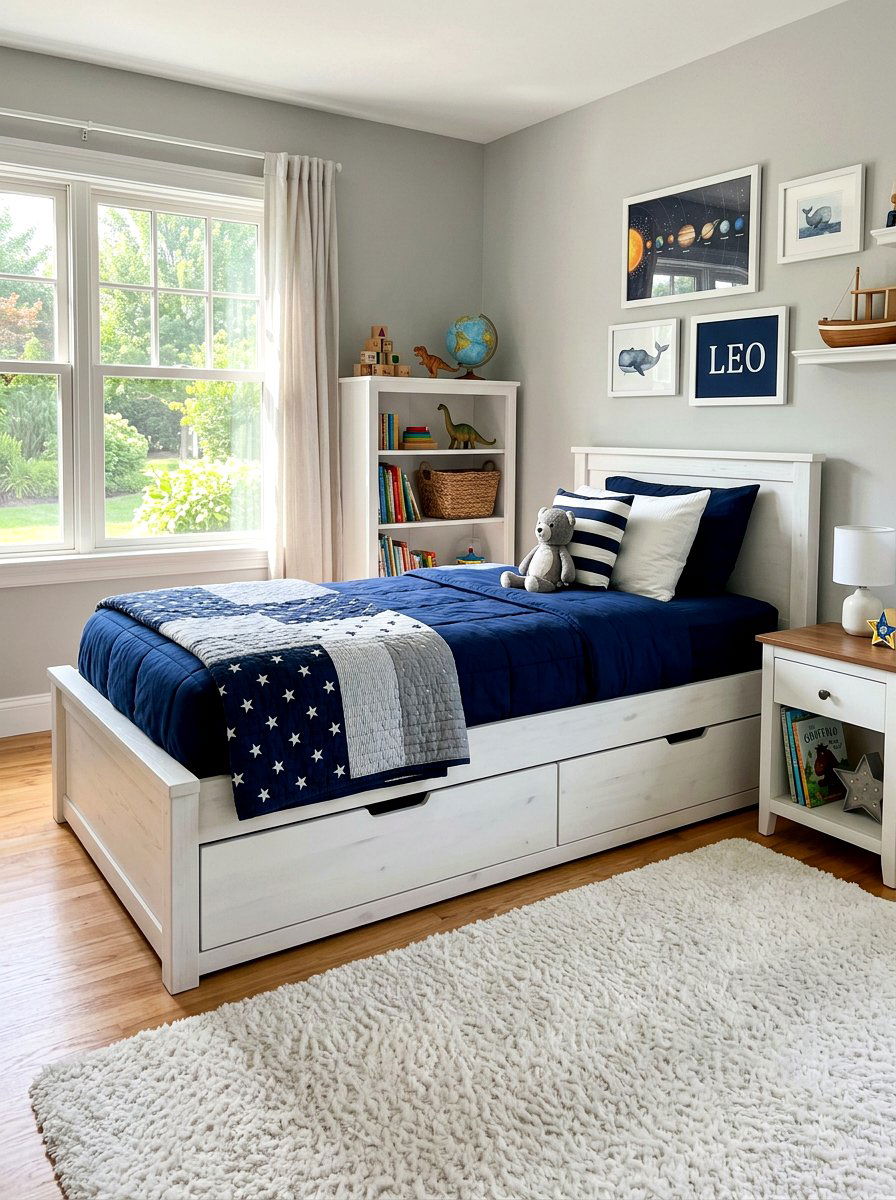
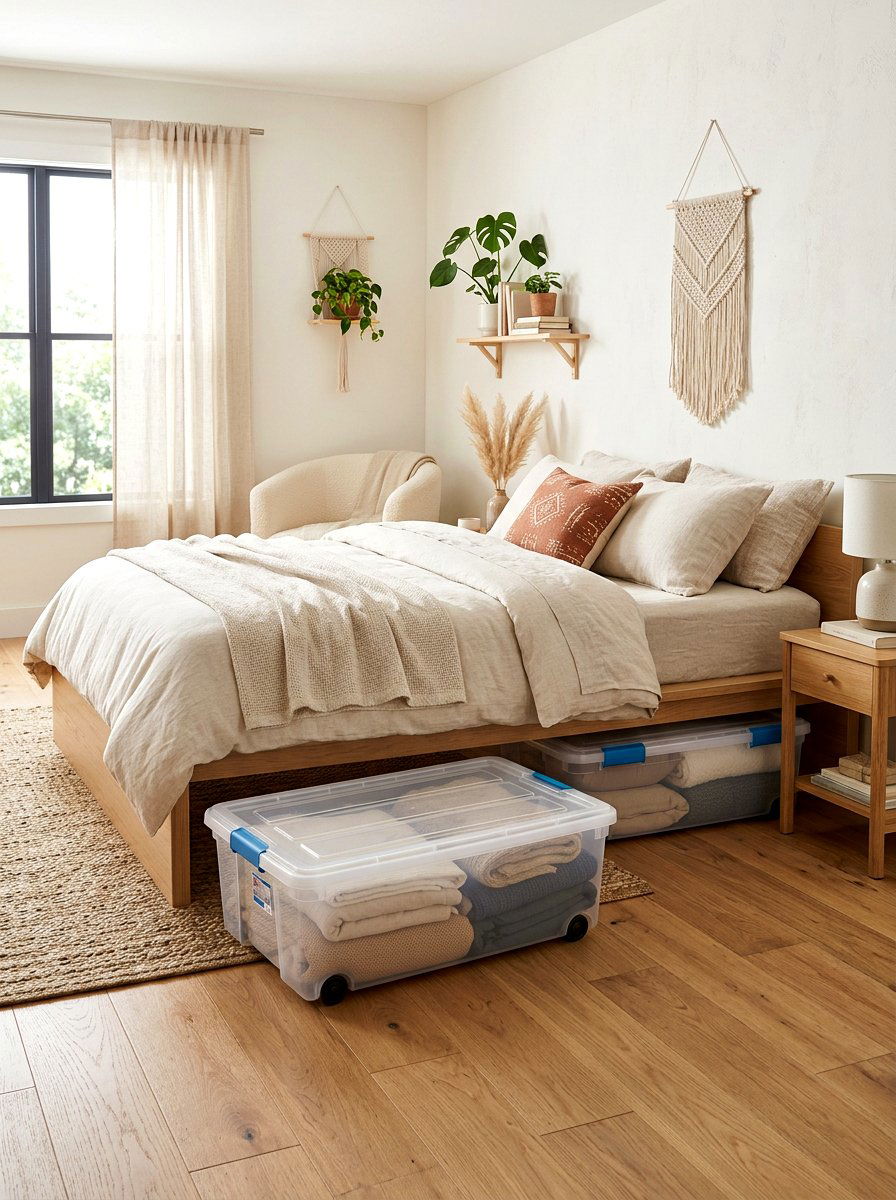
The space beneath a bed is often a hidden goldmine for storing bulky items or sets that are not used daily. Low-profile drawers on wheels allow children to easily slide out their treasures and tuck them back away when playtime is over. This design is perfect for keeping large train tracks, building sets, or seasonal outdoor gear out of sight. By choosing drawers that match the bed frame 's material, you create a seamless and integrated look that enhances the room' s overall aesthetic. This practical solution keeps the floor clear for walking and playing, making the entire bedroom feel much larger and more organized. It is an essential strategy for small apartments where every inch counts.
5. Wooden Crate Storage
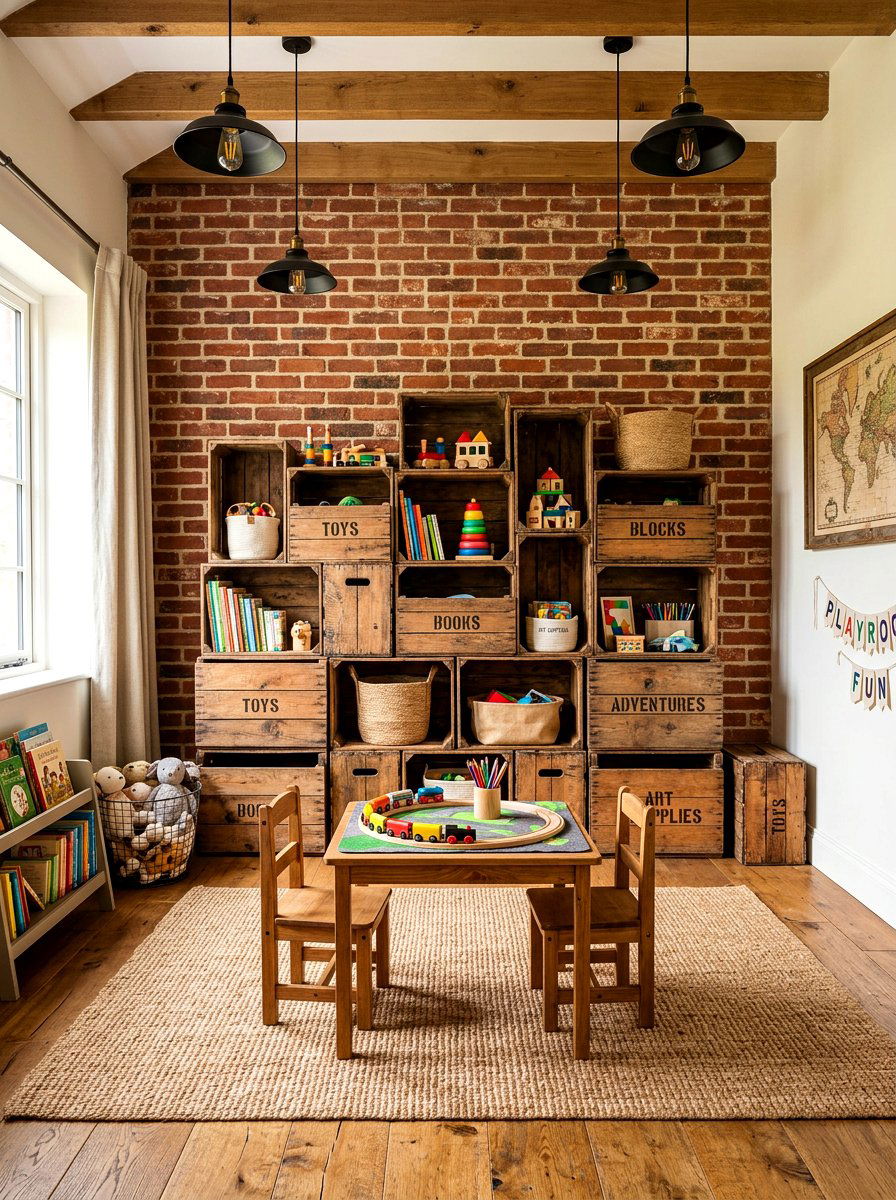
Incorporating natural wood elements brings a warm, farmhouse-inspired charm to any nursery or play area. Sturdy wooden crates can be stacked horizontally to create a rustic shelving unit or used individually as heavy-duty bins for blocks and trucks. Their durable construction ensures they can withstand years of rough play while maintaining their timeless appeal. You can leave the wood in its natural state for a boho look or paint the crates in soft pastels to match a specific color palette. Adding small casters to the bottom of the crates makes them mobile, allowing kids to move their toys from room to room with ease. This versatile design blends functionality with a high-end, handcrafted aesthetic.
6. Stuffed Animal Hammock
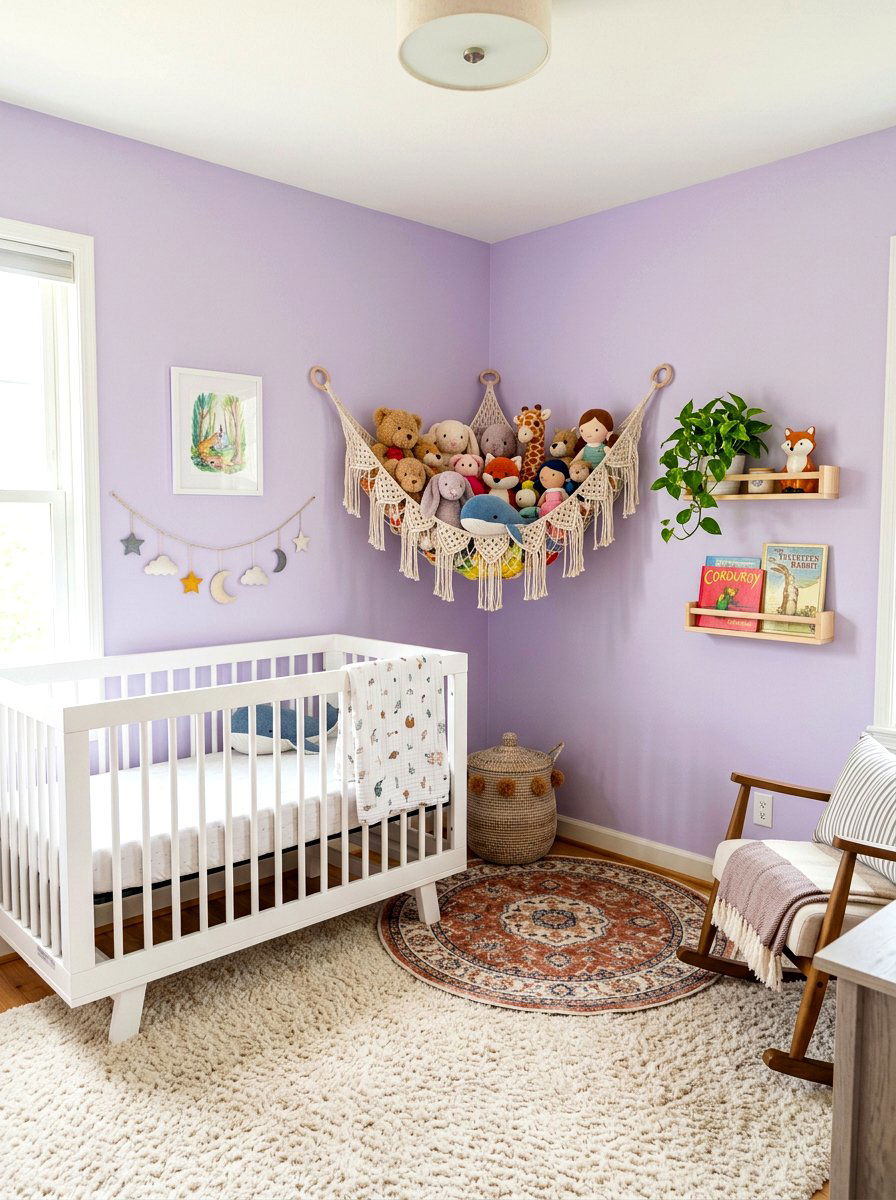
Plush toys often take up a significant amount of space on beds and floors, making a room feel crowded. A mesh hammock hung in the corner of a room provides a whimsical and space-saving way to corral a growing collection of soft friends. This vertical solution keeps the "stuffies" off the ground while still allowing them to be visible and part of the room's decor. It creates a playful "pet zoo" vibe that children find delightful. Position the hammock at a height where older kids can reach their favorites while keeping the very small ones safely out of the way. This simple addition clears the bed for sleeping and adds a cozy, bohemian touch to the walls.
7. Pegboard Wall Organizer
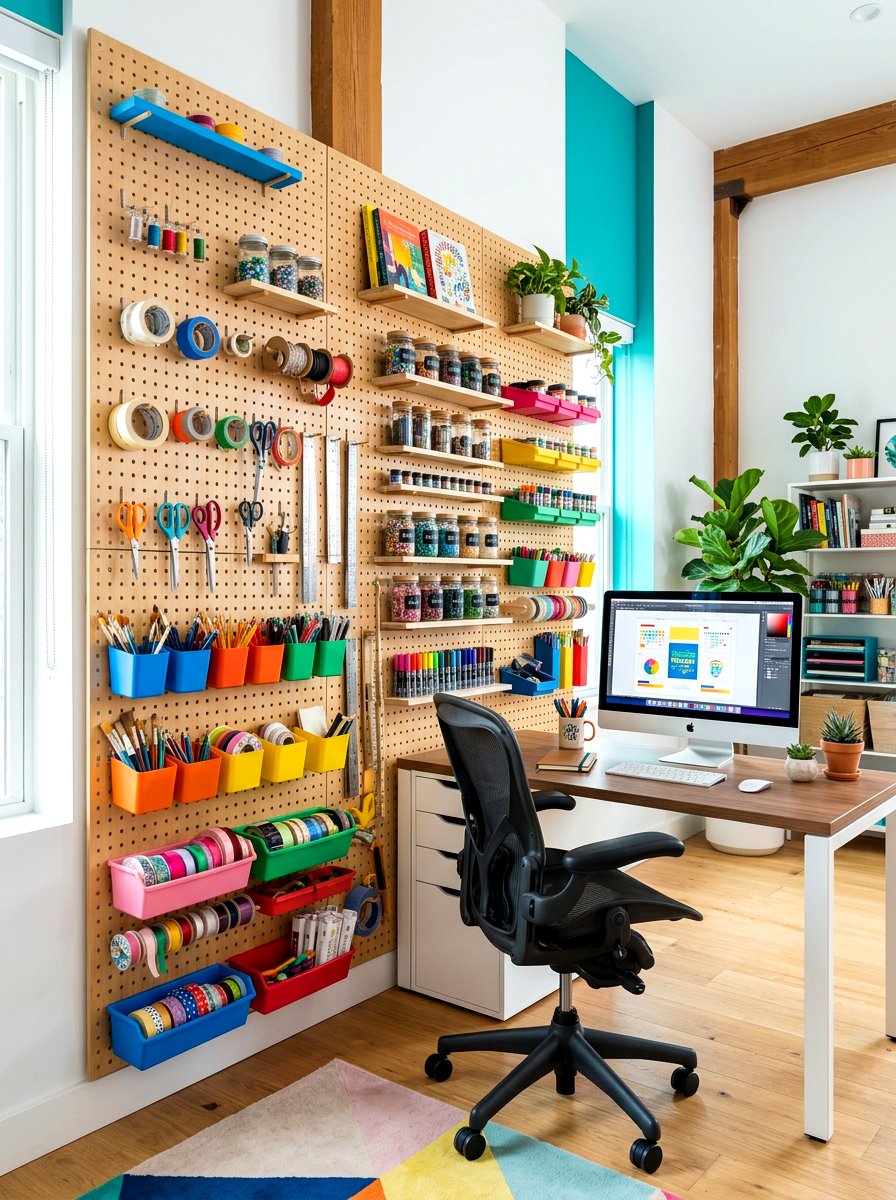
A customizable pegboard offers a sophisticated and industrial-style solution for organizing smaller accessories and craft supplies. By using various hooks, baskets, and shelves, you can create a unique wall display that evolves with your child's changing interests. This system is ideal for hanging superhero masks, art kits, or even displaying elaborate building creations. The ability to rearrange the layout easily means the storage never becomes stagnant or outdated. In a modern playroom, a large pegboard painted in a bold accent color serves as both a functional tool and a striking piece of wall art. It keeps tiny pieces organized and off the table surfaces, ensuring a tidy workspace for drawing and homework assignments.
8. Woven Floor Baskets
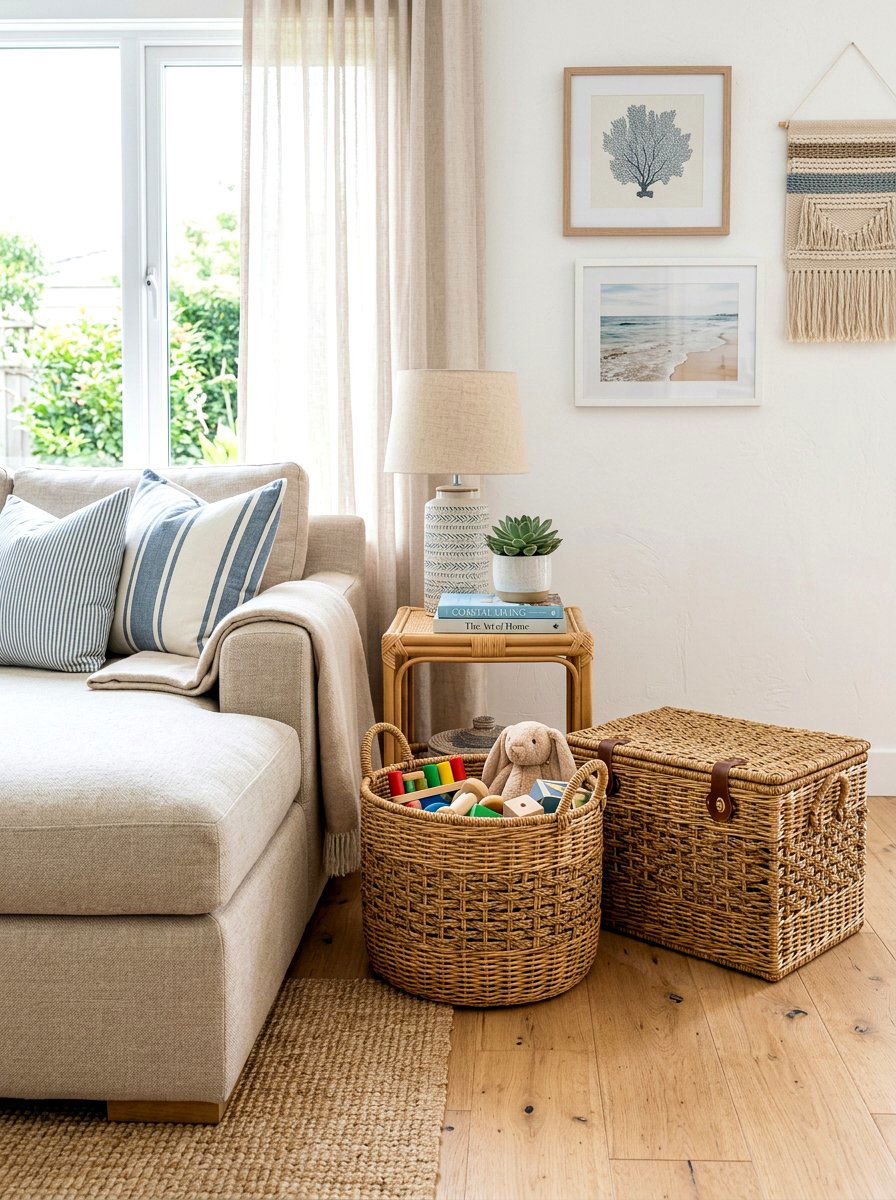
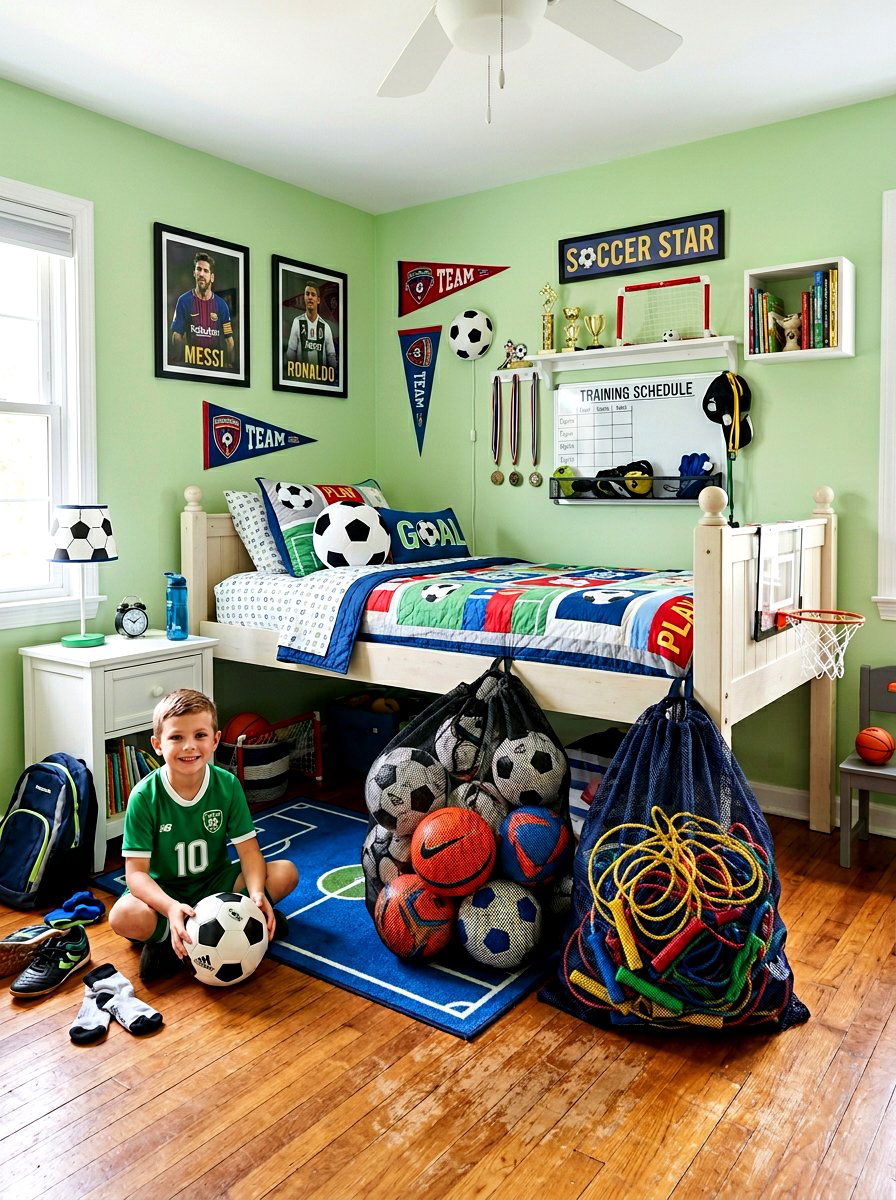
Large seagrass or wicker baskets are perfect for quick cleanups at the end of a long day. These textural pieces add an organic and sophisticated element to a living room where toys often spill over from the nursery. Because they have wide openings, children can easily toss their larger toys, like dolls or sports balls, inside without much effort. The natural materials provide a neutral backdrop that complements almost any interior design style, from coastal to modern. Using a set of matching baskets creates a cohesive look that hides the colorful plastic chaos within. This approach makes it possible to maintain a grown-up living space while still being fully prepared for a kid-friendly afternoon.
9. Open Cubby Shelving
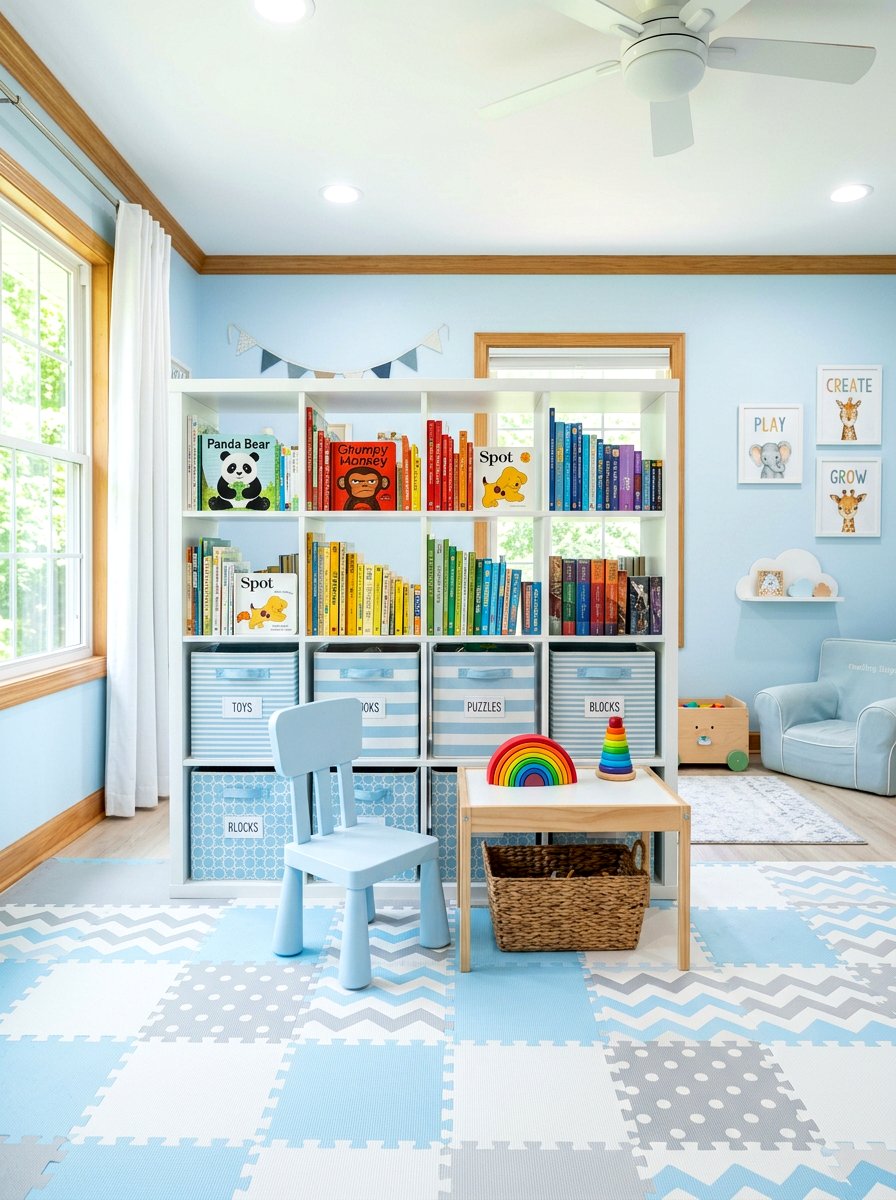
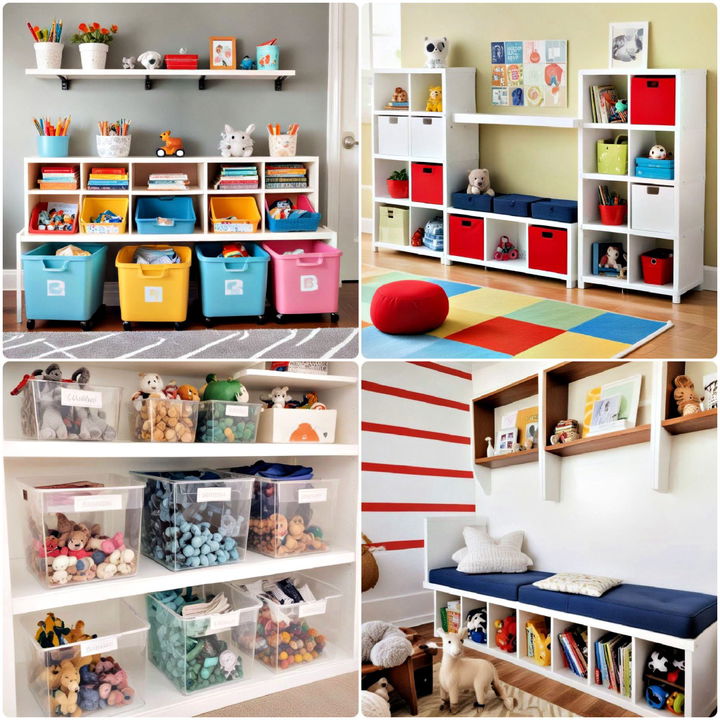
A classic cubby system provides a structured and versatile framework for organizing a wide variety of toy types. By combining open cubbies with fitted fabric or wooden bins, you can choose what to display and what to hide. This design allows you to showcase beautiful wooden toys or books on some levels while concealing smaller, mismatched pieces in the bins below. The symmetrical grid pattern offers a sense of calm and order that is visually pleasing in a busy house. Low-profile units also serve as a flat surface for play, acting as a stage for dollhouses or car garages. This multi-functional furniture piece is a staple in high-quality children's room designs across the globe.
10. Rolling Storage Cart
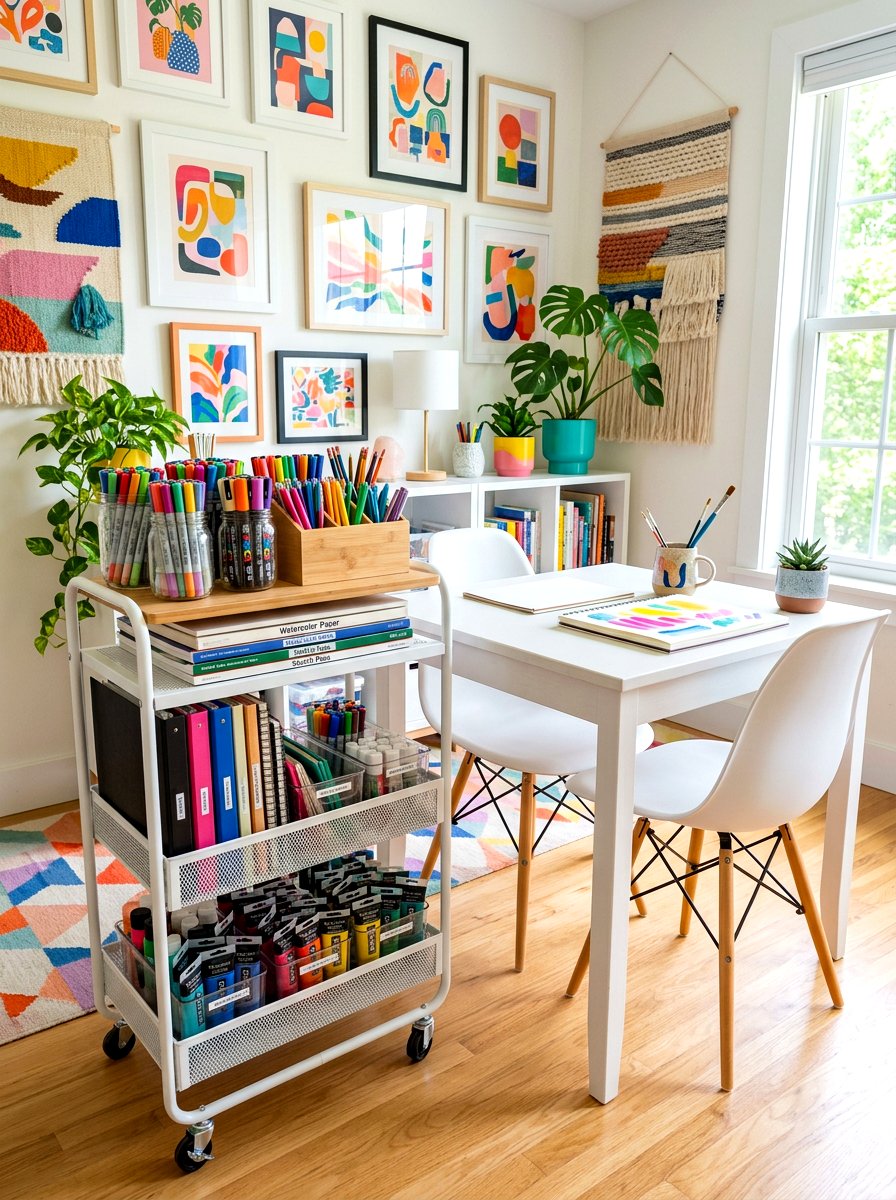
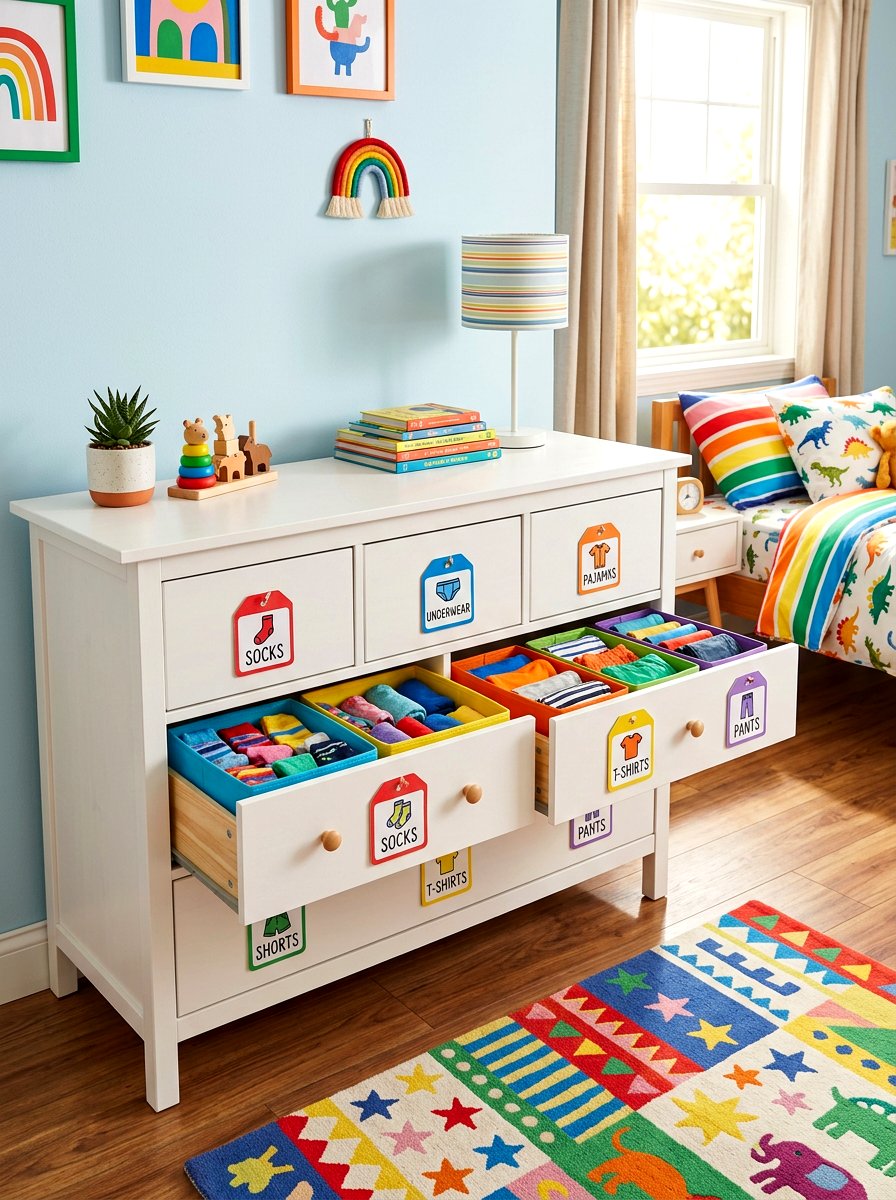
A tiered utility cart on wheels is the ultimate mobile solution for art supplies or small building blocks. You can easily move the entire station from the bedroom to the kitchen table depending on where the creative inspiration strikes. Each tier can be designated for a specific category, such as markers on top, paper in the middle, and coloring books on the bottom. This organization keeps everything within reach and prevents supplies from being scattered across multiple rooms. When the activity is finished, the cart simply rolls back into a corner or a closet. Its sleek metal design adds a modern, organized feel to the space while providing unmatched flexibility for active family households.
11. Labeled Toy Boxes
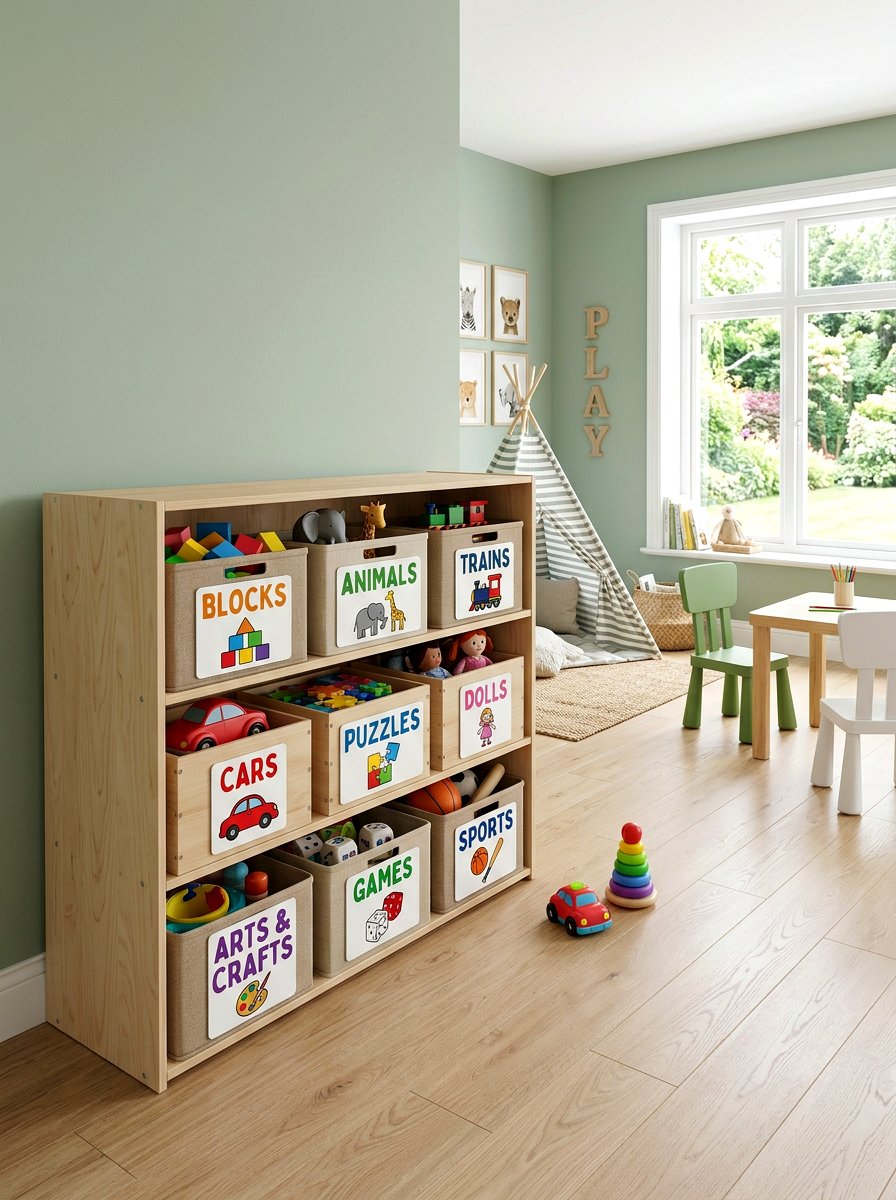
Clear communication is key to maintaining an organized space, and labels are the perfect tool for the job. By using both words and pictures on storage bins, you empower young children who cannot yet read to participate in the cleanup process. This system teaches kids where every item belongs and reduces the time parents spend searching for specific pieces. You can use stylish chalkboard labels or custom vinyl decals to maintain a high-end look that matches your decor. This level of organization makes the room feel intentional and well-managed. When every car and block has a designated home, the entire household runs more smoothly, and the play space remains consistently tidy and welcoming.
12. Toy Chest
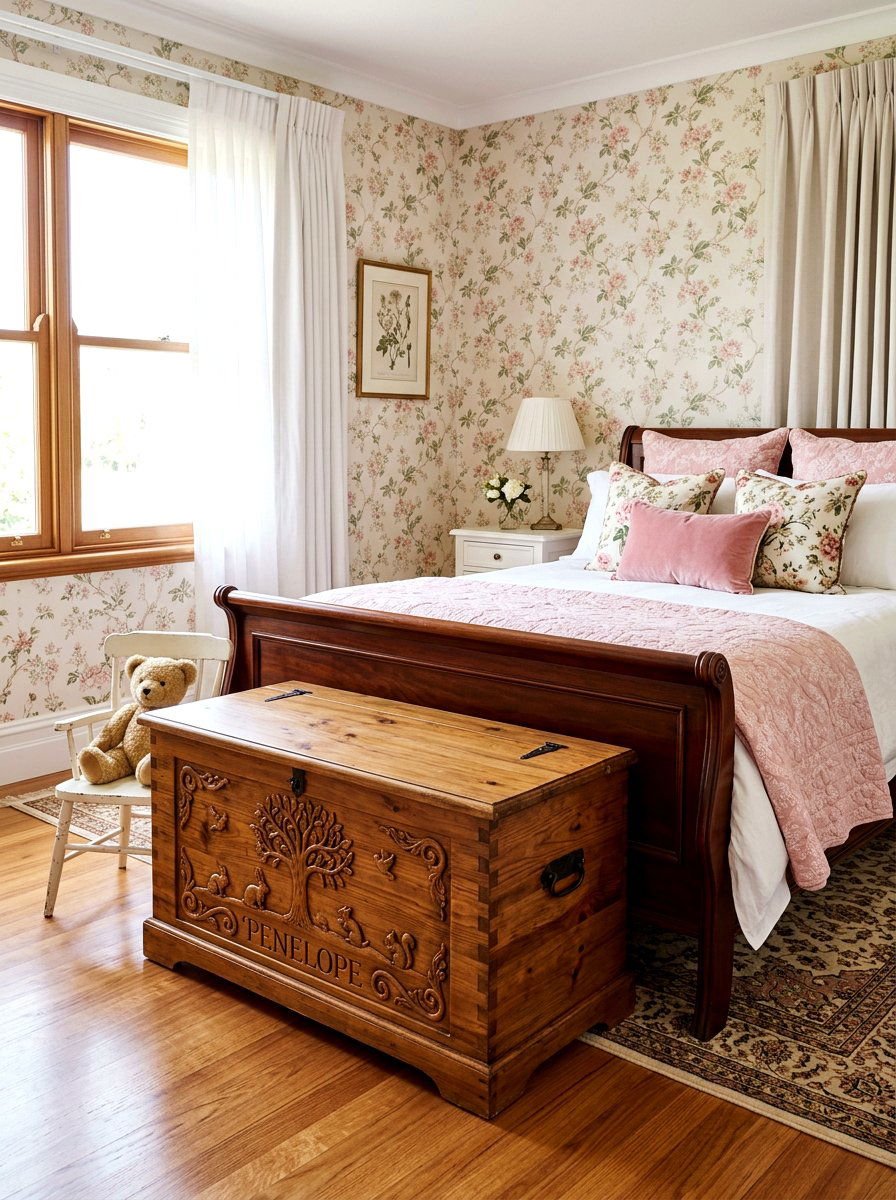
A traditional toy chest remains a beloved classic for a reason, offering a large, deep space to hide away the bulkier items. Modern versions often feature safety hinges to prevent slammed fingers, making them a safe choice for toddlers. A beautiful wooden chest can sit at the foot of the bed, doubling as a seat for reading or getting dressed in the morning. This piece of furniture adds a sense of history and permanence to the room's design. By choosing a high-quality finish, the chest becomes an heirloom piece that can be used for years to store extra blankets or keepsakes once the toys are eventually outgrown. It provides a simple, effective way to clear the floor instantly.
13. Hidden Bench Storage
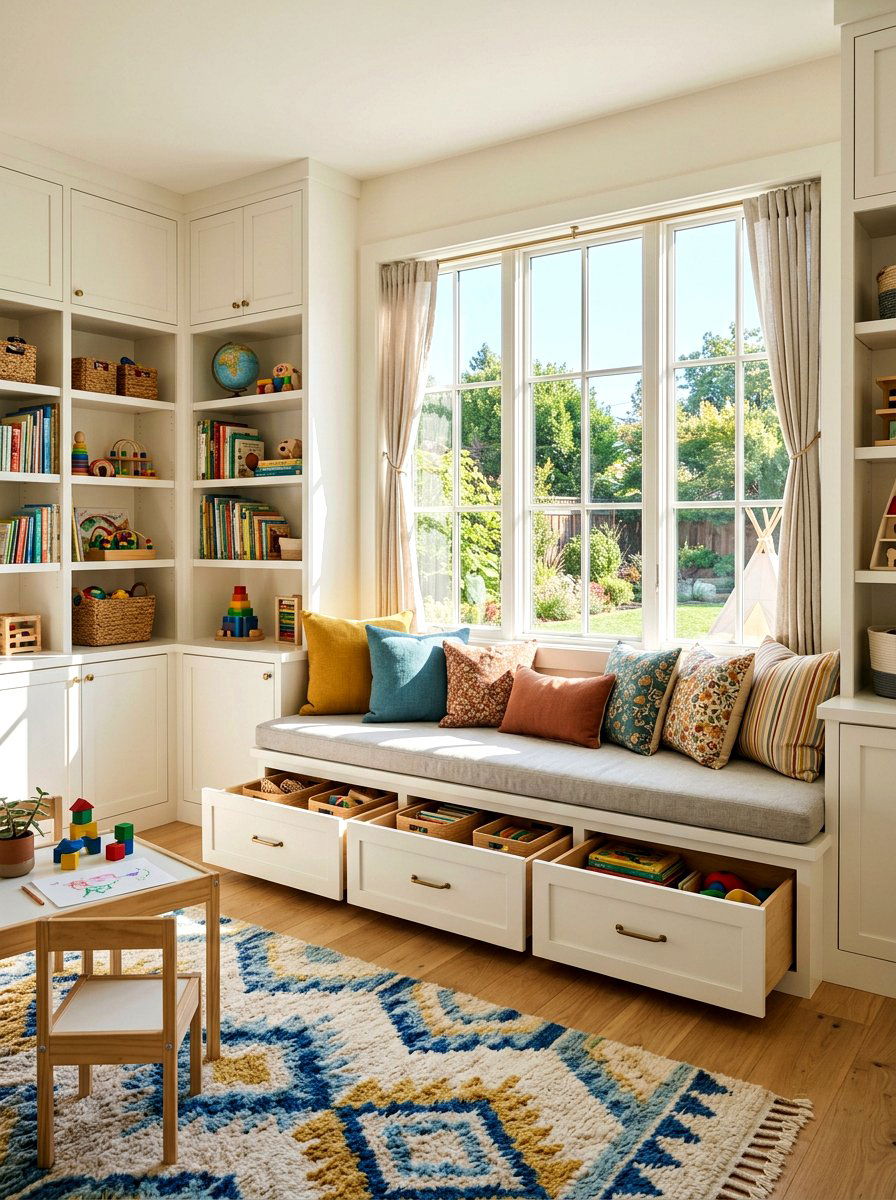
Furniture that serves a dual purpose is essential for maximizing space in small homes. A window seat or entry bench with built-in storage underneath provides a secret place to tuck away toys while offering a comfortable place to sit. This design integrates seamlessly into the architecture of the room, making the storage feel like part of the original house plan rather than an afterthought. You can add soft cushions and decorative pillows to create a cozy nook for relaxing. This approach is particularly useful in living rooms where you want to keep toys accessible but completely hidden from view when guests arrive. It balances practical storage needs with a sophisticated and lived-in home aesthetic.
14. Lego Sorting Trays
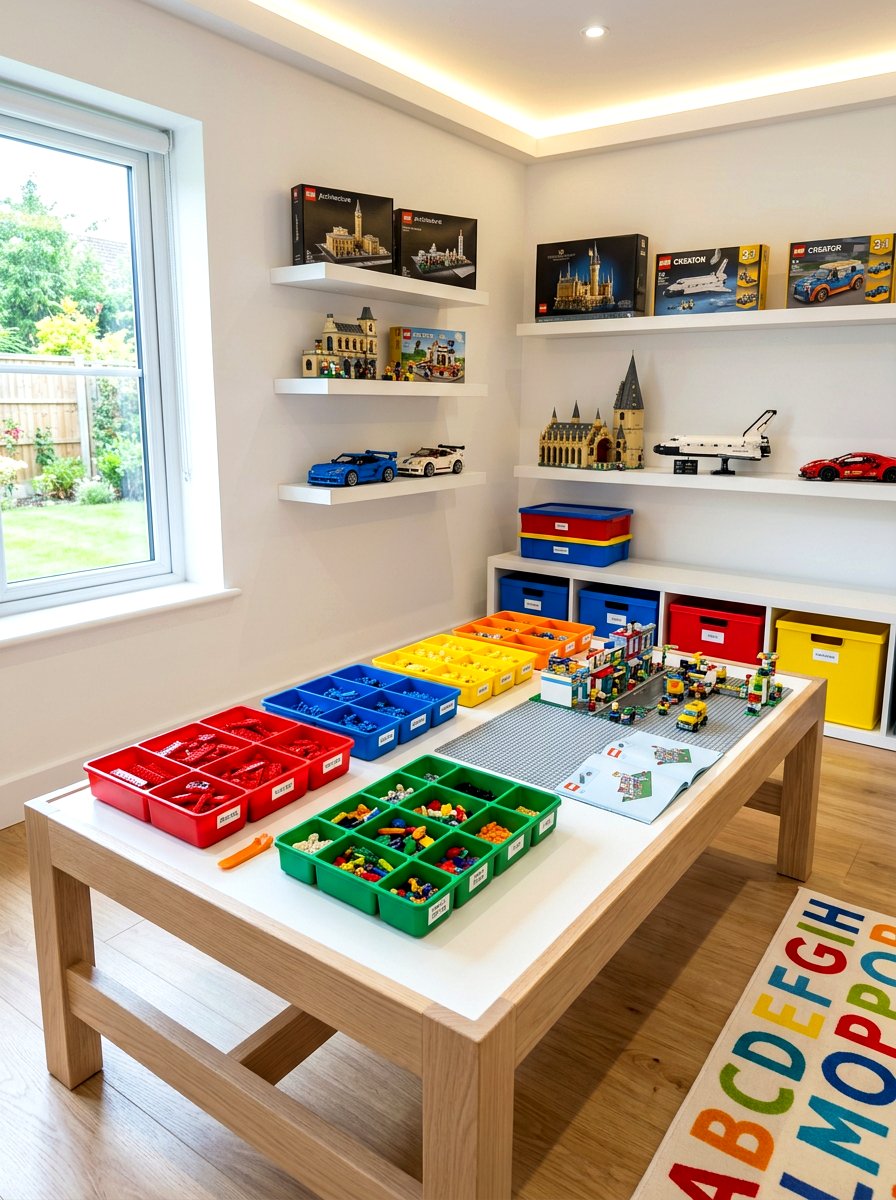
Managing thousands of tiny building bricks requires a specialized approach to prevent them from taking over the entire house. Shallow sorting trays allow children to categorize their pieces by color or size, making the building process much more enjoyable and less frustrating. These trays can be kept in a dedicated drawer or stacked on a shelf when not in active use. This system encourages kids to take pride in their collection and teaches them the value of organization. Using a dedicated building table with integrated trays ensures that unfinished projects can stay intact without cluttering the main floor. This focused design turns a messy hobby into a structured and highly creative activity for all ages.

15. Art Supply Station
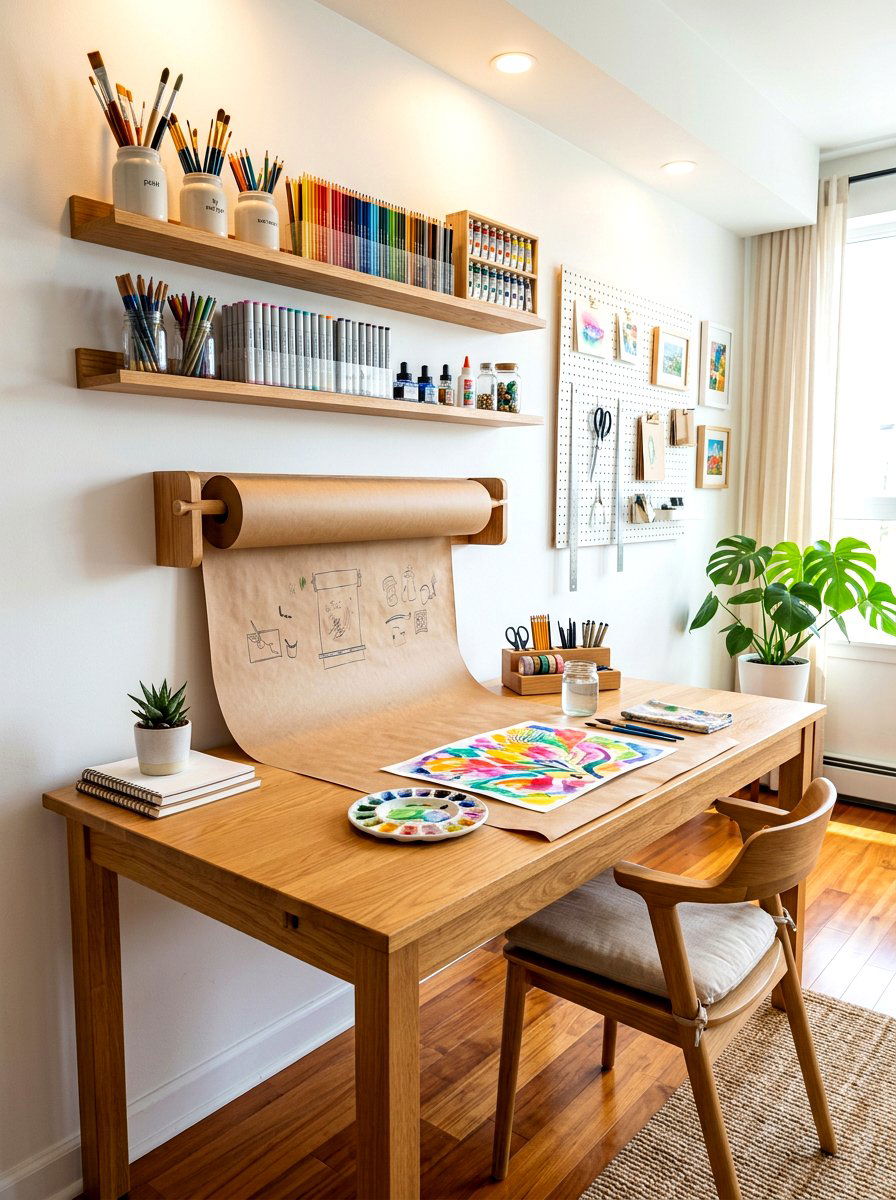
A dedicated area for creativity helps contain the inevitable mess of paints, glues, and glitters. By setting up a small desk with integrated storage for supplies, you provide a clear boundary for art projects. Wall-mounted rods with hanging cups can hold brushes and pencils, keeping the tabletop clear for the actual masterpiece. This setup makes the room feel like a professional studio, inspiring your little artist to spend more time creating. Using washable surfaces and easy-to-clean bins ensures that the station remains tidy even after a busy afternoon. This organized approach to art keeps the rest of the home free from stray marks and ensures that supplies are always ready for the next project.
16. Over Door Organizer
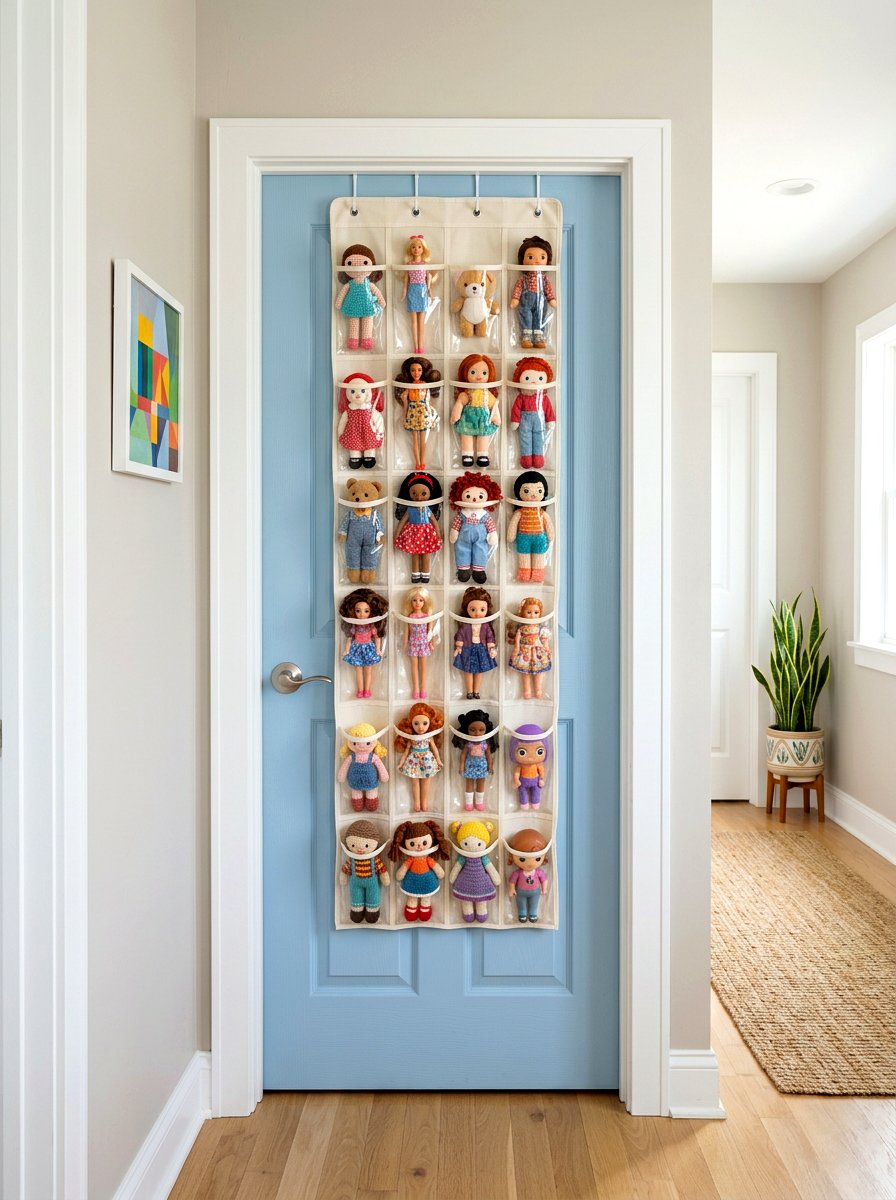
The back of a door is often overlooked as a potential storage area, but it is perfect for smaller figurines and dolls. A clear pocket organizer allows you to store dozens of items in a very small footprint, keeping them visible but neatly contained. This is an excellent solution for organizing Barbie dolls, action figures, or even small stuffed animals. By utilizing the vertical space on the door, you free up shelves and floor area for larger toys and furniture. This hidden storage is easily accessible for kids but stays tucked away when the door is open. It is a cost-effective and highly efficient way to manage a large collection of tiny, easily lost pieces.
17. Magnetic Toy Strips
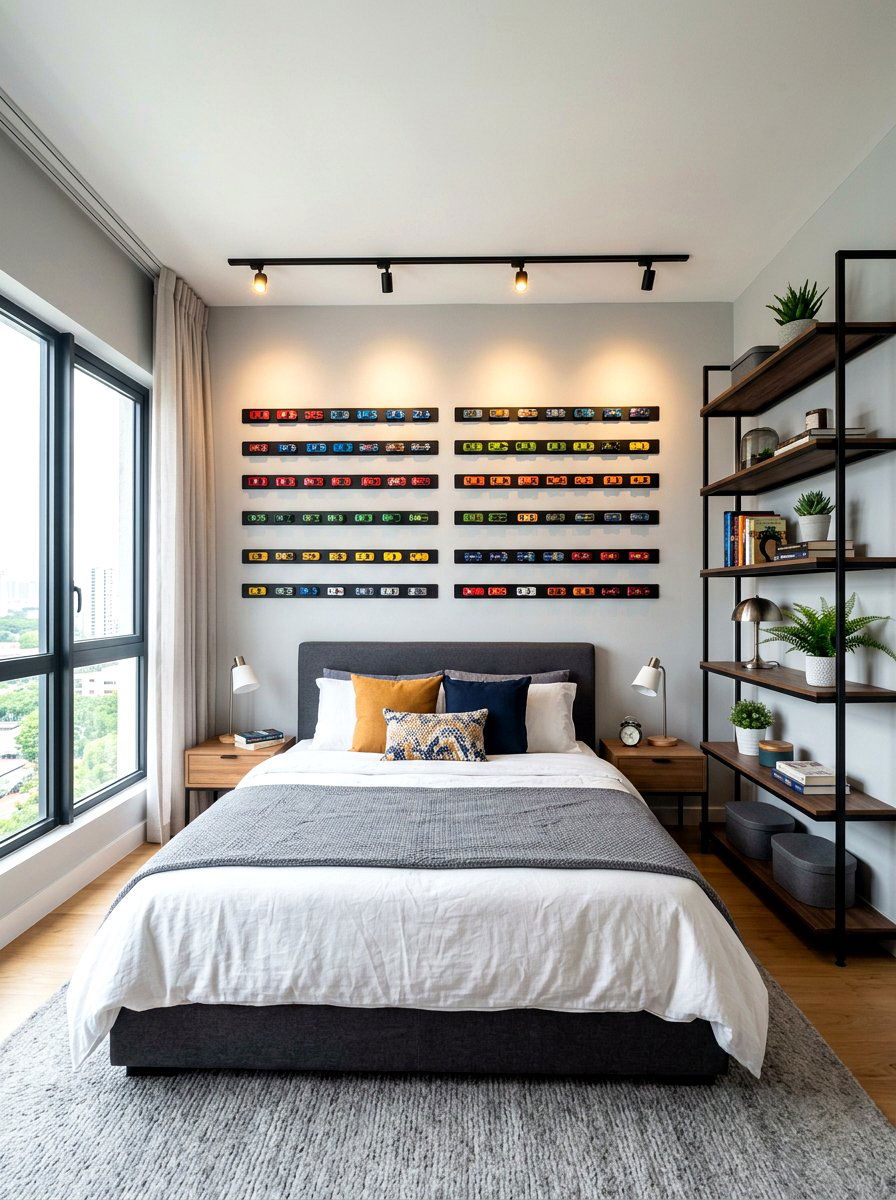
Metal strips mounted on the wall provide a clever and modern way to display and store small toy cars. By attaching small magnets to the bottom of the vehicles, children can "park" their cars directly on the wall. This design creates a dynamic and interactive piece of wall art that changes as the cars are used. It keeps the floor free from racing tracks and prevents the cars from being stepped on. This visual storage solution makes it incredibly easy for kids to see their entire collection at a glance. In a modern bedroom, a series of these strips arranged in rows adds a cool, industrial vibe that any car enthusiast would love to have in their room.
18. Montessori Toy Shelf
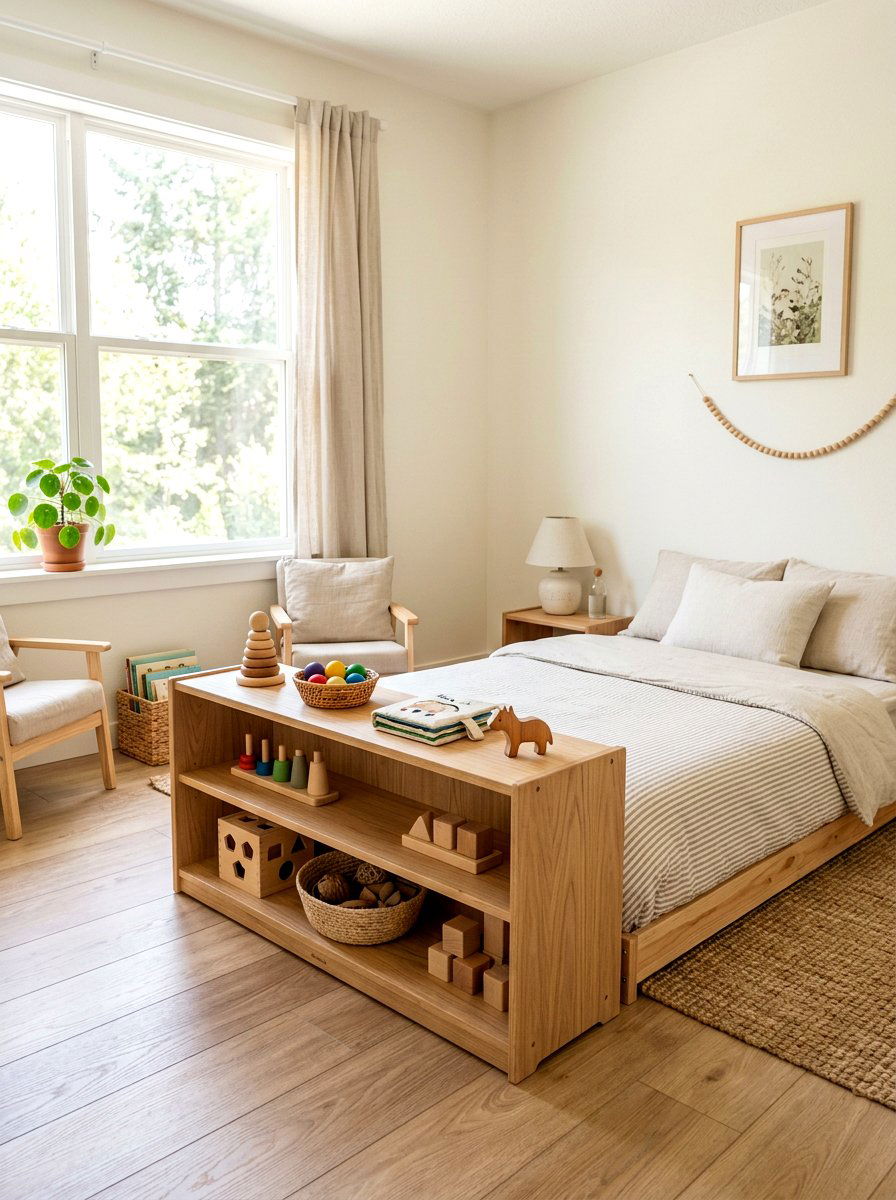
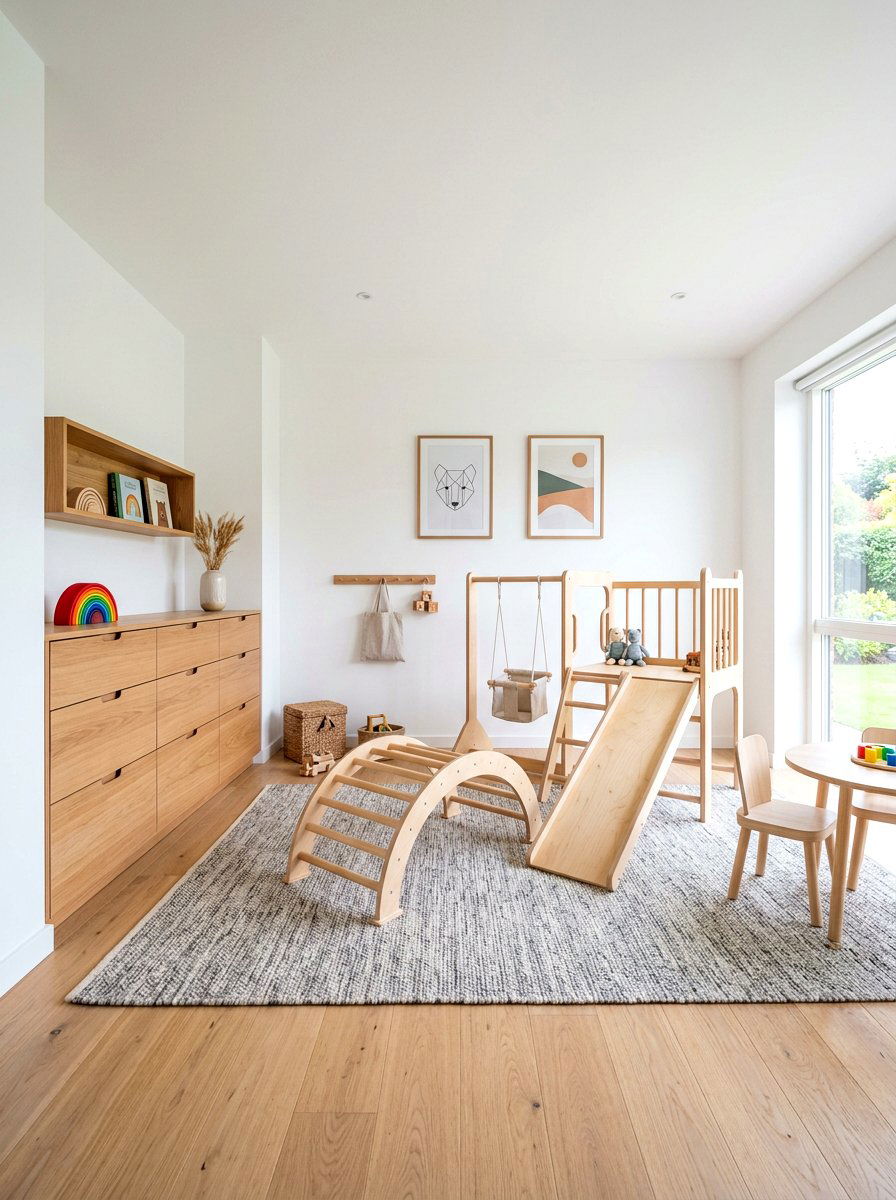
Following the Montessori philosophy, a low and open shelving unit encourages independence and respect for the environment. These shelves usually display a very limited number of toys at a time, allowing each item to be showcased as an "invitation to play. " This minimalist approach reduces distractions and helps children focus deeply on one task at a time. The simple wooden design blends beautifully with a calm and neutral nursery theme. By keeping everything at a child's eye level, you empower them to choose their own activities and return them to the shelf when finished. This organized and intentional layout fosters a sense of peace and order that benefits both the child and the parent.
19. Closet Toy Storage
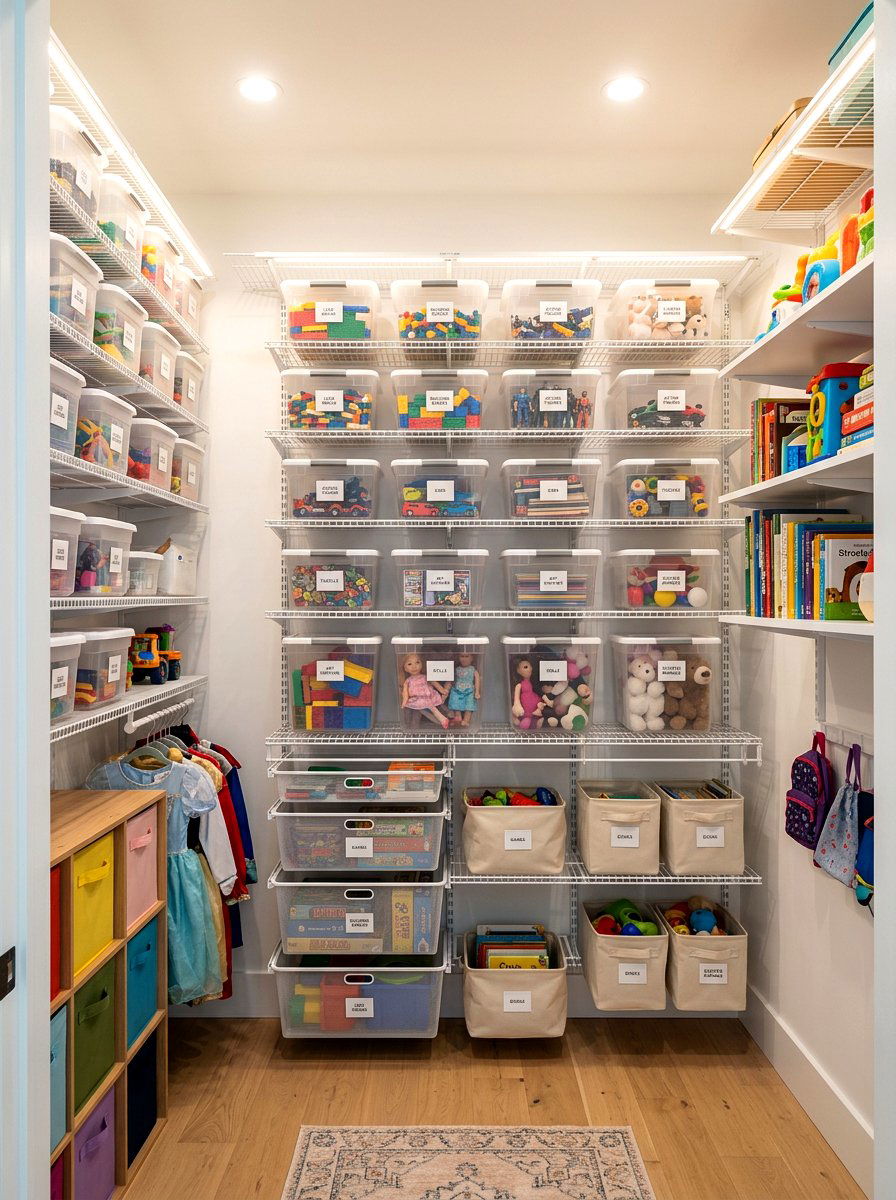
If you prefer to keep toys completely out of sight when not in use, converting a portion of the closet is the ideal solution. By adding adjustable shelving and uniform bins inside the closet, you can create a massive amount of storage without impacting the room's decor. This allows the bedroom to remain a serene space for sleeping while the play "chaos" stays behind closed doors. You can designate specific shelves for different categories, making it easy to find exactly what is needed. This system is particularly effective for larger playrooms or shared bedrooms where space is at a premium. It provides a clean and professional look that makes the entire home feel more organized.
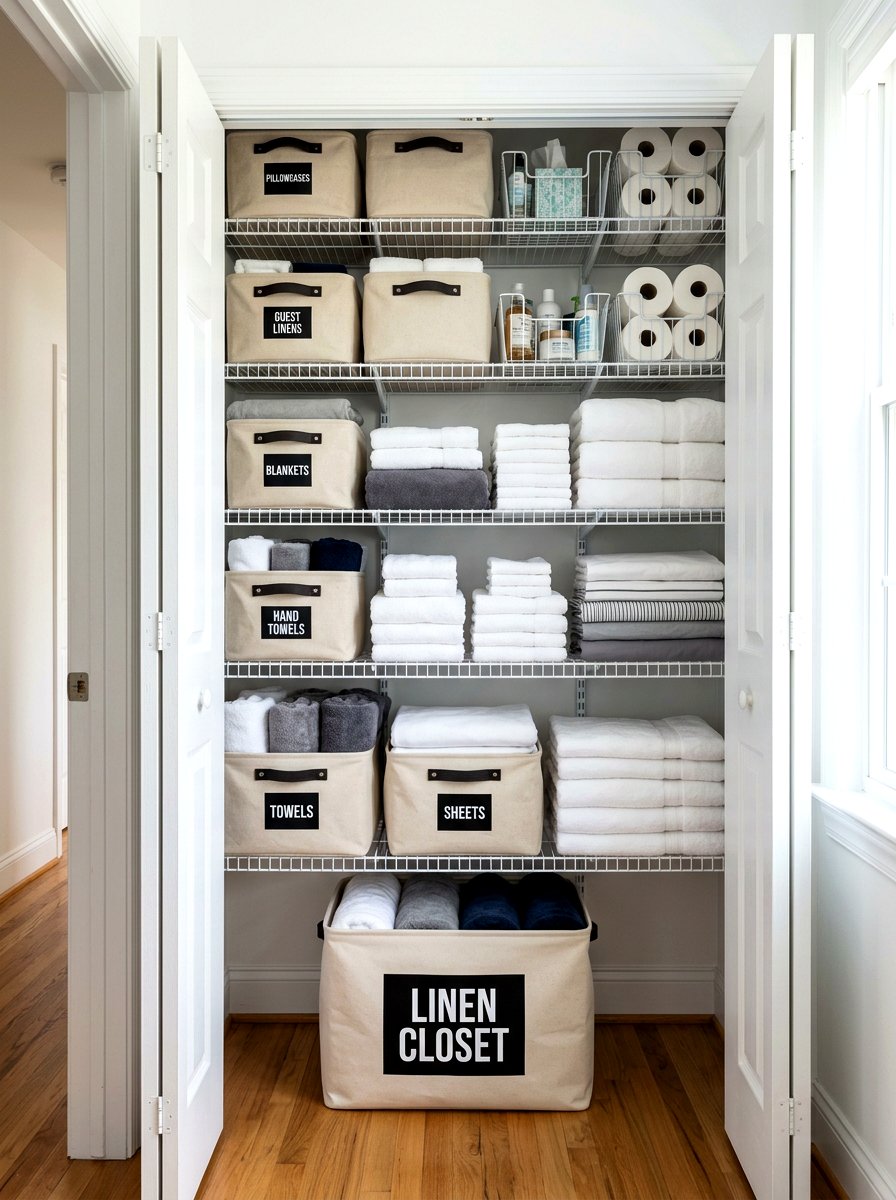
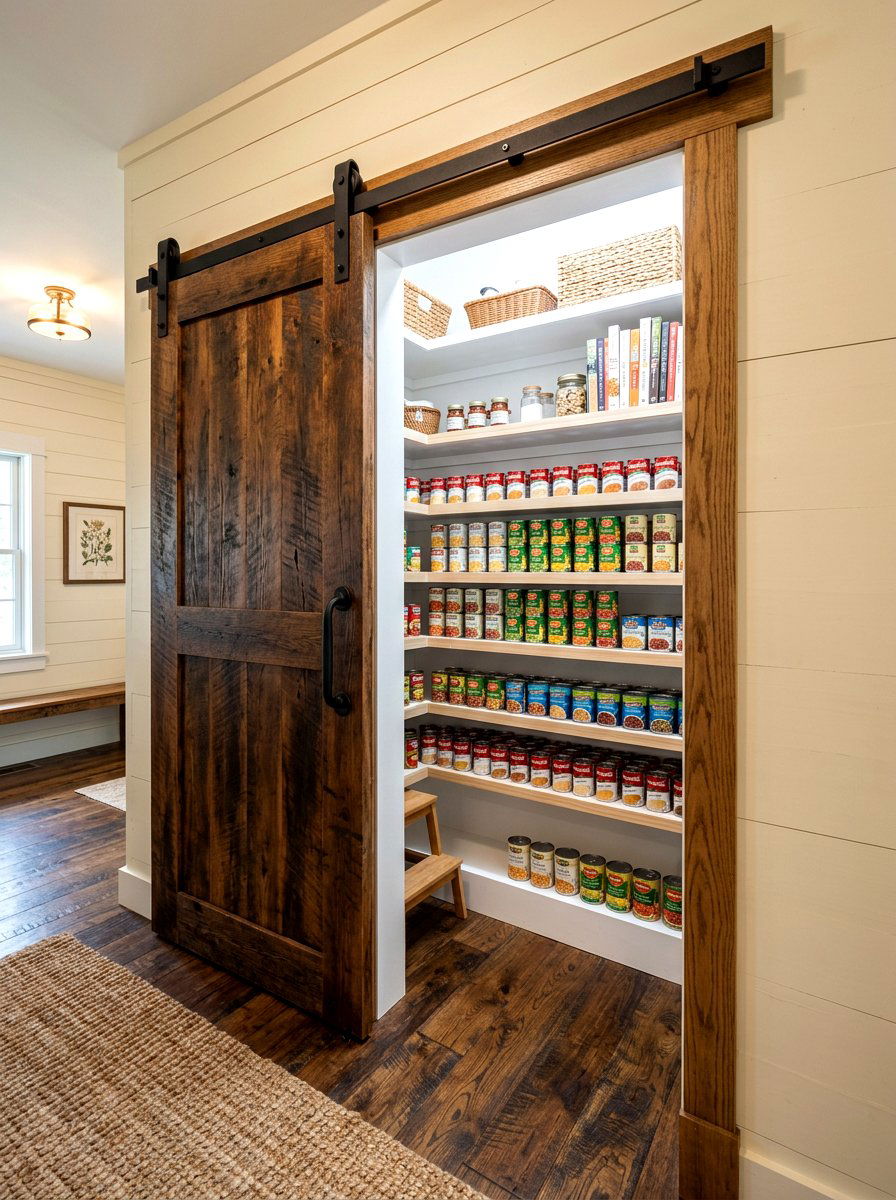
20. Vertical Wall Bins
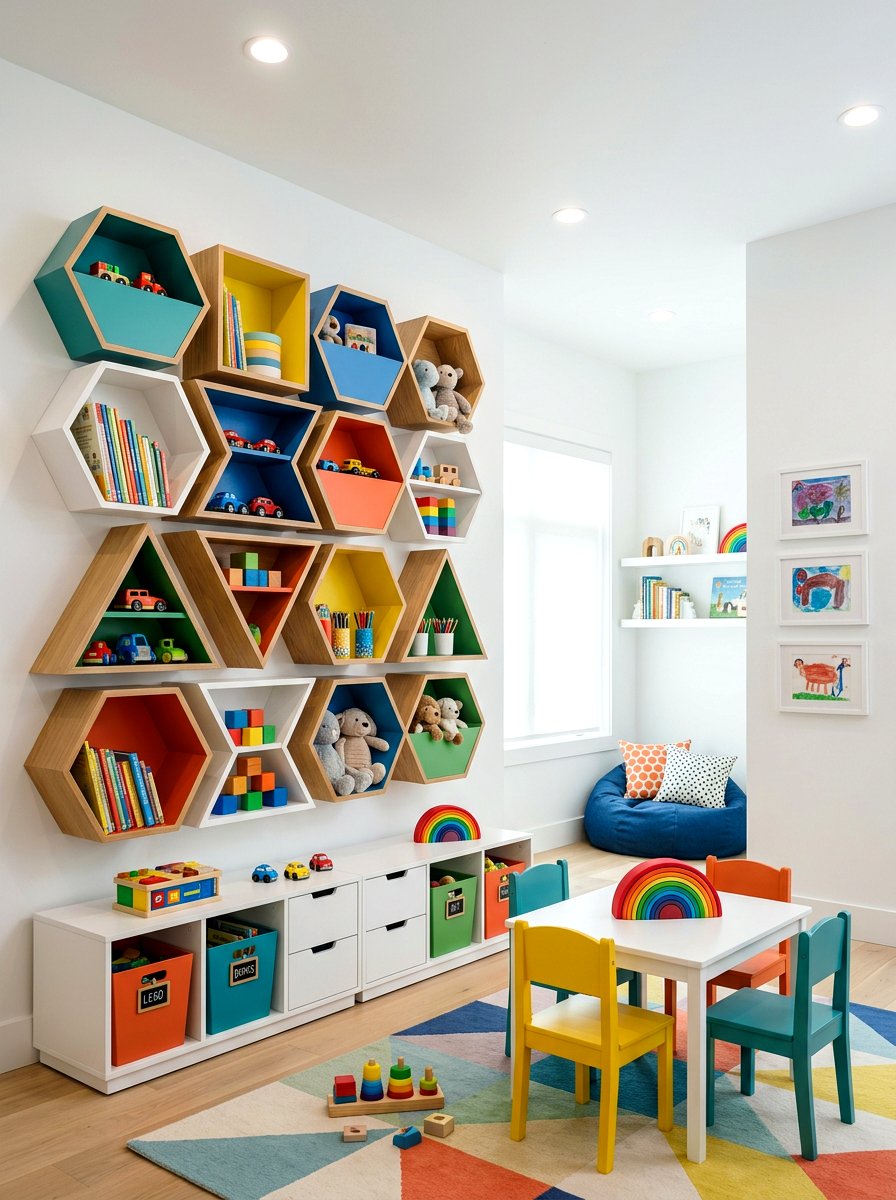
Mounting bins directly to the wall is a smart way to clear floor space while keeping toys accessible. These bins can be arranged in a grid or a playful pattern to add visual interest to the room. This design is perfect for storing items like blocks, balls, or even costume accessories. By using the wall, you create a sense of openness in the room that is often lost with bulky floor furniture. Selecting bins in colors that complement the wall paint helps them blend in, while bold colors can make them a fun design feature. This practical approach ensures that toys are always within reach but never in the way of walking paths or play areas.
21. Soft Fabric Cubes
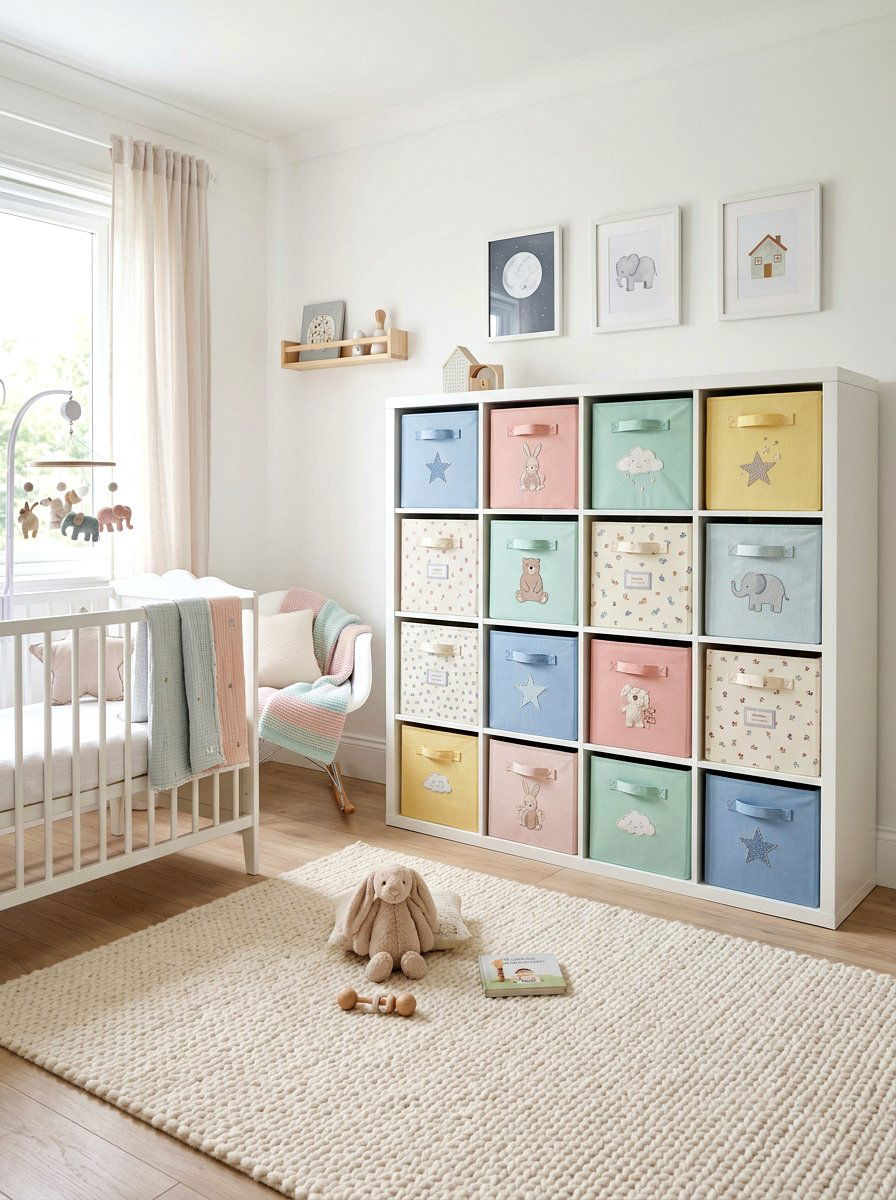
Fabric bins are a fantastic choice for nurseries and playrooms because they are lightweight and have no sharp edges. These cubes come in a vast array of colors and patterns, allowing you to easily match them to your existing decor. They fit perfectly into standard cubby units, providing a soft and safe way to store everything from diapers to small toys. Because they are flexible, children can easily pull them out and carry them to different parts of the room. This design adds a cozy, tactile element to the space that feels warm and inviting. Using fabric storage helps dampen noise in a playroom, making the environment more pleasant for everyone in the house.
22. Dollhouse Storage Rack
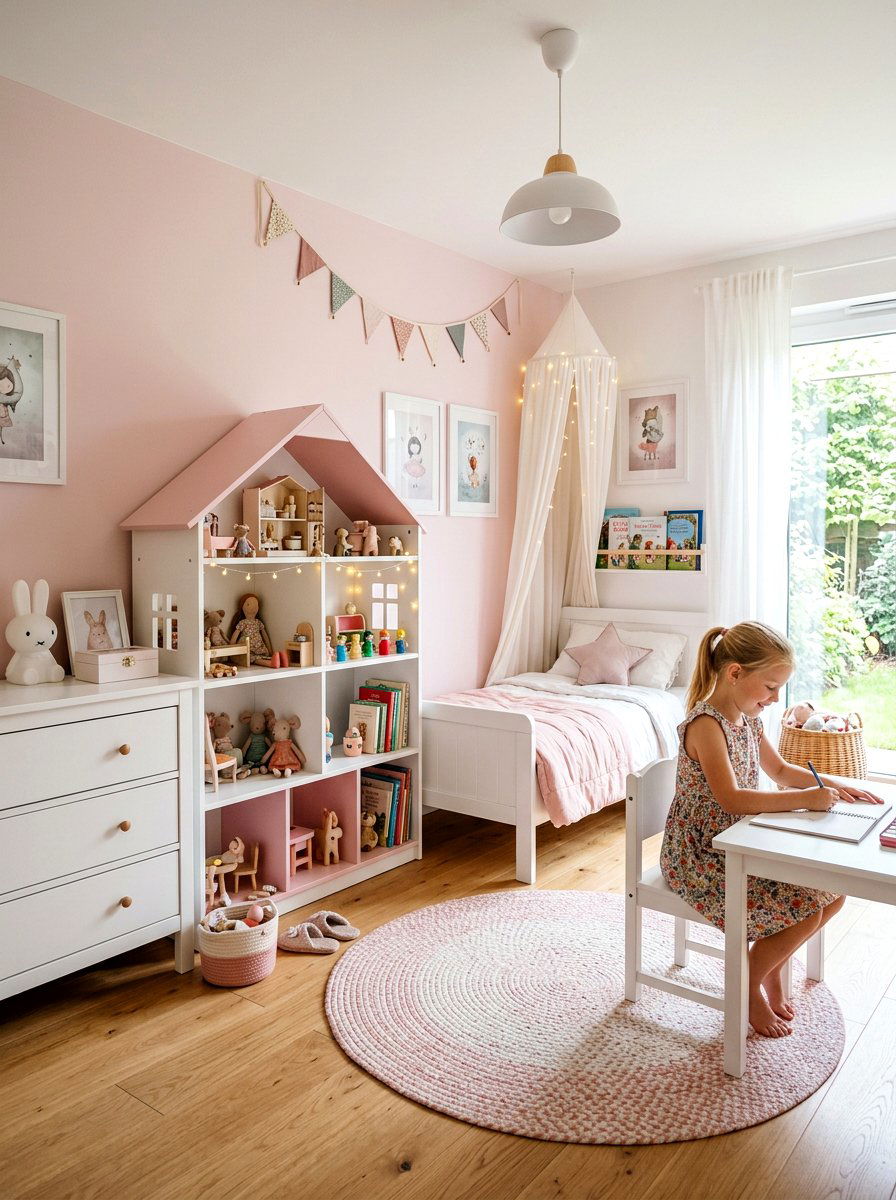
A specialized shelving unit shaped like a house provides a charming way to organize dolls and their accessories. This piece of furniture acts as both a storage solution and a play structure, maximizing the use of space. When the dolls are not in use, they can be neatly arranged within the "rooms" of the house, keeping the floor clear. This design adds a whimsical and imaginative touch to a child's bedroom, making the organization feel like part of the fun. By choosing a high-quality wooden unit with a neutral finish, you ensure it remains a stylish part of the room for many years. It is a perfect example of blending play and order seamlessly.
23. Costume Dress Up Rack
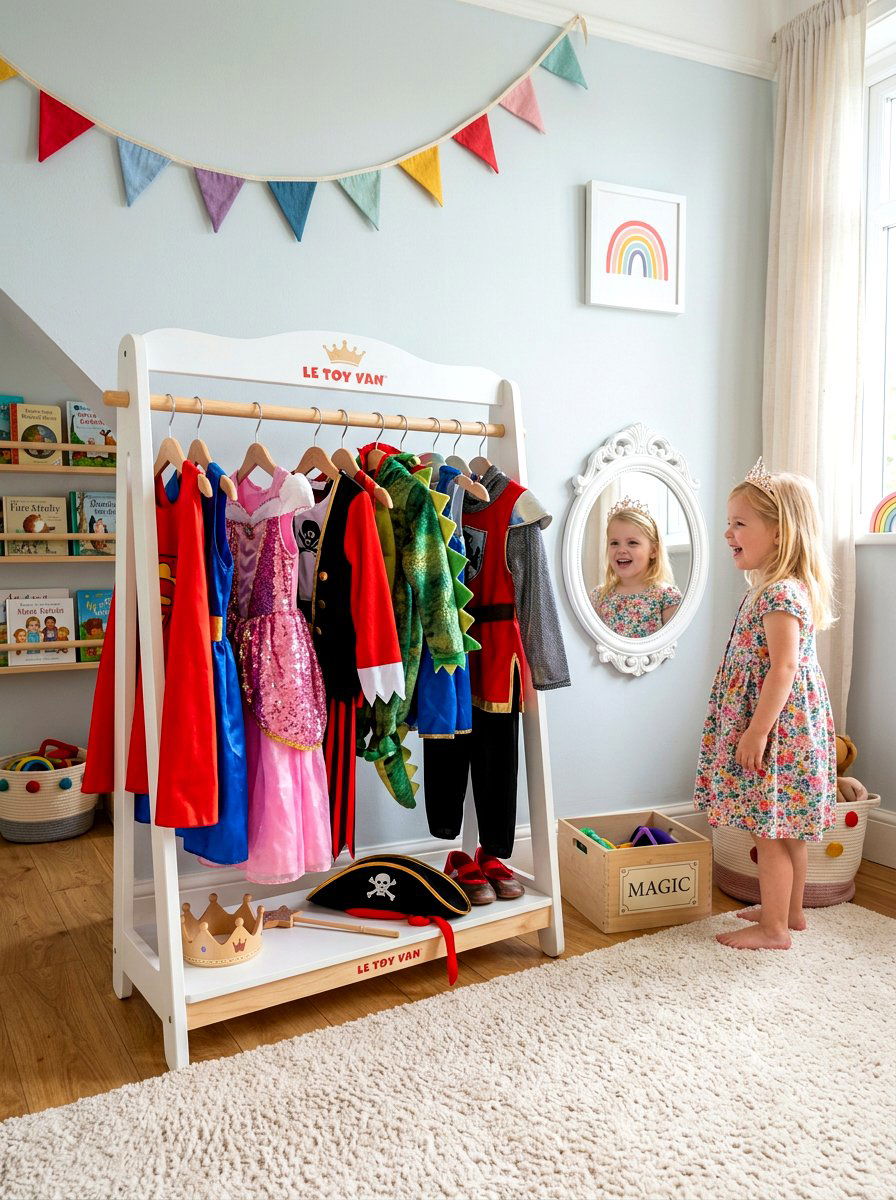
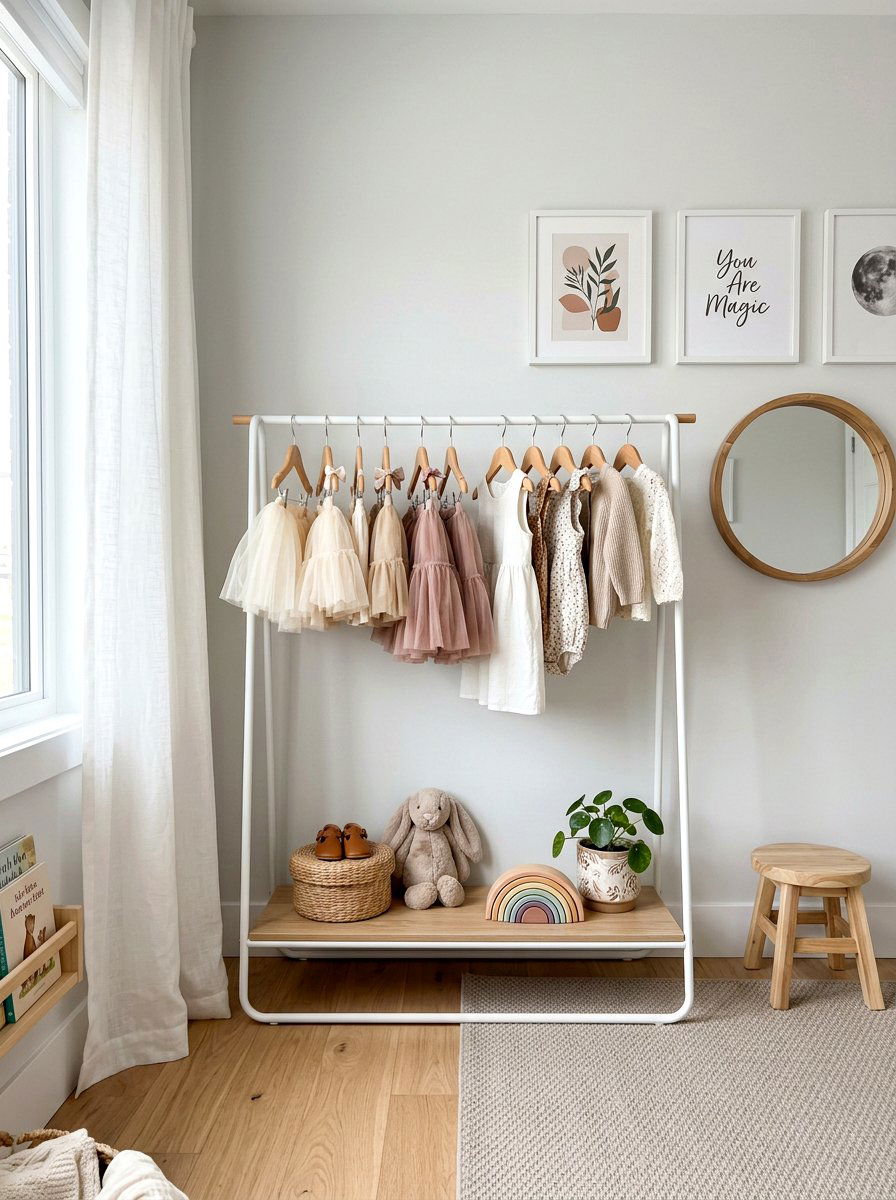
A dedicated rack for costumes and pretend play clothes helps keep the dress-up corner organized and accessible. By hanging outfits on small hangers, you prevent them from becoming a wrinkled mess at the bottom of a bin. This design allows children to easily see all their options and choose their persona for the day. A small mirror and a tray for accessories like hats and wands complete the station, creating a miniature boutique in the corner of the room. This organized setup encourages imaginative play and makes it easy for kids to put their "uniforms" away when the adventure is over. It adds a touch of magic and order to any creative play area.
24. Puzzle Storage System
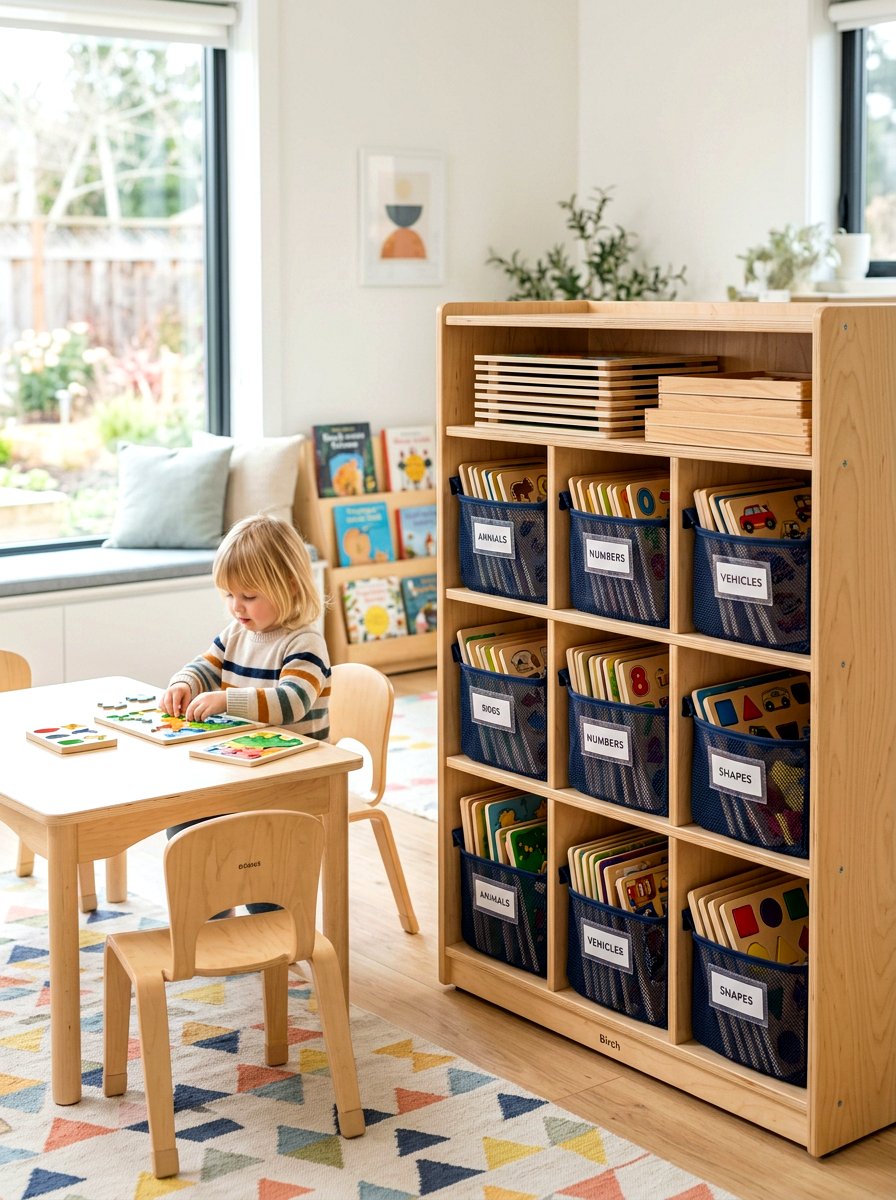
Puzzles can be difficult to store because their boxes are often different sizes and can take up a lot of shelf space. A dedicated puzzle rack or a set of mesh pouches allows you to store the pieces and the board together in a much smaller footprint. This system prevents pieces from getting lost and makes it easy to grab a specific puzzle for a quiet afternoon activity. By labeling the pouches with a picture of the finished puzzle, children can easily identify which one they want to solve. This level of organization keeps the shelves looking neat and professional, ensuring that this classic learning toy remains a favorite for your child without the usual clutter.
25. Board Game Closet
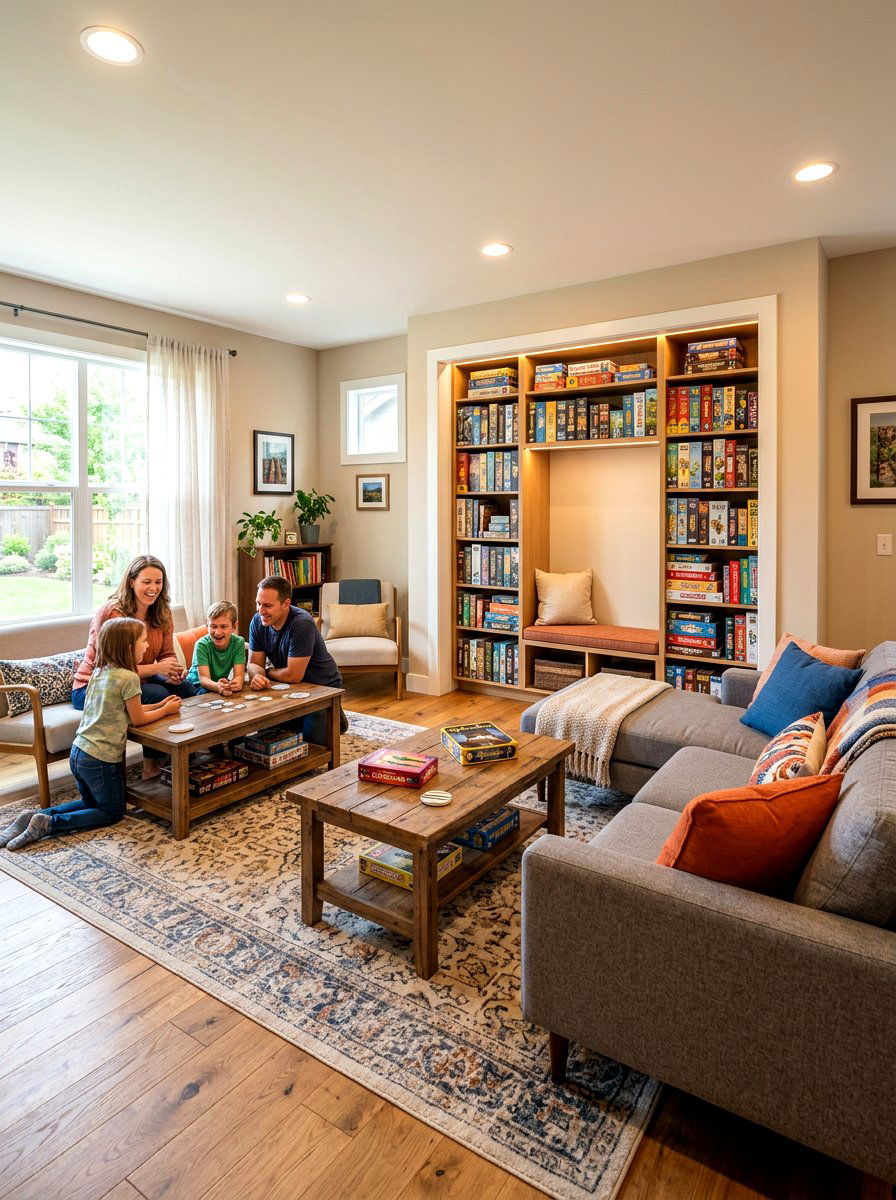
Keeping board games organized can be a challenge, especially as a collection grows over the years. A dedicated closet shelf with games stacked vertically, similar to books, allows you to pull one out without toppling the entire pile. This design makes the collection look like a library of fun and encourages family game nights. You can use clear elastic bands to keep the boxes closed and prevent pieces from spilling out. This organized approach ensures that all components are kept together and ready for play. A tidy game shelf adds a sophisticated and structured look to a family room or playroom, making it easy for everyone to join in on the fun.
26. Car Racing Track Shelf
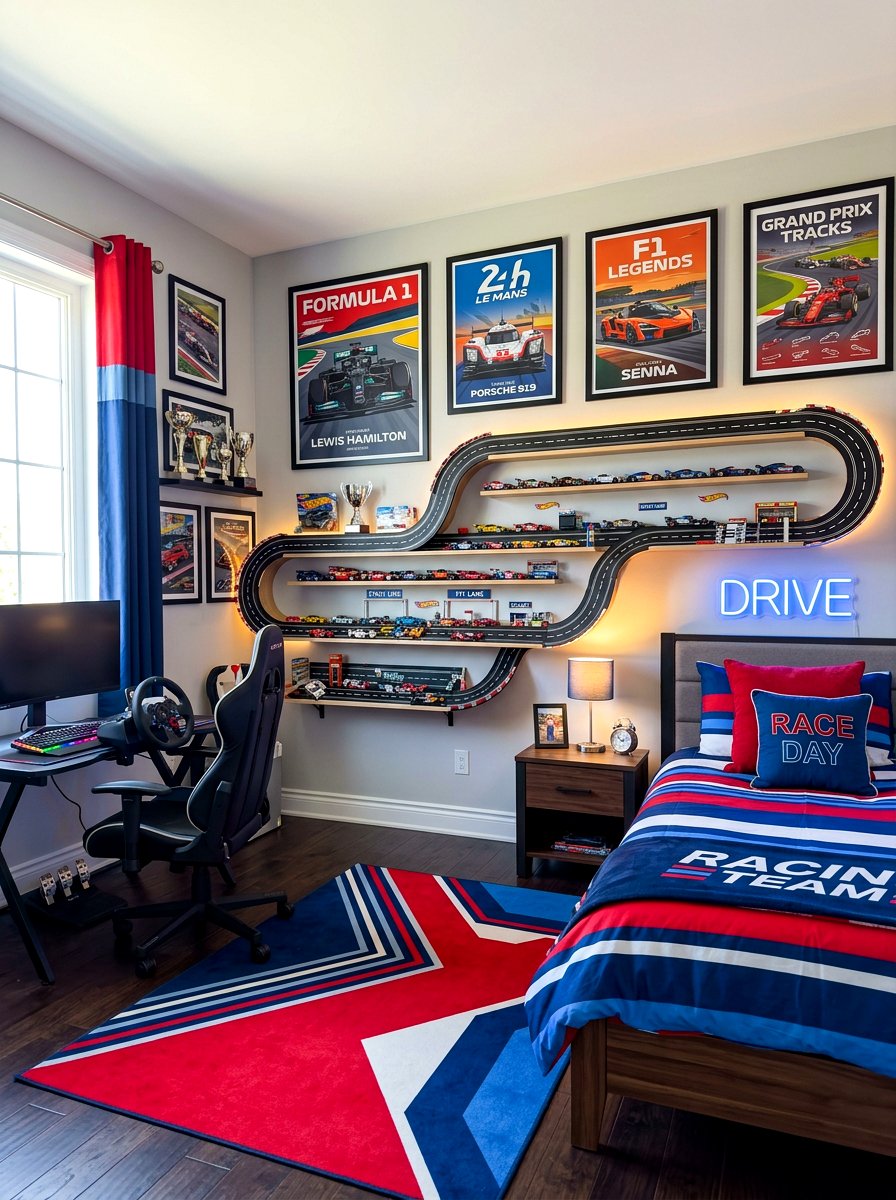
For children who love racing cars, a dedicated shelf with integrated tracks provides a stylish and functional way to store and play. This design allows the tracks to stay set up permanently, reducing the time spent on assembly and cleanup. The cars can be parked along the sides of the track when not in use, acting as part of the decor. This setup turns a messy floor-based activity into a structured wall or table-mounted feature. It creates a focused play zone that looks professional and organized. This specialized storage solution is a dream for any young racing fan and helps keep the rest of the room's floor clear for other activities.
27. Window Seat Storage
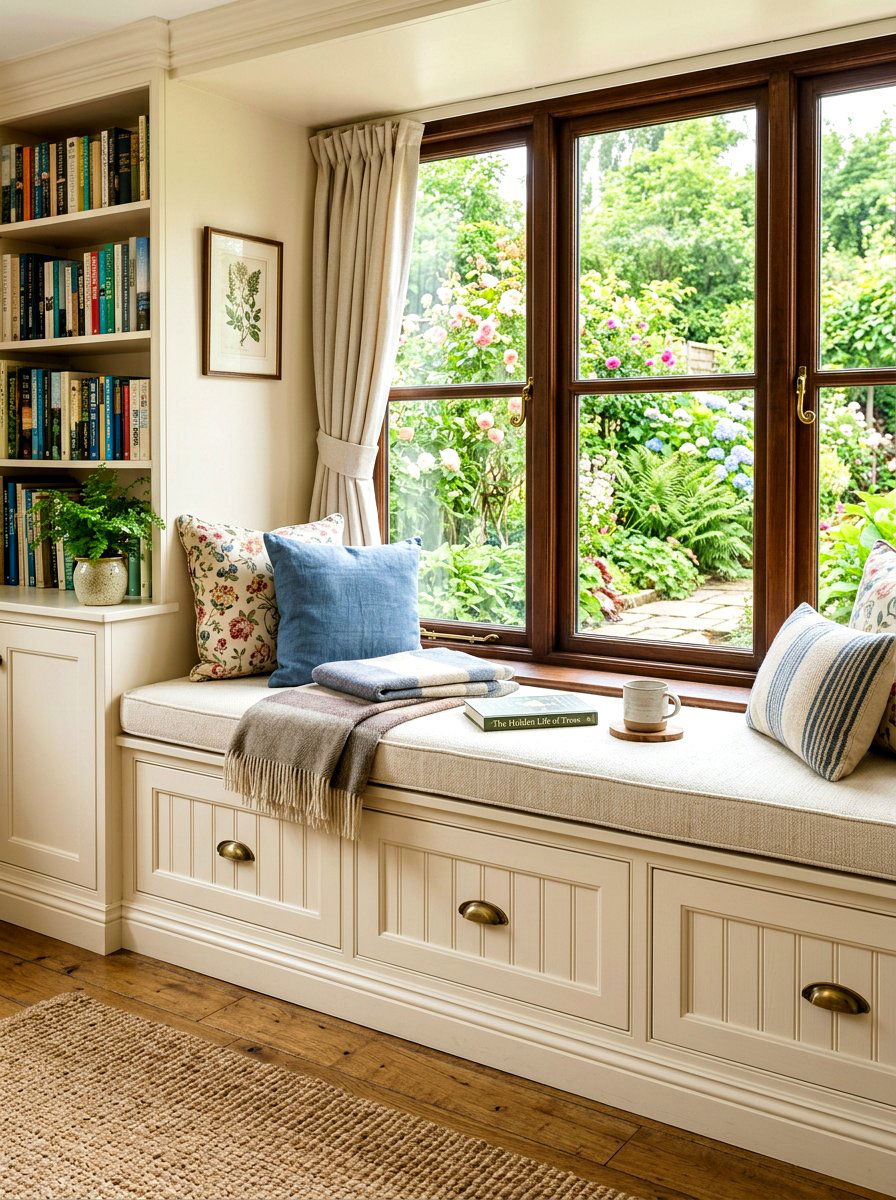
A custom window seat with deep drawers underneath is a luxury storage solution that adds immense value to a room. This design provides a beautiful architectural feature while hiding away a large volume of toys. The drawers are perfect for storing soft toys, building sets, or board games, keeping them easily accessible but completely out of sight. You can style the top with a custom cushion and high-quality throw pillows to create a cozy reading nook. This approach is ideal for maintaining a sophisticated and organized home where toys are part of the family life but do not dominate the visual space. It balances comfort and practicality in a very elegant way.
28. Tiered Wire Baskets
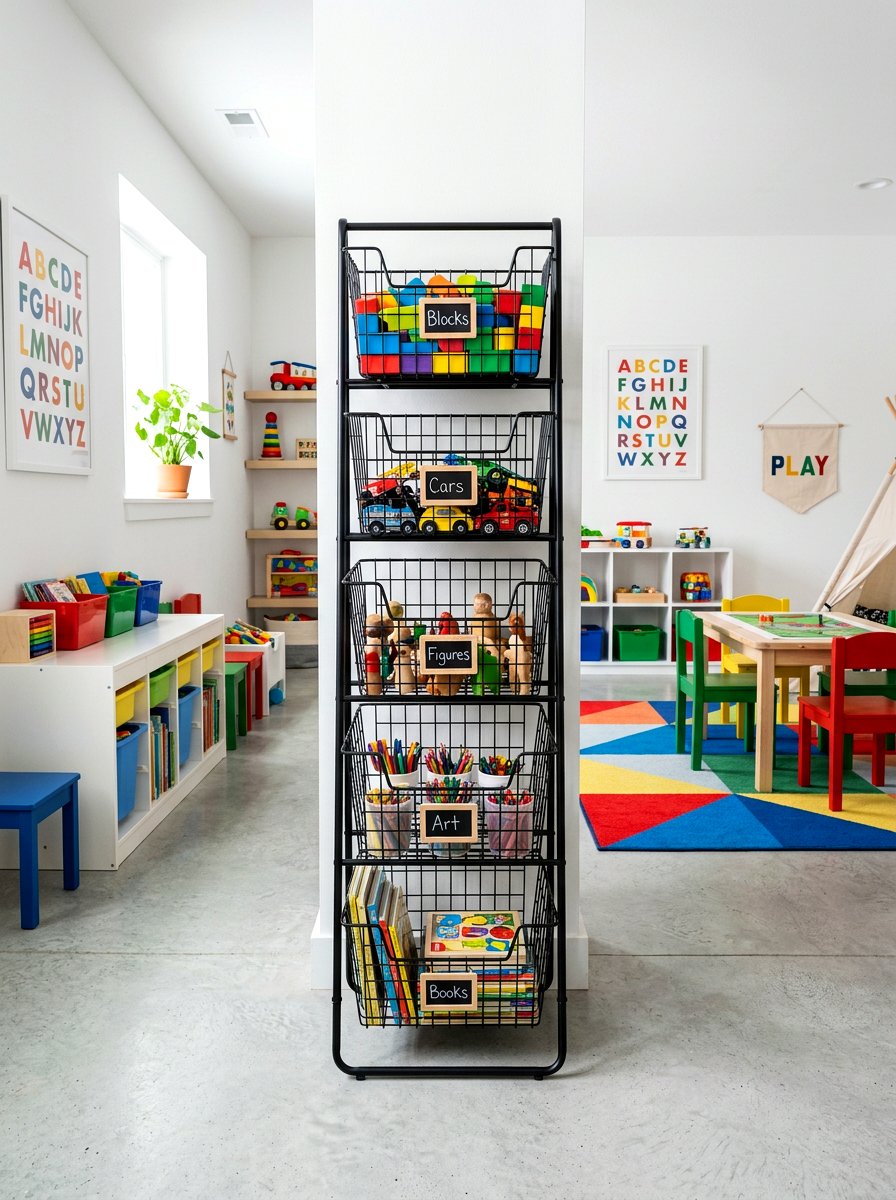
Industrial-style wire baskets offer a modern and airy way to store toys, allowing you to see what is inside while providing a structured look. A tiered stand can hold different categories of toys, such as balls on the bottom and smaller figurines on top. This vertical solution takes up very little floor space, making it perfect for corners or small play areas. The wire construction is durable and easy to clean, ensuring it looks great for years. This design adds a trendy, loft-inspired feel to the room. It is a highly effective way to keep frequently used toys organized and accessible while maintaining a clean and professional aesthetic in your home's design.
29. Color Coded Bins
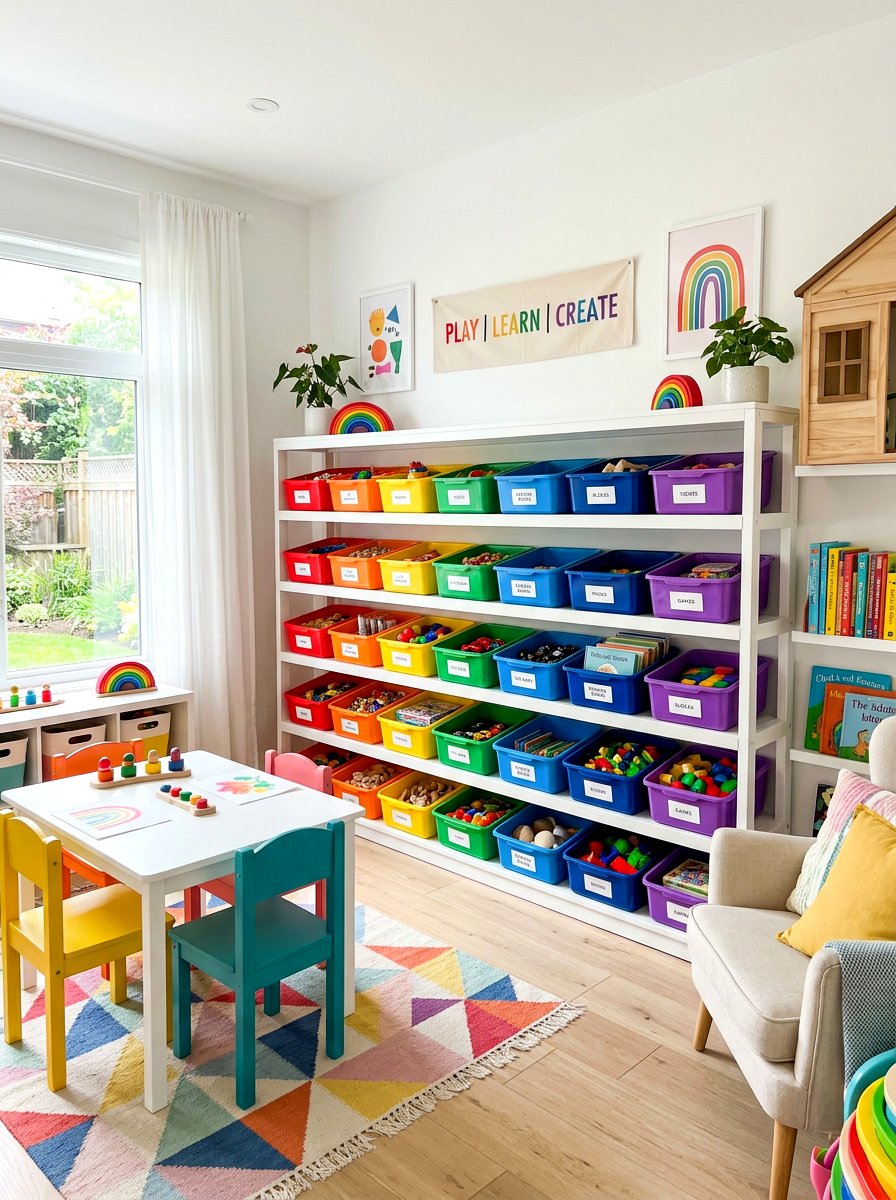
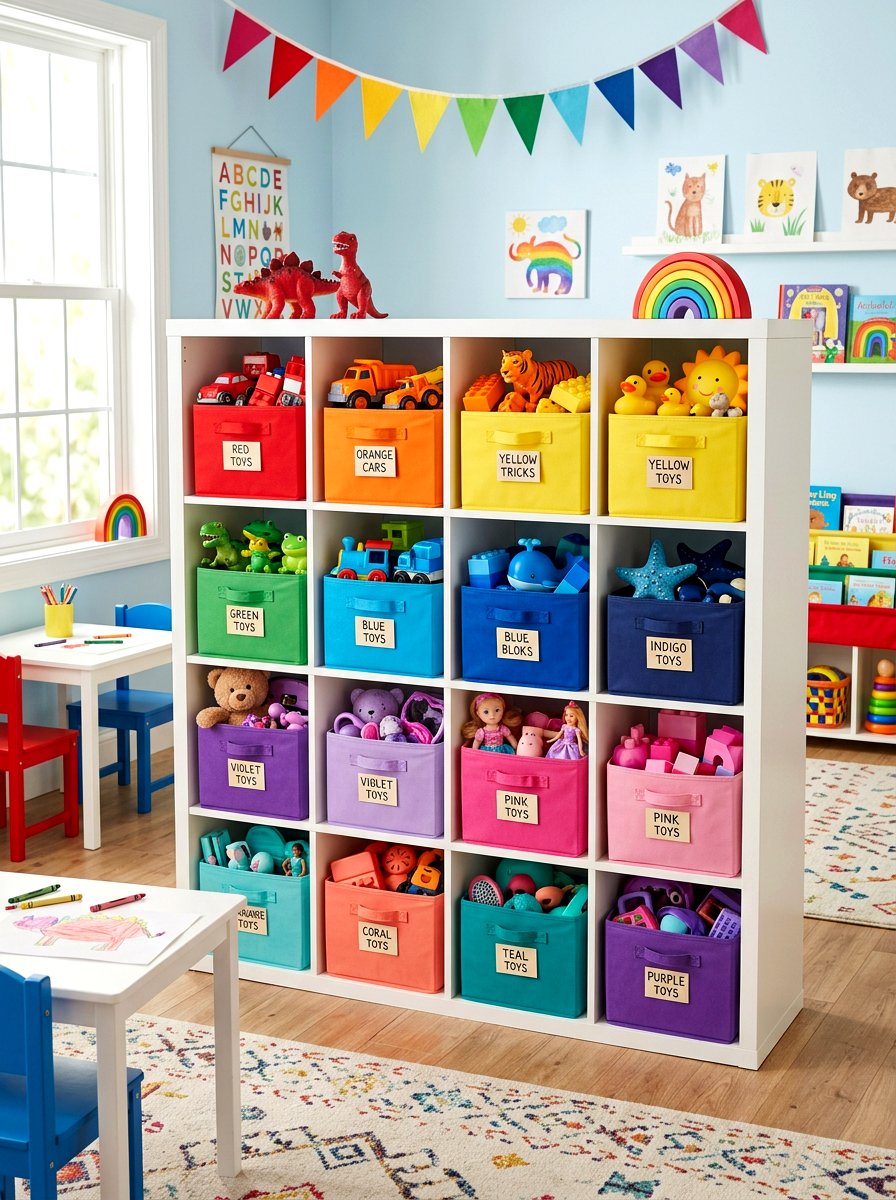
Using color to organize toys is a brilliant way to make the cleanup process intuitive and visually stunning. By assigning a specific color to each category of toy, you create a system that even the youngest children can understand. For example, blue bins could hold blocks, while yellow bins are for cars. This rainbow of storage adds a vibrant and playful energy to the room while keeping everything perfectly categorized. It makes the space feel intentional and well-planned. When the bins are arranged neatly on a white shelving unit, the result is a beautiful and organized display that turns a mundane storage task into a colorful design feature for the playroom.
30. Playroom Activity Zones
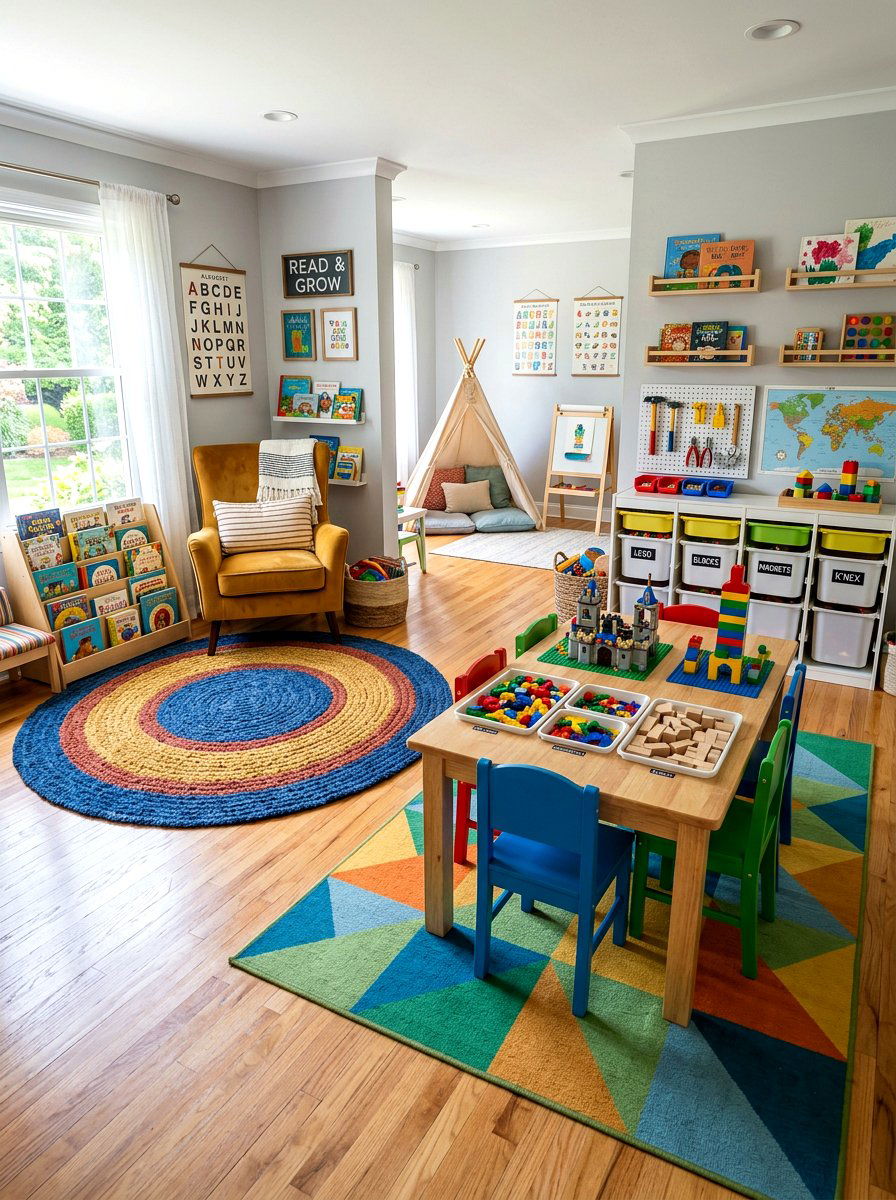
Organizing a playroom by activity zones is the ultimate way to maintain order and focus. By designating specific areas for reading, art, building, and pretend play, you create a structured environment that guides a child's behavior. Each zone should have its own dedicated storage for the relevant items, ensuring that toys stay within their designated area. This design prevents the entire room from becoming a chaotic mix of different toys. Use rugs and furniture placement to clearly define these boundaries. This professional approach to organization makes the playroom feel like a high-quality educational environment, promoting better play habits and making the daily cleanup much more manageable and efficient for everyone.
Conclusion:
Organizing a child's toy collection is not just about hiding the mess; it is about creating an environment where creativity and independence can flourish. By implementing these thirty diverse strategies, you can transform any space into a tidy and inspiring haven. From vertical wall bins to sophisticated hidden storage benches, each solution offers a unique way to balance the needs of a growing family with the desire for a beautiful home. A well-organized play area reduces stress for parents and helps children develop essential life skills like responsibility and order. Investing in a structured system today ensures that your home remains a peaceful and functional sanctuary for many years to come.

Related posts: