Finding the perfect way to store your growing collection of journals and planners can feel like a never-ending quest for balance. We all know that satisfying feeling of cracking open a brand-new notebook, but as those pages fill up, the piles on our desks often become overwhelming. Managing these creative treasures requires a blend of accessibility and aesthetics to ensure your workspace remains an inspiring sanctuary. Whether you are a dedicated bullet journaler, a professional note-taker, or a casual poet, finding a designated home for your paper goods is essential for mental clarity. Let’s explore various creative methods to organize your notebooks beautifully while keeping them perfectly within reach.

1. Vertical Desk Organizer
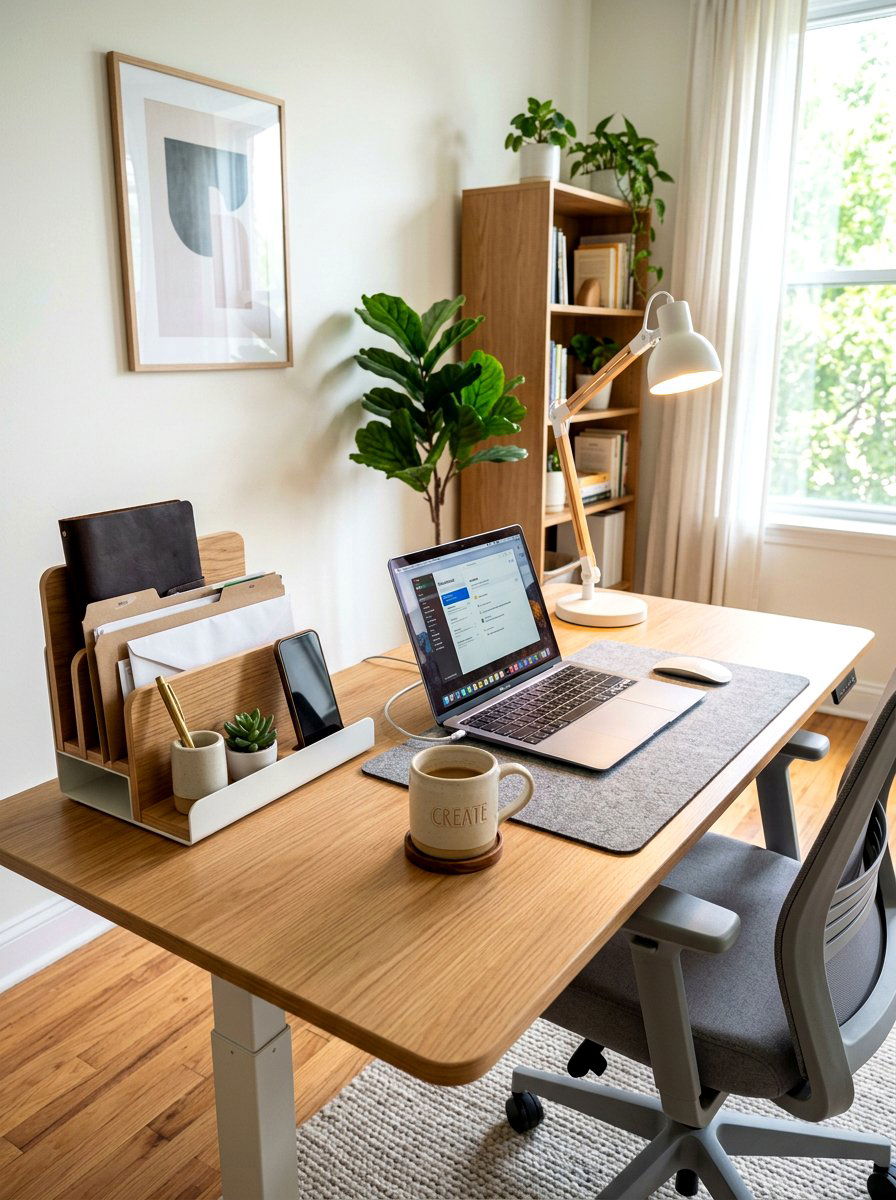
Keeping your workspace tidy often starts with how you manage your paper goods. A vertical desk organizer is a fantastic way to keep your most-used notebooks within arm's reach without cluttering the surface. These organizers usually feature multiple slots that allow you to stand your journals upright. This orientation makes it much easier to see the spines and select the one you need quickly. You can find these in various materials like sleek metal wire, warm bamboo, or modern plastic to match your office decor. By utilizing vertical space, you free up more area for your mouse and keyboard while maintaining a very professional look.
2. Floating Wall Shelf
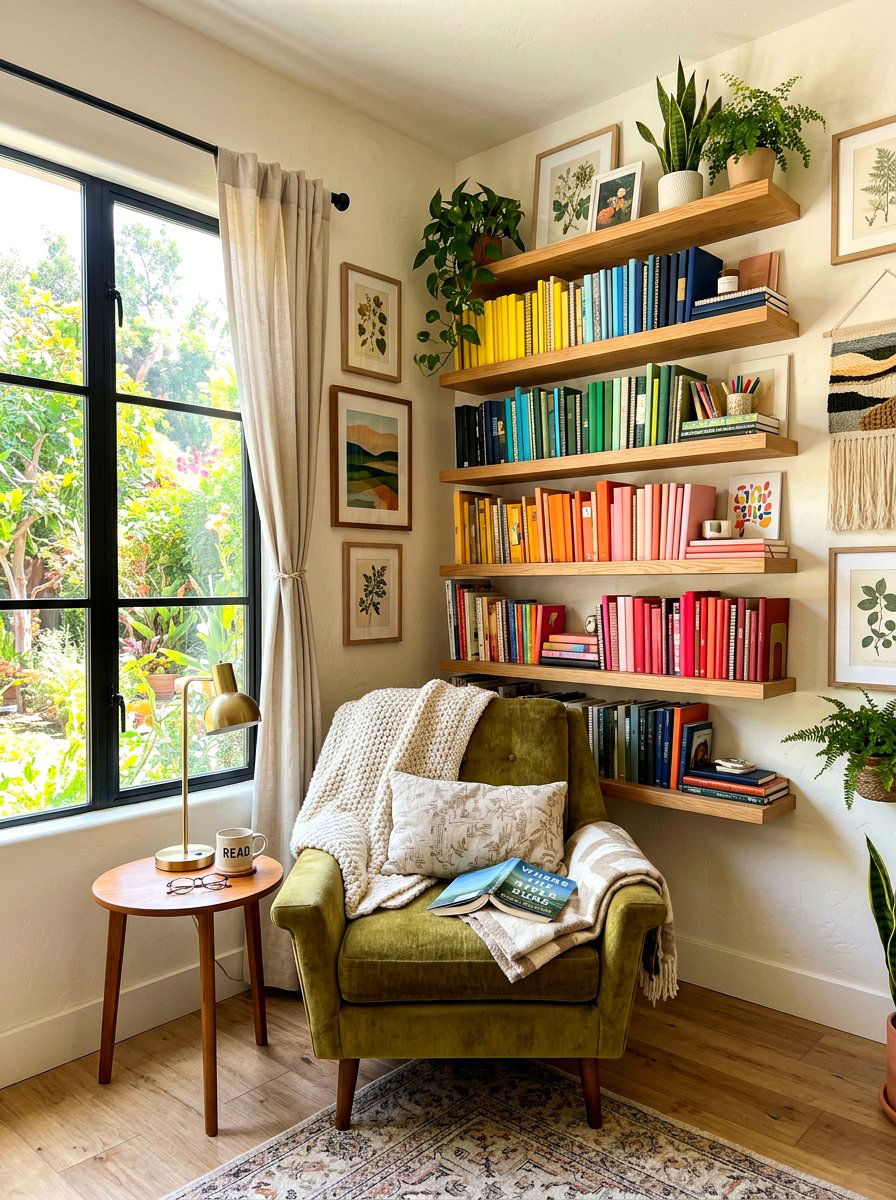
Utilizing wall space is a brilliant strategy for anyone dealing with a smaller desk or limited floor area. A floating wall shelf provides a dedicated platform to display your notebooks like works of art. Instead of hiding your beautiful covers in a dark drawer, you can arrange them by color or size on a sleek ledge. This approach keeps your journals at eye level, which often serves as a gentle reminder to maintain your writing habits. Floating shelves also add a modern, airy feel to your room and can be installed in creative configurations to fit any awkward wall segment or corner.
3. Acrylic Drawer Divider
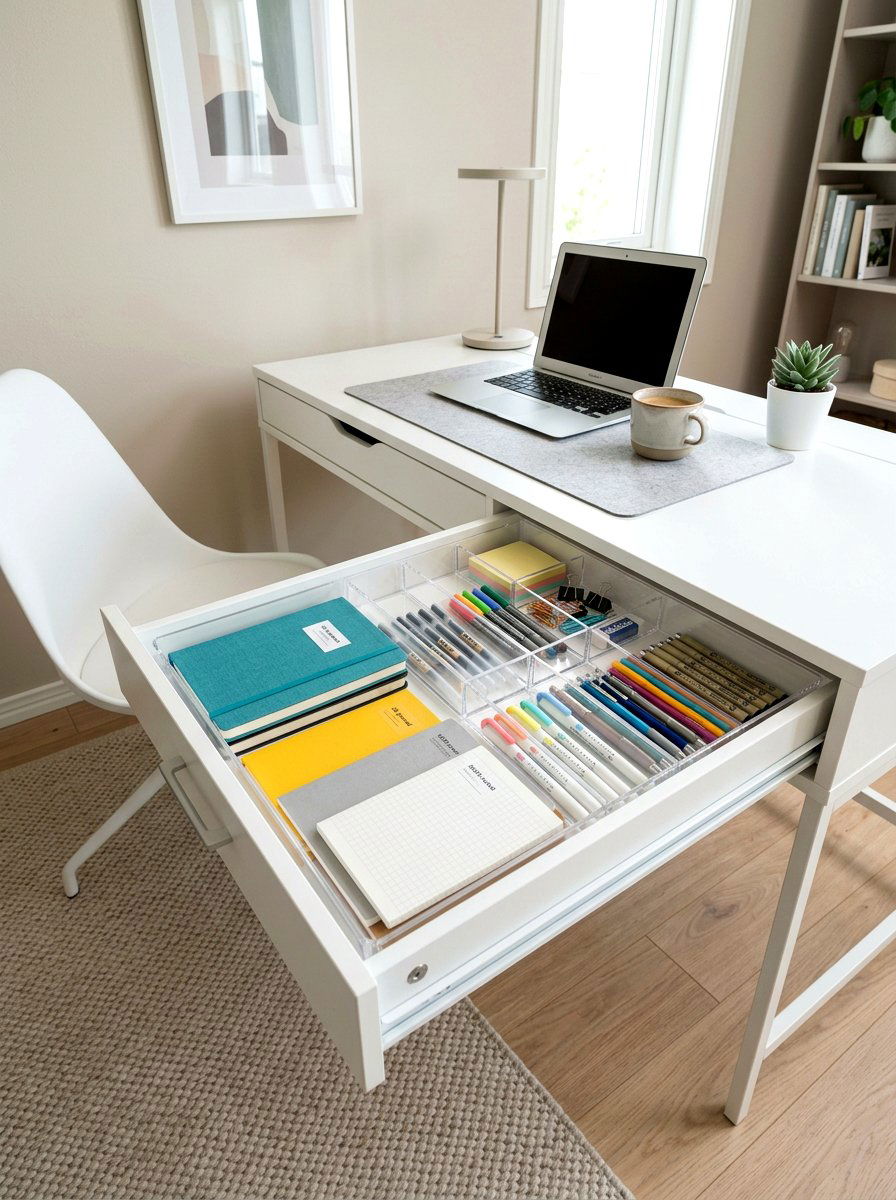
If you prefer a minimalist look with completely clear surfaces, your drawers are likely your main storage hub. However, deep drawers often lead to messy piles where the notebook you need is always at the bottom. An acrylic drawer divider solves this by creating individual sections for different sizes of stationery. Because the material is transparent, the dividers don't add visual weight or make the drawer feel cramped. You can categorize your notebooks by purpose, such as work, personal, or sketches. This system ensures that everything has a specific place and prevents items from shifting when you open the drawer.
4. Woven Seagrass Basket
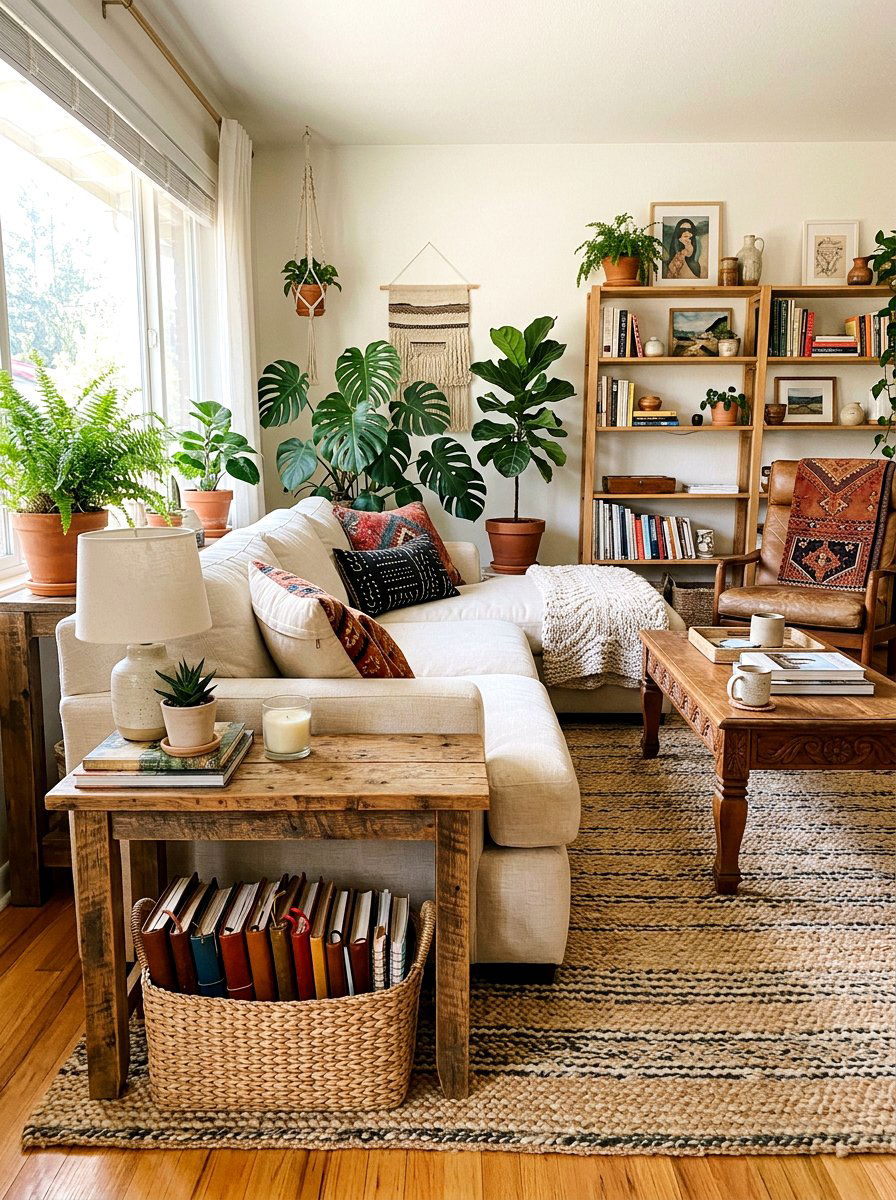
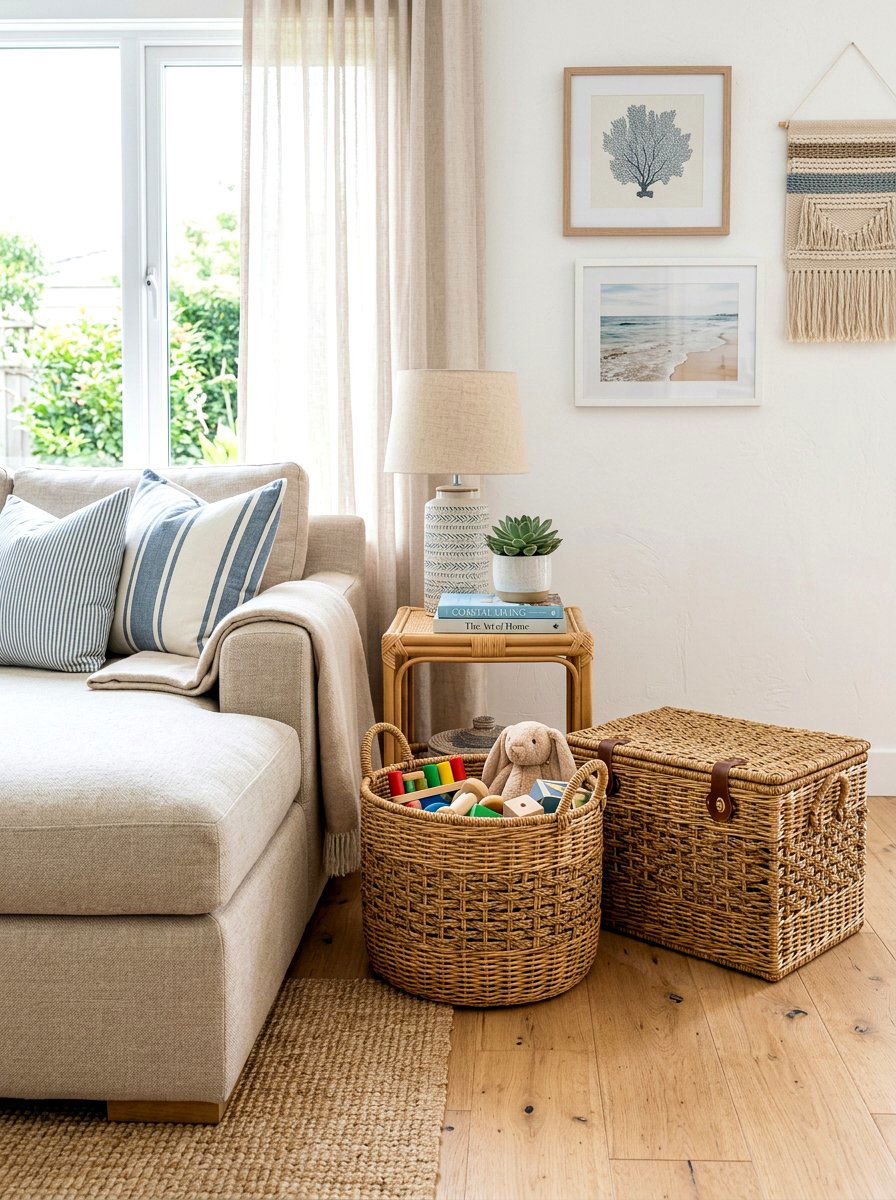
Adding natural textures to your home office can create a much more relaxing environment for creativity. A woven seagrass basket is a charming and practical option for storing a larger volume of notebooks. These baskets are sturdy enough to hold heavy planners but soft enough to prevent any scuffs on delicate leather covers. You can tuck the basket under a side table or place it on a low shelf for easy access. This method is particularly useful for storing notebooks that are currently in a "waiting" phase or for keeping your archives organized in a way that feels intentional.
5. Pegboard Wall System
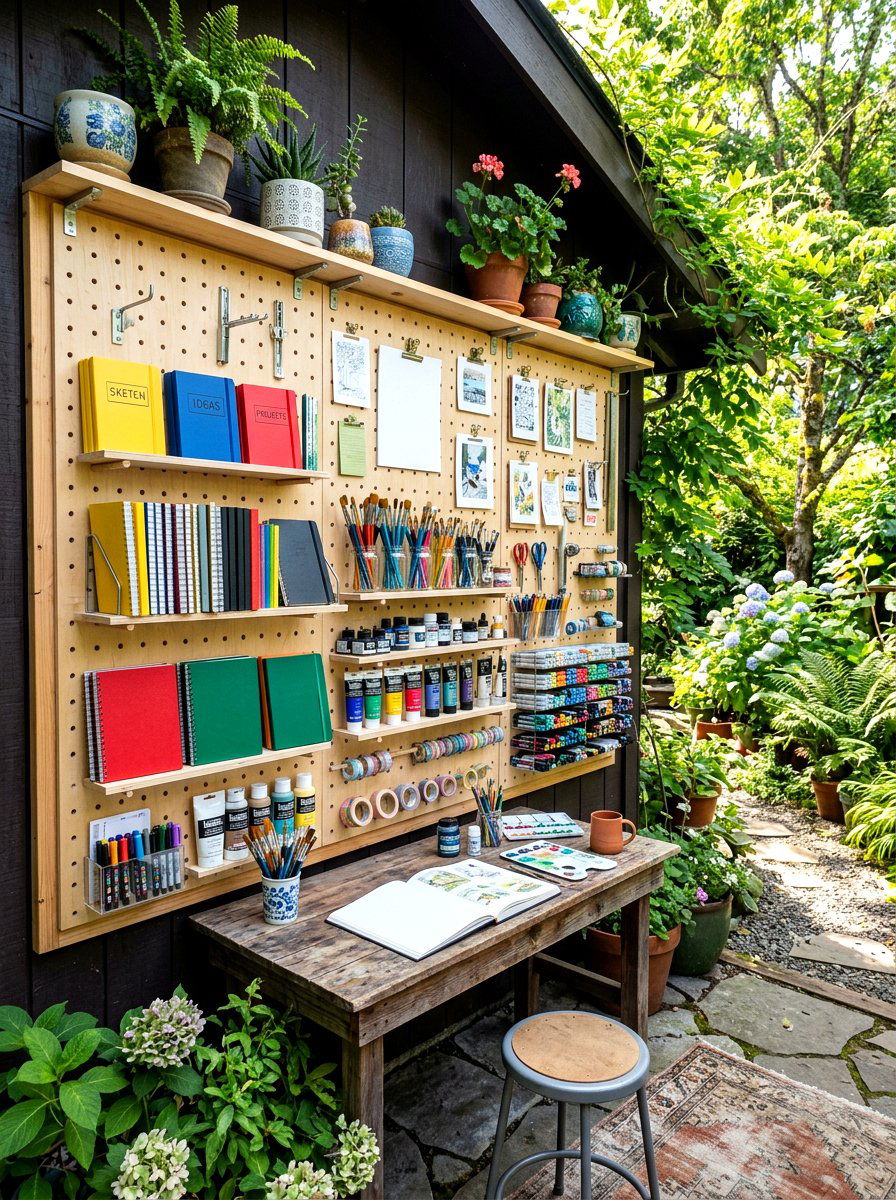
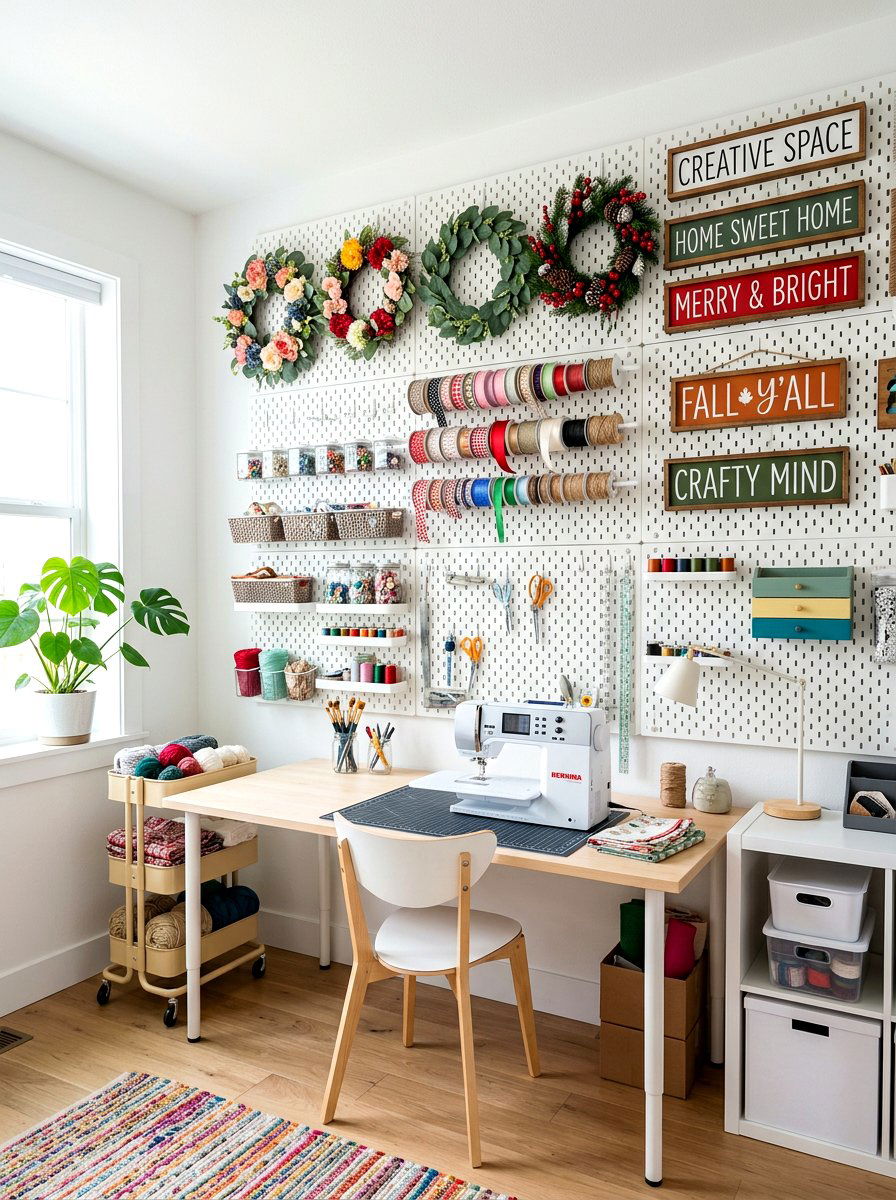
Customization is the biggest advantage of a pegboard wall system when it comes to organizing stationery. By using different hooks, shelves, and elastic bands, you can create a layout that perfectly matches your specific collection. You might hang your primary planner on a shelf and use elastic cords to keep thinner notebooks flush against the board. This visual display makes it incredibly easy to grab what you need as you head out the door. Pegboards are also highly adaptable, allowing you to rearrange the entire setup as your notebook collection grows or your organizational needs change over the months.
6. Under Desk Drawer
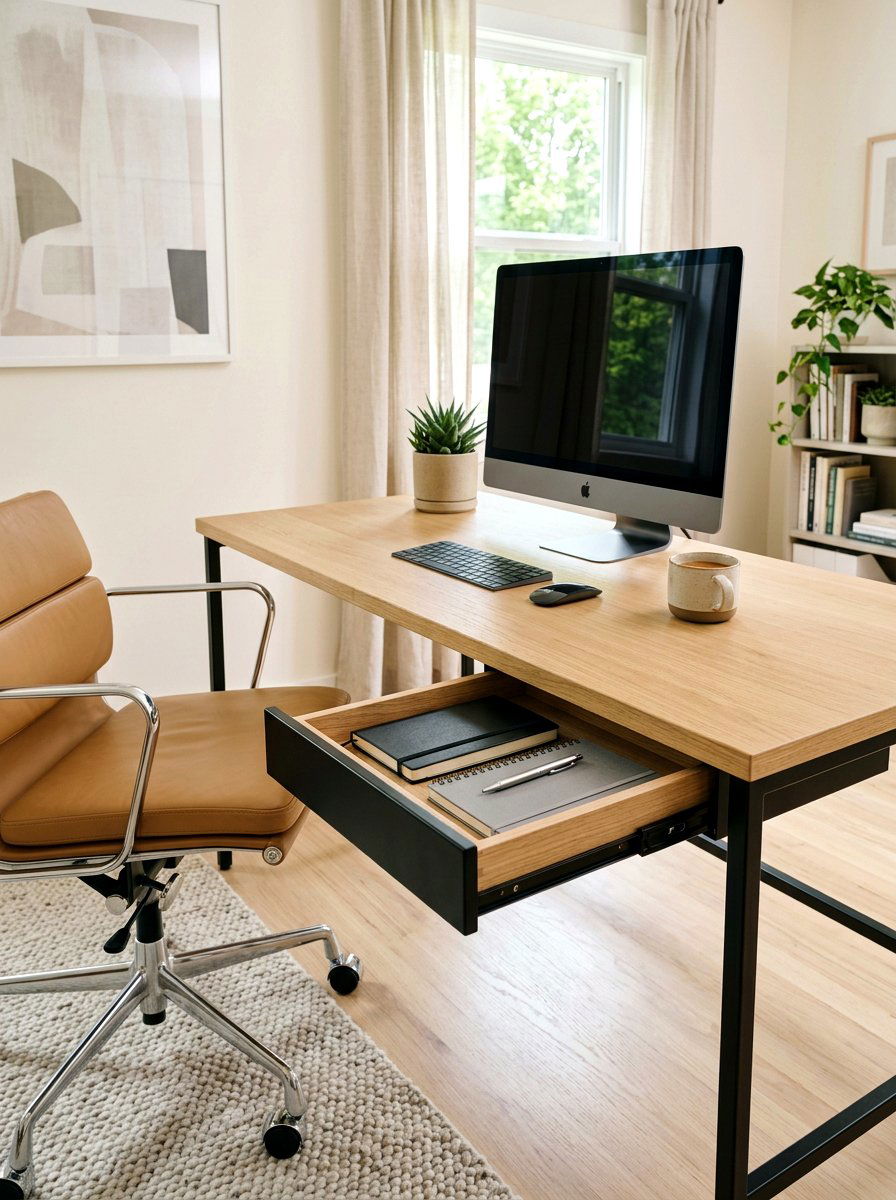
For those who have a sleek desk without built-in storage, an under-desk drawer is a game-changer. These adhesive or screw-on compartments provide a hidden spot to slide in a few journals without taking up any footprint. It keeps your current notebook safe from coffee spills and out of sight when you want to focus on a digital task. This solution is perfect for maintaining a clean aesthetic while ensuring your journal is just inches away when inspiration strikes. It works exceptionally well for thin notebooks or daily planners that you want to keep private from anyone visiting your workspace.
7. Wooden Crate Storage
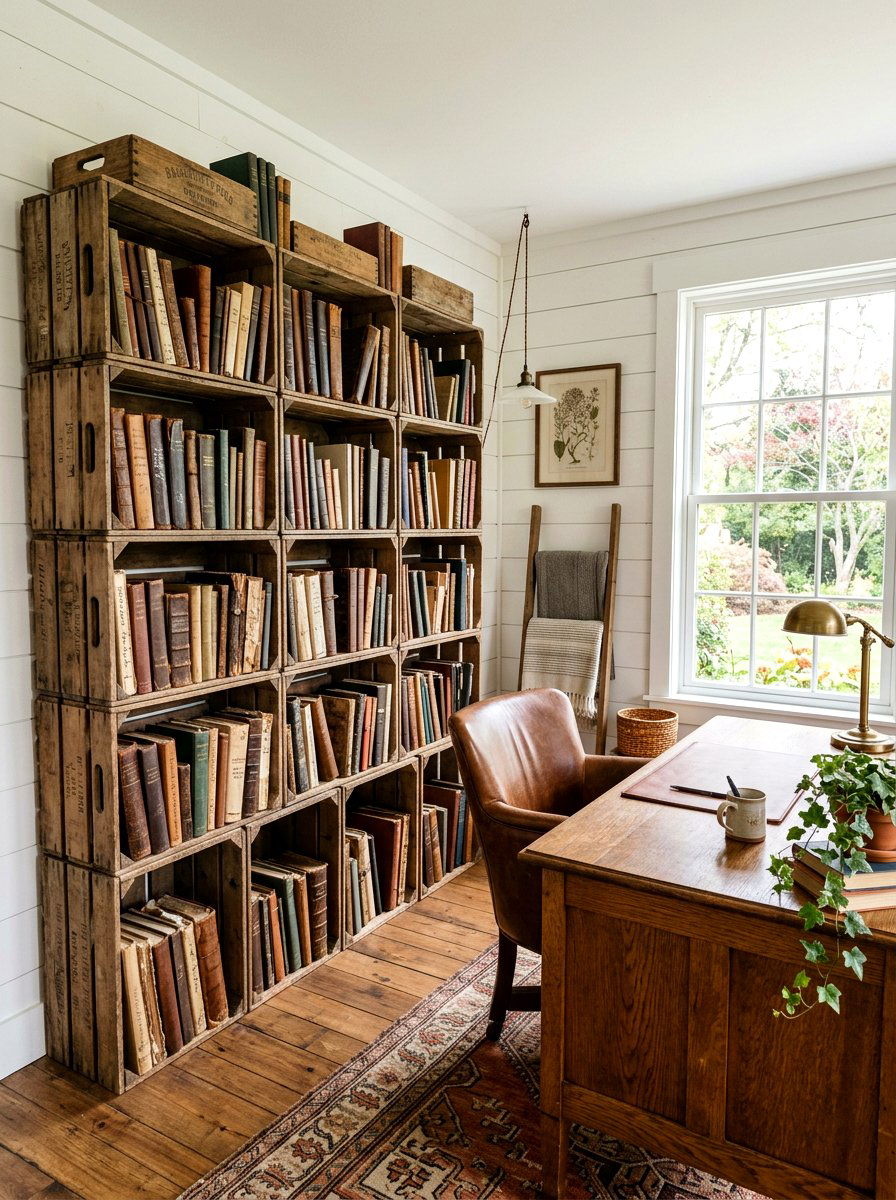
Embracing a rustic or farmhouse aesthetic is easy with the use of wooden crate storage. You can find small vintage-style crates that act as a sturdy home for a whole series of journals. Placing the notebooks spine-side up inside the crate allows for a quick visual scan of your titles. If you have a very large collection, you can stack multiple crates on their sides to create a unique, modular bookshelf. The natural wood grain adds warmth to the room, and the durable structure ensures your most precious archives are protected from being crushed by other heavier office supplies.
8. Rolling Utility Cart
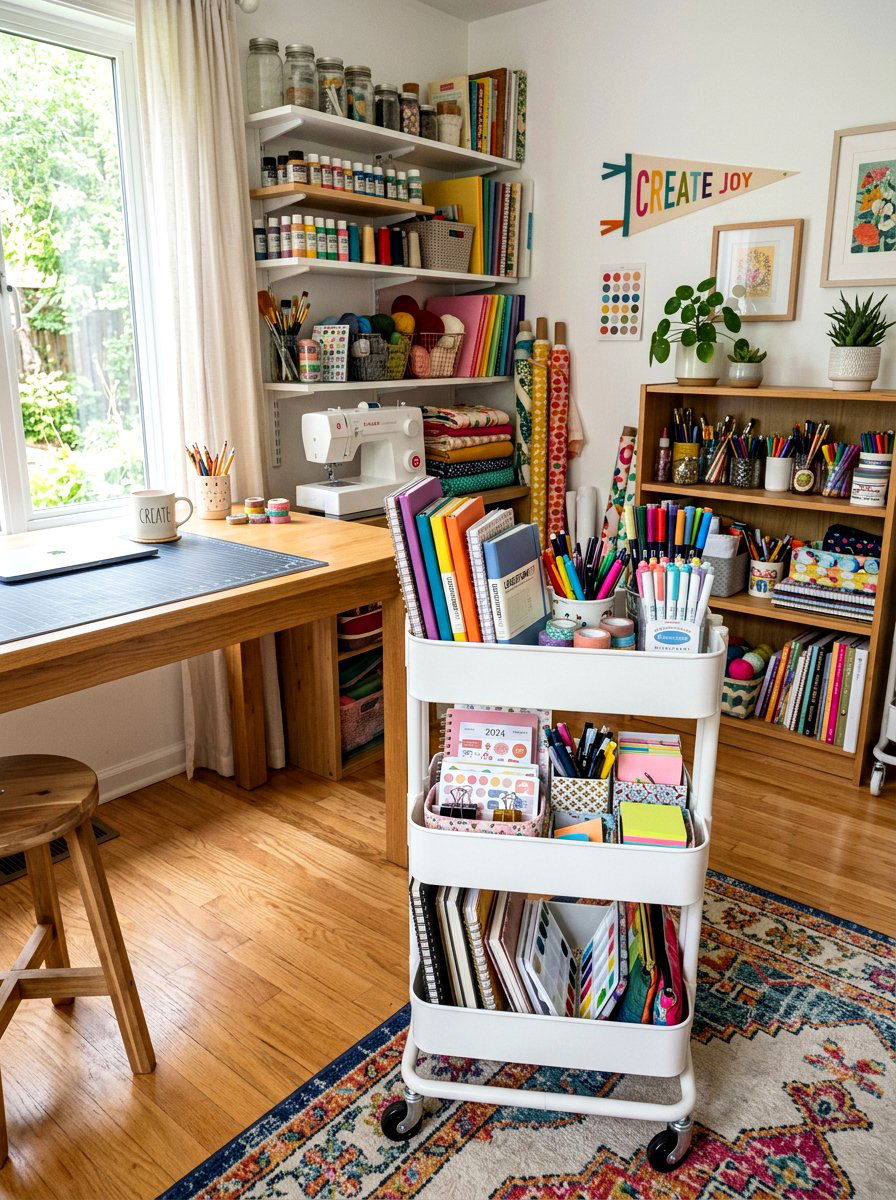
Mobility is a major benefit for people who like to journal in different areas of their home. A rolling utility cart with multiple tiers offers plenty of space for notebooks, pens, and other craft supplies. You can dedicate the top shelf to your daily planners and use the lower levels for archived journals or blank stock. When you want to move from your office to the living room sofa, the entire collection rolls with you. This is an excellent solution for small apartments where a dedicated desk might not be feasible, as the cart can simply tuck into a closet.
9. Magazine File Holder
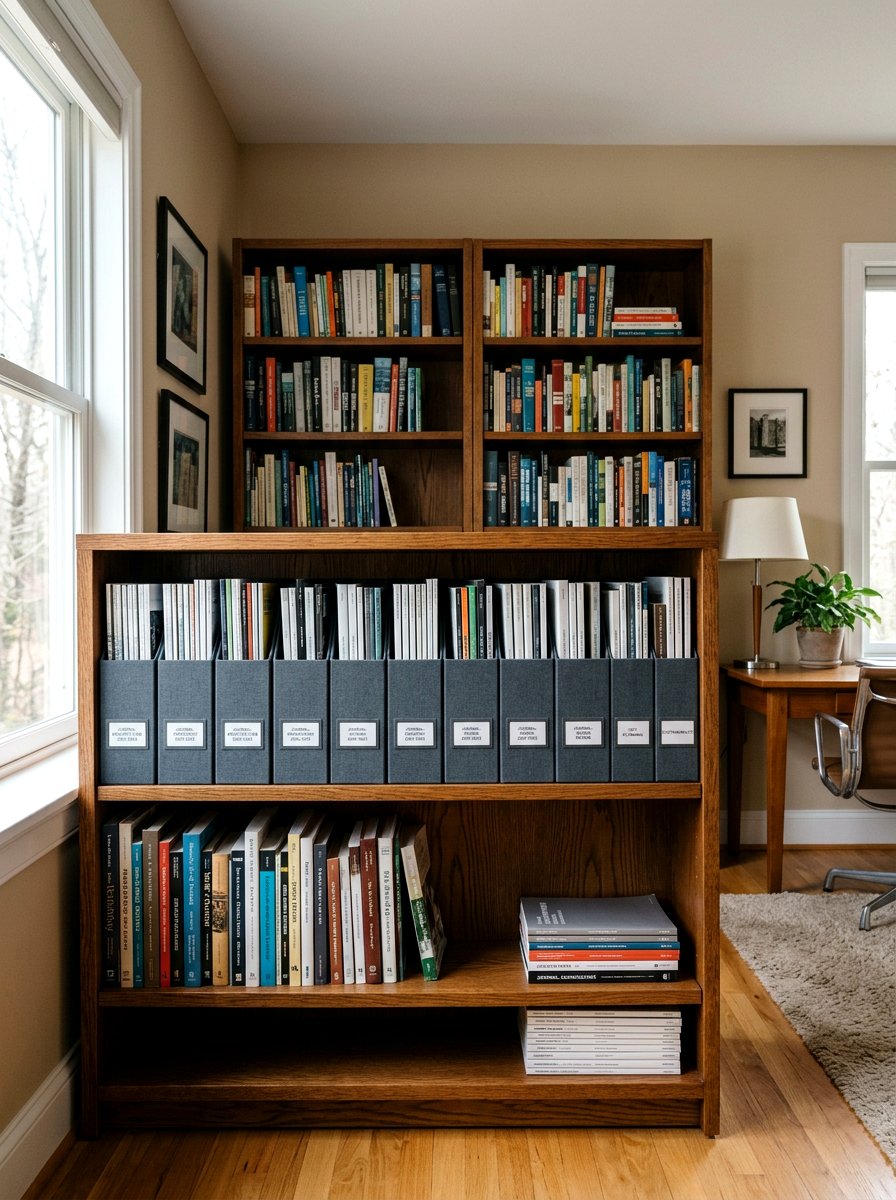
A classic magazine file holder is one of the most effective tools for keeping notebooks upright and categorized. By grouping similar notebooks into one file, you prevent them from flopping over or sliding around on a shelf. You can even add labels to the front of each holder to designate categories like "travel, " "ideas, " or "work notes. " This provides a very clean, uniform look on a bookshelf, especially if you use matching holders. It effectively turns a chaotic pile into a library-style system that makes finding a specific volume from three years ago a total breeze.
10. Bedside Caddy
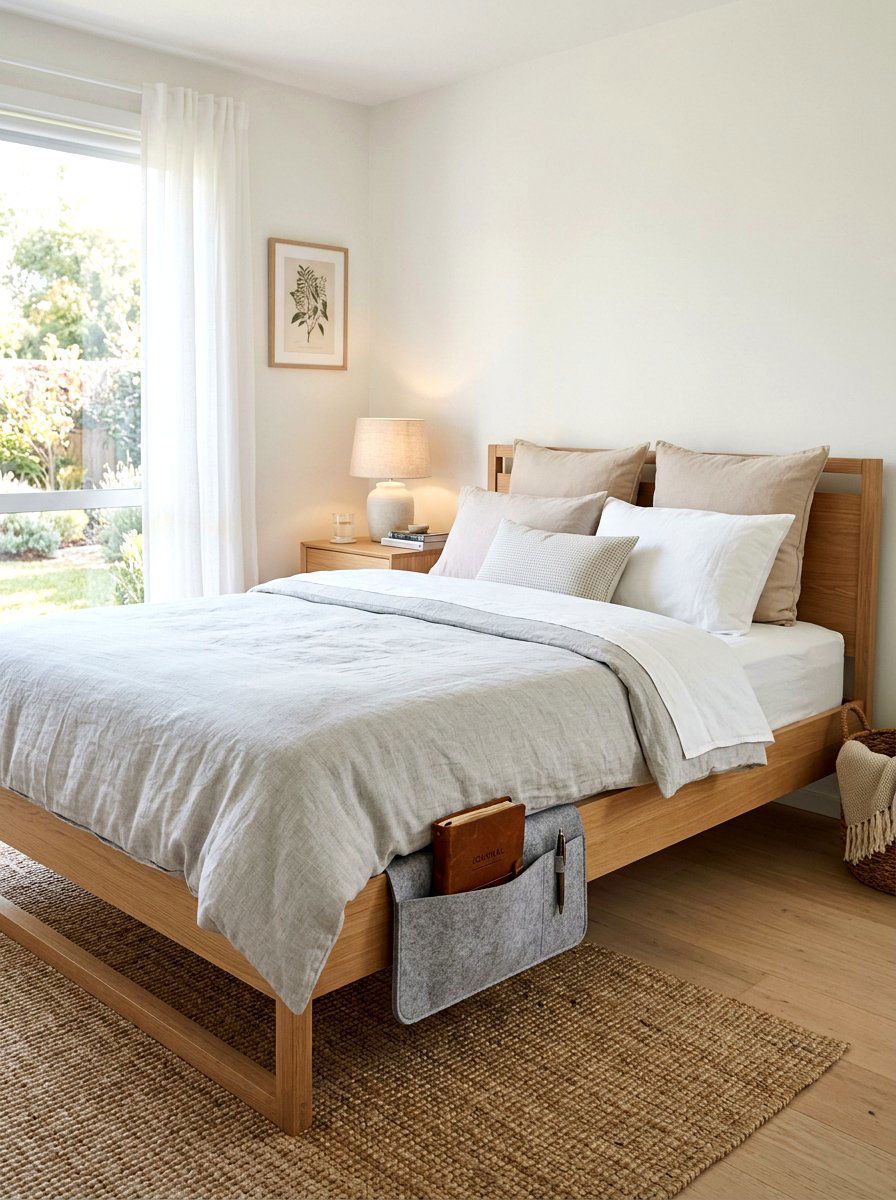
Many people find that their best ideas happen right before they go to sleep or immediately upon waking. A bedside caddy that hangs off the side of your bed frame is a convenient way to store your nighttime journal. It keeps the notebook off your nightstand, leaving more room for a lamp, water, or phone. This setup encourages a consistent journaling habit because the tools are physically right there when you are most relaxed. It also protects your notebook from falling off the table and keeps it within reach for those middle-of-the-night thoughts you don't want to forget.
11. Simple Metal Bookend
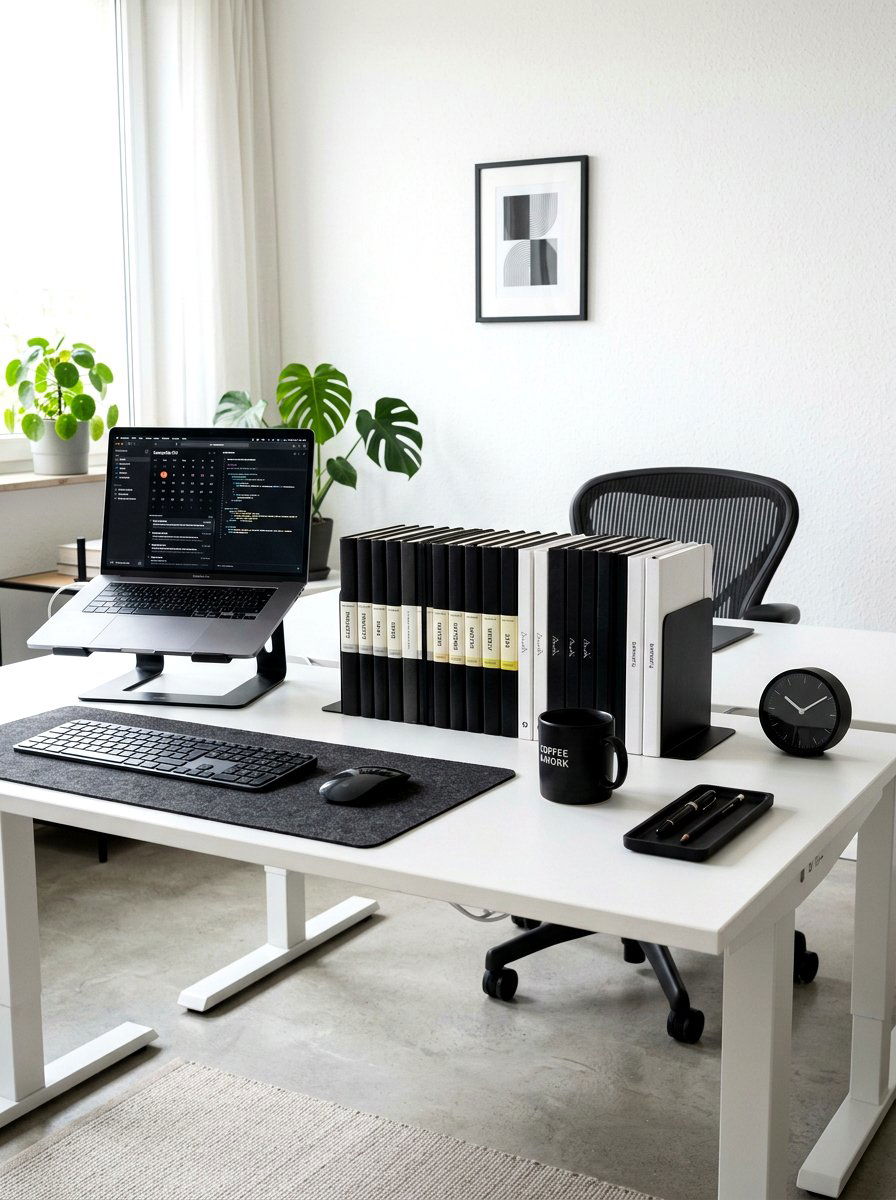
If you have a beautiful row of notebooks on a desk or shelf, a simple metal bookend provides the support they need. These minimalist tools are nearly invisible, allowing the colorful spines of your journals to be the main focus. High-quality bookends are heavy enough to hold even a dozen thick, hardbound notebooks without slipping. This is a very classic storage method that works in almost any interior design style. It keeps your collection looking intentional and tidy rather than like a random stack. You can also find decorative versions to add a touch of personality to your shelf.
12. Cabinet Door Rack
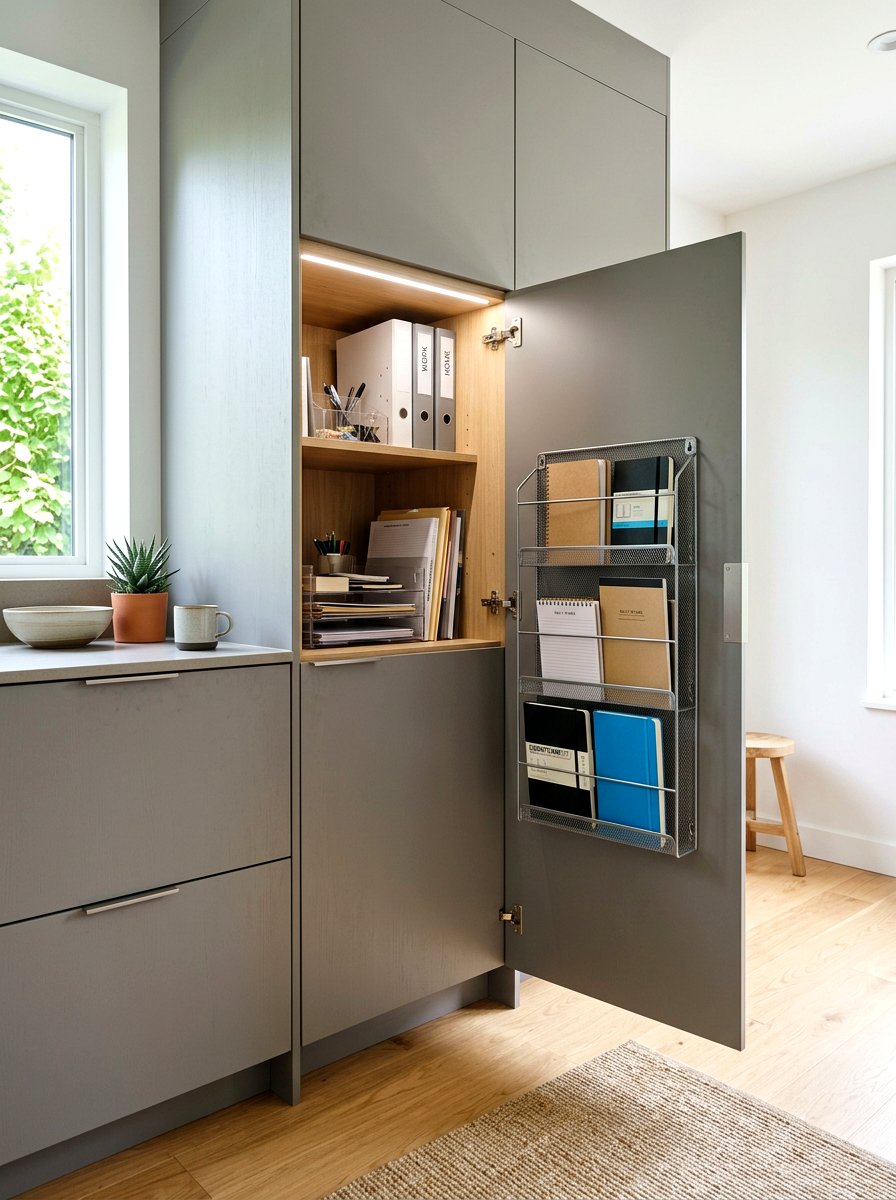
When every inch of shelf space is occupied, you have to look for hidden storage opportunities. The inside of a cabinet door is an overlooked area that can easily hold a slim rack for notebooks. You can install a wire or plastic organizer that holds a few journals flat against the door. This keeps them out of sight but incredibly easy to access when you open the cupboard. It is an ideal solution for storing notebooks that you use for specific tasks, like kitchen meal planning or household budgets, keeping them right where the action happens daily.
13. Ladder Shelf Display
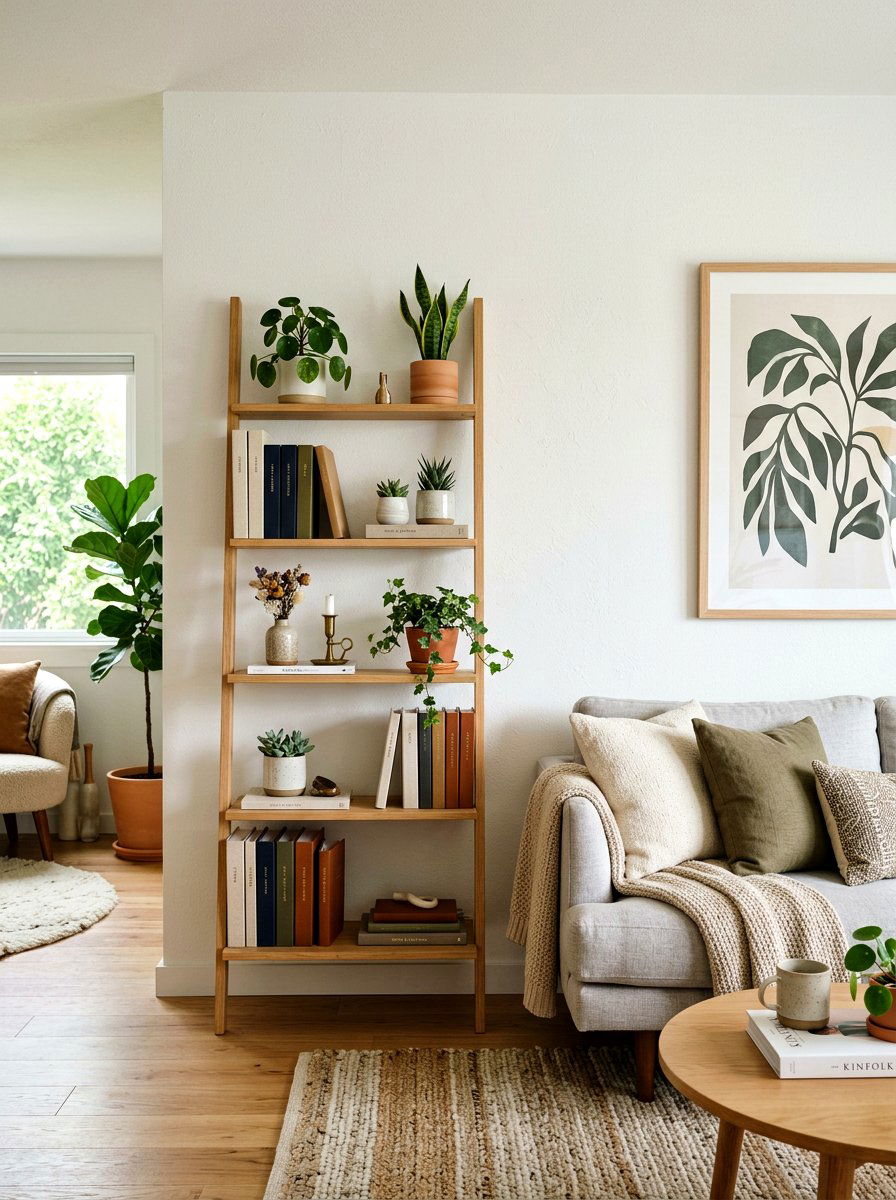
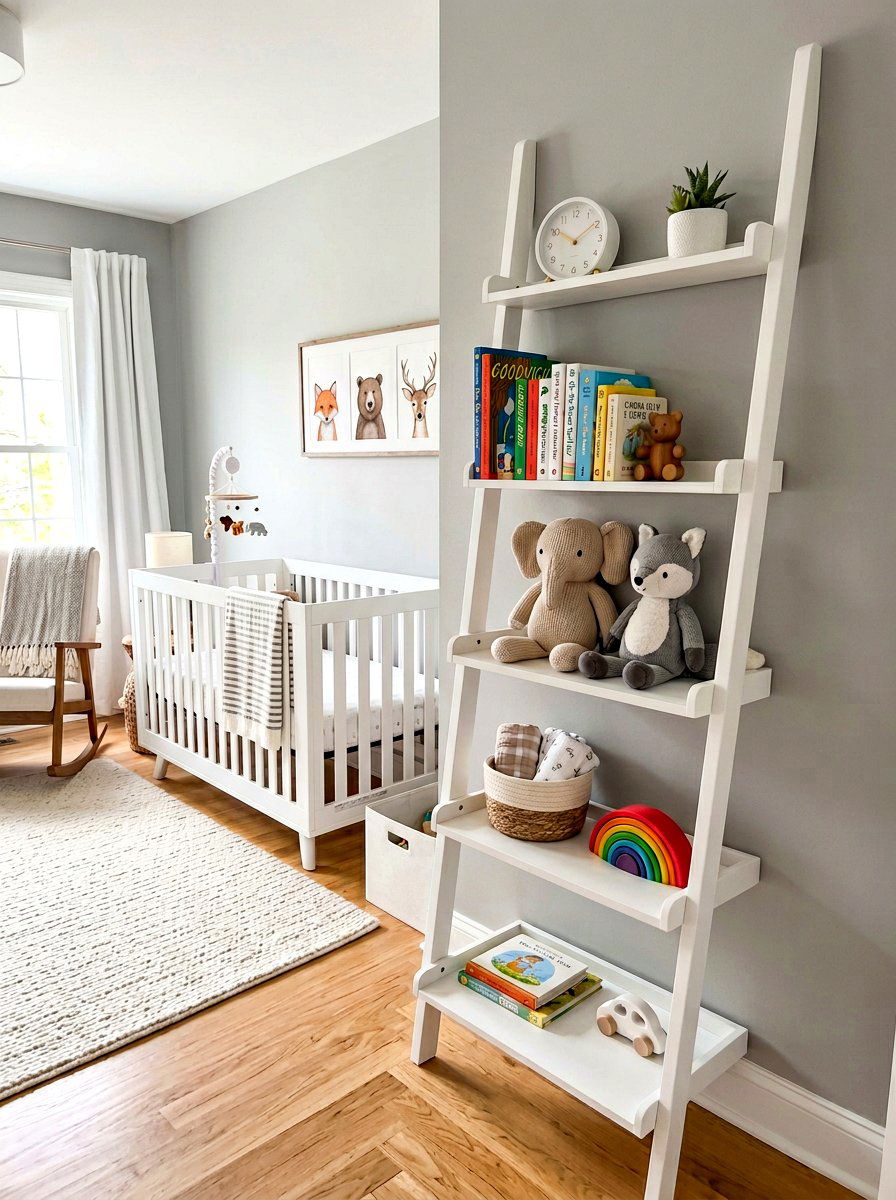
A ladder shelf display offers a stylish and modern way to organize your journals without the bulk of a traditional bookcase. The tiered design allows you to place smaller notebooks on the higher, narrower shelves and larger binders or journals on the wider bottom levels. This creates a pleasing visual hierarchy that makes your collection feel like a curated exhibit. Because ladder shelves lean against the wall, they have a smaller footprint, making them perfect for hallways or bedroom corners. The open design also ensures that you can see your collection from various angles in the room.
14. Stackable Plastic Bin
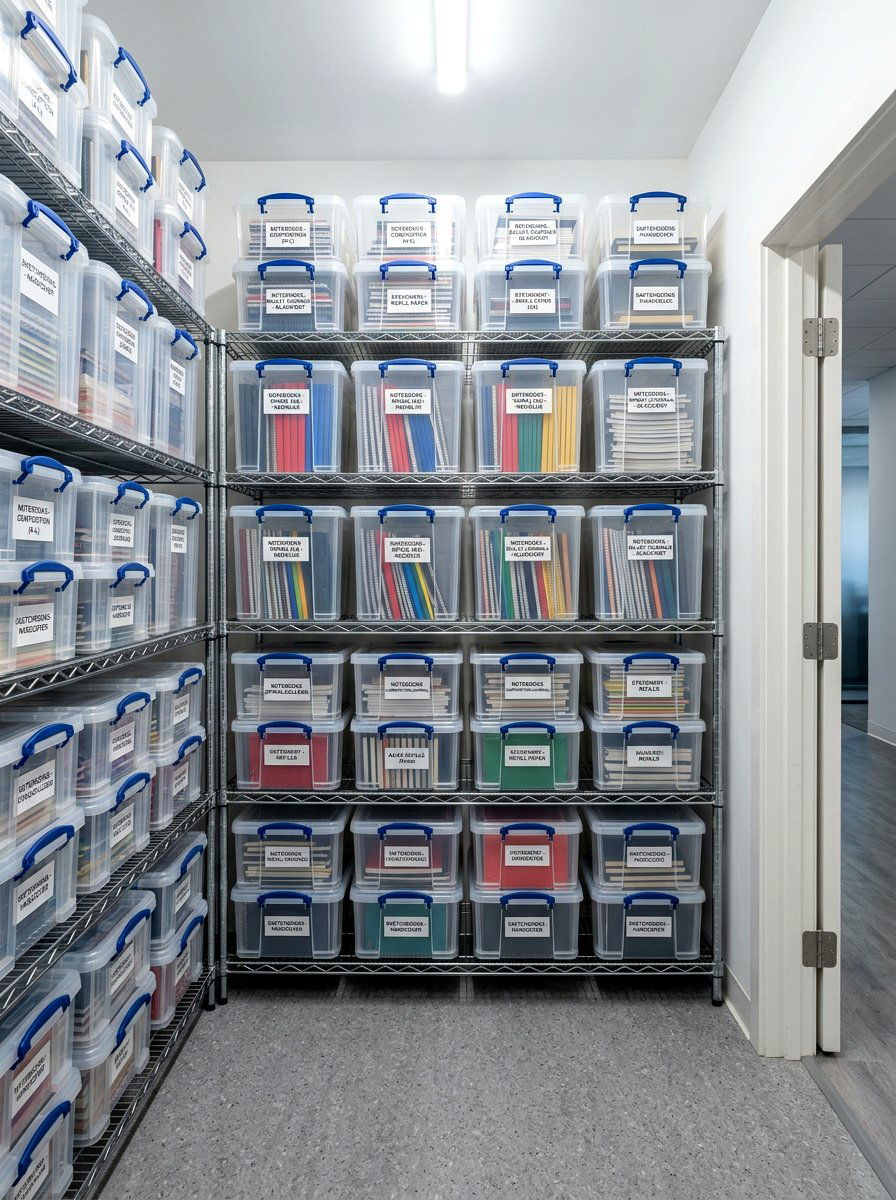
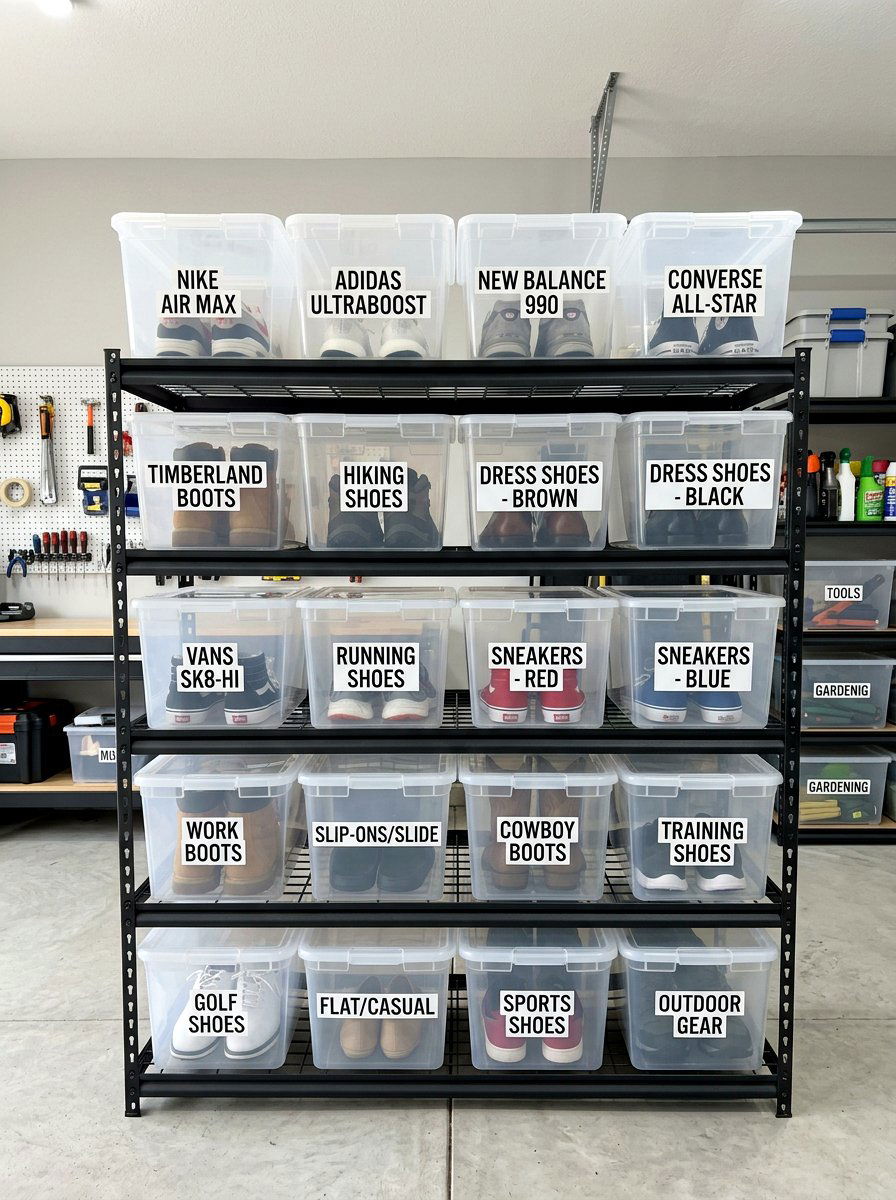
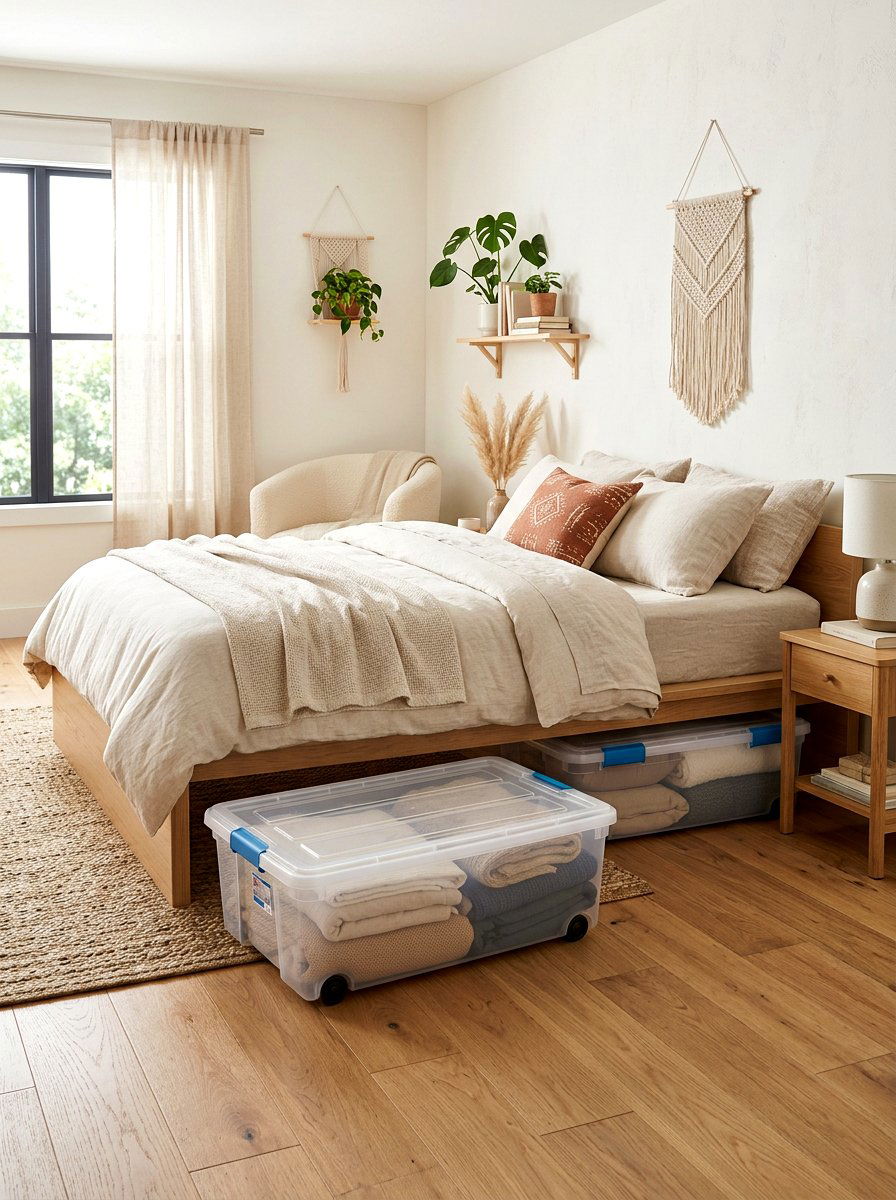
For long-term storage or for those with a massive collection of "to-be-used" journals, stackable plastic bins are very practical. Clear bins allow you to see exactly which notebooks are inside without having to unstack and open every single one. These bins protect your paper from dust, moisture, and potential sunlight fading, which is crucial for preserving your writing over many years. You can easily tuck these into a closet or under a bed. Labeling the outside of each bin by year or notebook type further enhances the efficiency of this simple but very effective storage method.
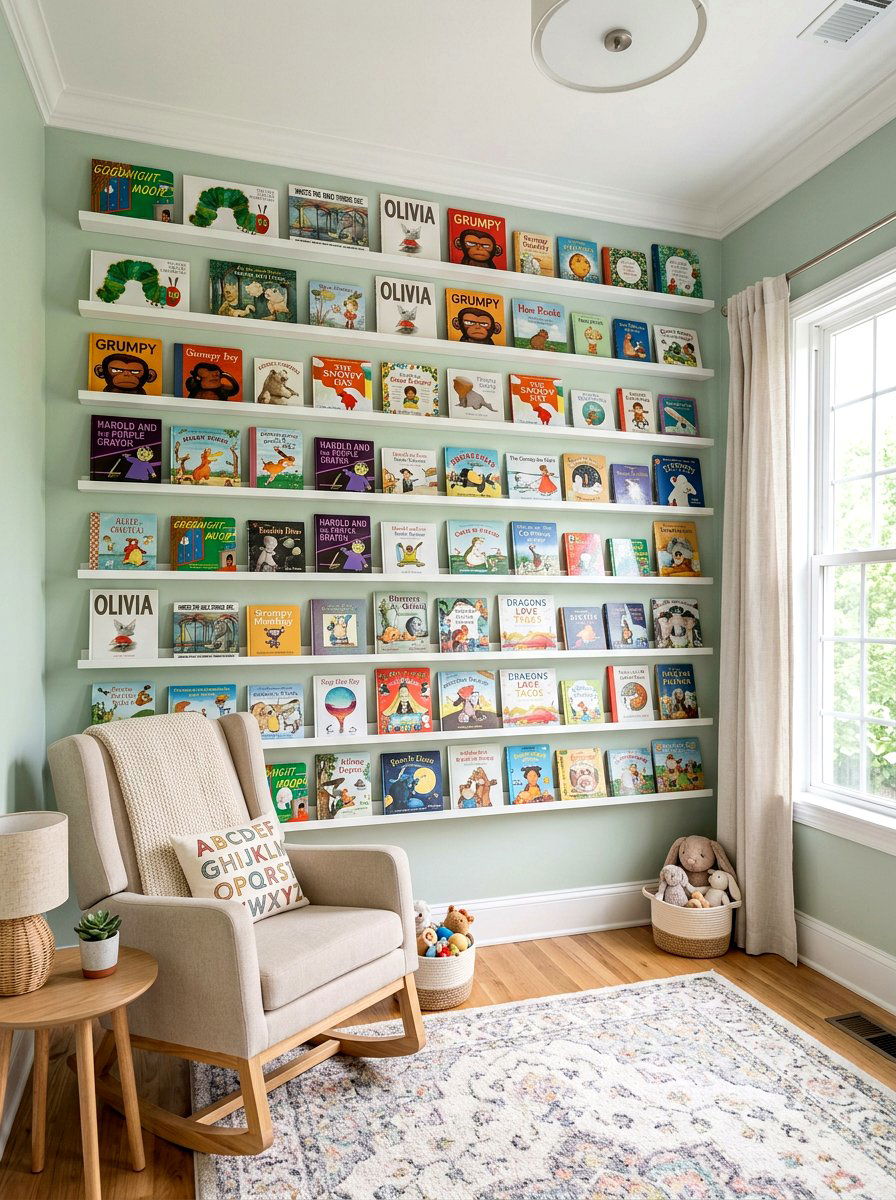
15. Leather Journal Pouch

Sometimes, you only need to store one or two notebooks, especially when you are on the move. A leather journal pouch provides a luxurious and protective home for your most important diary. Not only does it keep the edges of the pages from fraying in your bag, but it also creates a sense of occasion every time you sit down to write. Many pouches come with extra pockets for a favorite pen or a few loose memos. This is a great way to keep your "active" notebook separate from your archives, ensuring it stays in pristine condition through daily use.
16. Hidden Compartment Desk
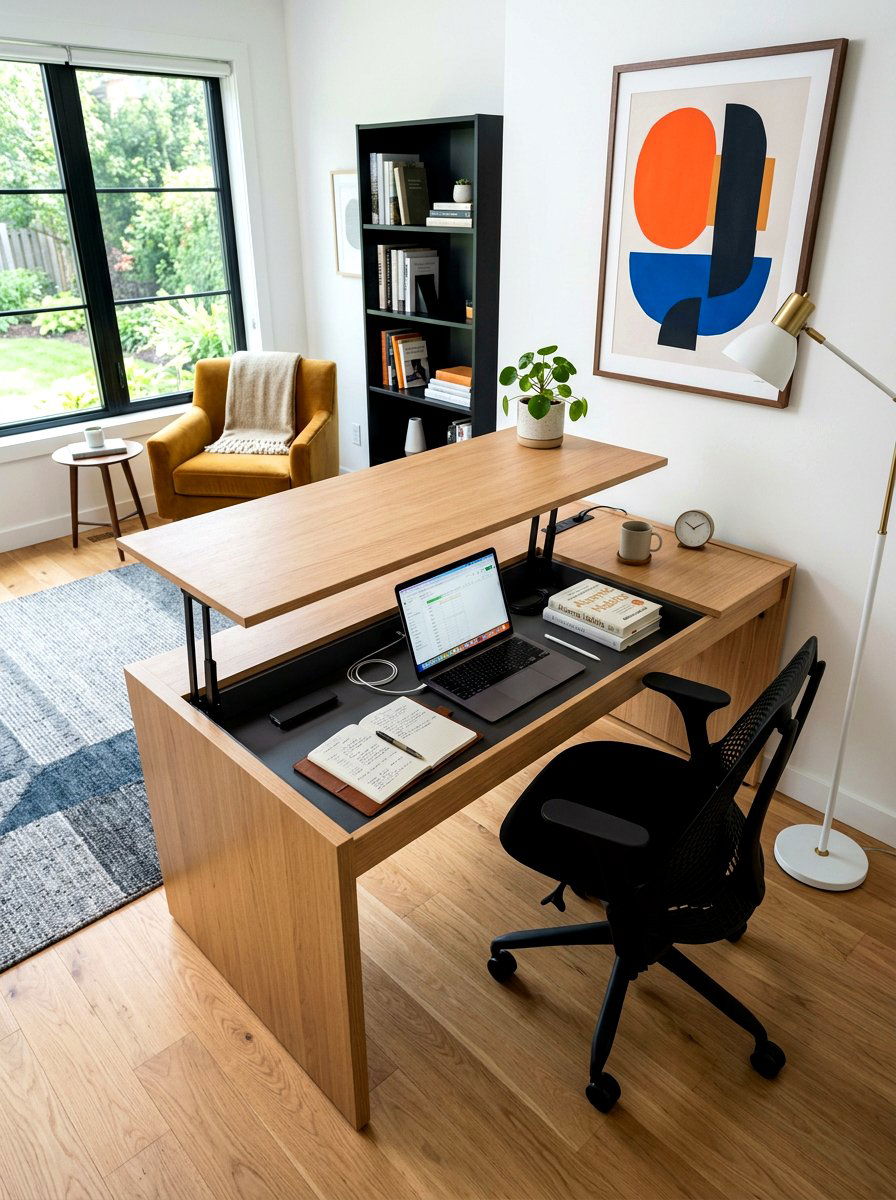
Modern furniture design often includes clever features like a hidden compartment desk for those who value a clean workspace. These desks feature a lifting top or a secret pull-out section specifically designed to hide away laptops and notebooks. When you are finished with your work or journaling session, you simply tuck everything inside and close the lid. This immediately transforms your office area back into a calm, clutter-free space. It is particularly useful for people who work from home in a shared living area and want to "shut down" their work brain at the end of the day.
17. Tiered Letter Tray
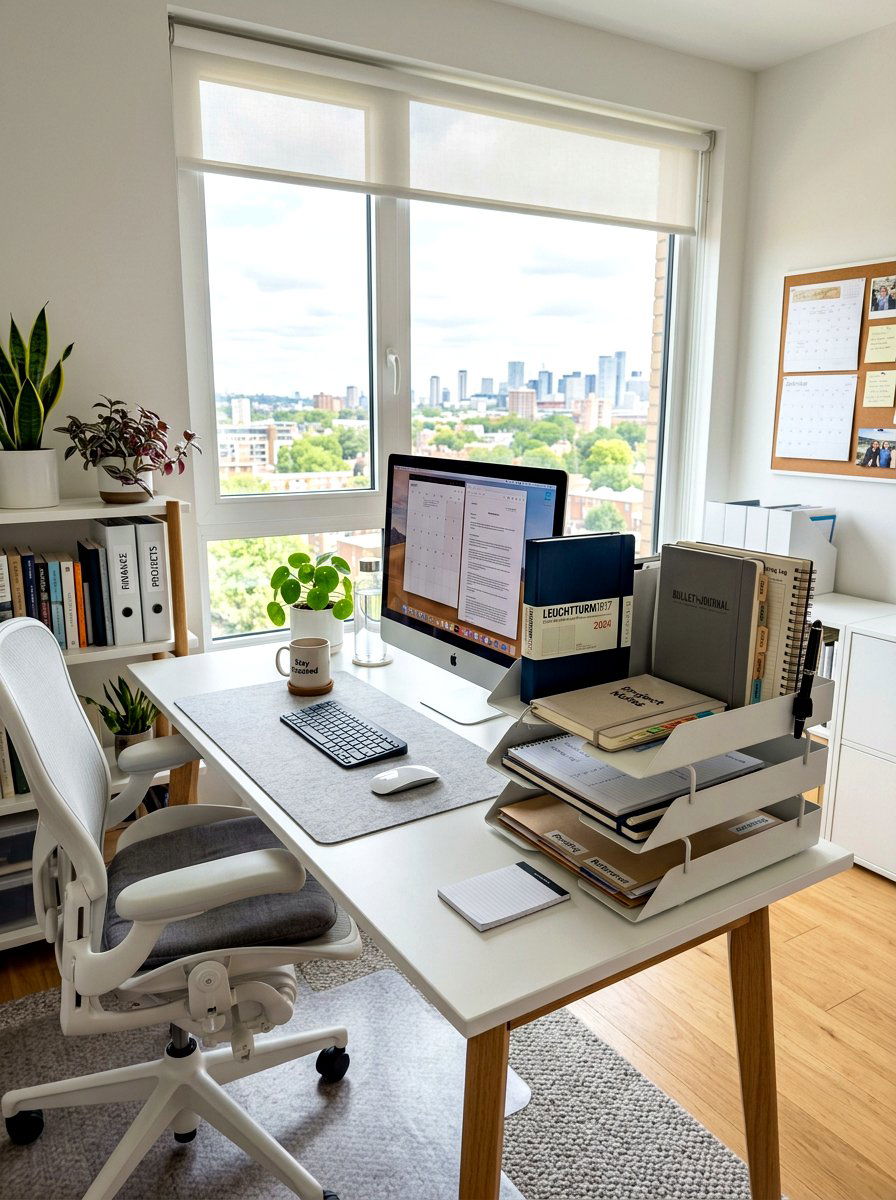
A tiered letter tray is a functional classic that works perfectly for notebooks that are currently in active use. By having separate levels, you can designate one tray for your daily planner, one for your creative journal, and another for professional meeting notes. This horizontal storage method keeps your desk surface clear while ensuring you never have to dig through a stack to find the right book. Many letter trays come in stylish finishes like rose gold mesh or matte black, allowing them to serve as a decorative element while providing essential organization for your daily paper workflow.
18. Fabric Hanging Organizer
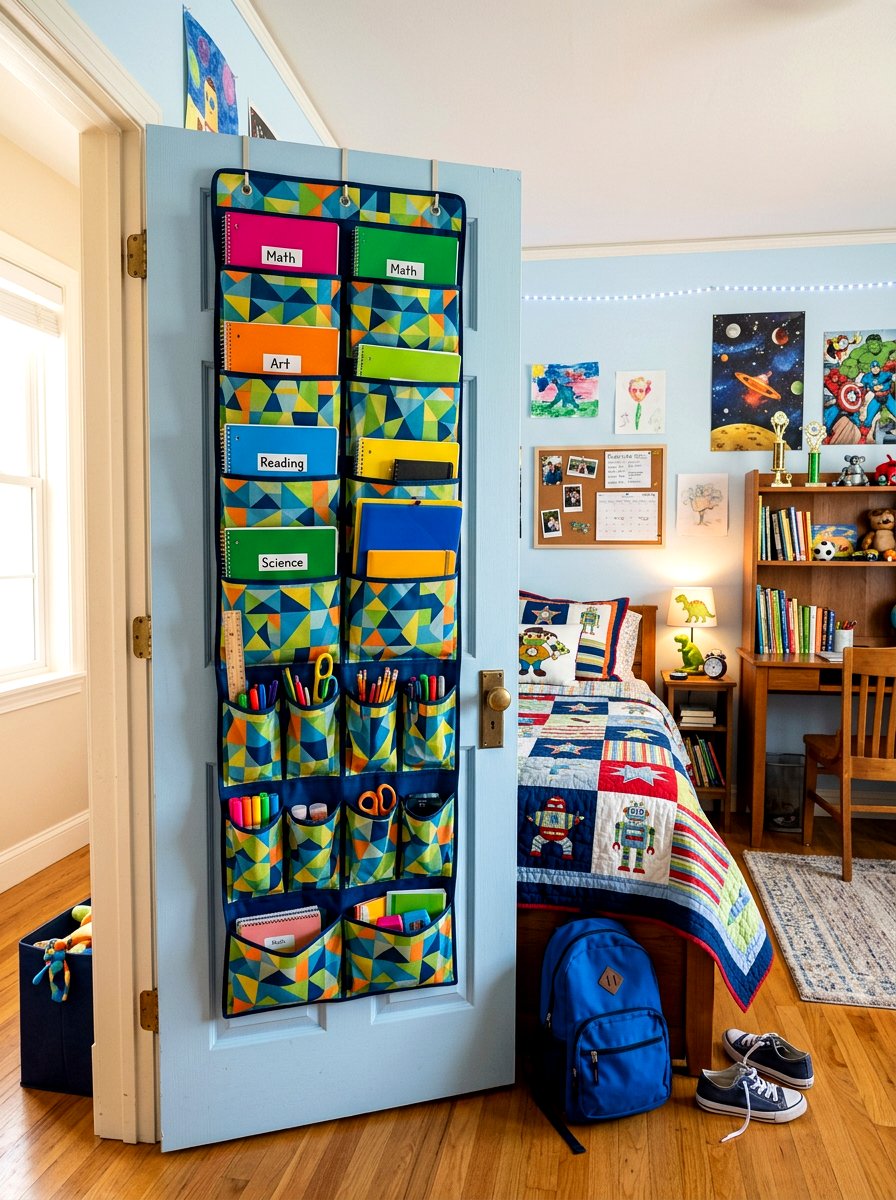
If you are short on floor and desk space, a fabric hanging organizer can be mounted on the back of a door or inside a closet. These usually feature deep pockets that are perfect for sliding in several notebooks at once. The soft fabric is gentle on journal covers, and the vertical arrangement makes use of space that would otherwise go to waste. This is an excellent choice for a student dorm or a small bedroom where you need to maximize every square inch. You can even find organizers with clear pockets so you can see your colorful covers.
19. Coffee Table Tray
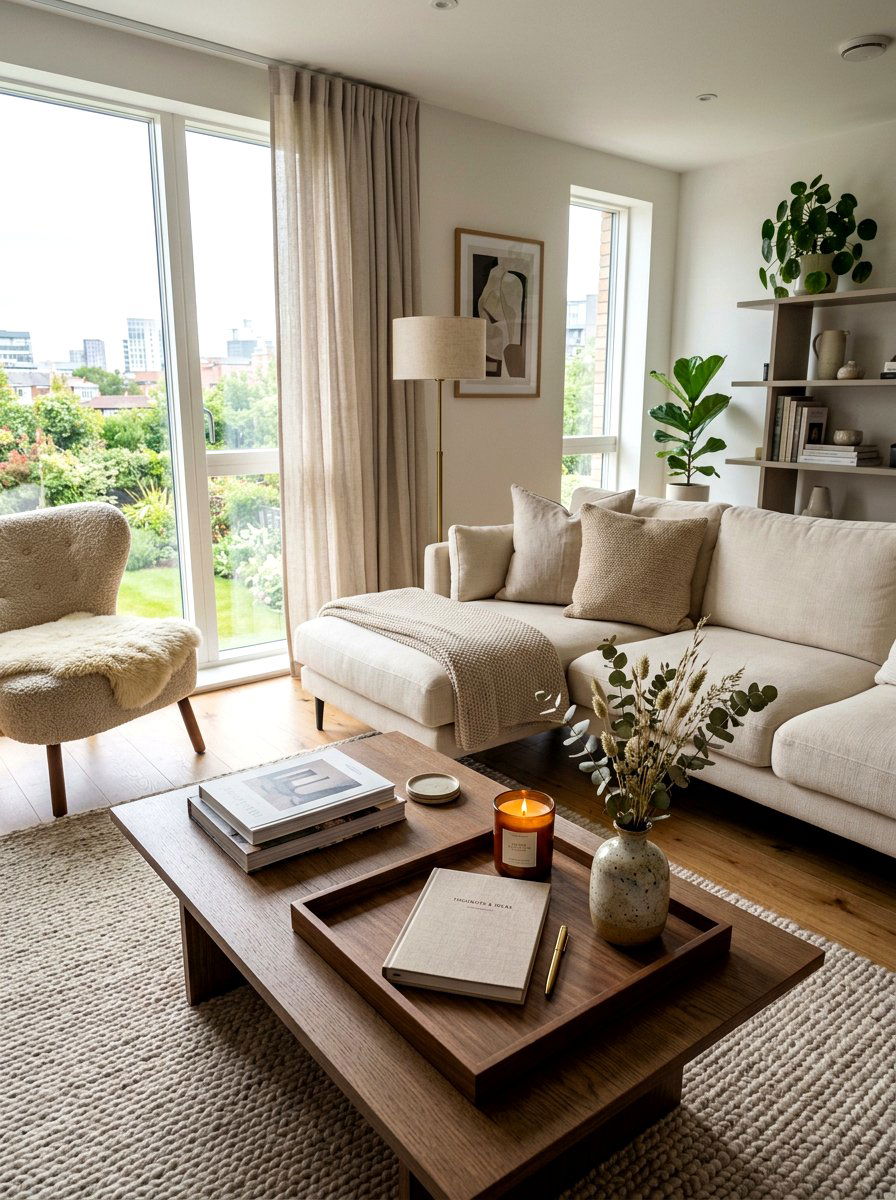
For those who enjoy journaling in the heart of the home, a coffee table tray keeps your notebooks looking like intentional decor. Instead of leaving a notebook scattered on the table, placing it on a stylish tray alongside a candle or a small plant makes it look curated. This keeps your journal handy for quick reflections during the day without creating visual clutter in your living room. When guests arrive, you can simply move the entire tray to a side table. It’s a simple way to integrate your creative habits into your daily lifestyle and home aesthetic.
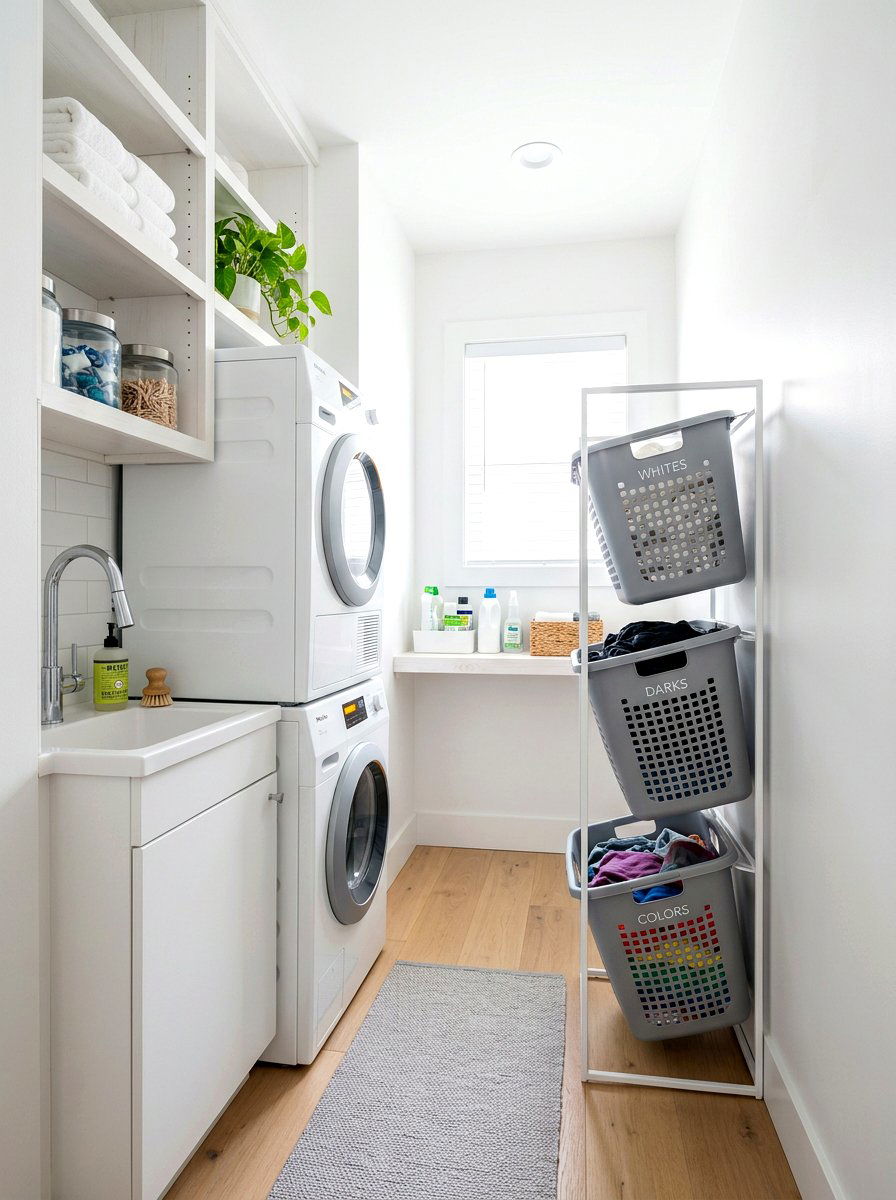

20. Built In Bookcase

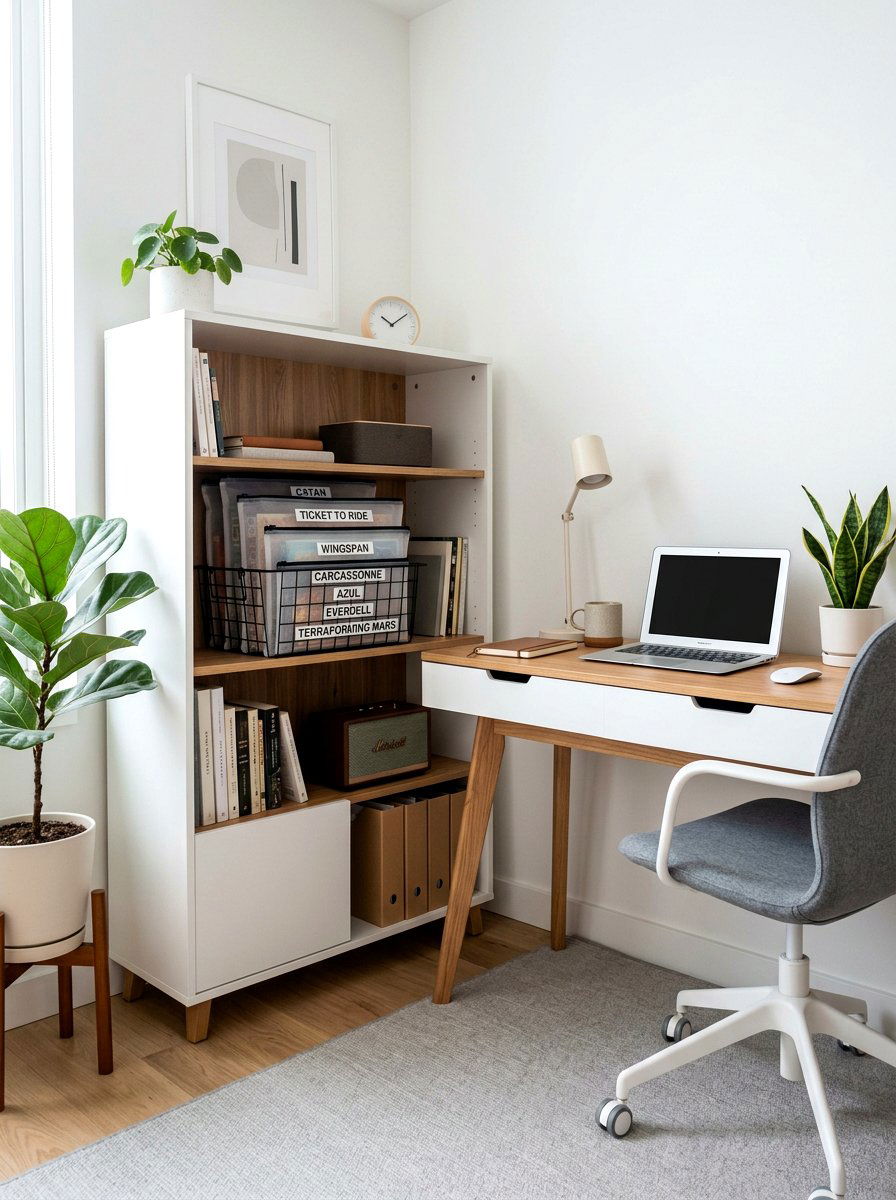
Nothing beats the timeless appeal of a built-in bookcase for a serious notebook collector. These shelves provide a permanent, sturdy home for a lifetime of journals. You can dedicate specific shelves to finished volumes, creating a chronological history of your life on display. The depth of a built-in shelf allows you to double-stack notebooks if needed or to place decorative items in front of them. This storage method turns your collection into a central feature of the room, celebrating your dedication to the craft of writing and providing a truly professional library feel to your home office.
21. Vintage Trunk Chest
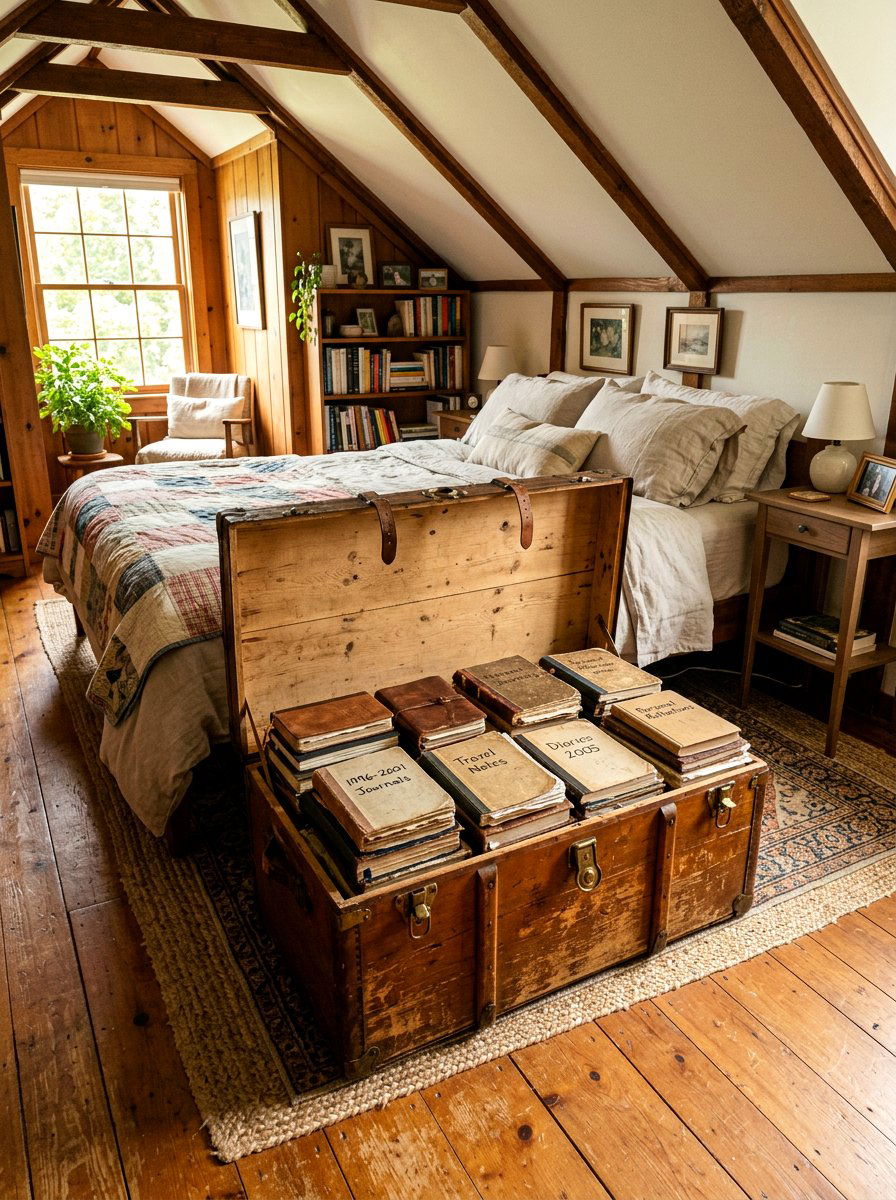
A vintage trunk chest is a wonderful way to store older archives that you don’t need to access every day. These trunks add a sense of history and mystery to a room, serving as a beautiful piece of furniture while hiding hundreds of journals inside. This method is perfect for keeping your most private thoughts tucked away safely from prying eyes. Because trunks are deep, you can organize your notebooks in layers or use smaller boxes inside to keep them upright. It’s a very romantic and cozy way to preserve your personal history for many years to come.
22. Metal Wire Basket
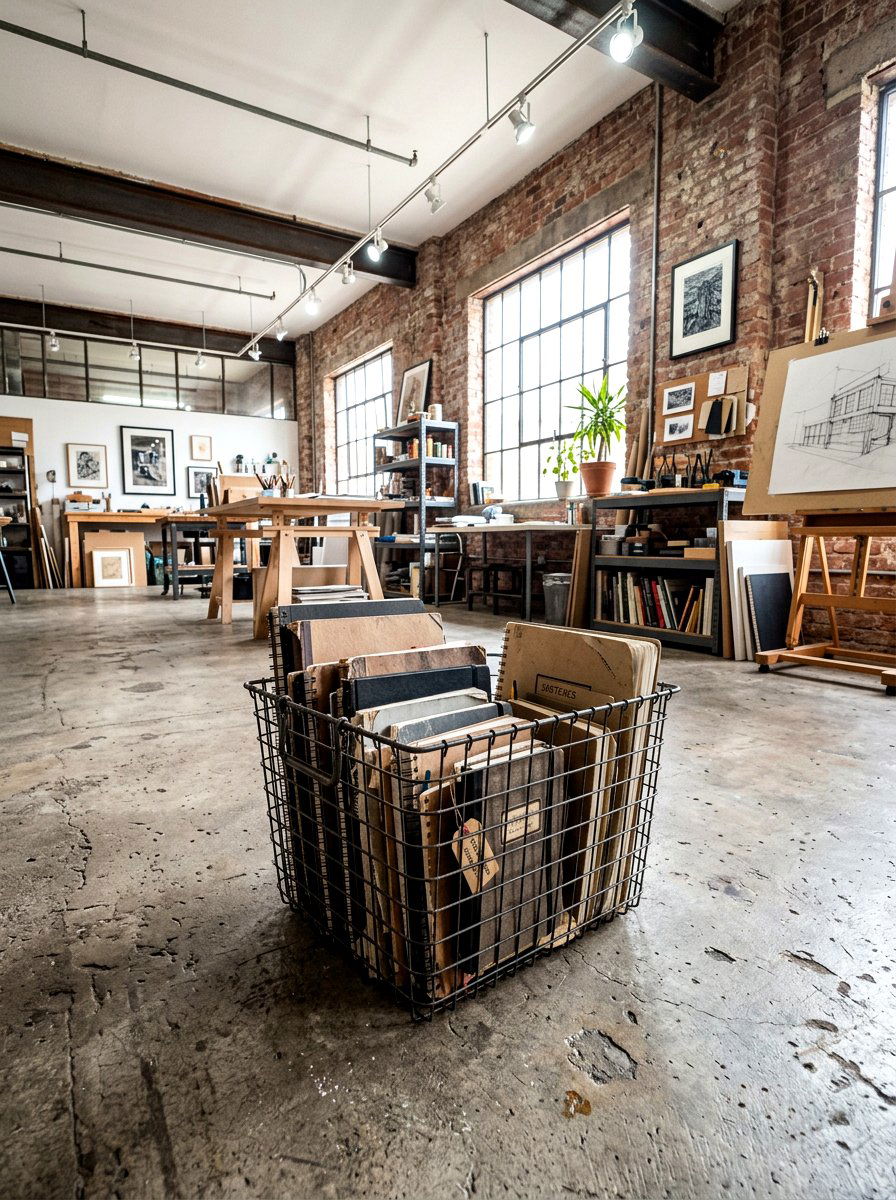
For a more industrial or modern look, a metal wire basket provides an airy storage solution for your notebooks. The open grid allows you to see the contents from any angle, which is helpful if you are looking for a specific color or pattern. These baskets are incredibly durable and can be placed on shelves or directly on the floor. They work well for "bulk" storage of notebooks that you use frequently, such as school supplies or rough sketchpads. The breathable design also prevents any musty smells from developing if you live in a more humid environment.
23. Wall Mounted Pocket
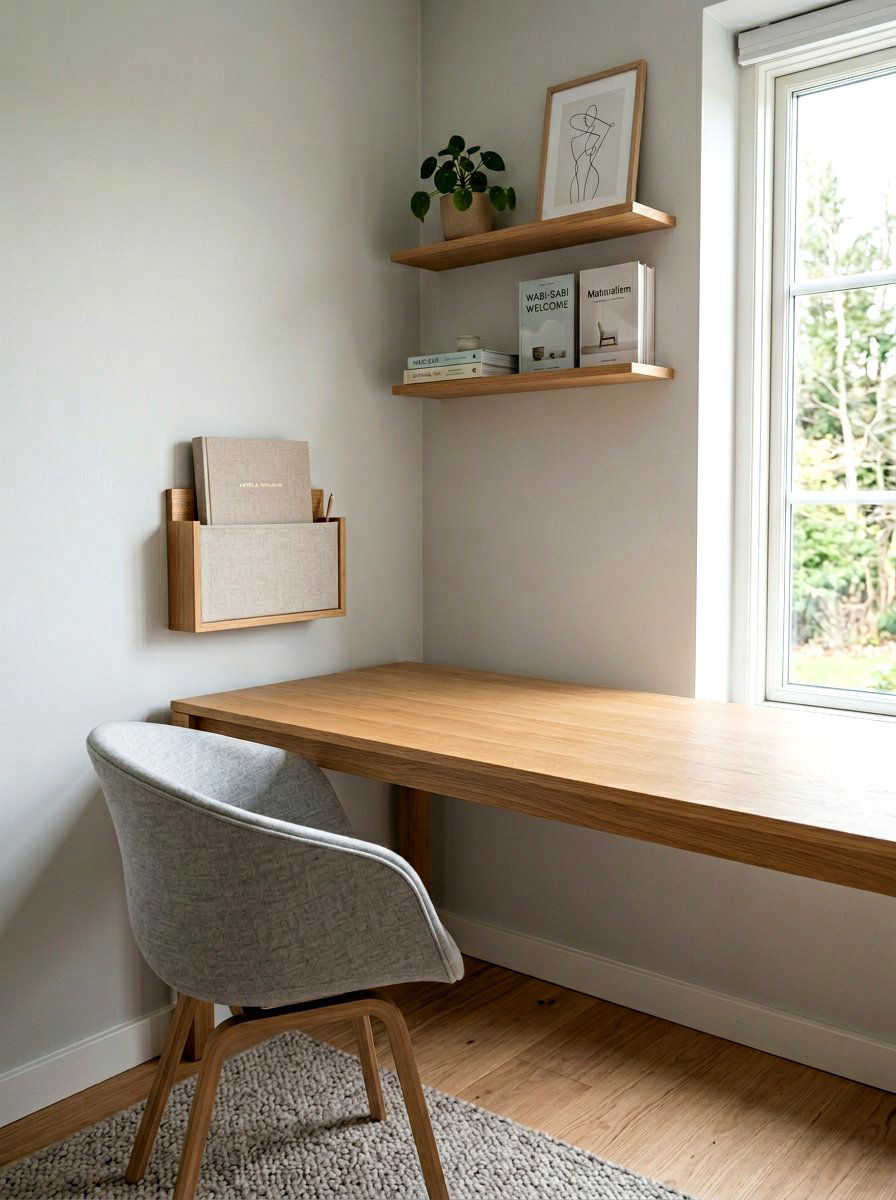
A wall mounted pocket is a sleek, low-profile option for holding one or two journals near your workspace. These are often made of metal, wood, or heavy-duty felt and can be screwed directly into the wall beside your desk. This keeps your primary notebooks off the desktop entirely, maximizing your work area. It’s a great "landing spot" for your planner at the end of the day. You can find these in various sizes, from small single-notebook holders to larger multi-pocket versions that can handle a variety of different stationery items and even some pens.
24. Rotating Desktop Carousel
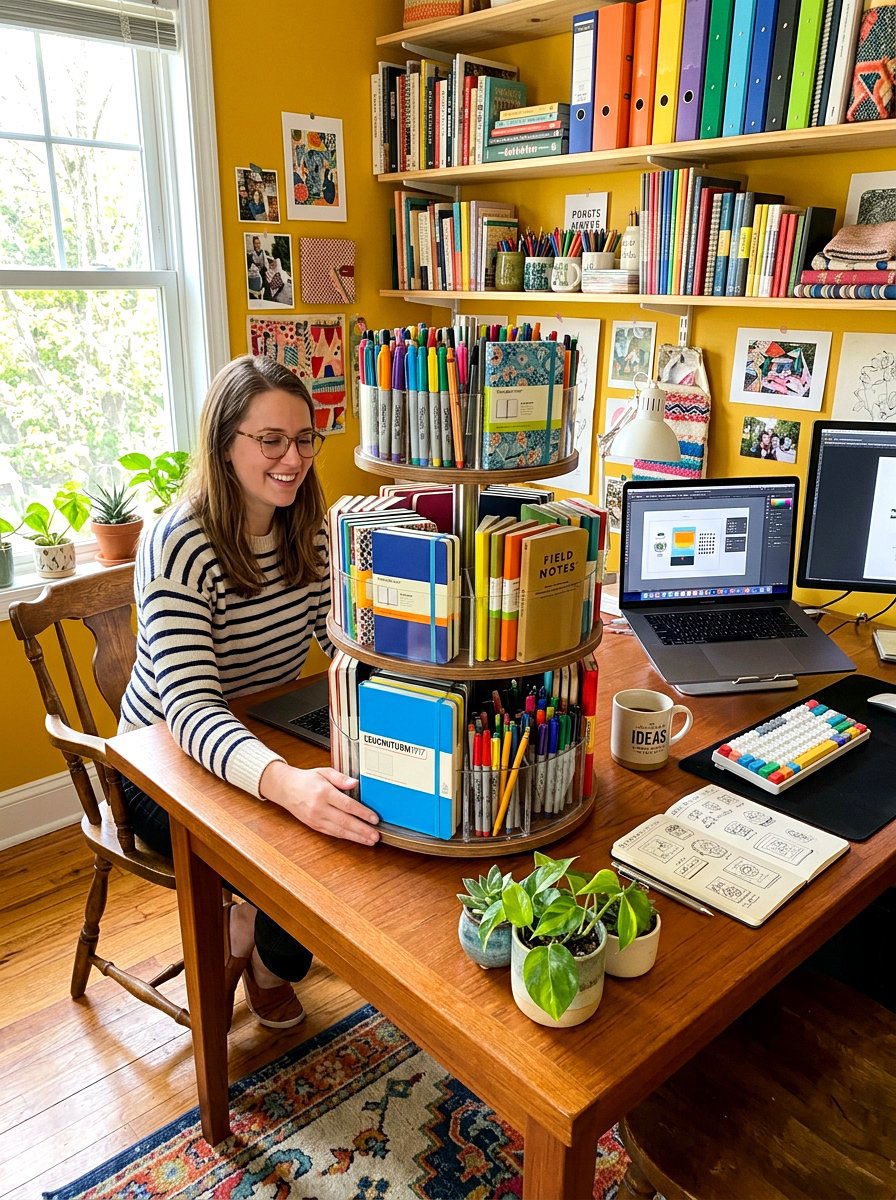
If you have a large variety of small notebooks, a rotating desktop carousel is a fun and interactive way to keep them organized. Similar to a spice rack but for stationery, these carousels allow you to spin through your collection to find exactly what you need. This is especially helpful for people who use multiple specialized journals for things like habit tracking, gratitude, or project management. It keeps everything contained in a small circular footprint on your desk. The rotating motion makes accessing your tools feel effortless and adds a dynamic element to your daily organization routine.
25. Closet Shelf Divider
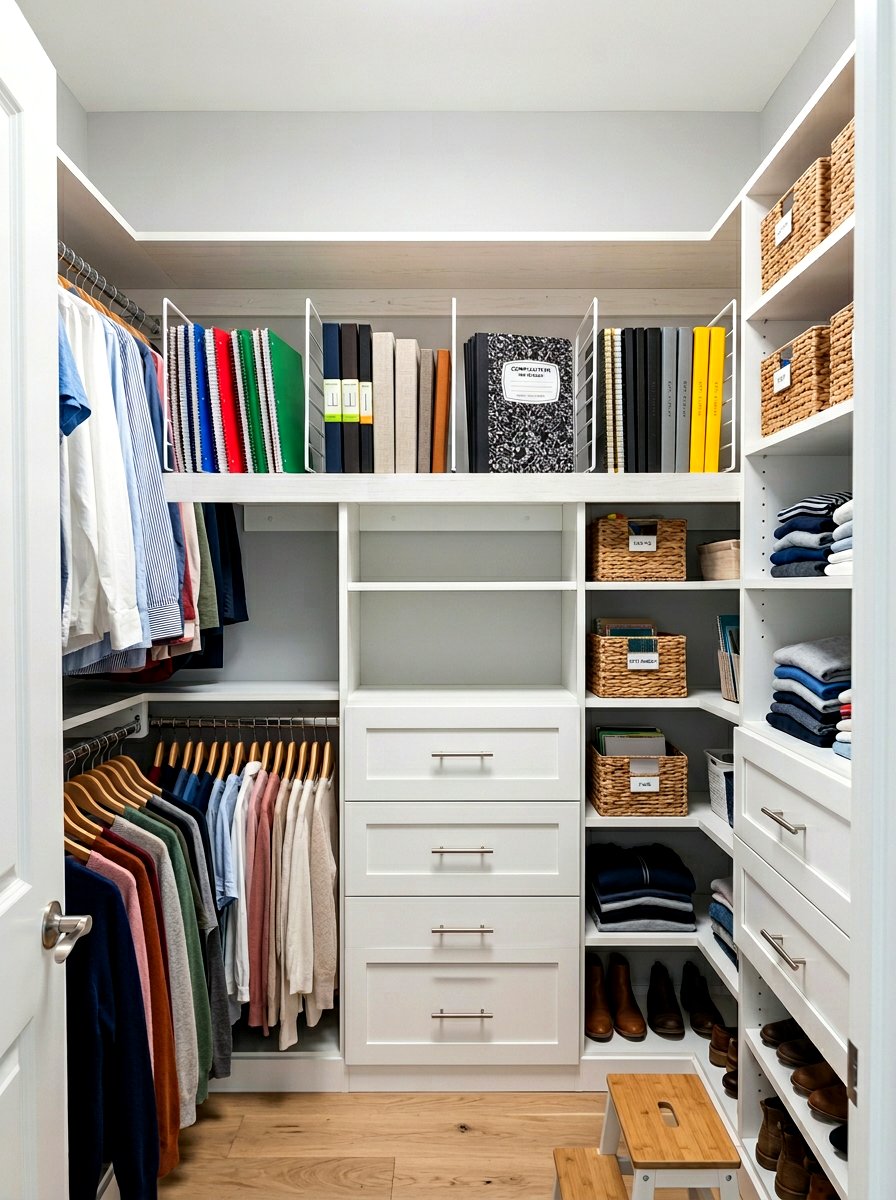
Maximizing the upper shelves of a closet often requires a little help to prevent items from falling over. A closet shelf divider can be clipped onto your existing shelving to create a dedicated section just for your notebooks. This is an excellent way to store extra stock or archives that you want to keep out of the main living area. The dividers keep the notebooks perfectly upright, preventing the "domino effect" where one falling book knocks over the rest. It’s a simple, inexpensive solution that brings a high level of order to a hidden storage space.
26. Slim Console Table
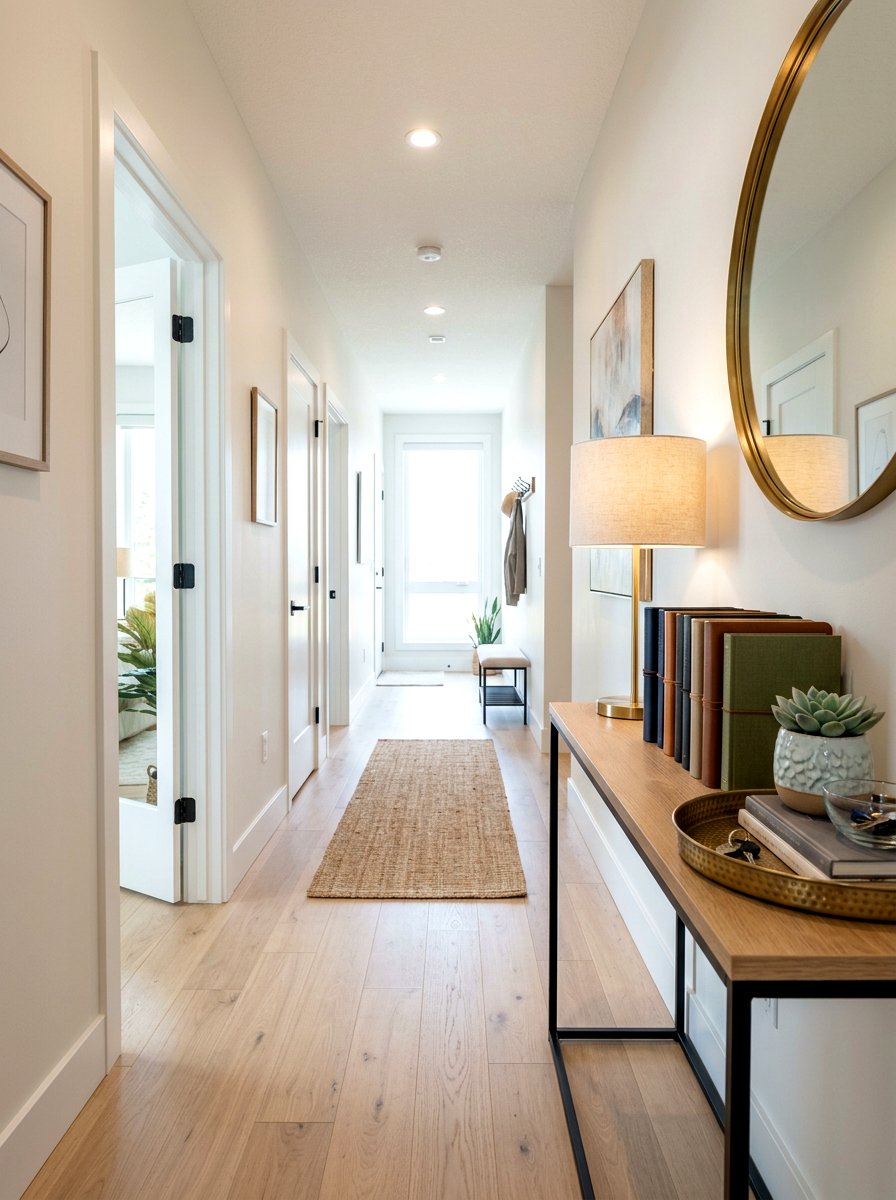
A slim console table placed in a hallway or behind a sofa can serve as a secondary storage hub for your journals. Because these tables are narrow, they don’t obstruct traffic but provide a long surface for displaying your favorite notebooks. You can use a mix of baskets, bookends, and trays on top of the table to create different zones for your collection. This is a great way to spread your notebooks throughout the house so that you always have a place to write, no matter which room you happen to be relaxing in at the moment.
27. Laptop Sleeve Pocket

Many modern laptop sleeves now come with an extra pocket specifically designed for a notebook or tablet. This is a very practical storage solution for the person who is always working from coffee shops or commuting. It ensures that your journal and your computer are always together, making it easy to transition between digital work and analog note-taking. The padded sleeve protects your notebook from getting bent or stained during transport. This "all-in-one" approach simplifies your bag organization and ensures you never leave home without your most important creative tool for the day.
28. Mobile File Cabinet
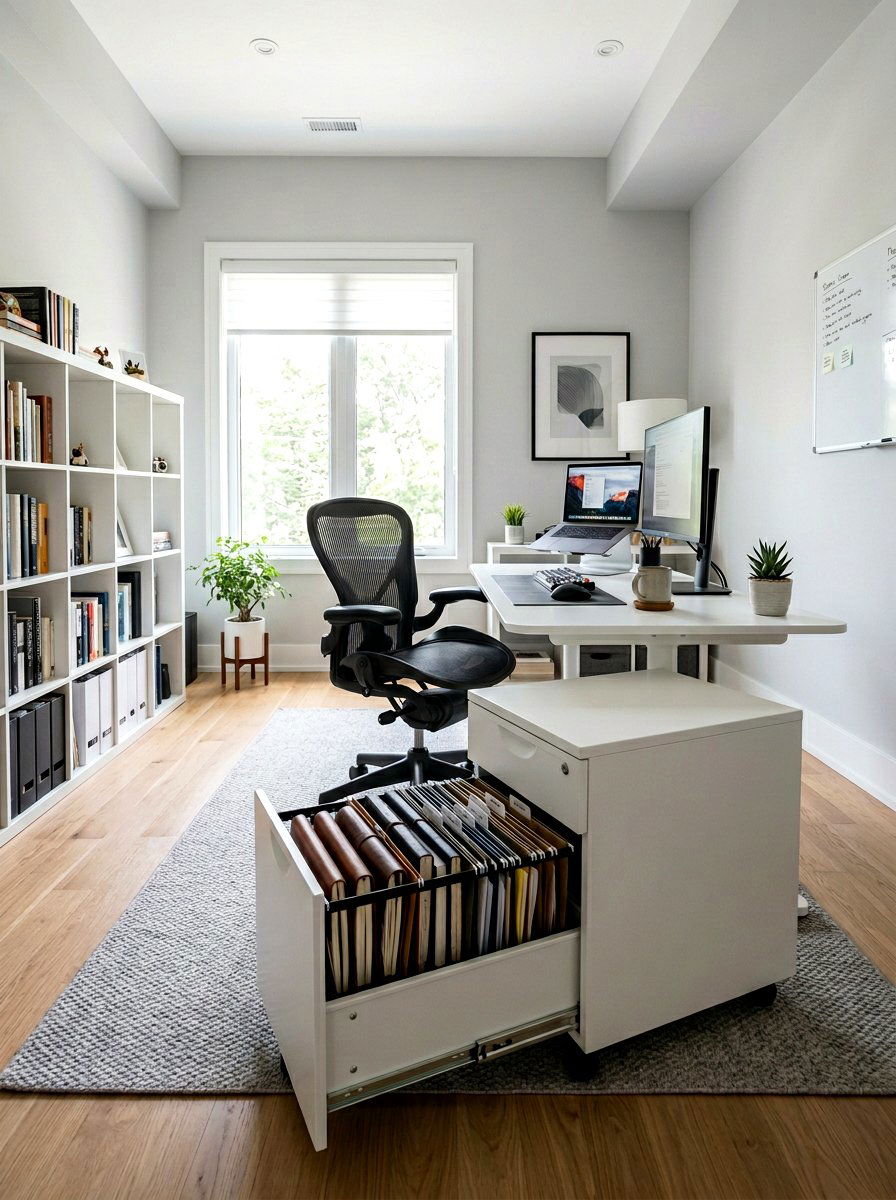
For a more traditional and secure approach, a mobile file cabinet offers drawers that can be locked to protect your personal journals. Many of these cabinets are designed to roll under a standard desk, keeping them tucked away when not in use. You can use hanging file folders to categorize thinner notebooks or simply use the drawers as deep bins for larger journals. This is a very professional storage method that works well if you have a high volume of work-related notebooks that need to be kept organized and easily accessible throughout your busy work week.
29. Desktop Hutch Shelf
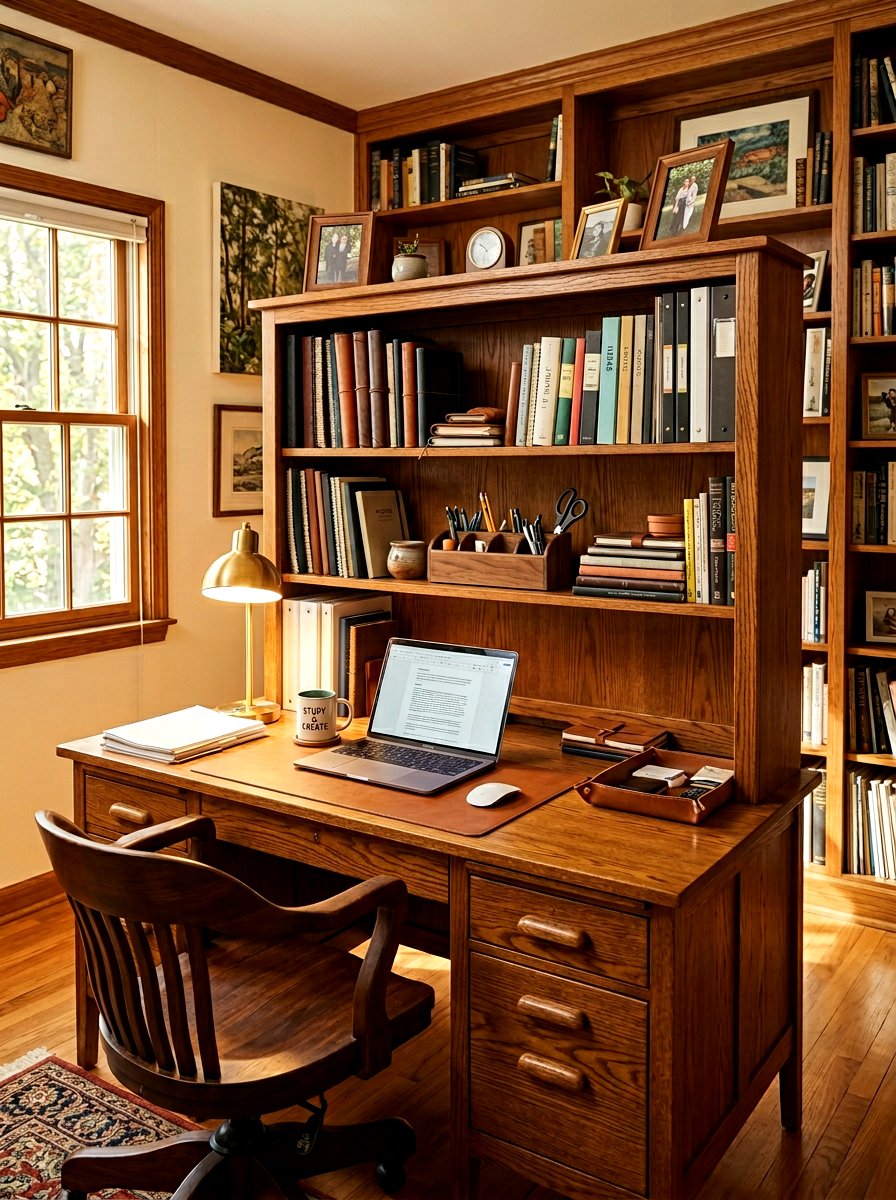
Adding a hutch shelf to the top of your desk provides extra vertical levels for organization without taking up more floor space. These small shelving units often sit on the back of the desk, giving you several cubbies to store your notebooks. You can use the lower cubbies for your daily planners and the higher ones for items you use less frequently. This creates a very cozy and "enclosed" feel to your workspace, which many people find helps them focus better. It keeps your desktop clear while putting all your favorite stationery right in front of you.
30. Shadow Box Frame
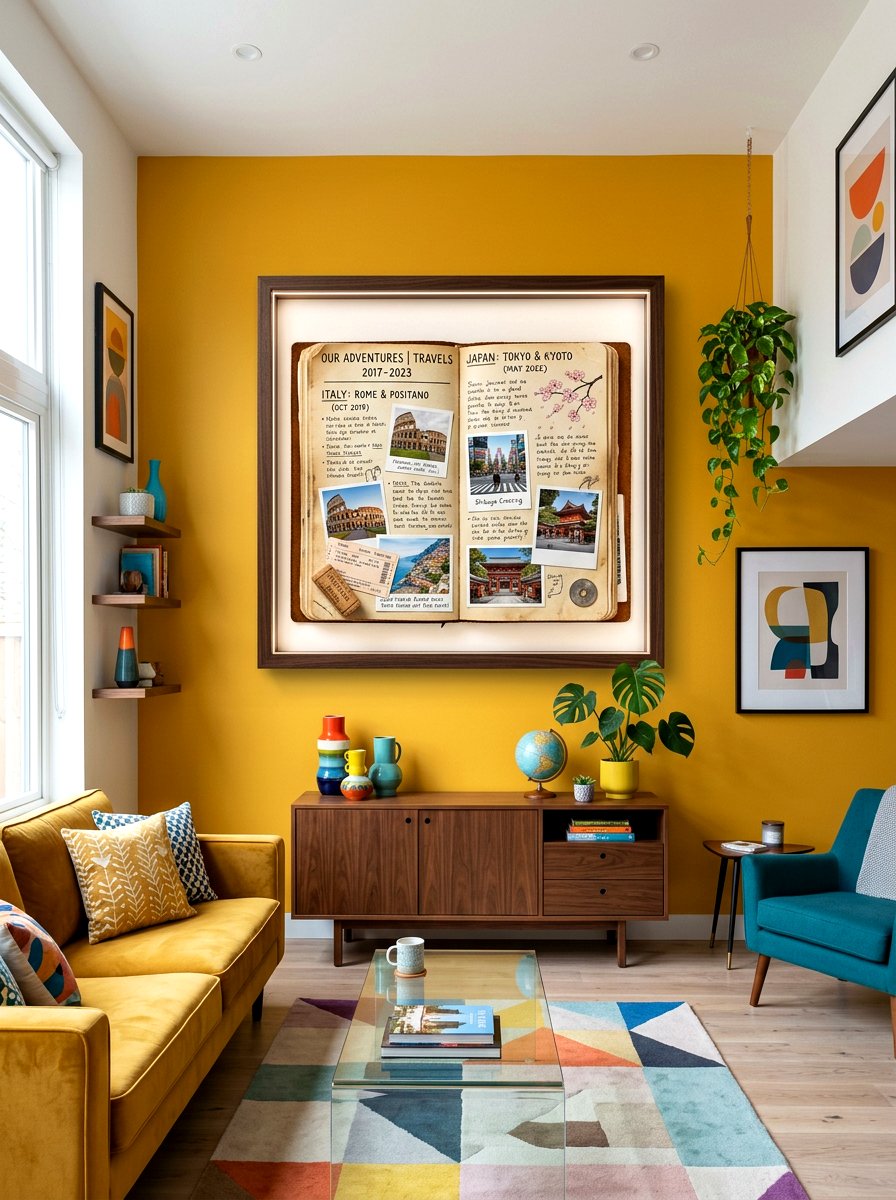
If you have a journal that is particularly special to you, such as a travel diary from a once-in-a-lifetime trip, a shadow box frame is a beautiful way to "store" it on the wall. This turns your notebook into a piece of meaningful home decor while keeping it safe from dust and handling. The deep frame allows the notebook to sit inside comfortably, and you can even include small mementos like ticket stubs or photos alongside it. This is the ultimate way to honor your creative journey and share your passion for journaling with anyone who visits your home.
Conclusion:
Finding the right notebook storage solution is about more than just cleaning up a mess; it is about respecting your creative process and honoring your personal history. When your journals have a dedicated, beautiful home, you are much more likely to use them consistently and feel inspired by your surroundings. From the high-tech hidden compartments of a modern desk to the rustic charm of a vintage wooden crate, there is a storage method that fits every personality and home style. Experiment with these different ideas to discover which one brings the most peace and order to your life. Happy organizing and happy writing!

Related posts: