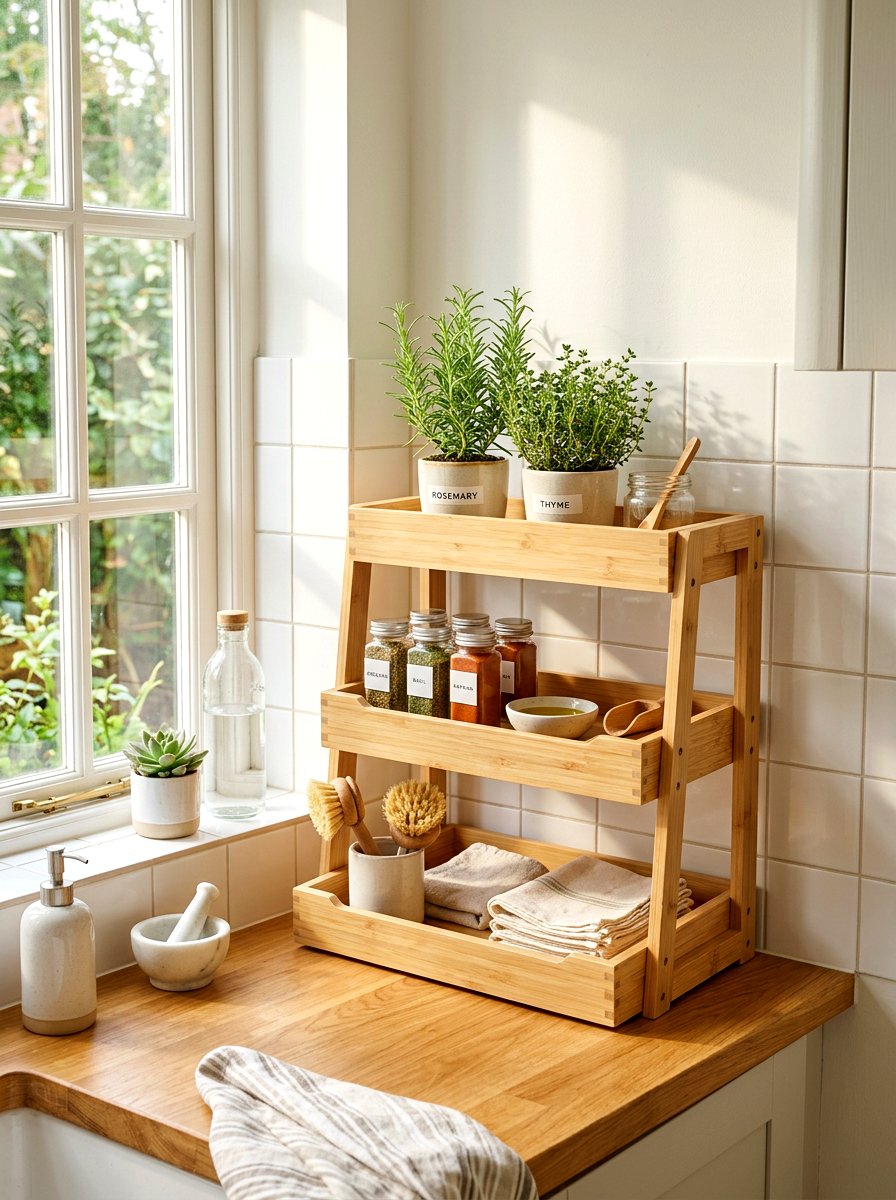
Managing the endless stream of school papers can feel like a full-time job for busy parents and students alike. From permission slips and graded homework to cherished art projects and report cards, the volume of physical documents quickly becomes overwhelming if you do not have a solid plan in place. Establishing a functional system helps reduce household clutter while ensuring that nothing important gets lost or forgotten in the shuffle. By creating designated zones for incoming mail, active projects, and long-term memories, you can transform a chaotic pile of paper into an organized and efficient workspace. This guide explores creative and practical ways to handle the paper trail with ease and style.

1. Wall Mounted File Organizer
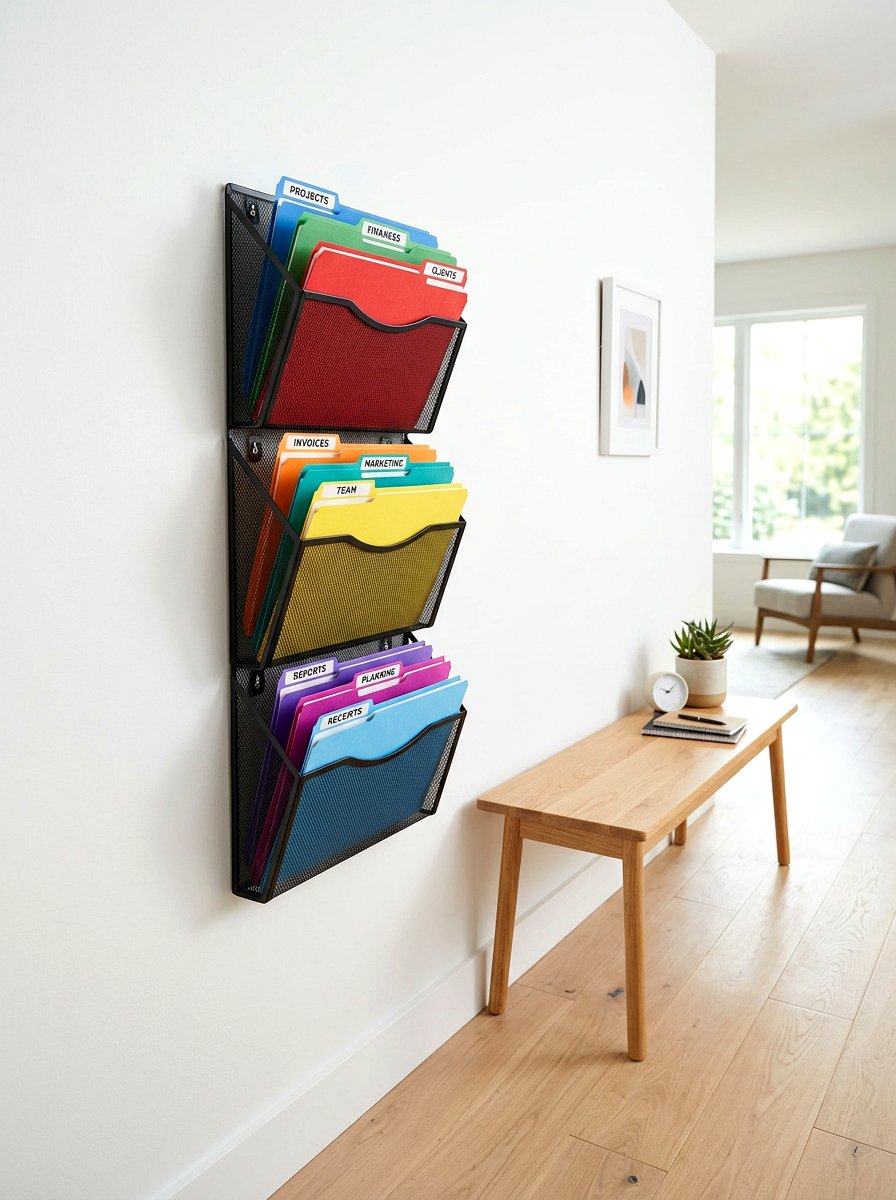
Installing a series of vertical pockets on an empty wall is a fantastic way to reclaim your kitchen counter space while keeping important school papers visible. You can assign a specific slot for each child or categorize folders by urgency, such as papers to sign or items to return to school. This setup works exceptionally well in high-traffic areas like mudrooms or hallways where everyone passes through daily. By utilizing vertical height, you prevent paper stacks from growing horizontally on furniture surfaces. Choosing sleek metal or colorful plastic bins allows you to match your home decor while maintaining a highly functional and accessible filing system for the entire family.
2. Student Command Center
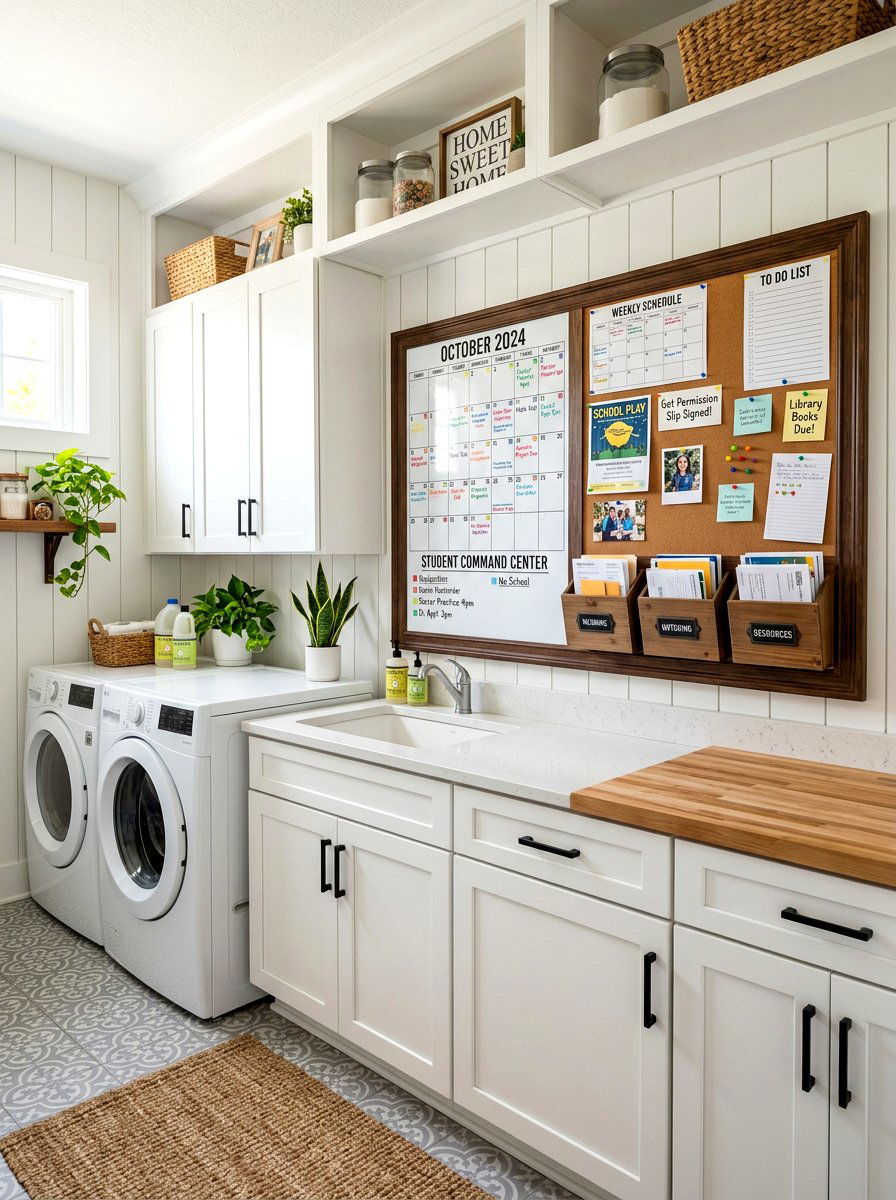
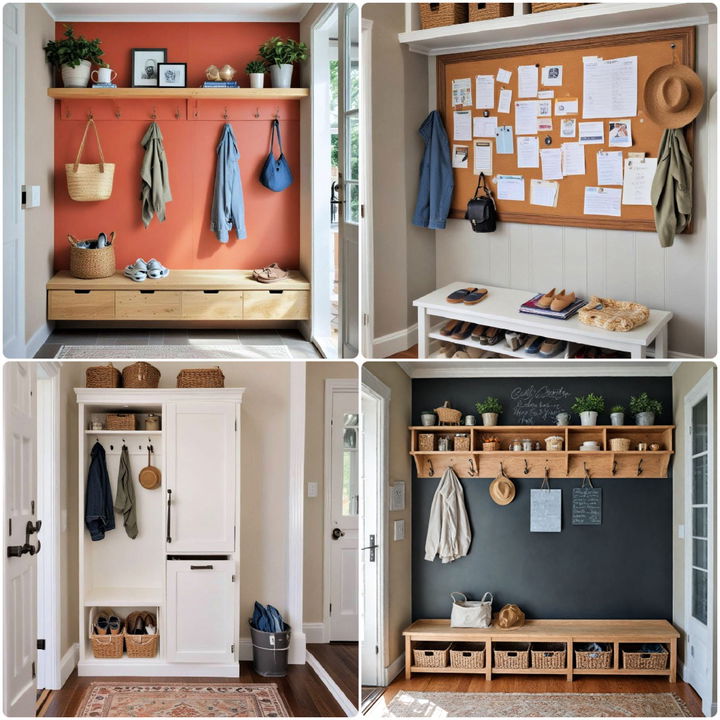
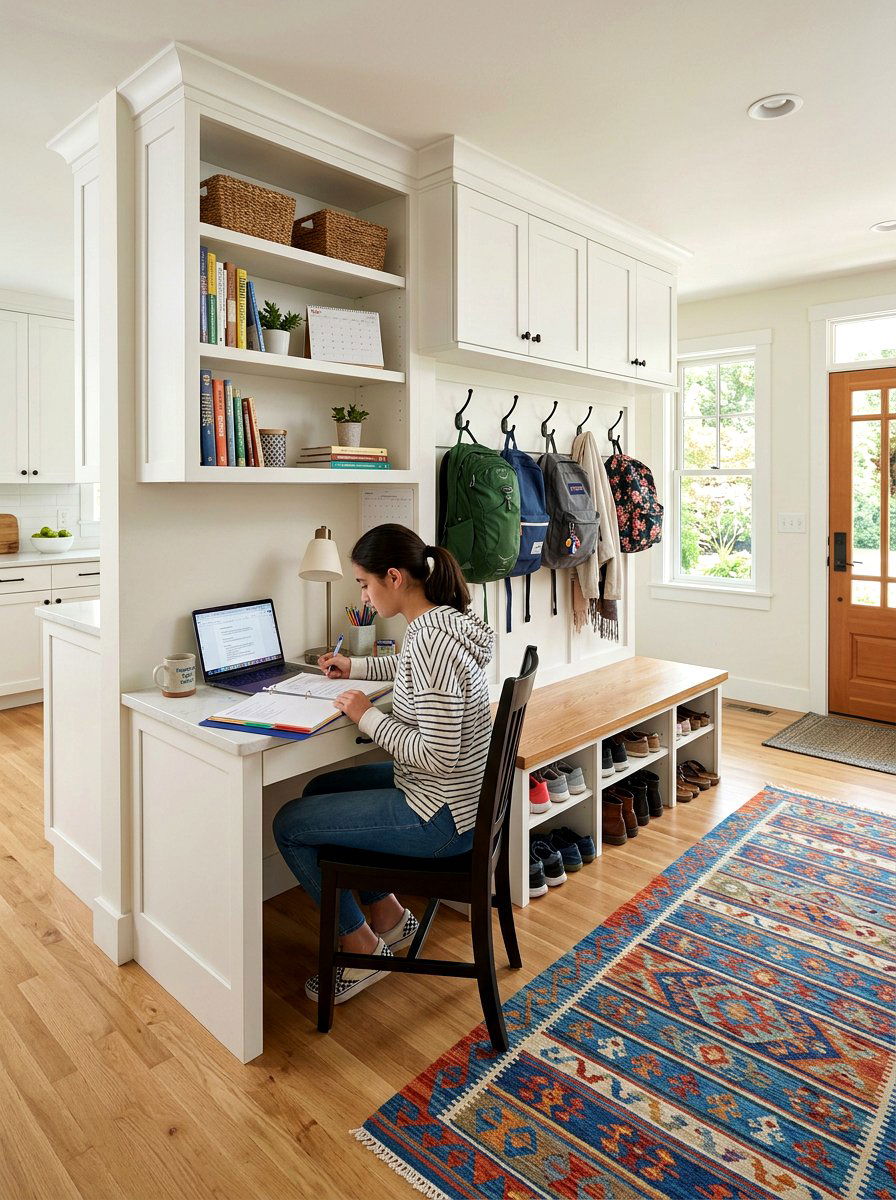
Creating a centralized hub in your home helps everyone stay on the same page regarding schedules and schoolwork. A dedicated command center usually features a large calendar, a whiteboard for notes, and designated baskets for each child’s daily folders. This space acts as the primary landing zone for everything that comes out of the backpack at the end of the day. When students know exactly where to put their permission slips and homework, the morning rush becomes much less stressful. Incorporating hooks for backpacks and a small charging station for school laptops makes this area a truly comprehensive resource for managing every aspect of the busy academic week.
3. School Years Memory Box
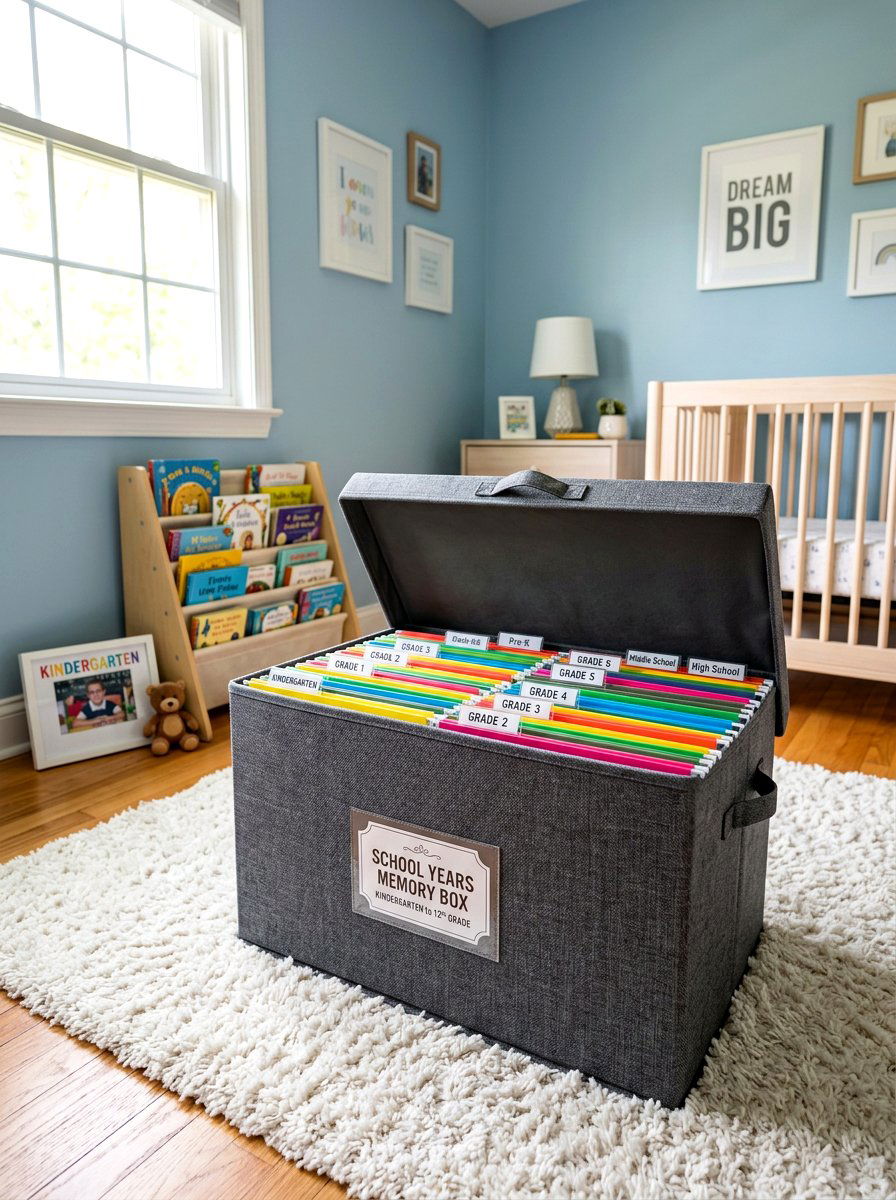
A memory box is a beautiful way to preserve the most special items from every grade level without letting them take over your living space. You can use a sturdy plastic bin or a decorative wooden chest fitted with hanging file folders labeled from preschool through high school. This system allows you to curate only the best artwork, writing samples, and report cards that truly represent your child's growth. By limiting the space to one box per child, you are forced to be intentional about what you keep. It creates a compact and organized archive that is easy to store in a closet or under a bed for years.
4. Accordion Folder System
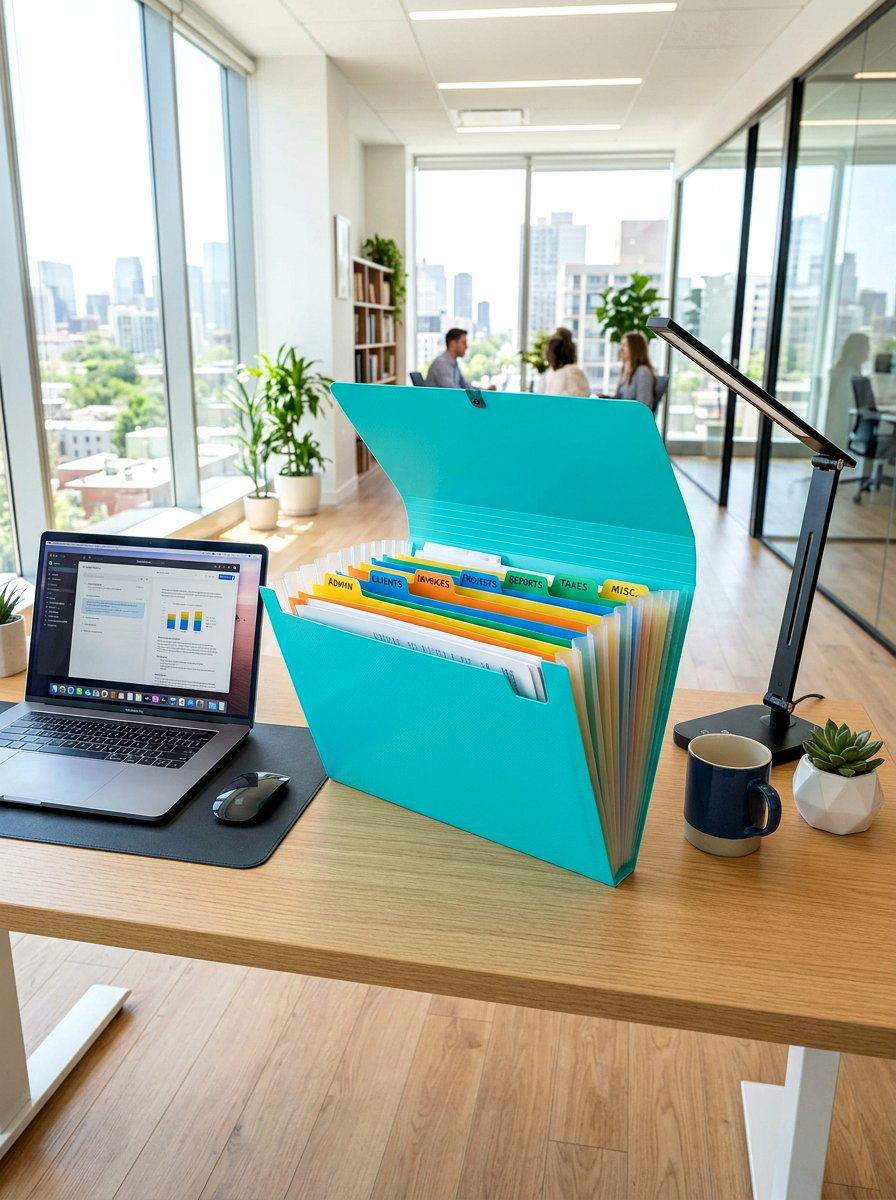
Using a portable accordion folder is a practical solution for students who need to keep their active schoolwork organized throughout the semester. These expandable files offer multiple tabs that can be labeled by subject, such as math, science, and history. This method prevents loose papers from getting crumpled at the bottom of a backpack and makes it easy for kids to find their assignments quickly. Because the folder is self-contained and lightweight, it can travel between school and home without any hassle. Selecting a durable plastic version ensures the papers stay protected from spills and wear during the busy school year.
5. Grade Level Binder
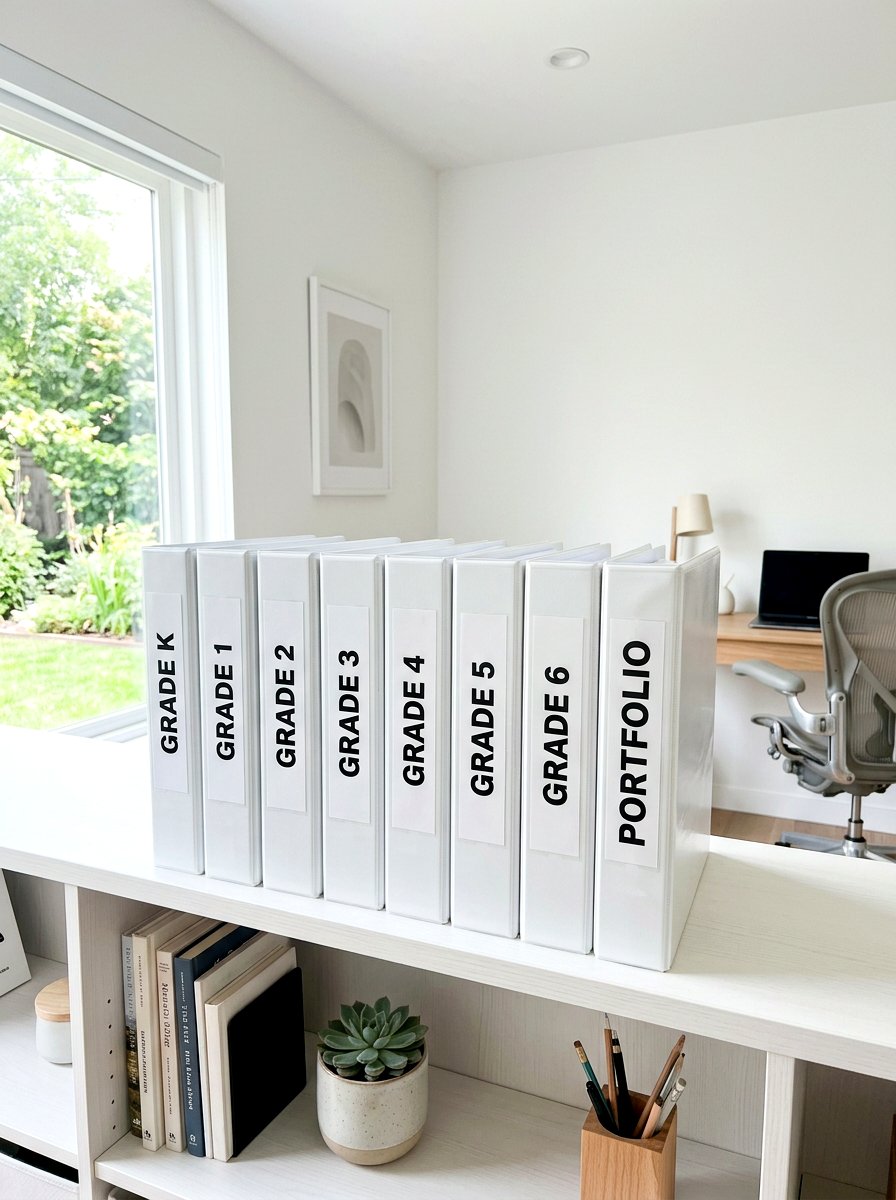
Binders offer a structured way to keep a chronological record of a student’s progress and achievements throughout a single school year. You can use sheet protectors to hold original documents, ensuring that report cards and certificates remain in pristine condition. Adding tabbed dividers for different quarters or subjects helps you organize the content so it is easy to flip through later. This approach is especially helpful for homeschooling families or parents who want a more tactile way to browse through their child's academic journey. Storing these binders on a bookshelf creates a neat and professional-looking library of your child’s educational history over time.
6. Kids Art Display Wall
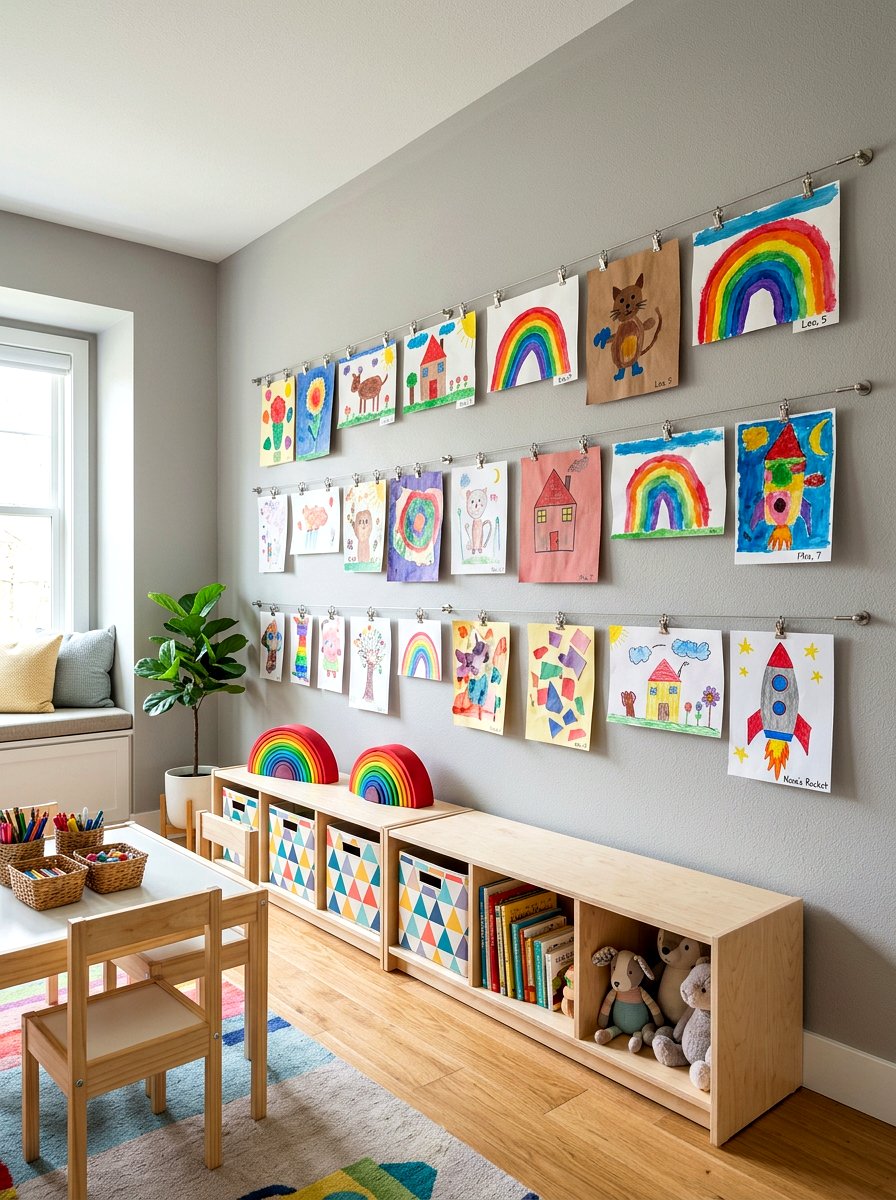
Instead of letting every painting and drawing pile up on the dining table, consider creating a dedicated gallery wall to showcase current favorites. You can use simple clipboards, magnetic strips, or even a basic wire with clothespins to hang the latest masterpieces. This gives the artwork a designated home and makes the child feel proud of their creative efforts. Once the display gets full, you can swap out the older pieces for new ones, moving the favorites into a permanent storage box. It is a dynamic way to handle the constant flow of art while adding a personal and colorful touch to your home.
7. Daily Action Tray
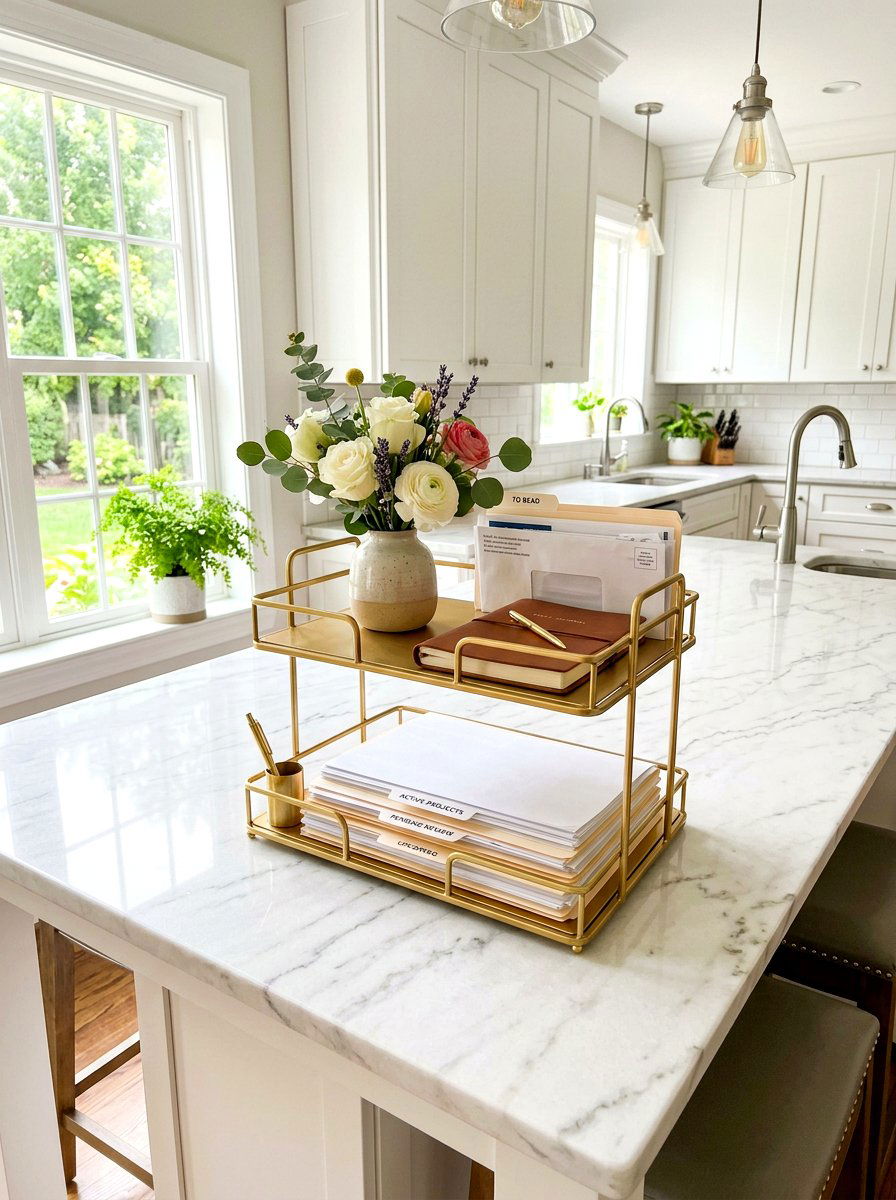
A simple tiered tray placed near the entryway serves as an effective filter for papers that require immediate attention from parents. The top tier can be used for items that need a signature, while the bottom tier holds papers that are ready to go back into the backpack. This visual system ensures that nothing gets buried under mail or groceries on the kitchen island. By clearing the tray every evening, you maintain a rhythm of organization that prevents backlog. It is an approachable method for families who prefer a minimalist setup that does not require complicated filing or expensive office equipment to maintain daily.
8. Homework Folder Station
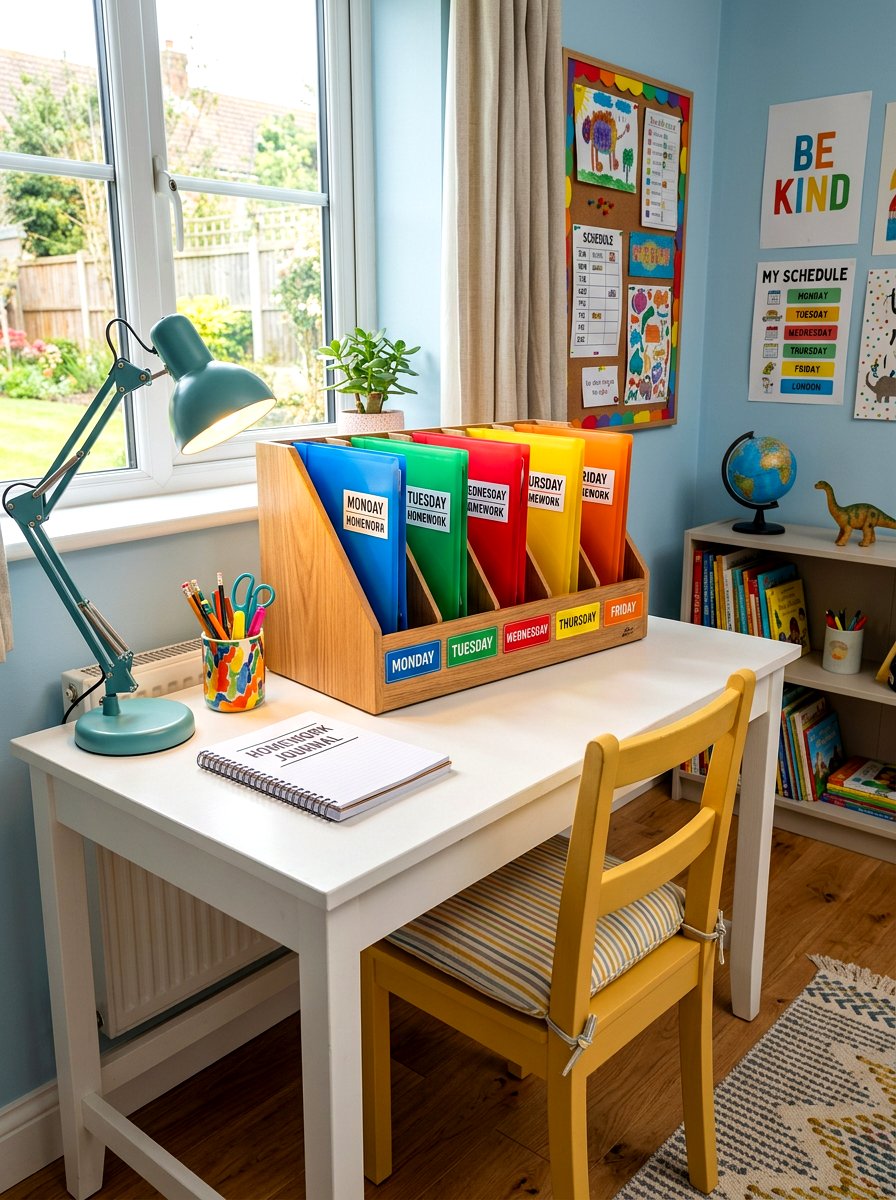
Designating a specific area for homework folders helps students transition from school time to study time as soon as they get home. You can use a desktop magazine rack or a small wooden bin to hold the folders that need to be completed that night. Having a set location for these items eliminates the frantic search for missing worksheets when it is time to sit down and work. This station should be located near where the child usually does their homework, such as a desk or the kitchen table. Keeping the area stocked with pencils and erasers further enhances the efficiency of this organized study environment.
9. Color Coded Hanging Folders
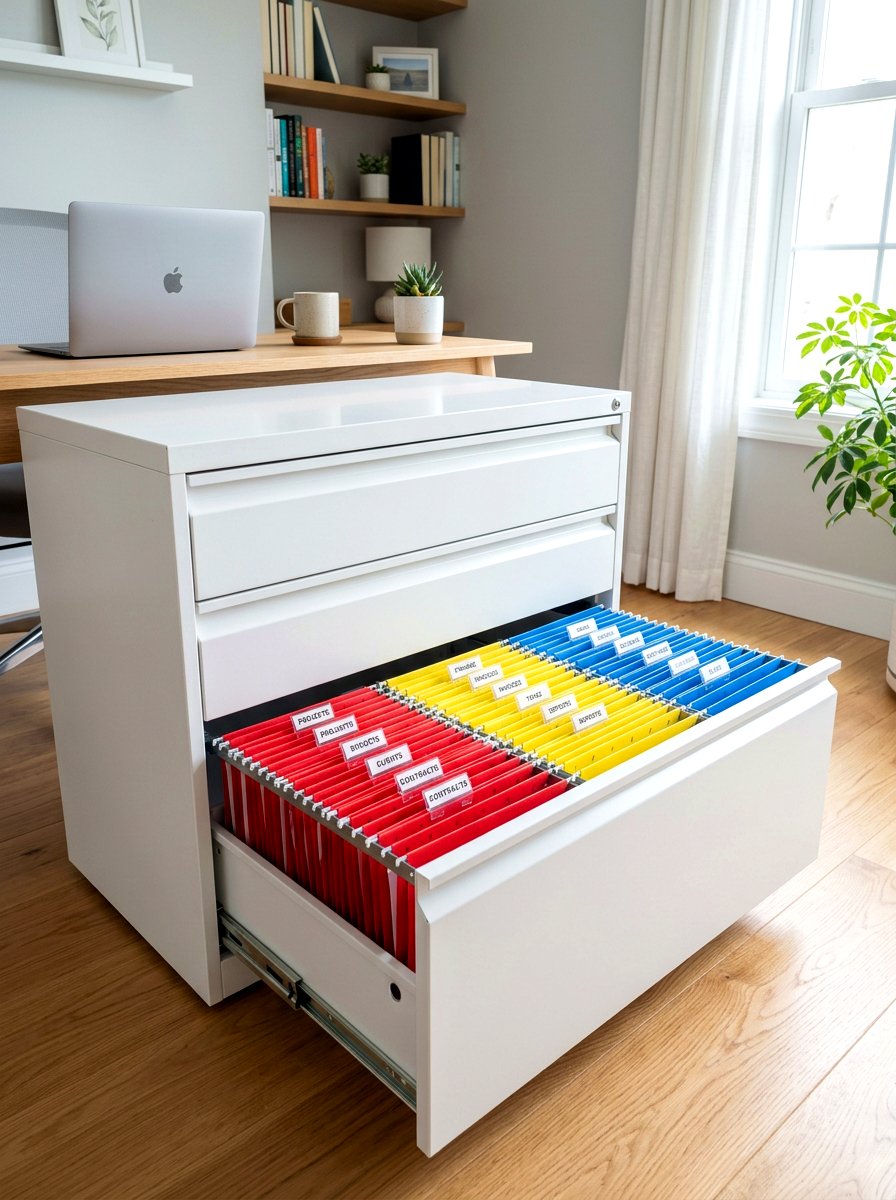
Color coding is a powerful visual tool that makes filing and retrieving school papers much faster and more intuitive for everyone. You can assign a specific color to each child, such as blue for one sibling and yellow for another, across all their organizational bins. This helps you instantly identify whose papers are in a stack without having to read every label. Within a single child’s file, you can also use colors to distinguish between medical records, academic reports, and extracurricular activities. This vibrant system reduces the cognitive load of organizing and makes the process of filing feel much less like a tedious chore for busy parents.
10. Desktop Mail Sorter
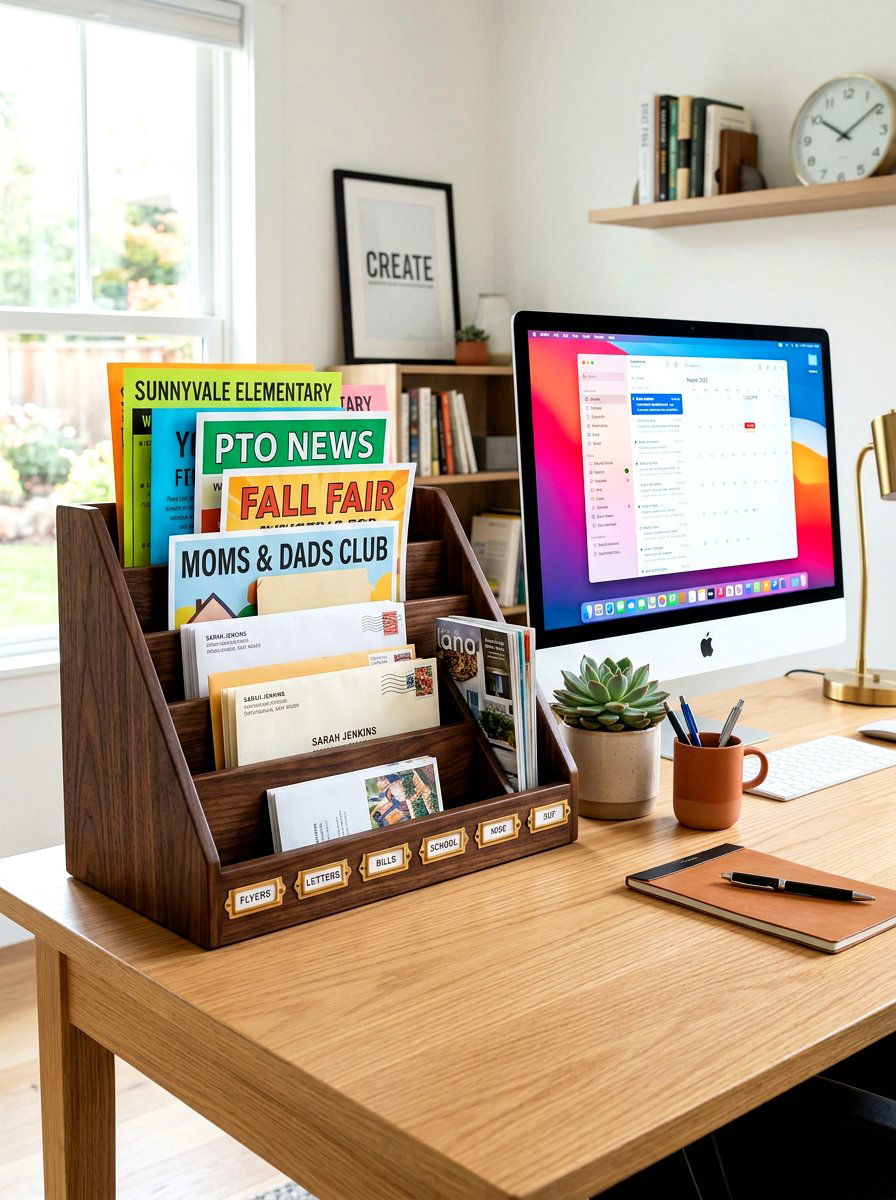
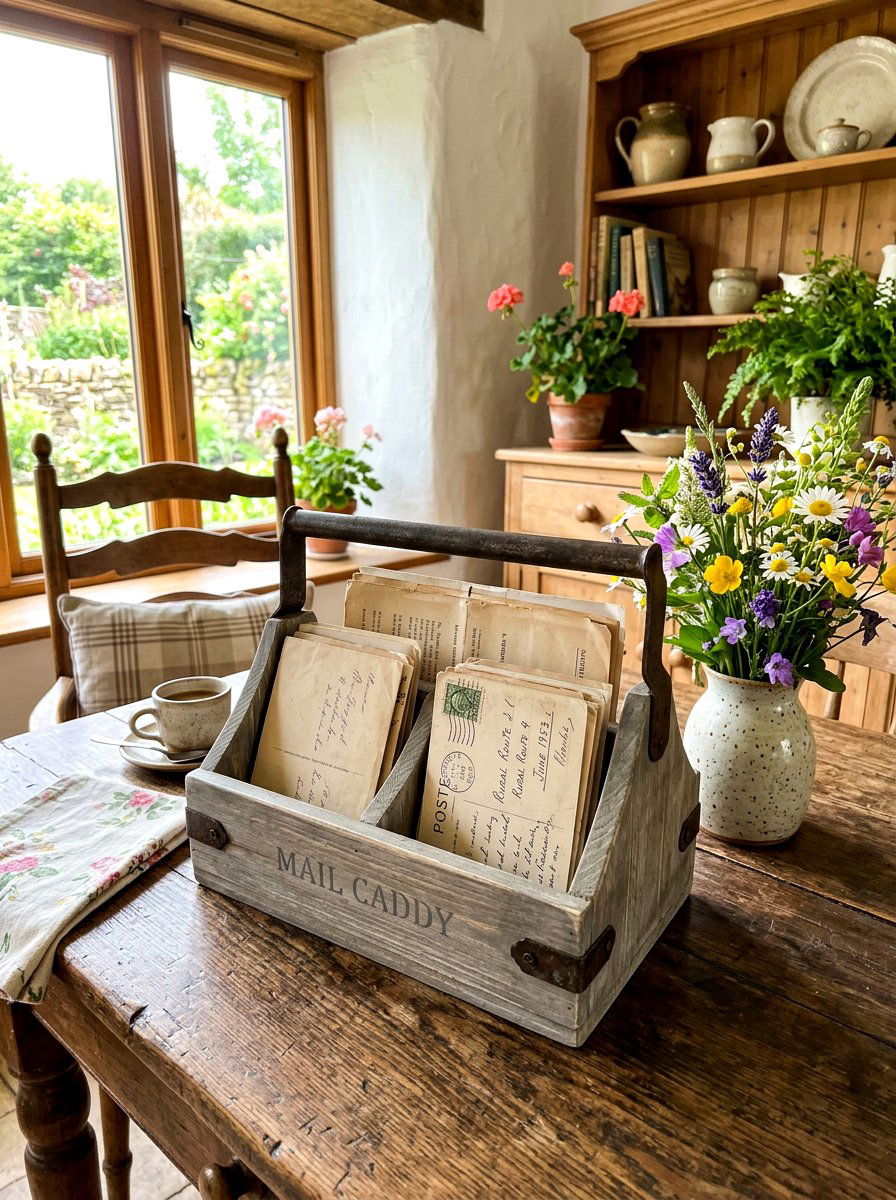
A compact desktop mail sorter is a versatile tool for managing smaller slips of paper like invitations, raffle tickets, and school lunch menus. These sorters usually feature several thin slots that keep papers upright and easy to see at a glance. Placing one on a kitchen counter or a desk provides a neat spot for those miscellaneous items that often get lost in larger piles. It encourages you to deal with small tasks immediately rather than letting them accumulate into a giant mess. The small footprint of a mail sorter makes it ideal for homes with limited space that still need a dedicated paper management system.
11. Over The Door Shoe Organizer
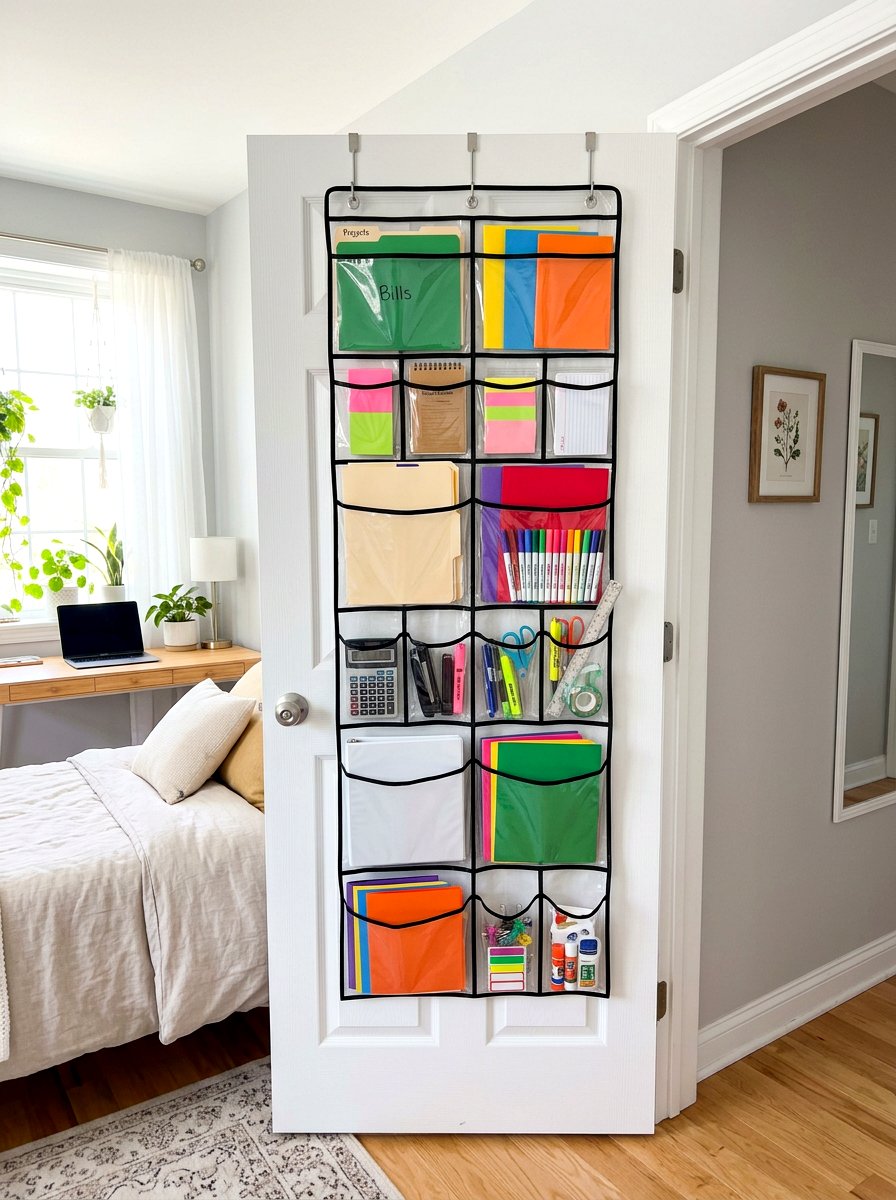
Using a clear over-the-door shoe organizer is a clever way to turn wasted space into a multi-functional paper and supply station. Each transparent pocket can hold different categories of school documents, such as flyers, lunch menus, or blank notebook paper. Because the pockets are clear, children can easily see what is inside, making it easier for them to stay organized without constant parental guidance. This method is particularly effective for small bedrooms or apartments where floor and desk space are at a premium. Beyond just papers, the pockets can also hold calculators, pens, and other school essentials, keeping everything contained in one vertical location.
12. Magnetic Fridge Paper Bin
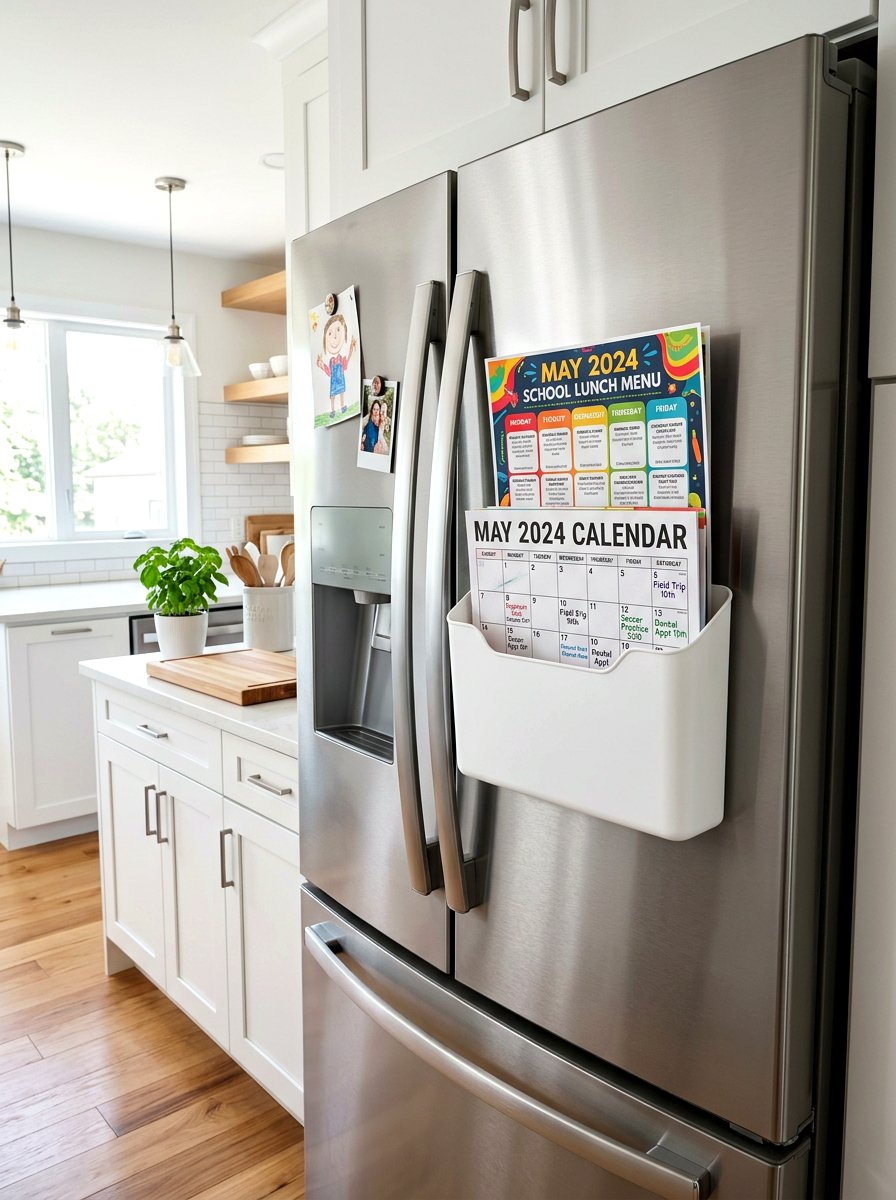
The refrigerator is the heart of most homes, making it a prime location for managing the most urgent school papers. A magnetic bin or pocket attached to the side of the fridge can hold the current week’s calendar, lunch menu, and permission slips. This keeps these high-priority items at eye level where they are impossible to ignore during the morning breakfast routine. Using a magnetic system avoids the need for drilling holes in walls and allows you to move the organizer as needed. It is a simple yet highly effective way to ensure that the most time-sensitive documents stay front and center for the whole family.
13. Personalized Clipboard Storage
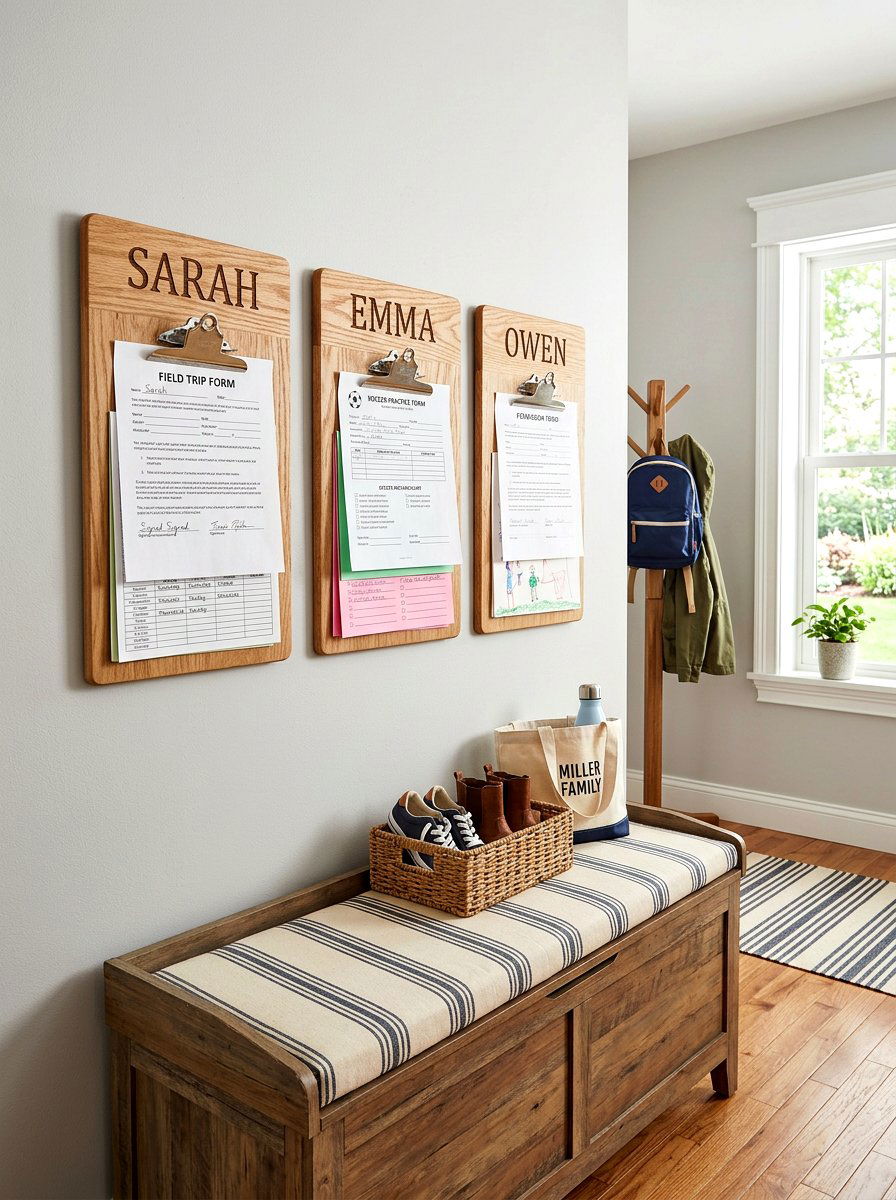
Giving each child their own personalized clipboard provides a portable and rigid surface for handling papers that need to be filled out. You can hang these clipboards on the wall using small hooks to create a functional and decorative display in a mudroom or office. When a child comes home with a form, they can clip it directly onto their board for a parent to review later that evening. This system keeps papers flat and protected while also serving as a clear visual reminder of tasks that are still pending. Decorating the clipboards with names or stickers adds a fun element that encourages kids to participate in the process.
14. Digital Archive Scanning
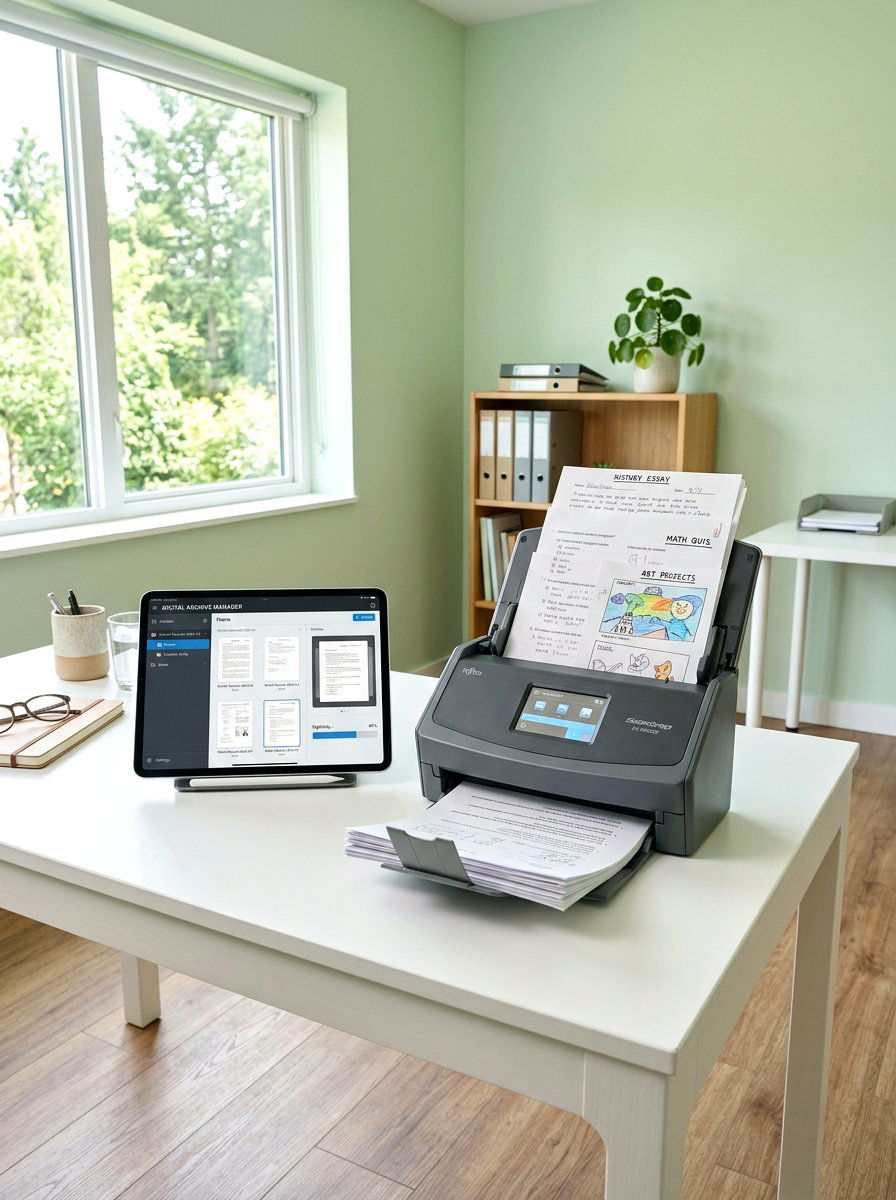
For families who want to go paperless, using a scanner or a high-quality mobile app to digitize school papers is a game-changing strategy. You can quickly scan report cards, certificates, and even artwork to save them in organized folders on a cloud drive. This significantly reduces physical clutter while ensuring that your child’s records are backed up and easily searchable from any device. Once a document is scanned and saved, you can decide whether to recycle the original or keep only the most sentimental physical copies. Digital archiving is a modern approach that simplifies long-term storage and makes sharing memories with distant relatives incredibly easy.
15. Keepsake Portfolio Book
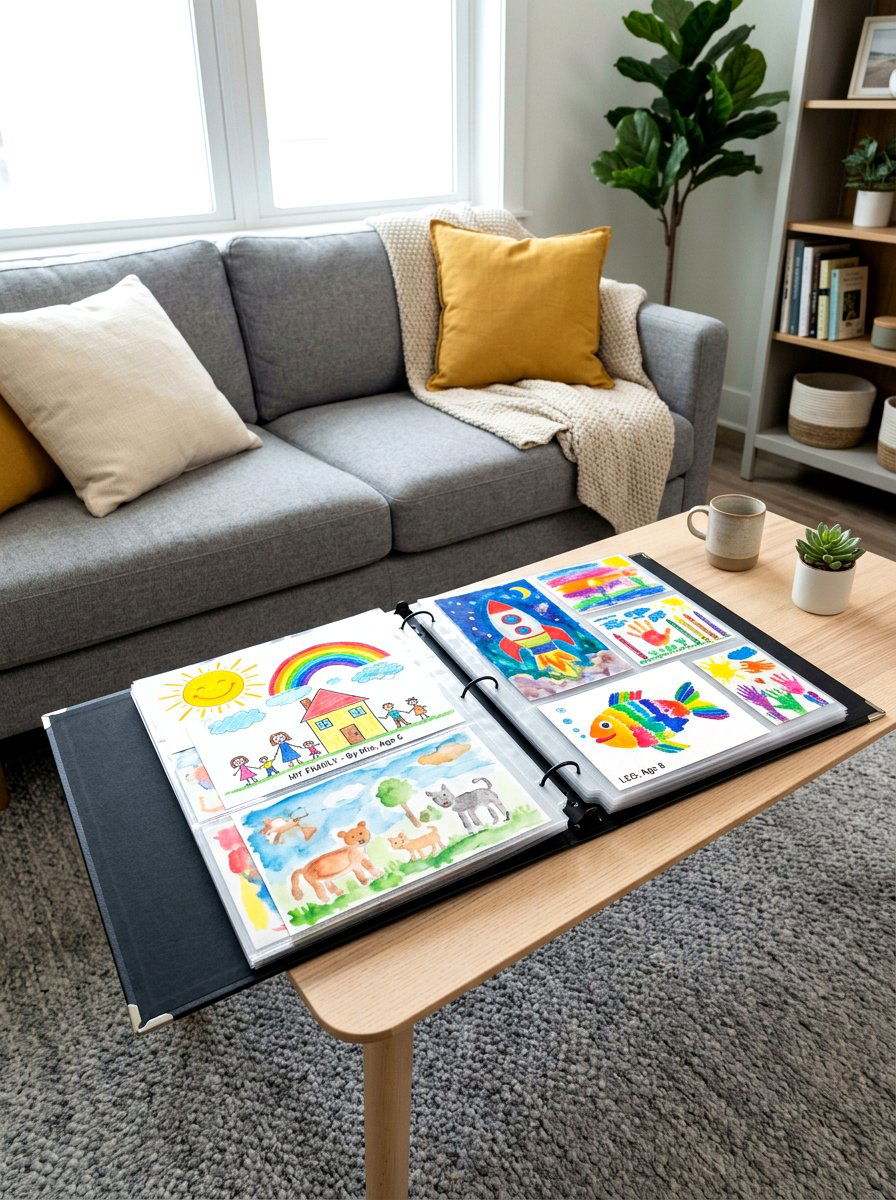
A portfolio book with built-in plastic sleeves is an excellent choice for organizing and protecting large pieces of art or special projects. Unlike standard binders, these books often come in larger sizes that accommodate oversized drawings and posters without the need for folding. The clear sleeves allow you to view the work from both sides and keep it safe from fingerprints, dust, and moisture over time. This method turns a collection of school papers into a high-quality coffee table book that is easy for the family to enjoy together. It provides a professional and polished way to preserve the highlights of a child's creative and academic journey.
16. Floating Shelf Inbox
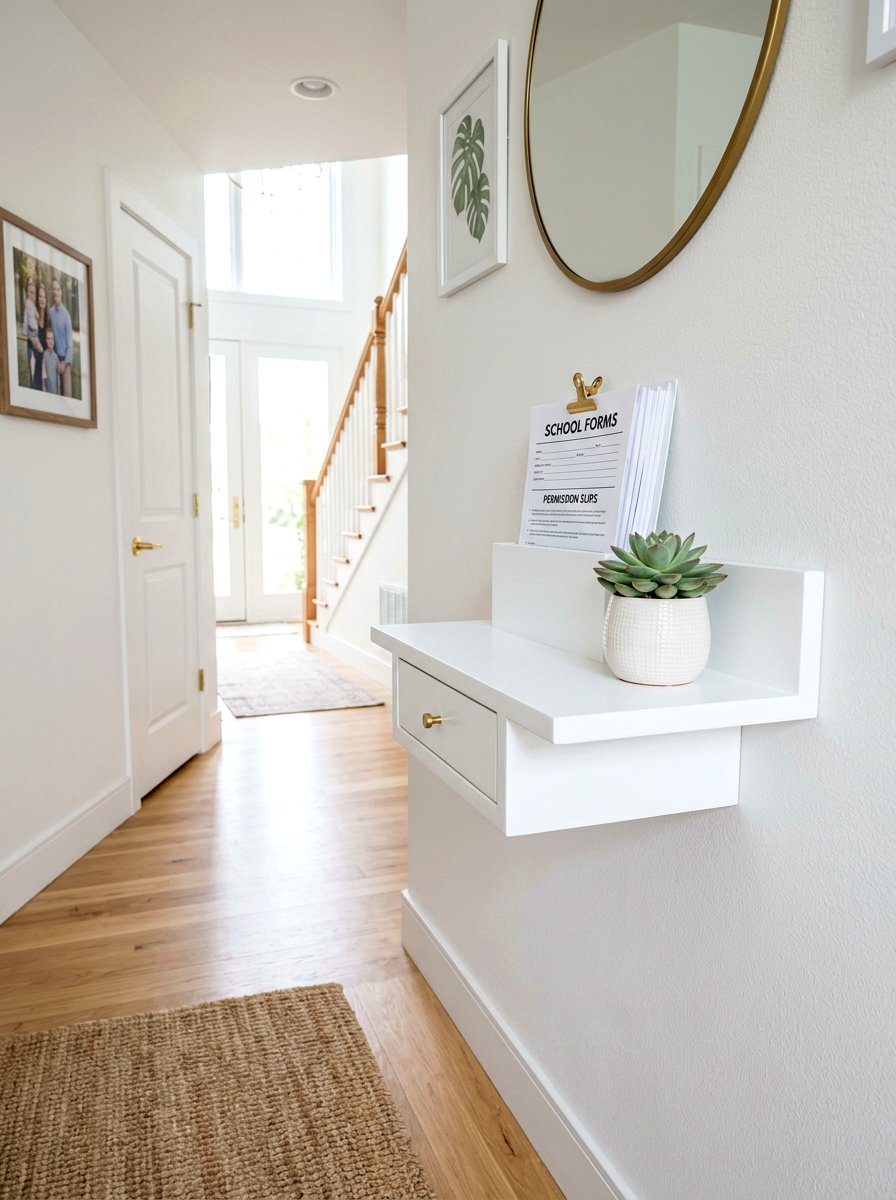
Installing a small floating shelf with a built-in drawer or a simple tray creates a sophisticated inbox for school documents in an entryway. This design choice blends seamlessly with modern home decor while providing a specific destination for incoming paper trails. You can use the shelf surface for a small decorative plant or a lamp, while the area beneath or inside holds the active school files. This approach keeps the papers organized but tucked away from plain view, maintaining a clean and tidy aesthetic in your living space. It is a perfect solution for parents who want organizational functionality without sacrificing their home's interior design style.
17. Rolling Utility Cart
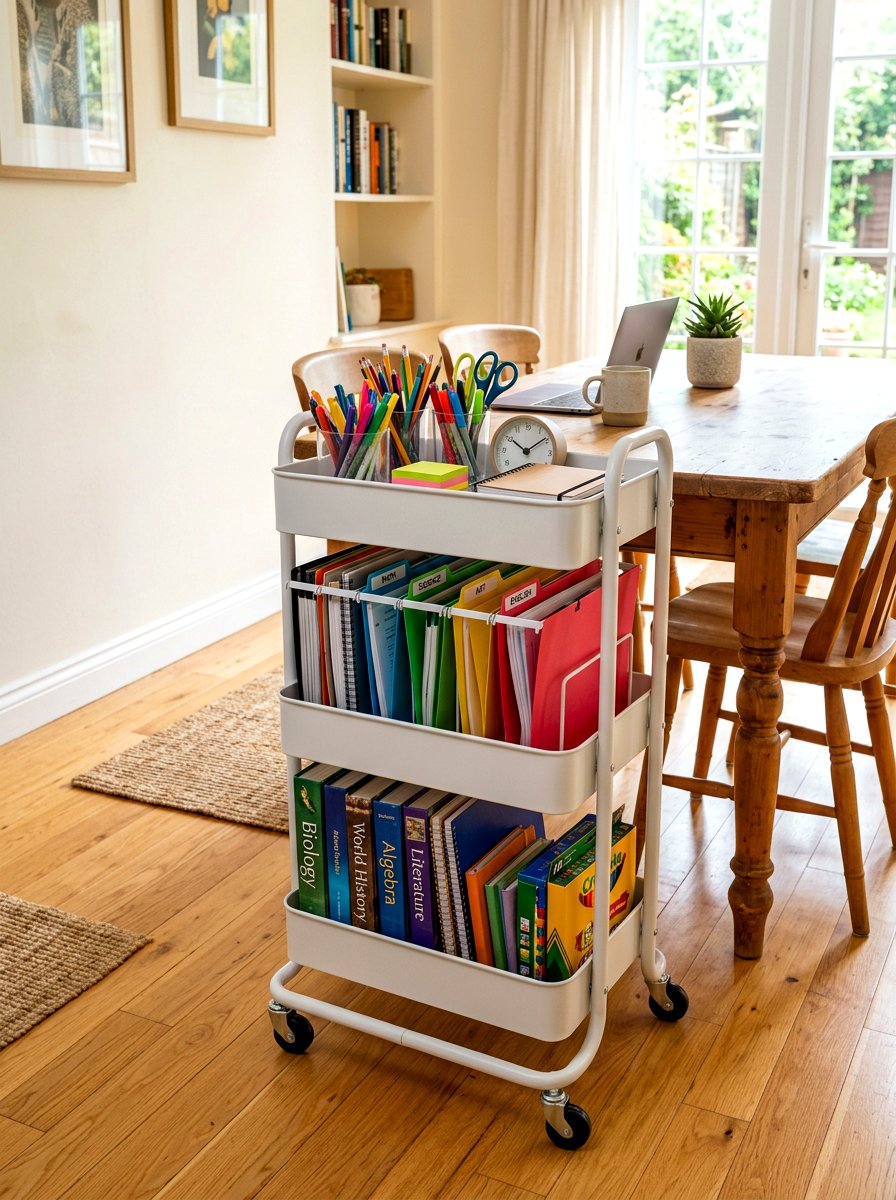
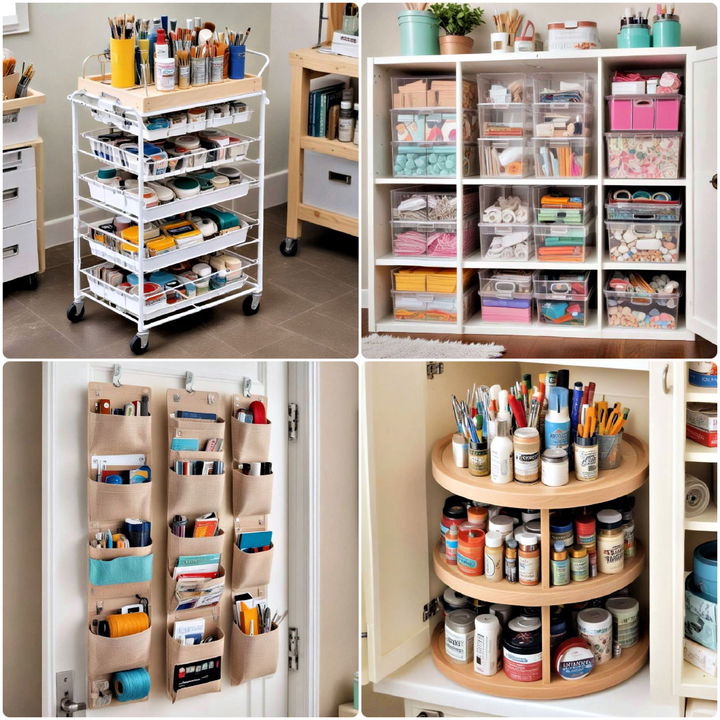
A rolling metal utility cart offers a flexible and mobile solution for organizing school papers and supplies for multiple children. You can assign each tier of the cart to a different child or use the levels to separate papers by their current status. For example, the top shelf could be for new papers, the middle for active homework, and the bottom for supplies like paper and folders. Because the cart is on wheels, it can be moved from the kitchen to the living room or tucked into a closet when guests arrive. This versatility makes it a favorite for families who need a central station that can adapt to different daily needs.
18. Cabinet Door Pocket
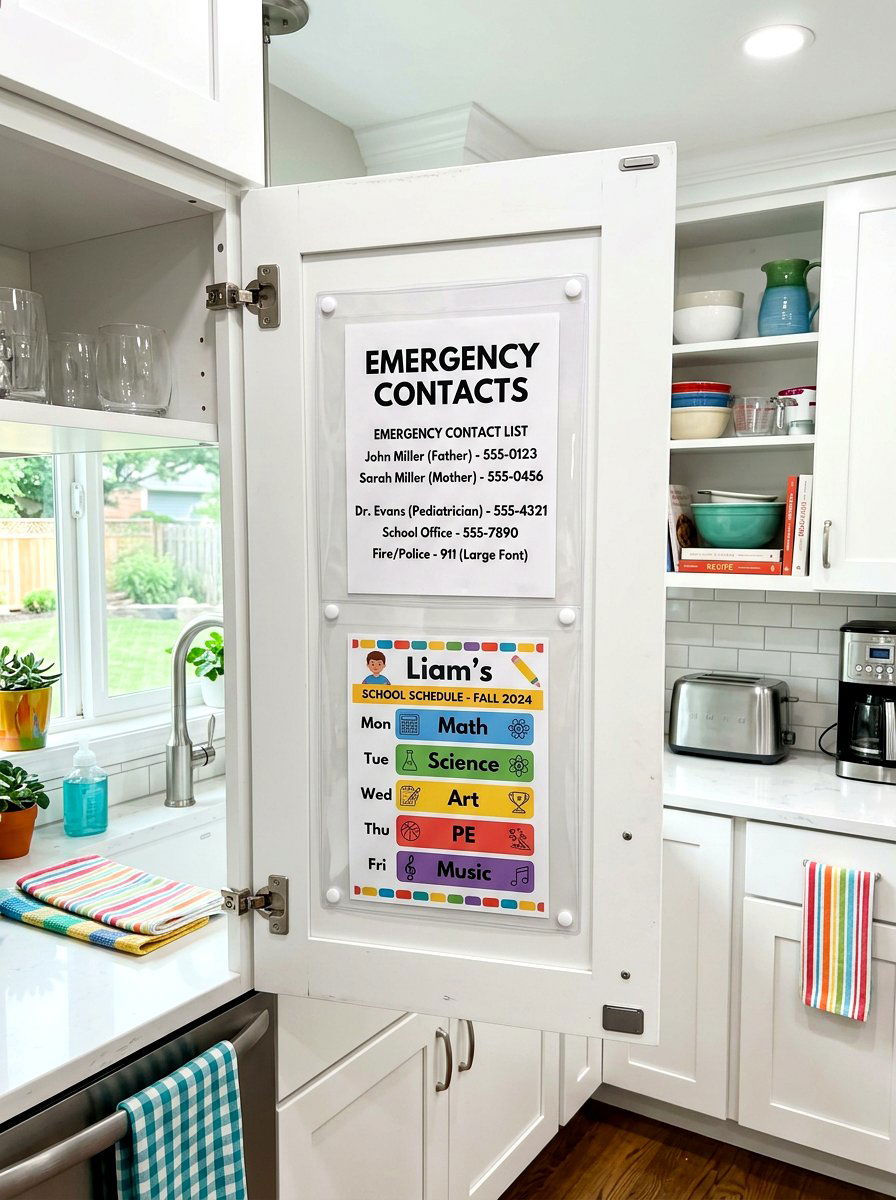
The inside of a kitchen or office cabinet door is a hidden goldmine for paper organization that keeps clutter completely out of sight. You can attach slim adhesive pockets or plastic sleeves to the back of the door to hold important reference documents like school contact lists. This is an ideal spot for items you need to access frequently but don’t necessarily want on display on your walls or counters. Whenever you need to check a teacher 's email or the school' s holiday schedule, you simply swing the door open for a quick glance. It is a brilliant way to utilize every inch of available storage space in a busy home.
19. Under Bed Document Box
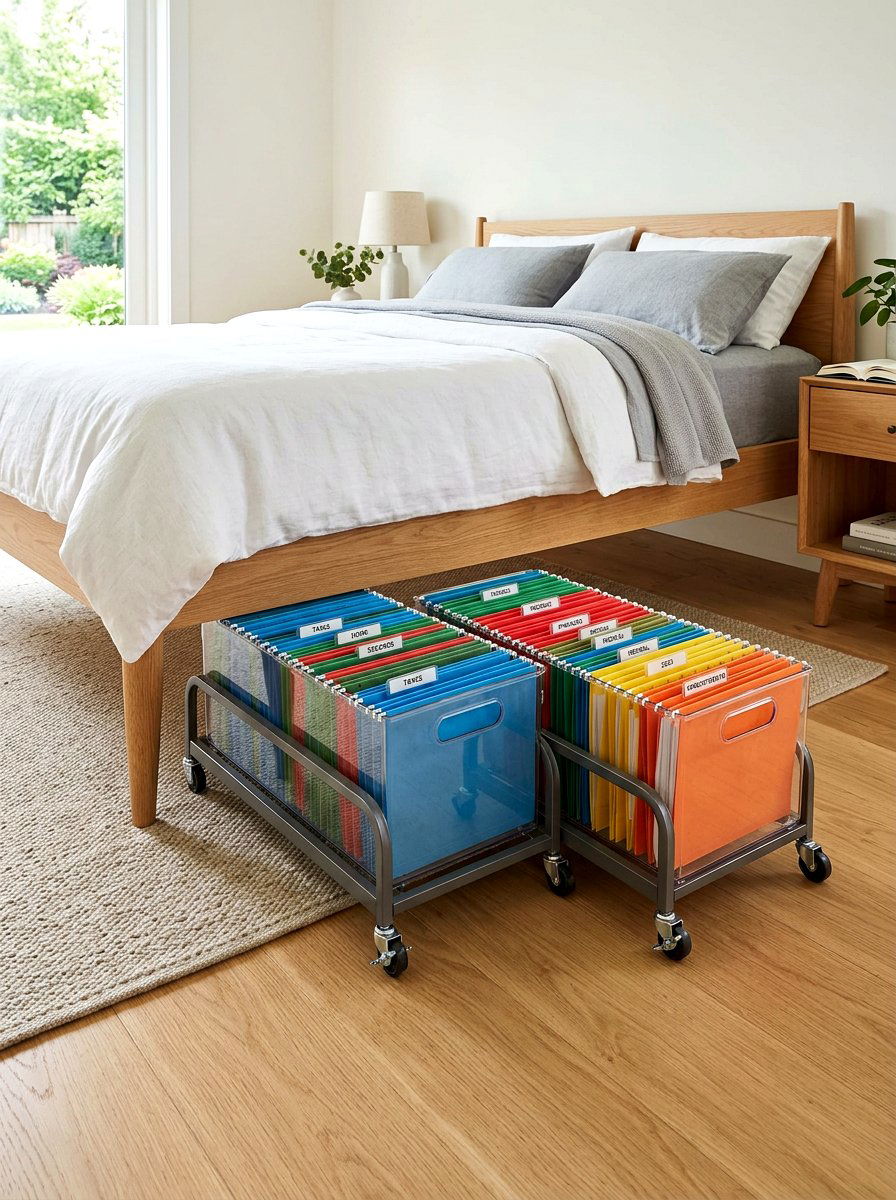
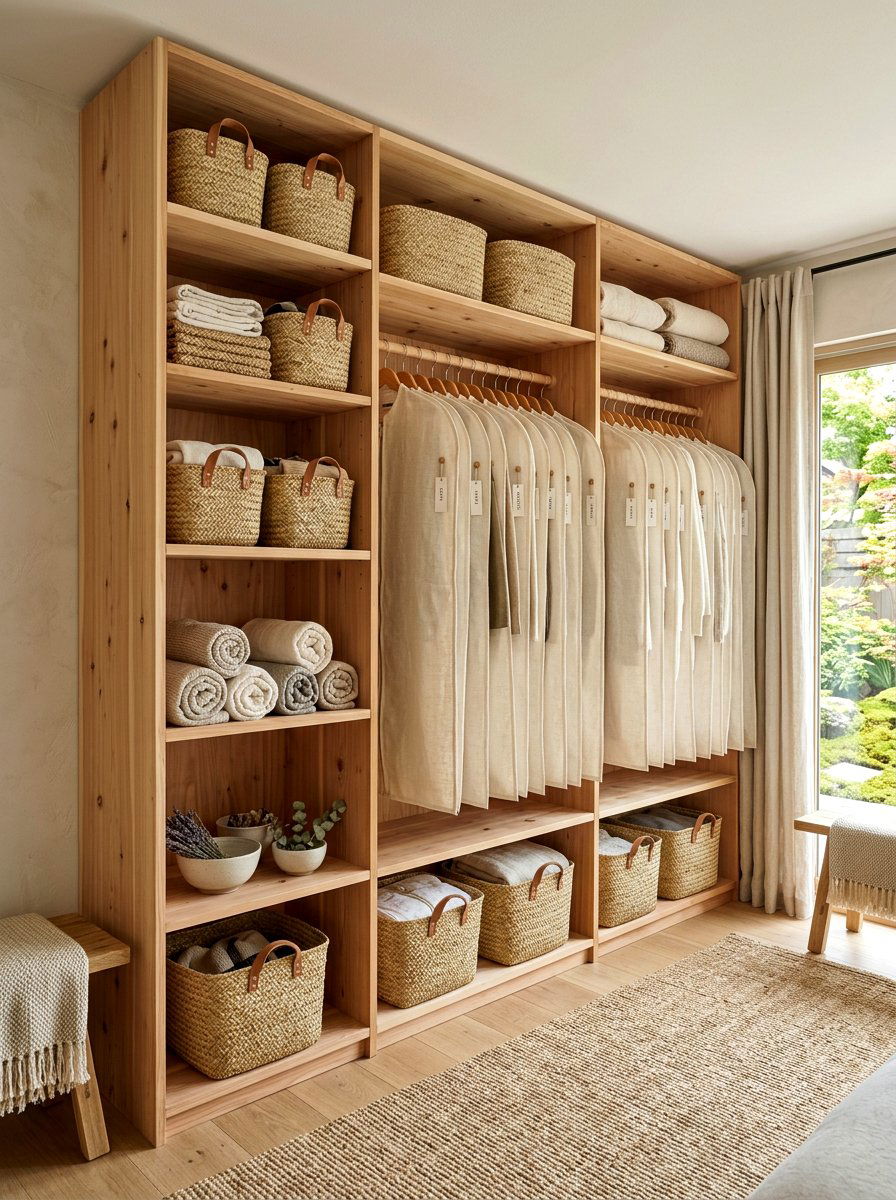
Long-term storage of school papers that you aren 't ready to throw away can be managed effectively with slim boxes designed to slide under a bed. These containers are perfect for holding old notebooks, completed workbooks, and tests that you might want to reference in the future. Because they are tucked away, they don' t take up valuable closet or shelf space that is needed for daily items. Using clear bins allows you to see the contents at a glance, while labeled opaque boxes provide a cleaner look. This storage method keeps the papers protected from dust and damage while keeping them accessible if you ever need to retrieve them.
20. School Supply Caddy
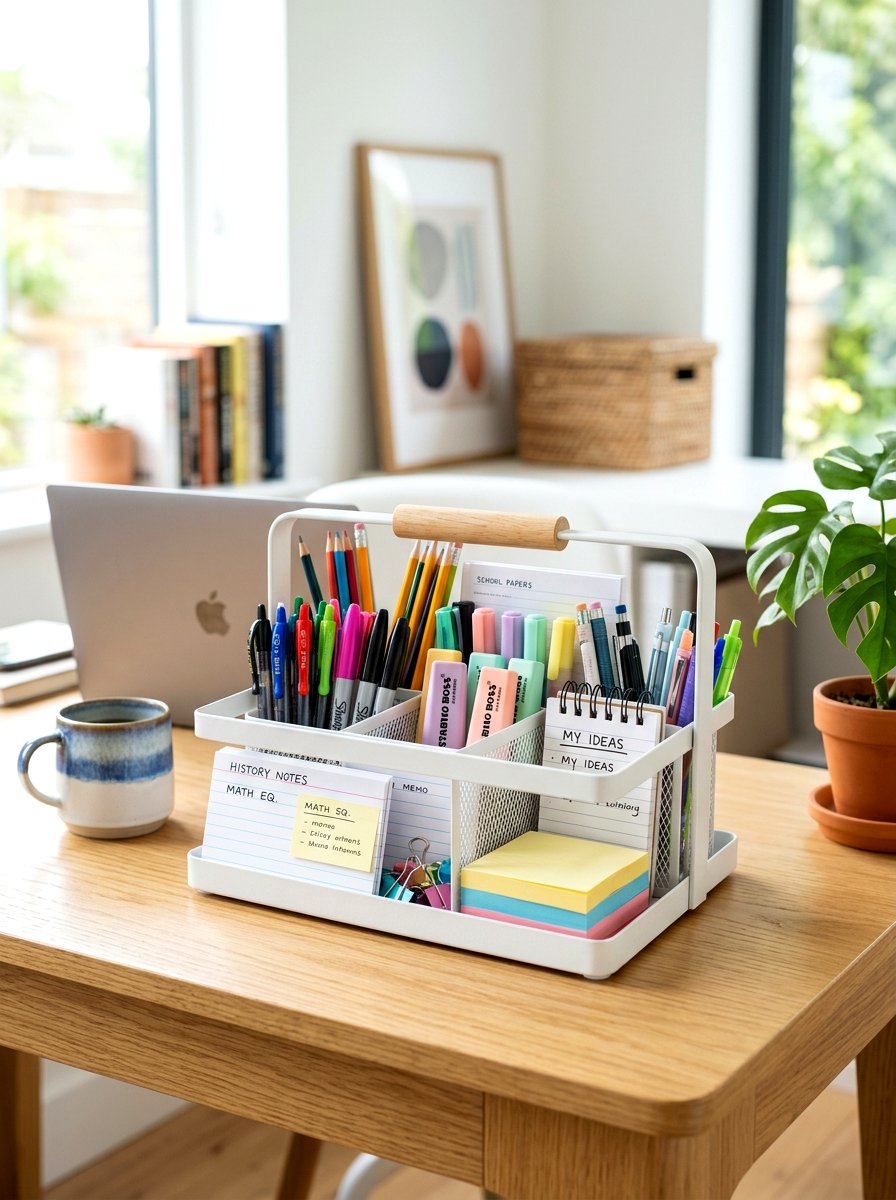
While primarily used for pens and markers, a divided supply caddy can also be used to sort smaller school papers and flashcards. The different compartments allow you to keep index cards, small notes from teachers, and permission slips separate and organized in one portable container. This is particularly useful for students who study in different areas of the house and need to bring their essential papers with them. Choosing a caddy with a handle makes it easy for even young children to move their "mobile office" from the bedroom to the dining table. It keeps the desktop clear of loose scraps and ensures every little paper has its place.
21. Bulletin Board Grid
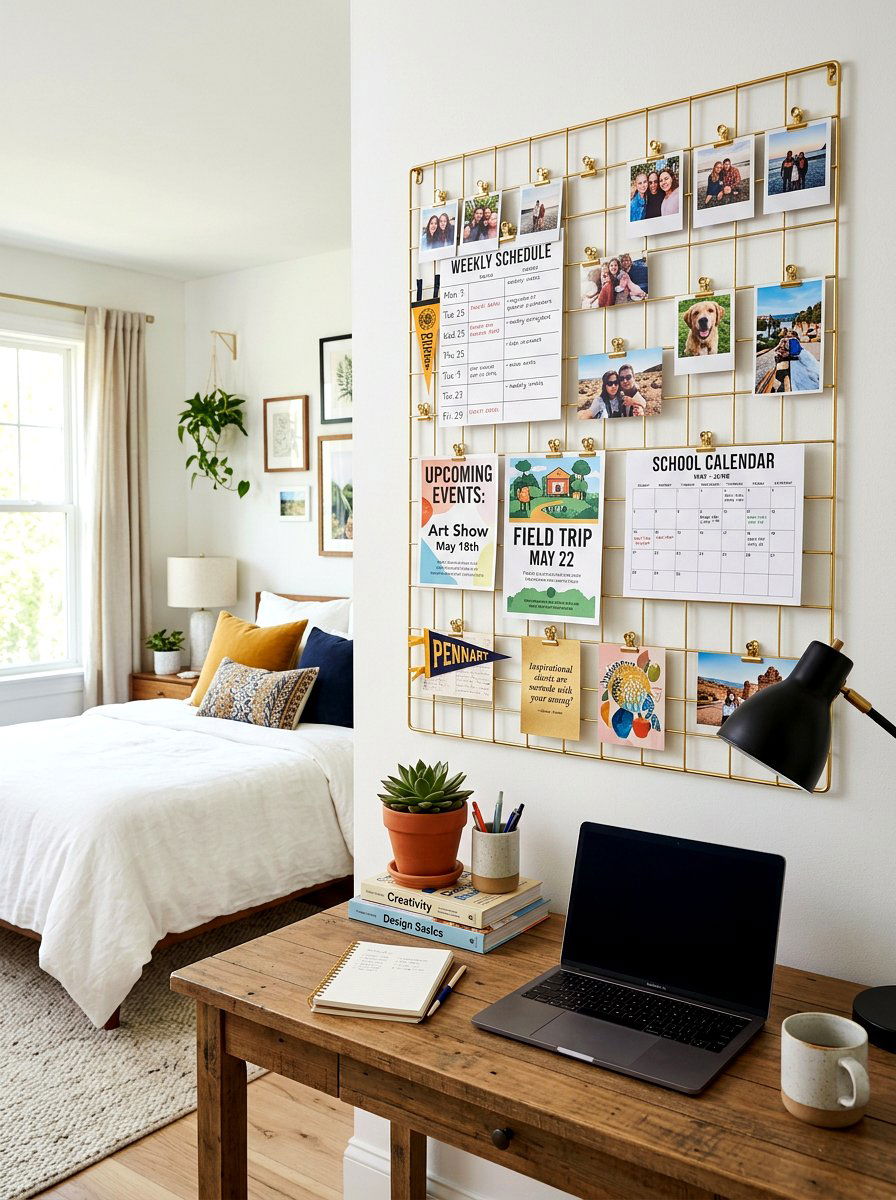
A wire wall grid or a traditional cork bulletin board provides a highly visual and customizable way to pin up important school notices. You can use clips or push pins to attach the current week's schedule, sports calendars, and reminders about upcoming school events. This system allows you to layer papers and rearrange them easily as priorities shift throughout the month. It acts as a focal point for the family to check every morning before heading out the door. Adding a few decorative photos or inspirational quotes alongside the school papers makes the board feel like a personalized piece of wall art rather than just a chore list.
22. Magazine File Holder
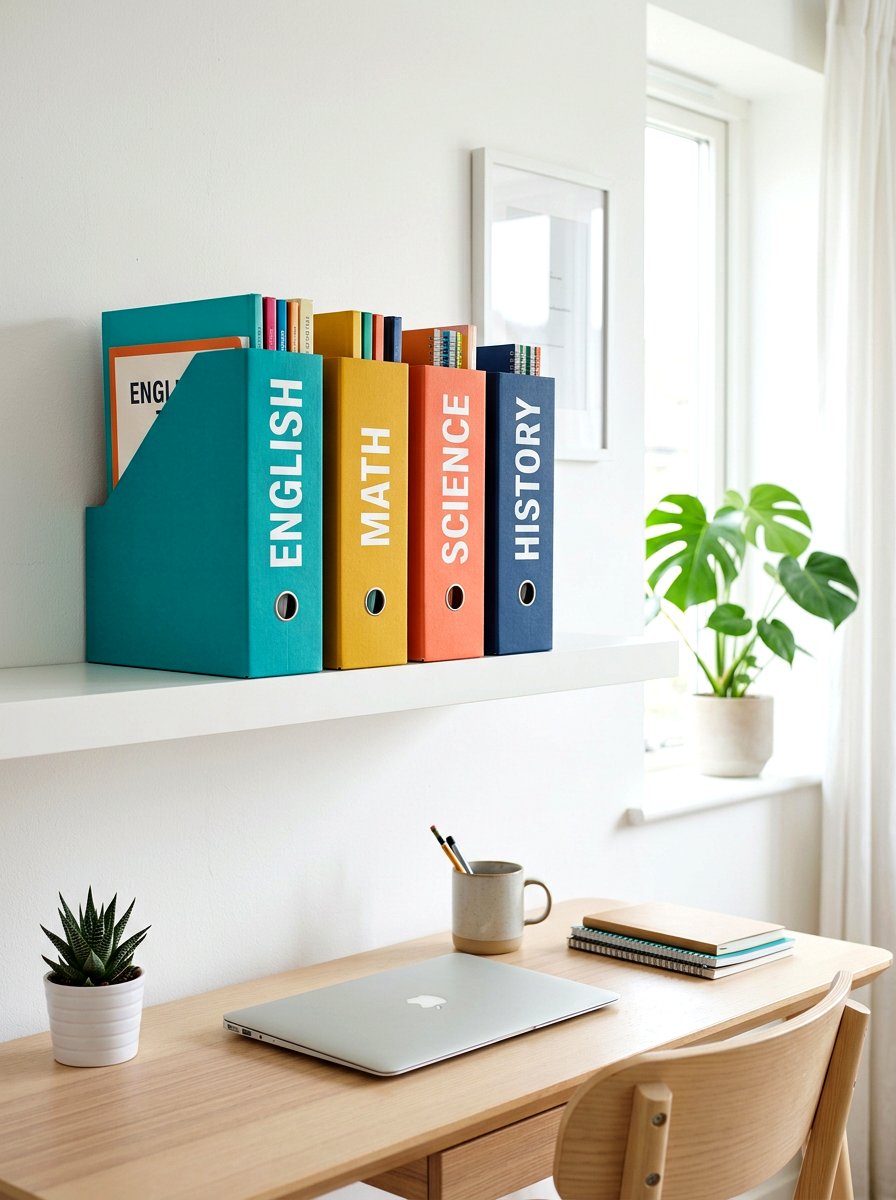
Magazine file holders are a classic and inexpensive way to store school papers vertically on a shelf or desk. You can buy them in various materials like wood, cardboard, or plastic to match your office decor and use them to categorize different types of documents. Labeling each holder by child or by school year helps you maintain a very neat and uniform look in your workspace. These holders are great for keeping thin workbooks and loose-leaf papers upright so they don't slump and become messy over time. They are easily accessible, allowing you to slide papers in and out without disturbing the rest of the organized shelf.
23. Spiral Bound Art Book
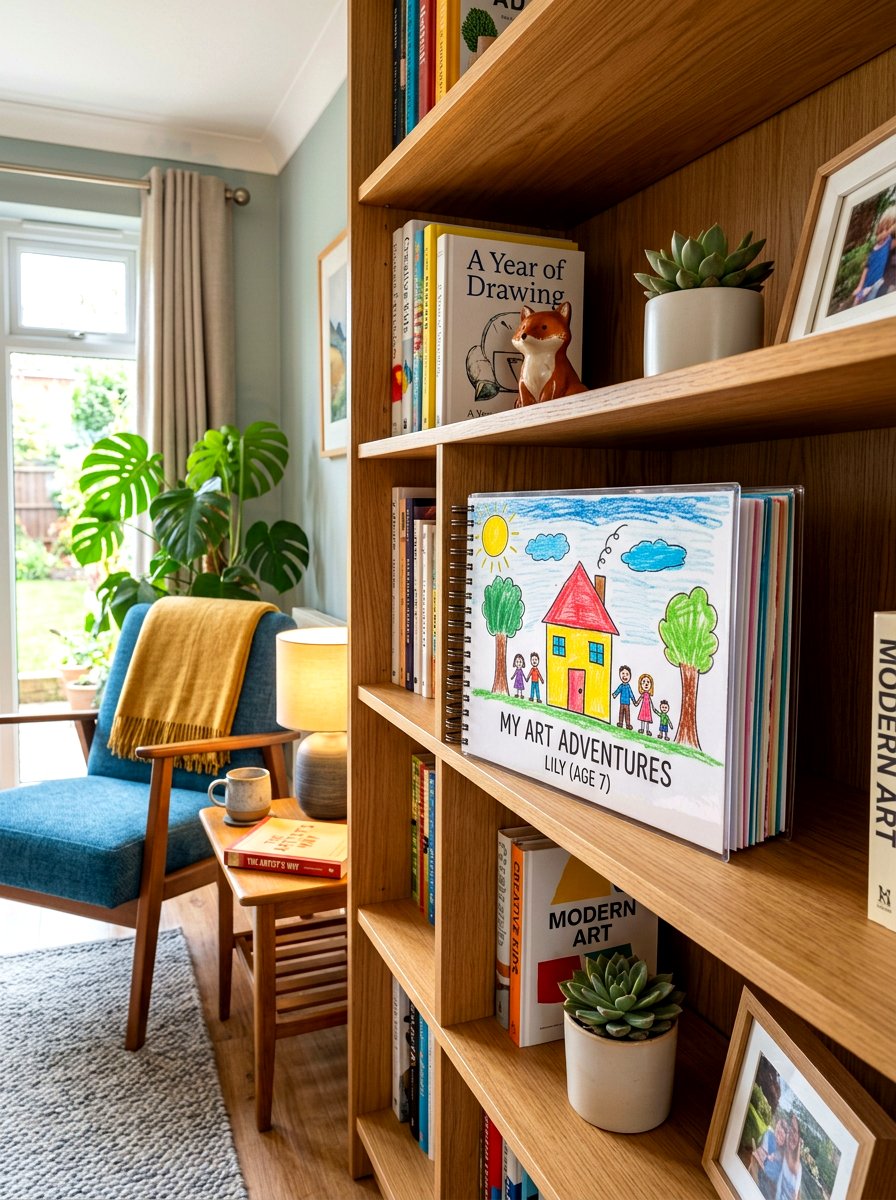
For parents who want to keep every single drawing their child creates, turning the loose papers into a spiral-bound book is a fantastic option. Many local print shops or office supply stores can take a stack of papers and bind them together with a clear plastic cover. This transforms a messy pile of art into a professional-looking volume that fits perfectly on a bookshelf alongside regular books. It is much easier to flip through a bound book than a folder of loose pages, and it ensures that the edges of the artwork don't get torn or dog-eared. It makes for a wonderful sentimental gift for grandparents or the child themselves later.
24. Pegboard Organization System
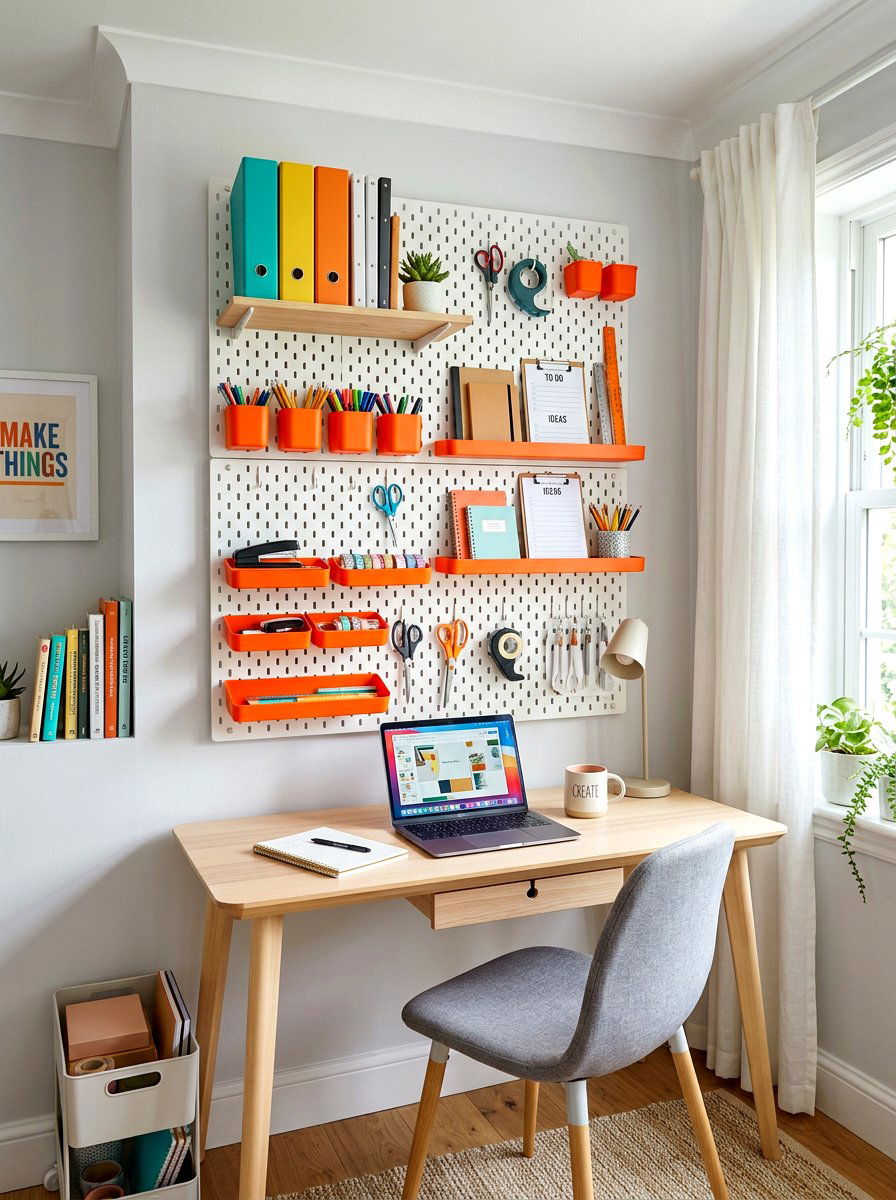
Pegboards are incredibly versatile and allow you to create a completely custom paper organization wall using various bins, clips, and shelves. You can easily adjust the layout as your child’s needs change, moving a paper tray lower for a younger student or adding more shelves for a high schooler. The open nature of a pegboard keeps everything visible, which is often helpful for children who struggle with organization when things are hidden in drawers. Painting the pegboard a bright color can also turn it into a stylish feature wall in a bedroom or playroom. It provides a sturdy and industrial-strength solution for managing a high volume of school documents.
25. Sunday Basket Method
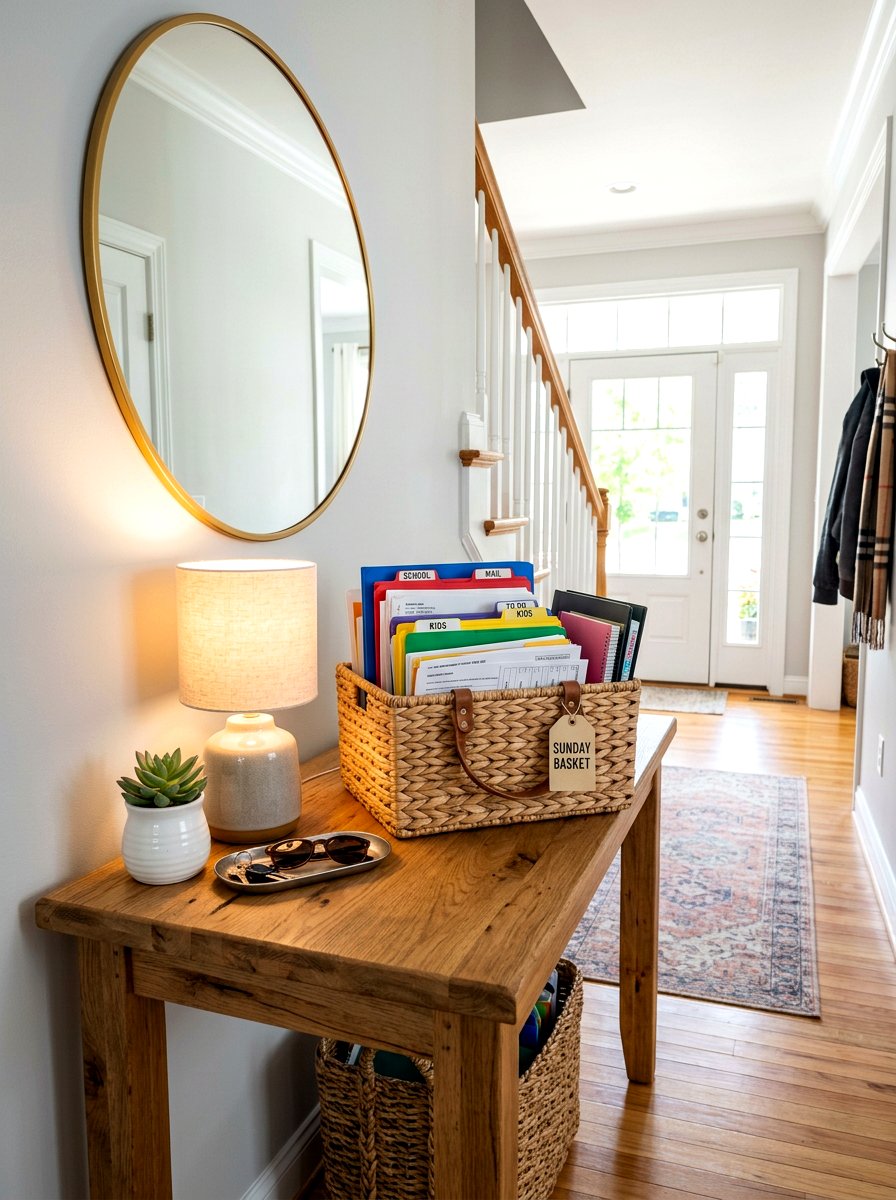
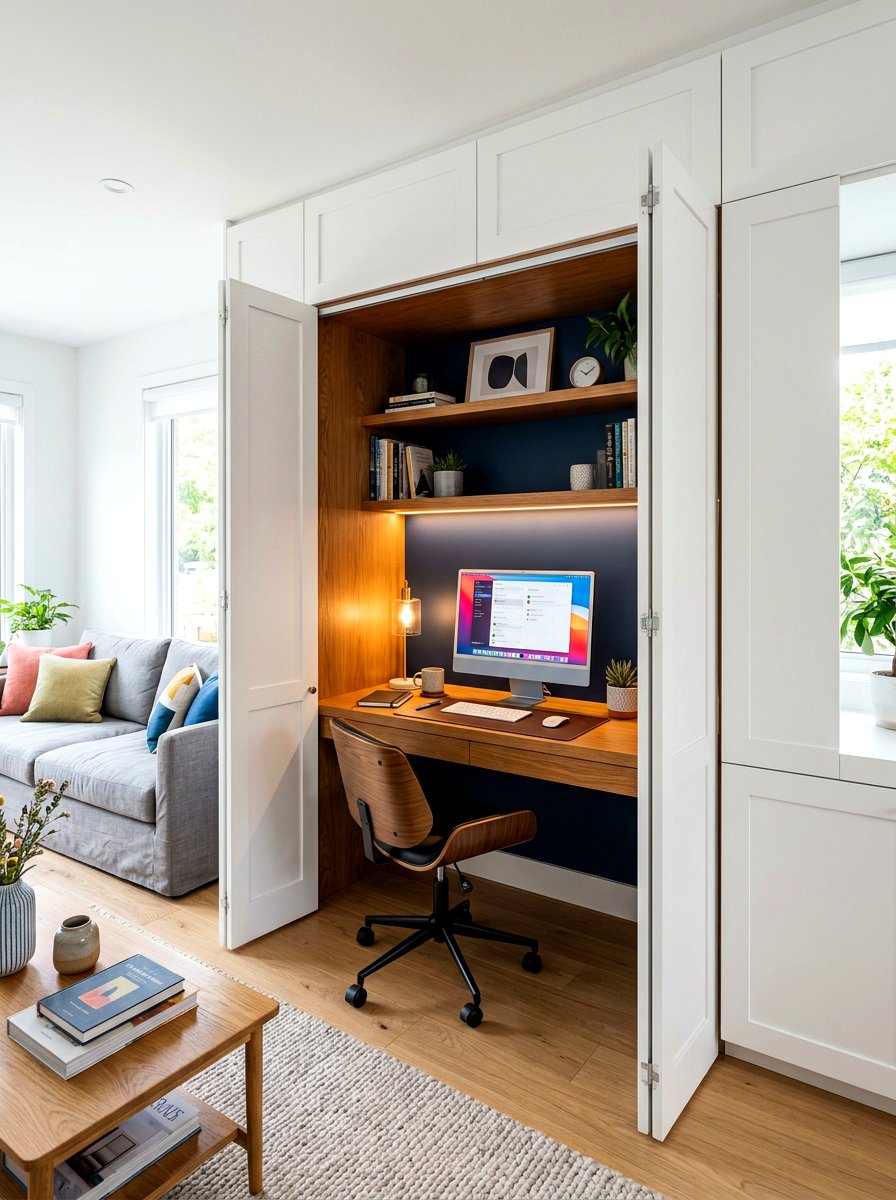
The Sunday Basket is a popular time-management system where you collect all incoming school papers throughout the week and process them during one dedicated session. You keep a physical basket in a central location where every family member drops their papers, mail, and notes as they arrive. On Sunday, you sit down and go through the entire basket, signing forms, adding dates to the calendar, and filing away what needs to be kept. This prevents the daily stress of dealing with paper and ensures that nothing is overlooked because you have a set time to handle it. It creates a predictable routine that keeps the whole household running smoothly.
26. Clear Plastic Tote
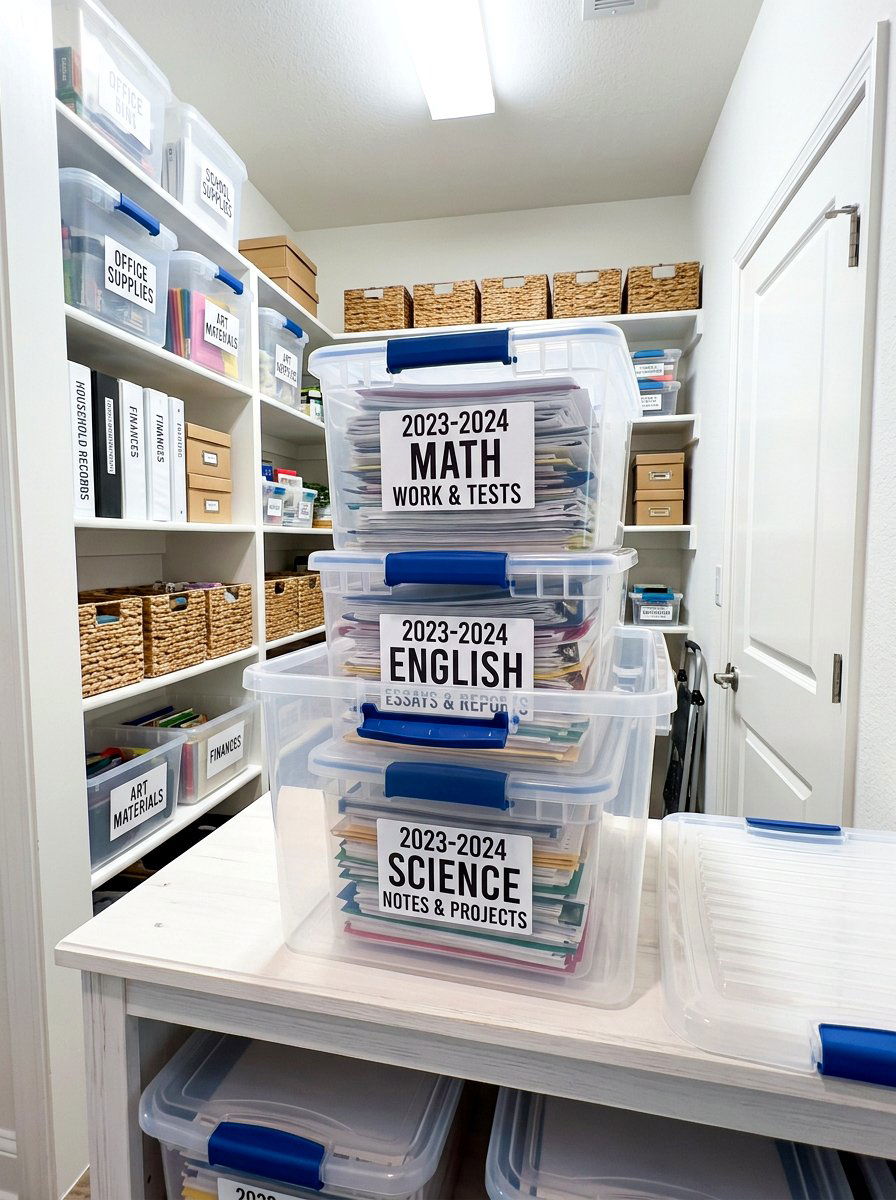
Using a large, clear plastic tote for each child is a simple and durable way to manage the bulk of school papers that accumulate over several years. These bins are stackable and waterproof, providing excellent protection for items stored in basements or attics where moisture might be a concern. Because they are transparent, you can easily identify which bin belongs to which child or which time period without having to open them all. This is an ideal solution for parents who want a "set it and forget it" approach to long-term paper storage. It keeps the memories safe and contained until you are ready to sort through them in the future.
27. Vertical Paper Slit
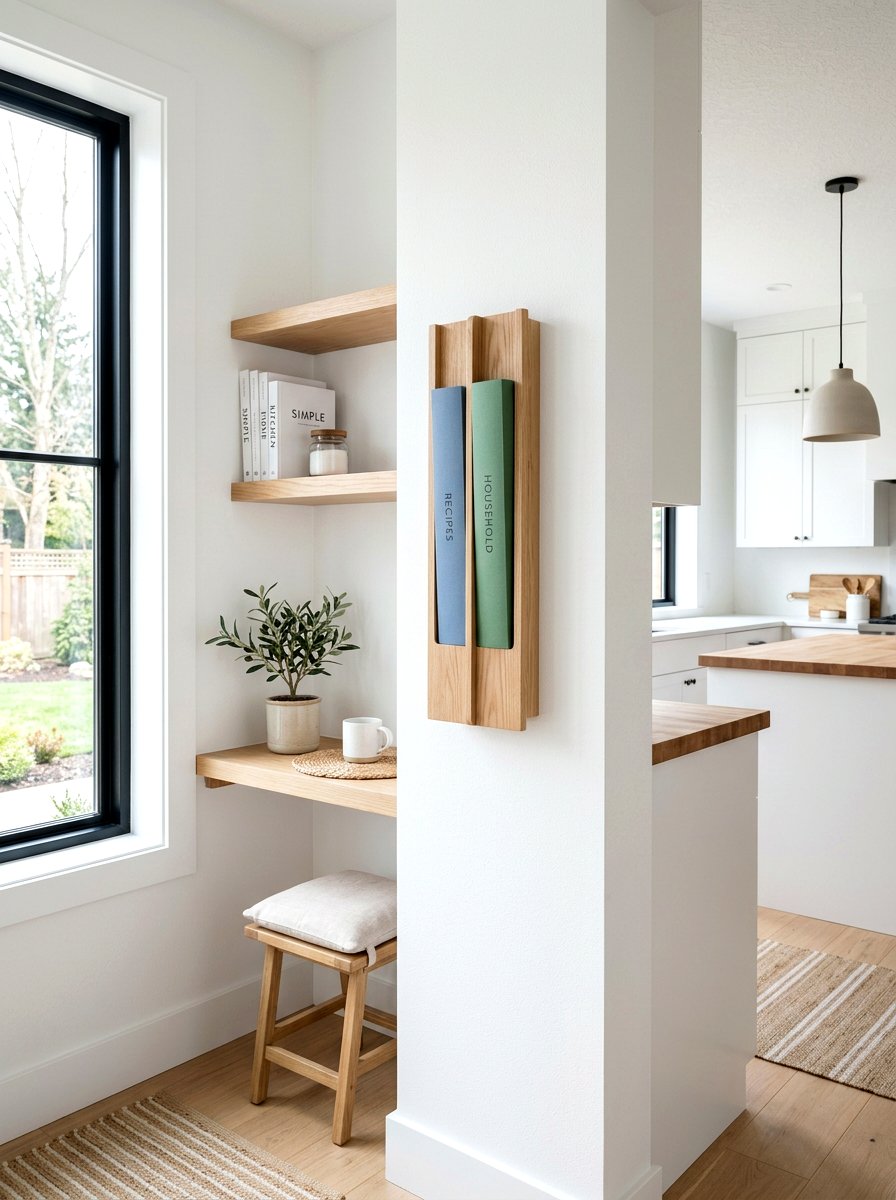
A vertical paper slit or a wall-mounted mail slot is a great way to handle papers that just need a temporary landing spot before being filed. These narrow organizers take up very little wall space and are perfect for tucking behind a door or in a small corner of the kitchen. They keep papers standing up straight so they don 't get lost in a horizontal pile on a desk. You can use a single slot for each child, making it their responsibility to check it daily for any notes or graded work. This minimalist approach is very effective for managing the "active" papers that are currently moving through the home' s daily workflow.
28. Cubby Storage Bin
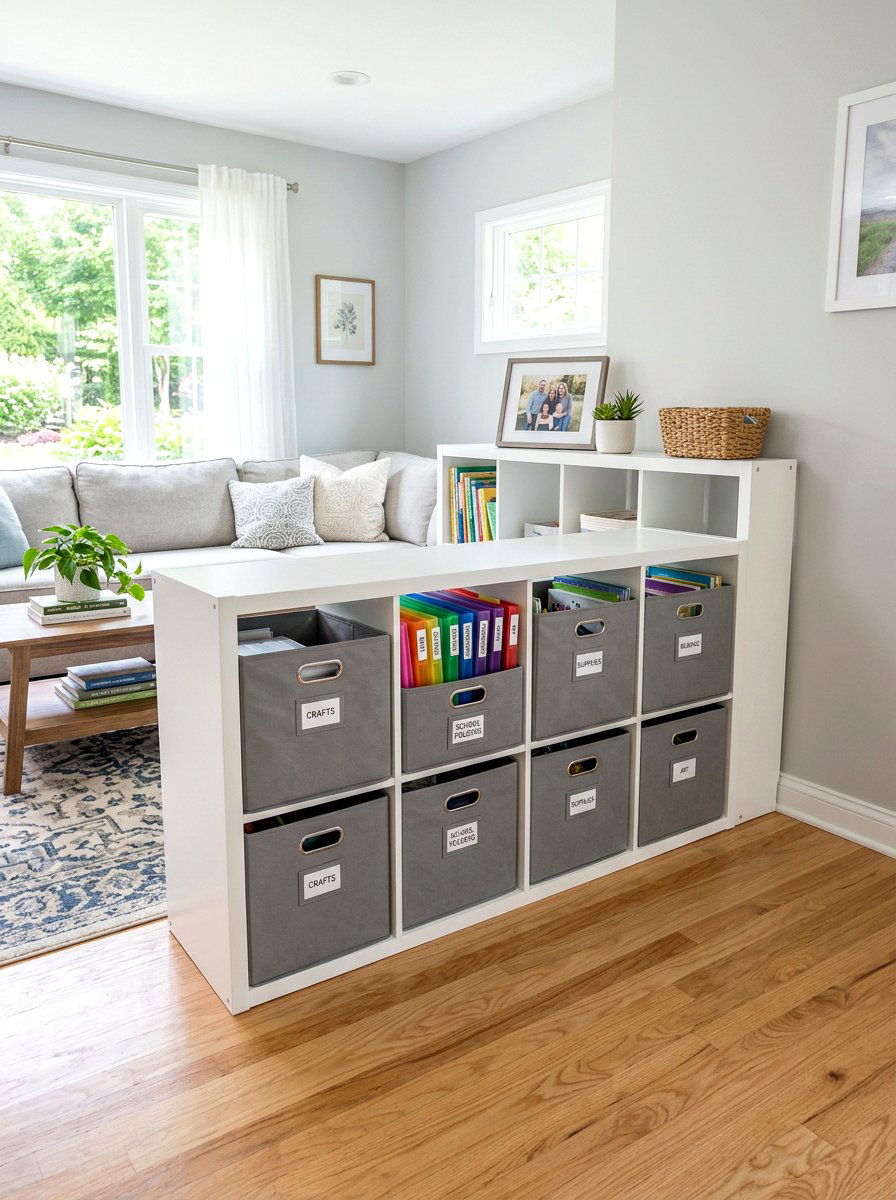
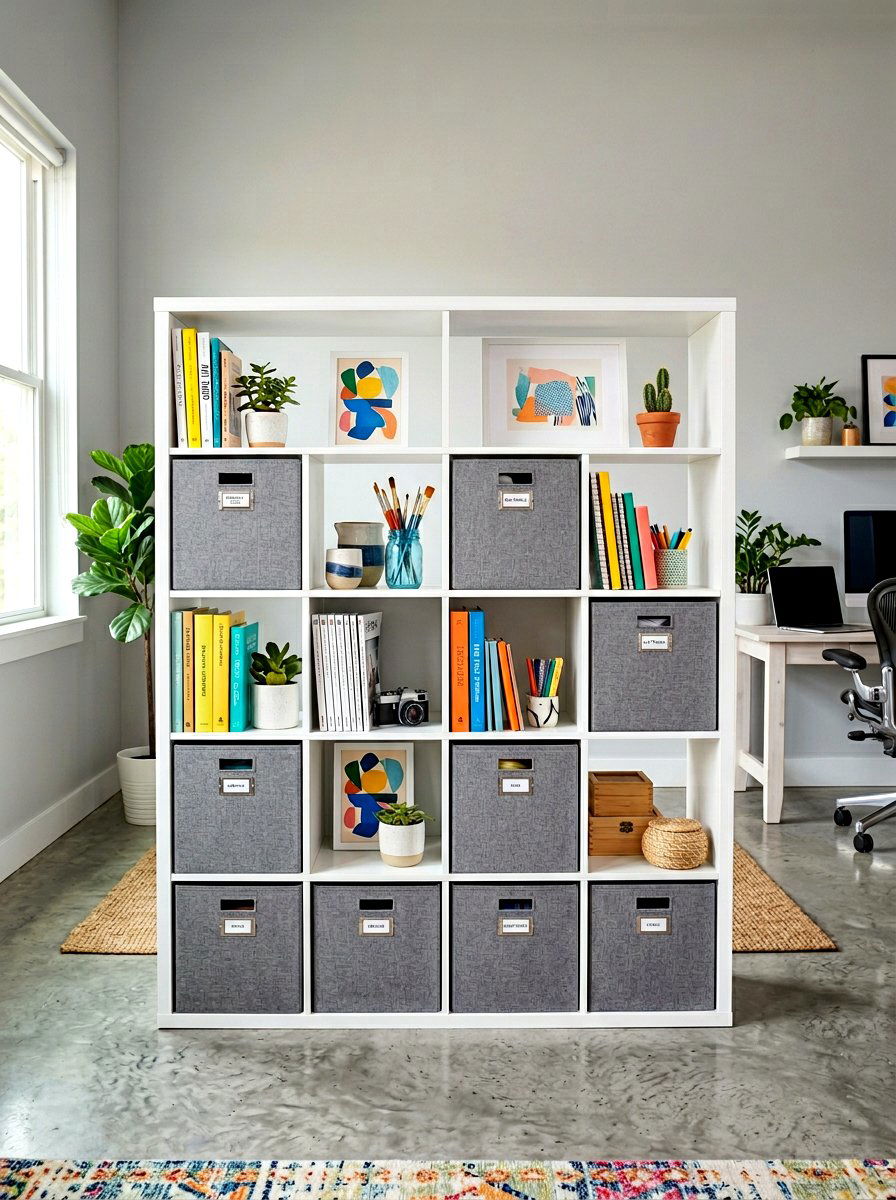
Cubby-style furniture with fabric or plastic bins offers a great way to hide paper clutter while keeping it organized and accessible. You can designate one bin specifically for school papers, where kids can drop their folders and notebooks as soon as they walk in the door. This keeps the papers off the floor and out of sight, maintaining a clean look in your entryway or living room. The bins are easy for children to use, which encourages them to take ownership of their own organization from a young age. Using different colored bins can help differentiate between schoolwork and other items like sports gear or toys.
29. Desk Drawer Divider
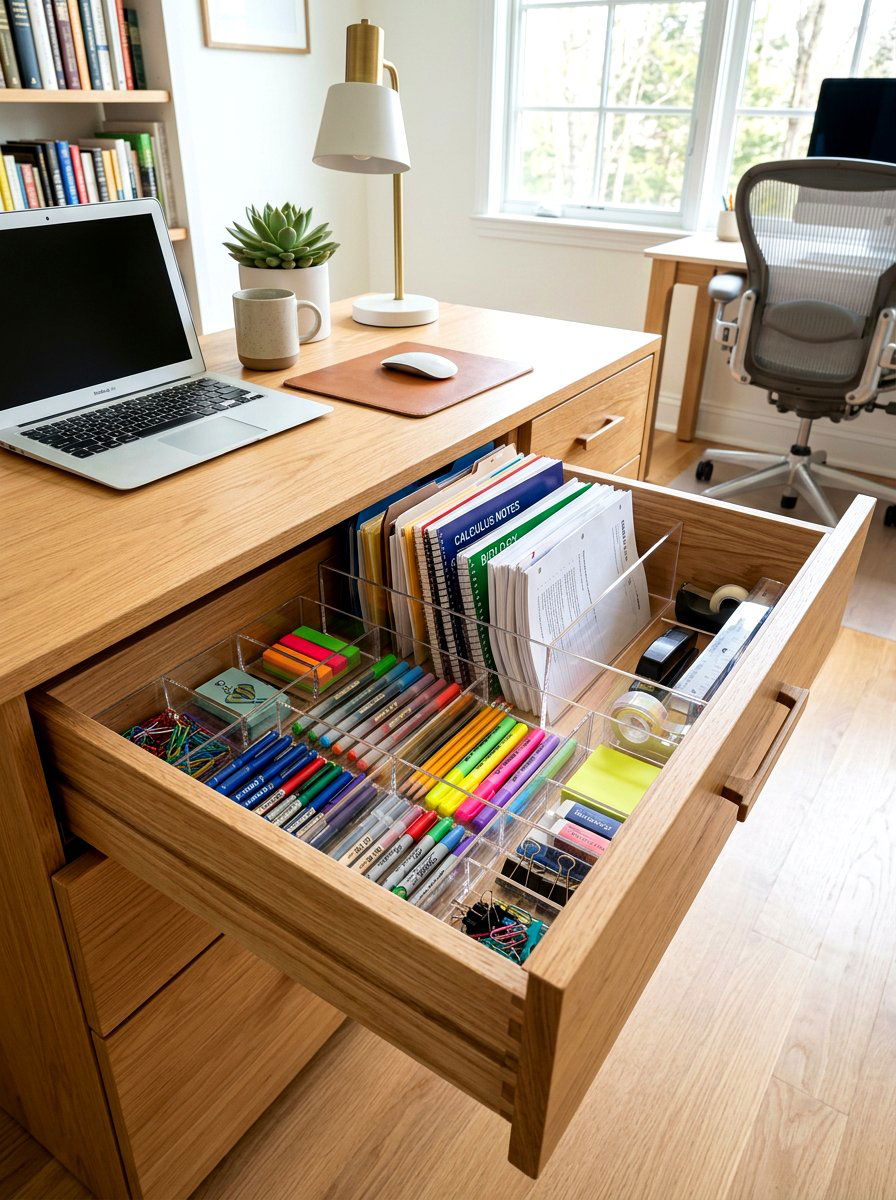
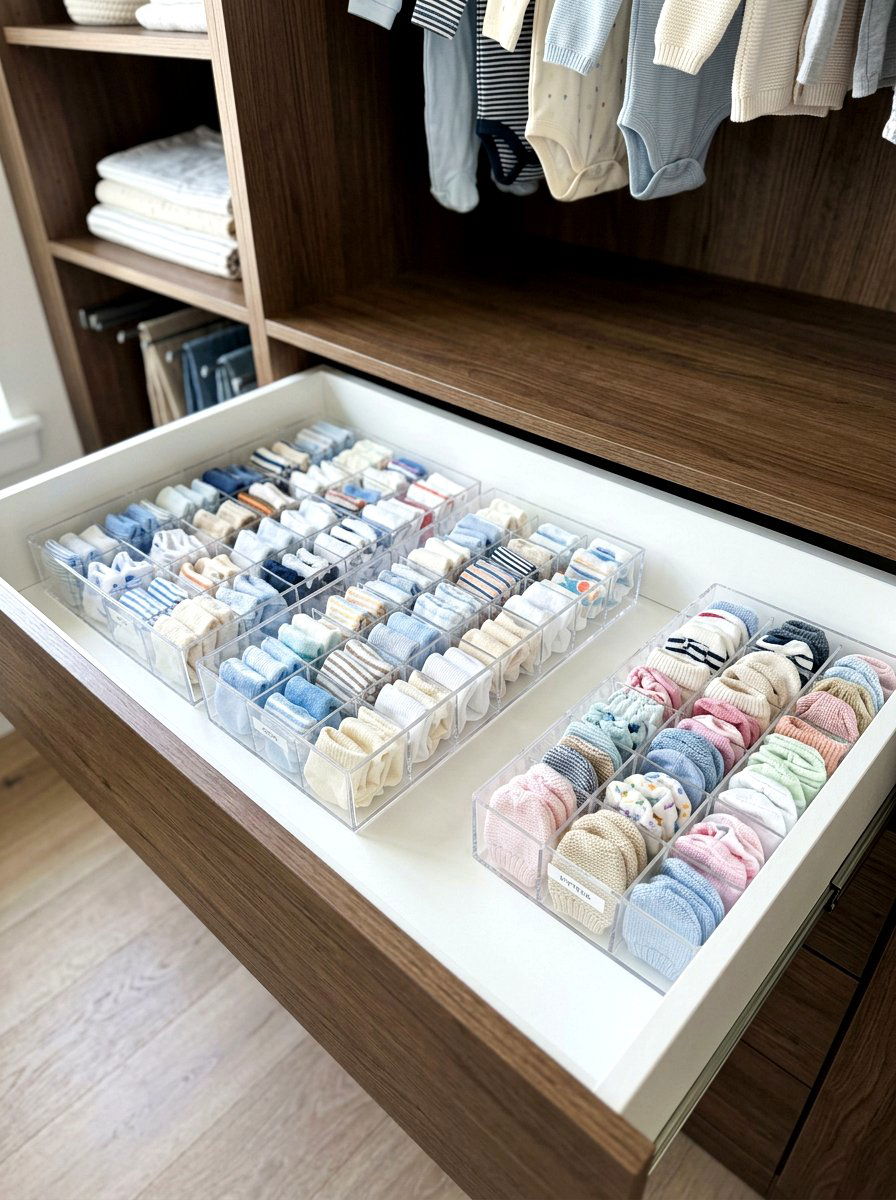
If you prefer to keep your school paper organization hidden away, using dividers inside a dedicated desk drawer is a very effective strategy. These adjustable organizers allow you to create custom-sized compartments for different categories of papers, such as homework, permission slips, and stationary. This prevents a single drawer from becoming a "junk drawer" where papers get lost and damaged. It provides a clean and streamlined look for your workspace while ensuring that everything you need is right at your fingertips. Keeping the top of the desk clear of paper also helps students focus better on their tasks without the distraction of visual clutter.
30. Mailbox Cubby System
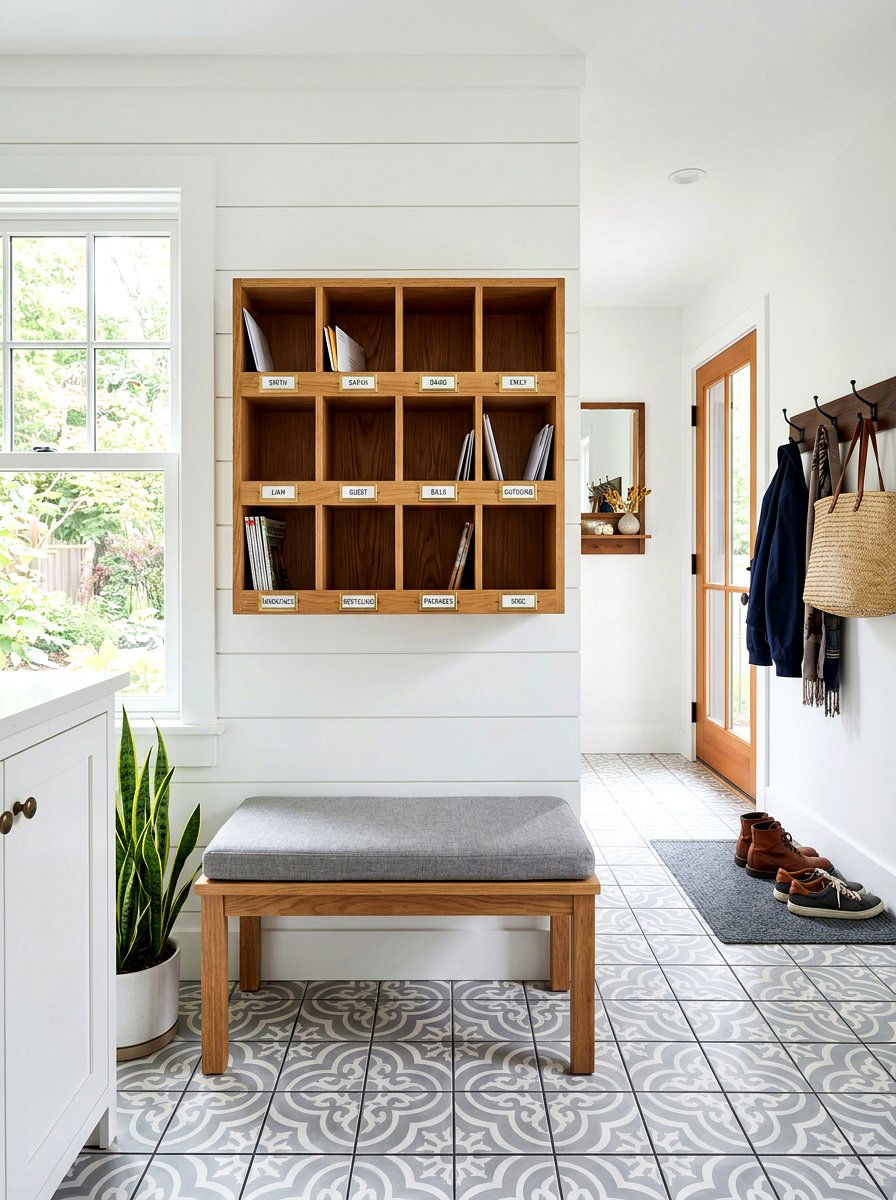
Creating a dedicated mailbox for every member of the family allows for a centralized distribution point for all school-related documents and notices. These individual cubbies act as a landing zone where parents can drop graded tests or permission slips that require a signature from the student later that evening. Using a wooden or wire mesh sorter adds a professional yet cozy touch to your home office or entryway command center. This method encourages kids to check their own slots daily, fostering a sense of responsibility and independence regarding their schoolwork. It is a simple architectural addition that significantly improves communication and reduces morning stress.
Conclusion:
Implementing a sustainable system for school paper management is one of the most effective ways to bring peace and order back to your busy household. While it may take a little time to set up your initial folders, bins, and boxes, the long-term benefits of reduced stress and clear surfaces are well worth the effort. Remember that the best organization method is the one that your family can actually stick to throughout the academic year. By trying out these various strategies, you will discover the perfect balance between preserving precious memories and managing daily logistics. Enjoy the clarity and productivity that comes with a clutter-free and organized home environment.

Related posts: