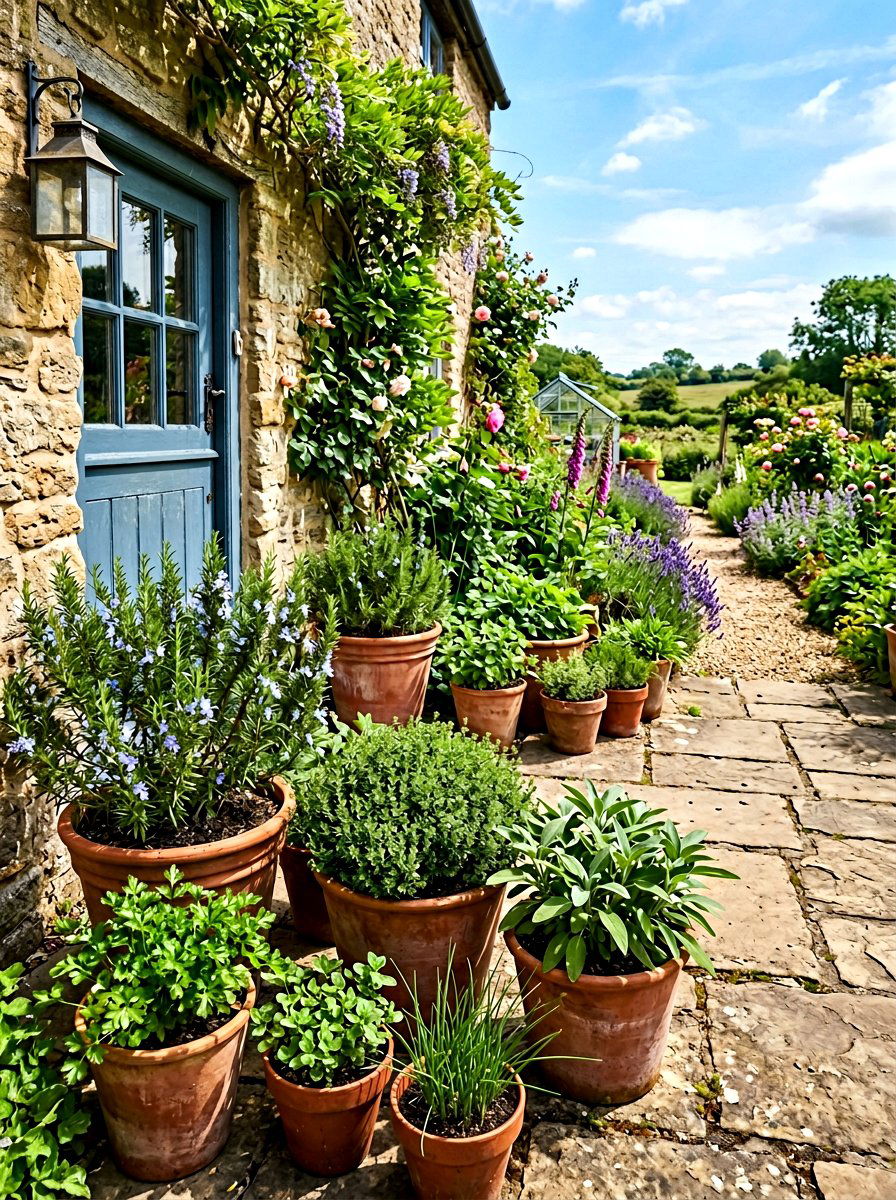
Creating a beautiful perennial border is one of the most rewarding projects for any home gardener. These living tapestries return every single year with more vigor and beauty than before. Unlike annuals that need replanting every spring, perennials offer a permanent structure to your landscape design. They anchor your flower beds and provide a reliable backdrop for seasonal highlights. A well-planned border considers the changing seasons, ensuring there is always something interesting to look at. You can mix different heights, textures, and colors to create a professional look. This guide explores thirty unique ways to arrange your plants for maximum visual impact and health. You will discover how to balance bold blooms with elegant foliage for a stunning outdoor space.
1. English Cottage Garden
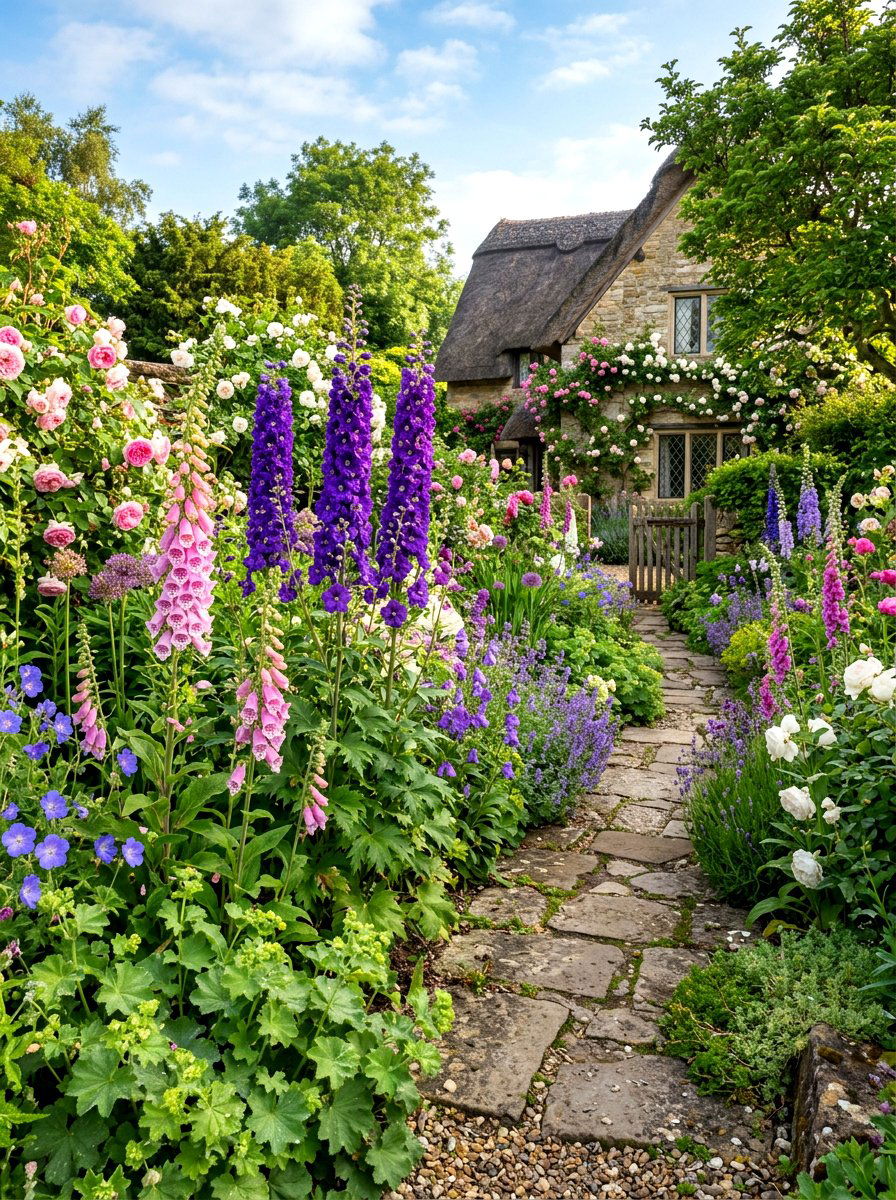
The English cottage garden is a timeless style that celebrates abundance and a relaxed atmosphere. This design typically features a dense mix of flowering perennials like delphiniums, foxgloves, and hollyhocks. These tall spikes provide dramatic height at the back of the border. In the middle, you can plant billowing roses and fragrant peonies for a classic look. The front of the bed often spills over with catmint or hardy geraniums to soften the edges. This style favors a soft color palette of pinks, purples, and whites. It creates a romantic and slightly wild feeling that attracts many bees. You should focus on layering plants closely to prevent weeds from growing in between the blooms.
2. Pollinator Perennial Border
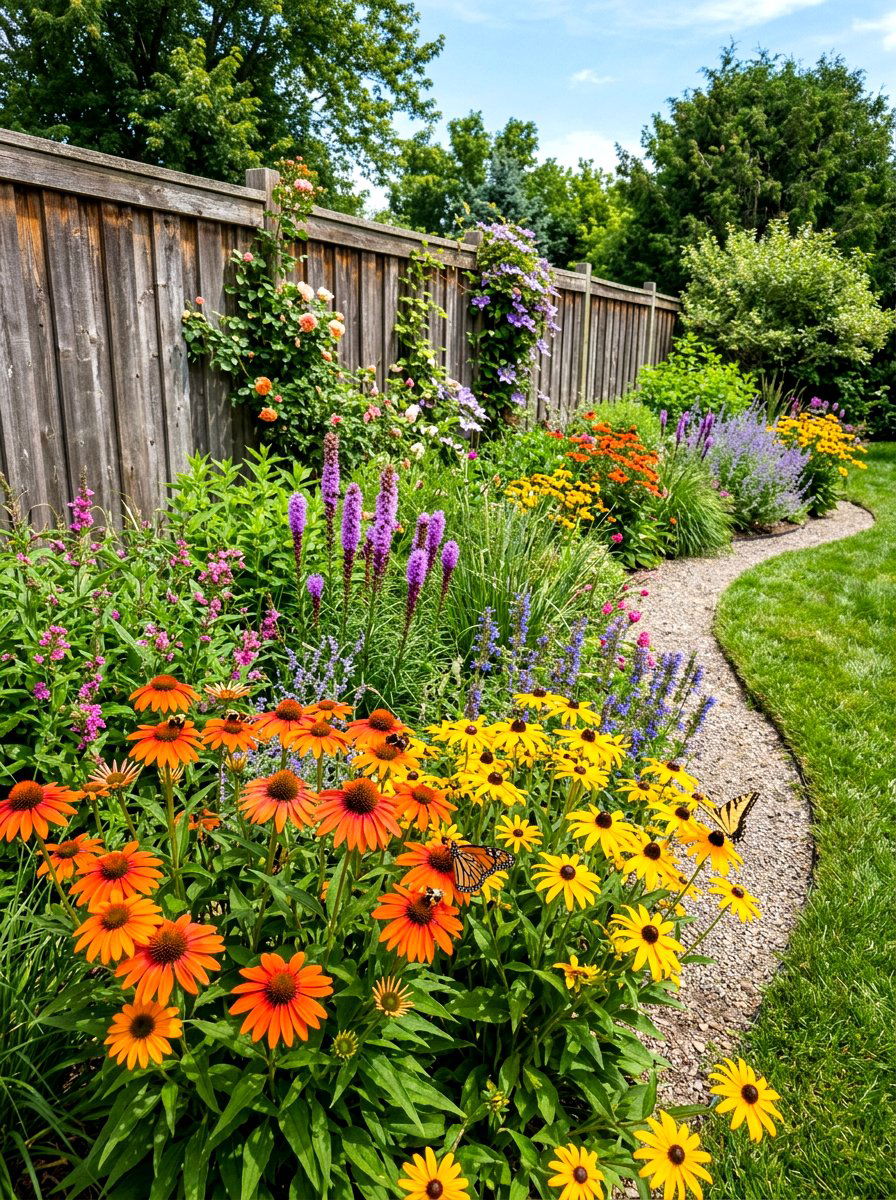
A pollinator perennial border is essential for supporting local wildlife like bees, butterflies, and hummingbirds. This design prioritizes native flowering plants that offer nectar and pollen throughout the growing season. You should include varieties like purple coneflower, black-eyed Susans, and milkweed. These sturdy plants are not only beautiful but also very resilient to local weather conditions. Grouping similar plants together in large drifts makes it easier for pollinators to find them. You can add late-bloomers like asters and goldenrod to provide food into the autumn months. Avoid using heavy pesticides in this area to keep the visiting insects safe. This functional border brings vibrant life and movement into your backyard every single day.
3. Drought Tolerant Border
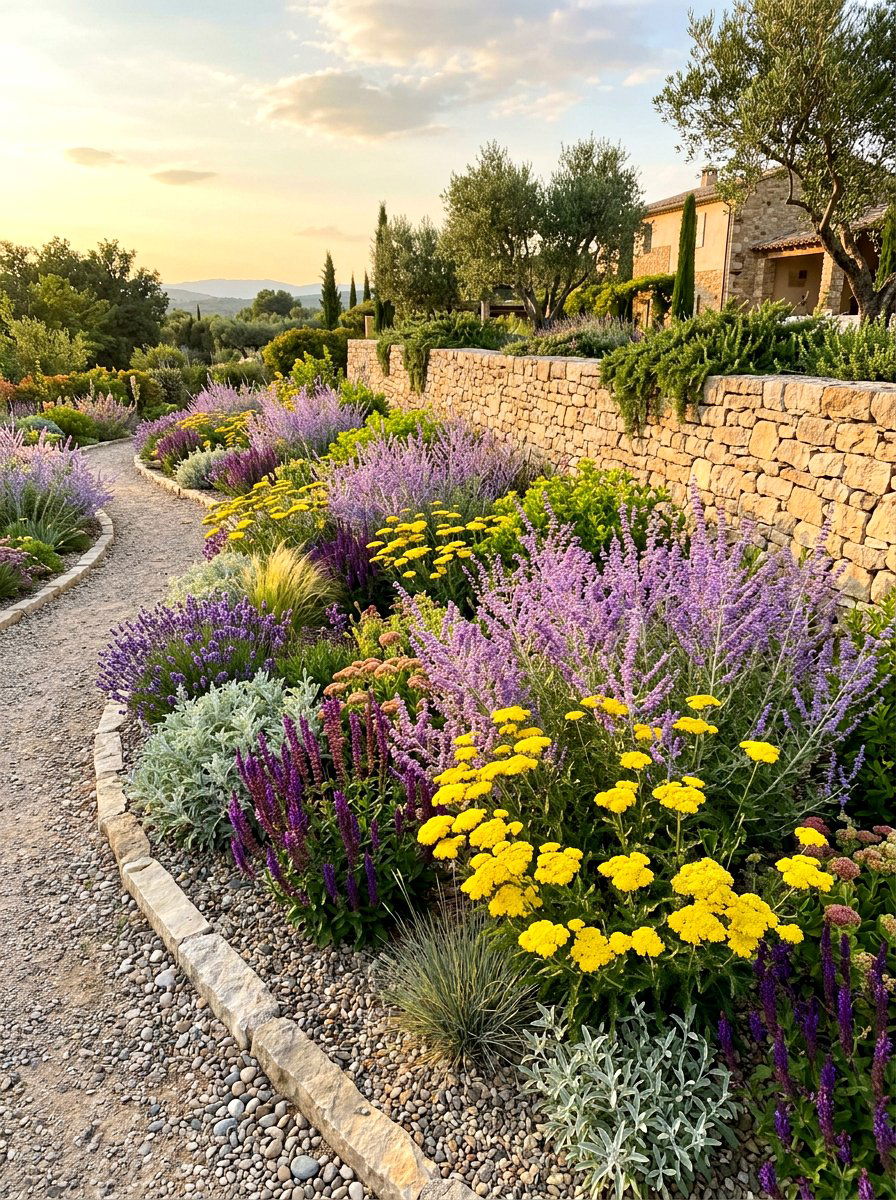
Building a drought tolerant border is a smart choice for regions with low rainfall or for busy homeowners. This design uses water-wise perennials that can withstand long periods of dry weather without wilting. Succulents like sedum and colorful yarrow are excellent choices for the front and middle sections. You can also incorporate silver-leafed plants like Russian sage and lavender, which naturally reflect heat. These plants often have deep root systems or waxy leaves that help them retain moisture. Using a thick layer of organic mulch will further help keep the soil cool and hydrated. This type of border requires very little supplemental watering once the plants are fully established in the ground.
4. Modern Perennial Border
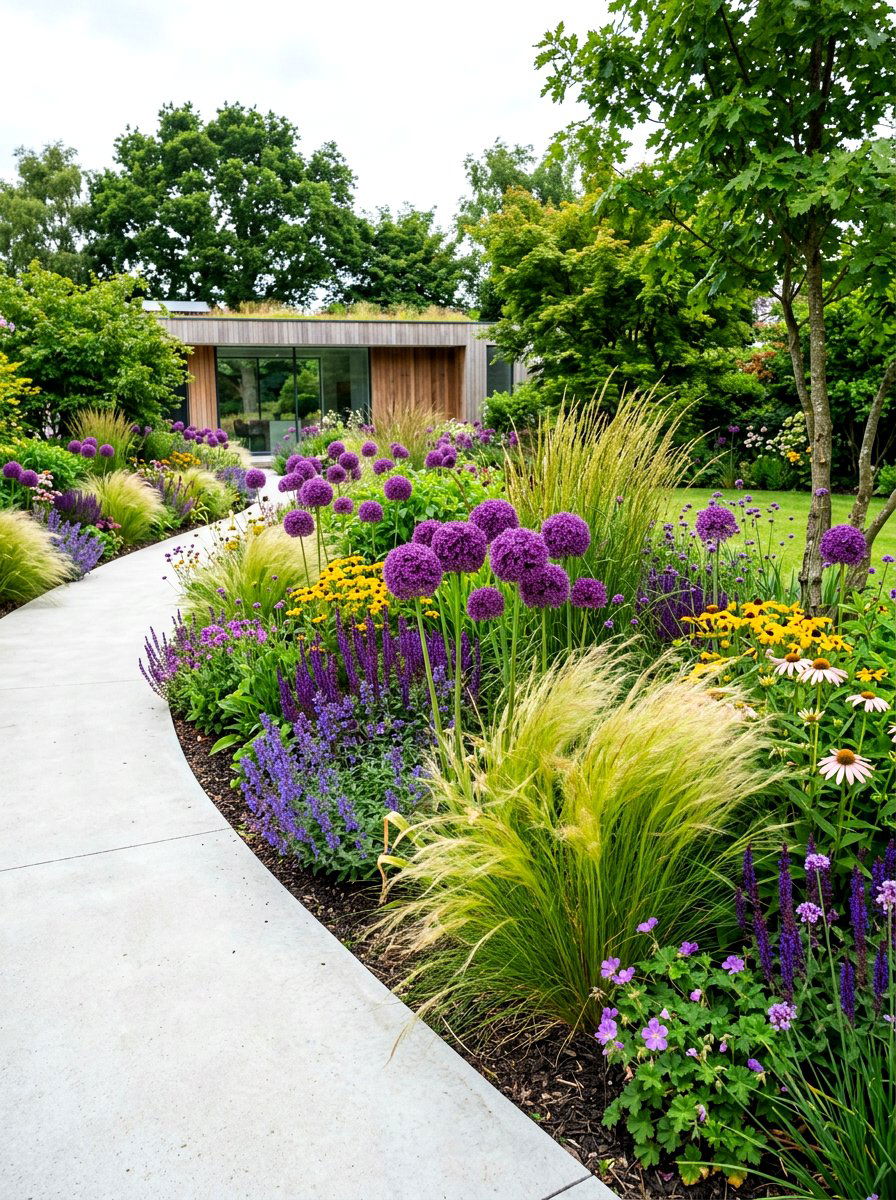
A modern perennial border focuses on clean lines, structural plants, and a more restrained color palette. This style often uses ornamental grasses to provide a sense of movement and architectural interest. You might pair these grasses with bold, architectural flowers like Alliums or upright Sedums. The layout is usually more geometric than a traditional cottage garden, often following straight paths or rectangular beds. Using repetition of a few key species creates a sophisticated and cohesive look across the entire space. Mass planting a single variety can make a powerful visual statement that feels contemporary. This design is perfect for minimalist homes that value order and simplicity in their outdoor landscaping projects.
5. Full Sun Border
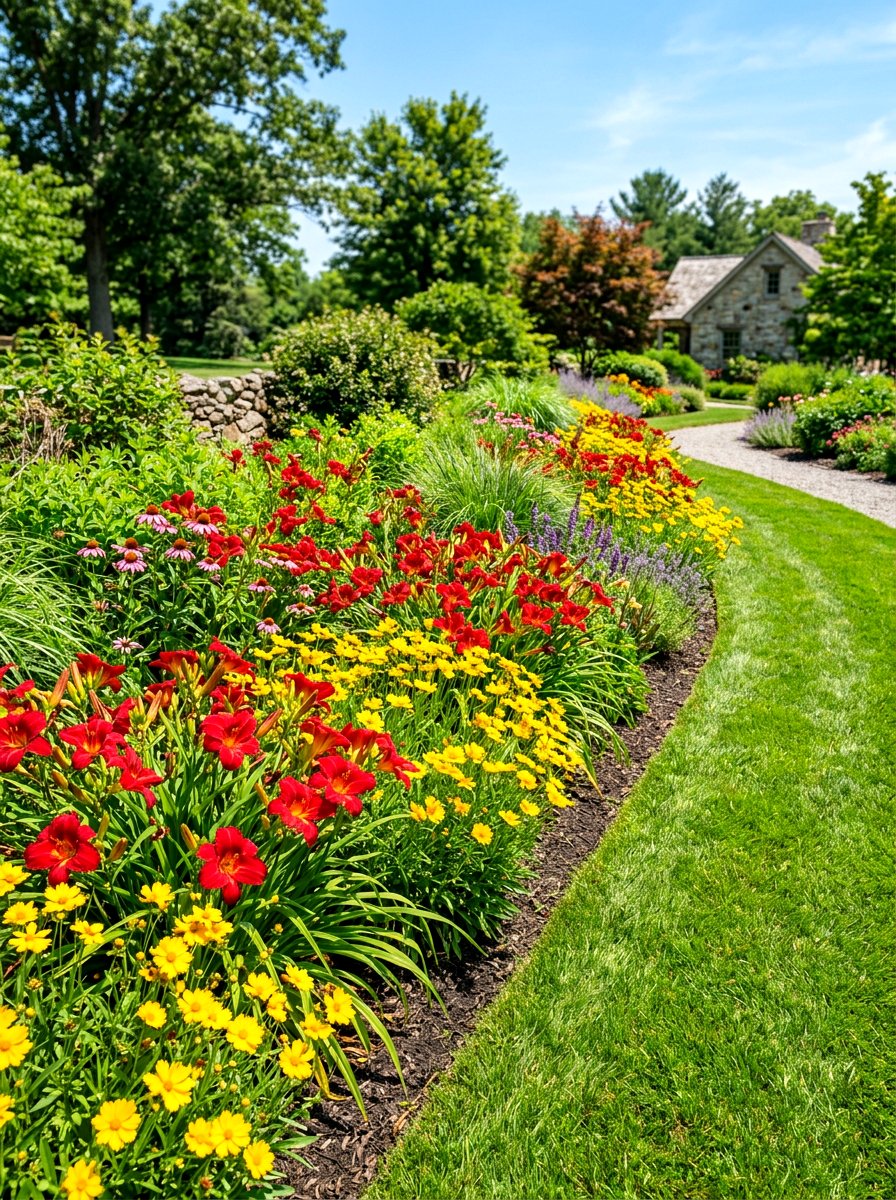
The full sun border is perfect for areas of the yard that receive at least six hours of direct light. Most flowering perennials thrive in these bright conditions and produce the most vibrant colors. You can fill this space with sun-loving favorites like Daylilies, Coreopsis, and Salvia. These plants are known for their long blooming periods and ability to handle intense afternoon heat. Adding tall ornamental grasses like Switchgrass can provide a beautiful backdrop that glows when the sun hits it. It is important to monitor the soil moisture closely during the peak of summer. Using a variety of bloom shapes keeps the visual interest high throughout the entire sunny season.
6. Shade Perennial Border
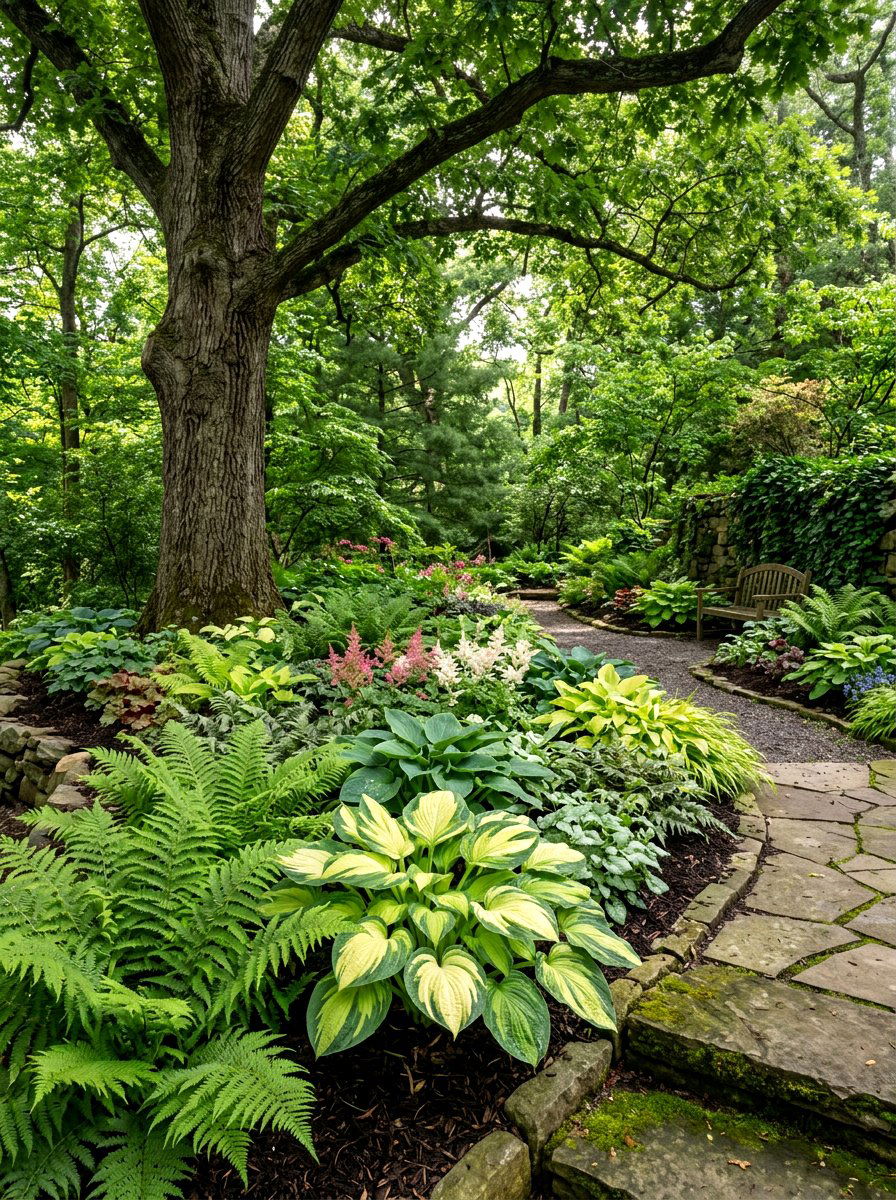
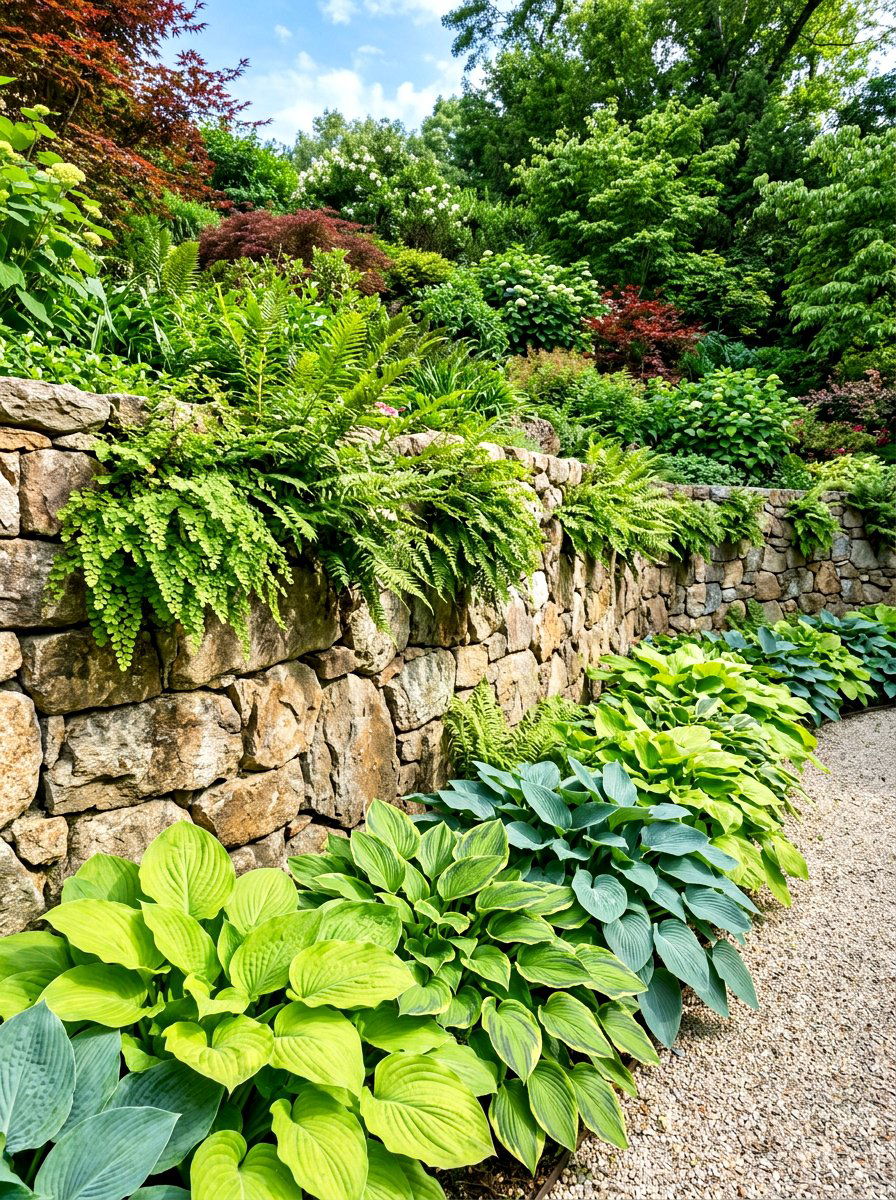
A shade perennial border can transform a dark corner of your yard into a lush and peaceful retreat. This design relies heavily on interesting foliage rather than bright sun-loving flowers. Hostas are the stars of this style, offering a massive variety of leaf colors and patterns. You can mix them with delicate ferns and bleeding hearts for a woodland feel. Astilbes provide feathery plumes of color that can brighten up even the deepest shadows. Using light-colored or variegated leaves helps to reflect what little light is available, making the space feel brighter. This type of garden often feels much cooler and more relaxing during the hot summer months.
7. Native Perennial Border
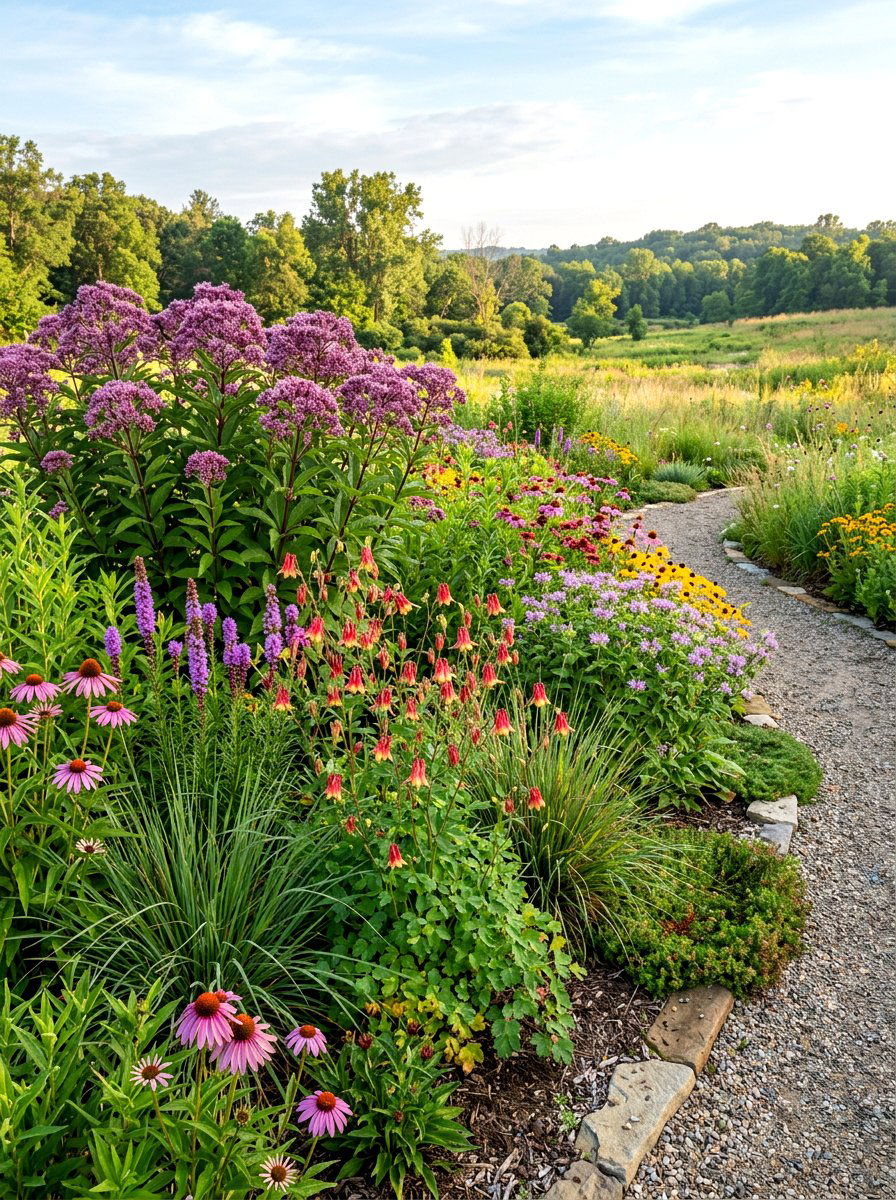
A native perennial border uses plants that occur naturally in your specific geographic region. These plants have evolved to handle local soil types, pests, and weather patterns perfectly. Using natives often means less maintenance and a higher survival rate for your garden. You can find beautiful options like Joe Pye Weed, Wild Columbine, and Penstemon depending on your location. These borders are fantastic for restoring local ecosystems and providing familiar habitats for native birds. Native plants often require much less fertilizer and water than exotic species once they are settled. This design approach creates a garden that feels deeply connected to the natural landscape surrounding your home and property.
8. Mixed Texture Border
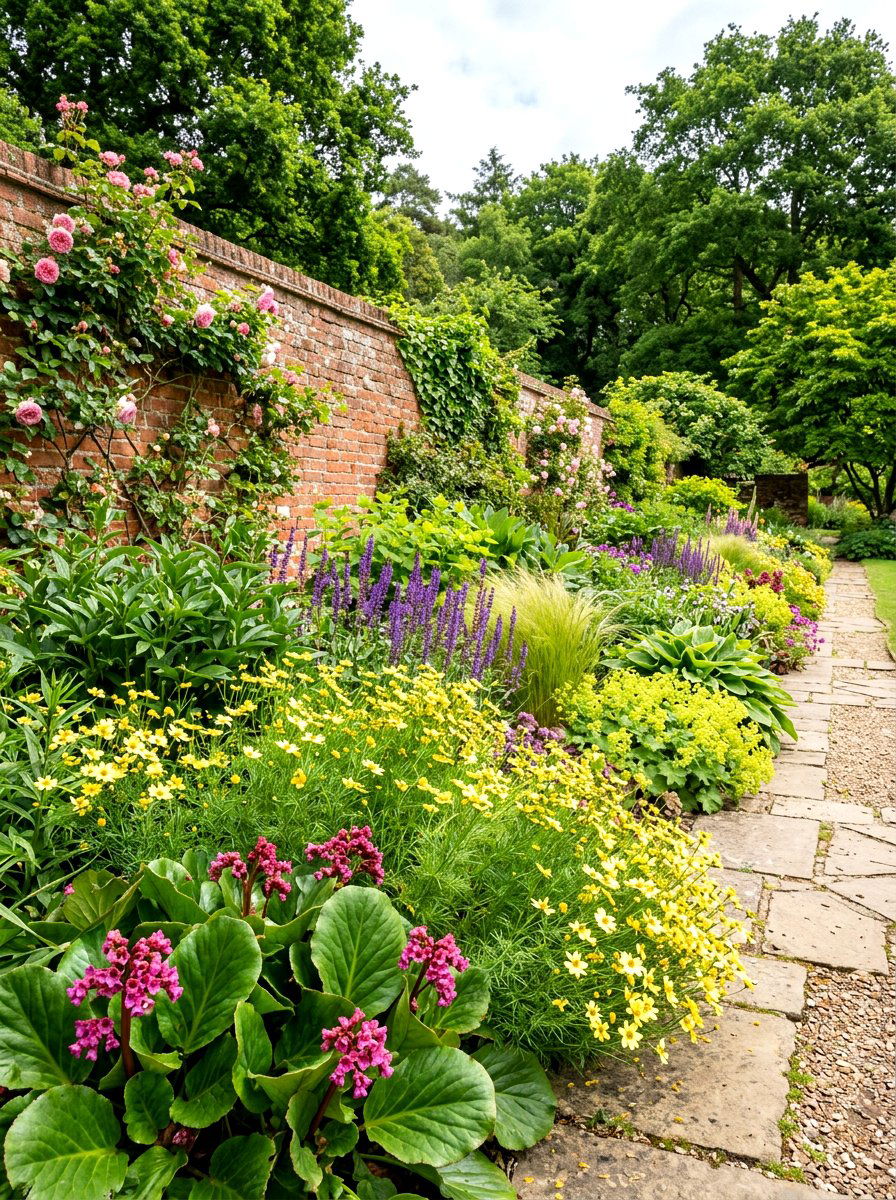
Creating a mixed texture border adds depth and professional polish to your garden design. This concept involves pairing plants with very different leaf shapes and surfaces next to each other. For example, you might place the broad, waxy leaves of Bergenia next to the fine, airy foliage of Coreopsis. Adding spiky elements like Sea Holly or Ornamental Grasses provides a sharp contrast to mounding plants like Lady's Mantle. These visual differences keep the border interesting even when no flowers are currently in bloom. A mix of matte, glossy, and fuzzy textures creates a sensory experience that draws people in. It makes the garden look more complex and thoughtfully designed than a simple flower bed.
9. Layered Height Border
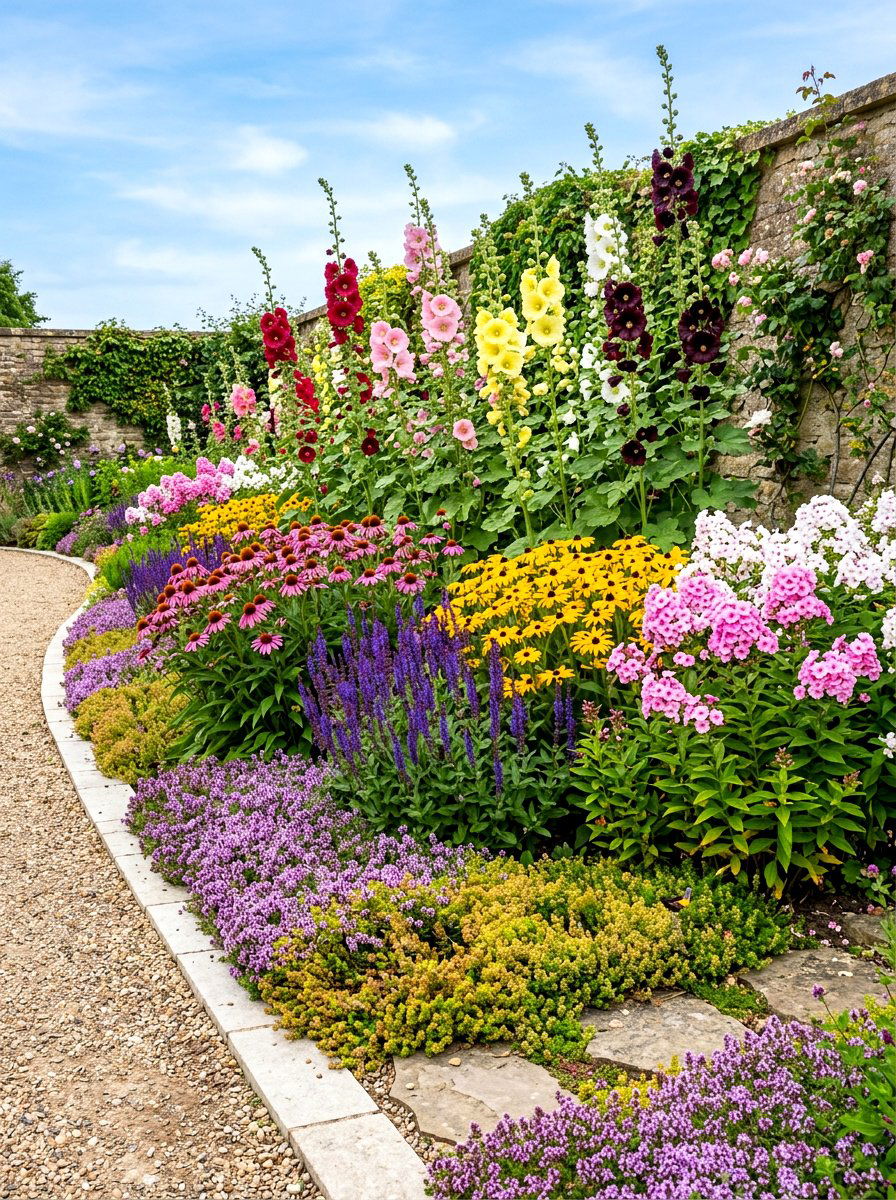
The layered height border follows a classic design rule to ensure every plant is visible. You place the tallest perennials at the back, mid-sized plants in the center, and low-growing varieties at the front. This creates a stadium-seating effect that maximizes the visual impact of your entire collection. Tall plants like Joe Pye Weed or Delphiniums act as a living fence or backdrop. Mid-sized choices like Echinacea or Phlox fill the bulk of the visual space. Finally, creeping plants like Thyme or Stonecrop cover the ground and hide any bare soil. This arrangement prevents smaller plants from being shaded out or hidden by their larger neighbors in the bed.
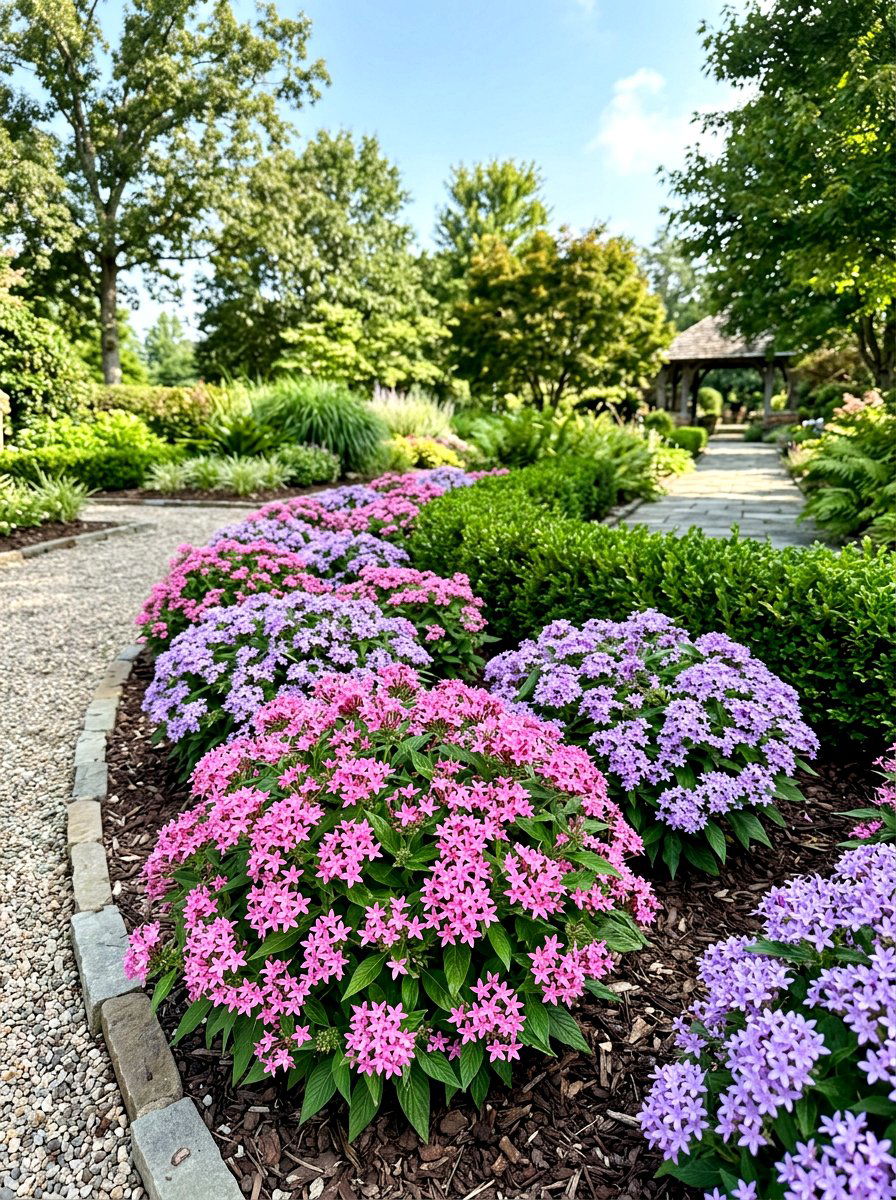
10. White Perennial Border
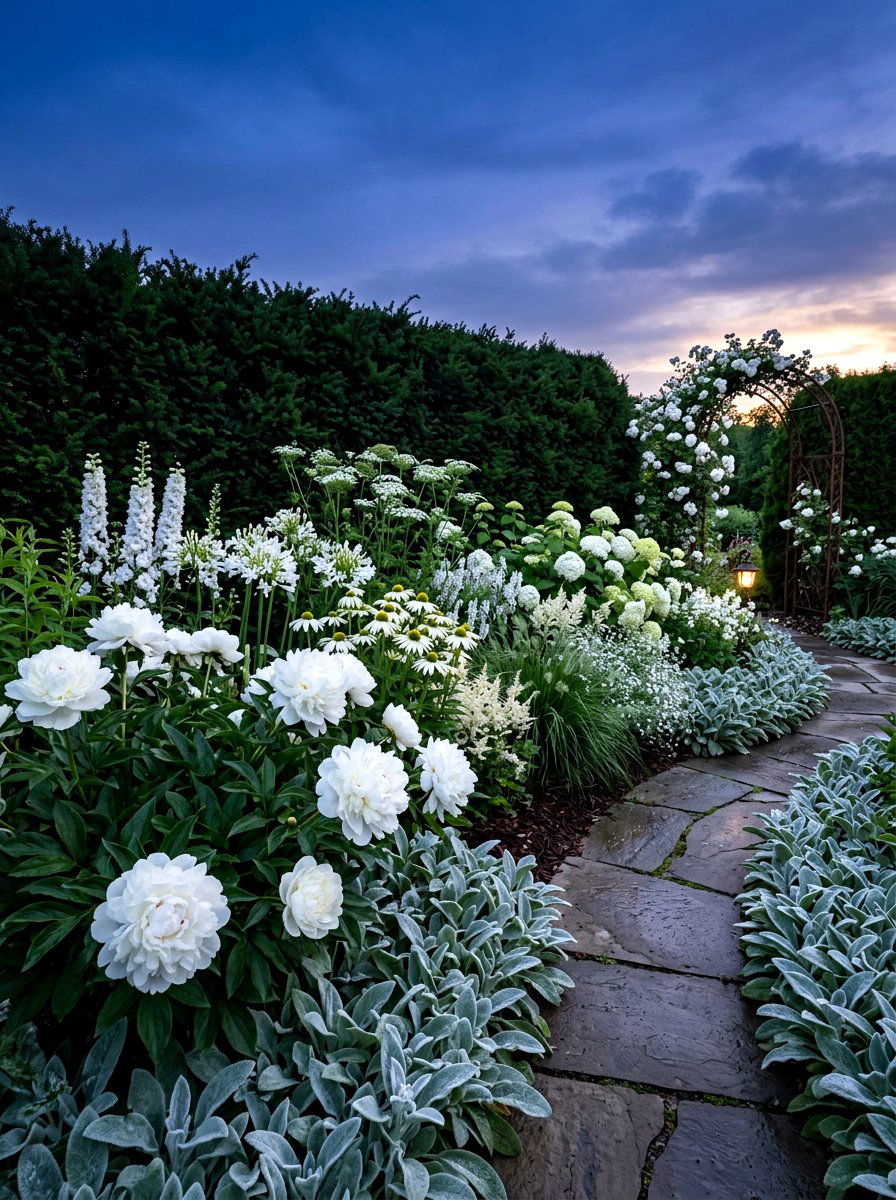
A white perennial border, often called a "Moon Garden, " looks incredibly elegant and glows during the twilight hours. This monochromatic theme uses various shades of white, cream, and silver to create a serene atmosphere. You can include white Peonies, Shasta Daisies, and white Foxgloves for a variety of flower shapes. Silver foliage from plants like Artemisia or Lamb's Ear provides a stunning contrast to the bright white petals. This style is particularly effective near an outdoor seating area where you spend your evenings. The pale colors reflect the moonlight and keep the garden visible long after the sun has set. It creates a sophisticated and calming sanctuary in any backyard.
11. Pastel Perennial Border
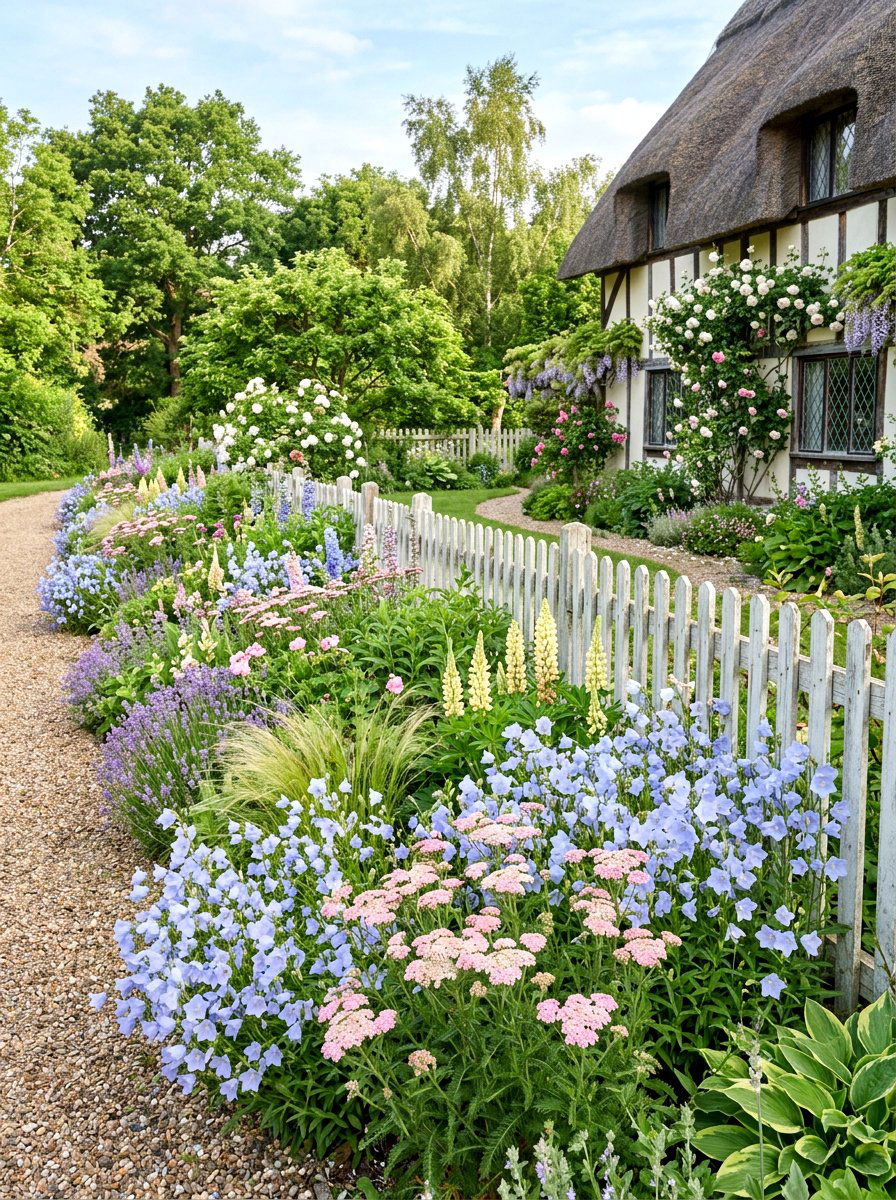
A pastel perennial border uses soft tones like light pink, pale blue, lavender, and buttery yellow. this color scheme is very easy on the eyes and creates a peaceful, harmonious feeling. You can achieve this look by planting Bellflowers, pink Yarrow, and soft blue Russian Sage. These colors tend to blend together beautifully without any harsh contrasts that might feel overwhelming. This style works exceptionally well in smaller gardens because light colors make the space feel larger and more open. Using plants with silver or grey-green foliage can help to bridge the gap between different pastel shades. It is a perfect choice for creating a gentle and inviting entryway to your home.
12. Hot Color Border
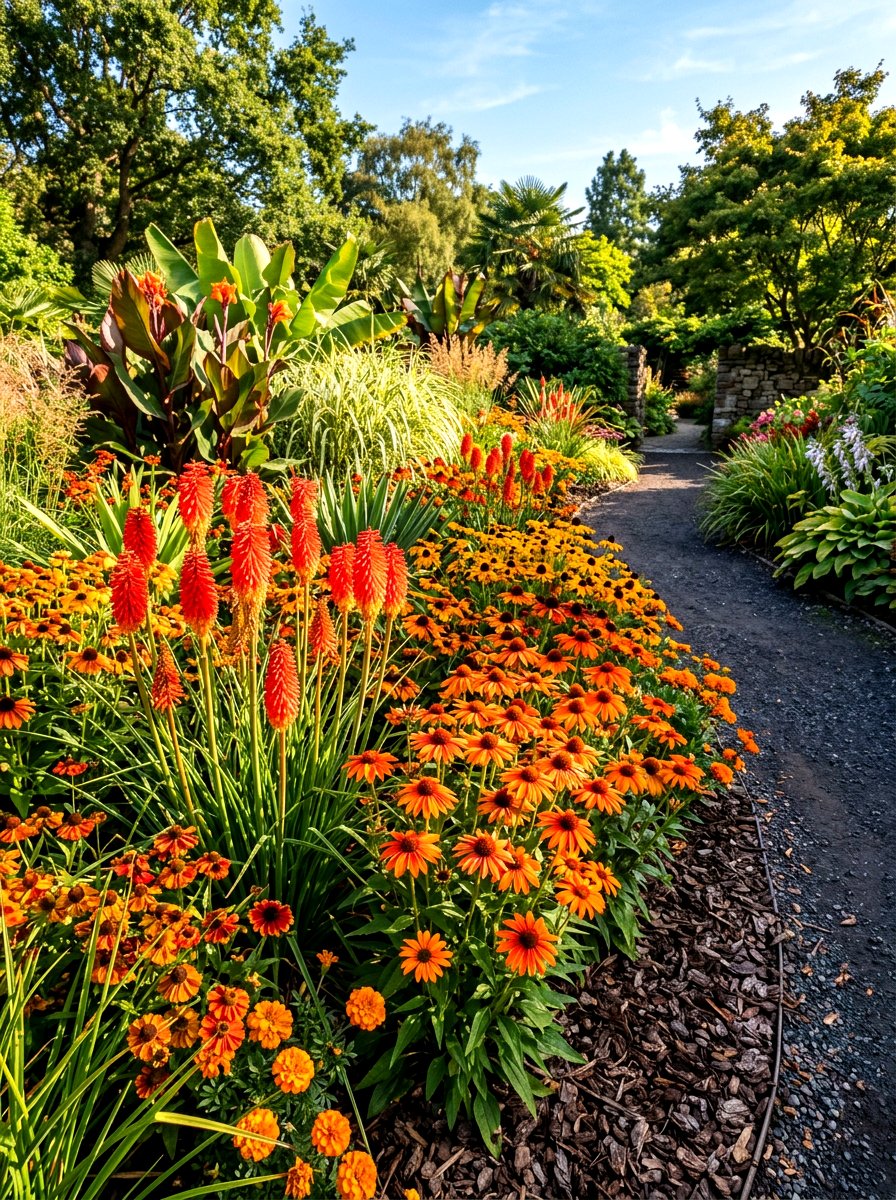
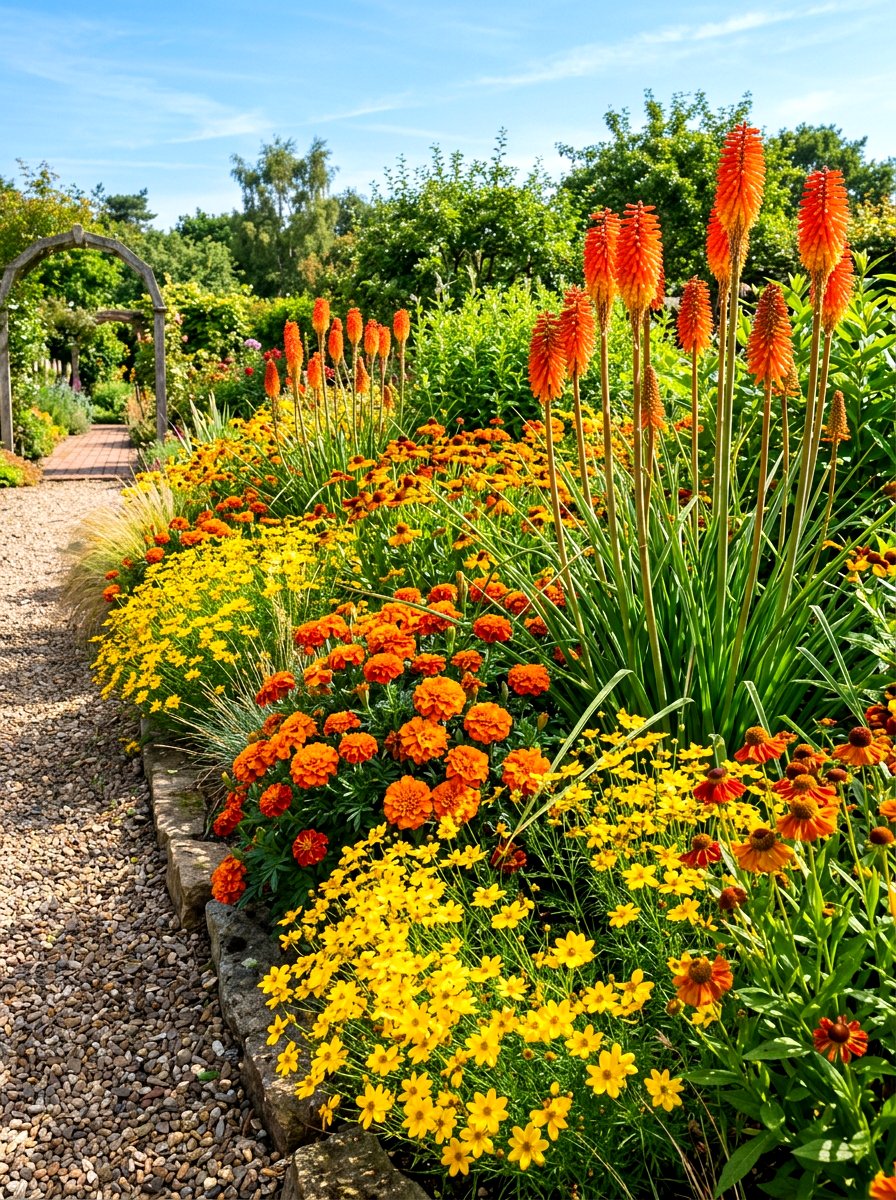
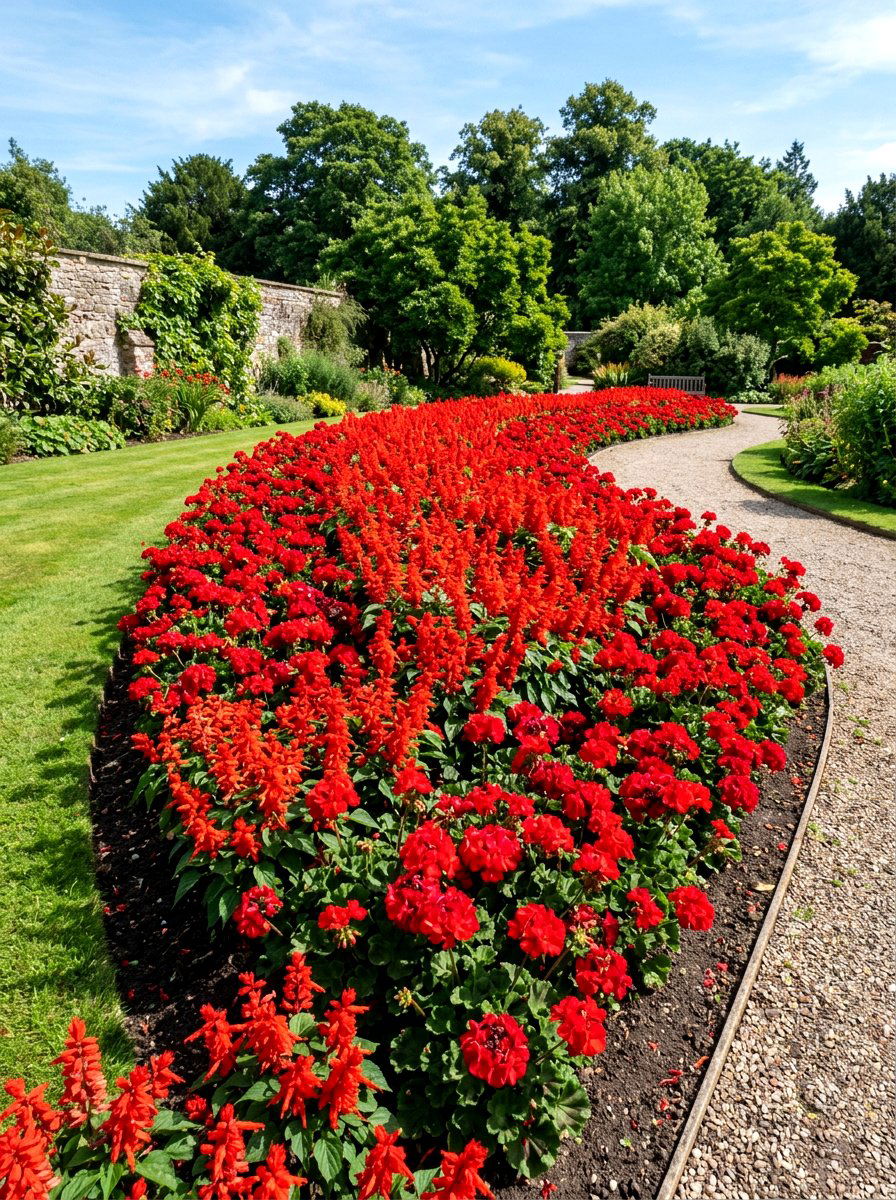
The hot color border is all about energy, excitement, and bold visual impact. This design uses fiery shades of red, orange, and bright yellow to create a focal point in the landscape. You can use plants like Red Hot Poker, Orange Coneflower, and bright yellow Coreopsis to build this look. These vibrant colors are especially effective in full sun areas where they can truly shine. To make the colors pop even more, you can include dark purple or lime green foliage for contrast. This type of border is great for larger yards where you want to draw the eye toward a specific distant area. It brings a sense of warmth and drama to the garden.
13. Ornamental Grass Border
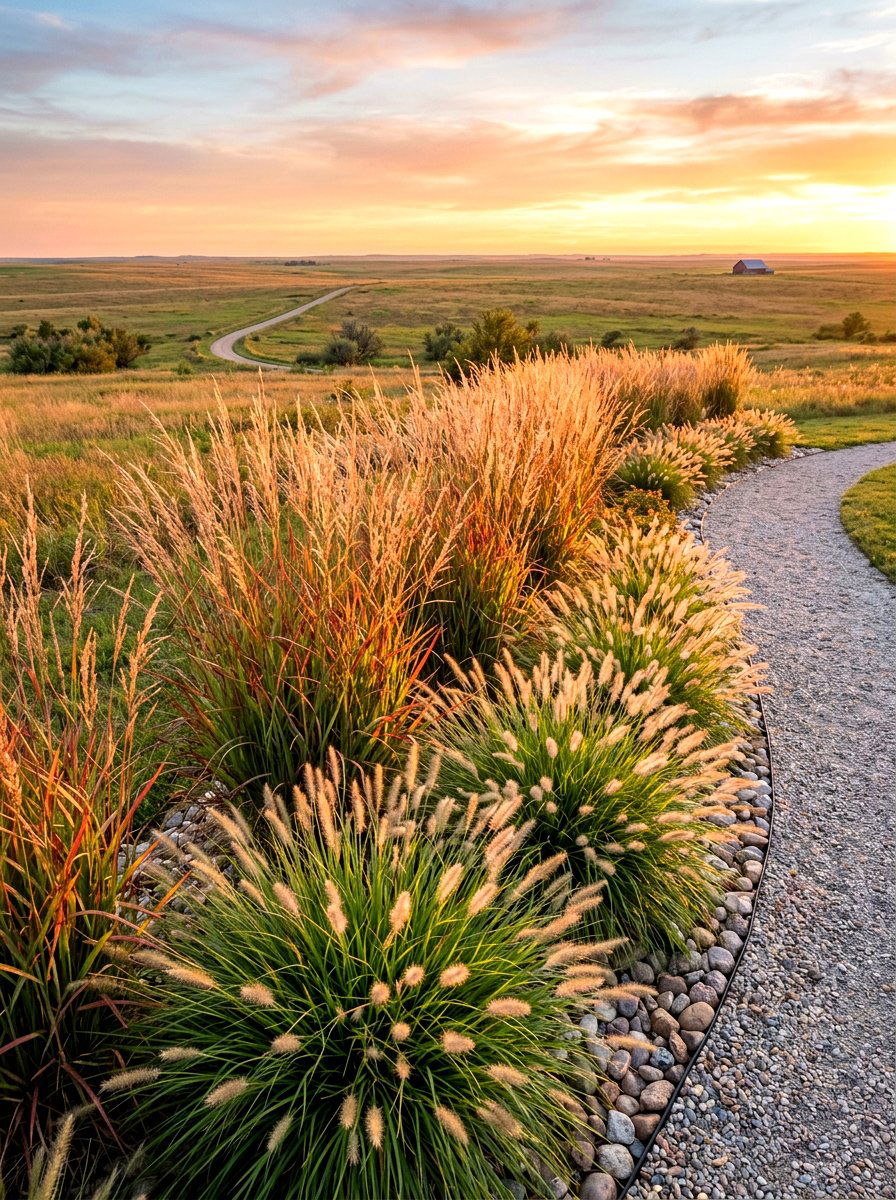
An ornamental grass border offers a unique look that focuses on movement, sound, and year-round structure. Grasses like Fountain Grass, Maiden Grass, and Blue Fescue provide a variety of heights and textures. They catch the slightest breeze, adding a dynamic and swaying element to your landscape. In the autumn, many of these grasses develop beautiful seed heads and change to golden or bronze tones. They provide excellent winter interest when many other perennials have died back to the ground. You can interplant them with late-blooming flowers to add splashes of color. This low-maintenance style is perfect for modern homes or large, open spaces that need a natural screen.
14. Low Maintenance Border
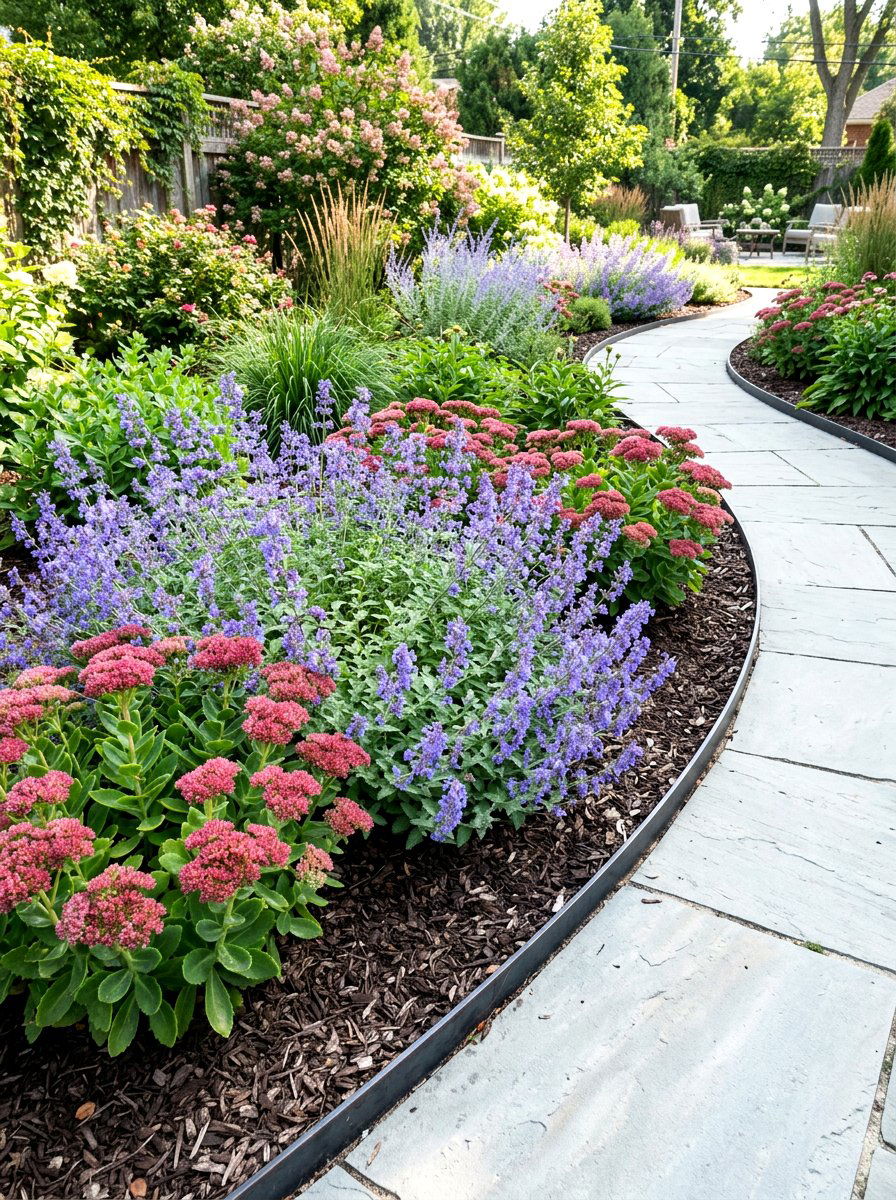
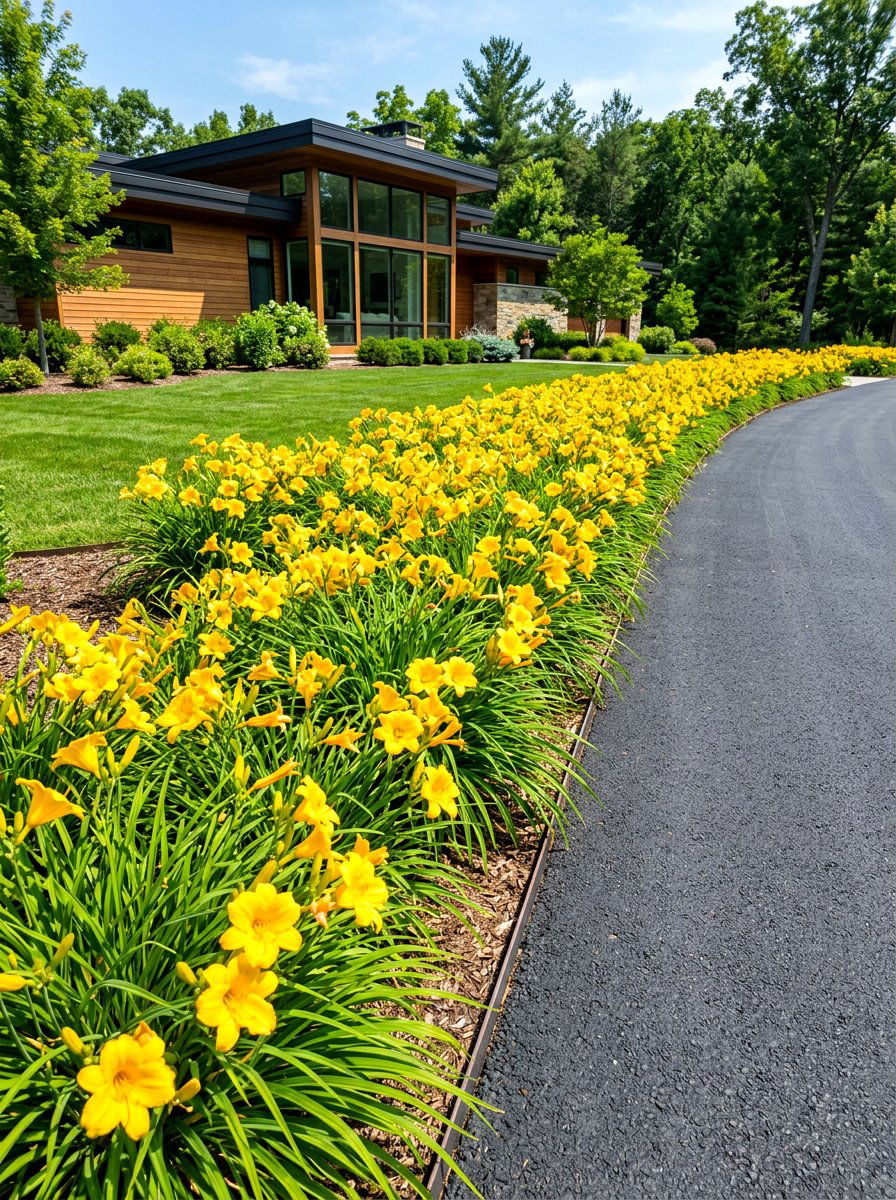
A low maintenance border is designed for people who want a beautiful garden without spending every weekend weeding. This style uses tough, reliable perennials that do not require frequent deadheading, staking, or dividing. Plants like Sedum 'Autumn Joy' , Catmint, and various Daylilies are perfect candidates for this approach. These plants are generally pest-resistant and can thrive in a variety of soil conditions. You should space the plants so they eventually grow together, creating a living mulch that prevents weed growth. Choosing plants that look good even after they finish blooming ensures the garden stays tidy. This design allows you to enjoy your outdoor space with minimal physical effort throughout the year.
15. Deer Resistant Border
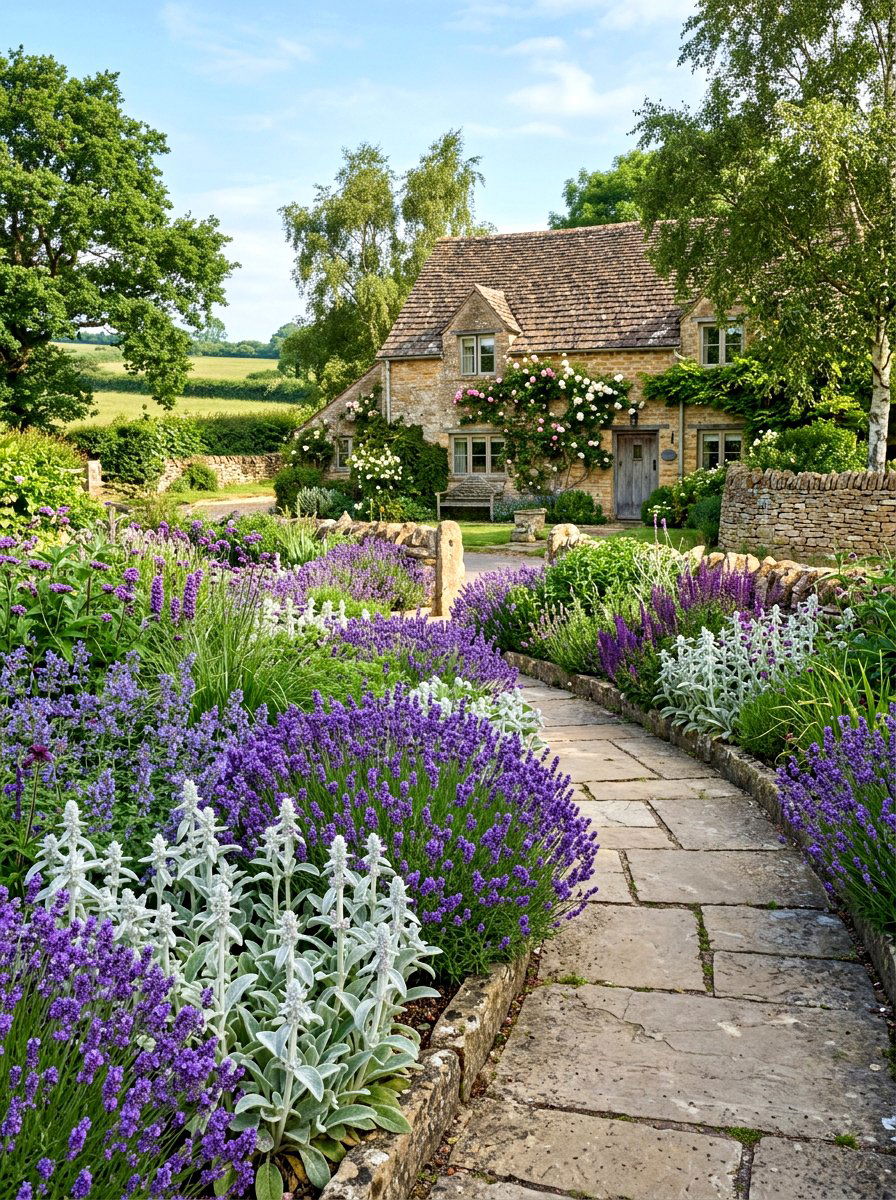
If you live in an area with active wildlife, a deer resistant border is a practical necessity. This design uses perennials that deer find unappealing due to their scent, texture, or toxicity. Plants with strong fragrances like Lavender, Sage, and Rosemary are usually avoided by foraging animals. You can also include prickly plants like Sea Holly or those with fuzzy leaves like Lamb's Ear. Poisonous beauties like Foxgloves and Hellebores are also generally safe from hungry deer. While no plant is completely deer-proof, these choices significantly reduce the risk of your garden being eaten overnight. This allows you to maintain a lush and flowering border even in very rural or wooded locations.
16. Coastal Perennial Border
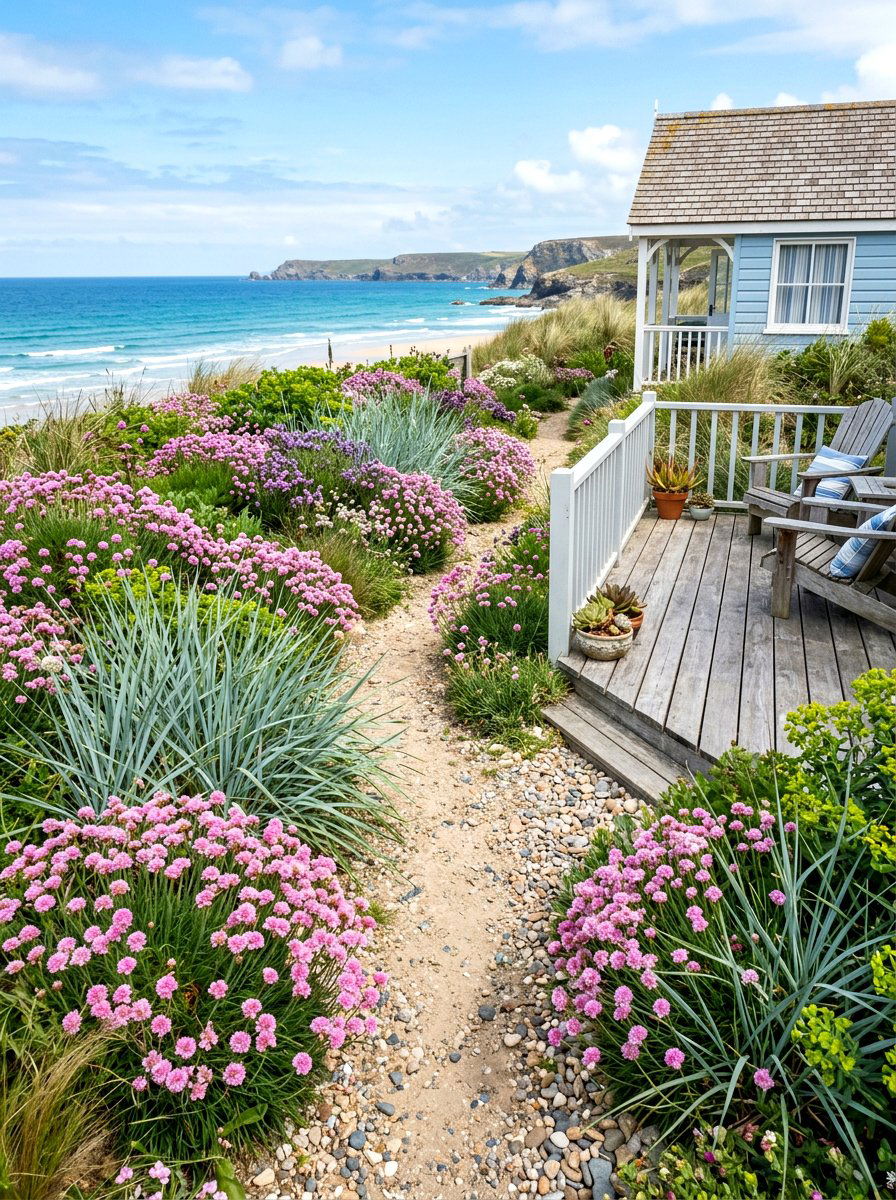
The coastal perennial border is designed to handle salty air, sandy soil, and strong winds. This style often features hardy plants that naturally thrive near the ocean. You can use Sea Thrift, Seaside Daisy, and various types of ornamental grasses that can bend without breaking. These plants often have narrow or waxy leaves to prevent moisture loss from the wind. Using gravel mulch can help with drainage and match the seaside aesthetic perfectly. The color palette often reflects the surroundings, with lots of blues, silvers, and sandy yellows. This type of garden is very resilient and requires little extra care once the plants are established in their salty environment.
17. Sloped Perennial Border
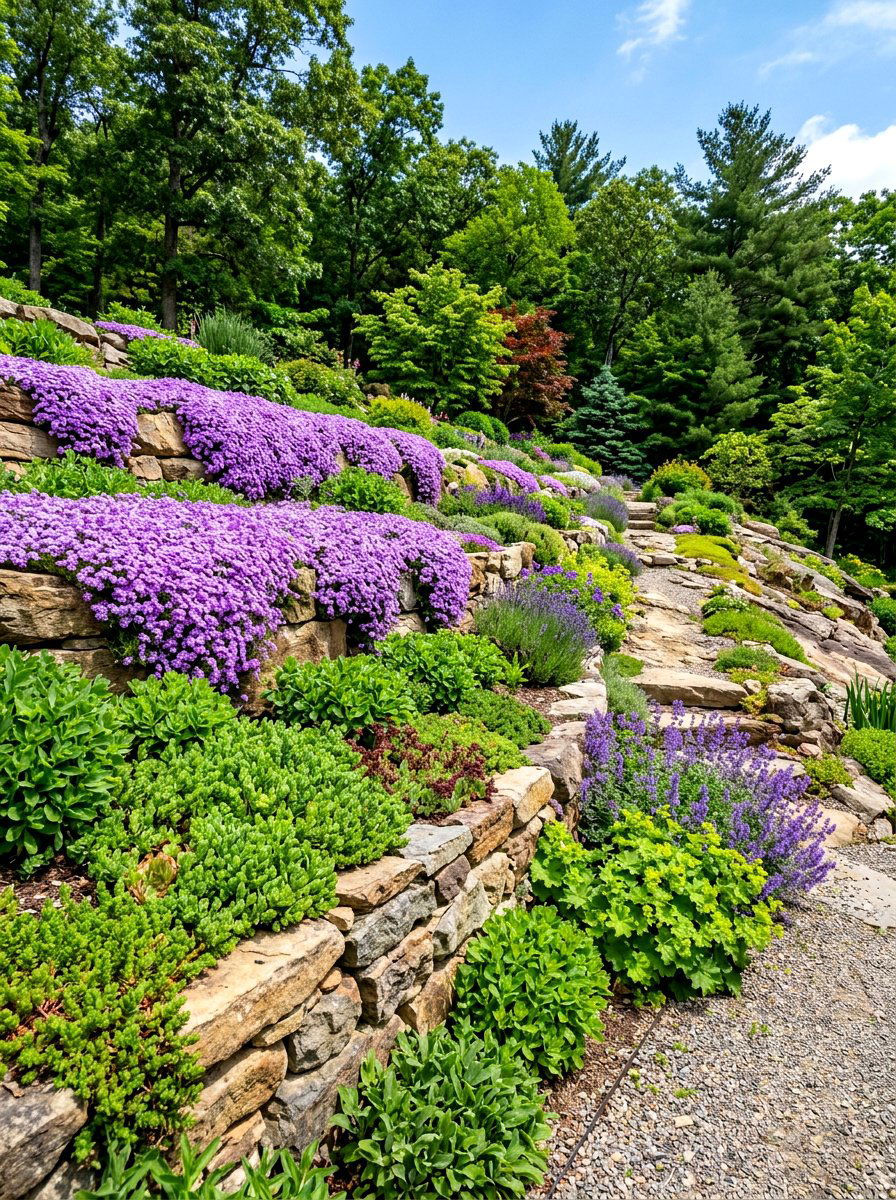
A sloped perennial border is a brilliant way to turn a challenging landscape feature into a stunning vertical garden. This design uses plants with strong root systems to help stabilize the soil and prevent erosion. Creeping perennials like Phlox subulata and various stonecrops are excellent for covering the ground quickly. You can also use mounding plants like Nepeta or hardy Geraniums to fill in larger gaps on the hillside. Planting in a staggered pattern helps to catch rainwater and allows it to soak into the slope. Adding a few larger stones or small boulders can provide extra stability and a natural look. This transforms a difficult-to-mow area into a beautiful cascading waterfall of flowers.
18. Woodland Perennial Border
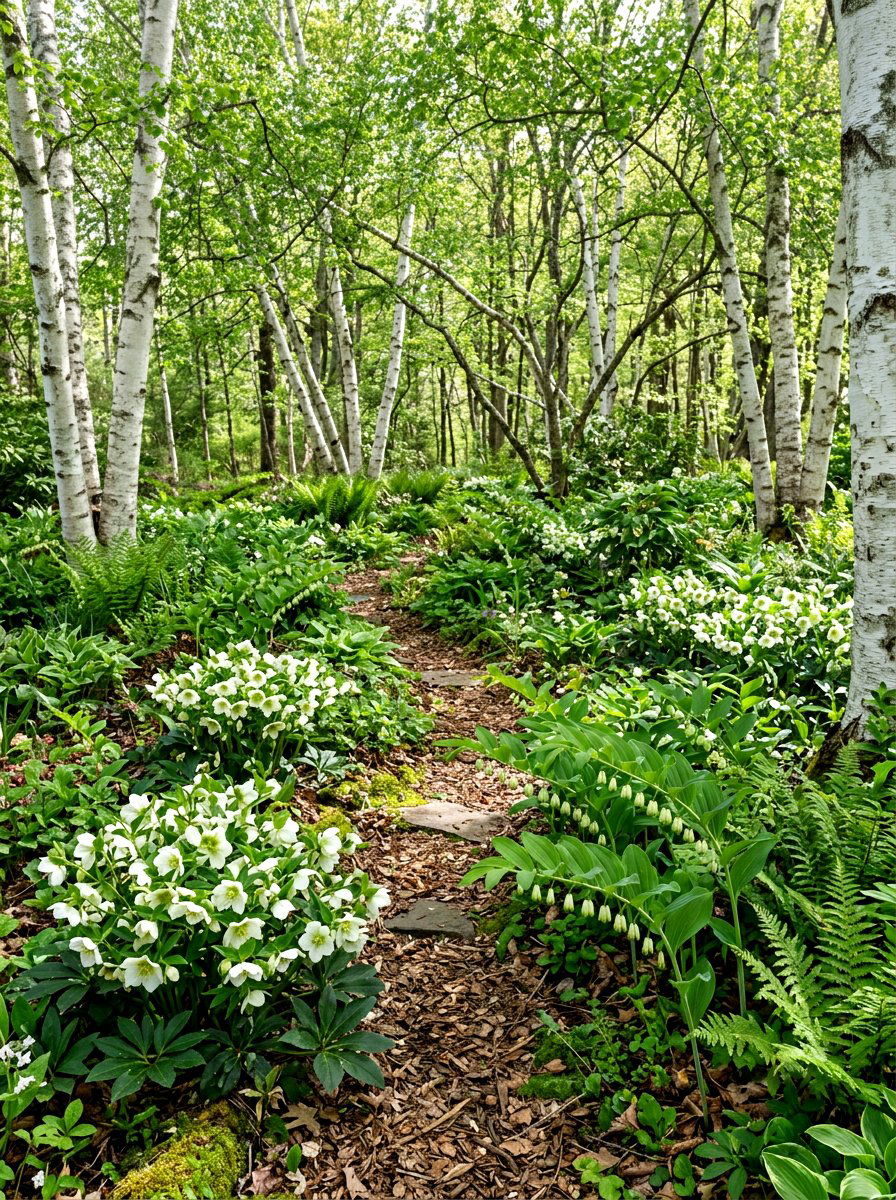
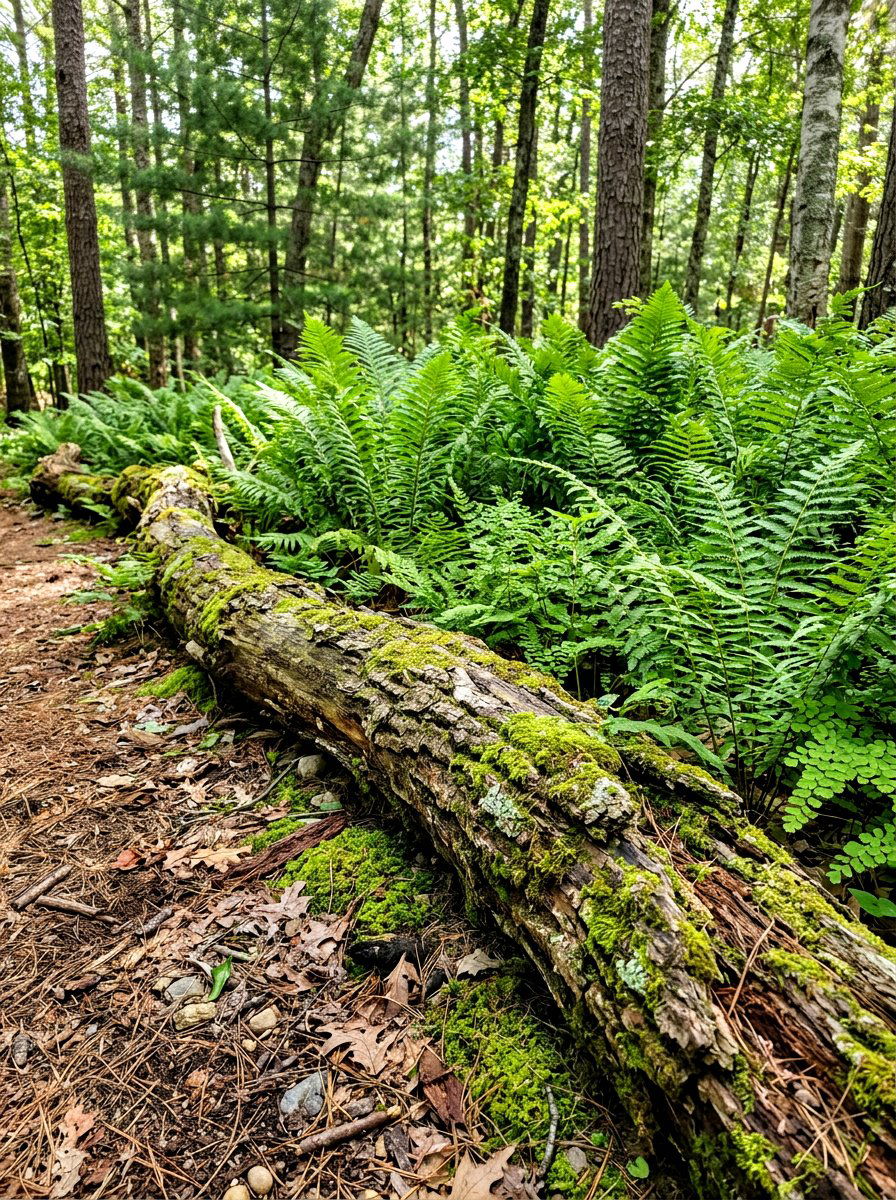
A woodland perennial border mimics the natural beauty of a forest floor and thrives under the canopy of trees. This design uses layers of shade-loving plants to create a cool and damp environment. You can start with a base of mosses and low-growing Ajuga or Sweet Woodruff. Above that, add medium-sized plants like Hellebores, Ferns, and Solomon's Seal for varied heights. These plants often bloom in early spring before the trees fully leaf out. The focus is on subtle beauty and a wide range of green tones rather than showy, bright flowers. This type of garden feels very organic and peaceful, providing a perfect spot for quiet reflection and enjoying nature.
19. Narrow Walkway Border
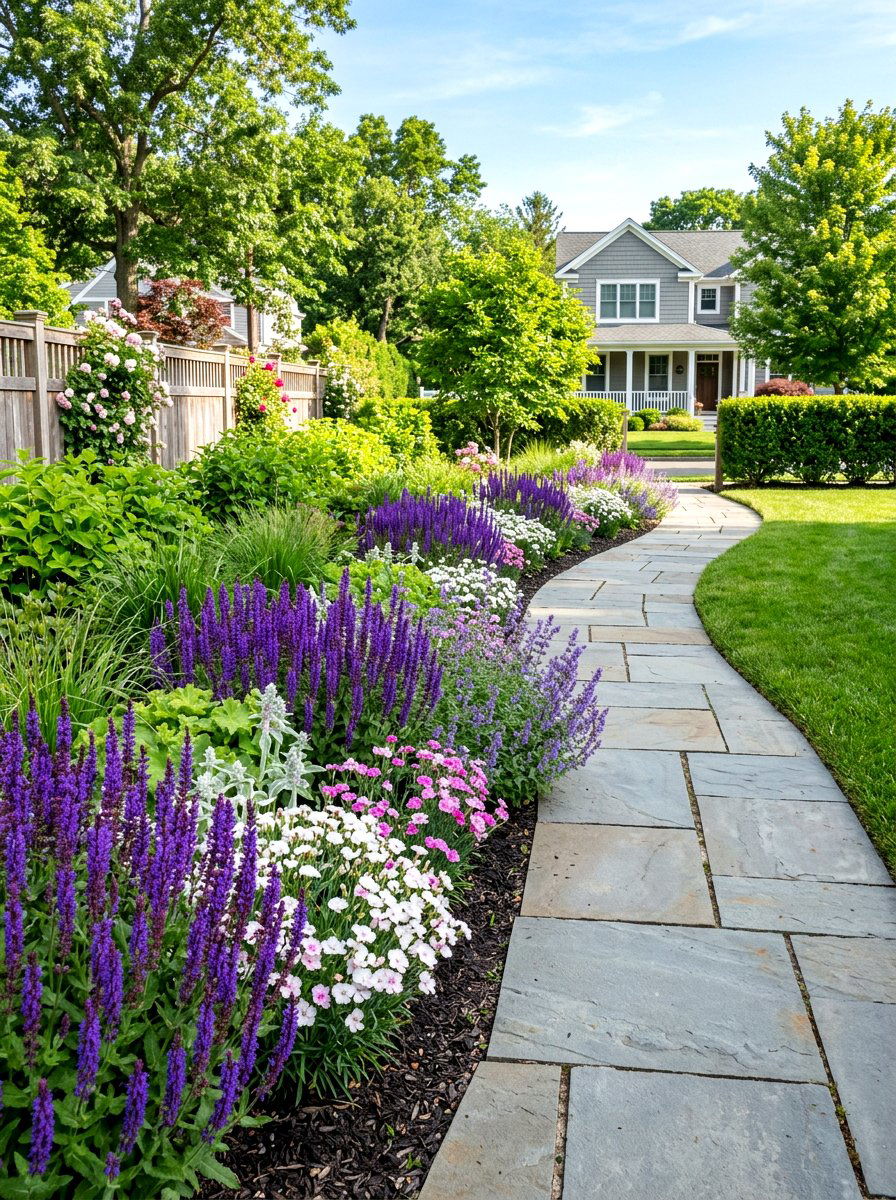
A narrow walkway border is perfect for lining paths, driveways, or small side yards where space is limited. This design uses compact perennials that will not spill over too far and trip people as they walk. You can use neat, upright plants like Salvia or Lavender to define the edge of the path clearly. Including scented plants like Thyme or Pinks adds a lovely sensory experience as people brush past them. This style helps to soften the hard lines of concrete or stone walkways and makes them feel more integrated. Choosing plants with a tidy growth habit ensures the path stays clear and accessible. It creates an inviting journey from the street to your front door.
20. Victorian Perennial Border
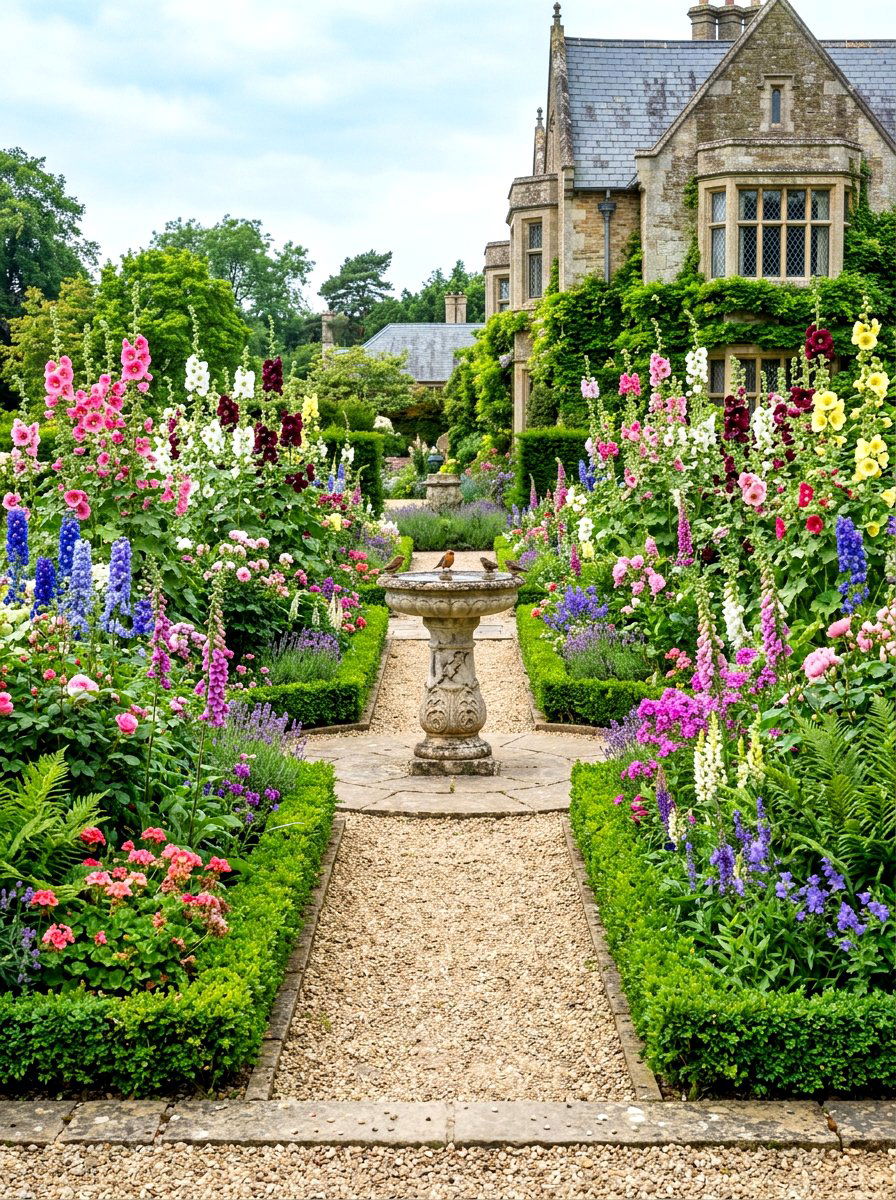
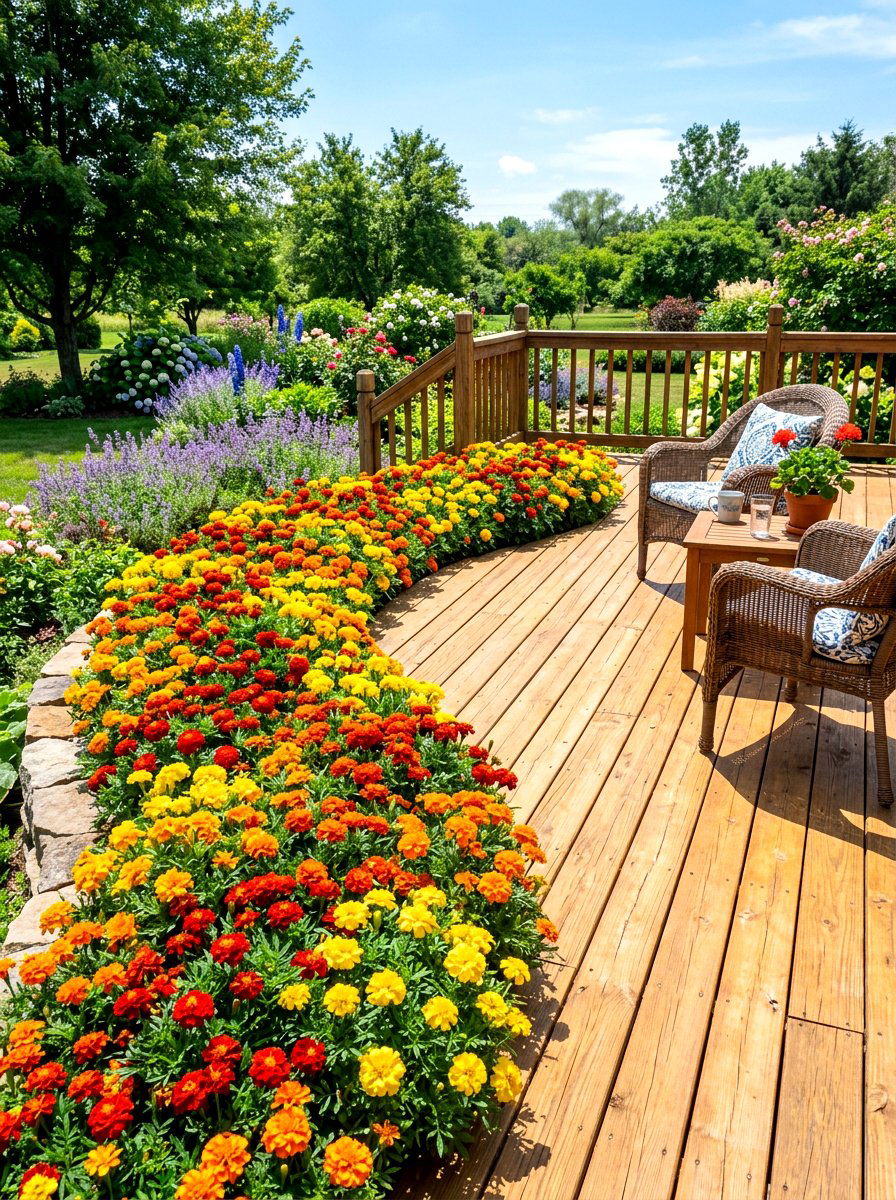
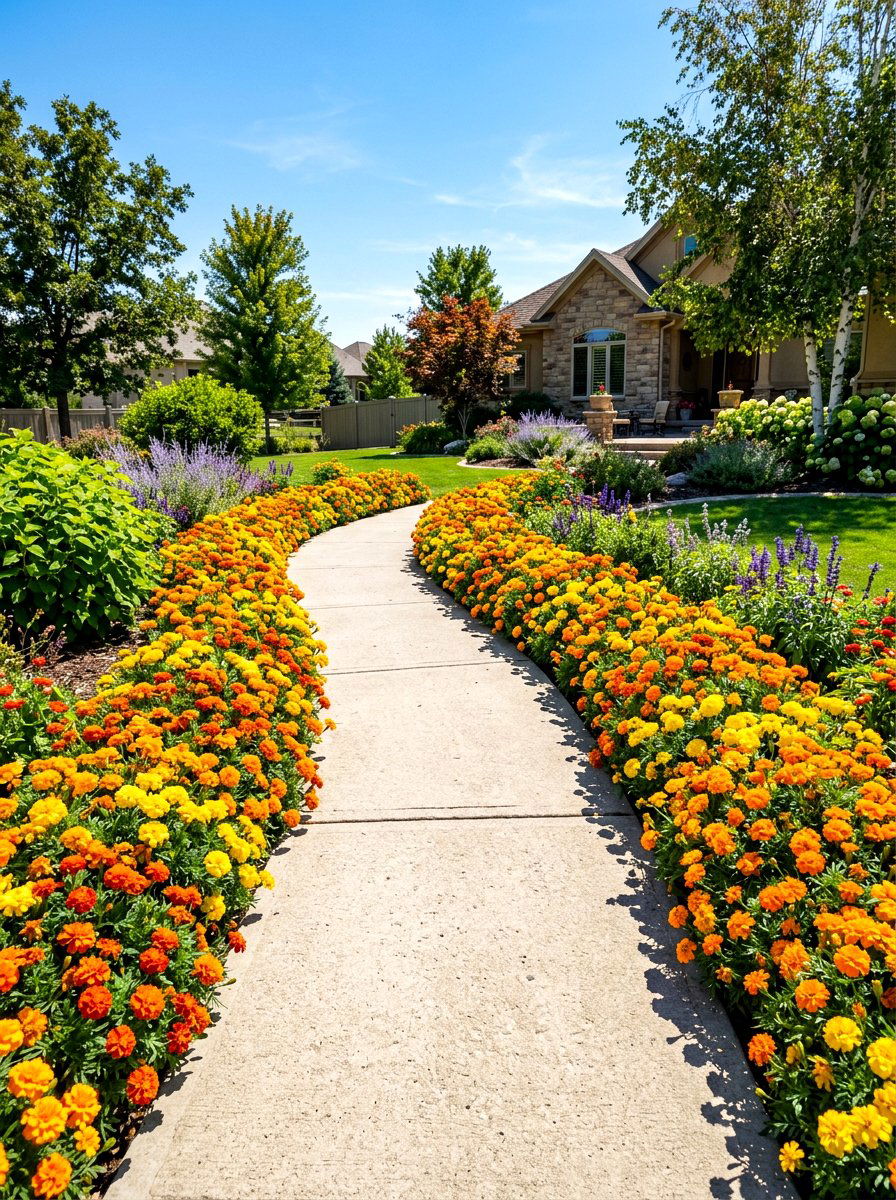
The Victorian perennial border is a formal and highly structured style that emphasizes symmetry and order. This design often features clear, straight edges and repeats specific plant groupings at regular intervals. You can use traditional favorites like Hollyhocks, Bleeding Hearts, and Lilies to create a sense of history. Incorporating architectural elements like small obelisks or statues can enhance the classic feel of the space. The colors are often rich and jewel-toned, featuring deep purples, burgundies, and forest greens. This type of garden requires regular maintenance to keep the edges sharp and the plants neatly contained. It provides a dignified and impressive look that complements older or more traditional home architectures.
21. Scented Perennial Border
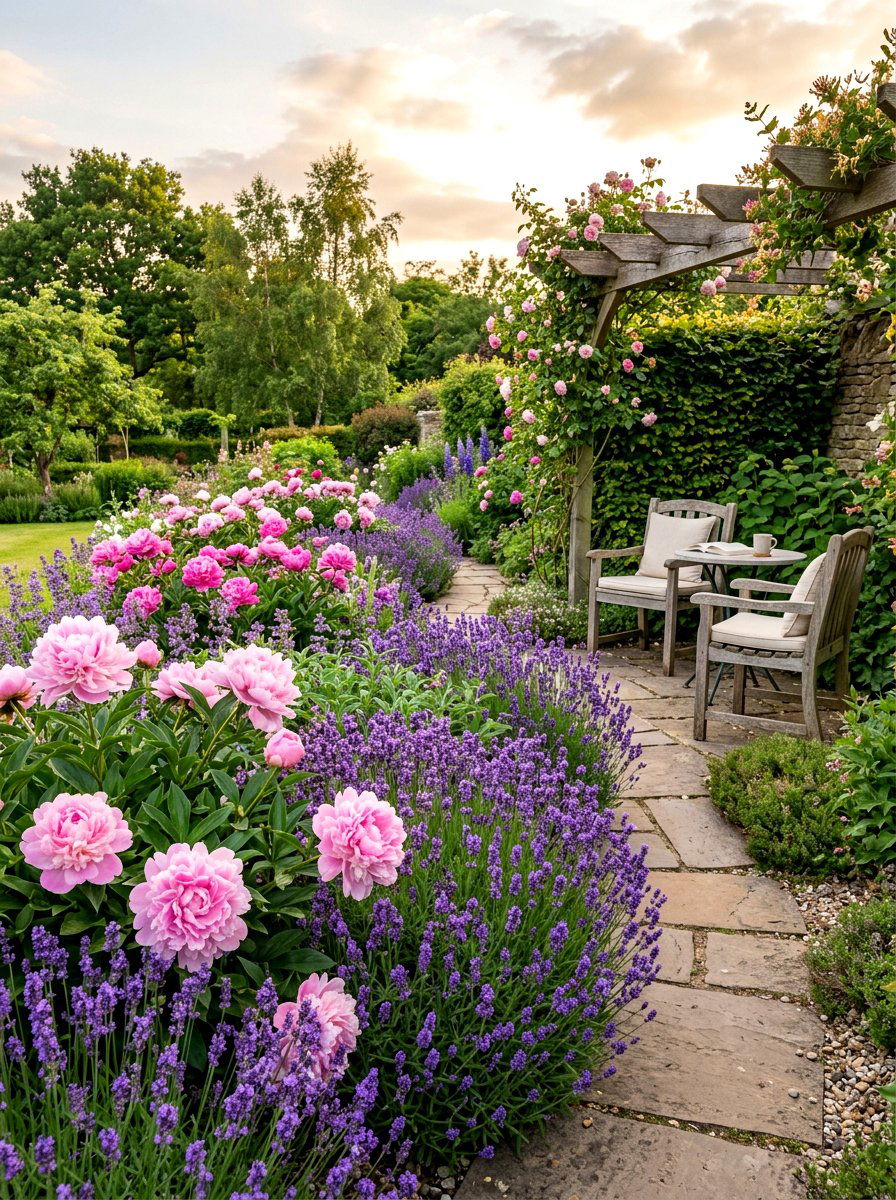
A scented perennial border is designed to delight the sense of smell as much as the sense of sight. This design places highly fragrant plants in areas where you walk or sit frequently. You can include Lavender, Dianthus, and scented Peonies for a variety of pleasant aromas. Planting near windows allows the sweet scents to drift inside your home during the spring and summer. Some plants like Night-Scented Stock or Evening Primrose release their fragrance only after the sun goes down. This creates a magical atmosphere for evening garden strolls or outdoor dinner parties. It is a wonderful way to create a memorable and immersive outdoor experience for you and your guests.
22. Winter Interest Border
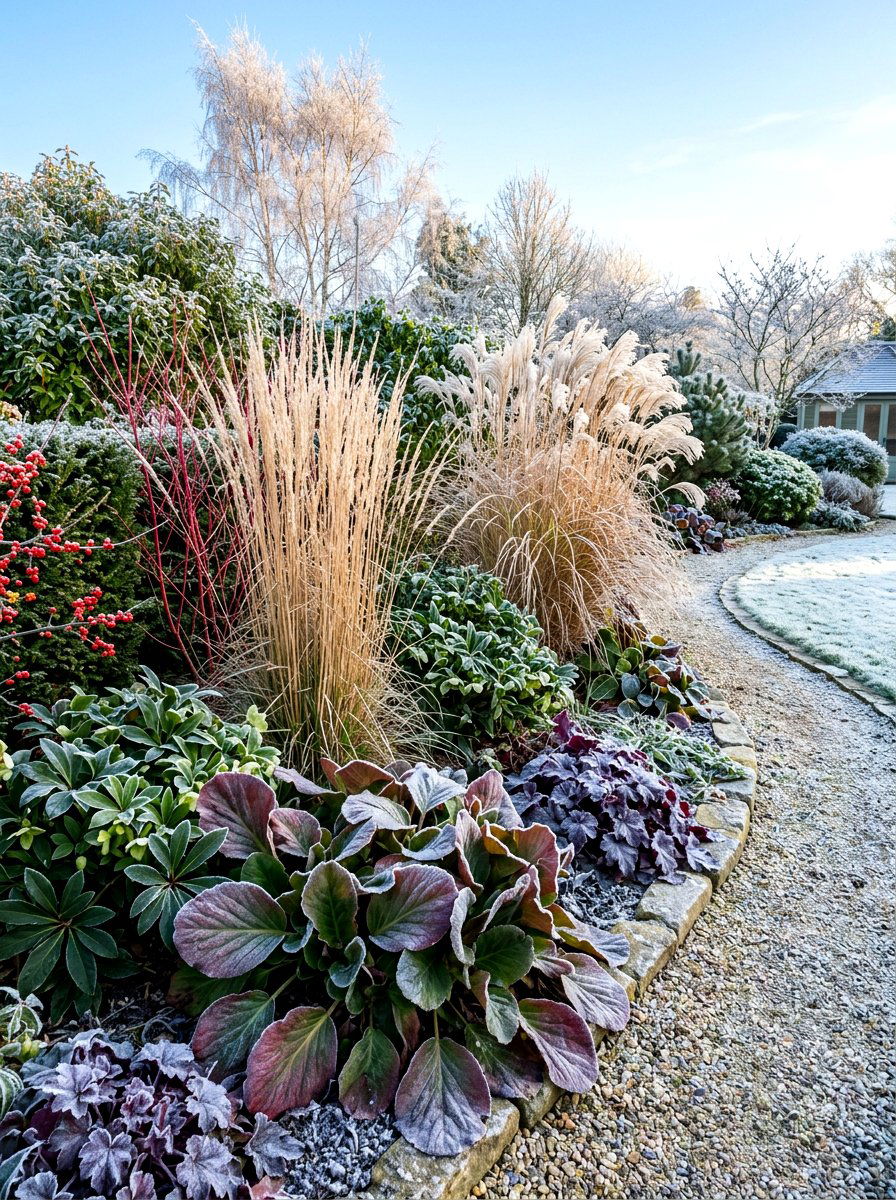
The winter interest border ensures your garden looks beautiful even during the coldest months of the year. This design focuses on plants that maintain their structure or foliage after the first frost hits. You can include evergreen perennials like Bergenia or Hellebores, which often bloom in late winter. Ornamental grasses left standing provide movement and catch the snow beautifully on their seed heads. Plants with interesting bark or dried seed pods, like Alliums or Sedum, add skeletal beauty to the landscape. This prevents the garden from looking bare and brown until the following spring arrives. It provides a much-needed visual boost and habitat for birds during the dark winter days.
23. Butterfly Perennial Border
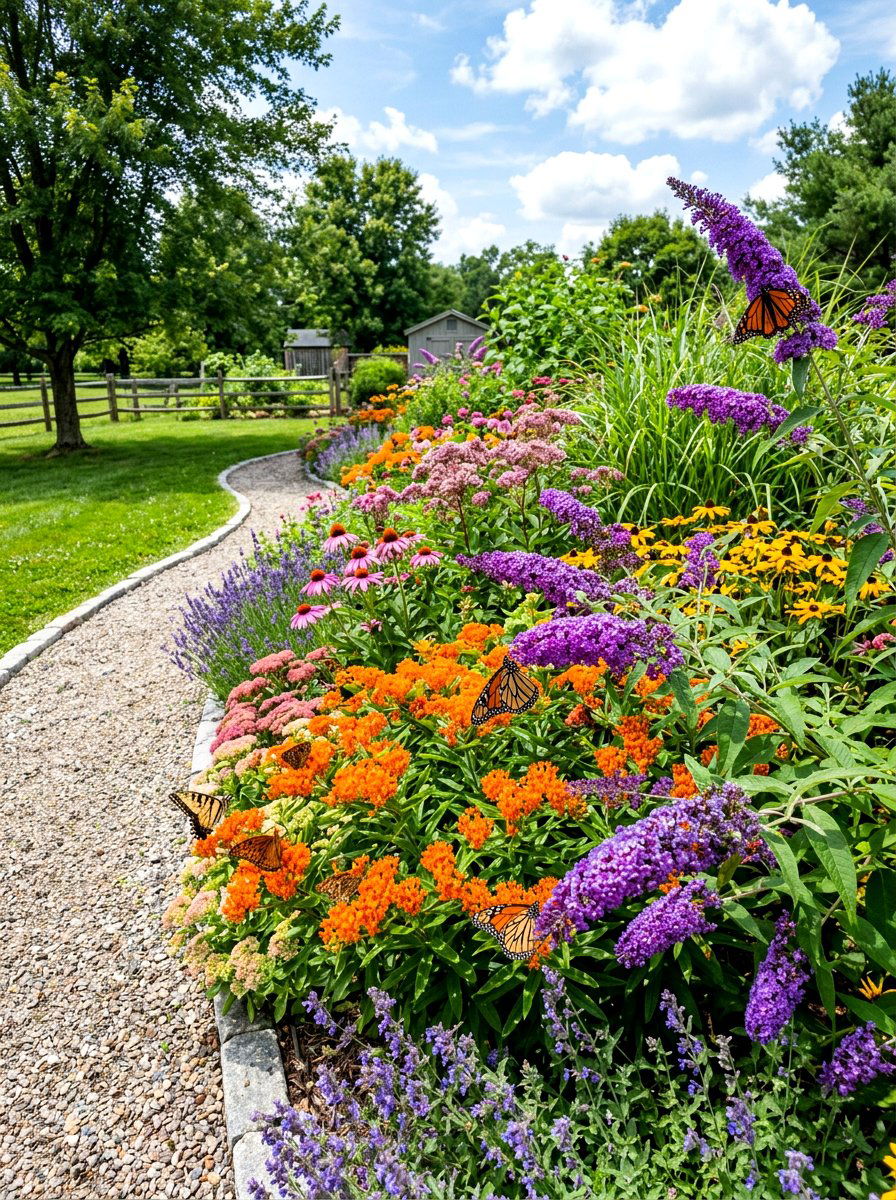
A butterfly perennial border is a specialized garden designed to attract and support various butterfly species. This design includes both nectar plants for adults and host plants for their caterpillars to eat. You should plant plenty of Butterfly Weed, Lantana, and Buddleia to provide a steady food source. Grouping plants in large, sunny blocks helps butterflies spot the garden from a distance as they fly. Including a few flat stones gives them a place to bask in the sun and warm their wings. Providing a shallow water source or "puddling" area is also very beneficial for their health. This vibrant border brings constant color and fluttering movement to your backyard throughout the summer season.
24. Lavender Edge Border
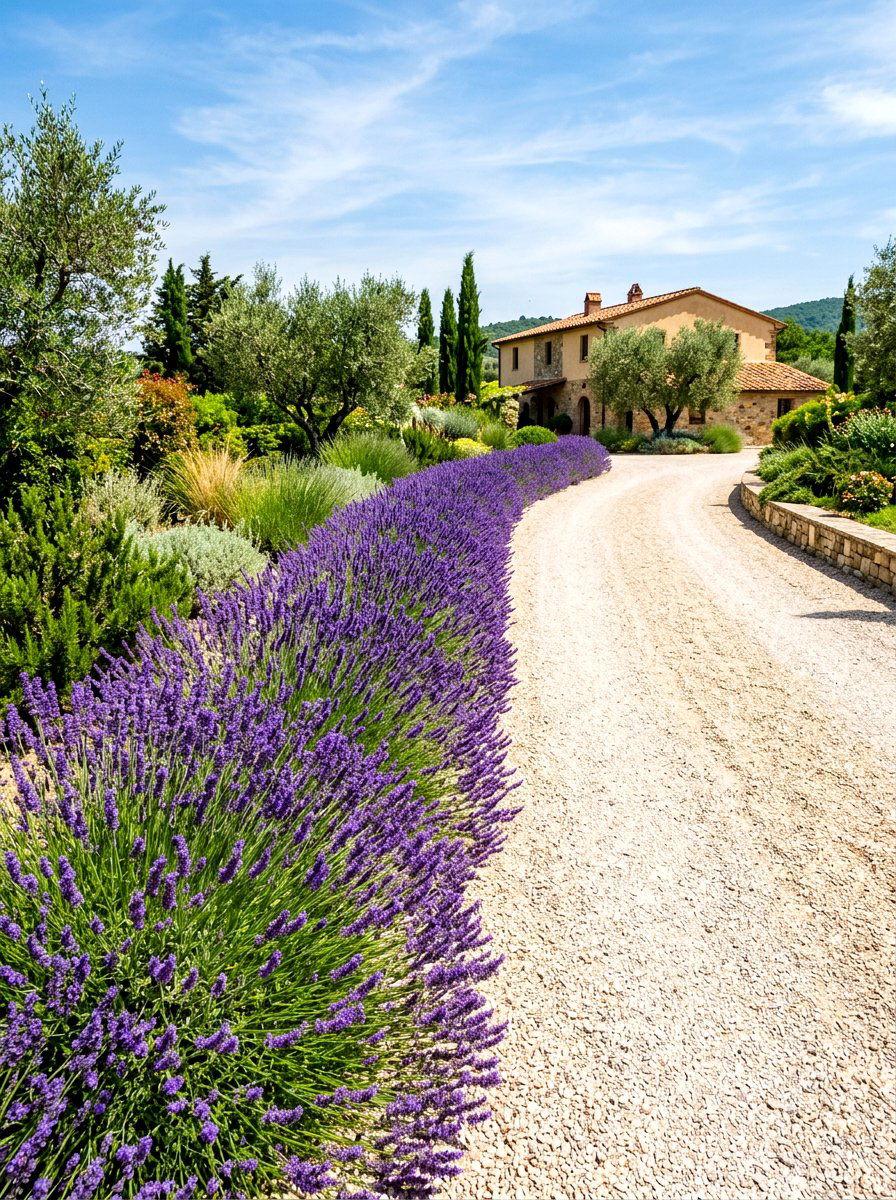
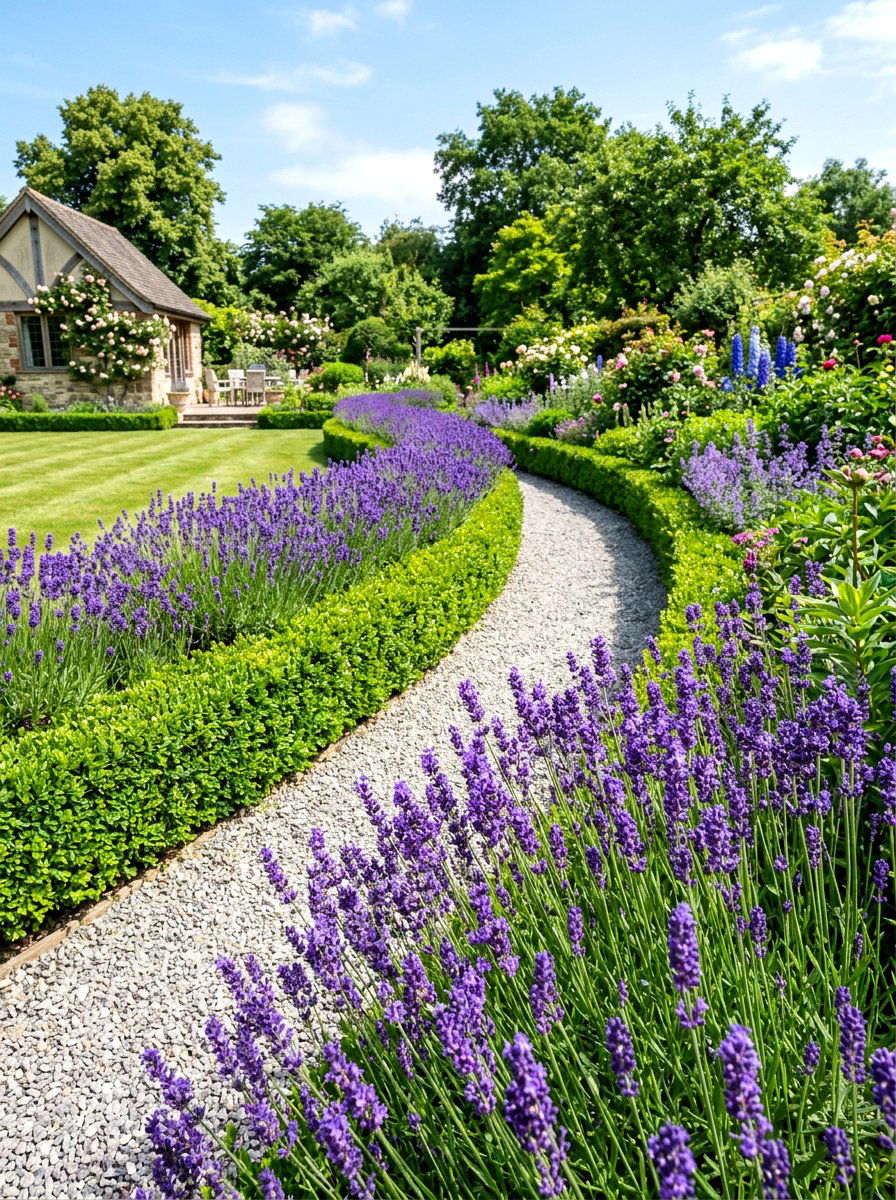
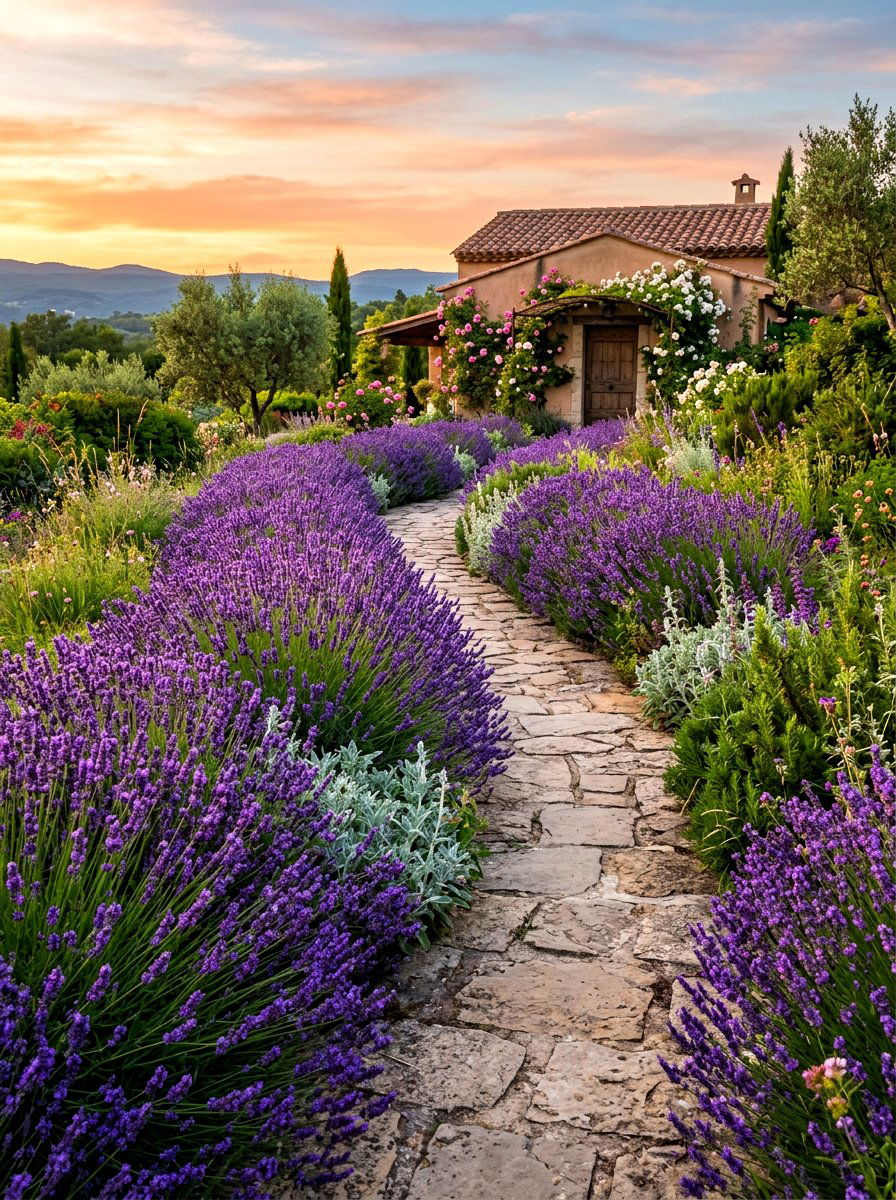
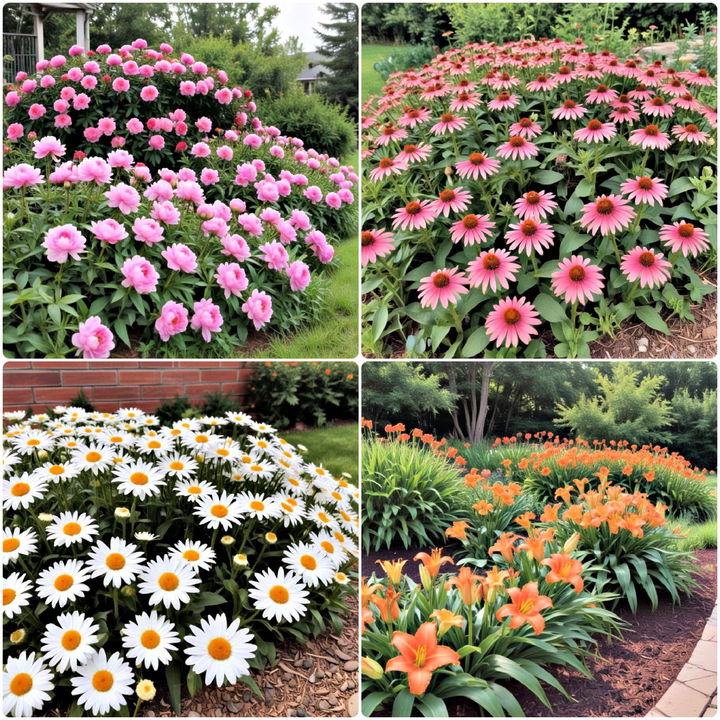
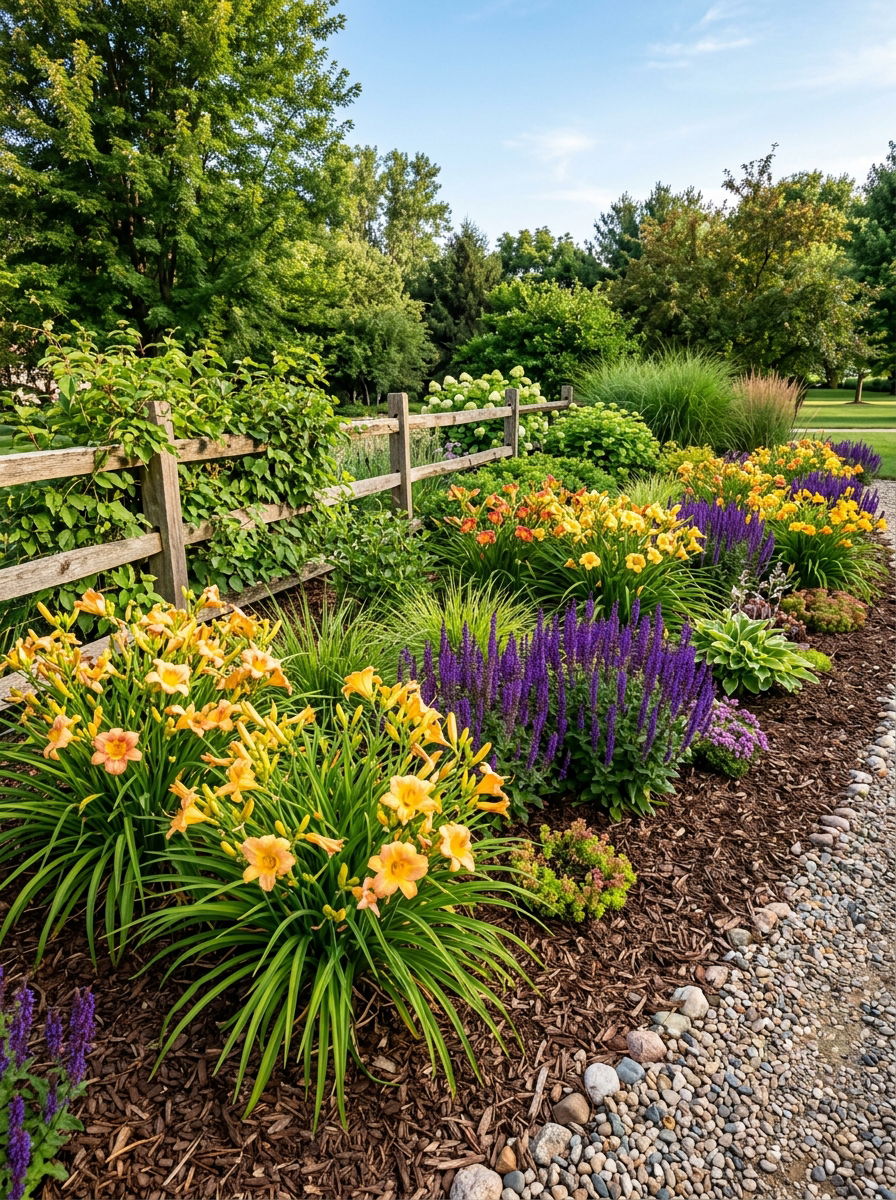
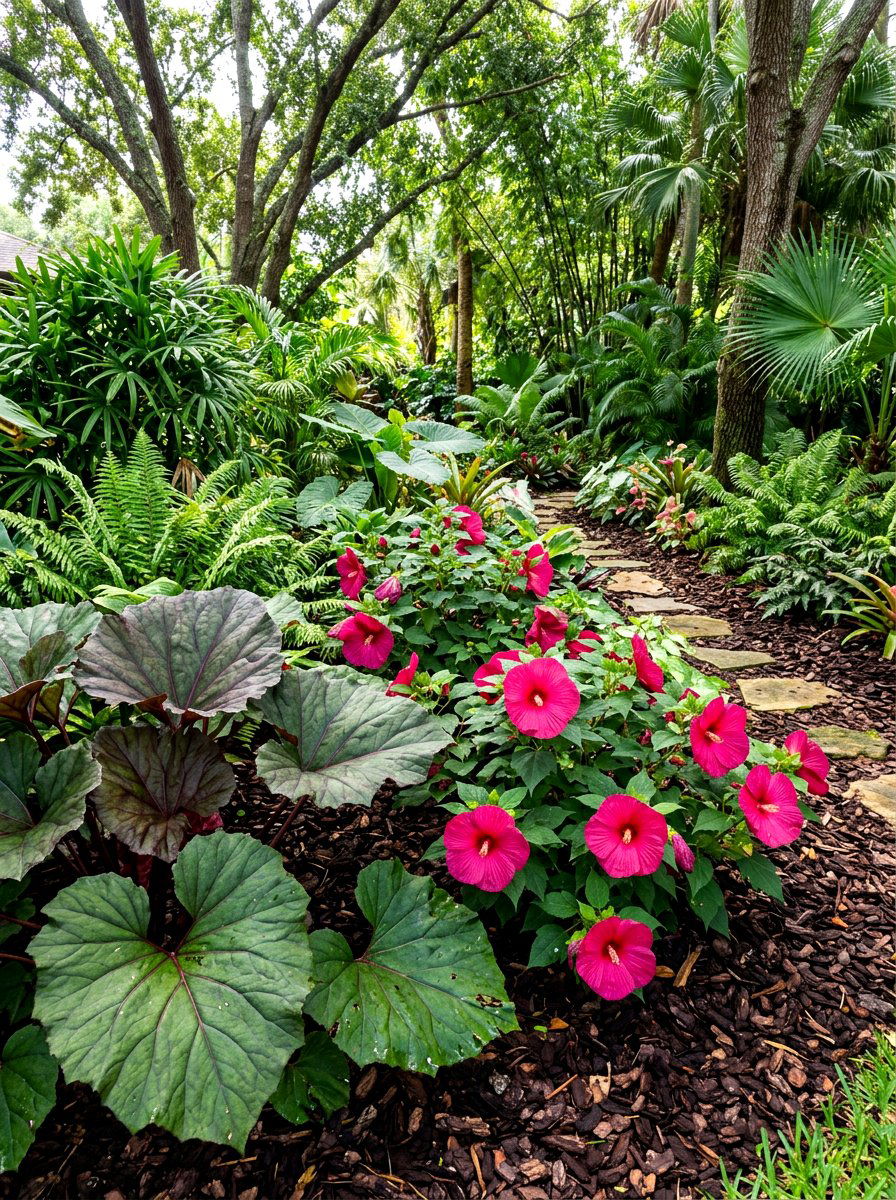
The lavender edge border is a classic and functional design that provides a neat, fragrant boundary for your garden beds. Planting a long row of lavender creates a soft, mounding hedge that looks beautiful all year round. The silver-green foliage remains attractive even when the purple flower spikes are not in bloom. This style is perfect for lining a sunny driveway or separating a patio from the rest of the lawn. Lavender is very drought-tolerant and thrives in poor, well-drained soil with plenty of sunlight. As you walk past, the scent is released, creating a refreshing and calming effect. It is a simple yet sophisticated way to add structure to your outdoor space.
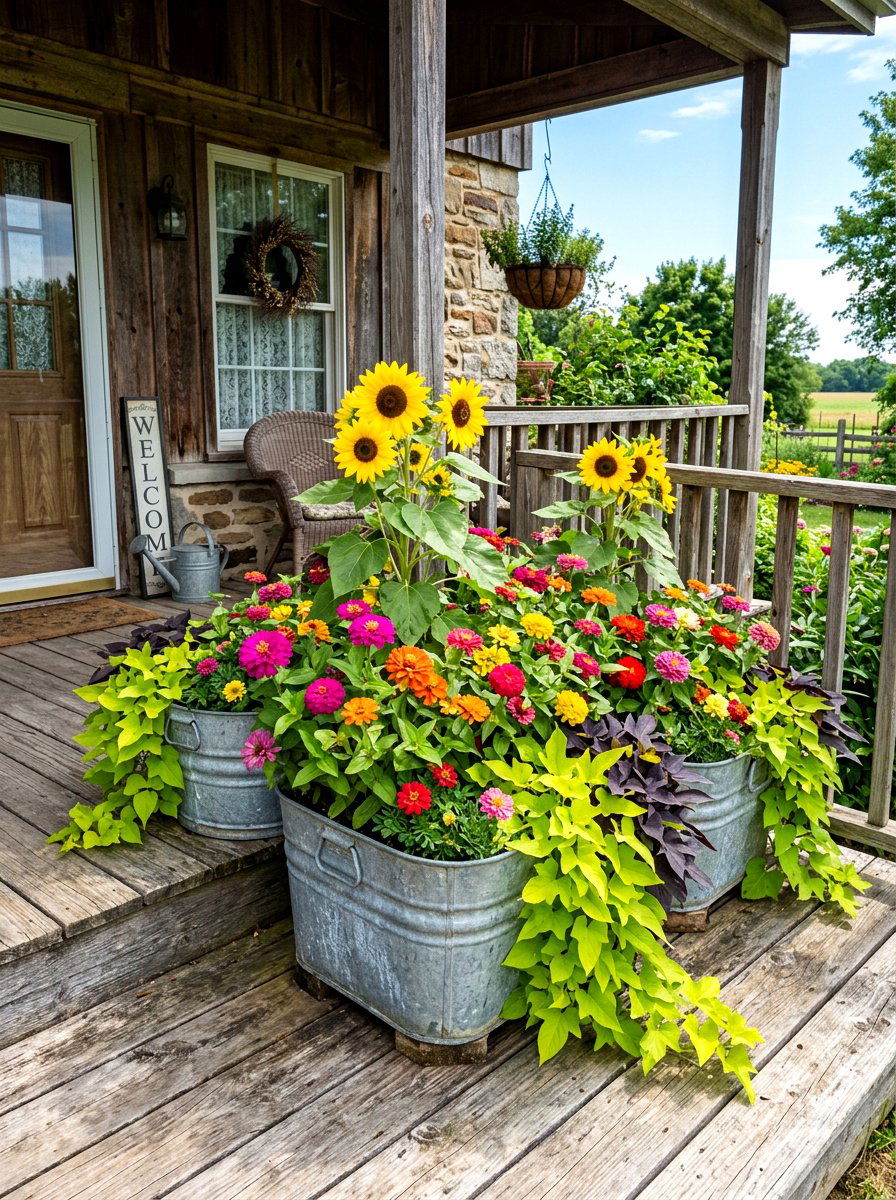
25. Foliage Perennial Border
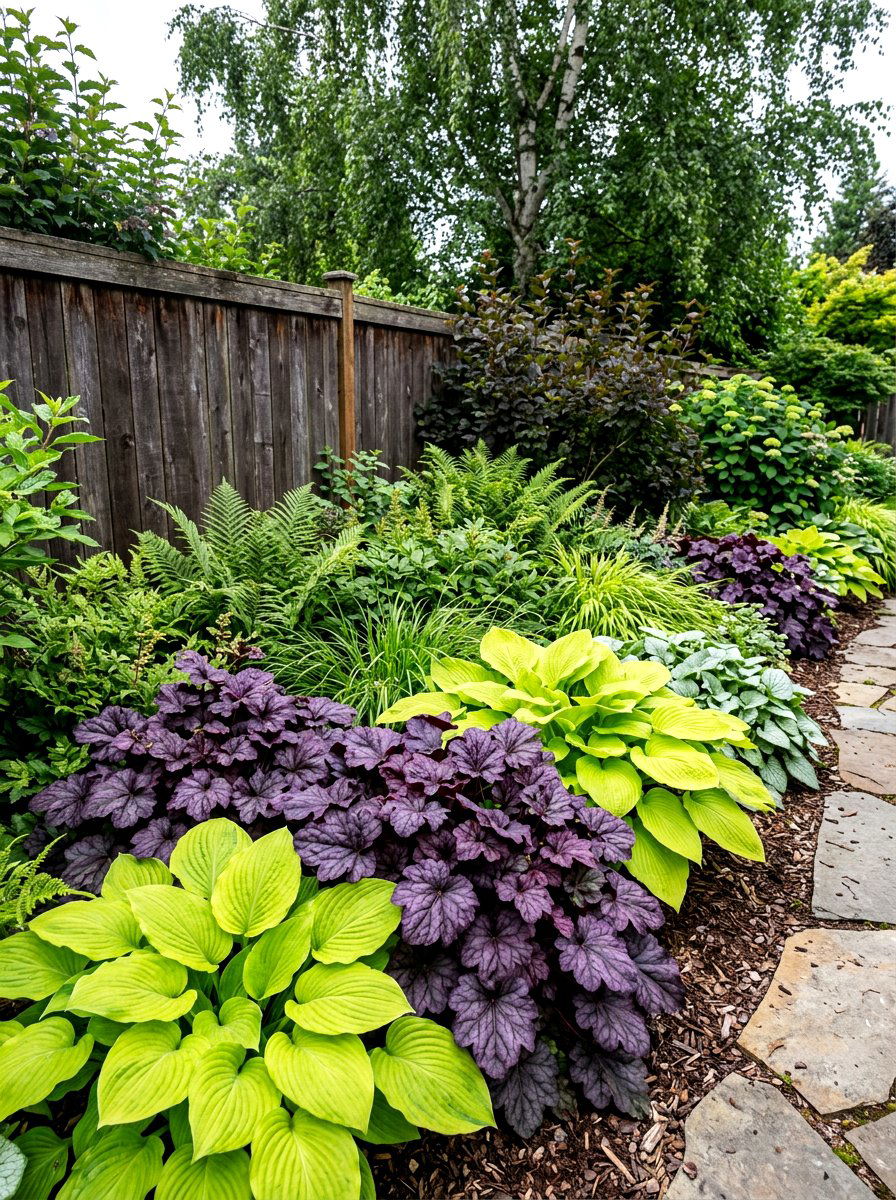
A foliage perennial border proves that you do not need bright flowers to have a stunning garden. This design relies on the incredible variety of leaf shapes, sizes, and colors available in the perennial world. You can mix the dark purple leaves of Heuchera with the bright lime green of Japanese Forest Grass. Large-leafed plants like Rodgersia can provide a dramatic contrast to the fine needles of Amsonia. This style is particularly effective because the display lasts much longer than a typical blooming period. It creates a lush, textured look that stays consistent from late spring through the first frost. This approach is perfect for gardeners who appreciate subtle beauty and complex patterns.
26. Raised Perennial Border
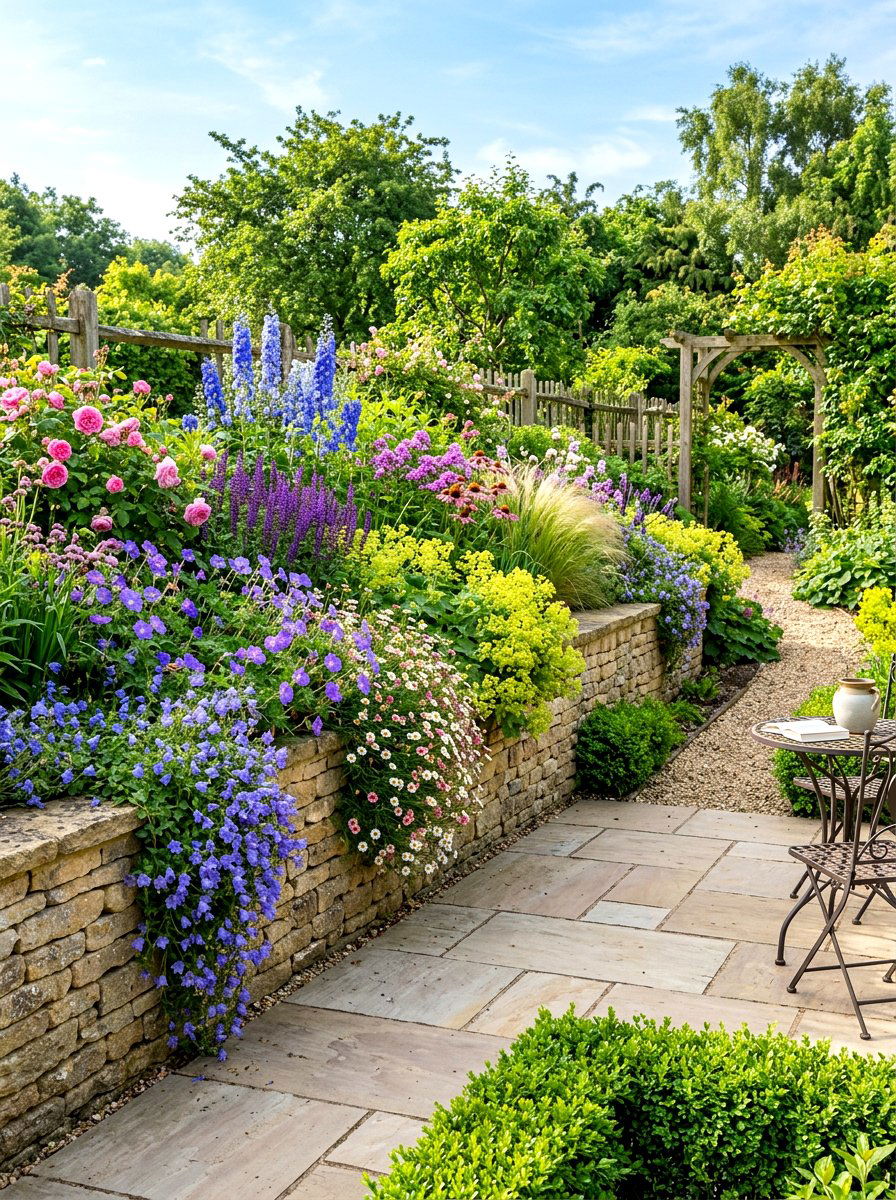
A raised perennial border is an excellent solution for yards with poor soil or for gardeners with limited mobility. This design uses timber, stone, or brick walls to elevate the planting area above the ground level. Raised beds allow you to control the soil quality perfectly and ensure excellent drainage for your plants. You can grow a wide variety of perennials, from tall Delphiniums to cascading Creeping Phlox over the edges. The height makes it much easier to weed, prune, and enjoy the details of your flowers without bending over. It also provides a clear architectural structure that defines different zones in your outdoor living space. This style looks very clean and intentional.
27. Gravel Perennial Border
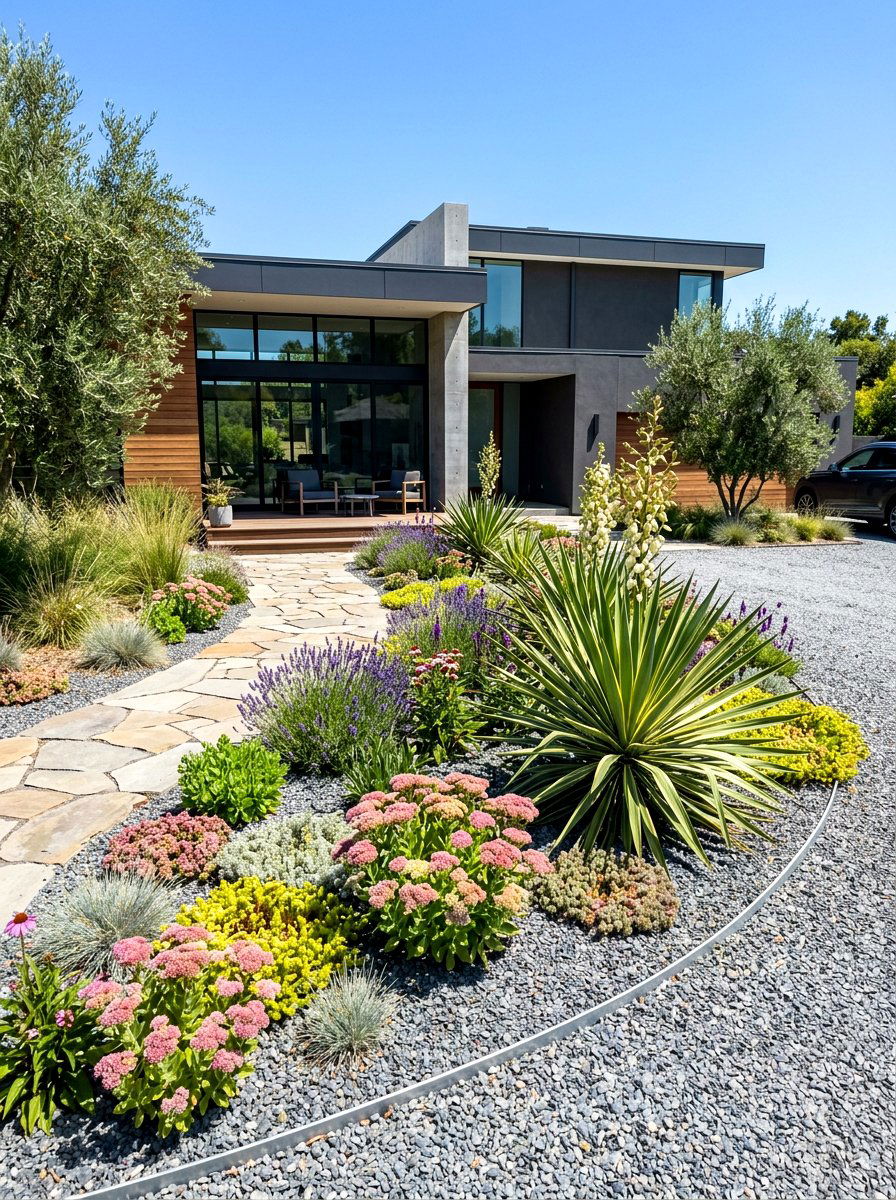
The gravel perennial border is a Mediterranean-inspired style that is both stylish and very low maintenance. This design involves planting through a thick layer of gravel or crushed stone instead of traditional mulch. It is perfect for sun-loving, drought-tolerant plants like Mediterranean herbs, Yuccas, and various Sedums. The gravel helps to suppress weeds and keeps the base of the plants dry, preventing rot during wet winters. This style has a very modern and clean aesthetic that works well with contemporary architecture. It also reflects heat back onto the plants, which can help them thrive in cooler climates. This garden type requires very little water and almost no weeding once established.
28. Early Spring Border
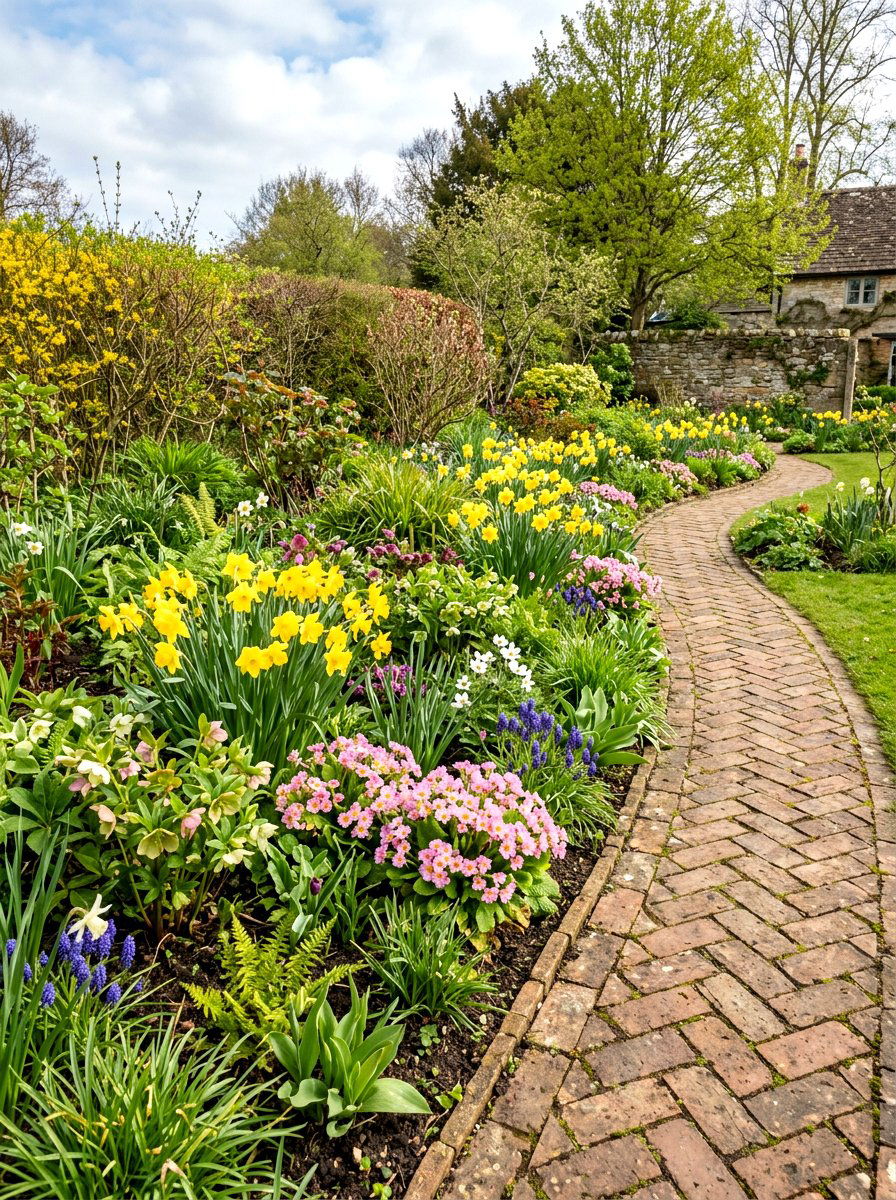
An early spring border is designed to provide the first burst of life and color after a long winter. This design uses early-blooming perennials like Hellebores, Primroses, and Bleeding Hearts to wake up the garden. You can interplant these with spring bulbs like Crocus, Daffodils, and Tulips for a multi-layered effect. These plants often thrive in the cool, moist conditions of early spring before the summer heat arrives. The bright greens and cheerful flowers are a welcome sight for both humans and early-emerging pollinators. Focus on placing these plants near your front door or windows where you can see them easily. It sets a positive and hopeful tone for the rest of the gardening season.
29. Autumn Perennial Border
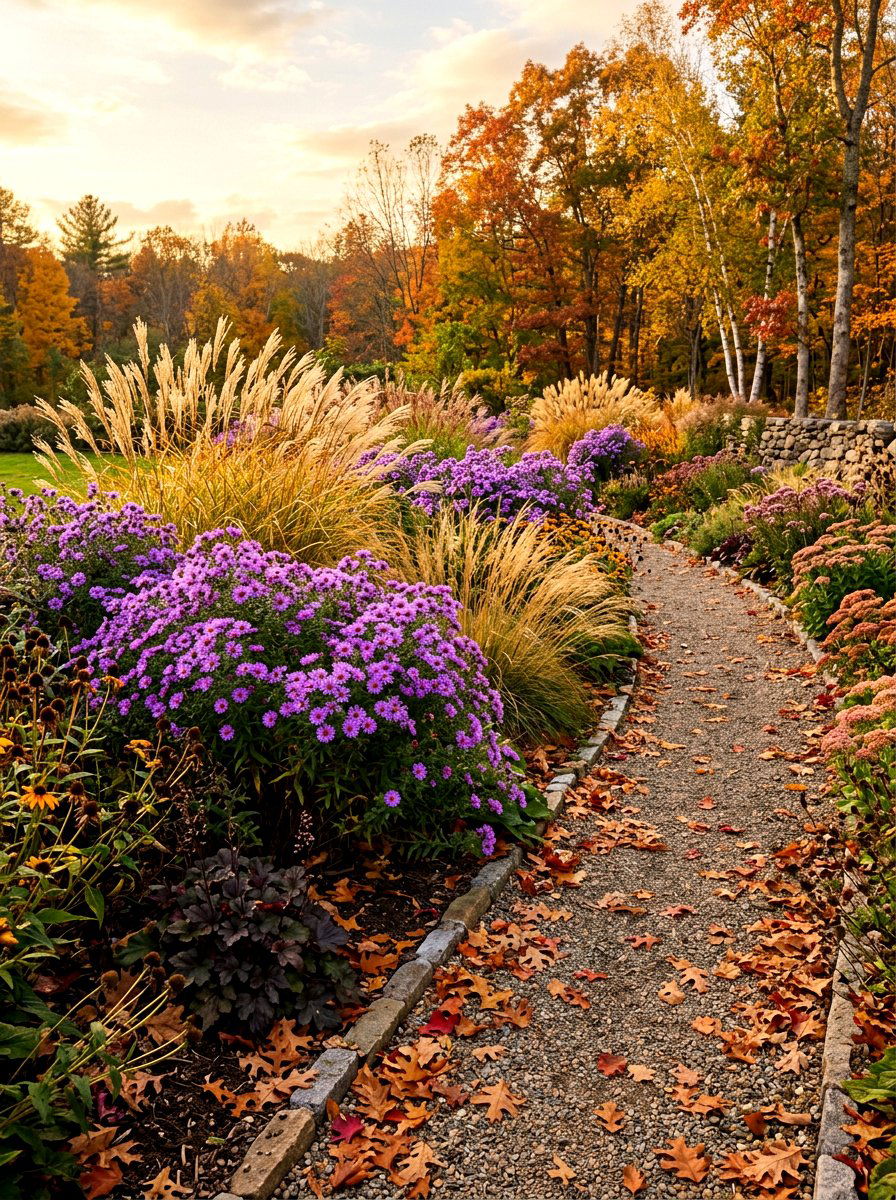
The autumn perennial border focuses on plants that shine when the rest of the garden begins to fade. This design uses late-season stars like Asters, Sedums, and Japanese Anemones to provide a final flourish. You can also incorporate perennials with beautiful fall foliage, like Amsonia or various Ornamental Grasses. These plants often feature rich, warm colors like deep purple, golden yellow, and burnt orange. This ensures your outdoor space remains vibrant and full of life well into the month of October. Many of these late-bloomers are also essential food sources for pollinators preparing for winter. It is a wonderful way to extend the enjoyment of your garden for as long as possible.
30. Formal Hedge Border
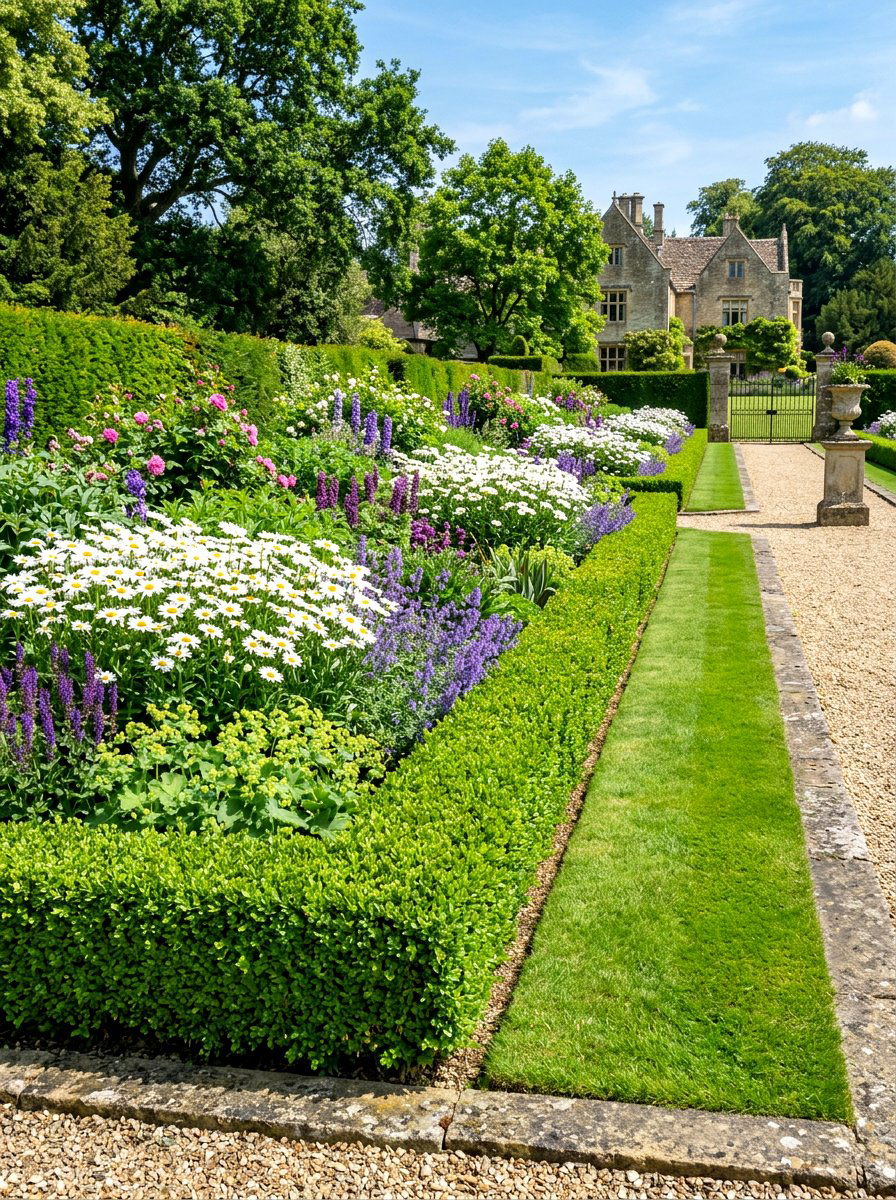
A formal hedge border uses low-growing, clipped shrubs to create a crisp and tidy frame for your perennials. This design often features a neat line of Boxwood or Japanese Holly along the front of the bed. This "structural ribbon" provides a permanent green boundary that looks good even in the winter. Inside the hedge, you can plant a variety of perennials that contrast with the formal edge. This combination of wild, flowing flowers and a strict, clipped border creates a very high-end and professional look. It helps to contain sprawling plants and keeps the garden looking organized. This style is perfect for front yards where you want to maintain a neat and impressive curb appeal.
Conclusion:
Designing a perennial border is a creative journey that improves with every passing season. By choosing the right plants for your specific location and style, you can create a low-maintenance landscape that offers year-round beauty. Whether you prefer the wild abundance of a cottage garden or the clean lines of a modern border, perennials provide the essential foundation. Remember to consider factors like sunlight, soil drainage, and mature plant height when planning your layout. Investing time in the initial preparation will reward you with a flourishing garden for many years to come. Your outdoor space will become a sanctuary for both you and the local wildlife. Happy gardening and enjoy your new perennial paradise!

Related posts: