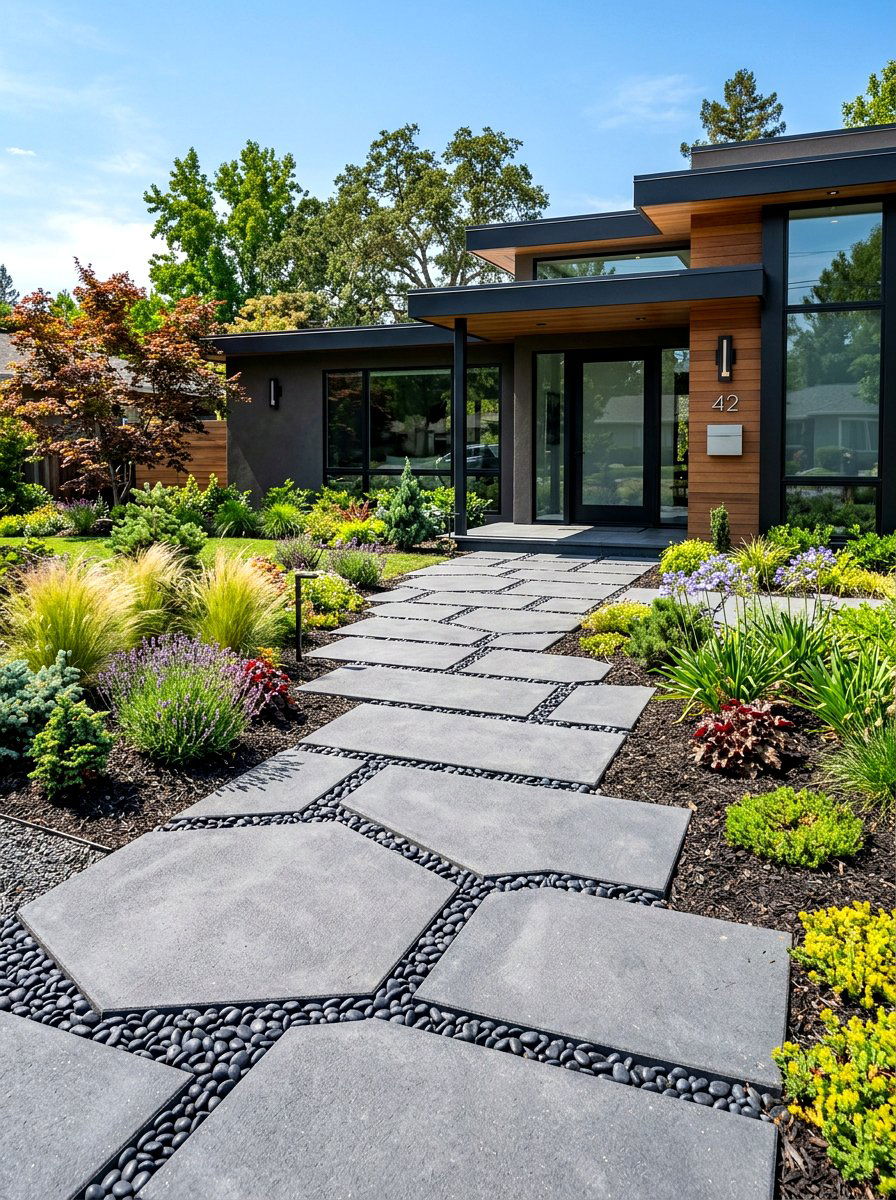
Transforming a dark, forgotten corner of your yard into a lush sanctuary is easier than you might think. Many homeowners struggle with areas under large trees or beside tall fences where grass simply refuses to grow. However, these low-light zones actually offer a unique opportunity to play with rich textures and vibrant foliage that sun-drenched spaces cannot support. By choosing the right plants and structural elements, you can create a serene retreat that feels naturally cool even during the peak of summer. A well-planned shade garden adds immense value and beauty to your property, turning difficult spots into your favorite places to relax and unwind.
1. Hosta garden layout
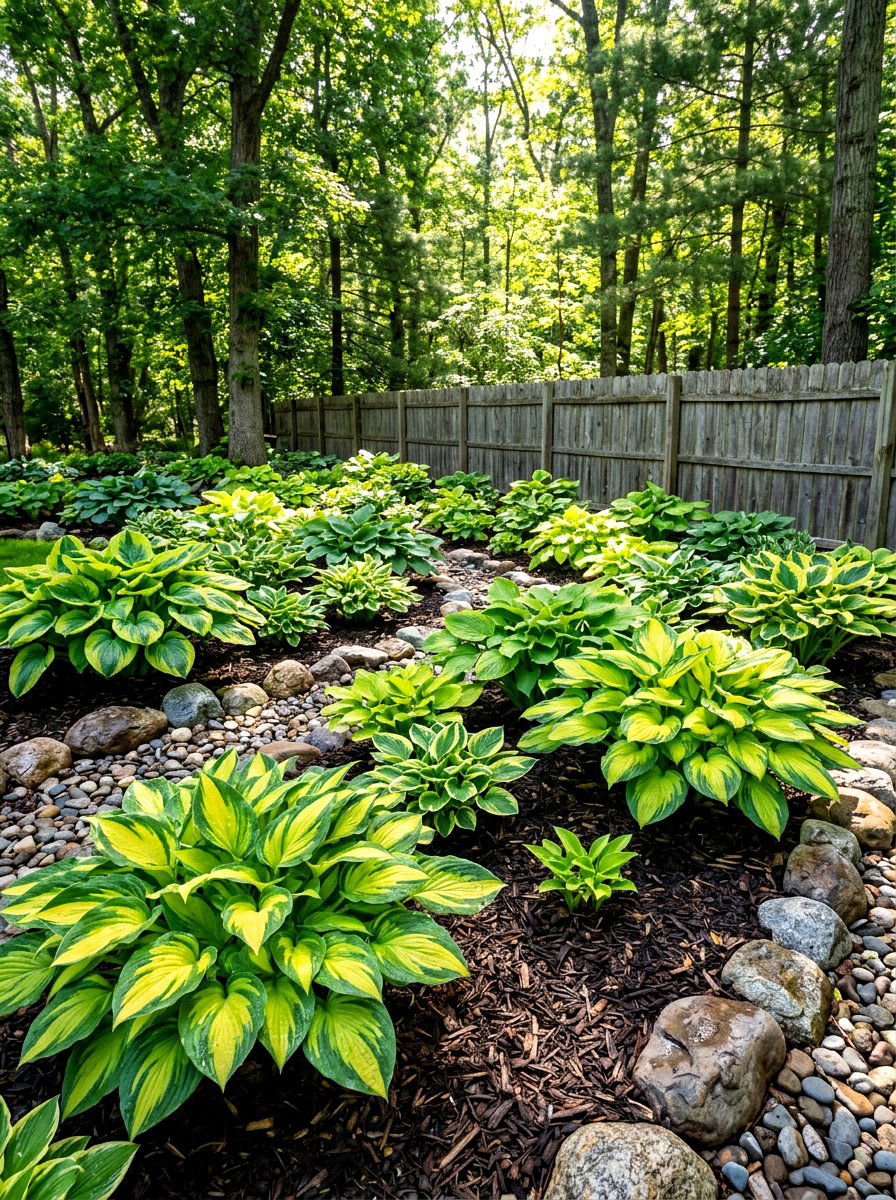
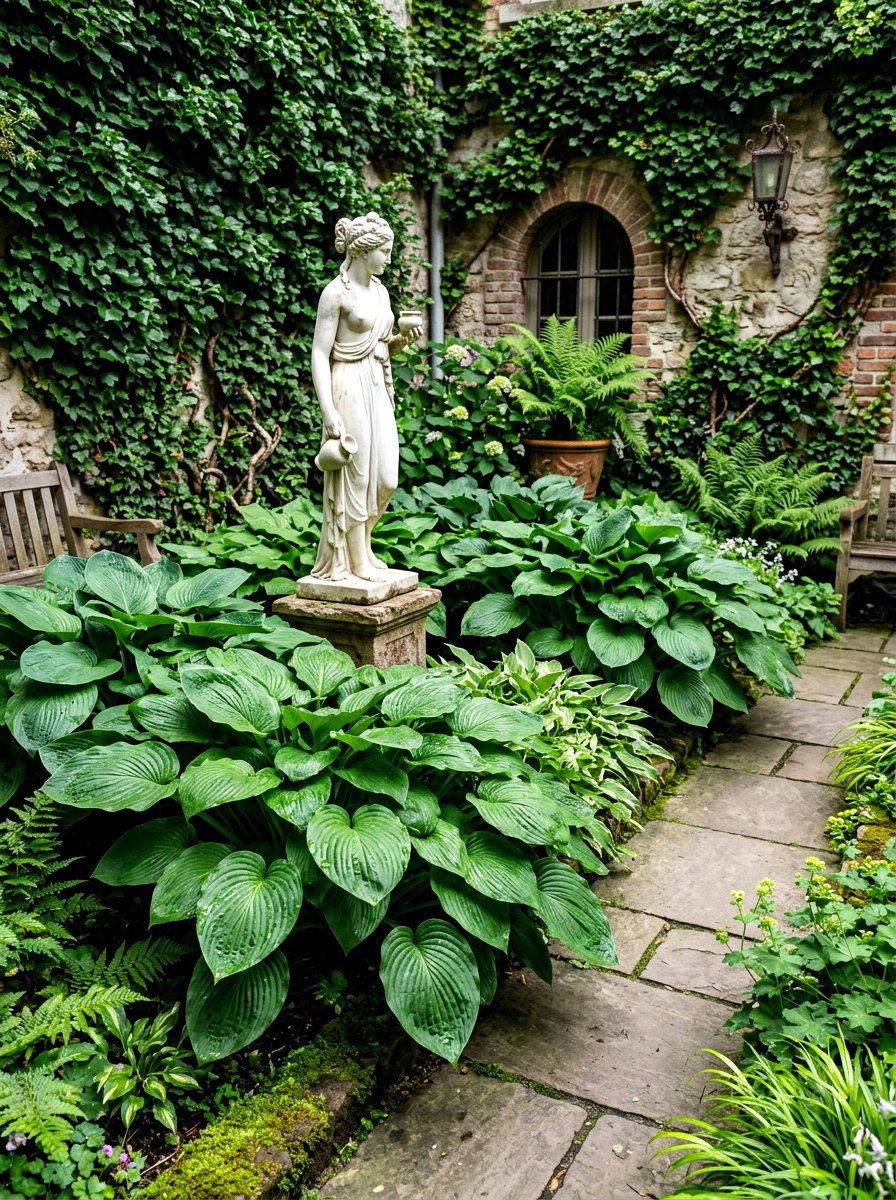
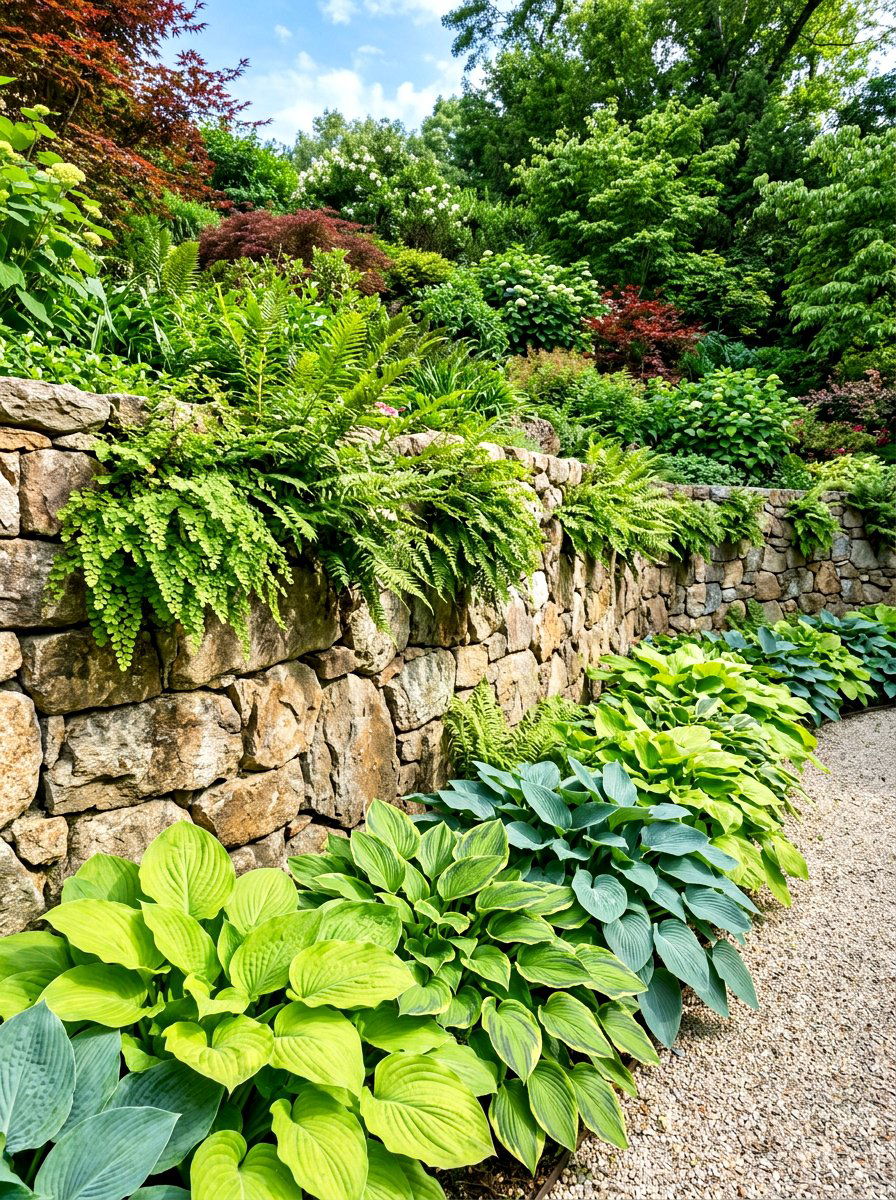
Have you ever noticed how many different shades of green and gold can exist in one plant family? A hosta garden layout is the ultimate solution for deep shade areas where most flowers struggle to survive. These perennials are famous for their oversized, heart-shaped leaves that come in solid, variegated, or even blue-toned hues. By grouping miniature varieties with giant "Sum and Substance" types, you create a tiered look that fills the space completely. They pair beautifully with natural wood mulch and large decorative stones, which help highlight their bold forms. This setup requires very little maintenance once established, making it perfect for busy gardeners.
2. Fern garden landscape
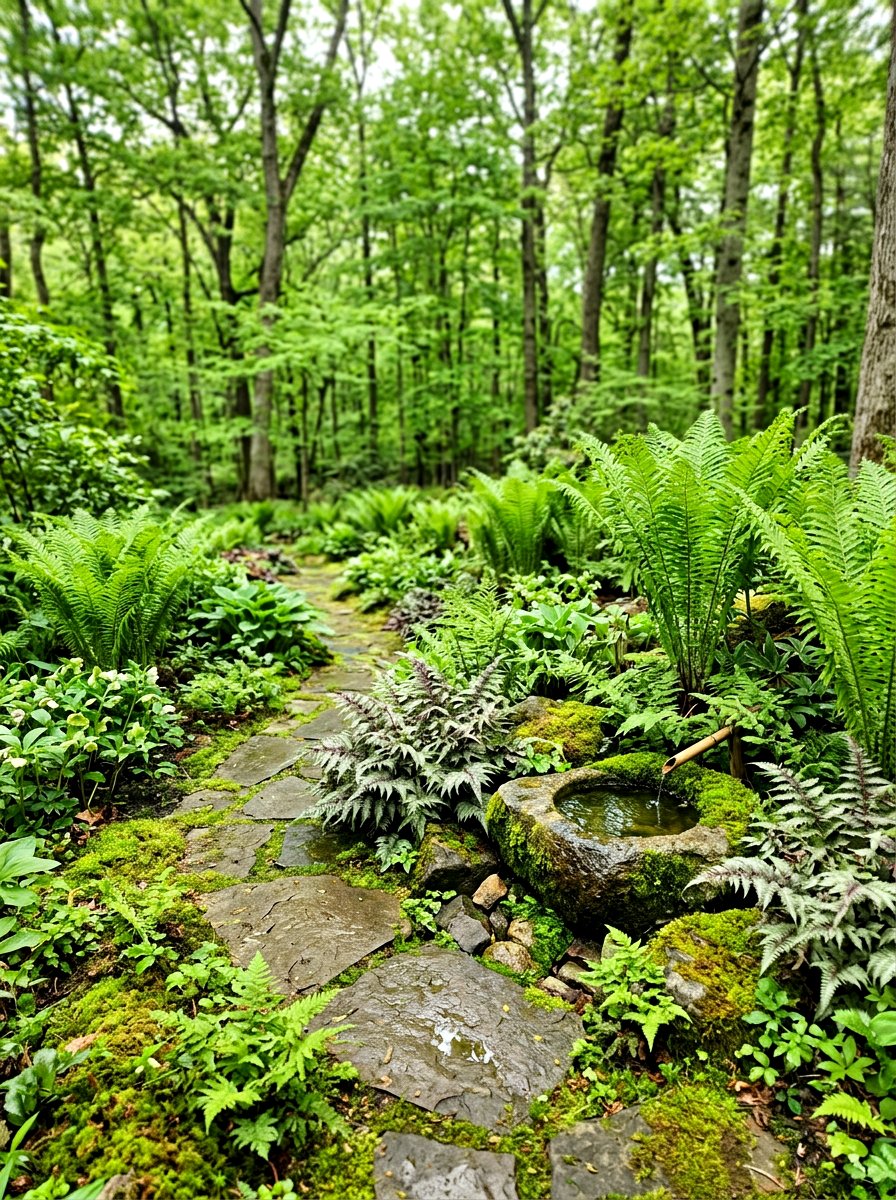
Walking through a fern garden landscape feels like stepping back in time to a prehistoric forest. Ferns are prized for their delicate, feathery fronds that add a soft, airy texture to any shaded environment. To build a successful scene, mix upright Ostrich ferns with low-growing Japanese painted ferns to create visual interest at different heights. These plants thrive in moist soil and dappled light, making them ideal companions for a small backyard pond or a damp corner. Their subtle color variations, ranging from silvery-gray to deep burgundy, offer a sophisticated palette. This type of layout emphasizes movement, as the light fronds sway gently with the breeze.
3. Woodland garden path
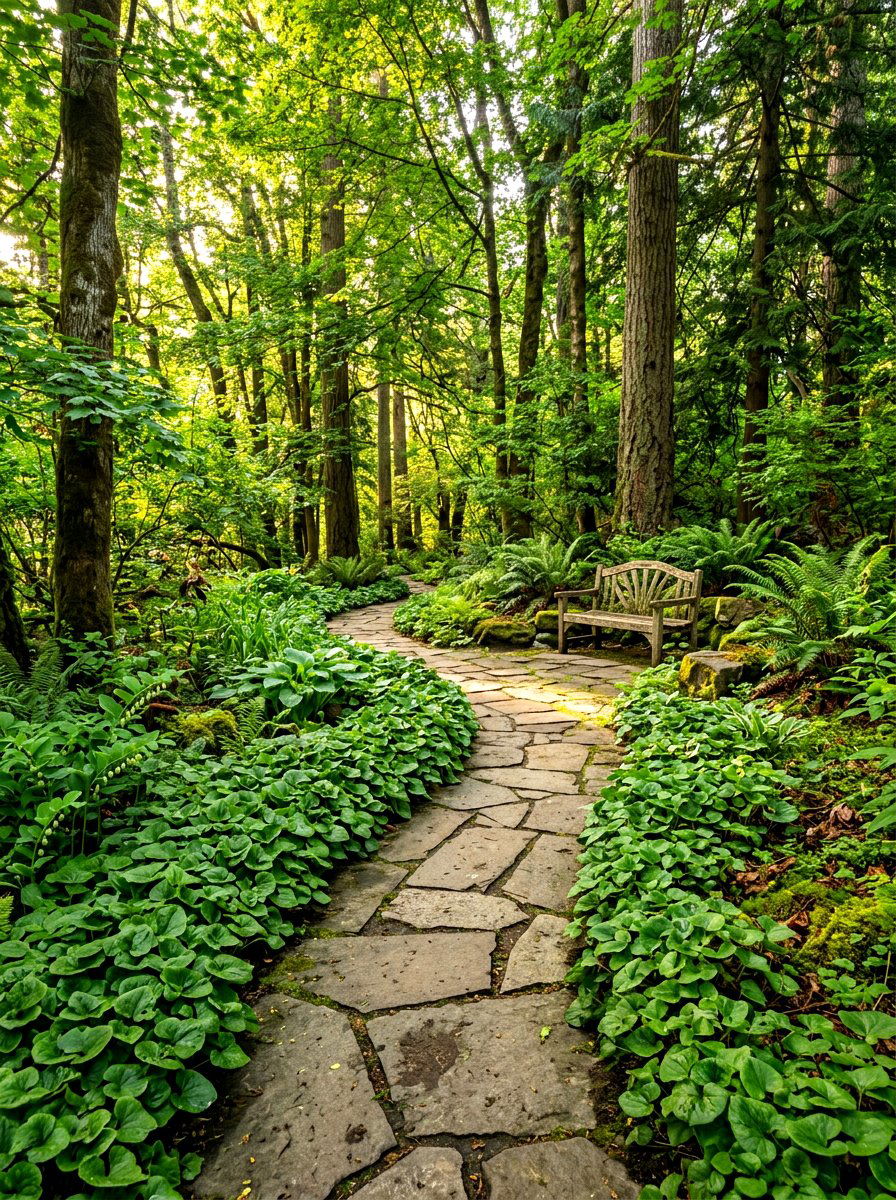
Imagine a winding woodland garden path that leads you through a private, leaf-covered escape. Creating a walkway using organic materials like cedar bark or flagstone helps define the space while maintaining a natural aesthetic. Along the edges, you can tuck in shade-tolerant groundcovers that spill over the stones, softening the transitions between the path and the planting beds. High-canopy trees overhead provide the necessary filtered light for a variety of woodland species to flourish. This design encourages slow exploration and provides a sense of mystery in your landscape. Adding a simple rustic bench at the end of the trail creates a perfect destination for quiet afternoon reading.
4. Japanese maple shade garden
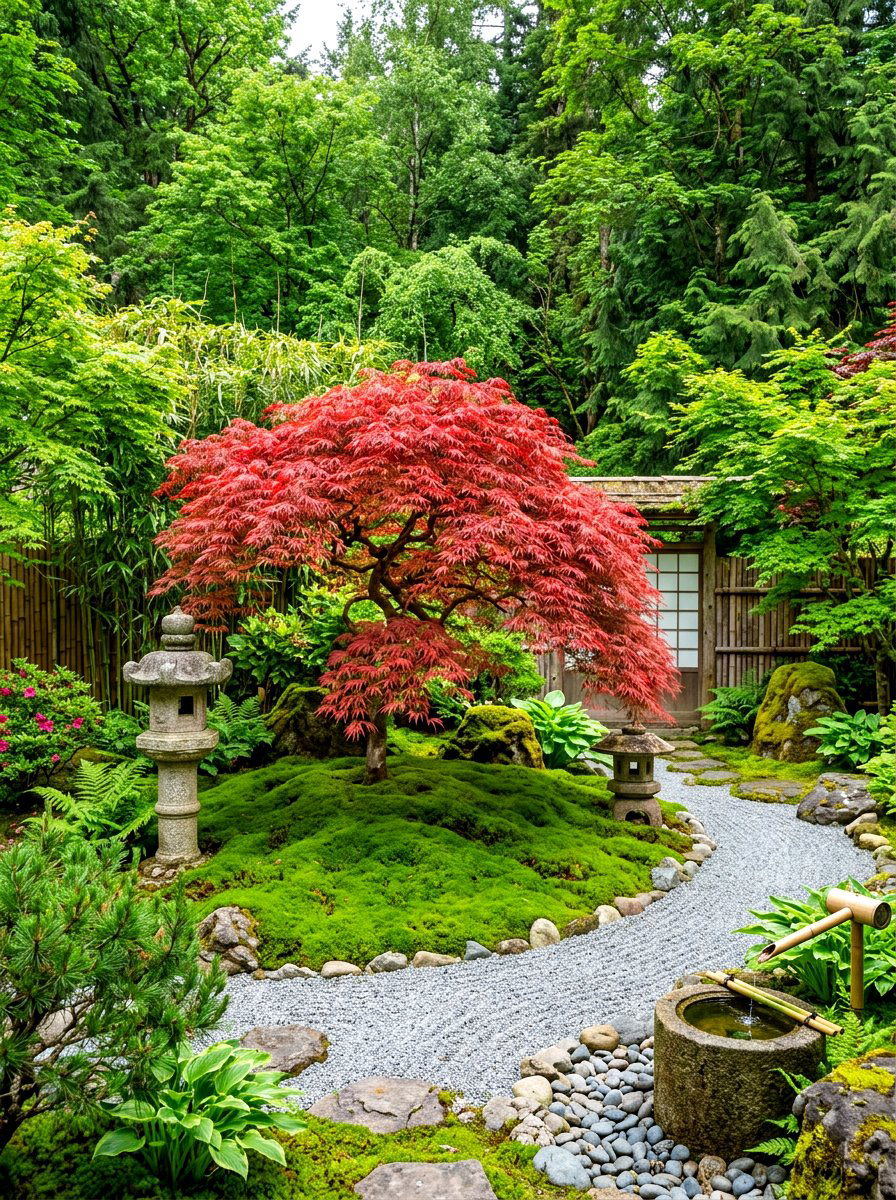
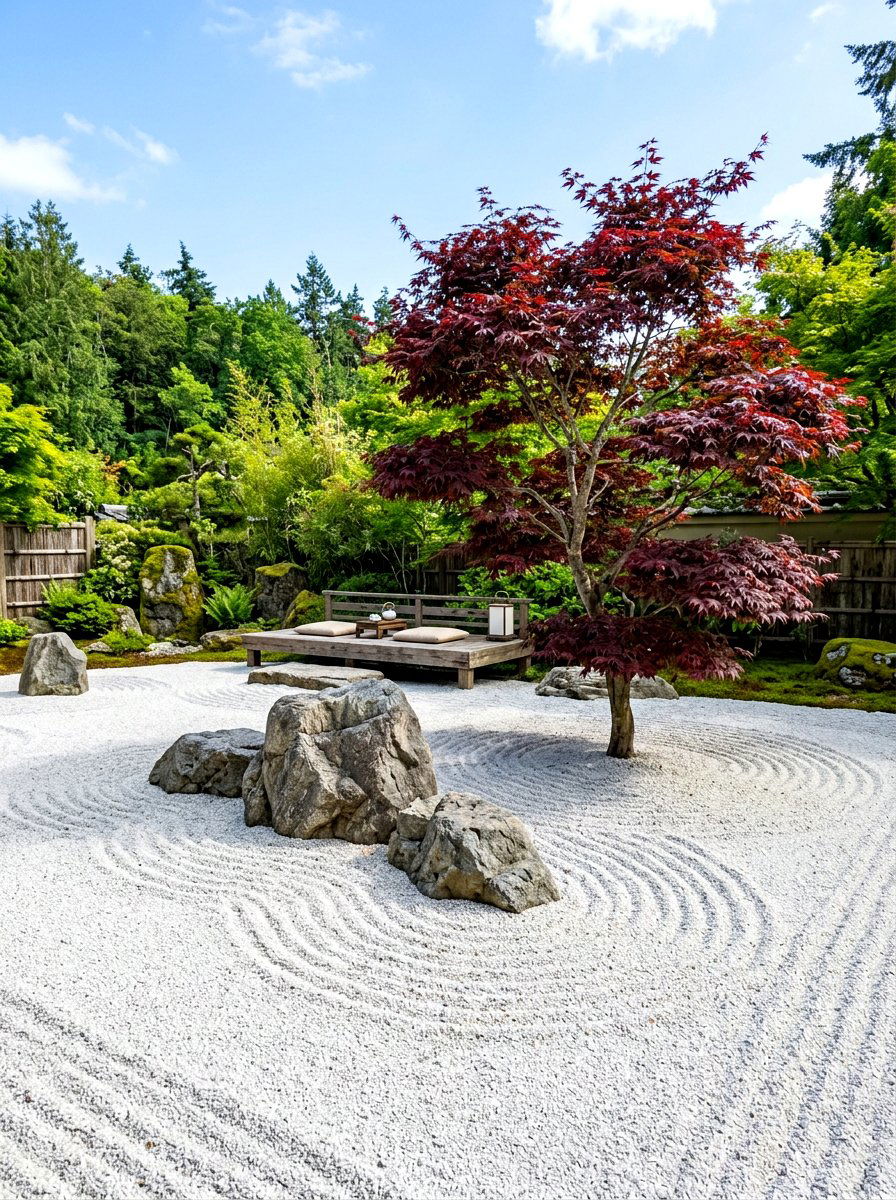
A Japanese maple shade garden serves as a stunning focal point with its architectural branches and vibrant seasonal foliage. These specimen trees are well-suited for understory planting because they prefer protection from the harsh midday sun. Surround the base of the tree with low-profile plants like moss or dwarf grasses to highlight its unique trunk structure. The delicate, lacy leaves of the maple provide a beautiful contrast against the solid green of surrounding shrubs. During the autumn months, the foliage often turns brilliant shades of crimson or orange, lighting up the dark corners of your yard. It is an elegant way to add height and drama.
5. Shade garden containers
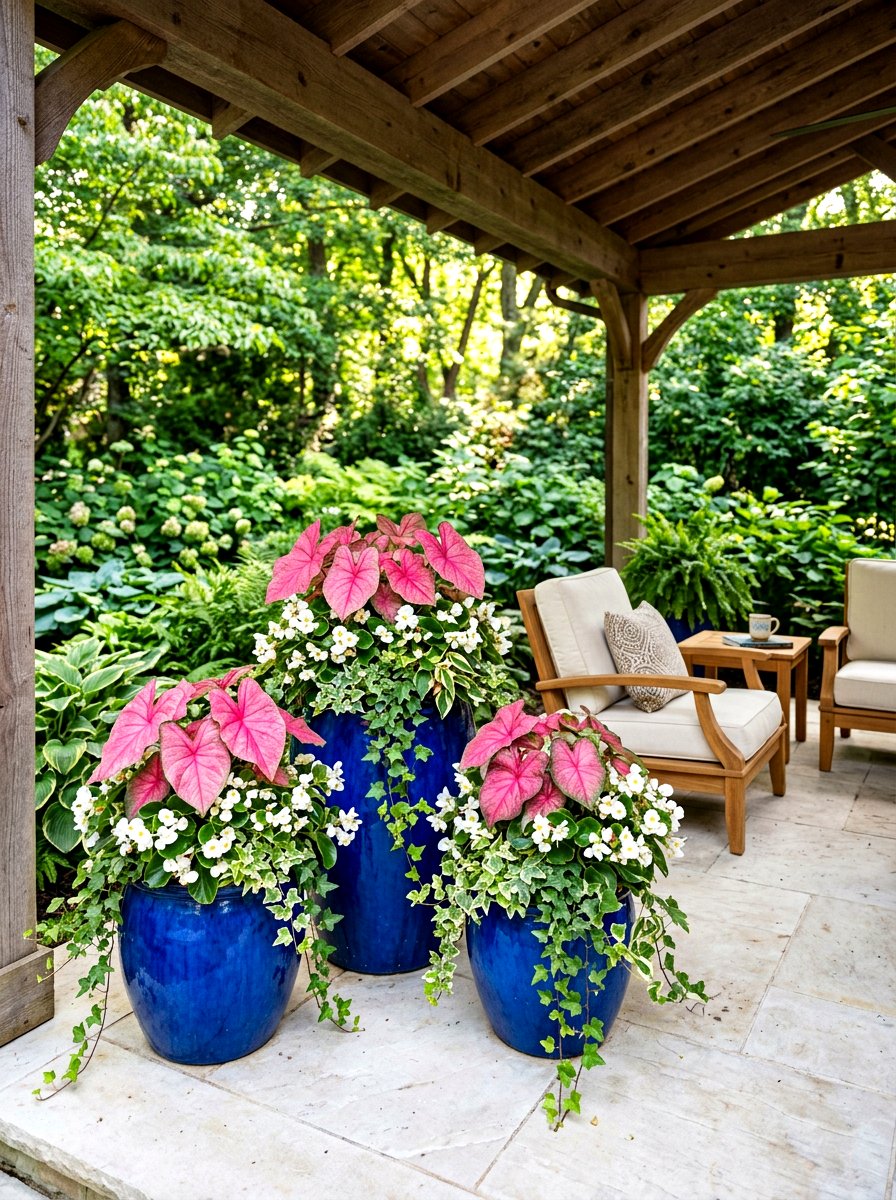
Using shade garden containers is a brilliant way to bring life to a covered porch or a dark patio area. You can experiment with "thriller, filler, and spiller" combinations using plants that love low light. For example, a tall caladium can serve as the center attraction, while begonias fill the middle and ivy drapes over the sides. Pots allow you to control the soil quality and moisture levels more easily than in-ground planting. They also provide the flexibility to move your plants around as the seasons change and light patterns shift. Brightly colored ceramic pots can further brighten up a dim area, adding a cheerful pop of style.
6. Hydrangea shade garden
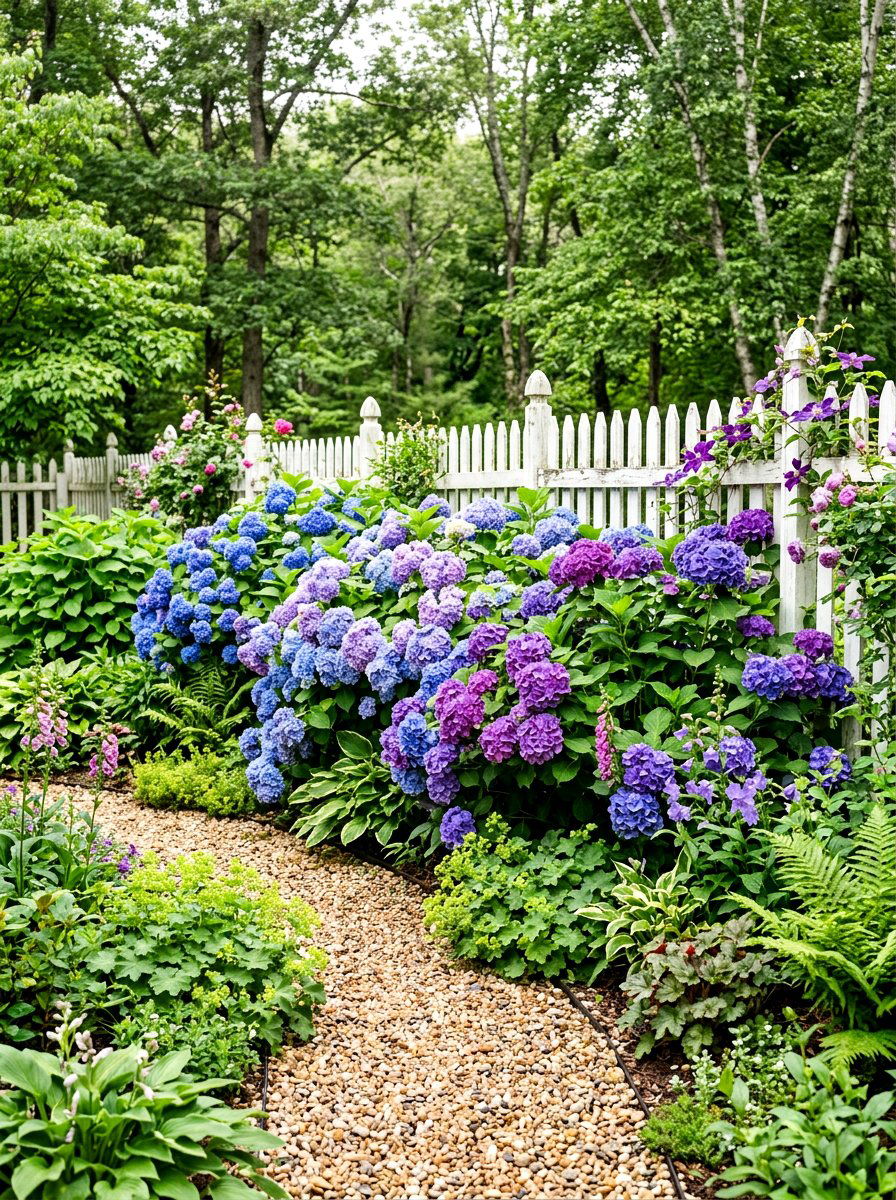
A hydrangea shade garden offers a classic cottage feel with its massive, cloud-like flower heads. While many shrubs need full sun to bloom, certain varieties like the oakleaf or mophead hydrangea actually prefer the afternoon shade. These plants create a dense, green backdrop during the spring and then explode with color in mid-summer. Their large leaves provide an excellent backdrop for smaller perennials tucked in front. Because they can grow quite large, they are perfect for hiding unsightly fences or creating a living privacy screen. Keeping the soil consistently moist ensures these thirsty beauties stay lush and vibrant throughout the entire growing season.
7. Moss garden landscape
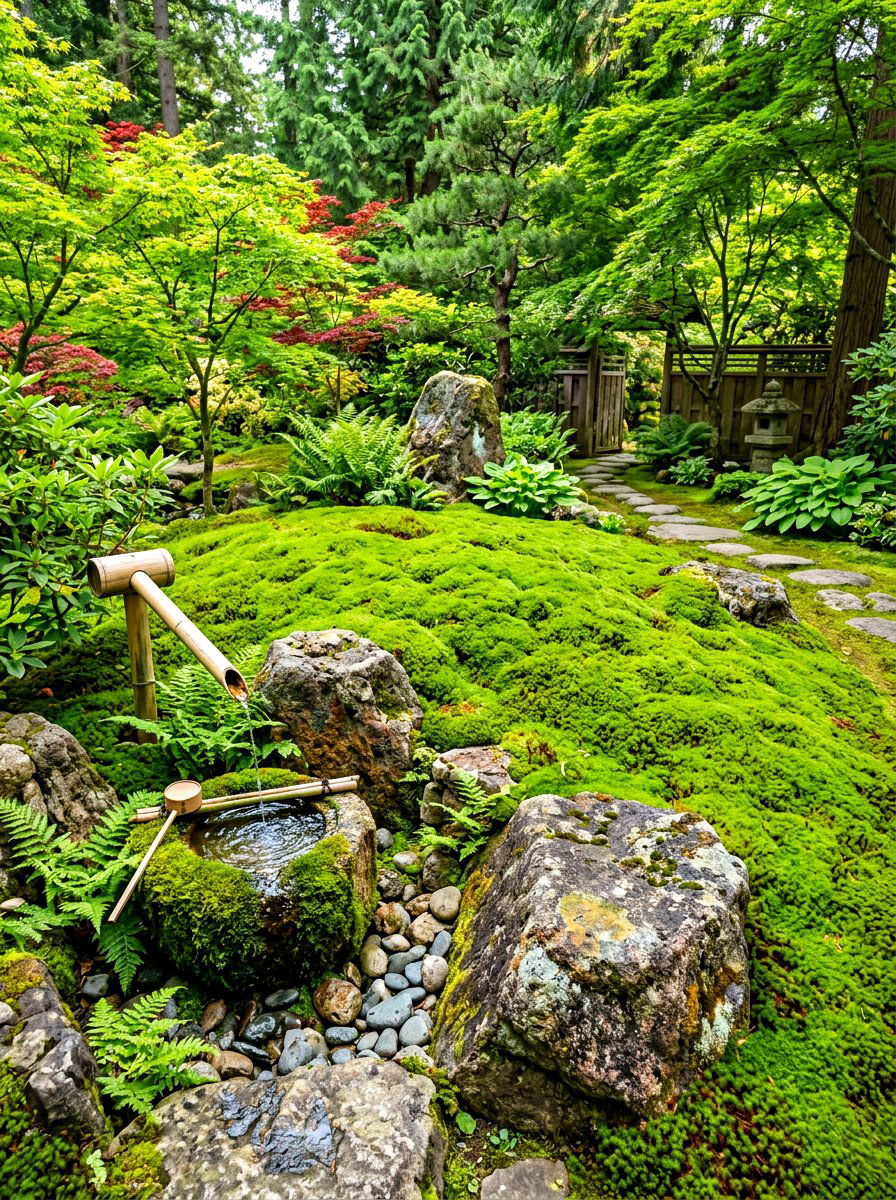
There is something incredibly peaceful about a moss garden landscape that feels like a velvet carpet spread across the earth. Moss thrives in the very conditions that kill grass, such as dense shade and compacted, damp soil. You can create a serene Japanese-inspired space by encouraging moss to grow over rocks and between stepping stones. It requires no mowing and very little fertilizer, making it an eco-friendly alternative for difficult yard patches. The deep emerald green color remains consistent even when other plants go dormant. Adding a small stone basin or a trickling water feature enhances the tranquil, meditative atmosphere of this unique garden style.
8. Astilbe flower garden
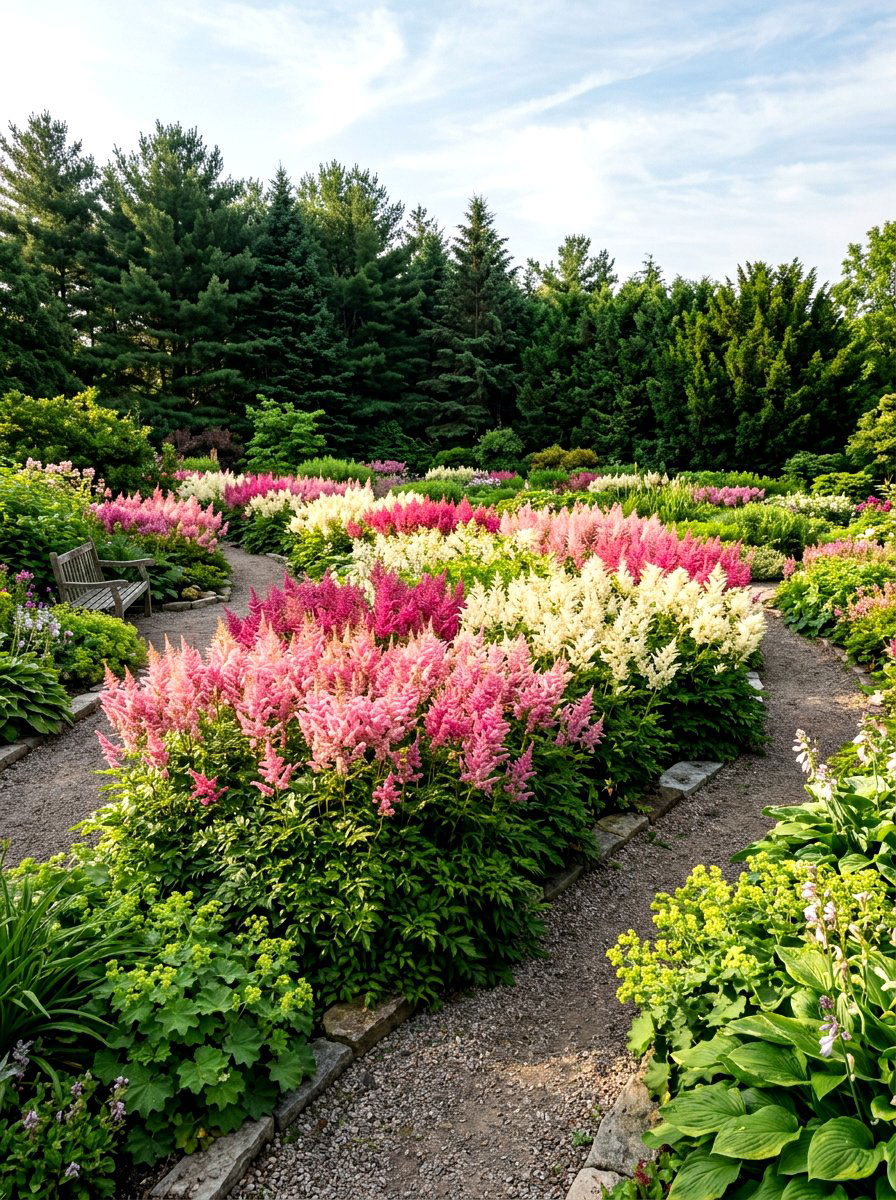
An astilbe flower garden is the perfect way to add vertical spikes of color to a dimly lit border. These perennials are known for their fern-like foliage and feathery plumes that range from soft white to deep crimson. They look most impressive when planted in large drifts, creating a sea of texture that catches the light. Because they love moisture, they are excellent choices for areas near a downspout or a naturally boggy spot in the yard. The dried flower heads often persist into the winter, providing architectural interest long after the first frost. They are a reliable way to bring a sophisticated, tiered look.
9. Heuchera plant landscaping
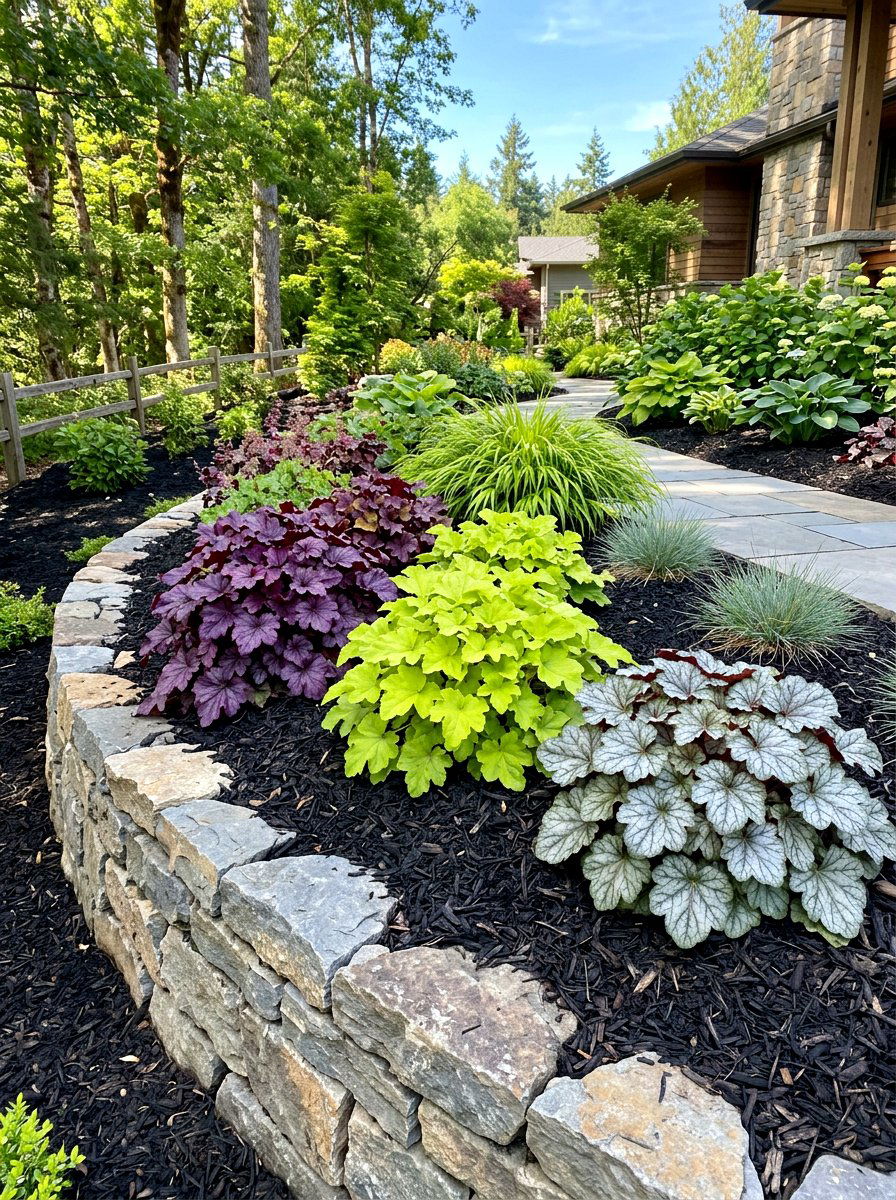
Heuchera plant landscaping, often called coral bells, is all about the incredible diversity of foliage color. Unlike many plants that are valued for their flowers, heucheras are grown for their ruffled leaves in shades of lime, purple, bronze, and silver. They form neat, mounded shapes that work perfectly as edging along a shaded garden bed. These hardy plants are semi-evergreen in many climates, providing color even during the colder months. Pairing different varieties together creates a vibrant, multi-colored border that stays interesting all year long. Their tiny, bell-shaped flowers on tall stems are just an added bonus that attracts tiny pollinators like hummingbirds.
10. Caladium garden layout
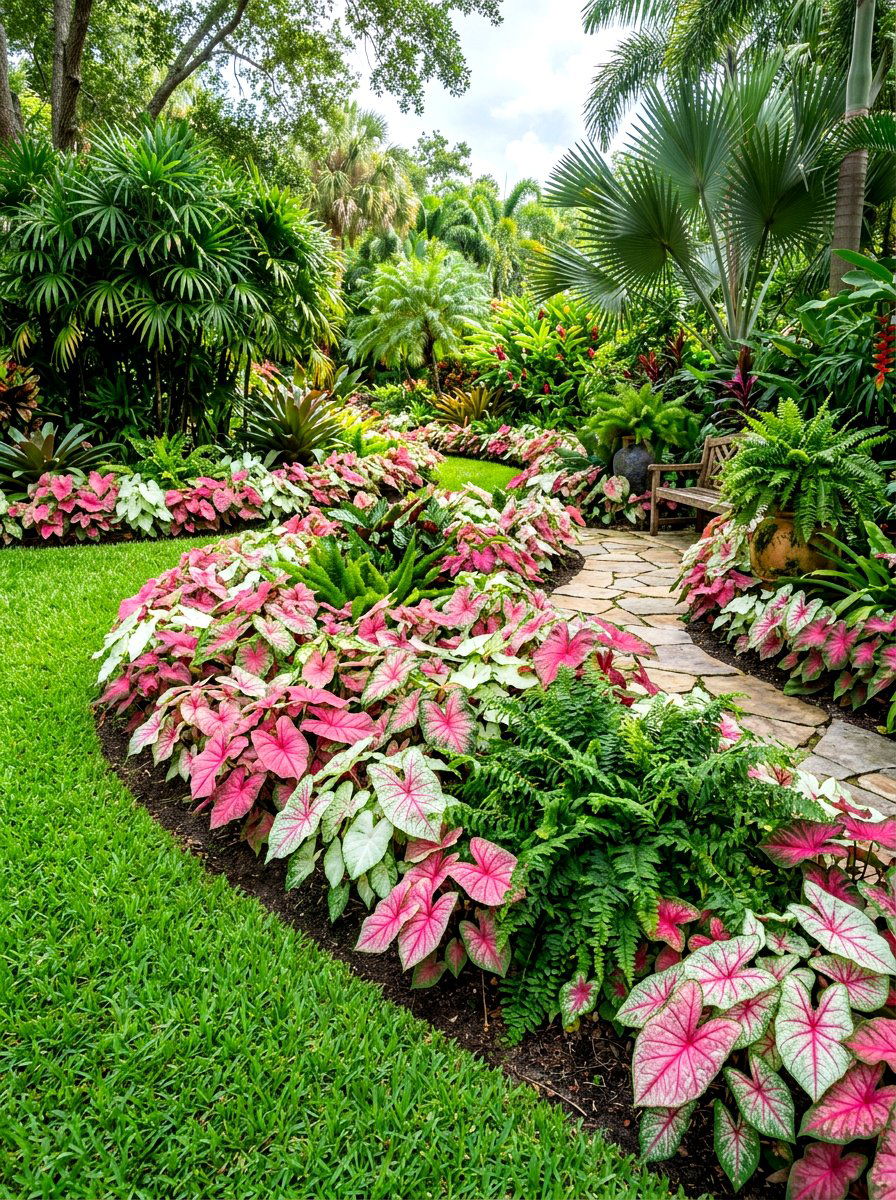
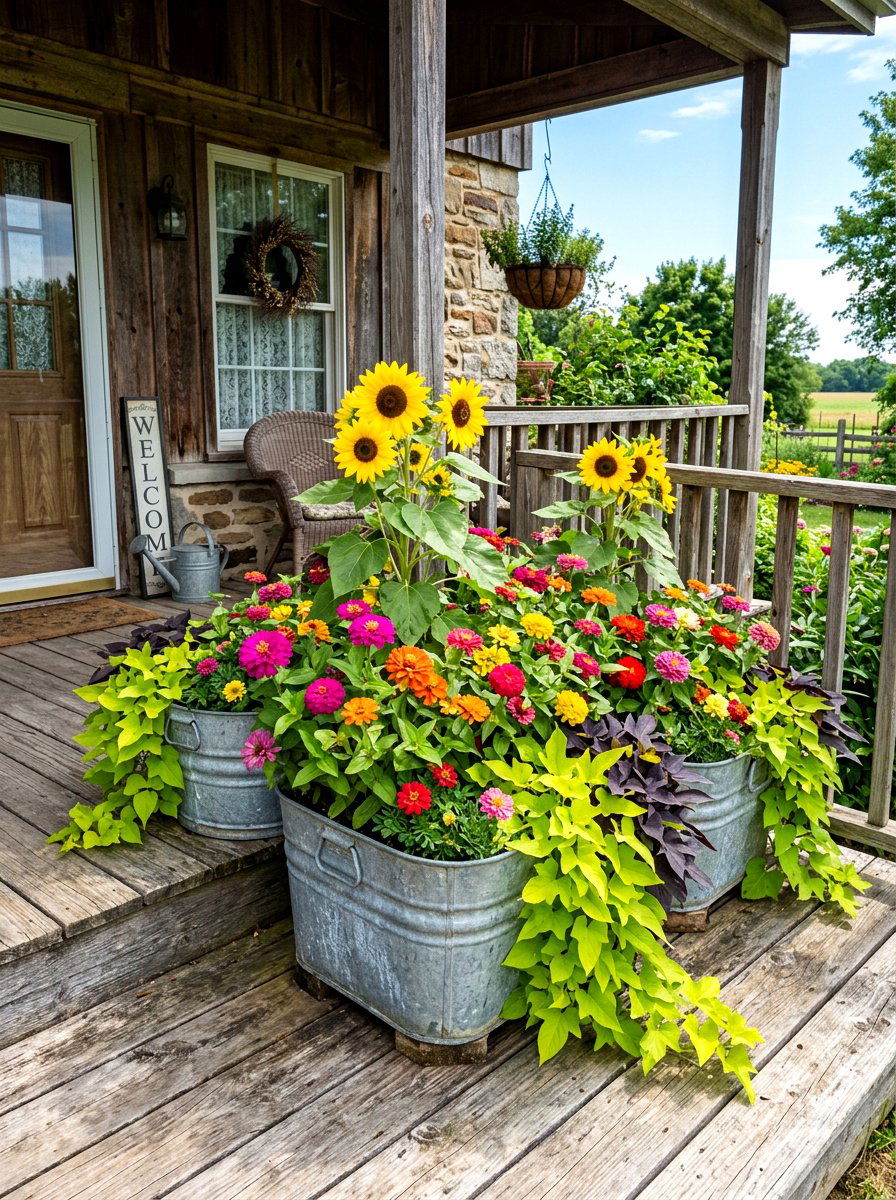
A caladium garden layout brings a tropical, exotic vibe to any temperate shade space. These tuberous plants are famous for their large, translucent leaves that look like stained glass in shades of pink, white, and green. Because they have such bold patterns, they serve as excellent "light reflectors" in very dark corners of the yard. You can plant them in mass groupings to create a high-impact visual display that lasts from late spring until the first frost. They pair wonderfully with deep green ferns or dark-leaved elephant ears. Since they are sensitive to cold, they are often treated as annuals or dug up for winter storage.
11. Begonia flower garden
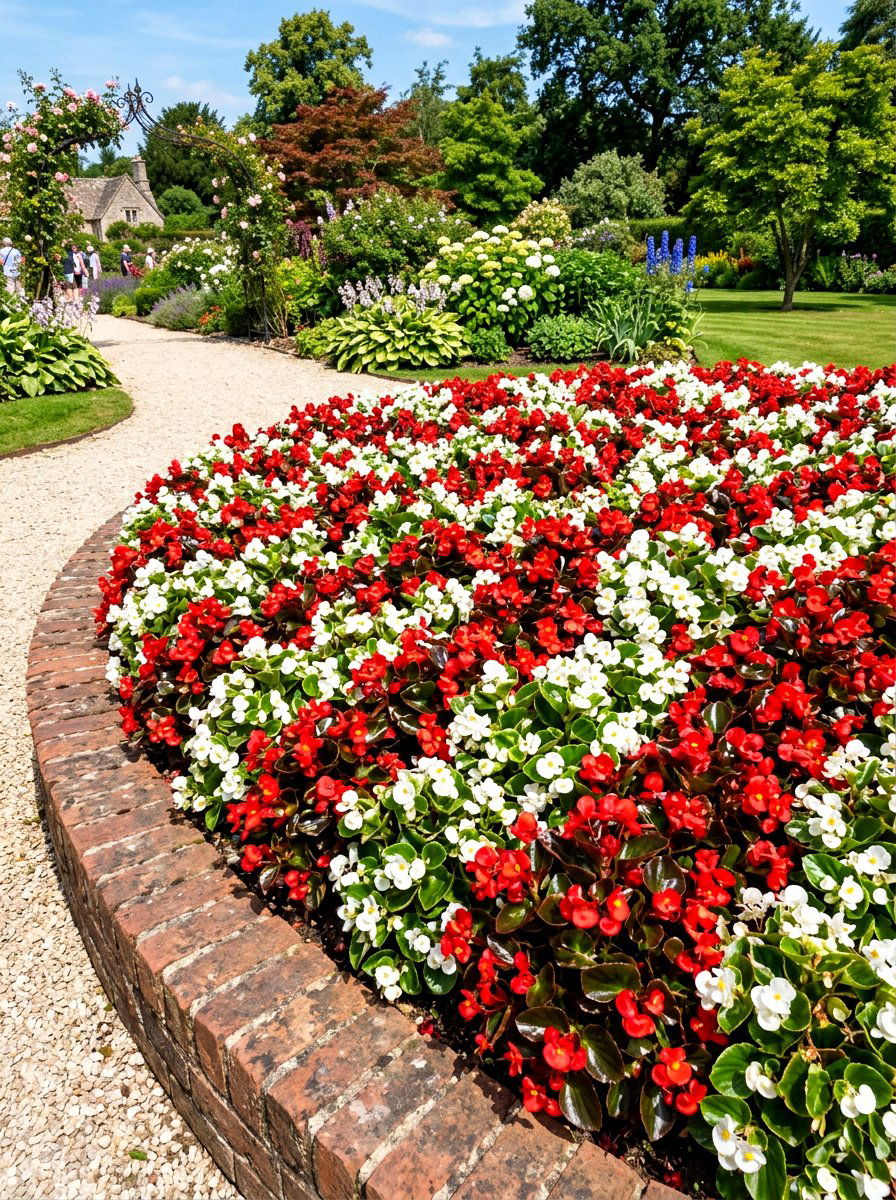
A begonia flower garden is a reliable choice for continuous color from spring until the very end of autumn. Tuberous begonias offer large, rose-like blooms, while wax begonias provide a dense carpet of small flowers and glossy leaves. These plants are exceptionally versatile and can be used in hanging baskets, window boxes, or directly in the ground. They are prized for their ability to bloom profusely in full shade where other flowering plants might fail. By mixing different heights and leaf colors, you can create a layered effect that feels lush and full. Their succulent stems help them tolerate short periods of dry soil.
12. Bleeding heart plant garden
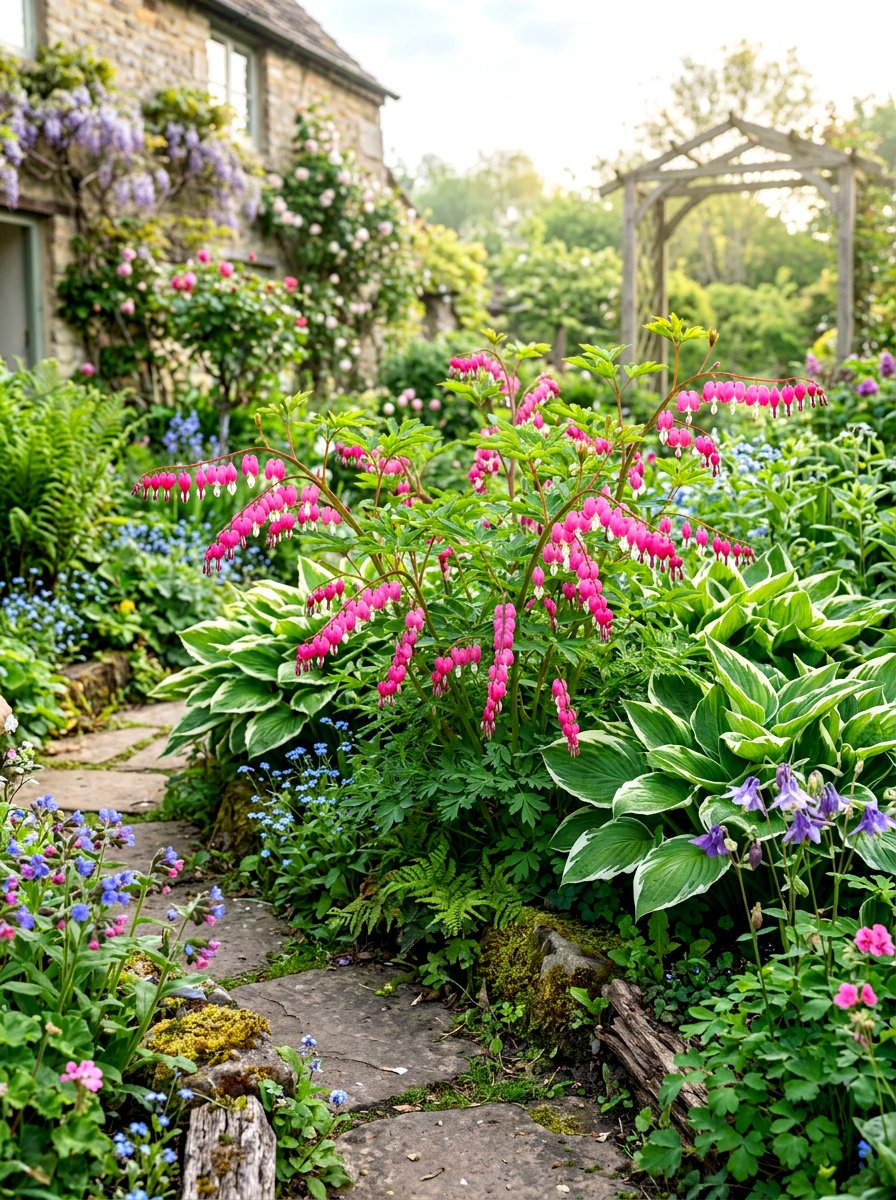
The bleeding heart plant garden is a favorite for those who love romantic, old-fashioned aesthetics. These perennials produce arching stems laden with dangling, heart-shaped flowers in pink or white during the spring. They are one of the first plants to emerge and bloom, signaling the start of the gardening season in shady spots. The fine, lace-like foliage provides a beautiful texture until the plant goes dormant in the heat of mid-summer. To keep the garden looking full, it is best to plant them alongside hostas or ferns that will fill in the gap later. This plant adds a touch of whimsy and elegance.
13. Toad lily shade garden
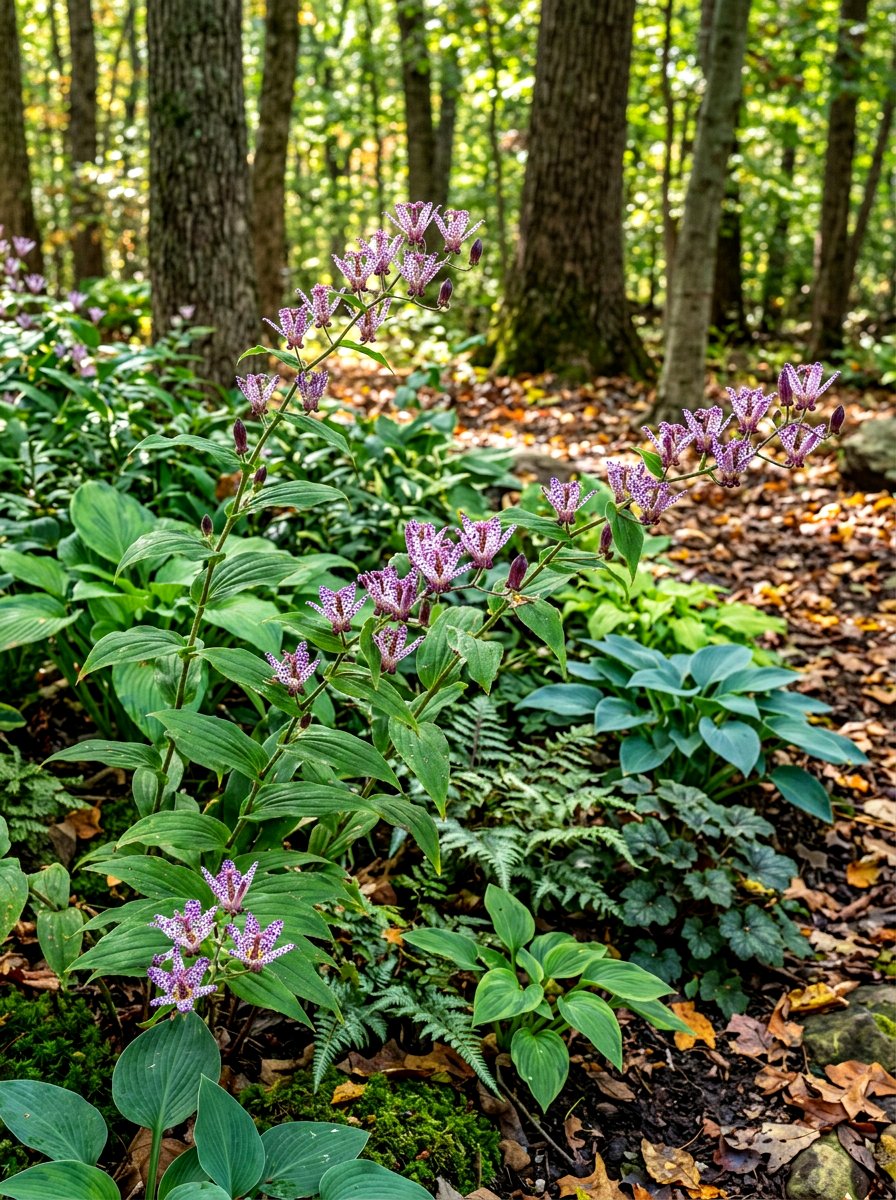
A toad lily shade garden features some of the most intricate and unusual flowers you will ever see. These plants bloom in late summer or early fall, providing a burst of interest when many other shade plants are starting to fade. The flowers are typically white or pale yellow with heavy purple spotting, resembling miniature orchids. Because they grow on tall, arching stems, they are best positioned near the middle or back of a border where they can be appreciated up close. They prefer rich, organic soil and consistent moisture to thrive. Their unique appearance makes them a great conversation piece for any garden enthusiast.
14. Hellebore garden layout
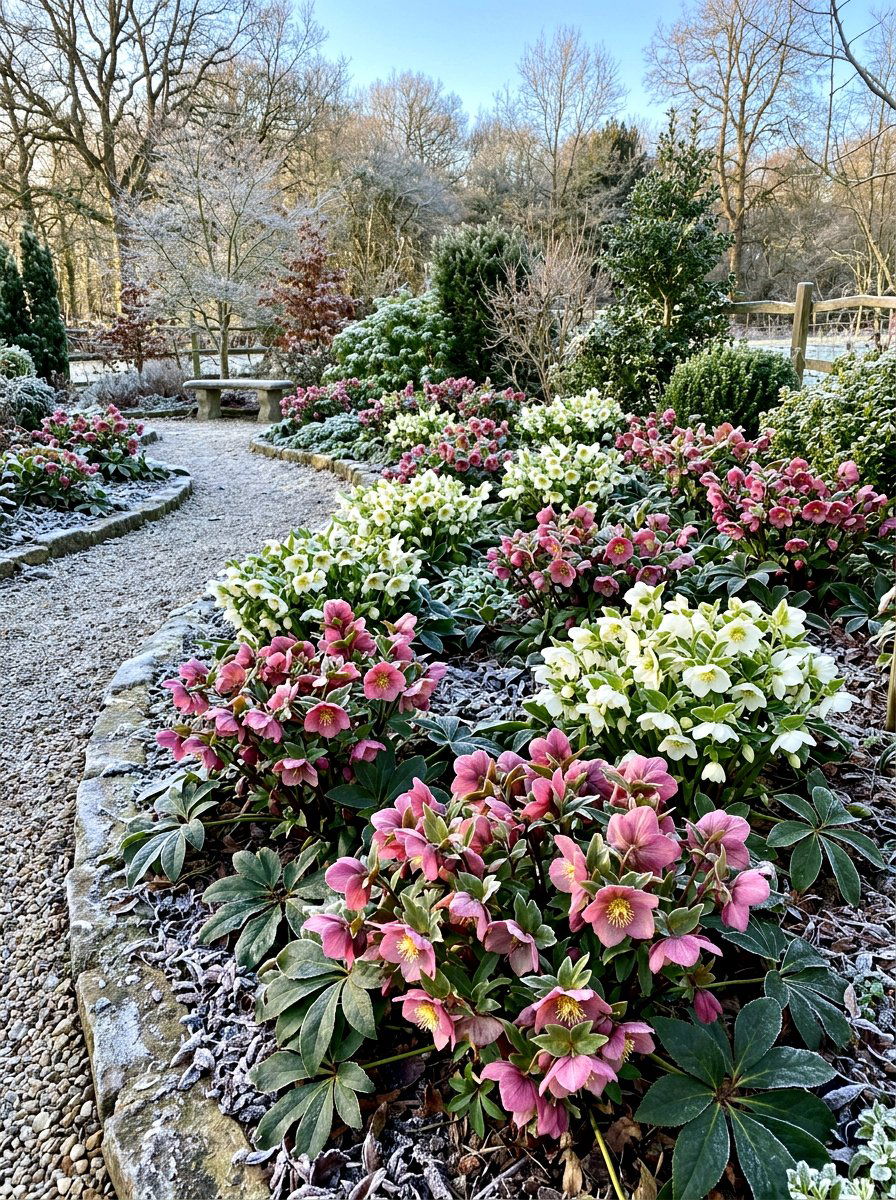
A hellebore garden layout is essential for anyone who wants color during the bleakest months of the year. Often called Lenten roses, these tough perennials bloom in late winter or very early spring, sometimes even pushing through the snow. Their leathery, evergreen leaves provide structure and greenery throughout the entire year, even when the flowers aren't present. The nodding blooms come in sophisticated shades of dusty rose, slate gray, and creamy white. Because they are deer-resistant and highly adaptable, they are perfect for naturalizing under large deciduous trees. Once they are established, they require almost no care and will slowly spread over time.
15. Trillium woodland garden
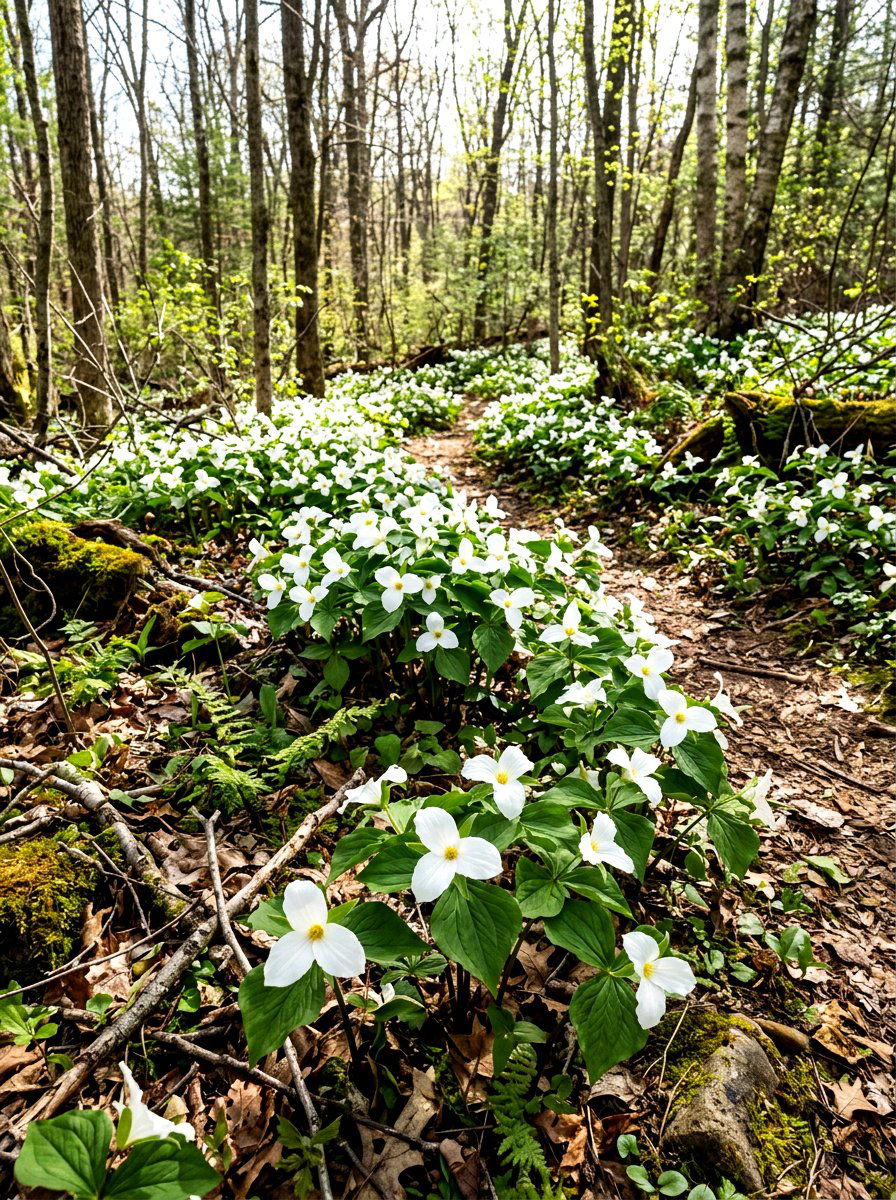
Designing a trillium woodland garden is a way to celebrate the quiet beauty of native forest floors. These iconic spring ephemerals feature three leaves and a single, three-petaled flower that looks stunning in a naturalized setting. They are best planted in groups under a canopy of hardwood trees where they can enjoy the early spring sun before the leaves fill in. Trilliums are slow to grow but incredibly long-lived, becoming a permanent part of your spring landscape. Because they are delicate, they should be placed away from high-traffic areas. They pair perfectly with other native plants like wild ginger or Solomon's seal for a true woodland feel.
16. Japanese forest grass landscaping
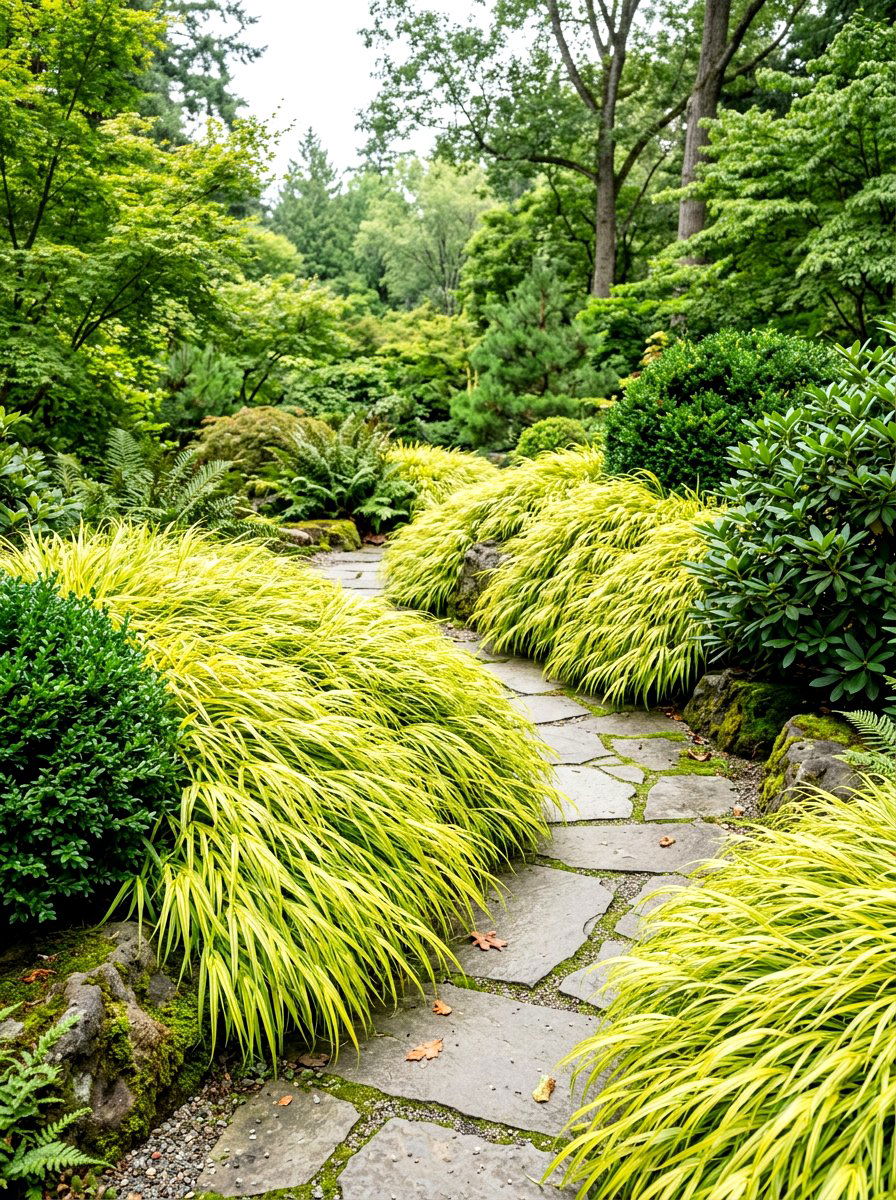
Japanese forest grass landscaping adds a sense of movement and light to the darkest parts of your property. This ornamental grass features slender, cascading blades that look like a flowing golden waterfall. The most popular variety, 'Aureola, ' has bright yellow variegation that practically glows in the shade, making it an excellent choice for brightening up dim corners. It grows in soft mounds that spill gracefully over the edges of paths or retaining walls. Unlike many other grasses, it actually loses its color if it gets too much sun. In the fall, the foliage often takes on a tinged pink or reddish hue.
17. Boxwood shade hedge
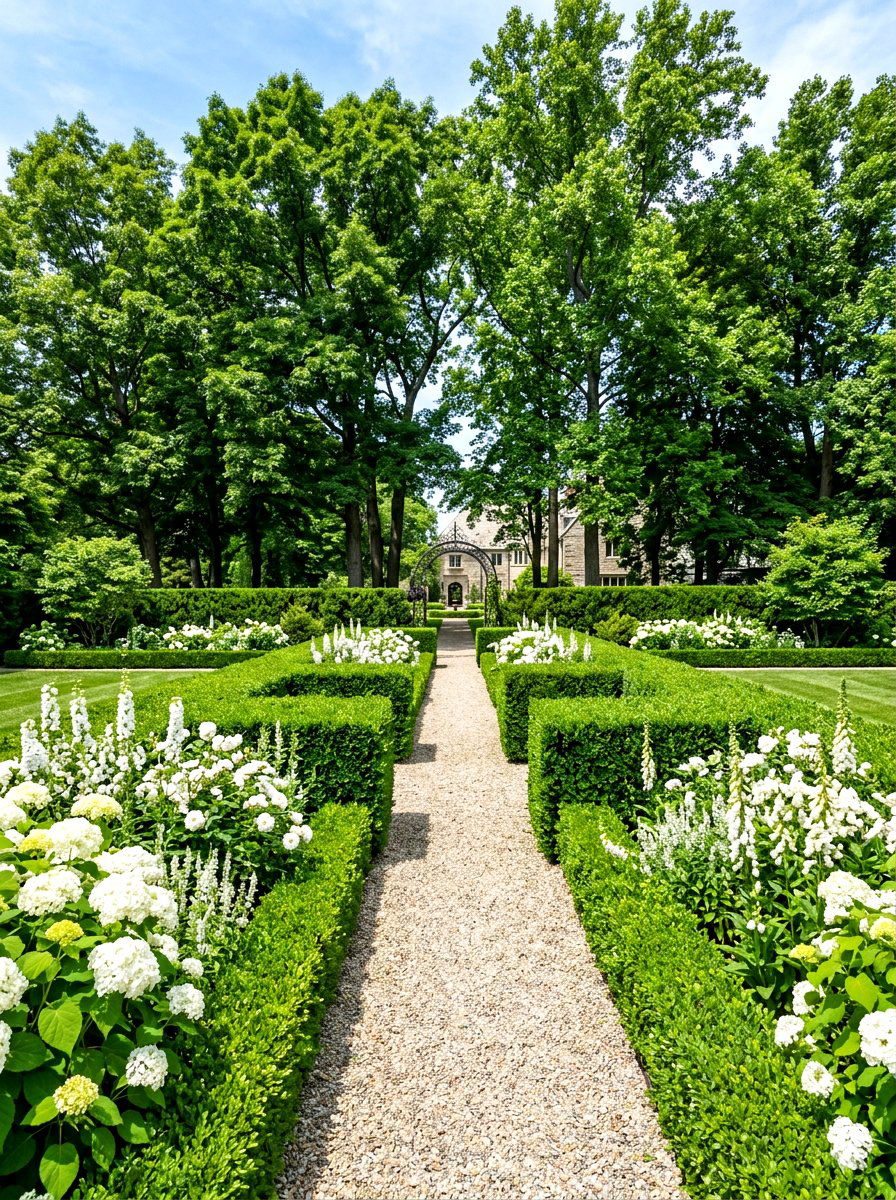
A boxwood shade hedge provides a formal, structured look that anchors a garden design even in low light. These evergreen shrubs are incredibly versatile and can be pruned into sharp geometric shapes or left to grow in soft, natural clouds. They are perfect for defining the edges of a shaded patio or creating a backdrop for colorful perennials. While many evergreens struggle without full sun, boxwoods are remarkably shade-tolerant and maintain their deep green color year-round. They provide essential "bones" for the garden, ensuring that the space looks tidy and intentional even during the winter months when other plants have died back.
18. Fuchsia shade garden
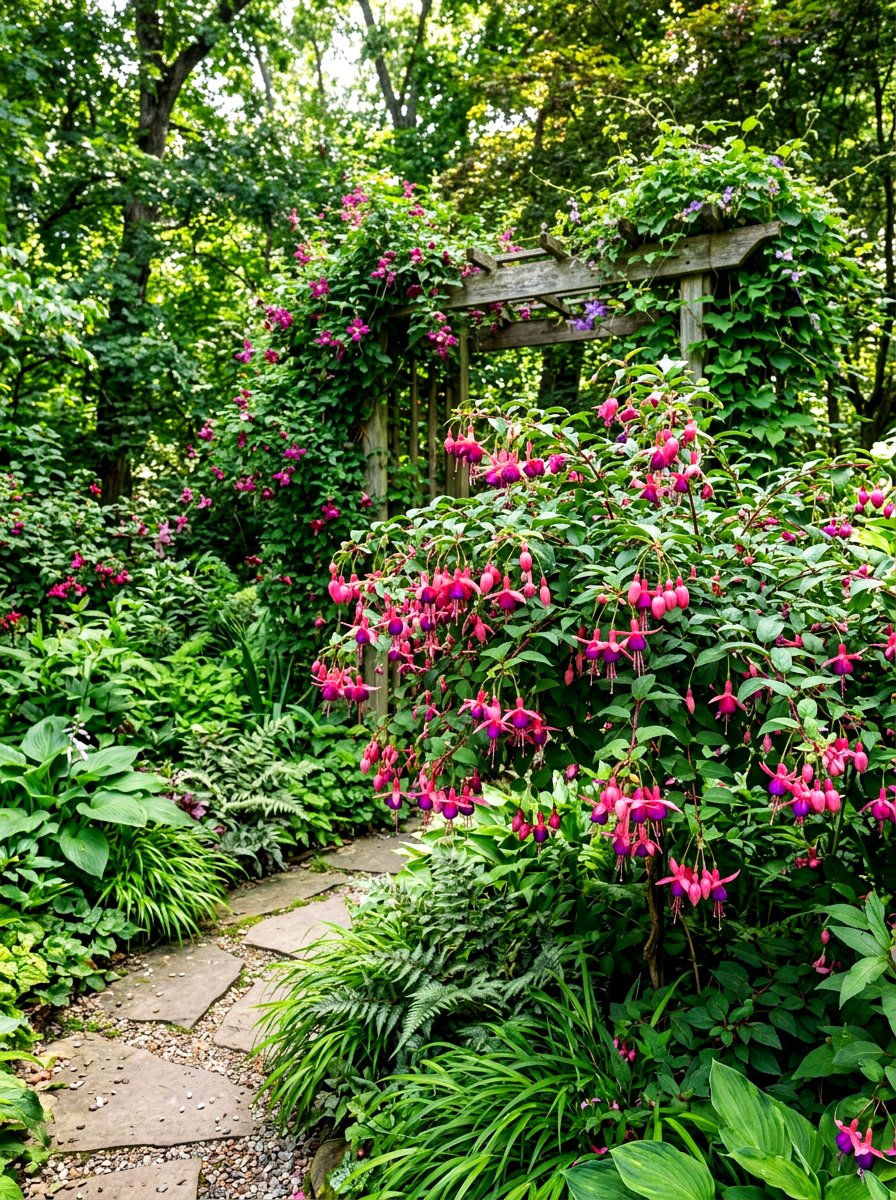
A fuchsia shade garden is a paradise for hummingbirds and fans of vibrant, dangling blooms. These plants are famous for their exotic, bell-shaped flowers that come in stunning combinations of purple, pink, and bright red. While they are often grown in hanging baskets, many varieties can be planted directly in the ground as part of a shaded border. They thrive in the cool, moist air found in protected corners of the yard. To create a lush look, use them as a mid-layer plant tucked behind low groundcovers. Their long blooming season ensures that your shaded sanctuary remains colorful and full of life all summer long.
19. Impatiens garden layout
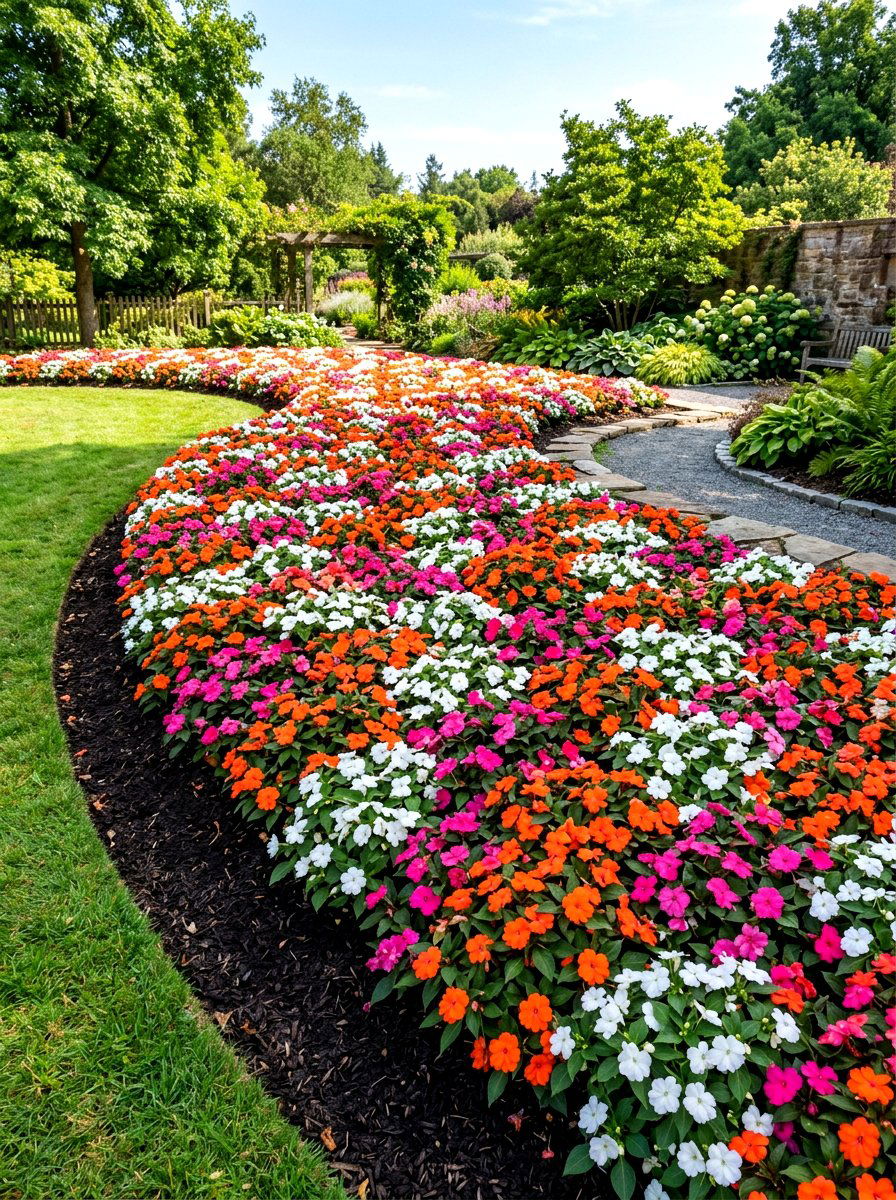
An impatiens garden layout is the go-to solution for creating a massive carpet of neon color in the shade. These popular annuals are loved for their "self-cleaning" nature, meaning you don't have to deadhead the spent flowers to keep them blooming. They come in almost every color imaginable, from snowy white to hot orange and deep violet. Planting them close together creates a dense mound of foliage and flowers that completely hides the soil. They are perfect for filling in gaps around larger shrubs or lining the front of a shady walkway. They do require regular watering to prevent wilting during the hottest summer days.
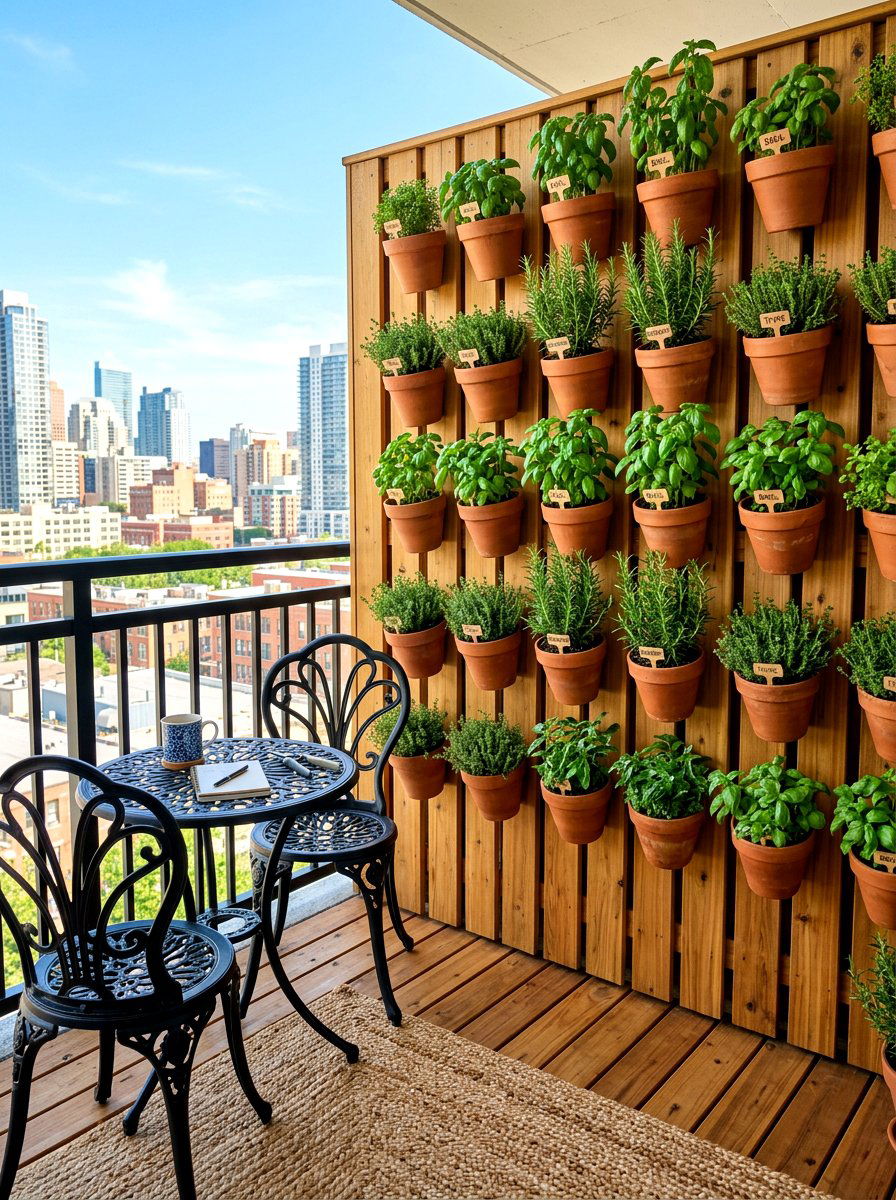
20. Primrose garden landscape
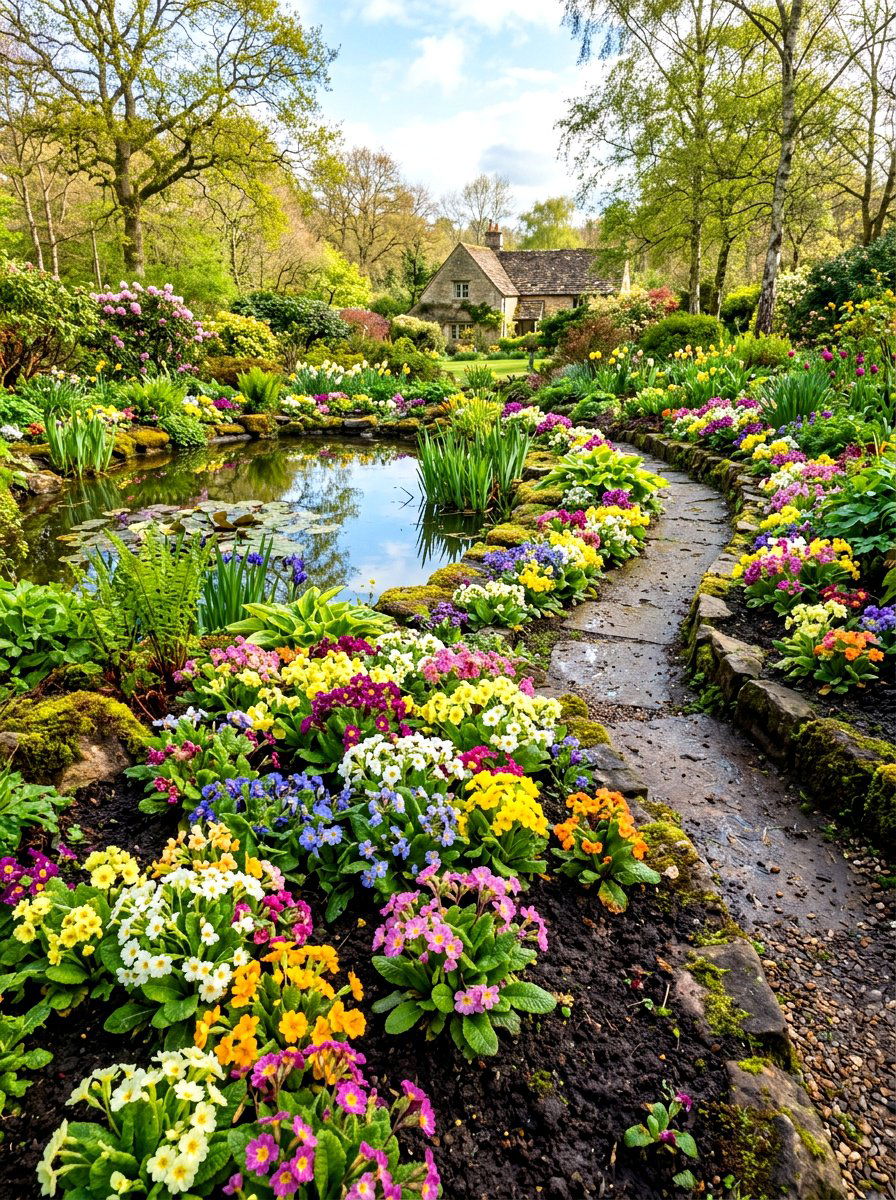
A primrose garden landscape brings a burst of early spring joy with its clusters of bright, cheerful flowers. These low-growing perennials come in an astounding array of colors, often featuring a contrasting "eye" in the center of each bloom. They prefer cool temperatures and moist, humus-rich soil, making them ideal for the north side of a house or under a damp tree canopy. By planting several varieties together, you can create a multi-colored patchwork quilt effect at ground level. They are often one of the first signs of life in the garden, blooming alongside bulbs like daffodils and scilla to wake up the landscape.
21. Wild ginger groundcover
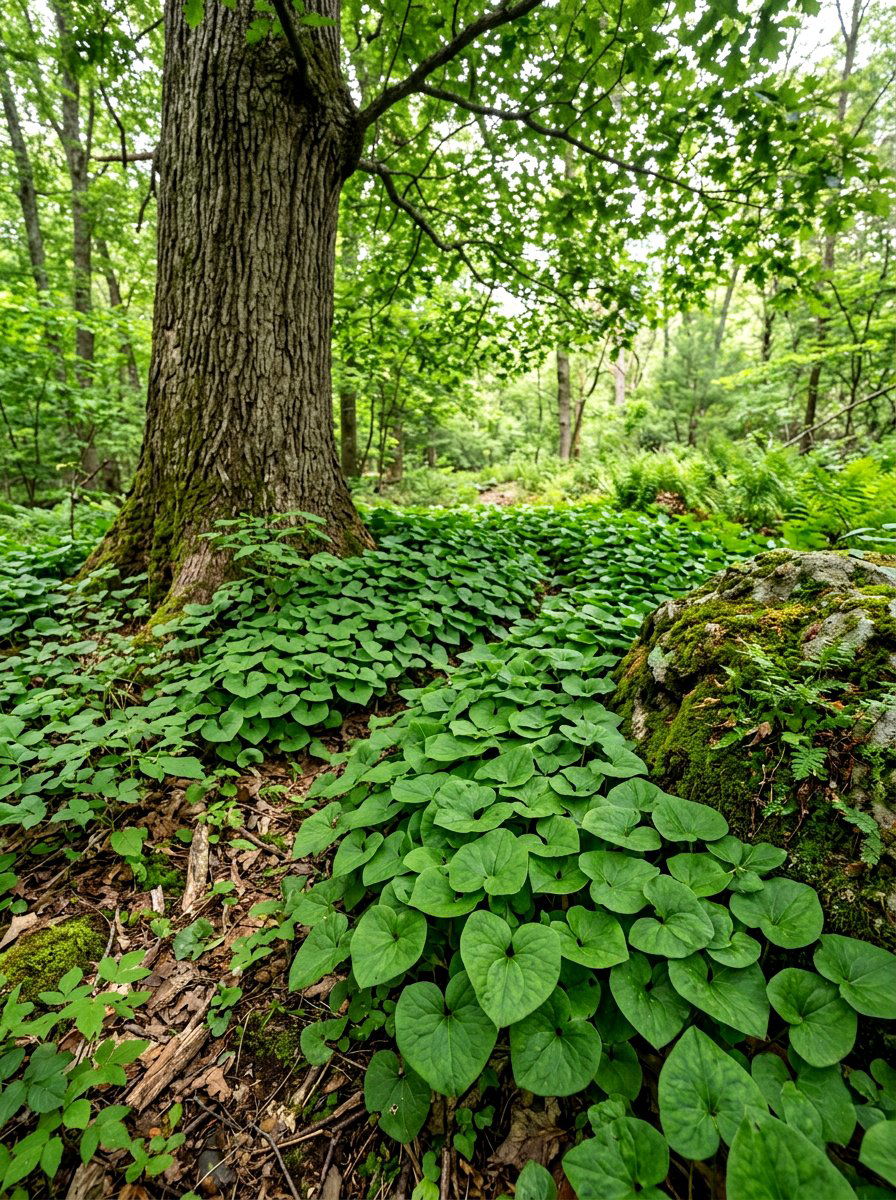
Using wild ginger groundcover is an excellent way to create a lush, green carpet in areas where grass won 't grow. This native plant features large, heart-shaped leaves with a beautiful matte finish and a hidden, jug-shaped flower tucked beneath the foliage. It spreads slowly via underground rhizomes, eventually forming a dense mat that chokes out weeds. The deep green leaves provide a consistent texture that stays attractive all through the growing season. It is particularly effective for planting on shady slopes to help prevent soil erosion. Its low profile makes it a perfect companion for taller shade-loving plants like ferns and Solomon' s seal.
22. Solomon seal plant garden
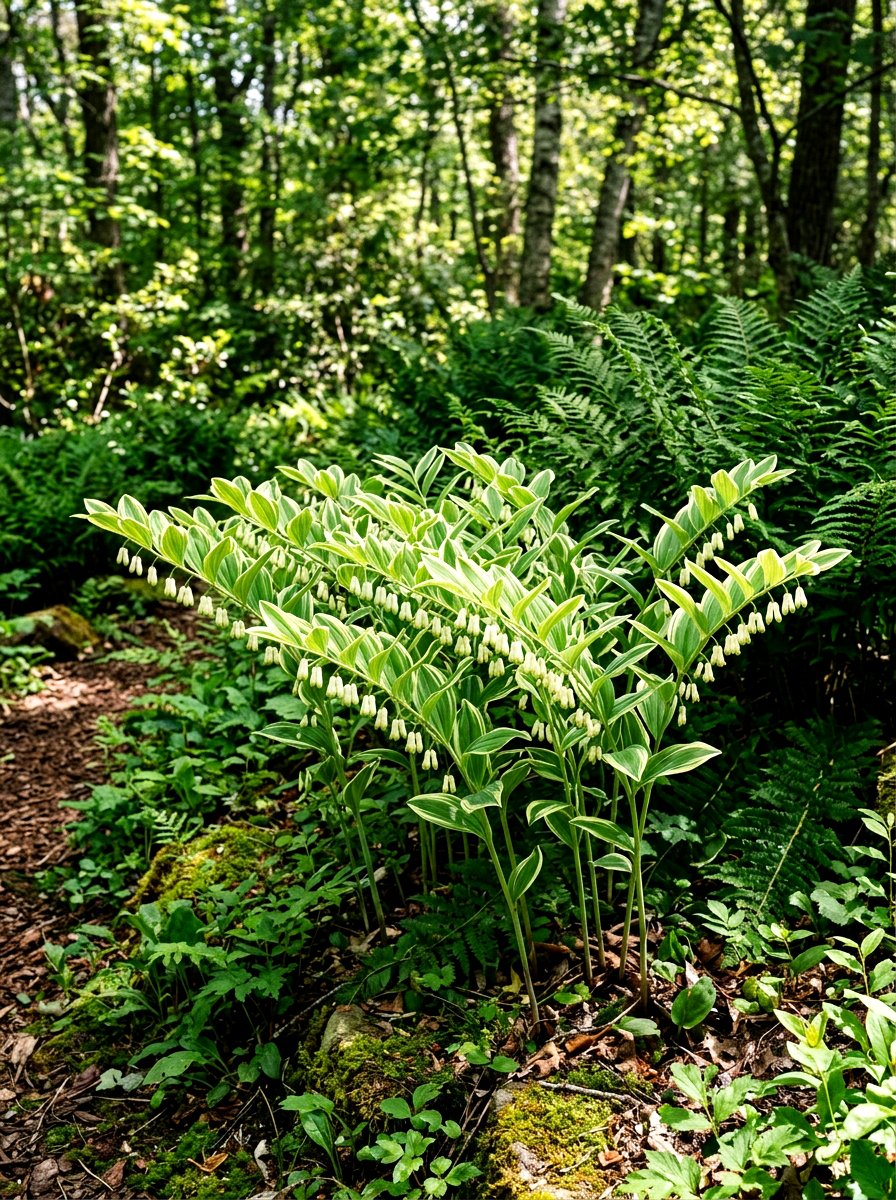
A Solomon seal plant garden features elegant, arching stems that add a unique architectural element to your backyard. These perennials are prized for their rows of dangling, cream-colored bells that hang gracefully from the underside of the leaves in late spring. The variegated varieties are especially popular for shade because their white-edged leaves help reflect light in dim areas. They are tough, long-lived plants that can tolerate a range of soil conditions, including dry shade under mature trees. In the autumn, the foliage often turns a lovely golden yellow before the plant goes dormant. They provide height without being overly bulky or dense.
23. Ajuga groundcover garden
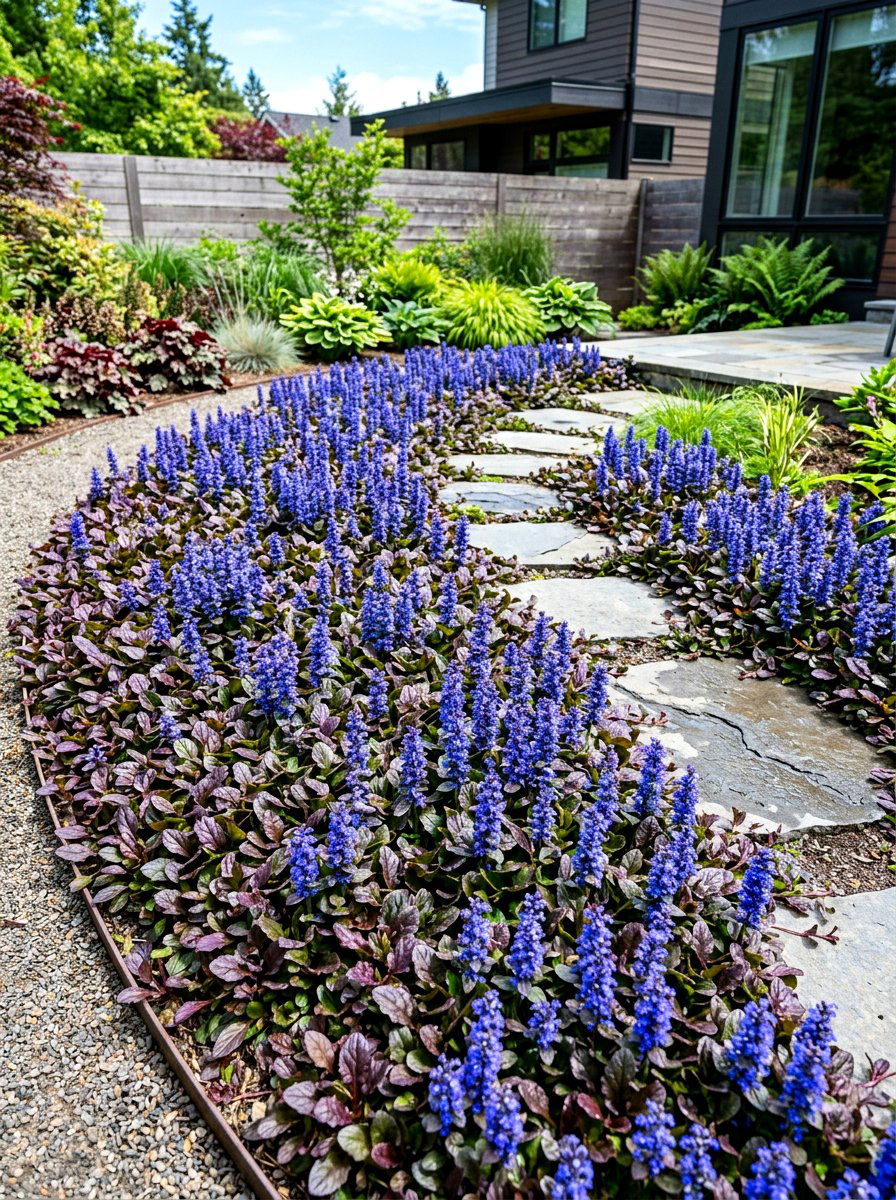
An ajuga groundcover garden, also known as bugleweed, is a fantastic choice for a low-maintenance, high-impact space. This plant spreads quickly to form a thick, weed-smothering mat of glossy leaves that come in shades of bronze, purple, or variegated cream. In the late spring, it produces upright spikes of blue or violet flowers that attract bees and butterflies. It is tough enough to handle occasional foot traffic, making it a good option for planting between large stepping stones. Because it stays very low to the ground, it doesn't compete visually with taller perennials. It is a reliable solution for covering bare patches of soil.
24. Lungwort shade garden
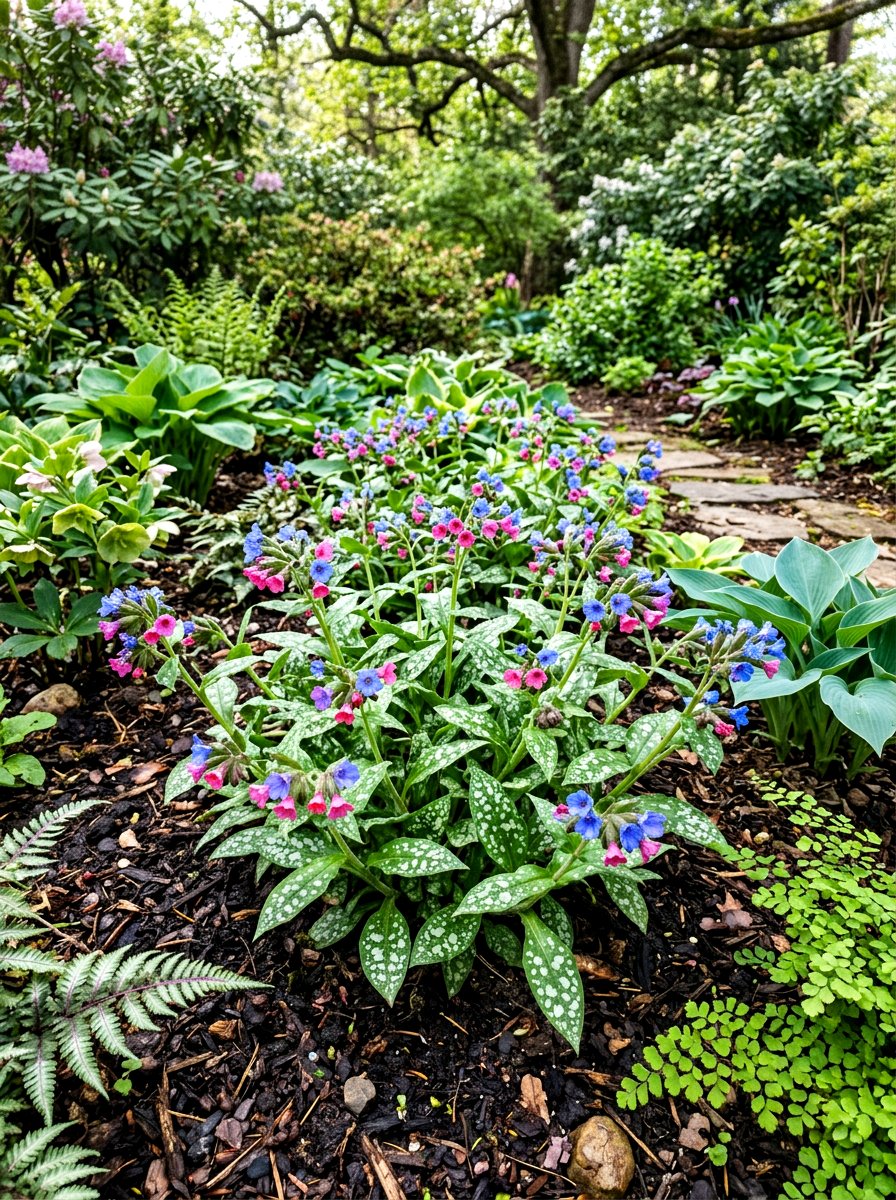
A lungwort shade garden offers a fascinating combination of spotted foliage and color-changing flowers. Also known as Pulmonaria, these plants feature silver-speckled leaves that look interesting even when the plant isn't in bloom. In early spring, they produce clusters of flowers that often open pink and then turn blue as they age, creating a multi-colored effect on the same plant. They are one of the best choices for brightening up the front of a shaded border. Lungworts prefer moist, well-drained soil and will quickly form attractive clumps. Their fuzzy leaves are generally avoided by deer and rabbits, making them a very practical choice.
25. Jacob ladder plant garden
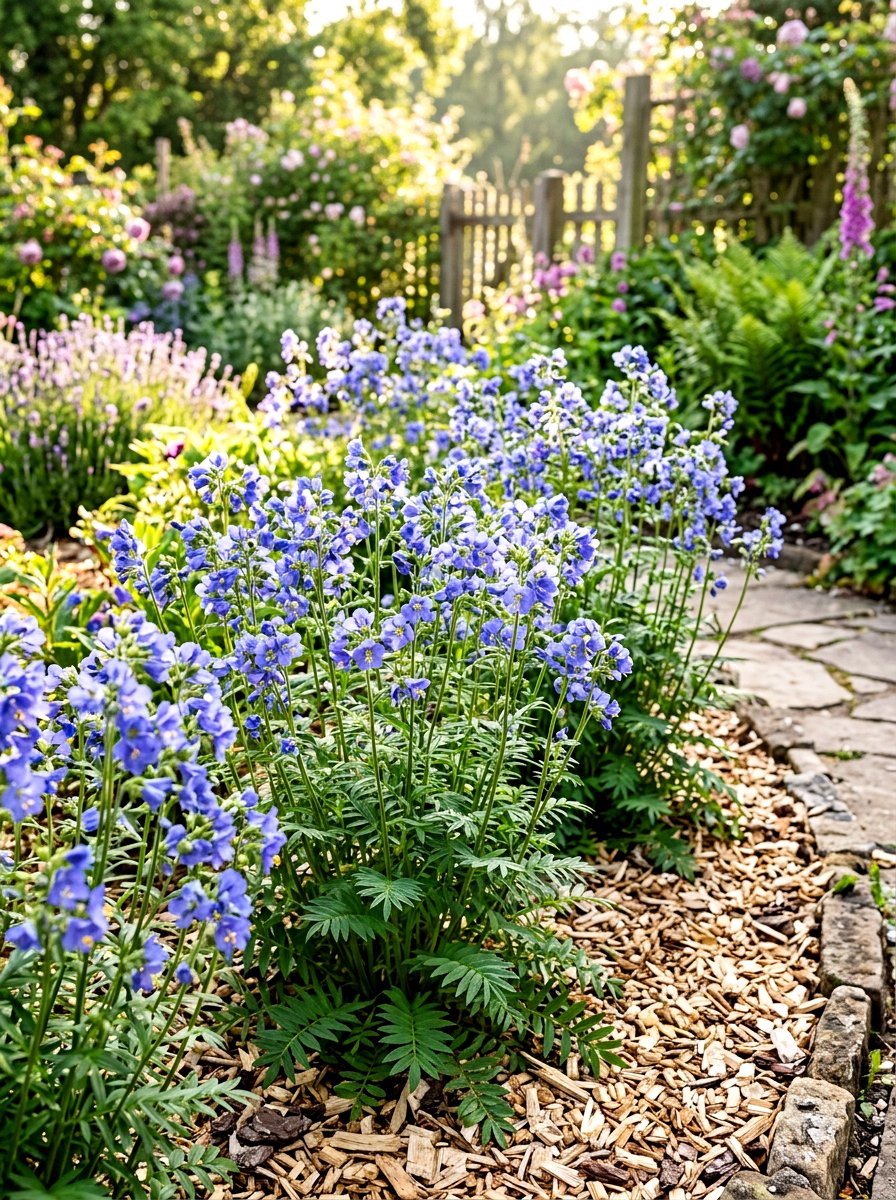
A Jacob ladder plant garden is named for the unique, ladder-like arrangement of its delicate leaflets. This perennial adds a fine, airy texture to the garden that contrasts beautifully with broad-leaved plants like hostas. In late spring, it produces clusters of soft blue or white flowers that hover above the fern-like foliage. It prefers the cool, moist conditions found in partial to full shade and will often self-seed gently to fill in open spaces. The variegated forms, which feature white or cream-edged leaves, are particularly effective at lighting up dark garden beds. It is a graceful plant that brings a sense of refinement.
26. Celandine poppy garden
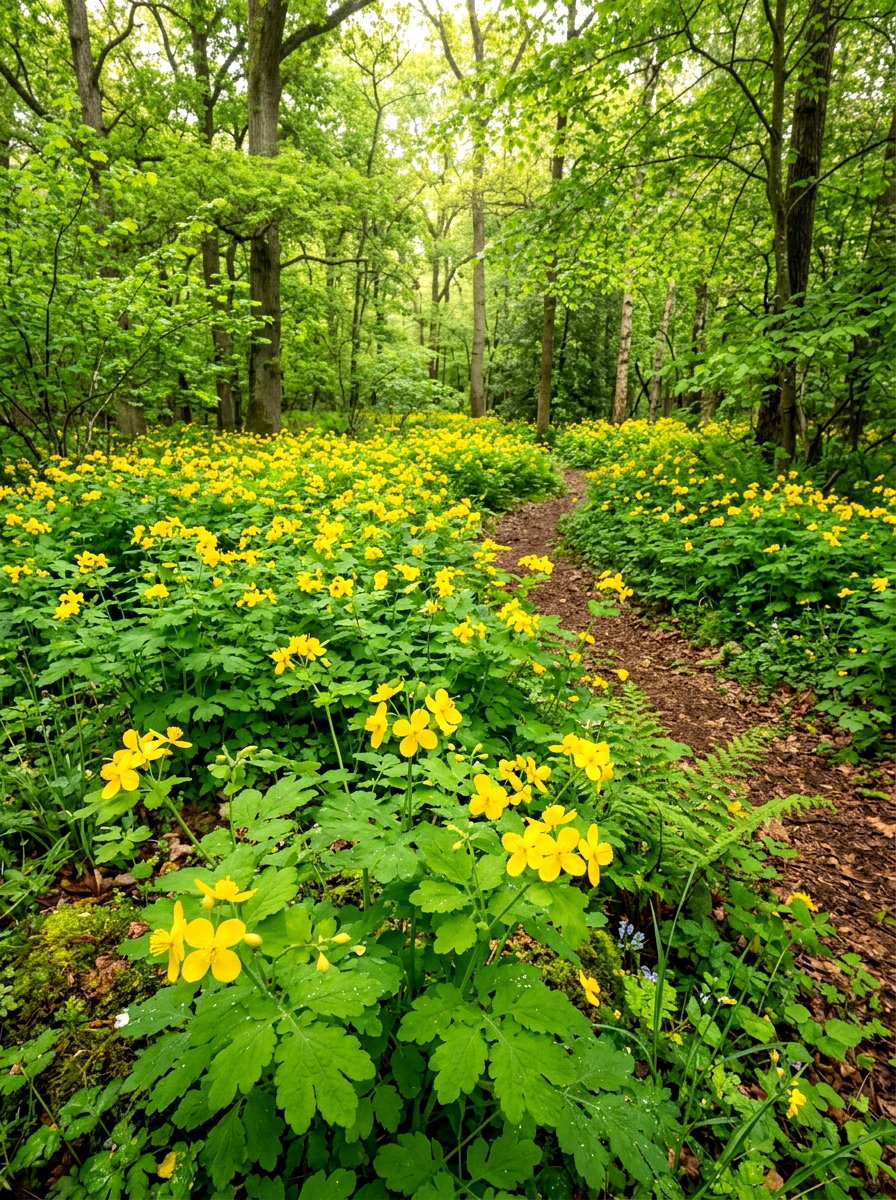
A celandine poppy garden is perfect for those who want a bright, sunny look in a place that gets very little sun. These native perennials produce large, brilliant yellow flowers in late spring that contrast sharply with their deeply lobed, blue-green foliage. They are prolific bloomers and will often re-bloom throughout the season if the soil stays moist. Because they can self-seed quite easily, they are ideal for naturalizing in large, informal woodland areas where they can roam freely. The seed pods are also quite decorative, featuring a fuzzy texture. They provide a cheerful, wild look that feels very at home in a casual landscape.
27. Turtlehead flower garden
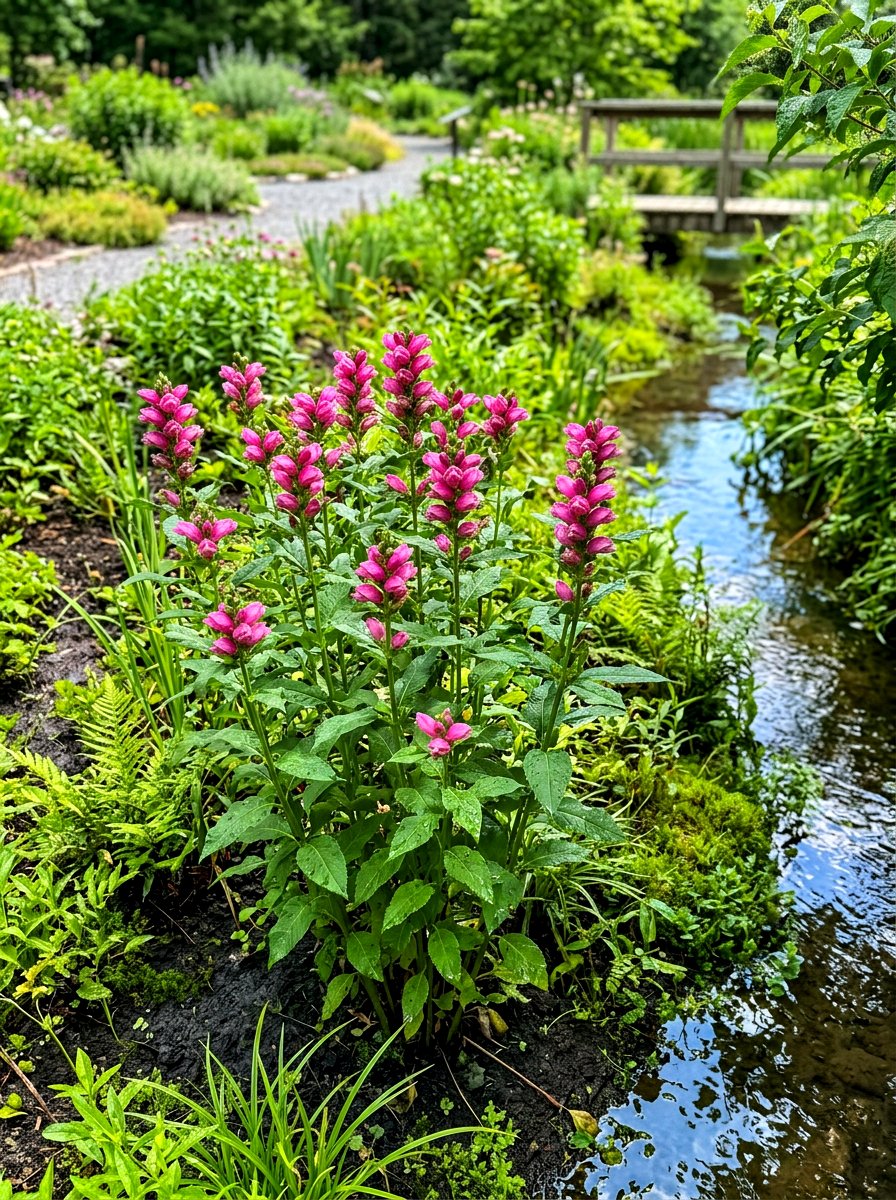
A turtlehead flower garden provides a much-needed splash of color during the late summer and early autumn. Named for the shape of its flowers, which look like the head of a snapping turtle, this perennial is a favorite for moist or even boggy shaded spots. The blooms are typically a vibrant pink or pure white and stand tall on sturdy stems that don't usually require staking. They are excellent for attracting late-season pollinators like bumblebees. Because they thrive in damp soil, they are perfect for planting near a pond edge or a low spot in the yard where water tends to collect.
28. Foamflower shade garden
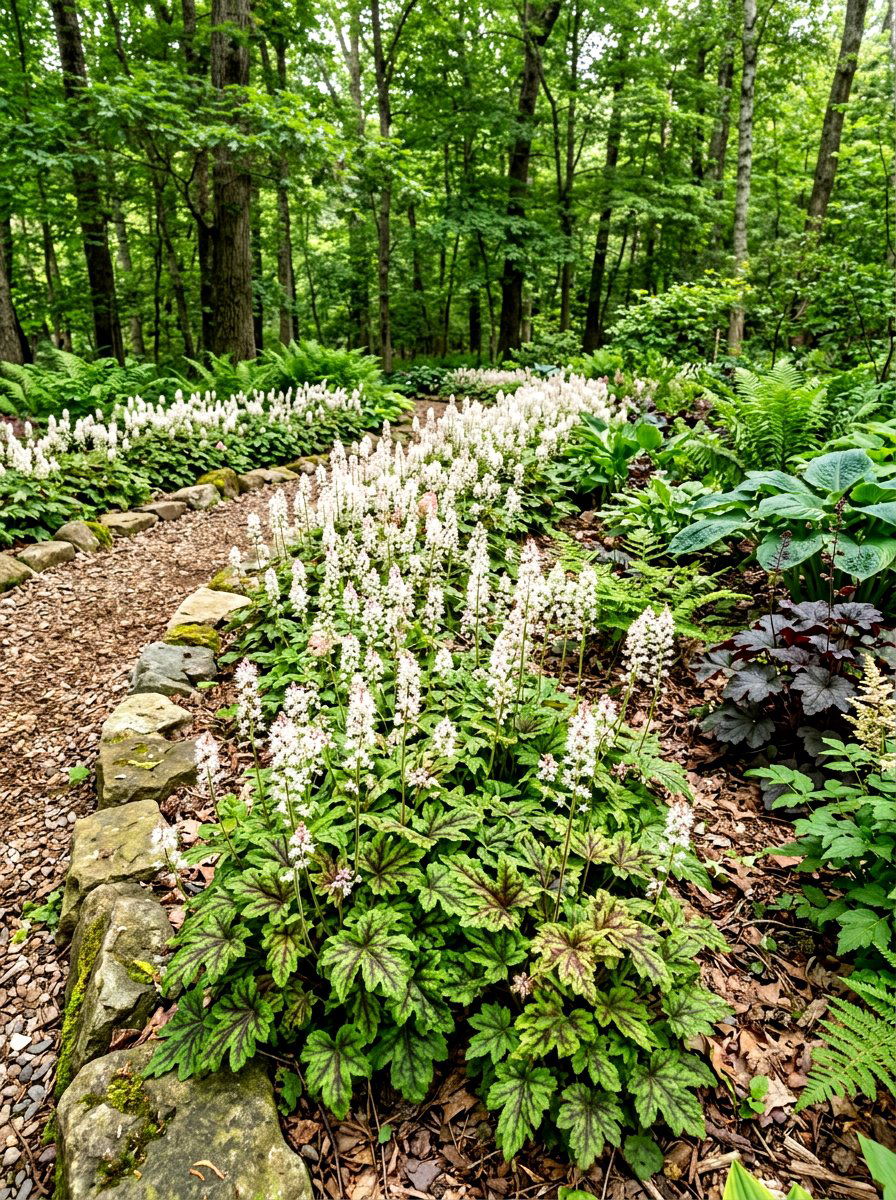
A foamflower shade garden is all about delicate beauty and intricate leaf patterns. These low-growing perennials, also known as Tiarella, produce frothy spikes of white or pinkish flowers that look like a light dusting of sea foam in the spring. Many varieties have deeply lobed leaves with striking dark burgundy centers, providing year-round visual interest. They spread by runners or clumps to form a tidy groundcover that looks wonderful at the base of larger shrubs. They are closely related to heucheras but generally prefer more shade and moisture. They are a sophisticated choice for those who appreciate subtle, detailed textures in their garden.
29. Jack in the pulpit garden
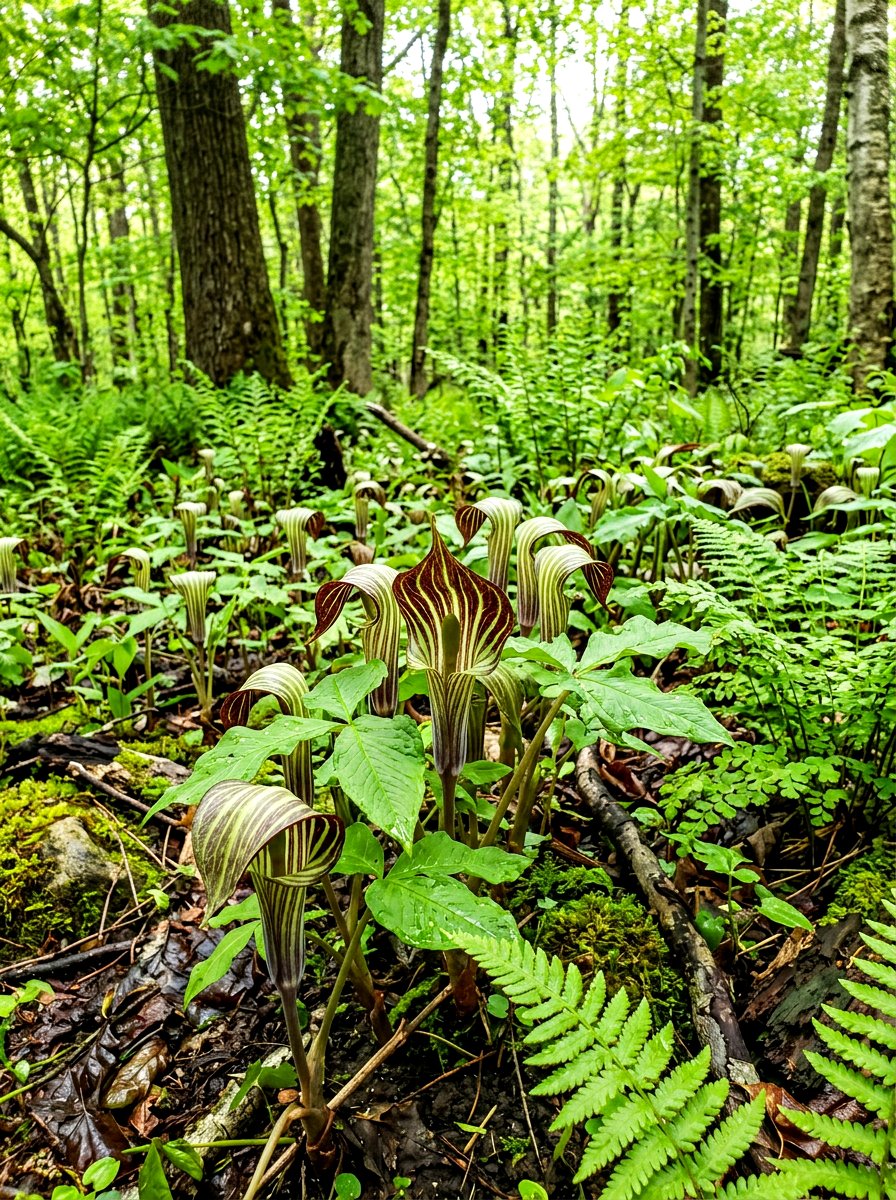
A Jack in the pulpit garden features one of the most unique and mysterious plants found in nature. This native woodland species has a large, hooded flower structure with a central "Jack" standing inside a green and purple striped "pulpit. " It is an excellent choice for a naturalized shade garden where you want to create a sense of discovery. Following the bloom, the plant produces a cluster of bright red berries in the late summer that adds a surprising pop of color. It thrives in rich, moist soil and dappled light. It is a slow-growing but fascinating addition that adds a touch of the wild.
30. Sweet woodruff groundcover
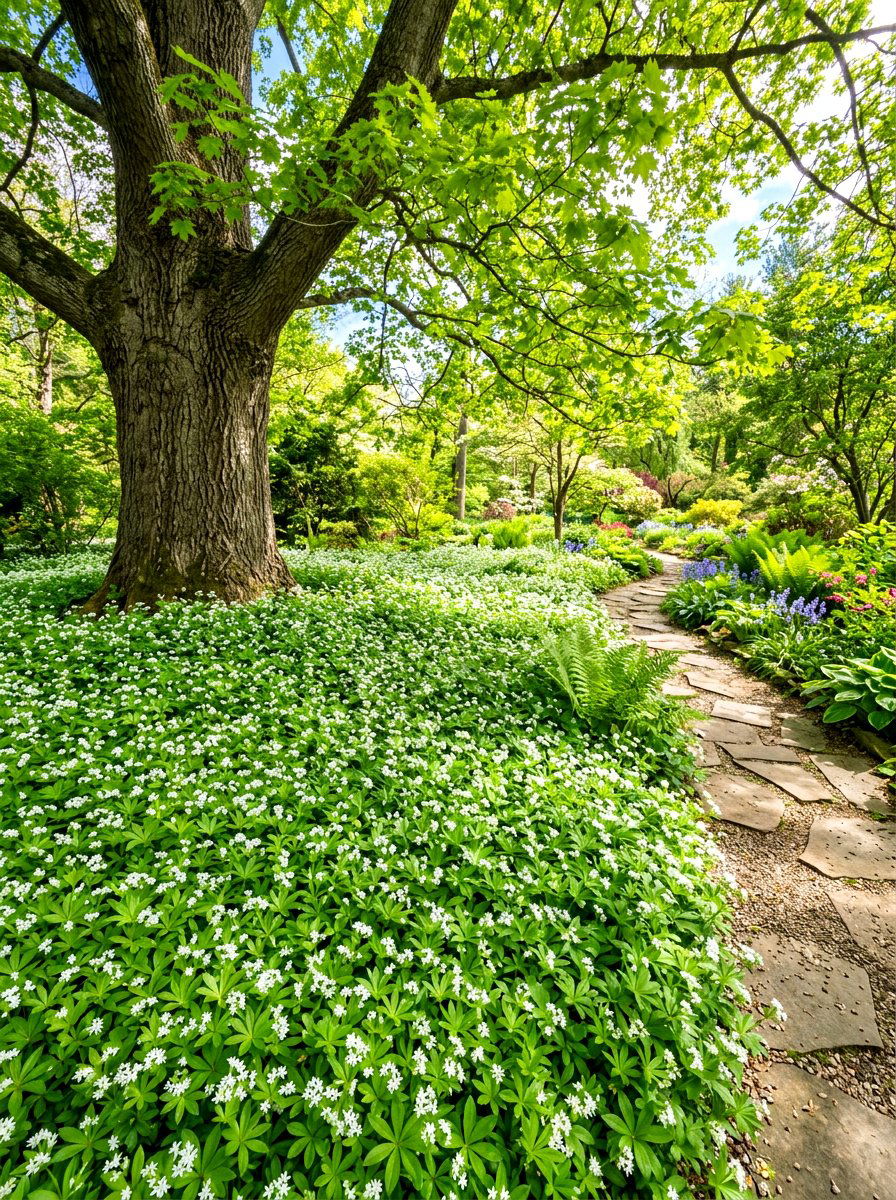
Sweet woodruff groundcover is a classic choice for creating a lush, fragrant carpet under a tree canopy. This plant features whorls of bright green leaves and tiny, star-shaped white flowers that bloom in the late spring. When the leaves are crushed or dried, they give off a pleasant scent similar to freshly mown hay. It spreads quickly through underground stems, making it an efficient way to cover large areas of bare ground in the shade. It is tough enough to compete with tree roots and thrives in almost any soil as long as it isn't bone dry. It creates a soft, clean look that unifies the landscape.
Conclusion:
Creating a stunning shade garden is a rewarding journey that transforms the most challenging parts of your landscape into beautiful, living art. By embracing the unique conditions of low light, you can cultivate a diverse range of plants that offer incredible textures and colors not found in sunnier areas. Whether you choose a structured boxwood hedge or a whimsical woodland path, the key is to work with nature rather than against it. A well-designed shady retreat provides a cooling escape for both people and local wildlife during the heat of the day. With a little planning and the right plant choices, your shade garden will flourish for years.

Related posts: