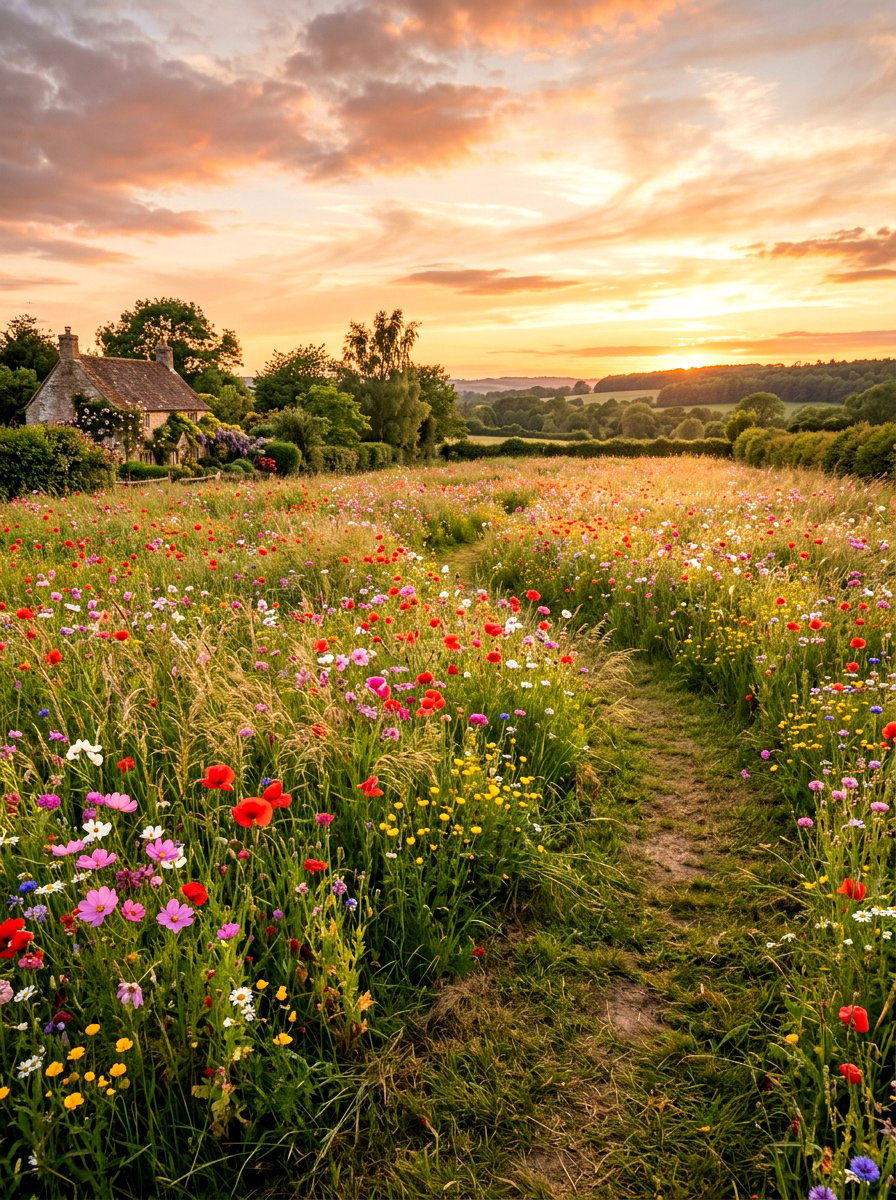
Evergreen landscaping is the backbone of any stunning property, providing a reliable structure that remains vibrant even when other plants fade. Many homeowners struggle with gardens that look barren in winter, but strategic use of year-round foliage solves this common design dilemma. By incorporating diverse textures, varying heights, and rich shades of green, you can create a professional-looking sanctuary that requires surprisingly little maintenance. These plants offer essential privacy, wind protection, and erosion control while anchoring your overall aesthetic. Whether you are aiming for a modern minimalist look or a lush traditional estate, evergreen choices ensure your outdoor space remains inviting and lush every single day.

1. Boxwood Front Yard Hedge
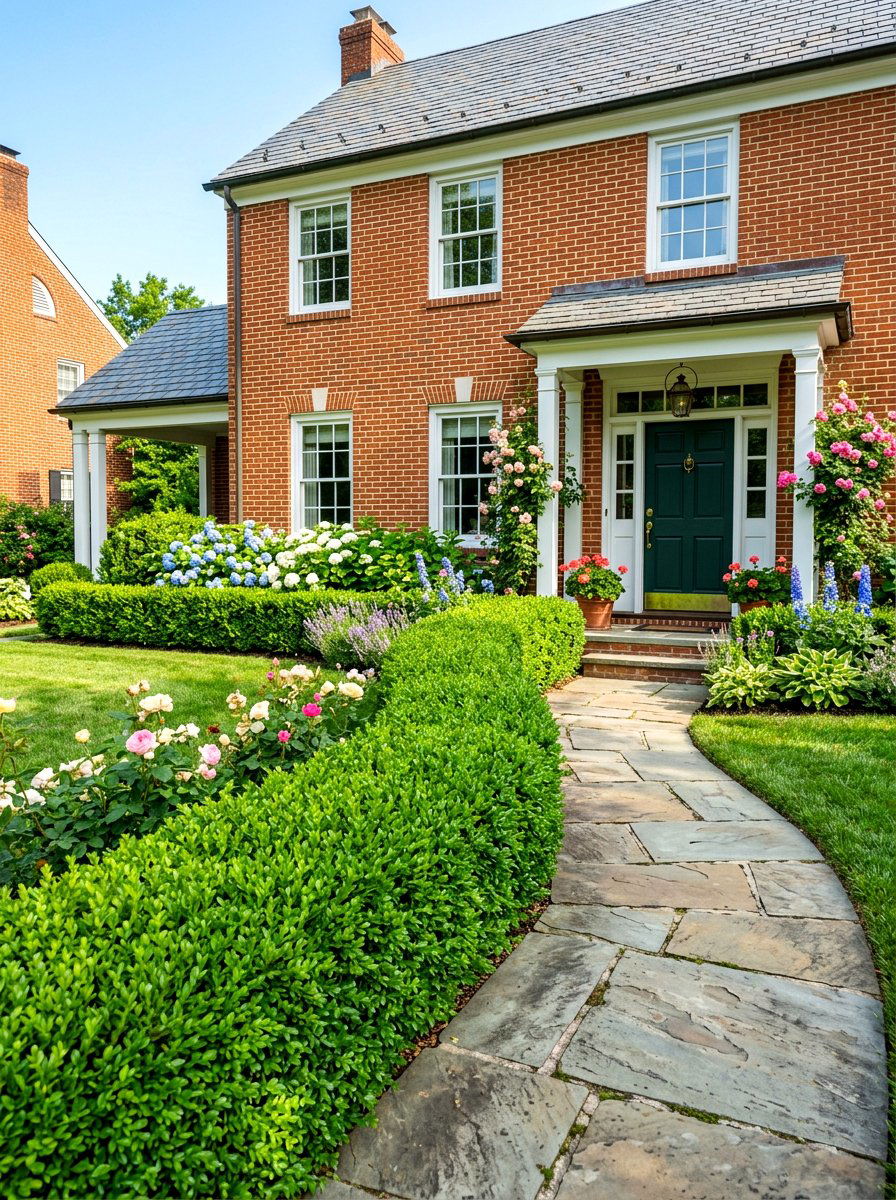
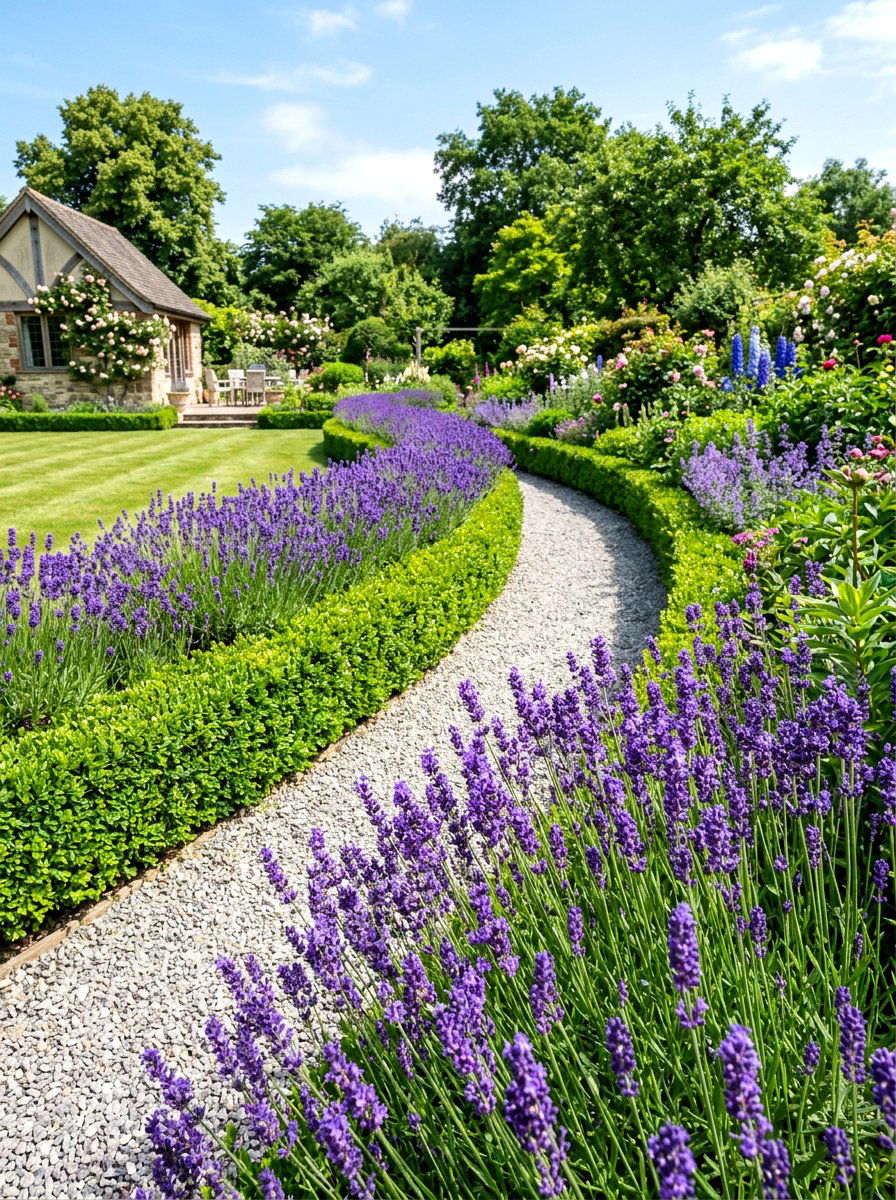
Creating a structured look for your home starts with a classic boxwood front yard hedge. These versatile shrubs offer a crisp, clean aesthetic that stays vibrant throughout every single season of the year. You can prune them into sharp geometric shapes or let them grow naturally for a softer, more organic feel. They work perfectly as a low border along walkways or as a formal frame for large flower beds. Homeowners love them because they are incredibly hardy and adapt well to various soil types. Maintaining a consistent green backdrop ensures your property looks cared for even during the coldest winter months. It is the ultimate choice for timeless curb appeal.
2. Arborvitae Privacy Wall
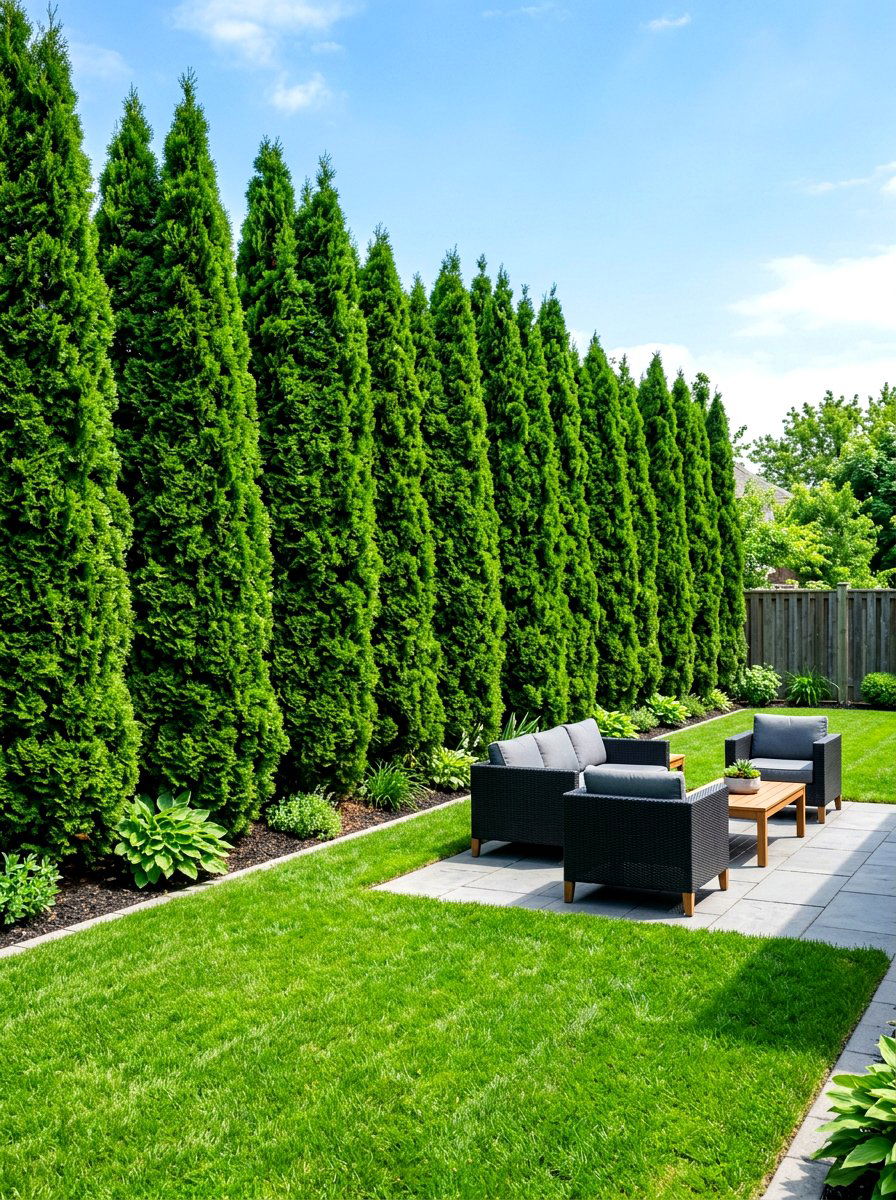
Building a natural barrier is easy when you choose a dense arborvitae privacy wall for your backyard. These tall, narrow trees grow quickly and create a thick screen of soft, feathery foliage that blocks out neighbors and noise. Unlike a wooden fence, a living wall breathes and changes subtly with the light, providing a much more relaxing environment. They are perfect for lining property boundaries or creating secluded "rooms" within a larger garden layout. Because they grow vertically rather than spreading wide, they are ideal for smaller lots where space is at a premium. Their deep emerald color provides a luxurious feel to any outdoor space.
3. Blue Spruce Focal Tree
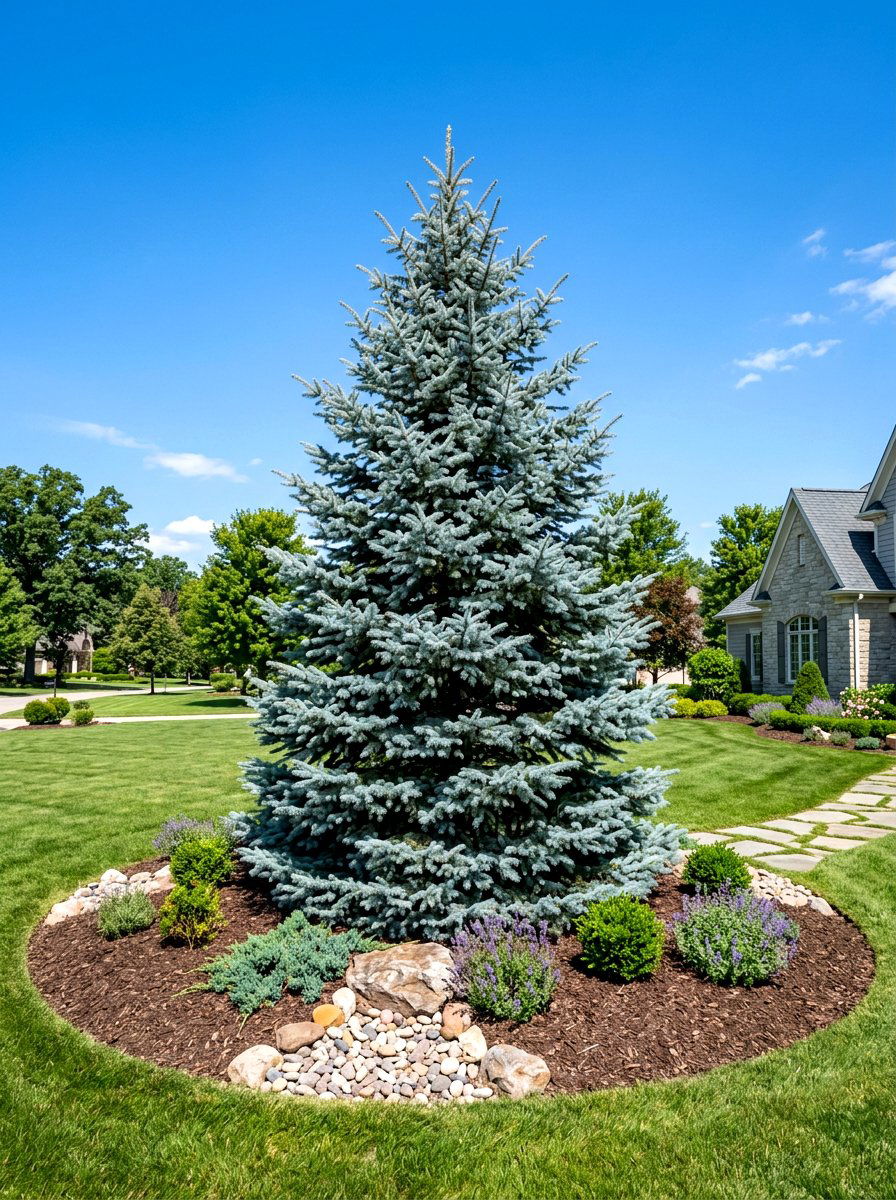
Adding a bold splash of color is simple with a majestic blue spruce focal tree positioned in your lawn. This iconic conifer is famous for its striking silvery-blue needles that provide a cool contrast to the surrounding green foliage. As a slow-growing specimen, it maintains a perfect pyramidal shape without needing much intervention or pruning from the homeowner. It serves as a fantastic anchor for a large landscape bed and looks particularly magical when dusted with winter snow. This tree is exceptionally hardy and can withstand harsh winds and heavy winters, making it a dependable long-term investment for your home’s exterior design.
4. Juniper Low Maintenance Groundcover
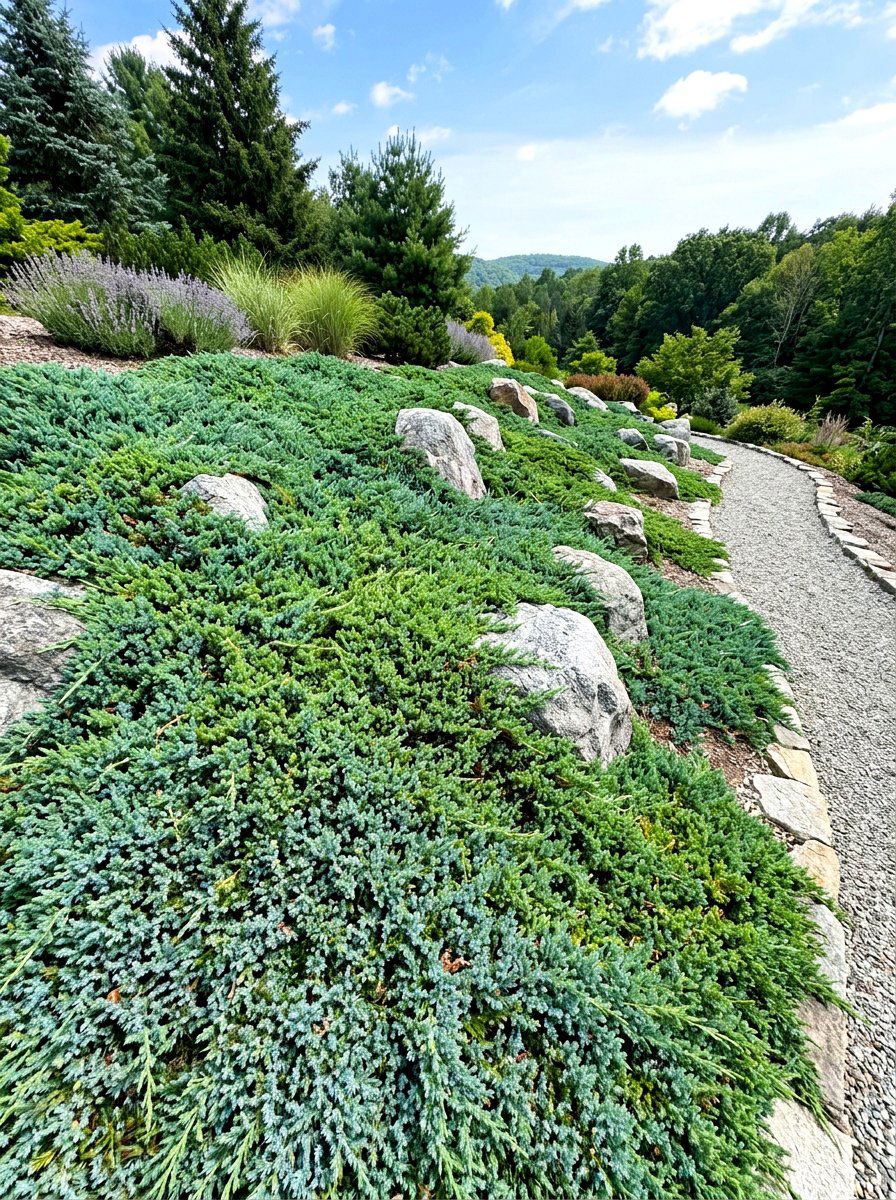
Covering bare patches of soil becomes an effortless task when you use juniper low maintenance groundcover across your slopes. This rugged plant spreads horizontally, creating a thick carpet of needle-like foliage that effectively suppresses weeds and prevents soil erosion. It is the perfect solution for areas where grass struggles to grow or on steep inclines that are difficult to mow. Many varieties offer unique blue or golden hues that add visual depth to your garden floor. Once established, these plants are highly drought-tolerant and require almost no supplemental watering. They provide a lush, finished look to the landscape with very little ongoing physical effort.
5. Holly Bush Foundation Planting
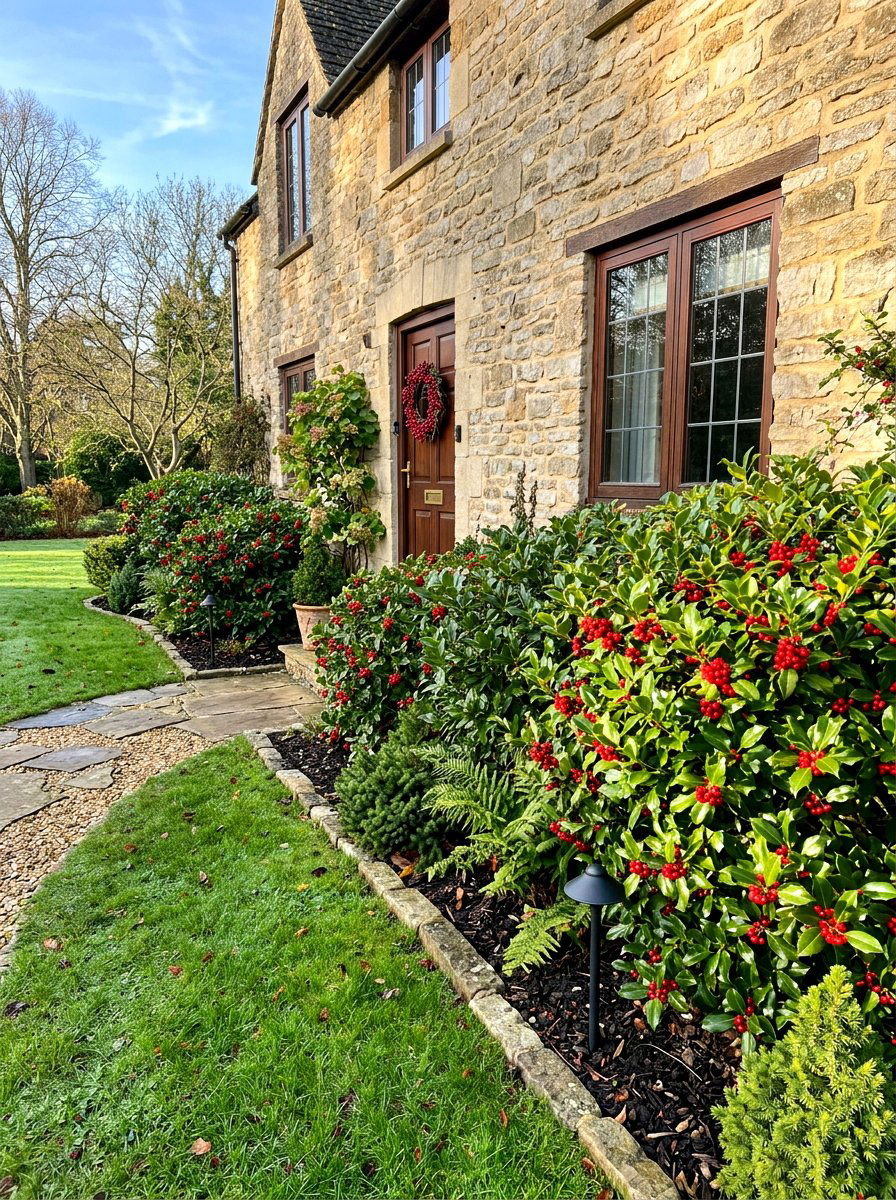
Enhancing the base of your home is best achieved with a sturdy holly bush foundation planting. These broadleaf evergreens feature glossy, dark leaves that reflect the sunlight beautifully and often produce bright red berries in the winter. They provide a solid, year-round structure that hides the concrete foundation of your house and softens the transition between the building and the lawn. You can find varieties that grow tall for corners or dwarf versions that stay low under windows. Their prickly leaves also act as a natural deterrent for intruders or wandering animals. It is a classic choice that brings life and color to your home’s entrance.
6. Dwarf Conifer Rock Garden
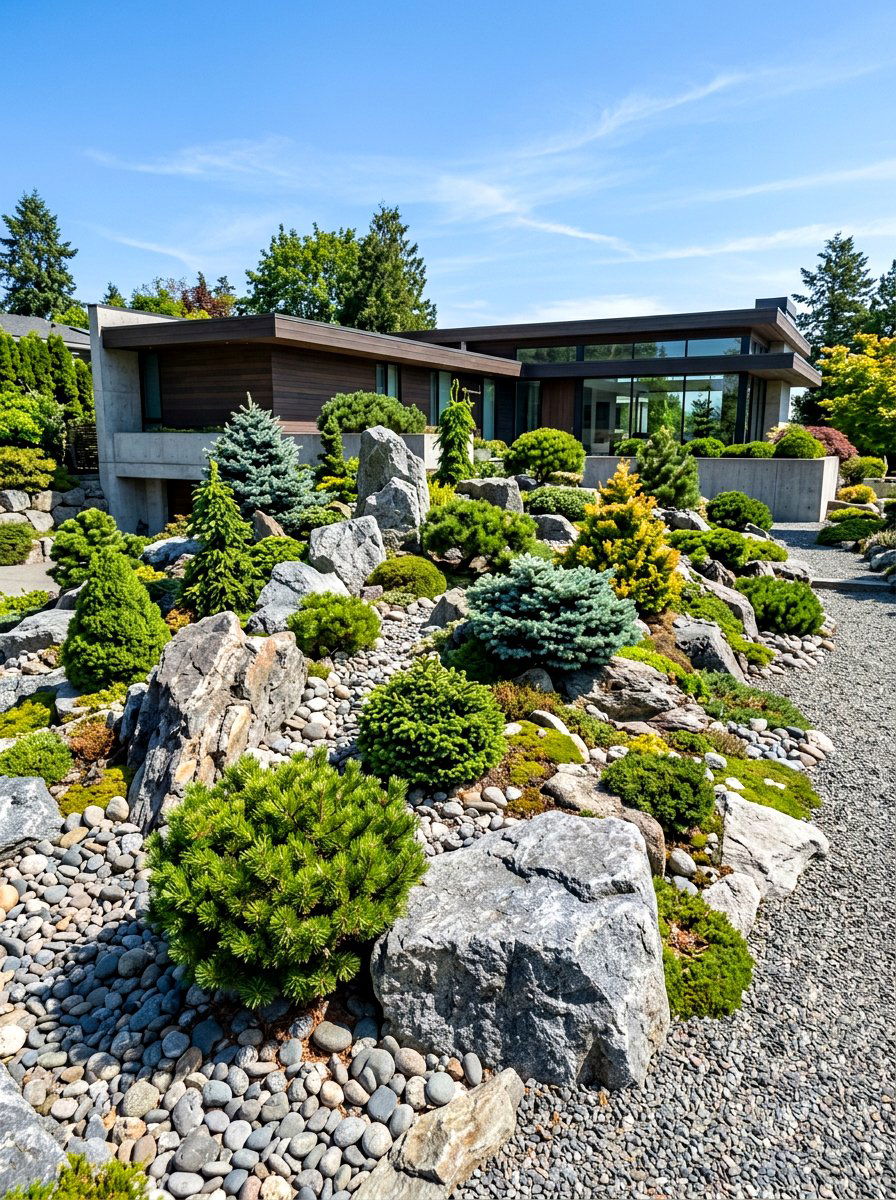
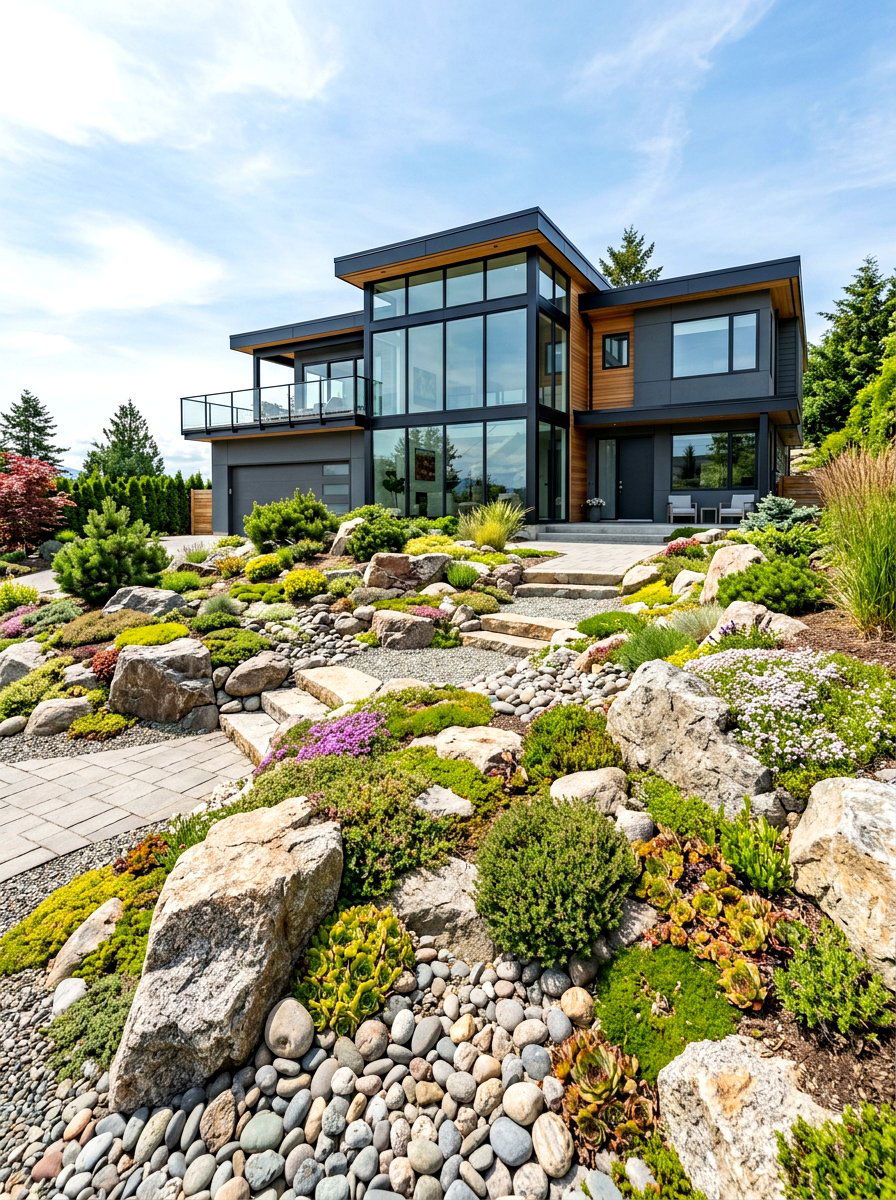
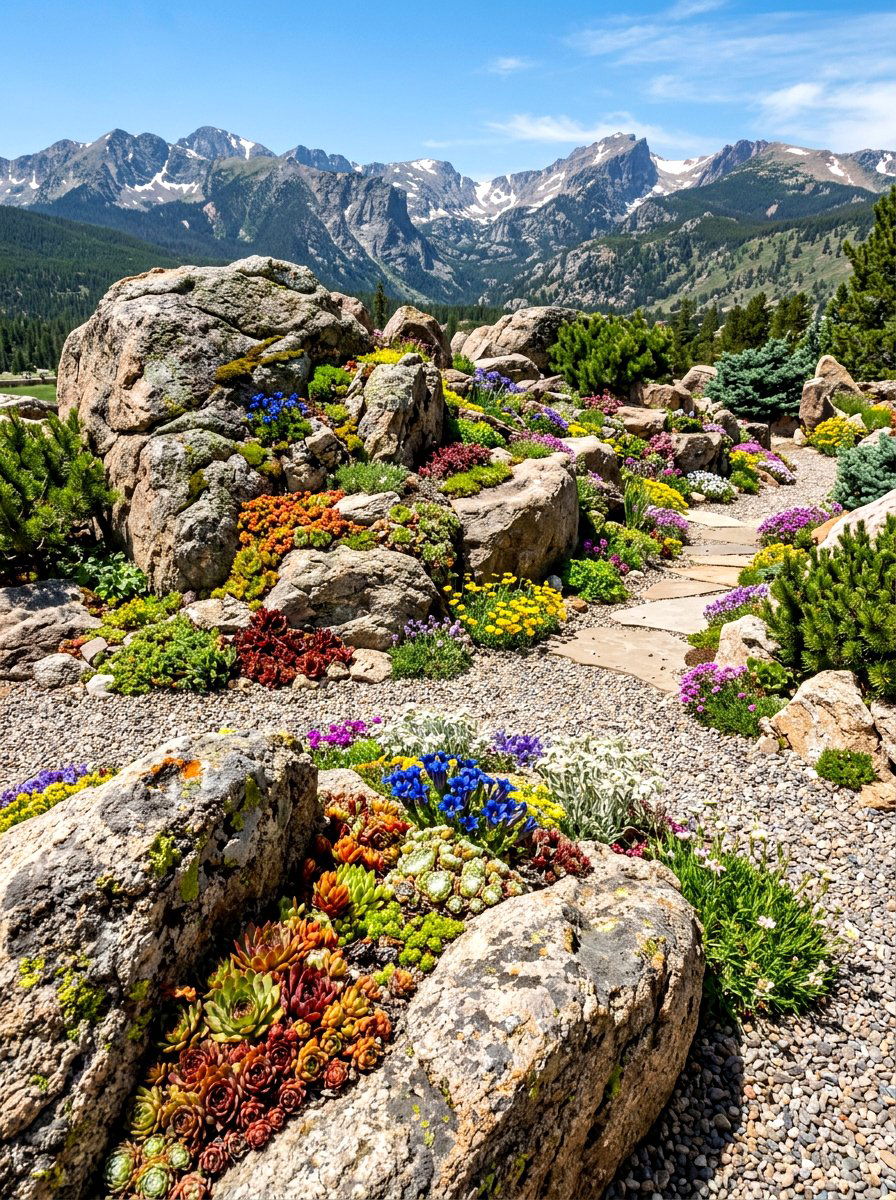
Designing a miniature landscape is fun and visually rewarding with a specialized dwarf conifer rock garden. These slow-growing, compact evergreens come in a staggering variety of shapes, including globes, cones, and weeping forms. By nesting them among large boulders and gravel, you create a sophisticated, high-texture environment that looks like a natural alpine scene. They are perfect for small spaces or as a low-maintenance feature near a patio where you can appreciate their intricate details. Since they grow so slowly, you won’t have to worry about them outgrowing their space. This style of landscaping offers a modern and very artistic touch to any modern home.
7. Japanese Yew Shade Border
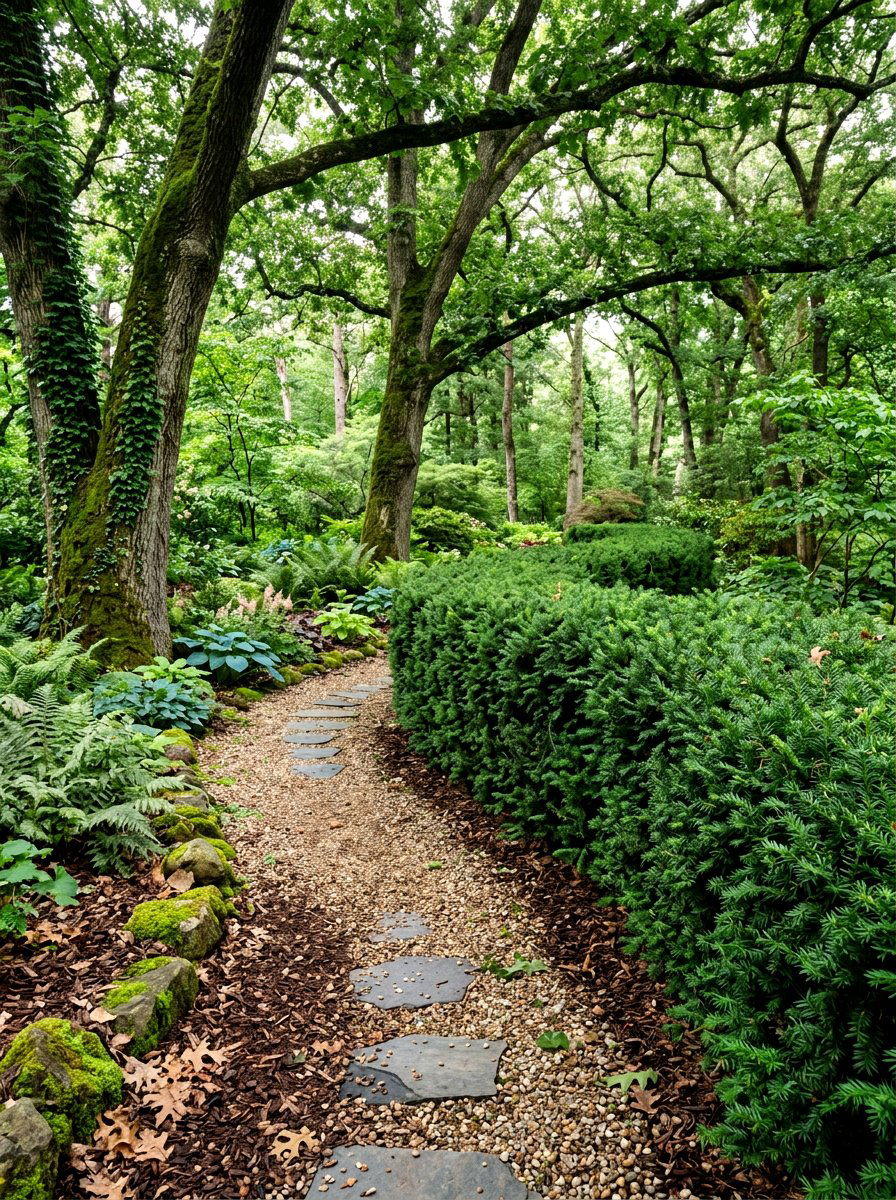
Finding plants that thrive in the shadows can be difficult, but a Japanese yew shade border is a reliable solution. These hardy evergreens are famously tolerant of low-light conditions, making them ideal for the north side of your house or under large canopy trees. They feature soft, dark green needles and can be sheared into very precise, formal hedges or left to grow into large, billowy clouds. Their ability to recover from heavy pruning makes them a favorite for many topiary artists and professional gardeners alike. Adding these to your darker garden corners ensures that every part of your property stays green and lush throughout the year.
8. Italian Cypress Entryway
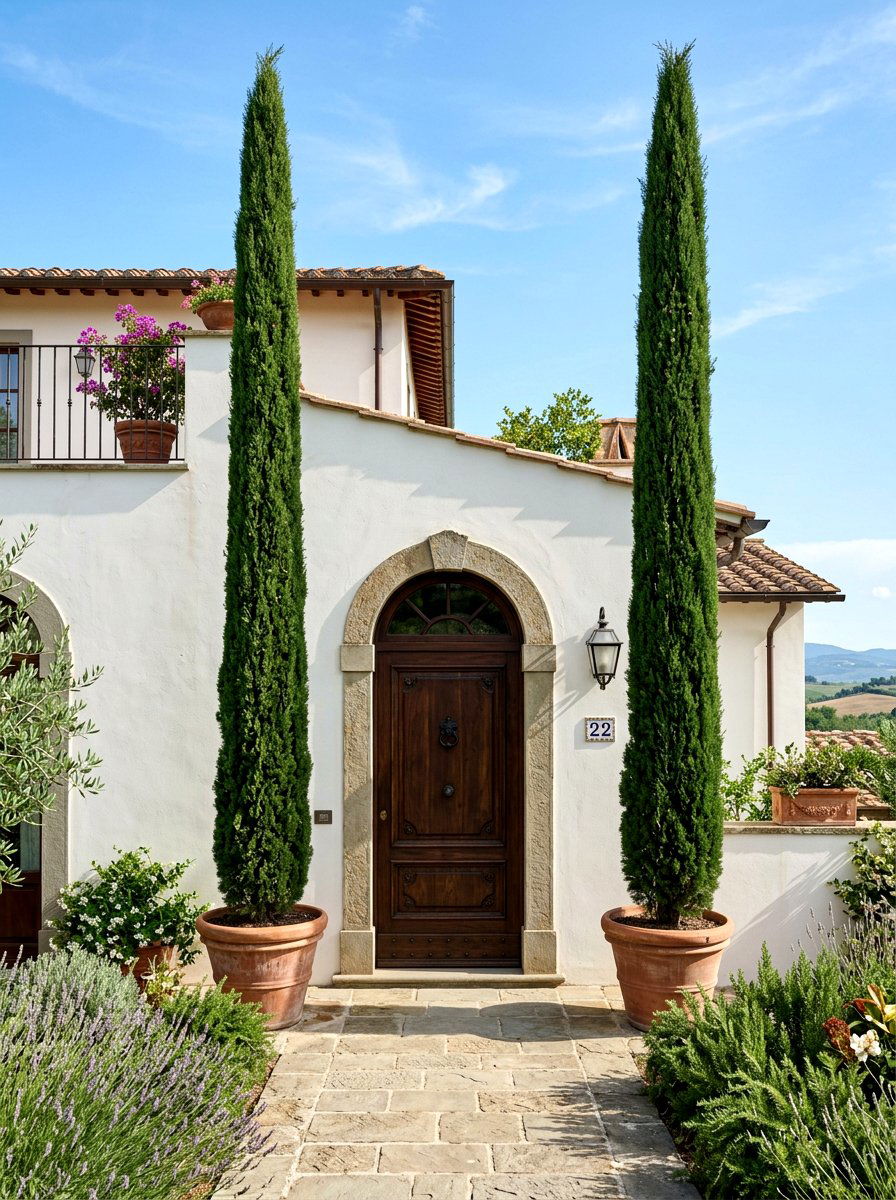
Creating a dramatic and sophisticated entrance is easy with a pair of tall Italian cypress trees framing your doorway. These slender, columnar evergreens reach great heights while maintaining a very narrow footprint, adding immediate vertical interest to your home's architecture. They evoke a Mediterranean feel that looks upscale and timeless, especially when used in symmetrical patterns. Because they grow straight up, they are perfect for narrow side yards or flanking a long driveway. Their dark, dense foliage provides a stark contrast against light-colored house paint or stone siding. This simple addition can transform a standard front yard into a high-end, luxury estate looking landscape.
9. Mountain Laurel Spring Bloom
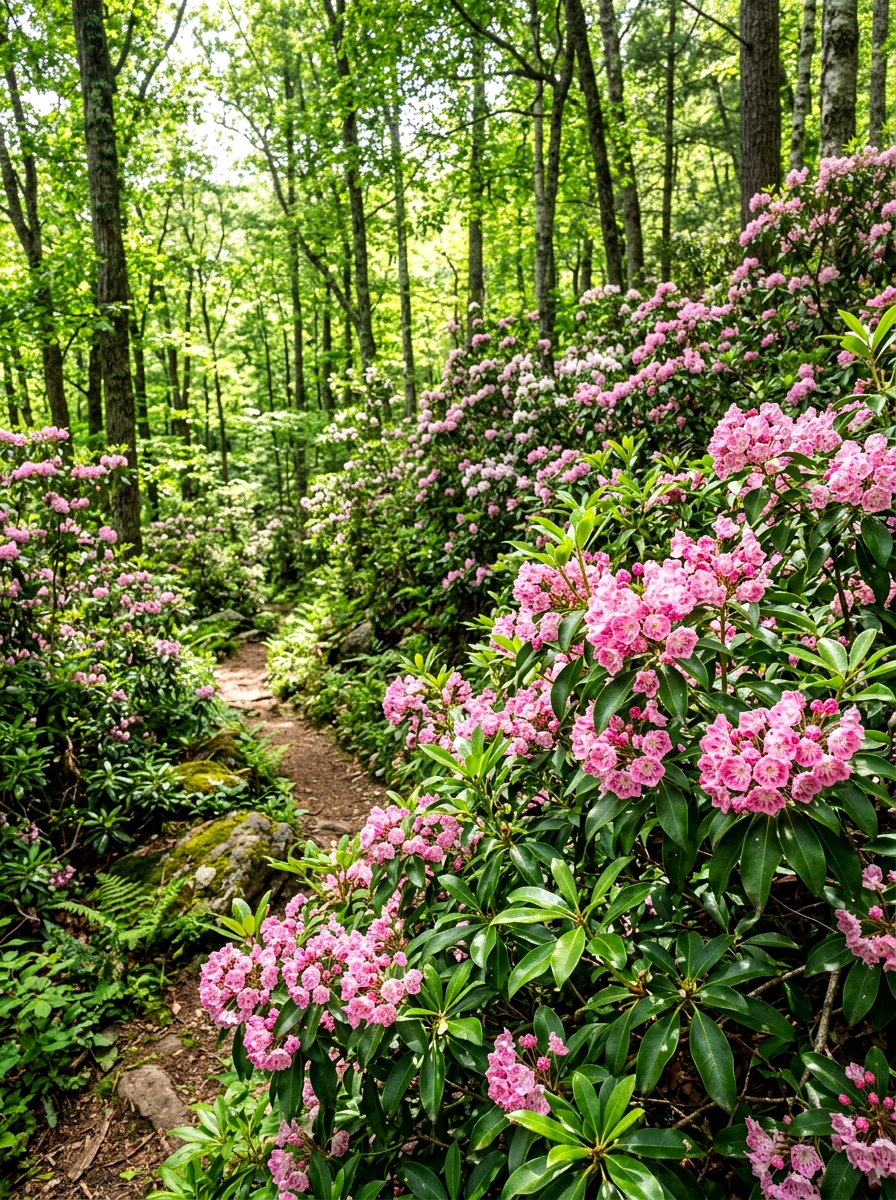
If you want evergreen leaves with a spectacular floral show, look no further than the mountain laurel spring bloom. This native shrub features leathery, glossy foliage that remains green all winter, but it truly shines in late spring when it is covered in intricate, cup-shaped flowers. The blooms range from pure white to deep pink and provide a stunning contrast against the dark leaves. It thrives in slightly acidic soil and dappled sunlight, making it a great choice for woodland-style gardens. This plant adds a layer of seasonal excitement to your landscape while still providing that essential green structure during the colder months of the year.
10. Rhododendron Evergreen Shrub
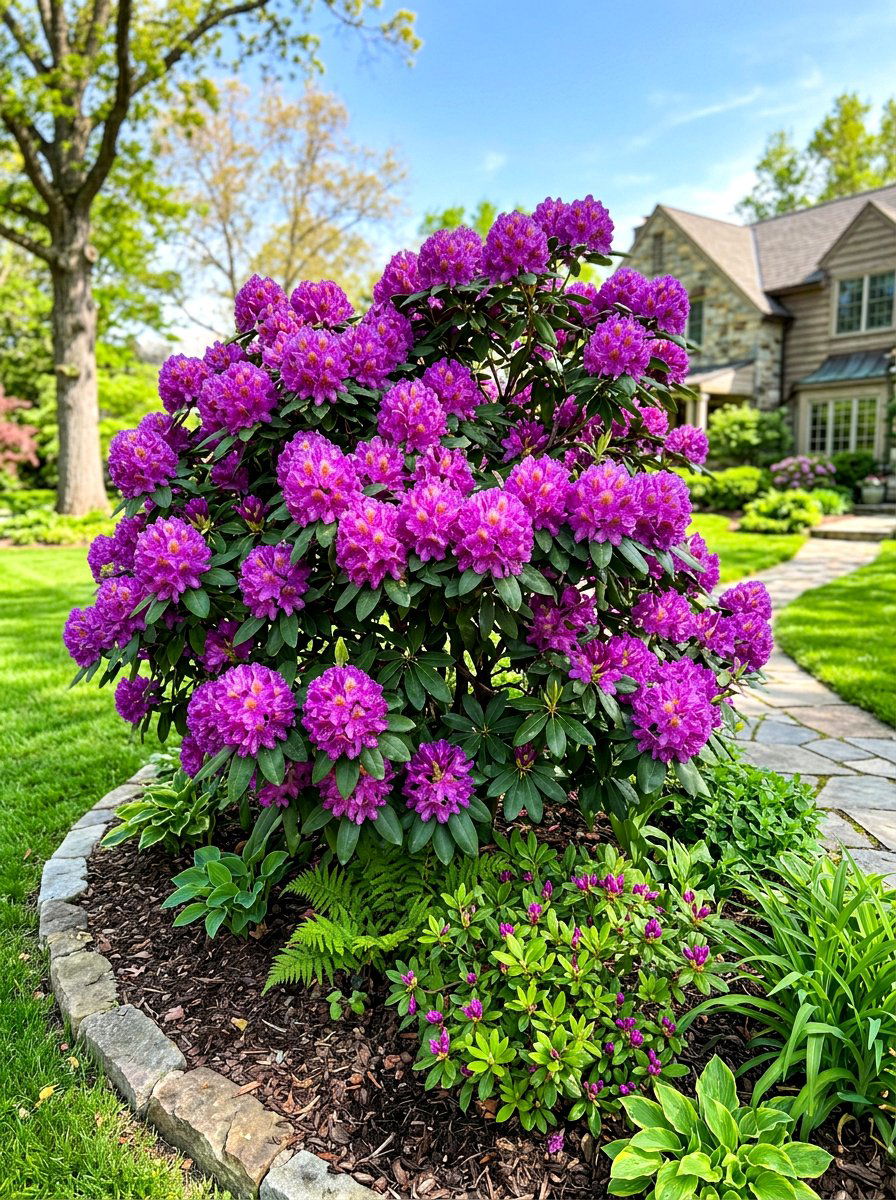
Integrating a rhododendron evergreen shrub into your garden beds provides both massive leaves and giant clusters of colorful flowers. These shrubs are beloved for their bold, broadleaf foliage that provides a tropical feel even in temperate climates. During the spring, they erupt into a sea of purple, pink, or white blossoms that can completely transform the look of your yard. They work best when planted in groups to create a lush, leafy backdrop for smaller perennials. Because they are evergreens, they provide a thick privacy screen even when they aren't in bloom. They are a staple of classic garden design for a very good reason.
11. Emerald Green Thuja Screening
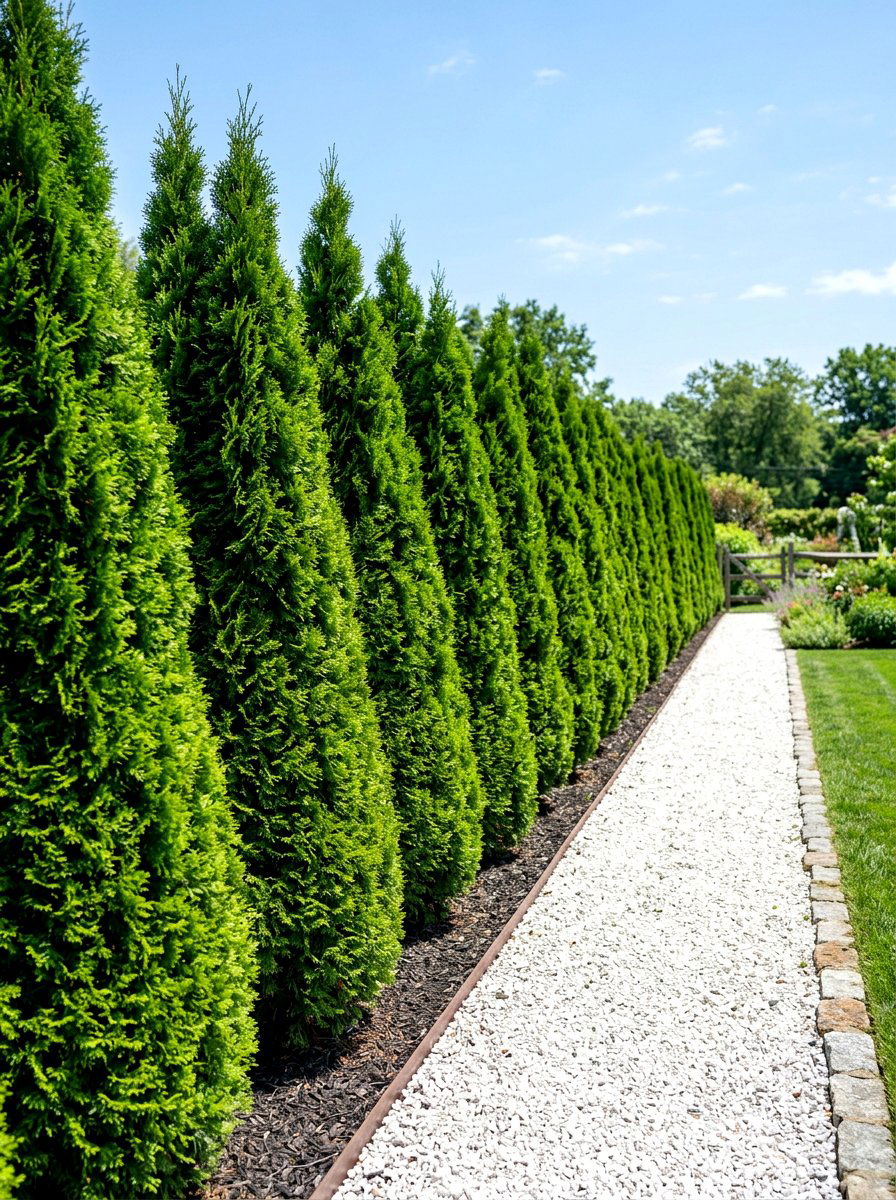
Providing a soft and elegant boundary is the specialty of the emerald green thuja screening plant. This specific variety of arborvitae is known for its shimmering, bright green color and its very tight, pyramidal growth habit. It doesn't get as large as some other screening trees, making it much easier to manage in a standard residential backyard. It stays green even through the harshest winters without the bronzing that some other evergreens experience. Planting them in a row creates a living wall that is both beautiful and functional. It is one of the most popular choices for homeowners who want privacy without the maintenance of a fence.
12. Creeping Juniper Slope Cover
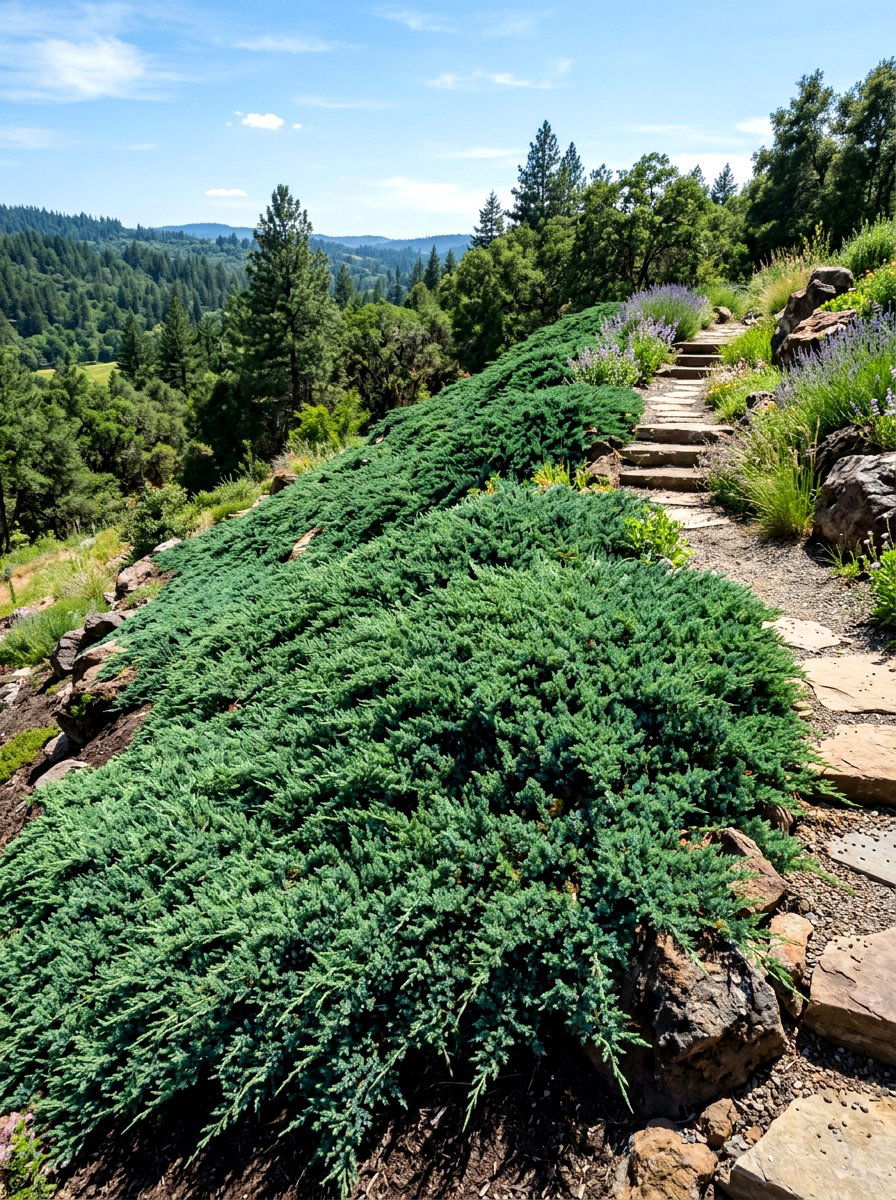
Managing a steep hill on your property is simplified by using a creeping juniper slope cover. This plant is a powerhouse for erosion control, as its root system firmly grips the soil while the foliage creates a dense mat on the surface. It prevents rainwater from washing away your topsoil and stops weeds from taking over the hillside. The foliage often takes on interesting purple or bronze tints during the winter, adding extra color to an otherwise dormant area. It is incredibly tough and can handle poor soil and full sun without any complaints. It turns a problematic landscape feature into a beautiful, green asset.
13. Winterberry Accent Bush
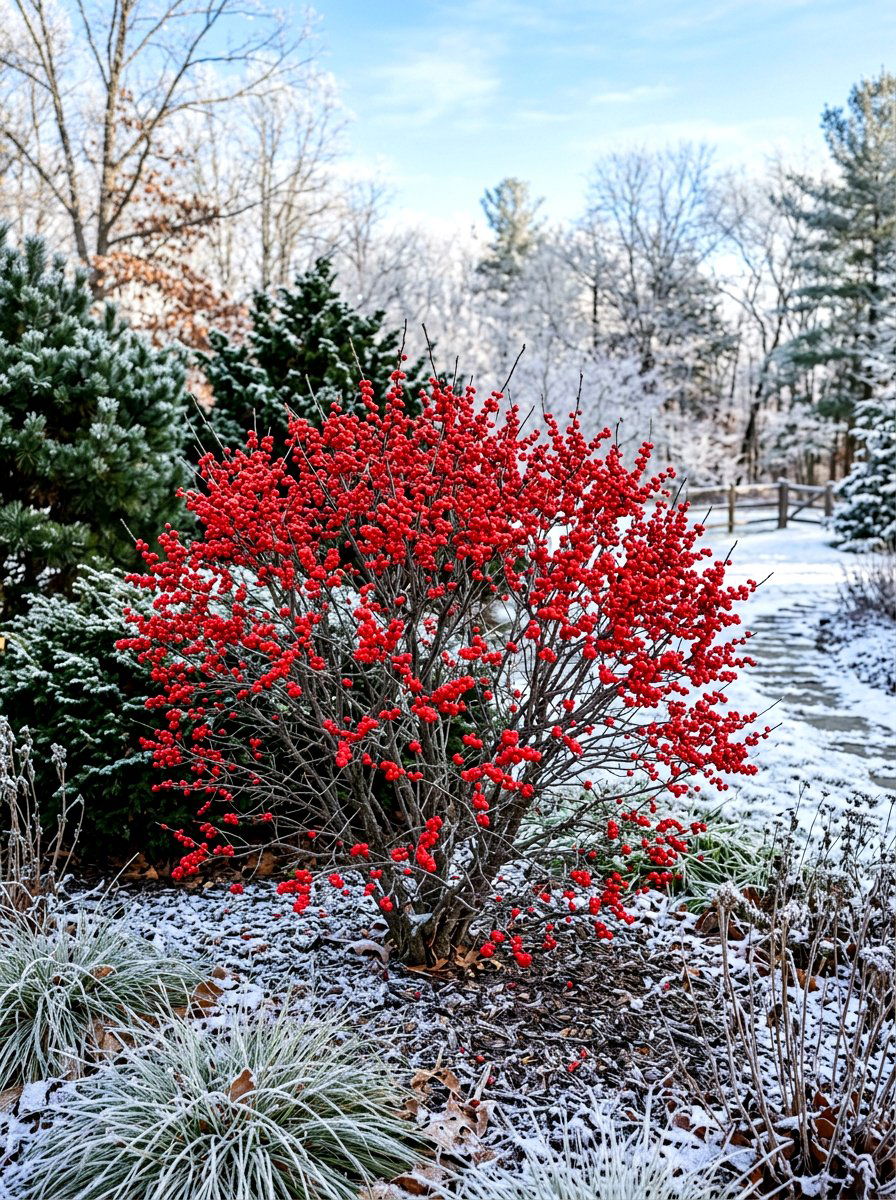
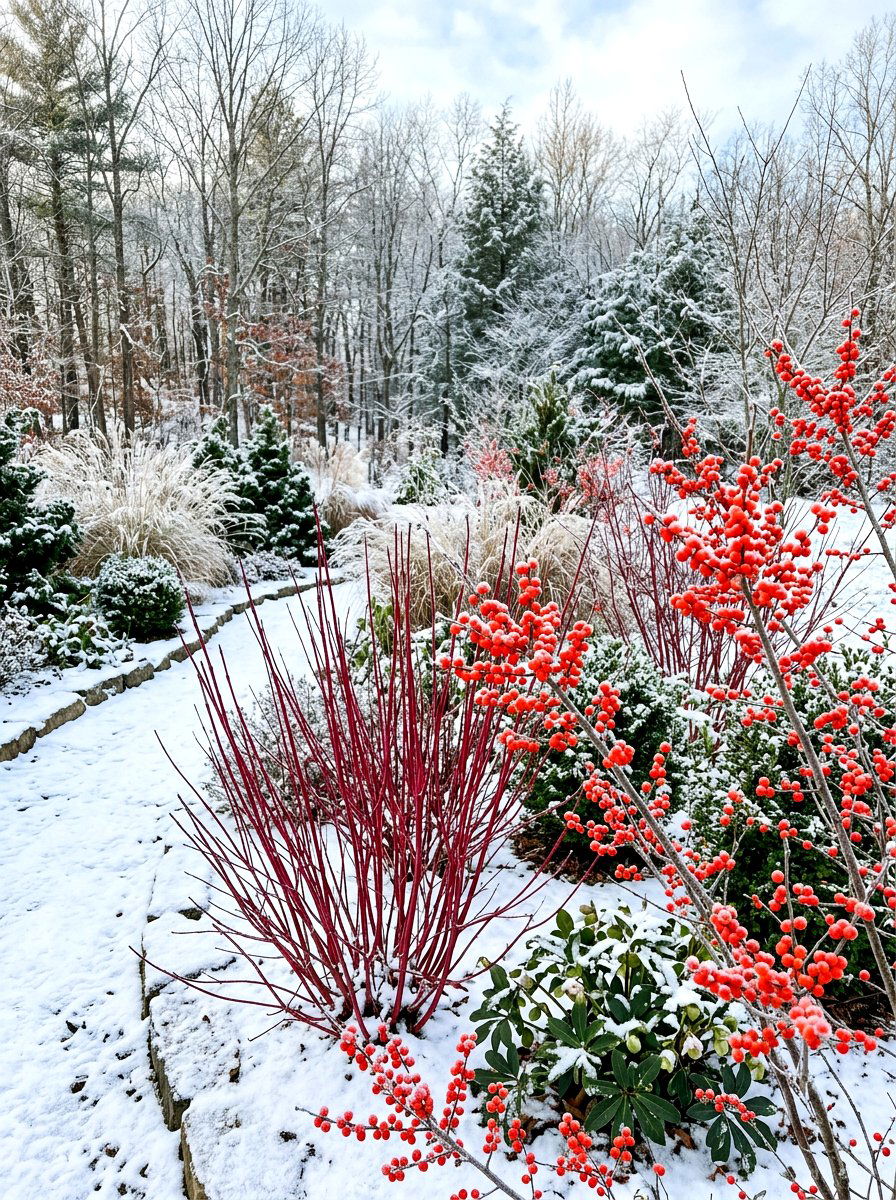
Adding a pop of bright red to a gray winter day is easy with a strategically placed winterberry accent bush. While many evergreens rely solely on their leaves for interest, some varieties of holly are grown specifically for their incredible berry production. These shrubs hold onto their colorful fruit long after the leaves have fallen from other plants, providing a vital food source for local birds. When planted against a backdrop of dark green conifers, the red berries stand out beautifully. It creates a festive and natural look that brings life to your garden during the quietest time of the year. It is a delightful addition for any nature lover.
14. White Pine Privacy Buffer
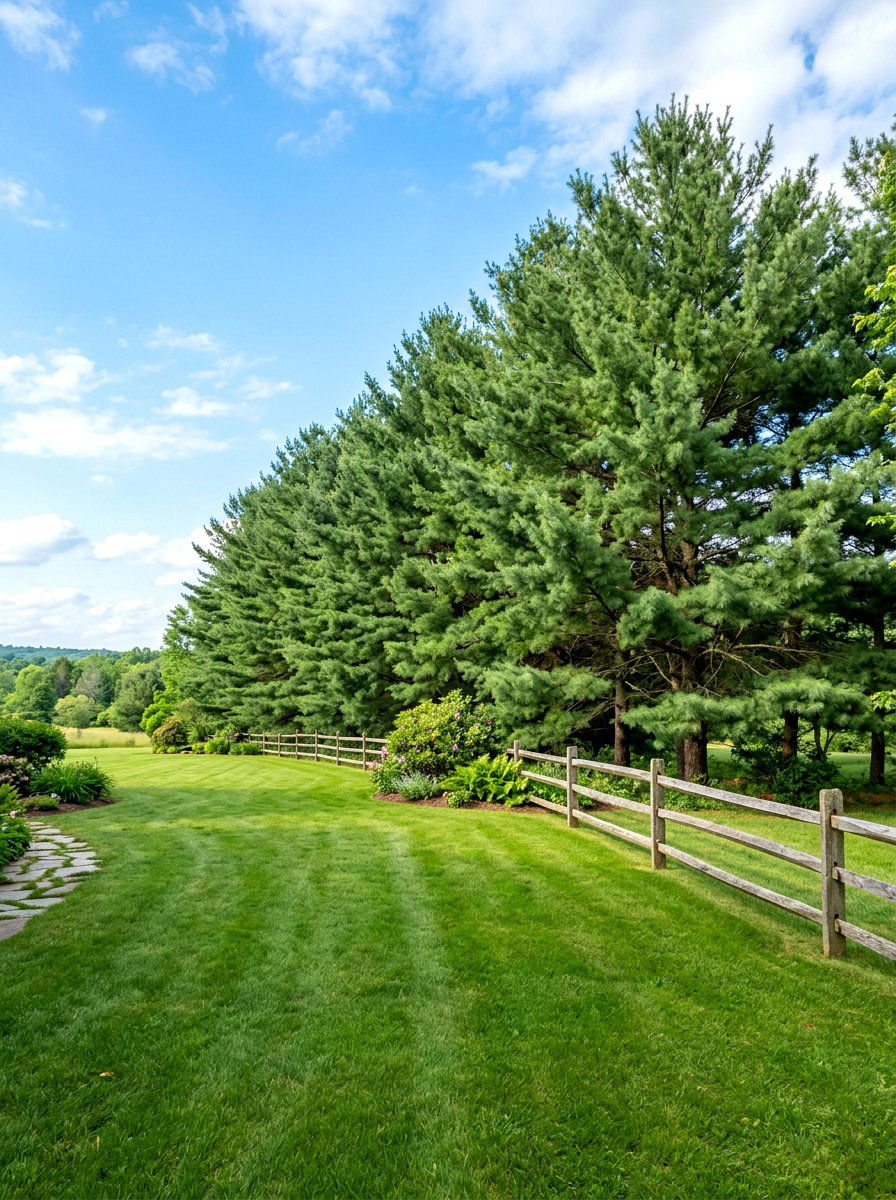
Establishing a soft and airy boundary is possible with a white pine privacy buffer. Unlike the stiff and prickly needles of some other conifers, white pines feature long, soft needles that sway gently in the breeze. They grow quite large and fast, making them an excellent choice for rural properties or large backyards that need a substantial windbreak. The silvery-green color of the needles adds a gentle, calming vibe to the landscape. They provide excellent habitat for wildlife and create a natural woodland feel. Because of their size, they are best used at the back of a property to frame the entire landscape design.
15. Pieris Japonica Garden Feature
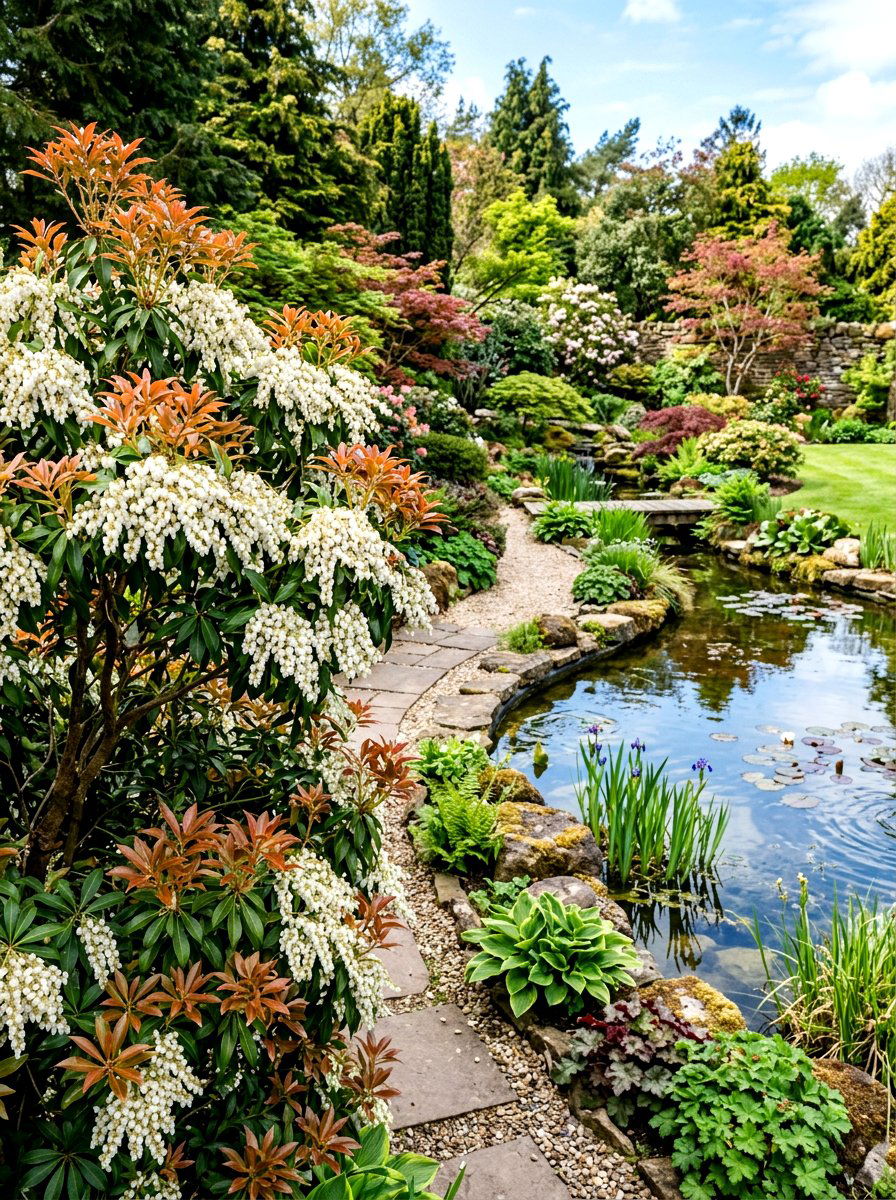
Including a pieris japonica garden feature adds a unique, multi-layered look to your landscape beds. This evergreen shrub is often called "Lily of the Valley Shrub" because of its drooping clusters of bell-shaped flowers that appear in early spring. What makes it truly special is the new growth, which often emerges in a brilliant shade of bronze or fiery red before turning green. This creates a constantly changing display of color on a plant that never loses its leaves. It stays relatively compact, making it a perfect choice for foundation plantings or as a focal point in a small garden bed. Its elegant form is truly captivating.
16. Evergreen Azalea Flower Bed
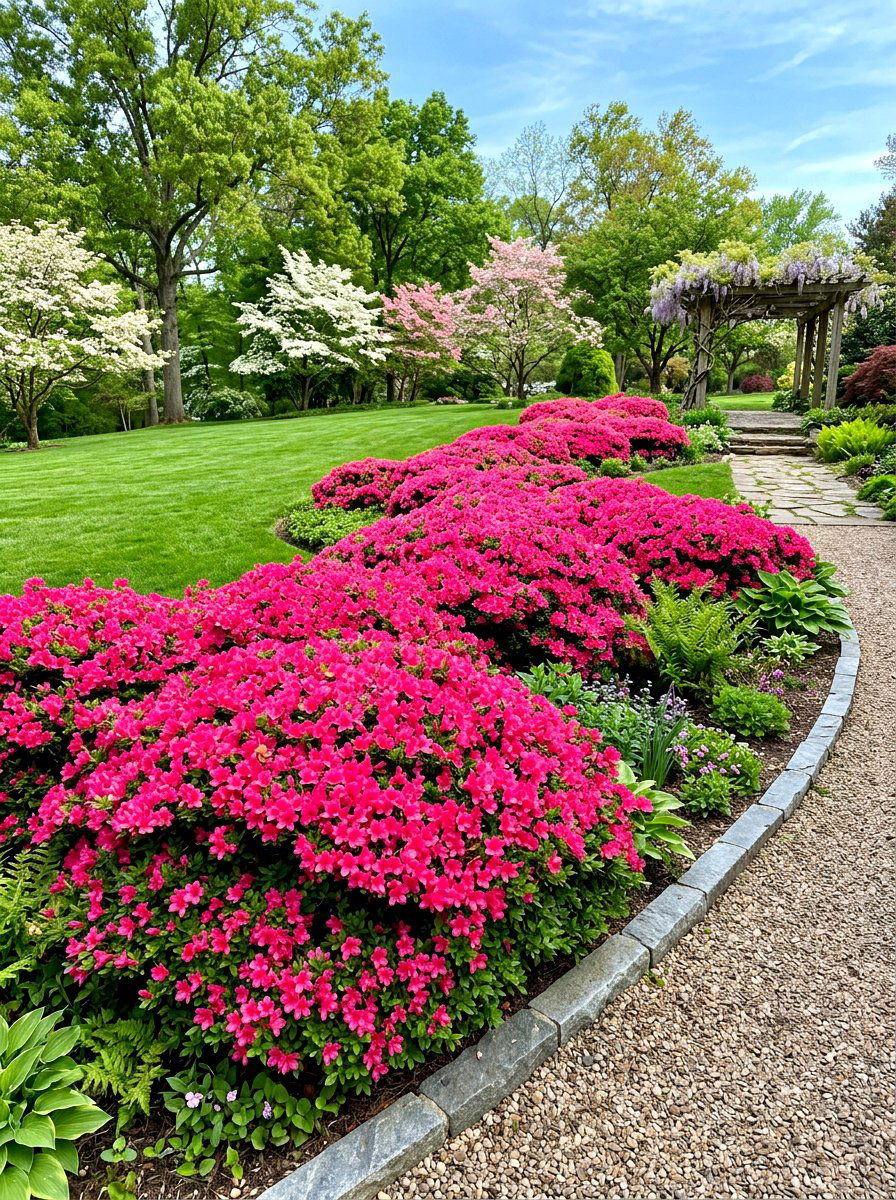
Designing a vibrant and low-growing border is simple with an evergreen azalea flower bed. These plants are the smaller cousins of rhododendrons and are famous for their overwhelming floral displays in the spring. They come in almost every color imaginable, from fiery orange to soft lavender. Even after the flowers fade, the small, dense leaves provide a tidy green mound that looks great all year. They are excellent for planting in groups under trees or along the front of a house. Many newer varieties are even rebloomers, giving you a second flush of color in the late summer. They offer a huge impact for such a small plant.
17. Red Cedar Windbreak
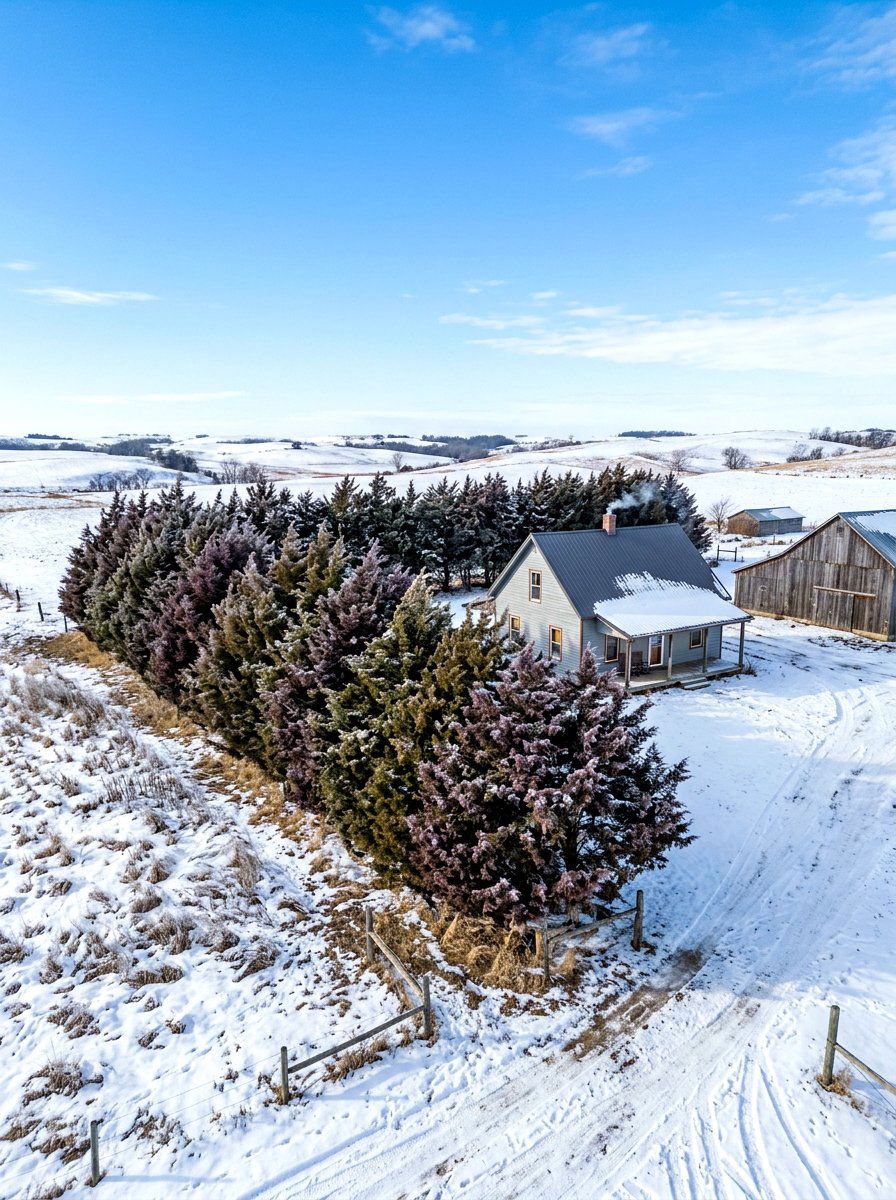
Protecting your home from harsh winter gusts is best done with a traditional red cedar windbreak. This native evergreen is incredibly tough and can survive in almost any soil condition, from dry rocky hills to moist lowlands. Its dense, fine-textured foliage provides a solid wall that redirects wind and provides shelter for your more delicate garden plants. During the winter, the foliage often turns a beautiful deep plum color, which adds a unique seasonal variation. It also produces small blue berries that are a favorite for cedar waxwings and other birds. It is a practical and rugged choice for large-scale landscaping projects.
18. Mugo Pine Dwarf Shrub
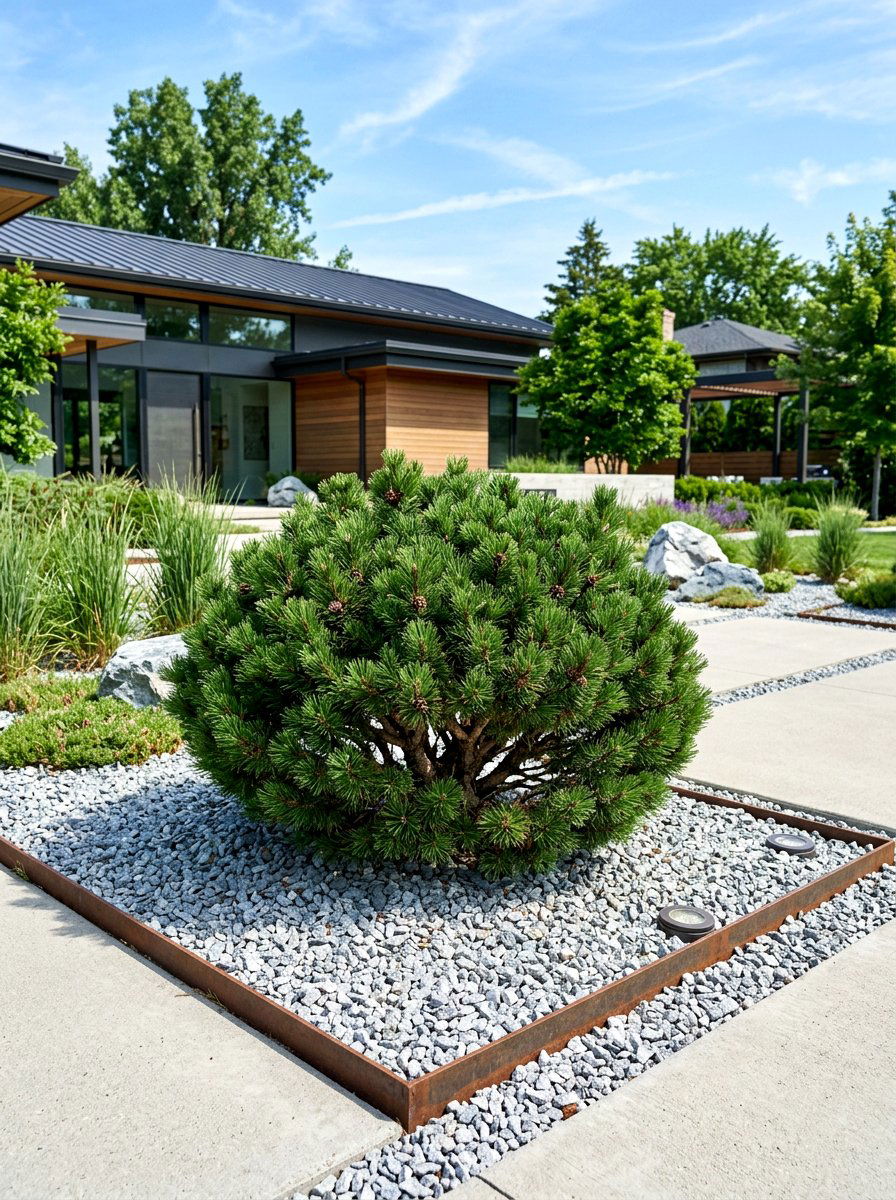
Adding a touch of architectural interest is easy with the rounded form of a mugo pine dwarf shrub. These tough little pines naturally grow into a dense, cushion-like shape that requires almost no pruning to maintain. They are perfect for rock gardens, foundation plantings, or as a low-profile accent in a modern landscape design. Their dark green needles are very stiff and provide a great textural contrast to softer grasses or broadleaf plants. Because they are so slow-growing, they stay in scale with their surroundings for many years. They are also highly resistant to pests and diseases, making them a very reliable choice for busy homeowners.
19. English Ivy Ground Surface
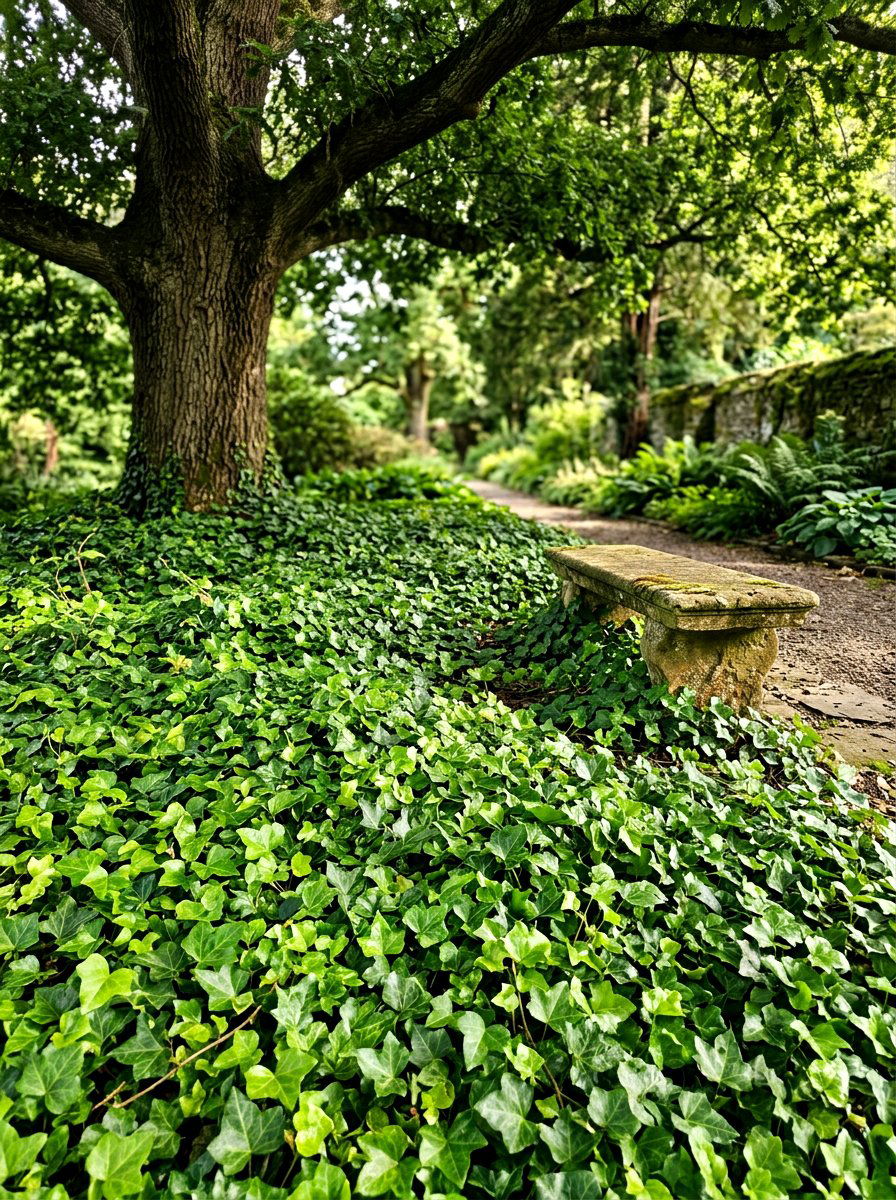
Creating a lush, green carpet in the deepest shade is the job of an English ivy ground surface. This classic vine is a champion at covering areas where even shade-tolerant grass refuses to grow. It forms a thick, evergreen mat of lobed leaves that stays vibrant and shiny throughout the year. It is particularly useful for growing under large trees where roots make digging difficult. You can also allow it to climb up stone walls or fences to add a touch of old-world charm to your property. While it is a vigorous grower, it provides a consistent and sophisticated green base for the rest of your landscape design.

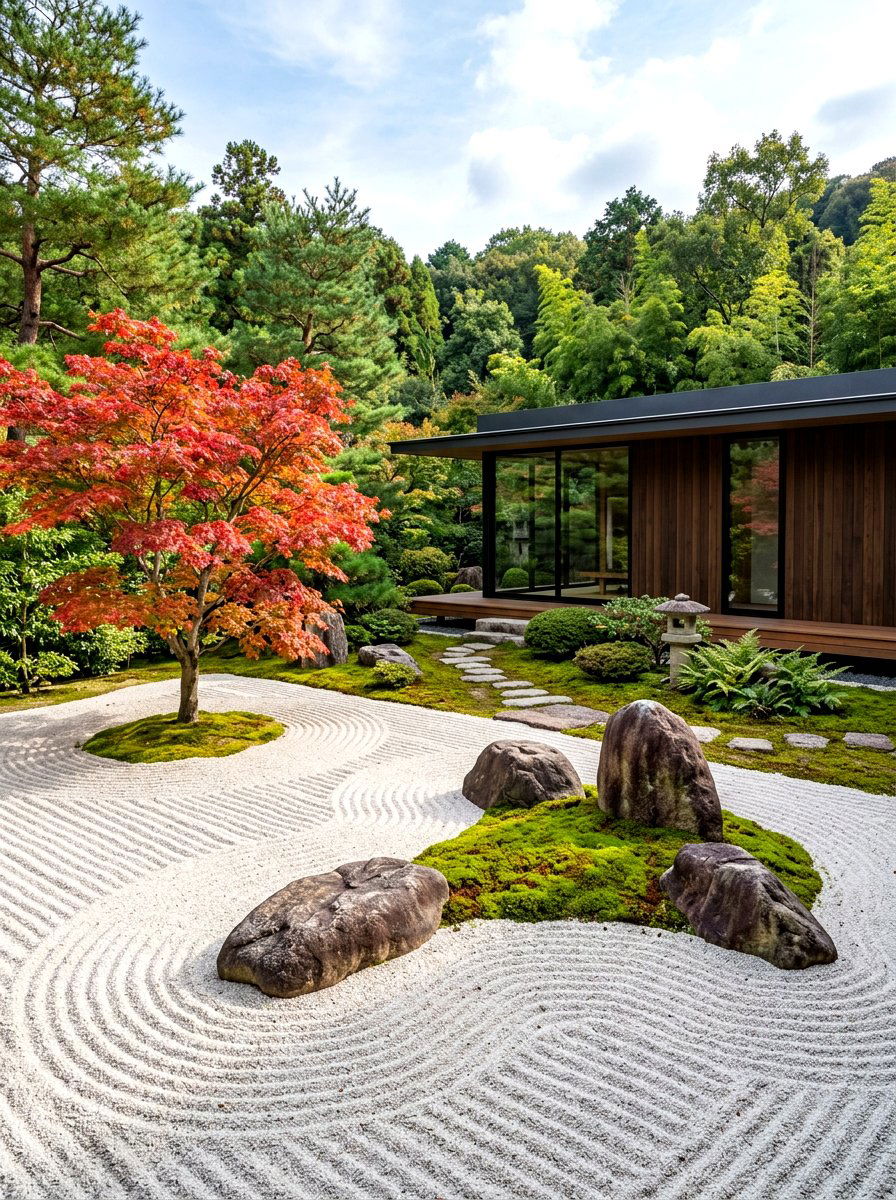
20. Cotoneaster Berried Groundcover
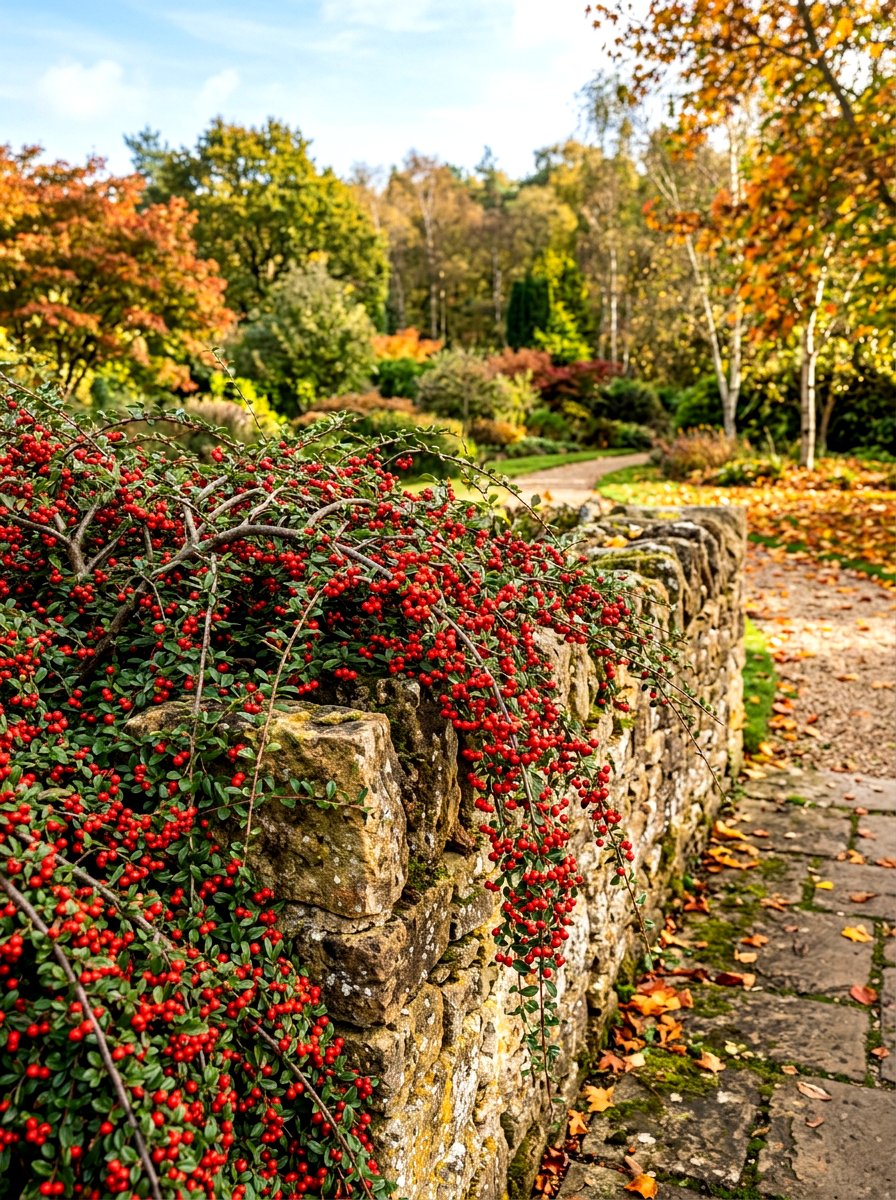
Introducing a plant that offers both structural coverage and seasonal interest is easy with a cotoneaster berried groundcover. This low-growing shrub features a unique herringbone branch pattern that looks beautiful when draped over a stone wall or sloping ground. In the spring, it is covered in tiny white flowers, and by autumn, it is loaded with bright red berries that last well into the winter. The small, glossy leaves often turn a deep burgundy color in the cold, providing a multi-season show. It is a very durable plant that can handle foot traffic and poor environmental conditions. It adds a sophisticated layer of detail to any garden bed.
21. Boxwood Sphere Topiary
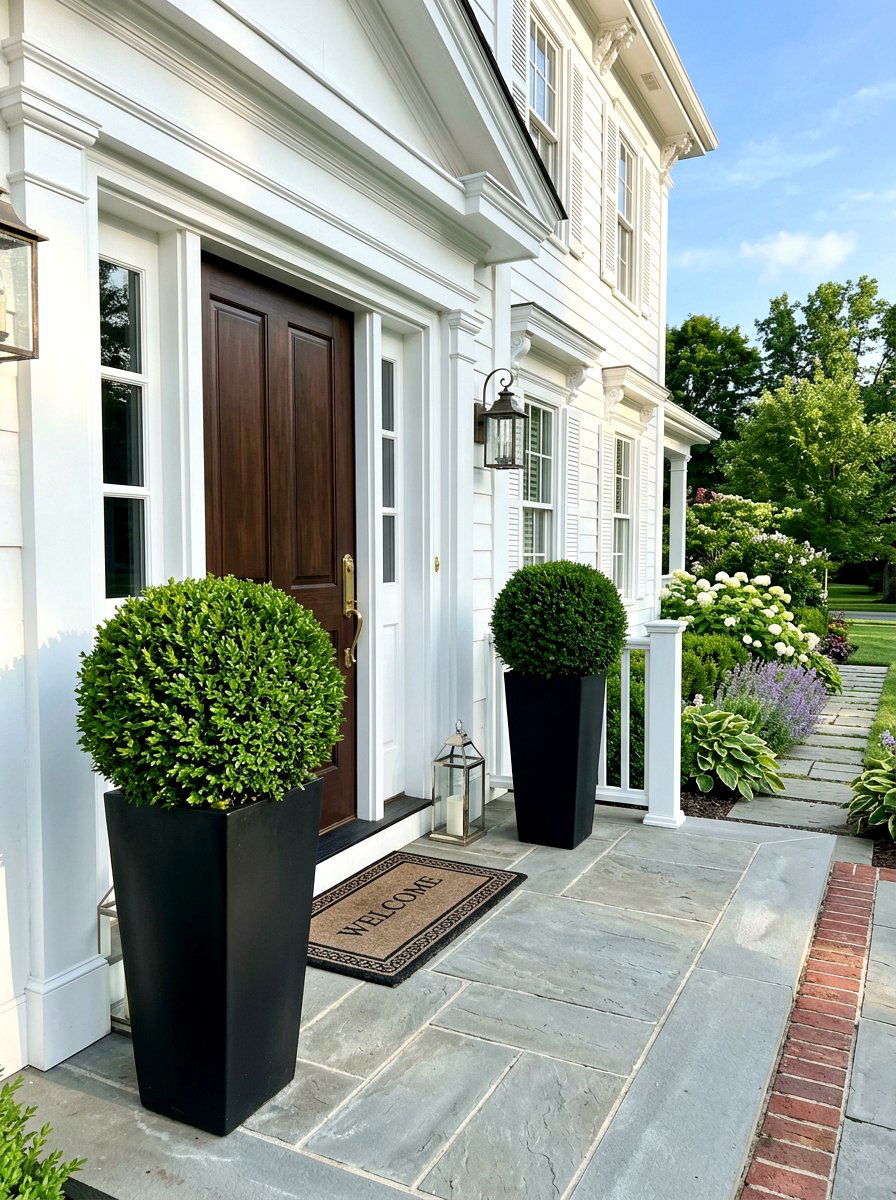
Adding a touch of formal elegance to your patio or entryway is simple with a perfectly trimmed boxwood sphere topiary. These living sculptures provide a sense of order and high-end design that instantly elevates the look of your home. You can plant them in large, decorative pots for a mobile accent or place them directly in the ground to punctuate a garden path. The tight, small leaves of the boxwood allow for very precise shaping, which stays looking sharp for a long time. This symmetrical look is a hallmark of classic European gardens and brings a professional, finished quality to your outdoor space. It is art you can grow.
22. Gold Mop Cypress Color
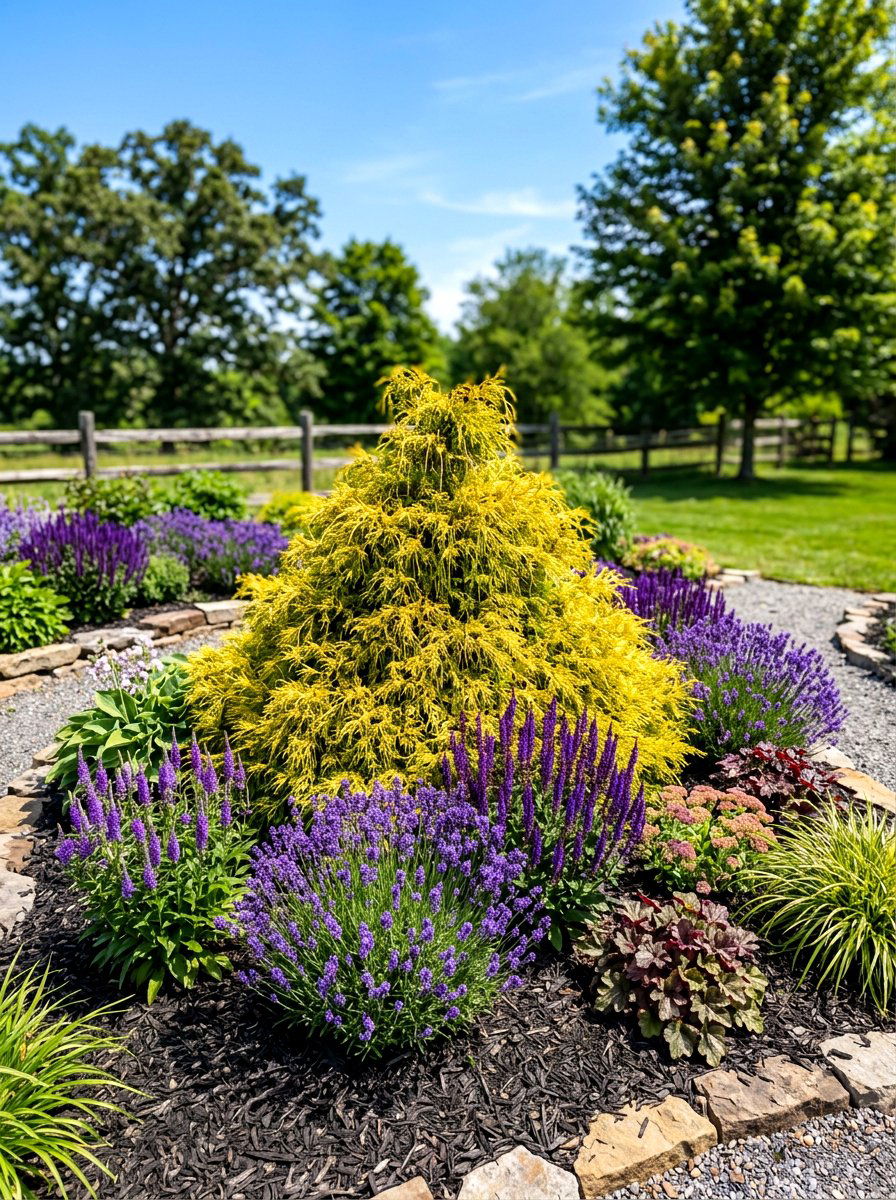
Brightening up a dark corner of your yard is best achieved with the vibrant gold mop cypress. This unique evergreen doesn't have traditional needles; instead, it features thread-like, weeping foliage that stays a brilliant golden-yellow all year long. This provides a massive burst of color that stands out sharply against the typical dark greens of a winter landscape. It grows into a mounded, shaggy shape that adds a fun and informal texture to your garden beds. It is very slow-growing and requires almost no maintenance once it is established. This plant is a fantastic way to add year-round "sunshine" to your property, even on the cloudiest days.
23. Sky Pencil Holly Narrow Accent
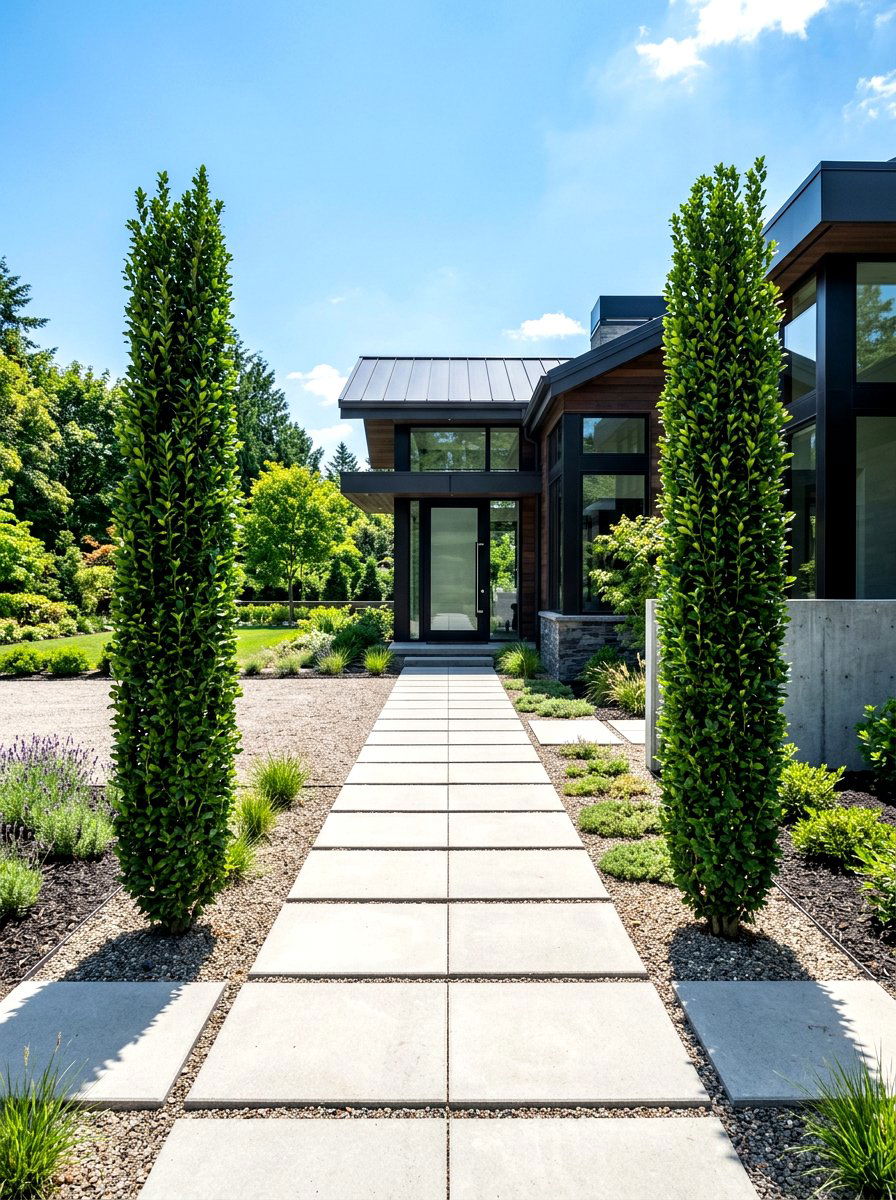
If you have a very tight space that needs a green vertical element, the sky pencil holly narrow accent is the perfect solution. This plant grows naturally into a thin, upright column that looks like a green exclamation point in the landscape. It is ideal for flanking a doorway, hiding a thin utility pipe, or adding height to a narrow garden bed between a fence and a walkway. It features small, dark green leaves and maintains its slim shape without any pruning. This architectural form is very modern and chic, providing a structured look that takes up almost no floor space. It is a great problem-solver for modern yards.
24. Bird's Nest Spruce Texture
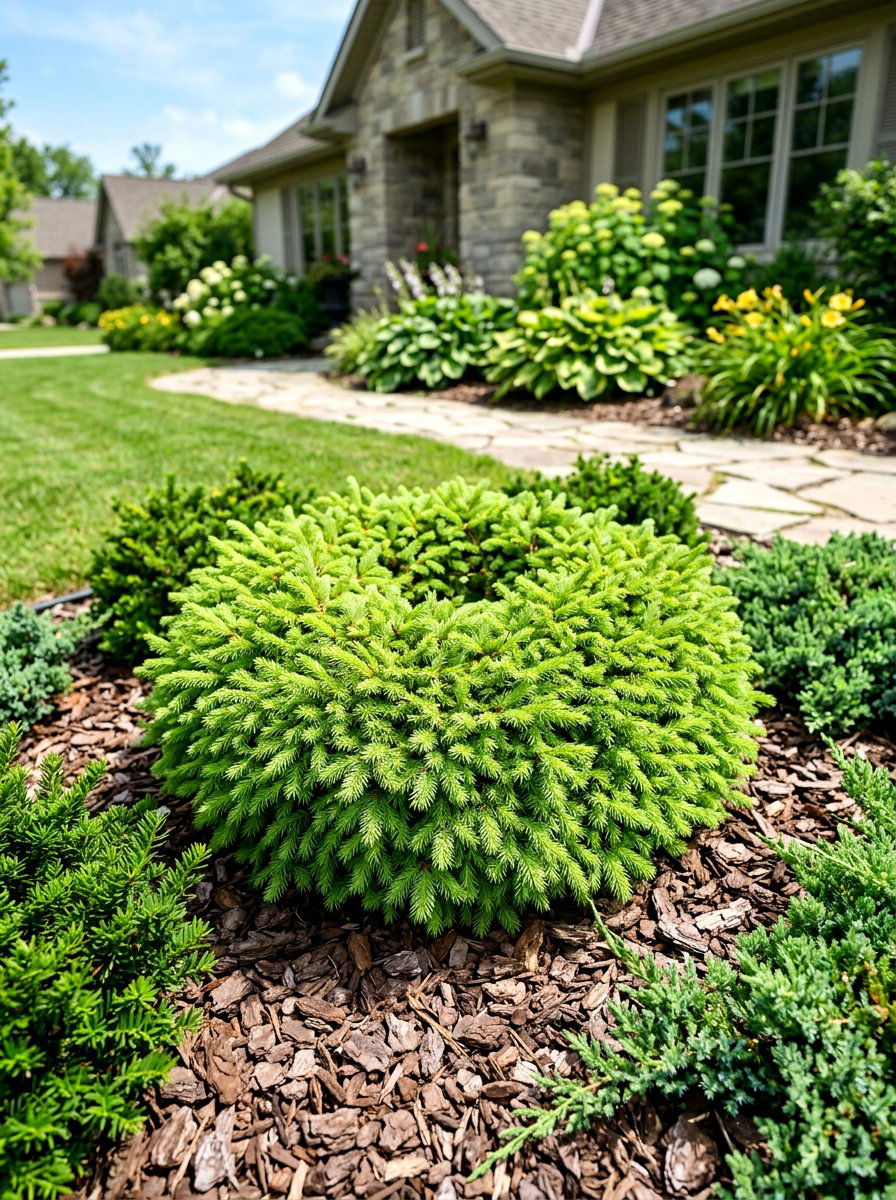
Creating a low and textured focal point is easy with the unique shape of a bird's nest spruce. This dwarf conifer grows in a circular, mounded habit with a slight depression in the center, giving it its distinctive name. The light green needles are very short and dense, providing a soft appearance that invites you to reach out and touch it. It is an excellent choice for the front of a garden bed or tucked into a rockery where its unusual form can be fully appreciated. It is incredibly hardy and can withstand very cold temperatures without losing its color or shape. It is a reliable and charming little evergreen.
25. Firethorn Pyracantha Wall
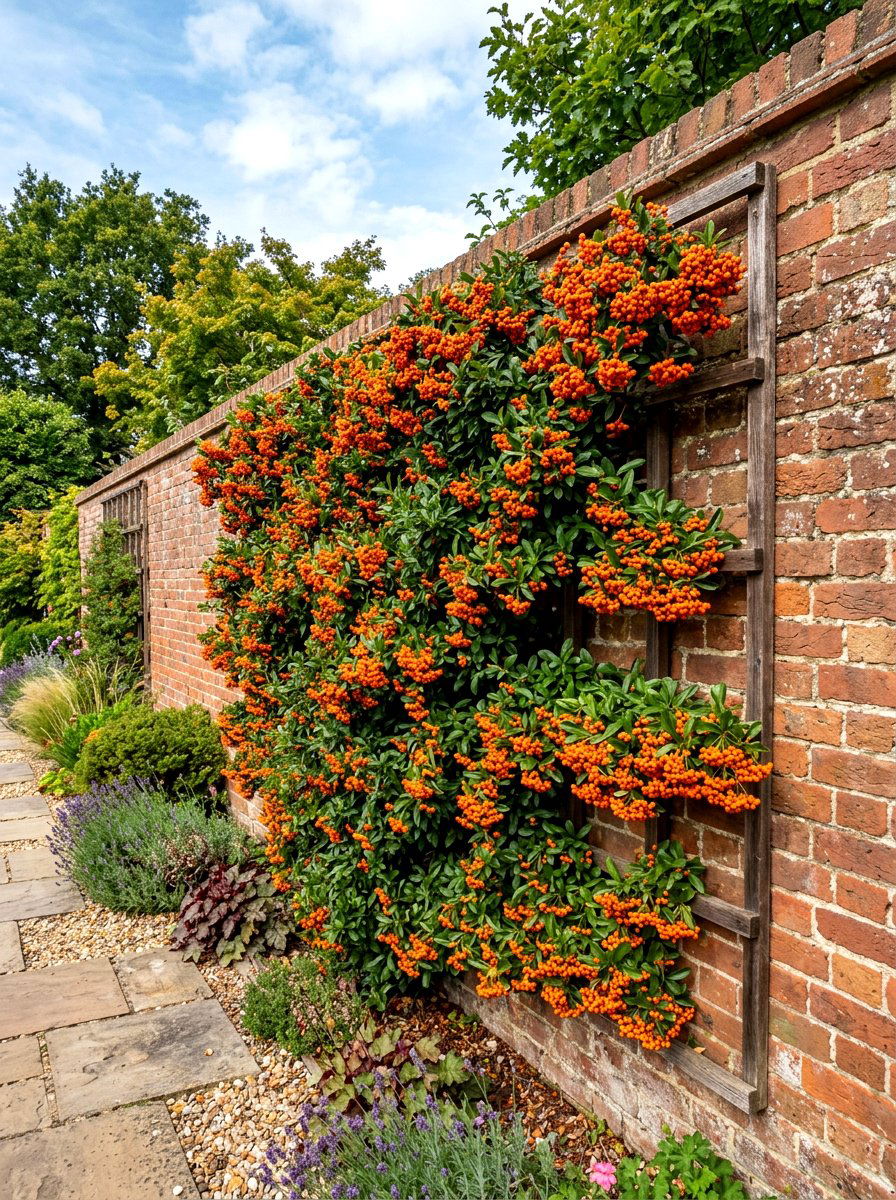
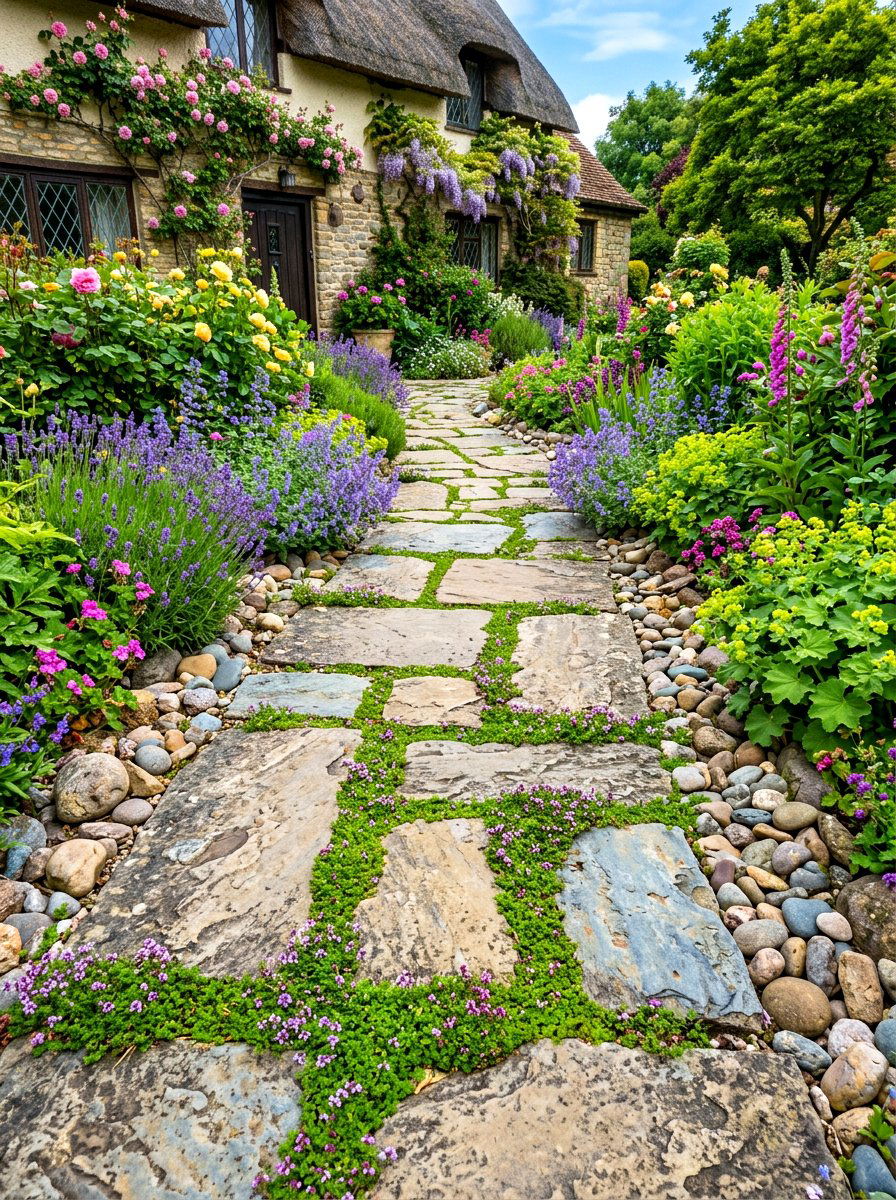
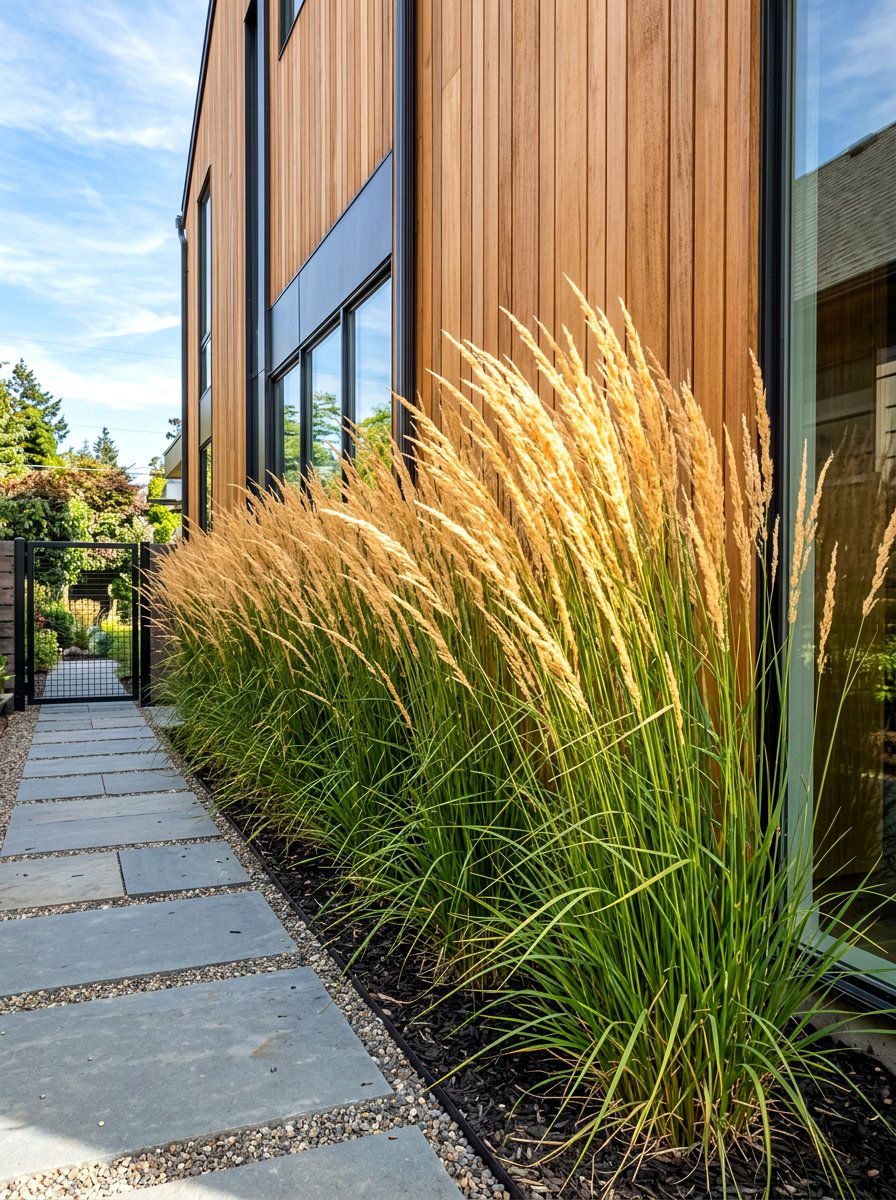
Transforming a plain wall or fence into a beautiful and secure barrier is the specialty of a firethorn pyracantha wall. This evergreen shrub is famous for its long, sharp thorns and its incredible display of orange or red berries in the fall. You can train it to grow flat against a structure, which creates a stunning vertical garden that takes up very little ground space. During the spring, it is covered in clouds of small white flowers that attract pollinators. Its dense growth and prickly branches make it an excellent natural security hedge. It provides a massive amount of visual interest and functionality in a single, hardy plant.
26. Camellia Winter Flowering Shrub
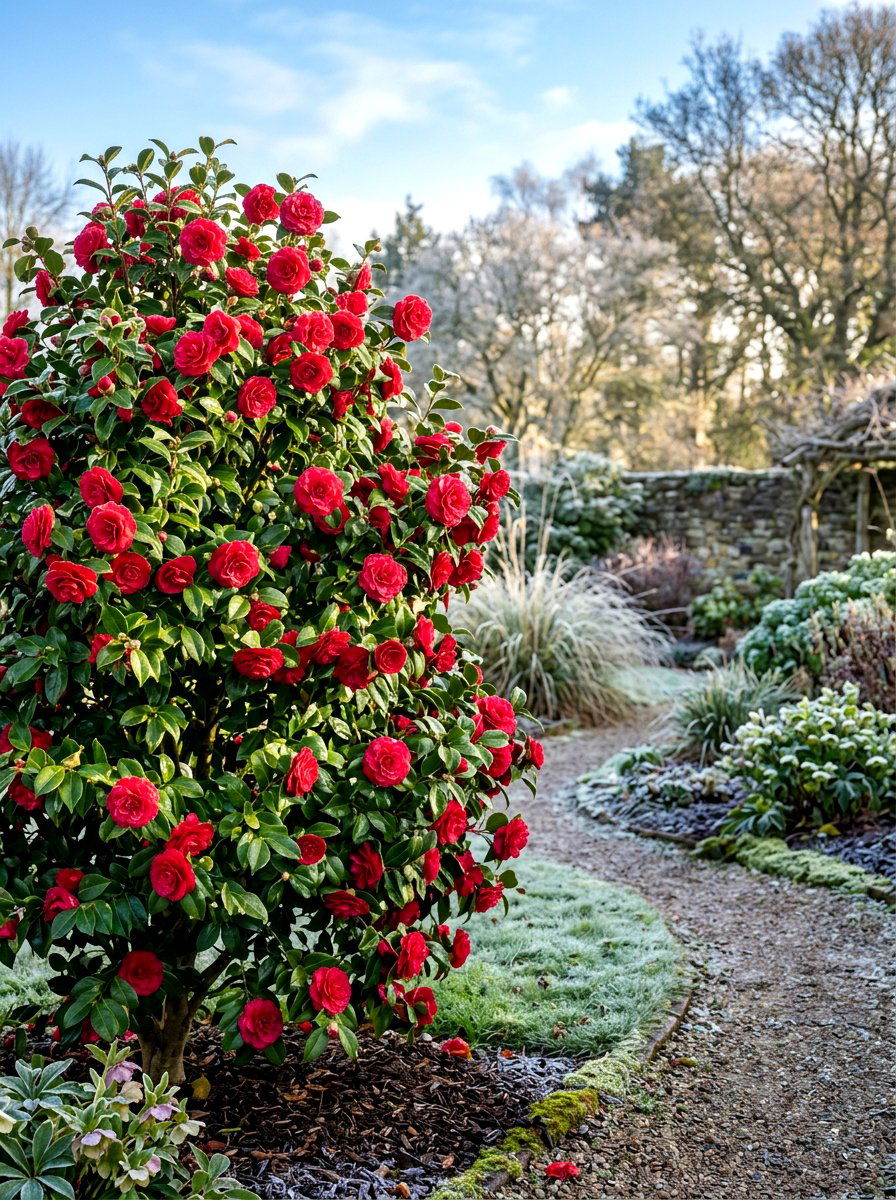
Bringing a touch of elegance to the coldest months is possible with the beautiful camellia winter flowering shrub. These broadleaf evergreens are the stars of the southern garden, featuring large, rose-like flowers that bloom when almost everything else is dormant. The foliage is thick, dark, and incredibly glossy, providing a high-end look even when the plant isn't in bloom. They prefer a spot with filtered sunlight and protection from harsh afternoon sun. Adding a camellia to your landscape ensures that you have something spectacular to look forward to during the middle of winter. It is a sophisticated choice for those who love traditional garden beauty and year-round greenery.
27. Mahonia Leatherleaf Texture
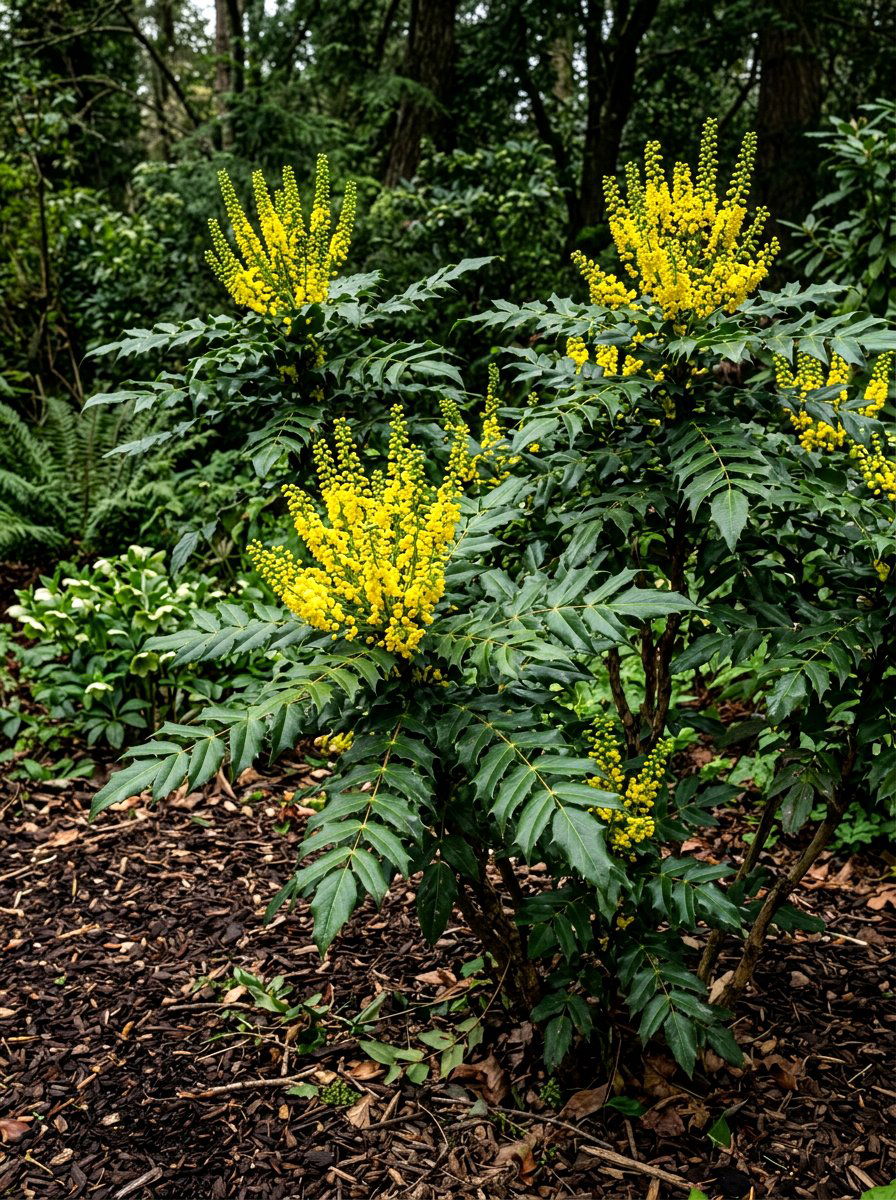
Introducing a bold and architectural look to your shade garden is easy with the mahonia leatherleaf texture. This unique evergreen features large, holly-like leaves that are arranged in a very structural, upright fashion. In the late winter or early spring, it produces spikes of bright yellow flowers that are followed by clusters of blue-black berries. It has a very rugged and almost prehistoric appearance that adds a lot of character to a garden bed. It is a tough plant that can handle dry shade and poor soil once it is established. It is a great choice for homeowners who want something a bit more unusual and striking in their landscape.
28. Winter Heather Ground Blanket
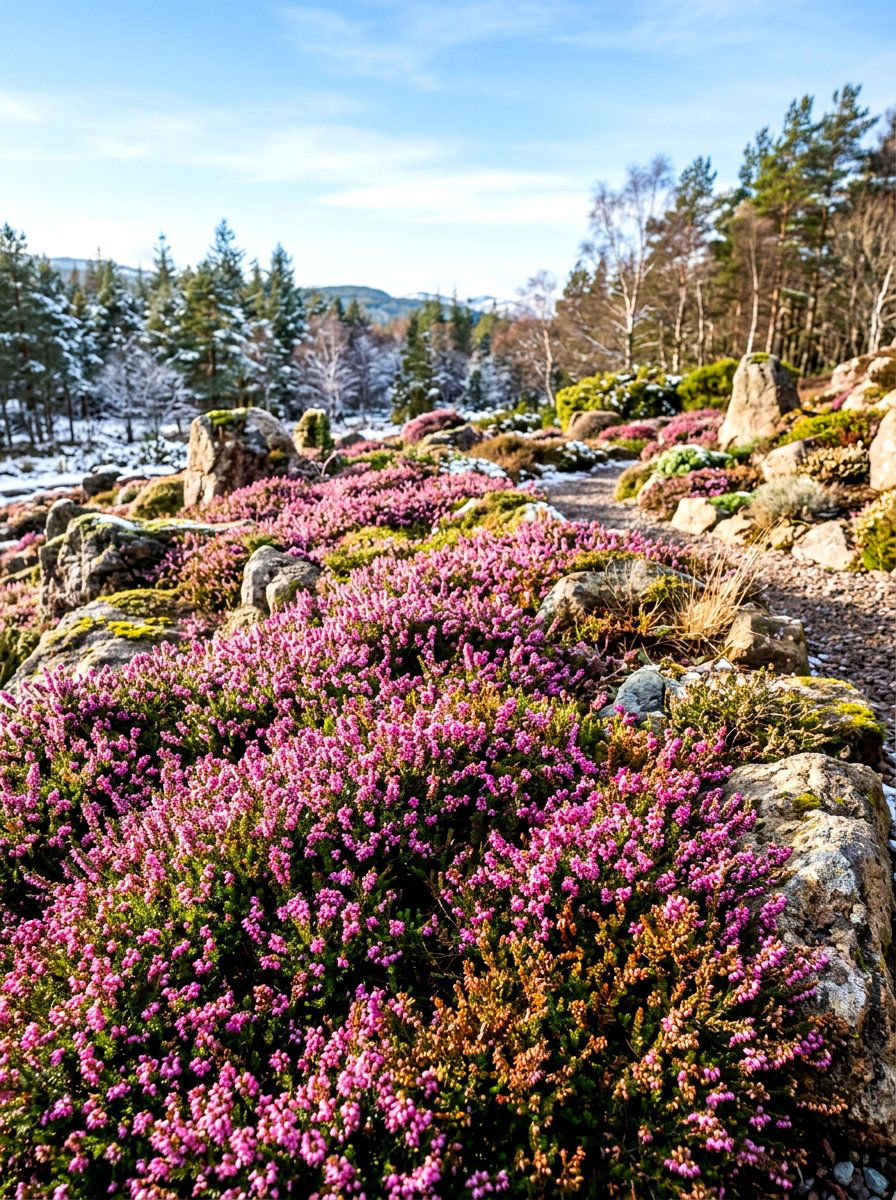
Creating a low-growing carpet of color during the winter is the specialty of a winter heather ground blanket. These tiny, needle-leafed evergreens are incredibly tough and thrive in sunny, well-drained spots. They are most famous for their ability to bloom in the dead of winter, with tiny flowers in shades of pink, white, or purple. When planted in large groups, they create a stunning "quilt" of color on the ground that looks beautiful even in the snow. They are perfect for rock gardens or as a border along a sunny walkway. They offer a delicate texture that provides a nice contrast to larger, bolder evergreen shrubs.
29. Blue Yucca Structural Plant
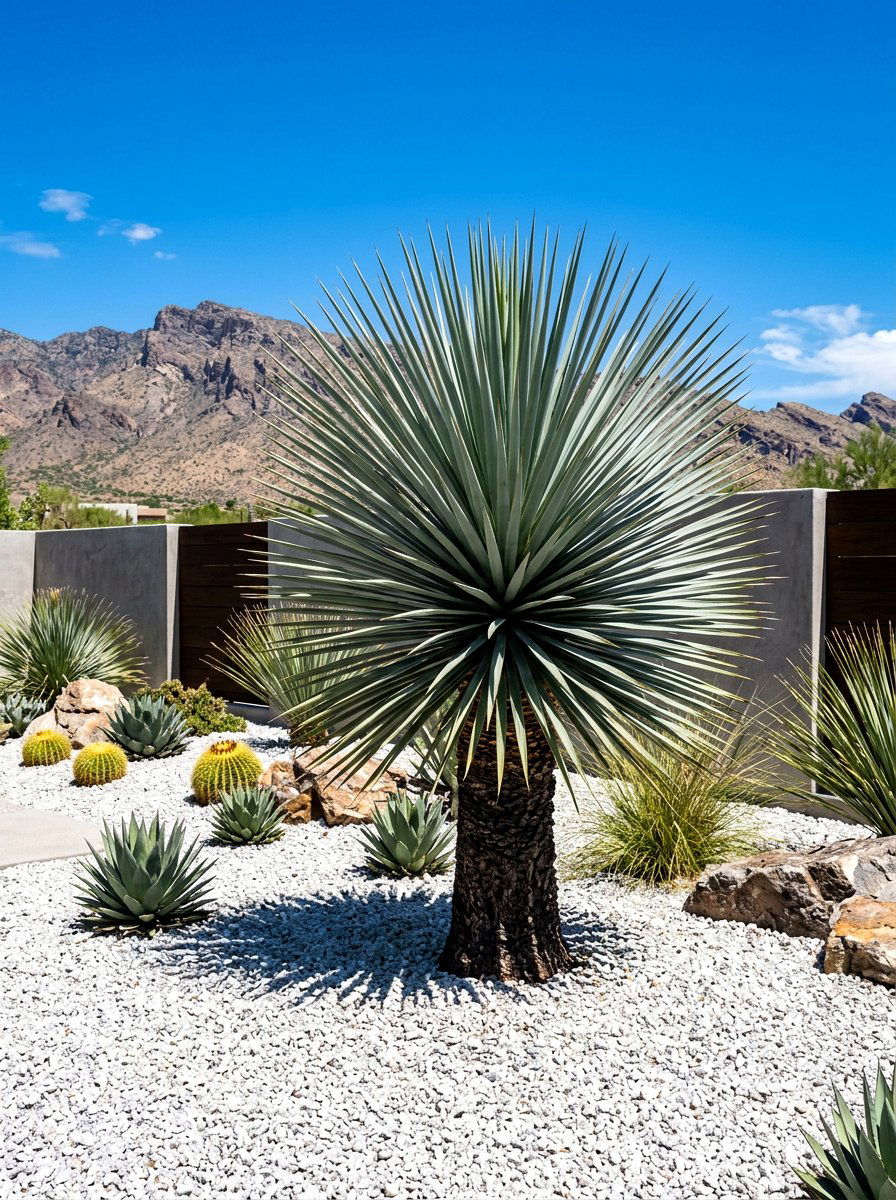
Adding a modern and desert-inspired touch to your landscape is easy with a striking blue yucca structural plant. This evergreen features stiff, sword-like leaves that radiate out from a central point, creating a very sharp and architectural silhouette. The silvery-blue color of the foliage is very modern and looks fantastic when paired with gravel or large stones. In the summer, it sends up a tall spike of creamy white flowers that adds a dramatic vertical element. It is incredibly drought-tolerant and loves full sun, making it perfect for low-water landscaping. It is a bold statement plant that stays looking great with absolutely zero maintenance or watering.
30. Hinoki False Cypress Specimen
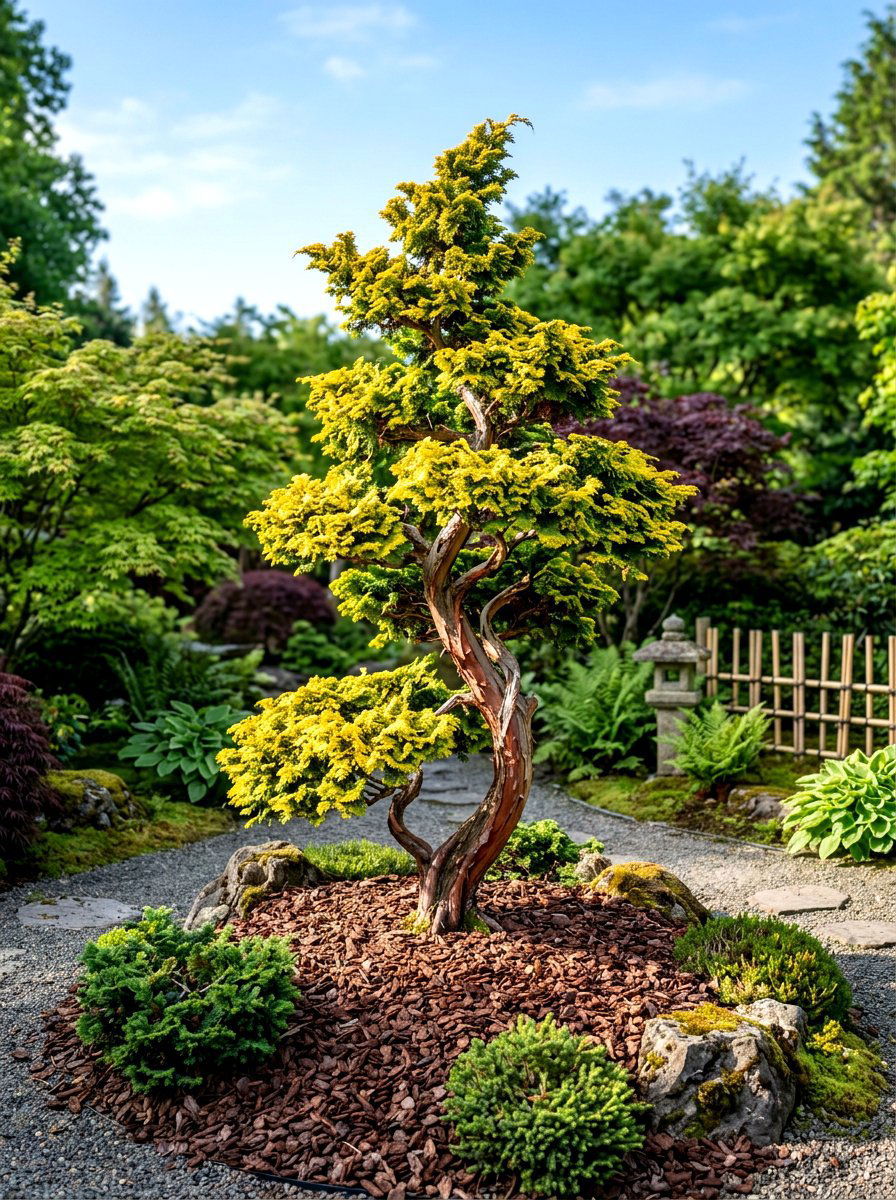
Adding a touch of Japanese-inspired grace to your garden is best achieved with a hinoki false cypress specimen. These elegant evergreens feature unique, fan-shaped foliage that twists and turns in a very artistic way. Many varieties have beautiful golden or deep green colors that stay vibrant all year long. They come in a range of sizes, from tiny dwarfs to large trees, so you can find one that fits perfectly in your space. Their slow growth and interesting form make them a favorite for use as a focal point near a patio or in a prominent garden bed. It is a refined and beautiful plant that adds instant class.
Conclusion:
Investing in evergreen landscaping is the most effective way to ensure your home looks beautiful through all twelve months of the year. While deciduous plants offer seasonal thrills, it is the steadfast presence of pines, hollies, and boxwoods that provides the essential structure every property needs. By choosing a mix of the ideas mentioned above, you can build a multi-layered environment rich in texture, color, and functional benefits like privacy and wind protection. Remember to consider your specific climate and light conditions when selecting your plants to ensure they thrive for decades. A well-planned evergreen garden is a gift that keeps giving back to your home’s beauty.

Related posts: