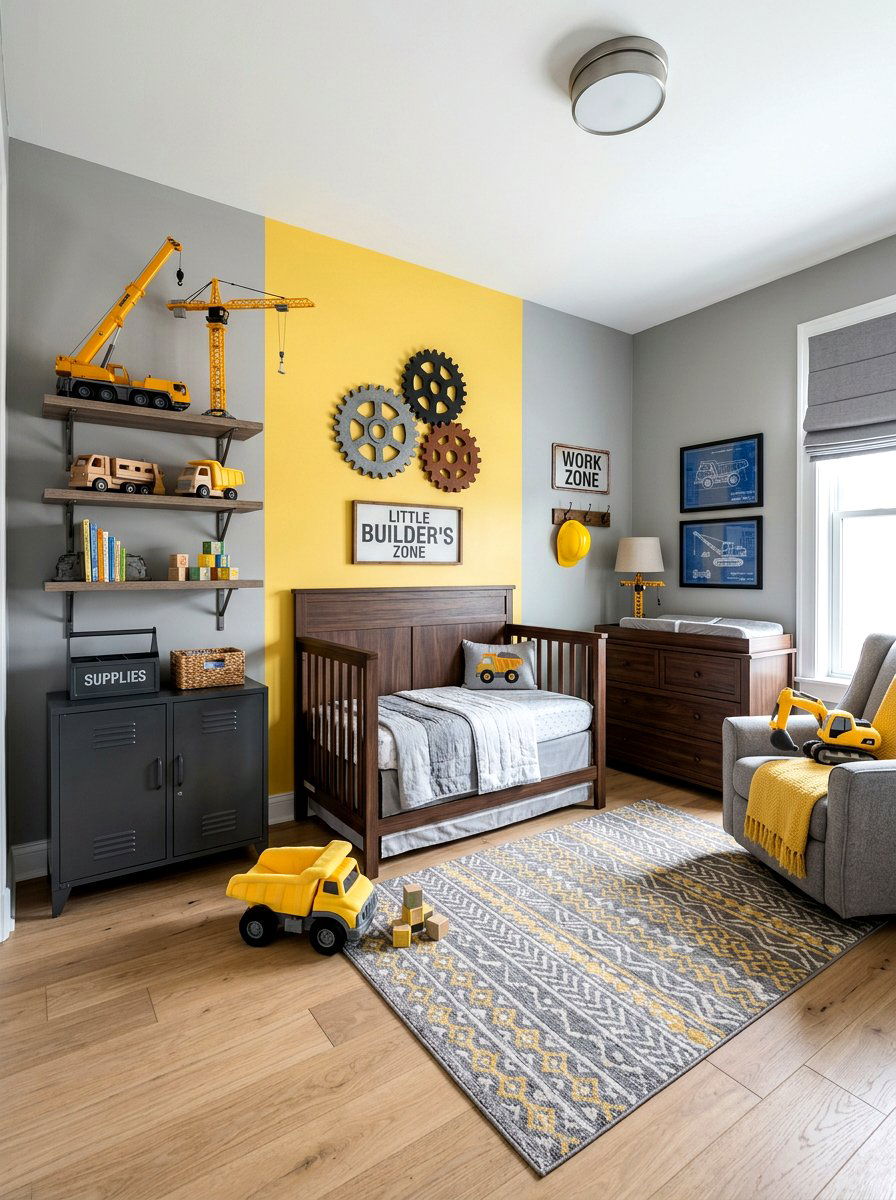
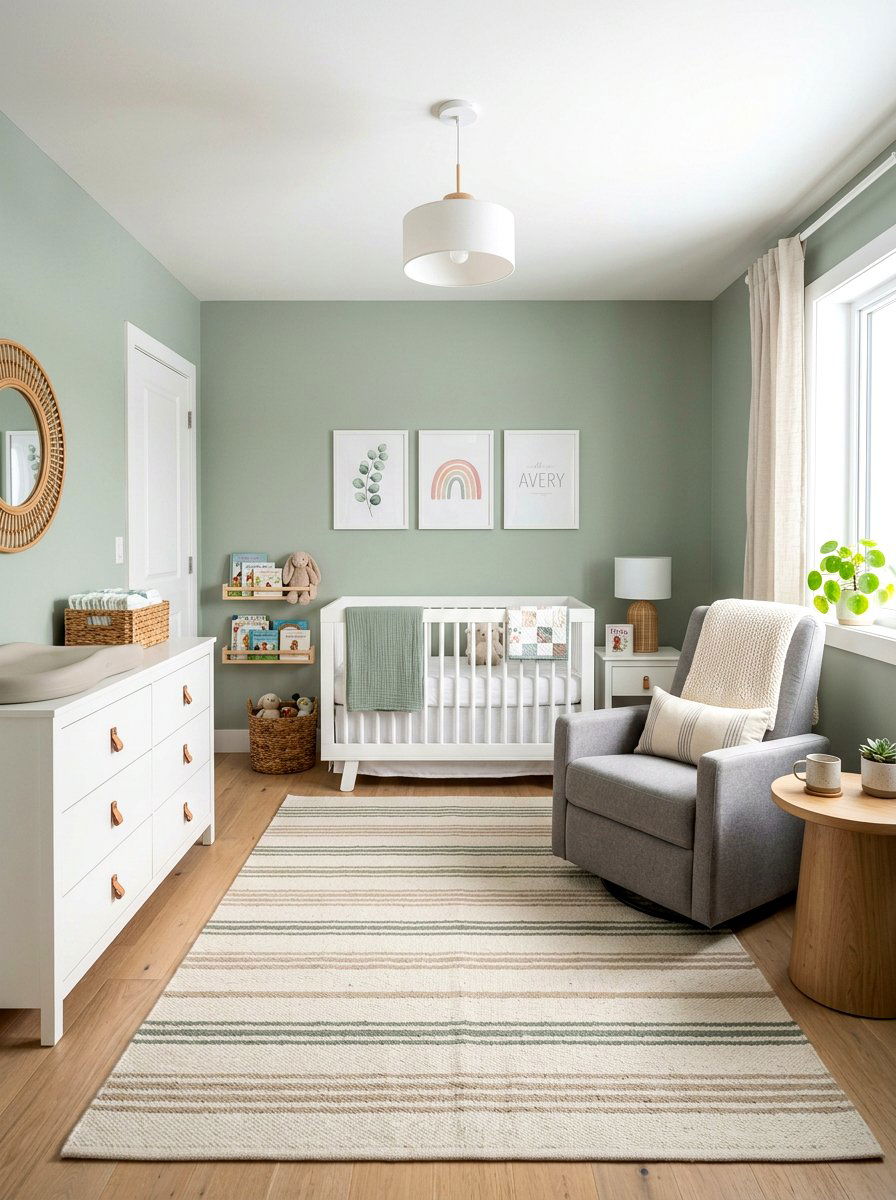
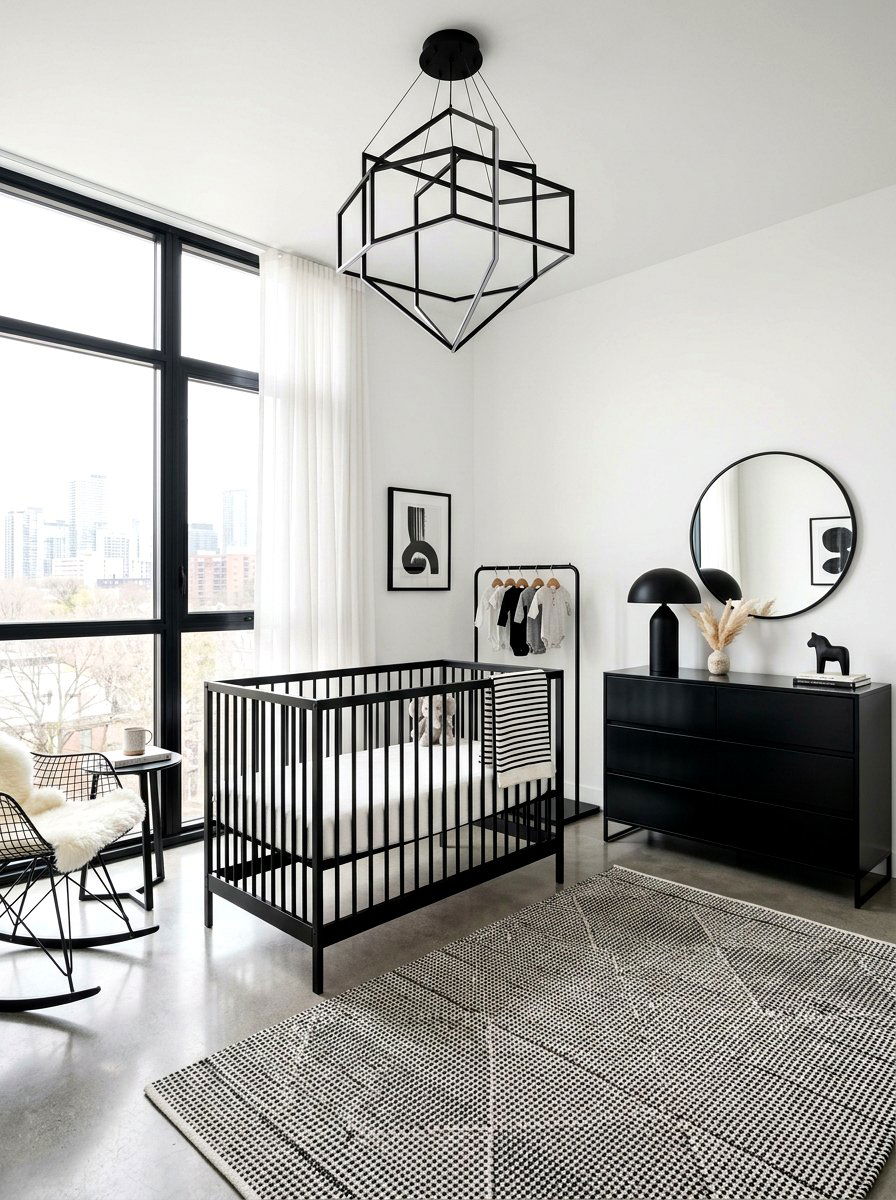
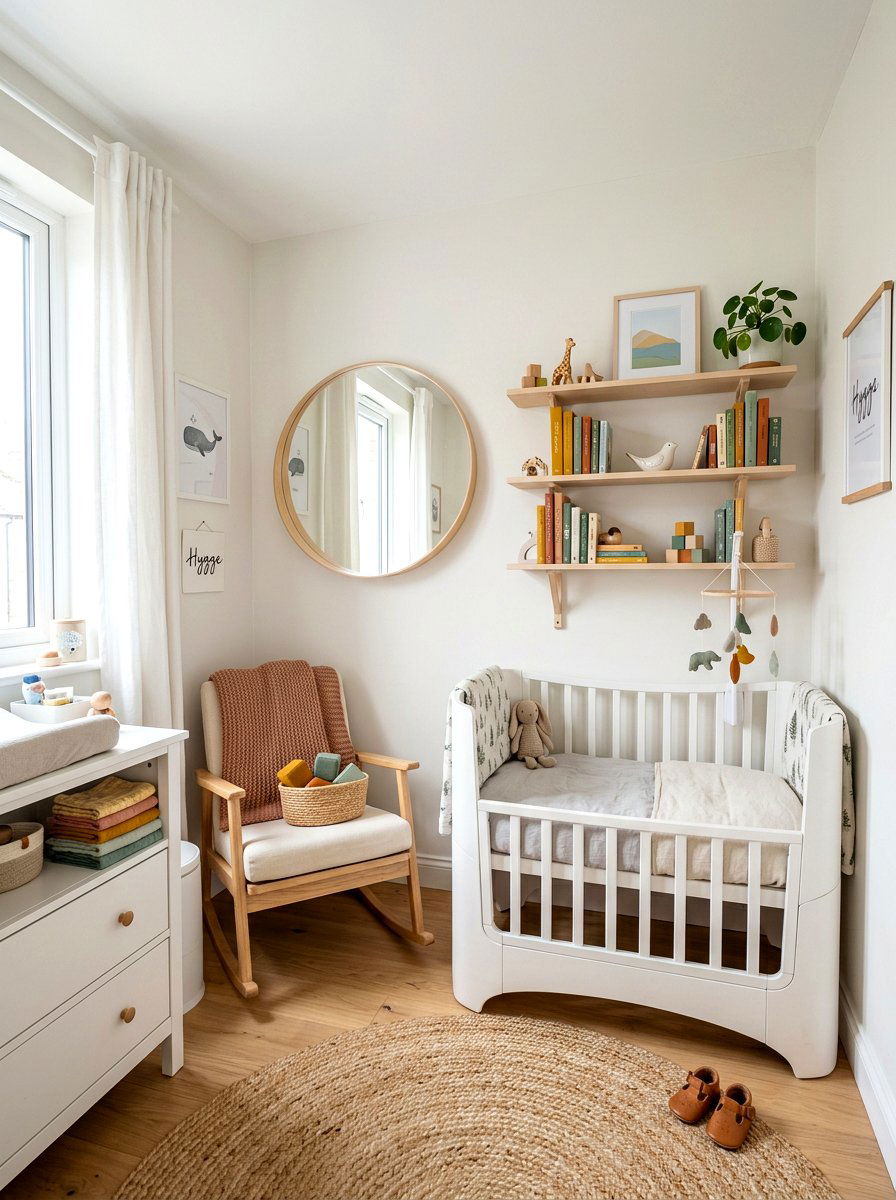
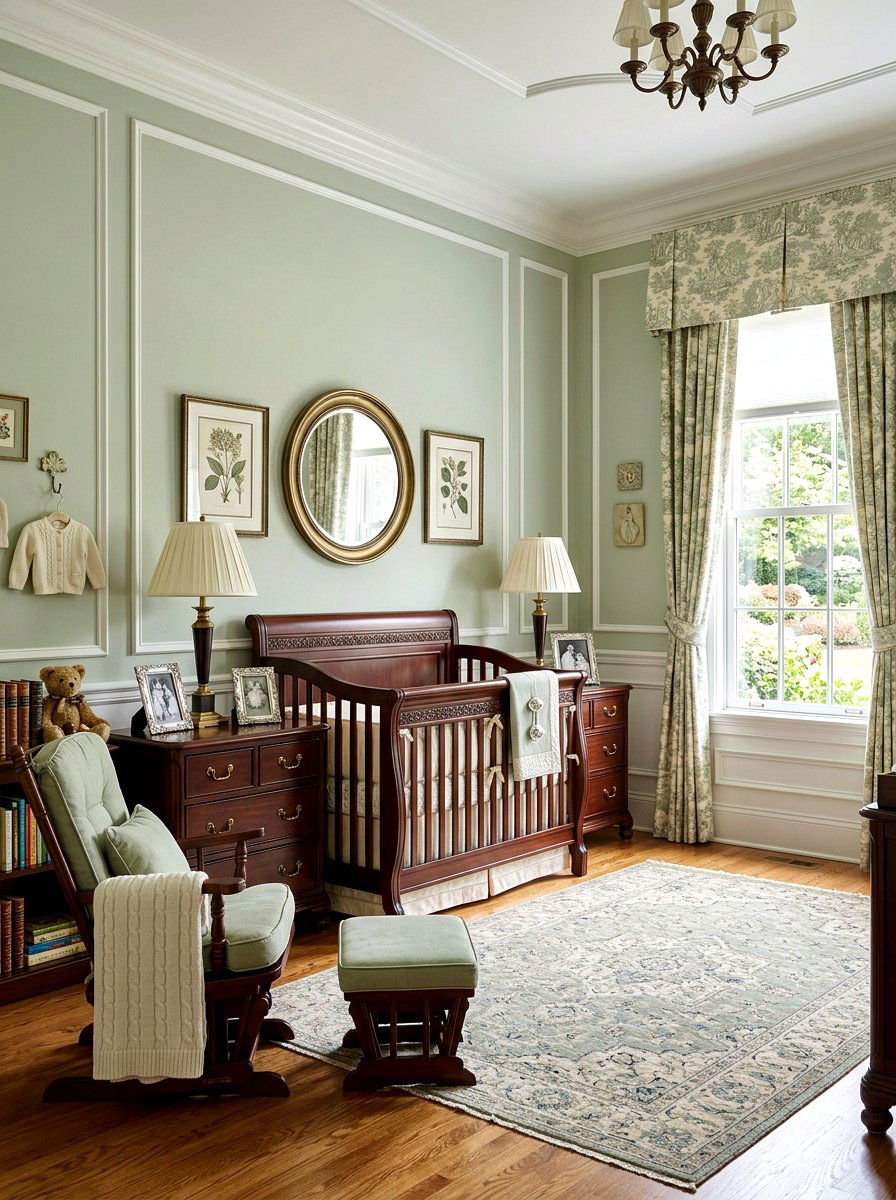
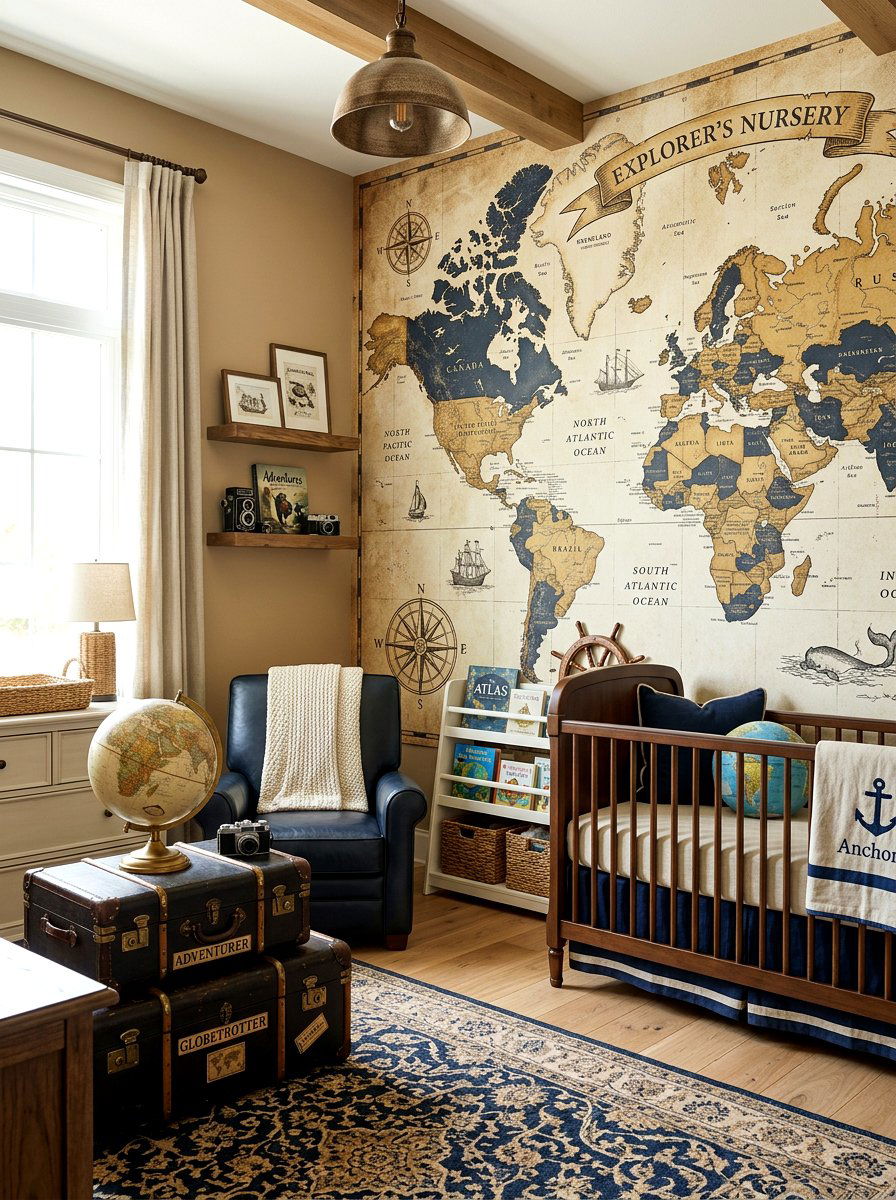
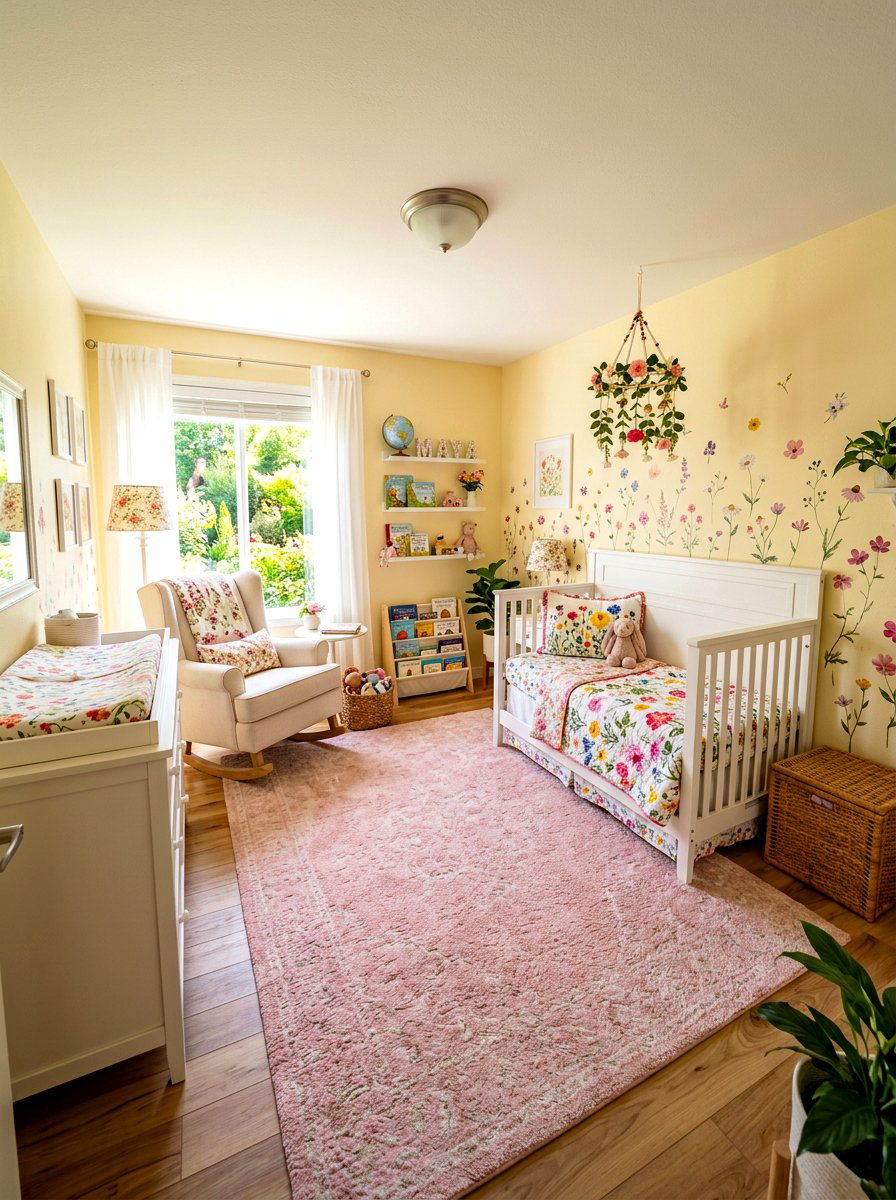
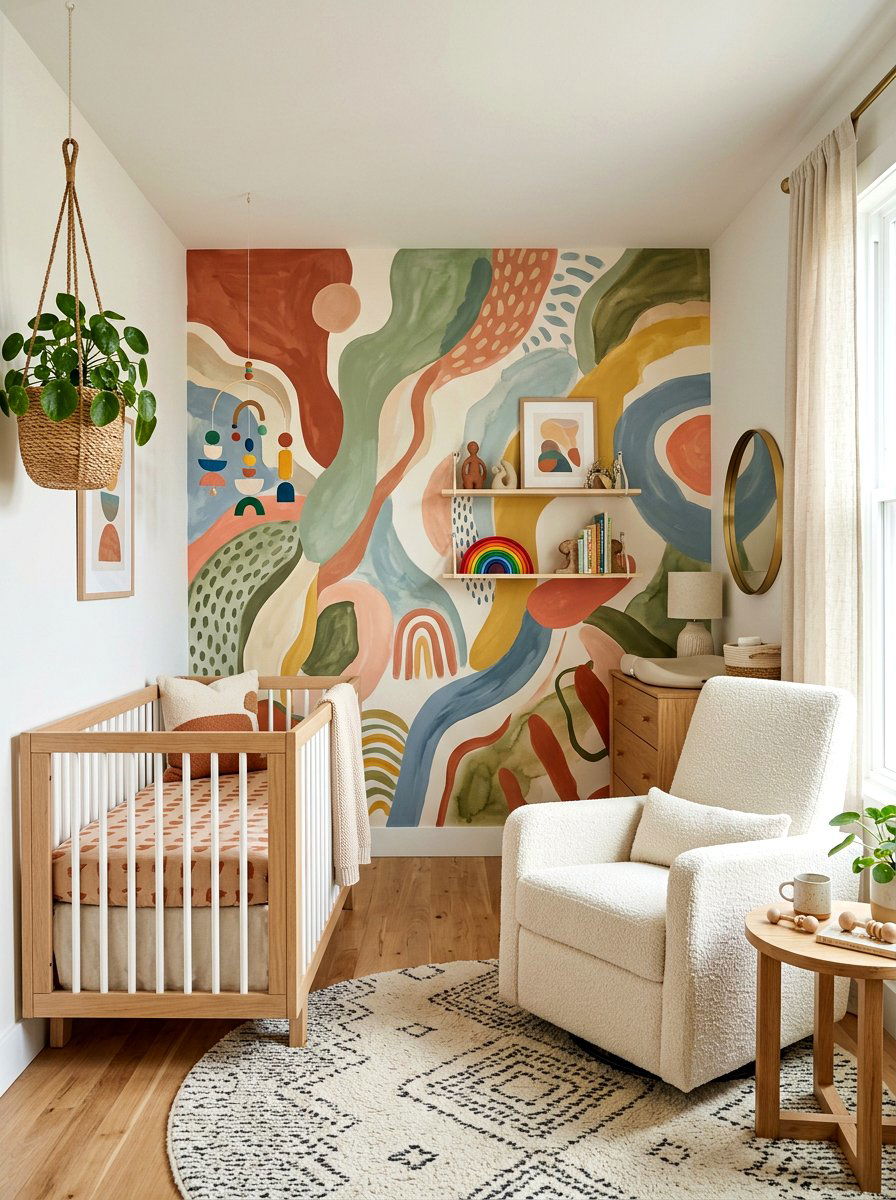
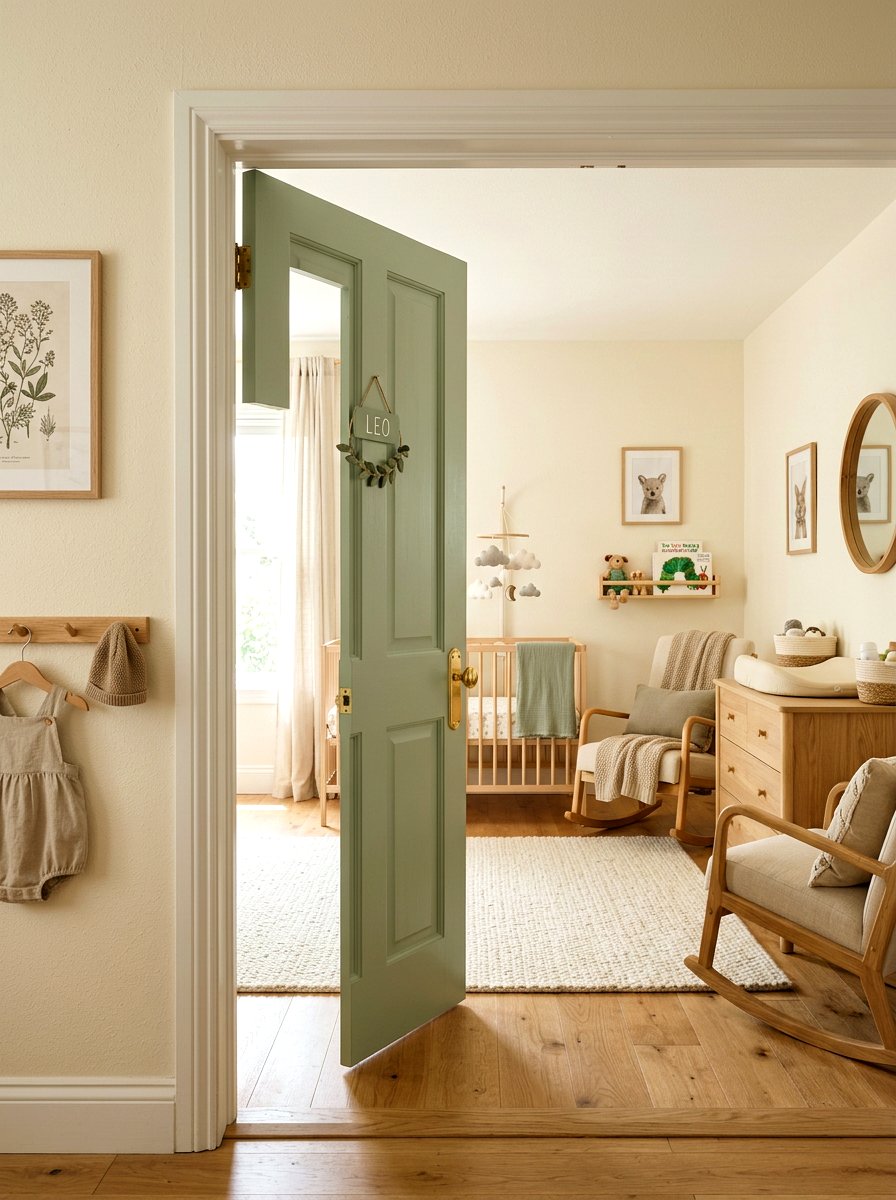
Creating a healthy, eco-friendly space for your newest family member is one of the most rewarding parts of preparing for parenthood. A sustainable nursery goes far beyond just choosing a few green products; it is about curating a safe, non-toxic environment that protects your baby and the planet simultaneously. By focusing on renewable materials, recycled finishes, and high-quality items that grow with your child, you ensure a timeless aesthetic that minimizes waste. Many parents today are moving away from fast furniture toward more intentional, earth-conscious choices. This guide explores how to blend modern style with environmental responsibility, helping you design a beautiful sanctuary that truly feels good.
1. Organic Cotton Bedding
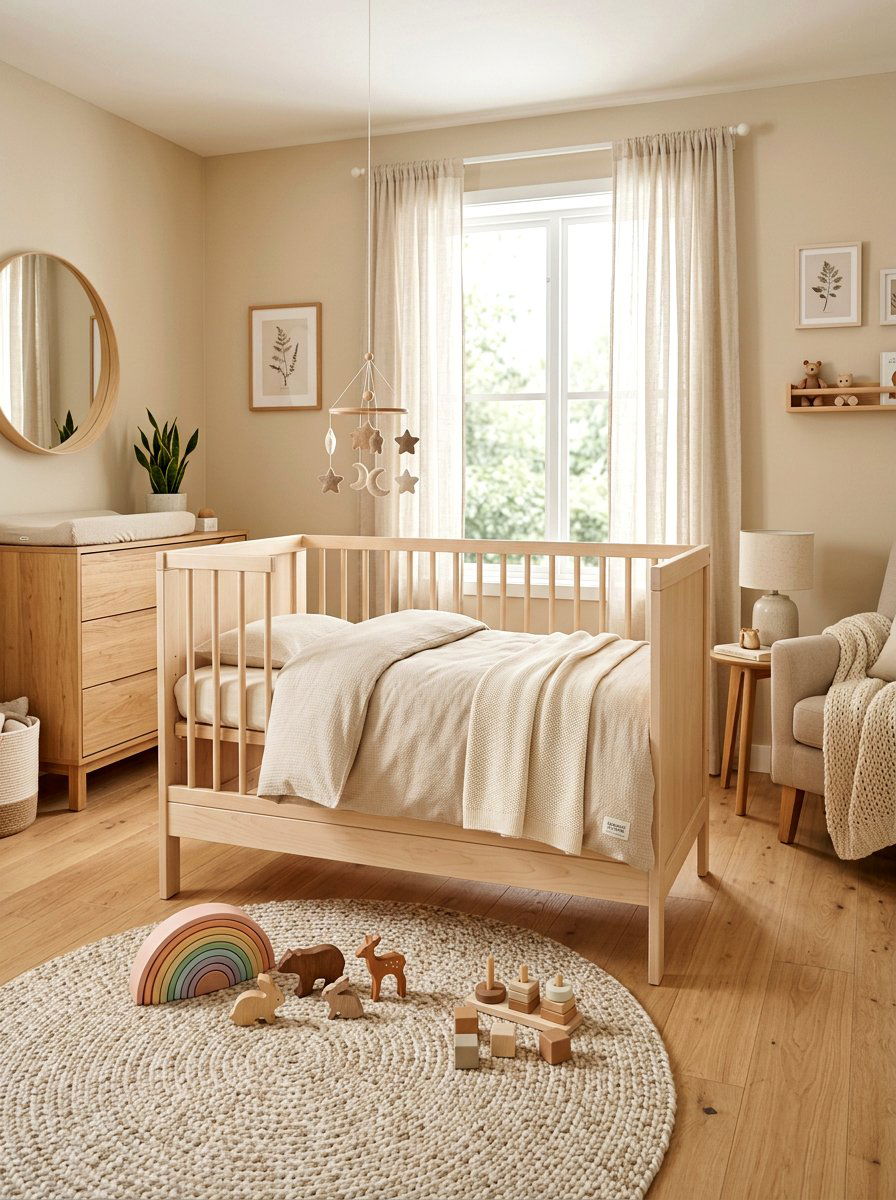
Choosing organic cotton bedding is a fundamental step in creating a chemical-free sleep environment for your little one. These fabrics are grown without synthetic pesticides or fertilizers, which keeps the fibers incredibly soft and breathable for sensitive skin. In a complete room design, organic sheets in soft oatmeal or muted earth tones pair beautifully with a natural wood crib and light-colored walls. This choice not only supports soil health but also ensures no harsh residues linger near your baby. It creates a serene, cozy atmosphere that looks just as clean as it feels. By layering different textures, you build a tactile haven that promotes better sleep and peace of mind.
2. Zero VOC Nursery Paint
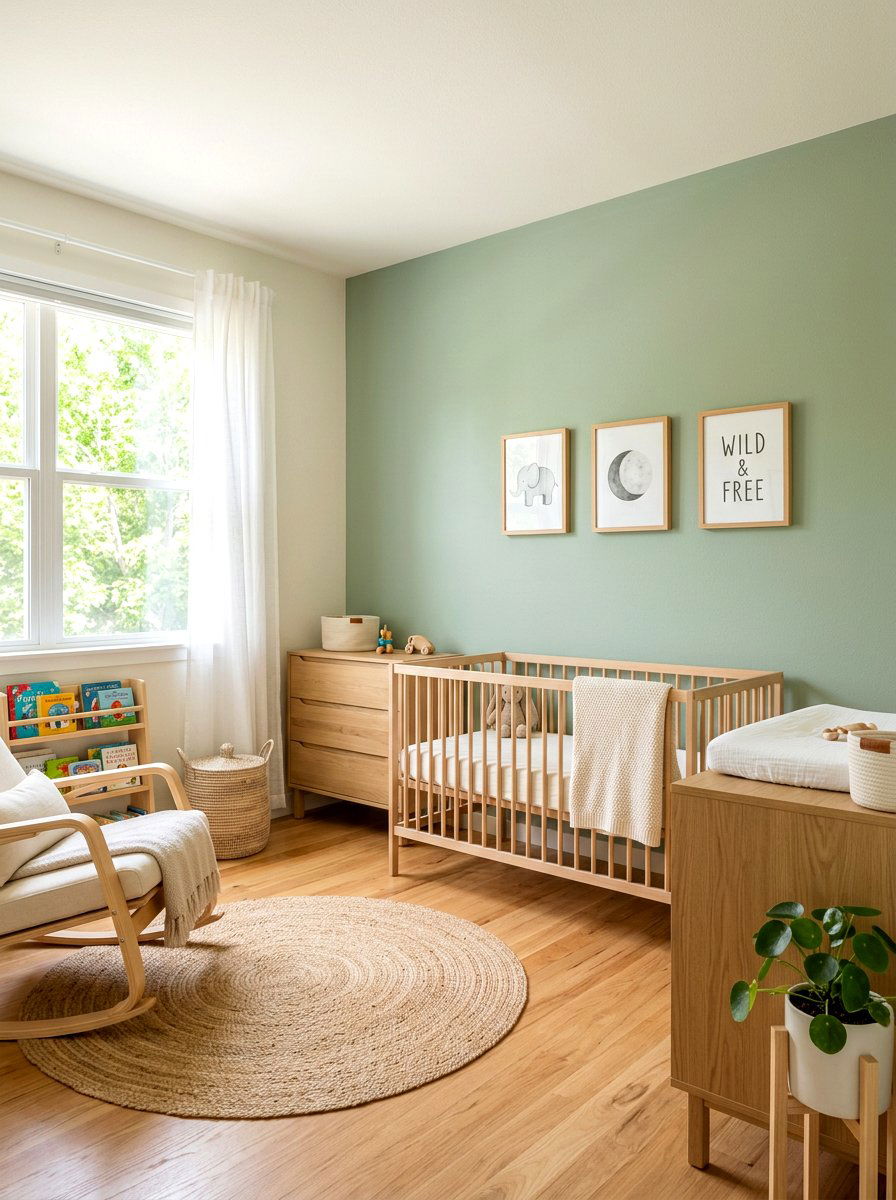
Does the thought of "new room smell" actually worry you when preparing for a baby? That distinct scent often comes from volatile organic compounds, or VOCs, which can off-gas for months after application. Opting for non-toxic, zero-VOC, or even clay-based paints is essential for maintaining high indoor air quality. Imagine a nursery bathed in a soft dusty rose or a calm slate blue, where the walls are as safe as they are beautiful. These paints provide a velvety matte finish that looks sophisticated under bright, natural light. By selecting healthier wall finishes, you anchor the entire room in a commitment to your child's long-term respiratory health.
3. Thrifted Baby Furniture
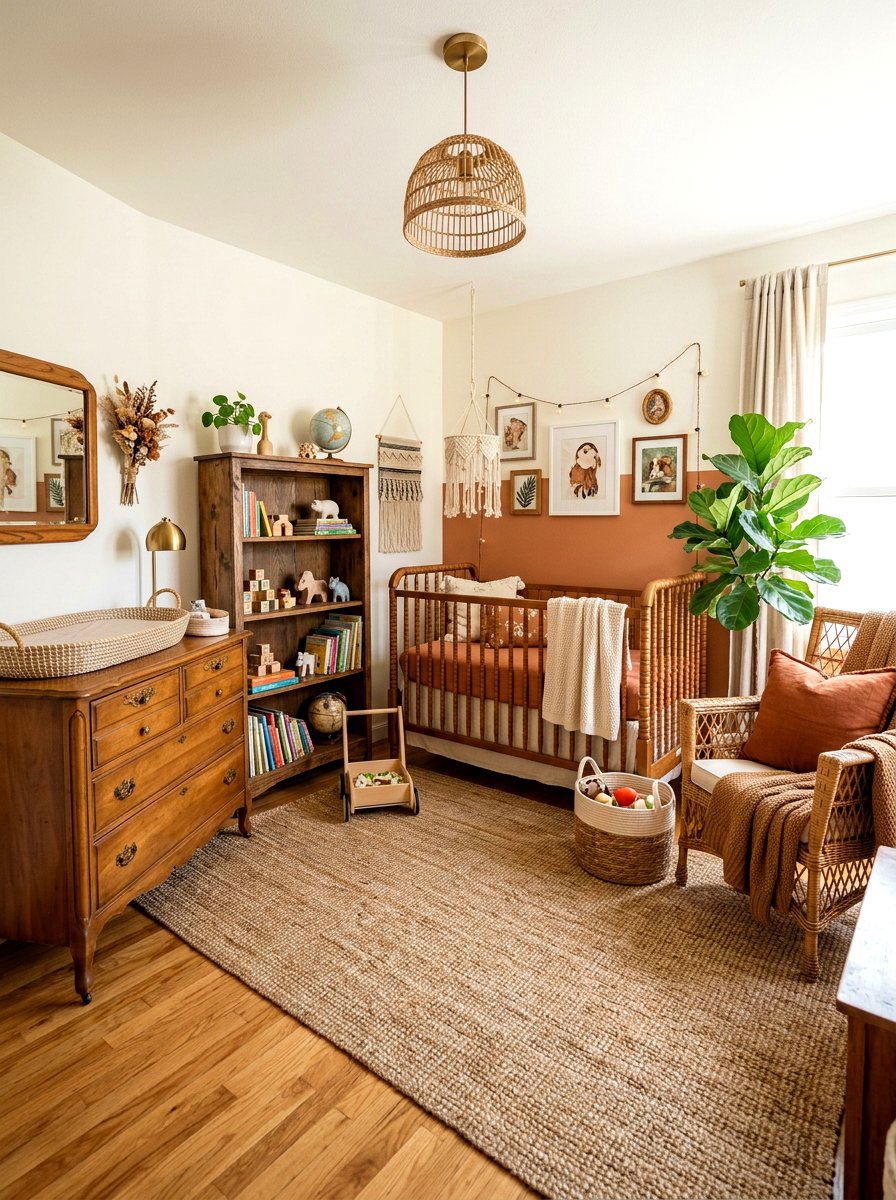
Embracing thrifted furniture is a brilliant way to reduce waste while adding unique character to your nursery. Searching for a vintage dresser or a solid wood bookshelf allows you to give high-quality materials a second life. When you incorporate these pieces into a modern room, you create a charming, eclectic look that feels deeply personal. A thrifted dresser can be easily refreshed with a light sanding and a coat of mineral paint to match your color palette. This approach keeps perfectly good items out of landfills and often results in a sturdier nursery than buying new, mass-produced pieces. It is a win for your budget and the environment.
4. FSC Certified Wood Crib
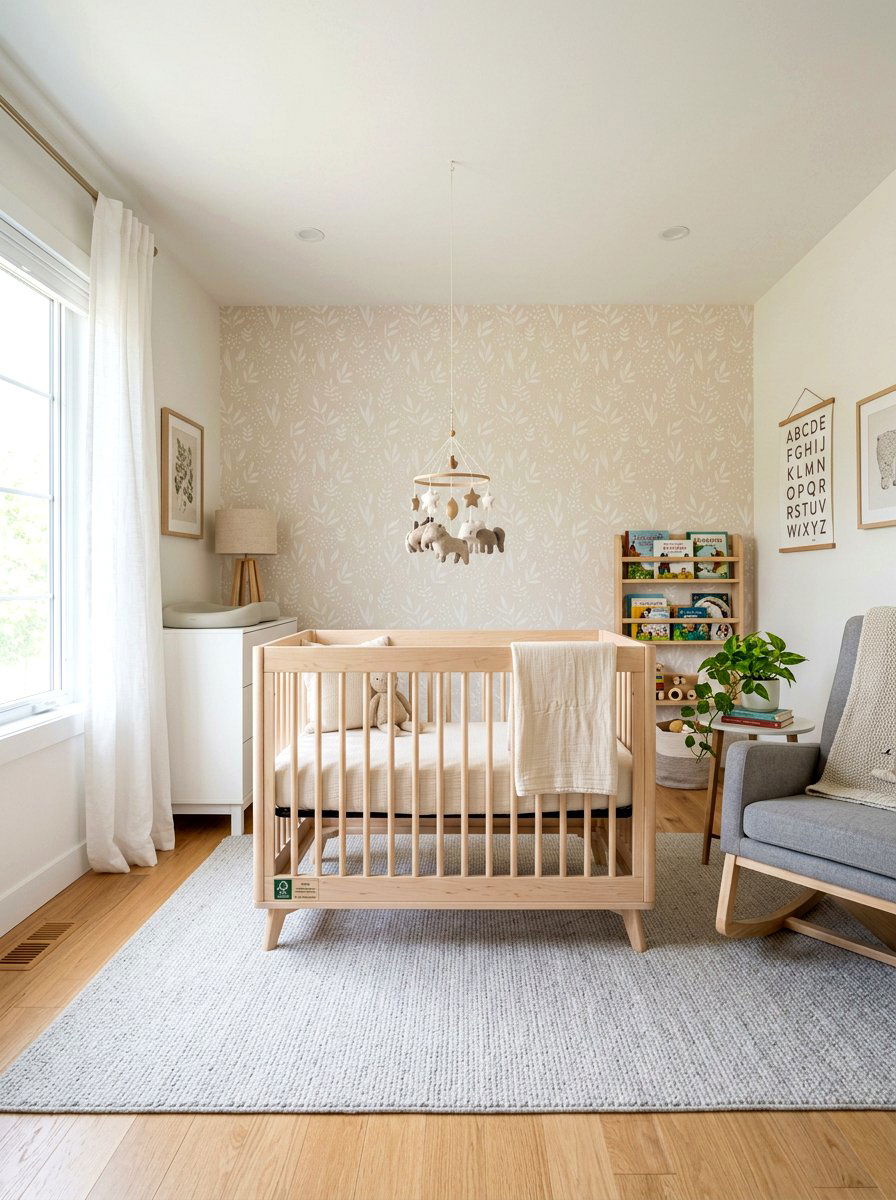
A crib is the focal point of any nursery, and selecting one made from FSC-certified wood ensures the timber was sourced responsibly. These cribs are often designed with a minimalist aesthetic, featuring clean lines and natural finishes that highlight the wood grain. When placed against a neutral wall, a light oak or birch crib brings a sense of warmth and nature indoors. Because many of these models are convertible, they transition into toddler beds, significantly extending their lifespan. This durability is a hallmark of sustainable design, as it reduces the need for frequent replacements. It creates a stable, beautiful foundation for the entire room’s layout.
5. Wool Nursery Rugs
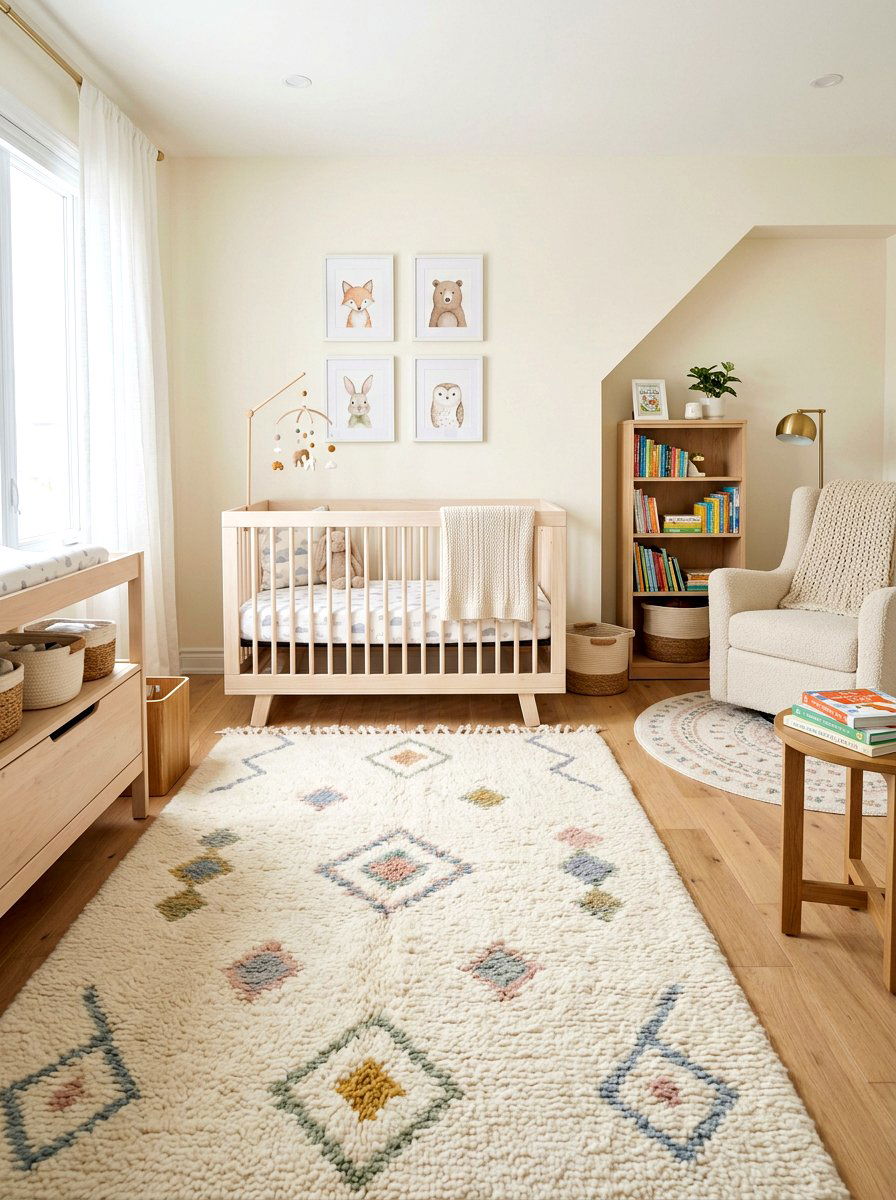
Natural wool rugs are a fantastic choice for a sustainable nursery because wool is a renewable, biodegradable, and naturally flame-retardant fiber. Unlike synthetic carpets, wool does not shed harmful microplastics and is remarkably easy to clean, making it perfect for floor playtime. In a nursery setting, a cream-colored or patterned wool rug adds essential warmth and sound dampening to the space. It provides a soft, cushioned surface for those first crawls while standing up to years of heavy use. Choosing a rug with a high-quality weave ensures it remains a staple in your home even as your child grows into their toddler years.
6. Eco Friendly Peel And Stick Wallpaper
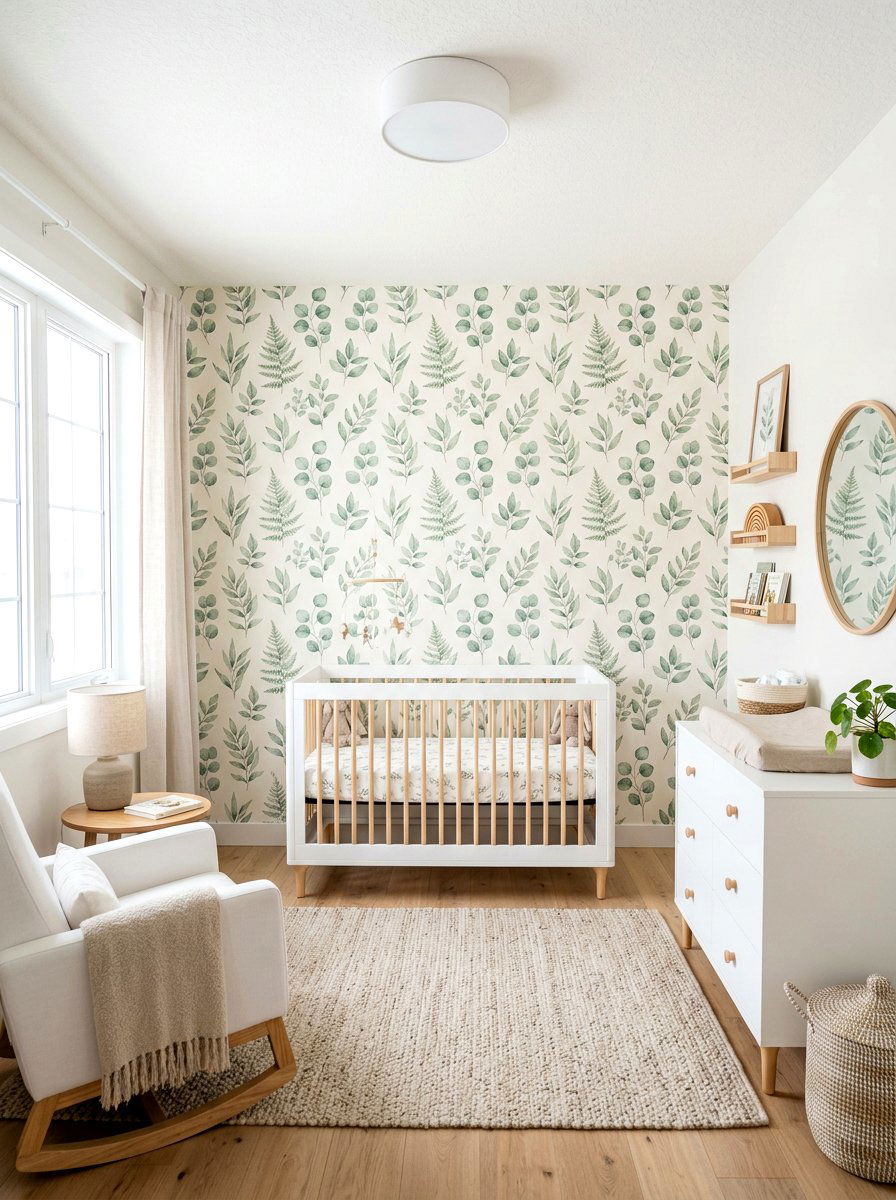
If you want to add a whimsical touch to the walls without the commitment of traditional glue, eco-friendly peel-and-stick wallpaper is the perfect solution. Many modern brands use water-based inks and PVC-free materials to ensure the air remains clean. A nursery featuring a subtle botanical print or a soft woodland scene can feel like an enchanting escape. Because these wallpapers are easy to remove, they allow the room to evolve as your child’s interests change without creating permanent waste. This flexibility makes it possible to maintain a stylish, trendy space while upholding your values regarding environmental impact and indoor health.
7. Bamboo Nursery Accents
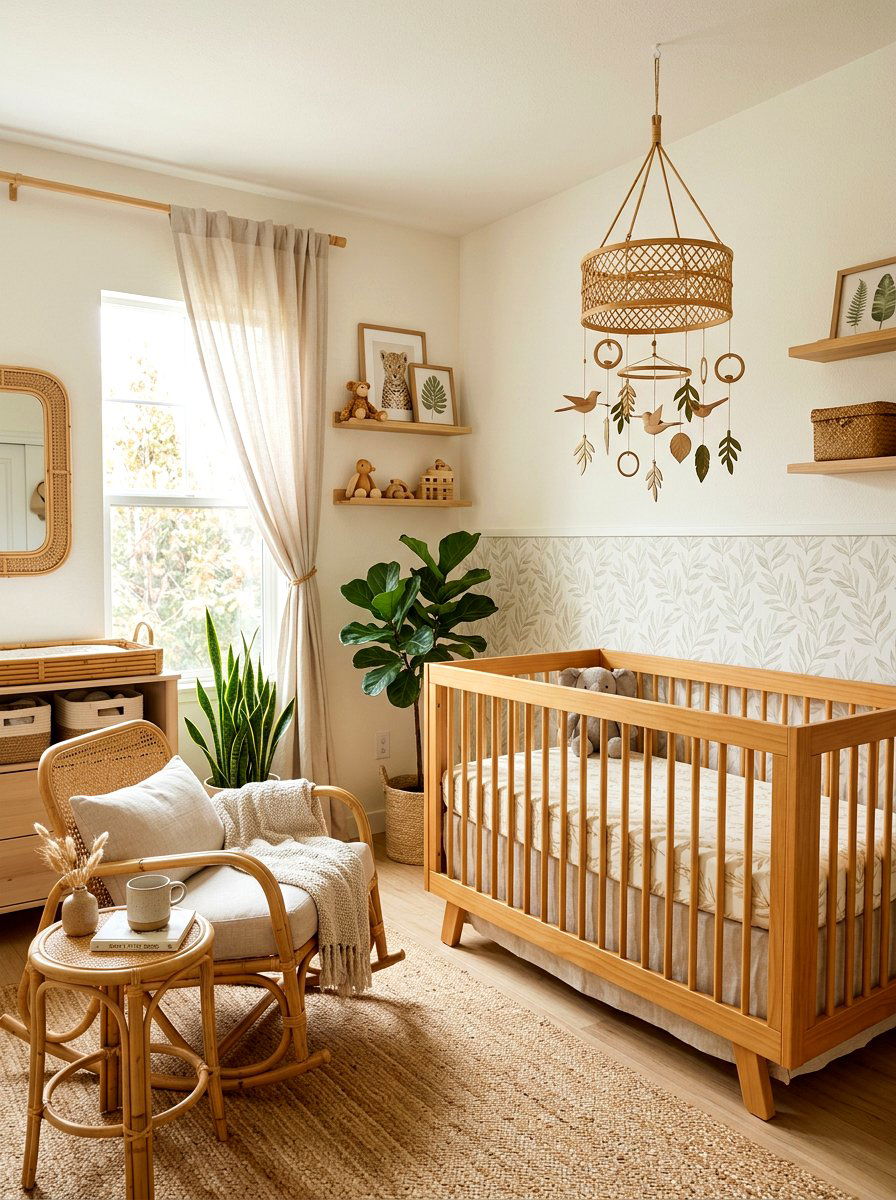
Bamboo is one of the fastest-growing plants on earth, making it an exceptionally sustainable material for nursery decor. From hanging mobiles to picture frames and small side tables, bamboo accents bring a light, airy feel to the room. The natural honey-colored hue of bamboo complements both bold and neutral color schemes perfectly. In a room with white walls and green plants, bamboo furniture feels modern and organic. Beyond its aesthetic appeal, bamboo is incredibly durable and resistant to warping. Incorporating these elements into your nursery design shows a commitment to using rapidly renewable resources that don 't deplete the earth' s precious old-growth forests.
8. Greenguard Gold Certified Glider
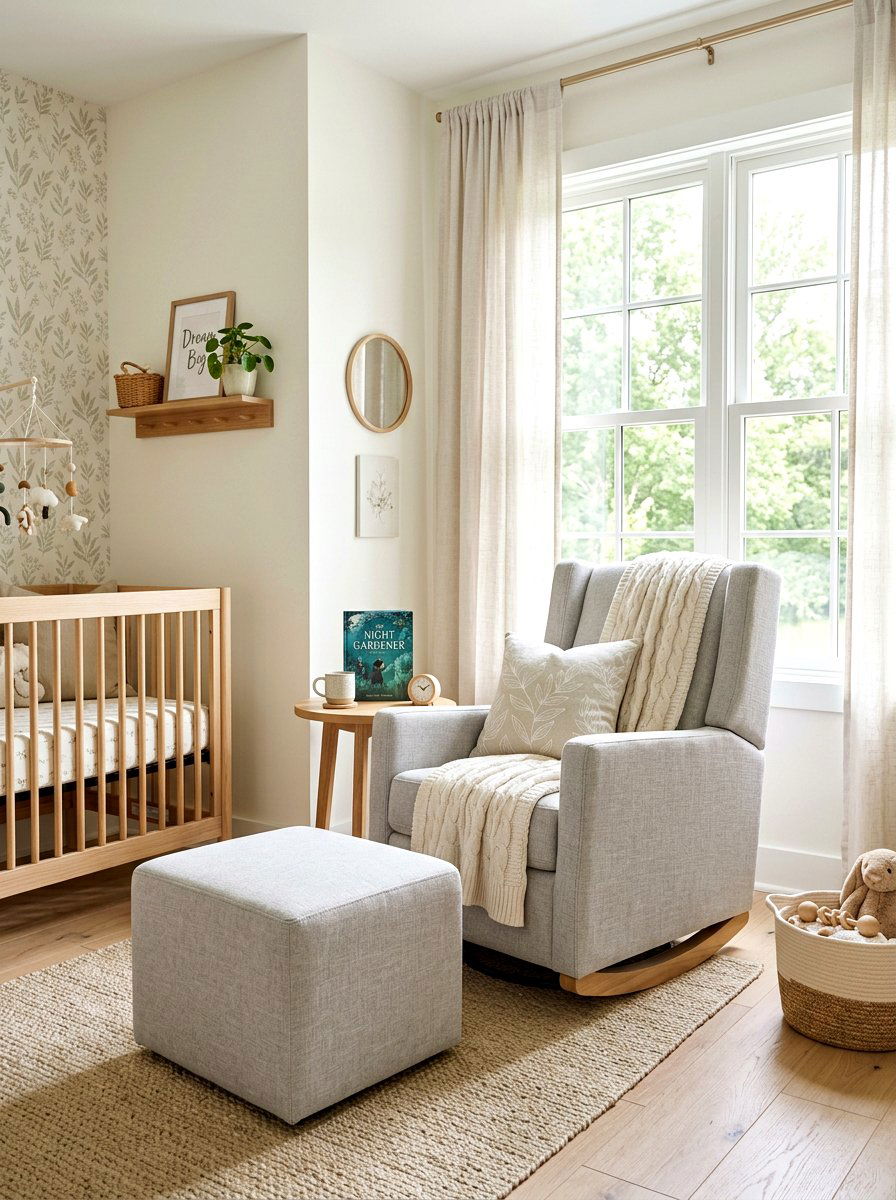
Spending hours nursing or rocking your baby means you need a chair that is both comfortable and safe. A Greenguard Gold certified glider has been tested for over ten thousand chemicals, ensuring it won't release harmful emissions into your nursery. These chairs often feature high-quality upholstery made from recycled polyester or natural linen. When positioned in a sunlit corner next to a small side table, the glider becomes a cozy sanctuary for bonding. Its timeless design ensures it can transition into a living room chair once the nursery years are over. This longevity is a key pillar of a truly sustainable and intentional home.
9. Recycled Ocean Plastic Storage
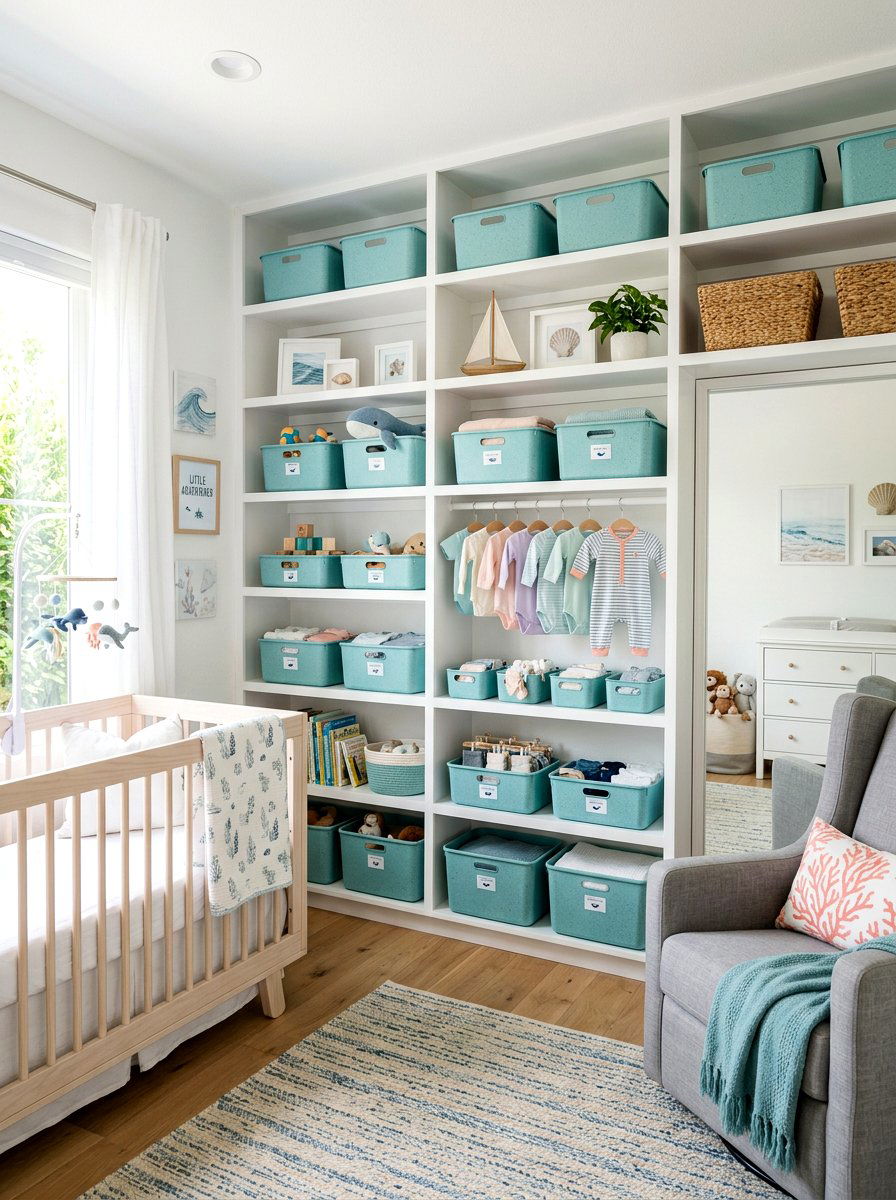
Organization is vital in a nursery, and using storage bins made from recycled ocean plastic is a great way to help clean up the planet. These bins are surprisingly stylish, often coming in muted sea-glass colors like soft teal, navy, or sand. They work beautifully on open shelving or tucked inside a closet to keep diapers, blankets, and toys tidy. By choosing products that repurpose existing waste, you contribute to a circular economy while keeping your nursery clutter-free. These durable containers are easy to wipe down and can be used for years as your child’s storage needs shift from rattles to art supplies.
10. Energy Efficient LED Night Lights
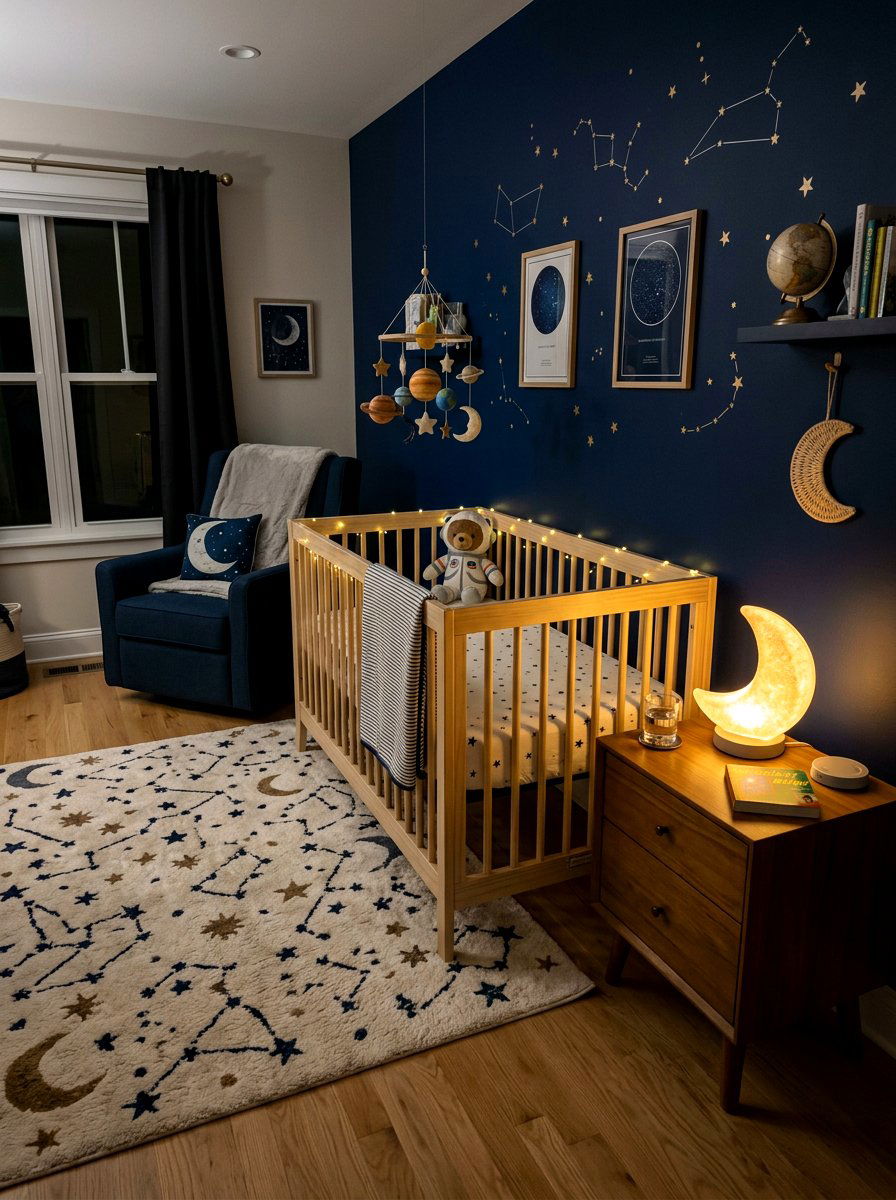
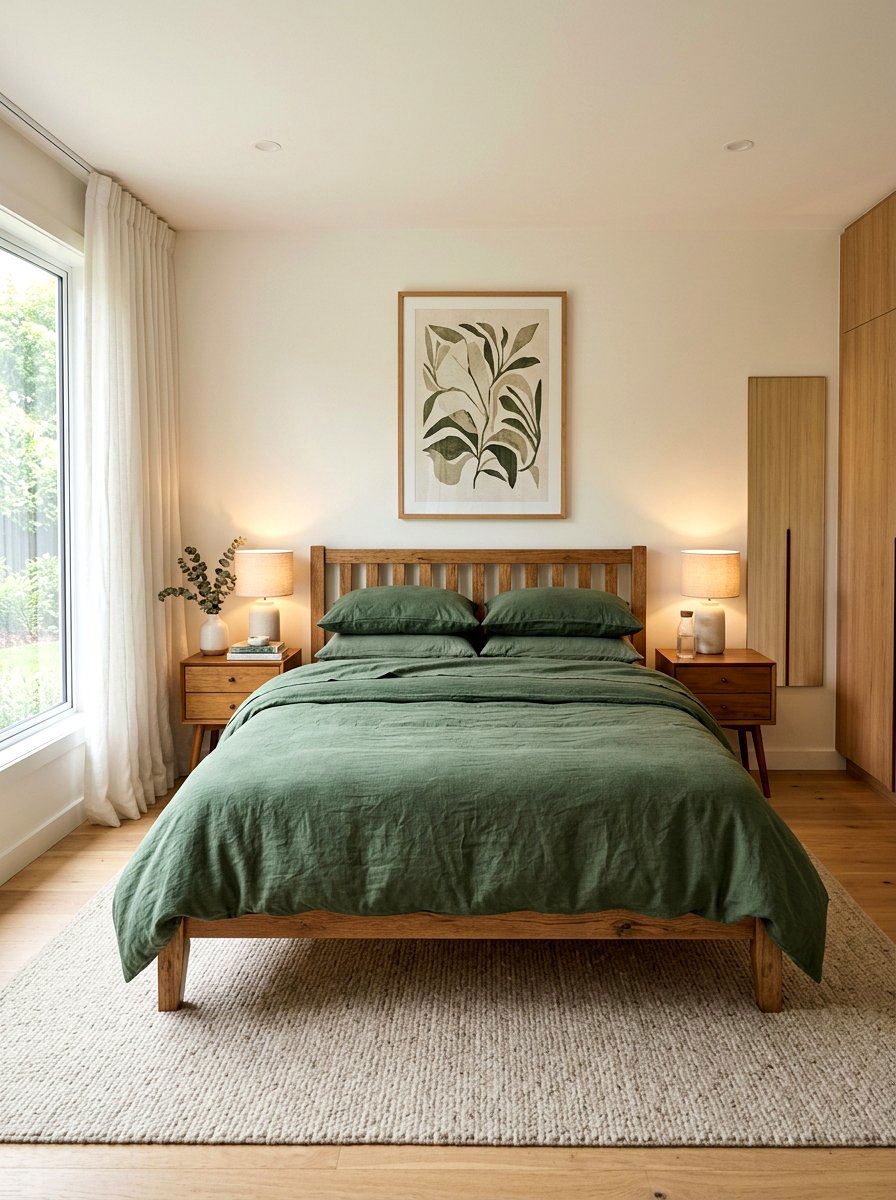
Lighting plays a major role in creating a calm atmosphere for evening routines, and LED night lights are the most energy-efficient choice. These bulbs use significantly less power than traditional incandescent versions and stay cool to the touch, which is a safety bonus. In a nursery, a soft, warm LED glow can be achieved through a decorative wooden lamp or a simple plug-in fixture. When combined with a dimmer switch on the main overhead light, you can easily control the ambiance for bedtime. This small change reduces your household's energy footprint while providing the perfect amount of light for those late-night diaper changes.
11. Organic Crib Mattress
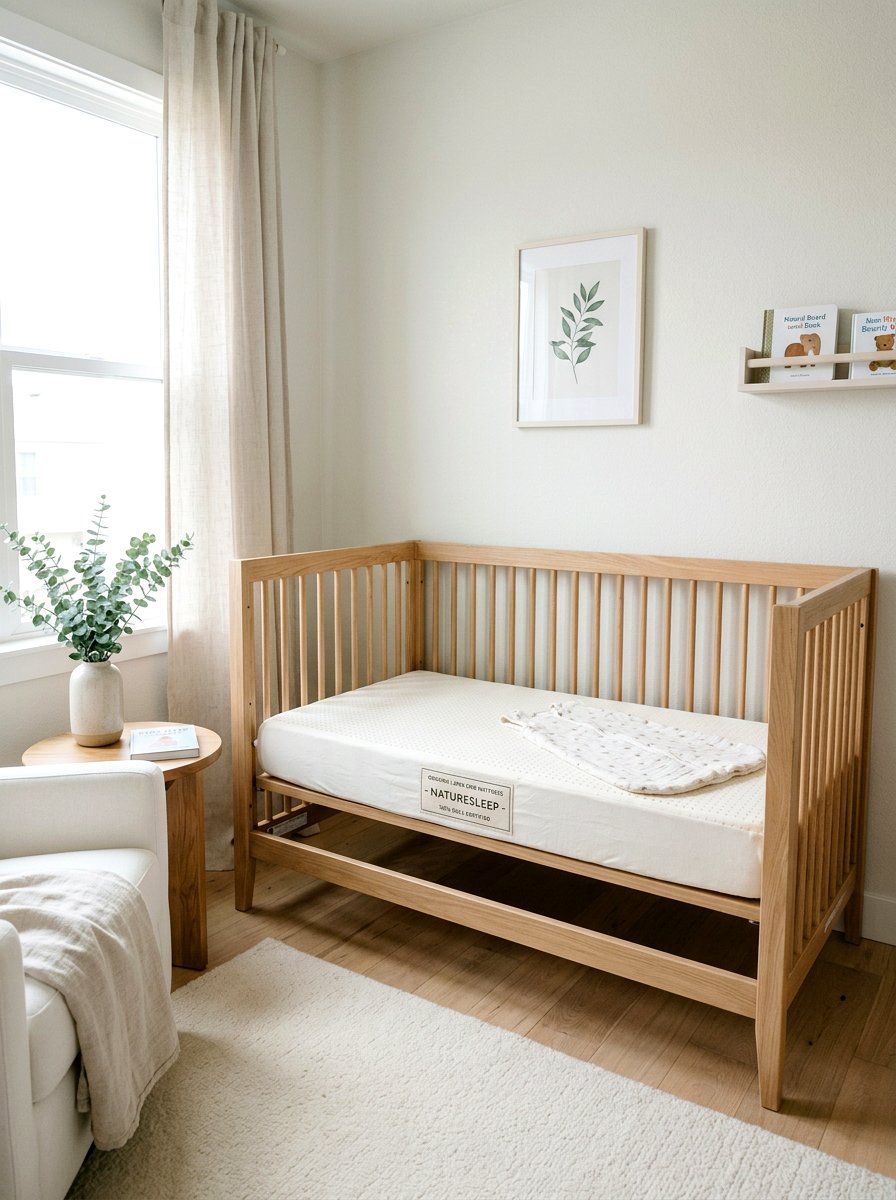
Your baby will spend the majority of their first year asleep, making an organic crib mattress one of the most important investments you can make. Traditional mattresses often contain polyurethane foam and chemical flame retardants that can off-gas. In contrast, organic versions use materials like coconut coir, natural latex, and wool to provide a safe, breathable surface. A nursery with a high-quality organic mattress ensures that every breath your baby takes while sleeping is clean. These mattresses are often dual-sided to accommodate both infants and toddlers, offering years of healthy support. It is a silent but powerful way to prioritize your child's well-being.
12. Natural Hemp Nursery Curtains
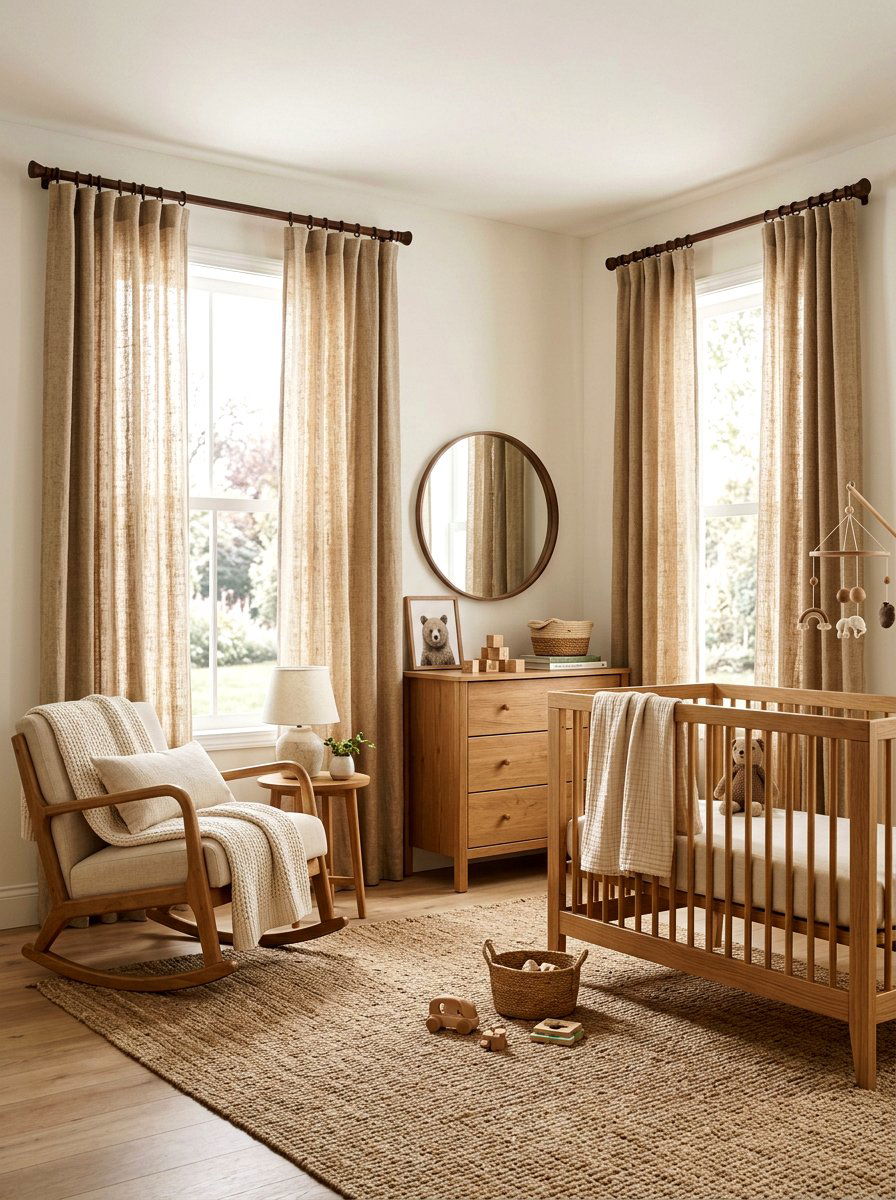
Hemp is an incredible textile for curtains because it requires very little water to grow and is naturally resistant to pests. These curtains offer a beautiful, linen-like texture that filters light softly, creating a dreamy glow in the nursery. In a room with light wood furniture and soft textures, hemp window treatments add a layer of sophisticated rusticity. They are also highly durable and become softer with every wash, ensuring they stay looking beautiful for a long time. By choosing hemp, you support a crop that actually improves soil health, making your nursery windows a small but meaningful statement for the environment.
13. Reclaimed Wood Wall Shelves
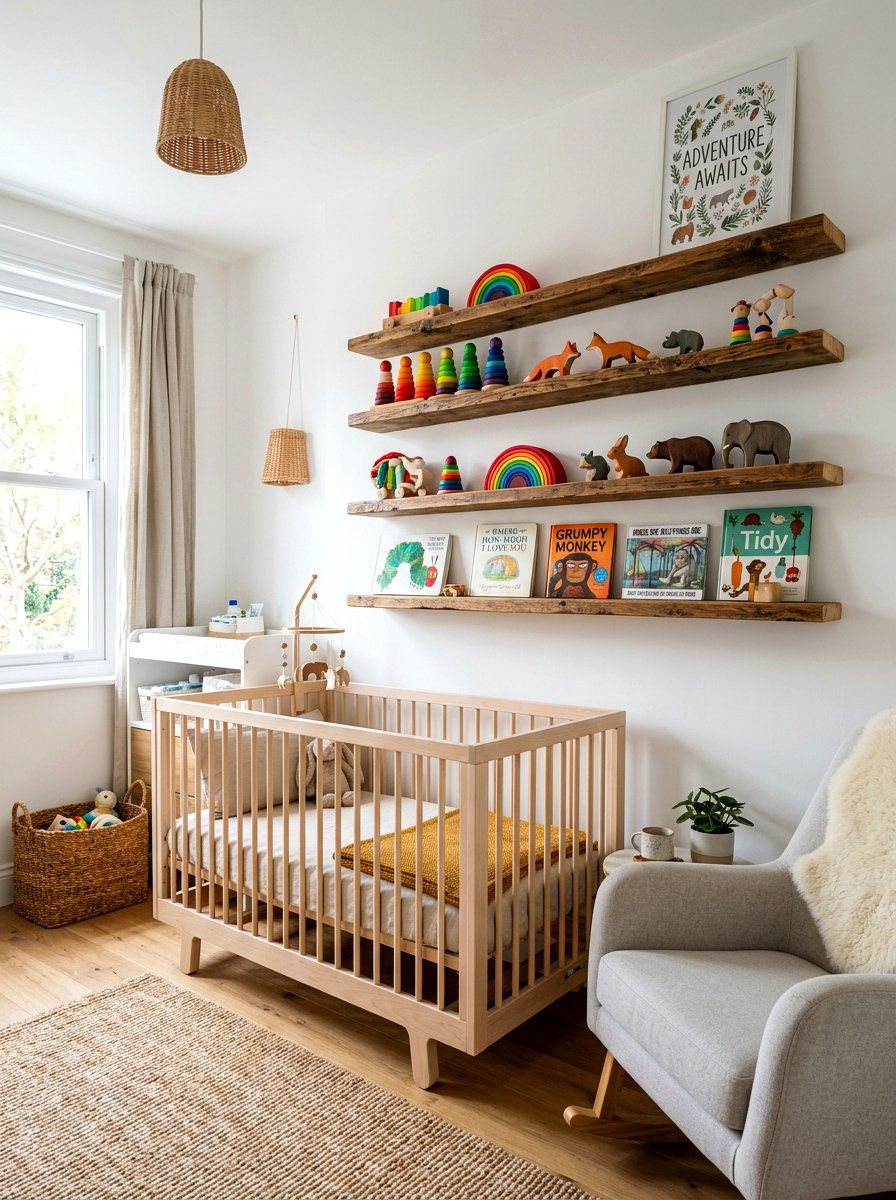
Using reclaimed wood for wall shelving adds a sense of history and warmth that new materials simply cannot replicate. These shelves are often crafted from old barn wood or salvaged timber, preventing new trees from being cut down. In a nursery, a set of staggered reclaimed shelves provides the perfect place to display favorite storybooks and heirloom toys. The rugged texture of the wood creates a stunning contrast against smooth, freshly painted walls. This design choice anchors the room in a grounded, natural aesthetic. It is a beautiful way to incorporate the "reduce, reuse, recycle" philosophy into your nursery’s architectural details.
14. Sustainable Cork Nursery Flooring
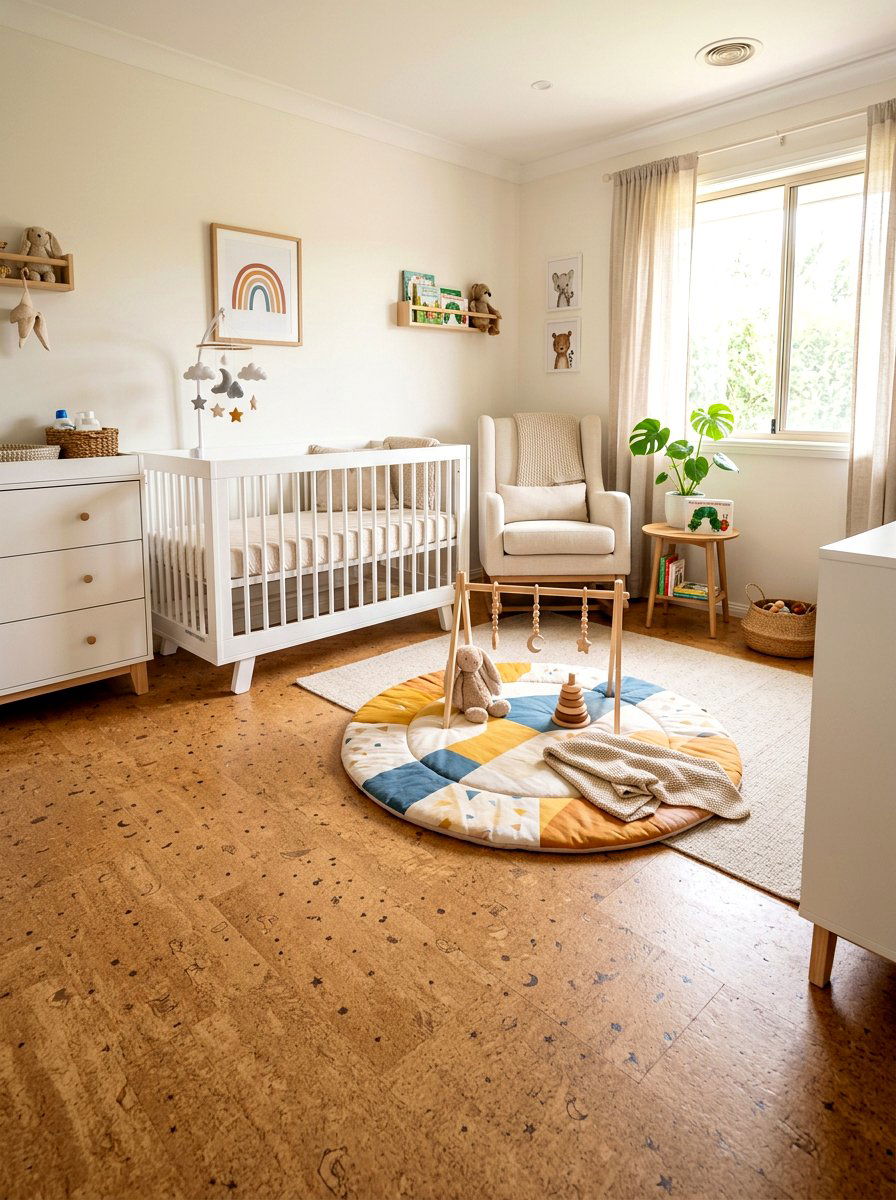
If you are planning to replace the flooring in your nursery, cork is a top-tier sustainable option that offers unparalleled comfort. Cork is harvested from the bark of trees without harming them, making it a completely renewable resource. It is naturally antimicrobial and provides excellent thermal insulation, which keeps the room warm and quiet. A nursery with cork floors feels soft underfoot, making it a wonderful surface for a child to play on. The natural, variegated patterns of cork add a unique visual interest that works well with modern or boho styles. It is a durable, healthy choice for any eco-conscious household.
15. Second Hand Toy Chests
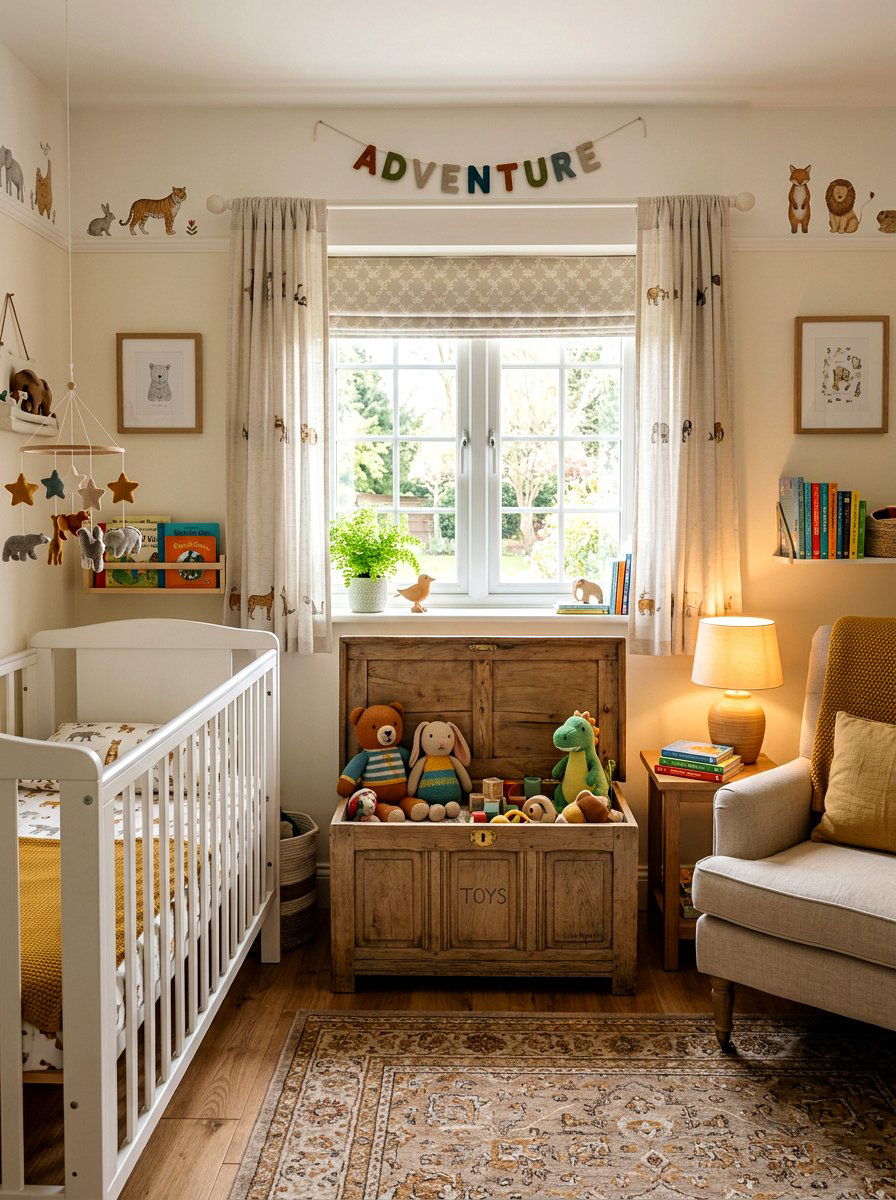
Storing toys in a second-hand chest is a sustainable way to manage the inevitable influx of baby gear. A vintage wooden trunk or a wicker basket found at a local market can be cleaned and repurposed as a charming focal point. In a nursery layout, a large toy chest at the foot of the crib or under a window helps keep the space organized and inviting. Choosing pre-owned storage prevents the manufacturing of new plastic bins and gives a beautiful object a new purpose. It also adds a layer of nostalgia and character that makes the nursery feel like a lived-in, loved part of your home.
16. Plastic Free Wall Decals
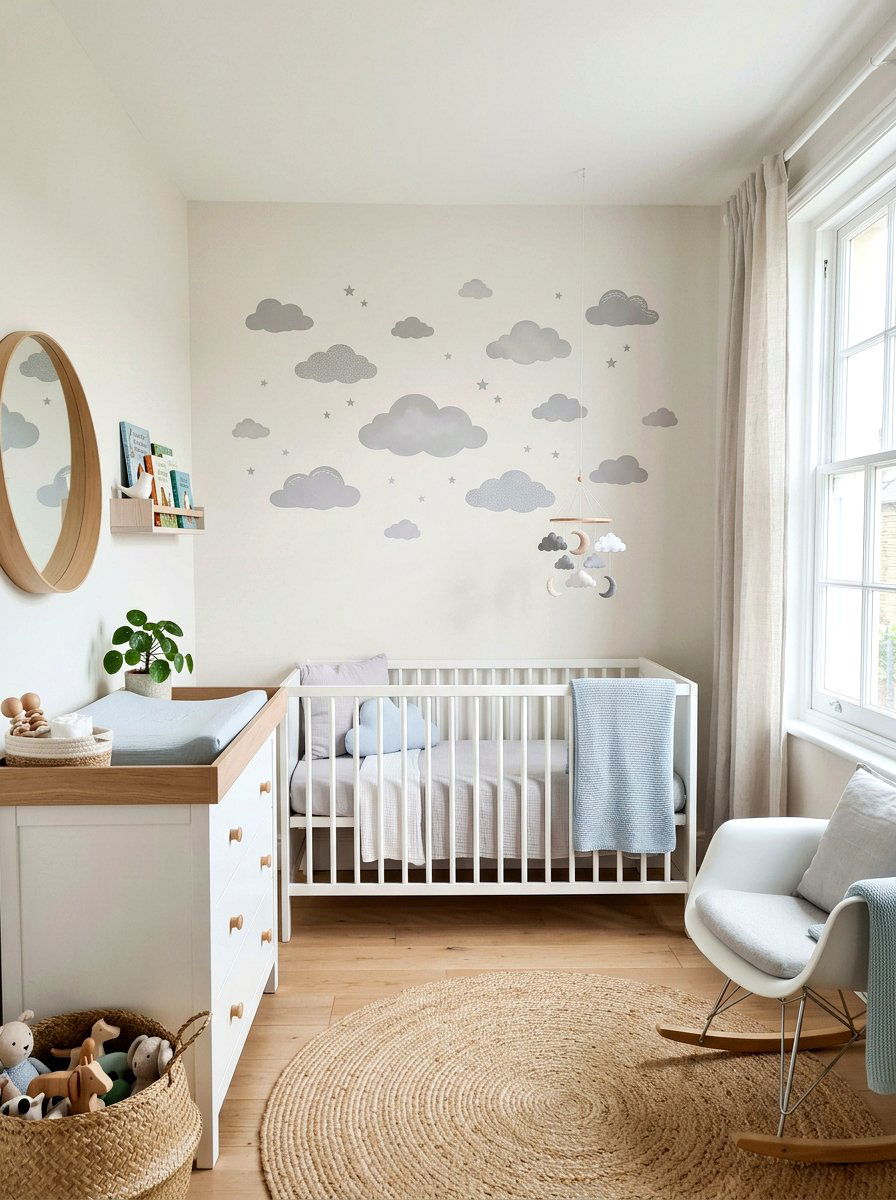
Traditional vinyl wall decals are often made from PVC, which can release phthalates into the nursery air. Opting for plastic-free, fabric-based, or paper-based decals is a much healthier way to decorate your baby’s walls. These eco-friendly stickers come in endless designs, from simple polka dots to elaborate mountain ranges. In a room with a neutral color palette, a few strategically placed decals can add a pop of color and whimsy without a permanent commitment. Because they are often repositionable and biodegradable, you can change the room's look as your child grows. This allows for creative expression while keeping the nursery environment strictly non-toxic.
17. Refurbished Nursery Dresser
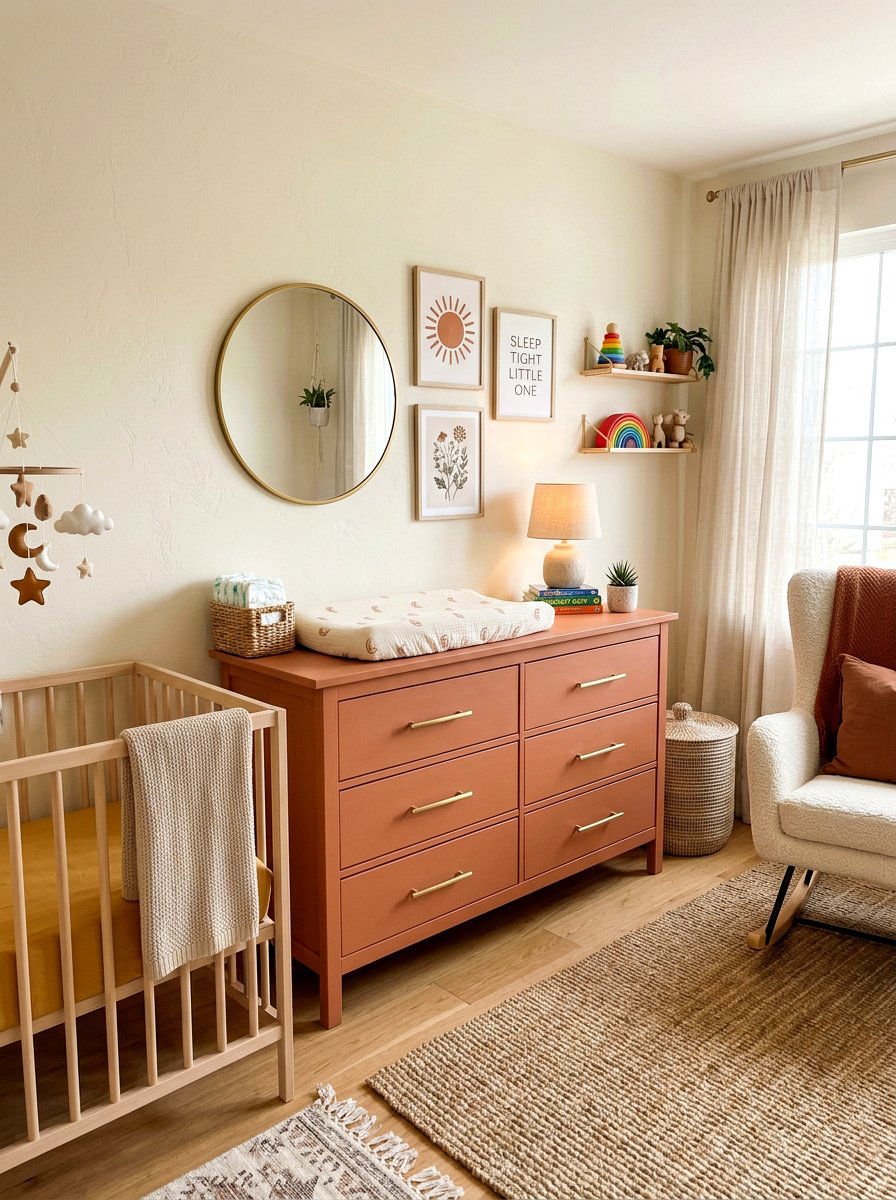
Giving an old dresser a new life is a quintessential project for a sustainable nursery design. By sanding down an existing piece and applying a water-based, non-toxic wood stain or paint, you create a custom piece of furniture. A refurbished dresser with modern brass pulls looks stunning when paired with a contemporary crib and soft textiles. This approach allows you to choose high-quality solid wood over cheap particle board, which often contains formaldehyde. The result is a piece of furniture that is not only safer for your baby but also carries a story of craftsmanship and care within its drawers.
18. Natural Rattan Bassinet
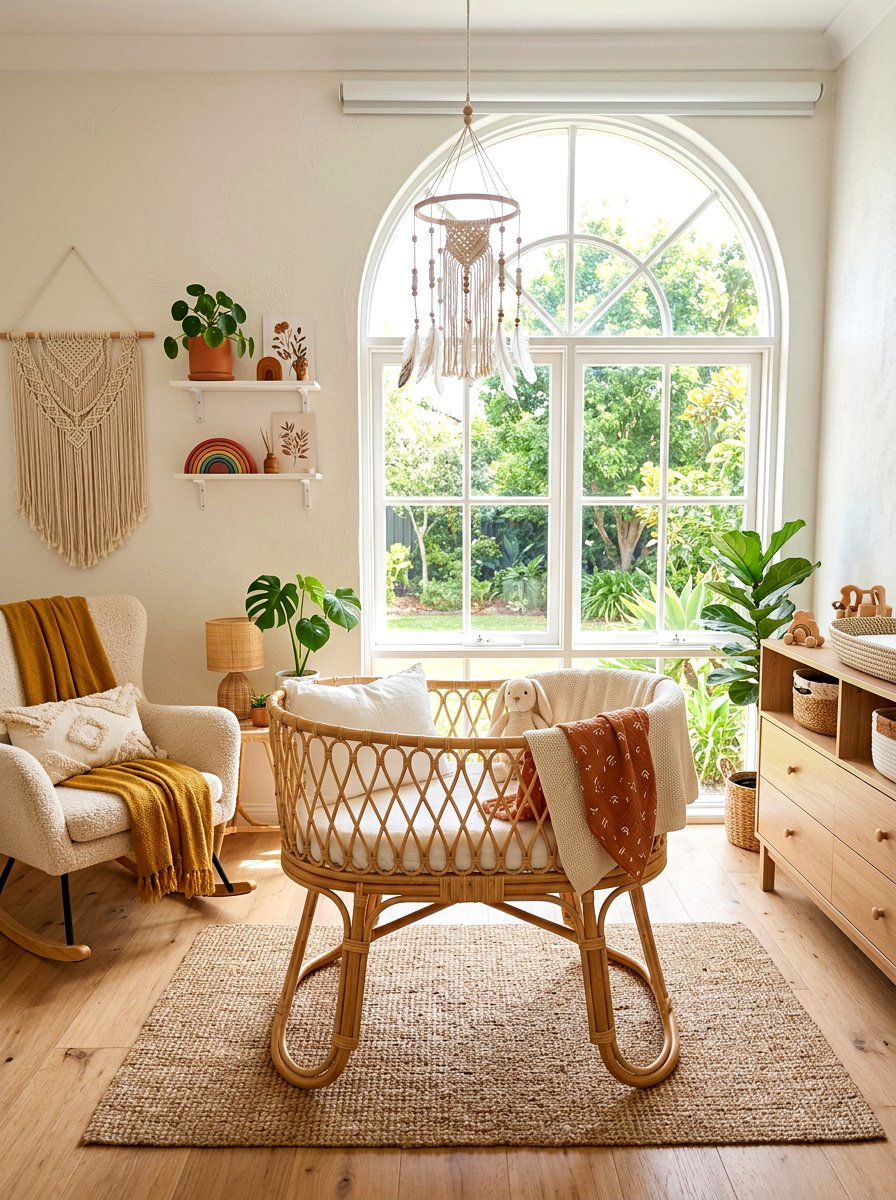
Rattan is a fast-growing vine that is incredibly strong and flexible, making it a favorite material for sustainable furniture. A natural rattan bassinet brings a light, tropical, or bohemian vibe to a newborn’s nursery. When placed next to a large window with soft curtains, the intricate weaving creates beautiful shadows as the sunlight filters through. Rattan is biodegradable and lightweight, allowing you to move the bassinet easily between rooms. This natural material breathes well, ensuring good airflow for the baby. Pairing it with an organic cotton mattress creates a perfectly healthy and stylish first sleeping spot that feels grounded in the beauty of nature.
19. Linen Slipcover Glider
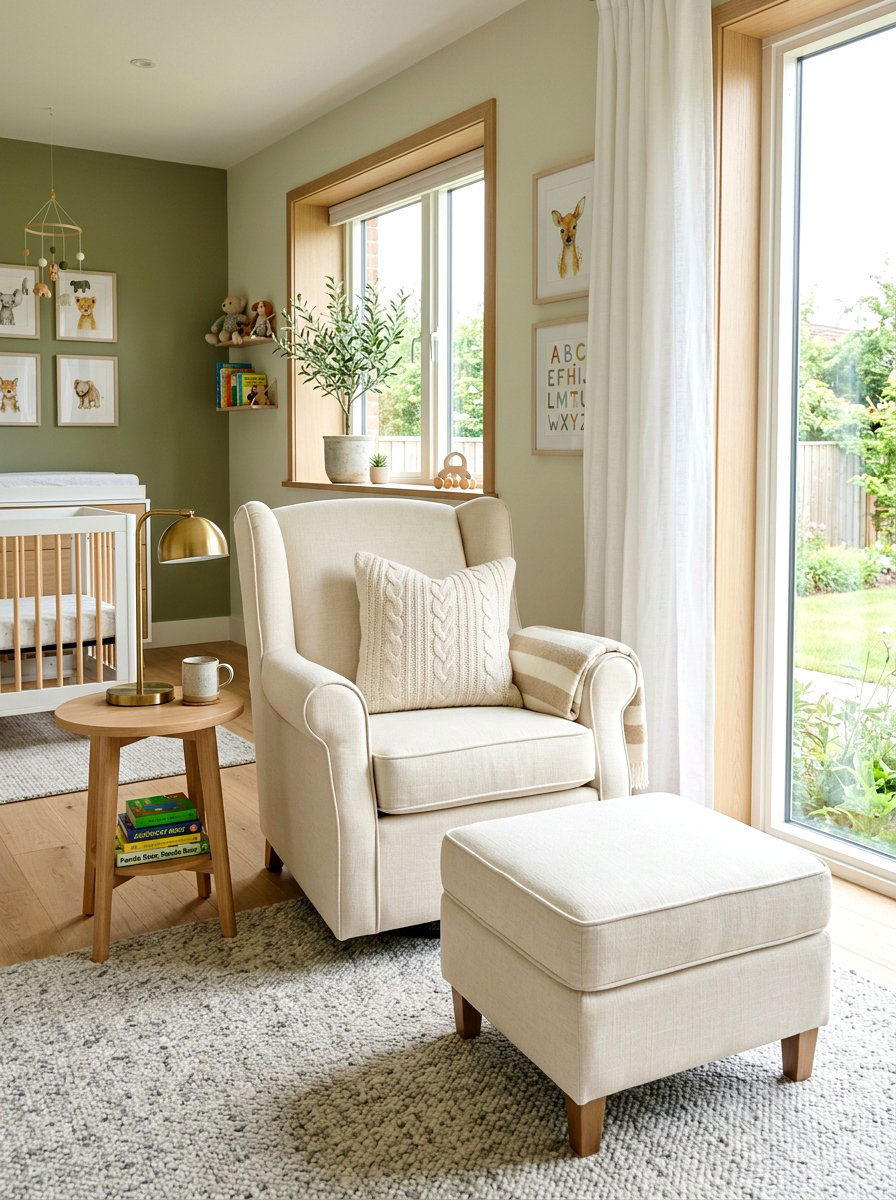
Linen is made from the flax plant, which is much more sustainable than traditional cotton because it requires fewer resources to produce. A glider with a removable linen slipcover is a practical and eco-friendly choice for a nursery. The fabric is naturally hypoallergenic and highly breathable, keeping you cool during long sessions in the chair. In a room with muted tones, a linen glider in cream or soft grey adds a touch of elegance and comfort. The ability to wash the slipcover ensures the chair lasts through multiple children and moves easily into other parts of the house. It is a timeless piece that prioritizes sustainability.
20. Vintage Wooden Rocking Chair
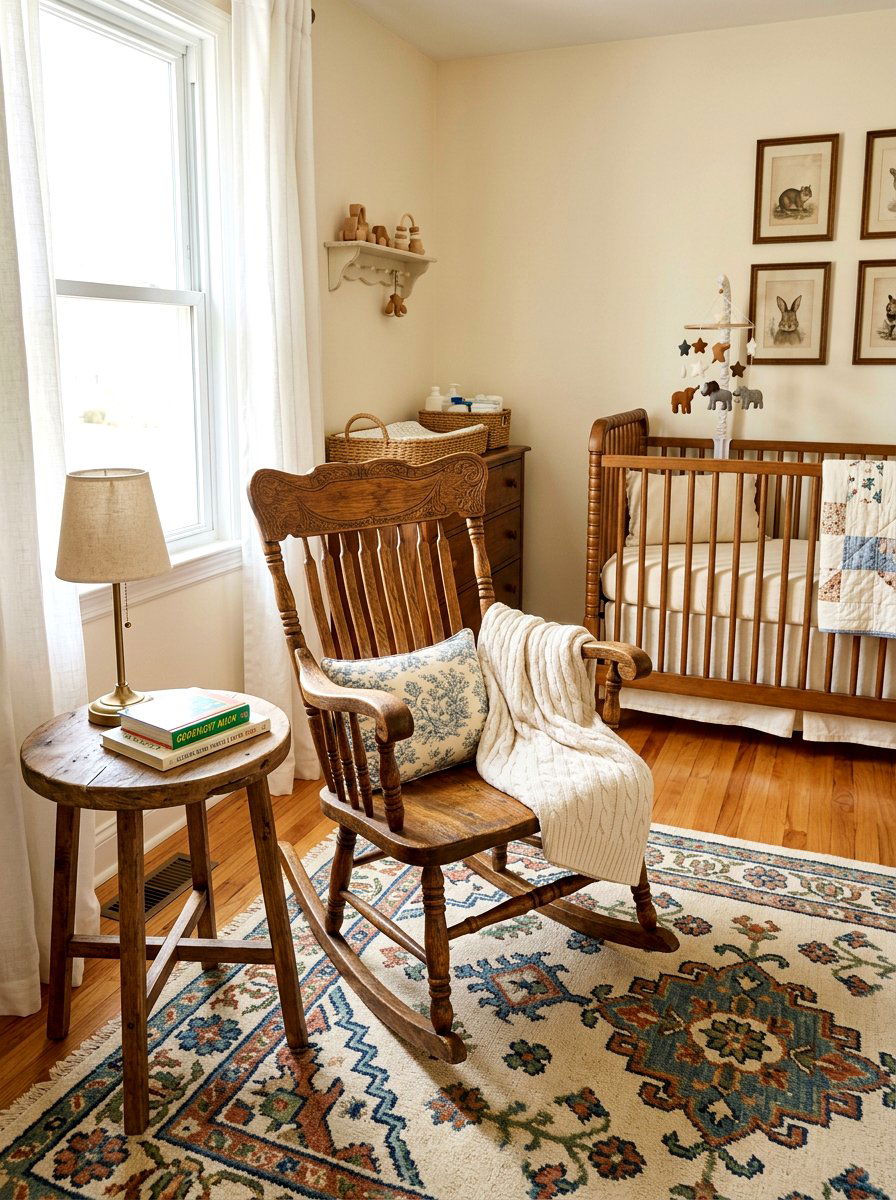
Sometimes the most sustainable choice is the one that has already existed for decades. A vintage wooden rocking chair, perhaps passed down through generations, adds a sense of heritage and continuity to a nursery. When placed on a plush wool rug with a cozy organic throw blanket, it becomes the ultimate spot for bedtime stories. Solid wood rockers are built to last and don't contain the hidden glues or chemicals found in modern upholstered furniture. Adding a small cushion made from recycled materials ensures the chair is as comfortable as it is classic. This choice celebrates the beauty of longevity and the charm of old-world design.
21. Natural Rubber Changing Mat
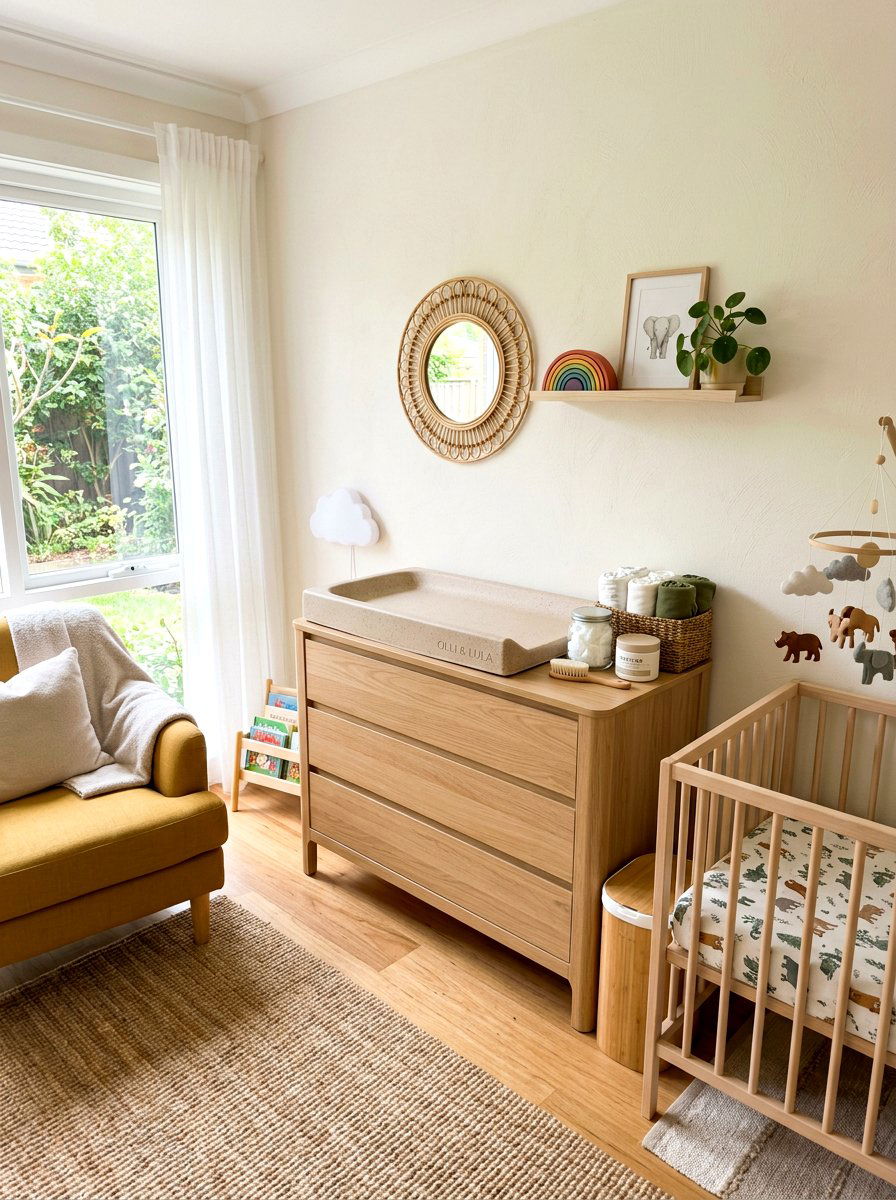
Many changing pads are made from polyurethane foam covered in vinyl, which is neither breathable nor eco-friendly. Switching to a natural rubber changing mat provides a non-toxic alternative that is both waterproof and easy to clean. These mats are often designed to be used directly on top of a dresser, saving space and the need for extra furniture. In a nursery, a simple rubber mat in a neutral tone keeps the changing station looking sleek and minimalist. Because natural rubber is a renewable resource harvested from trees, it is a much better choice for the planet. It offers a safe, chemical-free surface for your daily routines.
22. Non Toxic Clay Plaster Walls
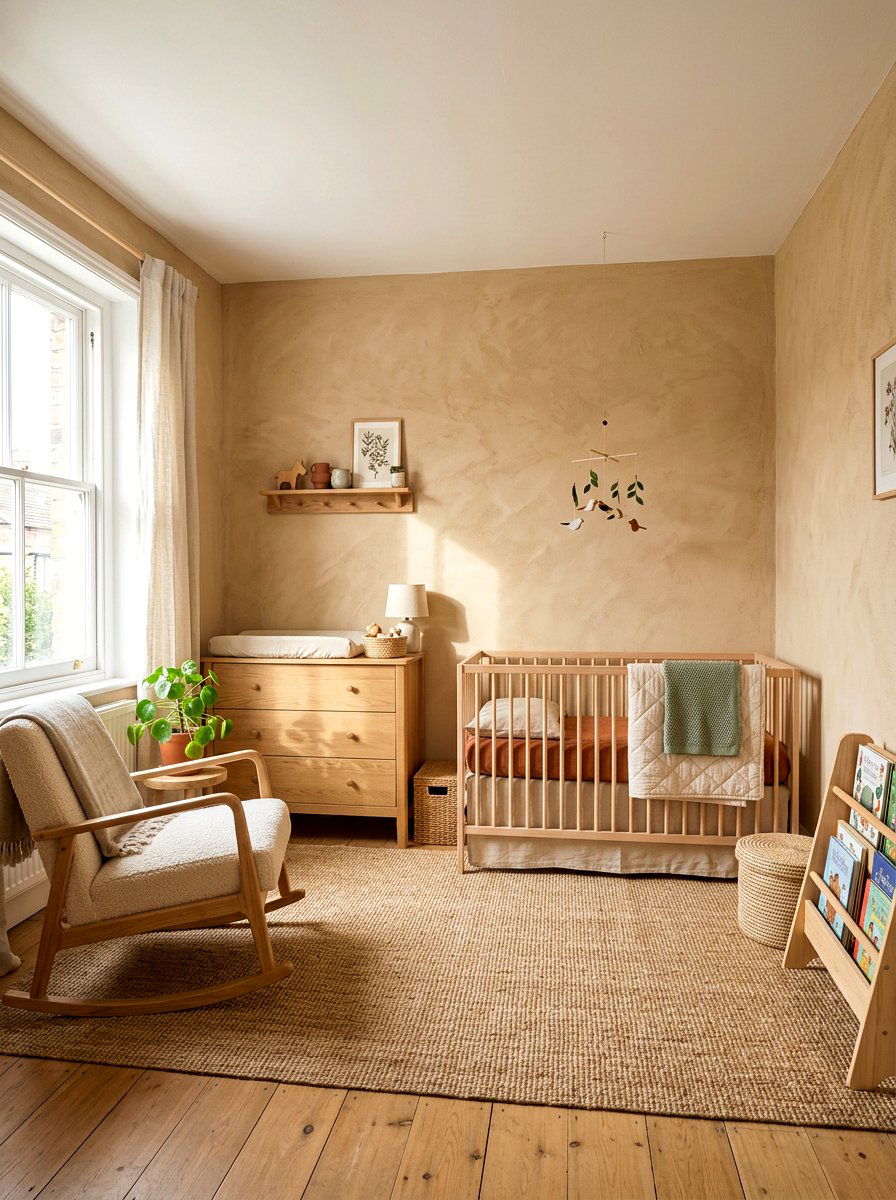
For a truly high-end and sustainable nursery, consider using clay plaster instead of traditional drywall and paint. Clay is a natural material that helps regulate humidity and can actually absorb odors and toxins from the air. The result is a soft, earthy texture on the walls that feels incredibly calming and tactile. In a nursery with natural wood furniture and linen textiles, clay plaster walls create a sanctuary-like atmosphere. The colors are derived from natural pigments, ranging from warm ochre to cool grey. This ancient building material is completely biodegradable and provides a healthy, breathable environment that supports your baby’s overall wellness.
23. Framed Vintage Nursery Prints
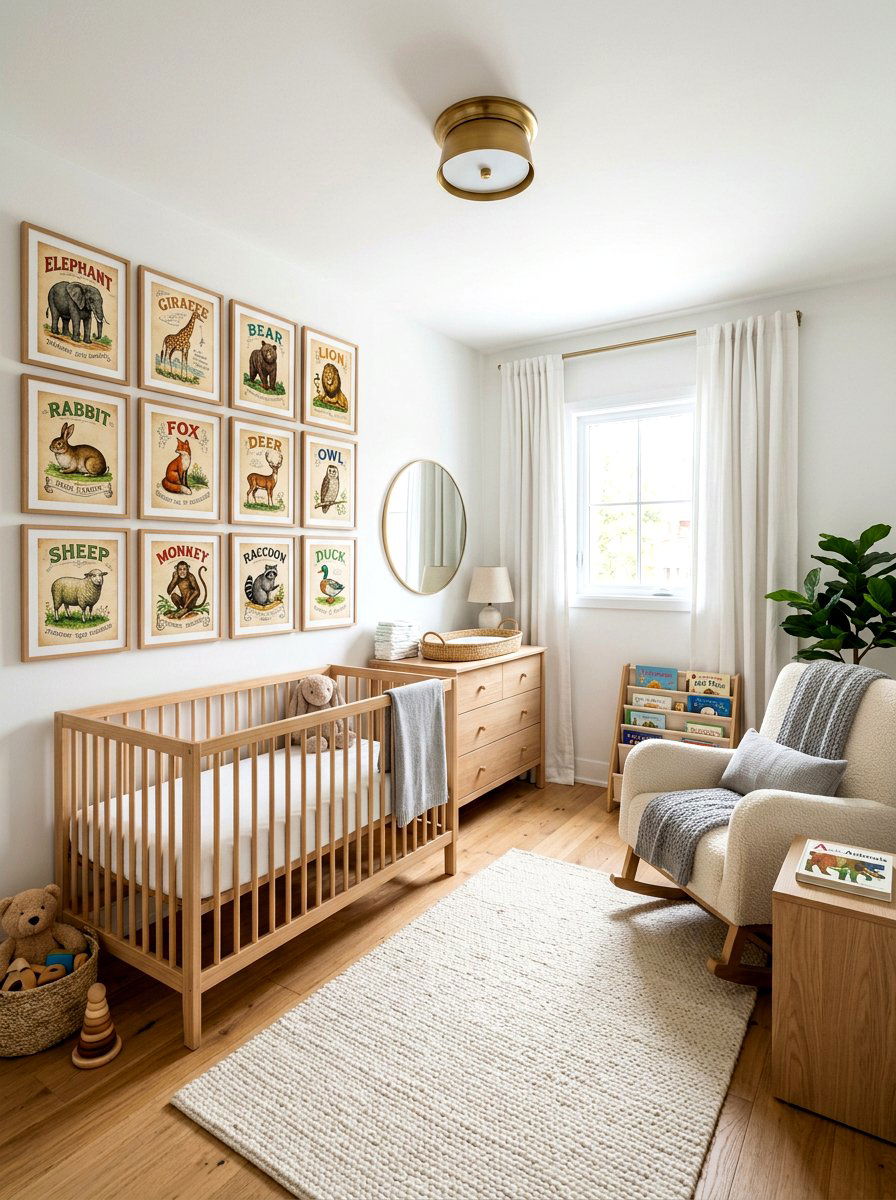
Decorating the walls with vintage prints is a sustainable way to add art without buying new, mass-produced items. You can find beautiful botanical illustrations or classic animal sketches at antique shops or even as digital downloads of public domain art. Framing these in reclaimed wood or bamboo frames creates a sophisticated gallery wall that feels curated and unique. This approach avoids the environmental cost of new manufacturing and gives old beauty a new home. In a nursery with a classic or transitional theme, vintage art provides a timeless quality that never goes out of style. It is a thoughtful way to personalize the room.
24. Recycled Felt Baskets
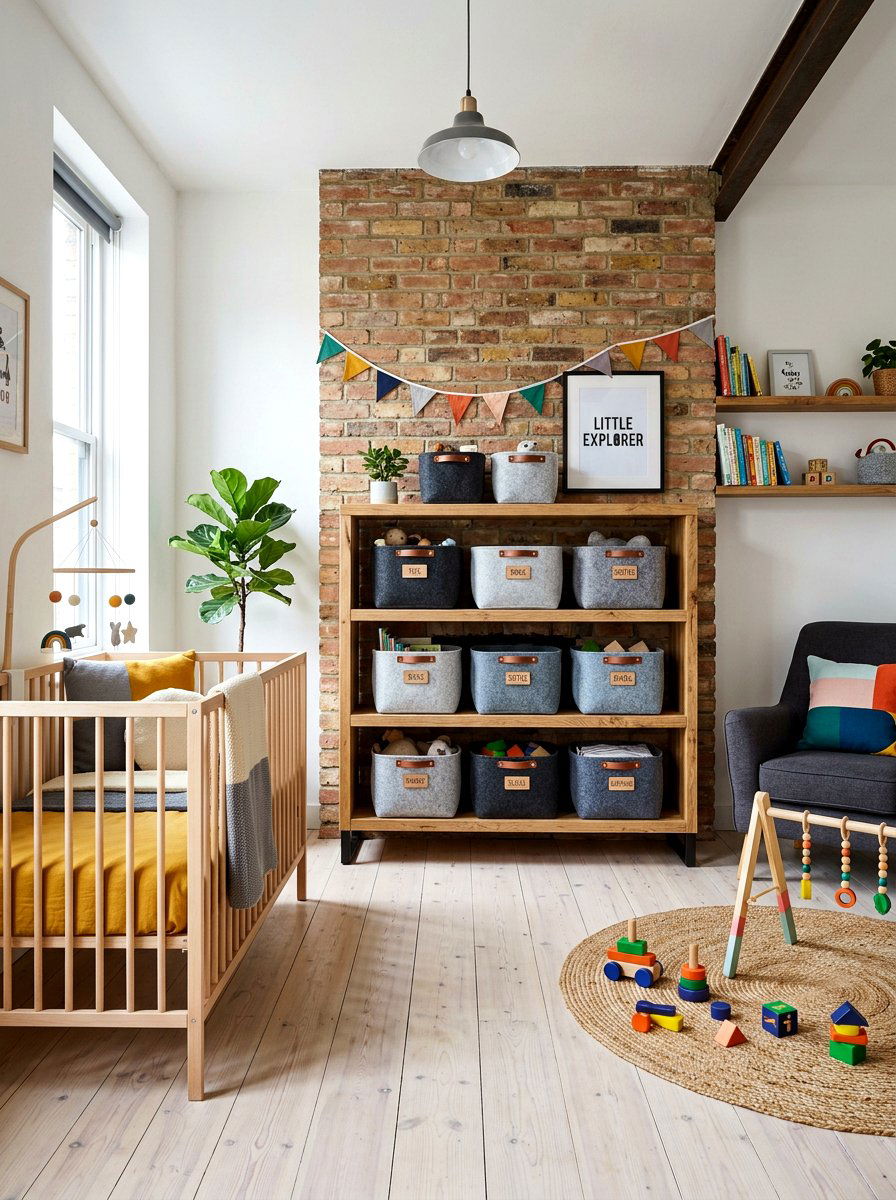
Felt made from recycled plastic bottles is a modern marvel that is perfect for nursery organization. These baskets are soft, lightweight, and incredibly durable, making them safe for a baby to be around once they start exploring. In a nursery with open shelving, a row of grey or charcoal felt baskets can hold everything from socks to small toys. The felt texture adds a cozy, modern element to the room’s design, especially when paired with smooth wood surfaces. By choosing recycled felt, you are actively helping to reduce plastic pollution while creating a structured and peaceful environment for your growing family.

25. Tencel Lyocell Baby Blankets
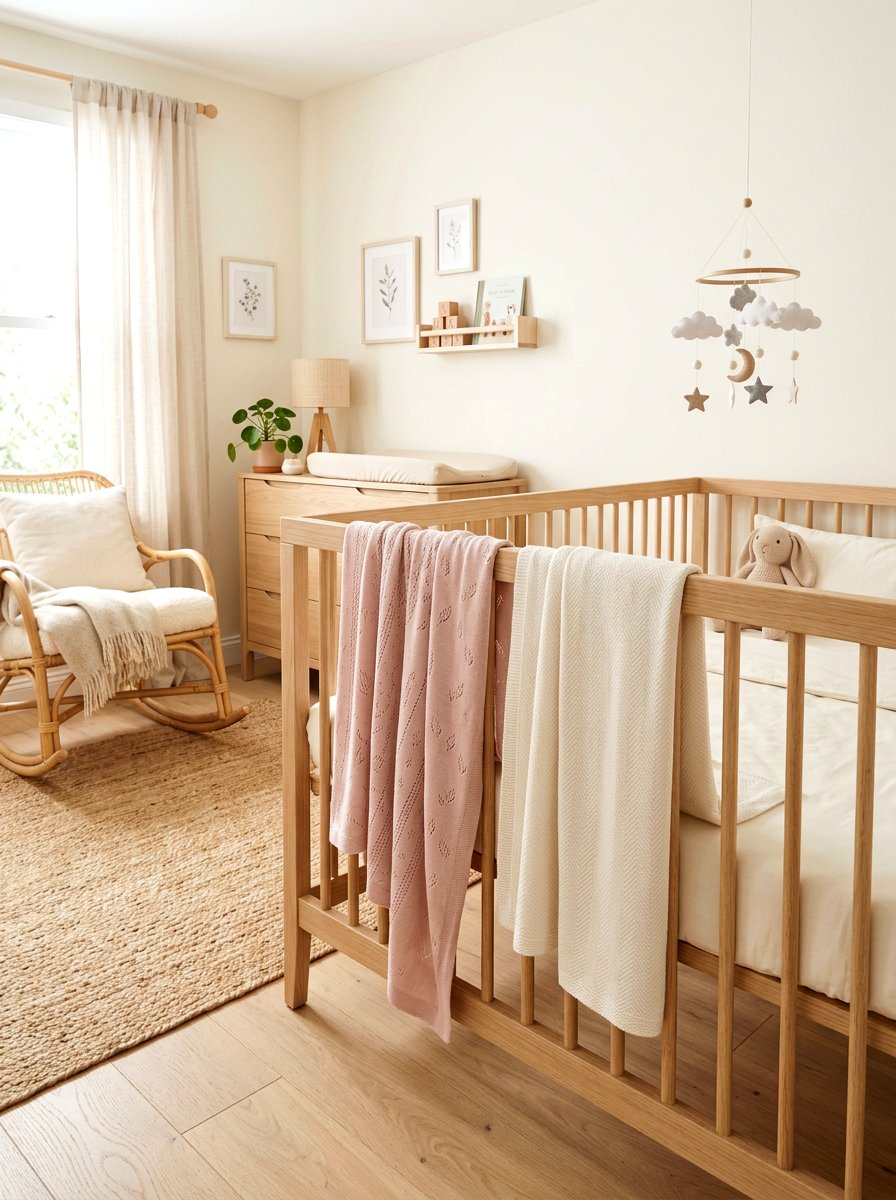
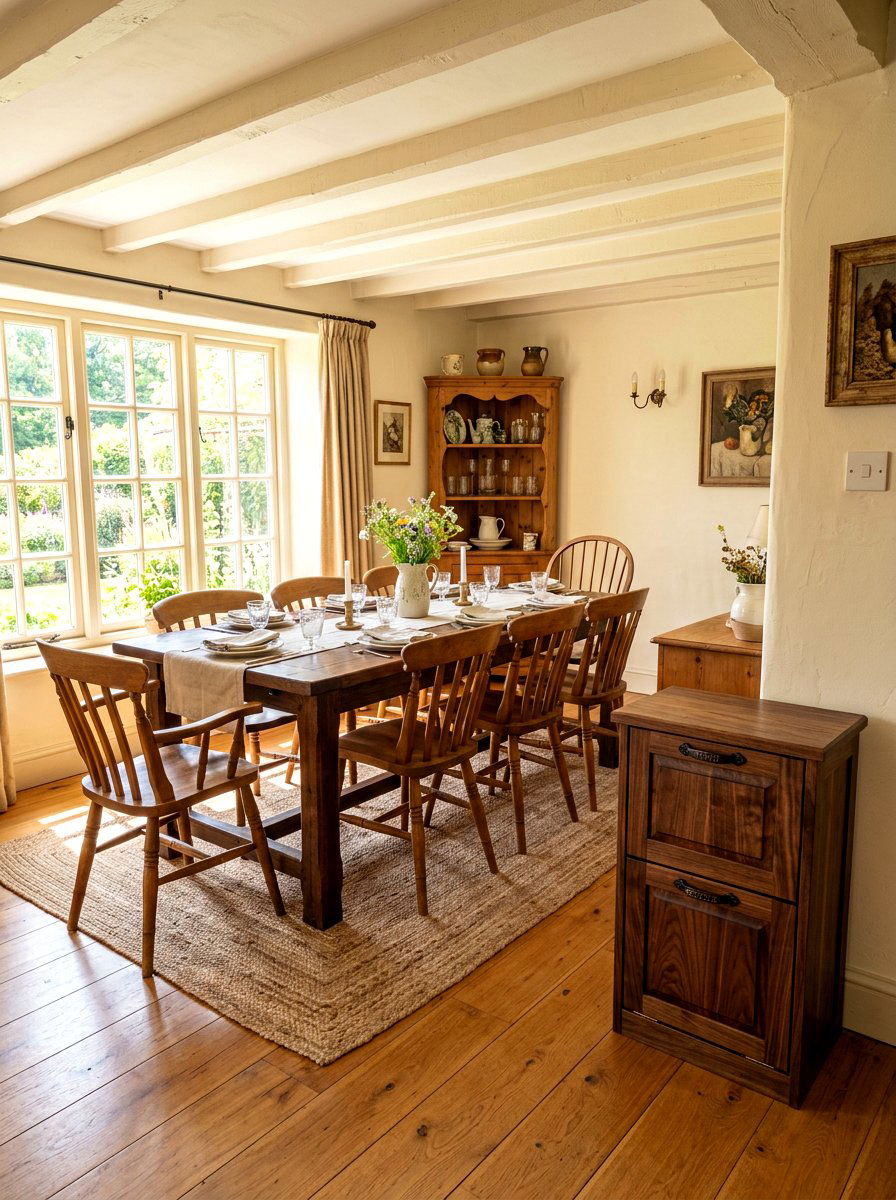
Tencel is a fiber made from sustainably sourced wood pulp, usually from eucalyptus trees, through a closed-loop process that recycles water and solvents. The resulting fabric is even softer than silk and highly absorbent, making it ideal for baby blankets and swaddles. In a nursery, a stack of Tencel blankets in soft pastels adds a layer of luxury and comfort to the crib or glider. These blankets are biodegradable and gentle on sensitive skin, providing a safe way to keep your baby warm. Their durability ensures they can be washed frequently without losing their incredible softness, making them a staple in your sustainable nursery.
26. Natural Jute Nursery Rugs
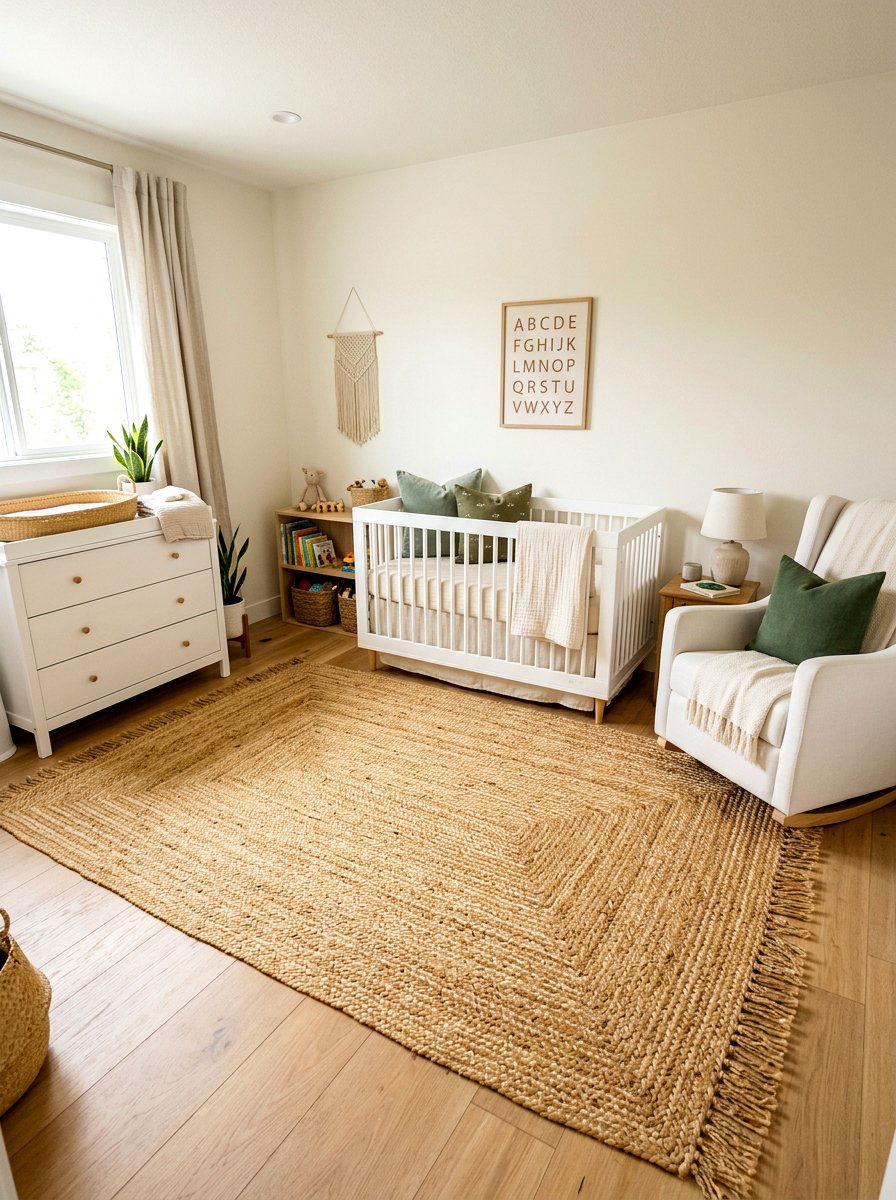
Jute is a fast-growing, rain-fed crop that requires almost no pesticides or fertilizers, making it one of the most eco-friendly fibers for rugs. A jute rug brings a wonderful golden texture and a sense of the outdoors into the nursery. While it is more rugged than wool, it is excellent for high-traffic areas and provides a sturdy base for furniture. In a nursery with white walls and plenty of greenery, a large jute rug grounds the space and adds a layer of organic warmth. You can layer a smaller, softer sheepskin or organic cotton rug on top for extra comfort during floor play. It is a versatile and sustainable flooring choice.
27. Non Toxic Wood Finish
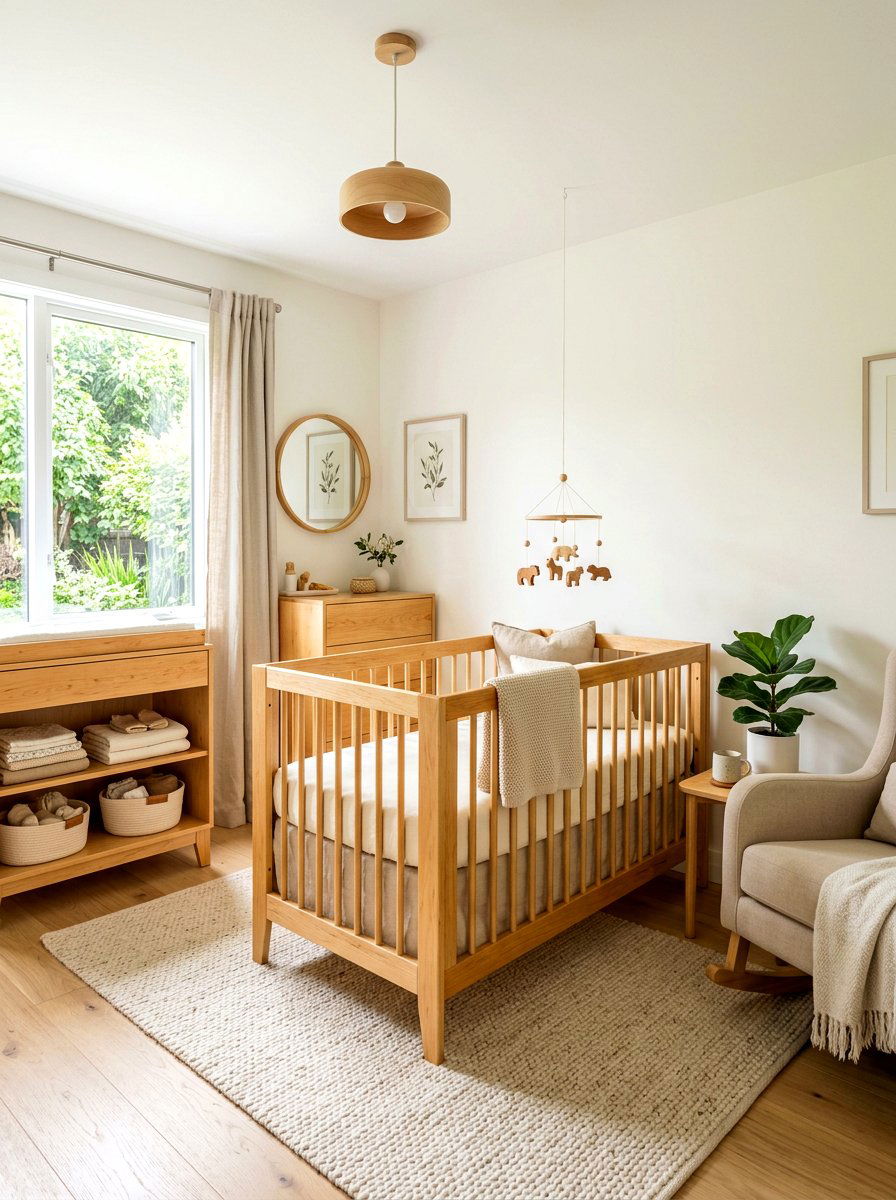
When you are building or refreshing furniture, choosing a non-toxic wood finish like beeswax or linseed oil is a crucial detail. These natural finishes protect the wood while being completely safe if a teething baby decides to chew on a crib rail. A nursery filled with furniture finished in natural oils has a subtle, pleasant scent and a soft, matte sheen that feels very high-quality. This choice avoids the harsh chemicals and fumes found in traditional lacquers and varnishes. It is a small but impactful way to ensure every surface in the room is as healthy as possible for your little one to touch.
28. Heirloom Wooden Toys
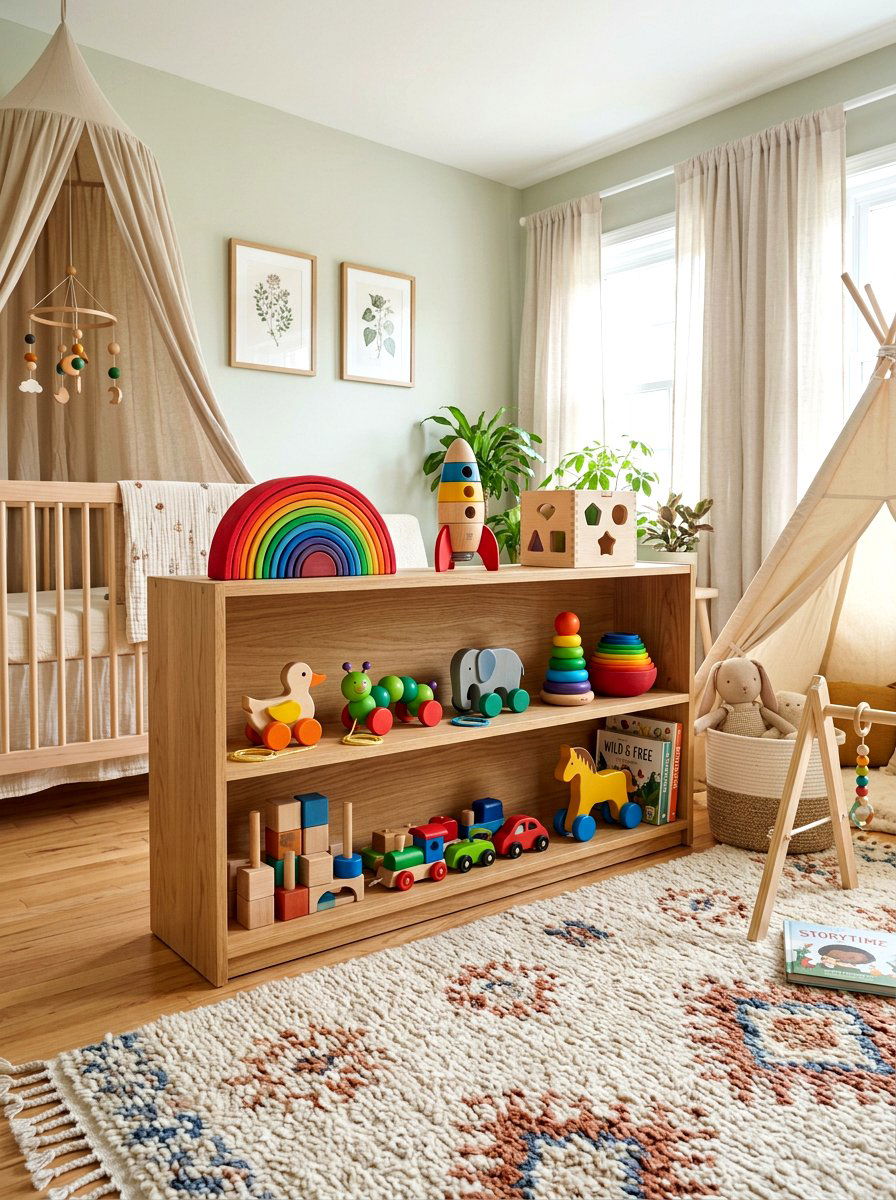
Plastic toys are often short-lived and can contain harmful chemicals, whereas heirloom wooden toys are designed to last for generations. Choosing toys made from solid maple, beech, or rubberwood provides a safe and tactile play experience for your baby. In a nursery, a collection of wooden blocks or a simple stacking toy looks like a piece of decor when placed on a shelf. These toys encourage open-ended play and are much more durable than their plastic counterparts. By investing in high-quality wooden items, you reduce waste and provide your child with beautiful, natural objects that foster imagination and a connection to the environment.
29. Organic Cotton Rope Hampers
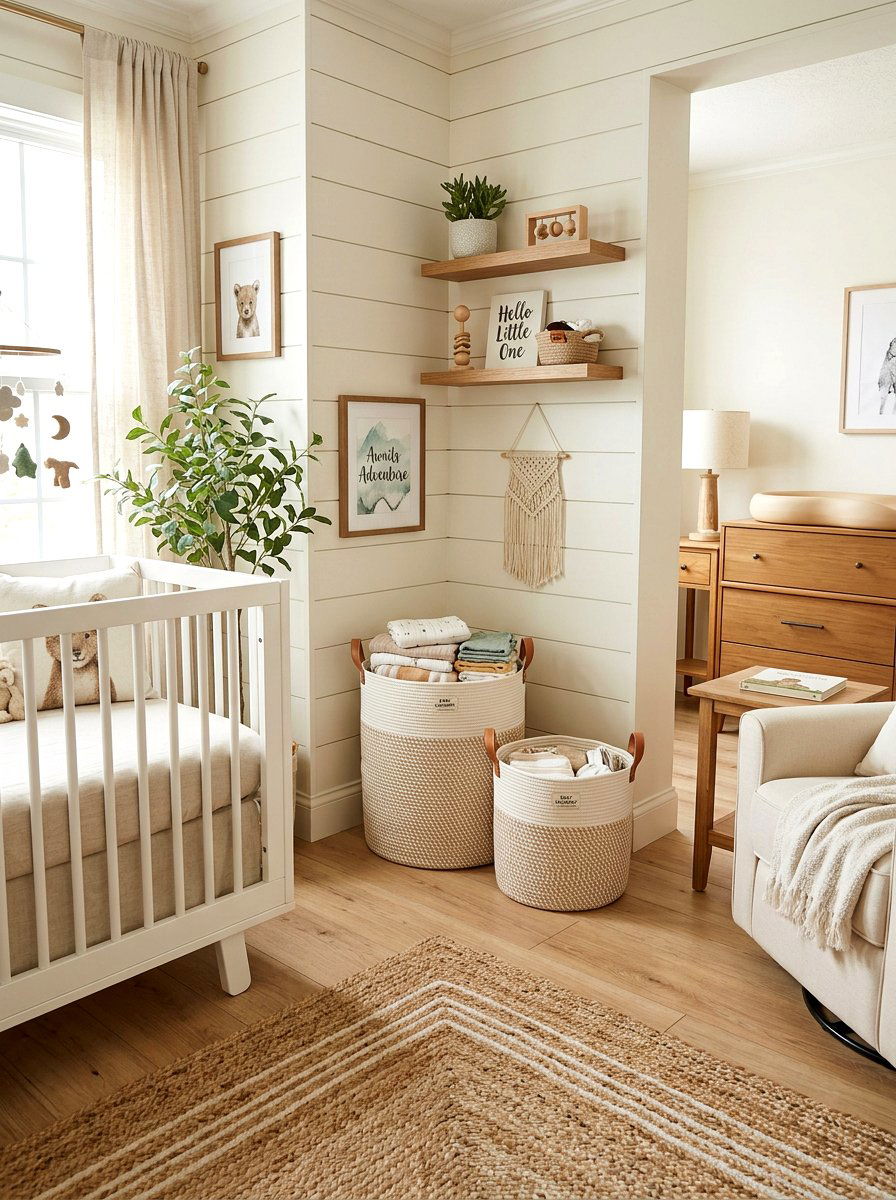
Managing laundry is a big part of nursery life, and an organic cotton rope hamper is both a functional and sustainable solution. These hampers are made from thick, woven cotton that is sturdy enough to stand on its own but soft enough to be safe around children. In a nursery corner, a large rope hamper adds a nice textural element that complements other woven items like rugs or baskets. Because they are made from natural fibers, they are completely biodegradable at the end of their long life. They are easy to carry and provide a stylish way to keep the room organized and tidy.
30. Potted Indoor Air Purifying Plants
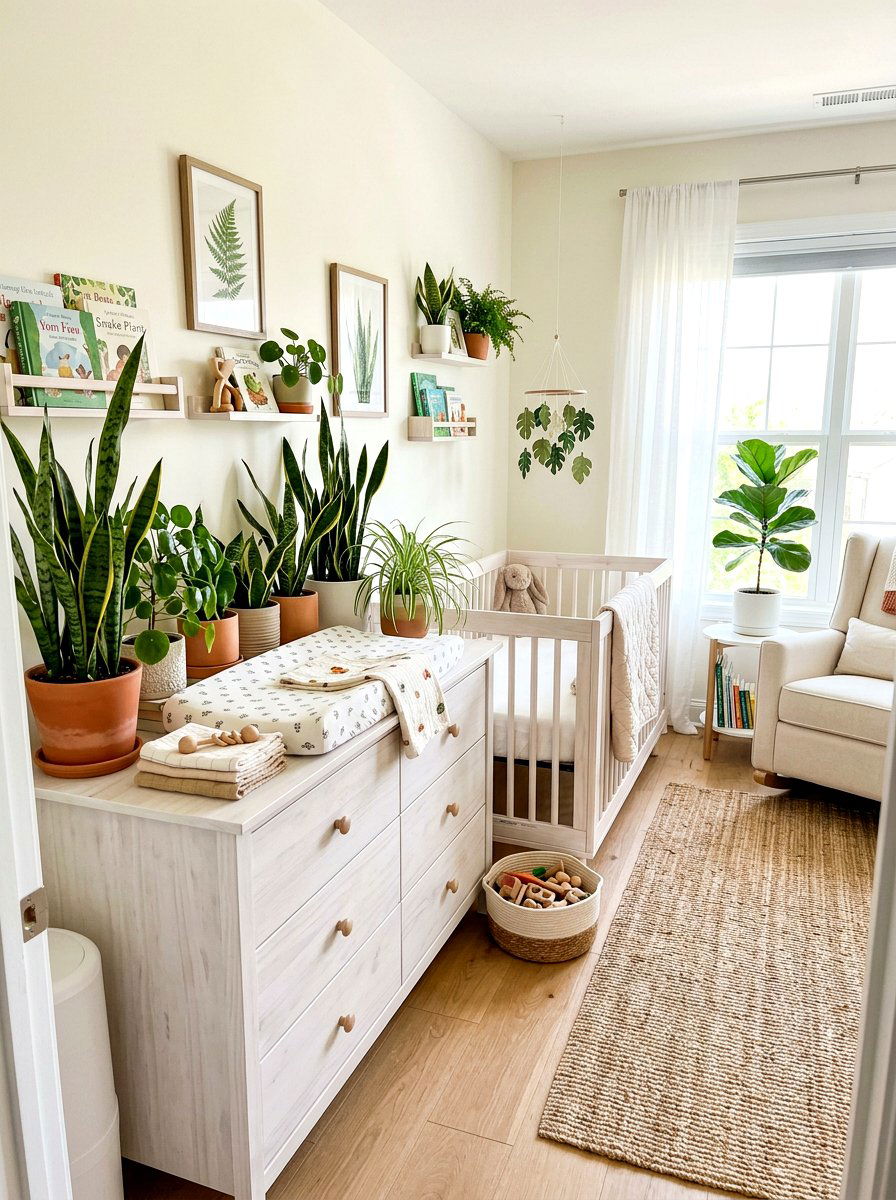
Bringing live plants into the nursery is the ultimate way to complete a sustainable design while naturally purifying the air. Plants like the snake plant or spider plant are excellent at filtering out indoor pollutants and adding oxygen to the space. In a well-lit nursery, a few potted plants on a high shelf or dresser bring a vibrant, life-affirming energy to the room. The pop of green looks stunning against neutral walls and natural wood furniture. Caring for plants also creates a soothing environment for parents. Just be sure to choose non-toxic varieties and place them out of reach as your baby begins to crawl.
Conclusion:
Designing a sustainable nursery is a journey that reflects your hopes for your child's future and your respect for the environment. By carefully selecting non-toxic materials, prioritizing longevity, and embracing repurposed items, you create a space that is both beautiful and deeply responsible. Each choice, from the organic sheets to the zero-VOC paint, contributes to a sanctuary where your baby can thrive in a healthy atmosphere. This intentional approach to decorating reduces waste and sets a wonderful example of stewardship from the very beginning. Ultimately, a sustainable nursery is not just a trend; it is a heartfelt investment in a cleaner, safer, and more vibrant world.

Related posts: