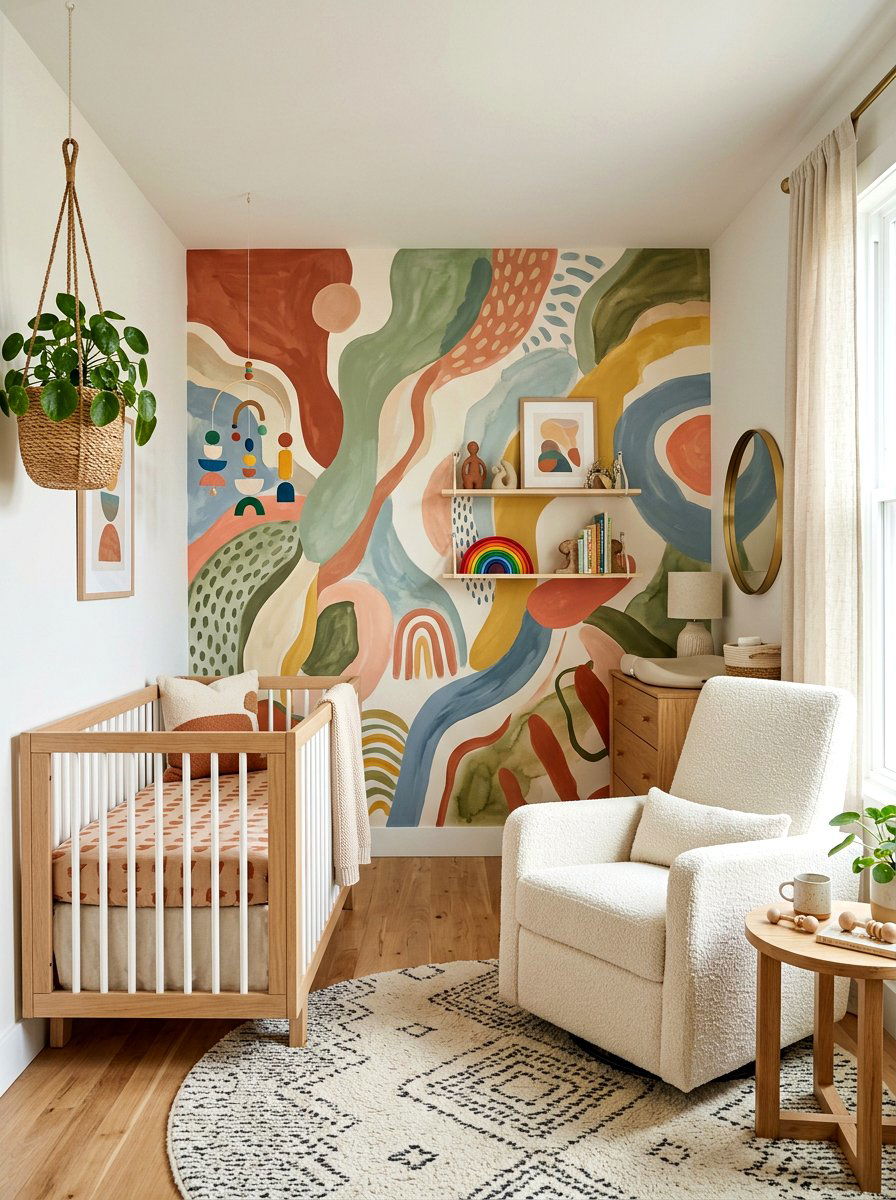
Designing a peaceful sanctuary for your newborn begins with the intentional choice of a minimalist aesthetic. This design philosophy focuses on quality over quantity, ensuring every piece of furniture and decor serves a clear purpose. By removing unnecessary clutter, you create a calming environment that supports better sleep and reduces overstimulation for your little one. Minimalist nurseries utilize clean lines, soothing color palettes, and natural materials to build a timeless space that grows with your child. Parents often find that a simplified room is much easier to maintain during those busy early months. Embracing this style allows the beauty of your home to shine while prioritizing the comfort and safety of your baby.
1. Neutral Nursery
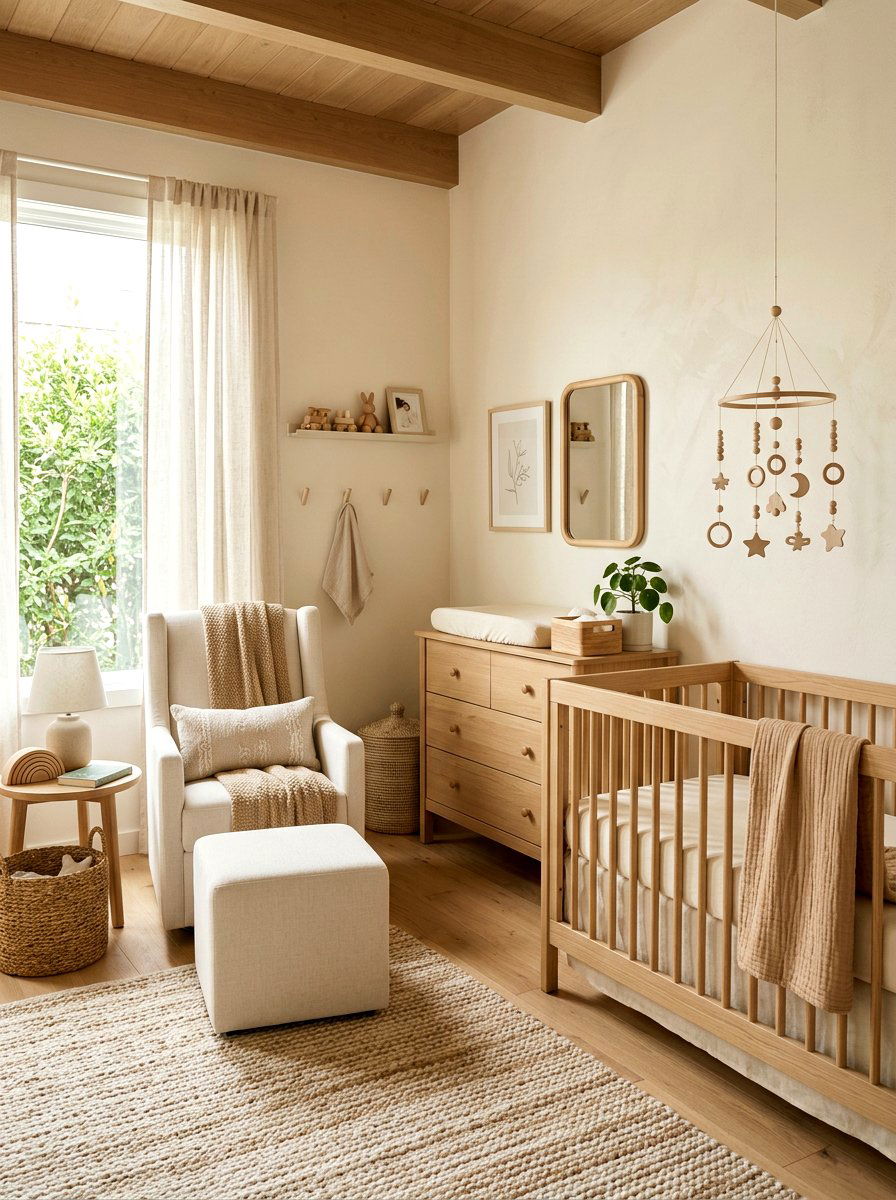
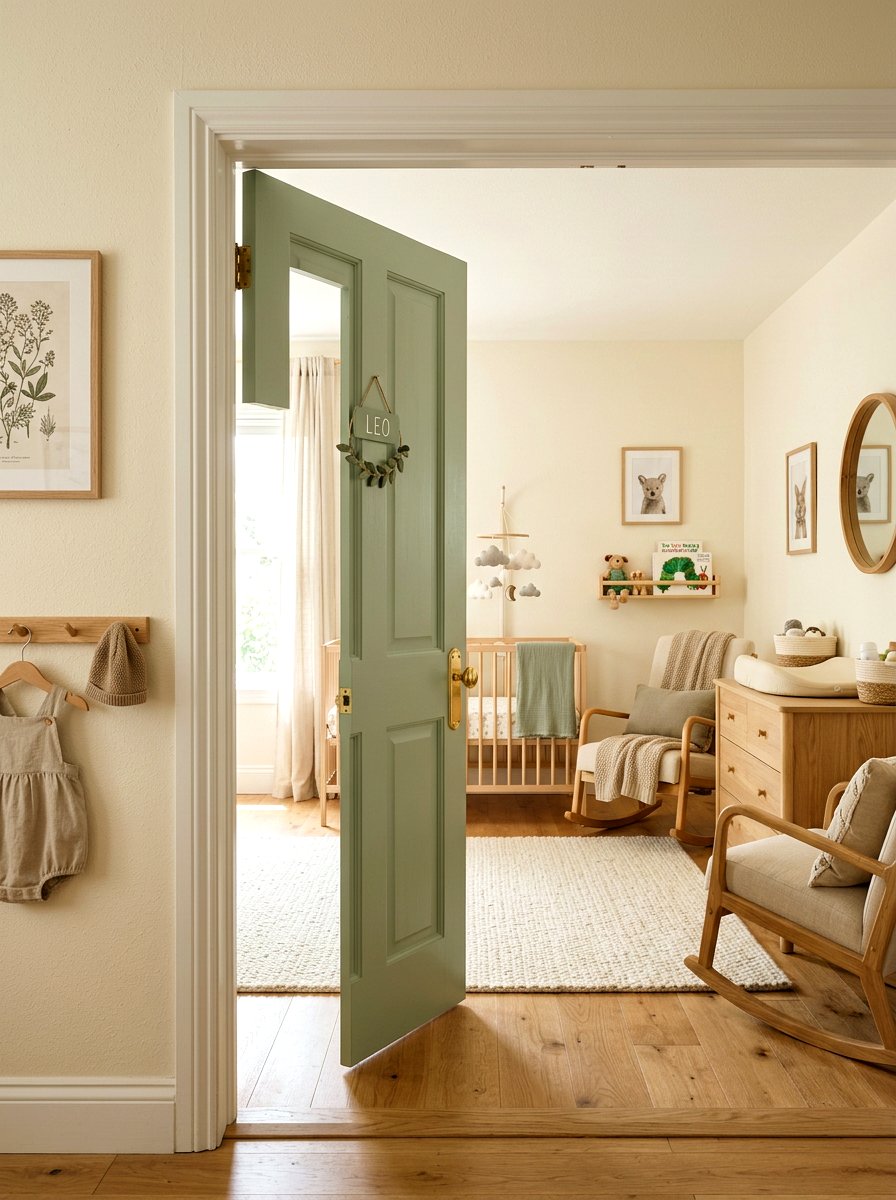
A neutral nursery relies on a palette of soft creams, whites, and gentle tans to create a serene environment. This approach avoids bright, distracting colors that might overstimulate a newborn during nap time. You should focus on high-quality basics like a light-toned wood crib and a comfortable ivory glider. Layering different shades of the same color adds depth without making the room feel crowded or busy. Using natural fabrics like linen and organic cotton for bedding ensures a soft touch against sensitive skin. This timeless look remains stylish as your child grows into a toddler, making it a very practical choice for modern parents who value longevity and calm.
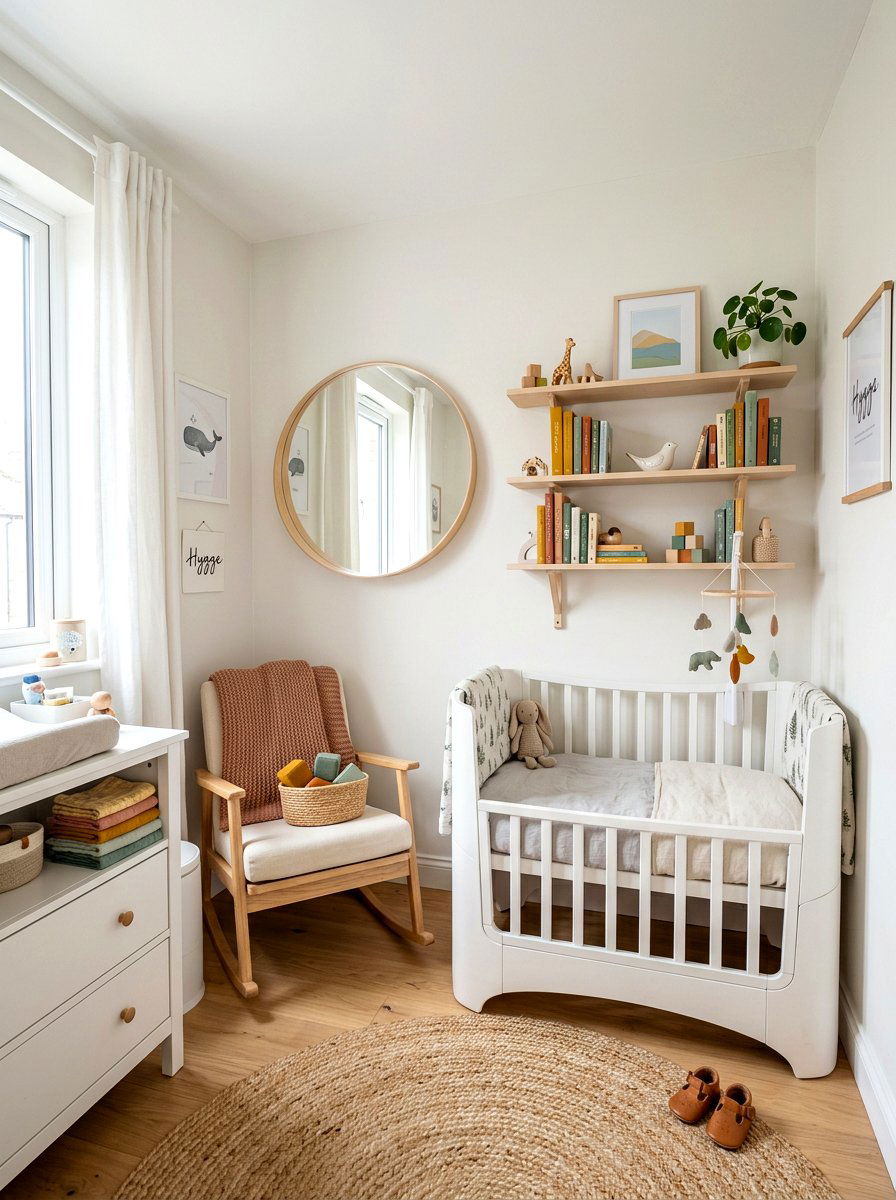
2. Scandinavian Nursery
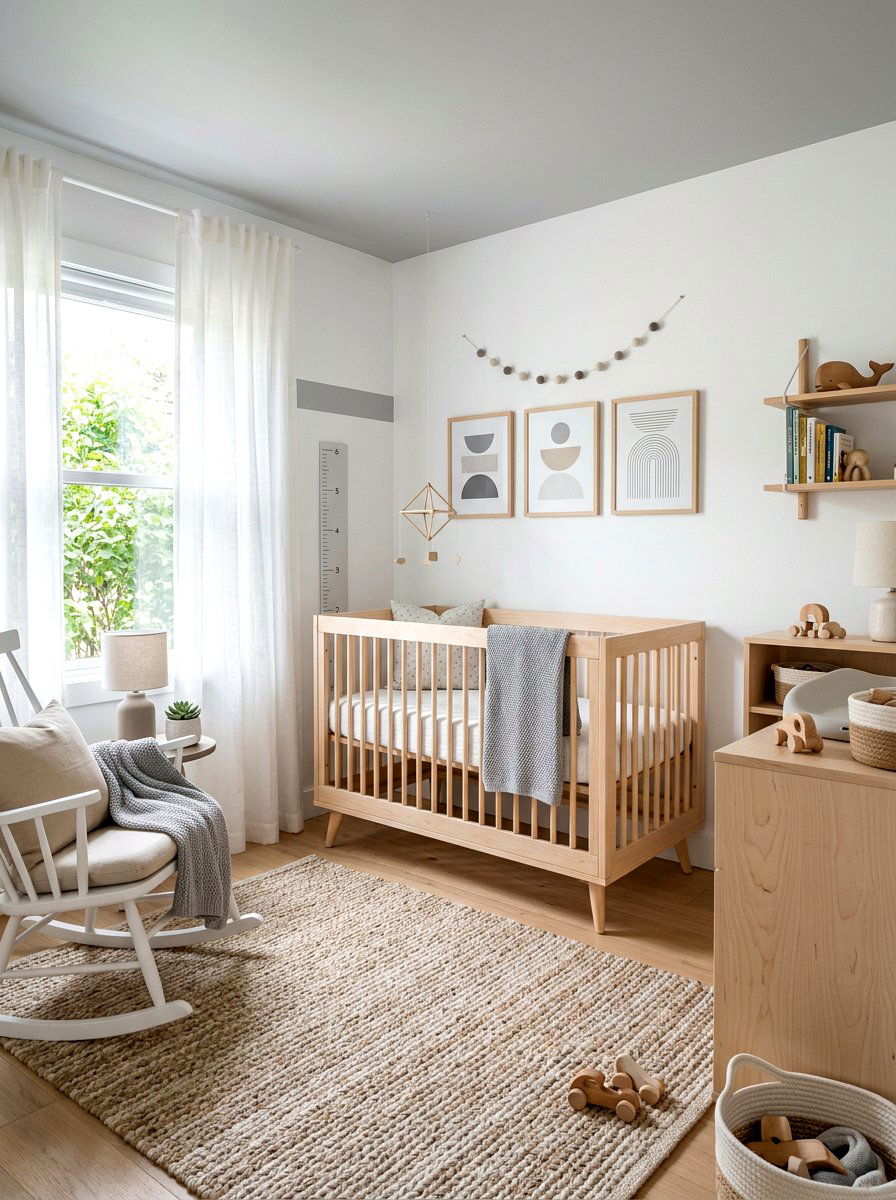
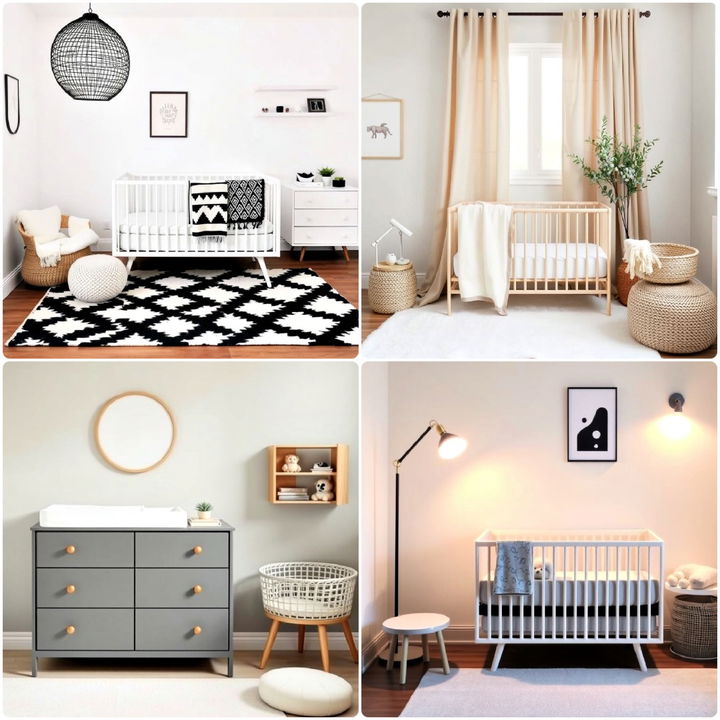
Scandinavian design is perfect for a minimalist nursery because it emphasizes functionality and light. You can achieve this look by pairing bright white walls with light-colored woods like birch or pine. Choose furniture with tapered legs and sleek silhouettes to keep the floor space feeling open and airy. Simple geometric patterns on a rug or a single piece of wall art can add visual interest without creating clutter. Large windows should be dressed in light, sheer curtains to maximize the amount of natural sunlight entering the room. This style feels warm and inviting, providing a cozy "hygge" atmosphere that is both beautiful and highly efficient for daily baby care.
3. Monochrome Nursery
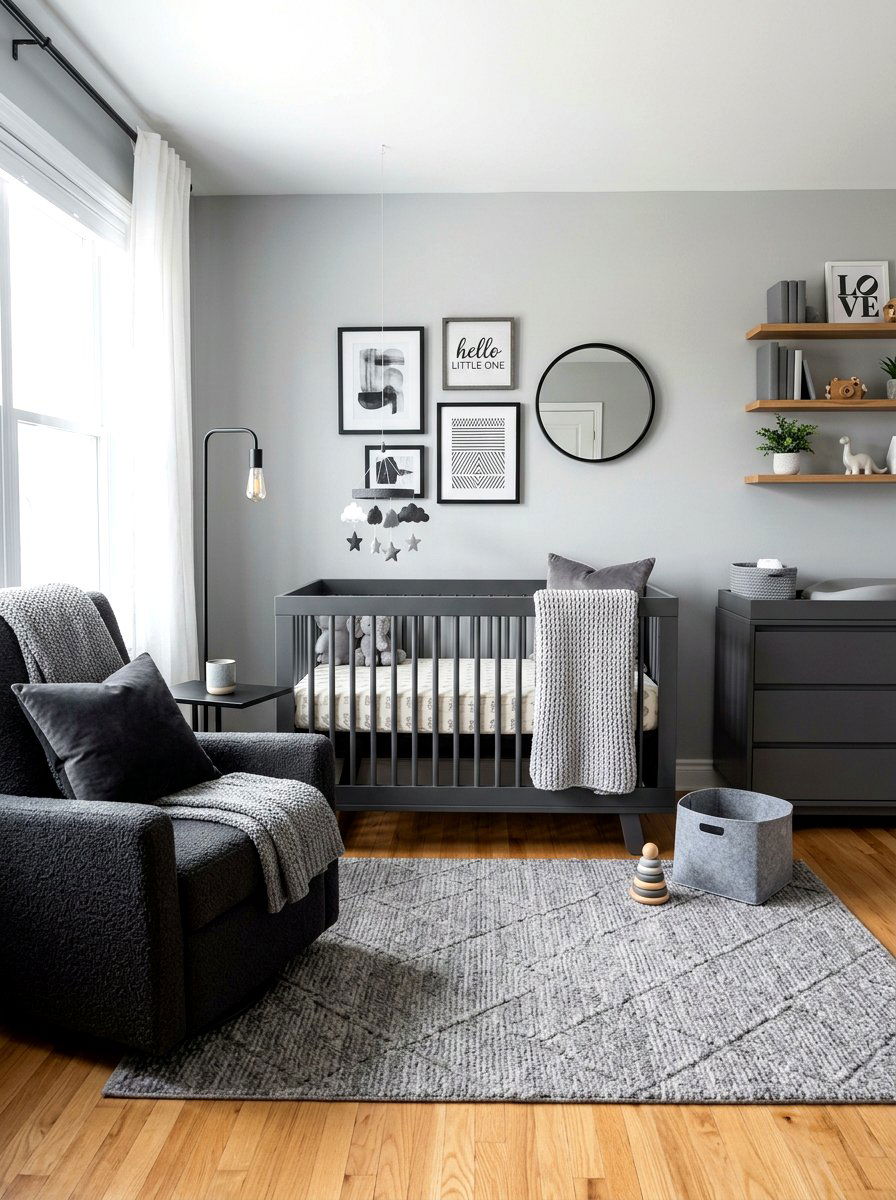
Creating a monochrome nursery involves using various shades of a single color to build a cohesive and peaceful space. Often, designers use varying tones of gray or beige to achieve a sophisticated yet simple look. You can play with different textures, such as a chunky knit throw or a smooth velvet pillow, to prevent the room from feeling flat. A charcoal gray crib against a pale misty wall creates a beautiful focal point that remains understated. This design choice simplifies decision-making because every new addition naturally fits within the established color scheme. It is a smart way to ensure the room always looks organized and professionally curated.
4. Earth Tone Nursery
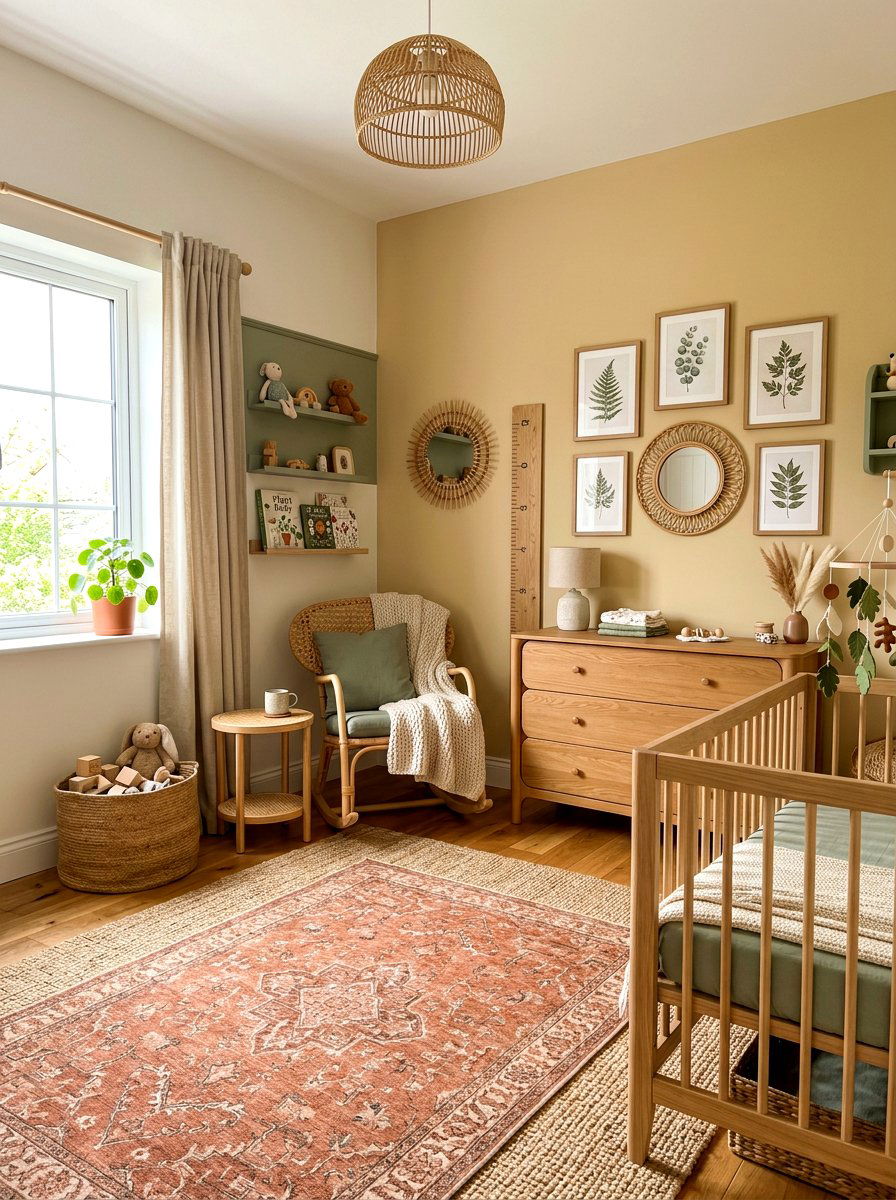
An earth tone nursery brings the soothing colors of nature indoors through shades of terracotta, ochre, and sage green. These warm hues create a grounded feeling that is very comforting for both parents and babies. You might choose a warm oak dresser and pair it with a clay-colored rug to anchor the space. Decorative elements should be kept to a minimum, perhaps just a single botanical print or a woven wall hanging. Natural materials like rattan and jute work perfectly with this palette, adding an organic feel to the room. This style is excellent for creating a gender-neutral space that feels vibrant yet remains completely relaxed.
5. Natural Wood Nursery
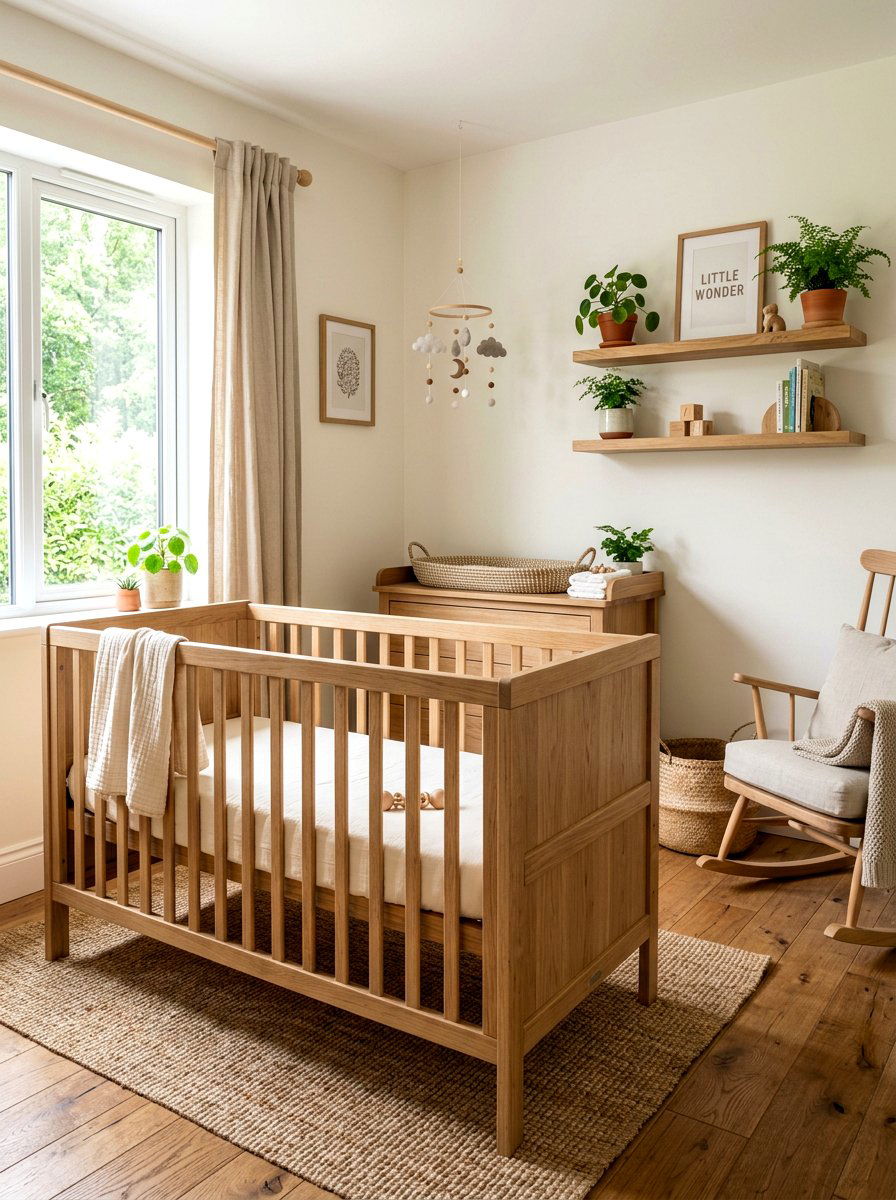
A natural wood nursery focuses on the raw beauty of timber to create a warm and healthy environment. Unfinished or lightly sealed wood furniture brings a sense of the outdoors inside, which is naturally calming for a child. You should look for a solid wood crib and matching shelves that showcase the natural grain of the material. Keep the walls a crisp white to let the wood tones stand out as the primary design feature. Adding a few green plants can enhance the organic feel while also helping to purify the indoor air. This approach is highly sustainable and offers a classic look that never goes out of style.
6. Modern Nursery
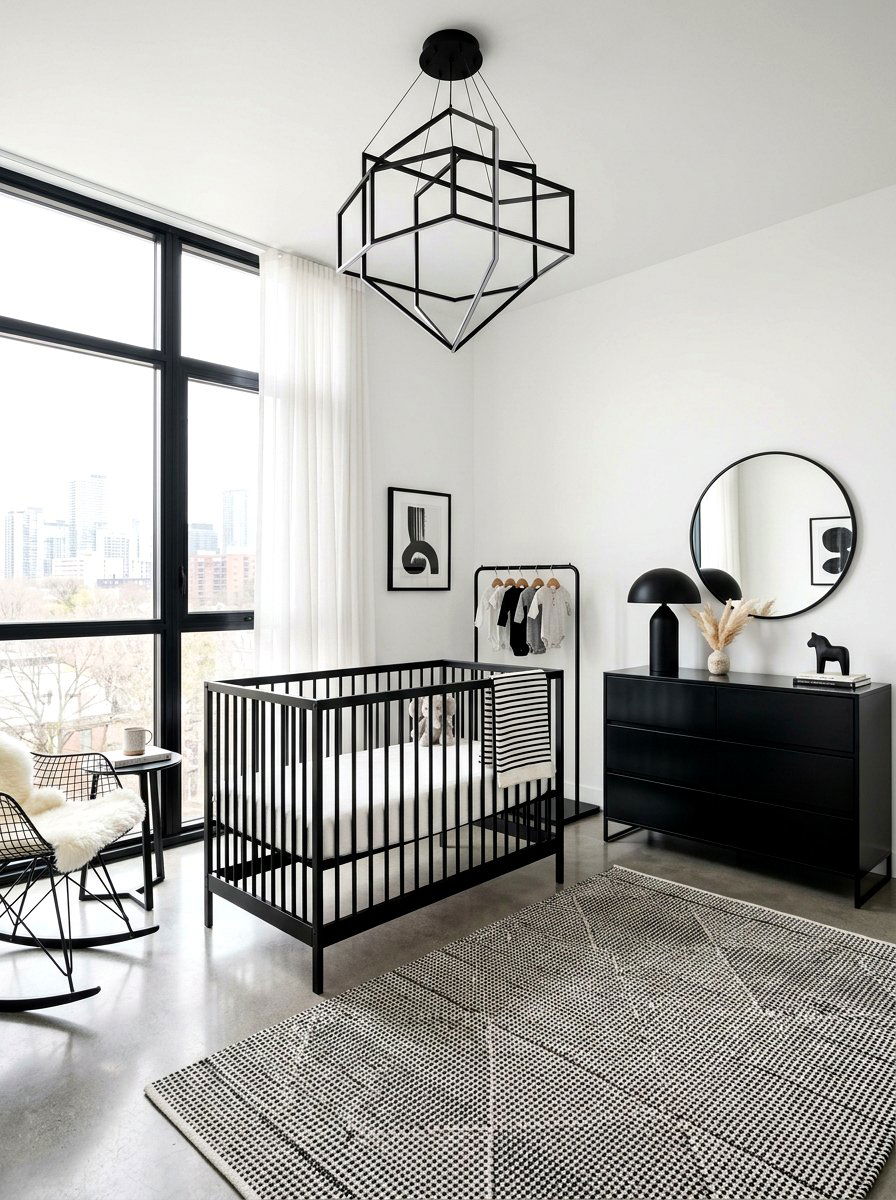
Modern nurseries are defined by their sharp lines and lack of ornate detailing. You can achieve this look by selecting a crib with a metal frame or a very sleek, painted finish. Avoid ruffles or busy patterns in the bedding, opting instead for solid colors and smooth fabrics. A modern nursery often features one bold statement piece, like an architectural light fixture or a large-scale piece of abstract art. Storage should be kept out of sight in built-in closets or sleek, handle-less dressers to maintain a clean appearance. This style is perfect for parents who love a high-end, gallery-like feel that stays organized and clutter-free.
7. Simple Nursery
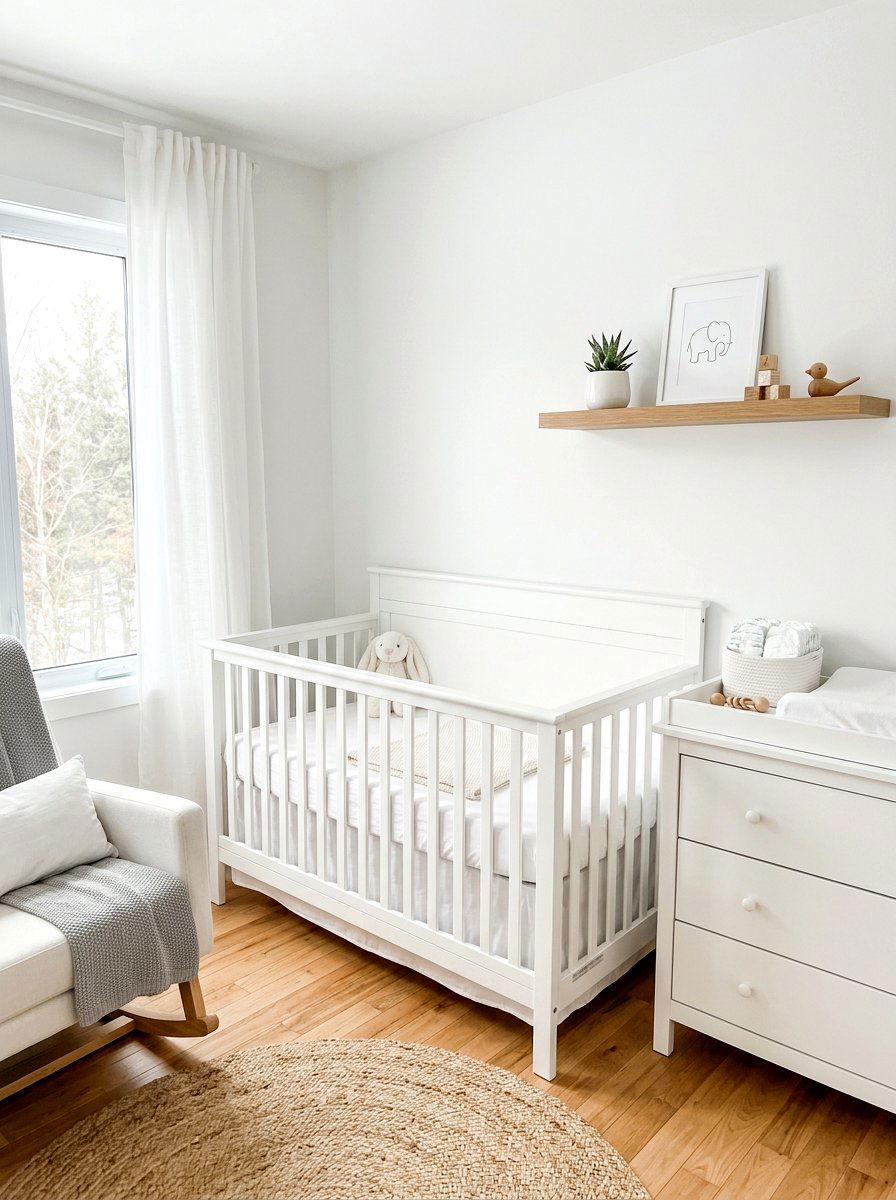
A simple nursery is all about getting back to the basics and only including what is truly necessary. You only need three main zones: a place to sleep, a place to change, and a place to feed. By limiting the number of items in the room, you make the space feel much larger and more manageable. Choose a versatile crib that can convert into a toddler bed to save space and money in the future. Keep the decor minimal with just a few meaningful items on a single shelf. This minimalist approach reduces the time spent cleaning and allows you to focus more on bonding with your new baby.
8. Functional Nursery
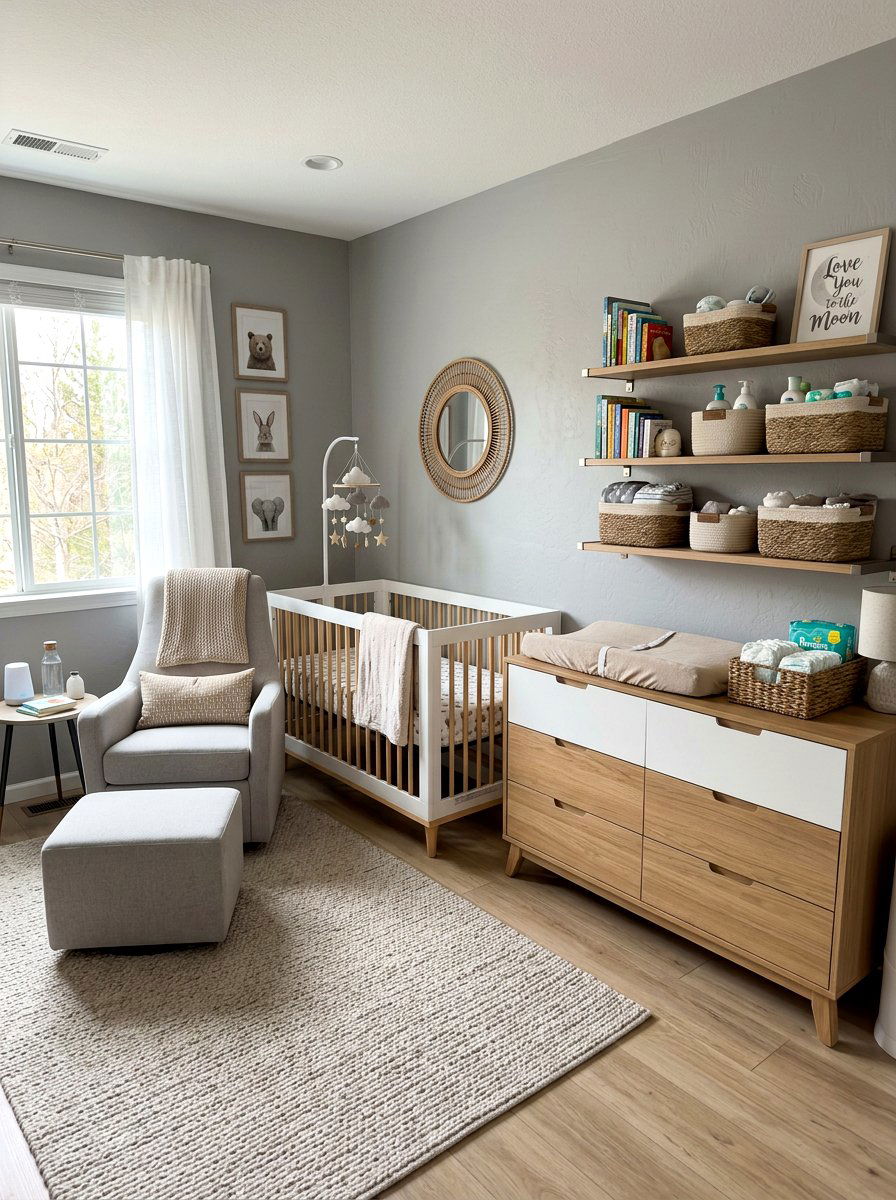
A functional nursery prioritizes ease of use and smart organization above everything else. You should look for multi-purpose furniture, such as a dresser that also serves as a changing table with a removable topper. Having everything within arm's reach during diaper changes makes the process much smoother and safer. Open shelving can be used to store daily essentials in beautiful baskets, keeping the room looking tidy while items remain accessible. A comfortable chair with good lumbar support is essential for long nights and frequent feedings. This design ensures that every inch of the room is working hard to make your life as a parent a little bit easier.
9. Gender Neutral Nursery
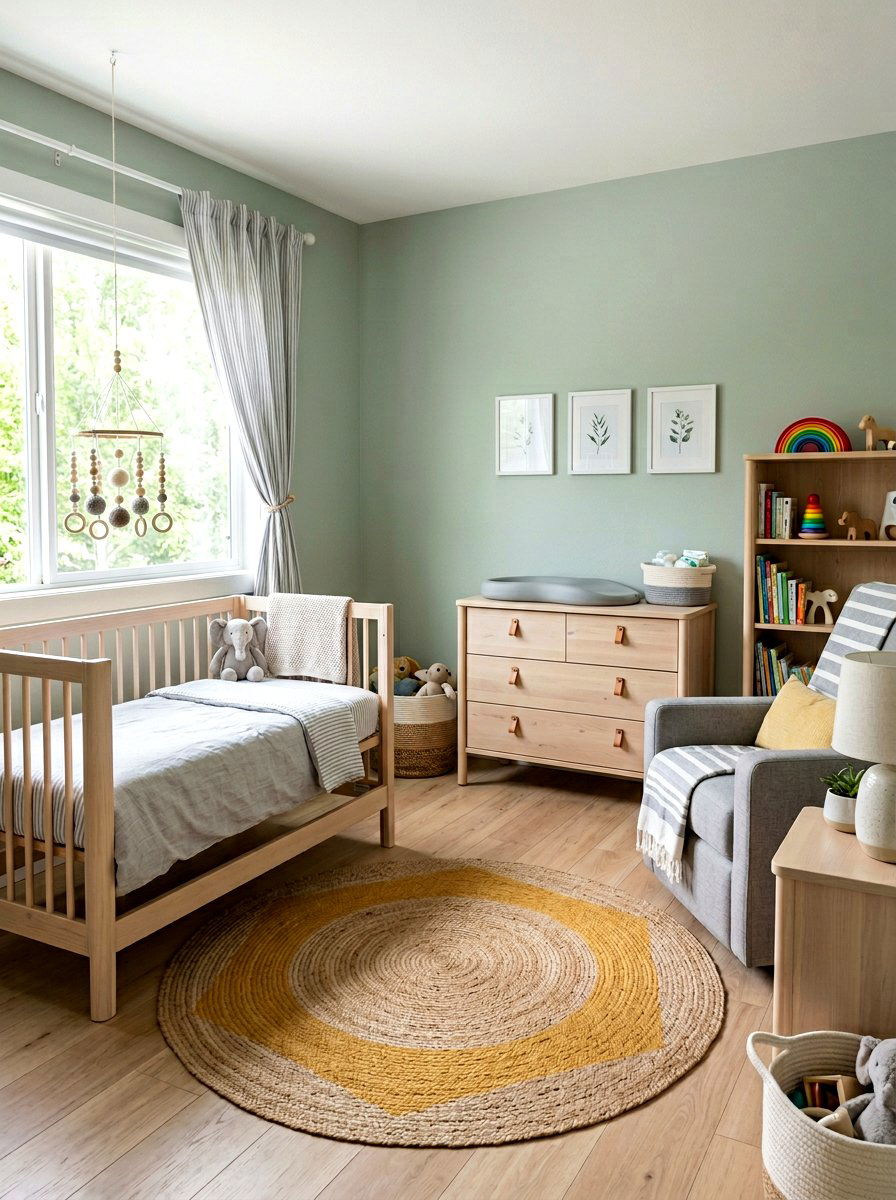
Gender neutral nurseries avoid traditional blue or pink themes in favor of a more inclusive and flexible color palette. You can use shades of yellow, green, or soft grays to create a space that feels fresh and modern. This design choice is very practical if you plan on having more children in the future, as the room will work for any baby. Simple patterns like stripes or polka dots can add a playful touch without being overwhelming. Furniture in white or light wood tones provides a perfect backdrop for any accent colors you choose to add through blankets or toys. This style promotes a peaceful, balanced environment.
10. Small Nursery
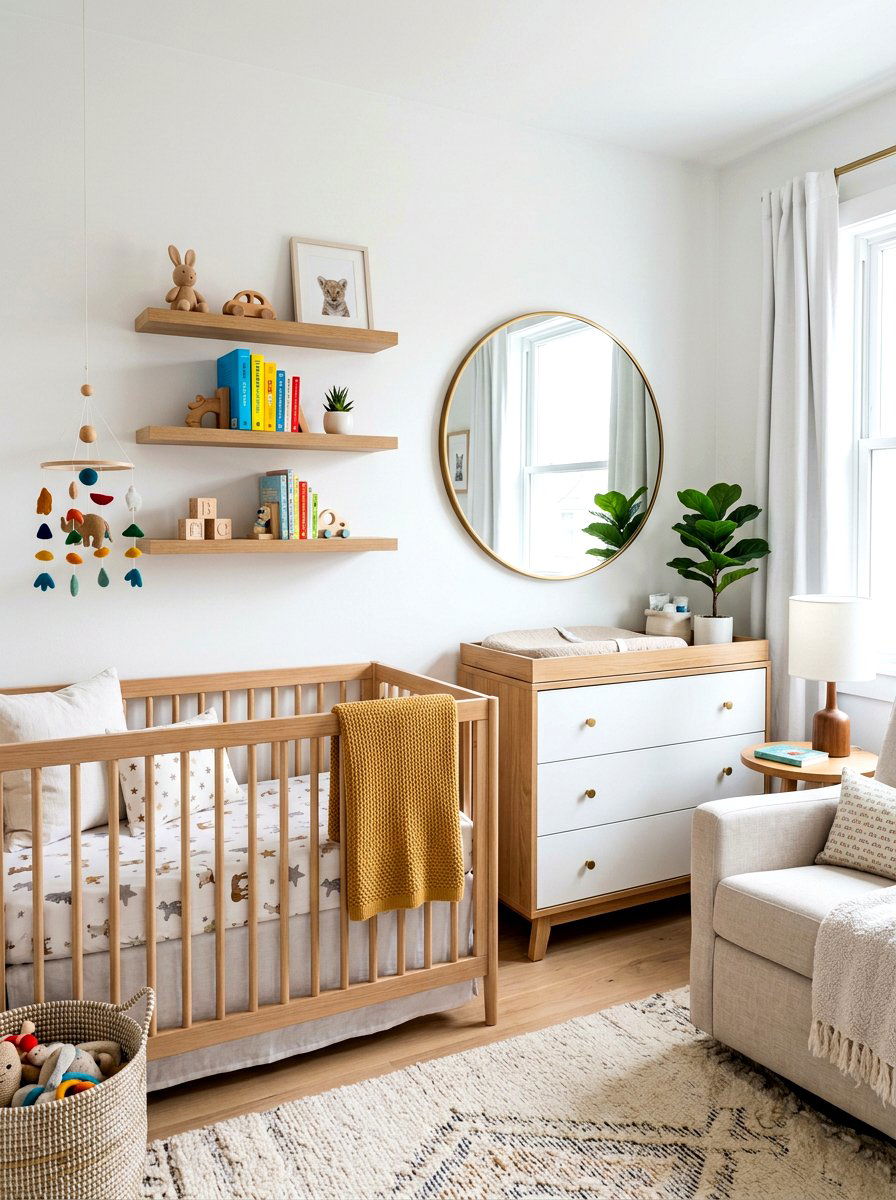
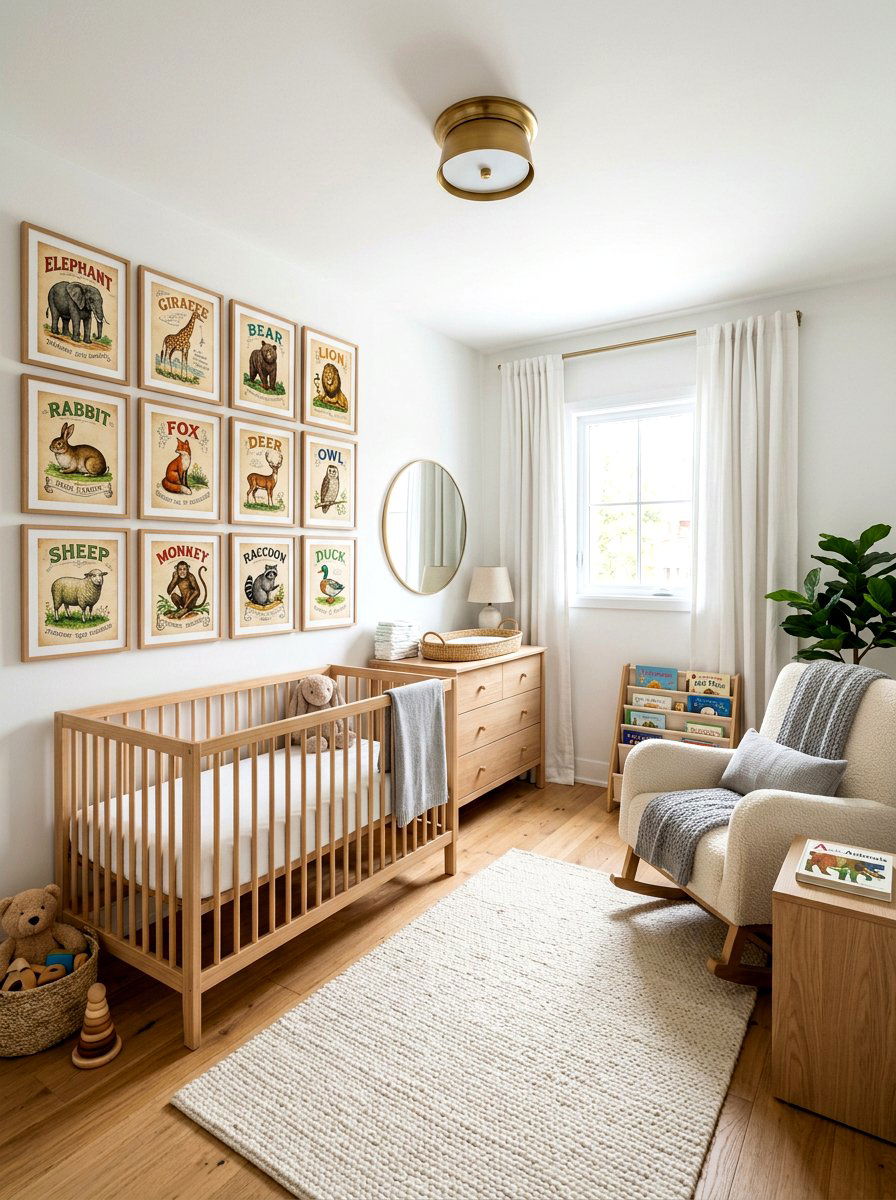
Designing a small nursery requires a very disciplined minimalist approach to make the most of limited square footage. You should utilize vertical space by installing floating shelves for books and small toys instead of a bulky bookcase. A mini-crib can be a great alternative to a standard size, saving valuable floor space for a glider or a small rug. Mirrors can be used to reflect light and make the room feel much larger than it actually is. Using light colors on the walls and floor helps to open up the space and keep it from feeling cramped. This design proves that you don't need a large room to create a beautiful home.
11. Boho Nursery
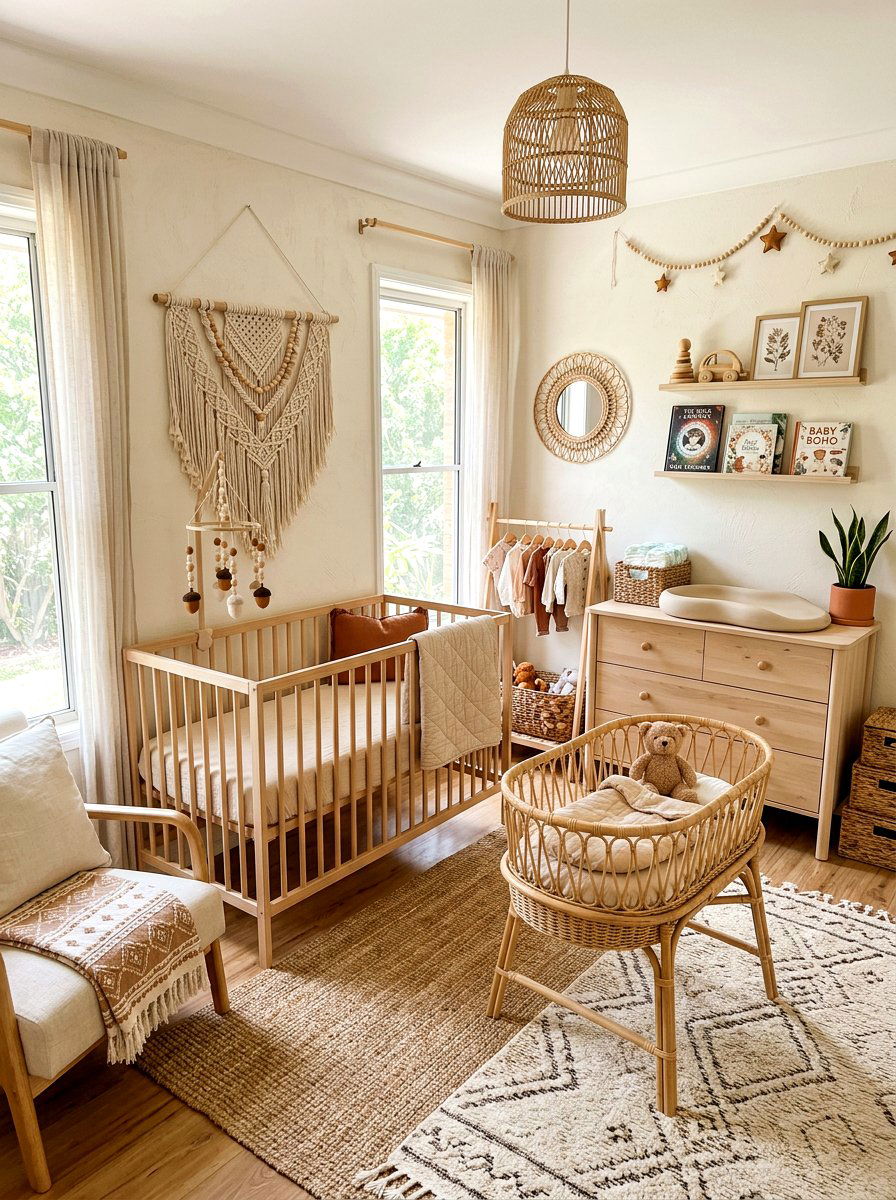
A boho nursery combines minimalist principles with a touch of eclectic charm and natural textures. You can maintain a simple look by keeping the furniture clean-lined while adding character through a woven macramé wall hanging or a patterned rug. Stick to a palette of warm neutrals and soft earth tones to keep the space from feeling too busy. A light wood crib paired with a plush, textured throw creates a cozy and inviting atmosphere. Incorporating elements like a rattan bassinet or a simple wooden bead mobile adds a sense of whimsy. This style is perfect for parents who want a relaxed, artistic vibe without sacrificing the clarity of minimalism.
12. Black And White Nursery
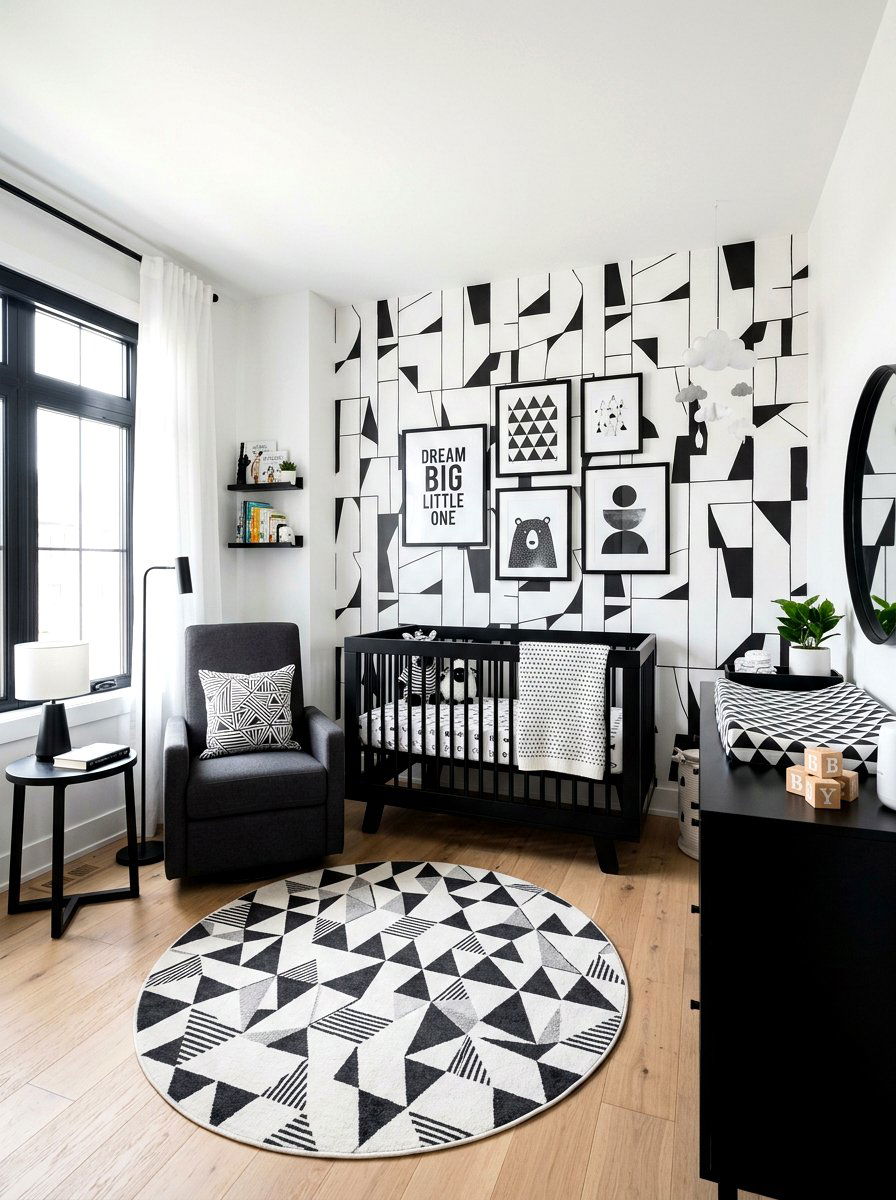
A black and white nursery uses high-contrast colors to create a visually stimulating yet orderly environment for a baby. Newborns respond very well to high-contrast patterns, so this design is actually beneficial for their early development. You can use a black crib against a white wall for a dramatic and modern look. Keep the rest of the room simple with white bedding and a few black decorative accents like frames or a small lamp. Using geometric prints in small doses can add a fun, playful element to the space. This sophisticated color scheme is very easy to maintain and always looks incredibly chic and well-planned.
13. Nordic Nursery
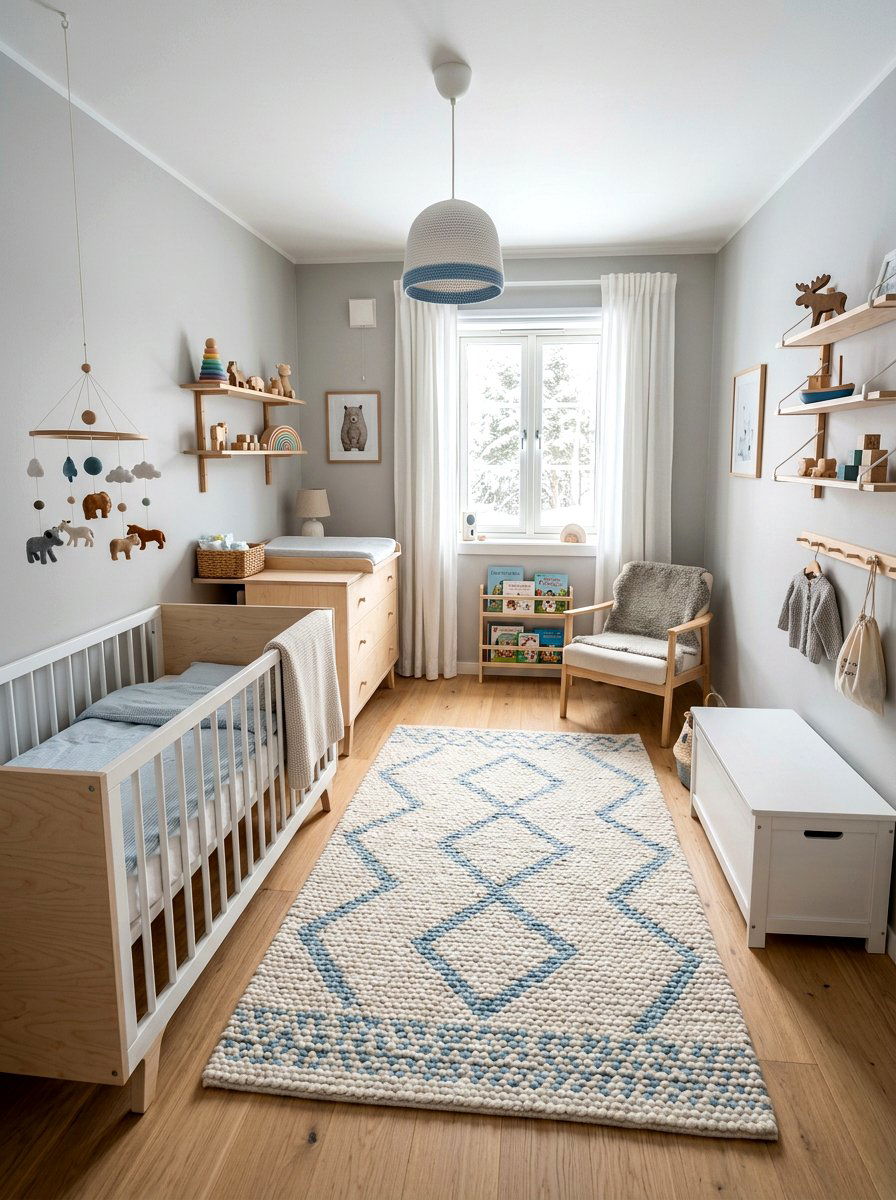
Nordic nurseries take inspiration from northern European design, focusing on light, simplicity, and a deep connection to nature. You should use a lot of white and light gray to maximize the feeling of brightness in the room. Furniture is typically made from light-colored woods and features very simple, honest construction. A few animal-themed prints or a simple wooden toy can add a touch of personality without creating clutter. The goal is to create a space that feels calm, cold, and fresh, like a snowy winter morning. This style is exceptionally calming for babies and provides a peaceful retreat for parents during the middle of the night.
14. Soft Gray Nursery
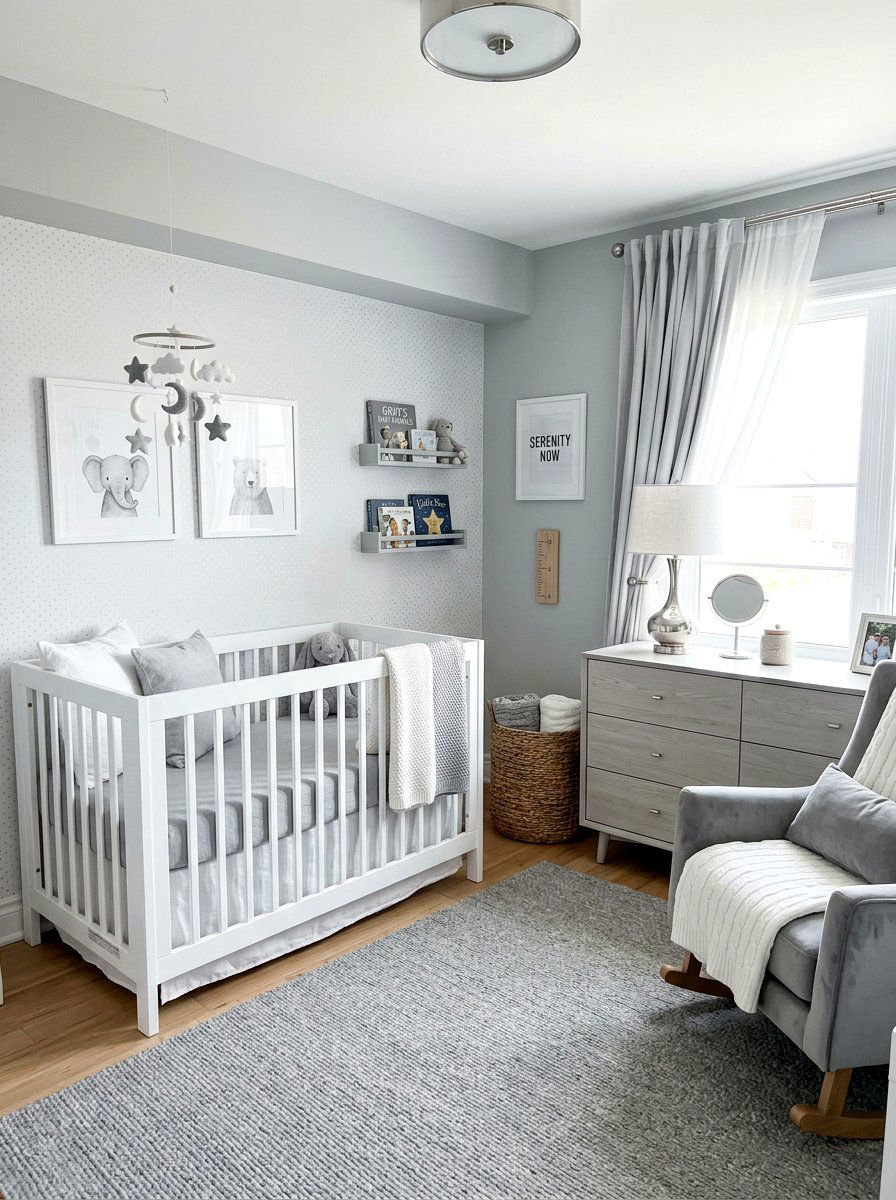
A soft gray nursery offers a sophisticated alternative to traditional white while remaining light and airy. Gray is a very versatile color that can lean warm or cool depending on the lighting in the room. You can pair gray walls with white furniture to create a clean, crisp look that feels very modern. Using different shades of gray in the textiles, such as a rug or curtains, adds subtle visual interest. This color is also very good at hiding small marks or dust, making it a practical choice for a busy nursery. It creates a quiet, cloud-like atmosphere that is perfect for encouraging long, restful naps.
15. Warm Beige Nursery
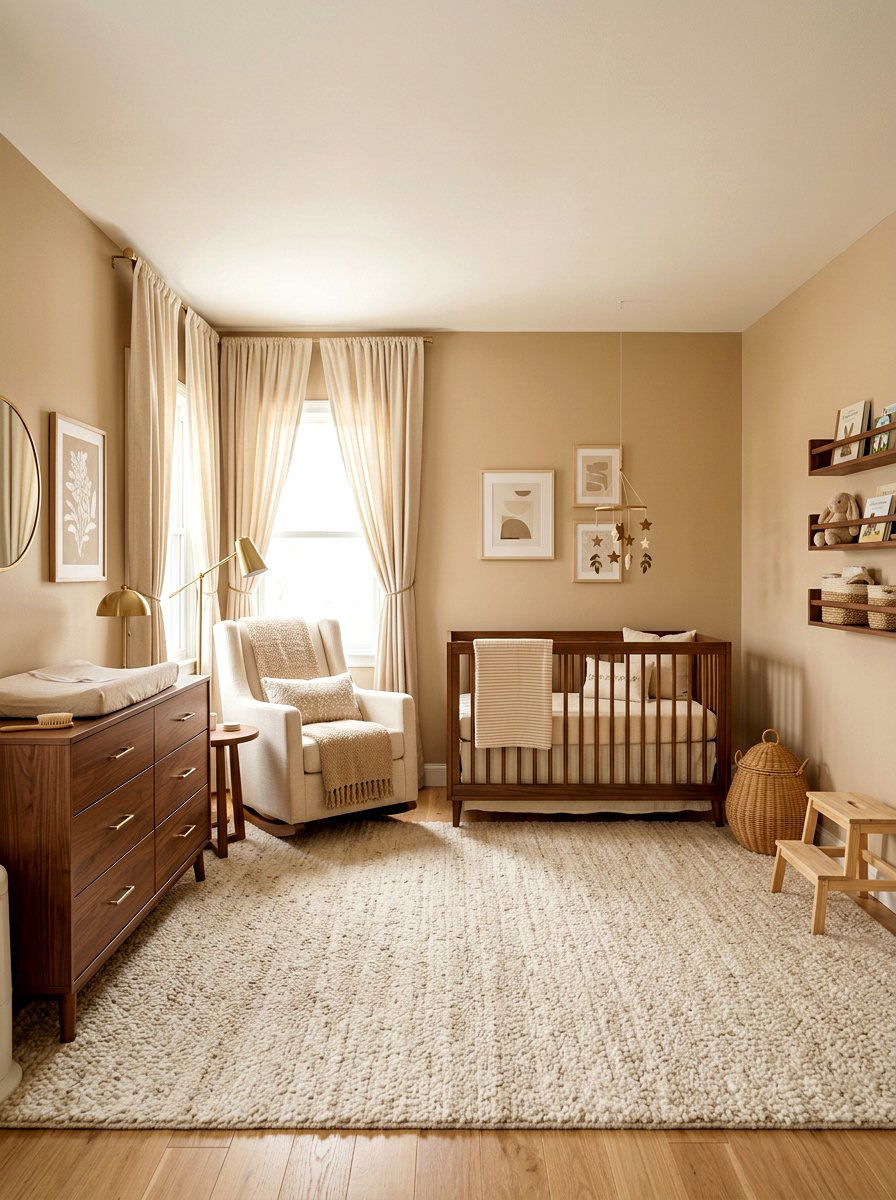
A warm beige nursery creates a cozy, cocoon-like feeling that is incredibly comforting for a newborn. This color palette is softer than white and warmer than gray, providing a very inviting and "lived-in" minimalist look. You can use a mix of cream, tan, and sand tones to build a rich, layered aesthetic. Wood furniture in medium tones like oak or walnut complements beige walls perfectly. Adding a few brass or gold accents can give the room a subtle touch of luxury without being distracting. This style feels very grounded and stable, creating a safe-feeling haven for your child to grow and play in every day.
16. Organic Texture Nursery
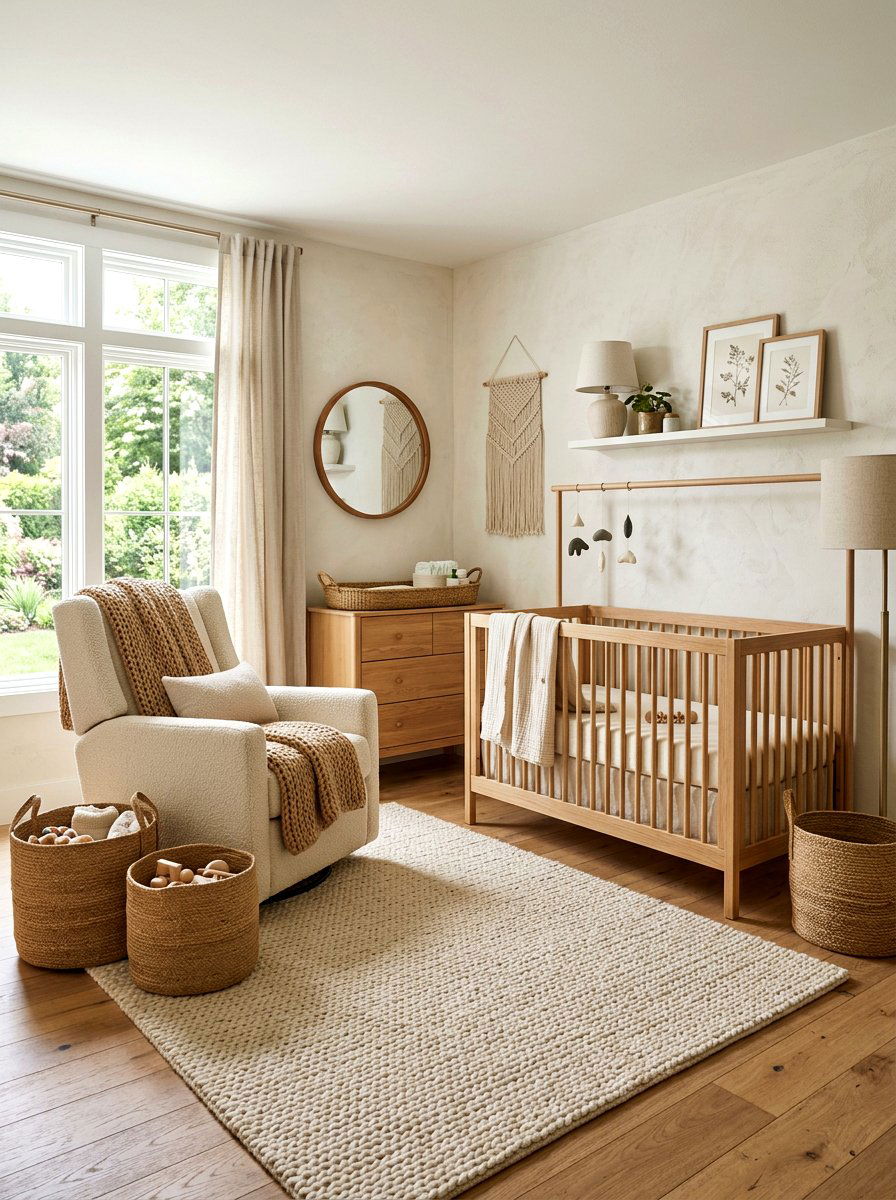
An organic texture nursery relies on tactile materials rather than bright colors to create a beautiful and interesting space. You should focus on incorporating elements like wool, linen, wood, and stone throughout the room. A chunky wool rug feels wonderful underfoot, while a smooth wooden crib provides a sturdy and natural centerpiece. Woven baskets are perfect for keeping toys and diapers organized while adding a touch of rustic charm. This approach creates a sensory-rich environment for your baby to explore safely as they begin to touch and feel the world. It results in a very high-end look that feels both warm and incredibly intentional.
17. Forest Nursery
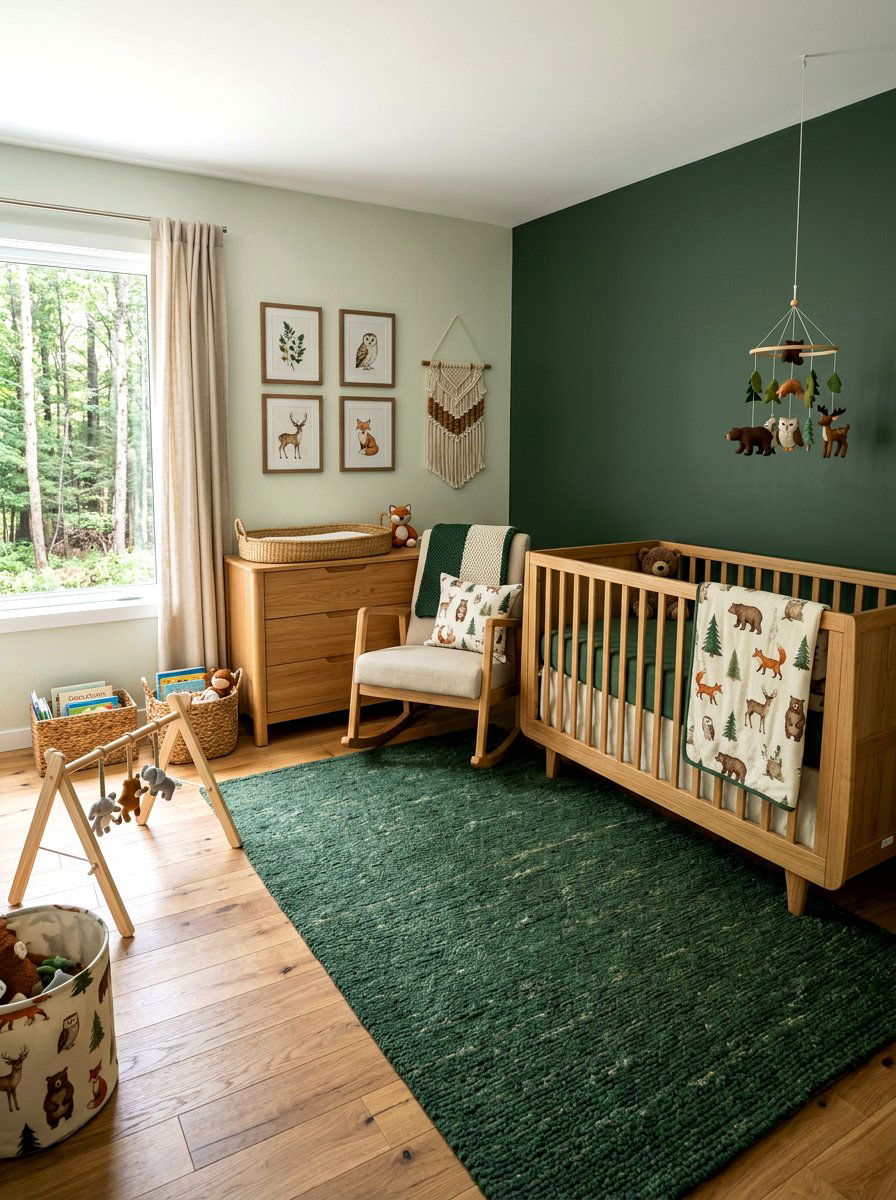
A forest nursery uses subtle woodland elements to create a peaceful, nature-inspired space that remains minimalist. Instead of a busy theme, you can use a single large print of a tree or a few simple wooden animal figures. Stick to a color palette of deep greens, browns, and muted grays to reflect the colors of the woods. A natural wood crib and a simple green rug can anchor the room without the need for excessive decor. This style fosters a love of nature from a very early age and provides a very grounding environment. It feels like a quiet clearing in the woods, perfect for restful sleep.
18. Clean Line Nursery
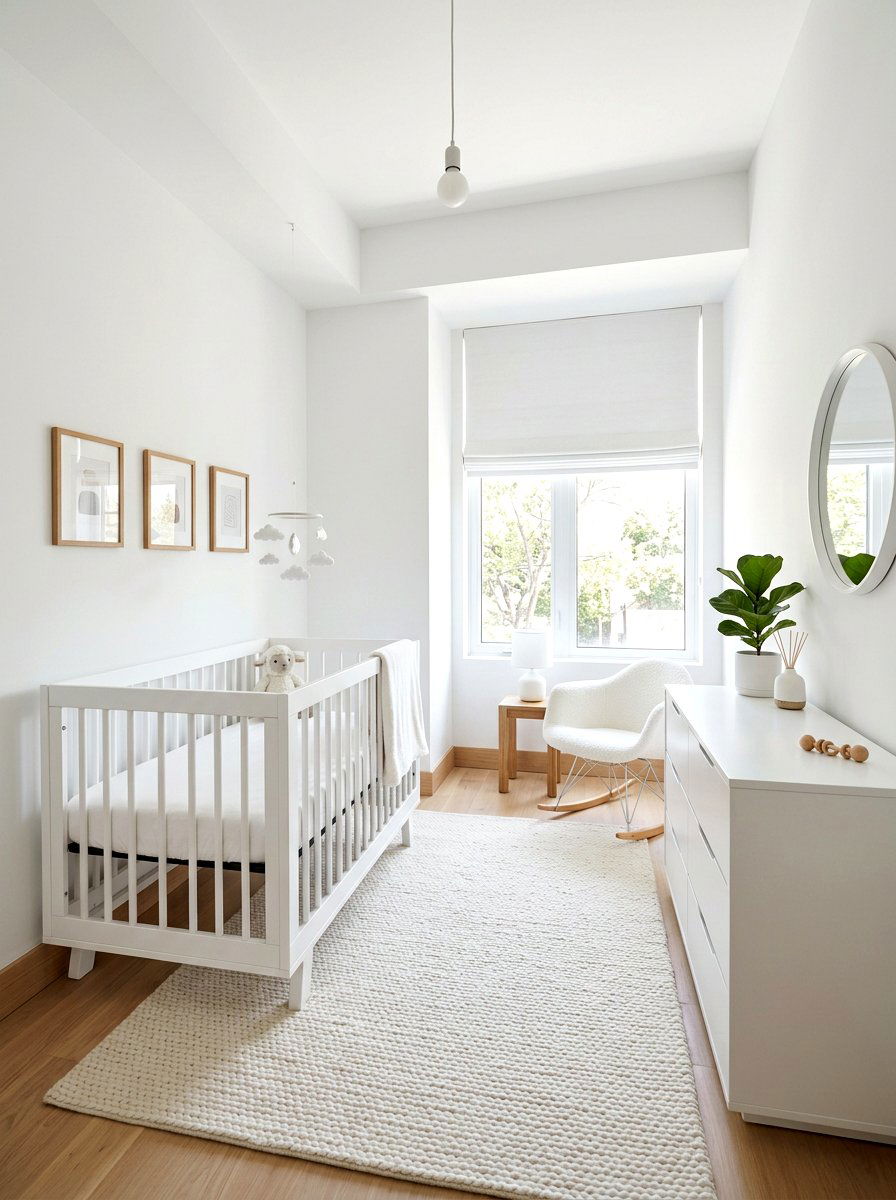
A clean line nursery is the ultimate expression of modern minimalism, focusing on straight edges and smooth surfaces. You should choose furniture that has no unnecessary carvings or decorative moldings. A simple rectangular crib and a flat-front dresser create a very streamlined and orderly look. Avoid heavy curtains, opting instead for simple roller shades or sleek blinds. The lack of visual clutter helps the mind to stay calm and focused, which is beneficial for both you and your baby. This style is incredibly easy to keep clean and always looks polished, making it a favorite for parents who love a contemporary and very organized aesthetic.
19. Shared Nursery
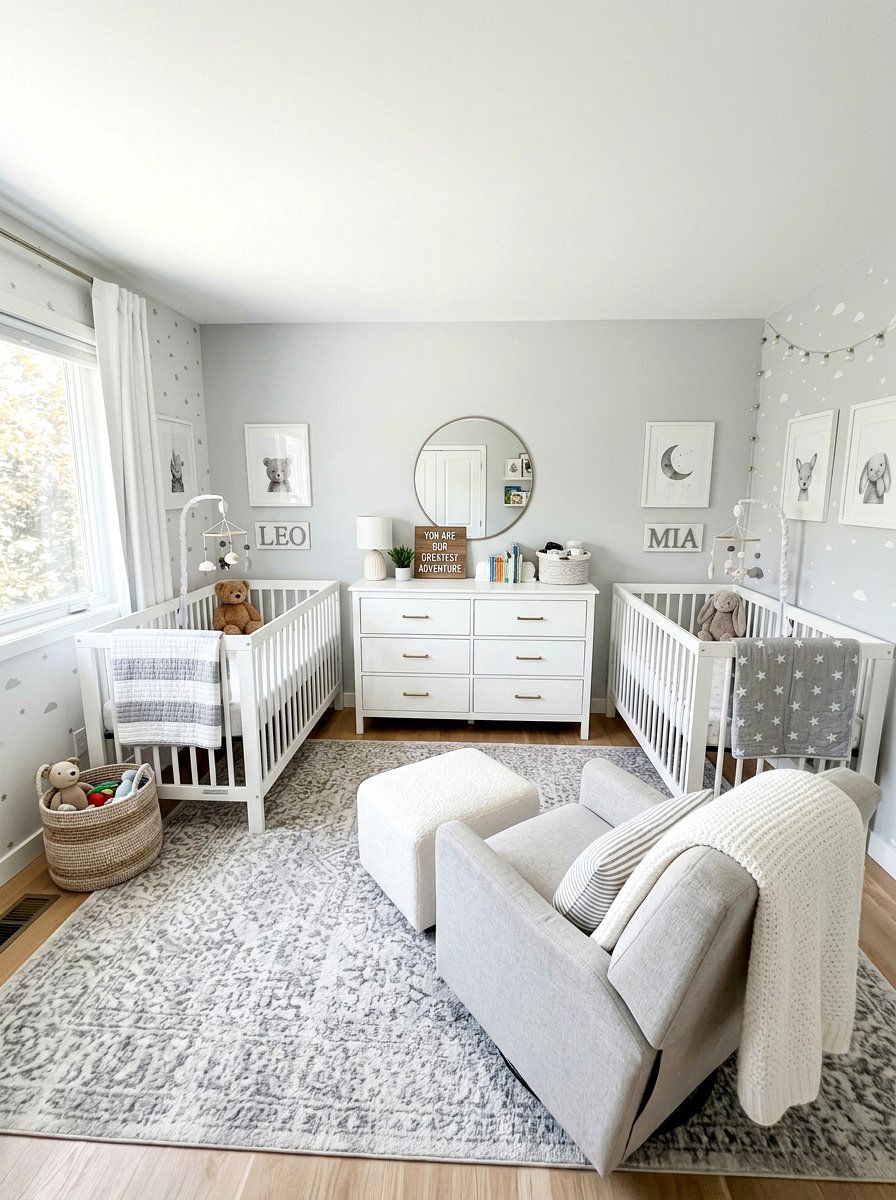
Designing a shared nursery requires a very strategic minimalist approach to ensure the room doesn't feel overcrowded with two of everything. You should use identical or very similar cribs to create a sense of symmetry and order. Choose a large, high-capacity dresser that can serve both children, keeping individual items organized in separate drawers. A single, high-quality glider is enough for feeding and rocking both babies. Keep the color palette very simple and light to help the room feel as spacious as possible. By focusing on only the essentials, you can create a functional and beautiful space where two children can comfortably rest and grow together.
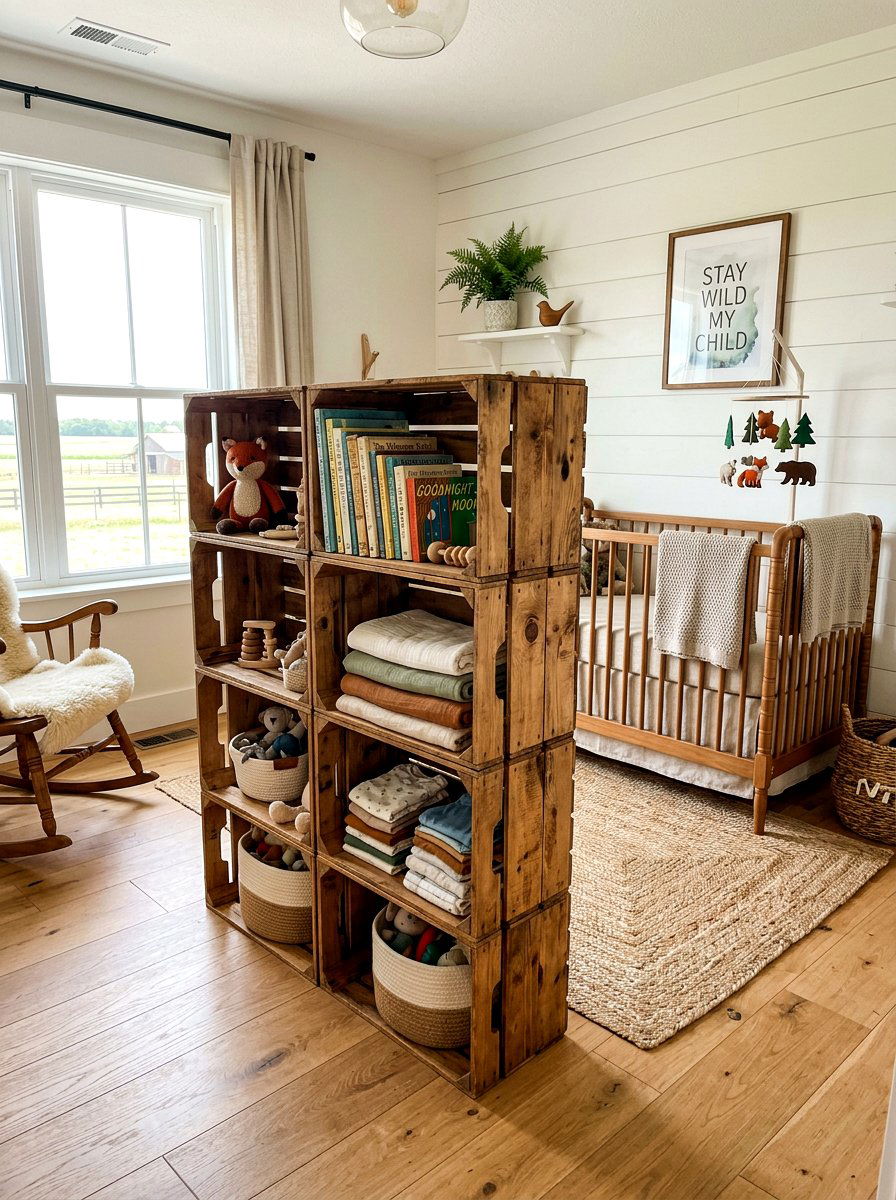


20. Muted Green Nursery
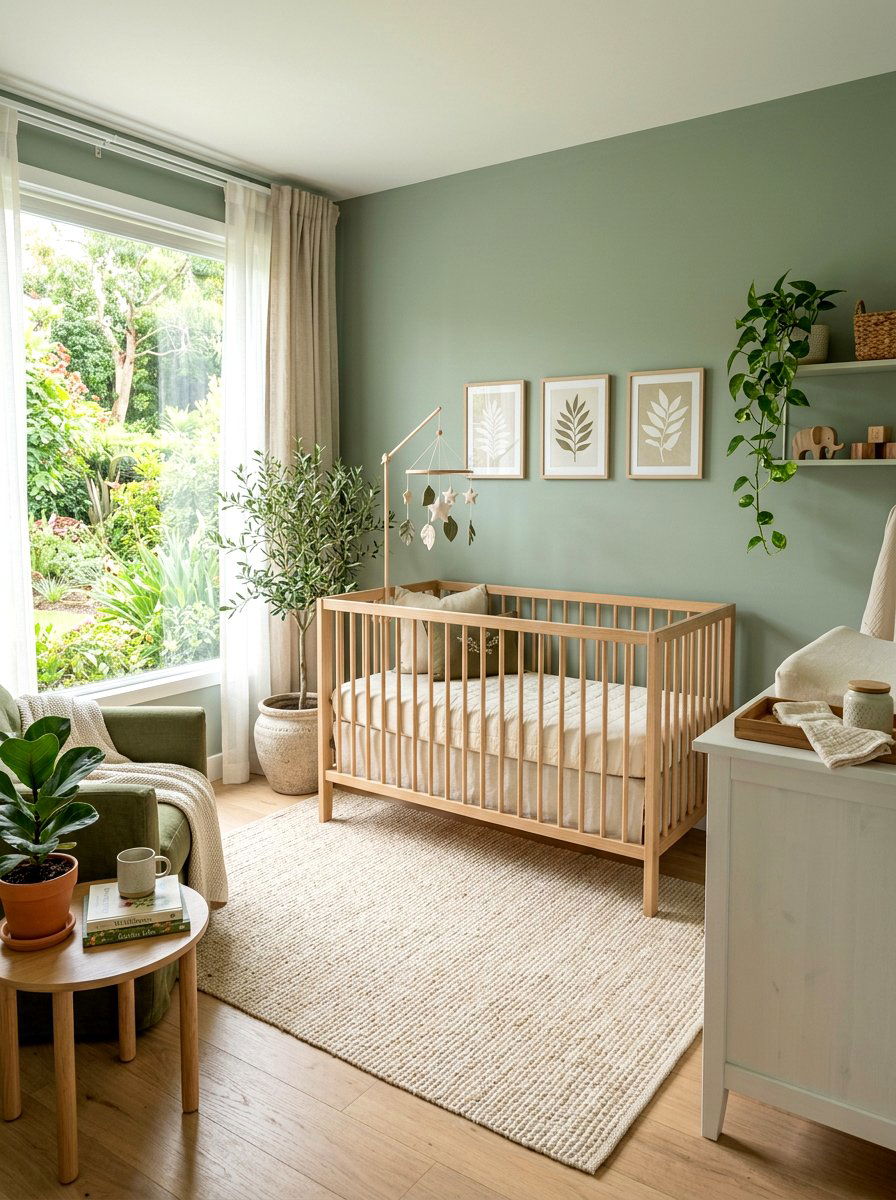
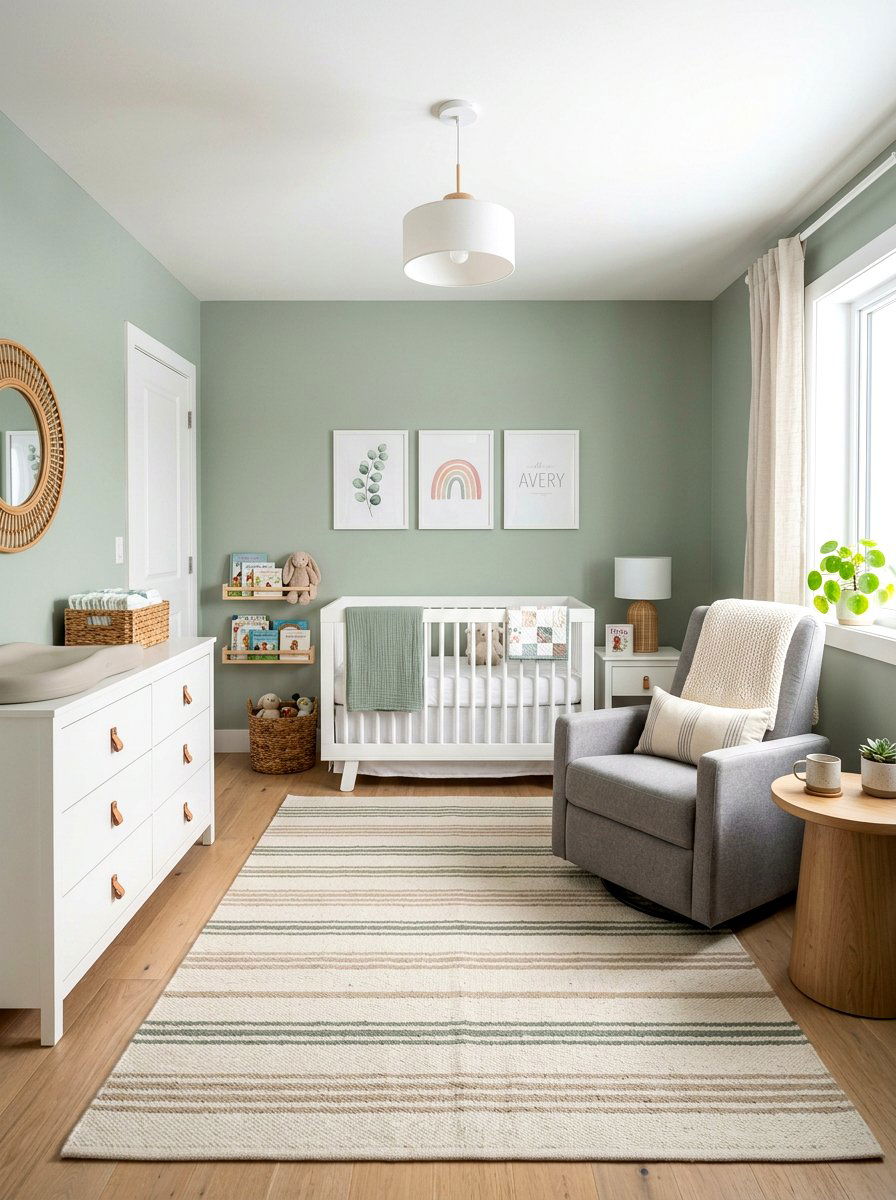
A muted green nursery uses soft shades of sage or olive to create a very tranquil and calming atmosphere. Green is often associated with nature and growth, making it a perfect choice for a child's bedroom. You can pair green walls with light wood or white furniture to keep the room feeling bright and open. A few potted plants can enhance the color scheme while also helping to clean the air. This color is very gender-neutral and works well with a variety of other soft tones. It creates a peaceful, garden-like feeling that is very conducive to relaxation and quiet play for your little one.
21. Dusty Rose Nursery
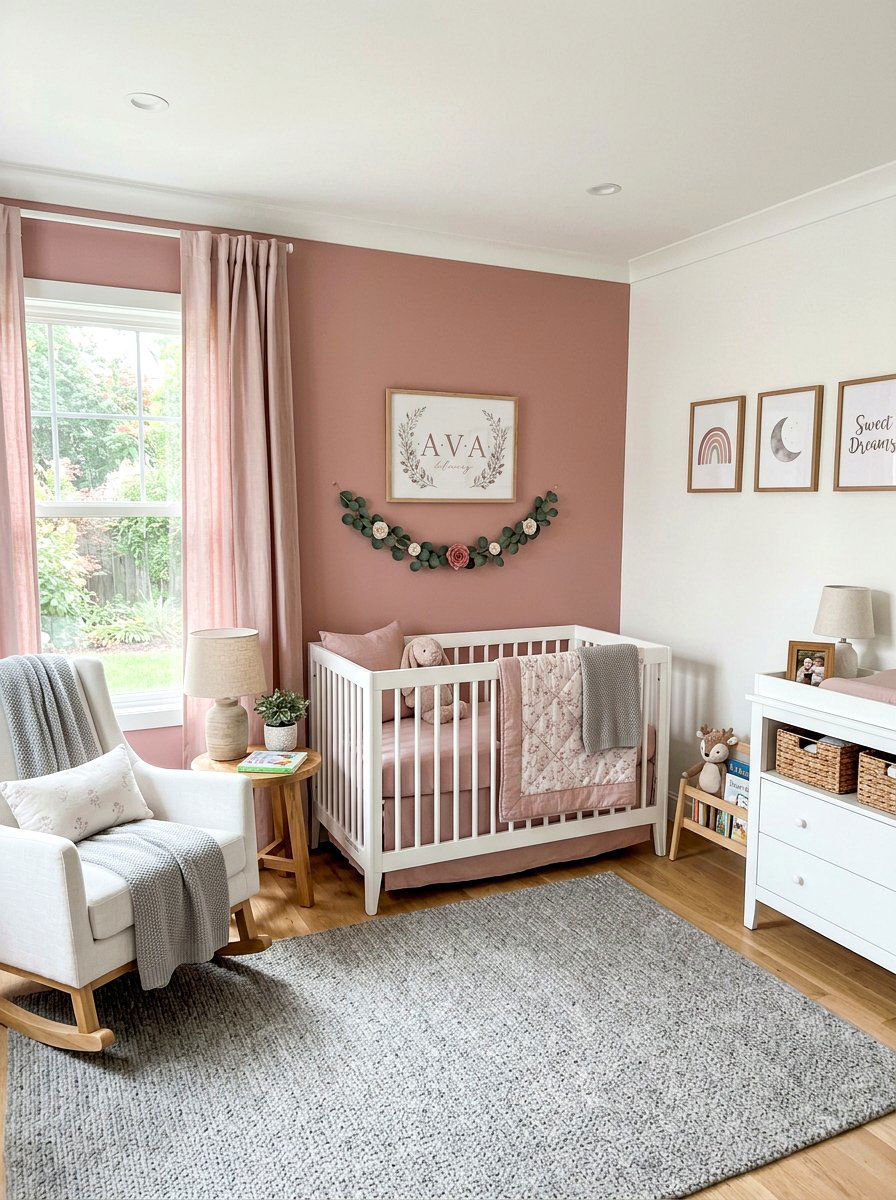
A dusty rose nursery offers a subtle and sophisticated take on a pink room, keeping it firmly within the minimalist aesthetic. This muted, earthy shade of pink feels much more mature and calming than bright bubblegum tones. You can use it as an accent wall or through textiles like a soft rug and linen curtains. Pairing dusty rose with light gray or warm wood tones creates a balanced and beautiful look. Keep the furniture simple and white to let the soft color be the main focus of the room. This style feels very gentle and sweet without being overwhelming or cluttered with too many accessories.
22. Zen Nursery
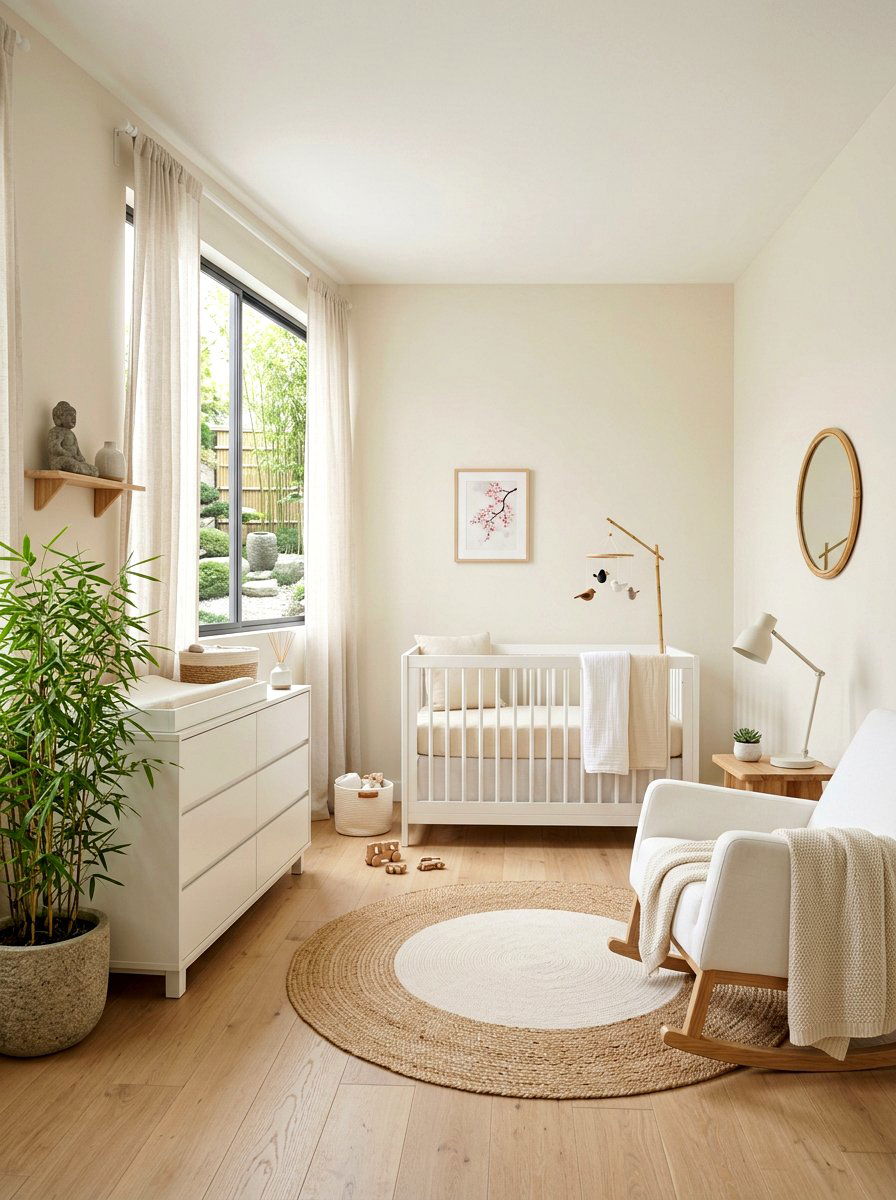
A zen nursery focuses on creating a space for ultimate peace and mindfulness through very simple and intentional design choices. You should use a very limited color palette, mostly whites and soft neutrals, to minimize visual distractions. Low-profile furniture can help the room feel more grounded and open. Incorporate natural elements like a small stone sculpture or a simple bamboo plant. Lighting should be soft and adjustable to create a calming mood during the evening. This approach encourages a sense of stillness and presence, making the nursery a true sanctuary for both you and your baby during those quiet, late-night moments together.
23. Jungle Nursery
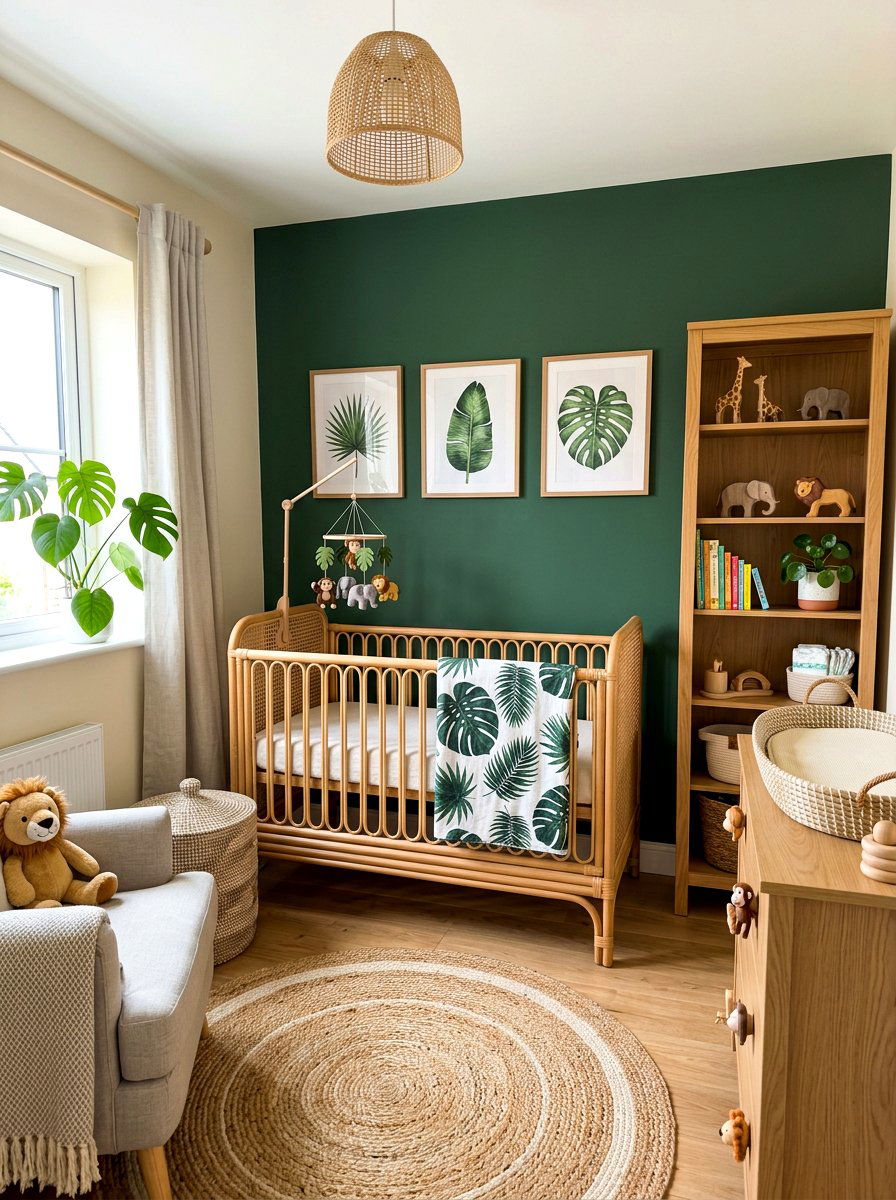
A jungle nursery can be minimalist by using a few key pieces to suggest the theme rather than overdecorating the entire space. You might choose a single, large-scale piece of art featuring a leaf or a friendly animal. Keep the color palette to shades of deep green and warm wood to reflect the jungle floor. A simple woven rug and a few wooden toys can add to the vibe without creating a mess. Using natural materials like rattan for a chair or lamp shade brings an exotic touch that still feels light and airy. This design is playful and imaginative while maintaining the clean lines of a simple home.
24. Japandi Nursery
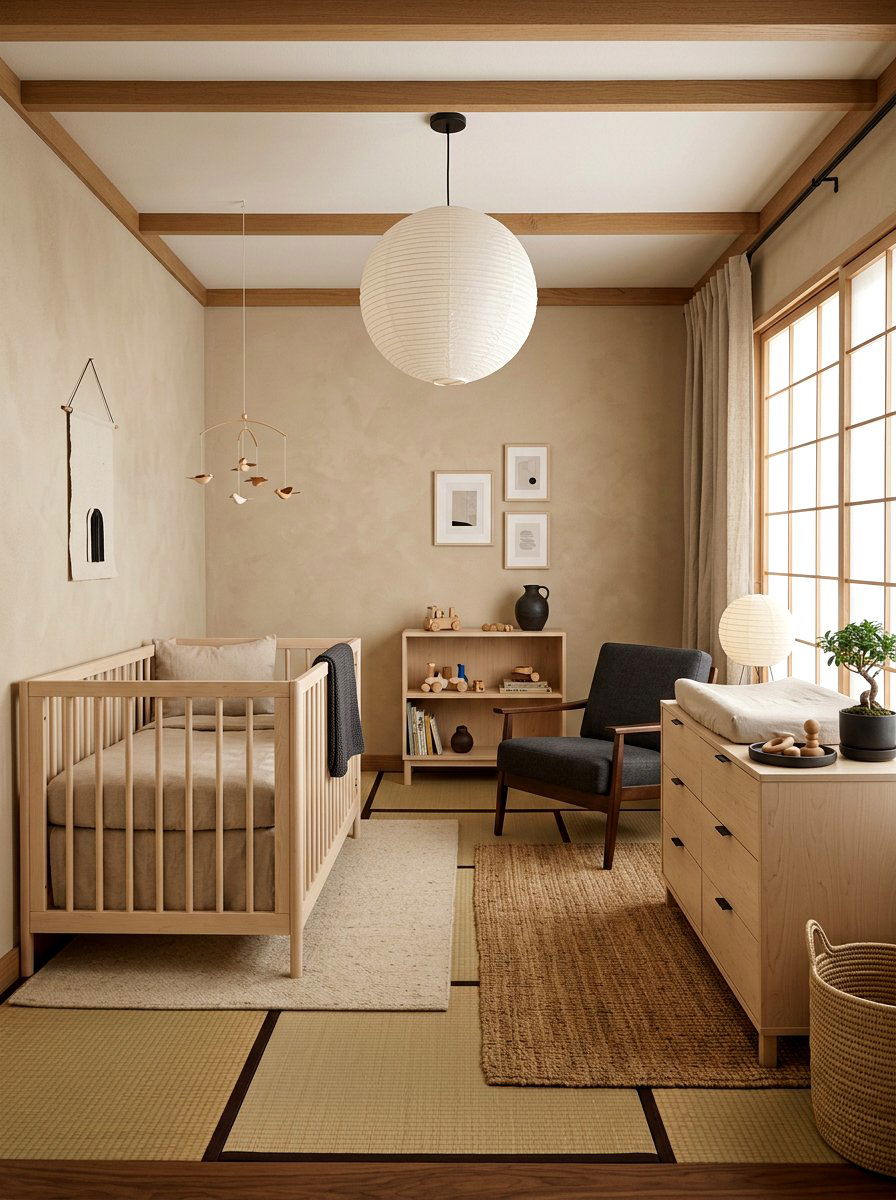
Japandi design is a beautiful blend of Japanese minimalism and Scandinavian functionality, making it ideal for a nursery. This style emphasizes the use of natural materials, neutral colors, and very clean, low-profile furniture. You can use a mix of light birch wood and dark accents to create a balanced and interesting look. Woven tatami mats or a simple paper lantern can add authentic Japanese elements to the room. The focus is on creating a space that feels both warm and very orderly. This aesthetic is incredibly peaceful and provides a sophisticated environment that will gracefully age along with your child.
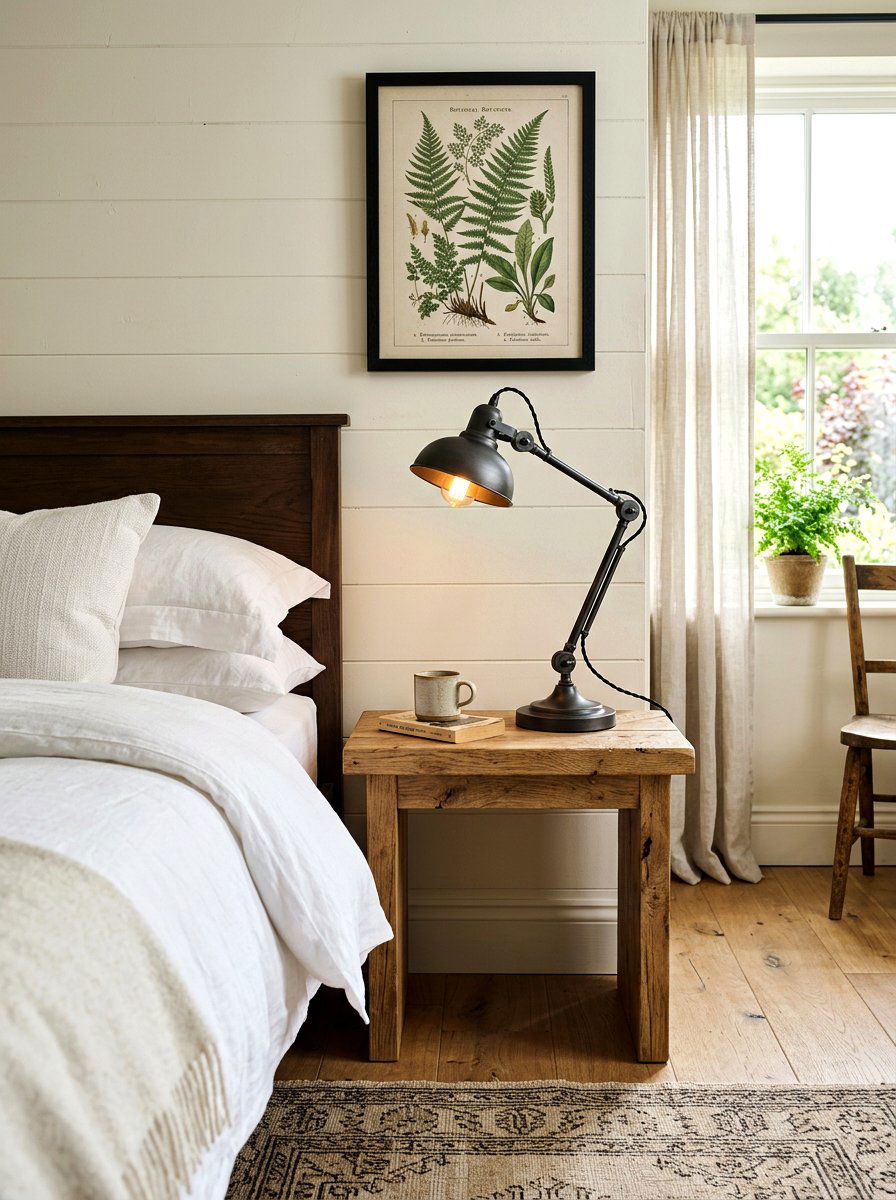
25. Mid Century Nursery
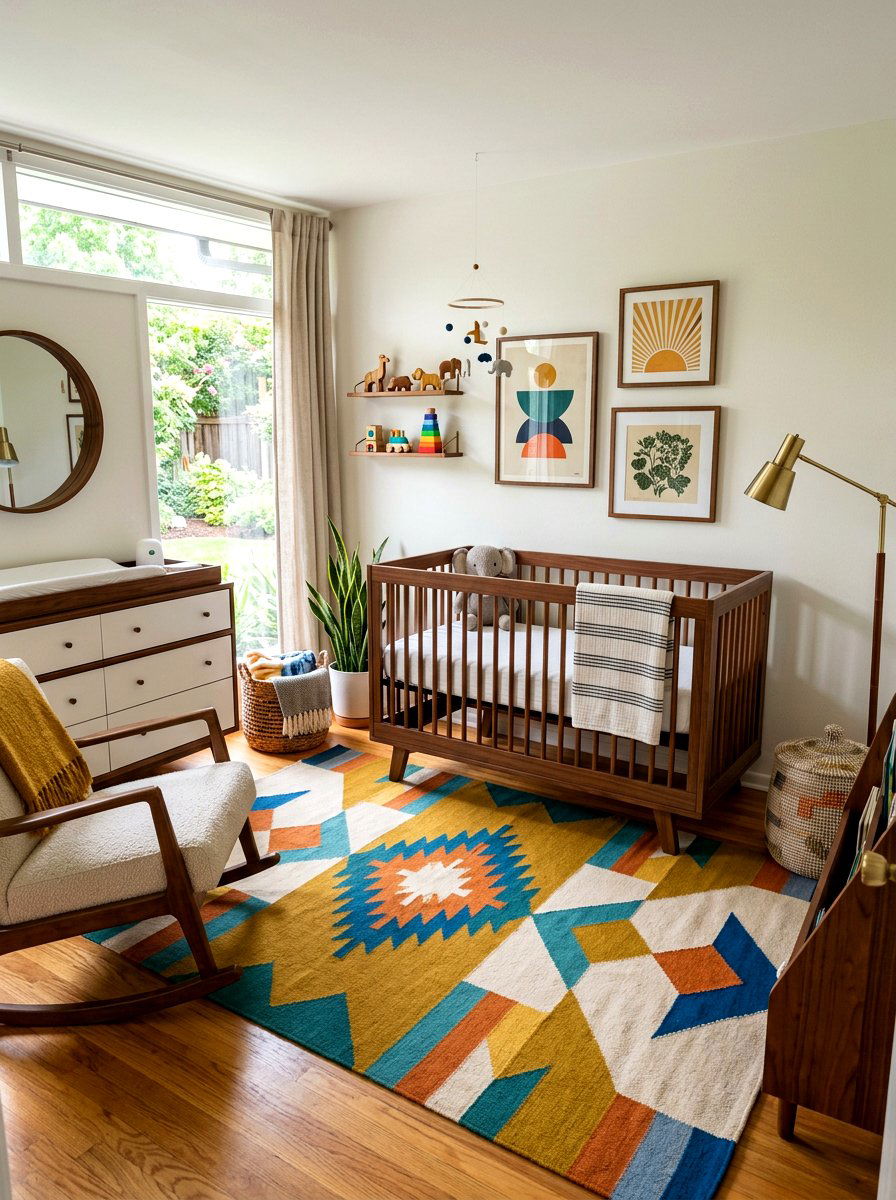
A mid-century nursery utilizes the iconic design elements of the 1950s and 60s, which are naturally very minimalist and functional. You can look for a crib with classic tapered legs and a warm wood finish like walnut or teak. A simple dresser with clean lines and vintage-style hardware can serve as a changing table. Keep the walls white and add a single pop of color through a geometric rug or a piece of retro art. This style is timeless and adds a touch of architectural interest to your home. It feels both modern and nostalgic, creating a very unique and stylish space for your new baby.
26. Reading Nursery
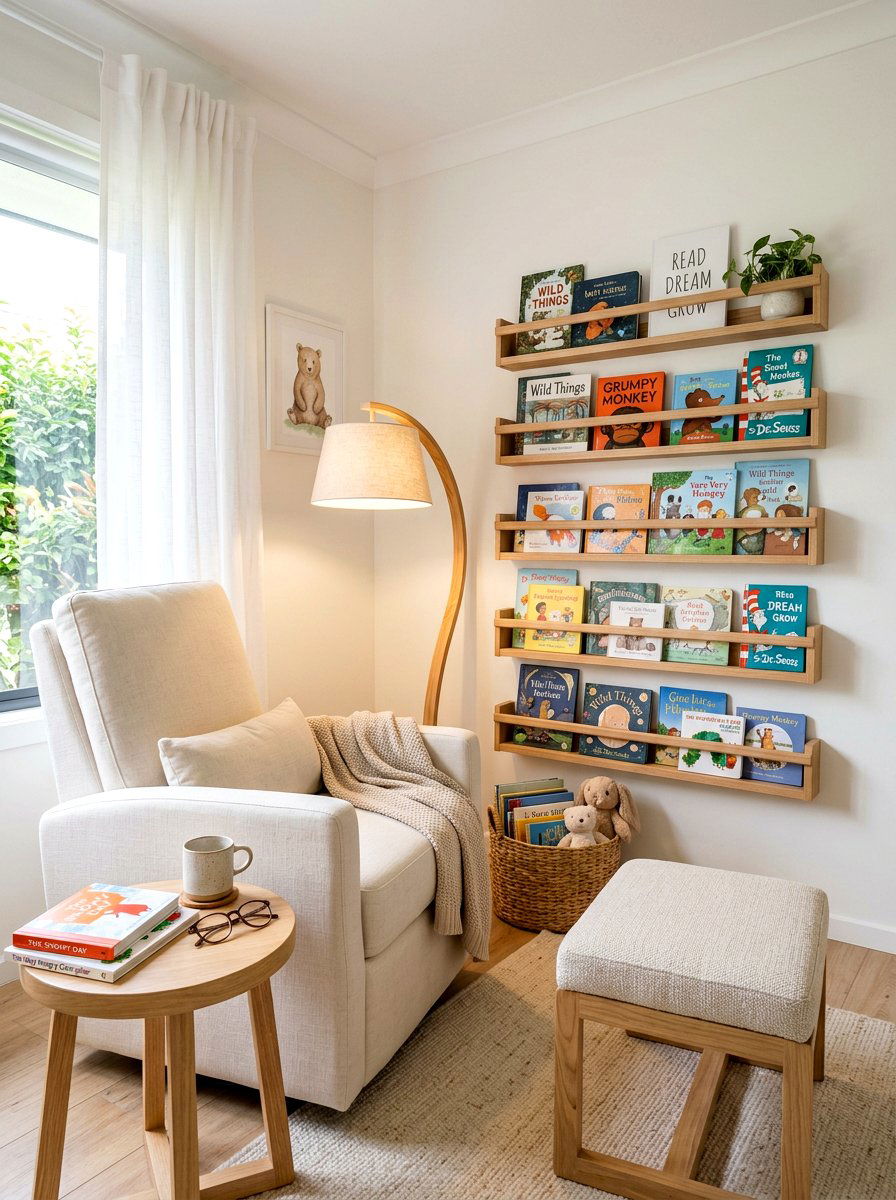
A reading nursery places a high value on books and quiet learning by creating a dedicated minimalist library space. You can use low, front-facing shelves to display a few beautiful books, making them easily accessible for your child. A very comfortable glider and a soft floor lamp create the perfect nook for bedtime stories. Keep the rest of the room extremely simple with just a crib and essential storage to ensure the focus remains on the books. This design encourages a lifelong love of reading from day one. It creates a very cozy and intellectual atmosphere that feels both productive and incredibly peaceful.
27. Sage Green Nursery
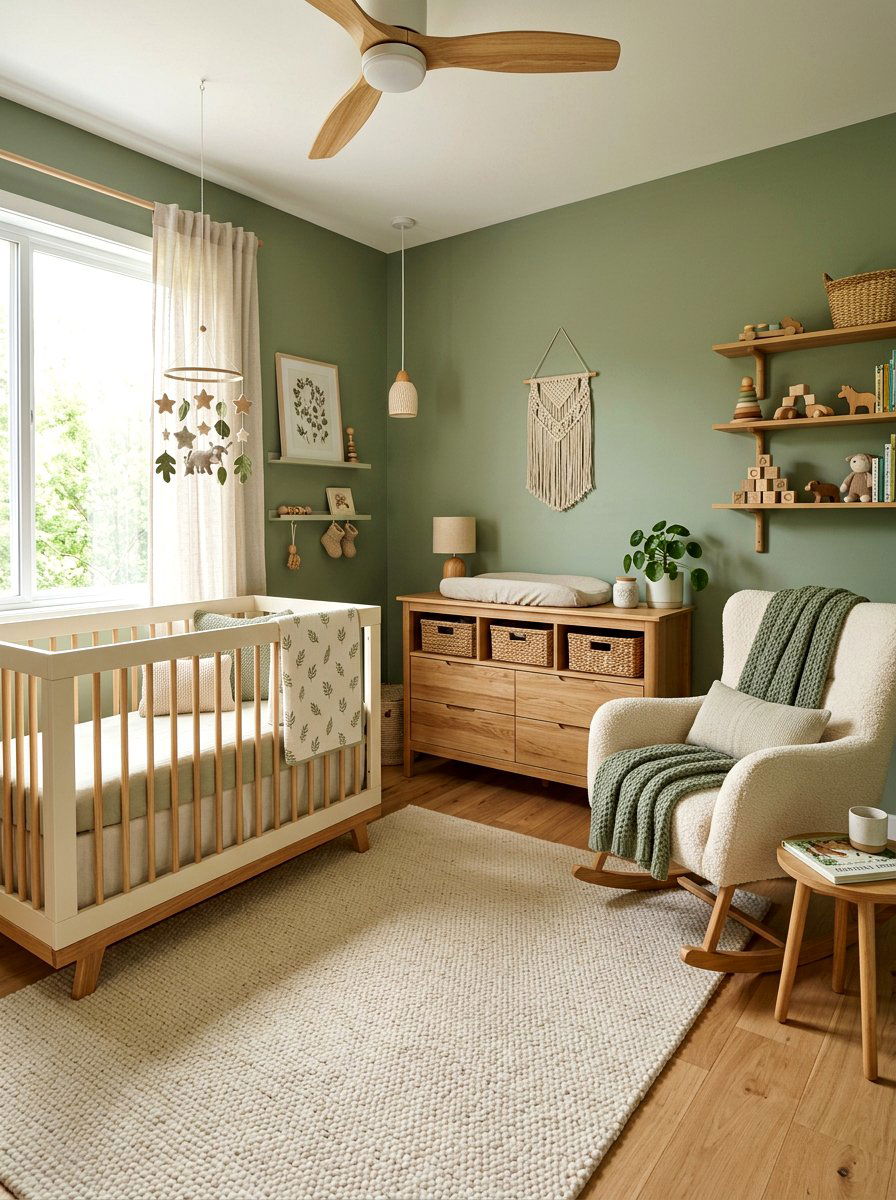
A sage green nursery is a popular choice for parents who want a touch of color that still feels very neutral and calming. Sage is a soft, grayish-green that mimics the color of dried herbs and looks beautiful in any lighting. You can pair it with cream-colored textiles and light wood furniture for a very fresh and organic look. This color works perfectly for a minimalist space because it is not demanding or loud. It provides a soft backdrop for simple wooden toys and white bedding. This style feels very classic and high-end, providing a serene environment that is always very pleasing to the eye.
28. Terracotta Nursery
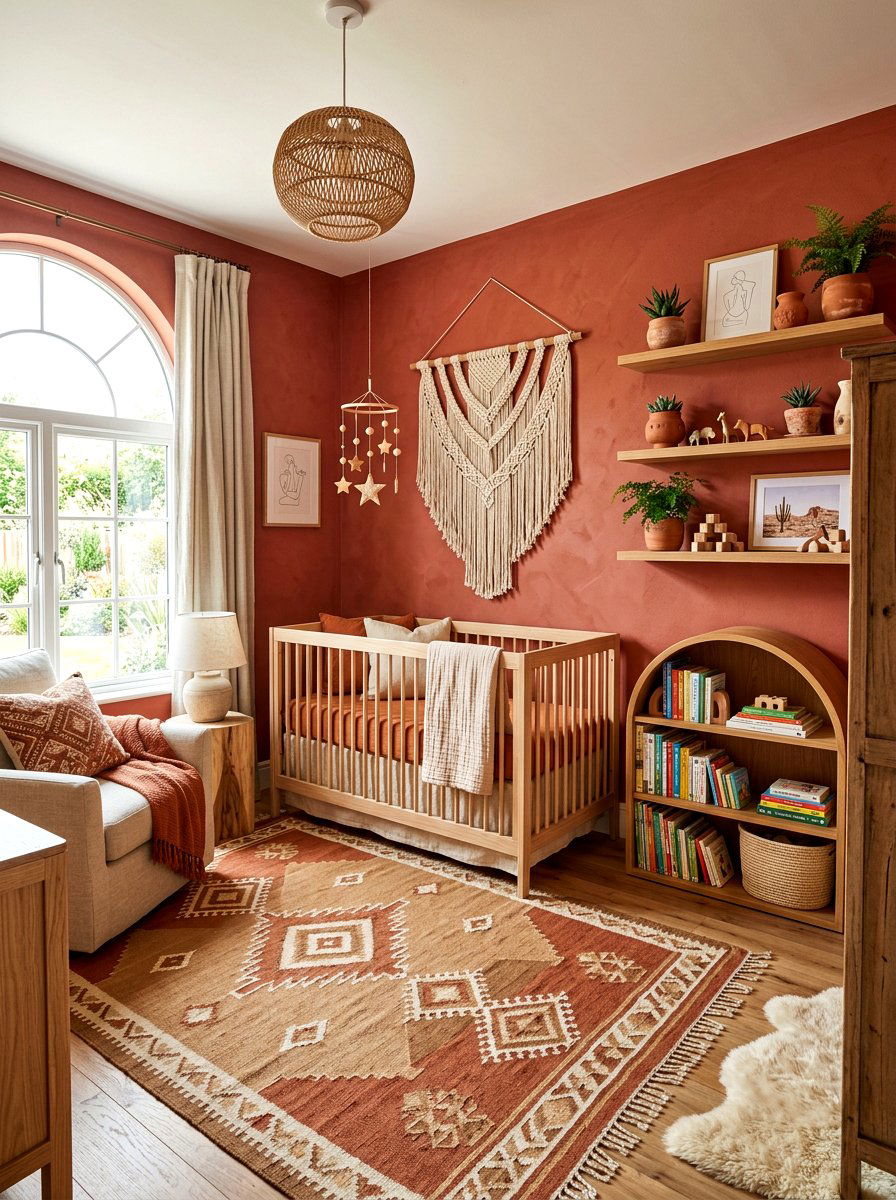
A terracotta nursery brings a warm, Mediterranean feel to the room through rich, earthy reddish-orange tones. This color is very grounding and cozy, making it a great choice for a baby's first bedroom. You can use terracotta as a bold accent on one wall or through a large area rug. Keep the furniture light and simple to balance the warmth of the color. Using natural materials like clay pots for plants or woven wall hangings complements the earthy vibe perfectly. This design is vibrant and full of character but remains minimalist because it relies on a very focused and cohesive color palette.
29. Coastal Nursery
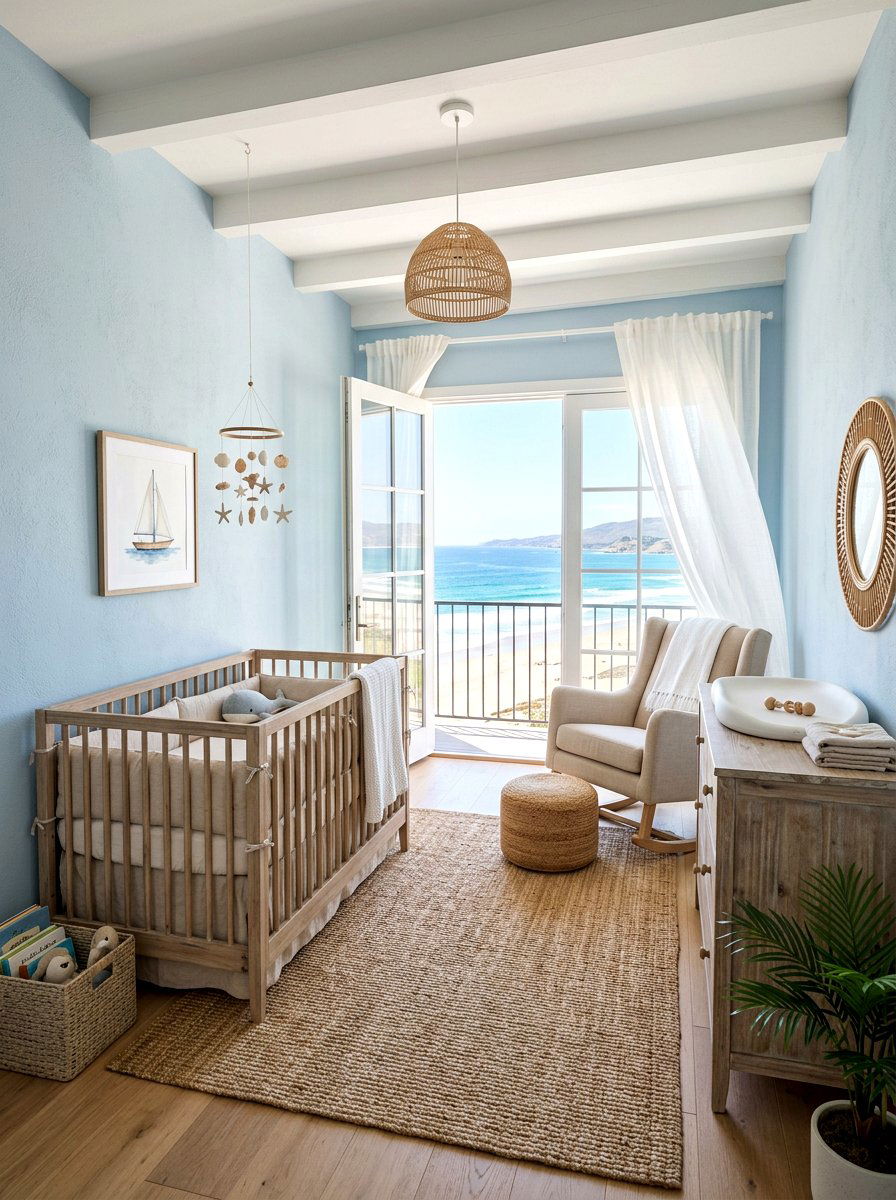
A coastal nursery captures the breezy and relaxed feeling of the seaside through light colors and natural textures. You should use a palette of soft whites, sandy beiges, and very pale blues to mimic the beach. Furniture in a weathered wood finish or crisp white paint adds to the airy feel. Instead of shells and anchors, use subtle textures like a jute rug or linen bedding to suggest the theme. Large windows with simple treatments allow plenty of natural light to flood the space. This design is incredibly refreshing and provides a very calm and peaceful environment that feels like a permanent vacation.
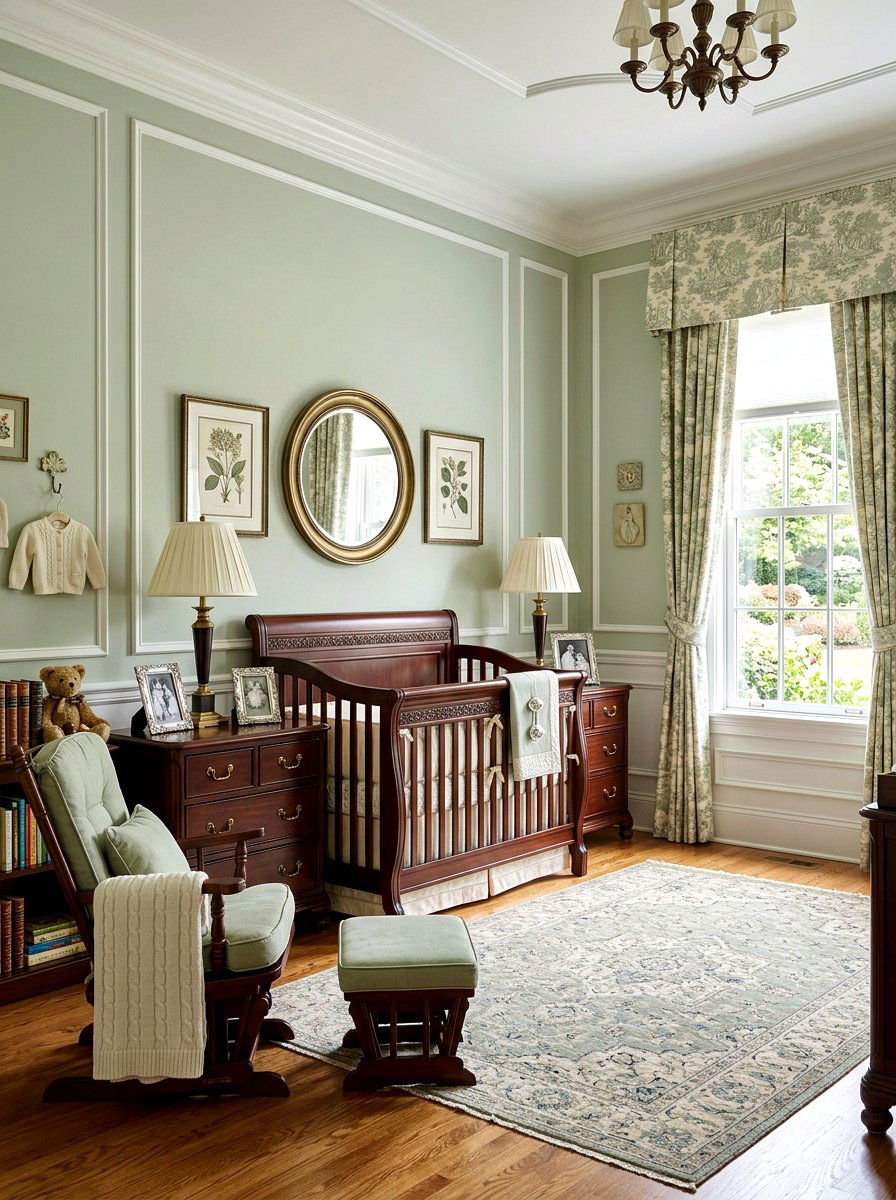
30. Vintage Nursery
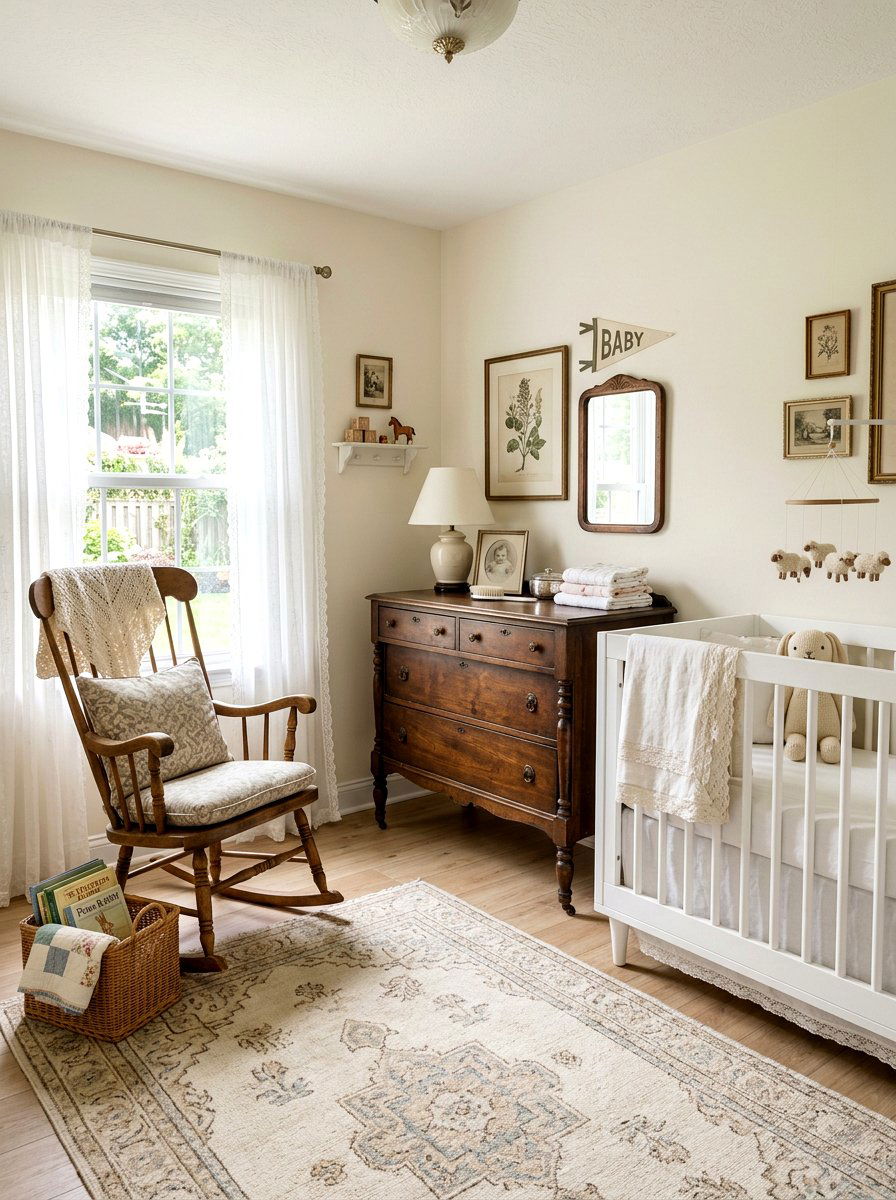
A vintage nursery can be minimalist by selecting a few high-quality heirloom pieces and keeping the rest of the room very simple. You might find a beautiful antique dresser or a classic rocking chair to serve as the focal point of the space. Pair these older items with a modern, safe crib to ensure your baby's comfort. Stick to a muted color palette and avoid unnecessary knick-knacks to keep the room from feeling cluttered. This approach adds a sense of history and charm to your home while maintaining a clean and orderly aesthetic. It results in a very personal and timeless room.
Conclusion:
Designing a minimalist nursery is a thoughtful way to welcome your new baby into a world of peace and clarity. By focusing on essential furniture, high-quality materials, and a soothing color palette, you create a space that prioritizes your child's well-being. This design style not only looks beautiful on Pinterest but also offers practical benefits for daily life, such as easier cleaning and a more relaxing atmosphere for sleep. Whether you choose a Scandinavian, Boho, or Modern look, the principles of minimalism will help you maintain an organized and intentional home. Your baby will surely benefit from a calm environment as they begin their journey of growth.

Related posts: