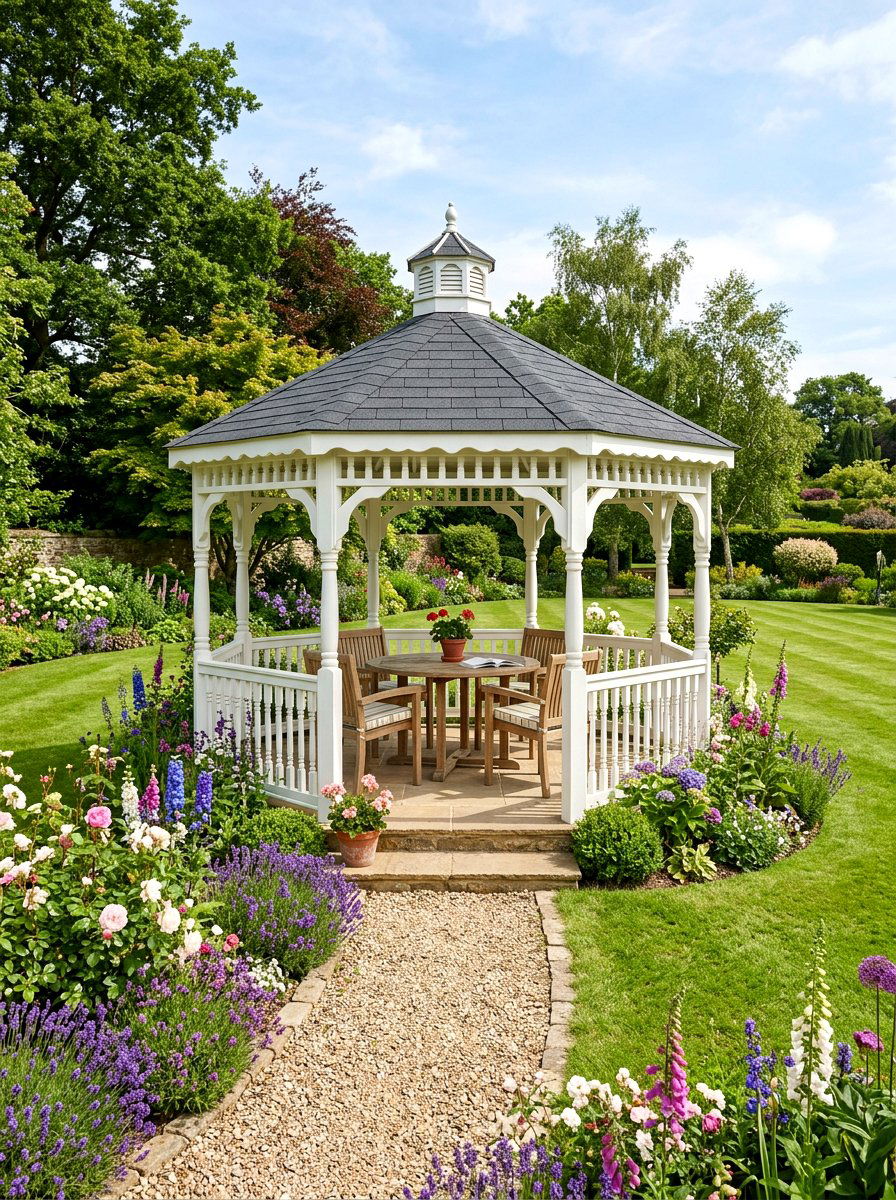
Transforming your outdoor space into a lush, productive sanctuary is more achievable than ever with a carefully planned orchard backyard aesthetic. Whether you have a sprawling estate or a compact suburban lot, integrating fruit-bearing trees and bushes creates a multi-sensory experience that combines natural beauty with edible rewards. This approach moves beyond traditional farming, focusing on how these trees can enhance your property's overall look and feel. From the delicate blossoms of spring to the heavy harvests of autumn, an orchard provides a changing seasonal palette that anchors your landscape. By choosing the right varieties and layouts, you can create a viral-worthy retreat that offers peace, sustainability, and delicious treats for years to come.
1. Dwarf fruit tree layout
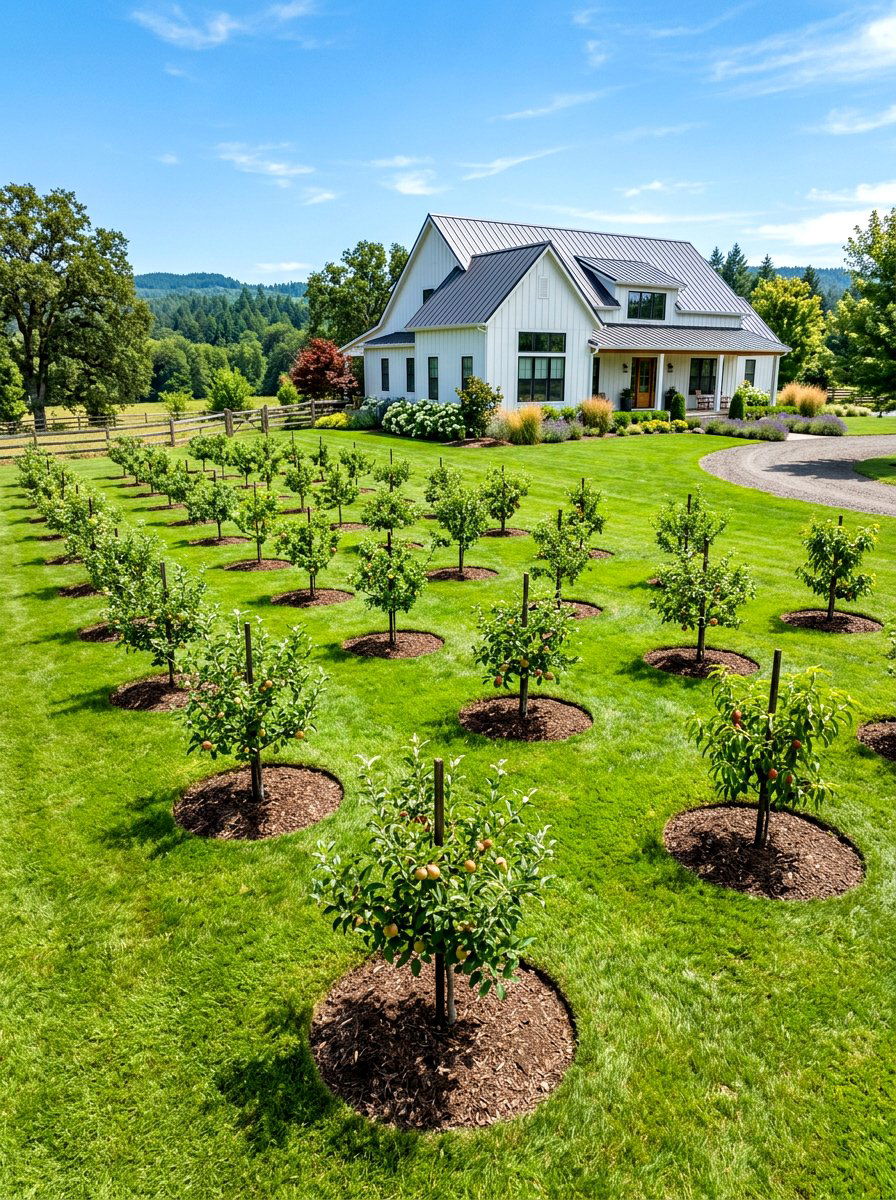
Creating a dwarf fruit tree layout is the perfect way to maximize a small backyard without sacrificing variety. These trees are grafted to stay small, typically reaching only six to eight feet, which makes them incredibly manageable for pruning and harvesting. You can arrange them in a clean grid pattern on a flat lawn to create a structured, formal look that feels organized. Surrounding the base of each tree with dark mulch or decorative stones helps define the space and keeps weeds at bay. This setup provides a high yield of full-sized fruit while maintaining a tidy, intentional appearance that complements modern or minimalist home architectures beautifully.
2. Espalier apple tree wall
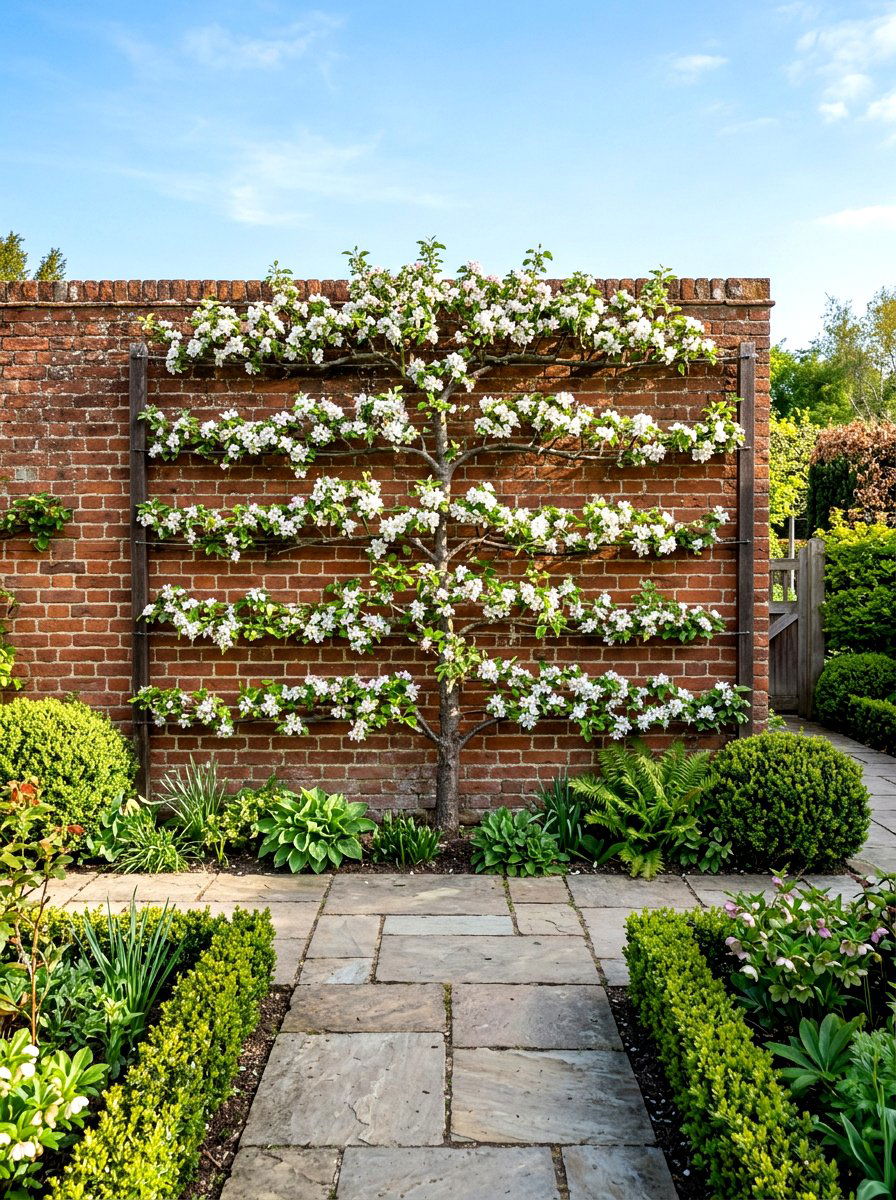
An espalier apple tree wall is a sophisticated technique where trees are trained to grow flat against a vertical surface like a fence or brick wall. This design is ideal for narrow side yards or as a living backdrop for a patio seating area. By pruning the branches into horizontal tiers, you create a striking geometric pattern that looks artistic even during the winter months. In spring, the wall is covered in white and pink blossoms, followed by colorful fruit in late summer. This space-saving method turns a functional garden element into a focal architectural feature that adds incredible texture and charm to any outdoor living zone.
3. Backyard citrus tree patio
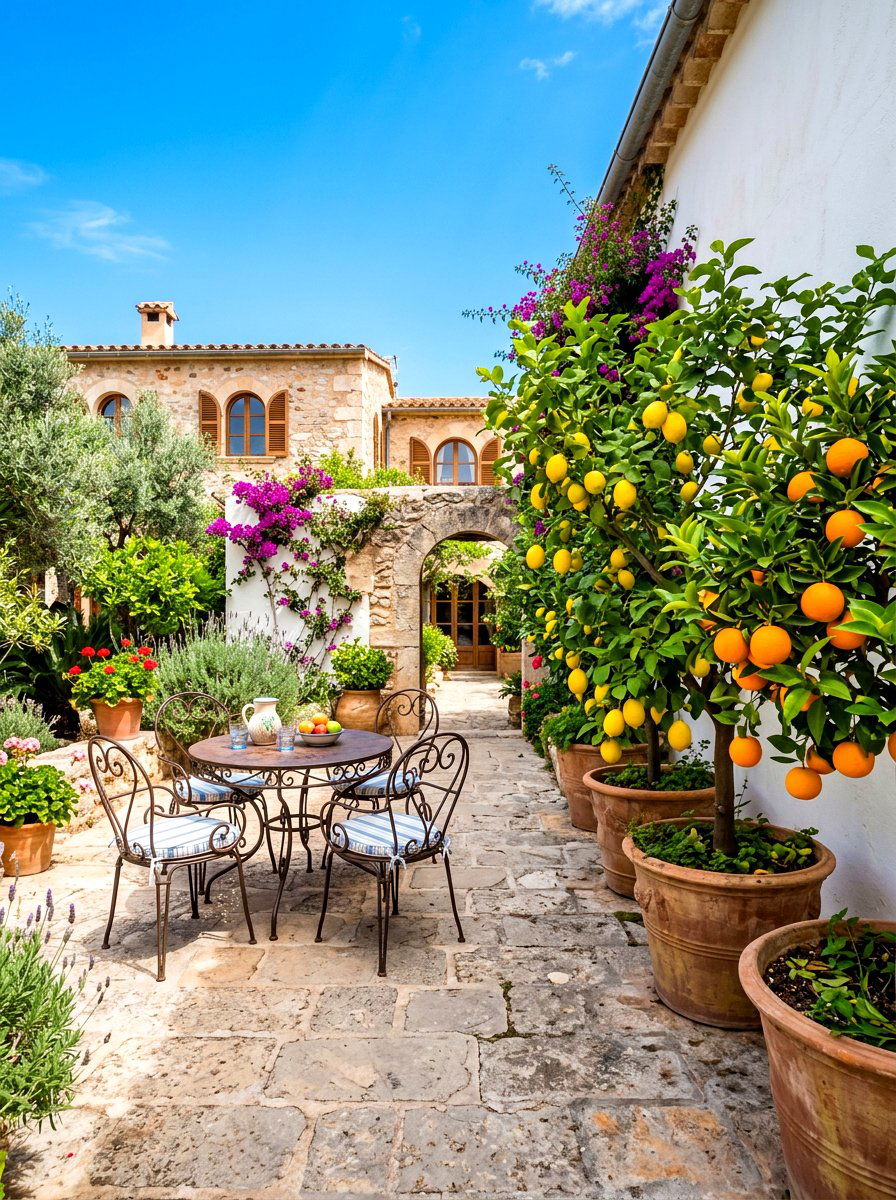
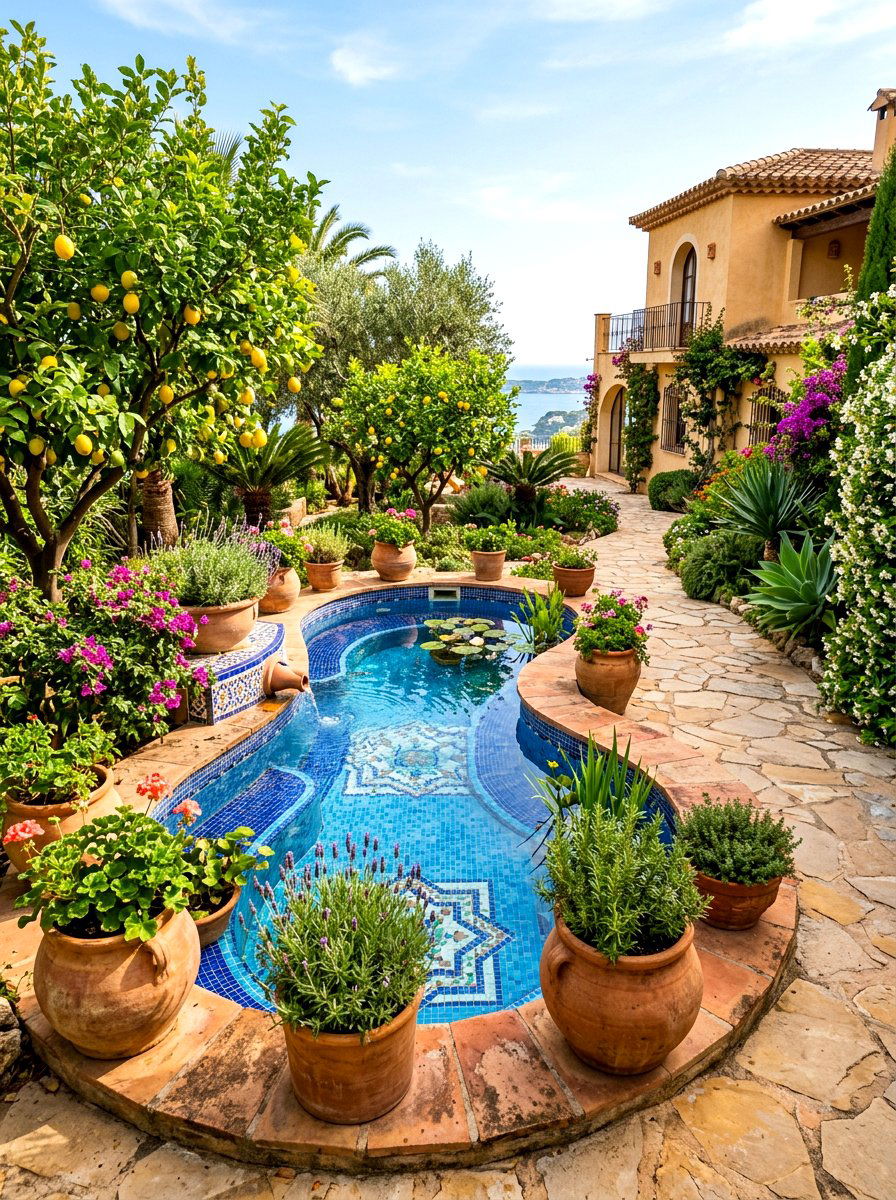
A backyard citrus tree patio brings a vibrant, Mediterranean feel to your home through the use of oranges, lemons, and limes. These trees often feature glossy evergreen leaves and fragrant blossoms that fill the air with a sweet scent. Planting them in large, terracotta or ceramic pots allows you to move them around to catch the best sunlight or protect them from frost. Placing these pots around a sun-drenched stone patio with wrought iron furniture creates an inviting space for morning coffee. The bright pops of yellow and orange fruit against the green foliage provide a cheerful, high-contrast look that feels like a permanent vacation.
4. Fruit tree garden path
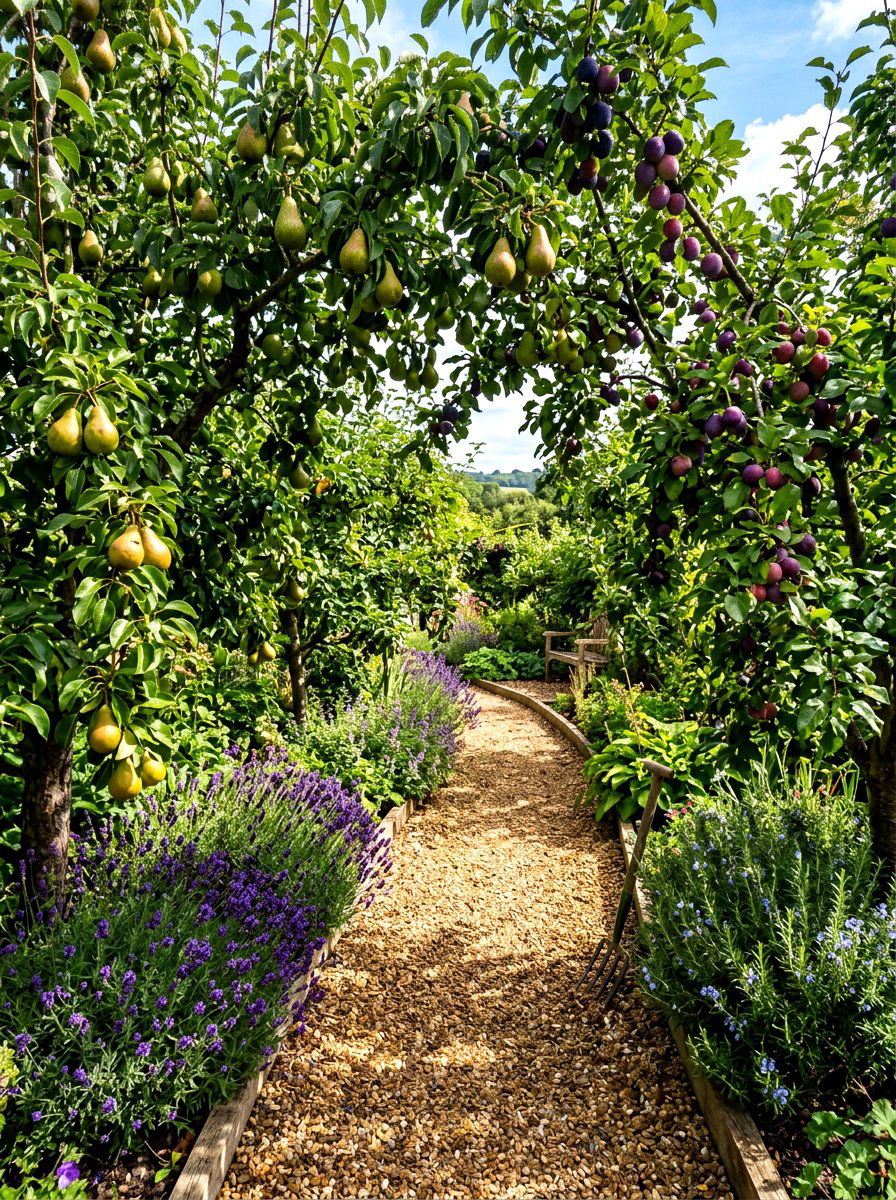
Designing a fruit tree garden path involves lining a walkway with alternating varieties of trees to create an immersive, edible tunnel. Use a mix of semi-dwarf pear and plum trees to offer different leaf shapes and bloom times. Beneath the trees, you can plant low-growing herbs like thyme or lavender to release fragrance as you walk by. The path itself could be made of natural flagstone or crushed gravel to enhance the rustic, organic vibe. This layout encourages exploration of the garden and provides a sense of discovery as you reach out to pluck a ripe piece of fruit while moving through the space.
5. Small backyard cherry orchard
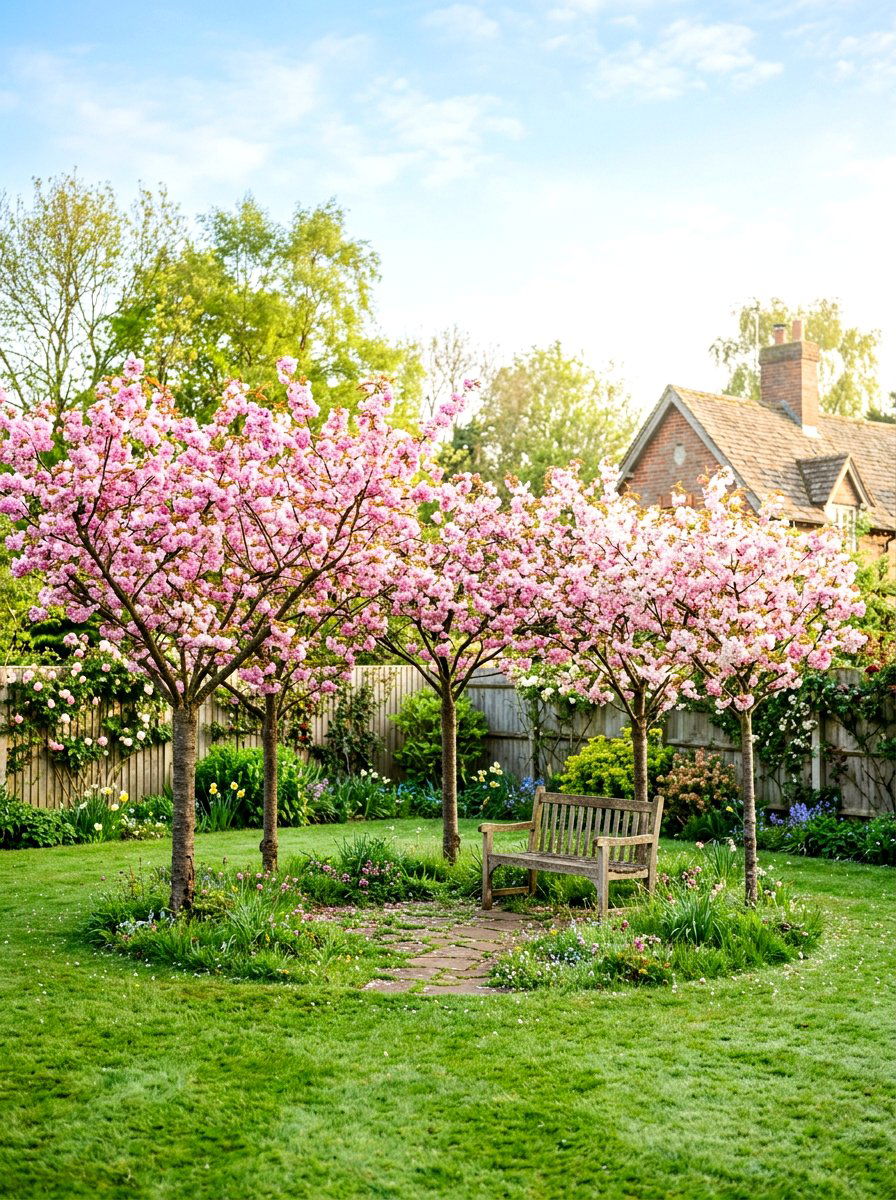
A small backyard cherry orchard is a stunning choice for homeowners who love dramatic spring displays. Cherry trees are famous for their cloud-like clusters of blossoms that transform a yard into a soft, pink paradise for a few weeks each year. To make the most of this aesthetic, plant three to five trees in a semi-circle around a central lawn area. This creates a cozy, enclosed feeling that provides privacy from neighbors. In early summer, the bright red cherries add a jewel-toned contrast to the deep green leaves. Adding a simple wooden bench beneath the canopy offers a tranquil spot to enjoy the seasonal changes.
6. Modern farmhouse peach orchard
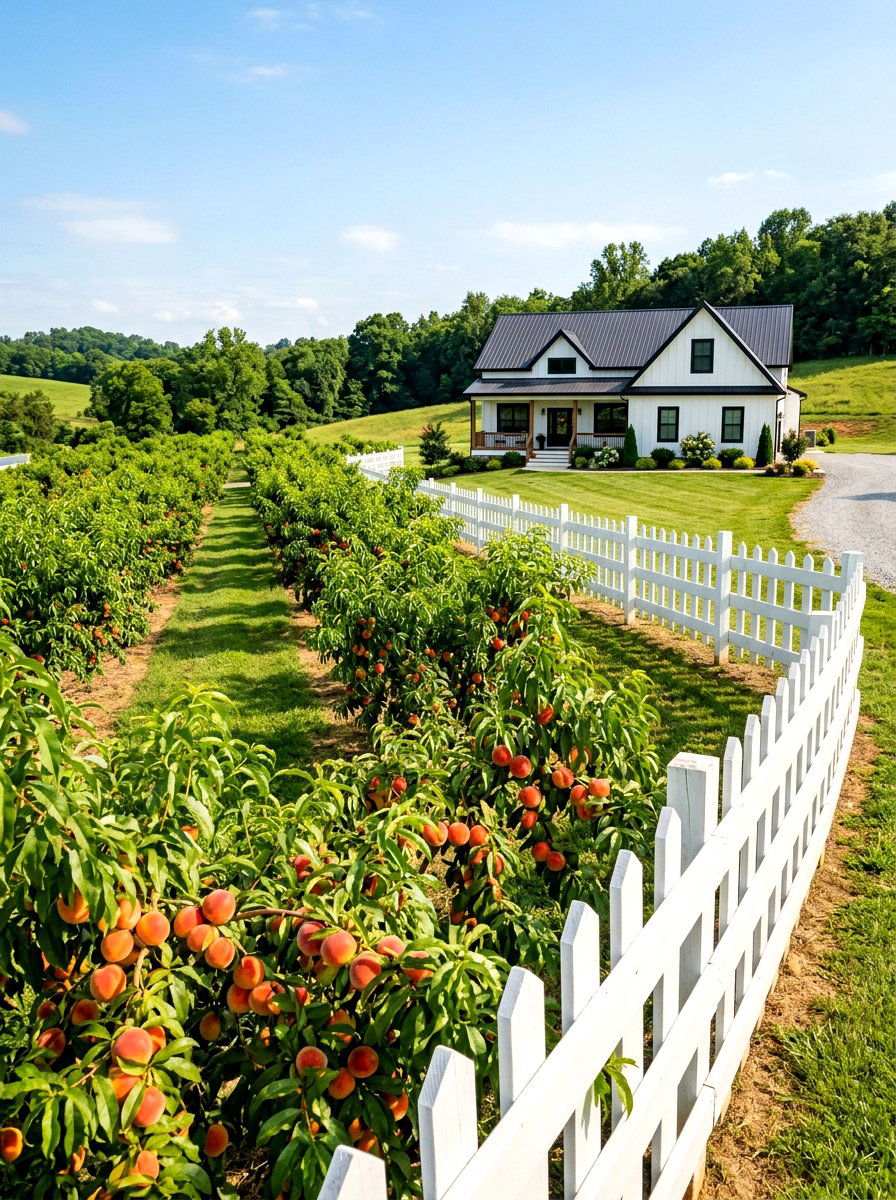
The modern farmhouse peach orchard combines rustic charm with clean, contemporary lines. To achieve this look, plant peach trees in neat rows with wide spacing to allow for a lush, manicured lawn in between. Use white-painted wooden fences or black metal accents to frame the orchard area. Peaches have beautiful, elongated leaves and pink flowers that suit the farmhouse aesthetic perfectly. The golden and rosy hues of the ripening fruit look incredible against a backdrop of a white siding house. This style focuses on simplicity and high-quality materials, making the orchard feel like an extension of the home’s interior design and luxury lifestyle.
7. Backyard vineyard arbor setup
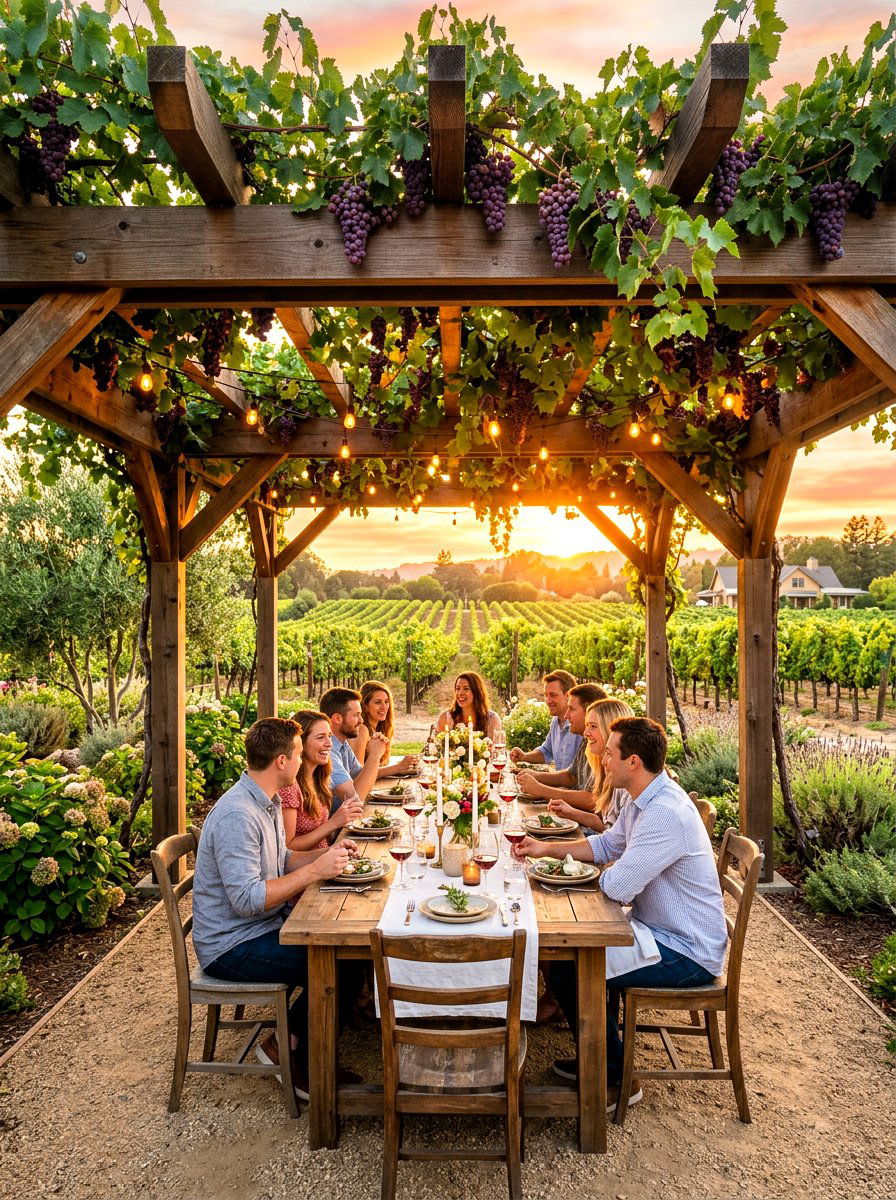
A backyard vineyard arbor setup adds vertical interest and a touch of old-world elegance to your landscape. By building a sturdy wooden or metal pergola, you can train grapevines to climb over the top, creating a natural ceiling of broad green leaves and hanging clusters of fruit. This setup is perfect for shading a large outdoor dining table or a cozy fire pit area. During the hot summer months, the dense foliage provides a cool, dappled light that is perfect for entertaining. The sight of heavy purple or green grapes dangling overhead creates a romantic, lush atmosphere that makes every meal feel like a special occasion.
8. Potted lemon tree terrace
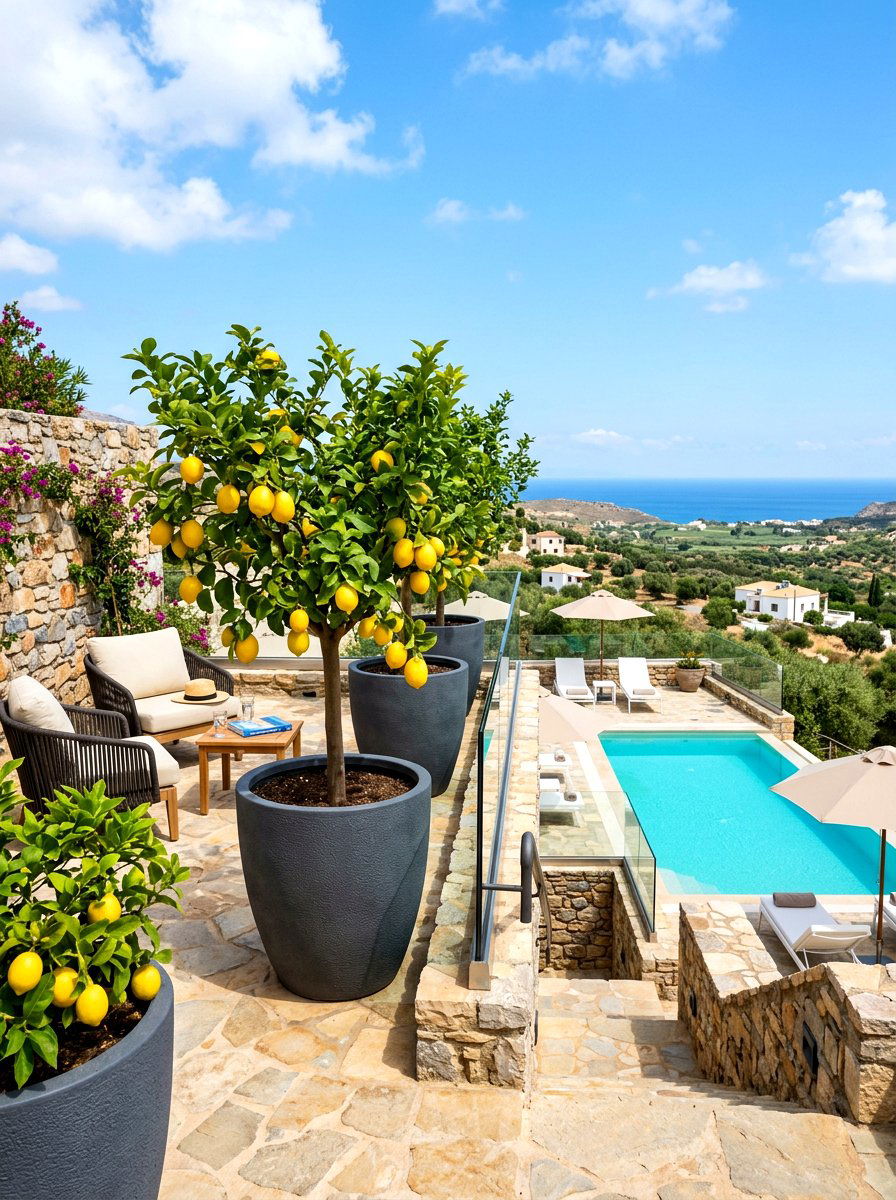
The potted lemon tree terrace is an excellent solution for urban dwellers or those with large paved areas. Lemons are particularly well-suited for container life and offer a consistent, sunny aesthetic year-round. Arrange several pots of varying heights on a multi-level terrace to create depth and visual interest. Using sleek, modern planters in charcoal or white can give the space a contemporary edge, while classic stone pots lean into a traditional look. The evergreen nature of lemon trees ensures that your terrace remains green even in winter, while the bright yellow fruit adds a persistent pop of color that brightens up gray days.
9. Fig tree shade garden
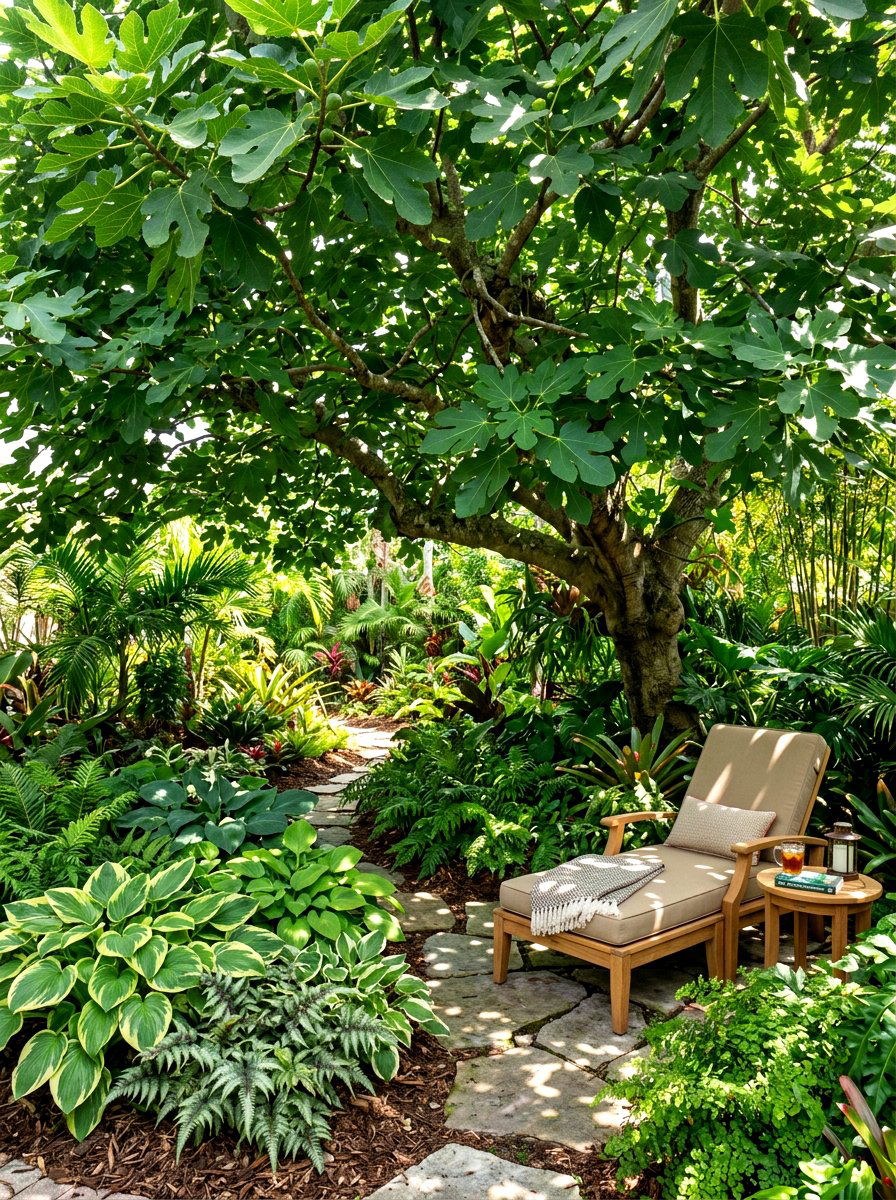
A fig tree shade garden utilizes the large, architectural leaves of the fig tree to create a cool, tropical-feeling retreat. Fig trees grow quickly and develop wide, spreading canopies that are perfect for blocking out the harsh afternoon sun. Underneath the tree, you can plant shade-loving perennials like hostas or ferns to complete the lush look. The unique shape of the fig leaves adds a bold texture to the garden that stands out among finer foliage. Adding a hammock or a low lounge chair beneath the branches creates a hidden sanctuary where you can relax in the shade while enjoying the sweet, earthy scent.
10. Plum tree garden border
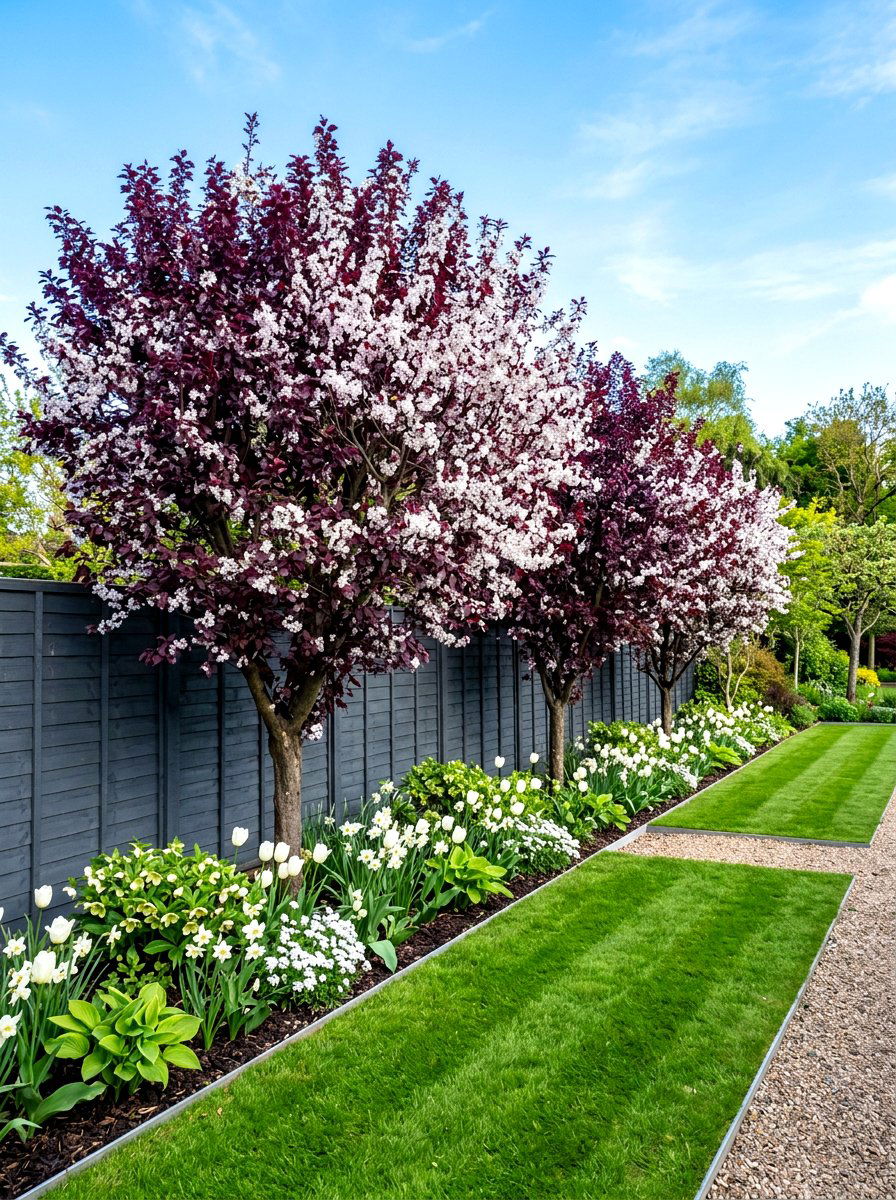
A plum tree garden border is a smart way to define the edges of your property while adding edible value. Many plum varieties have deep purple or burgundy foliage, such as the Hollywood plum, which provides a striking color contrast against typical green shrubs. Planting these trees in a dense row along a fence line creates a high-impact privacy screen that changes with the seasons. In spring, white flowers pop against the dark leaves, and by late summer, the trees are heavy with dusty purple fruit. This border provides a rich, layered look that adds depth and sophisticated color to your backyard perimeter.
11. Orchard picnic seating area
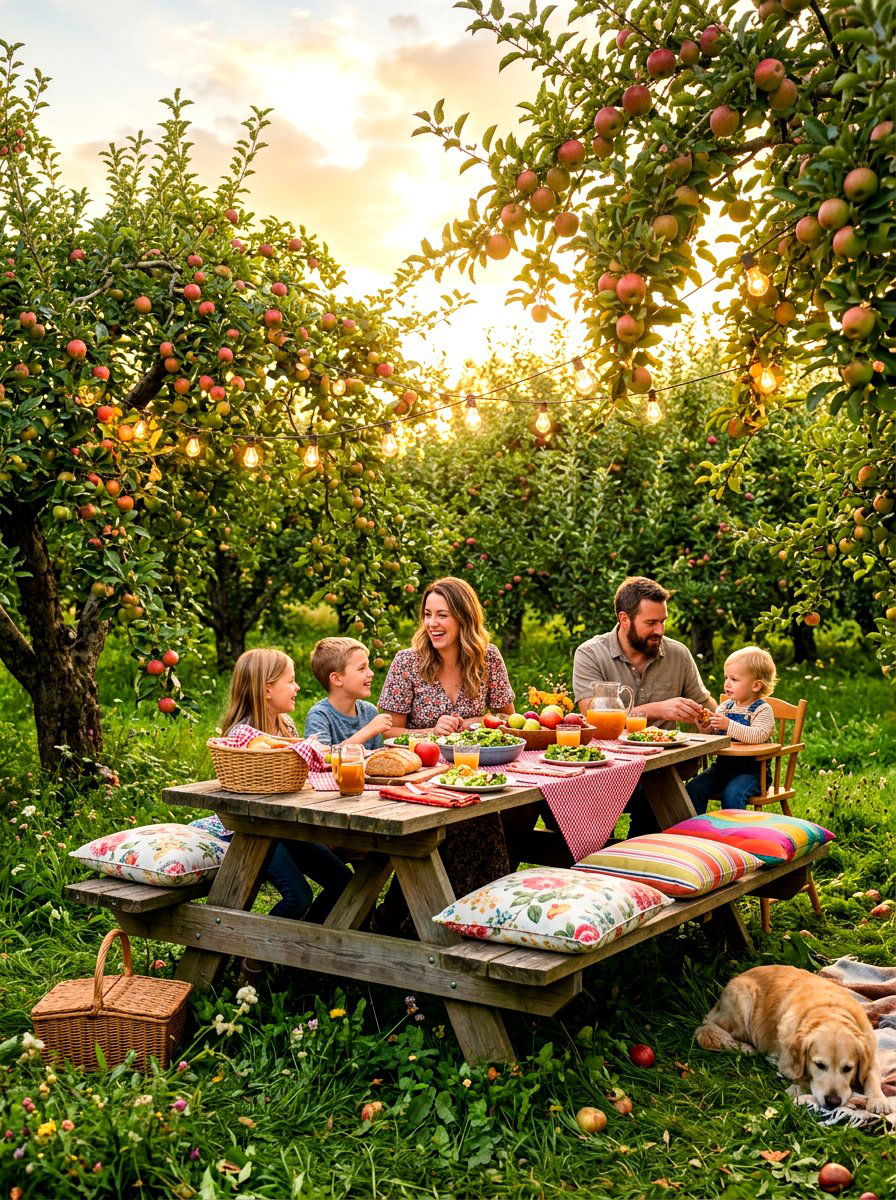
An orchard picnic seating area turns a productive space into a destination for relaxation and social gathering. To create this, clear a flat area beneath a cluster of established apple or pear trees and install a permanent wooden picnic table or a low deck. Use outdoor rugs and soft cushions in earthy tones to make the space feel comfortable and inviting. Stringing low-voltage lanterns from the branches adds a magical glow for evening hangouts. This setup encourages family and friends to linger in the garden, making the act of harvesting fruit a social event rather than a chore, all while surrounded by nature.
12. Fruit tree wildflower meadow
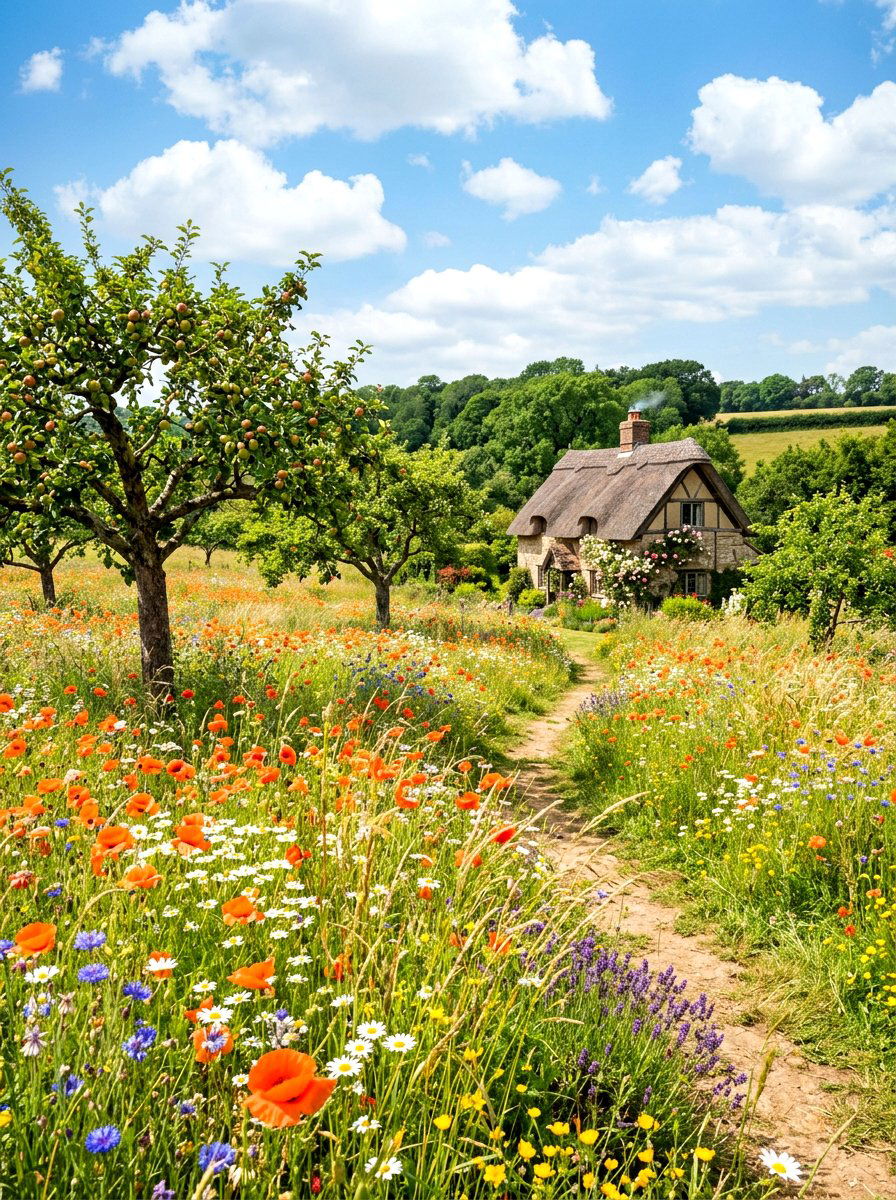
The fruit tree wildflower meadow is a naturalistic, low-maintenance approach that supports local pollinators while looking breathtakingly beautiful. Instead of a traditional mown lawn, sow a mix of native wildflowers and grasses around your fruit trees. This creates a soft, colorful carpet that requires less water and mowing. The tall blooms of cosmos, poppies, and zinnias dance in the breeze between the tree trunks, creating a whimsical, cottage-core aesthetic. This design is not only visually stunning but also improves fruit production by attracting bees and butterflies. It provides a relaxed, effortless vibe that feels like a secret garden hidden away from the world.
13. Backyard apricot tree courtyard
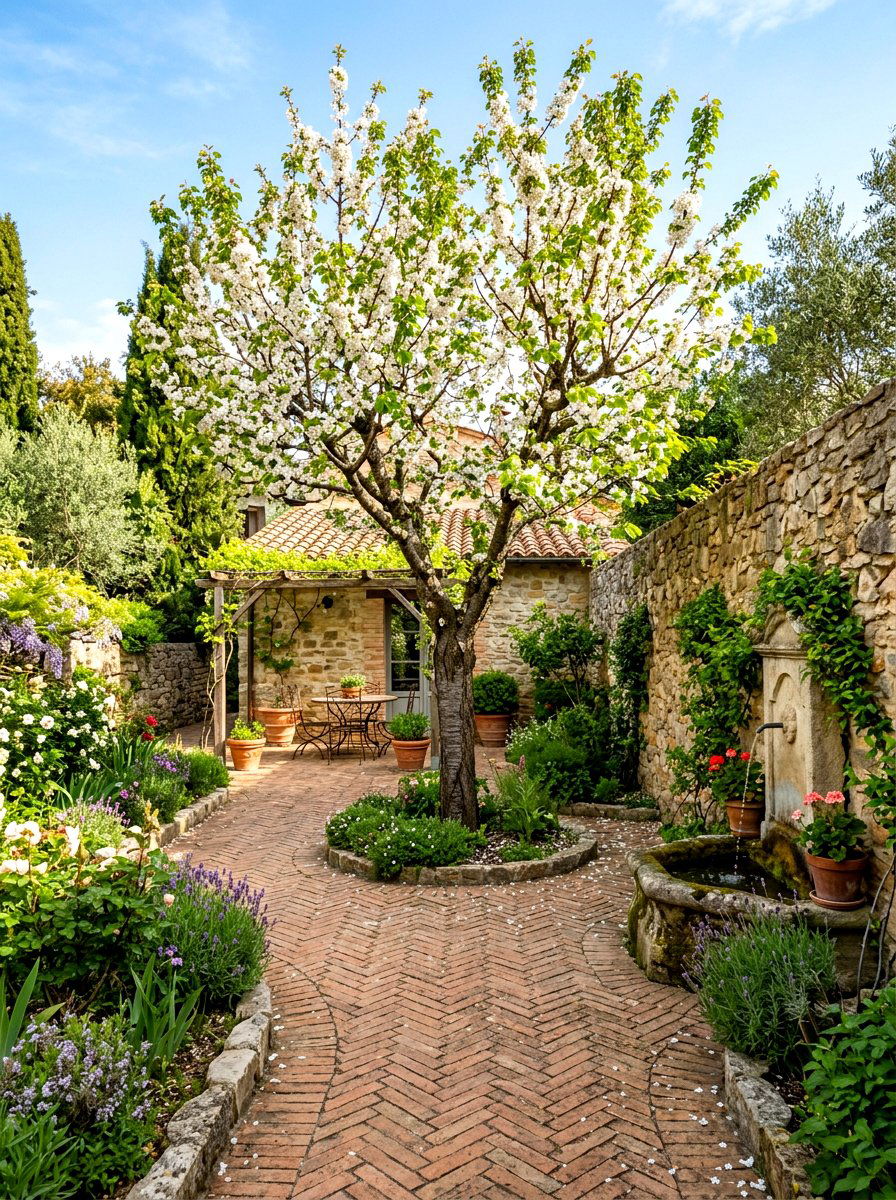
A backyard apricot tree courtyard is a wonderful choice for enclosed spaces or walled gardens. Apricot trees are often smaller and have a delicate, graceful branching habit that fits perfectly in a centered courtyard layout. Surround the tree with high-quality stone pavers or a classic brick herringbone pattern to emphasize the area's architecture. The pale pink blossoms in early spring and the velvety orange fruit in summer provide a sophisticated color palette. Adding a small wall fountain nearby creates a soothing soundscape that complements the serene, private atmosphere of the courtyard, making it a perfect spot for quiet reflection or intimate conversations.
14. Nut tree canopy shade
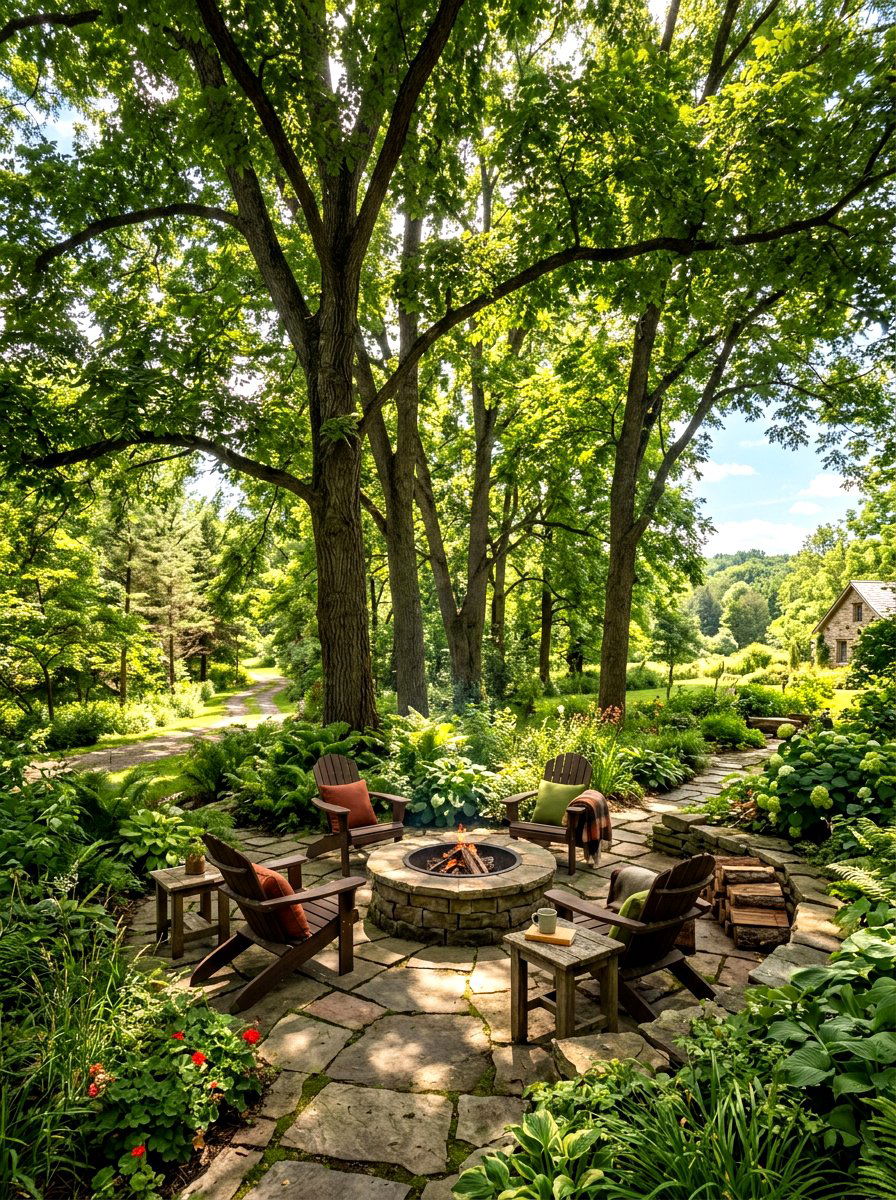
Creating a nut tree canopy shade involves planting larger species like walnut or almond trees to provide a grand, forest-like feel. These trees grow much taller than typical fruit trees, offering a high ceiling of foliage that covers a significant portion of the yard. This is ideal for large backyards where you want to create a natural woodland aesthetic. The dappled light filtering through the leaves creates a perfect environment for a rustic stone patio or a gravel-covered clearing. While these trees take longer to mature, the resulting majestic scale provides a sense of permanence and timeless beauty that anchors the entire landscape design.
15. Orchard fairy lights arrangement
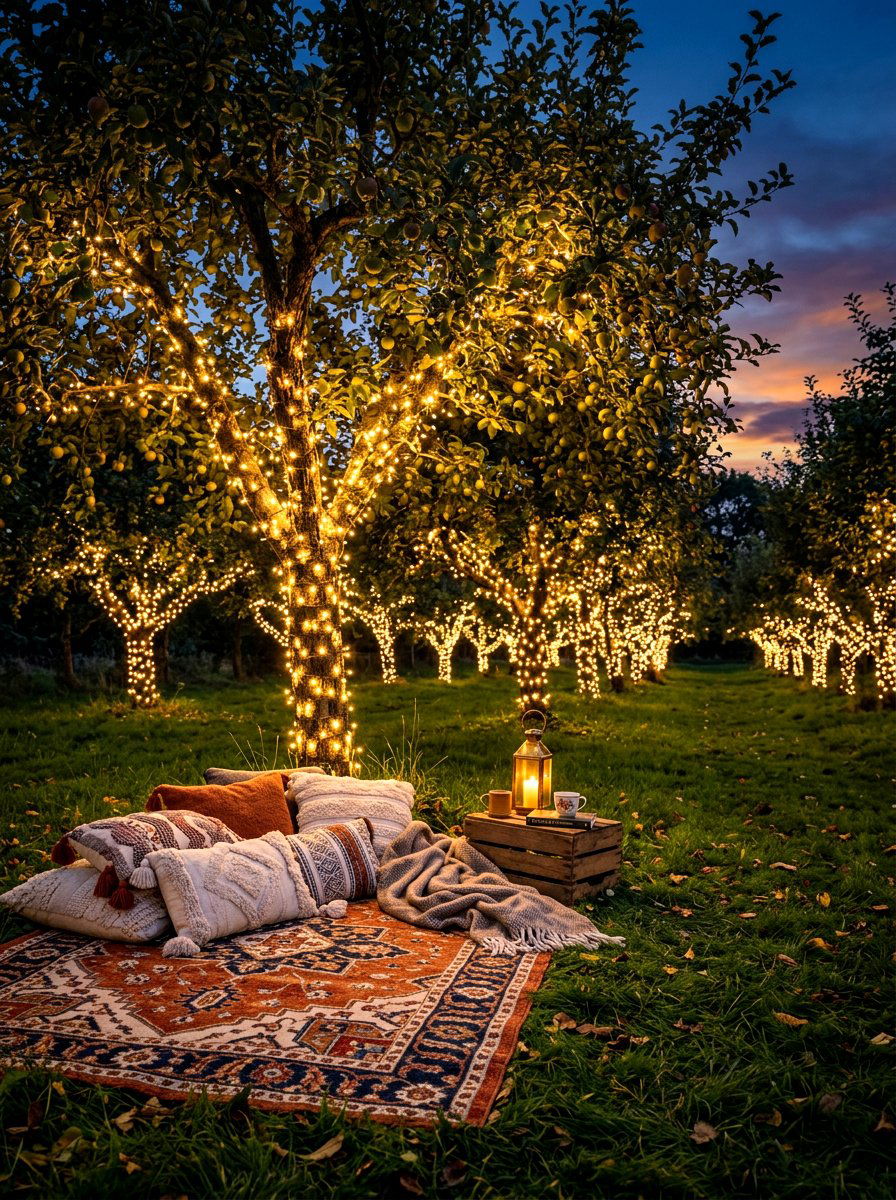
An orchard fairy lights arrangement transforms your fruit trees into a glowing wonderland after the sun goes down. Wrapping warm white LED string lights around the trunks and lower branches highlights the interesting shapes of the bark and structure. You can also hang delicate glass orbs or lanterns from the higher limbs to create a floating light effect. This lighting scheme makes the orchard usable at night, providing a perfect backdrop for outdoor dinner parties or evening strolls. The soft illumination reflecting off the leaves and ripening fruit creates a romantic and cozy atmosphere that is incredibly popular for outdoor photography and social gatherings.
16. Backyard cider garden layout
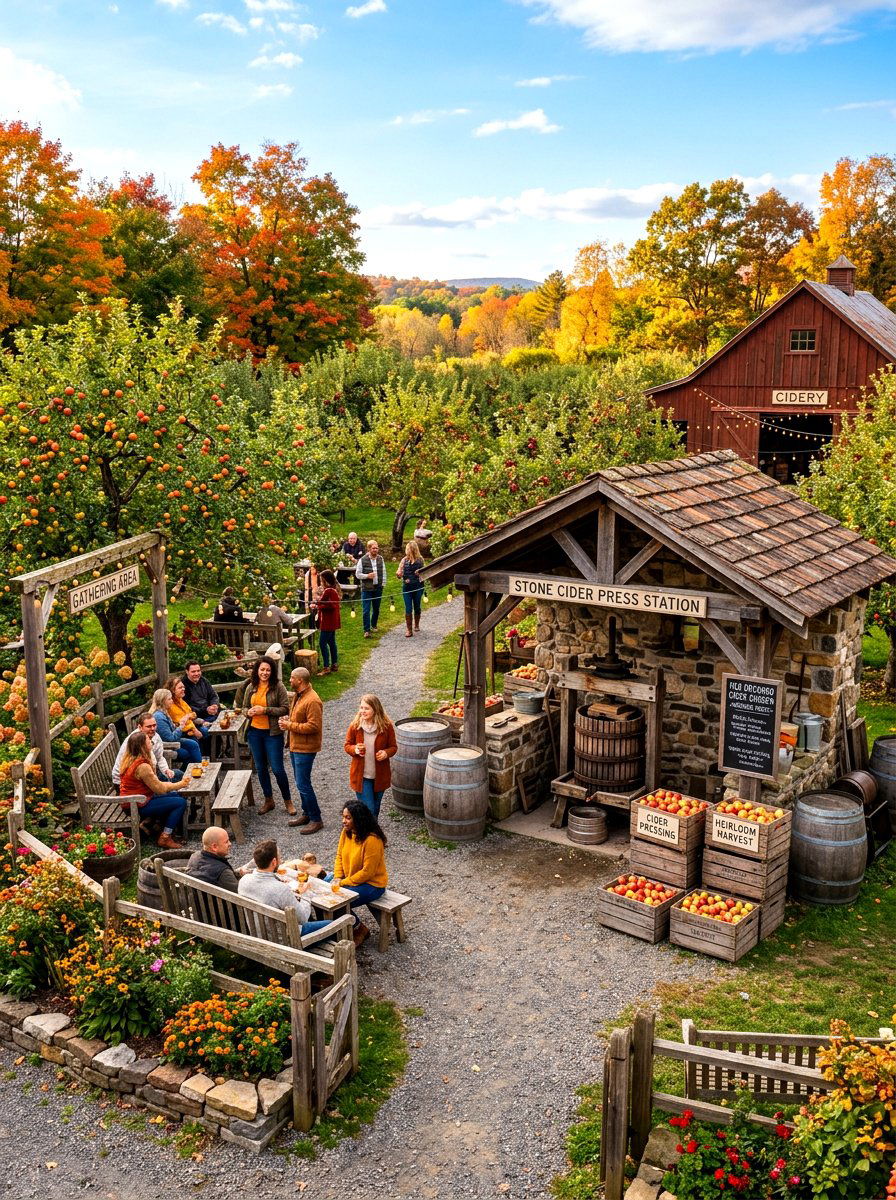
A backyard cider garden layout is a fun, themed approach that focuses on heirloom apple varieties specifically chosen for making juice or cider. Arrange the trees in a semi-formal orchard style, with rows separated by wide, mown grass paths. To lean into the cider theme, incorporate rustic elements like antique wooden crates for harvesting and a dedicated pressing station with a stone top. This layout often includes a central gathering spot with a fire pit and rugged wooden benches where you can enjoy the fruits of your labor. It creates a nostalgic, community-focused vibe that feels authentic and deeply connected to traditional agricultural roots.
17. Persimmon tree focal point
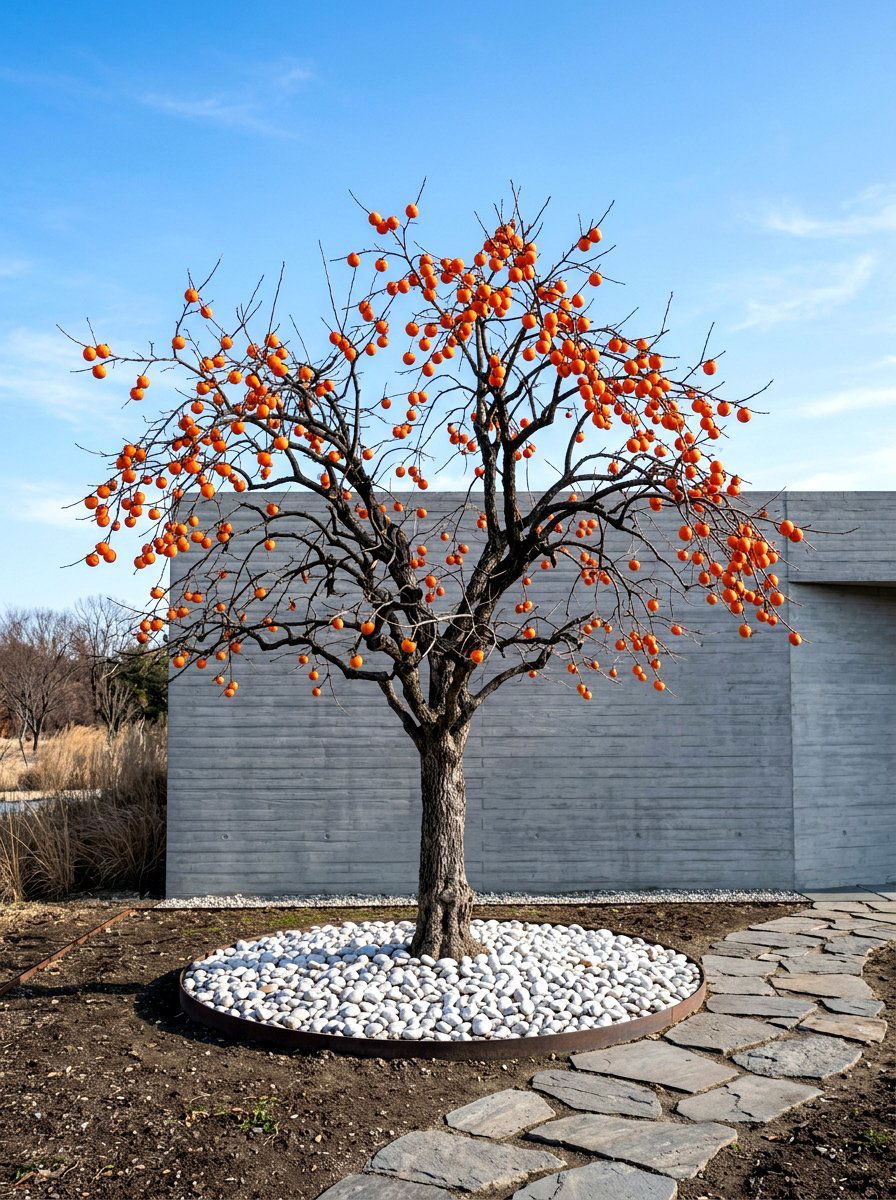
Using a persimmon tree as a focal point is a brilliant way to add late-season color to your backyard. Persimmons are unique because their bright orange fruit often stays on the branches long after the leaves have fallen in autumn, looking like natural ornaments against the winter sky. Plant a single, well-placed tree in the center of a lawn or at the end of a primary sightline from your back door. Surround the base with low-growing evergreens or white flowering perennials to make the orange fruit pop. This tree provides year-round interest, from its glossy summer leaves to its dramatic architectural silhouette in the winter.
18. Quince tree shrubbery landscape
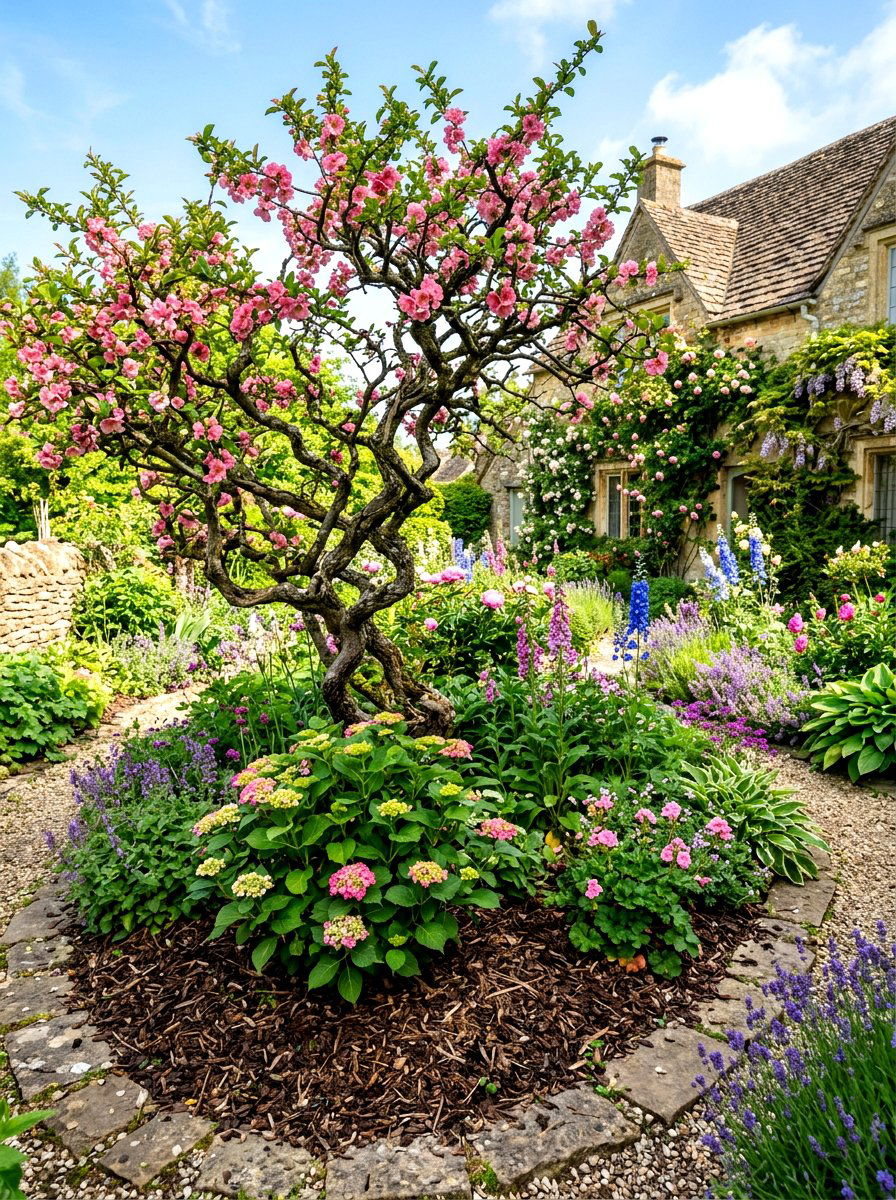
A quince tree shrubbery landscape focuses on the ornamental beauty of the quince, which can be grown as a small tree or a large, multi-stemmed shrub. Quince trees are famous for their large, fragrant pink or white flowers and their lumpy, golden-yellow fruit that smells like vanilla and citrus. Integrating them into a larger shrub border with hydrangeas or lilacs creates a dense, layered look that provides excellent habitat for birds. The twisted, gnarled branches of older quince trees add a touch of character and "wabi-sabi" charm to the garden, making it feel established and full of history even in a newer landscape.
19. Pomegranate tree privacy screen
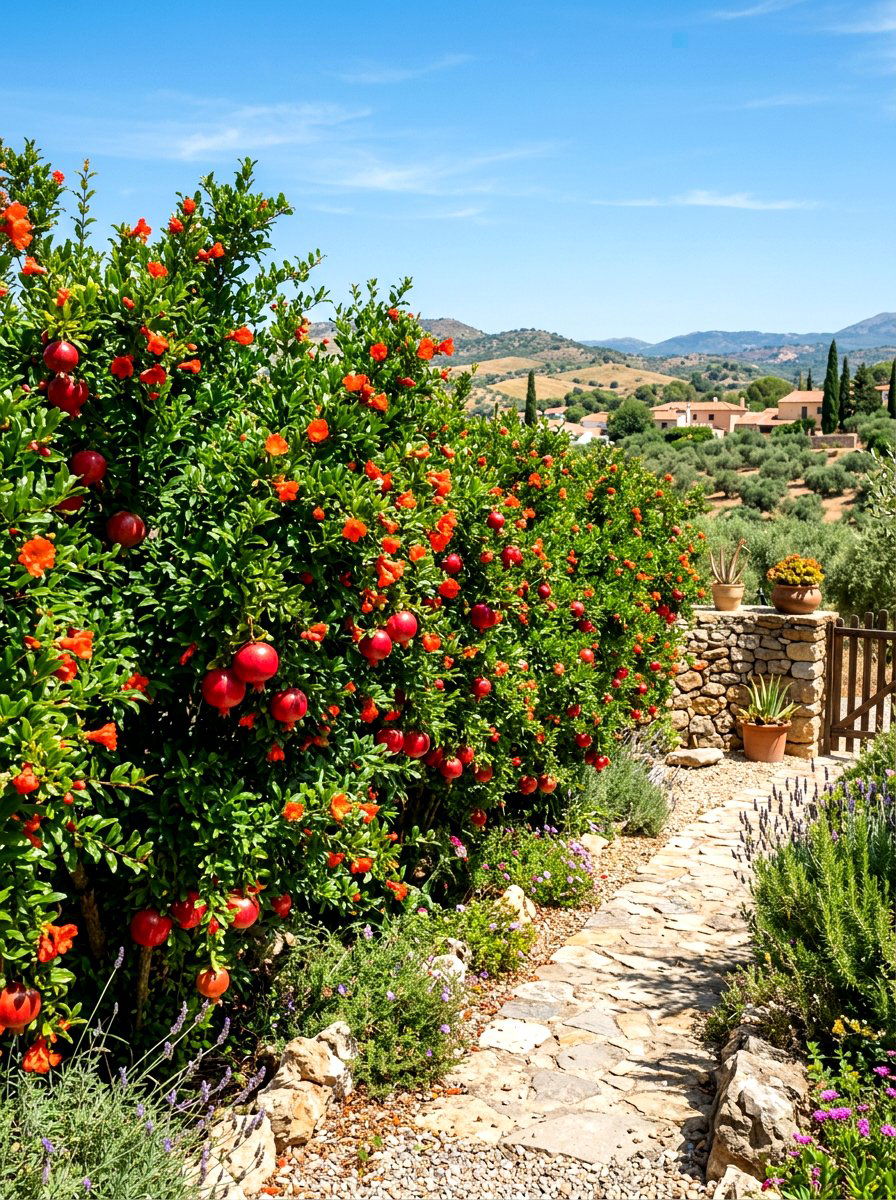
A pomegranate tree privacy screen offers a unique and colorful way to block out the neighbors while enjoying delicious fruit. Pomegranates grow into dense, multi-trunked shrubs or small trees with small, glossy leaves that provide a thick wall of green. In the summer, they produce bright orange-red tubular flowers that attract hummingbirds, followed by large, leathery red fruit in the fall. Planting them in a tight row along a property line creates a vibrant, living fence that is much more interesting than traditional cedar or vinyl options. The Mediterranean aesthetic and tough, drought-tolerant nature of pomegranates make them a practical and beautiful choice.
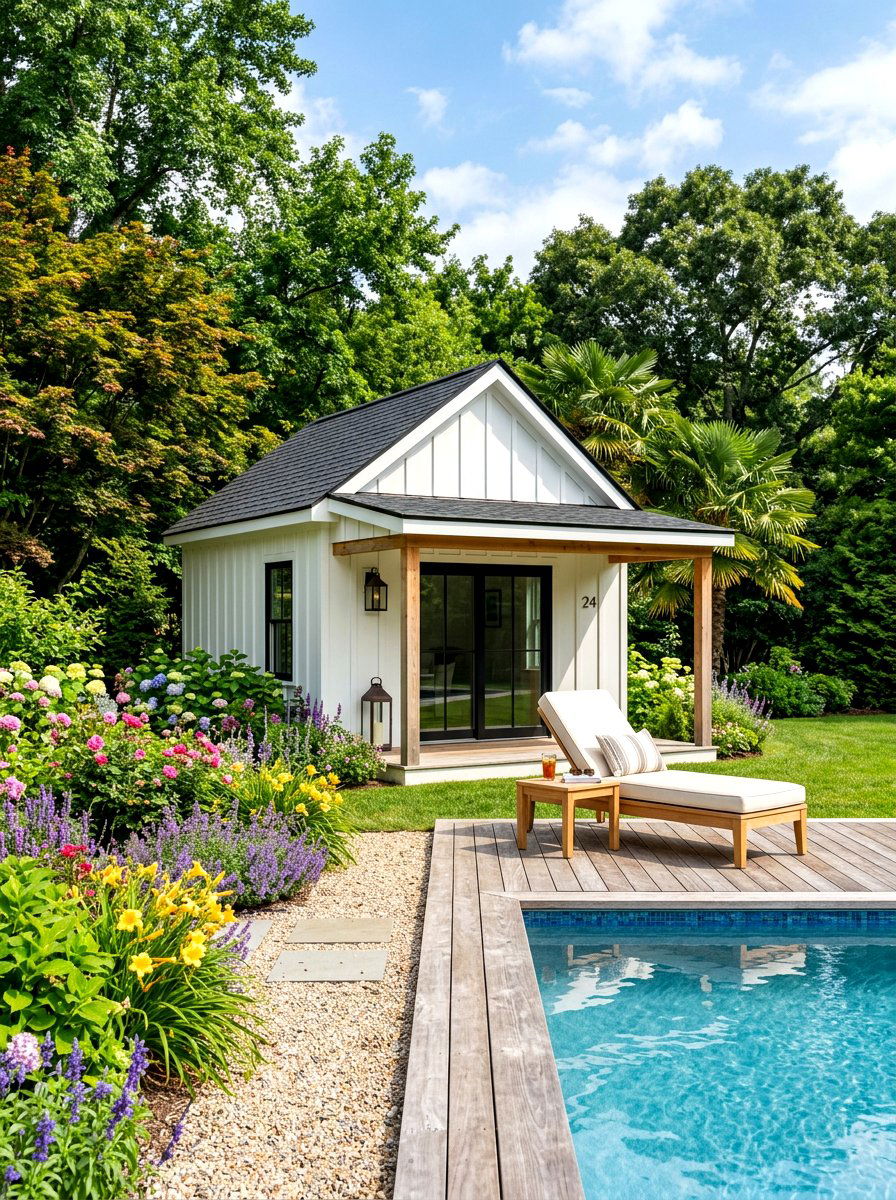
20. Mulberry tree lawn area
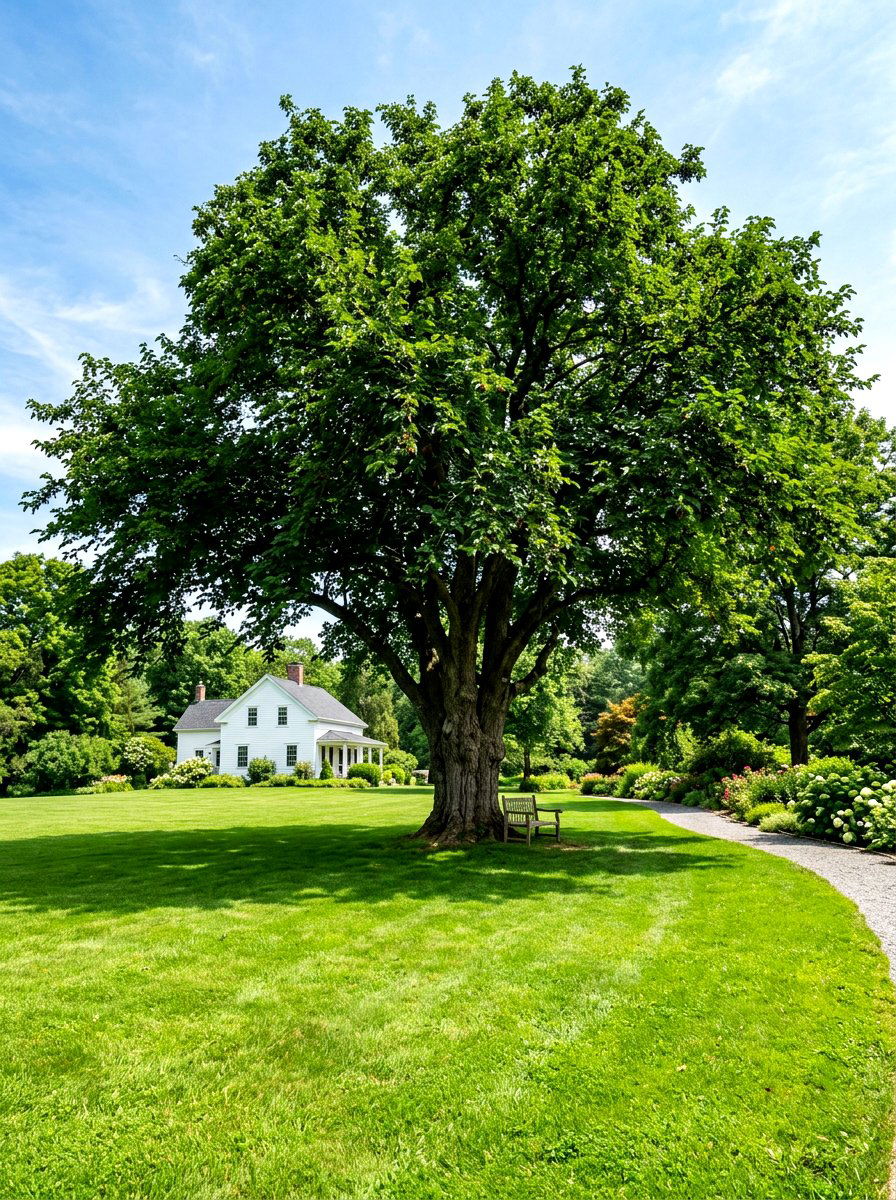
Integrating a mulberry tree into a lawn area provides a classic, nostalgic feel reminiscent of old farmsteads. Mulberry trees are known for their fast growth and large, heart-shaped leaves that create a massive area of deep shade. Placing one in the middle of a wide-open lawn creates a natural umbrella for kids to play under or for dogs to rest. To keep the area clean, choose a "fruitless" variety for pure shade or a dwarf variety for easier fruit management. The sight of a large, spreading tree in a sea of green grass creates a peaceful, park-like atmosphere that is perfect for summer afternoons and family picnics.
21. Orchard gravel walkway
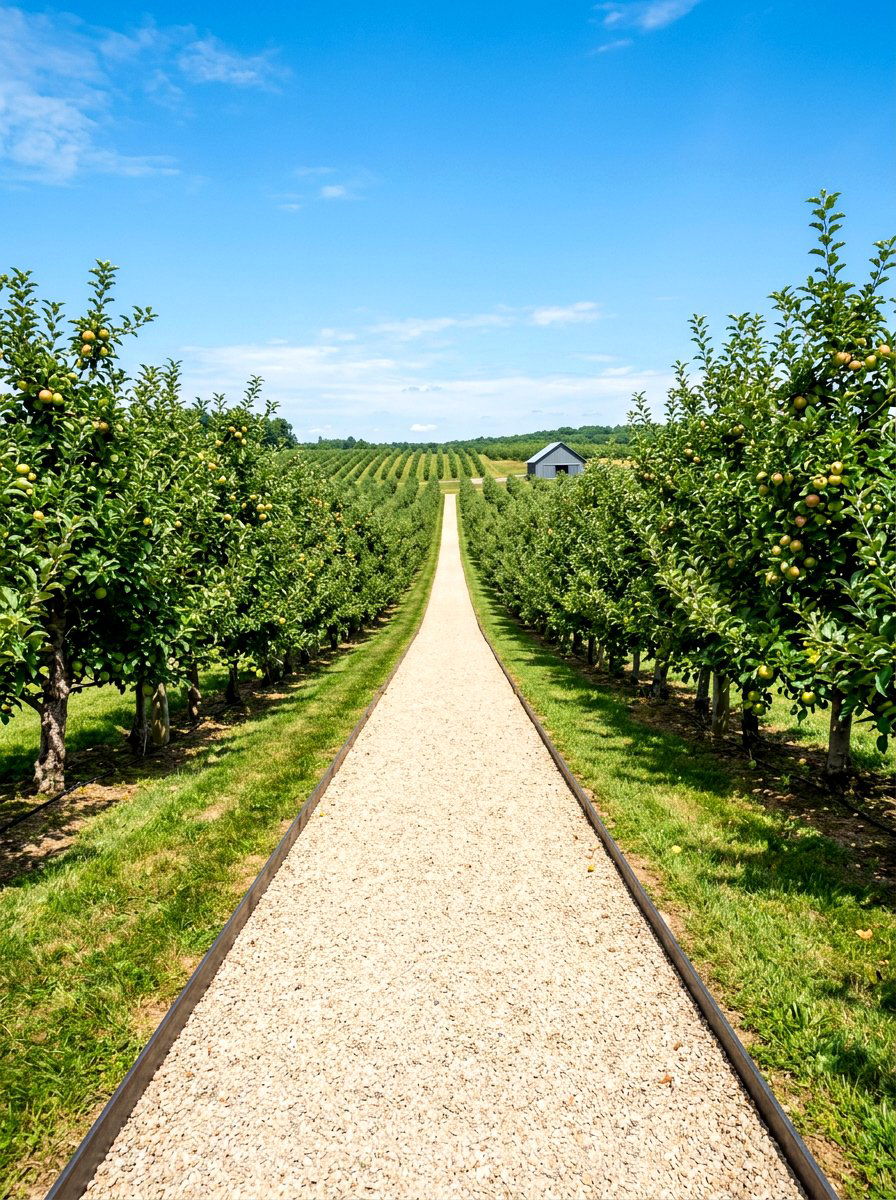
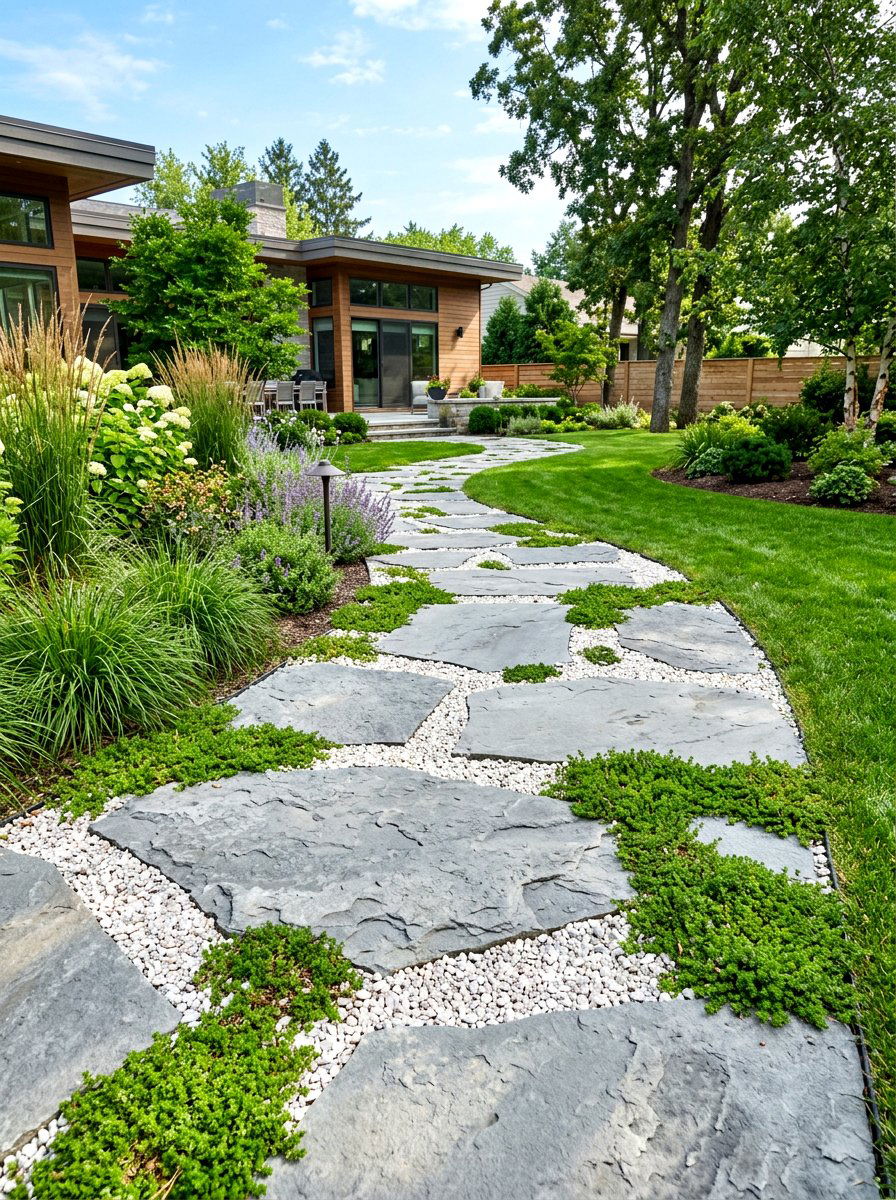
An orchard gravel walkway is a functional and stylish way to navigate between your fruit trees. Using a light-colored pea gravel or crushed granite provides a clean, crunching sound underfoot that adds to the sensory experience of the garden. The gravel helps with drainage and prevents the area from becoming muddy during the harvest season. You can edge the path with steel or wood to keep the stones in place and create a sharp, defined line. This look pairs exceptionally well with a minimalist or modern orchard design, providing a neutral backdrop that allows the colors of the trees and fruit to take center stage.
22. Fruit tree vegetable garden
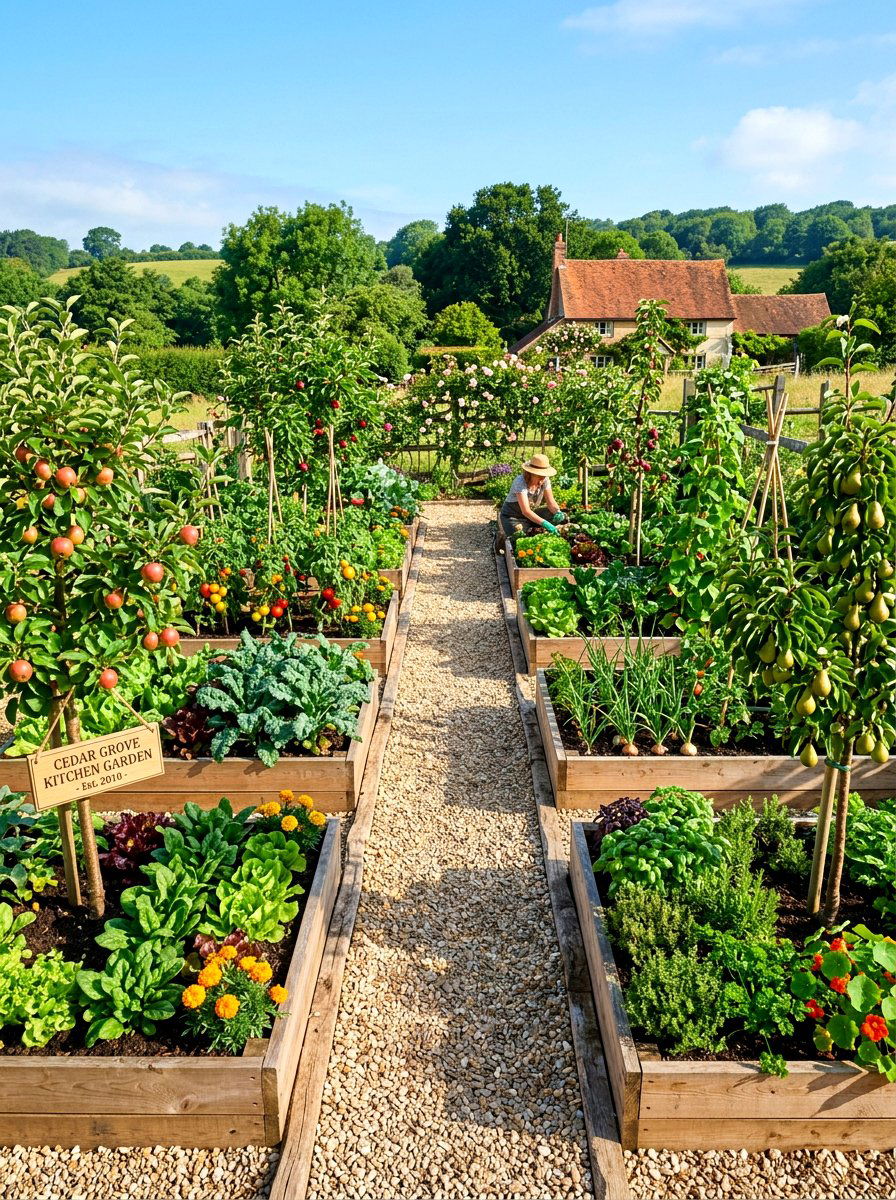
Combining a fruit tree vegetable garden creates a highly productive "edible estate" where every inch of the yard serves a purpose. Plant dwarf fruit trees as anchors at the corners of raised vegetable beds made from cedar or galvanized metal. This integrated approach ensures that your pollinators are always nearby to help both your tomatoes and your apples. The varying heights of the trees and the low-growing vegetables create a visually interesting, tiered effect. Using uniform materials for the beds and adding decorative trellis systems for climbing beans or grapes ties the whole look together into a cohesive, professional-looking kitchen garden.
23. Olive tree Mediterranean yard
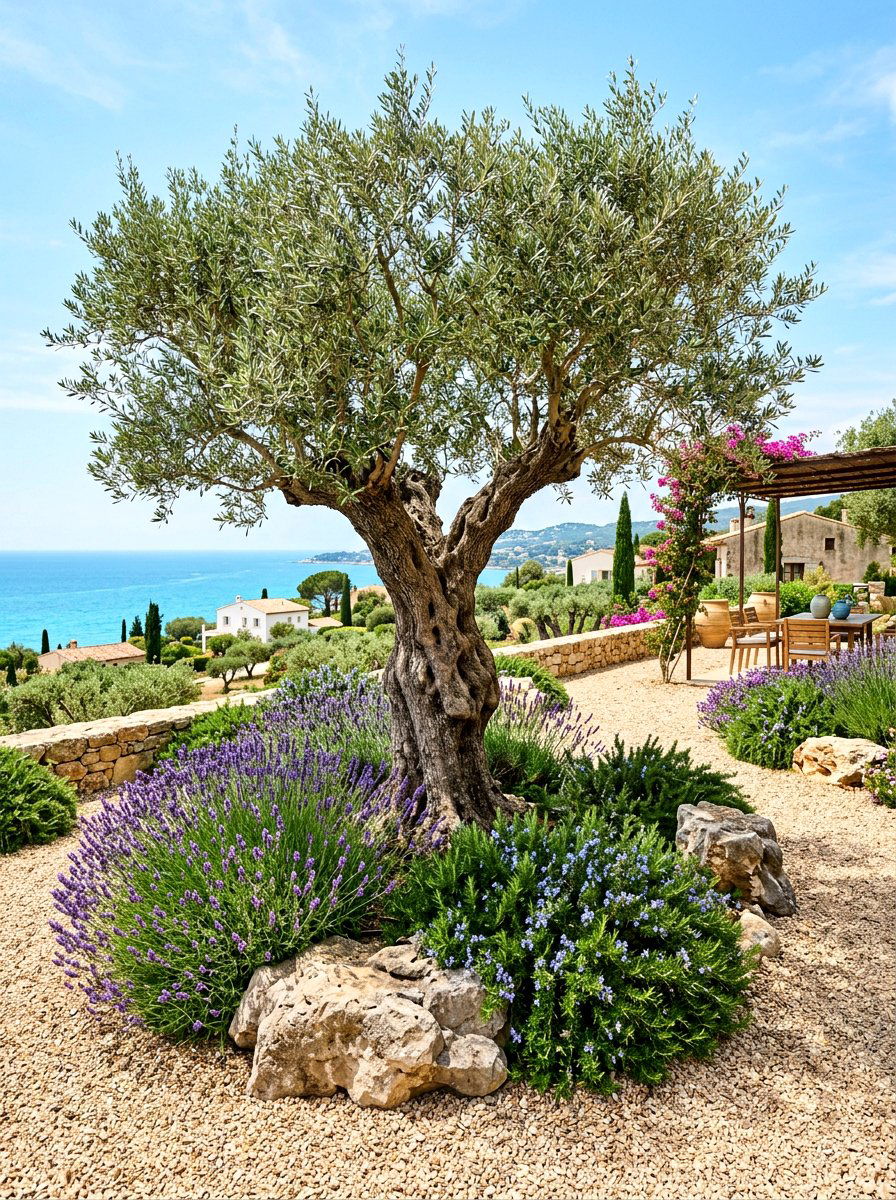
An olive tree Mediterranean yard brings the timeless, silvery-green aesthetic of the Italian countryside to your backyard. Olive trees are prized for their gnarled trunks and thin, elegant leaves that shimmer in the breeze. Surround a central olive tree with gravel, large boulders, and drought-tolerant plants like rosemary, lavender, and agave. This low-water landscaping style is both sustainable and incredibly chic. Using a neutral color palette of greys, tans, and muted greens creates a sophisticated, calming environment. Whether planted in the ground or in large, ornate stone jars, olive trees offer an upscale, artisanal look that never goes out of style.
24. Pawpaw tree tropical landscape
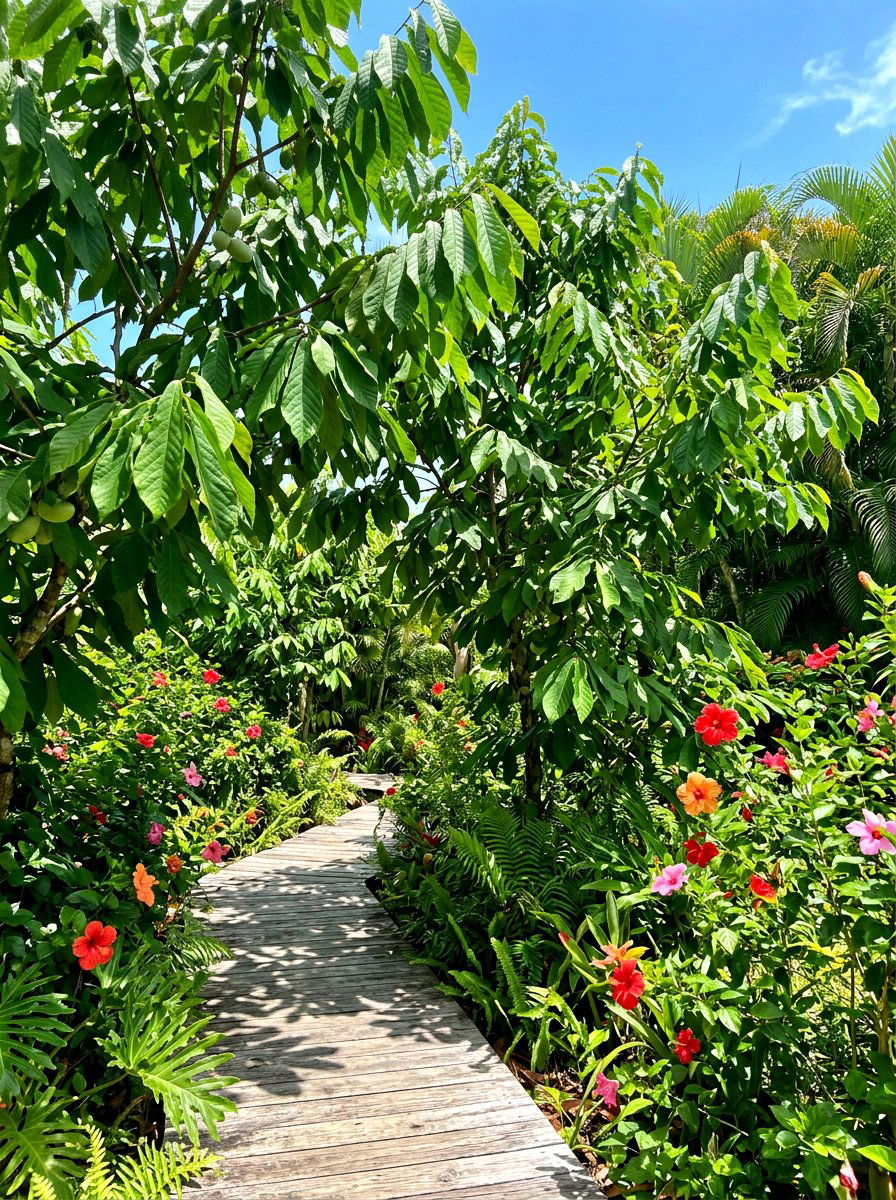
A pawpaw tree tropical landscape is perfect for gardeners in temperate climates who want a lush, exotic look. Pawpaws are native to North America but have huge, drooping leaves that look like they belong in the rainforest. Planting them in a grove creates a dense, jungle-like canopy that provides deep shade and a unique architectural vibe. They produce large, custard-like fruit that tastes like a mix of banana and mango. To complete the tropical aesthetic, pair them with hardy hibiscus or large-leaved hostas. This design offers a surprising and bold alternative to traditional apple or pear orchards, making your backyard truly stand out.
25. Orchard hammock lounging spot
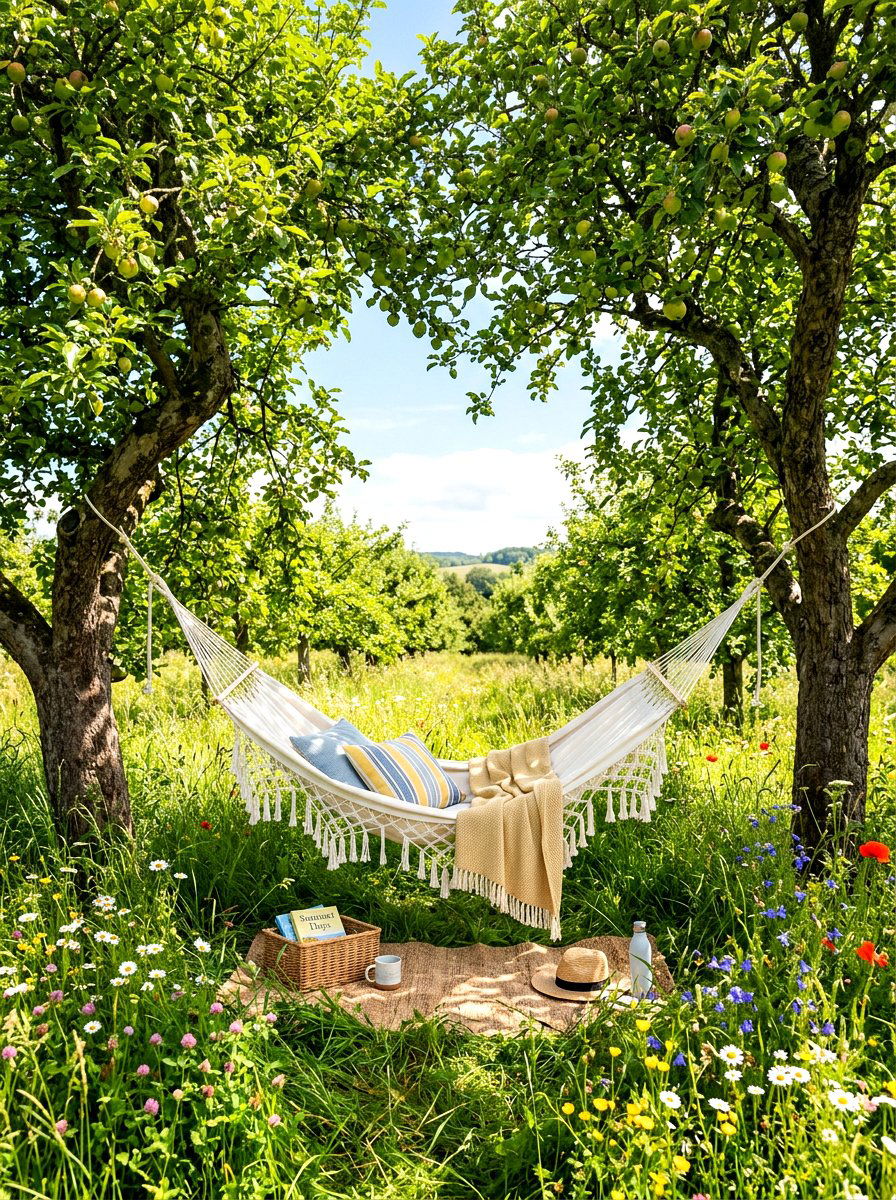
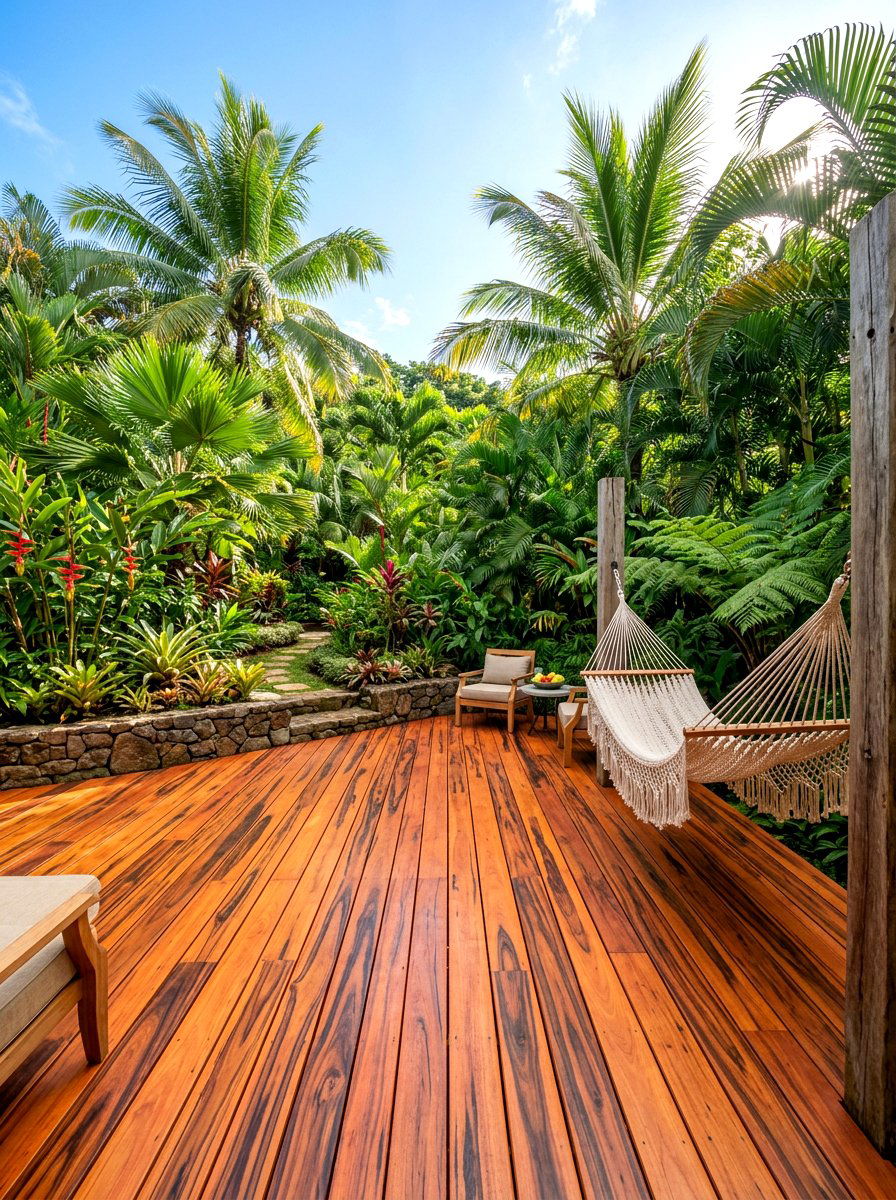
An orchard hammock lounging spot is the ultimate way to enjoy the tranquility of your fruiting trees. Find two sturdy, established trees — perhaps old apple or cherry trees — and hang a woven cotton hammock between them. This creates a cozy "nook" where you can nap or read while sheltered by the leaves. The gentle swaying and the sound of the wind through the branches provide a meditative experience. Surround the area with fragrant groundcovers like chamomile to enhance the relaxation. This simple addition turns a productive garden into a personal retreat, emphasizing the "wellness" aspect of having an orchard in your own backyard.
26. Crabapple tree ornamental garden
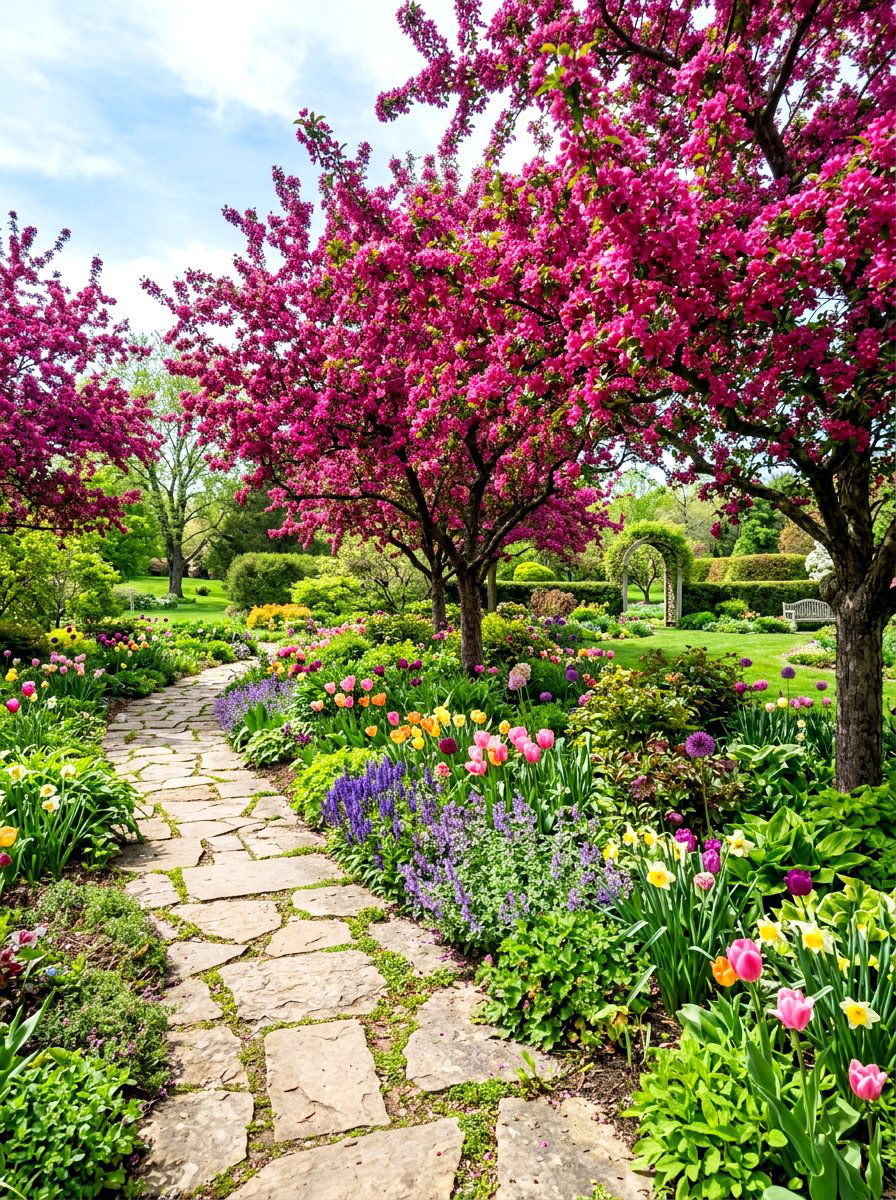
A crabapple tree ornamental garden focuses on visual impact and wildlife support. Crabapples are closely related to standard apples but are often grown for their spectacular floral displays and tiny, bright fruits that persist into winter. Choose varieties with different flower colors — ranging from pure white to deep magenta — and plant them as specimen trees in a mixed perennial bed. Their compact size makes them perfect for suburban yards where space is limited. The colorful fruit provides a vital food source for birds, adding movement and life to your garden throughout the colder months. This approach treats fruit trees as high-end ornamental features.
27. Loquat tree evergreen orchard
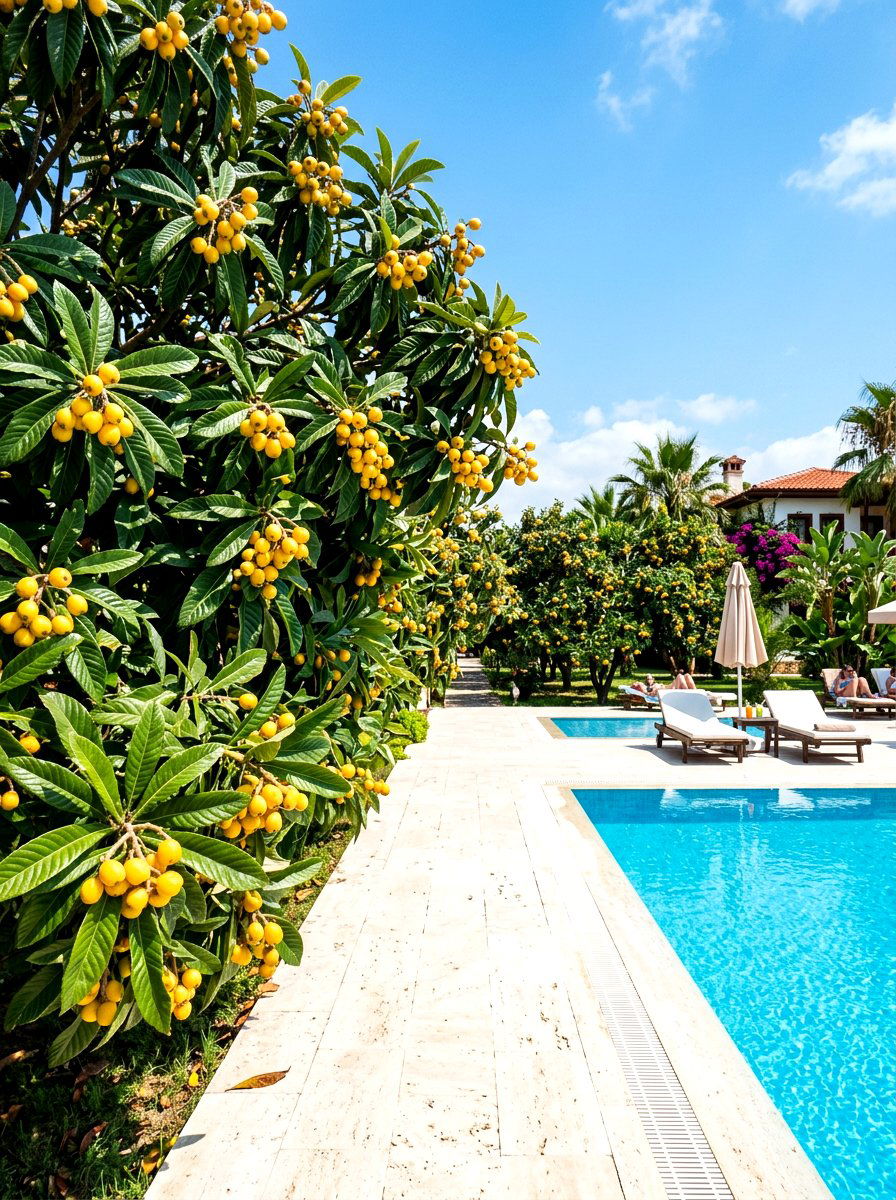
A loquat tree evergreen orchard provides a lush, green backdrop all year long, which is a major advantage over deciduous fruit trees. Loquats have large, stiff, tropical-looking leaves with a fuzzy texture that adds great interest even when the tree isn't fruiting. In the winter, they produce fragrant white flowers, followed by sweet, yellow-orange fruit in the early spring. This makes them a fantastic choice for year-round privacy and structure. Arranging them in a row along a sunny patio or as a backdrop for a swimming pool creates a high-end, resort-like feel that is both functional and aesthetically pleasing for warm-climate homes.
28. Orchard dining table setting
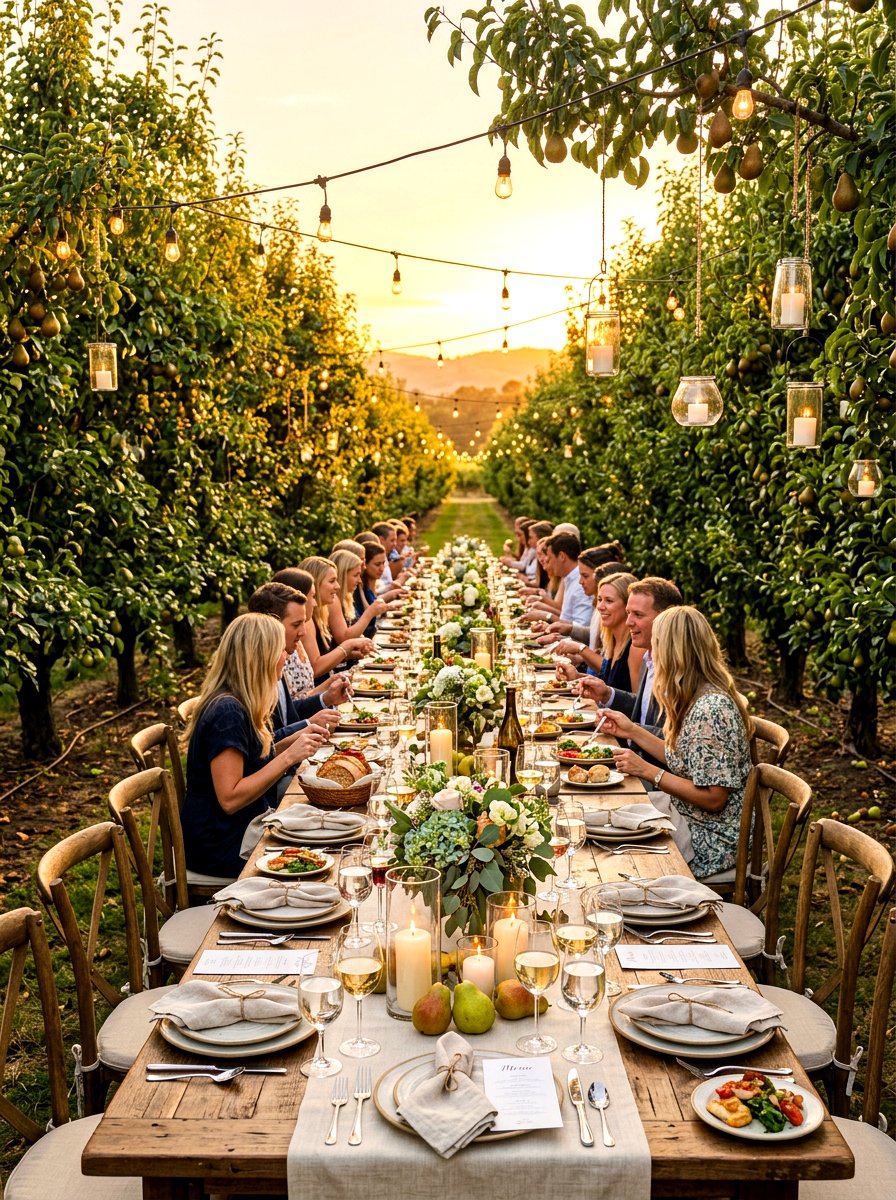
An orchard dining table setting creates a magical environment for "farm-to-table" meals right in your backyard. Place a long, rustic farmhouse table directly between two rows of fruit trees so that the branches form a natural ceiling. Decorate the table with linen runners, beeswax candles, and bowls of freshly picked fruit from the surrounding trees. This immersive dining experience connects guests with the source of their food and provides a stunning visual backdrop for any occasion. The dappled sunlight during the day and the soft glow of lanterns at night make this the most coveted seat in the house for entertaining friends.
29. Fruit tree bird bath area
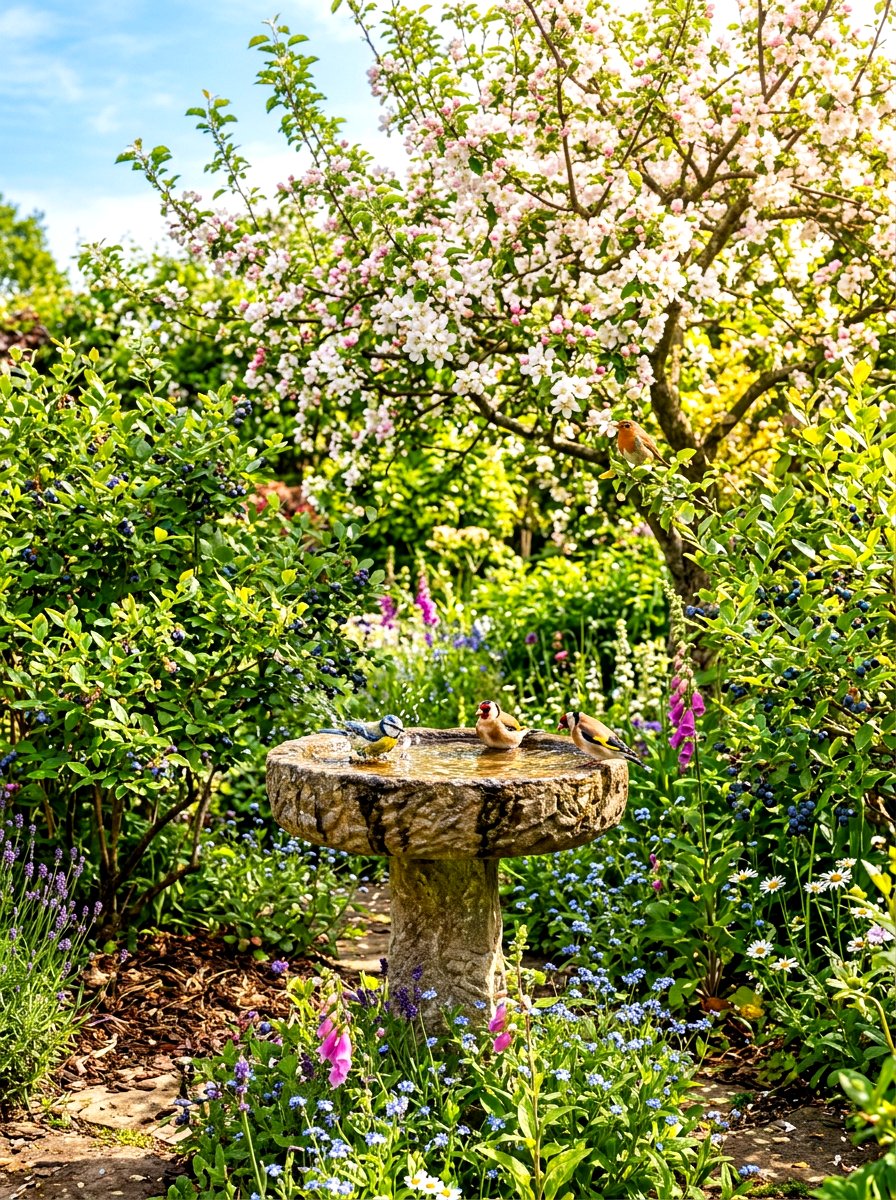
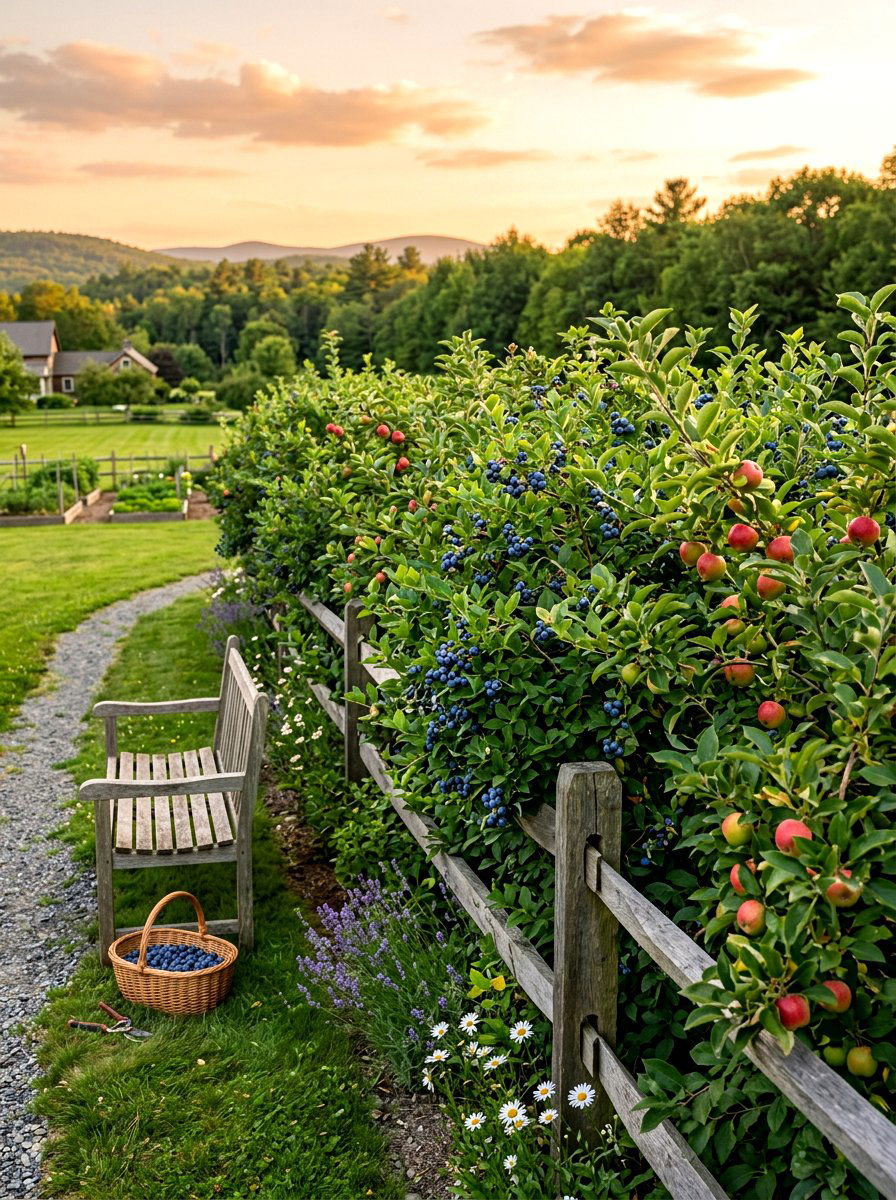
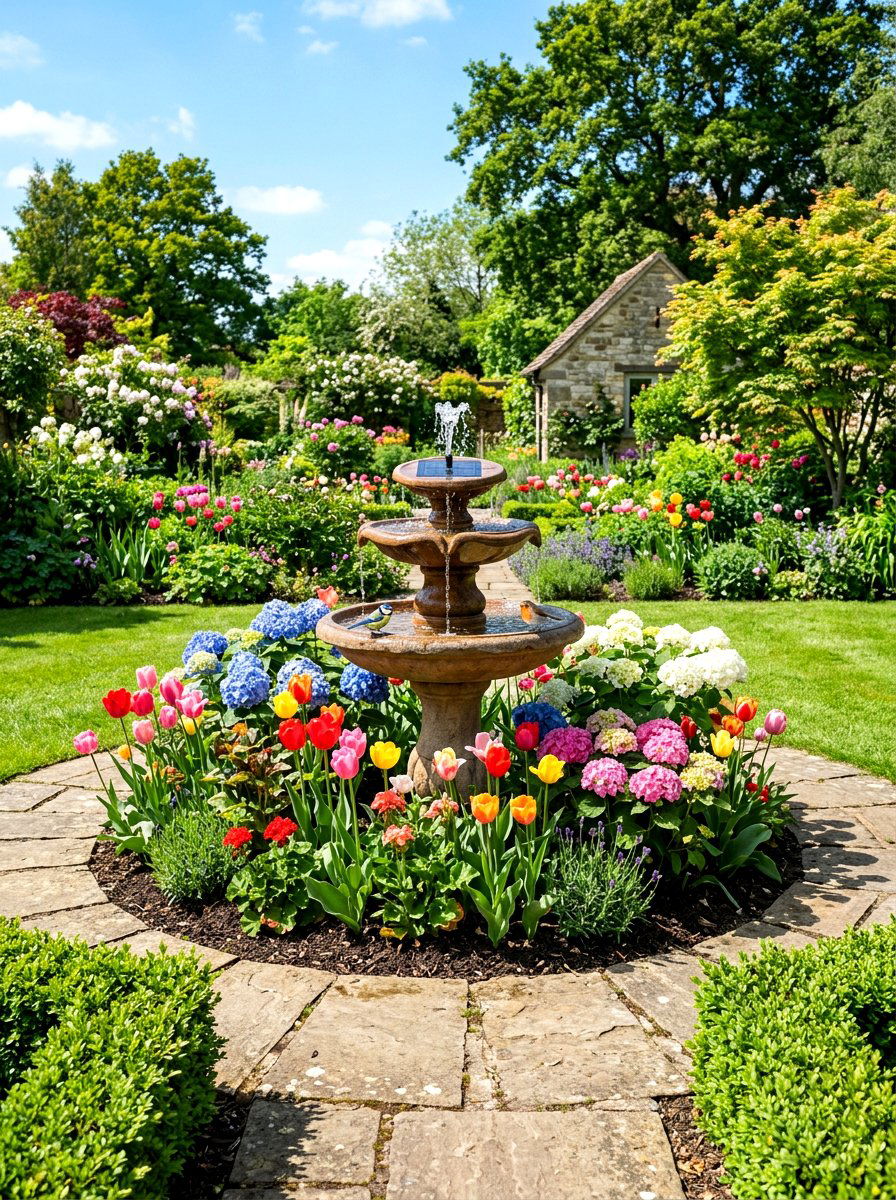
A fruit tree bird bath area combines productivity with conservation by creating a hub for local wildlife. Place a decorative stone or ceramic bird bath in a sunny clearing within your orchard, surrounded by low-growing fruit bushes like blueberries or currants. This encourages birds to visit your garden, where they can help manage pest populations naturally. The sight of birds splashing in the water beneath the blooming branches of an apple tree adds a charming, lively element to the landscape. This setup feels like a true sanctuary, fostering a healthy ecosystem where nature and cultivation exist in perfect, beautiful harmony.
30. Columnar apple tree row
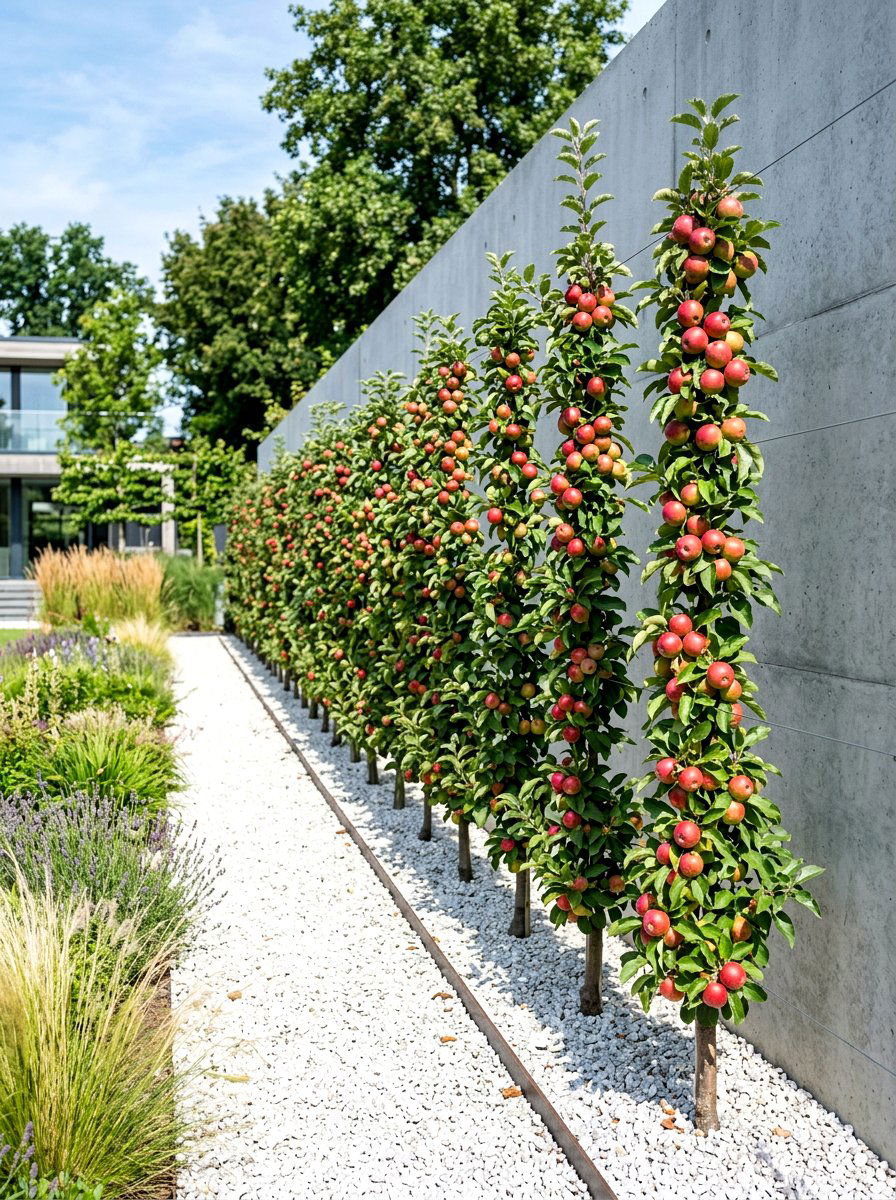
A columnar apple tree row is the ultimate solution for ultra-tight spaces or modern architectural designs. These unique trees grow in a narrow, upright pillar shape, rarely exceeding two feet in width while reaching eight feet in height. You can plant them just a few feet apart to create a striking "living colonnade" along a driveway, fence, or modern concrete wall. They produce fruit all along the main trunk, which looks incredible and makes harvesting effortless. This sleek, vertical design is perfect for contemporary homes, providing a clean and organized aesthetic that packs a lot of productive power into a very small footprint.
Conclusion:
Designing an orchard backyard is about more than just growing food; it is about creating a beautiful, living environment that nourishes both the body and the soul. By integrating different types of fruit trees, thoughtful layouts, and stylish accessories, you can transform a standard lawn into a multi-layered sanctuary. Whether you prefer the structured elegance of an espalier wall or the whimsical charm of a wildflower meadow, there is an orchard aesthetic that fits your lifestyle. These spaces offer a unique connection to the seasons and a sustainable way to enjoy fresh produce. Start small, plan carefully, and watch your backyard thrive into a lush, edible paradise.

Related posts: