Imagine walking out your back door into a lush, fragrant sanctuary where every branch offers a sweet, sun-ripened treat just for you. Transforming a standard lawn into a productive orchard is a journey that blends aesthetic beauty with the deep satisfaction of sustainable living. Whether you have a sprawling estate or a tiny urban lot, there is a way to integrate fruit trees into your landscape that feels intentional and stylish. Beyond the harvest, these trees provide cooling shade, stunning spring blossoms, and a habitat for local pollinators. This guide explores creative ways to organize your outdoor space into a functional and breathtaking fruit-bearing haven for your family to enjoy for generations.
1. Dwarf Fruit Tree Layout
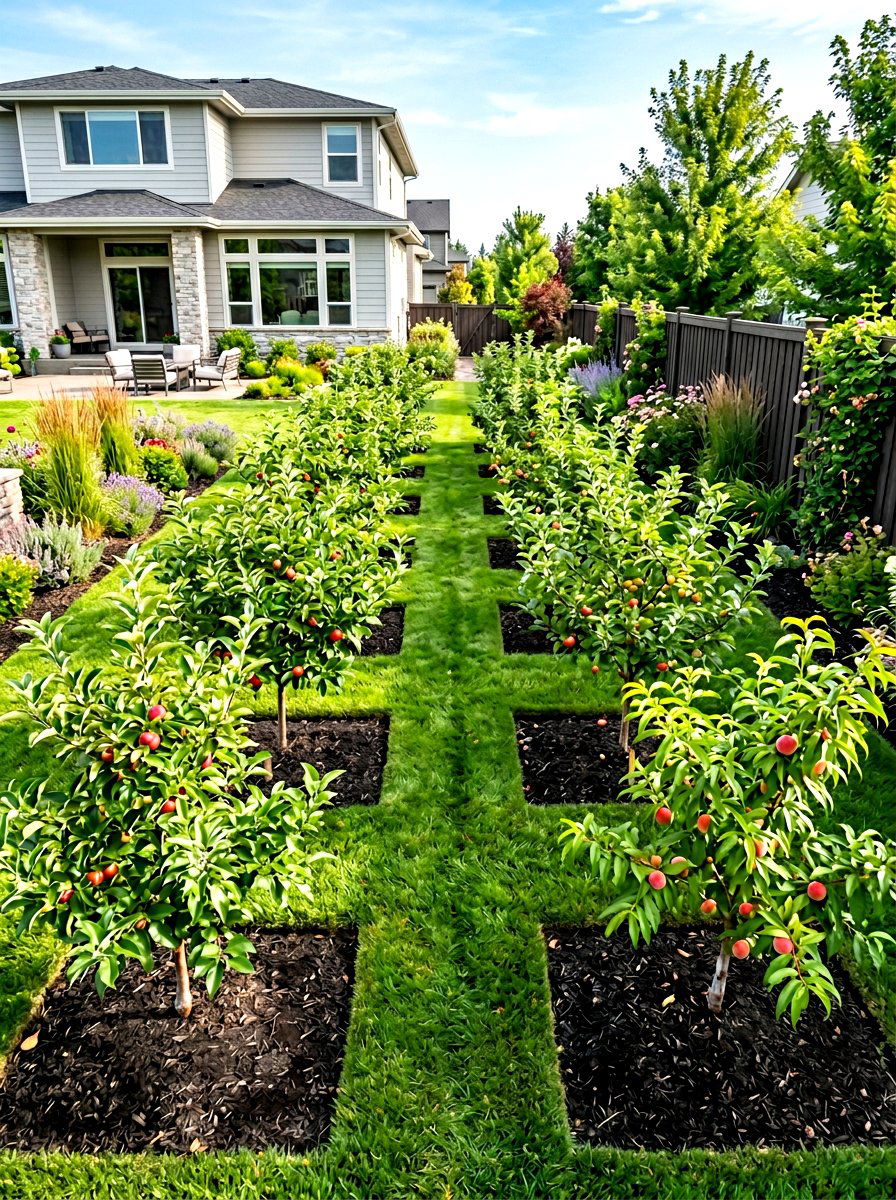
How can you grow a wide variety of fruit in a compact suburban backyard? Dwarf fruit tree varieties are the ultimate solution for achieving a high-yield harvest without sacrificing your entire lawn to towering giants. These trees usually top out at eight to ten feet, making them incredibly easy to manage, prune, and harvest without needing a ladder. When planning your layout, consider grouping them in a clean grid pattern or a soft curved line to create a sense of structure. They work beautifully as focal points in smaller garden beds or lined up along a sunny driveway where they can receive the maximum amount of daily light.
2. Espalier Fruit Tree Wall
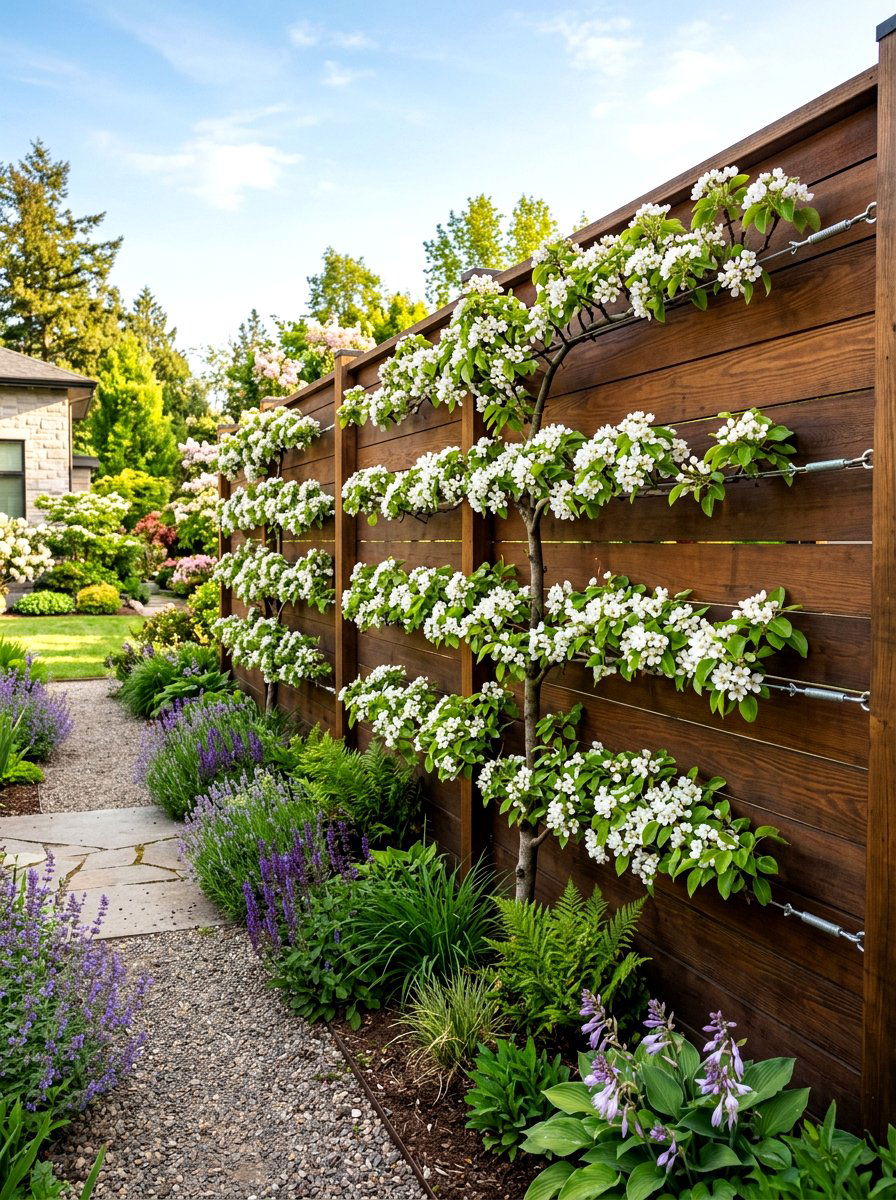
If you have a narrow side yard or a bare fence, training fruit trees to grow flat against a vertical surface is a brilliant design choice. This ancient European technique, known as espalier, allows you to grow apples, pears, or peaches in spaces that would otherwise be unusable for traditional trees. By using a sturdy wire trellis system, you can guide the branches into beautiful geometric patterns like fans or horizontal cordons. This method not only saves an immense amount of space but also creates a stunning living wall that adds architectural interest to your garden. It is a perfect blend of high-end landscaping and practical food production.
3. Columnar Apple Tree Row
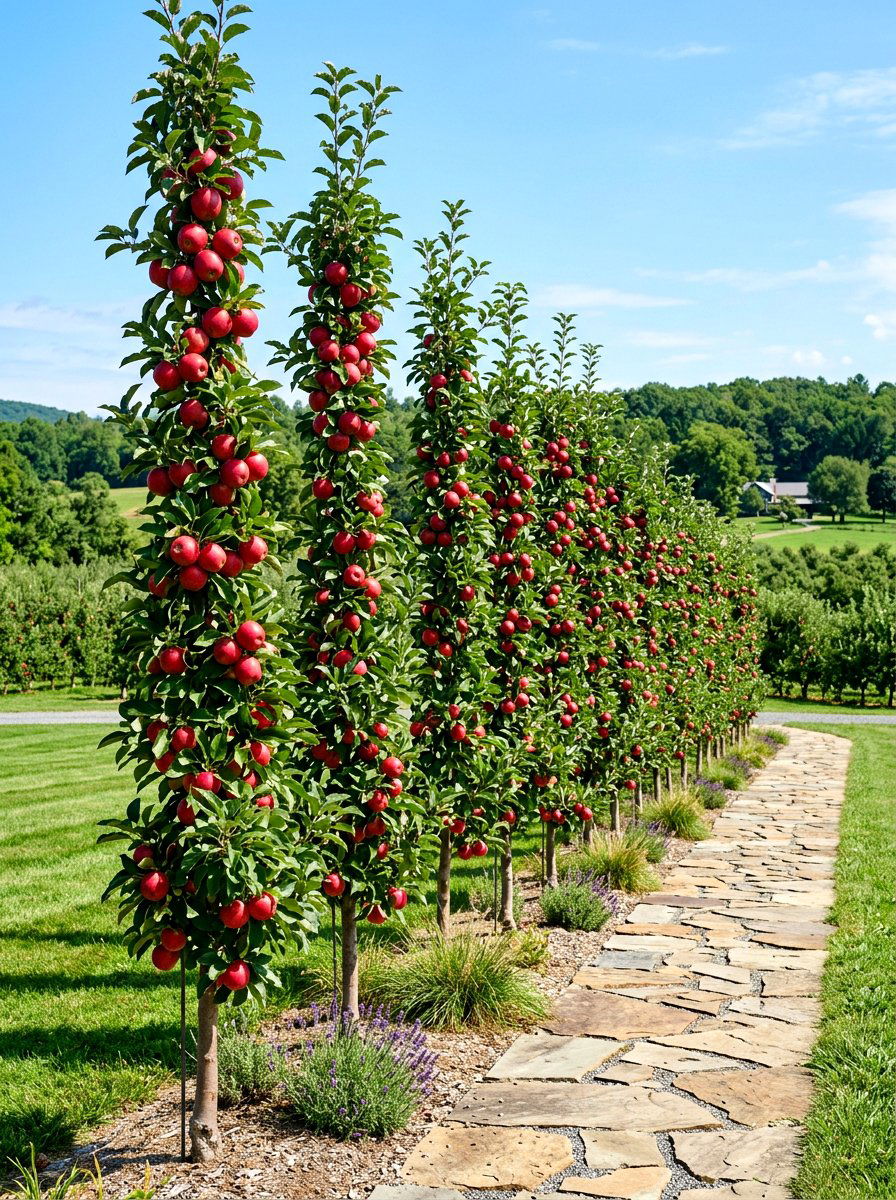
Space-saving gardening reaches new heights with the inclusion of columnar apple trees in your backyard design. These unique trees grow in a narrow, upright pillar shape, rarely exceeding two feet in width, which makes them ideal for tight spots. You can plant them in a dense row to create a productive living screen or use them to frame a garden entrance with vertical elegance. Because they don't produce long side branches, they require very little pruning compared to traditional varieties. They are particularly well-suited for modern landscapes where clean lines and minimal maintenance are a priority. Their upright habit provides a very contemporary aesthetic.
4. Potted Citrus Patio
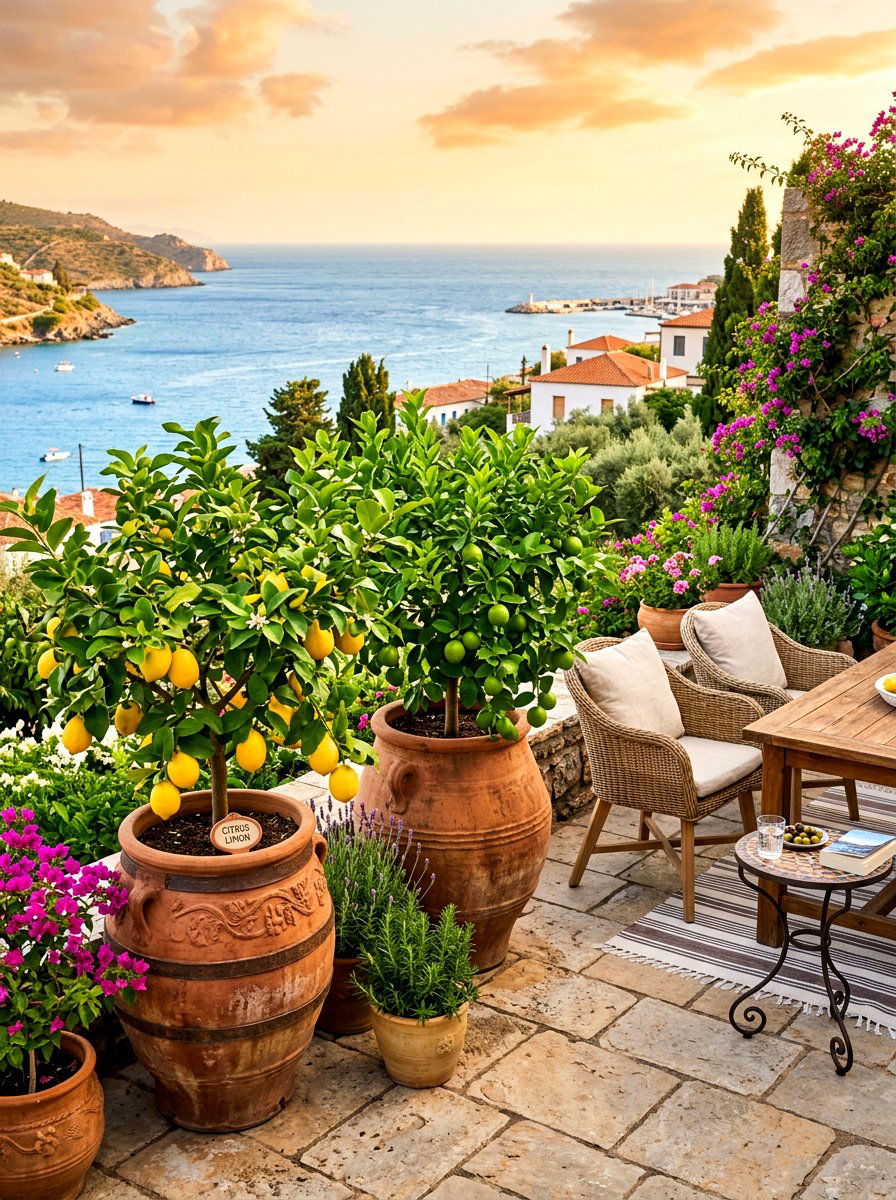
You do not need a large plot of land to enjoy the luxury of fresh lemons, limes, or oranges. Creating a citrus grove on your patio using large, stylish containers is a fantastic way to bring Mediterranean charm to any outdoor living area. Potted citrus trees offer the flexibility to move your orchard according to the sun's path or to protect them during colder months. Use terracotta or modern ceramic pots to complement your home’s exterior while ensuring proper drainage. The glossy green leaves and incredibly fragrant white blossoms will transform your seating area into a sensory retreat that feels both exotic and cozy.
5. Multi-Grafted Fruit Tree Garden
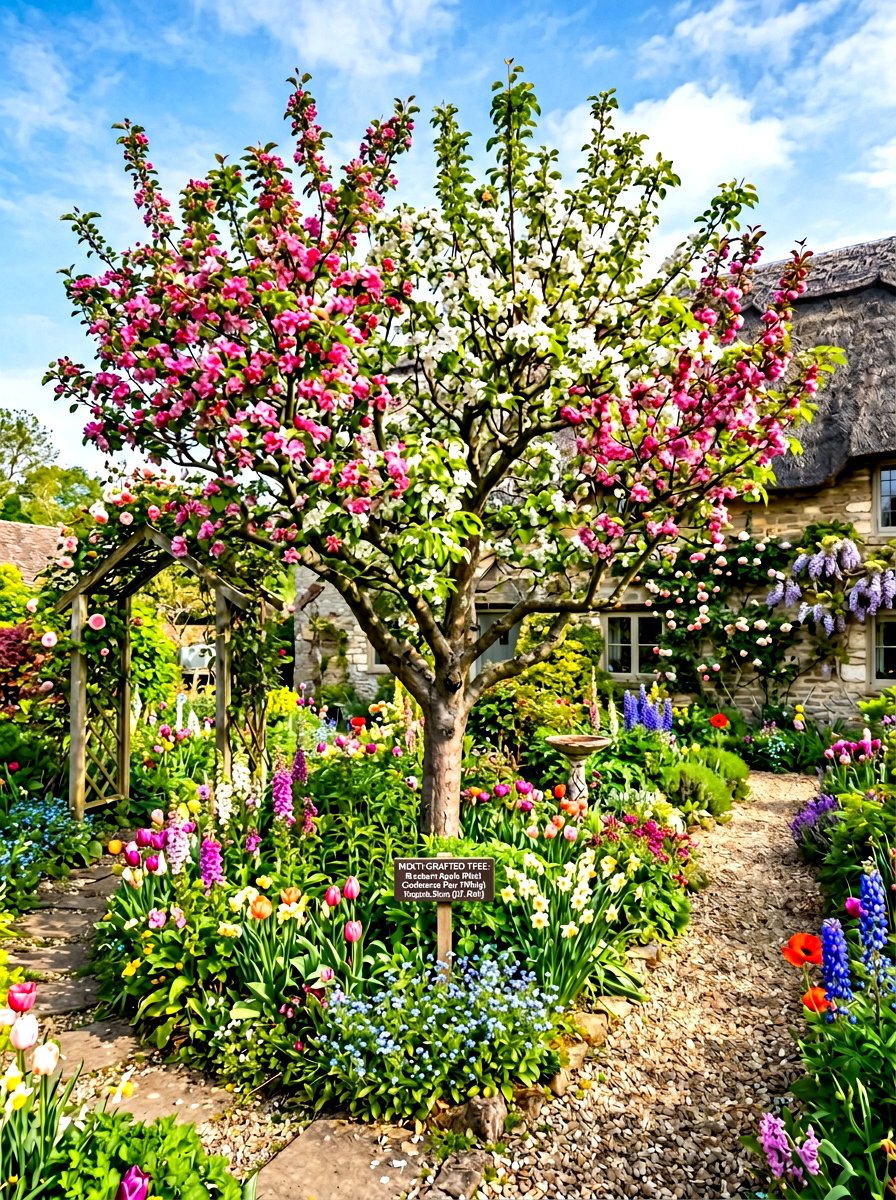
Maximizing variety in a small area is simple when you choose multi-grafted fruit trees, often called fruit salad trees. These horticultural marvels feature several different varieties of the same fruit type grafted onto a single rootstock. For instance, you could have three different types of apples or a mix of peaches and plums growing on one individual tree. This setup is ideal for homeowners who want a diverse harvest but only have room for one or two trees. It ensures a longer harvest season as different varieties ripen at different times, providing a steady supply of fresh fruit for your kitchen table.
6. Fruit Tree Guild System
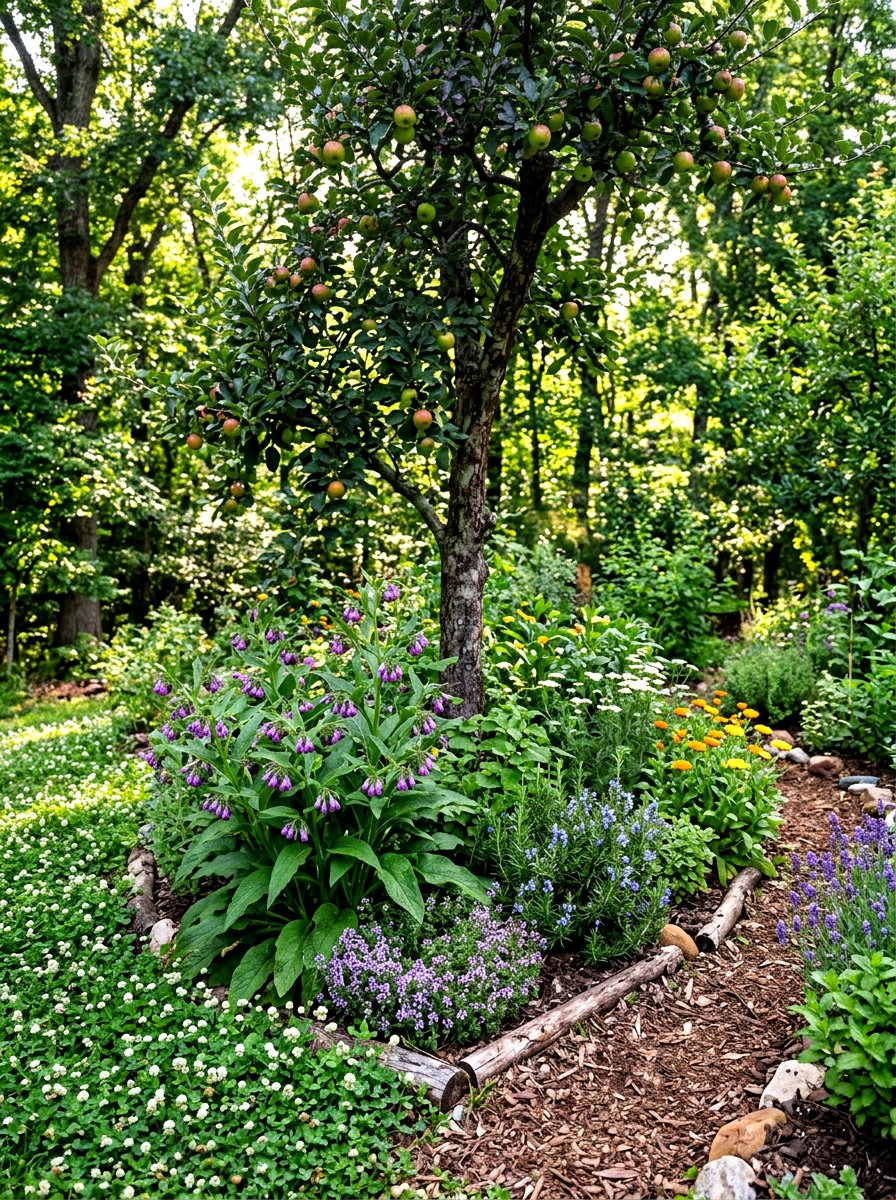
Permaculture enthusiasts often use the concept of a fruit tree guild to create a self-sustaining ecosystem in their backyard. This design involves planting a central fruit tree surrounded by a "guild" of supportive plants that help with pest control, fertilization, and soil health. Common companions include nitrogen-fixing clover, nutrient-accumulating comfrey, and aromatic herbs like rosemary or lavender to repel harmful insects. This layered approach creates a very natural, forest-like appearance that requires less chemical intervention and manual labor over time. It is a beautiful way to foster biodiversity while producing a bounty of healthy, organic fruit for your family to eat.
7. Edible Fruit Hedge
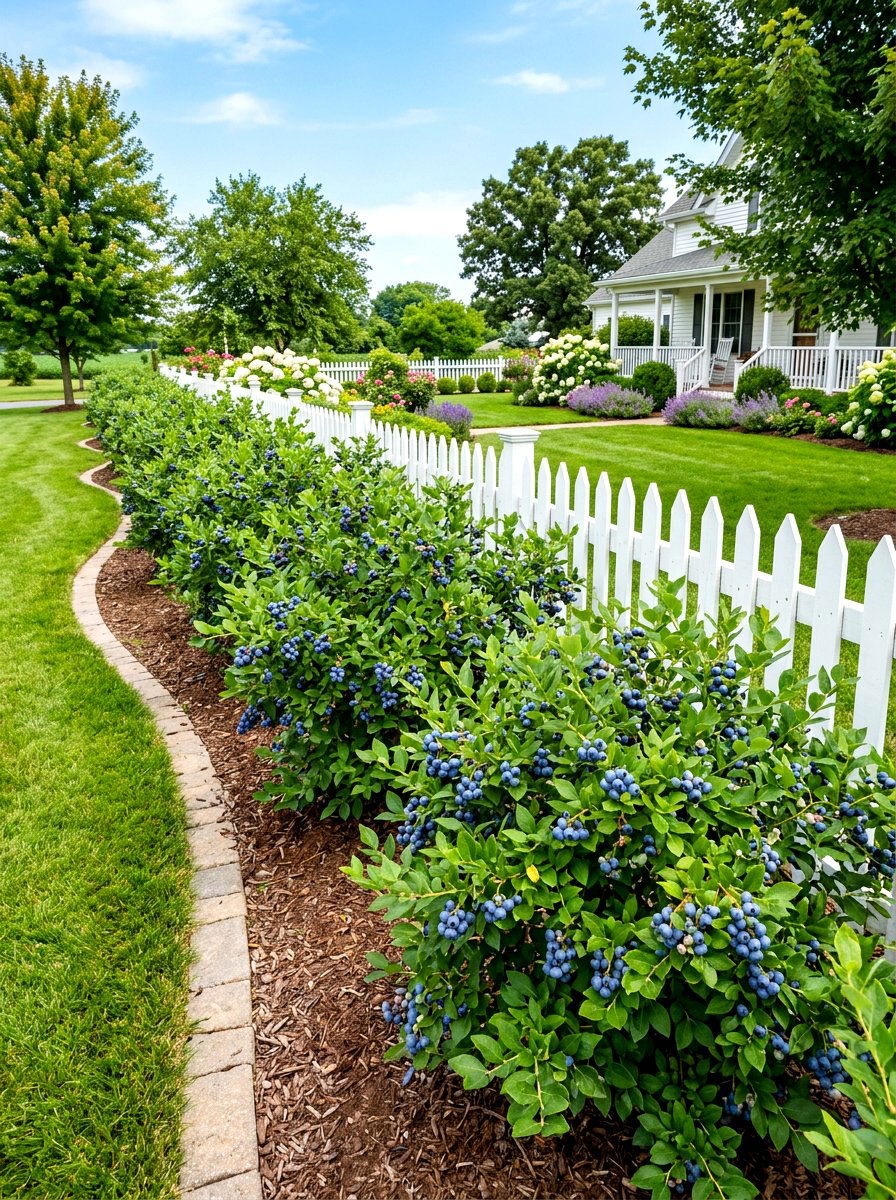
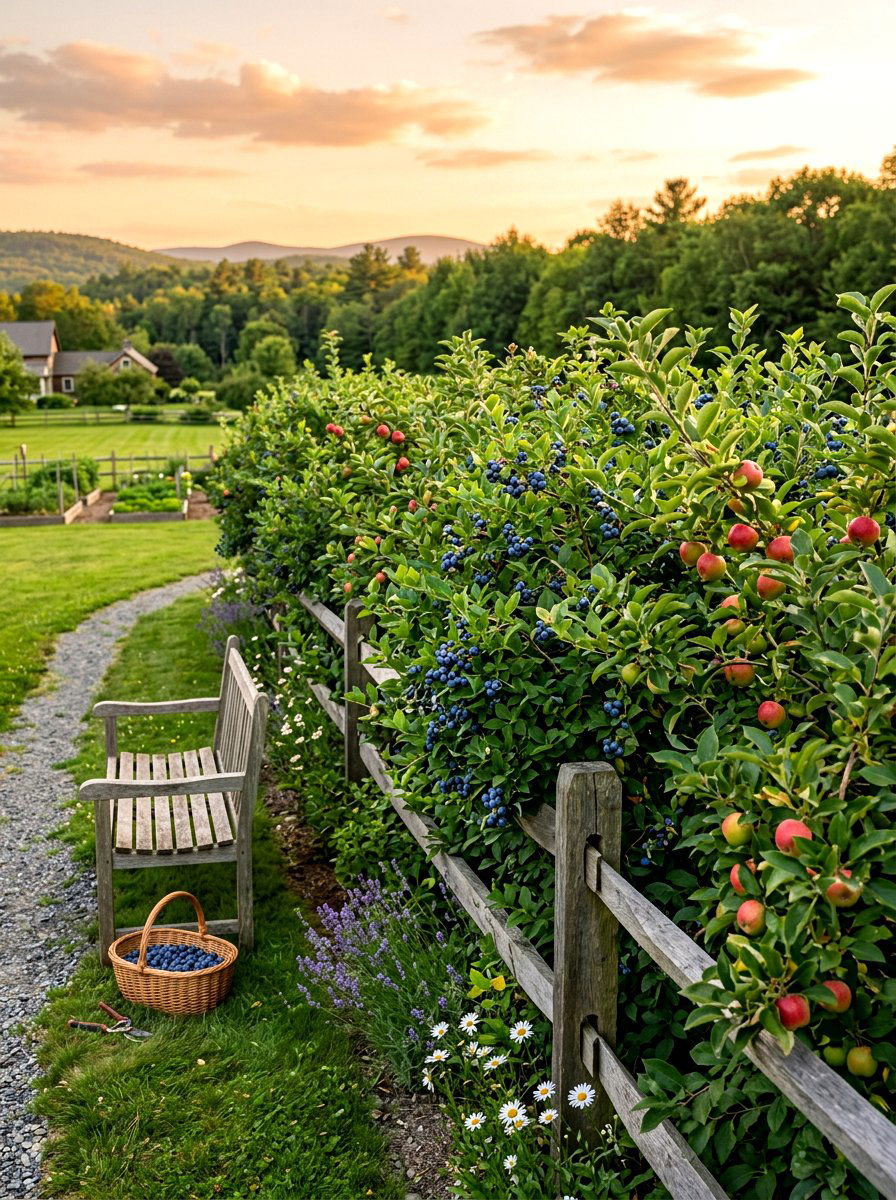
Instead of a traditional boxwood or privet hedge, why not plant a row of fruiting shrubs to define your property boundaries? Blueberries, currants, and raspberries can be trained and pruned into a dense, productive hedge that provides privacy and snacks at the same time. These plants offer changing seasonal interest, from delicate spring flowers to vibrant summer berries and striking autumn foliage. A well-maintained edible hedge serves as a functional barrier while adding a soft, wild texture to your landscape. It is an excellent choice for families with children who enjoy foraging for fresh berries right in their own safe backyard.
8. Backyard Grape Arbor
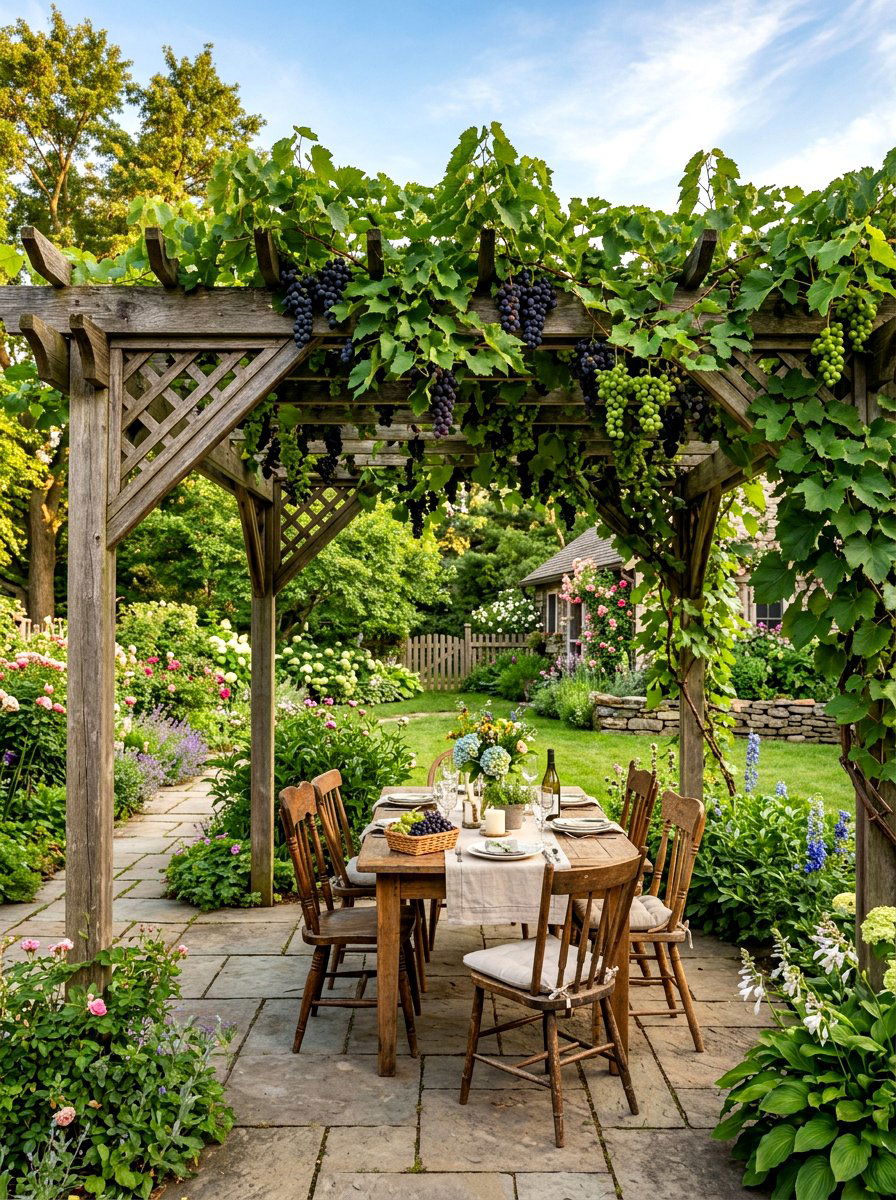
Integrating a grape arbor into your orchard design adds a romantic, old-world feel to the landscape while providing delicious fruit and summer shade. A sturdy wooden or metal pergola serves as the perfect support for vigorous grapevines to climb and drape. As the vines mature, they create a leafy canopy that cools the area below, making it a perfect spot for an outdoor dining table or a comfortable reading nook. The hanging clusters of grapes create a visual feast during the late summer months. This dual-purpose structure maximizes vertical space and turns a simple walkway into a lush, shaded destination in your garden.
9. Permaculture Food Forest
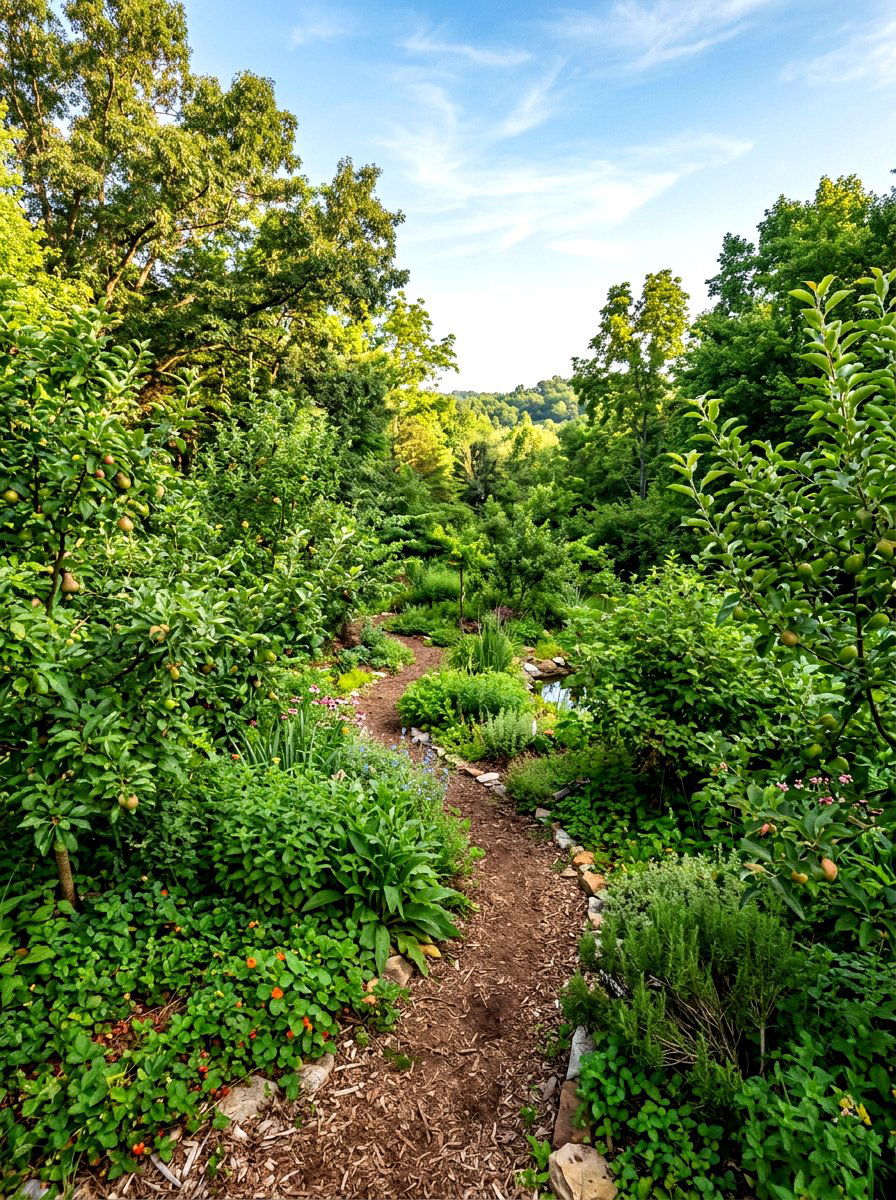
A food forest is a multi-layered garden design that mimics the structure of a natural woodland but consists entirely of edible plants. This ambitious orchard idea includes a tall canopy of nut trees, a lower layer of fruit trees, and an understory of berry bushes, perennial vegetables, and herbs. By stacking plants vertically, you can produce a massive amount of food in a relatively small footprint. The result is a wild, lush environment that feels like a hidden paradise. This type of orchard is perfect for those who want a low-maintenance, ecologically diverse backyard that provides a wide variety of different foods.
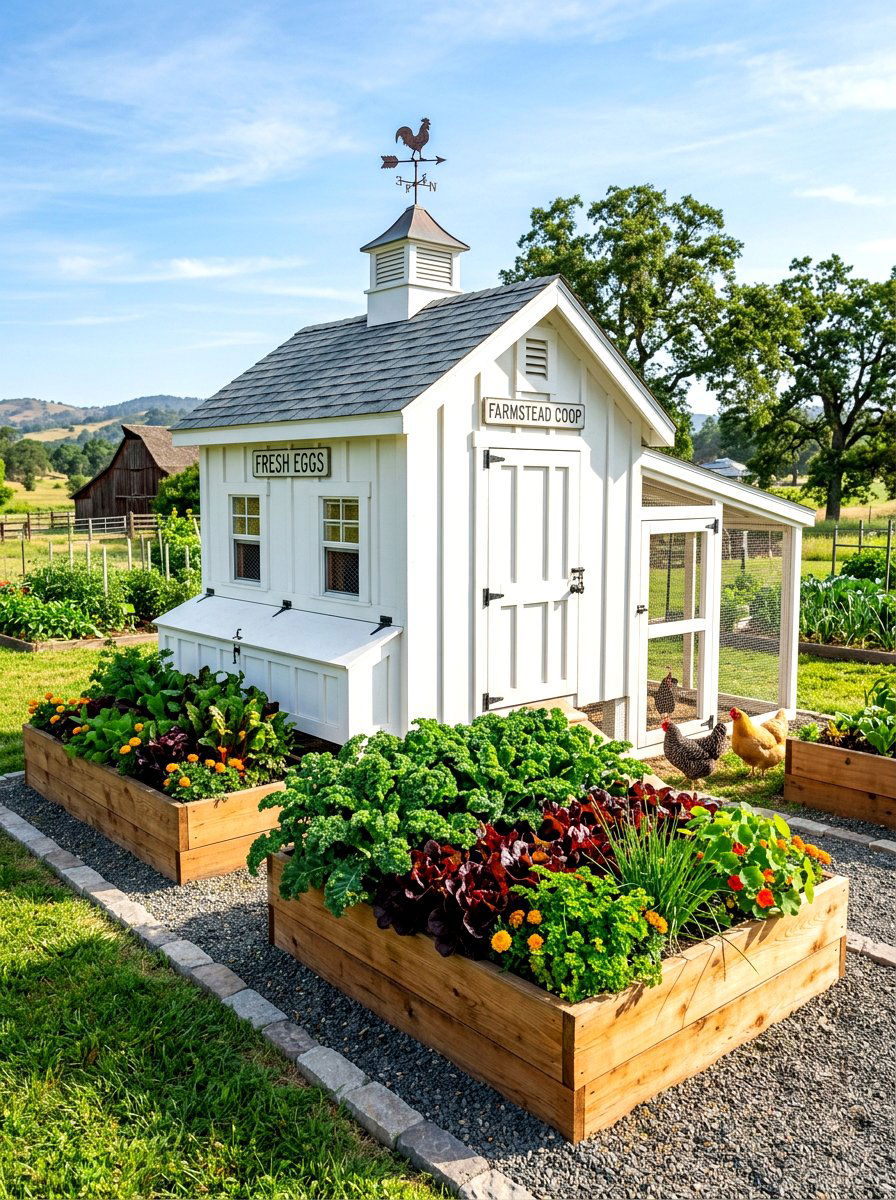
10. Raised Bed Orchard
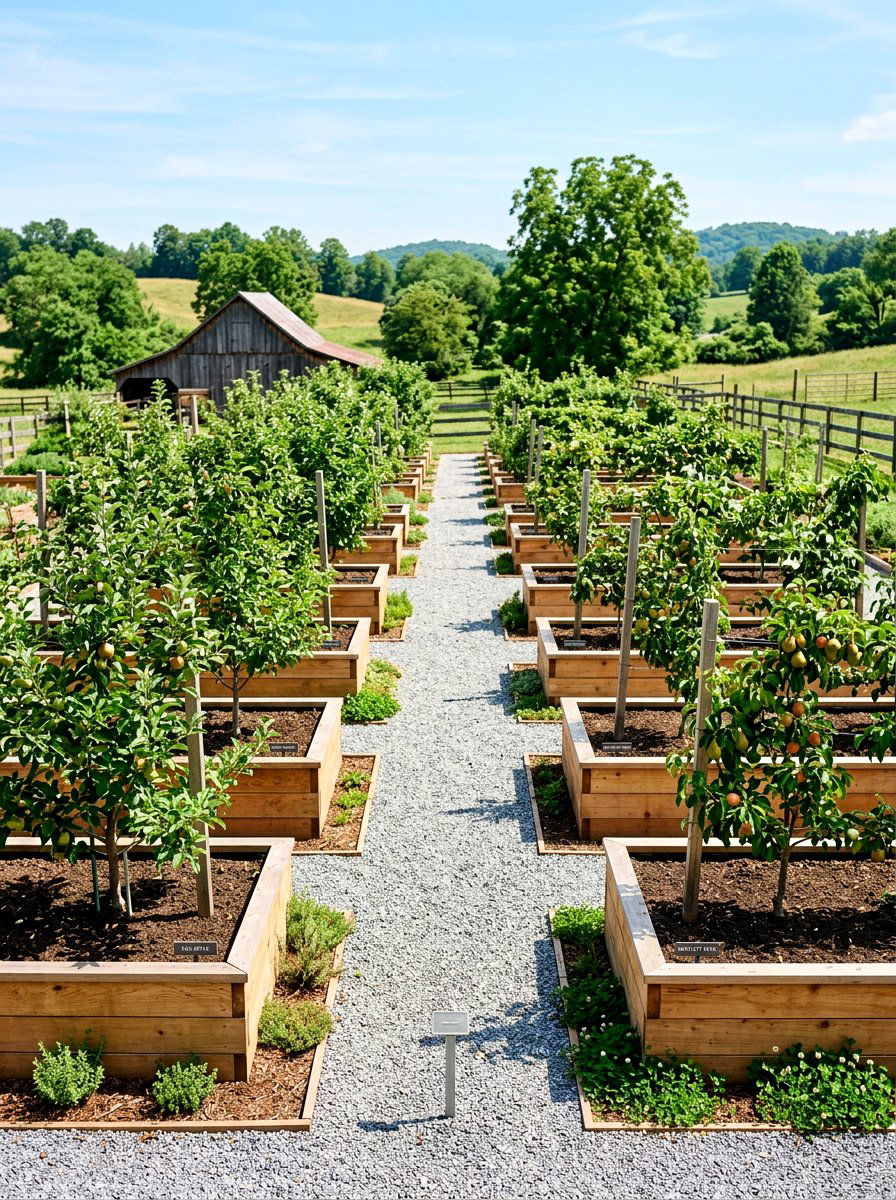
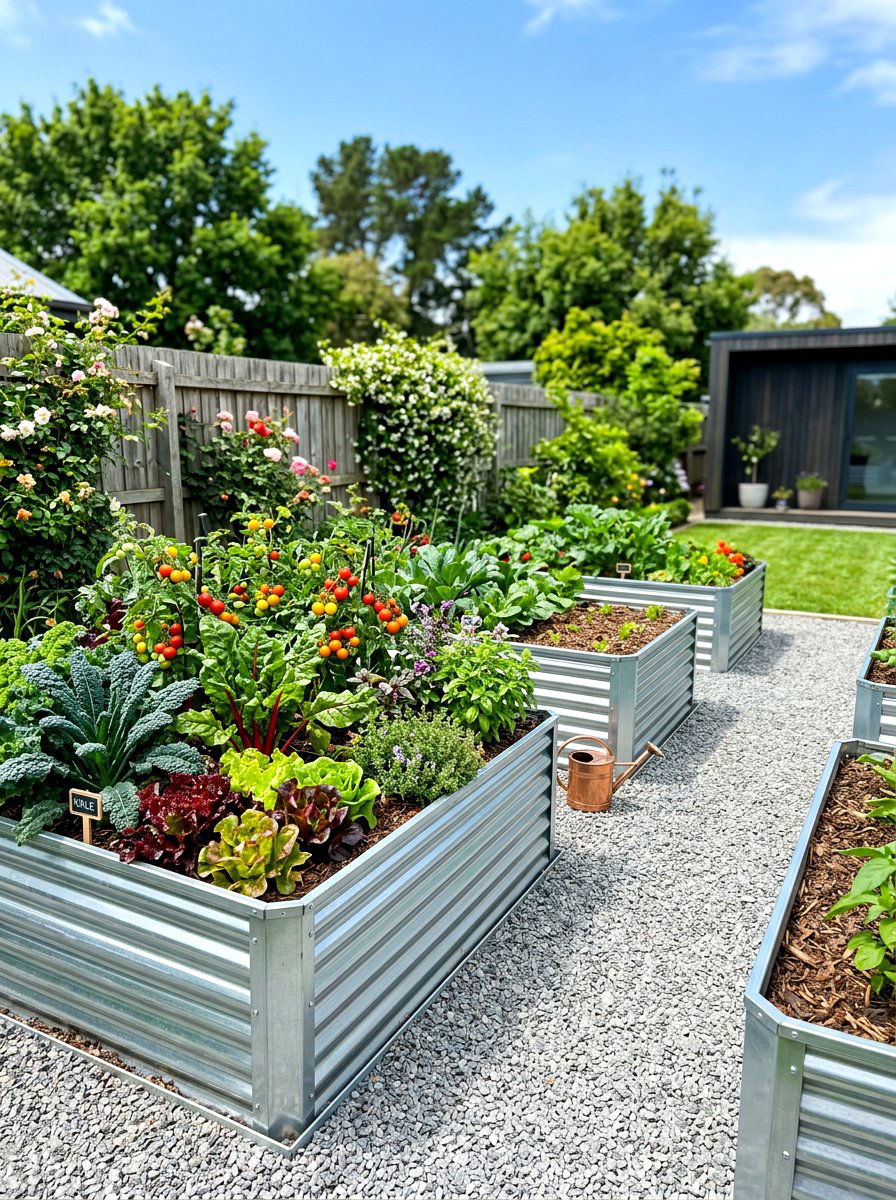
If your backyard has poor soil quality or drainage issues, planting your fruit trees in large, dedicated raised beds is a smart solution. Raised beds allow you to control the soil composition perfectly, ensuring your trees get the nutrients and aeration they need to thrive. You can design these beds with built-in seating or use attractive materials like stone, cedar, or weathered steel to match your garden’s aesthetic. This structured approach keeps the orchard looking tidy and organized, making it easier to manage weeds and irrigation. It also creates a clear visual hierarchy that helps define different zones within your outdoor living space.
11. Stone Fruit Border
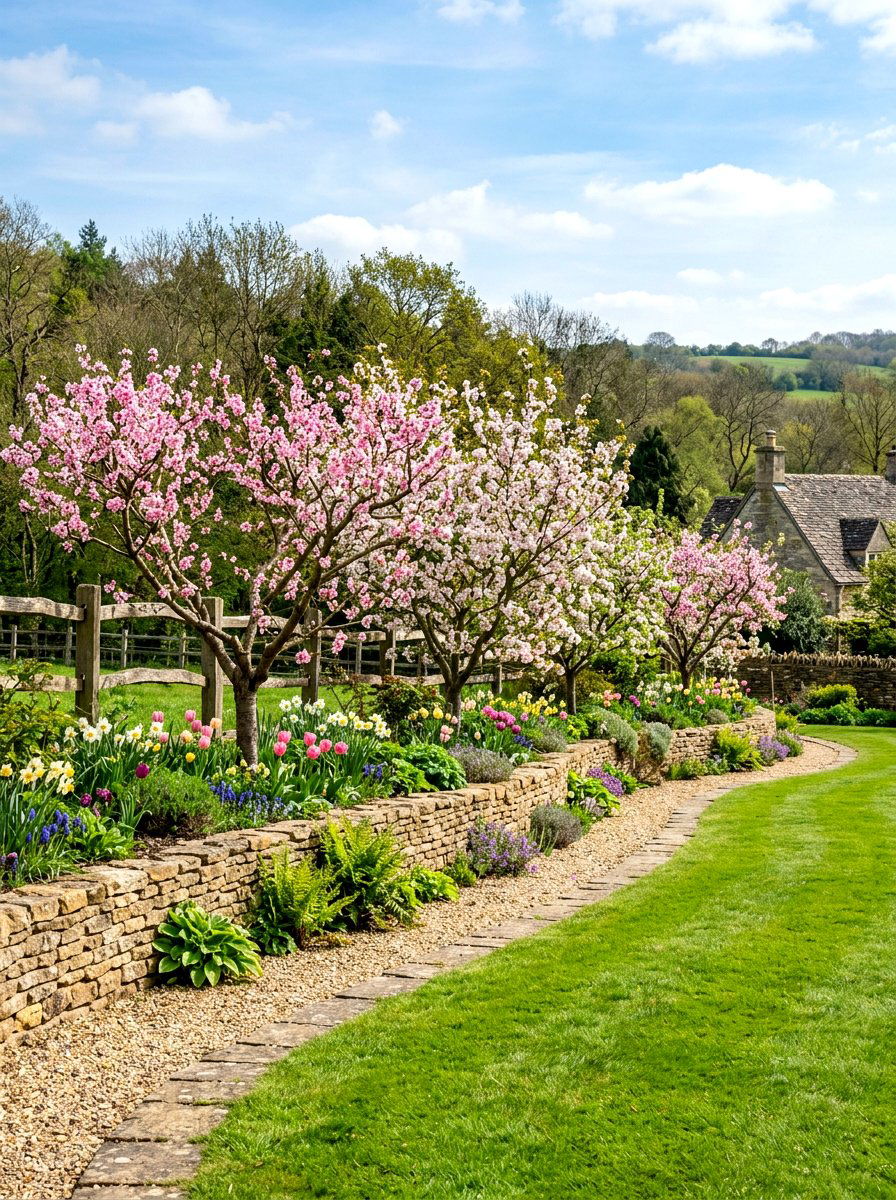
Stone fruits like peaches, nectarines, and plums are famous for their spectacular spring blossoms and juicy summer harvests. Planting these trees along the perimeter of your yard creates a stunning flowering border that signals the arrival of spring with clouds of pink and white petals. These trees generally stay smaller than many shade trees, so they won't overwhelm your yard or block your views. By selecting varieties with different ripening dates, you can enjoy a continuous supply of fresh fruit from early summer through the fall. A stone fruit border adds a soft, orchard-like feel to the edges of your property.
12. Cherry Blossom Walkway
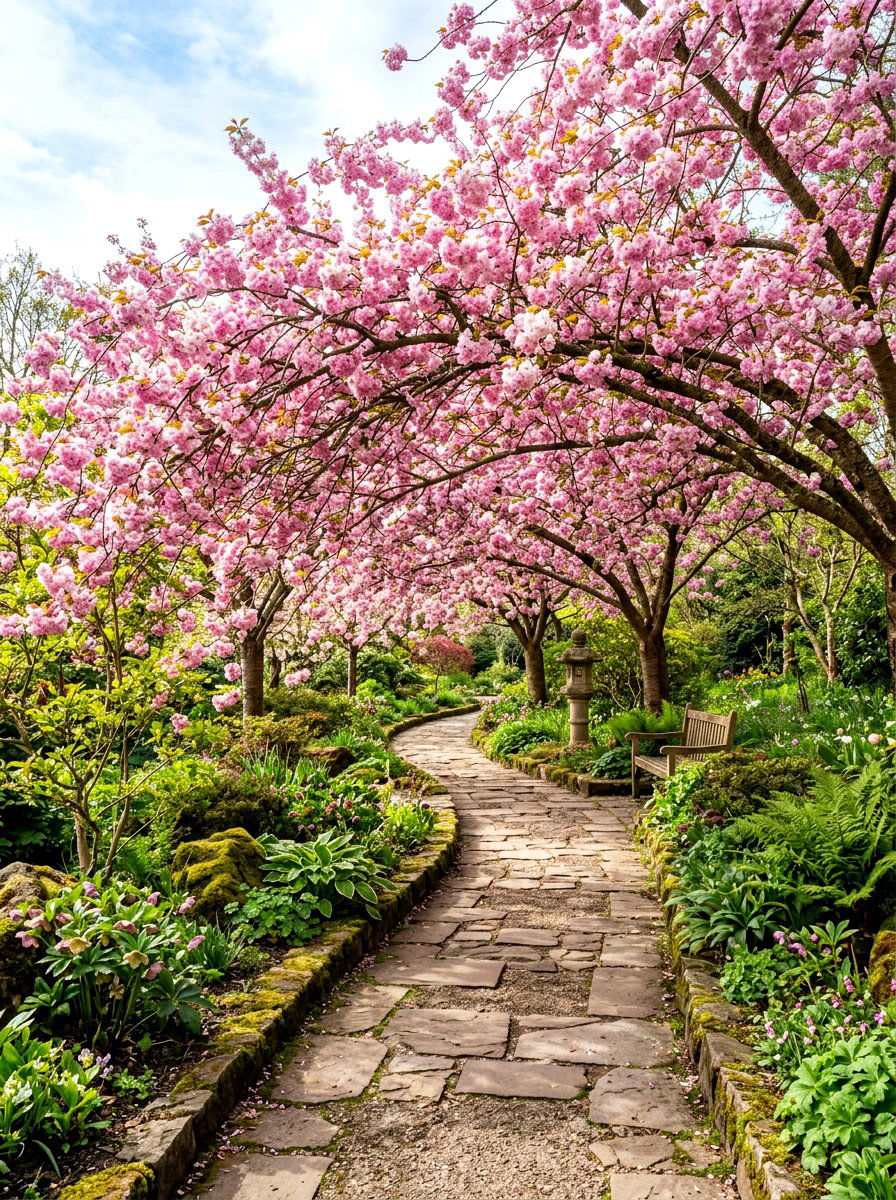
Creating a dedicated walkway lined with cherry trees is one of the most enchanting ways to design a backyard orchard. Whether you choose sweet fruiting cherries or ornamental varieties, the arching branches covered in blossoms create a magical tunnel effect during the spring. This design idea turns a simple path into a major landscape feature that draws people through the garden. Underplant the trees with spring bulbs like daffodils or tulips to enhance the seasonal display. In the summer, the dense green canopy provides a shaded retreat, while the bright red cherries offer a delicious reward for your careful planning and maintenance.
13. Fig Tree Courtyard
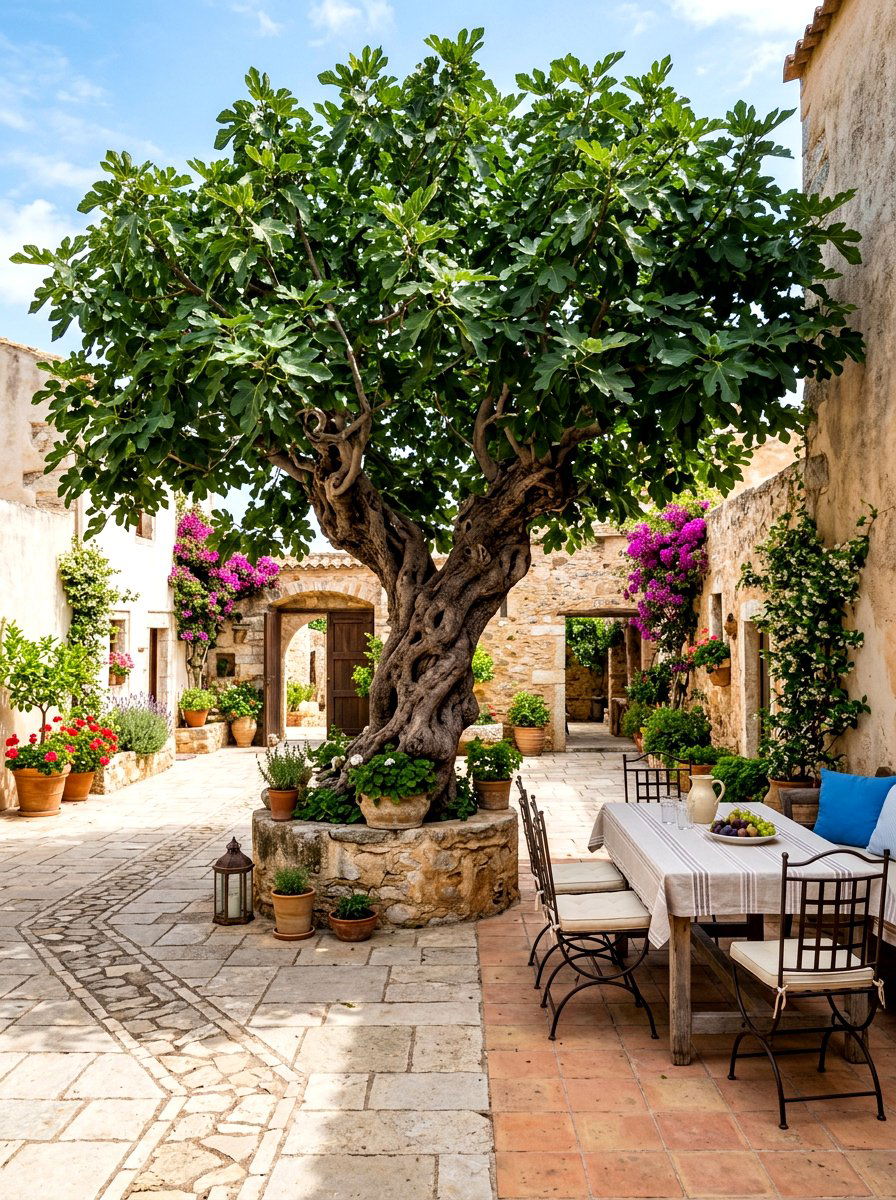
Fig trees are prized for their architectural leaves and Mediterranean vibe, making them perfect for a sheltered courtyard or patio area. Because they thrive in warm, sunny spots with well-drained soil, they are ideal candidates for planting near the walls of your home where they can benefit from reflected heat. A single, well-pruned fig tree can serve as a dramatic focal point in a paved area, providing both shade and a generous harvest of sweet, honey-like fruit. Their gnarled trunks and large, lobed leaves add a touch of ancient elegance to modern outdoor spaces. They are surprisingly resilient and easy to grow.
14. Apricot Tree Sunroom View
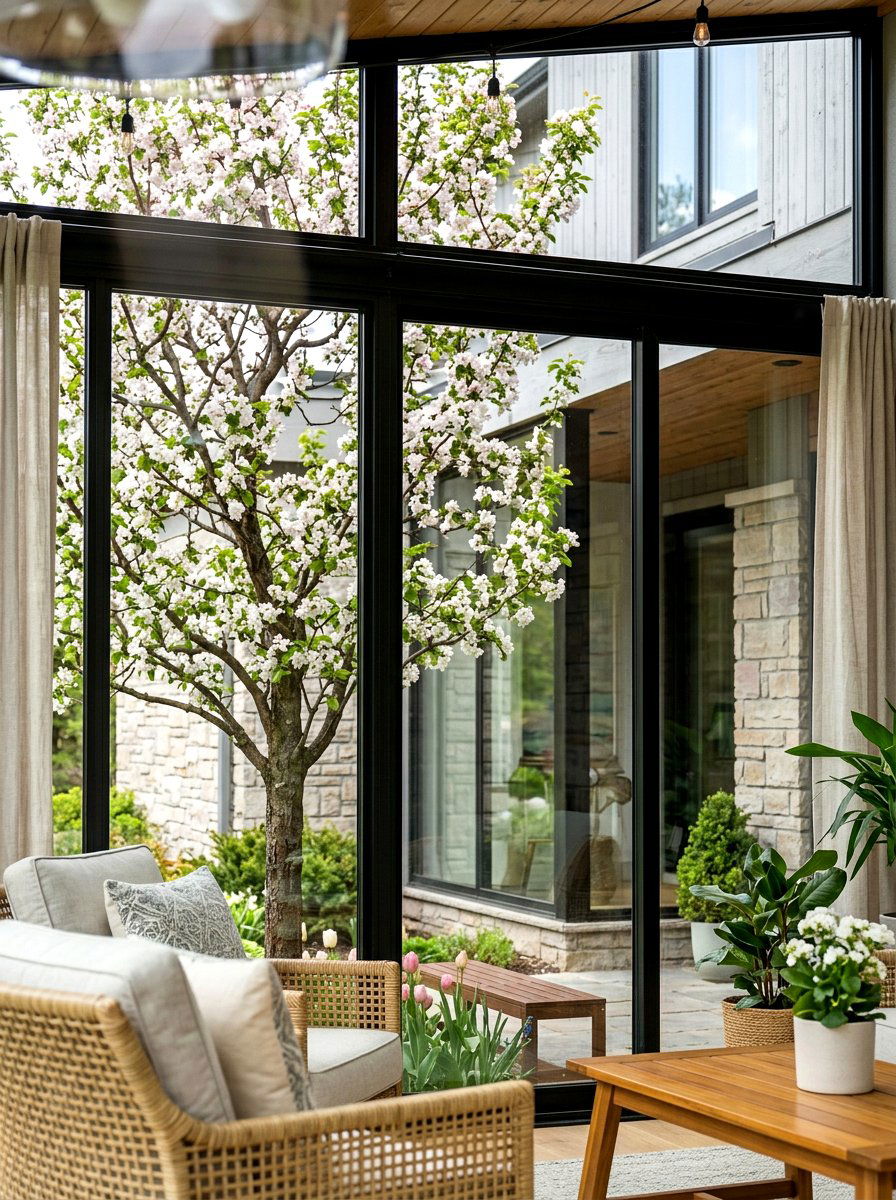
Strategic placement of an apricot tree outside a large sunroom or kitchen window allows you to enjoy the orchard experience from inside your home. Apricots are among the first trees to bloom in the spring, offering a cheering sight while the rest of the garden is still waking up. The delicate white flowers are followed by vibrant orange fruits that look like ornaments hanging among the green leaves. Placing the tree where it can be viewed daily ensures you don't miss a single stage of its growth. It creates a seamless connection between your indoor living space and the productive beauty of your backyard.
15. Peach Tree Fence
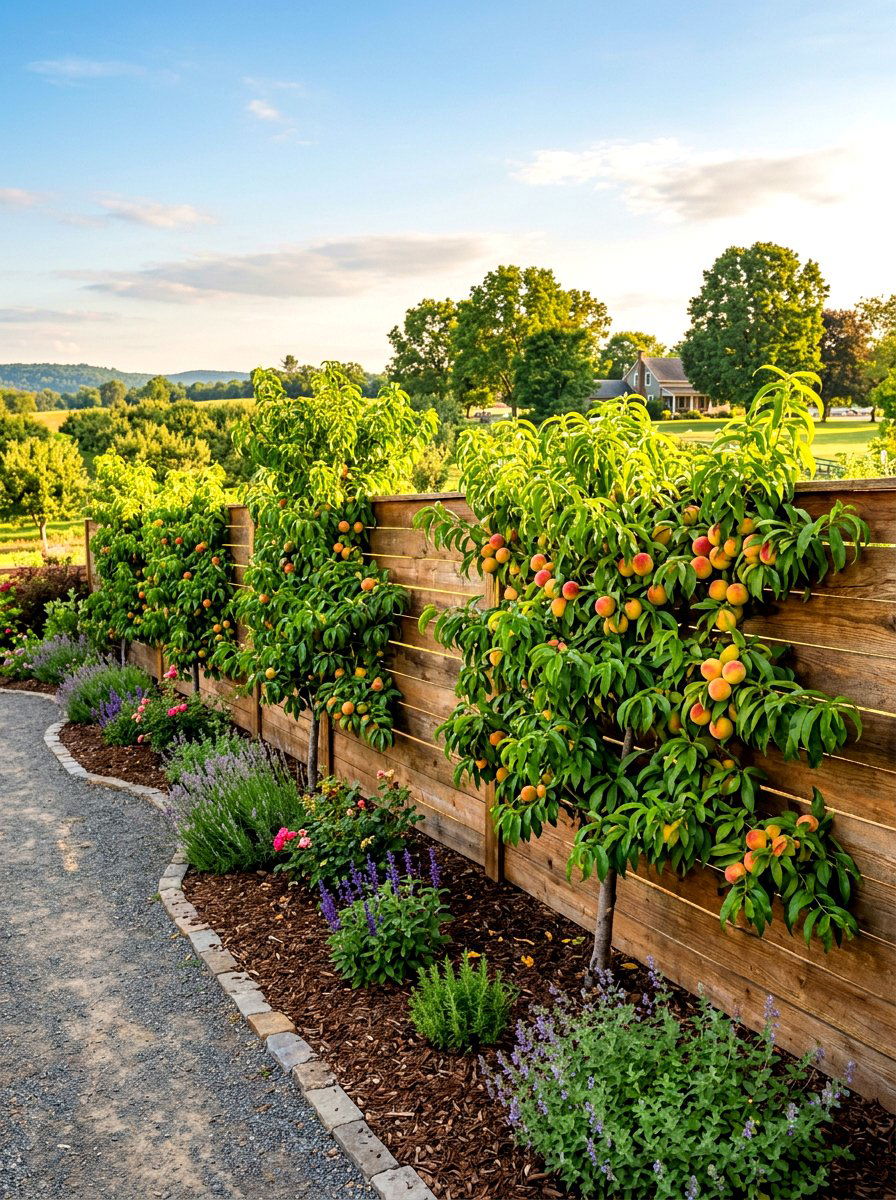
Using a traditional wooden fence as a backdrop for peach trees is a classic orchard design that works in almost any backyard. The warm tones of the wood complement the vibrant colors of the ripening peaches and the soft green of the foliage. You can allow the trees to grow naturally or prune them to fan out against the fence for a more structured look. This placement keeps the center of your yard open for other activities while still providing the bounty of an orchard. It also makes harvesting and maintenance easier since the trees are kept within reach and organized along a single line.
16. Mulched Orchard Path
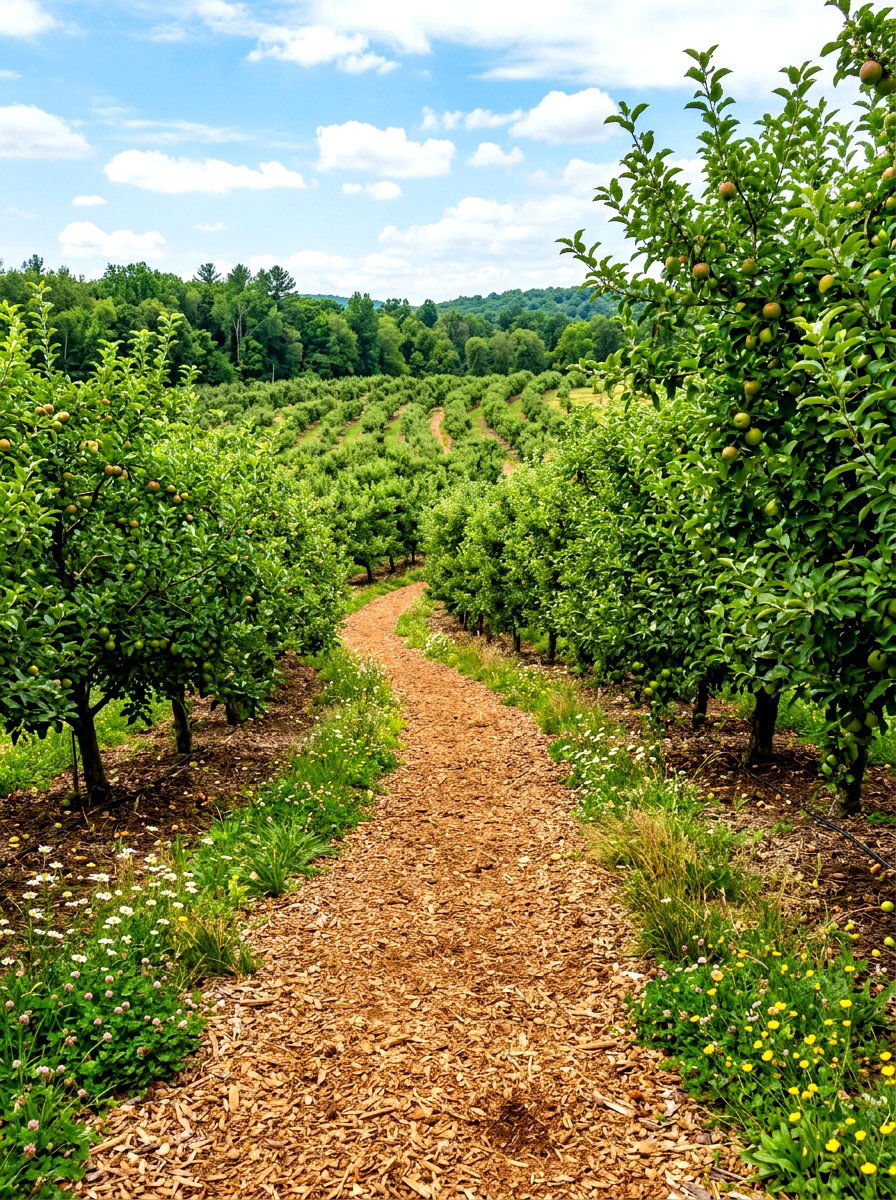
A simple yet effective way to organize a backyard orchard is by connecting the trees with a wide, mulched pathway. Using organic materials like wood chips or shredded bark helps suppress weeds, retains moisture for the trees, and creates a soft, natural surface for walking. This design gives the orchard a professional, well-maintained appearance and makes it clear where visitors should walk. You can curve the path to create a sense of mystery or keep it straight for a more formal look. A mulched path is also practical, providing easy access for wheelbarrows and harvest baskets during the busy summer months.
17. Berry Bush Understory
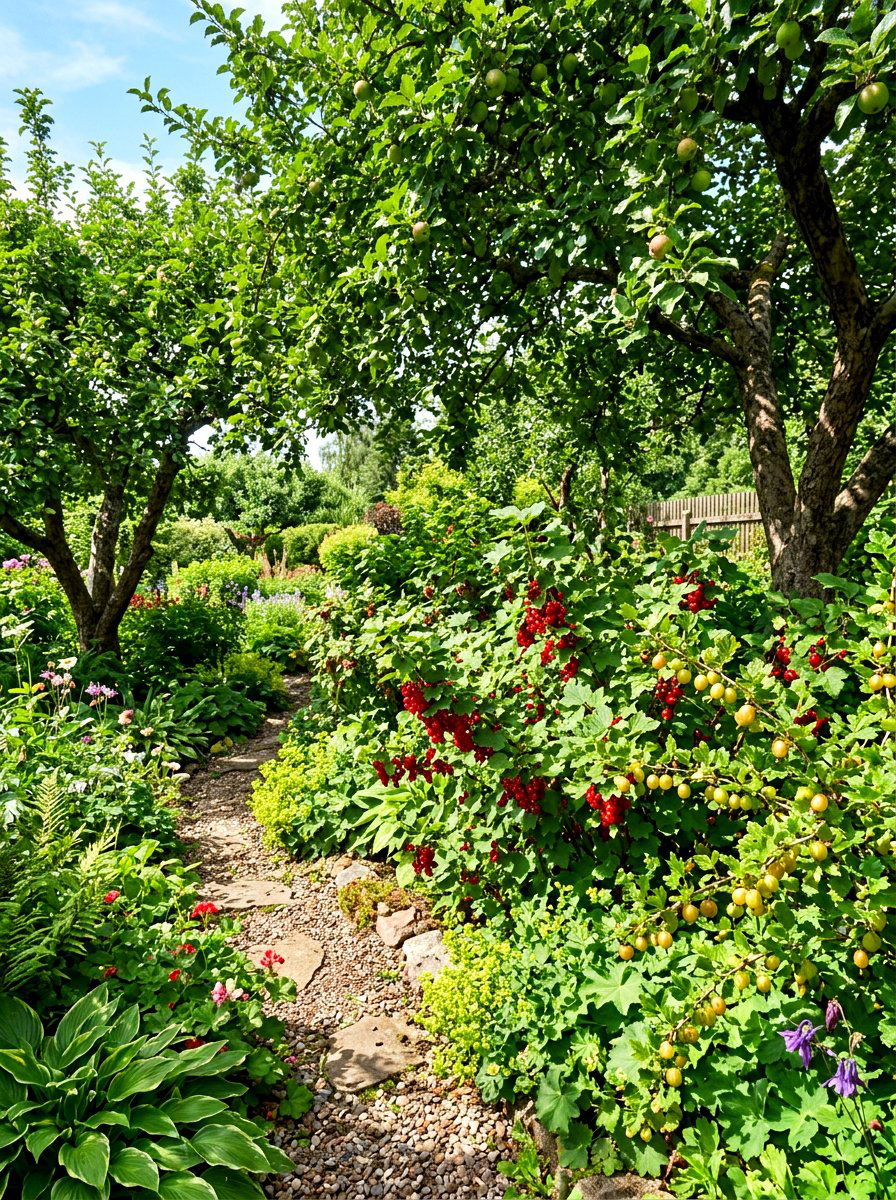
To maximize the productivity of your orchard, consider planting berry bushes in the filtered shade beneath your larger fruit trees. Shade-tolerant options like gooseberries, currants, and certain types of raspberries can thrive in the understory, making use of space that would otherwise go to waste. This vertical layering mimics a natural forest and creates a lush, dense environment that feels incredibly abundant. The different heights of the plants add visual interest and texture to the garden, while the diverse range of fruits ensures there is always something ready to pick. It is a smart way to get more from a small yard.
18. Tropical Fruit Backyard
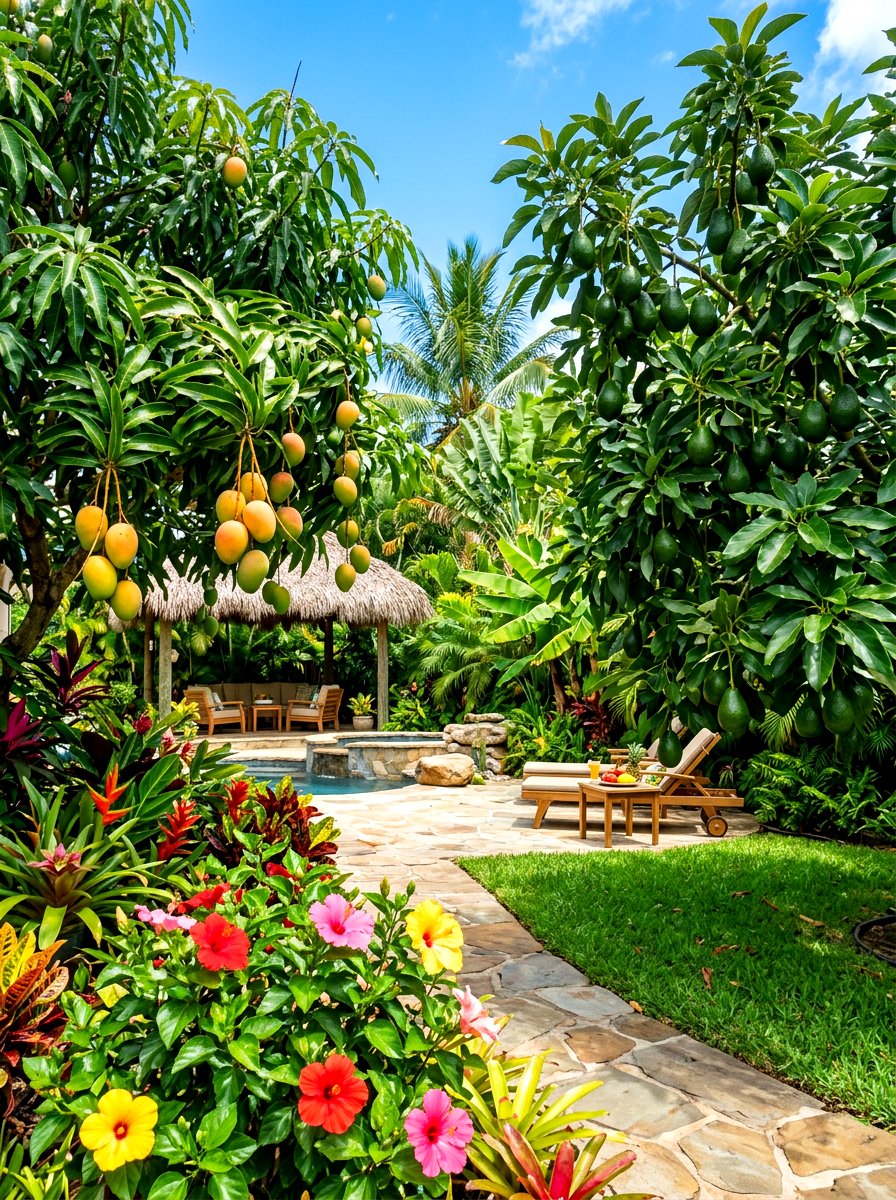
If you live in a warm climate, you can transform your backyard into a tropical paradise by planting exotic fruit trees like mangoes, papayas, and avocados. These trees often have large, dramatic foliage that creates a lush, jungle-like atmosphere. Grouping them together with other tropical plants like hibiscus and ginger enhances the vacation-at-home feel. A tropical orchard provides unique flavors that are often superior to store-bought varieties, along with a stunning aesthetic that makes your yard feel truly special. Even in cooler zones, many of these fruits can be grown in large pots and brought indoors during the winter to maintain the theme.
19. Self Pollinating Fruit Garden
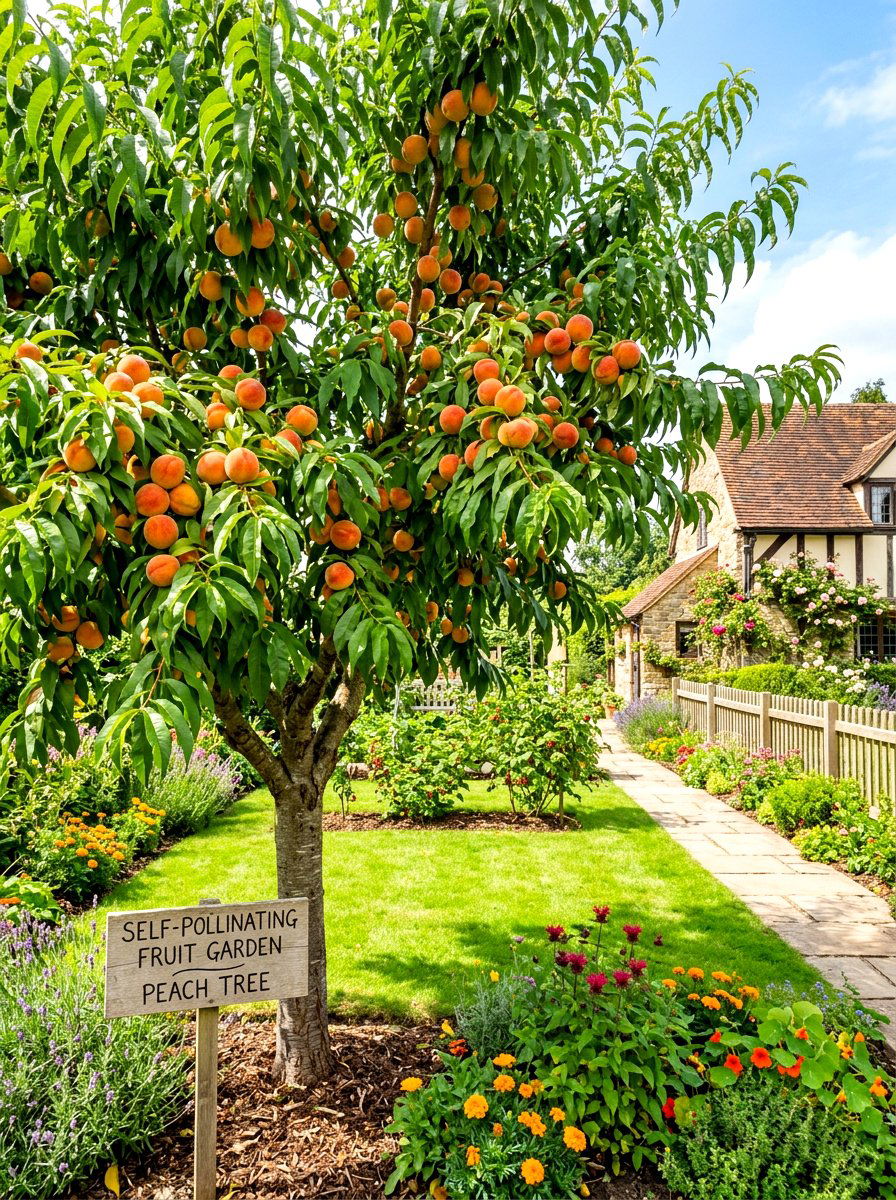
For homeowners with very limited space, choosing self-pollinating fruit varieties is a game-changer. These trees do not require a second tree of a different variety to produce fruit, which means you can enjoy a full harvest with just a single specimen. Many modern varieties of peaches, nectarines, and even some apples and cherries are self-fertile, making them perfect for tiny urban backyards. This approach simplifies garden planning and ensures that even the smallest outdoor area can become a productive part of your home. It allows you to focus your resources on caring for one healthy tree that provides plenty of fruit.
20. Small Space Vertical Orchard
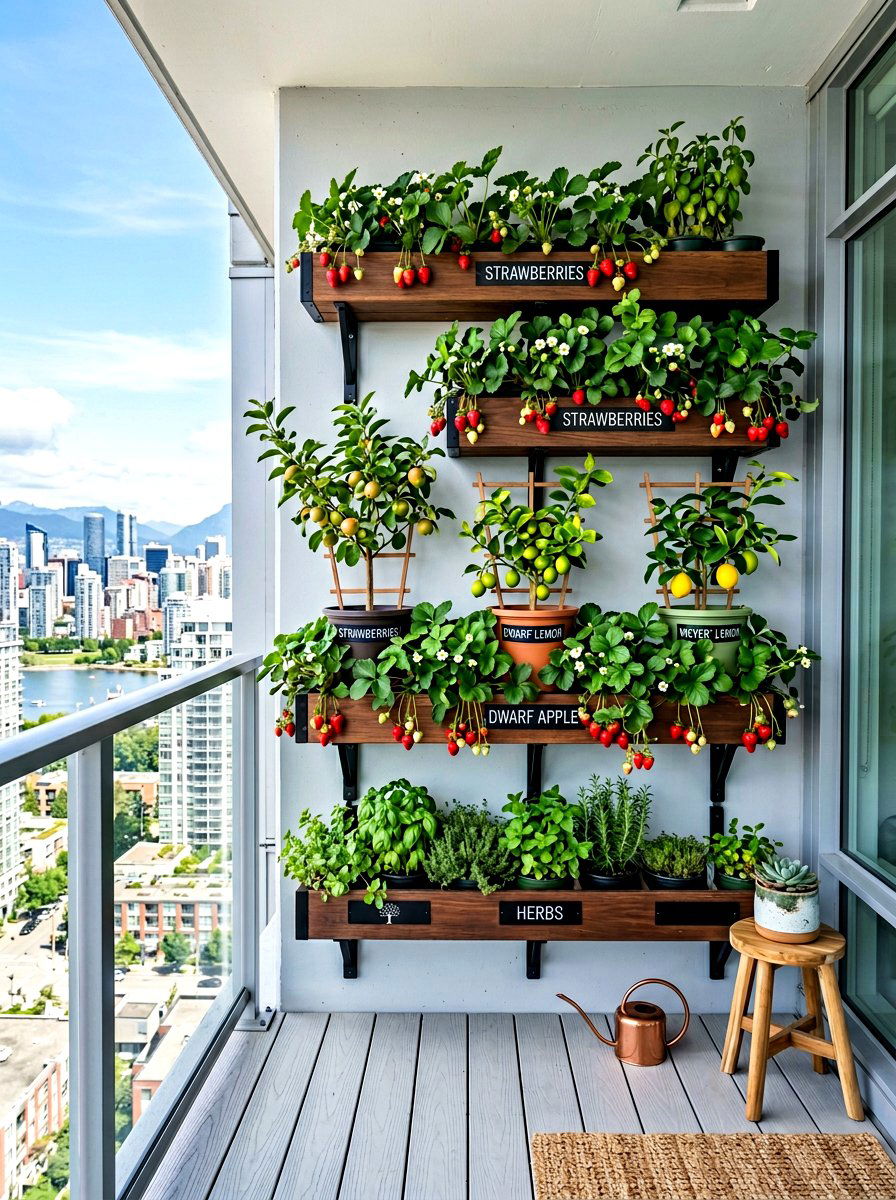
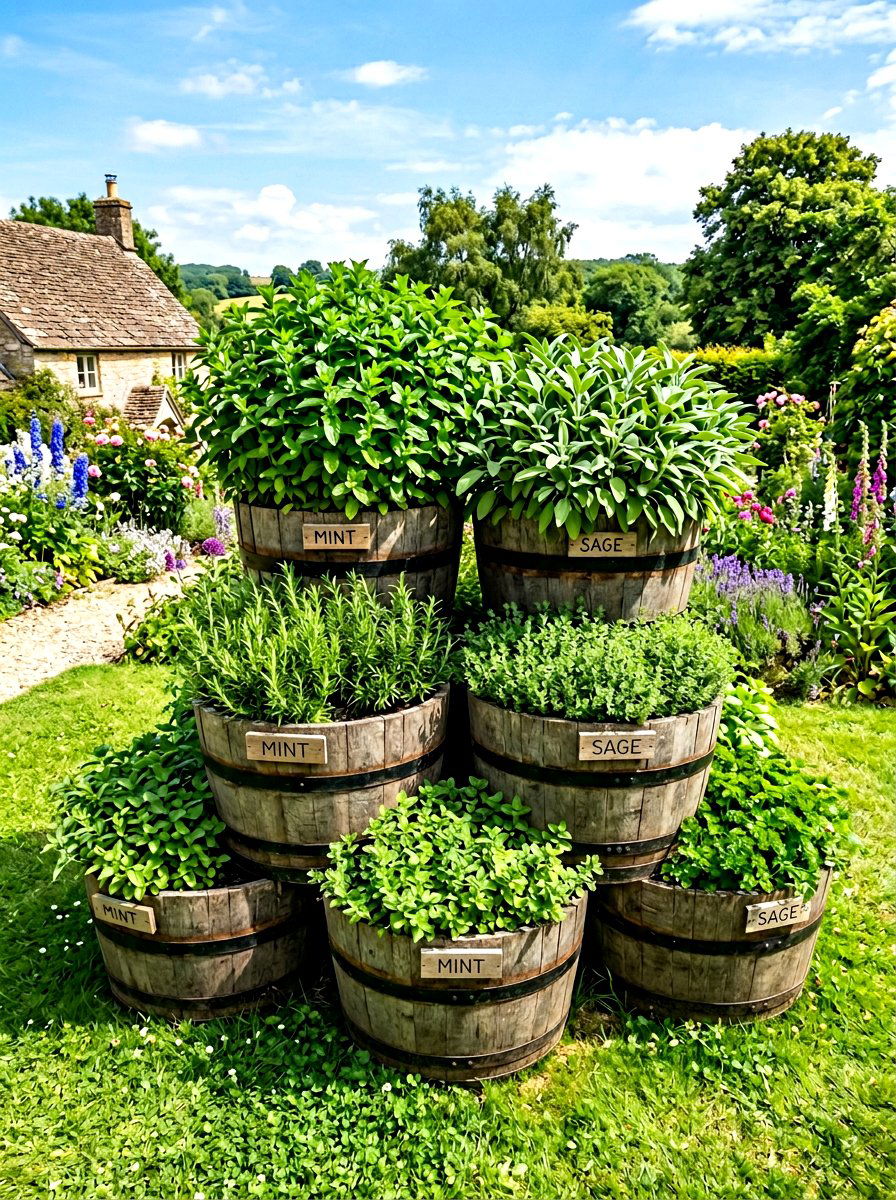
Vertical gardening is the ultimate solution for urban dwellers who want to grow fruit on a balcony or small terrace. By using tiered planters, wall-mounted systems, or tall trellises, you can grow a variety of fruits in a very small footprint. Strawberries, dwarf citrus, and even columnar apples can all be integrated into a vertical design. This method keeps the fruit off the ground, reducing pest issues and making harvest incredibly easy. A vertical orchard also serves as a beautiful green wall that provides privacy and softens the hard edges of urban architecture. It is proof that you don't need land to be a gardener.
21. Old World Herb Orchard
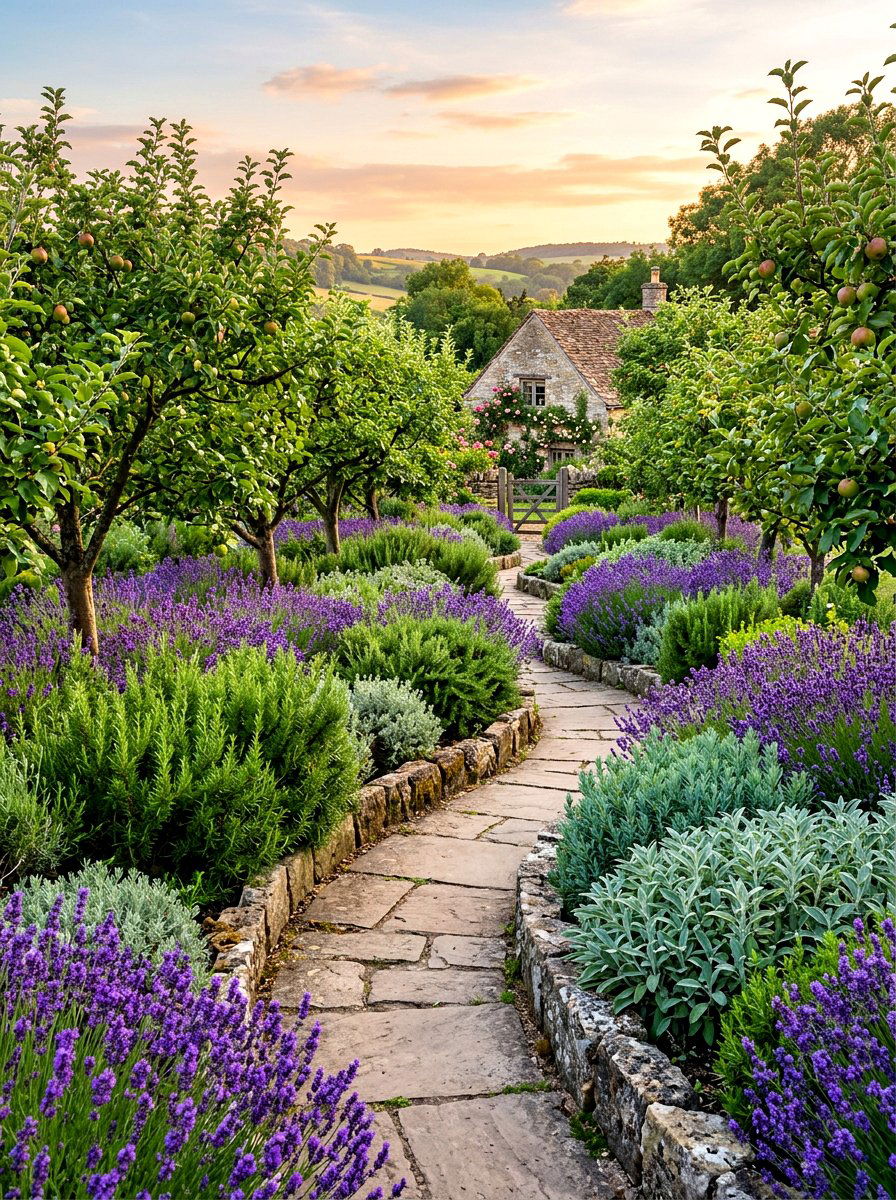
Combining fruit trees with a classic herb garden creates a multi-functional space that smells as good as it looks. Planting aromatic herbs like rosemary, thyme, and sage around the base of your fruit trees adds a layer of groundcover that suppresses weeds and attracts beneficial insects. This design evokes the feeling of a traditional cottage garden where beauty and utility go hand in hand. The herbs provide a steady supply for your kitchen, while the trees offer shade and seasonal fruit. This integrated approach creates a rich, sensory experience that makes every visit to the orchard a delight for the senses.
22. Curved Orchard Layout
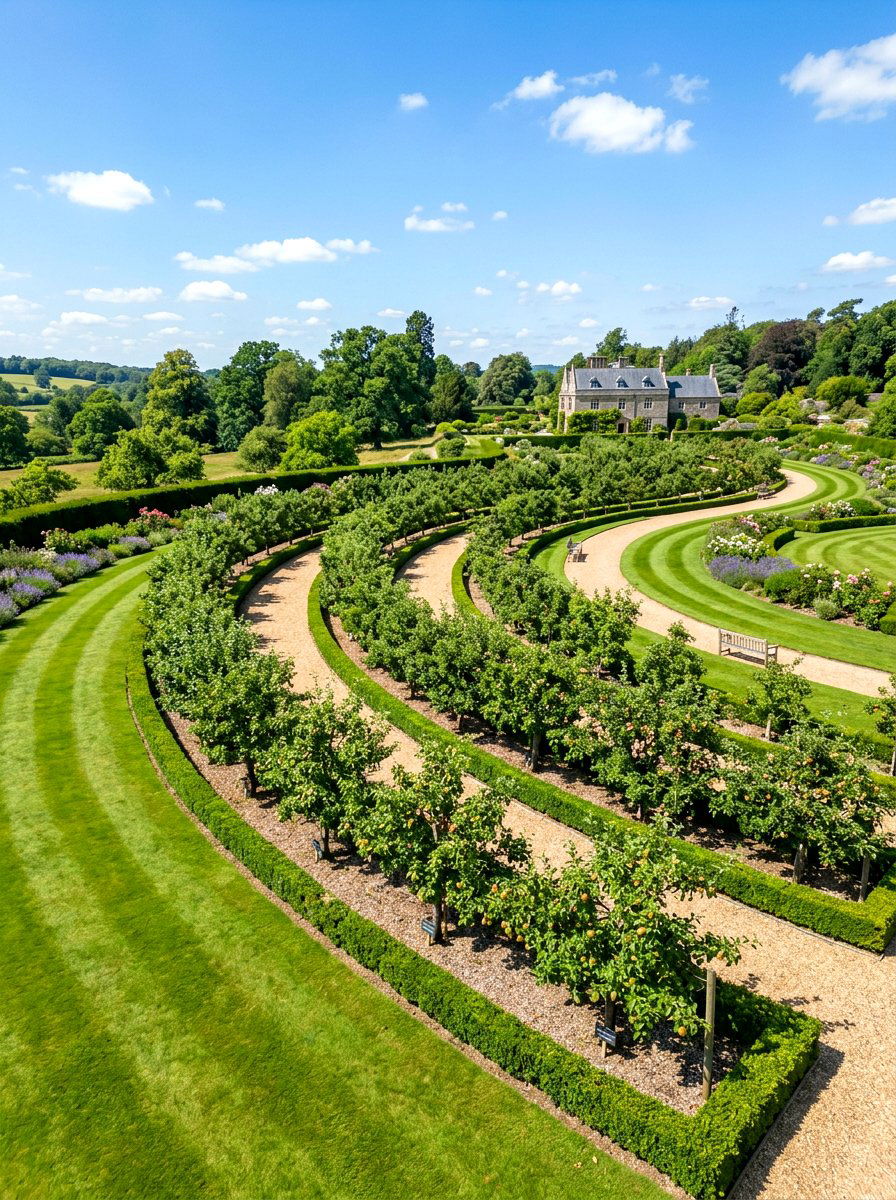
Breaking away from traditional straight rows, a curved orchard layout adds a sense of flow and organic beauty to your backyard. By planting your fruit trees in gentle arcs or sweeping lines, you can create a more naturalistic landscape that feels less like a farm and more like a private park. This design works particularly well on sloped lots or in gardens with existing curved features like patios or ponds. Curving paths through the trees encourage slow, mindful walking and provide different perspectives of the orchard as you move through it. It is a sophisticated way to integrate productivity into a high-end landscape design.
23. Winter Interest Orchard
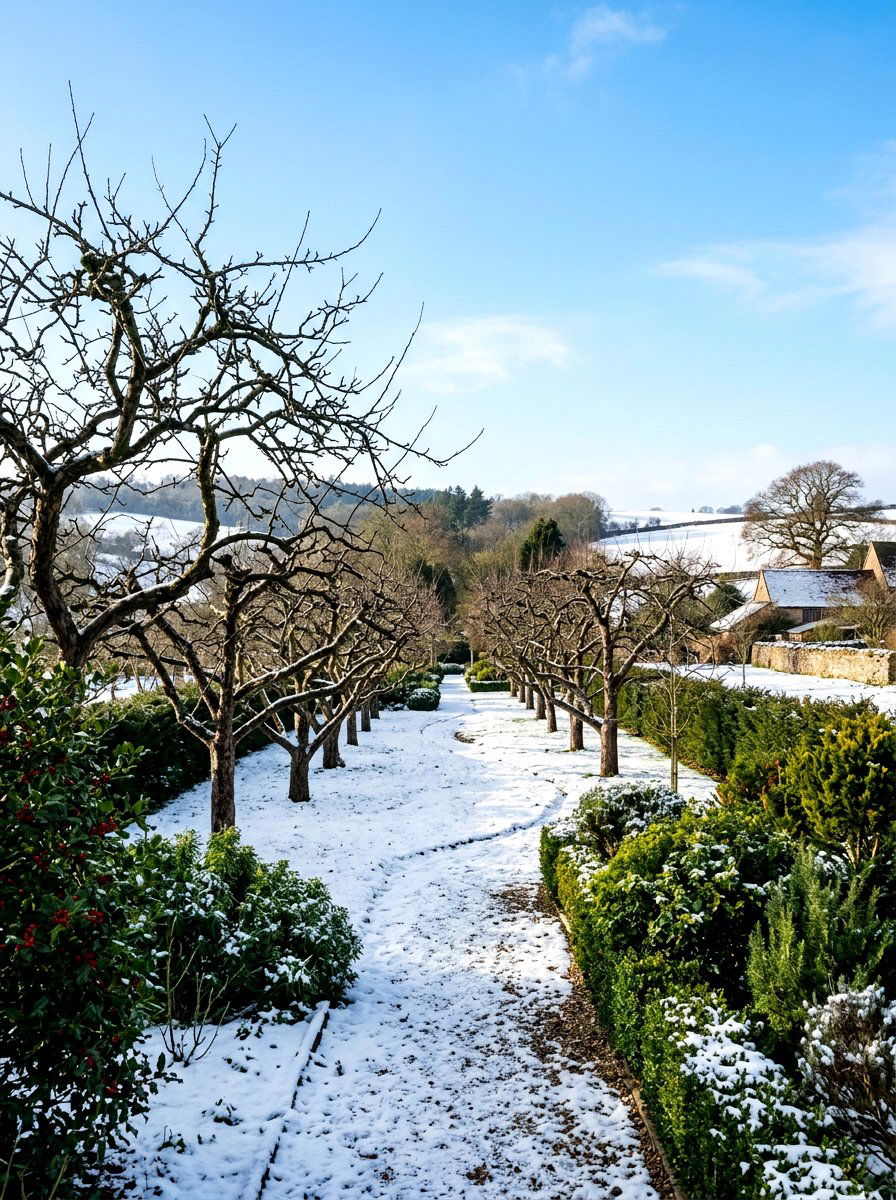
A well-planned orchard can be beautiful even in the middle of winter. By choosing trees with interesting bark textures or striking silhouettes, you can ensure your backyard remains visually appealing during the dormant season. For example, the peeling bark of a cherry tree or the gnarled, sculptural branches of an old apple tree look stunning when dusted with light snow. You can also include evergreen fruiting plants like citrus or certain berry varieties to maintain some greenery throughout the year. Adding subtle outdoor lighting to highlight the structure of the trees ensures your orchard remains a focal point even on dark winter nights.
24. Bird Friendly Fruit Habitat
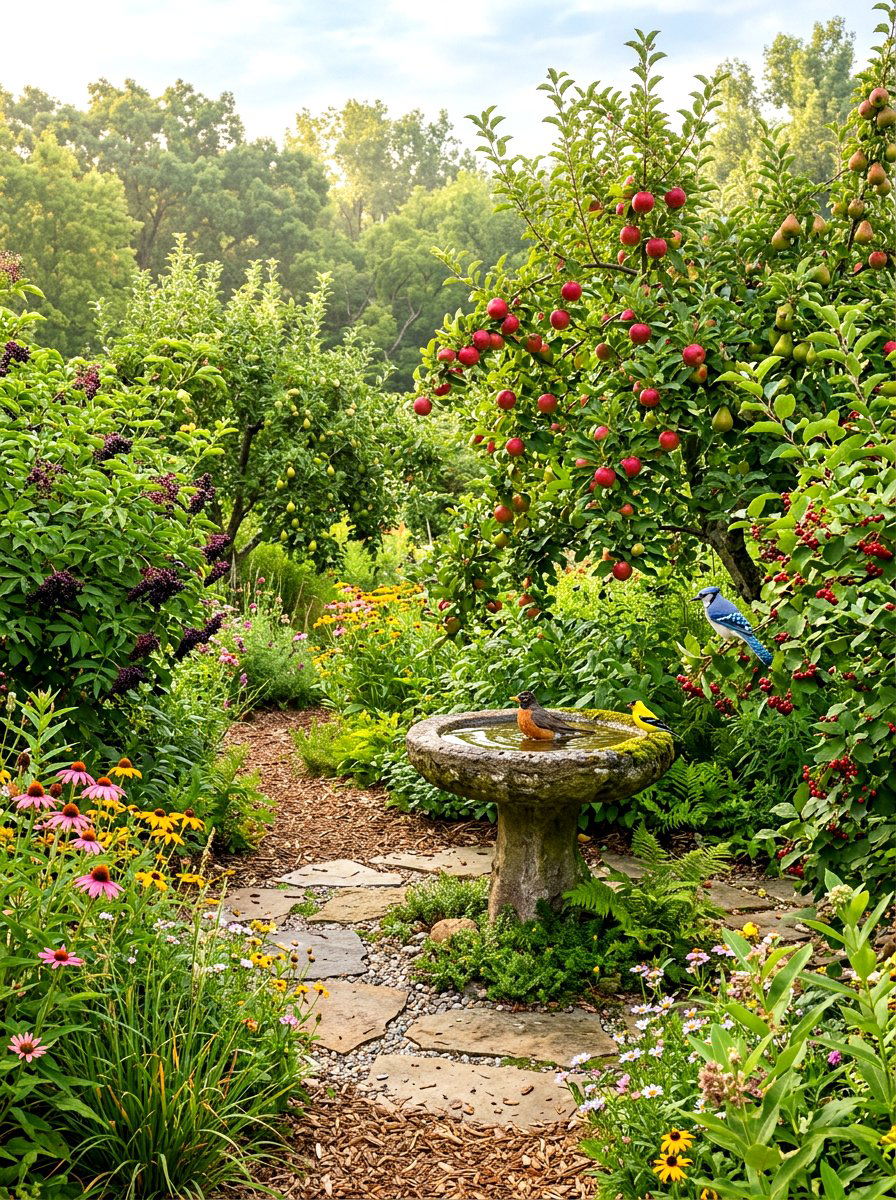
Sharing your harvest with local wildlife can be a rewarding part of backyard orcharding. By designing your space with birds in mind, you can create a thriving habitat that brings life and movement to your garden. Include a mix of fruiting trees and shrubs that provide food at different times of the year, along with a clean water source like a birdbath or a small pond. Many birds will help control insect populations in exchange for a few fallen fruits. This ecological approach to orchard design creates a peaceful, balanced environment where you can enjoy the songs of birds while you tend to your trees.
25. Miniature Lemon Grove
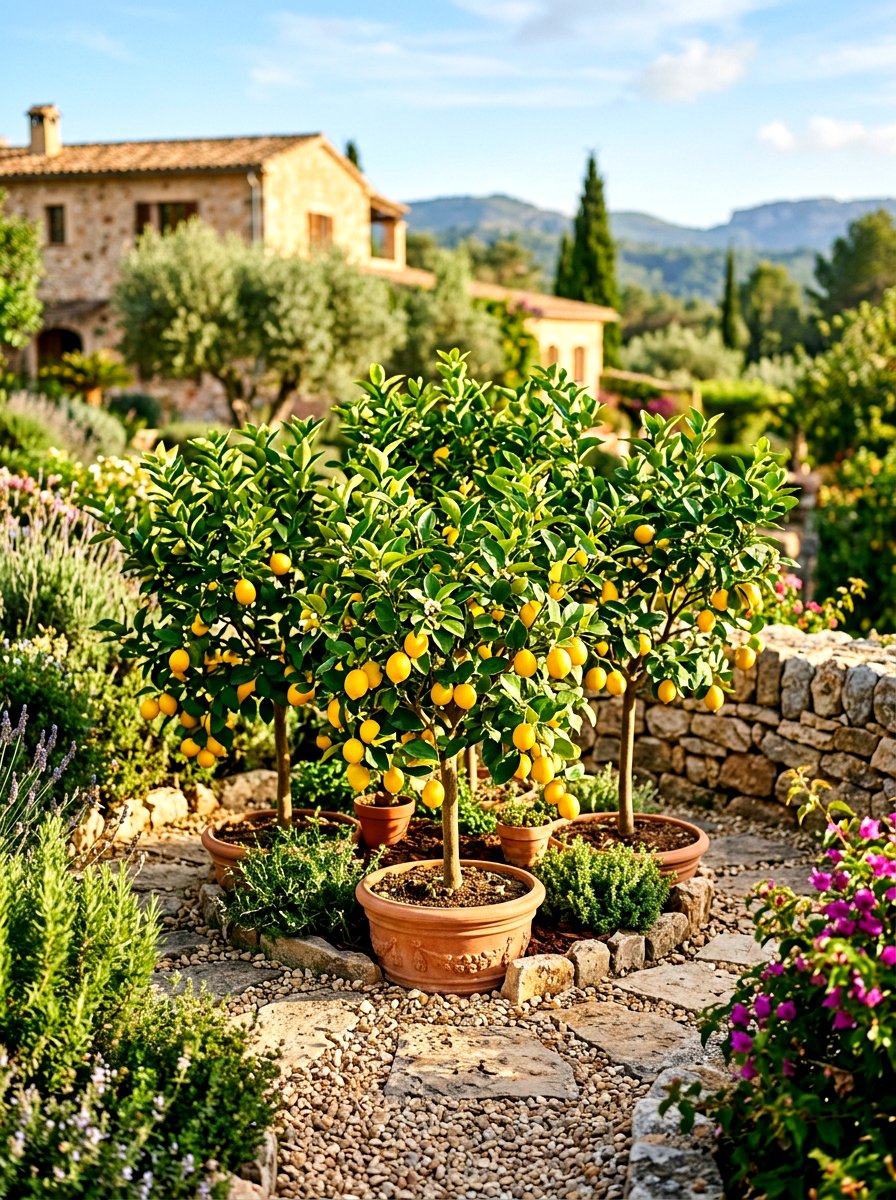
Creating a miniature grove of lemon trees is a fantastic way to bring a bright, cheerful energy to a sunny corner of your yard. Lemons are incredibly versatile and produce multiple harvests throughout the year, ensuring you always have fresh citrus on hand. By planting three or four dwarf lemon trees in a cluster, you can create a dense, fragrant thicket that provides privacy and a massive amount of fruit. Underplant them with silver-leaved plants like lavender or olive bushes to enhance the Mediterranean aesthetic. The bright yellow fruit against the dark green leaves is a classic color combination that never goes out of style.
26. Pear Tree Trellis
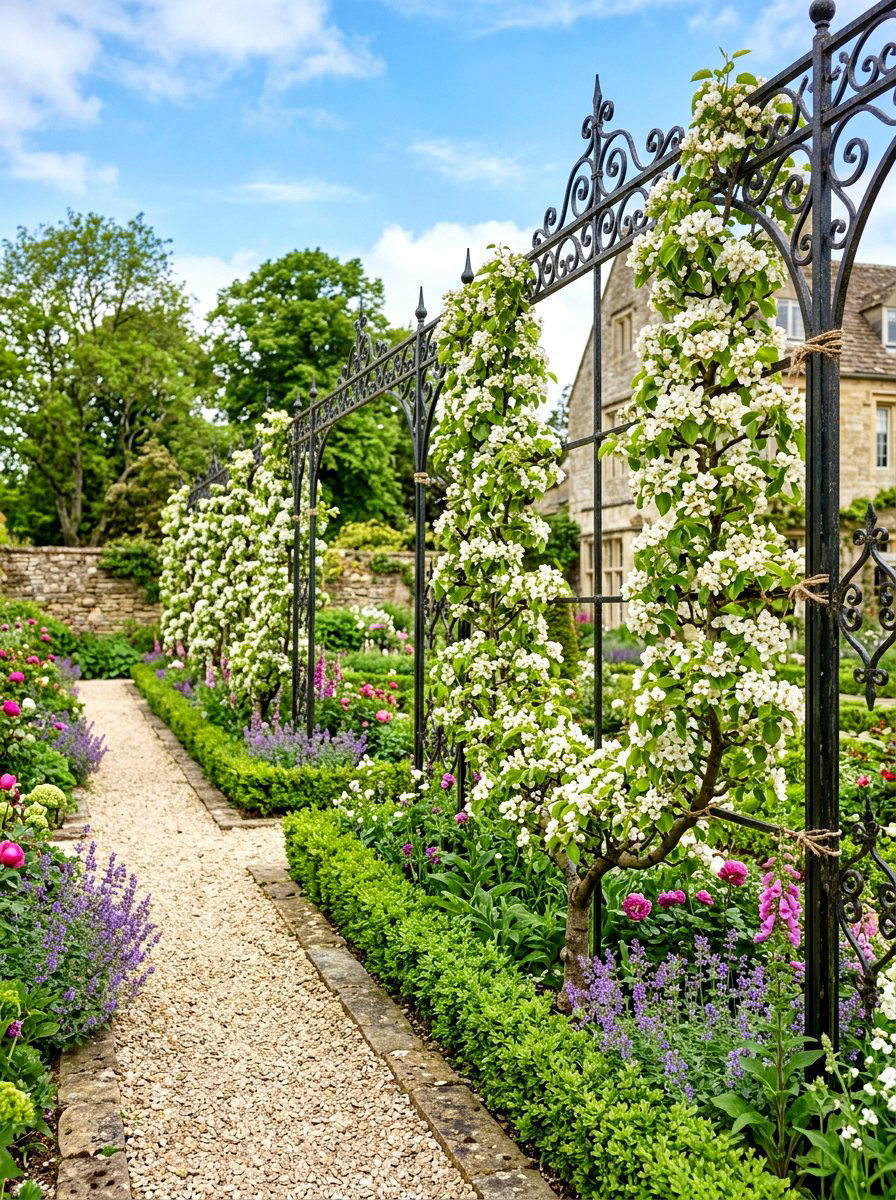
Pear trees are particularly well-suited for training along a trellis or a wire support system. Their flexible branches can be easily guided into elegant shapes, making them a favorite for formal garden designs. A pear tree trellis can serve as a sophisticated divider between different sections of your yard or as a decorative accent against a brick wall. The delicate white blossoms in the spring are followed by elegant, teardrop-shaped fruits that look beautiful as they ripen. This method of growing pears keeps the fruit accessible and allows for excellent air circulation, which helps prevent common diseases and ensures a healthy, productive tree.
27. Nut Tree Canopy
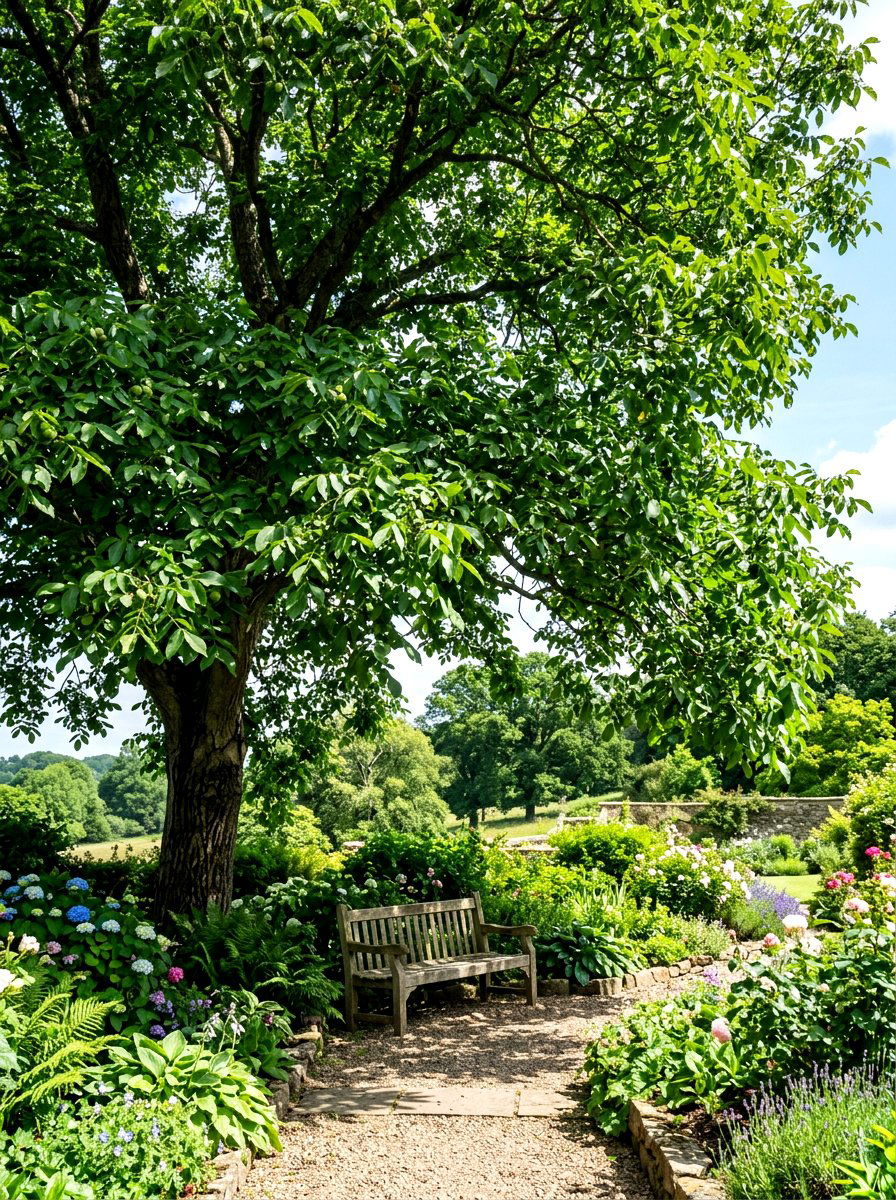
If you have a larger backyard, including a few nut trees like walnuts, pecans, or hazelnuts can provide a majestic canopy and a unique harvest. These trees grow quite large and offer excellent shade for your outdoor living areas during the hot summer months. Because they are often slow-growing, they represent a long-term investment in your property’s value and beauty. The broad, spreading branches create a sense of permanence and grandeur that smaller fruit trees can't match. Underplanting them with shade-tolerant fruit bushes or groundcovers ensures that every level of your garden is productive and visually interesting throughout the changing seasons.
28. Pomegranate Patio Garden
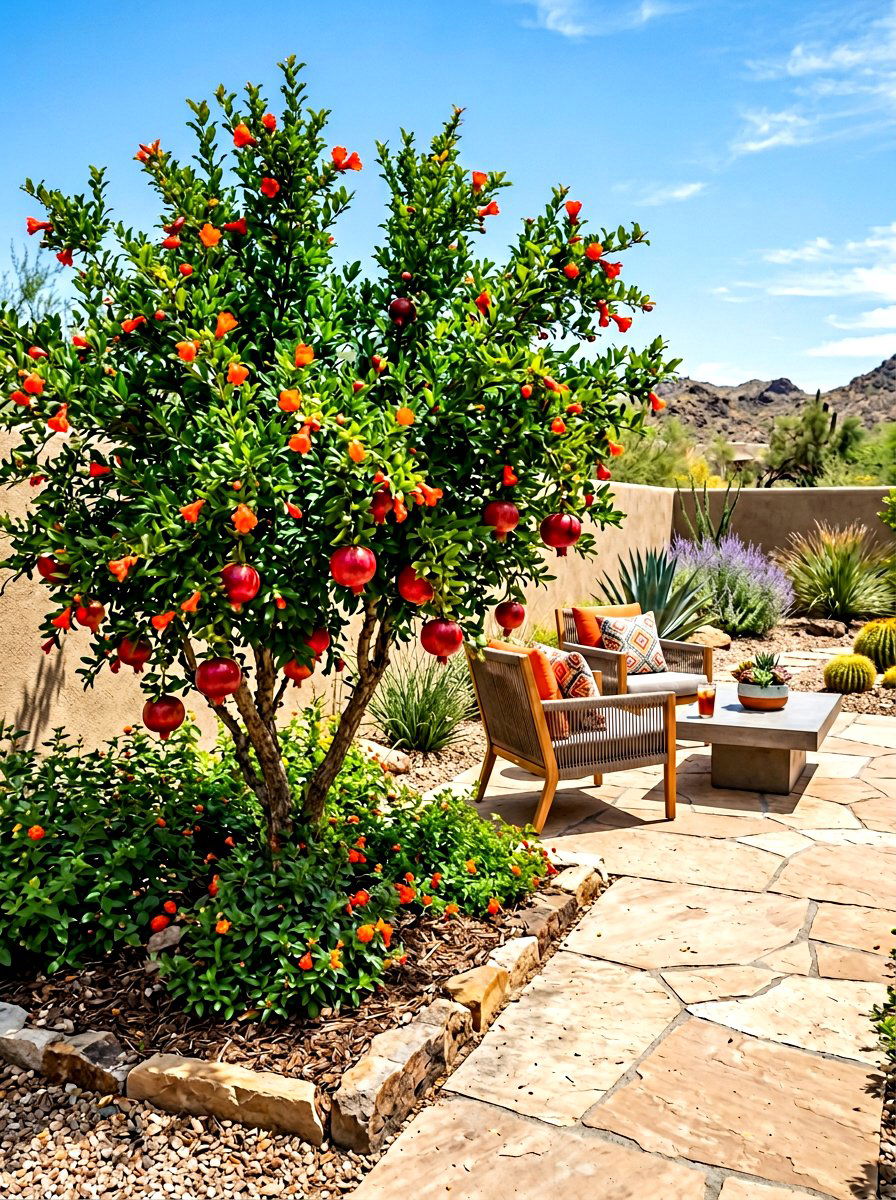
Pomegranates are stunning additions to a patio garden, offering exotic orange-red flowers and unique, leathery fruits. They are highly drought-tolerant and thrive in hot, sunny conditions, making them perfect for areas near paved surfaces that retain heat. A pomegranate tree can be grown in a large container or planted directly into a small bed near your seating area. Its multi-stemmed growth habit and fine-textured leaves provide a soft, airy look that contrasts beautifully with larger-leaved plants. The dramatic fruit remains on the tree for a long time, providing a splash of bold color in the late summer and autumn months.
29. Organic Orchard Circle
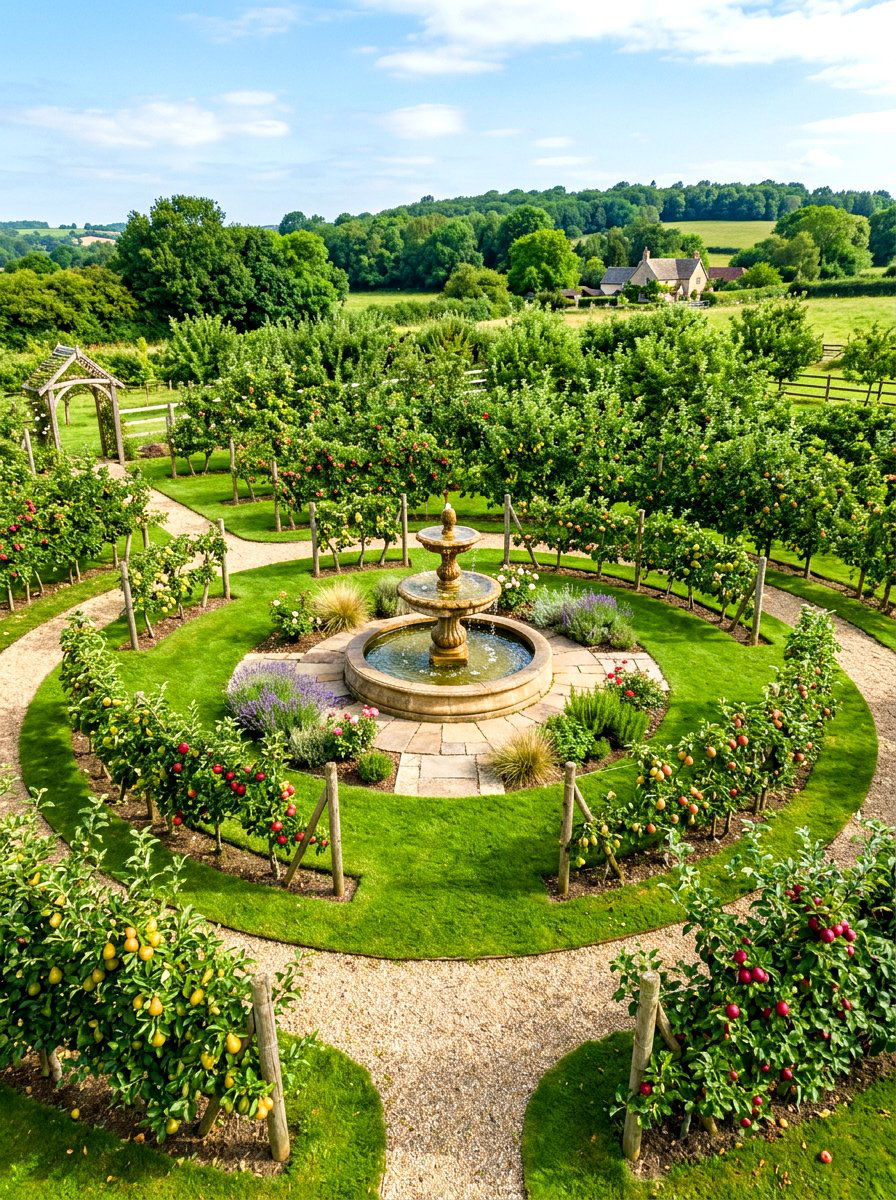
Arranging your fruit trees in a circular pattern creates a focused, intimate space that feels like a secret garden. This design can serve as a central gathering point in your yard, perhaps with a small fountain or a circular bench at the center. The circular layout makes it easy to manage irrigation and maintenance since all the trees are equidistant from the center. This arrangement also provides excellent air circulation and sunlight for each tree, promoting healthy growth and fruit production. An orchard circle is a powerful landscape feature that adds a sense of harmony and balance to your overall backyard design.
30. Orchard Night Lighting
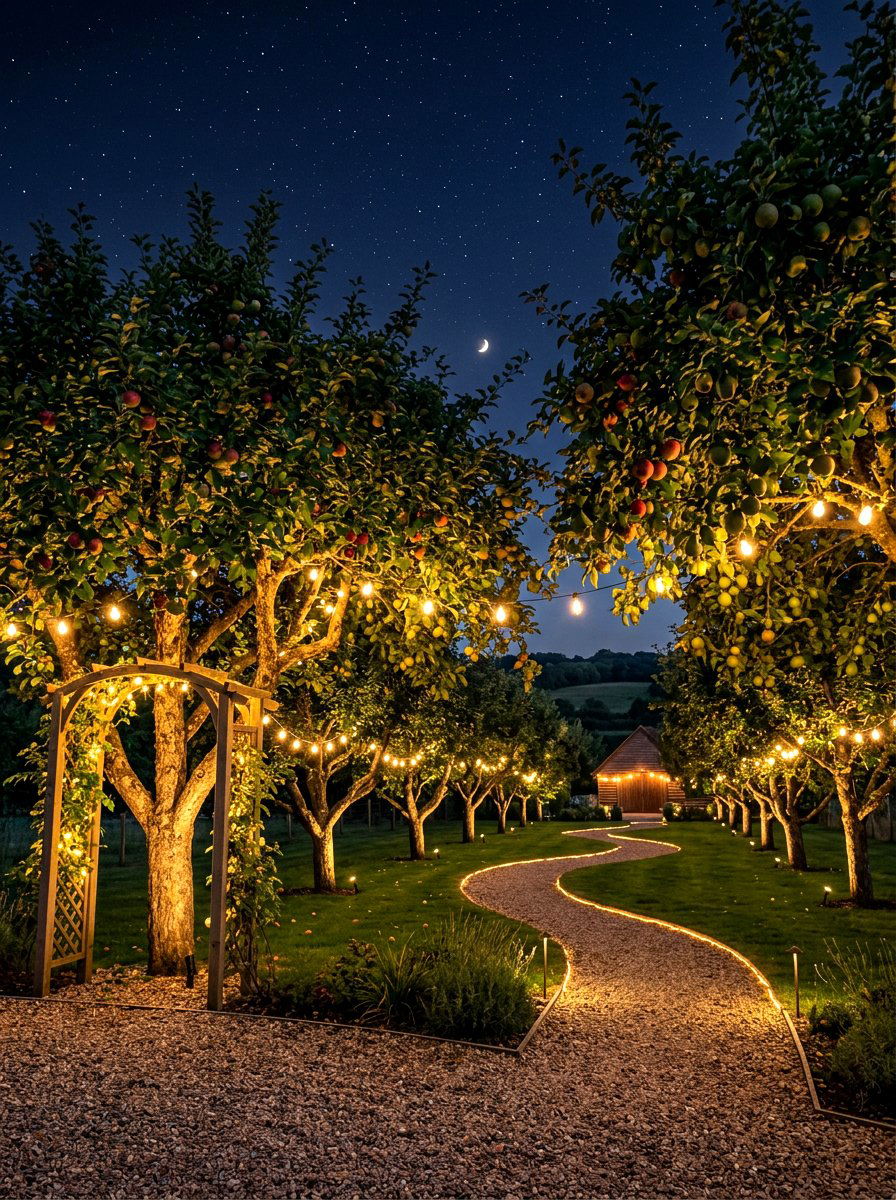
Installing professional outdoor lighting is the final touch that transforms your backyard orchard into a magical evening retreat. By placing soft uplights at the base of your most architectural trees, you can highlight their unique forms and create a dramatic play of light and shadow. String lights draped between the branches of larger trees add a festive, whimsical feel that is perfect for summer evening gatherings. Proper lighting also ensures that your orchard is safe to navigate after dark, allowing you to enjoy the cool evening air and the scent of ripening fruit. It turns your productive space into a sophisticated entertainment venue.
Conclusion:
Designing a backyard orchard is a fulfilling way to combine your love for fresh food with high-quality landscaping. Whether you choose a formal espalier wall or a wild permaculture food forest, the result is a space that provides beauty, shade, and a delicious harvest for your family to enjoy. The variety of trees, layouts, and companion plants available means that there is a perfect orchard solution for every yard, regardless of size or climate. By following these ideas, you can create a functional and stylish sanctuary that enhances your home’s value and your daily life. Start planning your productive paradise today.

Related posts: