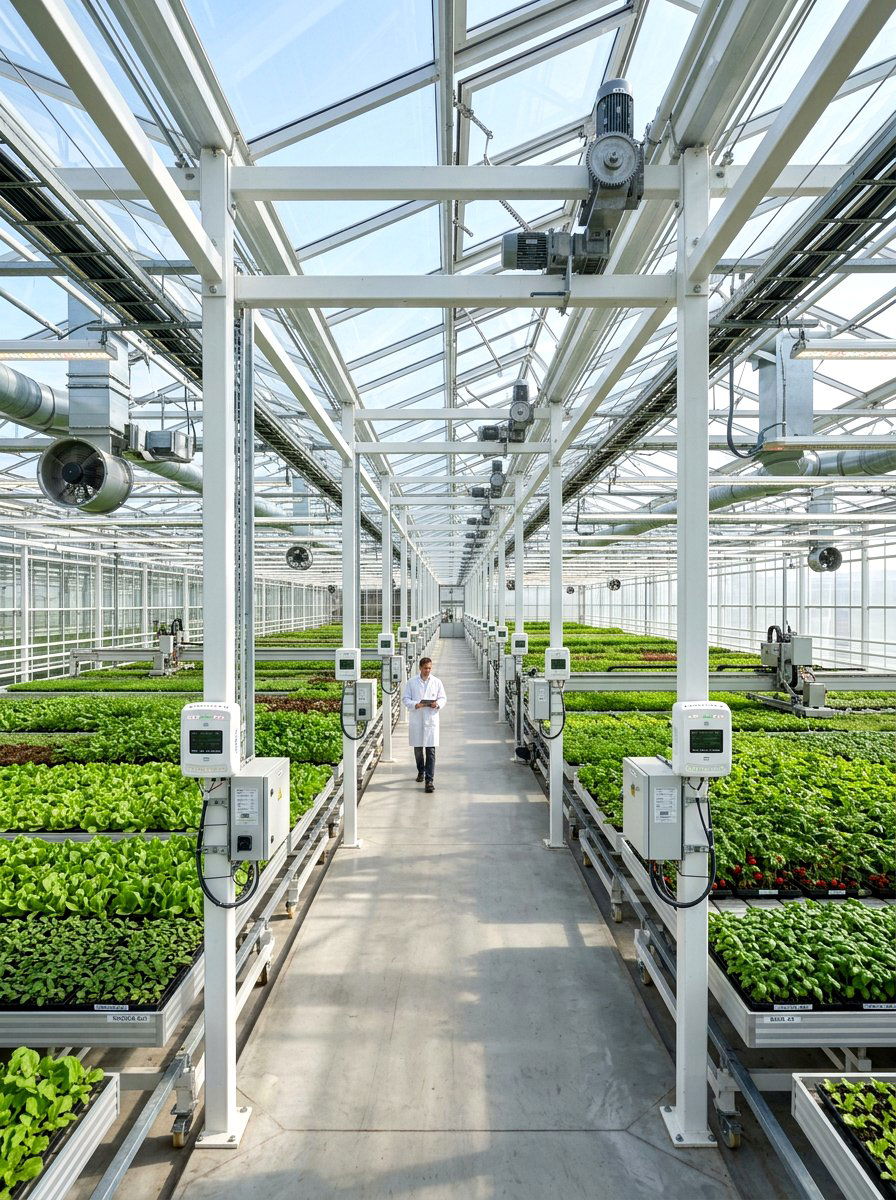
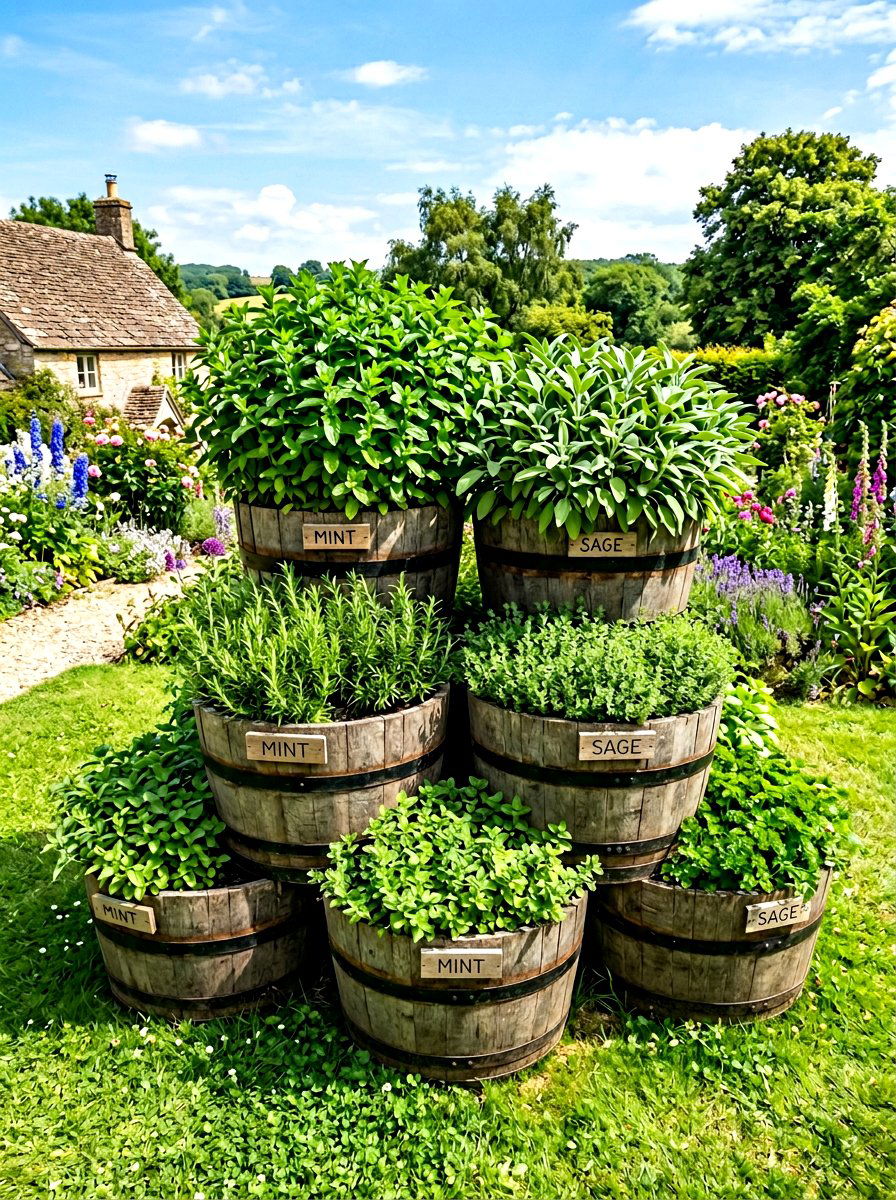
Stepping into a rustic greenhouse feels like entering a secret sanctuary where time slows down and nature takes the lead. These structures offer much more than just a place to grow delicate seedlings or protect tropical ferns from the winter frost. They serve as a beautiful extension of your home and a testament to your personal style. By blending weathered materials with functional gardening spaces, you create a haven that looks better as it ages. Whether you use salvaged windows or sturdy timber frames, a rustic greenhouse adds an undeniable charm to any backyard landscape. It is the perfect project for anyone who loves the intersection of architecture and gardening.
1. Reclaimed wood greenhouse
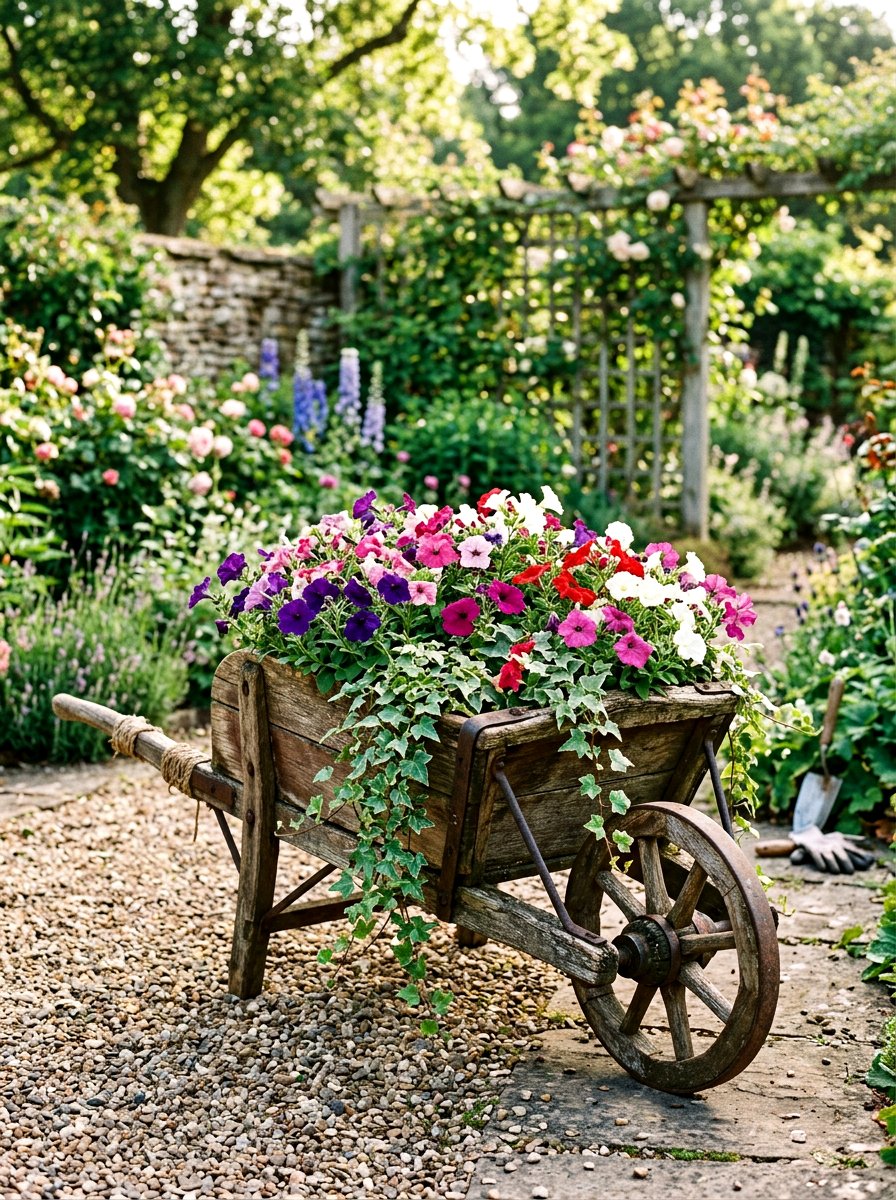
Building a greenhouse with reclaimed wood is one of the best ways to achieve an authentic rustic look. This approach uses salvaged lumber from old barns, fences, or demolished buildings to create a structure with history. The natural weathering and silver patina of the wood offer a depth that new materials simply cannot replicate. You can pair the rugged frame with clear glass or polycarbonate panels for a functional yet aesthetic result. This type of design prioritizes sustainability by giving old materials a second life in your garden. It creates a cozy atmosphere that feels deeply connected to the earth and the surrounding landscape for every gardener.
2. Old window greenhouse
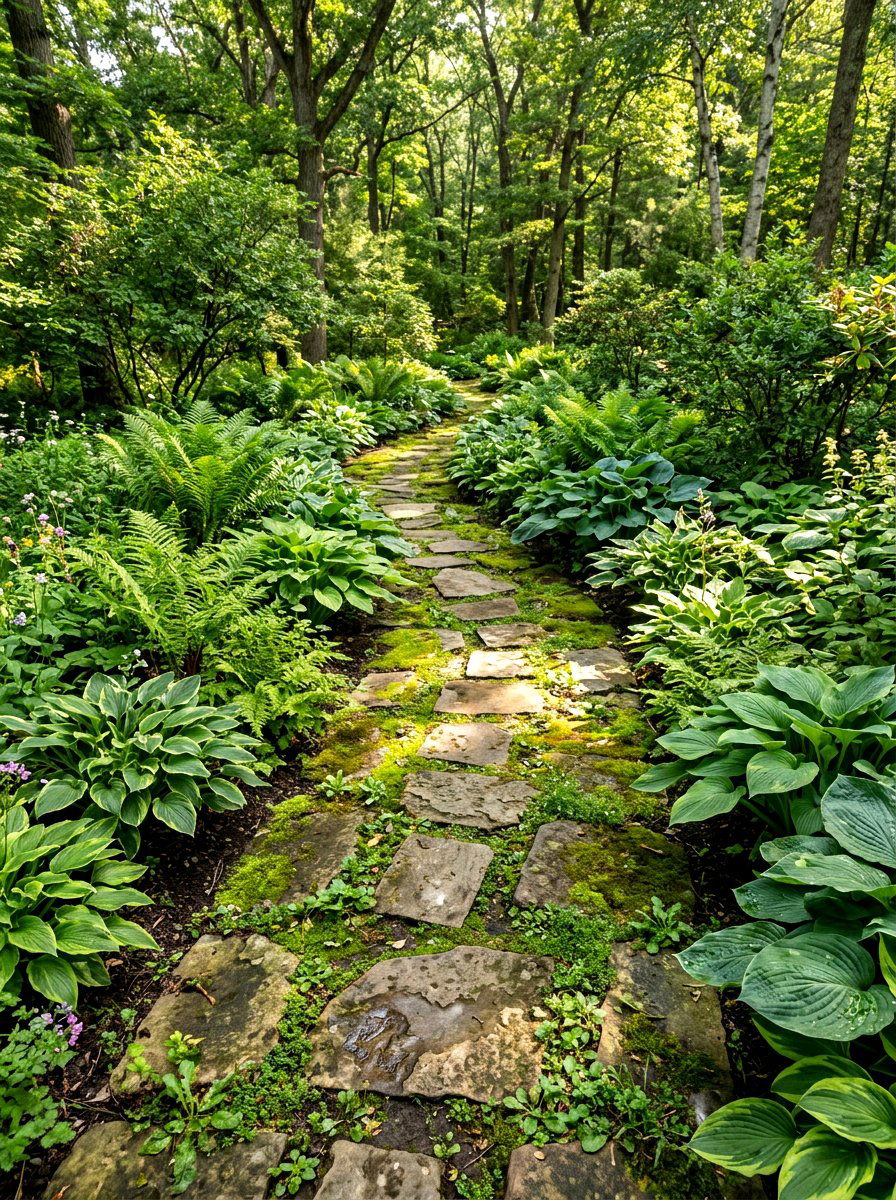
Creating a structure out of old windows is a classic way to build a unique rustic greenhouse. You can source vintage windows from flea markets or local salvage yards to give your garden a whimsical feel. Each pane of glass tells a story and adds a layer of visual interest to the exterior walls. This design allows for a lot of creativity because you can mix and match different sizes and frame colors. The irregular pattern of the windows provides a charming, handcrafted appearance that stands out in any backyard. It is an affordable and beautiful way to repurpose materials while protecting your plants from the elements.
3. Stone foundation greenhouse
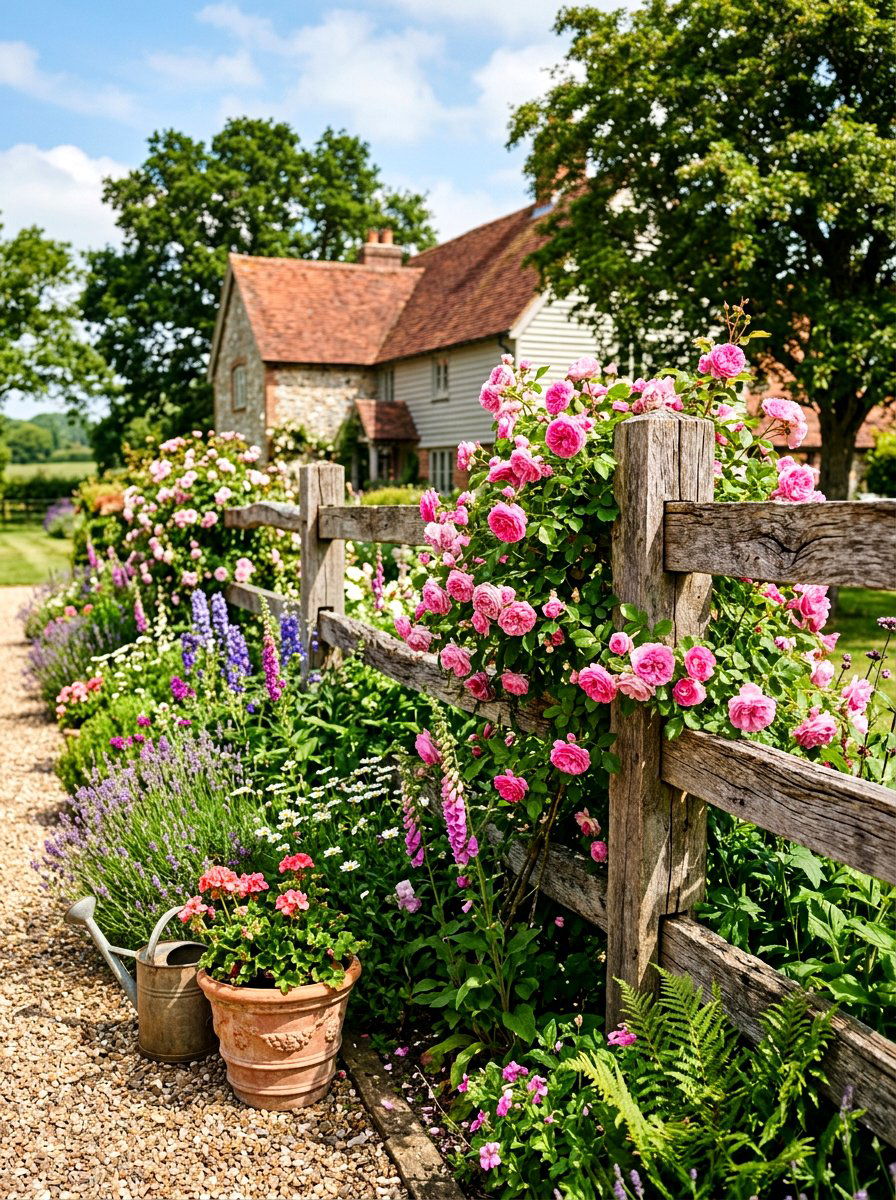
Integrating a stone foundation into your greenhouse design adds a sense of permanence and rugged elegance. Using fieldstone or stacked slate creates a solid base that anchors the structure to the ground. This architectural feature not only looks stunning but also helps with temperature regulation by absorbing heat during the day. The contrast between the heavy stone and the light glass panels above creates a visually striking balance. You can leave the stones in their natural state to enhance the rustic vibe or use mortar for a more polished finish. A stone base ensures your greenhouse remains a durable and beautiful garden centerpiece for many years.
4. Cedar frame greenhouse
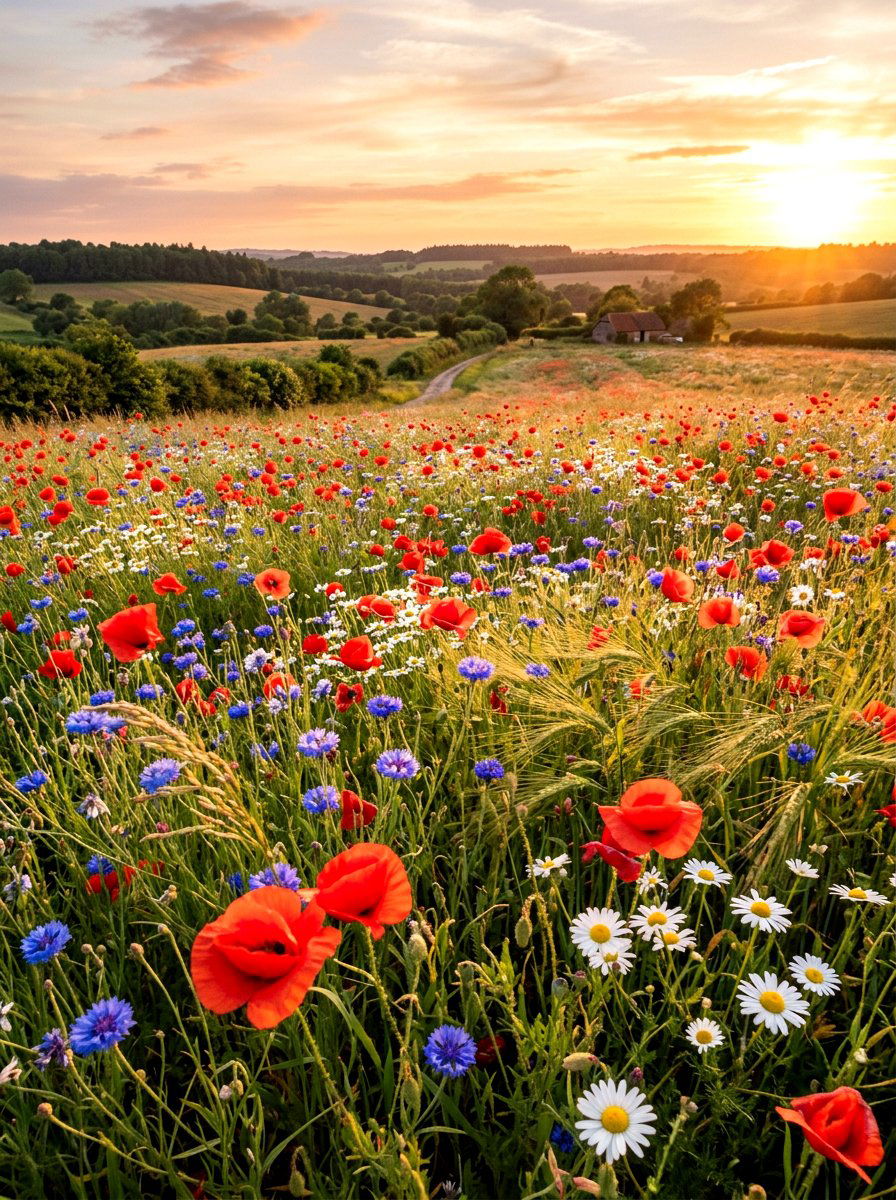
Choosing a cedar frame for your greenhouse provides both durability and a wonderful natural aroma. Cedar is naturally resistant to rot and insects, making it an ideal choice for humid gardening environments. Over time, the wood will weather to a beautiful silvery gray that blends seamlessly with garden greenery. You can leave the wood untreated to maintain its organic texture or apply a clear sealer to preserve the warm tones. The sturdy construction of cedar allows for large glass spans, letting in maximum sunlight for your plants. It offers a high-end rustic appeal that feels both professional and incredibly inviting in any outdoor space.
5. Lean to greenhouse
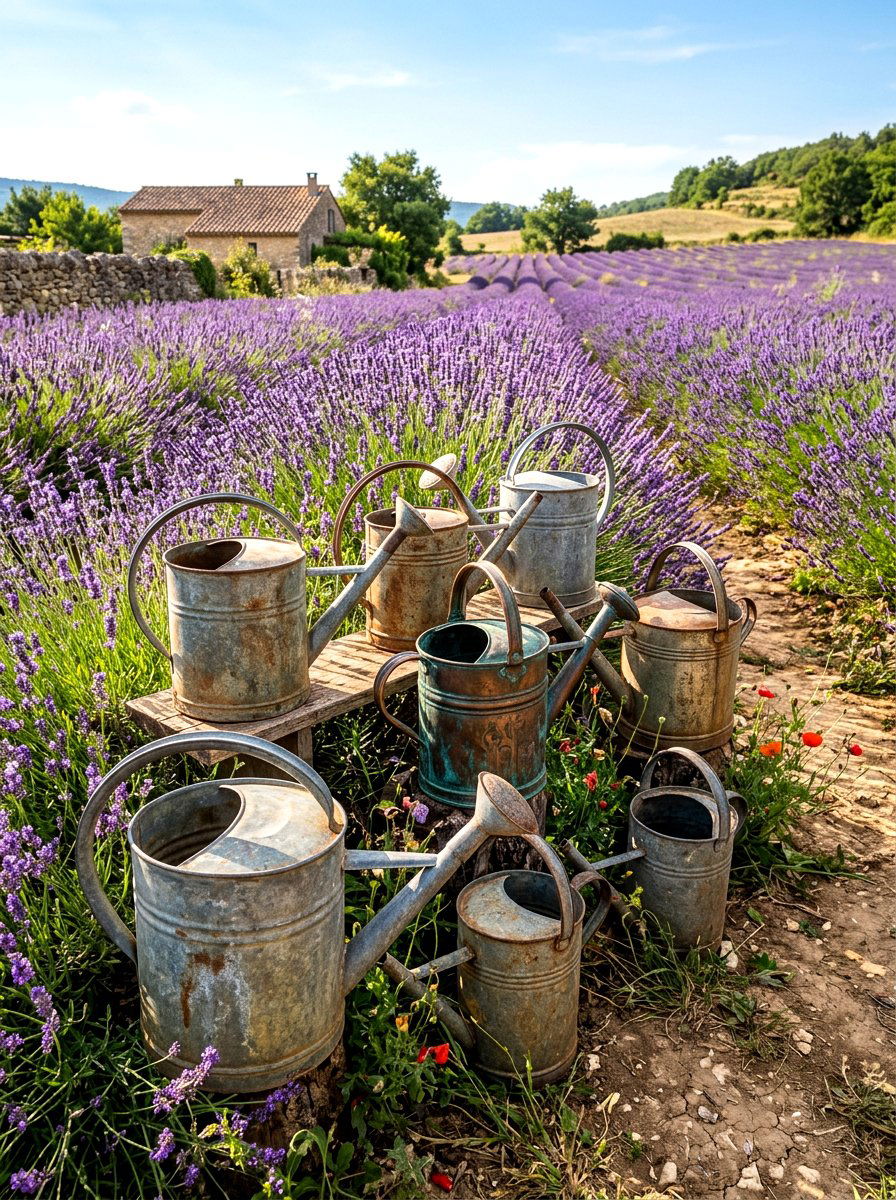
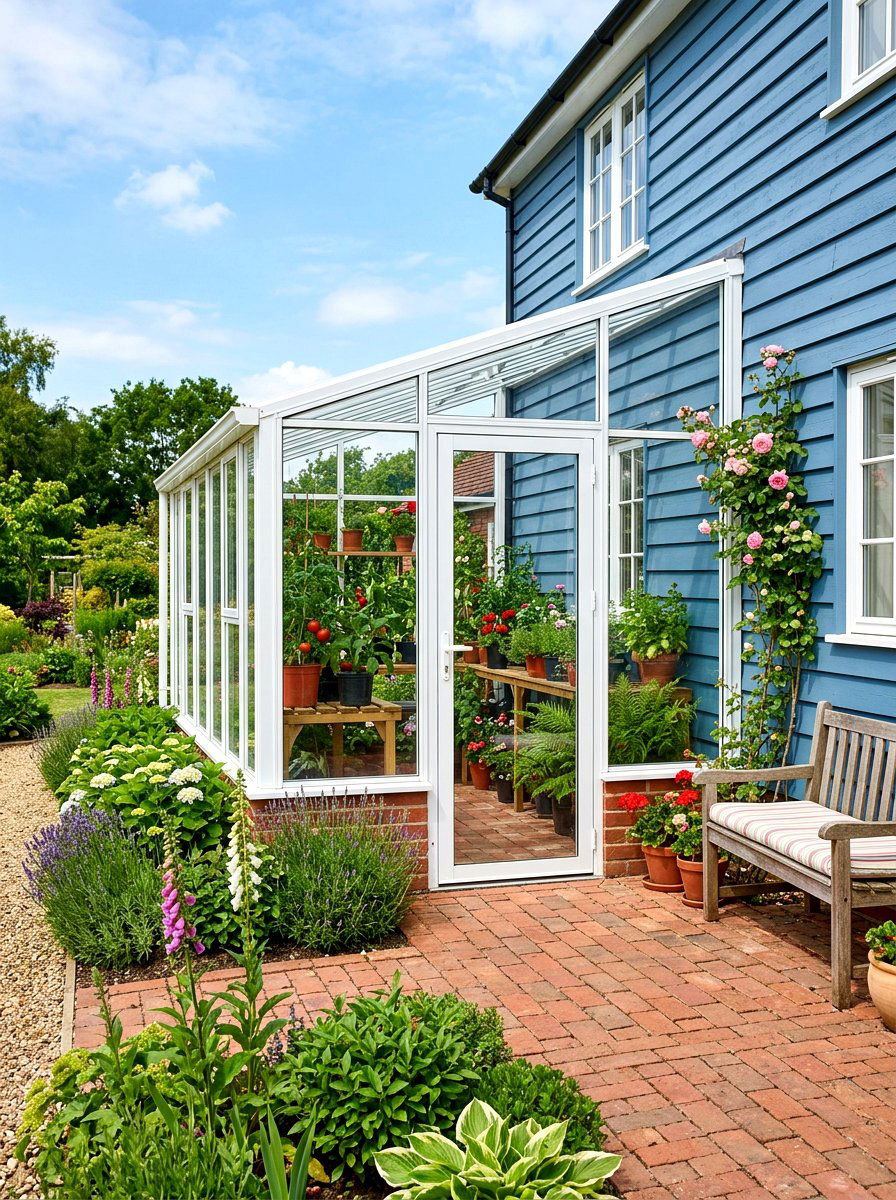
A lean to greenhouse is a practical and space-saving solution that attaches directly to your existing home or shed. This design uses the wall of another building for support, which can help with heat retention during colder months. It is an excellent choice for smaller yards where a freestanding structure might take up too much room. You can use rustic timber or metal frames to match your home’s exterior and create a cohesive look. Having the greenhouse so close to the house makes it easy to step outside and tend to your herbs or flowers. It creates a seamless transition between your indoor living and outdoor gardening.
6. Victorian greenhouse
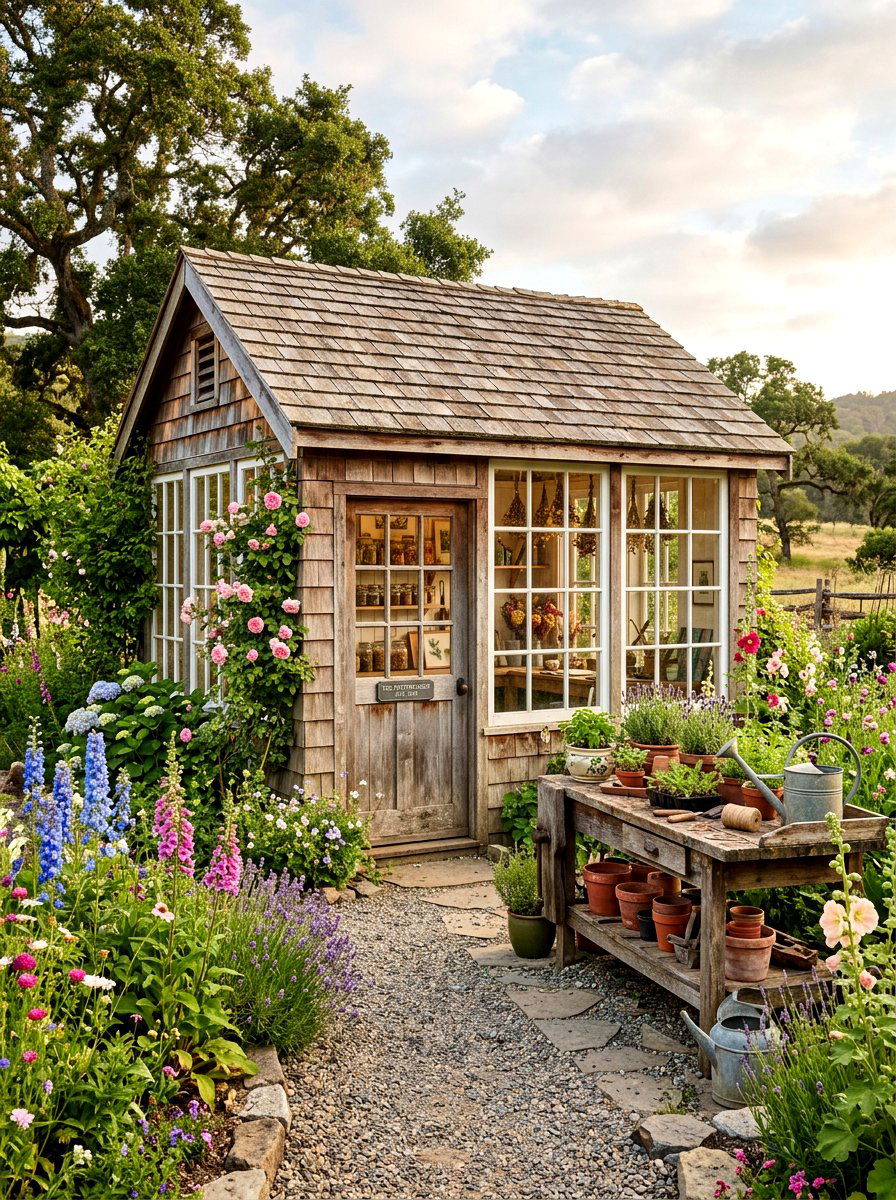
Incorporating Victorian elements into a rustic greenhouse design brings a touch of historical elegance to your backyard. You can use ornate metal finials, steep roof pitches, and decorative glass patterns to achieve this timeless look. Pairing these grand features with weathered wood or distressed paint keeps the structure feeling grounded and rustic. Large windows and high ceilings provide plenty of vertical space for climbing plants and tall tropical trees. This style often includes intricate venting systems that are as functional as they are beautiful. It transforms a simple growing space into a grand architectural statement that serves as a focal point for the entire garden area.
7. Brick floor greenhouse
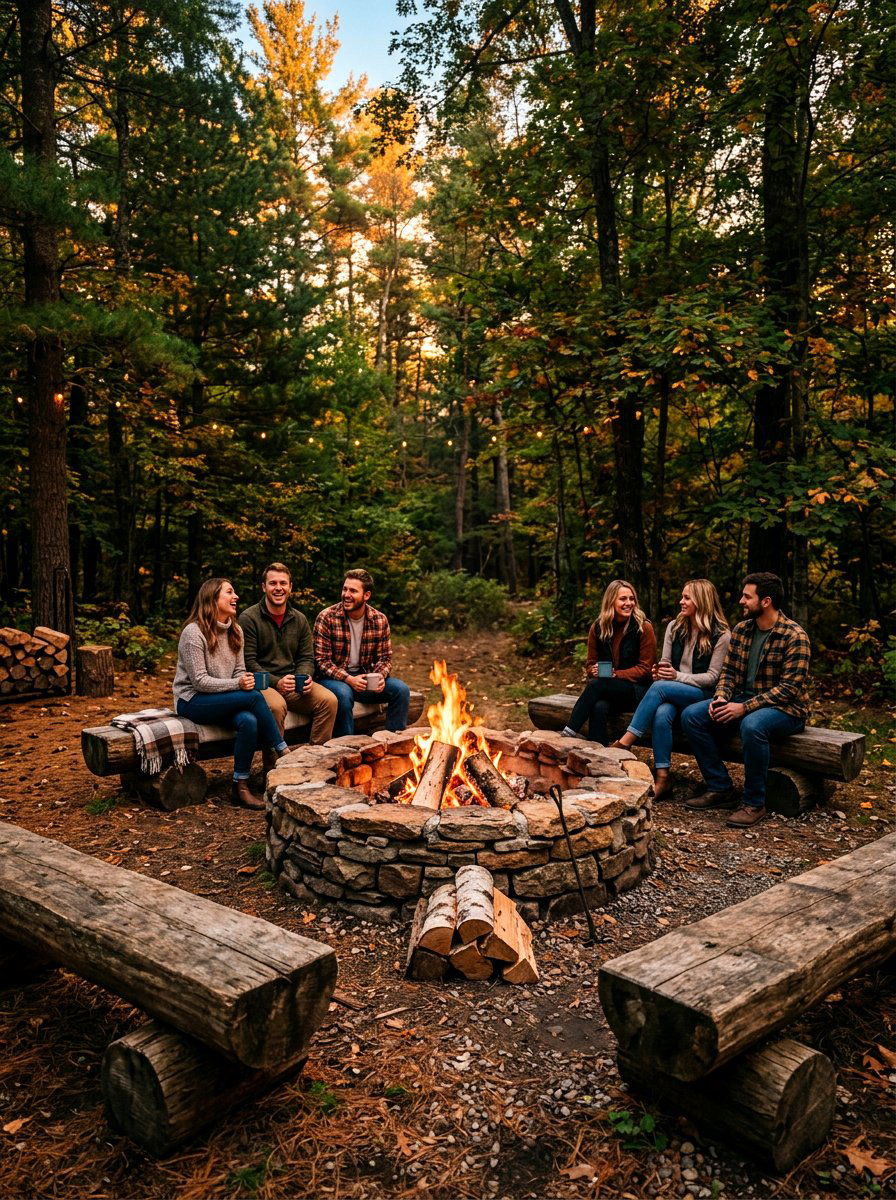
Installing a brick floor inside your greenhouse is a fantastic way to add warmth and a traditional feel. Reclaimed bricks with chipped edges and varied colors provide an instant aged look that complements rustic surroundings. The porous nature of brick allows it to absorb moisture and release it slowly, helping to maintain humidity for your plants. Brick also acts as a thermal mass, soaking up sunlight during the day and radiating heat at night. You can lay the bricks in a classic herringbone or basketweave pattern to add a touch of artistry to the ground. It is a durable, low-maintenance choice that feels incredibly cozy.
8. Potting bench greenhouse
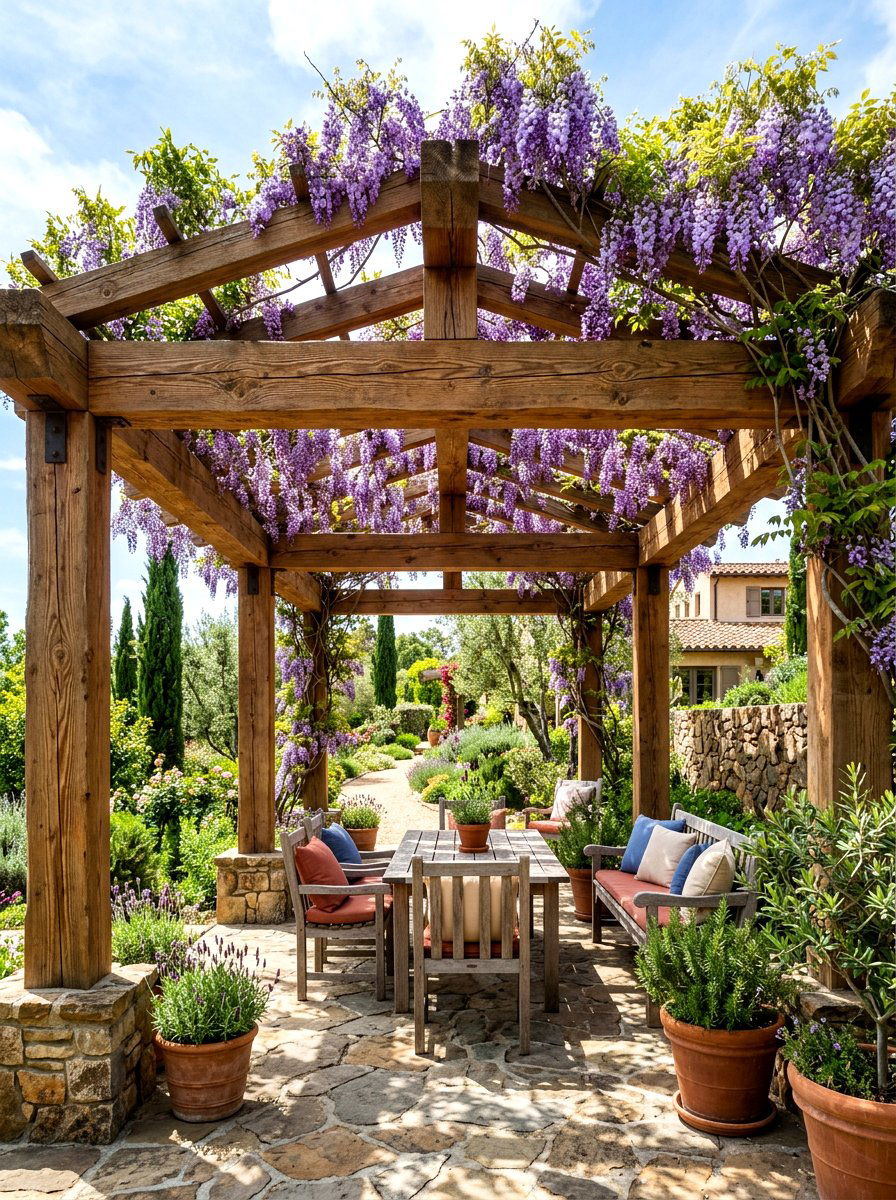
Designing your greenhouse around a central potting bench makes the space both highly functional and visually appealing. A large, rustic wooden bench provides a dedicated area for transplanting seedlings and organizing your gardening tools. You can use reclaimed timber or an old farmhouse table to serve as the heart of your growing room. Adding shelves above the bench allows you to display terra cotta pots and small garden treasures. This layout encourages you to spend more time working with your plants in a comfortable environment. It turns the greenhouse into a productive workshop that feels organized and full of character for any passionate home gardener.
9. DIY small greenhouse
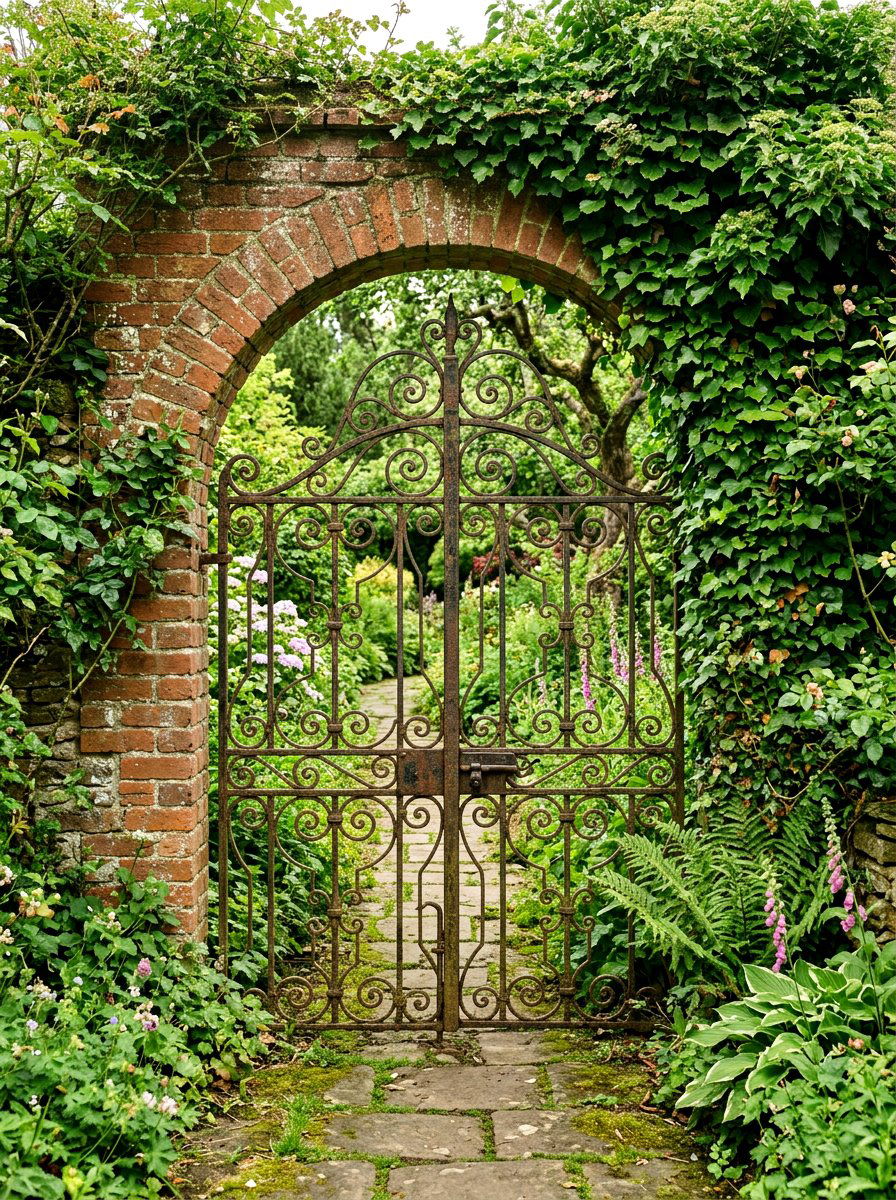
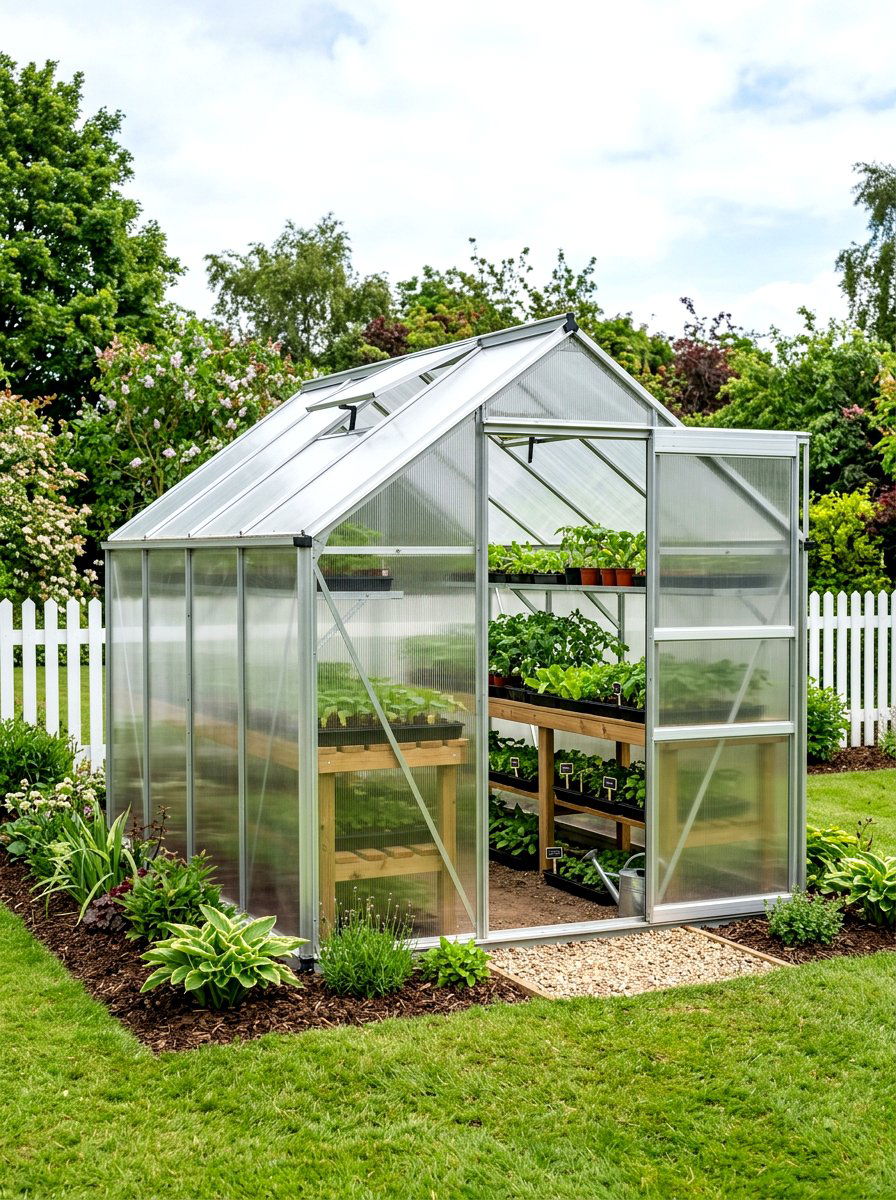
A DIY small greenhouse is the perfect weekend project for those who want to start gardening without a massive commitment. You can use simple materials like PVC pipes or basic wooden frames covered in heavy-duty plastic or polycarbonate. This smaller scale allows you to experiment with different rustic finishes on a manageable level. Even a compact structure can provide enough space for a thriving herb garden or a collection of succulents. Decorating the exterior with hanging lanterns or climbing vines helps the small structure blend into your garden. It proves that you do not need a lot of space to enjoy the benefits of greenhouse growing.
10. A frame greenhouse
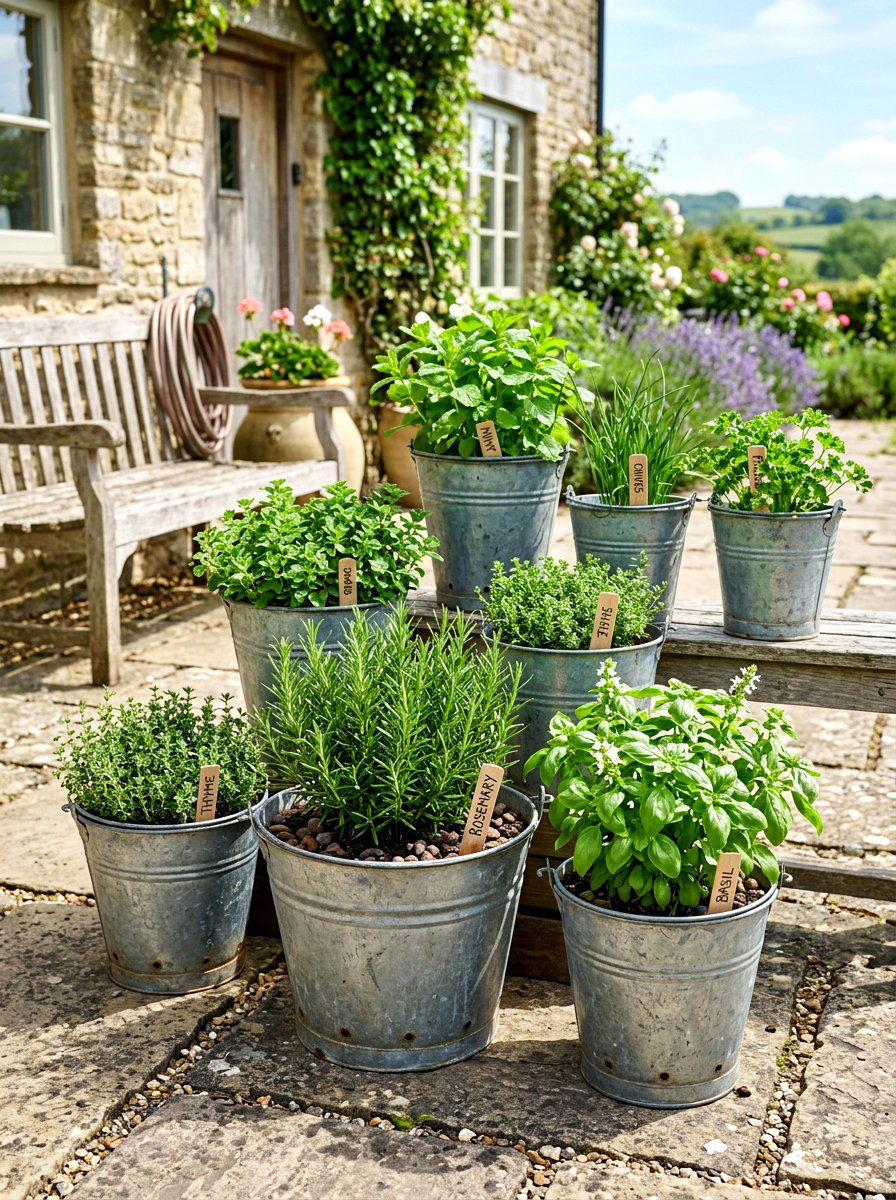
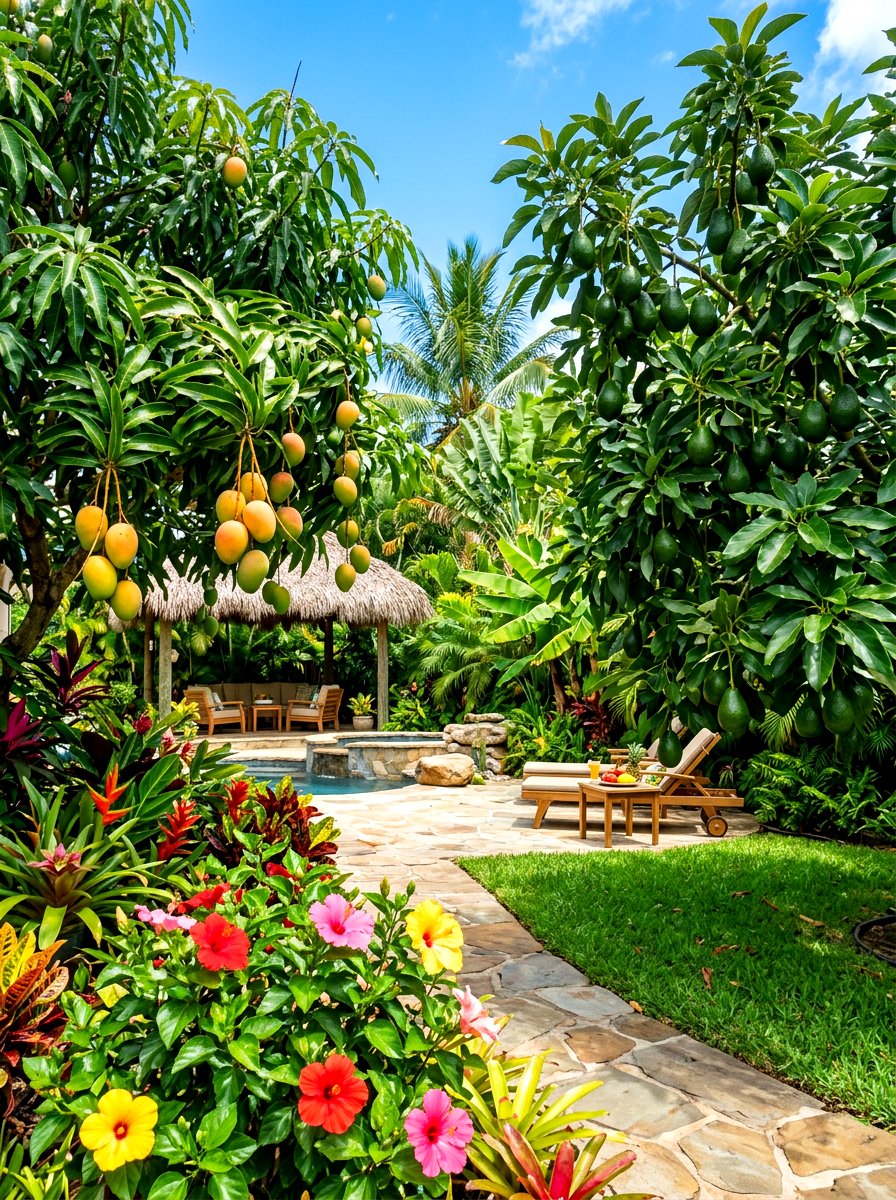
The A frame greenhouse is a popular choice for its simple construction and efficient shedding of rain and snow. Its steep, triangular shape creates a striking silhouette that looks wonderful in a rustic garden setting. This design is particularly effective in regions with heavy snowfall, as the weight slides right off the sides. You can build the frame using thick timber beams for a rugged, mountain-cabin aesthetic. The interior offers a surprisingly airy feel with plenty of light reaching every corner of the structure. It is a practical and stylish option that provides a strong sense of shelter for your most delicate plant varieties.
11. Shabby chic greenhouse
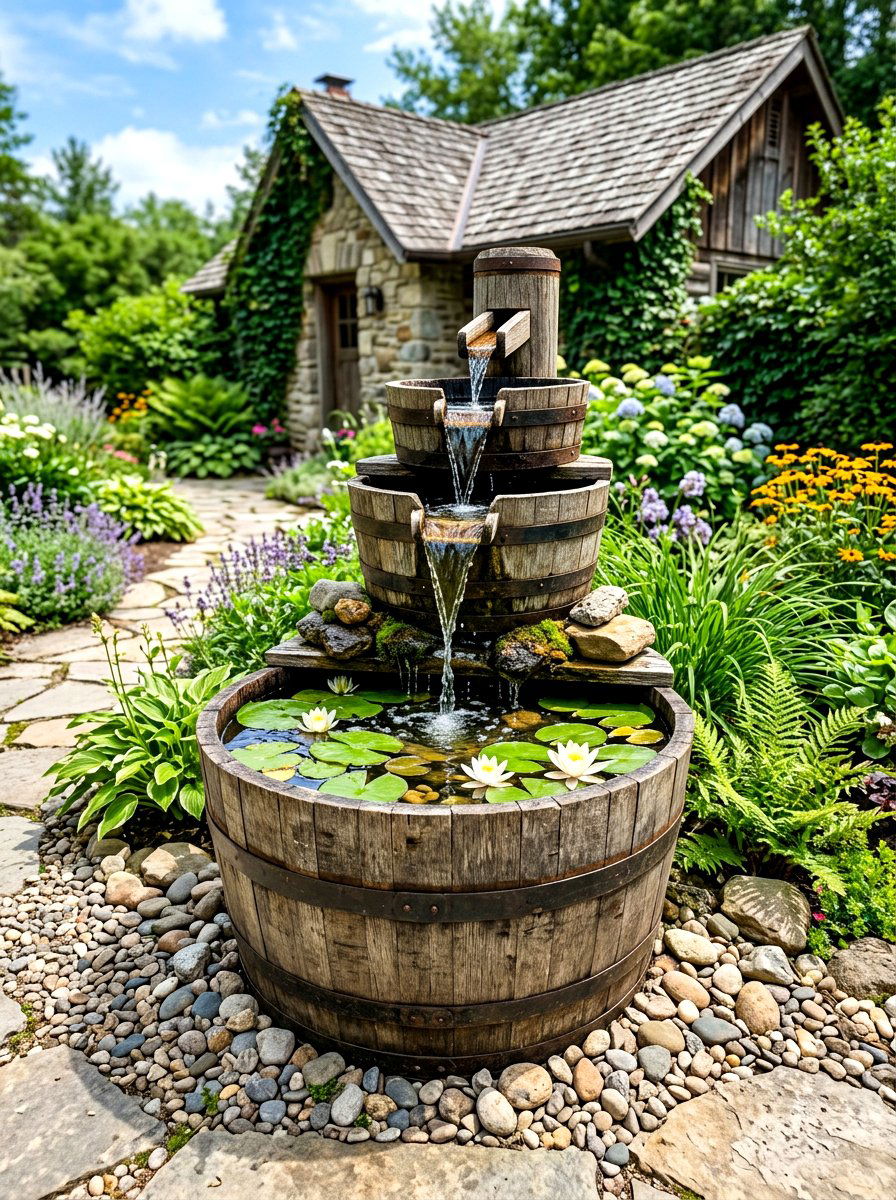
A shabby chic greenhouse focuses on a romantic, distressed aesthetic that feels soft and welcoming. You can achieve this look by painting wooden frames in pastel tones and then sanding the edges for a worn effect. Incorporating vintage furniture like wicker chairs or wrought-iron plant stands adds to the nostalgic charm of the space. Lace curtains or light fabric drapes can be used to provide shade while adding a touch of elegance. This style encourages the use of decorative accents like antique birdcages and floral-patterned pots. It creates a dreamy sanctuary where you can relax surrounded by blooming flowers and beautiful, time-worn garden decor.
12. Farmhouse greenhouse
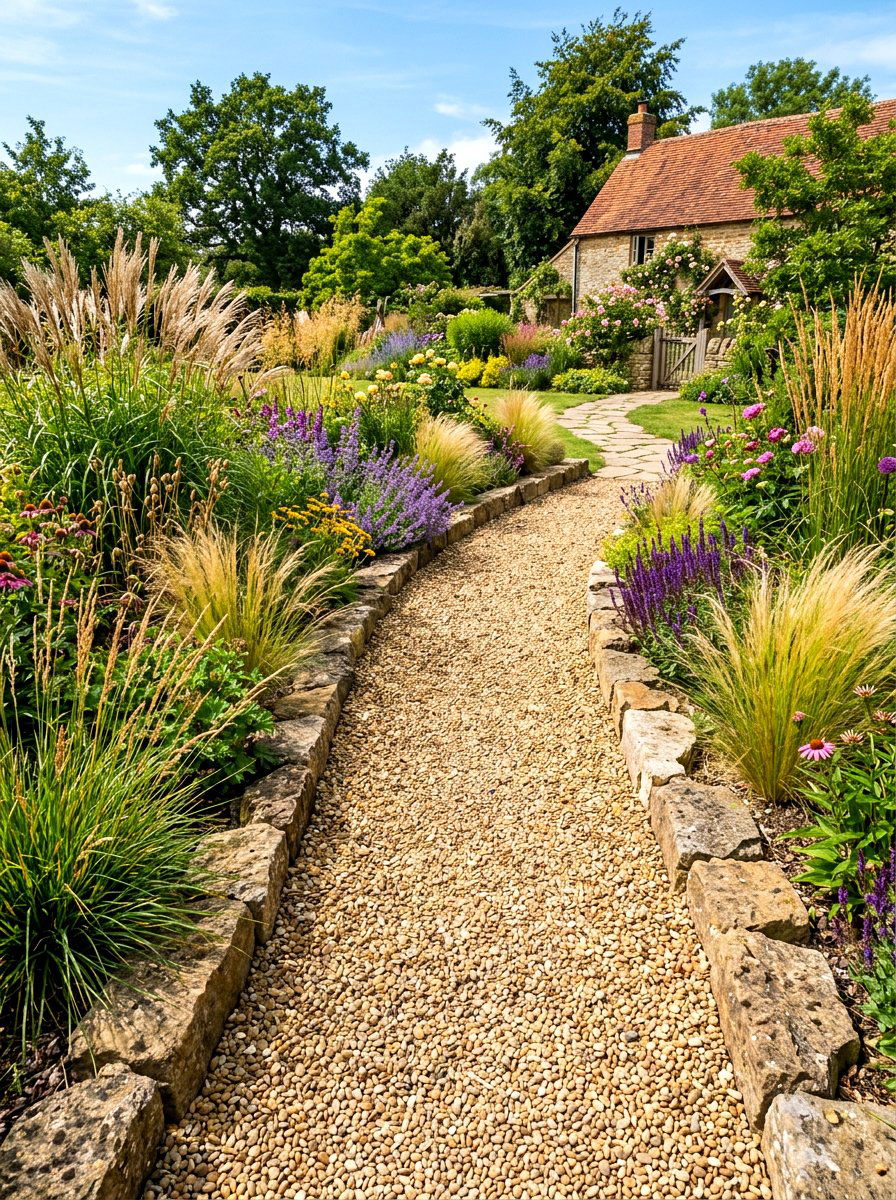
Designing a farmhouse greenhouse involves using clean lines and traditional materials like white-painted wood and black metal accents. This style often features a gable roof and large, clear panes of glass for a bright and airy interior. You can add a Dutch door to enhance the classic farmhouse feel while allowing for easy ventilation. Inside, use galvanized metal buckets and wooden crates for storage to keep the look consistent and organized. The overall vibe is one of practical beauty and timeless simplicity that fits perfectly in a rural or suburban setting. It is a sturdy and stylish structure that celebrates the joys of country living.
13. Walk in greenhouse
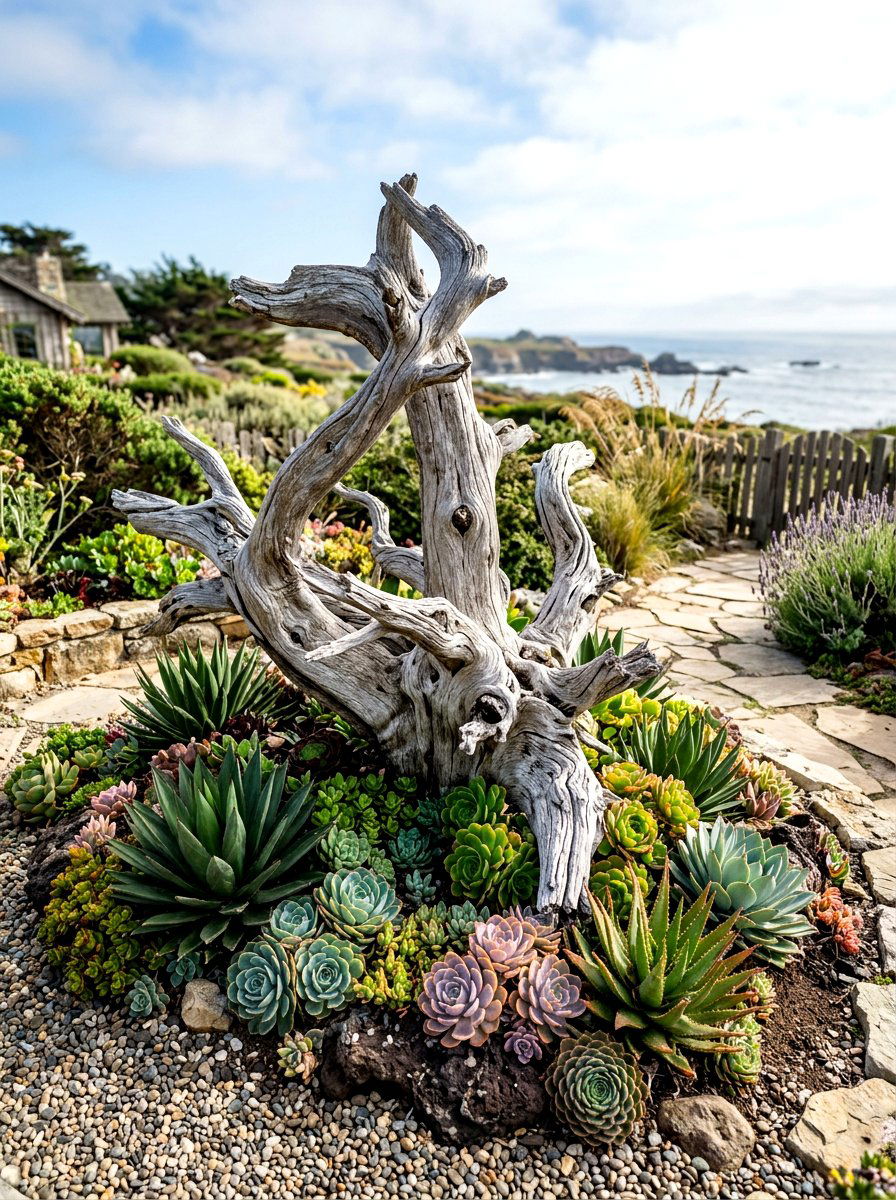
A walk in greenhouse provides ample space for you to move around freely while tending to your plants. This design typically features high ceilings and wide paths between the growing benches or raised beds. You can incorporate a rustic wooden door with a heavy iron latch to set the tone for the space. Having enough room to stand and walk comfortably makes gardening much more enjoyable and less straining on your back. You can also include a small seating area inside to sit and enjoy the humid, plant-filled atmosphere. It is a luxurious addition to any garden that prioritizes both plant health and gardener comfort.
14. Metal frame greenhouse
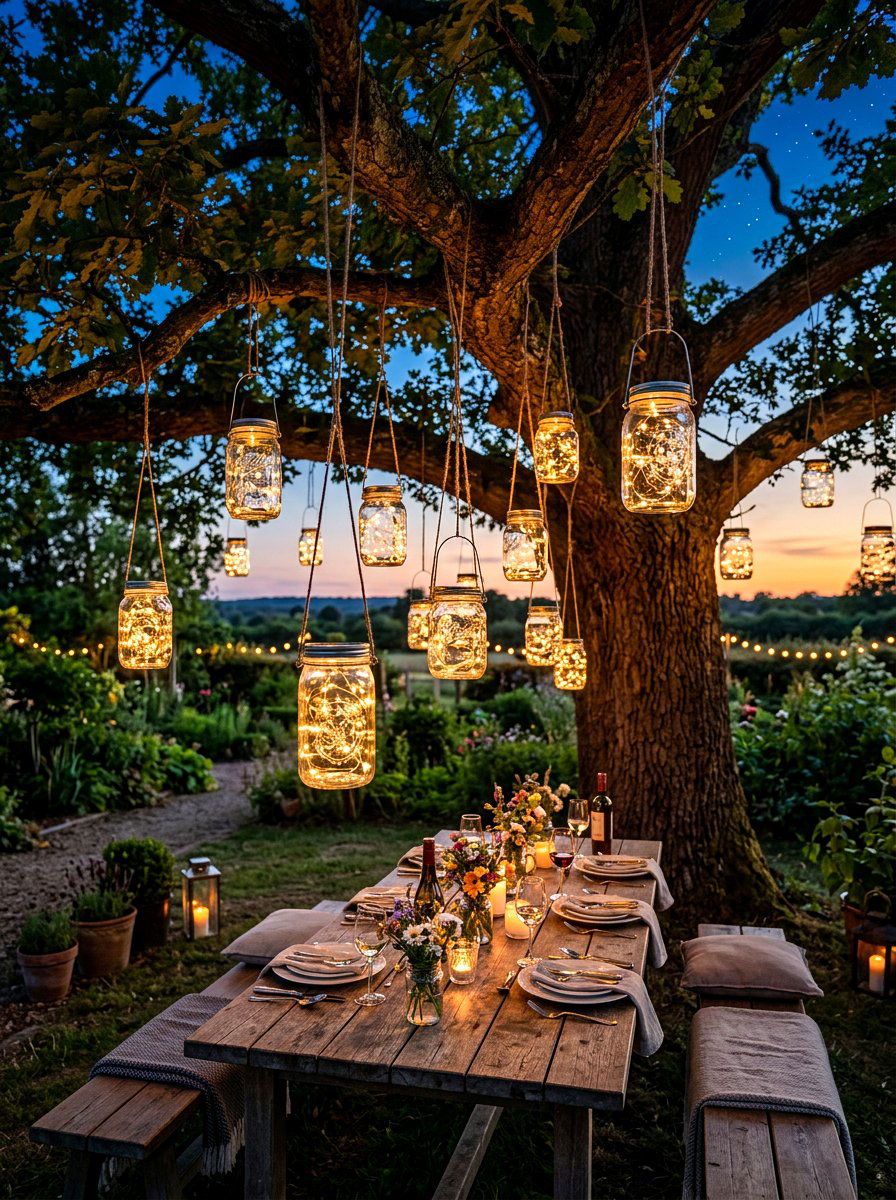
A metal frame greenhouse offers a sleek and durable alternative to traditional wood while still maintaining a rustic edge. You can use wrought iron or powder-coated steel to create a structure that feels both industrial and elegant. When paired with weathered wood accents or a brick foundation, the metal frame takes on a beautiful, aged character. This type of construction is incredibly strong and can support heavy glass panels and complex roof designs. The thin profile of metal frames allows for maximum light penetration, ensuring your plants get all the sun they need. It is a long-lasting choice that adds a modern rustic touch.
15. Portable greenhouse
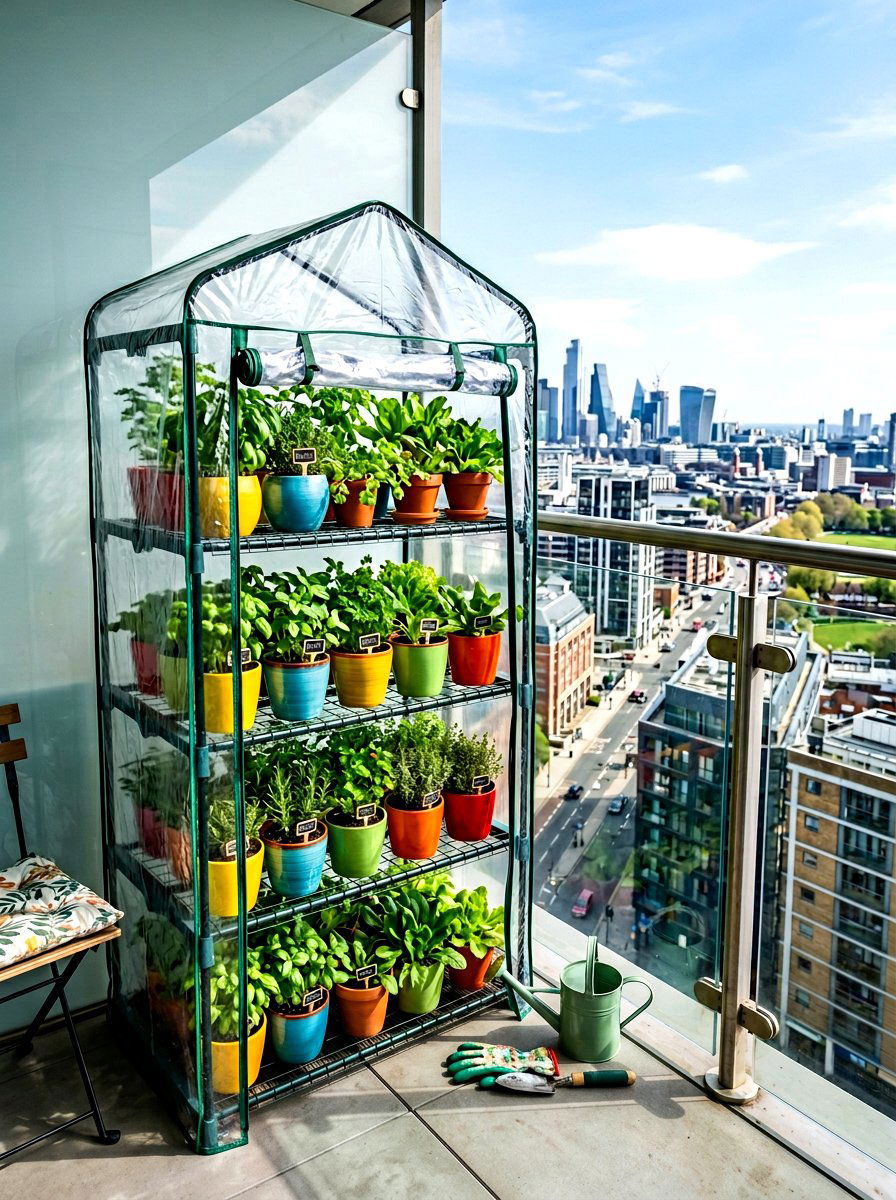
A portable greenhouse is an excellent option for gardeners who need flexibility in their outdoor space. These structures are often made with lightweight frames and durable plastic covers that can be moved as the seasons change. You can still incorporate rustic elements by placing the greenhouse on a wooden platform or surrounding it with potted plants. It is perfect for protecting tender seedlings in the spring before moving them to permanent beds. When not in use, many portable models can be disassembled and stored away to save space. It offers a practical and affordable way to extend your growing season without a permanent construction project.
16. Garden shed combo
Combining a greenhouse with a garden shed creates a multi-functional structure that handles all your outdoor needs. One side can be dedicated to plant growth with glass walls, while the other serves as a solid storage area. This design is perfect for keeping your tools, soil, and pots organized in one central location. You can use matching rustic materials like cedar siding and metal roofing to tie the two sections together seamlessly. This combo structure often becomes the main hub of garden activity, providing a place to work and grow. It is a smart way to maximize the utility and beauty of your backyard footprint.
17. Barn style greenhouse
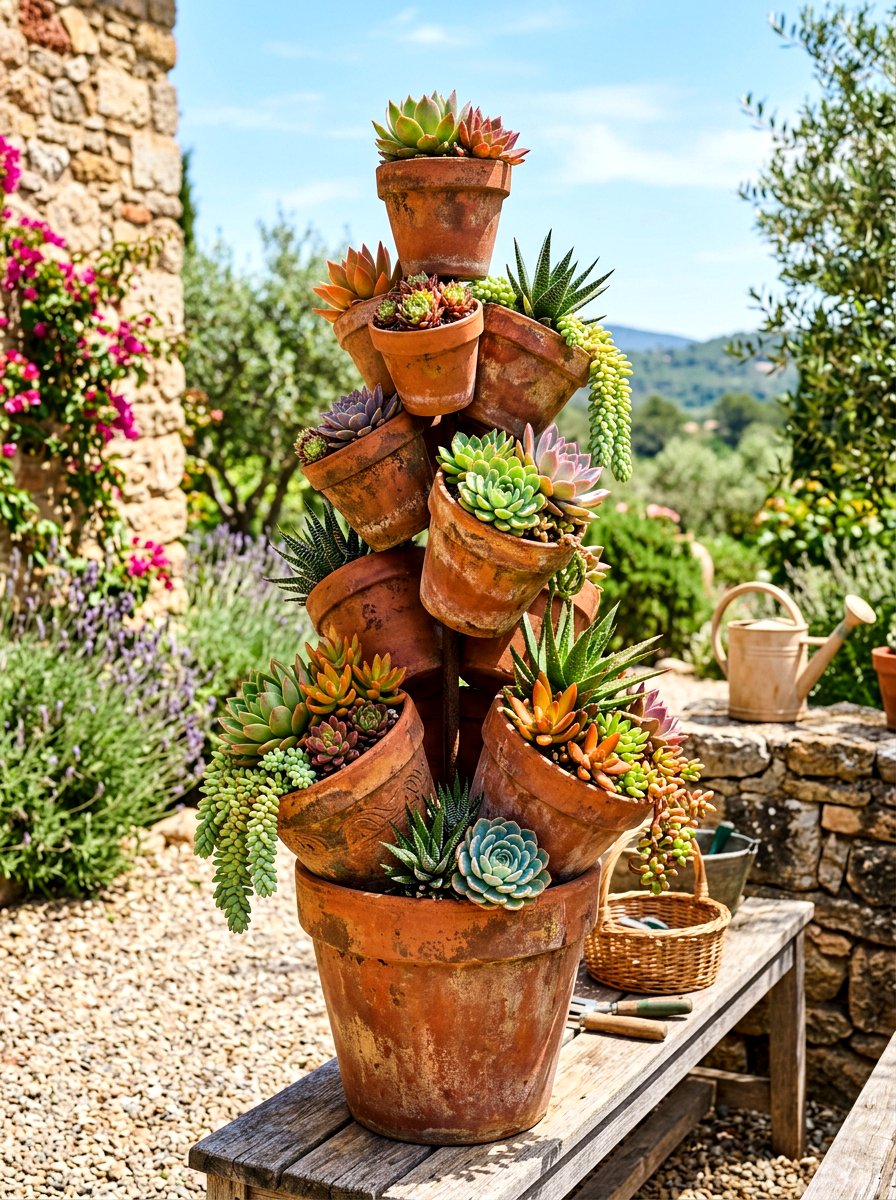
A barn style greenhouse uses the classic gambrel roof design to provide extra head space and a traditional rural look. This architectural style feels incredibly sturdy and fits naturally into a farmhouse or country garden setting. The double-sloped roof allows for more vertical growing room, which is perfect for tall tomato plants or hanging baskets. You can finish the exterior with vertical wood planks and large barn doors for an authentic aesthetic. Inside, the open rafters offer plenty of places to hang tools or install lighting for evening gardening. It is a grand and functional structure that celebrates traditional agricultural design in a modern way.
18. Rooftop greenhouse
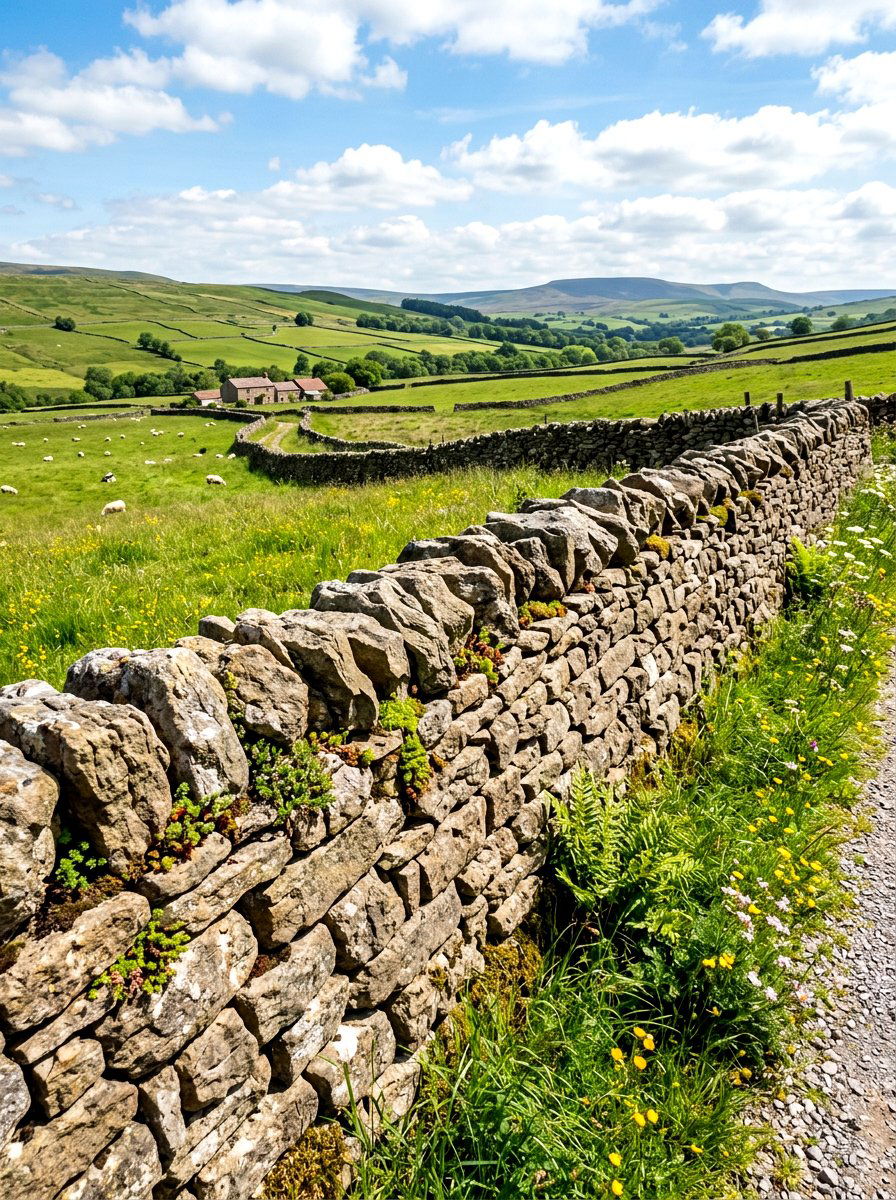
Building a greenhouse on a rooftop is a brilliant way to utilize unused space in urban environments. This setup takes advantage of the maximum sunlight available at higher elevations, which is great for sun-loving plants. You can use lightweight rustic materials like cedar and polycarbonate to keep the weight manageable for the roof structure. Incorporating a small wooden deck and some comfortable chairs turns the greenhouse into a private city retreat. It provides a lush, green escape from the surrounding concrete and noise of the busy streets. A rooftop greenhouse allows you to enjoy gardening even if you do not have a traditional backyard space.
19. Mini indoor greenhouse
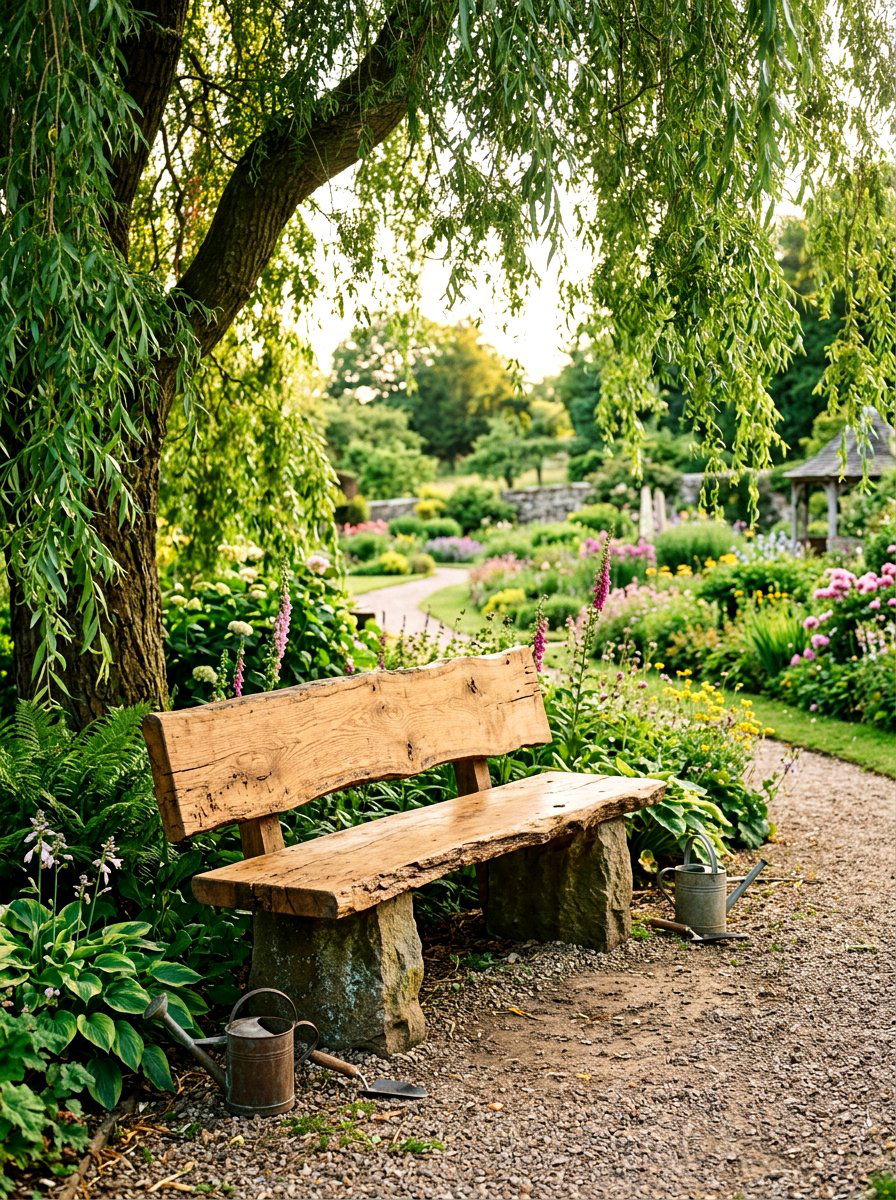
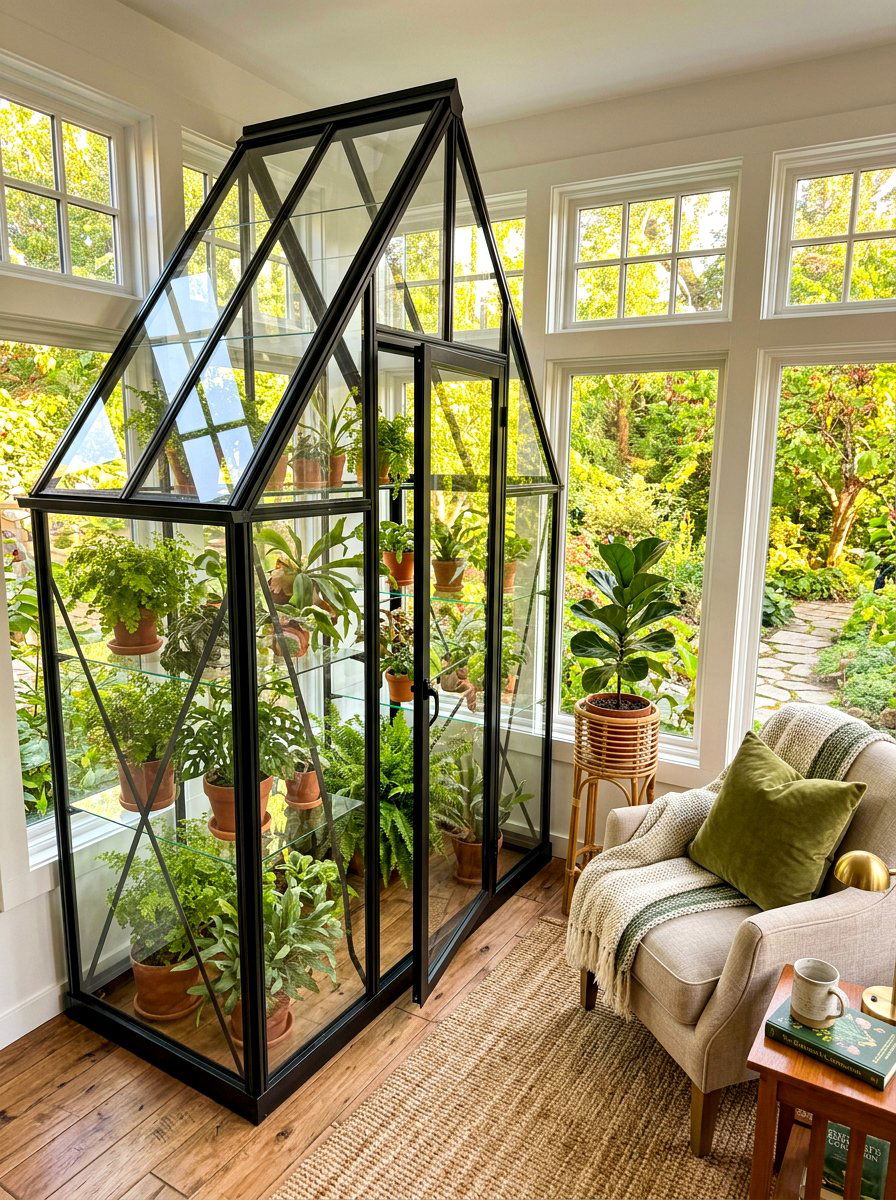
A mini indoor greenhouse brings the beauty of year-round gardening inside your home. These small structures can be placed on a sunny windowsill or a dedicated plant table in your living room. You can find rustic versions made from aged wood and glass that look like beautiful pieces of furniture. This is an ideal way to grow fresh herbs or start seeds during the cold winter months. The enclosed environment helps maintain high humidity, which is perfect for delicate tropical plants and small ferns. It adds a touch of life and greenery to your interior decor while serving a very practical purpose for gardeners.
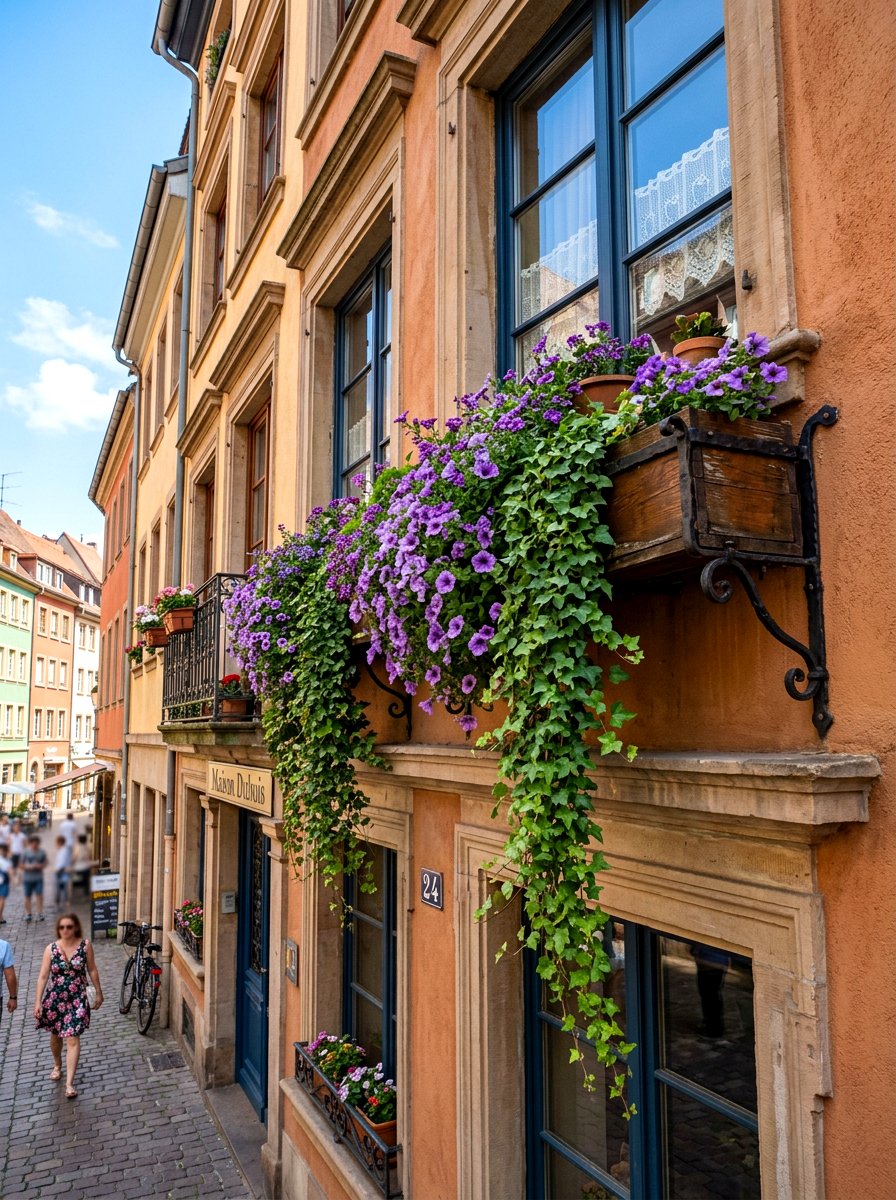
20. Pallet wood greenhouse
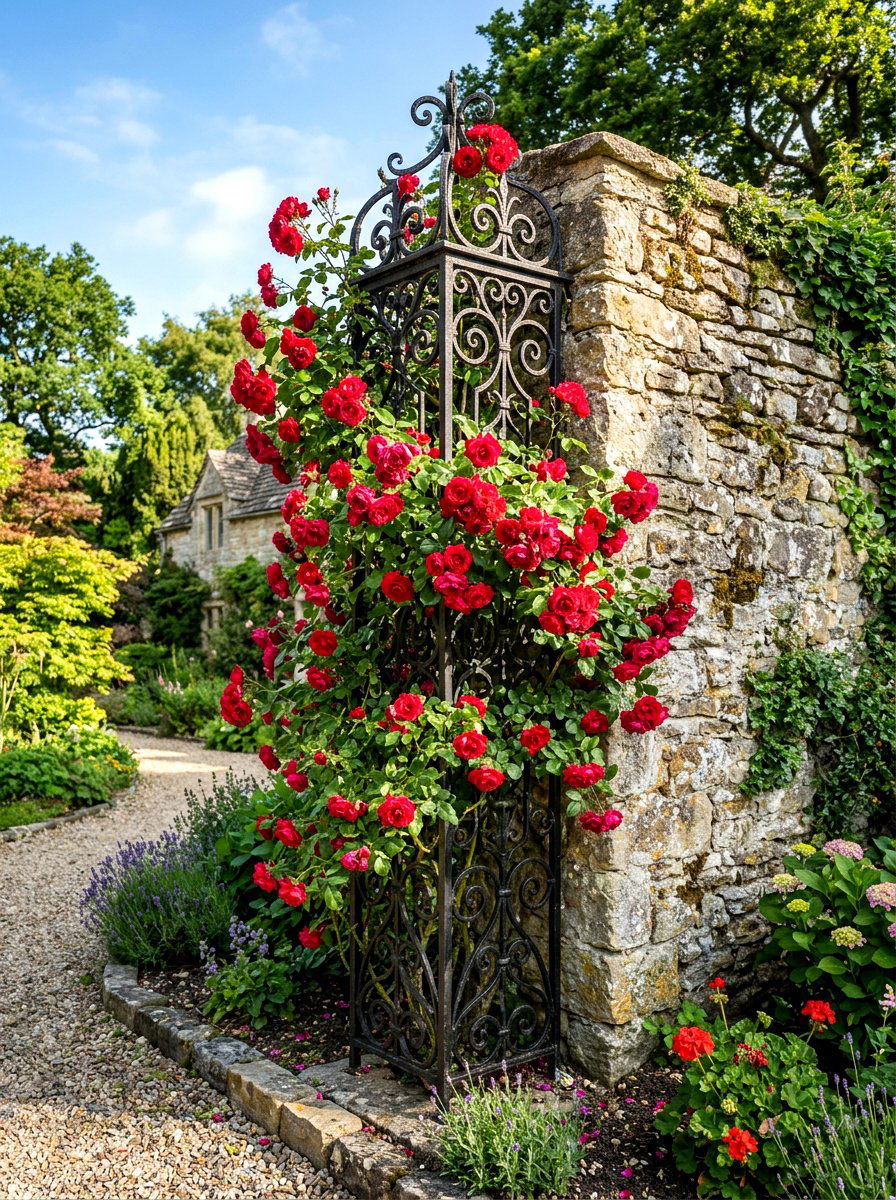
Using pallets to build a greenhouse is an eco-friendly and budget-conscious way to create a rustic garden structure. You can disassemble old pallets to use the wood for the frame and the base of your greenhouse walls. The varied textures and colors of the pallet wood provide a unique, reclaimed look that is full of character. This type of project is very customizable, allowing you to build the exact size and shape you need. Covering the frame with clear plastic sheeting or repurposed windows completes the functional growing space. It is a rewarding DIY project that turns waste material into a beautiful and productive garden asset.
21. Cobblestone path greenhouse
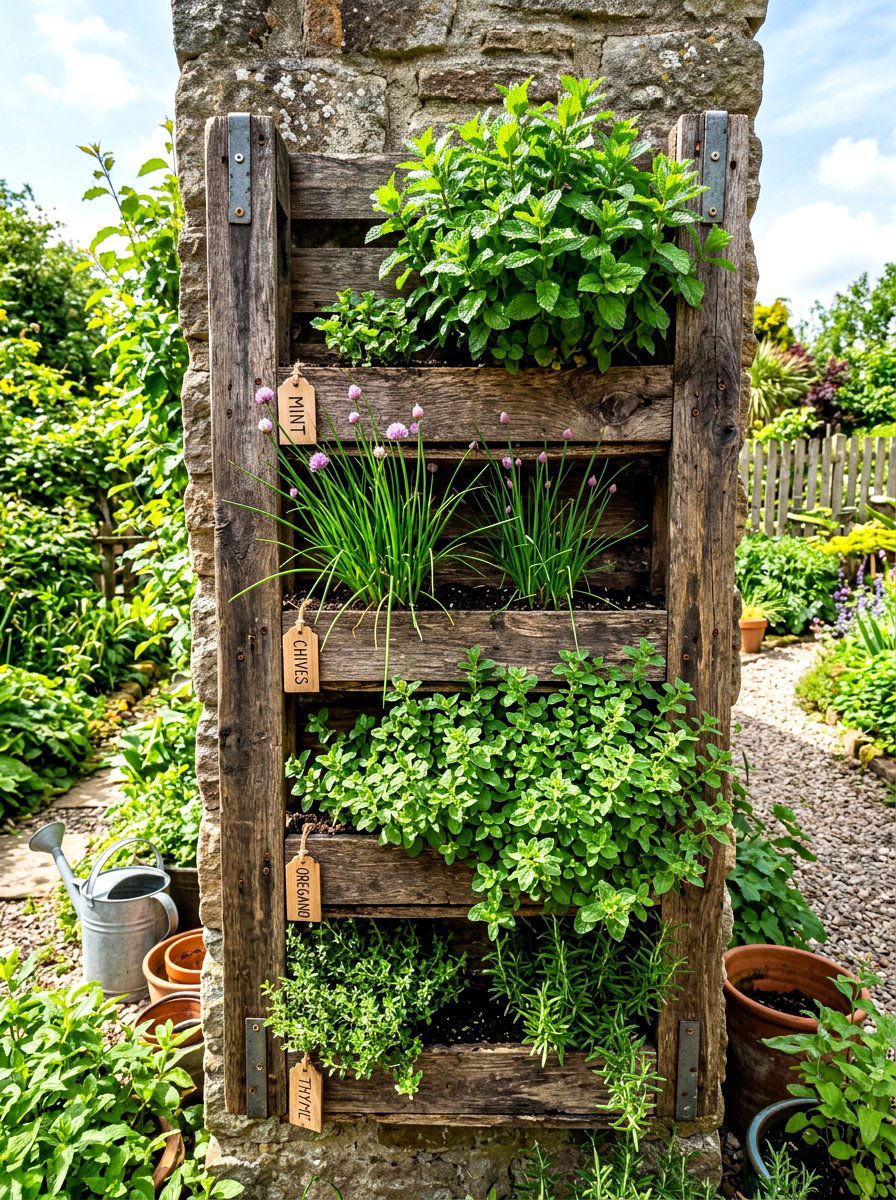
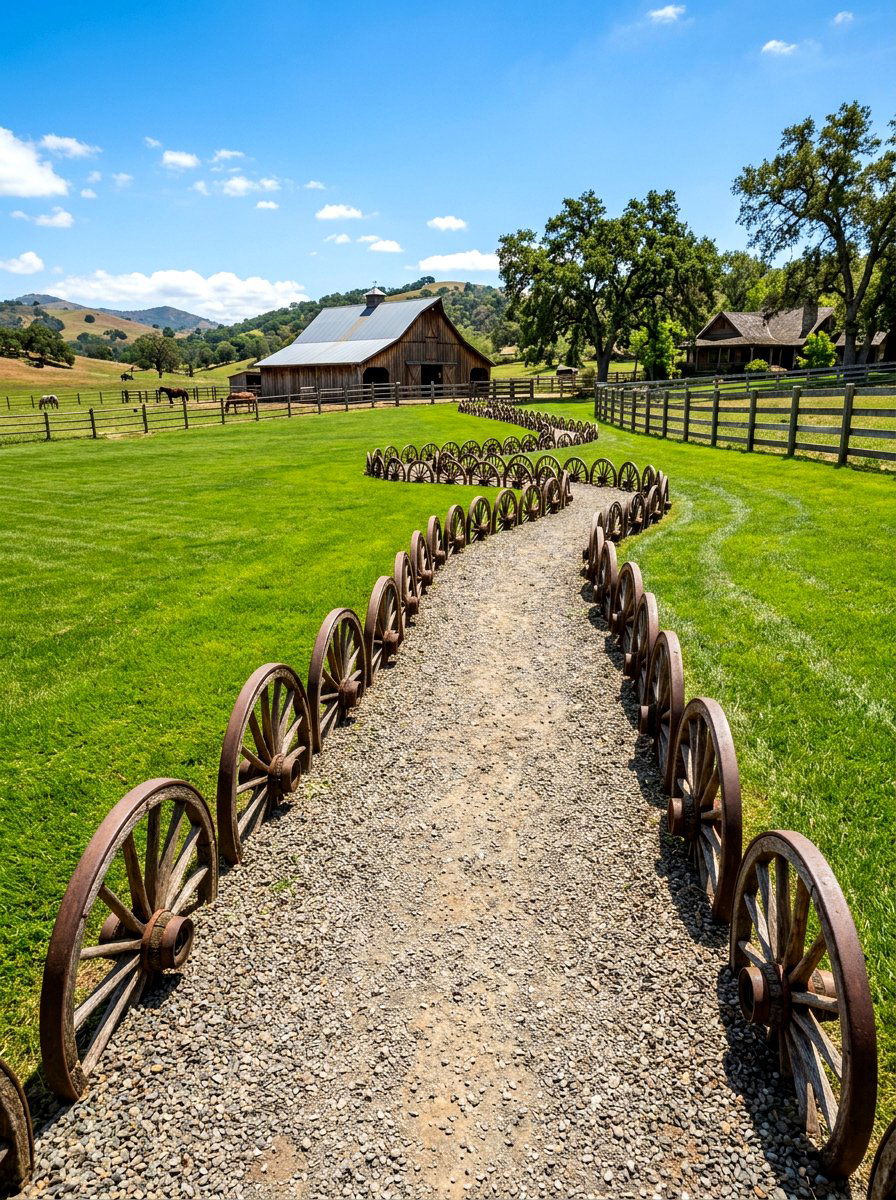
Designing a cobblestone path leading up to and inside your greenhouse adds a timeless, Old World feel. The irregular shapes and natural colors of the stones create a rugged texture that looks better as it weathers. A stone path is not only beautiful but also very durable, standing up to the moisture and foot traffic of a busy greenhouse. You can surround the path with low-growing herbs like thyme to release a pleasant scent as you walk. This feature helps ground the structure and makes it feel like it has been part of the landscape for decades. It adds a wonderful sense of journey to your gardening experience.
22. Arched roof greenhouse
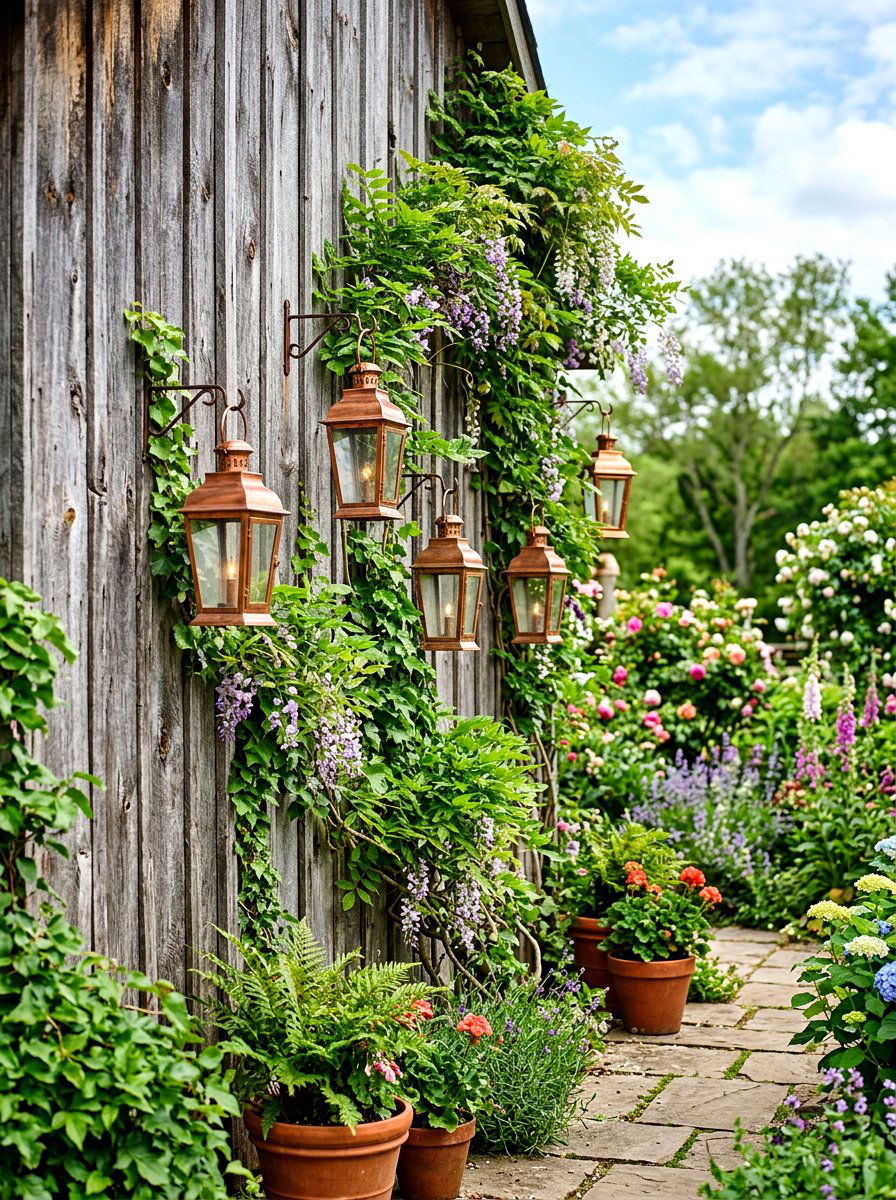
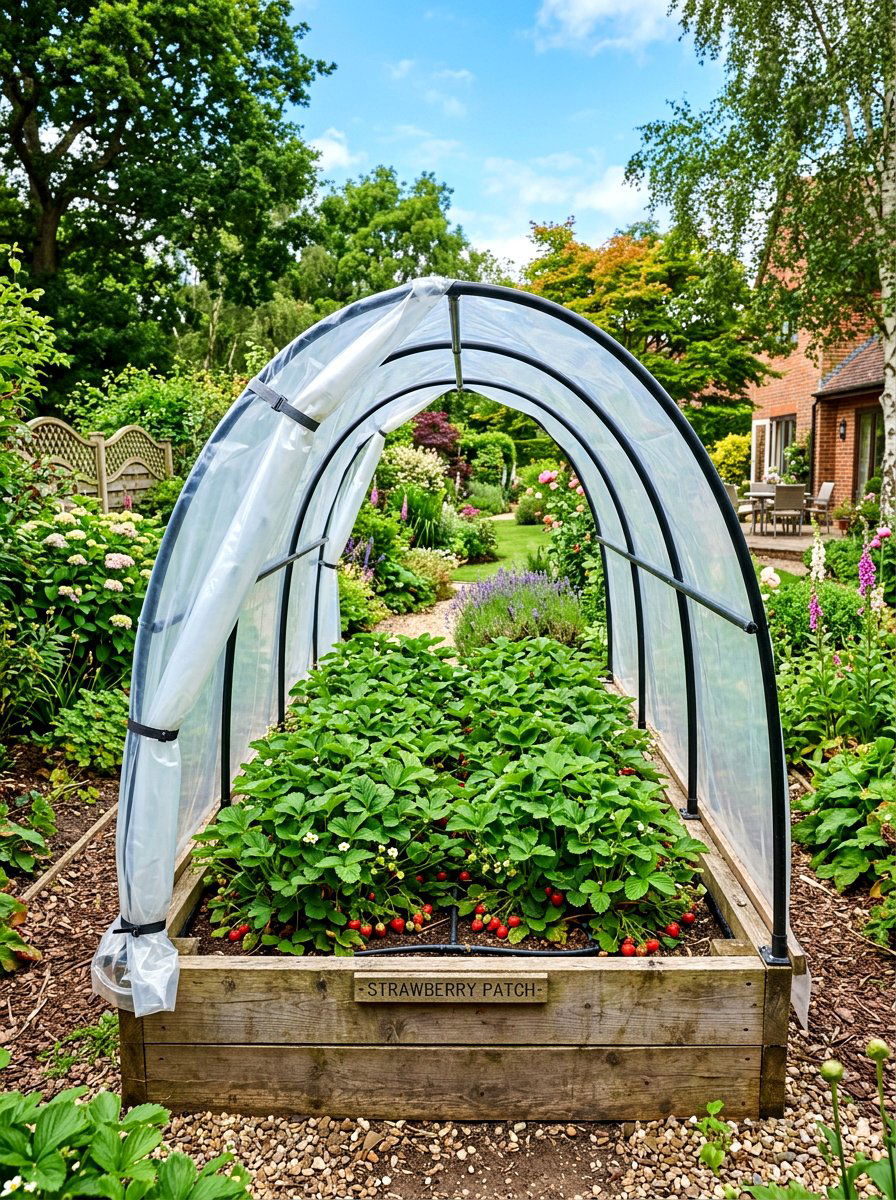
An arched roof greenhouse offers a soft, organic silhouette that contrasts beautifully with the straight lines of traditional garden beds. This design is often called a gothic arch and is excellent at shedding rain and snow due to its curved shape. You can use bent wooden beams or flexible metal pipes to create the graceful overhead structure. The interior feels spacious and open, with no sharp corners to trap heat or limit plant growth. Covering the arch with clear panels or heavy plastic allows for even light distribution throughout the day. It is a visually pleasing and highly efficient design that adds elegance to any rustic backyard.
23. French country greenhouse
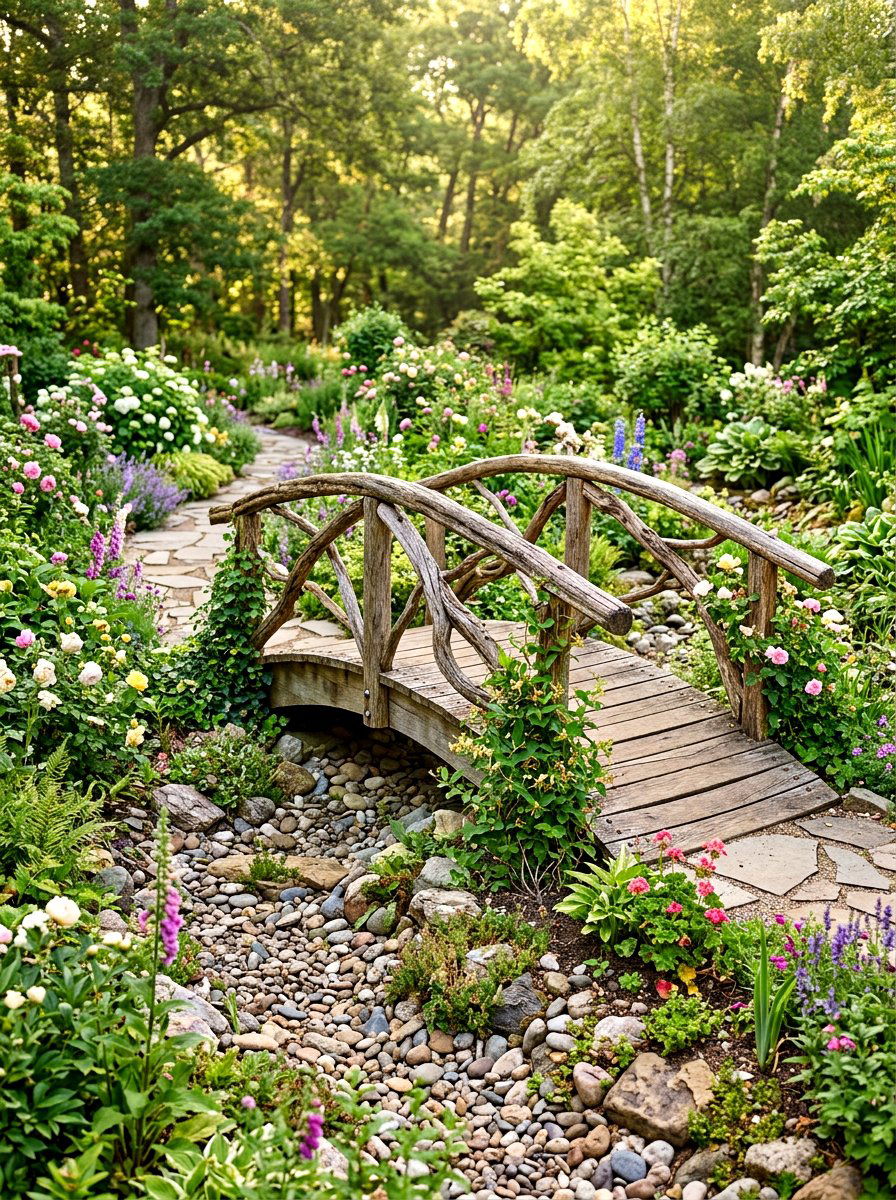
A French country greenhouse emphasizes a blend of rustic charm and sophisticated, antique-inspired details. You can use cream-colored wood frames, ornate metal handles, and large glass panes to achieve this romantic look. Incorporating a stone floor and some weathered terra cotta pots adds to the authentic European garden feel. This style often includes a small bistro set inside where you can enjoy a cup of coffee among your plants. Climbing roses or lavender planted around the exterior further enhances the dreamy, countryside aesthetic. It creates a tranquil and beautiful space that feels like a quiet corner of the French provinces in your own backyard.
24. Solar powered greenhouse
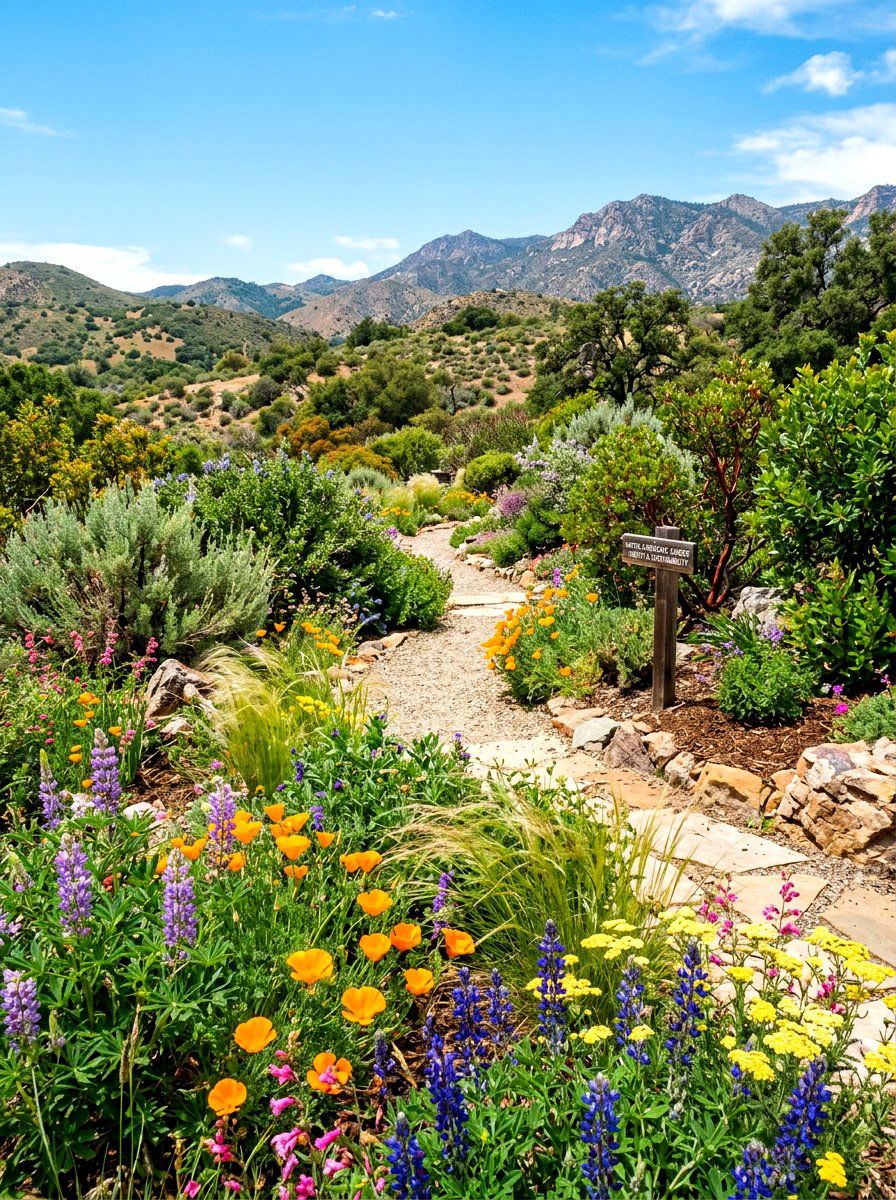
Incorporating solar technology into a rustic greenhouse allows you to maintain optimal growing conditions without relying on the grid. You can discreetly mount solar panels on the roof or a nearby structure to power fans, lights, and irrigation systems. This modern addition does not have to detract from the rustic vibe if you use natural materials for the rest of the build. Solar energy helps keep the greenhouse warm during cold nights and well-ventilated during the peak of summer. It is a sustainable and forward-thinking way to garden that respects the environment. A solar powered setup ensures your plants thrive year-round with minimal ongoing energy costs.
25. Tropical plant greenhouse
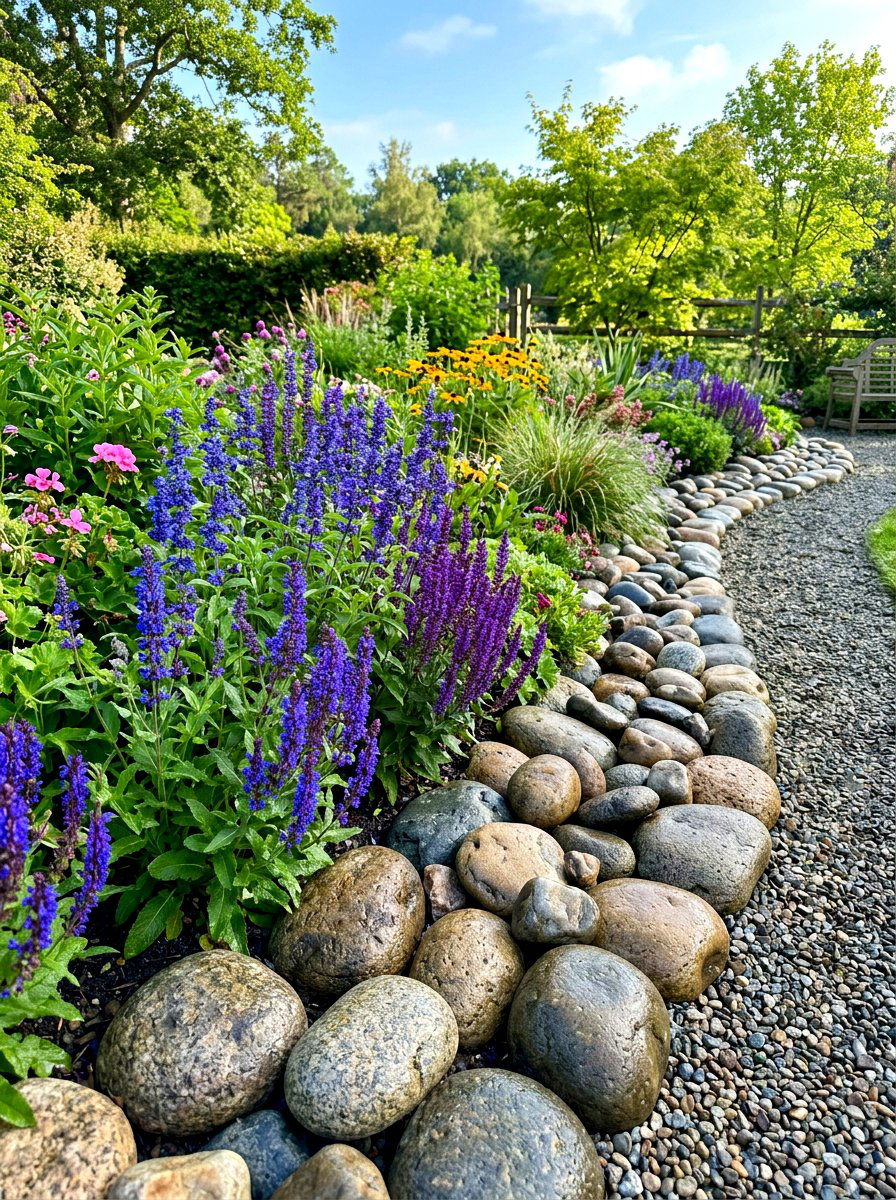
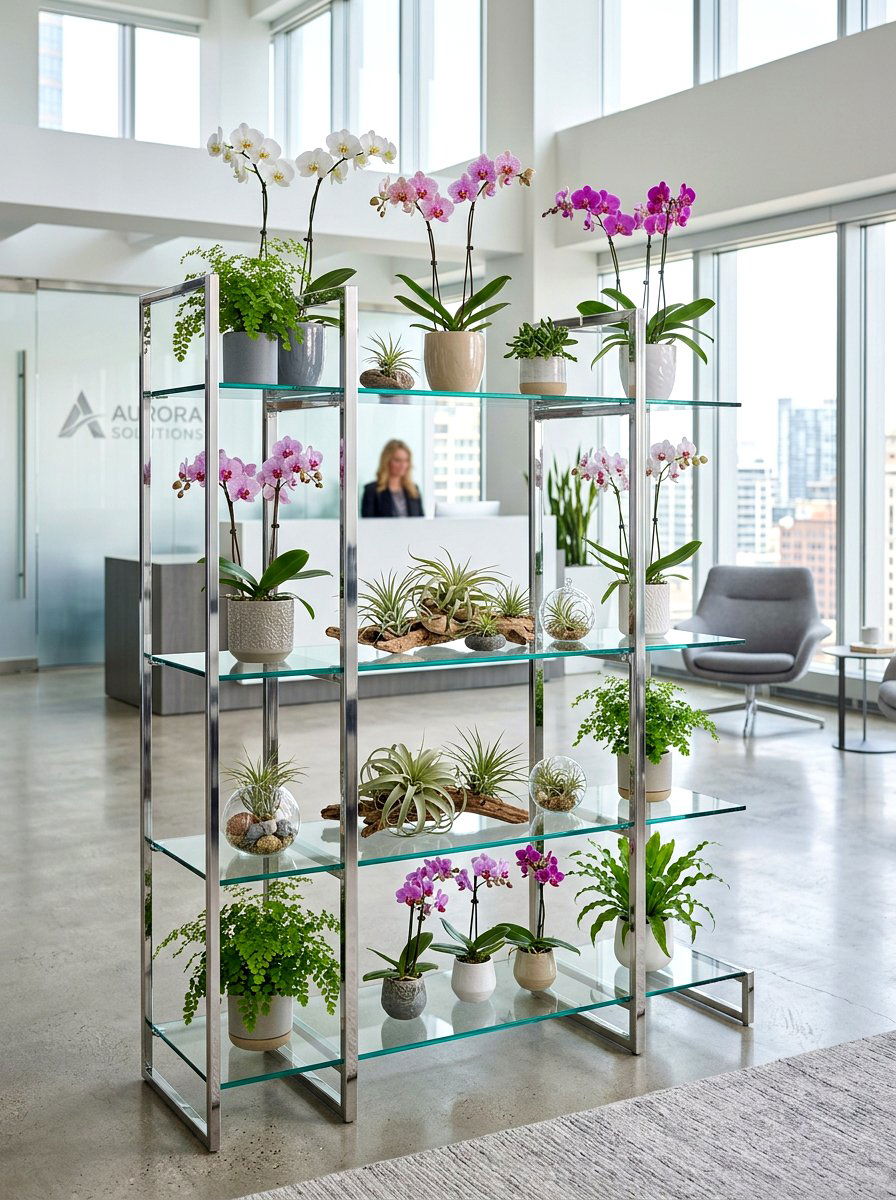
Designing a greenhouse specifically for tropical plants requires a focus on high humidity and consistent warmth. You can use a rustic cedar frame and double-pane glass to provide the necessary insulation for your exotic collection. Inside, include a small water feature or a misting system to keep the air moist and the plants happy. Using dark wood shelving and large stone pots helps create a lush, jungle-like atmosphere. This type of greenhouse allows you to grow vibrant hibiscus, lush ferns, and rare orchids even in temperate climates. It becomes a stunning indoor oasis that provides a splash of tropical color and life all through the year.
26. Insulated winter greenhouse
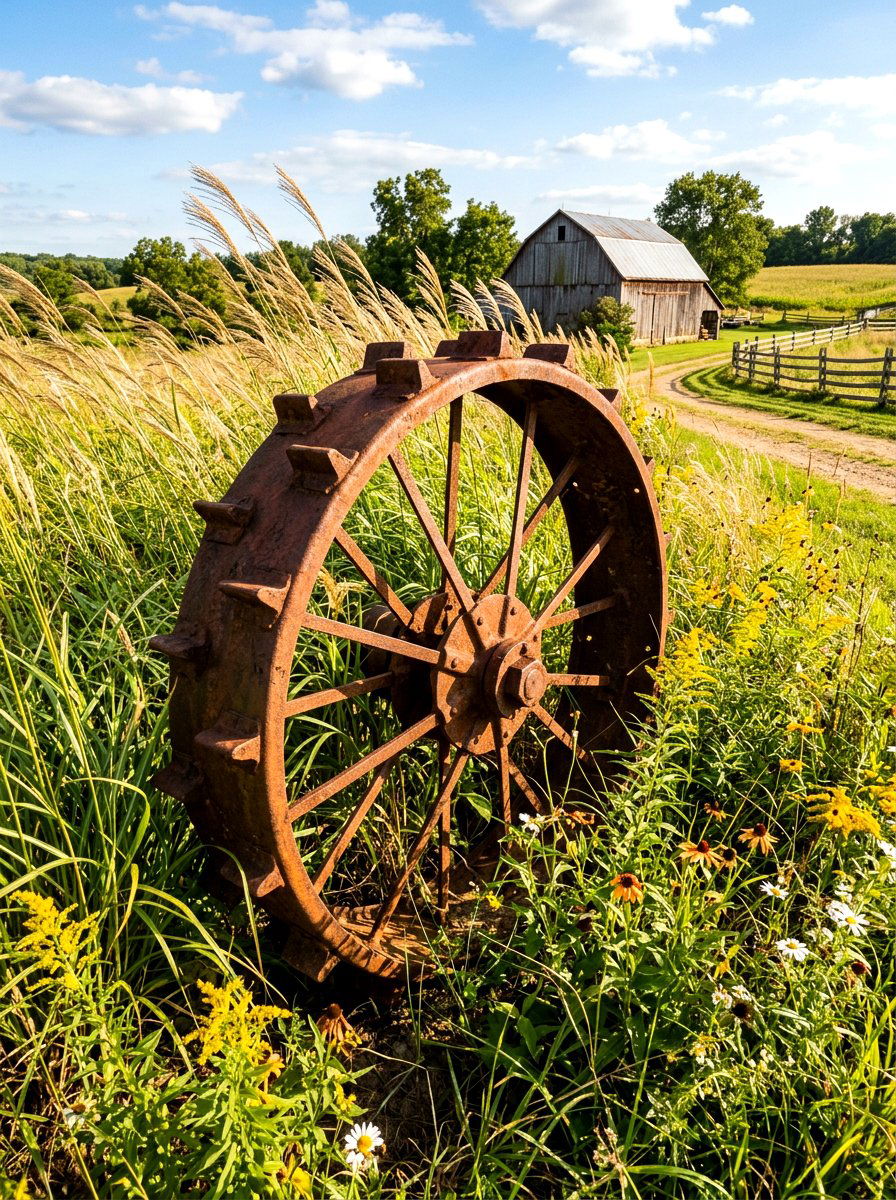
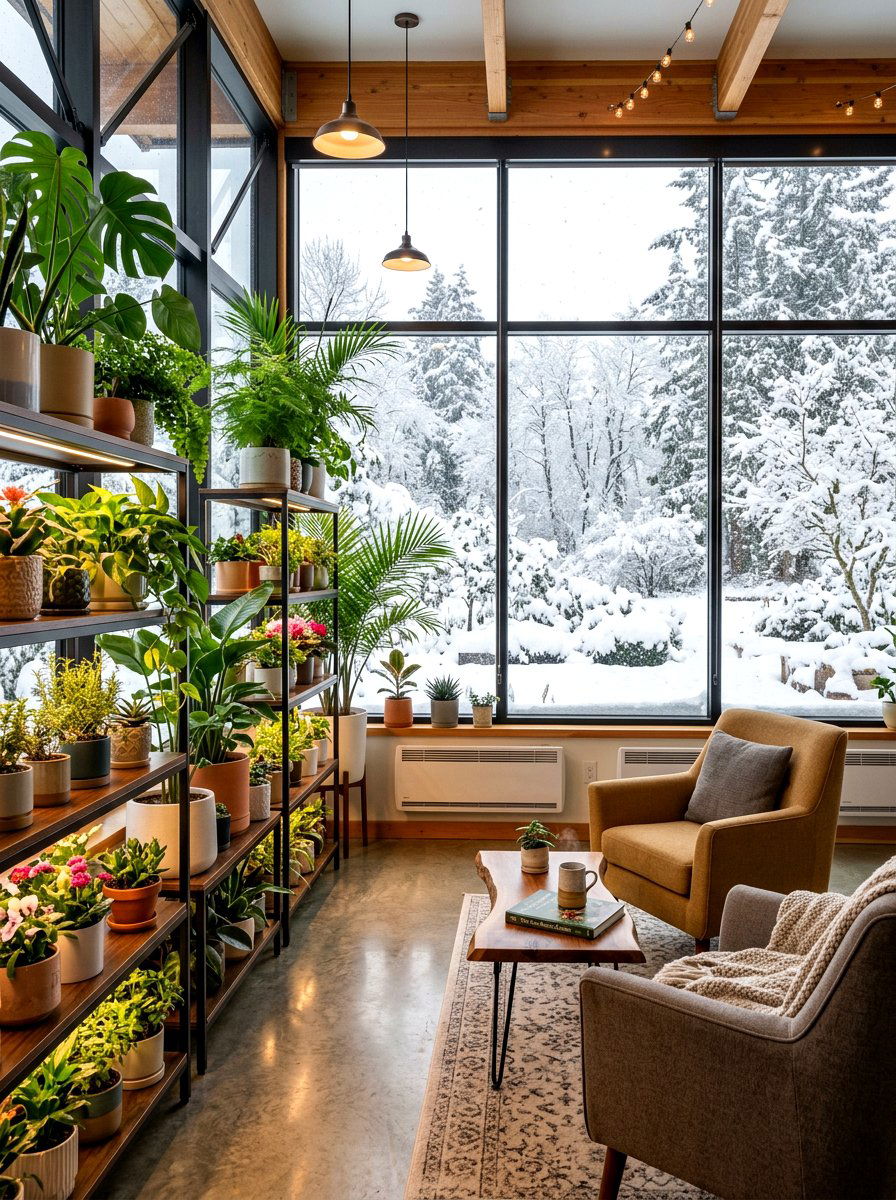
An insulated winter greenhouse is essential for gardeners who want to keep growing during the coldest months of the year. This design uses double-walled polycarbonate or thick glass panels to trap as much heat as possible inside the structure. You can also incorporate a heavy stone or brick floor to act as a thermal mass for heat storage. Adding a rustic wood-burning stove can provide extra warmth and a cozy focal point for the space. It is the perfect place to overwinter delicate perennials or start early spring vegetables while it is still snowing outside. This sturdy structure ensures that your gardening season never truly has to end.
27. Cottagecore style greenhouse
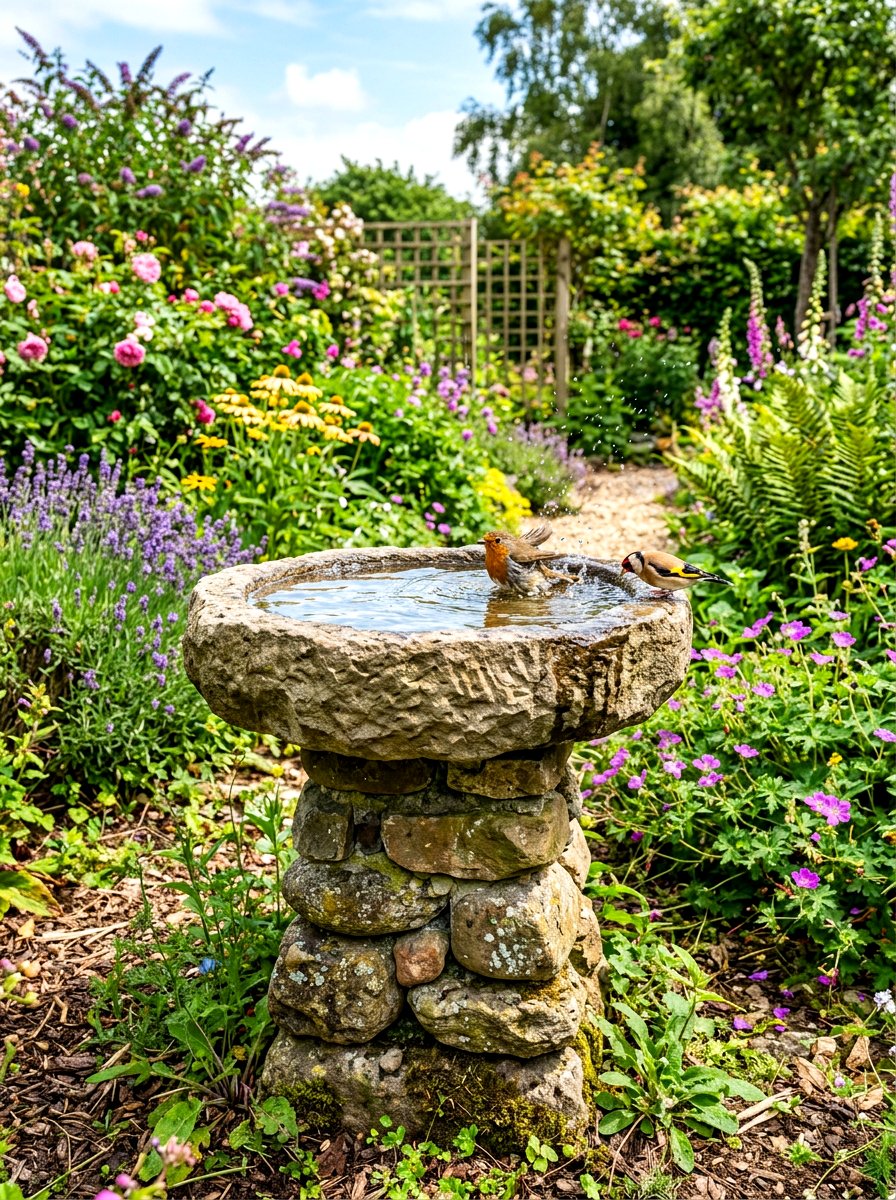
The cottagecore aesthetic is all about celebrating a simple, pastoral life filled with flowers and natural beauty. A cottagecore greenhouse features weathered wood, plenty of climbing vines, and an abundance of colorful blooming plants. You can add decorative touches like vintage seed packets, dried flower bundles, and soft string lights to create a magical atmosphere. This style encourages a slightly overgrown and organic look that feels lived-in and loved. It is the perfect place to sit with a book or work on your floral arrangements surrounded by nature. A cottagecore greenhouse turns a functional growing space into a whimsical and enchanting backyard retreat for any nature lover.
28. Modern rustic greenhouse
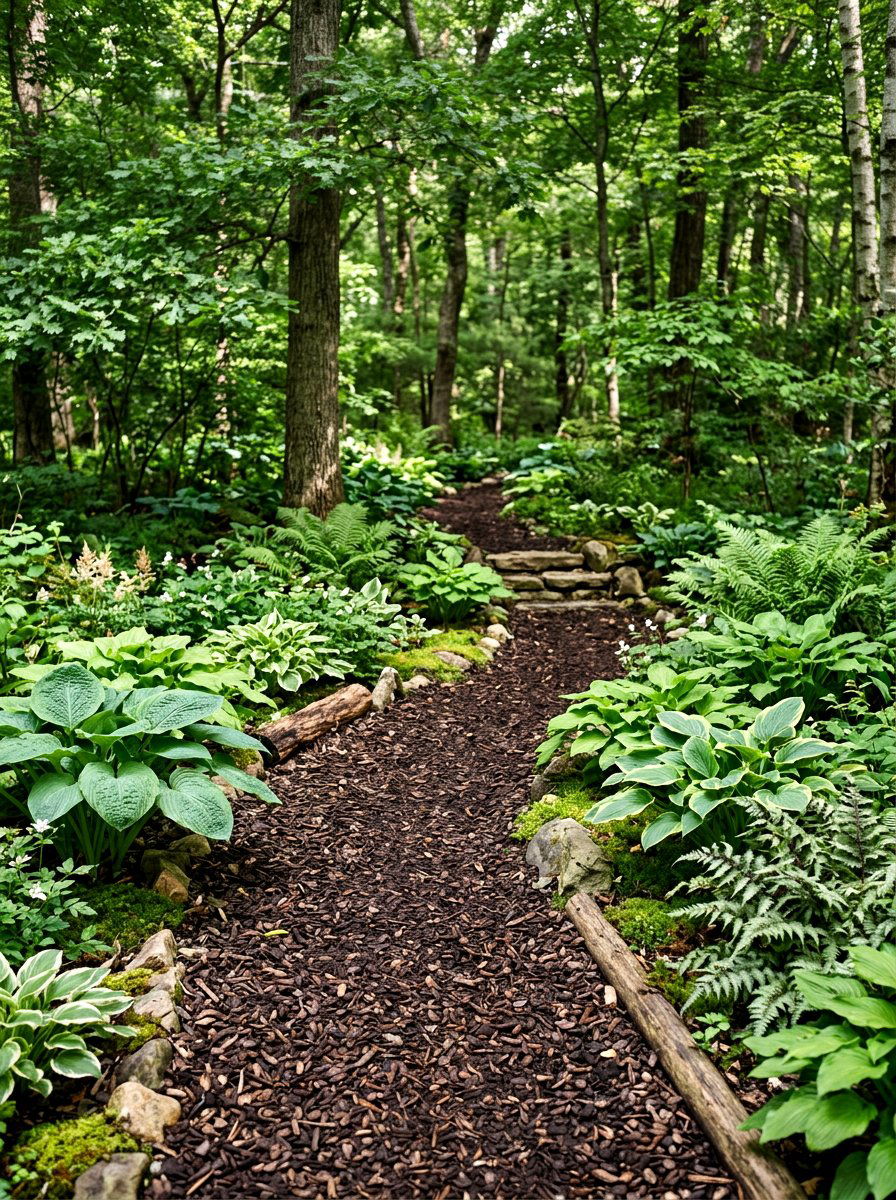
A modern rustic greenhouse combines the clean lines of contemporary design with the warm textures of natural materials. This style often uses black metal frames paired with light-colored cedar or reclaimed wood accents for a sophisticated contrast. Large, floor-to-ceiling glass panels provide an unobstructed view of your garden and allow for maximum interior light. You can keep the decor minimal and focused on the plants to maintain a sleek and organized appearance. This design approach feels fresh and current while still honoring the timeless appeal of a rustic garden structure. It is a perfect choice for homeowners who want a stylish and highly functional gardening space.
29. Herb garden greenhouse
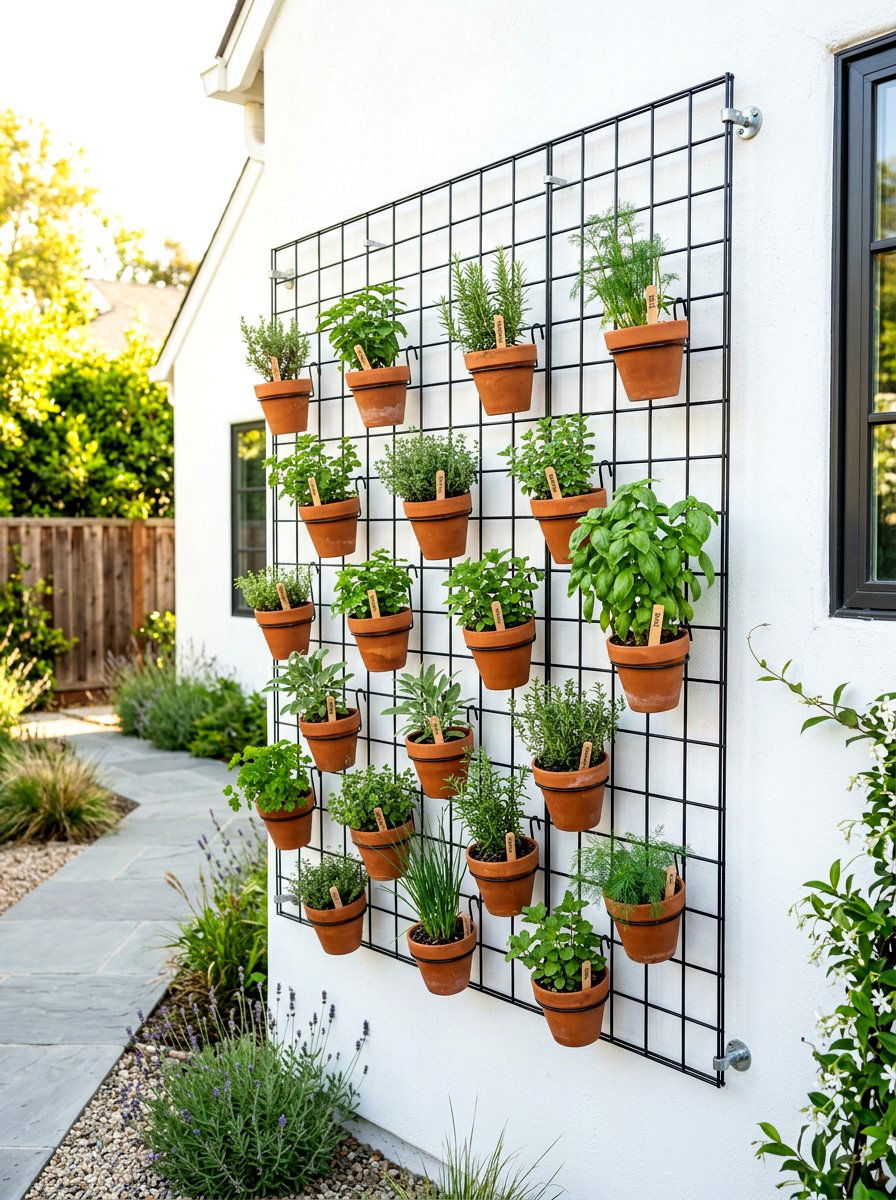
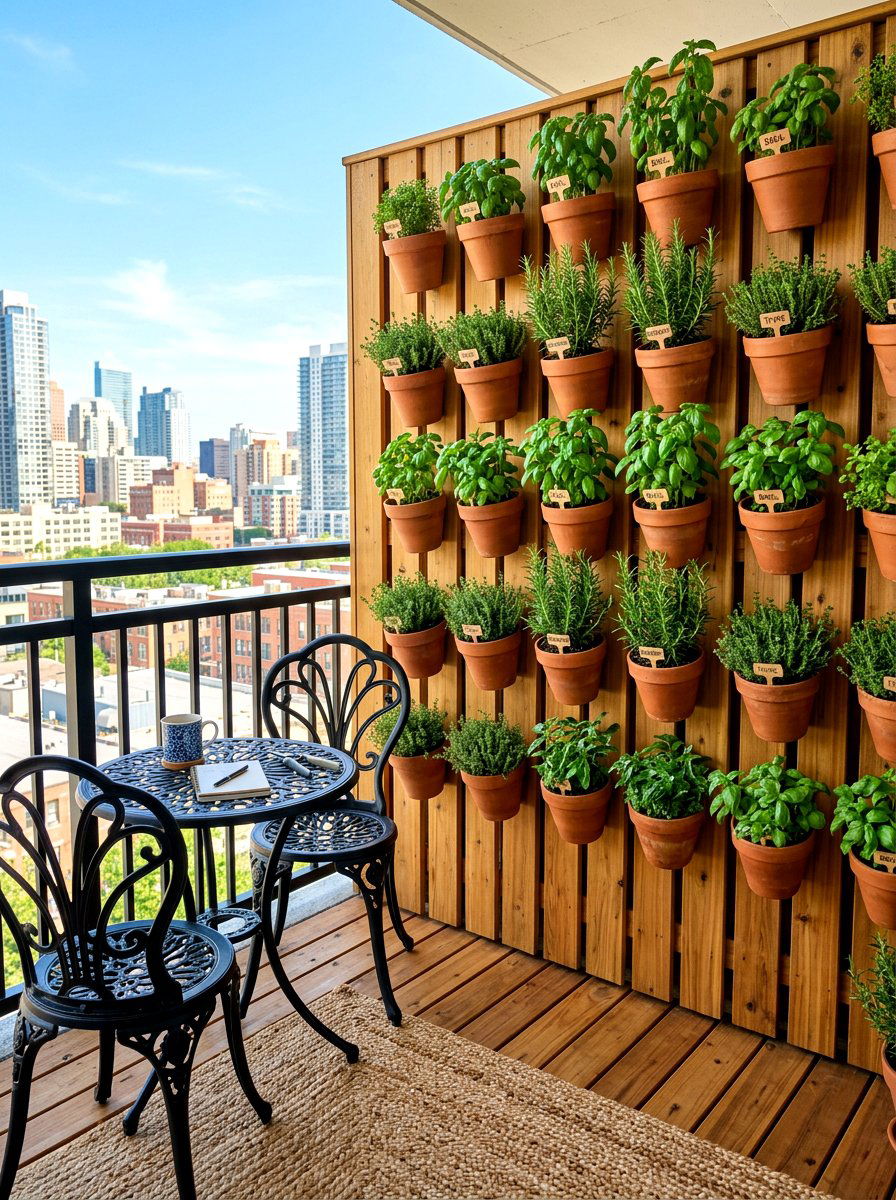
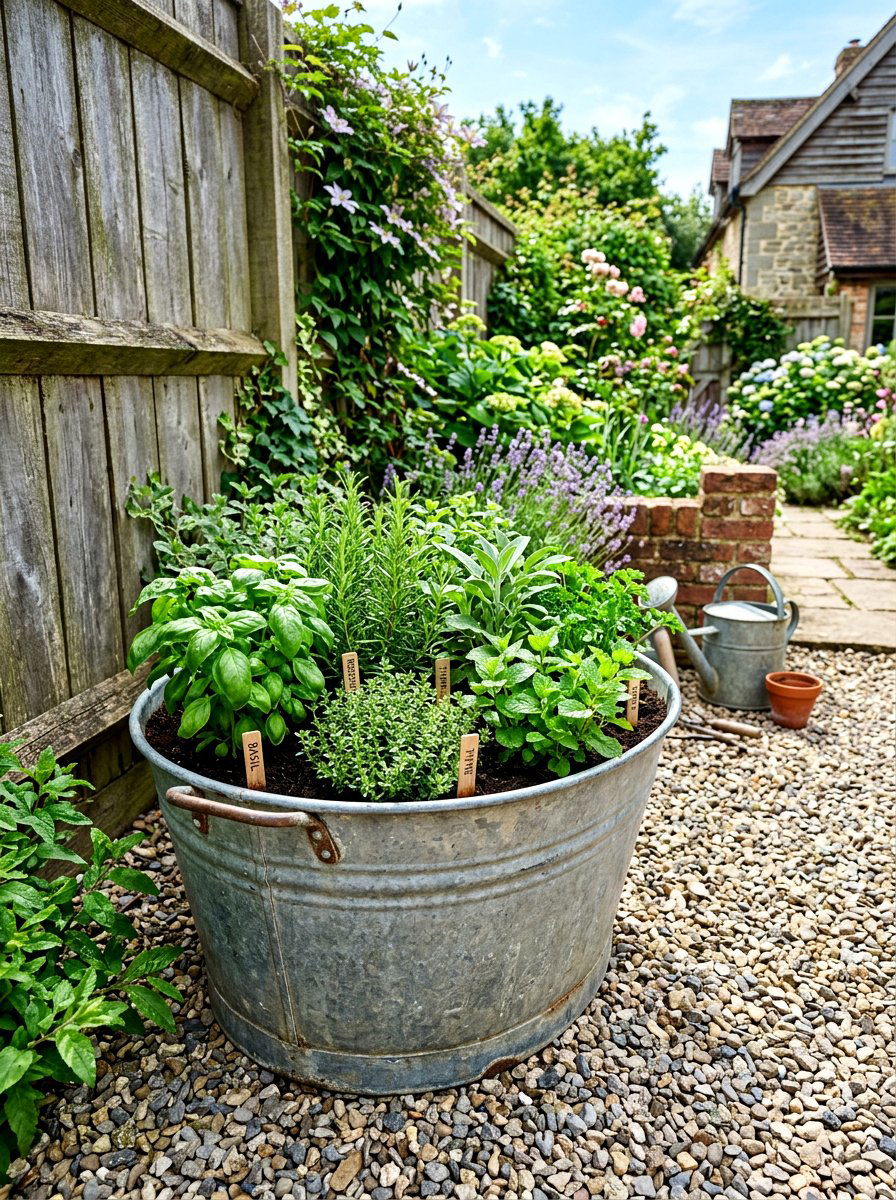
Designing a greenhouse specifically for herbs allows you to have fresh flavors for your kitchen all year long. You can use vertical shelving and hanging baskets to maximize the growing space for various basil, rosemary, and thyme plants. A rustic wooden structure with large windows provides the perfect sunny environment for these Mediterranean favorites to thrive. Including a small workbench inside makes it easy to harvest and dry your herbs for future use in cooking. The fragrant aroma of fresh herbs filling the small space makes spending time in this greenhouse a truly sensory experience. It is a practical and delicious addition to any home garden.
30. Antique glass greenhouse
Using antique glass in your greenhouse project adds a layer of sparkle and historical charm that is hard to find elsewhere. You can source old panes with subtle imperfections and wavy textures to create a unique play of light inside. Pairing the vintage glass with a sturdy, weathered wood frame ensures the structure feels solid and authentically rustic. This type of greenhouse looks like a beautiful treasure box for your most prized plant specimens. The character of the aged glass adds a sense of history and elegance to the entire garden landscape. It is a sophisticated way to build a functional structure that also serves as a work of art.
Conclusion:
A rustic greenhouse is a wonderful investment that brings both beauty and productivity to your outdoor living space. By using natural materials and thoughtful design, you can create a sanctuary that supports your plants and your well-being. Whether you choose a large barn-style structure or a small DIY project, the charm of weathered wood and glass is undeniable. These spaces provide a unique opportunity to connect with nature year-round, regardless of the weather outside. A well-designed greenhouse becomes a beloved part of your home and a central hub for your gardening adventures. It is truly a place where both plants and people can flourish.

Related posts: