google: search{queries: [
1. Dwarf Fruit Tree Layout
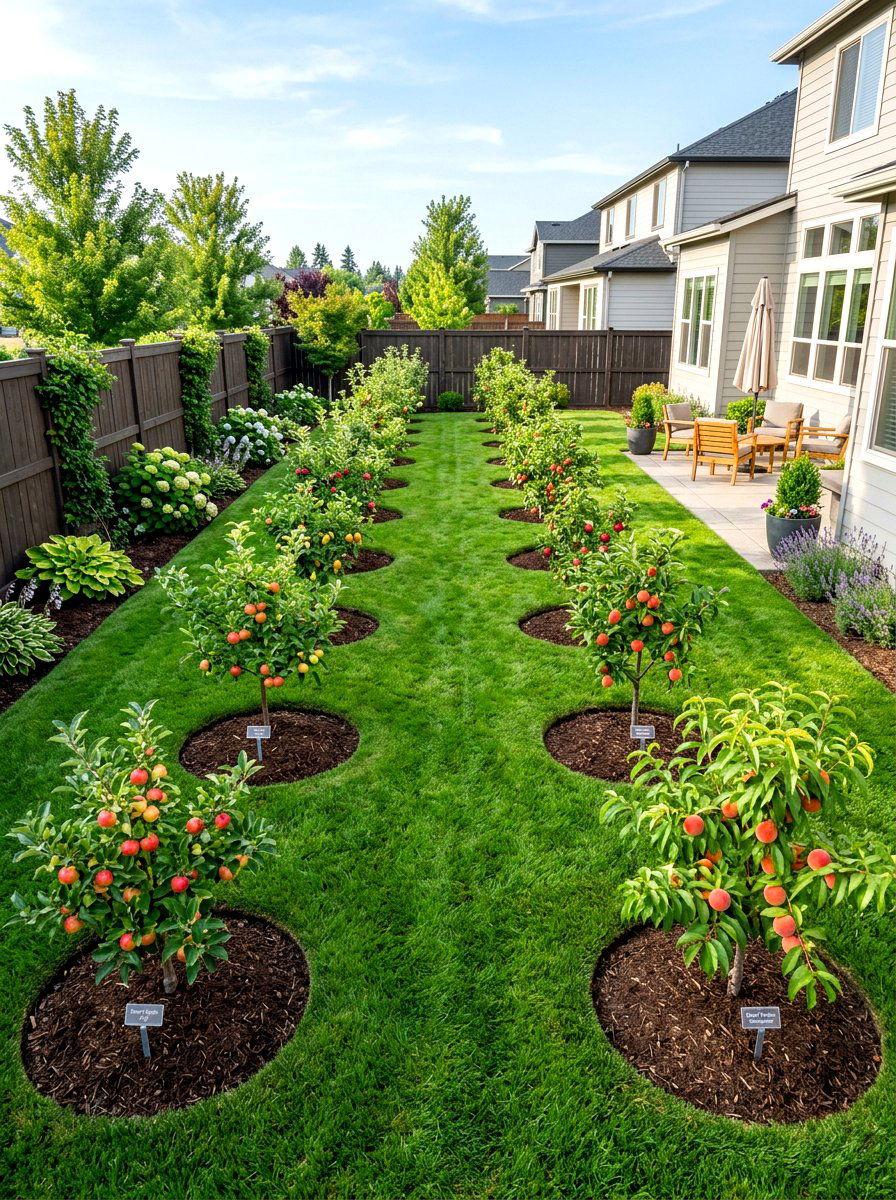
Planning a compact growing area allows you to maximize your harvest without overwhelming a small suburban lot. Many people choose dwarf varieties because they remain manageable and reach a height that makes harvesting simple without needing a ladder. When you organize these miniature trees in a deliberate grid pattern, it creates a clean and intentional look for your garden. You can surround the base of each tree with organic mulch or low-growing herbs to suppress weeds and retain moisture. This approach transforms a standard lawn into a functional landscape that provides fresh produce throughout the summer months. It is the perfect solution for families wanting a mini orchard in a limited footprint.
2. Espalier Fruit Wall
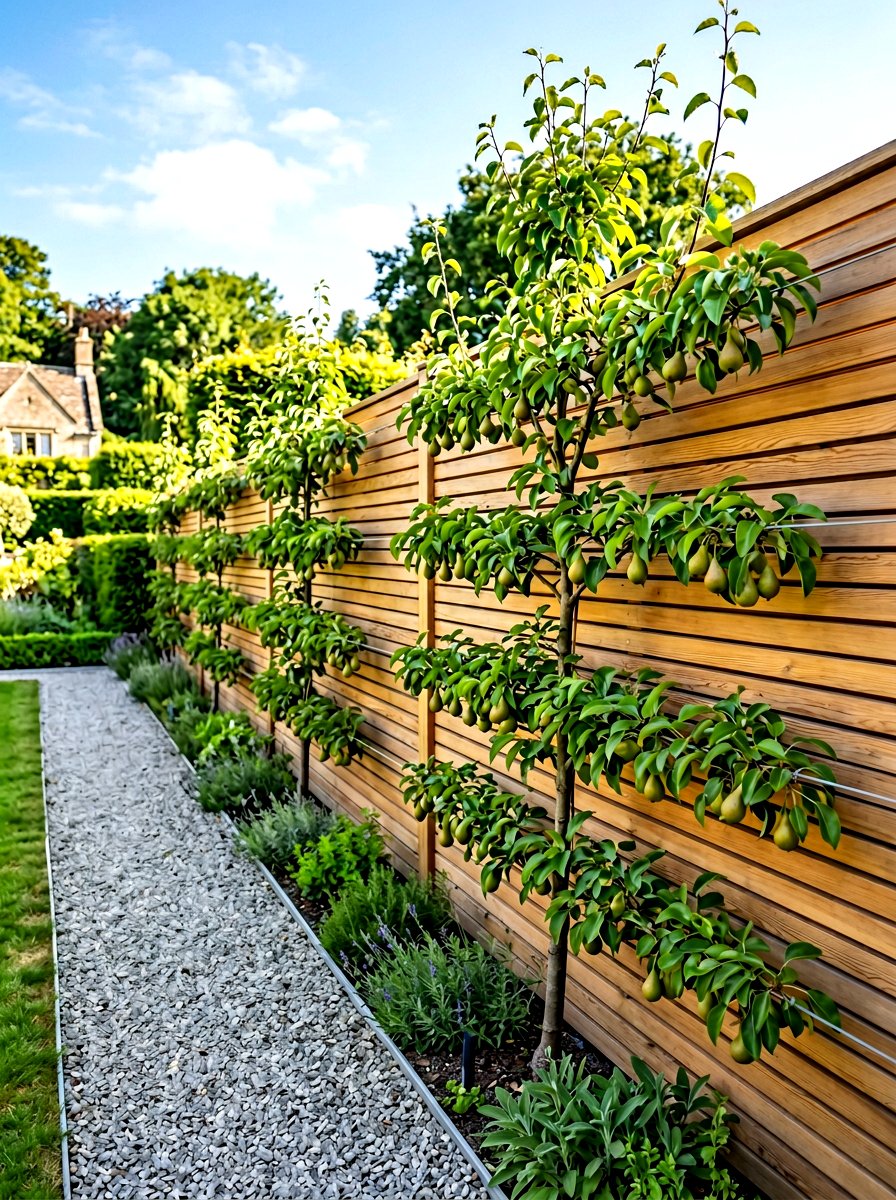
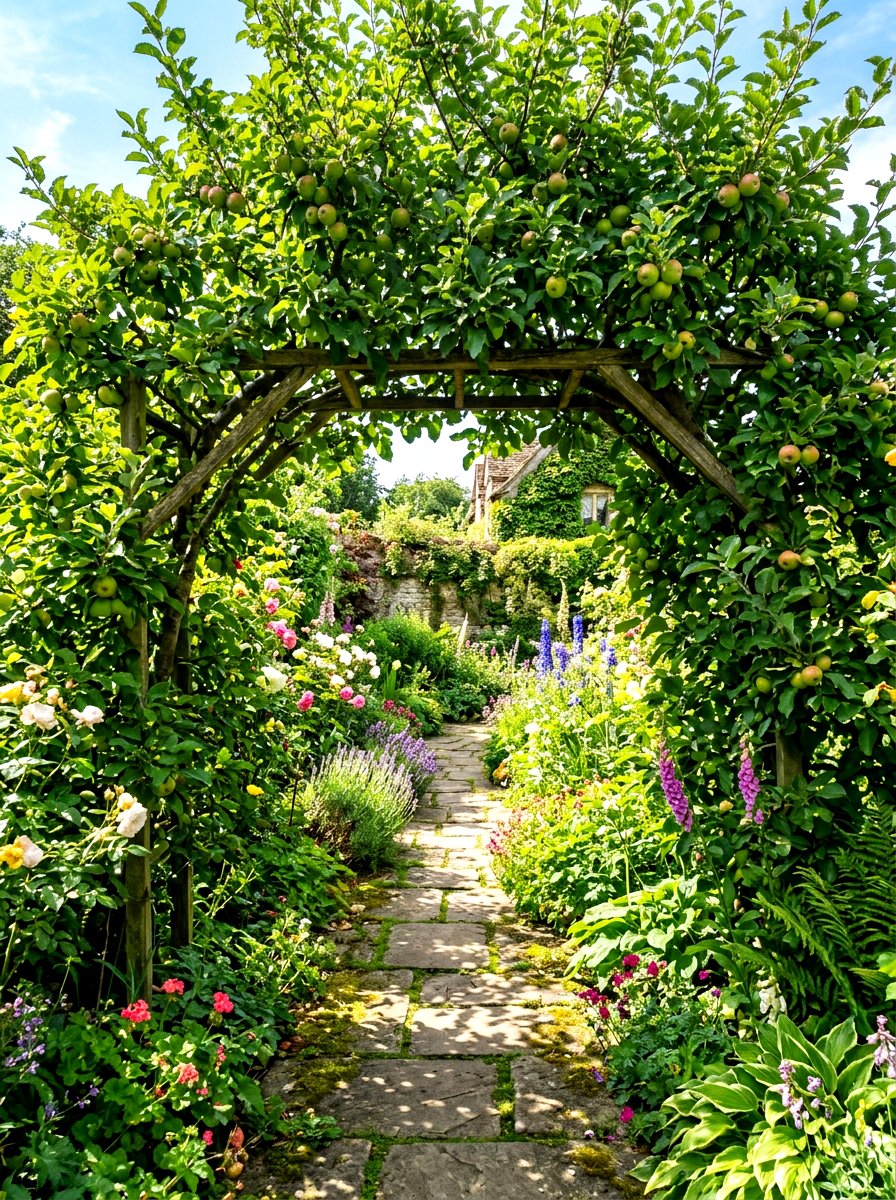
Utilizing vertical space is a brilliant strategy for anyone with a narrow yard or a bare fence that needs more life. The espalier technique involves training fruit trees to grow flat against a support structure using wires and careful pruning. This method creates a living piece of art that produces high-quality fruit while taking up very little horizontal ground space. It works exceptionally well with apples and pears, turning a simple boundary into a lush, green feature. Because the branches are spread out, the fruit receives maximum sunlight and airflow, which often results in better ripening and fewer pest problems. It is an elegant way to blend utility with high-end garden design.
3. Backyard Citrus Grove
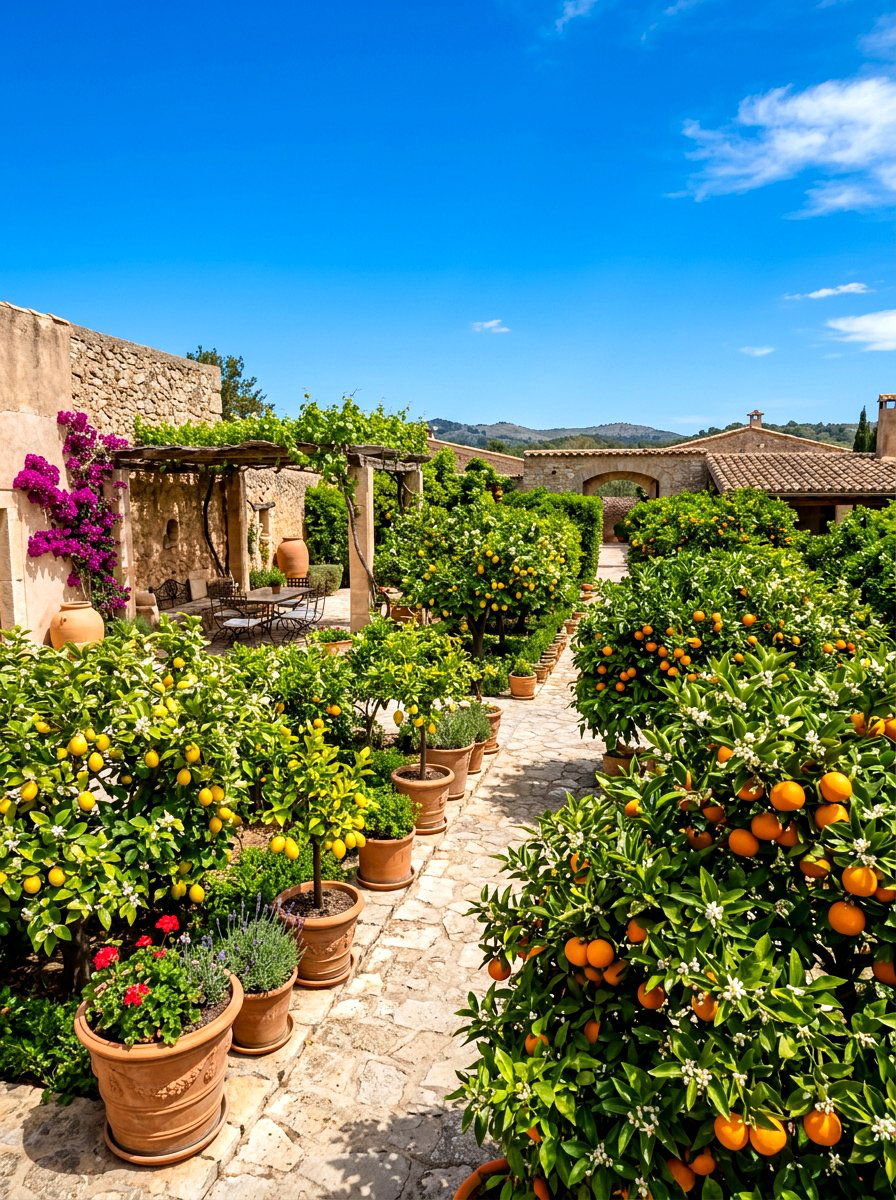
Creating a dedicated area for lemons, limes, and oranges brings a refreshing scent and vibrant color to your home landscape. Citrus trees are highly valued for their glossy evergreen leaves and the fragrant white blossoms that appear before the fruit sets. You can arrange these trees in a semi-circle or a small cluster to create a cozy, shaded nook in your yard. If you live in a cooler climate, choosing varieties that can move indoors for winter is a smart move for long-term success. Maintaining a consistent watering schedule and providing plenty of direct sunlight will ensure your grove remains productive and healthy year-round. It adds a wonderful Mediterranean feel to your property.
4. Edible Privacy Hedge
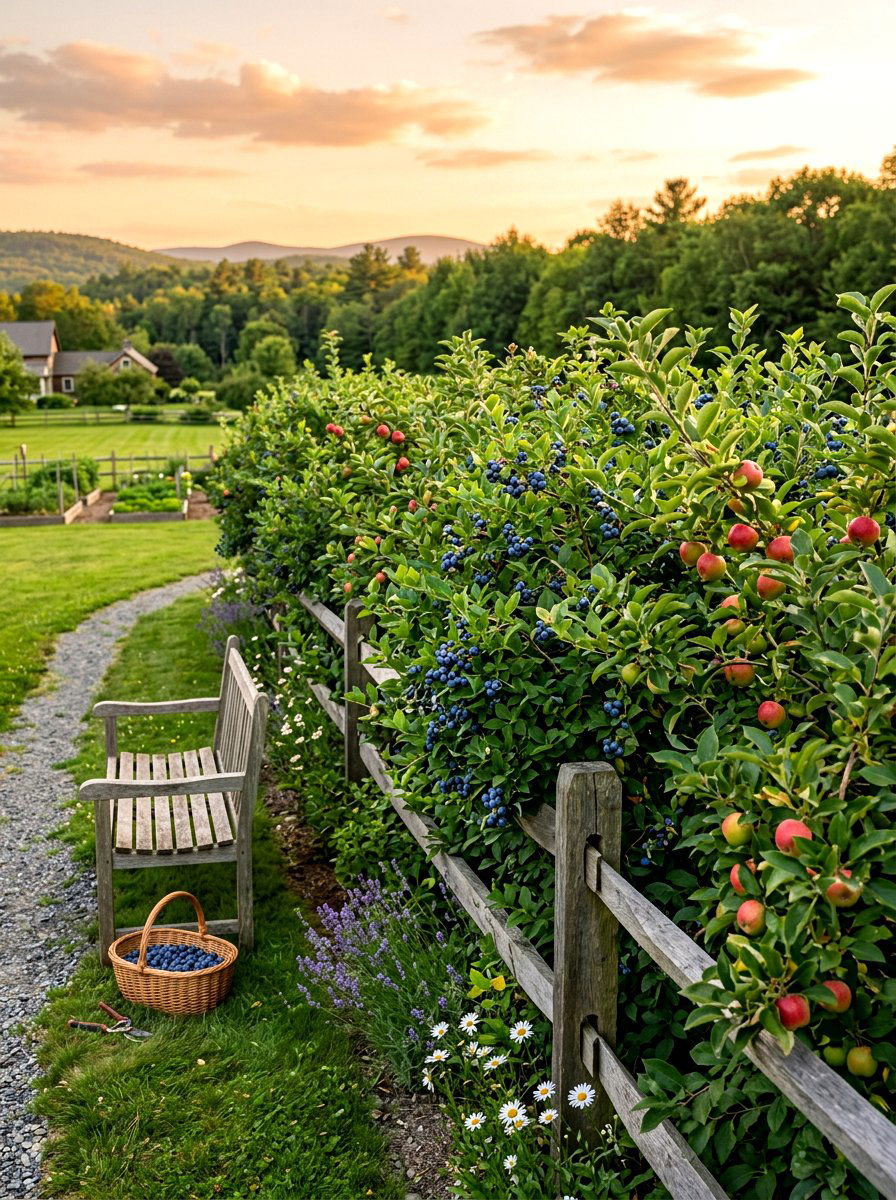
Replacing a traditional fence with a row of fruit-bearing shrubs or trees offers both seclusion and a delicious snack. Many gardeners use blueberries, pomegranates, or even closely planted dwarf apples to create a dense screen that blocks the view of neighbors. This functional barrier provides a sense of enclosure while softening the hard lines of your property boundaries. During the spring, the hedge comes alive with blossoms, and by late summer, it offers a literal wall of fresh fruit. It is an excellent way to make every inch of your land work for you. Regular pruning keeps the hedge tidy and ensures it does not encroach on neighboring walkways or yards.
5. Container Fruit Garden
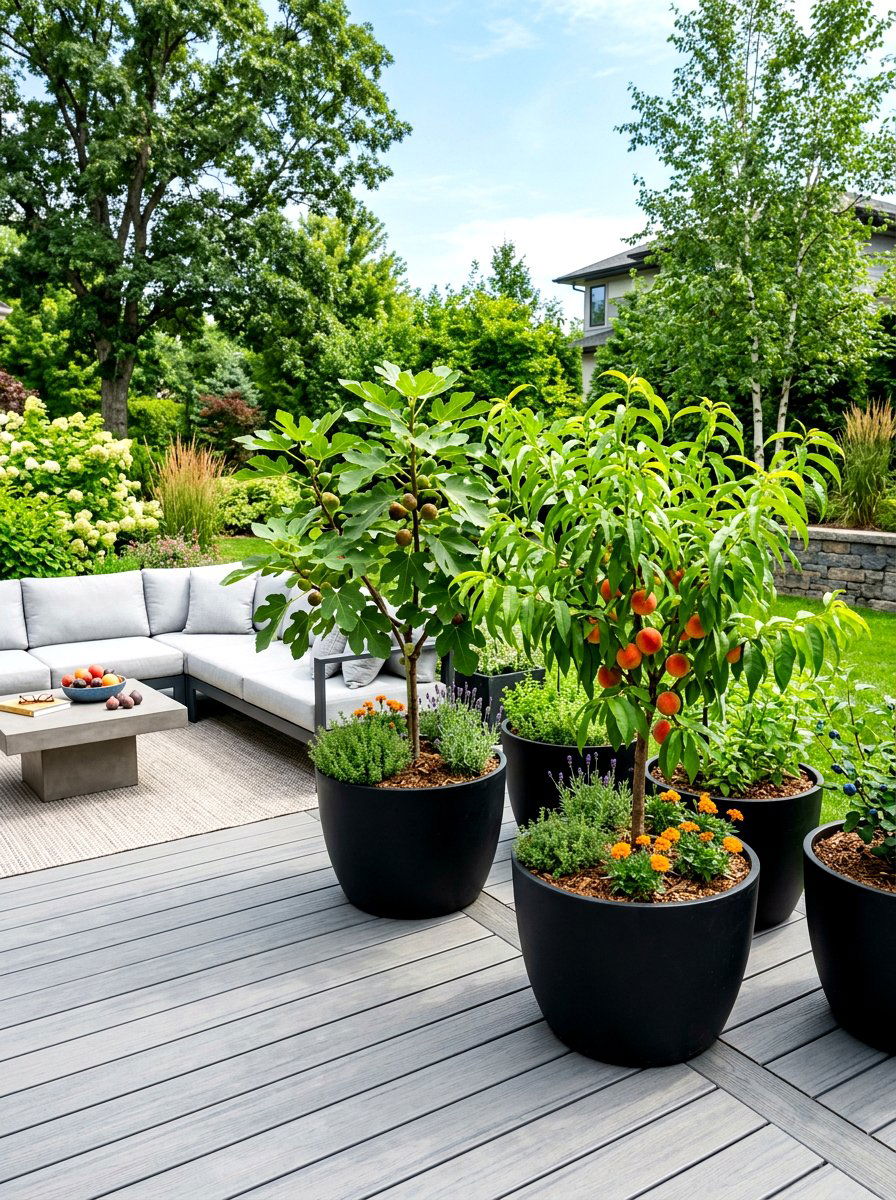
If you have a large deck or a concrete patio, growing fruit in stylish pots is a flexible and effective option. Many modern cultivars are specifically bred to thrive in containers, allowing you to enjoy peaches or figs even without a patch of dirt. Placing these pots near your outdoor seating area creates a lush, green atmosphere that feels like an extension of your indoor living space. You can easily move the containers to follow the sun or protect them from harsh winter winds when necessary. Using high-quality potting soil and specialized fertilizers will keep your trees healthy and productive. It is the ultimate solution for urban dwellers with limited outdoor access.
6. Mini Food Forest
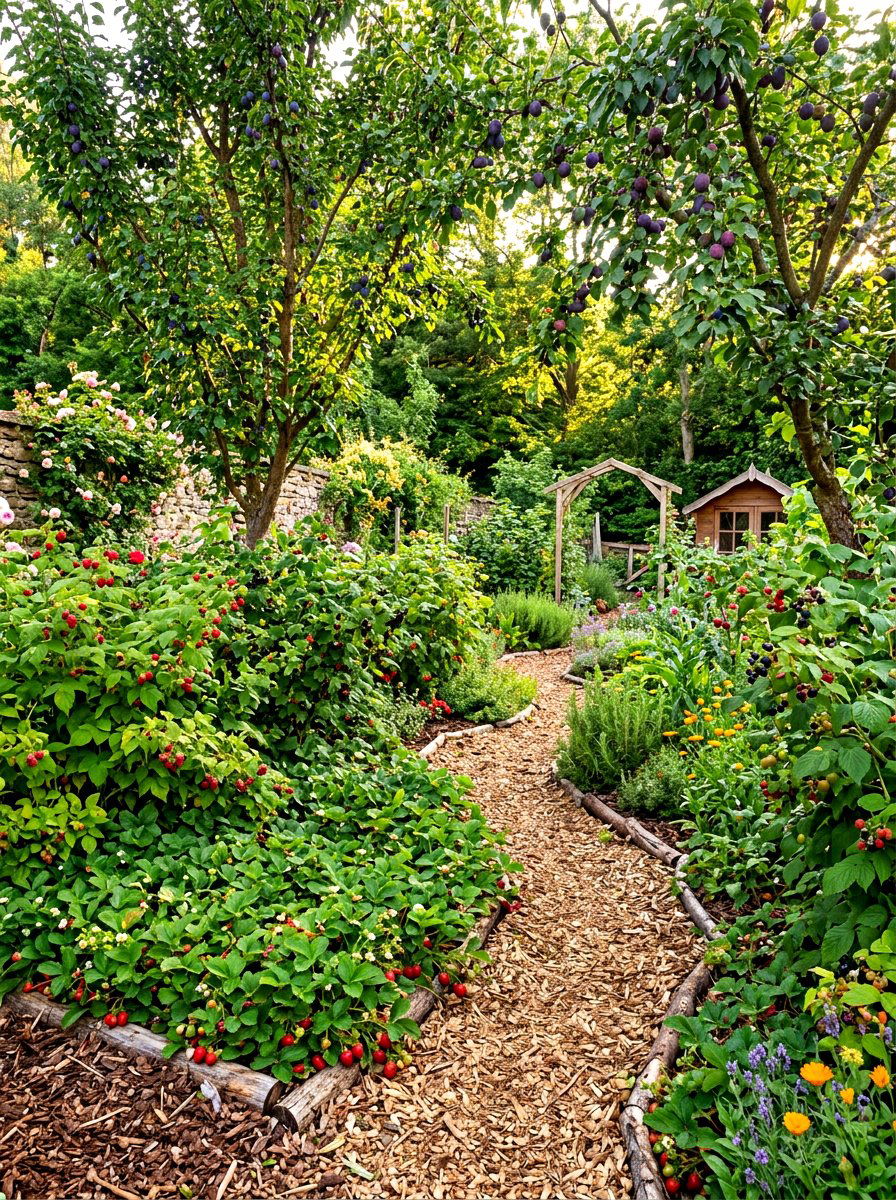
Designing a multi-layered ecosystem in your backyard mimics the way plants grow together in a natural forest environment. This permaculture-inspired approach uses taller fruit trees as an overstory, with smaller berry bushes and edible groundcovers filling the space below. By layering your plants, you create a self-sustaining system that requires less maintenance and water over time. The diversity of species attracts beneficial insects and birds, which helps with natural pest control and pollination. This lush, overgrown aesthetic feels like a secret garden and provides a high volume of food from a small area. It is a rewarding project for those interested in sustainable and regenerative gardening practices.
7. Fruit Tree Guild
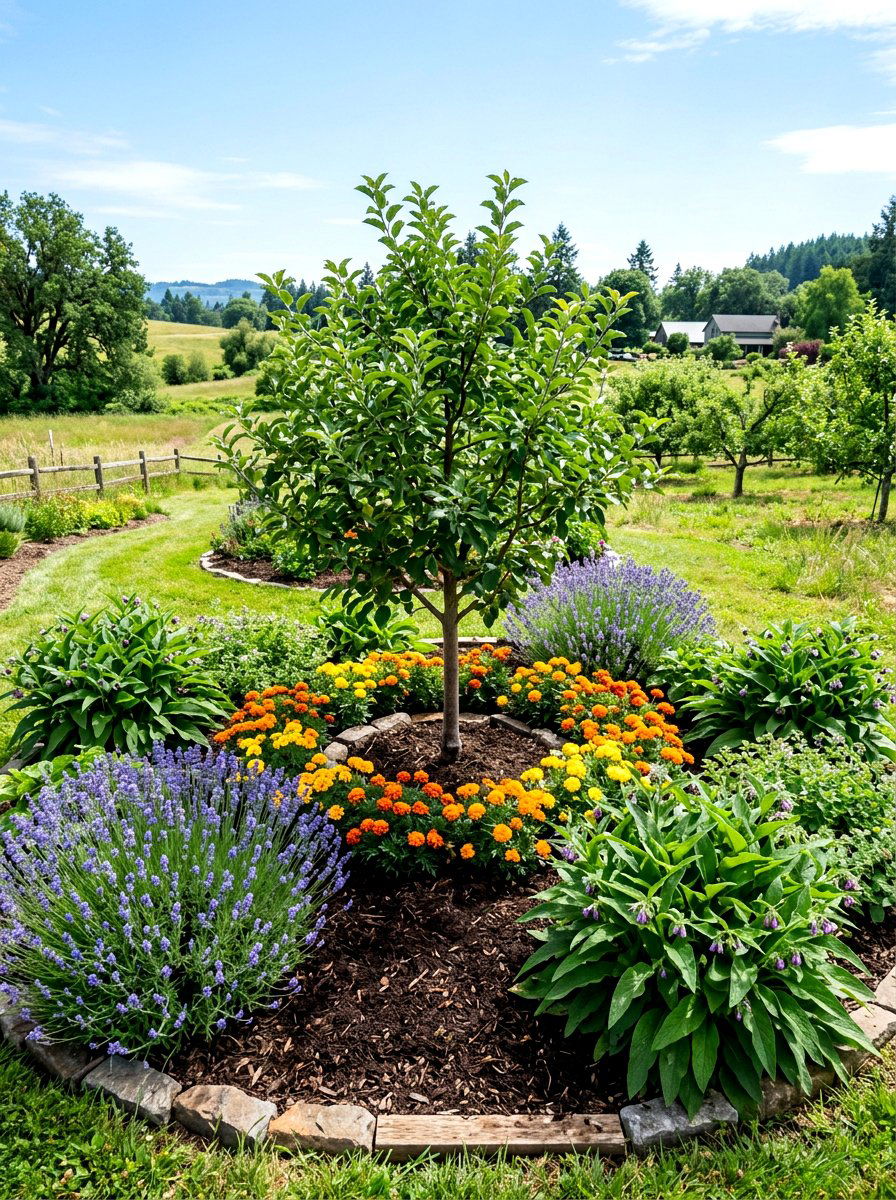
Building a community of supportive plants around a single fruit tree is a smart way to boost its health and productivity. A guild typically includes the main tree surrounded by nitrogen-fixing plants, flowers that attract pollinators, and herbs that repel pests. This holistic approach ensures that the central fruit tree has everything it needs to thrive without heavy chemical intervention. You can design these guilds to look like beautiful, rounded flower beds that add visual interest to your lawn. It turns a solitary tree into a focal point that serves multiple ecological functions. This method is particularly effective for young trees that need extra support as they become established in your yard.
8. Modern Orchard Path
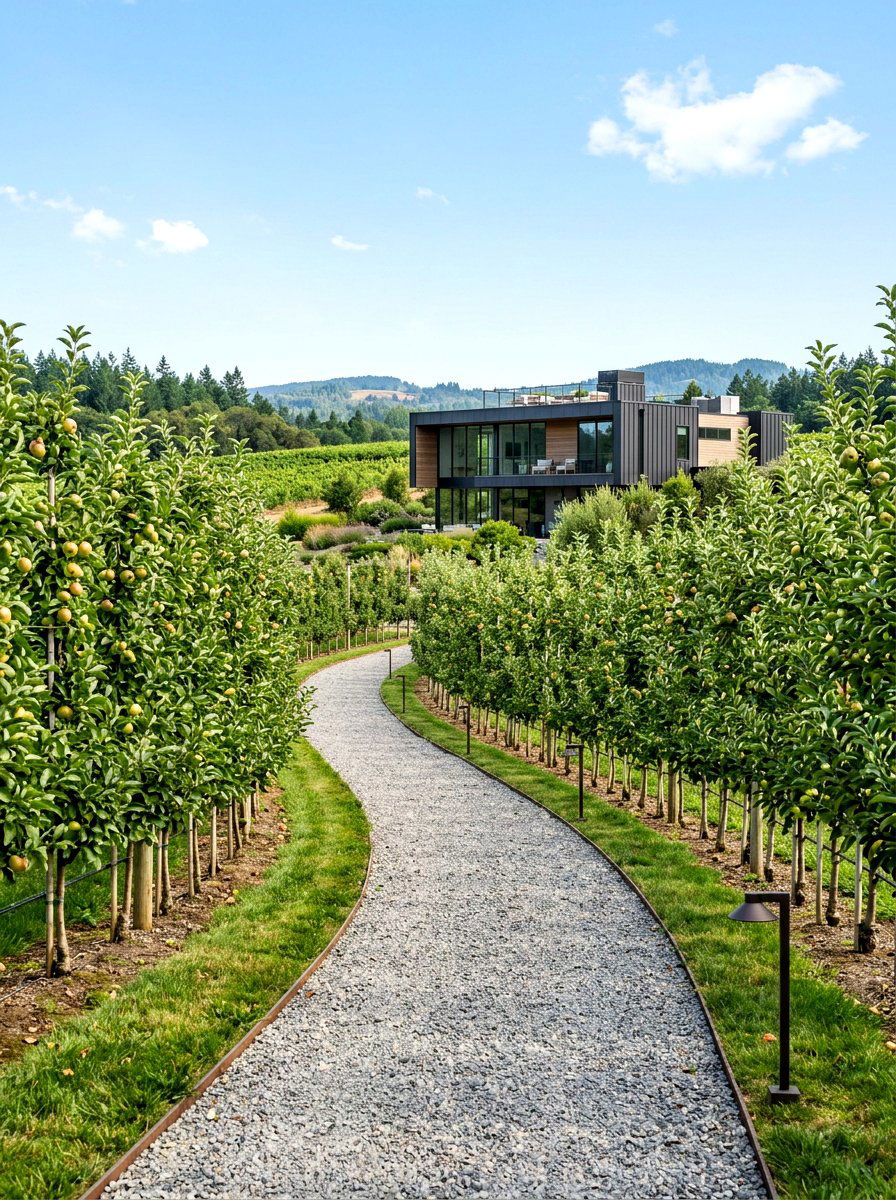
Imagine walking through your garden along a clean, gravel path lined with productive trees on both sides. This layout provides a sense of order and makes it very easy to move through the space for maintenance and harvesting. You can use columnar trees to keep the walkway narrow or standard trees to create a shaded tunnel effect over time. Integrating low-voltage lighting along the path allows you to enjoy the blossoms and fragrance of your orchard even after the sun goes down. This structured design works well in contemporary landscapes where clean lines and functionality are prioritized. It turns a simple transition area into a major highlight of your property.
9. Stone Fruit Garden
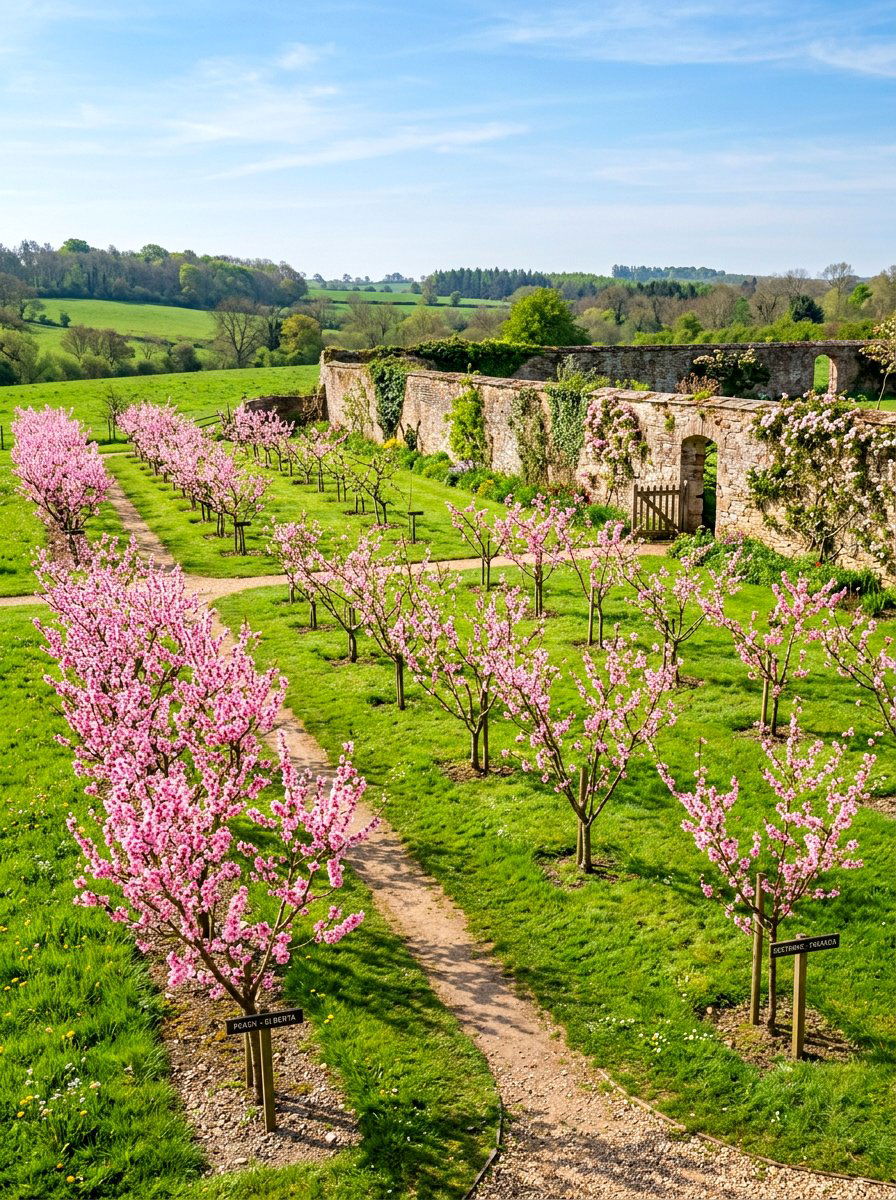
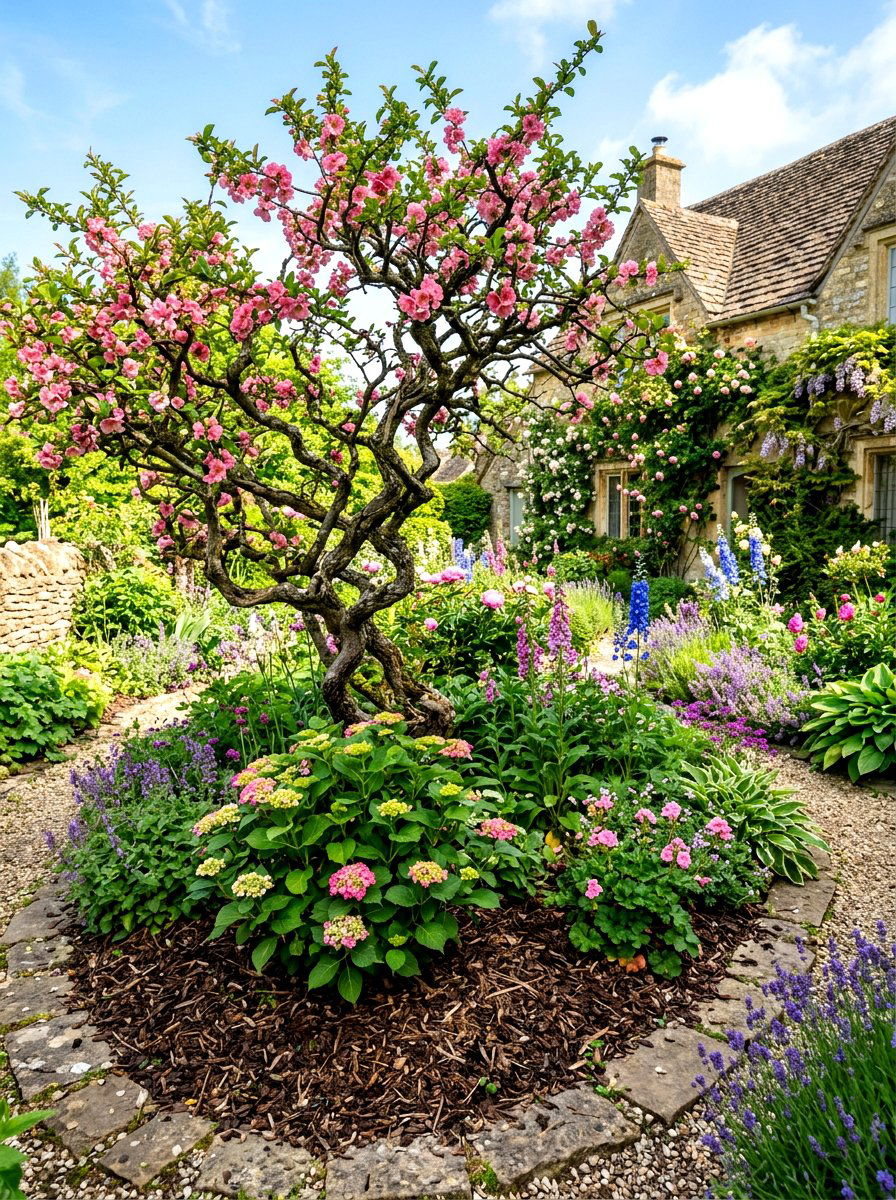
Gathering a collection of peaches, plums, and nectarines in one sunny spot creates a stunning display of summer color. These trees are famous for their delicate pink and white spring flowers, followed by heavy branches of juicy, stone-centered fruit. Because they often share similar care requirements and pruning schedules, grouping them makes management much easier for the home gardener. You should choose a location with excellent drainage and full sun to ensure the fruit develops its signature sweetness. Adding a comfortable bench nearby allows you to sit and admire the progress of your harvest throughout the growing season. It is a classic choice for a traditional and highly productive backyard.
10. Raised Bed Orchard
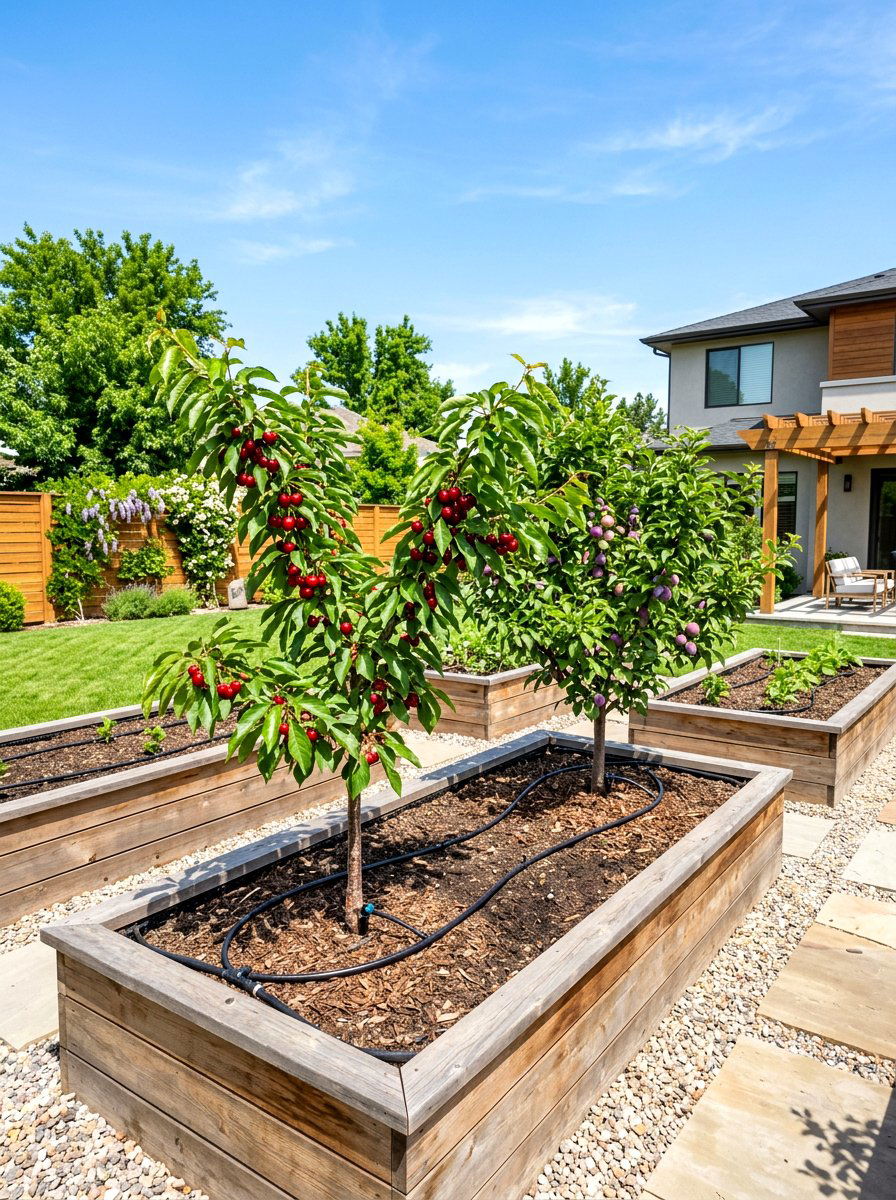
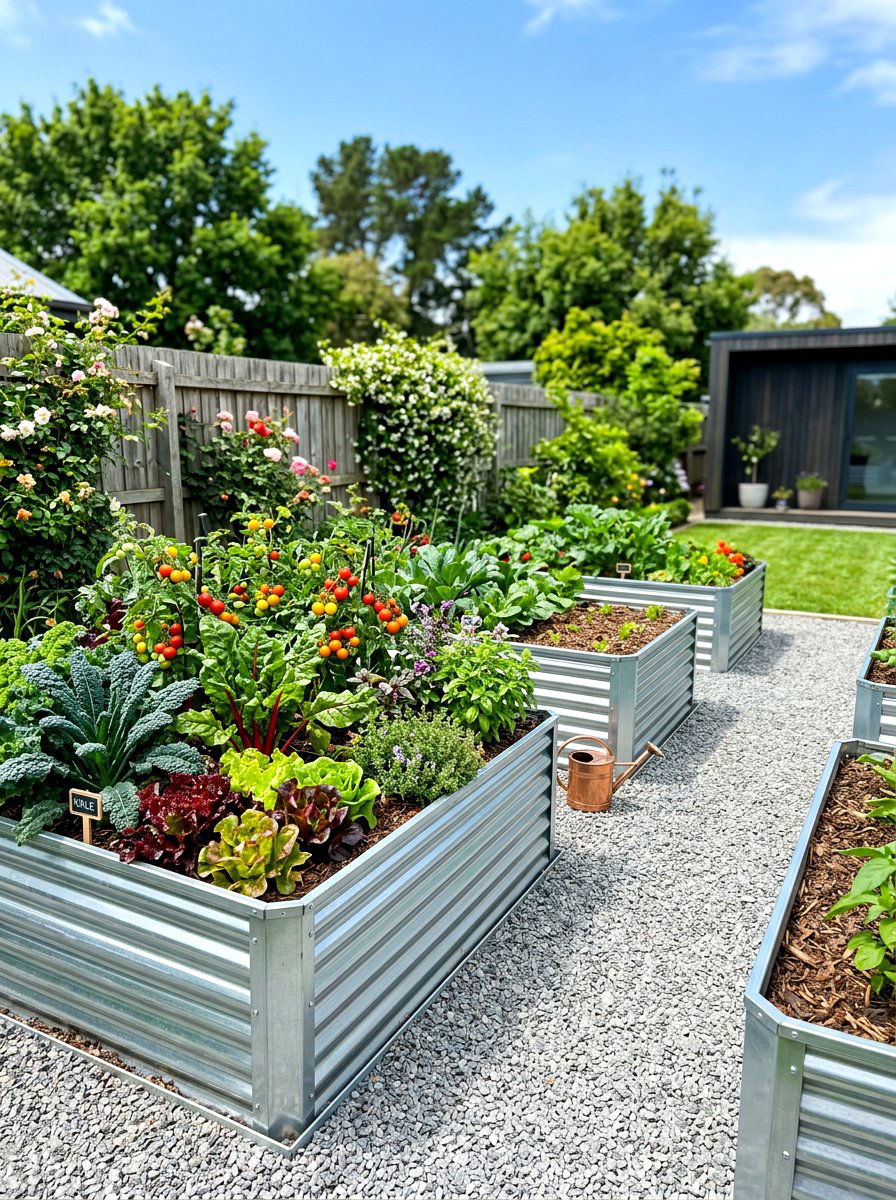
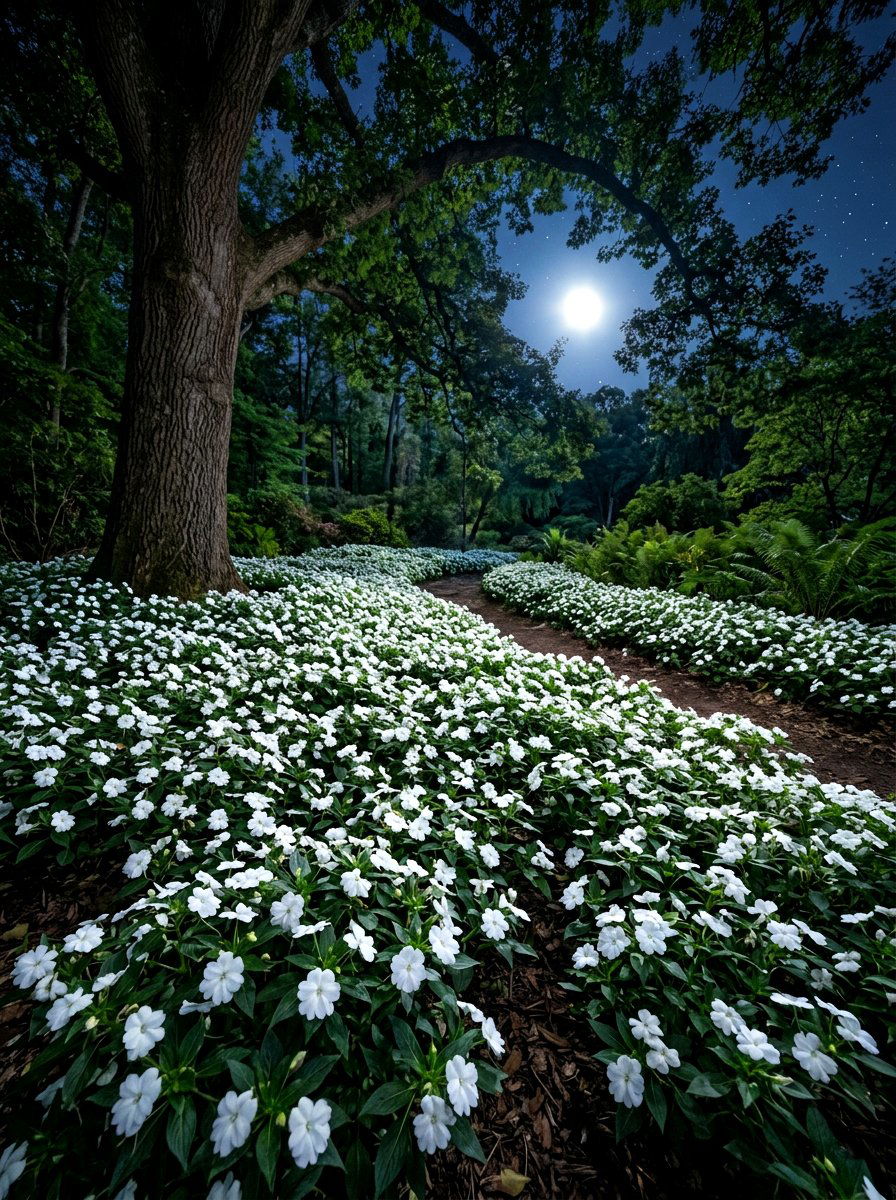
Installing fruit trees in large, built-in wooden or stone boxes provides perfect control over soil quality and drainage. This is an ideal solution for backyards with heavy clay soil or poor-quality dirt that would otherwise hinder tree growth. Raised beds also add a sense of height and architectural structure to your garden layout, making it look professional and organized. You can plant dwarf varieties in the center and trail strawberries or herbs over the edges for a multi-functional display. The elevated height makes it much easier on your back when you are pruning or checking for pests. It creates a very tidy and manageable system for the dedicated fruit enthusiast.
11. Columnar Apple Tree Row
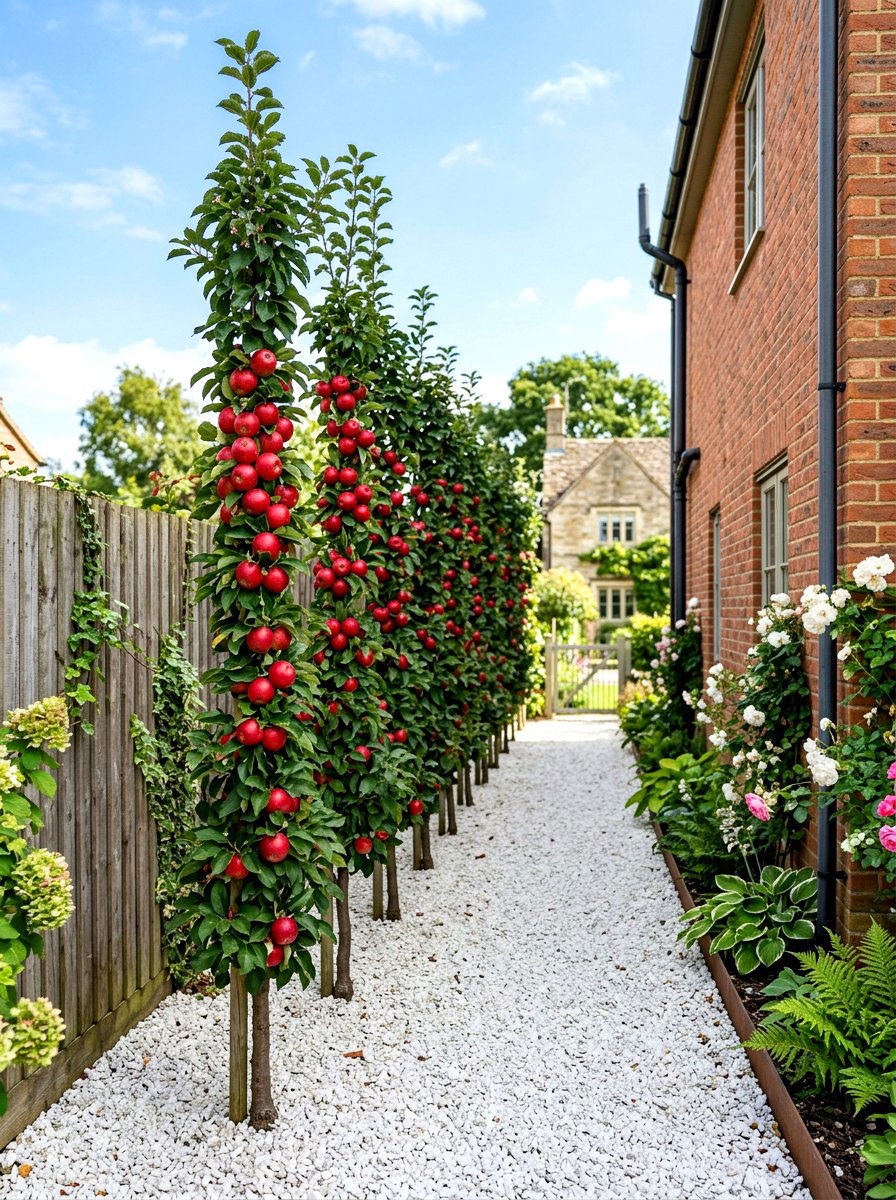
Space-saving columnar trees grow straight up like pillars and do not develop wide, spreading branches. This unique growth habit makes them perfect for planting in narrow strips along a driveway or against a sunny house wall. You can plant them just a few feet apart to create a stunning vertical row that yields a surprising amount of fruit. Because they stay narrow, they do not cast heavy shade over the rest of your garden, allowing you to grow other plants nearby. They are particularly popular for modern, minimalist landscapes where every plant must fit a specific geometric profile. These trees prove that you do not need a large farm to enjoy homegrown apples.
12. Mixed Berries Fruit
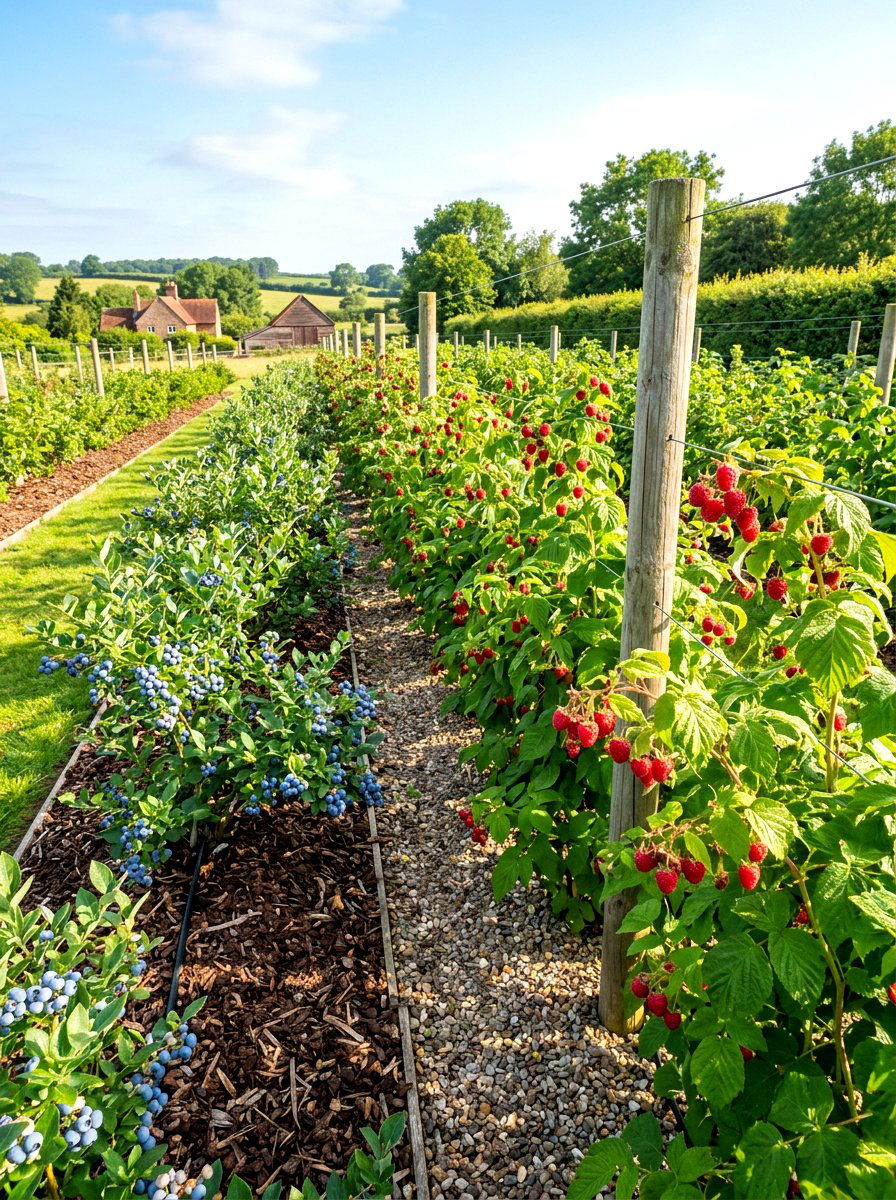
Why stop at trees when you can fill the gaps with a variety of delicious berries and small fruiting bushes? Integrating raspberries, blackberries, and blueberries into your orchard layout creates a continuous harvest from early spring through late fall. You can use berry canes to line the perimeter of your tree area or plant low-growing bushes as a decorative border. This variety not only keeps your kitchen stocked with diverse flavors but also ensures that the garden remains visually interesting for more months. Berries are often easier to grow for beginners and provide quick results while you wait for your larger trees to mature. It is a smart way to diversify your edible landscape.
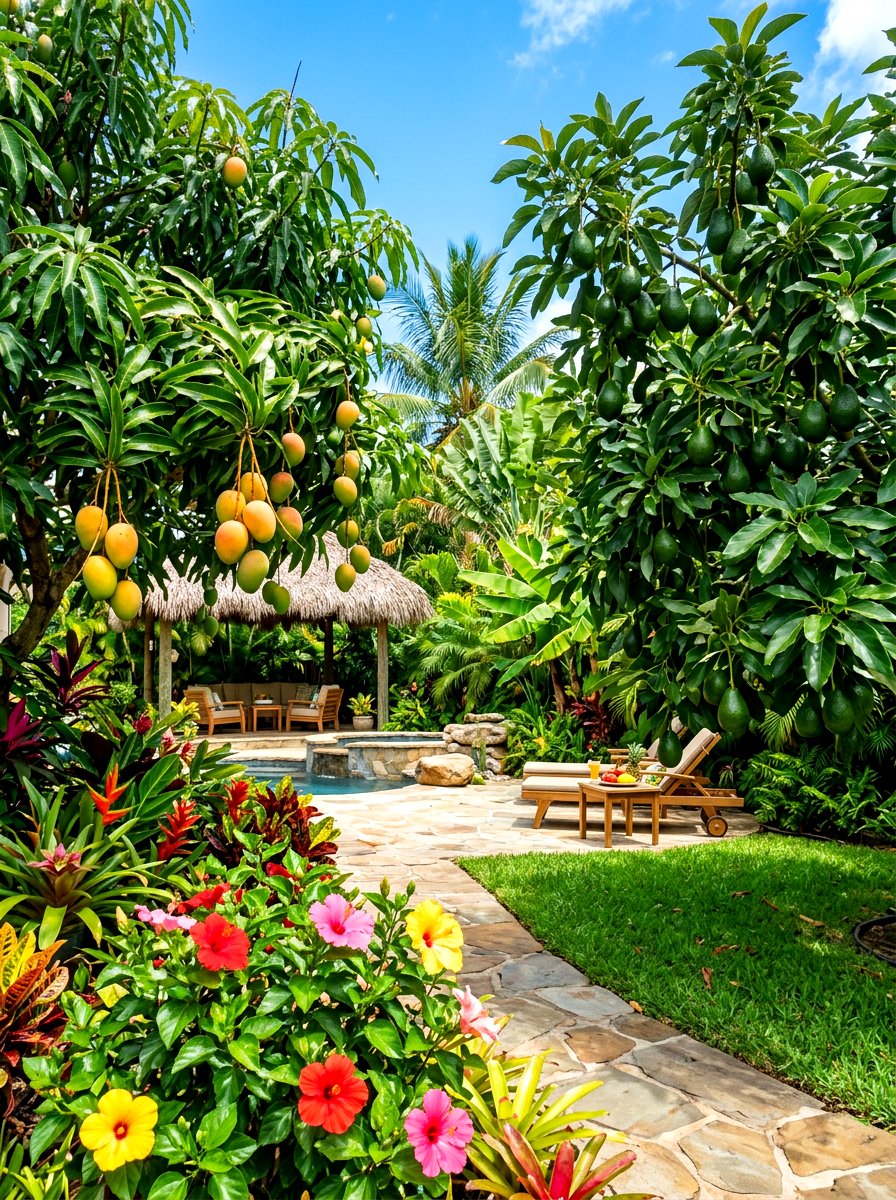
13. Tropical Fruit Patio
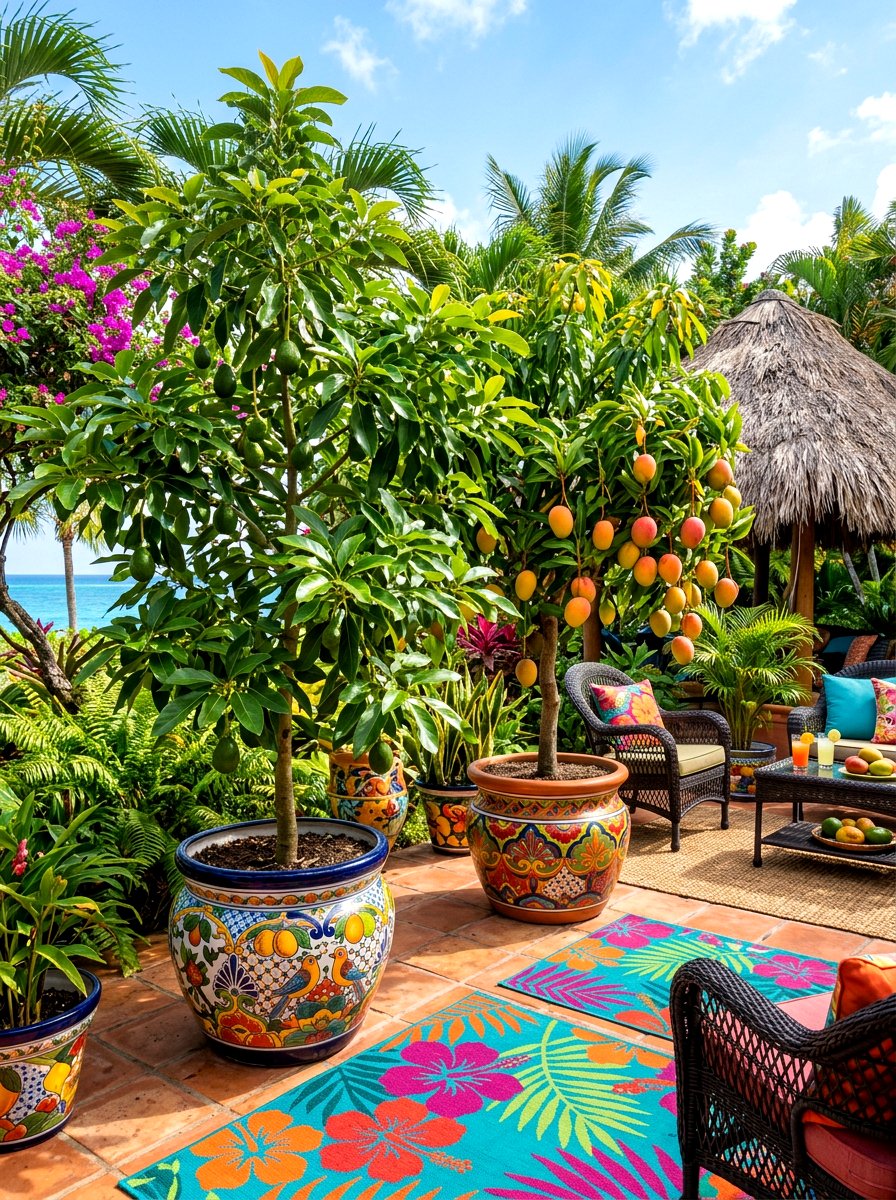
Bringing a taste of the tropics to your backyard is possible by using warm-climate plants like avocados, mangoes, or bananas. Even if you live in a temperate zone, many of these species can thrive in large pots on a sun-drenched patio during the summer. They offer large, exotic leaves and a unique architectural style that contrasts beautifully with traditional garden plants. Creating a dedicated "tropical zone" with some protection from the wind will help these sensitive plants thrive and produce fruit. Using bright, colorful outdoor furniture and lighting can enhance the vacation-like atmosphere of your mini grove. It is a fun and adventurous way to expand your gardening skills and palate.
14. Traditional Apple Orchard
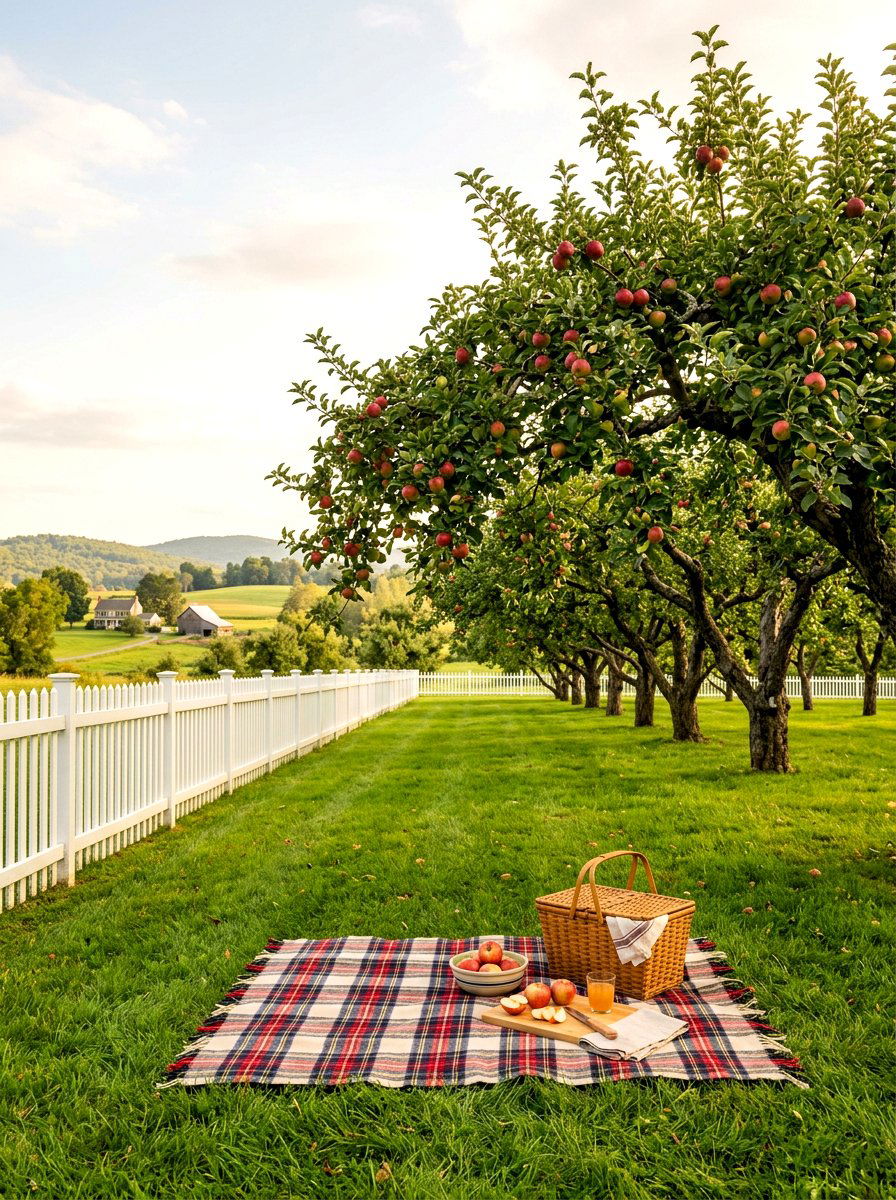
There is something deeply nostalgic and charming about a classic row of apple trees growing in a green, grassy area. This traditional layout is perfect for larger backyards where you have the room to let the trees spread out and provide natural shade. You can choose a mix of sweet eating apples and tart cooking varieties to cover all your culinary needs throughout the year. Keeping the grass mowed underneath creates a park-like feel that is perfect for summer picnics and outdoor gatherings. As the trees age, their gnarled trunks and wide canopies add a sense of history and permanence to your home landscape. It is a timeless design that never goes out of style.
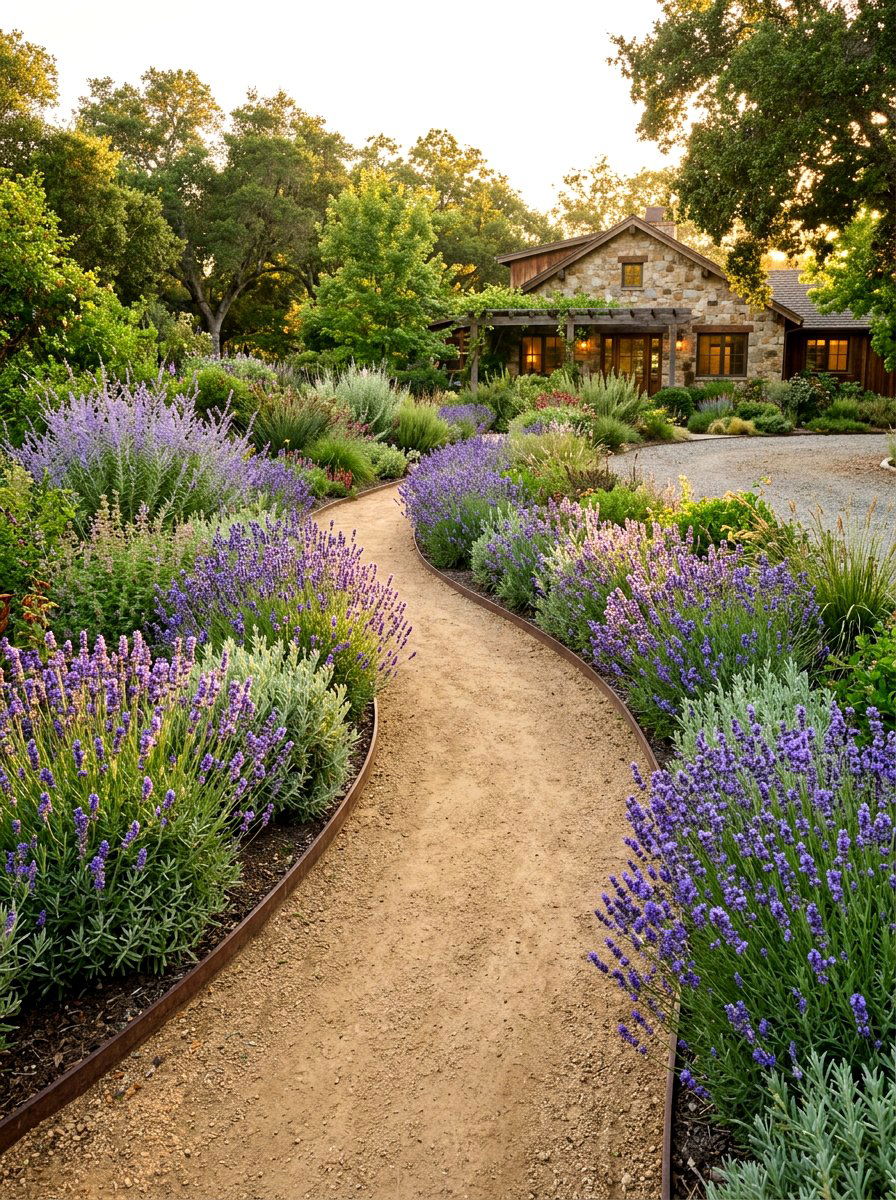
15. Permaculture Fruit Plot
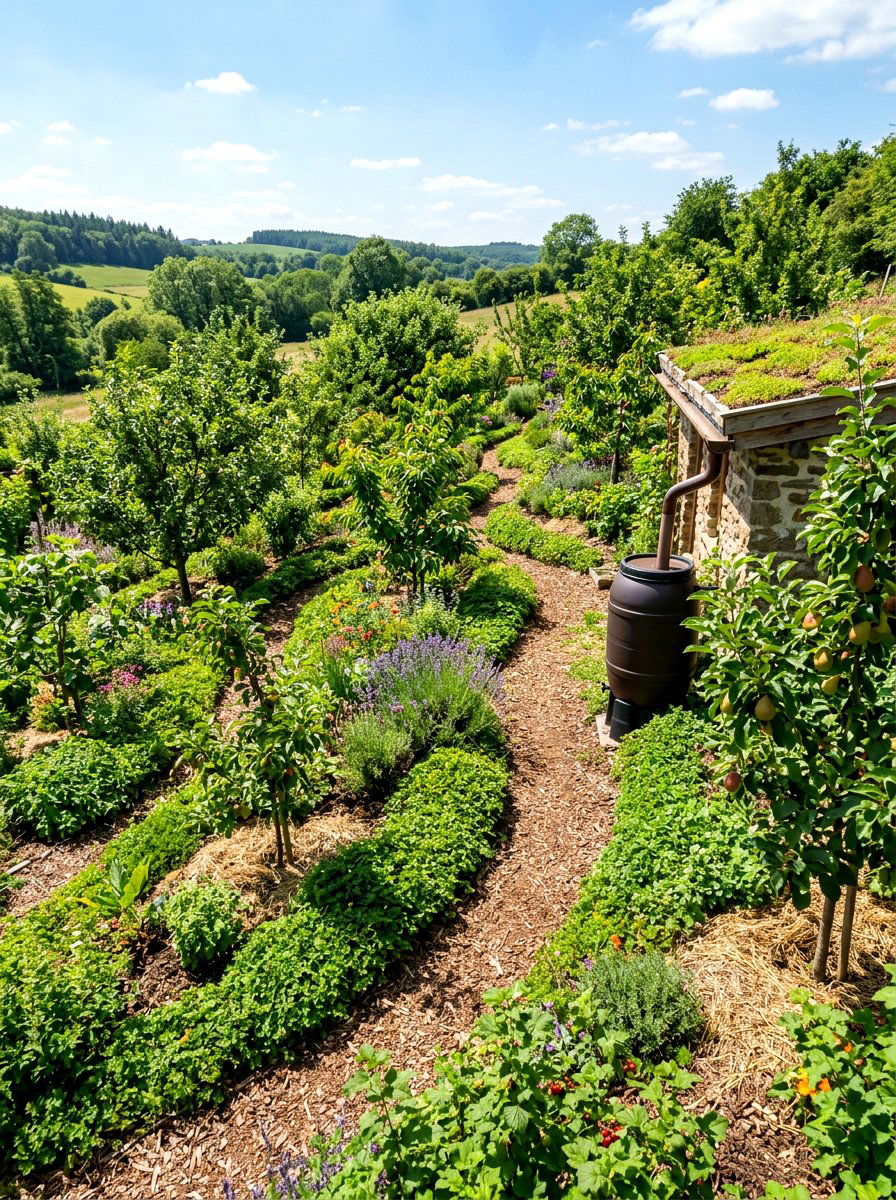
Focusing on the relationship between plants and the local environment, a permaculture plot is designed to be highly efficient and low-waste. You can incorporate swales or rain gardens to capture and hold water, reducing the need for manual irrigation during dry spells. This design often features a mix of perennial vegetables and fruit trees that work together to build soil health naturally. By avoiding synthetic chemicals and encouraging a diverse range of life, you create a garden that is both productive and eco-friendly. It is an excellent choice for those who want to live more sustainably and enjoy a closer connection to the natural world. The result is a lush, vibrant, and resilient backyard.
16. Multi Graft Fruit Tree
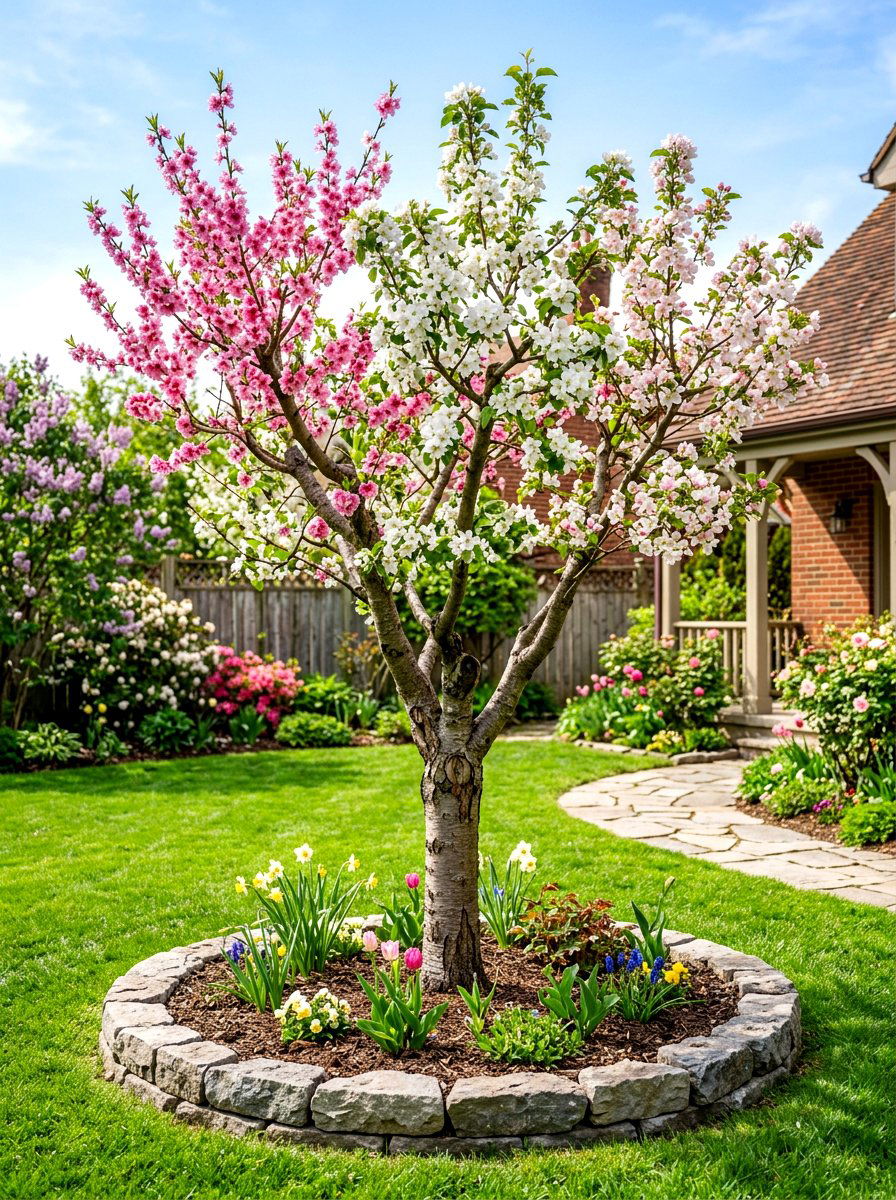
For the gardener who wants variety but only has room for one tree, a multi-grafted specimen is a miraculous invention. These trees have several different varieties of the same fruit grafted onto a single trunk, such as three types of apples or plums. This means you can enjoy a staggered harvest as each variety ripens at a slightly different time throughout the summer. It also solves the problem of cross-pollination, as the tree essentially provides its own partners for fruit set. This concept is perfect for small urban yards where every square inch of space is precious and must be used efficiently. It is a fascinating conversation piece and a highly functional garden addition.
17. Dwarf Peach Orchard
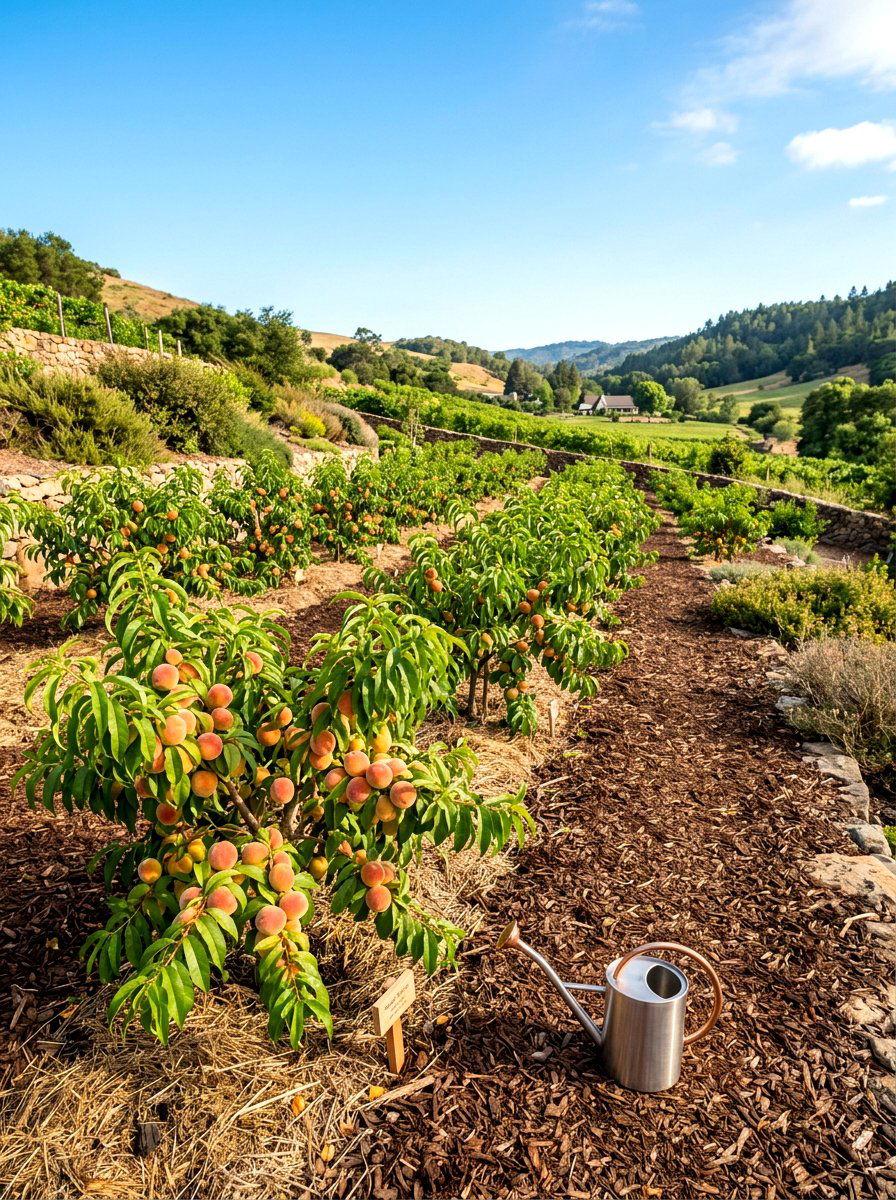
Peaches are some of the most rewarding fruits to grow at home because the flavor of a tree-ripened peach is vastly superior to store-bought ones. Dwarf peach trees are particularly suited for backyards because they stay small and are very easy to protect from spring frosts. You can arrange them in a sunny, sheltered corner of your yard where they can soak up the heat they need to produce sweet fruit. Their bright green foliage and fuzzy fruit create a beautiful, soft texture in the garden throughout the summer months. Regular pruning ensures that the canopy remains open to the light, which is crucial for ripening those perfect, golden fruits for your family.
18. Backyard Cherry Grove
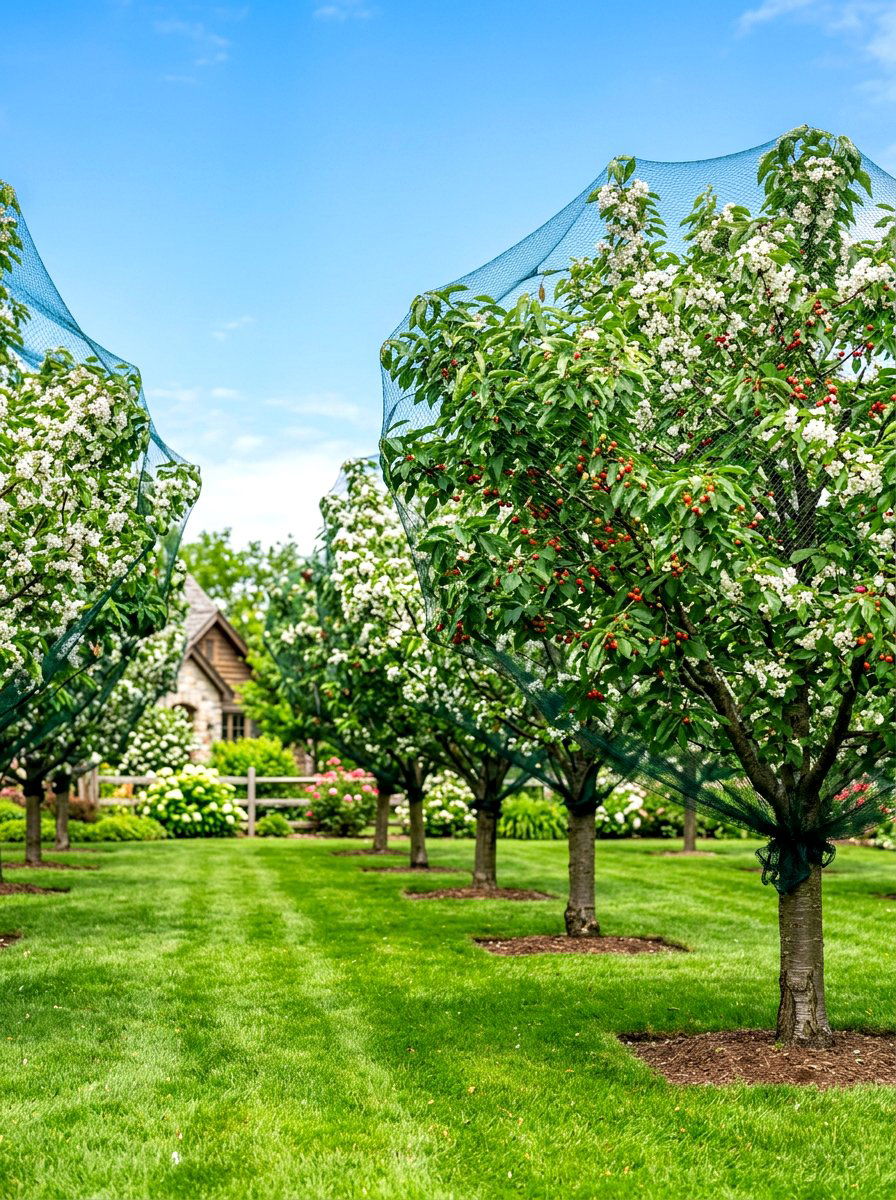
Imagine the sight of vibrant red cherries hanging like jewels from the branches of your very own trees. Sweet and sour cherries are popular choices for backyard orchards because they provide beautiful spring blossoms and a high yield in a relatively small space. You can plant a small group of cherry trees near a patio or deck where you can easily reach the branches for a quick snack. Protecting the fruit from birds with lightweight netting is often necessary, but the effort is well worth it once you taste the fresh harvest. These trees add a touch of elegance and whimsy to any garden, making them a favorite for children and adults alike.
19. Terrace Fruit Garden
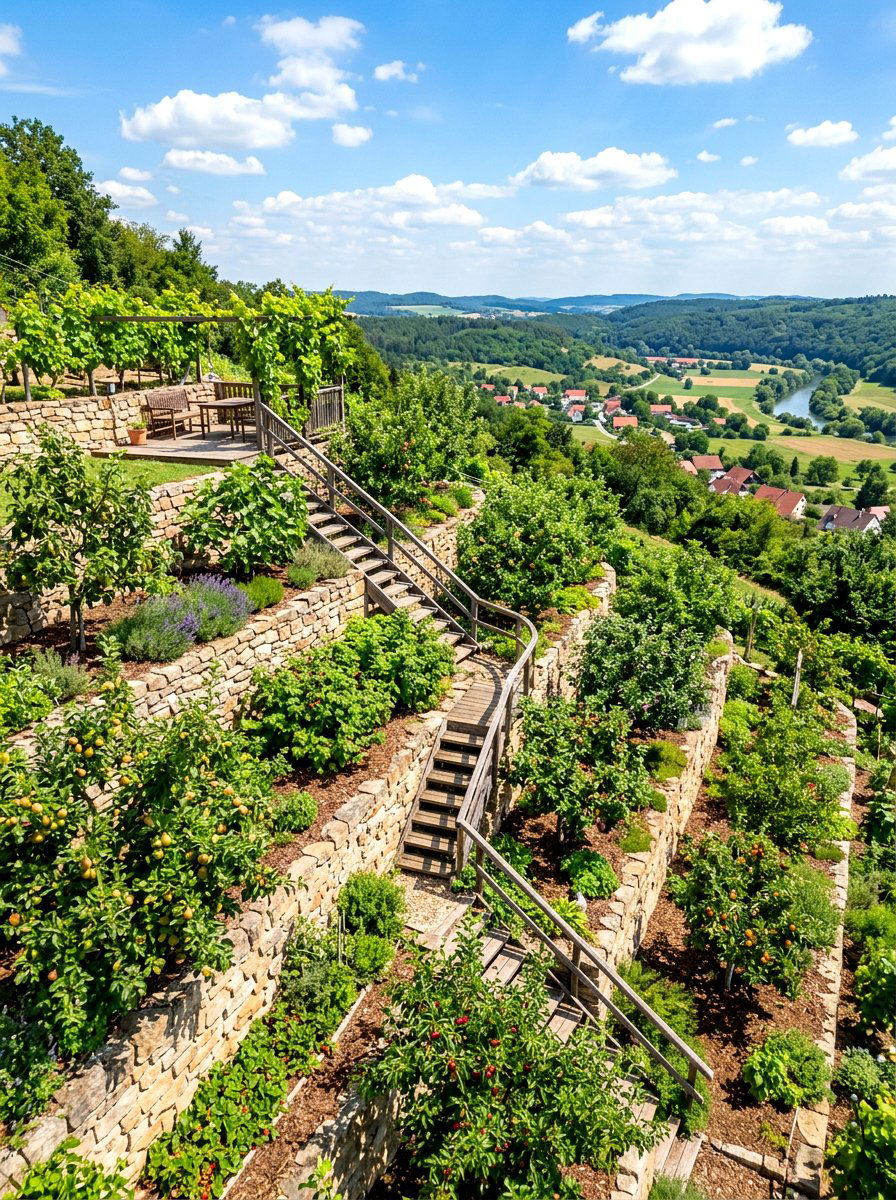
If your backyard has a significant slope, building stone or timber terraces is the best way to create a stable growing area for fruit. Terracing prevents soil erosion and allows water to soak into the ground rather than running off, which is beneficial for thirsty trees. You can plant a different type of fruit on each level, creating a cascading effect of greenery and produce down the hillside. This design turns a challenging landscape feature into a major asset that adds value and beauty to your property. Walking up and down the terraced steps to harvest fruit provides a sense of adventure and a unique perspective on your edible garden.
20. Fig Tree Corner
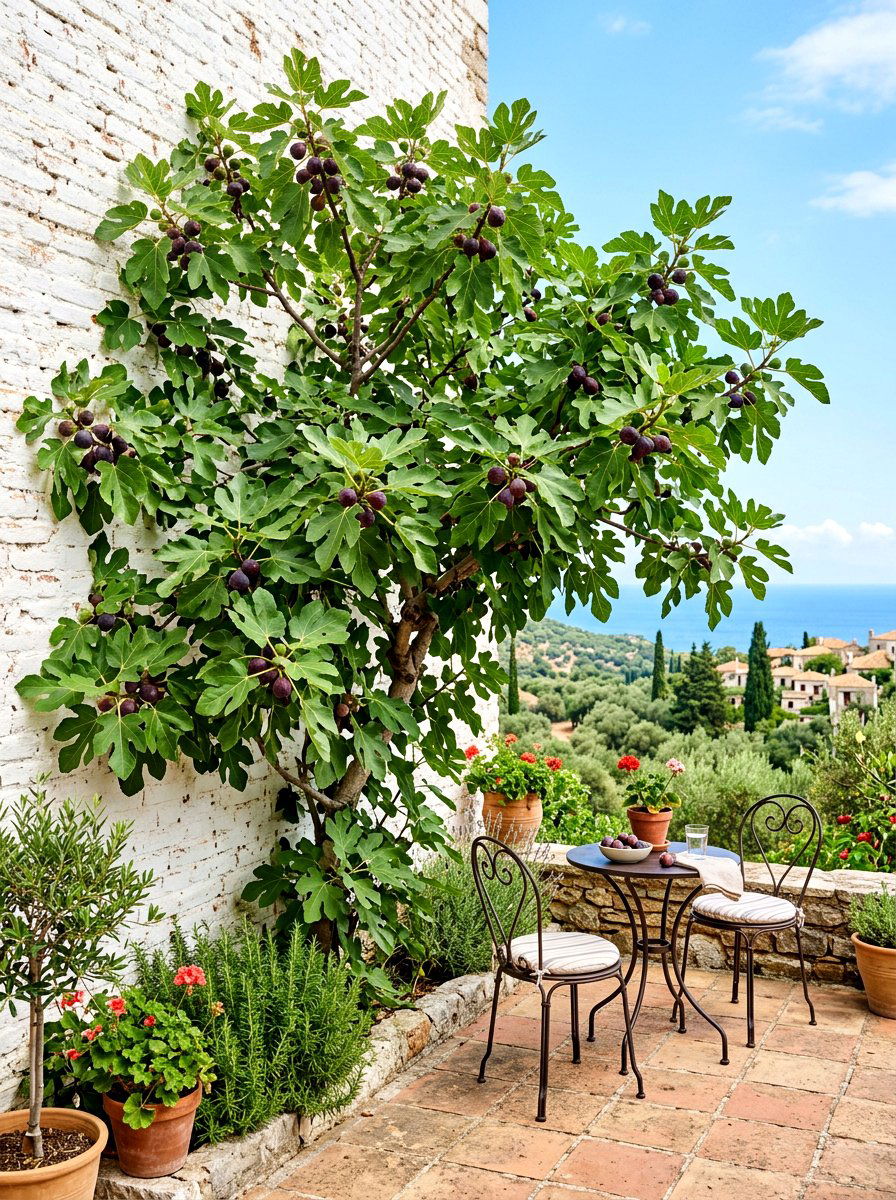
Figs are incredibly hardy and productive trees that bring a bold, Mediterranean look to your landscape with their large, lobed leaves. They are excellent for tucking into a sunny corner of the yard or planting against a south-facing wall that radiates heat. Because fig roots can be aggressive, many people choose to plant them in large pots or restricted areas to keep them manageable. These trees produce two crops of sweet fruit in a single season, making them one of the most generous plants you can own. Their unique shape and deep green color provide a strong visual anchor for the rest of your garden beds and outdoor decor.
21. Pomegranate Garden Border
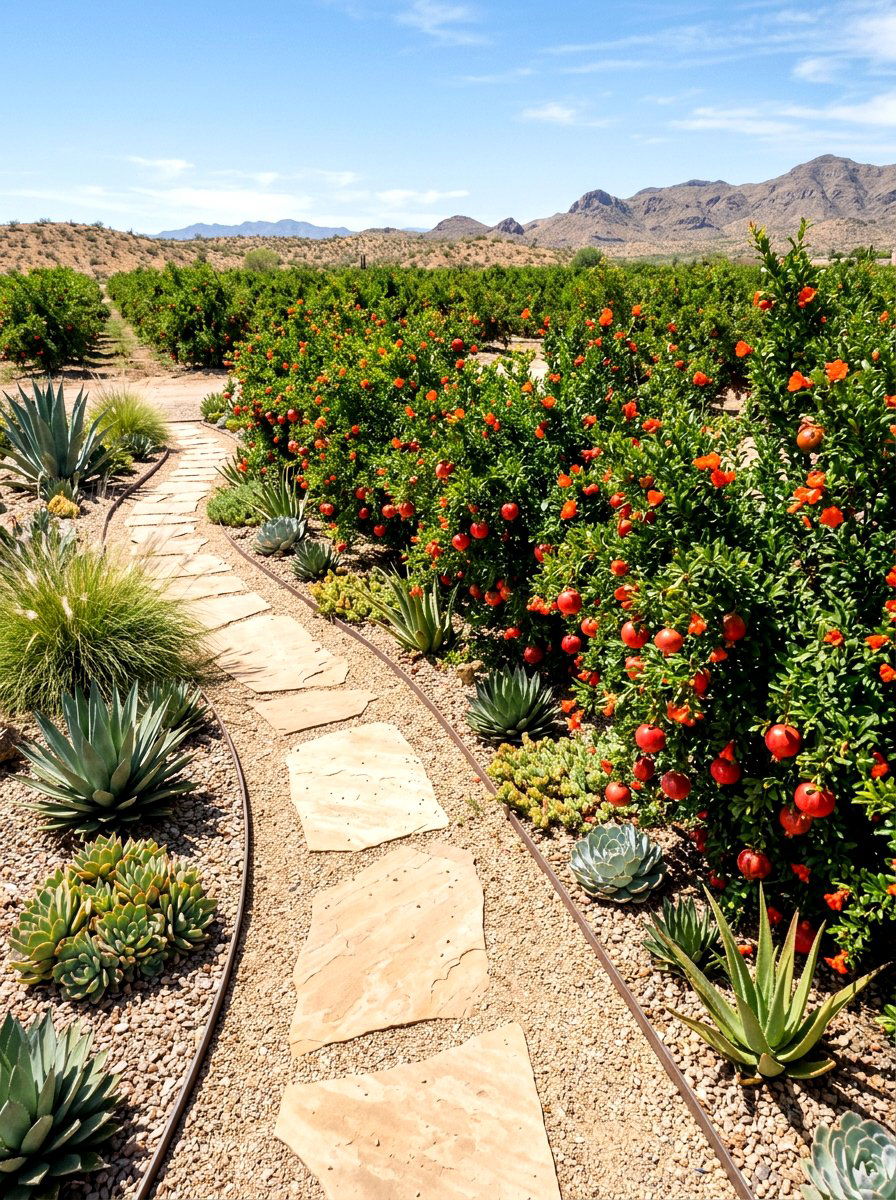
Adding pomegranates to your landscape provides a unique mix of exotic beauty and nutritious, ruby-red fruit. These shrubs or small trees are highly drought-tolerant and feature striking orange-red flowers that attract hummingbirds throughout the spring and summer. You can use them as a decorative border along a fence or as a standalone focal point in a sunny garden bed. As the fruit matures in the fall, it adds a splash of rich color to the landscape when many other plants are beginning to fade. They are relatively low-maintenance and thrive in hot, dry conditions, making them a perfect choice for gardeners in warmer climates who want something different and delicious.
22. Grape Vine Trellis
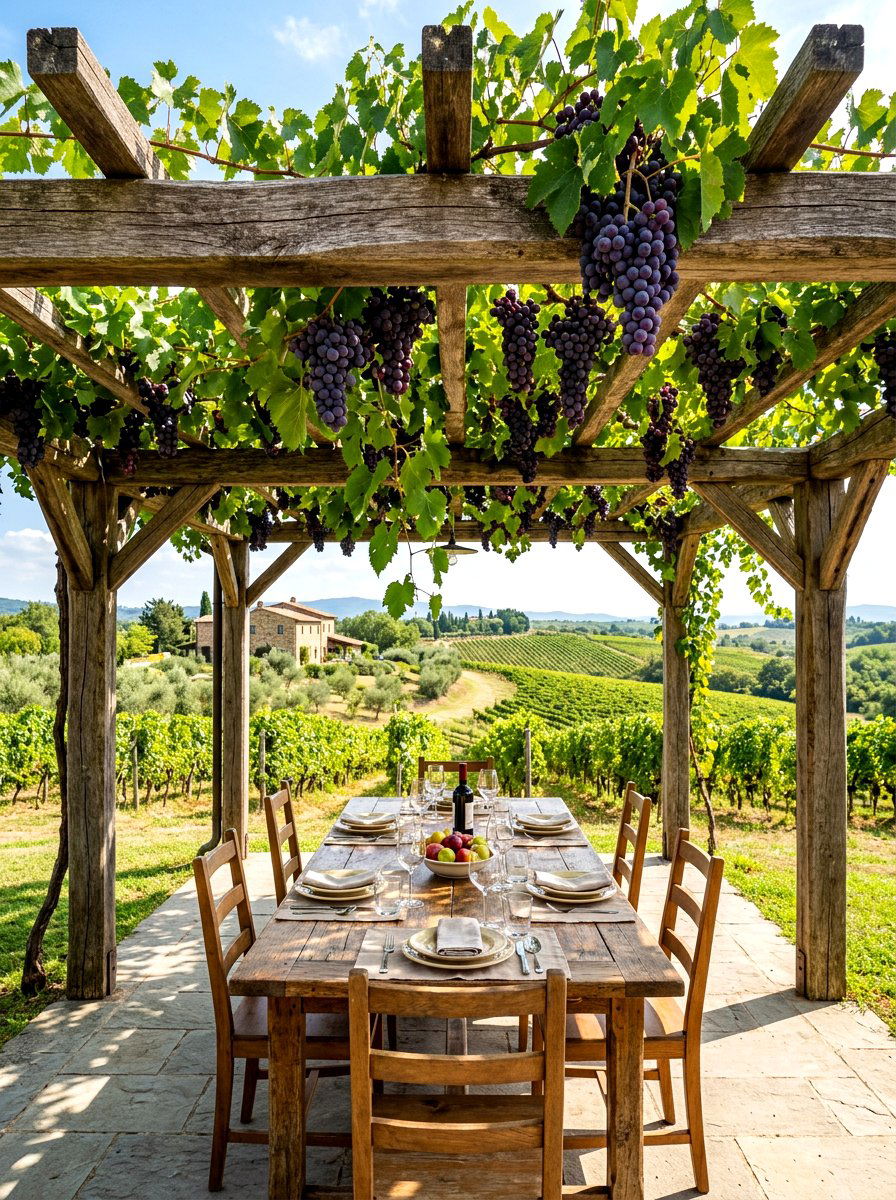
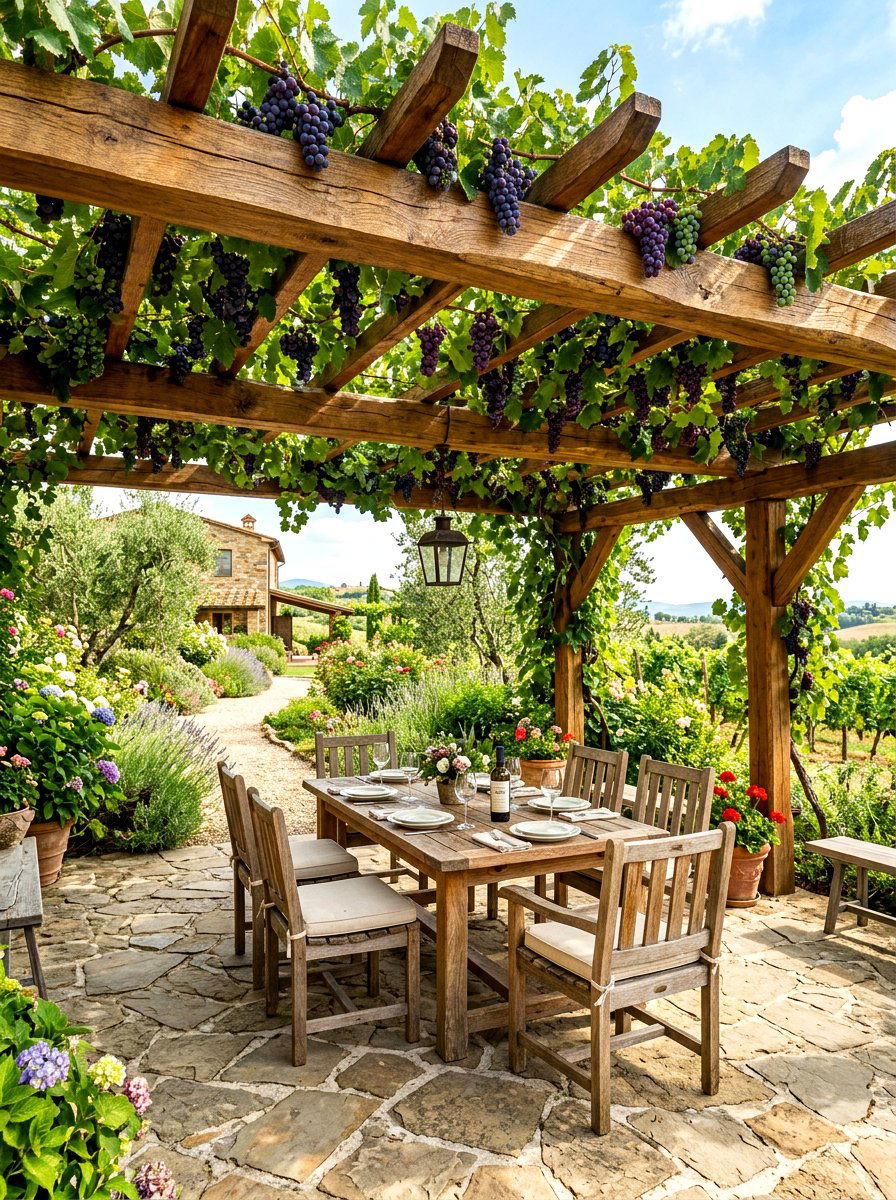
Training grapes over a sturdy wooden or metal trellis creates a romantic, shaded canopy that is perfect for an outdoor dining area. Grapes are vigorous growers and will quickly cover an overhead structure, providing a lush ceiling of green leaves and dangling clusters of fruit. This layout maximizes vertical space and provides much-needed shade during the heat of the summer months. You can choose from sweet table grapes for fresh eating or specific varieties for making your own juice and preserves. Regular pruning in late winter is essential to keep the vines productive and prevent them from becoming an unmanageable tangle. It is a classic and functional addition to any backyard.
23. Pear Tree Allee
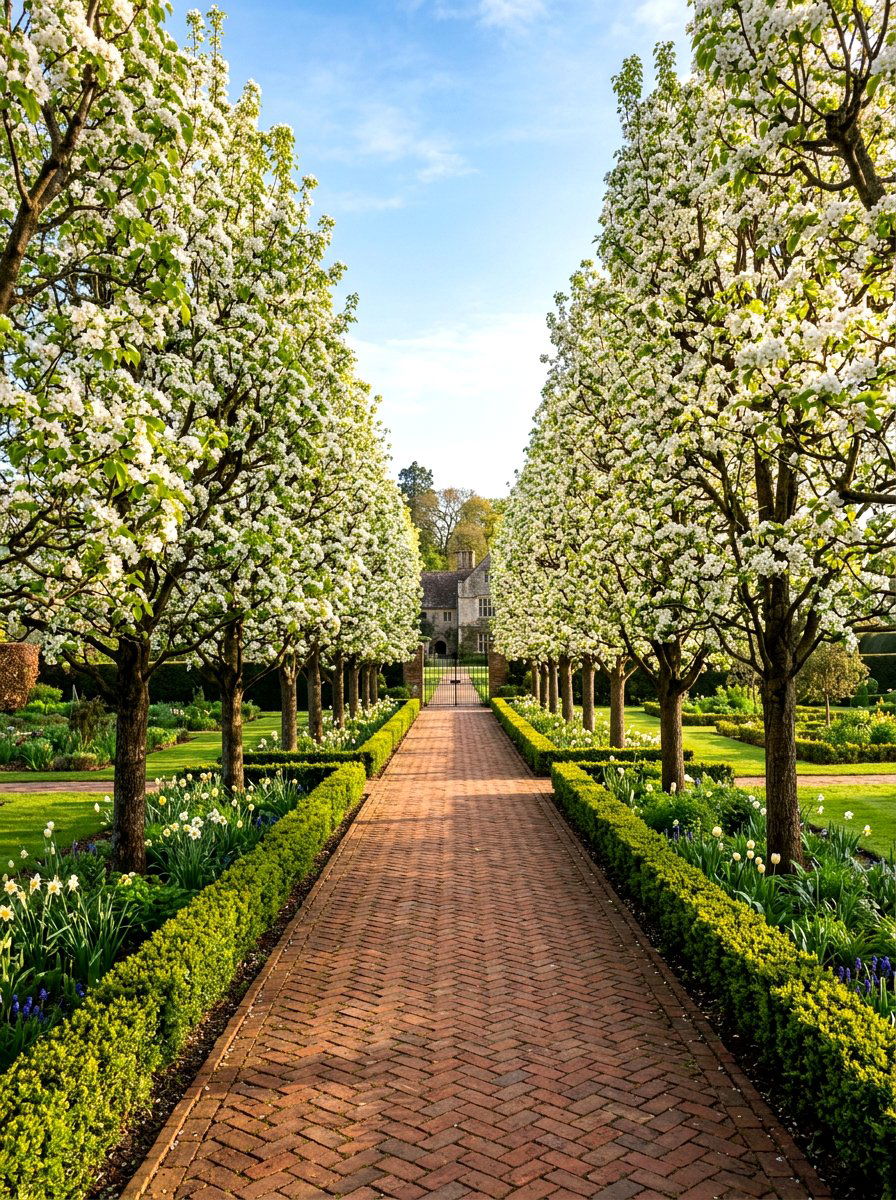
Creating a formal walkway lined with matching pear trees is a sophisticated way to add structure and elegance to your property. An allee consists of two parallel rows of trees that frame a central path, leading the eye toward a fountain, bench, or other focal point. Pears are particularly well-suited for this design because of their naturally upright growth habit and beautiful white spring flowers. In the autumn, their leaves often turn vibrant shades of red and gold, providing a final show of color before winter. This structured layout works beautifully in large traditional gardens or as a grand entrance to a smaller productive area. It combines high-end landscaping with the joy of harvesting fruit.
24. Nut Tree Perimeter
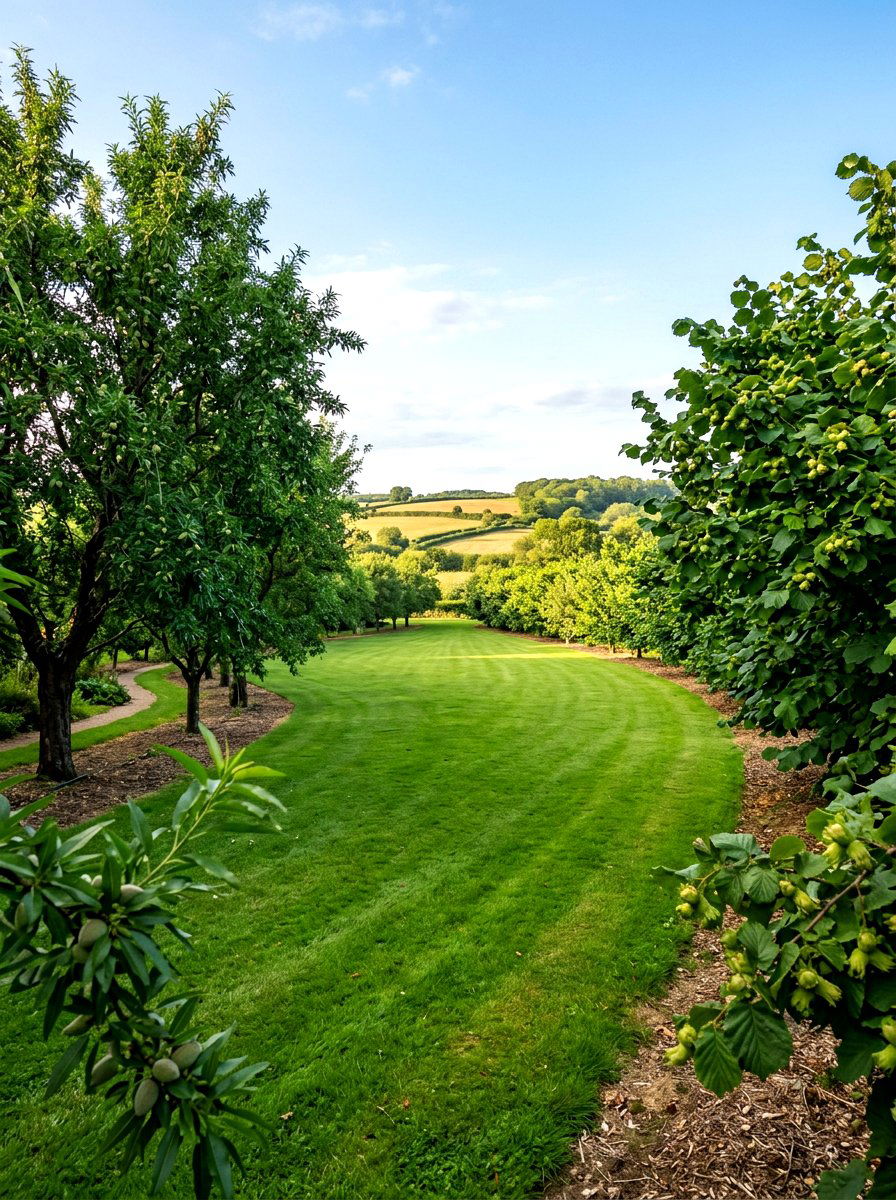
While most people think of fruit, incorporating nut trees like almonds, hazelnuts, or pecans around the edges of your property is a smart long-term investment. Nut trees provide deep shade and a valuable, shelf-stable harvest that can be enjoyed throughout the winter months. Because many nut trees grow quite large, they are best suited for the perimeter where they won't shade out smaller garden beds. They act as a stately frame for your backyard and provide habitat for local wildlife like squirrels and birds. Choosing varieties that are resistant to local pests and diseases will ensure that your "nuttery" remains healthy and productive for decades to come for your family.
25. Heirloom Fruit Collection
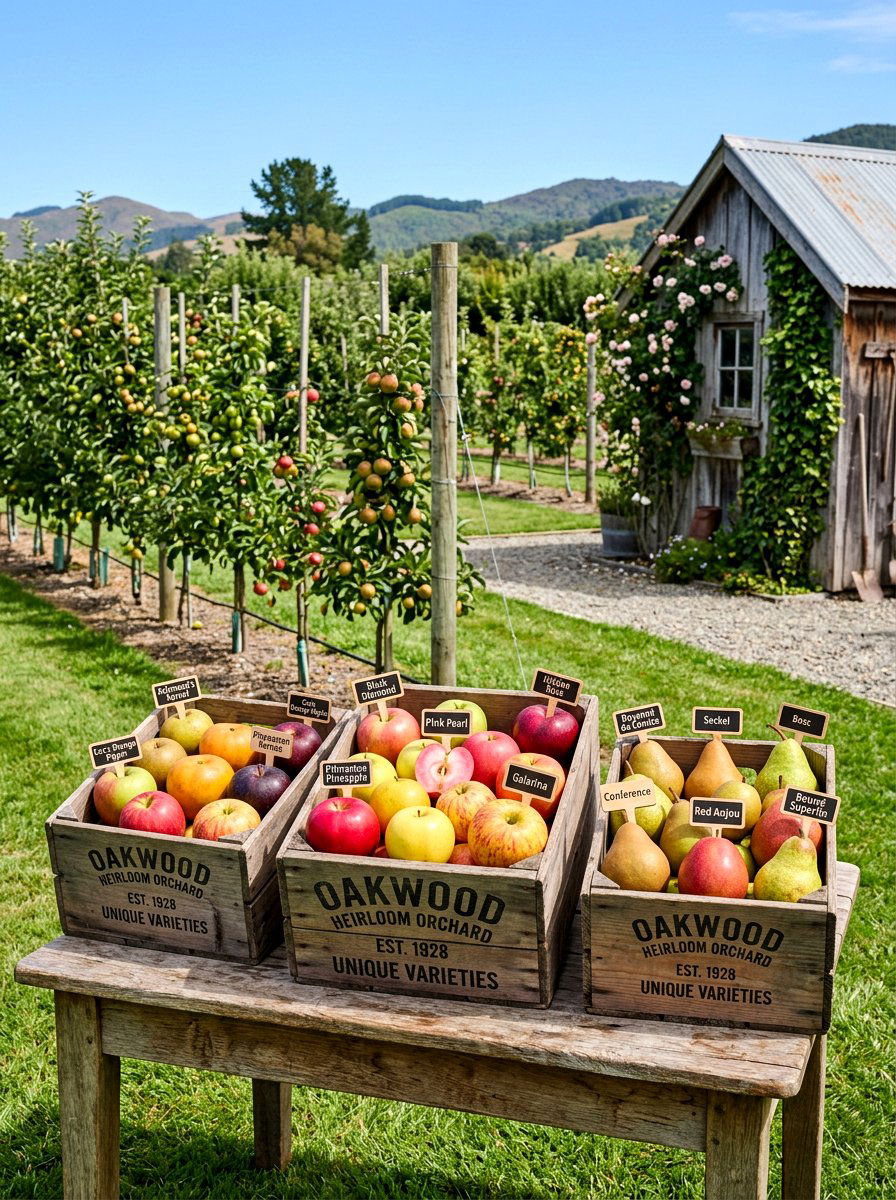
Focusing on rare and historic fruit varieties is a rewarding way to preserve biodiversity and enjoy flavors that are not available in supermarkets. Many heirloom trees have interesting stories behind them and offer unique colors, shapes, and tastes that make your orchard truly one-of-a-kind. You can organize your collection by region or by the era in which the varieties were most popular, turning your garden into a living museum. These trees often require a bit more attention to pest and disease management, but the satisfaction of harvesting a rare apple or pear is unmatched. It is a wonderful project for the dedicated gardener who loves history and unique culinary experiences.
26. Low Maintenance Orchard
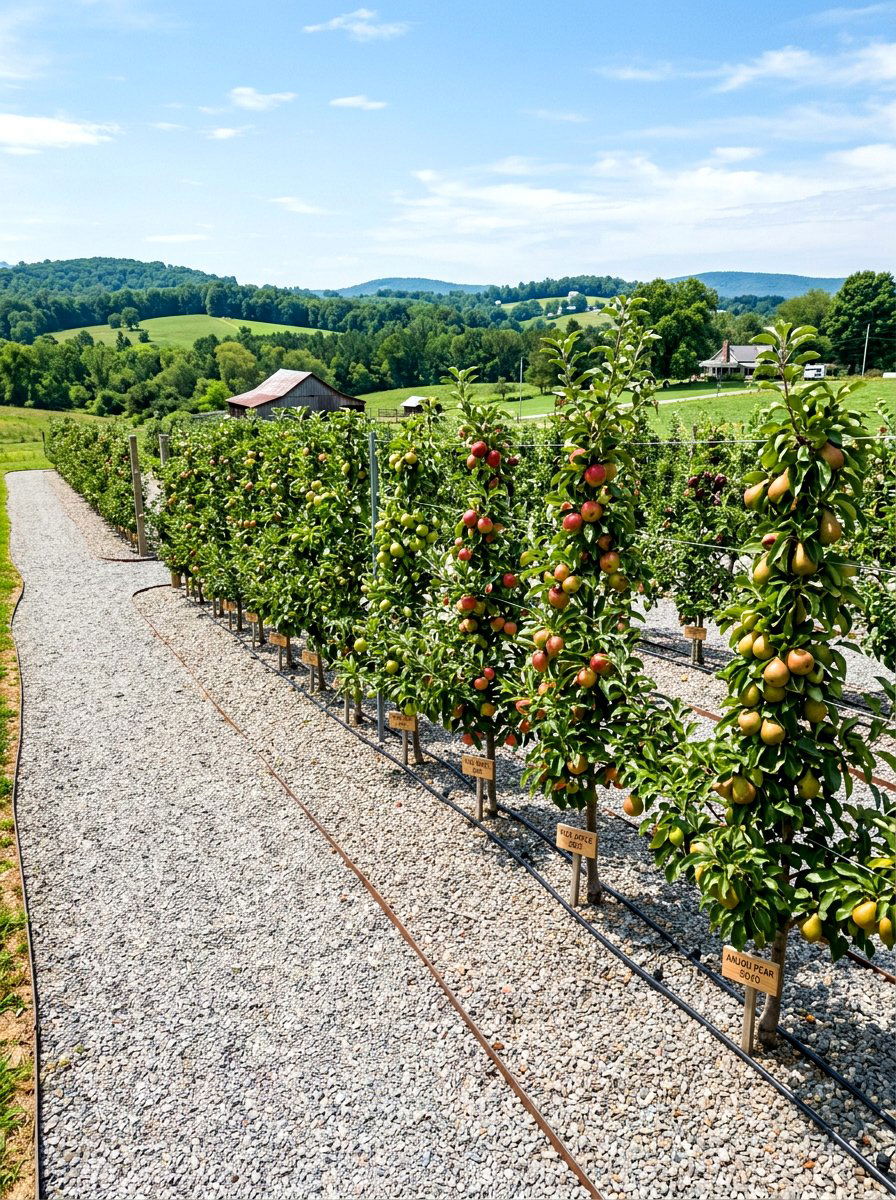
Designing a garden that requires minimal effort is the goal for many busy homeowners who still want the benefit of fresh fruit. You can achieve this by selecting disease-resistant varieties and using heavy mulching to suppress weeds and conserve moisture. Installing an automated drip irrigation system ensures your trees stay hydrated without you having to lift a finger during the summer. Choosing slow-growing or naturally compact trees means you will spend less time pruning and more time enjoying the results. By setting up a robust system from the start, you can enjoy a bountiful harvest with just a few hours of work each season. It is a practical and sustainable approach.
27. Pollinator Fruit Garden
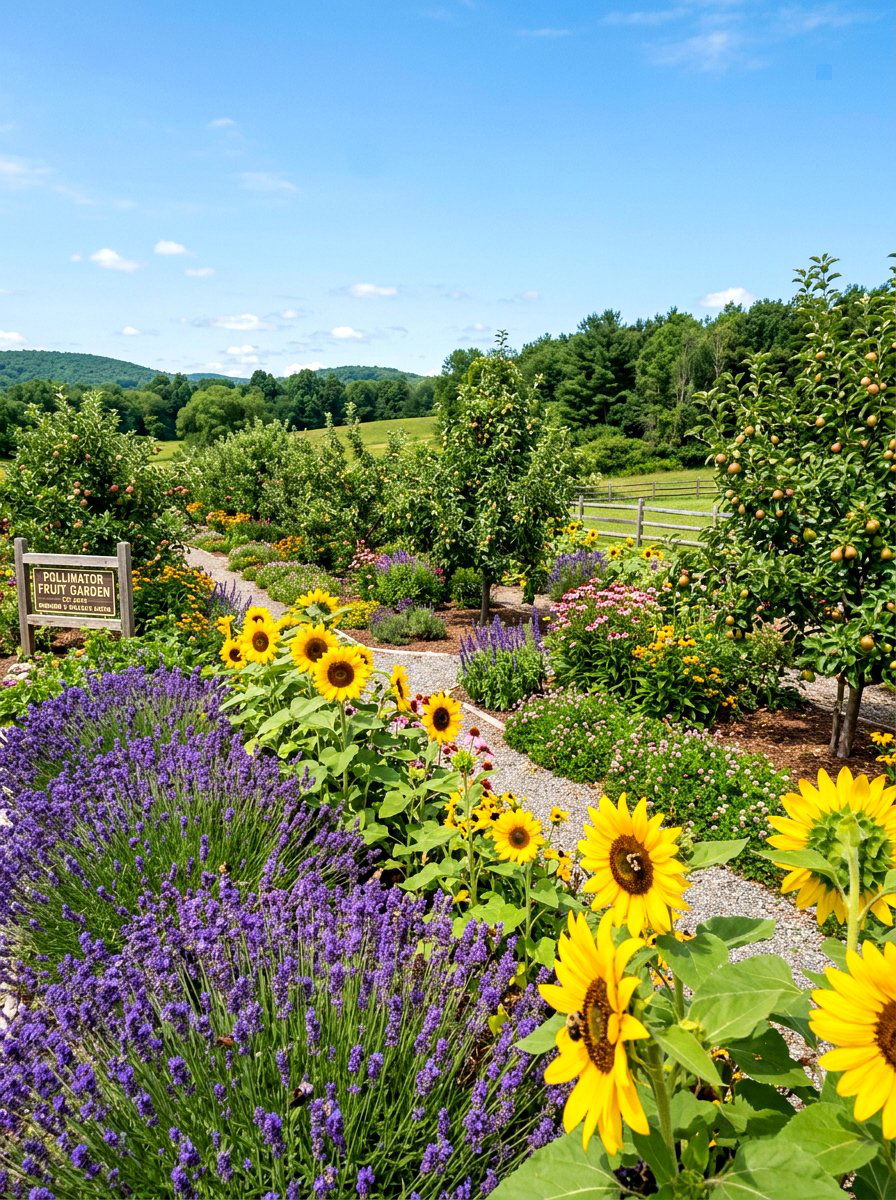
Ensuring that your trees are surrounded by a diverse array of flowering plants will guarantee a heavy fruit set every year. A pollinator-focused orchard includes a mix of native wildflowers, lavender, and sunflowers that bloom at different times to keep bees and butterflies in your yard. This vibrant, buzzing environment is not only good for the planet but also essential for the health of your fruit crops. You can design the space to look like a lush meadow with fruit trees rising out of the colorful blooms. This approach creates a beautiful, wild aesthetic that feels very connected to nature. It is a win-win for both the gardener and the local ecosystem.
28. Native Fruit Berry Patch
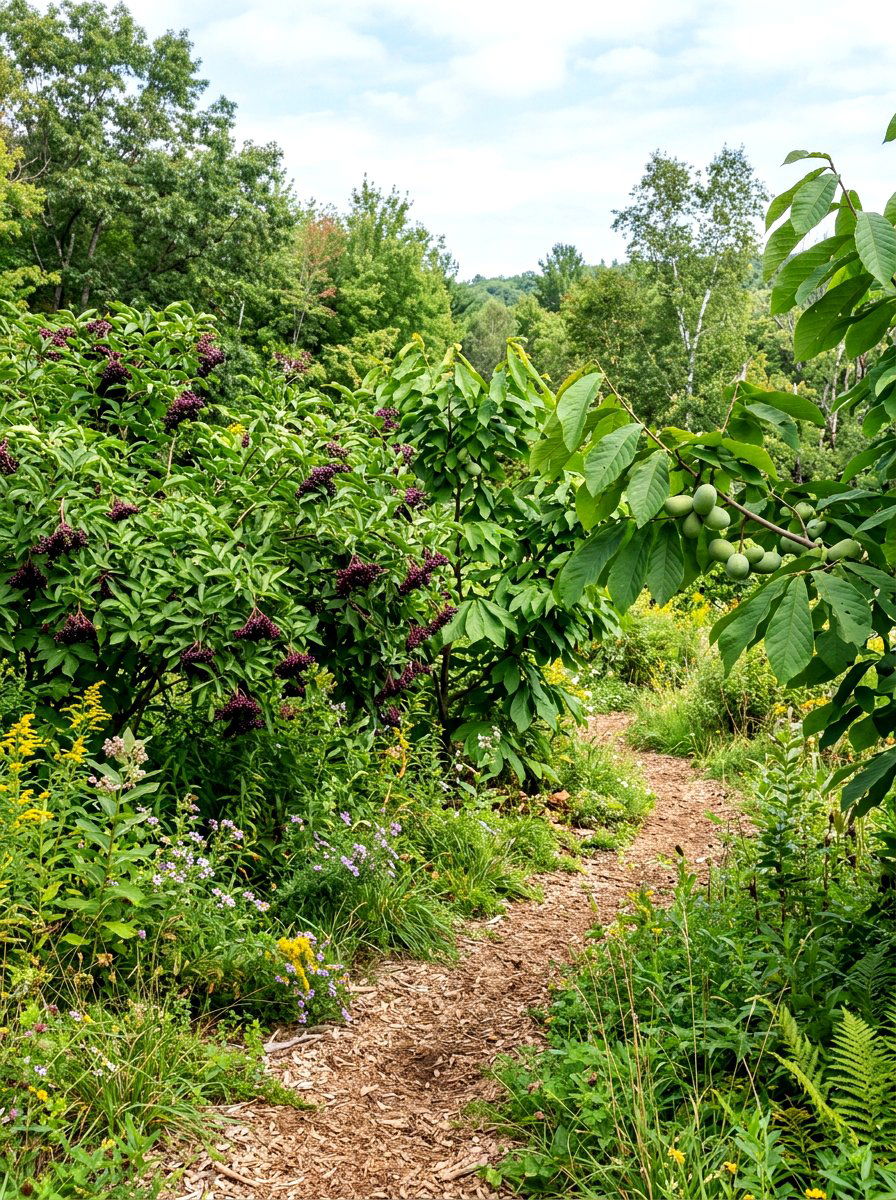
Choosing fruit-bearing plants that are native to your specific region is a brilliant way to ensure success with minimal intervention. Native species like elderberries, pawpaws, or serviceberries are already adapted to your local soil and climate conditions, making them incredibly hardy. They often have fewer pest problems and require less water than traditional orchard trees brought from other parts of the world. Integrating these plants into your backyard design supports local wildlife and creates a sense of place that reflects your local environment. These fruits offer unique flavors and high nutritional value, making them a fantastic addition to any diverse edible landscape. It is an eco-friendly way to grow food.
29. Small Space Plum Orchard
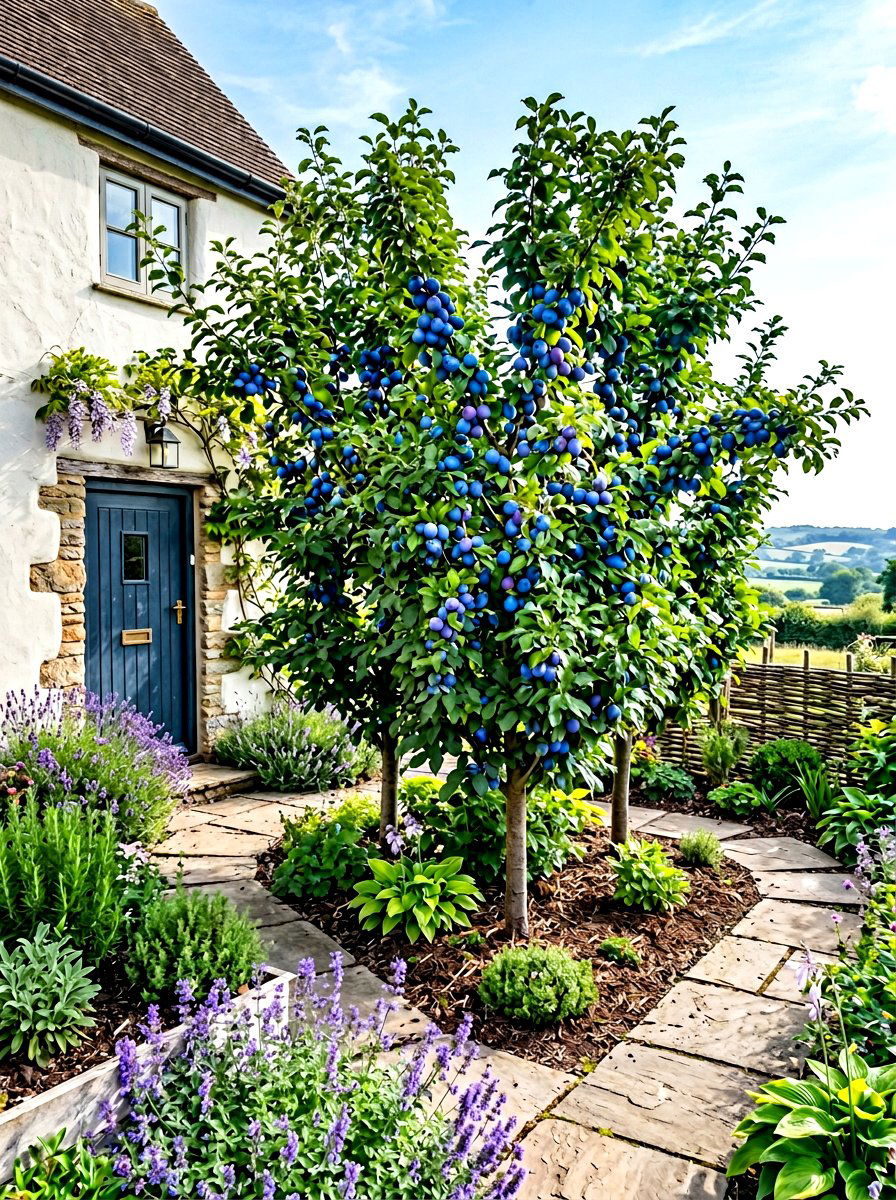
Plums are versatile trees that can produce an enormous amount of fruit even when kept to a very small size through pruning. You can plant several different varieties in a tight cluster to ensure good pollination and a variety of flavors, from sweet dessert plums to tart cooking types. Their dark, glossy bark and delicate white blossoms make them a beautiful addition to the garden throughout the year. Because they are relatively fast-growing, you won't have to wait many years to start enjoying your first harvest. Placing a small plum orchard near a kitchen door makes it easy to step outside and pick a handful of fruit for a quick morning snack.
30. Apricot Tree Sunny Spot
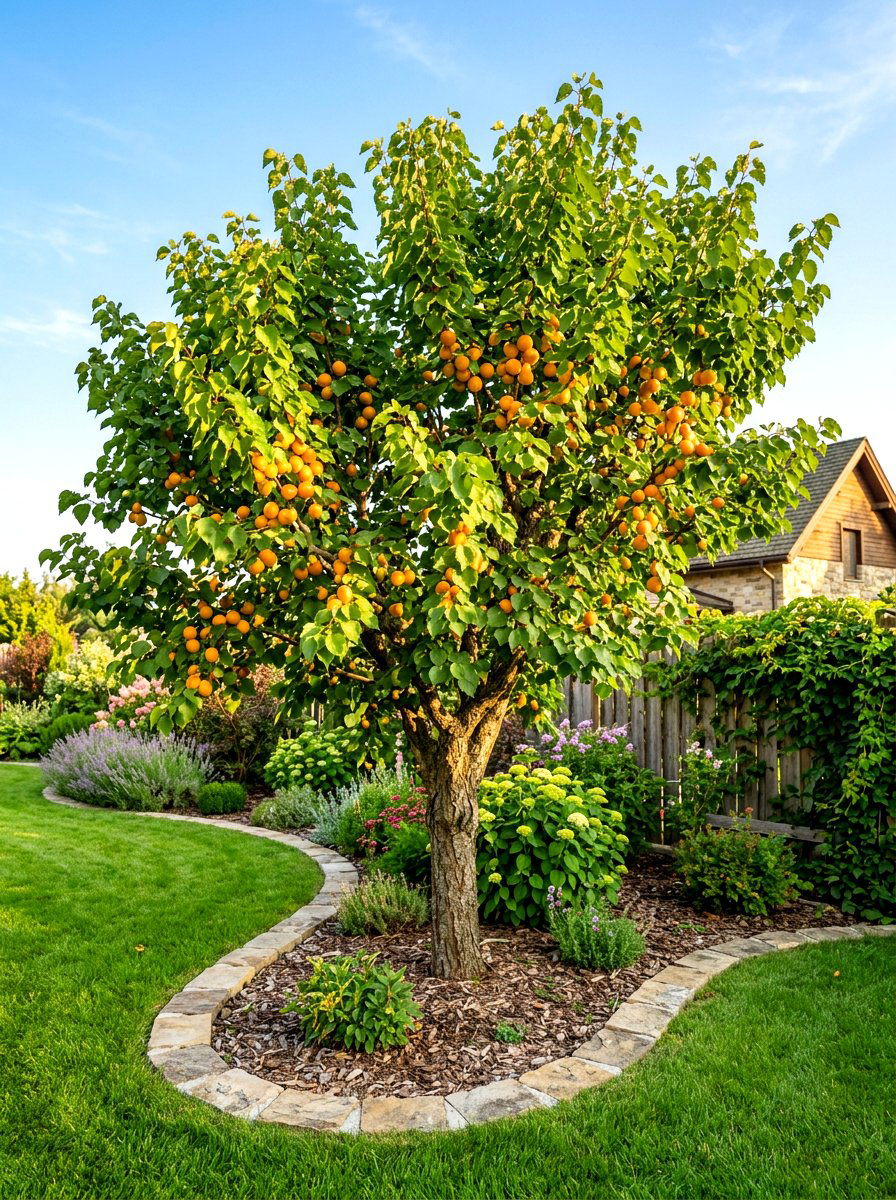
Apricots are the jewels of the early summer garden, offering a sweet and velvety treat that is hard to find in stores. These trees thrive in warm, sunny locations with good airflow, which helps prevent diseases and ensures the fruit ripens perfectly. You should plant your apricot tree in a spot where it is protected from late spring frosts, which can damage the early blossoms. Their beautiful heart-shaped leaves provide a lovely texture, and the golden-orange fruit looks stunning against the green foliage. Providing a little extra care in the early years will reward you with a long-lived and highly productive tree that becomes a highlight of your backyard every June.
Conclusion:
Cultivating a backyard orchard is a fulfilling journey that blends the art of landscaping with the practical rewards of home food production. By selecting the right layout and tree varieties for your specific space, you can create a beautiful and sustainable environment that provides fresh fruit for years to come. Whether you choose a formal pear allee or a compact container garden, the key is to design a space that fits your lifestyle and aesthetic preferences. As your trees grow and mature, they will become a cherished part of your home, offering shade, beauty, and a literal taste of the seasons. Start small and enjoy the process of growing your own edible paradise today.

Related posts: