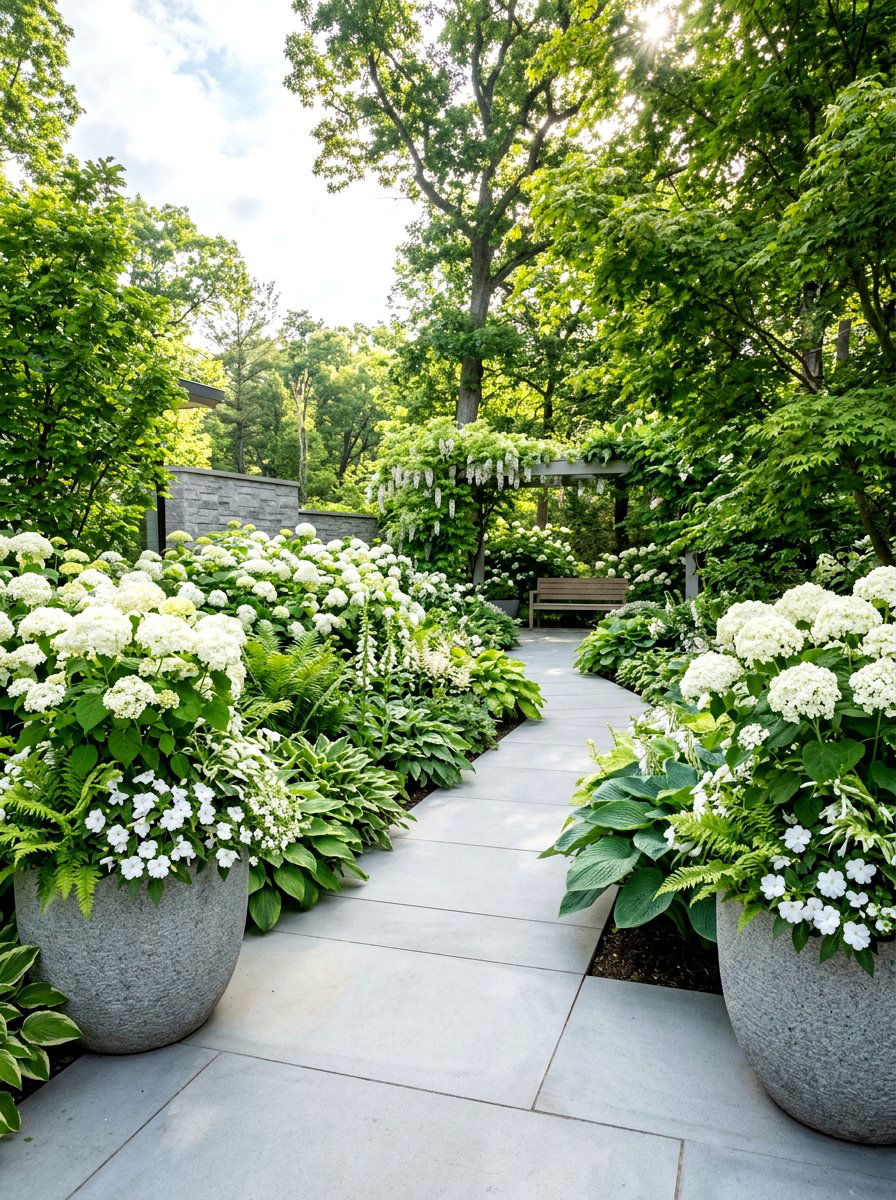
Creating a lush sanctuary in your backyard often starts with a classic grape arbor. These structures provide much more than just a place for vines to climb; they offer shade, style, and a sense of history to your landscape. Whether you have a sprawling estate or a compact urban patio, a well-placed arbor can transform a simple garden path into a romantic getaway. Grapes are vigorous growers, meaning your chosen structure must be both beautiful and incredibly sturdy. Throughout this guide, we will explore thirty unique ways to incorporate these living canopies into your outdoor living space for a truly timeless look. You will find inspiration ranging from rustic wood to modern metal systems that fit any backyard aesthetic or budget.
1. Wooden Pergola
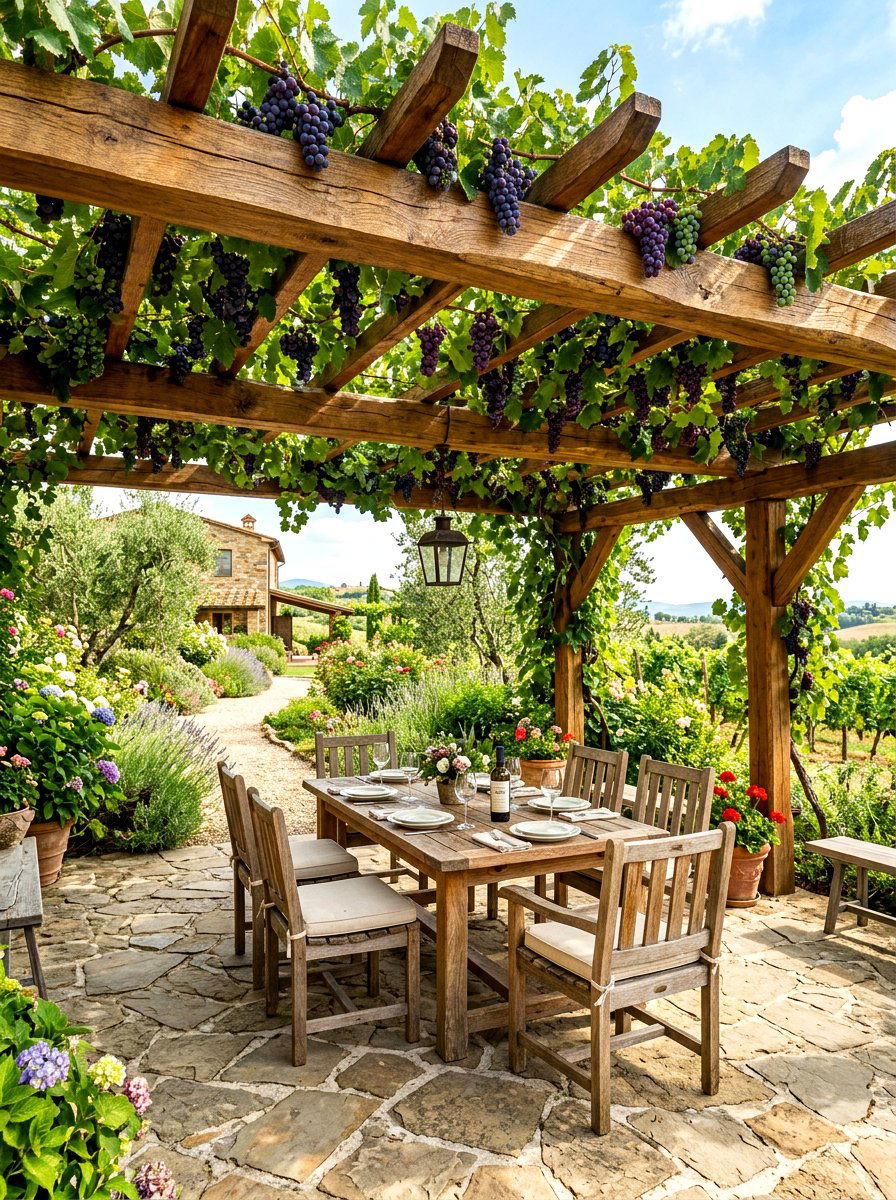
A classic wooden pergola is perhaps the most popular way to support a growing vineyard in a residential setting. These structures usually feature four sturdy posts and a cross-beam roof that allows sunlight to filter through the foliage. Cedar and redwood are excellent choices because they naturally resist rot and insects over many years. You can customize the size to fit a dining area or a small bench. Proper spacing of the overhead slats ensures that the heavy vines have plenty of room to spread out and receive adequate airflow. This prevents disease while providing a massive green canopy for your summer afternoon gatherings with family and friends.
2. Metal Arch
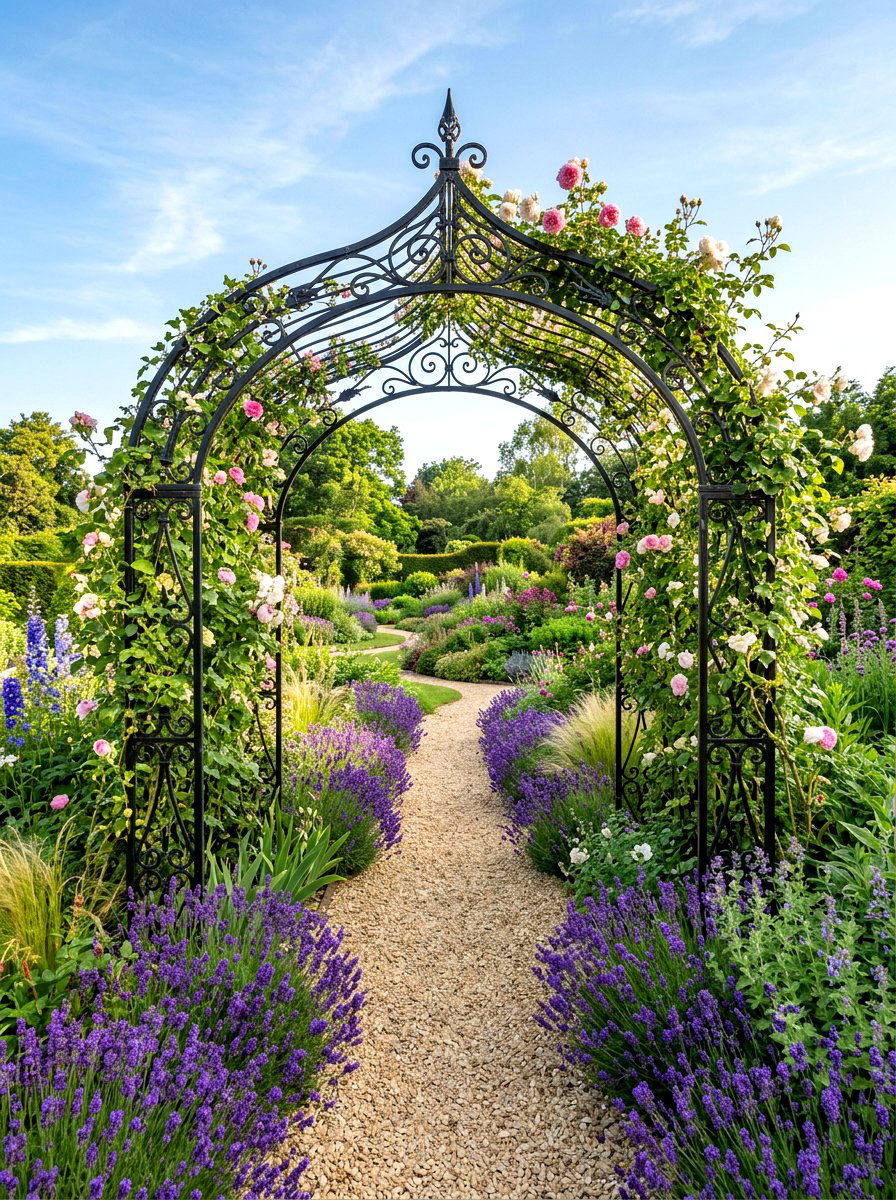
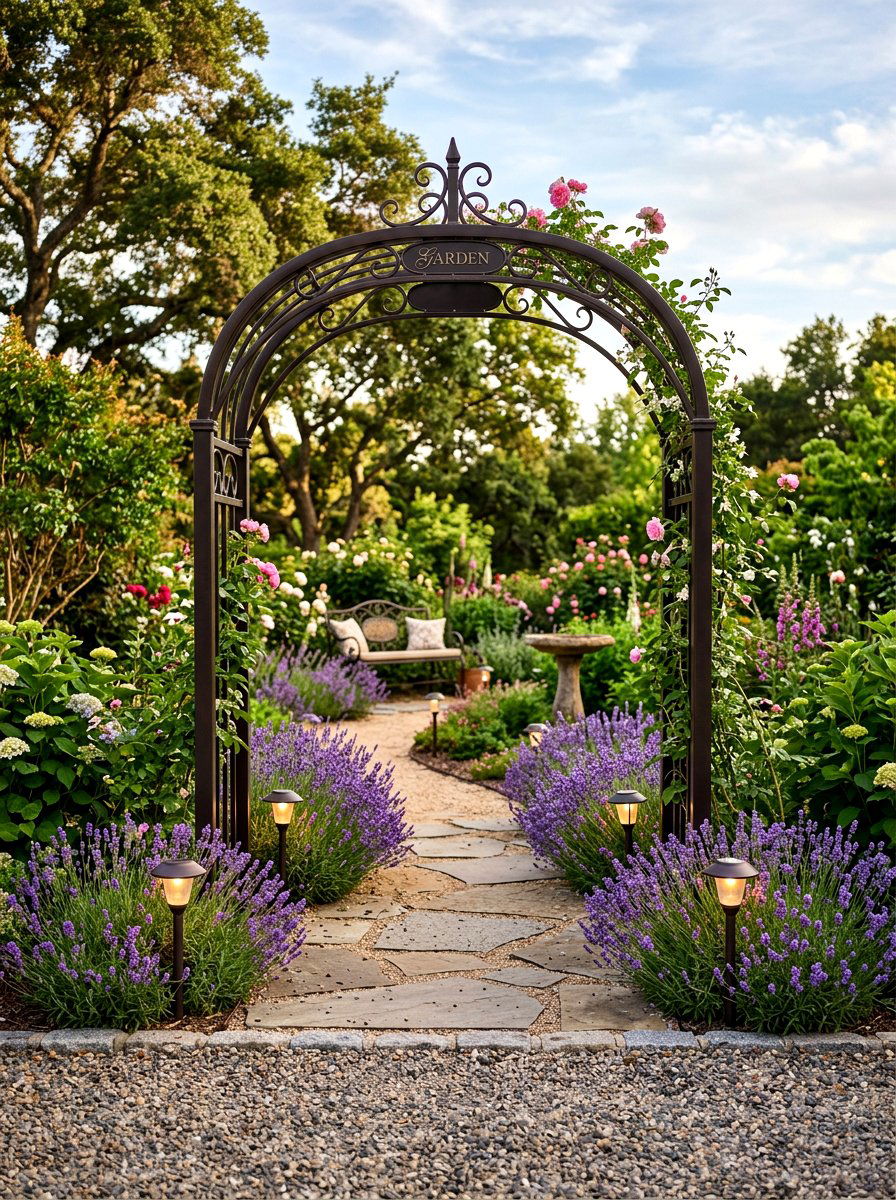
A slender metal arch provides an elegant and sophisticated entrance to any garden space. Unlike bulky wooden structures, metal options offer a delicate silhouette that lets the focus remain on the lush green leaves and dangling fruit. Powder-coated steel or wrought iron is frequently used for longevity and strength. These arches are incredibly easy to install and can be placed over a narrow gravel path or at the start of a vegetable patch. As the grapevines grow, they eventually wrap around the thin bars, creating a solid wall of greenery. This design is perfect for smaller backyards where you want vertical interest without sacrificing precious ground space.
3. Cedar Framework
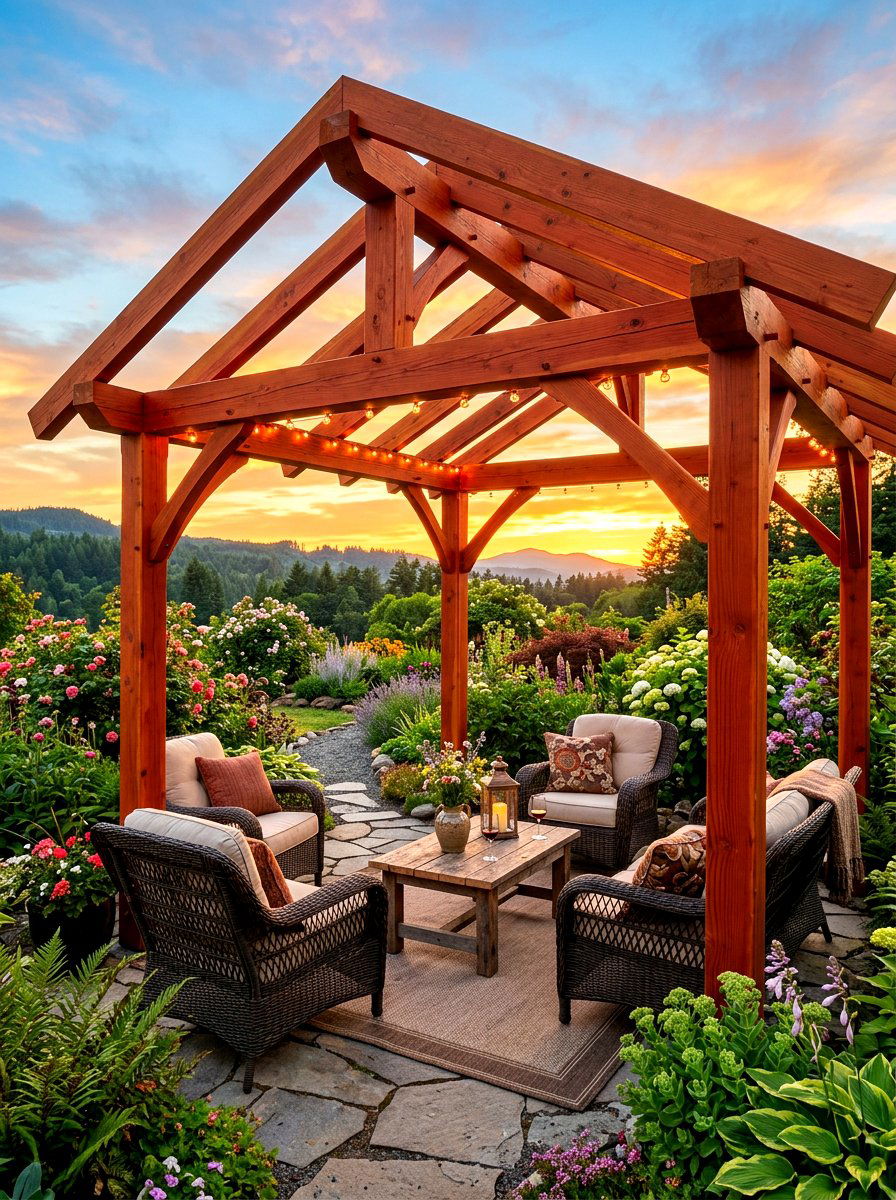
Using cedar for your backyard structure is a brilliant choice due to its natural durability and beautiful warm tones. This type of framework typically involves thick posts and flat top beams that create a very stable environment for heavy vines. Over time, the wood will age to a graceful silver-gray color if left untreated, or you can maintain the reddish hue with a simple sealer. Cedar also has a pleasant aroma that complements the sweet scent of ripening grapes in late summer. Building a custom frame allows you to tailor the height exactly to your needs, ensuring harvesting is always a comfortable and easy task.
4. Cattle Panel
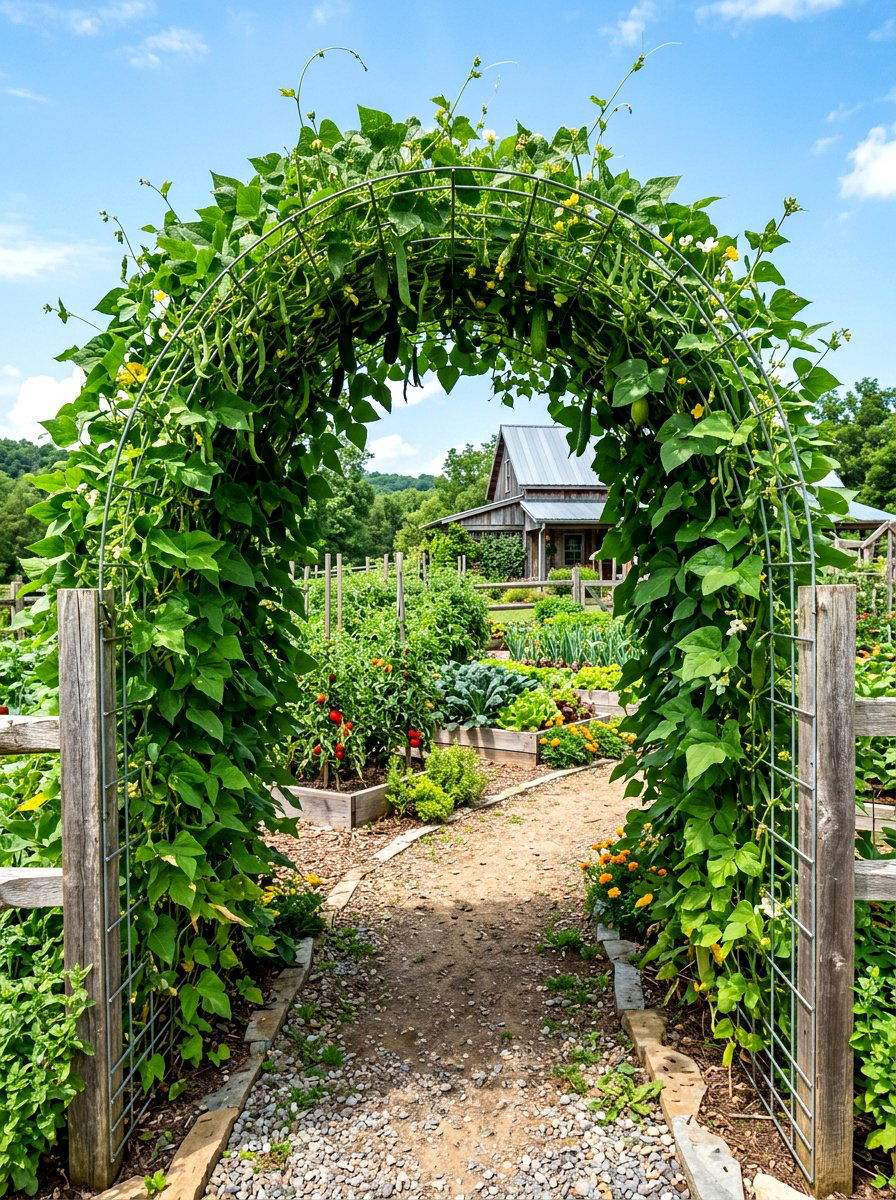
A cattle panel setup is one of the most cost-effective and sturdy options for a DIY gardener. These heavy-duty wire panels are typically bent into a large U-shape to create a tunnel or used flat against posts. The grid pattern provides countless anchor points for the vines to grab onto as they climb upward. Because the wire is relatively thin, it virtually disappears once the grapes reach full maturity in the spring. This creates the illusion of a floating tunnel of fruit and foliage. It is a fantastic choice for those who want a functional, large-scale structure without spending thousands of dollars on high-end materials.
5. Stone Pillar
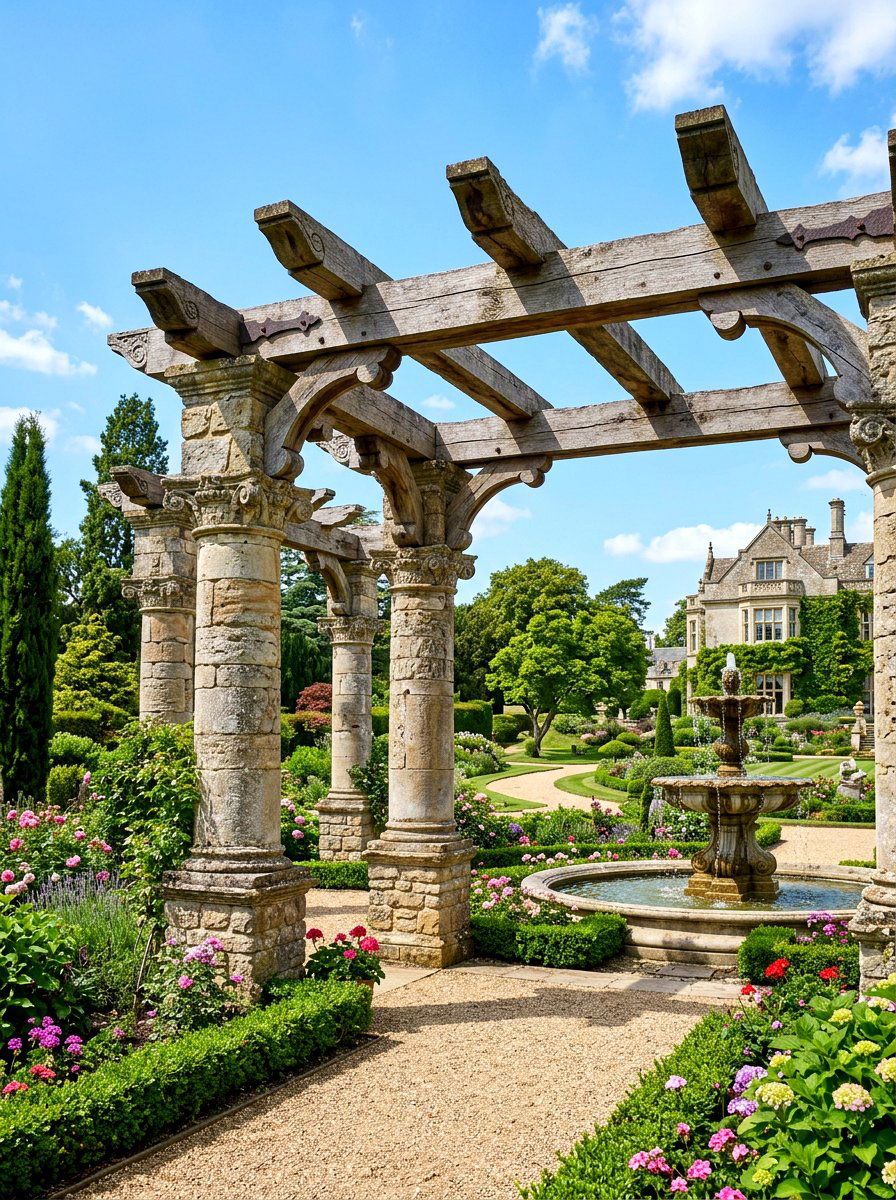
Incorporating stone pillars into your garden design adds a sense of permanence and classical beauty to the landscape. You can use heavy timber beams to connect the pillars, creating a hybrid structure that looks like it belongs in an old European vineyard. The weight of the stone provides an incredibly solid foundation that will never shift or rot at the ground level. This style works best in larger gardens where the architecture of the home can match the grand scale of the arbor. It creates a stunning focal point that looks beautiful in the winter months even when the vines are completely bare and dormant.
6. Wall Mount
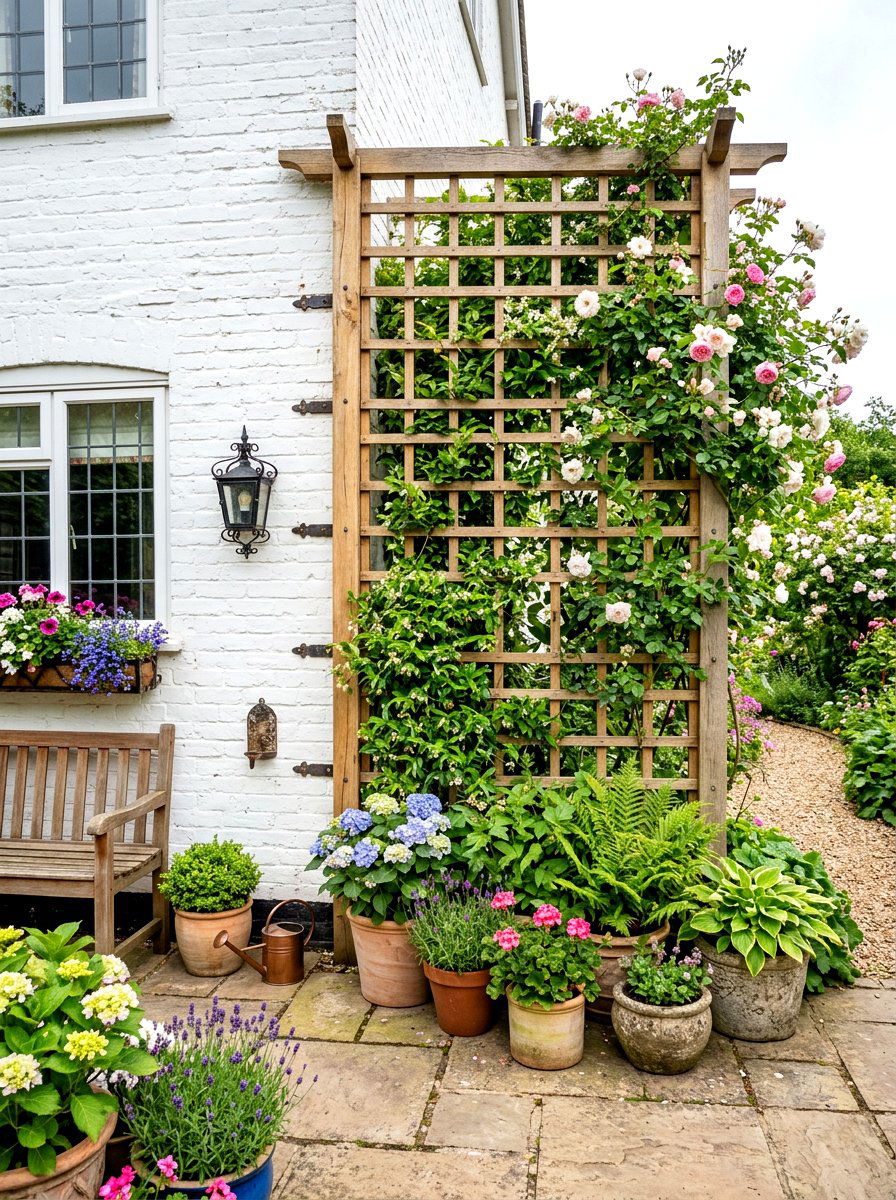
If you have a narrow side yard or a small patio, a wall-mounted arbor is a smart way to save space. This design attaches directly to the side of your house or a sturdy garden wall, extending outward to create a partial canopy. It is an excellent way to provide natural cooling to your home by shading windows during the hot summer months. The vines can be trained to grow up the wall and then across the horizontal supports. This creates a vertical garden that adds texture and life to plain siding or brickwork. It is a functional solution that maximizes every inch of your outdoor area.
7. Garden Tunnel
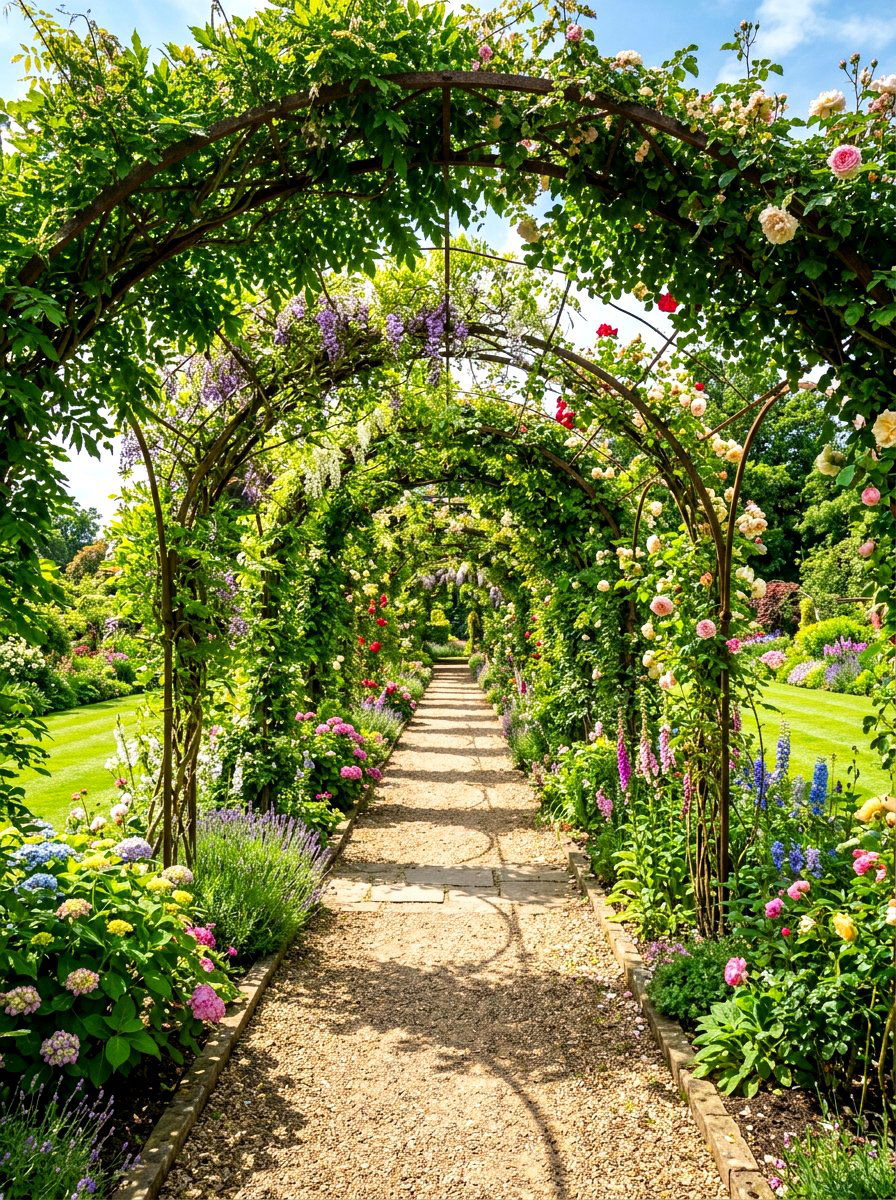
A long garden tunnel creates a magical experience for anyone walking through your backyard. This structure is essentially a series of arches joined together to form a covered walkway that can span several yards. As the grapevines grow, they interlace at the top to form a solid ceiling of leaves and fruit. This is a perfect way to connect different zones of your garden, such as moving from a lawn to a hidden vegetable patch. Walking through the cool shade of the tunnel on a sunny day is a sensory delight, especially when the heavy clusters of grapes begin to ripen overhead.
8. Steel Frame
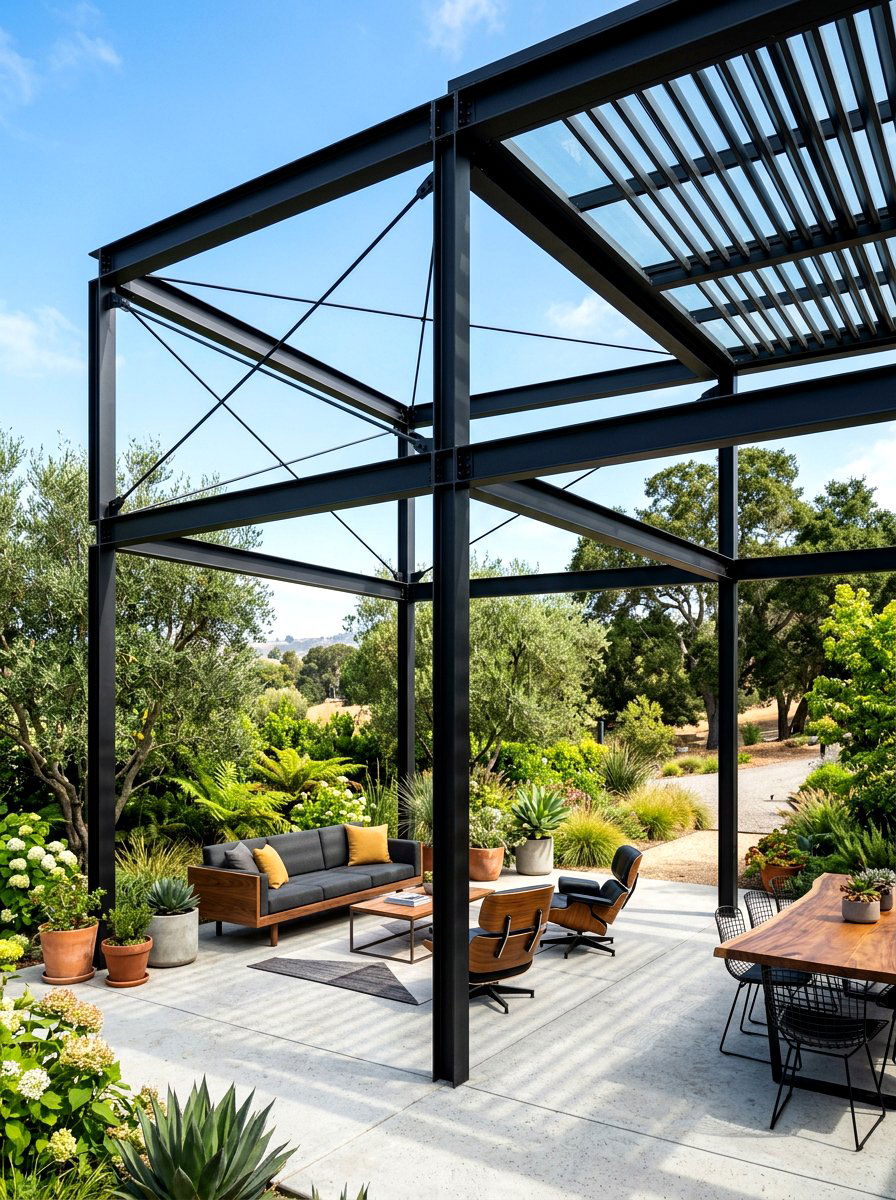
For a contemporary home, a minimalist steel frame offers a clean and industrial look that contrasts beautifully with organic vines. Steel is incredibly strong, allowing for much thinner profiles than wood while still supporting the massive weight of a mature vineyard. You can paint the steel black for a modern edge or leave it to develop a natural rusted patina for a more weathered, rustic vibe. This type of structure requires very little maintenance over the years and provides a sleek architectural element to your garden. It is ideal for homeowners who prefer a sharp, organized aesthetic rather than a traditional or country look.
9. Repurposed Door
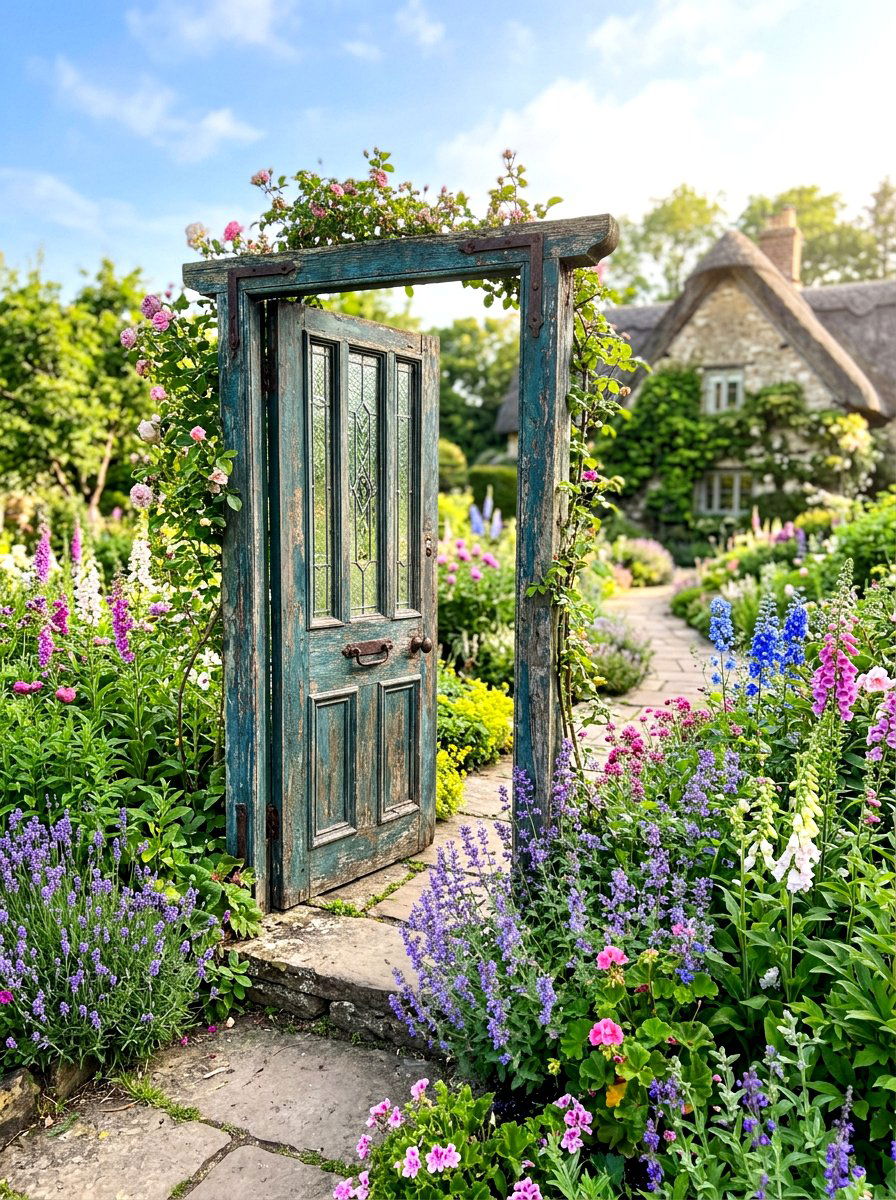
Using a repurposed door frame is a charming and eco-friendly way to add character to your garden. You can take an old wooden door frame and secure it into the ground with sturdy posts to create a whimsical entryway. This vintage look works perfectly in cottage-style gardens where mismatched elements add to the overall beauty. The vines will eventually soften the edges of the wood, making it look like a natural part of the landscape. It is a great conversation piece that shows off your creativity and commitment to sustainable gardening. This small-scale project is perfect for marking the entrance to a quiet seating area.
10. Heavy Timber
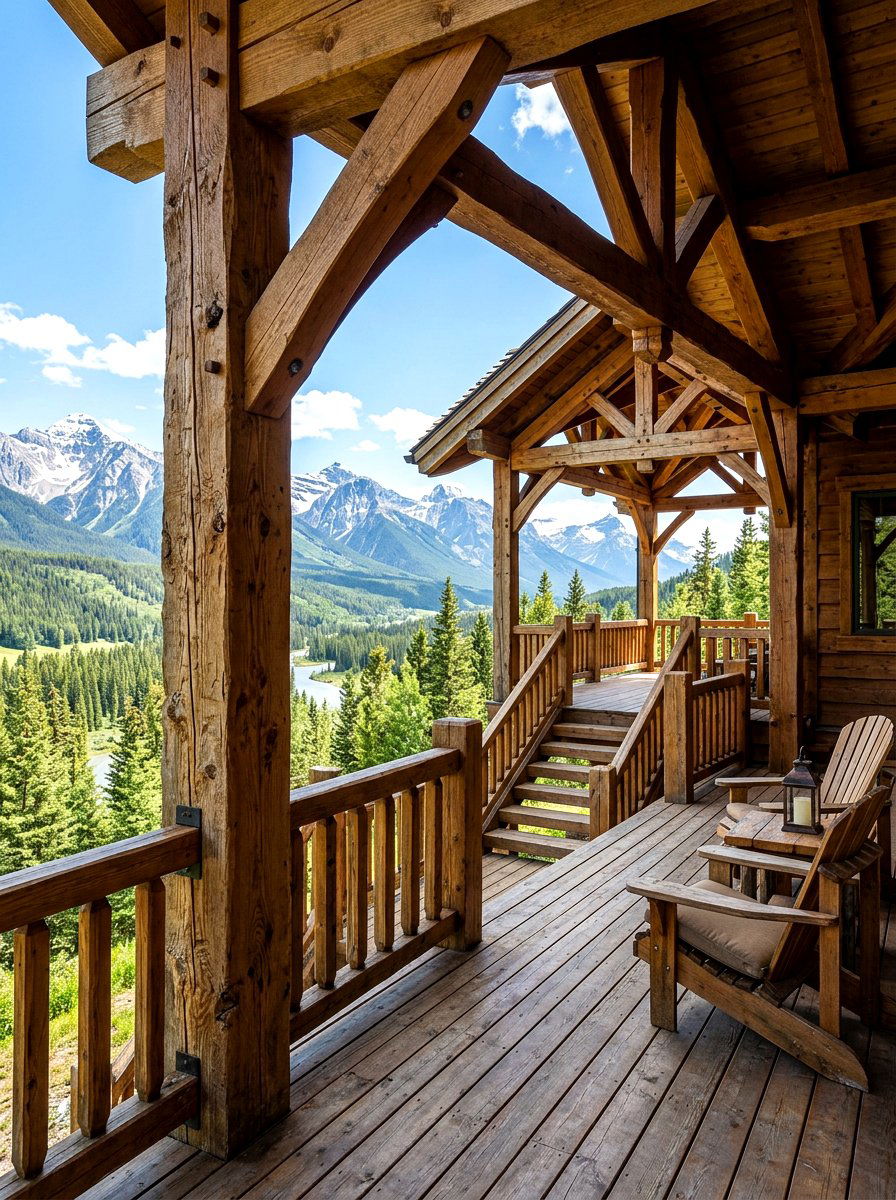
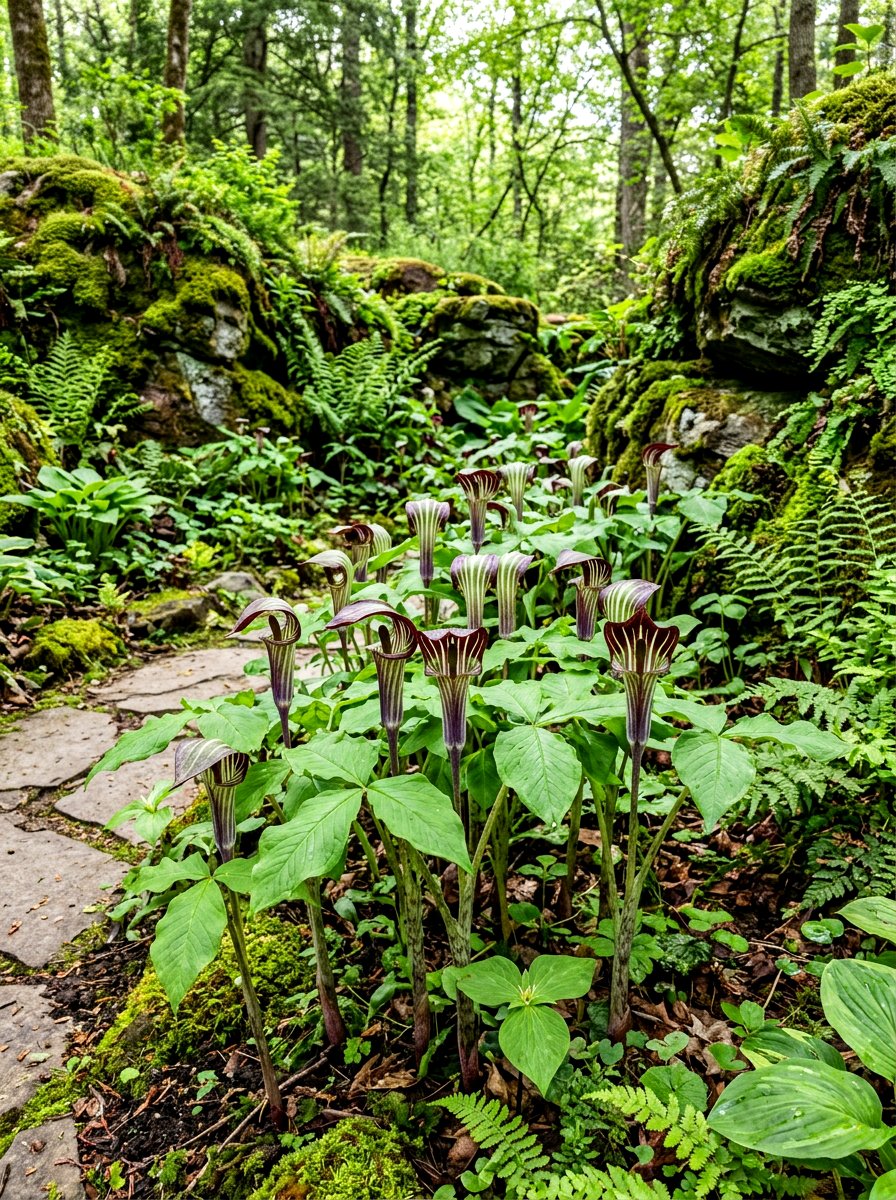
A heavy timber structure uses massive beams and posts to create a bold and rugged look in the backyard. This style is inspired by traditional barn building and provides a sense of strength that can handle the most vigorous grape varieties. The thick wood creates deep shadows and a very substantial presence in the garden. It is an excellent choice for a large patio where you want a structure that feels like an extension of the house. You can use decorative notches and joinery to add a level of craftsmanship that makes the arbor look like a custom piece of architectural art in your yard.
11. Victorian Iron
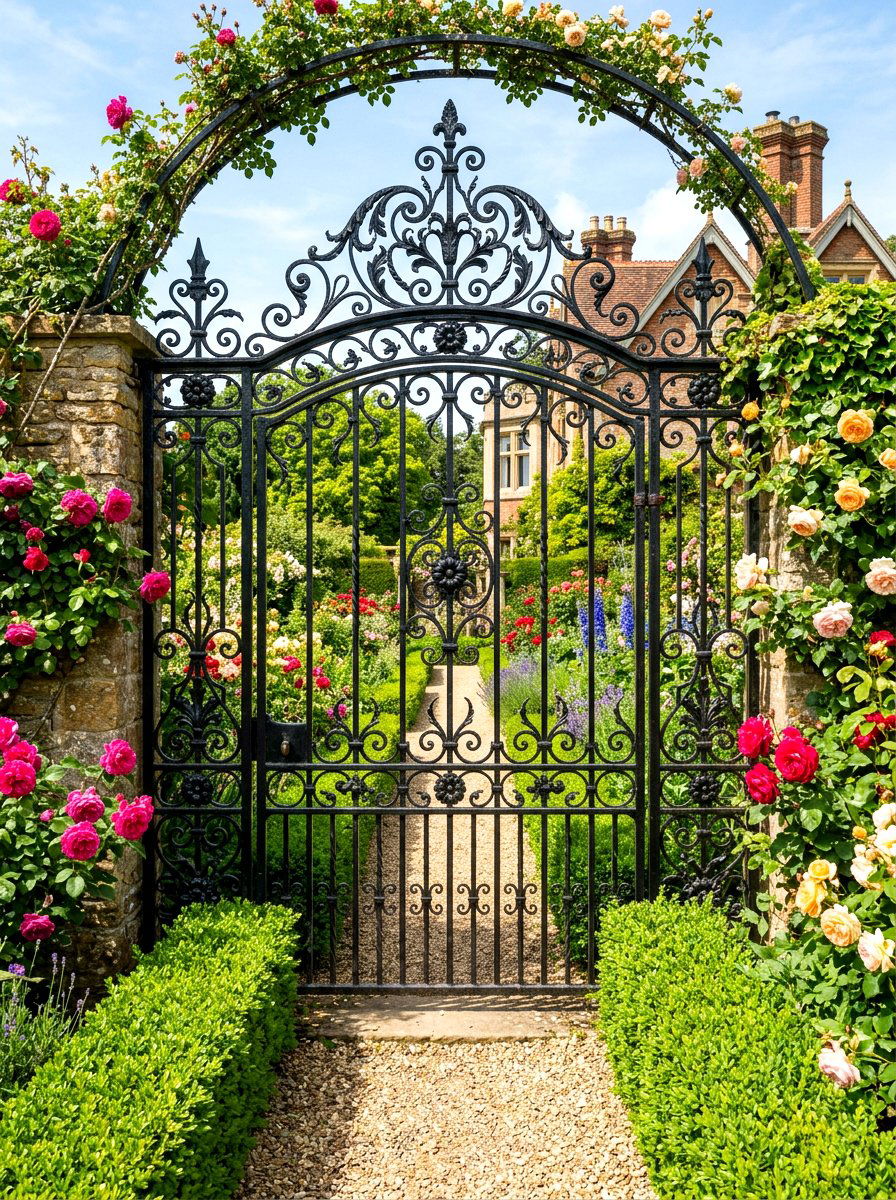
A Victorian iron arbor brings a touch of romantic history and intricate detail to your outdoor space. These structures often feature swirling patterns and delicate finials that look beautiful even before the vines have started to grow. Wrought iron is exceptionally durable and can be painted in classic colors like black, white, or dark green to match your home’s trim. This style is perfect for a formal rose garden or a traditional backyard where you want to add a sense of elegance. The vines will slowly weave through the scrollwork, creating a stunning blend of man-made art and natural beauty that feels very classic.
12. T Shaped Support
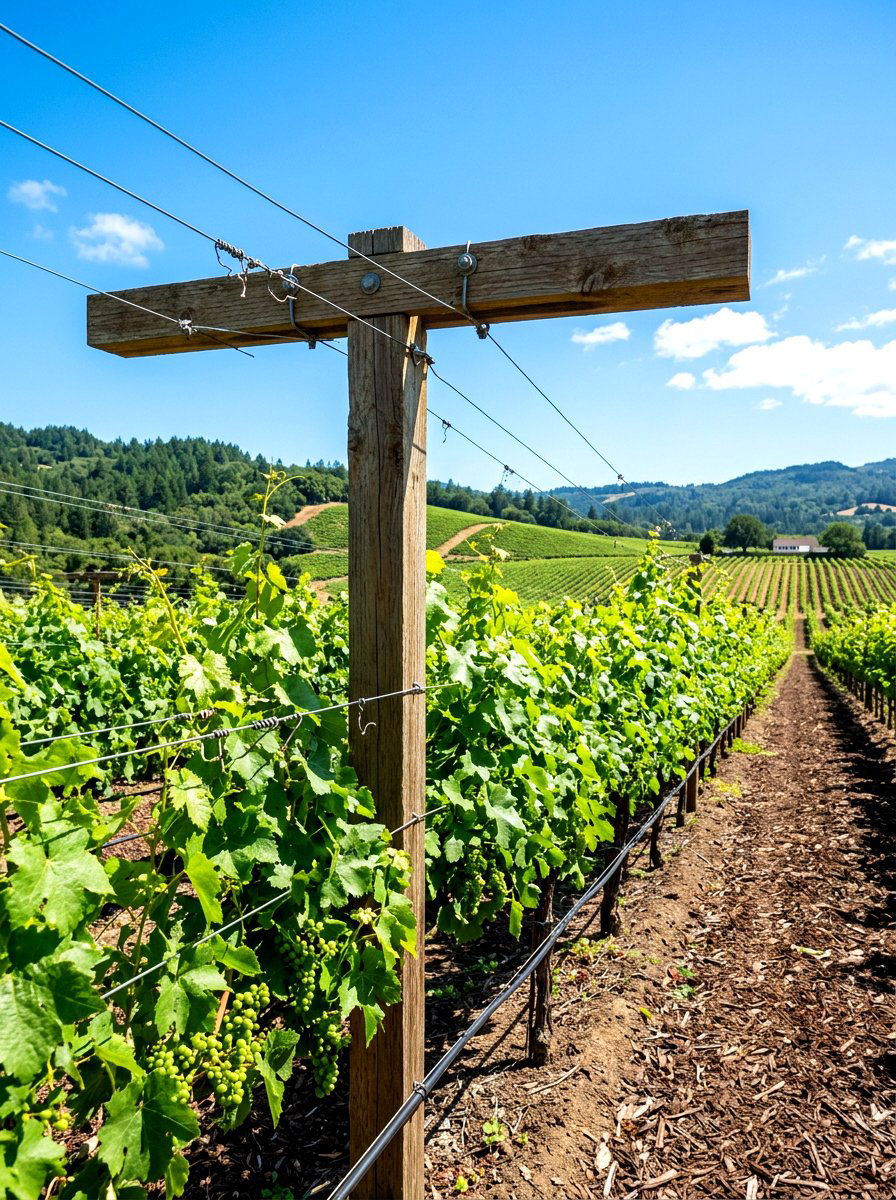
The T-shaped support is a functional and efficient design often used by professional growers to maximize fruit production. It consists of a single vertical post with a horizontal crossbeam at the top, allowing the vines to spread out in two directions. This setup is perfect for narrow garden beds or along the edges of a property where you don’t have room for a full four-post structure. It provides excellent airflow and makes pruning much easier because the fruit hangs at a consistent height. This minimalist approach focuses on the productivity of the vine while still providing a tidy and organized look for your backyard.
13. Seating Nook
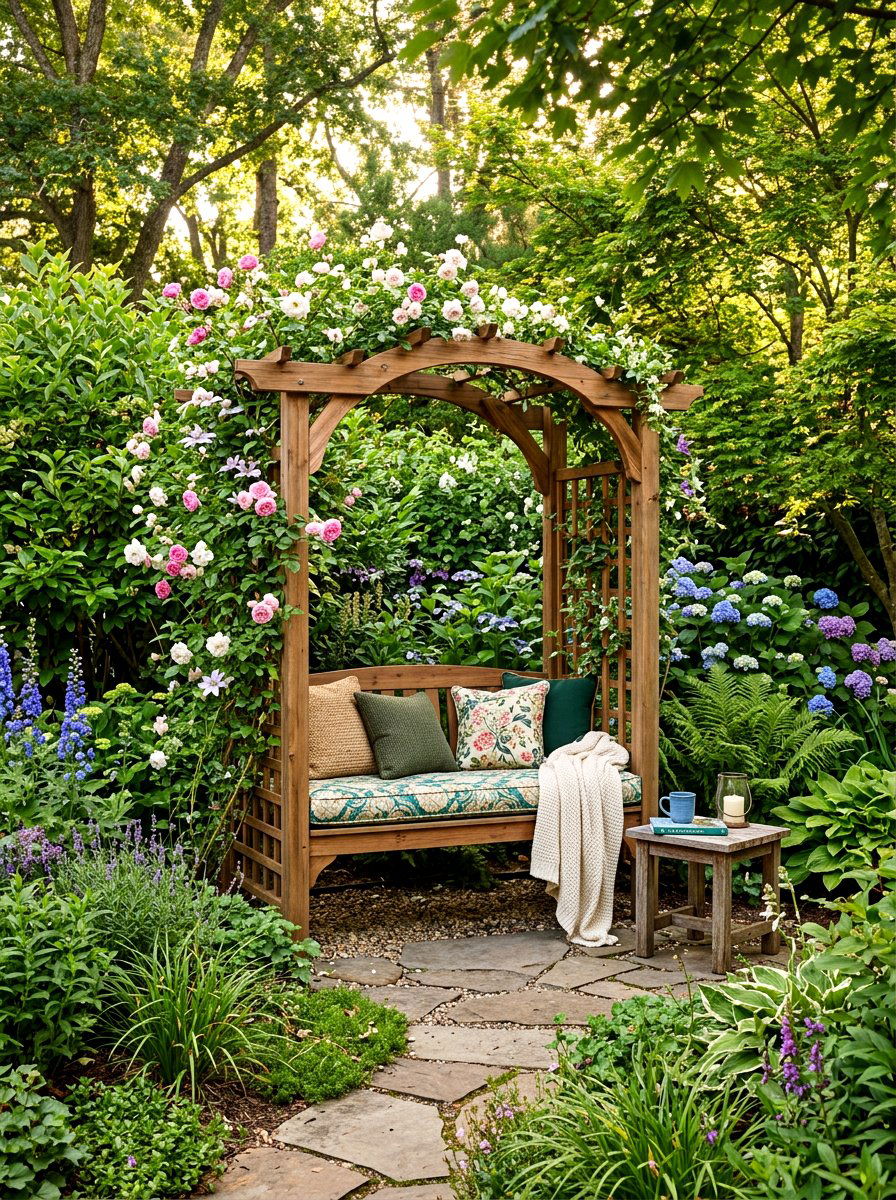
Designing an arbor specifically to house a seating nook creates a private and cozy retreat in your yard. You can build a small wooden structure with a built-in bench directly underneath the canopy of vines. This provides a natural umbrella that keeps the area cool and shaded during the midday sun. It is the perfect spot for reading a book, sipping wine, or simply enjoying the view of your garden. The surrounding vines create a sense of enclosure and privacy that makes the space feel like a hidden secret. This small-scale project can fit into almost any corner of a backyard or patio area.
14. Double Archway
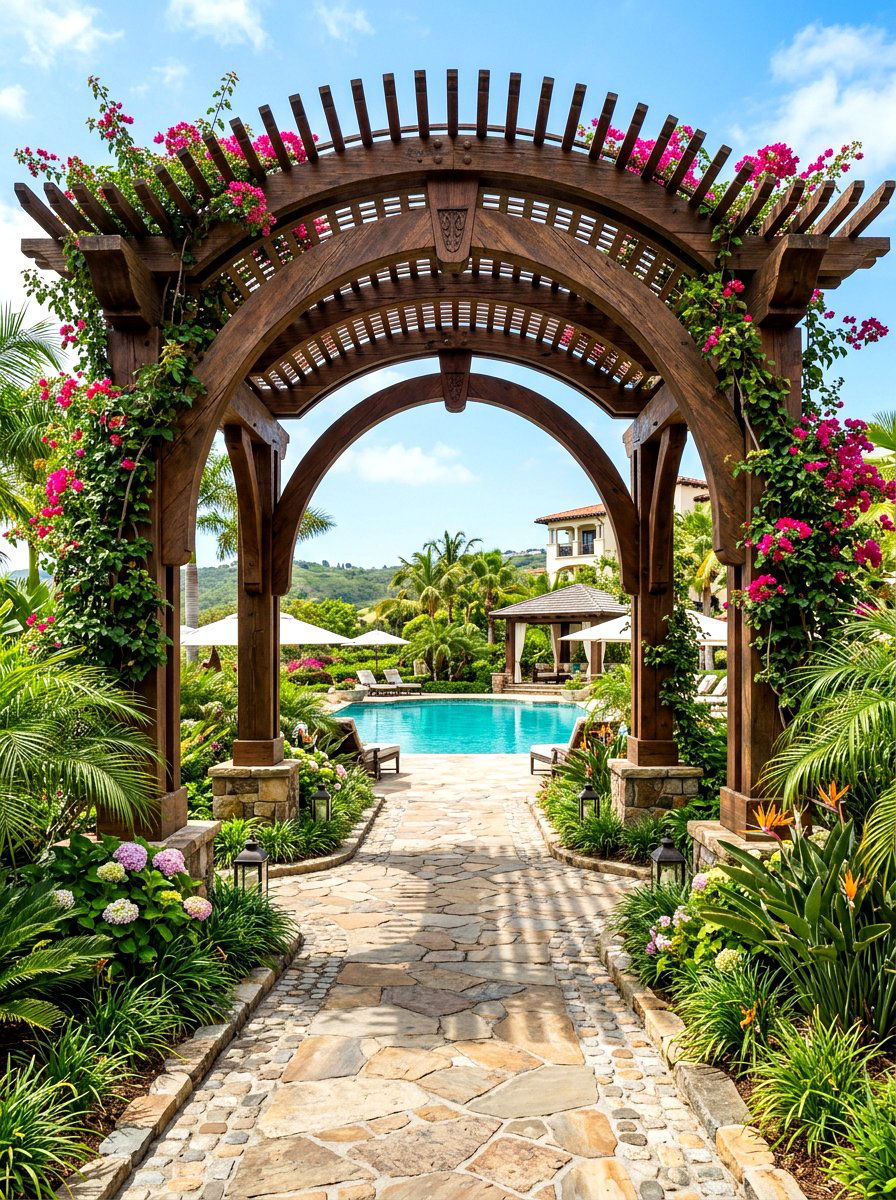
A double archway features two parallel arches connected by crossbeams, creating a deeper and more substantial entryway than a single arch. This design provides more surface area for the grapevines to cover, which results in a thicker and more impressive canopy of greenery. It is a great way to mark a significant transition in your landscape, such as the entrance to a pool area or a backyard orchard. The added depth makes the structure feel more like a small room than just a simple gate. You can even hang small lanterns or wind chimes from the crossbeams to add extra charm and personality.
15. Low Wire Support
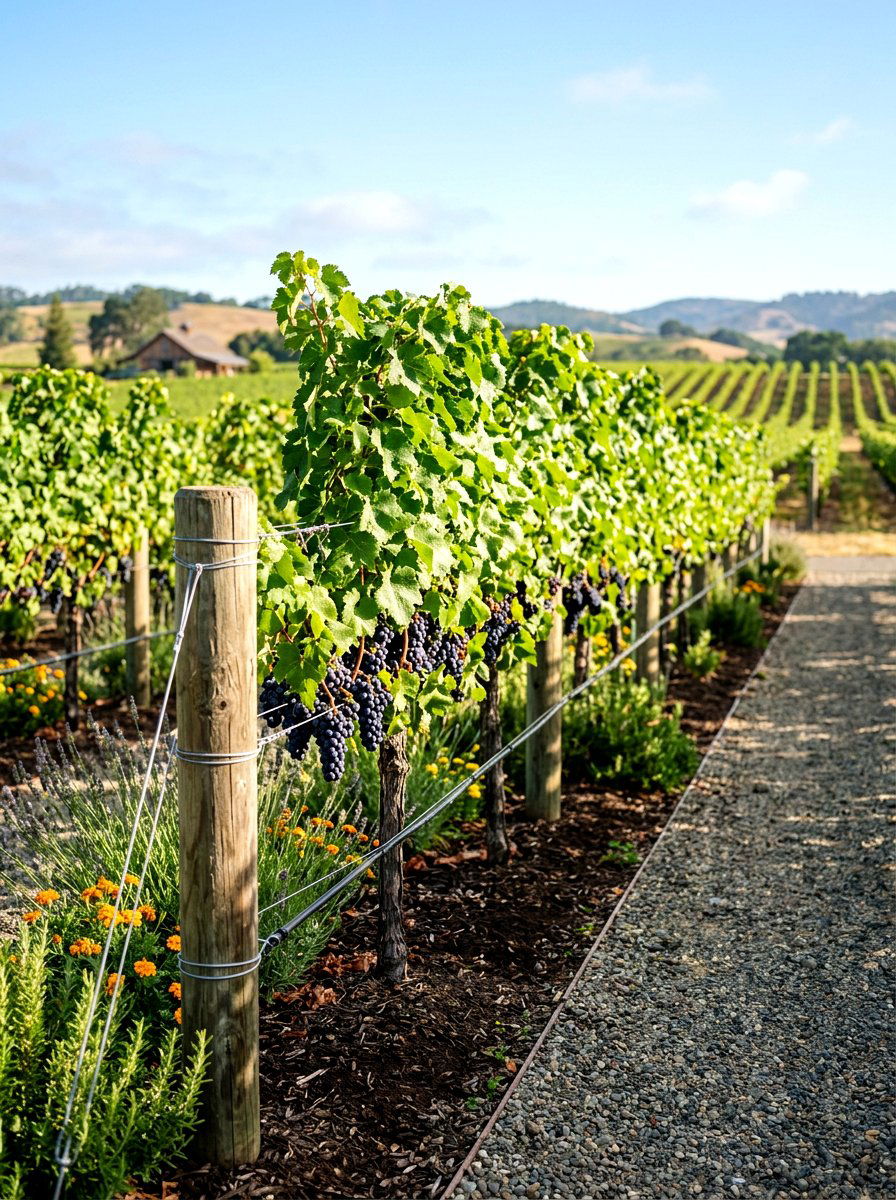
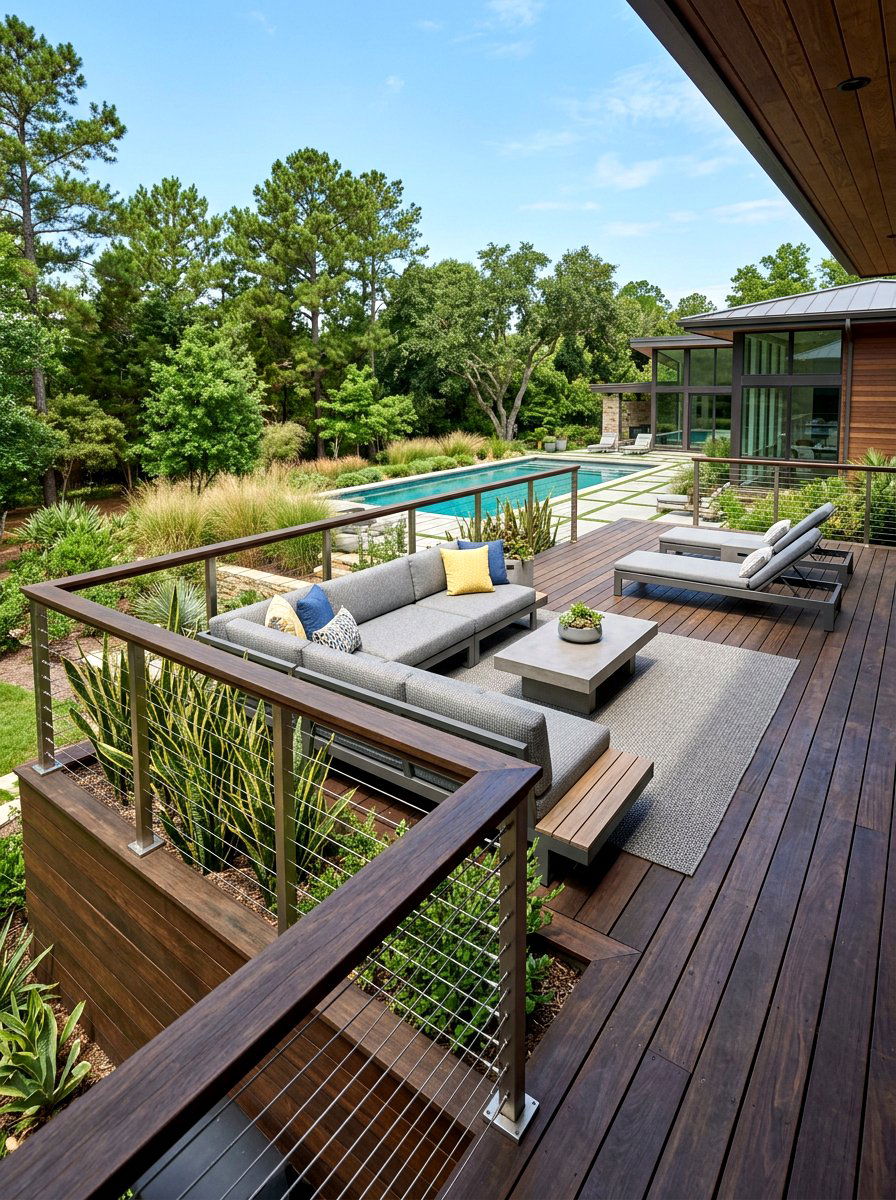
A low wire support system is ideal for those who want a vineyard look without a tall overhead structure. This design uses short posts with horizontal wires strung between them, keeping the vines at waist height. It is a very practical choice for elderly gardeners or anyone who wants to avoid using ladders for pruning and harvesting. This setup also keeps the view across your garden open, as the structure doesn’t block the horizon. It is a professional and tidy way to grow grapes along a fence line or a garden path. This method is highly effective for maintaining healthy, productive vines with minimal effort.
16. Copper Trellis
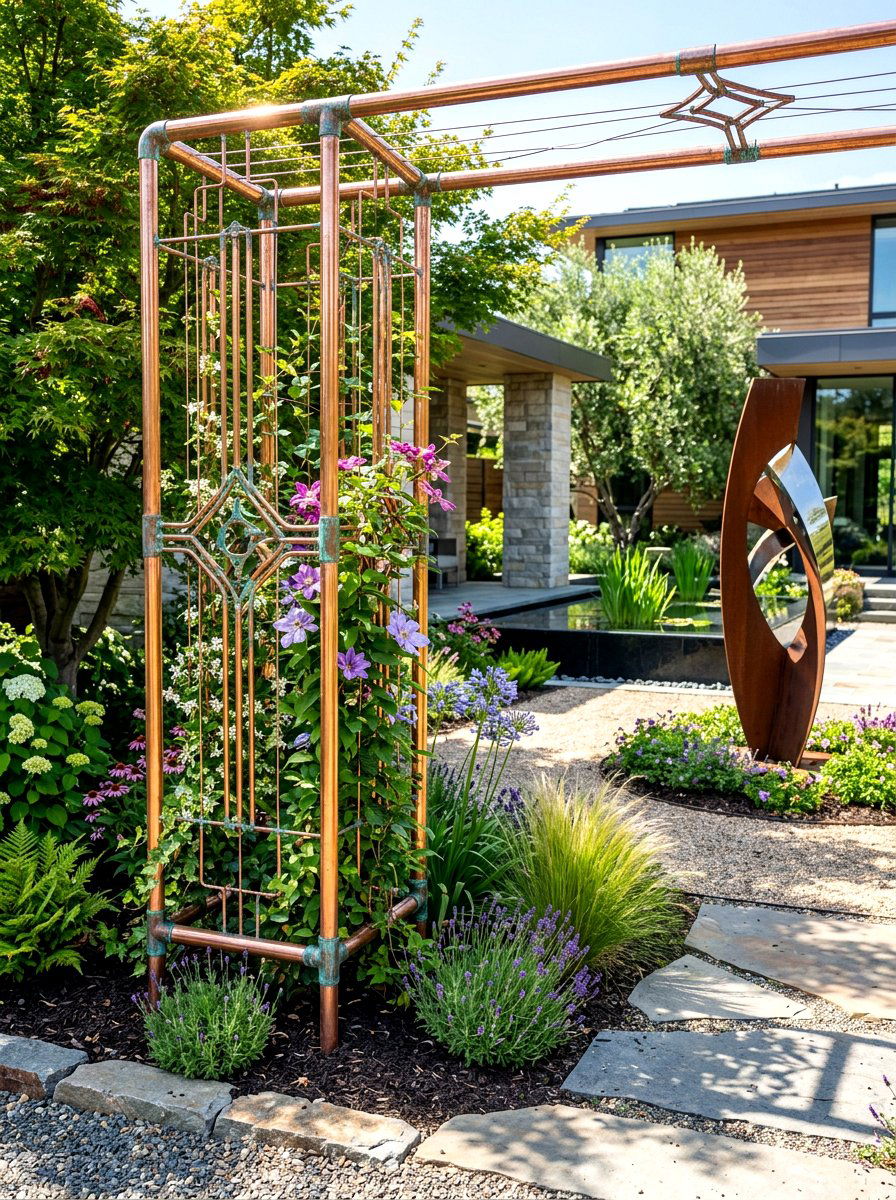
Choosing a copper trellis adds a luxurious and shimmering element to your garden design. Copper is a unique material that starts with a bright orange glow and slowly develops a stunning green patina over time. This natural aging process helps the structure blend seamlessly with the green leaves of the grapevines. It is also a very durable metal that will not rust or rot when exposed to the elements. A copper arbor looks especially beautiful in a modern or artistic garden where unique materials are celebrated. The thin poles provide a delicate but strong framework that allows the lush fruit to take center stage during the harvest season.
17. Branch Structure
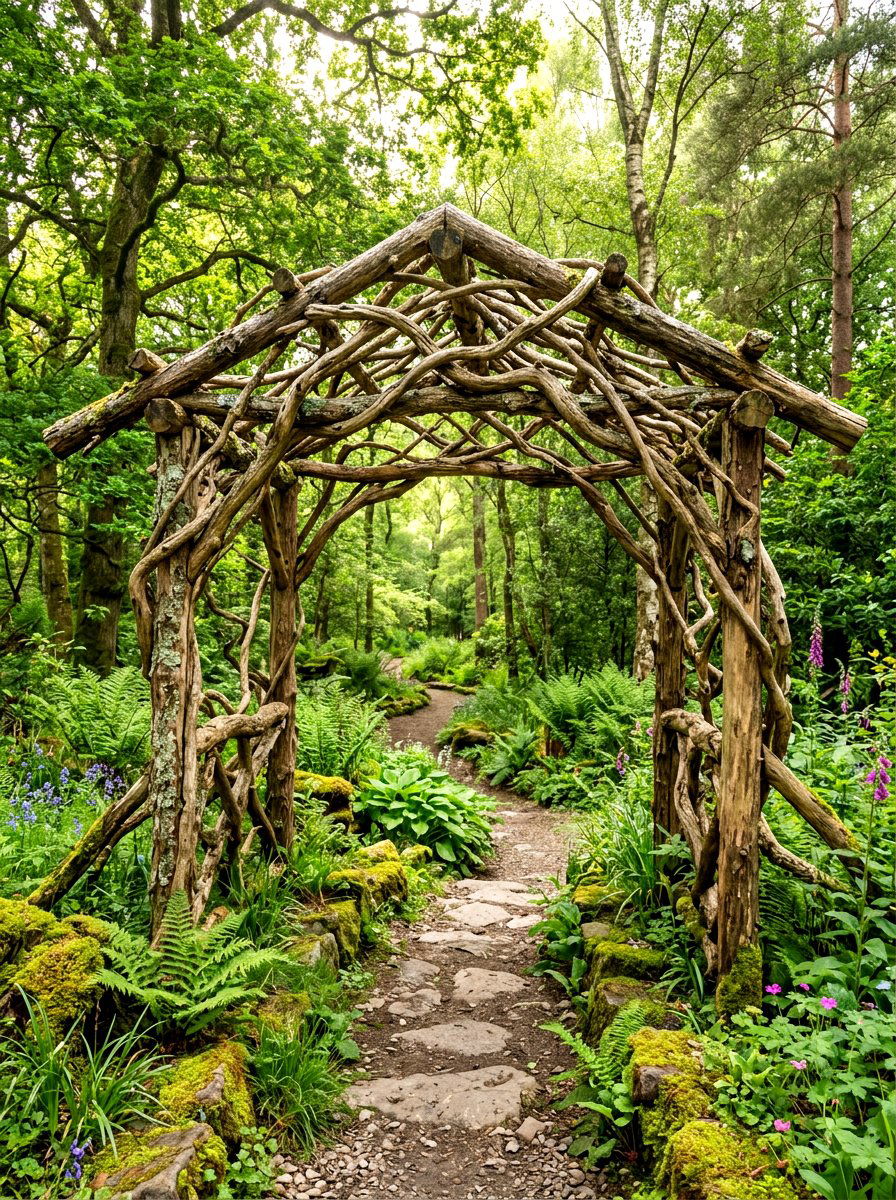
Building an arbor out of natural branches is the ultimate way to create a rustic and organic look. You can use fallen limbs from sturdy trees like oak or cedar to construct a framework that feels like it grew right out of the ground. This DIY approach is incredibly affordable and ensures that no two structures are exactly alike. It works perfectly in woodland-style gardens or near a pond where a polished look might feel out of place. The irregular shapes of the branches provide a natural texture that looks beautiful when paired with the twisting, gnarly trunks of old and established grapevines.
18. Corner Arbor
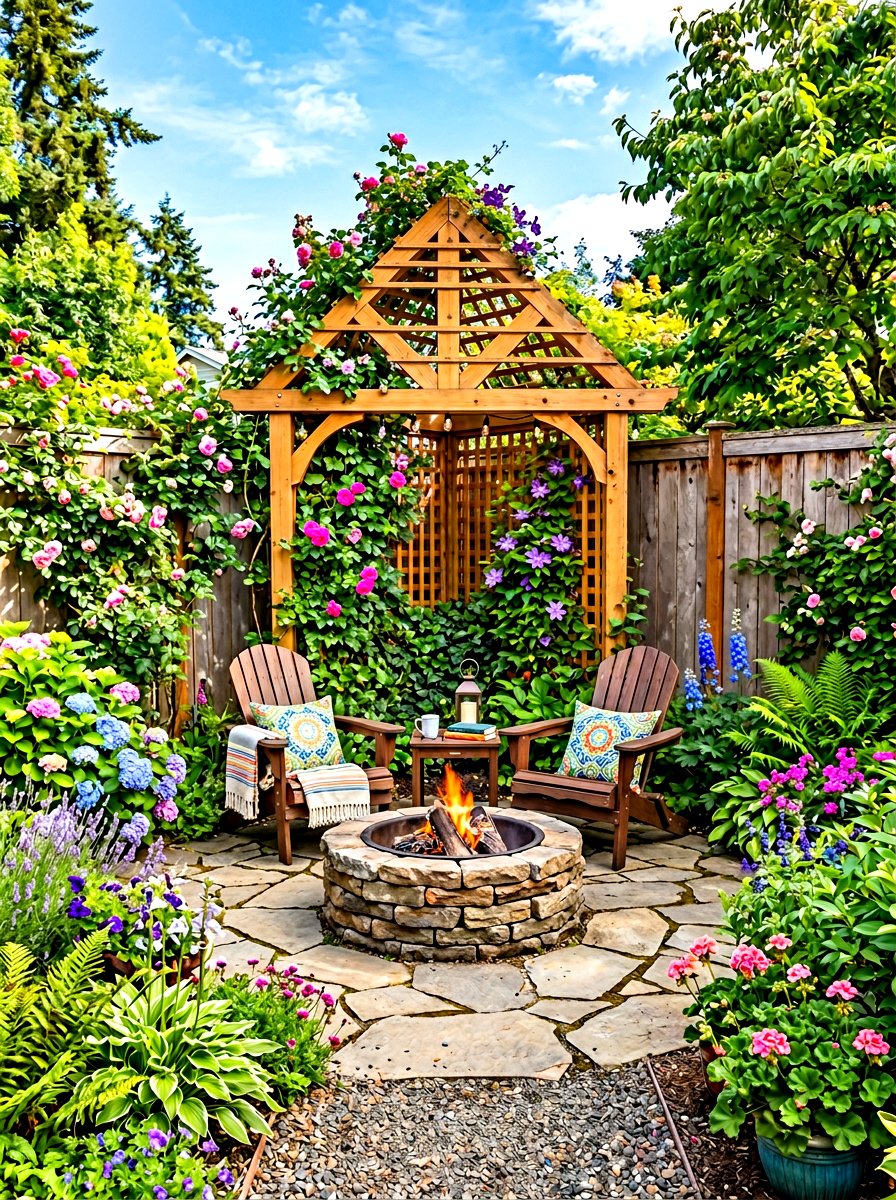
A corner arbor is a clever way to utilize the often-wasted space in the corners of your backyard. This triangular-shaped structure fits snugly into a ninety-degree angle, providing a focal point for a small patio or a lawn. It is an excellent way to add height and greenery to a flat part of the garden without taking up too much central space. You can place a small fountain or a decorative statue underneath the canopy to create a peaceful destination. The vines will climb up the two back sides and meet in the middle, creating a solid wall of green that provides privacy from neighboring properties.
19. White Lattice
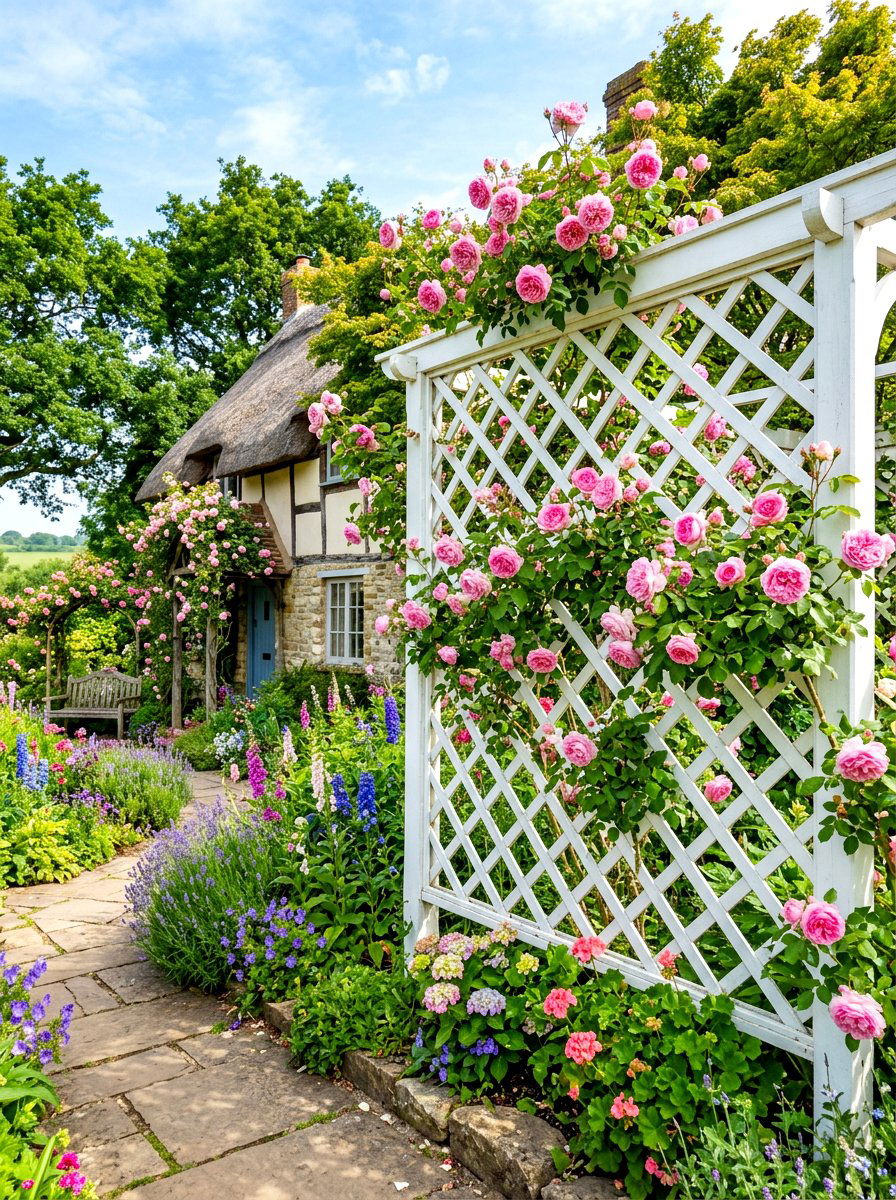
A white lattice arbor offers a crisp and clean look that feels very traditional and welcoming. The grid pattern of the lattice provides perfect support for young vines to grab onto as they begin their climb. White paint makes the vibrant green of the grape leaves pop, creating a high-contrast look that is very visually appealing. This style is often seen in cottage gardens and looks wonderful when paired with colorful flowering plants at the base. It is a lightweight and easy-to-install option that can be purchased as a kit or custom-built to fit your specific needs. It brings a bright, airy feel to the yard.

20. Window Awning
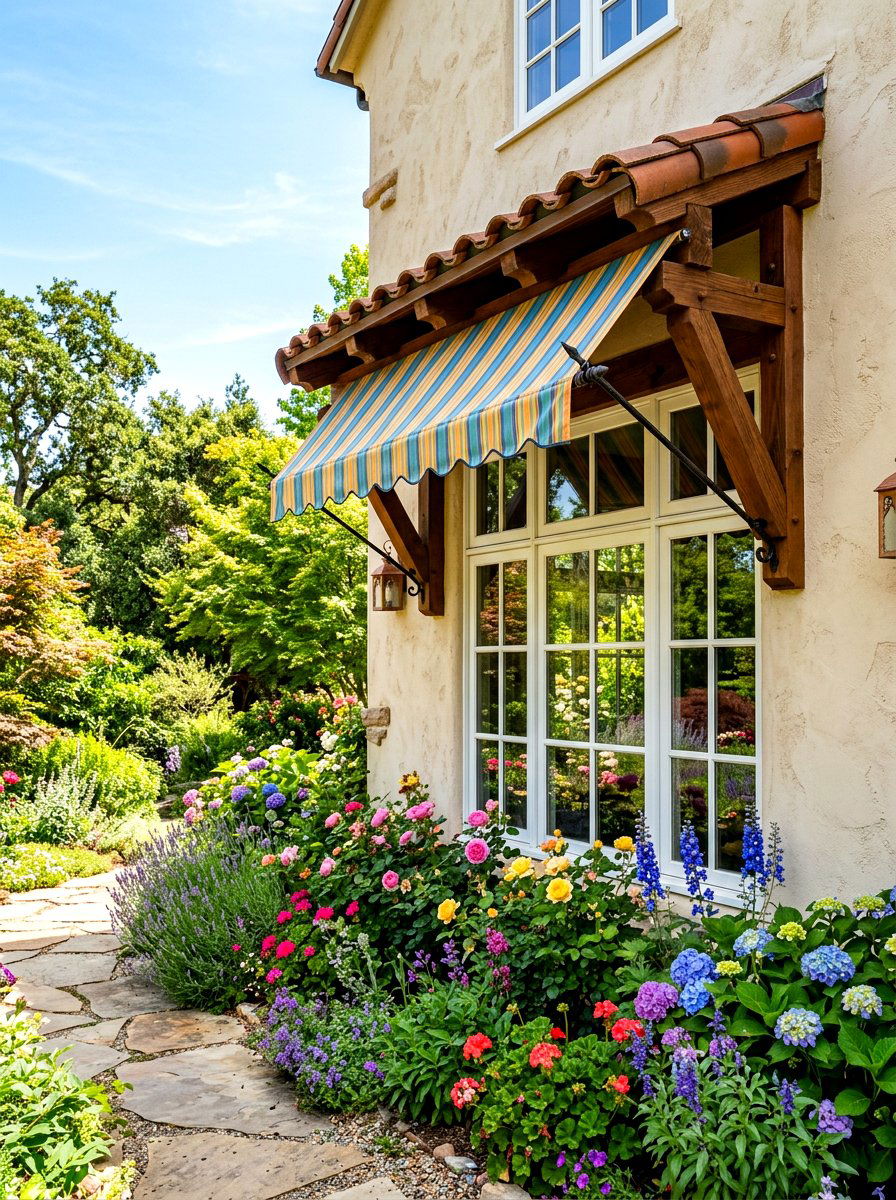
Transforming a simple window awning into a grape arbor is a functional way to add shade and beauty to your home’s exterior. You can install a small wooden or metal frame above a kitchen or dining room window to support a climbing vine. This creates a living curtain that blocks the hot summer sun while still allowing soft, filtered light to enter the room. Looking out through the leaves and seeing clusters of grapes ripening is a delightful experience from inside the house. It adds a layer of depth to your home’s architecture and makes the building feel more integrated with the surrounding natural landscape.
21. Geometric Screen
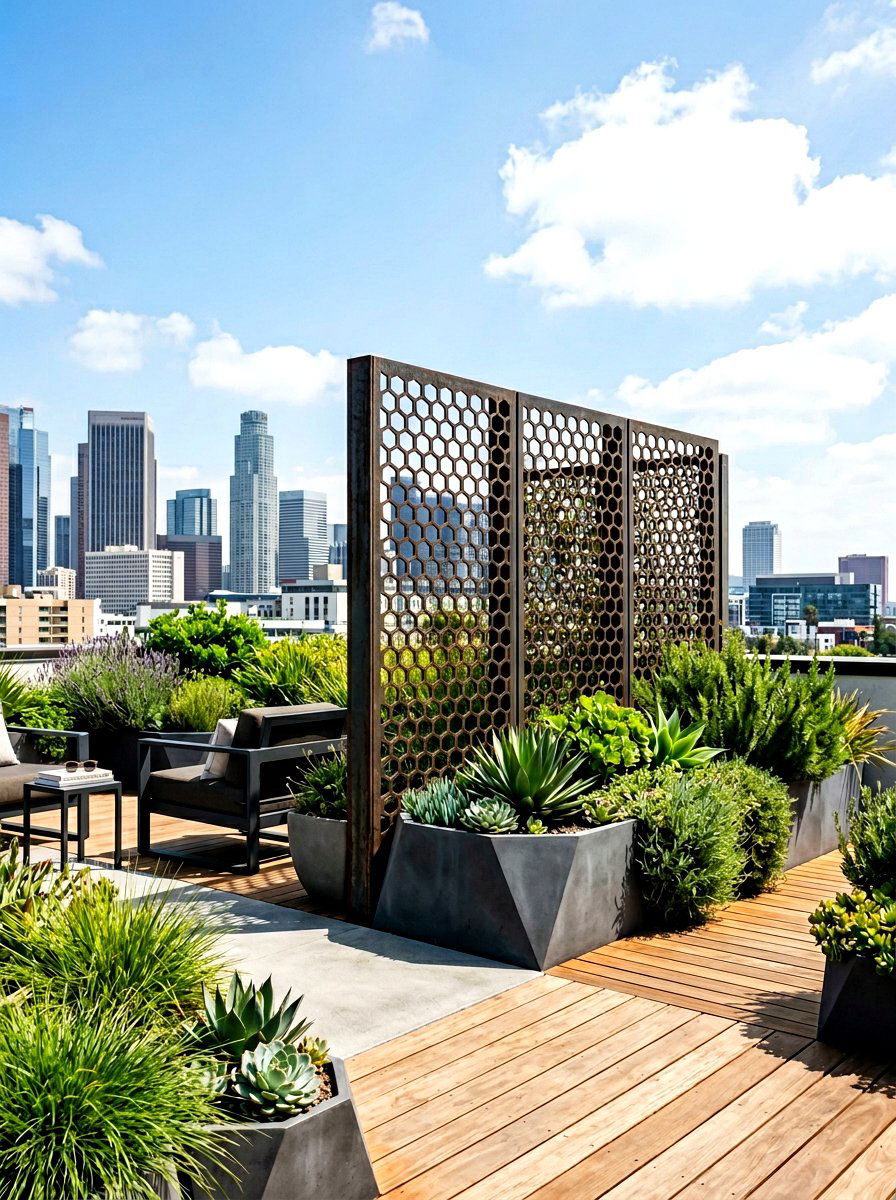
A geometric screen arbor uses modern patterns and shapes to create a contemporary support system for your vines. Instead of traditional slats, you can use laser-cut metal panels or custom wood grids with squares, diamonds, or hexagons. This adds an artistic element to the garden that looks great year-round, even when the vines are not in full leaf. It is a perfect choice for an urban backyard where you want a privacy screen that also produces delicious fruit. The rigid shapes of the screen provide a structured contrast to the wild and winding growth of the grapevines, creating a very balanced and designed appearance.
22. A Frame
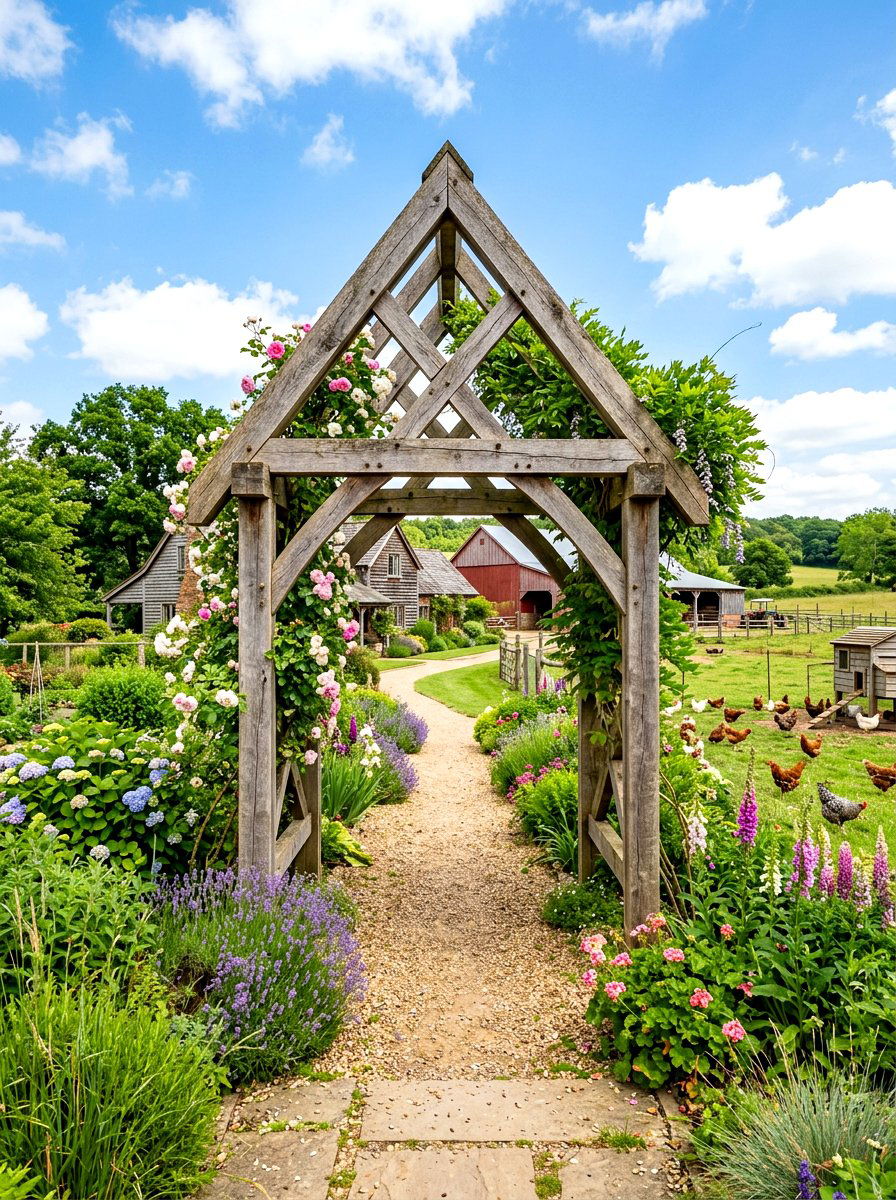
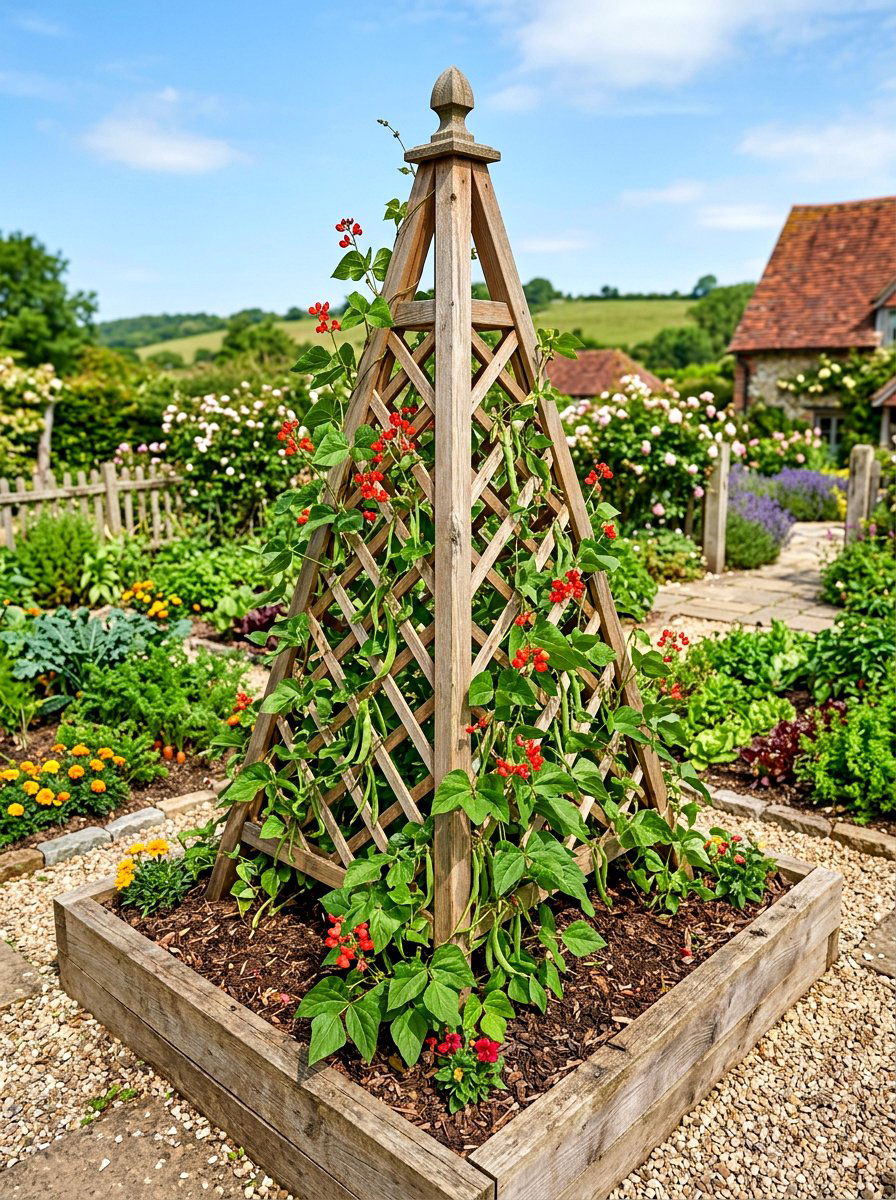
An A-frame structure is a simple and iconic design that provides excellent stability for heavy grapevines. The two slanted sides meet at a peak, creating a tent-like shape that is very strong against wind and heavy loads of fruit. This design is easy to build using standard lumber and can be placed directly over a garden bed or a small path. The slanted sides make it very easy to reach the grapes for harvesting, as the fruit hangs down inside the structure. It has a charming, rustic look that fits perfectly in a vegetable garden or a backyard farm setting where functionality is the top priority.
23. Moon Gate
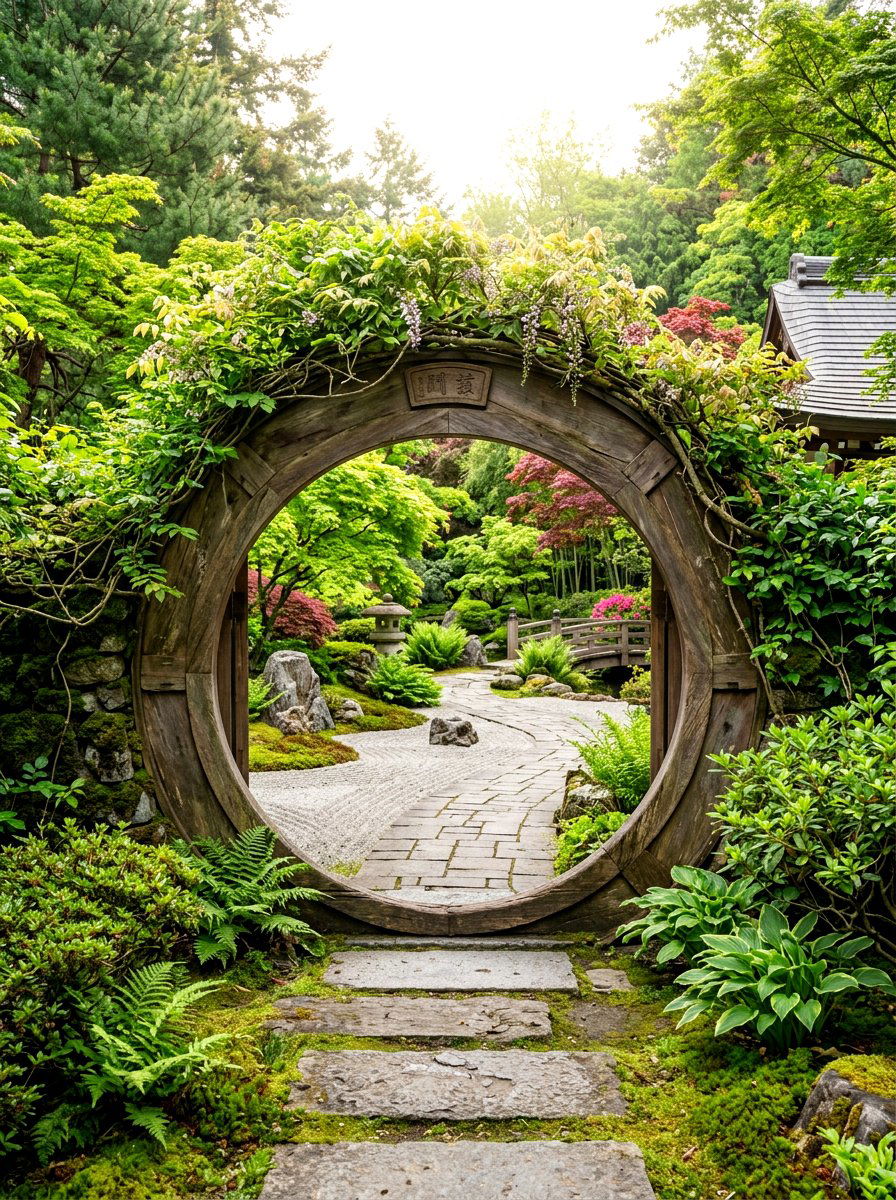
A moon gate is a traditional Chinese garden element that features a large circular opening. When adapted into a grape arbor, this design creates a stunning and unique entryway that symbolizes birth and renewal. The circular frame can be made of wood or metal and provides a beautiful shape for the vines to follow. As the grapes grow around the perimeter, they create a living ring of greenery that frames the view of the garden beyond. This is a high-impact design that adds a sense of mystery and sophistication to your backyard. It is a perfect focal point for a large, well-manicured lawn or path.
24. Gabled Arbor
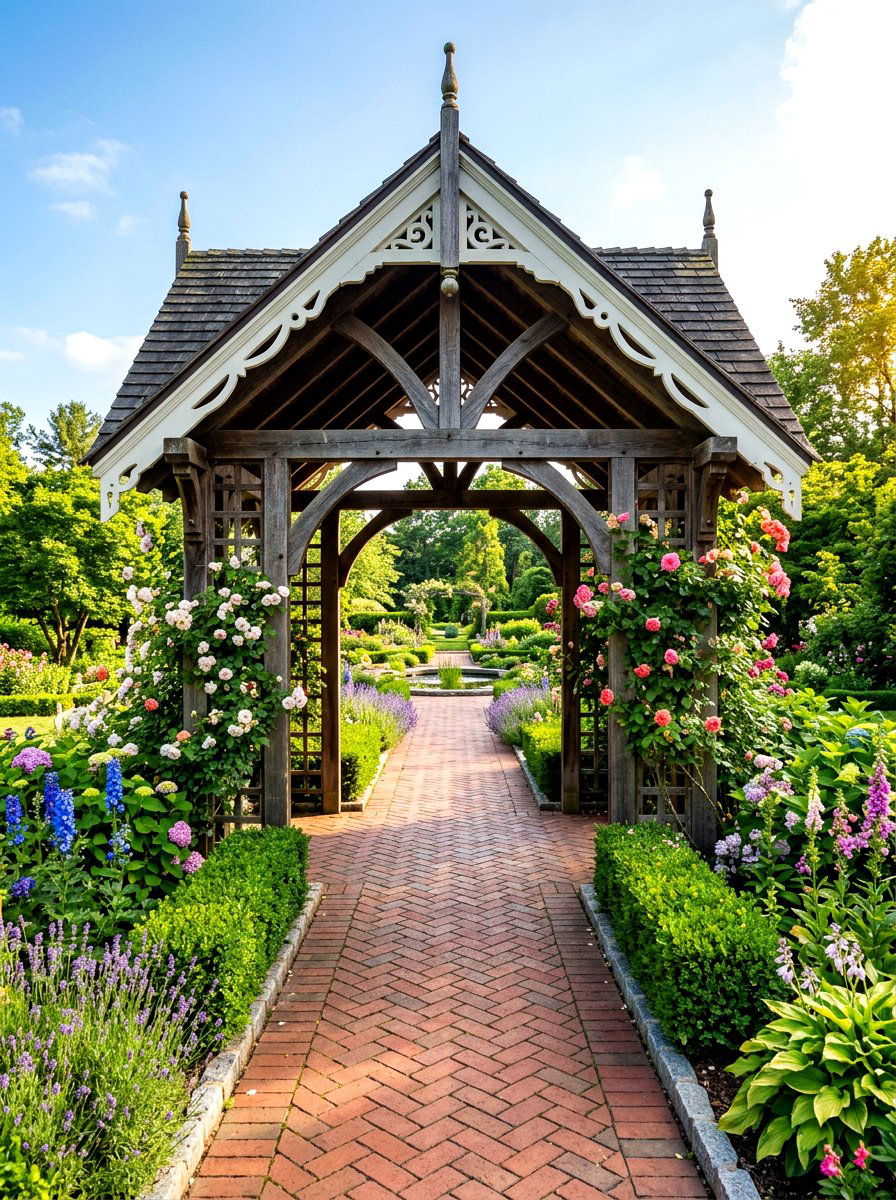
A gabled arbor mimics the roofline of a house, featuring two sloping sides that meet at a central ridge. This architectural style provides a more formal and structured look than a simple flat-topped pergola. It is a great way to tie your garden features in with the design of your home, especially if you have a gabled roof. The extra height in the center allows for better airflow and creates a grand sense of space underneath. You can add decorative trim or shingles to the peak to further enhance the look. This sturdy structure is perfect for supporting the most vigorous and productive grape varieties.
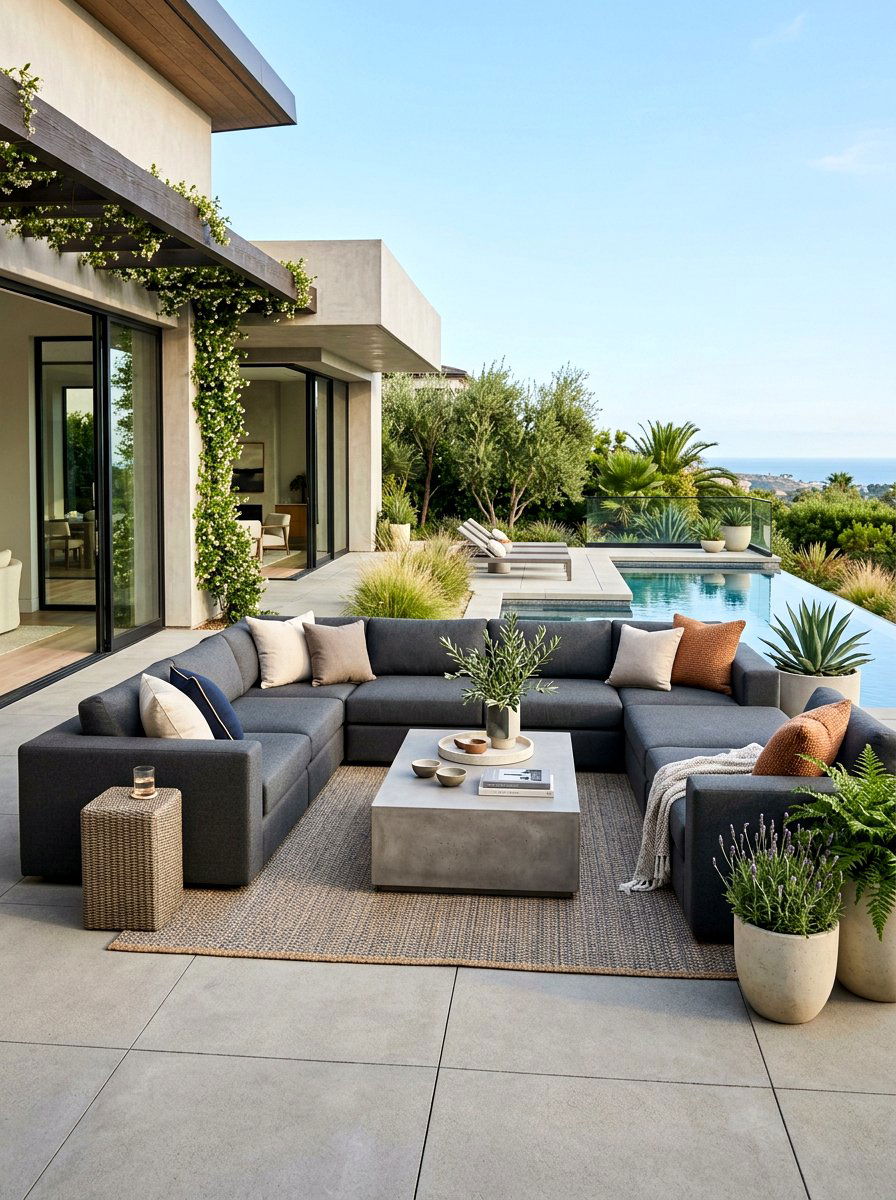
25. Patio Cover
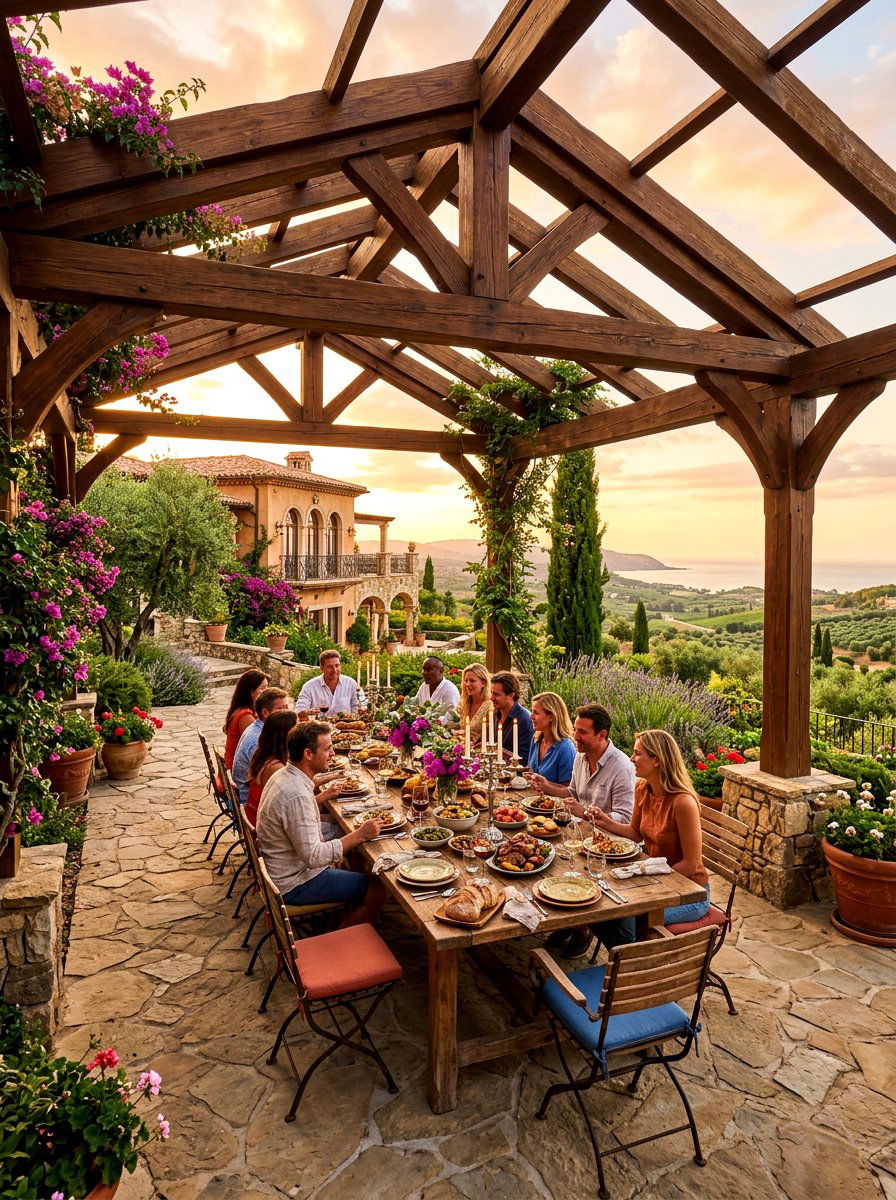
Using a grape arbor as a full patio cover is a fantastic way to create a natural living ceiling for your outdoor dining area. Instead of a solid roof, the interlaced vines provide a breathable canopy that allows heat to escape while providing deep shade. This creates a much cooler environment than a traditional umbrella or solid structure. The sight of grapes hanging down over your dining table adds a romantic and Mediterranean feel to every meal you eat outside. It is a long-term project that requires patience as the vines grow, but the final result is a breathtaking and functional part of your home.
26. Minimalist Wire System
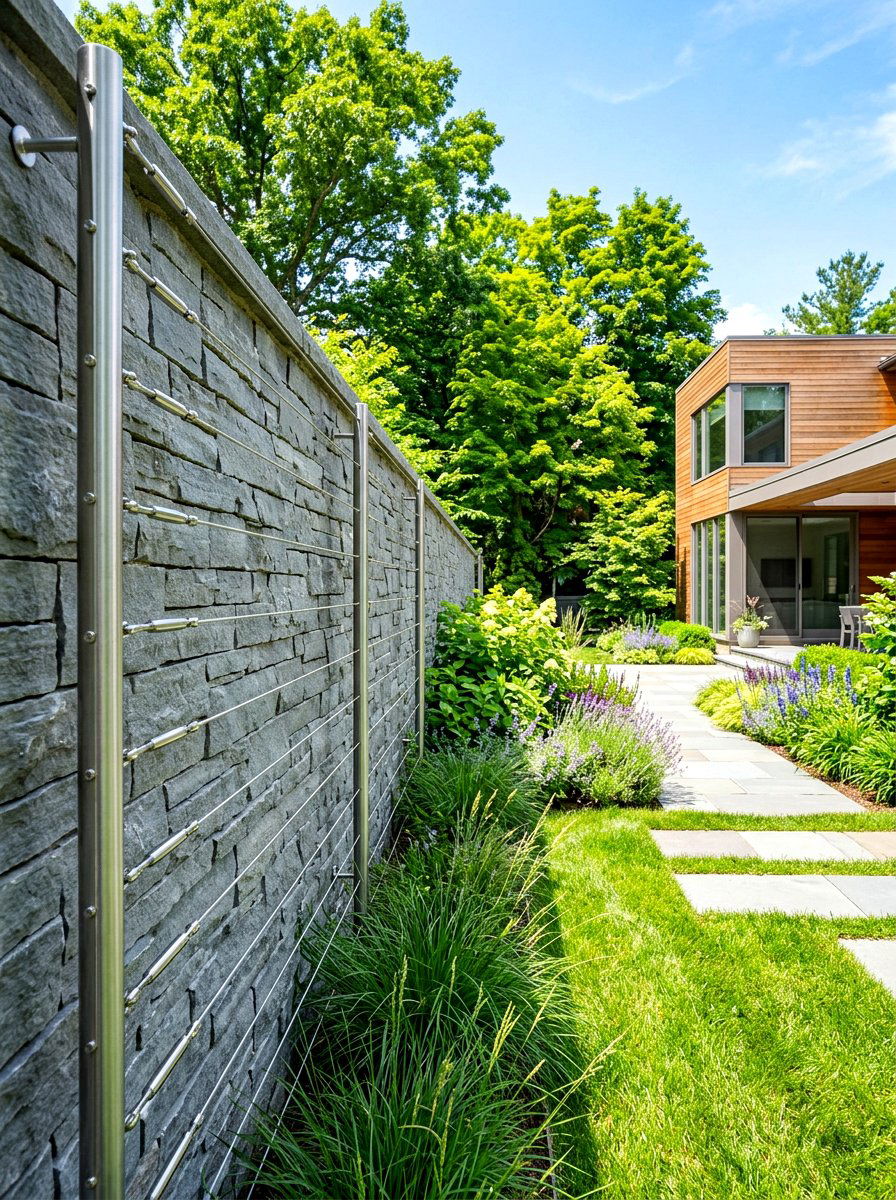
For a modern and nearly invisible look, a minimalist wire system is the way to go. This involves using high-tension stainless steel wires attached to subtle anchors on a wall or a simple frame. It allows the vines to look like they are climbing directly up the structure without any bulky support in the way. This is a very professional look often used in modern architecture and commercial vineyards. It is easy to maintain and keeps the focus entirely on the beauty of the plants. This system is perfect for anyone who wants a clean, uncluttered garden where the organic forms of nature are the main attraction.
27. Split Rail
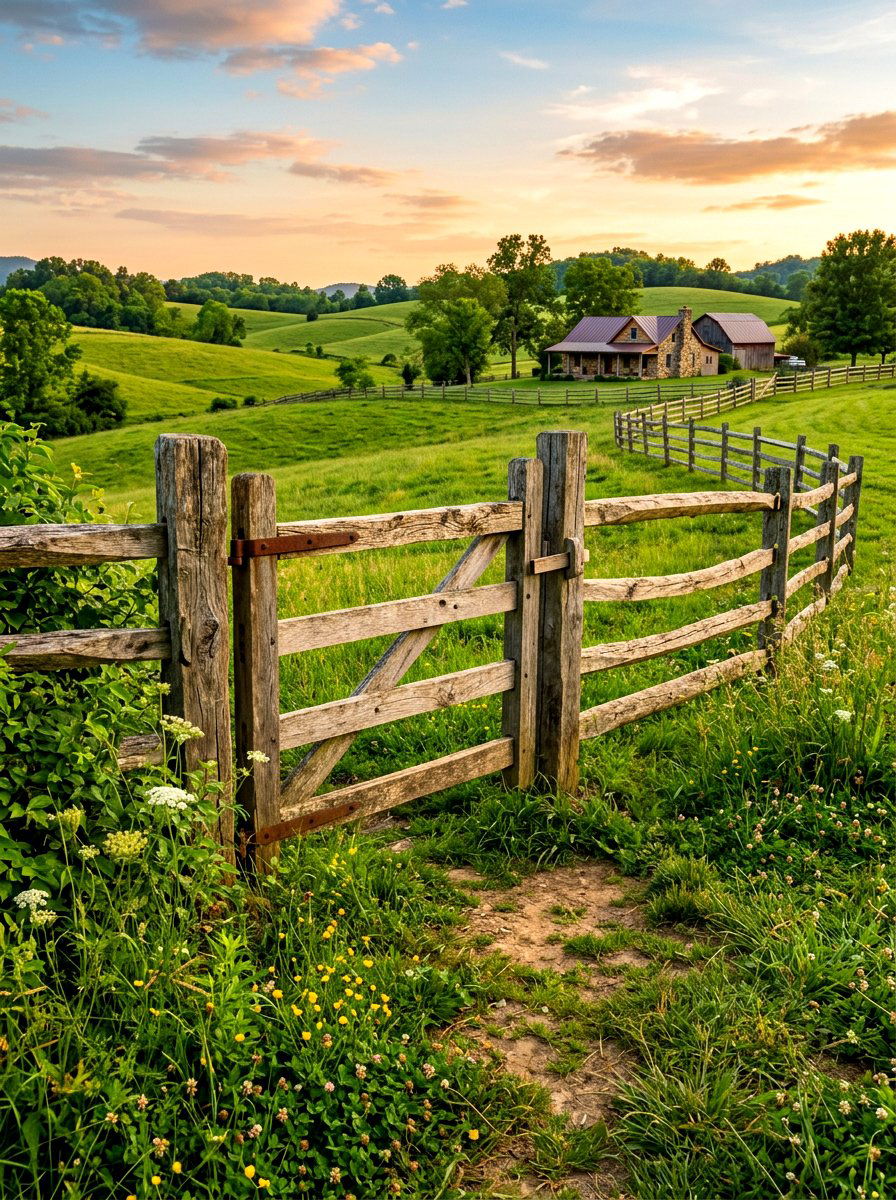
A split rail arbor uses the rugged and traditional look of a farm fence to create a support system for grapes. This style features thick, rough-hewn logs that are stacked or joined in a simple framework. It is the perfect choice for a rustic property or a farmhouse-style home where you want the garden to feel casual and down-to-earth. The heavy wood is naturally durable and can support the weight of old, thick vines without any issues. It adds a sense of history and charm to the landscape, making the arbor look like it has been part of the property for many generations of family.
28. Redwood Arch
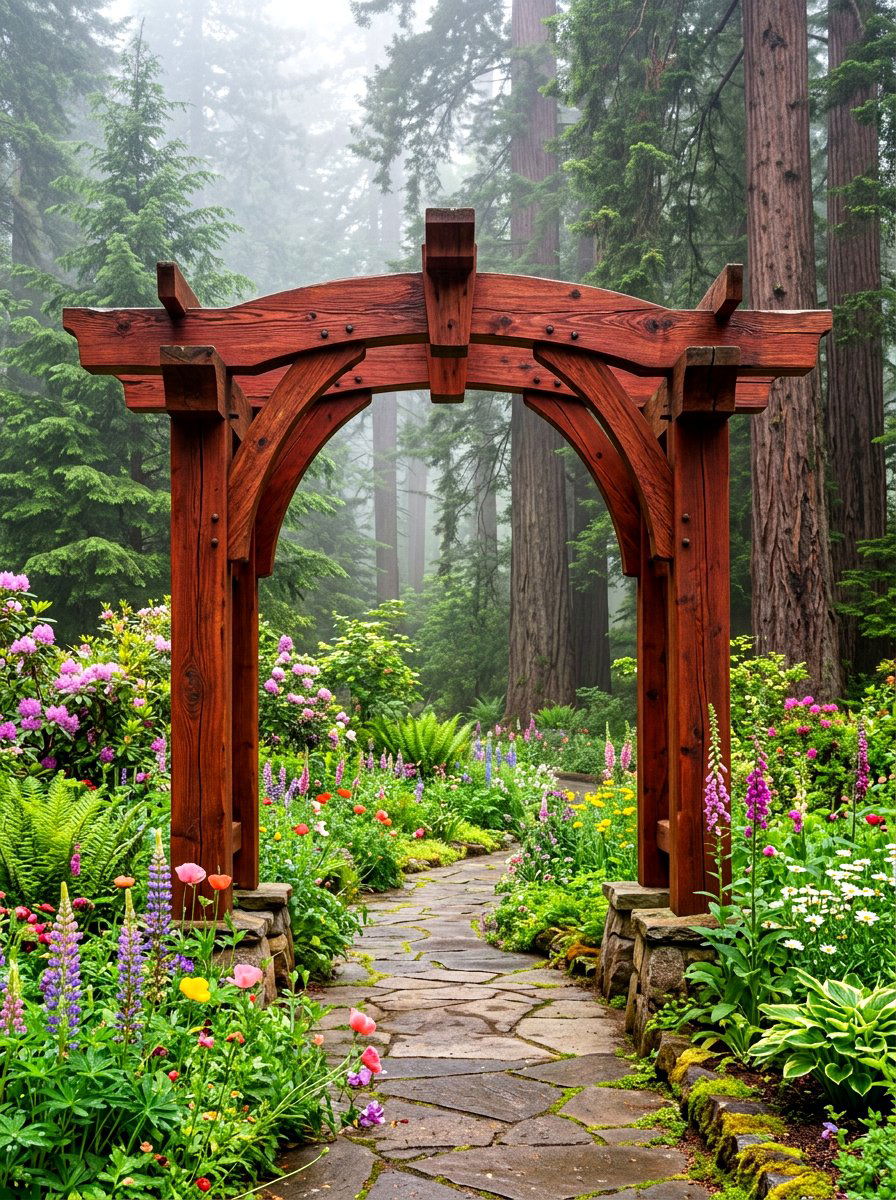
A redwood arch provides a warm and inviting entrance to your garden while offering superior resistance to the elements. Redwood is known for its beautiful deep color and its ability to withstand moisture and insects without the need for harsh chemicals. This makes it an excellent choice for a structure where you will be growing edible fruit. A simple archway can be placed at the beginning of a path to draw visitors into a new part of the yard. The natural oils in the wood protect it for decades, ensuring your grapevines have a permanent and beautiful home that only gets better with age.
29. Bamboo Poles

Using bamboo poles is a lightweight, sustainable, and affordable way to build a grape support system. Bamboo is incredibly strong for its weight and adds a tropical or Zen-like feel to the garden. You can lash the poles together using sturdy twine or wire to create a custom framework that fits your specific space. This material is easy to work with and can be replaced easily if a piece eventually wears out. It is a great option for temporary structures or for gardeners who like to change their layout frequently. The smooth texture of the bamboo provides a nice contrast to the rough grape bark.
30. Industrial Pipe
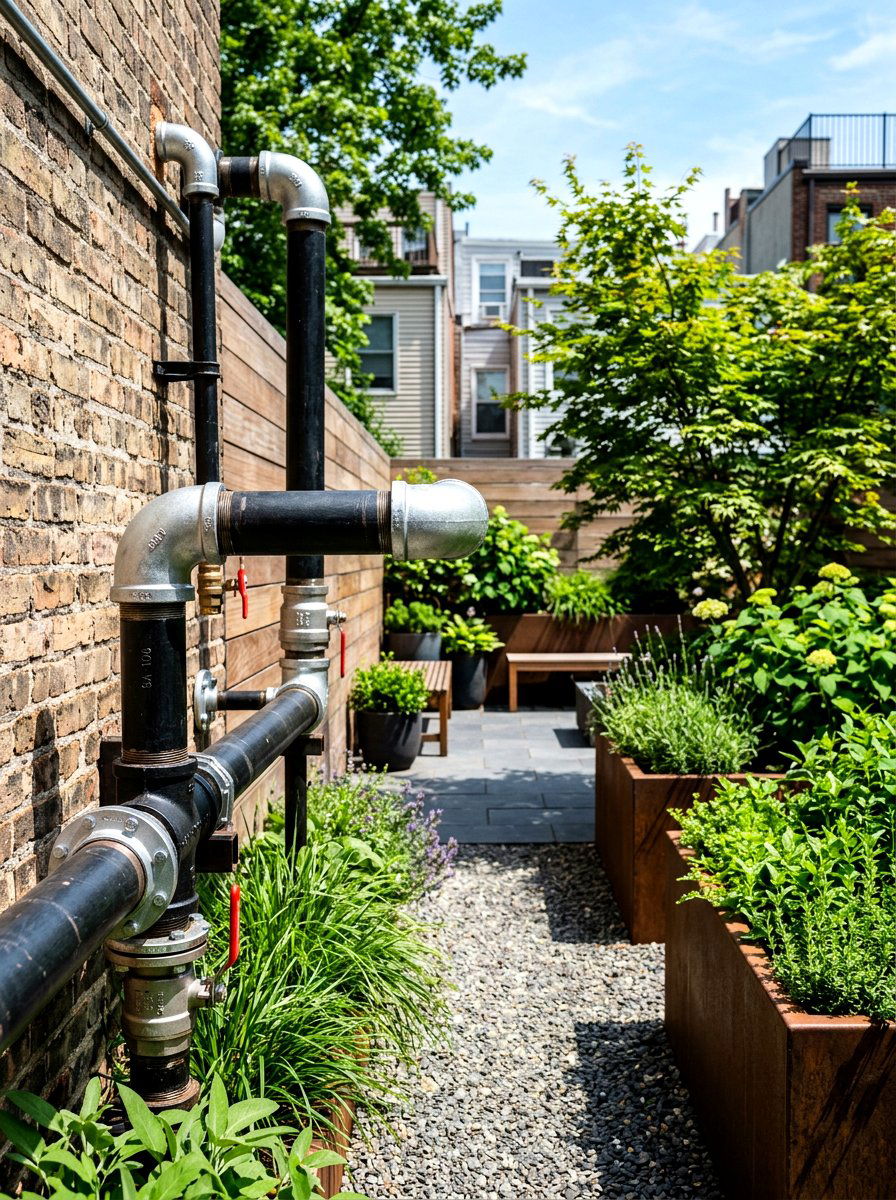
An industrial pipe arbor uses galvanized or black iron piping to create a very strong and edgy structure. This material is easy to assemble using standard fittings, allowing you to create any shape or size you desire. The industrial look is very popular in urban gardens and provides a heavy-duty framework that will never rot or warp. You can even run irrigation lines inside the pipes to deliver water directly to the base of the vines. It is a highly functional and modern solution that looks fantastic when paired with concrete planters and sleek outdoor furniture. This structure is built to last a lifetime.
Conclusion:
Adding a grape arbor to your property is an investment in both beauty and productivity for years to come. From the architectural appeal of a stone-pillared structure to the simple charm of a recycled door frame, these ideas offer something for every gardener. As your vines mature, they will provide a cool, shaded retreat during the hottest months while offering a bountiful harvest of fresh fruit. Remember to choose high-quality materials that can withstand the weight of heavy vines and varying weather conditions. With a little planning and regular pruning, your new garden feature will become a beloved focal point that grows more beautiful with every passing season.

Related posts: