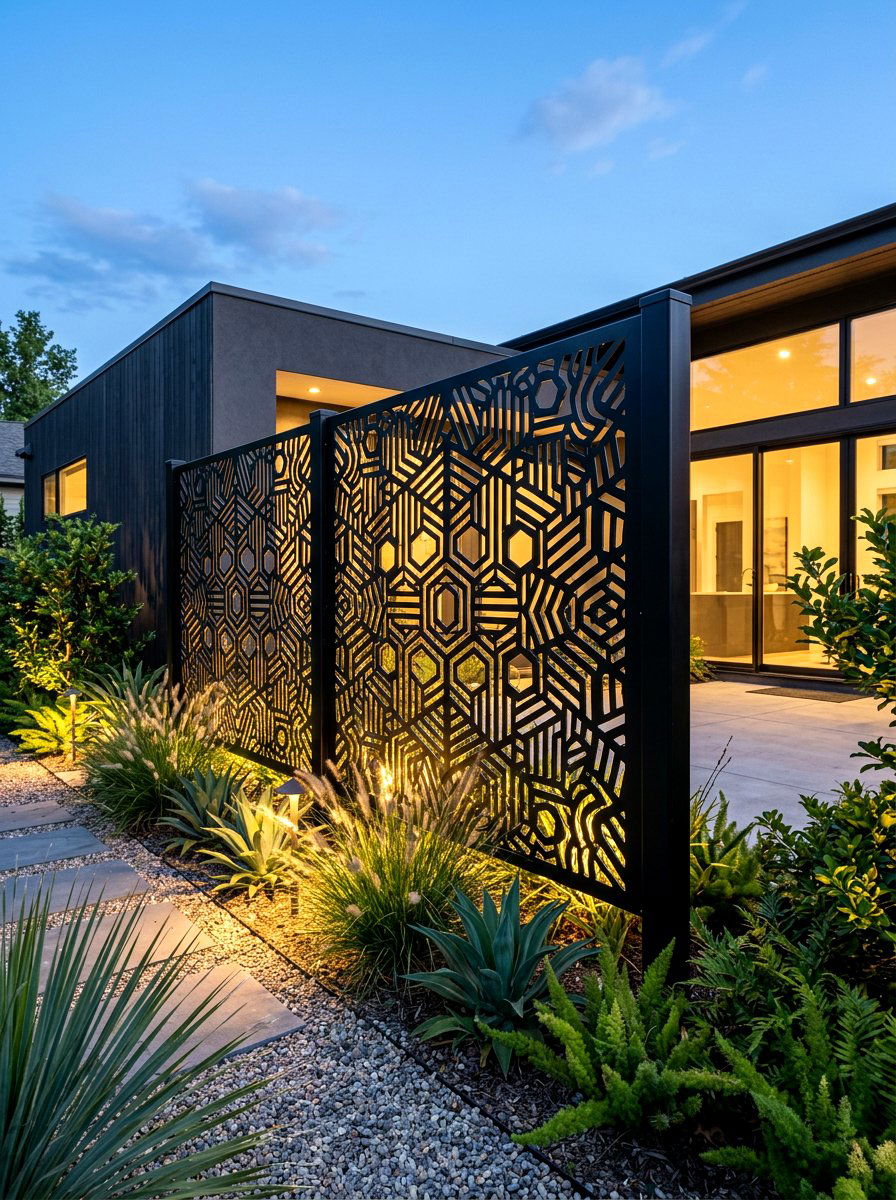
Transforming a shady courtyard into a lush sanctuary requires a thoughtful blend of texture, color, and light. While limited sunlight might seem like a challenge, it actually provides a unique opportunity to cultivate rare plants that thrive in cool, damp conditions. By focusing on reflective surfaces, bright foliage, and strategic hardscaping, you can turn a dim outdoor area into a vibrant extension of your home. This guide explores creative ways to maximize every inch of your enclosed space through vertical elements and clever lighting. Whether you prefer a modern minimalist look or a wild woodland feel, these professional tips will help you create a cozy and inviting retreat that glows even on the darkest days of winter.
1. White Shade Garden Flowers
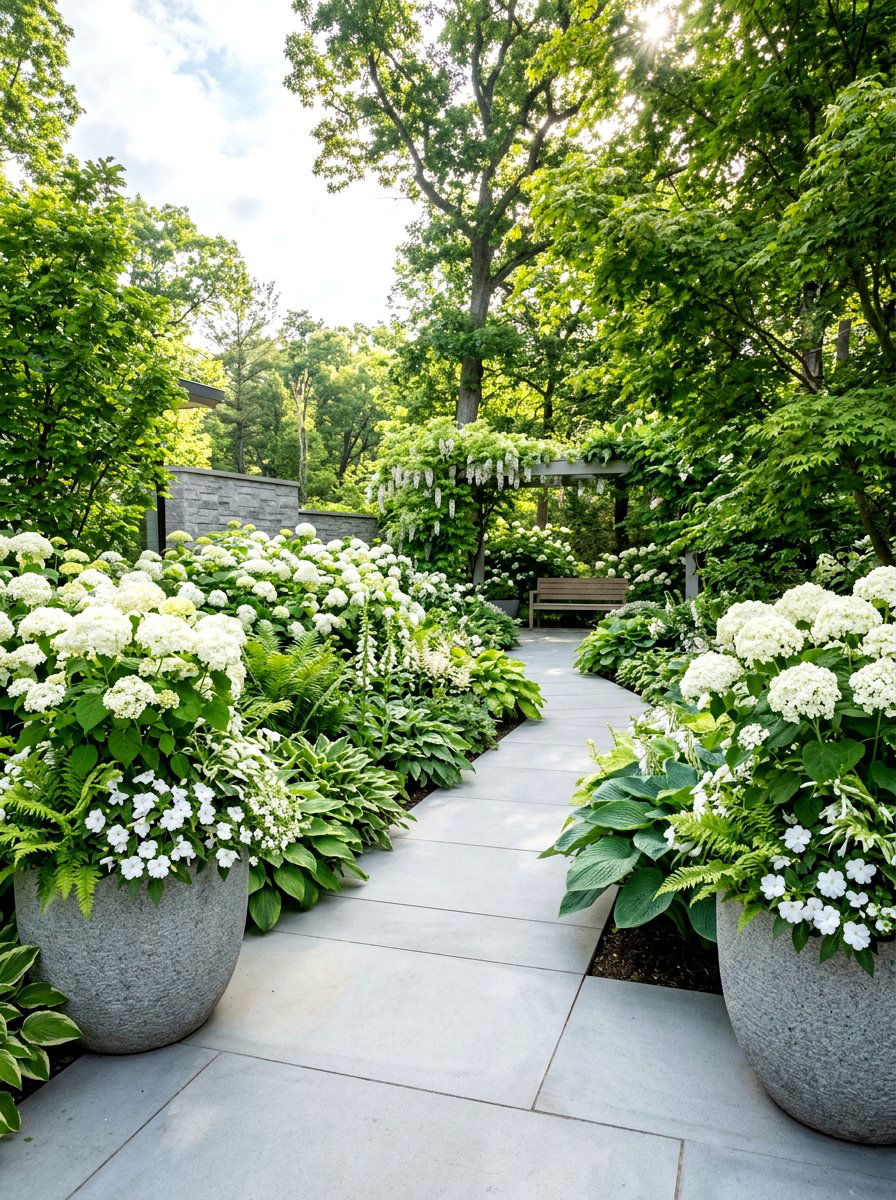
White blooms are essential for brightening up a dim courtyard garden. These flowers act like natural light reflectors, catching even the smallest amount of ambient light to make the space feel much larger and more open. Consider planting white hydrangeas, which offer massive, pillowy flower heads that stand out against dark green leaves. Impatiens and begonias are also excellent choices for continuous color throughout the warmer months. These low-light lovers thrive in containers or raised beds, providing a crisp and clean aesthetic. By grouping several white flowering plants together, you create a luminous focal point that draws the eye and adds a sense of refreshing elegance to your secluded outdoor area.
2. Vertical Fern Wall
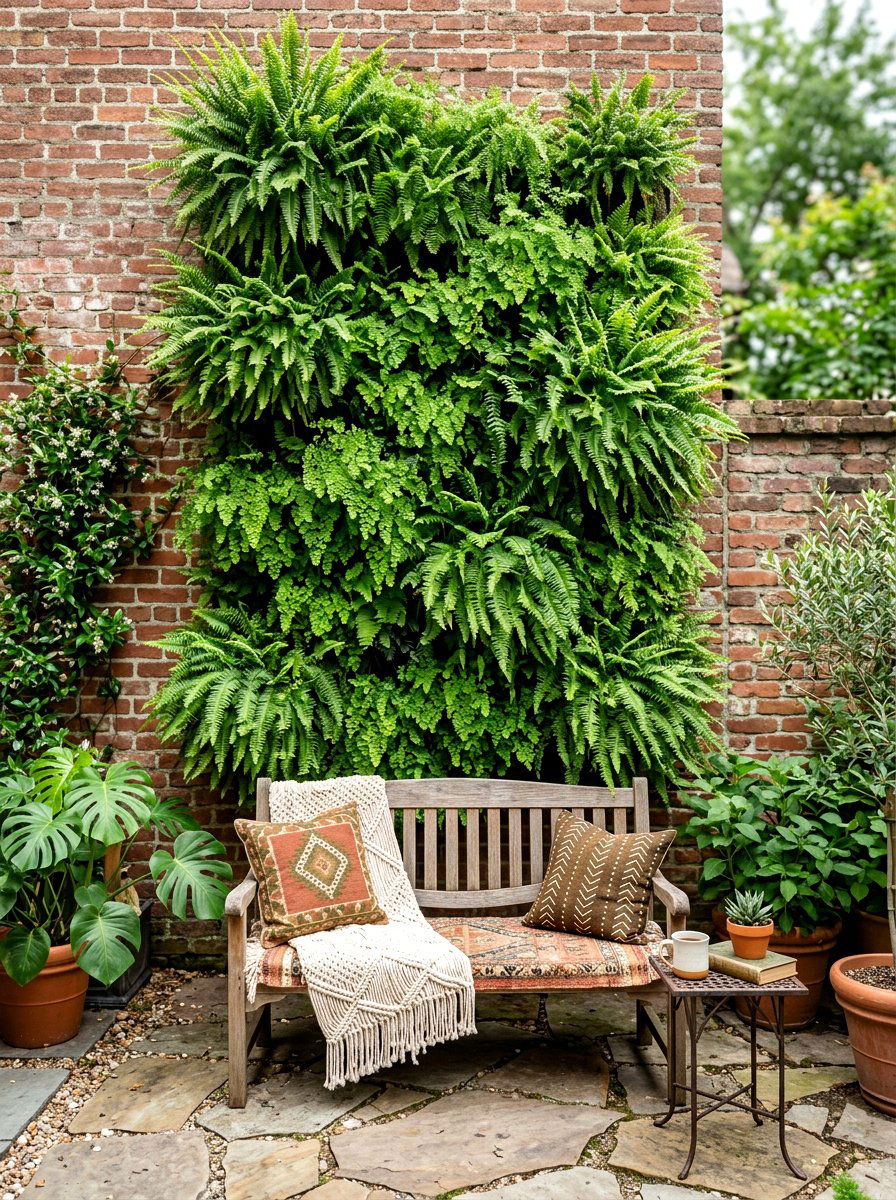
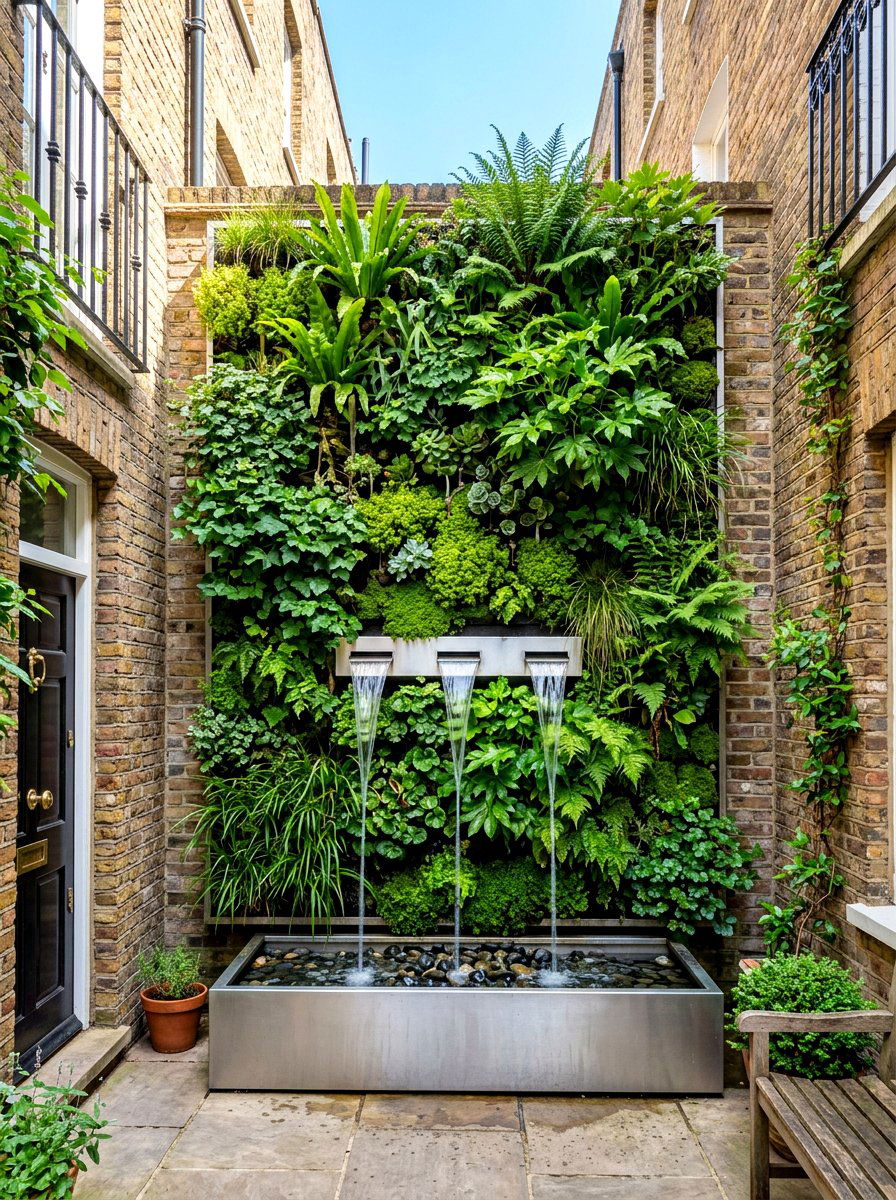
Vertical gardening is a brilliant solution for small courtyards with limited floor space. A wall covered in various types of ferns creates a lush, prehistoric atmosphere that feels incredibly cooling and serene. Use moisture-retentive pockets or a felt-based system to host species like Boston ferns, maidenhair ferns, and bird’s nest ferns. The varying shades of green and delicate textures of the fronds add immense depth to the garden. This living wall serves as a stunning backdrop for outdoor seating while improving air quality and providing natural insulation. Since ferns naturally grow in forest understories, they will flourish in the consistent shade and higher humidity levels typically found in enclosed courtyard environments.
3. Modern Garden Water Feature
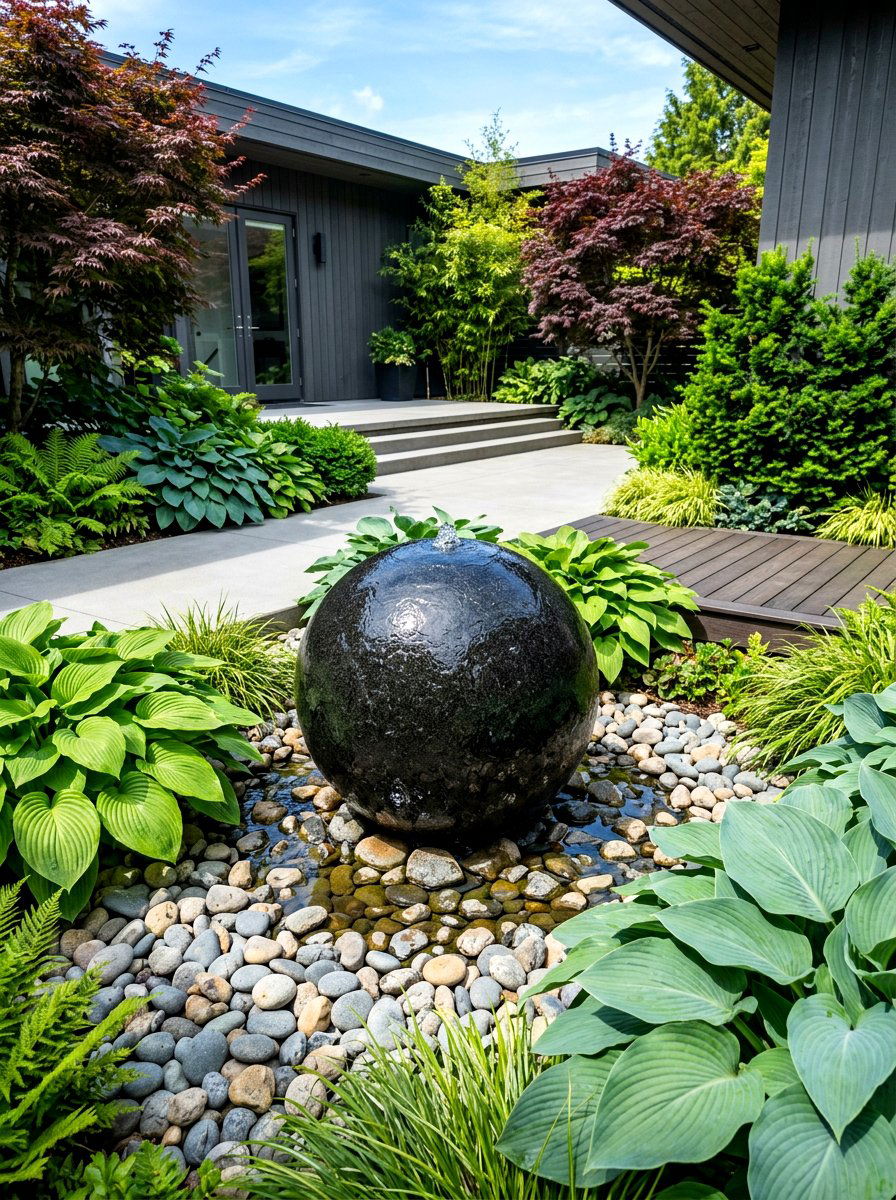
Adding a water feature is a transformative way to bring movement and sound into a quiet, shaded courtyard. A sleek, modern bubbling stone or a wall-mounted fountain creates a soothing auditory backdrop that masks city noise. The reflective surface of the water also helps bounce light into the darker corners of the space. For a contemporary look, choose a minimalist black granite basin or a simple corten steel bowl. These features don't require much sun and remain attractive year-round, even when the surrounding plants are dormant. Incorporating water into your design establishes a peaceful zen atmosphere, making your outdoor area feel like a high-end spa or a luxury hidden retreat.
4. Courtyard Japanese Maple
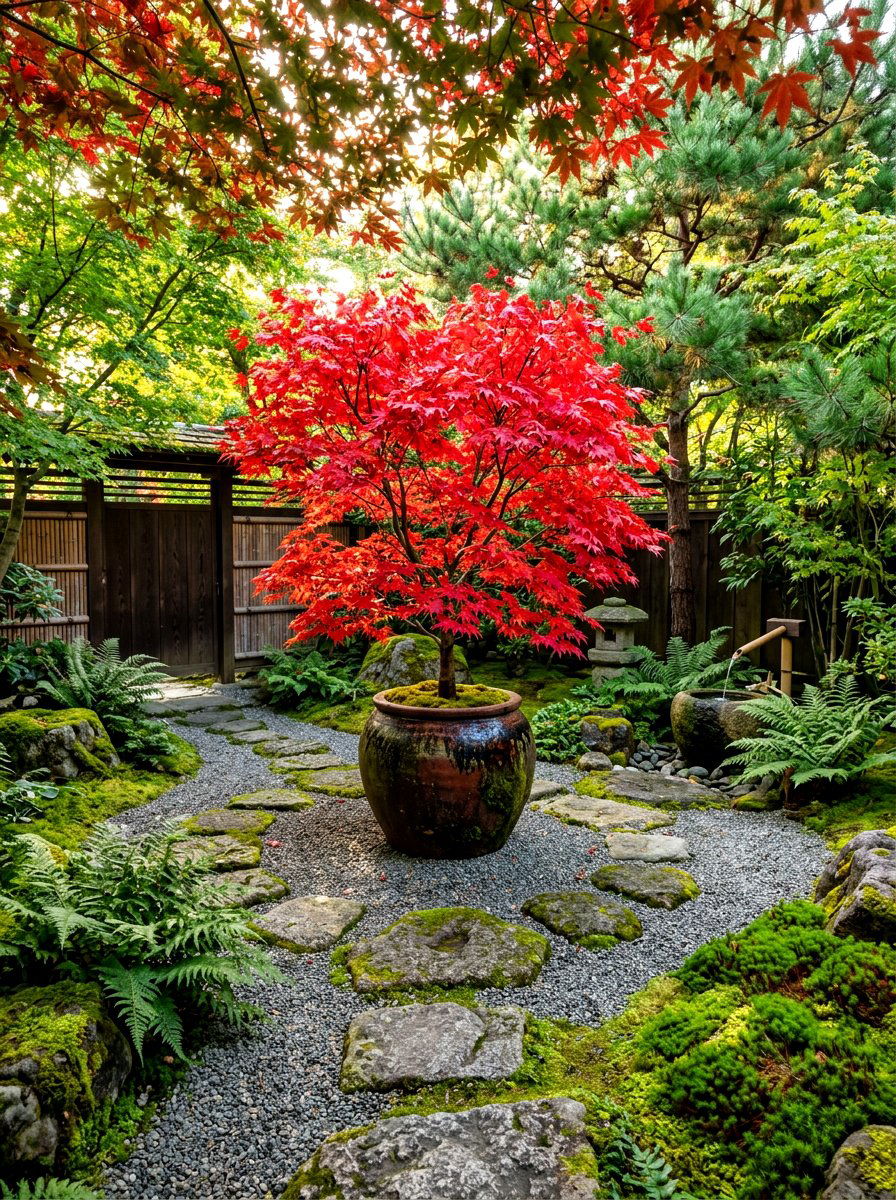
A Japanese maple serves as an exquisite "hero tree" for a shaded courtyard. These trees are celebrated for their graceful branch structures and stunning foliage that changes colors with the seasons. Many varieties, such as the Acer palmatum 'Sango-kaku' or 'Bloodgood' , perform exceptionally well in partial shade where their delicate leaves are protected from harsh afternoon sun. Their compact size makes them perfect for smaller enclosures or large architectural pots. In a dim courtyard, the fine-textured leaves create beautiful dappled light patterns on the ground. A single specimen tree provides a strong vertical element and a seasonal focal point, offering fiery reds or golden yellows that pop against neutral garden walls.
5. Light Colored Paving
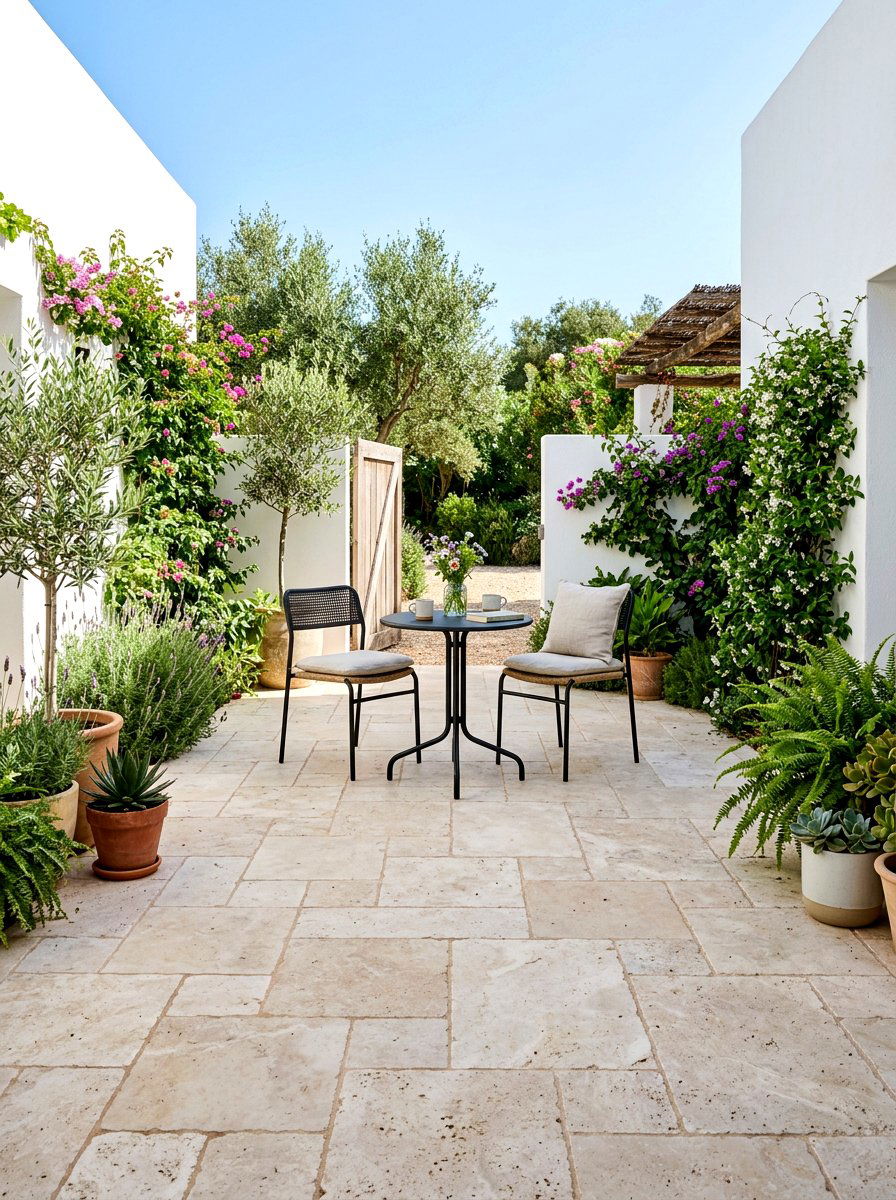
The choice of flooring significantly impacts the brightness of a shaded courtyard. Dark stones can make a small space feel cramped and gloomy, whereas light-colored paving instantly lifts the entire mood. Opt for materials like pale limestone, white porcelain tiles, or light gray sandstone to reflect as much natural light as possible. These surfaces stay cooler underfoot and provide a clean, modern foundation for your plant collection. Using larger pavers can also make the ground area appear more expansive. When the sun hits these reflective surfaces, it illuminates the undersides of leaves and brightens the surrounding walls. This simple hardscaping choice ensures your garden feels airy and inviting throughout the day.
6. Hosta Garden Border
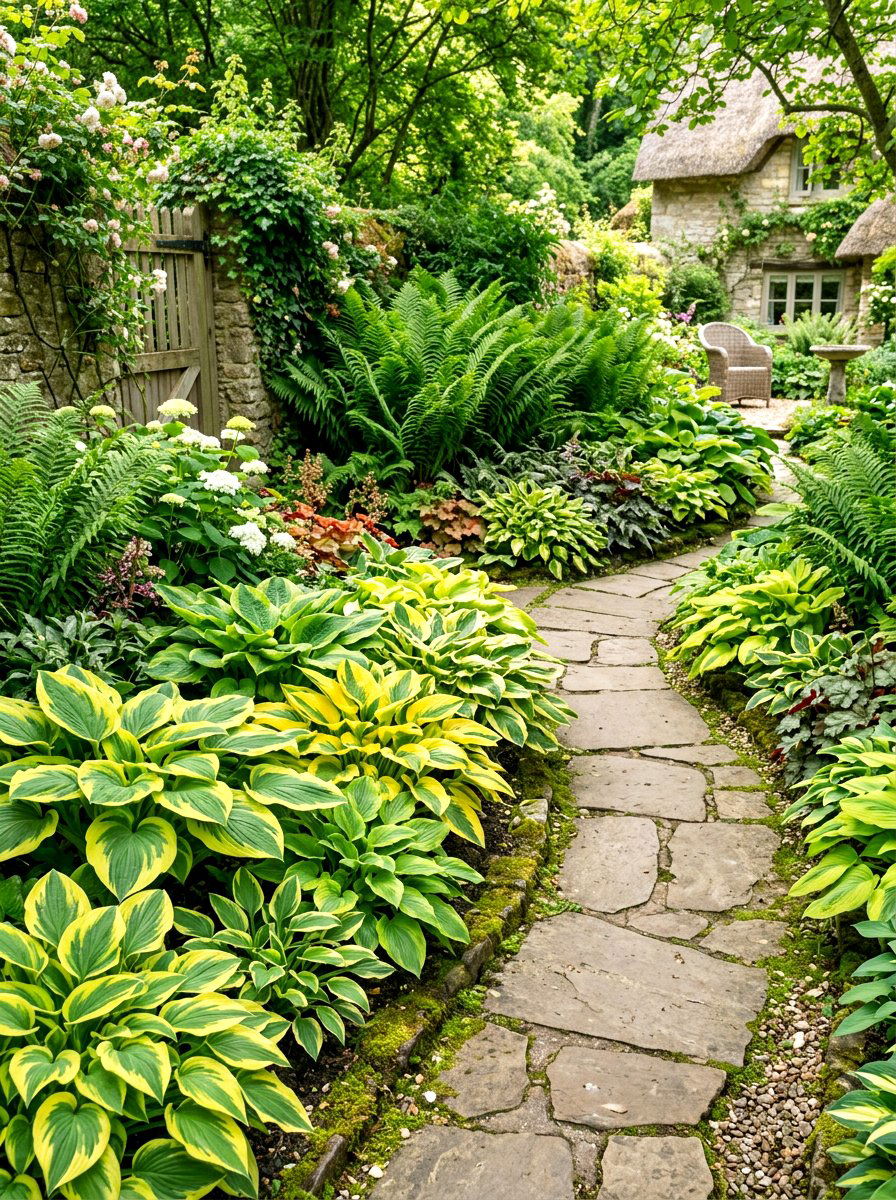
Hostas are the undisputed royalty of the shade garden, offering an incredible variety of leaf shapes, sizes, and colors. In a courtyard, a dense border of hostas provides a lush, structural look that requires very little maintenance once established. Choose varieties with variegated leaves, such as those with white or chartreuse edges, to add pops of brightness to dark corners. The broad, waxy leaves of the 'Sum and Substance' or the blue-toned 'Halcyon' create a striking contrast against finer-textured plants like ferns or grasses. These perennials return every spring, filling the space with architectural greenery. Their thick foliage also helps suppress weeds, making them a practical and beautiful choice.
7. Garden Wall Mirror
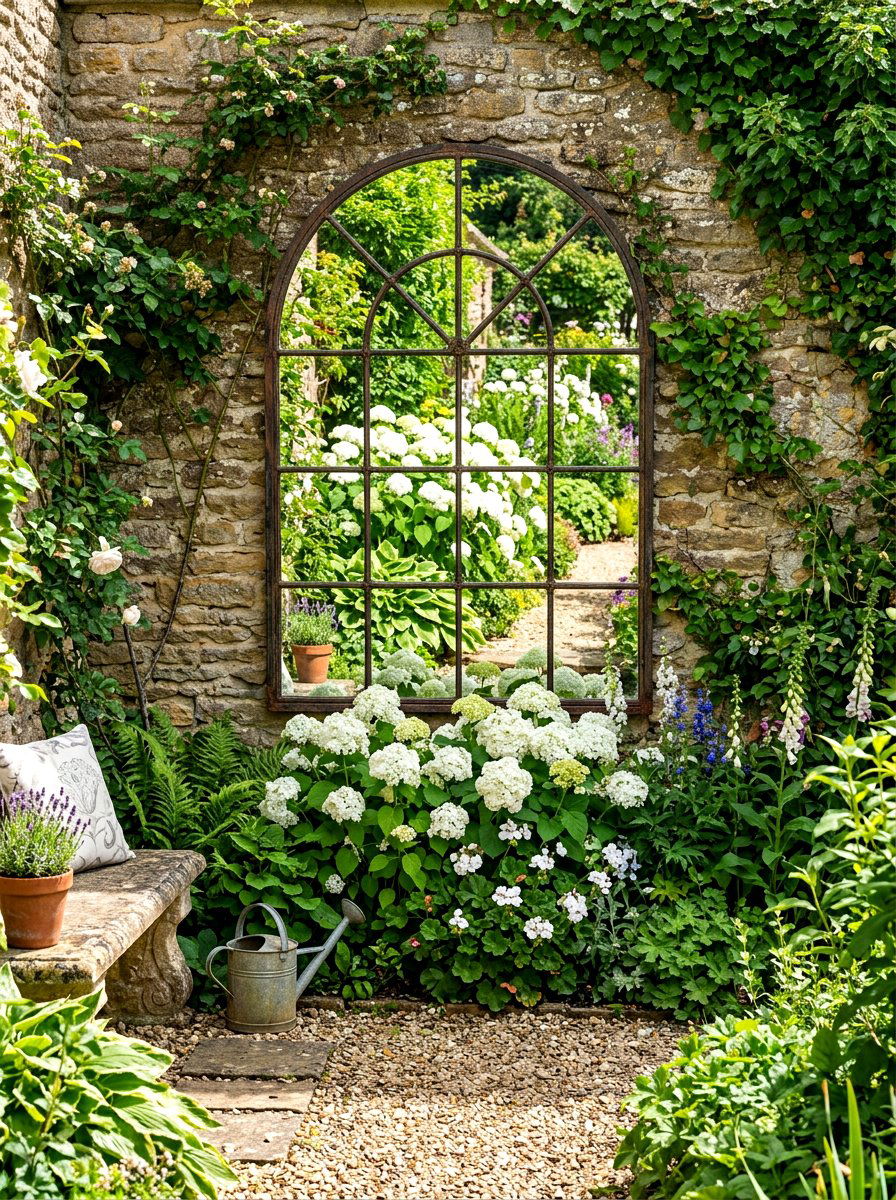
Mirrors are a classic designer secret for making a small or dim courtyard feel twice its actual size. By mounting a large, weather-resistant mirror on a boundary wall, you create the illusion of a "window" into another part of the garden. This trick is especially effective when positioned to reflect a group of bright white flowers or a lush fern display. The glass catches sunlight and bounces it into deep shadows, significantly increasing the overall brightness of the area. Choose a frame that matches your garden’s style, whether it is a rustic arched window frame or a sleek, frameless modern panel. This clever addition adds mystery and architectural interest to your space.
8. Shade Garden Decking
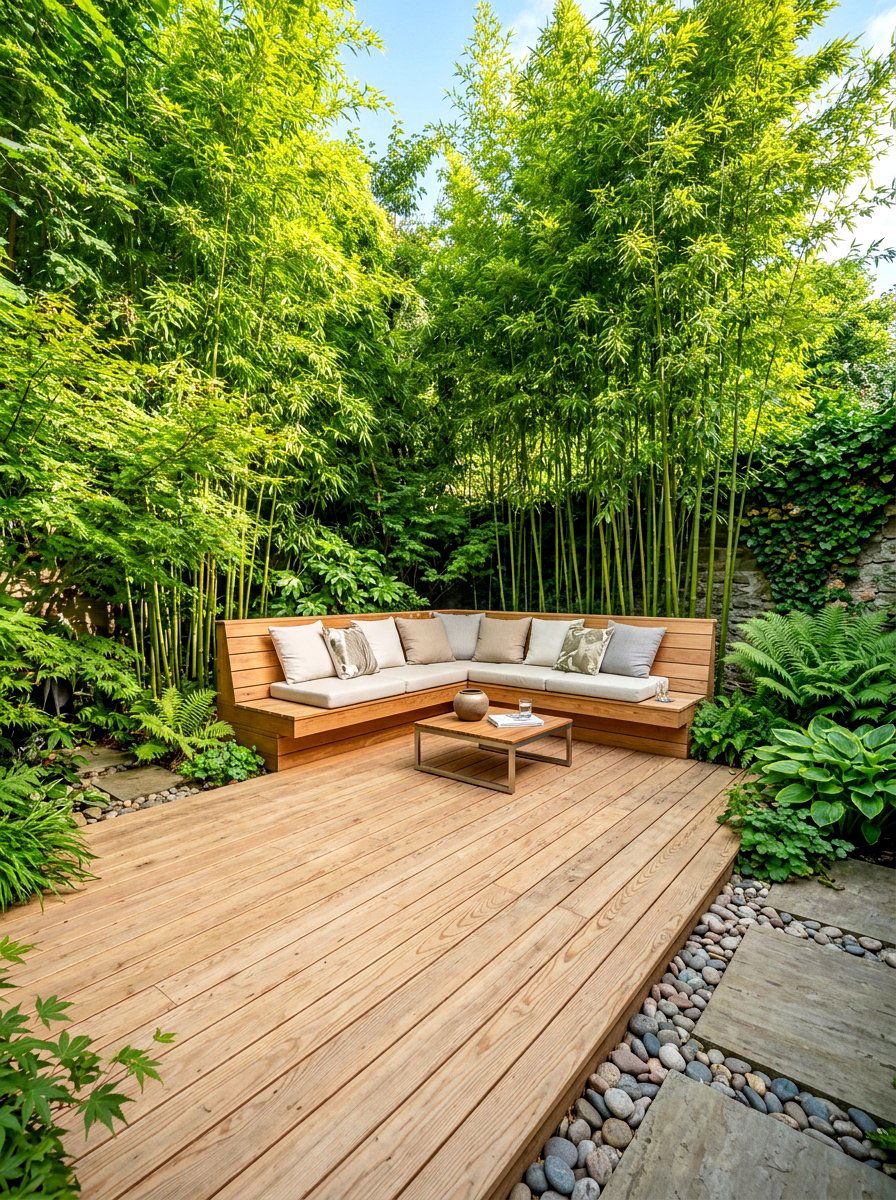
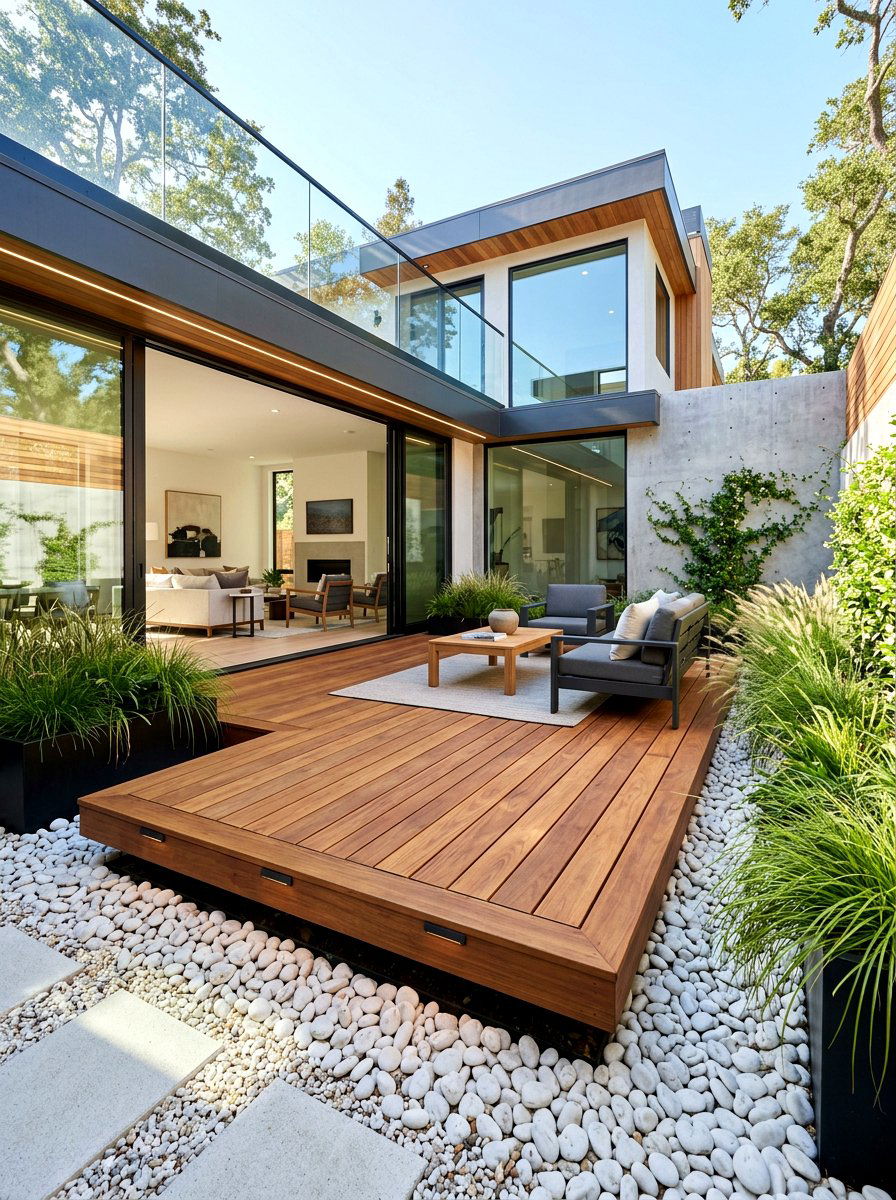
Installing a wooden deck is a fantastic way to create a warm and functional living area in a shaded courtyard. Light-toned woods like cedar or pressure-treated pine can brighten the ground plane while providing a comfortable surface for furniture. Decking is particularly useful if the ground is uneven or has poor drainage, as is often the case in enclosed spaces. Elevating the seating area also helps define different zones within the garden. For a modern aesthetic, run the boards in a direction that draws the eye toward a focal point, such as a specimen tree or a water feature. Wood adds a natural, organic texture that softens the hard edges of courtyard walls.
9. Bamboo Privacy Fence
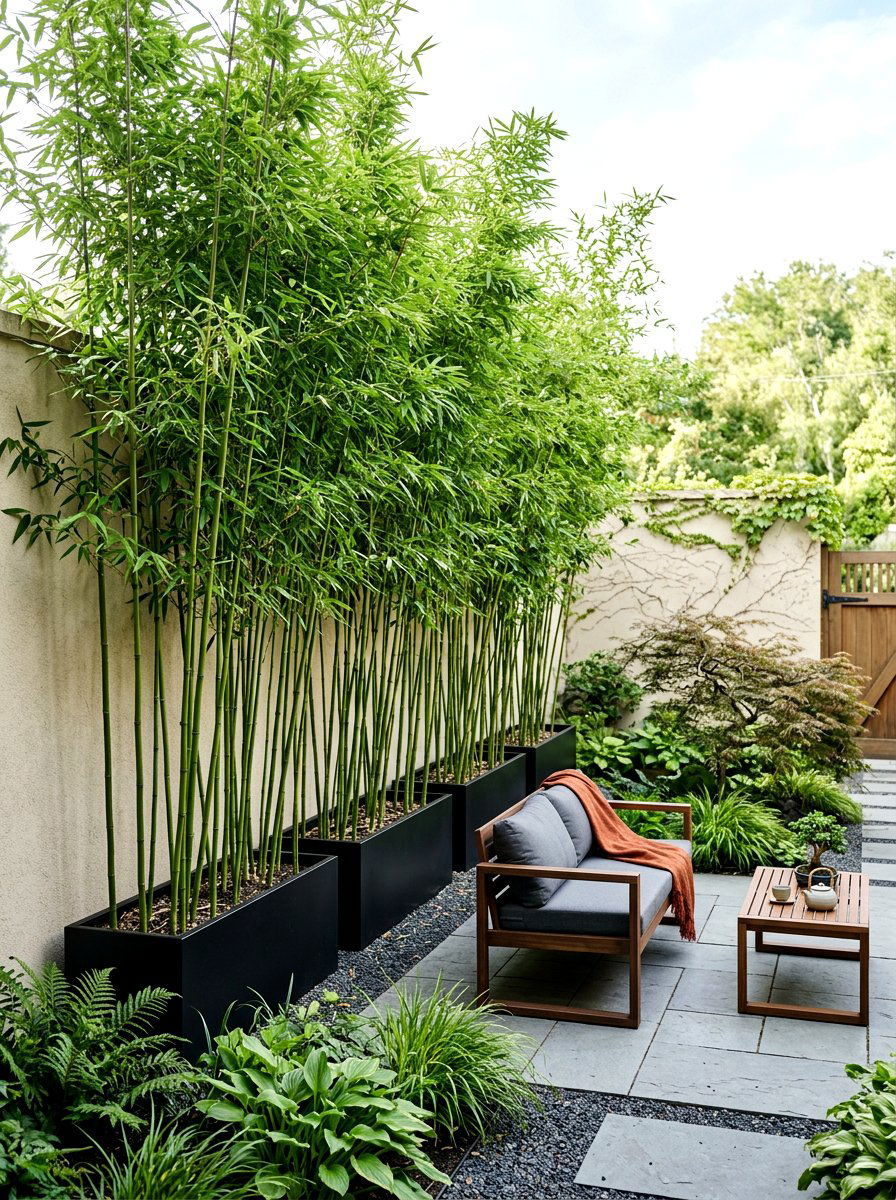
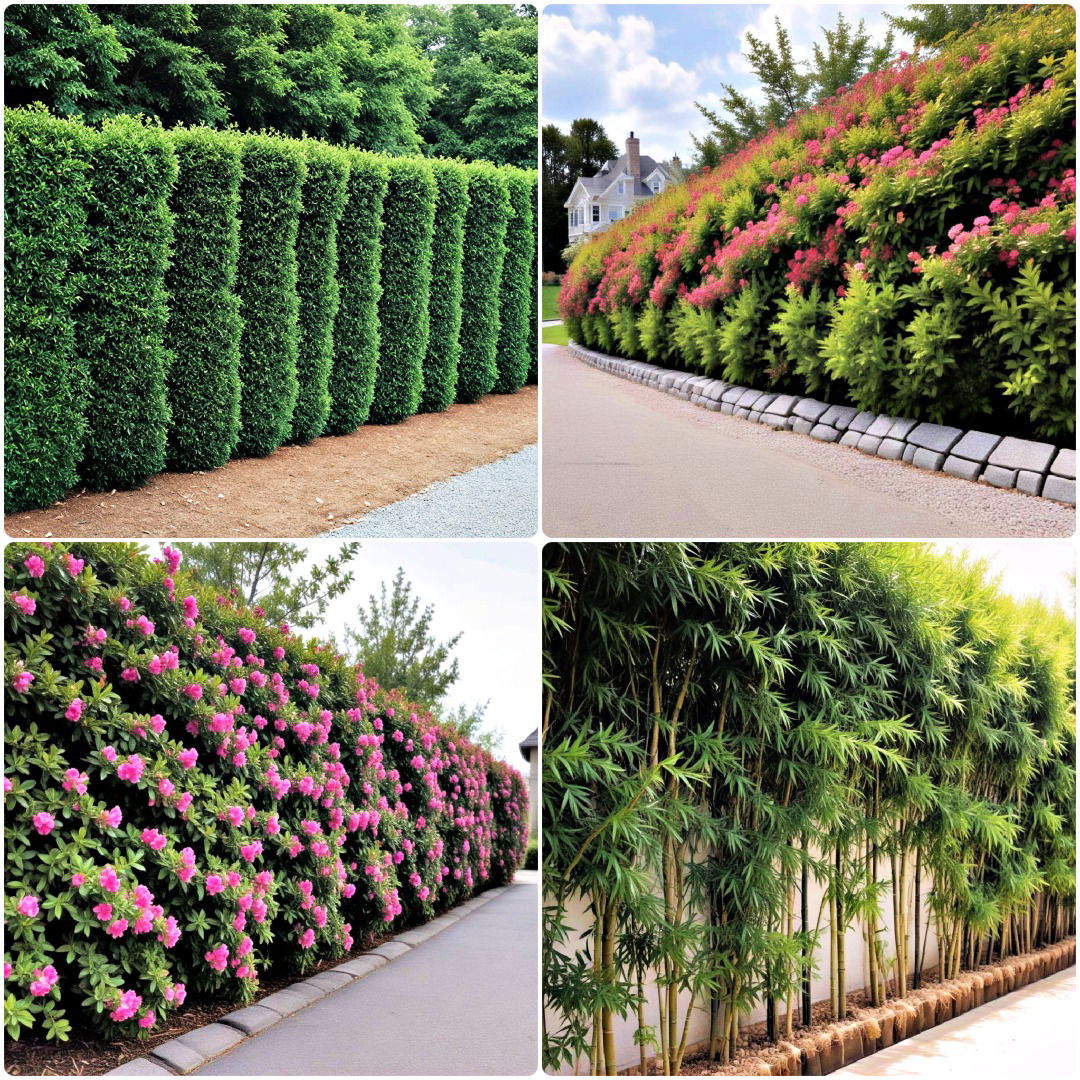
Bamboo is a fast-growing and elegant solution for adding privacy and height to a courtyard garden. Because it grows vertically with a narrow footprint, it doesn't eat into valuable floor space. Many species, like Fargesia, are clumping and shade-tolerant, making them ideal for urban courtyards. The rustling sound of bamboo leaves in the breeze adds a tranquil sensory layer to your outdoor retreat. You can plant bamboo in tall, slender troughs to create a green screen that hides unsightly walls or neighboring buildings. Its bright green canes and feathery foliage provide a tropical or Zen-like feel that stays green year-round, ensuring your courtyard remains private and lush in every season.
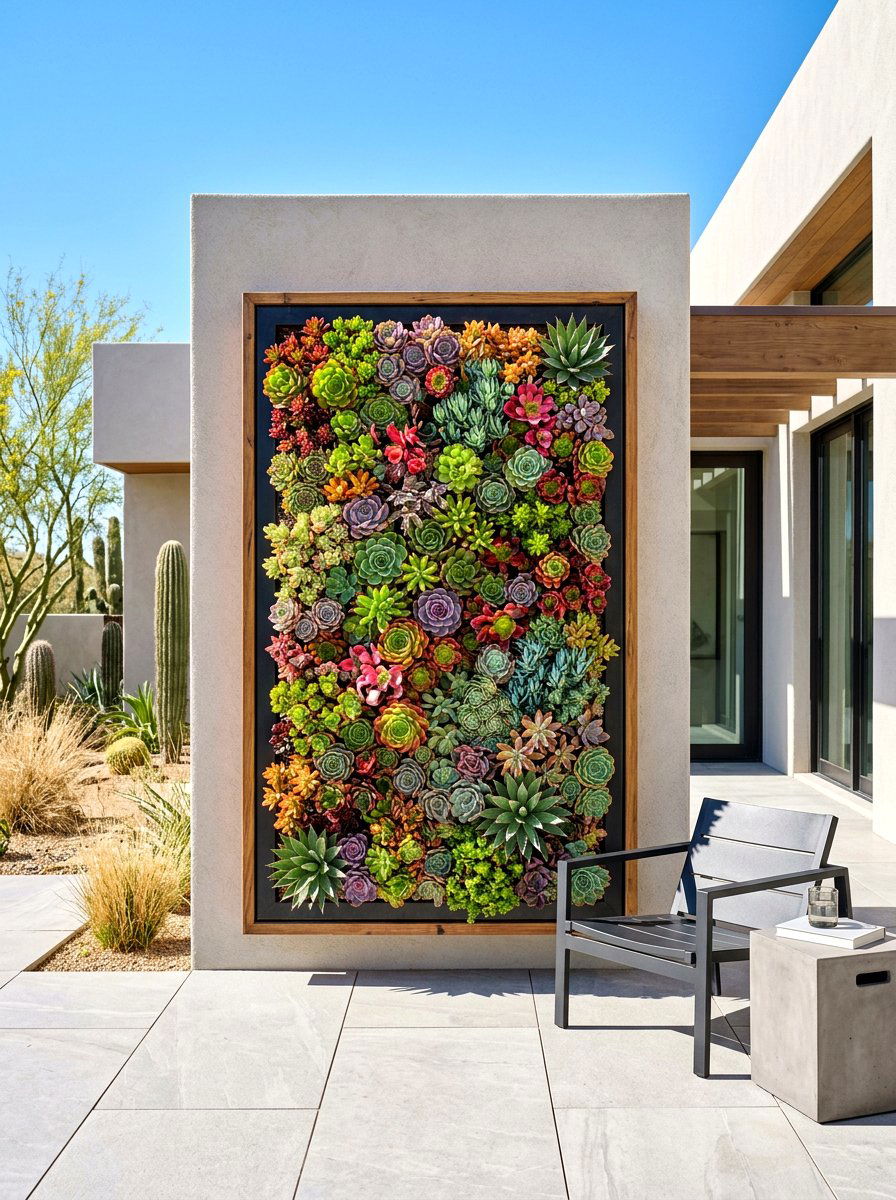
10. Tropical Shade Plants
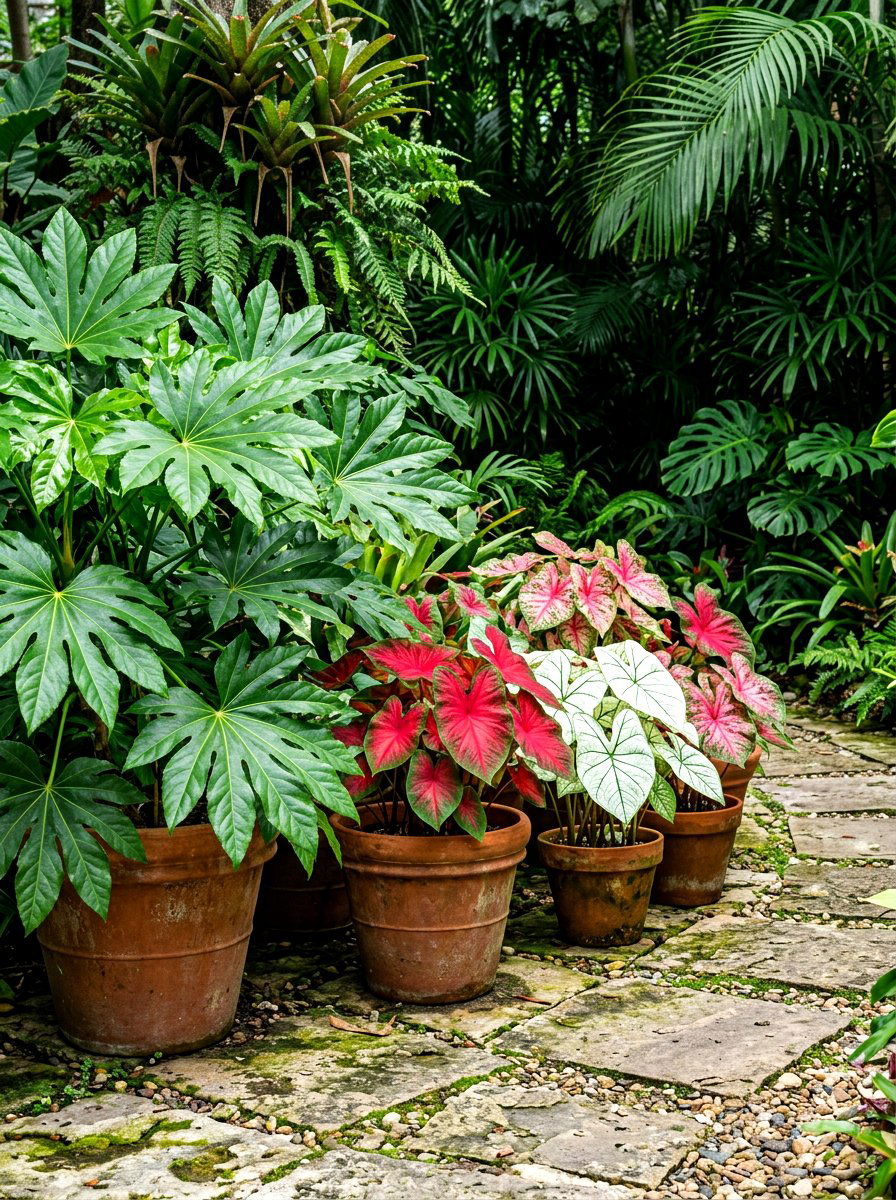
Creating a tropical oasis in a shaded courtyard is easier than you might think. Many exotic-looking plants, such as Fatsia japonica and various Caladiums, actually prefer the cooler, sheltered conditions of a courtyard. These plants feature oversized, dramatic leaves that bring a sense of luxury and drama to the space. Use large pots to house architectural species like the Swiss cheese plant or bird of paradise if your climate allows. The dense, dark green foliage provides a bold backdrop for lighter-colored furniture or decor. By layering different heights and leaf shapes, you can achieve a jungle-like atmosphere that feels secluded and far removed from the surrounding busy city streets.
11. Built In Garden Seating
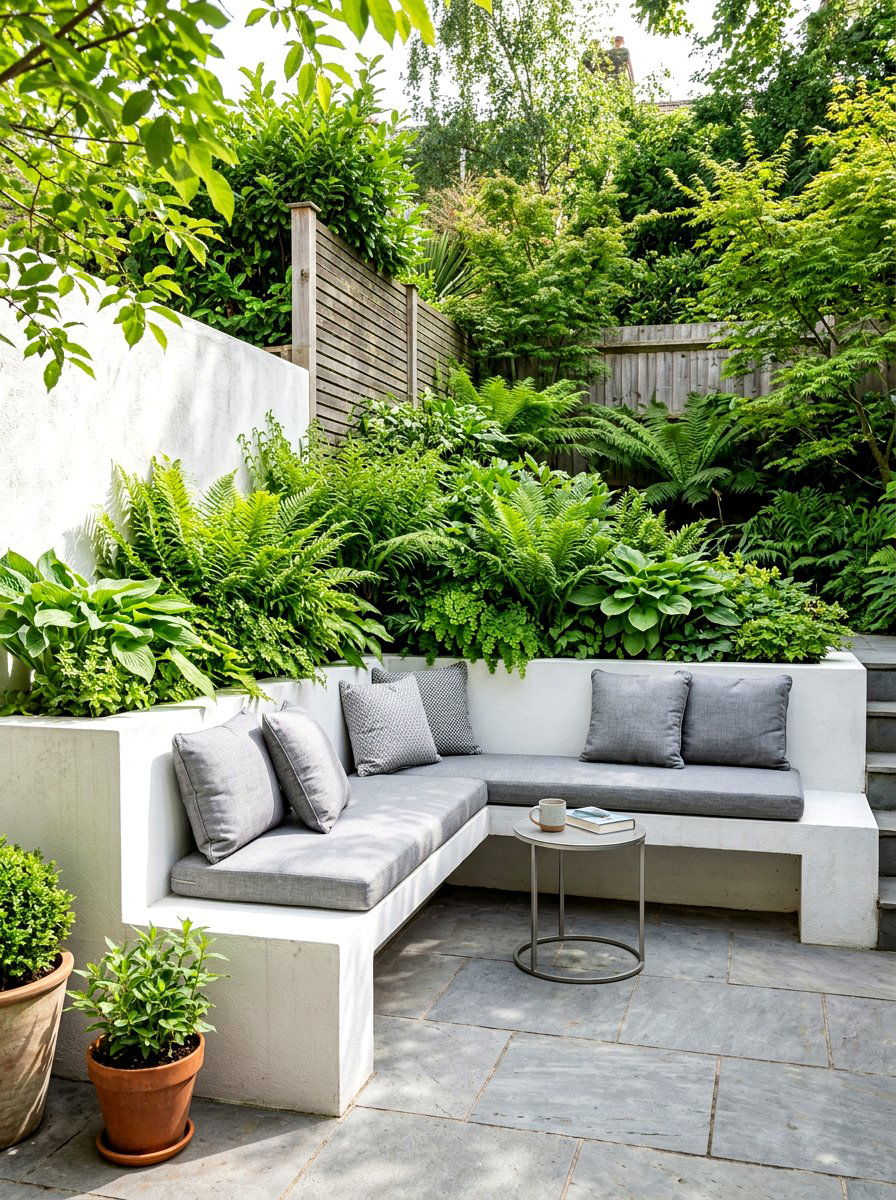
Maximize the utility of a small courtyard by incorporating built-in seating along the perimeter walls. Custom benches made of wood or stone save significant floor space compared to bulky standalone furniture. These seats can also double as storage for cushions or gardening tools. Surround the seating area with tall shade-loving plants like hydrangeas or tall ferns to create a "cocoon" effect. This makes the seating nook feel private and cozy, perfect for reading a book or enjoying a morning coffee. Adding soft outdoor cushions in light, neutral tones will further brighten the space and invite people to spend more time outdoors. Integrated planters within the bench design keep greenery close.
12. Moss Ground Cover
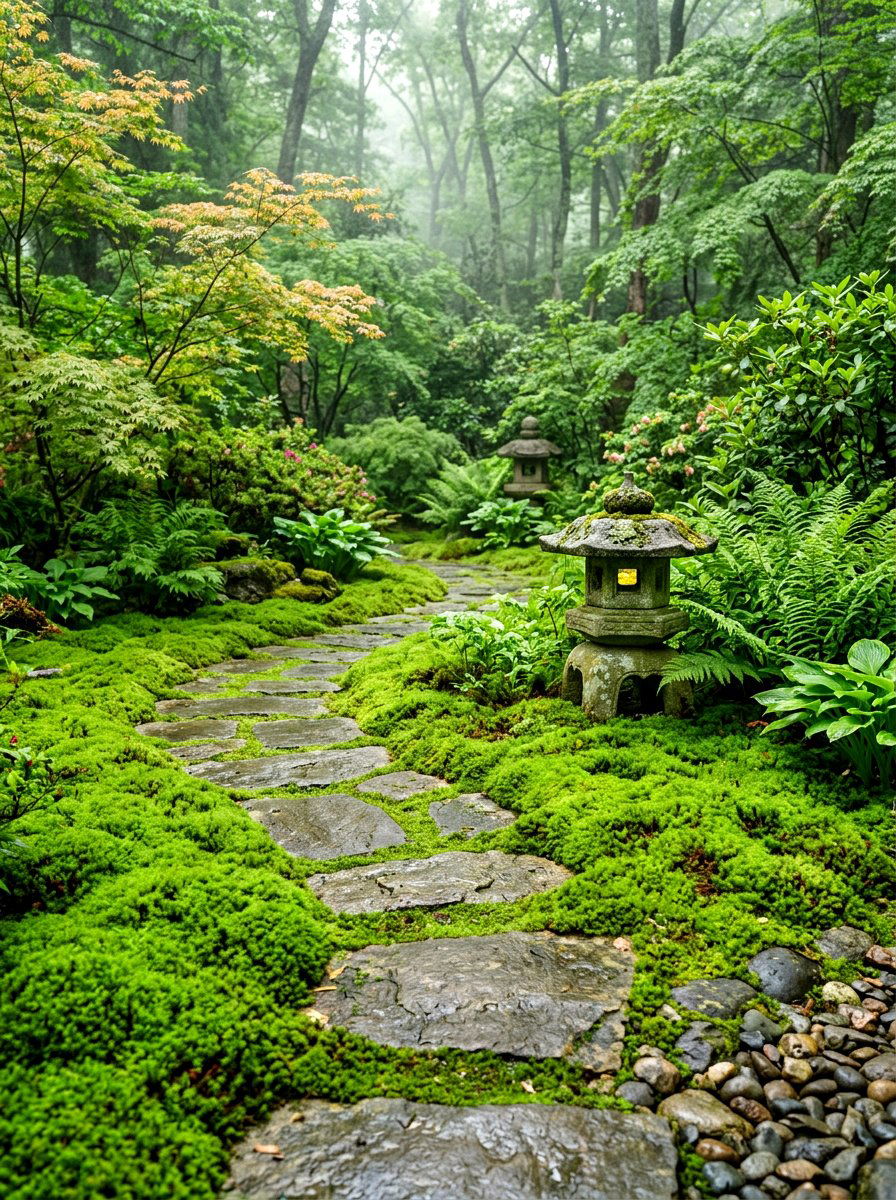
In very damp and shady courtyards where traditional grass refuses to grow, moss is a stunning and low-maintenance alternative. A carpet of emerald-green moss creates a soft, velvety texture that looks incredibly magical and ancient. It thrives in the exact conditions that often frustrate gardeners, such as high humidity and low light. You can encourage moss to grow between flagstones or across entire sections of the ground for a seamless, organic look. This ground cover requires no mowing and very little effort to maintain. It pairs perfectly with Japanese-inspired designs, stone lanterns, and ferns, helping to establish a quiet, contemplative atmosphere that feels like a hidden forest floor right in your home.
13. Climbing Hydrangea Wall
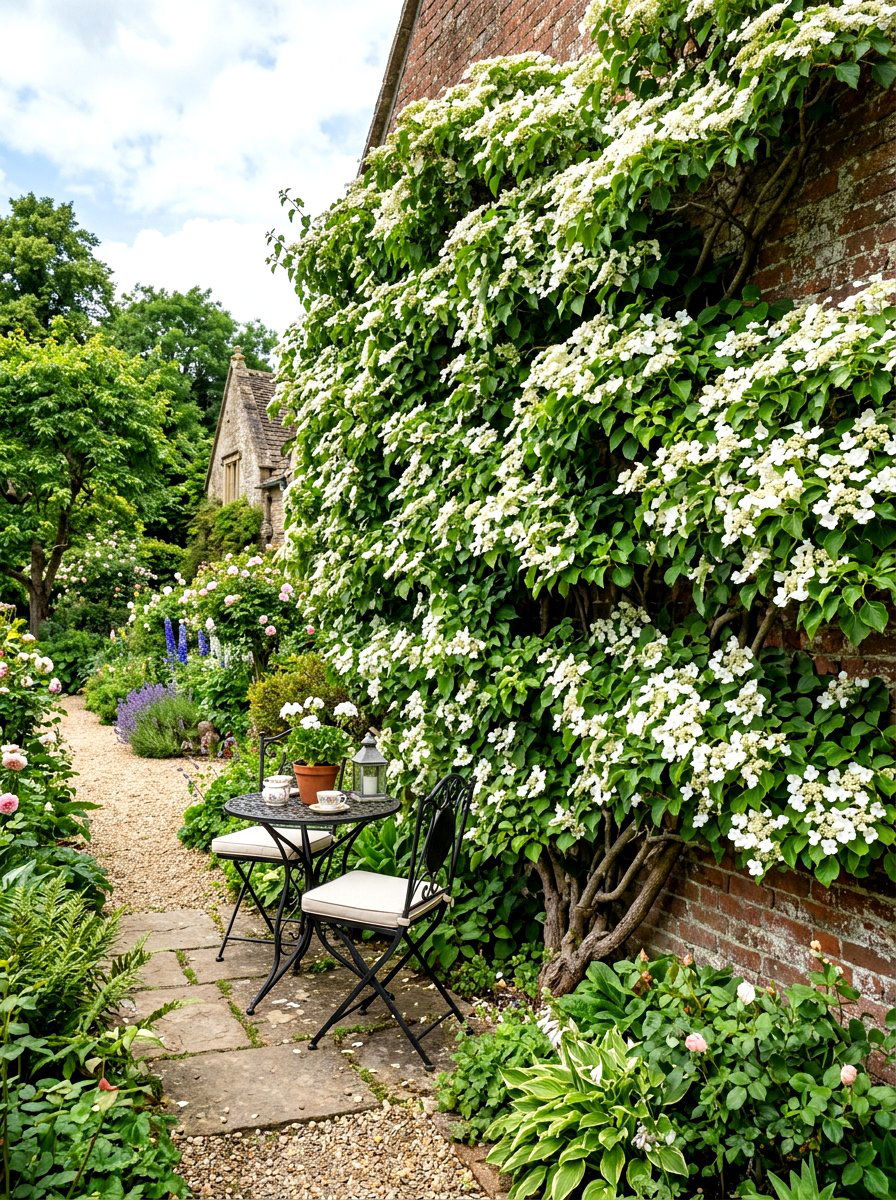
If you have high, bare walls in your courtyard, a climbing hydrangea is the perfect plant to provide vertical interest. Unlike many other climbers, this plant thrives in full shade and produces beautiful lace-cap white flowers in the summer. Its heart-shaped green leaves turn a lovely buttery yellow in the fall, providing seasonal color. The plant uses aerial roots to cling to brick or stone, eventually creating a dense green tapestry that softens the architecture. This vertical greenery helps insulate the courtyard and provides a home for local birds. It is a slow-growing but incredibly rewarding plant that adds age and character to any enclosed outdoor space over the years.
14. Shade Garden Gravel Path
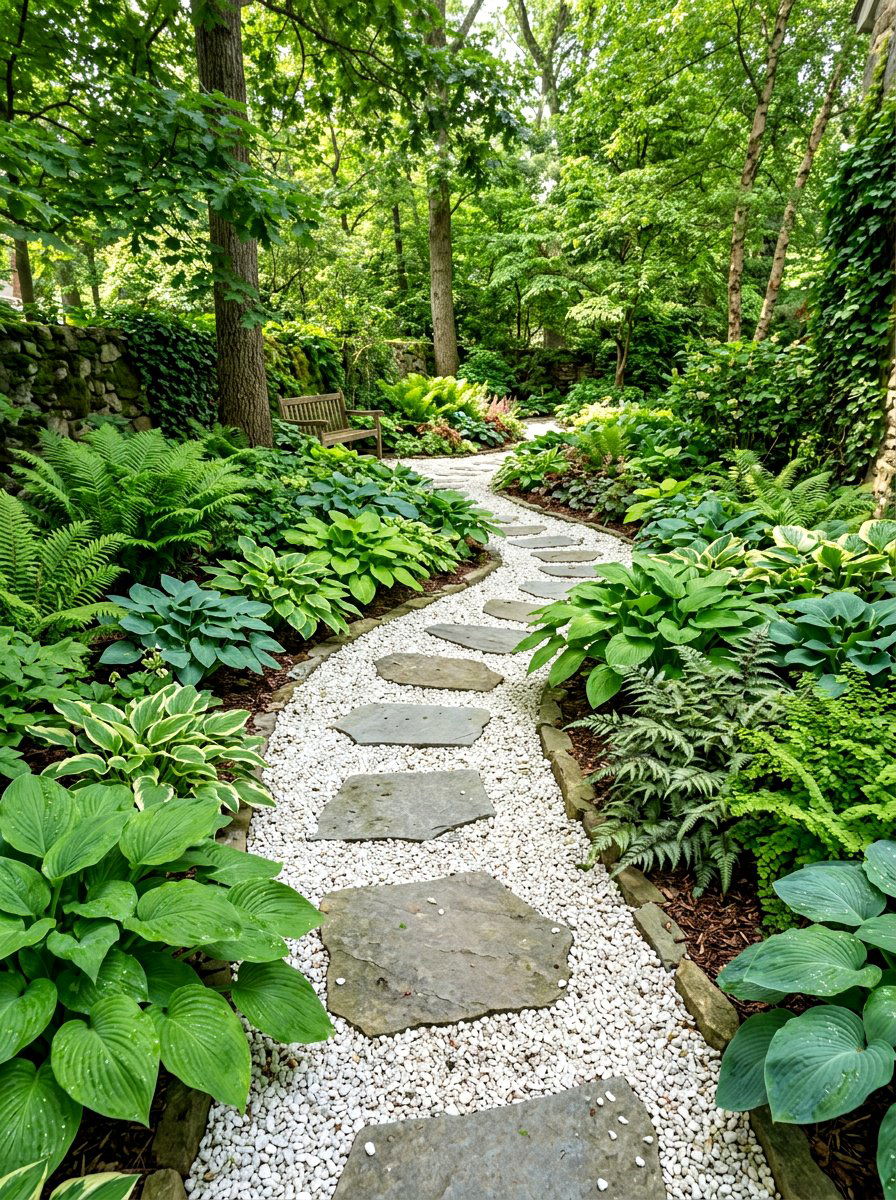
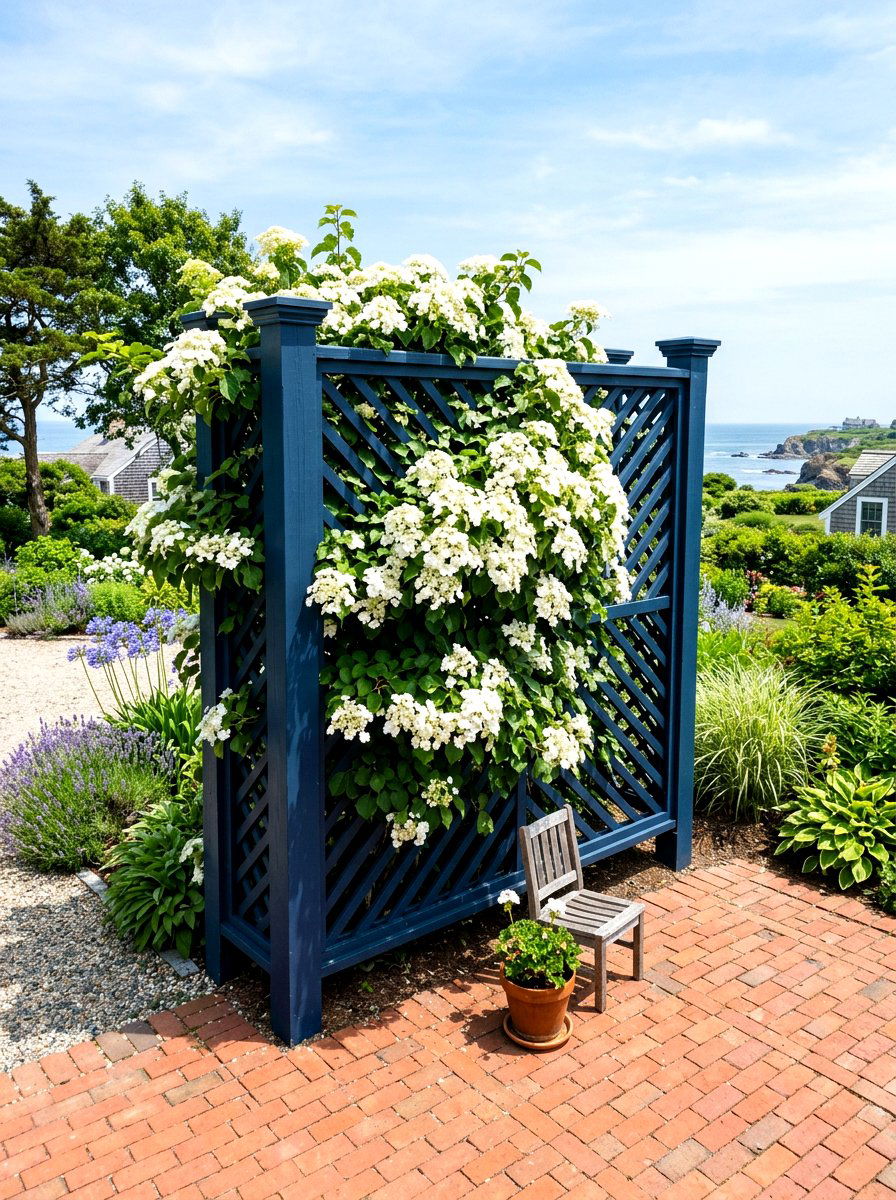
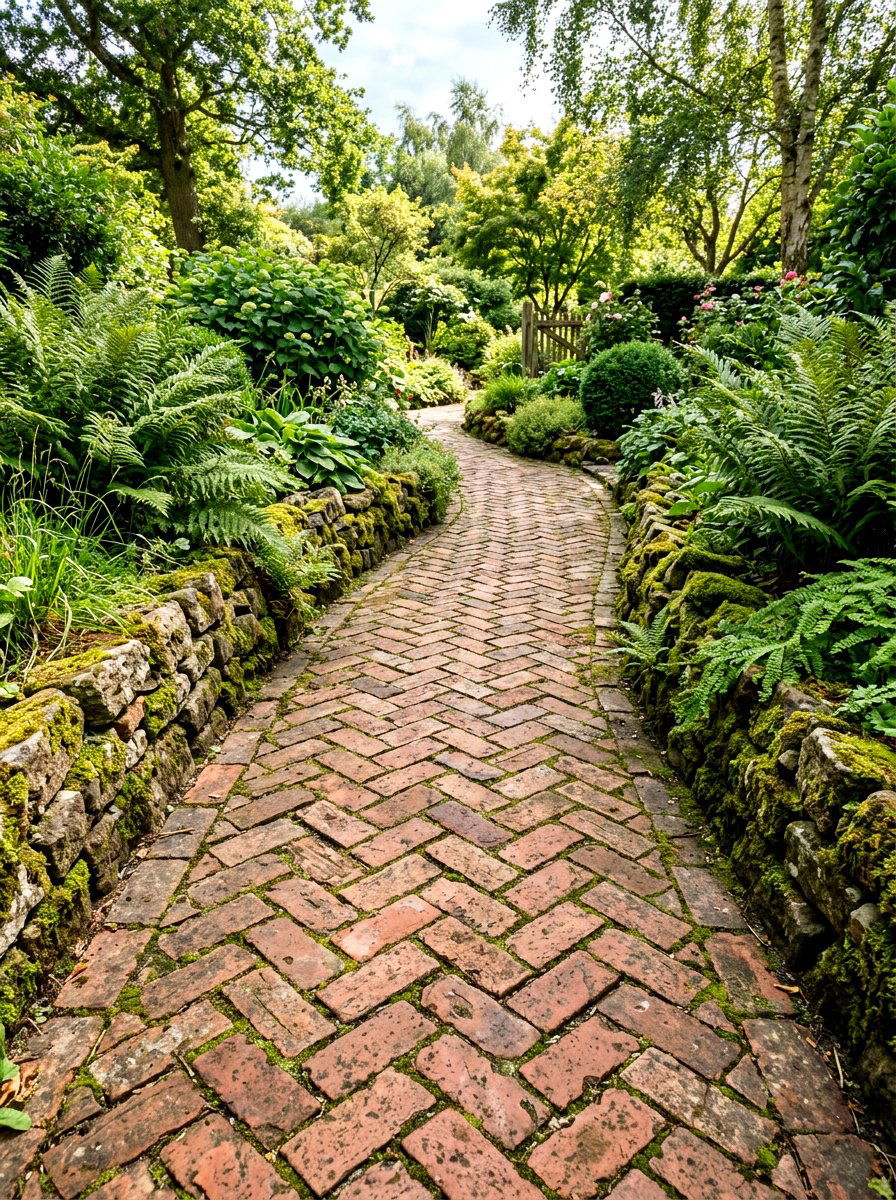
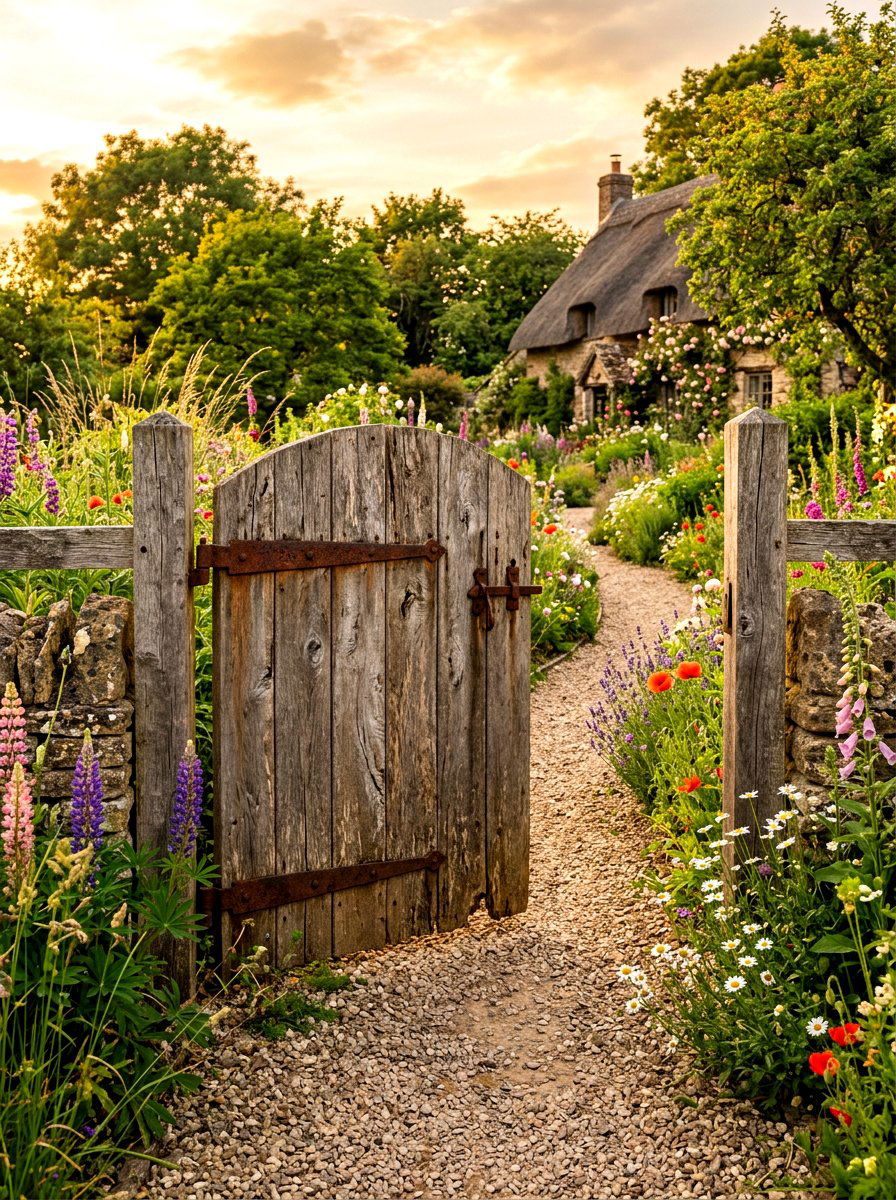
Gravel is an excellent hardscaping choice for shaded courtyards because it is permeable and easy to install. Choose a light-colored gravel, such as white quartz or pale pea shingle, to help reflect light into the garden. The crunching sound of gravel underfoot adds a pleasing tactile and auditory element to the space. You can use gravel to create winding paths that lead to a hidden bench or to fill the gaps between larger stepping stones. It is also a great material for drainage, preventing water from pooling in shaded areas. Gravel provides a clean, textured look that works well with both traditional cottage styles and modern, minimalist garden designs.
15. Japanese Forest Grass
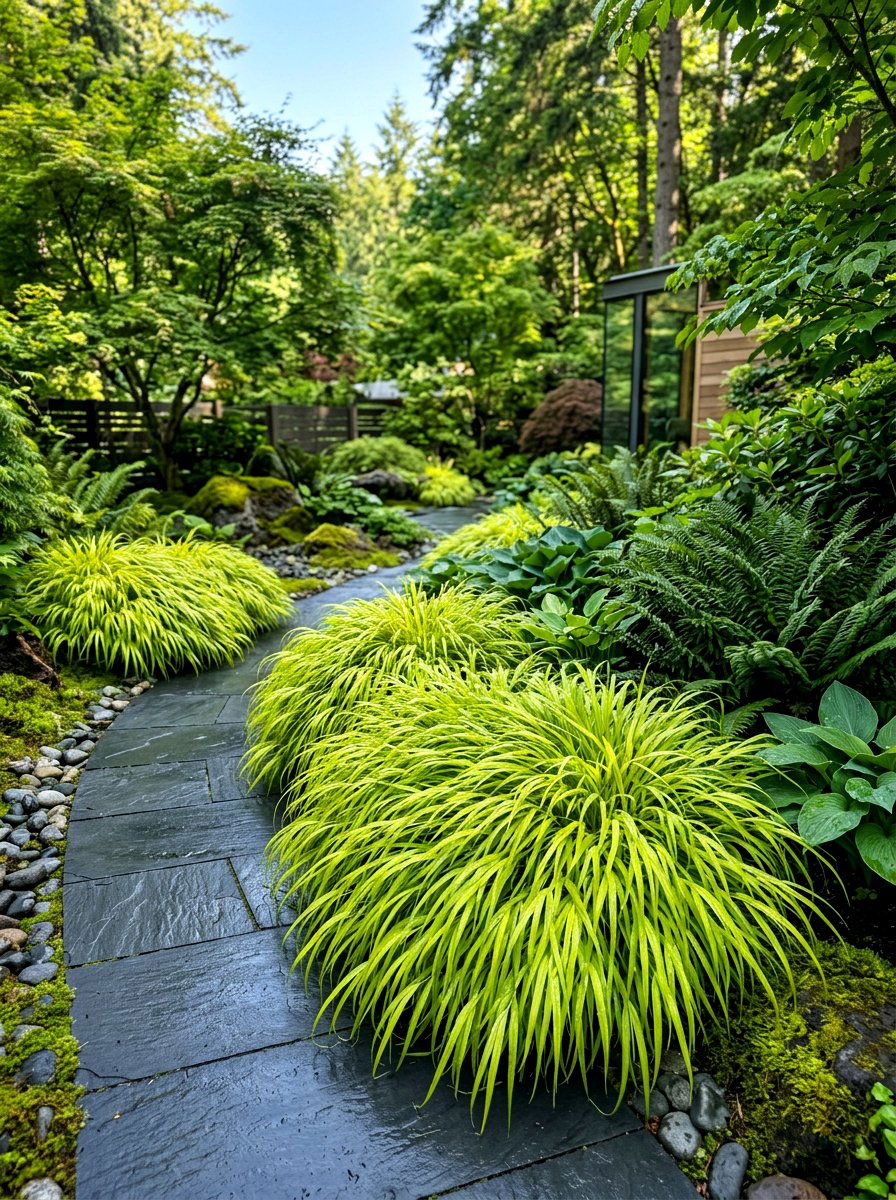
Japanese forest grass, or Hakonechloa, is a must-have plant for any shady courtyard. This ornamental grass features soft, cascading blades that move elegantly with the slightest breeze. The 'Aureola' variety is particularly popular because its bright yellow and green variegated leaves act like a sunbeam in dark corners. It grows in low, rounded mounds that spill over the edges of paths or pots, softening the hard lines of the courtyard. This grass thrives in moist, shaded soil and provides a luminous glow that contrasts beautifully with darker green ferns or hostas. Its graceful form and vibrant color make it an ideal choice for adding texture and light to low-light garden beds.
16. Outdoor String Lights
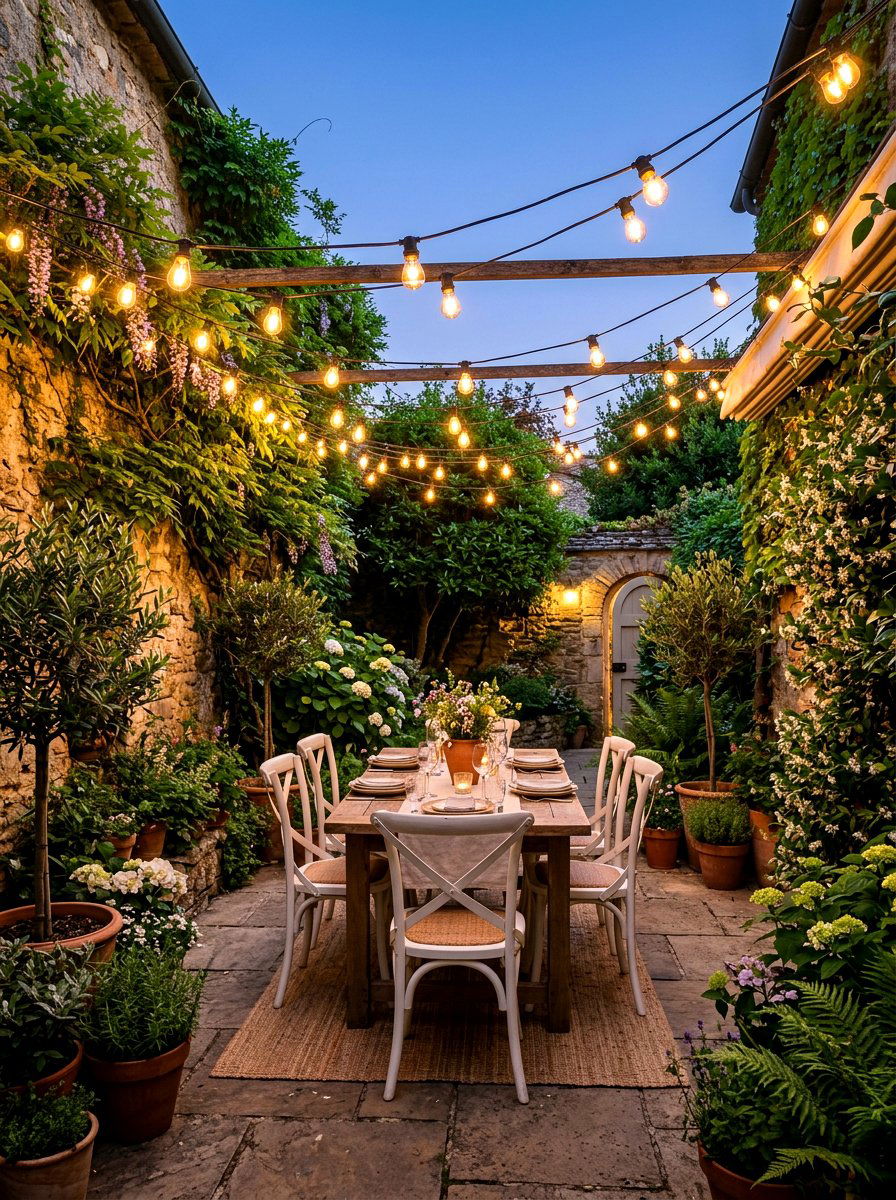
Lighting is the key to making a shaded courtyard usable and enchanting during the evening hours. Festoon string lights draped across the space create a warm, festive canopy that instantly elevates the mood. Because courtyards are enclosed, the light bounces off the walls, creating a cozy and intimate atmosphere. You can hang these lights from the house to a fence or weave them through the branches of a specimen tree. Use warm-toned LED bulbs to maintain a soft, inviting glow rather than a harsh, bright light. This simple addition turns your garden into a magical outdoor room, perfect for hosting dinner parties or simply relaxing under the stars after the sun goes down.
17. Potted Shade Plants
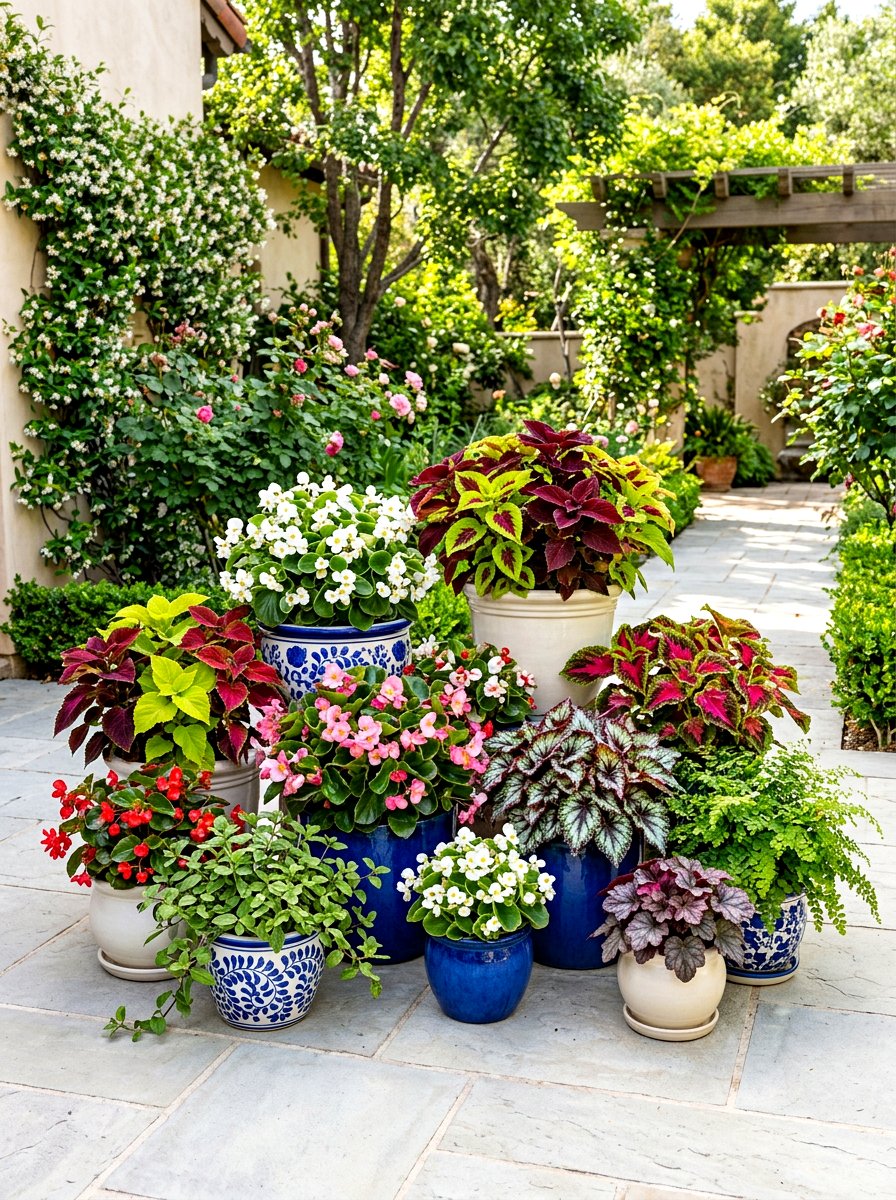
Container gardening offers maximum flexibility for courtyard owners. By using a variety of pots, you can easily move plants around to catch the best light or to refresh the look of the garden. Choose large, sculptural pots in light colors like white, cream, or terracotta to brighten the space. Grouping pots of different heights creates a layered, professional look. You can fill these containers with shade-lovers like fuchsias, begonias, and coleus for vibrant pops of color. Potted plants also allow you to grow species that might not thrive in your natural soil. This approach makes it easy to maintain a lush, ever-changing garden even in the most restricted urban courtyard environments.
18. Blue Shade Garden Foliage
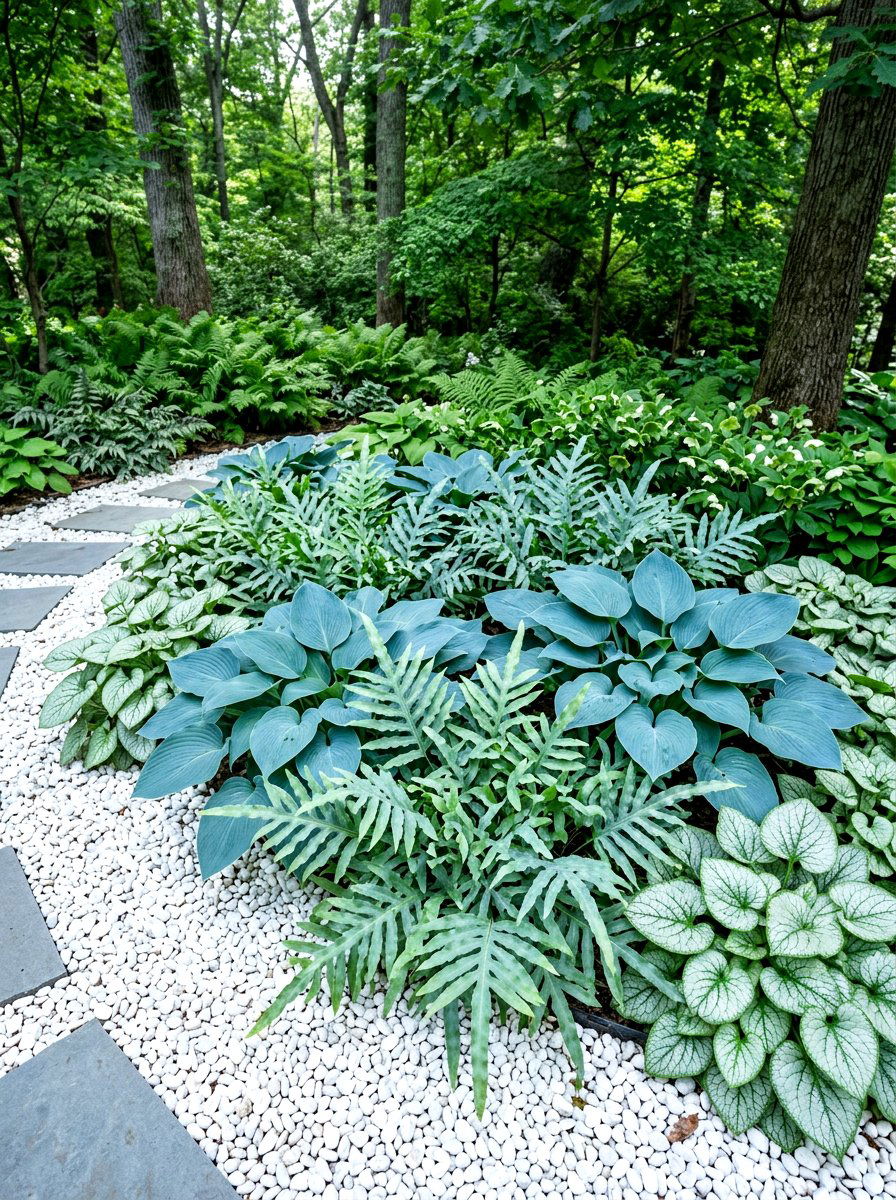
While many people focus on green, incorporating blue-toned foliage can add a sophisticated and cooling touch to a shaded courtyard. Plants like the 'Halcyon' hosta or certain types of blue-star ferns offer unique powdery-blue leaves that stand out in the shadows. This color palette creates a sense of depth and tranquility, making the garden feel like a serene oasis. Blue foliage pairs exceptionally well with white flowers and silver-leaved plants like Brunnera. These cool tones can make a small, enclosed space feel more expansive and airy. By mixing various shades of blue and green, you create a complex, multi-dimensional planting scheme that remains visually interesting throughout the entire growing season.
19. Minimalist Zen Courtyard
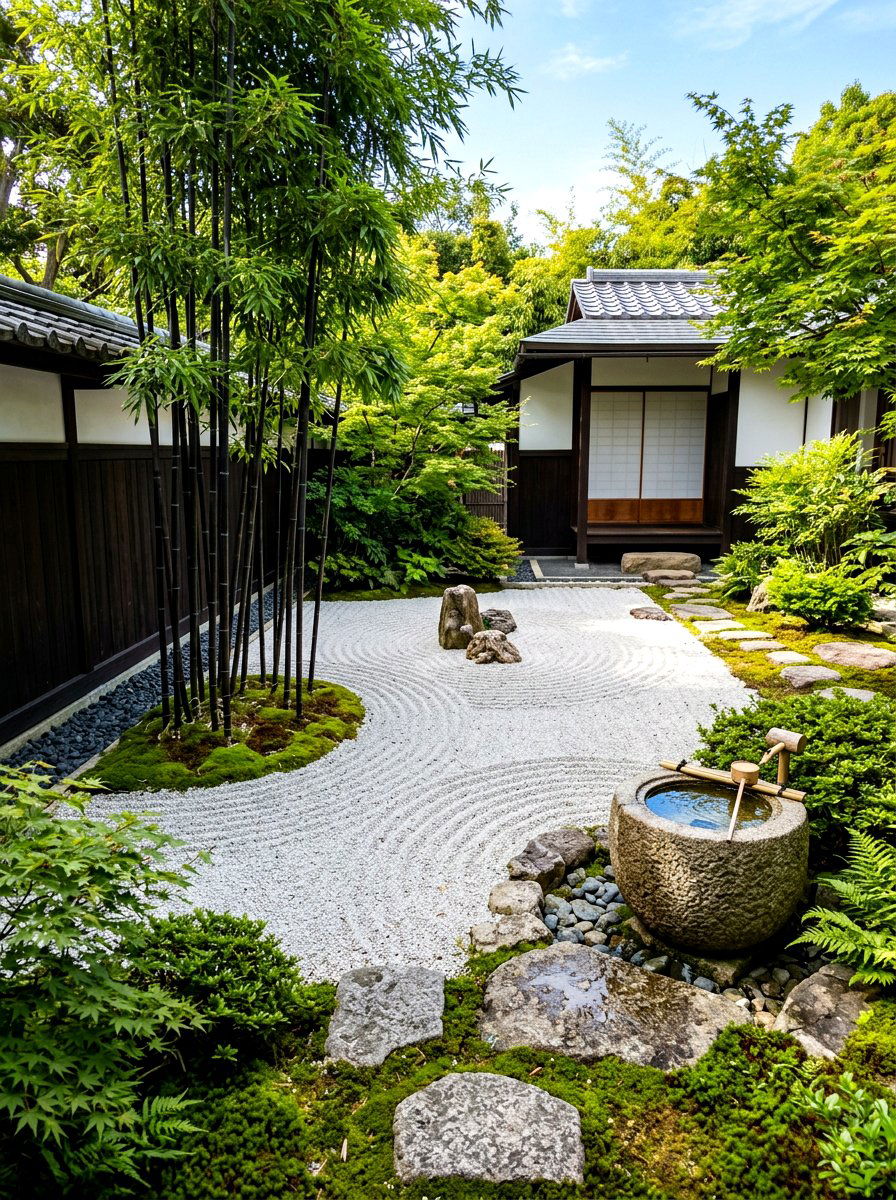
A Zen-inspired design is perfect for a shaded courtyard where the goal is peace and simplicity. Focus on a few high-quality elements rather than a cluttered collection of plants. Use a combination of smooth river rocks, a single specimen plant like a black bamboo or a Japanese maple, and a minimalist water basin. Clean lines and open spaces allow the mind to rest. The lack of direct sunlight actually helps maintain the pristine look of the stones and prevents moss from growing too quickly in unwanted areas. This style relies on the play of shadows and textures rather than bright colors, making it an ideal choice for a sophisticated, low-maintenance urban retreat.
20. Raised Garden Planter
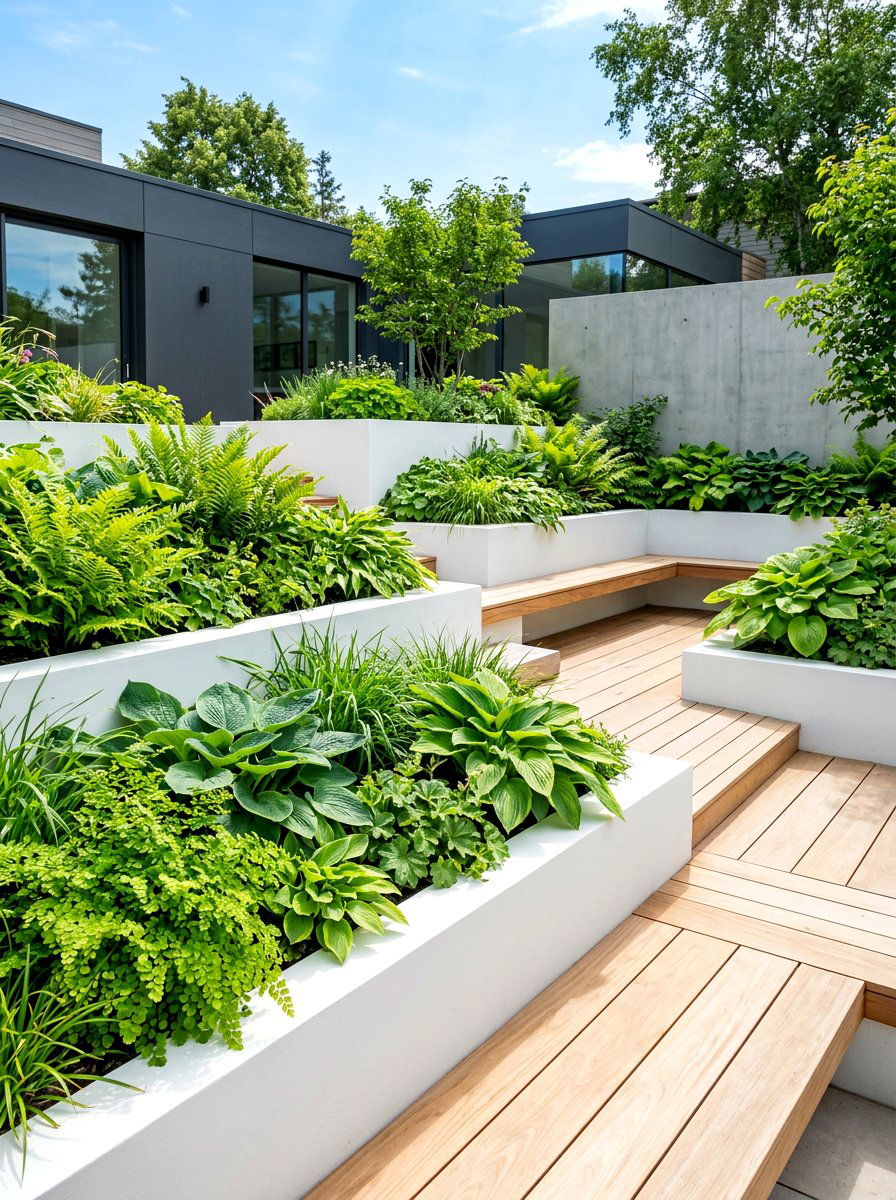
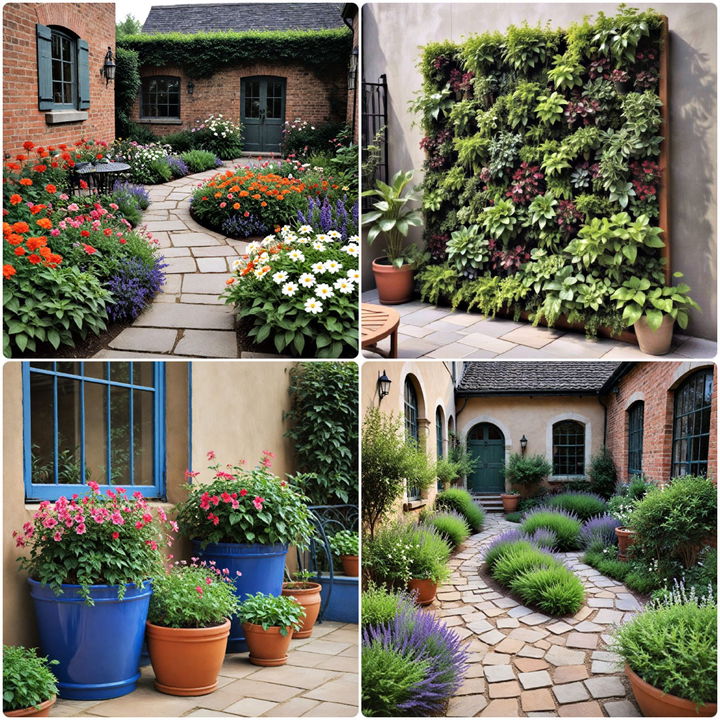
Raised planters are a practical and stylish way to add structure to a courtyard garden. They allow you to control the soil quality, which is vital for shade-loving plants that often require rich, well-draining organic matter. Building planters at different heights creates visual interest and makes gardening easier on the back. Use light-colored materials like rendered concrete or pale timber to keep the space feeling bright. Raised beds also provide additional seating opportunities if the walls are built wide enough. By elevating the plants, you bring the greenery closer to eye level, allowing you to appreciate the intricate details of hosta leaves and delicate fern fronds more intimately.
21. White Brick Courtyard Wall
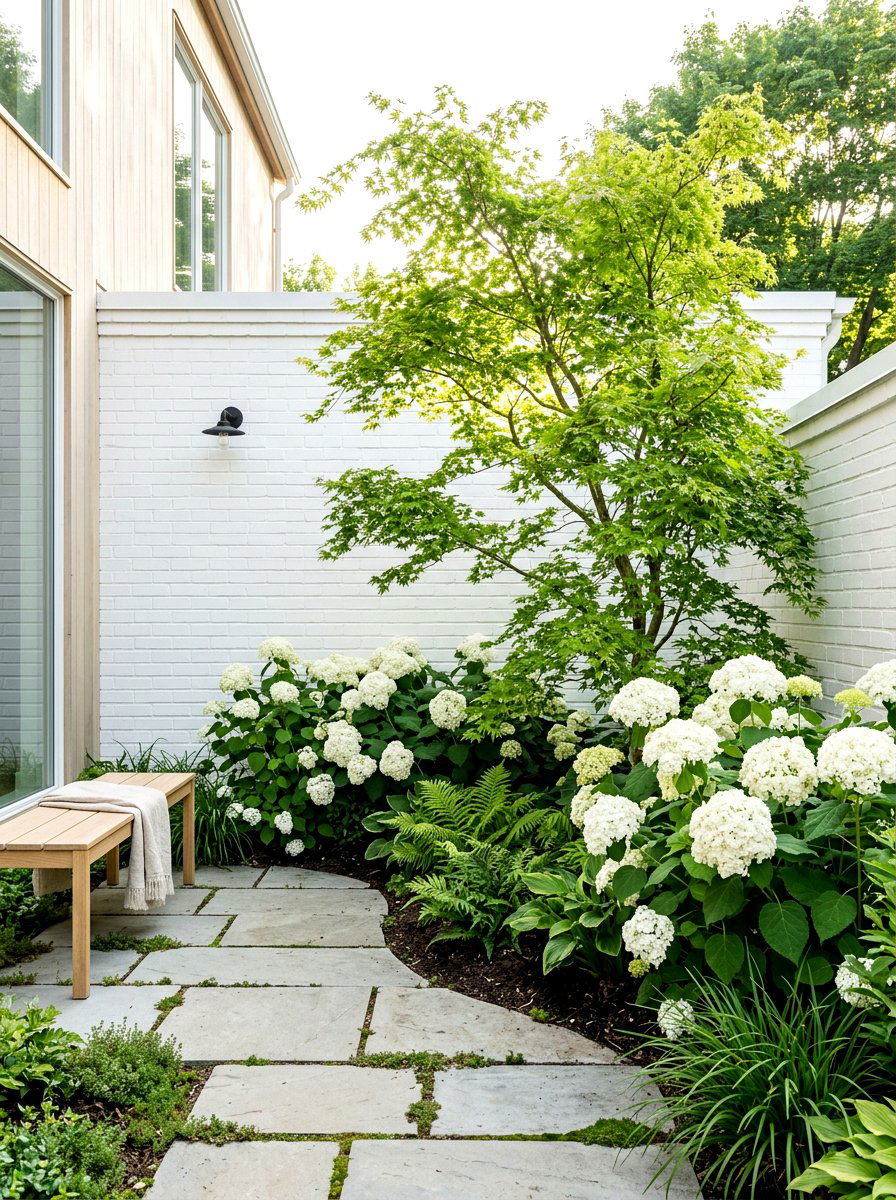
If your courtyard is surrounded by dark or old brick walls, painting them white can completely transform the space. A white backdrop acts as a giant reflector, bouncing every bit of available light back into the garden. This makes the courtyard feel significantly larger, cleaner, and more modern. Against a crisp white wall, the vibrant greens of ferns and the deep reds of a Japanese maple will pop with incredible intensity. If you prefer a more rustic look, a white lime wash can provide a softer, weathered texture. This simple weekend project is one of the most cost-effective ways to brighten a shaded area and create a professional, high-end garden aesthetic.
22. Boxwood Hedge Garden
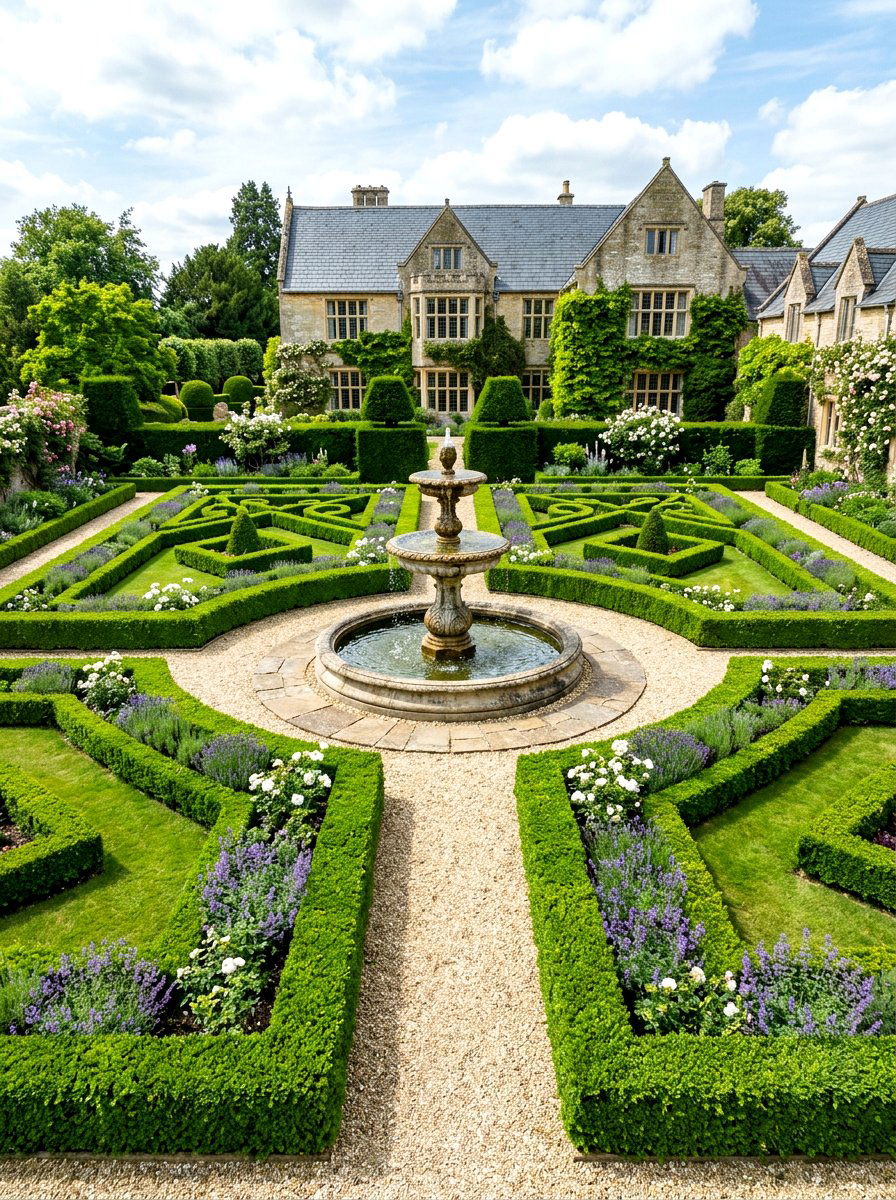
Boxwood is a classic evergreen that provides essential structure and year-round greenery in a shaded courtyard. These versatile shrubs can be clipped into formal low hedges, spheres, or even complex topiary shapes. They thrive in partial shade and maintain their deep green color even in the depths of winter. Use boxwood to define the edges of paths or to create a symmetrical layout that gives the garden a sense of order and elegance. The small, glossy leaves catch the light and provide a steady backdrop for seasonal flowers. Whether your style is a traditional parterre or a modern geometric design, boxwood adds a timeless architectural quality to any courtyard.
23. Hanging Basket Canopy
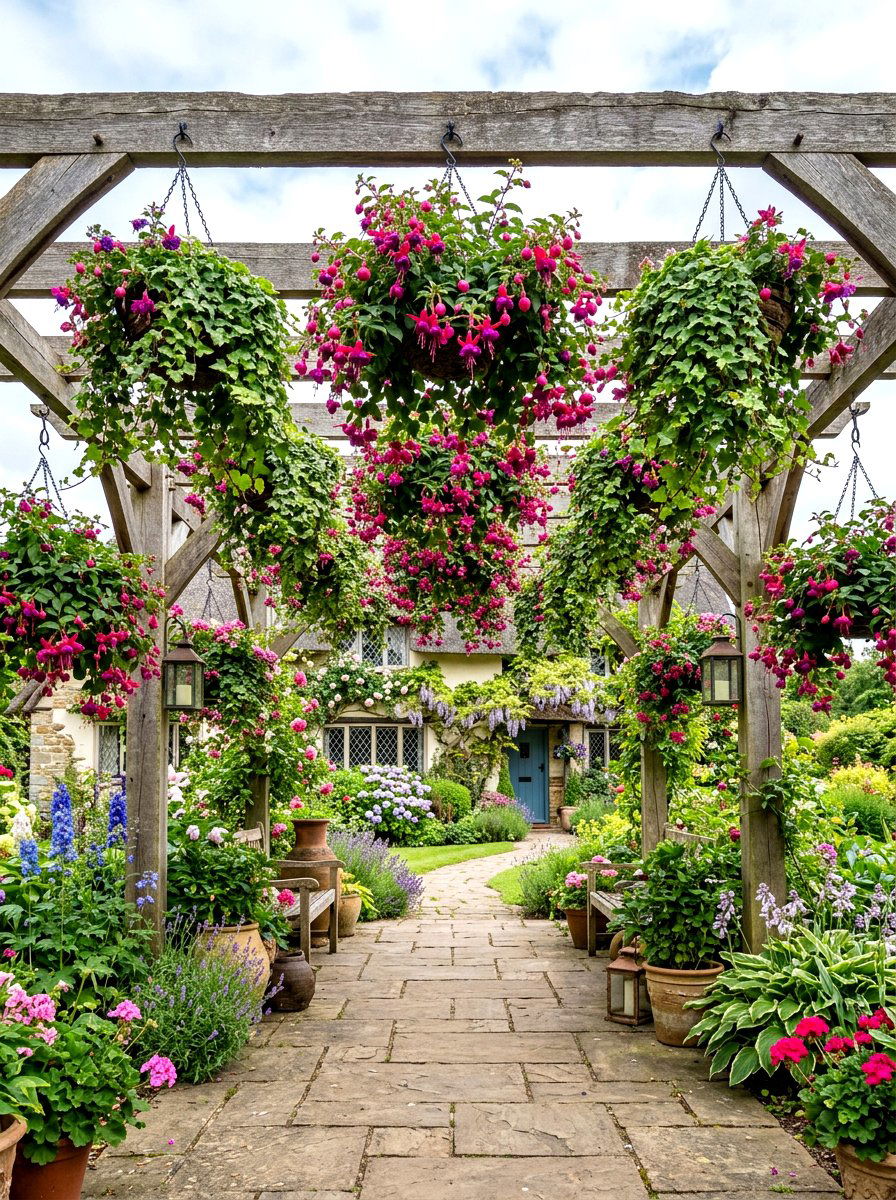
When floor space is at a premium, look upward and use the vertical space for hanging baskets. Suspending plants from hooks, pergolas, or wall brackets creates a "canopy" of greenery that makes the courtyard feel lush and immersive. Choose trailing shade-lovers like fuchsias, ivy, or lobelia for a cascading effect. These baskets add color and life at eye level, drawing the gaze upward and making the space feel taller. In a shaded environment, hanging baskets stay moist for longer than those in full sun, making them easier to maintain. This layered approach to planting ensures that every corner of your courtyard, from the ground to the ceiling, is filled with life.
24. Flagstone Patio Floor
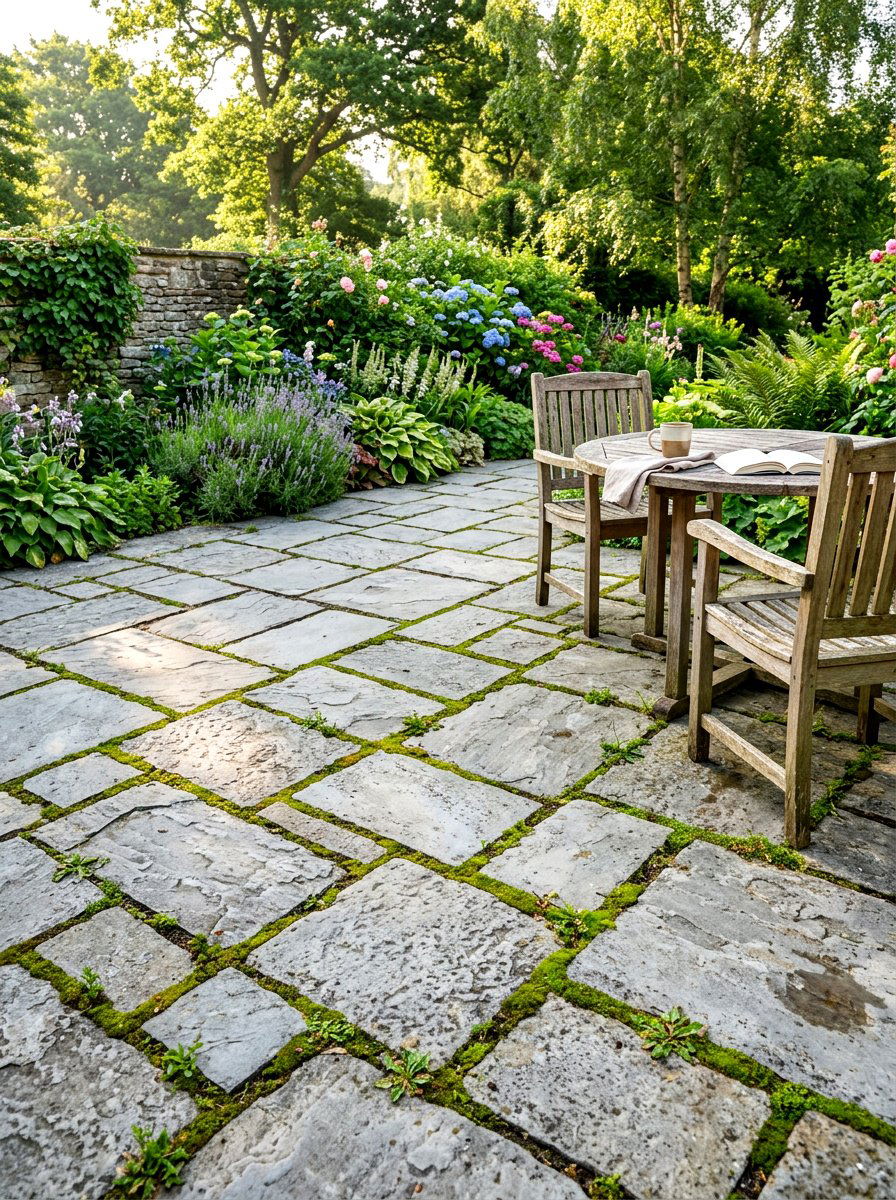
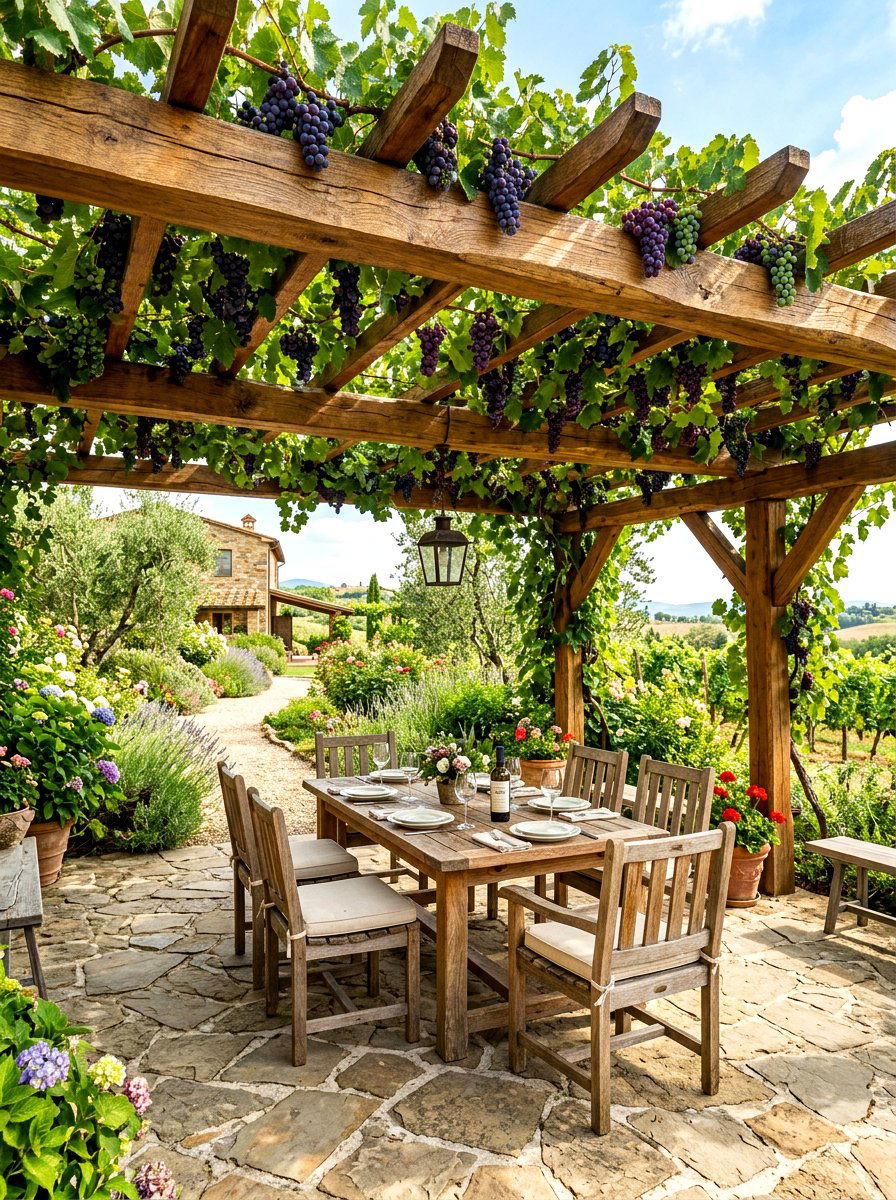
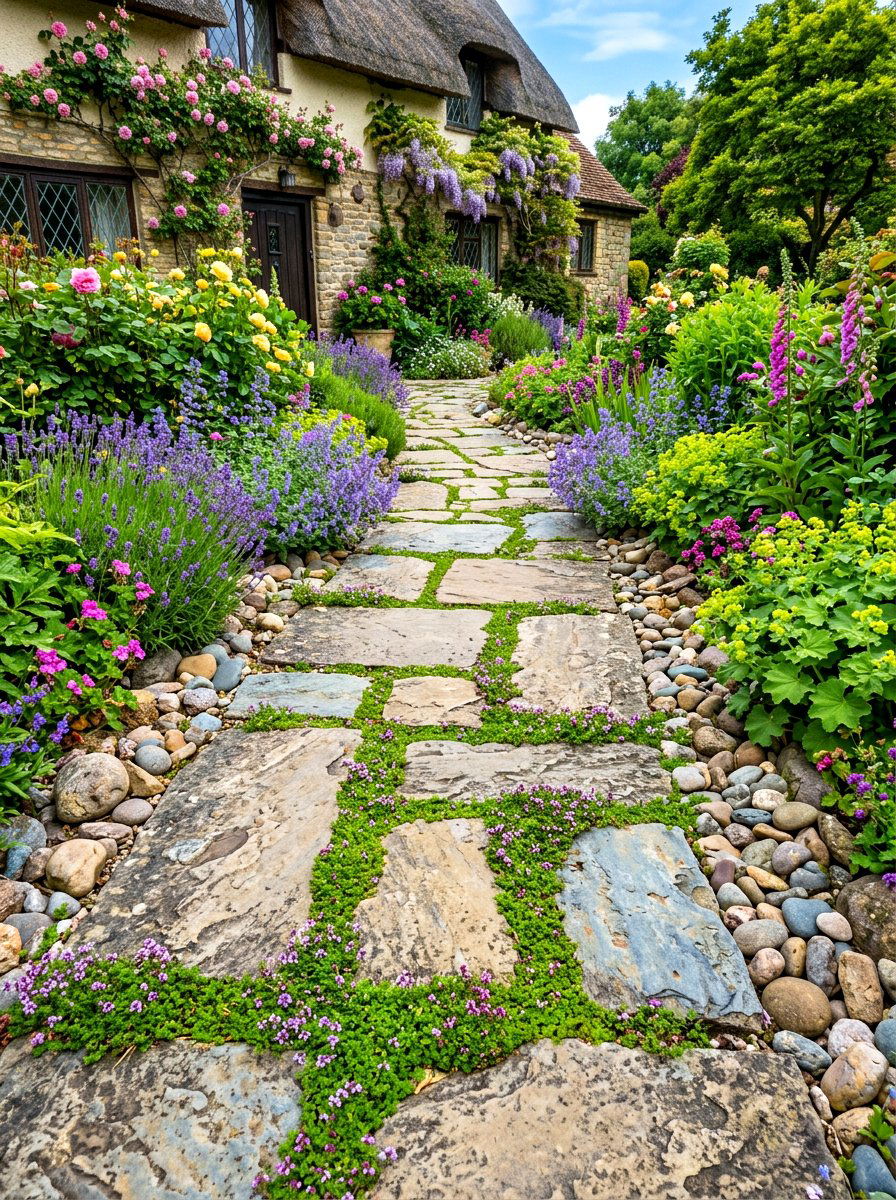
Flagstone is a beautiful, natural material that adds a sense of permanence and character to a courtyard. Opting for larger, irregularly shaped stones in lighter shades like buff or silver-gray can help open up a small, shaded area. The natural variations in the stone provide a rich texture that complements organic planting schemes. Flagstone is incredibly durable and becomes even more beautiful as it ages and develops a slight patina. You can plant low-growing herbs like creeping thyme or moss in the crevices between the stones to soften the look. This choice of flooring provides a solid, level surface for furniture while maintaining a connection to the natural landscape.
25. Modern Garden Sculpture
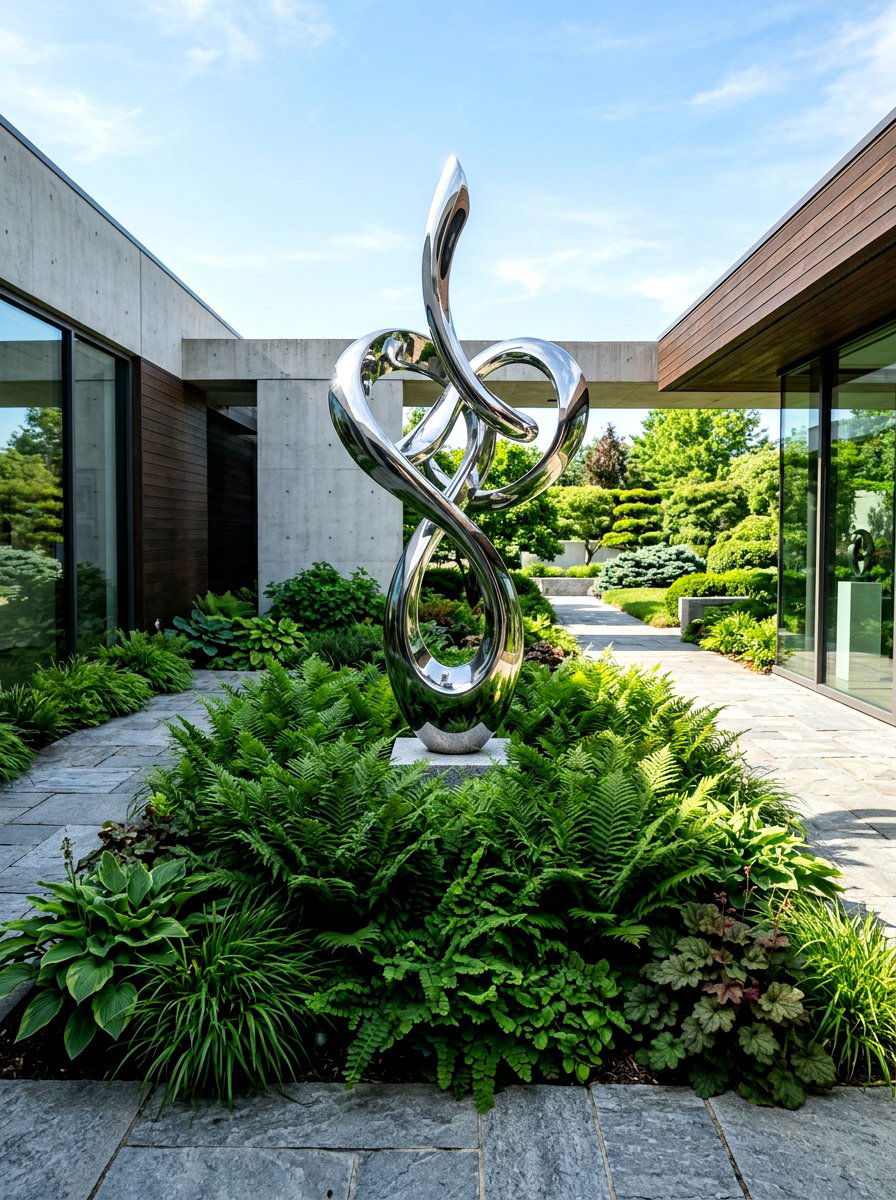
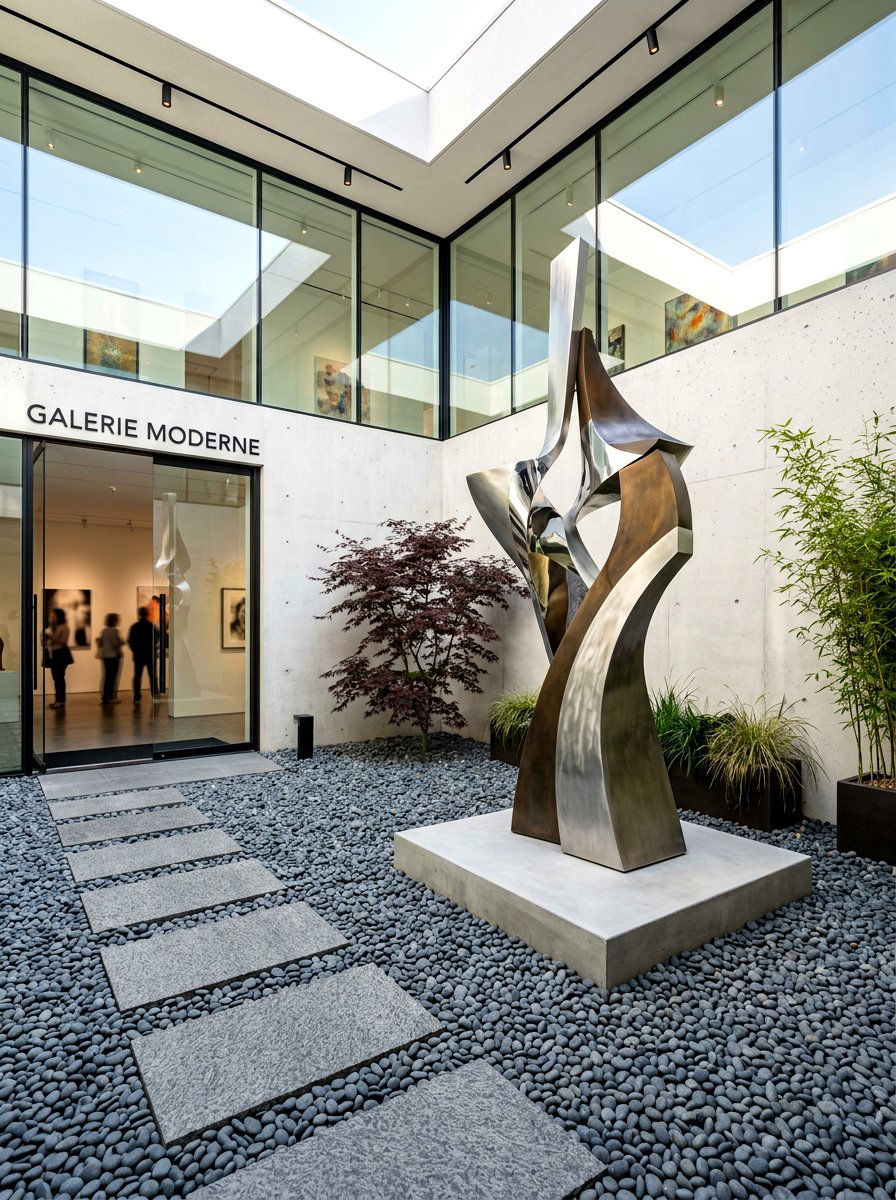
Incorporating a piece of art or sculpture is a wonderful way to add a focal point to a shaded courtyard where flowers might be limited. A tall, slender sculpture can provide vertical interest, while a broad, abstract piece can anchor a seating area. Choose materials that contrast with the greenery, such as polished stainless steel to reflect light or warm bronze for a classic feel. In a dim space, a light-colored or reflective sculpture will stand out and draw the eye. Placing a spotlight at the base of the sculpture allows you to enjoy the garden long after dark, creating dramatic shadows and a sophisticated, gallery-like atmosphere in your own backyard.
26. Woodland Shade Garden
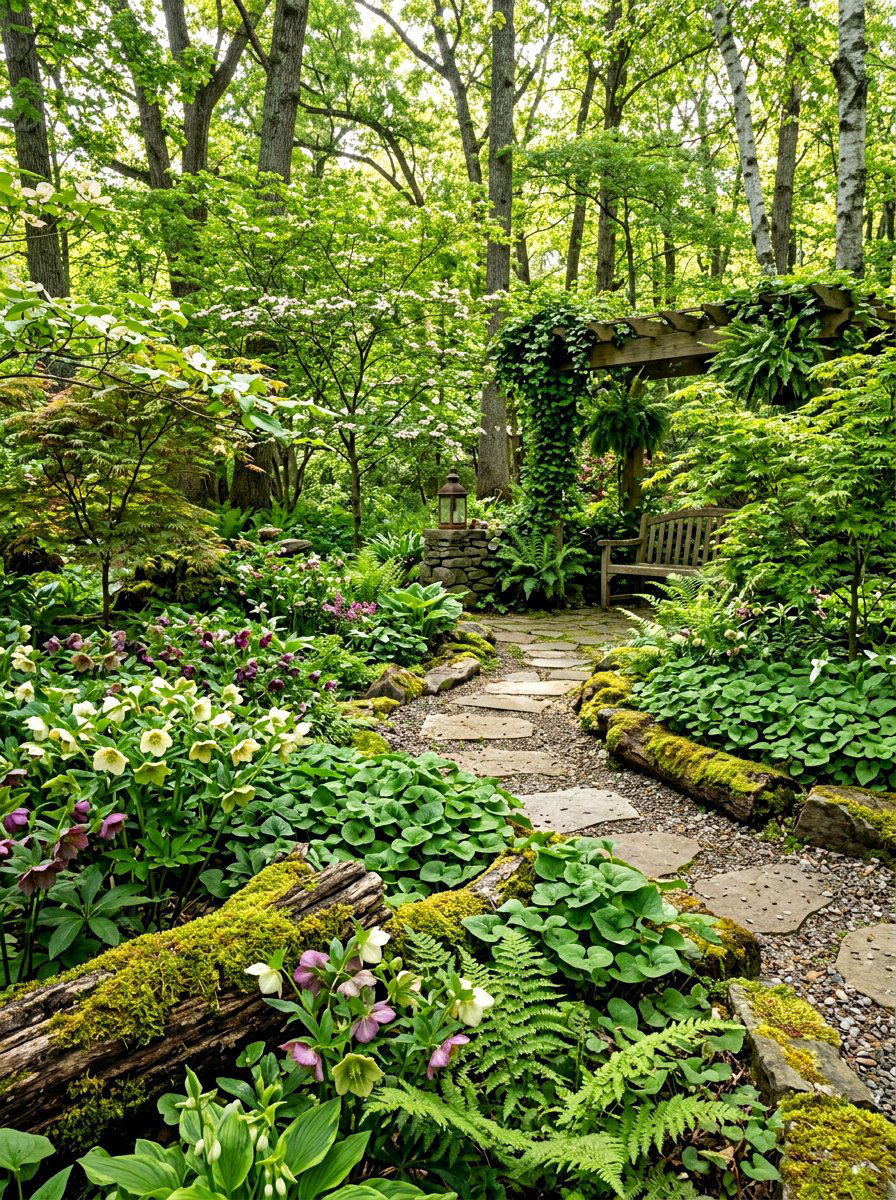
Embrace the natural shade of your courtyard by creating a miniature woodland escape. This style uses layers of plants to mimic a forest floor, including small understory trees, shade-loving shrubs, and a carpet of perennials. Use plants like hellebores, wild ginger, and wood anemones to create a wild, romantic feel. Incorporating natural elements like weathered logs or large mossy boulders adds to the authenticity of the design. This type of garden is incredibly low-maintenance once the plants knit together to form a living mulch. A woodland courtyard provides a cooling, peaceful retreat that feels completely disconnected from the urban world, offering a soft and organic aesthetic that changes beautifully with the seasons.
27. Ornamental Grass Shade
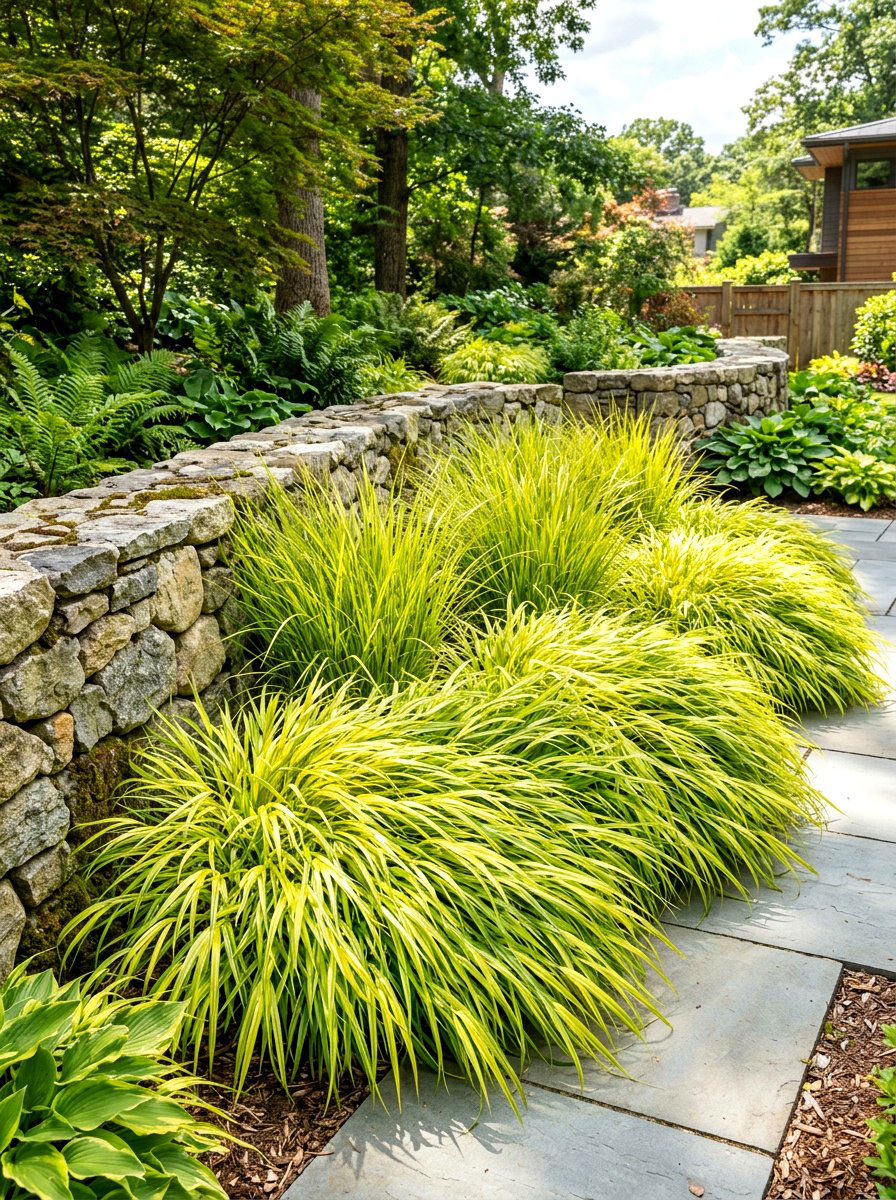
While many grasses love the sun, several varieties of ornamental grass flourish in the shade and bring much-needed movement to a courtyard. Beyond Japanese forest grass, consider sedges like Carex, which come in various colors from bright gold to cool silver. These grasses provide a fine, hair-like texture that contrasts beautifully with broad-leaved hostas. They are excellent for lining paths or filling in gaps between larger shrubs. The way these grasses sway in the wind adds a dynamic, living element to an otherwise static space. Because they are generally evergreen or semi-evergreen, they provide consistent color and structure throughout the winter months, keeping your courtyard looking lush and tidy.
28. Tiered Plant Stand
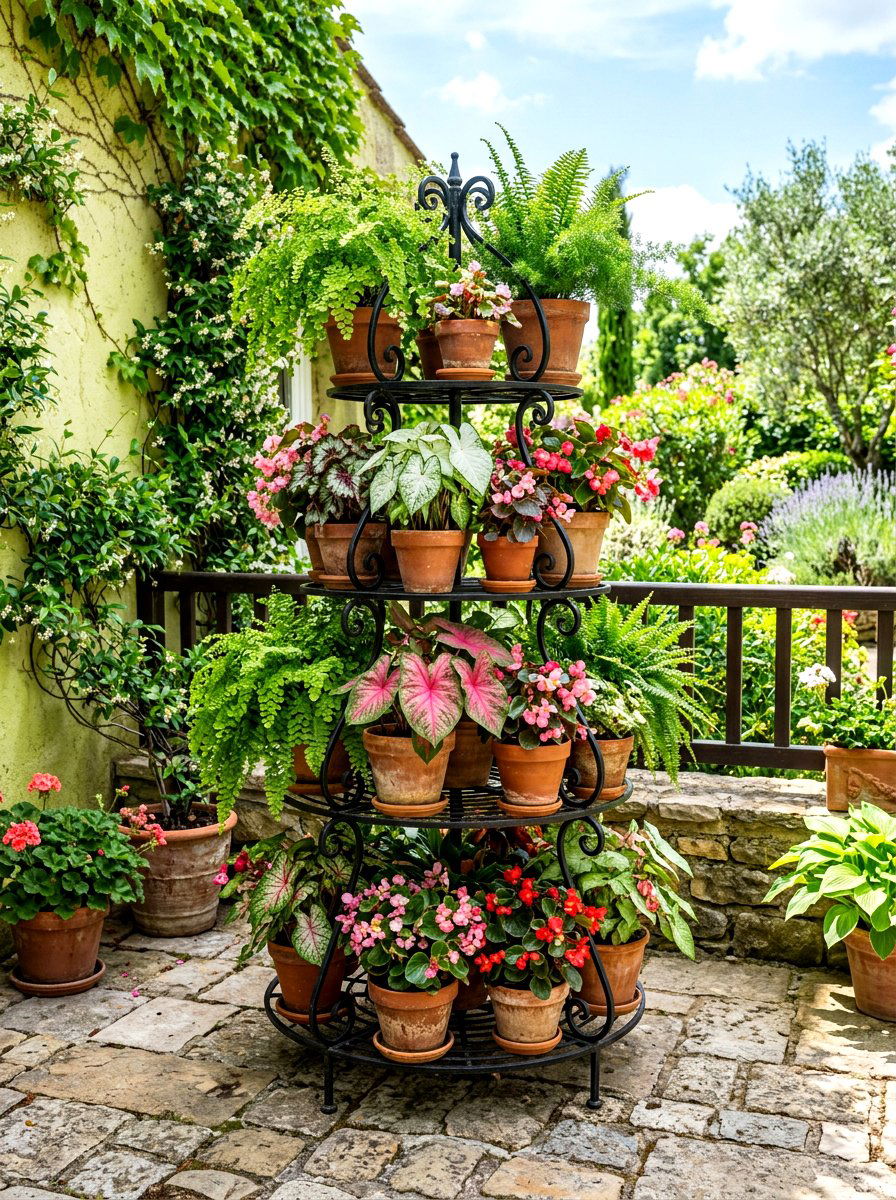
A tiered plant stand is a clever way to display a large collection of potted plants without taking up much floor space. By stacking plants vertically, you create a wall of greenery that can be easily moved or reorganized. This is especially useful in a shaded courtyard where you might want to rotate plants to ensure they all get some light. Use the stand to showcase colorful coleus, delicate ferns, or fragrant shade-loving herbs like mint. Choose a stand made of metal for a modern look or wood for a more traditional feel. This vertical display adds a sense of abundance and can act as a beautiful screen to hide a plain wall.
29. Iron Garden Furniture
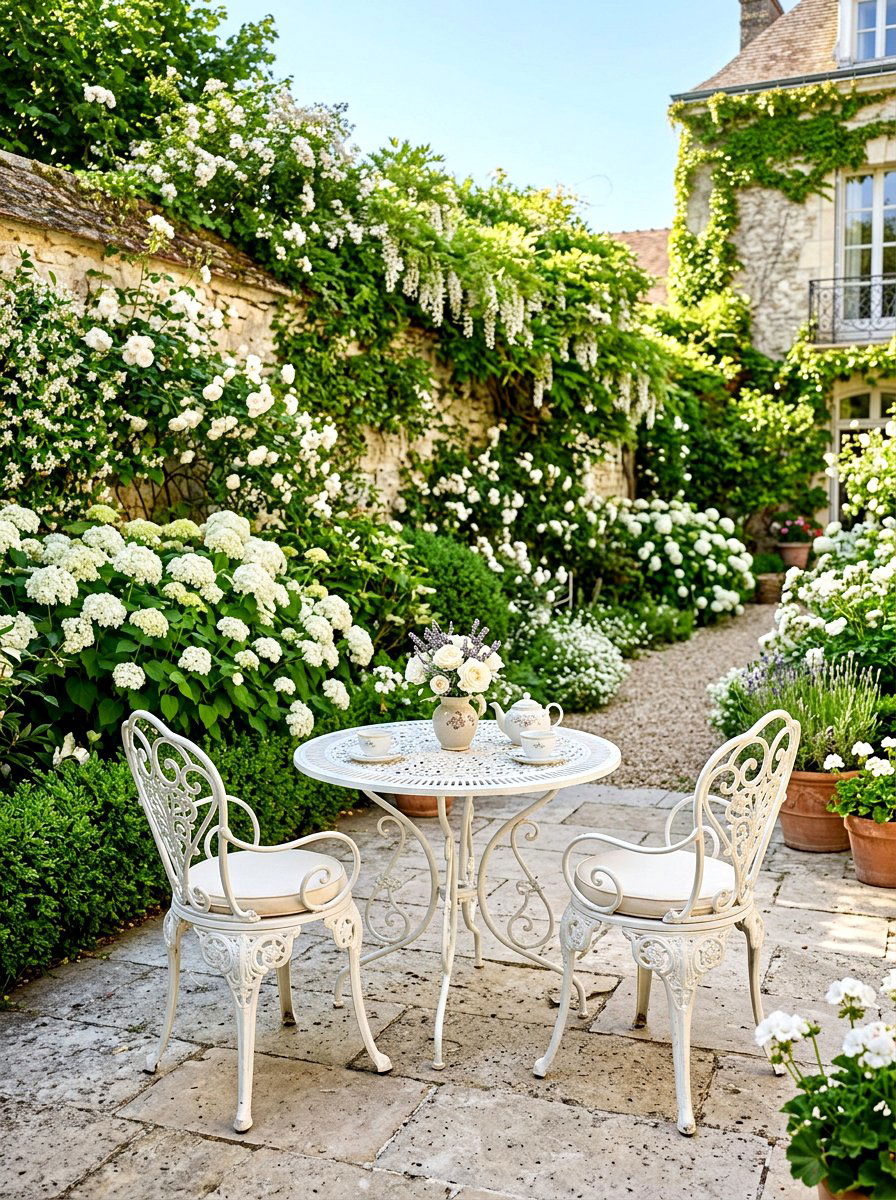
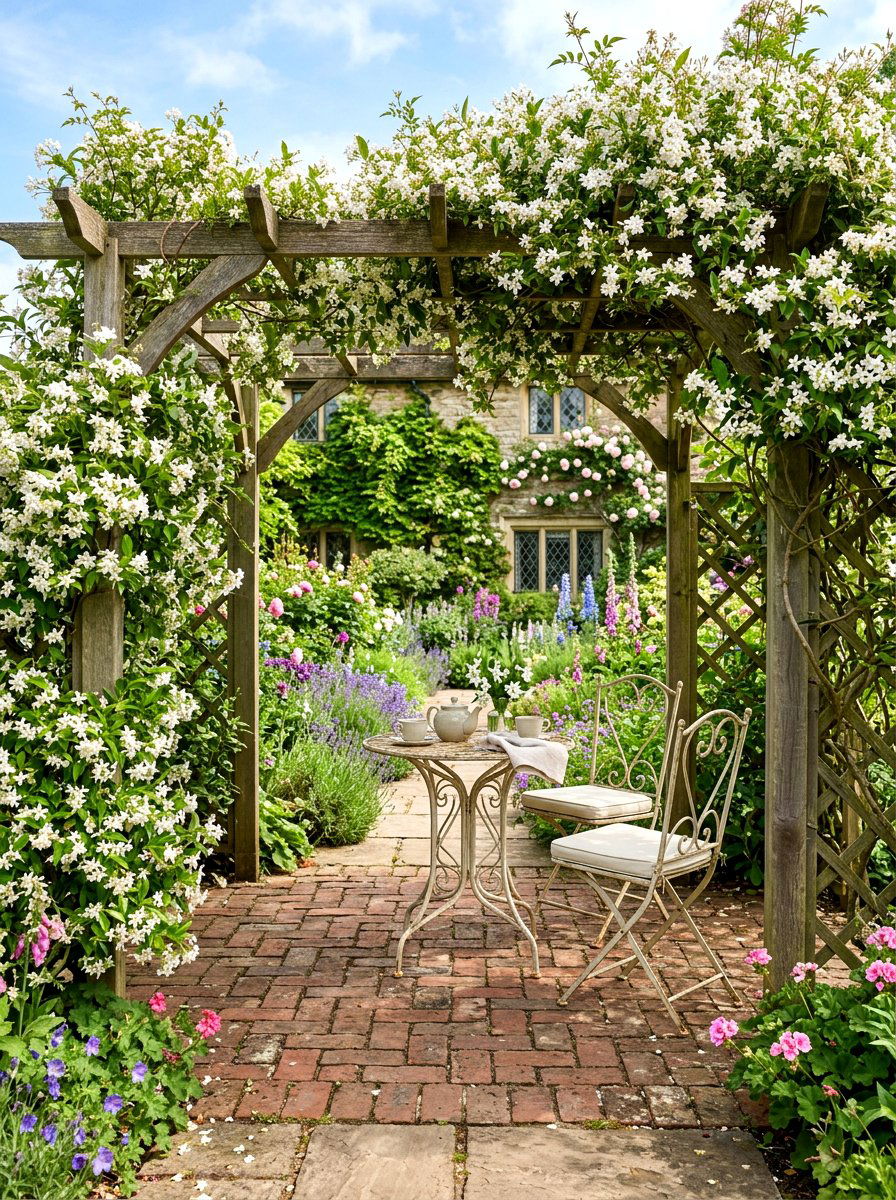
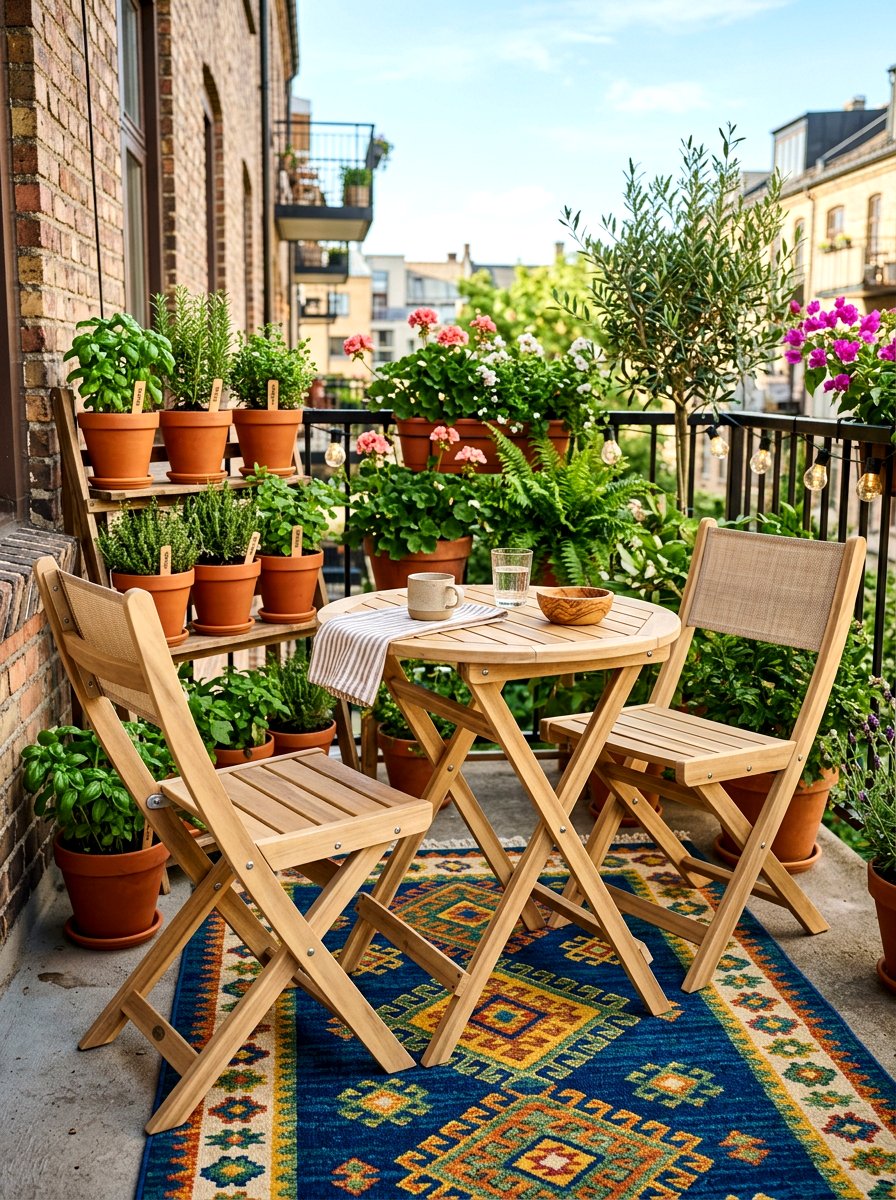
Wrought iron furniture is an ideal choice for a courtyard because of its delicate, open-work design. Unlike solid wooden or plastic furniture, iron pieces allow light and air to pass through them, preventing the space from feeling cluttered or heavy. A simple bistro set with an intricate pattern adds a touch of European charm to even the smallest shaded area. You can paint the iron in a light color like cream or pale green to further brighten the space. These pieces are also highly durable and can withstand the damp conditions often found in shady gardens. Topping the chairs with soft, light-colored cushions ensures comfort while maintaining a stylish, airy look.
30. Circular Garden Patio
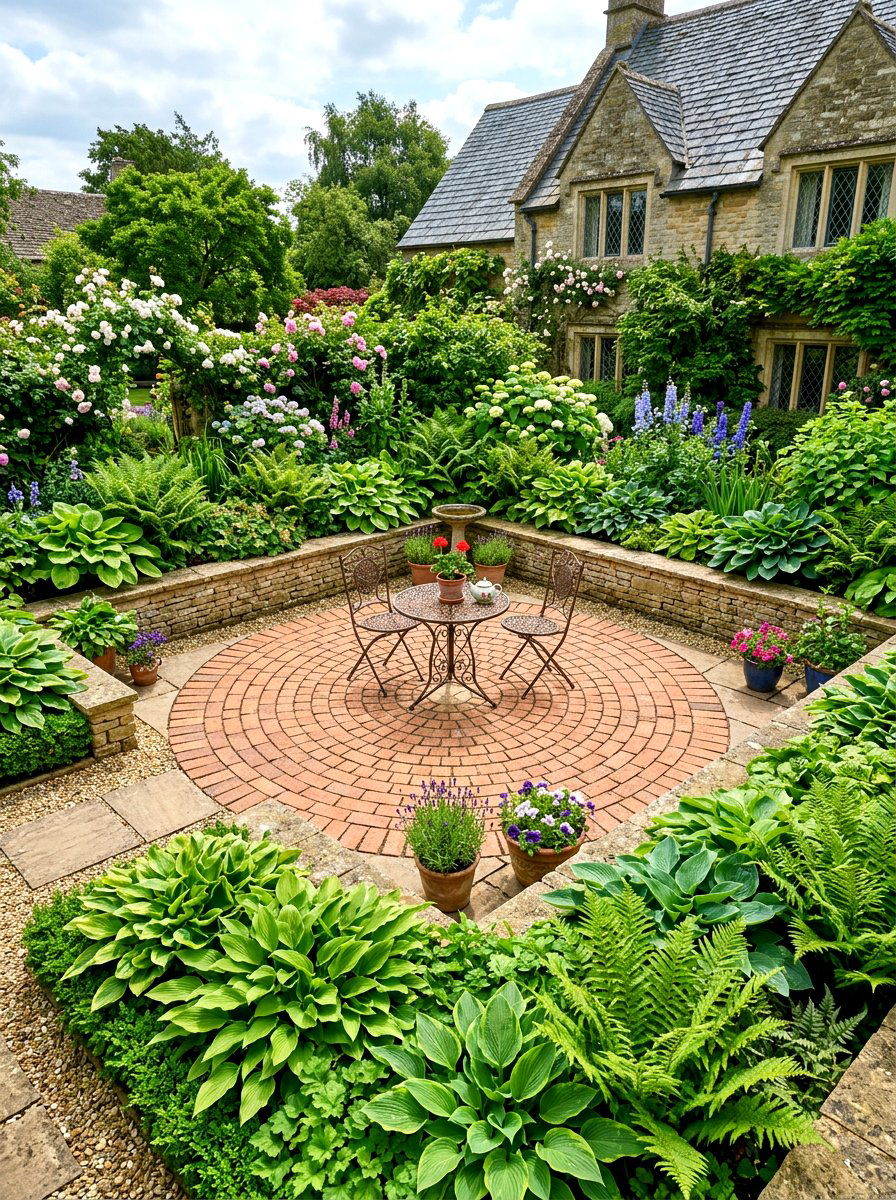
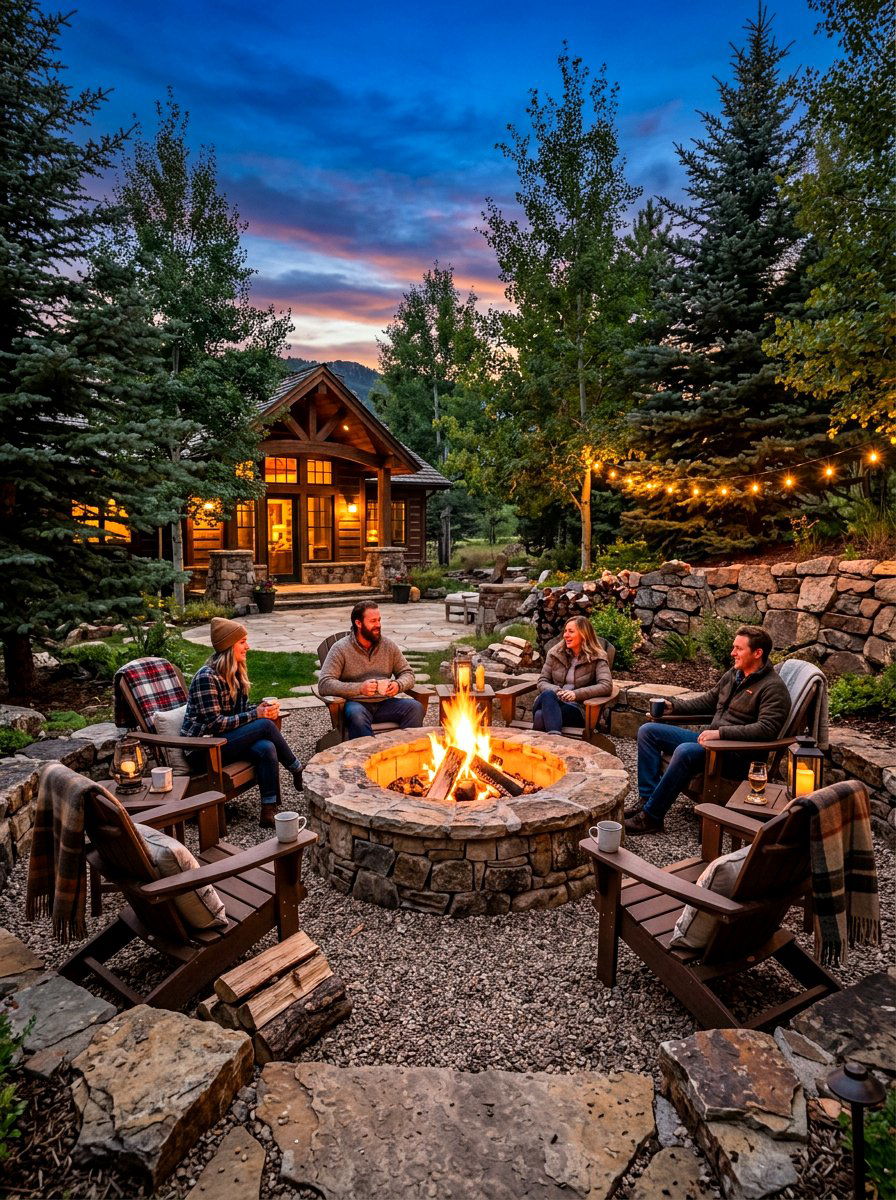
A circular patio design is a powerful visual tool for making a square or rectangular courtyard feel more spacious and dynamic. By placing a round paved area in the center of the space, you draw the eye inward and away from the surrounding walls. This creates a clear focal point for a dining table or a fire pit. Surround the circular patio with lush, curved planting beds to soften the edges of the courtyard and create a sense of flow. Using a different material for the circle, such as brick pavers against a gravel surround, adds architectural interest. This layout makes the garden feel more like a purposeful "outdoor room" rather than just a functional backyard.
Conclusion:
Designing a shady courtyard garden is a rewarding journey that emphasizes texture, subtle color, and atmospheric lighting over traditional sun-drenched blooms. By embracing the unique conditions of a low-light space, you can create a tranquil retreat that feels cool in the summer and lush throughout the year. From the reflective power of white flowers and light-toned paving to the architectural beauty of ferns and Japanese maples, every element works together to brighten and expand your outdoor sanctuary. Implementing these diverse ideas allows you to maximize your square footage while building a personal oasis. A well-planned shaded garden is not just a collection of plants, but a serene escape that brings nature and peace directly into your home environment.

Related posts: