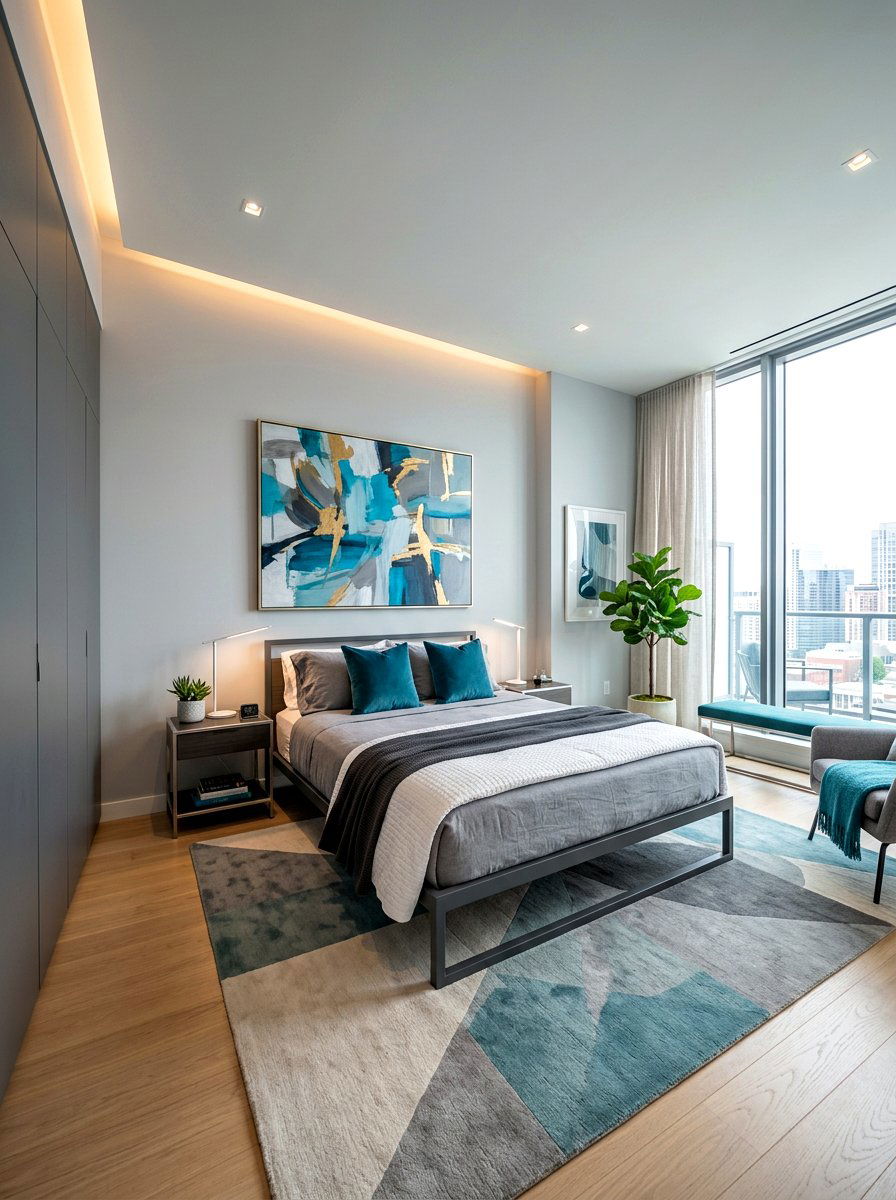
Creating a dedicated space for self-care in your home is one of the most rewarding interior design projects you can undertake. In our fast-paced world, having a wellness room provides a necessary sanctuary where you can disconnect from digital distractions and reconnect with your inner self. Whether you have a whole spare room or just a quiet corner, the goal is to foster tranquility through thoughtful choices in lighting, textures, and natural elements. Integrating these spaces into your daily routine can significantly lower stress levels and improve your overall mental health. A well-designed wellness area encourages consistency in your health habits, making relaxation a natural part of your lifestyle rather than an afterthought.
1. Home Yoga Studio
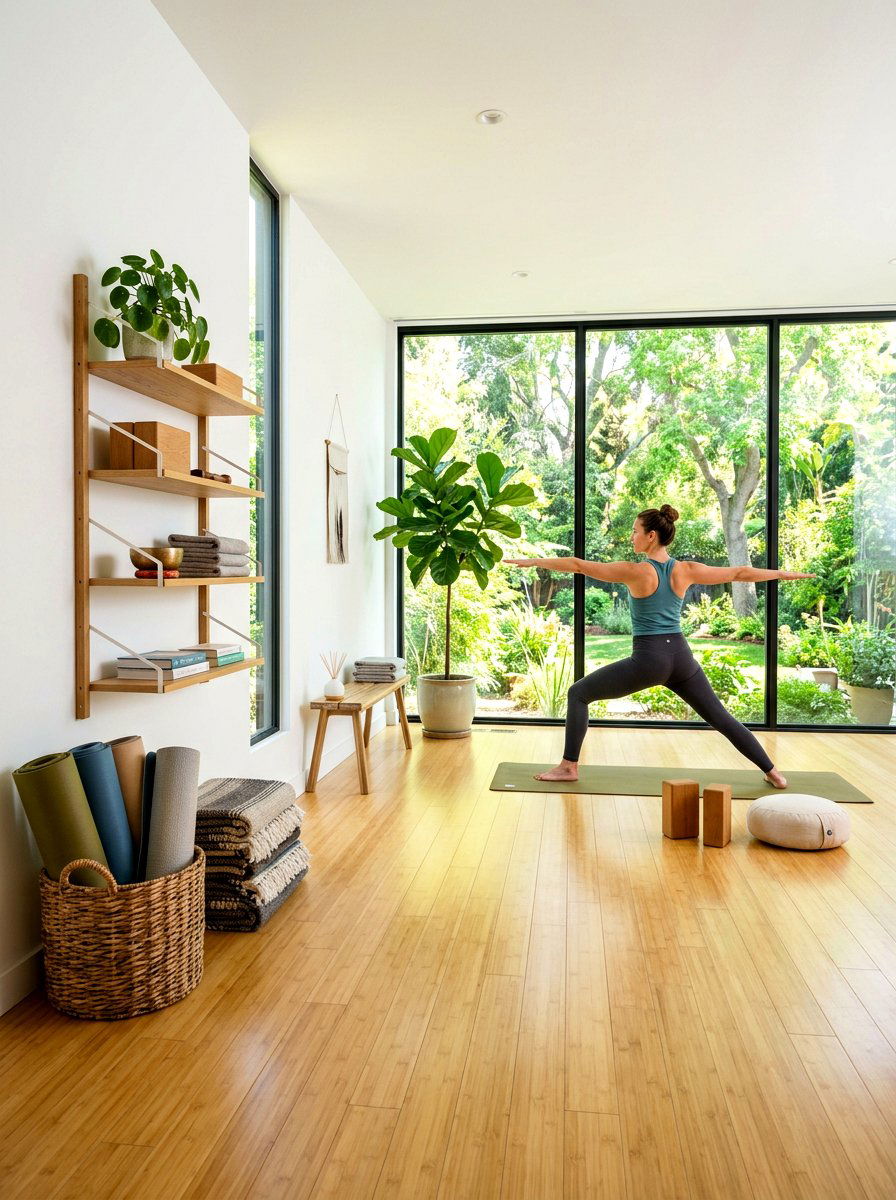
A home yoga studio serves as a personal sanctuary for physical movement and mental clarity without the need to travel to a gym. When setting up this space, prioritize a clean, clutter-free environment with plenty of open floor area for transitions between poses. Choose high-quality sustainable flooring like cork or bamboo, which provides a soft yet firm grip for your feet. Incorporate large mirrors to help with form and alignment during your practice. Natural light is essential, so position your mat near a window to enjoy the morning sun. Add some woven baskets to neatly store your mats, blocks, and straps for an organized look. This dedicated studio helps maintain a consistent practice.
2. Meditation Room
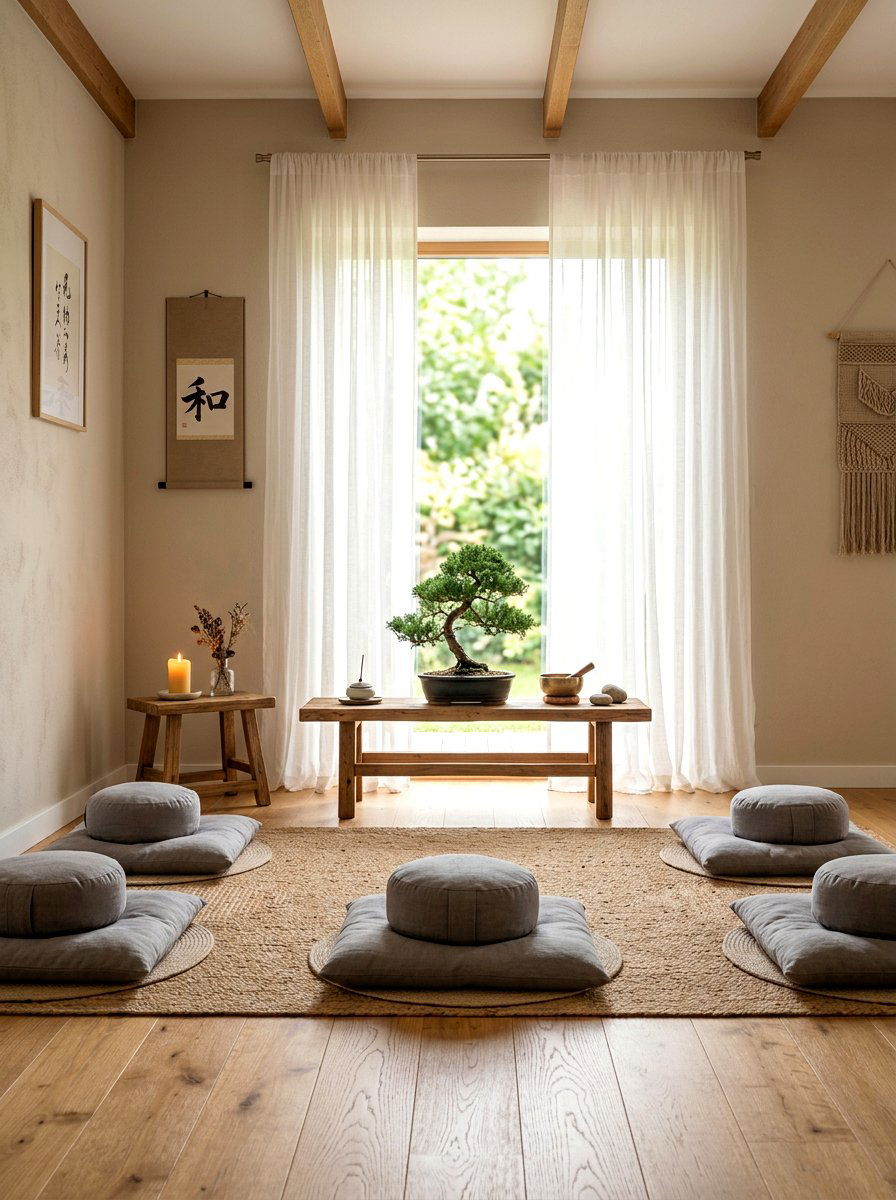
Designing a meditation room requires a focus on sensory comfort and a complete lack of visual distractions. Start by choosing a quiet nook in your home where foot traffic is minimal. Use a plush zafu cushion or a soft rug to create a comfortable seating area that supports your posture during long sits. Incorporate a small wooden altar or a low table to hold calming items like a singing bowl, incense, or a single candle. Soft, sheer curtains can help diffuse harsh daylight into a gentle glow that calms the eyes. This space should feel like a safe haven for deep breathing and inner reflection, allowing you to reach deep states of peace easily.
3. Spa Bathroom
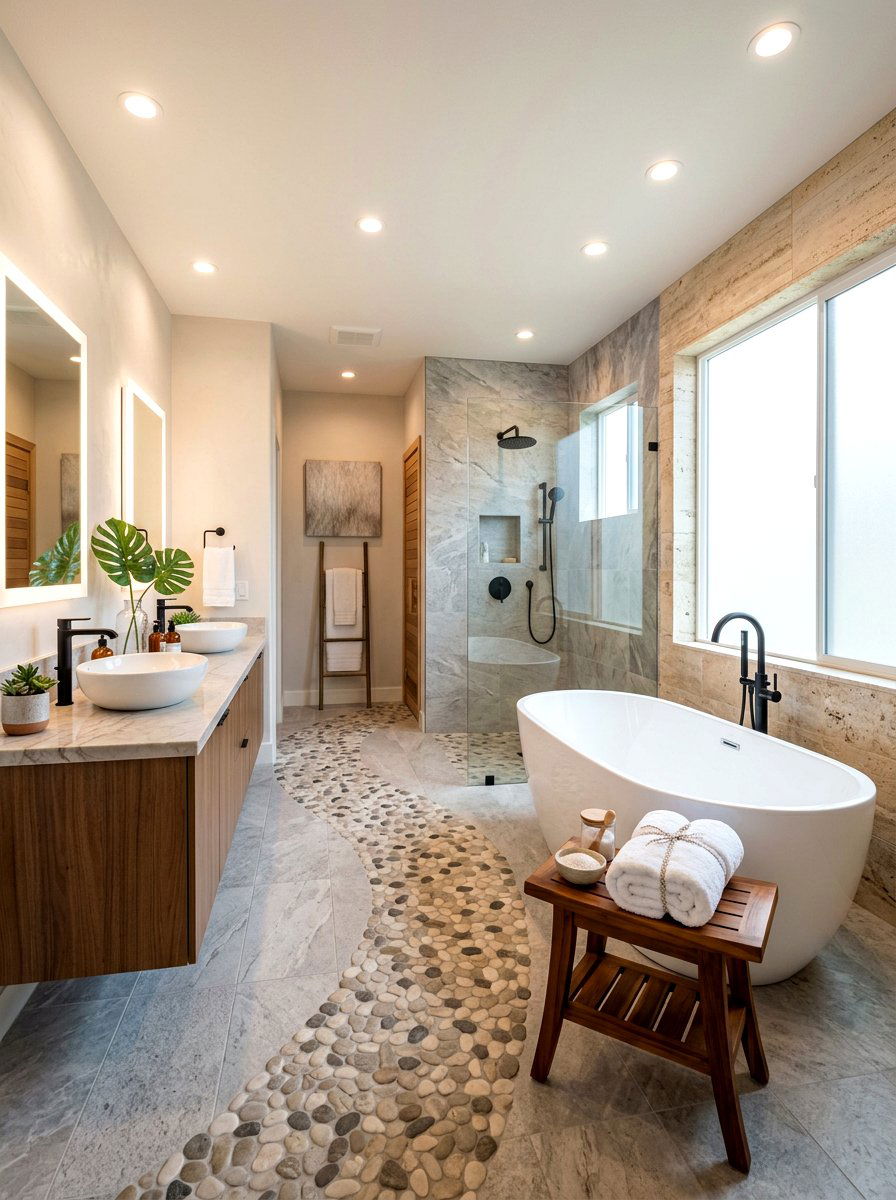
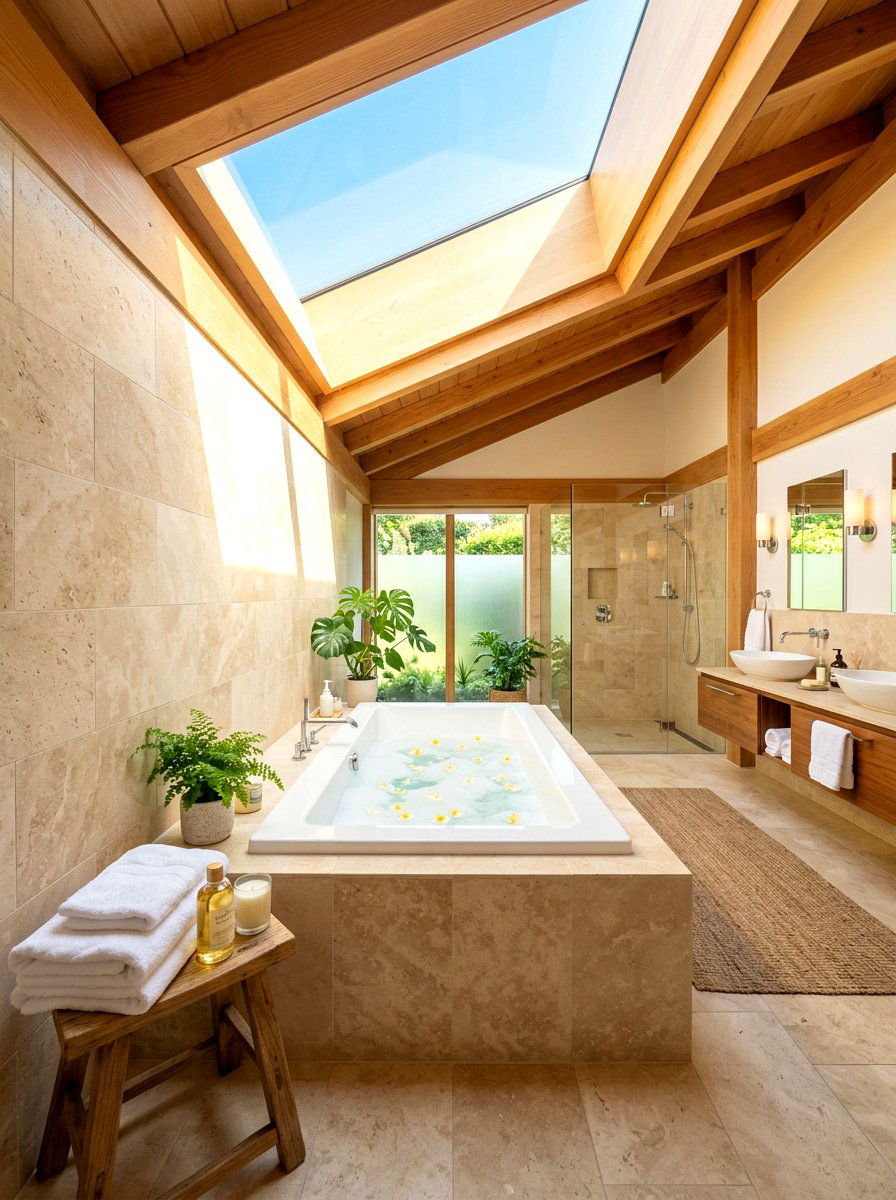
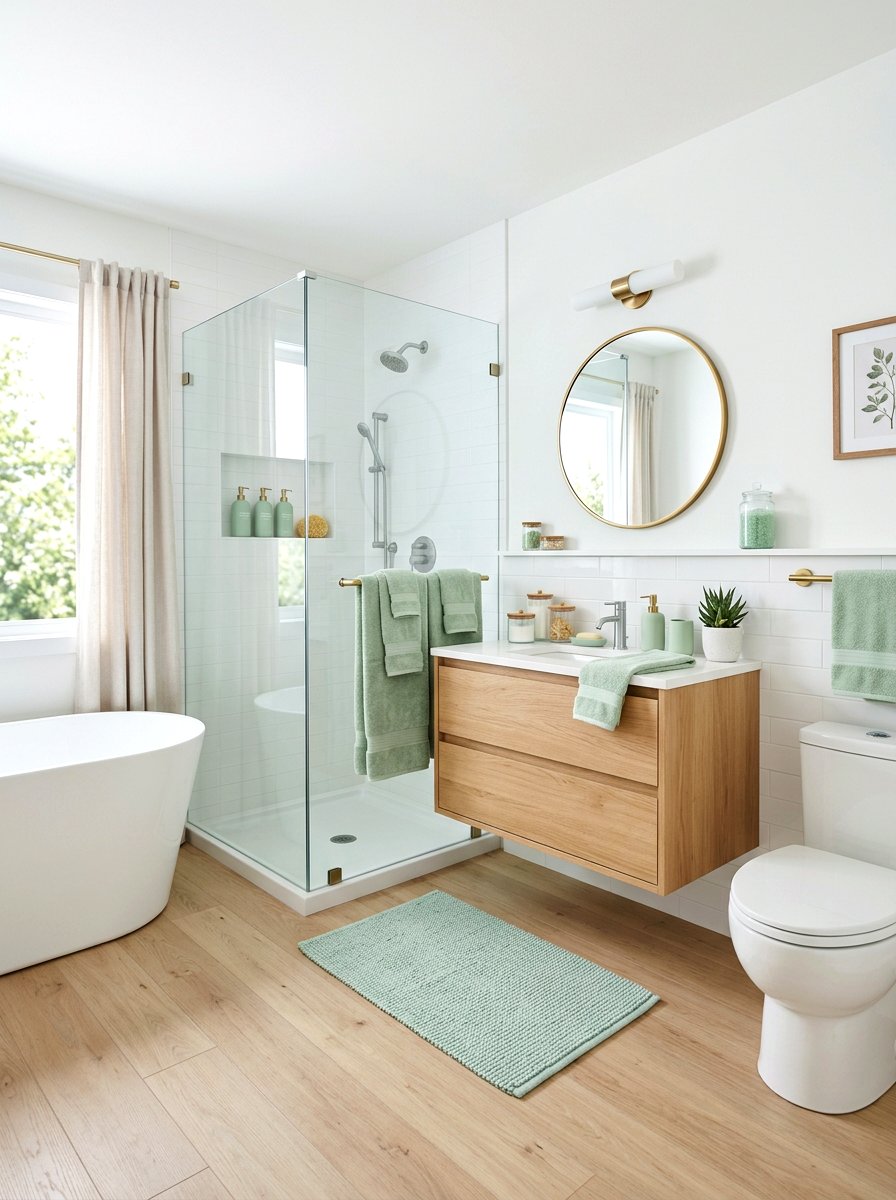
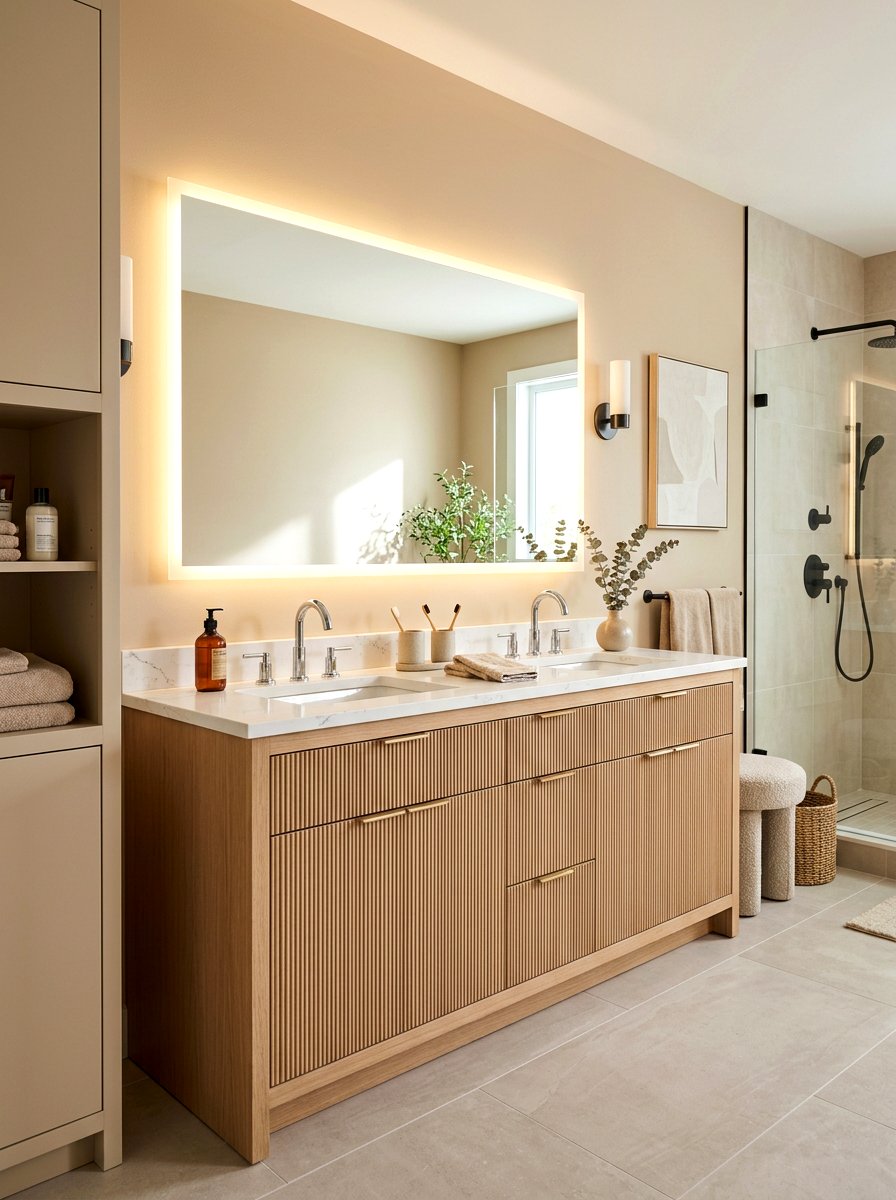
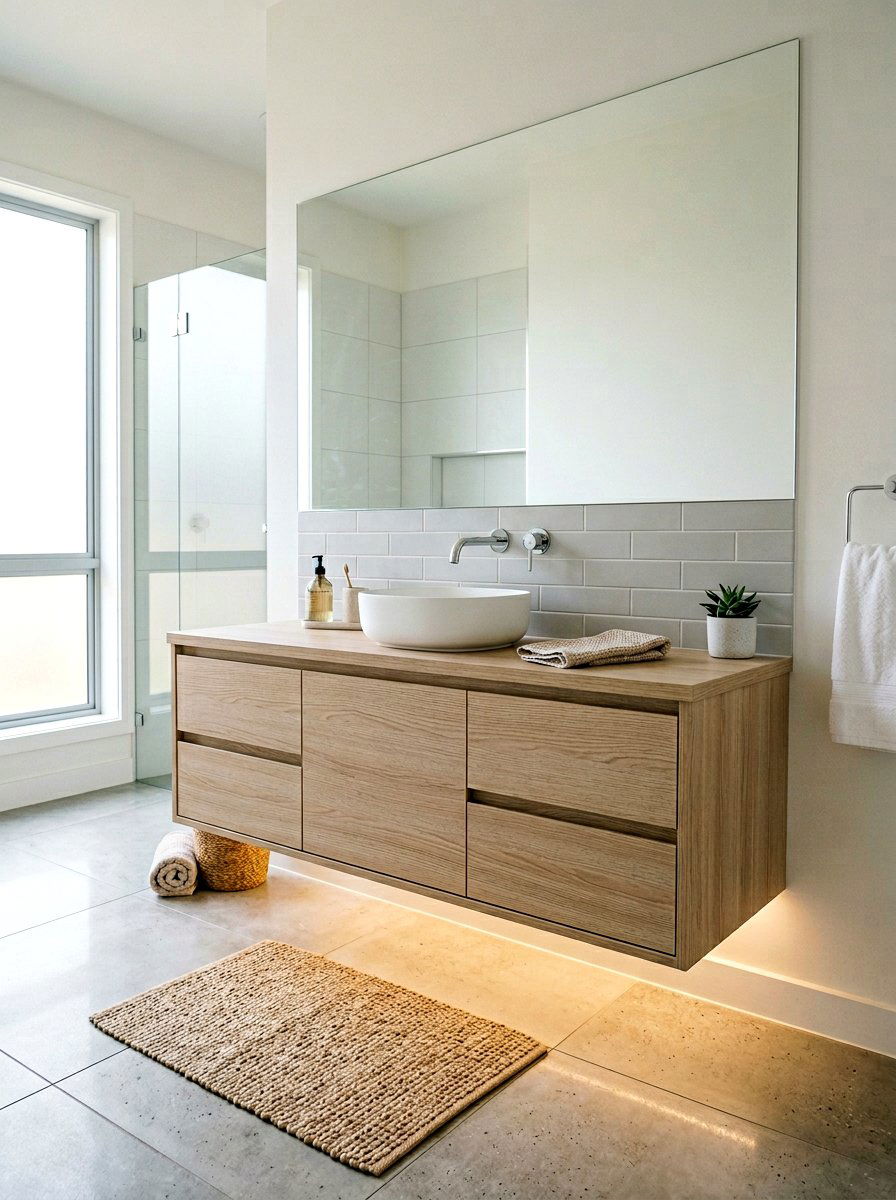
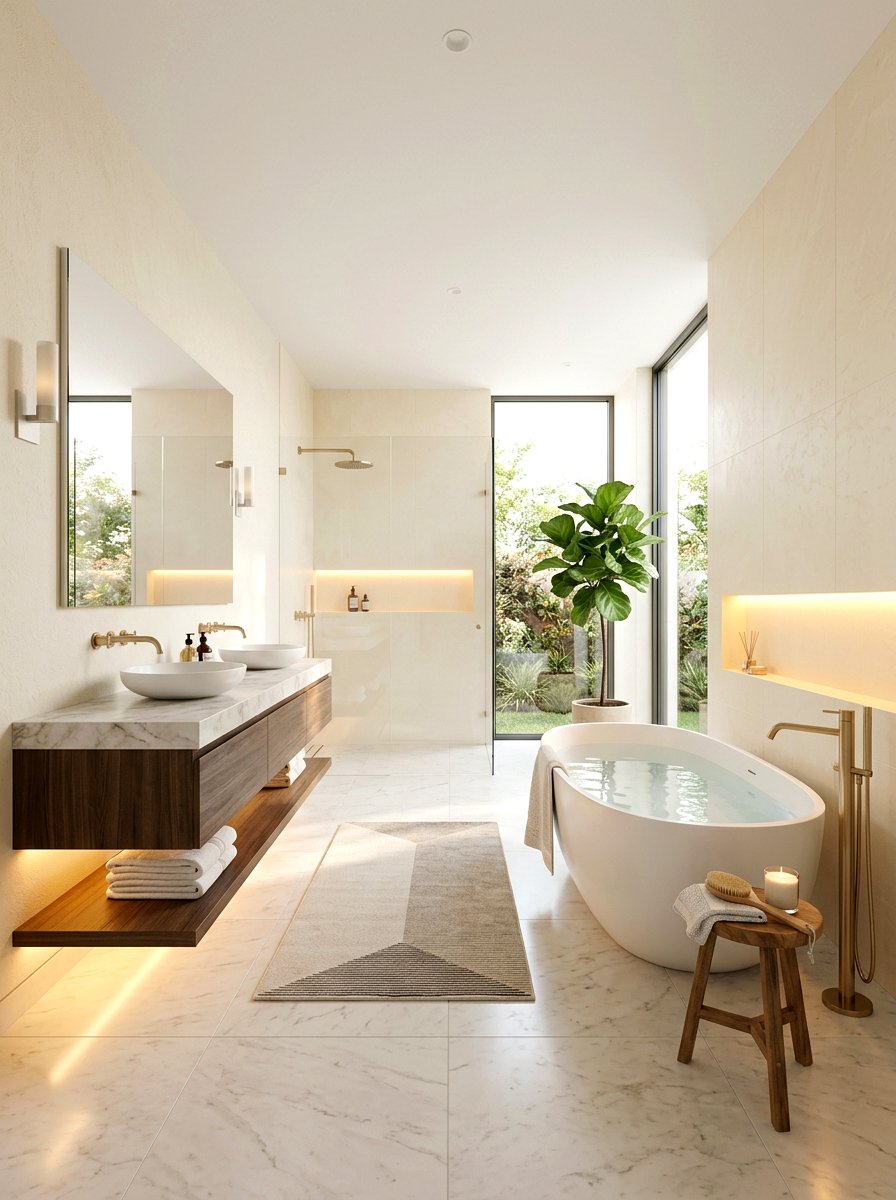
Transforming your master bath into a spa bathroom involves upgrading standard fixtures to create a high-end, therapeutic experience. Consider installing a deep freestanding soaking tub as the central focal point to encourage long, relaxing baths after a stressful day. Use natural materials like stone tiles, teak wood mats, and pebble flooring to bring an organic, earthy feel to the wet area. Lighting should be dimmable to set a mood of total relaxation during your evening routine. Adding high-quality, oversized plush towels and a heated towel rack provides that luxurious hotel feeling at home. This dedicated space allows for daily rejuvenation and essential self-care rituals in total privacy without any outside noise.
4. Indoor Garden
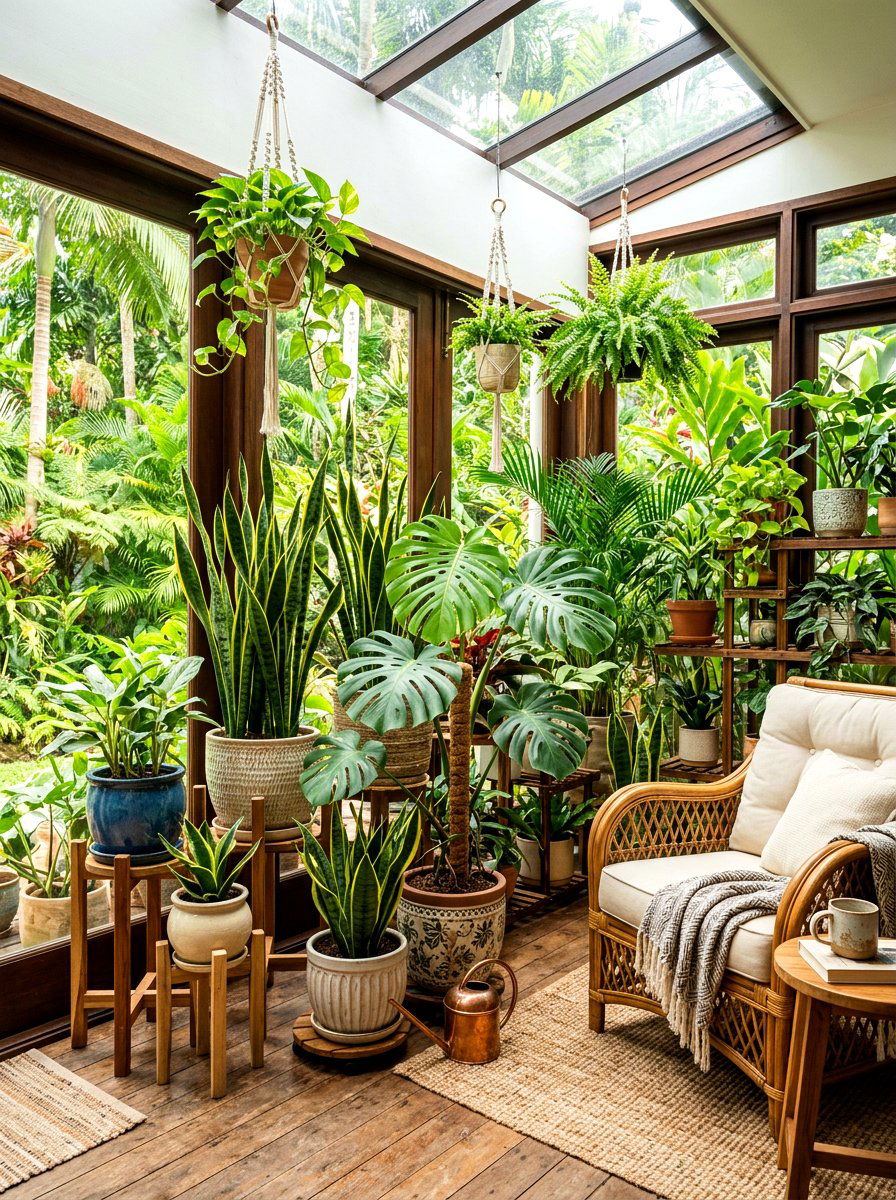
An indoor garden brings the healing power of nature directly into your living environment, significantly improving air quality and mood. Select a variety of air-purifying plants such as snake plants, monstera, and peace lilies to create a lush, vibrant green canopy. Arrange your greenery at varying heights using stylish wooden plant stands or hanging macramé planters to add visual depth to the room. A comfortable chair placed in the middle of this urban jungle offers a perfect spot for morning coffee or reflection. The combination of green foliage and natural textures creates a refreshing atmosphere that lowers cortisol levels and boosts your overall sense of well-being every single day.
5. Infrared Sauna
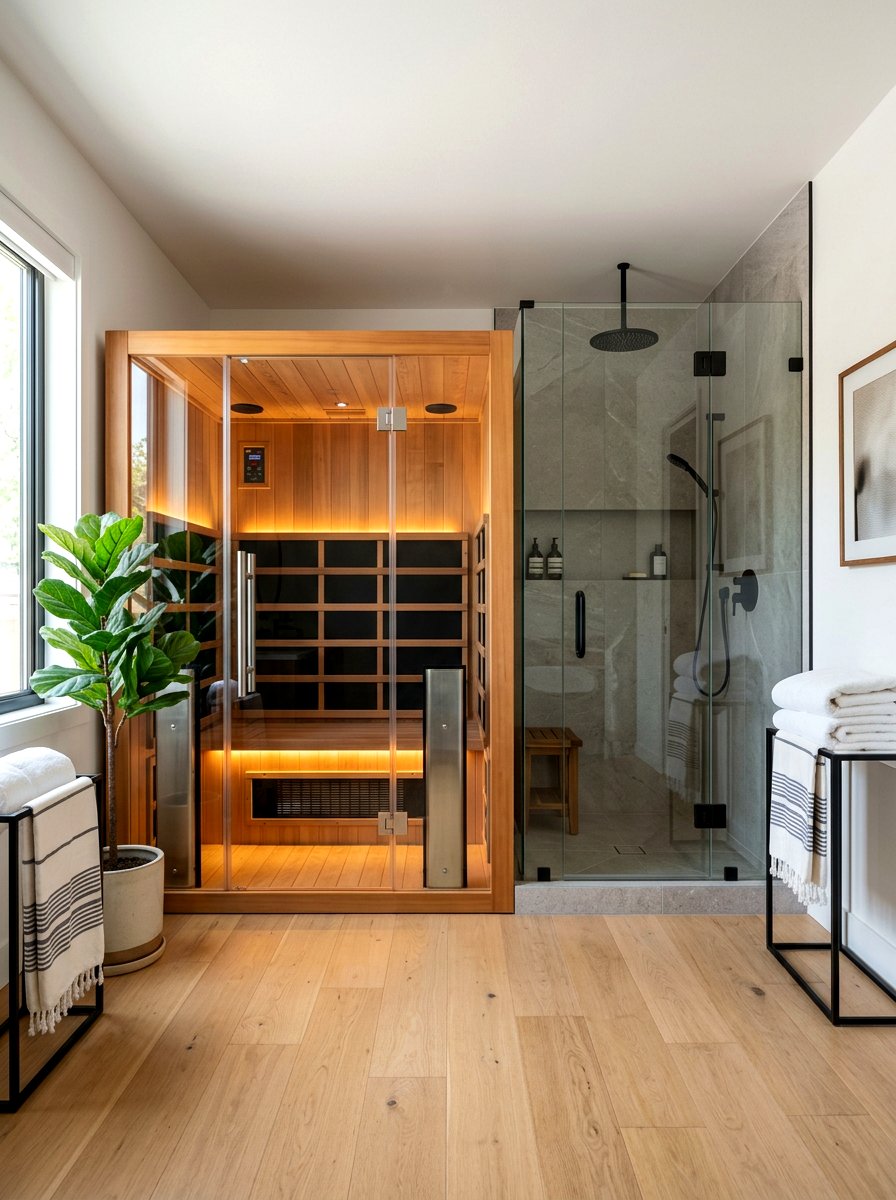
Installing an infrared sauna in your home provides a modern recovery solution that aids in detoxification and muscle relaxation. Unlike traditional steam saunas, infrared technology uses light to create heat, which penetrates deeper into the tissues for a more intense therapeutic effect. Modern cabin designs are often made of beautiful hemlock or cedar wood, adding a rich, natural aroma to the room. Position the sauna in a dedicated corner with nearby access to a shower for a complete hot-cold therapy cycle. Incorporating soft LED lighting inside the cabin enhances the mood during your sessions. This high-tech addition transforms any spare room into a professional-grade health retreat for physical longevity.
6. Reading Nook
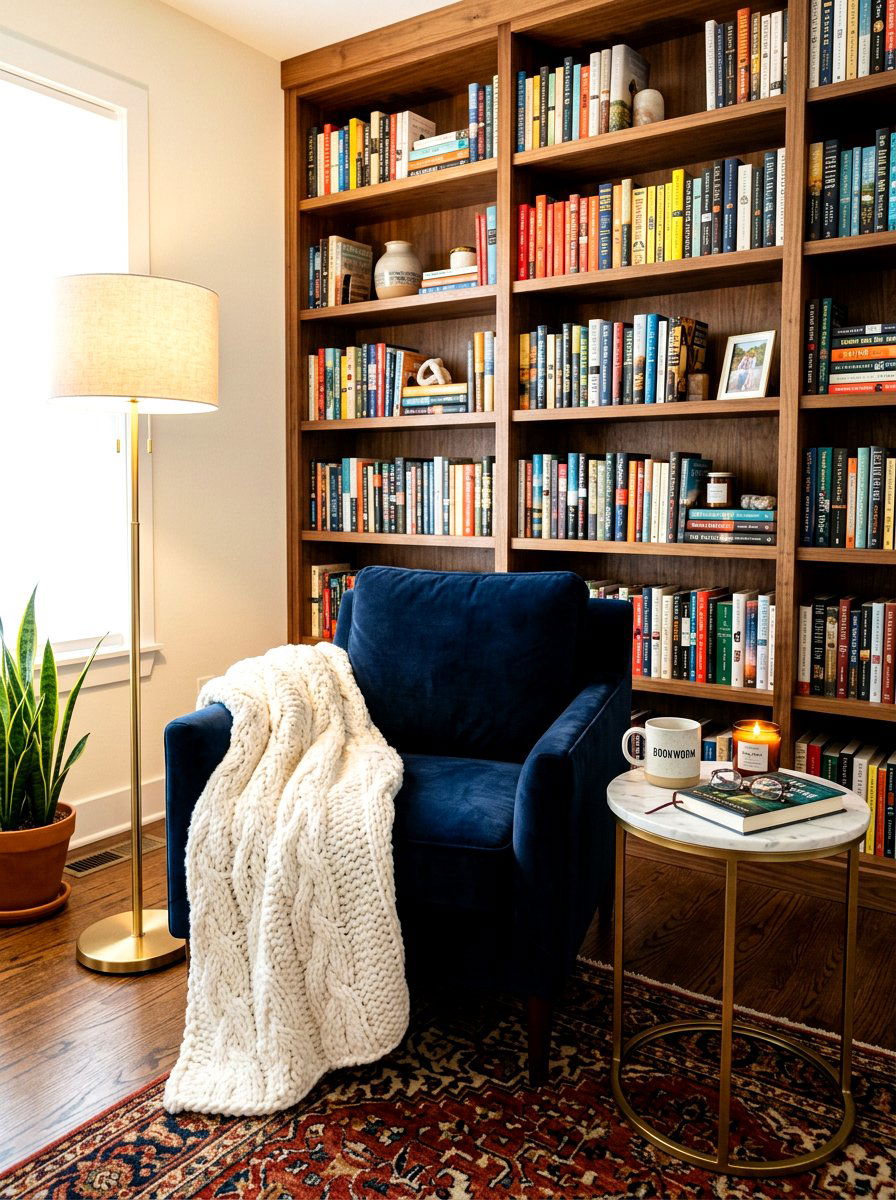
A cozy reading nook is the ultimate low-tech wellness solution for escaping into different worlds while relaxing your mind. Find a window seat or a quiet corner and furnish it with an exceptionally comfortable armchair or a built-in daybed. Layer the space with soft knit blankets and several velvet throw pillows to encourage long periods of rest. Ensure there is adequate task lighting, such as a sleek floor lamp or a wall-mounted sconce, to prevent eye strain. A small side table for your herbal tea and a minimalist bookshelf nearby keeps your favorite stories within reach. This intimate space provides a much-needed break from digital screens and daily household responsibilities.
7. Aromatherapy Corner
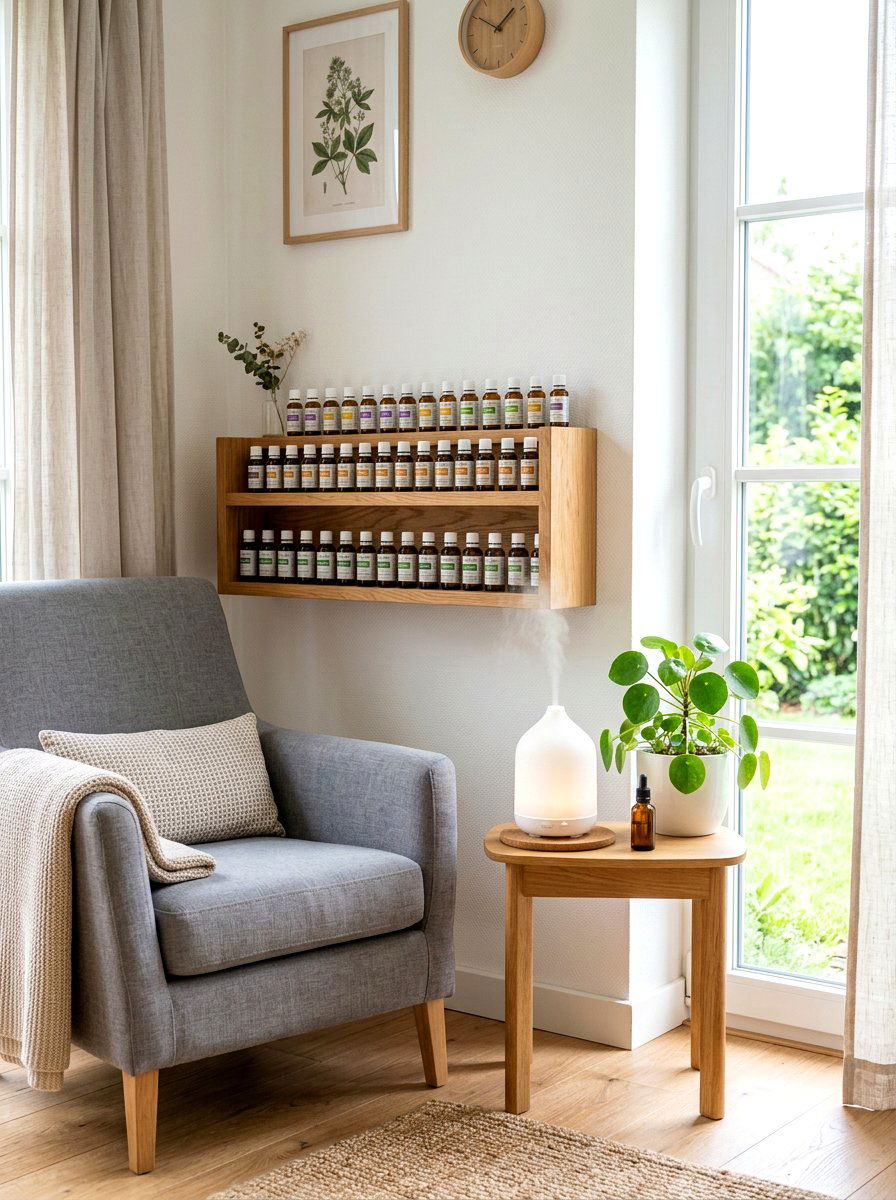
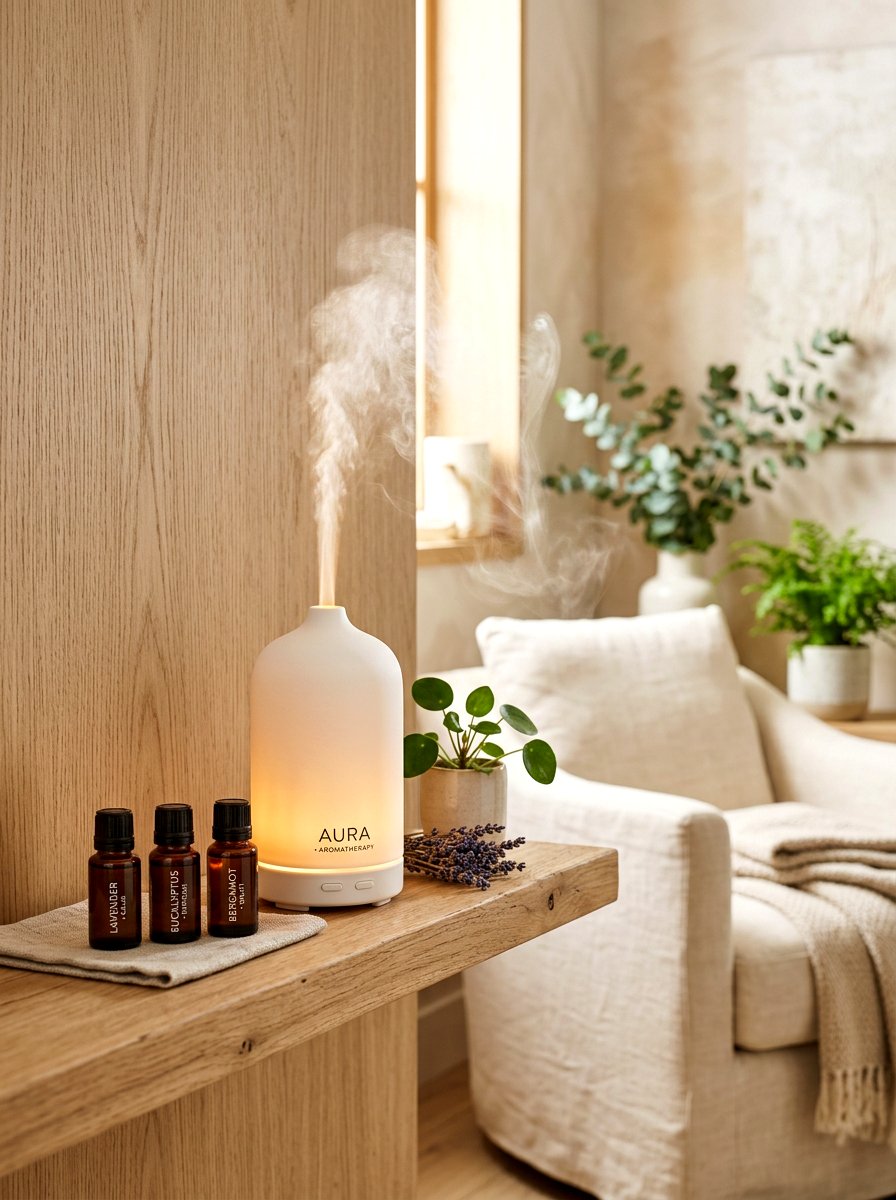
Creating an aromatherapy corner allows you to harness the power of scent to shift your emotional state instantly. Dedicate a small cabinet or shelving unit to store a collection of high-quality essential oils like lavender, eucalyptus, and peppermint. Place a modern ultrasonic diffuser on a stable surface and use it to mist calming scents throughout the room. Combine this with a few beeswax candles to add a warm, flickering glow to the atmosphere. Including a small comfortable chair allows you to sit quietly and practice deep breathing exercises while the fragrance fills the air. This sensory-focused zone is perfect for winding down after work or starting a peaceful morning routine.
8. Zen Bedroom
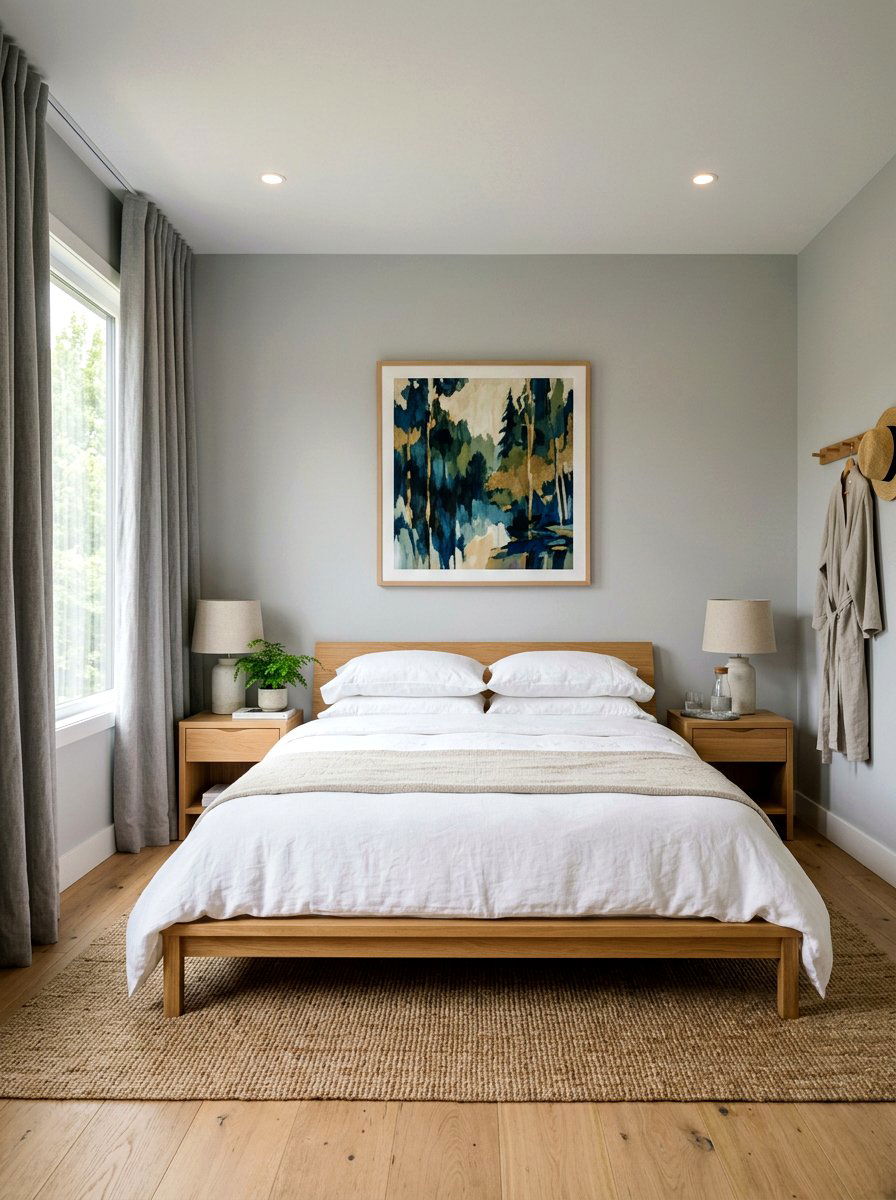
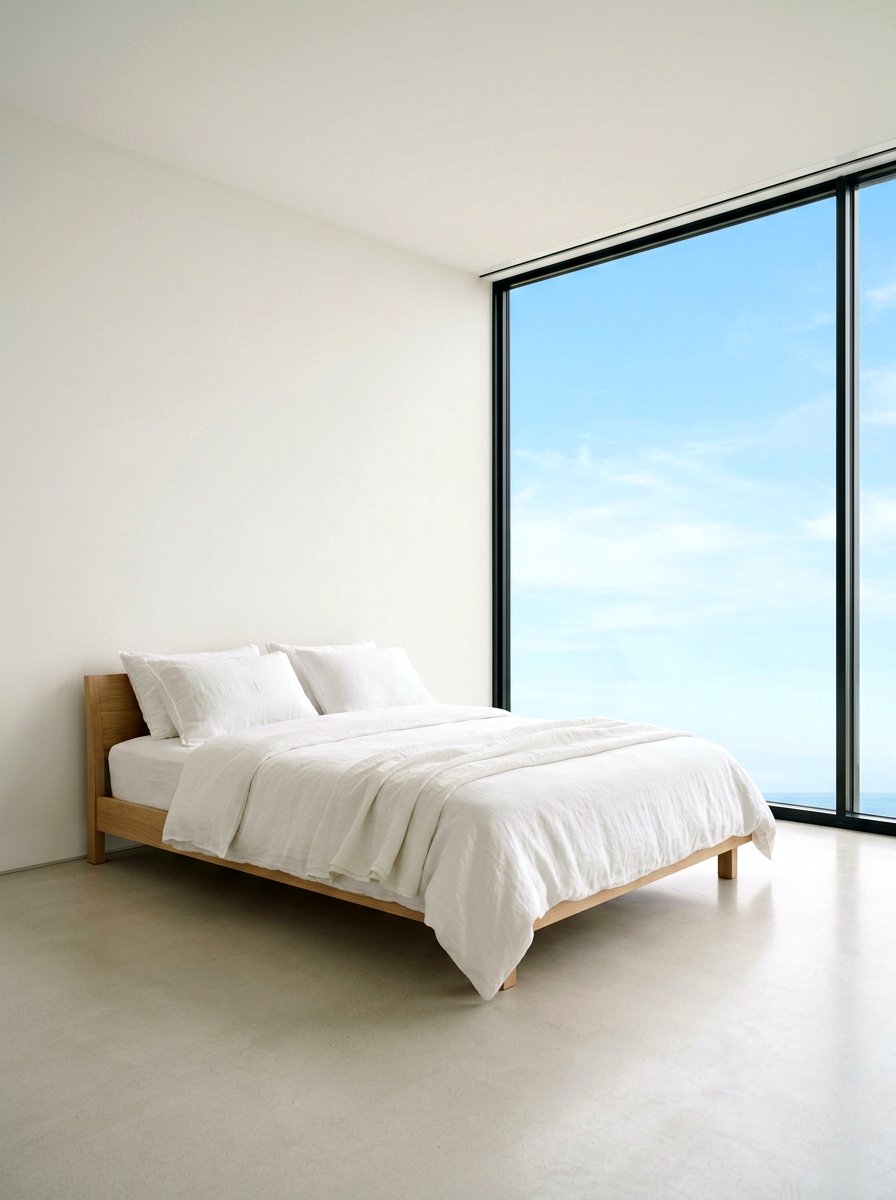
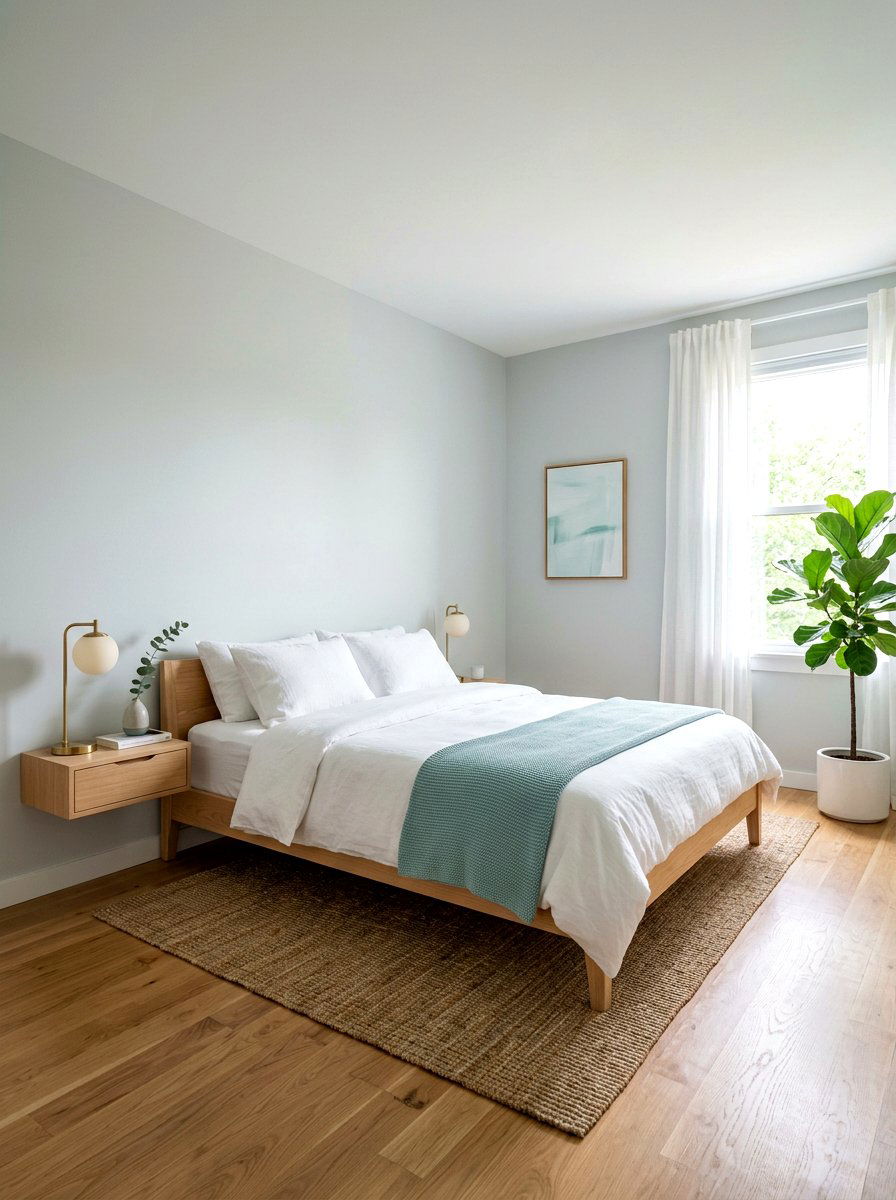
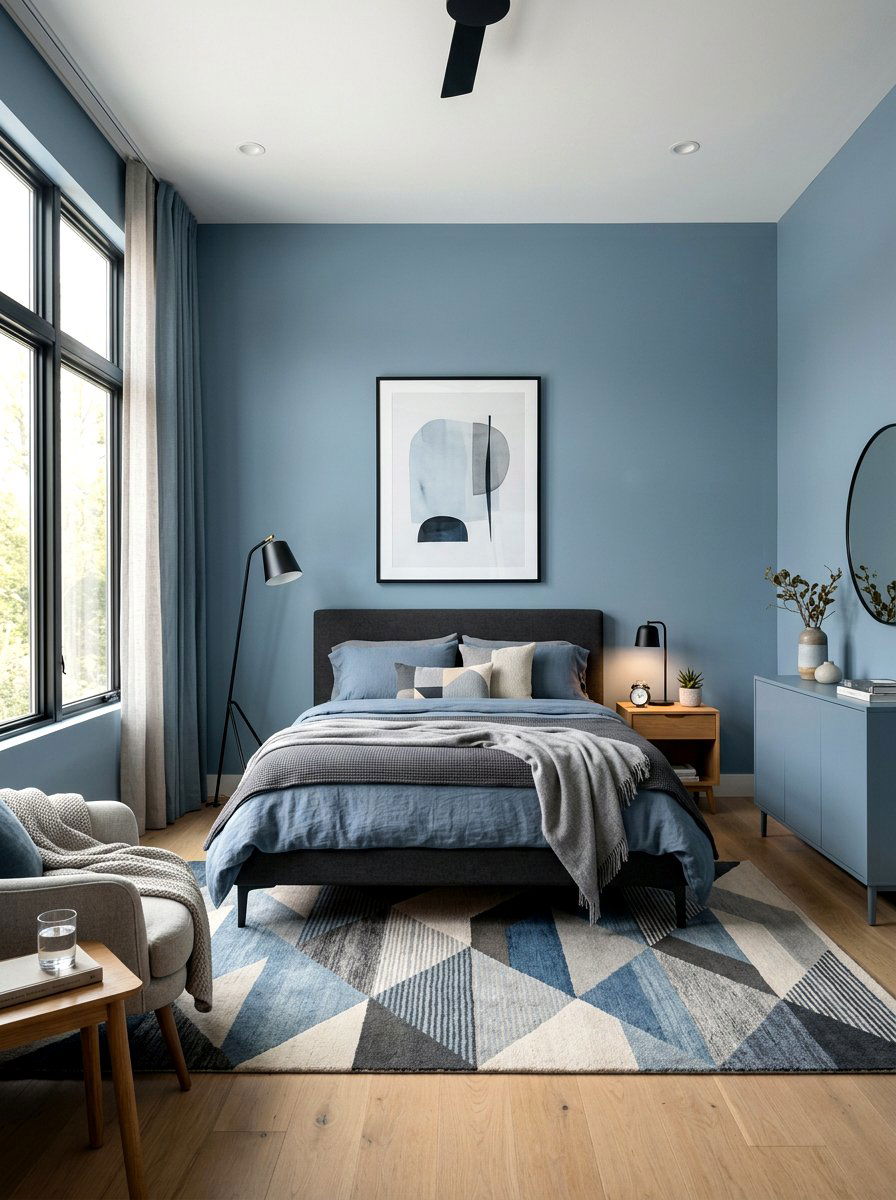
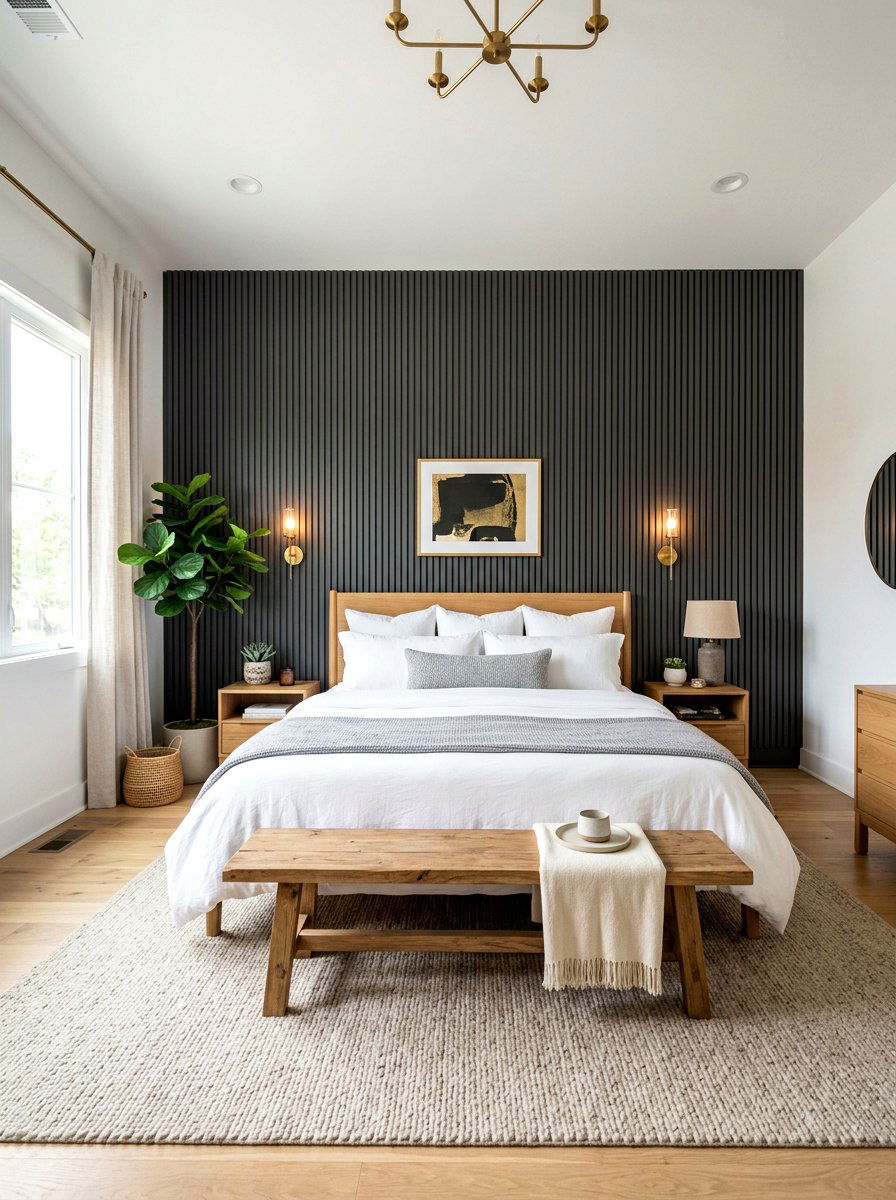
A zen bedroom focuses on minimalism and high-quality sleep hygiene to ensure you wake up feeling completely refreshed. Keep the furniture low to the ground and choose a neutral color palette of soft grays, whites, and wood tones. Remove all electronic devices and clutter to create a visual sense of calm that prepares the brain for rest. Use high-thread-count linen bedding and blackout curtains to optimize your sleeping environment for the best possible rest. Adding a single piece of nature-inspired art or a small bonsai tree provides a focal point for mindfulness before bed. This intentional design promotes deeper sleep and a more peaceful transition into your daily life.
9. Sound Healing Space
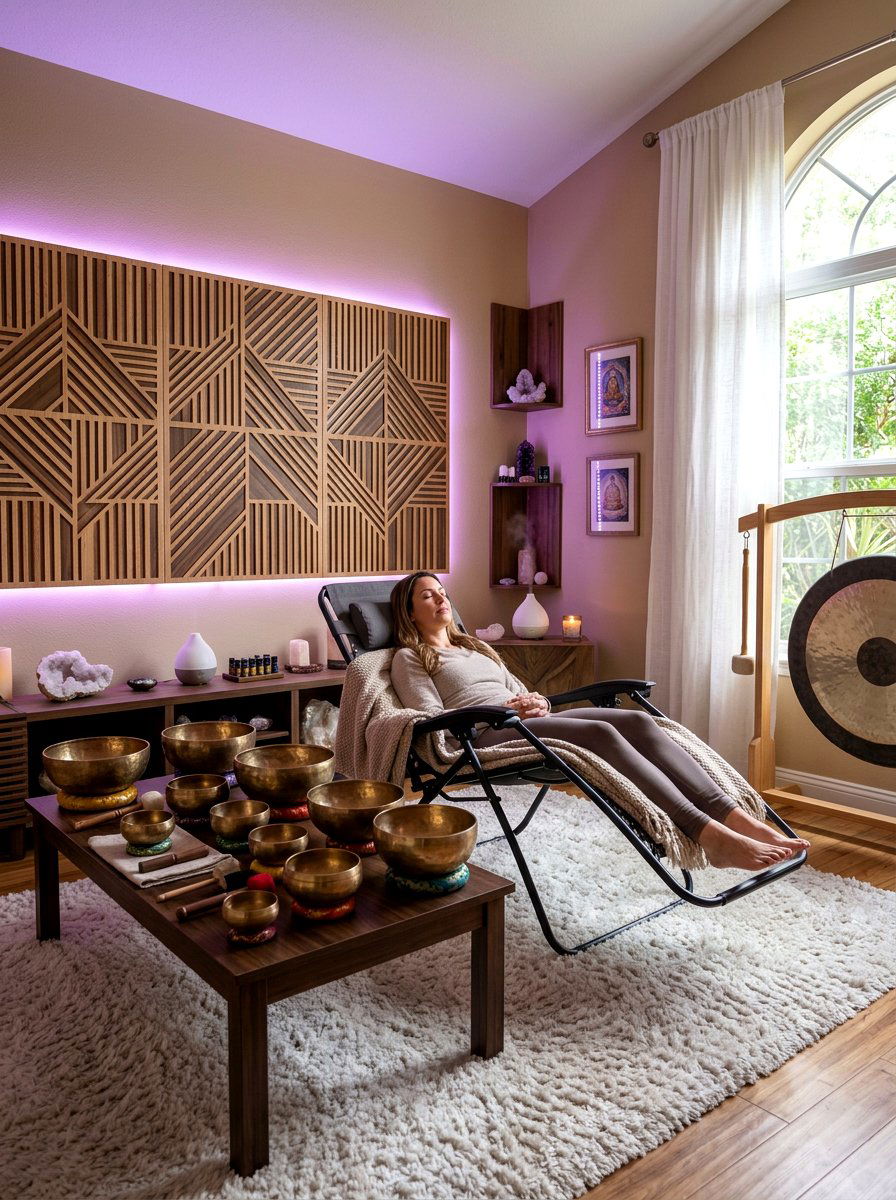
A sound healing space is a unique wellness room designed to use frequency and vibration for deep relaxation. Furnish the room with soft floor cushions or a zero-gravity chair to keep your body comfortable during listening sessions. Incorporate instruments like Tibetan singing bowls, gongs, or high-quality speakers for ambient soundscapes. Use acoustic wall panels to ensure the sound stays contained and the room remains quiet from outside noises. Soft, indirect lighting helps you focus on the auditory experience without visual overstimulation. This specialized environment is ideal for sound baths, guided meditations, or simply listening to nature sounds to reset your nervous system after a very long and hectic week.
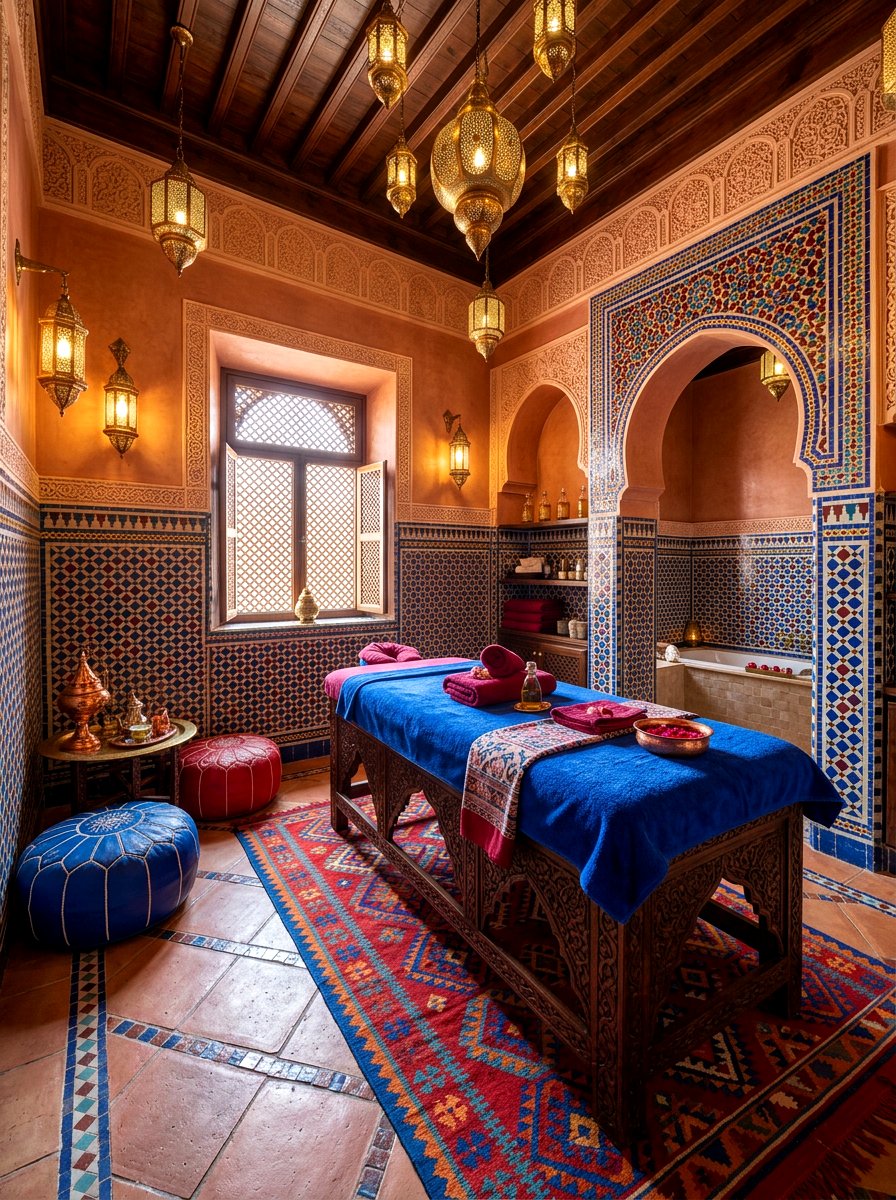
10. Home Gym
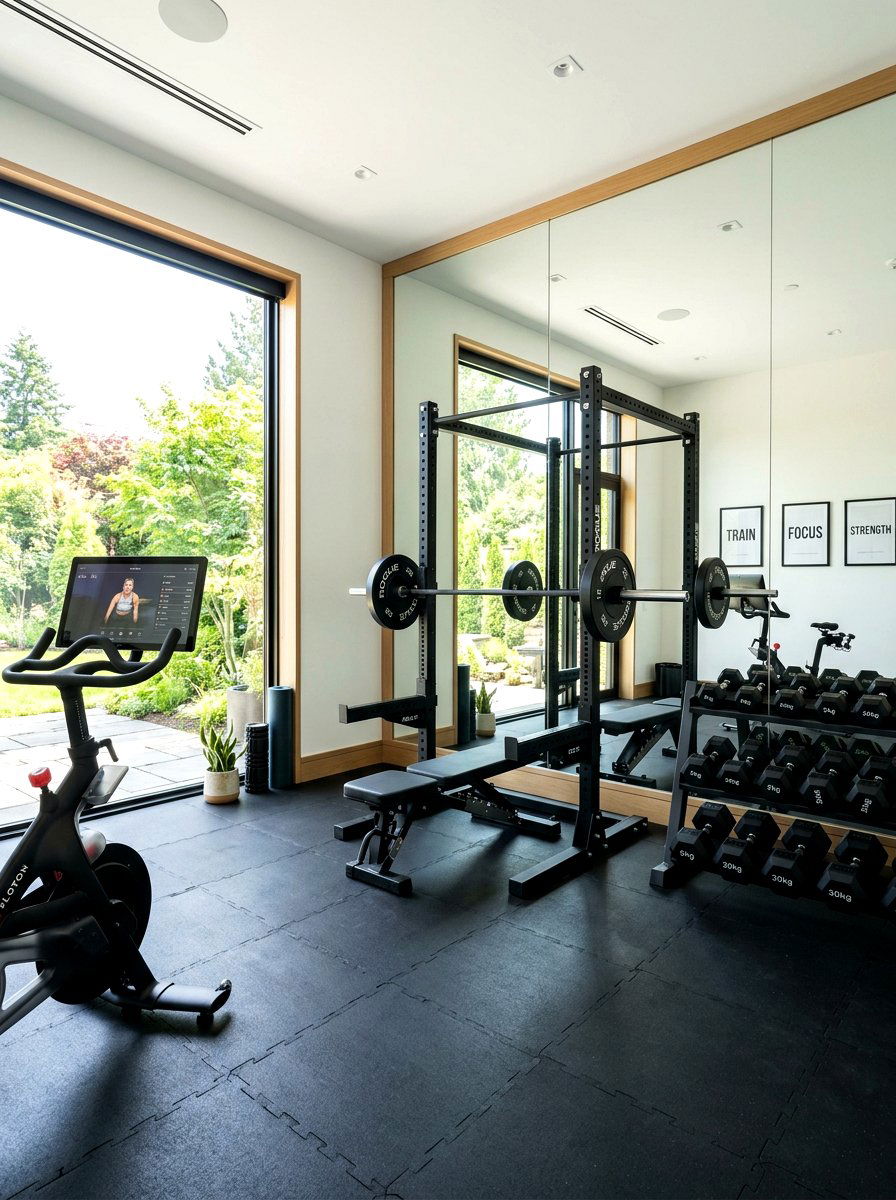
A well-designed home gym prioritizes movement and physical health while maintaining an aesthetic that matches the rest of your home. Instead of a dark basement feel, choose a room with large windows to allow for natural light and fresh air circulation. Use durable rubber flooring to protect your home and provide a safe surface for lifting weights or high-intensity interval training. Organize your equipment on sleek metal racks to keep the floor clear and the space feeling open. Adding a large wall mirror helps you check your form and makes the room feel much larger. This functional space encourages regular exercise by making your workout routine convenient and truly enjoyable.
11. Nature Sanctuary
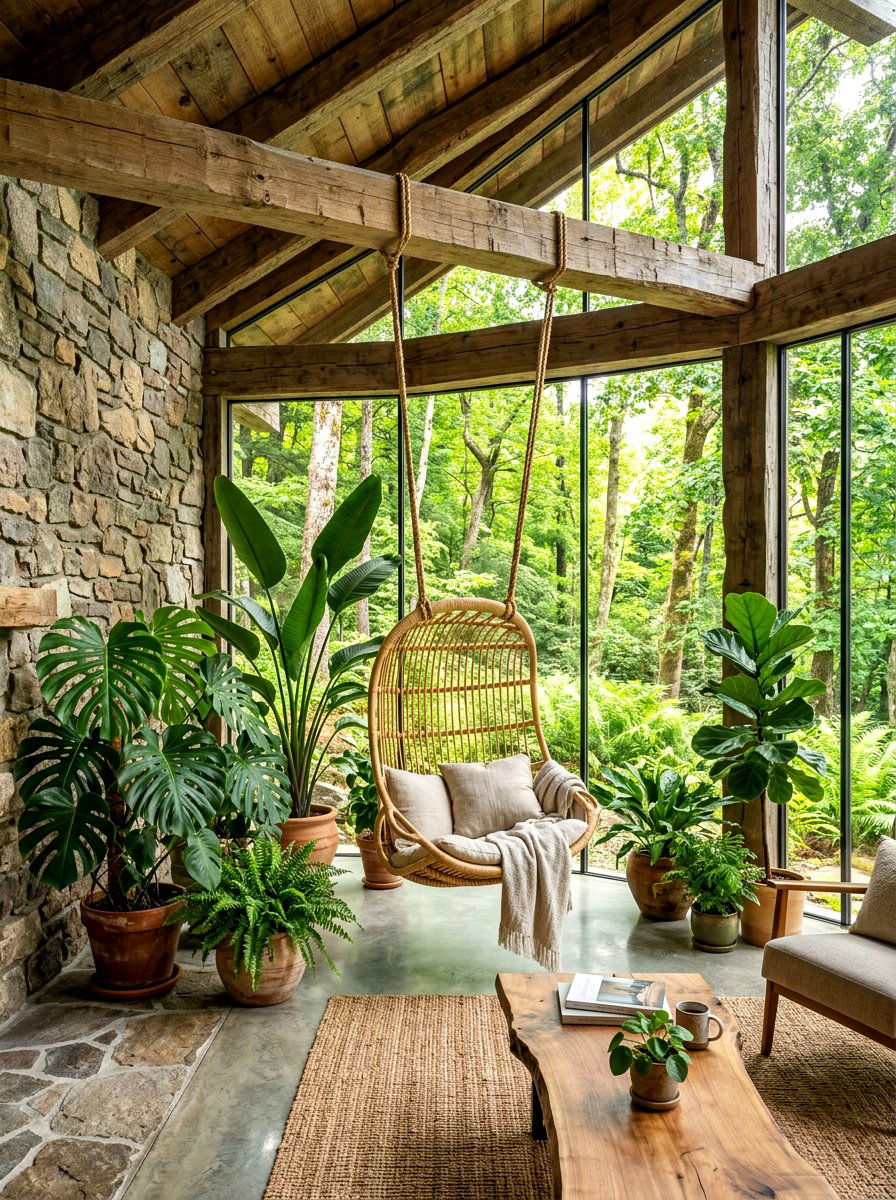
A nature sanctuary is a room that blurs the line between the indoors and the outdoors through biophilic design elements. Use large glass doors or floor-to-ceiling windows to create a visual connection to your backyard or a local garden. Inside, incorporate natural stone walls, raw wood beams, and a variety of large potted trees to mimic a forest environment. The color scheme should reflect the outdoors with earthy browns and forest greens dominating the space. Including a comfortable hammock or a rattan swing chair adds a playful yet relaxing element to the room. This space serves as a constant reminder of our connection to the earth and the natural world.
12. Crystal Healing Space
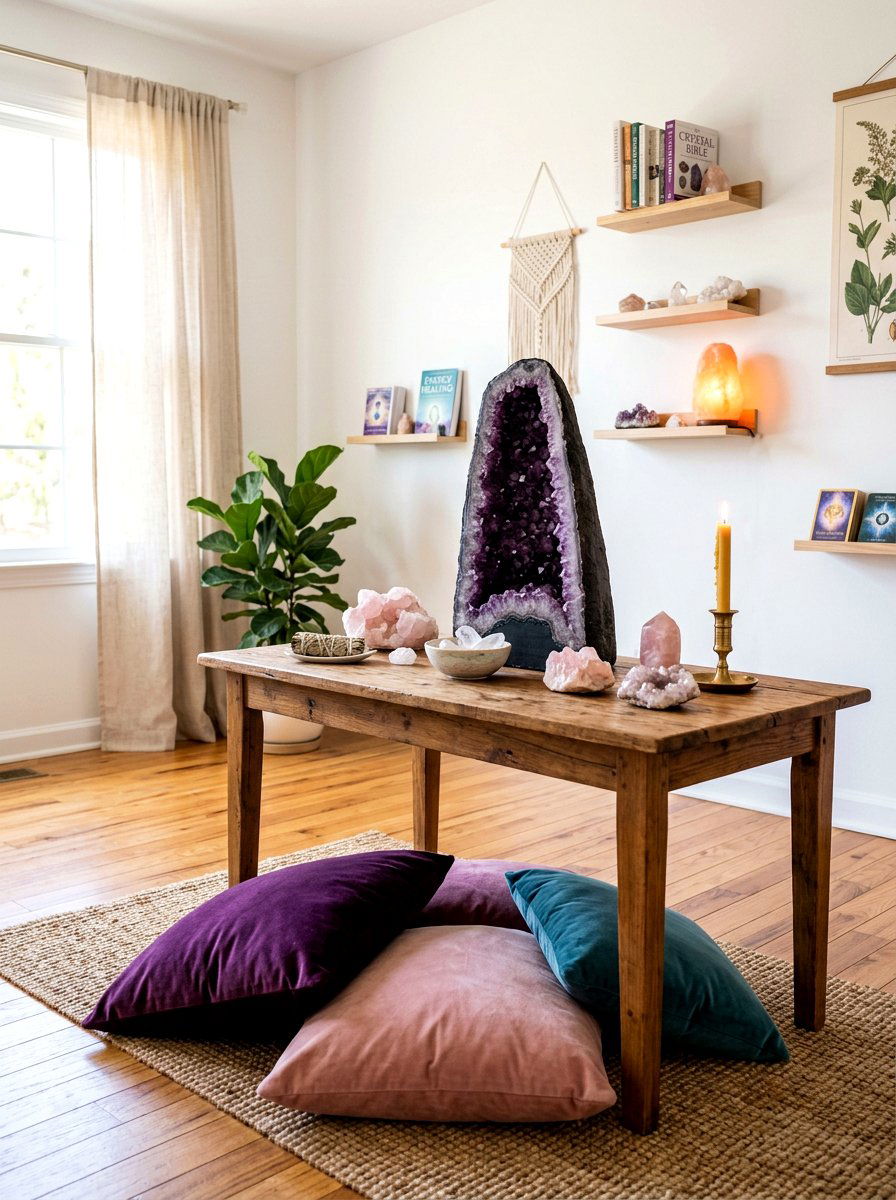
For those who enjoy holistic practices, a crystal healing space offers a beautiful environment for energy work and spiritual growth. Arrange a variety of large raw crystals like amethyst cathedrals or rose quartz chunks on floating shelves or a dedicated display table. Use soft, warm lighting to highlight the natural beauty and textures of the stones. A plush rug and several velvet floor cushions provide a comfortable area for laying down or sitting during your rituals. You can also include a small water fountain to add the soothing sound of trickling water to the room. This visually stunning space becomes a focal point for intention setting and daily positive affirmations.
13. Minimalist Studio
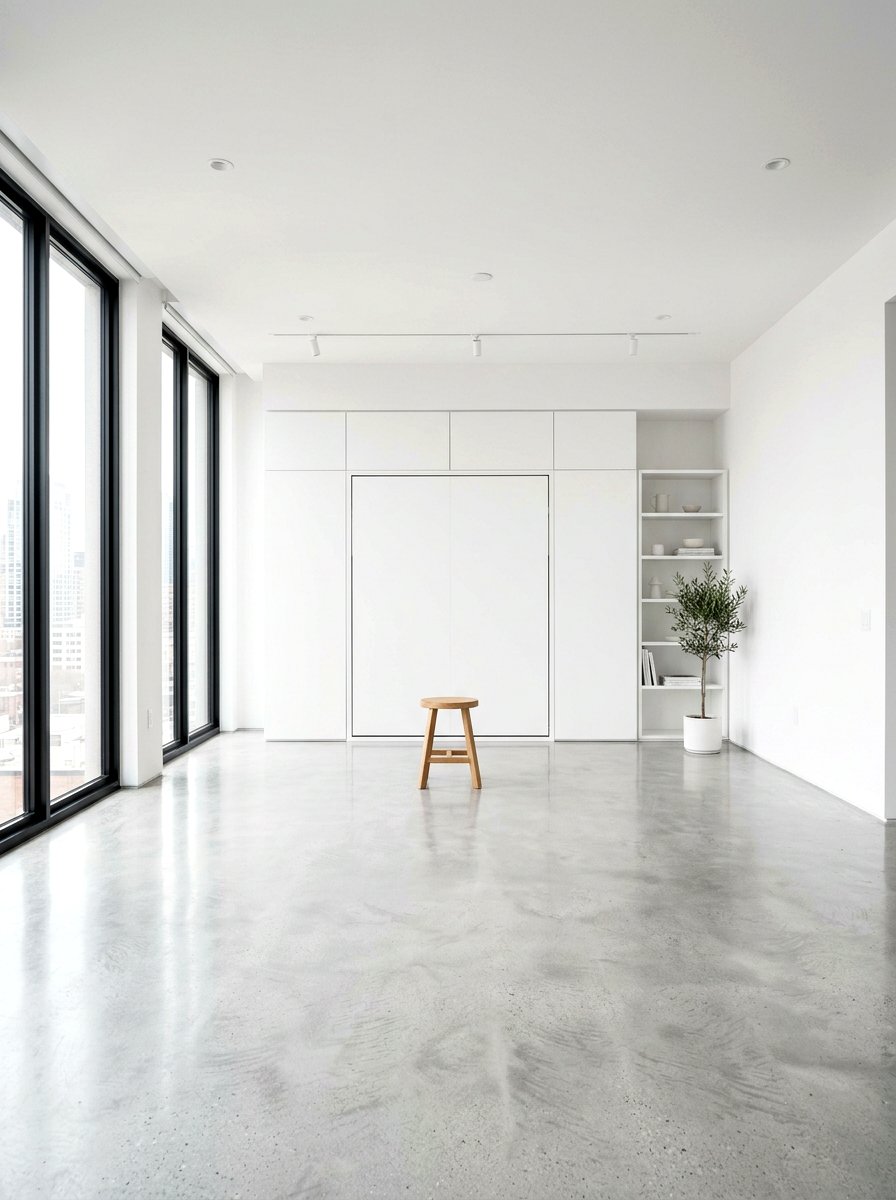
A minimalist studio is a multi-functional wellness space that focuses on the "less is more" philosophy to reduce mental clutter. Choose a white or monochromatic color palette to make the room feel airy and expansive. Furniture should be multifunctional, such as a hidden wall bed or a desk that folds away when not in use. This clear environment is perfect for various activities ranging from stretching and yoga to light journaling or contemplative thought. By removing unnecessary decor and objects, you create a space where your mind is free to wander without distraction. This architectural approach to wellness emphasizes the importance of open space for a balanced, modern life.
14. Cold Plunge Tub
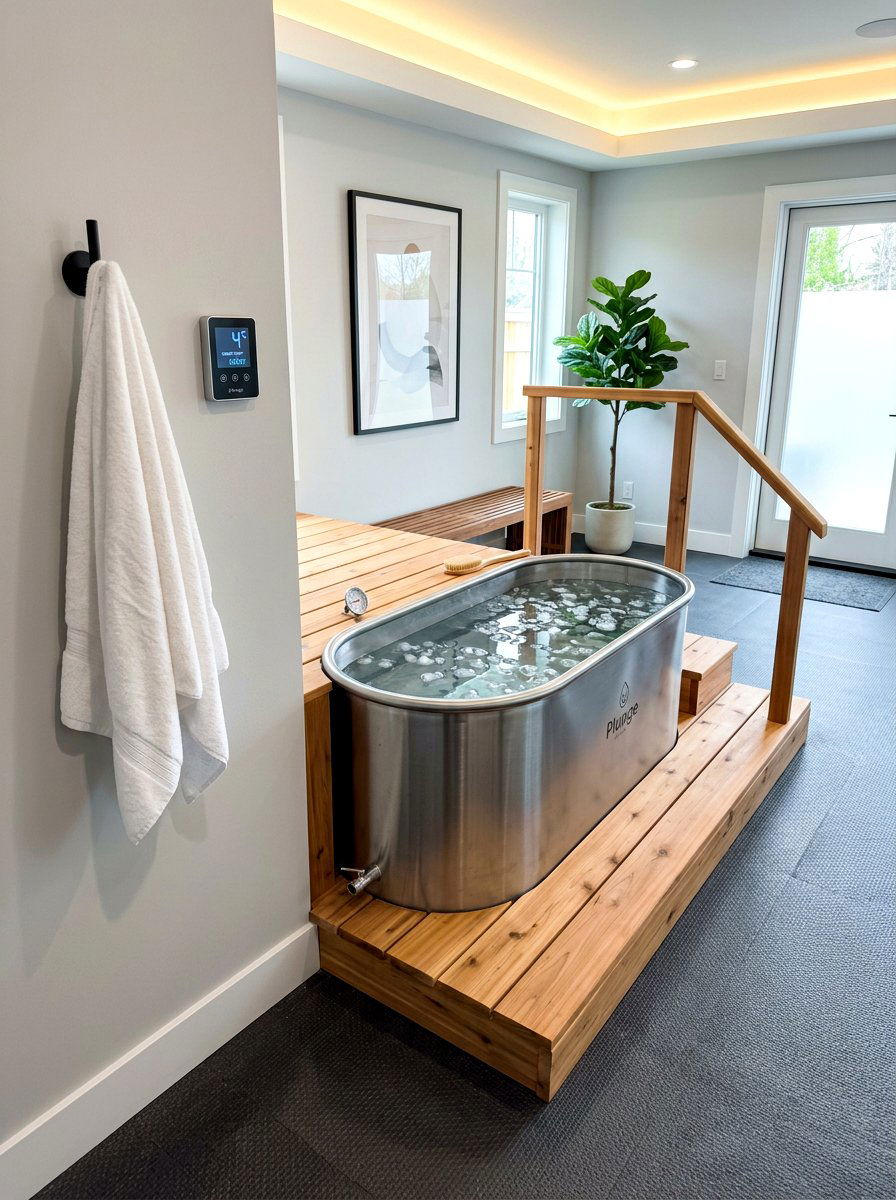
Integrating a cold plunge tub into your home is a powerful way to boost circulation and improve your metabolic health. These compact tubs can be installed in a bathroom, garage, or even a covered outdoor patio area. The design is often sleek and modern, featuring stainless steel or dark composite materials that look great in a contemporary home. Pair the tub with non-slip cedar decking and a nearby towel hook for ease of use. This dedicated recovery zone is excellent for athletes or anyone looking to reduce inflammation and increase mental resilience. Regular use of the cold plunge provides a refreshing start to the day and builds incredible physical stamina.
15. Relaxation Lounge
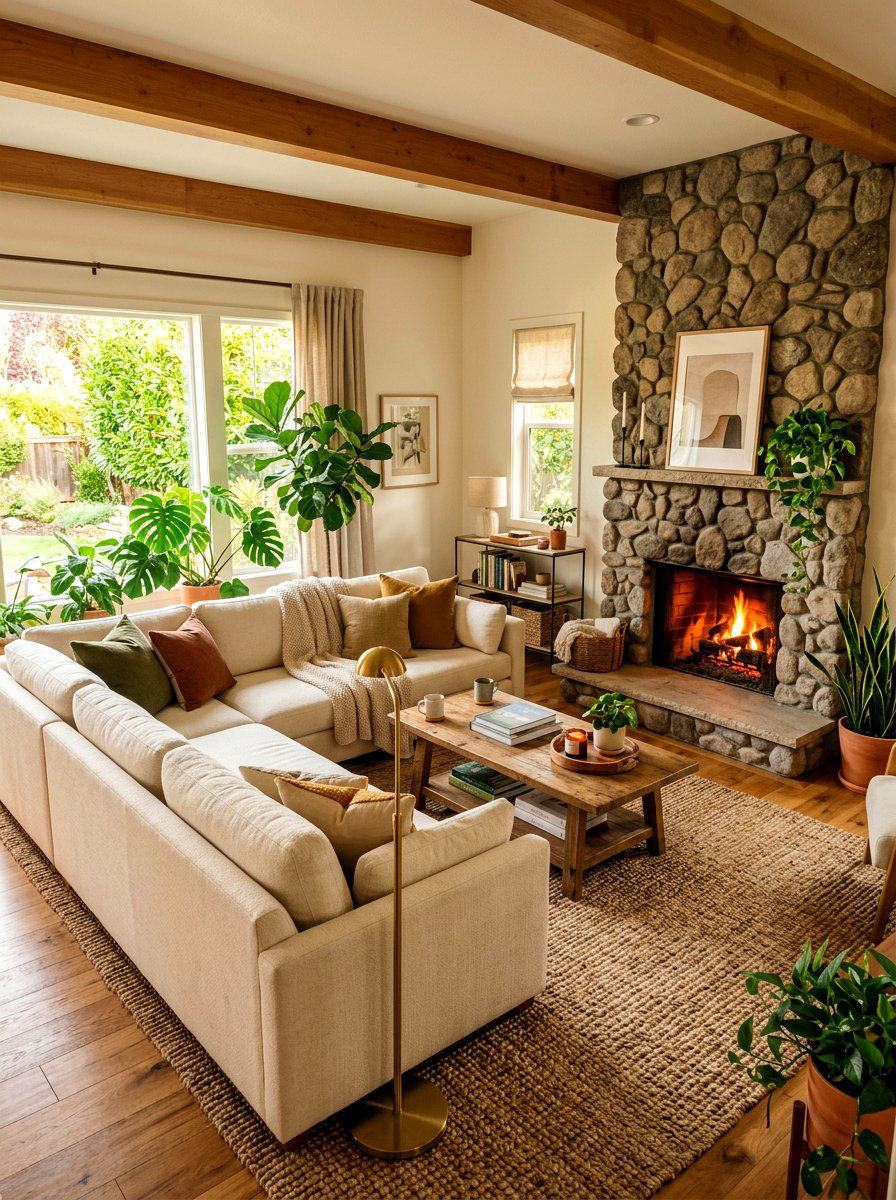
A relaxation lounge is a dedicated living area designed for slow living and meaningful connection with family or friends. Replace the television with a central fireplace or a beautiful art installation to encourage conversation and presence. Use oversized sectional sofas with soft, textured fabrics that invite people to sit back and stay for a while. Soft, layered lighting from floor lamps and candles creates a warm and inviting atmosphere in the evening. This room should be a screen-free zone where the focus is on reading, talking, or simply resting. It serves as the emotional heart of the home, prioritizing human connection over digital entertainment and constant daily news cycles.
16. Sunroom
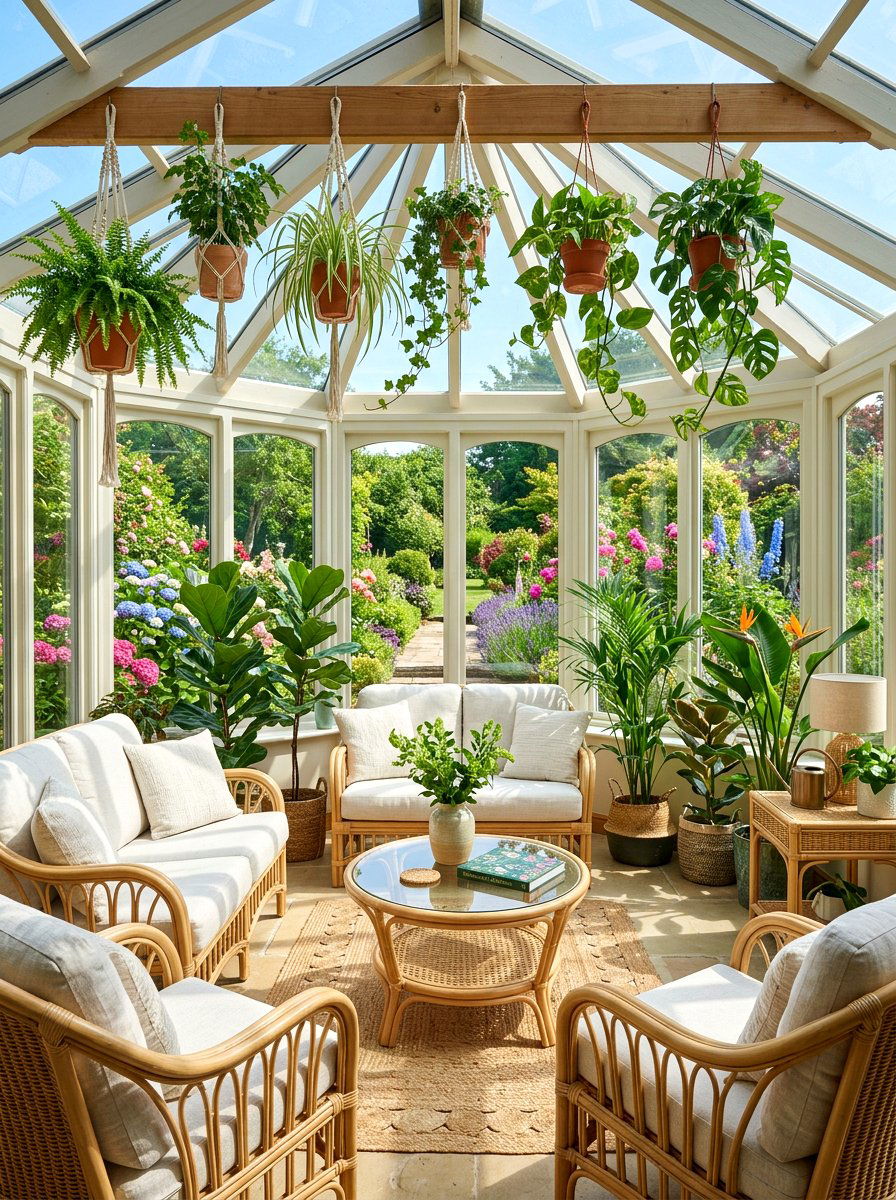
A sunroom or solarium is the perfect wellness space for capturing the mood-boosting benefits of natural sunlight throughout the year. With glass walls and ceilings, this room allows you to enjoy the outdoors while remaining protected from the wind and cold weather. Furnish the space with light-colored wicker furniture and plenty of weather-resistant cushions for a relaxed, garden-like feel. This is an ideal spot for morning meditation, afternoon naps, or growing exotic tropical plants that need extra light. The abundance of Vitamin D from the sun helps regulate your circadian rhythm and improves your overall mood. This bright space feels like a permanent vacation spot right inside your own house.
17. Massage Space
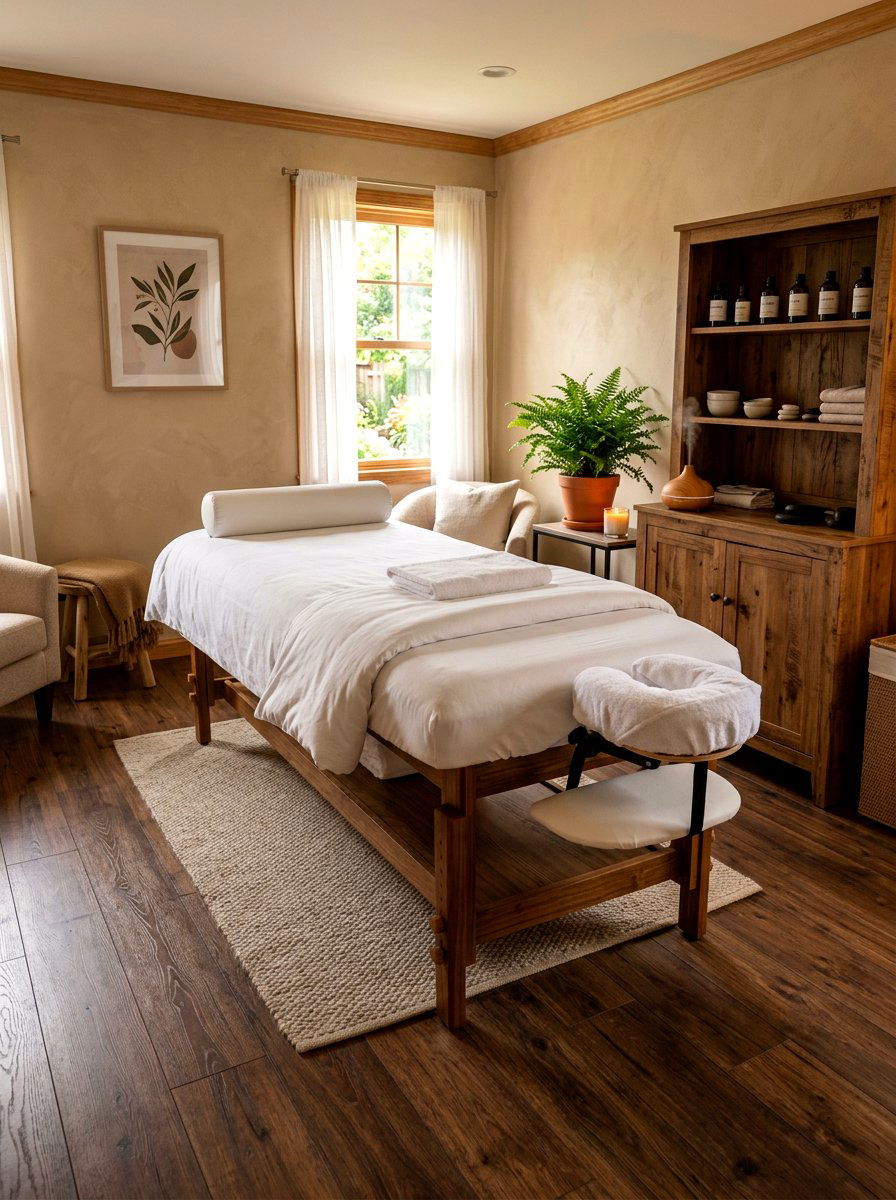
Creating a massage space at home allows you to enjoy professional-level bodywork without leaving your front door. Invest in a high-quality, foldable massage table that can be easily stored or left as a permanent fixture in a quiet room. Use soft, dimmable lighting and a high-end sound system to play calming music during your sessions. Store a variety of organic massage oils and clean, warm linens in a nearby wooden cabinet for easy access. Adding a small bench or chair for the therapist or yourself to sit on after the massage completes the professional feel. This dedicated area turns a simple room into a luxurious and private health destination.
18. Stretching Area
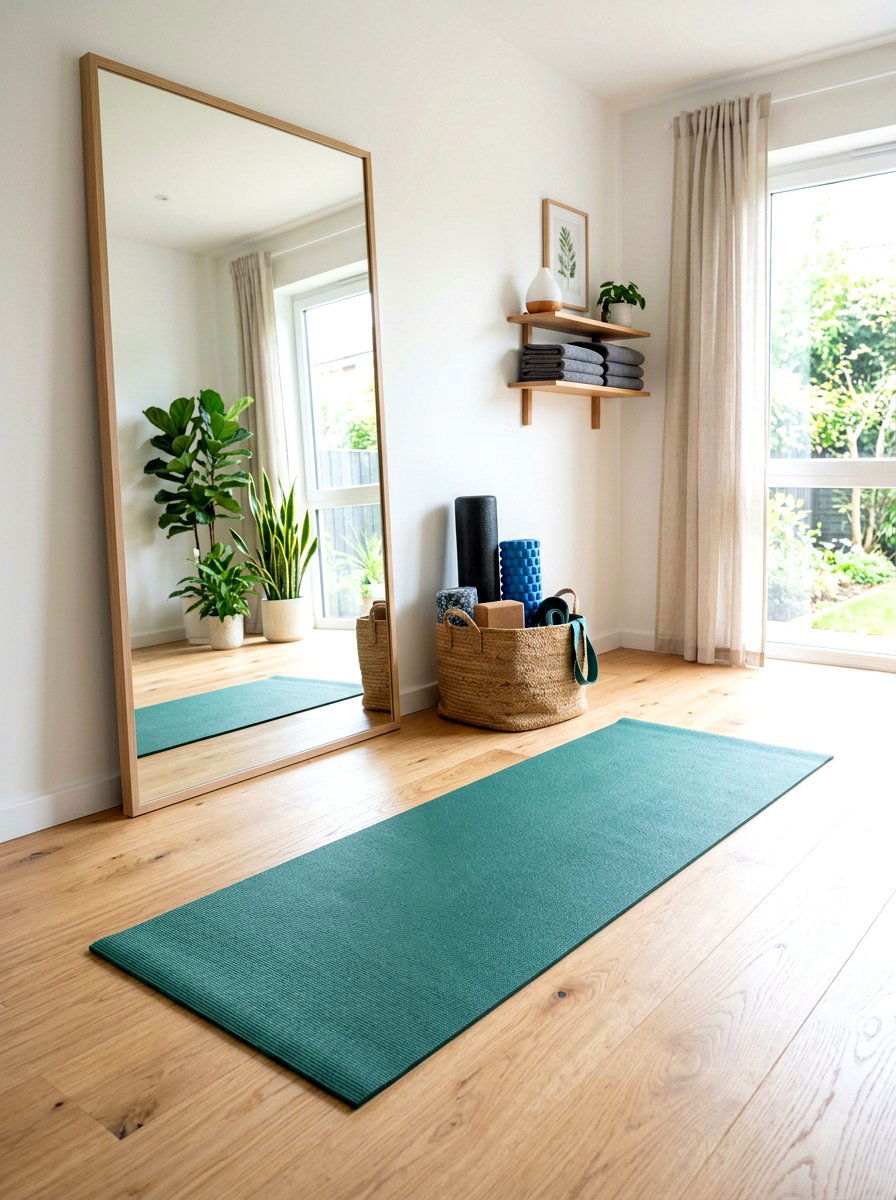
A dedicated stretching area is a small but vital wellness zone that encourages flexibility and prevents physical injury in your daily life. This space only requires a high-quality, non-slip mat and a small area of wall space for assisted stretches. Incorporate tools like foam rollers, massage balls, and stretching straps, neatly organized in a stylish basket or on a wall rack. Place a full-length mirror nearby to monitor your posture and ensure you are performing movements correctly. This zone can be tucked into a bedroom corner or a home gym, providing a constant visual reminder to move your body and release any built-up muscle tension.
19. Creative Studio
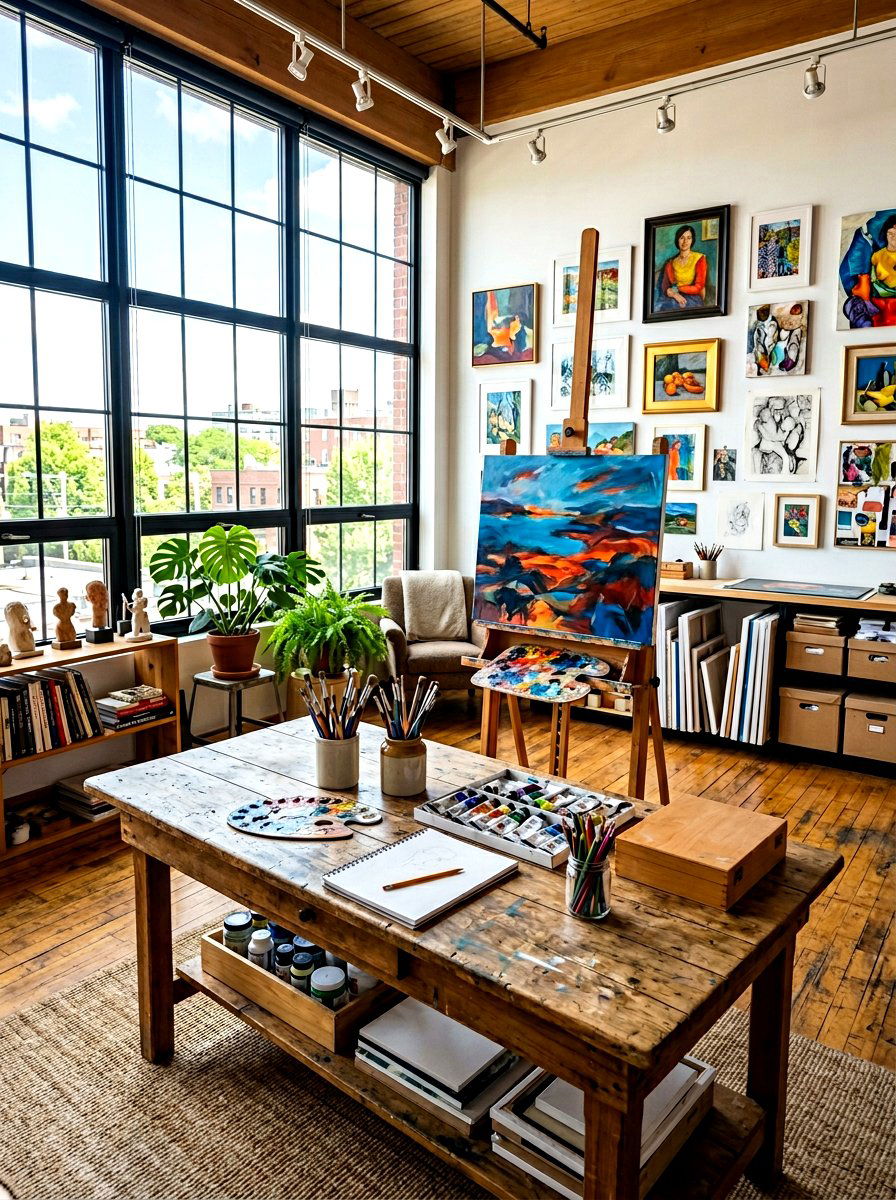
An art or creative studio is a wellness room focused on the therapeutic benefits of expression and creative play. Whether you enjoy painting, pottery, or writing, this space should be filled with natural light and organized supplies. Use large tables that offer plenty of room for your projects and choose comfortable, ergonomic seating. Decorate the walls with your own creations or inspiring art to stimulate your imagination. This room provides a healthy outlet for stress and allows you to enter a "flow state" where time seems to disappear. Engaging in creative activities regularly is a proven way to improve cognitive function and emotional well-being throughout your entire life.
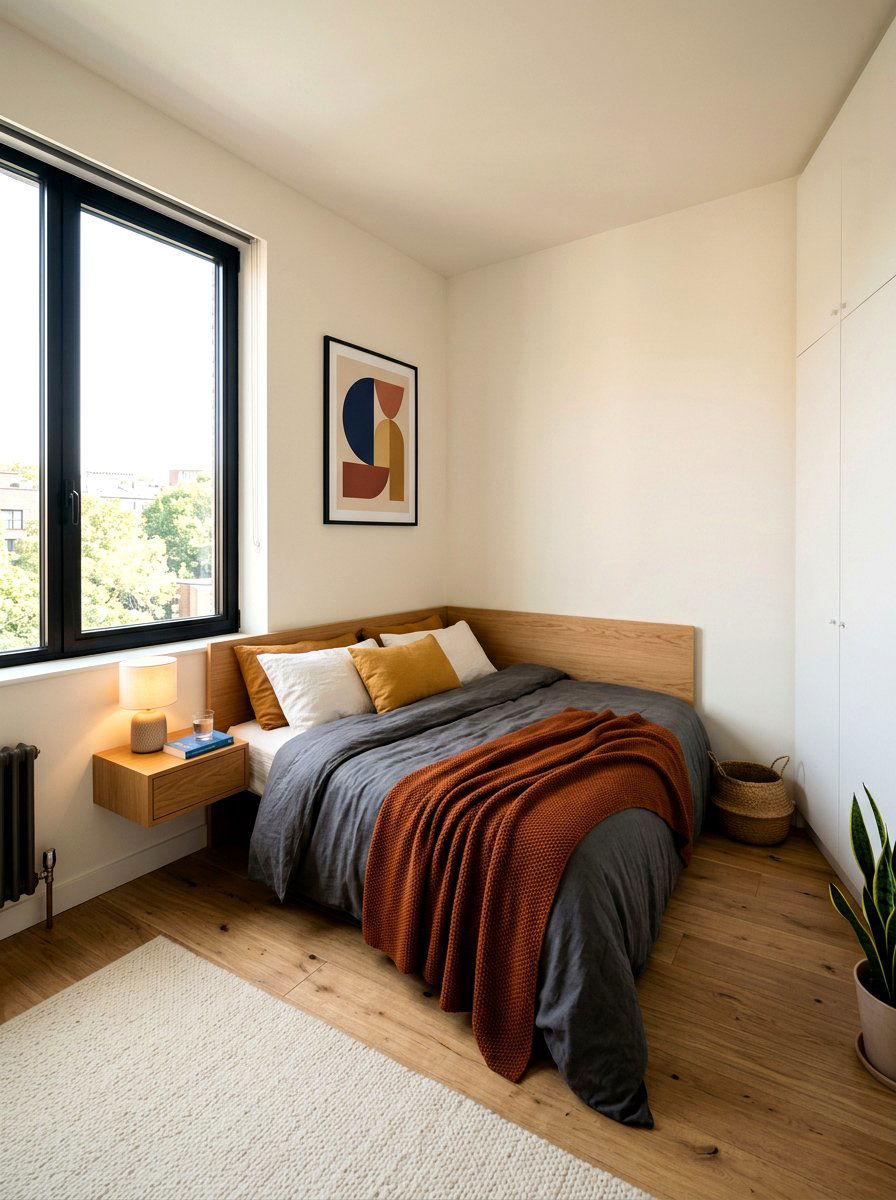
20. Tea Room
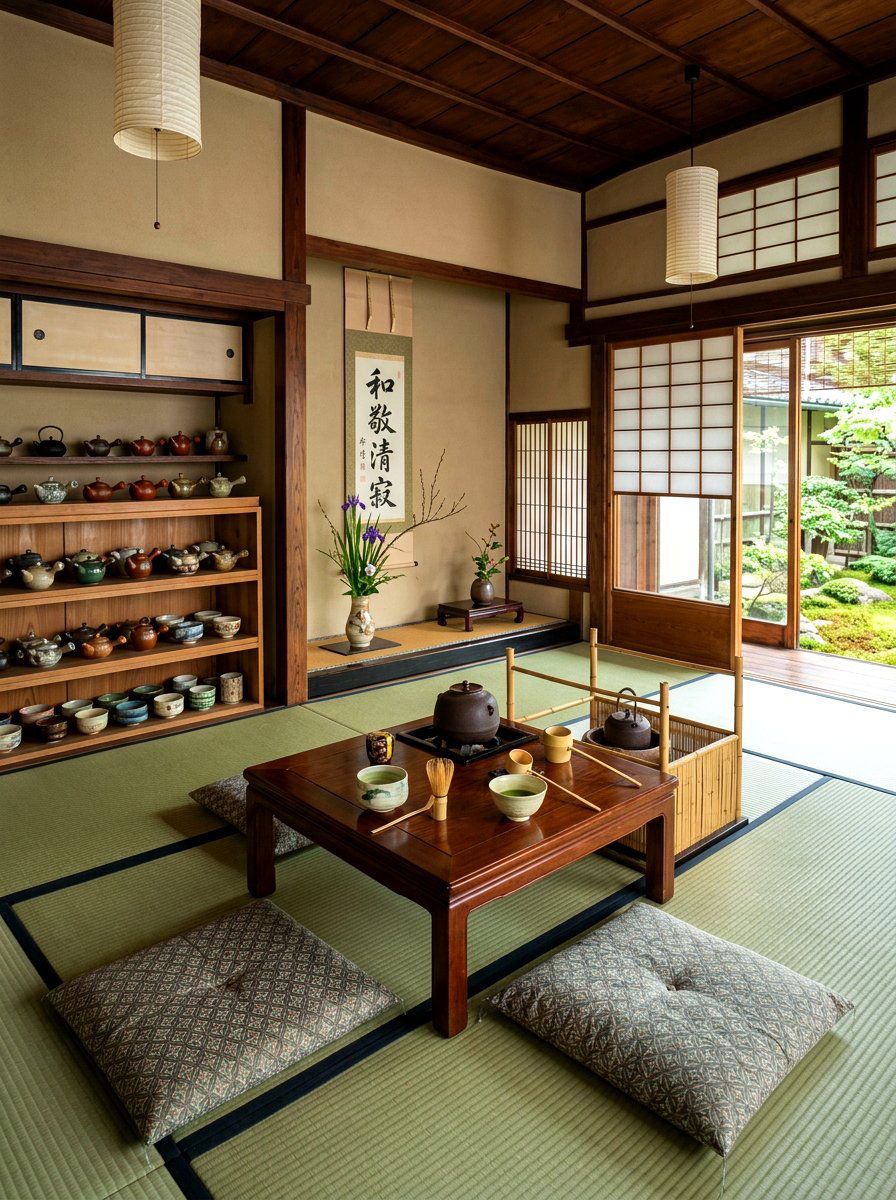
A tea room is a quiet, specialized space influenced by traditional ceremonies that focus on mindfulness and slow consumption. Use a low table and floor cushions to create an intimate seating arrangement for yourself and your guests. Display a beautiful collection of teapots, ceramic cups, and high-quality loose-leaf teas on open wooden shelving. The decor should be simple and natural, using materials like bamboo mats and soft paper lanterns for lighting. This room encourages the ritual of tea making as a form of meditation, helping you slow down and savor the present moment. It is the perfect environment for deep conversation or quiet, solitary reflection during the afternoon.
21. Floating Bed Area
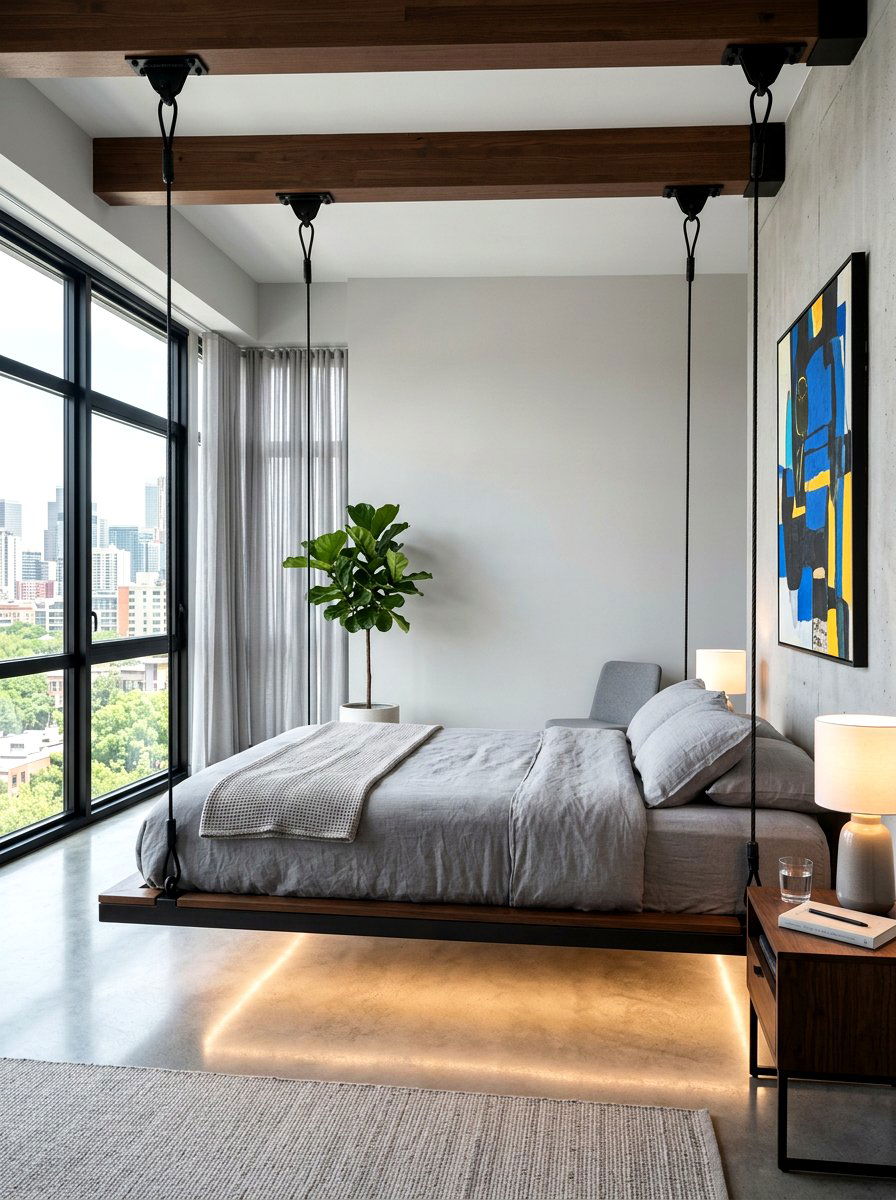
A floating bed area creates a unique, weightless sensation that can lead to some of the most restorative sleep of your life. By suspending the bed frame from the ceiling with heavy-duty cables or using a recessed base, you create a visual lightness in the room. This modern design element makes the bedroom feel more spacious and airy. Surround the bed with soft, indirect LED lighting that glows from underneath the frame for a futuristic and calming effect. Using high-quality memory foam and organic cotton sheets enhances the feeling of luxury and comfort. This innovative sleeping arrangement provides a sense of sanctuary and safety, promoting deep relaxation and incredible dreams.
22. Living Wall
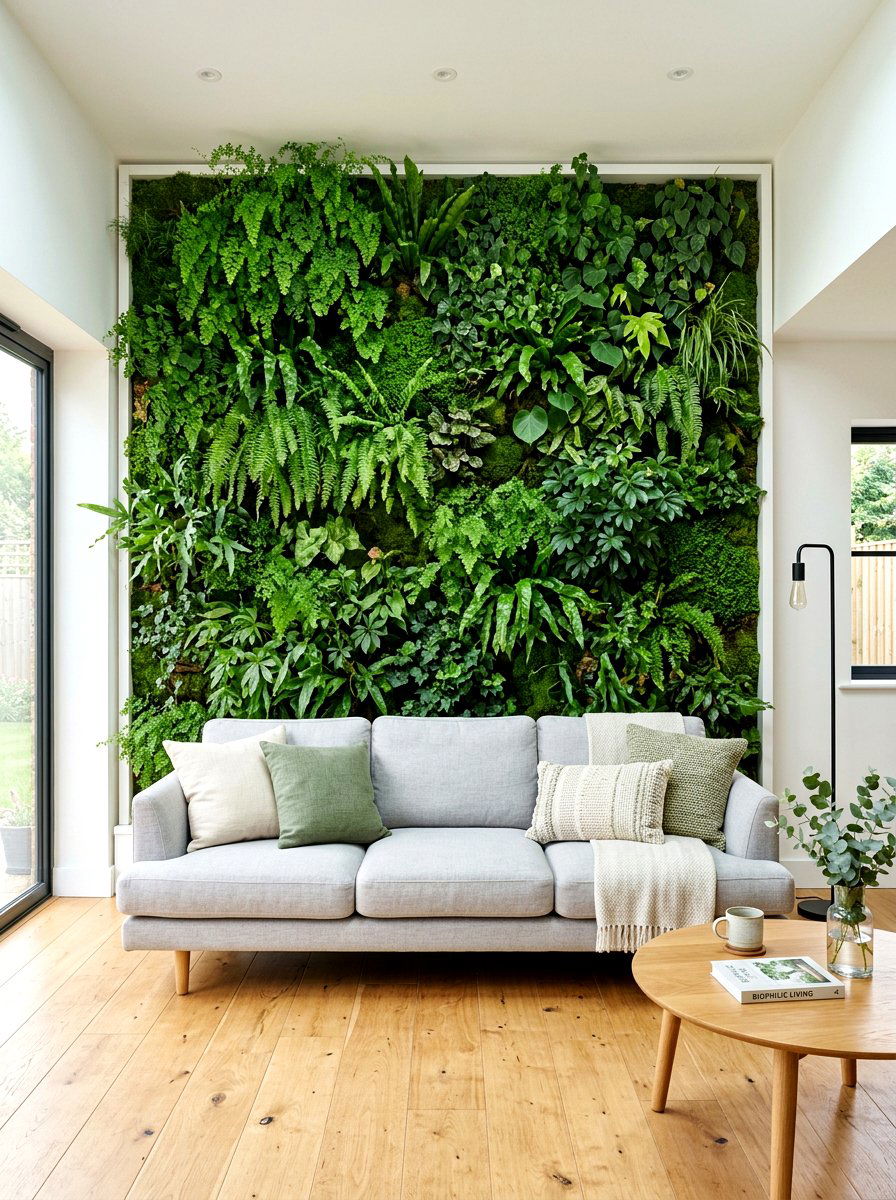
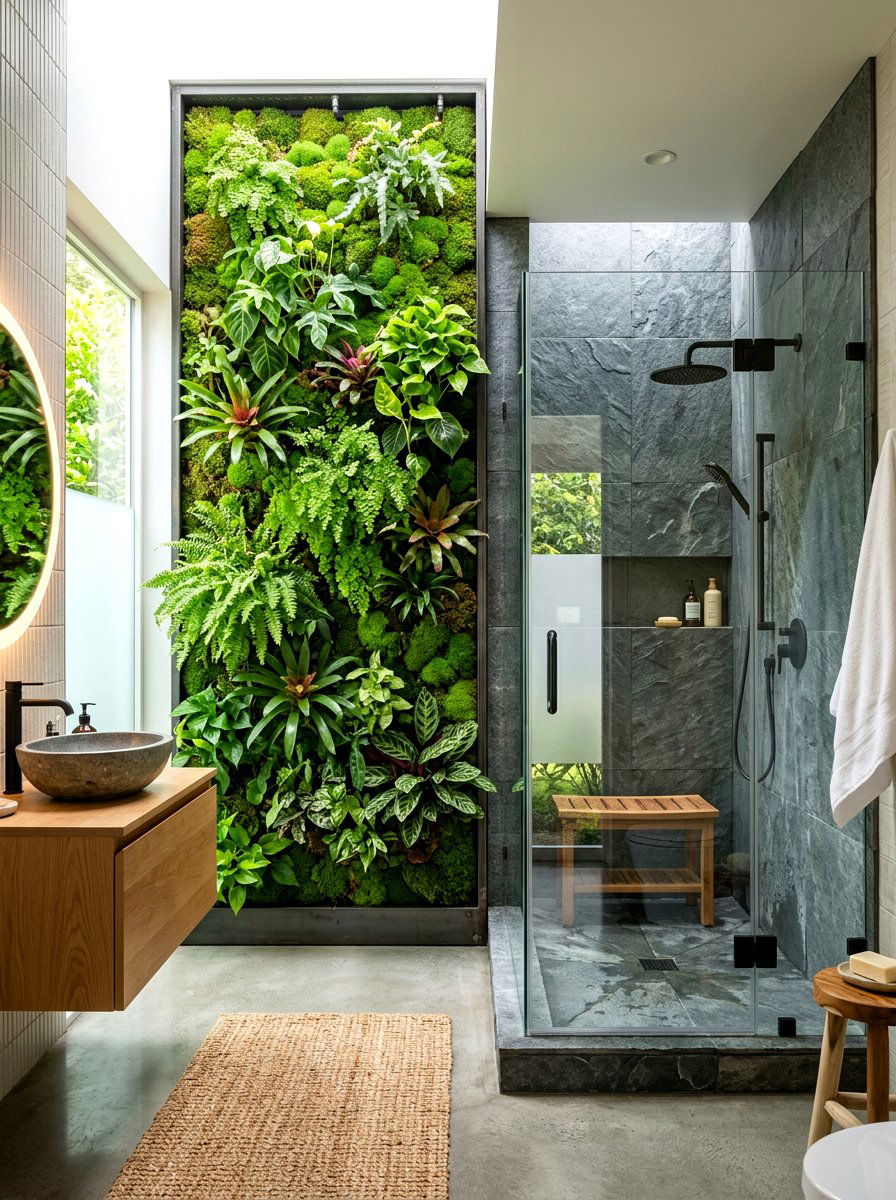
A living wall, or vertical garden, is a stunning wellness feature that turns an entire wall into a lush, oxygen-producing ecosystem. This biophilic design element uses a specialized irrigation system to support a variety of ferns, mosses, and tropical plants. Not only does it act as a natural air purifier, but it also provides a striking visual focal point that reduces stress levels. Position the living wall in a room where you spend a lot of time, such as a home office or living area. The vibrant green colors and organic textures bring a sense of life and vitality to any indoor space, making it feel much more energetic and fresh.
23. Salt Wall Room
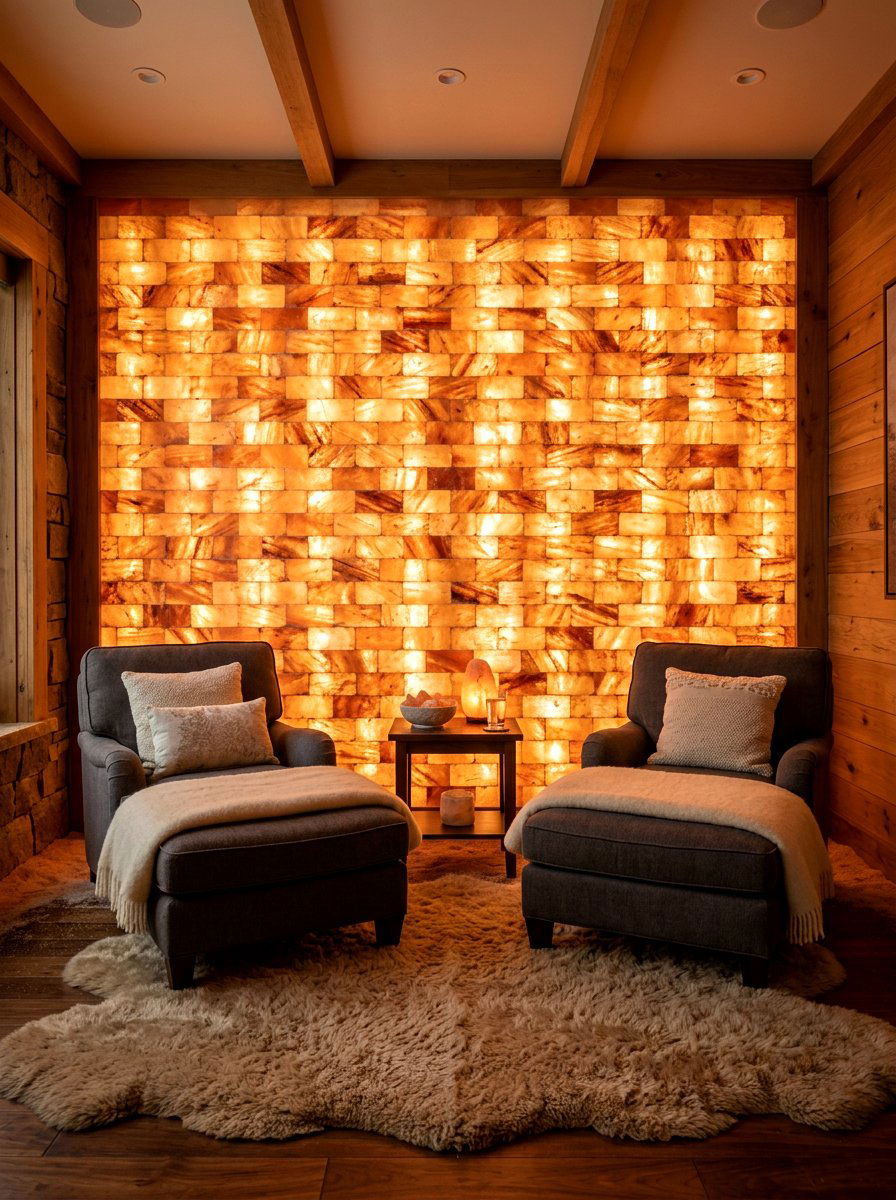
A salt wall room incorporates the benefits of halotherapy by using panels of backlit Himalayan pink salt. These salt blocks release negative ions into the air, which are believed to improve respiratory health and boost your overall mood. The warm, orange glow from the salt creates a deeply calming and cozy environment, perfect for a meditation space or a home spa. Combine the salt wall with natural wood flooring and comfortable lounge chairs for a complete sensory experience. This unique architectural feature adds both health benefits and a touch of luxury to your home, creating a glowing sanctuary that feels incredibly warm and very inviting.
24. Quiet Library
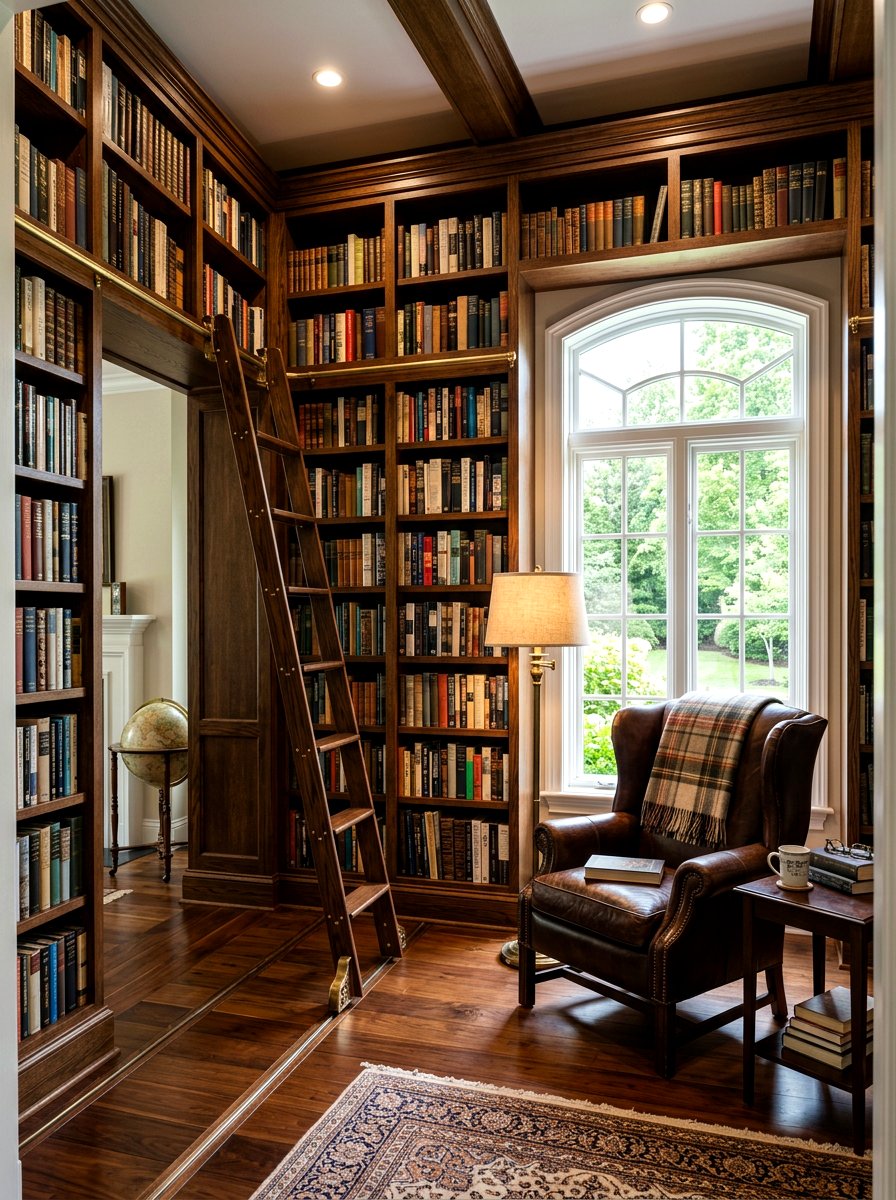
A quiet library serves as a mental wellness retreat for those who find peace in knowledge and silence. Fill the walls from floor to ceiling with wooden bookshelves packed with your favorite novels and reference books. A rolling library ladder adds a classic and functional touch to the design. Place a large, comfortable leather sofa or a pair of wingback chairs in the center of the room to encourage hours of uninterrupted reading. Ensure the room has thick carpeting and heavy drapes to dampen any outside noise. This temple of silence provides a dignified space for intellectual growth and quiet contemplation away from the modern digital world.
25. Soaking Tub Area
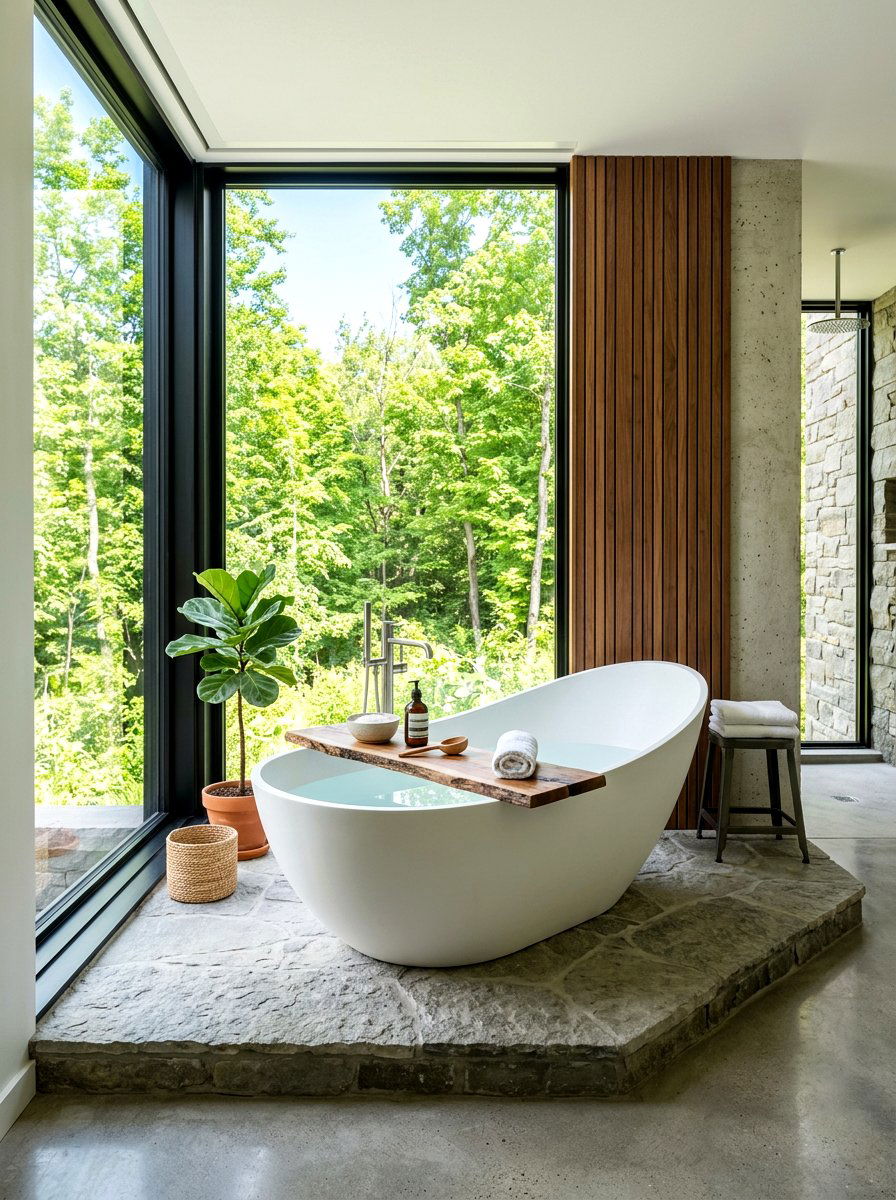
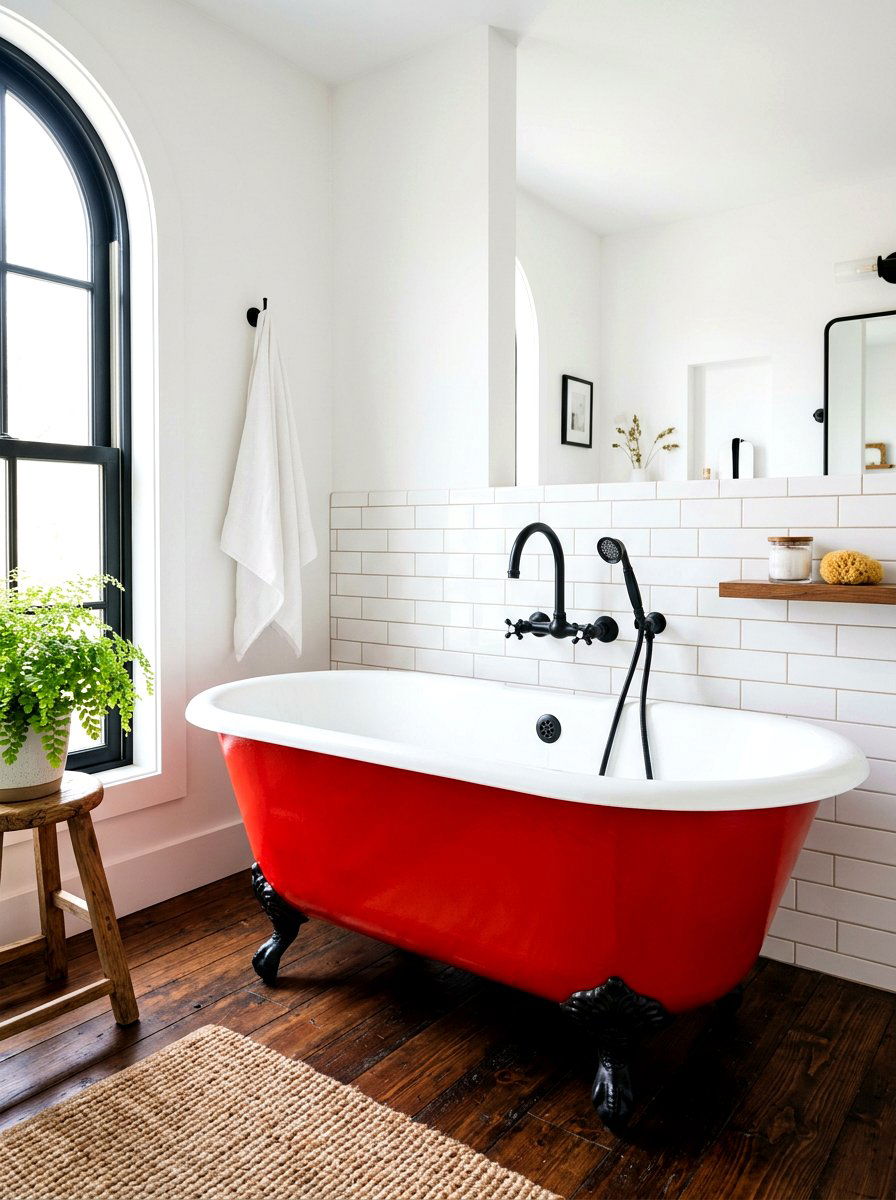
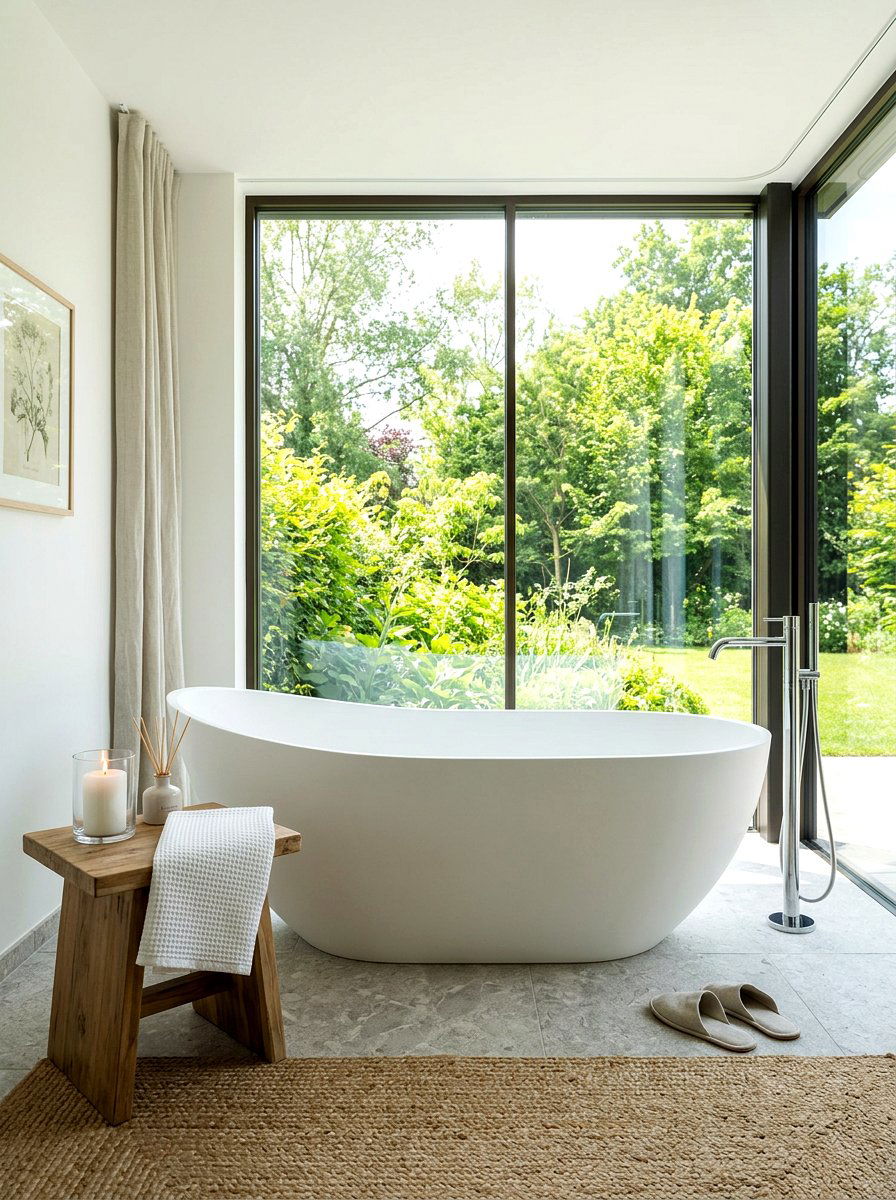
A dedicated soaking tub area focuses specifically on the ritual of bathing as a form of water therapy. Position a deep, sculptural tub on a raised platform made of waterproof stone or wood to create a sense of importance. Surround the tub with large windows or several indoor plants to create a private tropical oasis feeling. Use a small wooden tray across the tub to hold your book, a candle, and a glass of water. Adding a rainfall showerhead nearby allows for a quick rinse before or after your long soak. This specialized area celebrates the healing power of water and provides a beautiful space for deep physical and mental relaxation.
26. Mindfulness Room
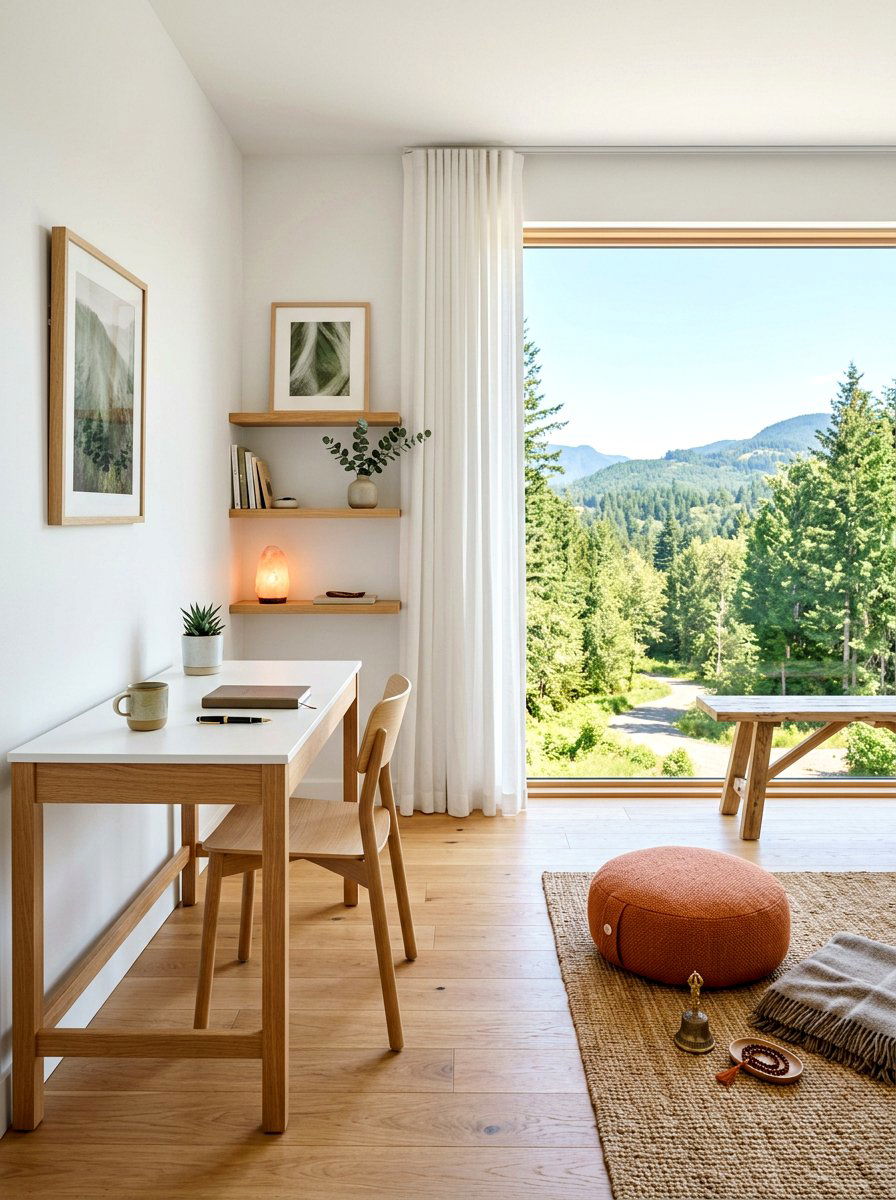
A mindfulness room is a neutral, multipurpose space designed for various internal practices such as journaling, prayer, or breathwork. The design should be exceptionally simple, with white walls and natural wood accents to keep the focus inward. Use a few high-quality props like a round bolster, a woven rug, and a small writing desk for your journal. Large windows that look out onto a peaceful view can help ground you in the present moment during your daily sessions. This room acts as a mental reset button, providing a consistent location where you can check in with your thoughts and emotions without any external judgment or distraction.
27. Indoor Water Feature
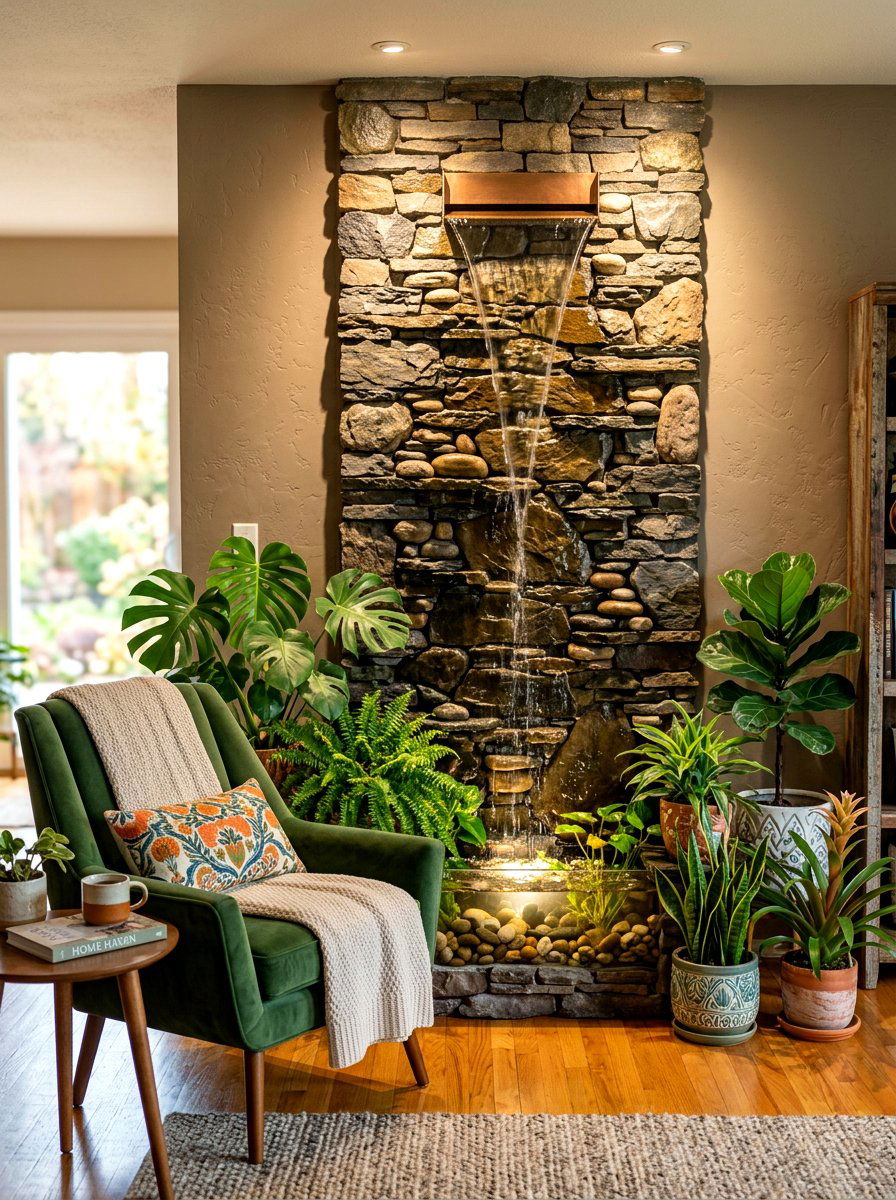
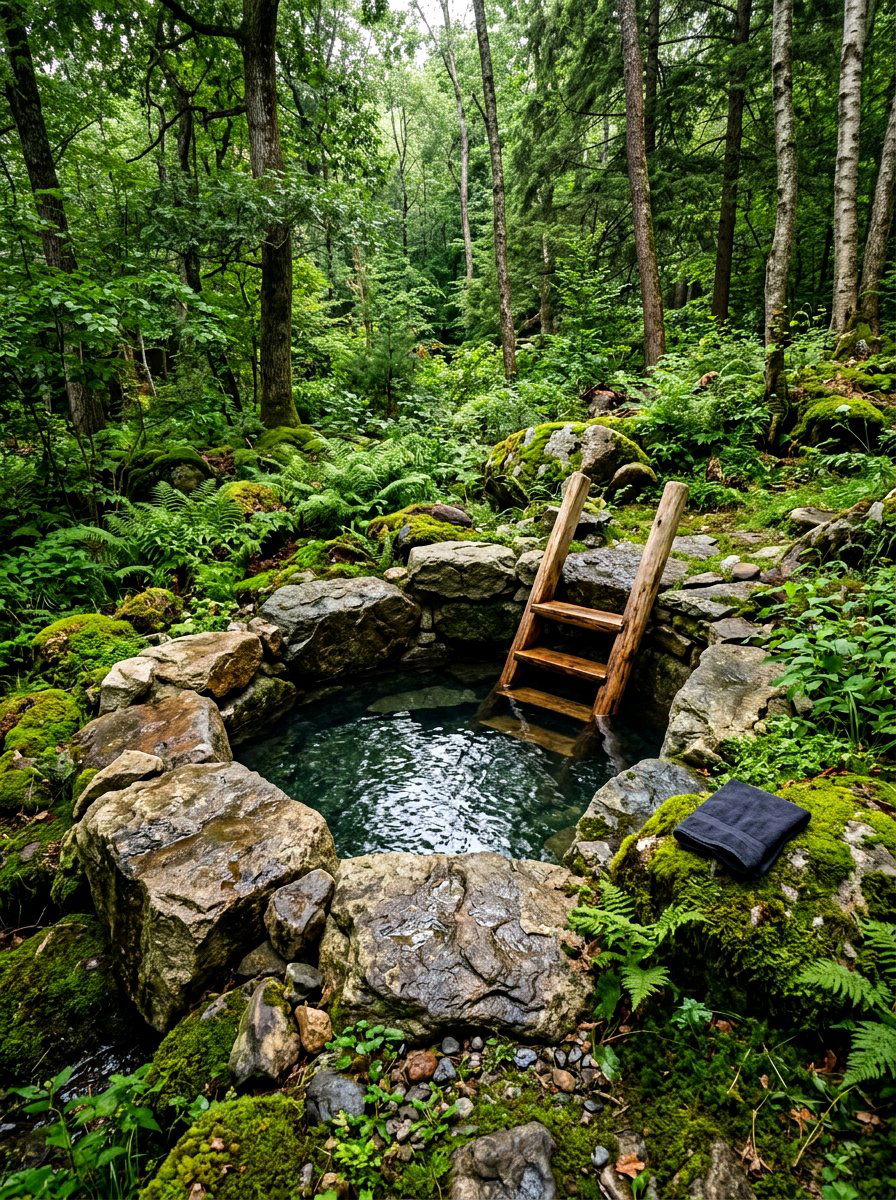
An indoor water feature brings the calming sound of trickling water into your home, which is scientifically proven to lower heart rates. Whether it is a wall-mounted waterfall, a stone fountain, or a small indoor pond, the movement of water adds a dynamic element to your wellness room. Surround the feature with smooth river rocks and moisture-loving plants like ferns to enhance the natural aesthetic. The sound of water helps mask unpleasant background noises from the street or neighbors, creating a more peaceful environment. This sensory addition transforms any room into a tranquil retreat that feels like a natural springs spa located deep in a quiet forest.
28. Biophilic Room
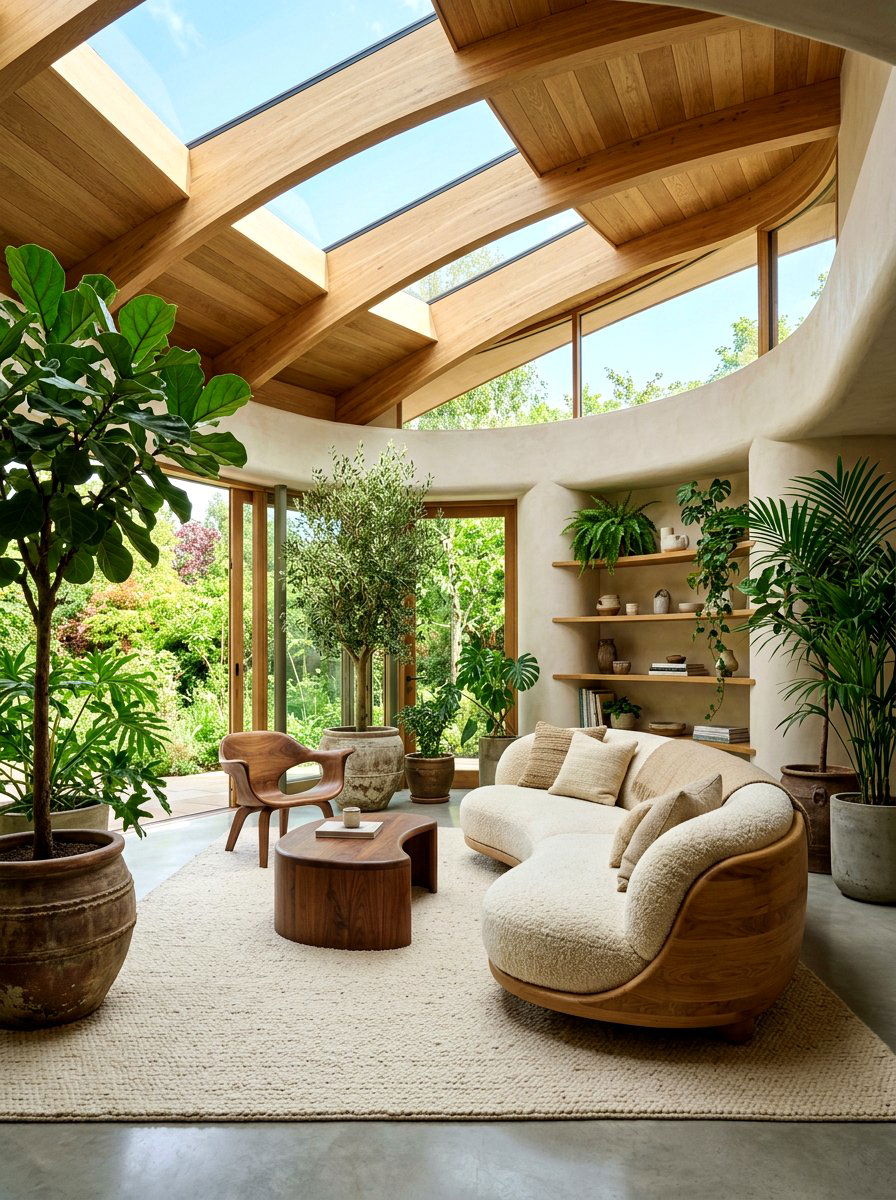
A biophilic room goes beyond just adding plants by integrating natural light, organic shapes, and raw materials into the very foundation of the space. Use curved walls and furniture with rounded edges to mimic the shapes found in nature. Incorporate materials like cork, reclaimed wood, and natural wool fabrics to provide a tactile connection to the earth. Large skylights can be used to bring in light from above, mimicking the feeling of being under the open sky. This holistic design approach creates a space that feels instinctively right to the human brain, reducing anxiety and promoting a sense of belonging and peace in your daily home life.
29. Holistic Health Space
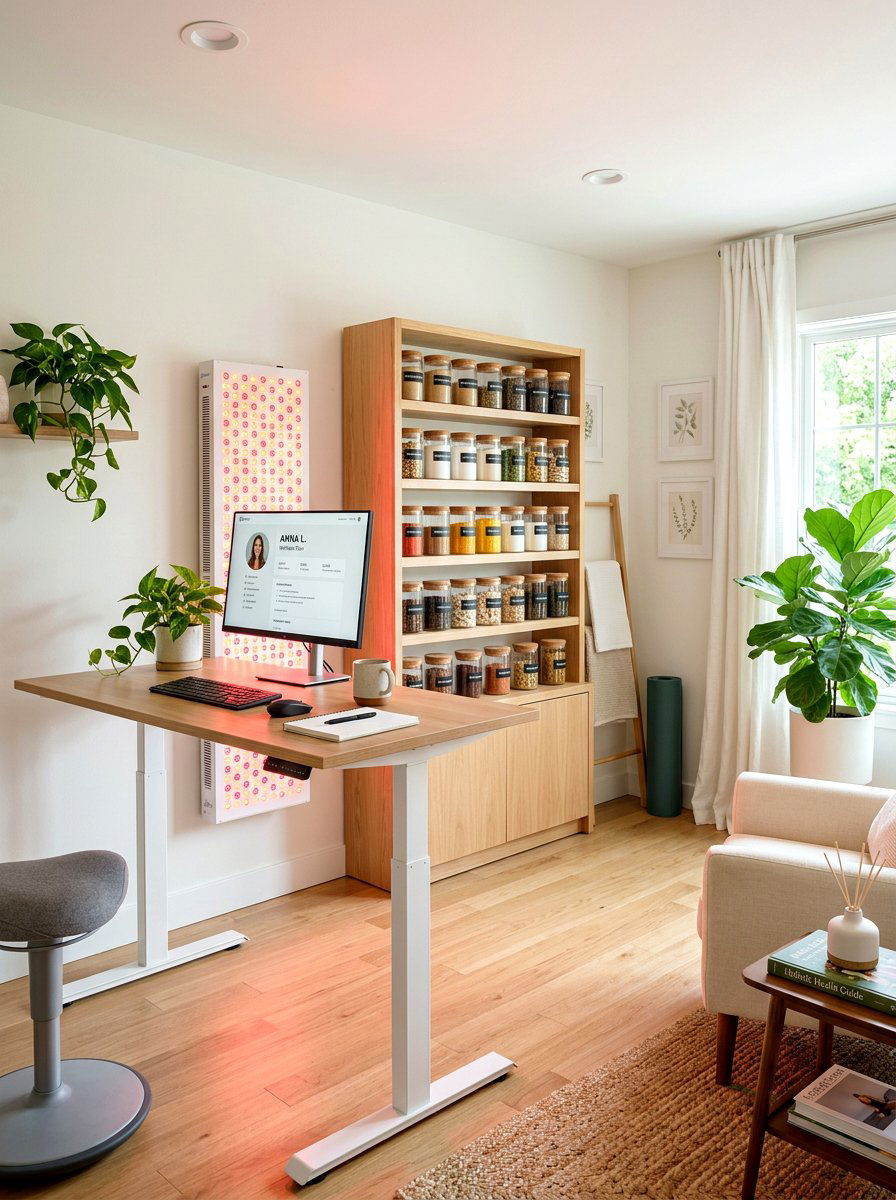
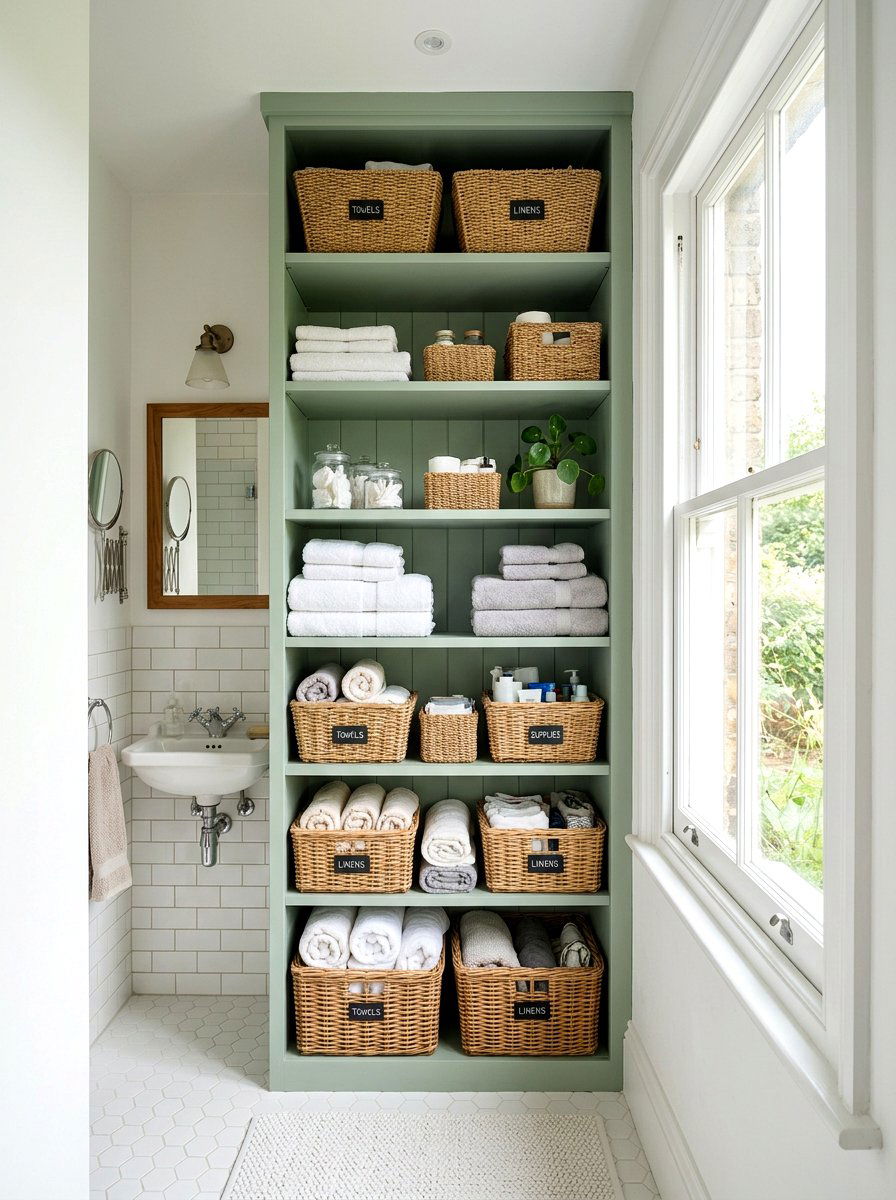
A holistic health space is a comprehensive area for managing your physical well-being through various tools and technologies. This room could include an adjustable height desk for ergonomic work, a red light therapy panel for skin health, and a dedicated area for preparing healthy snacks. Organize your vitamins and supplements in clear glass jars on open shelving for easy access. The room should be bright and energizing, using colors like soft yellow or vibrant white to keep you motivated. This functional space supports your health goals by providing all the necessary tools in one organized location, making it much easier to stay on track with your personal wellness.
30. Sleep Sanctuary
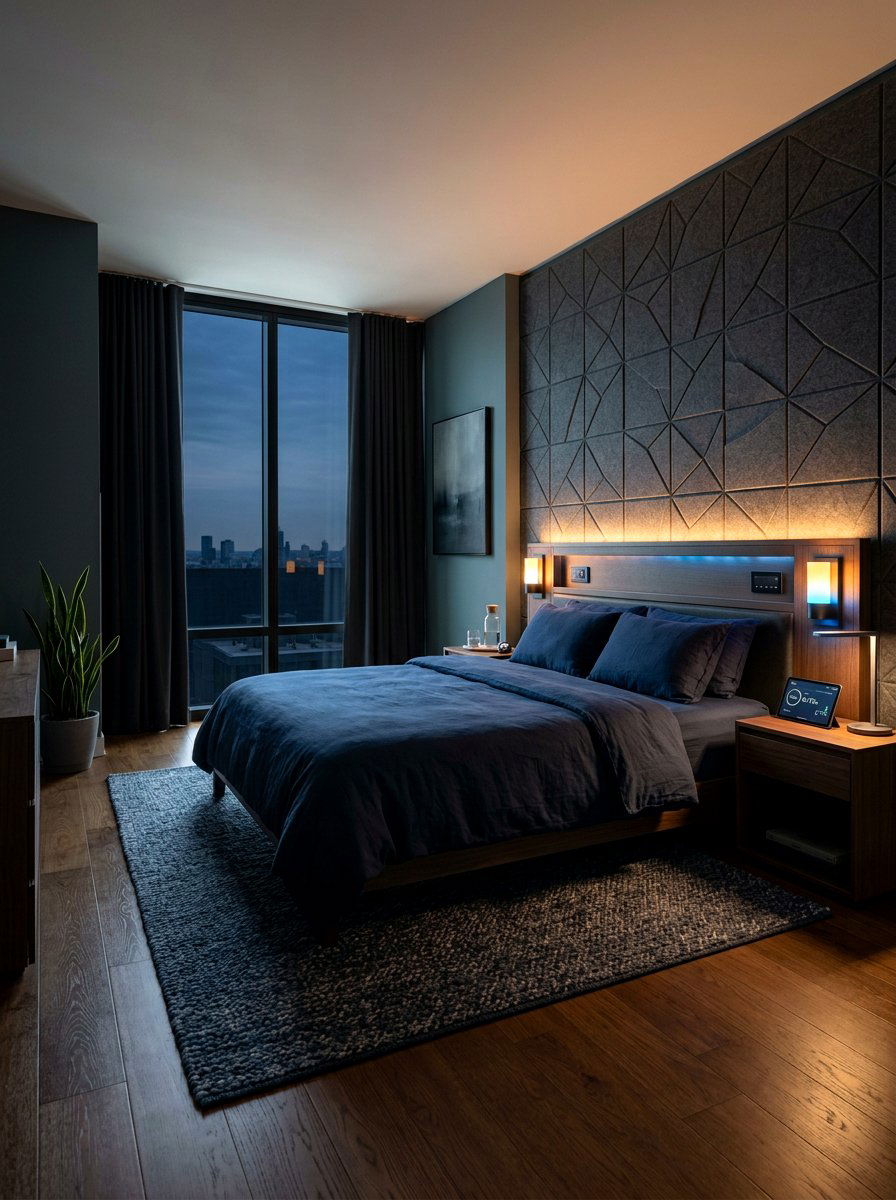
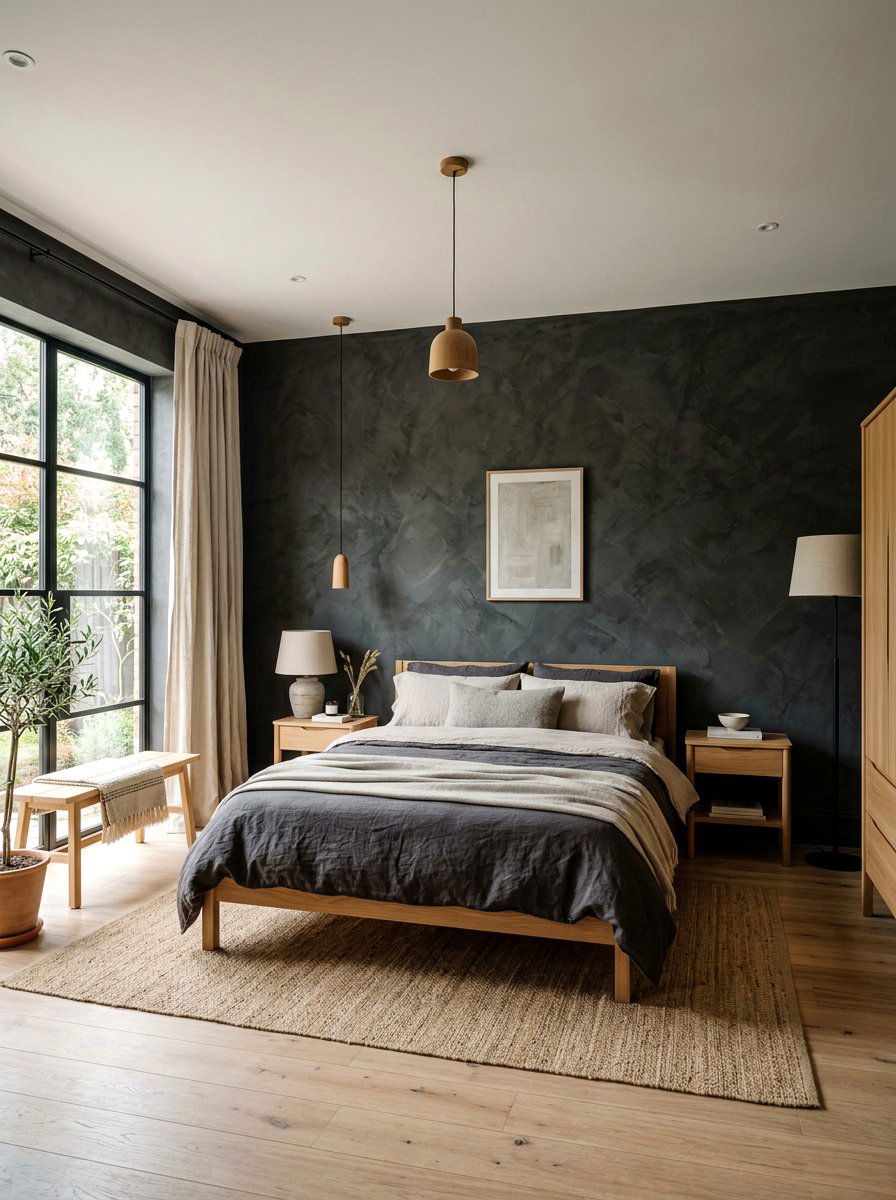
A sleep sanctuary is an ultra-private room designed with the sole purpose of achieving the perfect night of rest. This space often features advanced technology like circadian lighting that adjusts throughout the day and smart mattresses that regulate temperature. Use soundproofing materials in the walls and door to ensure total silence from the rest of the household. The color palette should be dark and moody, using deep blues or forest greens to signal to the brain that it is time to rest. High-quality air filtration systems ensure the air you breathe while sleeping is clean and fresh. This room is an investment in your long-term health and daily performance.
Conclusion:
Investing in a wellness room is more than just a home improvement project; it is a commitment to your long-term health and happiness. By dedicating a specific area of your home to relaxation and self-care, you create a physical boundary that helps you leave the stresses of the world behind. Whether you choose a high-tech infrared sauna or a simple reading nook, the most important element is that the space feels personal and restorative to you. These rooms provide a necessary retreat where you can recharge your mind and body every day. As you begin to design your sanctuary, remember that even small changes can make a significant impact on your overall well-being. Your home should be a place where you can truly thrive and find peace in a busy world.

Related posts: