google: search{queries: [
1. Meditation Corner
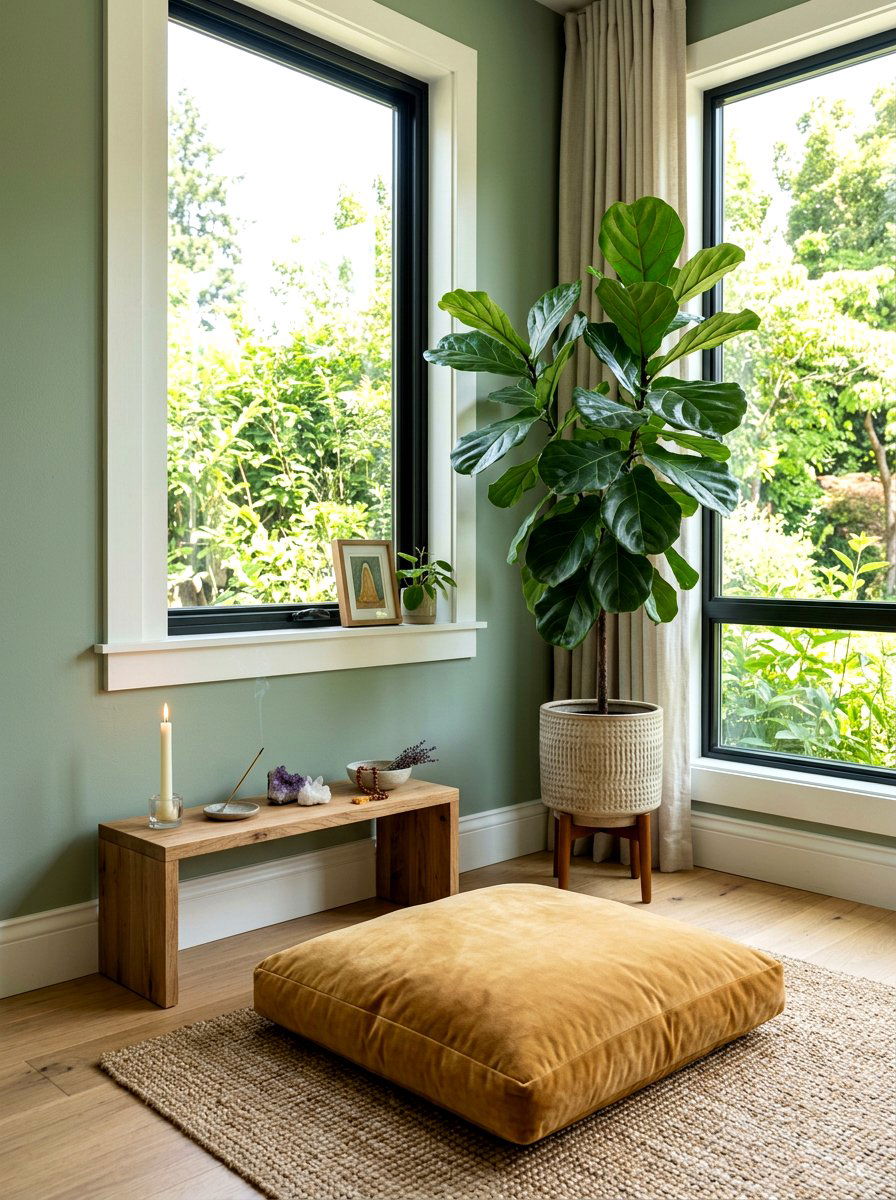
Creating a dedicated meditation corner is a powerful way to prioritize your daily mindfulness practice within the comfort of your own home environment. You should begin by selecting a quiet area that feels separate from the busy high-traffic zones of your house. Incorporate a high-quality zafu or floor cushion to ensure your body remains comfortable during long periods of seated stillness. Use a small wooden table to hold a single candle or a bowl of incense to engage your senses. Soft, neutral colors like beige or soft grey on the walls can help lower your heart rate. Adding a small woven rug provides a soft texture underfoot that defines the space perfectly for deep reflection.
2. Yoga Space
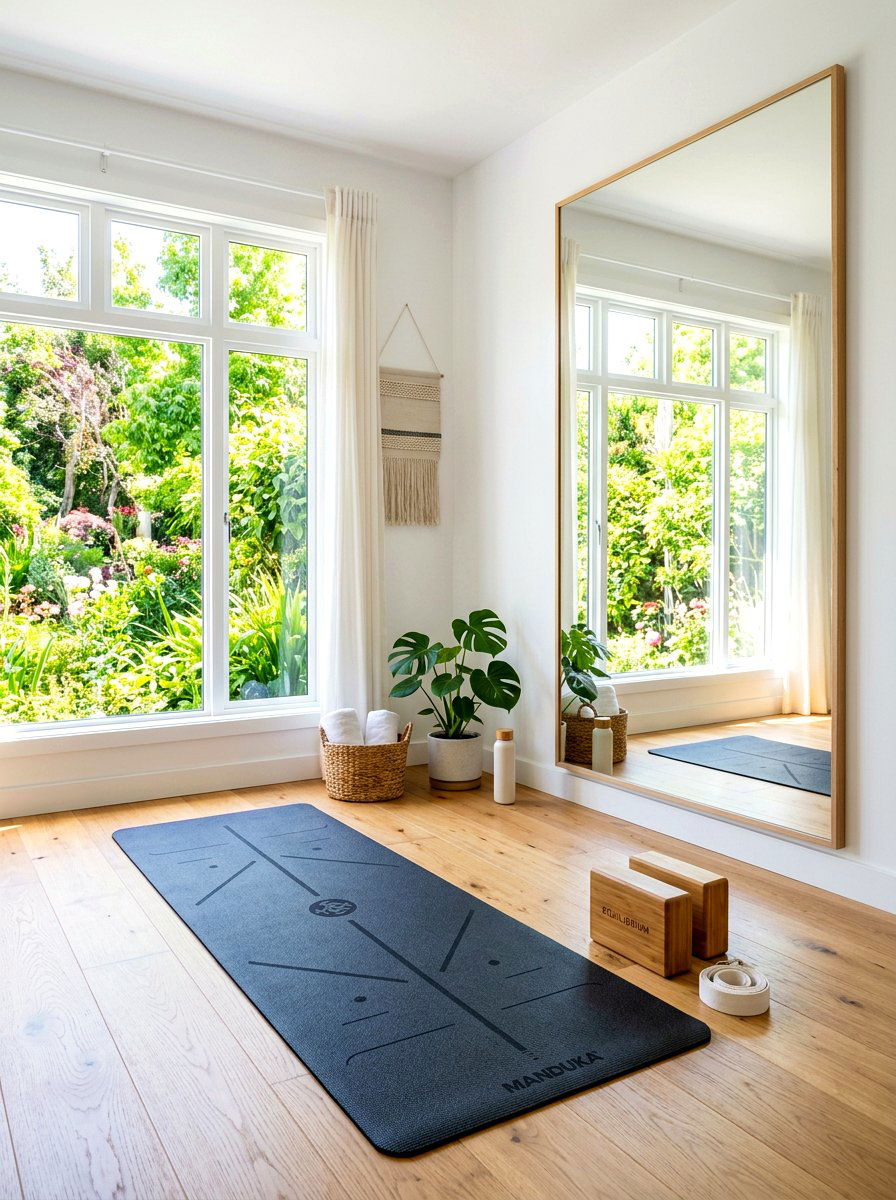
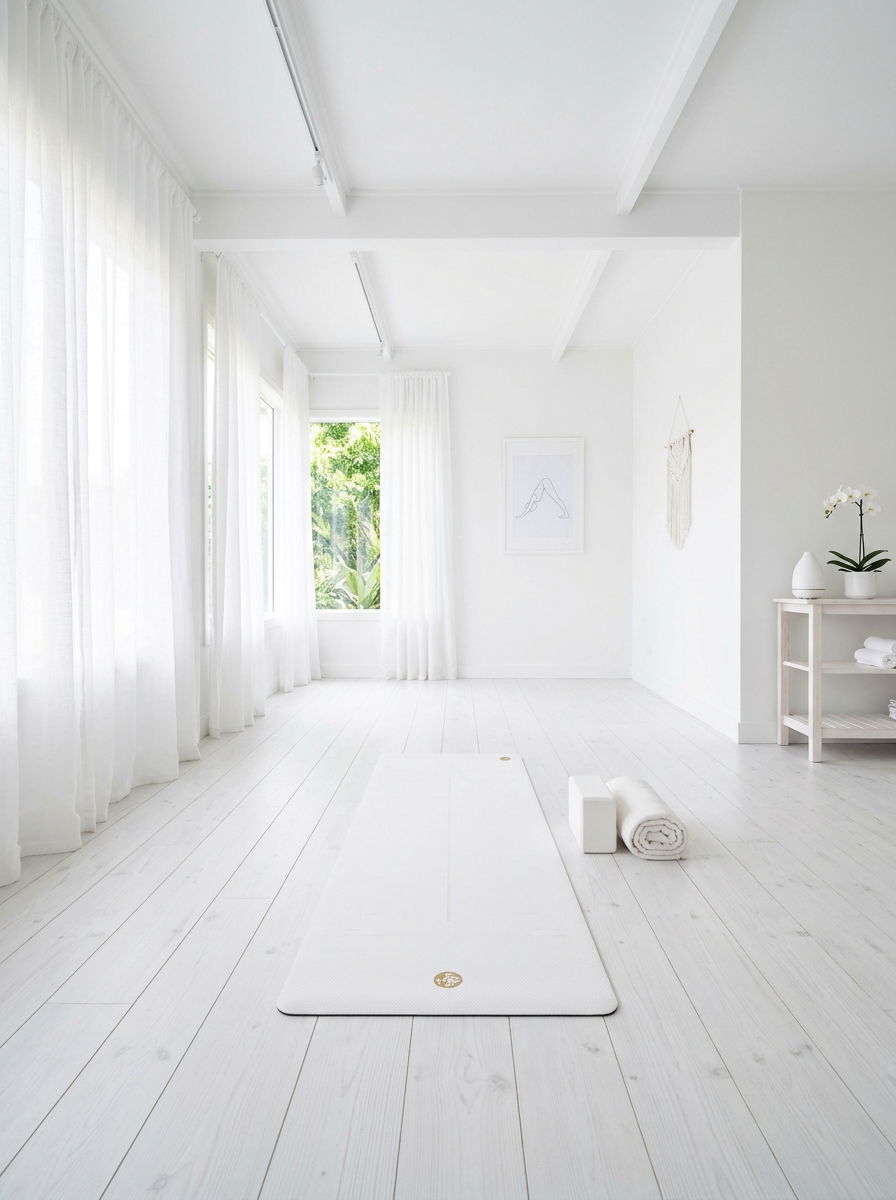
Establishing a functional yoga space at home requires more than just a mat on the floor; it needs an atmosphere that encourages movement and flow. Choose a location with enough clearance to extend your arms and legs fully without hitting furniture or walls. Install a full-length mirror to help you check your alignment and maintain proper form during difficult poses. Storage is essential, so use a stylish wooden rack or a woven basket to keep blocks, straps, and bolsters organized and within reach. Neutral wall colors and natural wood flooring create a grounded feeling that mimics a professional studio. Large windows that provide ample natural light can further enhance your energy levels during morning sessions.
3. Reading Nook
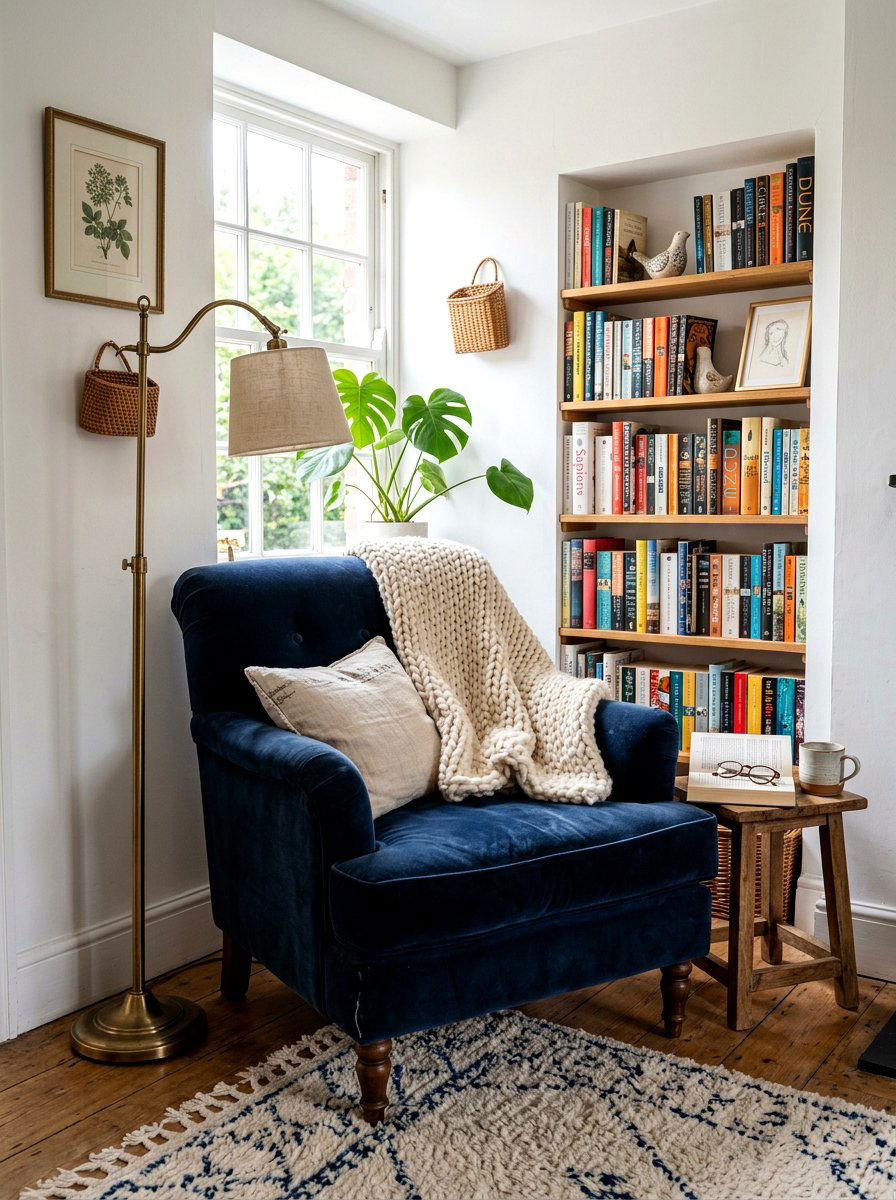
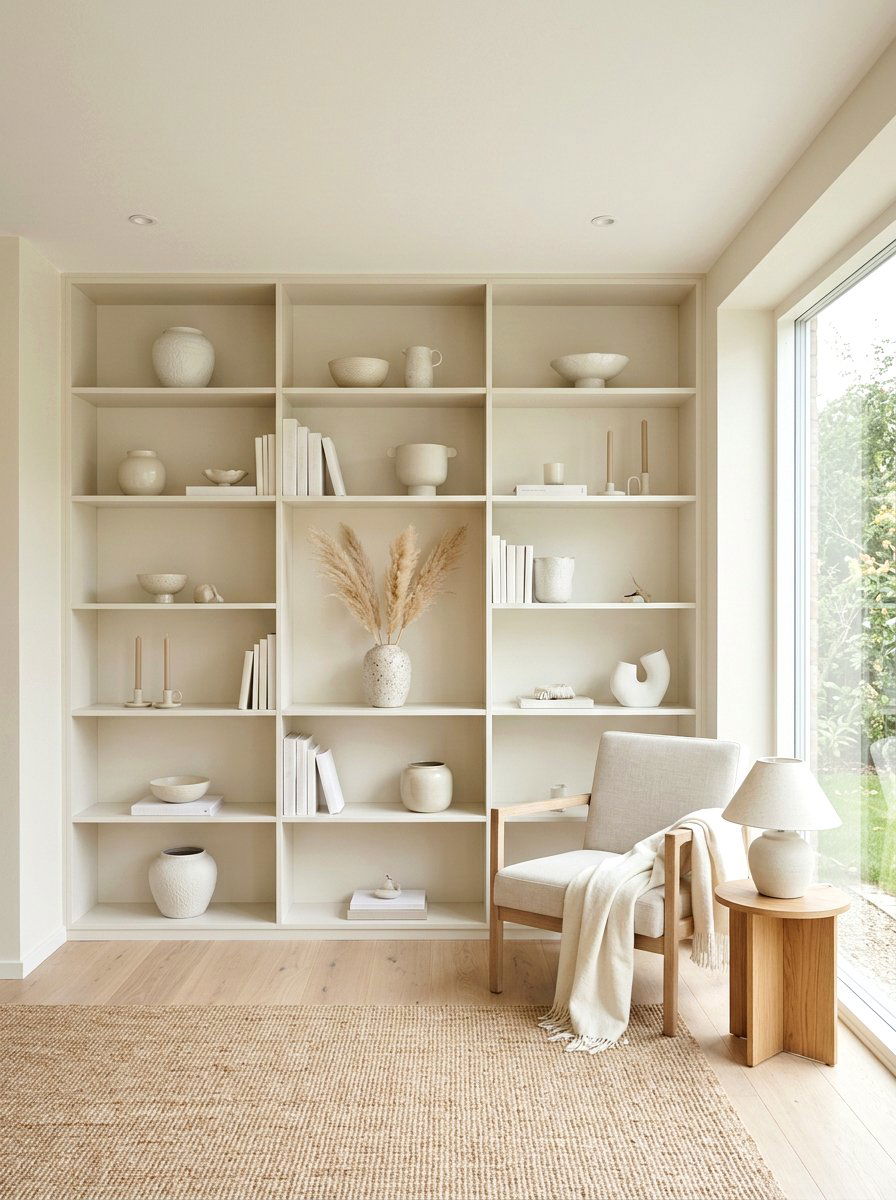
A cozy reading nook serves as a perfect escape for those who find peace in the pages of a great book. Start by selecting an exceptionally comfortable armchair or a built-in window seat with plush, overstuffed cushions. Proper lighting is critical for a wellness-focused reading area, so place a floor lamp with a warm bulb nearby to prevent eye strain. Incorporate a small side table to hold your tea and a few floating shelves to display your favorite titles within arm’s reach. Soft textures like a chunky knit throw blanket and a sheepskin rug can make the space feel incredibly inviting and warm. This layout encourages you to disconnect from digital screens and enjoy quiet solitude.
4. Indoor Zen Garden
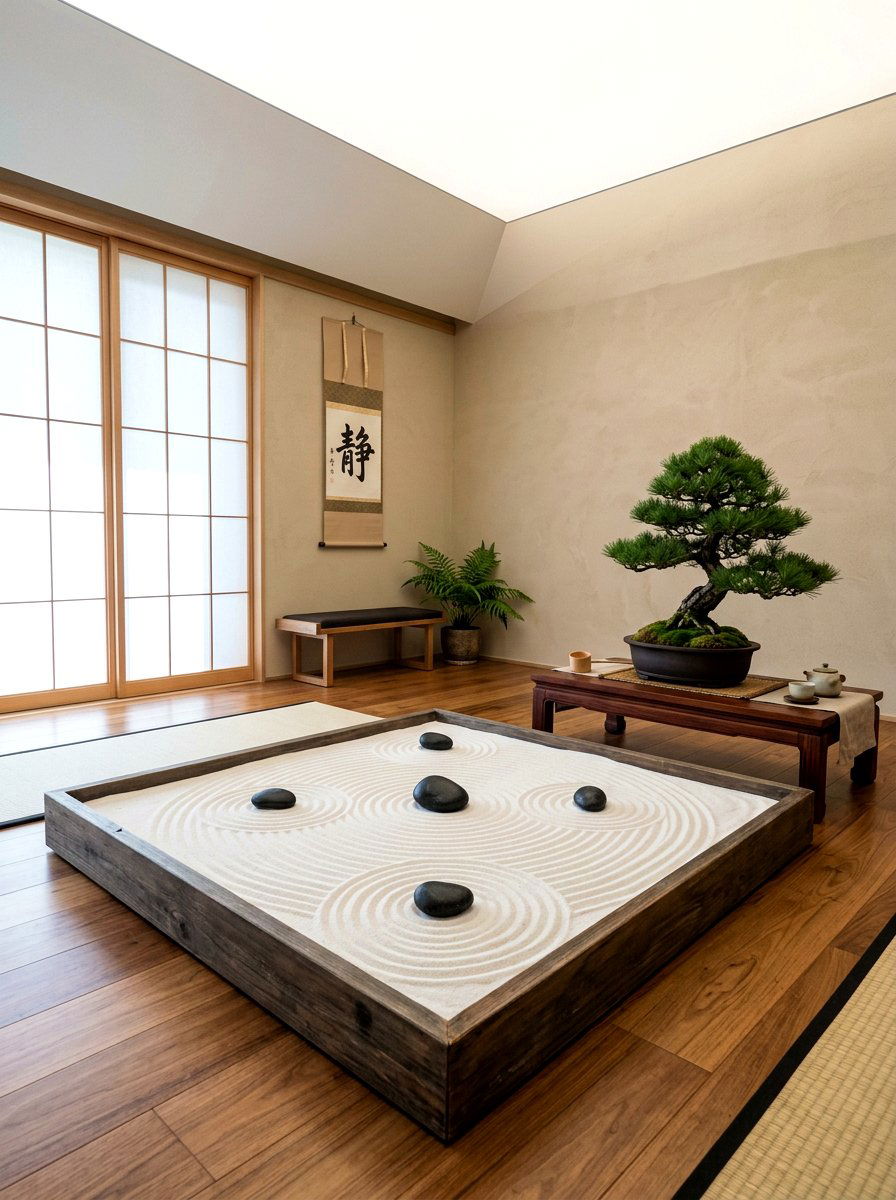
Bringing the essence of an indoor zen garden into your home provides a unique visual and tactile way to reduce daily stress. Focus on a minimalist design that features a large tray filled with fine white sand and a small wooden rake for mindful patterns. Arrange smooth river stones and a single bonsai tree to create a balanced, asymmetrical composition that feels naturally organic. The surrounding area should remain clutter-free to allow the mind to settle and focus on the simple beauty of the arrangement. Use low-profile furniture and soft, diffused lighting to maintain a serene atmosphere. This quiet zone serves as a beautiful focal point that encourages calm and patient contemplation.
5. Aromatherapy Station
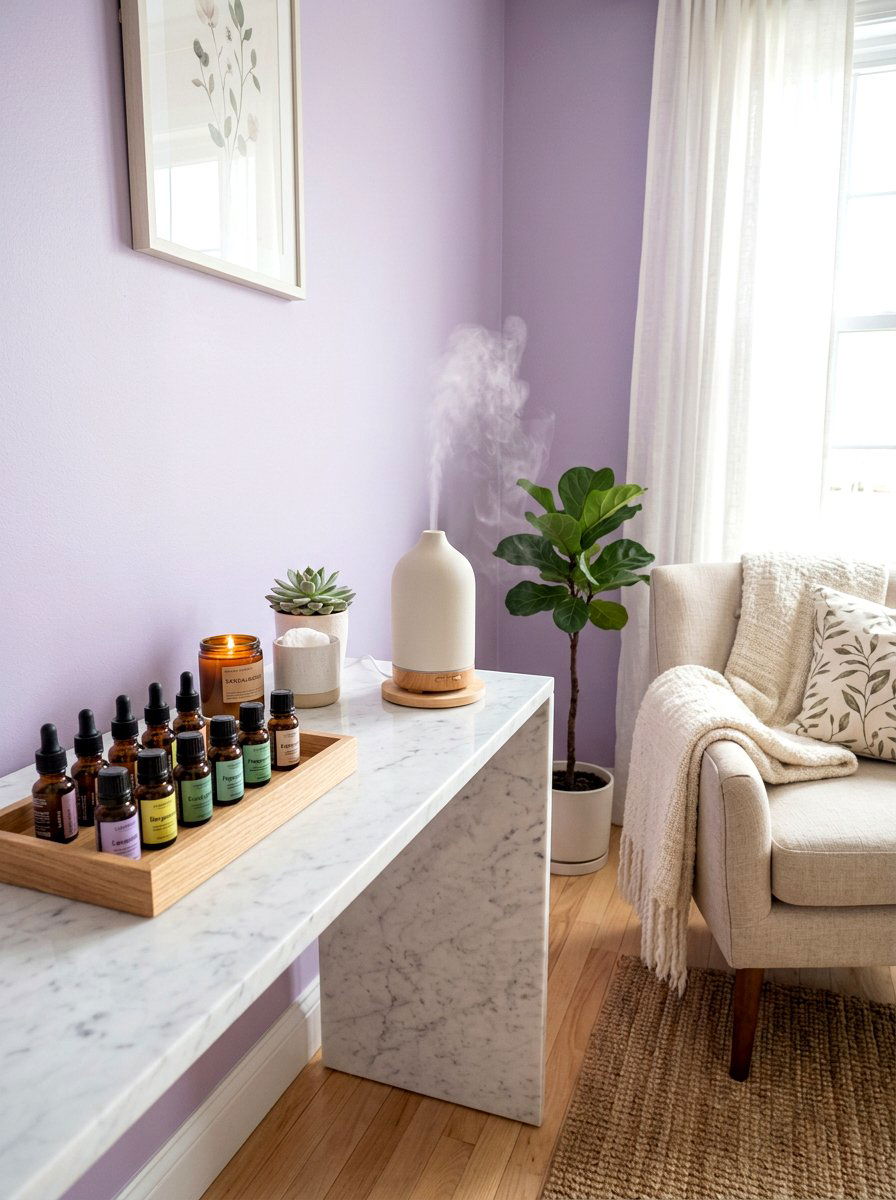
An aromatherapy station focuses on the power of scent to shift your mood and improve your overall emotional state. Set up a dedicated console table or a floating shelf in a quiet corner of your bedroom or living room. Place a high-quality ultrasonic diffuser as the centerpiece and organize your essential oil collection in small wooden trays. Include a comfortable chair nearby where you can sit and breathe deeply while the mist fills the air with lavender or eucalyptus. Soft, dimmable lighting and a few sprigs of dried herbs can enhance the sensory experience. This setup creates a ritualistic space where you can consciously change your environment through the science of smell.
6. Window Seat
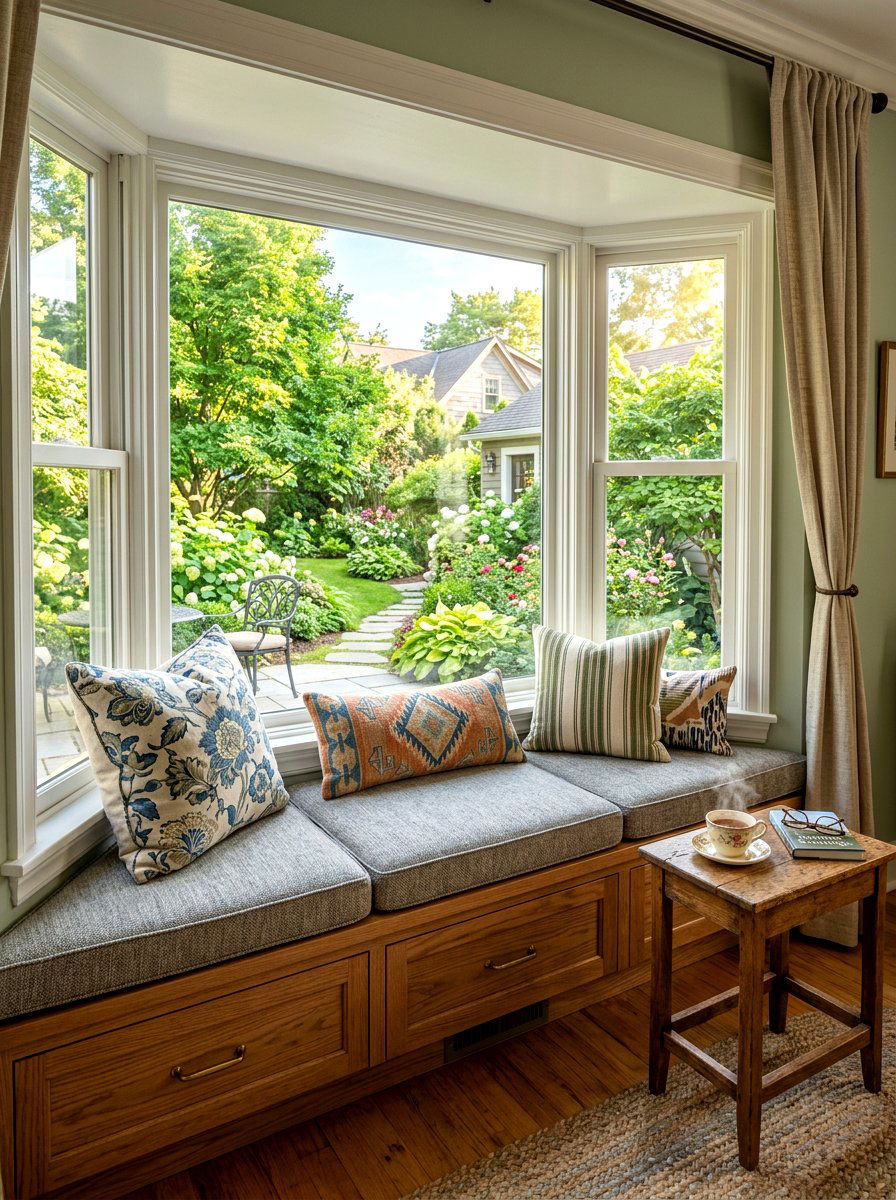
A window seat is a classic wellness nook that uses the power of natural light and outdoor views to boost your mood. Transform an existing deep windowsill or build a custom bench that allows you to sit comfortably while looking outside at nature. Layer the bench with high-density foam cushions and plenty of back pillows to create a supportive resting spot. This space is ideal for sipping your morning coffee while watching the birds or simply daydreaming during a busy afternoon. Choose light, airy fabrics for curtains to ensure you maximize the sunshine throughout the day. The connection to the outdoors helps ground you and provides a sense of much-needed perspective and space.
7. Crystal Healing Space
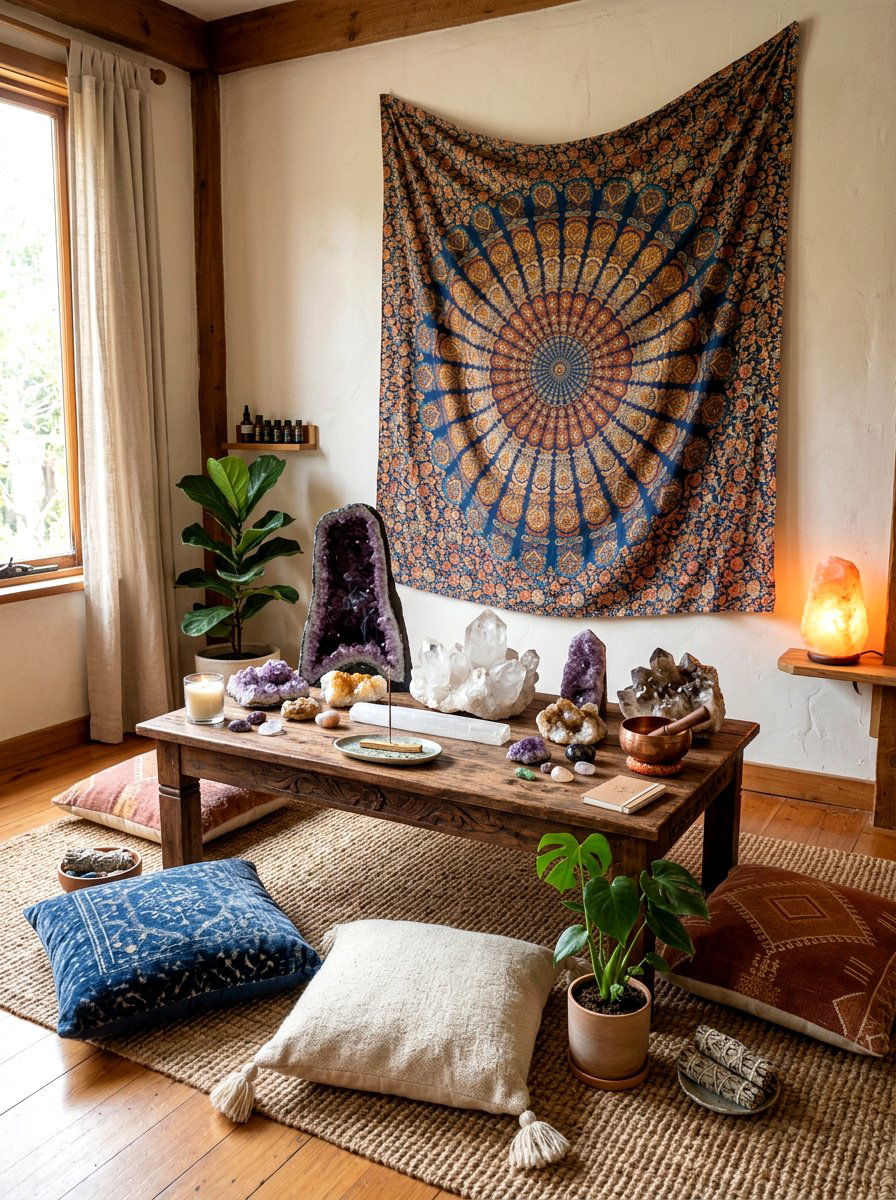
For those who value energy work, a crystal healing space offers a dedicated area to store and display meaningful stones. Start with a low wooden altar or a stone-topped table as the base for your collection. Group your crystals by color or intention, using small trays or glass bowls to keep the layout organized and intentional. Surround the area with soft floor pillows and a soft, woven tapestry on the wall to create a bohemian, spiritual vibe. Lighting should be gentle, perhaps using a Himalayan salt lamp to provide a warm, orange glow that complements the natural stones. This area serves as a physical anchor for your spiritual practices and personal growth rituals.
8. Plant Sanctuary
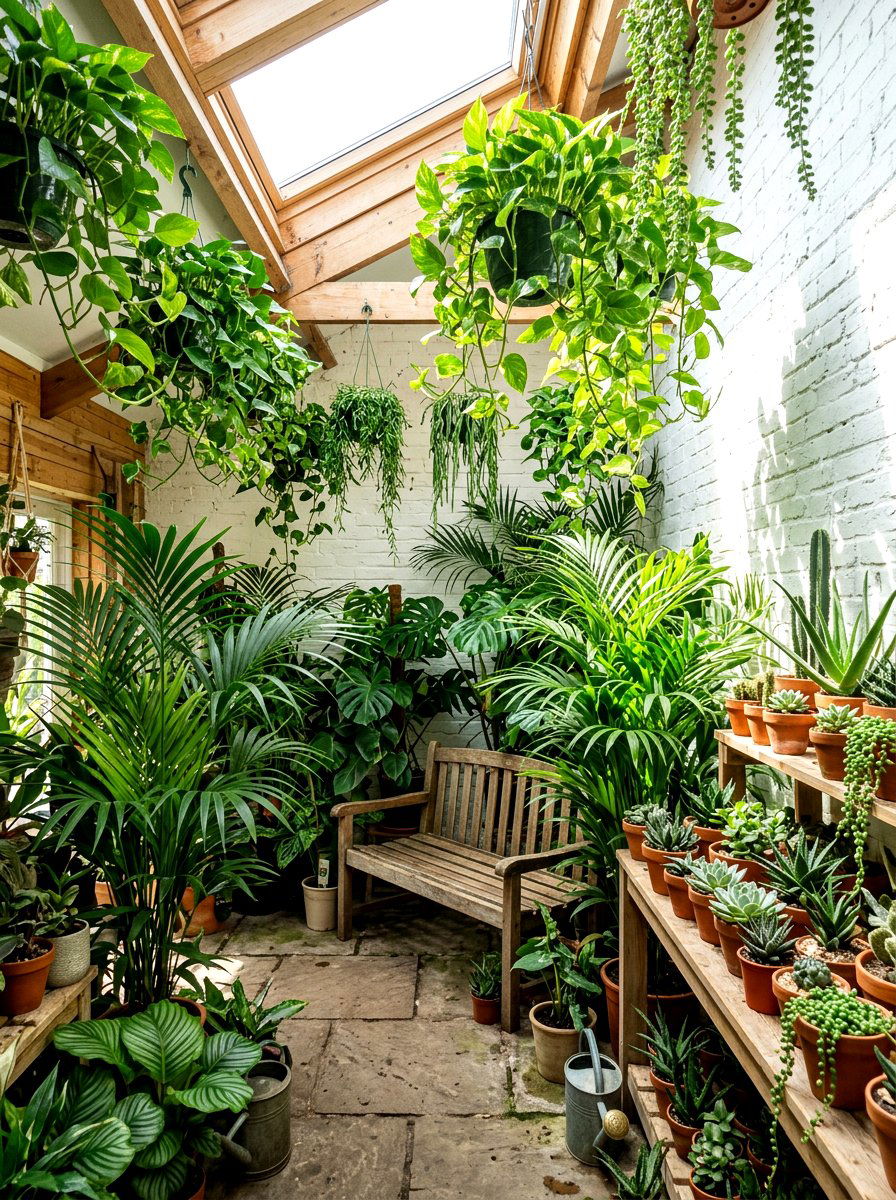
A plant sanctuary utilizes biophilic design principles to clean the air and provide a soothing green backdrop for relaxation. Dedicate a corner of your home to a variety of indoor plants with different heights and leaf textures, such as ferns, palms, and pothos. Use a mix of hanging planters, floor pots, and tiered stands to create a lush, jungle-like environment that feels immersive. Placing a comfortable wooden bench or a simple wicker chair in the center allows you to sit among the greenery and breathe deeply. The presence of living plants is scientifically proven to reduce anxiety and improve focus. Ensure the room has bright, indirect light to keep your sanctuary thriving and vibrant.
9. Tea Ceremony Space
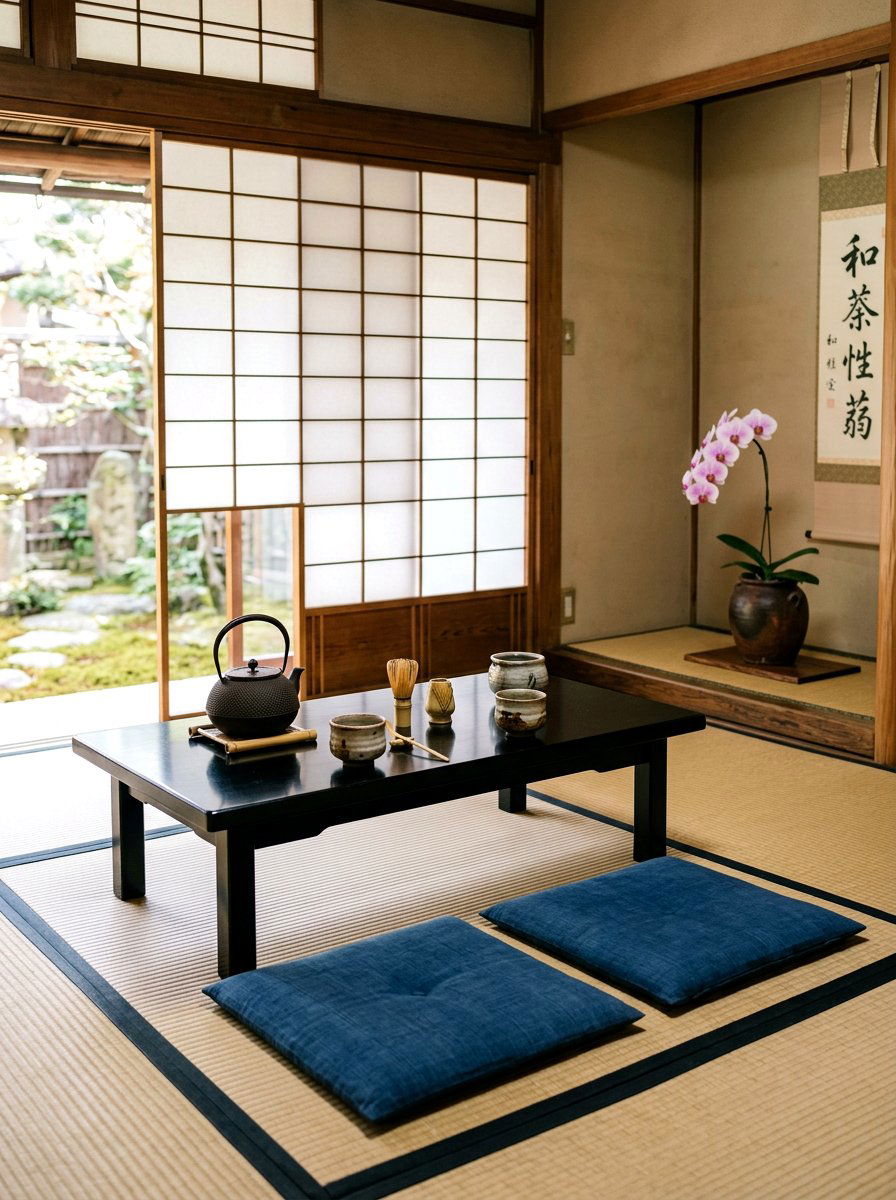
A tea ceremony space is designed to help you slow down and find mindfulness through the simple act of preparing and drinking tea. Choose a low-profile table and a set of comfortable floor cushions to encourage a traditional, grounded seating arrangement. Display your favorite ceramic teapots and bowls on open shelving nearby to turn your tools into beautiful decor. The design should be minimalist and clean, allowing you to focus entirely on the warmth and flavor of the beverage. Use natural materials like bamboo or untreated wood for the table to enhance the organic feel. This nook provides a quiet ritual that marks the transition from a busy day to a restful evening.
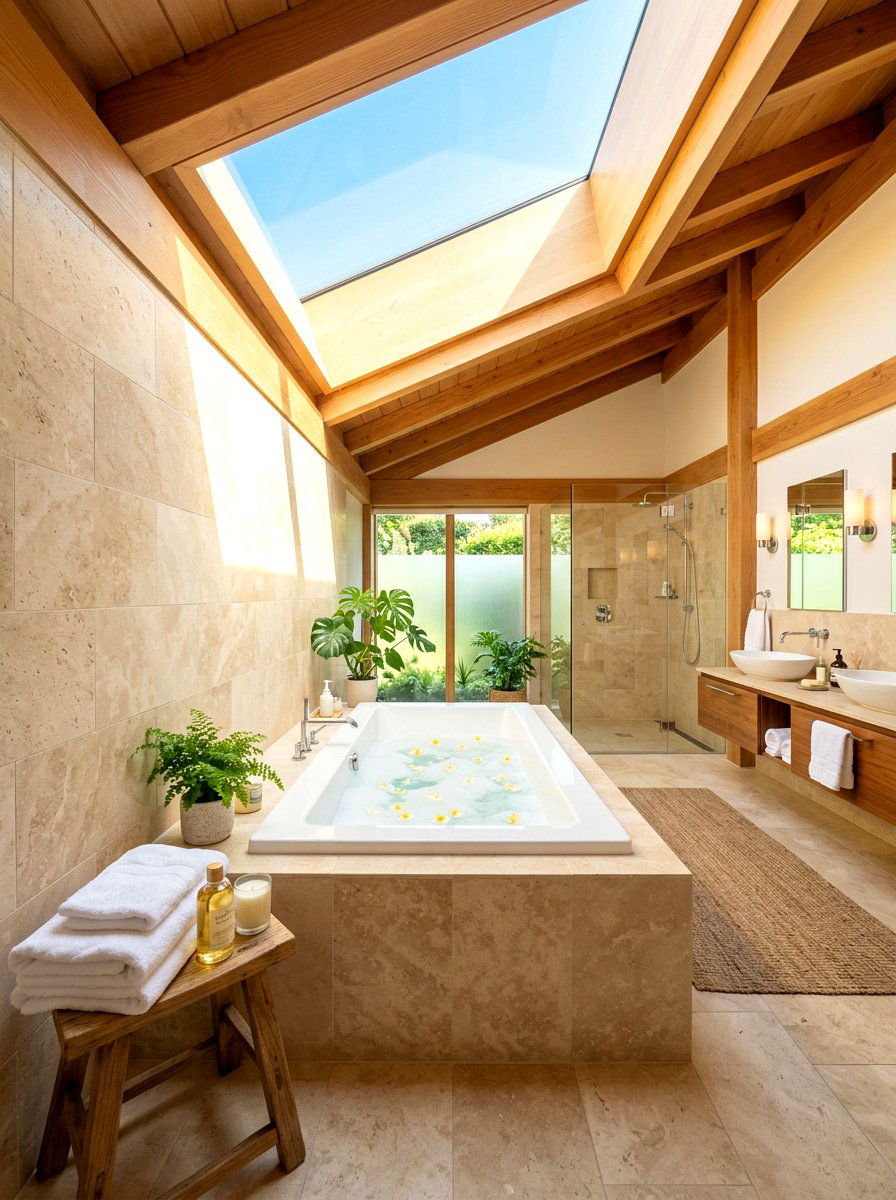
10. Art Therapy Corner
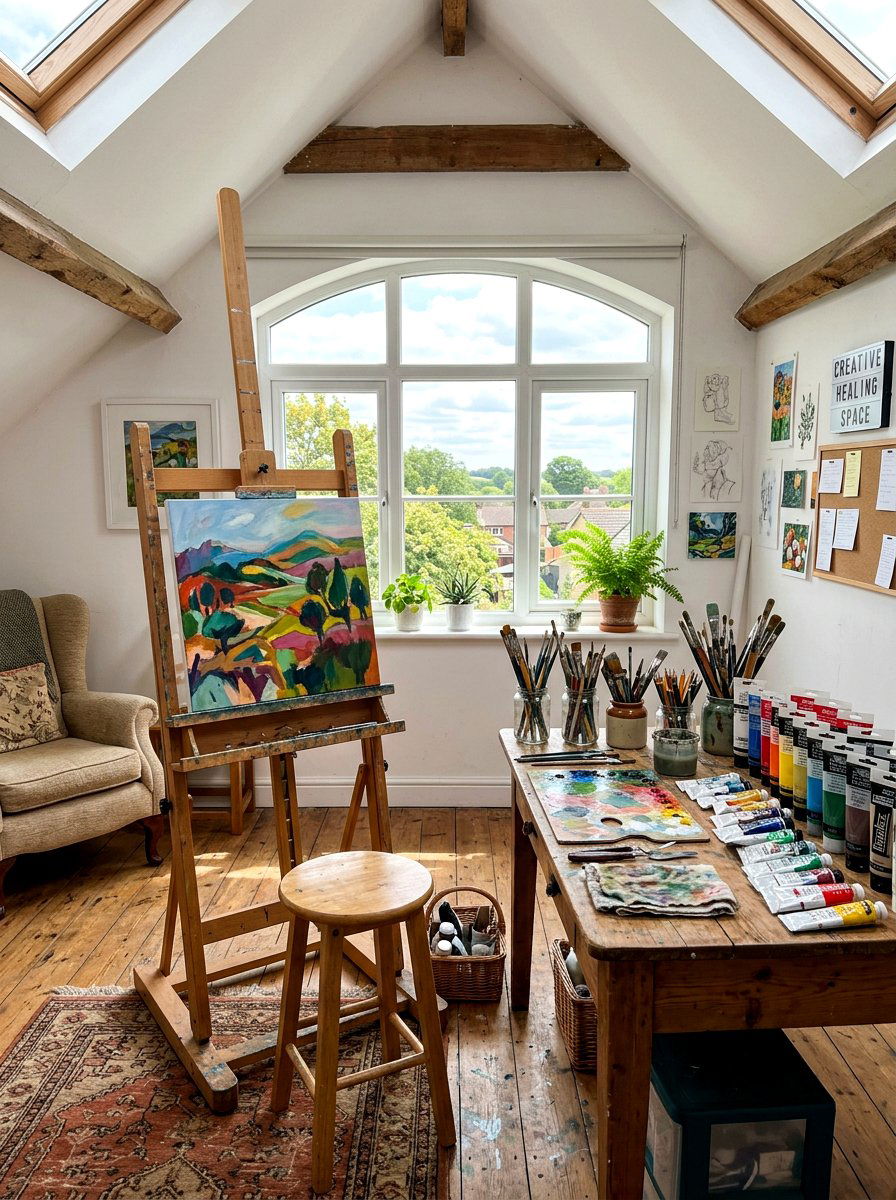
An art therapy corner provides a safe space for creative expression and emotional processing through various artistic mediums. Set up a sturdy desk or easel in a well-lit area of your home, preferably near a window for natural color accuracy. Organize your paints, pencils, and brushes in clear containers so that you can easily find what you need without frustration. The space should feel inspiring but not cluttered, with a few of your favorite finished pieces displayed on the walls for motivation. A comfortable, ergonomic chair is essential for long sessions of drawing or painting. This area encourages you to let go of perfectionism and focus on the healing journey of the creative process.
11. Sound Bath Area
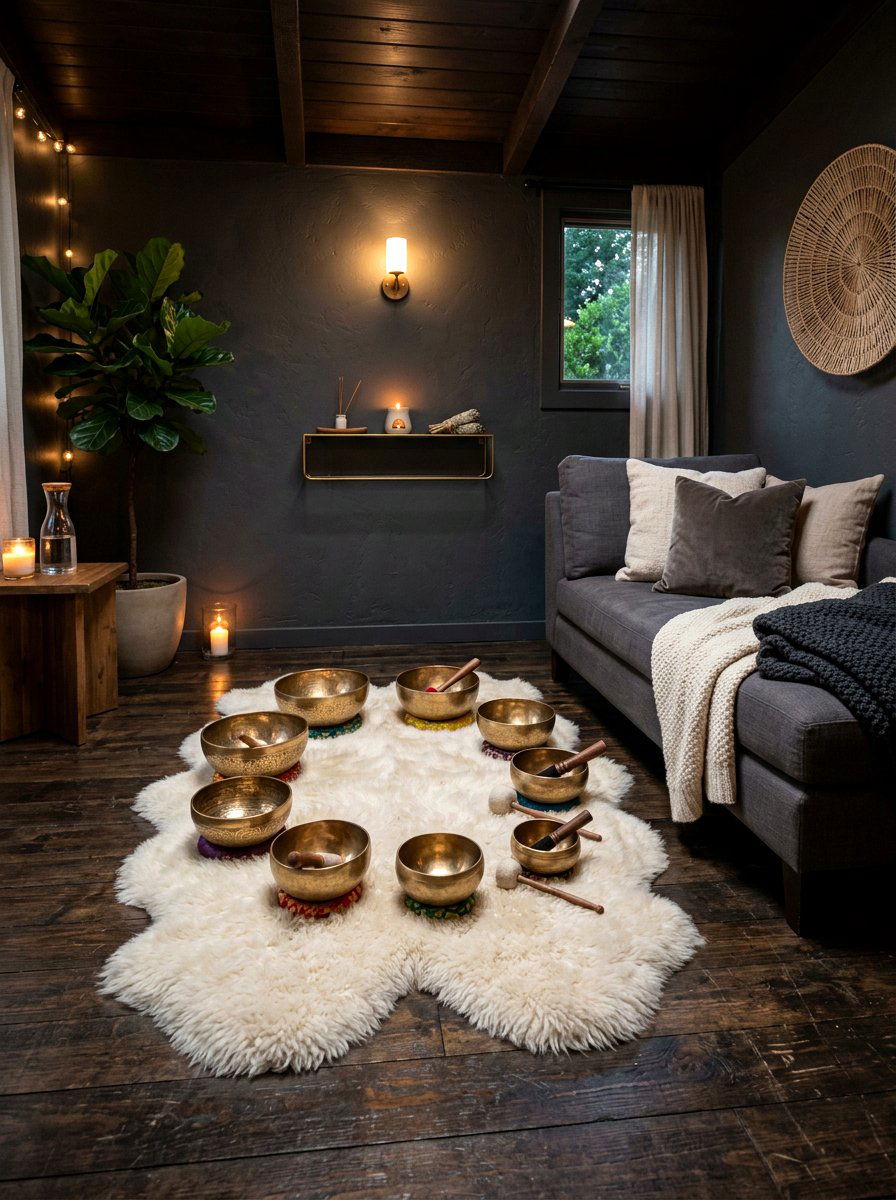
A sound bath area is a unique wellness nook focused on the healing power of acoustic vibrations and soothing music. Place a thick, comfortable rug or a high-quality mat on the floor to provide a soft base for lying down. Arrange singing bowls, tuning forks, or a small handpan on a nearby low shelf for easy access during your practice. High-quality wireless speakers can also be used to play nature sounds or binaural beats that help synchronize your brainwaves. Use heavy curtains to dampen external noise and create a quiet, insulated environment. This sensory zone allows you to immerse yourself in sound, helping to release physical tension and quiet a busy, overactive mind.
12. Journaling Desk
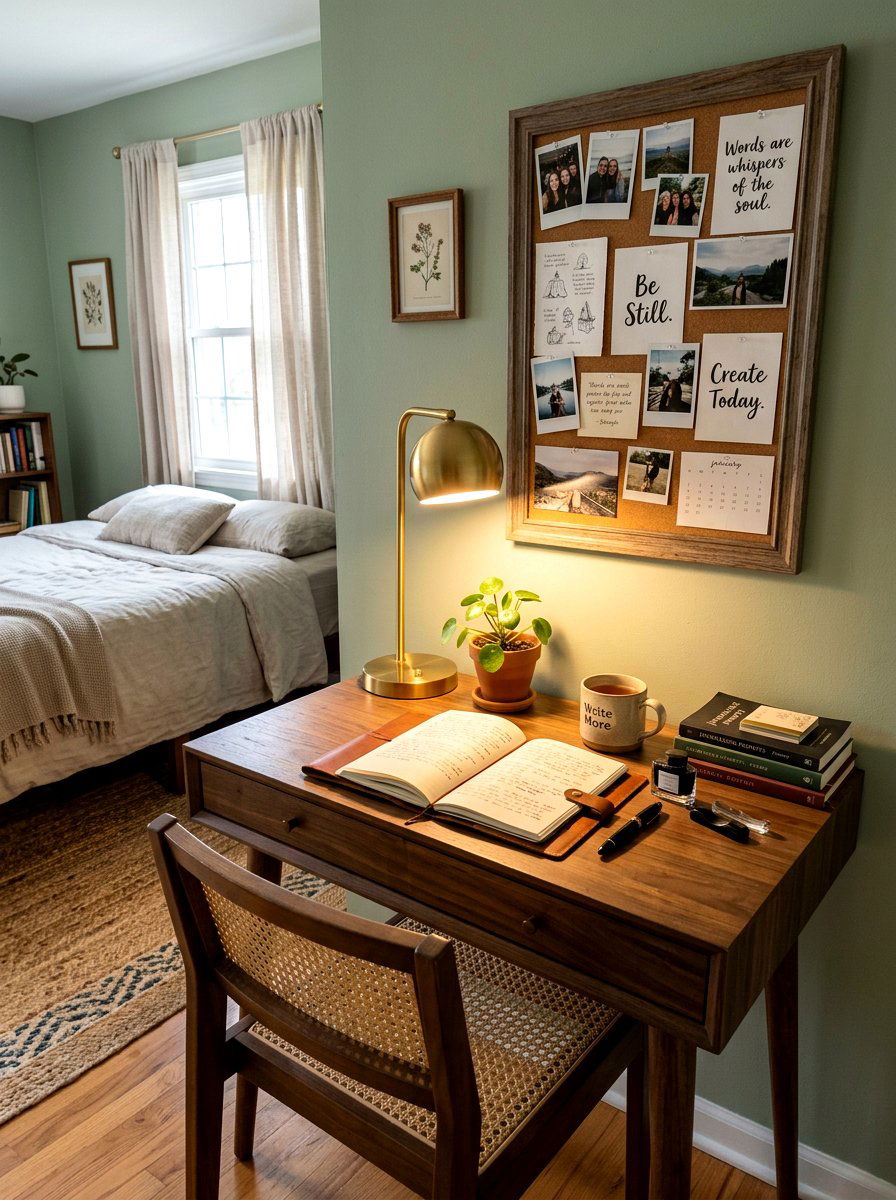
A dedicated journaling desk provides a private sanctuary for reflection, goal-setting, and emotional release through the written word. Choose a small, elegant writing desk and place it in a low-traffic area where you will not be interrupted. Equip the space with high-quality pens, beautiful notebooks, and a soft task lamp that provides a warm, focused glow. You might include a small vision board or a few inspirational quotes pinned to the wall above the desk to spark your creativity. A comfortable chair is vital to encourage you to spend time with your thoughts every morning or evening. This quiet corner helps you organize your mind and stay connected to your personal life goals.
13. Hanging Chair Retreat
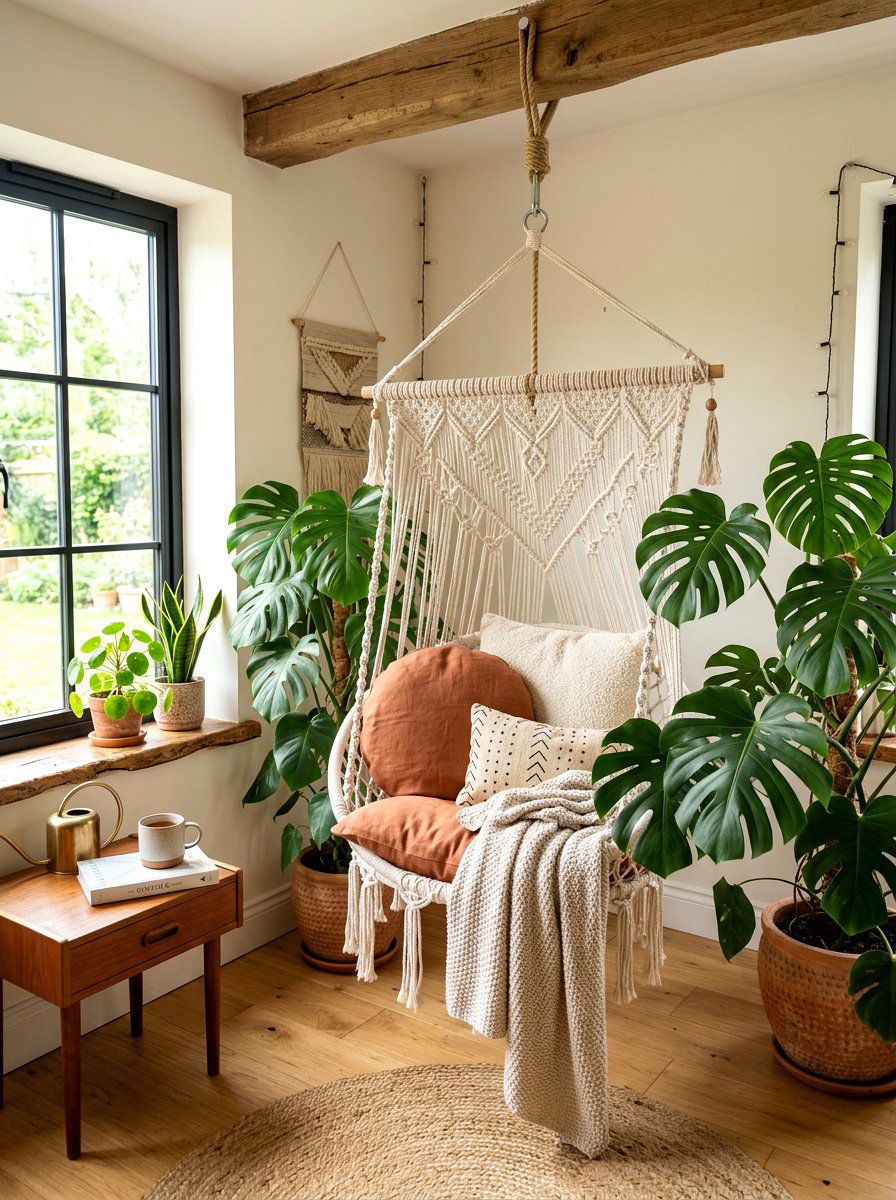
A hanging chair retreat offers a sense of weightlessness and gentle movement that can be incredibly soothing for the nervous system. Install a sturdy ceiling mount for a macramé or wicker hanging chair in a sunny corner of your living room. Add a plush round cushion and a soft faux-fur throw to make the seating experience feel luxurious and cocoon-like. The gentle swaying motion helps to calm the vestibular system, making it an ideal spot for deep relaxation or light reading. Surround the base with large potted plants to create a private, tucked-away feeling within an open room. This playful yet restful nook adds a unique architectural element to your home wellness design.
14. Minimalist Rest Space
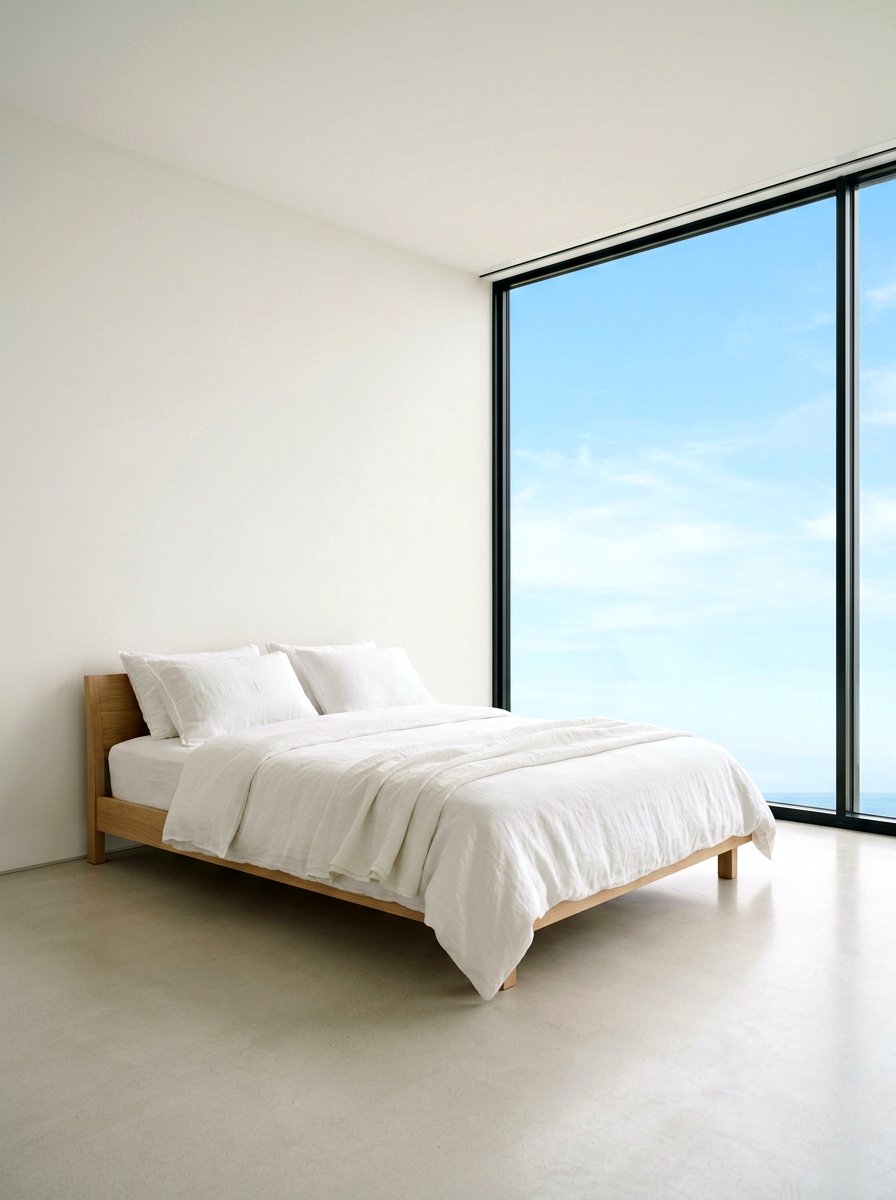
A minimalist rest space is designed specifically for the practice of doing nothing, providing a mental break from constant productivity. The core of this design is simplicity, featuring only a comfortable daybed or a long chaise lounge against a neutral wall. Avoid any distracting decor, electronics, or bookshelves that might tempt you to be "productive" during your rest time. Use soft, breathable fabrics like linen or cotton for the bedding to enhance the physical comfort of the space. Large, empty wall spaces and plenty of natural light help the mind feel expansive and free. This area serves as a vital reminder that rest is a productive and necessary part of a healthy, balanced lifestyle.
15. Spa Bathroom Nook
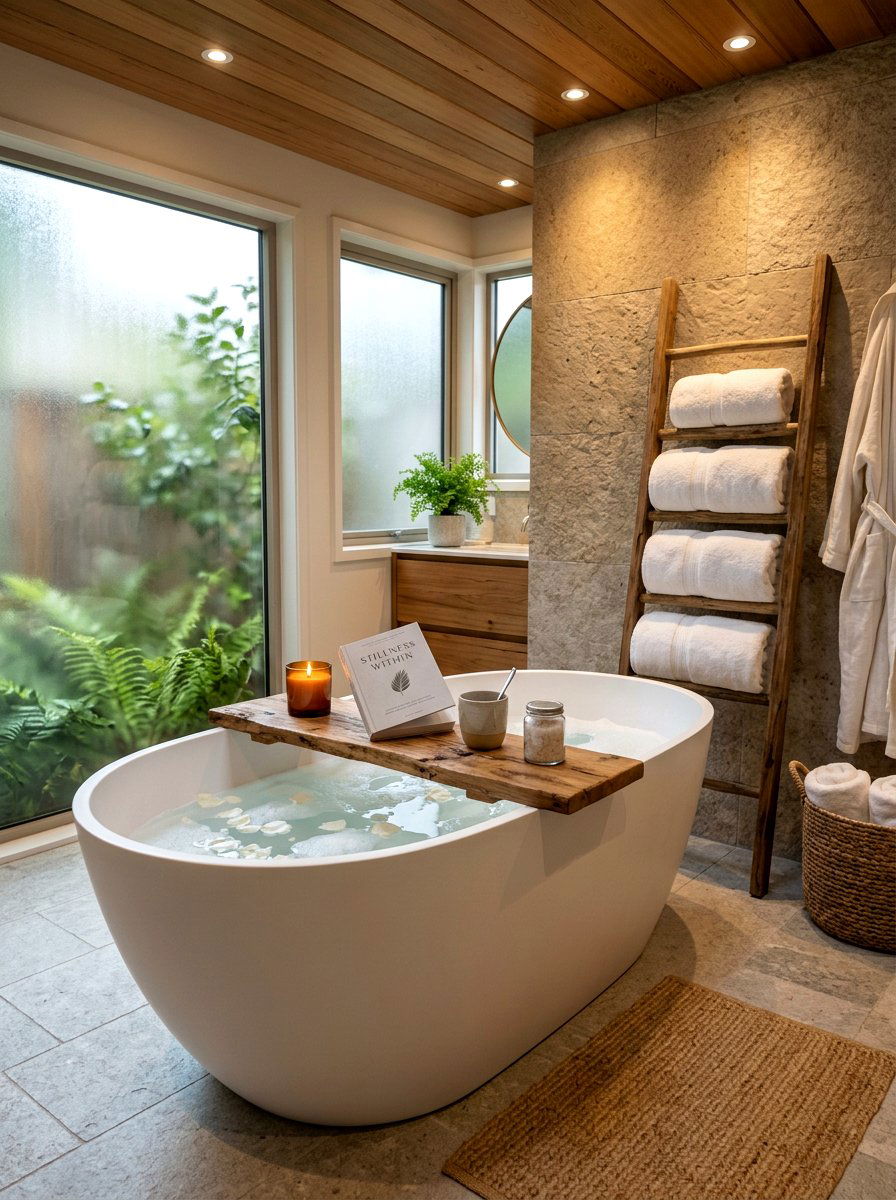
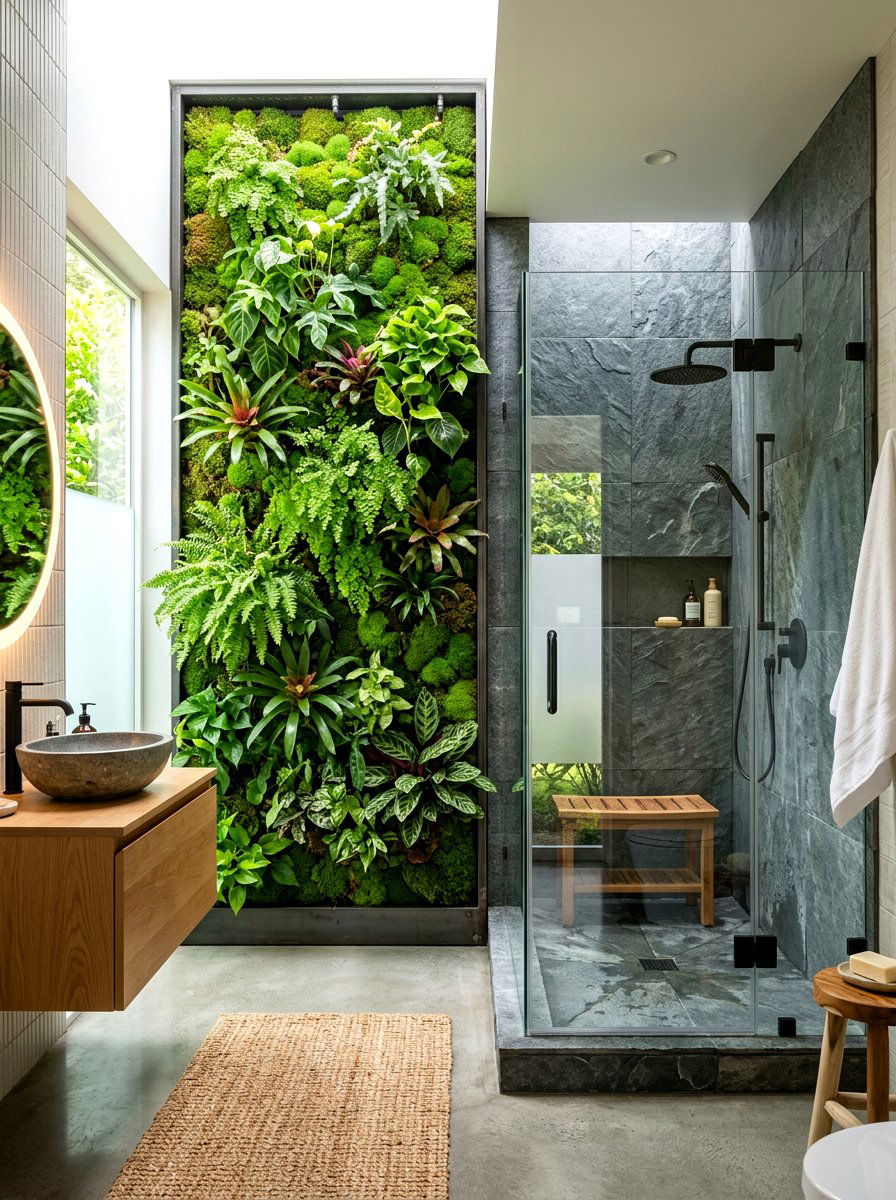
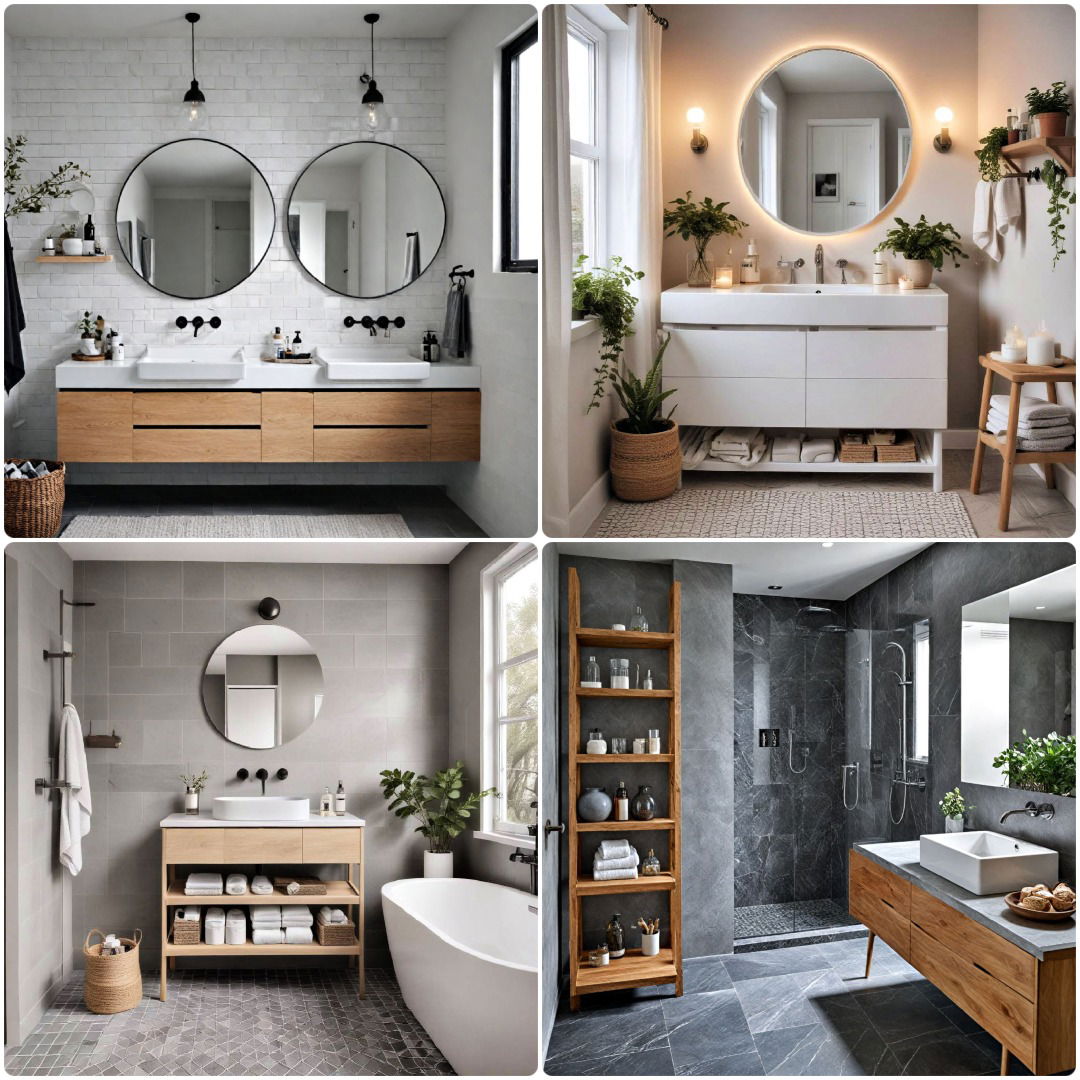
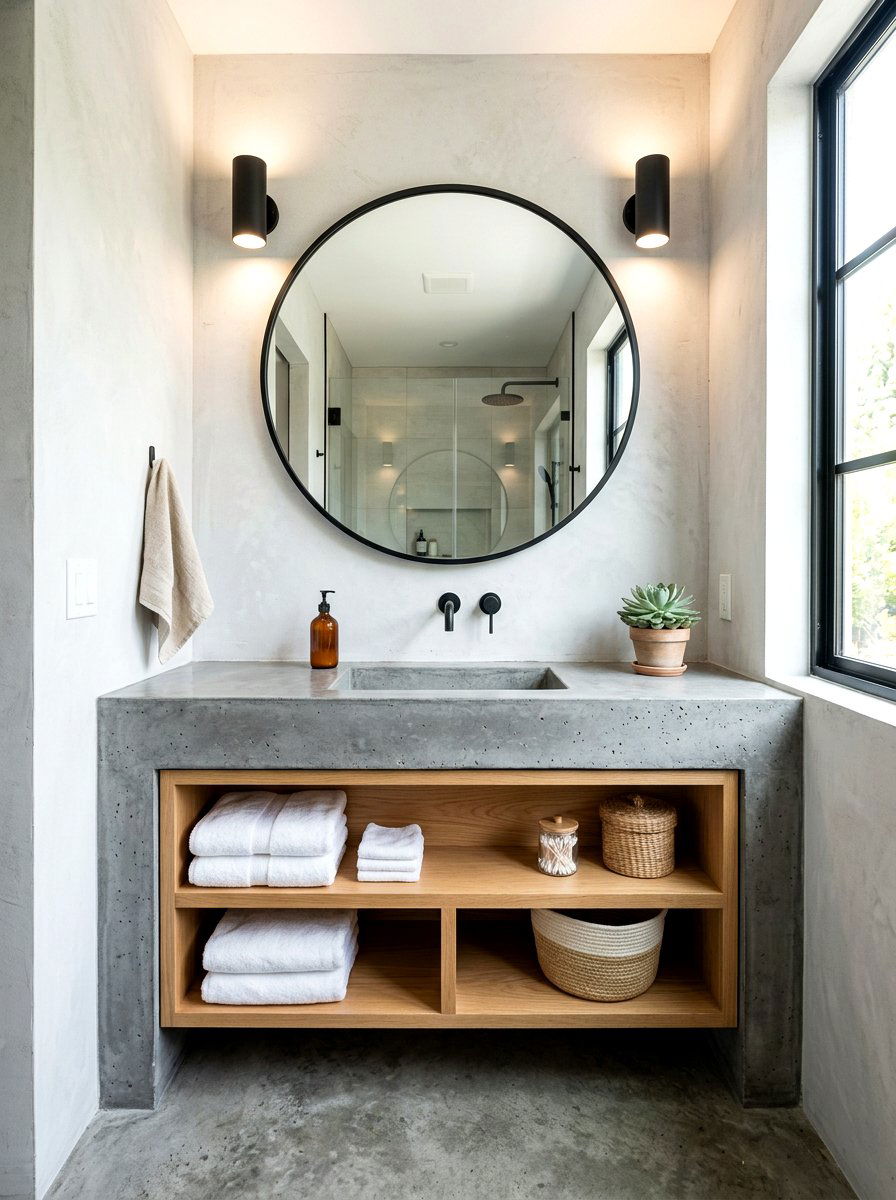
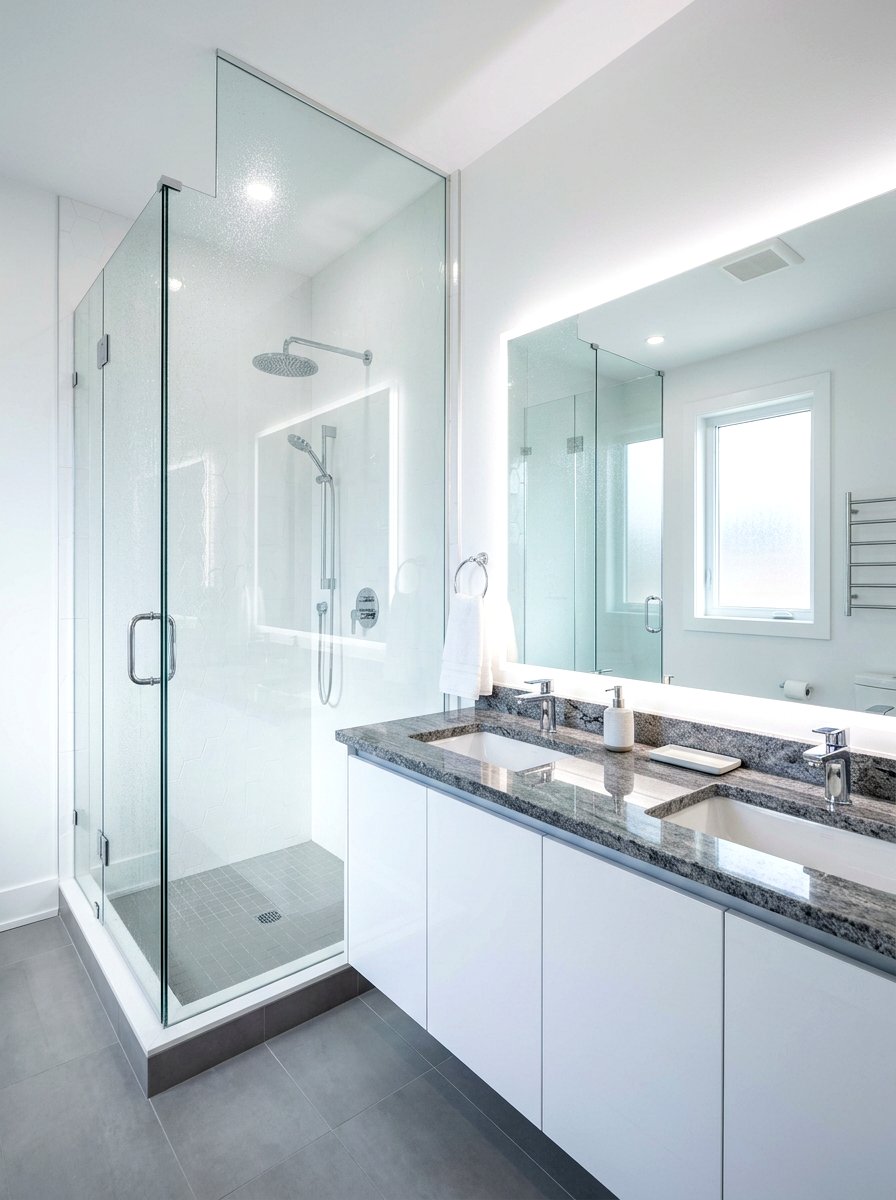
Transforming a corner of your bathroom into a spa-inspired nook allows you to incorporate wellness into your daily hygiene routine. Start by clearing away all clutter and replacing plastic bottles with beautiful glass dispensers for your soaps and salts. Use a wooden bathtub caddy to hold a book, a candle, and a glass of water during long, luxurious soaks. Soft, high-quality towels and a plush bath mat provide tactile comfort that makes the space feel like a high-end retreat. Install a dimmer switch or use battery-operated candles to create a soft, warm ambiance that encourages your body to relax. This small change turns an ordinary functional room into a private, restorative sanctuary.
16. Light Therapy Zone
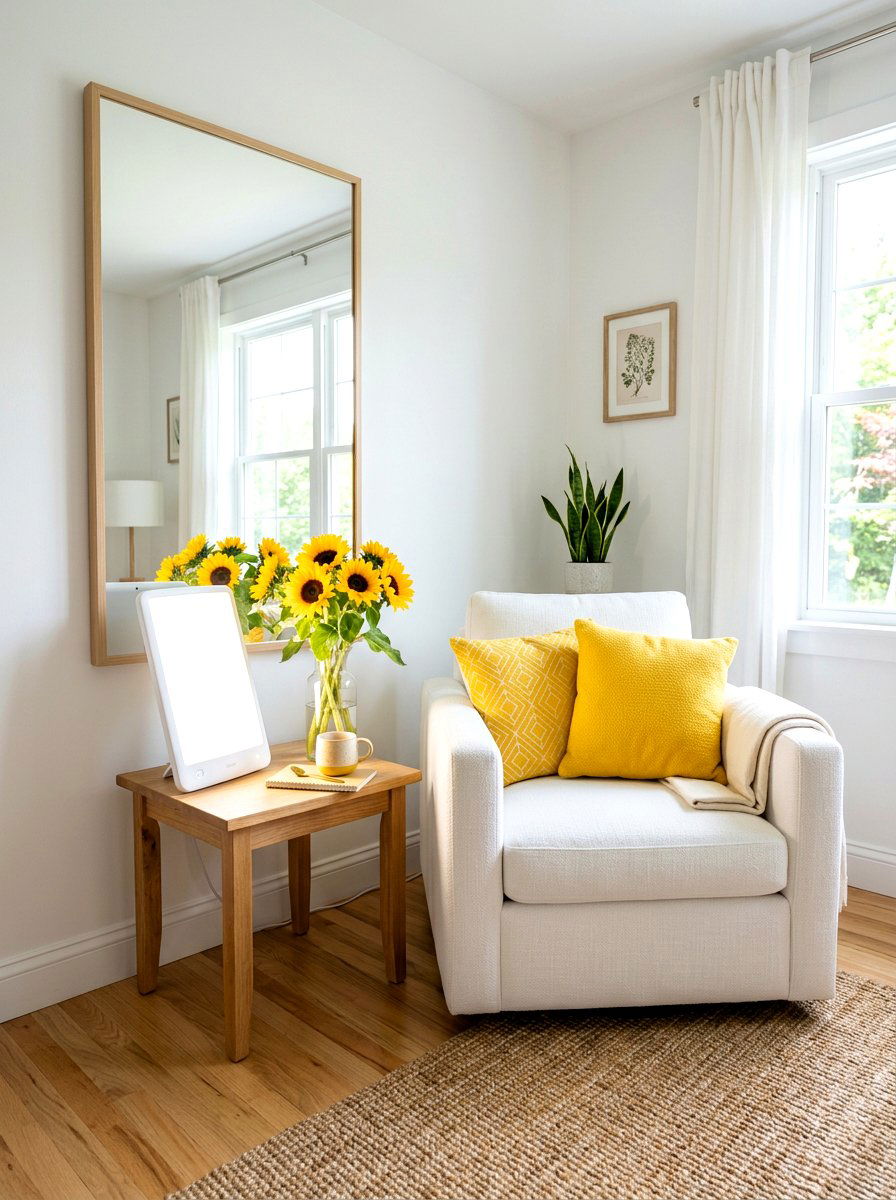
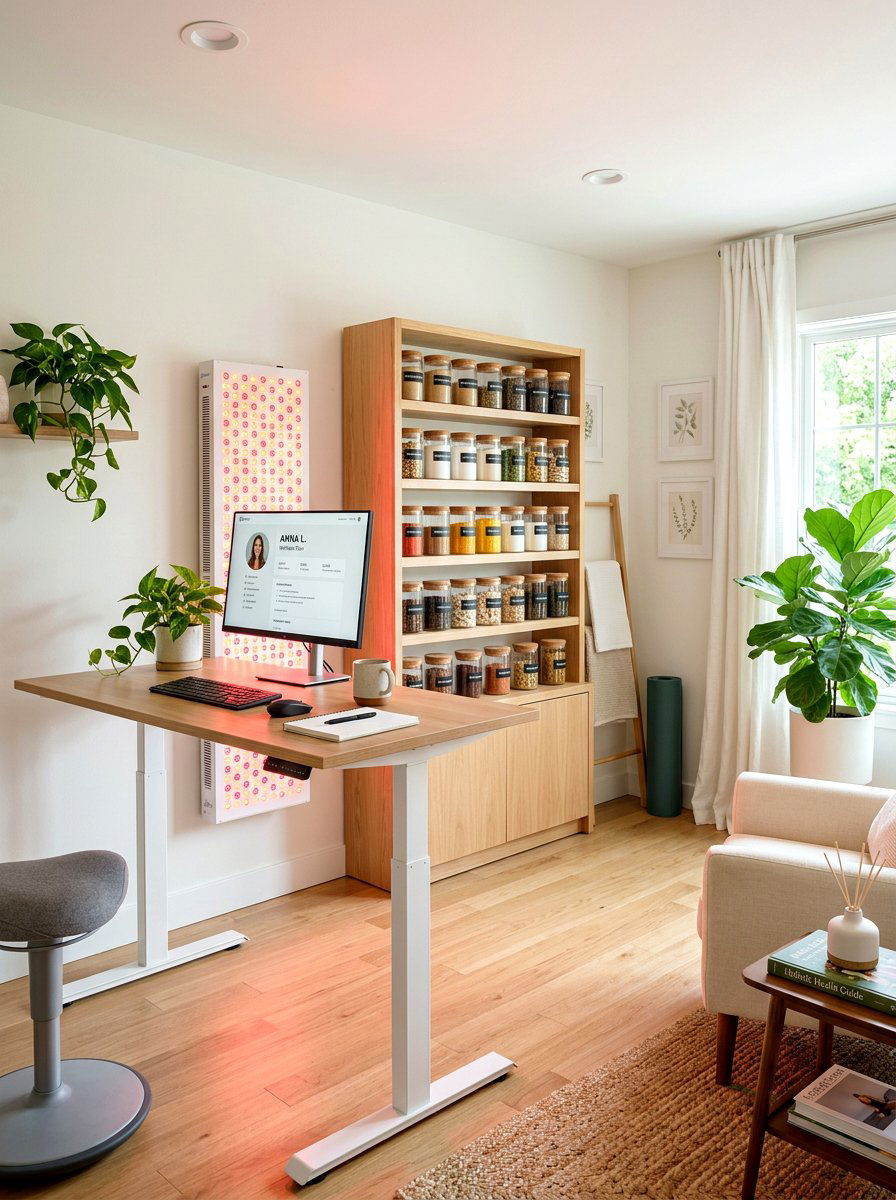
A light therapy zone is particularly beneficial during the dark winter months to help regulate your circadian rhythm and boost your mood. Position a comfortable chair near a small table where you can place a high-intensity SAD lamp or light therapy box. This area should be bright and uplifting, with white walls and reflective surfaces to maximize the impact of the light. Spend fifteen to thirty minutes here each morning while you drink your coffee or read the daily news. Incorporate light-colored wood and vibrant yellow accents to enhance the sunny, cheerful feeling of the space. This intentional setup provides a consistent way to manage seasonal energy shifts and maintain a positive mental outlook.
17. Breathwork Station
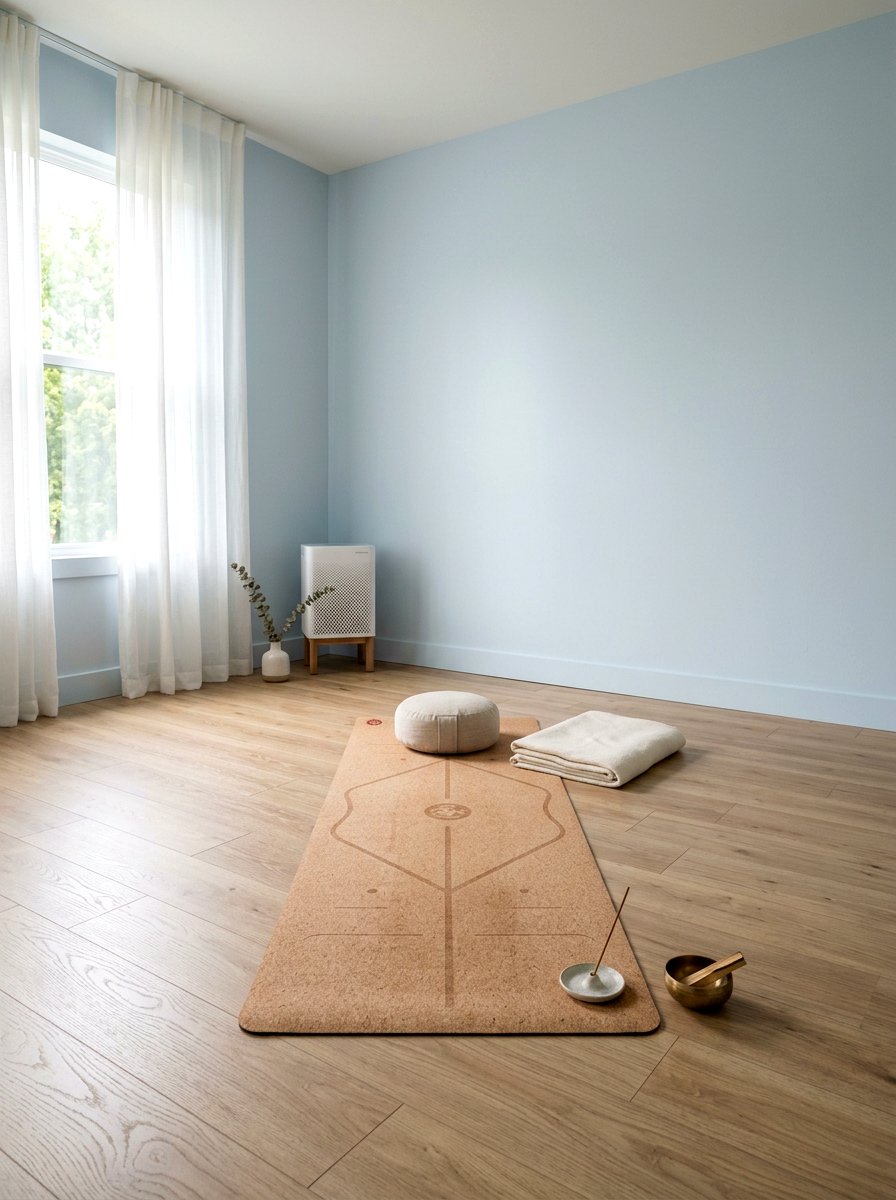
A breathwork station is a simple yet effective nook designed to facilitate deep, intentional breathing exercises and lung health. All you really need is a clean, open floor space with a supportive mat or a firm meditation cushion. Keep the surrounding environment very sparse to ensure there are no visual distractions that might break your focus on the breath. A small air purifier can be added to ensure you are breathing the cleanest air possible during your session. Neutral colors and natural textures like cork or jute help ground the energy of the room. This dedicated spot serves as a powerful reminder to pause and use your breath to regulate your nervous system daily.
18. Textured Comfort Nook
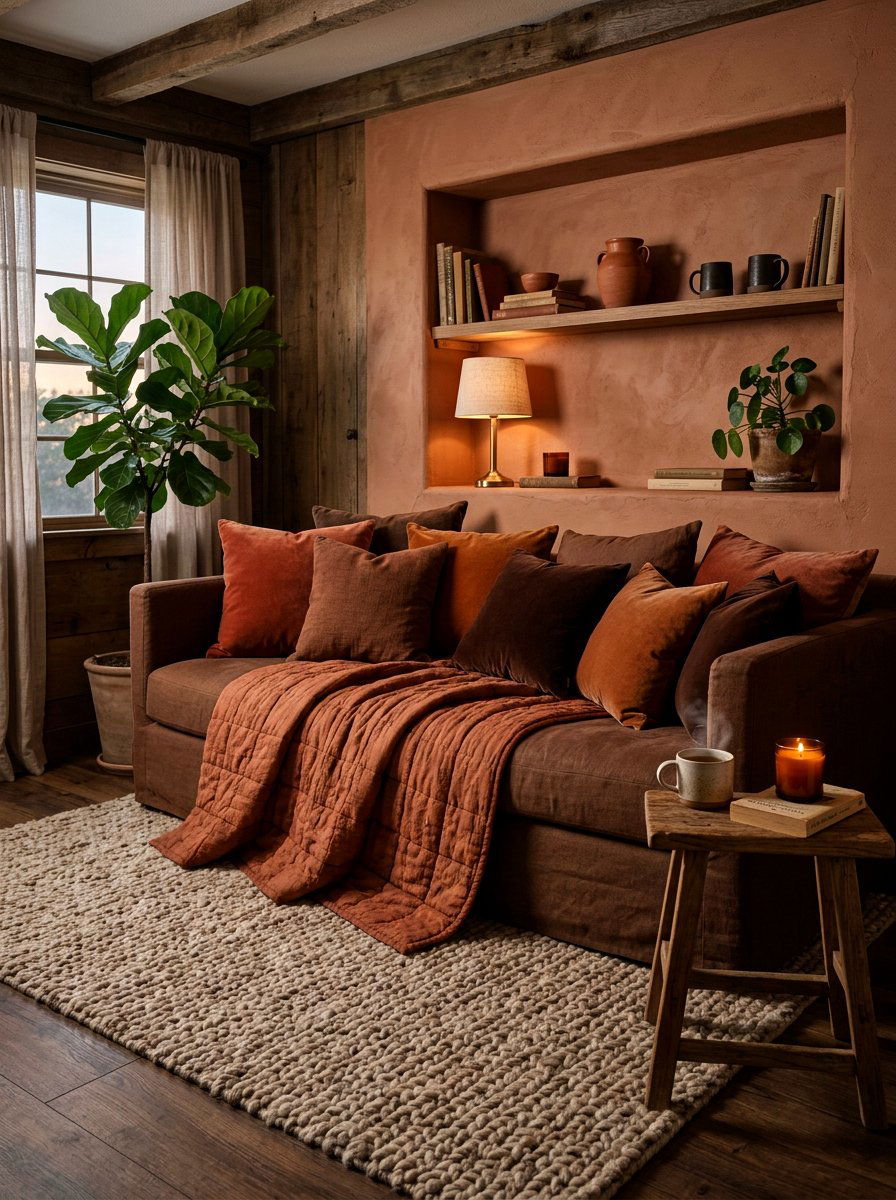
A textured comfort nook focuses on tactile sensations to provide a sense of security and physical warmth. Create this space by layering different materials, such as a thick wool rug, velvet pillows, and a weighted blanket on a low sofa. The goal is to engage the sense of touch to help lower stress levels and ground your body in the present moment. Use a warm color palette of terracottas, deep browns, and soft creams to create a visual sense of heat and safety. This area is perfect for winding down before bed or finding comfort during a rainy afternoon. The combination of weight and softness provides a therapeutic experience for anyone feeling overwhelmed or anxious.
19. Digital Detox Zone
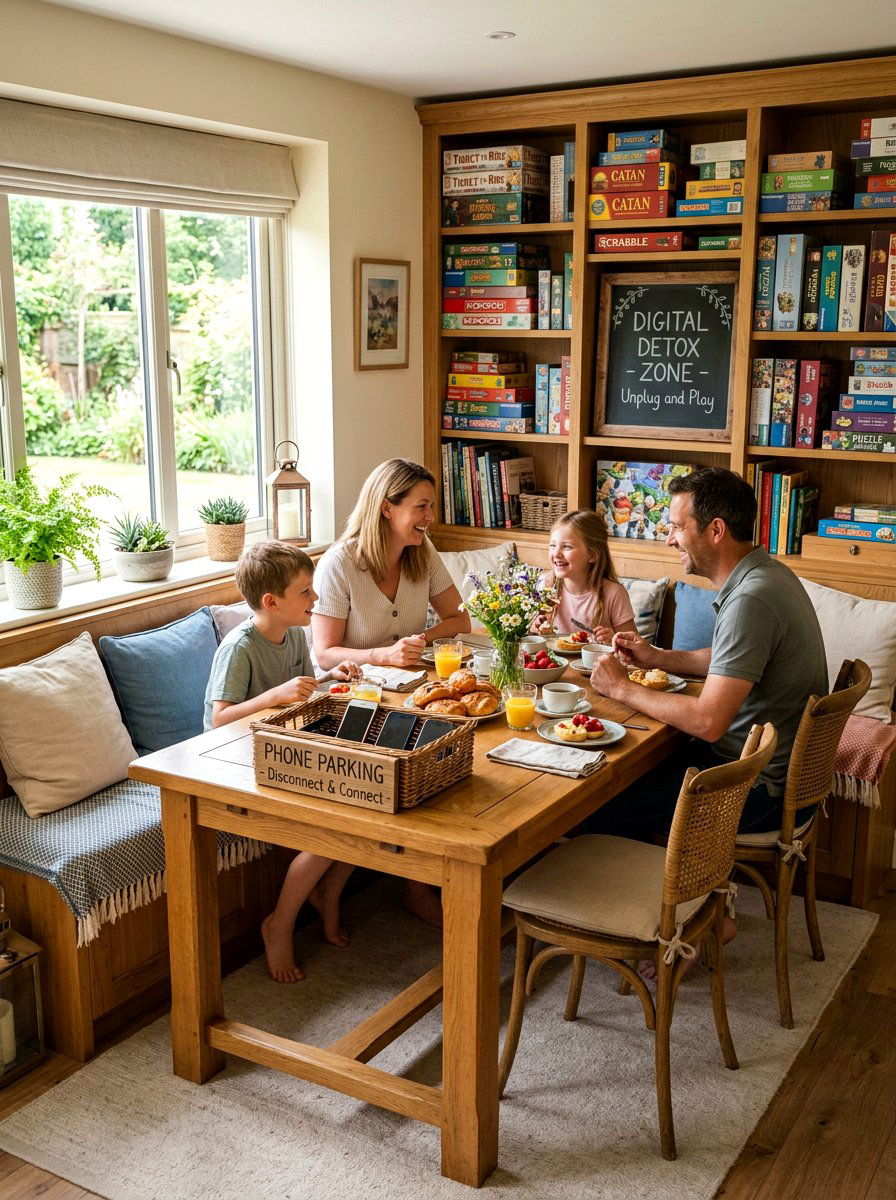
A digital detox zone is a critical addition to a modern home, providing a space where technology is strictly prohibited. Designate a small area, like a breakfast nook or a corner of the den, as a phone-free sanctuary. Include a beautiful decorative basket where all family members can "park" their devices before entering the space. Fill the area with analog activities like puzzles, card games, or adult coloring books to encourage offline engagement. Use comfortable, communal seating to foster face-to-face conversation and connection with loved ones. This boundary-focused nook helps you reclaim your time and attention from the endless cycle of notifications and social media scrolling.
20. Spiritual Altar Space
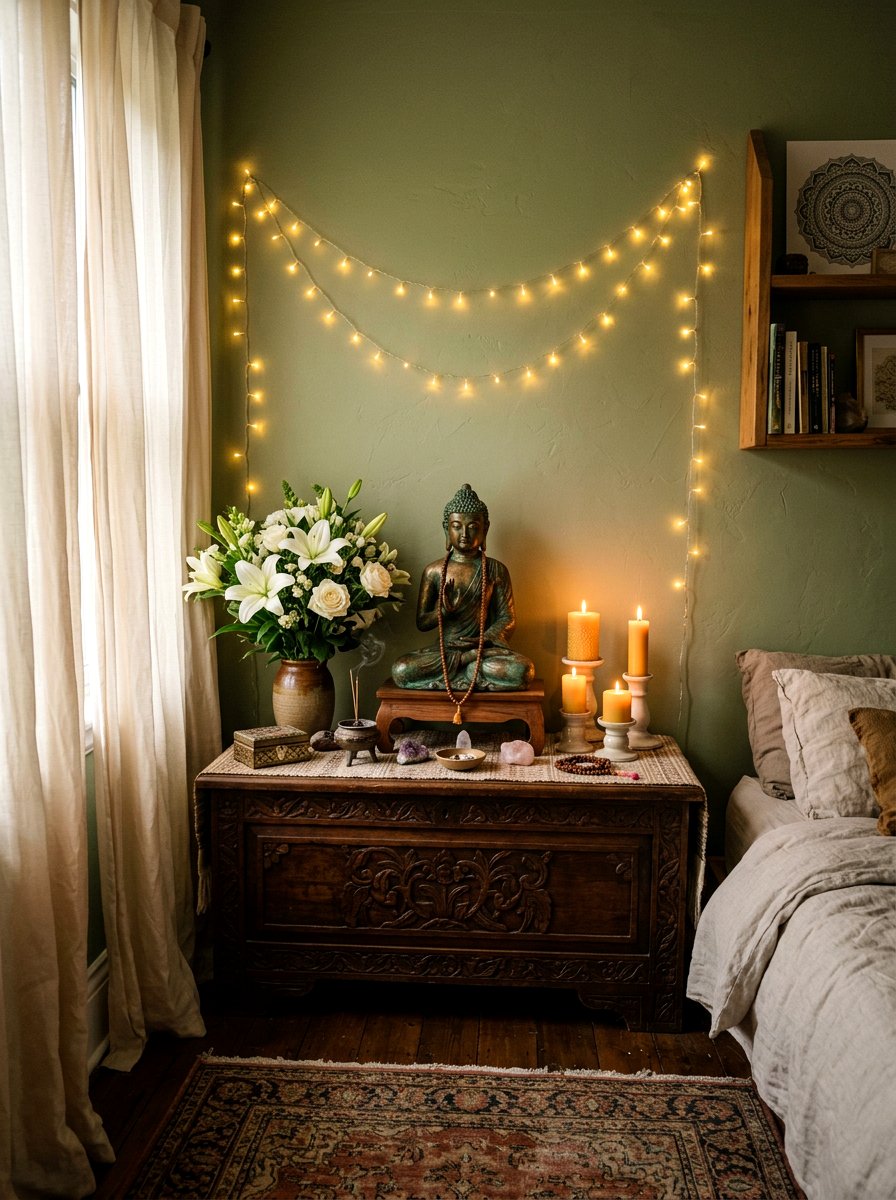
A spiritual altar space provides a dedicated focal point for your personal beliefs, rituals, and morning intentions. Choose a beautiful chest of drawers or a carved wooden table to serve as the base for your sacred objects. You might include items like statues, photographs, meaningful heirlooms, or fresh flowers that represent your spiritual journey. Lighting a small lamp or a stick of palo santo can help mark the beginning of your ritual and clear the energy of the space. The area should feel intimate and private, perhaps tucked away in a quiet corner of your bedroom. This nook serves as a daily reminder of your values and the deeper meaning in your life.
21. Attic Meditation Room
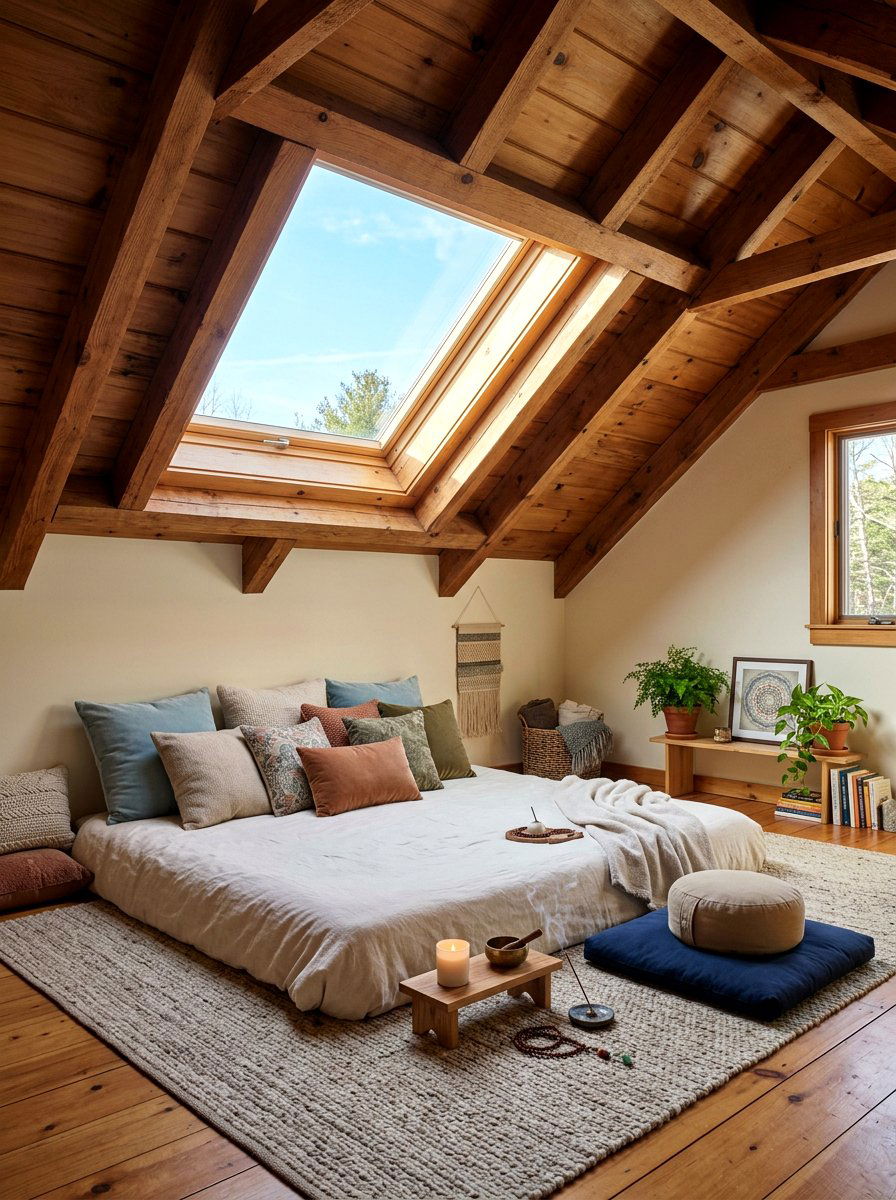
An attic meditation room takes advantage of the seclusion and unique architecture of the top floor to create a truly private getaway. The sloped ceilings and distance from the rest of the house provide a natural acoustic barrier against household noise. Keep the furniture low to the ground to work with the unique angles of the roof, using floor mattresses and large cushions for seating. Skylights are a fantastic feature for this space, allowing you to look up at the clouds or the stars during your practice. Soft, off-white paint can help make the small space feel larger and more ethereal. This hidden sanctuary is the perfect place for deep, uninterrupted mental work.
22. Bedroom Corner Sanctuary
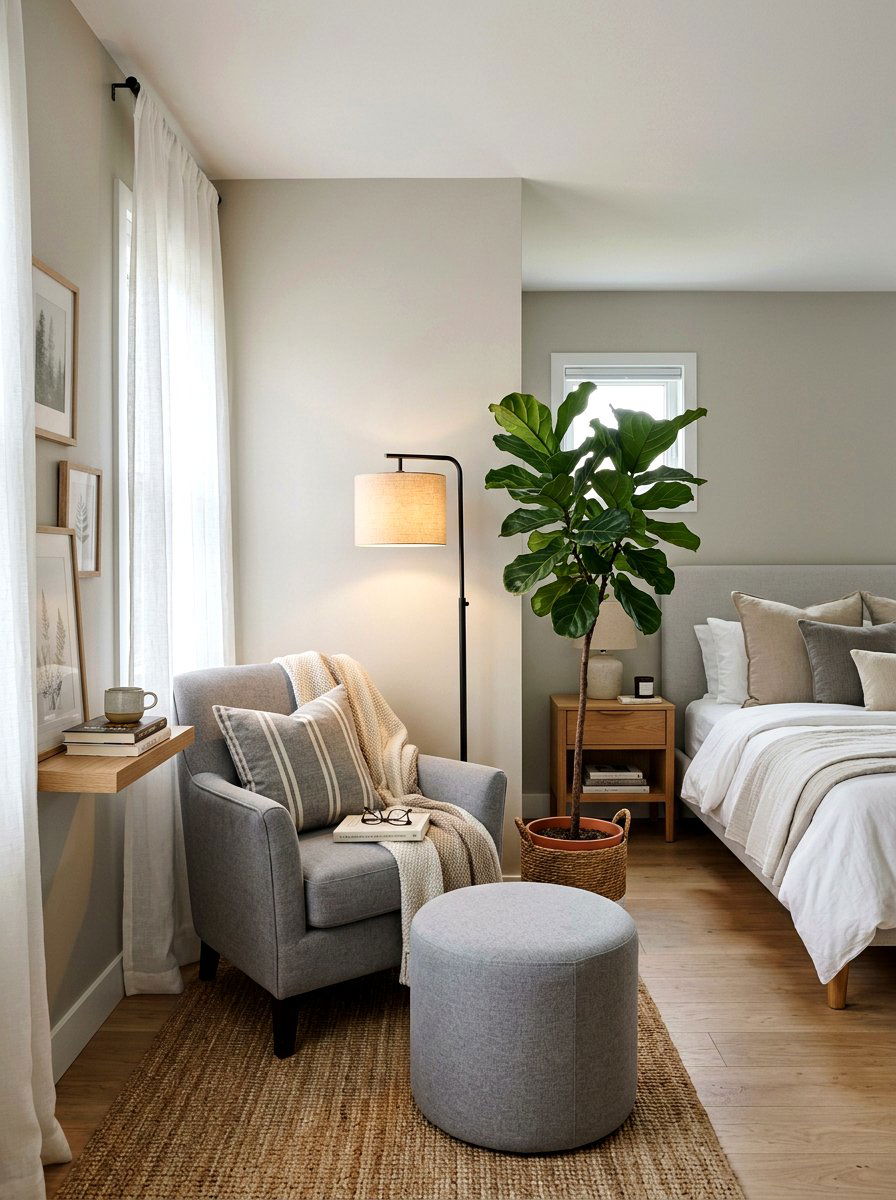
A bedroom corner sanctuary allows you to start and end your day in a state of tranquility without leaving your sleeping area. Select a small corner furthest from your bed to create a visual distinction between your sleeping space and your relaxation zone. Place a petite upholstered armchair and a small footstool to create a comfortable spot for morning stretches or evening reflection. A soft floor lamp and a single piece of calming artwork can define the area without overwhelming the bedroom's decor. Using the same color palette as your bedding will help the nook feel integrated and harmonious. This setup encourages a peaceful transition into sleep and a mindful start to your morning.
23. Outdoor Zen Balcony
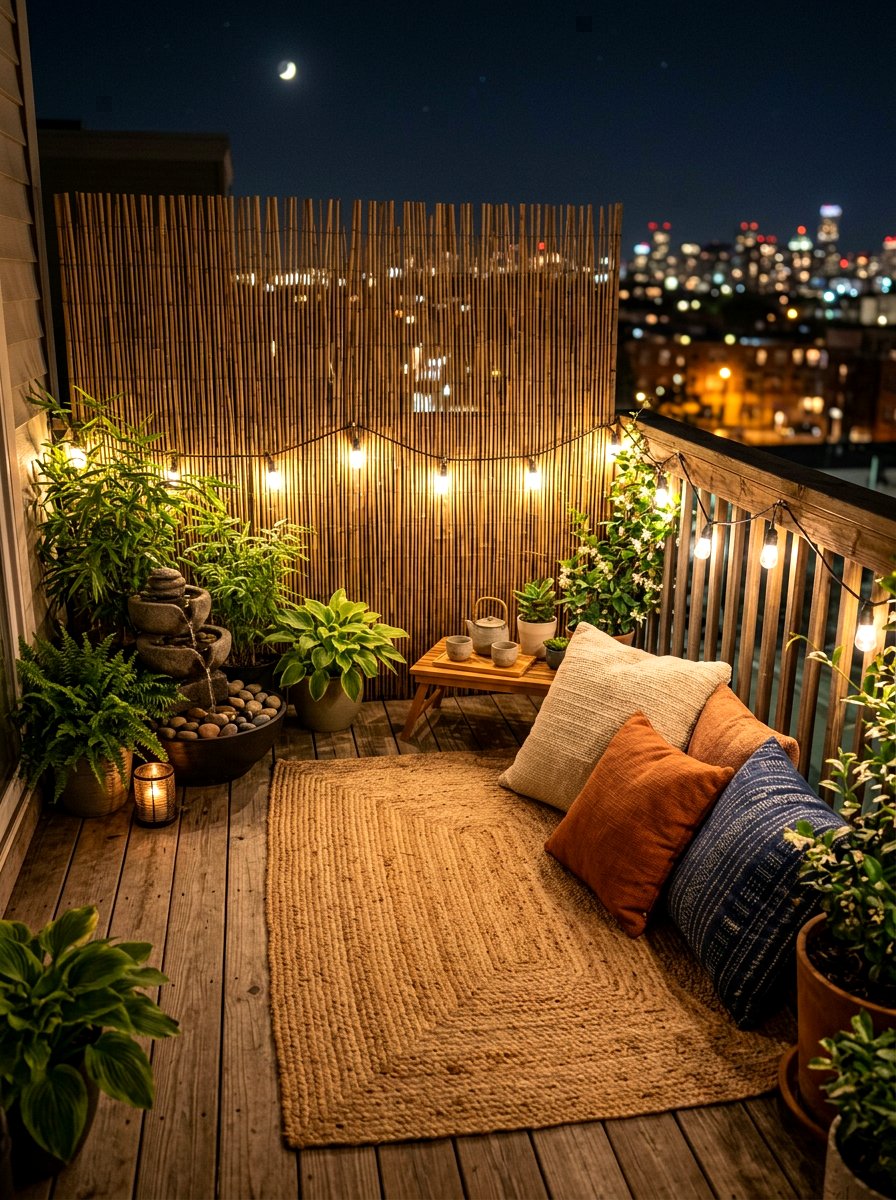
An outdoor zen balcony brings your wellness practice into the fresh air, even if you live in a compact urban apartment. Use weather-resistant outdoor rugs and floor cushions to create a comfortable seating area on the floor. Privacy screens made of bamboo or tall potted grasses can help block the view of neighbors and create a secluded atmosphere. A small tabletop water fountain adds a soothing auditory element that masks city noise and promotes relaxation. String lights or lanterns can provide a warm, magical glow for evening meditation sessions under the stars. This tiny outdoor retreat allows you to connect with the elements and enjoy the benefits of nature daily.
24. Music Listening Station
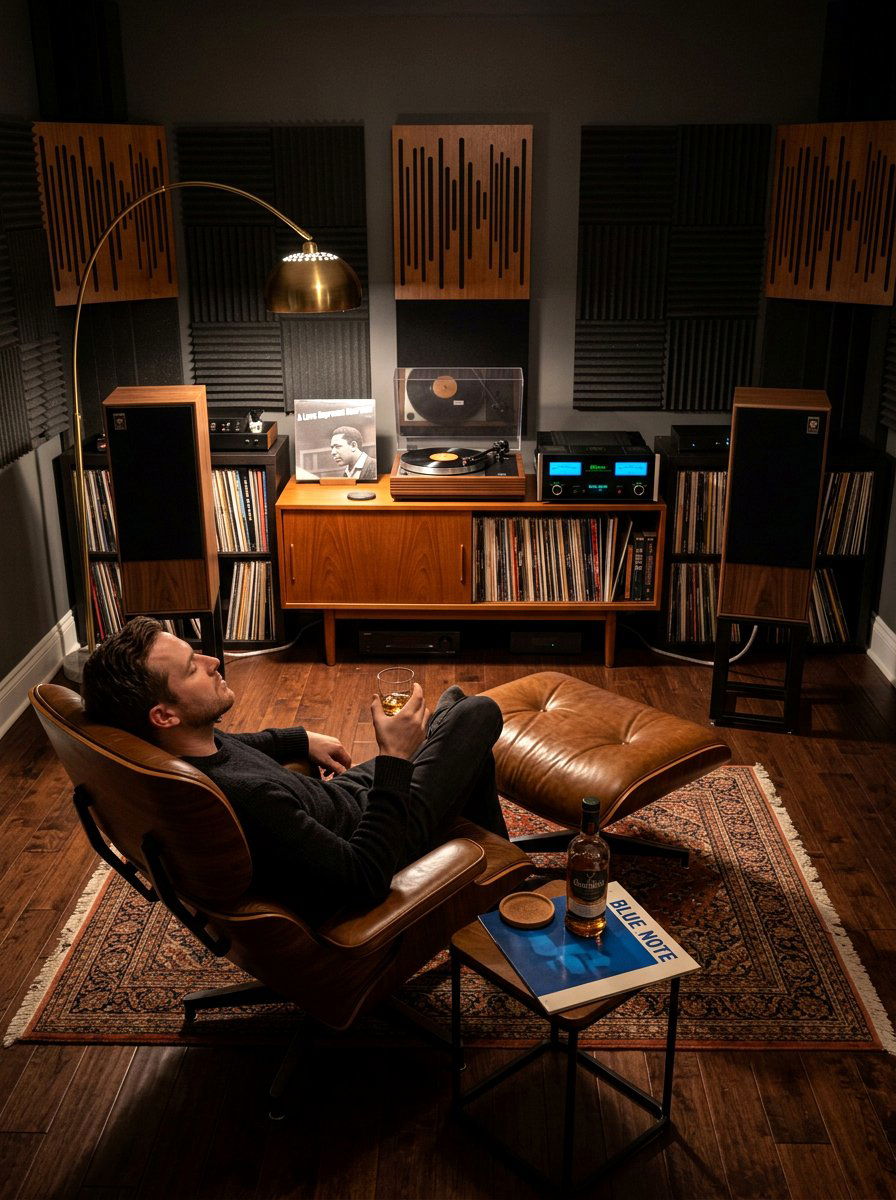
A music listening station is a wellness nook dedicated to the therapeutic benefits of high-quality audio and focused listening. Set up a comfortable lounge chair positioned perfectly between two high-fidelity speakers or near a high-quality turntable. Organize your vinyl record or CD collection on nearby shelves so you can easily browse through your favorite albums. This space should be designed for "active listening, " where you sit and fully experience the music without any other distractions. Sound-absorbing wall panels can improve the acoustics and help isolate the area from the rest of the house. This auditory sanctuary provides a powerful way to process emotions and find joy through the art of sound.
25. Color Therapy Room
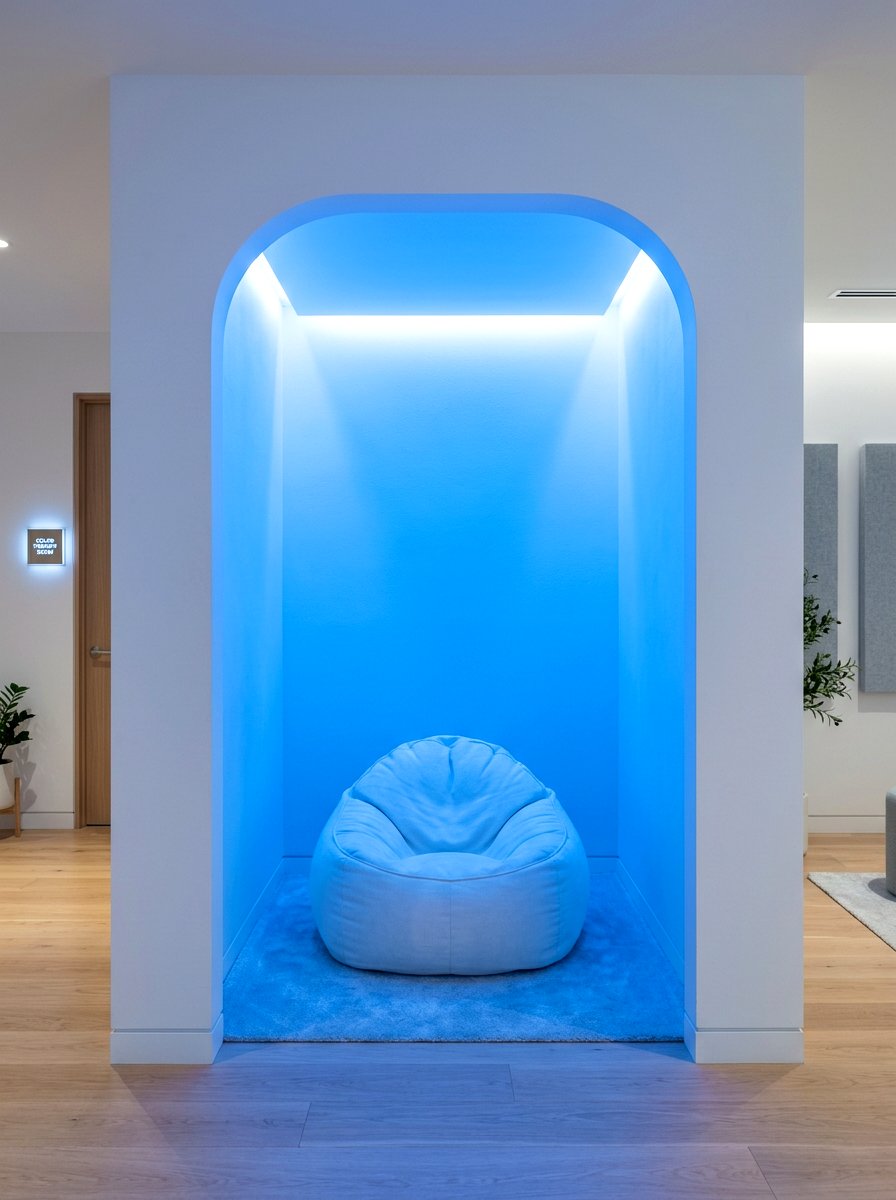
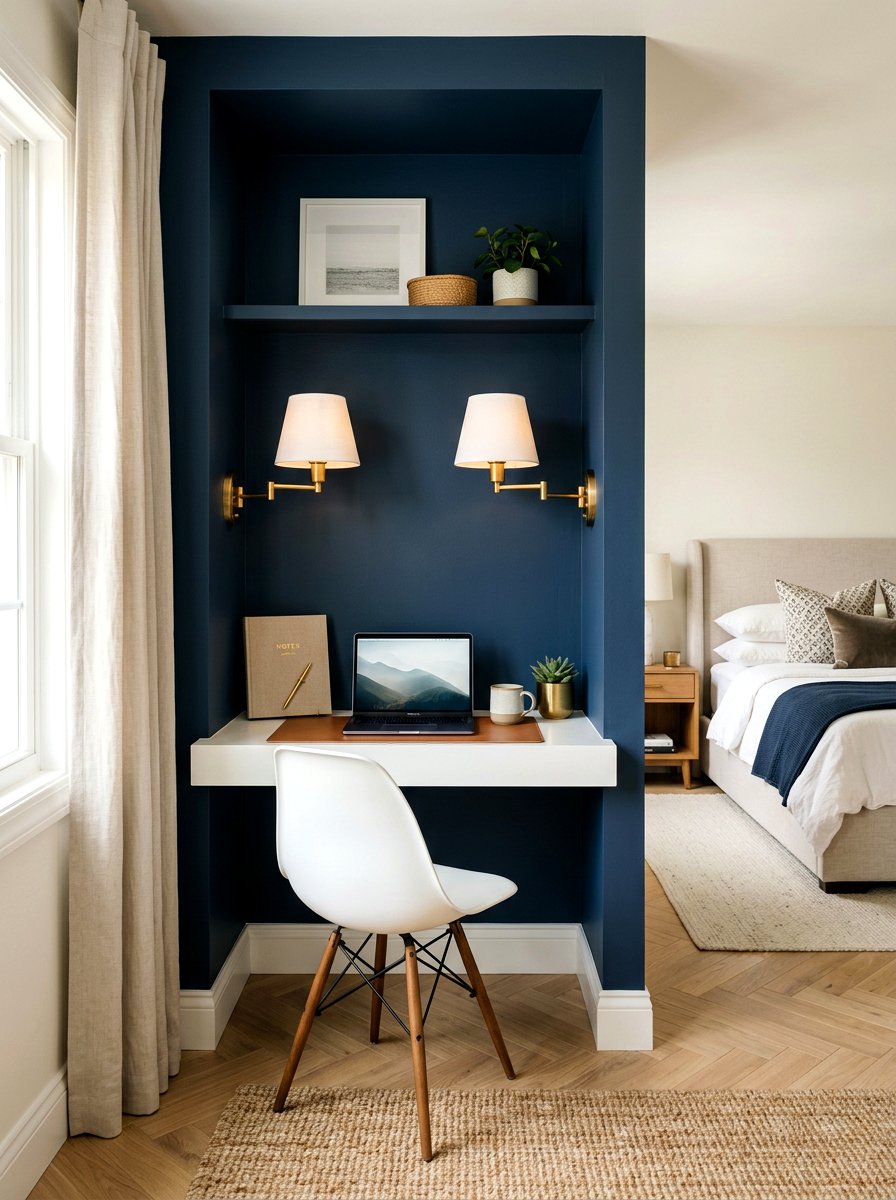
A color therapy room uses specific hues to influence your psychological state and energy levels throughout the day. Choose a small room or alcove and paint it in a color that matches your wellness needs, such as a calming blue or an energizing soft orange. You can also use smart LED bulbs that allow you to change the color of the entire room with a simple phone app. Furnish the space with neutral furniture to let the colored light be the primary focus of the design. This area is ideal for short "color baths" where you sit and soak in the hue for ten to twenty minutes. It provides a modern, high-tech way to balance your mood and energy.
26. Under Stairs Nook
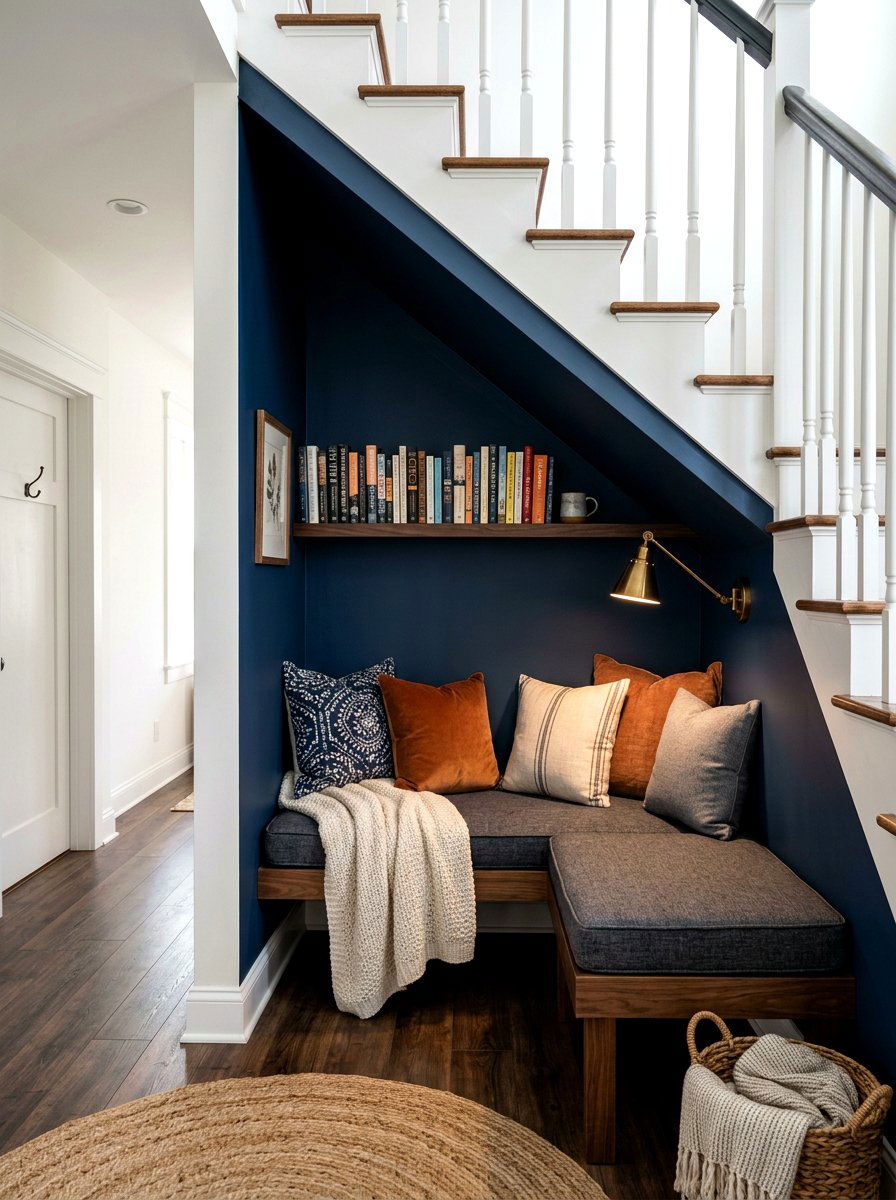
An under stairs nook is a clever way to utilize an often-overlooked architectural space for a cozy, cocoon-like wellness retreat. Custom-fit a cushioned bench into the alcove and add built-in shelving for books and wellness supplies. Because these spaces are naturally enclosed, they provide a sense of security and privacy that is perfect for introverts or children. Install a small sconce light for reading and use a heavy curtain if you want to completely hide away from the world. The small scale of the space makes it feel like a secret hideout, encouraging a playful and imaginative approach to your daily relaxation. It is a perfect example of maximizing every inch of your home.
27. Water Feature Corner
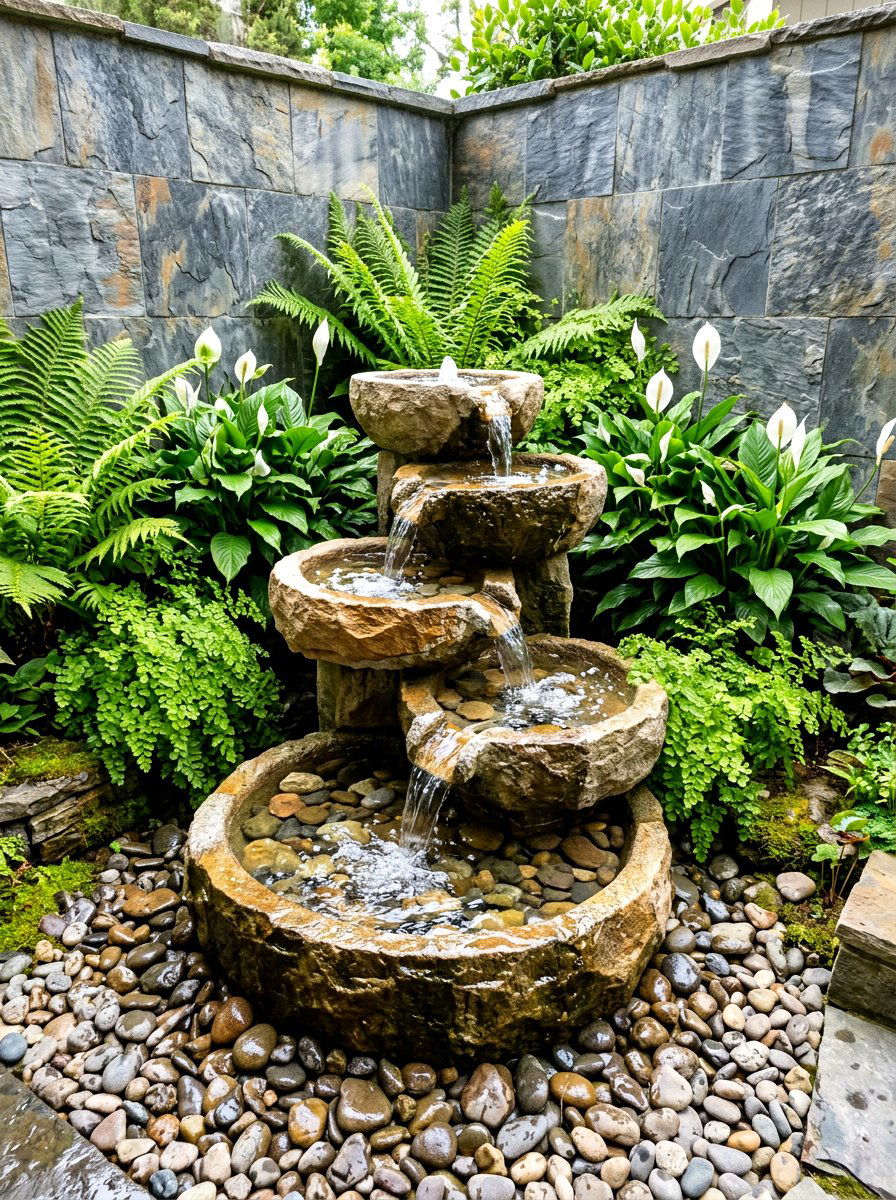
A water feature corner utilizes the soothing sound of running water to create a tranquil environment that masks background noise. Choose a high-quality indoor fountain made of natural stone or ceramic and place it on a sturdy table or directly on the floor. Surround the fountain with smooth pebbles and moisture-loving plants like peace lilies to create a mini-ecosystem. The gentle trickling sound helps lower cortisol levels and creates a focal point for "soft fascination" during meditation. Ensure the area is near a power outlet but keep cords hidden for a clean, professional look. This auditory and visual feature turns a simple corner into a dynamic and living piece of wellness art.
28. Prayer Space
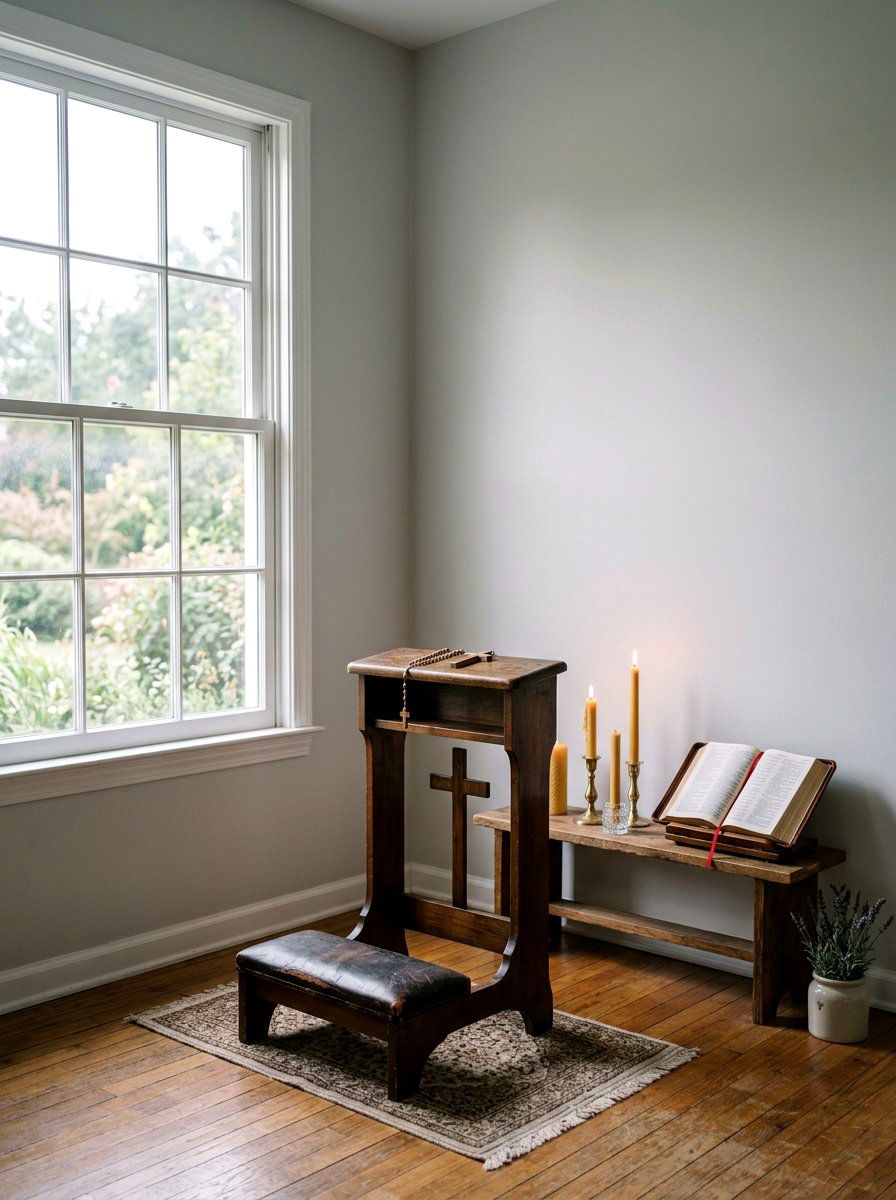
A dedicated prayer space offers a quiet, respectful area for spiritual devotion and connection with a higher power. This nook should be kept very clean and organized, with a small table or shelf to hold sacred texts, prayer beads, or candles. Choose a location that faces a direction of significance to your faith to enhance the intentionality of the space. A comfortable rug or a low stool provides a supportive place for kneeling or sitting during your prayers. Use soft, natural light and simple, unadorned walls to minimize distractions and keep your focus on your spiritual practice. This sacred zone provides a consistent anchor for your faith within your home life.
29. Home Sauna Corner
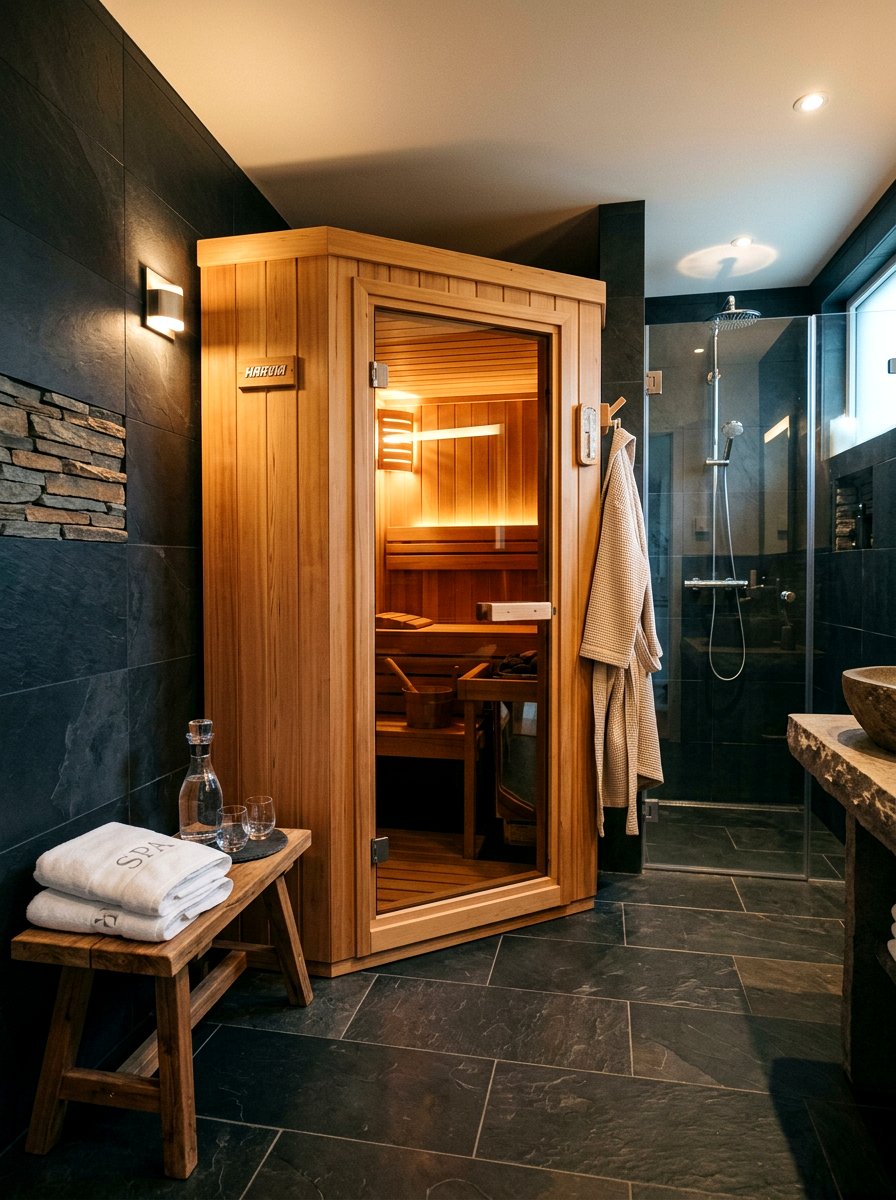
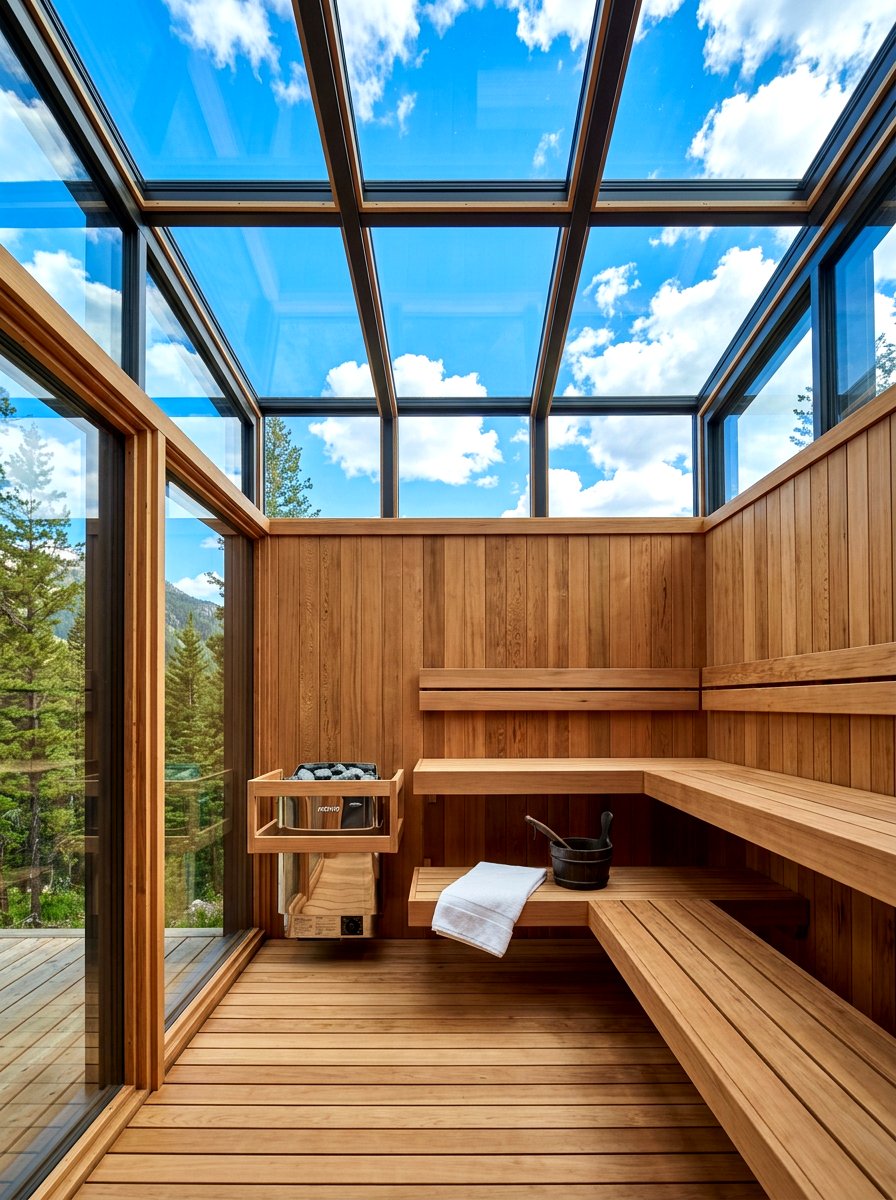
A home sauna corner provides a luxury wellness experience focused on physical detoxification and muscle recovery. Modern infrared sauna blankets or compact wooden sauna cabins can be installed in a spare corner of a basement or a large master bathroom. The heat helps to improve circulation, soothe aching joints, and promote a deep sense of physical relaxation. Keep a small bench nearby with fresh towels and a carafe of infused water for post-sauna hydration. The design should feel clean and minimalist, using natural wood finishes to mimic a traditional Nordic spa. This high-impact wellness addition turns your home into a professional-grade recovery center for your body and mind.
30. Affirmation Corner
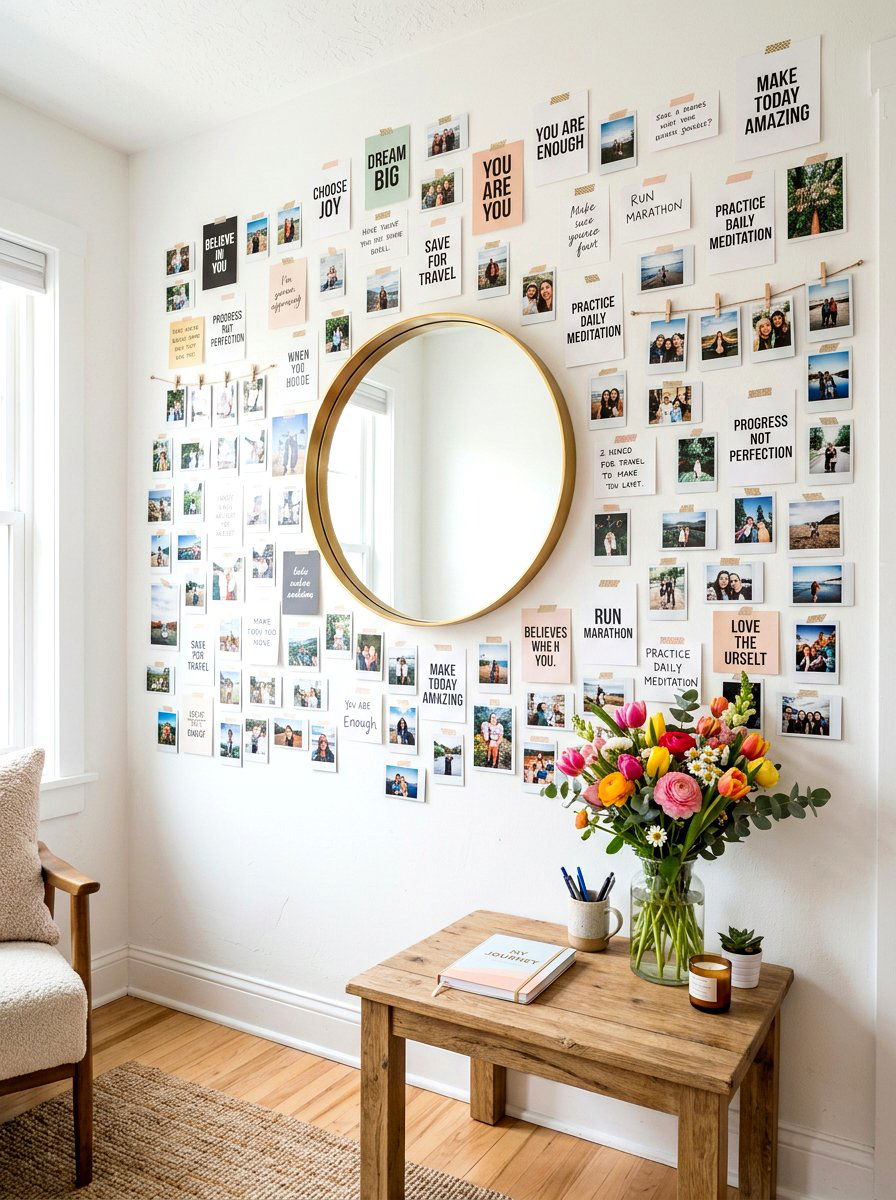
An affirmation corner is a visual wellness nook designed to reprogram your mindset through positive self-talk and motivational imagery. Use a large corkboard or a dedicated wall space to display handwritten affirmations, inspiring photographs, and personal goals. Place a mirror in the center of the arrangement so you can look yourself in the eye while reciting your daily mantras. The surrounding area should be bright and uplifting, with vibrant colors or fresh flowers to boost your energy. Spend a few minutes here every morning to set your intention and build your self-confidence for the day ahead. This psychological sanctuary serves as a powerful tool for manifesting a positive and successful life.
Conclusion:
Investing time and creativity into building a wellness nook is one of the most rewarding home improvement projects you can undertake for your overall quality of life. By dedicating even a small amount of square footage to your mental health, you create a physical reminder that your well-being is a top priority. These spaces act as a sanctuary where the chaos of the outside world is silenced, and your internal needs are finally heard. Whether you choose a simple meditation corner or a sophisticated home sauna, the key is to design with intention and consistency. Over time, these nooks become the heart of a balanced, mindful, and restorative home environment.

Related posts: