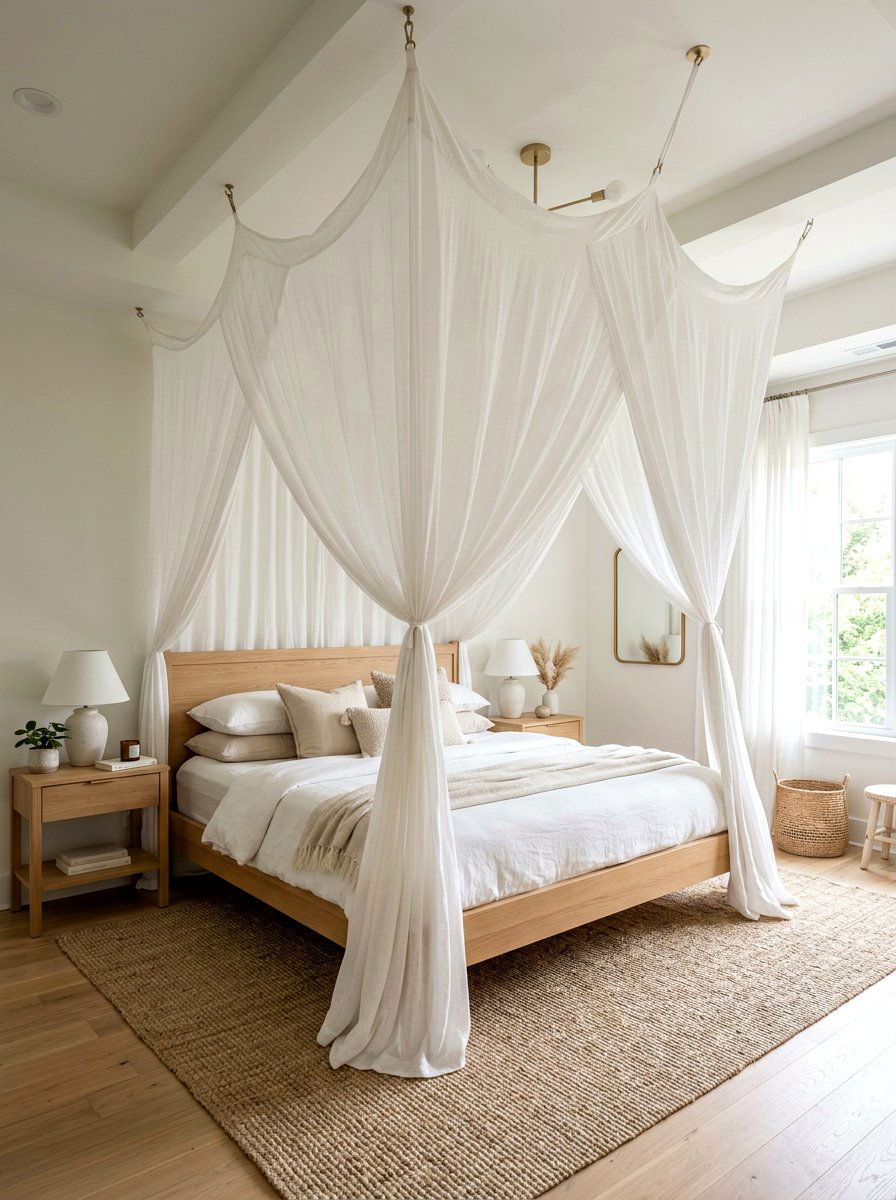
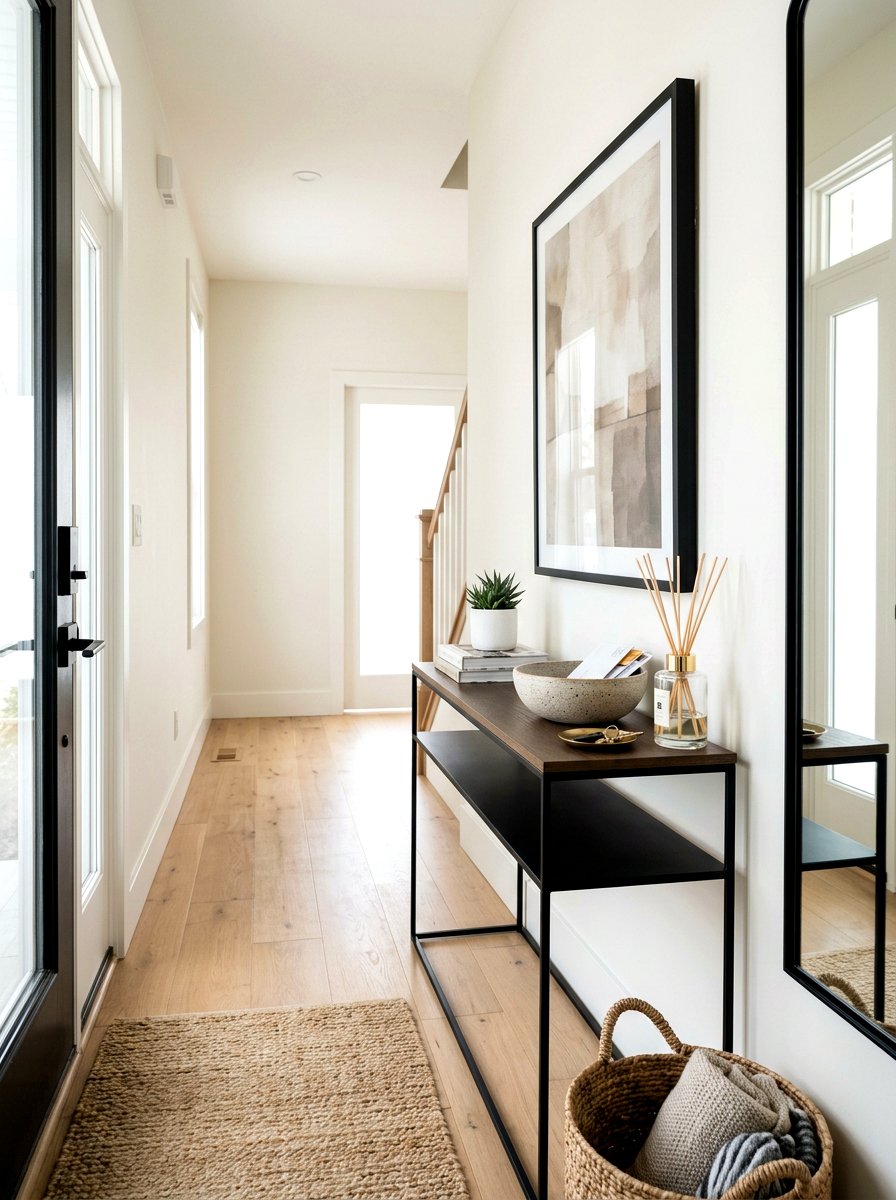
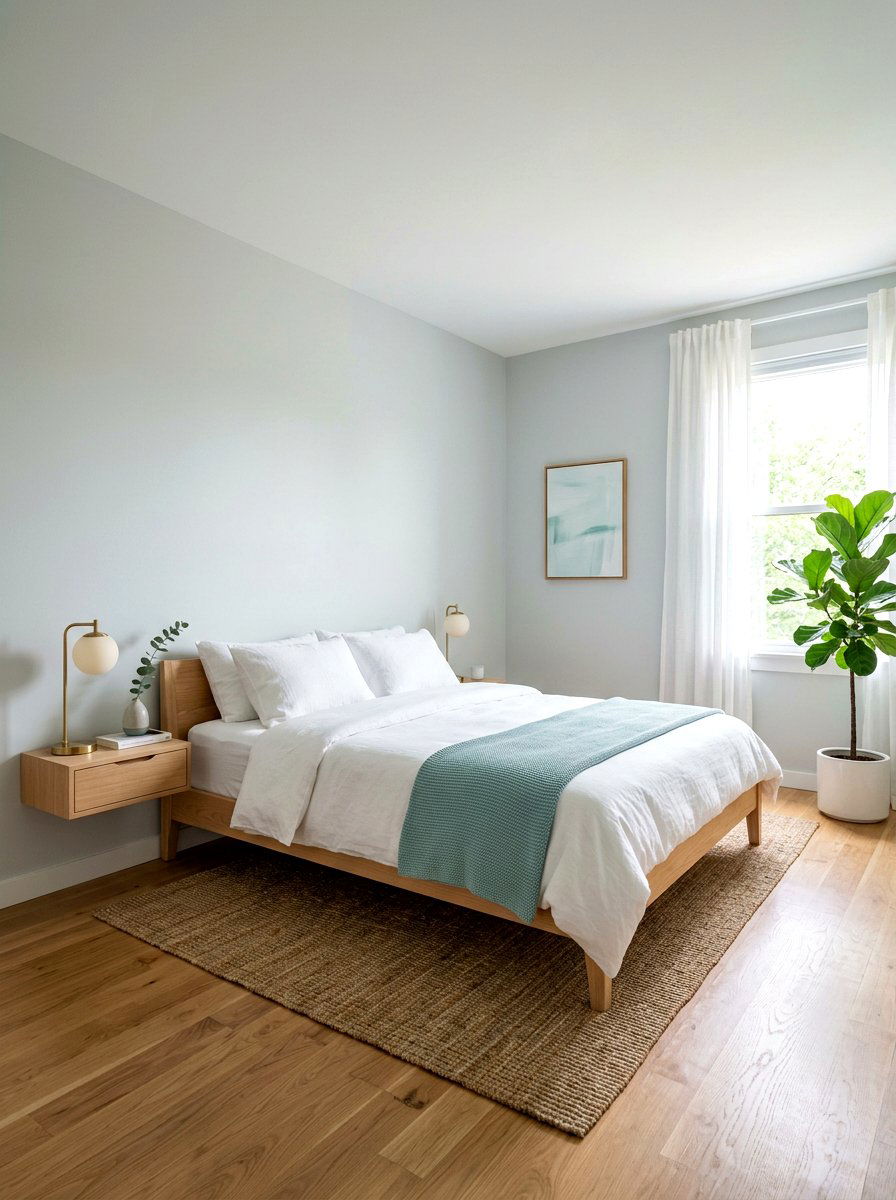
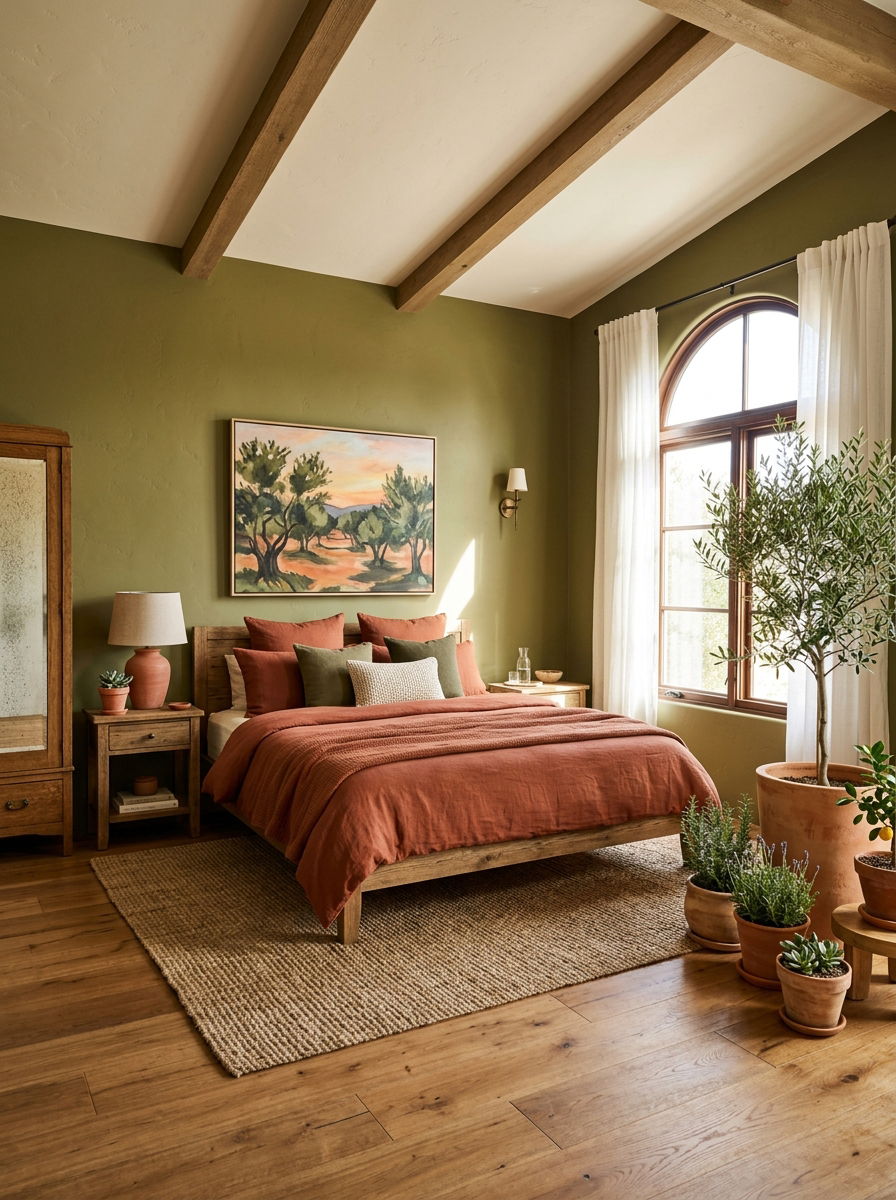
Designing a restful sanctuary in a limited square footage environment requires a perfect blend of creativity and strategic spatial planning. Many homeowners struggle with making a small master bedroom feel like a true retreat without it becoming cluttered or overwhelming. However, by focusing on smart furniture choices and intentional layout configurations, you can maximize every inch of your space effectively. The goal is to create a room that supports both sleep and relaxation while maintaining a sophisticated aesthetic. This article explores thirty innovative ways to arrange your personal haven, ensuring that functionality never comes at the expense of your unique interior style.
1. Small Master Bedroom With King Bed
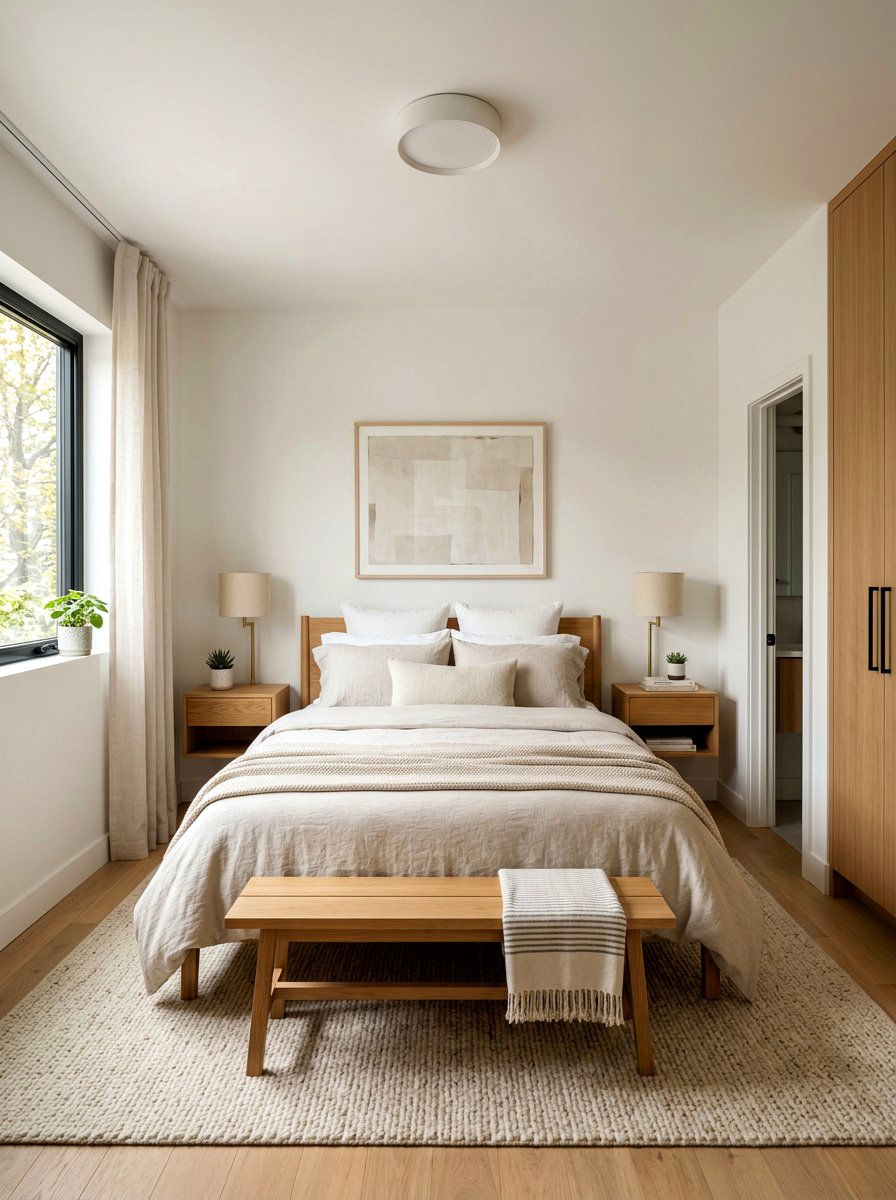
Fitting a large bed into a compact room requires strategic planning to ensure the space remains walkable and functional. Placing the bed against the longest uninterrupted wall allows for equal access on both sides, which is essential for a master suite. You might choose slim, wall-mounted nightstands to save floor space while providing a convenient spot for your bedtime essentials. Keep the bedding light and airy to prevent the large piece of furniture from overwhelming the small room visually. Using a low-profile bed frame can also make the ceiling feel higher and the overall environment much less cluttered. This layout prioritizes ultimate sleep comfort.
2. Master Bedroom With Desk Layout
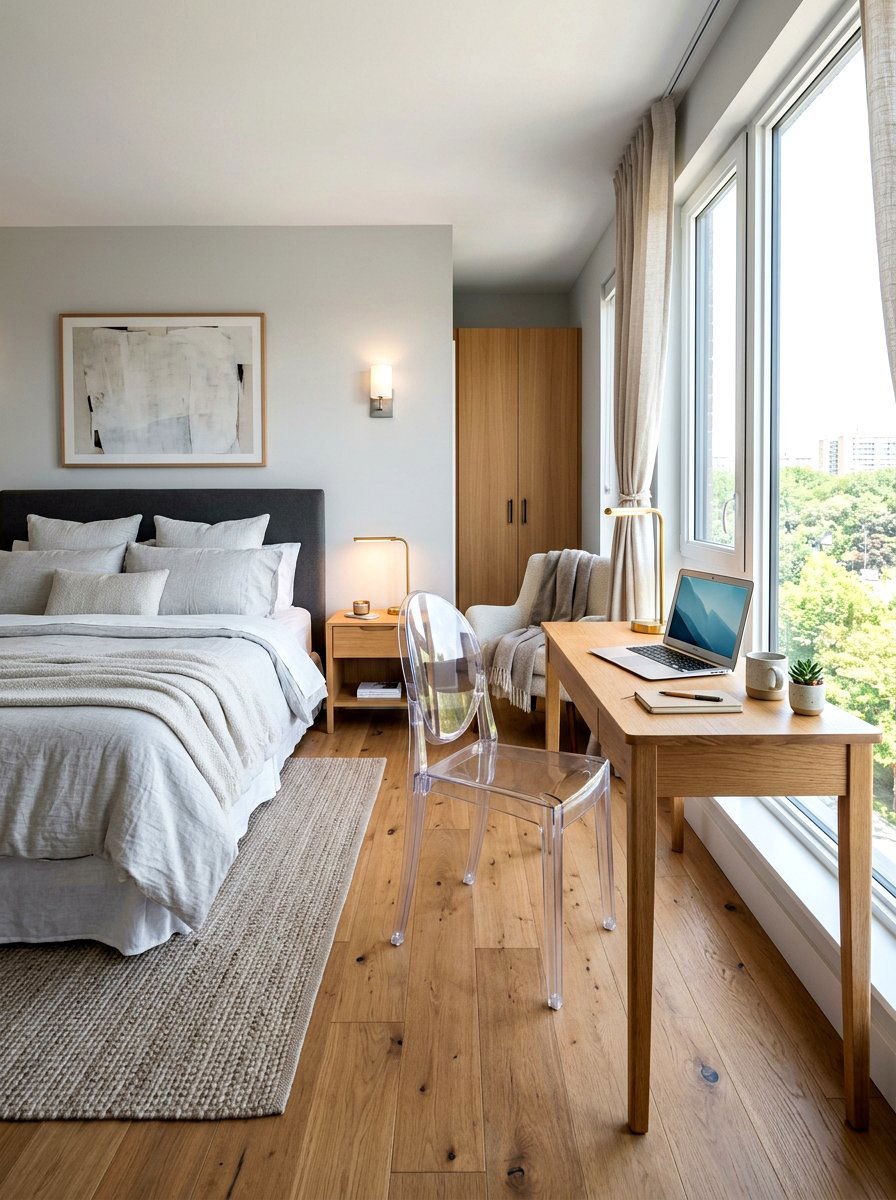
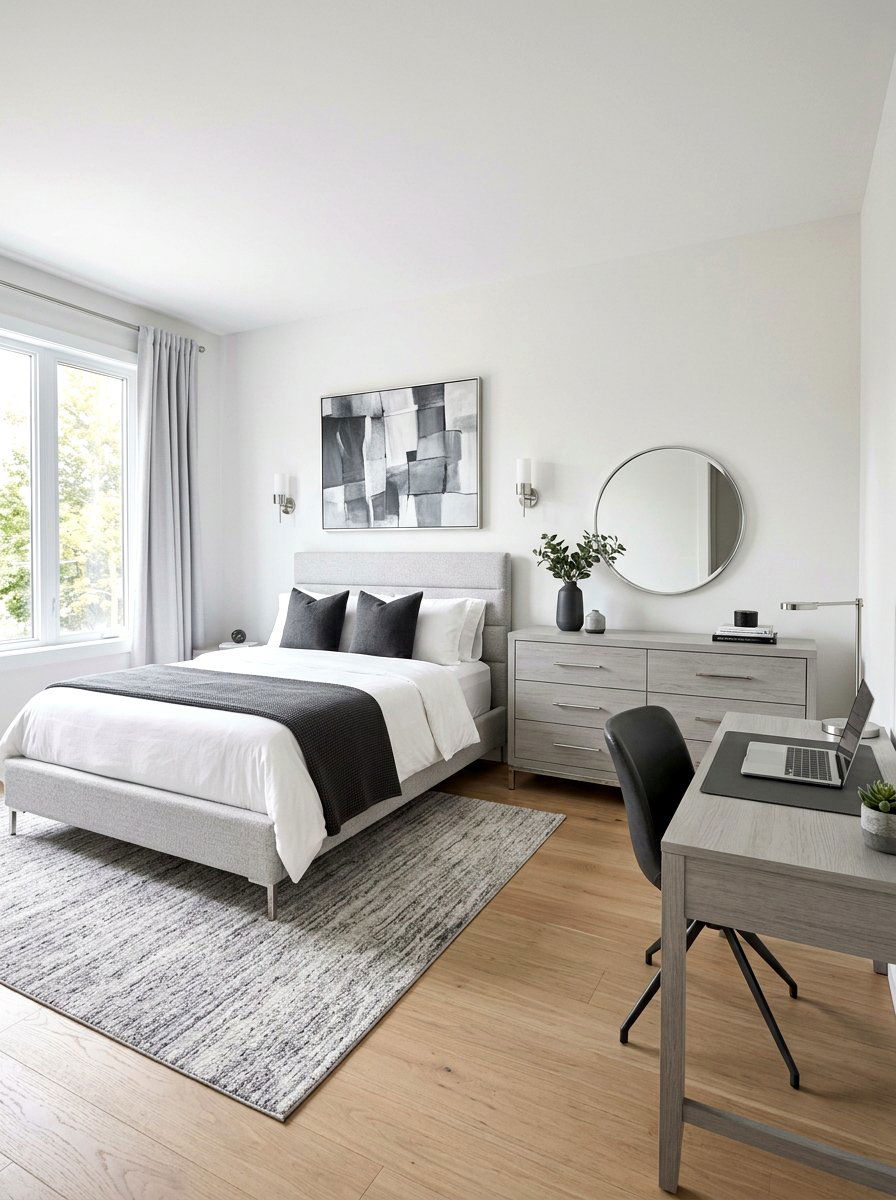
Integrating a workspace into a small master bedroom is achievable when you utilize multi-functional furniture to save space. You can replace one traditional nightstand with a sleek, narrow desk that serves both as a vanity and a workstation. This dual-purpose arrangement keeps the room organized while providing a dedicated area for productivity without needing a separate home office. Choosing a ghost chair or a slim stool can help maintain an open feel by reducing visual bulk. Ensure the desk area has adequate lighting, such as a wall-mounted task light, to keep the surface clear for your laptop and notebooks.
3. Bed Against The Window Layout
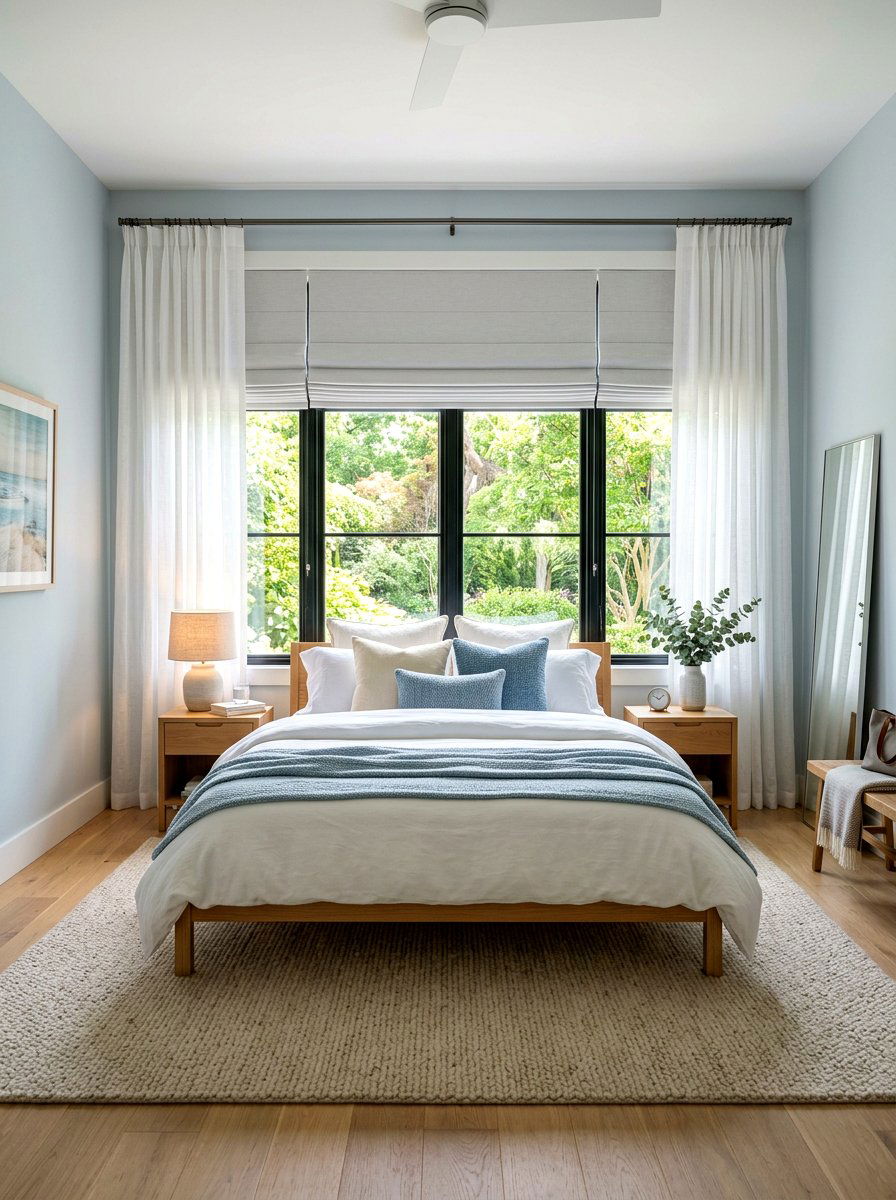
Positioning your bed directly under or against a large window can create a beautiful focal point in a cramped room. This layout allows natural light to flood the space, making the entire area feel significantly larger and more inviting during the day. It is important to use low-profile headboards or even a headboard-less frame to avoid blocking the view or the sunlight entirely. Layering window treatments like sheer curtains with blackout shades provides both privacy and a soft, textured backdrop for your sleeping area. This configuration often frees up other walls for essential storage units like dressers or tall shelving.
4. Bedroom With Built In Wardrobes
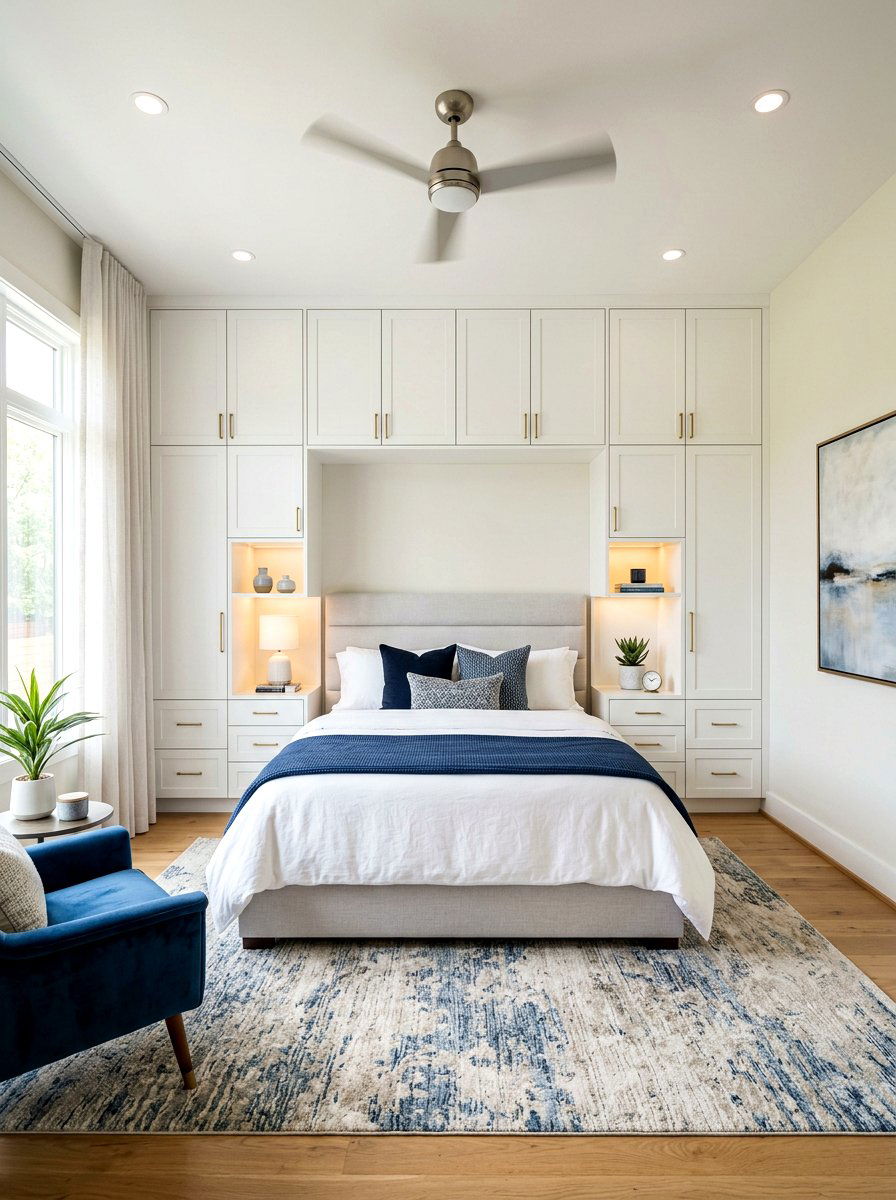
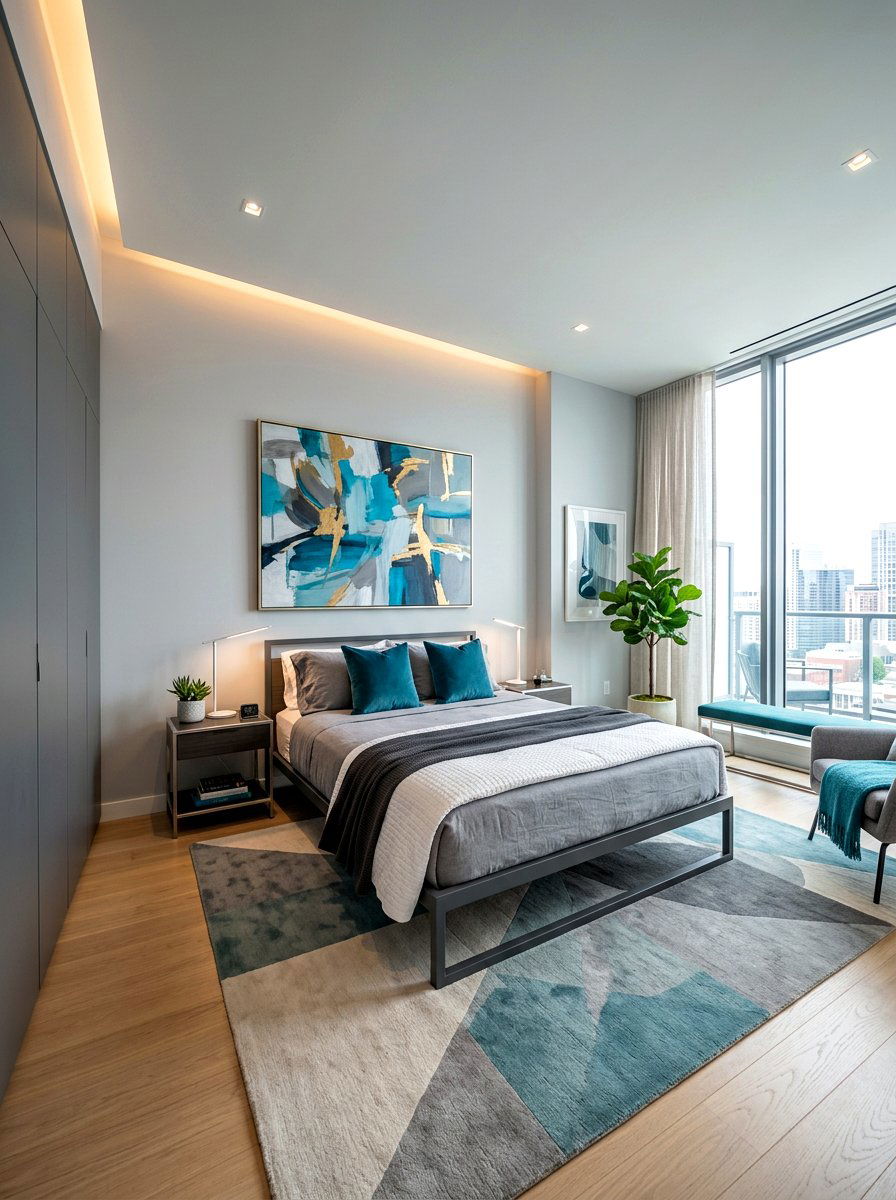
Custom built-in wardrobes are a game-changer for small master bedrooms because they utilize vertical space from the floor to the ceiling. By wrapping cabinets around the head of the bed or along a single wall, you eliminate the need for bulky freestanding dressers. This creates a streamlined, integrated look that makes the room feel much more organized and architecturally interesting. You can even include recessed niches within the cabinetry to serve as built-in nightstands, further saving valuable floor real estate. Choosing light-colored finishes for the wood helps the large storage unit blend seamlessly into the walls for a clean finish.
5. Loft Style Master Bedroom
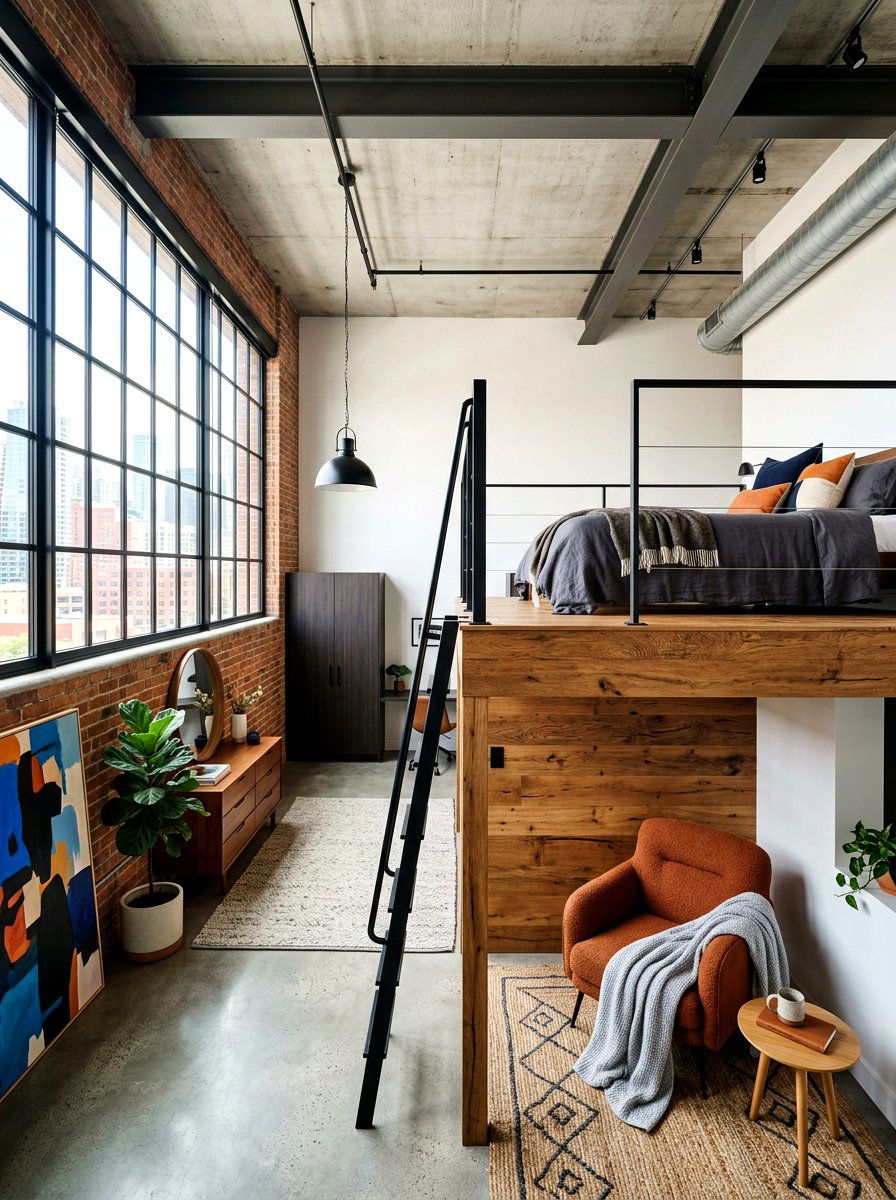
If your master bedroom has high ceilings, a lofted bed arrangement can effectively double your usable square footage in an instant. By raising the sleeping platform, you create a large open area underneath that can be used for a walk-in closet or a lounge. This vertical approach is perfect for urban dwellers living in studio-style spaces where every inch of floor space is at a premium. Adding a sturdy, stylish ladder or a set of storage stairs provides safe access while maintaining a modern aesthetic. It transforms the room into a multi-level retreat that feels adventurous, unique, and highly functional.
6. Minimalist Master Bedroom Arrangement
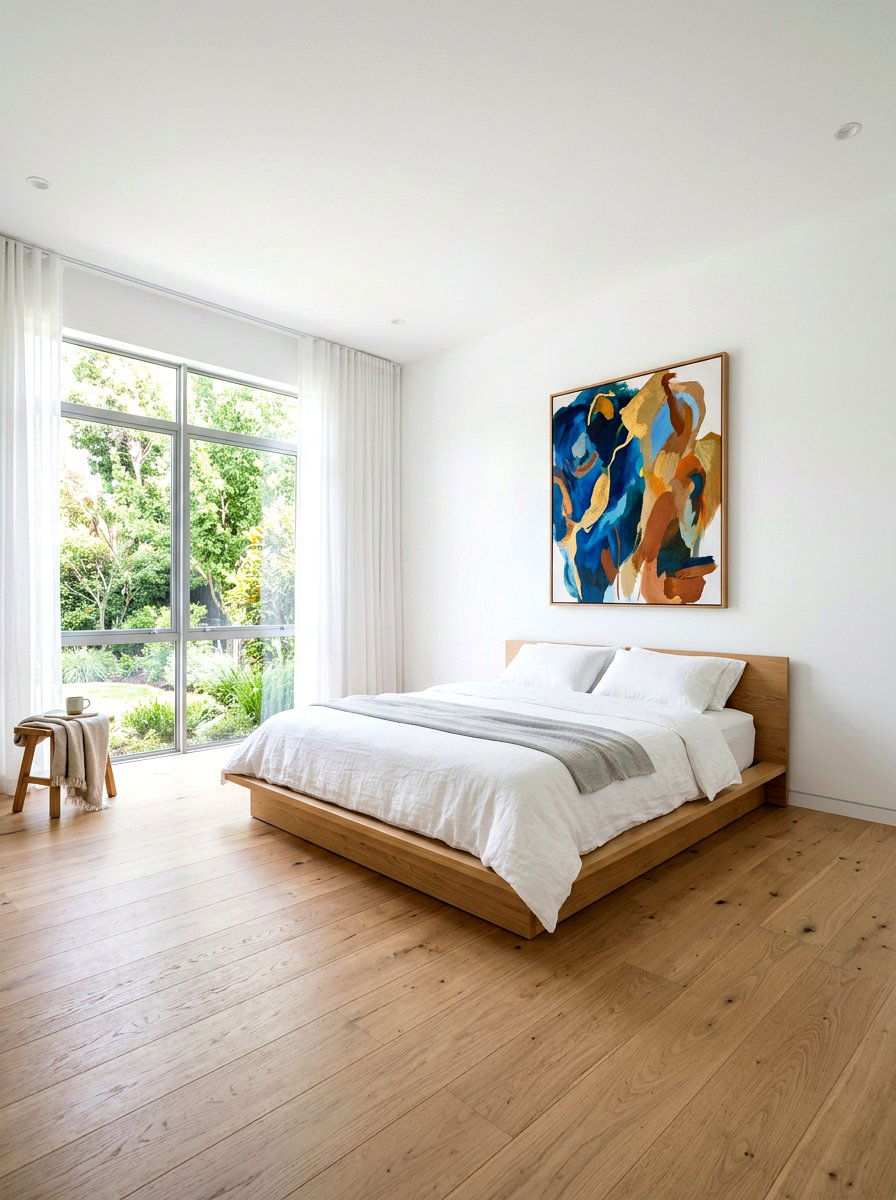
A minimalist layout focuses on the "less is more" philosophy to create a serene environment that feels incredibly spacious. Start by selecting a simple platform bed with clean lines and avoiding any unnecessary decorative furniture that might cause clutter. By keeping the floor mostly clear and using only essential pieces, you allow the room's architecture and natural light to take center stage. Neutral color palettes and hidden storage solutions, like drawers under the bed, help maintain this uncluttered and peaceful vibe. This arrangement is ideal for those who want a calm sanctuary free from the distractions of everyday life.
7. Corner Bed Placement Master Suite
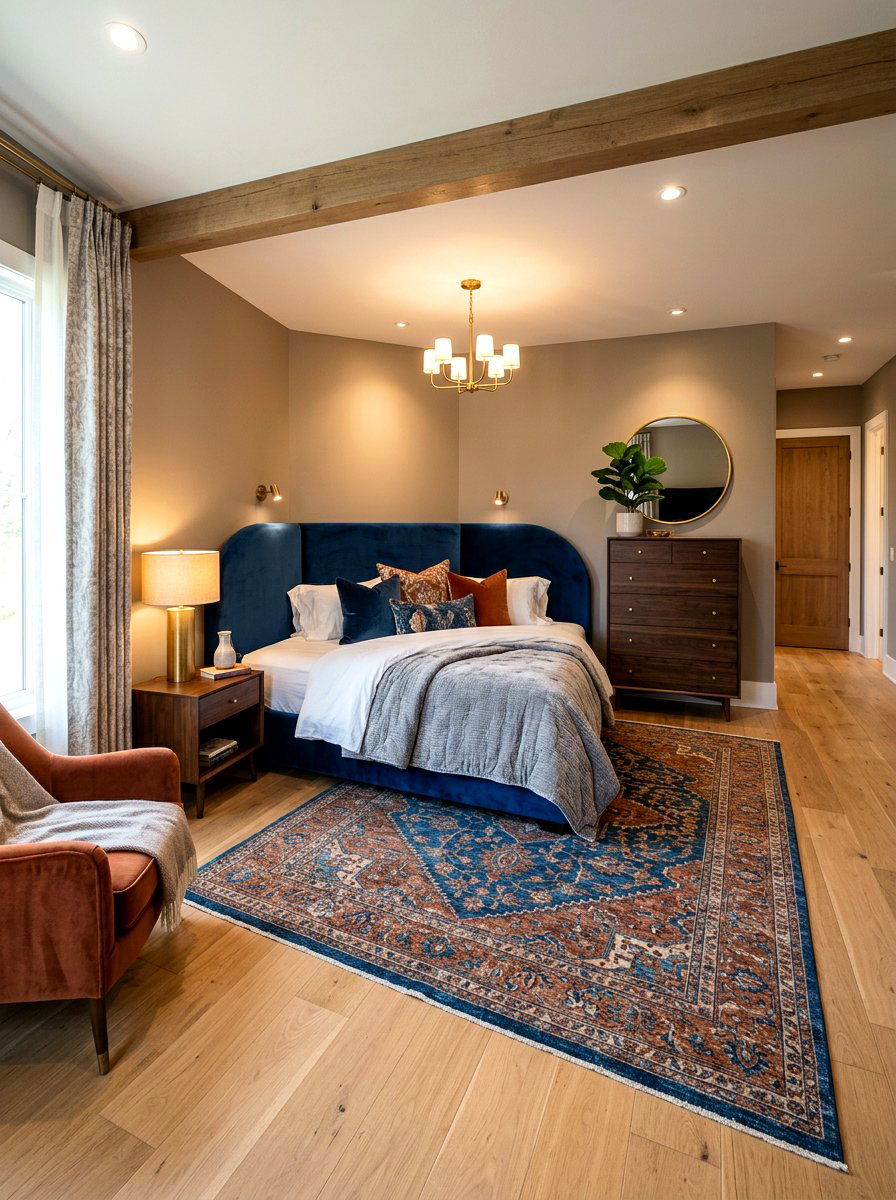
Tucking the bed into a corner is a practical solution for extremely narrow rooms where a centered bed would block movement. This arrangement opens up a larger area of the floor for a small armchair or a tall dresser, making the room more versatile. You can enhance this cozy nook by adding soft lighting or a wrap-around headboard to make the corner feel intentional and stylish. Using the walls as a support system allows you to create a snug, den-like atmosphere that feels very secure and comfortable. It is a smart way to handle awkward architectural features or small footprints.
8. Master Bedroom With Reading Nook
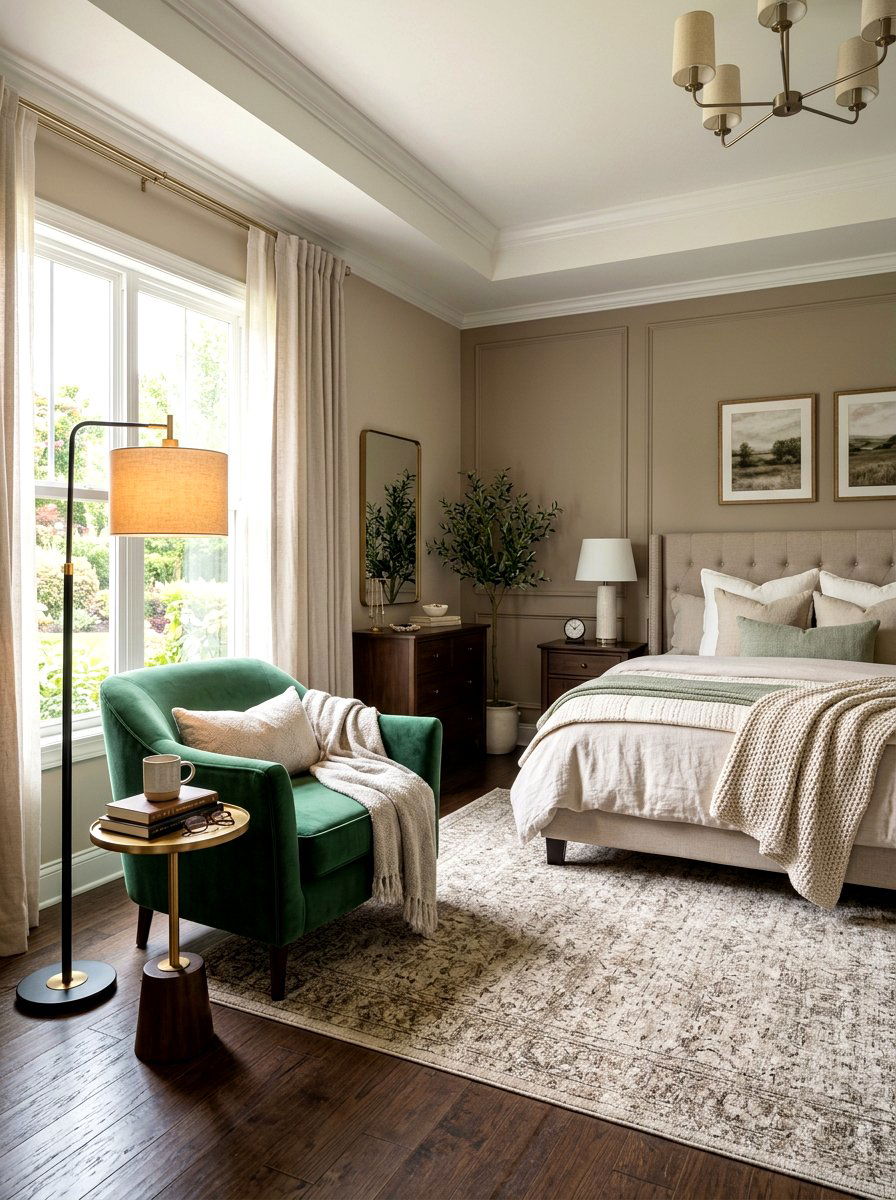
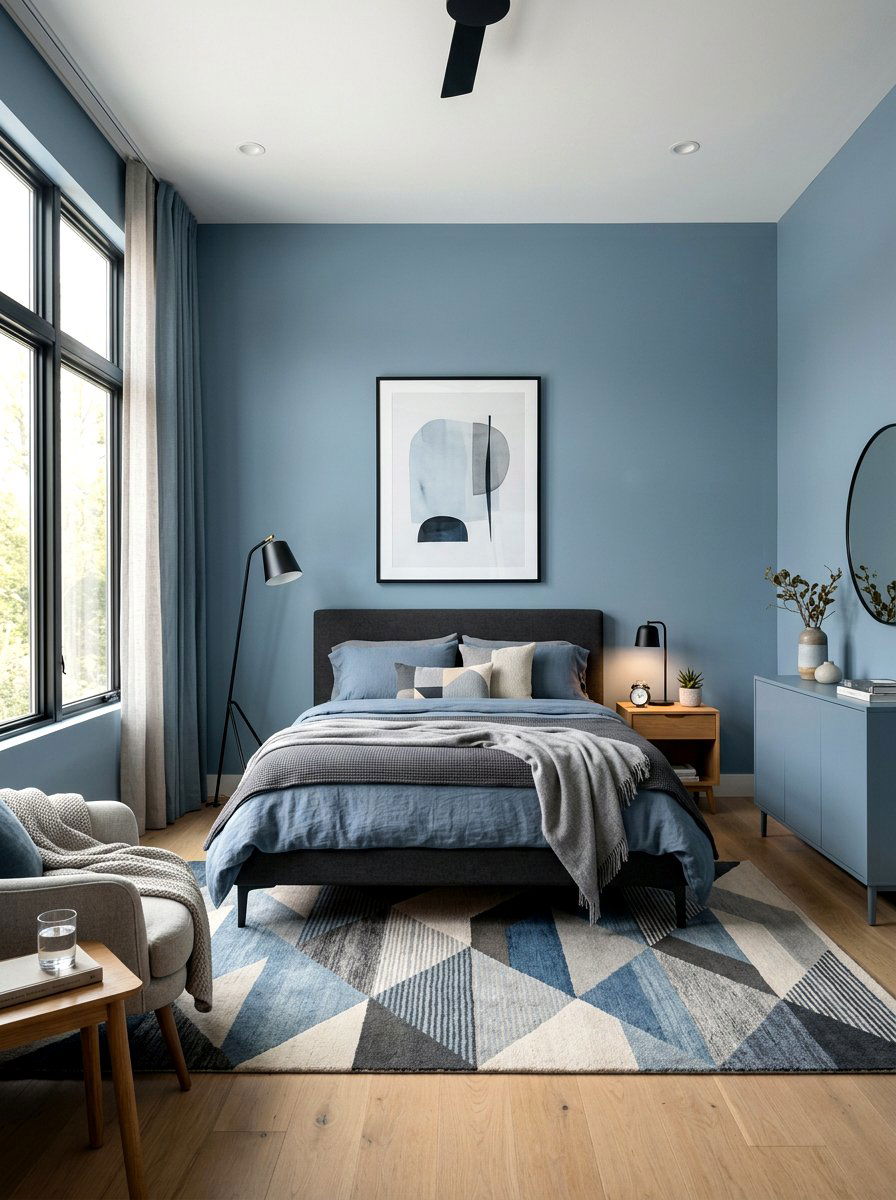
Even in a small bedroom, you can often find space for a dedicated relaxation corner by choosing scaled-down furniture. A petite velvet armchair paired with a small side table can turn a neglected corner into a cozy reading retreat. Position this nook near a window to take advantage of natural light, or add a slim floor lamp for evening sessions. This addition makes the master suite feel more luxurious and provides a secondary purpose for the room beyond just sleeping. Keeping the colors of the nook consistent with the bed ensures the small space feels cohesive and well-designed throughout.
9. Small Bedroom With Floating Furniture
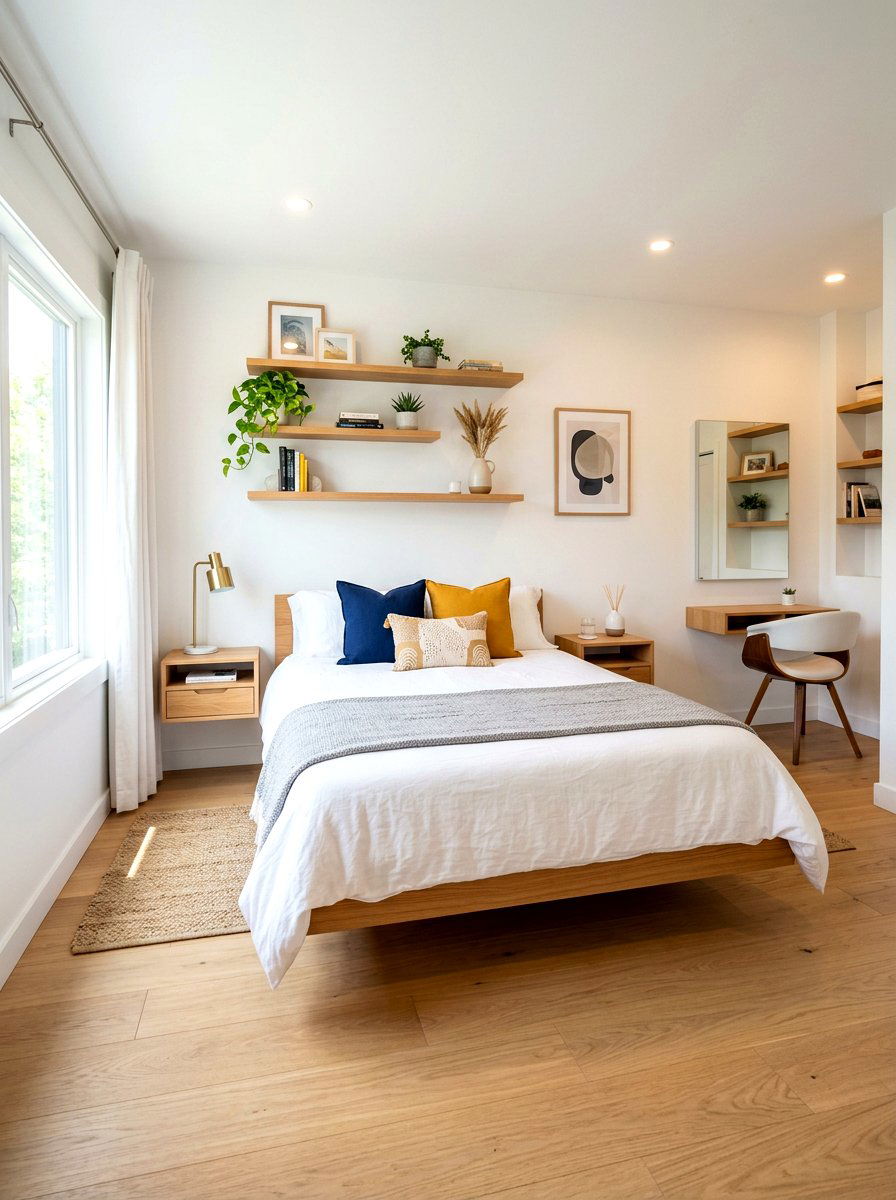
Using floating nightstands and wall-mounted shelves is an excellent trick to make a small master bedroom feel much more open. When you can see the floor extend all the way to the baseboards, the brain perceives the room as being larger than it is. These pieces provide all the necessary functionality for storage and display without the heavy visual weight of traditional furniture legs. You can arrange floating units at various heights to create a dynamic look while keeping your floor space clear for easy cleaning. This modern approach is perfect for contemporary homes where a sleek, airy aesthetic is preferred.
10. Symmetry In Small Master Bedroom
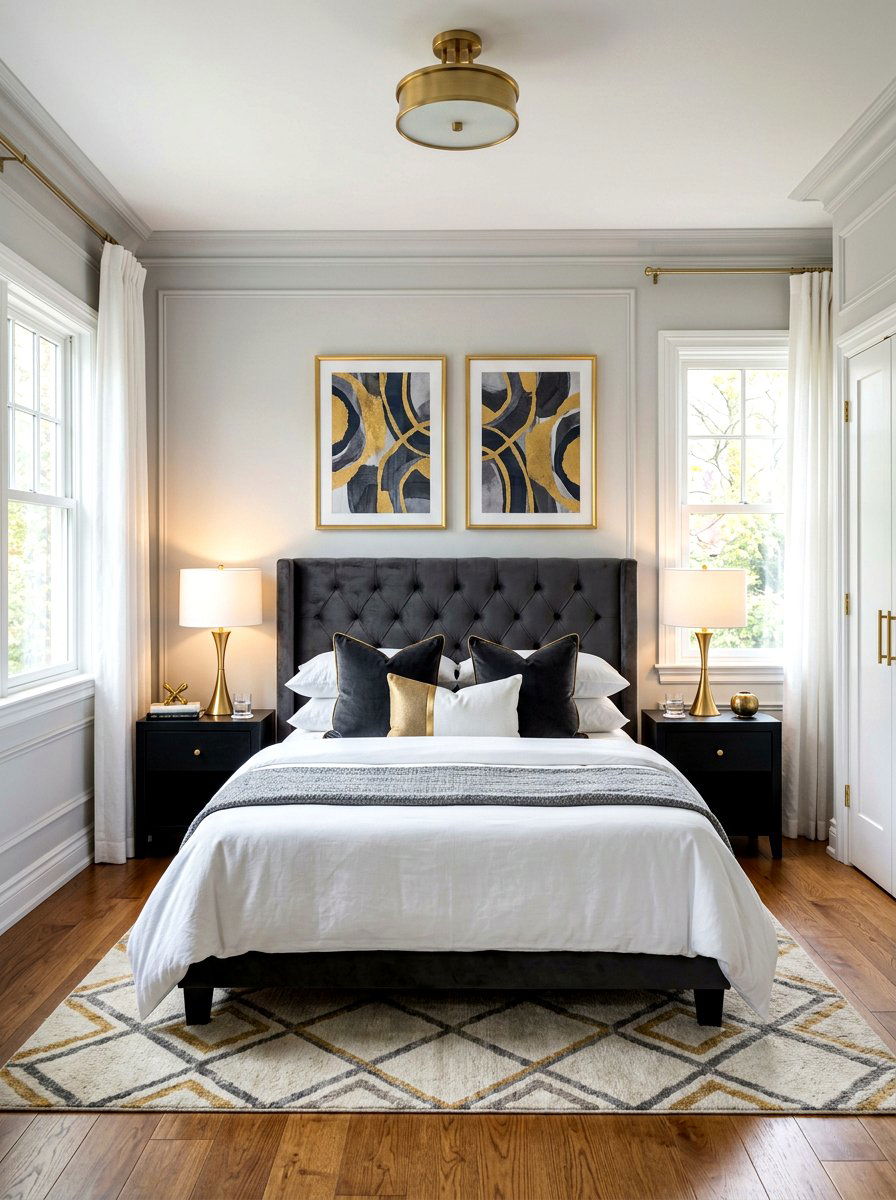
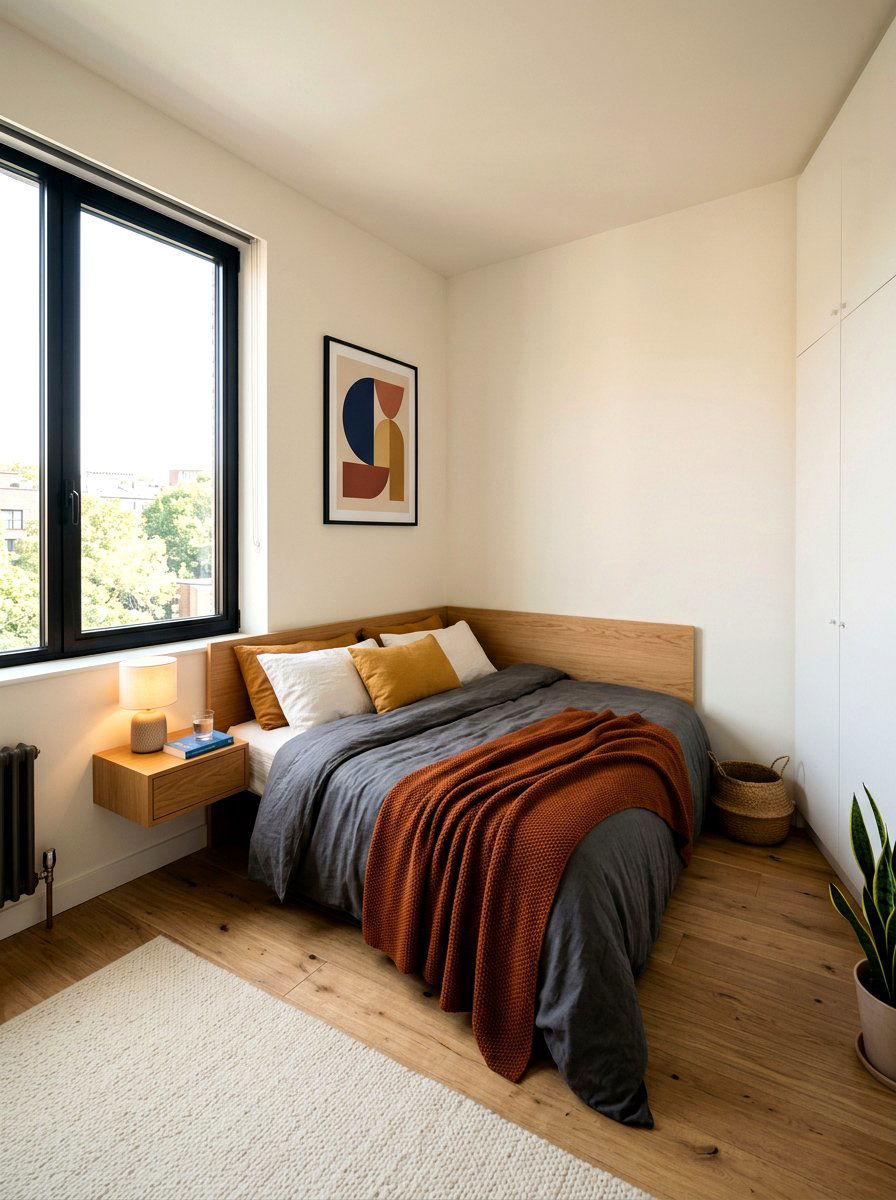
Creating a symmetrical layout is a classic design technique that brings a sense of order and balance to a tiny space. By centering the bed on a wall and flanking it with identical nightstands and lamps, you create a formal look. Symmetry helps the eye process the room more easily, which can make a cluttered or small area feel more peaceful. This balanced arrangement works exceptionally well in square rooms where you want to emphasize the bed as the primary focal point. Choose matching artwork above each nightstand to further reinforce the cohesive and professional design of your master suite.
11. Master Bedroom With Walk In Closet
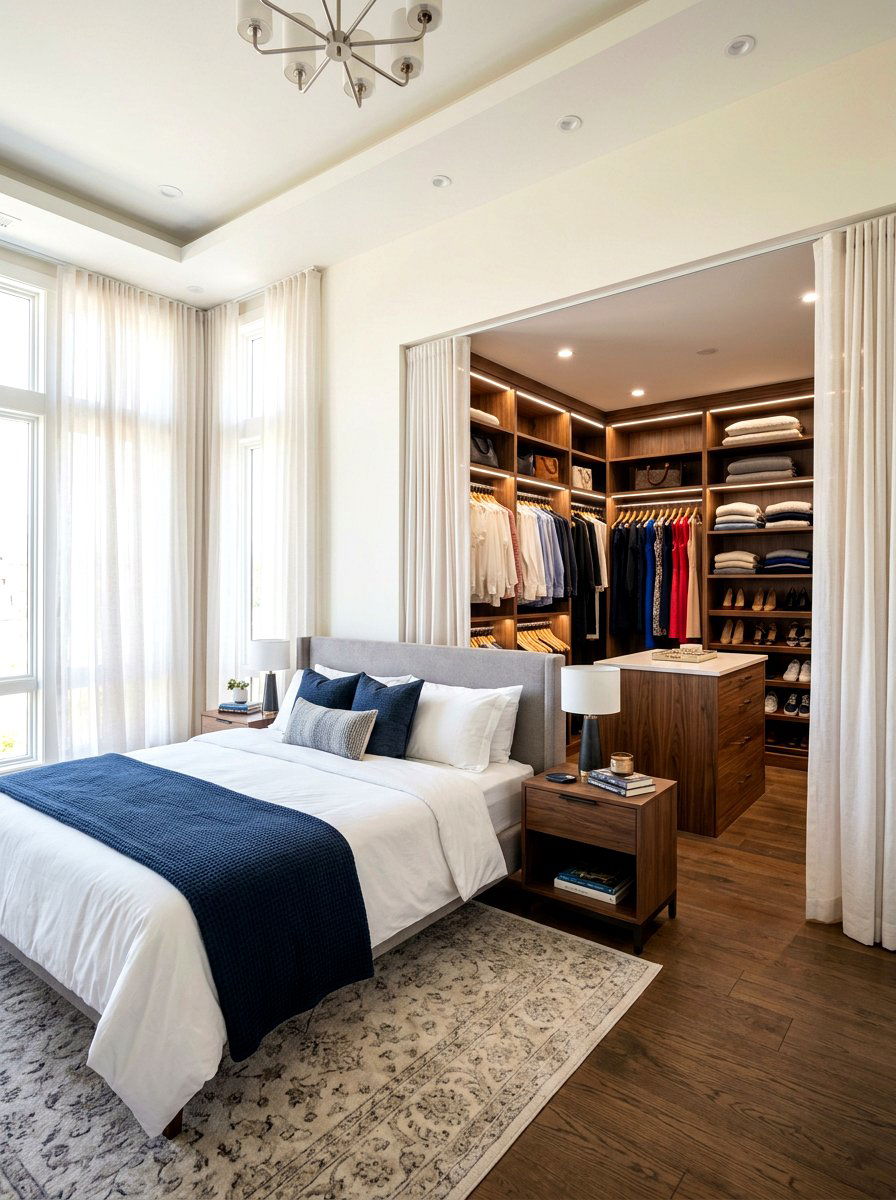
If your small master bedroom is adjacent to a closet, you can maximize the layout by removing the doors for an open feel. Turning a standard closet into a walk-in system with organized shelving and lighting makes the room feel like a high-end boutique. You can also place the bed facing the open closet to create a sense of depth and luxury within the suite. If you prefer to hide the mess, consider using floor-to-ceiling curtains instead of heavy wooden doors to save on the swing space needed. This layout prioritizes organization and easy access to your wardrobe every single morning.
12. Master Bedroom With Murphy Bed
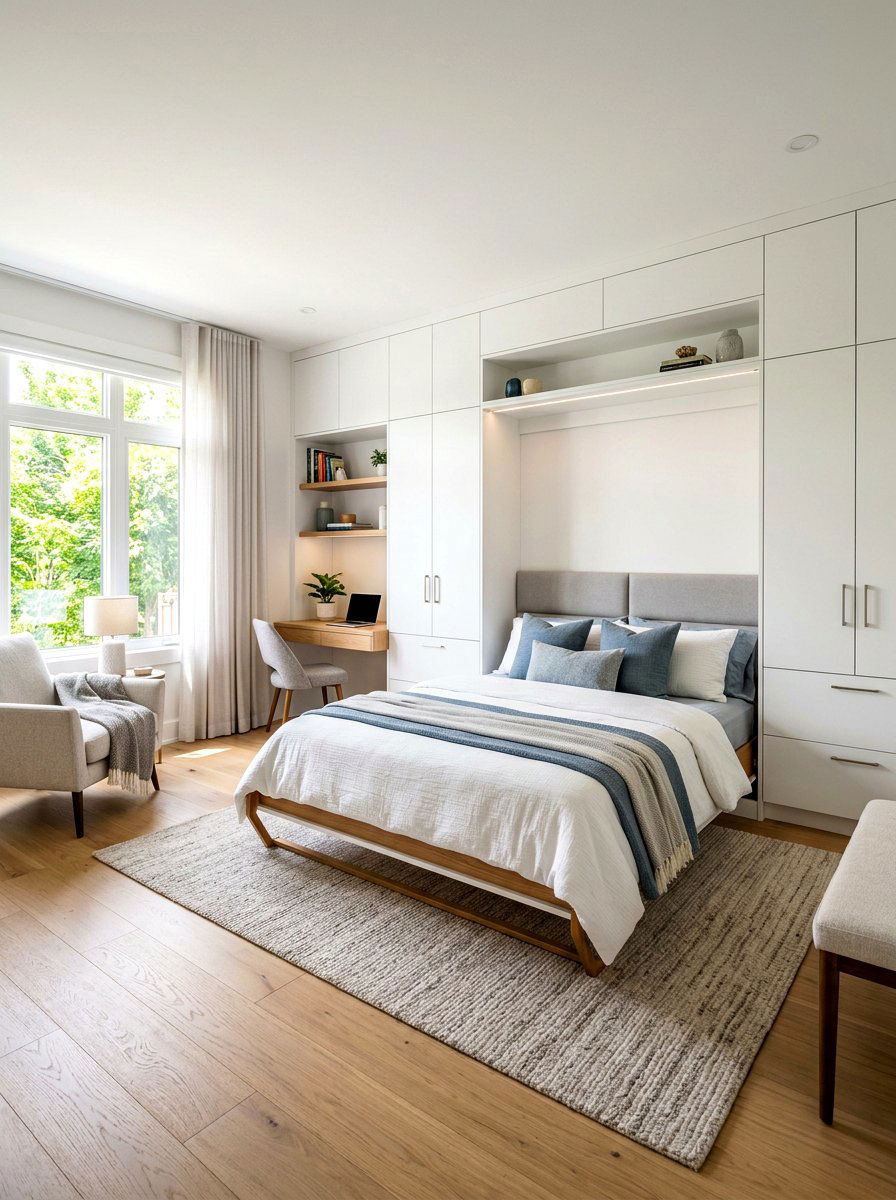
A Murphy bed is the ultimate space-saving solution for small master bedrooms that need to serve multiple functions throughout the day. When the bed is folded up into the wall, the room can transform into a spacious home office or a yoga studio. Modern Murphy bed designs often include built-in shelving or a fold-down desk on the exterior, adding even more utility to the piece. This layout is perfect for guest rooms that double as a master suite or for very small urban apartments. It allows you to enjoy a large, comfortable mattress without sacrificing your daytime floor space.
13. Long Narrow Master Bedroom Layout
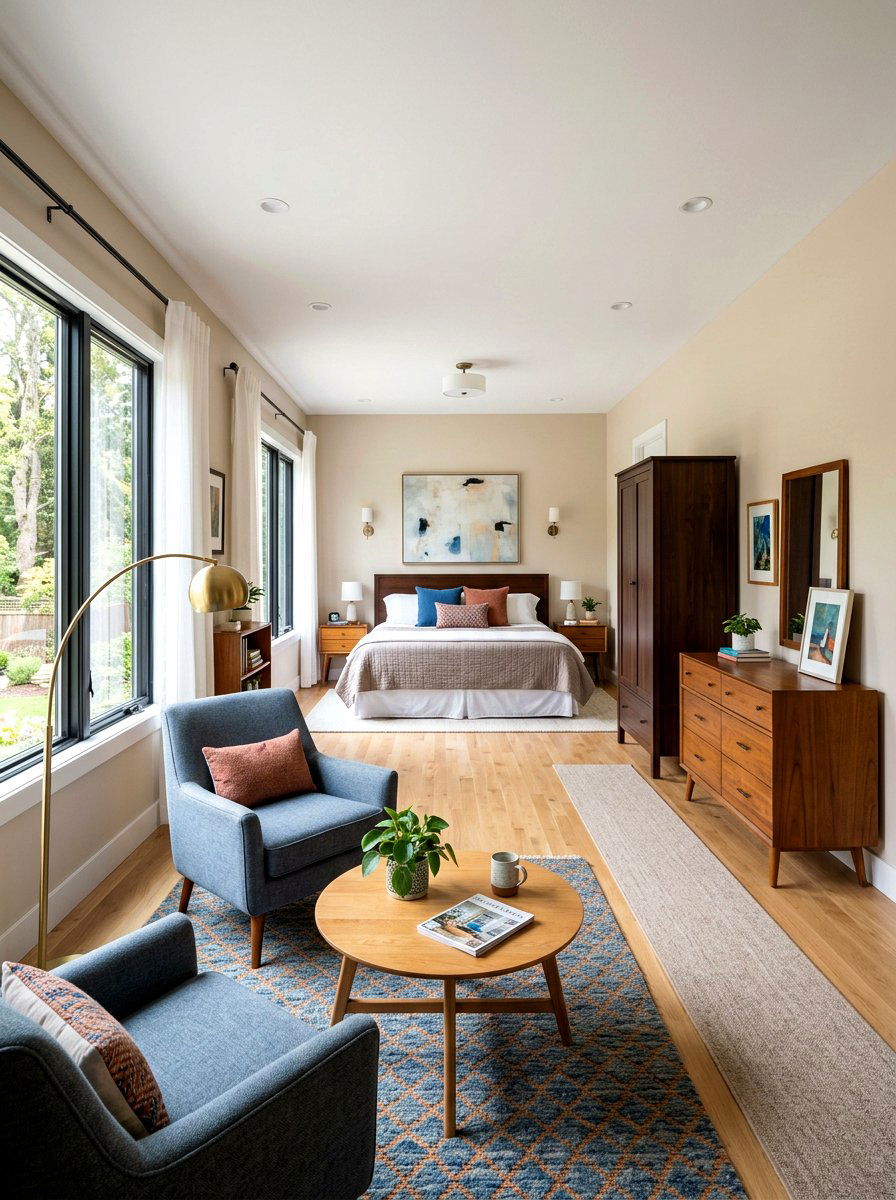
Designing a long and narrow room requires dividing the space into distinct zones to prevent it from feeling like a hallway. You can place the bed at one end of the room and use the remaining area for a lounge or dresser. Using a large area rug under the bed helps define the sleeping zone, while a different rug can mark the seating area. Avoid placing all the furniture against one long wall, as this can make the room feel unbalanced and even more cramped. Instead, try to vary the heights and depths of your pieces to create a more interesting flow.
14. Master Bedroom With Vertical Storage
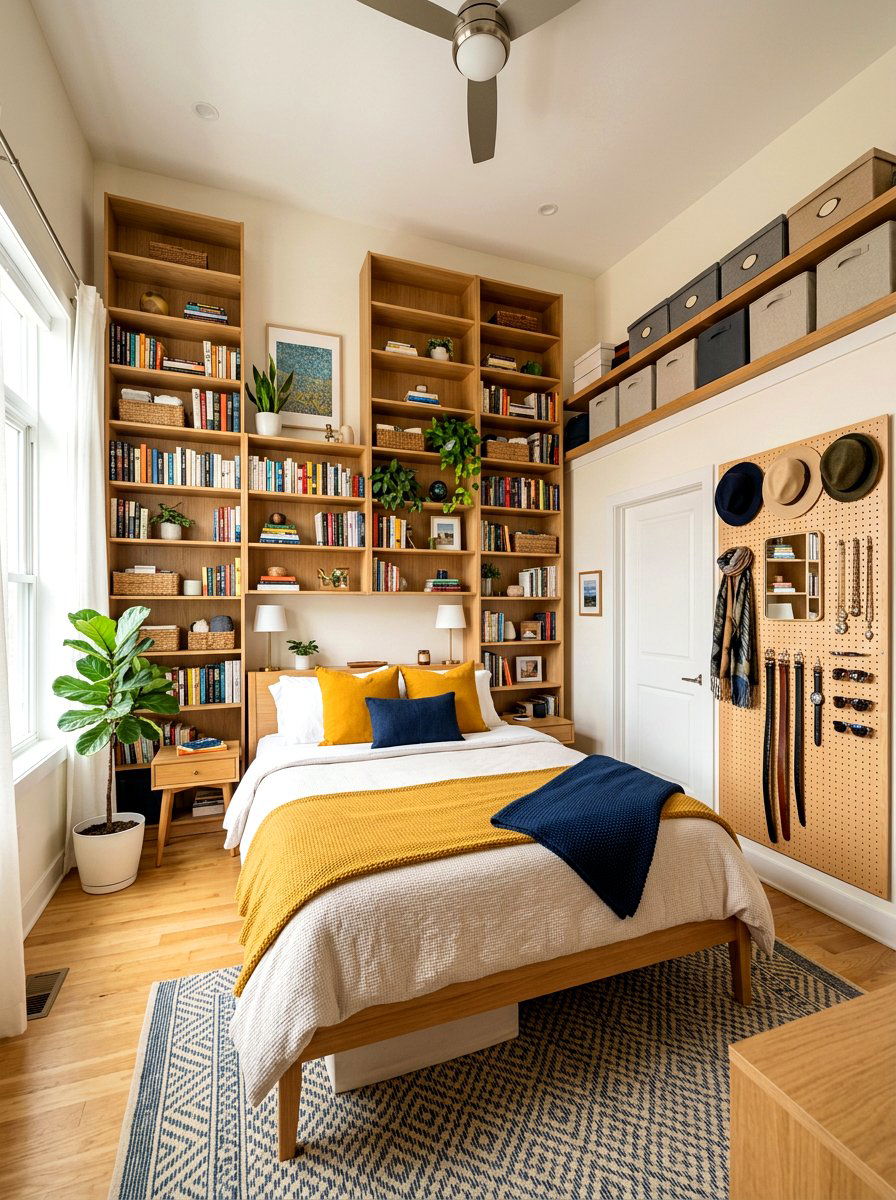
When floor space is limited, the only way to go is up by utilizing the full height of your bedroom walls. Installing tall bookshelves or a floor-to-ceiling pegboard system provides ample storage for books, accessories, and decorative items without taking up much room. You can also use the space above the door for a hidden shelf to store seasonal items like extra blankets or luggage. Vertical storage keeps your belongings organized and off the floor, which instantly makes the room feel more spacious and tidy. This approach is both practical and stylish, offering a way to showcase your personal personality.
15. Small Master Bedroom With En Suite
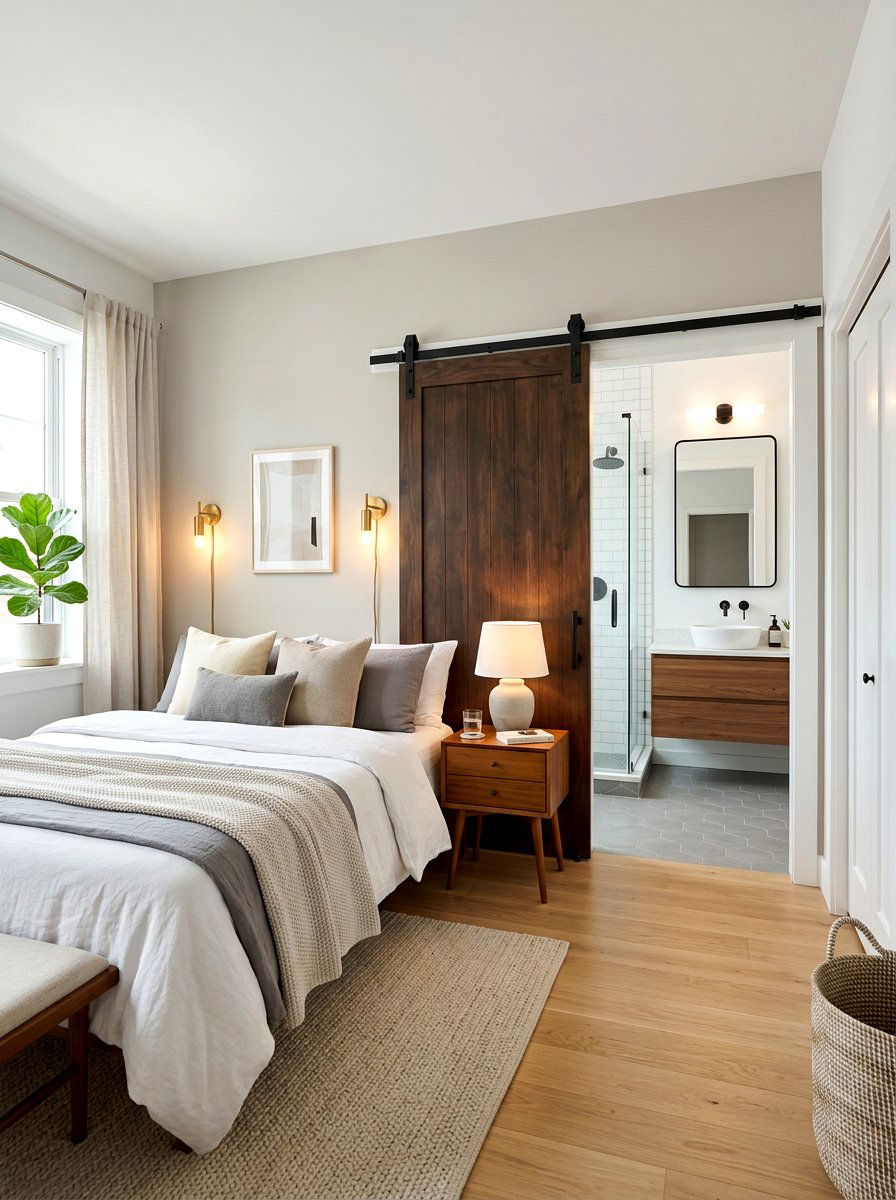
In a layout where the master bedroom connects directly to an en suite bathroom, maintaining a cohesive flow is very important. Use a similar color palette in both spaces to create a sense of continuity that makes the entire suite feel larger. You can save space by using a sliding barn door or a pocket door between the two rooms to eliminate door swing. Positioning the bed so it has a clear view of the bathroom entrance can make the space feel more connected and luxurious. This integrated design approach ensures that both areas work together harmoniously to provide a comfortable living experience.
16. Bed Centered On Long Wall
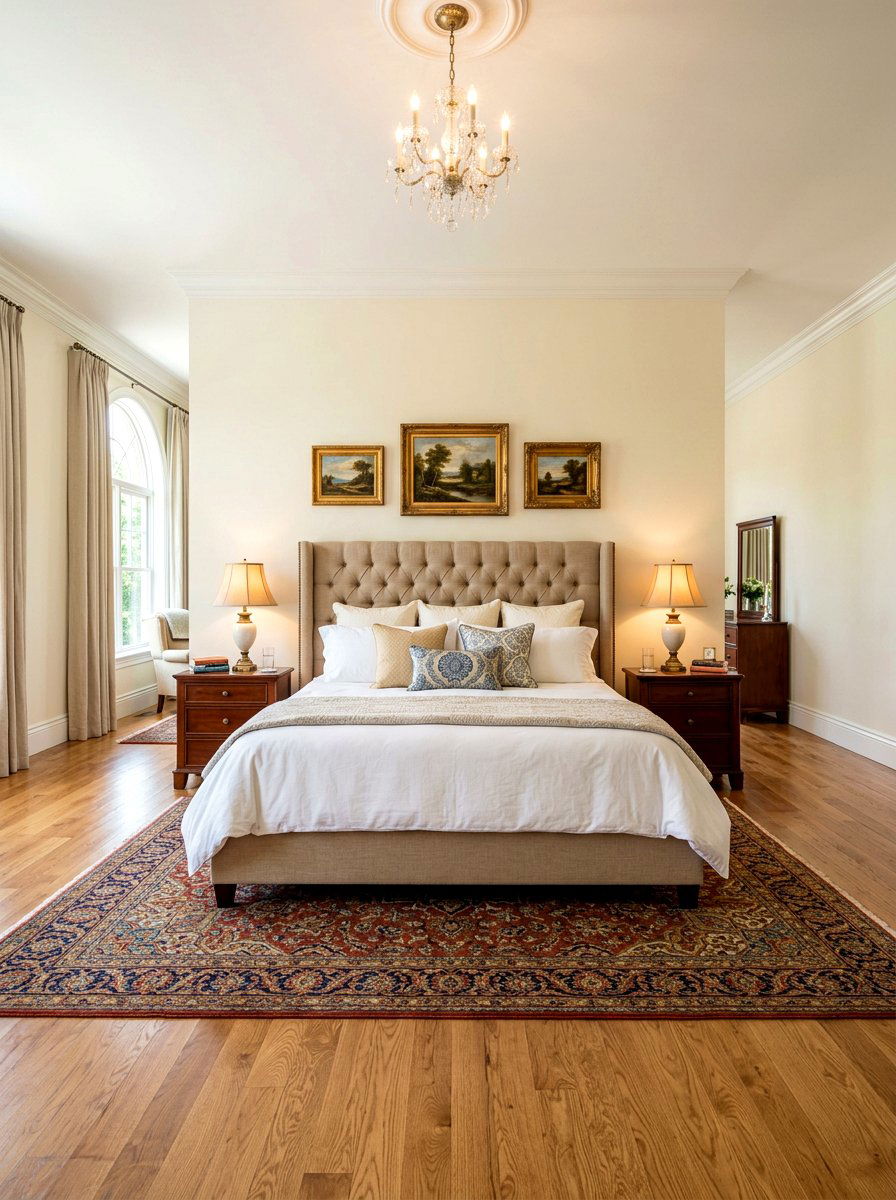
Centering the bed on the longest wall is the most traditional layout, and it works well for creating a sense of grandeur. This configuration provides ample room on either side of the bed for nightstands and allows for easy movement throughout the space. It is particularly effective if you have a beautiful headboard that you want to showcase as the main design element. By keeping the other walls relatively clear, you emphasize the sleeping area and create a very relaxing atmosphere. This layout is perfect for those who want a classic master bedroom feel within a smaller footprint of their home.
17. Bedroom With Sliding Closet Doors
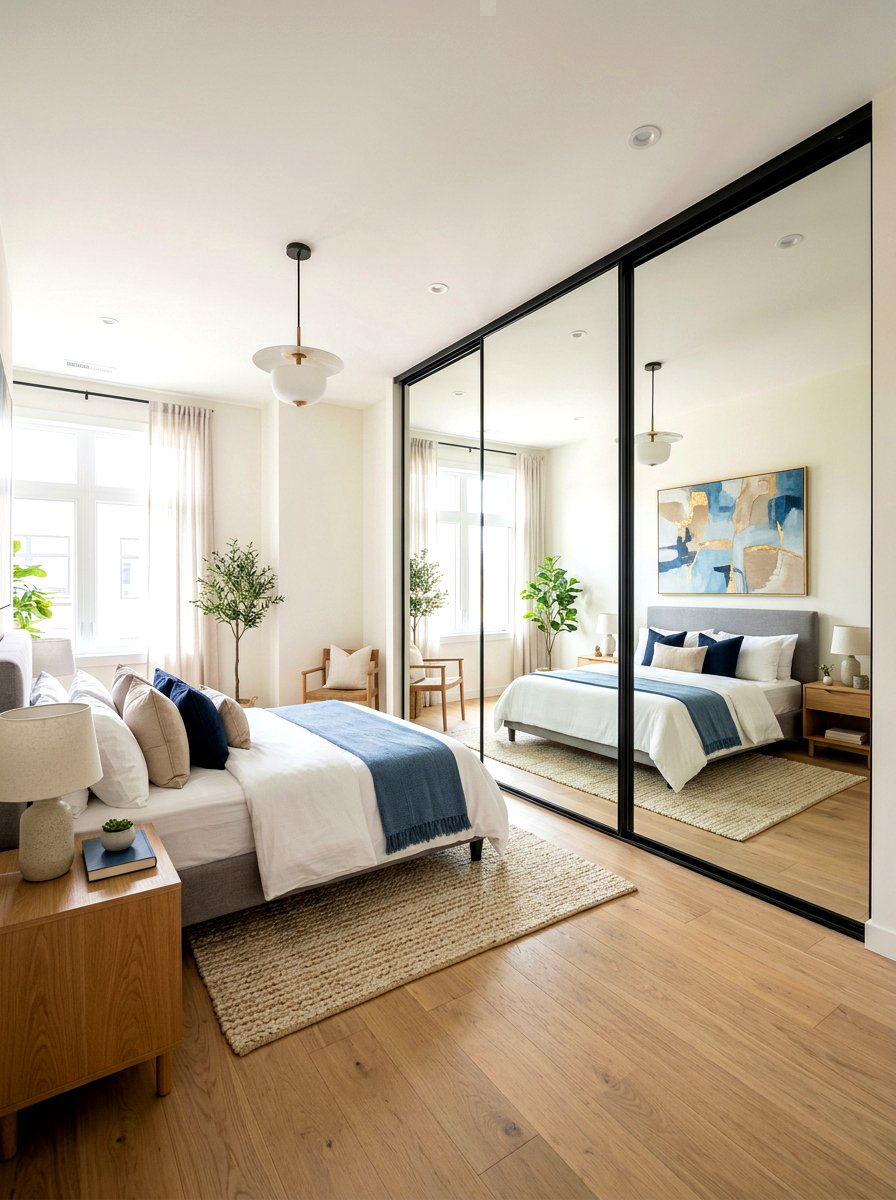
Replacing traditional swinging closet doors with sliding panels is a simple layout change that saves a surprising amount of floor space. This allow you to place furniture closer to the closet without worrying about door clearance, which is vital in tight quarters. You can choose mirrored sliding doors to further enhance the room by reflecting light and creating the illusion of more depth. Modern sliding systems come in various finishes, from frosted glass to reclaimed wood, allowing you to match your bedroom's style perfectly. This functional upgrade improves the overall flow and usability of your small master bedroom layout every day.
18. Master Bedroom With Ottoman Storage
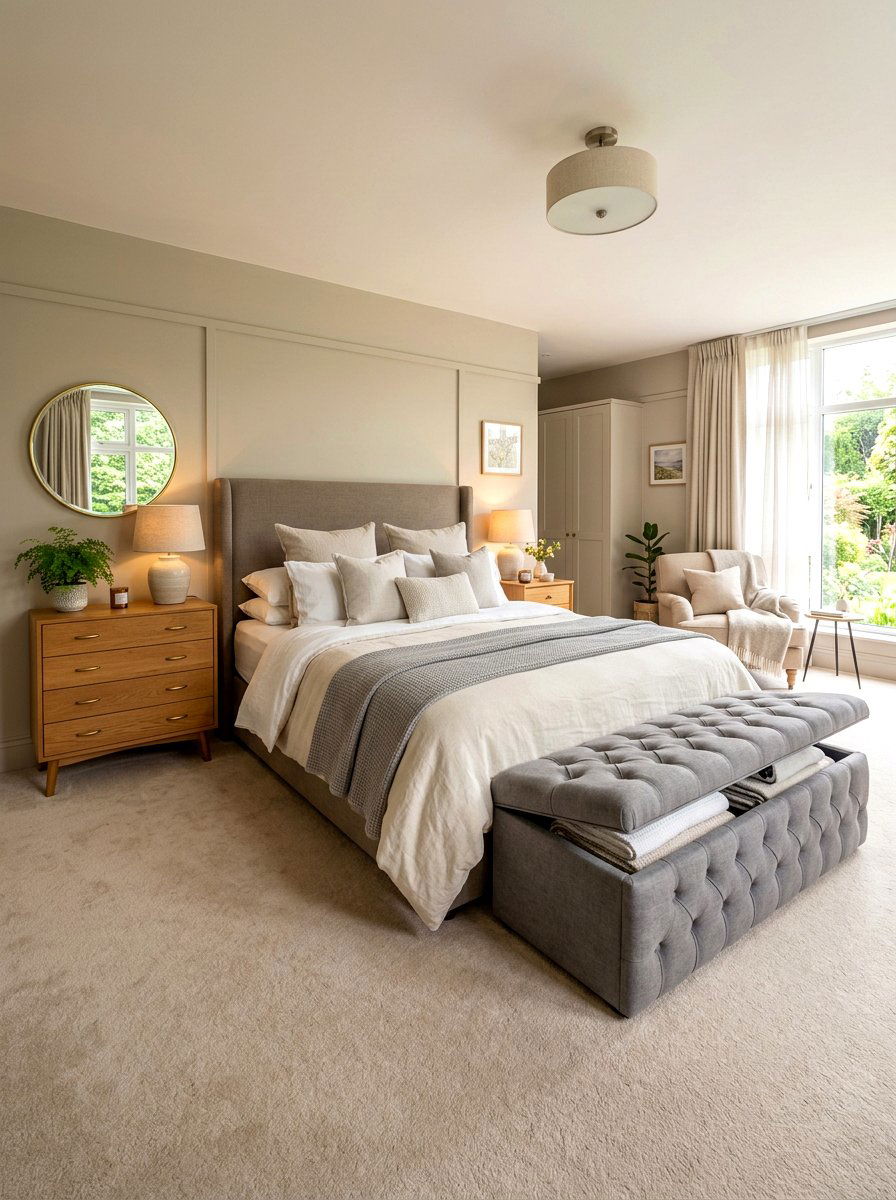
An upholstered storage ottoman at the foot of the bed is a versatile piece of furniture that adds both style and function. It provides a convenient place to sit while putting on shoes and offers hidden space for extra linens or pillows. In a small room, this multi-purpose item can often replace a bulky dresser, keeping the layout feeling much more open. Choose an ottoman with a slim profile and legs to maintain a sense of airiness underneath the piece of furniture. This addition brings a touch of luxury and extra organization to your master suite without taking up too much room.
19. Small Master Bedroom Rug Placement
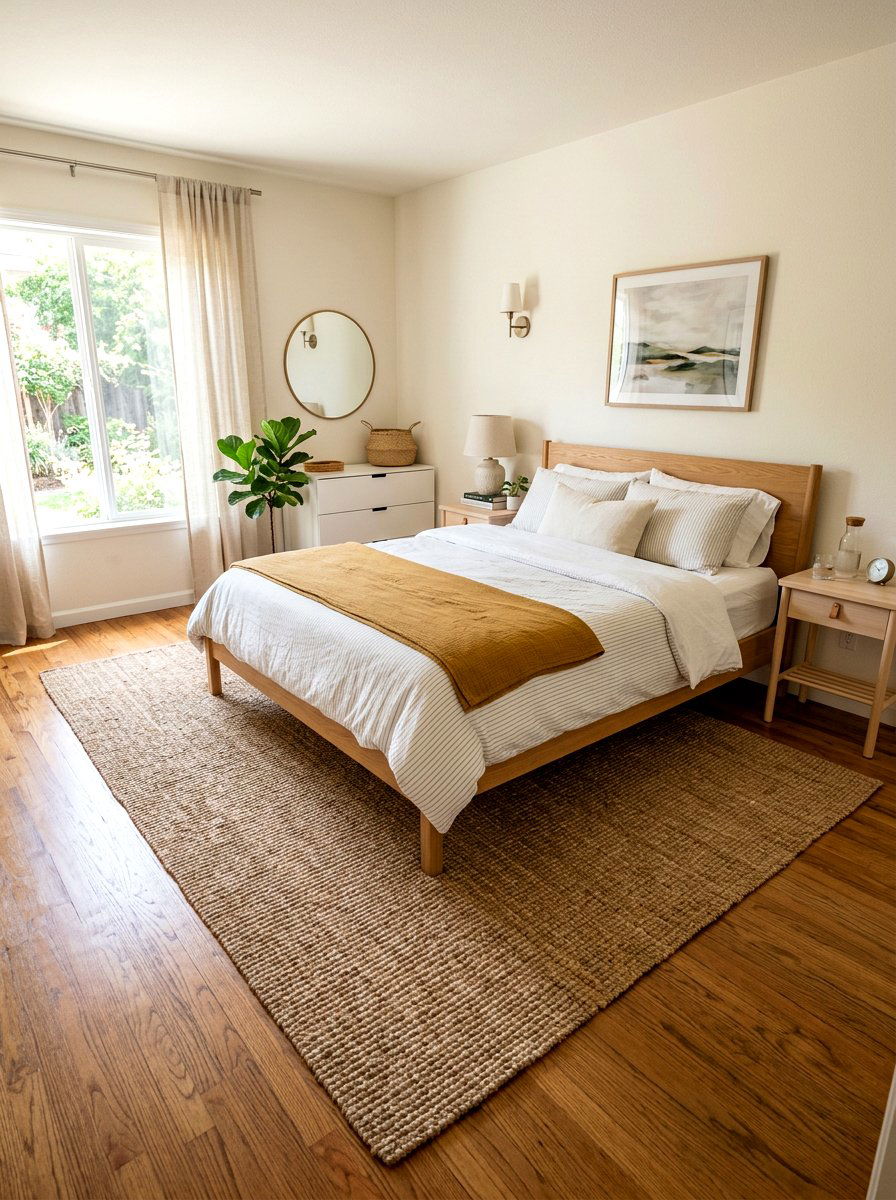
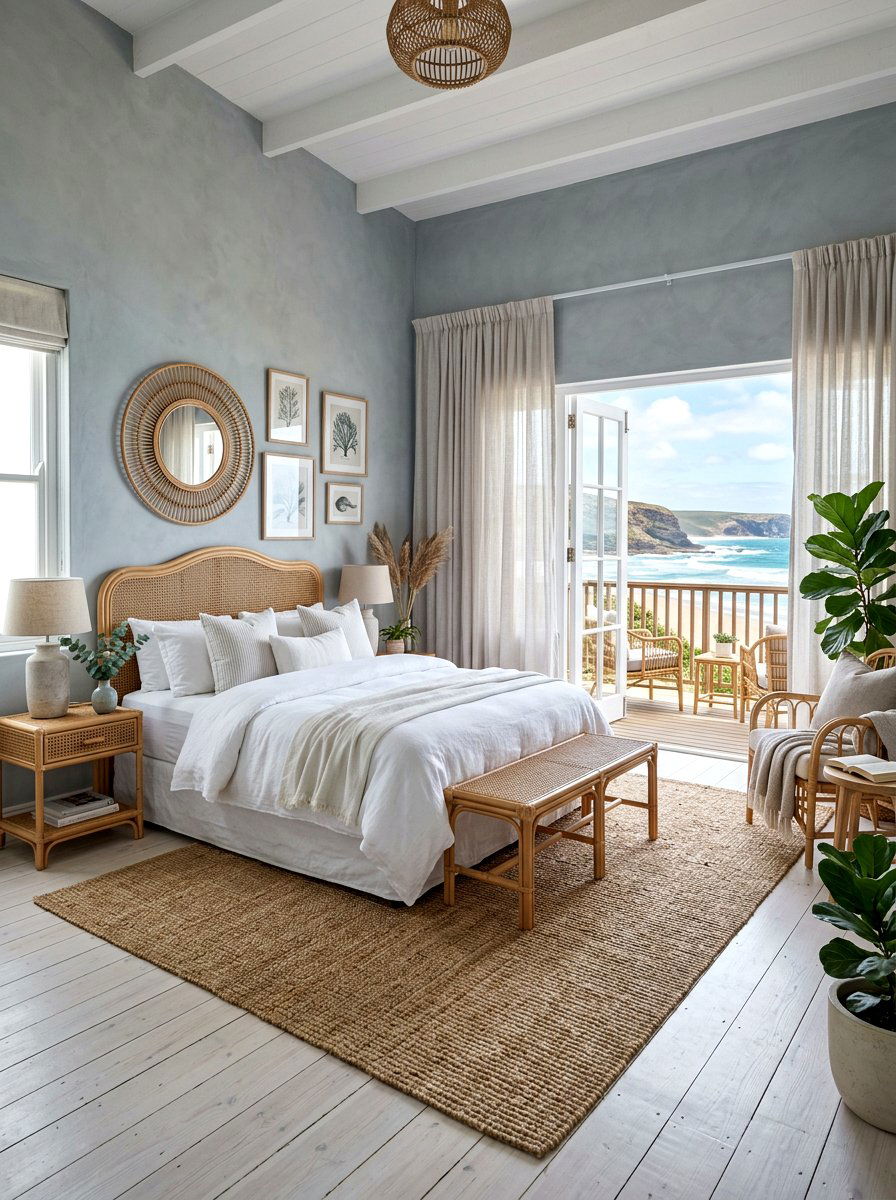
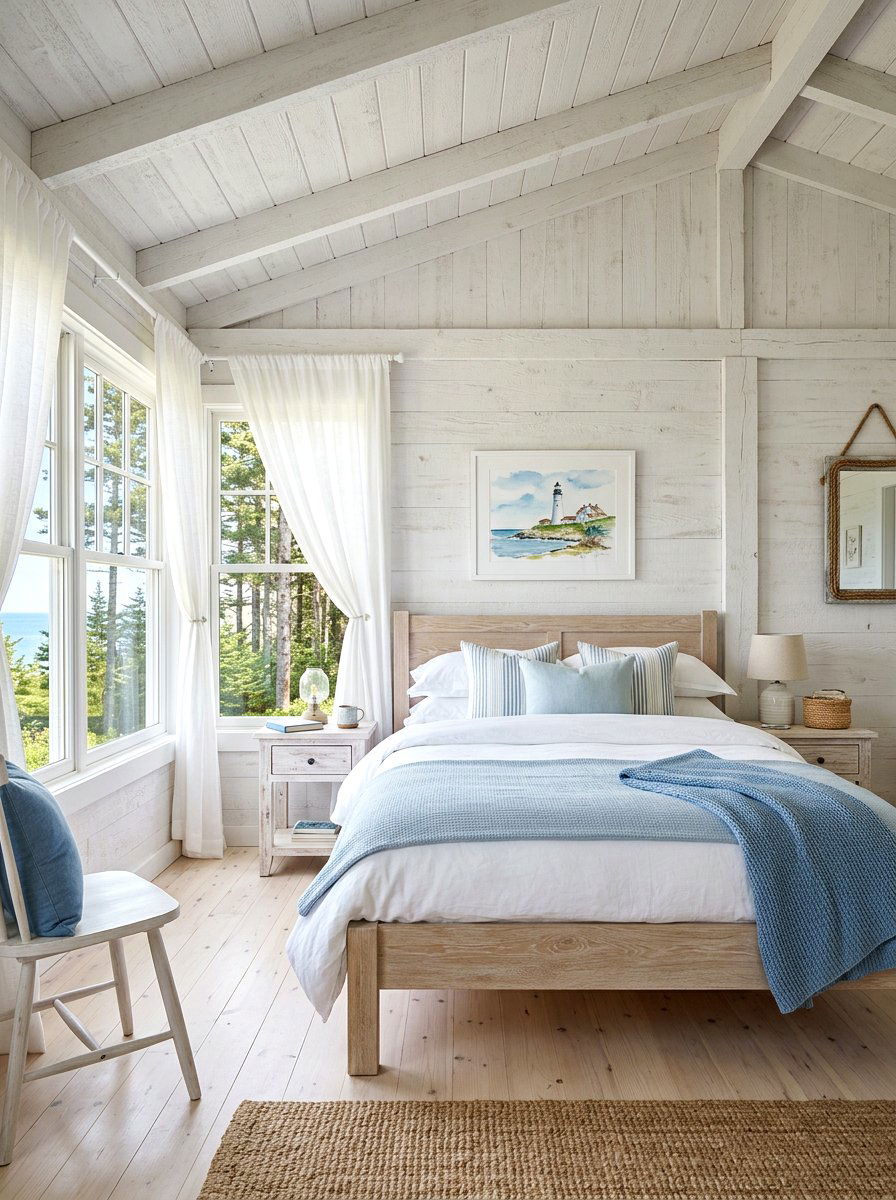
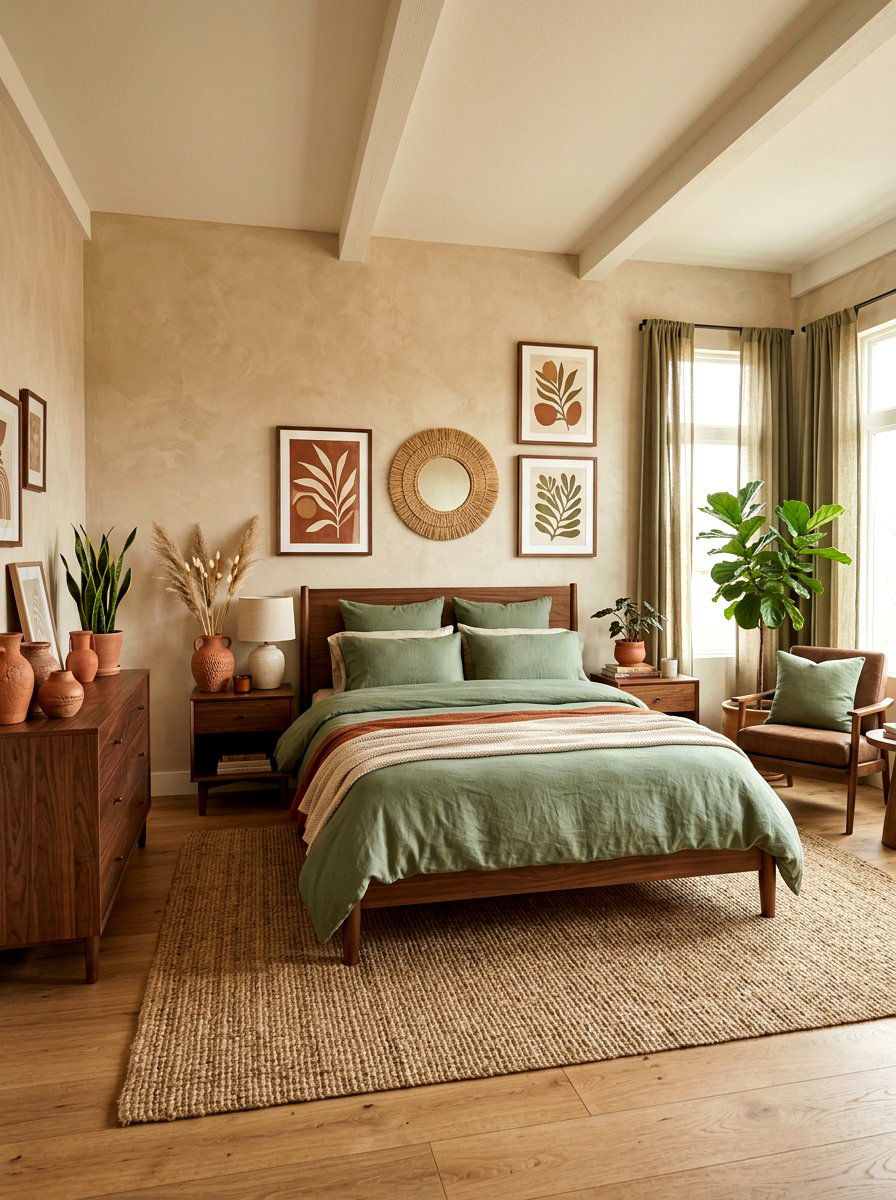
The way you place a rug can significantly impact how large or small your master bedroom feels to the naked eye. A large area rug that extends well beyond the sides and foot of the bed helps ground the furniture and defines the space. If the rug is too small, it can make the room look fragmented and much more cluttered than it actually is. Try to choose a rug with a subtle pattern or a solid color to keep the floor looking expansive and cohesive. This simple design choice adds warmth and texture while helping to visually organize the different areas of your bedroom.
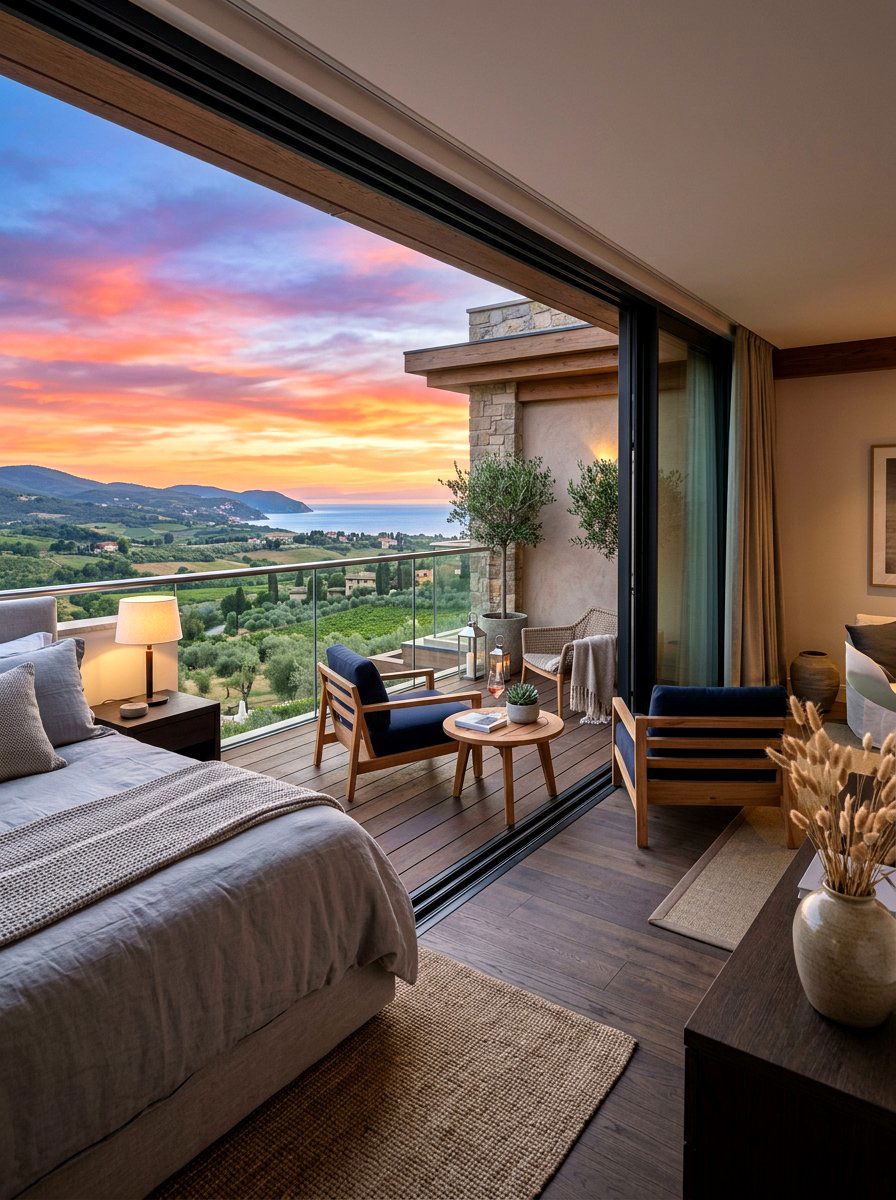
20. Bedroom With Layered Lighting Design
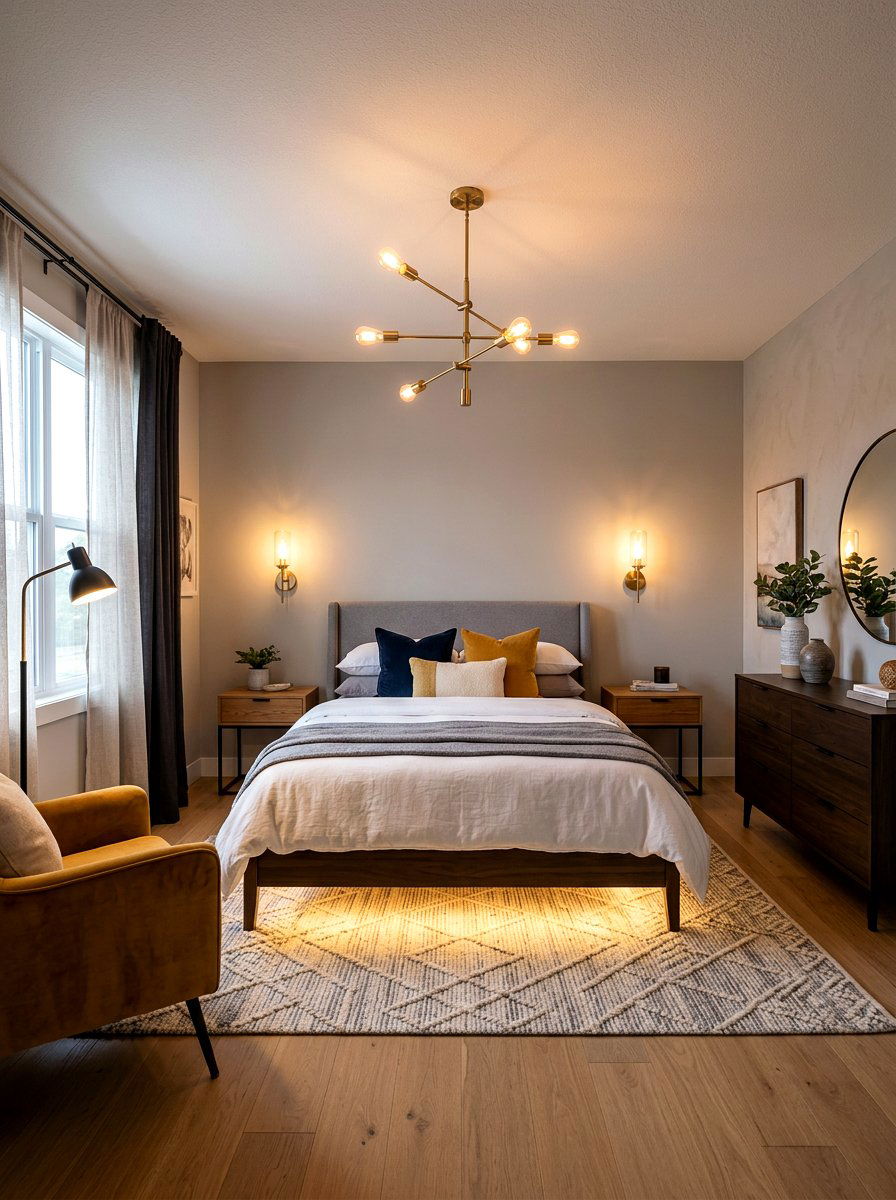
Effective lighting is crucial in a small master bedroom to prevent dark corners from making the space feel even more cramped. Instead of relying on a single overhead light, incorporate a mix of ambient, task, and accent lighting throughout the room. Wall-mounted sconces on either side of the bed free up nightstand space while providing perfect light for late-night reading sessions. Adding LED strips under the bed or behind a headboard can create a soft glow that makes the room feel larger and more modern. This layered approach allows you to adjust the mood and highlights the best features of your layout.
21. Master Bedroom With Mirrored Furniture
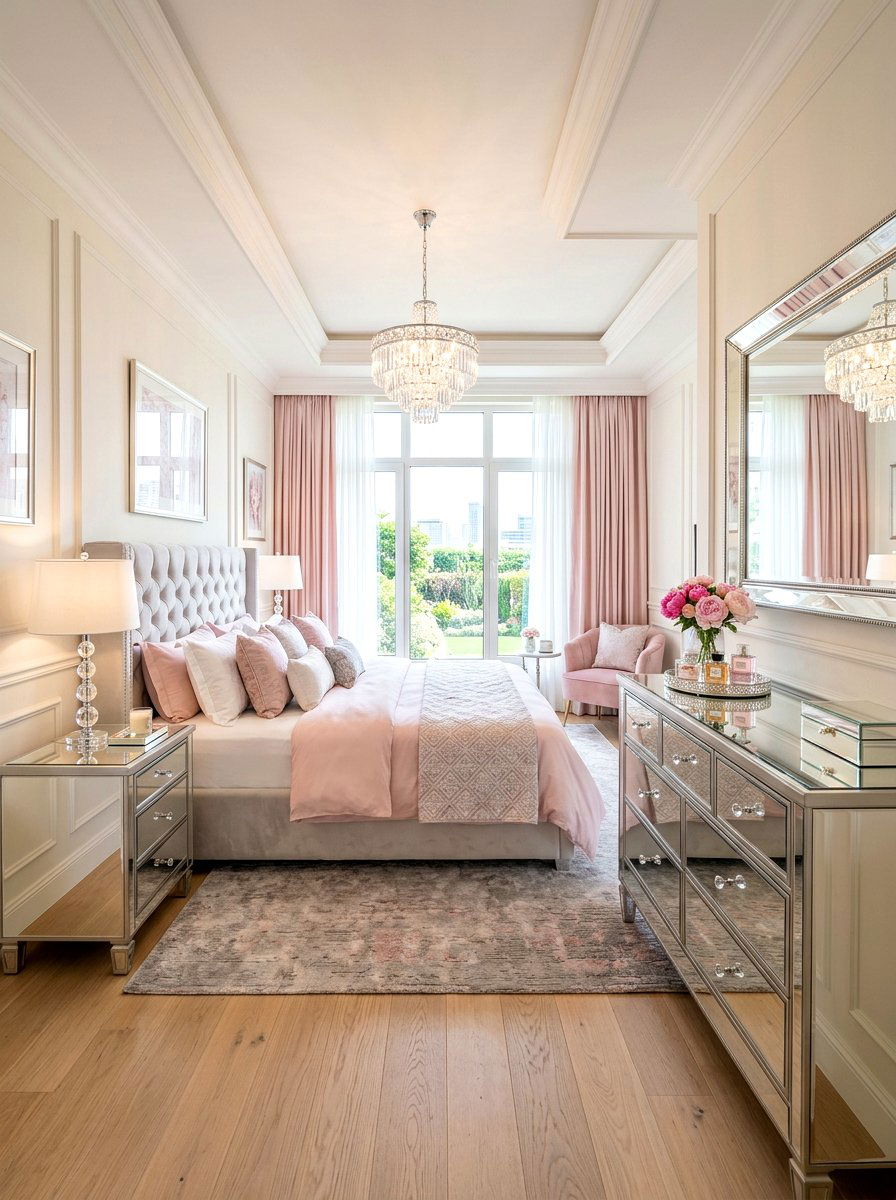
Mirrored furniture is a fantastic choice for small bedrooms because the reflective surfaces help bounce light around the entire room. A mirrored dresser or nightstand can almost disappear visually, making the space feel much more open and airy than traditional wood pieces. This style adds a touch of glamour and sophistication to your master suite while serving a very practical purpose in space-saving. Pair these reflective items with soft textiles and a neutral color palette to create a balanced and high-end look. It is a timeless design trick that works wonders in compact areas by tricking the eye effortlessly.
22. Small Bedroom With Accent Wall
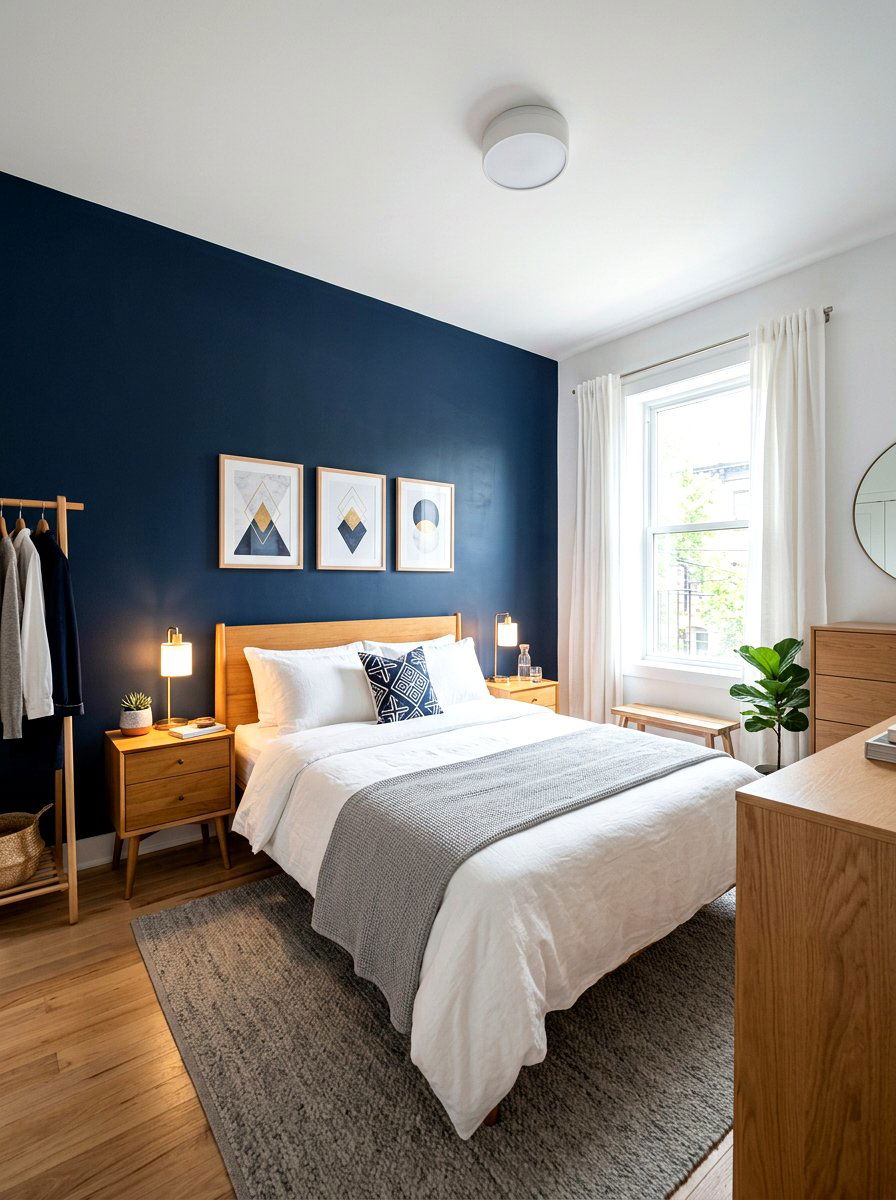
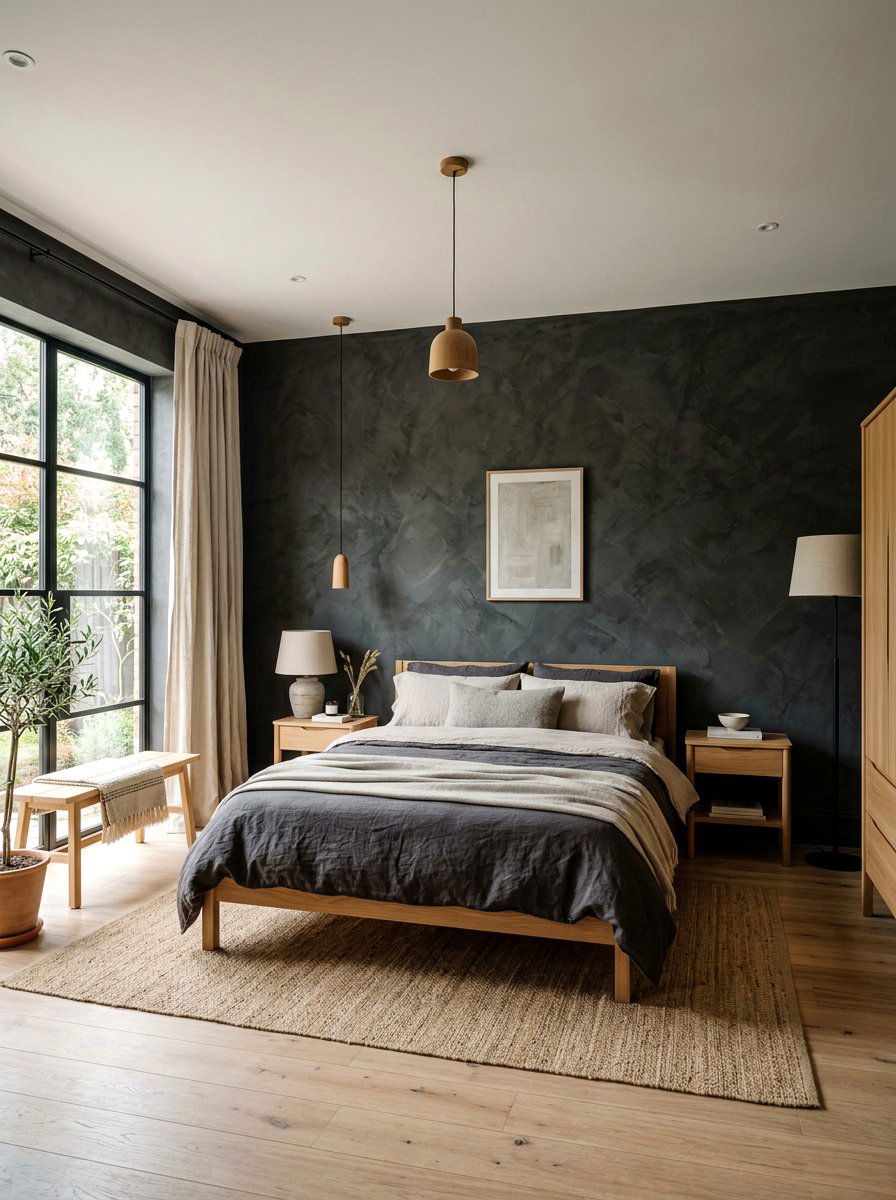
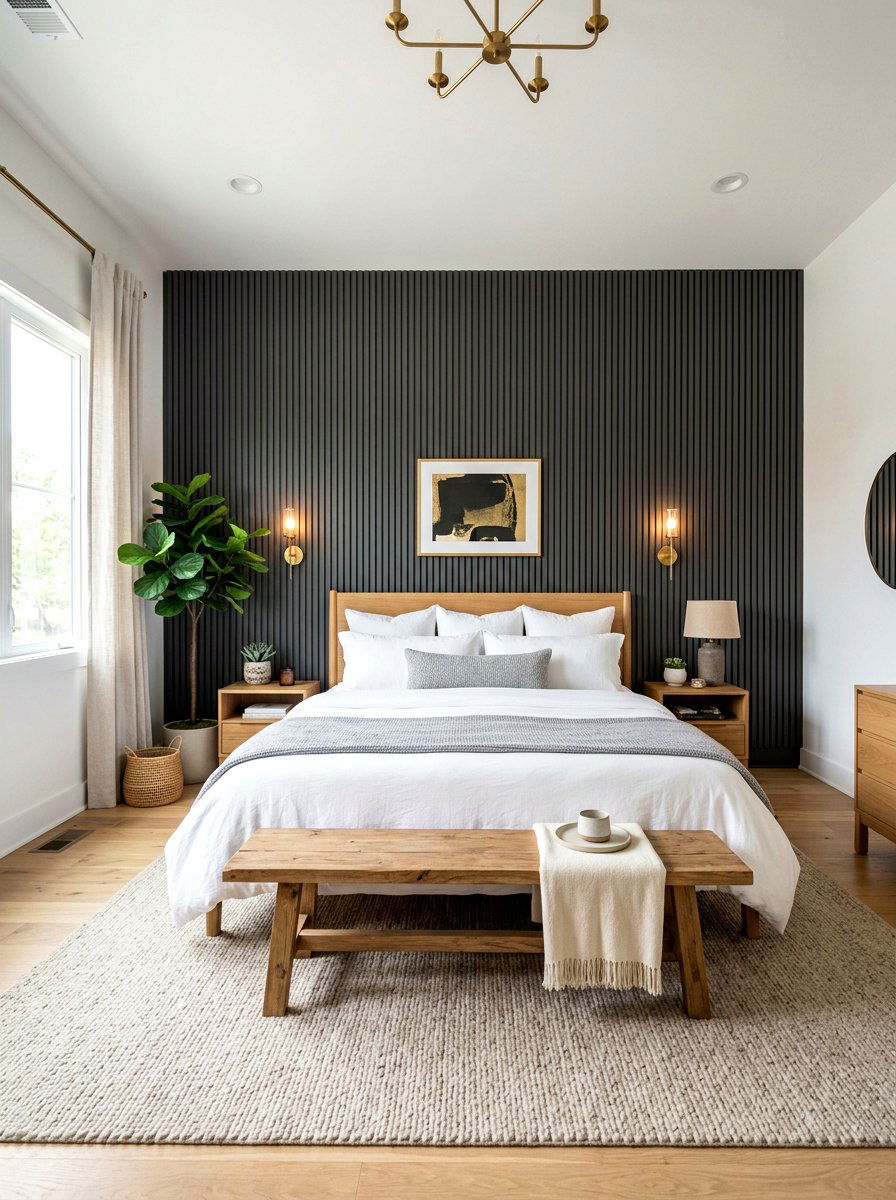
Creating a bold accent wall behind the headboard is a great way to add depth and visual interest without cluttering the floor. You can use dark paint, textured wallpaper, or even wood paneling to draw the eye toward the main focal point of the room. This technique makes the wall feel like it is receding, which can actually make a small room feel much more expansive. Keep the other walls a lighter, neutral color to maintain balance and ensure the room stays bright and welcoming. An accent wall allows you to express your personal style without needing lots of extra decorative accessories.
23. Master Bedroom With Window Seat
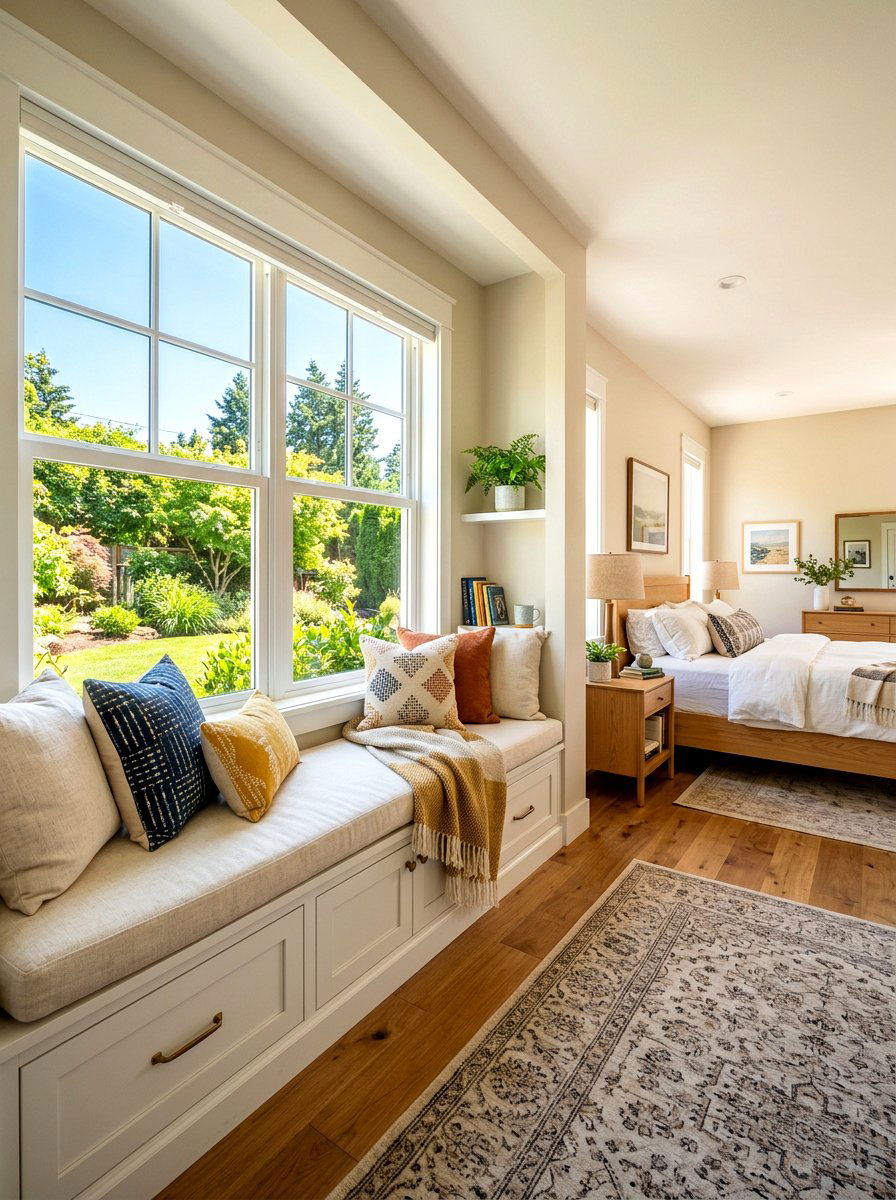
If you have a window in your small master bedroom, consider building a custom window seat with integrated storage underneath the bench. This provides a cozy spot to relax and enjoy the view while giving you a place to store bulky items like sweaters. A window seat takes advantage of often-underutilized wall space and adds a charming, built-in look to your personal sanctuary. You can style it with comfortable cushions and throw pillows that match your bedding for a cohesive and high-end aesthetic. This layout feature makes the bedroom feel more like a multi-functional suite rather than just a place to sleep.
24. Open Concept Master Suite Layout
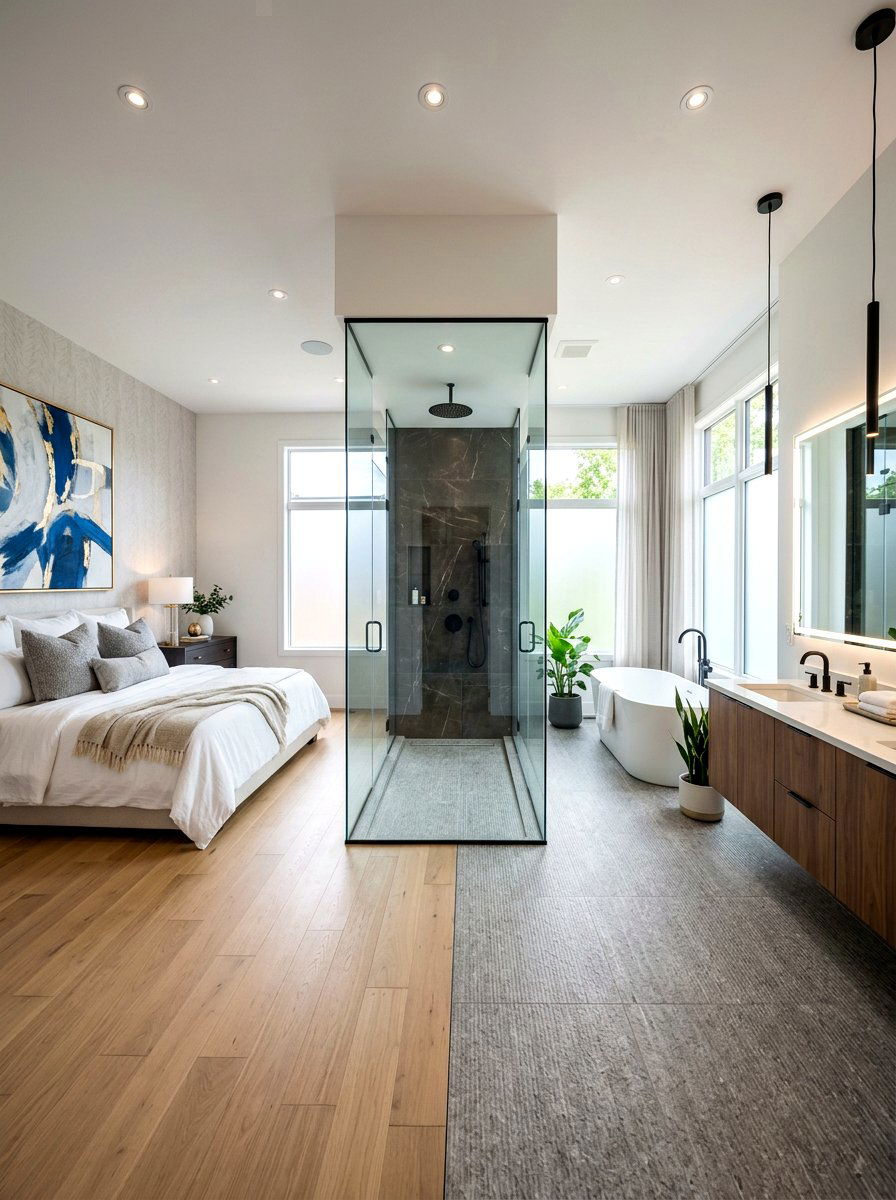
An open concept layout for a master suite involves removing walls between the bedroom and the bathroom to create a large area. This modern design approach makes both spaces feel much more grand and allows natural light to travel freely throughout the entire room. You can use a glass partition or a simple change in flooring material to subtly define the different zones without blocking the view. This layout is perfect for those who appreciate a spa-like atmosphere and want to maximize the perceived size of their private quarters. It creates a seamless and luxurious living experience that feels very high-end.
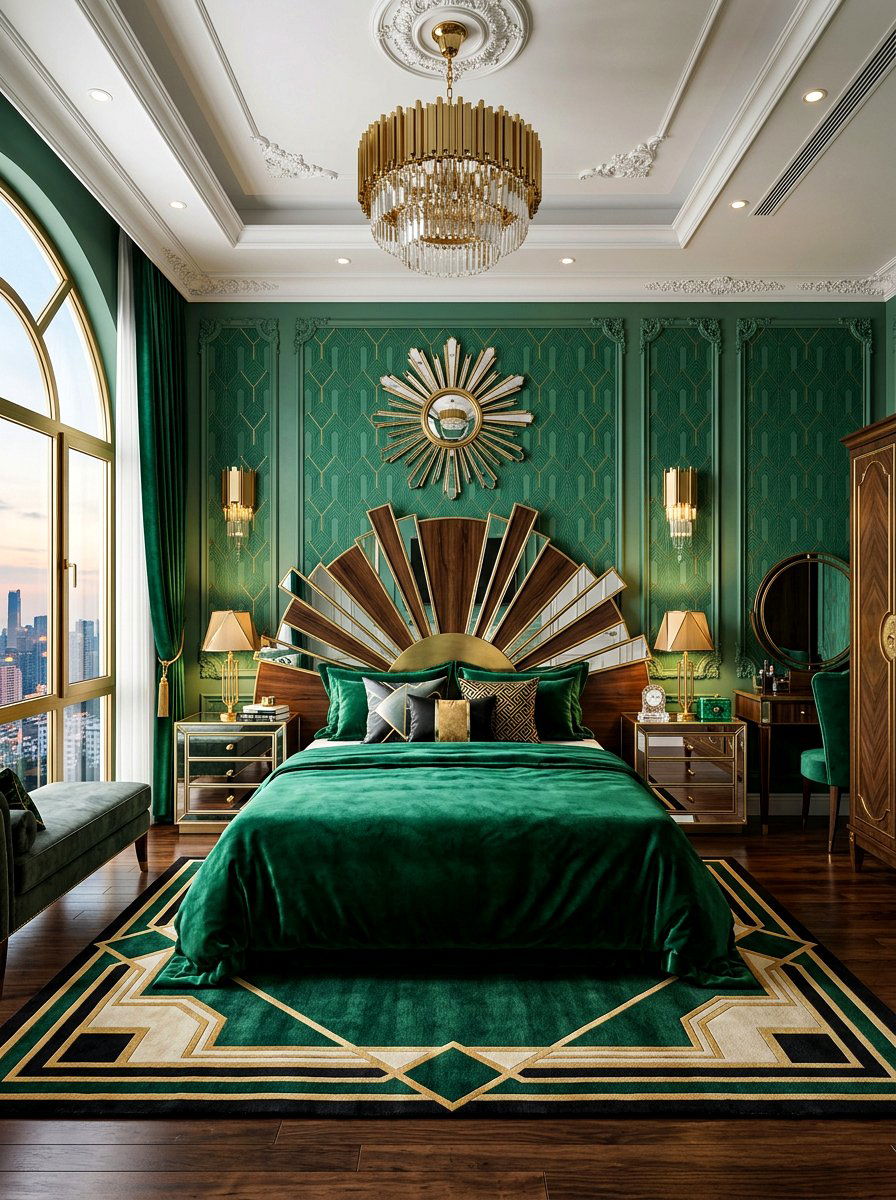
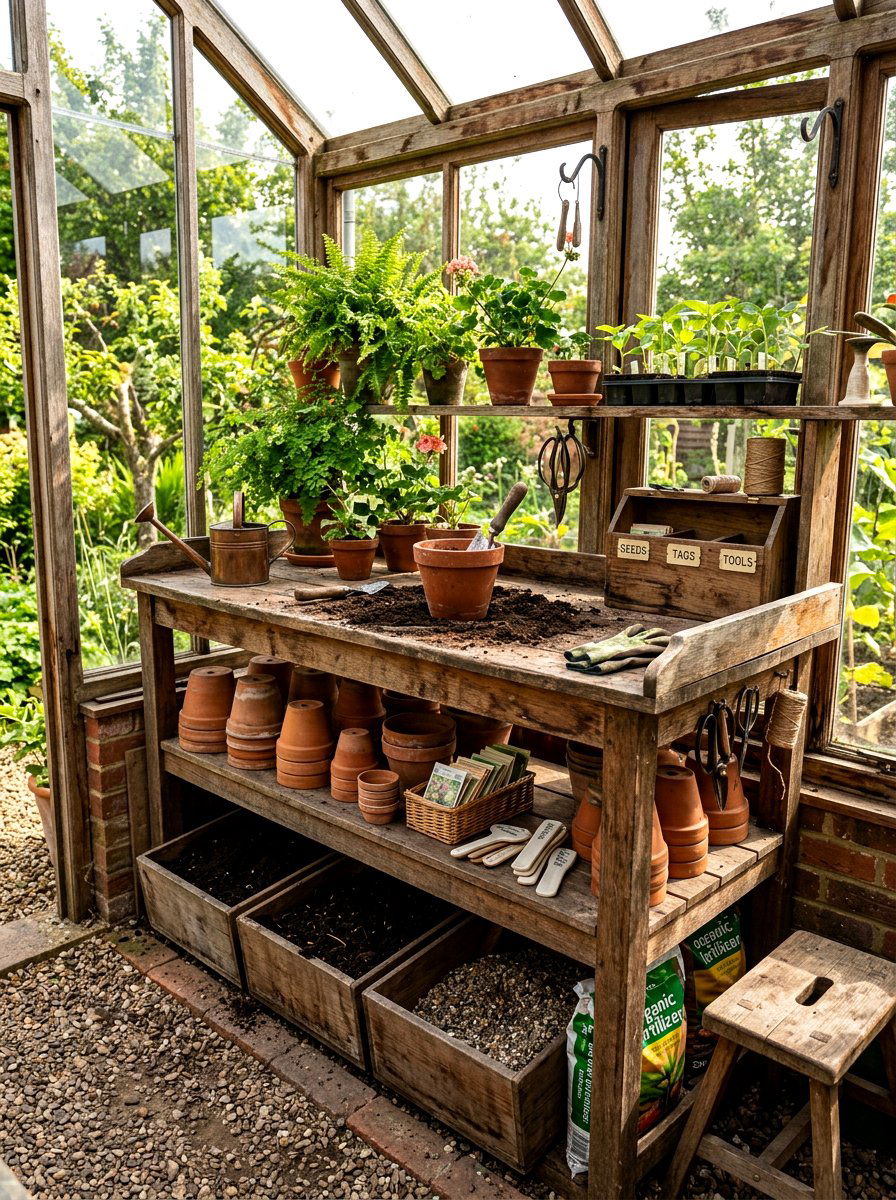

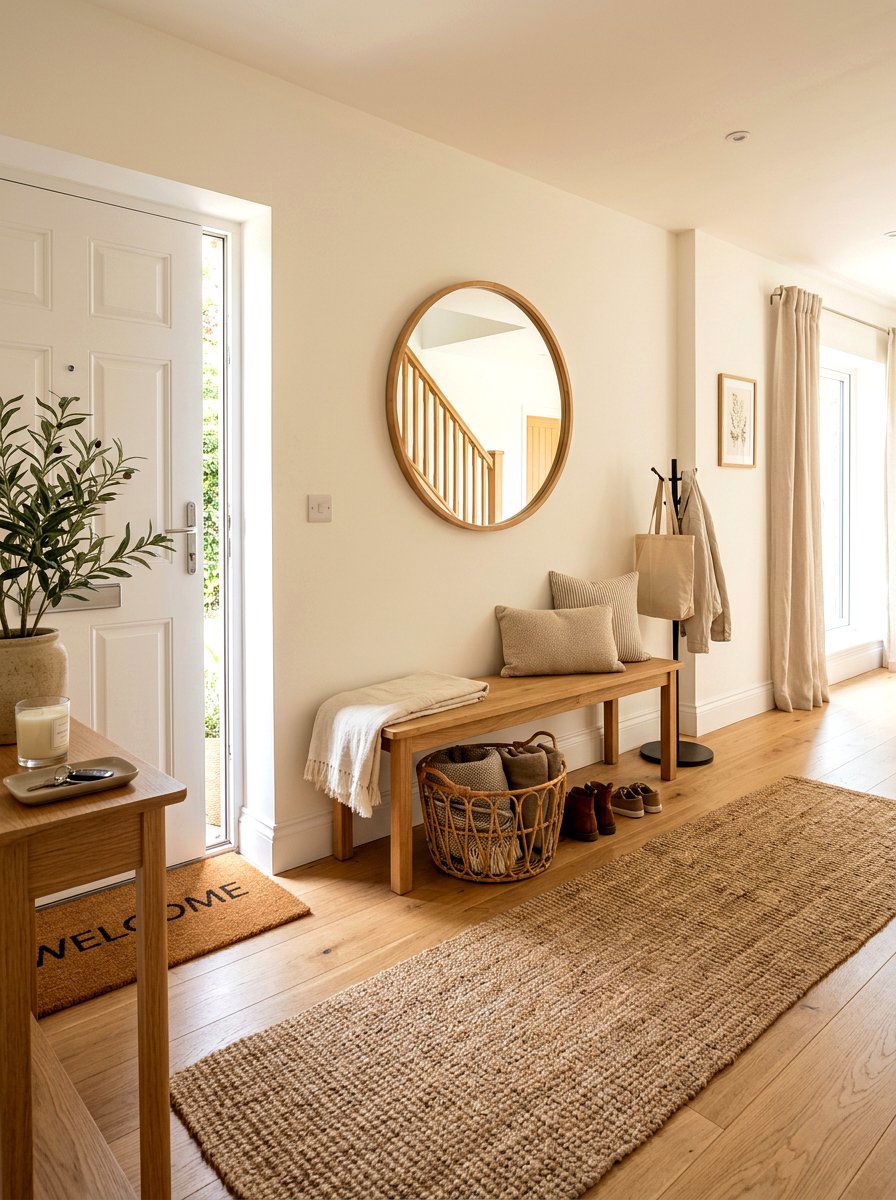
25. Master Bedroom With Ladder Shelf
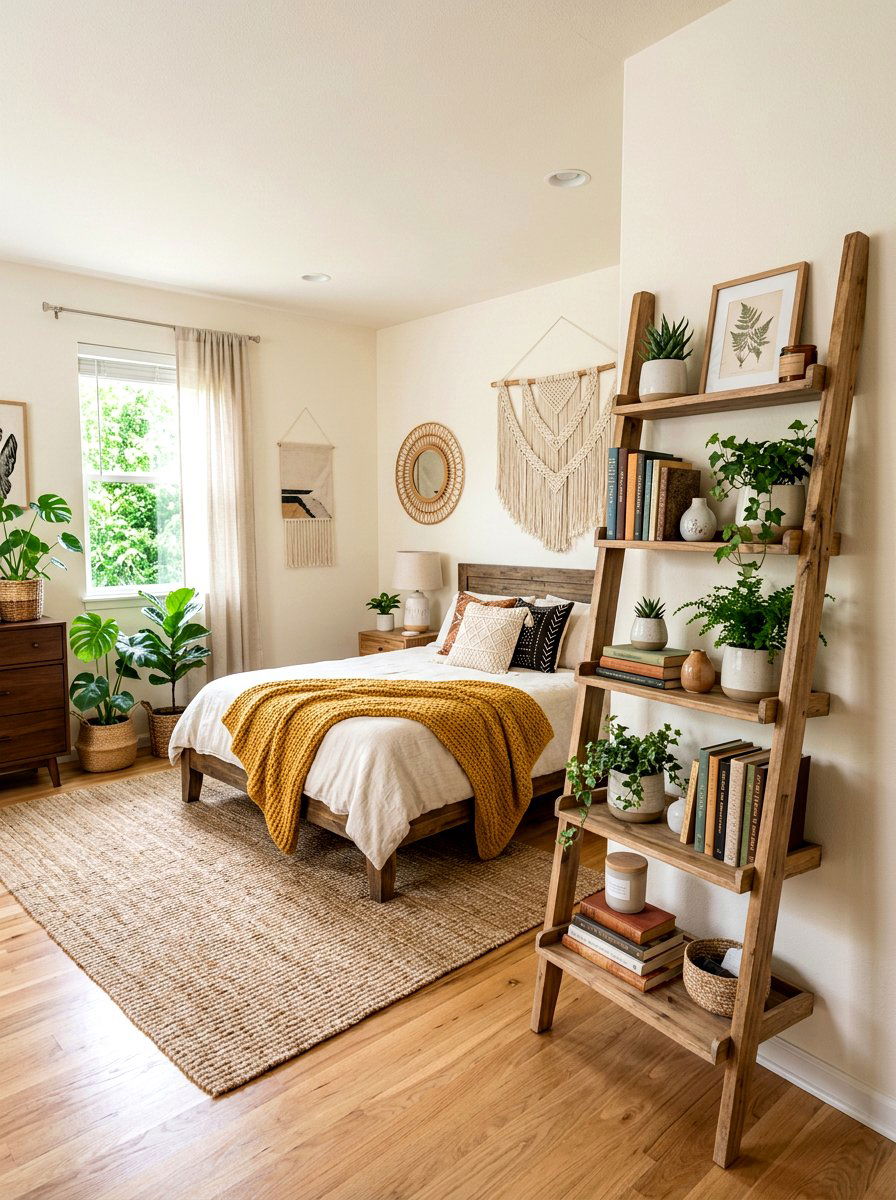
A leaning ladder shelf is a stylish and space-efficient storage solution that works perfectly in the tight corners of a bedroom. Its vertical design provides multiple tiers for books, plants, and decorative objects without requiring the floor space of a traditional cabinet. Because the shelves get narrower toward the top, they have a lighter visual footprint that helps keep the room feeling open. You can easily move a ladder shelf around to experiment with different layouts until you find the perfect spot for your items. This casual and modern piece of furniture adds a trendy touch to any small master bedroom design.
26. Small Bedroom With Under Bed Storage
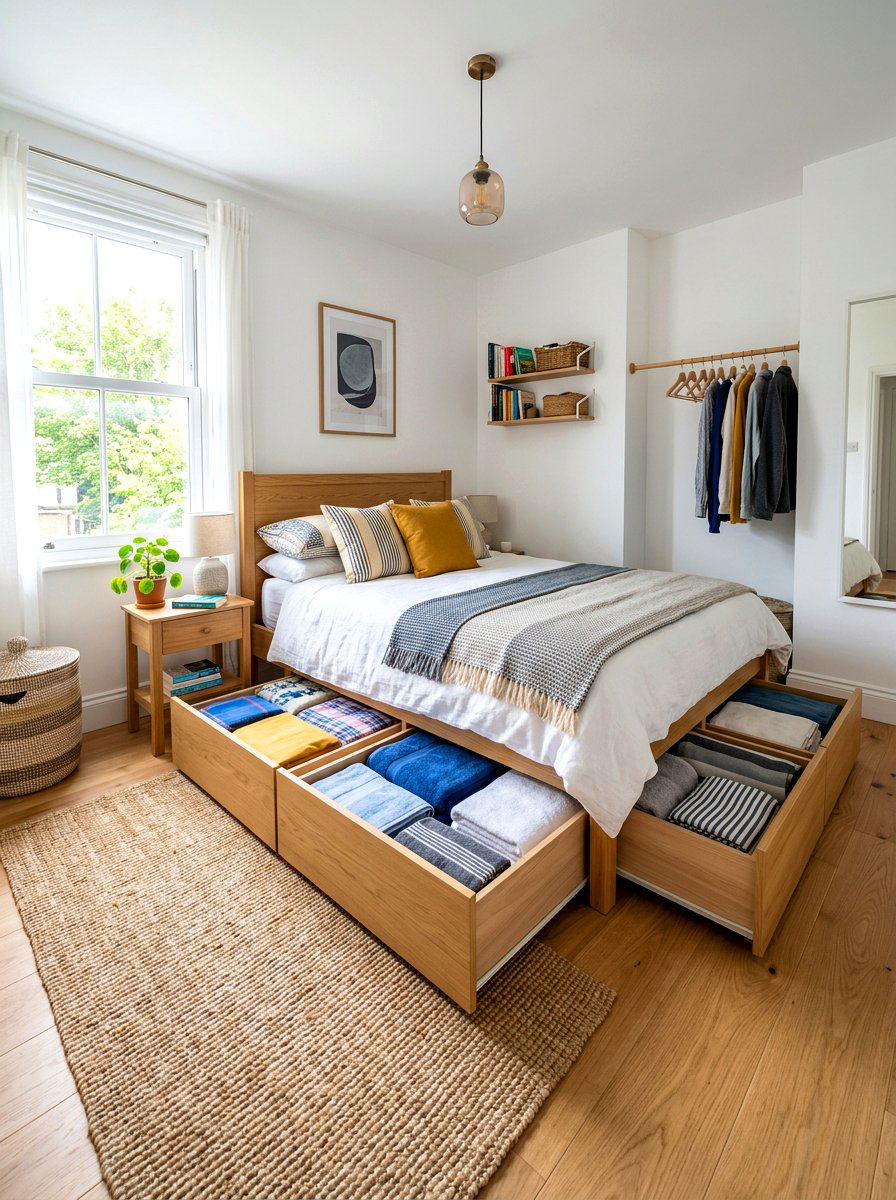
Utilizing the space directly under your bed is one of the most effective ways to declutter a small master bedroom layout. You can choose a bed frame with built-in drawers or use attractive rolling bins to store items you don't need every day. This hidden storage area is perfect for seasonal clothing, extra bedding, or shoes, keeping them out of sight but still easily accessible. By moving these items under the bed, you may be able to eliminate a bulky dresser entirely, freeing up valuable floor space. It is a practical and essential strategy for anyone living in a compact home.
27. Master Bedroom With Statement Headboard
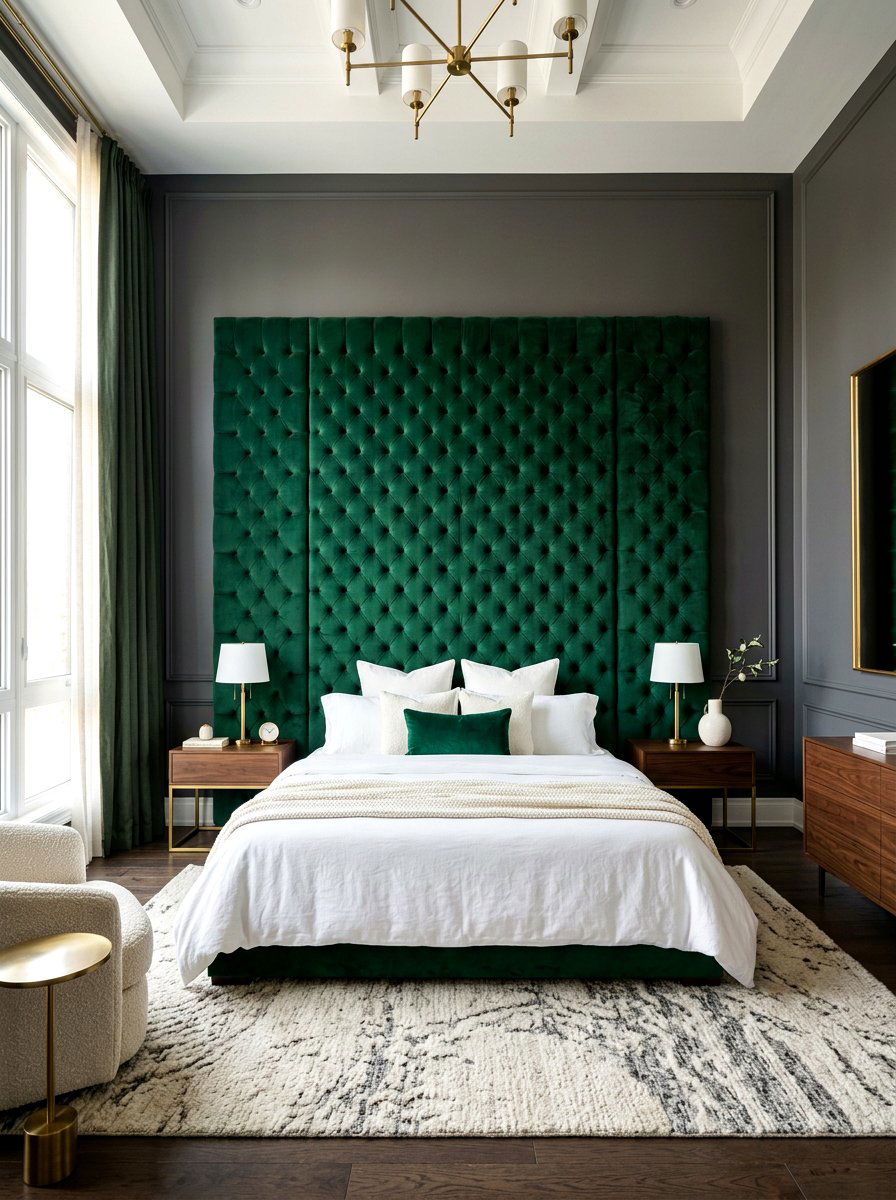
A tall or oversized headboard can act as a stunning focal point that draws the eye upward, making the ceiling feel higher. In a small room, a statement headboard adds personality and a sense of luxury without requiring any additional floor space for decor. Choose an upholstered design in a bold color or a unique texture to create a high-end look that anchors the entire room. This single piece of furniture can set the tone for the rest of your design, allowing you to keep everything else simple. It is a powerful way to make a big impact in a limited area.
28. Bedroom With Multi Functional Furniture
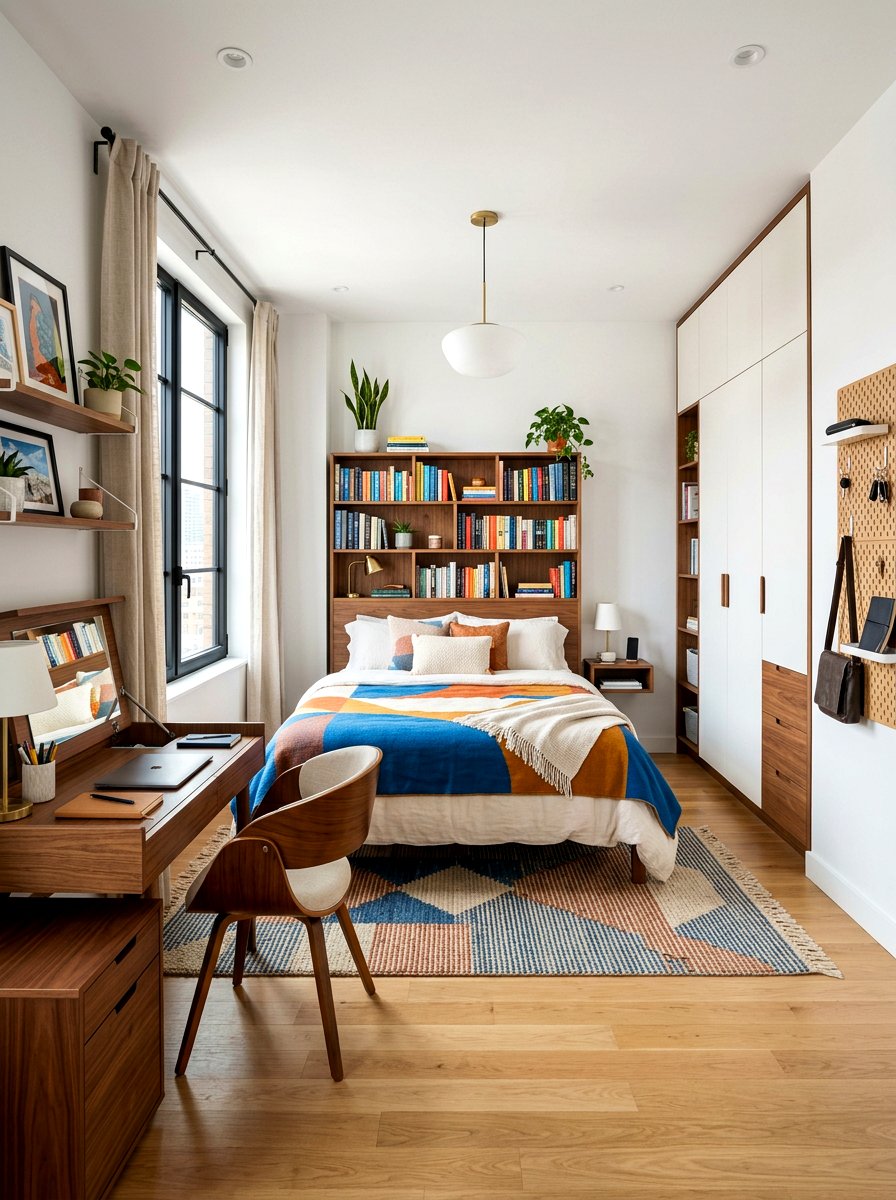
Investing in furniture that serves more than one purpose is the key to a successful small master bedroom layout and design. Consider a bed with a built-in bookshelf in the headboard or a vanity that can also be used as a writing desk. A small bench with a flip-top for storage can provide seating while hiding away clutter like extra blankets or shoes. These smart pieces help you maintain all the functions of a larger room within a much smaller footprint of your house. Choosing multi-functional items ensures that every square inch of your bedroom is working hard for your comfort.
29. Small Master Bedroom Neutral Palette
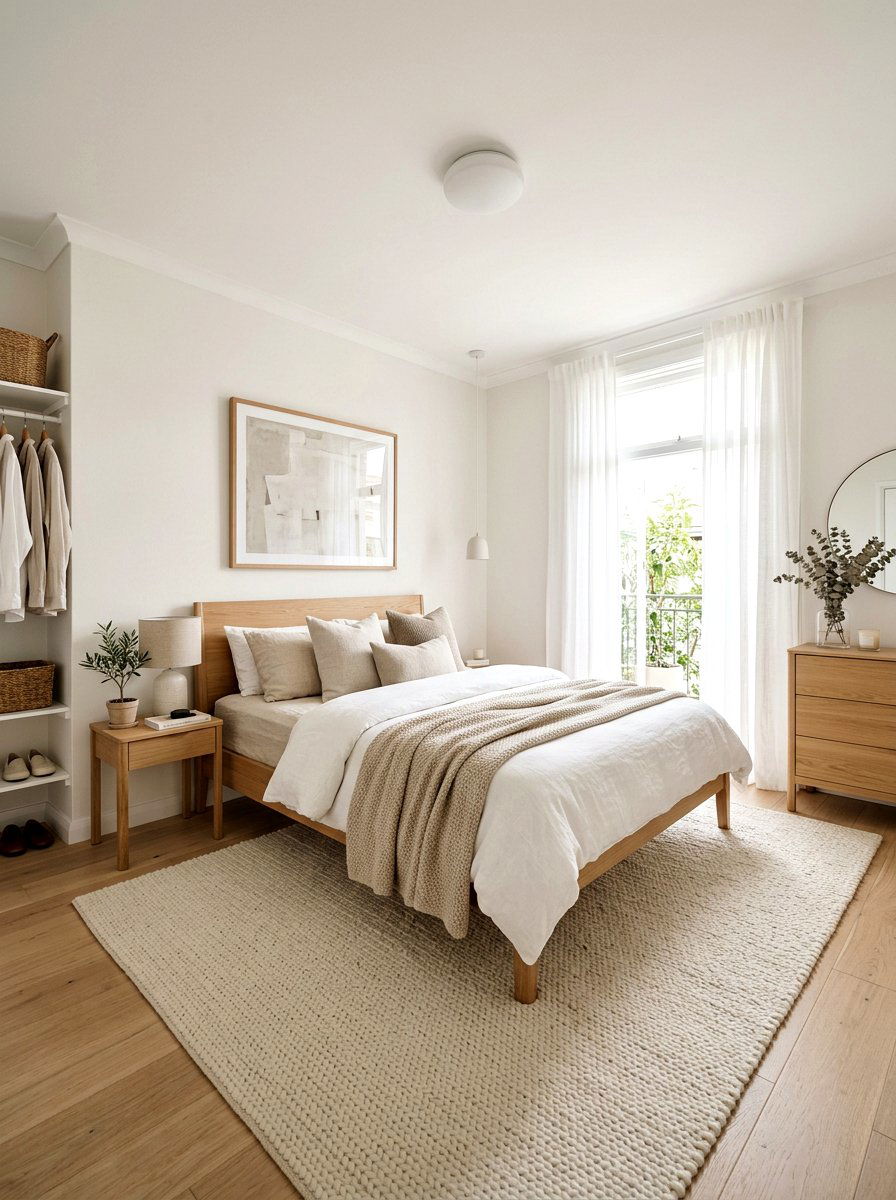
Using a cohesive neutral color palette is a proven way to make any small space feel larger, brighter, and more inviting. Soft whites, light grays, and warm beiges reflect natural light and prevent the walls from feeling like they are closing in on you. You can add depth and interest by layering different textures, such as a chunky knit throw or a linen headboard, within the same color family. This monochromatic approach creates a serene and sophisticated atmosphere that is perfect for a restful master bedroom retreat. It provides a clean canvas that makes the room feel incredibly expansive and very well-organized.
30. Master Bedroom With Gallery Wall
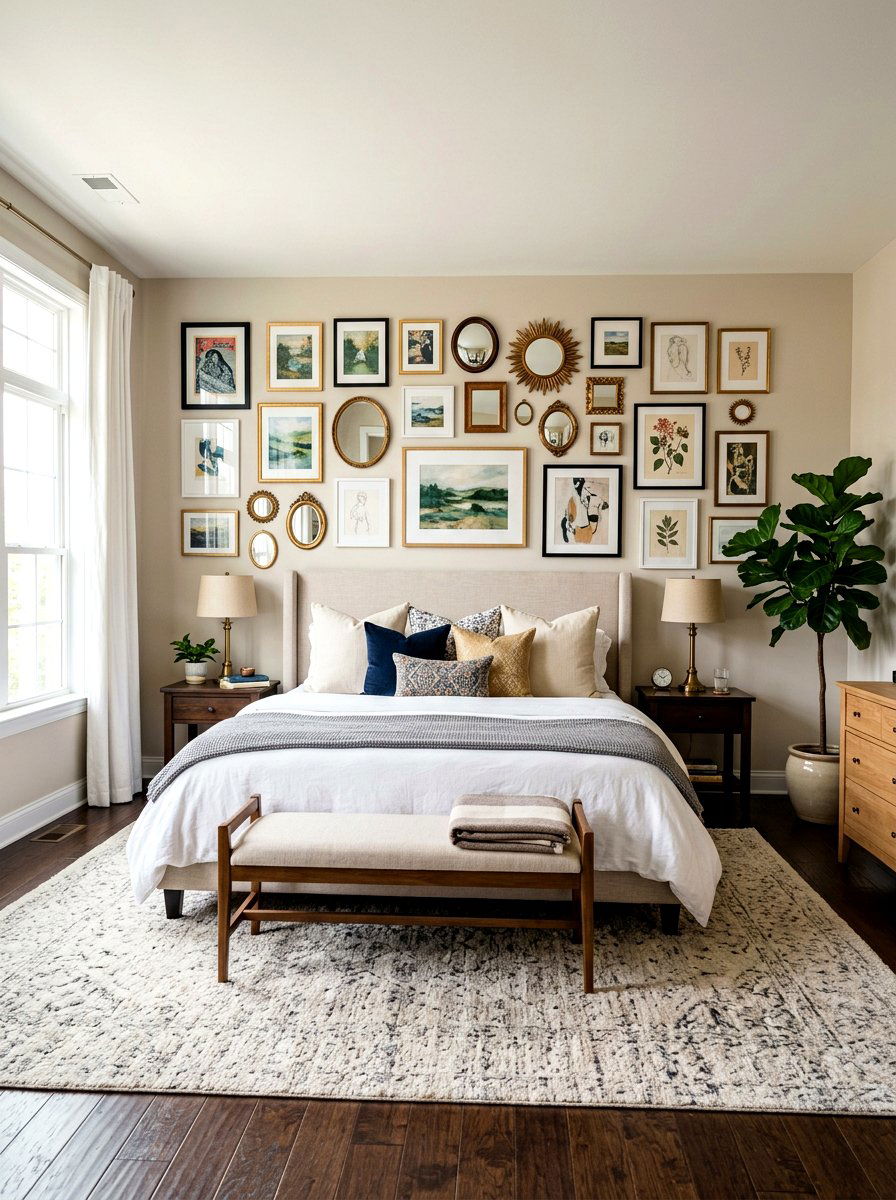
A gallery wall can add a lot of character and personal style to a small bedroom without taking up any precious floor space. Arrange a collection of your favorite photos, artwork, and mirrors on the wall above the bed or opposite a window. Using mirrors within the gallery wall helps reflect light and creates a sense of depth that makes the room feel much larger. Keep the frames in a similar style or color to ensure the display looks cohesive rather than cluttered or busy. This vertical decor strategy allows you to personalize your sanctuary while keeping the layout open and very functional.
Conclusion:
Transforming a small master bedroom into a functional and stylish retreat is entirely possible with the right layout and design choices. By prioritizing smart storage, multi-functional furniture, and intentional lighting, you can create a space that feels much larger than its actual square footage. Each of the thirty layout ideas discussed provides a unique way to maximize your comfort without sacrificing the aesthetic appeal of your personal sanctuary. Remember that the key to a successful design is balance and decluttering to ensure a peaceful environment for rest. Your master suite should be a reflection of your style, regardless of the room's size or shape.

Related posts: