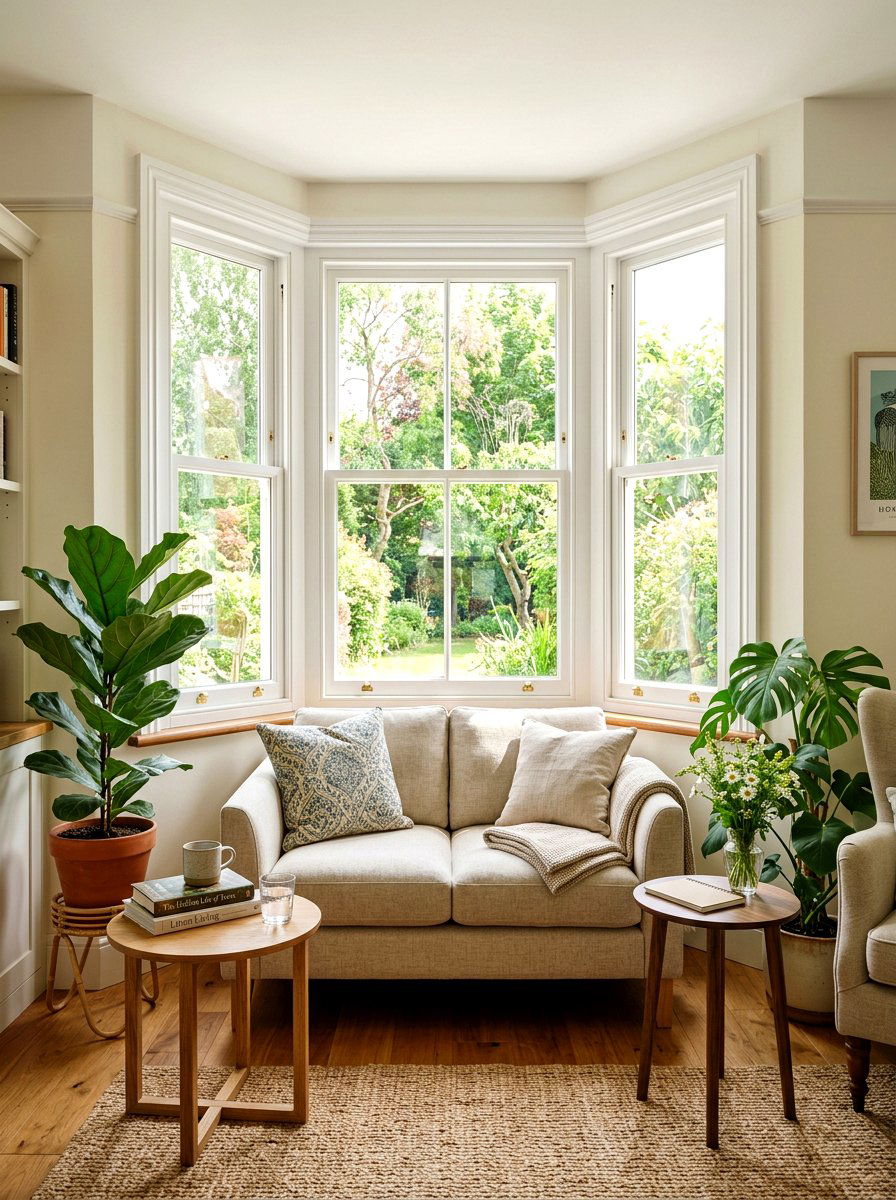
Designing a compact home often feels like a complex puzzle where every square inch carries significant weight. Transforming a cramped area into a sanctuary requires a strategic blend of functional furniture and clever visual tricks. You must prioritize light, flow, and scale to ensure the environment remains breathable and inviting for daily relaxation. Small living rooms offer a unique opportunity to curate a highly personalized space that feels intentional rather than accidental. By focusing on smart storage and multi-purpose pieces, you can maximize your footprint without sacrificing sophisticated style. This guide explores creative ways to enhance your home’s atmosphere and make your small living room feel truly expansive.
1. White paint small living room
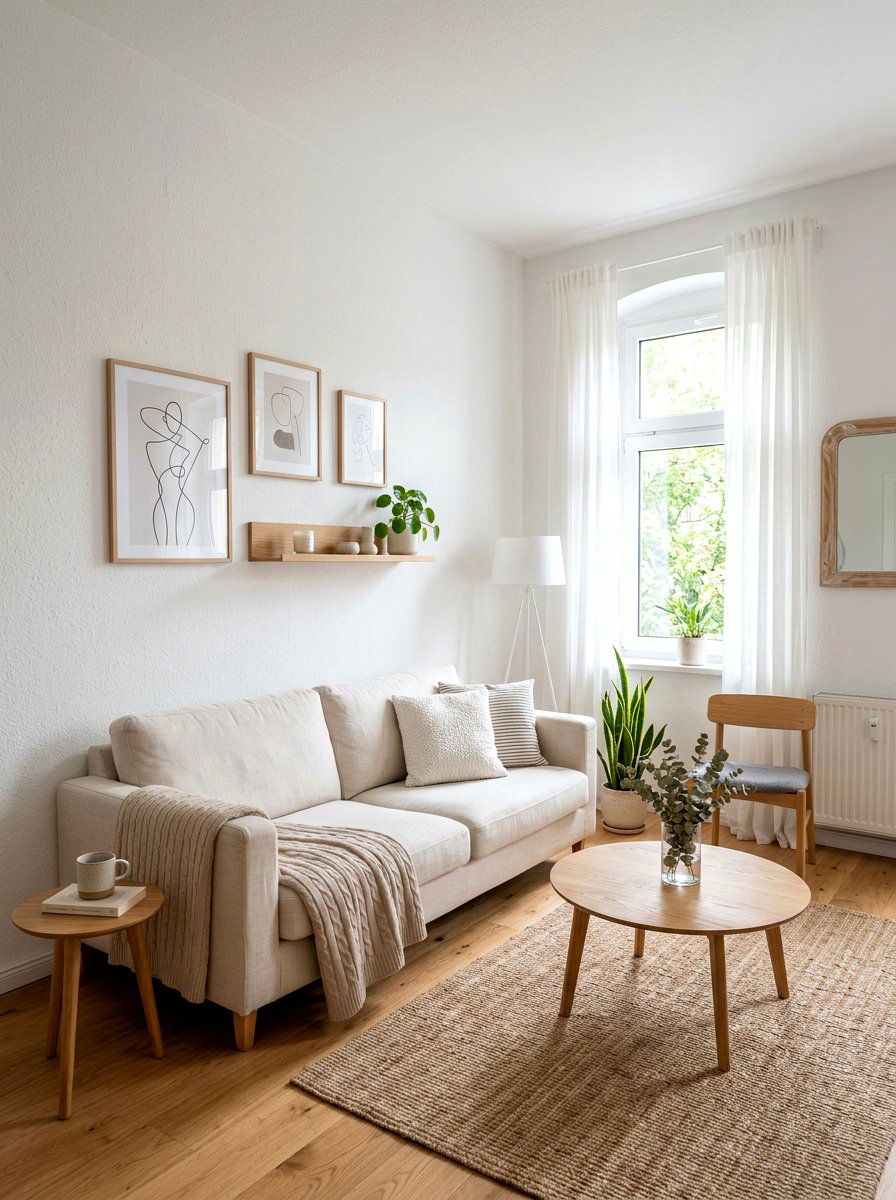
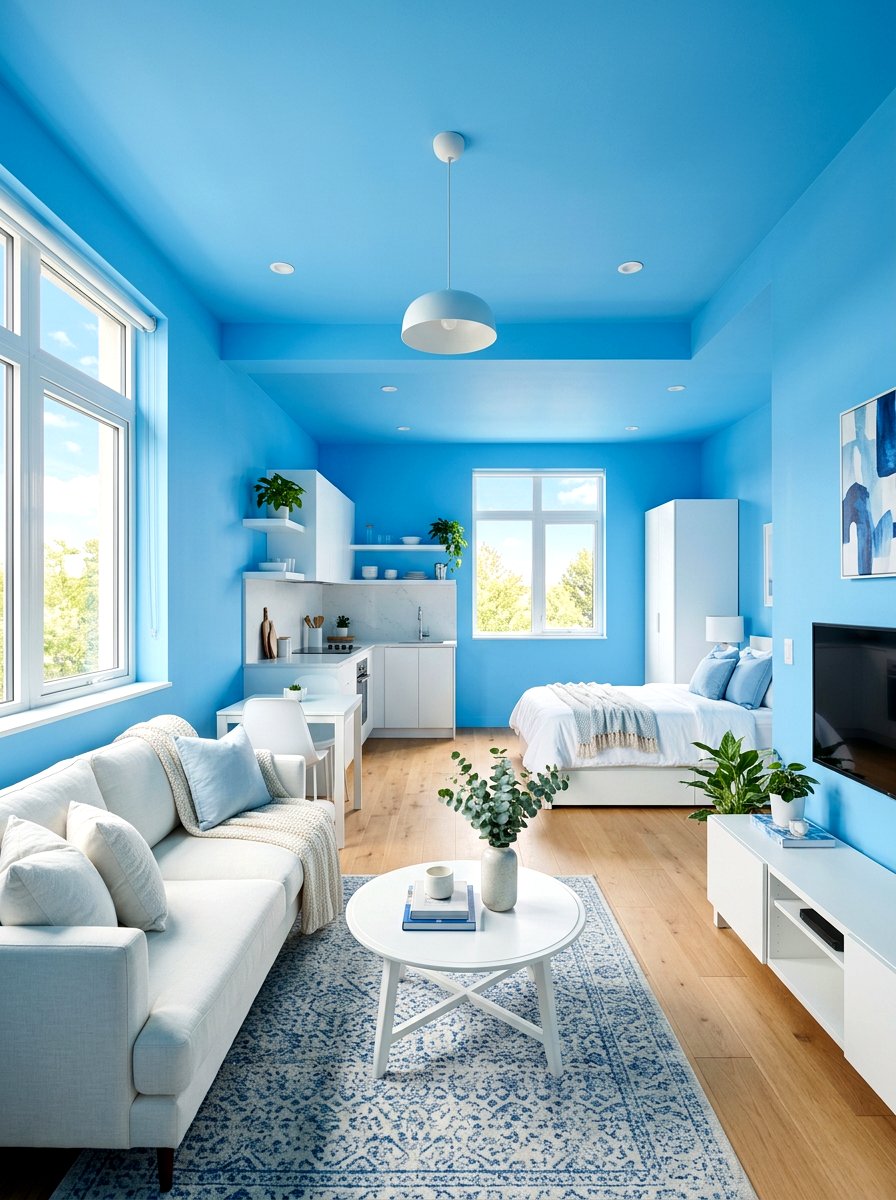
Painting your walls in a crisp, bright white is the ultimate foundation for a spacious home. This simple design choice reflects natural light into every corner, making the boundaries of the room feel less restrictive. A white backdrop allows you to experiment with various furniture styles without the space feeling visually heavy or cluttered. You can pair these walls with light-toned flooring to enhance the airy atmosphere further. This approach works exceptionally well in urban apartments where windows might be limited. By keeping the vertical surfaces neutral, you create a blank canvas that emphasizes your unique decor pieces. It is the most effective way to achieve a clean and modern aesthetic.
2. Small corner sectional sofa
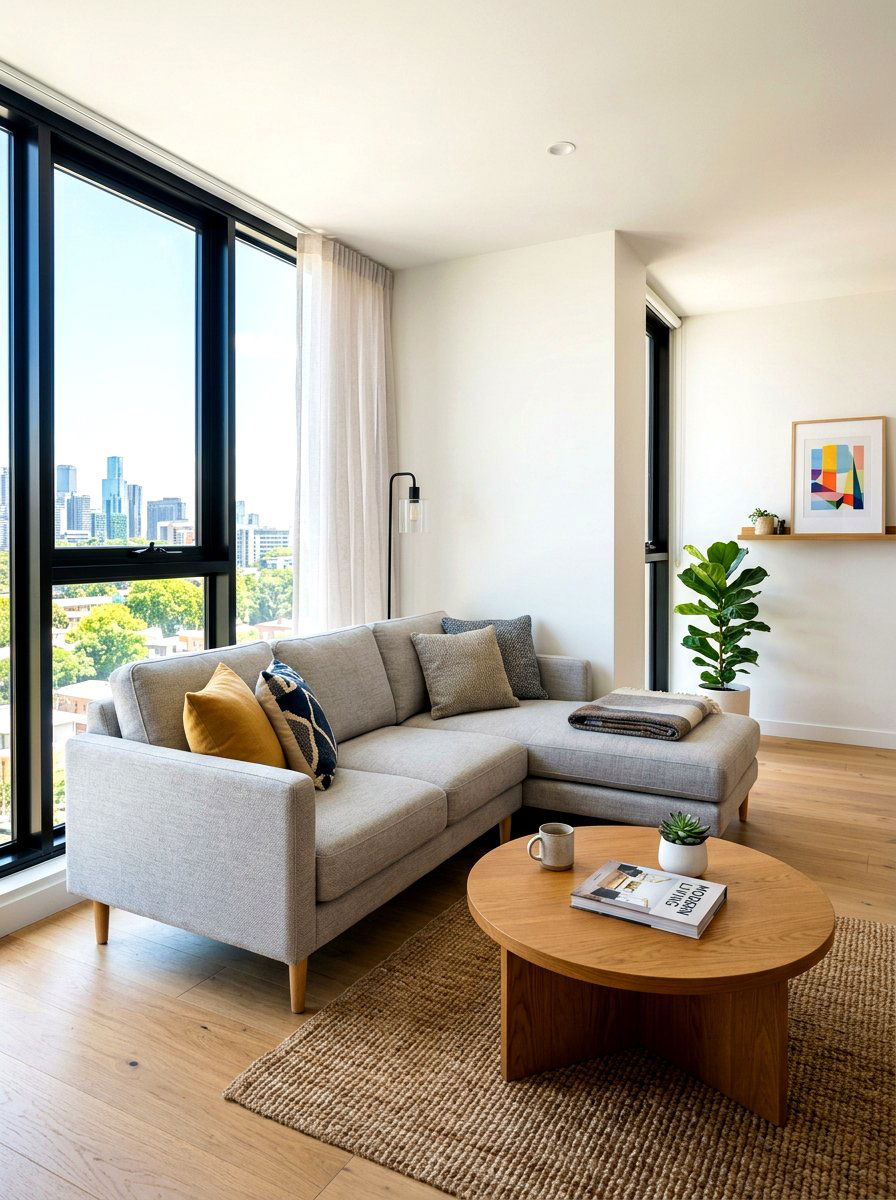
Integrating a compact sectional sofa into a corner is a brilliant way to maximize seating without wasting floor space. This specific layout eliminates the need for extra bulky chairs that can block natural walkways. A corner unit provides a cozy, continuous lounging area that anchors the room’s focal point effectively. You should look for models with slim arms and exposed legs to maintain a sense of openness beneath the piece. This setup defines the relaxation zone clearly within an open-concept studio or narrow flat. It encourages conversation while keeping the center of the room free for movement. This furniture choice balances comfort with high-efficiency spatial planning.
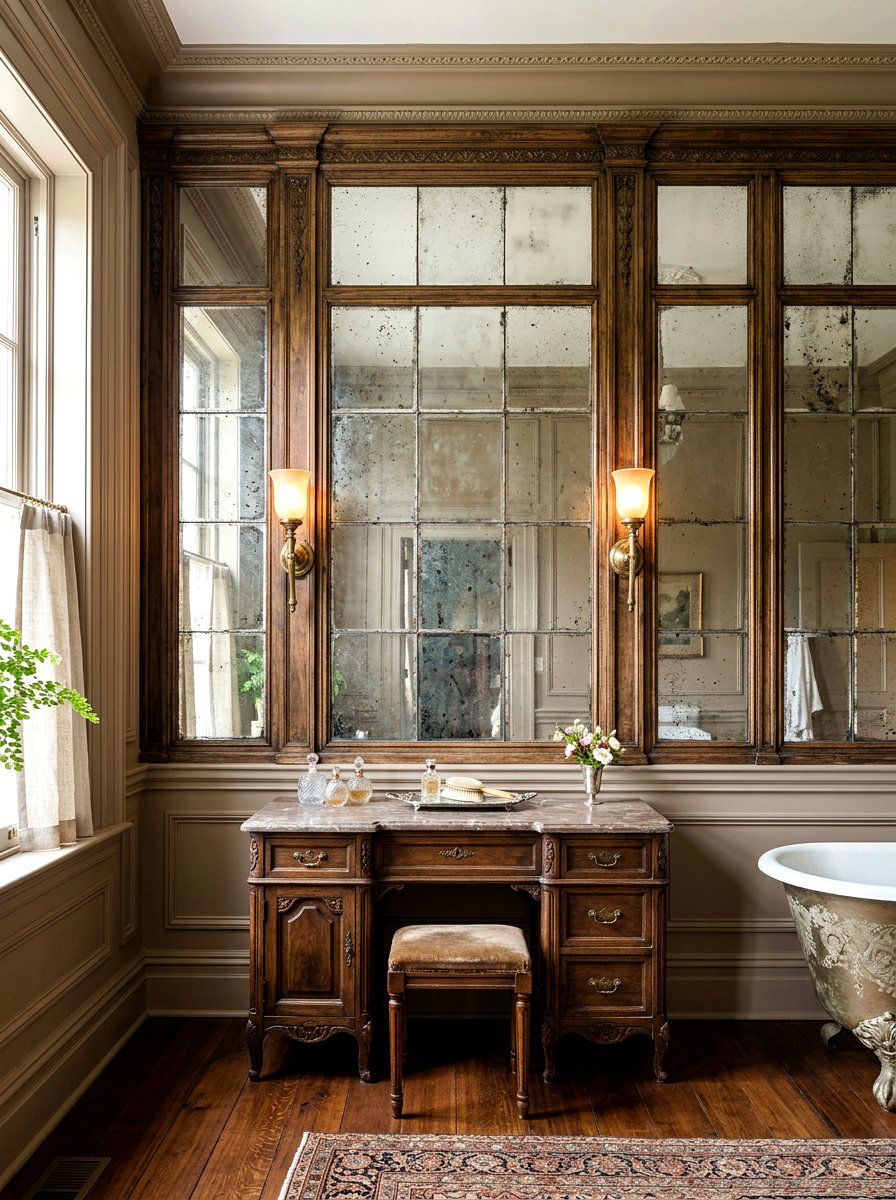
3. Mirror wall small room
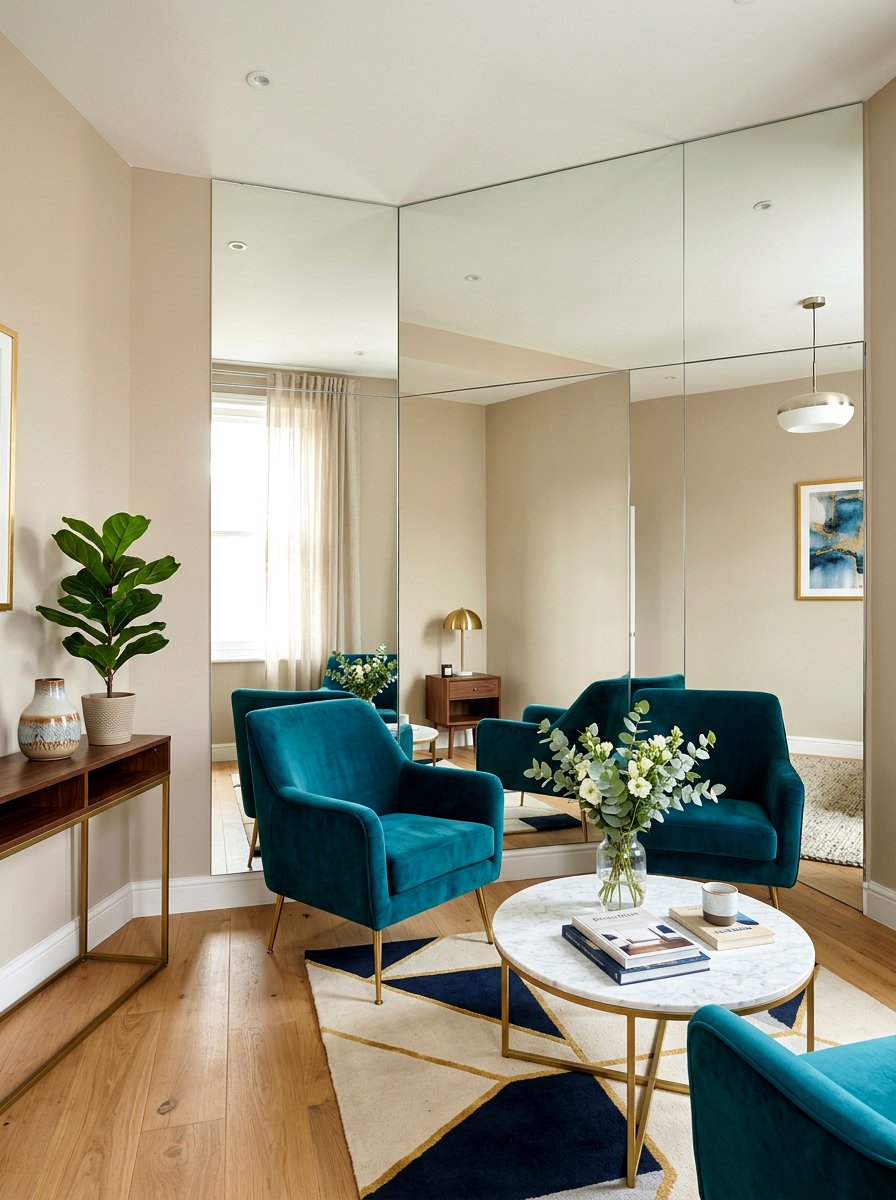
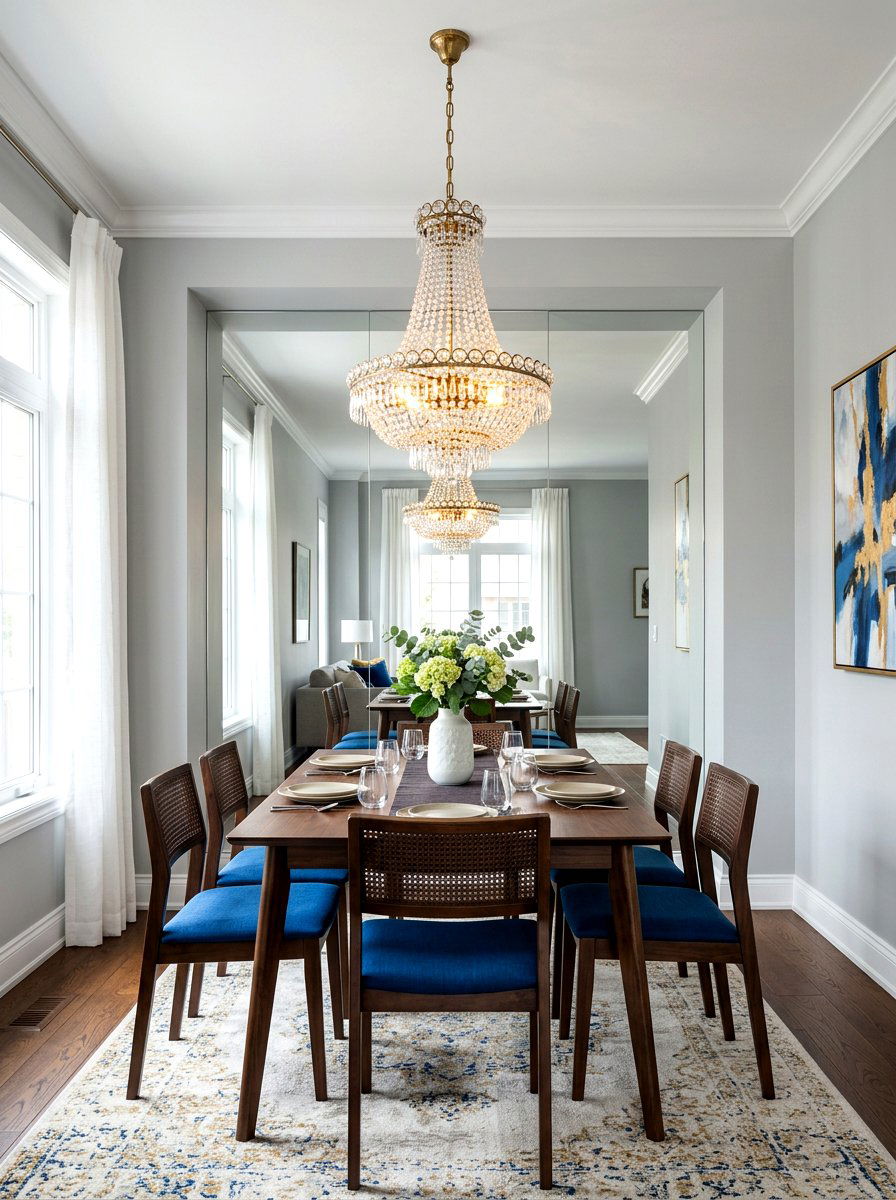
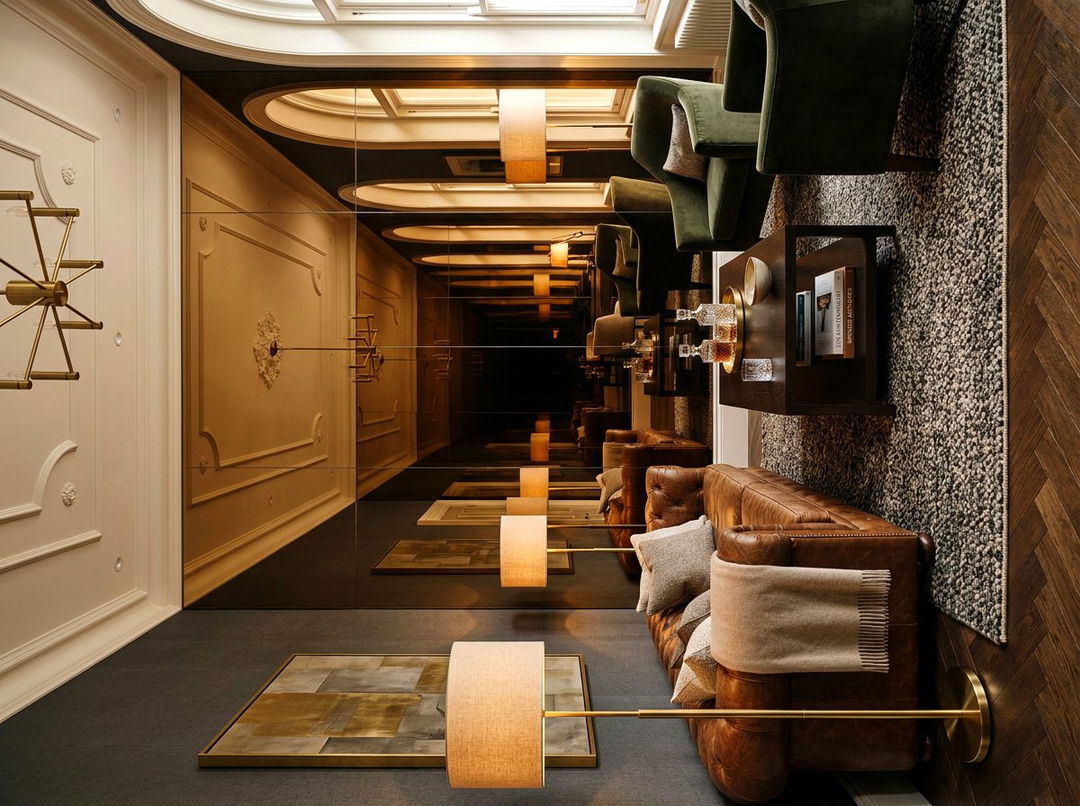
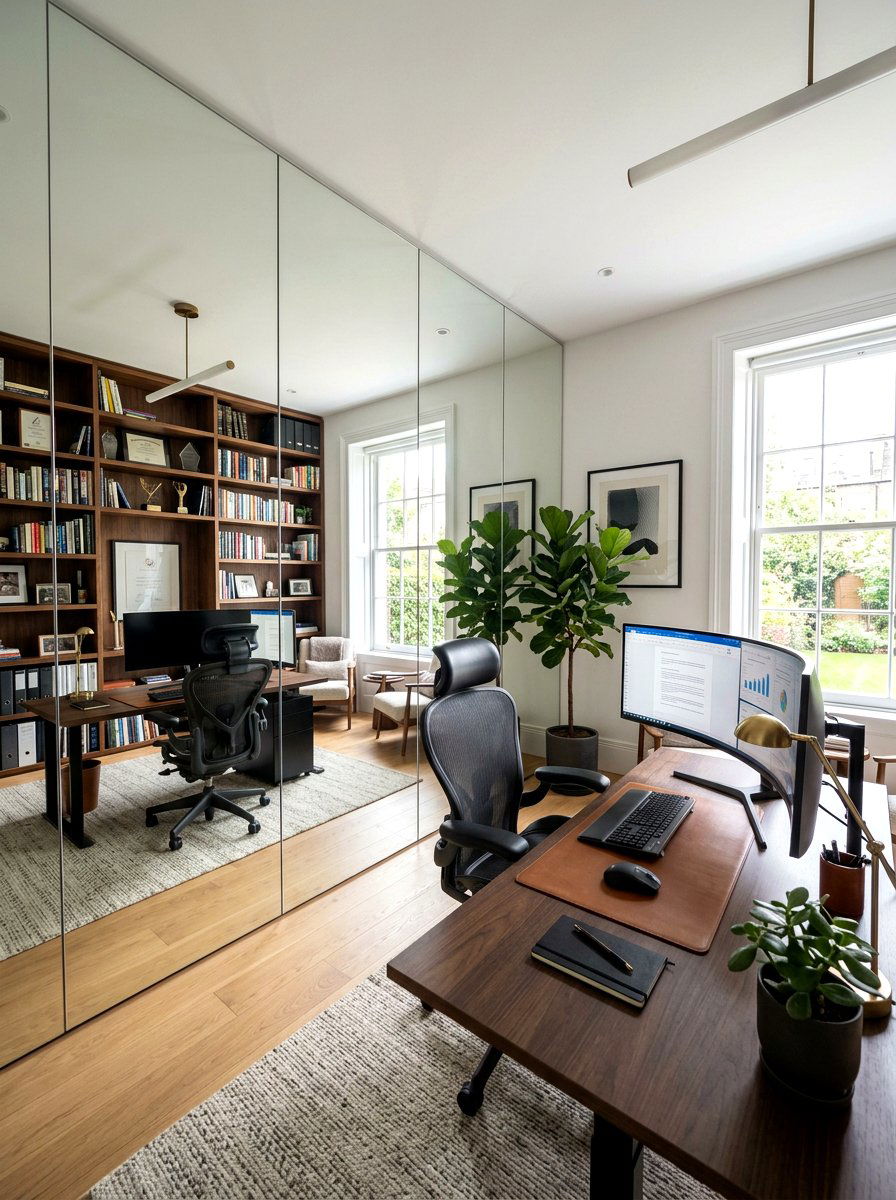
Installing a large mirror or a collection of smaller ones creates an instant illusion of depth and brightness. Positioning a mirror directly opposite a window captures incoming sunlight and bounces it throughout the entire living area. This technique effectively doubles the visual size of the room by reflecting the existing architecture and decor. You can choose a floor-to-ceiling mirror for a dramatic statement or a stylish framed piece for a classic look. Mirrors serve as functional art that adds a touch of elegance while performing a vital spatial task. They break up solid wall surfaces, making the environment feel more connected to the rest of the home layout.
4. Floating shelves living room
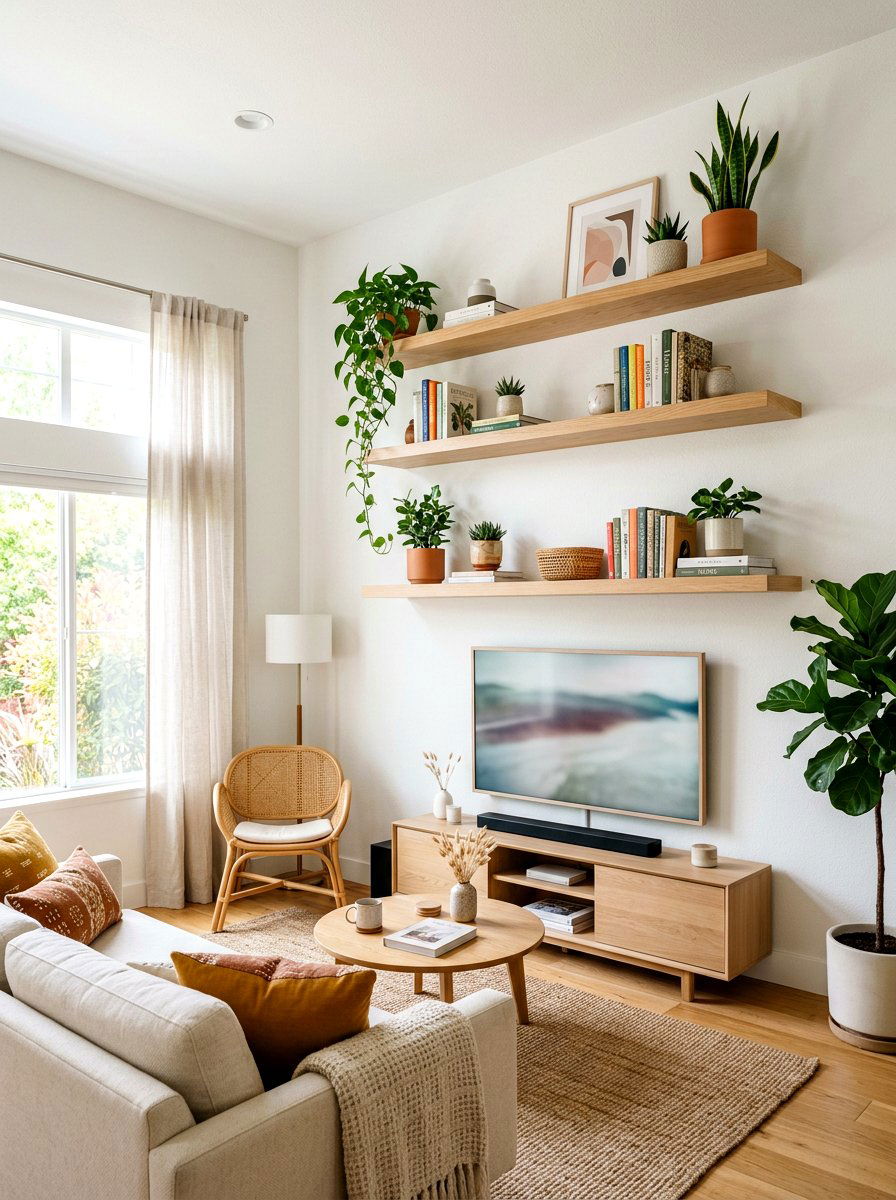
Utilizing vertical space with floating shelves is a smart alternative to heavy, floor-based bookcases that consume valuable square footage. These sleek units provide ample storage for books and decorative objects while keeping the floor area completely clear. By mounting shelves high on the wall, you draw the eye upward, which helps emphasize the ceiling height. This creates an organized look that feels light and contemporary rather than dense and dated. You can arrange them in a symmetrical pattern for a formal vibe or staggered for a casual feel. Floating shelving systems are perfect for displaying personal treasures without overwhelming the room’s physical footprint or traffic flow.
5. Clear acrylic coffee table
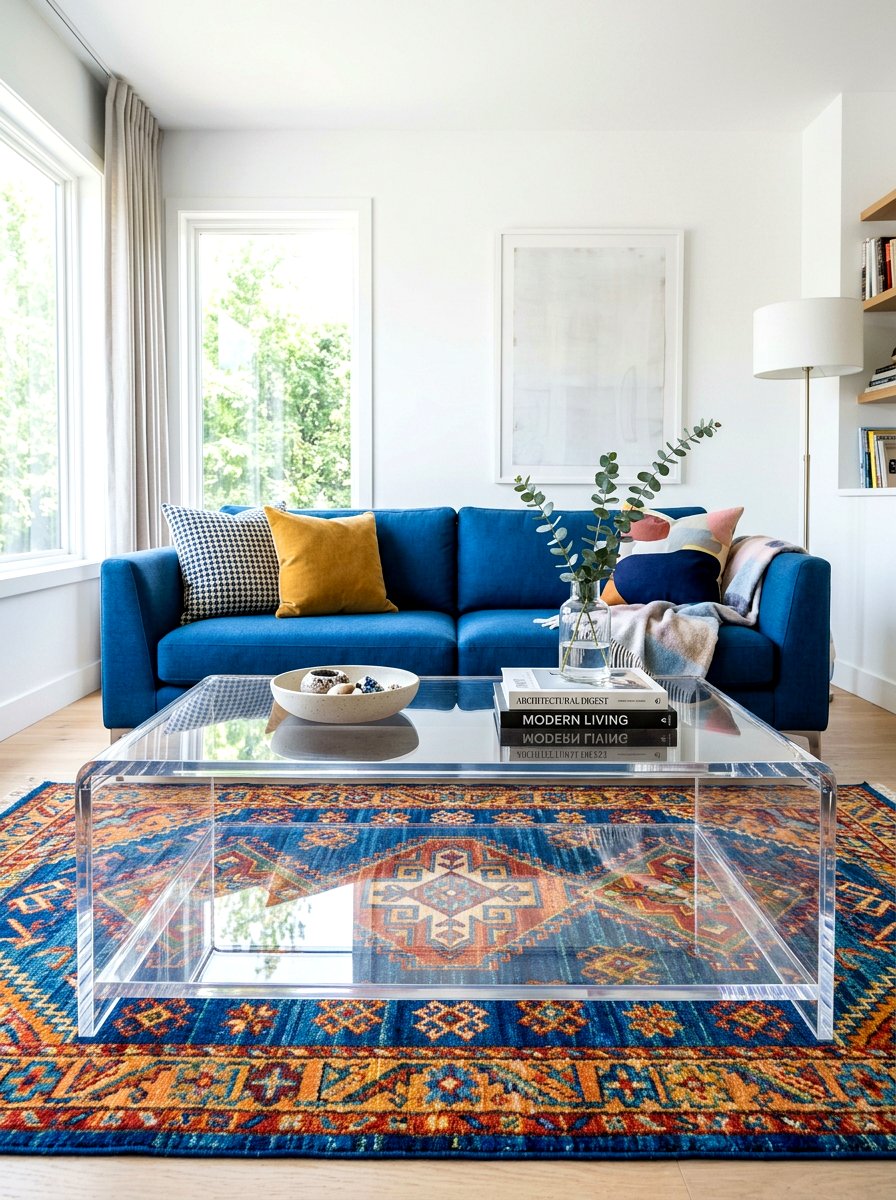
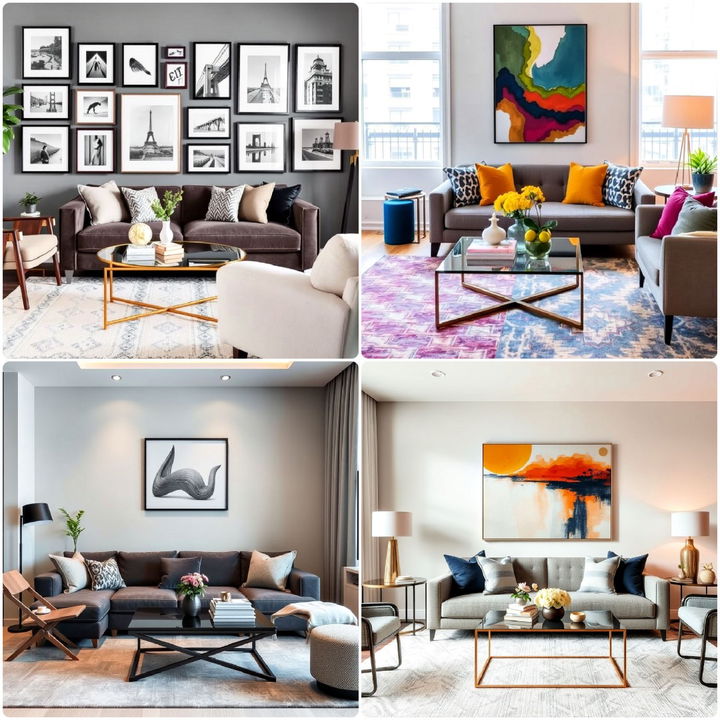
Choosing a coffee table made of clear acrylic or glass is a professional trick for reducing visual clutter. Because the piece is transparent, it appears to take up almost no physical space within the room’s layout. This allows the patterns of your area rug to show through, maintaining a continuous flow across the floor. Acrylic furniture is incredibly durable and fits seamlessly into both modern and traditional interior design styles. It provides a functional surface for drinks or books without creating a solid block that stops the eye. This airy choice is ideal for very tight quarters where a wooden table would feel too heavy and restrictive.
6. Vertical gallery wall layout
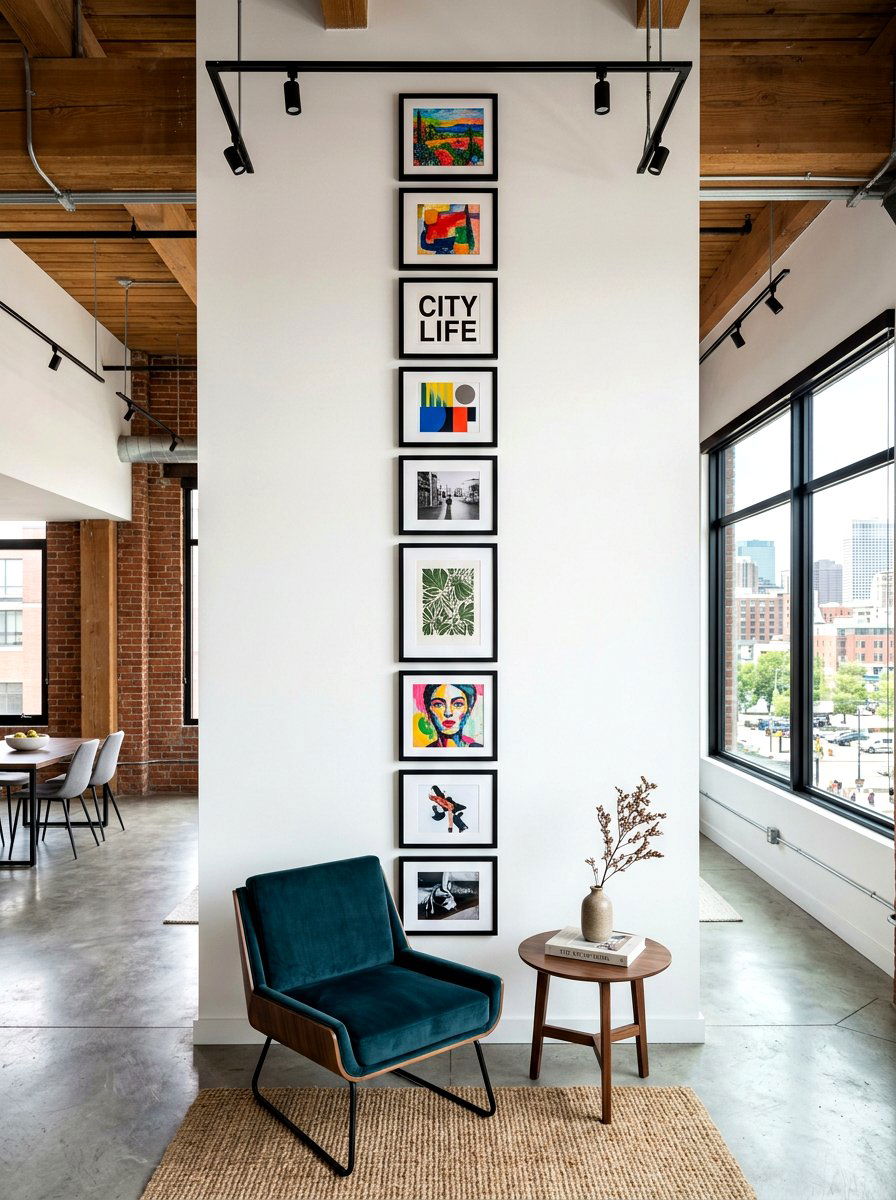
Creating a vertical gallery wall is an excellent way to add personality and character to a small home. By arranging frames in a tall, narrow column, you lead the viewer's gaze toward the ceiling, making the space feel loftier. This design strategy allows you to display multiple pieces of art without occupying any precious floor space. You should mix different frame sizes and textures to create a curated, lived-in feel that reflects your personal taste. A vertical arrangement works perfectly in narrow nooks or beside a television to balance the room’s proportions. It turns a plain wall into a dynamic focal point that adds depth and visual interest.
7. Built-in window seat storage
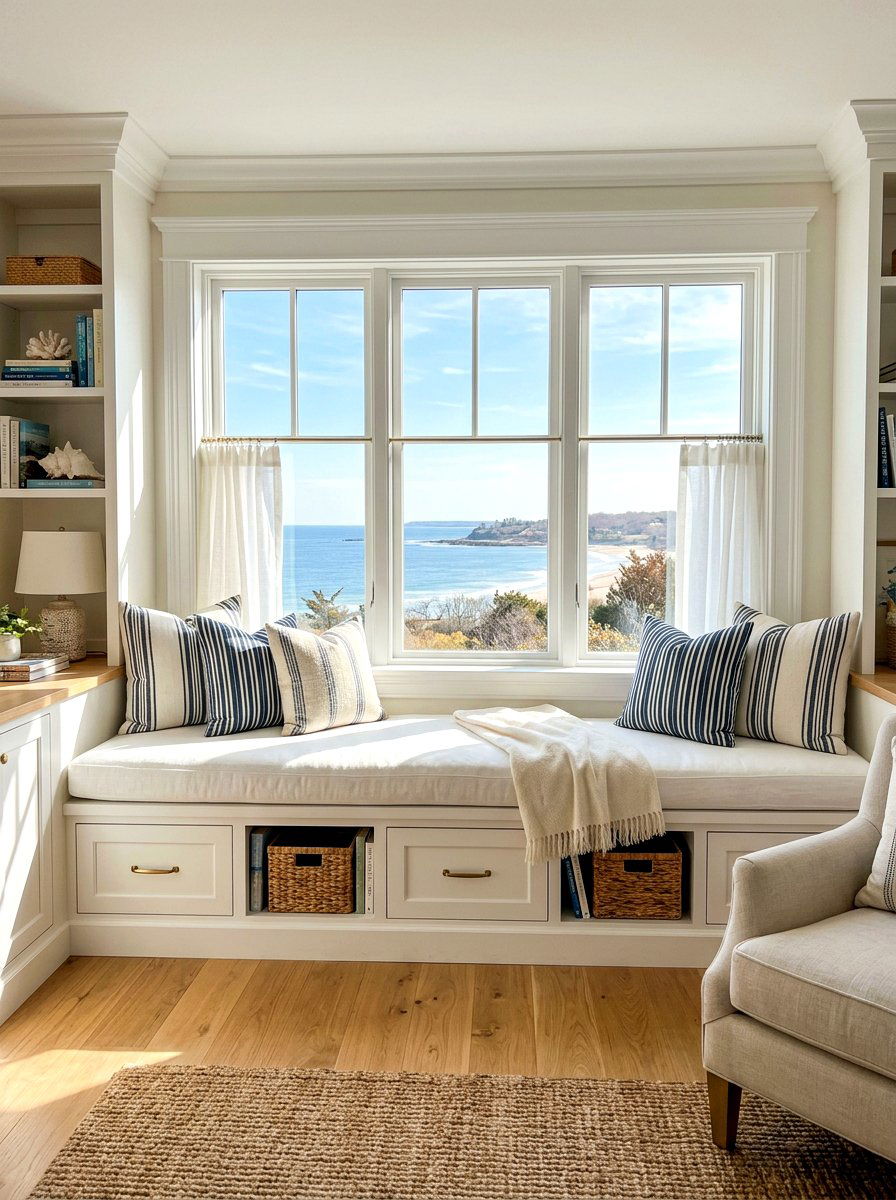
Transforming an underutilized window area into a built-in seat offers both extra lounging space and hidden storage. This custom solution makes the most of the room's architecture by providing a cozy nook for reading or morning coffee. The space beneath the cushion can be used to tuck away bulky items like blankets or seasonal decor. Adding soft pillows and a high-quality seat pad ensures the area feels like an integrated part of the overall design. This feature adds architectural charm and character while performing multiple functional roles. It effectively extends the seating capacity of the room without requiring additional freestanding furniture pieces that might crowd the area.
8. Neutral living room colors
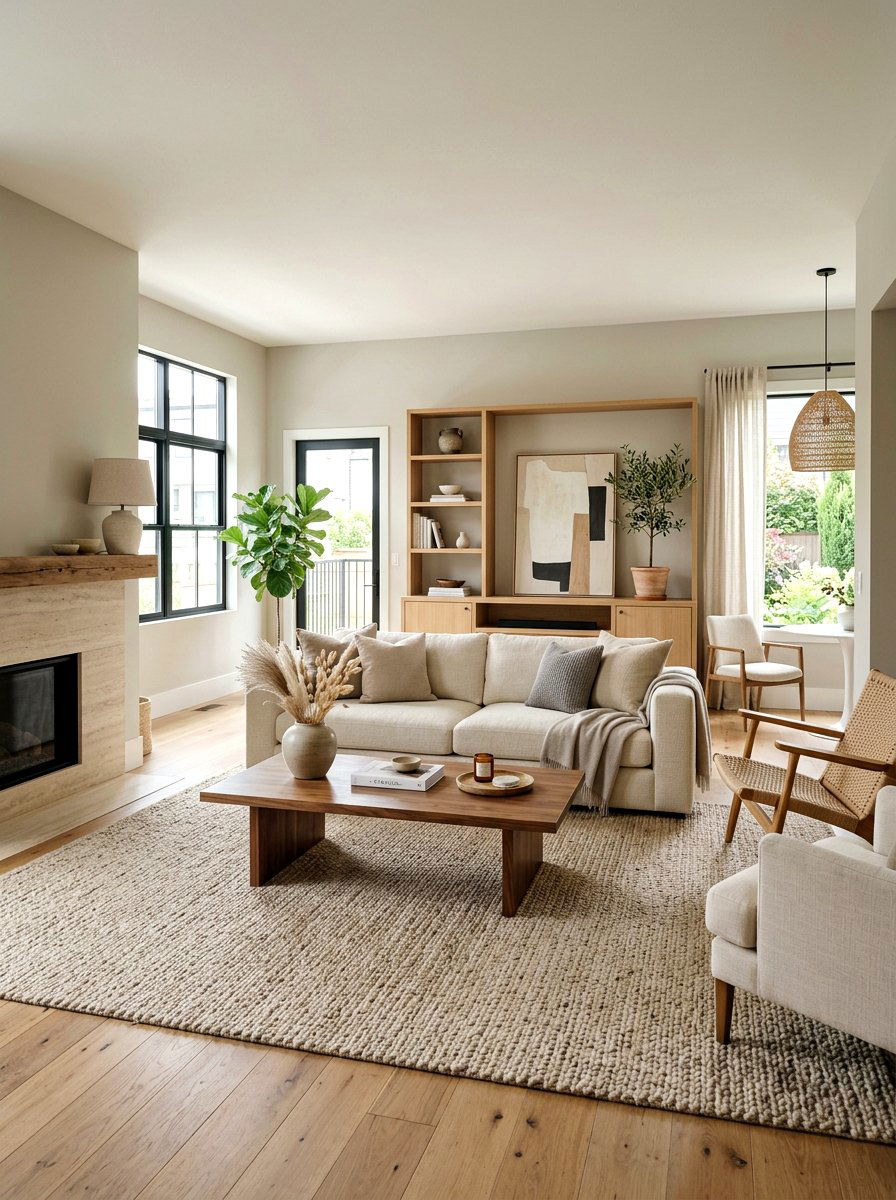
Adopting a neutral color palette is a timeless strategy for making a small living room feel sophisticated and calm. Shades like soft greige, cream, and pale taupe create a cohesive environment that feels expansive and unified. These light tones prevent the room from feeling segmented or choppy, which is common when using too many dark colors. You can layer different textures within the same color family to add depth and warmth without introducing visual noise. Neutral backgrounds also make it easy to swap out seasonal accessories like pillows or throws whenever you want a fresh look. This approach fosters a serene atmosphere that promotes relaxation and mental clarity.
9. Storage ottoman coffee table
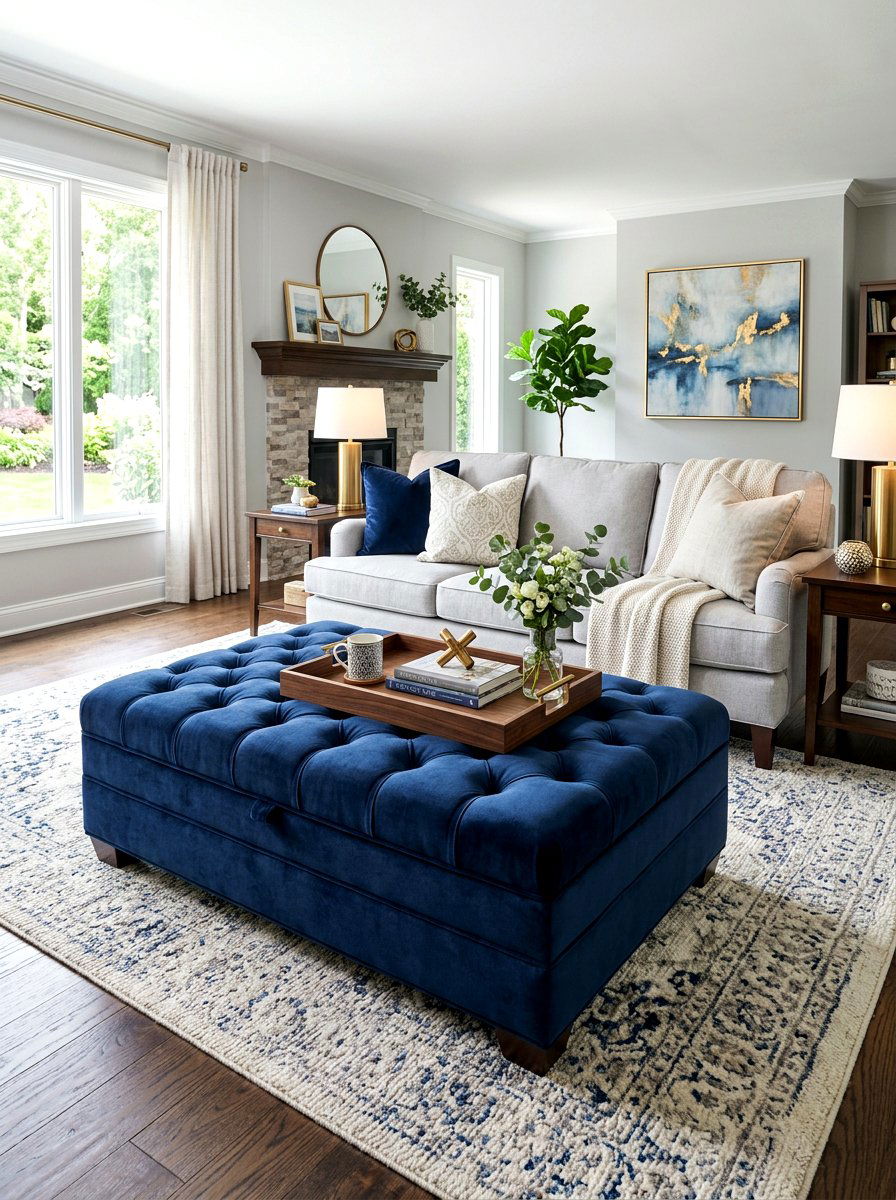
Replacing a traditional coffee table with a large storage ottoman is a clever way to add versatility to your home. This multi-purpose piece serves as a comfortable footrest, extra seating for guests, and a hidden bin for organization. Many ottomans feature a flat top that can hold a tray for drinks, making them just as functional as a standard table. Choosing a fabric that complements your sofa creates a unified and cozy aesthetic throughout the entire seating area. By hiding clutter inside the ottoman, you keep the room looking tidy and professional at all times. This dual-function furniture is essential for anyone living in a compact urban apartment.
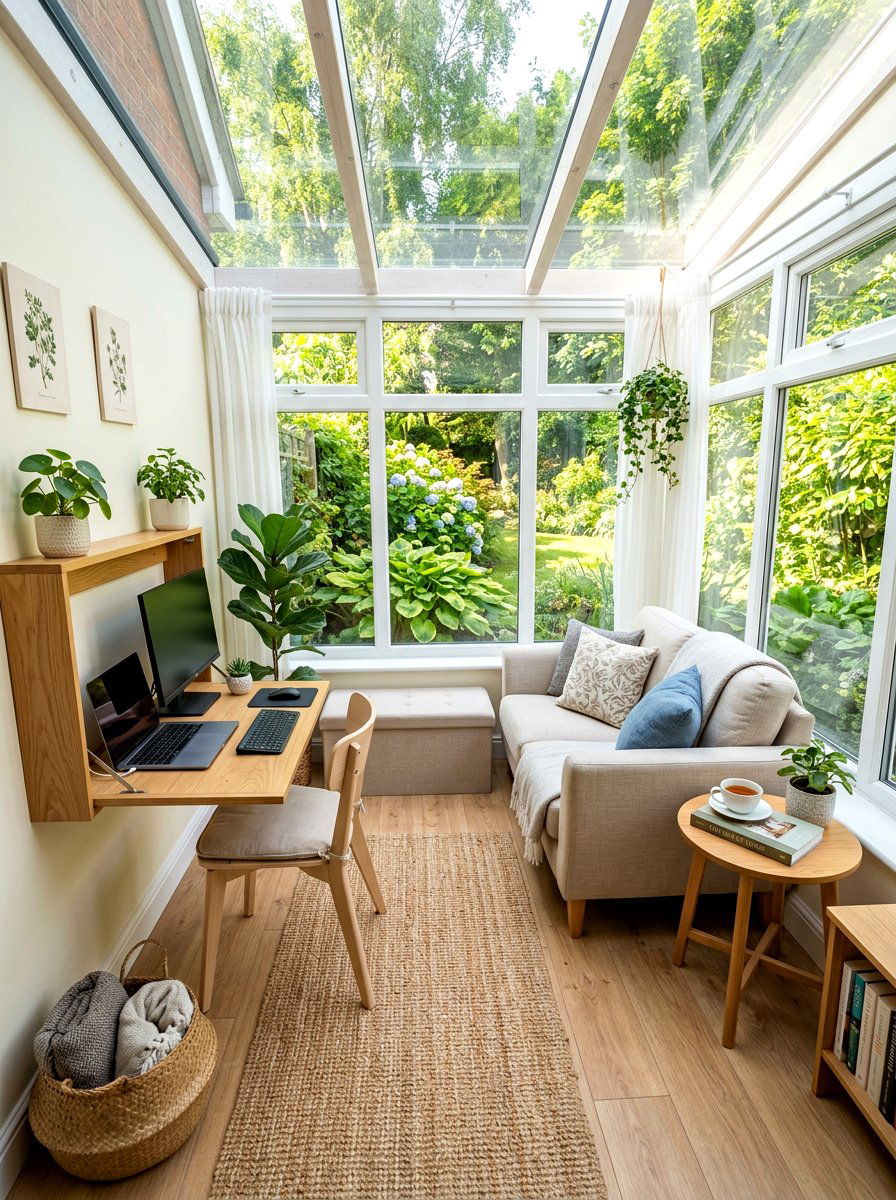
10. Floor to ceiling curtains
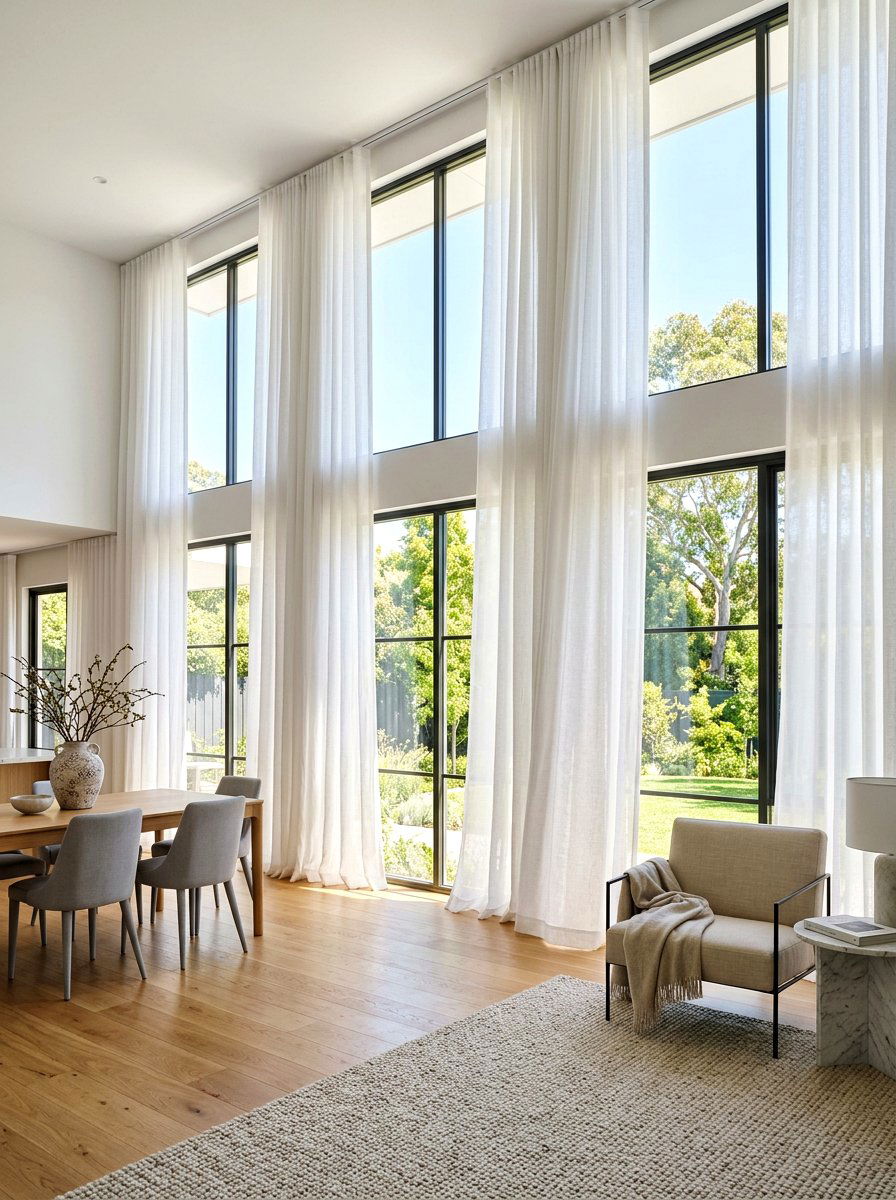
Hanging your curtains at the very top of the wall near the ceiling creates an immediate sense of grandeur. This simple adjustment tricks the eye into thinking the windows are much larger and the ceilings are significantly taller. When the fabric flows all the way to the floor, it adds a vertical line that elongates the entire room. You should choose lightweight, breathable fabrics like linen or sheer cotton to allow natural light to filter through softly. This styling technique frames the view outside while adding a layer of soft texture to the interior design. It is a cost-effective way to make a small room feel more luxurious and spacious.
11. Wall mounted tv setup
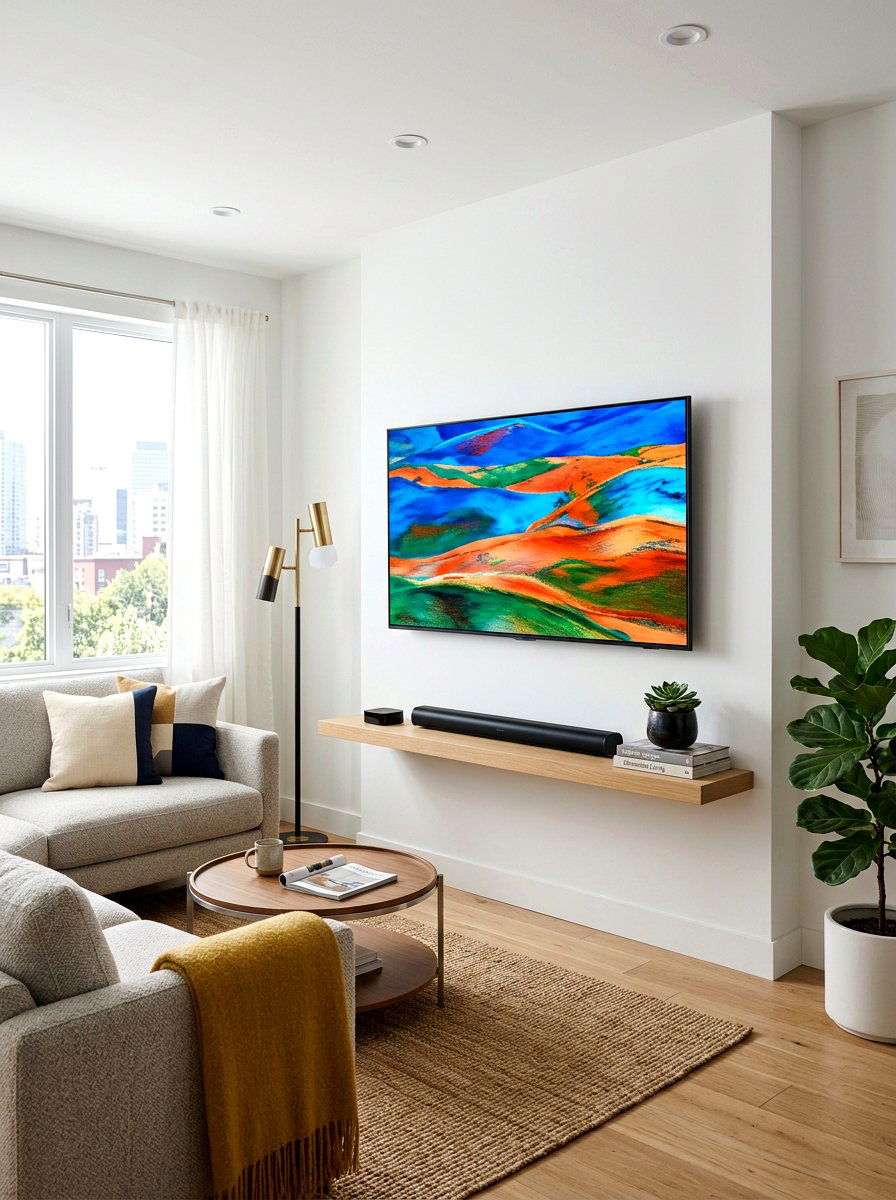
Mounting your television directly onto the wall is a fantastic way to free up valuable floor space. This setup eliminates the need for a bulky media console that can make a small room feel narrow and crowded. You can hide the cables behind the wall or inside a slim conduit for a clean and professional appearance. By elevating the screen, you also create a more ergonomic viewing height for your movie nights or gaming sessions. This design choice leaves the area beneath the TV open for a small bench or low-profile storage bins. It streamlines the room’s layout and contributes to a modern, clutter-free environment that feels very organized.
12. Big rug small room
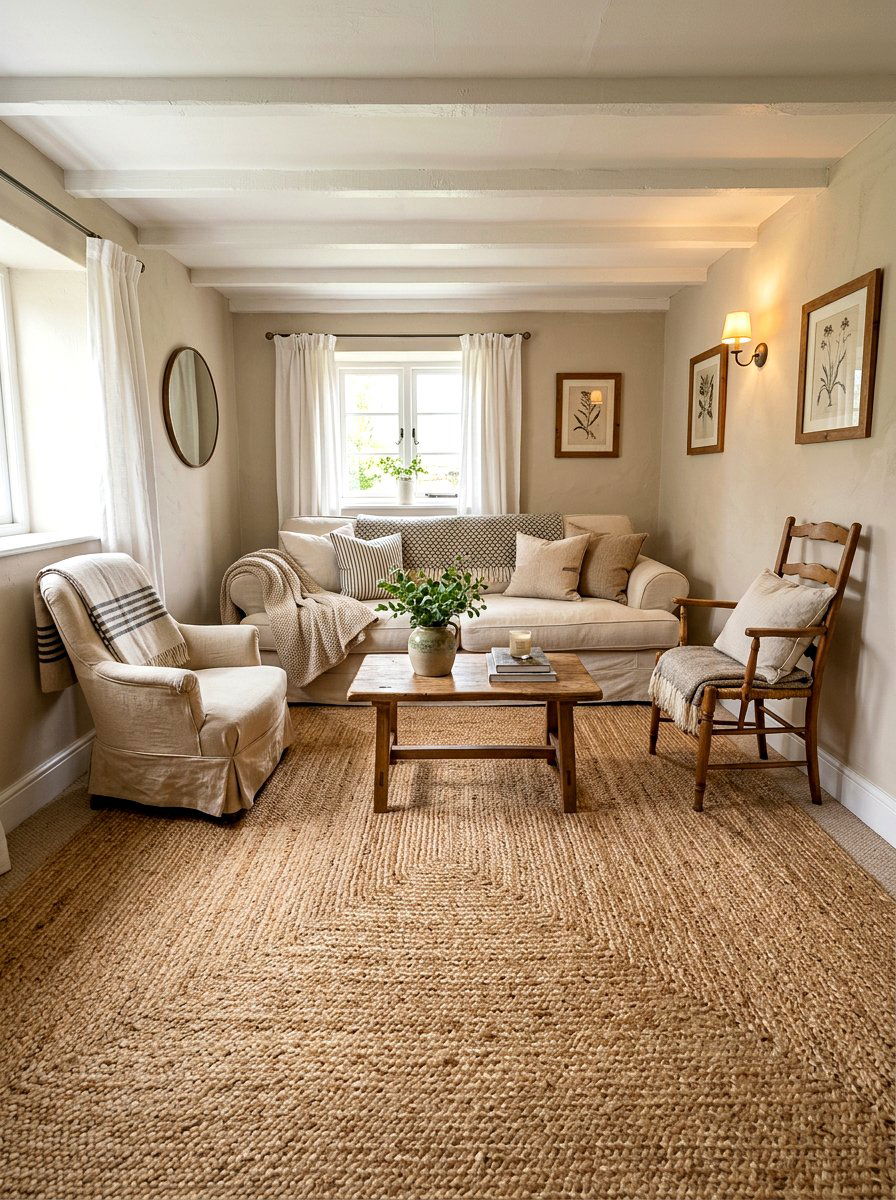
Using a large area rug that extends under all your furniture pieces actually makes a small room look much bigger. A tiny rug can make the floor space feel fragmented and disjointed, drawing attention to the room's limited size. A generous rug anchors the seating arrangement and creates a defined zone that feels expansive and high-end. You should select a rug with a subtle pattern or a solid neutral color to maintain a sense of calm. The soft texture underfoot adds comfort and warmth, making the living area feel more inviting and complete. This single design move can completely transform the perceived proportions of a compact living space.
13. Glass side table decor
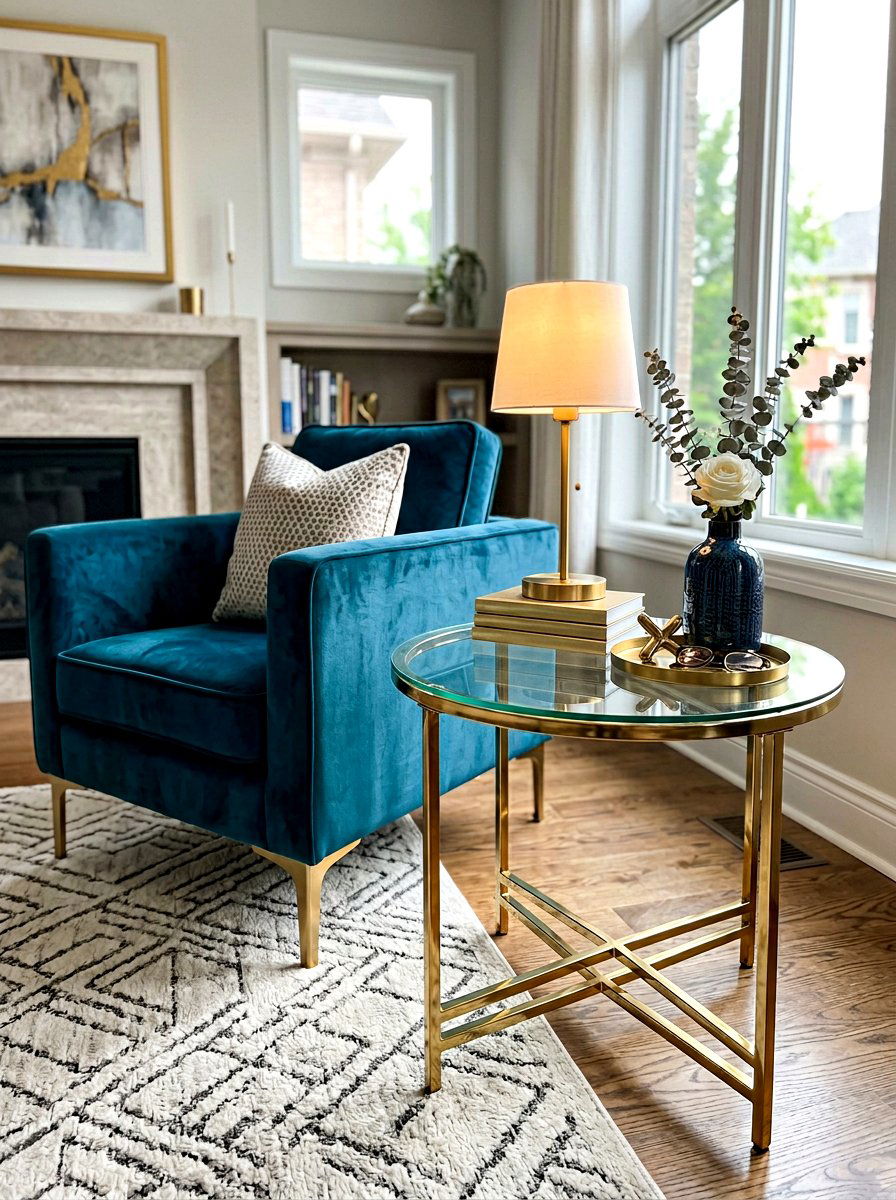
Incorporating glass side tables next to your seating provides necessary surfaces without adding any visual weight to the room. Like acrylic pieces, glass allows light to pass through, keeping the area around your sofa feeling open and airy. These tables are perfect for holding a small lamp or a cup of tea while maintaining a minimalist look. Their reflective surfaces add a touch of sparkle and modern sophistication to the overall design scheme. You can find glass tables with thin metal frames in gold or black to match your existing hardware. This choice ensures that every piece of furniture serves a purpose without overwhelming the limited square footage available.
14. Natural light living room
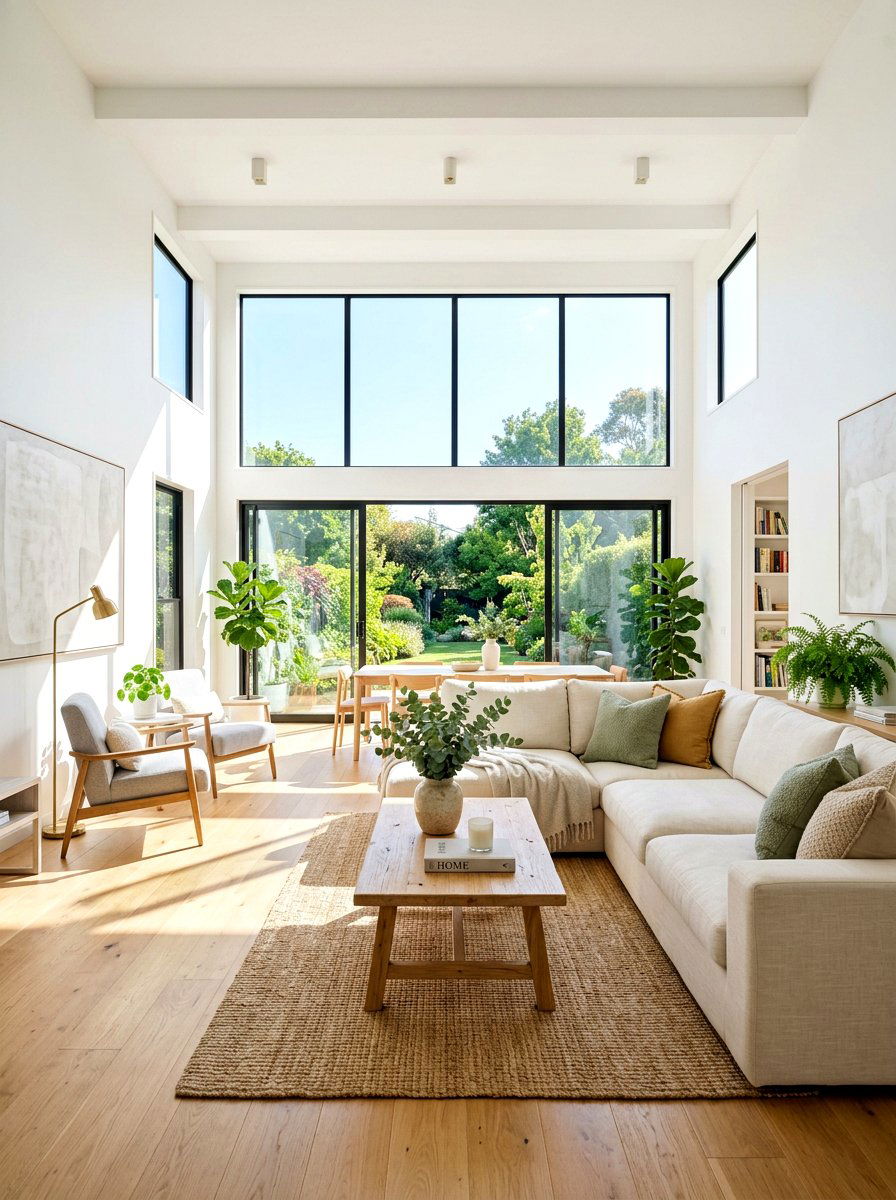
Maximizing natural light is the most effective way to breathe life into a small and potentially dark living space. You should keep windows clear of heavy obstructions and use light-reflecting colors on the surrounding walls. Position your primary seating area near the window to take full advantage of the sunshine during the daytime hours. Natural light makes colors appear more vibrant and helps the room feel connected to the outdoors, which reduces any sense of confinement. If privacy is a concern, consider using frosted film or top-down bottom-up shades that let light in from above. A bright, sun-drenched room always feels larger and more welcoming than a dim one.
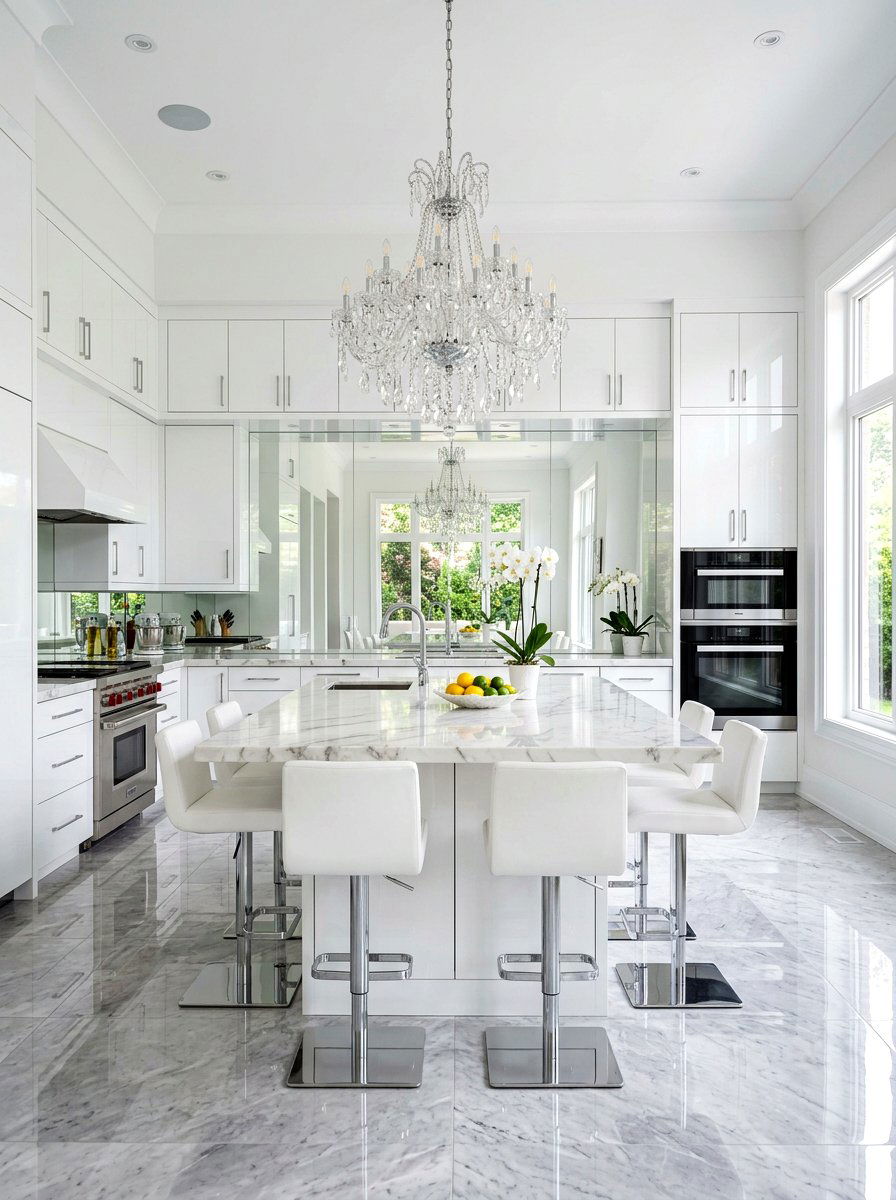
15. Minimalist living room furniture
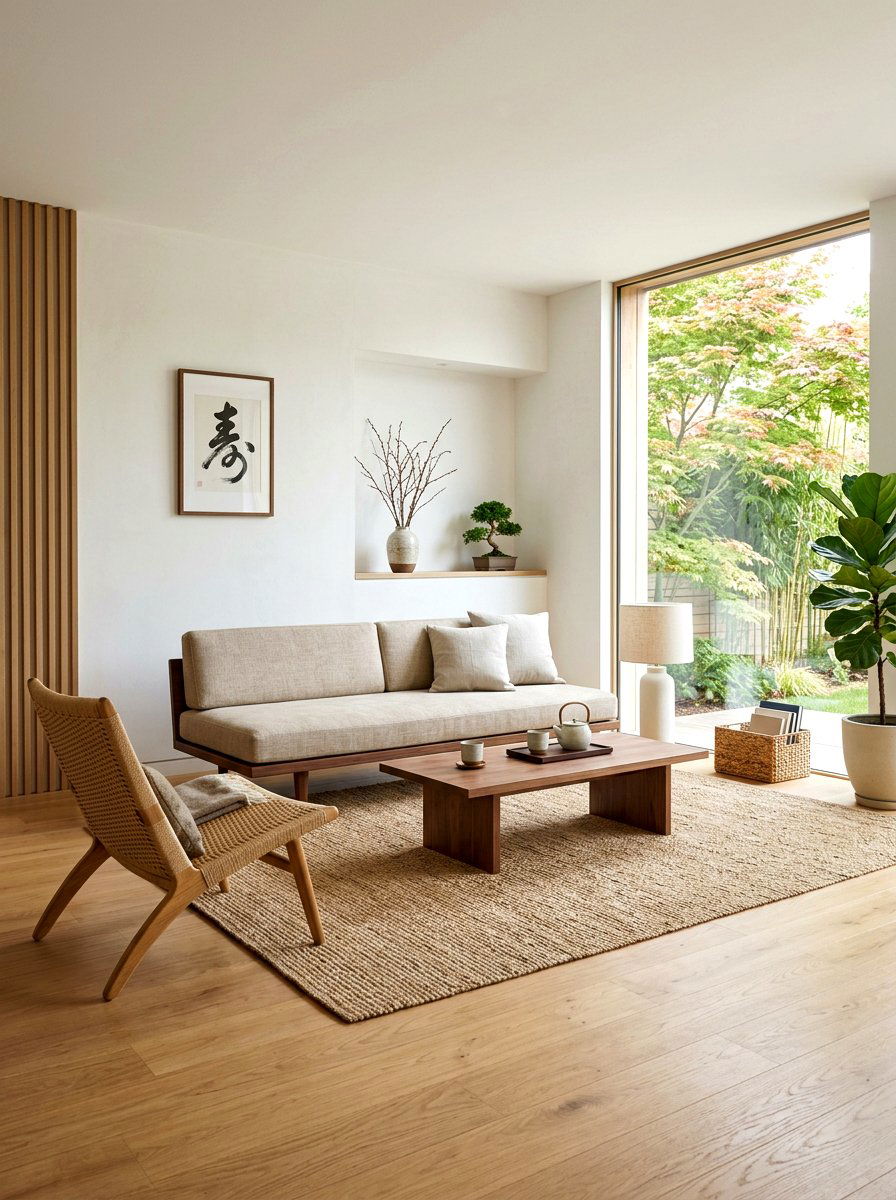
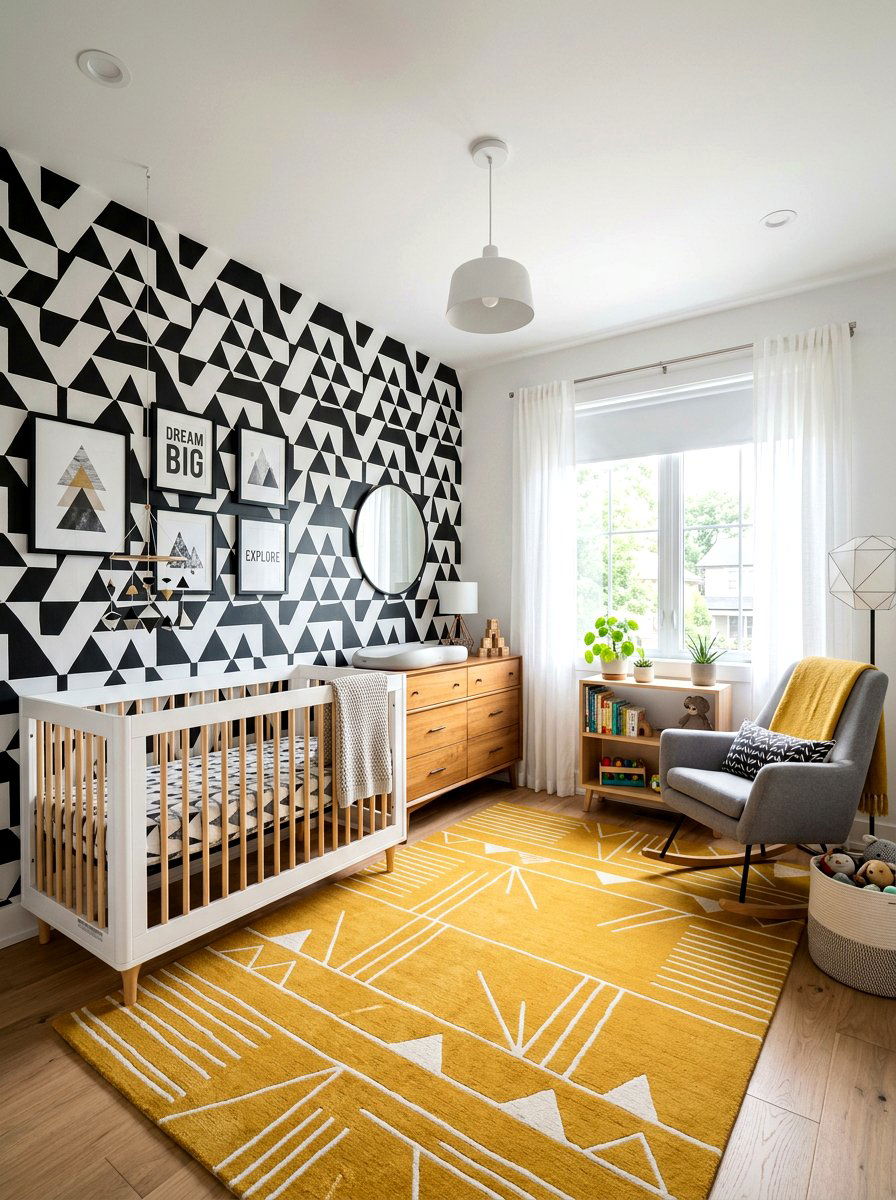
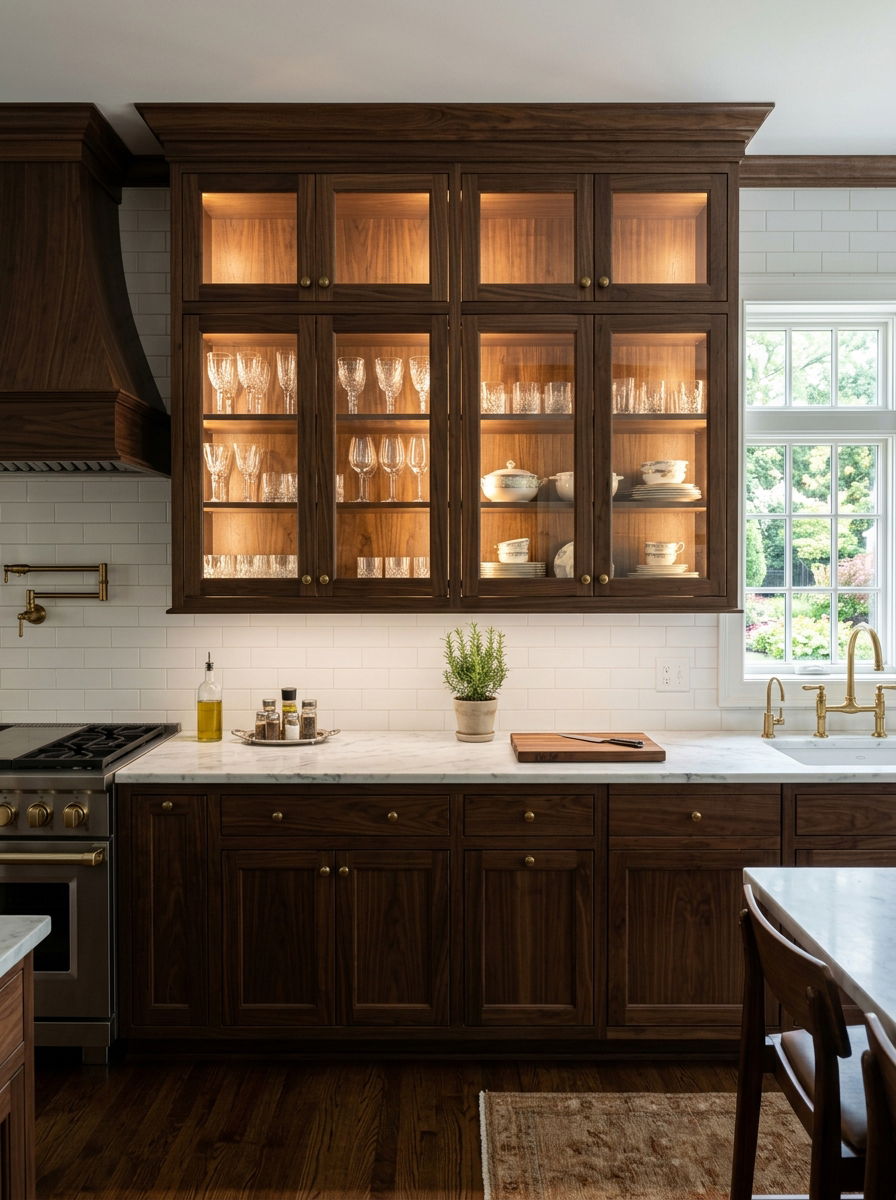
Adopting a minimalist approach to your furniture selection ensures that every piece in the room has a clear purpose. You should focus on high-quality items with clean lines and simple silhouettes that don't compete for visual attention. Avoiding overly ornate or oversized pieces prevents the room from feeling stuffed or chaotic. A minimalist layout emphasizes the beauty of the architecture and the flow of the space itself. This style encourages you to declutter regularly, keeping only the items that truly bring you joy or provide essential function. By reducing the number of objects in the room, you create a peaceful environment that feels much larger than its actual dimensions.
16. Living room corner plants
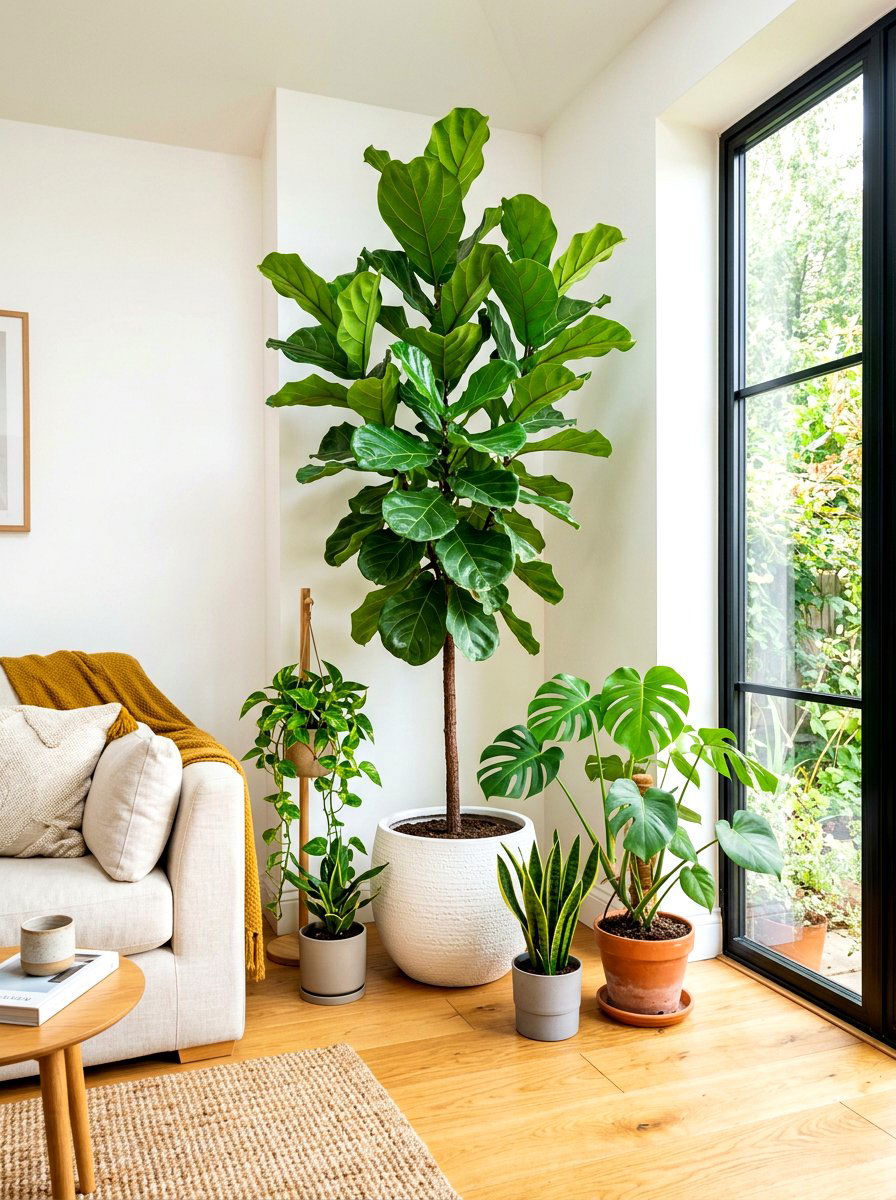
Adding tall indoor plants to empty corners introduces a touch of nature that makes a small room feel more vibrant. Large leafy plants like a Fiddle Leaf Fig or a Monstera can fill a vertical gap and add a splash of organic color. Plants soften the sharp corners of the room and bring a sense of freshness to the air. This biophilic design element draws the eye upward and adds a layer of depth to the interior landscape. You can use stylish ceramic pots that match your color palette to ensure the plants look like an intentional part of the decor. Greenery provides a calming influence that enhances the overall mood of the home.
17. Hidden storage living room
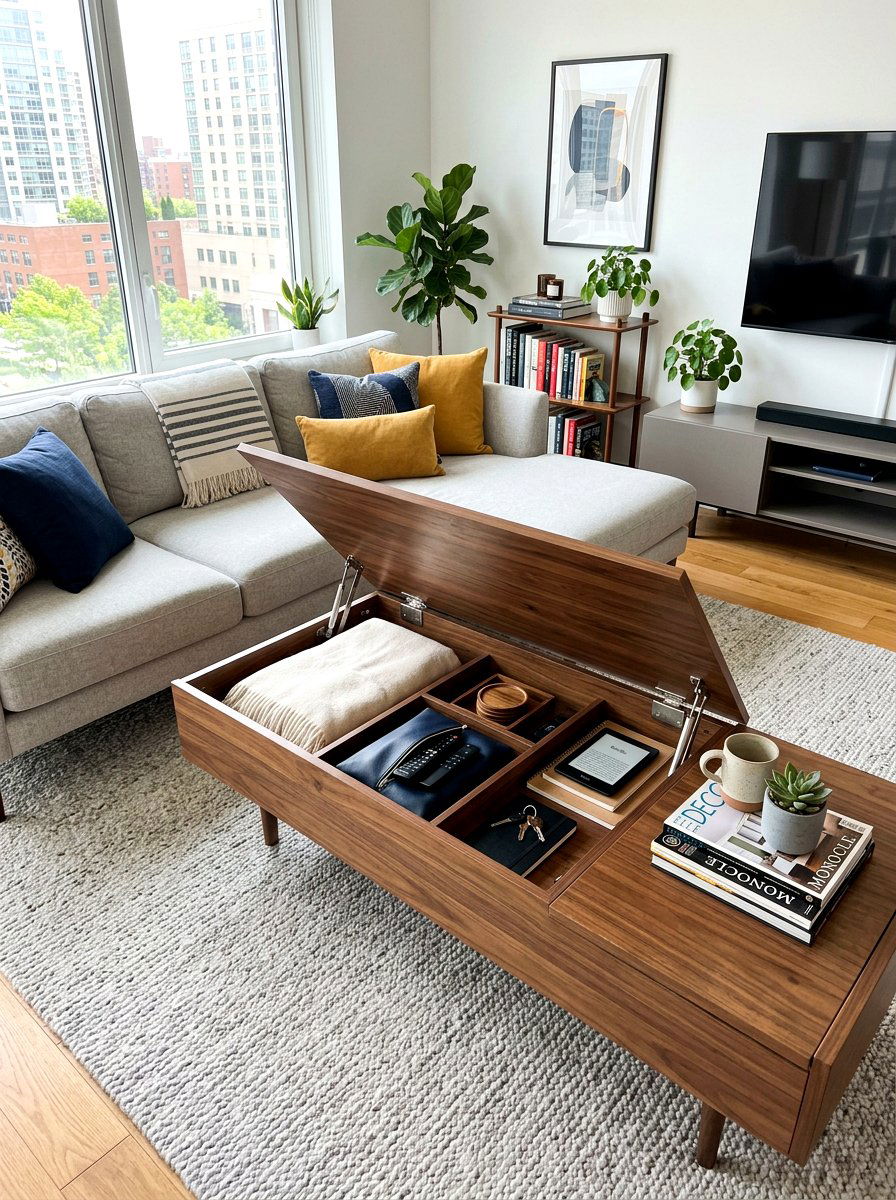
Investing in furniture with built-in hidden storage is a lifesaver for maintaining a tidy and professional living environment. Look for coffee tables with lifting tops or sofas with secret compartments beneath the cushions to hide away everyday clutter. This allows you to keep essential items close at hand without having them out on display constantly. A clean, organized room always feels more spacious and peaceful than one filled with loose objects. Hidden storage solutions are perfect for small homes where traditional closets or cabinets might be lacking. By keeping your surfaces clear, you allow the room’s design and architecture to shine through without any unnecessary distractions or mess.
18. Small apartment sofa styles
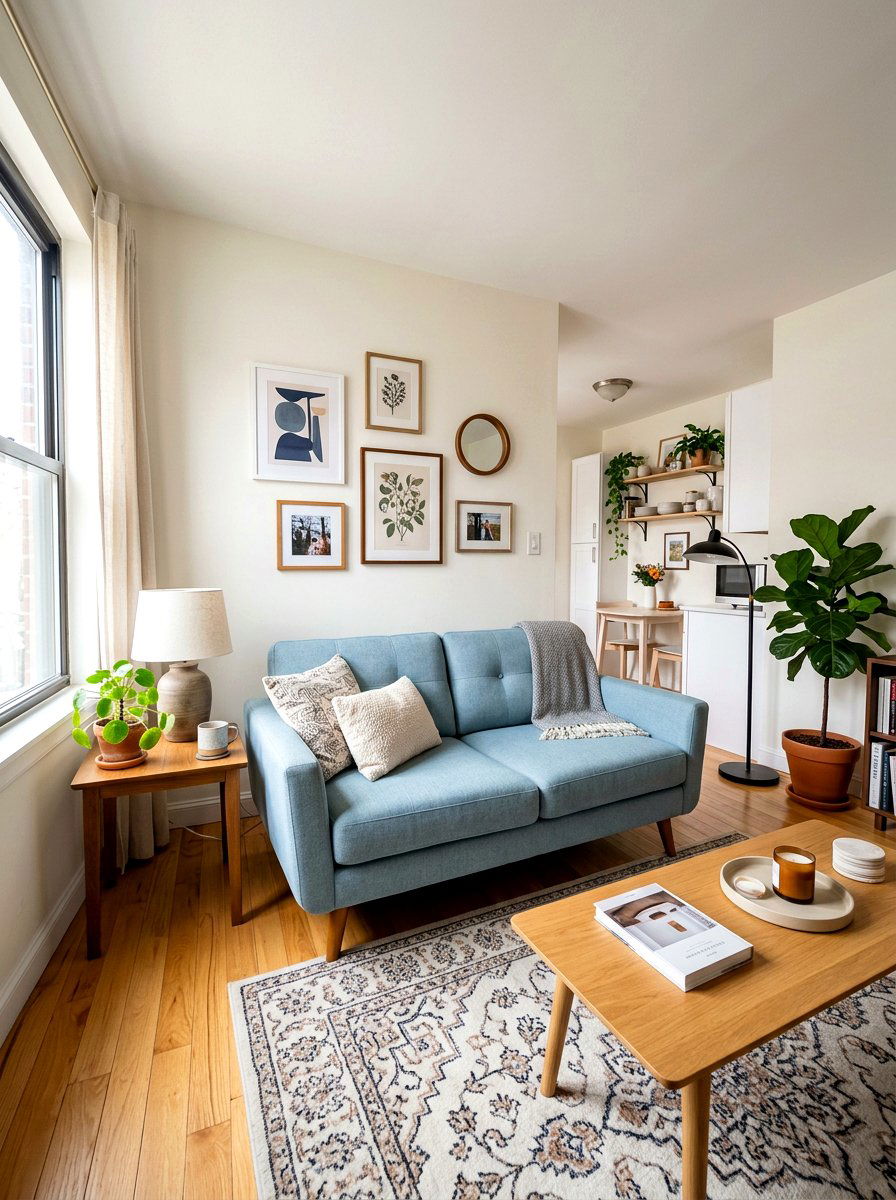
Selecting a sofa specifically designed for apartment living ensures that the proportions of the piece match the scale of the room. Apartment-sized sofas are typically narrower and shallower than standard models, allowing for more walking space around them. You should choose a design with high, thin legs that lift the base off the floor, creating a sense of openness underneath. This visual trick prevents the sofa from looking like a heavy block that anchors the room down. Many of these sofas come in beautiful velvet or linen fabrics that add a touch of luxury to a compact area. It is about finding the perfect balance between comfort and physical footprint.
19. Modern statement lighting fixture
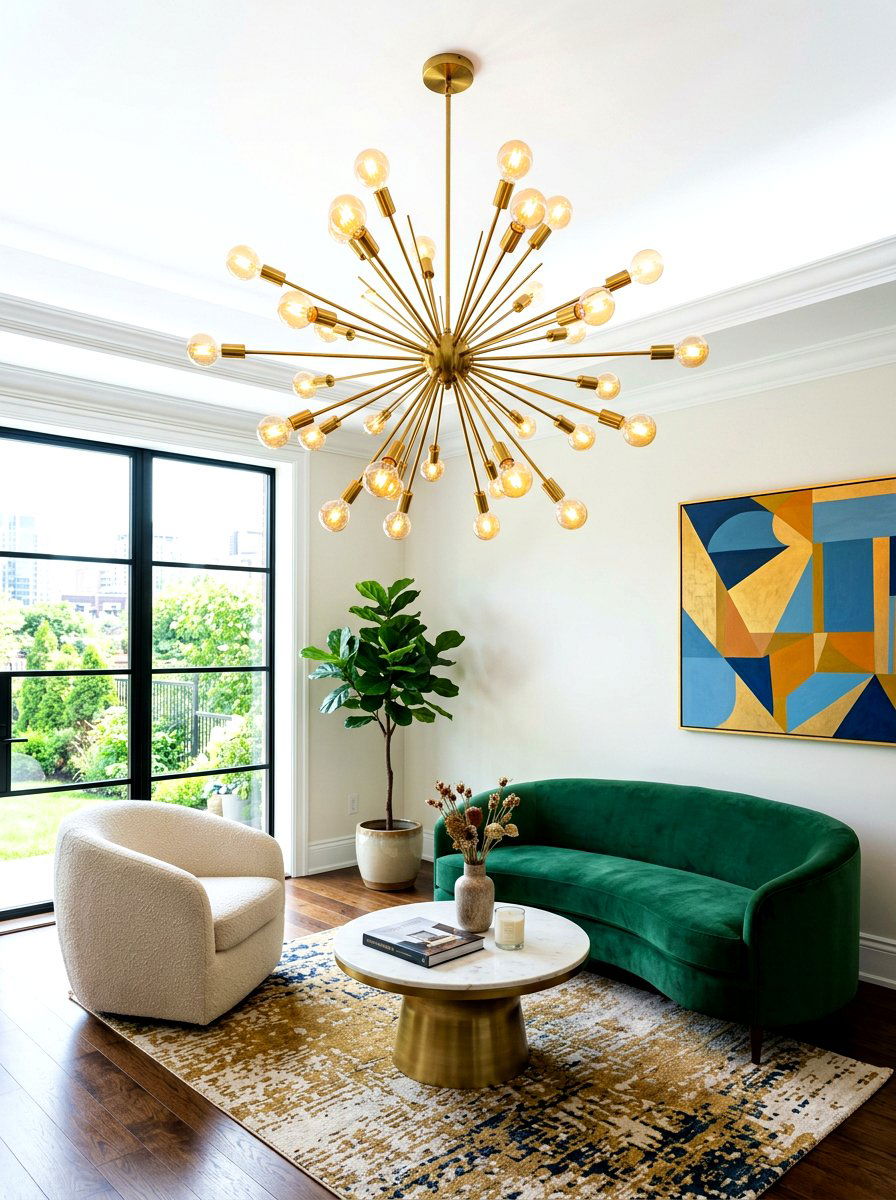
Installing a bold and modern lighting fixture can serve as the primary focal point, drawing attention away from the room's size. A unique chandelier or a sculptural pendant light adds a layer of artistic flair to the ceiling. This encourages guests to look up, which emphasizes the vertical dimension of the space rather than the floor area. You should choose a fixture that provides warm, ambient light to create a cozy and inviting atmosphere in the evenings. Statement lighting acts as jewelry for the room, elevating the entire design scheme with a single, impactful choice. It proves that small spaces can still accommodate big and daring design elements.
20. Open concept zoning rugs
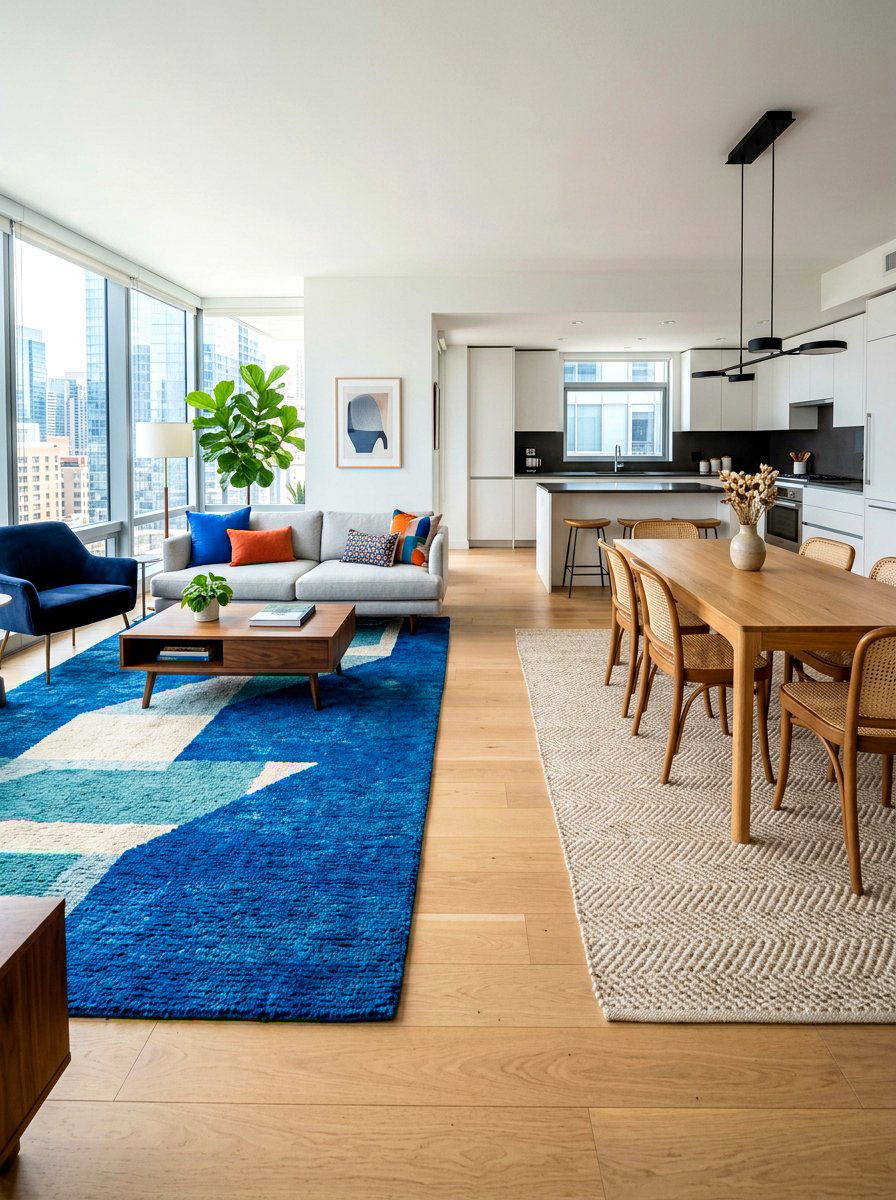
In an open-concept home, using different area rugs is an effective way to define specific zones without building physical walls. You can place a textured rug under the living area and a different style under the dining table to create clear boundaries. This organization helps the eye understand the function of each part of the room, making the overall space feel more orderly. Zoning with rugs ensures that the living room feels like a private sanctuary within a larger, multi-purpose environment. It adds visual interest and allows you to play with different colors and patterns while maintaining a cohesive flow. This strategy maximizes the utility of every square foot available.
21. Low profile living room furniture
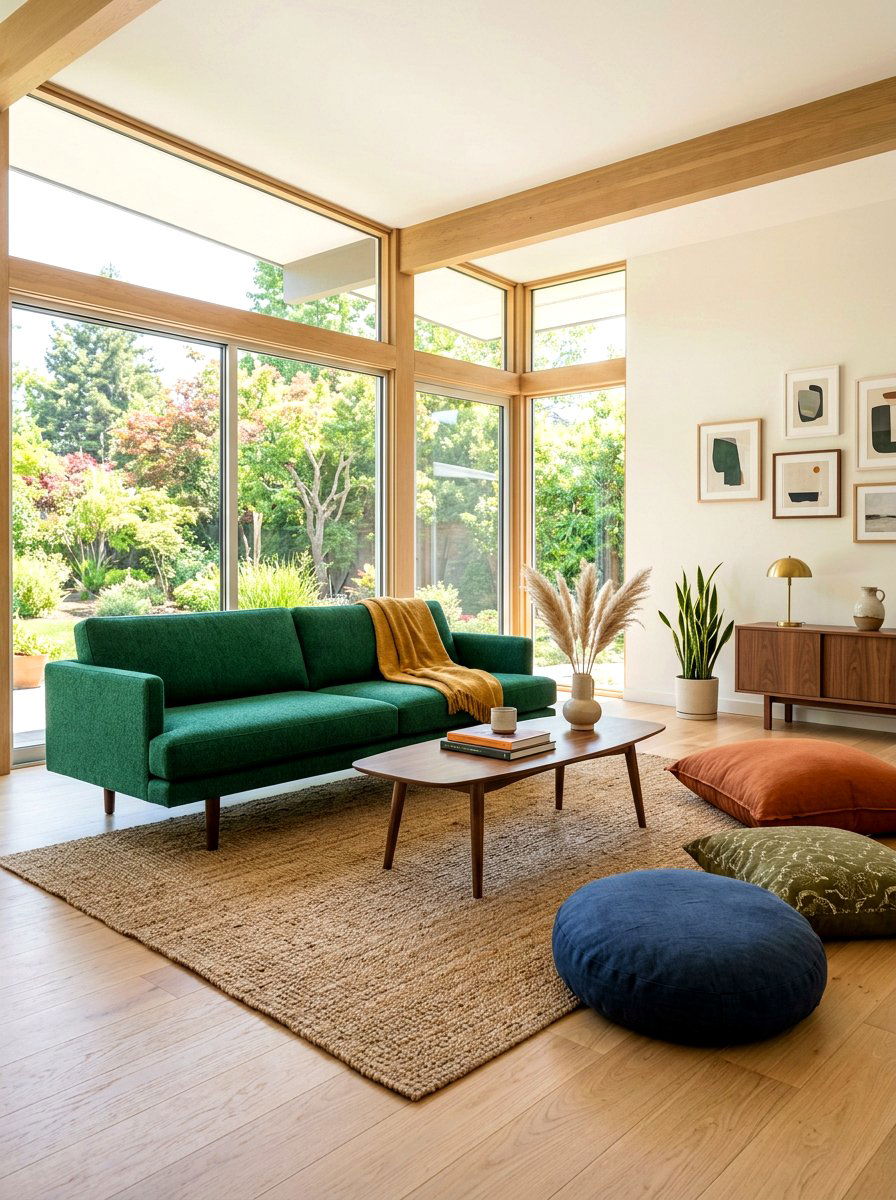
Choosing low-profile furniture is a great way to make your ceilings appear much higher than they actually are. Sofas and chairs that sit closer to the ground leave more open wall space above them, creating an airy feel. This design choice is particularly effective in rooms with standard or low ceiling heights where every inch of vertical space matters. Low-profile pieces often feature sleek, mid-century modern lines that look incredibly stylish in a contemporary setting. They provide a relaxed and grounded vibe that makes the living room feel like a cozy retreat. This approach emphasizes the volume of the room, making the entire environment feel much less cramped.
22. Ladder shelf wall decor
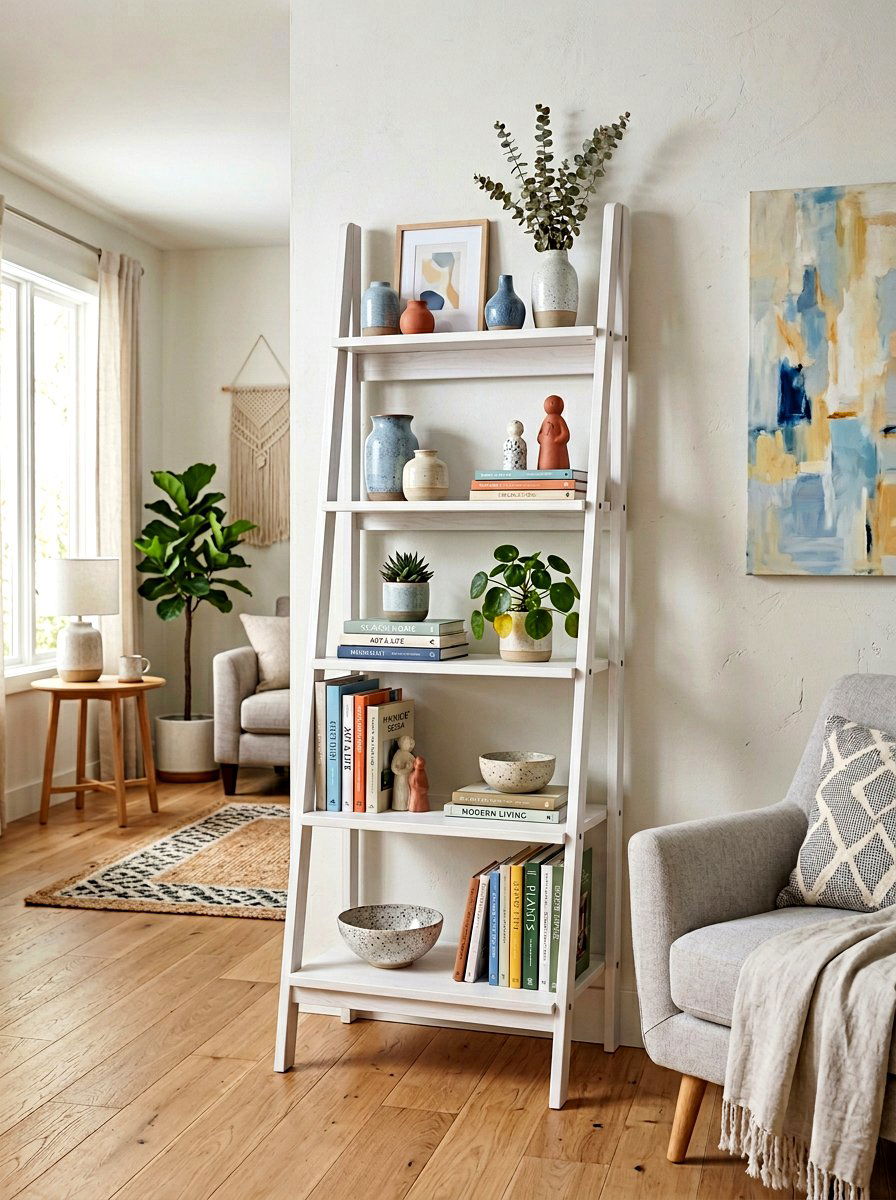
A ladder shelf is a versatile and space-saving piece that offers plenty of vertical storage with a very small footprint. Because the shelves get narrower toward the top, the unit feels light and doesn't overwhelm the wall. It is an ideal spot for displaying a mix of books, small plants, and framed photographs in a curated way. The leaning design adds a casual and modern touch to the room’s decor while providing essential organizational space. You can easily move a ladder shelf between different corners of the room as your needs change. It is a functional accessory that adds height and character to the living area without cluttering the floor.
23. Modern wall sconce lighting
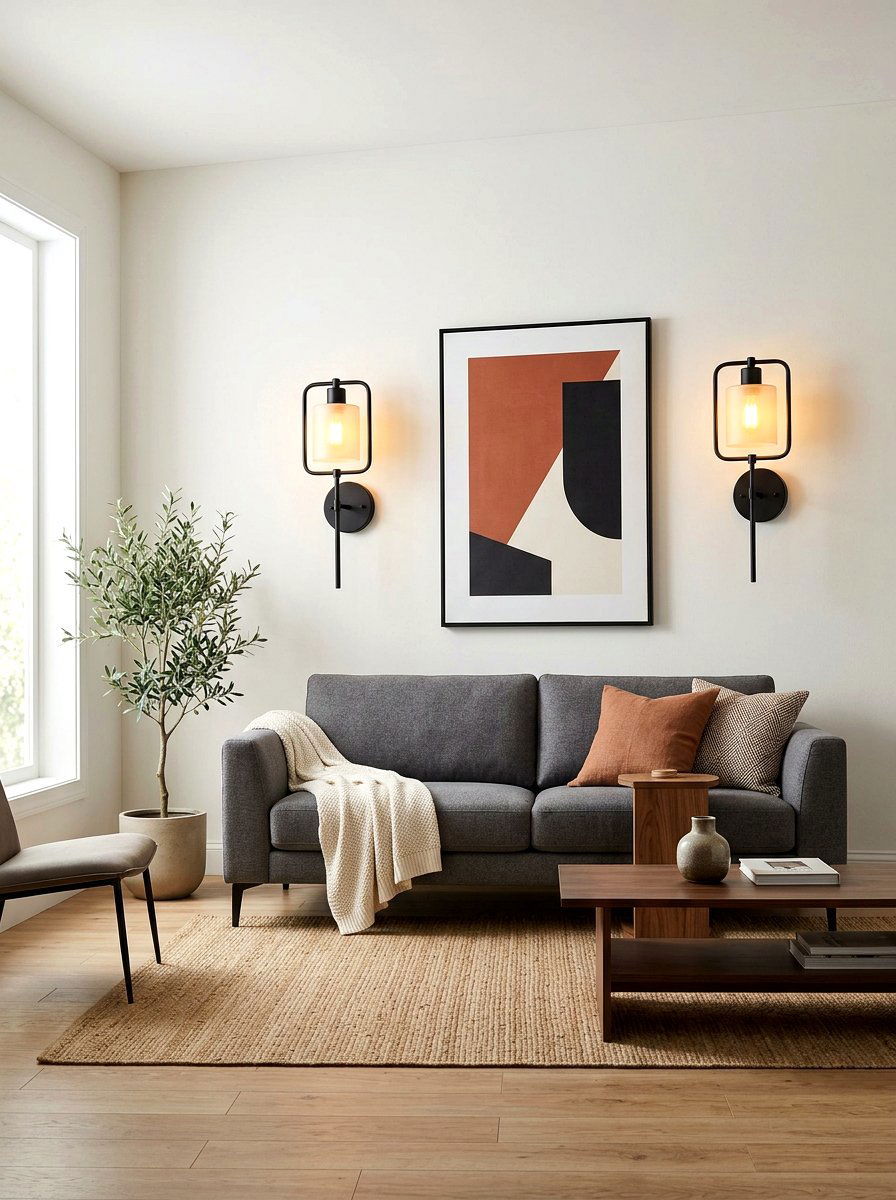
Swapping out bulky floor lamps for wall-mounted sconces is a professional way to save floor space while adding layered lighting. Sconces provide focused illumination for reading or creating a warm evening glow without requiring any surface area on tables or the floor. Many modern designs feature adjustable arms, allowing you to direct the light exactly where you need it most. This lighting choice adds a sophisticated, high-end look to the room’s walls and helps define the seating area. By clearing the floor of cords and lamp bases, you create a safer and more streamlined environment. It is a smart lighting solution for any compact living room layout.
24. Round coffee table small space
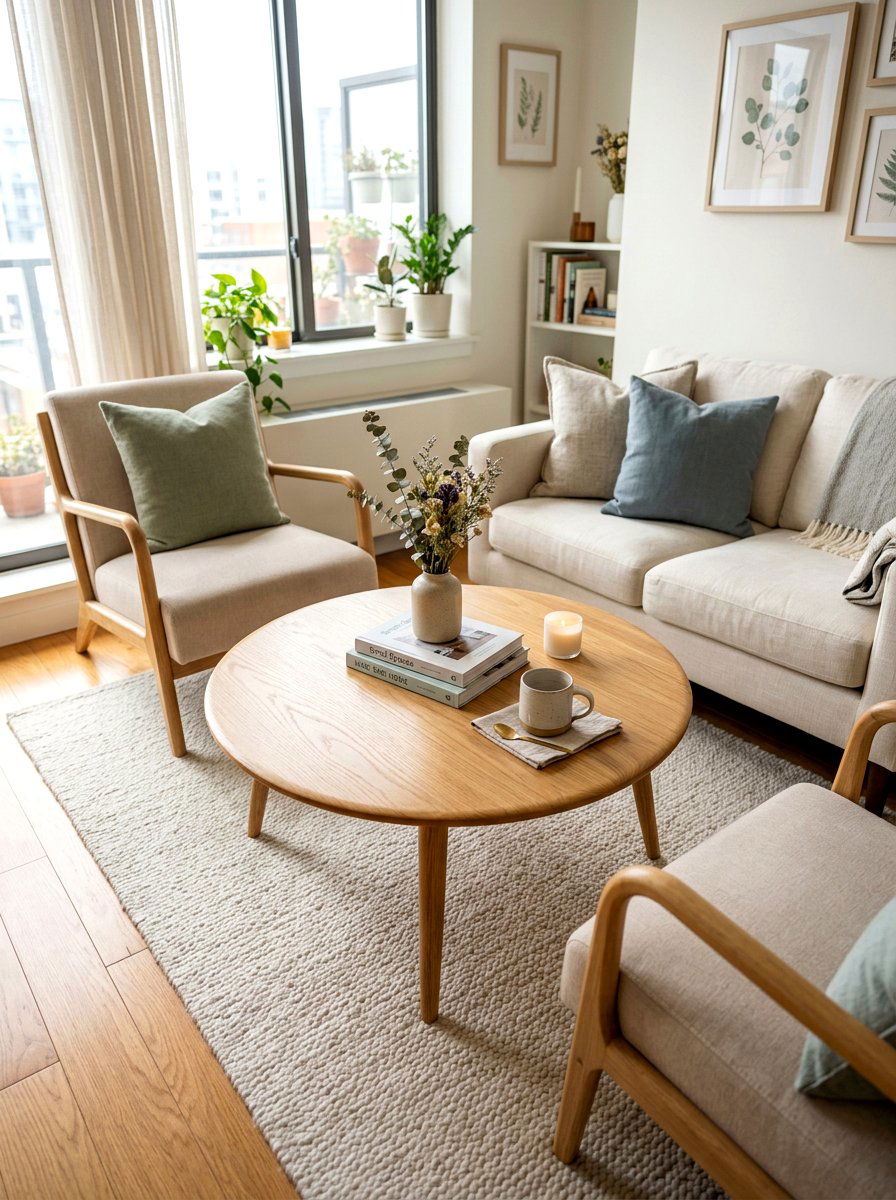
Opting for a round coffee table instead of a rectangular one improves the flow of movement in a tight living area. Without sharp corners, it is much easier to navigate around the table, reducing the risk of accidental bumps in narrow walkways. The circular shape also softens the overall look of the room, which is often filled with square furniture and straight walls. This contrast adds visual interest and makes the seating arrangement feel more intimate and inclusive. Round tables are perfect for grouping around a small sofa or a pair of accent chairs. They offer a functional surface while maintaining a gentle and approachable presence in the room.
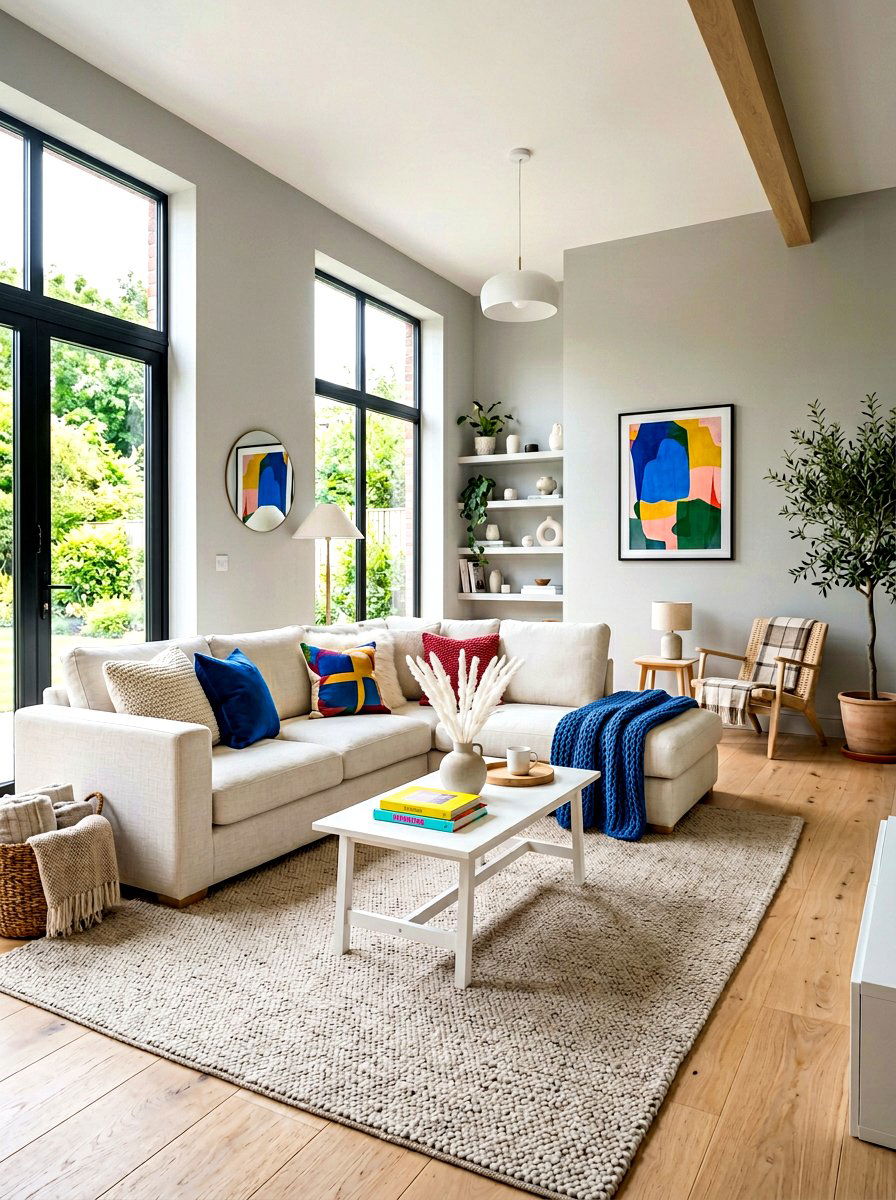
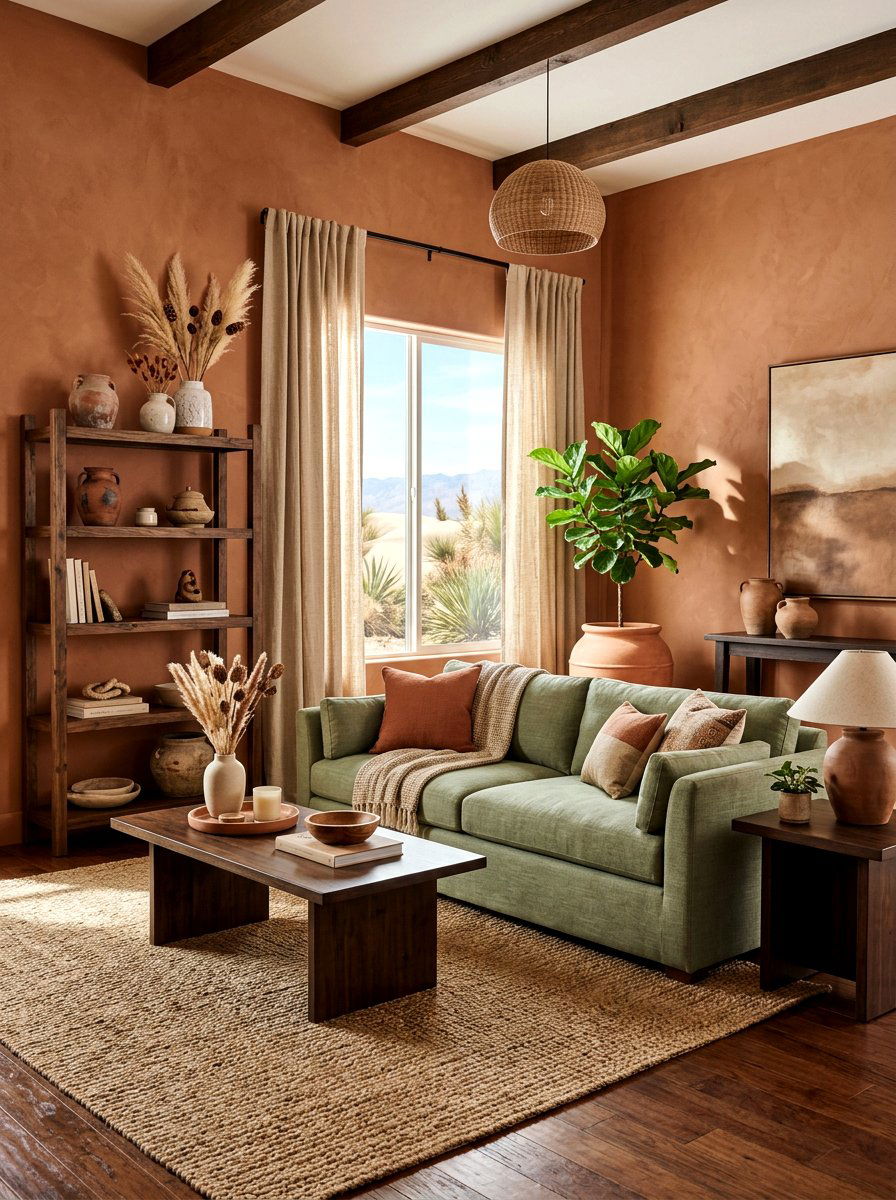
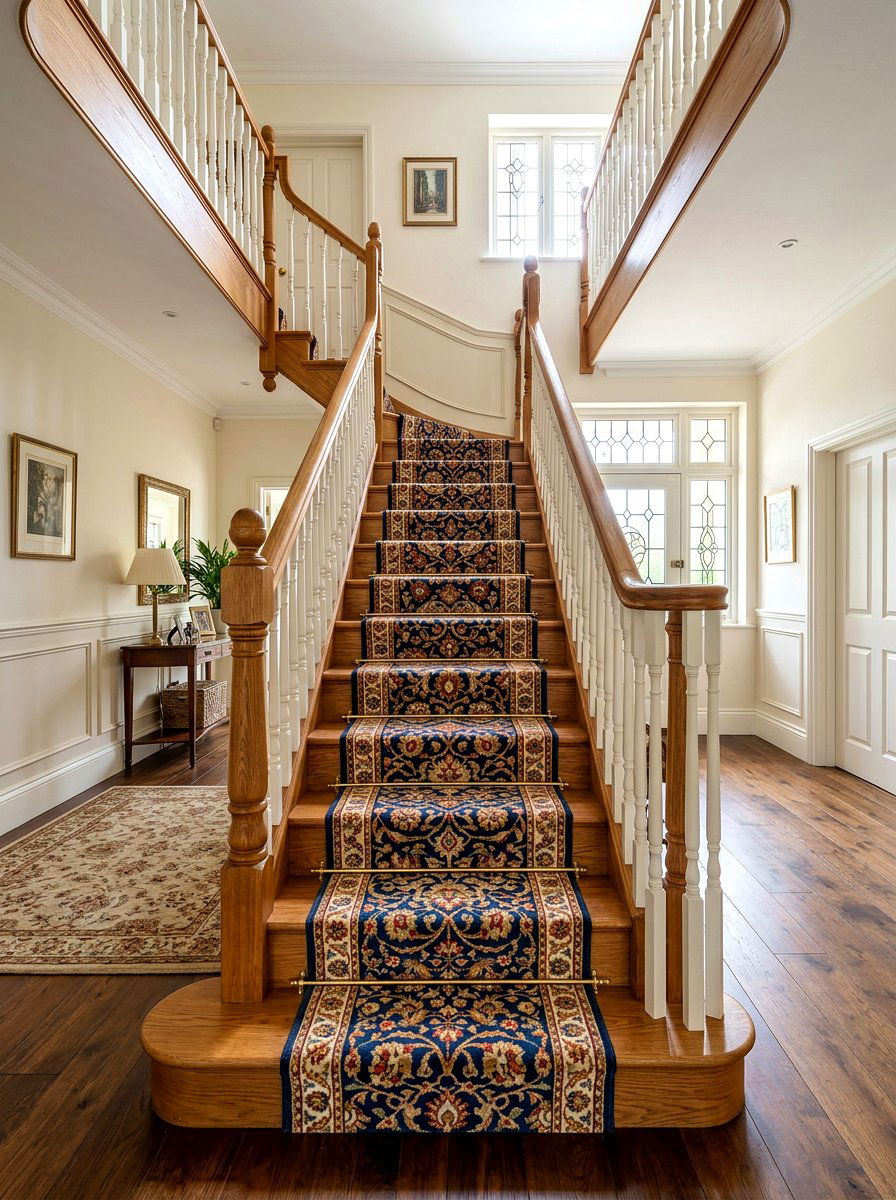
25. Monochromatic living room decor
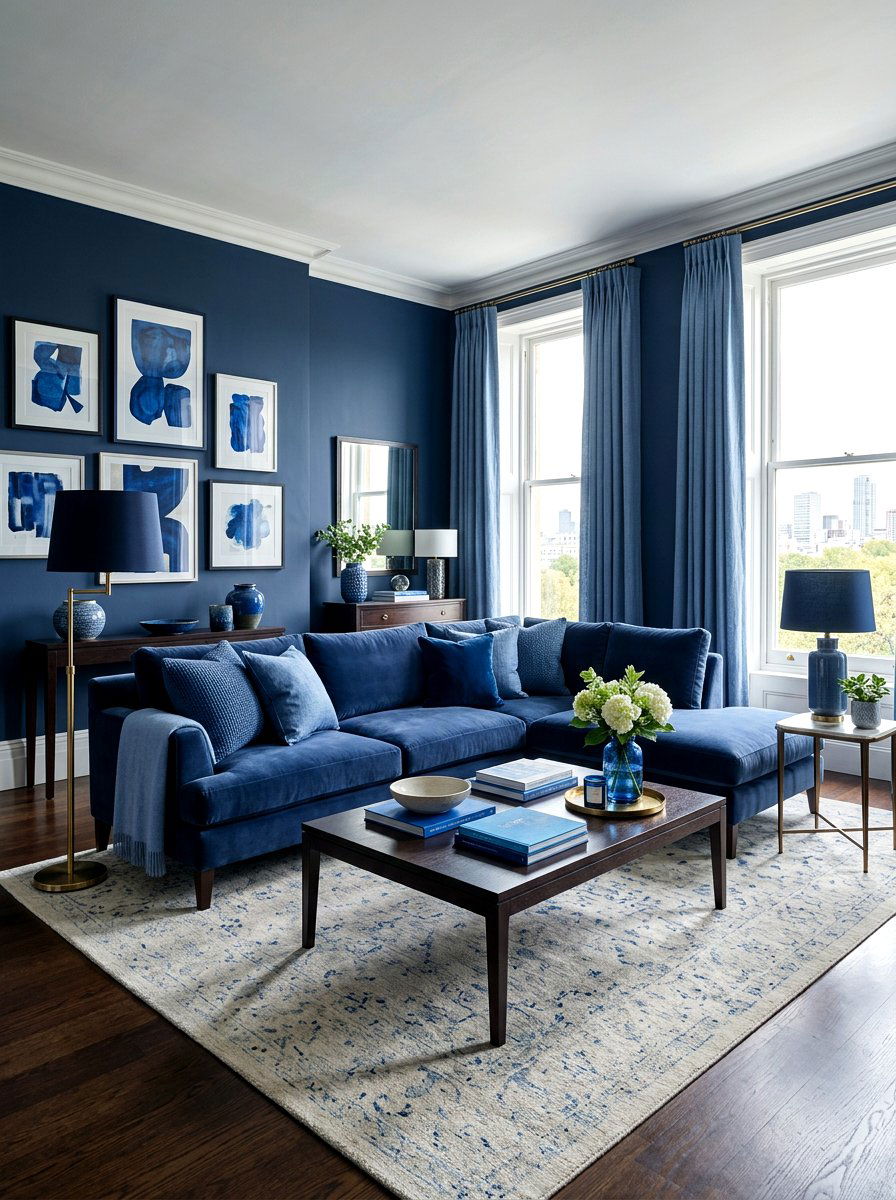
A monochromatic color scheme uses different shades of a single color to create a seamless and harmonious environment. This design technique prevents the eye from being jarred by sharp color changes, which can make a small room feel fragmented. By keeping the walls, furniture, and textiles within the same tonal family, you create a sense of infinite space. You can use different textures like wool, silk, and wood to prevent the room from looking flat or boring. This sophisticated approach is highly effective in making a compact home feel like a luxury hotel suite. It fosters a peaceful and balanced atmosphere that is incredibly pleasing to the eye.
26. Textured pillows living room
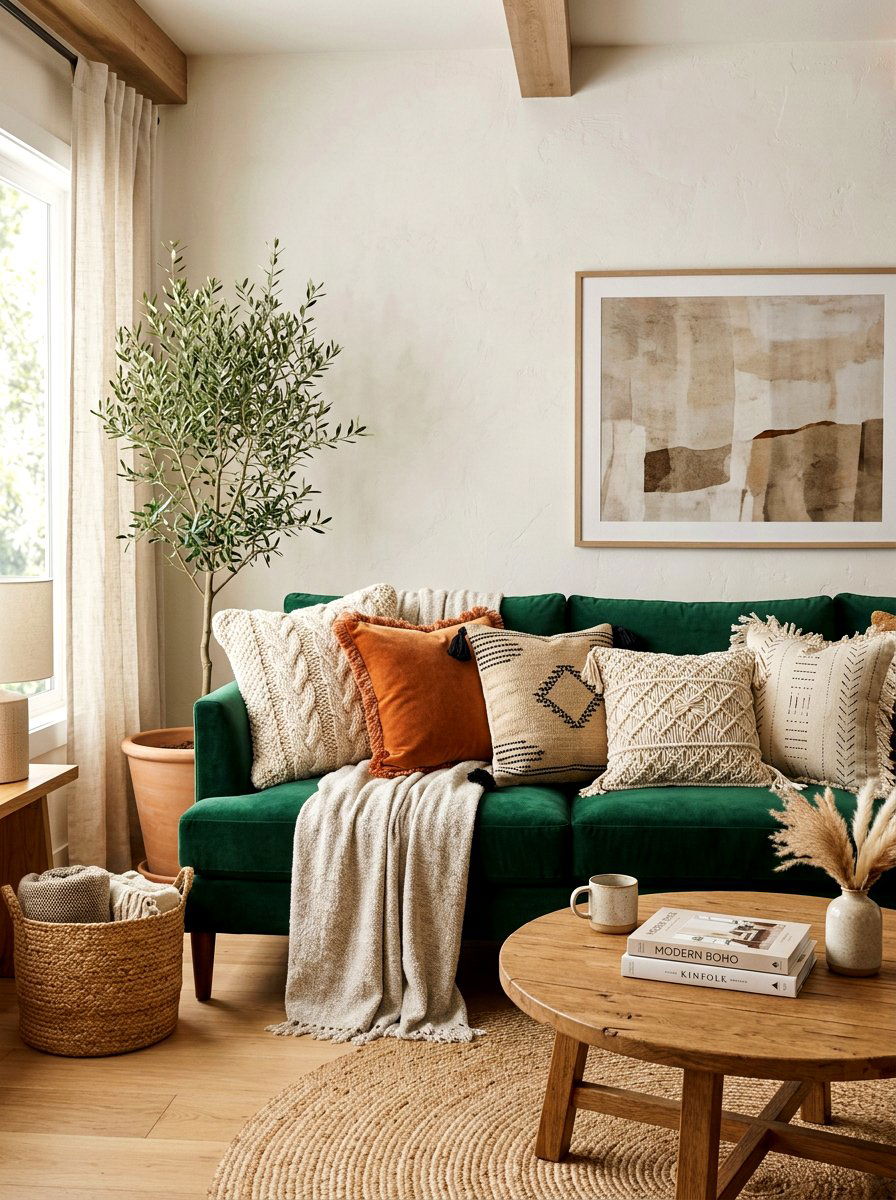
Layering textured pillows on your sofa is an easy way to add depth and comfort without taking up any extra space. You should mix materials like chunky knits, smooth velvet, and natural linen to create a rich and inviting look. These tactile elements draw the eye toward the seating area, making it the cozy heart of the room. Using pillows in varying sizes and shapes adds a curated feel that elevates the overall design of the living area. This simple styling trick allows you to introduce subtle pops of color or pattern into a neutral space. Textures provide a sense of warmth and luxury that makes a small room feel more intentional.
27. Nested side tables set
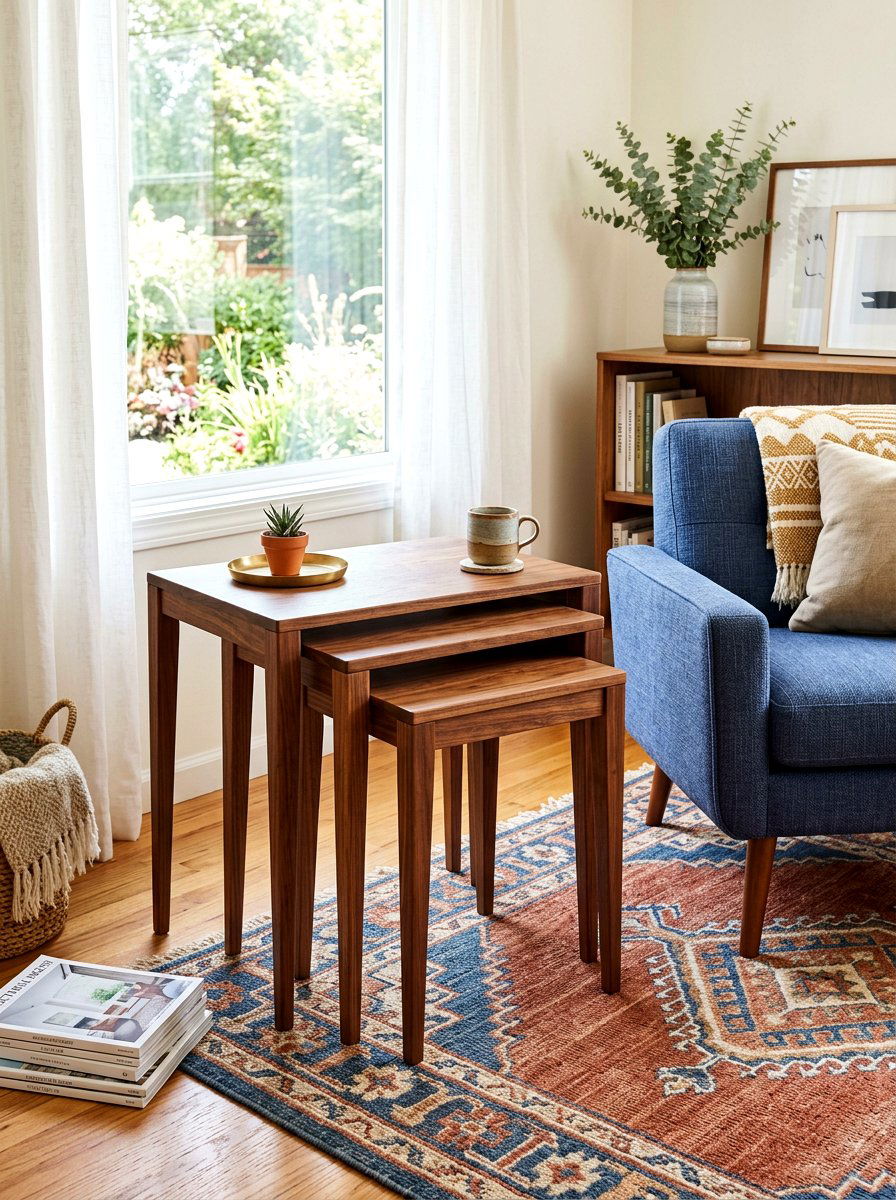
Nested side tables are a brilliant solution for small rooms that occasionally need extra surface area for guests. These tables stack neatly together when not in use, taking up only the footprint of the largest piece. When you are hosting a movie night or a small gathering, you can pull them apart to provide everyone with a spot for their drinks. This flexibility is essential for maintaining an open floor plan during daily life while being prepared for social occasions. Nested sets come in a wide variety of styles, from industrial metal to elegant wood finishes. They are a practical and stylish addition to any compact living room furniture collection.
28. Dark accent wall small room
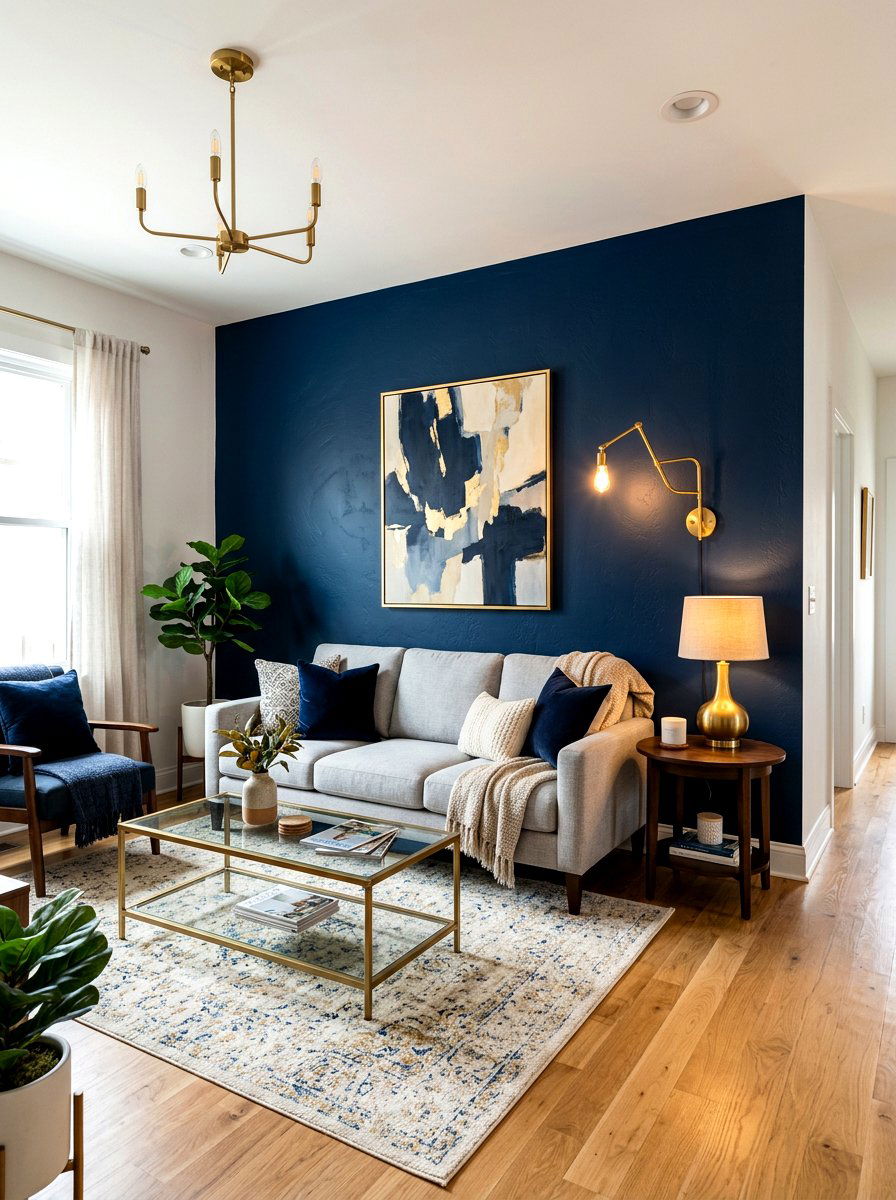
While light colors generally expand a space, a single dark accent wall can actually add a surprising sense of depth. Painting one wall in a deep navy, charcoal, or forest green makes that surface appear to recede into the distance. This creates a dramatic backdrop for a light-colored sofa or a piece of bright artwork, making the room feel more three-dimensional. The key is to keep the other three walls light and the lighting bright to ensure the room doesn 't feel like a cave. This bold move adds a layer of maturity and style to the home. It proves that you don' t have to fear dark colors even in a smaller footprint.
29. Armless slipper chair seating
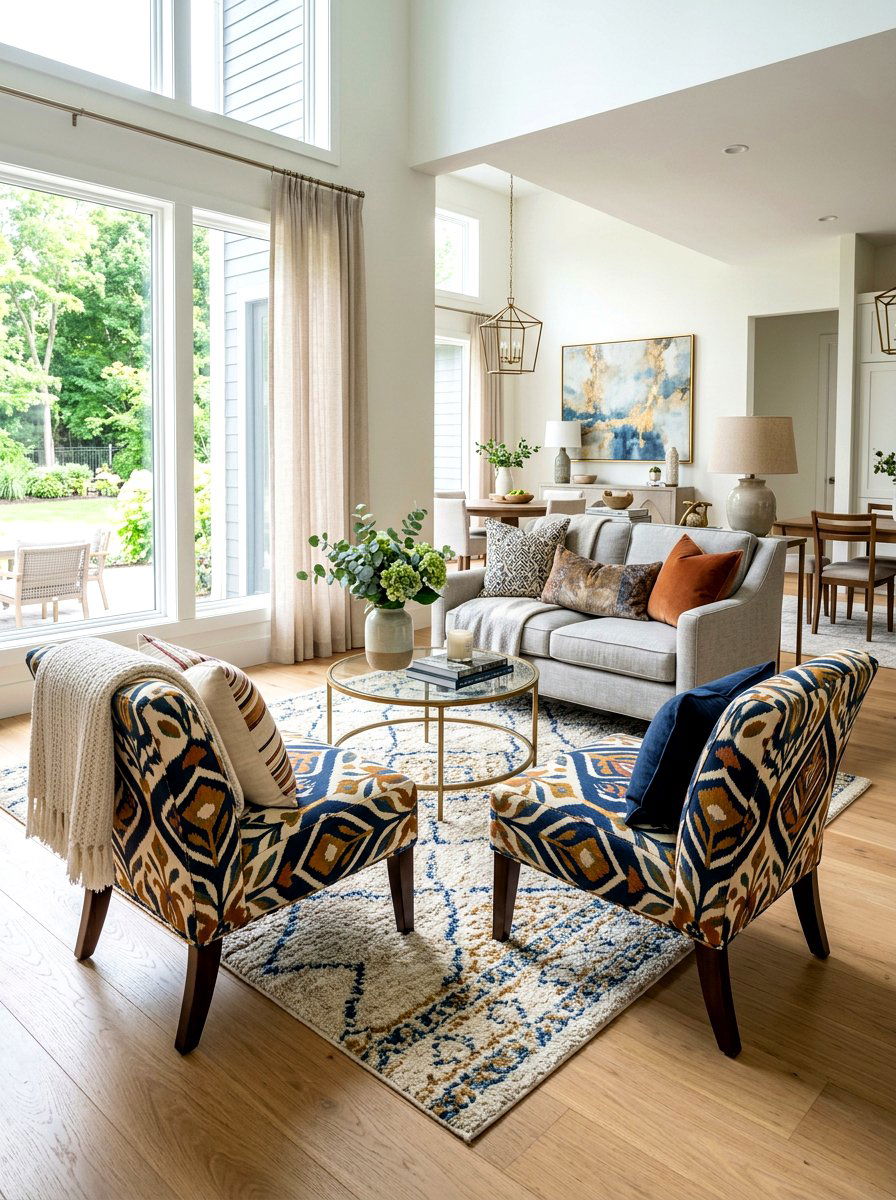
Armless slipper chairs are the perfect secondary seating option for small living rooms because of their compact and low-profile design. Without arms, these chairs take up significantly less physical and visual space than a standard armchair. They can be tucked into small corners or placed next to a fireplace without blocking any sightlines through the room. Slipper chairs offer a comfortable spot for a guest while keeping the layout feeling open and accessible. You can find them in beautiful patterns or bold colors to act as a stylish accent piece. Their simple silhouette fits perfectly into a variety of different interior design themes and home layouts.
30. Exposed leg sofa style
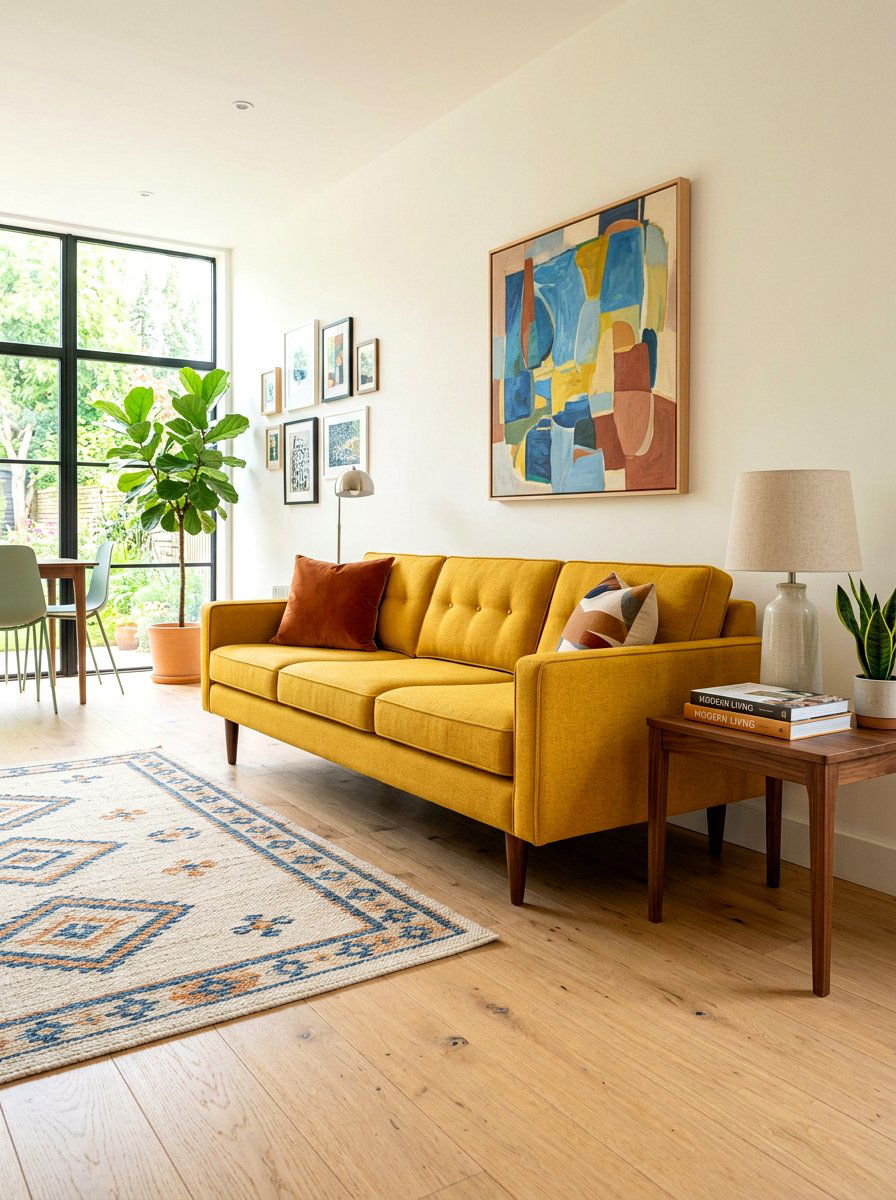
Choosing a sofa with exposed legs is a classic interior design trick for making a small room feel more spacious. When you can see the floor extending beneath the furniture, the room feels less "blocked" and more airy. This visual continuity tricks the brain into perceiving a larger total floor area than what is actually available. Sofas with tapered wooden or metal legs add a touch of mid-century elegance and modern flair to the space. This design choice prevents the seating from feeling like a heavy anchor that dominates the room. It is a subtle detail that makes a significant difference in the overall lightness and flow of the living environment.
Conclusion:
Creating a beautiful and functional living room in a small space is entirely possible with a bit of strategic planning. By prioritizing light, multi-purpose furniture, and vertical storage, you can transform even the most compact area into a stylish sanctuary. Remember that the goal is to create a sense of flow and openness while still incorporating your personal aesthetic. Each design choice should work together to maximize the available square footage without making the room feel cluttered or overwhelming. Whether you choose a neutral palette or a bold accent wall, the key is intentionality. Your small living room can be a cozy, inviting, and sophisticated heart of your home.

Related posts: