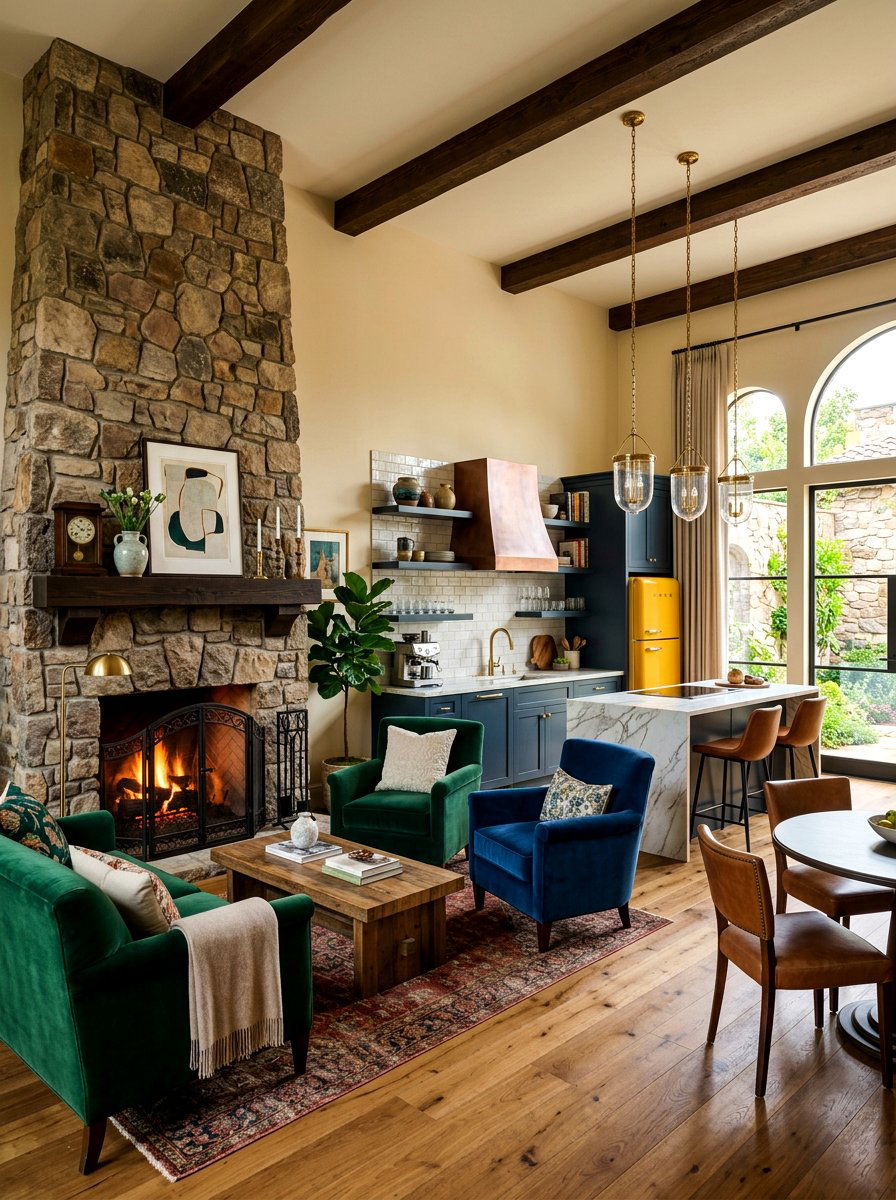
Imagine a space where the constant buzz of digital notifications fades into the background and the tactile world takes center stage once again. An analog living room serves as a sanctuary from the high-tech demands of modern life, focusing instead on physical hobbies, human connection, and sensory experiences. This design philosophy prioritizes elements like paper books, vinyl records, and face-to-face conversation over screens and smart devices. By choosing to step back from the digital grind, you create an environment that fosters mindfulness and deep relaxation. Every piece of furniture and decor in such a room should encourage you to slow down and enjoy the present moment.
1. Vinyl Record Listening Station
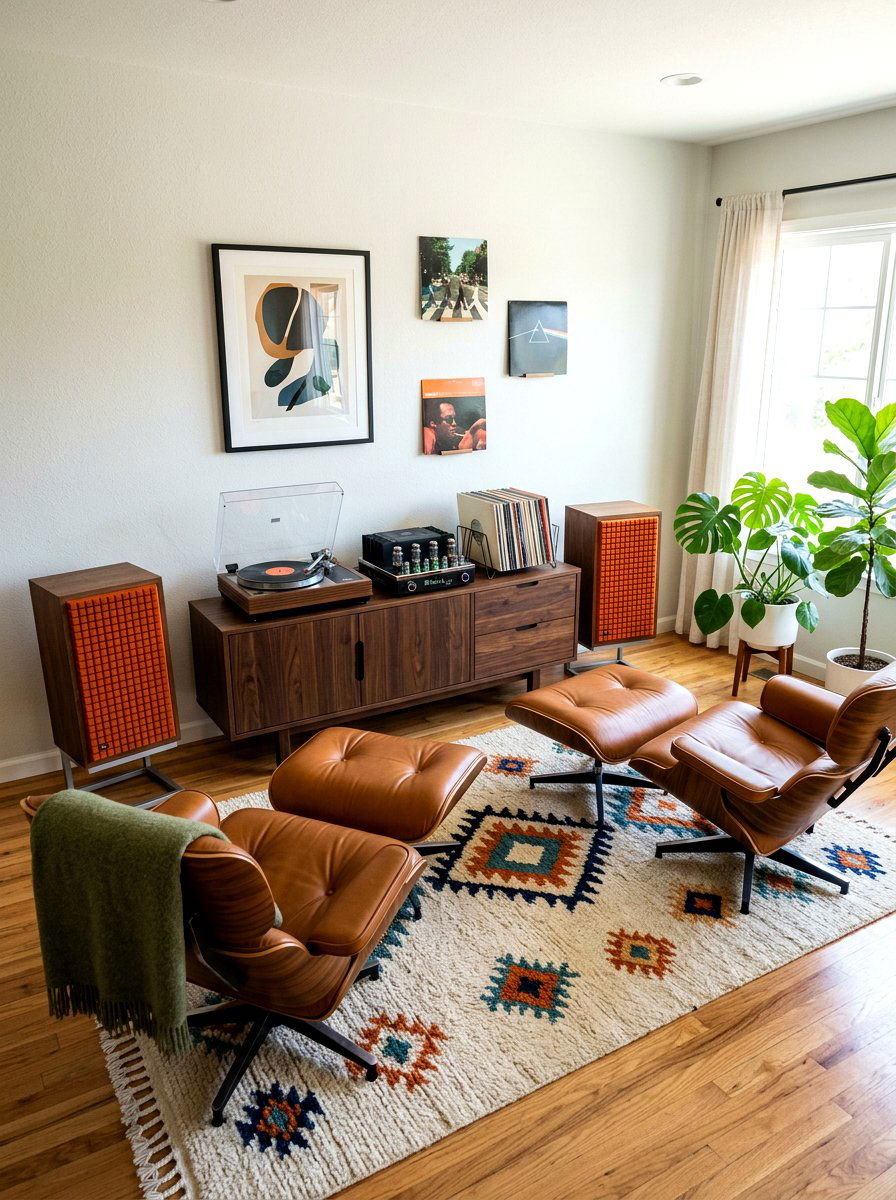
Walking into a room dedicated to physical music creates an immediate sense of nostalgia and calm. A vinyl record listening station serves as the heart of this analog space, replacing the glowing television with a spinning disc of art. You should position a low-profile wooden credenza against a feature wall to hold the turntable and speakers. Surround this area with deep, comfortable armchairs that encourage sitting still and listening to a full album from start to finish. Incorporate several crates of records within easy reach to make the experience tactile and engaging. Soft, dimmable floor lamps provide a warm glow that enhances the vintage atmosphere of the room.
2. Floor To Ceiling Bookshelves
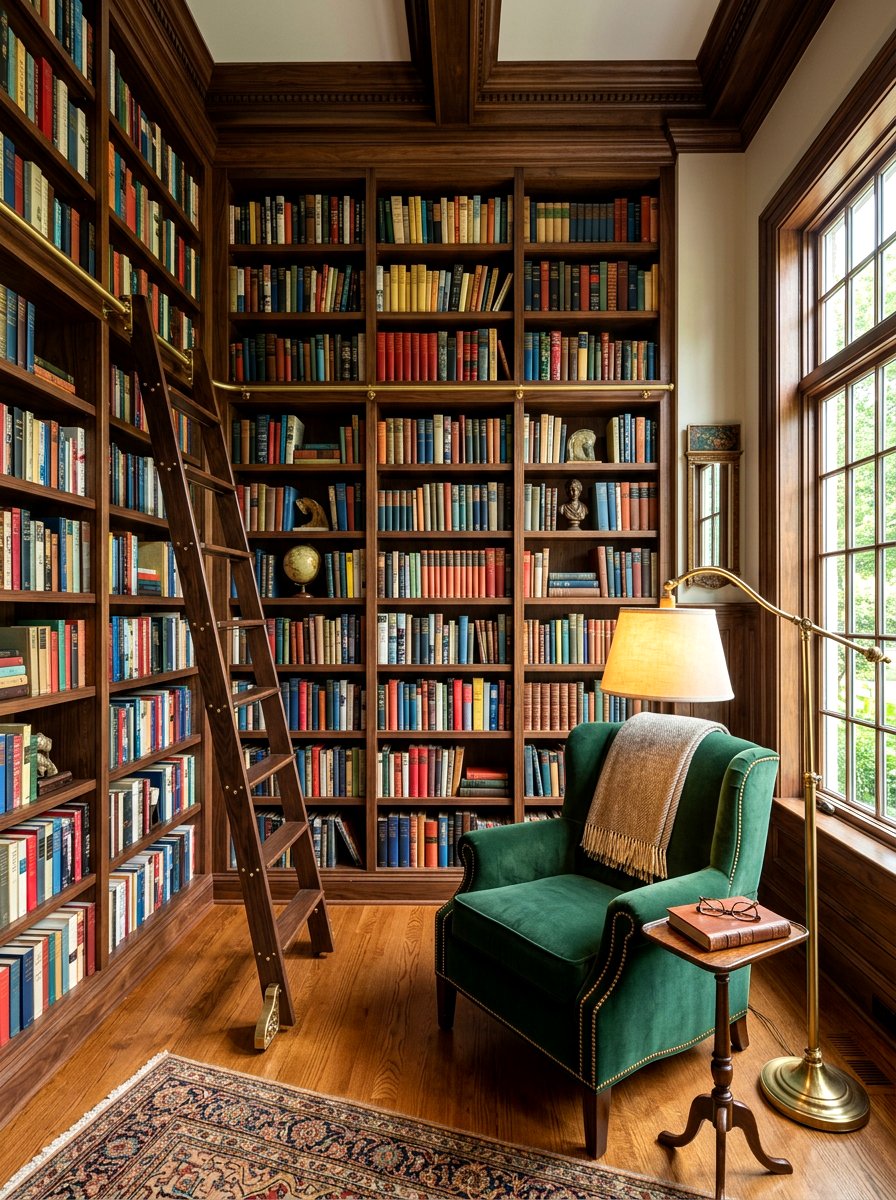
A massive home library transforms a standard living area into an intellectual retreat that feels both grand and cozy. Installing floor to ceiling bookshelves creates a stunning visual backdrop while providing endless opportunities for offline entertainment and learning. You can organize the books by color or genre to add a personal touch to the wall-to-wall storage. Place a rolling ladder along the shelves to make every title accessible and add a classic library aesthetic. A pair of high-back leather chairs placed near the center of the room invites long hours of reading. This layout removes the need for digital screens by celebrating physical paper.
3. Wood Burning Fireplace Seating
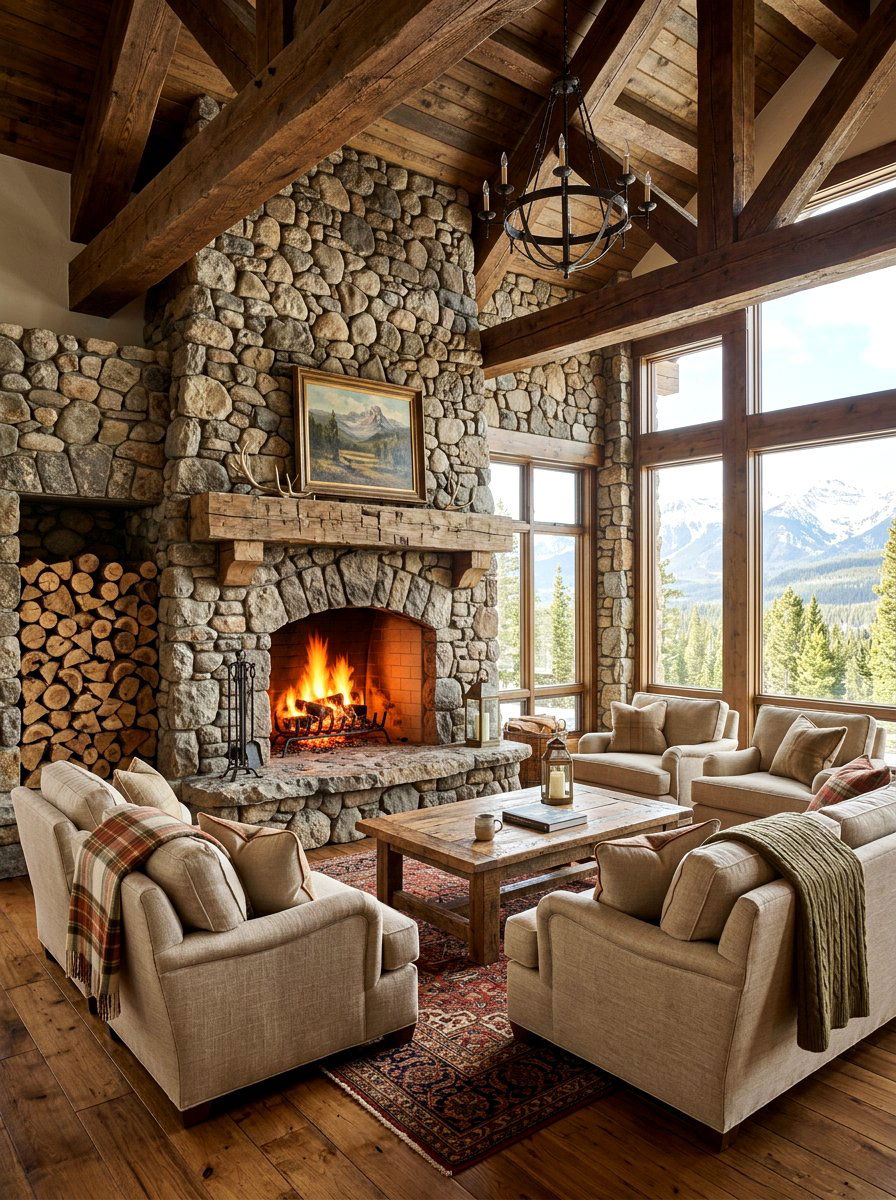
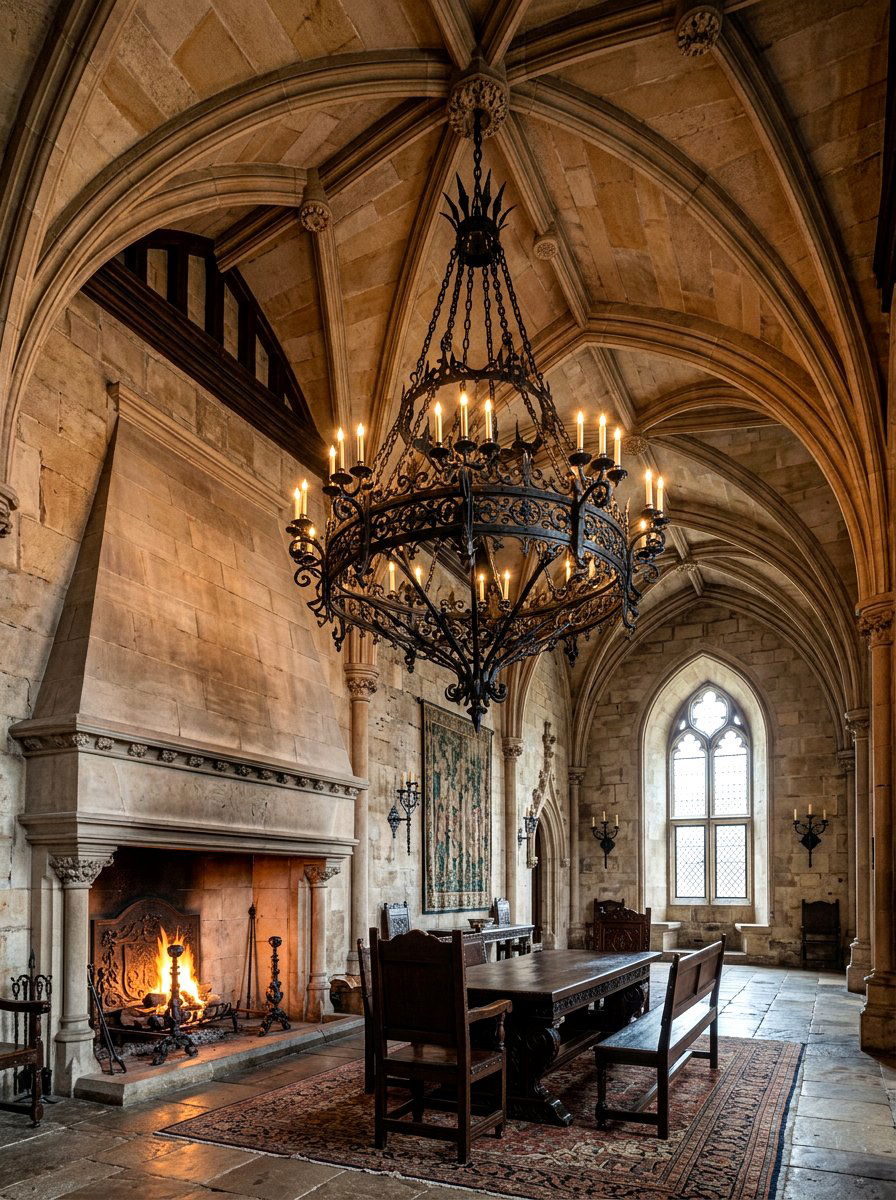
Nothing beats the crackle and warmth of a real wood fire when you want to disconnect from technology. Designing your living room around a central stone fireplace creates a natural focal point that draws people together without distractions. Arrange a semi-circle of plush sofas and woven rugs to encourage gathering around the dancing flames. Use natural materials like stacked firewood and wrought iron tools to emphasize the rustic and analog nature of the space. Large windows nearby allow you to watch the weather while staying warm inside. This setup prioritizes elemental comfort and provides a rhythmic, visual experience that no digital screen can replicate.
4. Conversational Furniture Layout
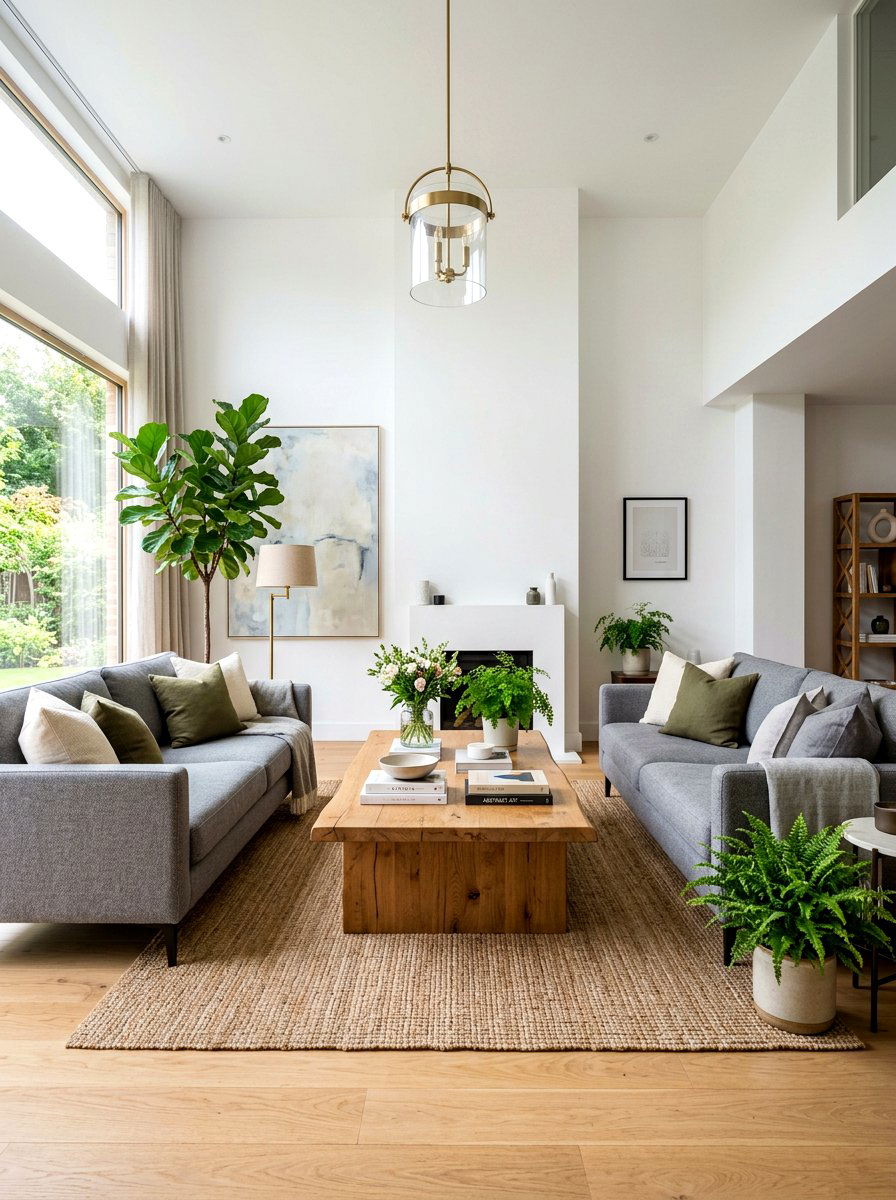
Creating a space that prioritizes human interaction requires a deliberate furniture arrangement that faces inward rather than toward a wall. A conversational furniture layout typically features two sofas facing each other with a large coffee table positioned in between them. This setup encourages eye contact and makes it much easier to share stories or enjoy a cup of tea together. Adding small side tables ensures that guests have a place to set their drinks without reaching too far. Soft textiles and plenty of throw pillows make the seating feel inviting and relaxed. It is a simple way to foster deeper connections with friends and family.
5. Tabletop Board Game Area
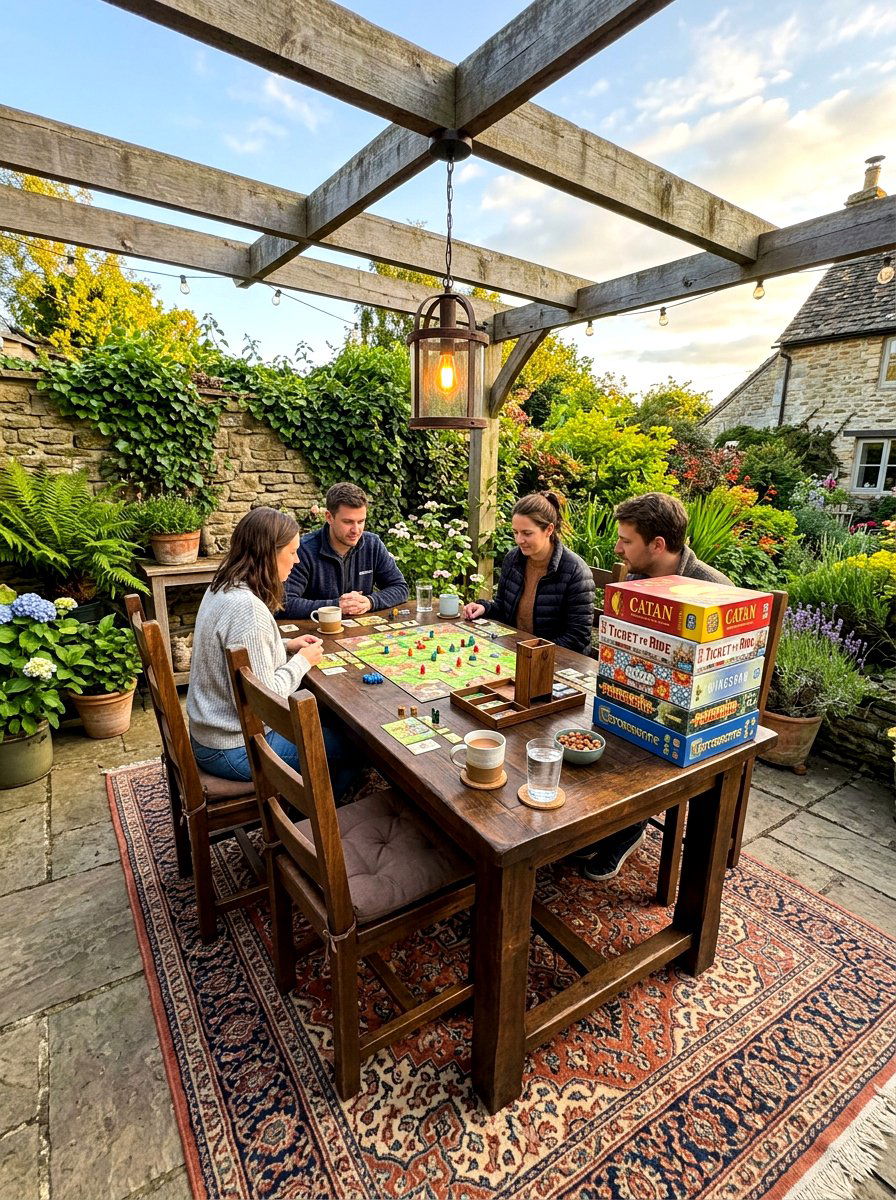
Devoting a specific corner of your living room to physical games brings a sense of play and community to your home. A dedicated tabletop board game area usually consists of a sturdy wooden table and several comfortable, upright chairs. This space should be well-lit with a low-hanging pendant light to ensure everyone can see the game board clearly. Store your collection of classic board games and puzzles in a nearby cabinet for easy access during social gatherings. The absence of digital devices in this zone helps players focus on strategy and social interaction. It creates a fun environment that celebrates traditional, hands-on entertainment.
6. Dedicated Reading Nook
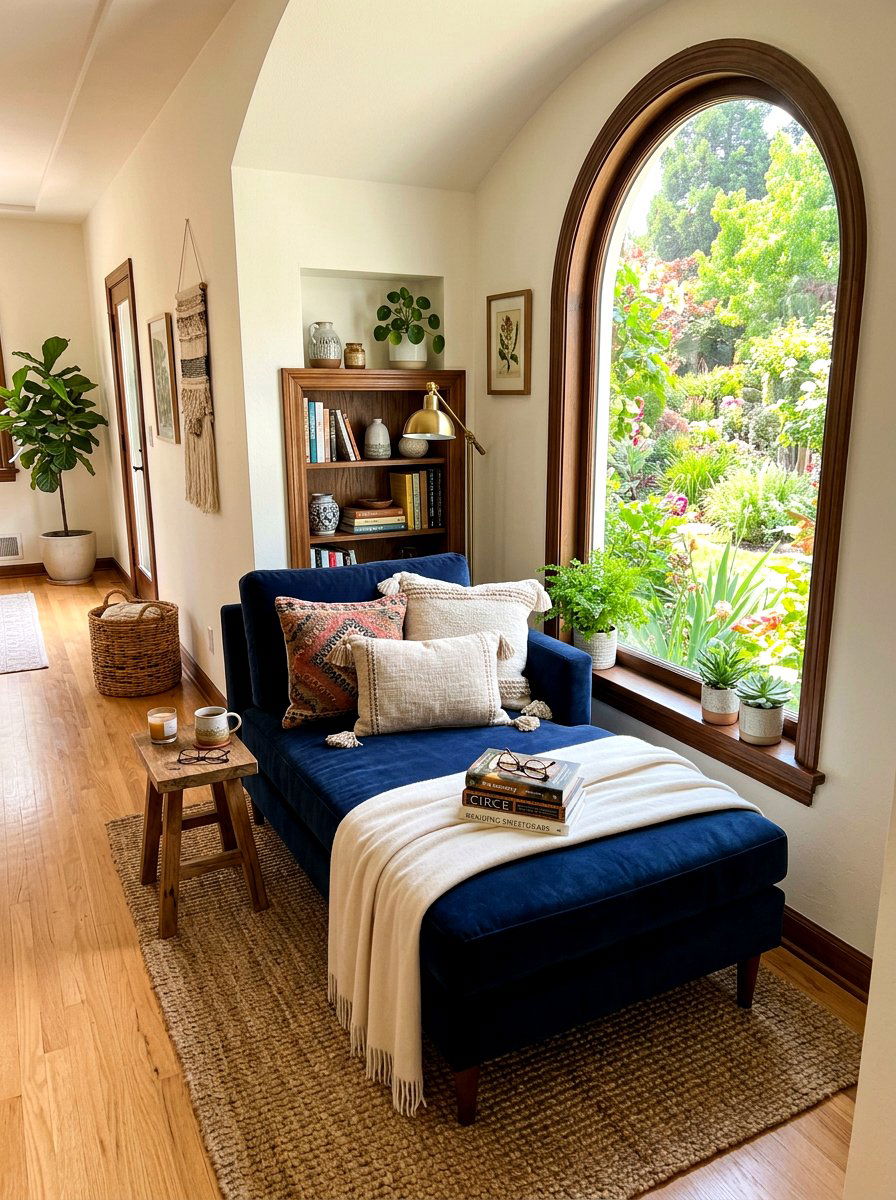
Every analog home benefits from a quiet corner specifically designed for getting lost in a good book. A dedicated reading nook often features a deep-seated chaise lounge or an oversized armchair tucked into a quiet corner. Position this seating near a window to take advantage of natural daylight during the afternoon hours. Add a small bookshelf and a dedicated task lamp to ensure you have everything you need for a long reading session. Using soft blankets and a small footstool can significantly increase the comfort level of this private retreat. This small zone acts as a personal escape within the larger living room area.
7. Vintage Writing Desk
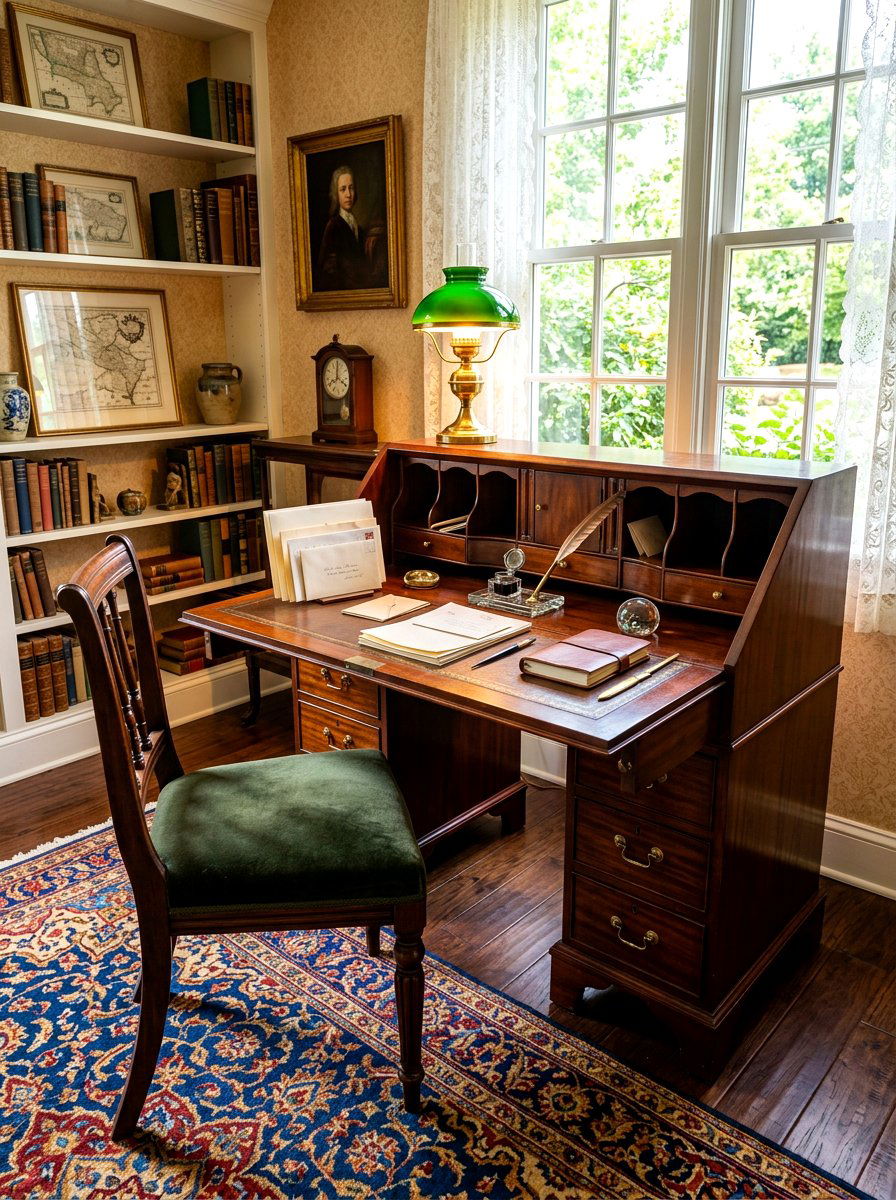
Incorporating a vintage writing desk into your living room encourages the slow art of letter writing and journaling. Choose a solid wood desk with several small drawers to store stationery, fountain pens, and postage stamps. Placing the desk in a quiet alcove or against a window provides a peaceful spot for reflection and creative thought. A classic wooden chair with a comfortable cushion completes the look and makes the space functional for daily use. This setup celebrates the physical act of putting pen to paper, which offers a different cognitive experience than typing. It adds a touch of historical charm to the overall room design.
8. Indoor Herb Garden Display
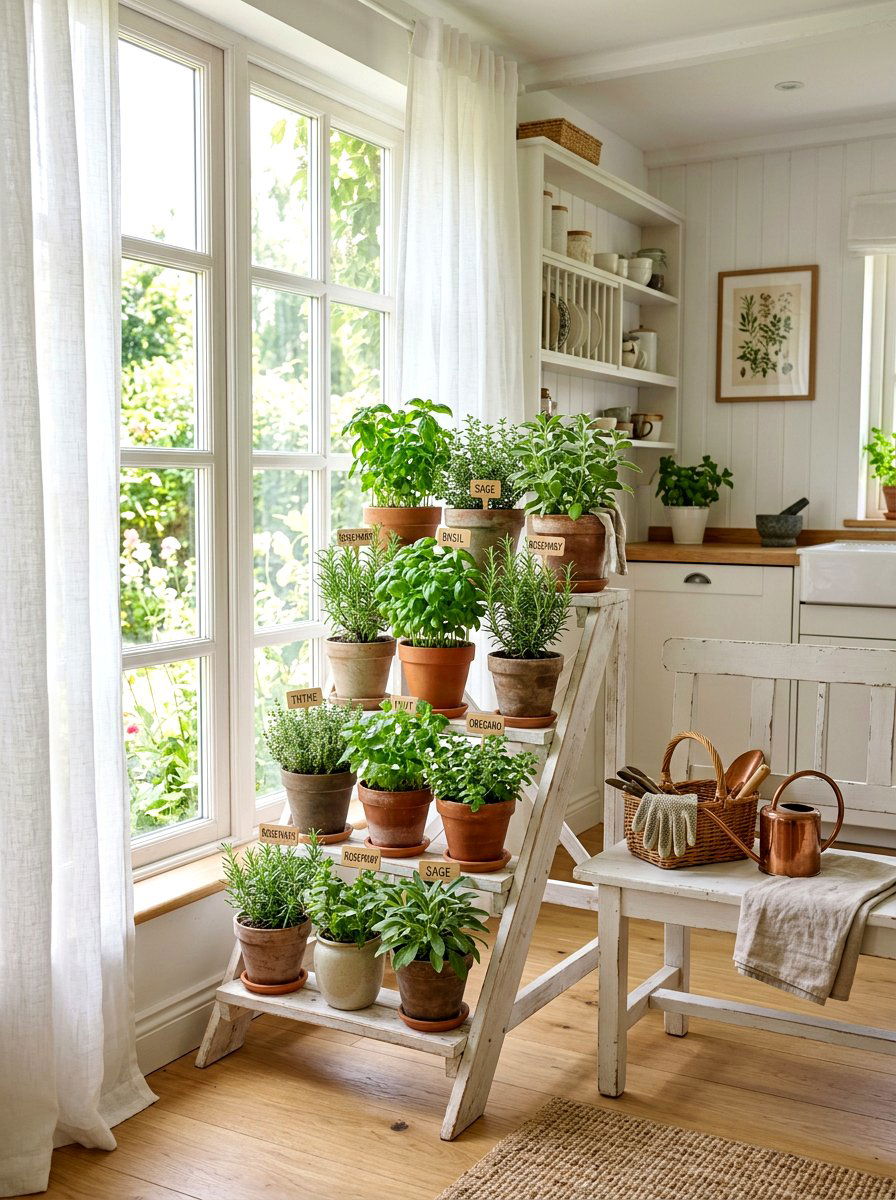
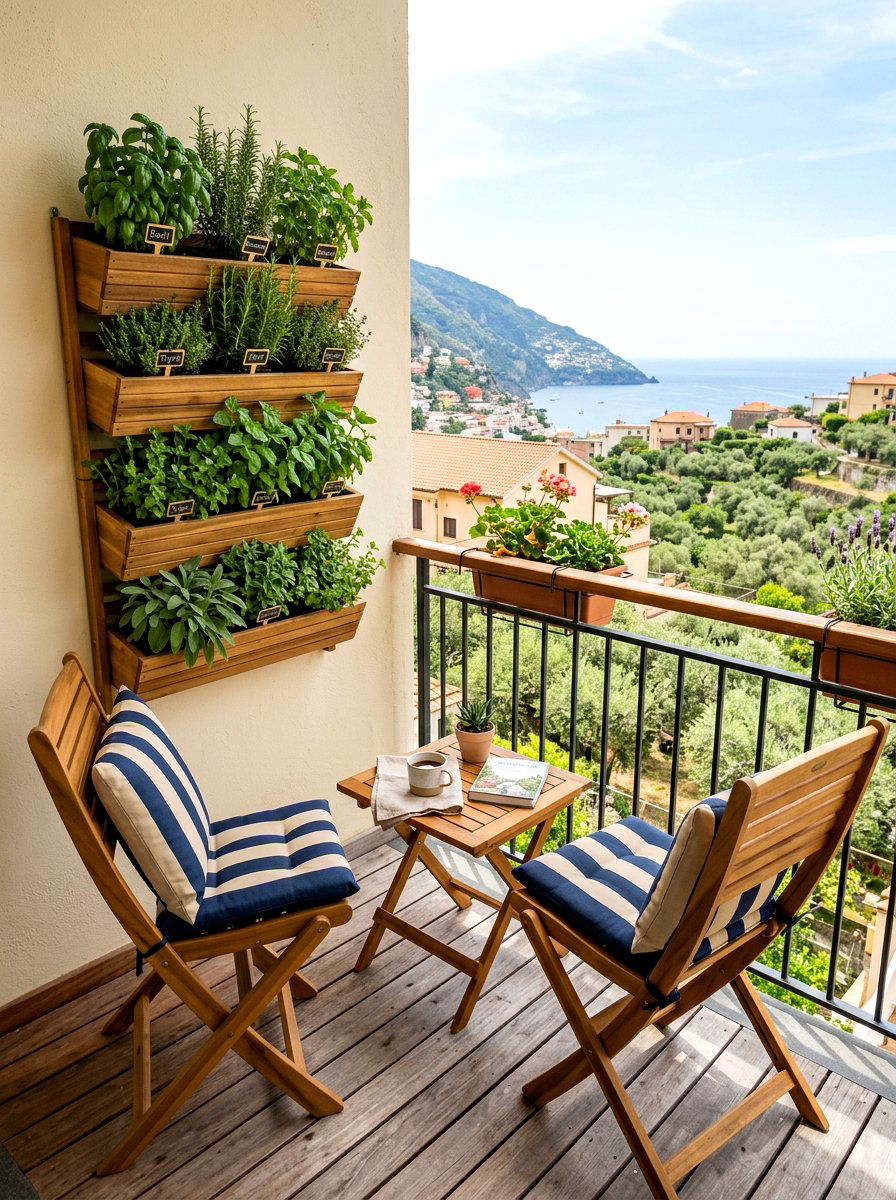
Bringing nature inside with an indoor herb garden display adds life, scent, and color to an analog living environment. You can set up a tiered wooden stand or a series of hanging pots near a bright window to grow fresh greens. This living wall serves as a beautiful natural focal point that requires regular hands-on care and attention. The ritual of watering and pruning the plants provides a meditative break from a busy schedule. Surround the garden with light-colored furniture and natural wood accents to create a fresh, airy atmosphere. This design choice connects the indoor living space with the outdoor natural world beautifully.
9. Manual Craft Workshop Corner
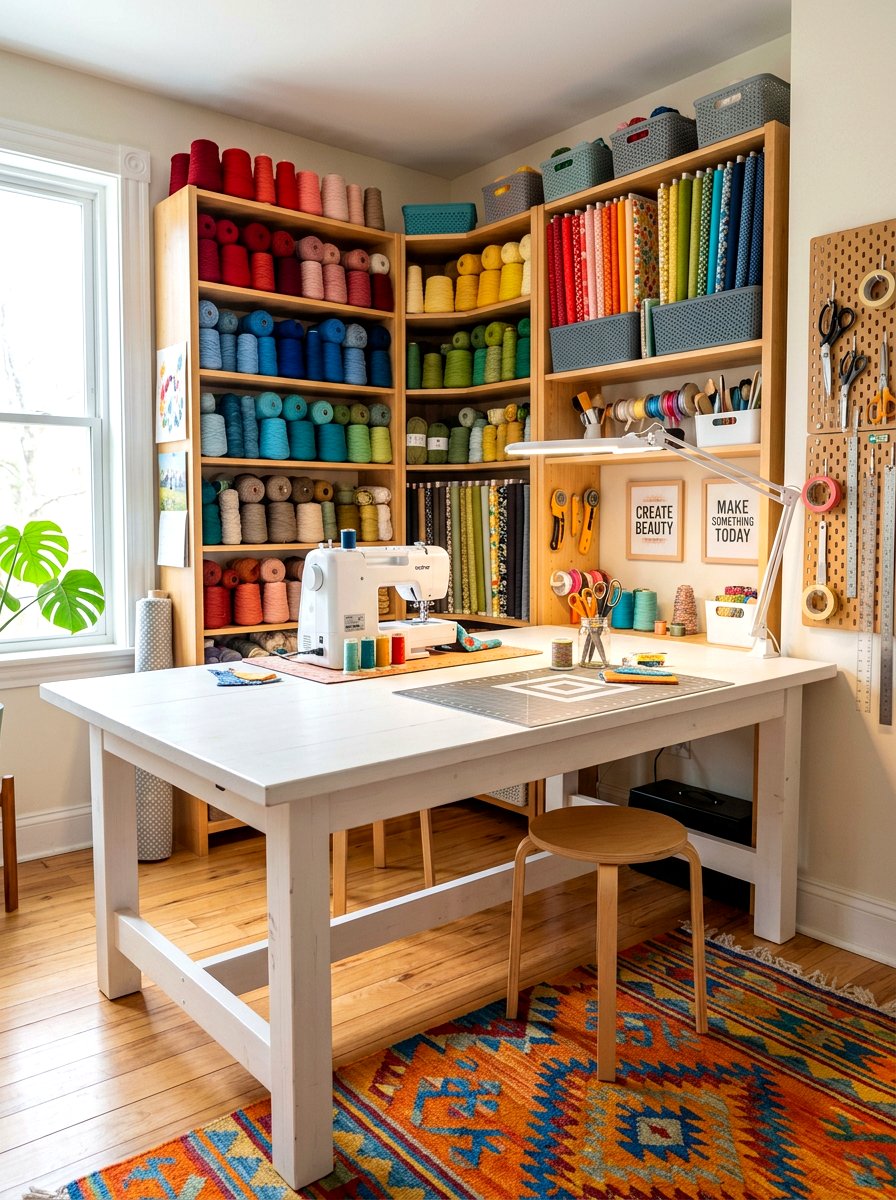
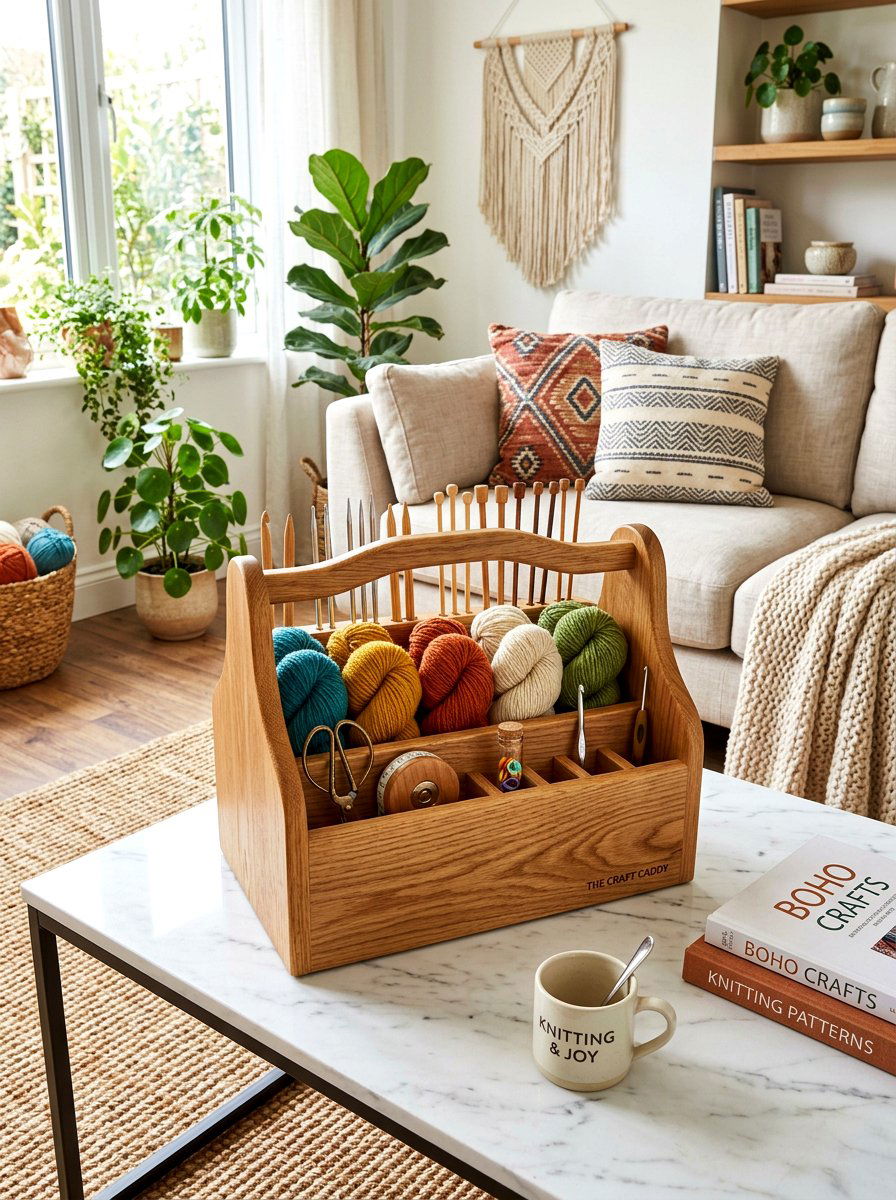
For those who enjoy working with their hands, a manual craft workshop corner provides a dedicated space for creativity. This area might include a large, flat-surface table suitable for sewing, knitting, or model building without any digital assistance. Use open shelving to display colorful yarns, fabrics, and tools, making the space feel vibrant and inspiring. Comfortable task lighting is essential here to prevent eye strain during detailed work sessions. A durable rug under the table can protect the floor and add a layer of warmth to the workspace. This design turns the living room into a functional hub for traditional hobbies and artistic expression.
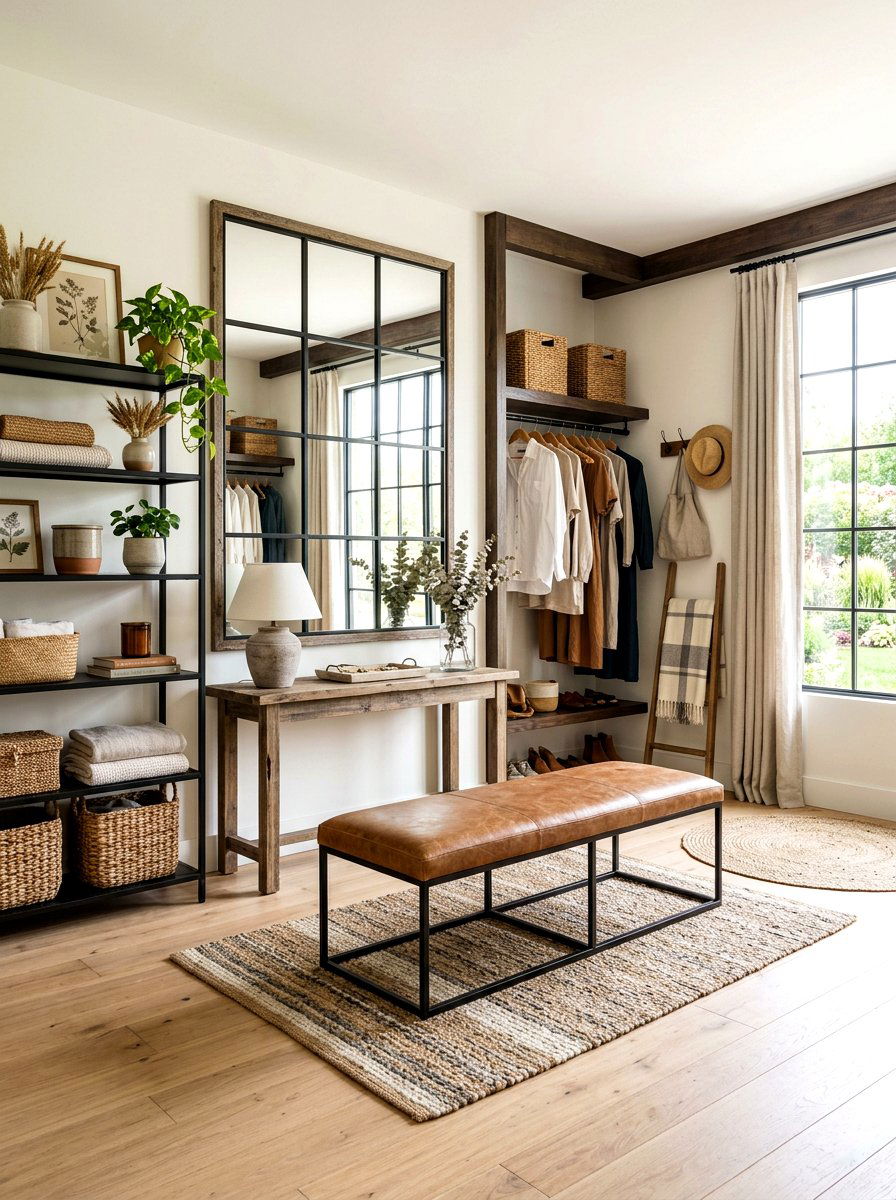
10. Art Gallery Wall Collection
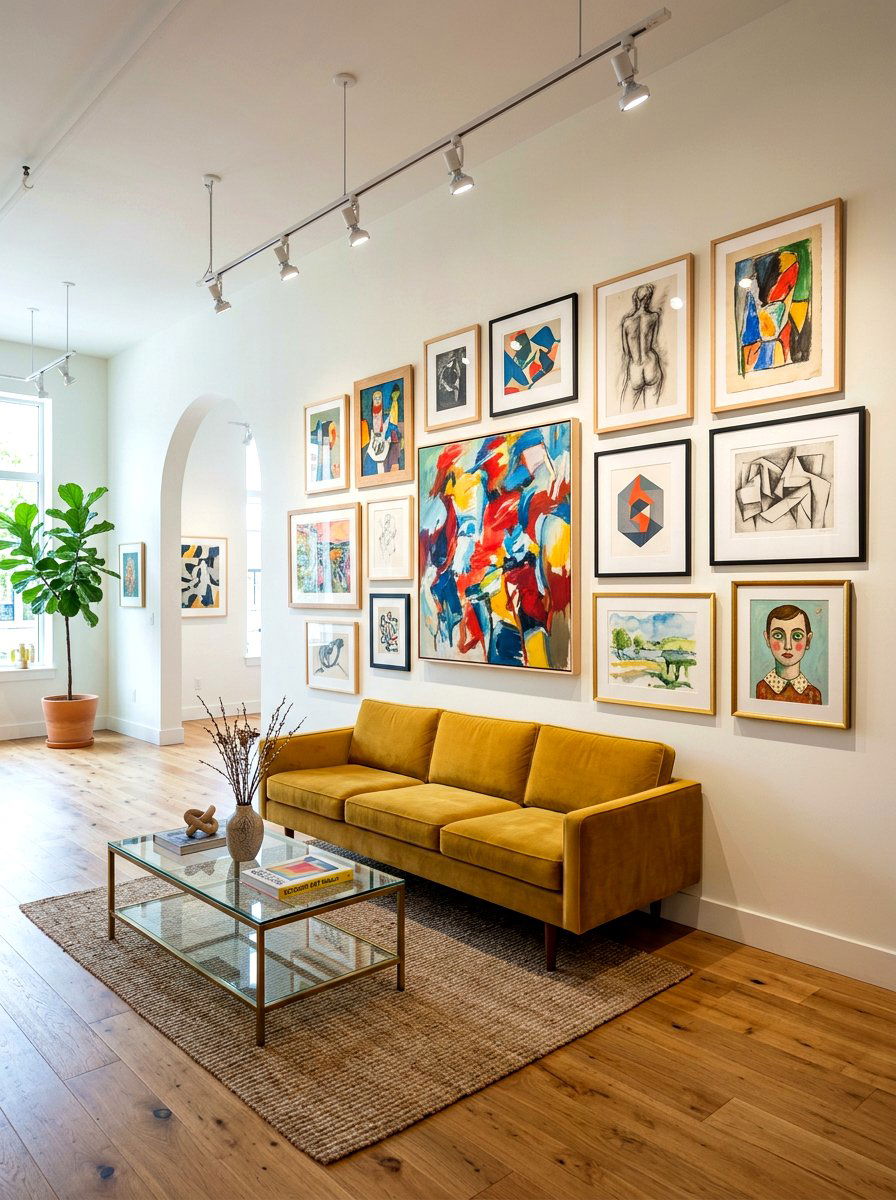
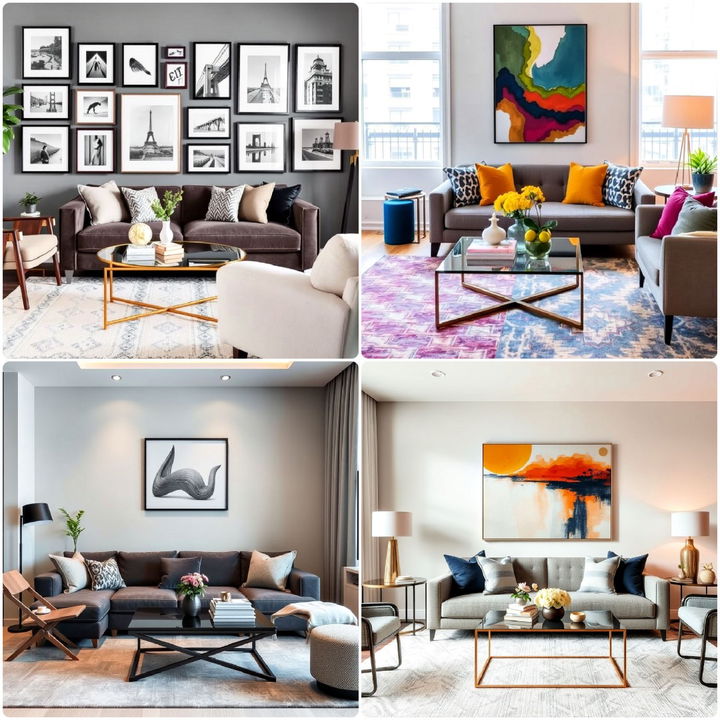
Filling your walls with physical art creates a rich visual experience that changes as you move through the room. An art gallery wall collection involves arranging various framed paintings, sketches, and photographs in a curated layout. This approach adds personal character and tells a story through the different textures and styles of the pieces. Use a mix of antique and modern frames to create a sense of history and visual depth on the wall. Position a sleek sofa or a bench underneath the gallery to allow guests to sit and admire the collection. It celebrates human creativity and provides constant inspiration without the use of screens.
11. Natural Light Sunroom
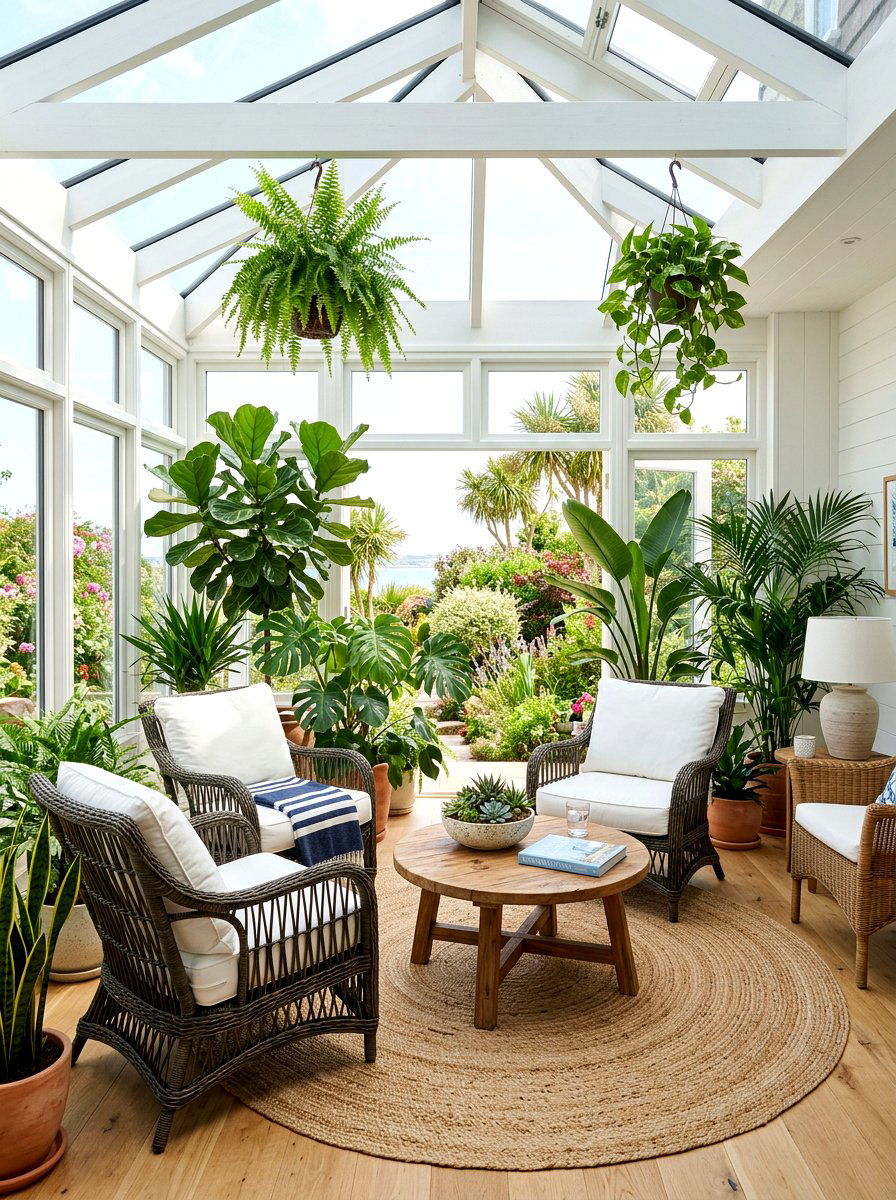
A sunroom living area maximizes the use of natural light to create a bright and energizing analog space. Large glass windows on multiple sides allow the sun to flood the room, making it feel open and connected to the outdoors. Arrange lightweight wicker or rattan furniture with white cushions to maintain a breezy and relaxed aesthetic. This environment is perfect for morning meditation, quiet observation of nature, or simple relaxation without digital distractions. Adding large leafy plants in the corners helps to blur the line between the interior and the garden. The shifting light throughout the day provides a natural sense of time passing.
12. Tactile Texture Decor
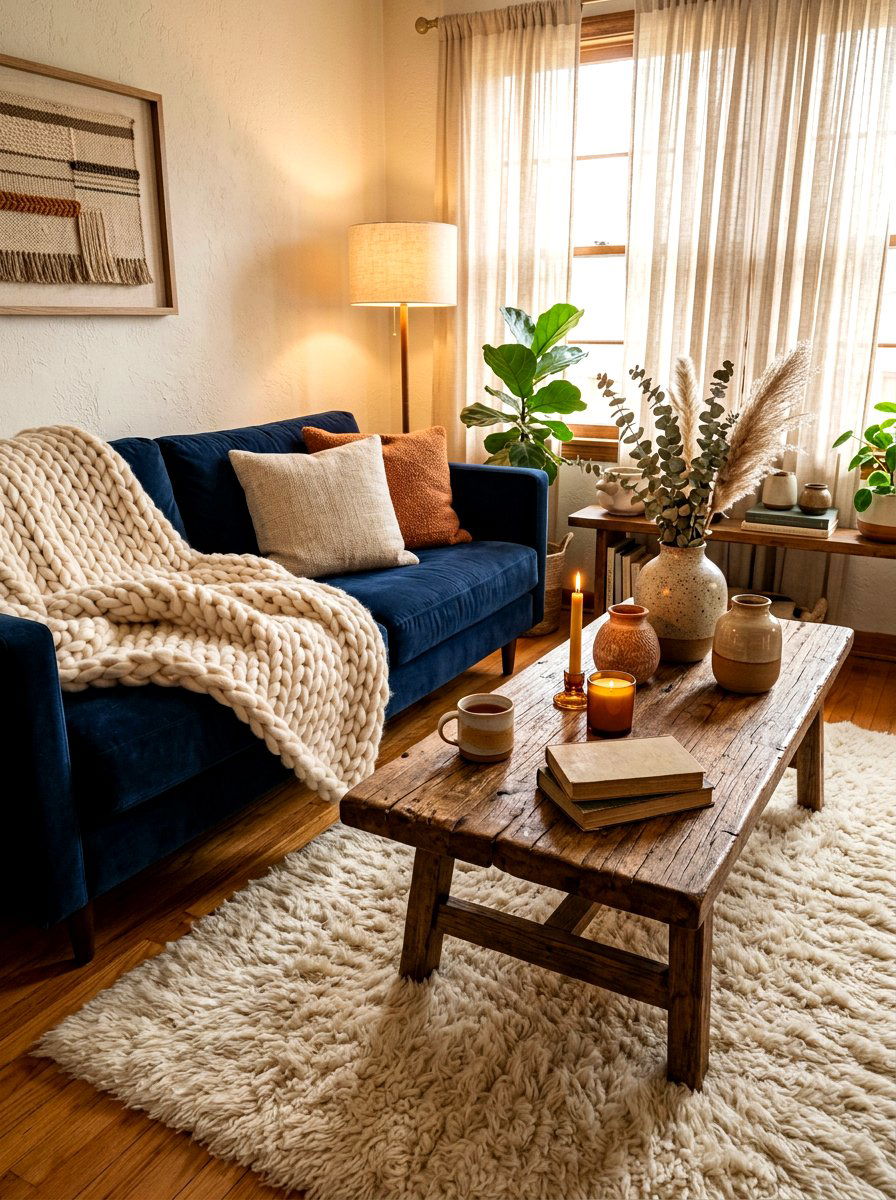
Focusing on tactile texture decor makes a living room feel grounded and physically engaging for anyone who enters the space. You can achieve this by layering different materials like chunky knit blankets, velvet cushions, and rough-hewn wooden tables. A jute or sisal rug provides a distinct sensation underfoot, while smooth ceramic vases add visual and physical interest to shelves. These varying textures invite you to touch and feel your surroundings, grounding you in the physical moment. Choose a neutral color palette to let the different materials and their unique surfaces take center stage. This sensory-rich approach creates a cozy and welcoming atmosphere for relaxation.
13. Mid Century Modern Lounge
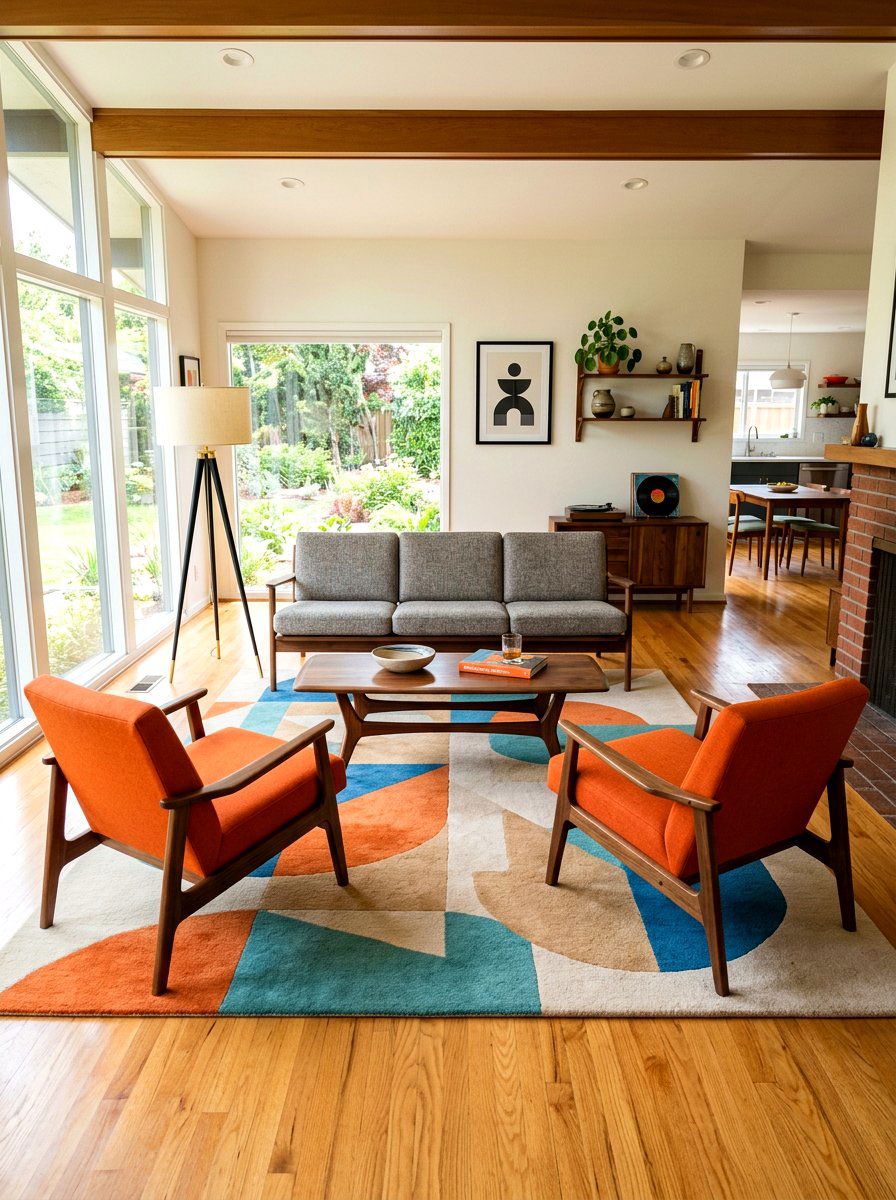
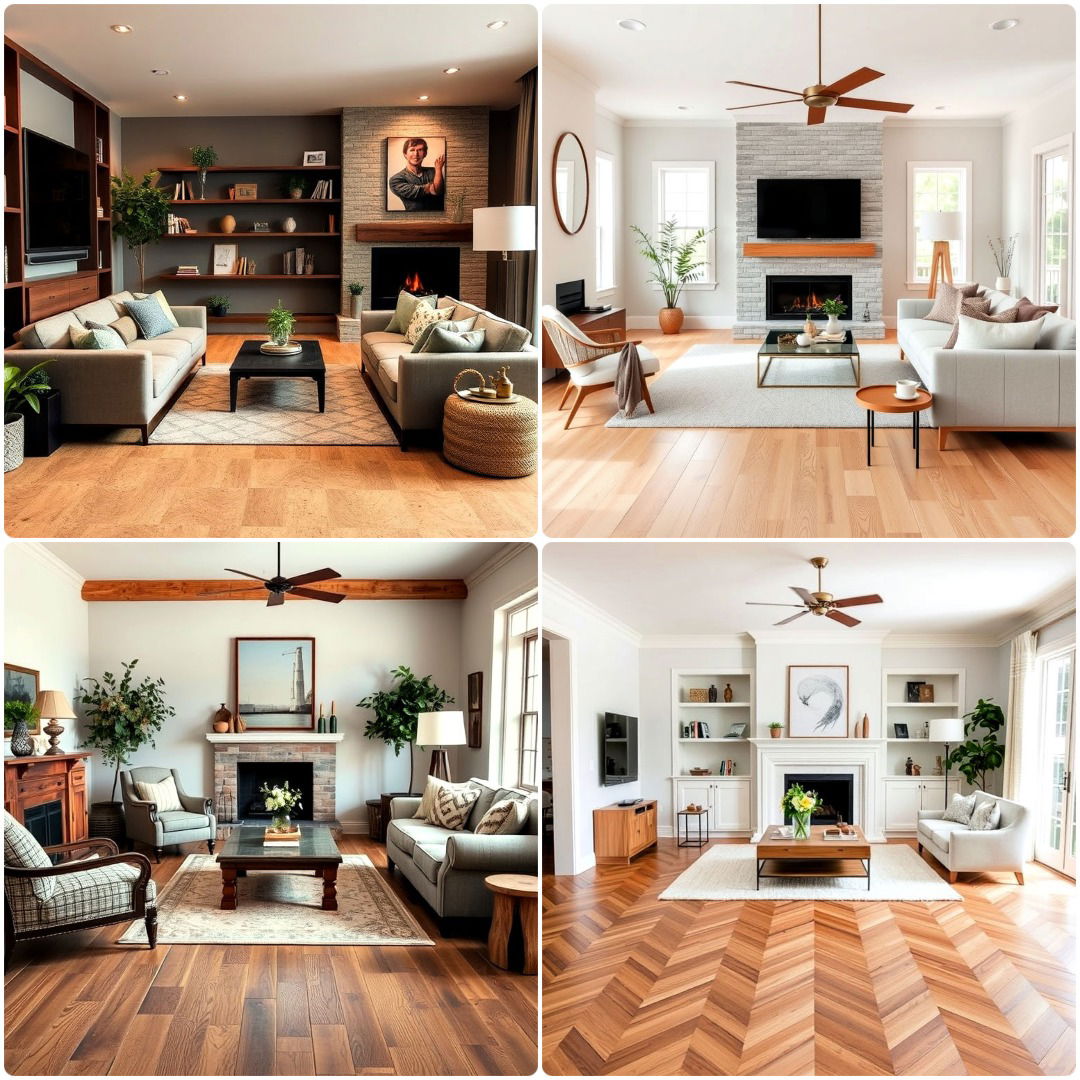
A mid century modern lounge setup emphasizes clean lines and natural wood, creating a timeless and sophisticated analog environment. Look for iconic furniture pieces like tapered-leg coffee tables and low-slung armchairs with visible wood frames. This style often uses a mix of organic shapes and geometric patterns that feel modern yet nostalgic. A large wool rug with a simple pattern can anchor the room and add warmth to the hardwood floors. Keep the decor minimal to highlight the craftsmanship of the furniture and the quality of the materials used. This design style celebrates the beauty of physical objects and thoughtful, human-centric architectural design.
14. Woven Rattan Furniture
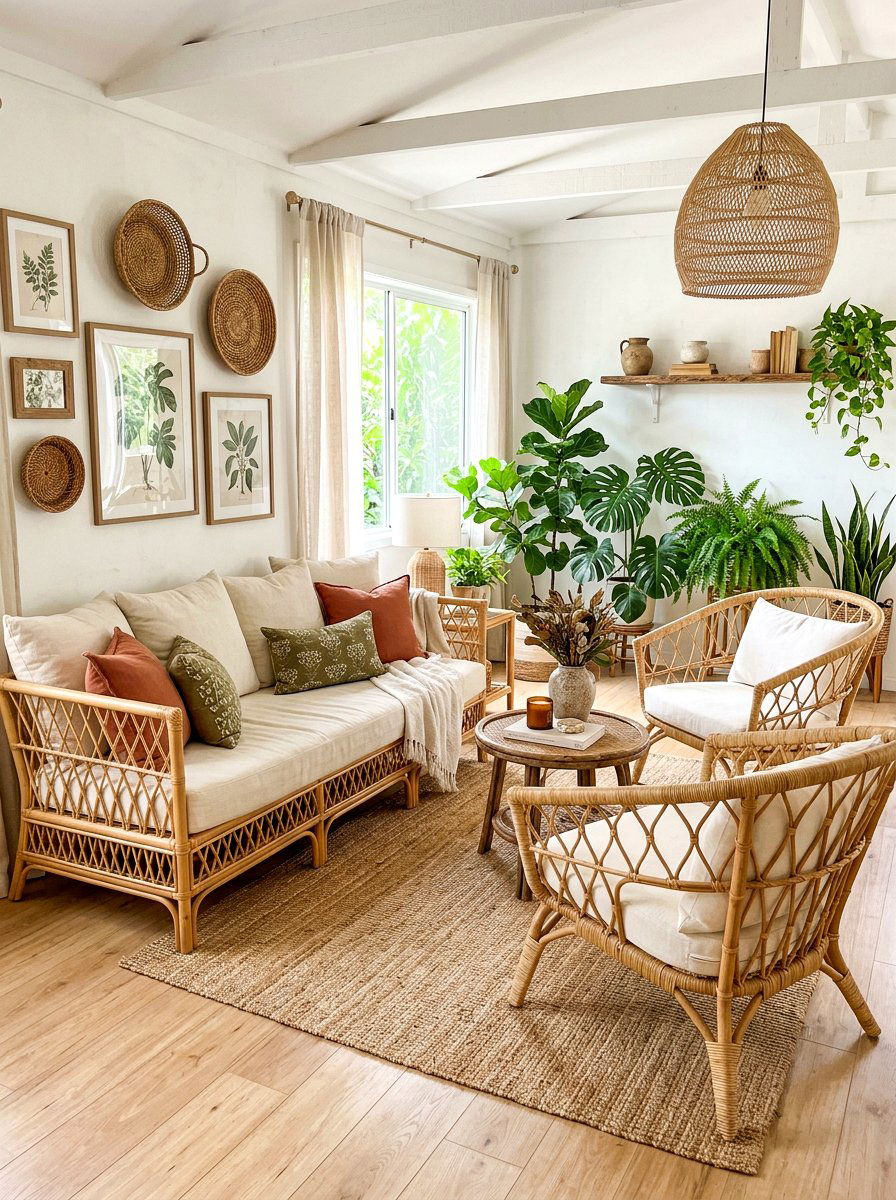
Using woven rattan furniture brings an organic, handmade feel to a living room that perfectly suits an analog lifestyle. A large rattan sofa or a set of peacock chairs can serve as the primary seating, providing a unique texture and light aesthetic. Complement these pieces with soft cotton upholstery and plenty of green houseplants to create a tropical or bohemian vibe. This material is lightweight and durable, making it easy to rearrange the room for different social activities. The intricate weaving patterns show the mark of human hands, adding a layer of craftsmanship to the space. It creates a relaxed and very approachable living environment.
15. Antique Piano Parlor
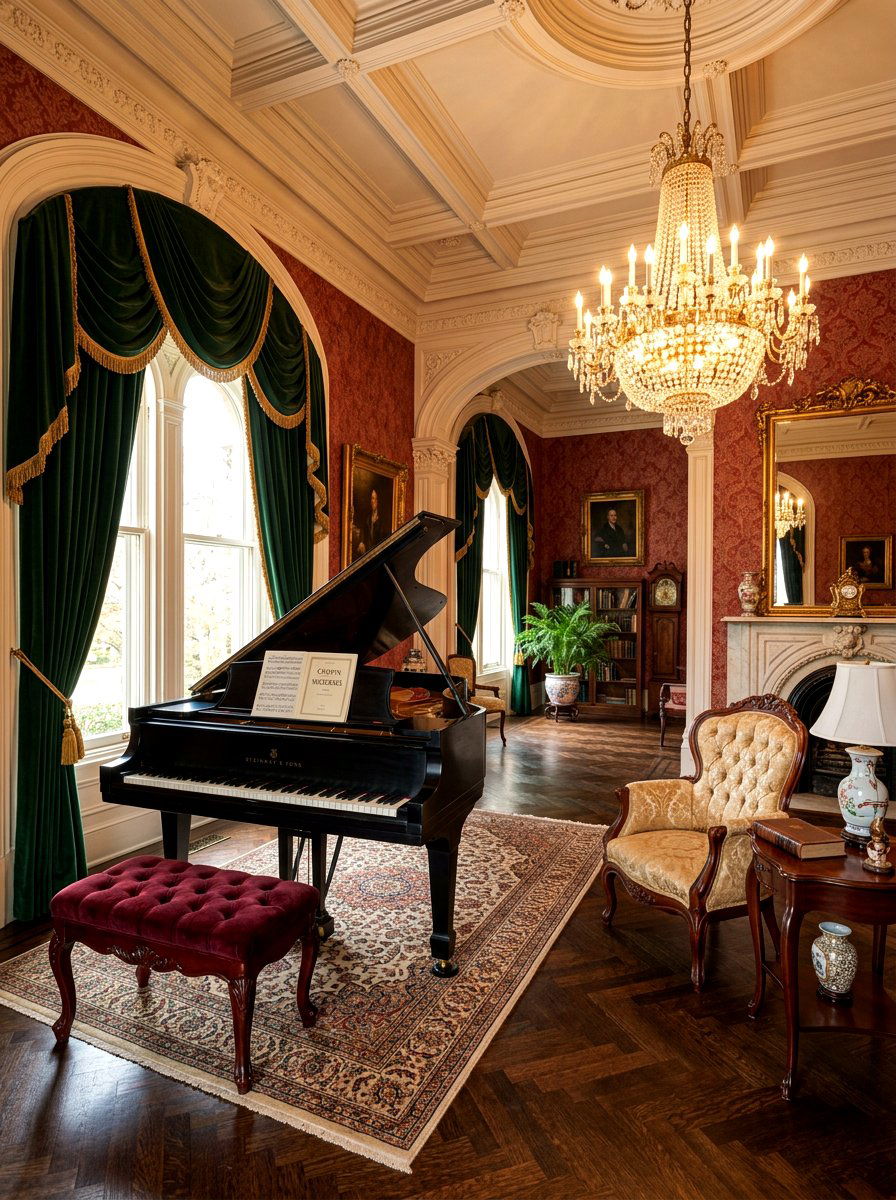
An antique piano parlor creates a dedicated space for live music and artistic performance within the comfort of your home. Centering the room around a grand or upright piano encourages residents and guests to play and listen to music together. Surround the instrument with comfortable seating like upholstered stools and small sofas to create a mini-concert hall atmosphere. Use heavy velvet curtains and thick rugs to improve the acoustics and add a sense of luxury to the space. Sheet music stands and soft lamp lighting can further enhance the functional and aesthetic appeal of the piano area. It turns the living room into a creative stage.
16. Oversized Bean Bag Pit
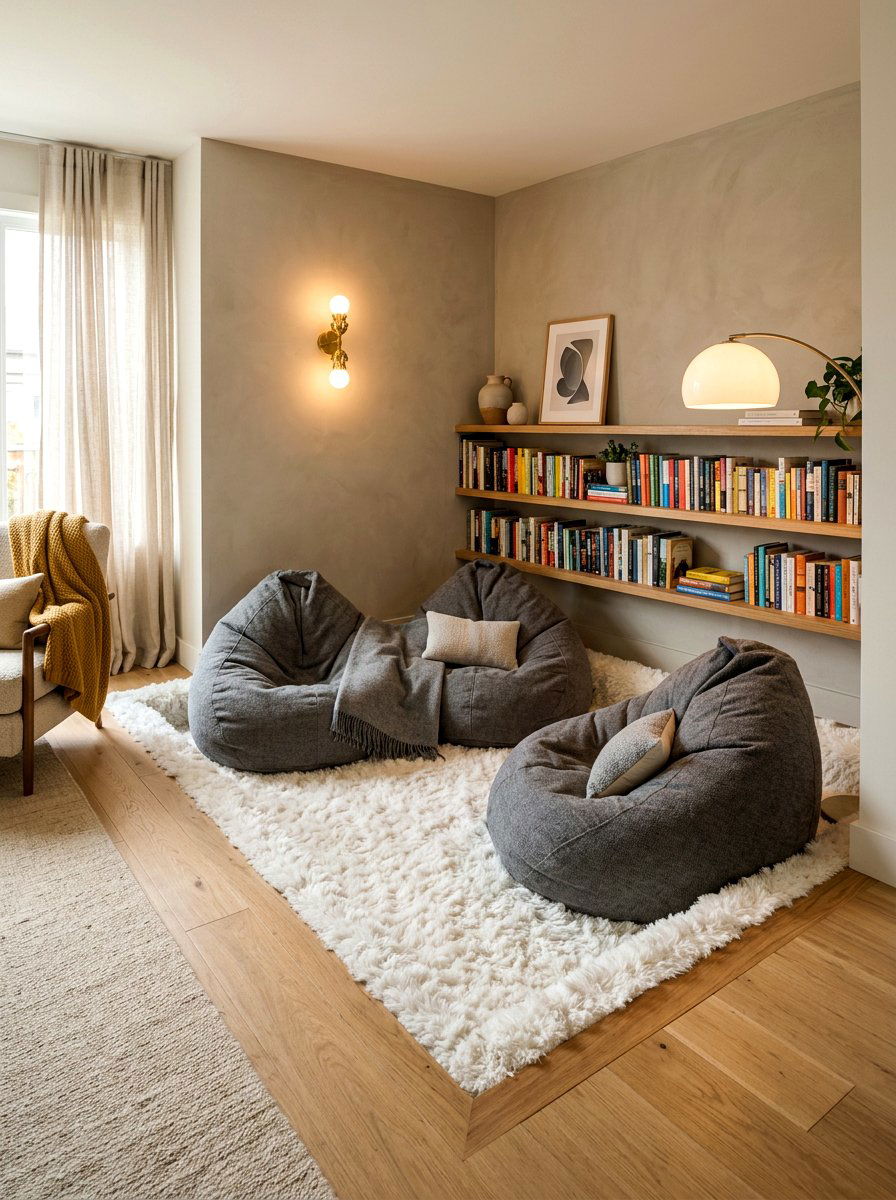
For a more casual and playful analog experience, an oversized bean bag pit offers a unique way to lounge and relax. You can create a dedicated "low-seating" zone by filling a section of the room with large, high-quality floor cushions and bean bags. This setup is perfect for reading, napping, or having informal conversations with friends in a very relaxed posture. Use a soft, shaggy rug as the base to make the entire area feel like one continuous cloud of comfort. This design breaks away from traditional formal seating and encourages a more grounded and carefree way of using the living space. It is incredibly inviting and fun.
17. Bohemian Floor Seating
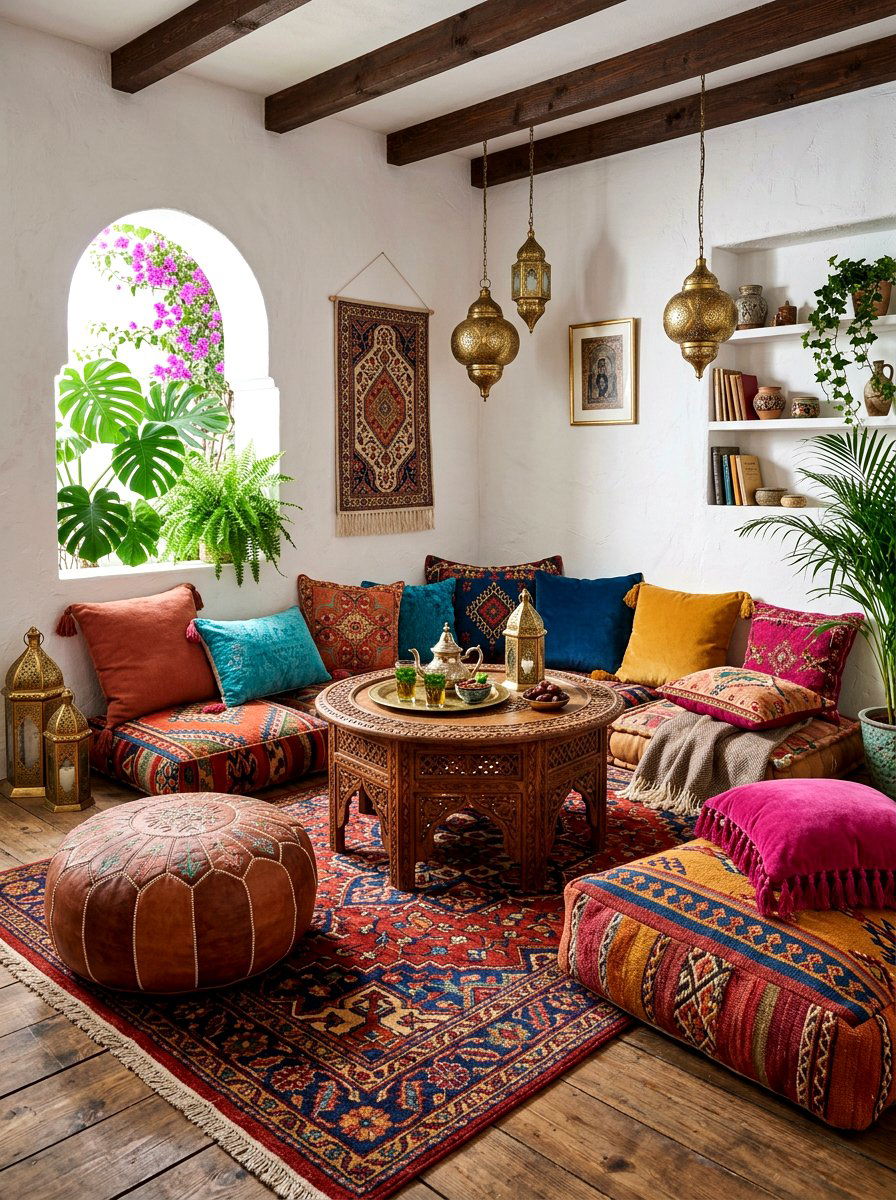
Bohemian floor seating uses a mix of colorful patterns and low-profile furniture to create a vibrant and culturally rich living space. You can arrange several large floor pillows around a low carved wooden table to create an intimate gathering spot. Layer multiple oriental or tribal rugs to provide a soft and visually interesting foundation for the entire room. This style encourages a slower pace of life where people sit closer to the ground and engage more directly with one another. Adding lanterns and beaded curtains can enhance the global and eclectic feel of this analog retreat. It is a space that celebrates texture, color, and comfort.
18. Earth Tone Color Palette
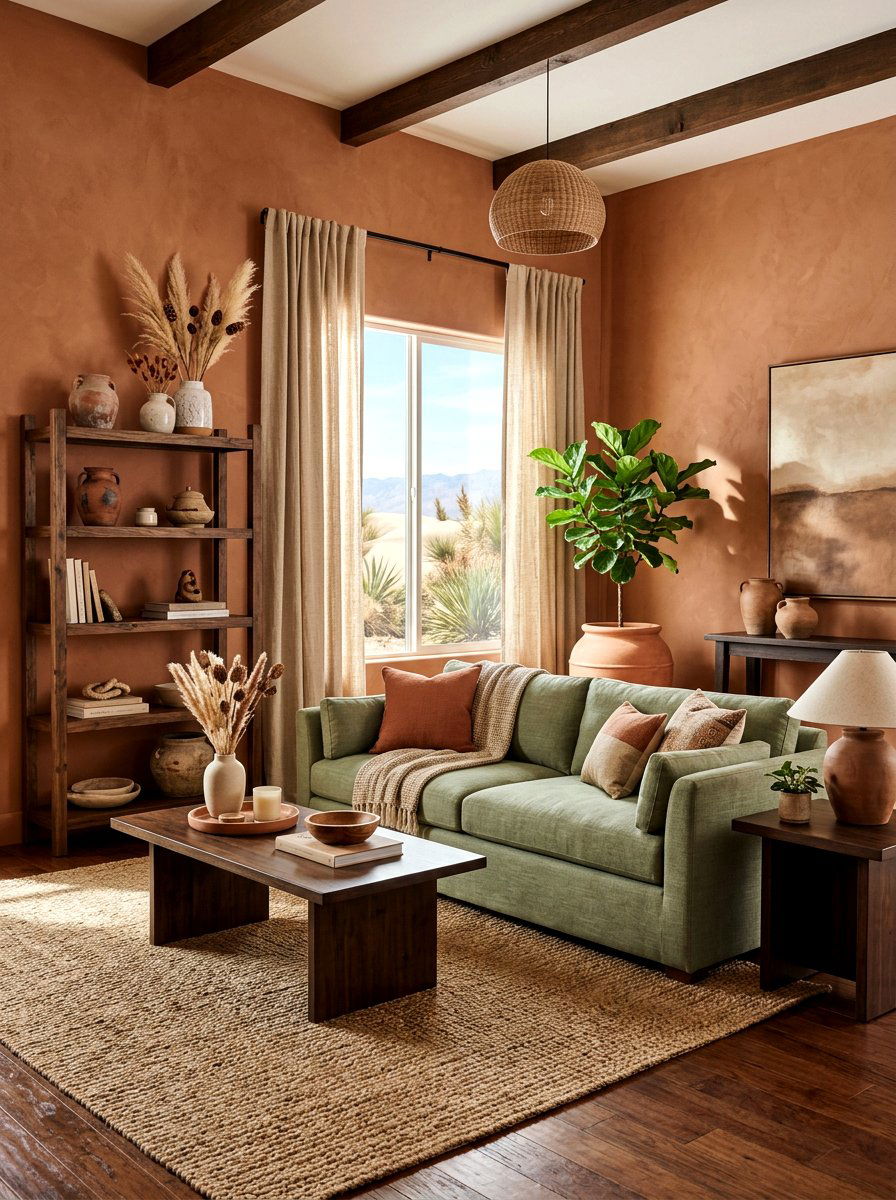
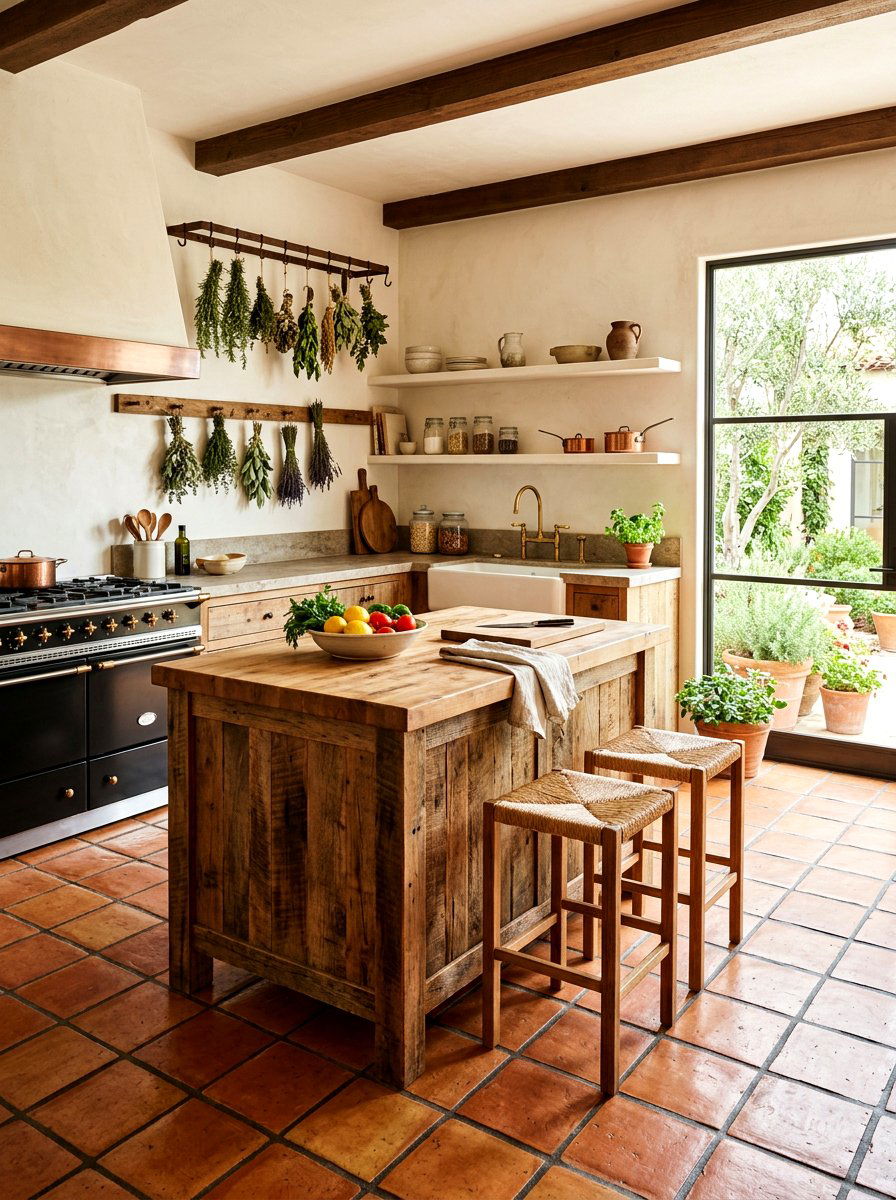
Adopting an earth tone color palette helps to create a living room that feels naturally calming and deeply connected to the environment. Use shades of terracotta, sage green, sandy beige, and deep chocolate brown to decorate the walls and furniture pieces. These colors mimic the outdoors and provide a soothing backdrop that doesn't compete for your attention like bright digital displays. Incorporate natural materials like unpainted wood, clay pottery, and linen fabrics to reinforce the organic theme of the design. This color scheme works beautifully with warm, soft lighting to create a cozy cocoon for evening relaxation. It makes the space feel permanent and grounded.
19. Classic Library Style Room
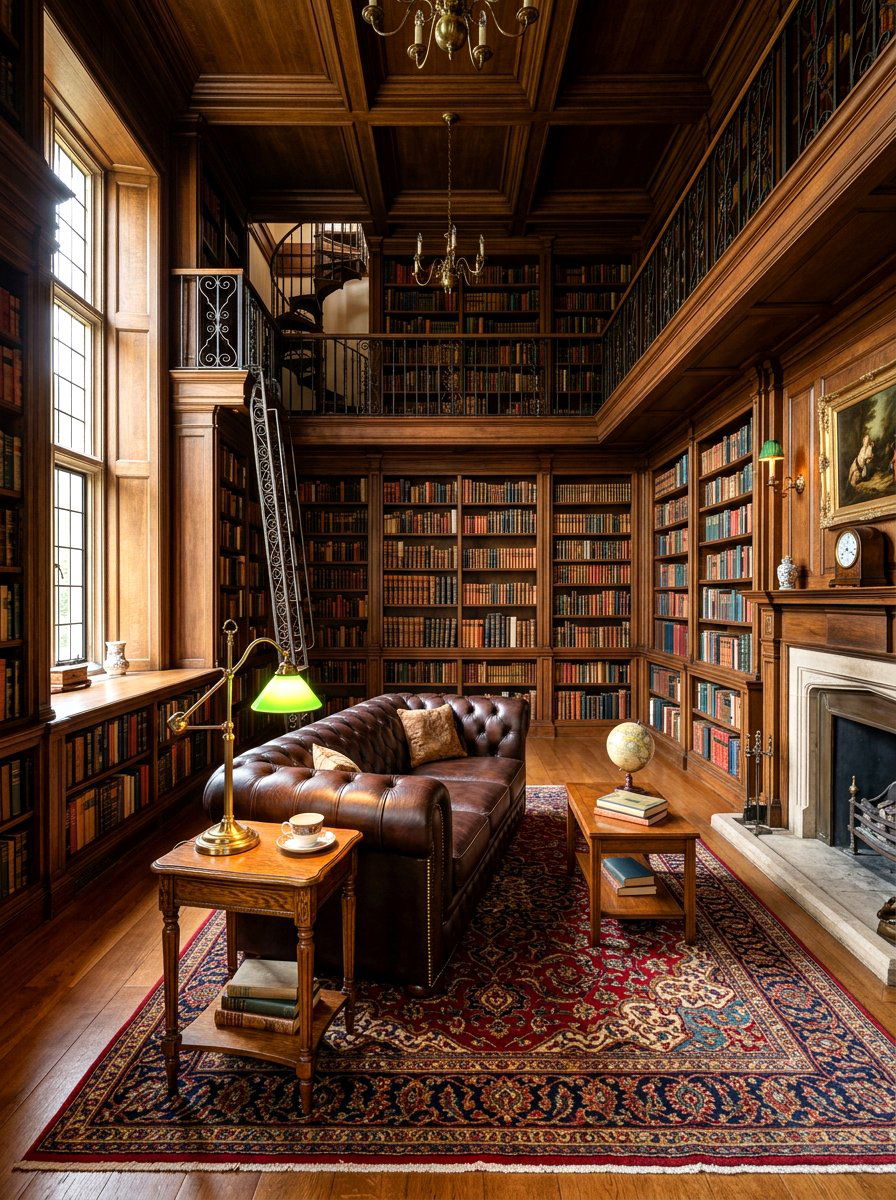
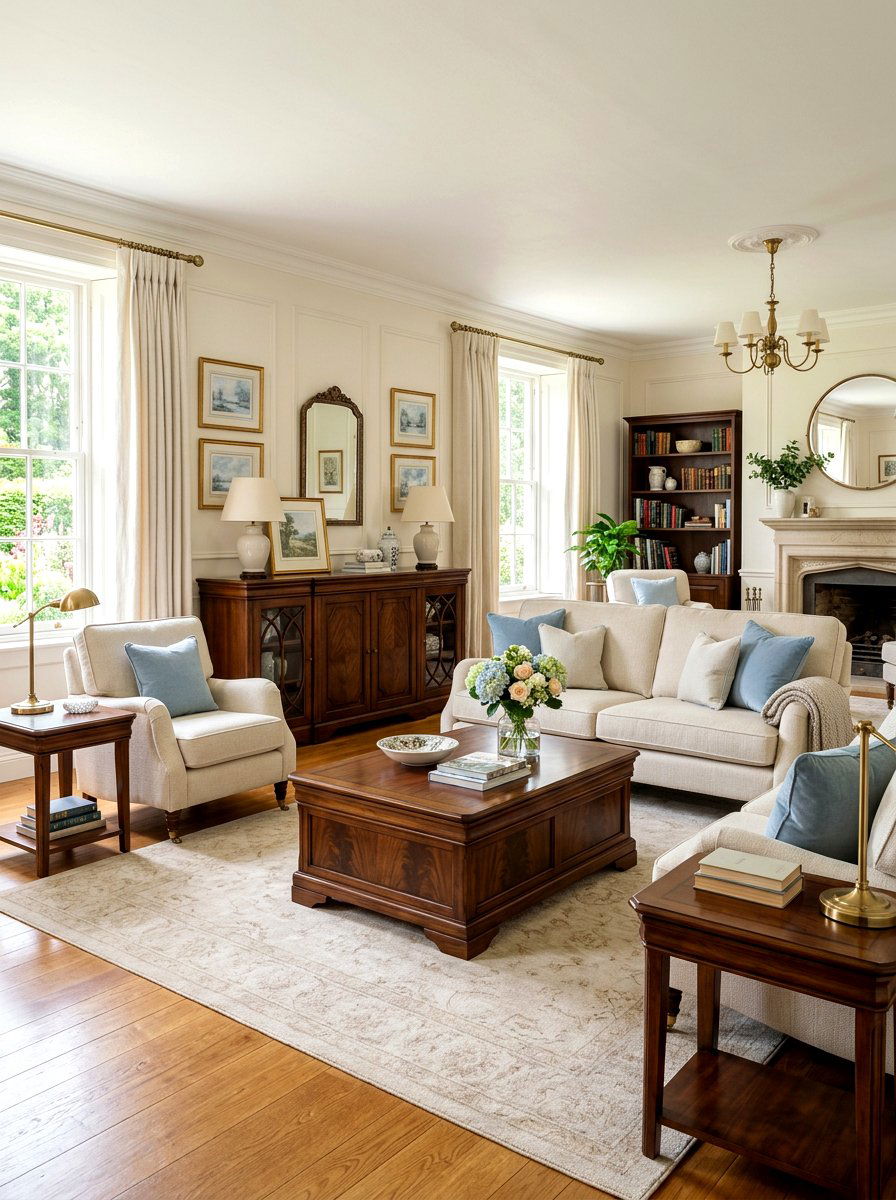
A classic library style room focuses on traditional elegance and the quiet power of the written word in a formal setting. Incorporate dark wood paneling on the walls and heavy, traditional furniture like a Chesterfield sofa to establish a sense of history. Large bookcases should be the main feature, filled with leather-bound volumes and cherished collections that reflect your personal interests. A large central desk or a heavy coffee table provides space for laying out large art books or maps for study. Use brass lamps and framed oil paintings to complete the sophisticated and scholarly atmosphere of the room. This space is a true celebration of analog knowledge.
20. Wool Rug Layering
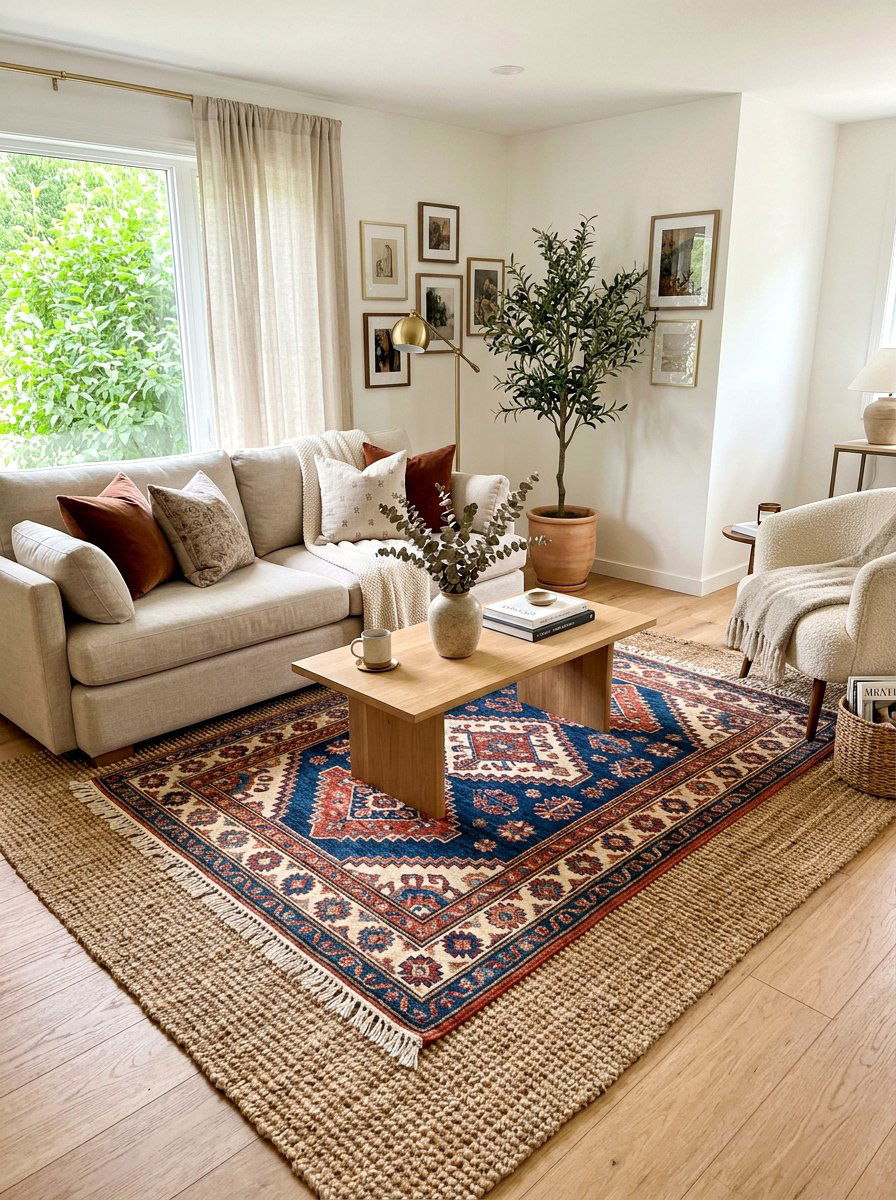
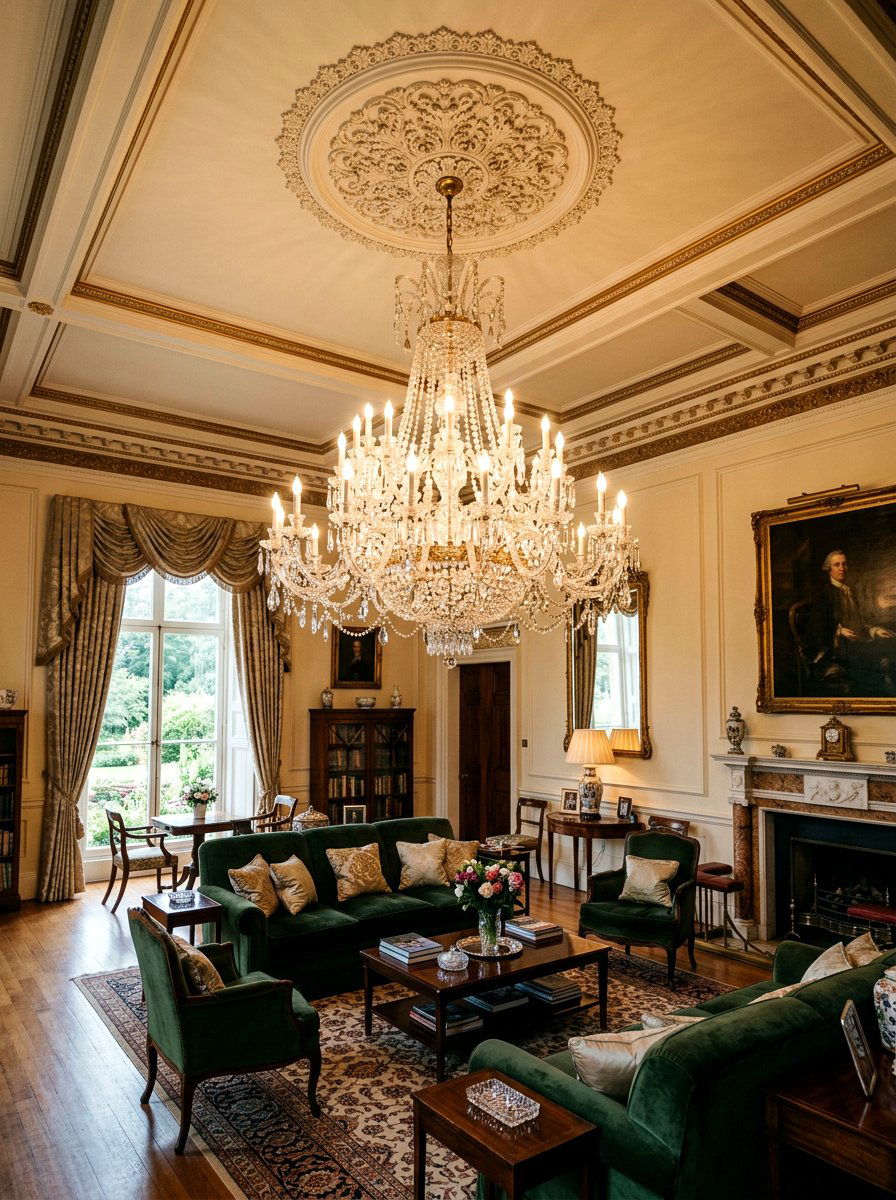
Wool rug layering is a design technique that adds incredible depth, warmth, and sound dampening to an analog living space. Start with a large, neutral-colored wool rug as your base and then place smaller, patterned rugs on top to define different zones. This approach creates a rich tapestry of textures underfoot that feels luxurious and helps to ground the furniture pieces. The natural fibers of the wool are durable and provide a soft surface for children or pets to play on the floor. Layering rugs also helps to absorb echoes, making the room feel quieter and more intimate for private conversations. It adds a sophisticated, lived-in feel to the home.
21. Potted Tree Focus
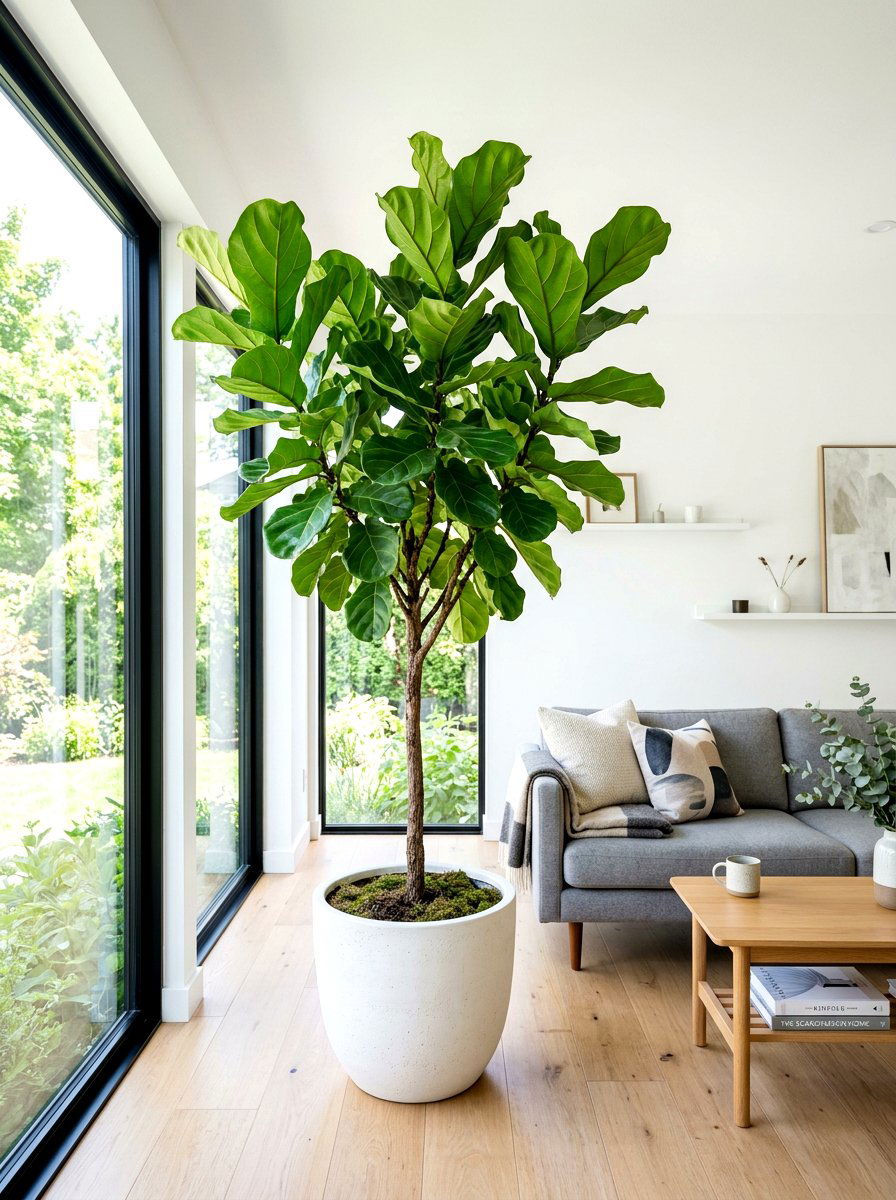
Using a large potted tree as a focal point brings a sense of grand scale and natural beauty into the living room. A tall Fiddle Leaf Fig or a lush Olive tree can act as a living sculpture that changes slightly with the seasons. Place the tree in a well-lit corner or next to a primary seating area to create a sense of shelter and greenery. The presence of a large living plant improves air quality and provides a calming visual connection to the natural world. Use a decorative ceramic or terracotta pot that complements your interior style to anchor the tree firmly in the room’s overall design scheme.
22. Stone Wall Accent
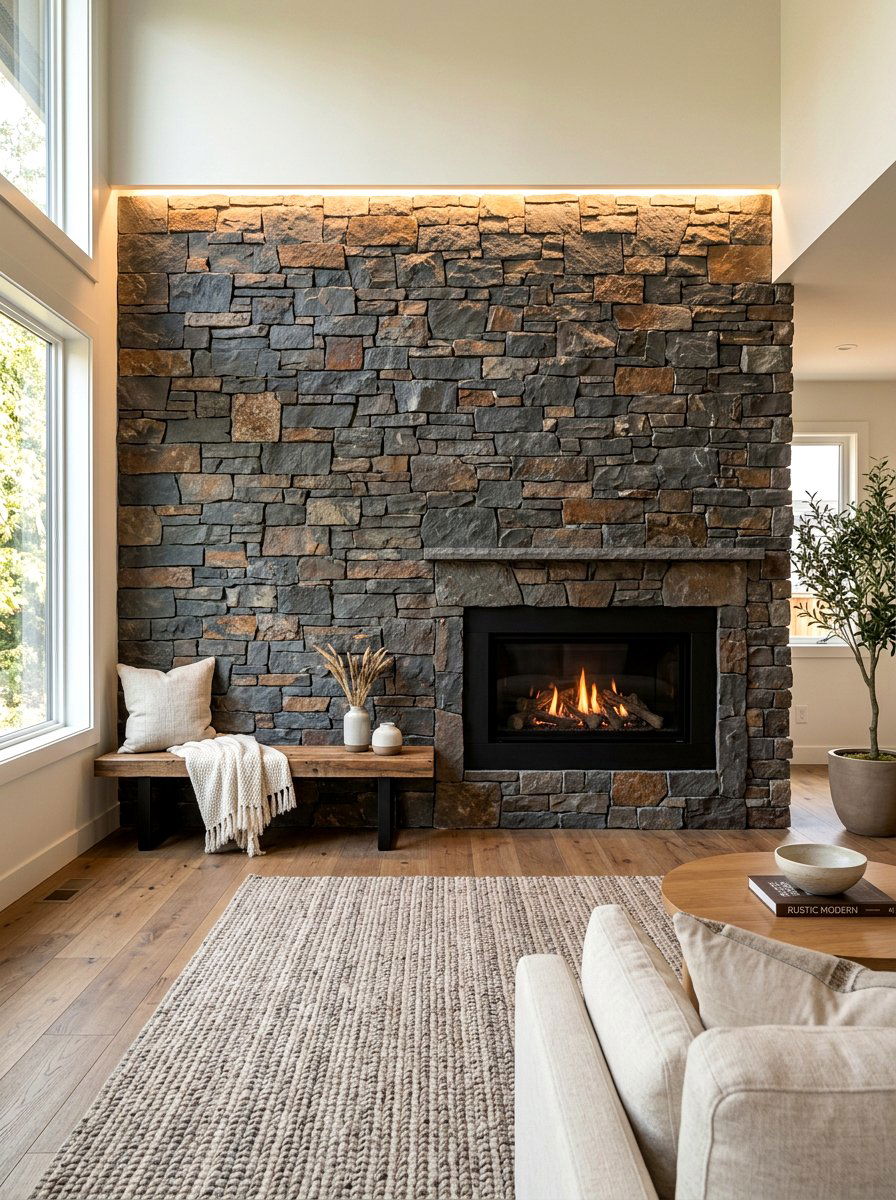
A stone wall accent adds a powerful sense of permanence and rugged texture to a room, emphasizing a timeless analog aesthetic. Using natural slate, fieldstone, or brick creates a tactile surface that looks beautiful under both natural and artificial light. This feature wall can serve as the backdrop for a fireplace, a bookshelf, or a collection of framed landscape photographs. The cool, solid nature of the stone contrasts beautifully with soft upholstered furniture and warm wooden floors. It brings an elemental quality into the home that feels very different from the smooth, plastic surfaces of modern technology. This design choice creates a very strong architectural statement.
23. Leather Armchair Retreat
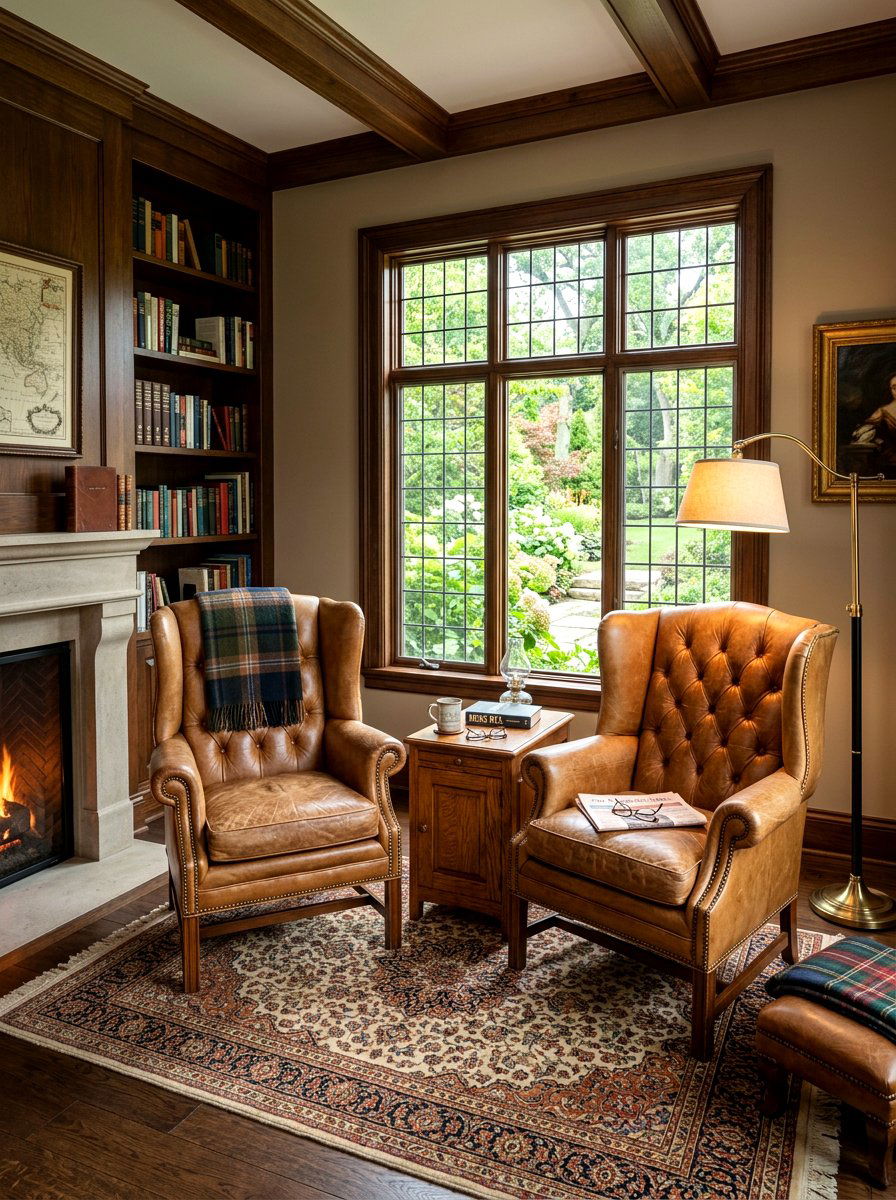
A pair of high-quality leather armchairs creates a classic and durable seating area that only gets better with age and use. Leather is a tactile material that develops a unique patina over time, telling the story of the many hours spent relaxing in it. Position these chairs near a window or a bookshelf with a shared side table and a high-quality reading lamp. The scent and feel of real leather contribute to the sensory experience of an analog room, making it feel masculine and traditional. This setup is perfect for morning coffee, evening drinks, or deep discussions without the distraction of a television nearby. It is a timeless design.
24. Open Concept Social Space
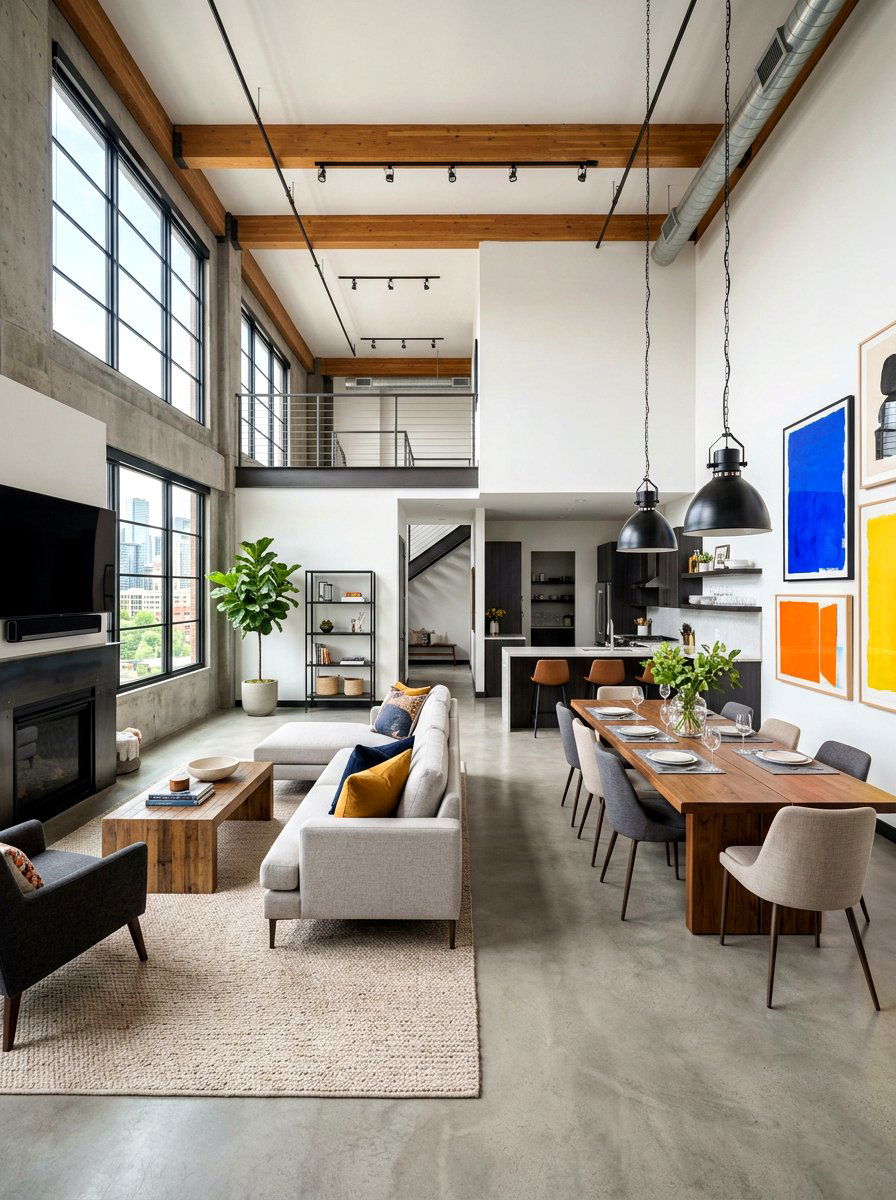
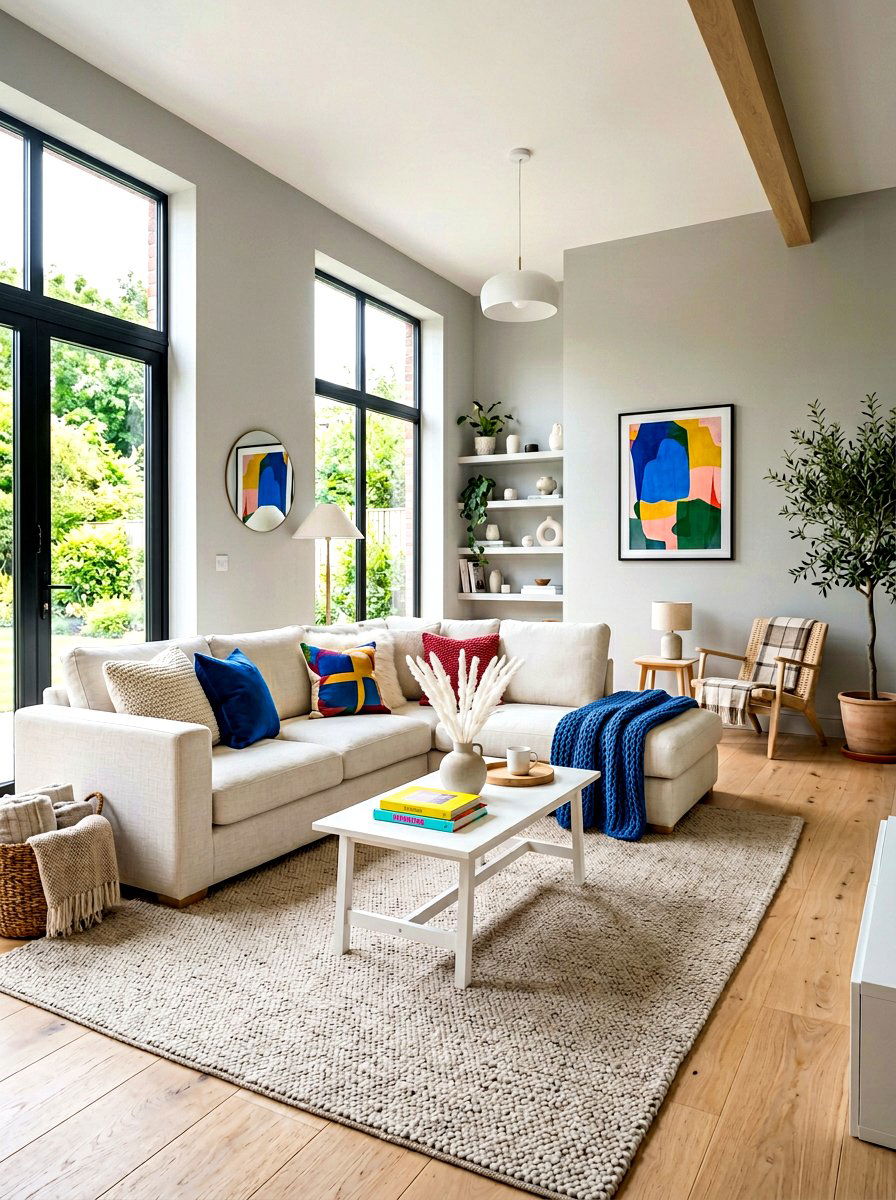
An open concept social space focuses on removing barriers to movement and communication, creating a fluid and interactive living environment. By keeping the layout clear of unnecessary partitions, you allow for easy transitions between lounging, dining, and creative activities. Use area rugs and lighting to subtly define different zones within the larger space while maintaining a sense of unity. This design encourages group activities like group singing, large board game nights, or communal crafting sessions. Large windows and consistent flooring help to tie the different areas together into one cohesive analog hub. It is a space designed for modern living with a traditional focus on togetherness.
25. Handwritten Journaling Spot
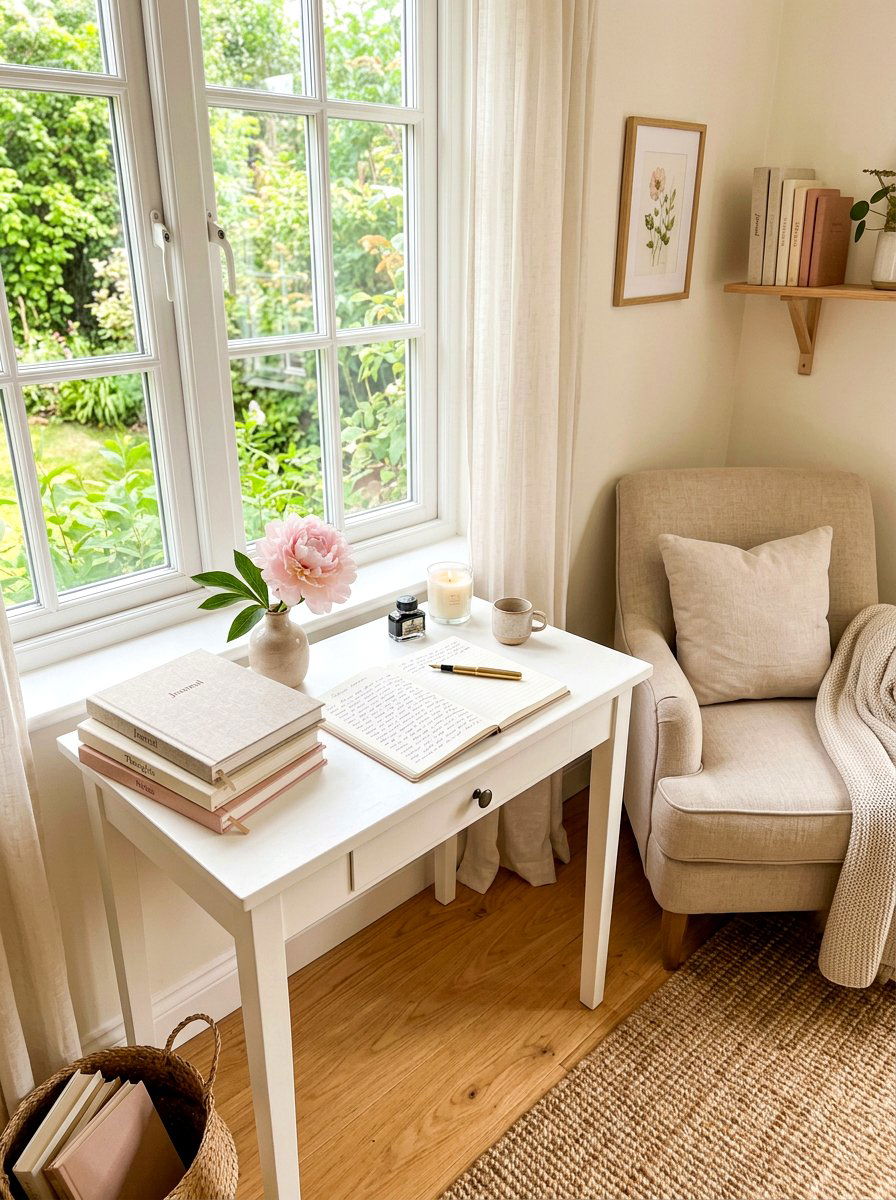
Creating a specific spot for handwritten journaling encourages the daily practice of reflection and personal expression without any digital screens. A small, elegant table tucked into a quiet corner with a comfortable chair provides the perfect sanctuary for private thoughts. Keep a collection of beautiful notebooks, specialized pens, and inkwells nearby to make the process feel like a special ritual. Soft, focused lighting from a small desk lamp helps to create a sense of intimacy and concentration. This zone serves as a reminder to slow down and process your day in a physical, tangible way. It is a vital component of a mindful, analog-centered home.
26. Jigsaw Puzzle Table
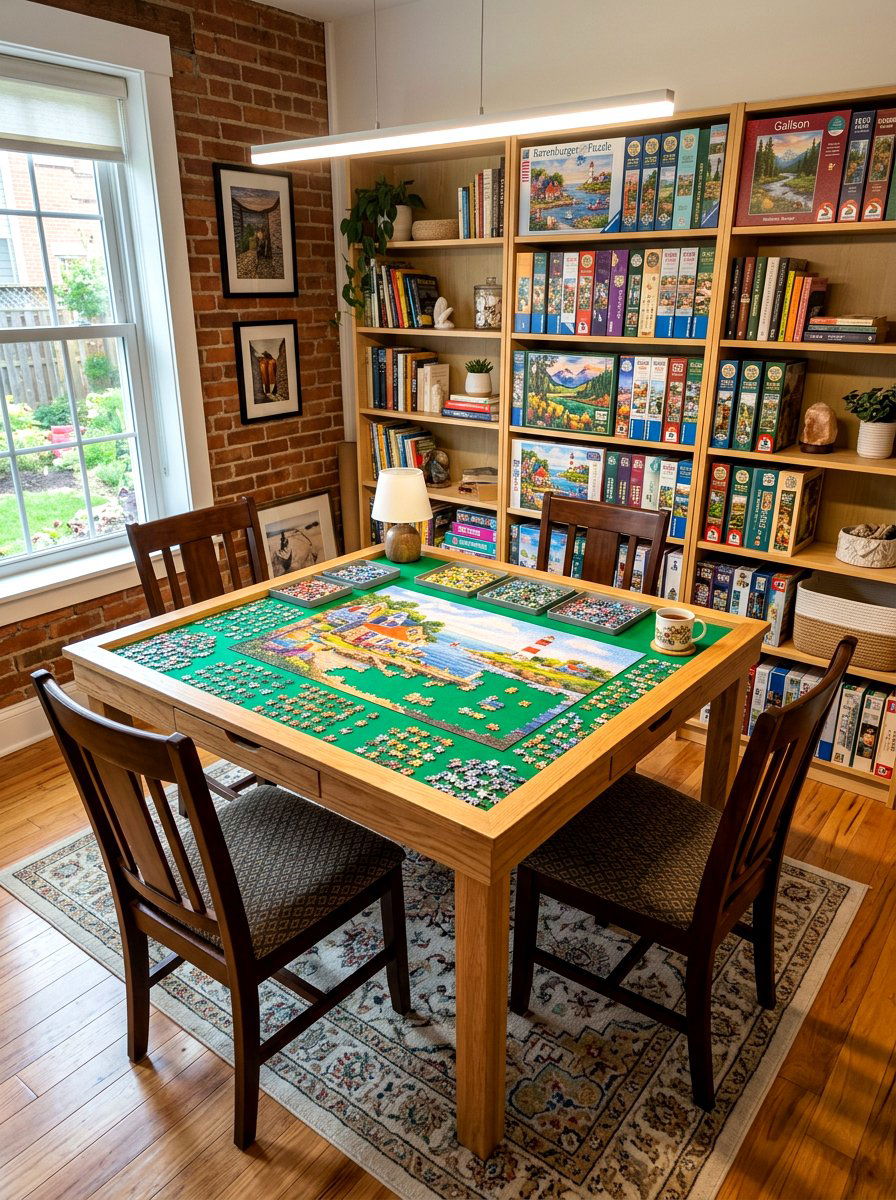
A dedicated jigsaw puzzle table provides a permanent place for a slow-burning hobby that the whole family can participate in over time. Choose a table with a large, flat surface and comfortable chairs that allow for long periods of focused activity. Having a puzzle in progress acts as a gentle invitation to sit down and engage in a quiet, meditative task whenever you have a few minutes. It is a great way to bond with others without the need for conversation or technology. Store extra puzzle boxes in a cabinet below to keep the area organized while showing off your collection. This space celebrates patience and visual problem-solving skills.
27. Rustic Timber Beam Interior
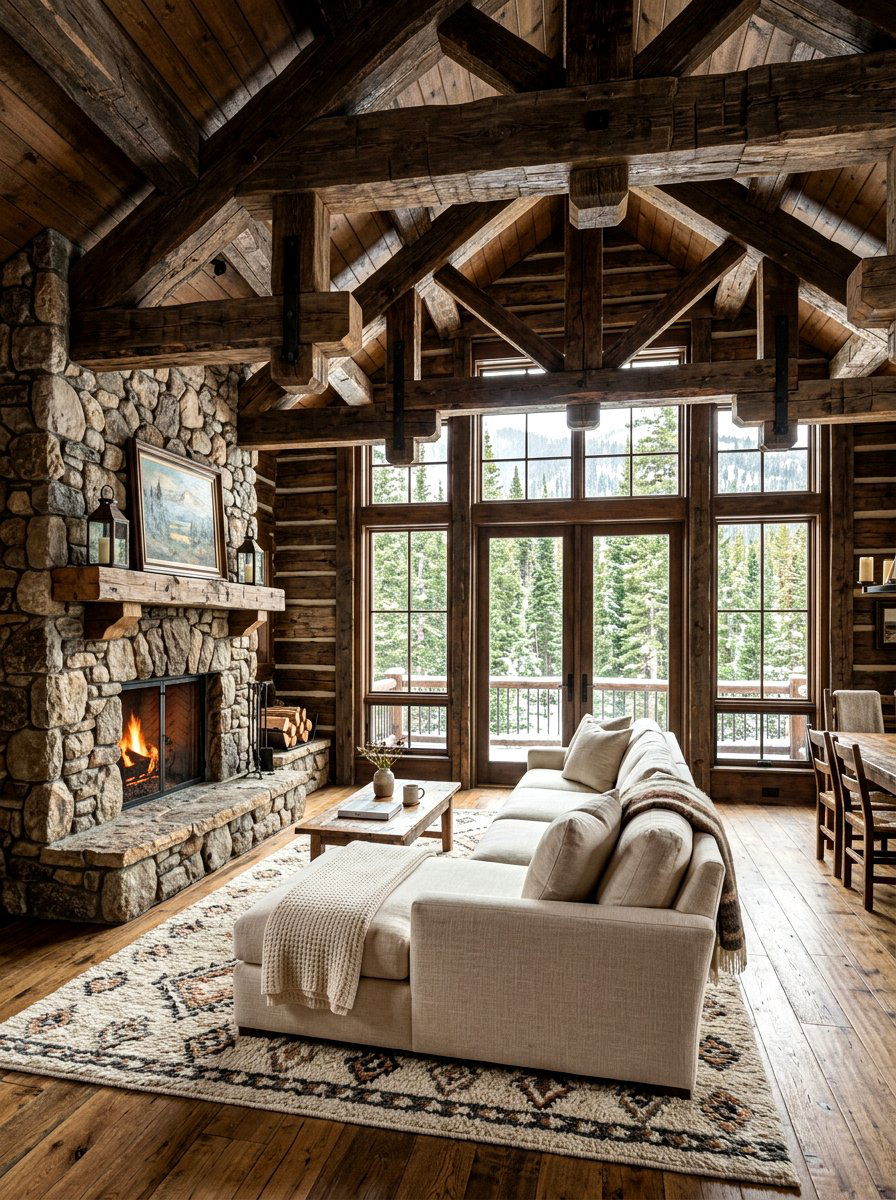
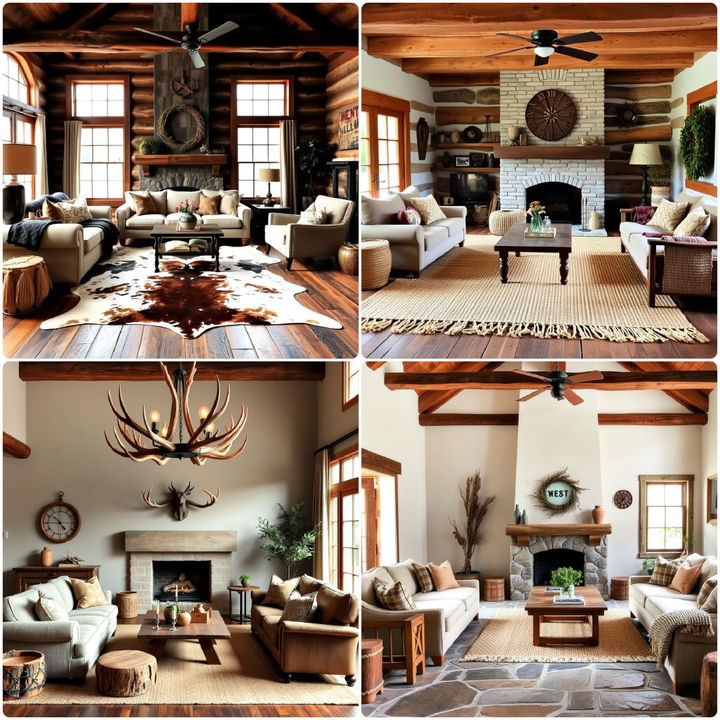
Exposed rustic timber beams add architectural character and a sense of history to a living room, making it feel sturdy and grounded. The natural grain and warm tones of the wood overhead create a cozy, cabin-like atmosphere that is perfect for a digital detox. These beams can be used to hang plants, lanterns, or even a classic indoor swing for a touch of whimsy. Pair the wooden ceiling with neutral walls and comfortable, oversized furniture to create a balanced and inviting space. The raw, unfinished look of the timber celebrates natural imperfections and provides a strong contrast to sleek, modern interiors. It feels incredibly authentic and warm.
28. Large Window Bench
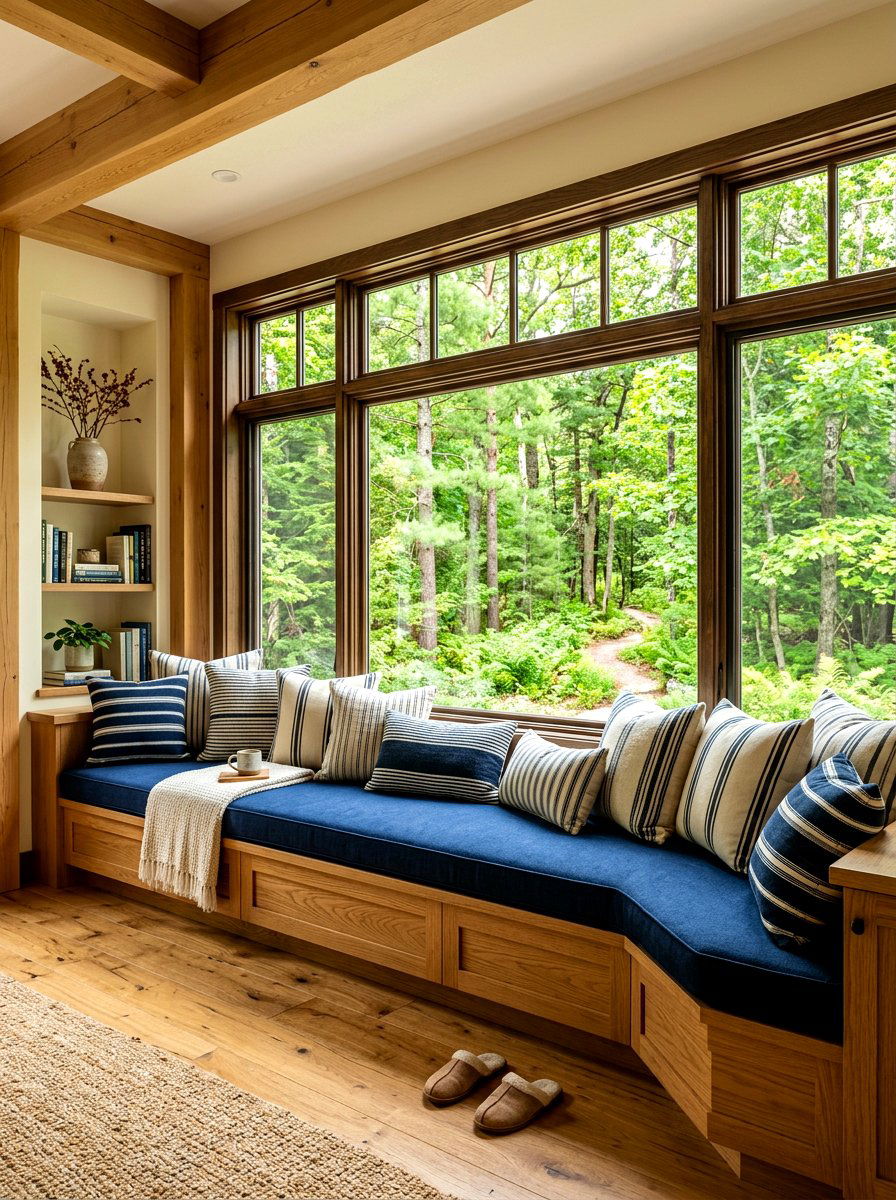
A large window bench offers a perfect vantage point for observing the world outside while remaining comfortable and warm indoors. Built-in seating under a wide window provides a unique spot for daydreaming, bird watching, or reading by natural light. Use thick cushions and several throw pillows to make the bench as comfortable as a traditional sofa. The area beneath the seat can be used for hidden storage, perhaps for extra blankets or a collection of physical board games. This design feature turns a window into a functional part of the living space rather than just a source of light. It connects the interior life with the external environment beautifully.
29. Velvet Sofa Focal Point
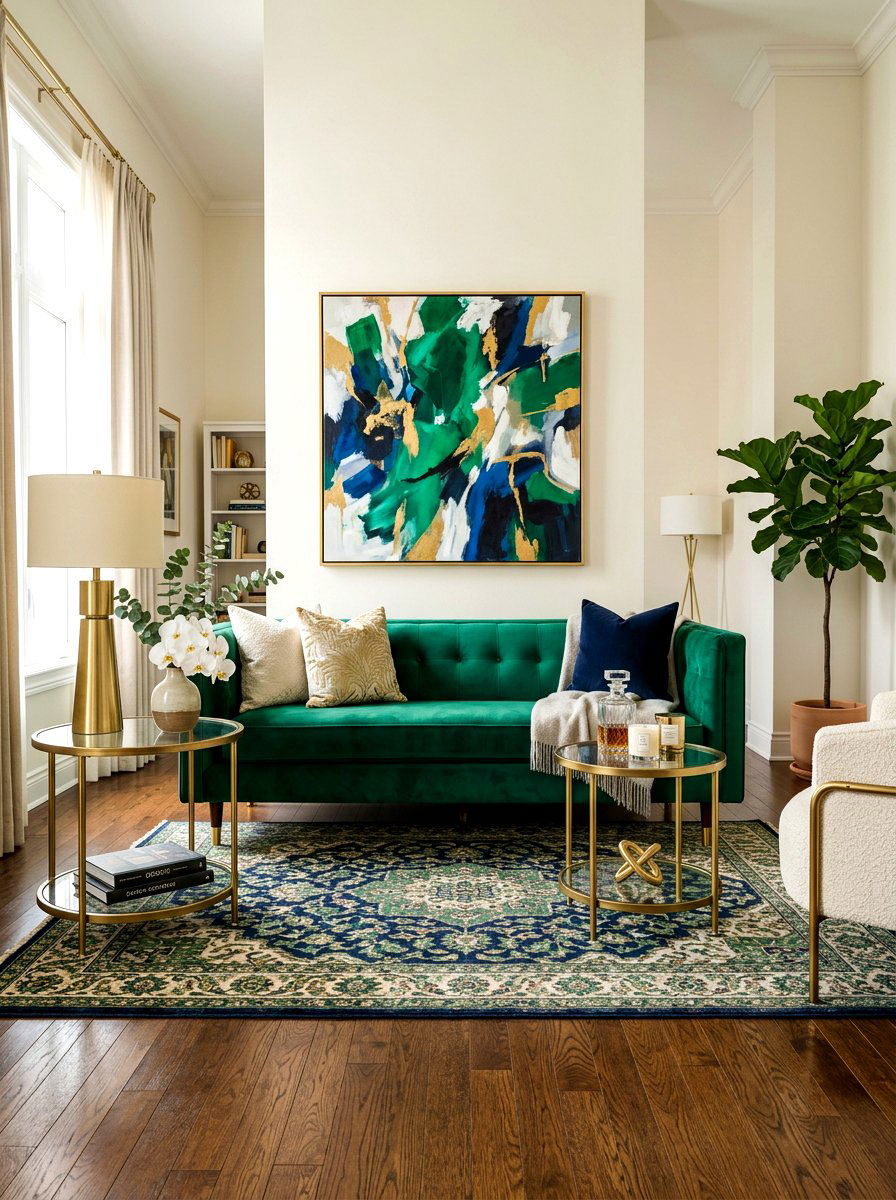
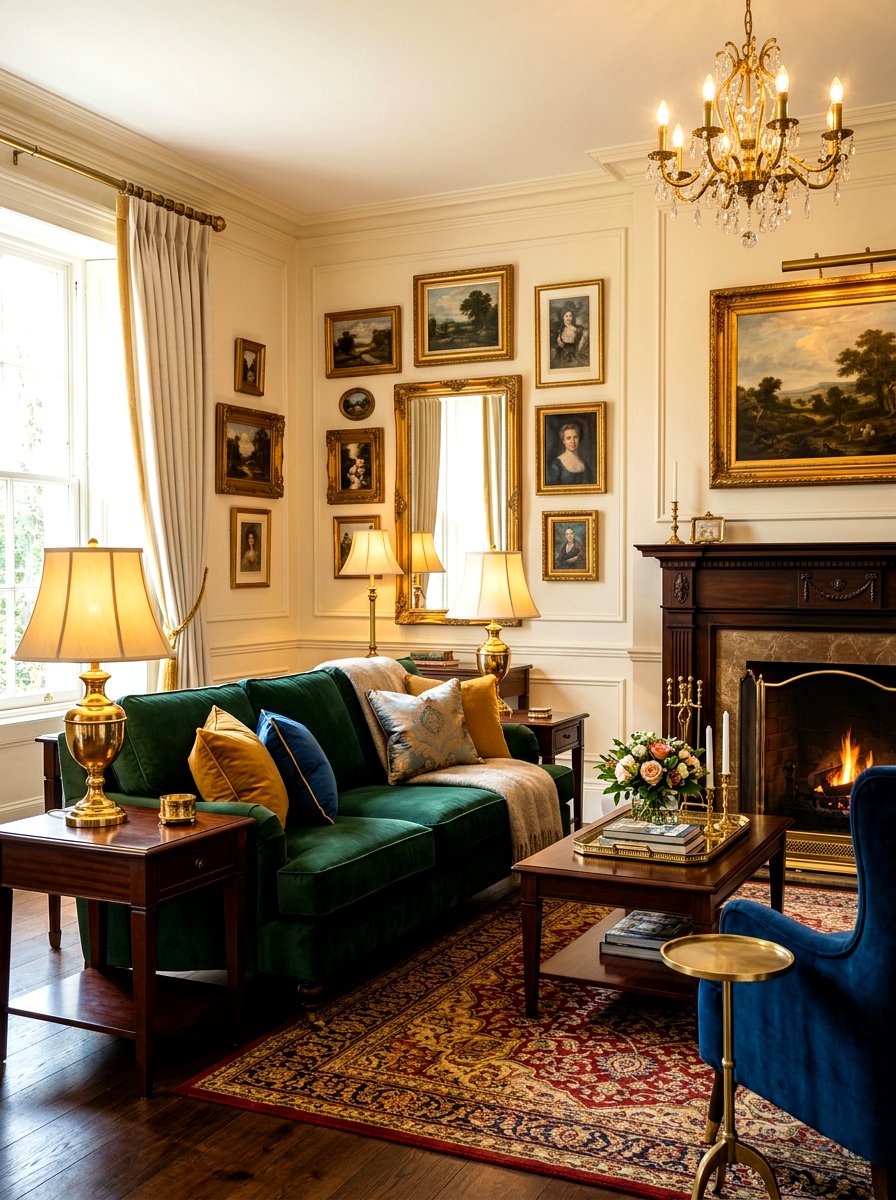
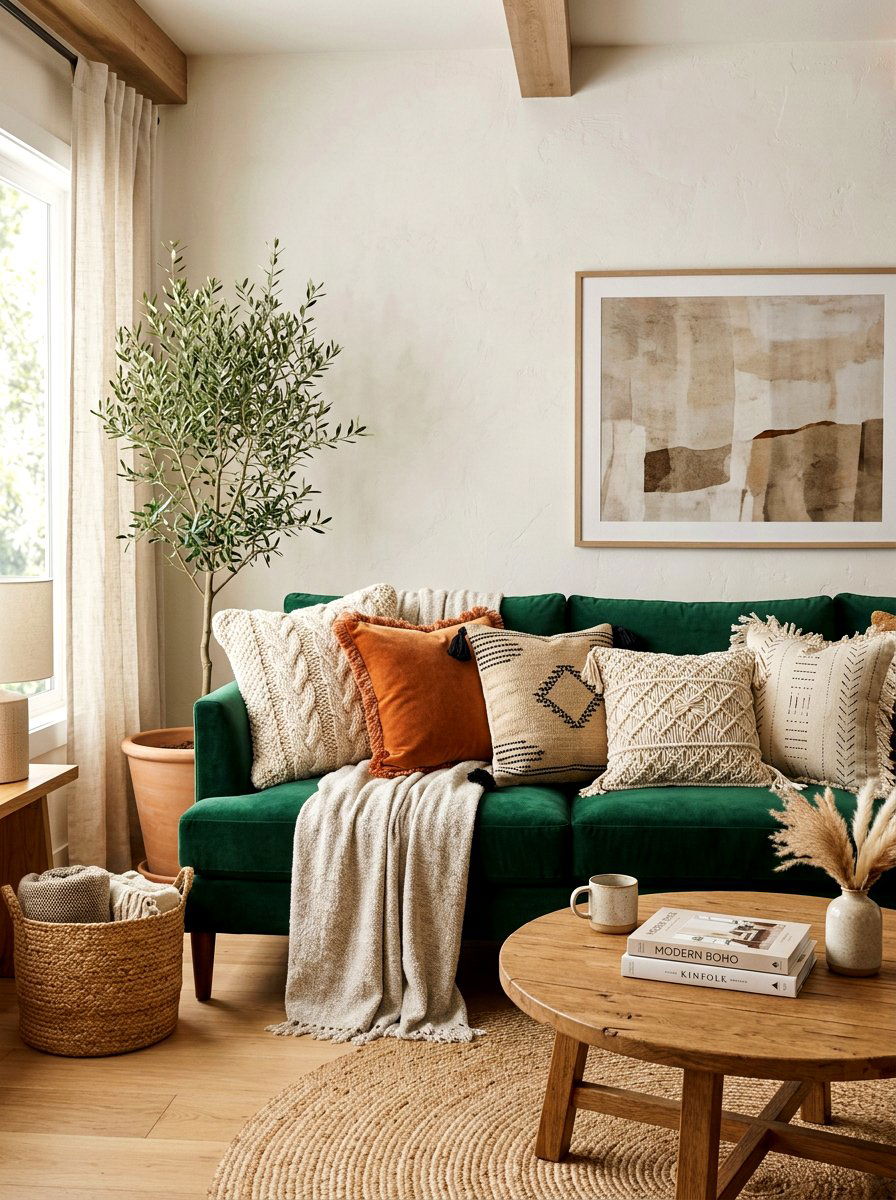
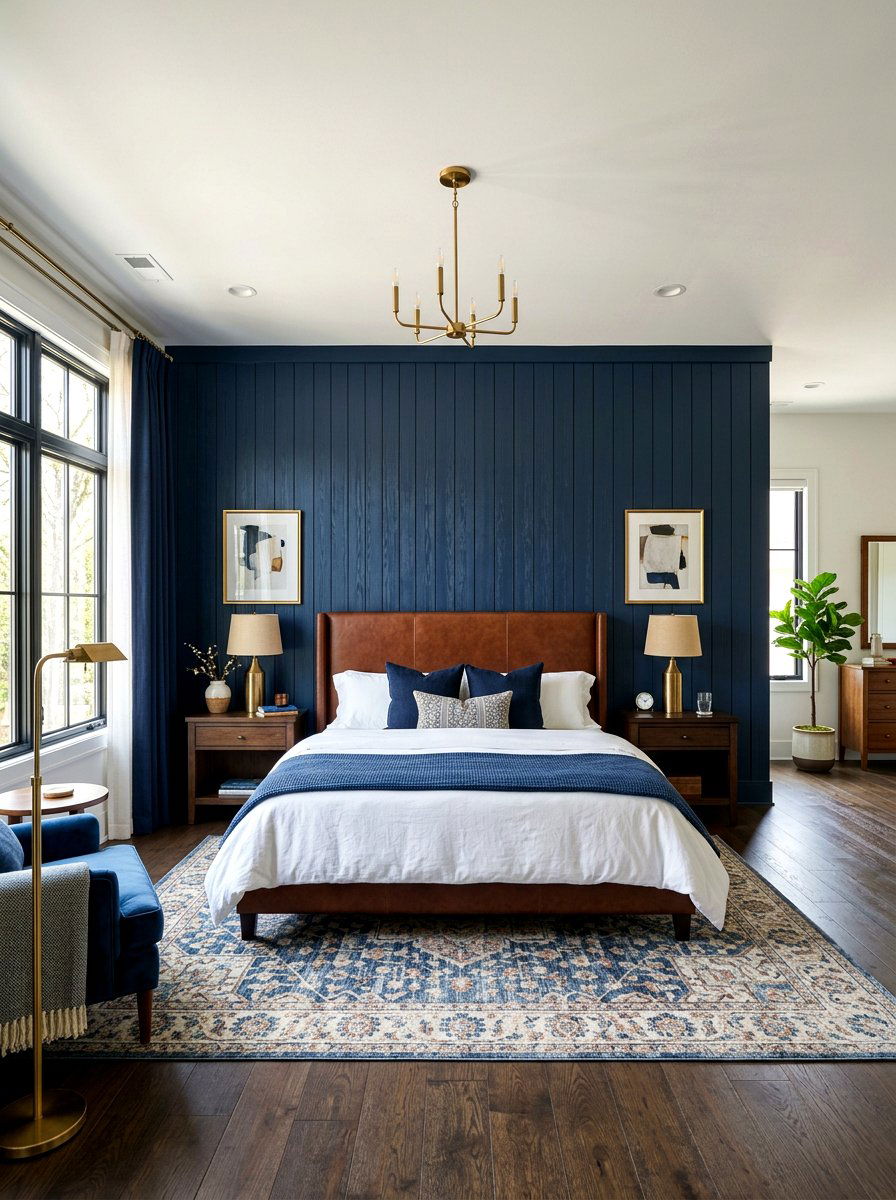
A luxurious velvet sofa in a bold color serves as a stunning focal point that adds softness and elegance to an analog room. Velvet is an incredibly tactile fabric that invites you to sit and stay for a while, enjoying its smooth and plush texture. Choosing a deep jewel tone like emerald green or navy blue can anchor the room and provide a sense of sophisticated comfort. Surround the sofa with natural wood accents and metallic details like brass or gold lamps to create a rich visual palette. This piece of furniture becomes the social heart of the room, where comfort and style meet in a very physical way.
30. Minimalist Zen Space
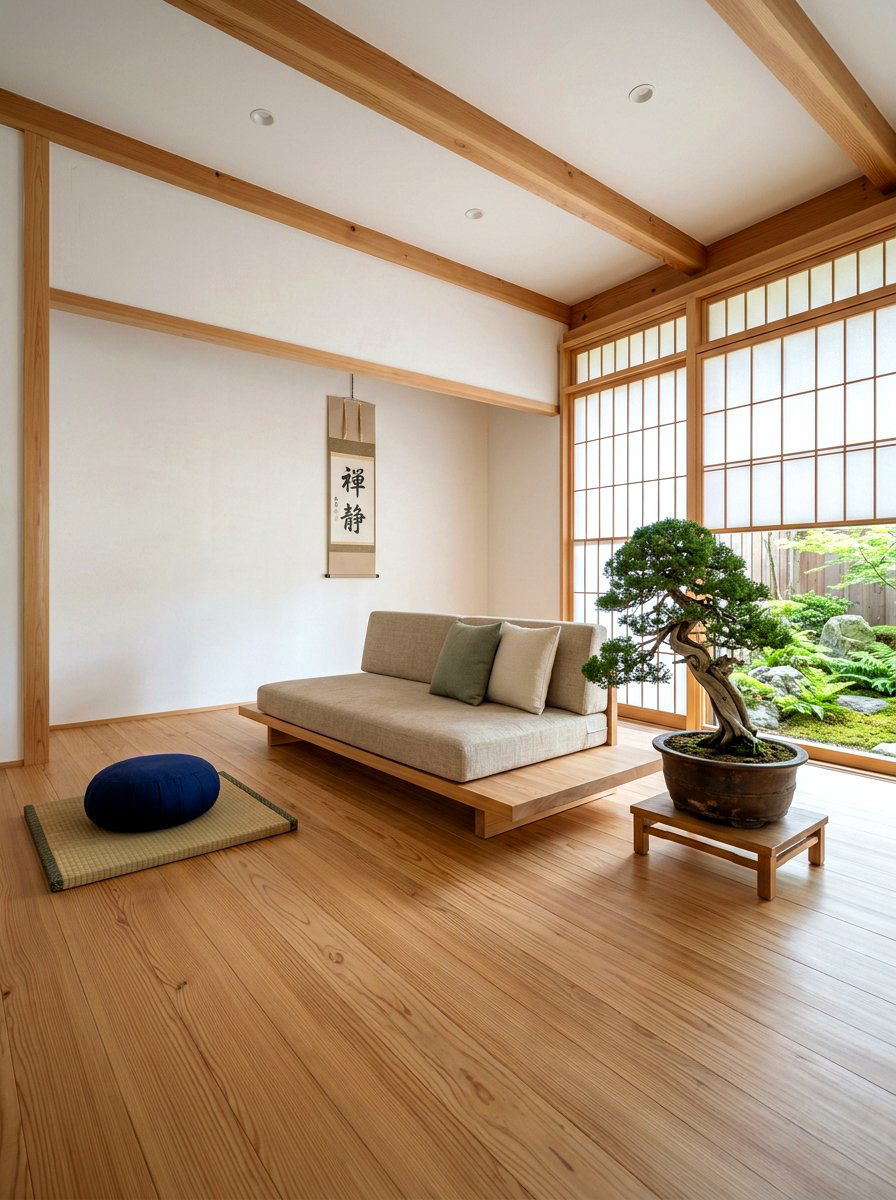
A minimalist Zen space focuses on stripping away all unnecessary distractions to create a room that is dedicated purely to peace and stillness. This design typically features low-profile furniture, plenty of open floor space, and a very limited color palette of whites, grays, and natural woods. Incorporate elements like a small rock garden, a simple meditation cushion, or a single piece of meaningful art on the wall. The absence of clutter helps to calm the mind and encourages a sense of internal focus and relaxation. This analog approach is about the beauty of empty space and the power of simplicity in a world that is often too loud.
Conclusion:
Transitioning your living room into an analog-focused space is a powerful way to reclaim your time and improve your mental well-being. By prioritizing tactile objects, physical hobbies, and direct human interaction, you create a home environment that feels truly restorative and grounded. Whether it is the sound of a record player or the warmth of a real fire, these elements provide a sensory richness that digital devices simply cannot match. Each of these thirty ideas offers a unique path toward a more intentional and disconnected lifestyle right in the center of your home. Embracing the analog world allows you to slow down and appreciate the simple, physical beauty of your surroundings every day.

Related posts: