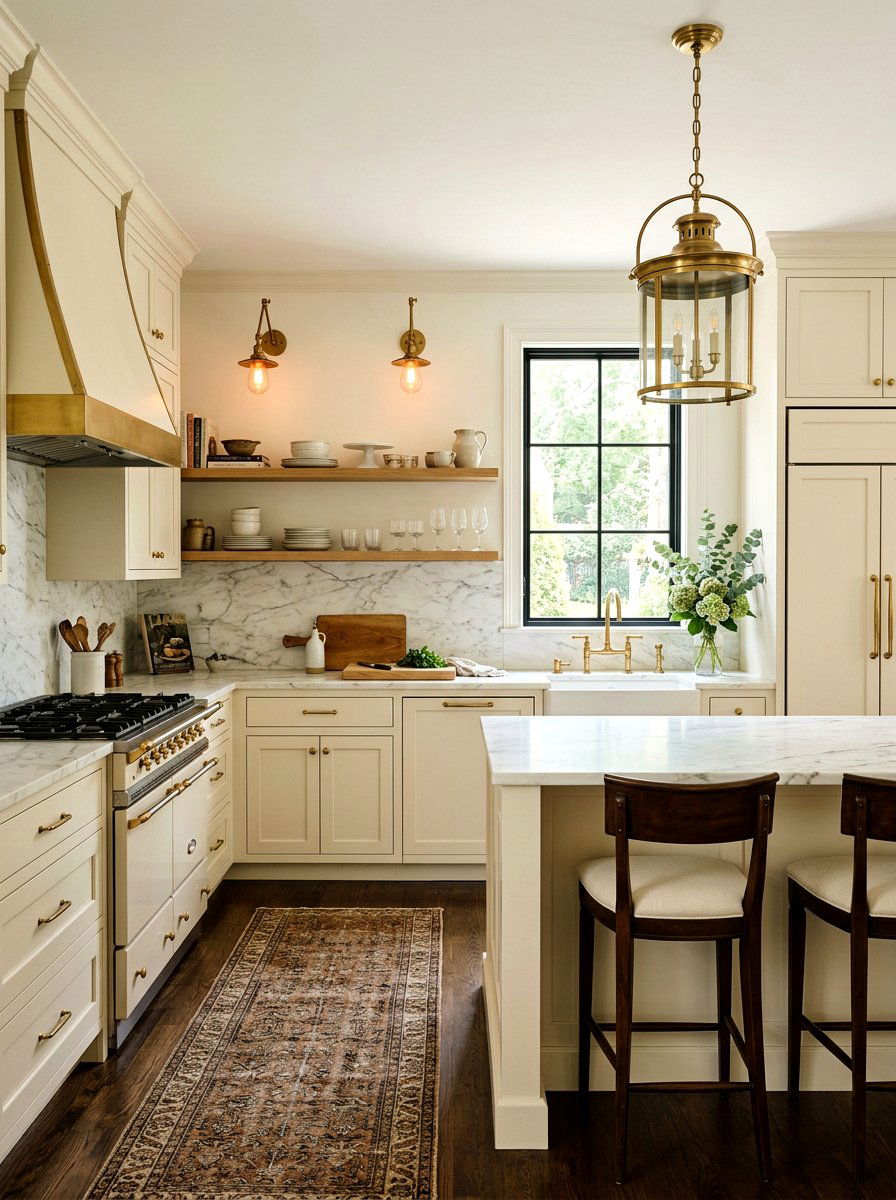
The timeless charm of a heritage kitchen brings a deep sense of history and warmth into the heart of any home. This design style focuses on classic craftsmanship, natural materials, and a lived-in feel that never goes out of fashion. Whether you live in a period property or a modern suburban house, incorporating heritage elements can create a space that feels both grounded and incredibly inviting. From hand-painted cabinetry to rustic stone floors, every detail tells a story of tradition and quality. These kitchens prioritize functionality and comfort, making them the perfect gathering spot for family and friends while celebrating the enduring beauty of traditional design aesthetics.
1. English Cottage Kitchen
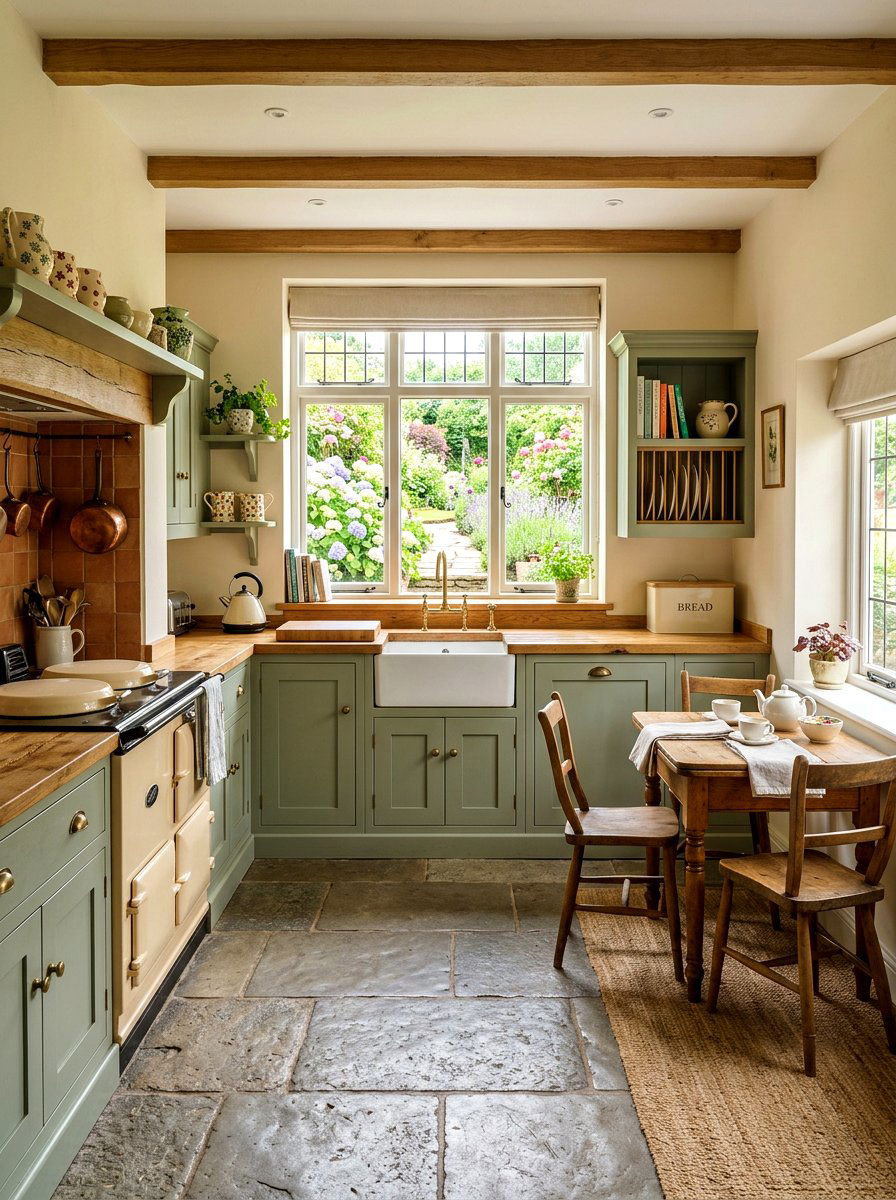
The English cottage kitchen is all about creating a cozy, lived-in environment that feels like a warm hug from the past. These spaces often feature soft, muted color palettes such as sage green, cream, or dusky blue to evoke a sense of calm. You will typically find a mix of natural materials like thick wooden worktops and traditional stone flagstone flooring. Open shelving is a staple here, allowing you to display charming ceramics, vintage tins, and well-loved cookbooks. The overall atmosphere should be unpretentious and comfortable, balancing rustic textures with practical layouts that make the kitchen the true emotional heart of your home.
2. Shaker Style Kitchen
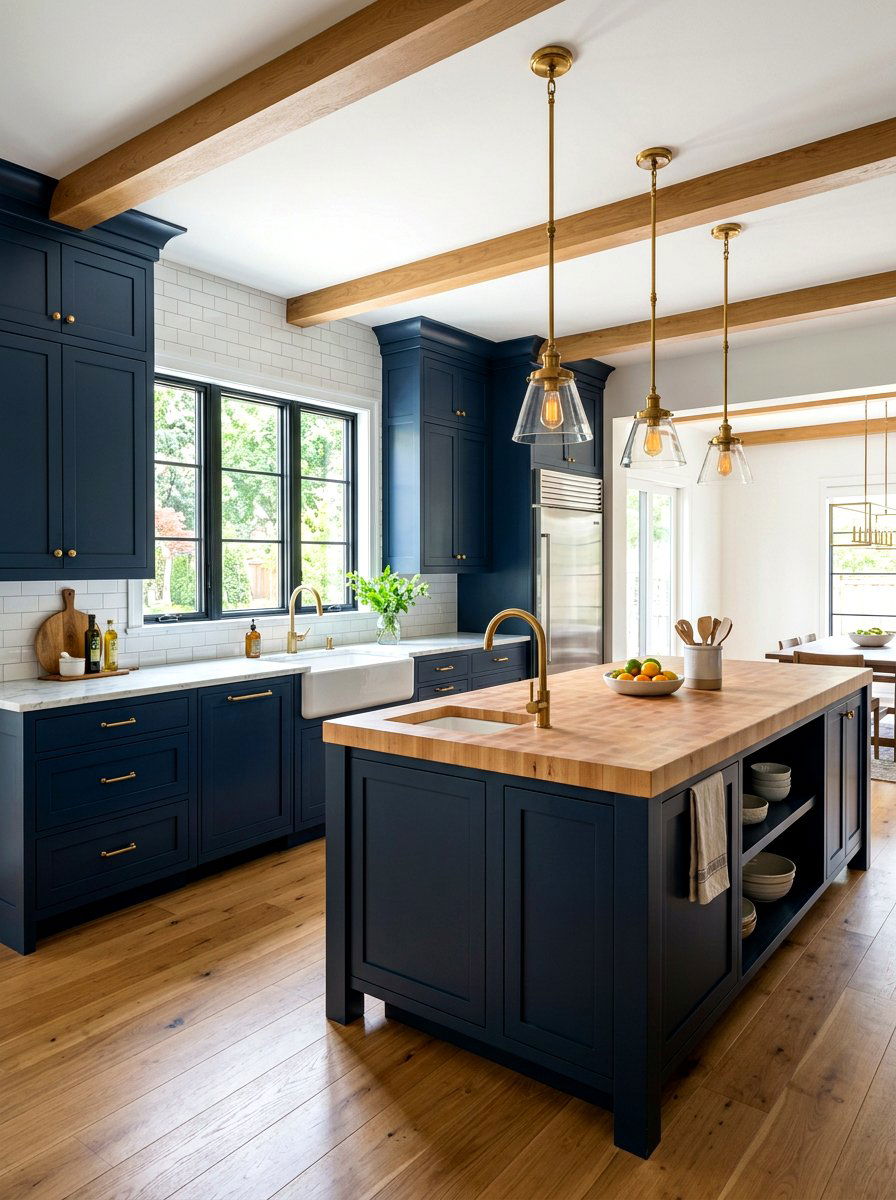
Shaker style kitchens are famous for their clean lines, functional design, and timeless simplicity that fits almost any home architecture. This look focuses on high-quality craftsmanship and avoids unnecessary ornamentation to maintain a sense of order and purity. The cabinets usually feature flat center panels and square edges, often painted in classic heritage shades like navy blue or forest green. Pairing these cabinets with solid wood or marble countertops adds a touch of luxury while keeping the design grounded. This style is perfect for those who appreciate a clutter-free environment that still feels warm, authentic, and rooted in a long history of excellent woodworking.
3. Victorian Era Kitchen
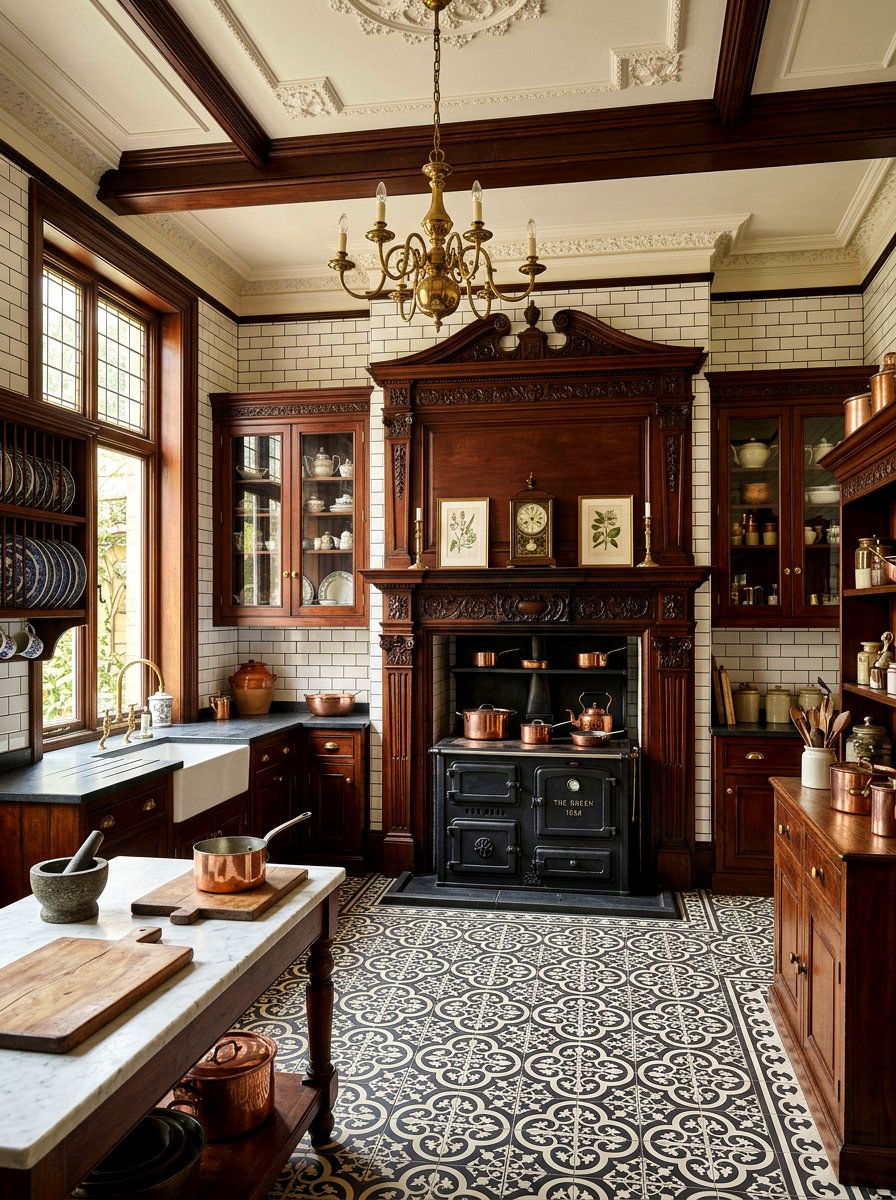
Stepping into a Victorian era kitchen feels like a journey back to a time of grand proportions and intricate architectural details. These spaces often feature high ceilings, large sash windows, and elaborate crown moldings that add a sense of drama and history. You might see rich, dark wood cabinetry or deep-toned painted finishes paired with traditional white subway tiles or patterned encaustic floor tiles. Decorative elements like corbels under the mantel and ornate brass hardware are common features that elevate the design. This style celebrates the industrial and artisanal spirit of the 19th century, creating a sophisticated yet functional space for modern culinary adventures.
4. Rustic Farmhouse Kitchen
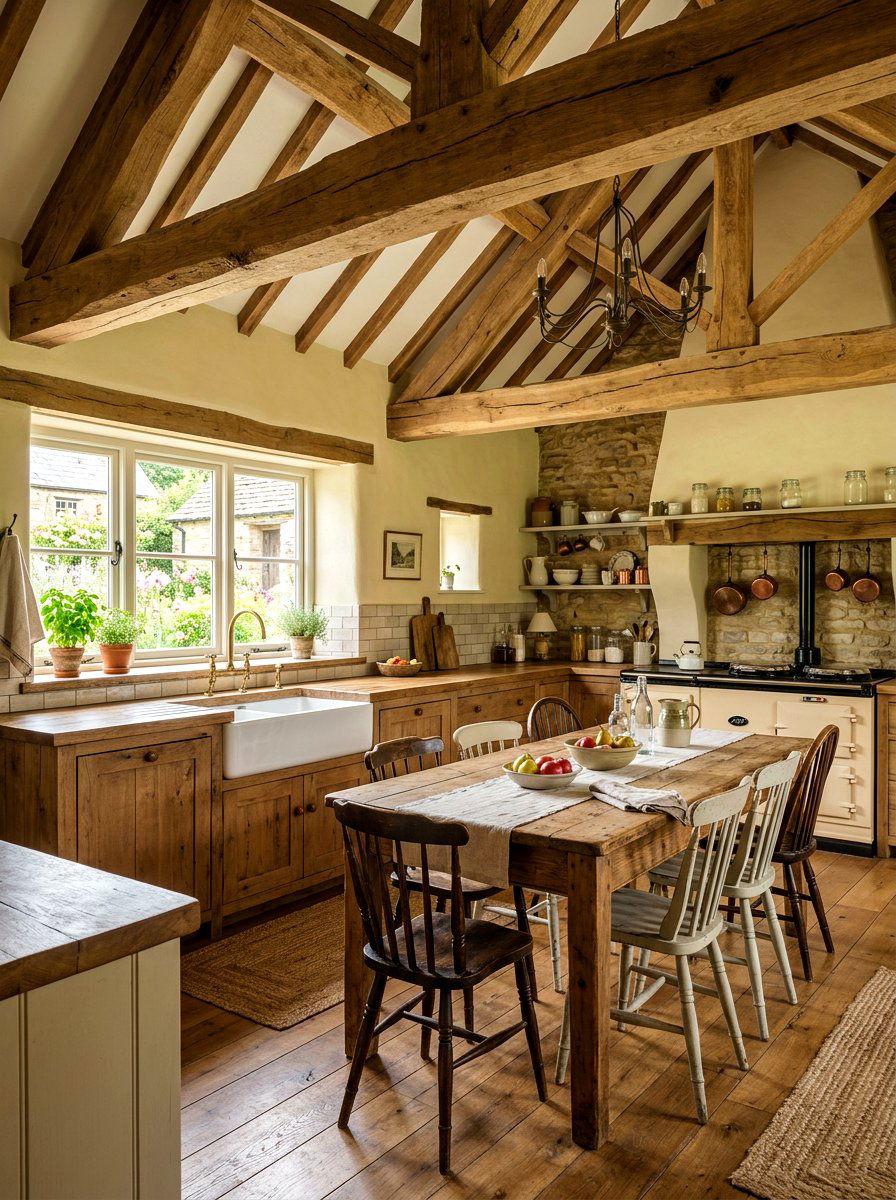
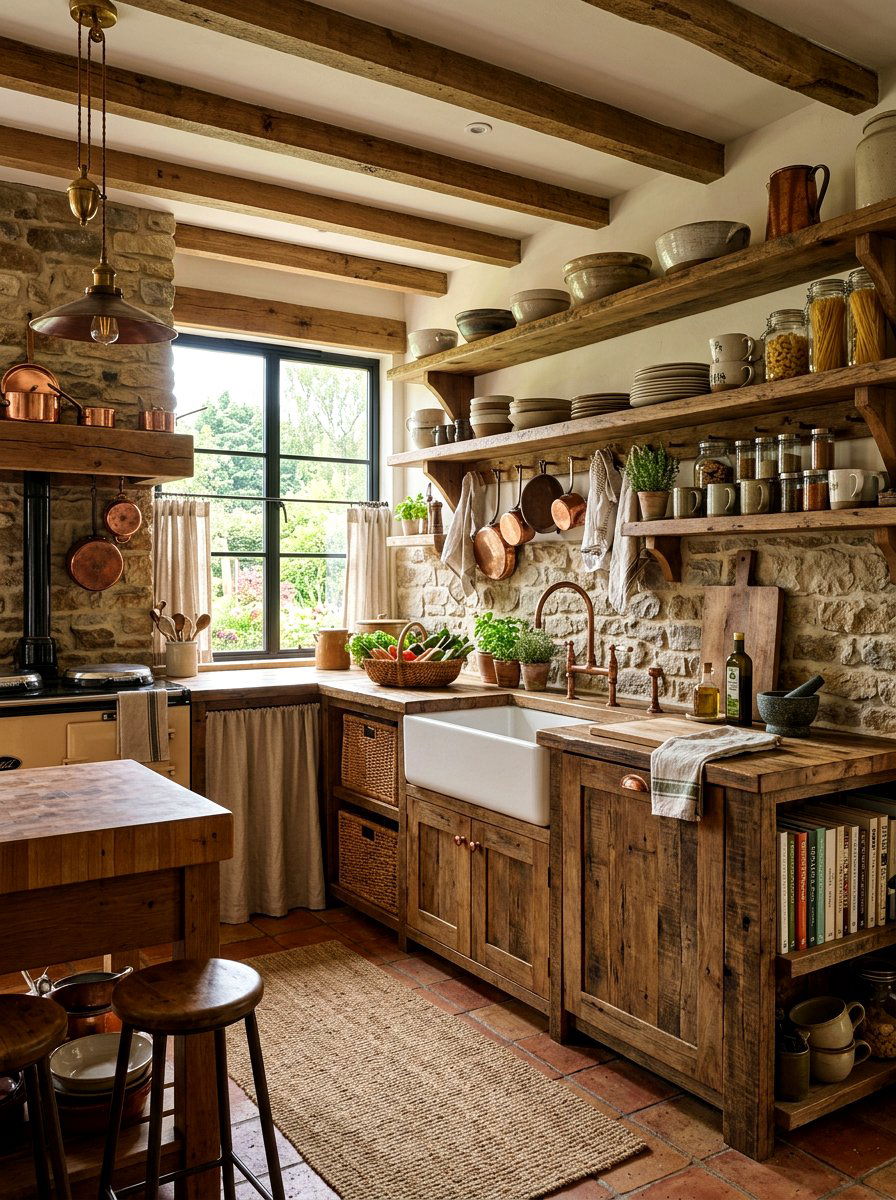
A rustic farmhouse kitchen embraces the beauty of imperfection and the rugged charm of natural, unfinished materials throughout the entire room. Large, heavy timber beams often cross the ceiling, while reclaimed wood is used for the flooring and cabinetry to provide instant character. The center of the room usually features a large, sturdy wooden table that serves as both a prep area and a gathering spot. You will often see a large apron-front sink and open rafters that give the space an airy, barn-like feel. This design is perfect for families who want a durable, hardworking space that feels connected to the countryside and traditional rural life.
5. Traditional Larder Cupboard
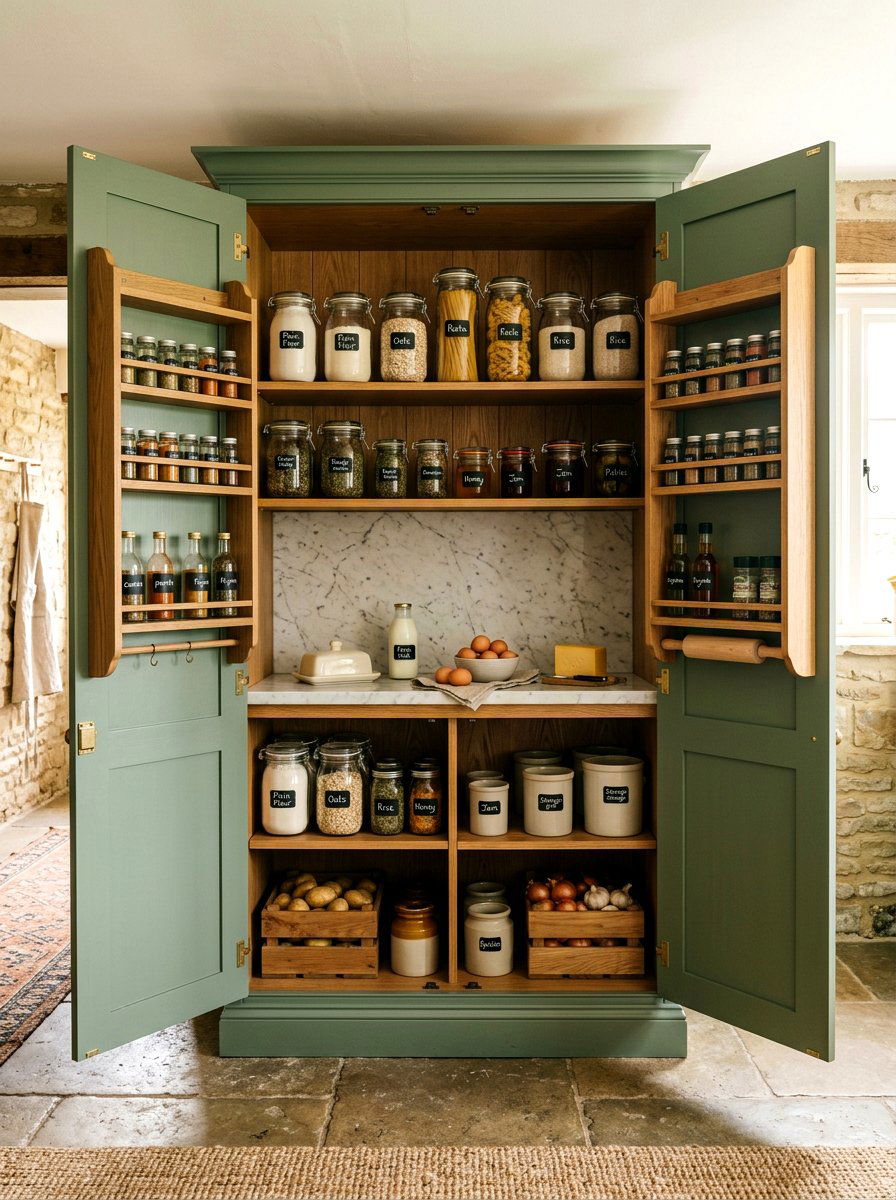
The traditional larder cupboard is a hallmark of heritage kitchen design, offering a dedicated space for food storage that is both beautiful and practical. These large, freestanding or built-in units often feature bi-folding doors that reveal a treasure trove of organized shelves, spice racks, and marble cold slabs. Historically used to keep perishables cool, they now serve as a stunning focal point that adds architectural interest to the room. Painting the larder in a contrasting color from the rest of the cabinets can make it stand out as a piece of fine furniture. It provides a sense of nostalgia while keeping your modern kitchen incredibly organized and efficient.
6. Butler Pantry
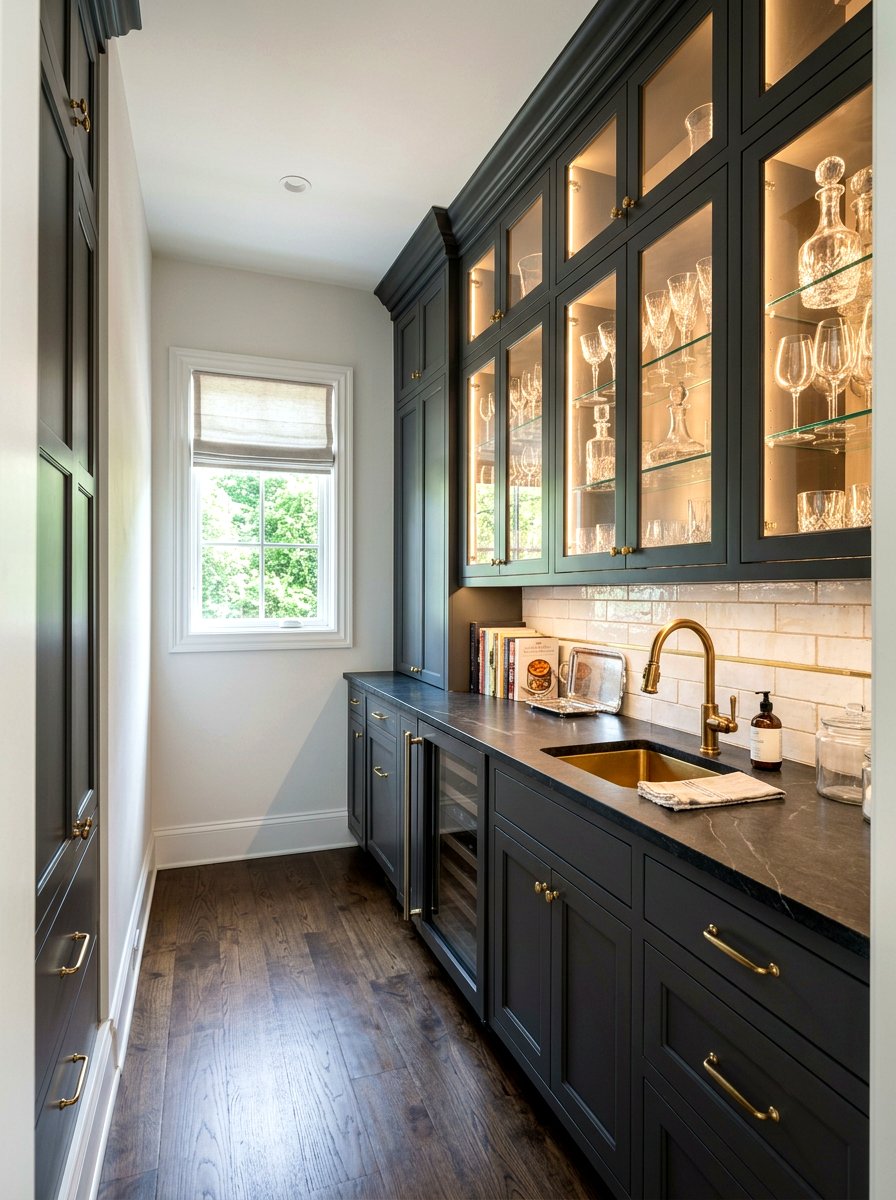
A butler pantry serves as a luxurious transition space between the kitchen and the dining room, perfect for hosting and organization. This area typically features glass-front cabinetry to showcase fine china and glassware, creating a shimmering display of heirloom pieces. Darker paint colors or rich wood stains are often used here to create a sophisticated, moody atmosphere that differs from the main cooking area. Small sinks and extra counter space make it an ideal spot for preparing drinks or staging meals during large family gatherings. This heritage feature adds a layer of refinement and history to the home, making everyday routines feel a bit more special.
7. Period Style Cabinetry
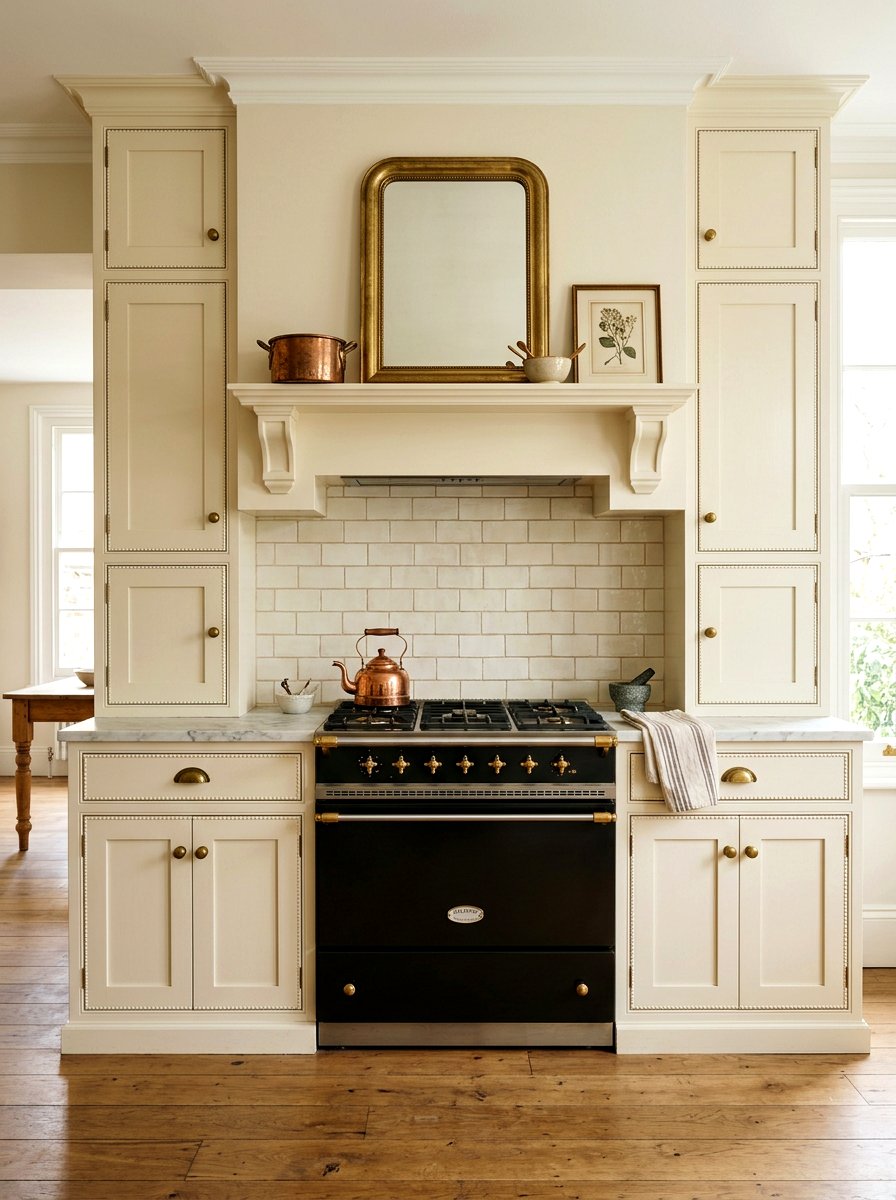
Investing in period style cabinetry is the most effective way to anchor a heritage theme throughout your entire kitchen space. These cabinets often feature inset doors, where the door sits flush within the frame, showcasing the precision of traditional joinery techniques. Subtle details like beaded edges or raised panels help catch the light and add visual depth to the walls. Hand-painted finishes are preferred over factory sprays, as they allow the natural grain of the wood to peek through and develop a beautiful patina over time. Choosing historical paint colors like deep terracotta or lead gray can further enhance the authentic feel of a classic, well-established home.
8. Antique Brass Hardware
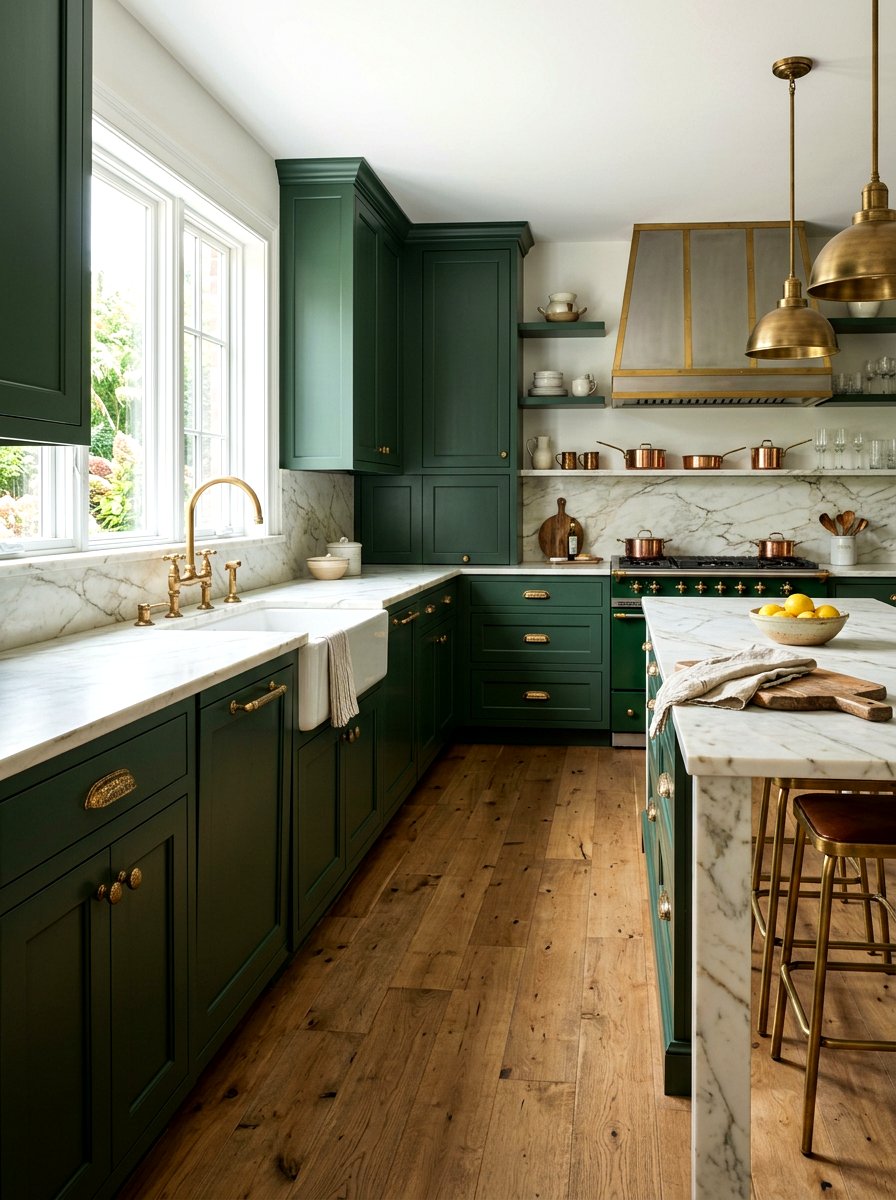
The choice of hardware acts as the jewelry of the kitchen, and antique brass is the gold standard for heritage-inspired spaces. Unlacquered brass handles, knobs, and latches will naturally age and darken over time, developing a unique character that matches the history of the home. This living finish adds warmth to both light and dark cabinetry, bridging the gap between old-world charm and modern functionality. Cup pulls are particularly popular for drawers, while traditional latches provide a satisfying click when closing cupboard doors. These small but significant details tie the entire room together, ensuring that even the most functional elements feel curated and historically accurate.
9. Reclaimed Wood Beam Kitchen
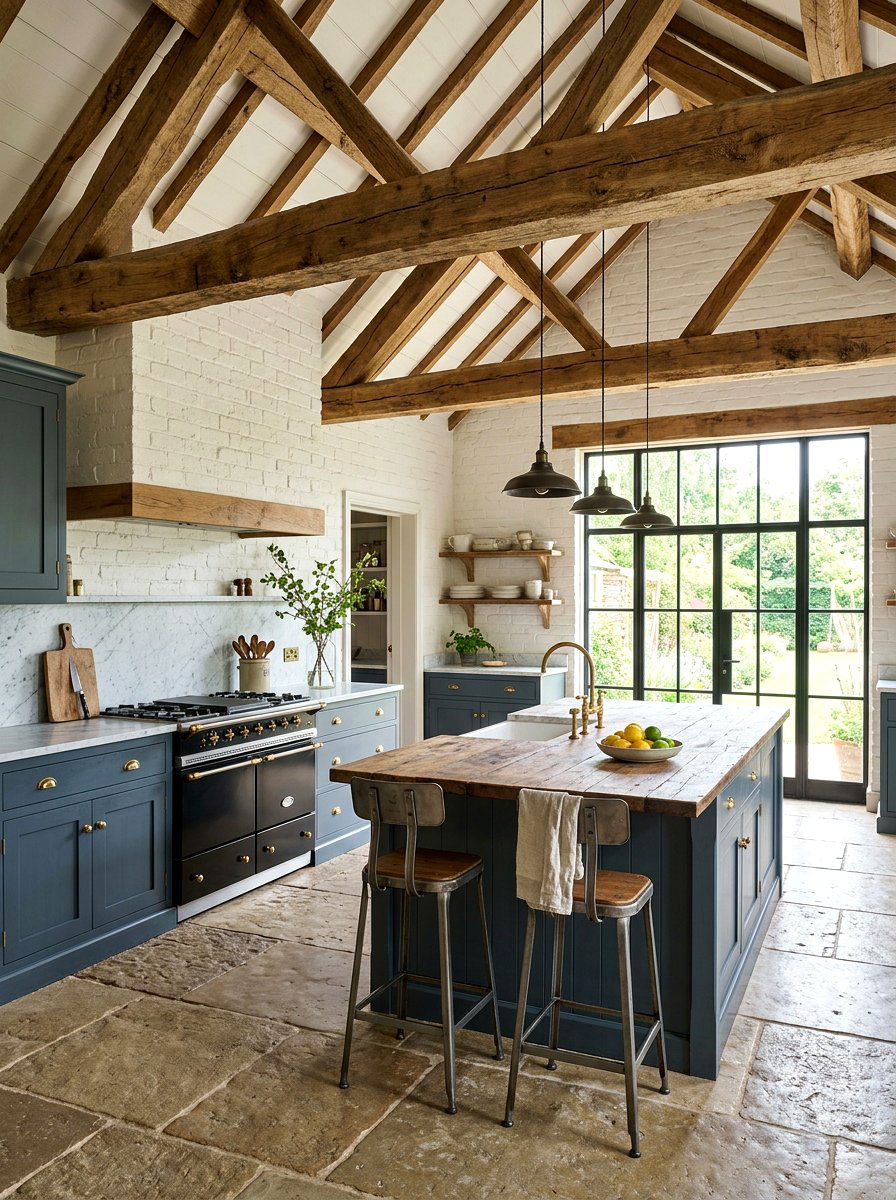
Incorporating reclaimed wood beams into your kitchen ceiling instantly adds a sense of structural history and architectural weight to the room. These massive timbers, often salvaged from old barns or industrial buildings, bring incredible texture and warmth to an otherwise plain ceiling. They help to define the space and can even make a new-build home feel like it has stood for centuries. Pairing these rustic beams with smooth plastered walls and modern lighting creates a beautiful contrast that highlights the natural beauty of the wood. This design choice anchors the room, drawing the eye upward and providing a rugged, earthy foundation for your heritage decor.
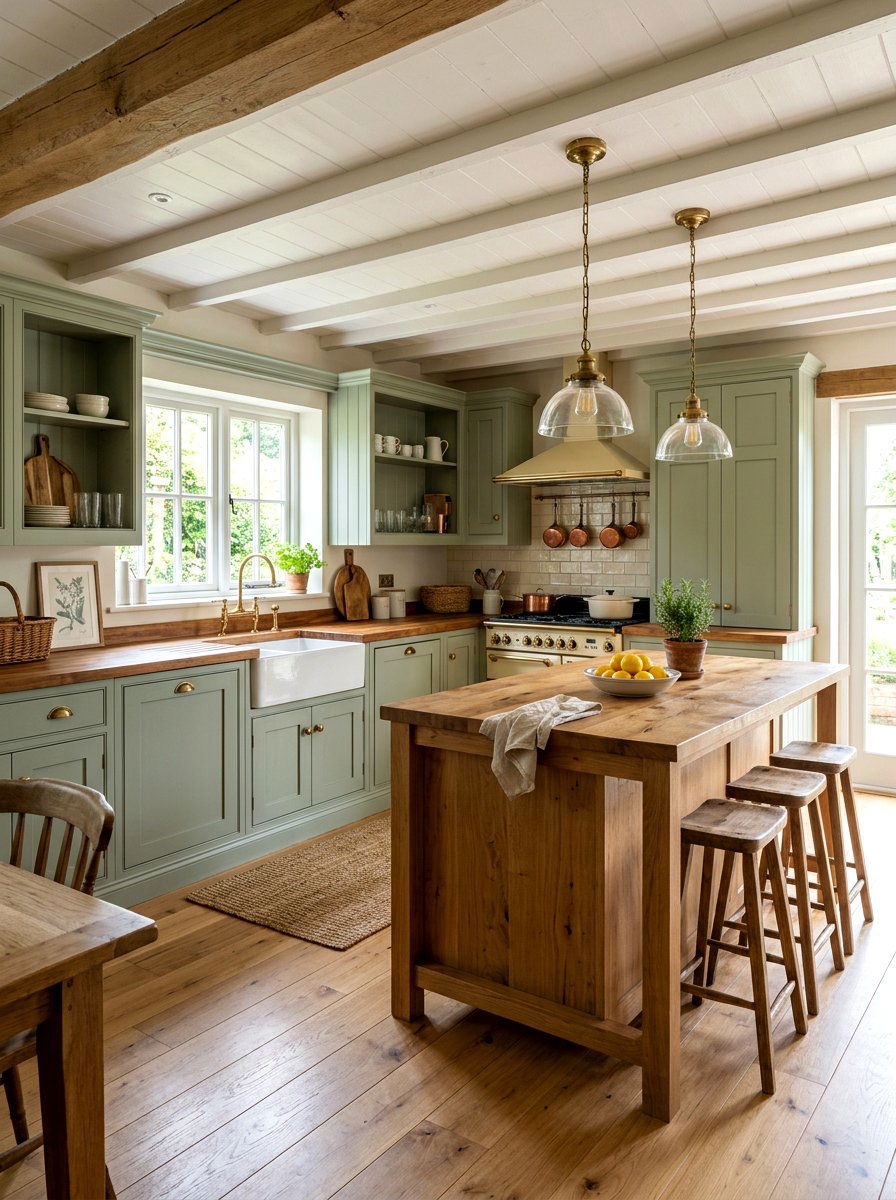
10. Flagstone Floor Kitchen
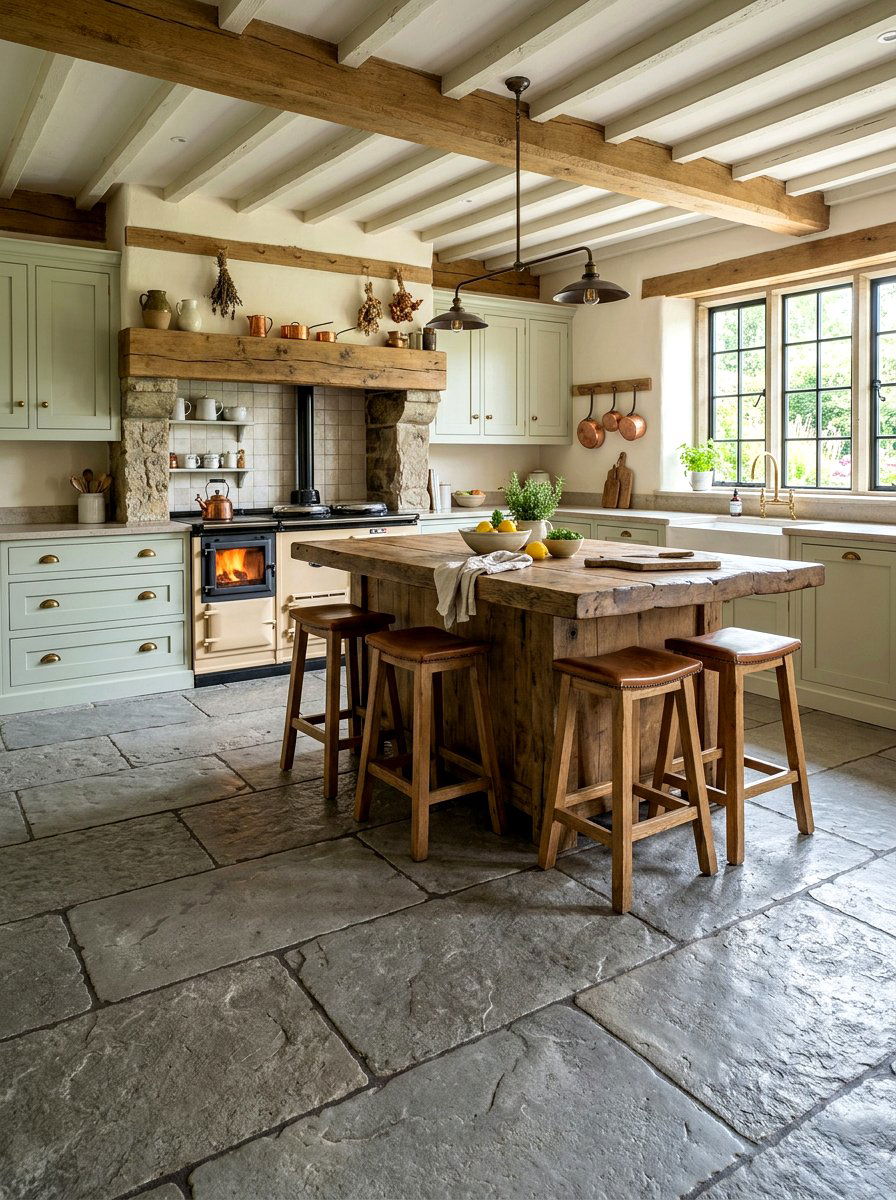
A flagstone floor provides an incredibly durable and visually stunning foundation that is synonymous with traditional country house and cottage designs. Large, uneven slabs of natural stone like limestone or slate create a rugged landscape underfoot that only gets better with age. These floors are perfect for high-traffic kitchens because they hide dirt well and can withstand the rigors of a busy household. The neutral, earthy tones of the stone complement almost any cabinetry color and provide a cooling effect in the summer. Using flagstones helps to ground the entire kitchen design, giving it a sense of permanence and a direct connection to the natural world.
11. Hand Painted Kitchen
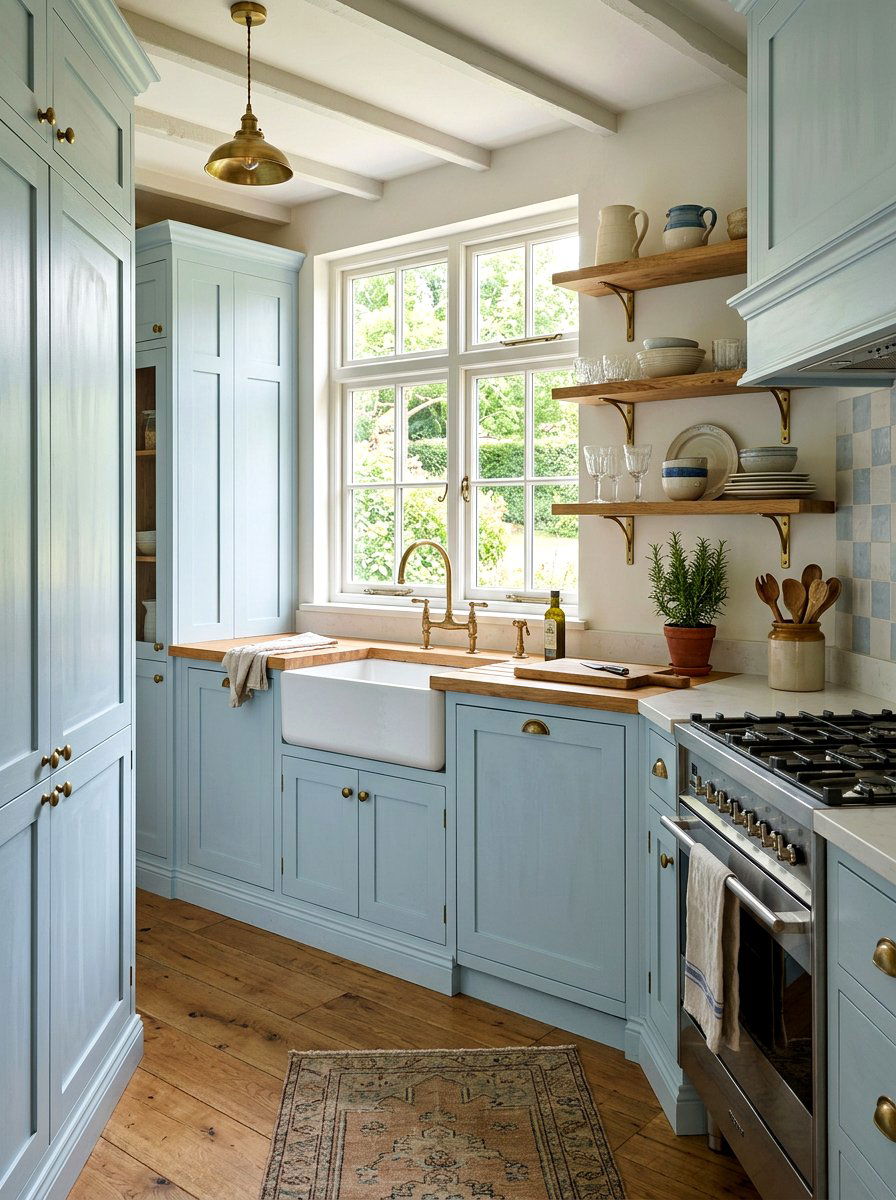
Opting for a hand-painted kitchen allows for a level of customization and soul that factory-finished cabinets simply cannot replicate in a home. The subtle brush strokes visible on the surface add a layer of texture and craftsmanship that is highly valued in heritage design circles. This approach also makes it easy to refresh the look of your kitchen in the future by simply applying a new coat of paint. You can choose different colors for the island and the wall units to create a more dynamic and personalized look. Hand-painting creates a softer, more matte finish that feels more appropriate for a home focused on comfort and timelessness.
12. Classic AGA Stove Kitchen
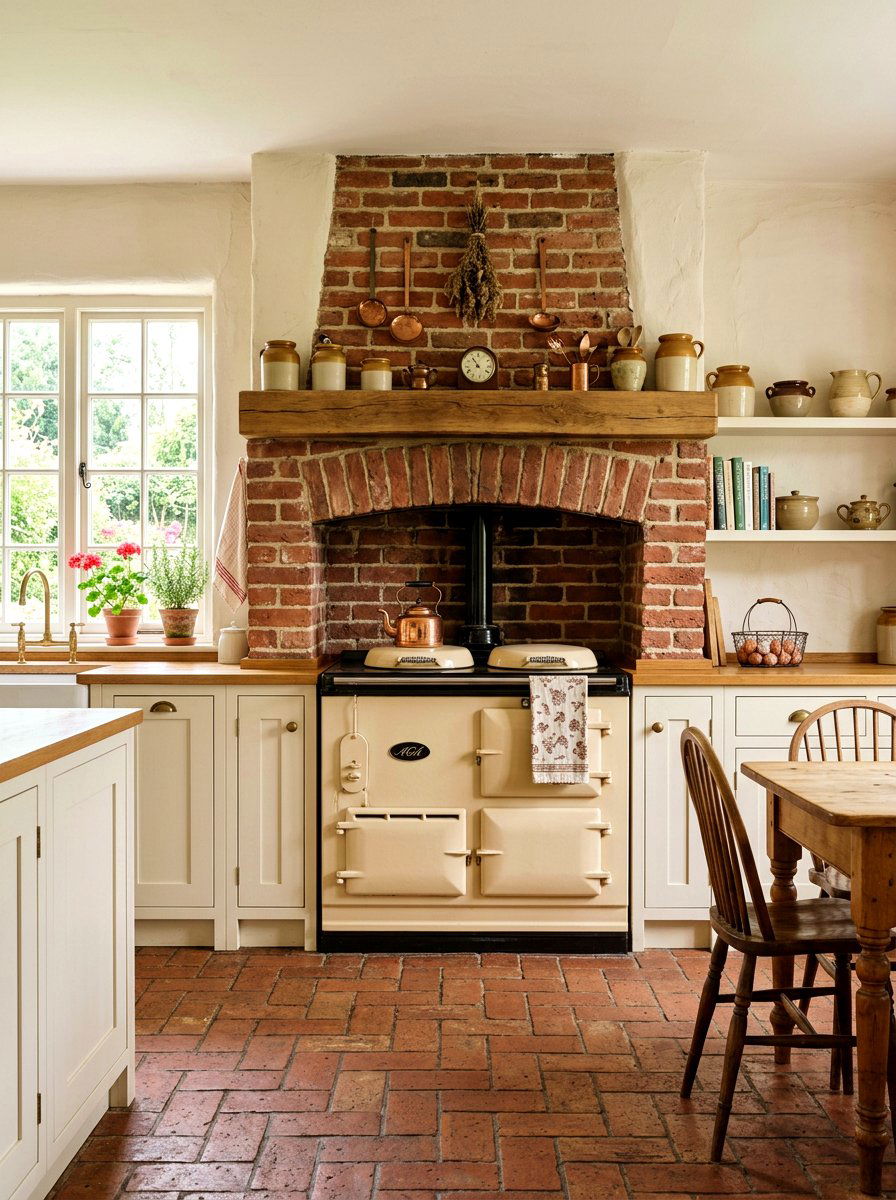
The iconic AGA stove is often considered the heart of a British heritage kitchen, providing constant warmth and a traditional cooking experience. These heavy cast-iron ranges come in a variety of beautiful enameled colors that can either blend in or serve as a bold centerpiece. Because they are often left on, they create a cozy environment that draws people into the kitchen throughout the day and night. Surrounding the stove with a traditional masonry chimney breast or a decorative mantel further emphasizes its importance in the room. This setup evokes a sense of nostalgia for slow cooking and a time when the kitchen was the primary source of heat.
13. Copper Cookware Kitchen
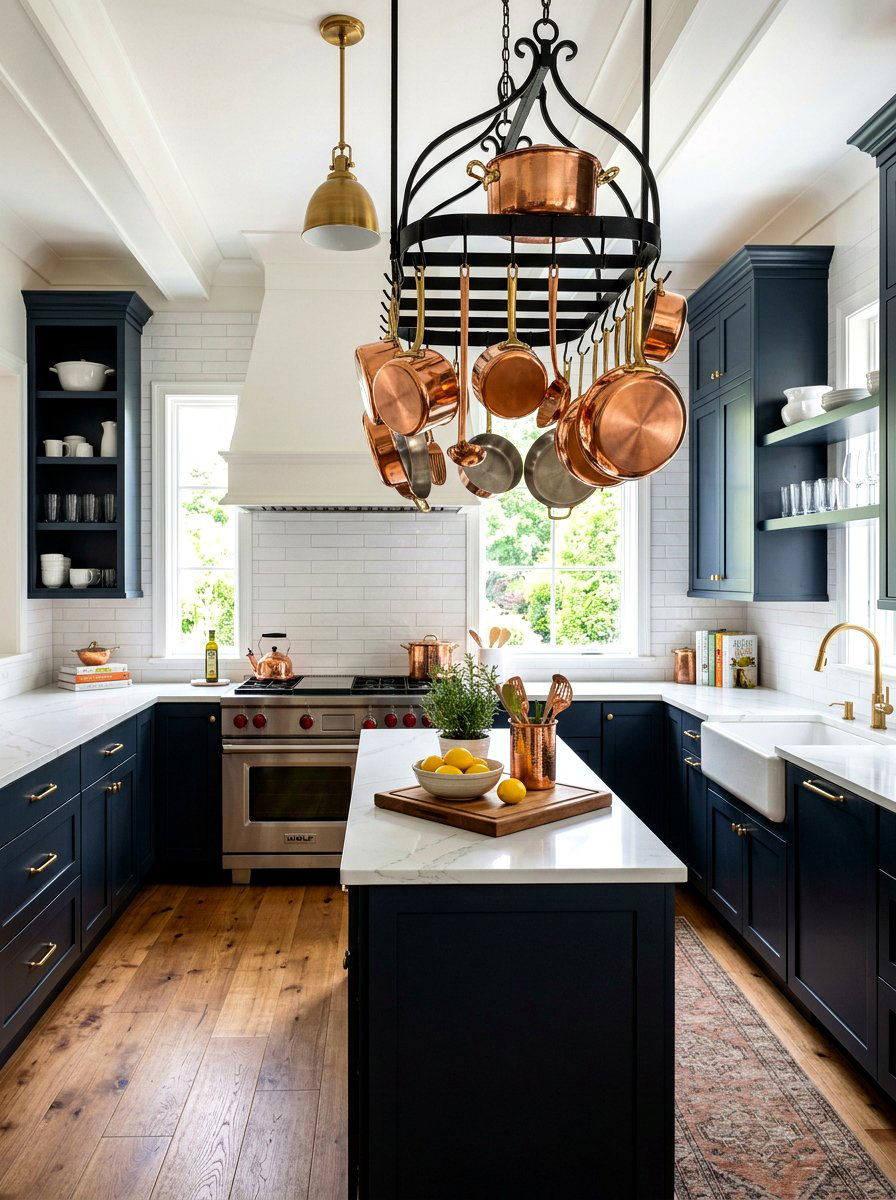
Displaying a collection of copper pots and pans is a classic way to add warmth, shine, and a professional feel to your heritage kitchen. Hanging these pieces from a ceiling rack or a wall-mounted rail turns functional tools into a shimmering work of art. Copper has been used in kitchens for centuries due to its superior heat conductivity, and its bright orange hue provides a stunning contrast against dark or muted cabinets. Over time, the copper will develop a rich patina, or it can be polished to a high shine depending on your preference. This decor choice signals a passion for cooking and a deep respect for traditional culinary tools.
14. Open Plate Rack Kitchen
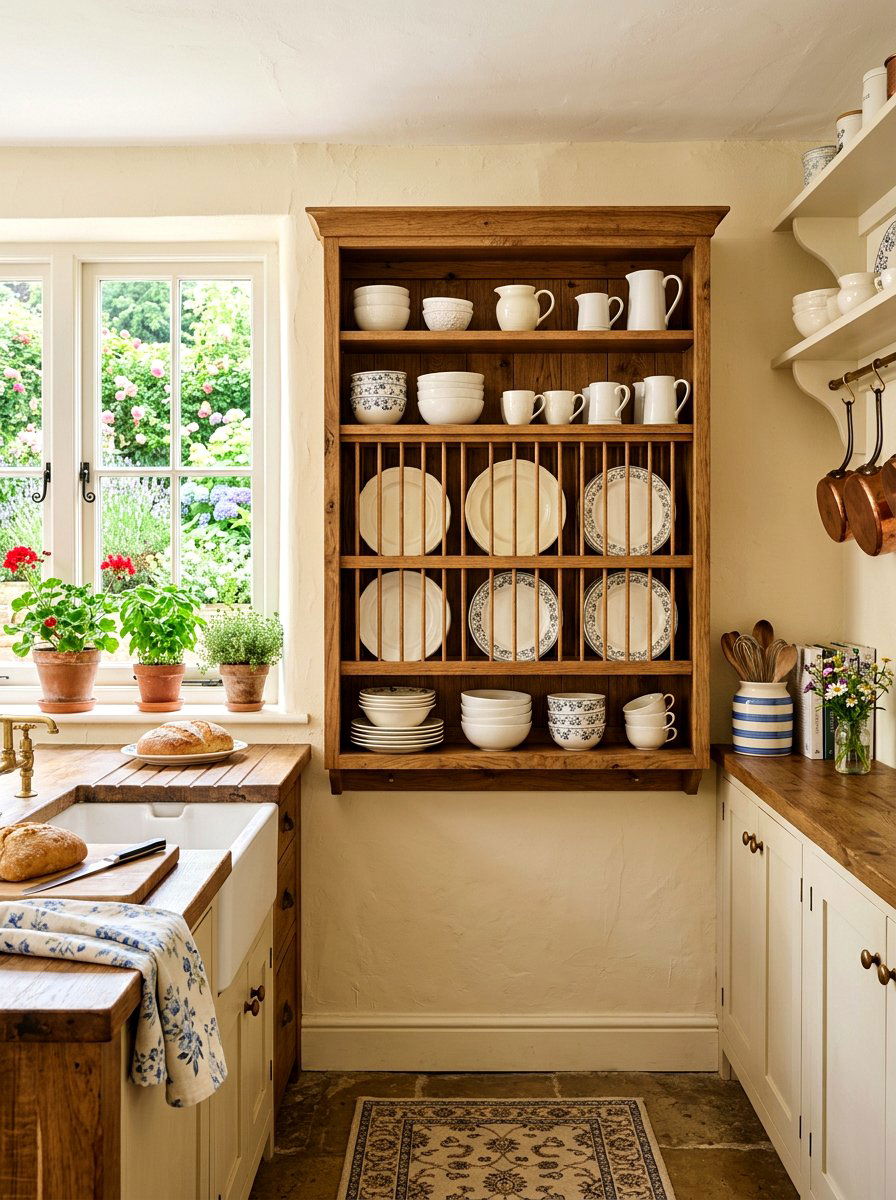
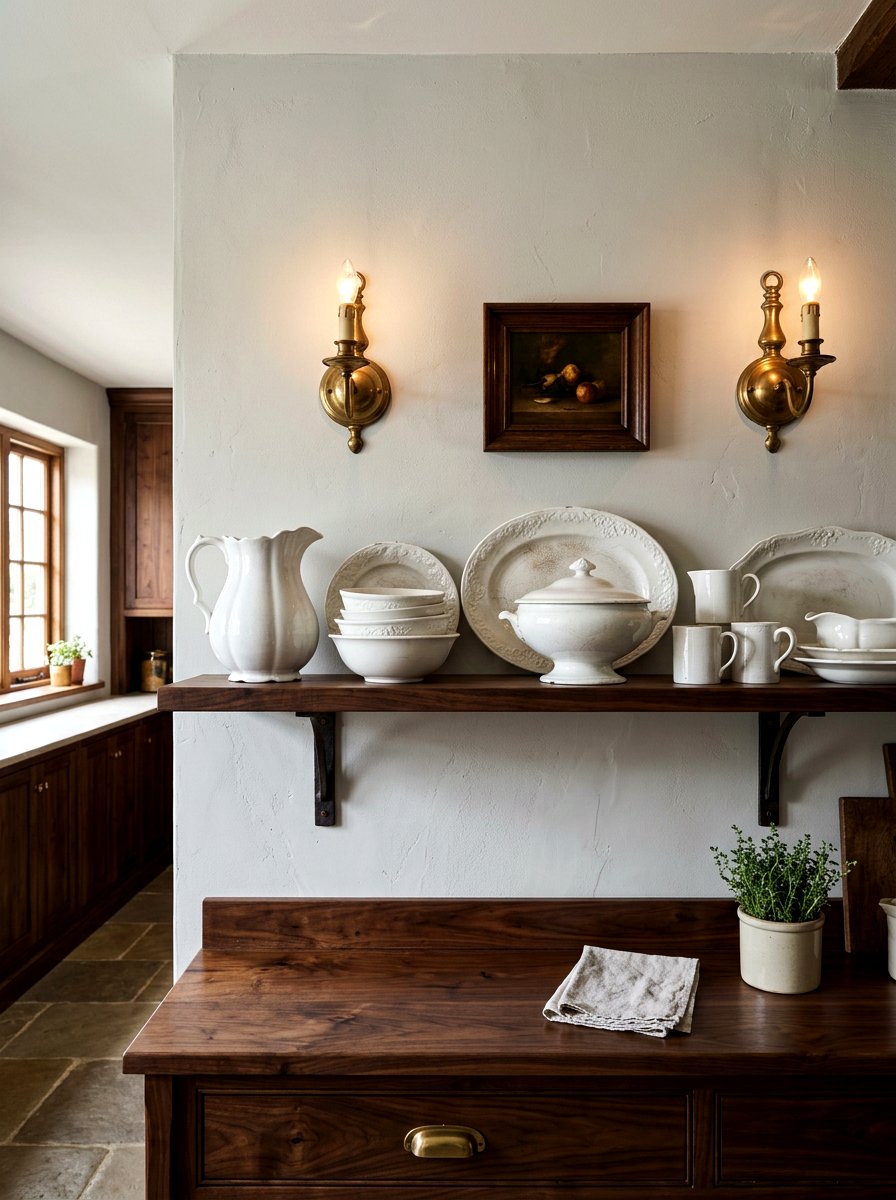
A wall-mounted plate rack is a charming and practical addition that perfectly captures the "unfitted" look of a traditional heritage kitchen. Instead of hiding all your dishes behind closed doors, a plate rack allows you to display your most beautiful sets of china or everyday stoneware. This feature makes it incredibly easy to grab a plate during meal prep while adding a rhythmic, architectural element to your wall space. You can paint the rack the same color as your cabinets for a seamless look or use a contrasting wood finish to make it stand out. It’s a simple detail that adds immense character and a welcoming, domestic feel.
15. Butler Sink Kitchen
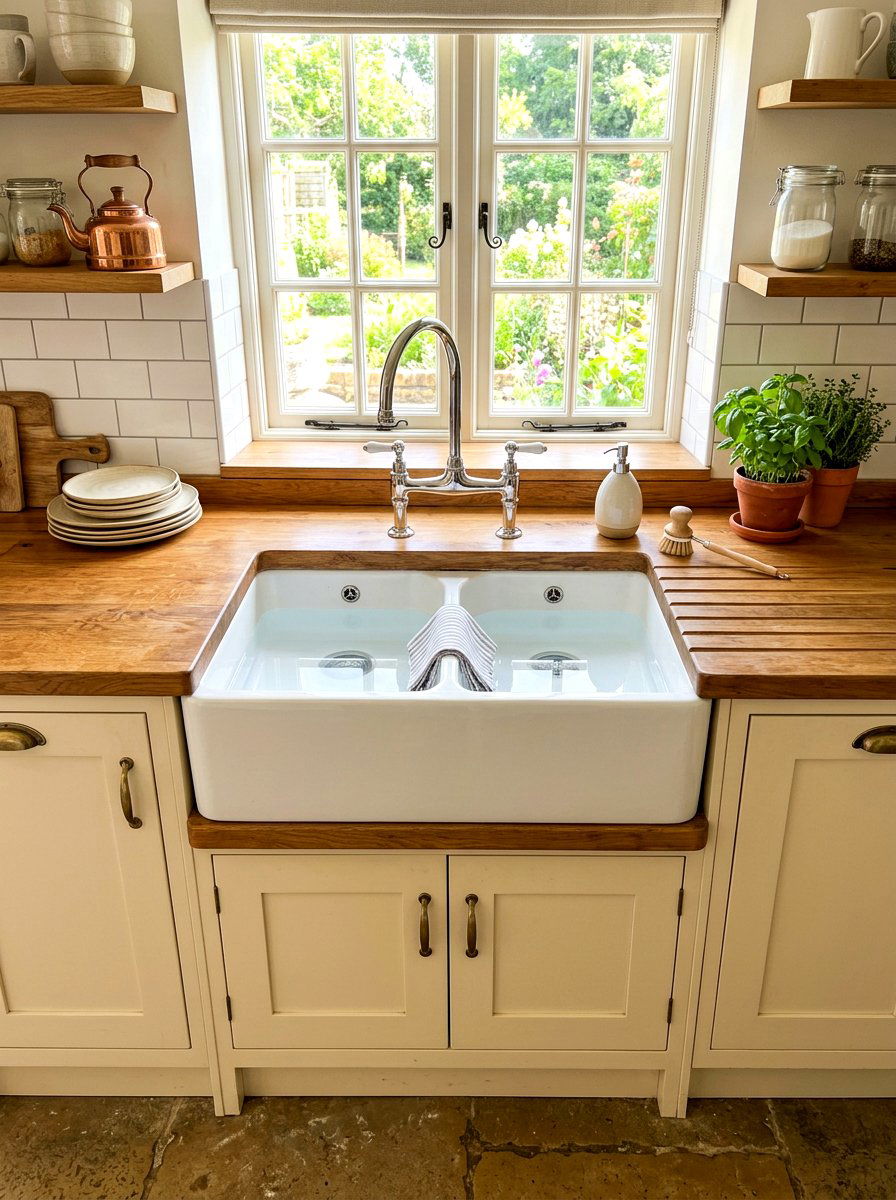
The butler sink, also known as a Belfast sink, is a deep, heavy ceramic basin that serves as a functional and aesthetic focal point. Originally designed for large households, these sinks are perfect for washing big pots or even bathing small pets, making them a practical choice for modern life. The bright white porcelain provides a clean, crisp contrast to wooden or stone countertops and pairs beautifully with traditional bridge-style faucets. Whether you choose a single or double bowl version, the exposed front adds a sense of heritage and weight to the cabinetry line. It is an enduring classic that symbolizes the hardworking nature of a traditional kitchen space.
16. Terracotta Tile Kitchen
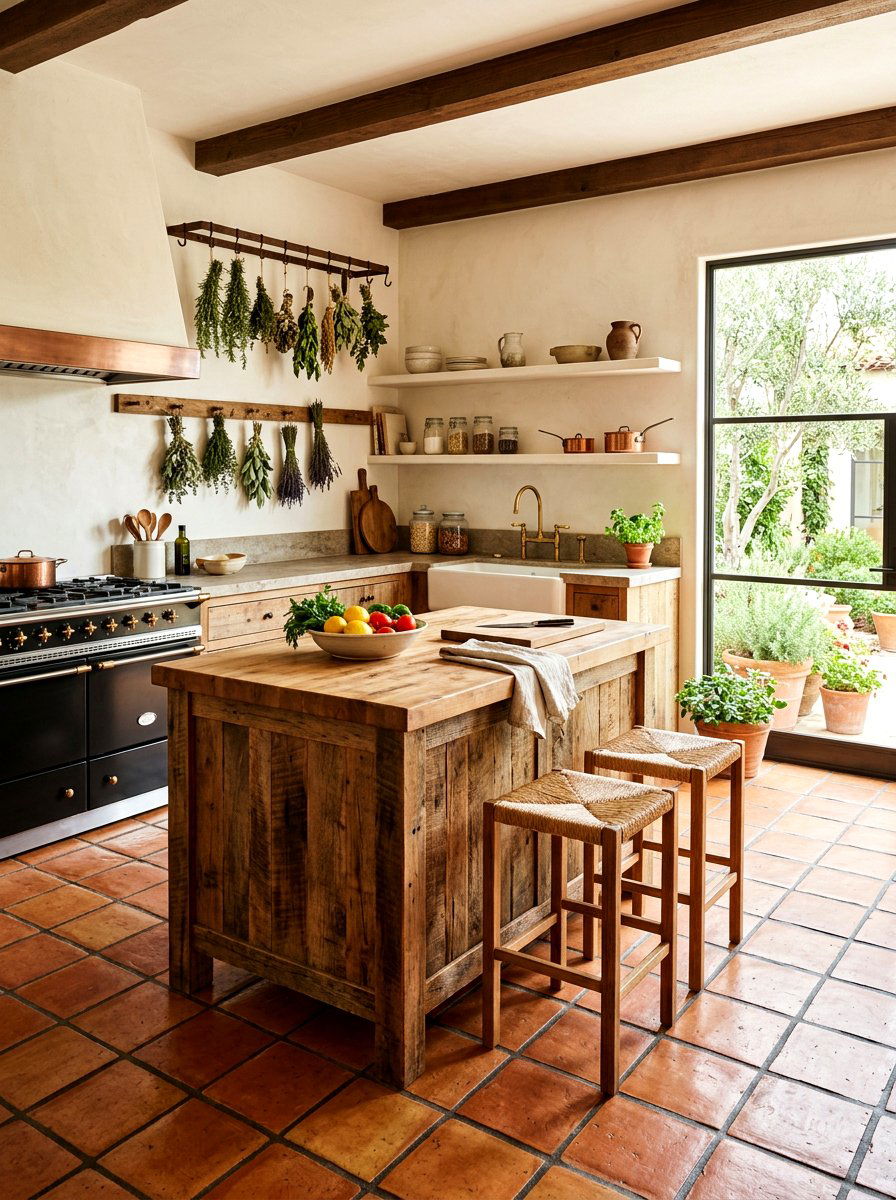
Terracotta tiles bring a Mediterranean warmth and an earthy, organic texture to the floor of a heritage-style kitchen. These clay tiles are known for their rich reddish-orange hues and their ability to make a large room feel much more intimate and cozy. They are often used in farmhouse or country house designs to provide a rustic foundation that pairs excellently with natural wood and green cabinetry. Because each tile is unique, the floor has a rhythmic, handcrafted quality that modern tiles often lack. Over time, terracotta develops a beautiful sheen and character, making it a timeless choice for a kitchen that values comfort and natural beauty.
17. Marble Countertop Kitchen
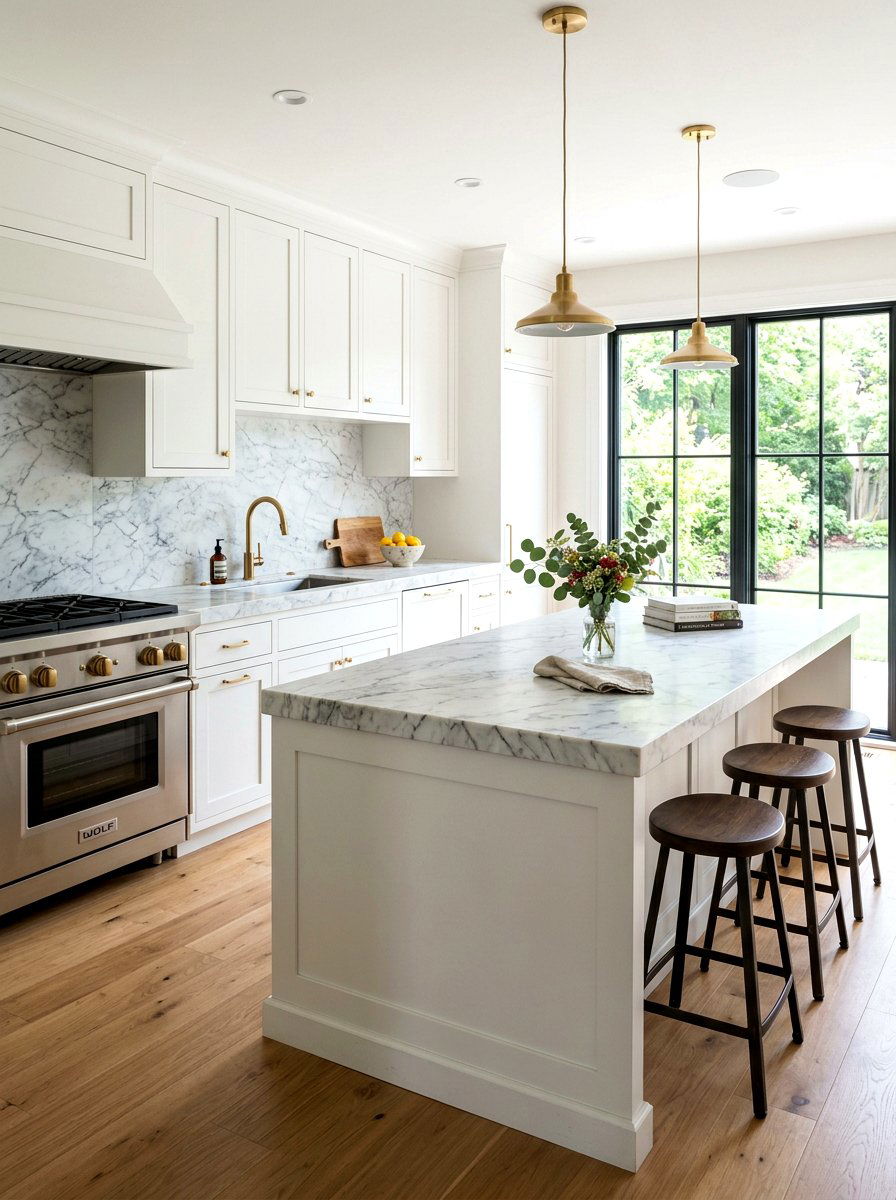
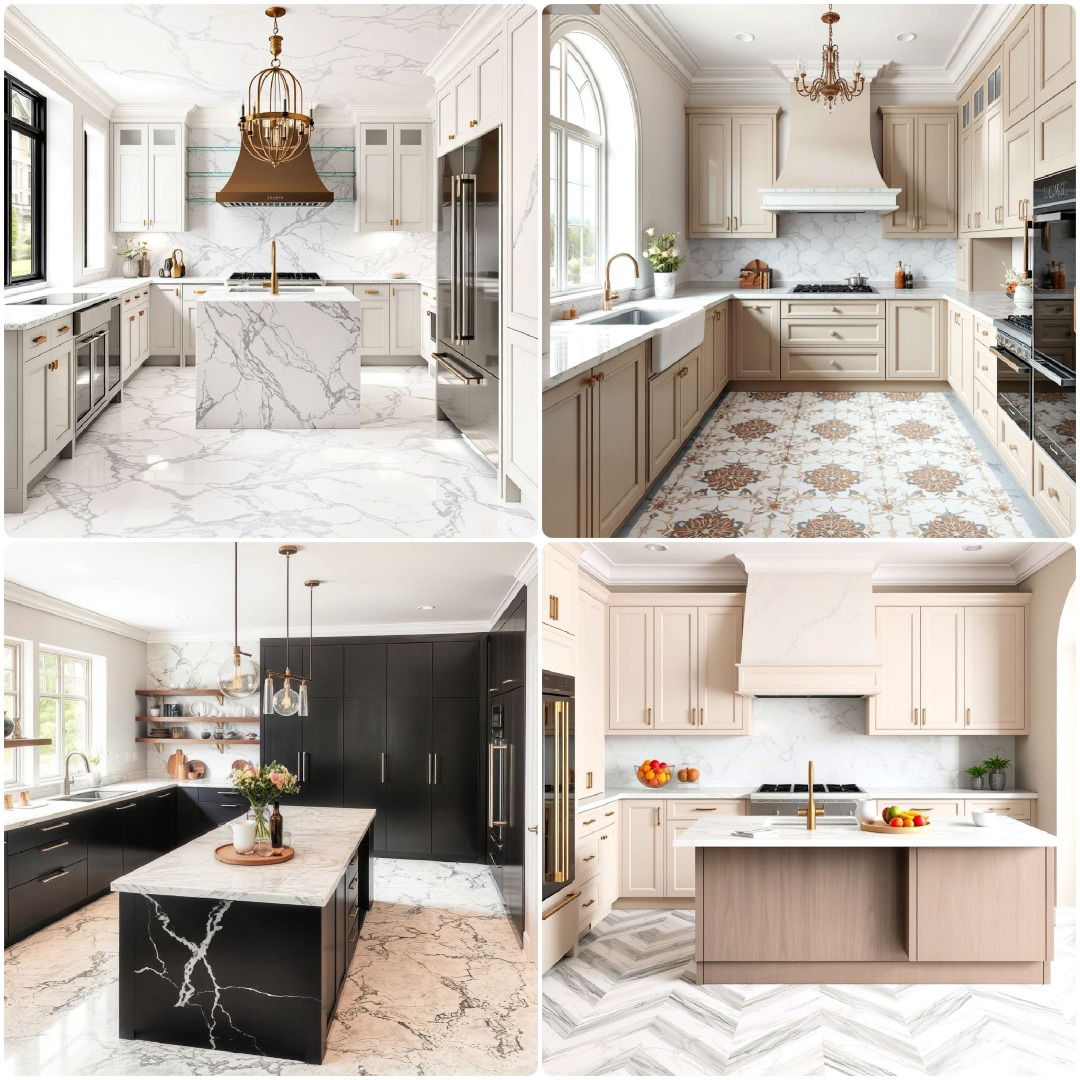
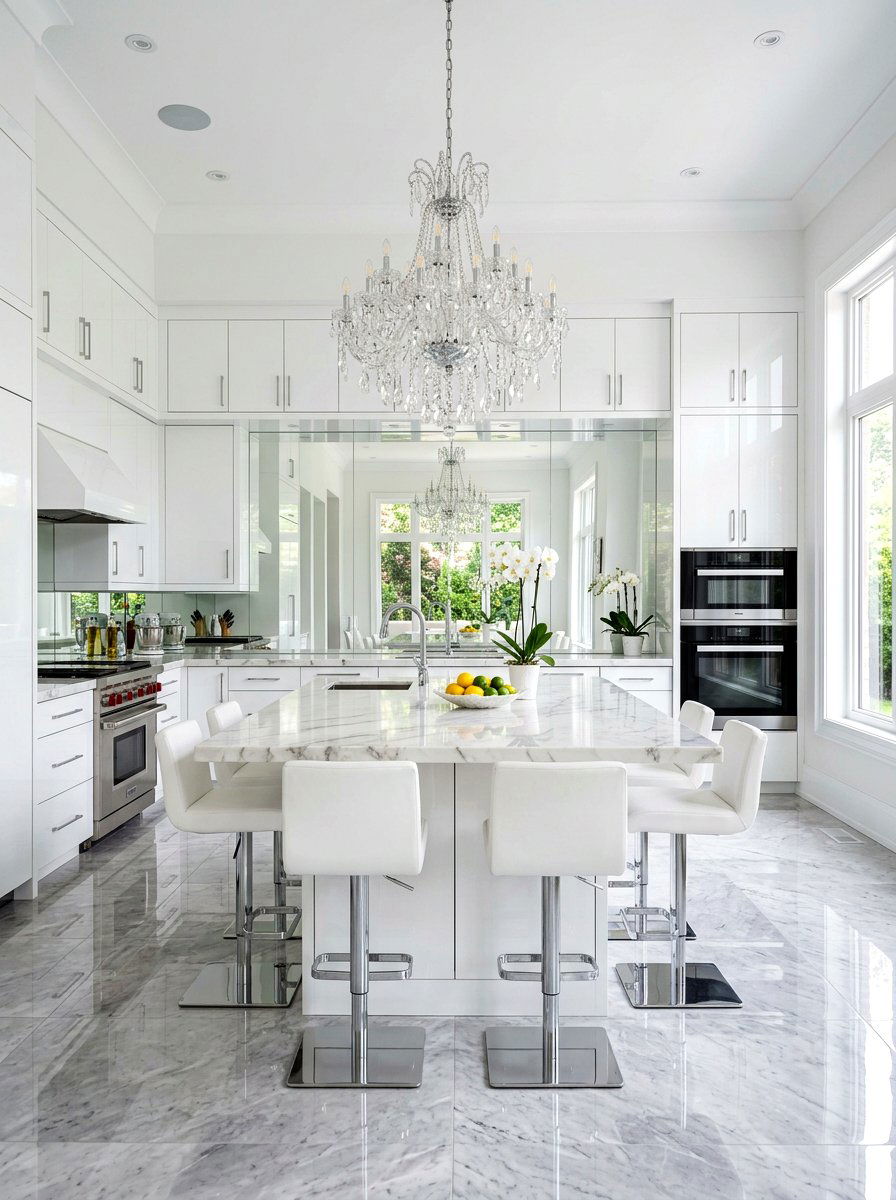
While many modern materials exist, nothing quite matches the timeless elegance and historical prestige of a genuine marble countertop in a kitchen. Carrara or Calacatta marble provides a cool, smooth surface that is ideal for pastry making and adds a touch of luxury to the room. The natural veining in the stone ensures that no two kitchens look exactly the same, providing a unique work of art for your home. While marble does require some care, the way it etches and ages over time is considered part of its heritage charm. It brings a brightness and sophistication that elevates the entire design to a higher level of class.
18. Edwardian Kitchen
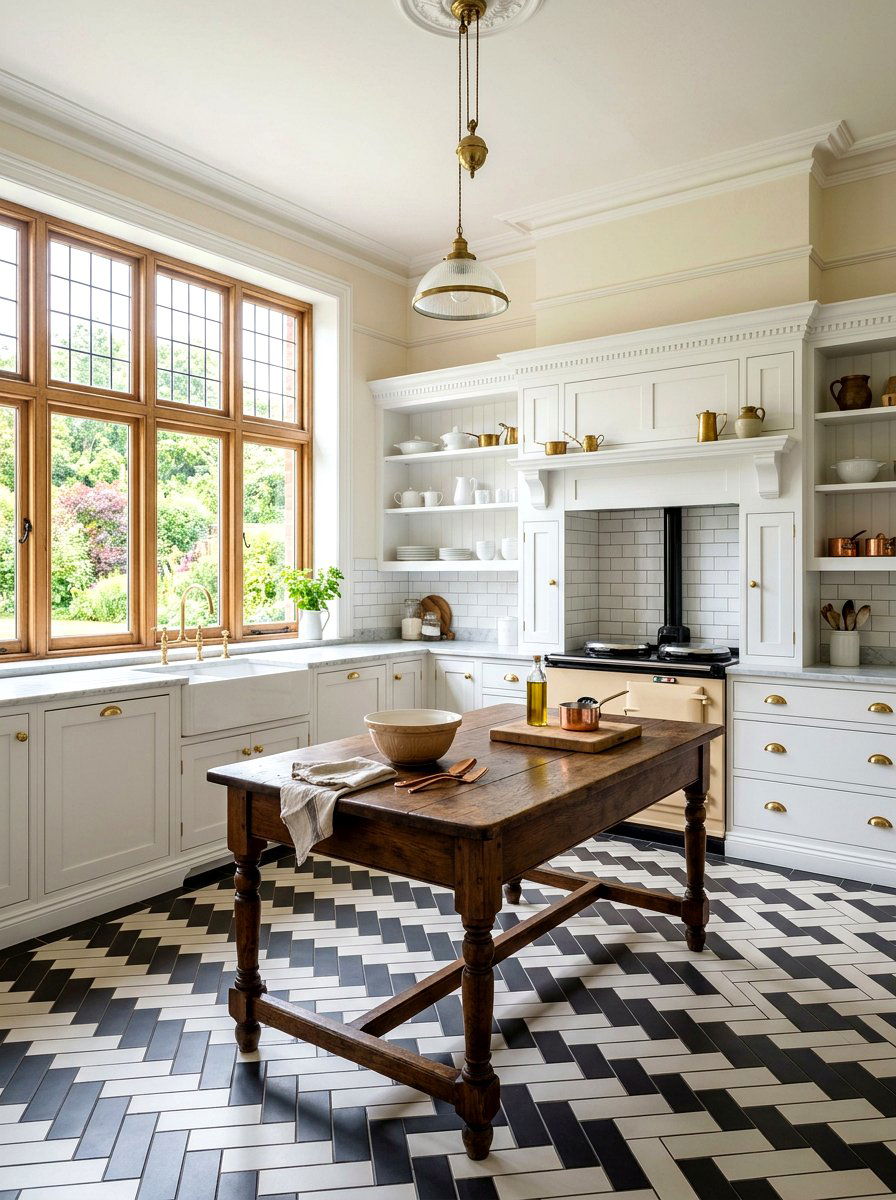
Edwardian kitchen design is characterized by a shift toward lighter, airier spaces with an emphasis on cleanliness and simple elegance. This style often features large windows that flood the room with natural light, paired with pale cabinetry and light-colored tiled walls. You might see more refined details compared to the Victorian era, such as slimmer moldings and more delicate hardware. The layout often includes a central worktable rather than a heavy built-in island, maintaining a sense of openness and movement. This approach is perfect for those who want a heritage feel that is bright, organized, and remarkably modern in its appreciation for space and light.
19. French Country Kitchen
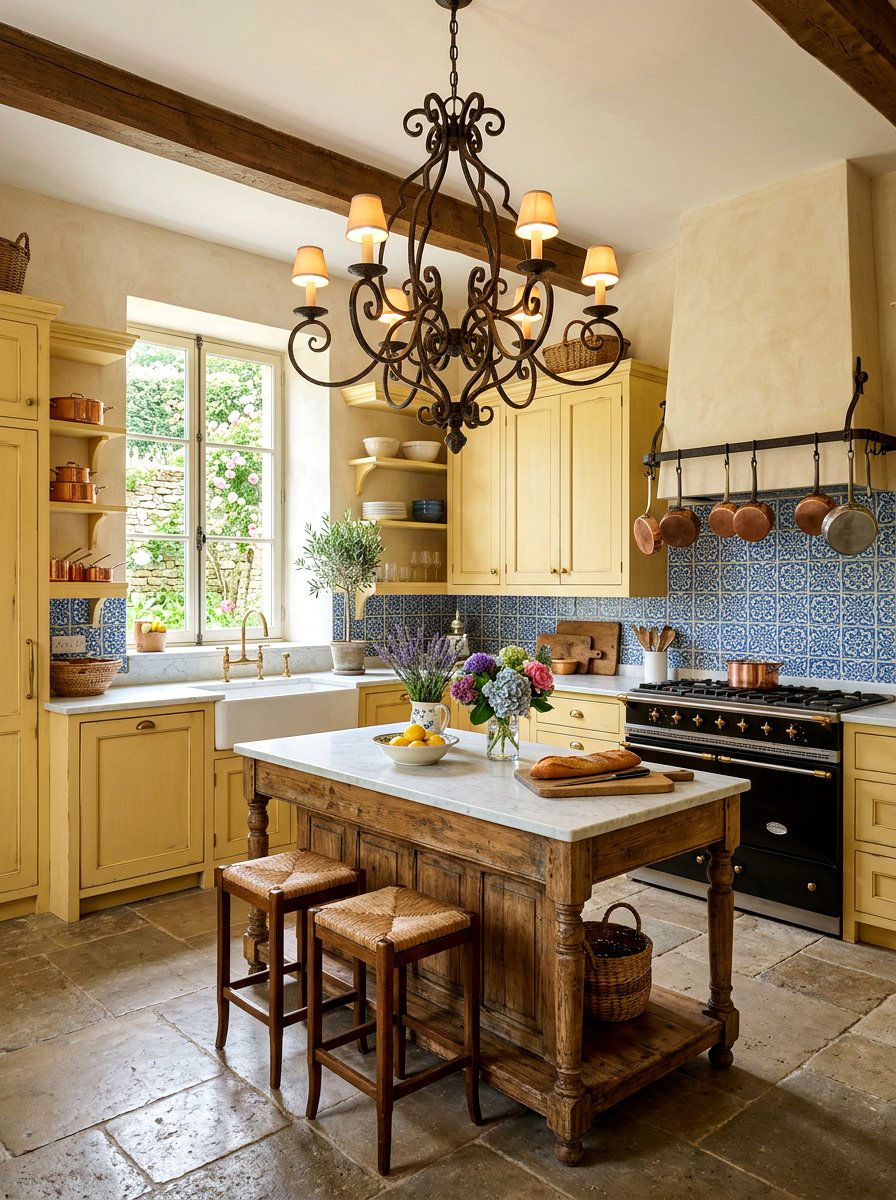
The French country kitchen combines rustic charm with a sense of effortless sophistication and artistic flair throughout the entire space. To achieve this look, you might use a palette of warm whites, soft yellows, and cornflower blues, often accented by wrought iron fixtures. Distressed wood finishes and stone accents are common, creating a room that feels like it has evolved over several generations. Large windows with shutters and plenty of indoor plants help connect the interior with the outdoors. It is a style that celebrates the joy of cooking and the beauty of nature, resulting in an environment that is both elegant and incredibly welcoming for guests.
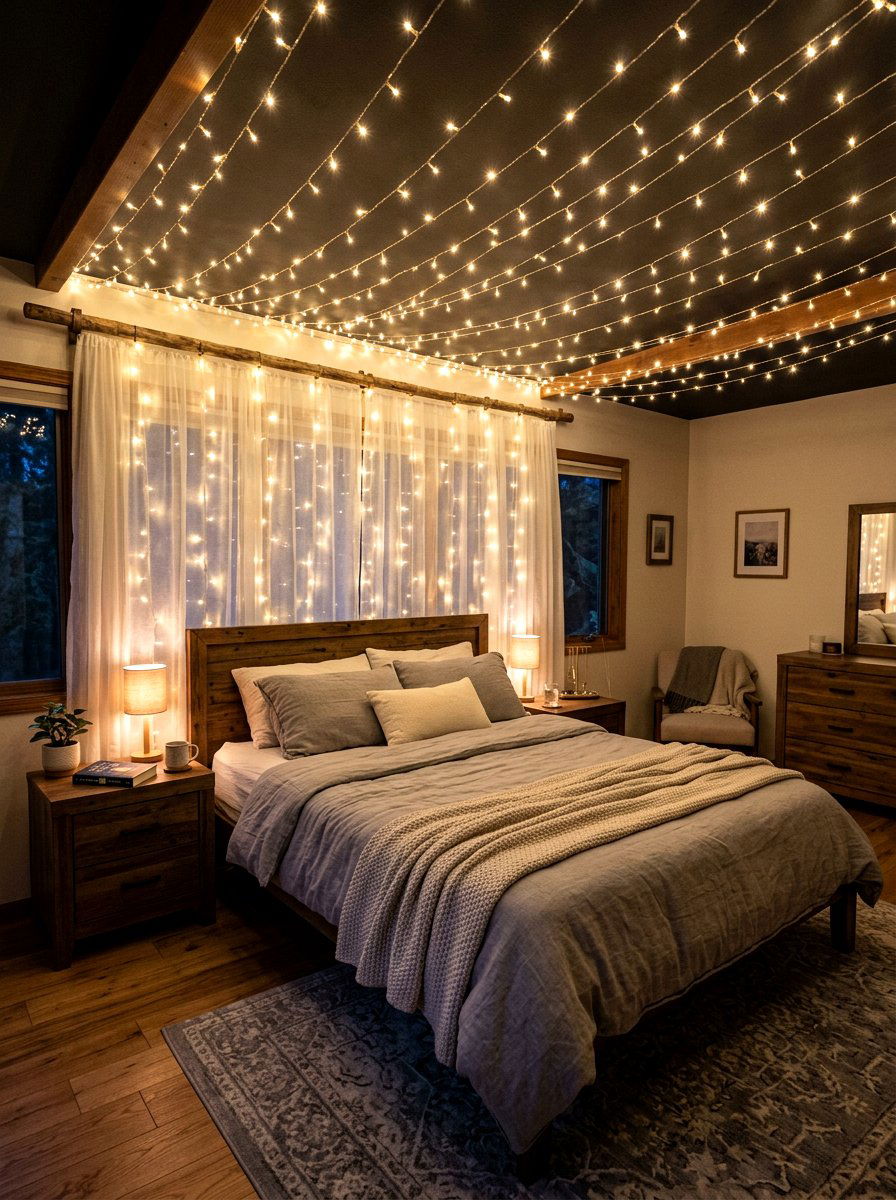
20. Arts And Crafts Kitchen
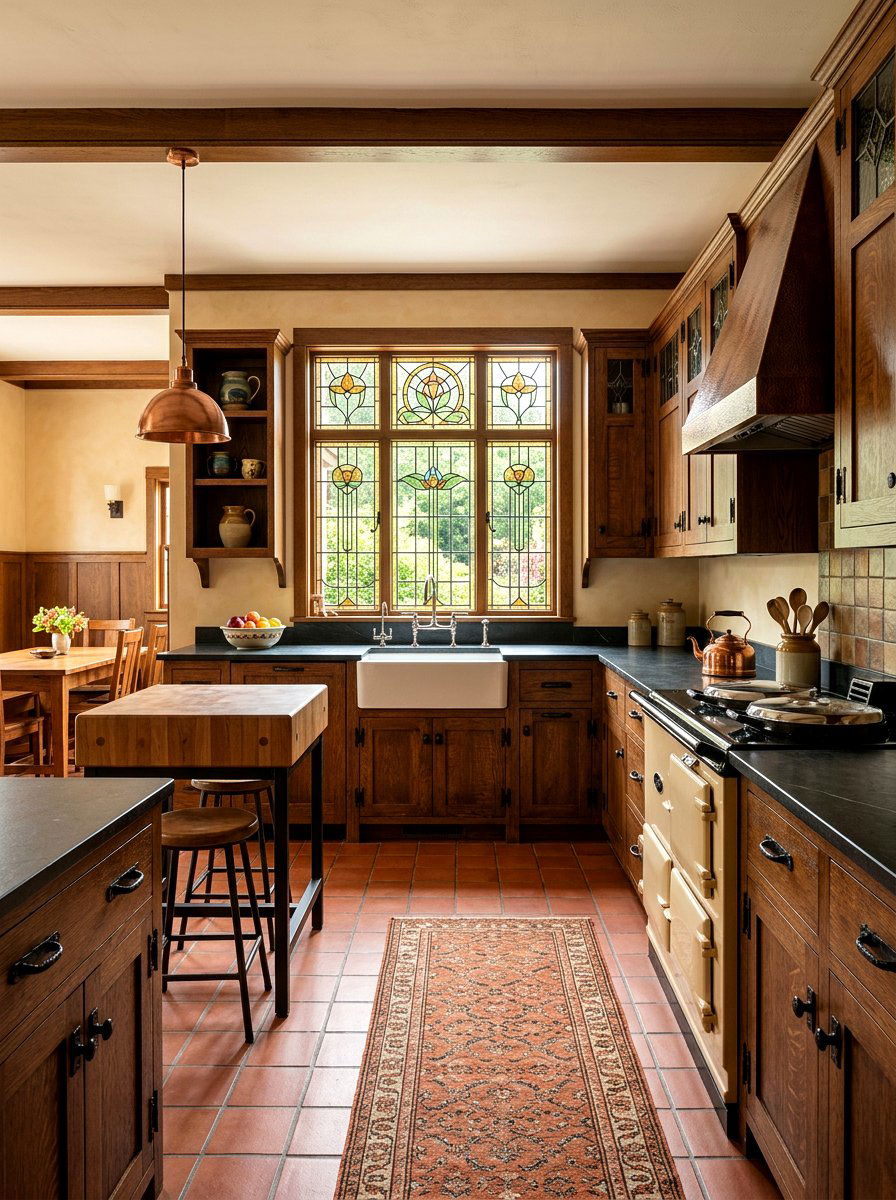
An Arts and Crafts kitchen celebrates the beauty of natural materials and the skill of the human hand over industrial mass production. This style is defined by heavy use of high-quality woods like oak or cherry, often finished with a clear stain to highlight the grain. You will see structural elements like tenon joints and hand-forged metal hardware used as decorative features. The design is usually very linear and honest, avoiding frou-frou details in favor of sturdy, well-proportioned furniture. This approach creates a sense of integrity and peace, making the kitchen feel like a sanctuary of craftsmanship and tradition in a fast-paced modern world.
21. Vintage Wallpaper Kitchen
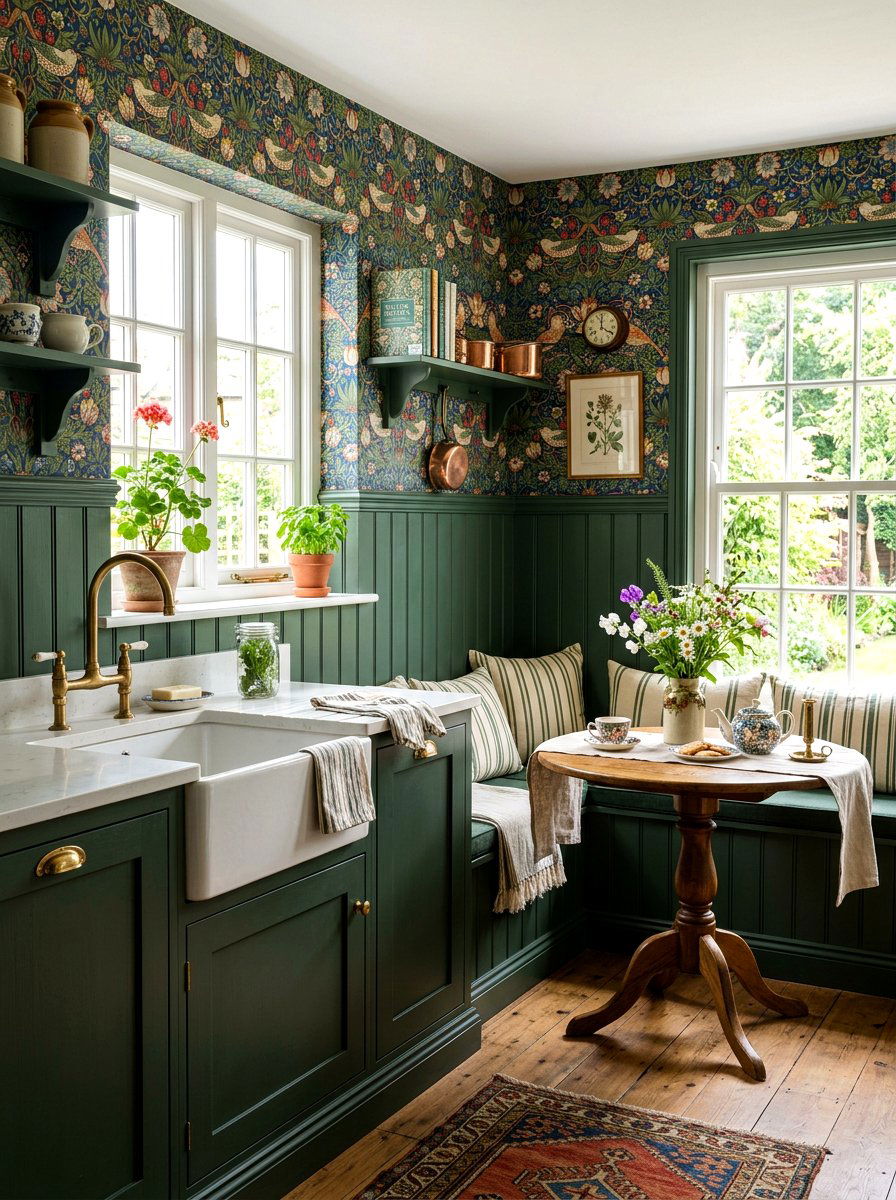
Using vintage-inspired wallpaper is a bold way to inject personality and a sense of history into a heritage kitchen design. Traditional patterns, such as those by William Morris or classic floral designs, can add color and rhythm to walls that might otherwise feel too plain. Placing wallpaper in a dining nook or behind open shelving creates a layered, curated look that feels more like a living room than a sterile workspace. To keep the look balanced, you can pair busy patterns with simple, solid-colored cabinetry. This design choice adds a soft, textile-like quality to the room, making it feel more comfortable and visually interesting for everyone who gathers there.
22. Beaded Inset Cabinetry
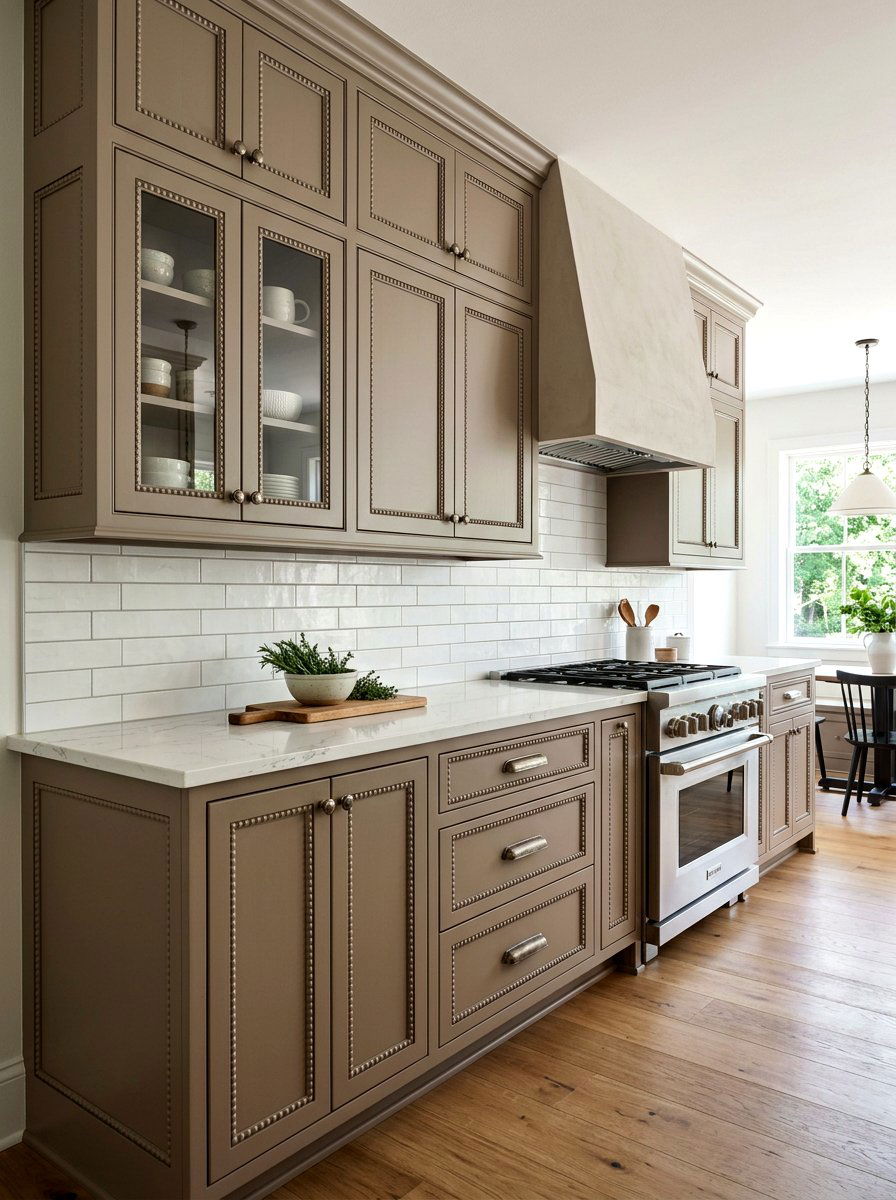
Beaded inset cabinetry is a sophisticated detail that adds a subtle line of shadow and a sense of luxury to your kitchen walls. The "bead" is a small, rounded molding carved into the face frame of the cabinet, surrounding the door or drawer. This tiny detail creates a more finished and furniture-like appearance, which is a hallmark of high-end heritage kitchen design. It highlights the craftsmanship of the joinery and adds a layer of visual complexity without being overwhelming. This style works exceptionally well in large kitchens where you want the cabinetry to feel like a cohesive architectural feature rather than just a set of storage boxes.
23. Hanging Pot Rack Kitchen
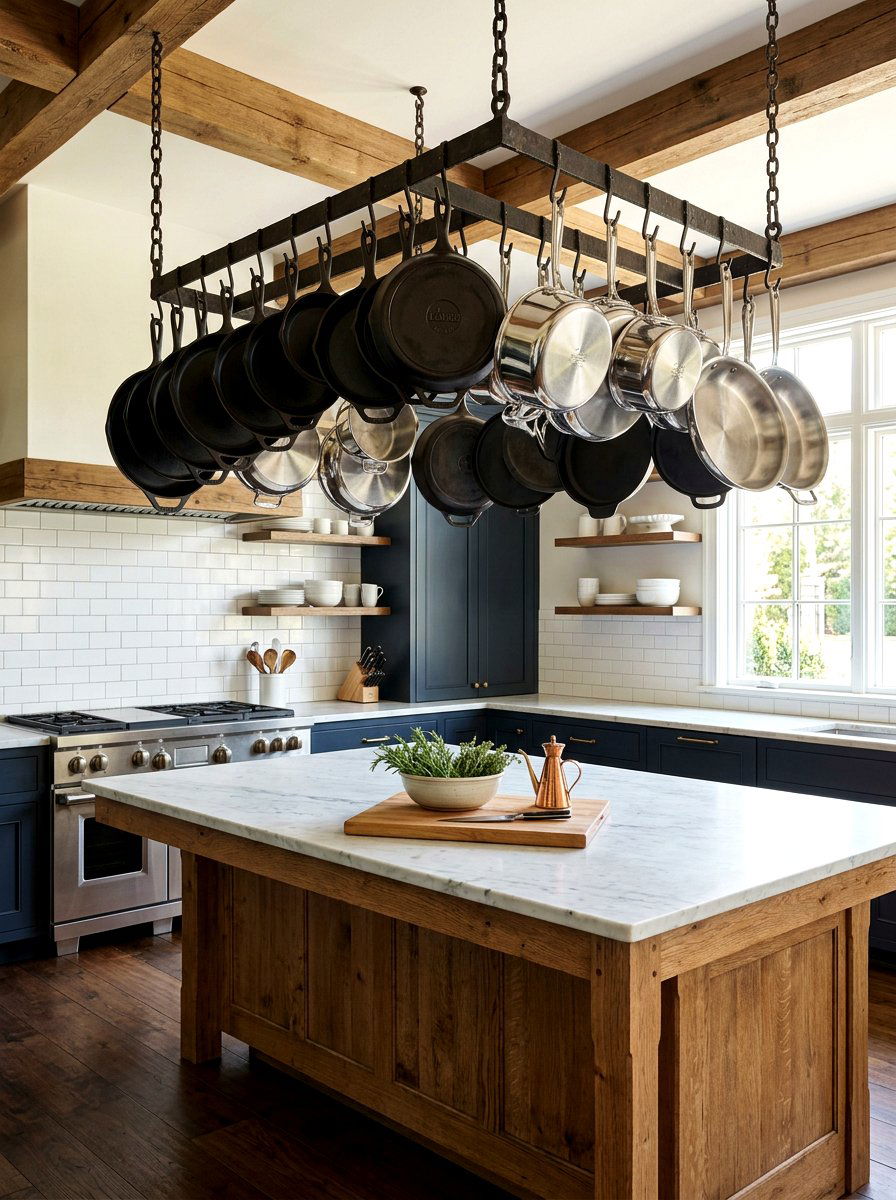
A hanging pot rack is a functional and visually striking element that instantly gives a kitchen a professional, heritage-inspired atmosphere. Suspending a sturdy metal rack above a central island or the stove area keeps your most-used cookware within easy reach while freeing up cabinet space. This setup invites a display of gleaming stainless steel, classic cast iron, or rustic copper, which adds texture and character to the room. It creates a vertical focal point that can help fill large spaces with high ceilings. This design element suggests a hardworking kitchen where cooking is a daily passion, and the tools of the trade are proudly on display.
24. Antique Kitchen Island
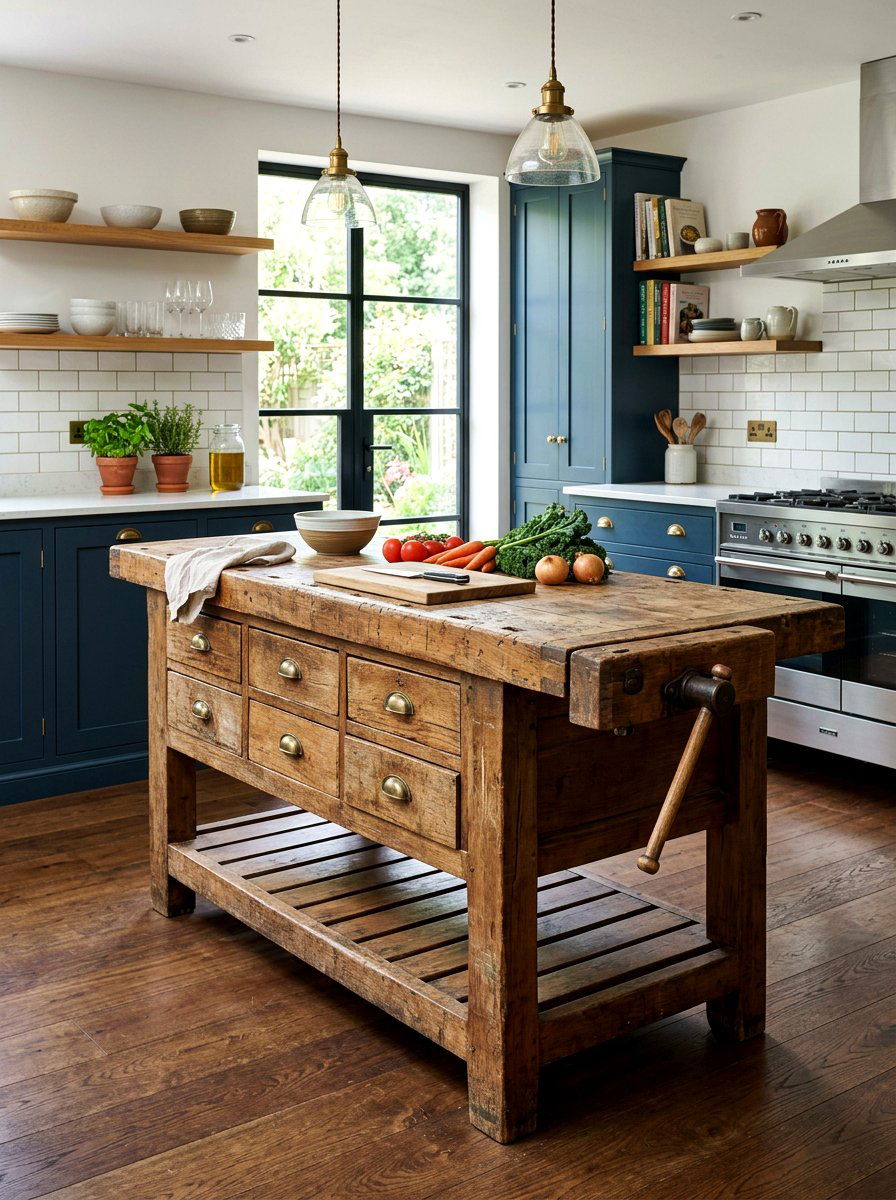
Instead of a standard built-in island, using a piece of antique furniture as a central workstation adds instant soul and history to your kitchen. A large harvest table, a vintage apothecary chest, or an old carpenter’s workbench can serve as a unique and functional centerpiece. These pieces often have a pre-worn patina and character that new cabinetry cannot replicate, making the space feel more curated and less "designed. " You can add a new stone or wood top to make it more practical for food prep while keeping the original base. This approach creates a focal point that tells a story and anchors the room with authentic heritage.
25. Decorative Plate Rail
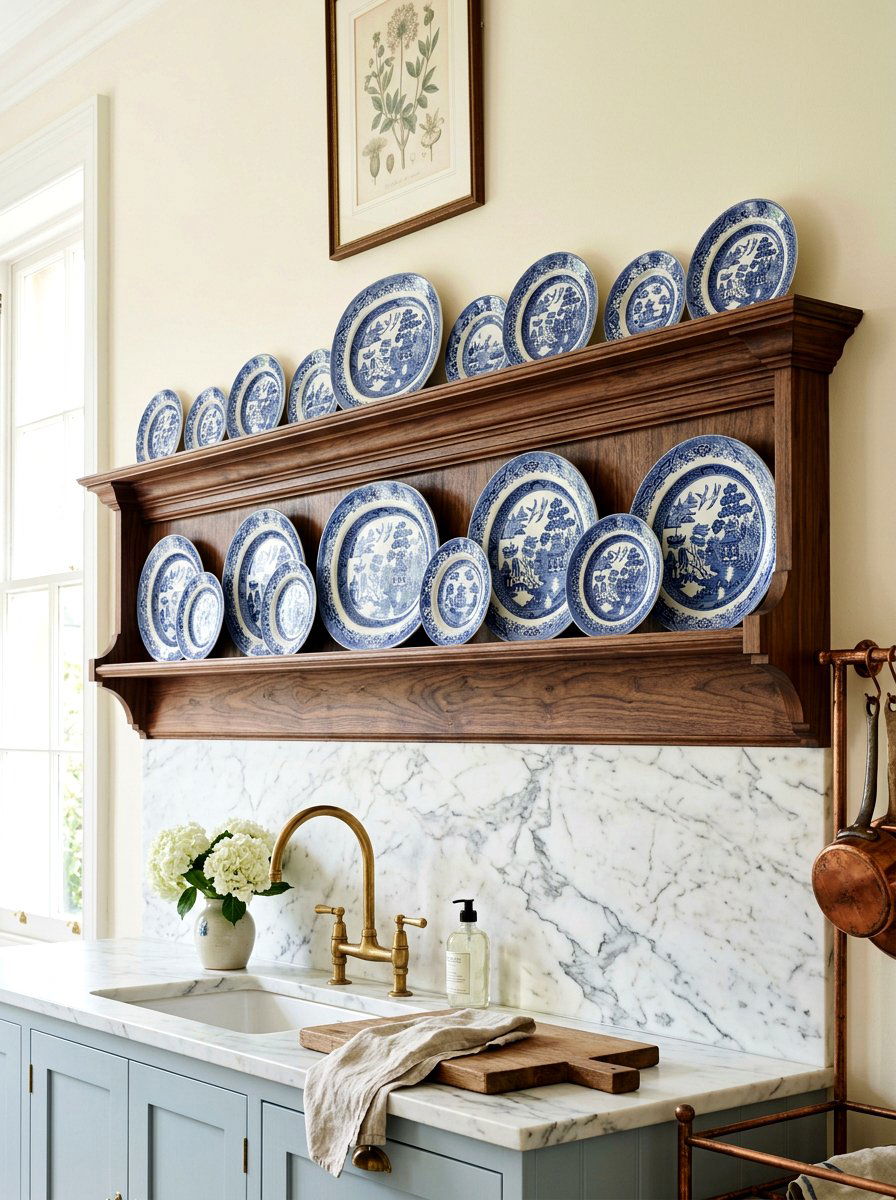
A decorative plate rail running along the top of a backsplash or around the perimeter of the room is a quintessentially English heritage detail. This narrow shelf provides a perfect spot to lean beautiful decorative plates, small paintings, or even antique cutting boards. It helps to break up large expanses of wall and adds a layer of domestic charm that makes the kitchen feel more like a primary living space. You can paint the rail to match your wall color for a subtle look or use a contrasting wood tone for more impact. It is a simple way to personalize your kitchen and showcase your favorite heritage treasures.
26. Farmhouse Harvest Table
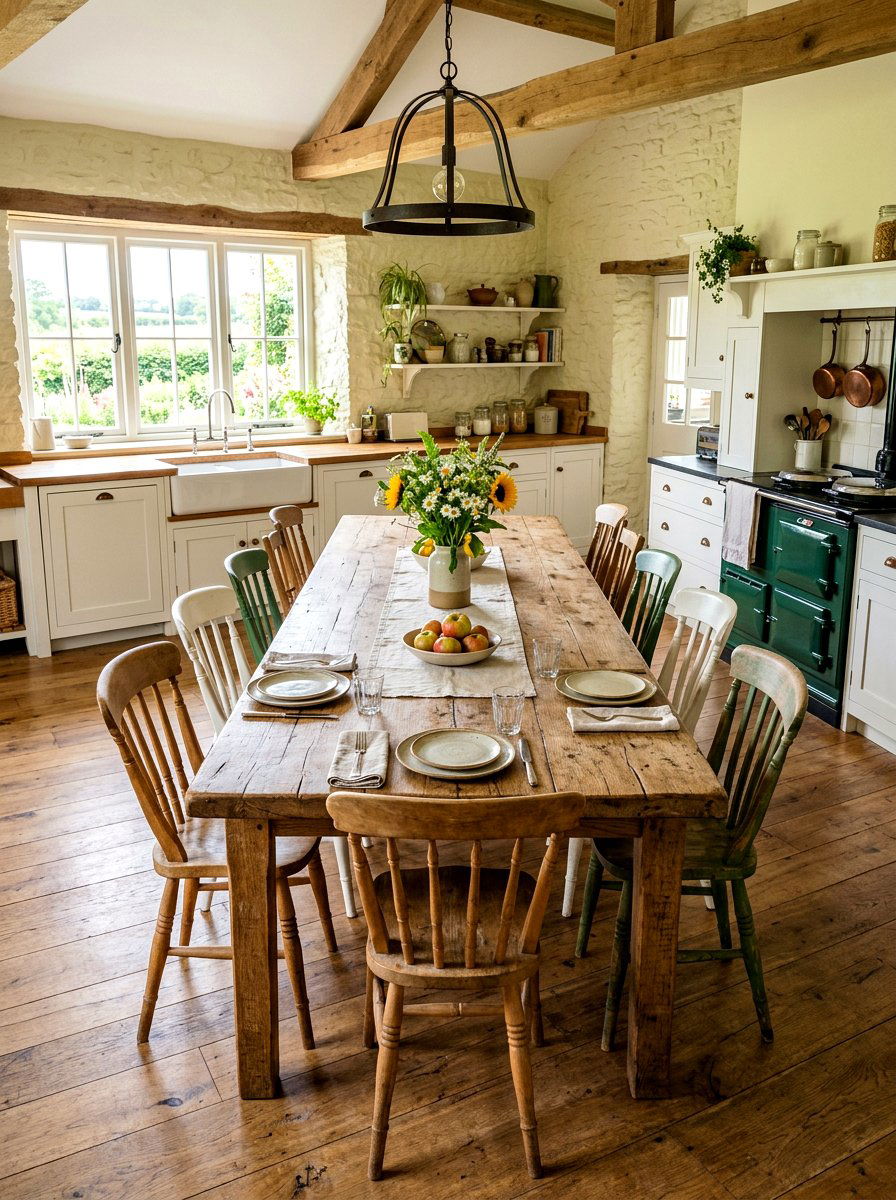
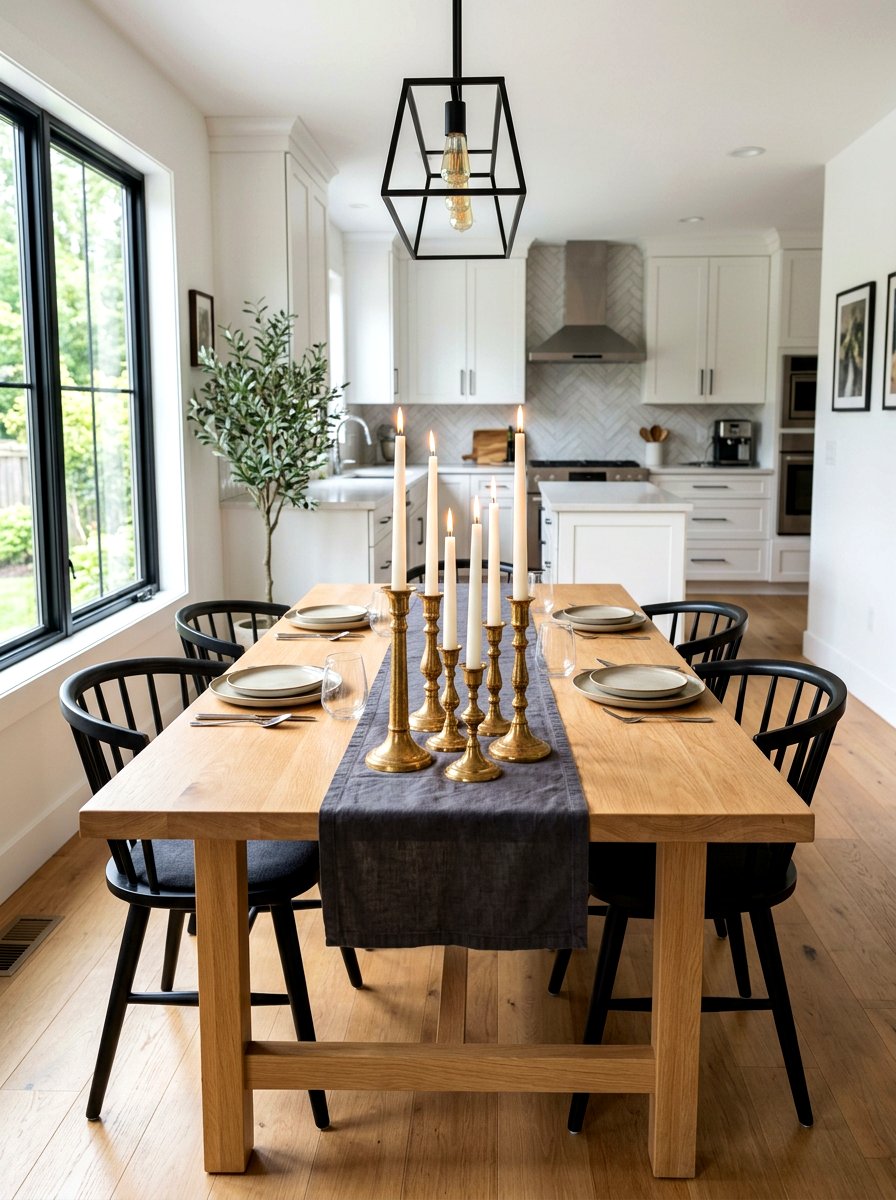
The farmhouse harvest table is the ultimate symbol of a heritage kitchen that values family, community, and the shared experience of a meal. These long, sturdy wooden tables are designed to seat many people and can withstand the scratches and spills of daily life. Placing a harvest table in the center of the kitchen instead of a modern island creates a more open and flexible environment. It encourages people to sit and talk while meals are being prepared, reinforcing the kitchen’s role as the social hub of the home. Pairing the table with a mix of vintage chairs adds to the charming, unstudied look of a traditional home.
27. Primitive Style Kitchen
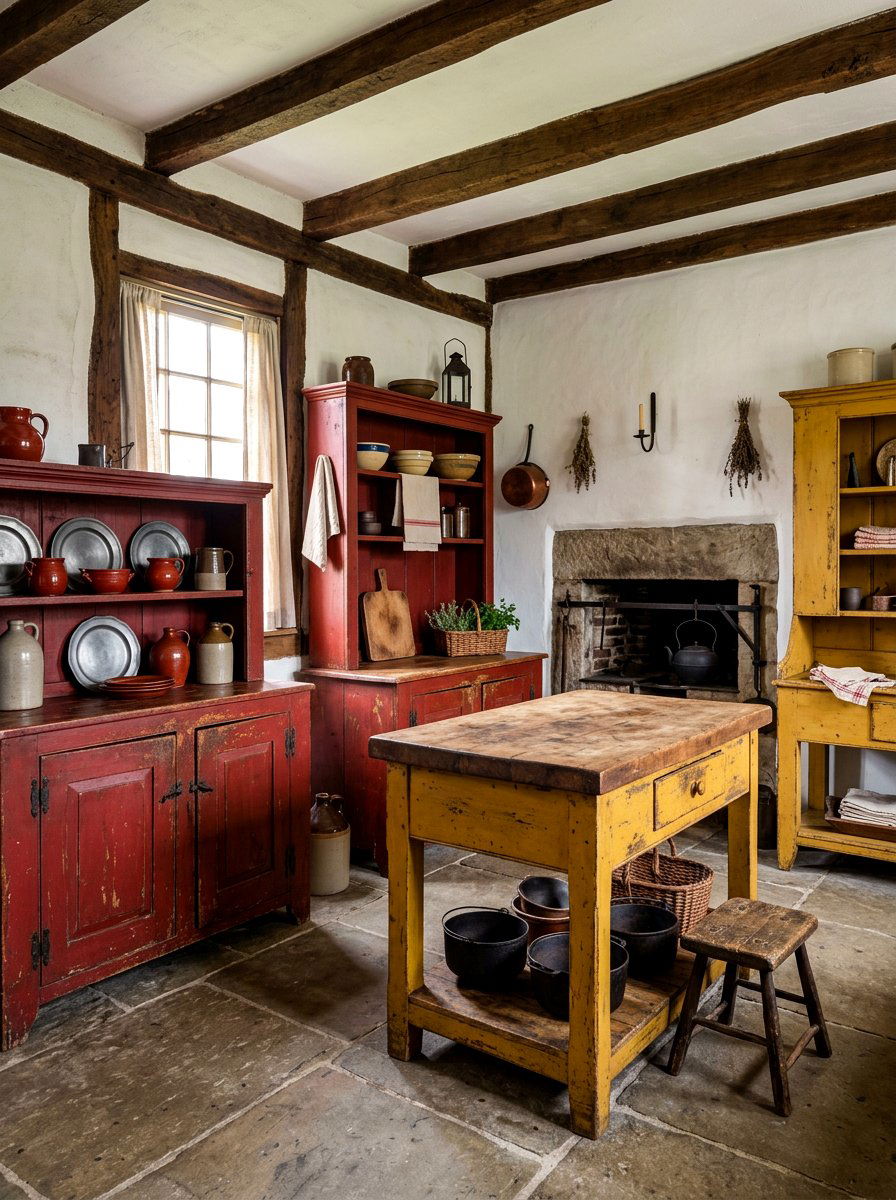
A primitive style kitchen focuses on early American or European folk design, emphasizing raw materials and simple, hand-built furniture pieces. This look often features "unfitted" cabinetry, meaning the kitchen is made up of separate, freestanding pieces like cupboards, dry sinks, and prep tables. Muted, earthy paint colors like mustard yellow, barn red, or deep navy are commonly used and often given a distressed finish to appear aged. This style avoids modern gadgets and sleek surfaces, preferring the warmth of worn wood and forged iron. It results in a space that feels incredibly cozy, historical, and deeply connected to a simpler, more self-sufficient way of living.
28. Colonial Style Kitchen
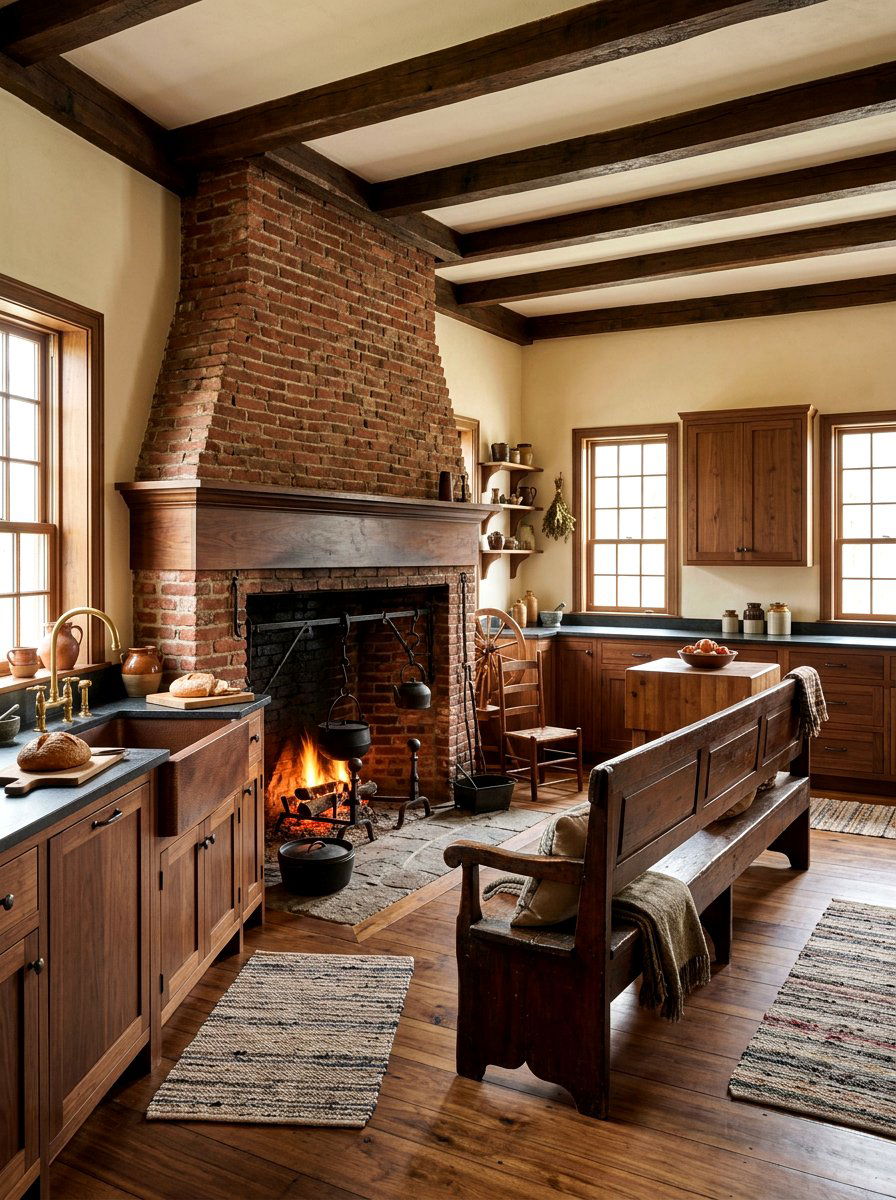
Colonial style kitchen design draws inspiration from the early settler homes of the 18th century, blending European traditions with practical New World needs. This look often features high-backed settles, large brick hearths, and simple, sturdy cabinetry with traditional raised panels. Pewter accents, wrought iron chandeliers, and braided rugs are common decor elements that add texture and a sense of history. The overall vibe is one of orderly comfort and timeless elegance, with a focus on symmetry and high-quality natural materials. This style is perfect for those who want a kitchen that feels dignified and rooted in the foundations of traditional craftsmanship and domestic heritage.
29. Timeless Oak Kitchen
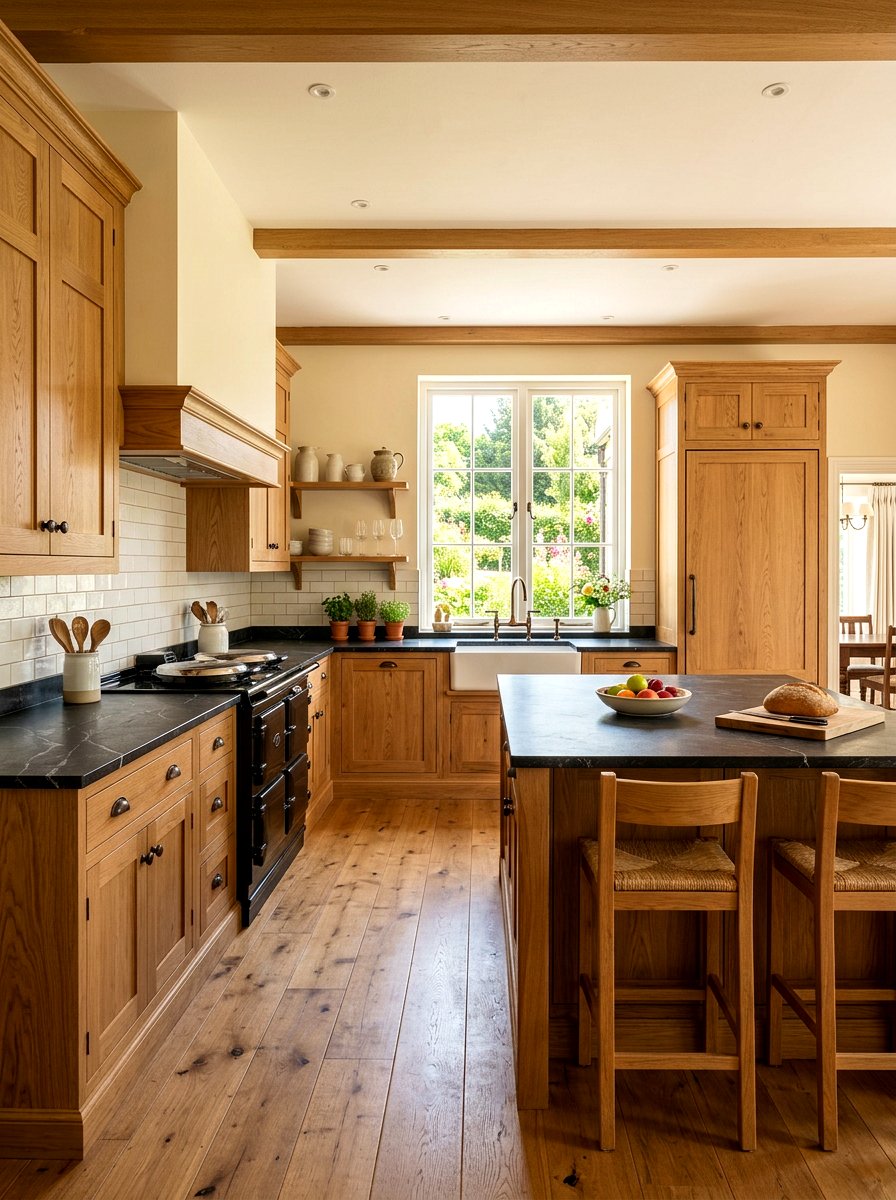
An all-oak kitchen celebrates one of the most durable and beautiful woods available, providing a sense of permanence and natural warmth. In heritage design, oak is often used for its prominent grain and its ability to age gracefully over many decades. Whether you choose a light, natural finish or a darker, smoked oak, the wood brings an organic quality that makes the room feel grounded. Pairing oak cabinetry with stone countertops and bronze hardware creates a rich, layered look that feels expensive yet understated. This material choice is a long-term investment that will never go out of style, ensuring your kitchen remains a beautiful heritage space forever.
30. Traditional Scullery Room
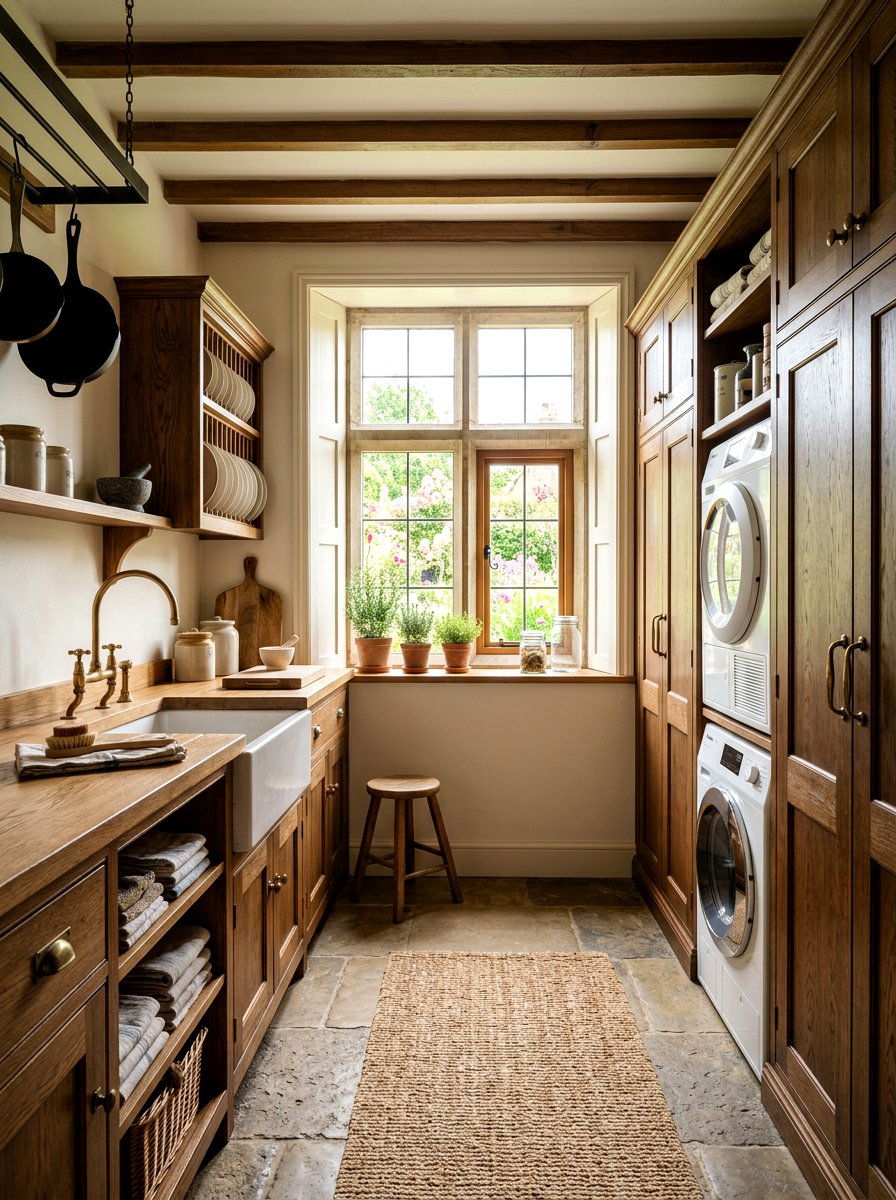
The return of the traditional scullery or utility room allows the main kitchen to remain a beautiful, social space while the messier tasks are hidden away. This separate area is usually equipped with a large sink, laundry facilities, and extra storage for bulky appliances and cleaning supplies. Decorating the scullery in a similar heritage style with Shaker cabinets and stone floors ensures a cohesive flow throughout the back of the house. Having a dedicated space for "behind-the-scenes" work makes it easier to keep the main kitchen looking pristine and clutter-free. It is a luxurious heritage feature that prioritizes organization and practical living for the modern family.
Conclusion:
Creating a heritage kitchen is about more than just choosing a specific cabinet style; it is about embracing a philosophy of quality and timelessness. By combining traditional materials like stone, wood, and brass with historical design principles, you can create a space that feels deeply connected to the past. These thirty ideas demonstrate how varied and personal heritage decor can be, ranging from the cozy charm of a cottage to the refined elegance of an Edwardian manor. As you design your own space, remember to prioritize craftsmanship and character, ensuring that your kitchen remains a beautiful and functional heart of the home for many years to come.

Related posts: