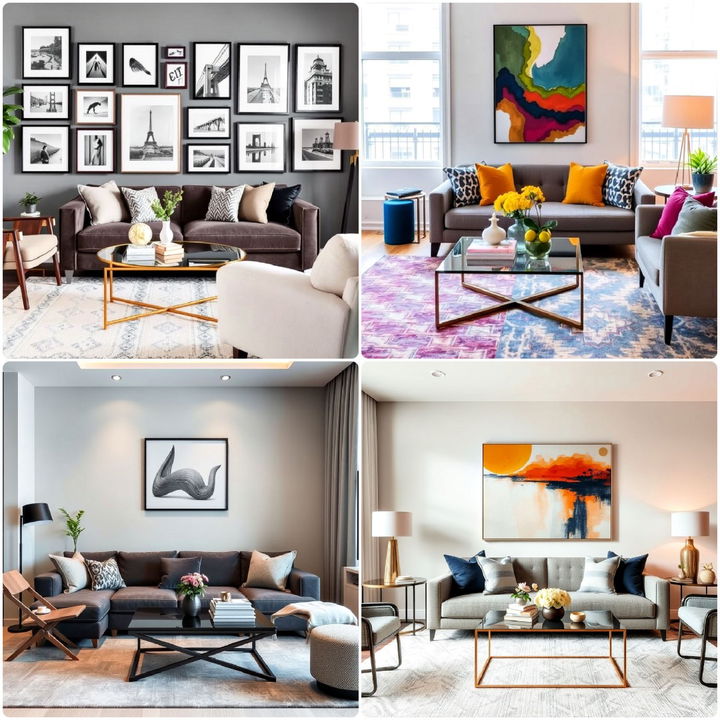
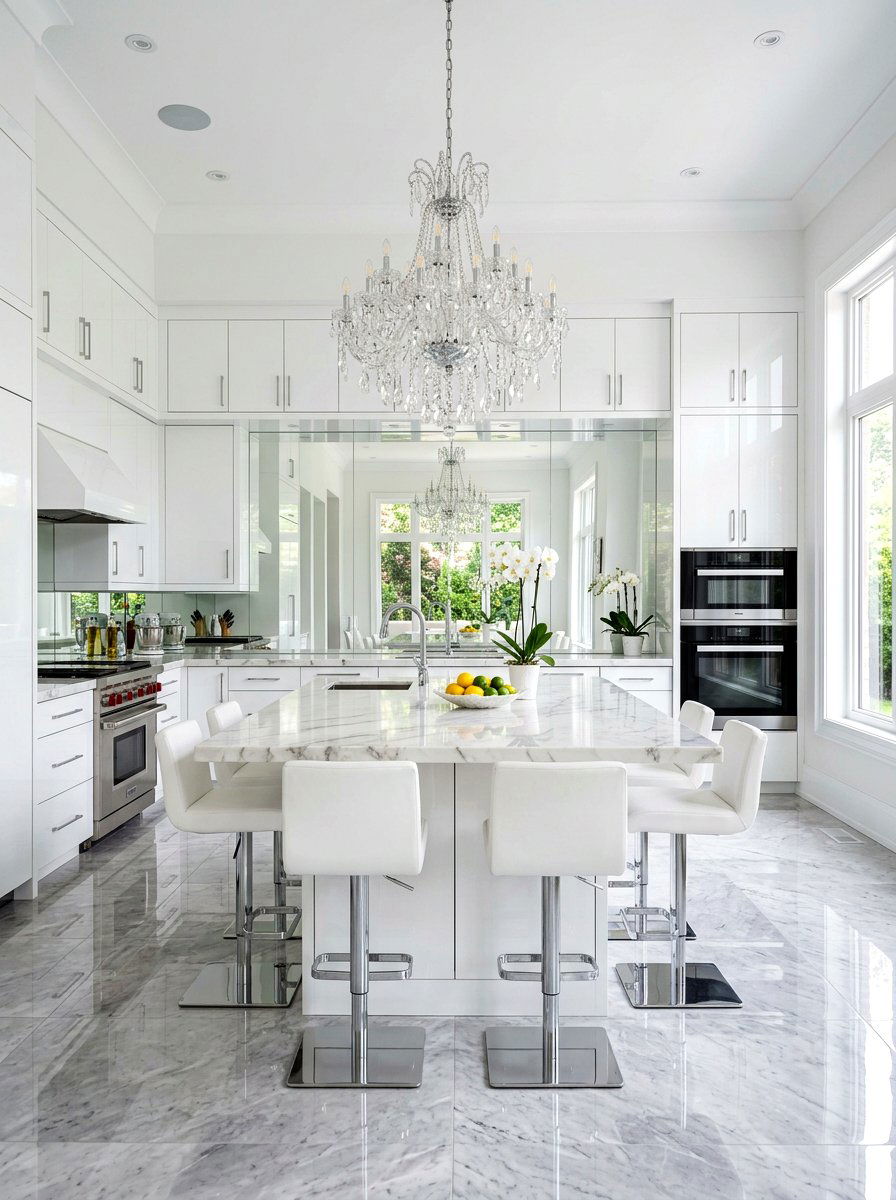
Transforming a compact living space into a functional and aesthetically pleasing sanctuary requires a thoughtful approach to furniture placement and spatial flow. Small room layout strategies focus on maximizing every square inch through clever arrangements, multi-functional pieces, and visual tricks that expand the boundaries of any room. Whether you are navigating the complexities of a tiny urban studio or trying to optimize a narrow guest bedroom, the right setup can convert a cramped area into a breathable, organized environment. This guide explores thirty expertly curated arrangements designed to improve utility while maintaining a sophisticated home aesthetic. By prioritizing vertical storage and open sightlines, you can achieve a high-end look regardless of your total square footage.
1. Studio apartment zoning layout
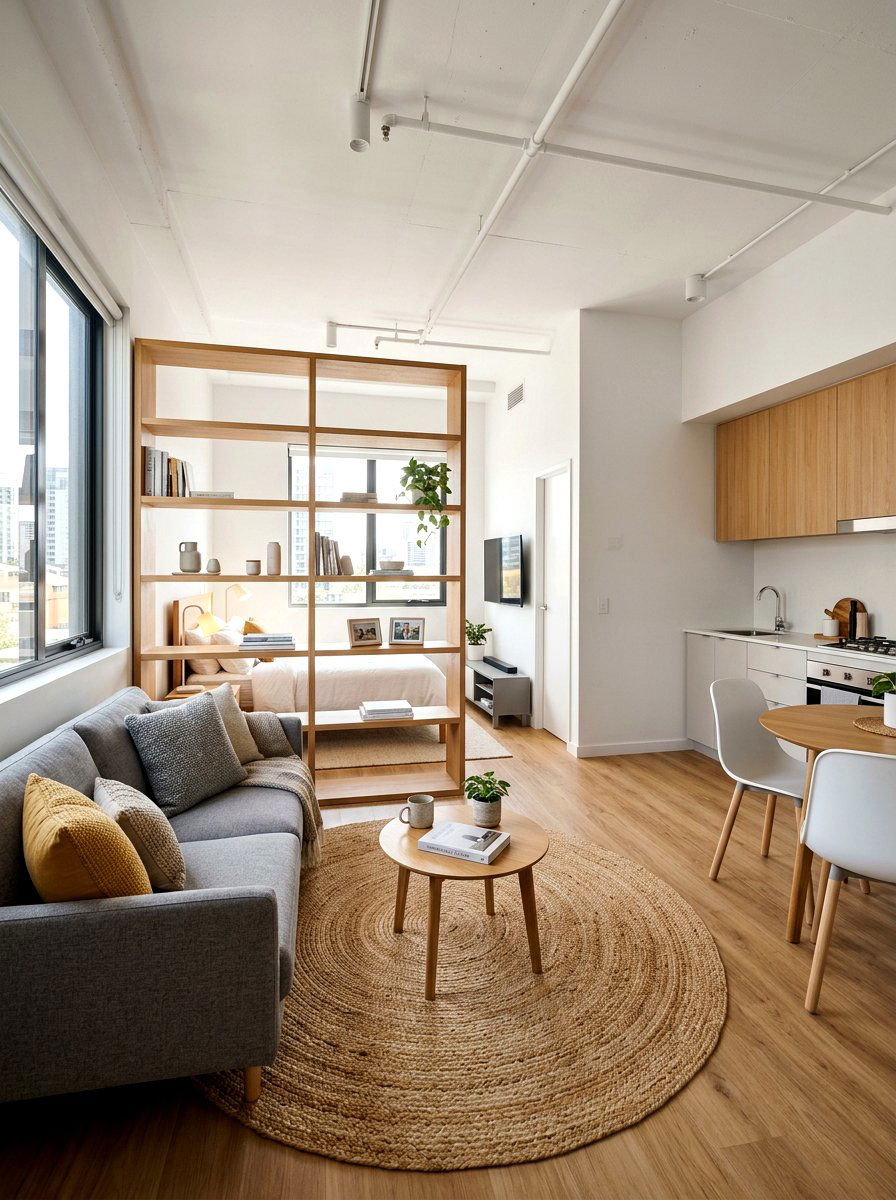
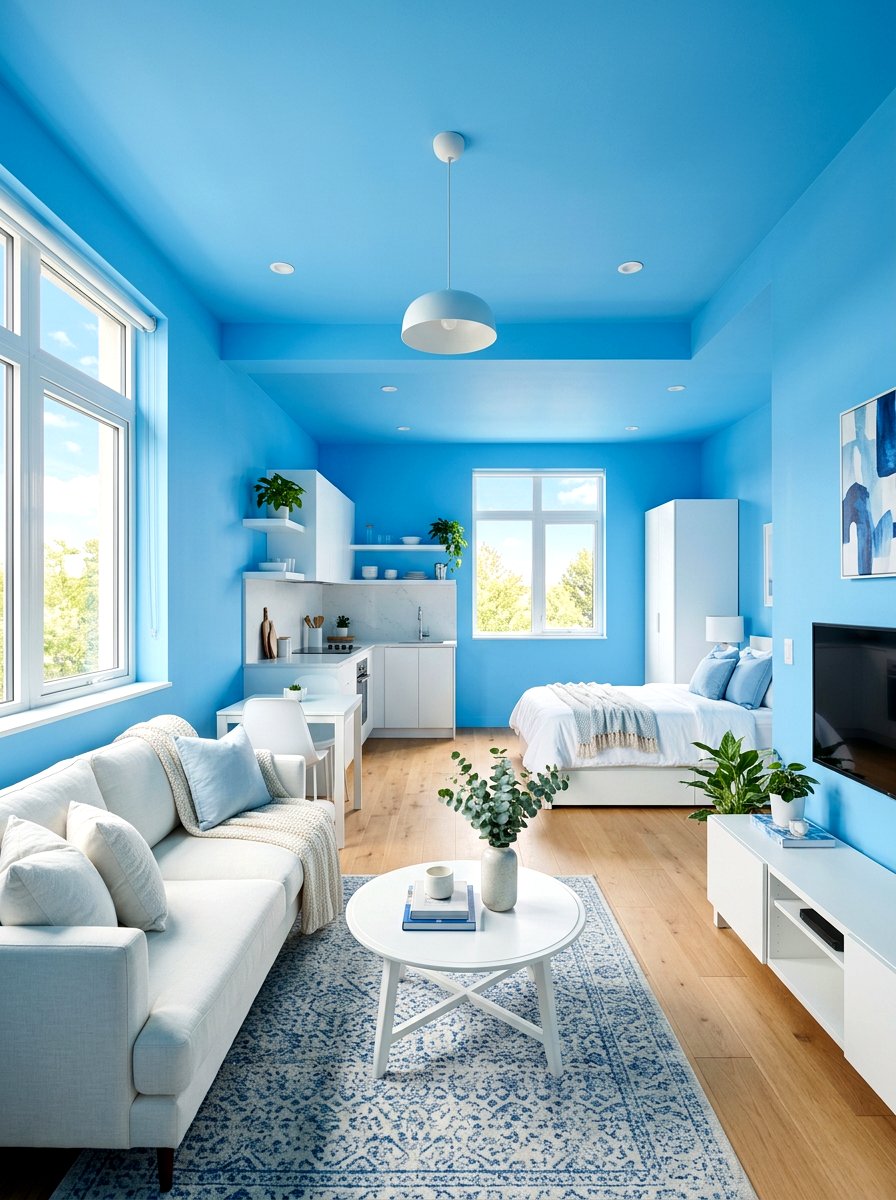
Creating distinct functional zones within a single open space is essential for making a studio feel like a true home. You can achieve this by using large area rugs to anchor specific sections, such as a plush rug for the living area and a durable flatweave for the dining corner. Positioning a low-profile sofa with its back toward the bed creates a physical boundary without blocking natural light or sightlines. Use open shelving units as room dividers to provide storage while allowing air to circulate freely throughout the room. This layout ensures that sleeping, lounging, and eating areas feel separate yet cohesive, providing a sense of order and purpose to the entire floor plan.
2. Small living room layout sectional
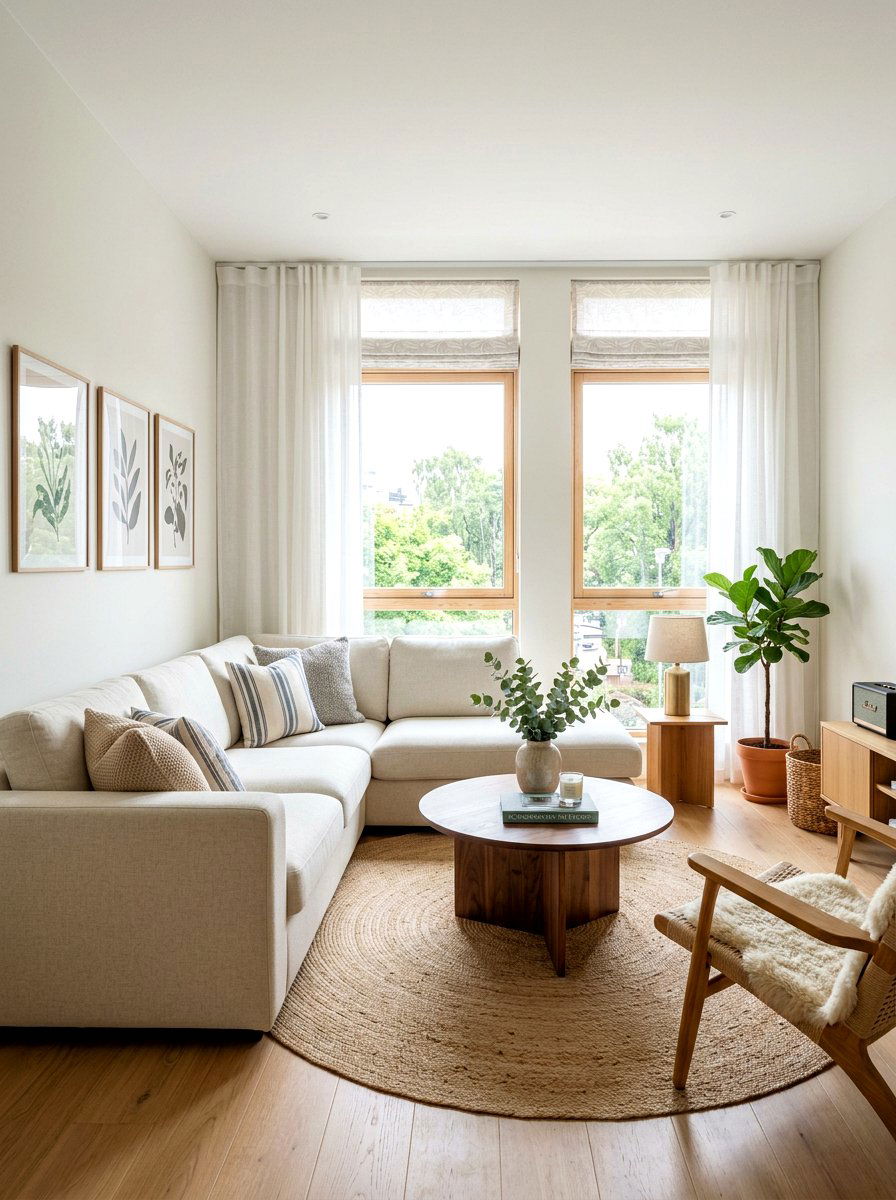
Integrating a sectional sofa into a compact living area might seem counterintuitive, but it actually maximizes seating while minimizing floor clutter. By placing a small-scale L-shaped sectional into a corner, you eliminate the need for multiple bulky chairs that can disrupt traffic flow. This arrangement anchors the room and provides a cozy focal point for gathering or relaxing. Complement the setup with a round coffee table to soften the sharp angles and prevent the space from feeling too rigid or boxed in. Choosing a sectional with exposed legs allows the floor to remain visible, which tricks the eye into perceiving more open space and prevents the furniture from looking heavy.
3. Small bedroom layout desk
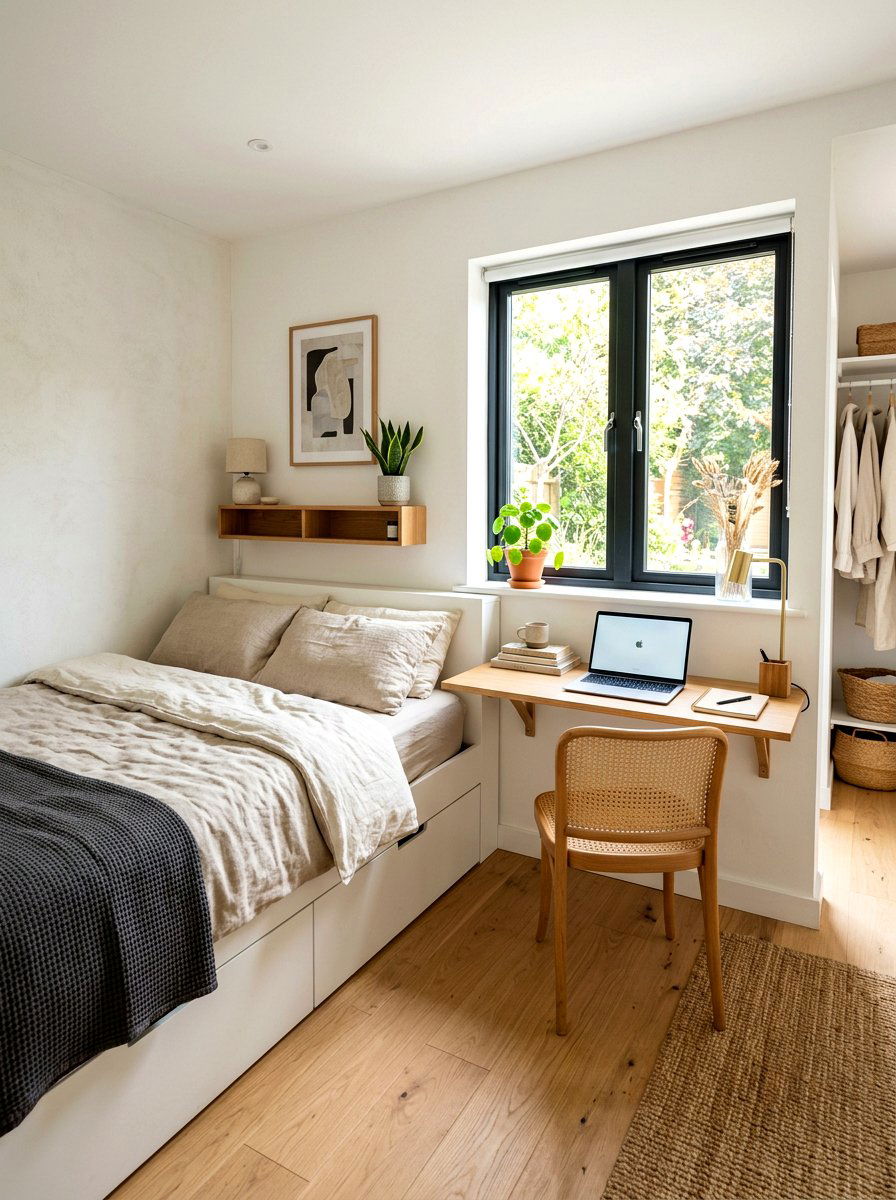
Many modern homes require a dedicated workspace, even when square footage is extremely limited. A smart way to incorporate this is by placing a slender desk directly against a wall, ideally near a window to capitalize on natural light. Position the bed on the opposite side to maintain a clear path for movement between the two zones. Using a floating desk or a wall-mounted console saves valuable floor area and keeps the room looking airy. Pair the desk with a stylish, low-profile chair that can easily tuck away when not in use. This layout creates a productive environment for work without compromising the peaceful, restful atmosphere needed for a high-quality bedroom.
4. Small guest room daybed layout
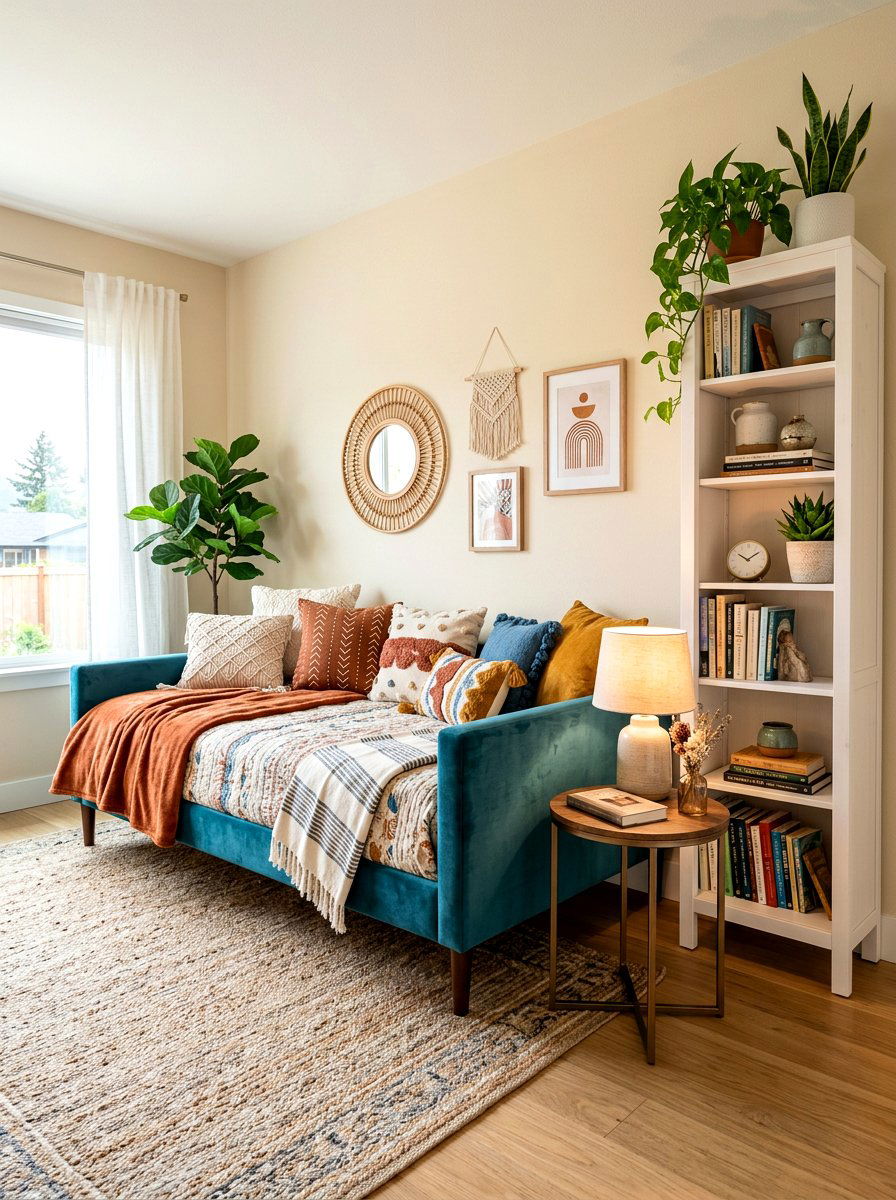
Optimizing a guest room for versatility often involves using a daybed as the primary furniture piece. Unlike a traditional bed, a daybed sits against the long wall and functions as a comfortable sofa during the day. This frees up the center of the room for other activities, such as a home gym or a quiet reading nook. Surround the daybed with tall, narrow bookshelves to provide guests with storage without taking up much floor space. A small side table or a wall-mounted sconce provides necessary lighting while keeping the layout streamlined. This multi-purpose approach ensures the room remains useful every day, rather than sitting empty when visitors are not staying over.
5. Open concept studio layout
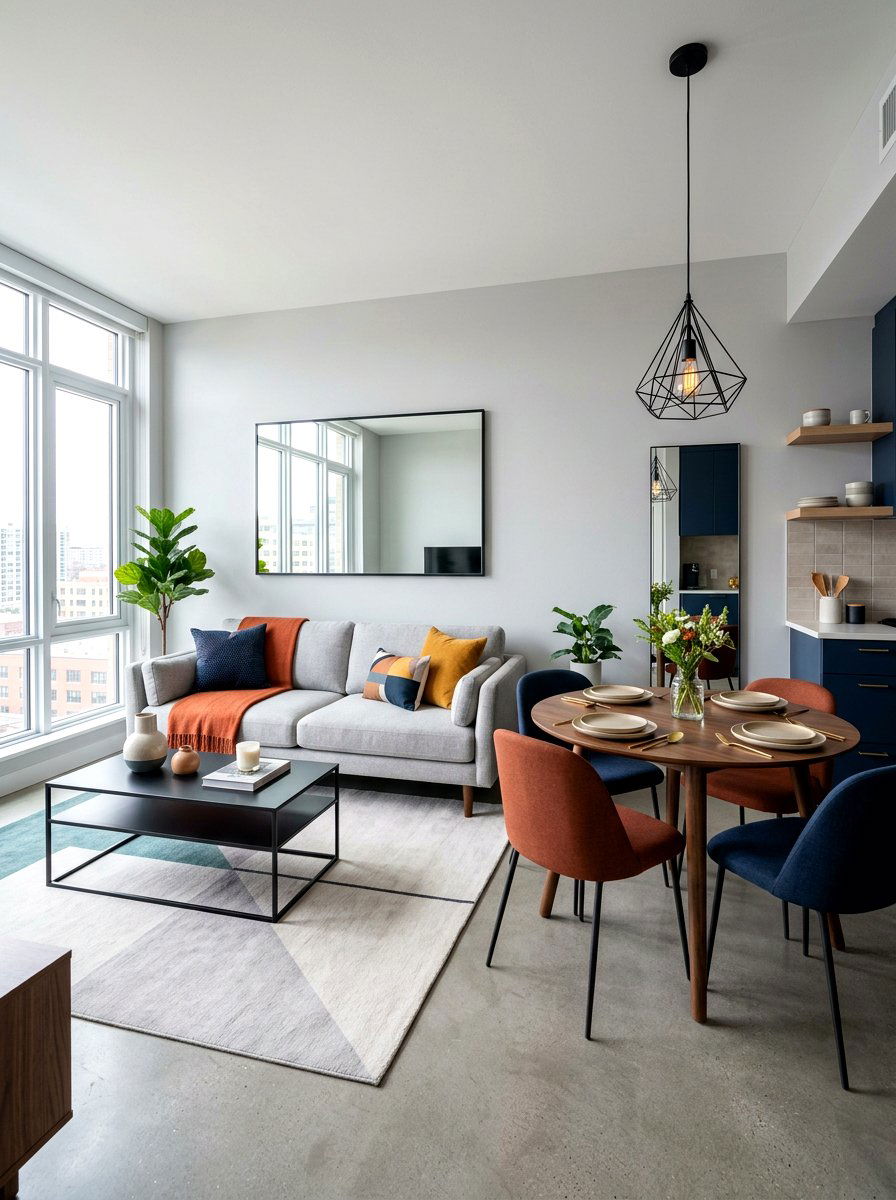
An open concept layout is perfect for those who prefer a minimalist and breezy lifestyle in a tiny footprint. Instead of using heavy dividers, rely on furniture orientation and lighting to define different areas of the apartment. Keep the center of the room clear to allow for easy movement and a sense of grandeur. Use a consistent color palette across all furniture pieces to create a unified look that prevents the space from feeling fragmented. Positioning the kitchen table near the largest window invites natural light into the heart of the home. This fluid arrangement encourages a seamless transition between cooking, dining, and relaxing, making the entire studio feel much larger and more inviting.
6. Small nursery layout apartment
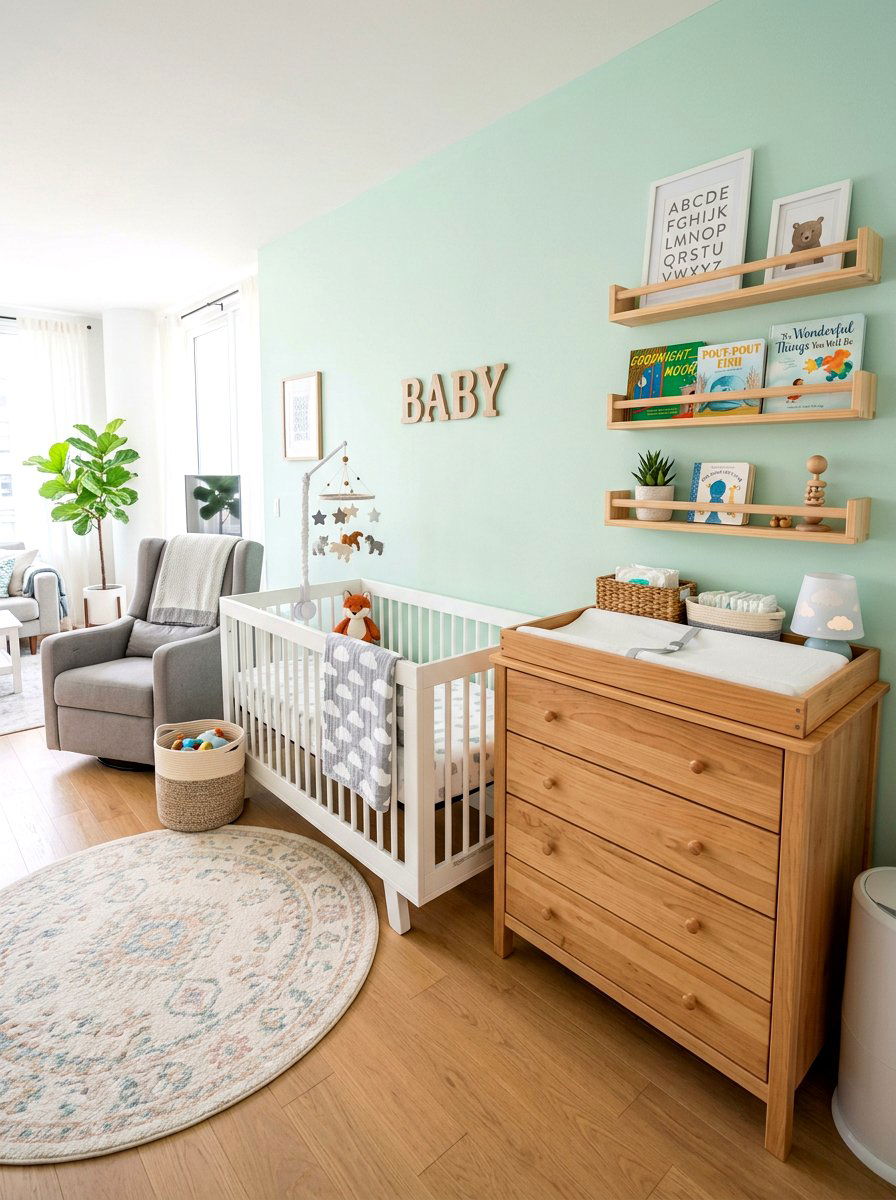
Preparing for a new arrival in a small apartment requires a layout that prioritizes accessibility and organization. Place the crib against a focal wall and use a vertical dresser that doubles as a changing table to save space. Floating shelves are perfect for displaying toys and books while keeping the floor clear for play mats or a small rocking chair. Ensure there is a clear walkway between the crib and the door for easy access during the night. Using soft, neutral tones and light-colored furniture helps the nursery feel calm and spacious. This efficient arrangement ensures all essential baby gear is within reach without overwhelming the limited square footage of your urban home.
7. Small dining room layout
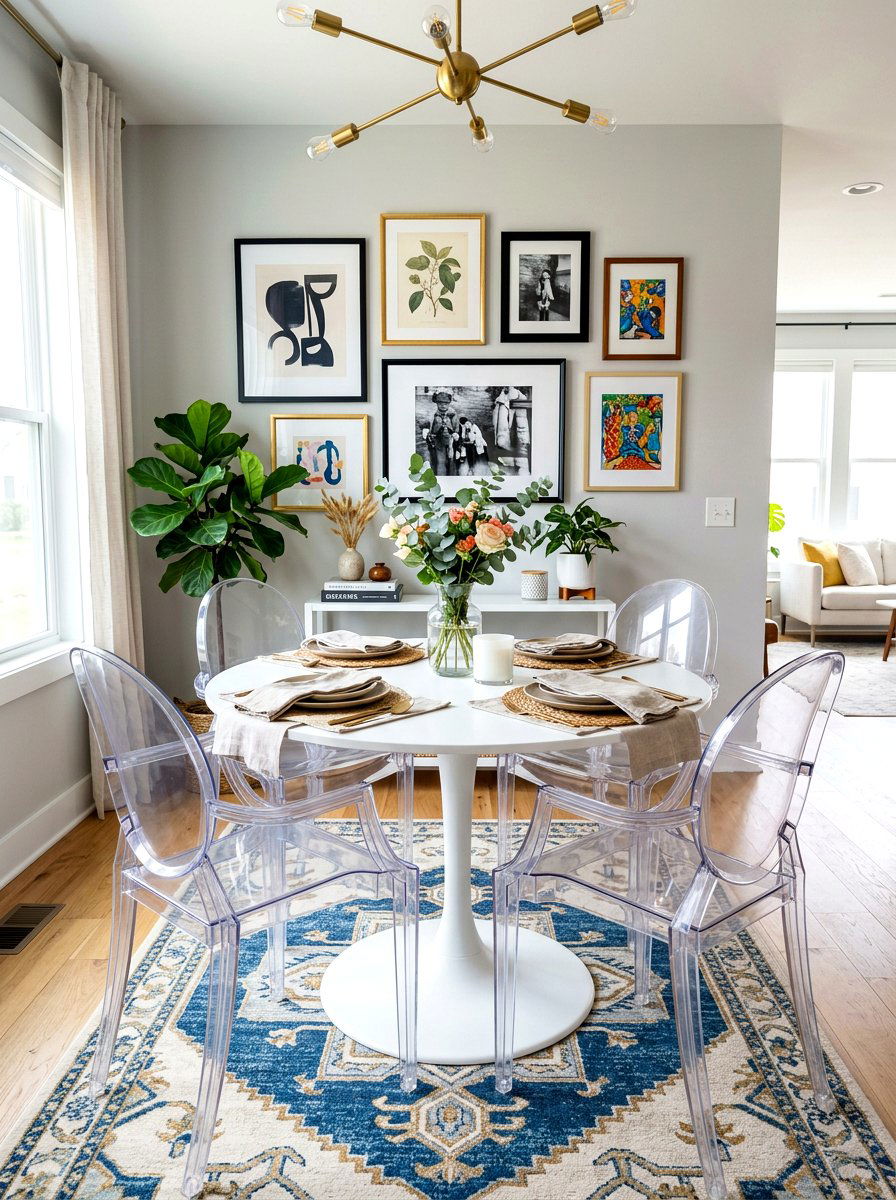
A dedicated dining area can exist even in the tightest quarters with the right furniture choices. A round pedestal table is the ideal center for this layout because it has no corners and allows for flexible seating options. Place the table near a wall or in a sunny corner to create an intimate bistro-like atmosphere. Using clear acrylic chairs or slim metal seats prevents the dining set from appearing bulky or intrusive. If space is truly at a premium, a built-in banquette or a bench against the wall can provide ample seating while taking up less room than traditional chairs. This setup creates a sophisticated spot for meals and entertaining.
8. Small home office layout desk
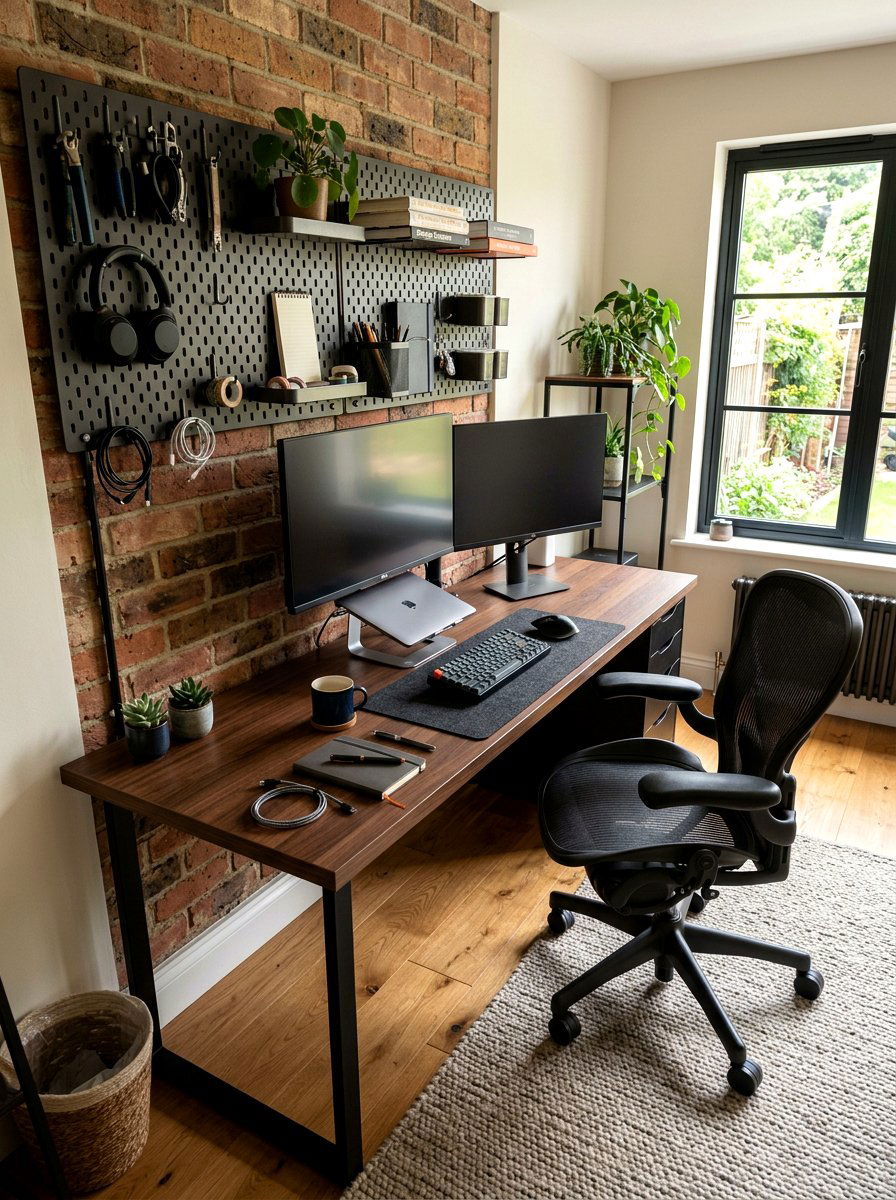
Efficiency is the cornerstone of a successful home office layout when you are working with a small footprint. Position a long, narrow desk along one wall to provide plenty of surface area for a computer and paperwork without jutting out into the room. Utilize the wall space above the desk with floating shelves or a pegboard to organize supplies vertically. Place the office chair in a way that allows for easy exit and entry without hitting other furniture. If possible, set up your desk perpendicular to a window to reduce glare while benefiting from natural views. This clean, organized arrangement helps minimize distractions and boosts productivity in a dedicated, professional work zone.
9. Small studio layout room divider
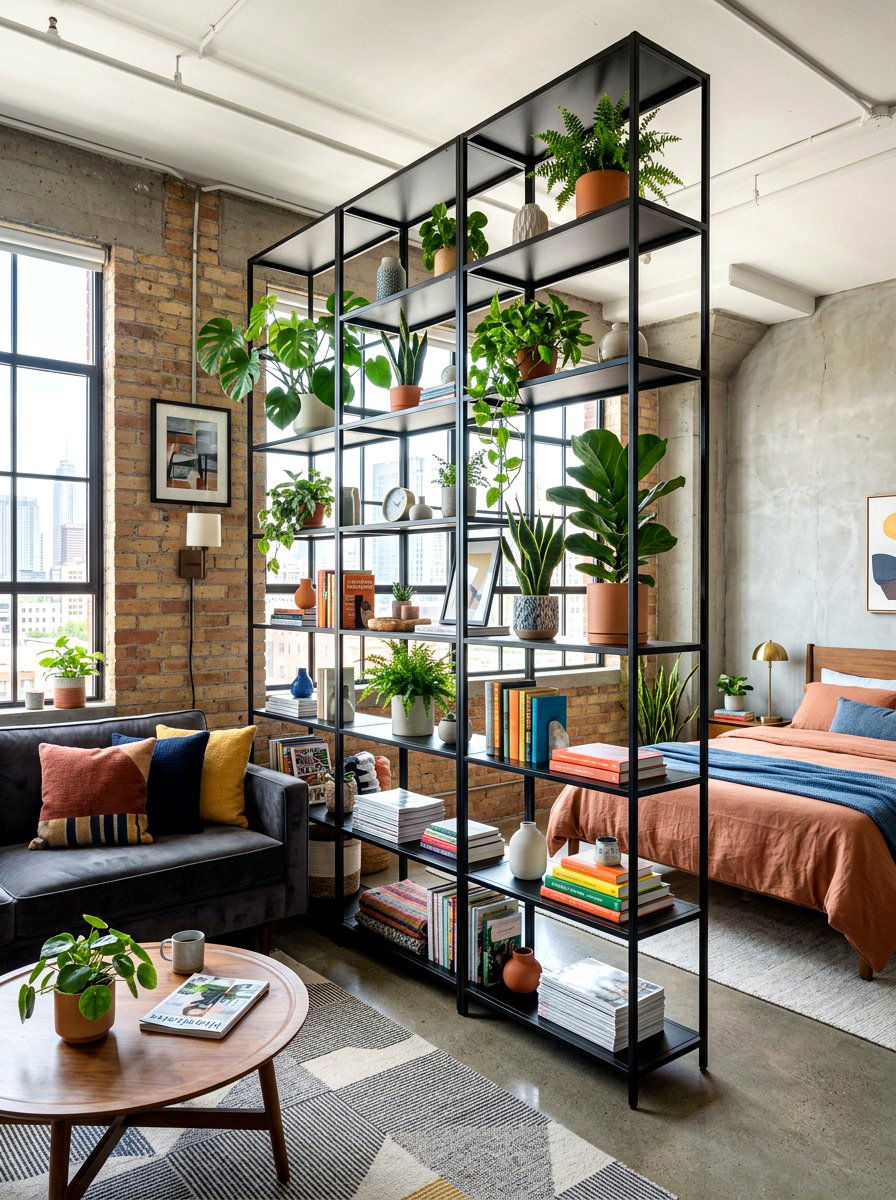
Using a room divider is a classic technique for adding structure and privacy to a studio apartment. A tall, open-backed bookshelf is a fantastic choice because it separates the sleeping area from the living zone while doubling as storage for books and decor. Position the divider perpendicular to a long wall to create a clear visual break in the room. This allows light to pass through the shelves, maintaining the apartment's bright and open feel. Alternatively, a folding screen or a ceiling-mounted curtain can offer more privacy when needed. This layout provides the psychological benefit of "separate rooms" without the cost or permanence of building actual walls.
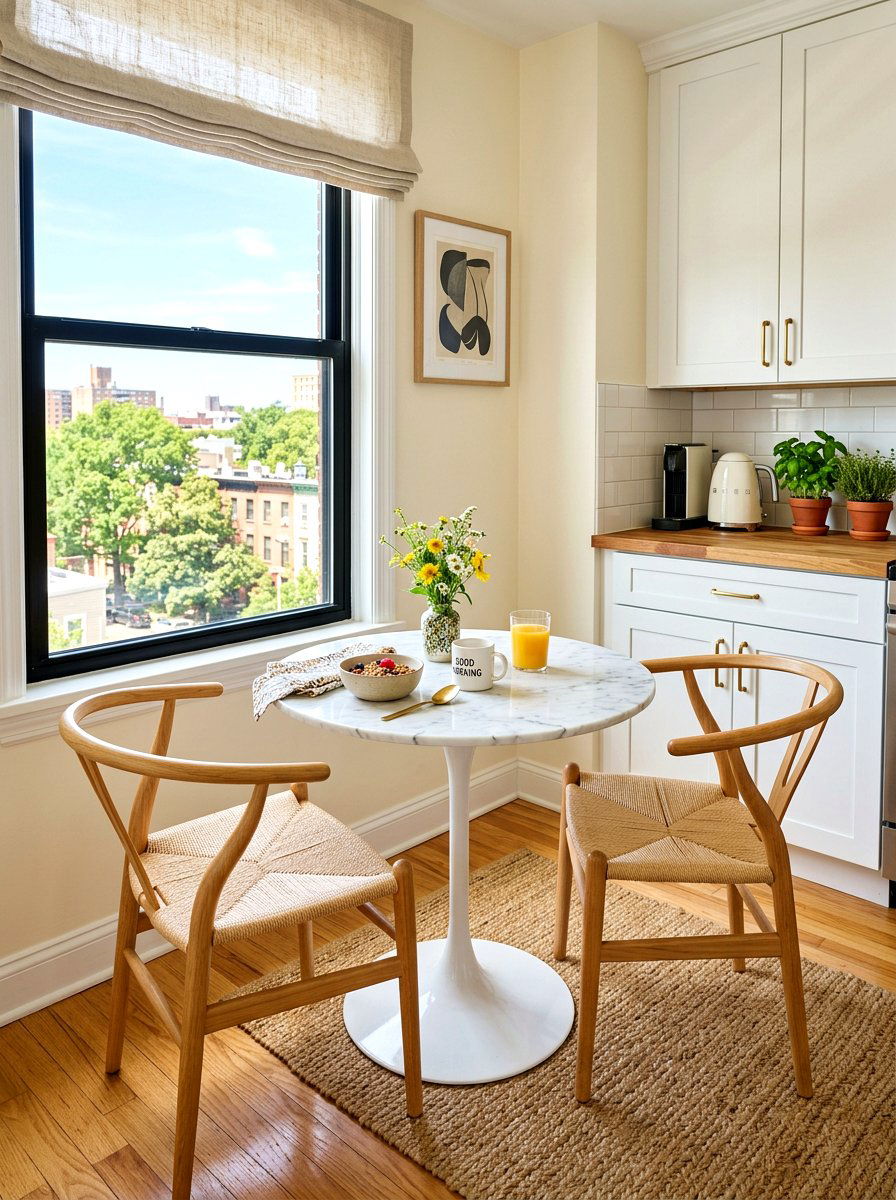
10. Small basement bedroom layout
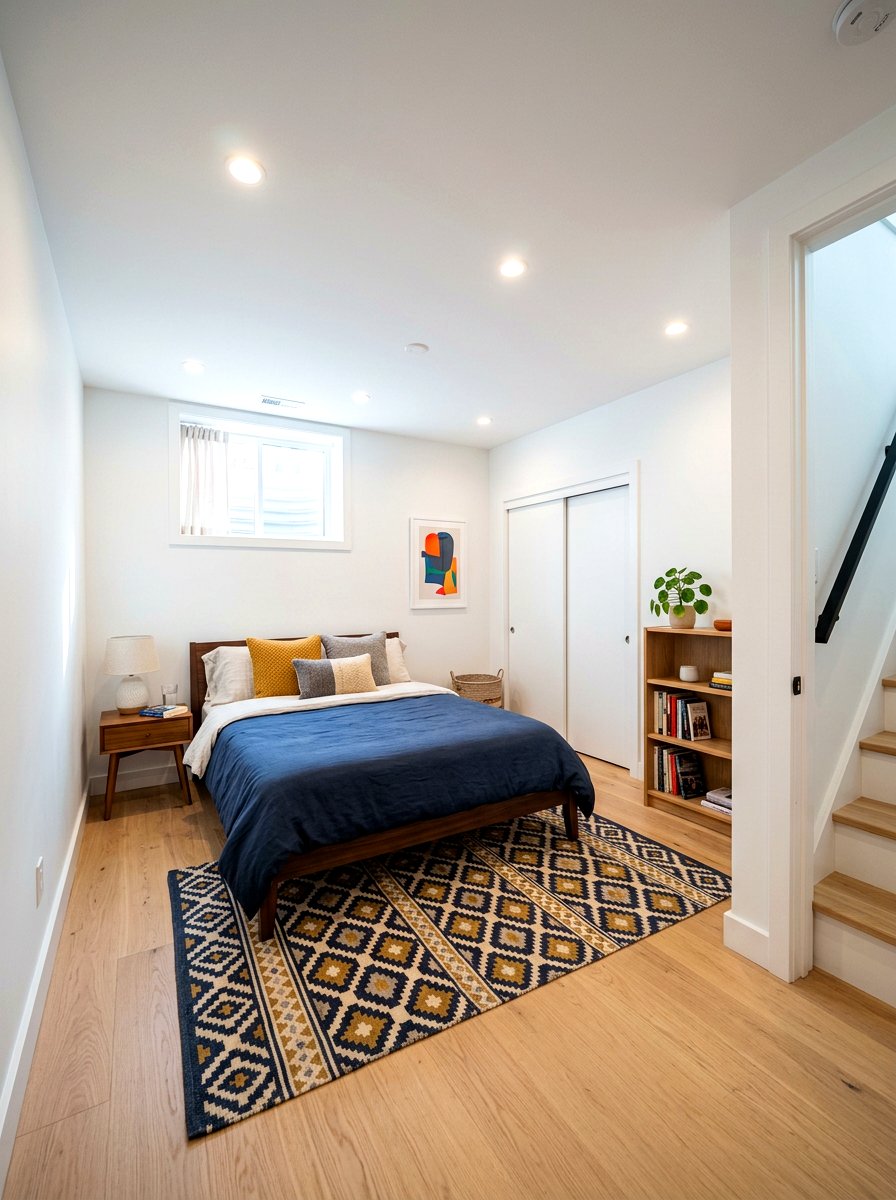
Converting a small basement into a cozy bedroom requires careful planning to address low ceilings and limited natural light. Start by placing the bed against the most prominent wall and using low-profile furniture to make the ceiling feel higher. Integrated lighting, such as recessed cans and wall sconces, provides a bright and inviting atmosphere without taking up floor space. Use light, reflective colors on the walls to bounce what little light is available throughout the room. A built-in closet or a sleek wardrobe can provide necessary storage while keeping the layout tidy. This transformation turns a neglected subterranean space into a warm, inviting retreat that feels like an intentional part of the home.
11. Small attic bedroom layout
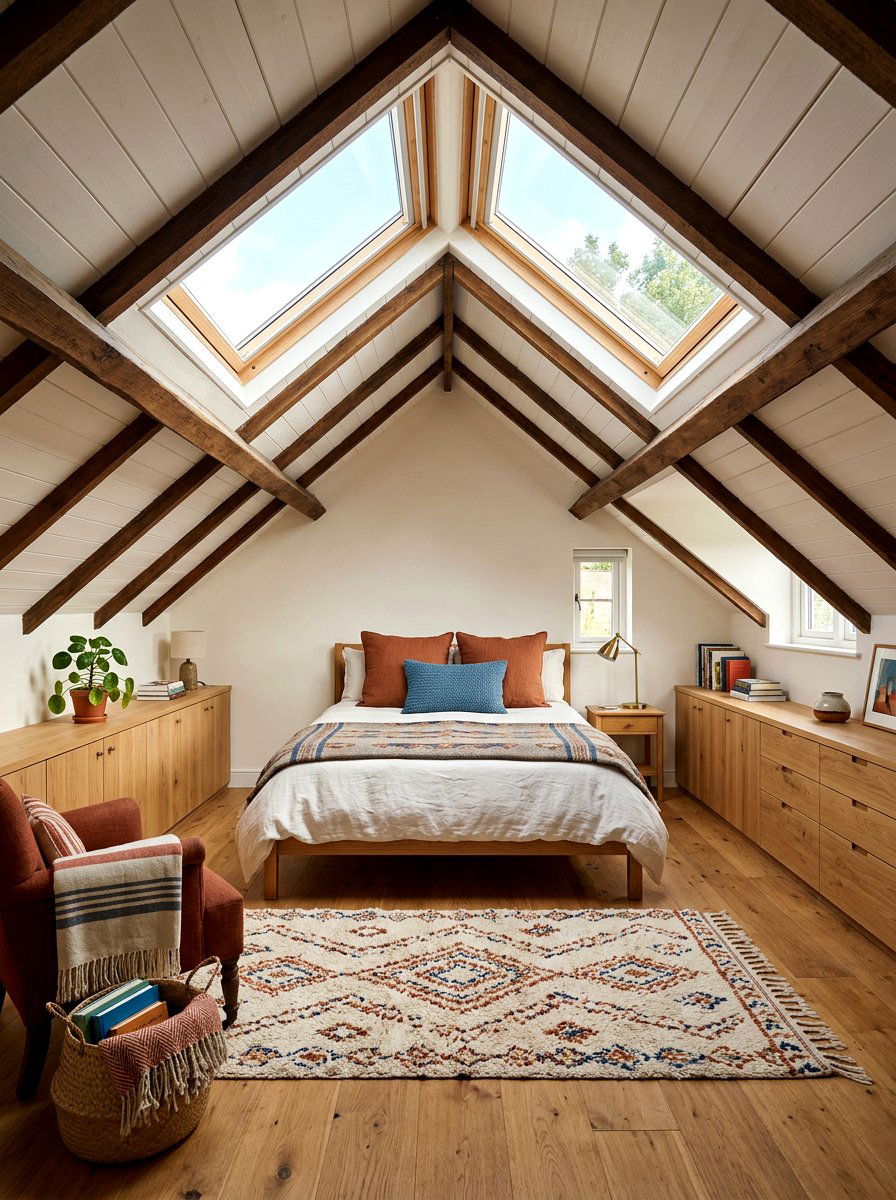
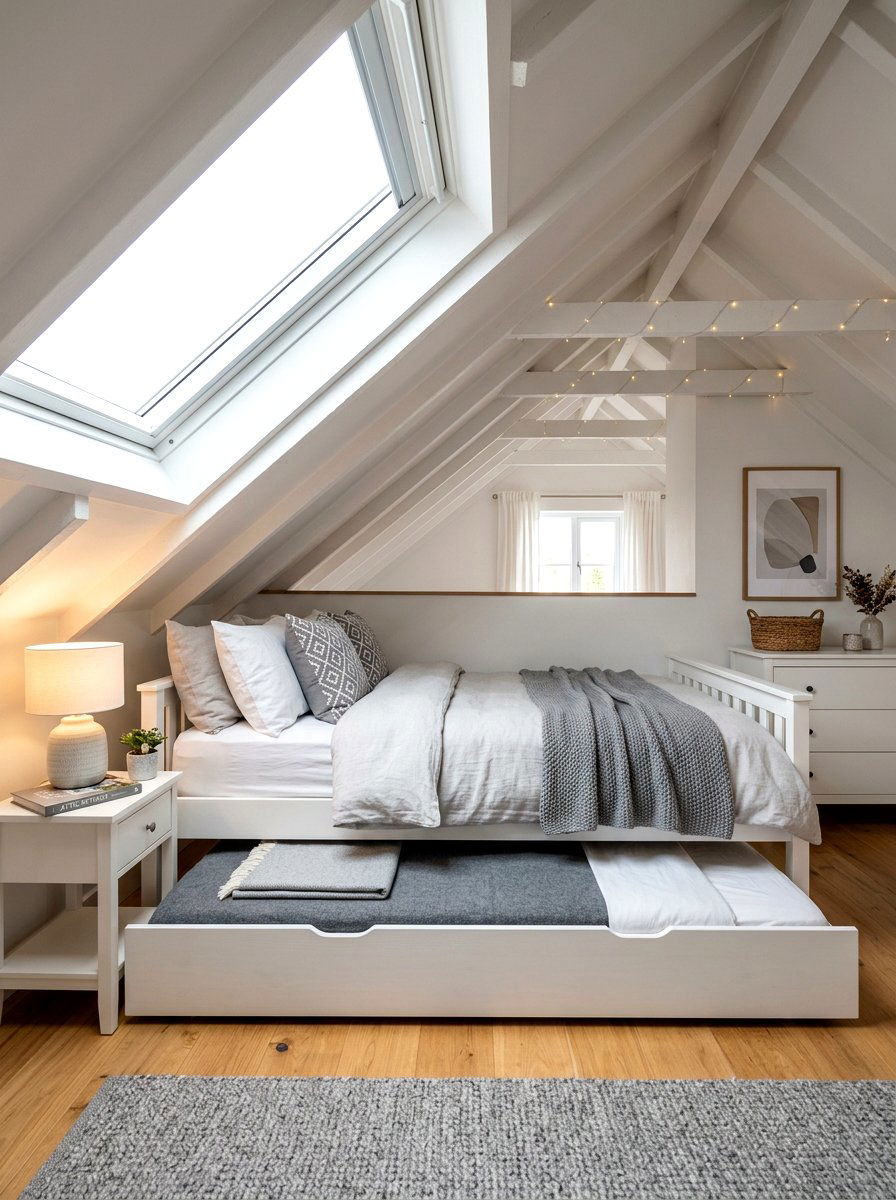
Attic spaces offer unique architectural charm but present challenges due to sloped ceilings and irregular shapes. The best layout involves placing the bed under the highest point of the ceiling to prevent a cramped feeling when waking up. Use the lower "knee walls" for custom built-in storage or low bookshelves that follow the angle of the roof. This keeps the center of the room open and usable for movement. Large skylights are essential in this layout to flood the room with natural light and provide a view of the sky. This clever use of unconventional geometry creates a cozy, cocoon-like atmosphere that is both romantic and highly functional for daily living.
12. Small entryway storage layout
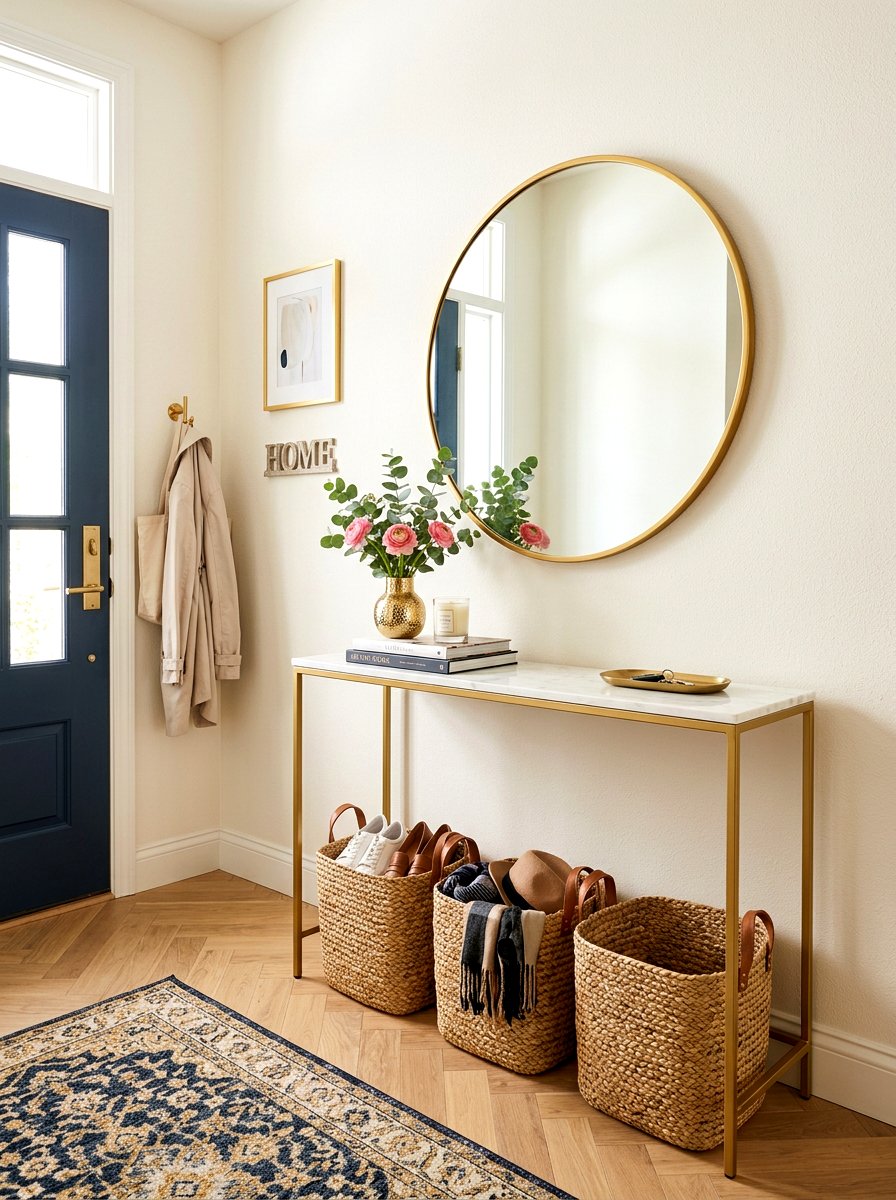
The entryway is the first impression of your home and must remain organized to prevent clutter from spreading. A narrow console table paired with a wall-mounted mirror creates a stylish and functional landing strip for keys and mail. Beneath the table, place a few woven baskets to hide shoes and bags away from view. If the hallway is particularly tight, a wall-mounted coat rack with a built-in bench provides a spot to sit while taking off shoes without occupying much floor area. This layout ensures that the transition from the outdoors to your living space is smooth and tidy, keeping your daily essentials organized in a compact, efficient zone.
13. Small studio layout murphy bed
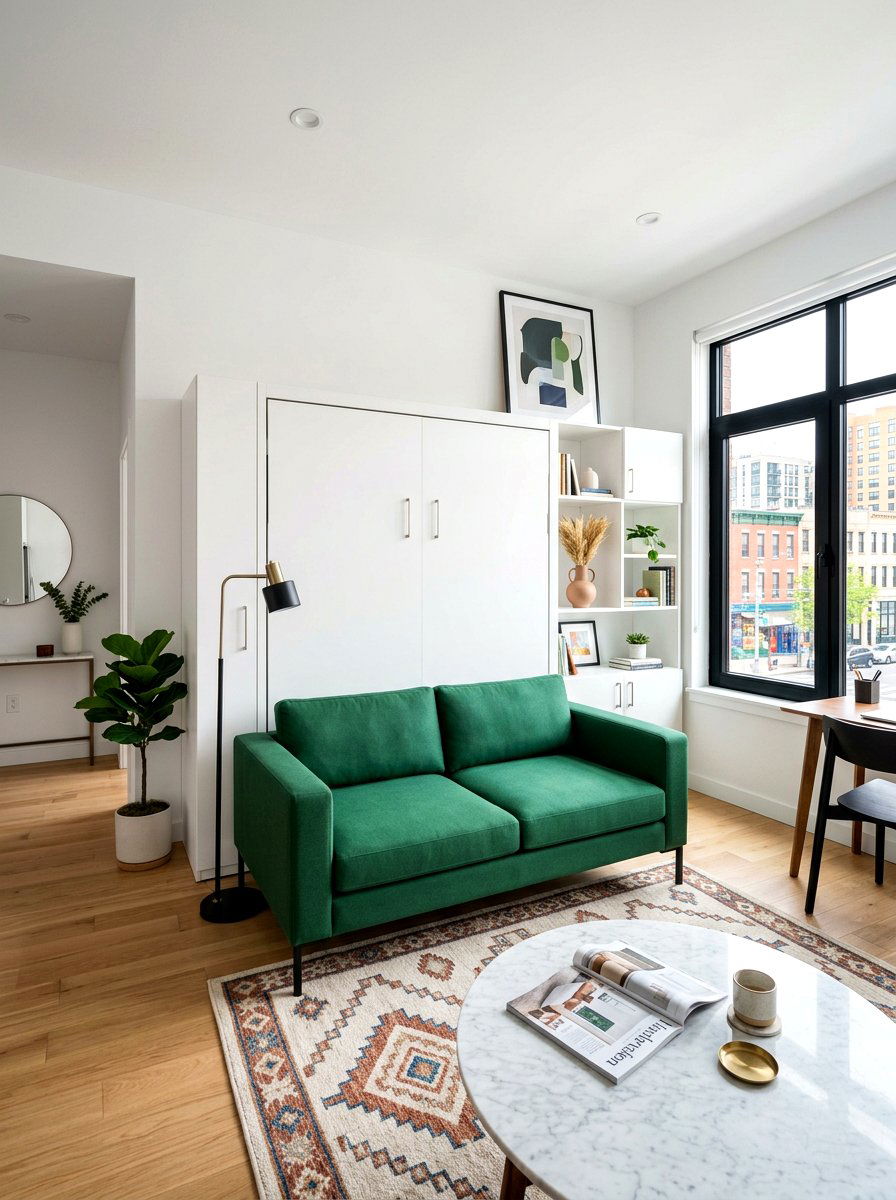
For those who want to maximize their living space during the day, a Murphy bed is a revolutionary layout solution. This bed folds up into a wall cabinet when not in use, instantly transforming the bedroom into a spacious living room or office. Position the Murphy bed unit on a central wall and surround it with built-in cabinetry for a seamless, high-end look. This arrangement allows you to have a full-size sofa or a large desk in the space that the bed normally occupies. It is the ultimate way to live large in a small footprint, providing the luxury of separate living and sleeping areas within the same square footage.
14. Small balcony seating layout
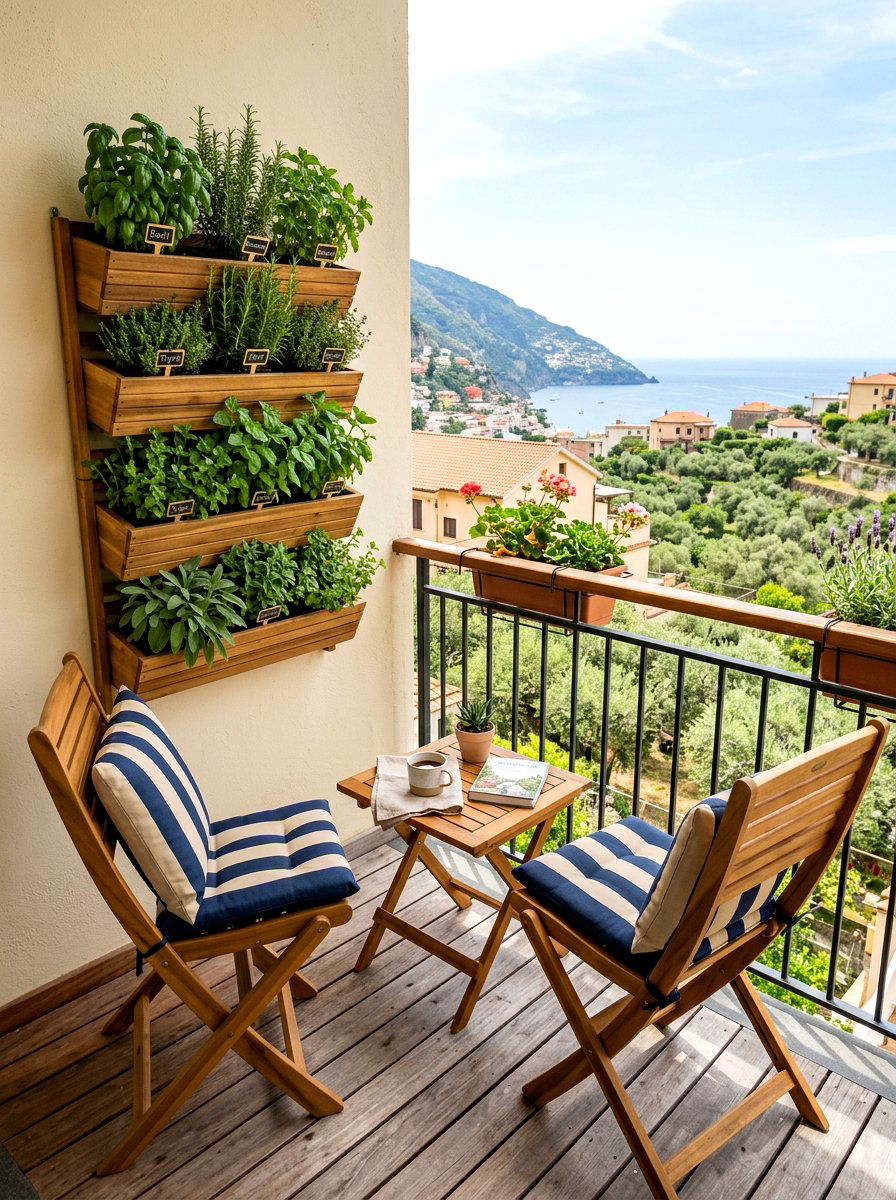
Even a tiny outdoor space can become a lush retreat with the right furniture arrangement. Place a small bistro set or two foldable chairs against the balcony railing to keep the walkway clear. Use a narrow, vertical planter or a trellis to add greenery without taking up valuable floor area. A small outdoor rug can define the space and make it feel like an extension of your interior living room. For extra comfort, add a few weather-resistant cushions and a small side table for drinks. This layout creates an inviting spot for morning coffee or evening relaxation, allowing you to enjoy the fresh air in a stylish and organized setting.
15. Small galley kitchen layout
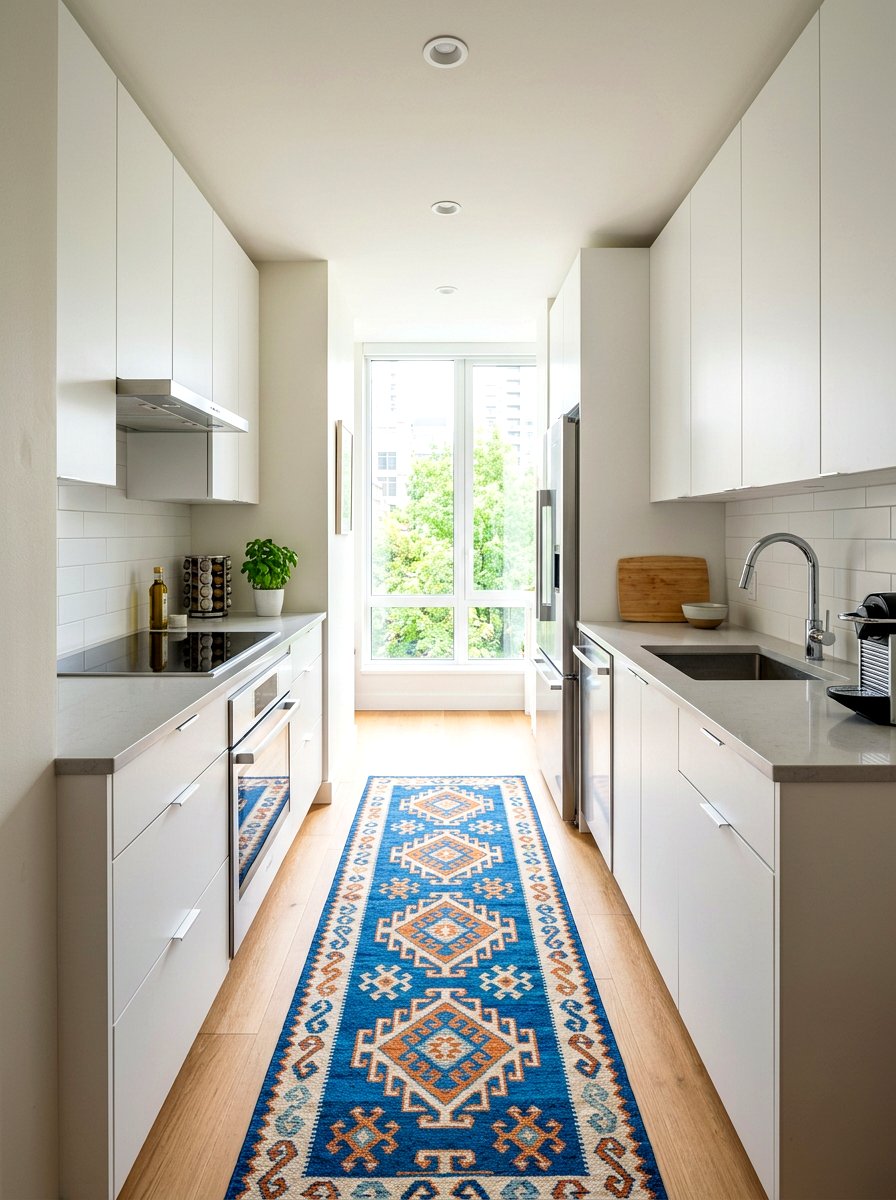
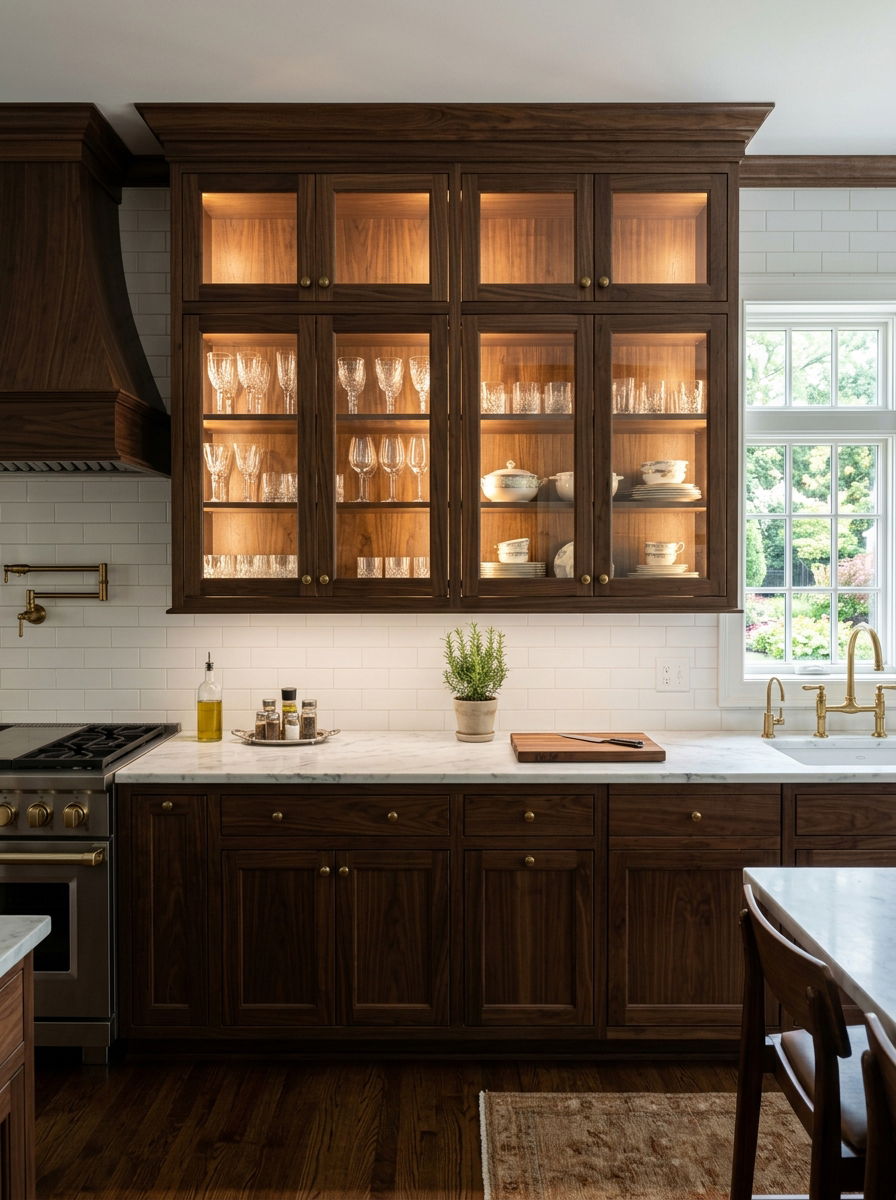
A galley kitchen is highly efficient for small homes because it keeps everything within arm's reach. The layout typically features two parallel counters with a walkway in between. To make the space feel larger, use light-colored cabinetry and open shelving on the upper walls to keep the sightlines open. Integrated appliances help maintain a sleek, uninterrupted look that prevents the kitchen from feeling cluttered. If there is a window at the end of the galley, keep it unobstructed to draw the eye forward and add a sense of depth. This classic arrangement is favored by professional chefs for its ergonomic flow and its ability to maximize utility in narrow spaces.
16. Small living room layout fireplace
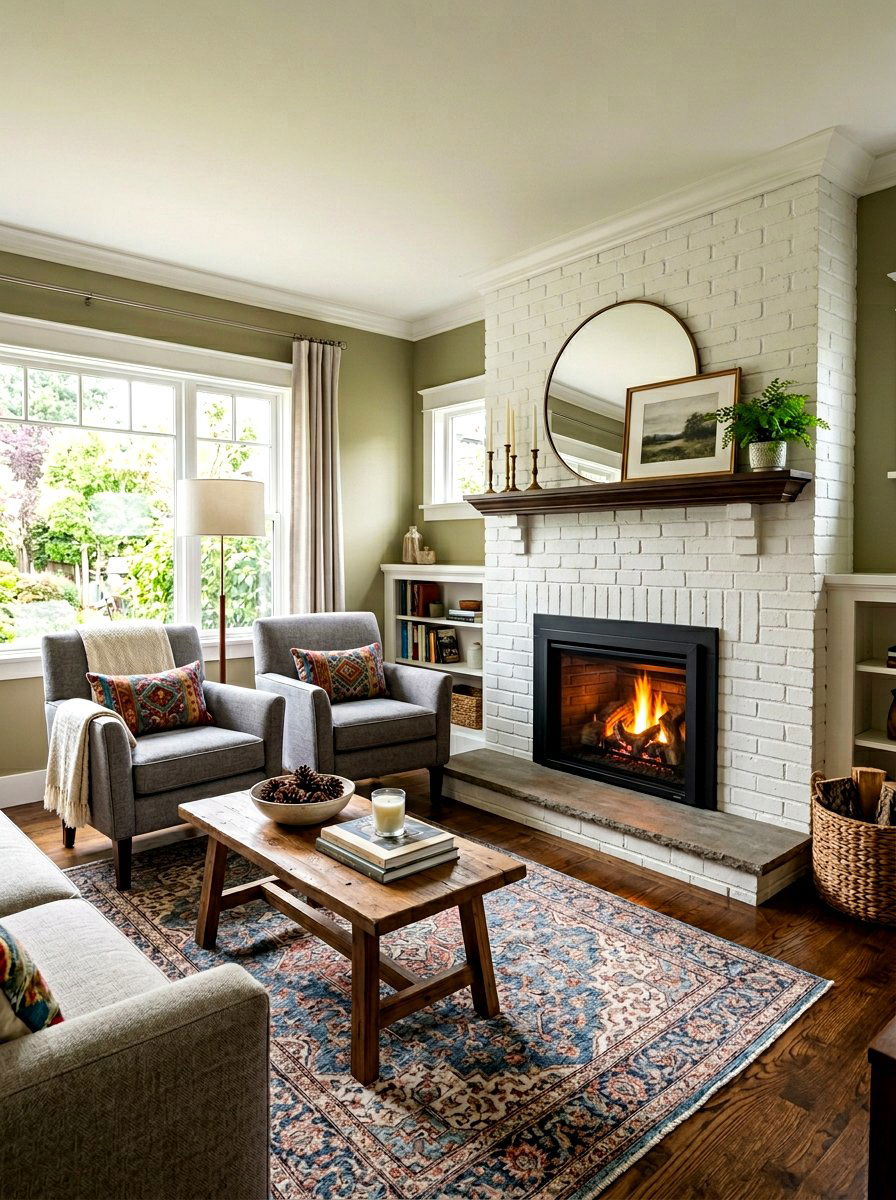
Arranging a small living room around a fireplace creates a warm and inviting focal point. Position two slim armchairs across from the fireplace to encourage conversation without blocking the view. A low-profile sofa can be placed perpendicular to the hearth to create a cozy L-shaped seating area. Use a thin, wall-mounted television above the mantel to save space and keep the room's electronics organized. Keep the center of the room open with a small, lightweight coffee table that can be easily moved if needed. This layout balances the traditional charm of a fireplace with the practical needs of modern living, making the room feel both grand and intimate.
17. Small bedroom layout king bed
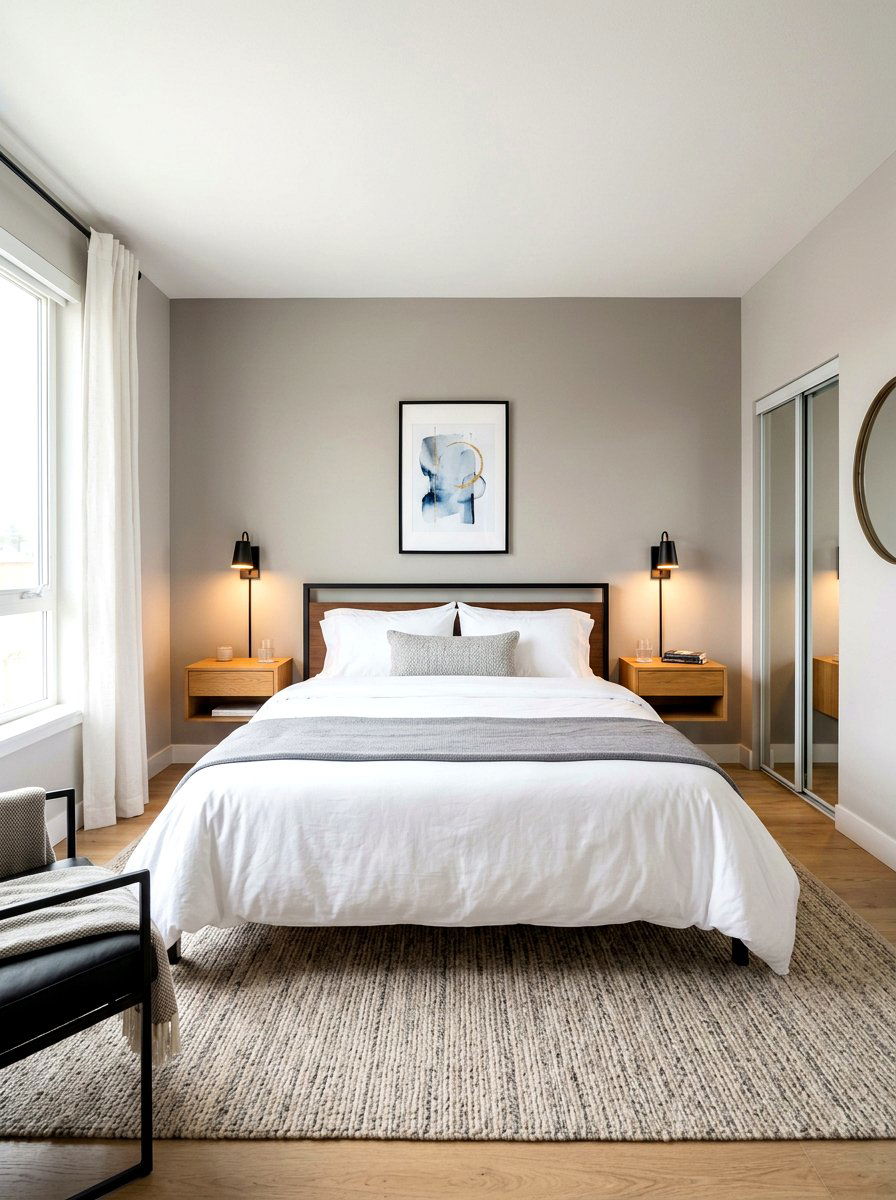
Fitting a king-size bed into a small bedroom requires precise measurements and a minimalist approach. Place the bed centrally against the main wall to allow for equal walking space on both sides. To save room, replace traditional bulky nightstands with floating shelves or slim pedestal tables. Use wall-mounted sconces instead of table lamps to free up surface area for essentials. A large area rug placed under the bed can help anchor the space and make the room feel more intentional. By keeping the rest of the furniture to a minimum and using light-colored bedding, you can enjoy the luxury of a large bed without the room feeling overcrowded or difficult to navigate.
18. Small mudroom storage layout
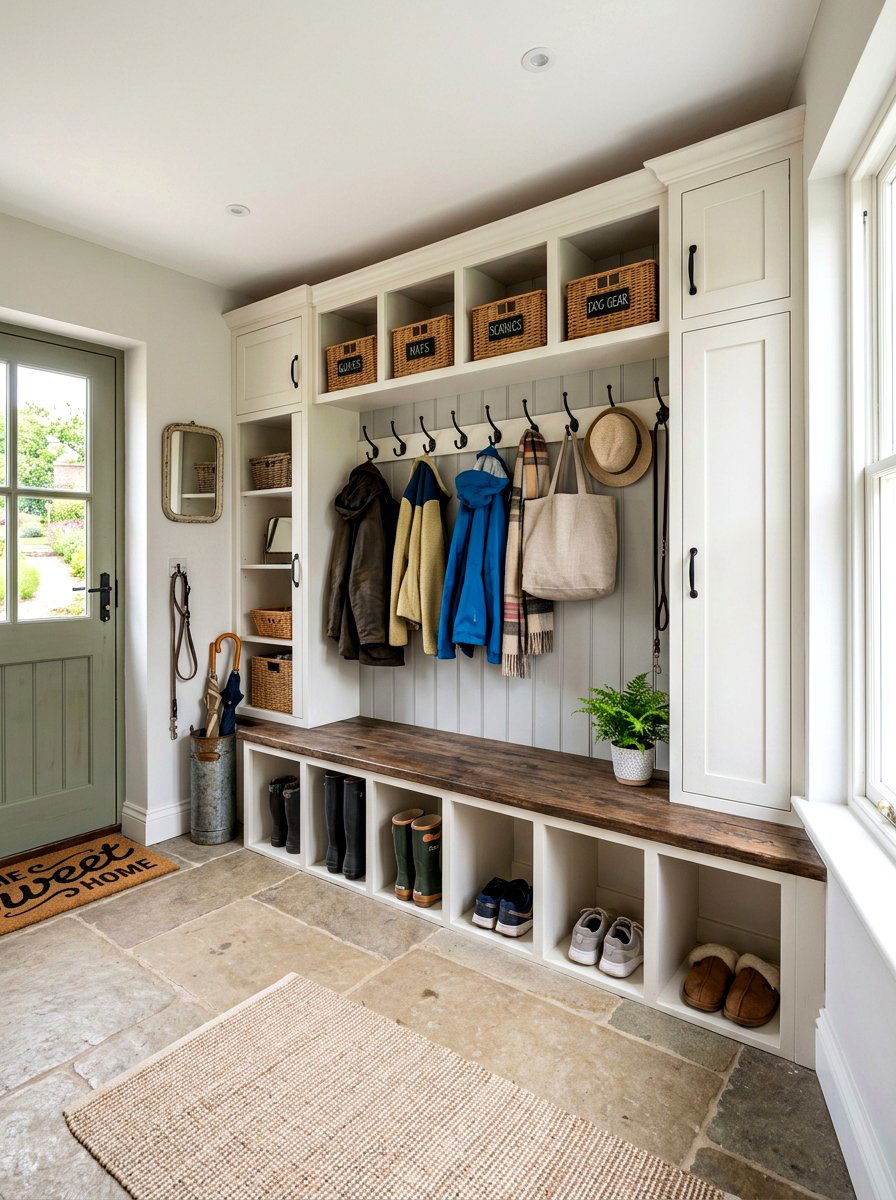
A functional mudroom layout is vital for busy households to manage daily transitions. In a small space, a tall "hall tree" that combines hooks, a bench, and shoe cubbies is a perfect all-in-one solution. Place this unit near the most-used entrance to catch coats and bags immediately. If you have a narrow hallway, use wall-mounted hooks at various heights to accommodate adults and children. A durable, easy-to-clean rug should be placed on the floor to define the zone and protect the rest of the home from dirt. This organized setup ensures that everything has a specific home, preventing the common problem of entryway clutter and making your morning routine much smoother.
19. Small craft room layout
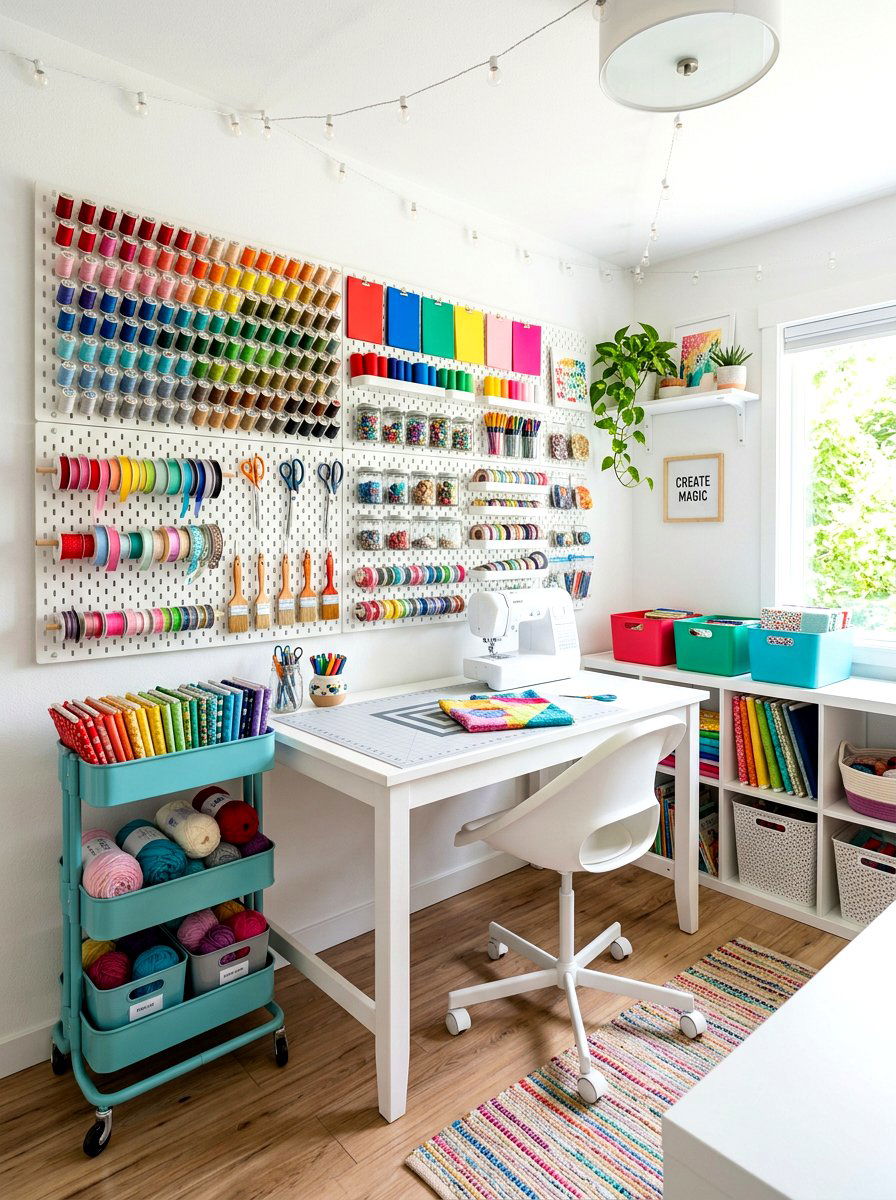
Creating a dedicated space for hobbies requires a layout that balances storage with workspace. Position a sturdy table in the center or against a wall with good lighting. Surround the desk with vertical storage solutions like pegboards, clear bins, and rolling carts to keep supplies organized and visible. This prevents the room from becoming a chaotic mess and allows you to find what you need quickly. Using a comfortable, adjustable chair is essential for long crafting sessions. If the room is shared, use a long countertop with stools to allow for multiple projects at once. This functional arrangement inspires creativity while keeping all your tools and materials neatly tucked away.
20. Small room layout loft bed
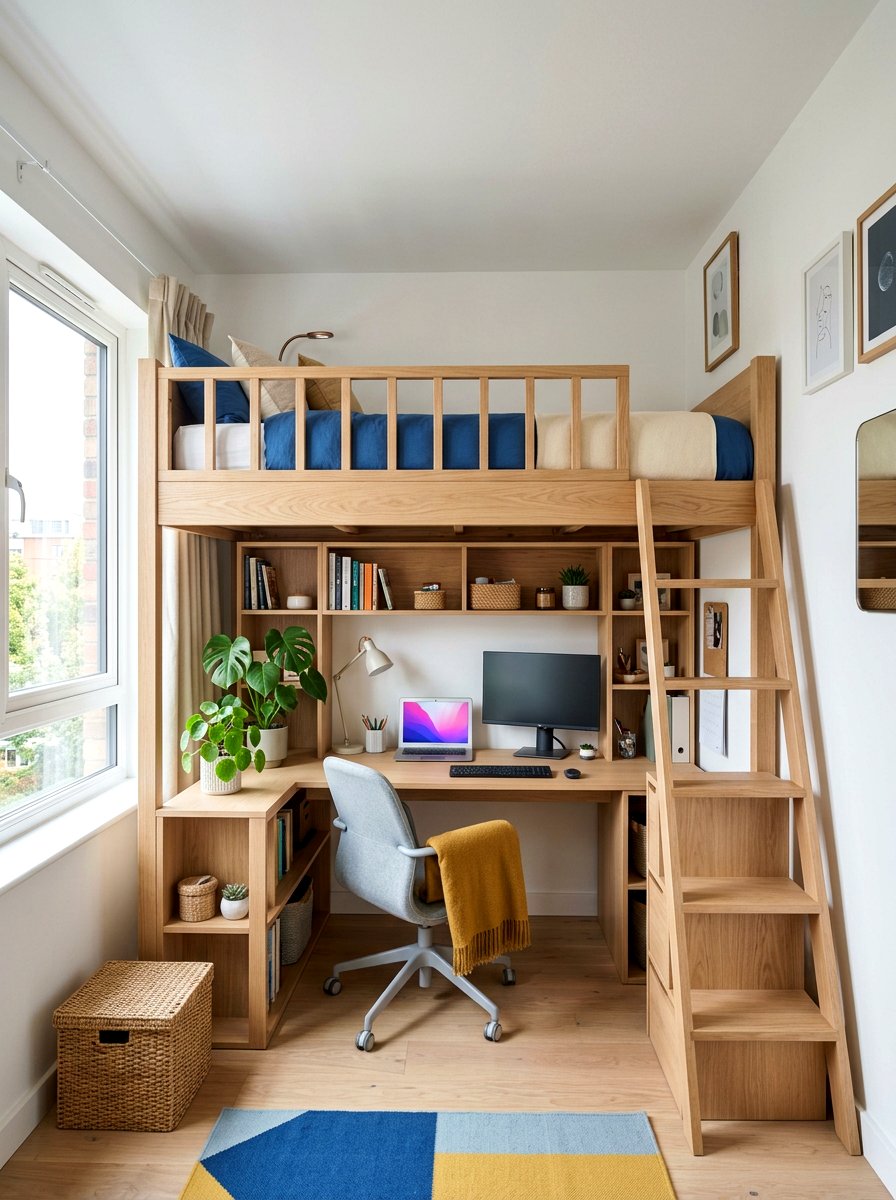
Utilizing vertical space is the most effective way to double the usable area in a small room. A loft bed raises the sleeping surface several feet off the floor, leaving a large open area beneath it. This lower zone can be transformed into a cozy living area with a sofa, a productive home office with a full desk, or a massive walk-in closet. Ensure the ladder or stairs leading to the loft are sleek and do not obstruct the floor flow. Using a loft bed is especially popular in studio apartments and children's rooms where every foot of floor space is precious. It creates a dynamic, multi-level environment that feels modern and adventurous.
21. Small laundry room layout
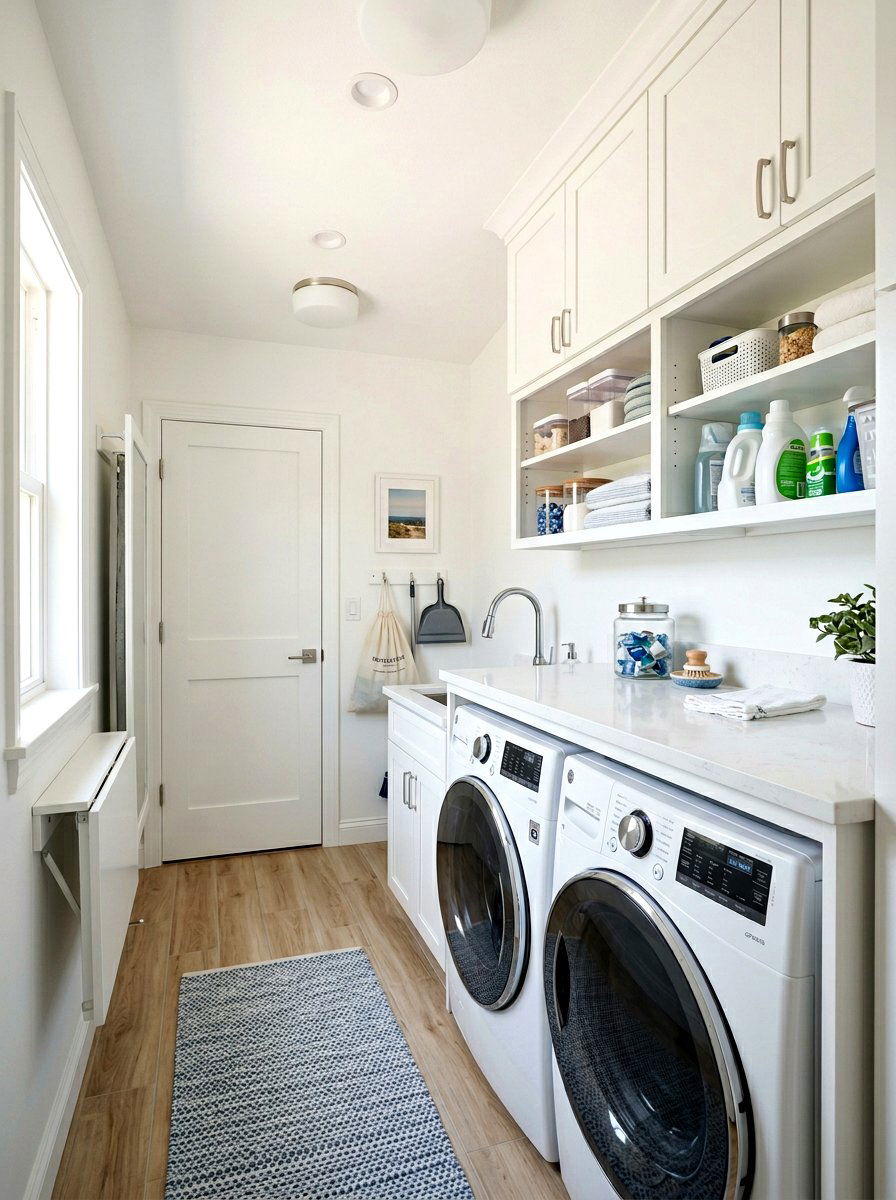
A small laundry room can be highly efficient with a stackable washer and dryer unit. This vertical arrangement frees up floor space for a narrow folding table or a slim drying rack. Use the wall space above the machines for cabinets or floating shelves to store detergent and supplies. A pull-out ironing board or a wall-mounted rack can save even more room. Lighting is crucial in this space, so ensure you have bright overhead lights to help with sorting and spotting stains. This clean and organized layout makes a chore-heavy room feel much more manageable, allowing you to process laundry quickly without feeling cramped or overwhelmed by piles of clothes.
22. Small reading nook layout
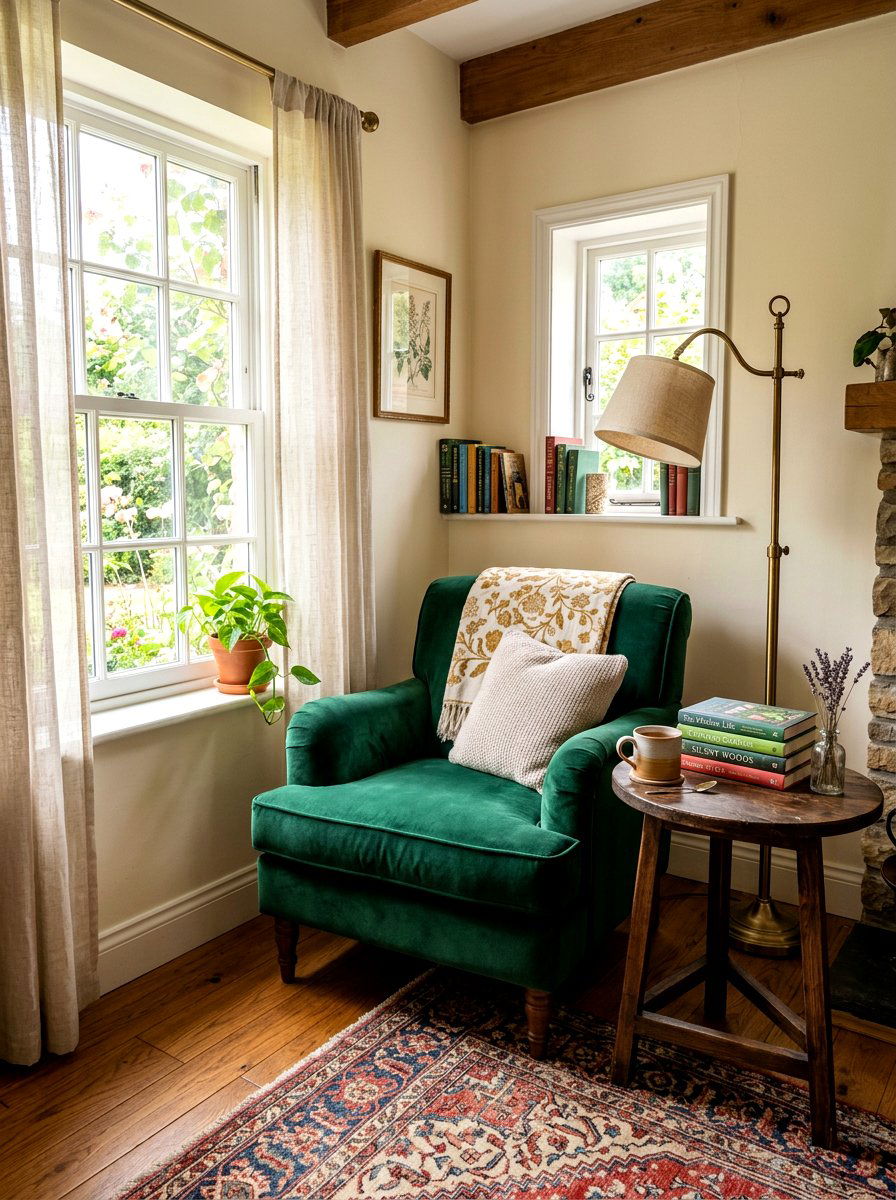
A reading nook is a wonderful way to utilize an awkward corner or a small alcove. Place a comfortable armchair or a plush bean bag in the corner and pair it with a tall floor lamp for focused lighting. A small, narrow bookshelf or a few wall-mounted ledges can hold your current reads within easy reach. To make the space feel extra cozy, add a soft throw blanket and a small side table for your tea or coffee. Using a different wall color or a textured wallpaper in this specific area can help define it as a separate zone from the rest of the room. This quiet retreat offers a perfect escape for book lovers.
23. Small shared bedroom layout
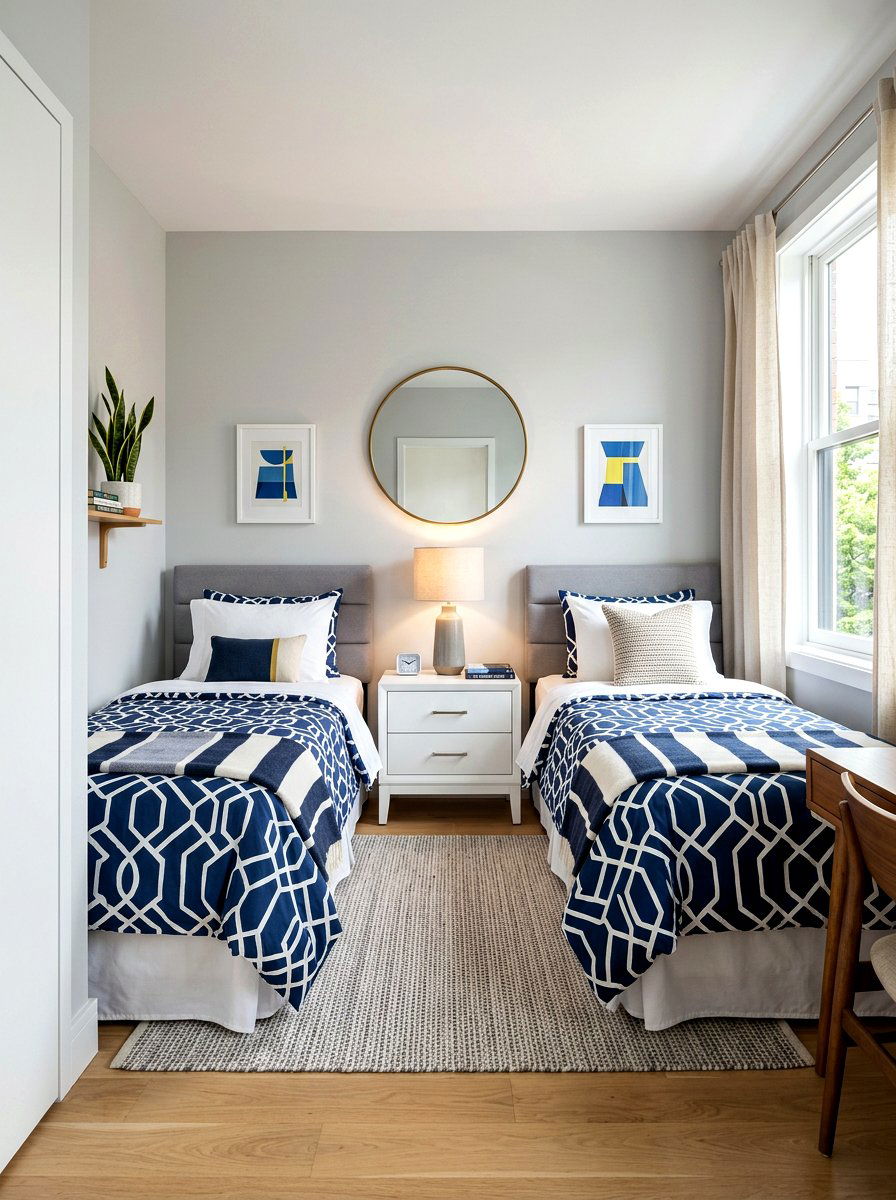
Designing a shared bedroom for two people requires a layout that provides both community and privacy. Bunk beds are the classic space-saving solution, as they stack two sleeping surfaces on top of each other. Alternatively, placing two twin beds parallel to each other with a shared nightstand in the middle can create a symmetrical and balanced look. Use individual wall-mounted lights and personal storage bins to give each person a sense of ownership over their space. A large area rug can tie the two sides of the room together while muffling sound. This layout ensures that both occupants feel comfortable and have the necessary room to sleep and play together harmoniously.
24. Small sunroom layout
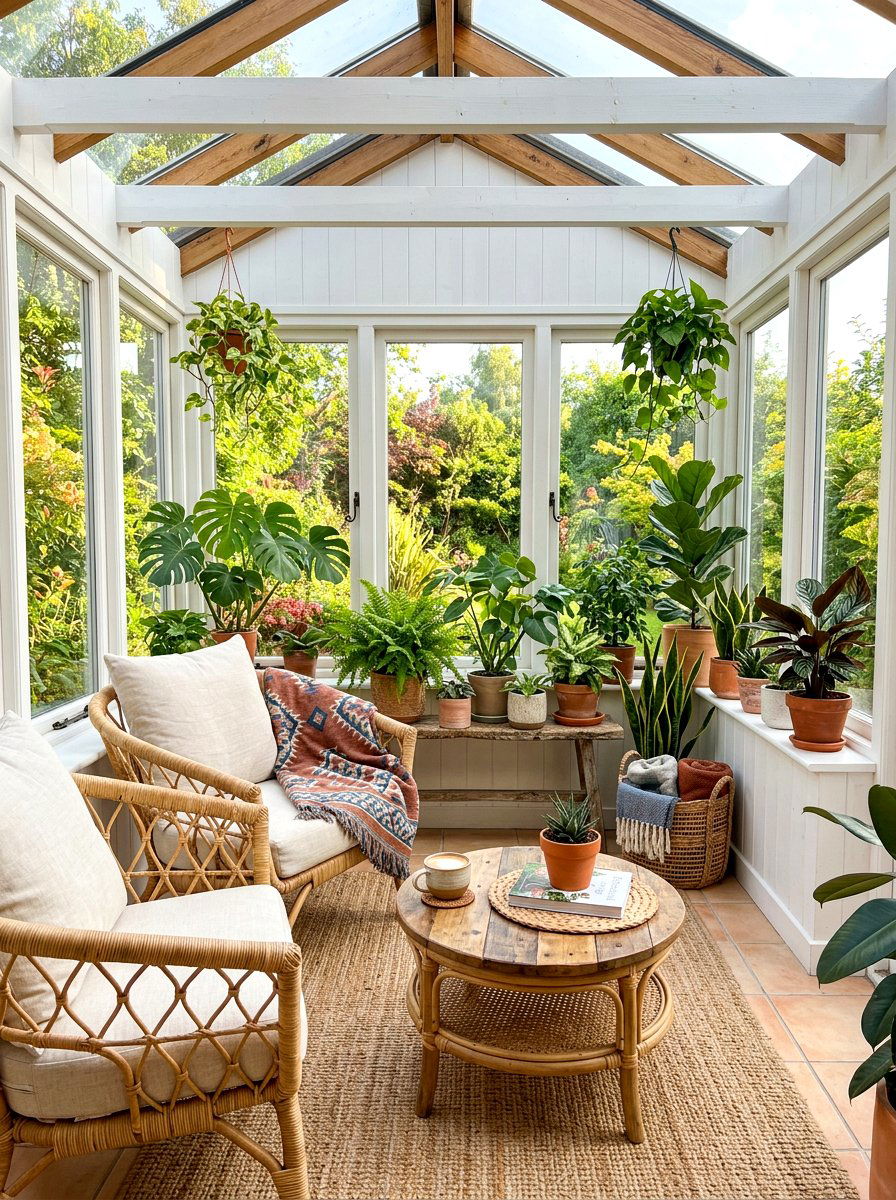
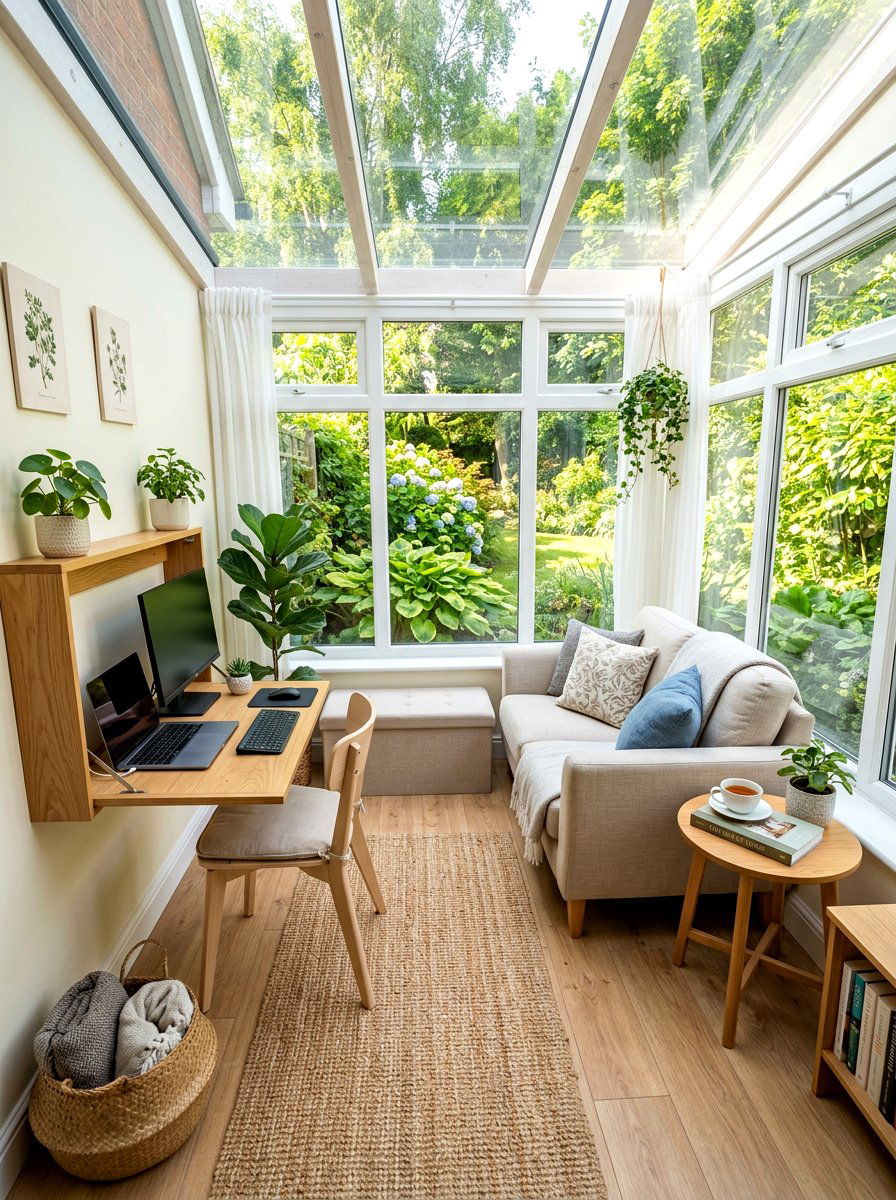
A small sunroom should be arranged to maximize views and connection with the outdoors. Place a pair of comfortable wicker chairs or a small loveseat facing the windows to enjoy the natural light. A low coffee table and plenty of green plants can enhance the tropical, airy vibe of the space. Use lightweight, sheer curtains to provide privacy without blocking the sun's rays. If space allows, a small folding table can be used for morning meals or as a temporary workspace. This layout creates a bright and cheerful environment that serves as a bridge between the interior of the home and the beauty of the garden, providing a serene spot for relaxation.
25. Small bathroom layout shower
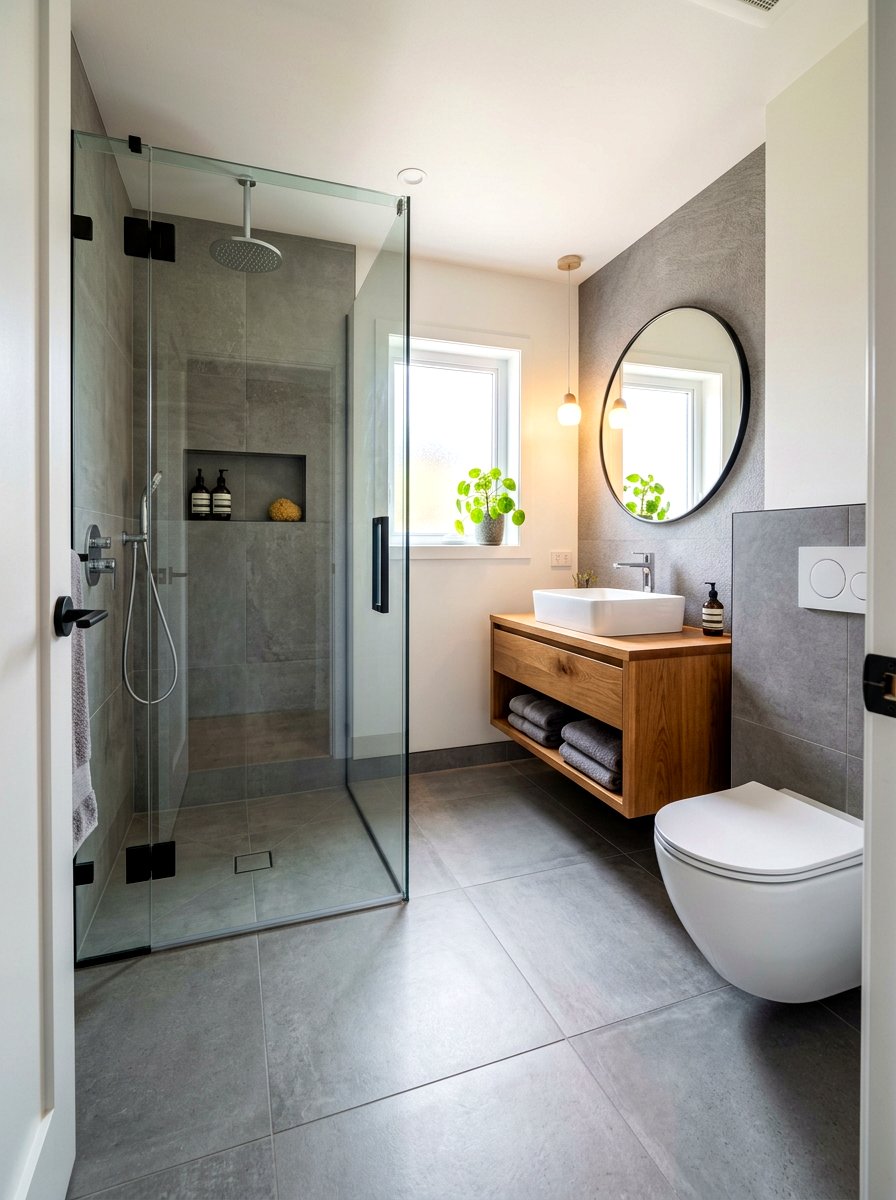
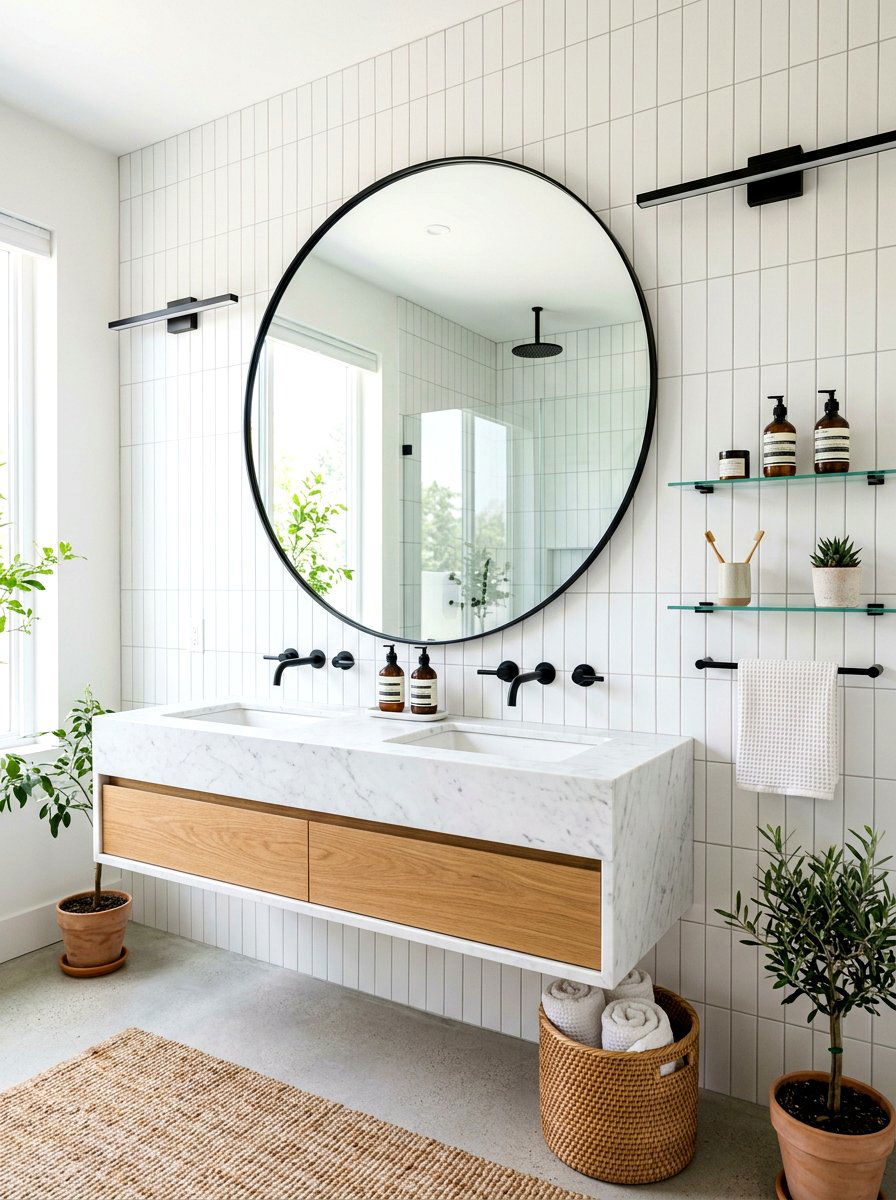
In a small bathroom, a walk-in shower with a frameless glass door is the best way to maintain an open and airy feel. This eliminates the visual barrier of a shower curtain and allows the eye to travel across the entire floor. Use a pedestal sink or a floating vanity to expose more of the floor, which makes the room appear much larger. Large-format tiles on both the floor and walls can also reduce the number of grout lines, creating a cleaner and more expansive look. Wall-mounted storage and recessed niches in the shower keep toiletries organized without occupying extra space. This modern layout emphasizes cleanliness and sophisticated design in a compact footprint.
26. Small studio layout separate kitchen
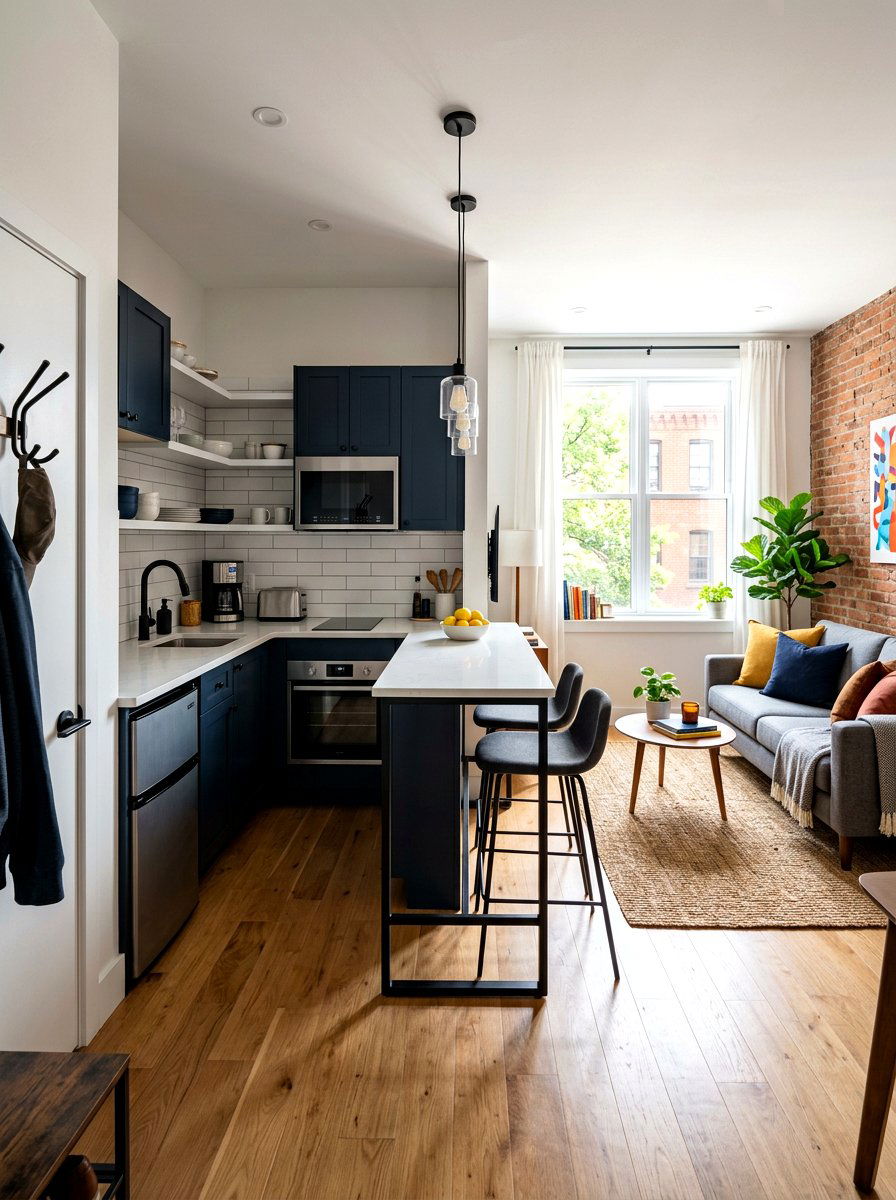
If your studio apartment has a distinct kitchen area, you can enhance the layout by using a high-top counter or a small island as a natural divider. This provides extra prep space for cooking while doubling as a dining table with the addition of a few bar stools. Position your main seating area slightly away from the kitchen to create a clear transition between the "utility" and "relaxation" zones. Using consistent flooring throughout both spaces helps them feel connected and expansive. This arrangement is perfect for those who enjoy cooking and entertaining, as it allows for a social atmosphere while clearly defining the different functional parts of the home.
27. Narrow living room layout
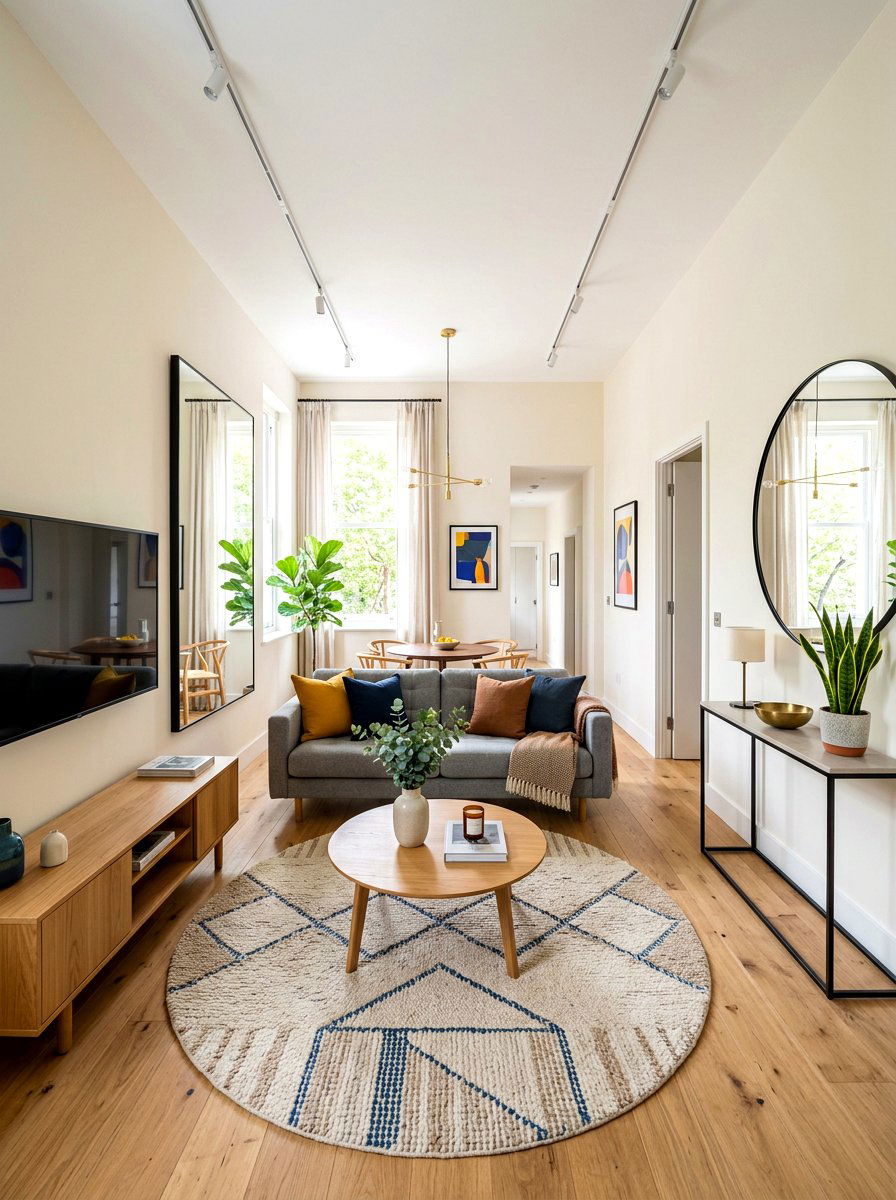
Arranging furniture in a long, narrow room requires a strategy that prevents a "hallway" feeling. Instead of pushing all the furniture against the long walls, try "floating" the sofa in the middle of the room to break up the length. Create multiple smaller conversation areas rather than one large, stretched-out seating zone. Use a round rug or a circular coffee table to counteract the long, straight lines of the architecture. Mirrors placed on the long walls can help reflect light and make the room feel wider than it actually is. This dynamic layout adds visual interest and ensures that every part of the narrow space feels intentional and comfortable.
28. Small dorm room layout
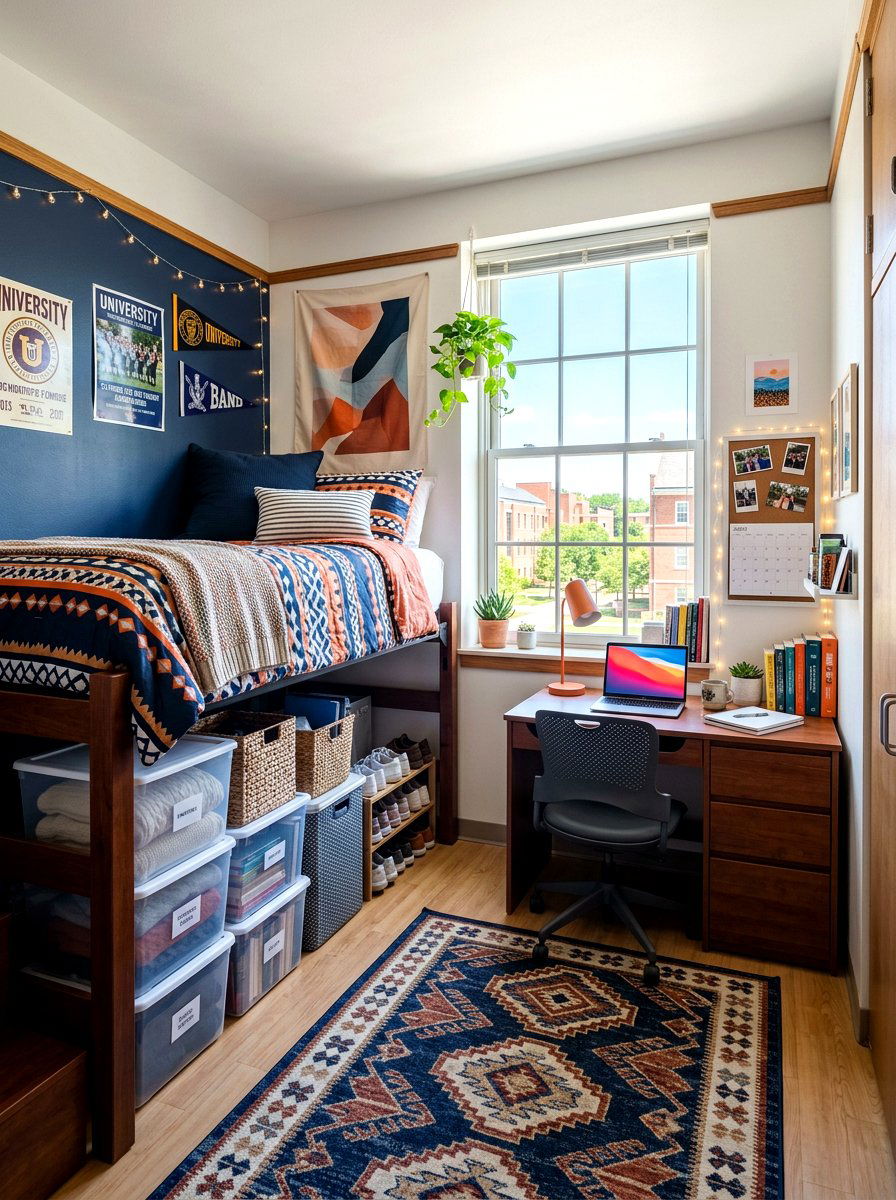
Living in a dorm room requires ultimate organization and the use of every available inch. Raising your bed with risers creates a massive storage area underneath for trunks, seasonal clothing, and extra supplies. Place your desk and chair near a window to provide a bright spot for studying. Use over-the-door organizers and adhesive wall hooks to keep towels and bags off the floor. A small rolling cart can serve as a bedside table and a mobile snack station. By keeping the floor clear and utilizing vertical wall space for decor and mirrors, you can make a standard dorm room feel like a personalized and spacious student sanctuary during the school year.
29. Small walk in closet layout
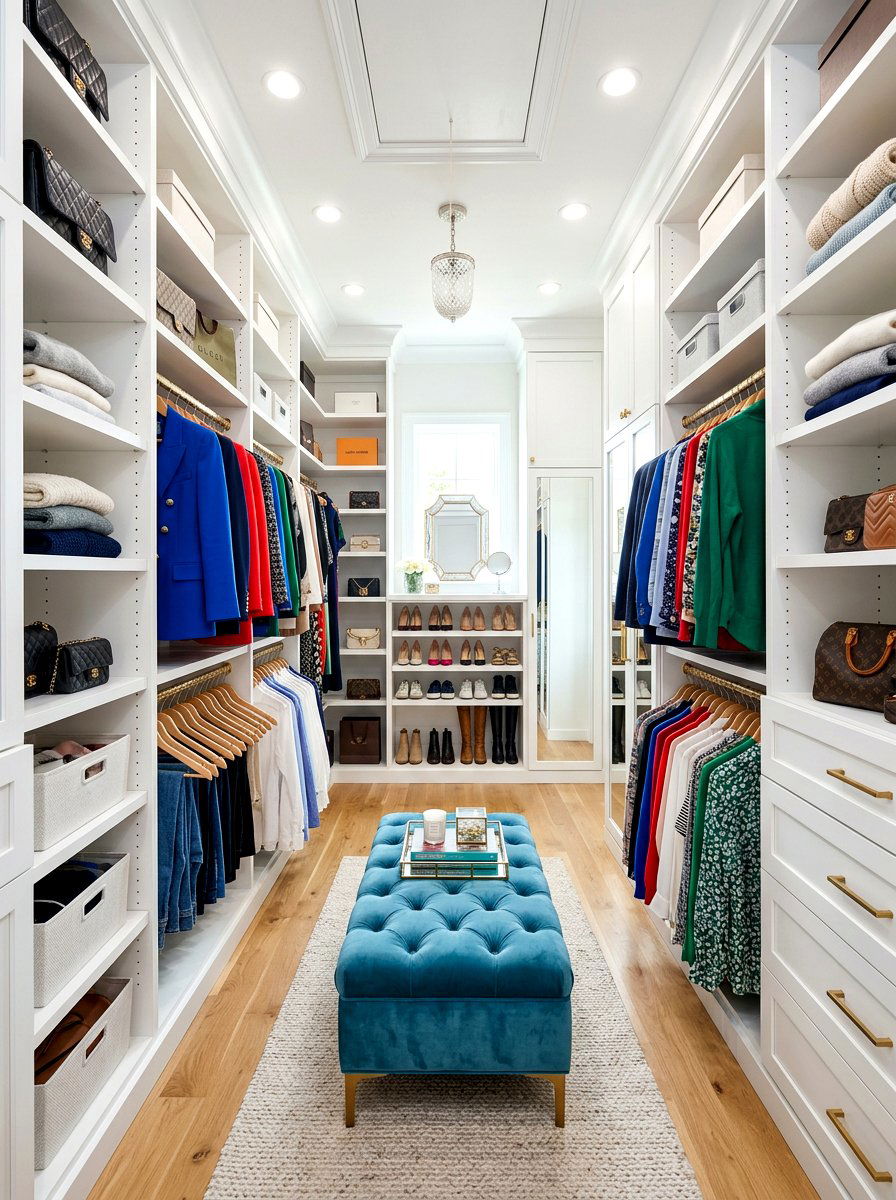
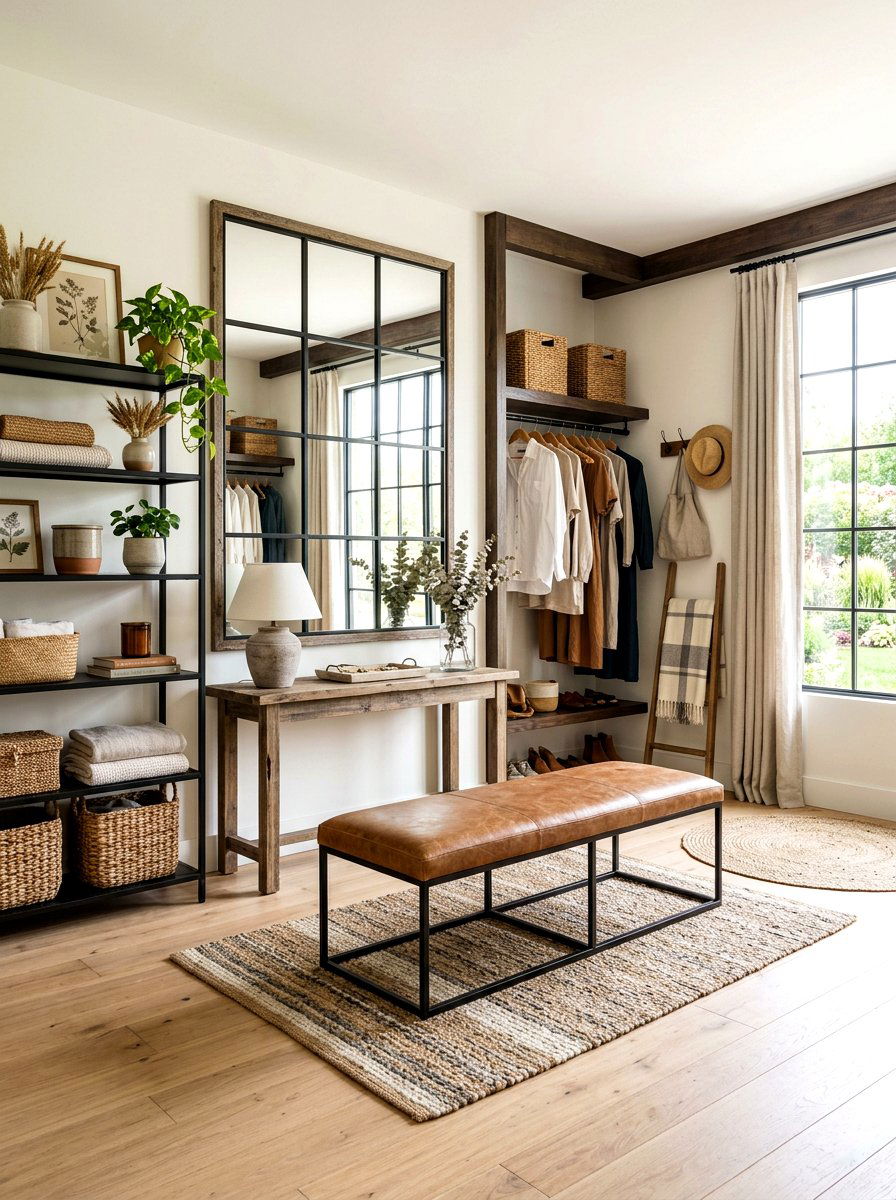
A small walk-in closet can feel like a luxury boutique with an organized layout. Use a combination of hanging rods at different heights, open shelving for folded items, and drawers for smaller accessories. A full-length mirror mounted on the back of the door or a wall saves space while providing a necessary function. If there is enough room in the center, a small ottoman offers a place to sit while putting on shoes. Use matching hangers and clear storage bins to create a cohesive and visually pleasing look. Good lighting, such as a stylish overhead fixture or LED strip lights on the shelves, is essential to seeing your wardrobe clearly and maintaining order.
30. Small home theater layout
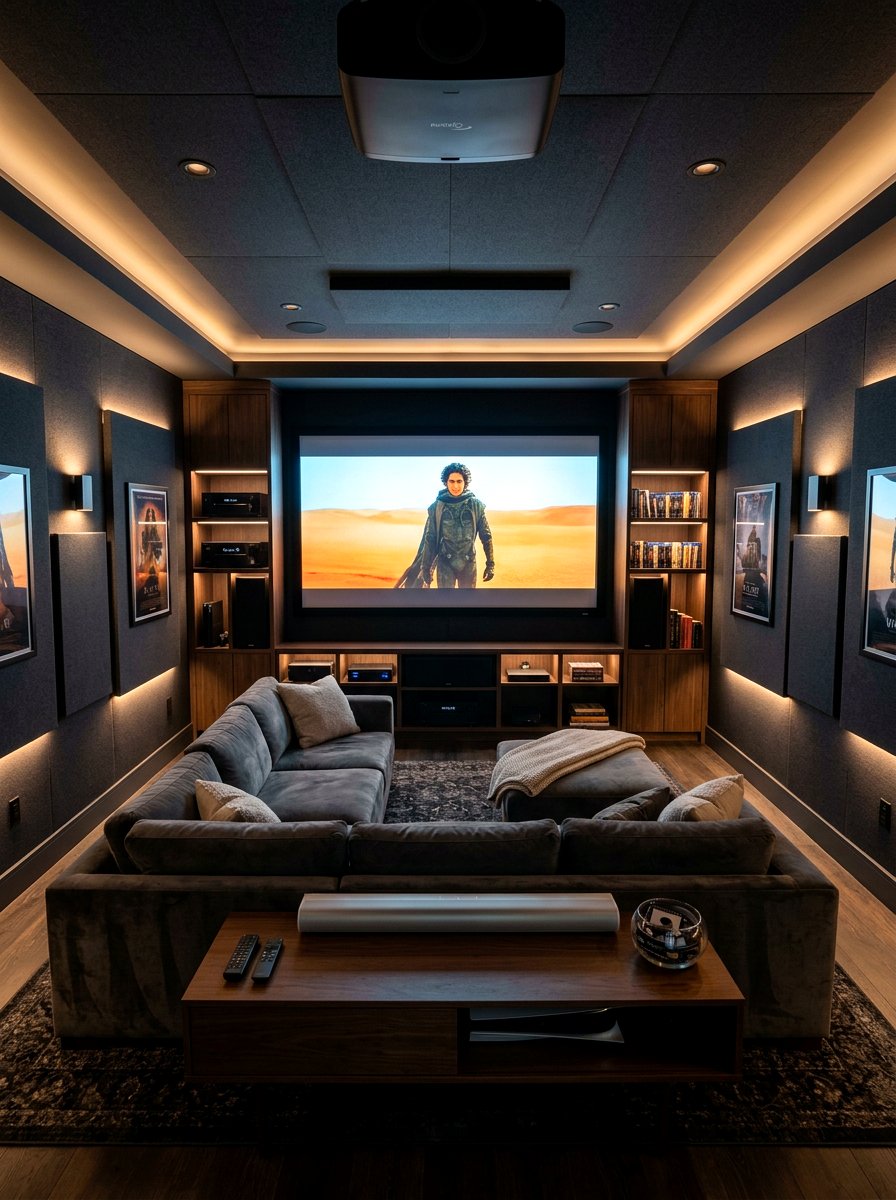
Creating a cinematic experience in a small room is entirely possible with a smart layout. Use a large wall-mounted screen or a projector to save the space that a bulky media console would occupy. Position a comfortable, deep sofa or a few plush armchairs directly across from the screen at the optimal viewing distance. Use dark, moody wall colors or acoustic panels to enhance the sound quality and build an immersive atmosphere. Integrated shelving can hide wires and hold your media players neatly. This layout prioritizes comfort and sightlines, turning a spare room or a basement corner into a high-end private theater that feels cozy rather than cramped or cluttered.
Conclusion:
Optimizing a small room layout is an art form that balances functionality with personal style to create a home that feels spacious and lived-in. By focusing on multi-purpose furniture, vertical storage, and clear pathways, you can overcome any architectural limitation and turn a compact footprint into a high-performance living area. The layouts discussed here provide a foundation for making every square inch count, whether you are hosting friends in a studio or working from a tiny home office. Remember that light, color, and furniture scale are your best tools in making a space feel larger and more inviting. With a thoughtful arrangement, even the smallest rooms can offer grand possibilities for comfort and sophisticated modern living.

Related posts: