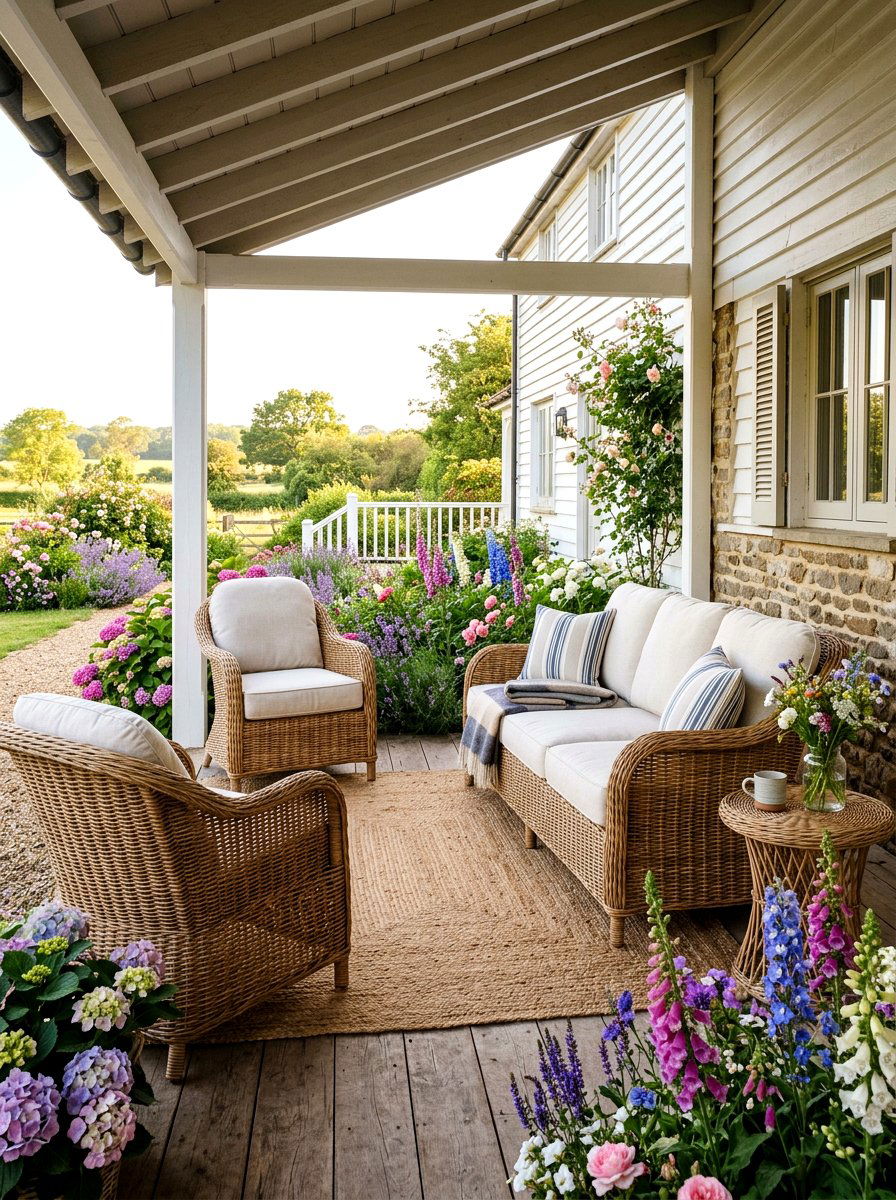
Creating a lush sanctuary within a limited footprint is entirely possible with the right approach to container gardening. Whether you live in a high-rise apartment with a tiny balcony or a suburban home with a narrow side yard, these portable botanical displays offer endless versatility. Gardening in small spaces allows for meticulous control over soil quality, drainage, and sun exposure, making it an ideal choice for both beginners and seasoned green thumbs. By selecting the right pots and plants, you can transform a drab concrete slab into a vibrant, living tapestry. This guide explores creative ways to maximize every square inch of your outdoor area, ensuring that a lack of ground space never limits your horticultural ambitions. Let’s dive into how you can cultivate a thriving, beautiful oasis using clever container strategies tailored for compact living through these innovative gardening methods.
1. Vertical Herb Garden
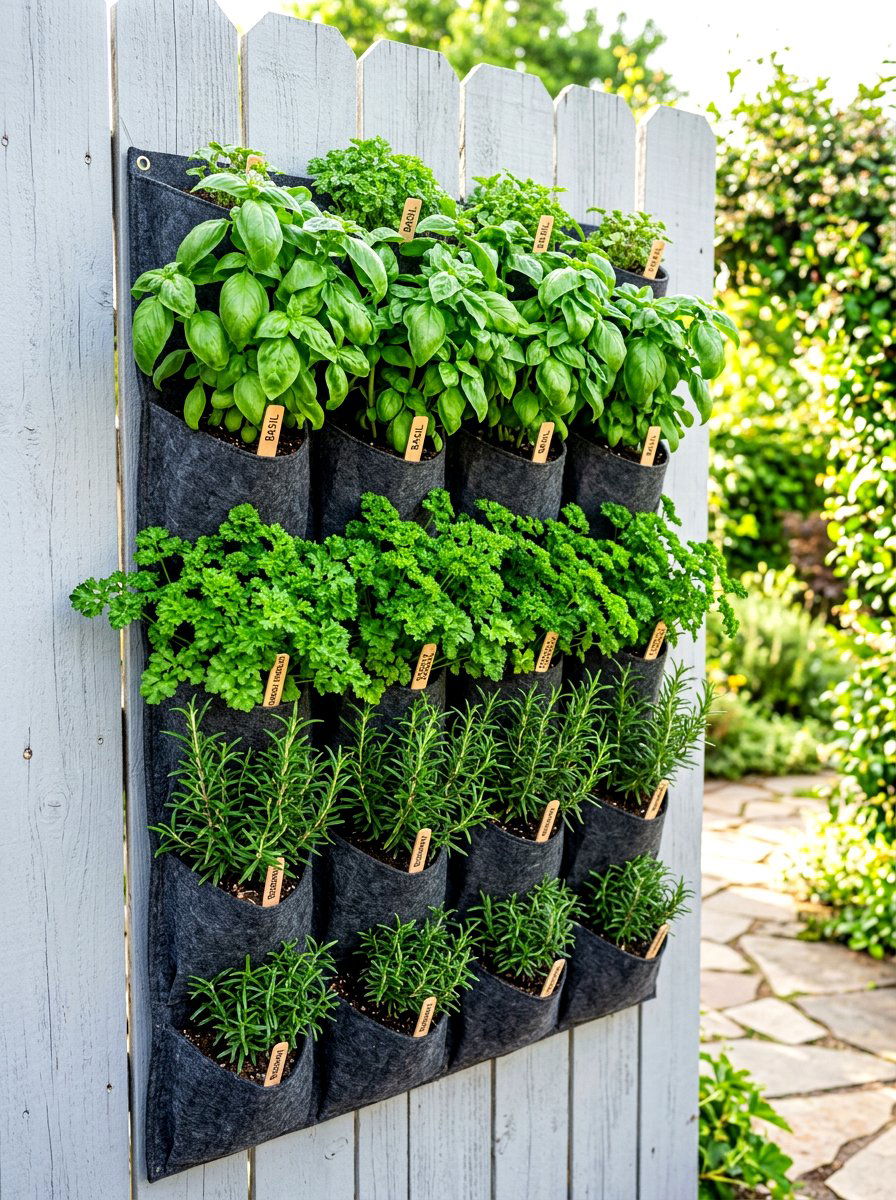
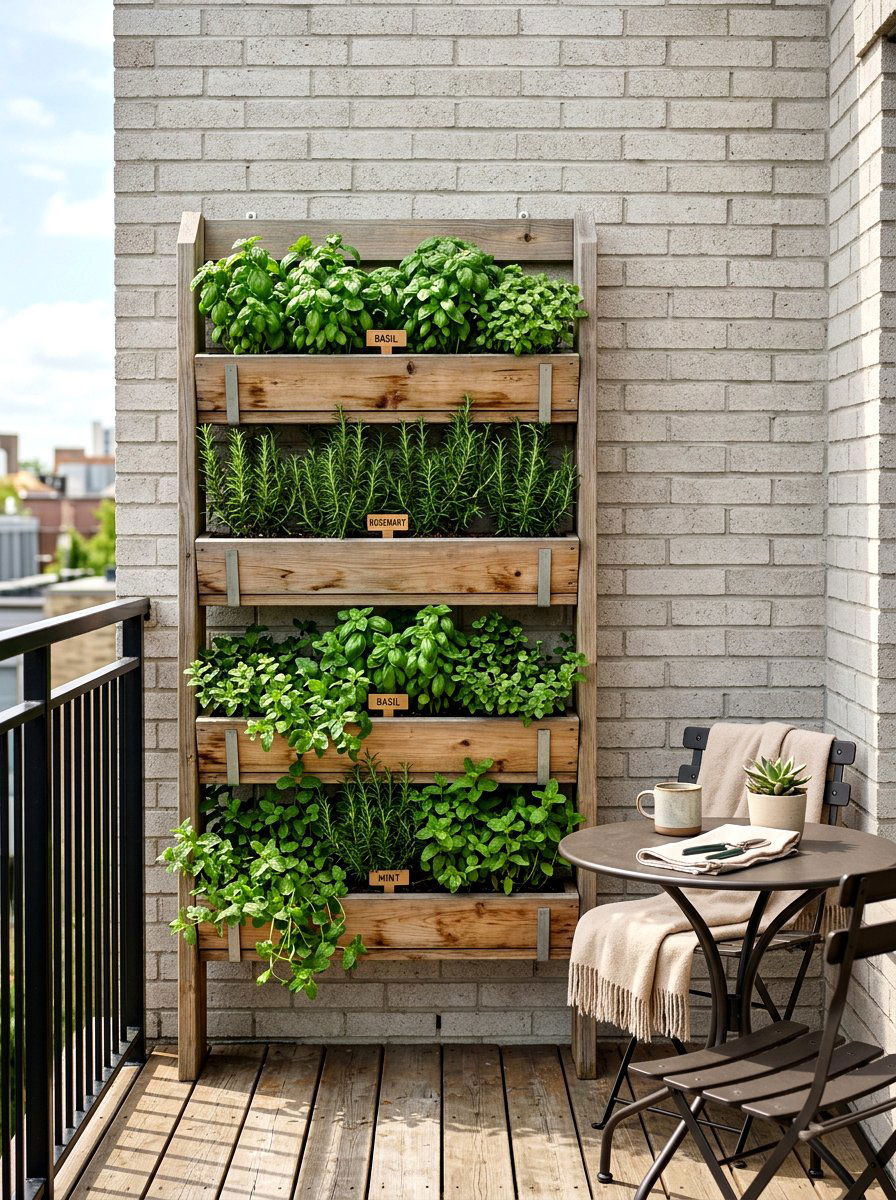
Imagine walking out to your small patio and snipping fresh basil from a wall-mounted display. Vertical herb gardens are the ultimate solution for urban dwellers who want fresh ingredients without sacrificing floor space. By utilizing wall real estate, you can grow a diverse range of culinary staples like rosemary, thyme, and mint. These systems often use felt pockets or wooden slats to hold individual pots securely. Not only does this provide easy access for cooking, but it also creates a stunning green backdrop that softens hard architectural lines. Proper drainage is key here, so ensure each pocket or pot allows excess water to flow freely. This setup keeps your herbs at eye level, making it easier to monitor health daily.
2. Balcony Railing Planter
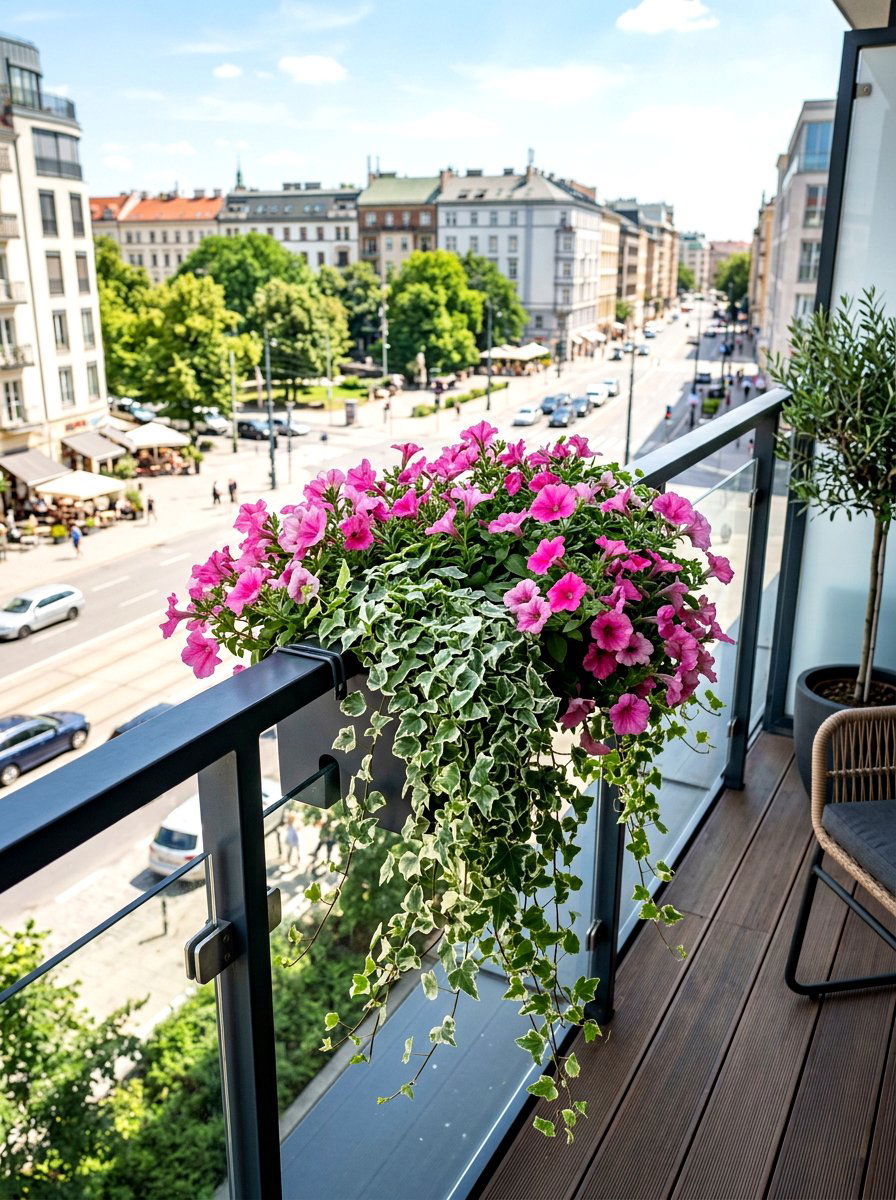
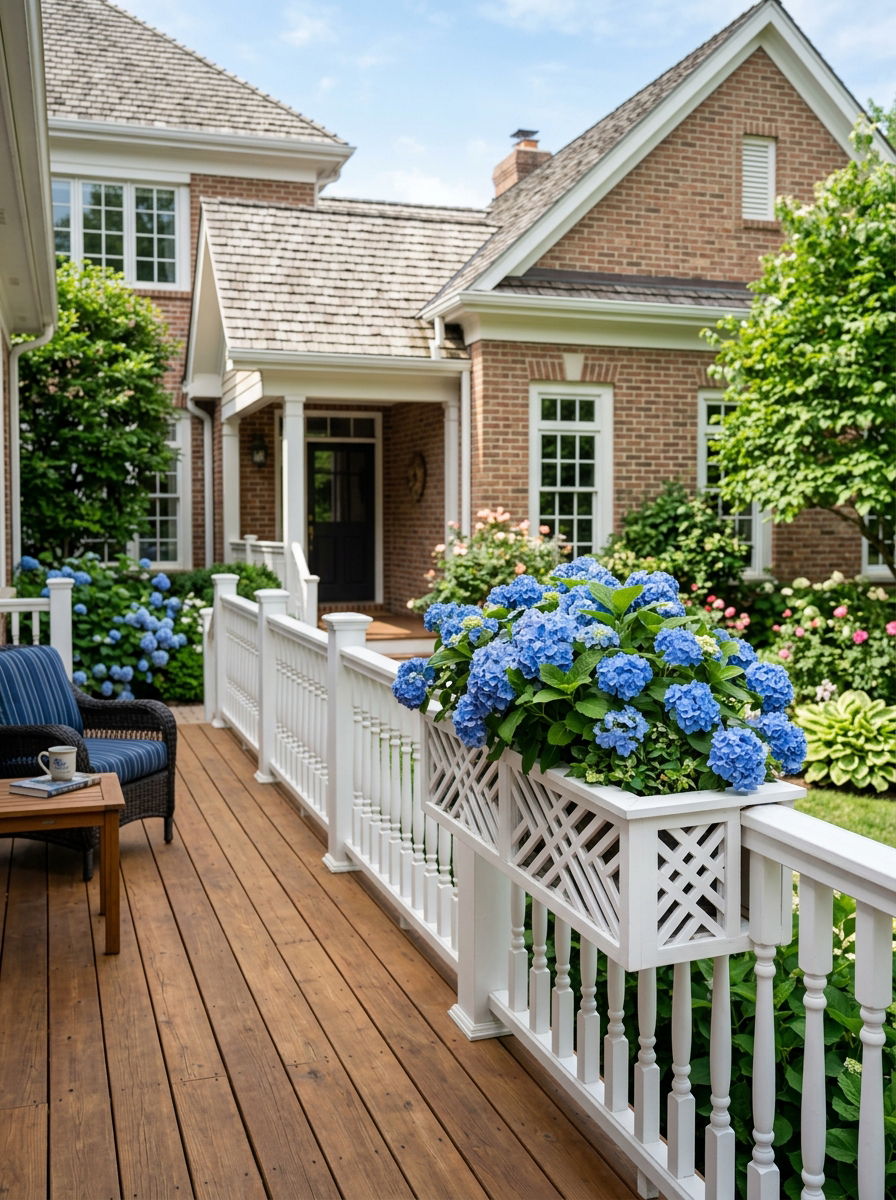
Railing planters are a brilliant way to extend your garden beyond the physical floor of a balcony. These specialized containers sit snugly over the top of a railing or clip onto the sides, providing a platform for trailing flowers or compact greens. When selecting plants, consider varieties like petunias or ivy that will spill over the edges, creating a waterfall effect. This approach maximizes visual impact from both inside your home and from the street below. Make sure to choose weather-resistant materials like durable plastic or powder-coated metal to withstand wind and sun exposure. These planters are perfect for adding a pop of color to an otherwise industrial-looking space, turning a simple railing into a flourishing boundary.
3. Tiered Plant Stand
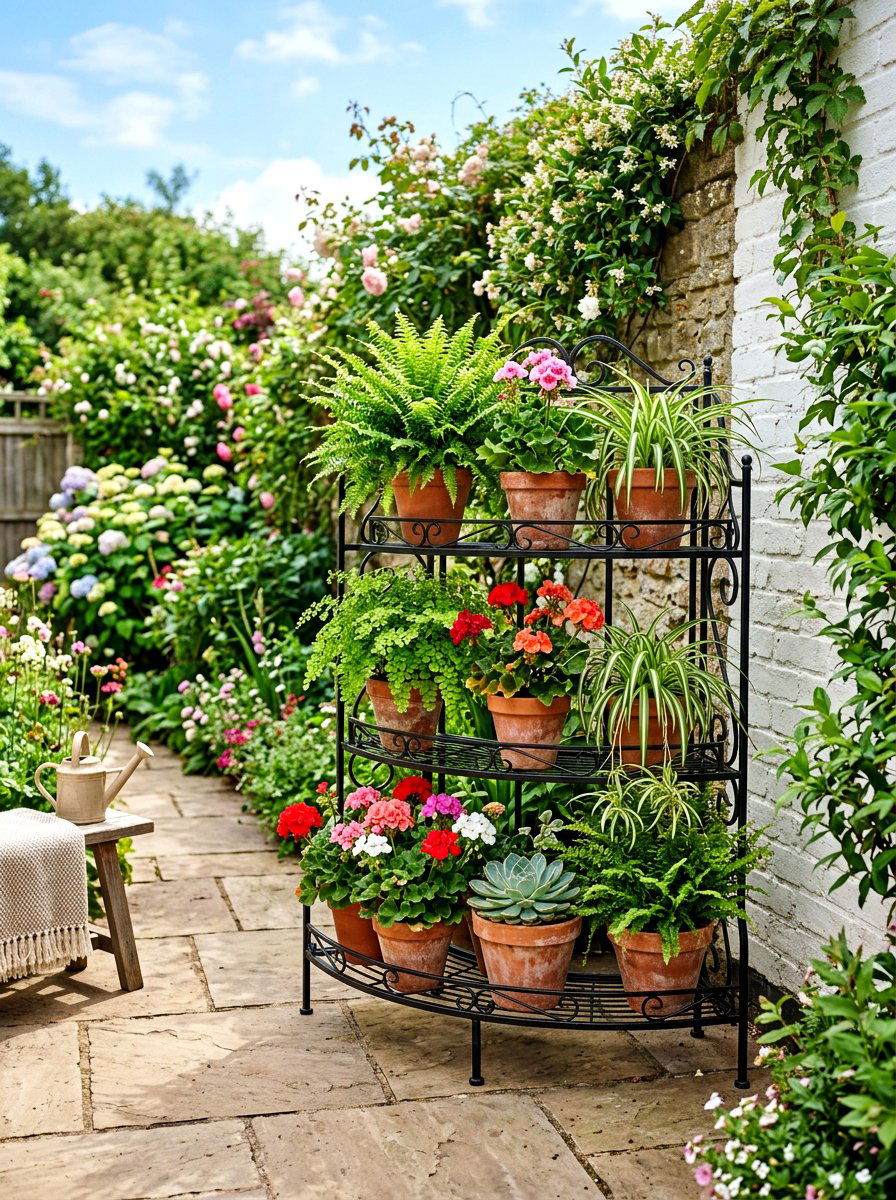
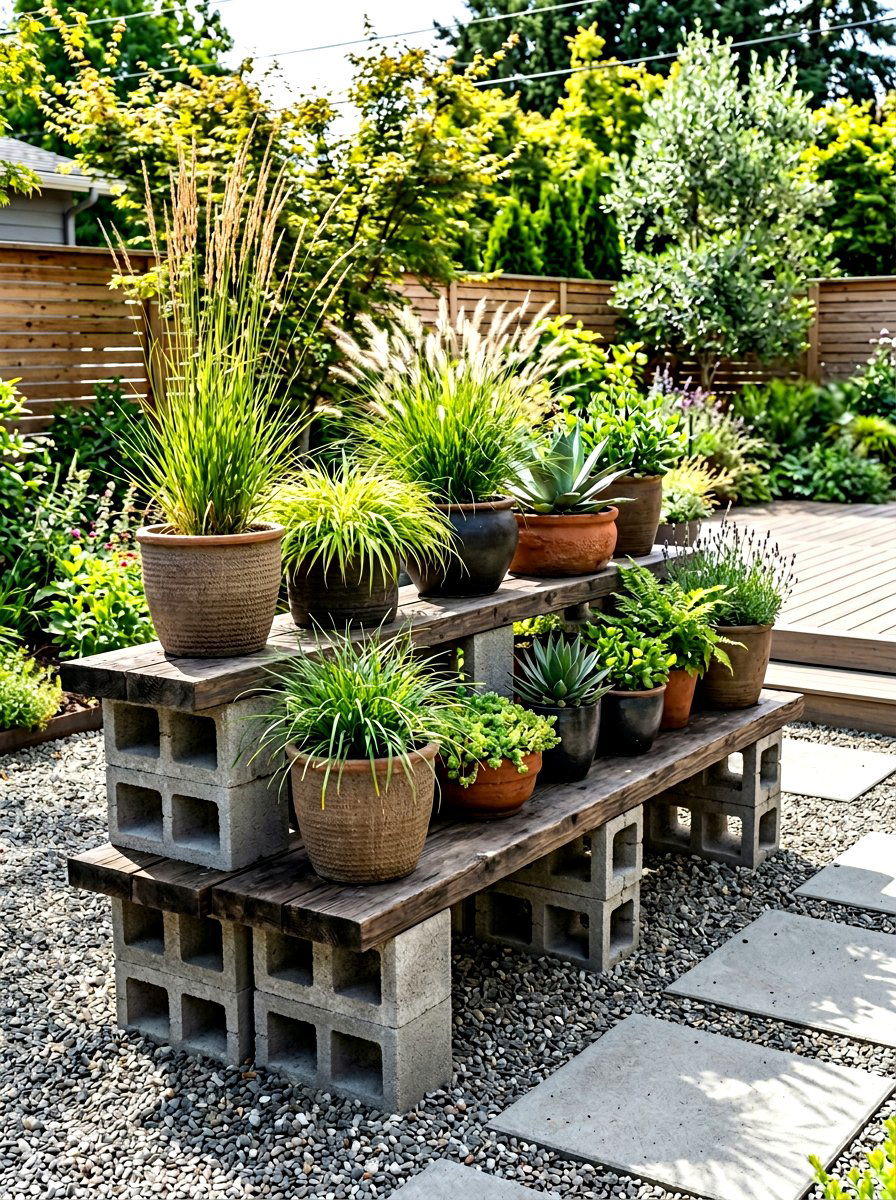
Using a tiered plant stand is a classic technique for adding vertical interest and organizing multiple pots in one footprint. These stands often come in three or four levels, allowing you to place sun-loving plants at the top and shade-tolerant varieties toward the bottom. This arrangement creates a lush, jungle-like atmosphere that feels much larger than it actually is. Metal stands offer a sleek, modern look, while wooden versions provide a more rustic, farmhouse aesthetic. By grouping your plants together, you also create a microclimate that helps maintain humidity, which is especially beneficial during hot summer months. It is an excellent way to showcase a curated collection of different leaf textures and colors while keeping everything neatly organized.
4. Hanging Flower Basket
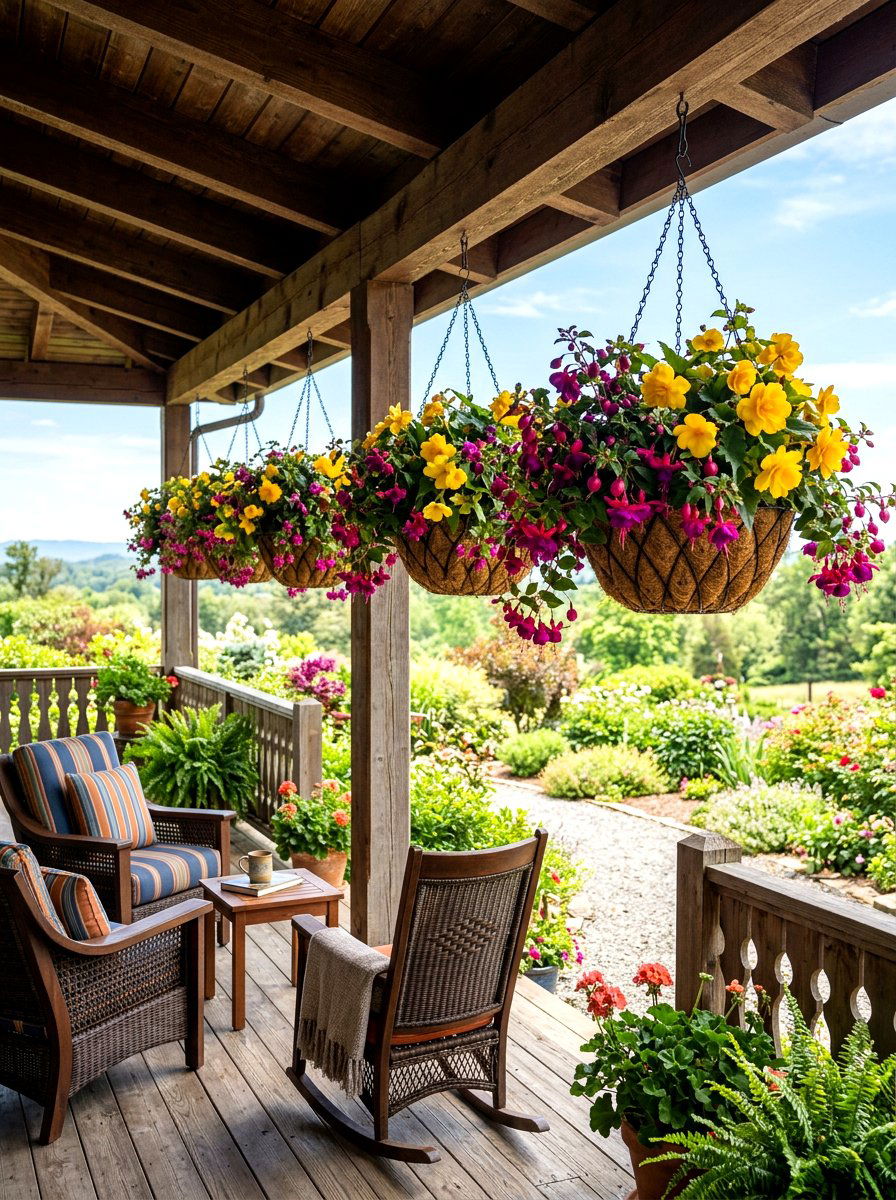
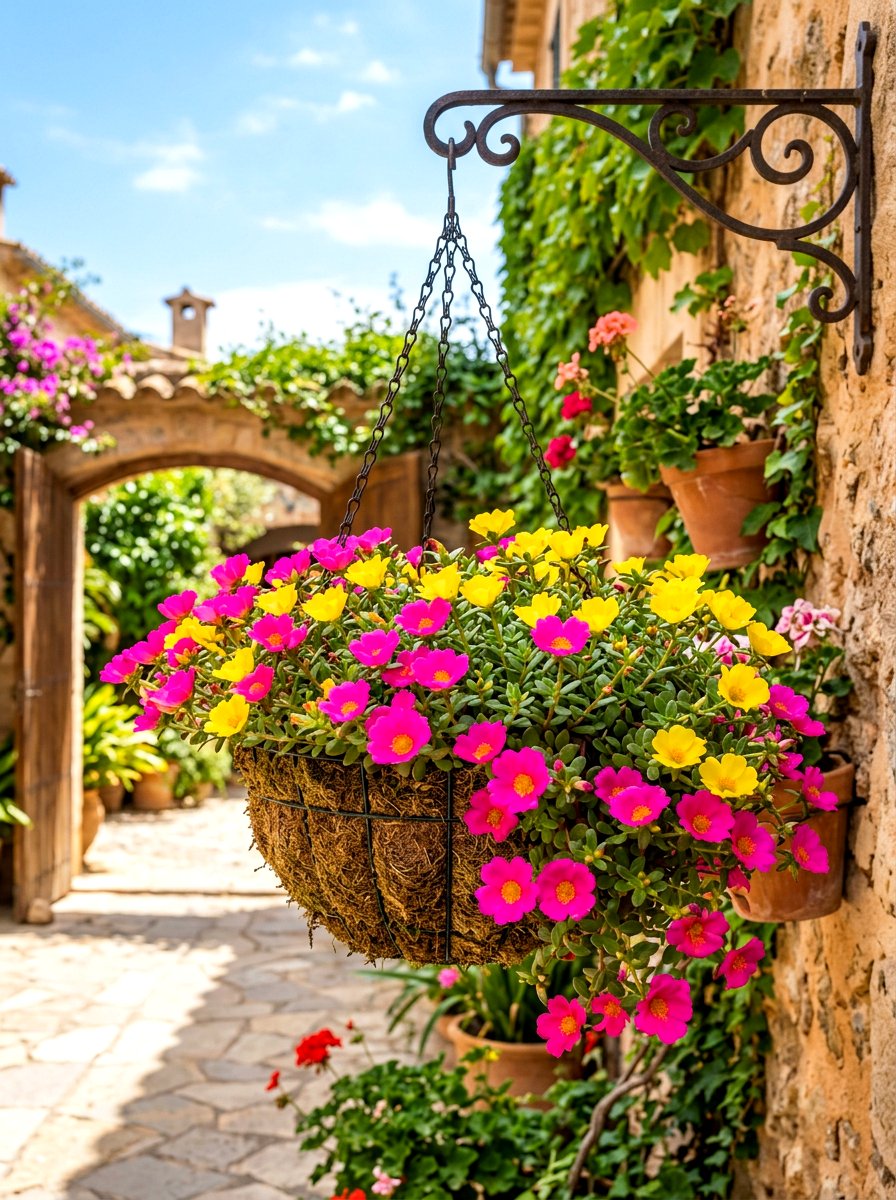
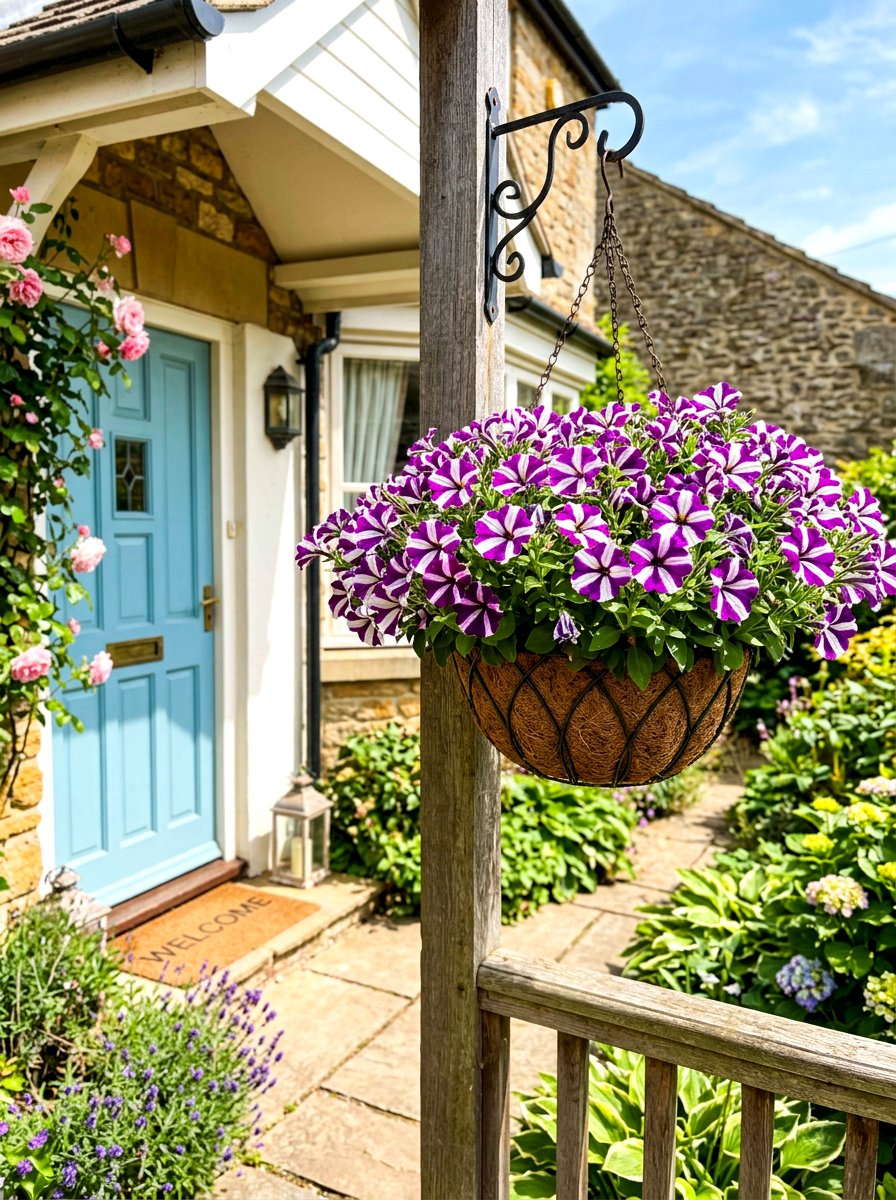
Hanging baskets utilize the often-overlooked overhead space in a small garden or porch. By suspending your greenery, you free up valuable ground area for seating or walking paths. Fuchsias, begonias, and trailing lobelia are popular choices because they create a full, rounded appearance that looks stunning from every angle. When installing hooks, ensure they are anchored securely to support the weight of wet soil. You can vary the heights of your baskets to create a sense of depth and layers within your outdoor room. Using coco coir liners helps retain moisture, which is essential since hanging plants tend to dry out faster than those on the ground. This vertical layer adds a sense of enclosure and intimacy.
5. Window Box Display
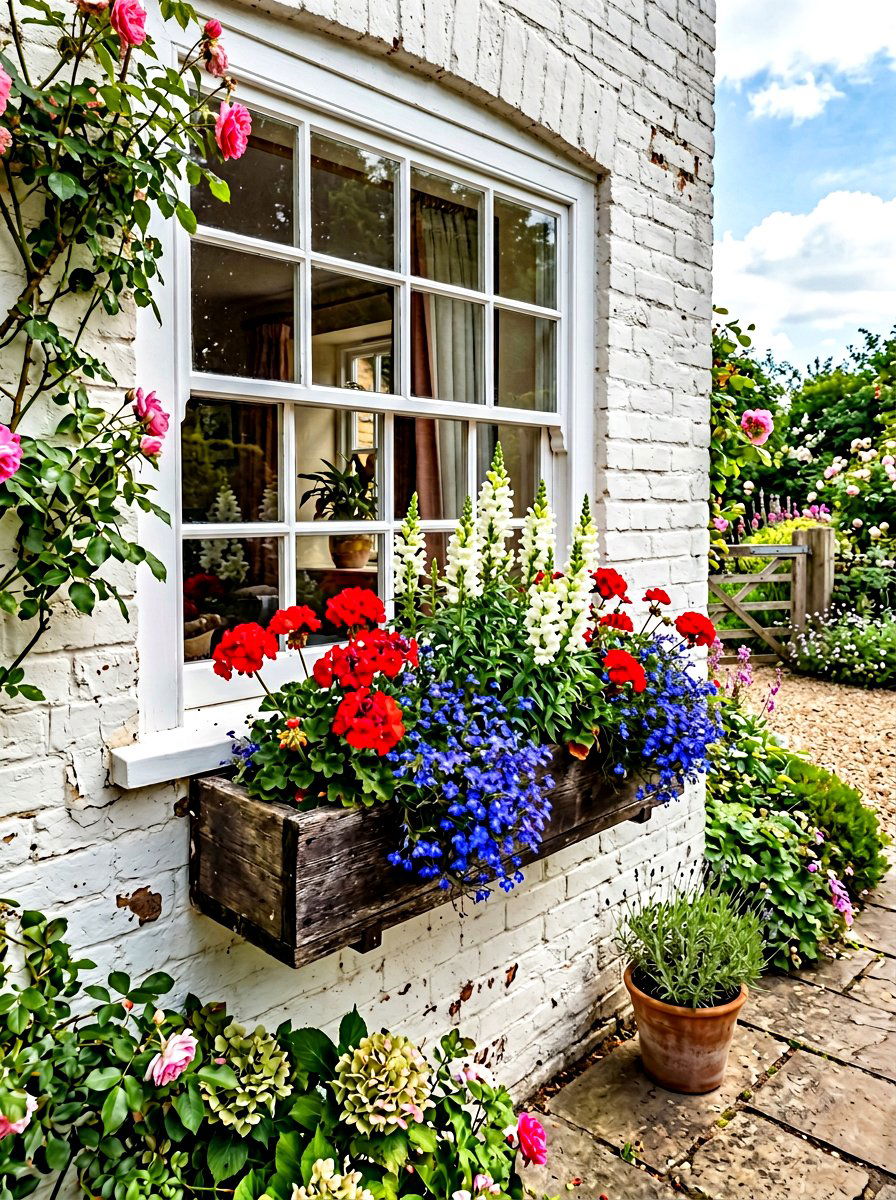
Window boxes offer a traditional and charming way to bring nature closer to your living quarters. These rectangular containers are mounted directly beneath window sills, allowing you to enjoy the scent and sight of flowers from indoors. For a balanced look, follow the "thriller, filler, spiller" rule by combining an upright central plant with mounding fillers and trailing vines. This creates a professional, high-end appearance that boosts your home’s curb appeal instantly. Choose colors that complement your home's exterior paint or trim for a cohesive look. Because they are often located in high-visibility areas, window boxes are perfect for seasonal rotations, such as pansies in spring and mums in autumn, keeping your display fresh year-round.
6. Self Watering Vegetable Pot
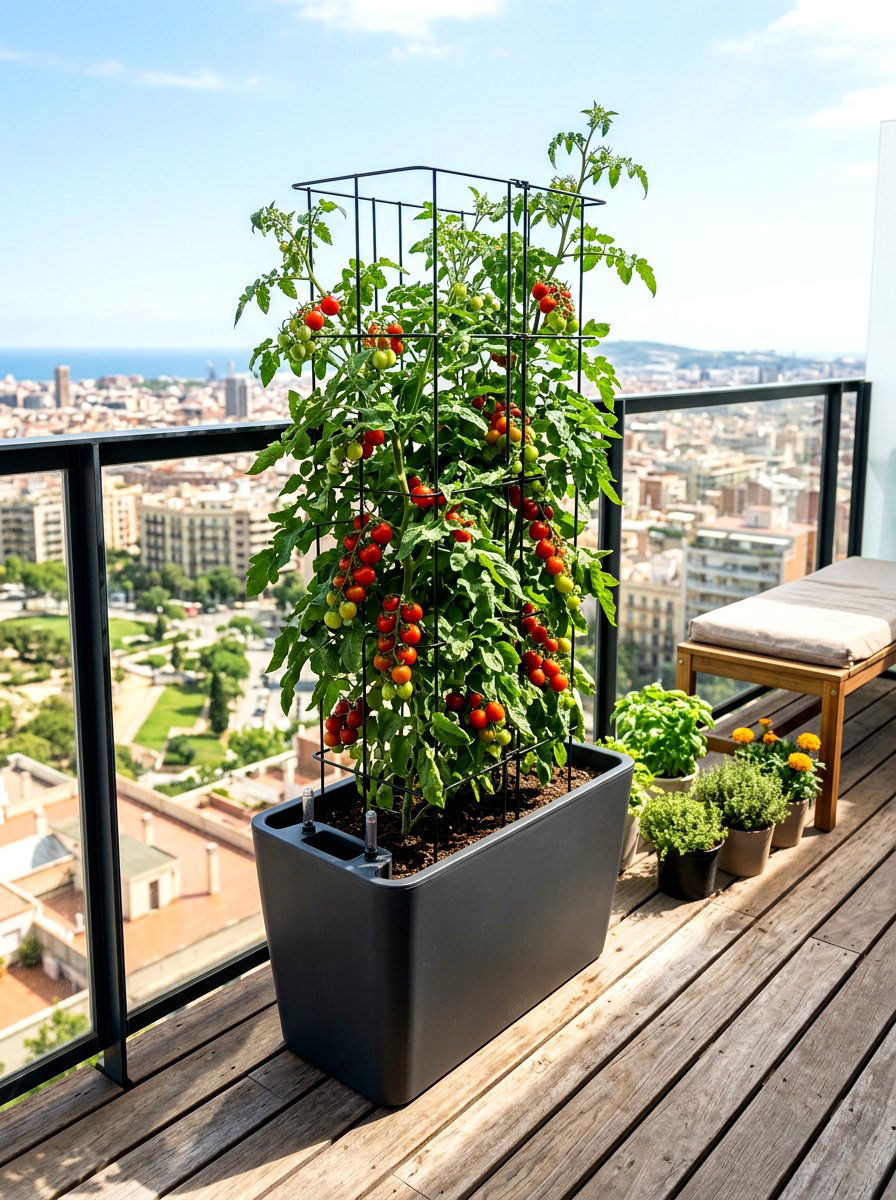
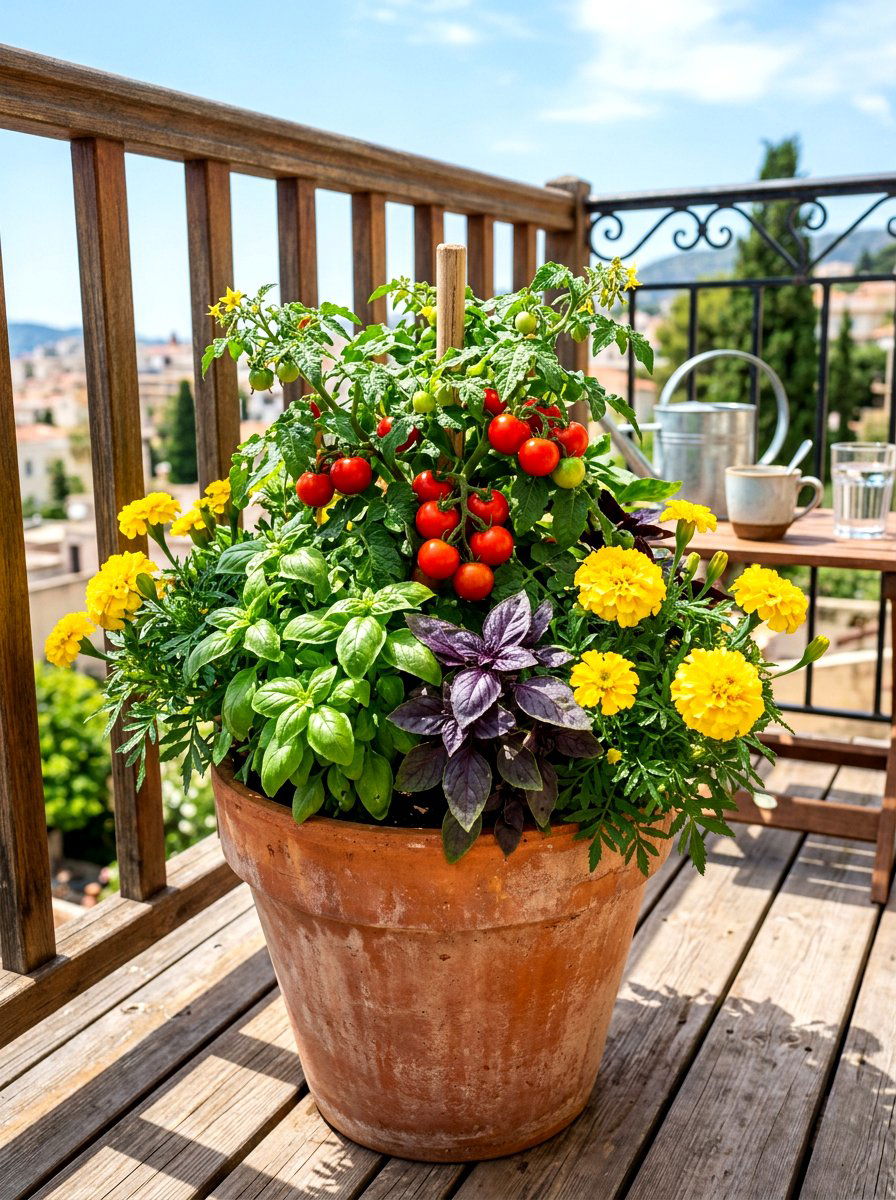
Growing your own food in a small space is significantly easier with self-watering containers. These pots feature a reservoir at the bottom that provides a consistent moisture level to the roots, preventing the stress of drying out. This is particularly useful for thirsty vegetables like tomatoes, cucumbers, or peppers that require regular hydration to produce fruit. The wicking system ensures that the soil stays perfectly damp without becoming waterlogged, which can lead to root rot. Many modern designs are sleek and attractive, fitting perfectly on a contemporary balcony. By using these containers, you can spend less time worrying about your watering schedule and more time enjoying the harvest of fresh, organic produce from your garden.
7. Succulent Garden Bowl
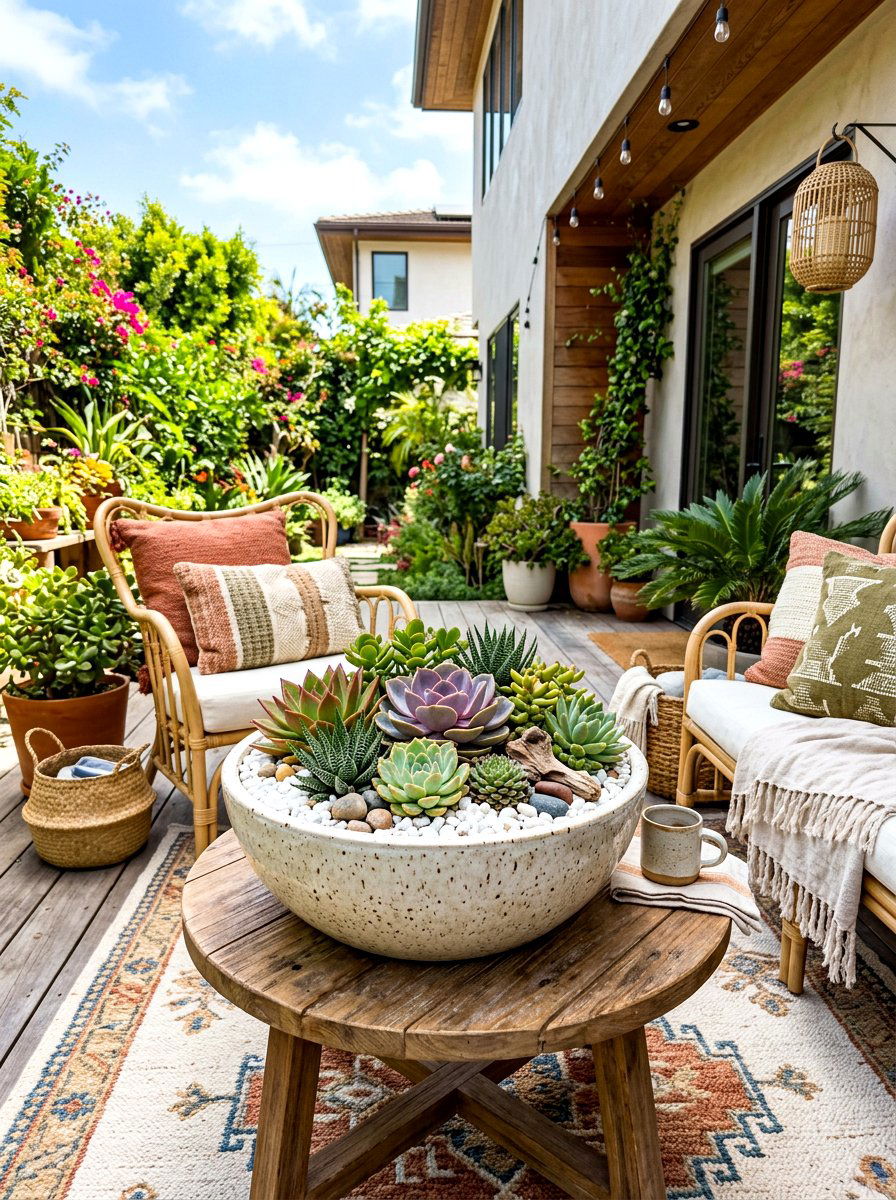
Low-maintenance gardening reaches its peak with a beautifully arranged succulent bowl. These shallow containers are perfect for small tables or ledges where space is limited but style is desired. Succulents come in an incredible variety of shapes, sizes, and colors, from soft pastel Echeverias to striking, architectural Haworthias. Because they require very little water, they are ideal for busy individuals or those living in arid climates. Use a specialized cactus mix to ensure rapid drainage and prevent moisture buildup around the roots. Adding decorative pebbles or sea glass on top of the soil can enhance the aesthetic and keep the lower leaves dry. This miniature landscape provides a sophisticated focal point for any compact outdoor seating area.
8. Galvanized Bucket Planter
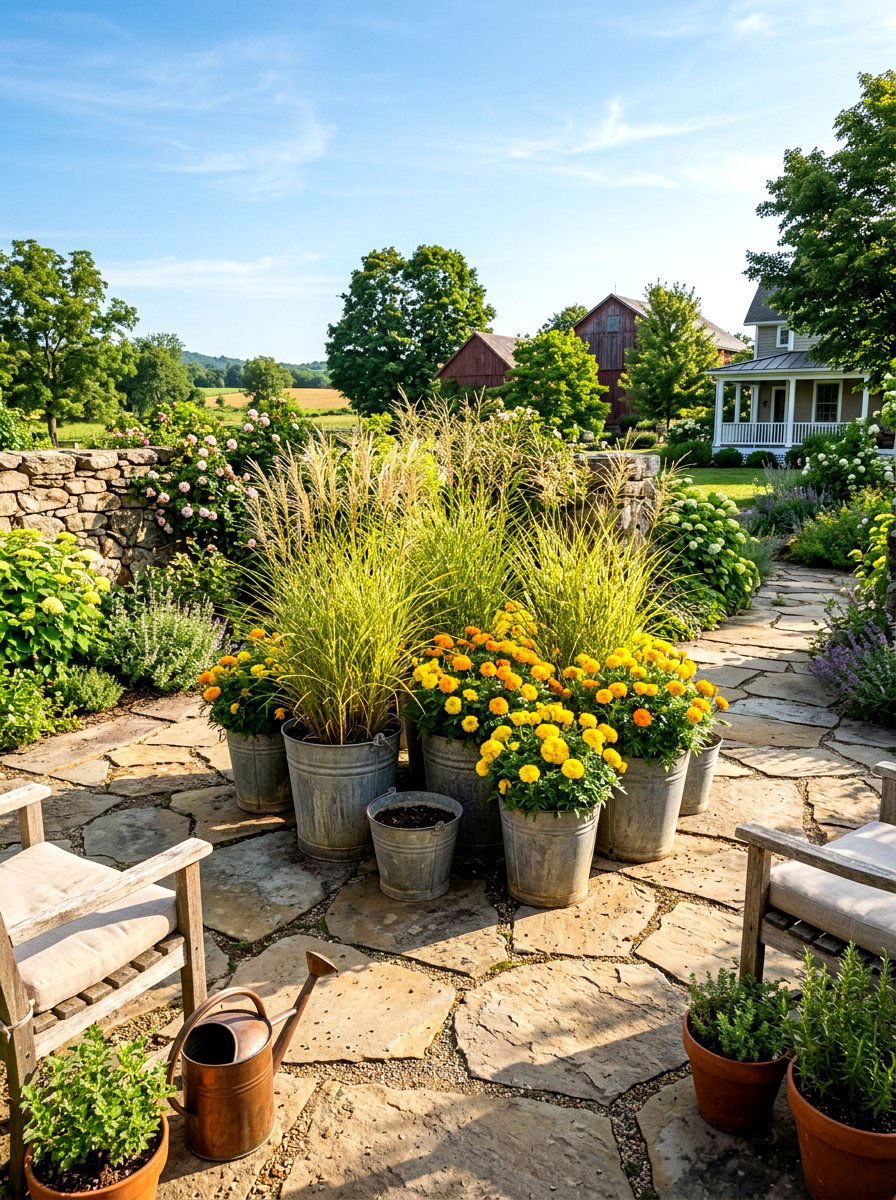
Galvanized metal buckets provide a rustic, farmhouse vibe that works beautifully in any small garden setting. These durable containers are weather-resistant and add an industrial charm to your plant collection. They are available in various sizes, making them versatile for everything from tall ornamental grasses to clusters of bright marigolds. Before planting, it is crucial to drill drainage holes in the bottom to ensure your plants don't sit in stagnant water. The reflective surface of the metal can also help brighten up shadier corners of a patio by bouncing light around. Mixing different sizes of buckets creates an effortless, eclectic look that feels both curated and relaxed. They are a budget-friendly way to expand your container garden.
9. Ceramic Pot Cluster
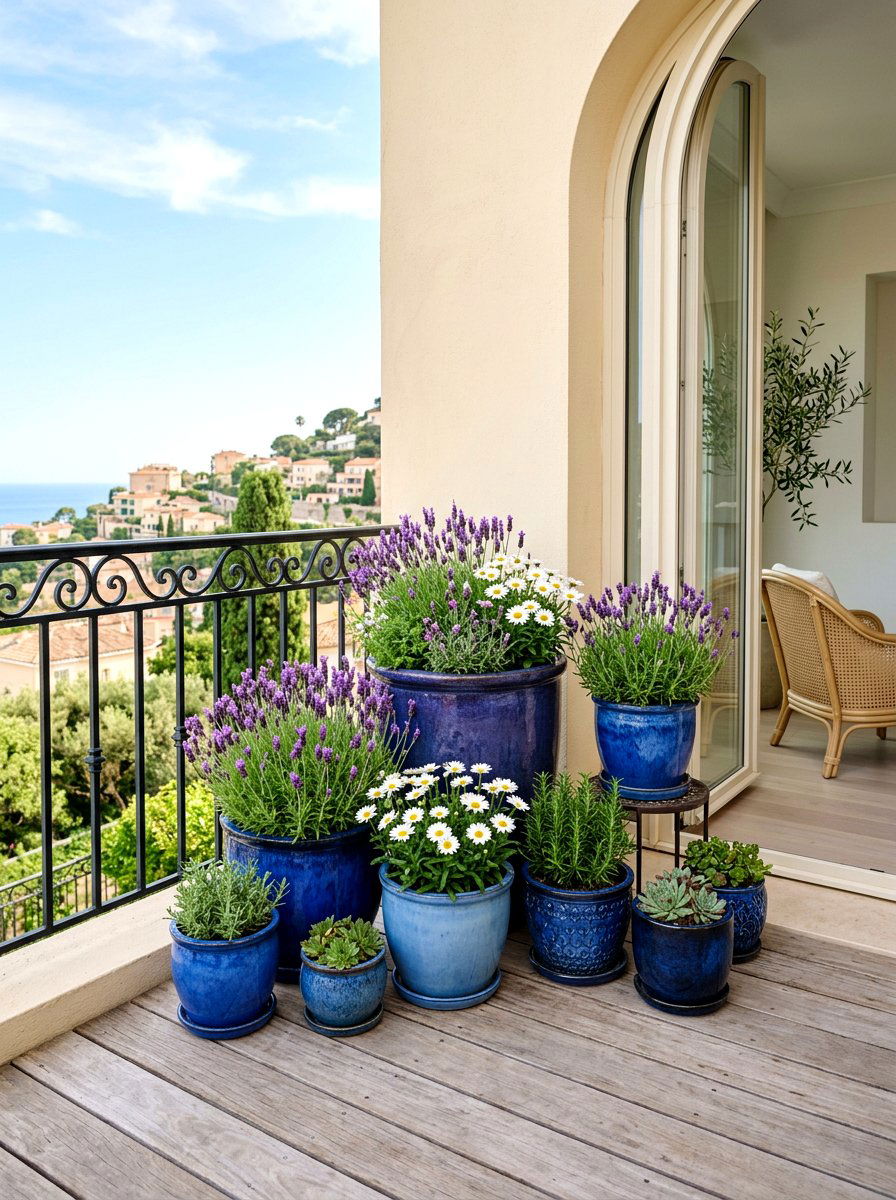
Grouping different ceramic pots together is an effective way to create a strong visual statement in a confined area. By choosing a unified color palette, such as various shades of blue or earthy terracottas, you can make a small collection of plants look like a cohesive landscape. Varying the heights and diameters of the pots adds depth and prevents the display from looking flat. Place larger, more dramatic plants in the back and smaller, delicate ones in the front to create a layered effect. Ceramic pots are heavier than plastic, which provides stability in windy locations like high-rise balconies. This arrangement allows you to experiment with different plant pairings while maintaining a polished and intentional design.
10. Wooden Crate Garden
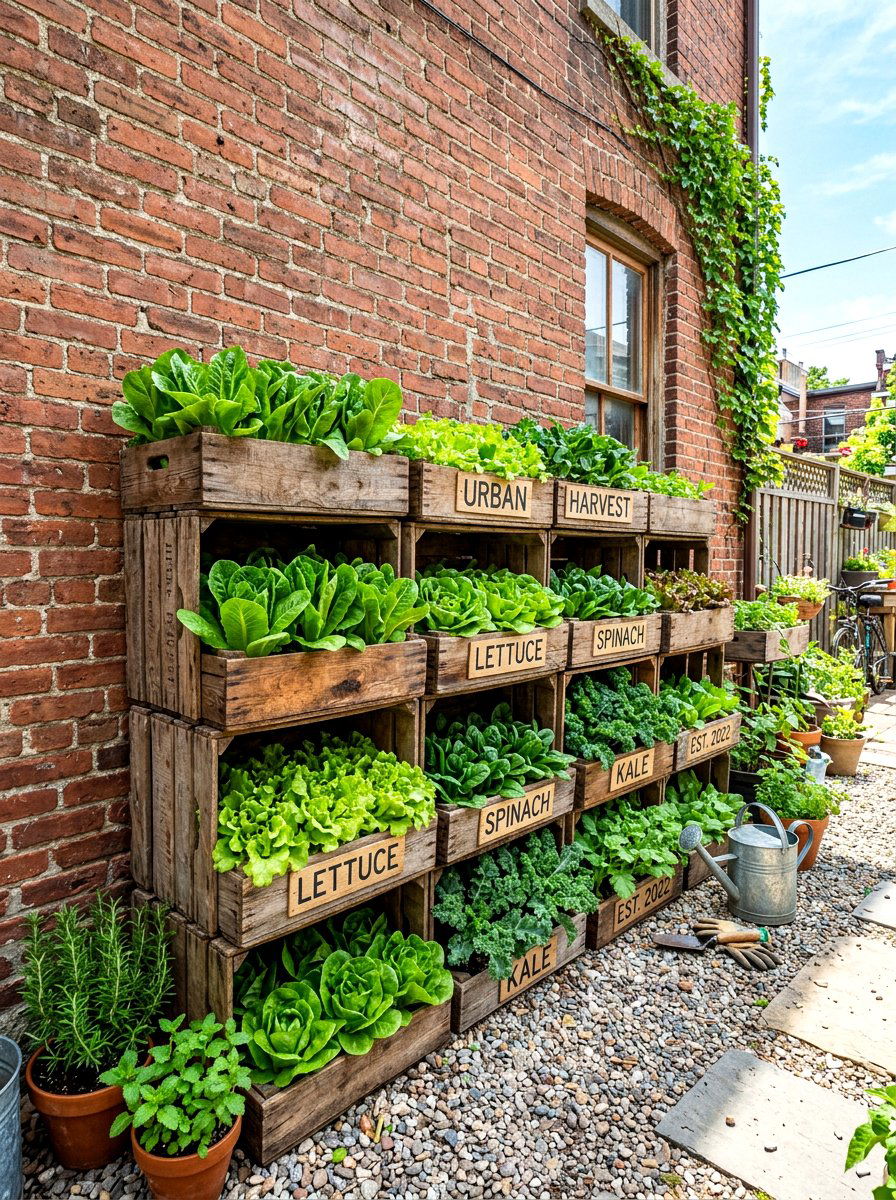
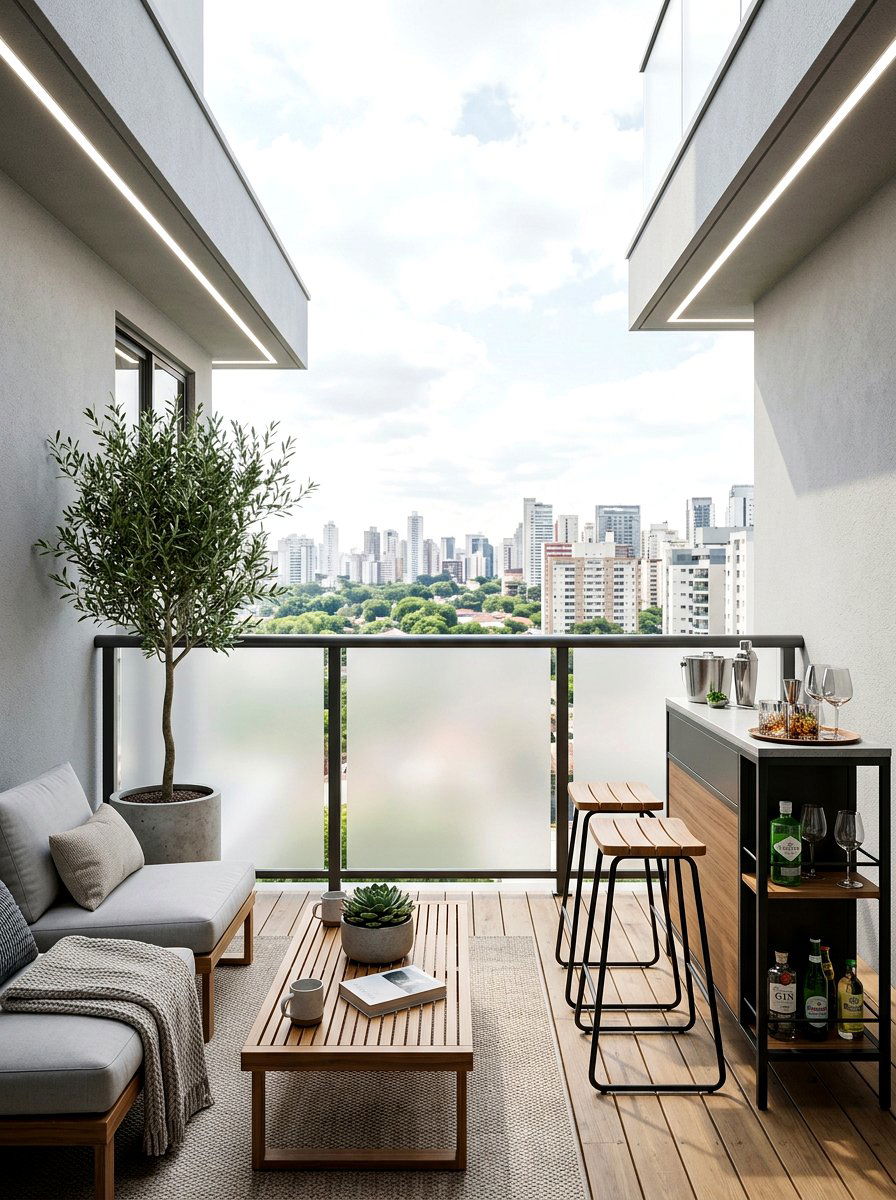
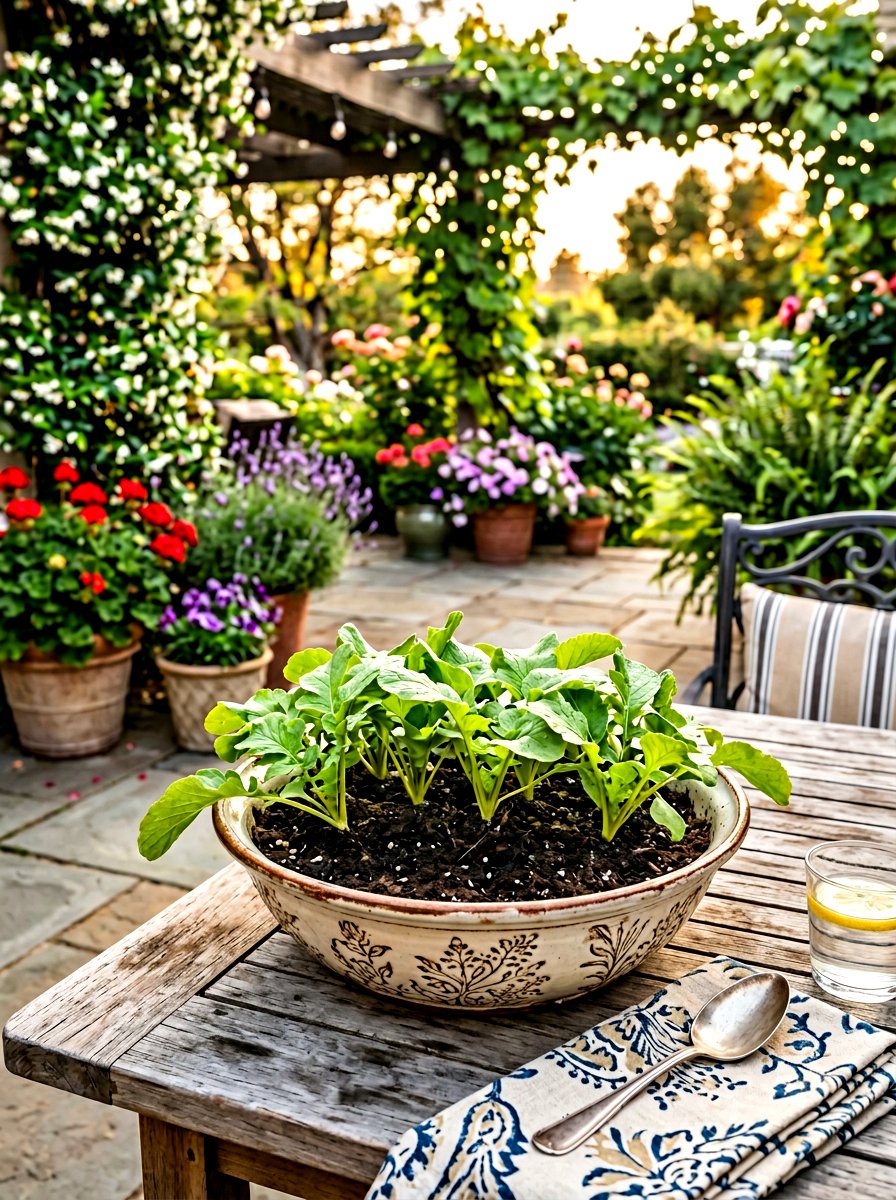
Repurposing wooden crates is an eco-friendly and stylish way to build a modular garden system. These crates can be stacked or lined up to create a custom planting area that fits perfectly into an awkward corner. To prevent the wood from rotting, line the inside with landscape fabric or plastic with drainage holes before adding soil. Crates are particularly well-suited for growing leafy greens like lettuce, spinach, and kale, as their shallow root systems thrive in this environment. The natural wood texture adds warmth to a concrete balcony or patio, creating a more inviting atmosphere. You can even paint or stain the crates to match your outdoor furniture, making the garden feel like a seamless extension of your home.
11. Wall Mounted Pocket
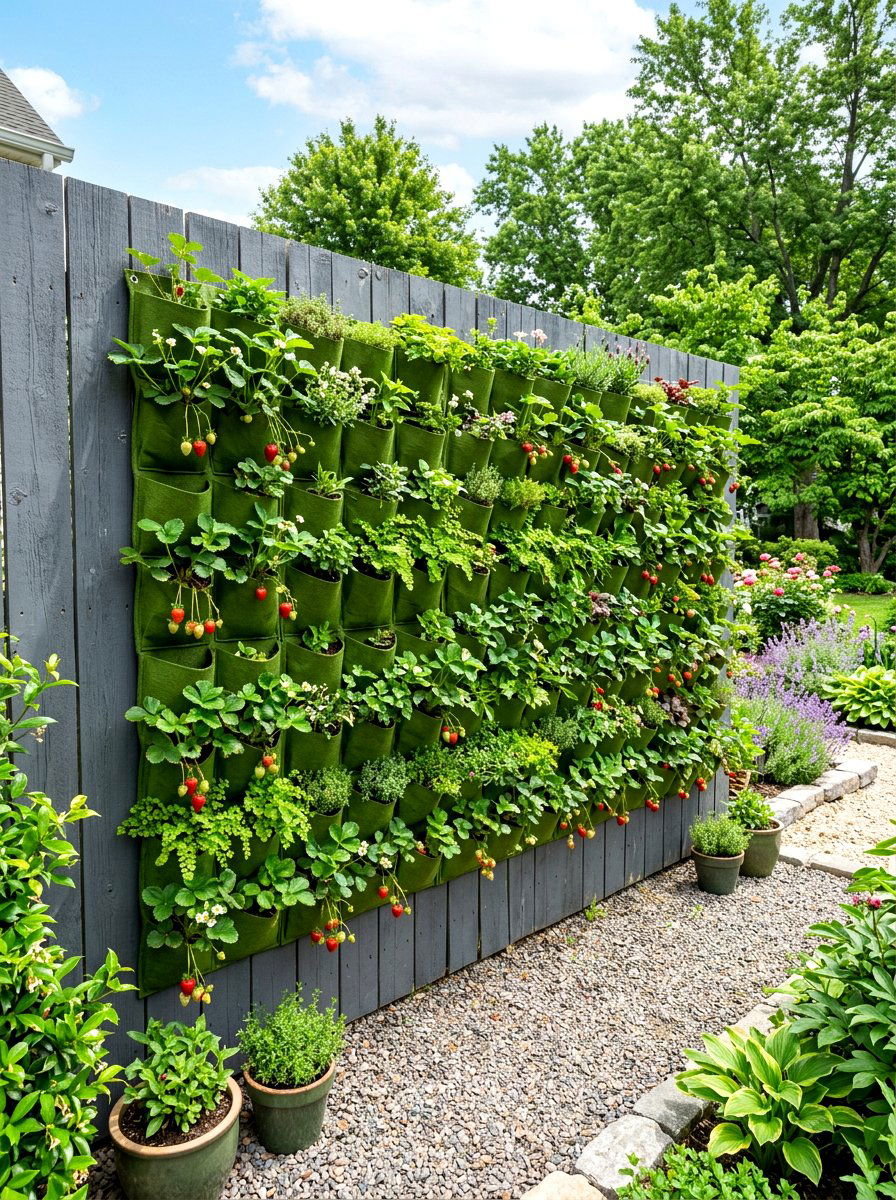
Felt or plastic wall pockets are a game-changer for those with absolutely zero floor space. these systems allow you to grow a "living wall" by attaching a series of pockets directly to a fence or masonry wall. They are perfect for growing strawberries, ferns, or small flowering annuals that create a lush tapestry of greenery. Because the soil volume in each pocket is relatively small, they require more frequent watering and fertilization to keep the plants thriving. However, the visual impact of a vertical green wall is unparalleled, providing a soft, natural texture that can hide ugly surfaces. It also helps with temperature regulation on your balcony by providing a layer of insulation against the hot sun.
12. Ladder Shelf Display
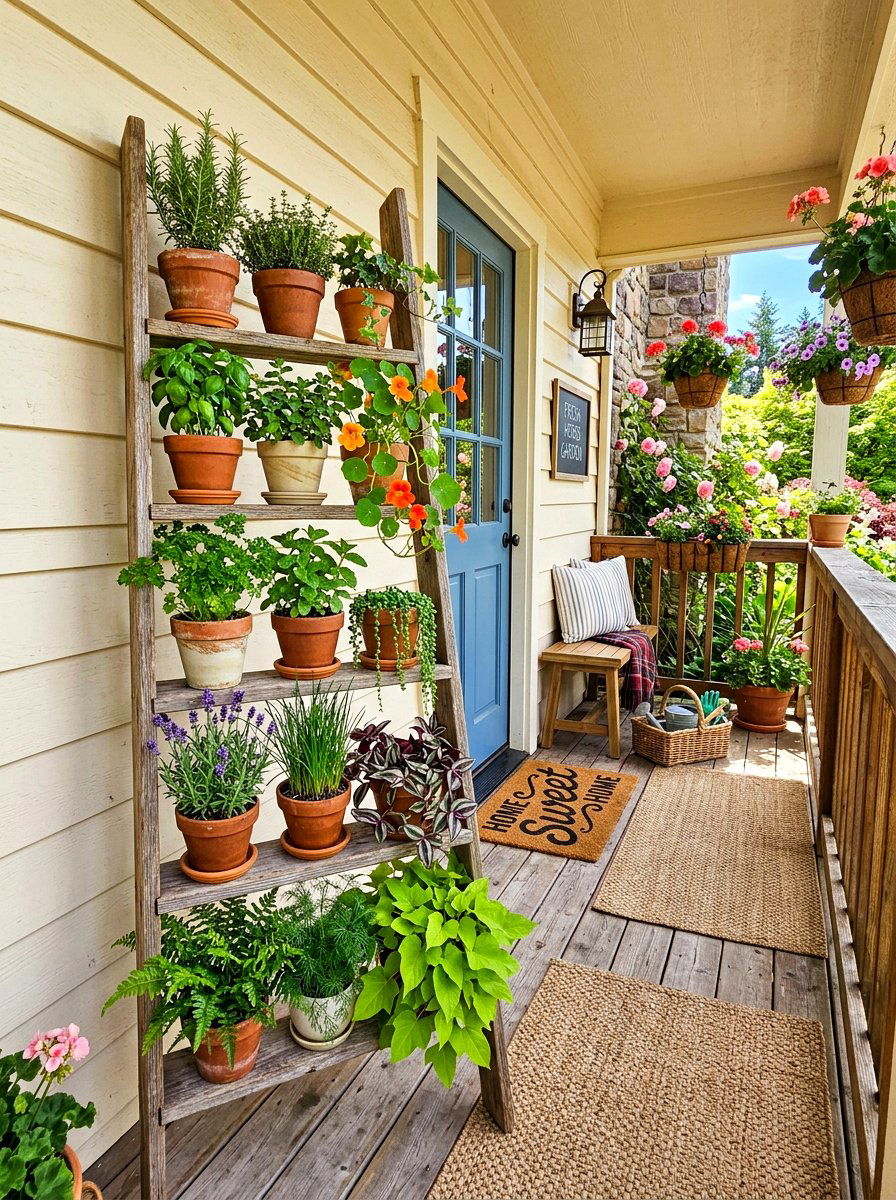
A simple wooden or metal ladder shelf is one of the most efficient ways to display a variety of plants in a very narrow footprint. By using vertical levels, you can accommodate significantly more pots than you could on the ground. This setup is ideal for a mix of trailing vines that can drape over the rungs and upright plants that fill the space between them. A ladder shelf also makes it incredibly easy to move your garden indoors if the weather becomes too cold. You can style the shelves with a mix of functional pots and decorative garden ornaments to create a personalized outdoor vignette. It is a flexible solution that can be easily rearranged as your collection grows.
13. Stacked Terracotta Tower
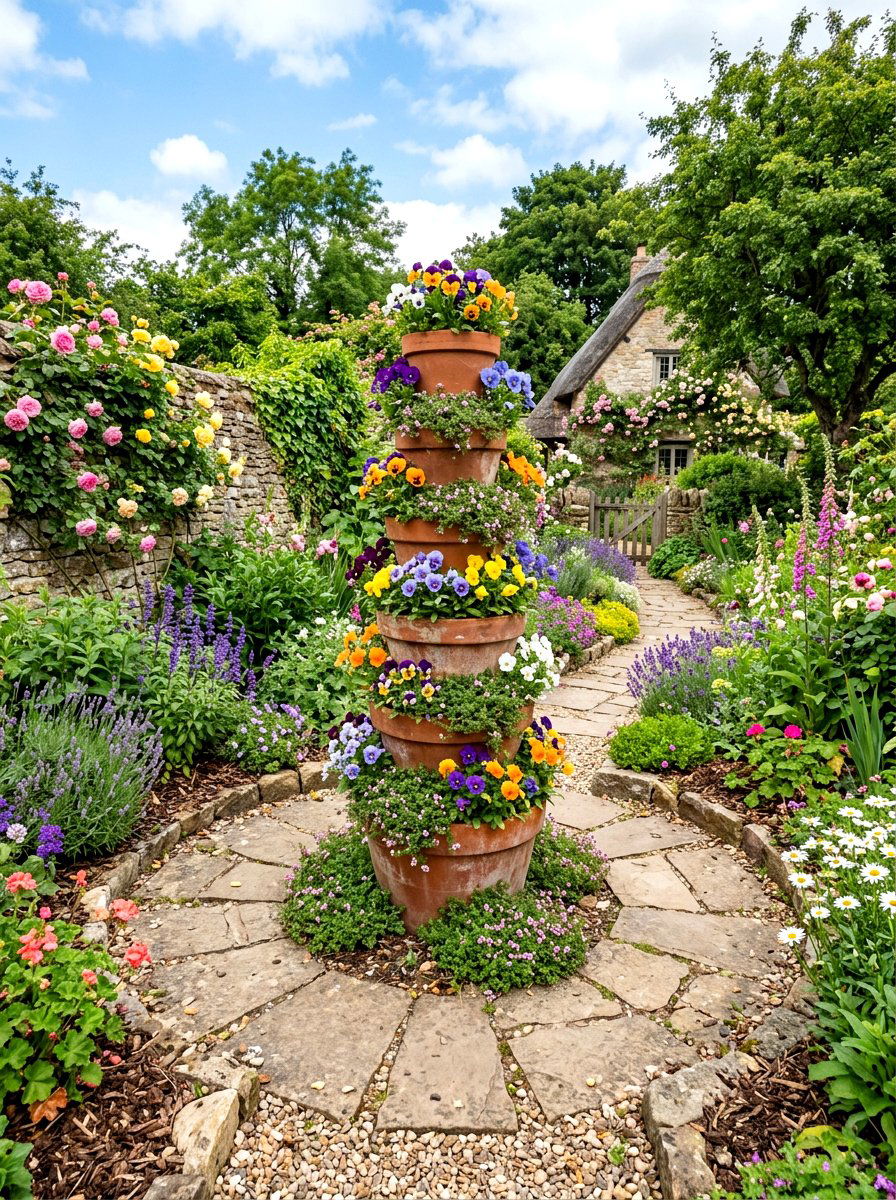
Creating a terracotta tower is a fun and space-saving DIY project that adds a whimsical touch to your garden. By nesting smaller pots inside larger ones, you create a vertical pillar of soil that can hold multiple plants in a single footprint. This is an excellent way to grow an herb collection or a variety of colorful annuals like pansies and lobelia. The porous nature of terracotta allows air and water to move through the walls, which is healthy for the roots but means you may need to water more often. To ensure stability, use a central dowel or rebar to hold the pots in place. This vertical structure serves as a striking focal point in any small outdoor space.
14. Mobile Plant Cart
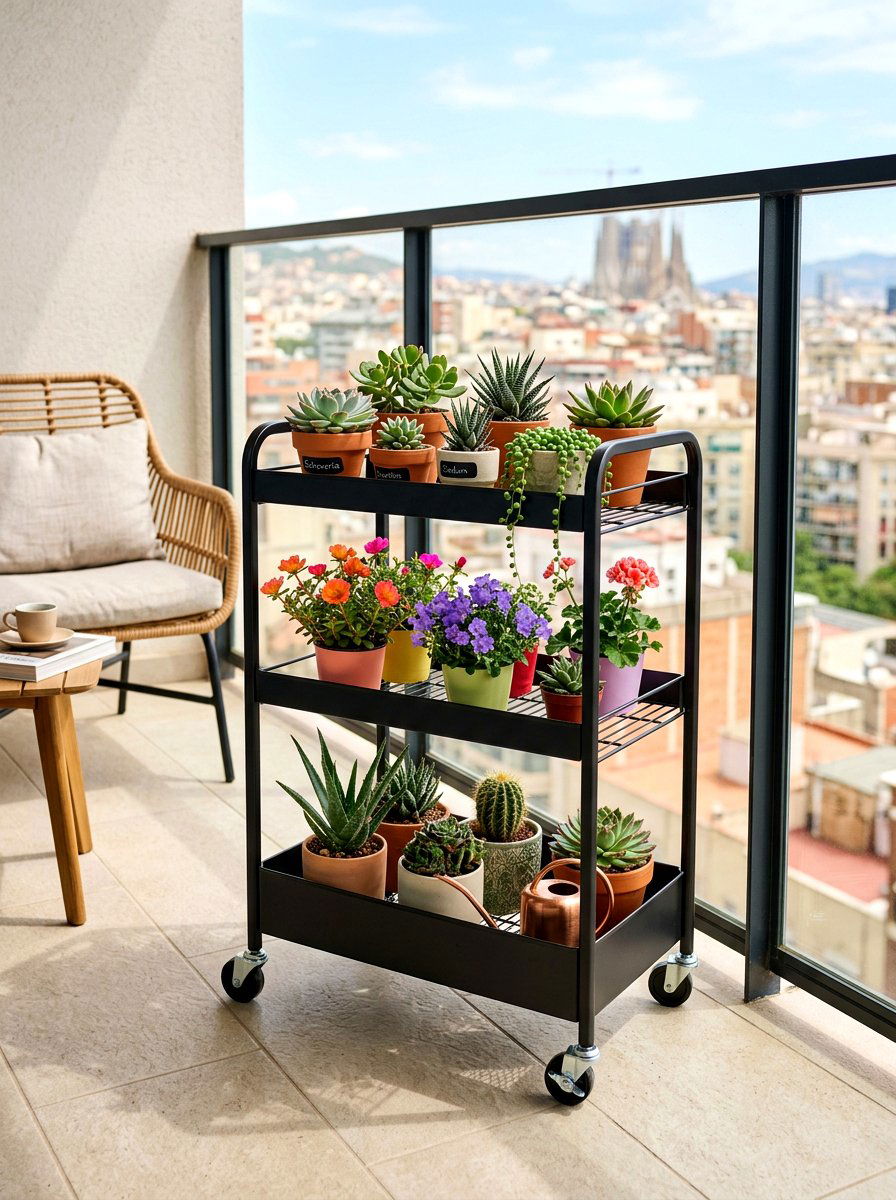
A cart with wheels offers the ultimate flexibility for a small garden that needs to move with the sun. If your balcony only gets light in certain spots during the day, you can easily roll your plants to the best location. These carts often feature multiple shelves, providing ample room for herbs, succulents, and even small vegetable pots. When you need the floor space for entertaining, simply roll the cart to a corner or inside. Look for carts made of weather-resistant materials like stainless steel or treated wood to ensure they last outdoors. This mobile solution is perfect for renters who want a substantial garden that is easy to take with them when they eventually move.
15. Trellis Container Combo
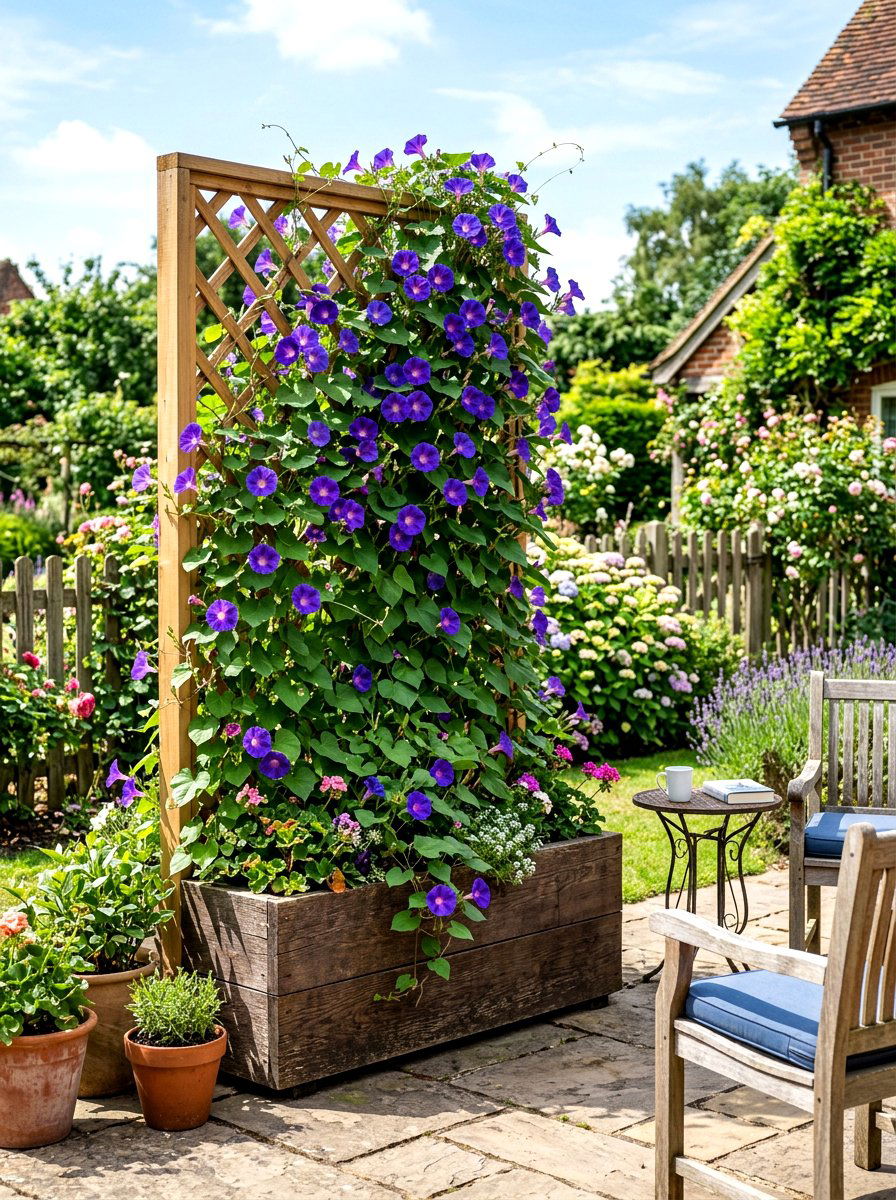
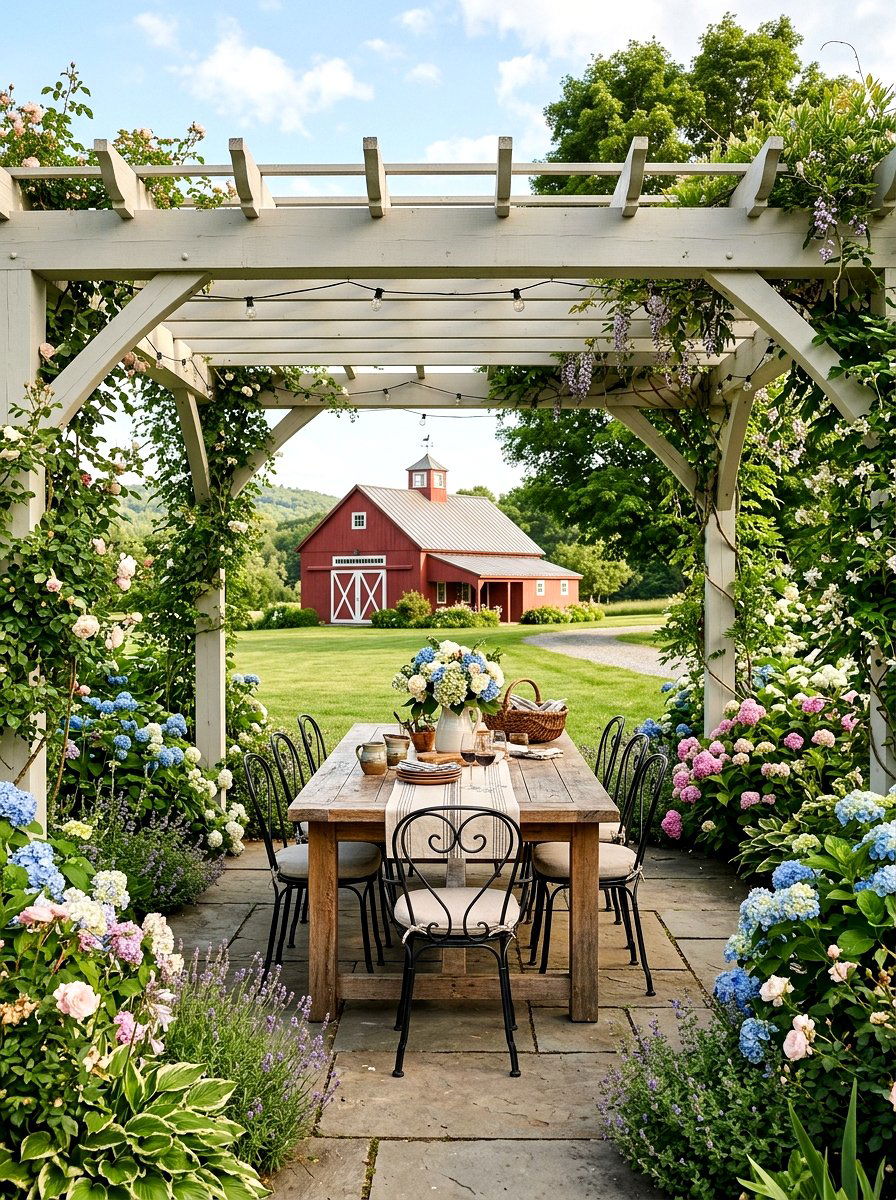
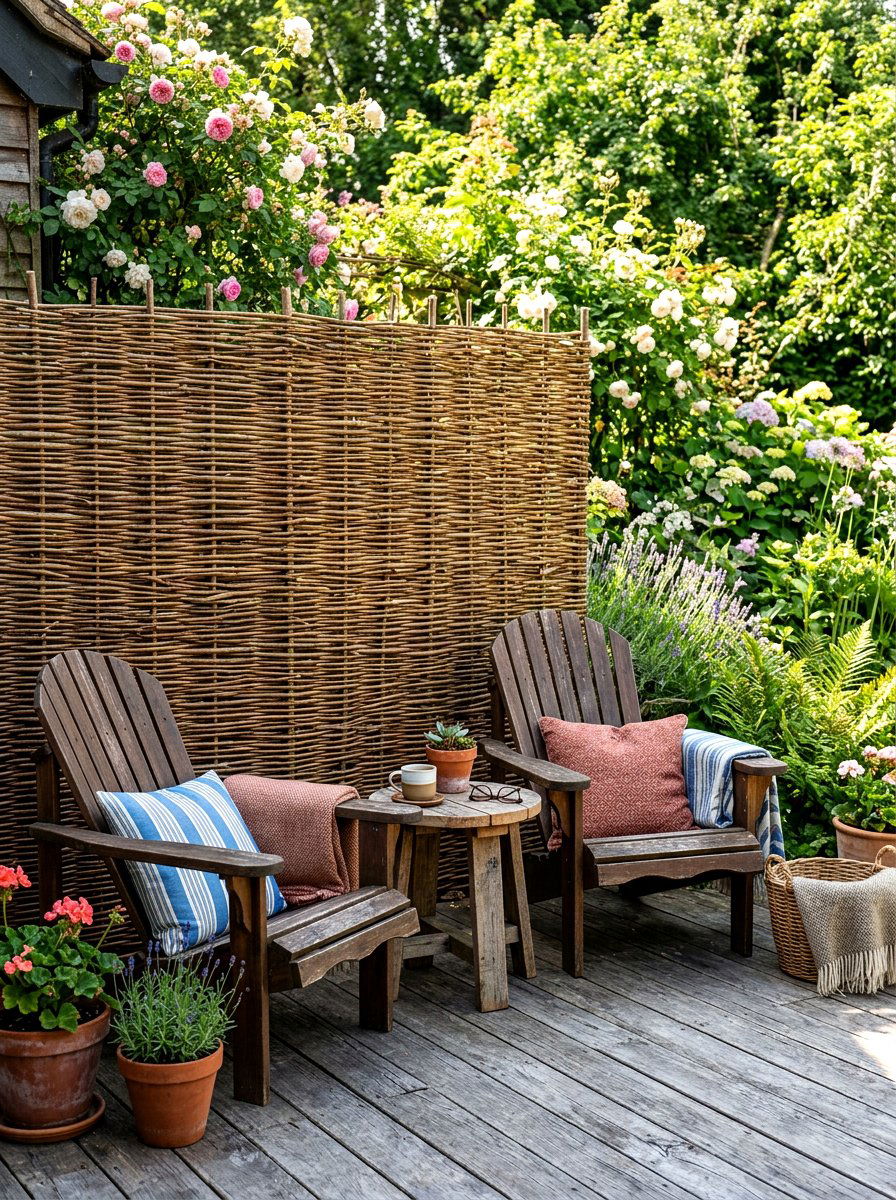
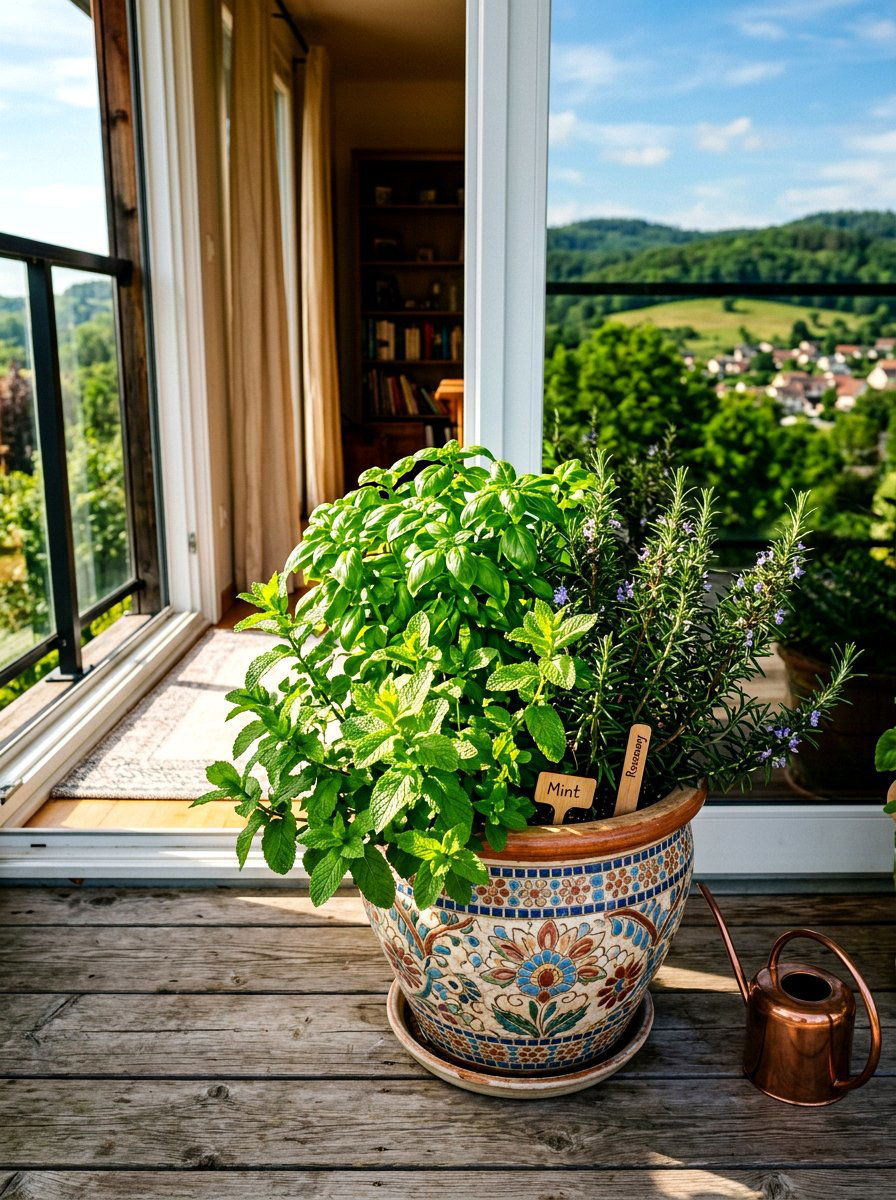
Combining a deep container with a built-in trellis allows you to grow climbing plants in a very small area. This setup is perfect for vertical growers like sweet peas, morning glories, or even climbing beans and peas. By directing growth upwards, you maximize your square footage and create a natural privacy screen. Many trellises are decorative on their own, adding architectural interest even before the plants have fully covered them. For a lush look, plant a few trailing varieties at the base of the climber to hide the soil and spill over the edges. This dual-purpose container is an efficient way to add height and lushness to a patio or balcony without needing a permanent garden bed.
16. Tropical Leaf Arrangement
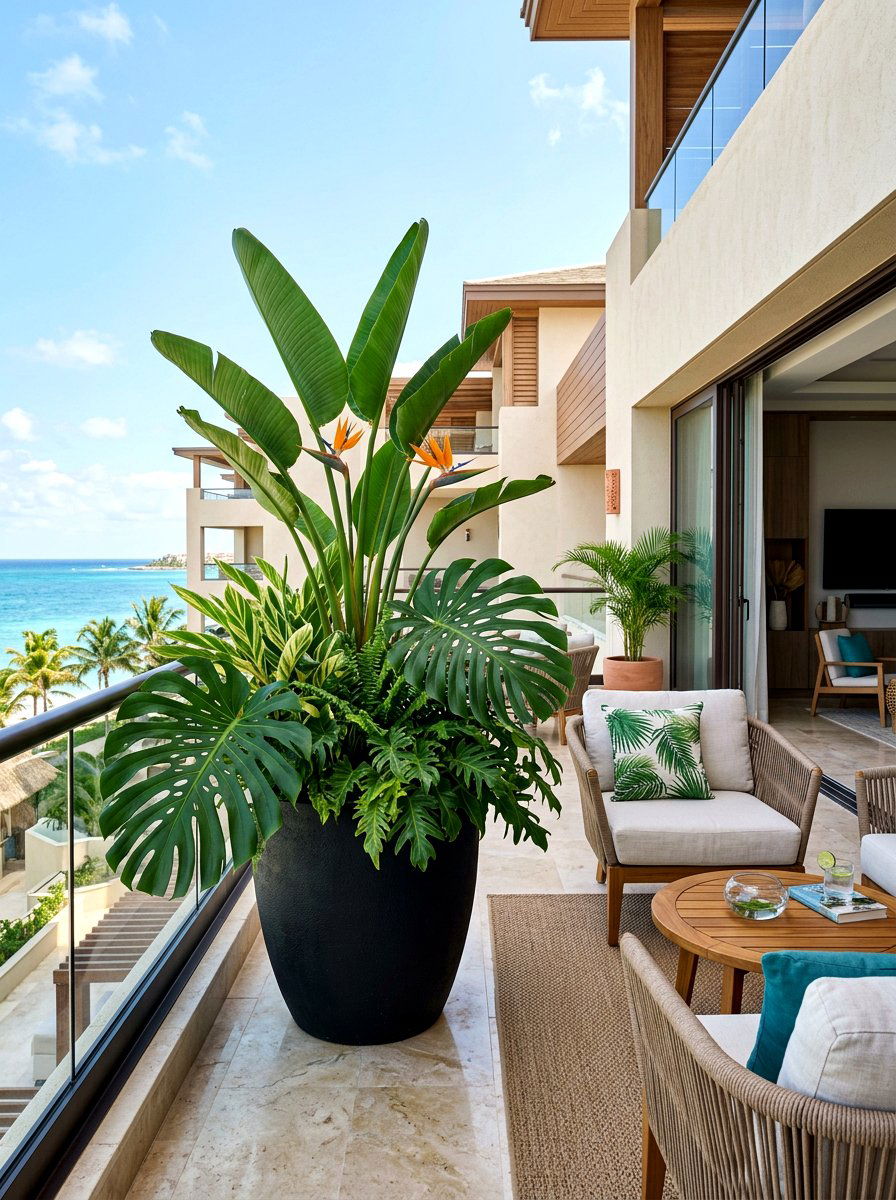
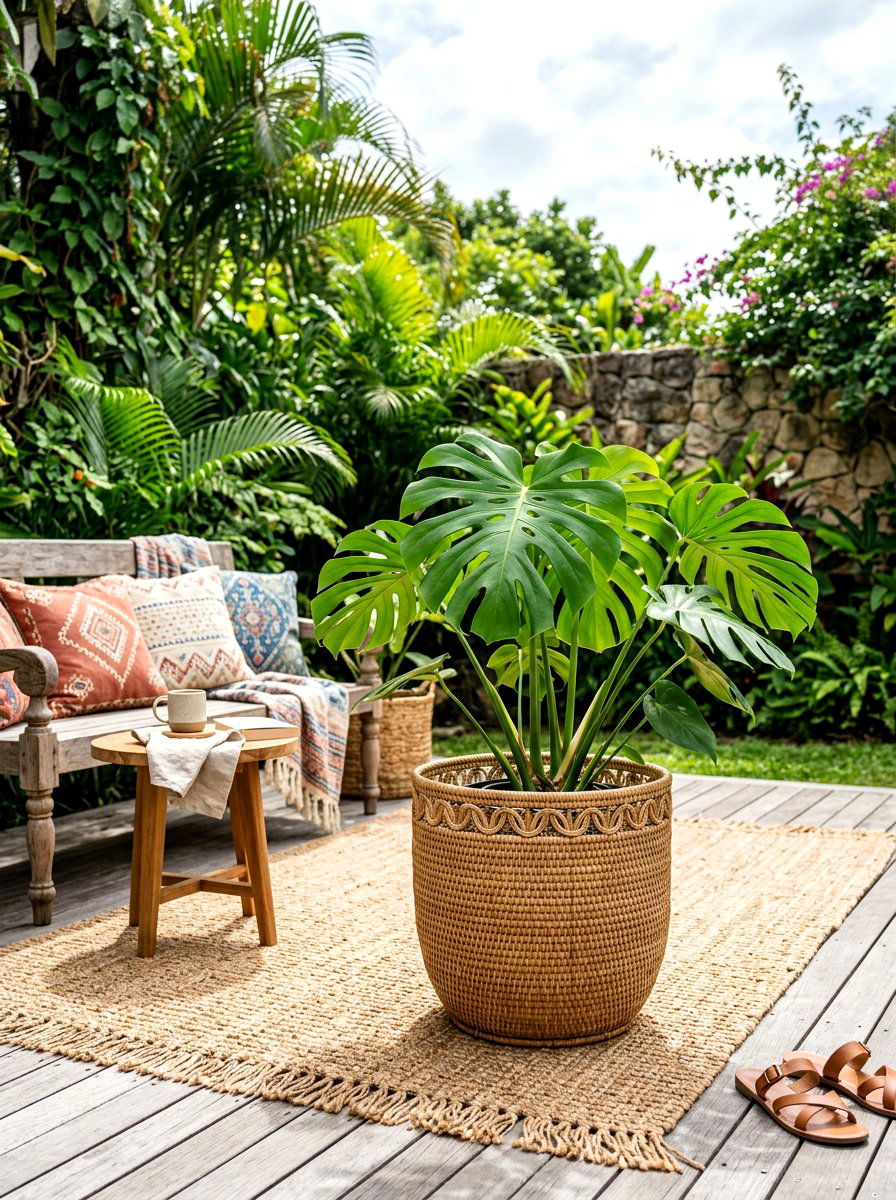
You can bring a vacation vibe to your small balcony by using large-leaved tropical plants in oversized containers. Species like Bird of Paradise, Monstera, or various palms create an instant lushness that makes even a tiny space feel like a private resort. These plants often grow upright rather than spreading out, making them surprisingly good candidates for compact areas. Choose heavy, high-quality pots to anchor these tall plants and prevent them from tipping over in the wind. The deep green hues and dramatic shapes of tropical foliage provide a sophisticated backdrop for outdoor seating. During the winter, many of these plants can be brought indoors to serve as stunning houseplants, giving you beauty all through the year.
17. Shade Loving Container
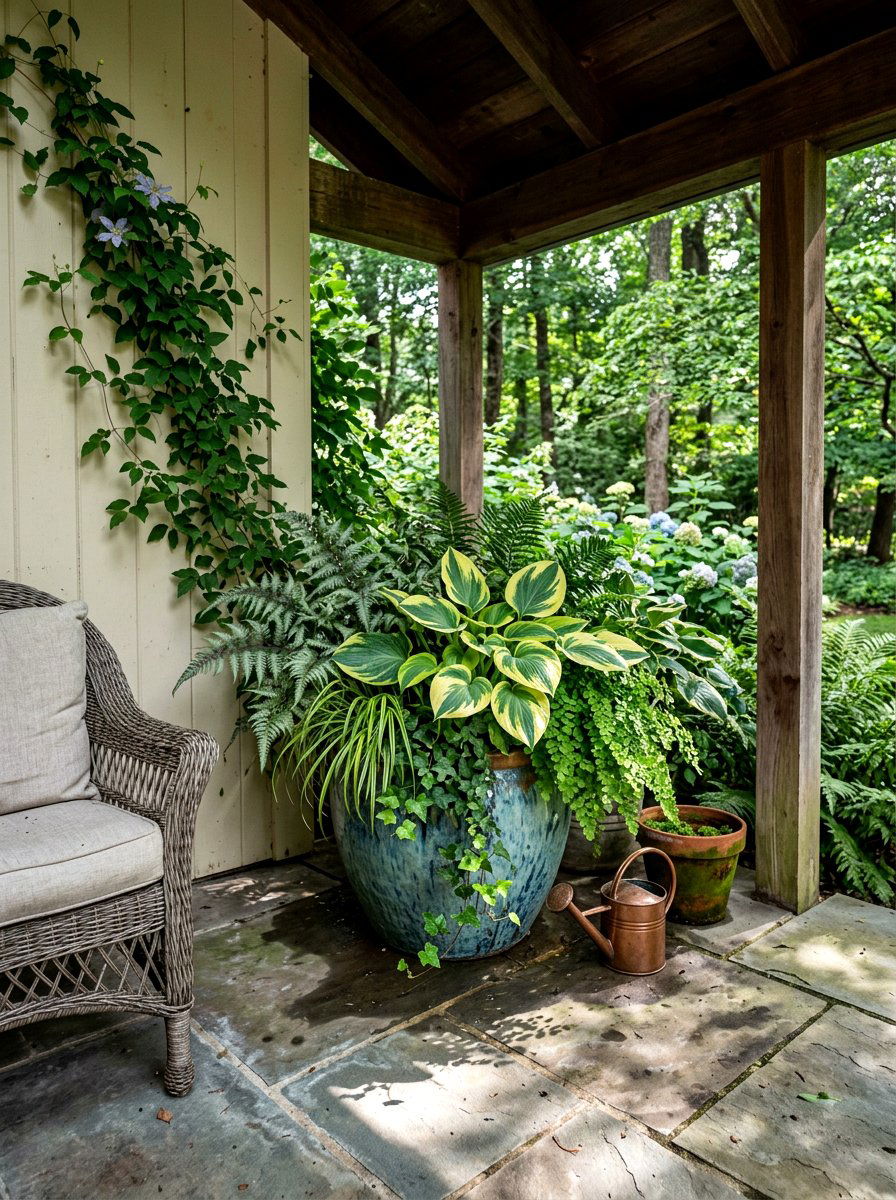
If your small space is tucked under a porch or between tall buildings, you can still have a thriving garden with shade-tolerant plants. Hostas, ferns, and Caladiums are excellent choices for containers in low-light environments. These plants are prized for their stunning foliage colors and textures rather than their flowers. A large hosta in a simple ceramic pot can act as a beautiful specimen plant that requires very little maintenance. Combine different shades of green, chartreuse, and variegated leaves to create a bright and airy feel in a dark corner. Shade gardens often feel cooler and more tranquil, providing a perfect spot to relax during the heat of the day. Proper drainage remains important to prevent soil from becoming soggy.
18. Edible Flower Pot
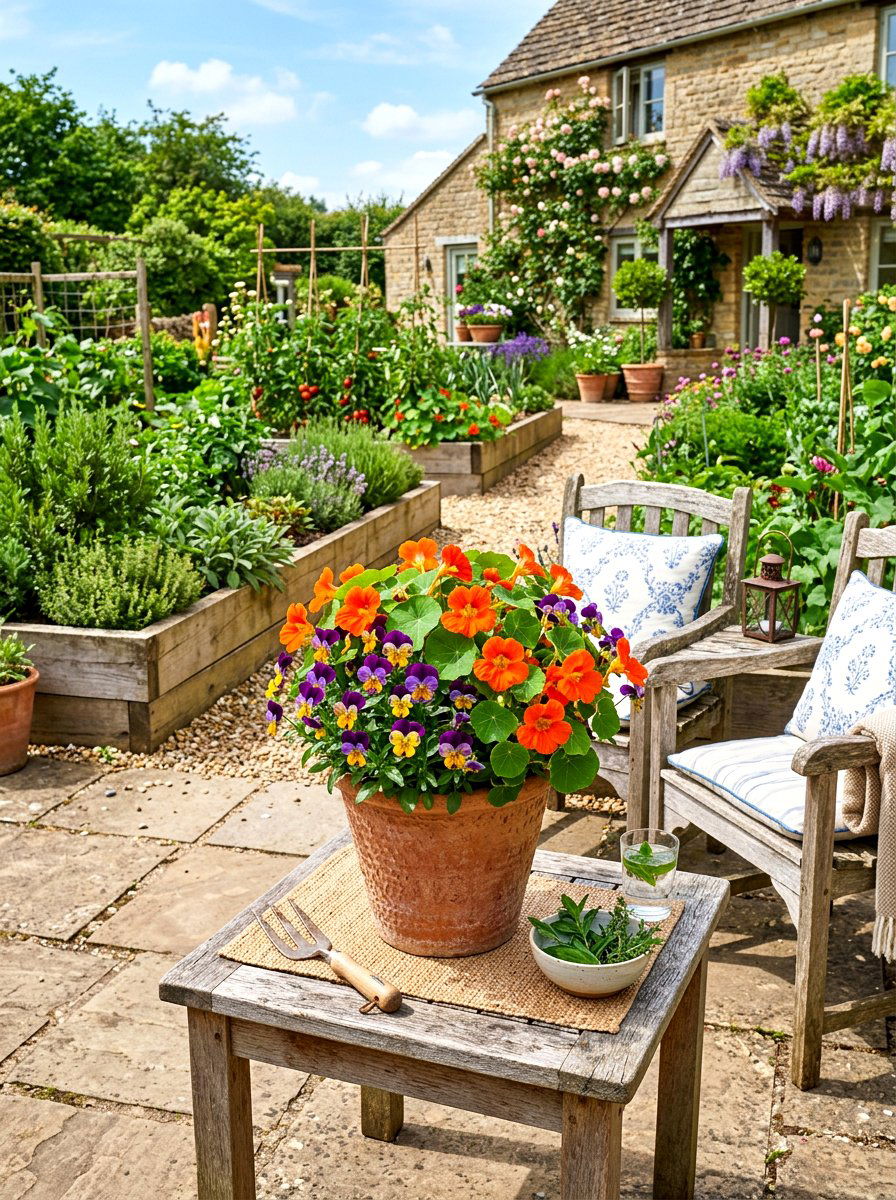
Growing edible flowers is a delightful way to combine beauty and functionality in your container garden. Pansies, nasturtiums, and violas are all easy to grow in small pots and produce blooms that can be used to garnish salads or desserts. These plants often have a compact growth habit, making them perfect for filling gaps in larger containers or standing alone in small decorative jars. Nasturtiums are particularly useful because they trail beautifully and have a spicy, peppery flavor. When growing edible flowers, ensure you use organic potting soil and avoid chemical pesticides to keep them safe for consumption. This charming addition to your garden adds a touch of gourmet luxury to your home cooking while looking absolutely stunning.
19. Strawberry Tower Planter
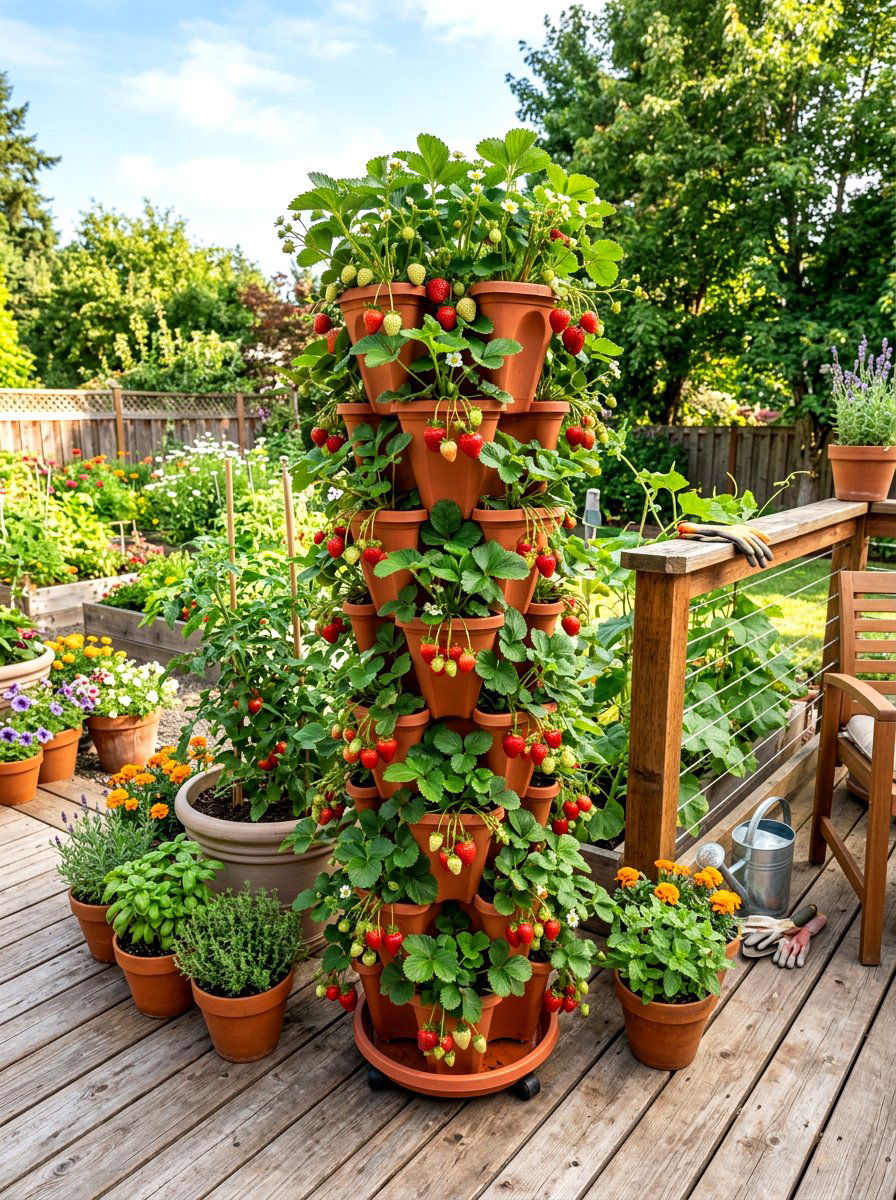
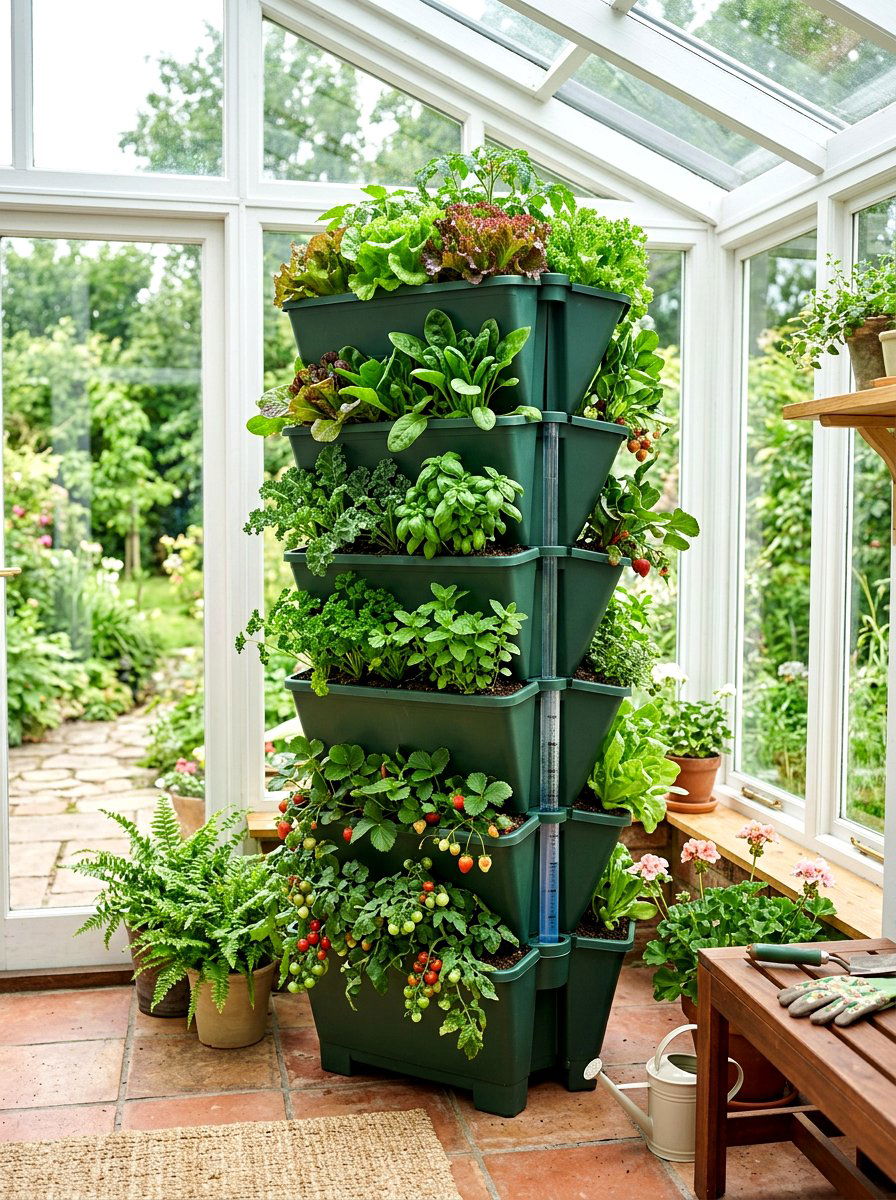
Strawberries are well-suited for container life, especially in specialized tower planters that feature multiple side openings. These towers allow you to grow dozens of plants in a single vertical column, making them incredibly space-efficient. The berries stay off the ground, which reduces the risk of rot and keeps them away from many common pests. Placing a strawberry tower in a sunny spot on your balcony will ensure a bountiful harvest of sweet, homegrown fruit throughout the summer. Many designs are made of lightweight plastic, making them easy to rotate so every plant gets enough sunlight. It is a rewarding project for families, as kids will love being able to pluck fresh berries right outside the door for a healthy snack.
20. Dwarf Fruit Tree
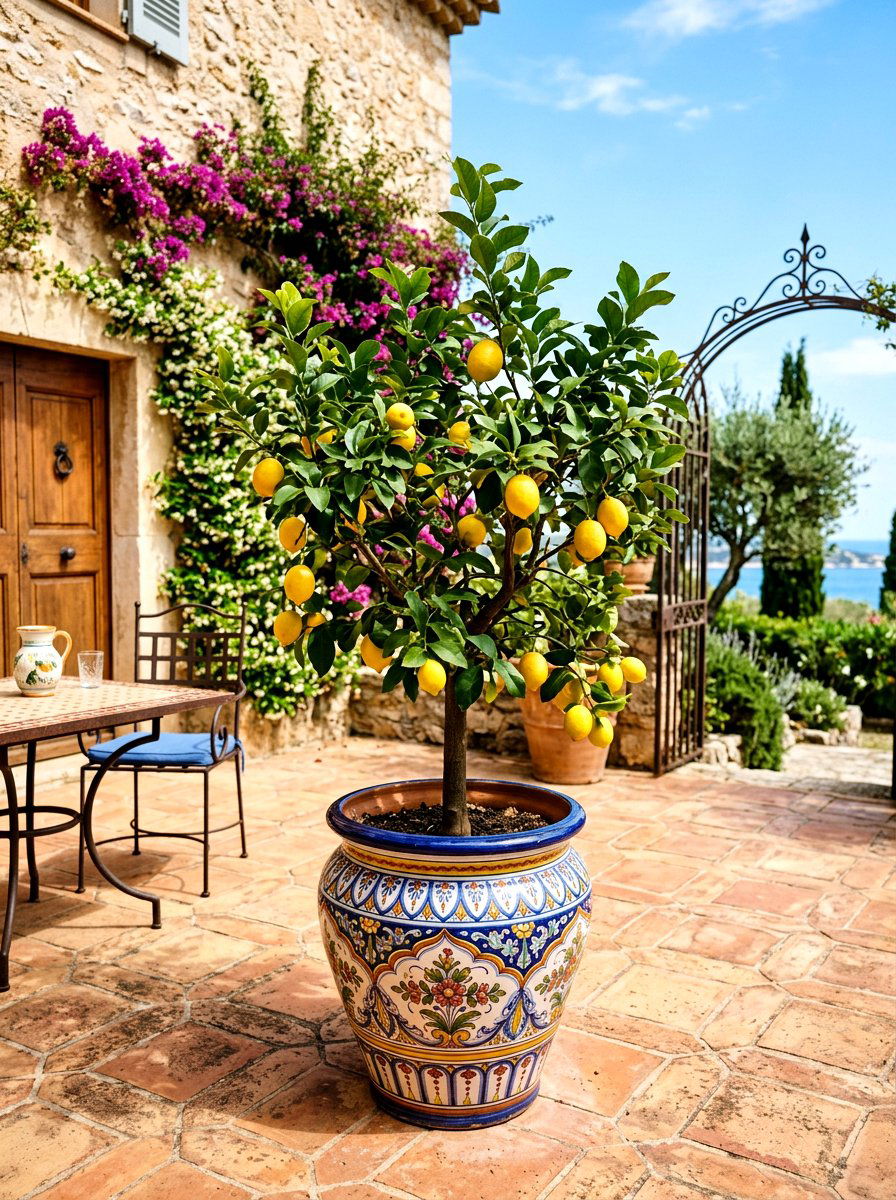
Modern breeding has produced many dwarf varieties of fruit trees that are specifically designed to live in containers. You can now grow lemons, limes, figs, and even apples in large pots on a small patio or sunny balcony. These trees provide beautiful blossoms in the spring and delicious fruit in the late summer or fall. Because their roots are confined, they stay at a manageable height while still being highly productive. Use a heavy, stable pot and a high-quality potting mix enriched with compost to provide the nutrients they need. Fruit trees in containers act as structural elements in your design, adding a sense of permanence and grandeur to a small space. They are a long-term investment that yields literal fruits.
21. Fairy Garden Bowl
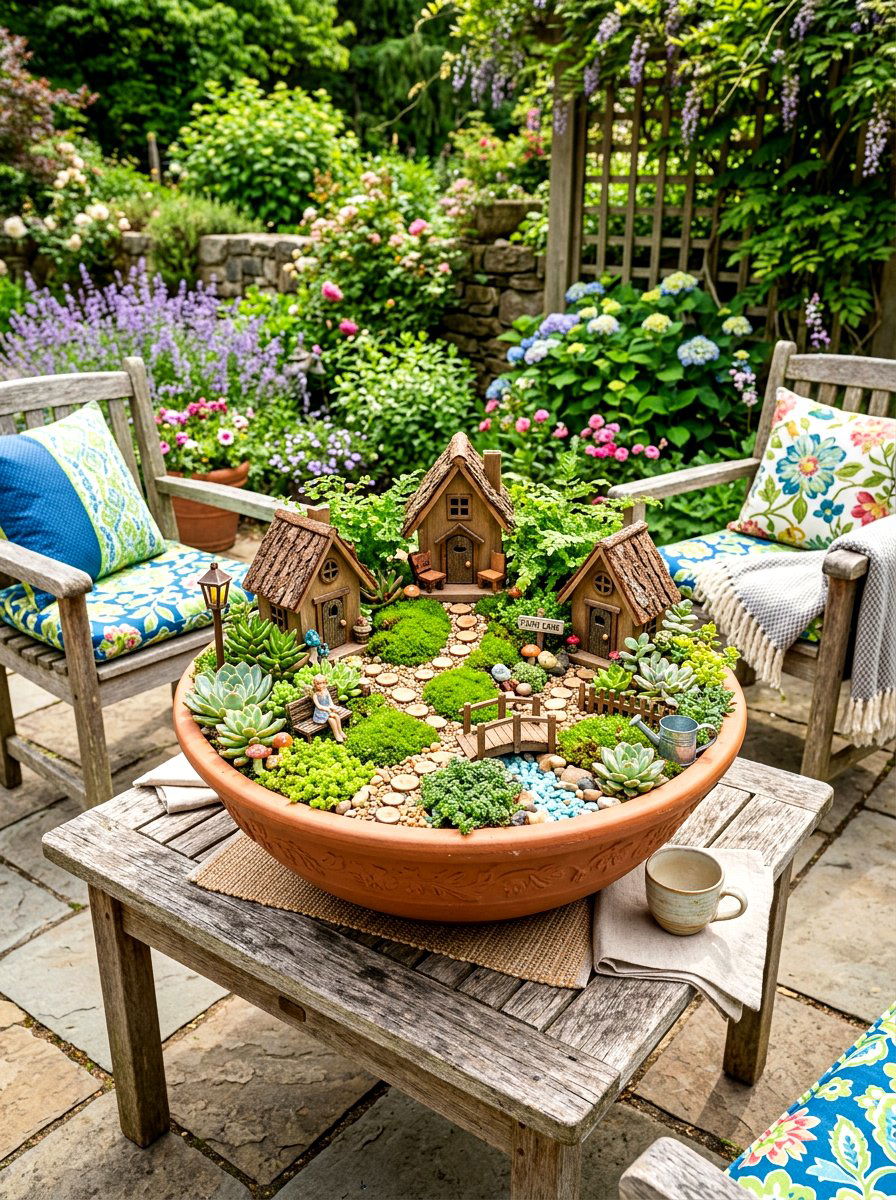
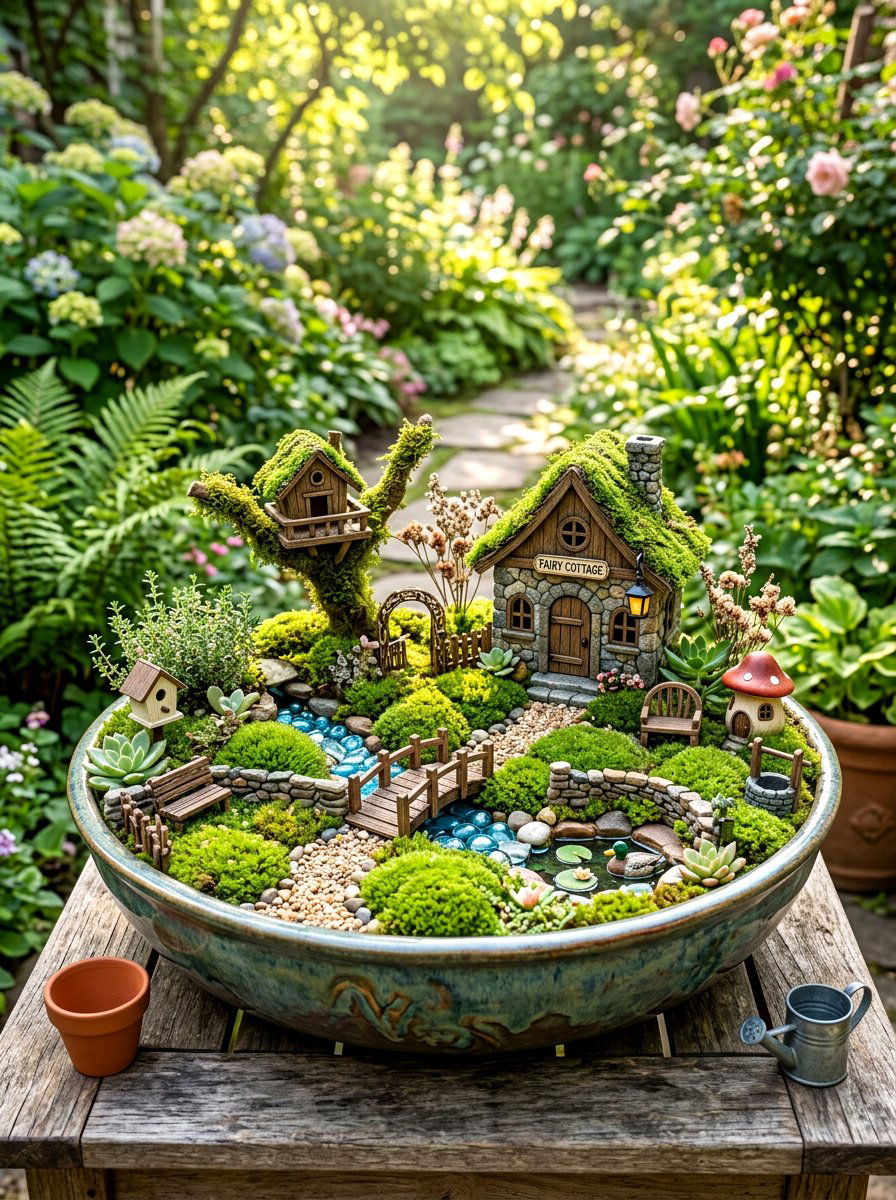
For those who enjoy a bit of whimsy and detail, a fairy garden in a large, shallow container is a perfect creative outlet. These miniature landscapes use tiny plants like creeping thyme, moss, and miniature ferns to create a small-scale world. You can add tiny houses, paths made of pebbles, and even small ponds using blue glass. This type of container garden is ideal for table-top displays where you can appreciate the intricate details up close. It is a fantastic way to engage children in gardening, but many adults find the process of designing these miniature scenes incredibly relaxing and artistic. Despite their small size, they require regular attention to keep the tiny plants pruned and the landscape looking perfectly proportioned.
22. Monochromatic Flower Pot
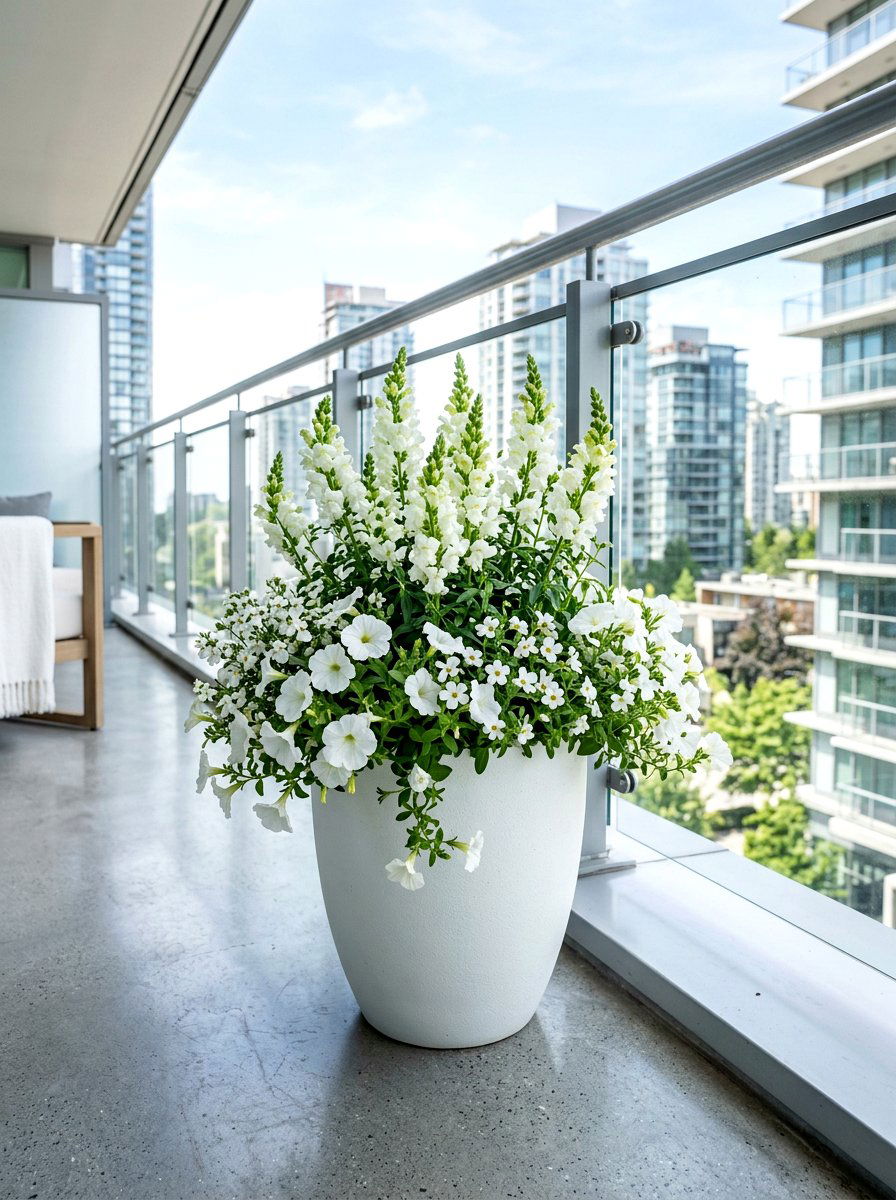
Creating a high-impact look in a small space can be as simple as sticking to a single color for your floral displays. A monochromatic container garden, such as one featuring only white flowers or different shades of purple, looks incredibly sophisticated and modern. Use various plants with different textures and heights to keep the arrangement interesting. For example, a white-themed pot could include tall snapdragons, mounding petunias, and trailing alyssum. This approach creates a sense of calm and order that can make a cluttered balcony feel more spacious and intentional. It is a favorite technique of professional landscape designers because it creates a clear focal point without overwhelming the senses. Matching the pot color to the flowers can further enhance this.
23. Tall Resin Planter
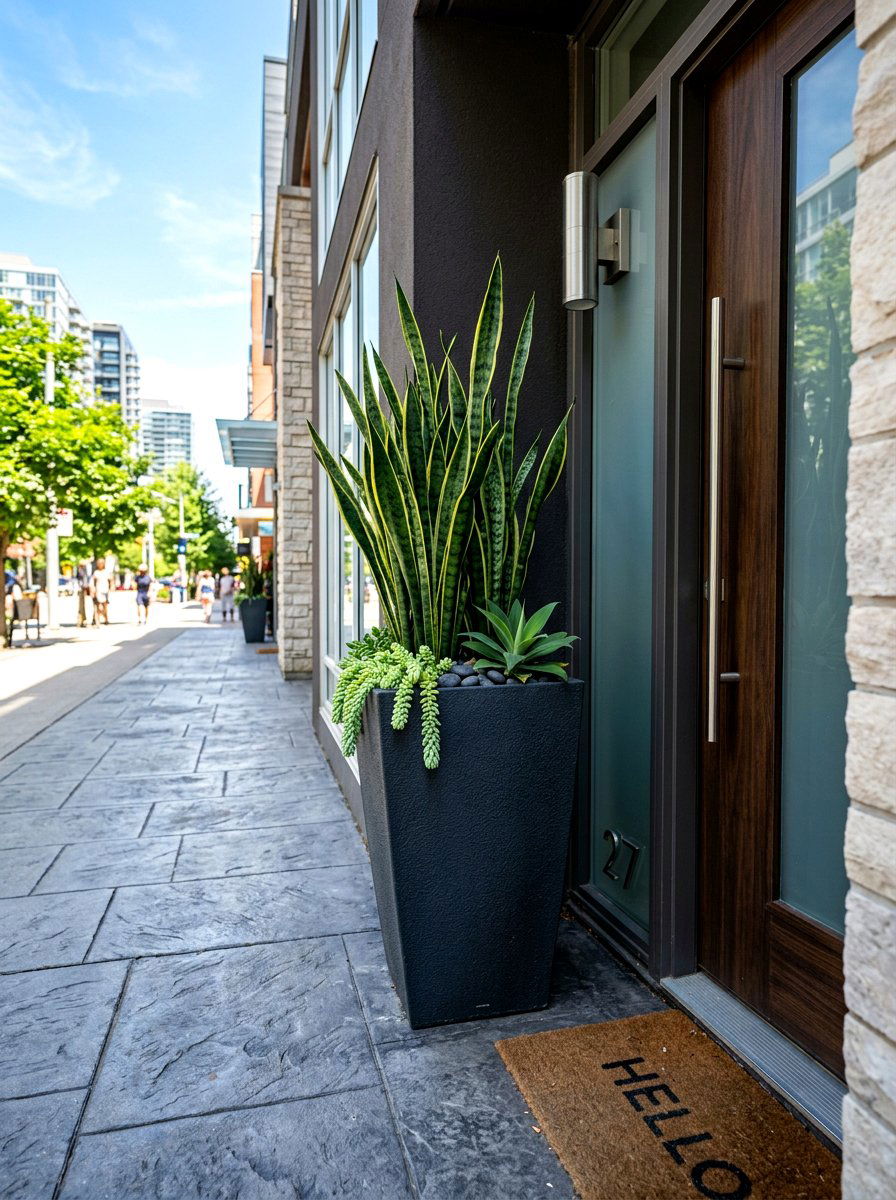
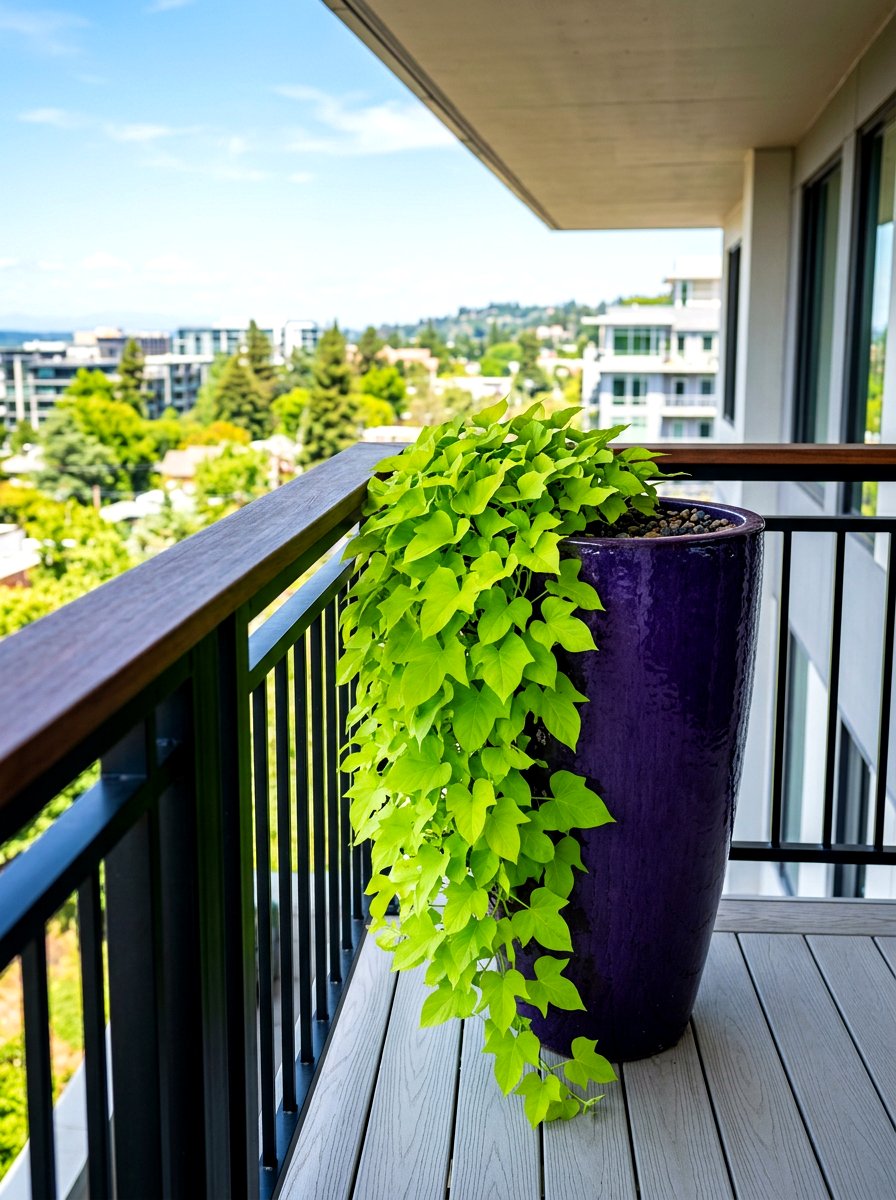
Tall, slender planters are ideal for adding height and a modern architectural element to a small balcony or doorway. Resin is a popular material because it is lightweight, durable, and can mimic the look of more expensive concrete or stone. These planters take up very little floor space but can hold dramatic plants like snake plants, ornamental grasses, or boxwood topiaries. Because they are deep, you can fill the bottom half with lightweight materials like recycled plastic bottles to save on soil and make the pot easier to move. The vertical lines of a tall planter help draw the eye upward, which can make a small outdoor area feel more expansive. They are a sleek solution for contemporary urban living spaces.
24. Concrete Trough Garden
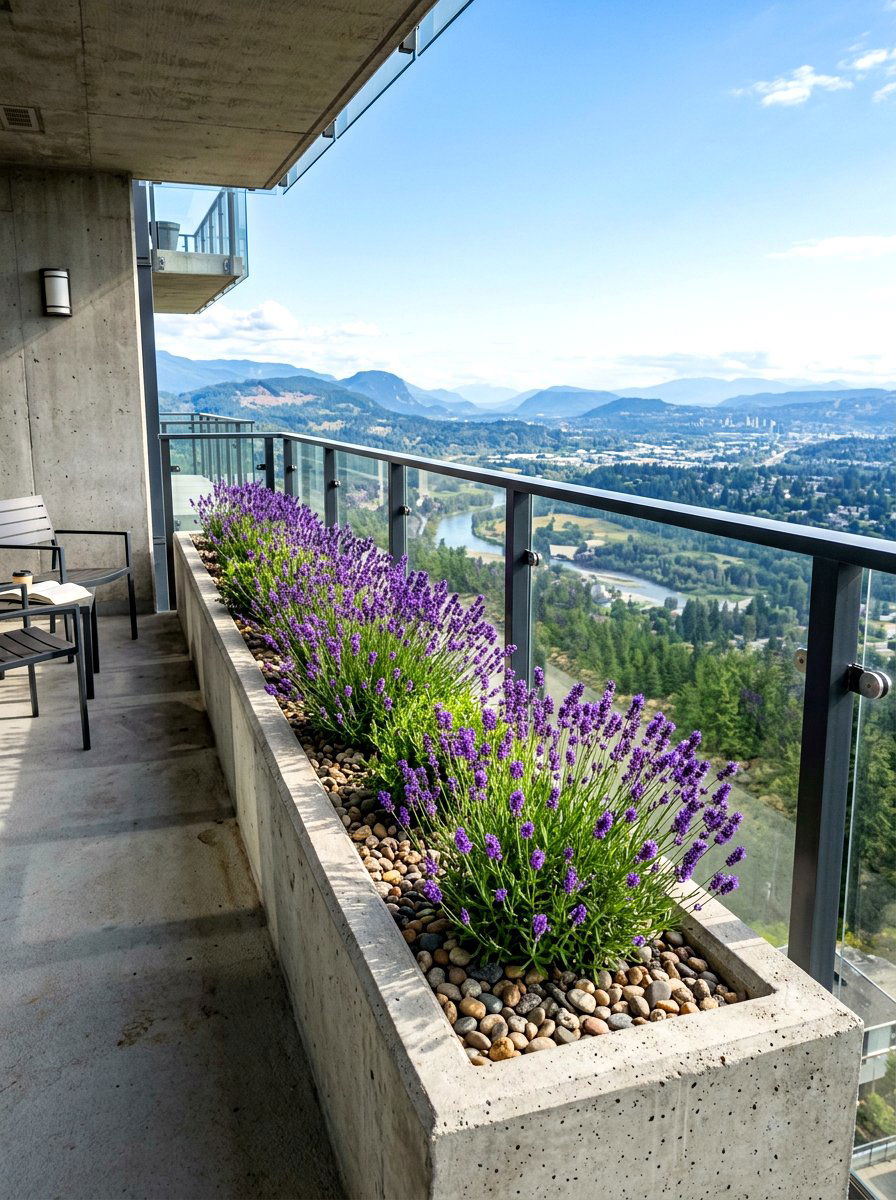
Concrete troughs provide a solid, industrial look that is perfect for a modern or minimalist outdoor aesthetic. These long, narrow containers are excellent for lining the edge of a balcony or creating a border along a wall. They are very heavy and stable, making them a great choice for areas that experience high winds. You can plant them with a simple row of lavender for a fragrant and colorful boundary, or fill them with a variety of succulents for a low-maintenance display. The neutral gray of the concrete makes the green of the plants pop, creating a striking visual contrast. Over time, concrete develops a beautiful patina that adds character and a sense of age to your small garden setup.
25. Japanese Maple Pot
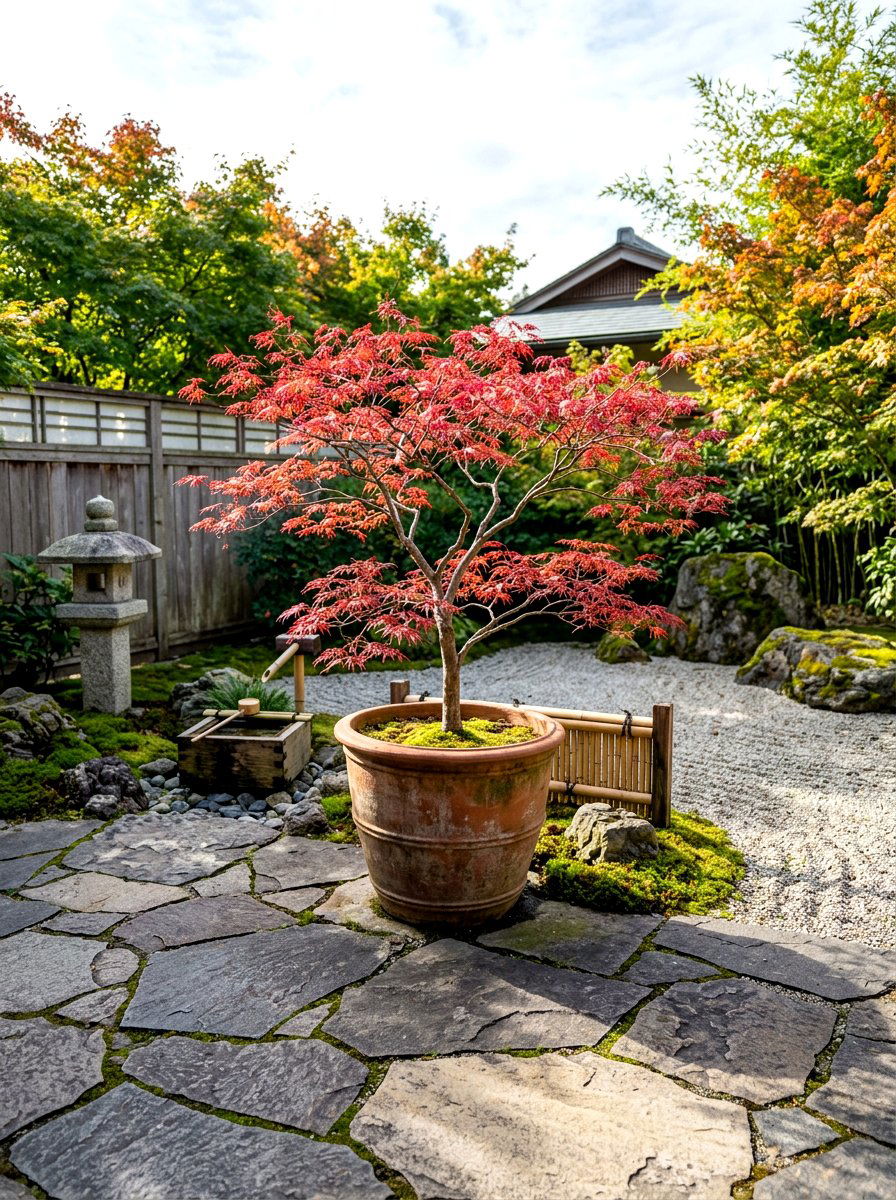
A Japanese Maple is a stunning specimen tree that can thrive in a large container for many years. Known for their delicate, lace-like leaves and incredible autumn colors, these trees bring a sense of Zen and elegance to any small garden. They are relatively slow-growing, which makes them perfect for container life where they won 't quickly outgrow their space. Choose a variety that stays compact, such as ' Crimson Queen 'or ' Bloodgood, ' and place it in a spot with filtered sunlight. The container itself should be large and well-draining to protect the tree’s sensitive root system. A single Japanese Maple can act as the crown jewel of your outdoor space, providing a changing display of beauty throughout all four seasons.
26. Pollinator Friendly Container
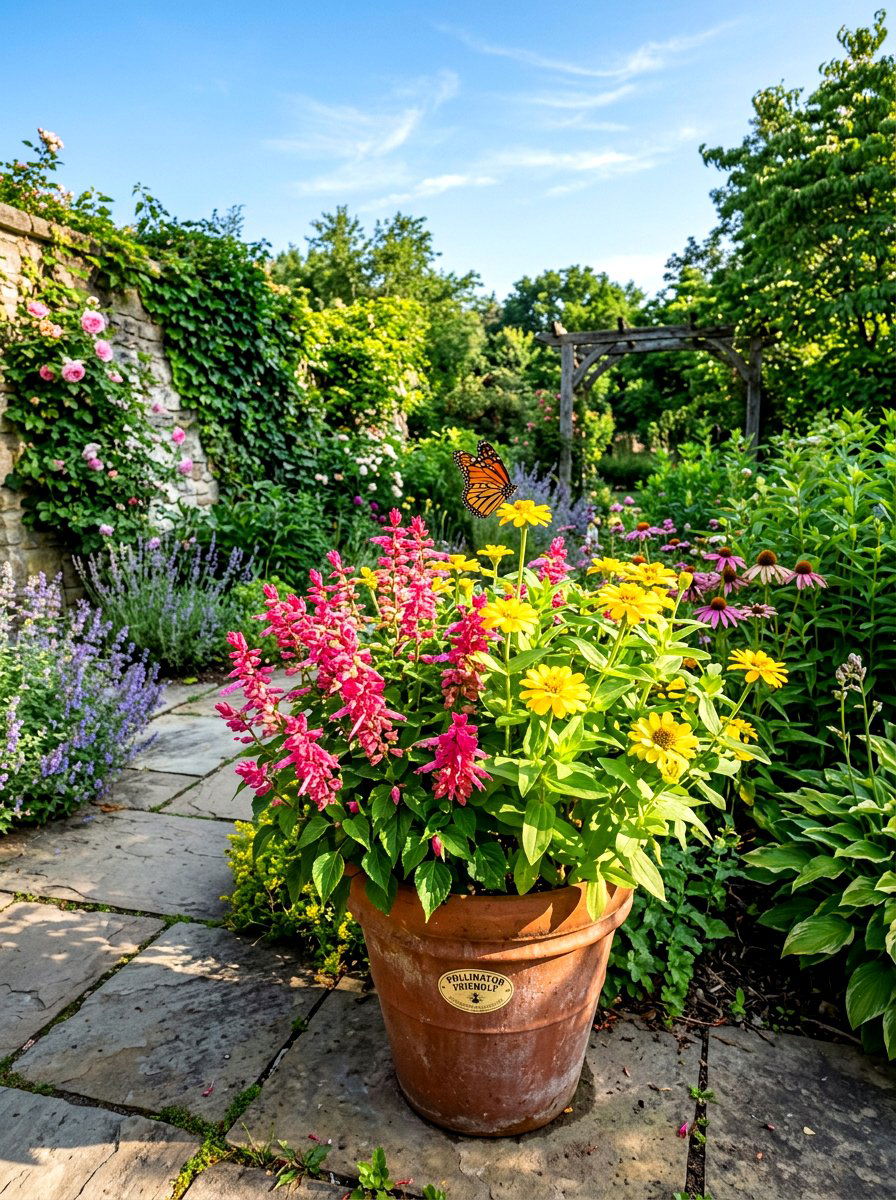
Even with just a few pots, you can create a vital habitat for bees, butterflies, and hummingbirds. A pollinator-friendly container garden features nectar-rich flowers like Salvia, Lantana, and Zinnia that attract these beneficial insects. By providing a food source in an urban environment, you are contributing to local biodiversity while enjoying the lively movement of visitors to your balcony. Grouping these plants together makes them more visible to pollinators from a distance. Choose plants that bloom at different times to ensure a consistent food supply throughout the growing season. This type of garden is not only beautiful to look at but also deeply rewarding, as you witness the direct impact of your gardening efforts on the local environment around you.
27. Privacy Screen Planter
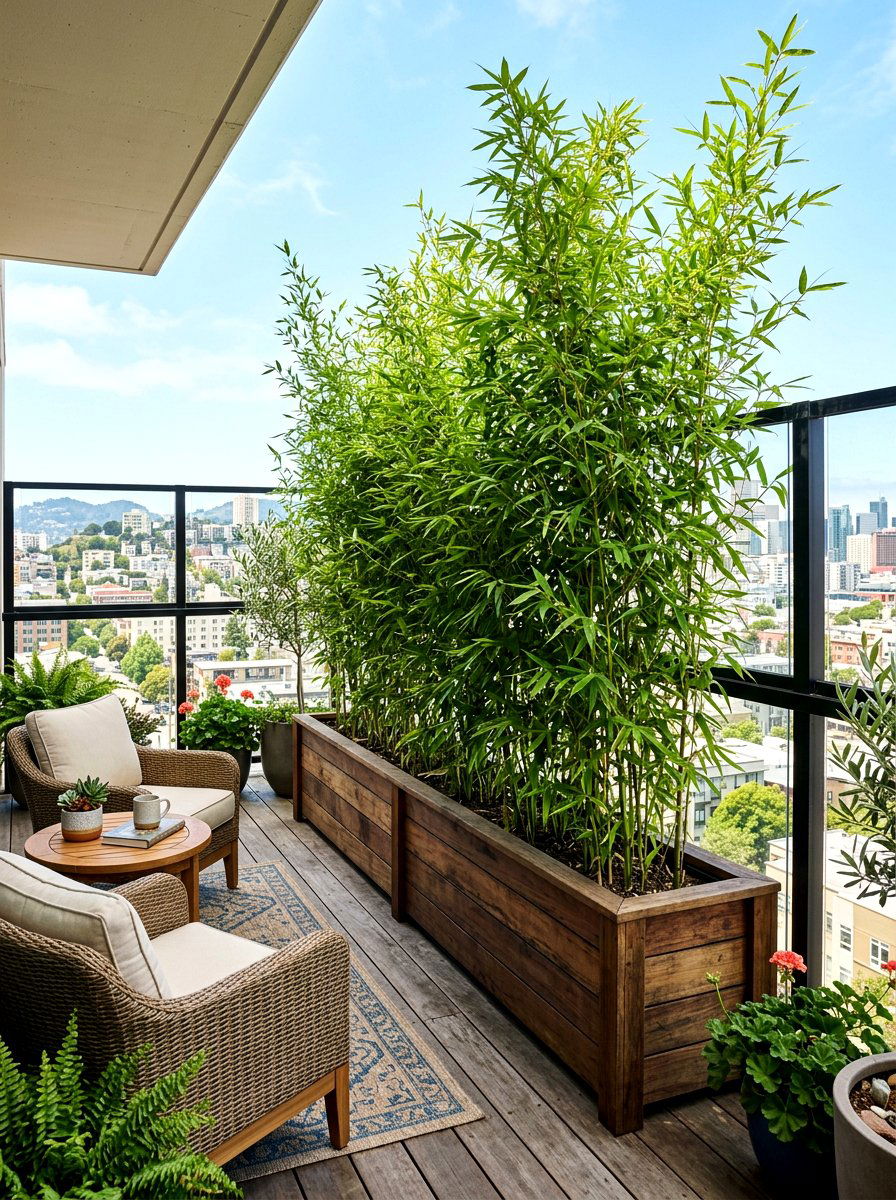
If your balcony is overlooked by neighbors, you can use tall containers and fast-growing plants to create a natural privacy screen. Bamboo, tall ornamental grasses, or climbing vines on a trellis are all excellent choices for blocking unwanted views. These living walls provide a much softer and more attractive barrier than a plastic or wooden screen. Use a row of identical containers to create a clean, uniform look that feels like a deliberate design choice. In addition to visual privacy, a dense layer of greenery can also help dampen street noise, making your outdoor space feel like a quiet, secluded retreat. It is a functional and beautiful way to reclaim your personal space in a busy city or suburban neighborhood.
28. Modern Geometric Pot
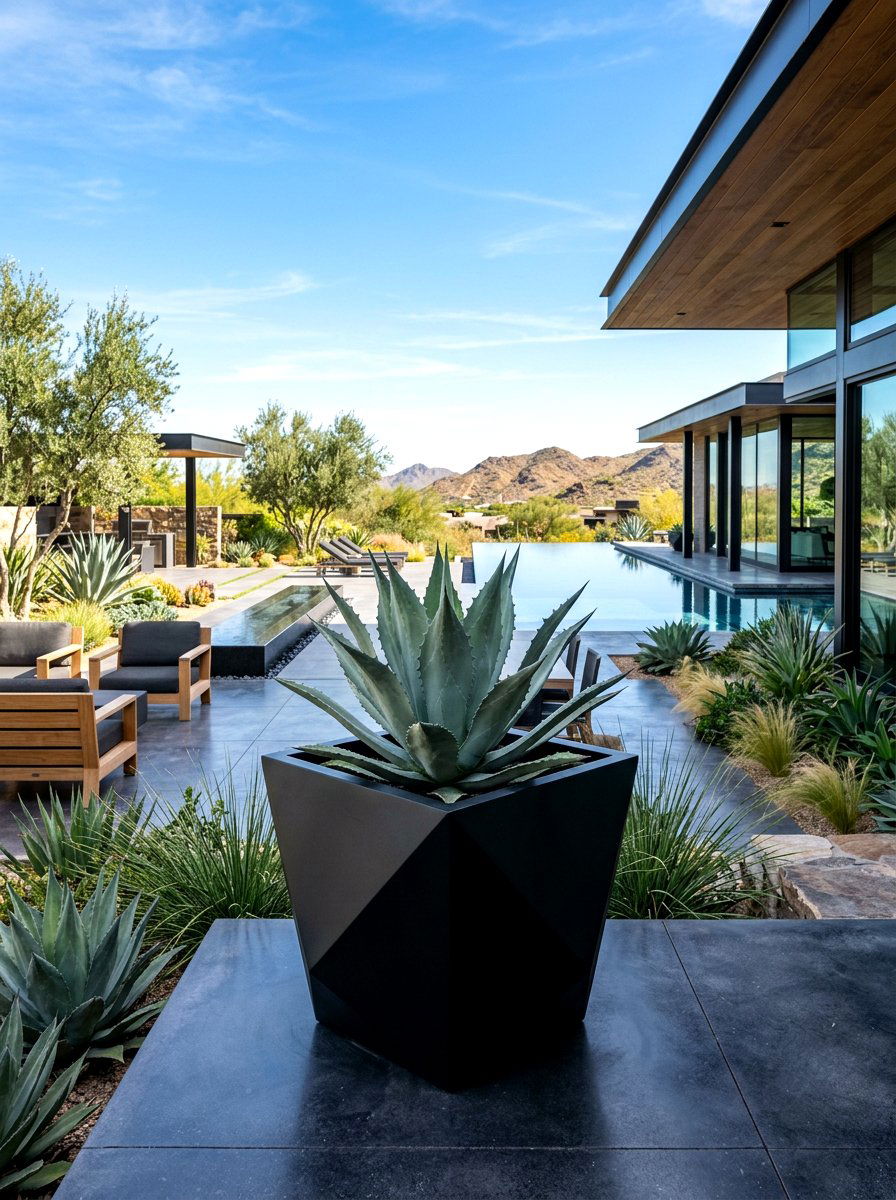
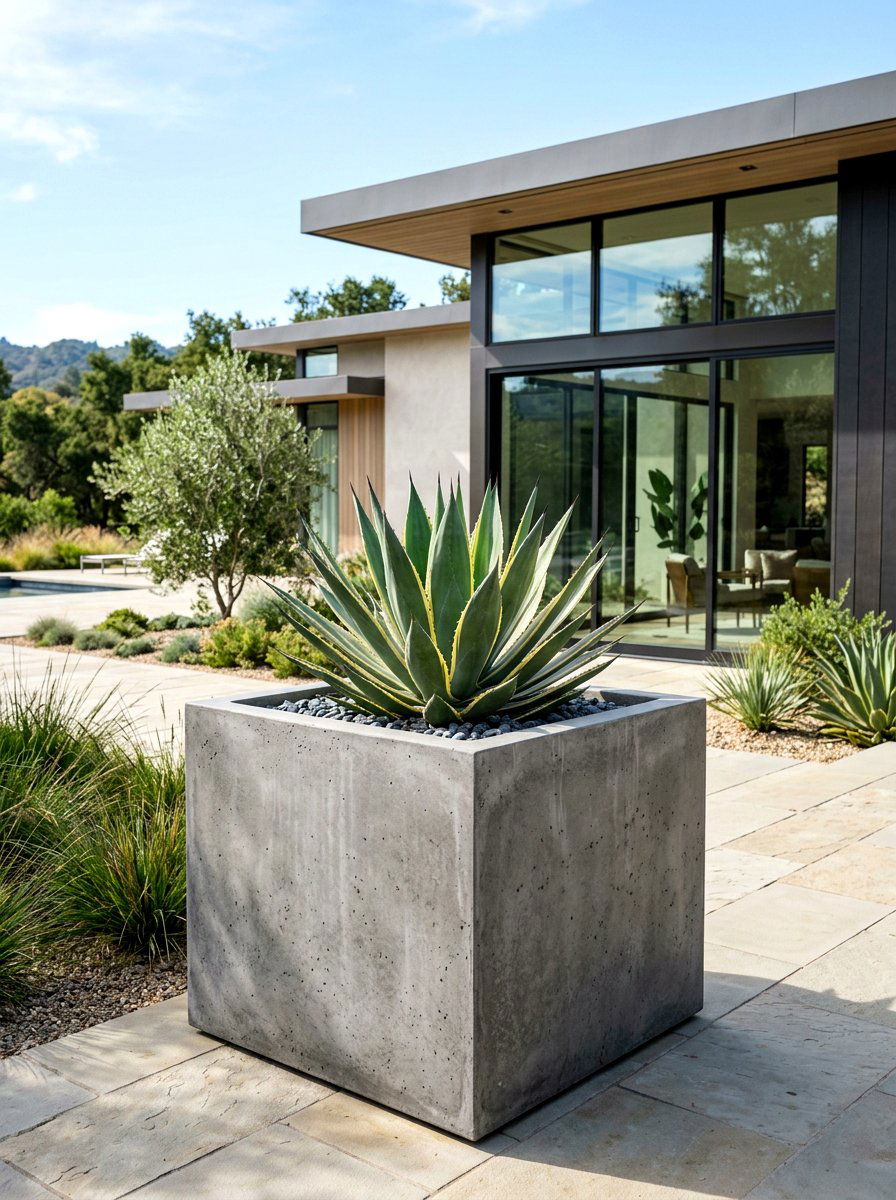
Using pots with sharp angles and geometric shapes is a quick way to give your small garden a contemporary edge. These containers often come in bold colors like matte black, crisp white, or metallic finishes, providing a stark contrast to the organic forms of the plants inside. They work exceptionally well with architectural plants like Sansevieria, Agave, or structural evergreens. Arranging a few geometric pots in a small cluster creates a sophisticated art-like installation that is as much about the vessels as it is about the plants. This style is particularly effective in modern apartment balconies where the architecture is clean and linear. It demonstrates that even a tiny garden can have a big impact through thoughtful, high-end design choices and placement.
29. Upcycled Tire Planter
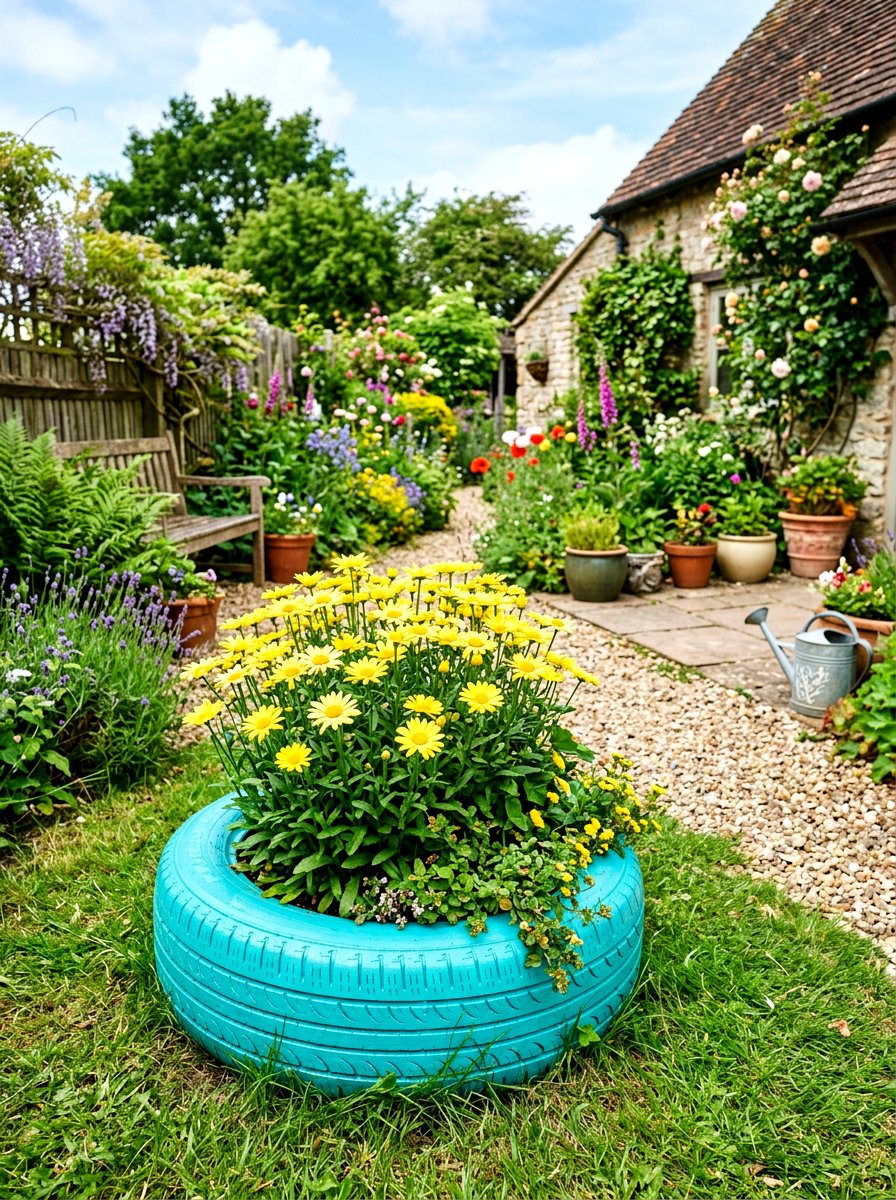
Repurposing old items like tires can add a unique, eclectic touch to a small garden while being environmentally friendly. A painted tire serves as a sturdy, deep container that is perfect for hardy perennials or even a small shrub. By stacking tires, you can create different heights, which adds visual variety to a flat balcony or patio. Use bright, outdoor-grade spray paint to transform the rubber into a decorative feature that matches your style. This approach is not only cost-effective but also incredibly durable against the elements. Fill the center with high-quality potting mix and ensure there are holes drilled for drainage. It is a creative way to give new life to discarded materials while building a productive space.
30. Herb Spiral Container
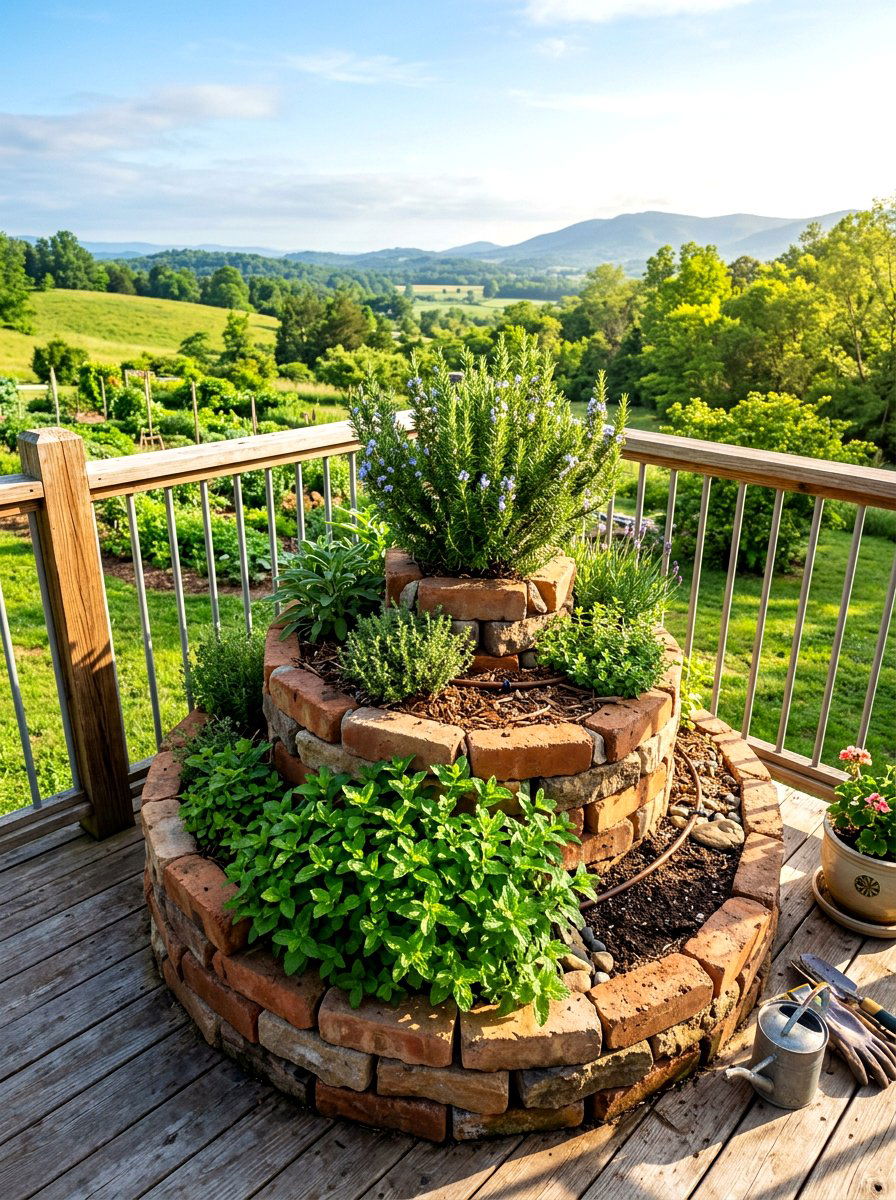
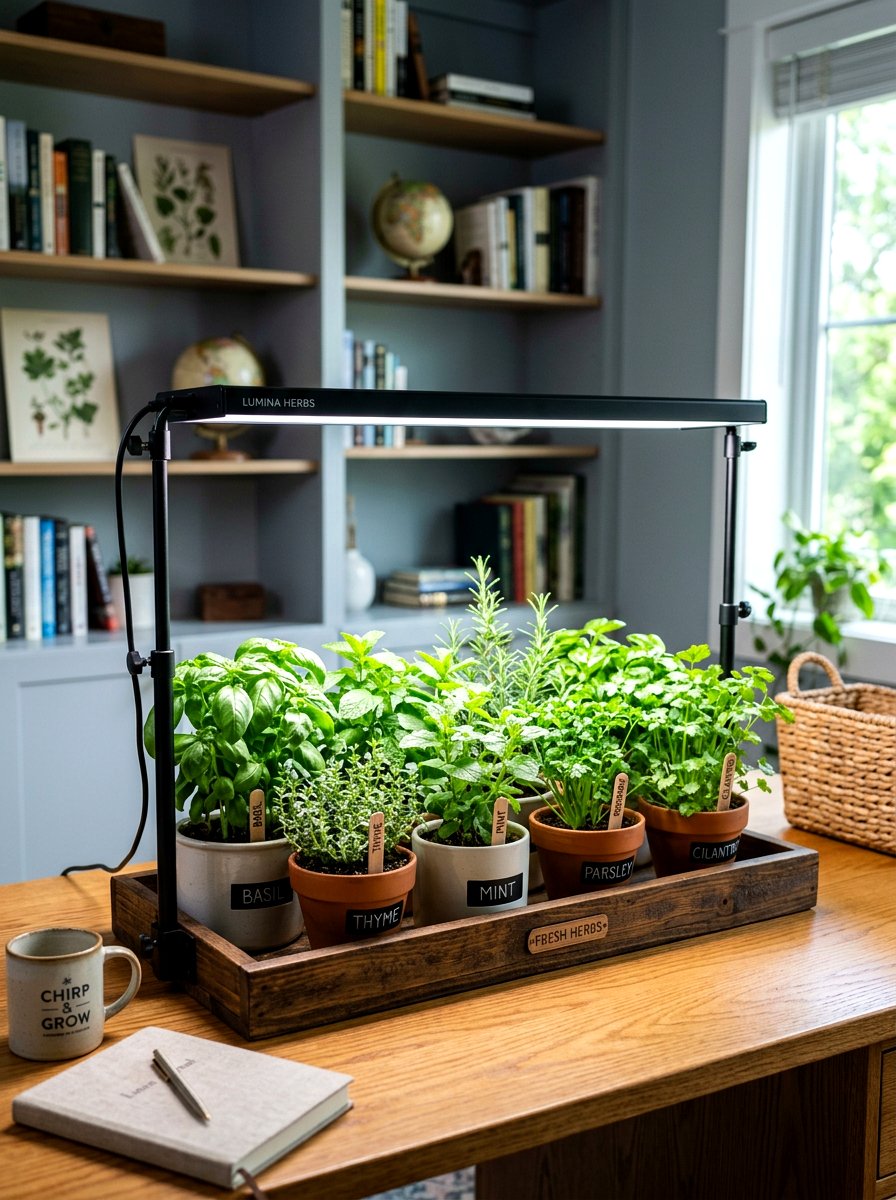
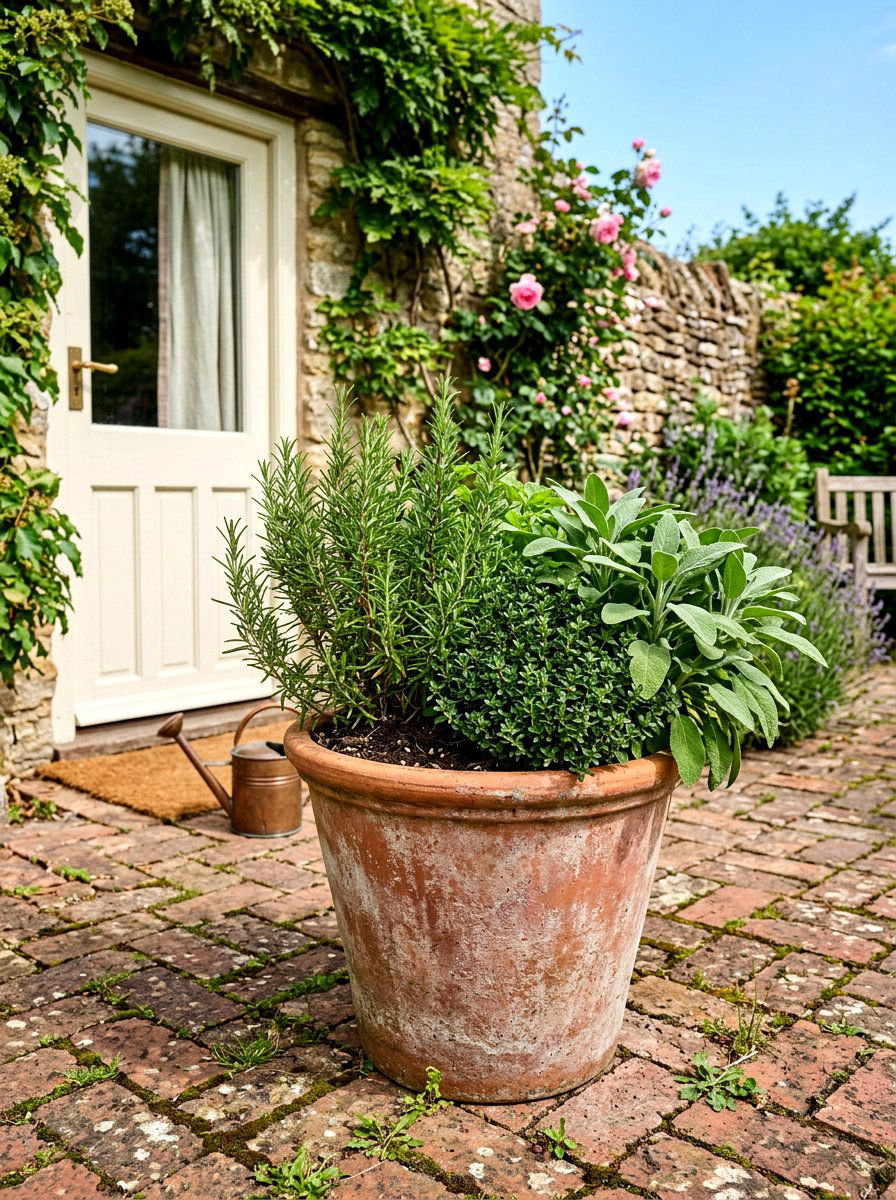
Inspired by permaculture, a herb spiral is a brilliant way to grow several different herbs with varying needs in one compact unit. While traditionally built in the ground, you can find or create container versions that use a tiered, circular design. The top of the spiral is the warmest and driest spot, perfect for Mediterranean herbs like rosemary and oregano. As you move down the spiral, the soil stays moister and cooler, which is ideal for parsley, chives, and mint. This vertical structure maximizes the surface area for planting while occupying a very small footprint on your patio. It is a functional and visually interesting way to ensure you always have a fresh variety of culinary herbs ready for your next meal.
Conclusion:
Wrapping up the journey of small space gardening reveals that even the most modest areas can become thriving green sanctuaries with just a little effort. By embracing containers, you gain the flexibility to move your plants as the seasons change and experiment with different styles without a permanent commitment. Whether you choose a vertical wall of herbs or a single, statement fruit tree, the joy of nurturing life is always rewarding. Gardening is a continuous learning process that encourages patience and creativity, qualities that are reflected in every leaf and bloom you cultivate. We hope these thirty ideas inspire you to pick up a trowel and start your own miniature landscape today. With a little bit of planning and care, your small space will soon be overflowing with beauty, fragrance, and the peaceful energy that only a garden can provide.

Related posts: