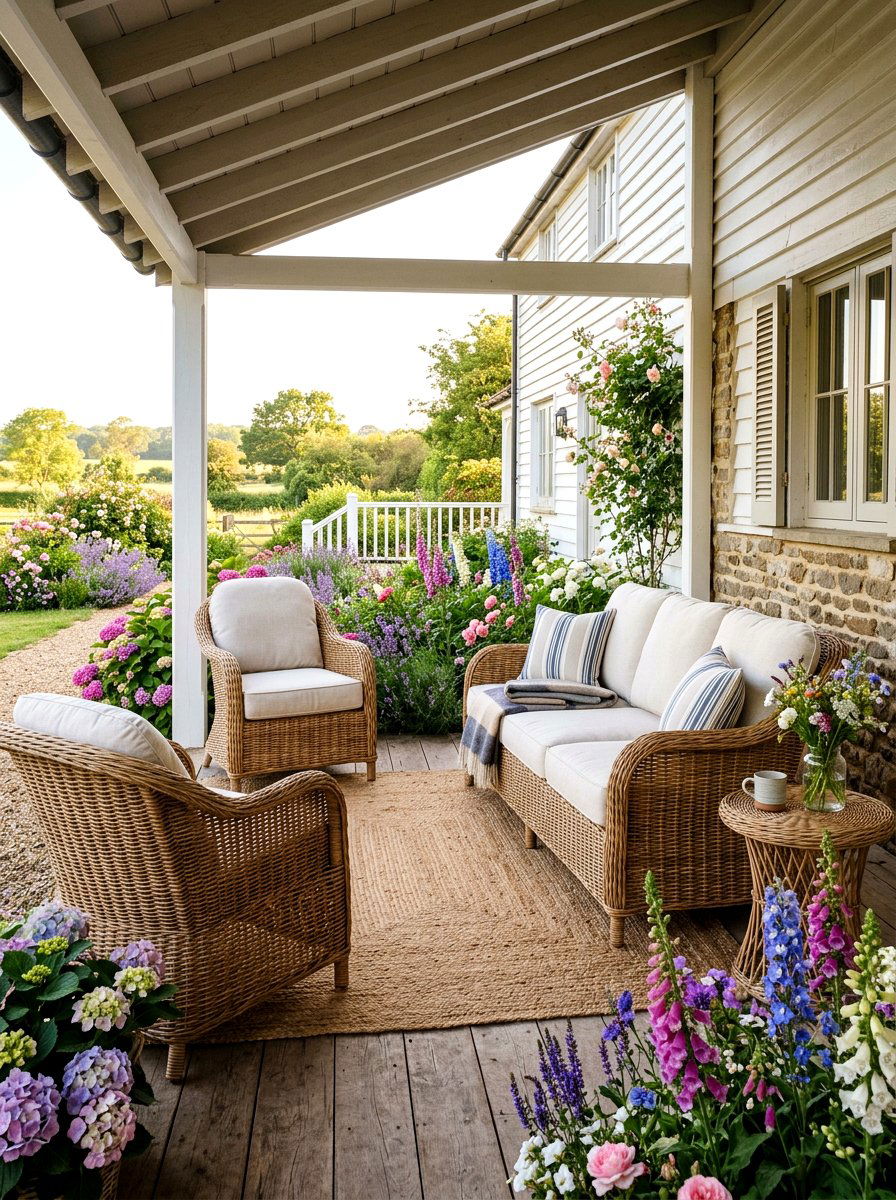
Vertical gardening has become a revolutionary way to maximize green space in modern homes. Whether you have a tiny urban balcony or a sprawling suburban backyard, utilizing vertical planes allows you to grow more plants without sacrificing precious floor area. These structures turn empty walls and fences into lush, living tapestries that provide fresh herbs, colorful blooms, and improved air quality. Beyond their practical space-saving benefits, they serve as stunning architectural focal points that elevate the aesthetic of any outdoor or indoor environment. Choosing the right design depends on your available light, plant types, and maintenance preferences. This guide explores creative ways to bring nature upward into your living space.
1. Wall Mounted Cedar Vertical Planter Box
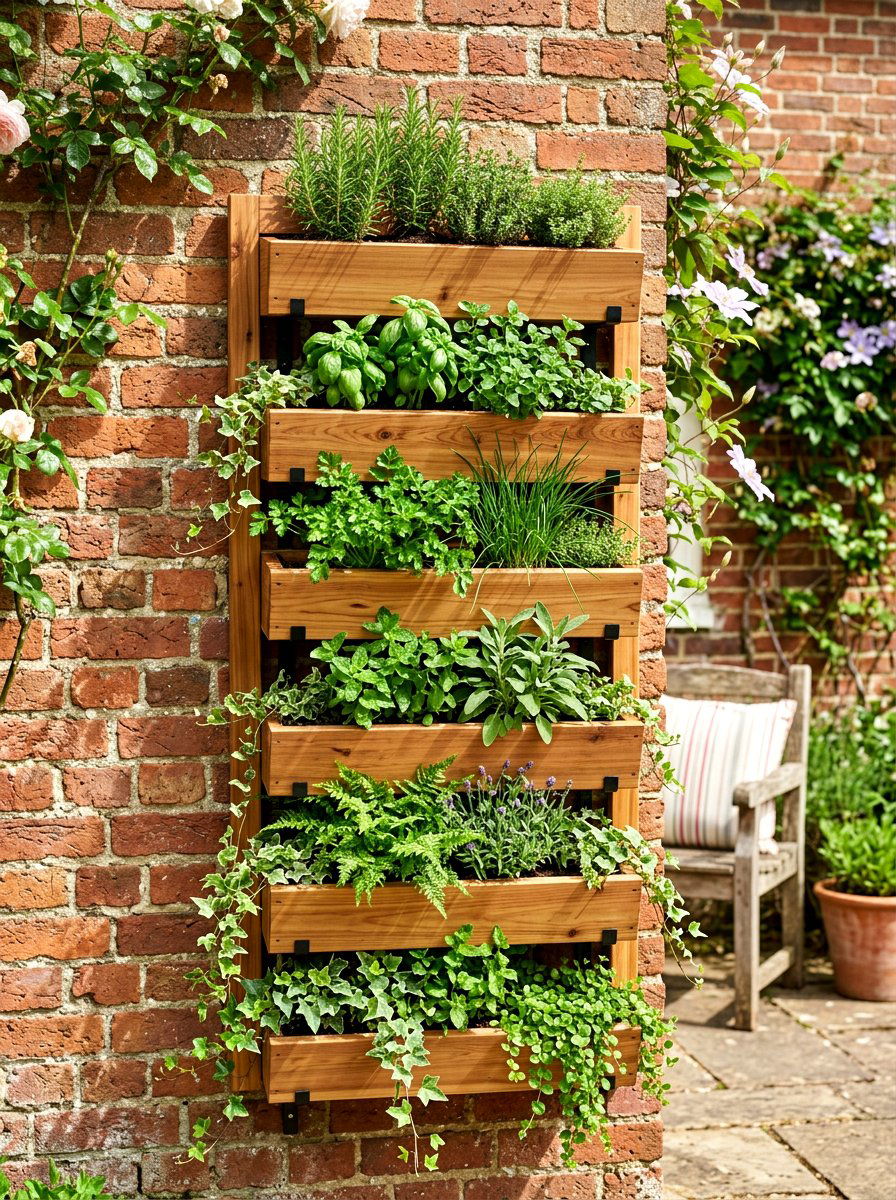
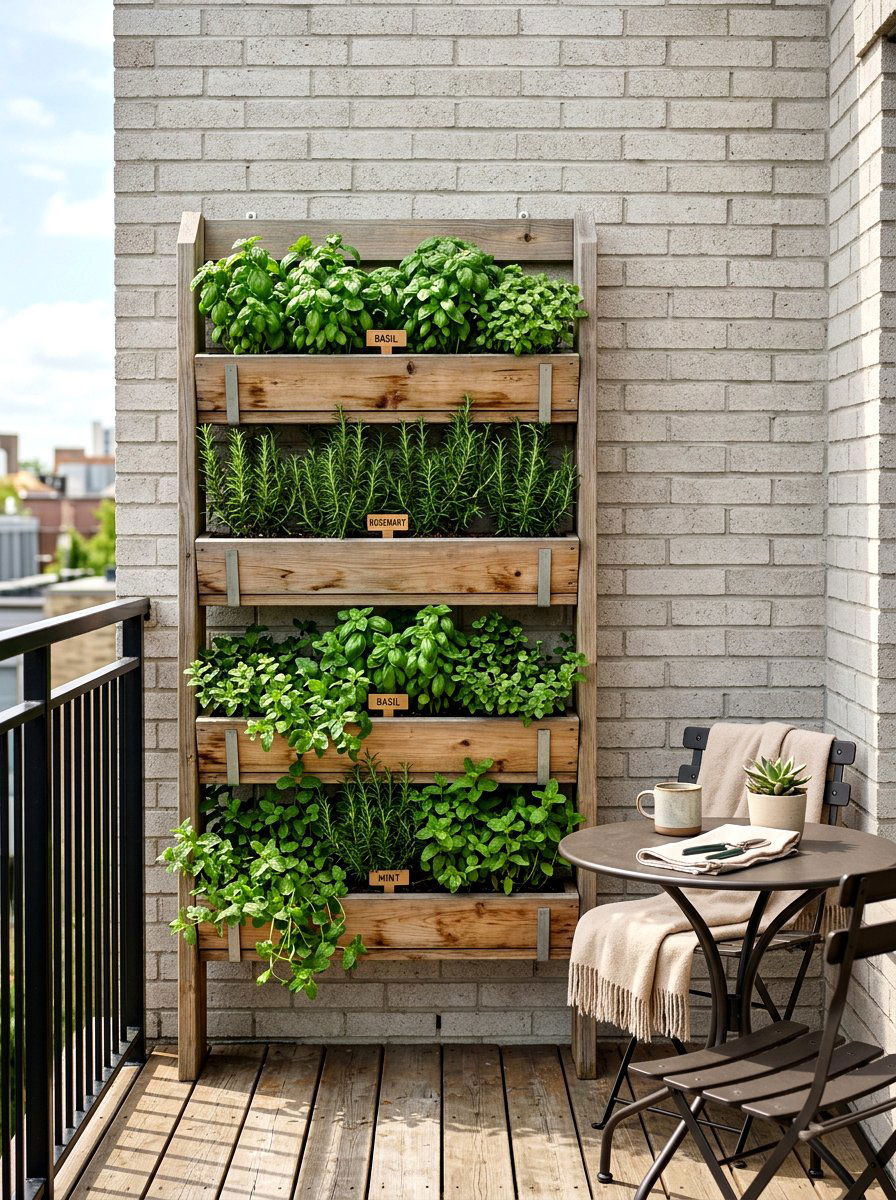
Choosing a wall mounted cedar vertical planter box is an excellent way to introduce natural warmth and durability to your outdoor space. Cedar is naturally resistant to rot and insects, making it the perfect material for structures that frequently come into contact with moisture and soil. These boxes are often arranged in a series of parallel rows or staggered patterns to create a full green wall effect. By mounting them directly onto a sturdy fence or exterior house wall, you can grow a variety of trailing vines or compact herbs at eye level. This setup is particularly effective for small patios where every square foot of ground space is valuable for furniture.
2. Wooden Ladder Vertical Planter Box
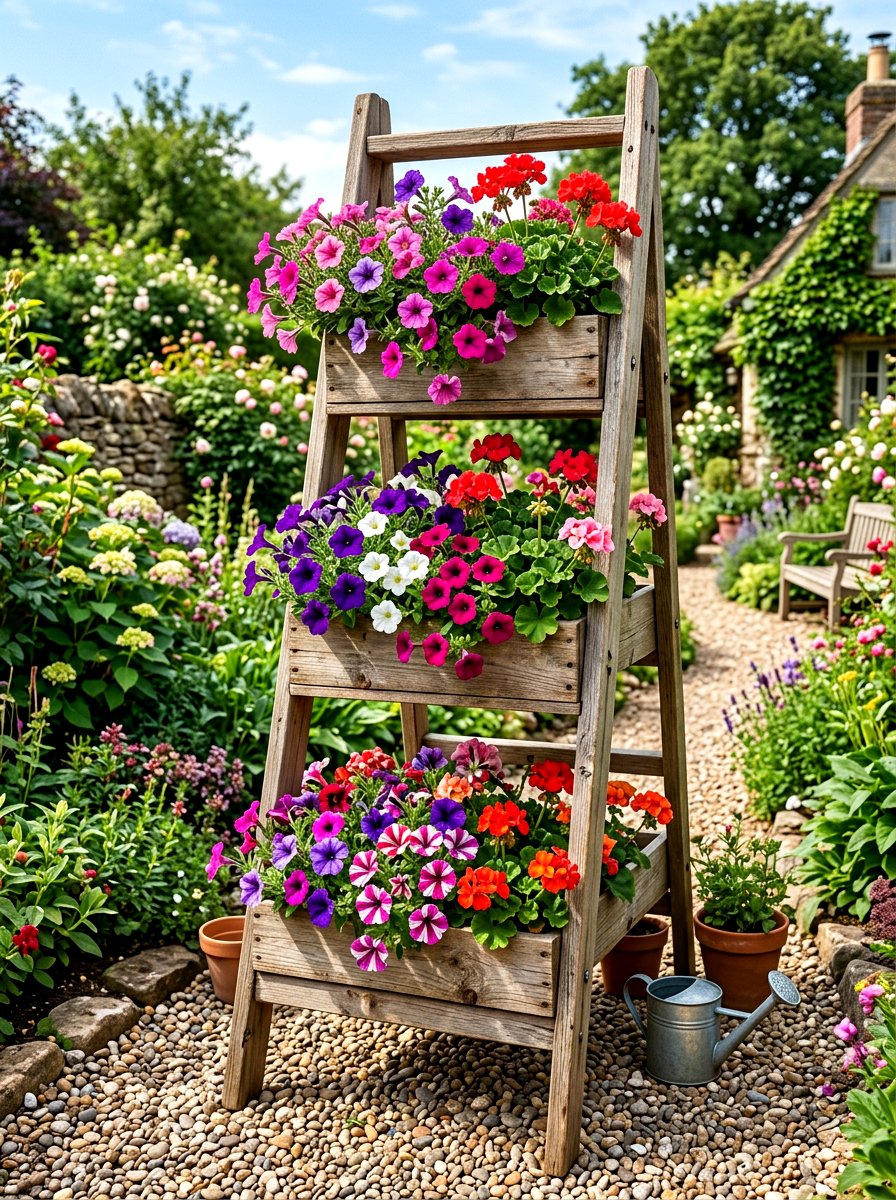
A wooden ladder vertical planter box offers a charming and rustic way to display your favorite greenery without the need for permanent wall installation. This freestanding design typically features several boxes or shelves arranged in a tiered fashion, resembling the steps of a ladder. The angled profile ensures that plants on the lower levels receive plenty of sunlight while also making watering and harvesting much easier for the gardener. You can easily move this structure around your porch or balcony to find the best sun exposure throughout the season. It works beautifully for a mix of flowering annuals and shallow-rooted vegetables like lettuce or spinach.
3. Pallet Style Vertical Planter Box
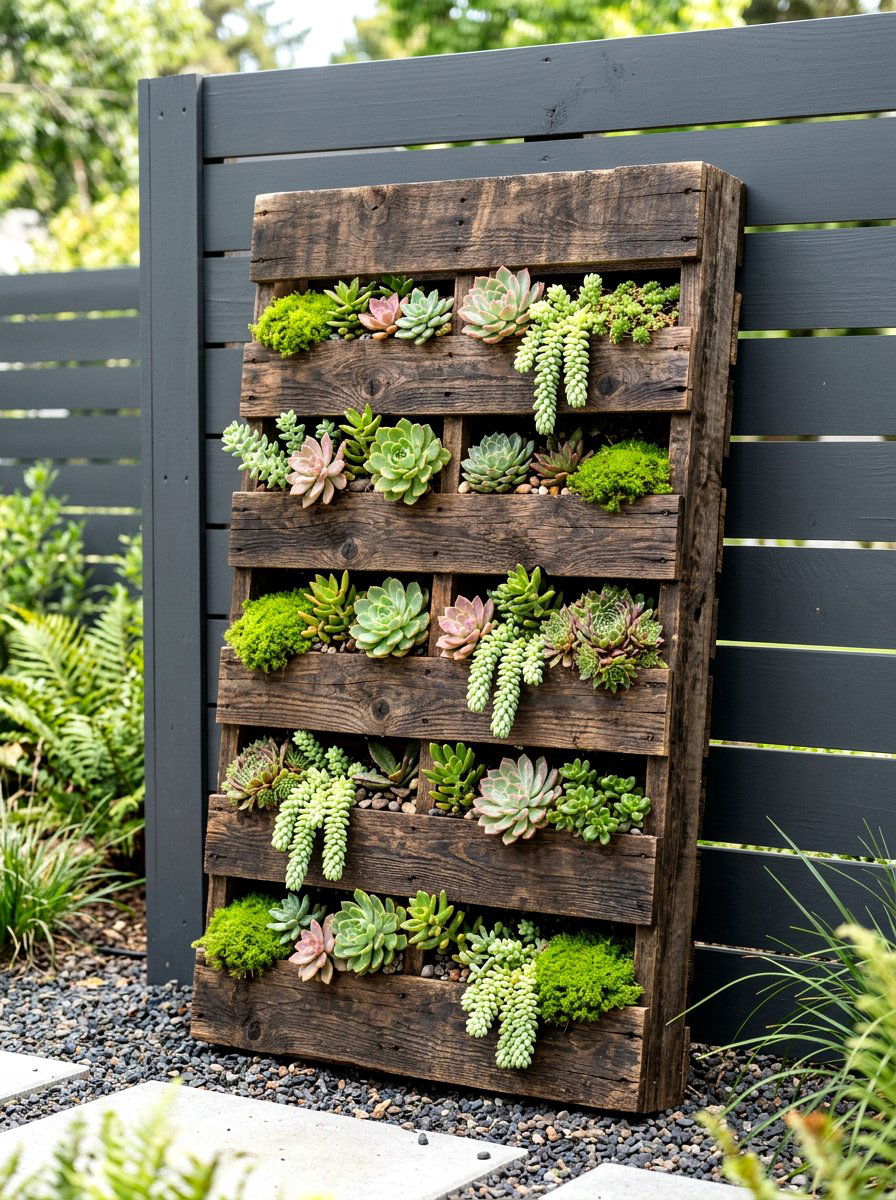
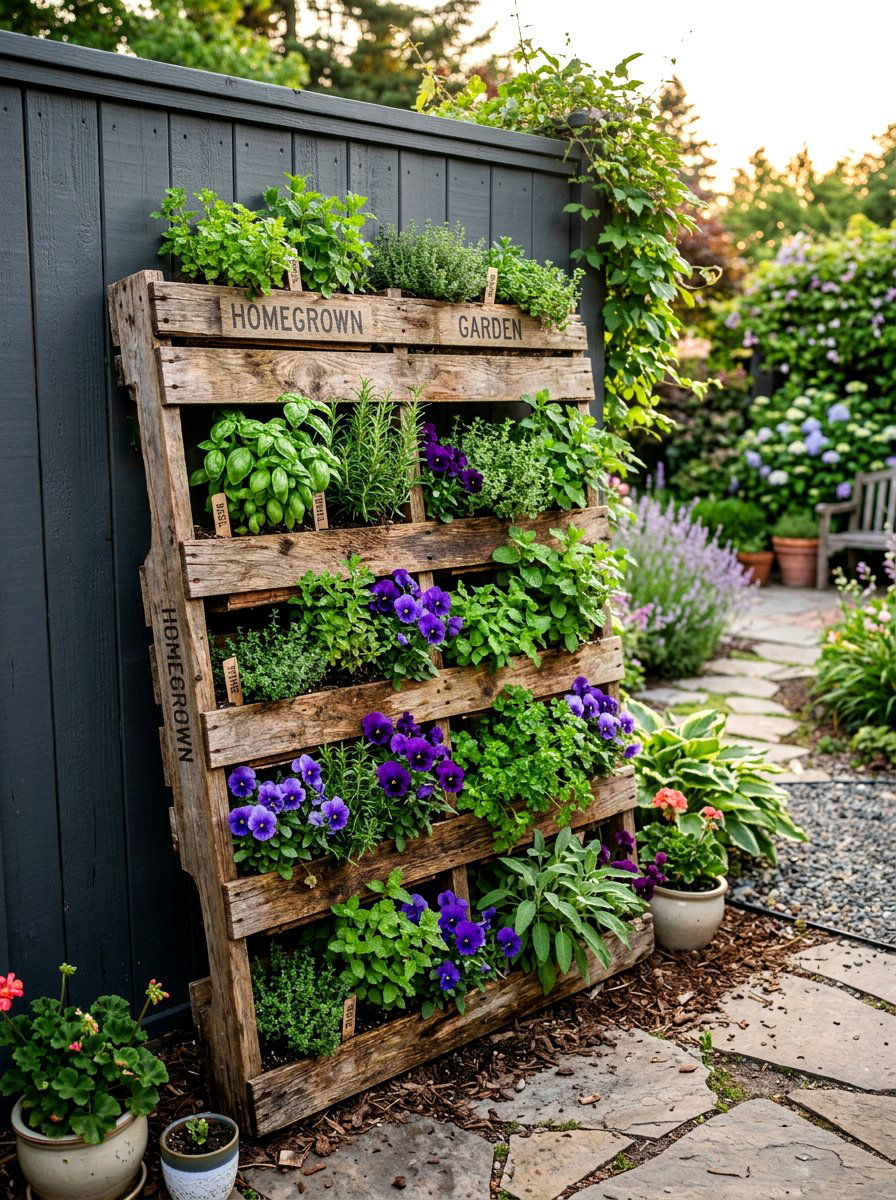
Creating a pallet style vertical planter box is a sustainable and budget-friendly project that adds a rugged, industrial character to any garden. Many homeowners upcycle old wooden pallets by sealing the back with landscape fabric and filling the internal slats with high-quality potting soil. This design allows plants to grow out from the gaps between the boards, resulting in a dense wall of foliage over time. It is crucial to ensure the wood has not been treated with harmful chemicals if you plan to grow edible crops. When fully planted, these units become heavy, so they are best leaned against a solid brick wall.
4. Hanging Pocket Vertical Planter Box
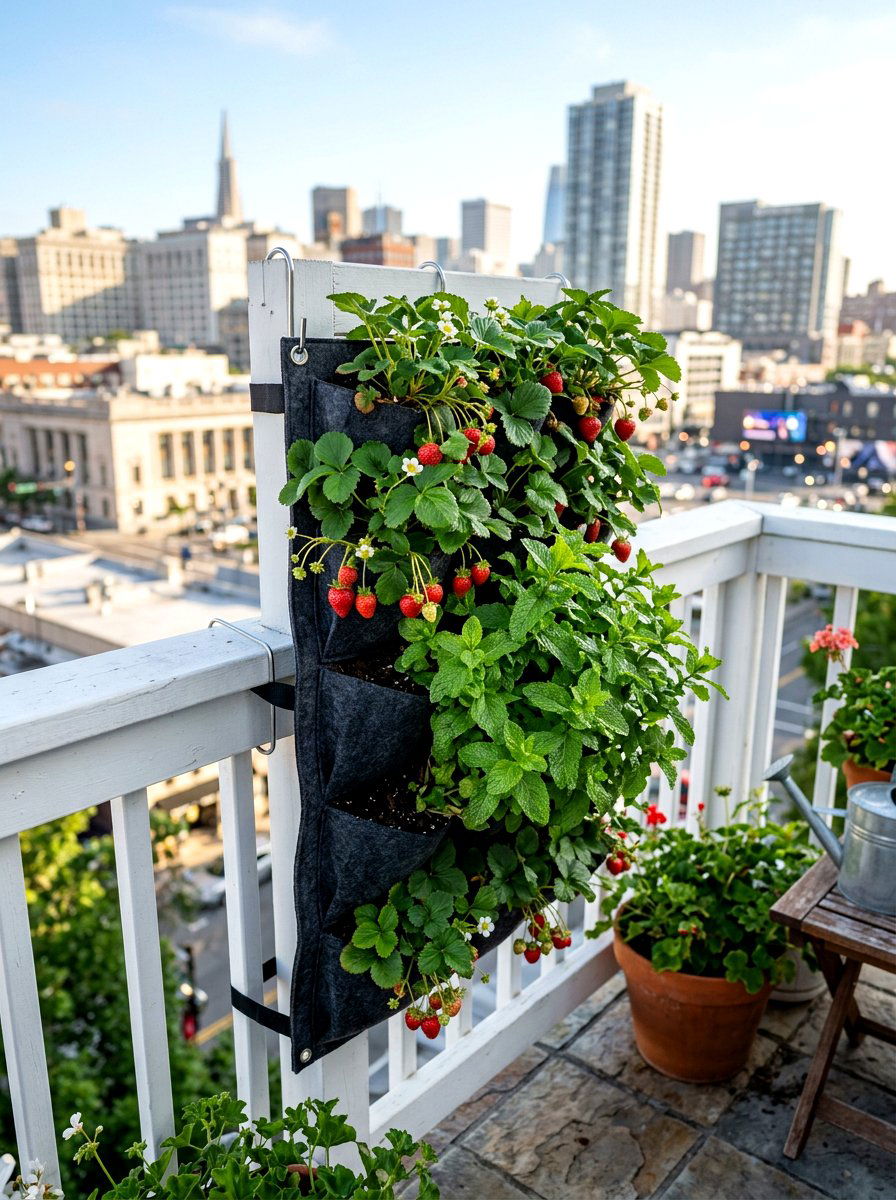
The hanging pocket vertical planter box is a lightweight and versatile option that is perfect for those who want a quick garden setup. These systems are usually made from heavy-duty felt or breathable fabric that allows for excellent drainage and root aeration. Each individual pocket holds a small amount of soil, which is ideal for growing various herbs, succulents, or decorative mosses. Because the fabric is flexible, you can easily hang these panels on gates, balcony railings, or even indoor kitchen walls. The soft texture of the felt provides a unique contrast to the vibrant green leaves and colorful petals of your chosen plants.
5. Tiered Wood Vertical Planter Box
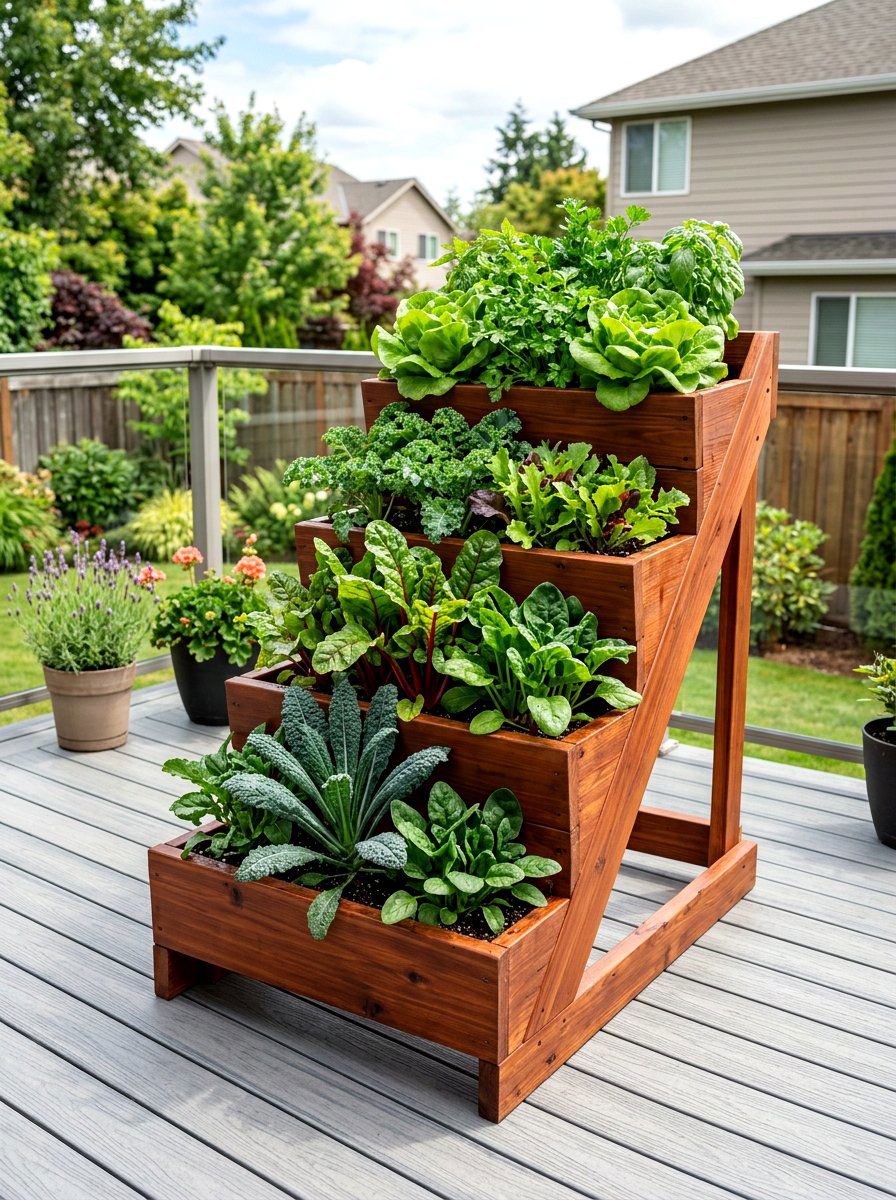
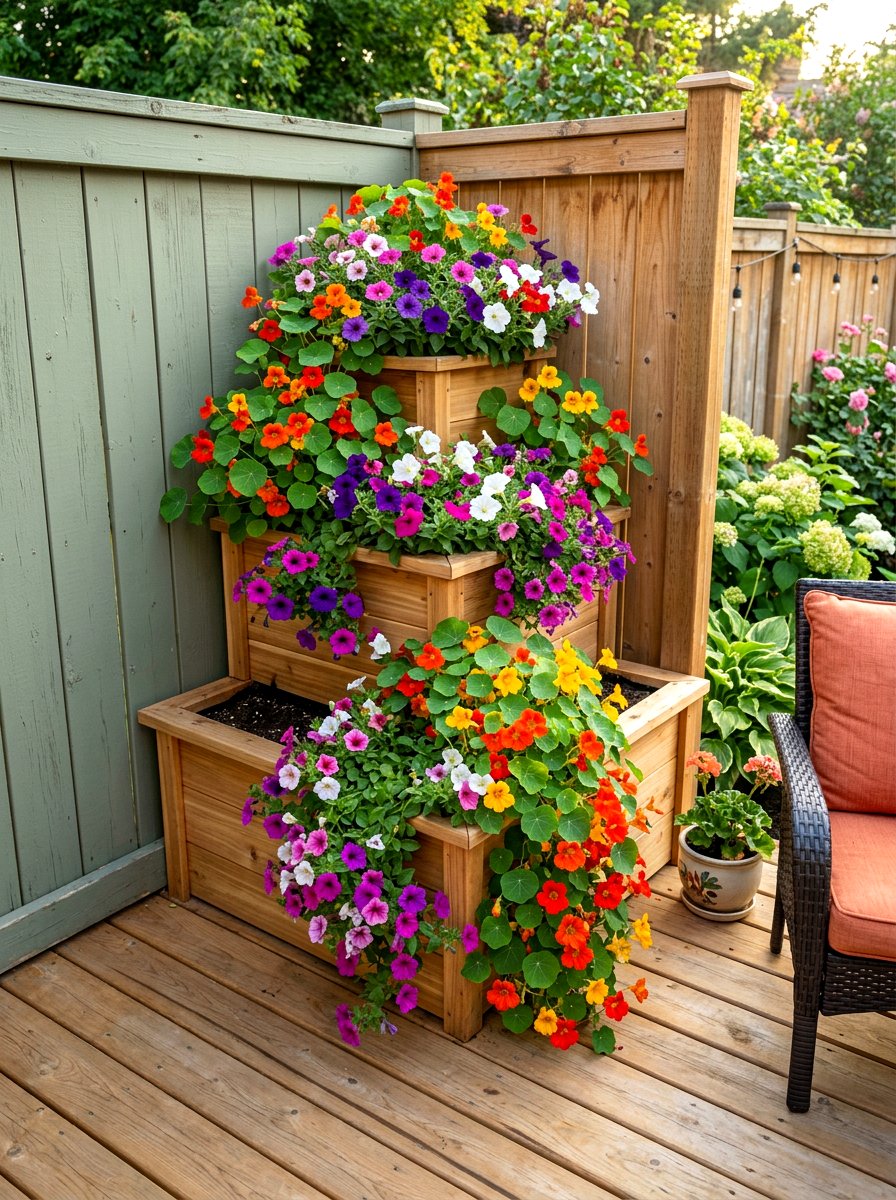
Investing in a tiered wood vertical planter box provides a structured and professional look for your backyard or terrace. This design typically consists of several deep boxes stacked on top of one another with a slight offset, creating a cascading staircase effect. The deeper boxes are perfect for plants with more extensive root systems, such as peppers or dwarf tomato varieties. The solid construction of high-quality wood like redwood or treated pine ensures the unit remains stable even when the soil is wet and heavy. This vertical arrangement makes it possible to grow a significant amount of produce in a very compact footprint.
6. Trellis Back Vertical Planter Box
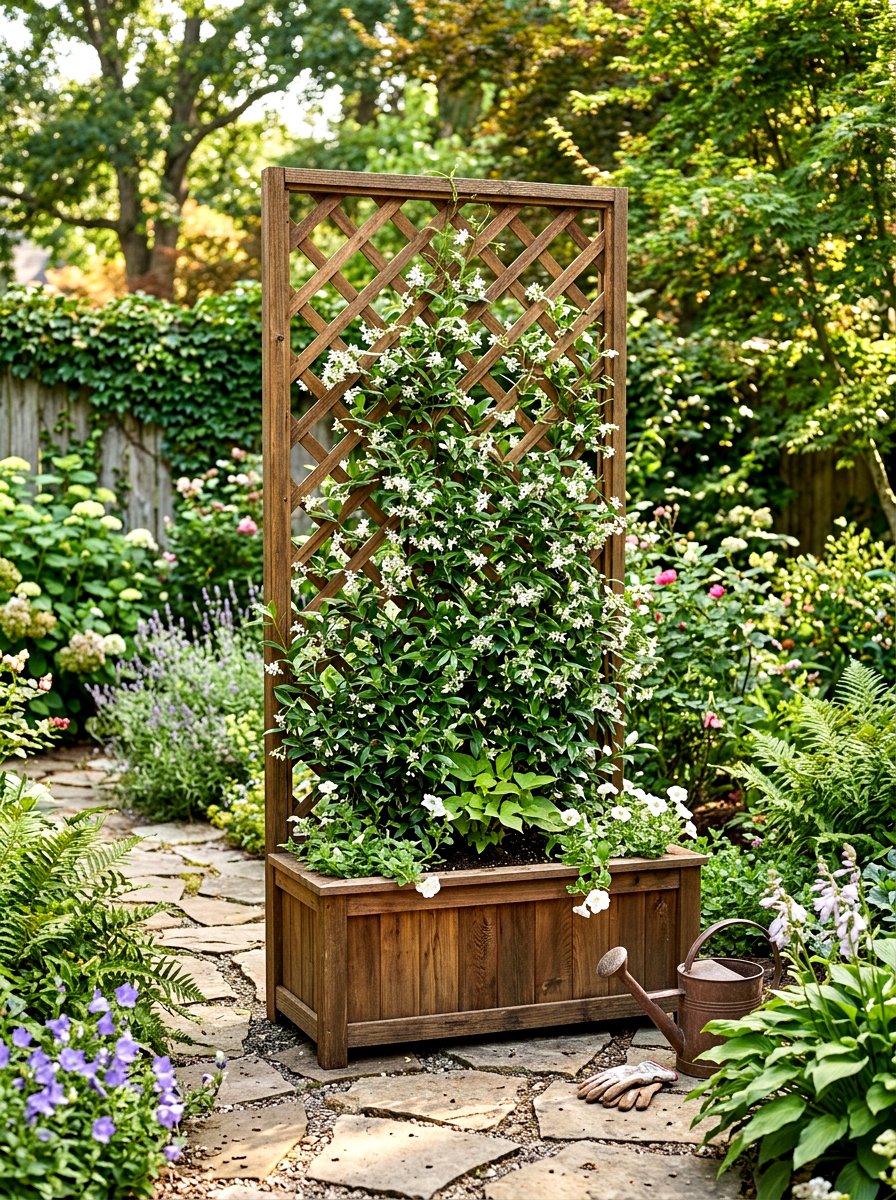
A trellis back vertical planter box combines the stability of a traditional garden bed with the height of a climbing structure. These units feature a deep base box for soil, with a tall lattice or wire mesh screen extending upward from the back. This design is specifically intended for vining plants like jasmine, clematis, or snap peas that need support as they grow toward the sun. As the vines weave through the trellis, they create a natural privacy screen that can block unsightly views or neighbors. It is a dual-purpose solution that provides both ground-level planting space and a lush vertical backdrop.
7. Stacked Herb Vertical Planter Box
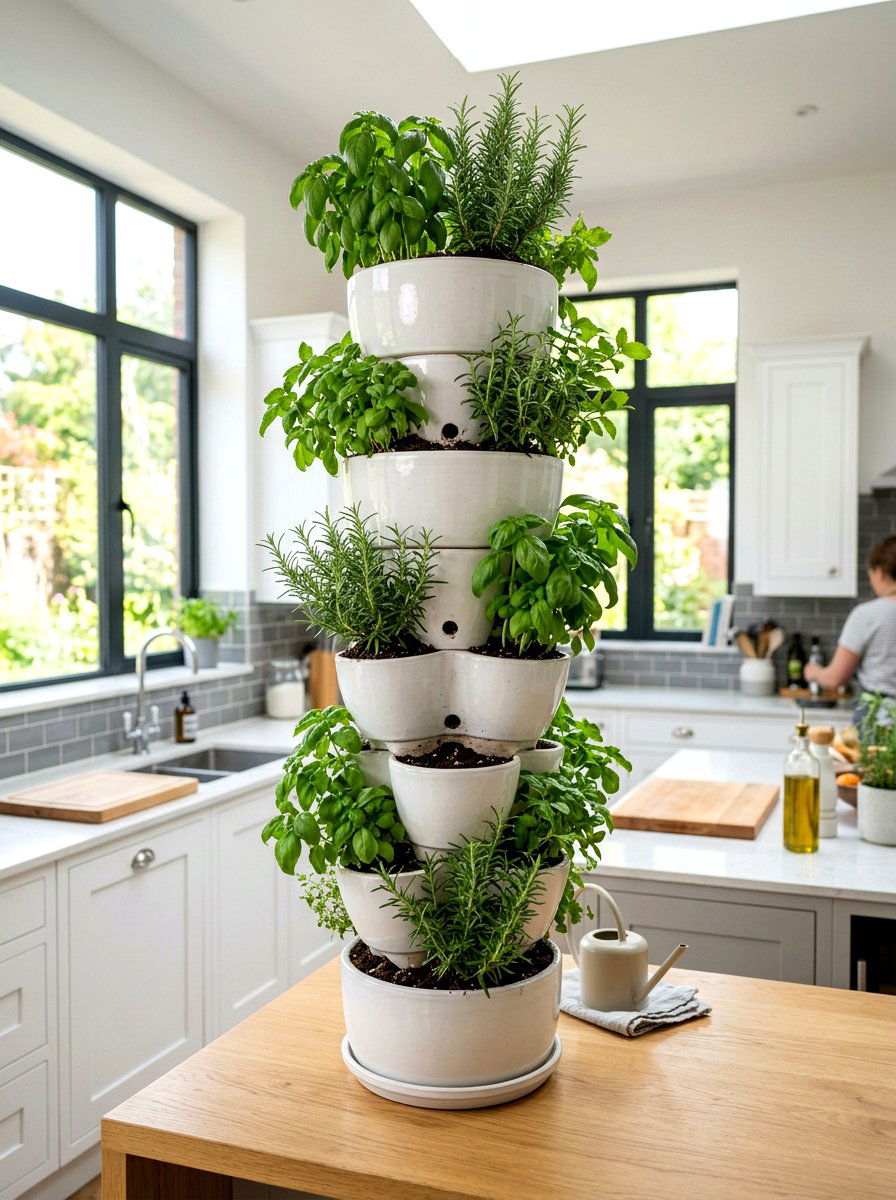
Utilizing a stacked herb vertical planter box is the ultimate solution for home chefs who want fresh ingredients within arm's reach. These systems often feature modular plastic or ceramic pots that lock together in a vertical column, allowing water to trickle down from the top to the bottom. Each tier provides a separate environment for different herbs, preventing aggressive growers like mint from taking over the entire garden. The compact circular or hexagonal design fits perfectly into a sunny corner of a deck or even a kitchen countertop. This arrangement ensures that your basil, cilantro, and parsley stay organized and easy to maintain daily.
8. Modern Metal Vertical Planter Box
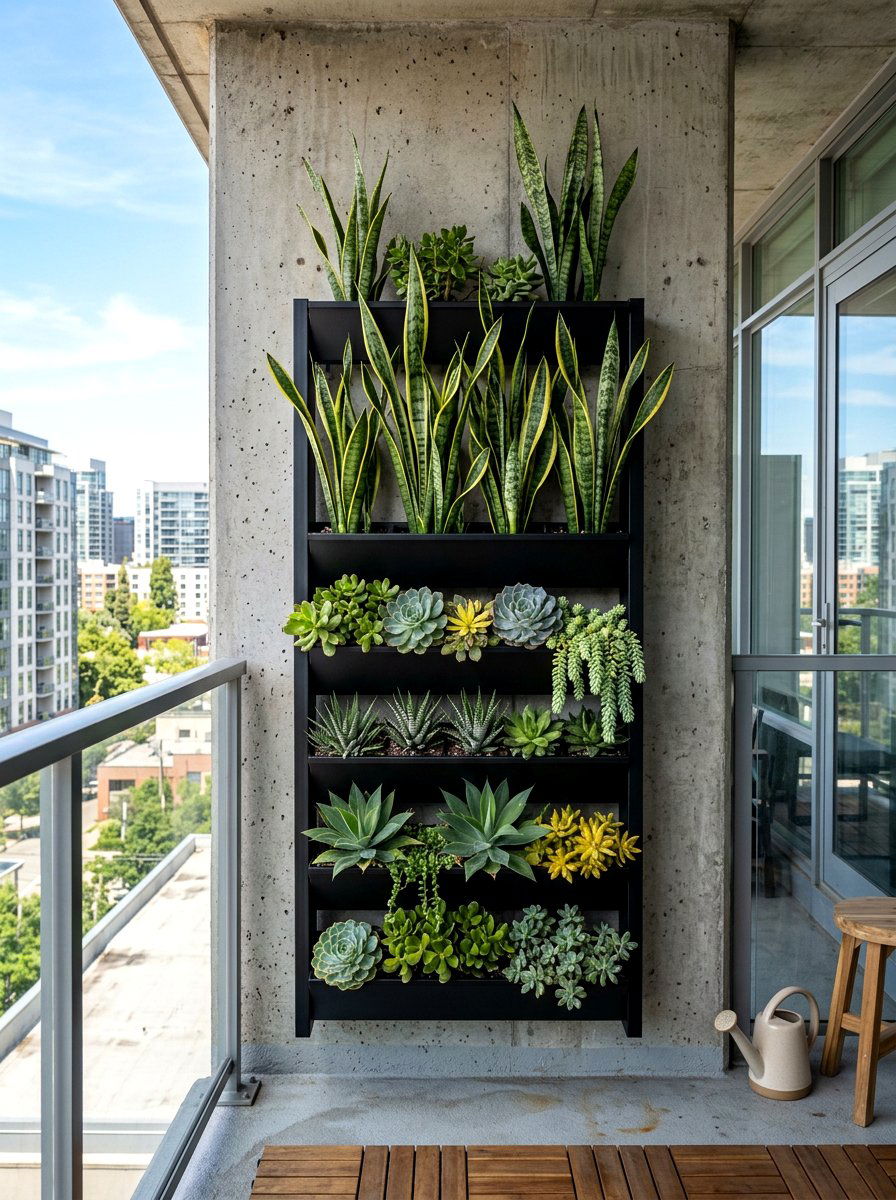
For those who prefer a contemporary aesthetic, a modern metal vertical planter box offers a sleek and minimalist design for urban spaces. These planters are typically crafted from powder-coated steel or aluminum, which provides exceptional durability against harsh weather conditions and rust. The clean lines and dark finishes like charcoal or matte black create a striking contrast against bright green foliage and architectural succulents. Many metal systems are designed with integrated mounting brackets for a seamless floating look on modern concrete walls. This style is particularly popular for upscale apartment balconies or commercial outdoor seating areas where a high-end appearance is required.
9. Strawberry Tower Vertical Planter Box
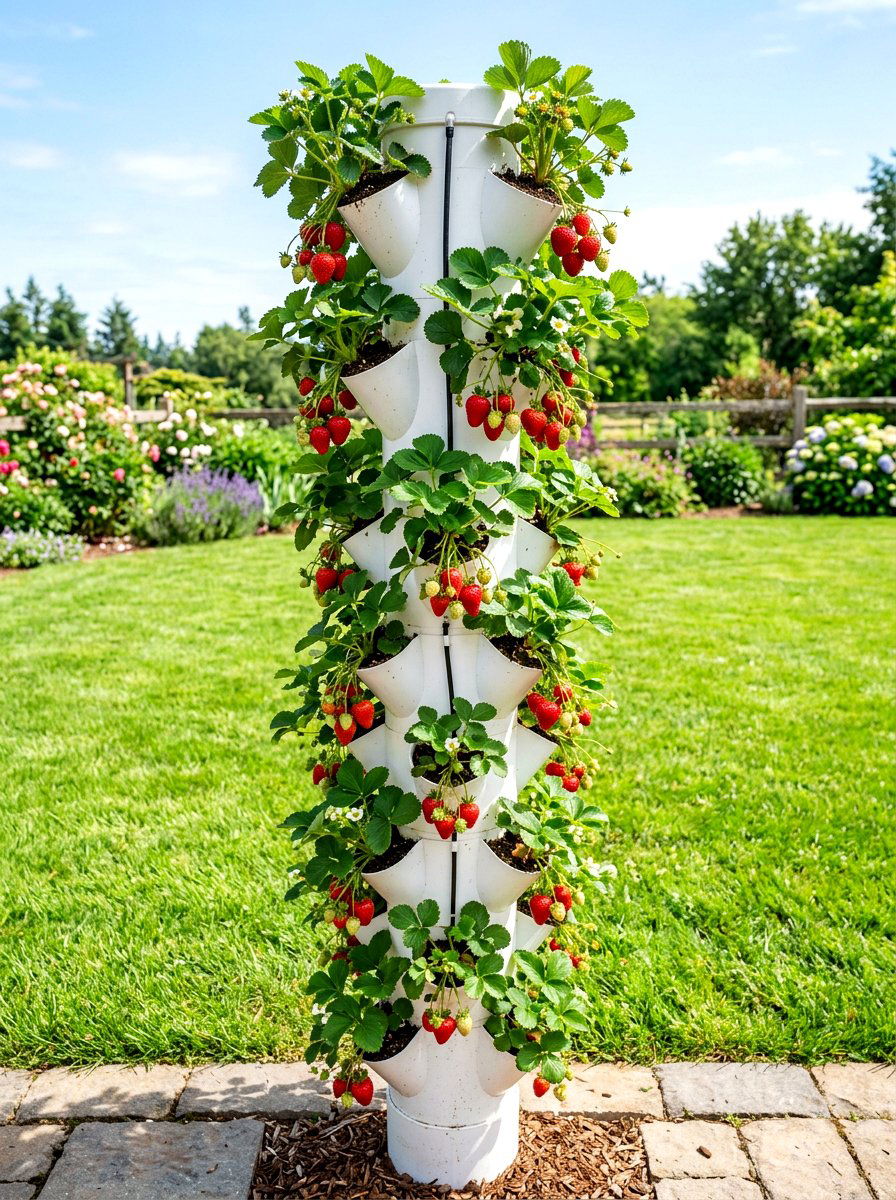
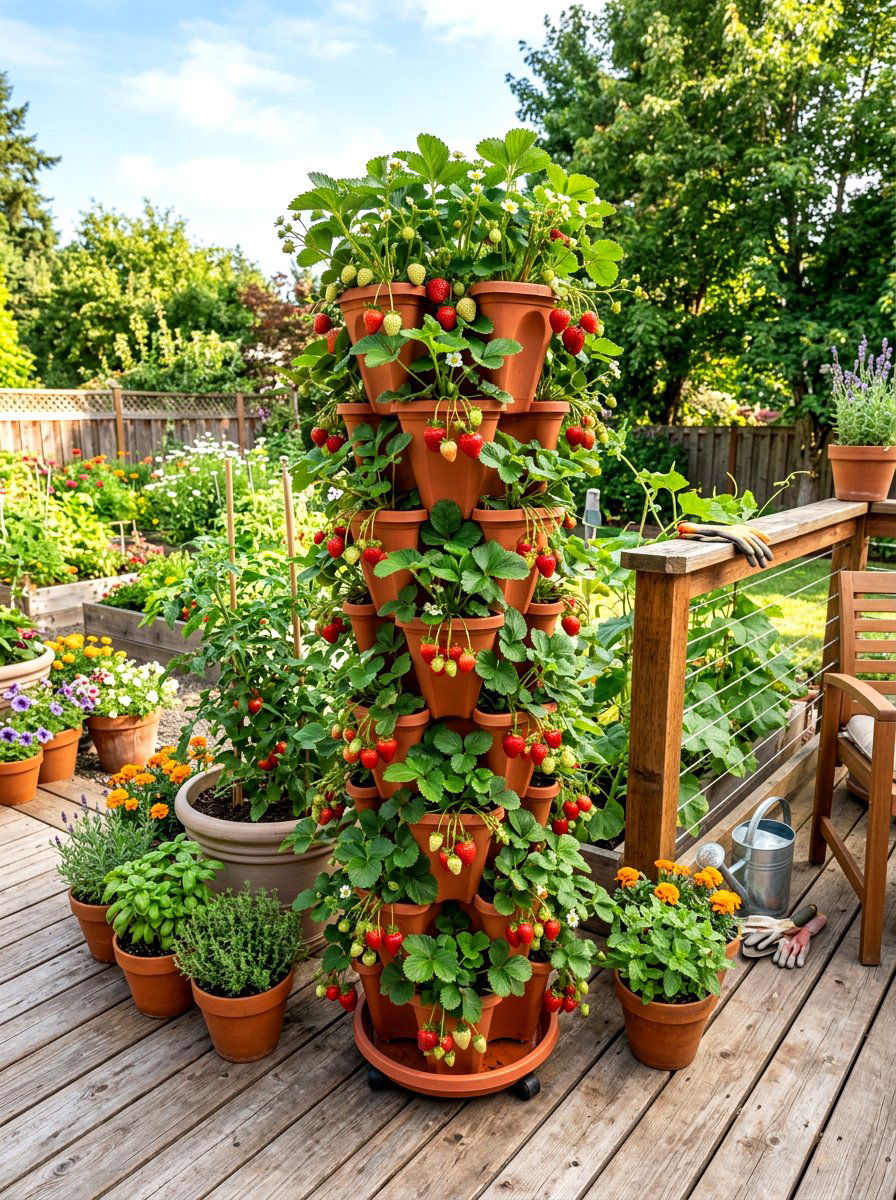
A strawberry tower vertical planter box is specially engineered to maximize the yield of delicious berries in a very limited area. These towers usually feature multiple side openings or small protruding pockets that allow strawberry runners to hang freely. By elevating the fruit off the ground, this design significantly reduces the risk of soil-borne pests and rot, resulting in cleaner and healthier harvests. Most towers are built with an internal watering tube that ensures moisture reaches the roots of the plants at the very bottom. This vertical orientation also makes picking the berries a breeze, as there is no need for constant bending or kneeling.
10. Window Mount Vertical Planter Box
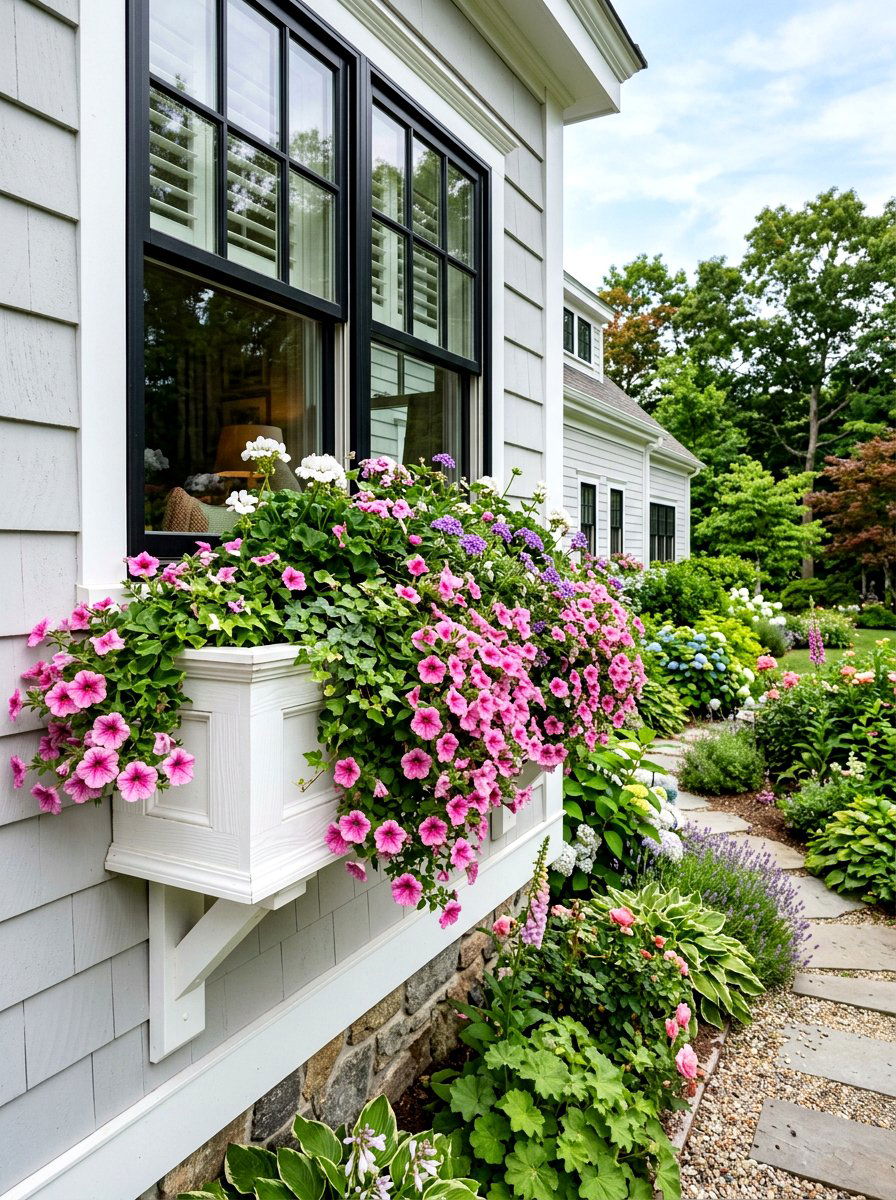
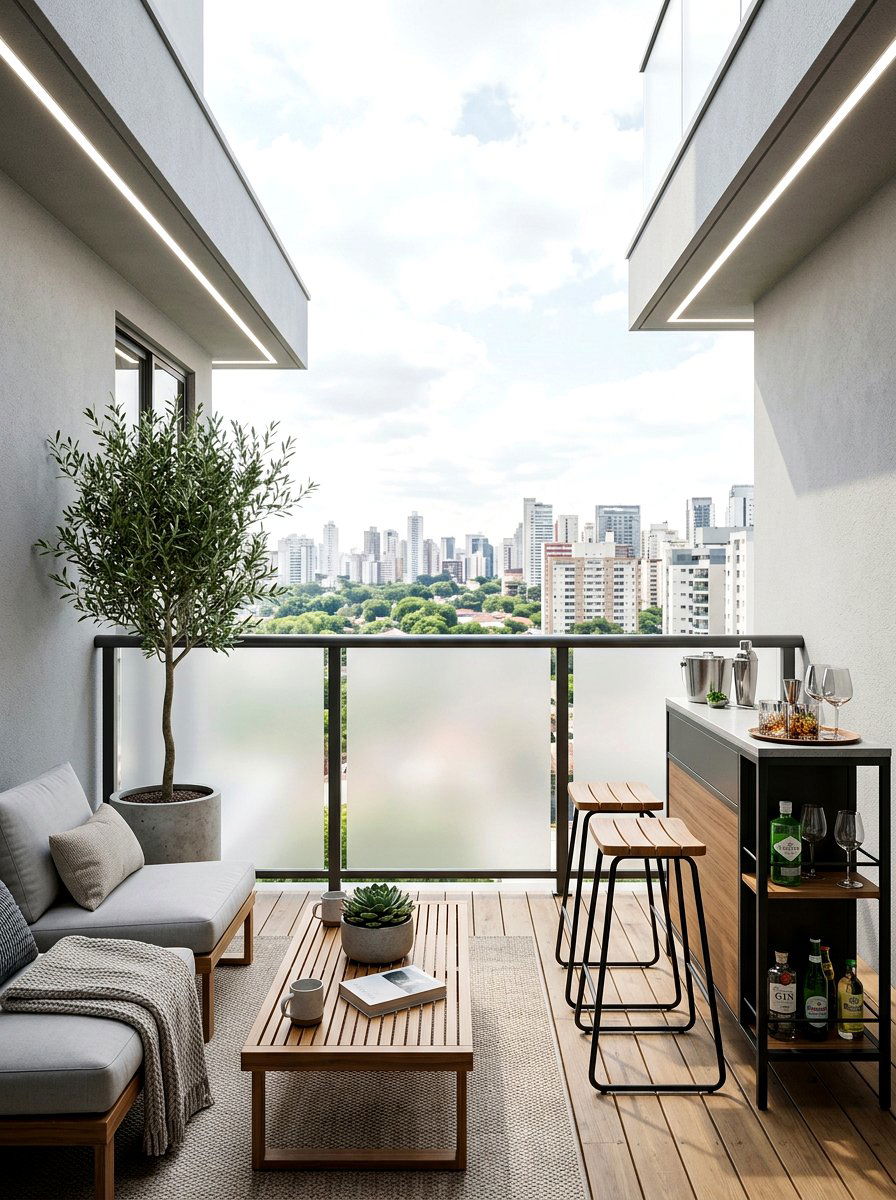
Installing a window mount vertical planter box is a classic way to enhance your home's curb appeal while bringing nature closer to your interior. These boxes are secured just below the window sill, allowing the scent of blooming flowers to waft inside when the windows are open. Many modern versions use a series of smaller boxes stacked vertically along the sides of the window frame to create a framed garden look. This design is perfect for trailing plants like ivy or petunias that will cascade down the front of the house. It transforms a flat exterior wall into a three-dimensional garden that changes with the seasons.
11. Gutter Style Vertical Planter Box
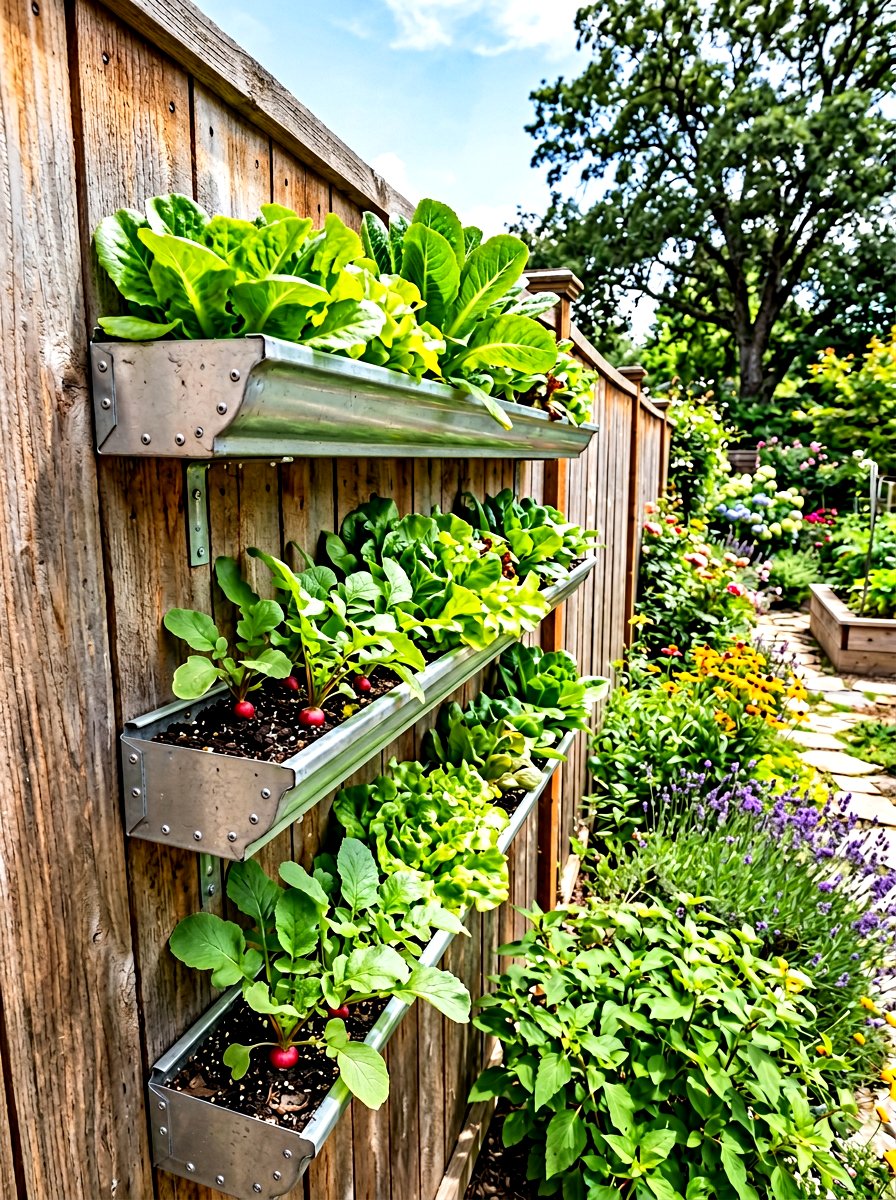
Repurposing rain gutters into a gutter style vertical planter box is a clever and inexpensive DIY project for any garden wall. By mounting sections of vinyl or metal gutters horizontally in a vertical stack, you create long, narrow planting rows that are perfect for shallow-rooted greens. This setup is exceptionally efficient for growing large quantities of loose-leaf lettuce, spinach, or radishes in a tiny space. The slight tilt of the gutters can be used to direct excess water from the top row down to the bottom, creating a simple self-irrigation effect. It is a functional and industrial-looking solution for backyard fences or shed walls.
12. Floating Shelf Vertical Planter Box
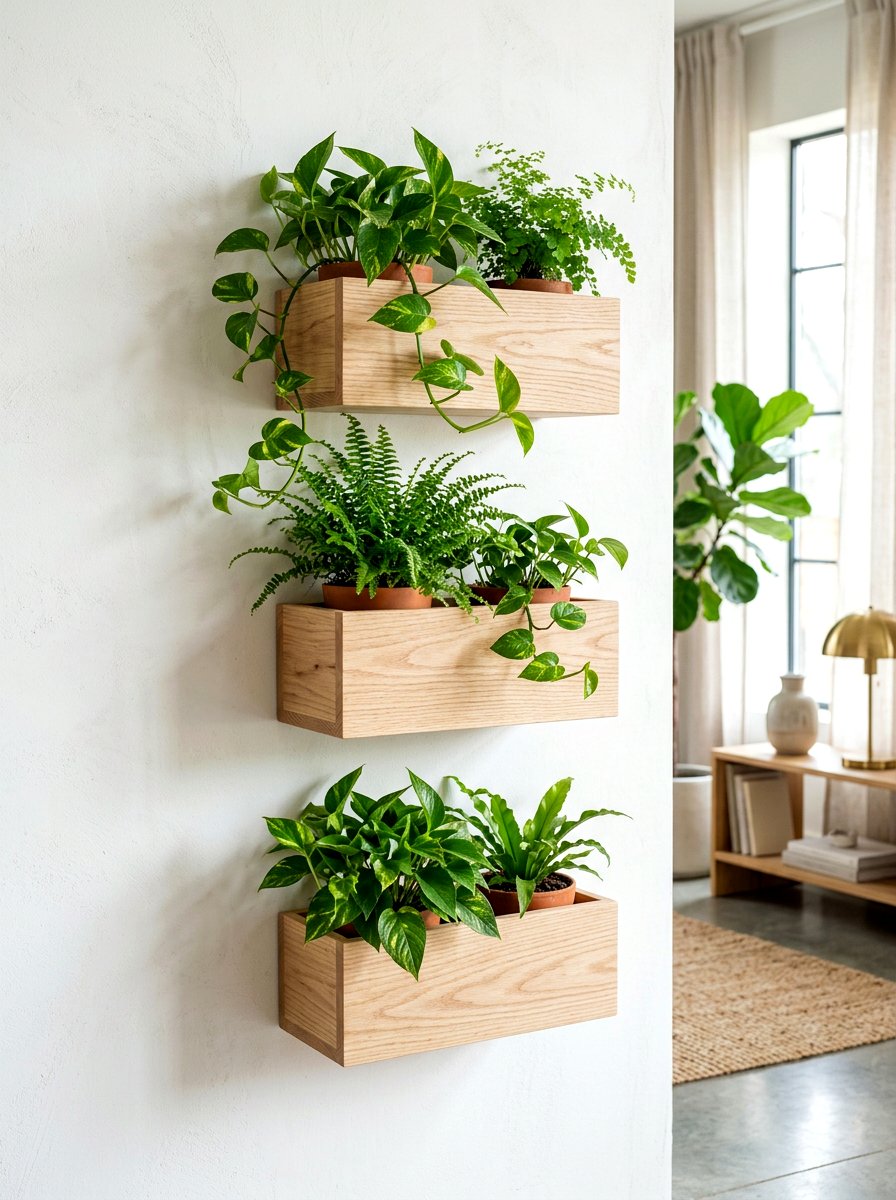
A floating shelf vertical planter box design provides a clean and airy look that is ideal for indoor herb gardens or minimalist porches. Instead of a single large structure, this method uses several individual boxes mounted to the wall with hidden brackets to give the illusion of floating. You can vary the height and spacing between the shelves to accommodate taller plants or to create a more artistic, staggered layout. This flexibility allows you to customize the garden to fit the specific dimensions of your wall perfectly. Using light-colored wood or white-painted boxes can help brighten up a shaded corner or a small indoor room.
13. Lattice Fence Vertical Planter Box
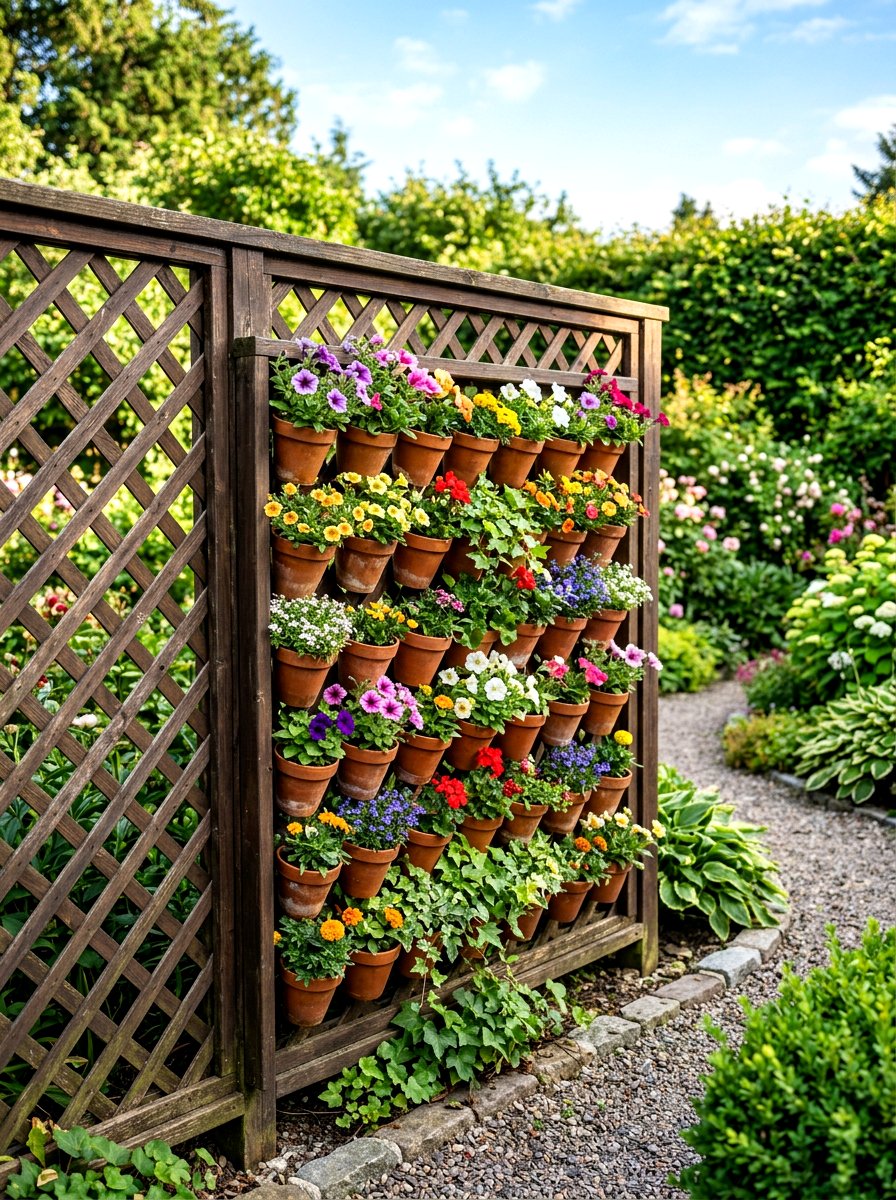
Transforming a standard garden boundary with a lattice fence vertical planter box is a smart way to add depth and greenery to your perimeter. Small wooden boxes are hung directly onto the diagonal slats of the lattice using sturdy hooks or clips. This allows you to pepper your fence with various colors and textures without the need for a massive overhaul of the existing structure. The open design of the lattice ensures excellent airflow around the plants, which helps prevent fungal diseases and keeps the foliage healthy. It is an easy way to hide an old or boring fence while creating a beautiful living boundary.
14. Succulent Frame Vertical Planter Box
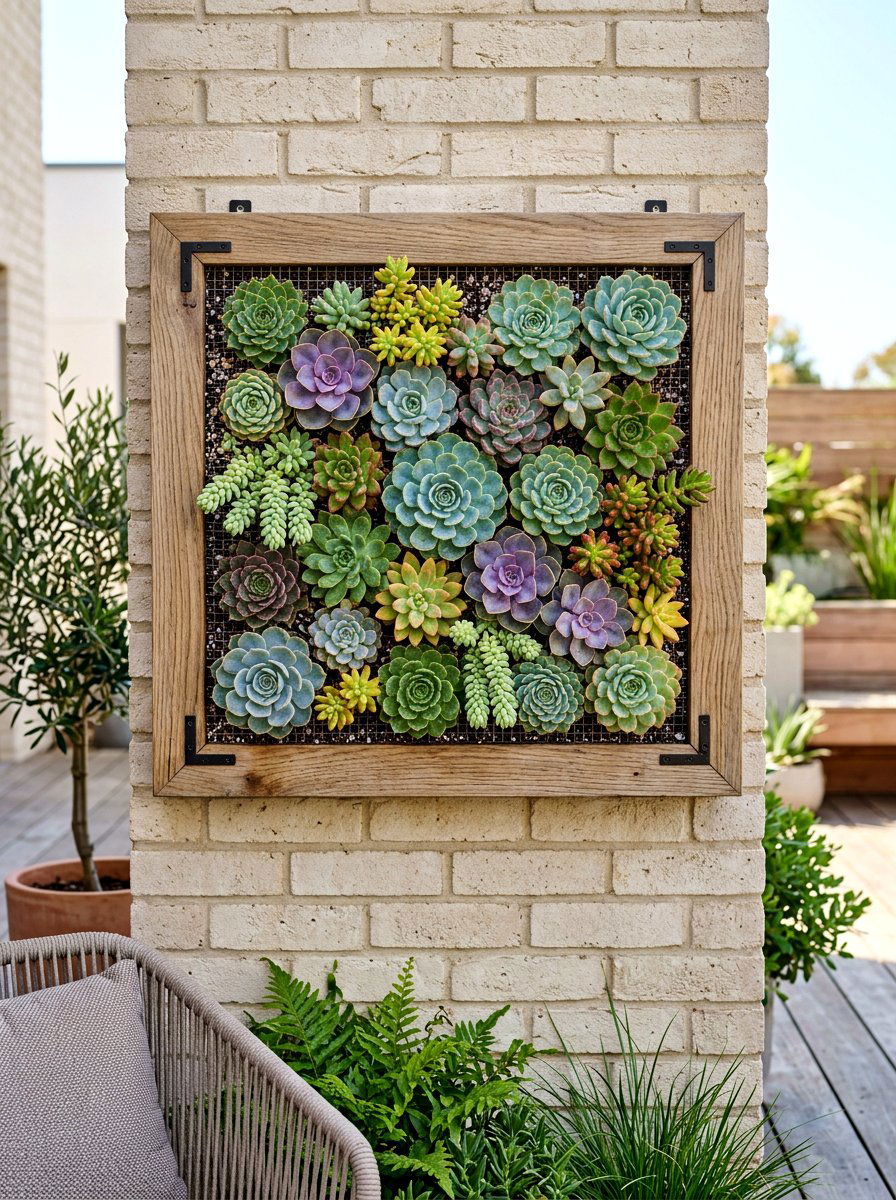
The succulent frame vertical planter box is essentially a piece of living art that can be hung like a picture on any wall. These shallow boxes are fitted with a layer of wire mesh to hold the soil and plants in place when positioned vertically. Because succulents have low water requirements and shallow root systems, they can thrive in this compact environment for a long time. You can arrange different varieties of Echeveria, Sedum, and Crassula to create intricate patterns and color gradients within the frame. This design is perfect for sunny indoor spots or protected outdoor walls where it can be appreciated up close.
15. Railing Hook Vertical Planter Box
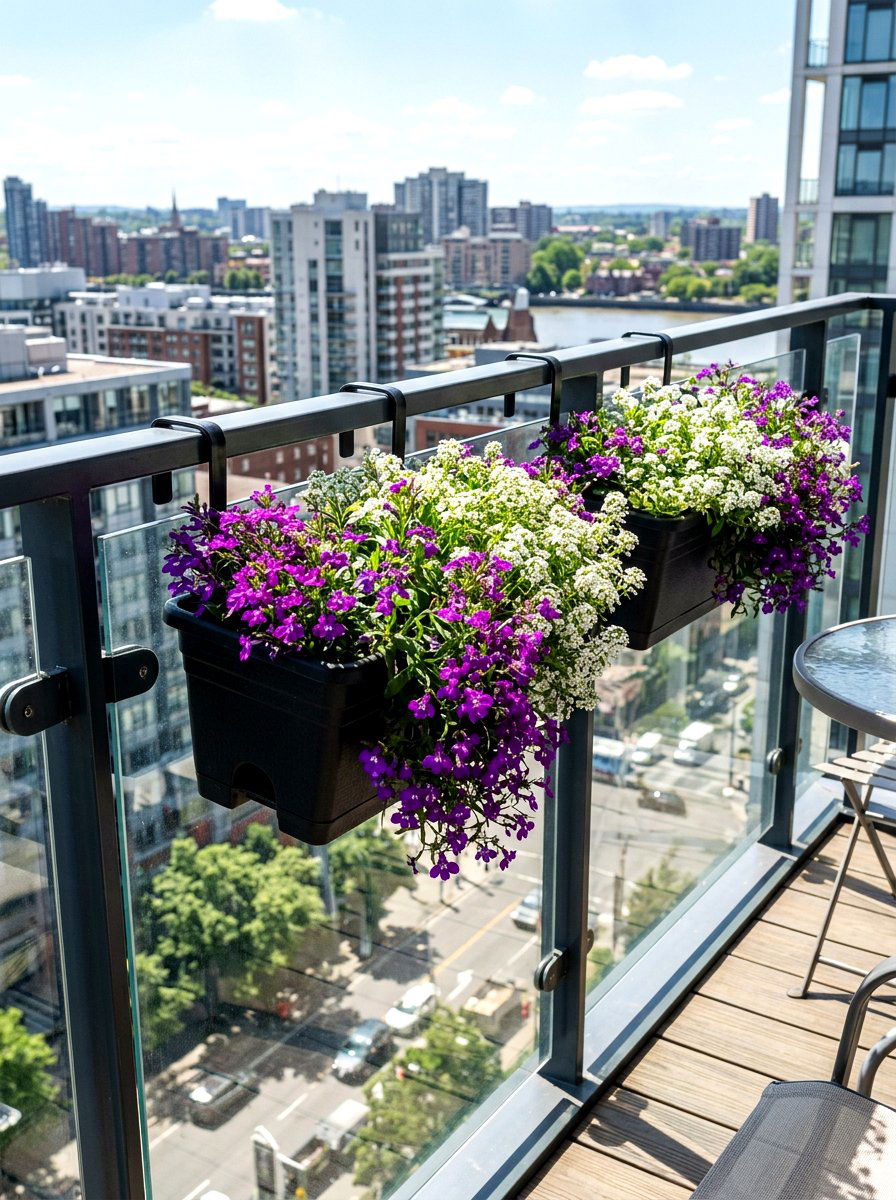
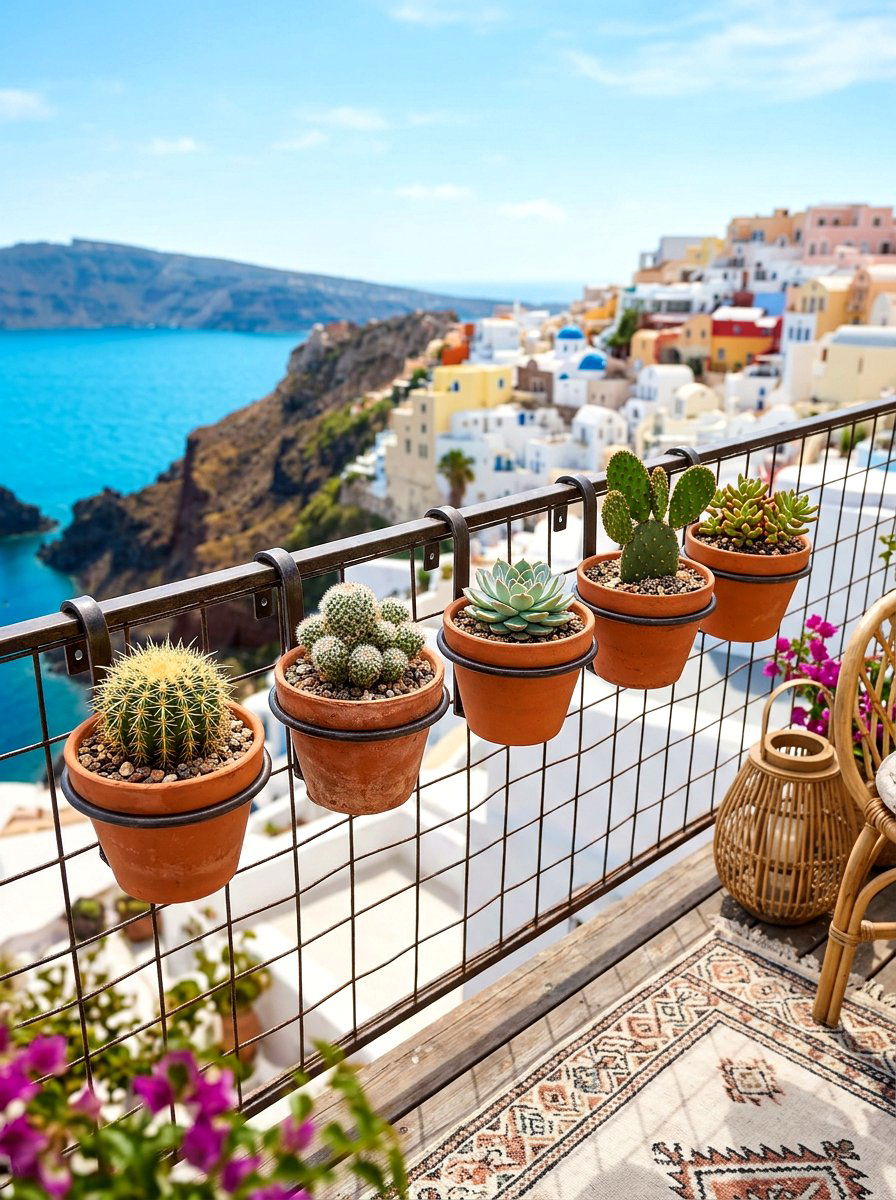
A railing hook vertical planter box is the go-to solution for apartment residents who only have a balcony railing for gardening. These boxes feature specialized brackets that sit securely over the top of the rail, allowing the planter to hang either inside or outside the balcony. By stacking several of these units on top of each other using vertical connectors, you can create a wall of greenery that provides both beauty and privacy. Most railing planters are made from durable, UV-resistant plastic that is lightweight and easy to handle. They are ideal for colorful annuals that spill over the edges, creating a lush hanging garden effect.
16. Self Watering Vertical Planter Box
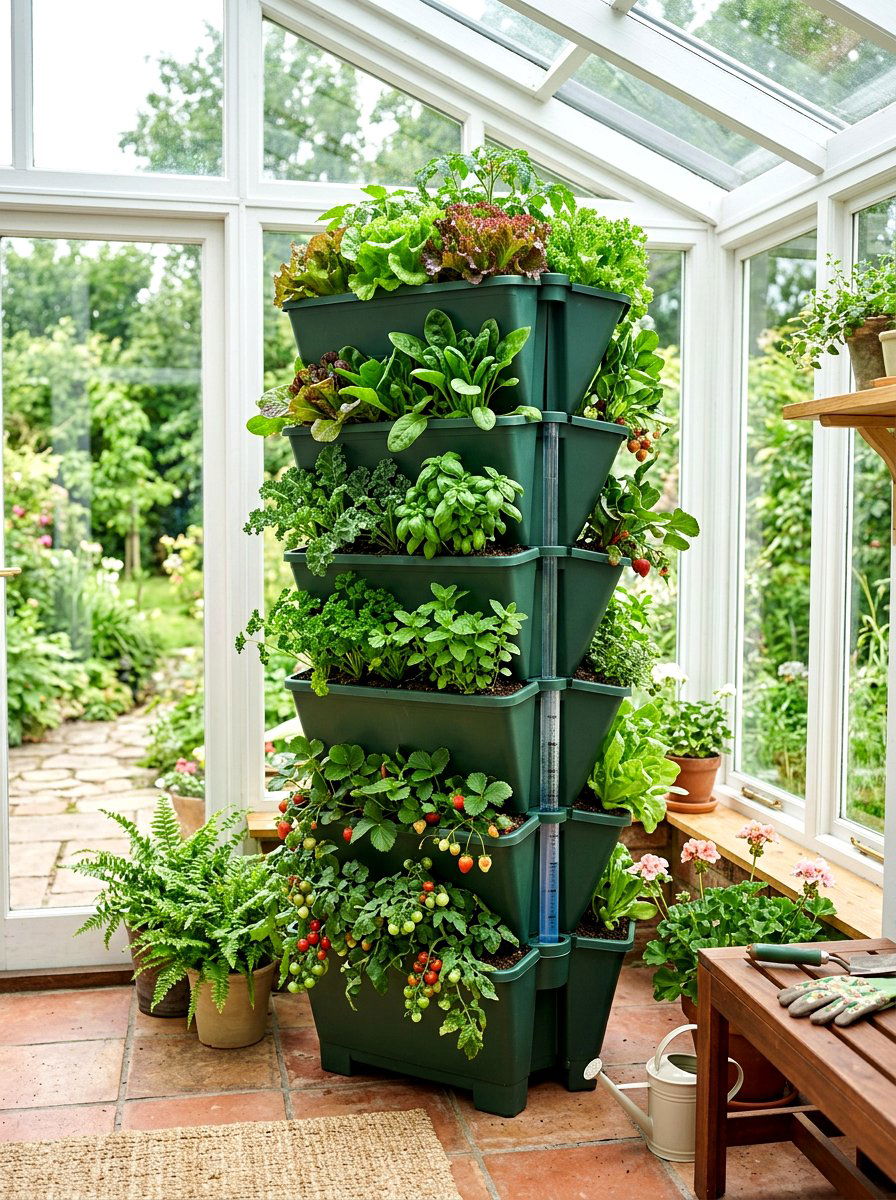
The self watering vertical planter box is designed for the busy gardener who wants to maintain a thriving garden with minimal effort. These advanced systems feature an integrated water reservoir at the base of each tier or at the very top of the structure. Through a system of wicks or gravity-fed tubes, moisture is consistently delivered to the roots of the plants as needed. This prevents the common problem of vertical gardens drying out too quickly due to high sun and wind exposure. Many models also include a water level indicator, so you always know exactly when it is time to refill the main tank.
17. Modular Wall Vertical Planter Box
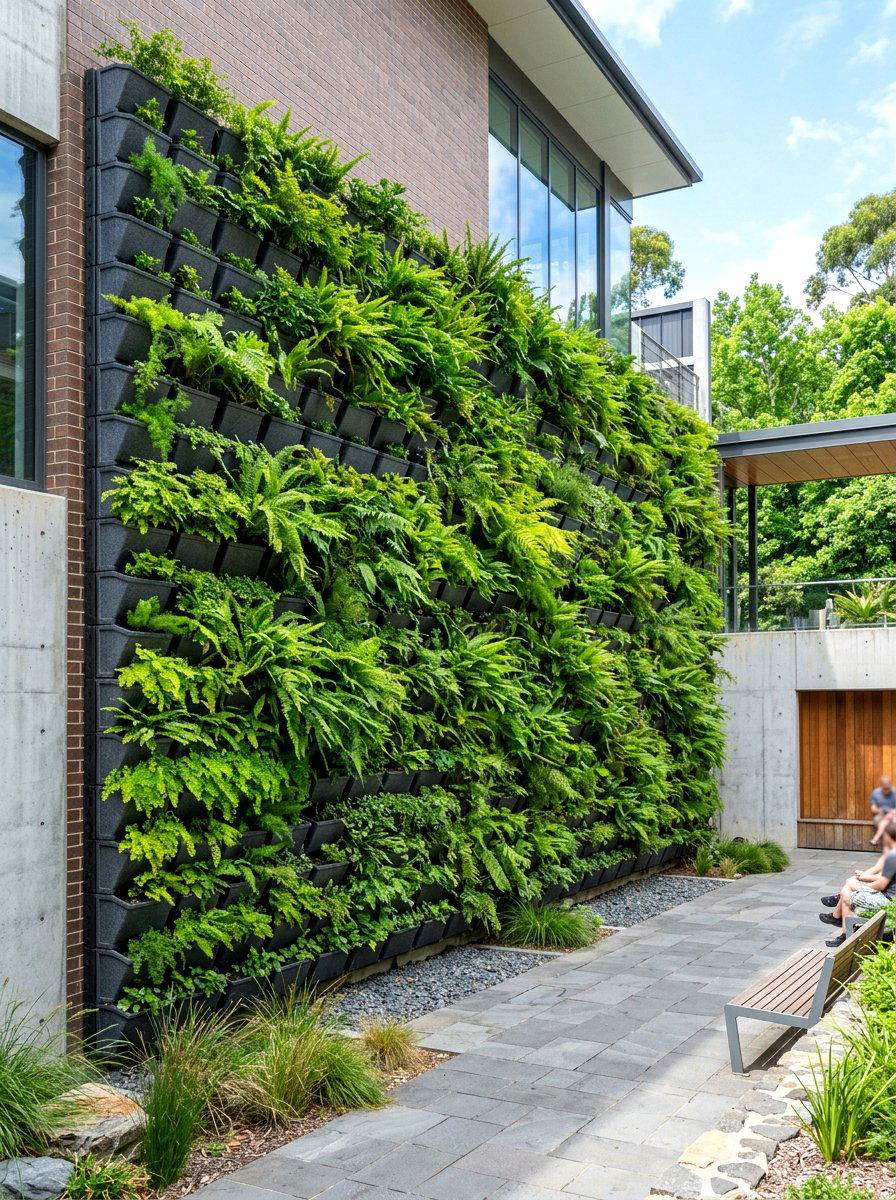
A modular wall vertical planter box system offers endless possibilities for customization and future expansion of your vertical garden. These setups consist of individual plastic or composite units that can be snapped together like building blocks to cover a wall of any size. You can start with a small grid of four boxes and gradually add more as your confidence and plant collection grow. The modular nature means you can easily swap out individual boxes for maintenance or to change the look of the wall with new seasonal plants. It is a professional-grade solution that is frequently used by landscape designers for commercial projects.
18. Privacy Fence Vertical Planter Box
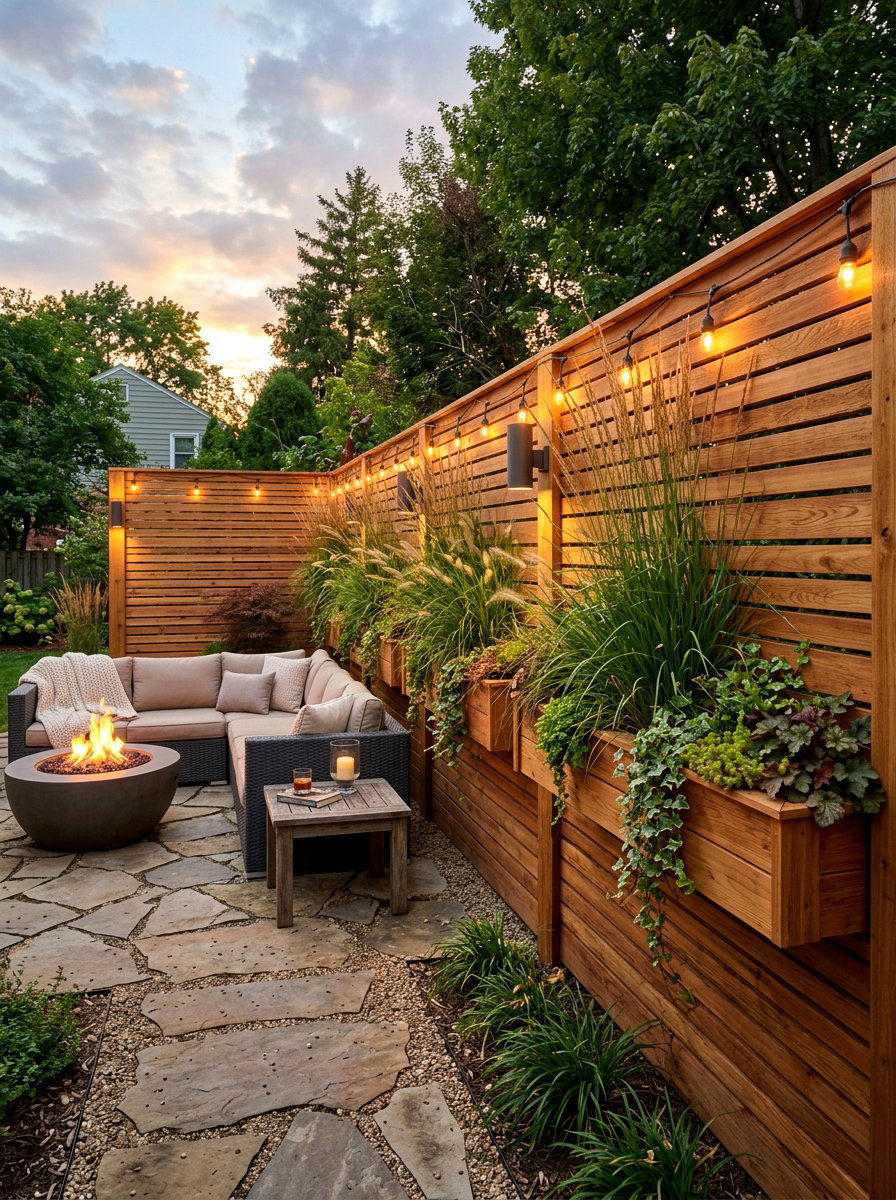
Constructing a privacy fence vertical planter box serves a dual purpose by blocking the view of neighbors while adding lush vegetation to your yard. These structures are typically tall and solid, featuring built-in planters at various heights throughout the fence panels. By filling these boxes with tall grasses or dense shrubs, you can create a natural sound barrier and a sense of seclusion in your outdoor sanctuary. The weight of the soil and water provides extra stability to the fence, making it more resistant to high winds. This design transforms a functional boundary into a beautiful, multi-layered garden that enhances the entire property.
19. Copper Pipe Vertical Planter Box
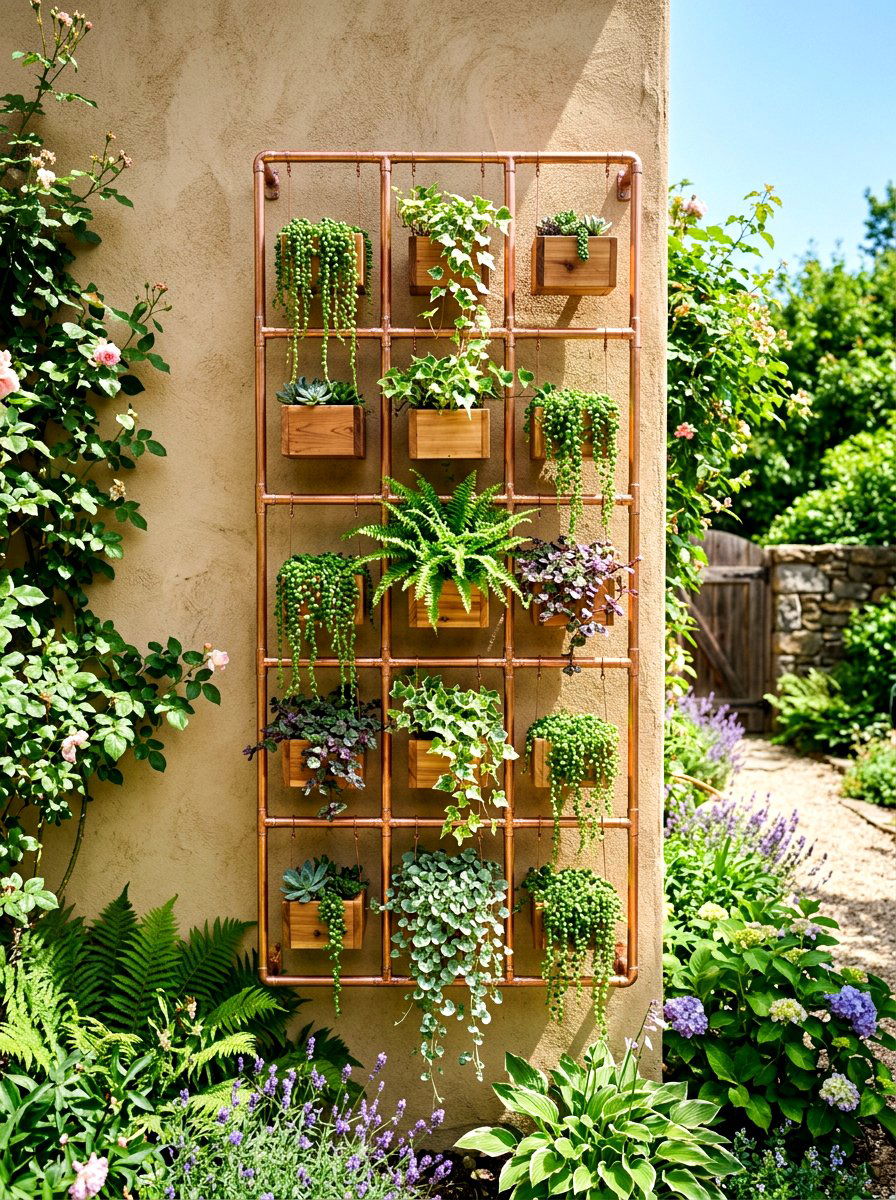
A copper pipe vertical planter box is a stylish DIY option that brings a touch of industrial elegance and metallic shine to your garden. This design uses copper plumbing pipes to create a sturdy frame from which various wooden or plastic boxes are suspended using chains or heavy-duty wire. Over time, the copper will develop a beautiful green patina that blends perfectly with the surrounding foliage. The slim profile of the pipes makes this an excellent choice for narrow walkways or small indoor spaces where a bulky wooden frame would feel too intrusive. It is a sophisticated way to display smaller potted plants and herbs.
20. Cinder Block Vertical Planter Box
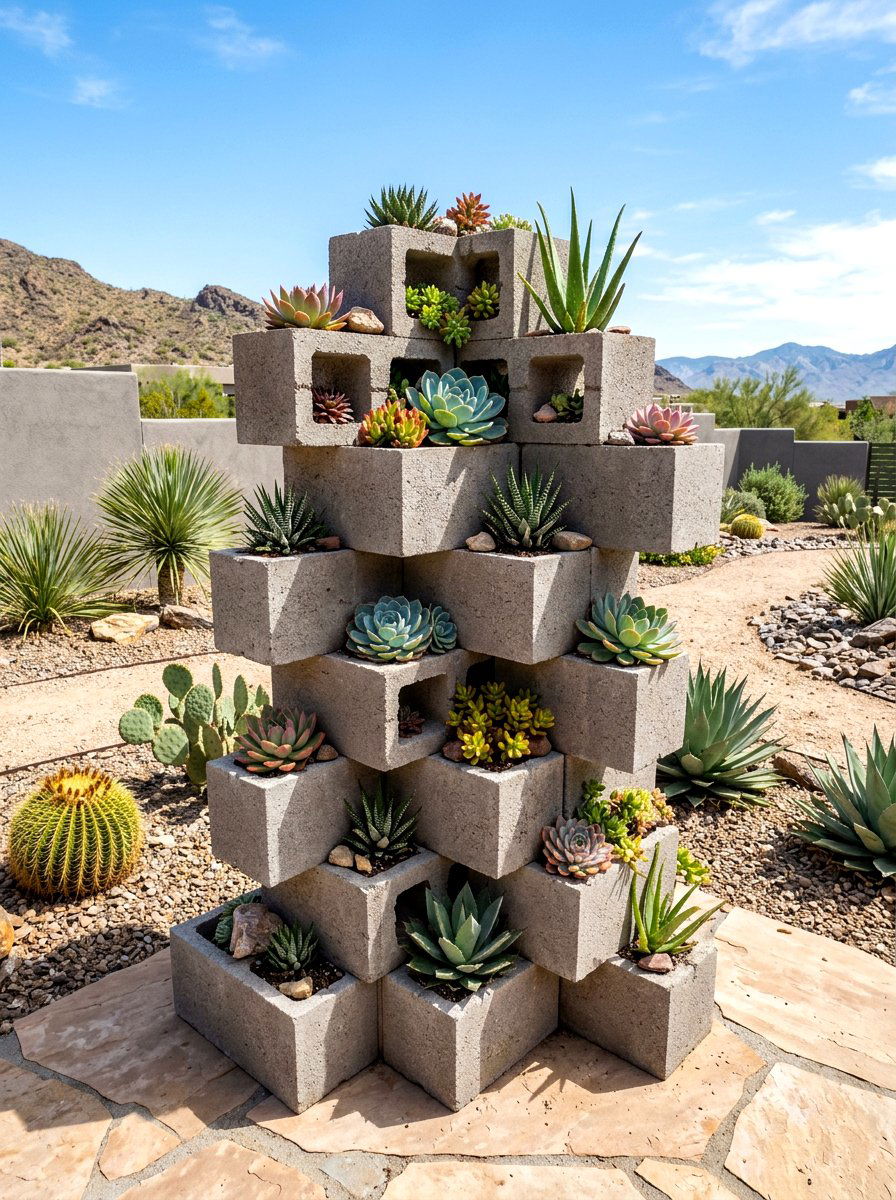
The cinder block vertical planter box is a rugged and incredibly durable solution that is perfect for a low-maintenance backyard garden. By stacking standard concrete blocks in a staggered or stepped pattern, you create numerous individual planting pockets within the hollow cores of the blocks. The heavy thermal mass of the concrete helps regulate soil temperature, keeping roots cool in the summer and warm during cooler nights. You can paint the blocks in vibrant colors or leave them in their natural gray for a modern, architectural look. This system is ideal for succulents, herbs, and even small varieties of ornamental grasses or flowers.
21. A Frame Wood Vertical Planter Box
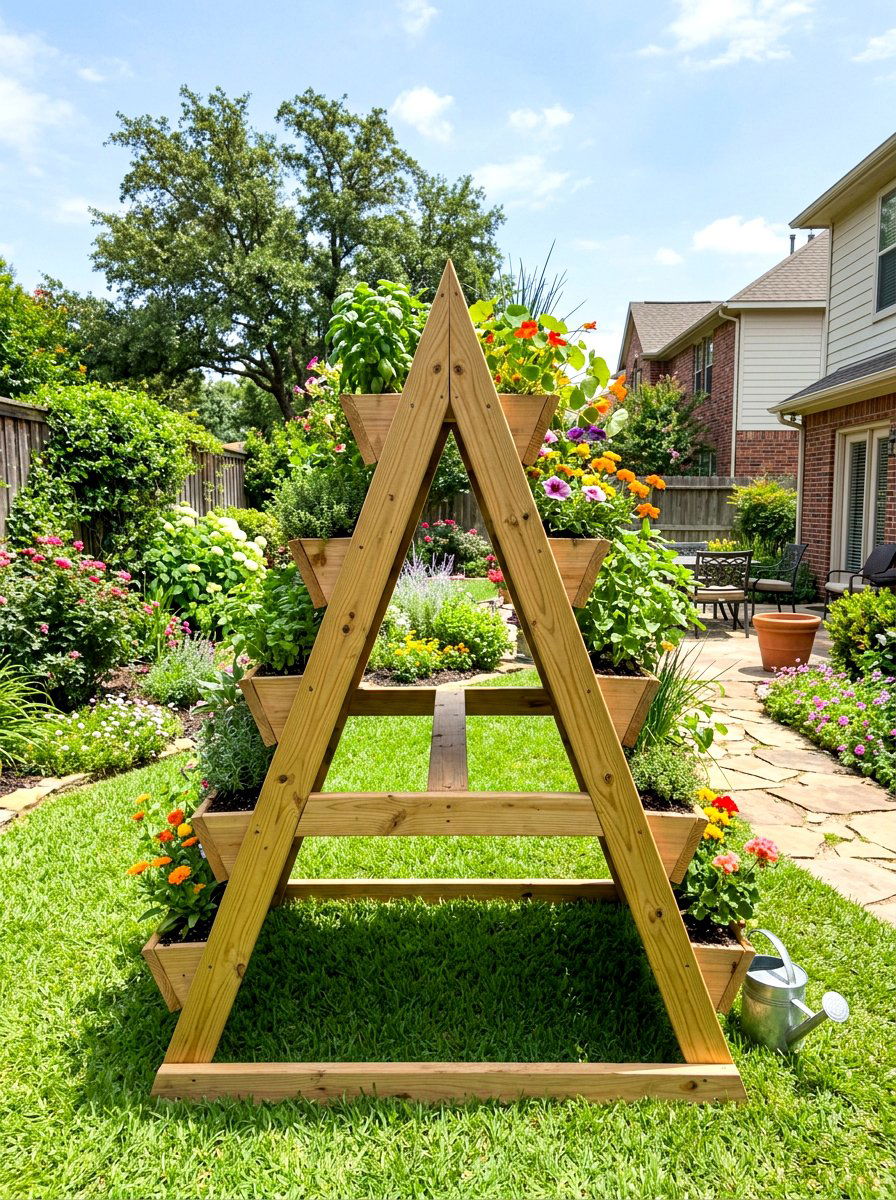
An A frame wood vertical planter box is a freestanding structure that provides two sides of planting space in a single footprint. The triangular profile is naturally stable and allows you to grow a large variety of plants on both the front and back of the frame. This design is particularly useful in the middle of a garden or on a large patio where it can be accessed from all sides. The angled shelves ensure that every plant gets its fair share of sunlight throughout the day as the sun moves across the sky. It is a great choice for a diverse kitchen garden with vegetables.
22. Chalkboard Label Vertical Planter Box
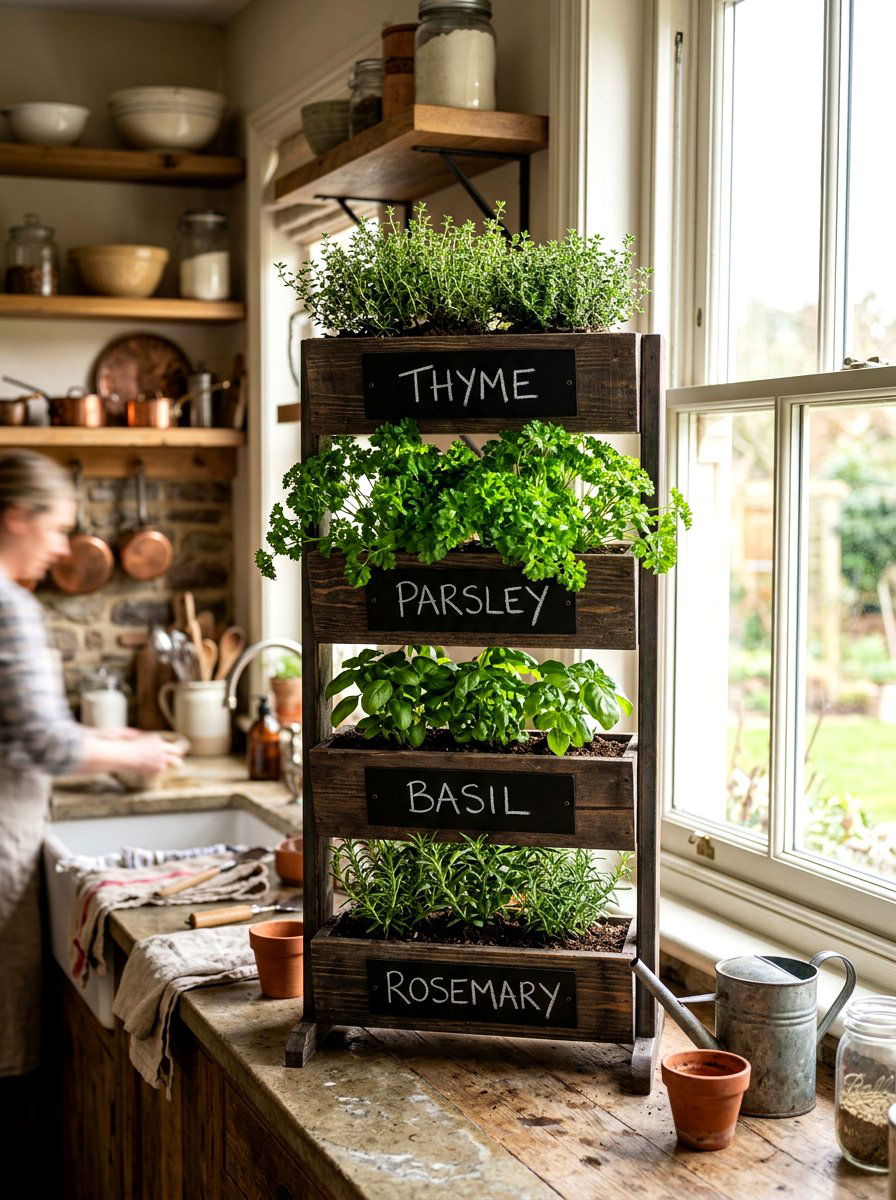
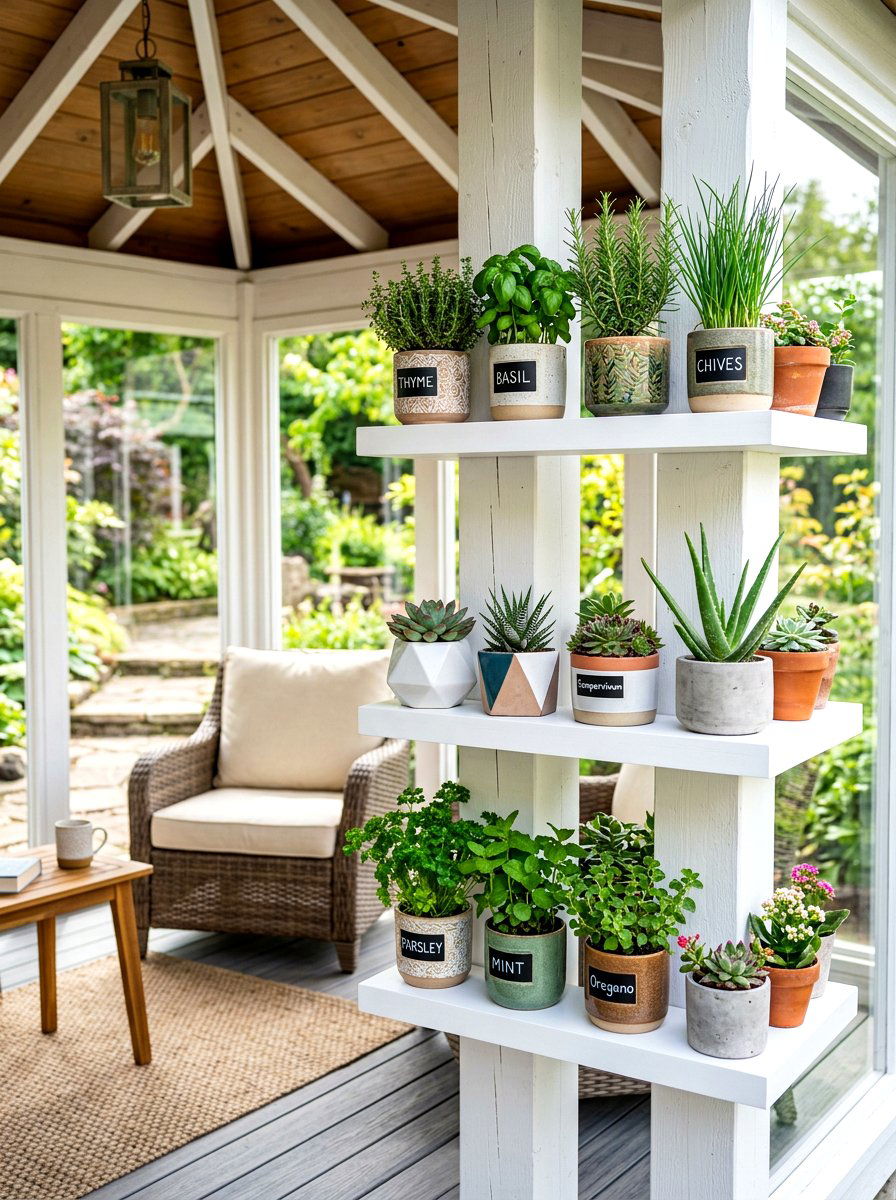
A chalkboard label vertical planter box is a practical and charming addition to any kitchen or herb garden. These boxes feature a small chalkboard strip across the front of each tier, allowing you to easily label the different varieties of plants you are growing. This is especially helpful when growing various types of similar-looking herbs like different species of basil or mint. The labels can be wiped clean and rewritten whenever you rotate your crops or start new seeds for the season. It adds an organized, farmhouse-style aesthetic to the garden while making harvesting more efficient for the cook in the family.
23. Geometric Wall Vertical Planter Box
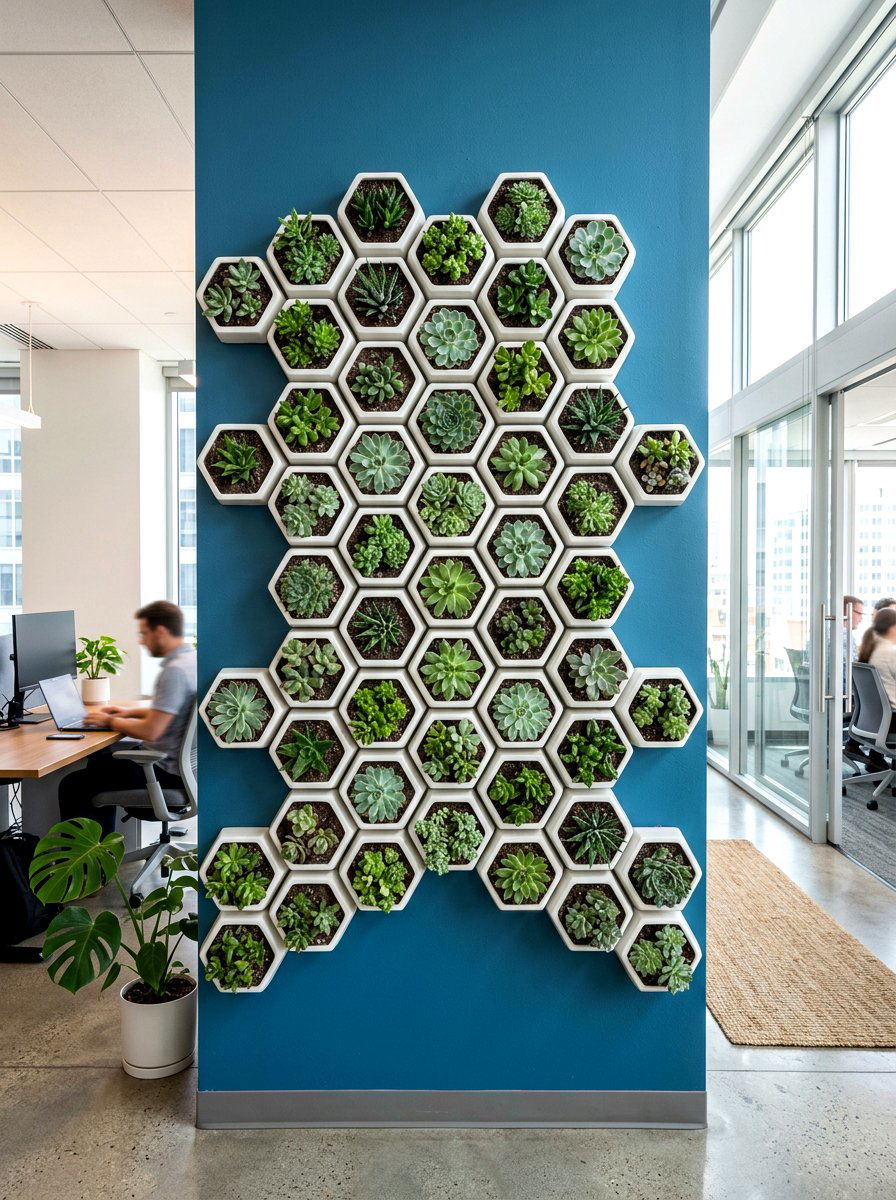
The geometric wall vertical planter box is designed for those who view gardening as a form of architectural expression. These systems use hexagonal, triangular, or diamond-shaped boxes that can be arranged in complex patterns on a wall. The sharp angles and clean lines create a modern, high-tech look that is perfect for contemporary homes or office spaces. By mixing different colored boxes or various plant textures, you can create a 3D mosaic that looks stunning even before the plants have fully matured. This design is best suited for slow-growing plants like succulents or air plants that won't obscure the geometric shapes.
24. Industrial Pipe Vertical Planter Box
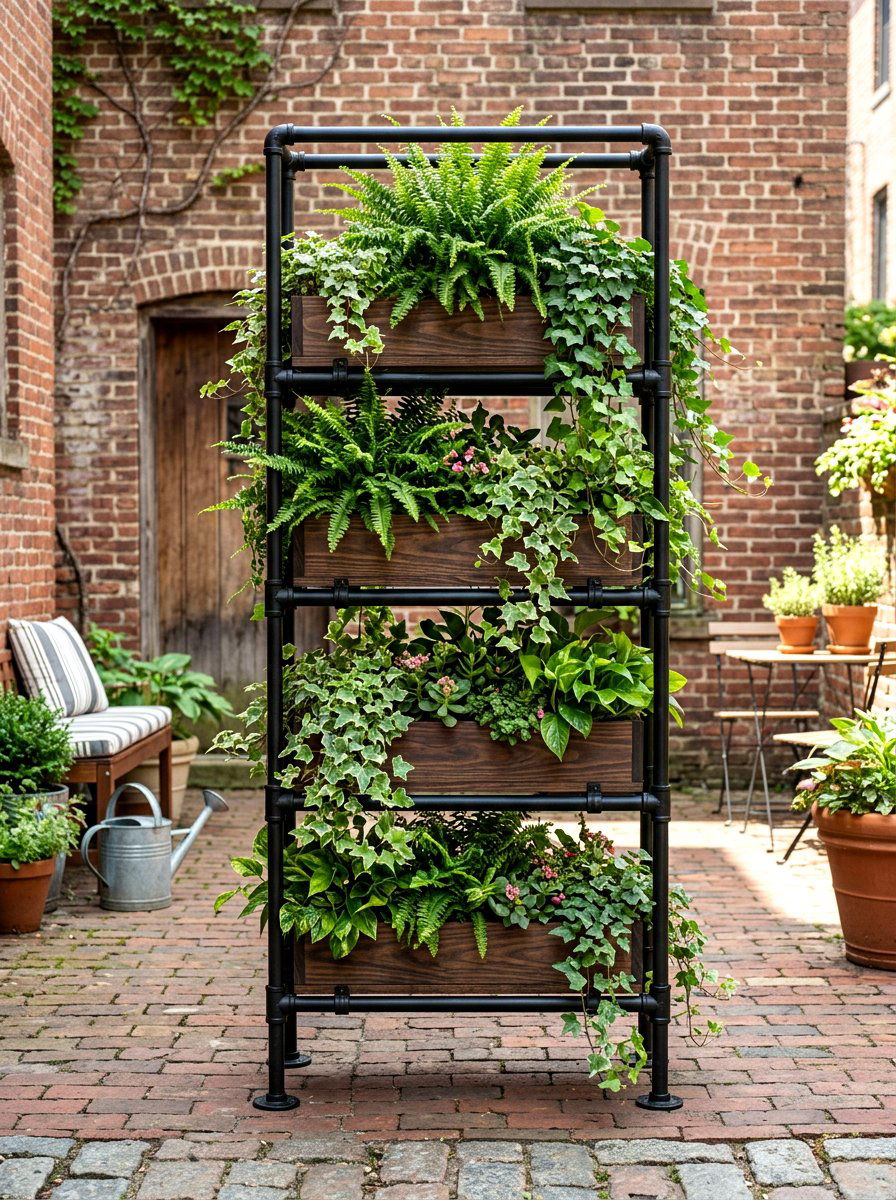
An industrial pipe vertical planter box utilizes black iron or galvanized steel pipes to create a heavy-duty frame for hanging plants. This style is often paired with reclaimed wood boxes to create a rugged, urban look that fits perfectly in a loft apartment or a converted patio. The strength of the metal pipes allows you to hang larger, heavier boxes than you could with a standard wooden trellis. This setup is incredibly durable and can withstand the weight of saturated soil and large, bushy plants without bending. It is a bold design choice that adds a touch of modern grit to any green space.
25. Farmhouse Tiered Vertical Planter Box
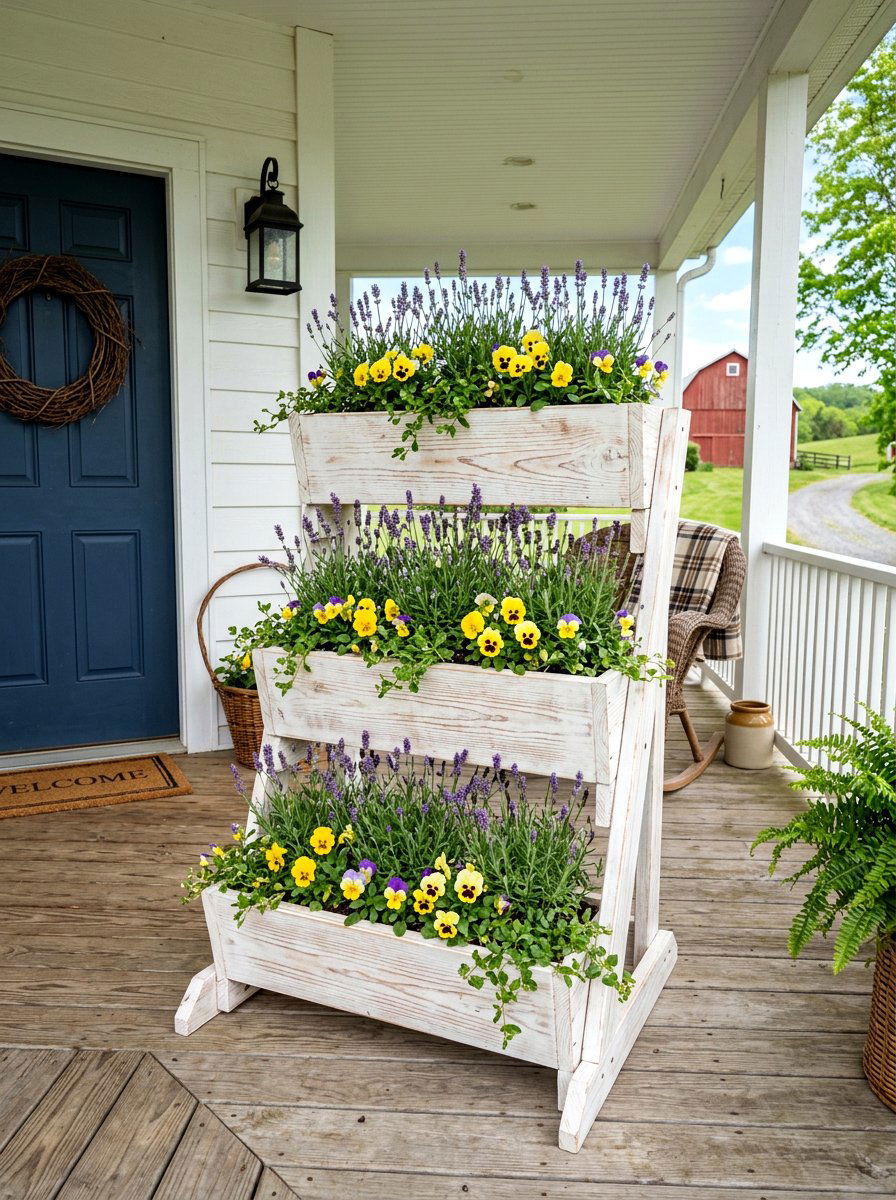
A farmhouse tiered vertical planter box brings a cozy and traditional feel to your porch or garden path. These designs often feature white-washed wood or distressed finishes with traditional joinery details that evoke a rustic, countryside charm. The tiers are usually wide and deep, providing plenty of room for a mix of classic cottage garden flowers like pansies, petunias, and snapdragons. This type of planter looks best when overflowing with a variety of textures and colors, creating a soft and welcoming atmosphere. It is a perfect focal point for a traditional home entryway where it can greet guests with its natural beauty.
26. Corner Design Vertical Planter Box
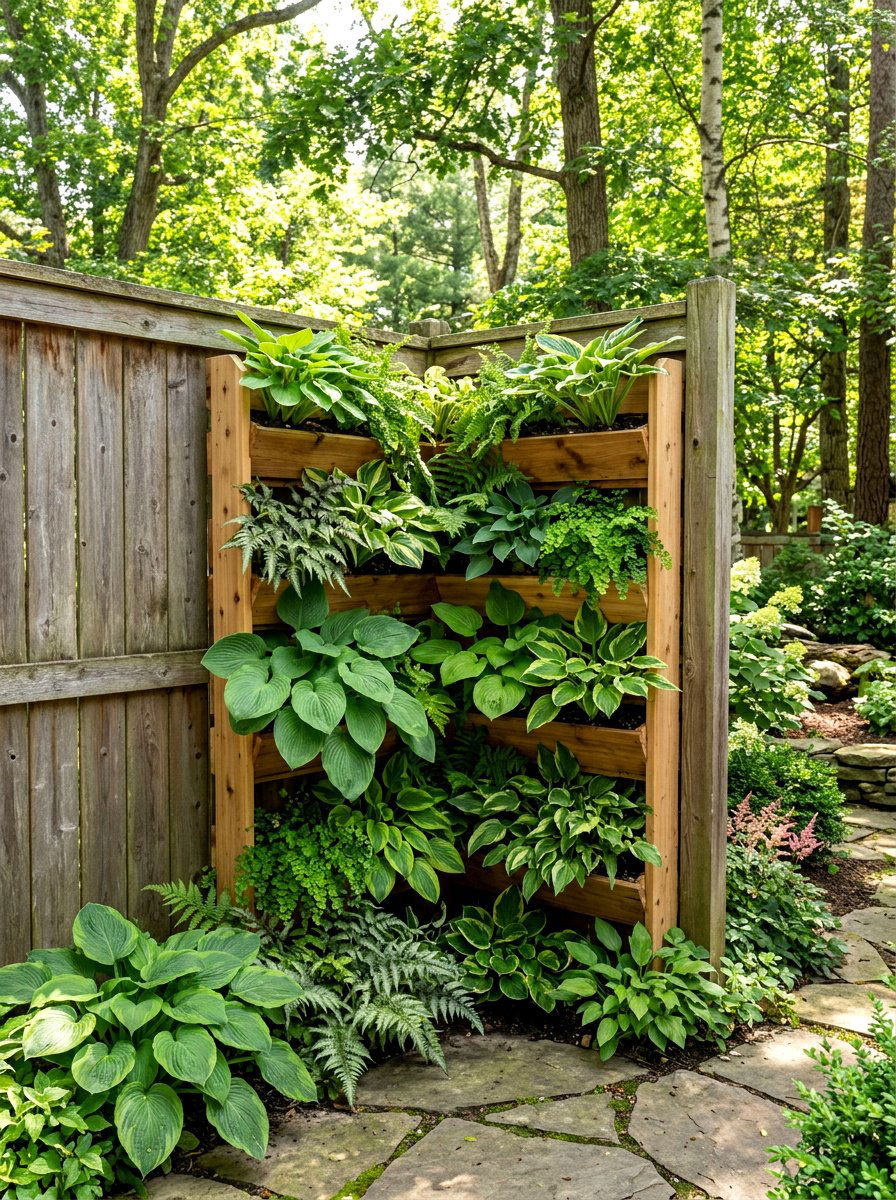
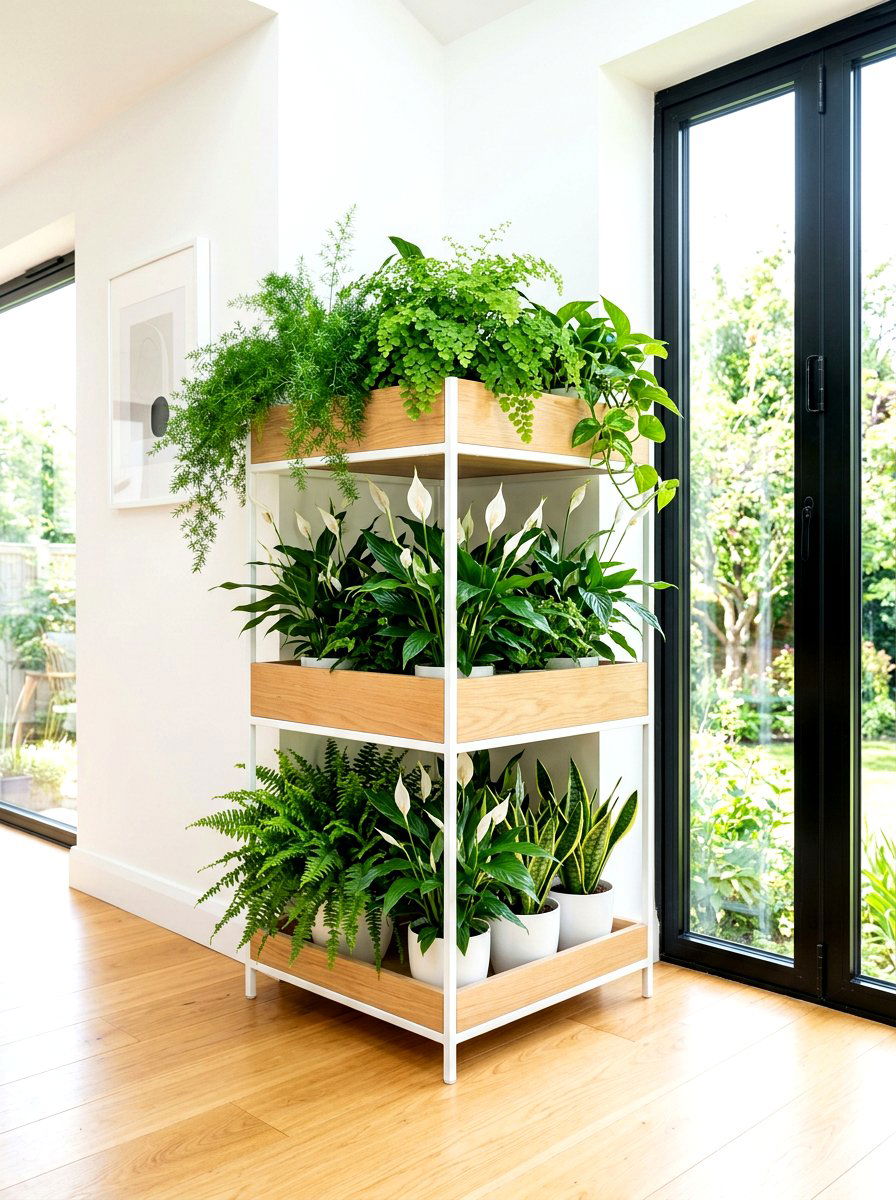
A corner design vertical planter box is the smartest way to utilize the often-wasted space where two walls or fences meet. These units are built with a 90-degree angle to tuck neatly into the corner, providing a lush column of greenery that softens hard architectural edges. By building the tiers upward, you can transform a dark or neglected corner into a vibrant focal point of the garden. This design is particularly effective for creating a sense of enclosure on a small patio, making the space feel more like a private outdoor room. It works well for shade-loving plants like ferns or hostas in north-facing corners.
27. Pergola Style Vertical Planter Box
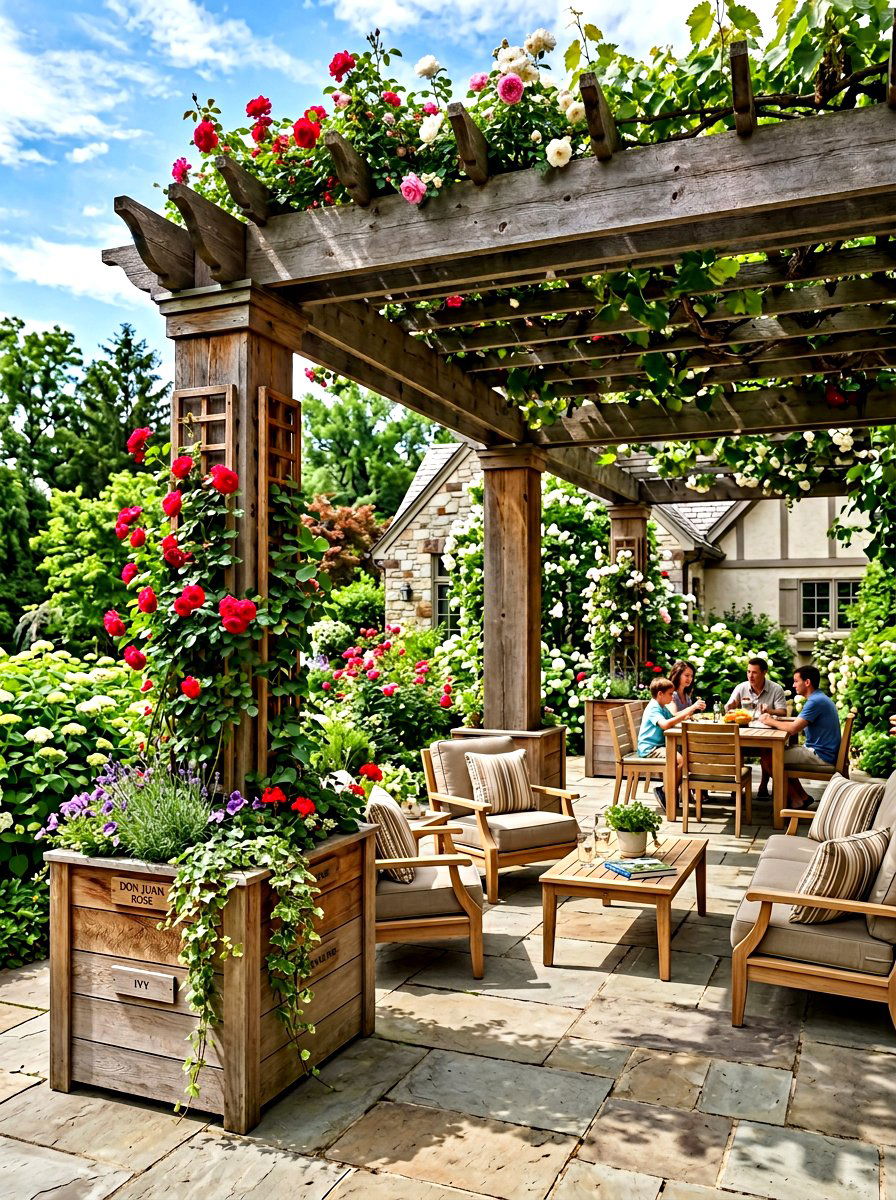
Integrating a pergola style vertical planter box into your outdoor structure allows you to grow greenery both above and alongside your seating area. These boxes are often attached to the vertical posts of a pergola, with vines that are encouraged to grow up and over the top rafters. This creates a multi-layered garden experience where you are literally surrounded by nature while sitting underneath. The vertical boxes provide immediate visual interest at eye level, while the climbing plants provide natural shade and cooling for the area below. It is a sophisticated way to integrate landscape design with your home's permanent architectural features.
28. Rolling Mobile Vertical Planter Box
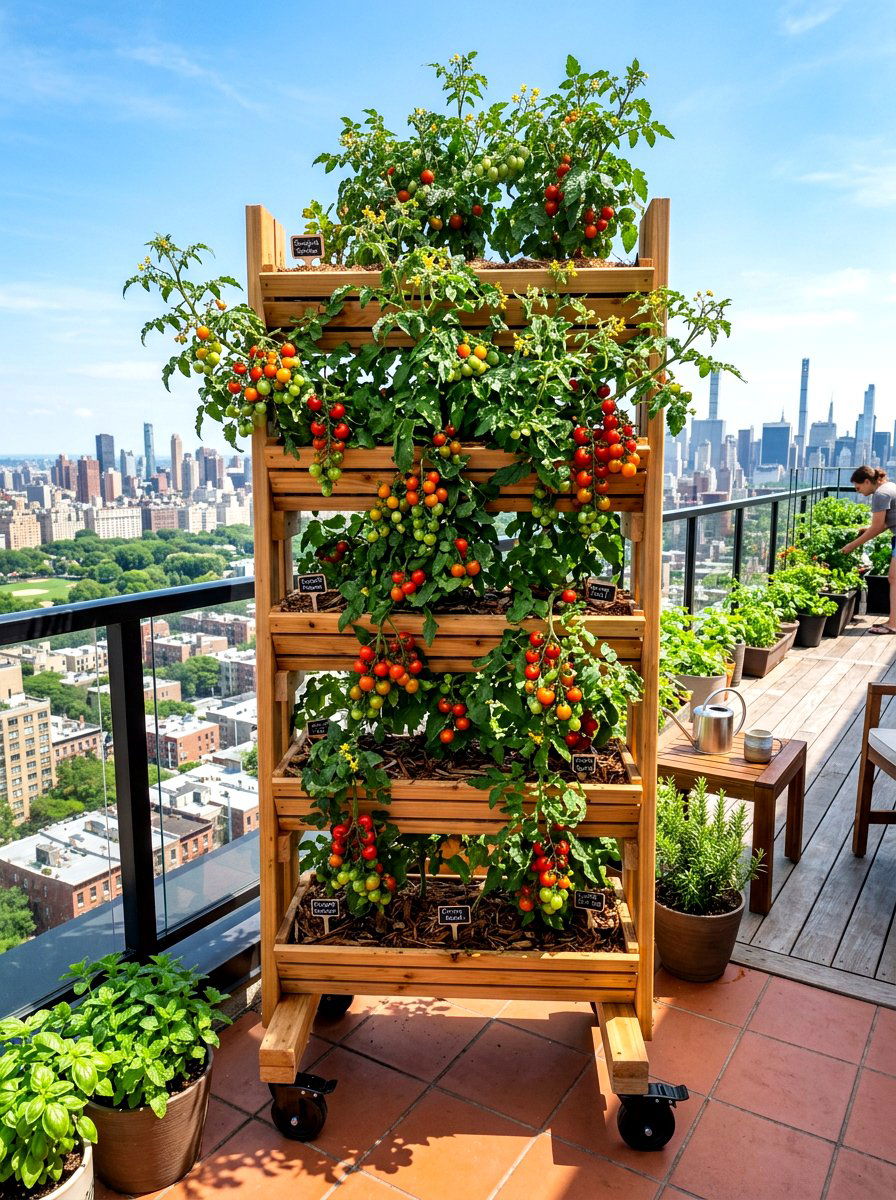
A rolling mobile vertical planter box offers the ultimate in gardening flexibility for those with changing light conditions or limited space. These units are built on heavy-duty casters that allow you to easily push the entire garden across your deck or patio. This mobility is essential for chasing the sun during the winter months or moving the plants into the shade during a summer heatwave. It also makes cleaning the patio much easier, as you can simply wheel the garden out of the way to sweep or mop. This design is ideal for urban dwellers who need to reconfigure their outdoor space for entertaining.
29. Bamboo Stick Vertical Planter Box
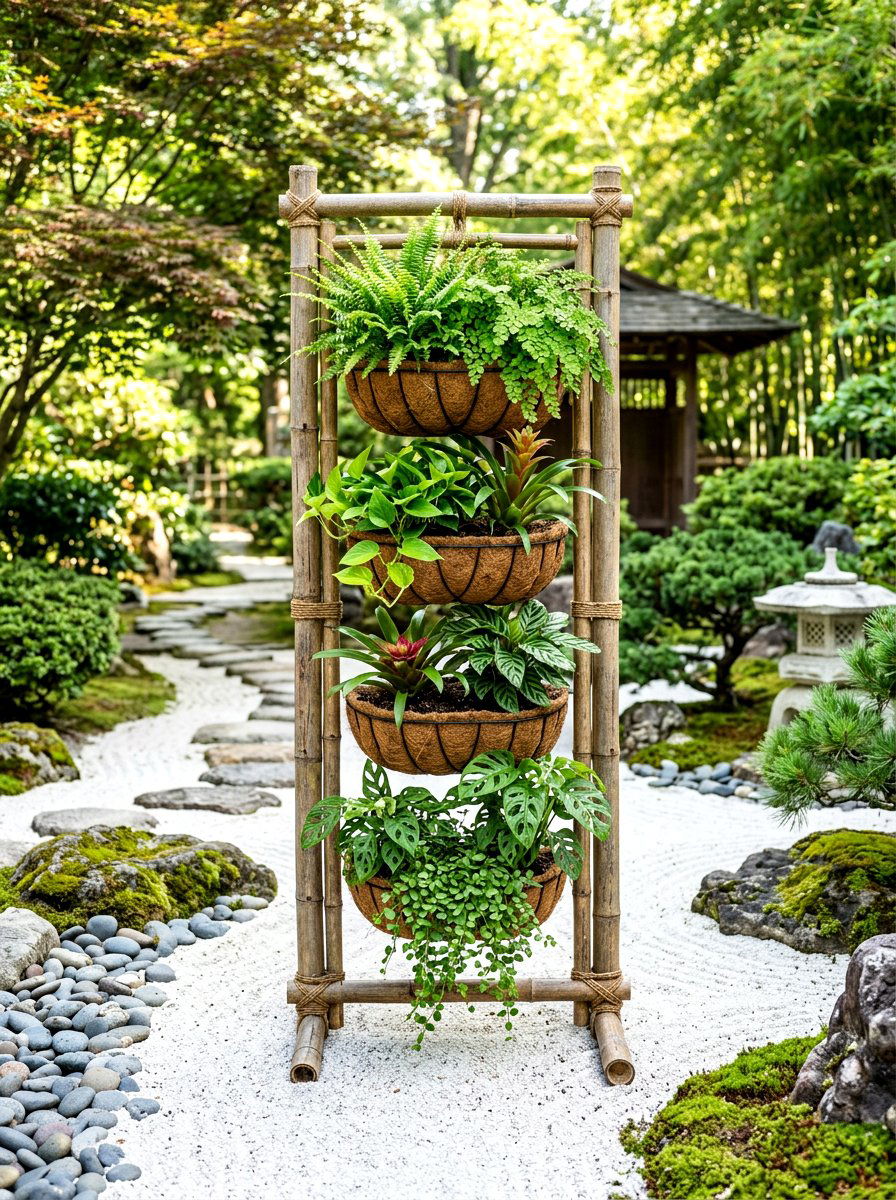
The bamboo stick vertical planter box is a lightweight and sustainable option that adds a tropical or Zen-like feel to your garden. Bamboo is an incredibly fast-growing and strong material that can be used to create the frame or even the planters themselves. By lashing bamboo poles together, you can create a natural-looking ladder or grid that supports small hanging pots or baskets. This style is perfect for an Asian-inspired garden or a shaded balcony where you want to create a calm and serene environment. The hollow tubes of large bamboo can even be cut into sections to hold soil and plants directly.
30. Mason Jar Vertical Planter Box
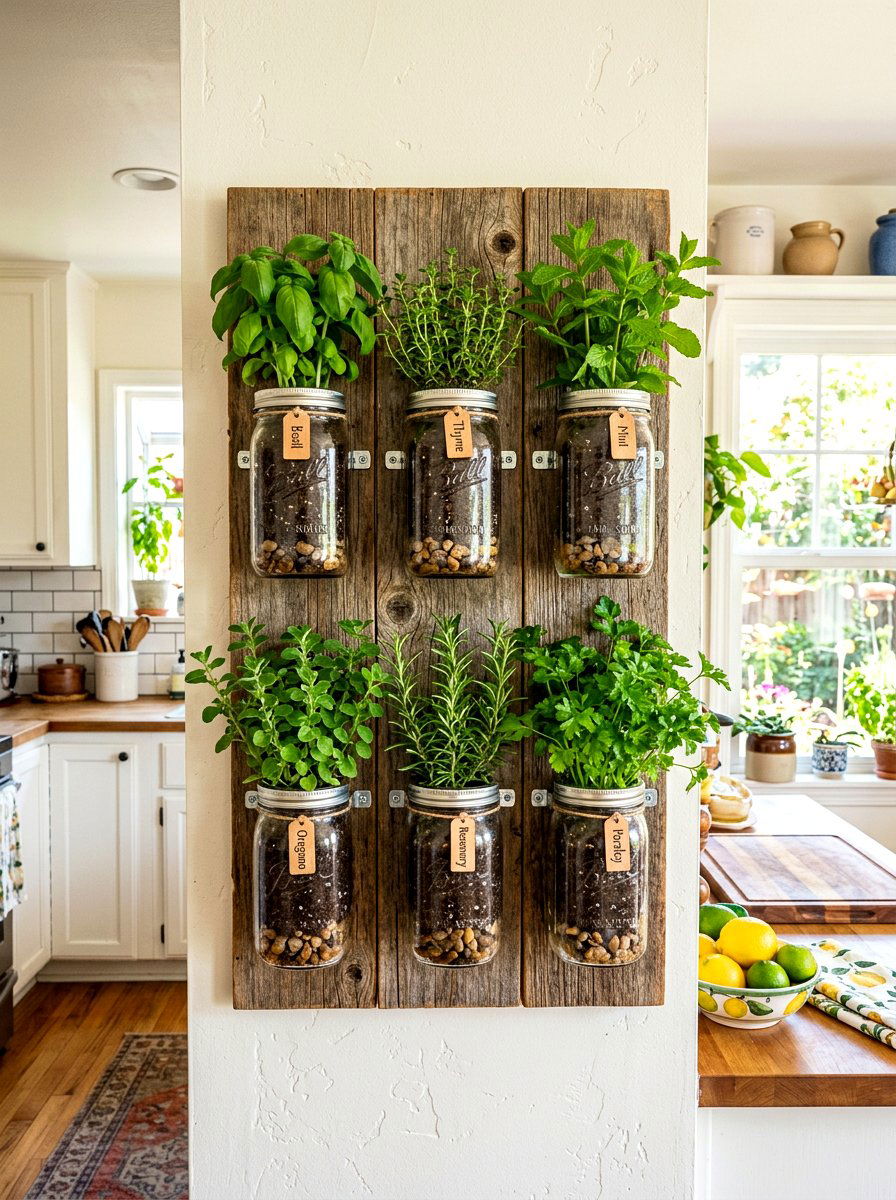
Creating a mason jar vertical planter box is a popular and aesthetically pleasing way to grow a small indoor herb garden. Glass jars are secured to a wooden board using metal hose clamps, which are then mounted vertically on a kitchen wall near a sunny window. The transparent glass allows you to see the root growth and soil moisture levels, which can be both educational and visually interesting. To ensure success, it is important to add a layer of pebbles at the bottom for drainage since these jars do not have holes. It is a beautiful, handcrafted solution for fresh herbs in any kitchen.
Conclusion:
Embracing the potential of vertical gardening through these various planter box designs allows anyone to enjoy the benefits of a lush garden, regardless of their available ground space. From rustic wooden ladders to modern metal systems, there is a vertical solution that fits every architectural style and gardening skill level. By moving your plants upward, you not only save space but also create a more ergonomic gardening experience that reduces strain on your back and knees. These living structures enhance biodiversity, improve air quality, and bring a refreshing sense of tranquility to our increasingly urbanized lives. Start your vertical garden journey today and watch your home transform.

Related posts: