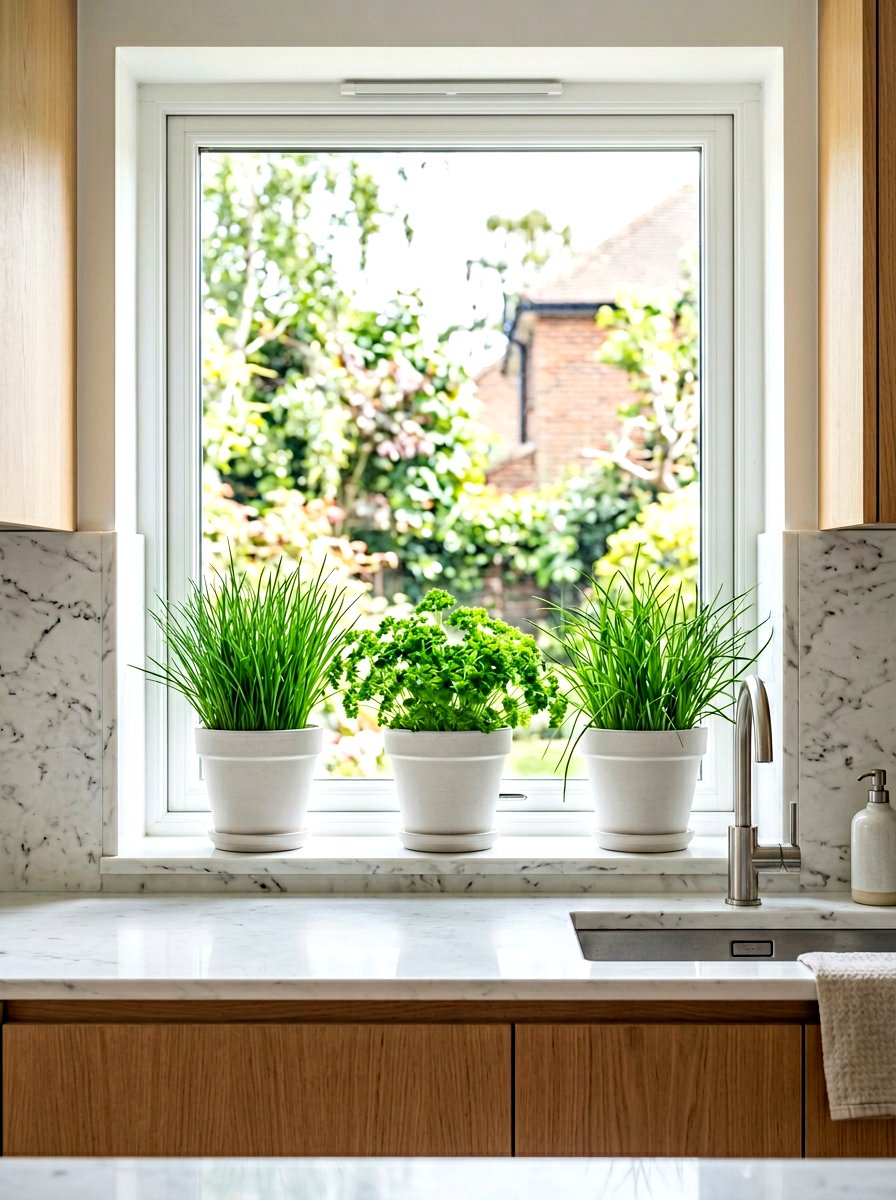
Modern vertical gardening is a revolutionary way to bring nature into your living space without needing a massive backyard or sprawling estate. Whether you live in a high-rise apartment or a cozy cottage, these creative systems allow you to maximize your square footage by growing upwards. By utilizing walls, railings, and suspended structures, you can cultivate everything from fresh organic herbs to breathtaking tropical foliage. This approach not only enhances the aesthetic appeal of your home but also improves air quality and creates a calming atmosphere. Embracing these techniques transforms plain surfaces into vibrant living art that breathes life into any environment.
1. Living Wall System
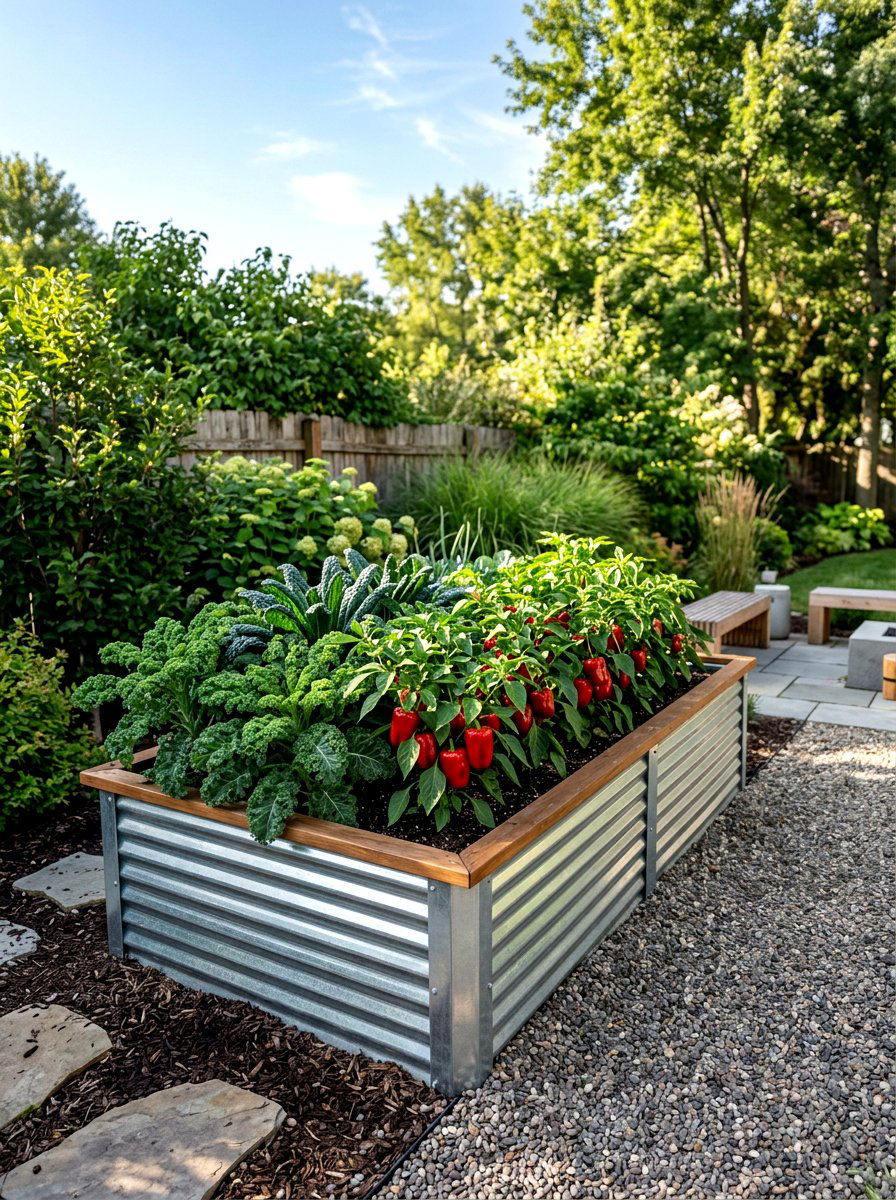
A living wall system is the ultimate centerpiece for any modern home or office seeking a major biophilic boost. These integrated structures often feature built-in irrigation to keep a variety of ferns and tropical plants thriving with minimal manual effort. They transform a standard interior or exterior wall into a lush tapestry of textures and shades of green. Many homeowners choose this option to create a natural acoustic barrier while significantly improving the air quality in their immediate surroundings. It provides a professional, polished look that mimics a high-end botanical installation right in your own living room or patio.
2. Pocket Wall Planter
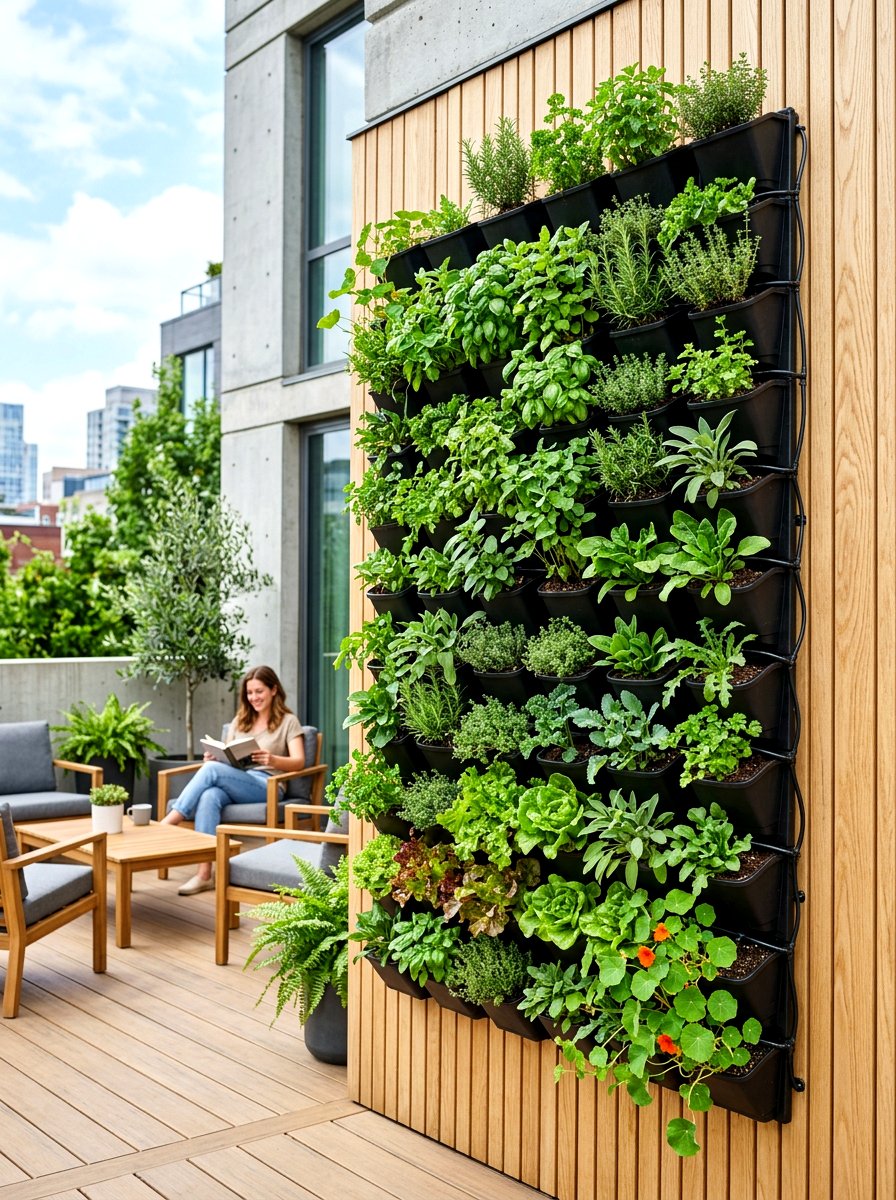
Pocket wall planters offer a versatile and lightweight solution for anyone looking to add greenery to a fence or balcony. These fabric or felt containers are specifically designed to hold soil and moisture while allowing the roots of your plants to breathe. You can easily grow a variety of edible greens like lettuce and spinach or colorful annual flowers in these modular pockets. Because they are so easy to install, they are a favorite for renters who want to brighten up a dull outdoor space. The cascading effect of the plants eventually covers the material, creating a seamless wall of beautiful growth.
3. Wooden Pallet Planter
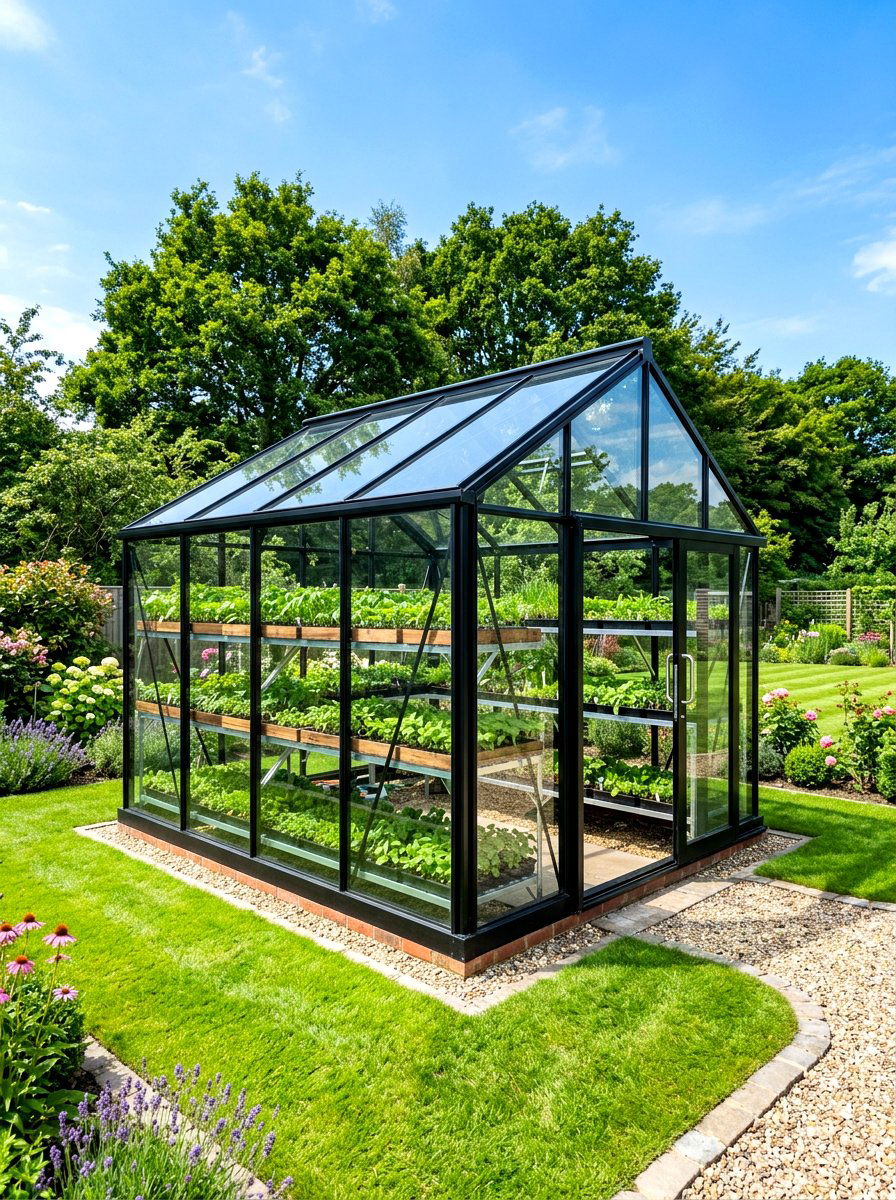
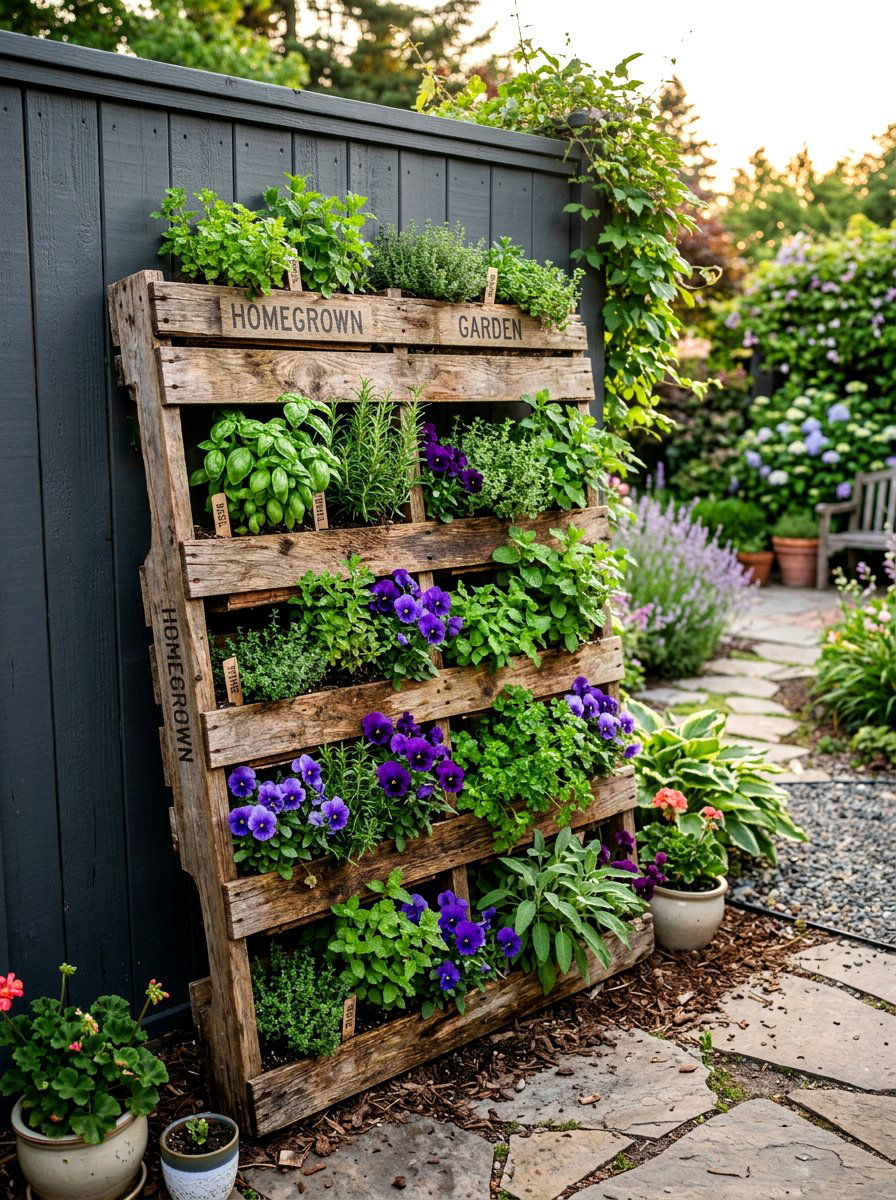
The wooden pallet planter is a classic DIY favorite that perfectly blends rustic charm with modern sustainability and clever upcycling. By repurposing a standard shipping pallet, you can create a sturdy vertical structure that holds multiple rows of small plants. It works exceptionally well for a kitchen herb garden where you can label each section for easy harvesting while cooking outdoors. You can paint the wood to match your porch decor or leave it natural for a more weathered and organic appearance. This budget-friendly option is highly effective for maximizing small urban gardening spaces without spending much money.
4. Hanging Mason Jar Garden
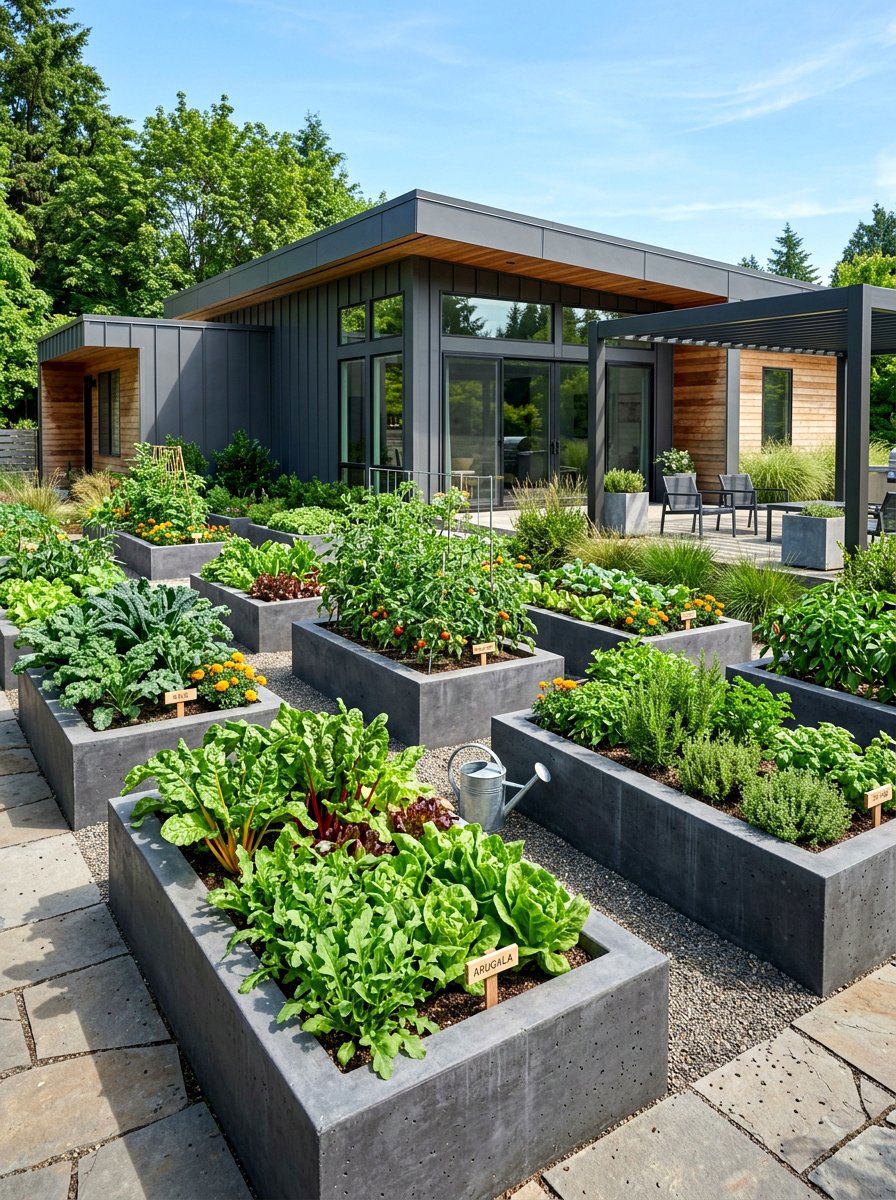
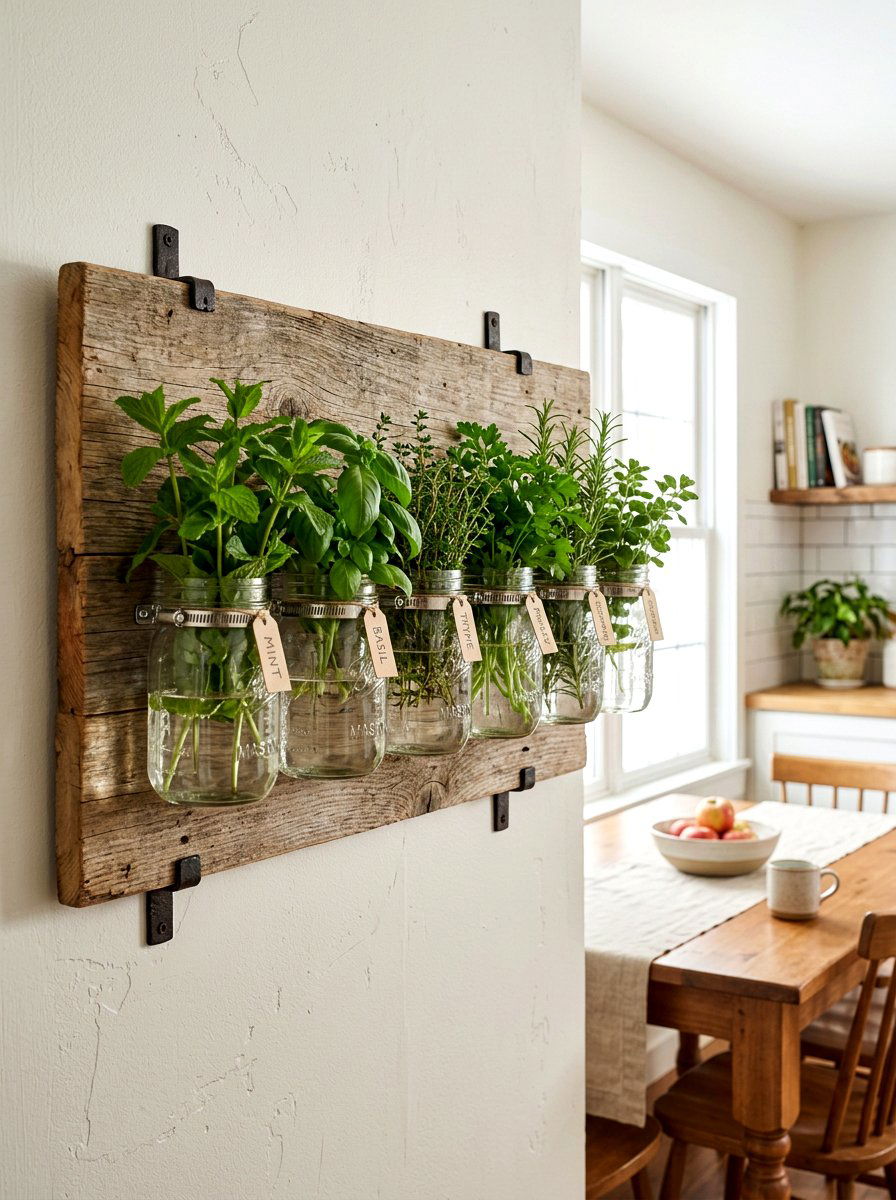
A hanging mason jar garden is a charming and practical way to grow your favorite culinary herbs right in your kitchen. By securing clear glass jars to a reclaimed wood board, you create an organized and visually appealing vertical display. This system allows you to see the root growth and soil moisture levels easily, which helps in maintaining healthy plants. It is particularly useful for small apartments where counter space is at a premium but sunlight is plentiful near the windows. These jars provide a clean and vintage look that complements both farmhouse and modern industrial interior design styles.
5. Tiered Ladder Shelf
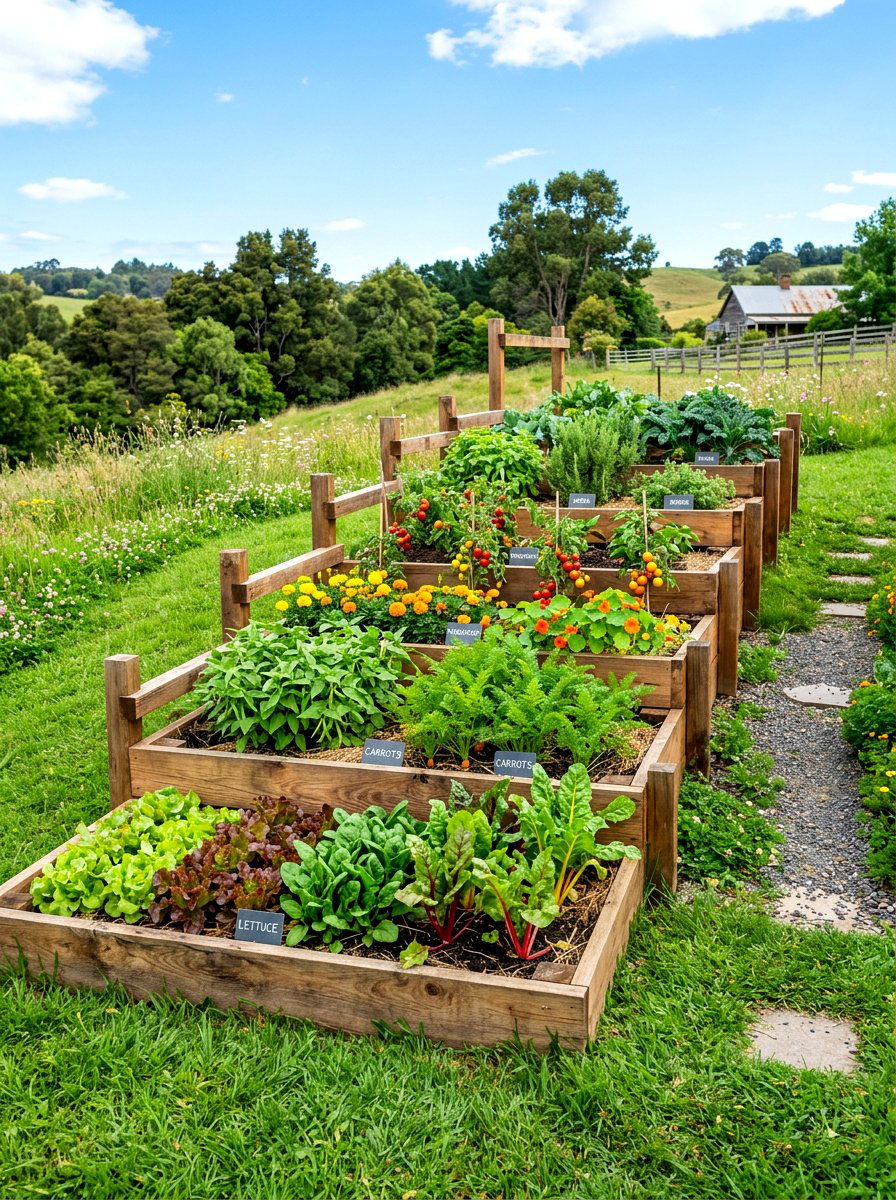
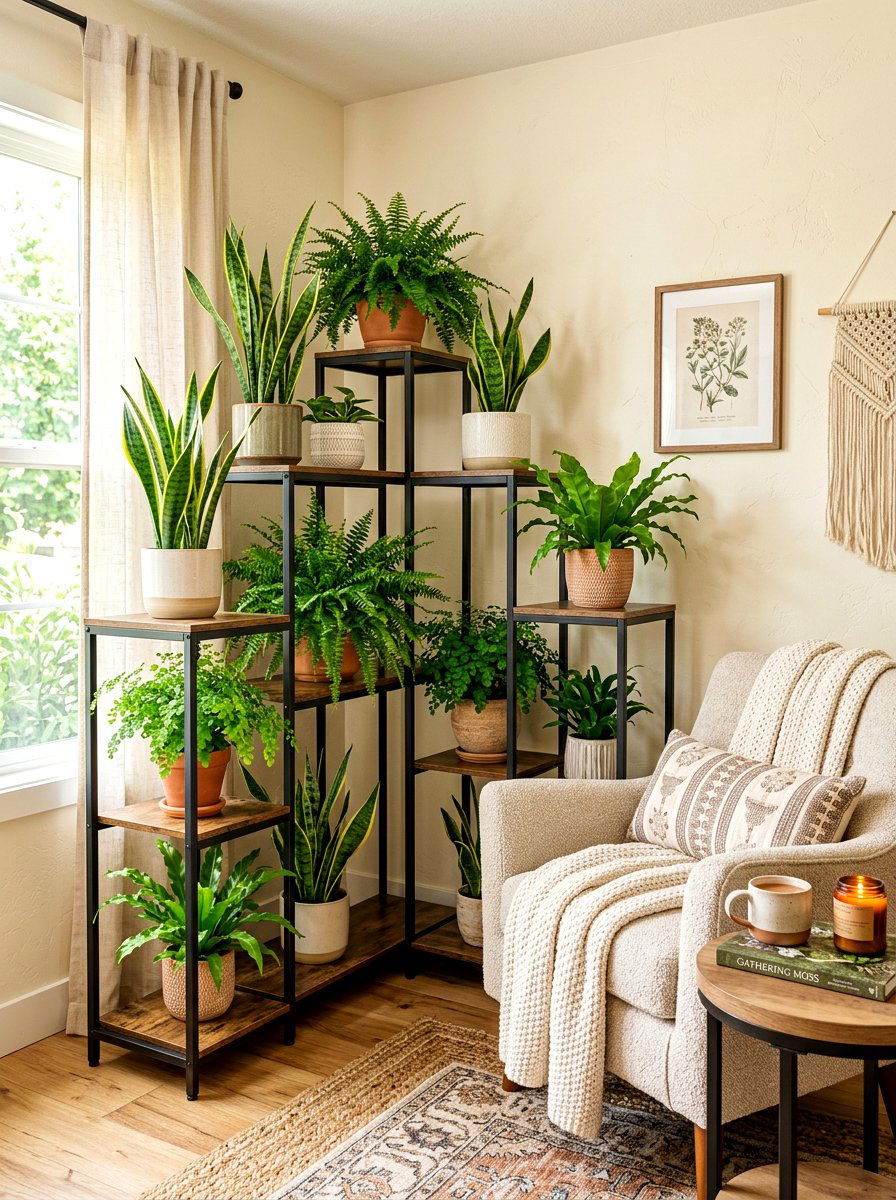
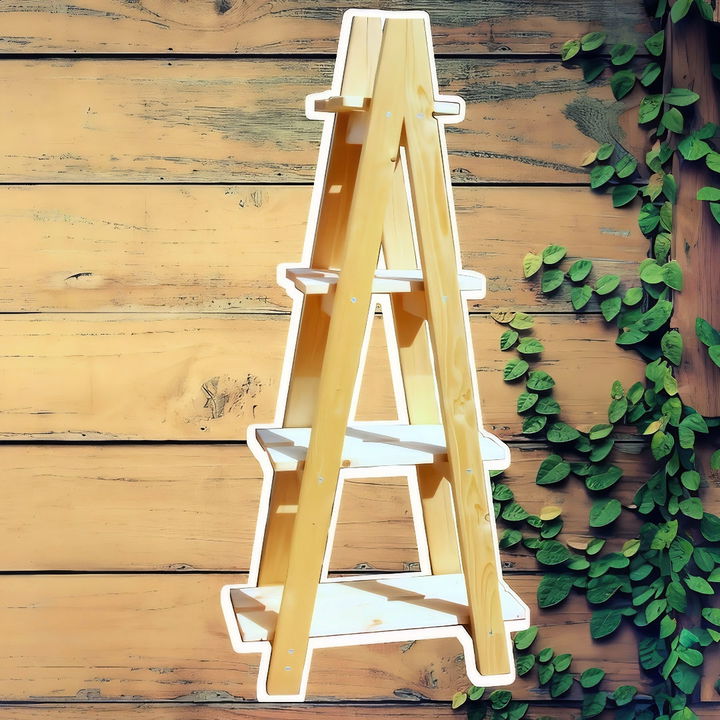
A tiered ladder shelf is an excellent freestanding option for those who cannot or do not want to mount anything to their walls. This design provides multiple levels of varying depths, making it perfect for displaying a diverse collection of potted plants. You can place larger, heavier pots at the bottom and lighter, trailing varieties at the top for a balanced visual hierarchy. It is incredibly easy to move around your patio or sunroom as the seasons change and the light shifts throughout the year. The vertical layout ensures that every single plant receives adequate airflow and sunshine for optimal health.
6. Magnetic Indoor Herb Garden
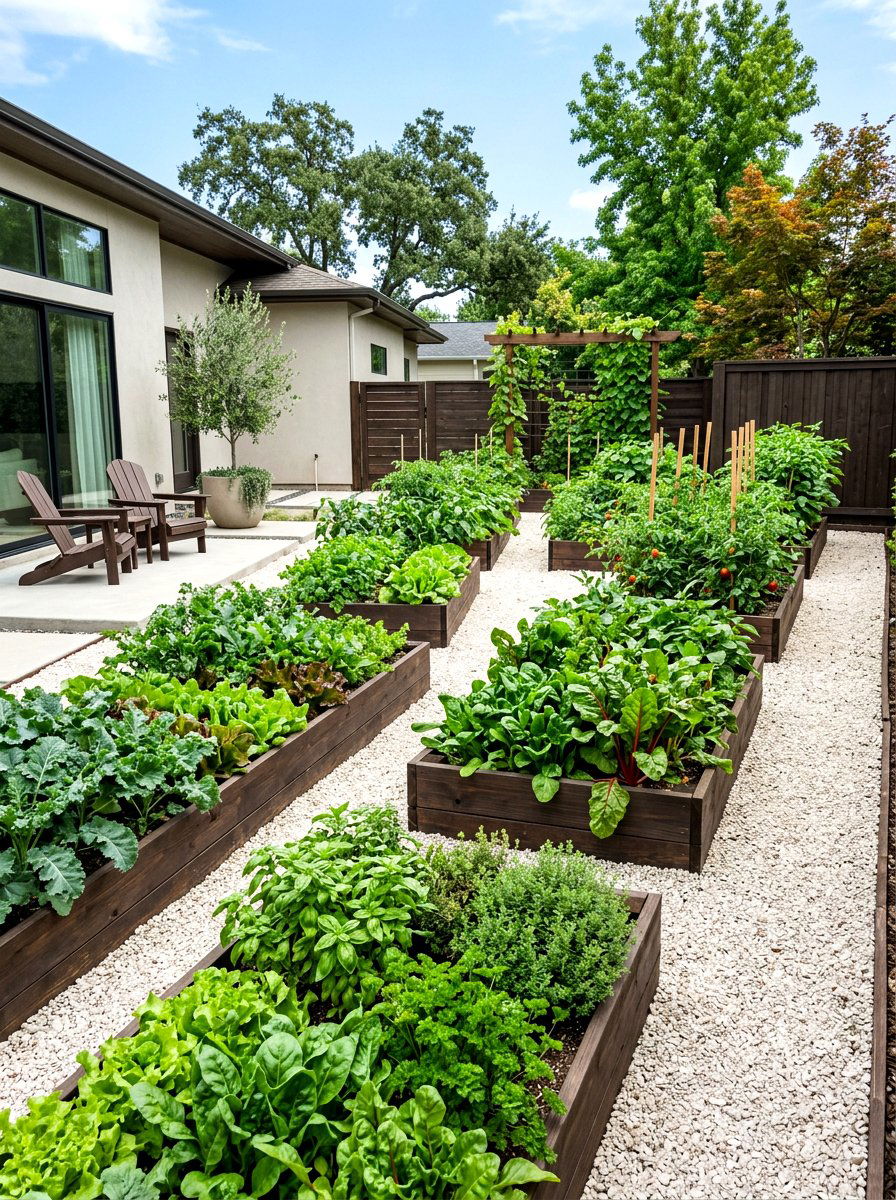
The magnetic indoor herb garden is a sleek and high-tech solution for modern kitchens with limited natural lighting or shelf space. Small magnetic canisters or specialized pots can be attached directly to the side of a refrigerator or a dedicated metal wall plate. This setup keeps your fresh basil, mint, and cilantro within arm's reach while you are preparing meals at the stove. Many of these systems use specialized grow lights to ensure the herbs thrive even in the darkest corners of an urban apartment. It is a fantastic example of how functional decor can simplify your daily cooking routine.
7. Freestanding Trellis Planter
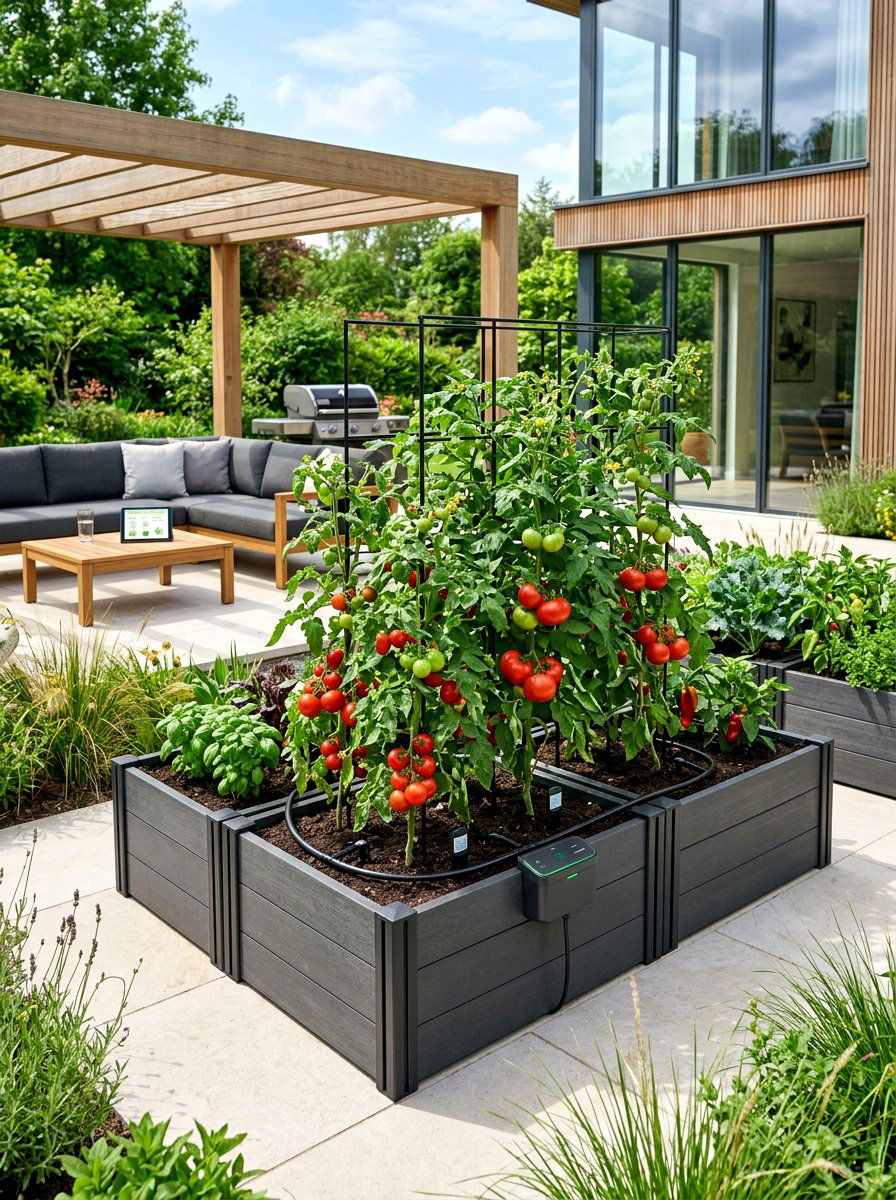
A freestanding trellis planter combines a traditional garden bed with a tall vertical support structure for vining plants and climbing flowers. This setup is ideal for growing sweet peas, jasmine, or even climbing vegetables like cucumbers and pole beans in a small area. The trellis provides the necessary height for the plants to grow upward, keeping the foliage off the ground and preventing pests. It also serves as a beautiful natural privacy screen for a deck or a shared apartment balcony. The combination of the sturdy base and the airy lattice creates a sophisticated look for any outdoor space.
8. Copper Pipe Hanging Planter
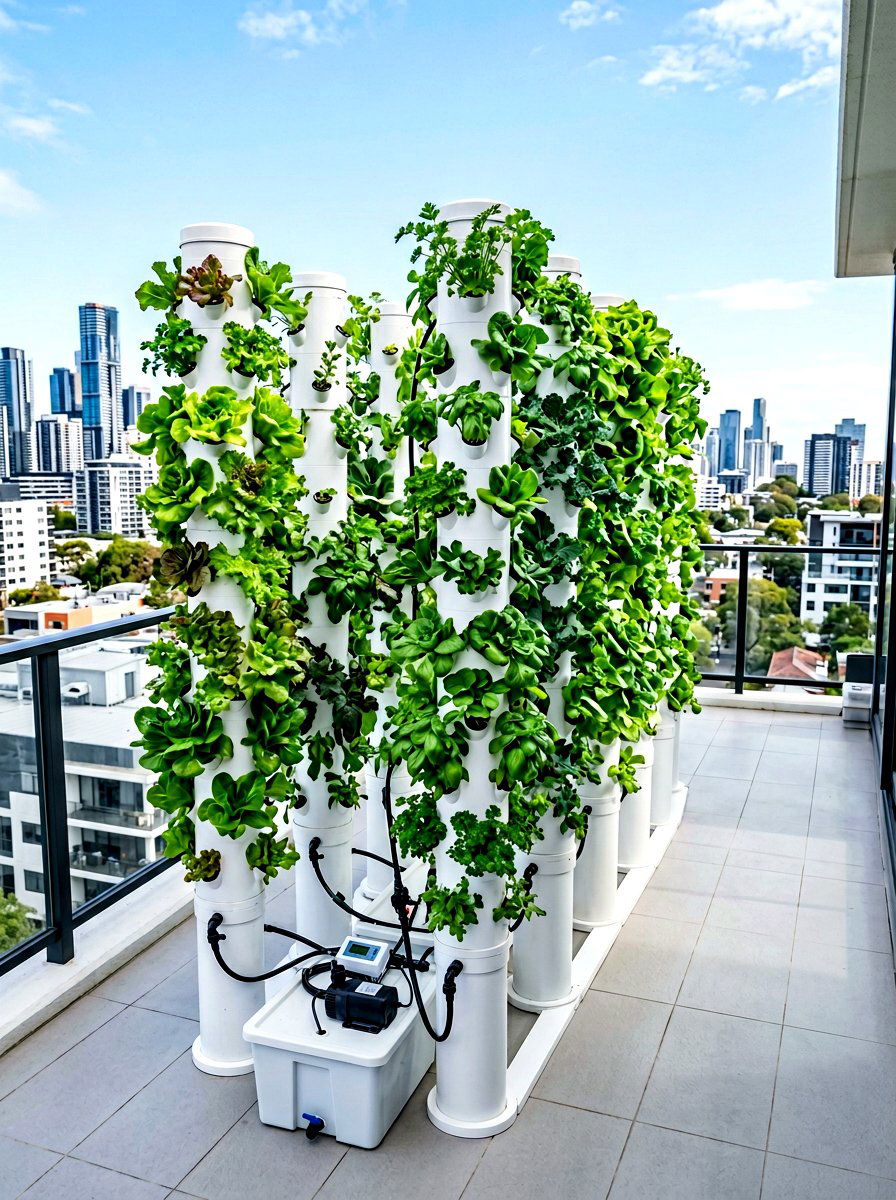
Copper pipe hanging planters are a favorite for those who love the industrial chic aesthetic and want something truly unique. Using basic copper plumbing supplies, you can construct a minimalist frame that suspends modern pots in a vertical or horizontal configuration. The warm metallic tones of the copper provide a stunning contrast against the vibrant green leaves of pothos or heartleaf philodendrons. These structures are often hung from the ceiling or mounted to a sturdy wall to create a floating garden effect. It is a stylish way to add a touch of modern luxury to your indoor or outdoor plant collection.
9. Succulent Frame Garden
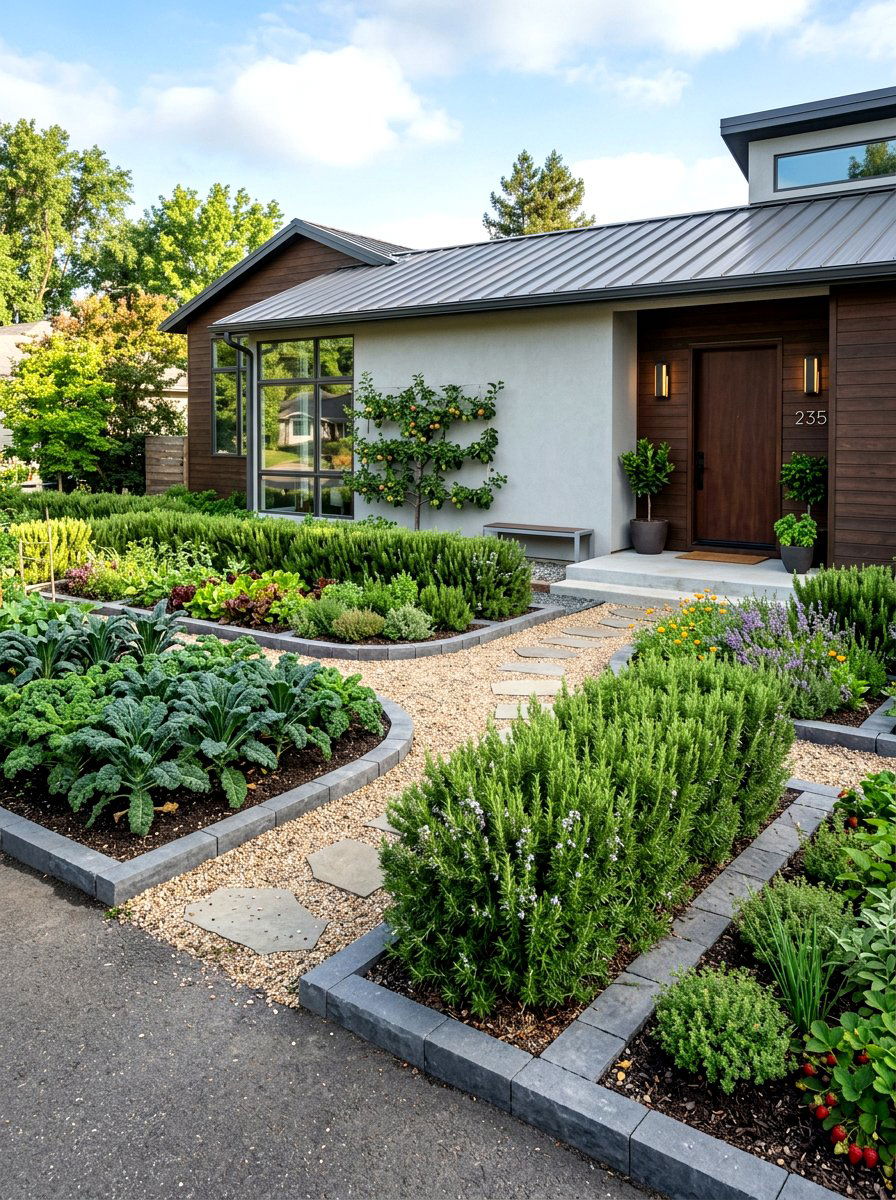
A succulent frame garden turns drought-tolerant plants into a living piece of framed art that you can hang on your wall. By using a shallow shadow box with a mesh front, you can pack a variety of colorful succulents into a tight pattern. These plants require very little water and thrive in the vertical orientation, making them perfect for low-maintenance decor lovers. As the succulents grow, they fill in the gaps to create a textured and vibrant mosaic of fleshy leaves and unique shapes. It is an impressive way to display rare varieties while saving valuable horizontal surface space.
10. Vertical Hydroponic Tower
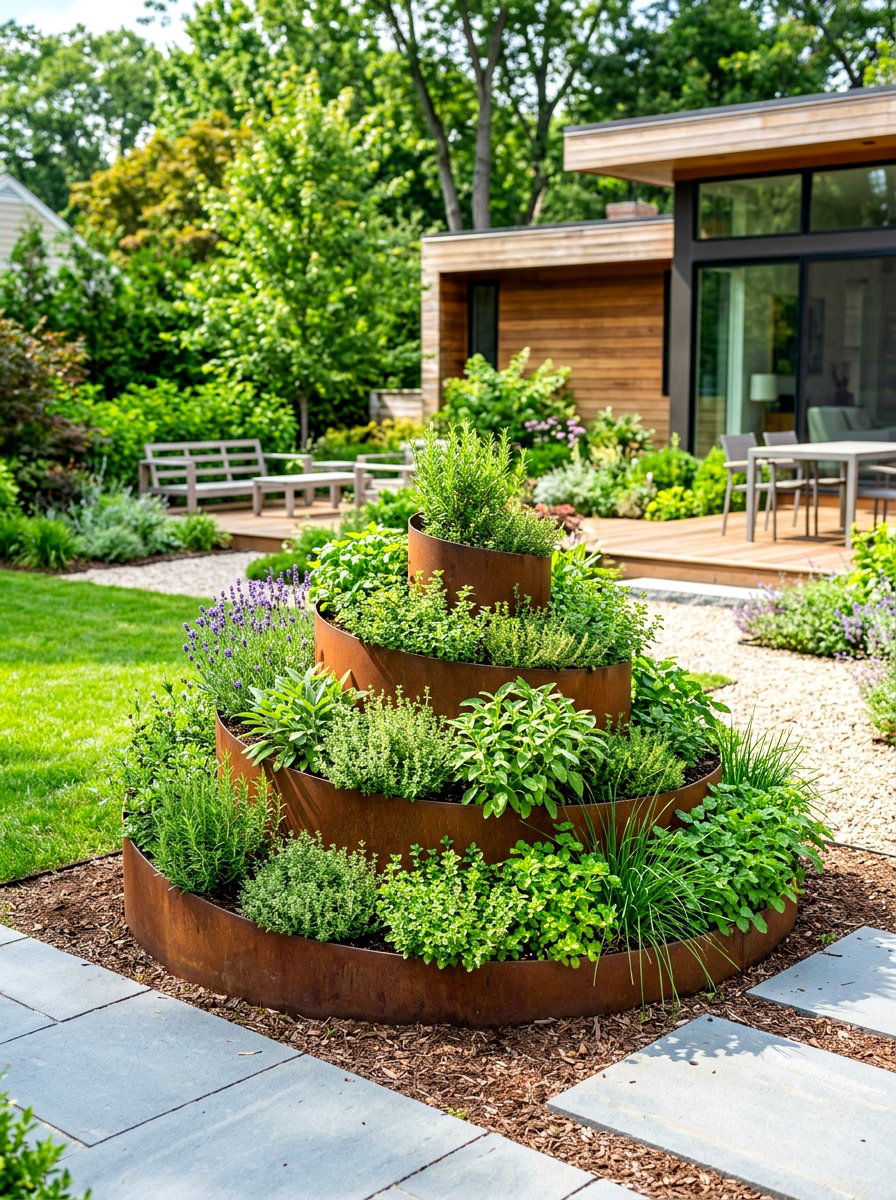
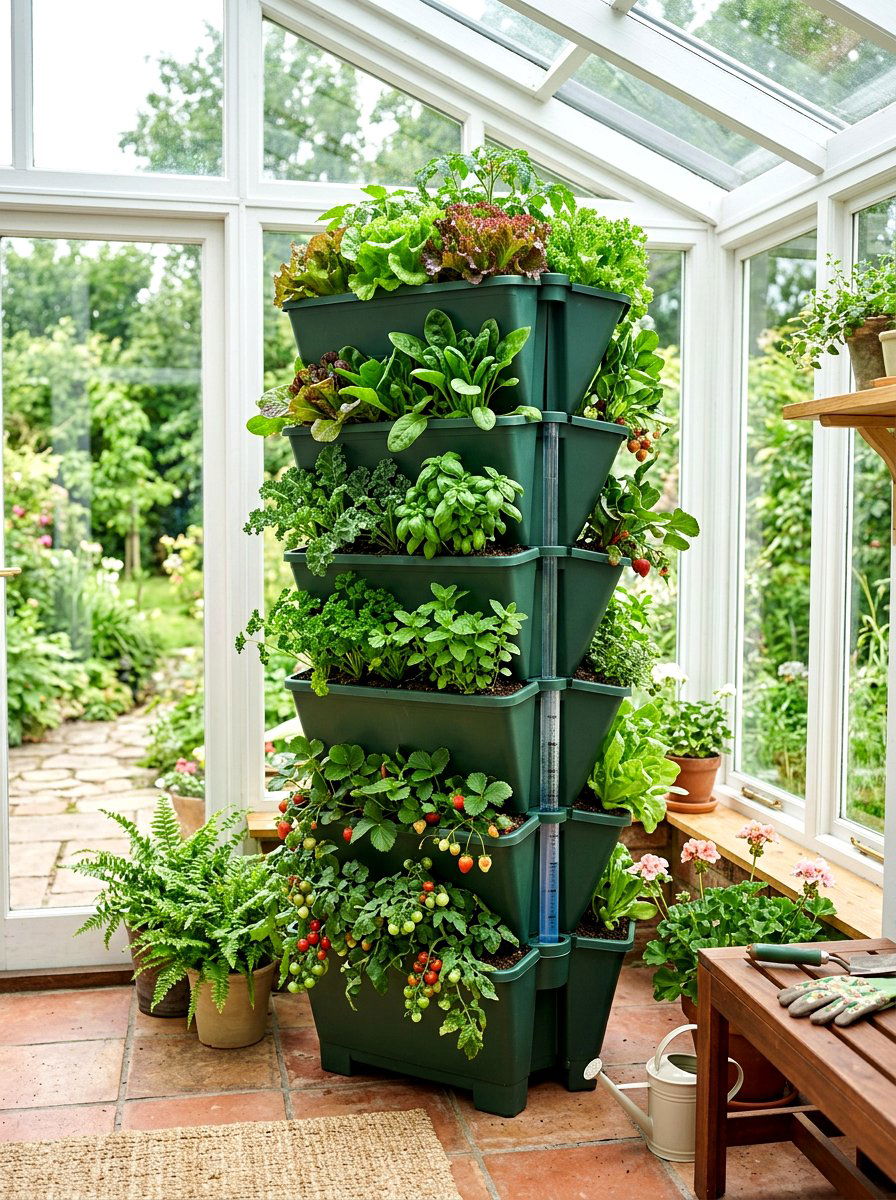
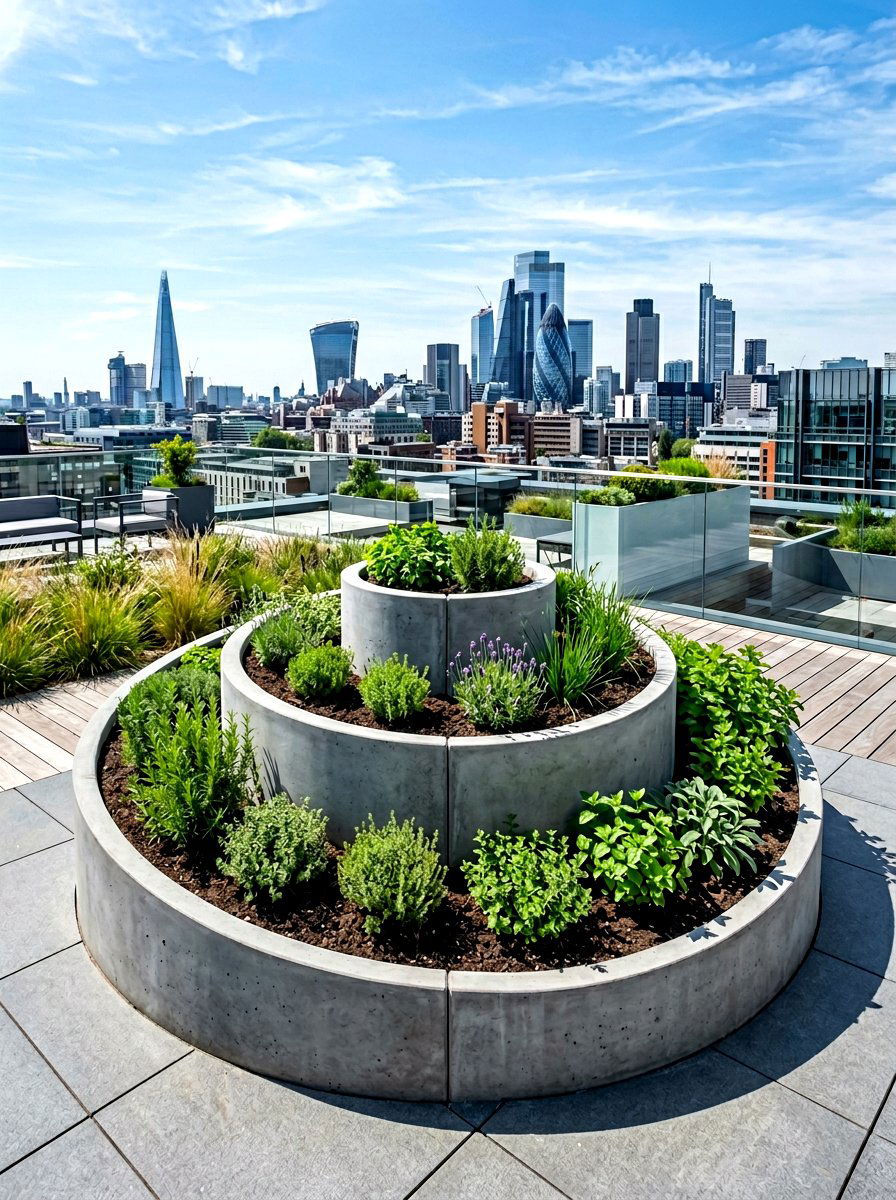
The vertical hydroponic tower is the peak of modern gardening technology for those who want high-yield edible crops in small spaces. This soil-free system uses a nutrient-rich water solution that circulates through the tower to feed the roots of your vegetables. You can grow dozens of heads of lettuce, strawberries, and herbs in just a few square feet of floor space. Many of these towers come with integrated LED grow lights, allowing you to garden indoors all year round regardless of the weather. It is a clean, efficient, and futuristic way to ensure you always have fresh produce on hand.
11. Felt Pocket Garden
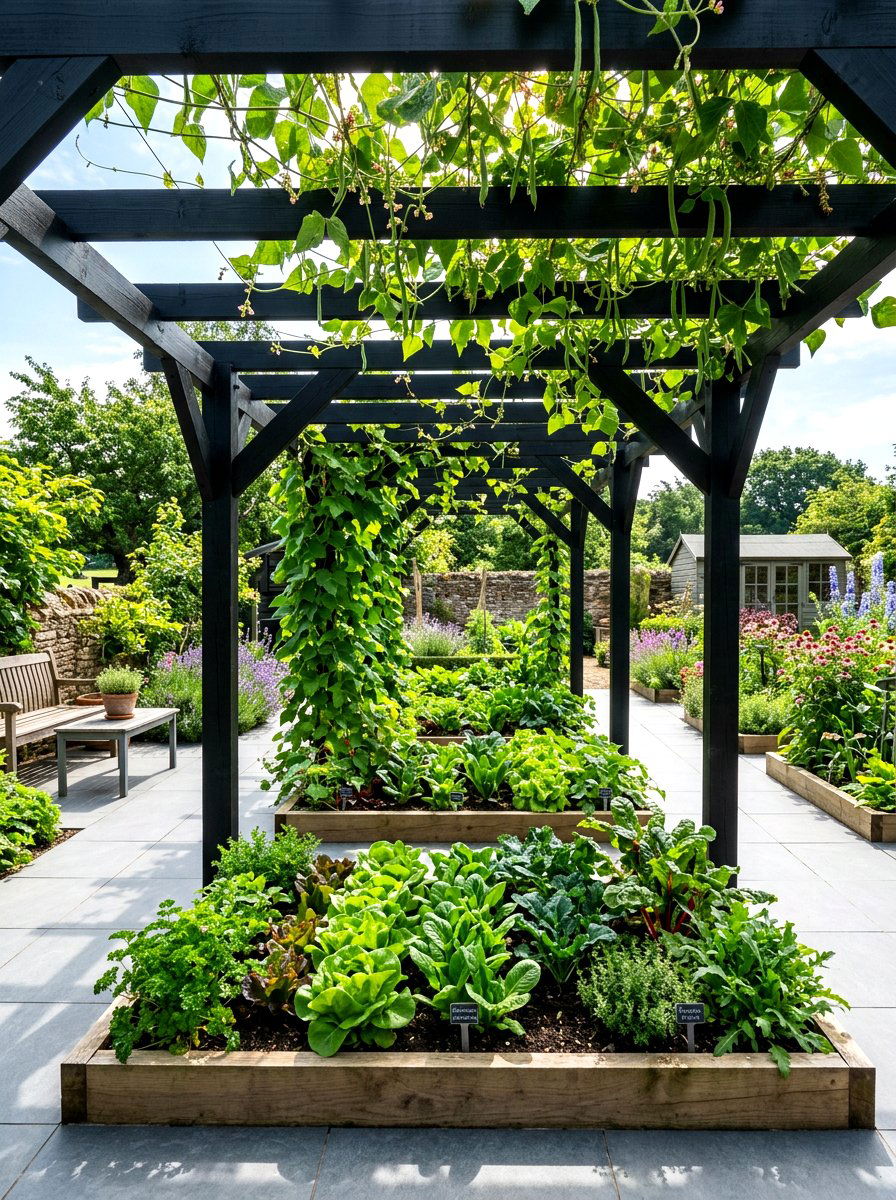
Felt pocket gardens are an affordable and highly breathable option for creating a lush green wall on any sturdy vertical surface. The soft fabric material promotes excellent air circulation for the roots, which prevents the common problem of root rot in vertical systems. You can find these panels in various sizes to fit everything from a tiny balcony railing to a large backyard fence. They are perfect for growing seasonal flowers or a rotating collection of salad greens that you can harvest whenever you need them. The lightweight nature of the felt makes installation a breeze for any home gardener.
12. Gutter Garden System
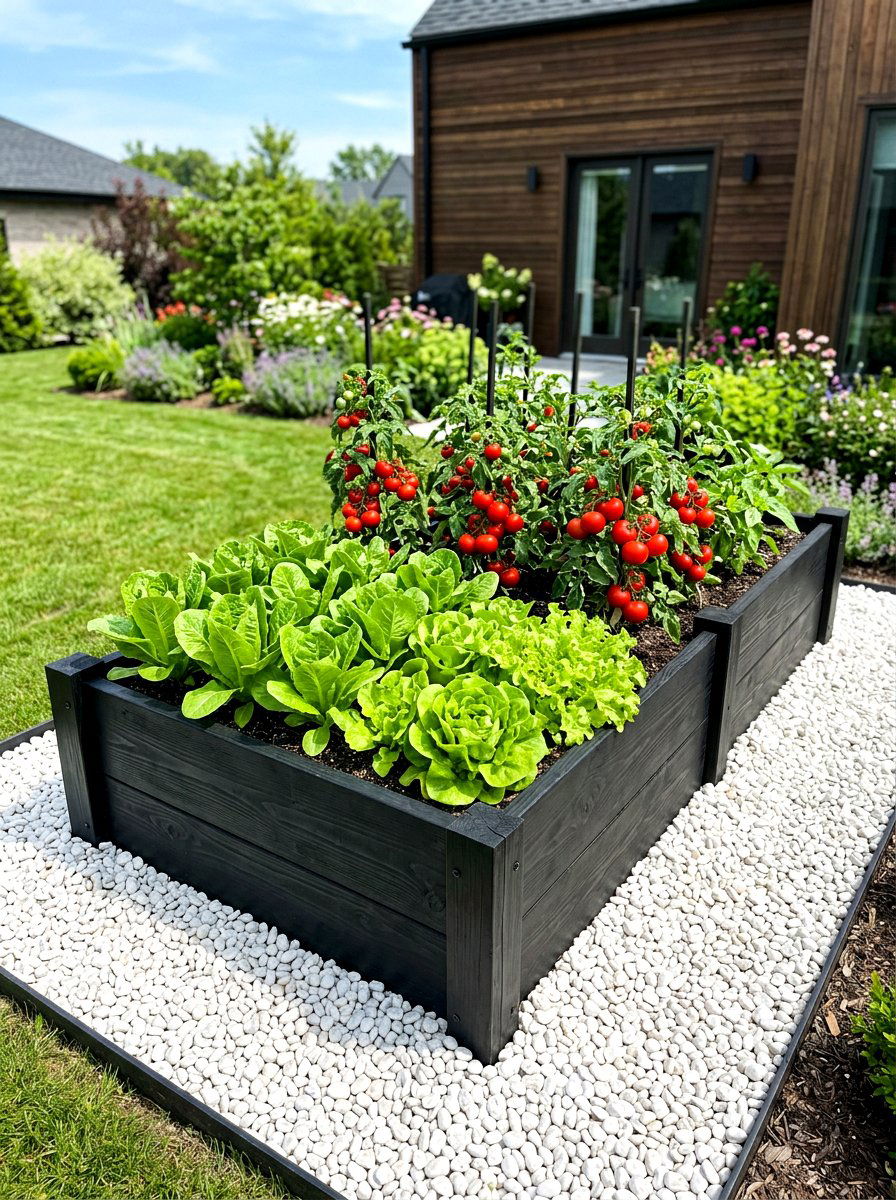
A gutter garden system is a brilliant and cost-effective way to use horizontal lines to build a massive vertical planting area. By mounting standard rain gutters to a wall or fence in a staggered pattern, you create long rows for shallow-rooted plants. This design is exceptionally good for growing strawberries, herbs, and various types of lettuce that do not need deep soil to thrive. You can even paint the gutters to match your home’s exterior for a more integrated and professional look. It is a durable and weather-resistant solution that makes the most of any bare outdoor wall.
13. Floating Shelf Greenery
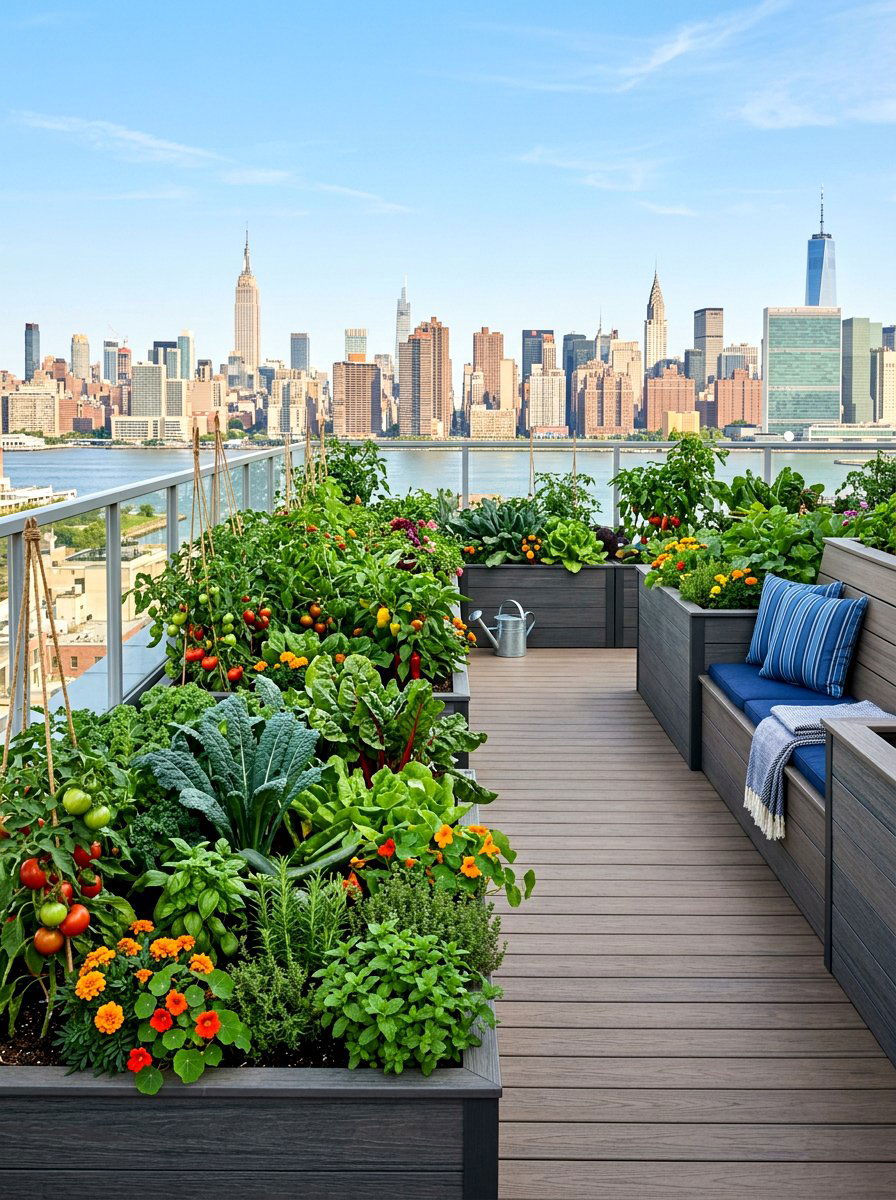
Floating shelf greenery is a minimalist’s dream for adding a touch of nature to a modern living room or bedroom. By installing simple wooden or metal shelves at varying heights, you create a dedicated space for your favorite potted plants to shine. This approach allows you to mix and match different pot styles and plant types, from tall snake plants to cascading string of pearls. It keeps your floors clear and your surfaces uncluttered while still providing the many benefits of indoor plants. The clean lines of the shelves emphasize the organic shapes and colors of the foliage on display.
14. Industrial Pipe Wall Planter
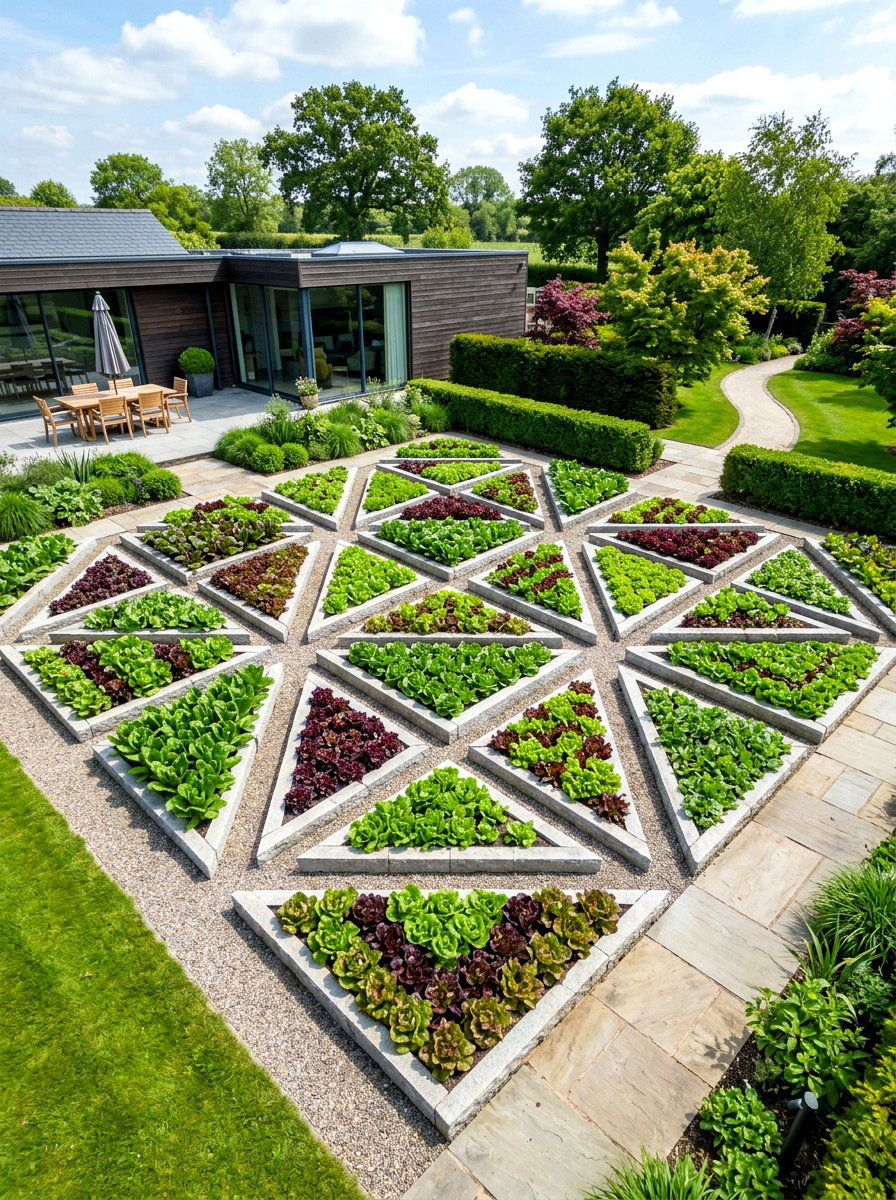
The industrial pipe wall planter uses black iron pipes and fittings to create a rugged and masculine vertical garden structure. You can attach various sizes of pots to the pipe frame using specialized clamps or hooks for a custom look. This style works perfectly in loft-style apartments or modern homes with exposed brick walls and open floor plans. It is incredibly durable and can support the weight of heavier terracotta pots or large ceramic containers without any structural issues. The dark metal creates a bold visual frame that makes the green leaves of your plants pop with intensity.
15. Geometric Wall Pots
Geometric wall pots are small, stylish containers that allow you to create a custom pattern of greenery on any blank wall. These pots often come in hexagonal, diamond, or circular shapes and can be arranged in clusters to form a unique art installation. They are ideal for housing small succulents, air plants, or cacti that do not require frequent watering or large amounts of soil. By playing with the arrangement and colors of the pots, you can design a vertical garden that is as much about the decor as the plants. It is a sophisticated way to add subtle texture.
16. Bamboo Privacy Screen Garden
A bamboo privacy screen garden offers a natural and eco-friendly way to block unwanted views while growing a variety of plants. You can attach small planters or hanging pots to a sturdy bamboo lattice to create a lush, living barrier for your deck. This setup is perfect for tropical plants like bromeliads or orchids that enjoy the dappled sunlight and humidity often found in these environments. The light color and natural texture of the bamboo provide a serene backdrop that feels like a private island getaway. It is a functional and beautiful addition to any modern outdoor seating area.
17. Concrete Block Vertical Garden
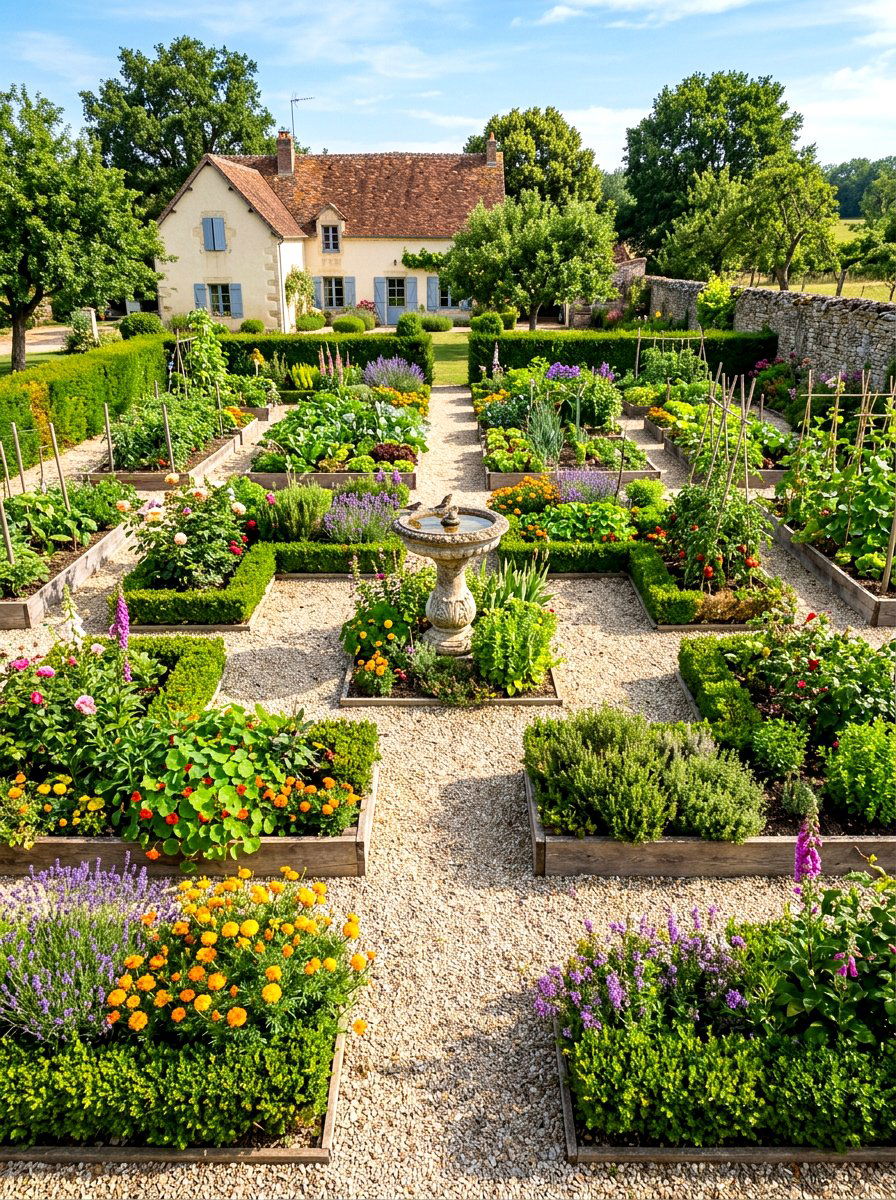
A concrete block vertical garden is a modern and architectural way to use common building materials for a stunning landscape feature. By stacking cinder blocks in a staggered or geometric pattern, you create natural planting pockets within the hollow centers of the blocks. This heavy-duty system is perfect for outdoor spaces where you want a permanent structure that can withstand wind and weather. You can plant succulents, ornamental grasses, or trailing flowers to soften the hard edges of the concrete. It provides a contemporary, brutalist aesthetic that looks incredible next to modern stone patios or minimalist wood decks.
18. Suspended Macrame Plant Hangers
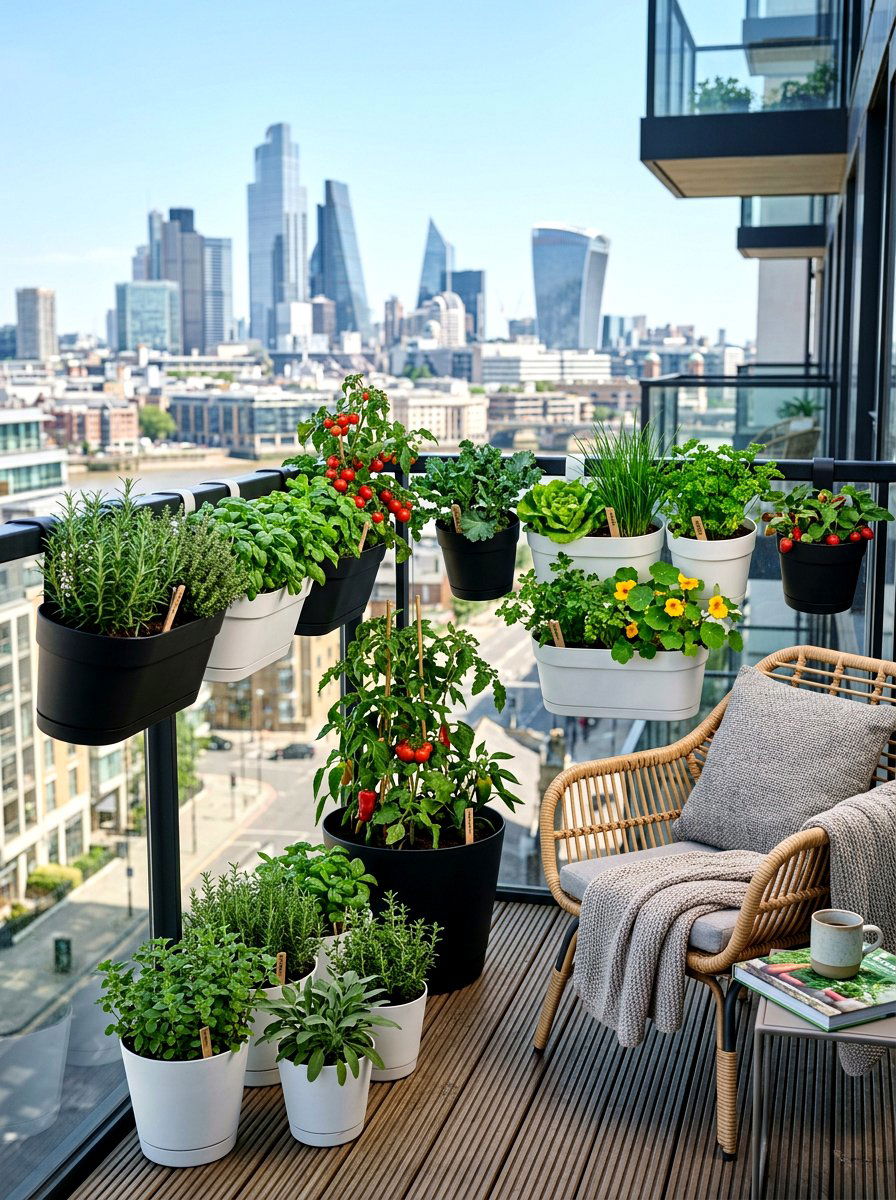
Suspended macrame plant hangers bring a trendy boho-chic vibe to any vertical gardening project in your home or on your patio. These hand-knotted cotton ropes allow you to hang pots at different heights from the ceiling or a dedicated wall-mounted rod. This technique is perfect for trailing plants like ivy or spider plants that look best when their foliage is allowed to cascade downward. It uses the often-overlooked vertical space in the center of a room or near a window to create a floating oasis. The intricate patterns of the knots add a soft, handmade texture to the overall design.
19. Wire Mesh Grid Planter
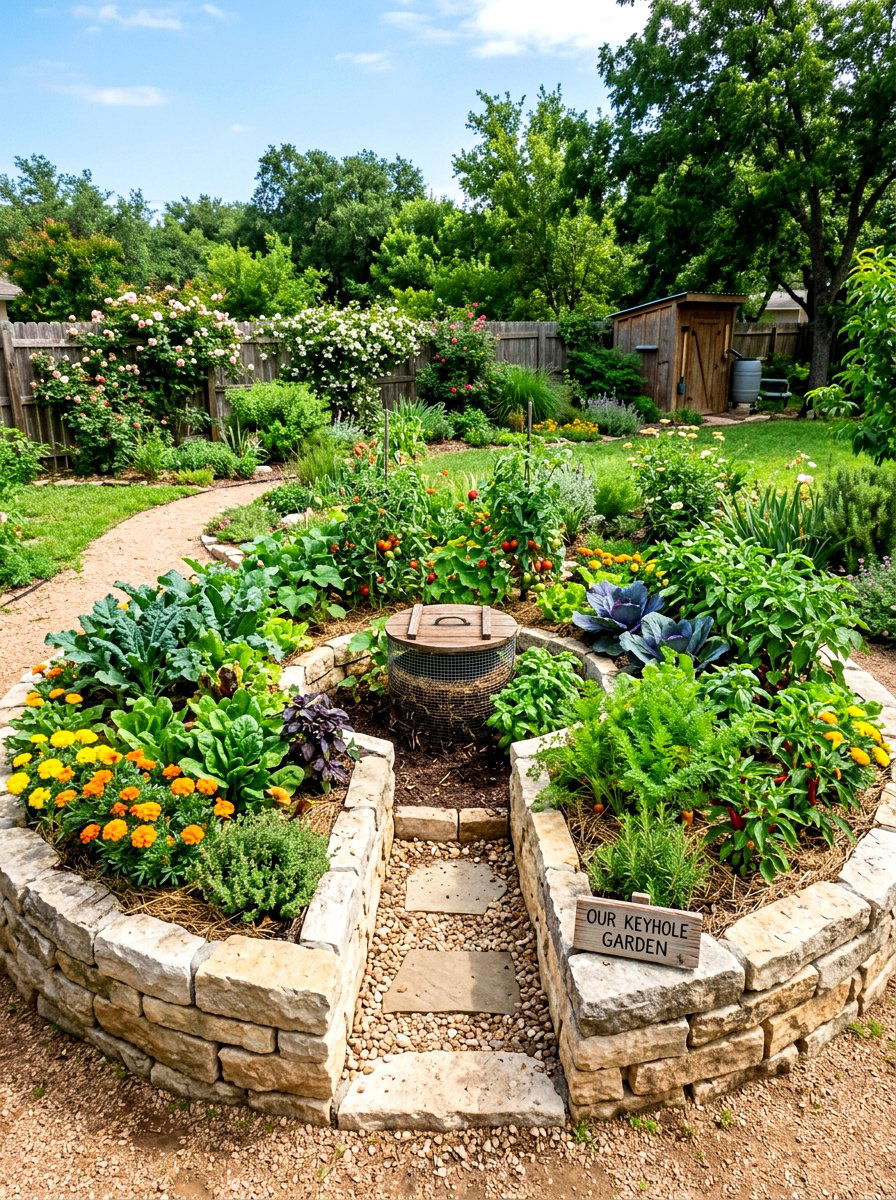
A wire mesh grid planter is a highly customizable and modern solution for organizing a large collection of small potted plants. You can mount a large metal grid to your wall and use S-hooks or specialized clips to attach your pots anywhere on the frame. This flexibility allows you to easily rearrange your plants as they grow or when you want to update the look of your space. It is a great choice for a home office where you want to keep your workspace clear but still enjoy some greenery. The grid itself provides a clean, contemporary aesthetic.
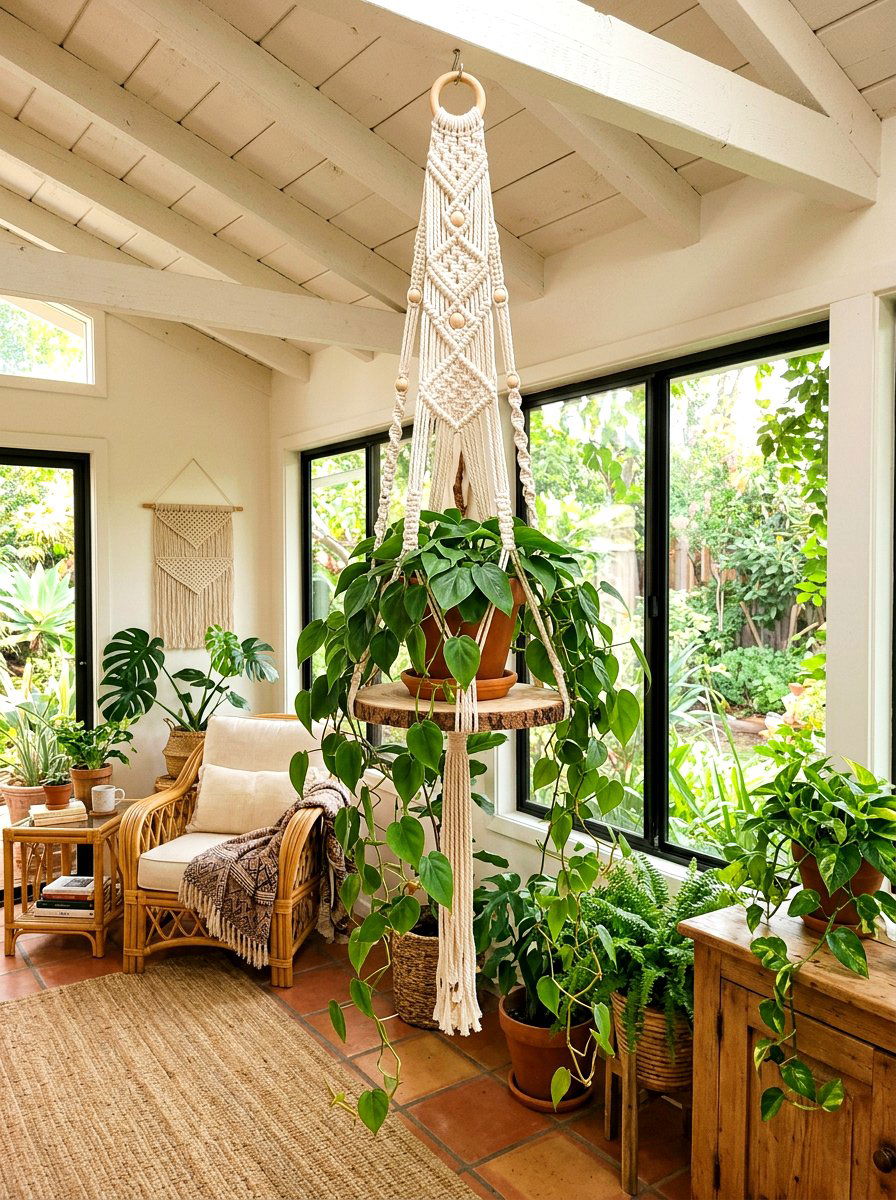
20. Picket Fence Flower Wall
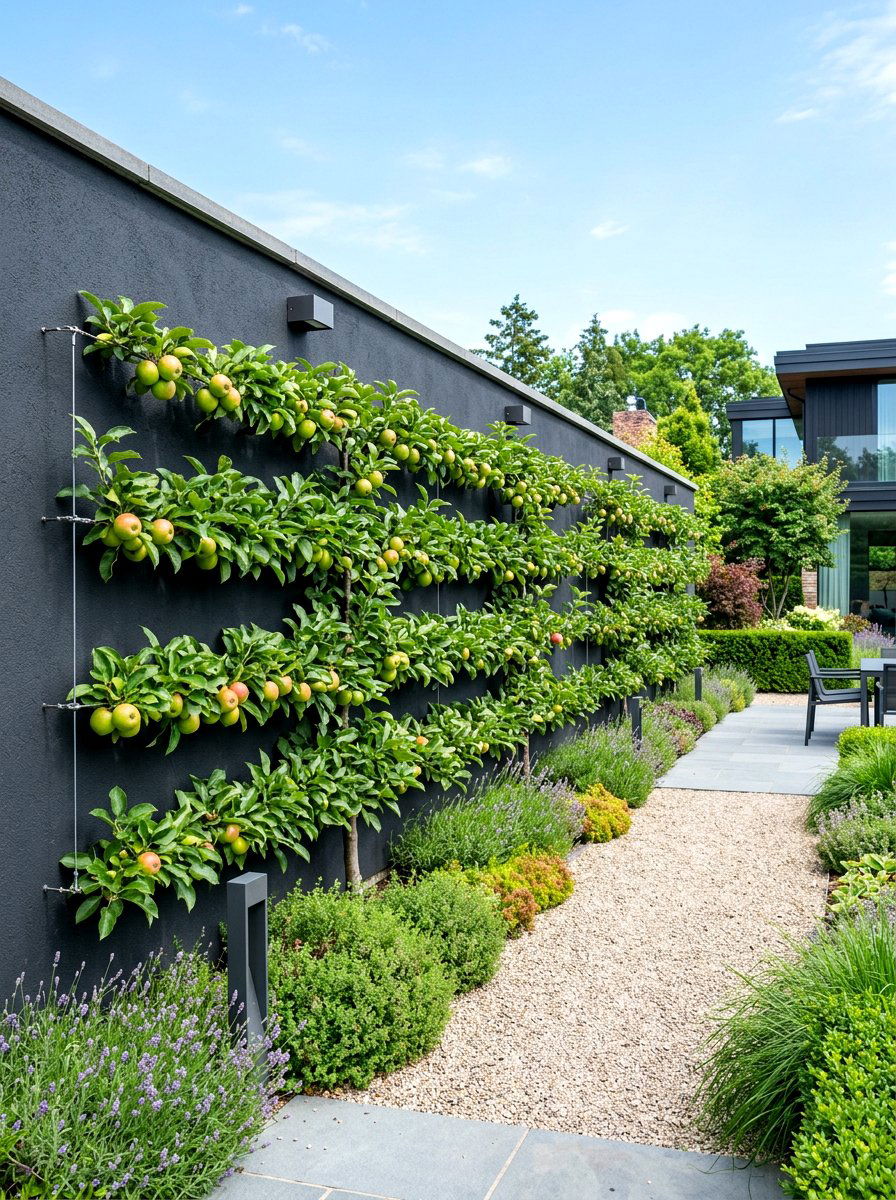
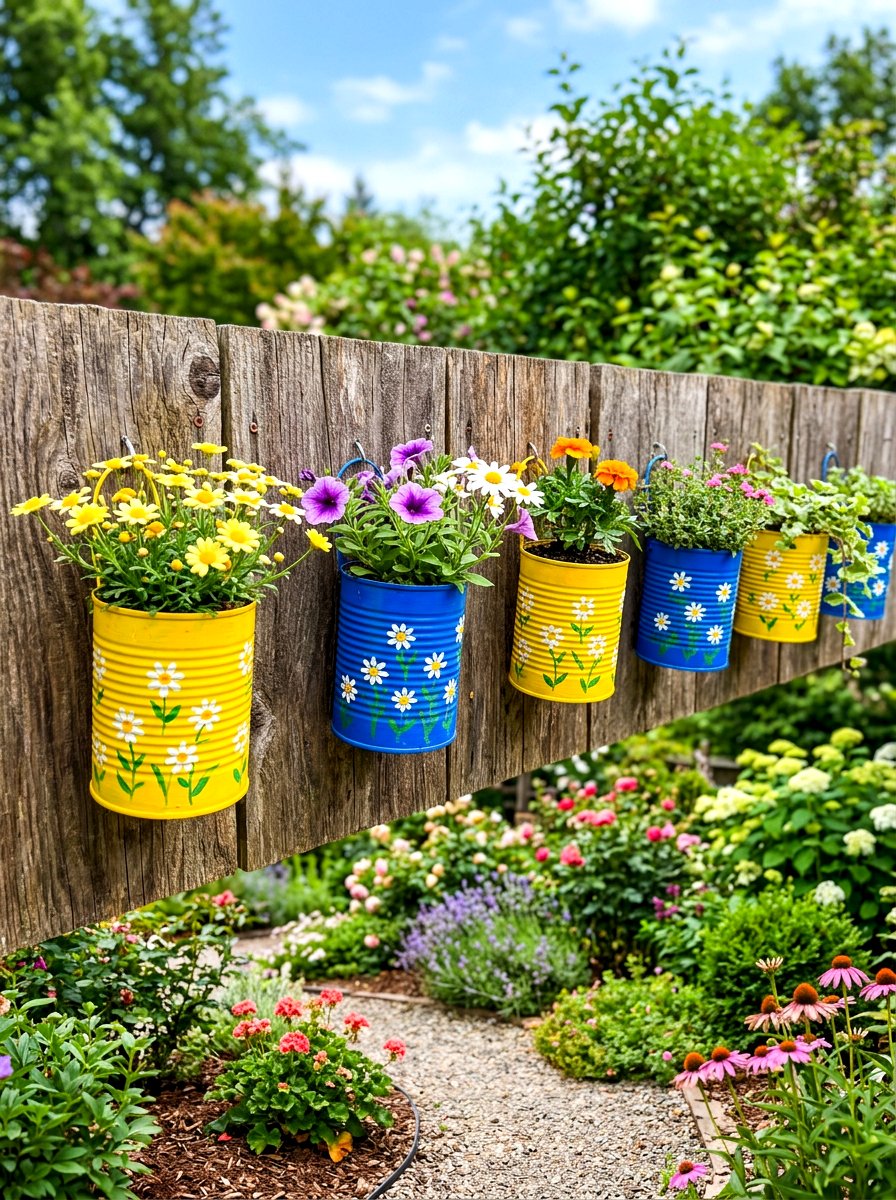
A picket fence flower wall transforms a traditional backyard boundary into a vibrant vertical garden filled with color and fragrance. By attaching flower boxes or individual pots to the horizontal rails of the fence, you can create layers of blooming beauty. This is a wonderful way to grow annual flowers like petunias or pansies that provide a massive visual impact during the spring and summer. It also helps to hide old or weathered fencing by covering it with lush green leaves and bright blossoms. The vertical orientation makes it much easier to deadhead and maintain the flowers without bending.
21. Recycled Bottle Vertical Garden
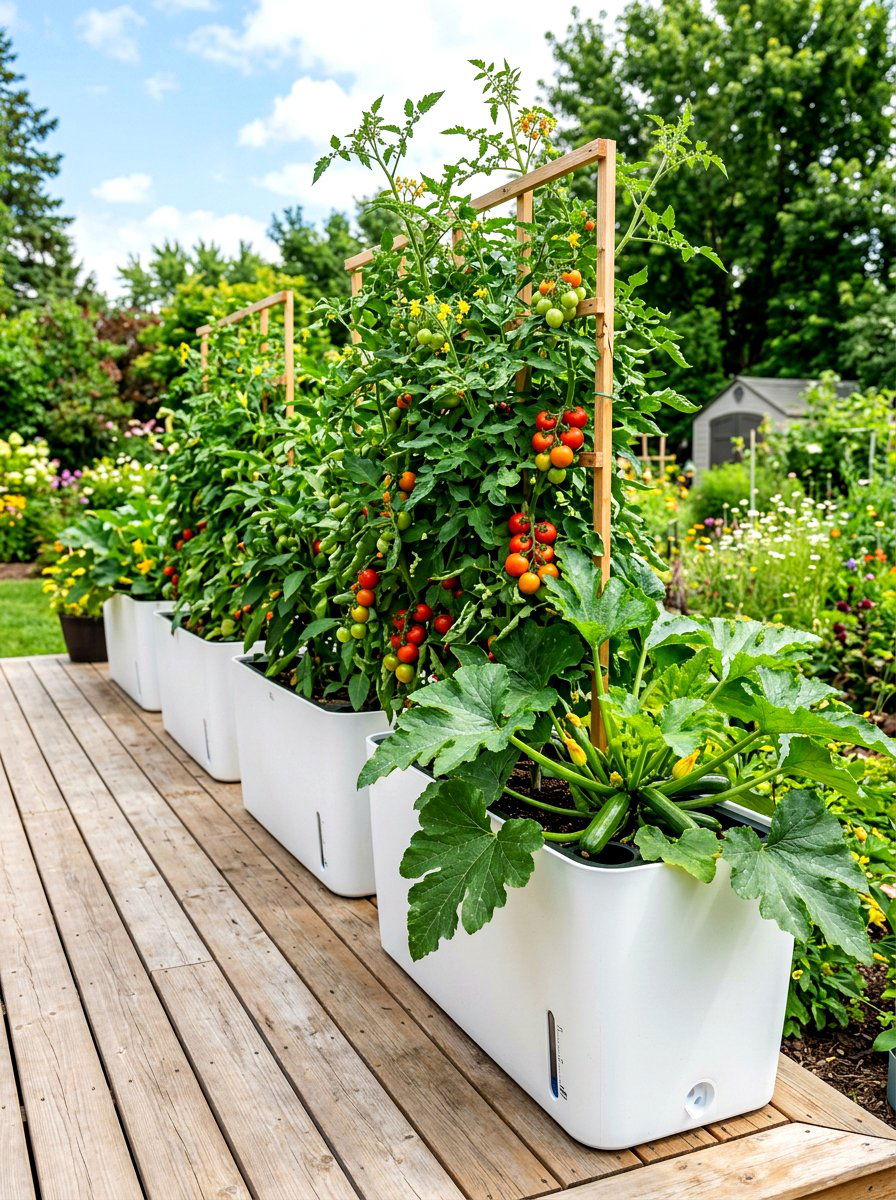
The recycled bottle vertical garden is an eco-conscious and playful DIY project that teaches the value of sustainability while growing food. By cutting openings in plastic soda or water bottles and stringing them together, you can create a functional hanging garden system. This approach is widely used in urban areas where resources are limited but the desire for fresh greens is high. It works surprisingly well for growing herbs, strawberries, and small flowering plants on a sunny balcony or near a window. It is a conversation starter that proves you do not need expensive equipment to start a garden.
22. Modular Hexagon Wall Planter
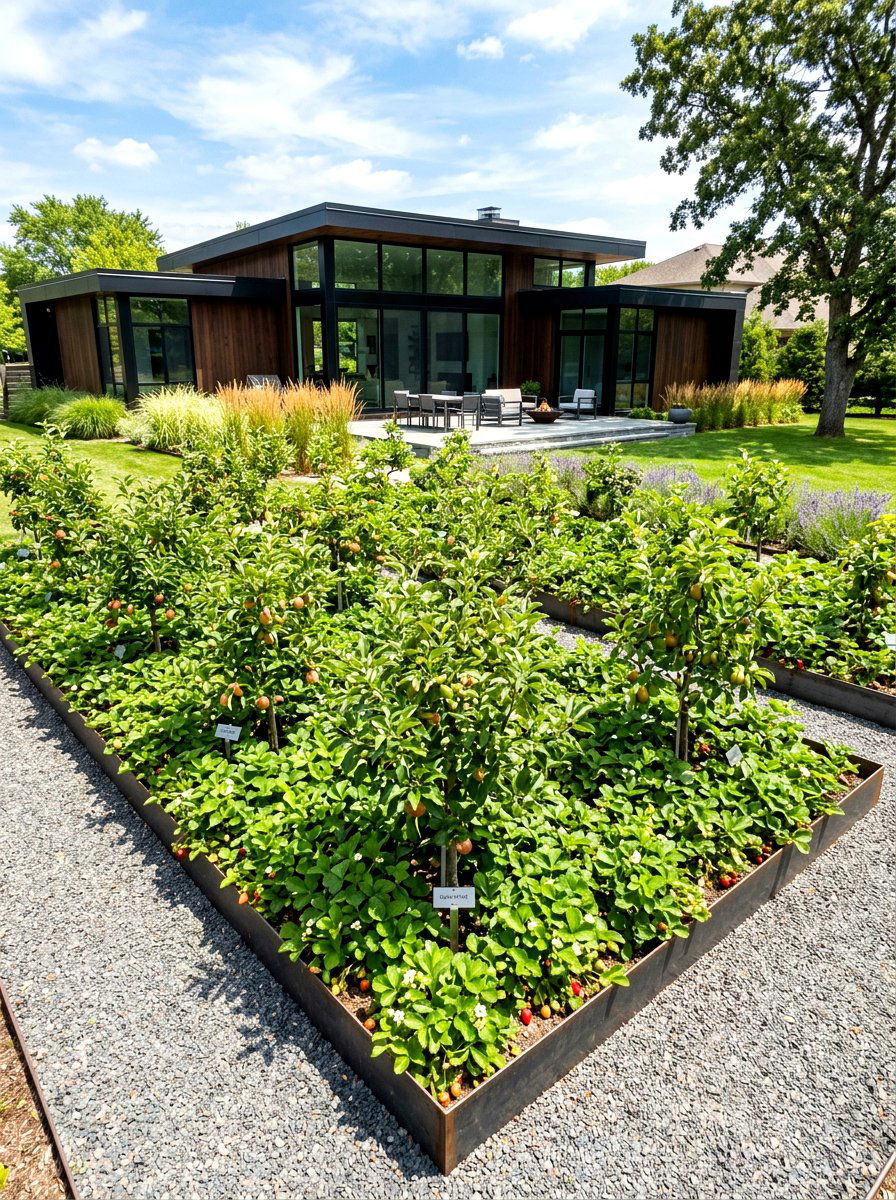
A modular hexagon wall planter allows you to create a honeycomb-style garden that grows with your plant collection over time. These individual hexagonal units can be purchased separately and snapped together in any configuration that fits your specific wall space. They often feature a modern, minimalist design with built-in drainage to keep your plants healthy and prevent messy spills indoors. You can mix and match different colors of the units to create a bold graphic statement or stick to a single tone for a more subtle look. It is the perfect blend of geometric art and functional horticulture.
23. Cedar Wood Slat Wall
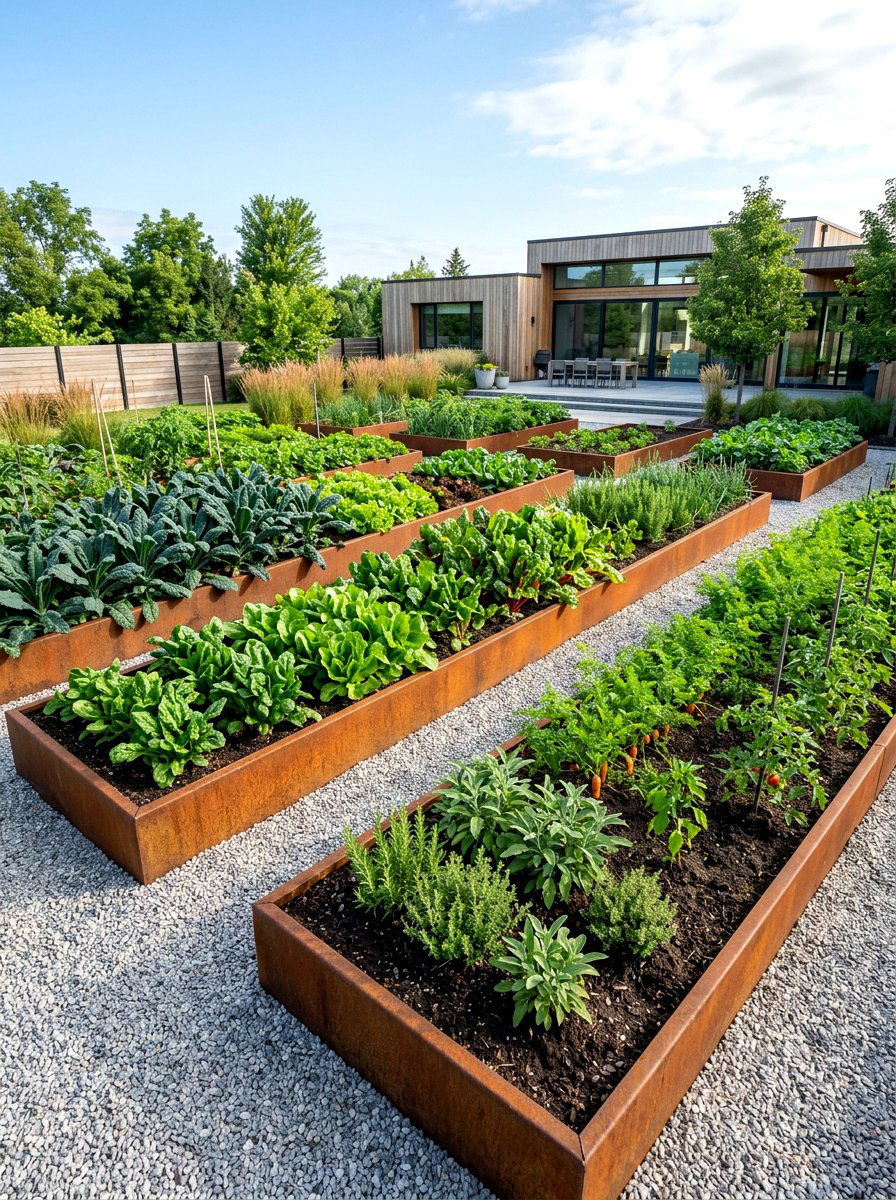
A cedar wood slat wall provides a warm and high-quality backdrop for a sophisticated vertical garden on a patio or porch. The natural oils in cedar wood make it resistant to rot and insects, ensuring that your garden structure lasts for many years. You can mount various types of planters, from sleek metal boxes to classic terracotta pots, directly onto the horizontal slats. This design creates a clean and rhythmic look that complements modern architectural styles while providing a natural feel. It is an excellent choice for creating a focal point in an outdoor dining area or lounge.
24. Metal Rod Plant Stand
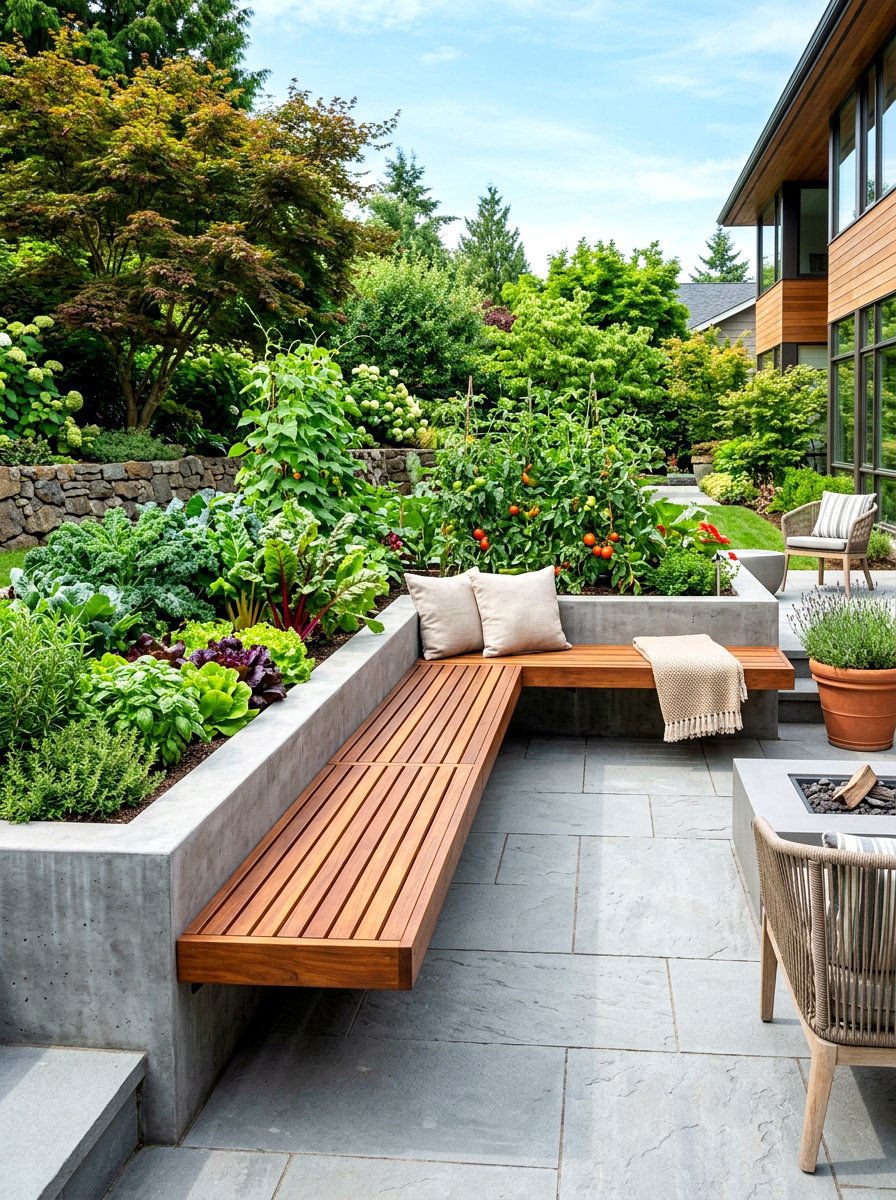
The metal rod plant stand is a minimalist and airy structure that supports multiple plants in a vertical column without blocking light. These stands often feature a simple central pole with several arms or rings extending outward to hold various sizes of pots. They are perfect for small corners where a traditional plant shelf would feel too bulky or take up too much floor space. The thin profile of the metal rods ensures that the focus remains entirely on the beauty of the plants themselves. It is a modern take on the classic plant pedestal that feels fresh and updated.
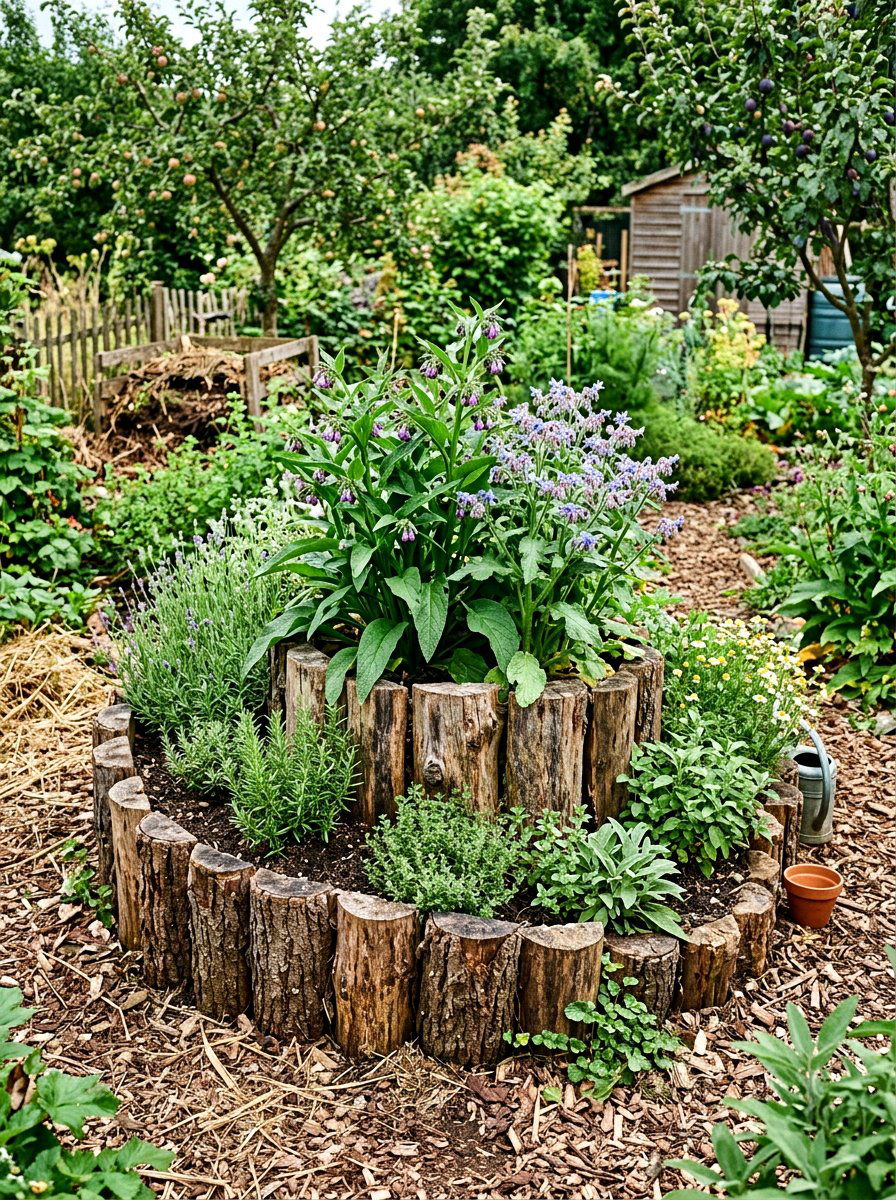
25. Window Box Vertical Array
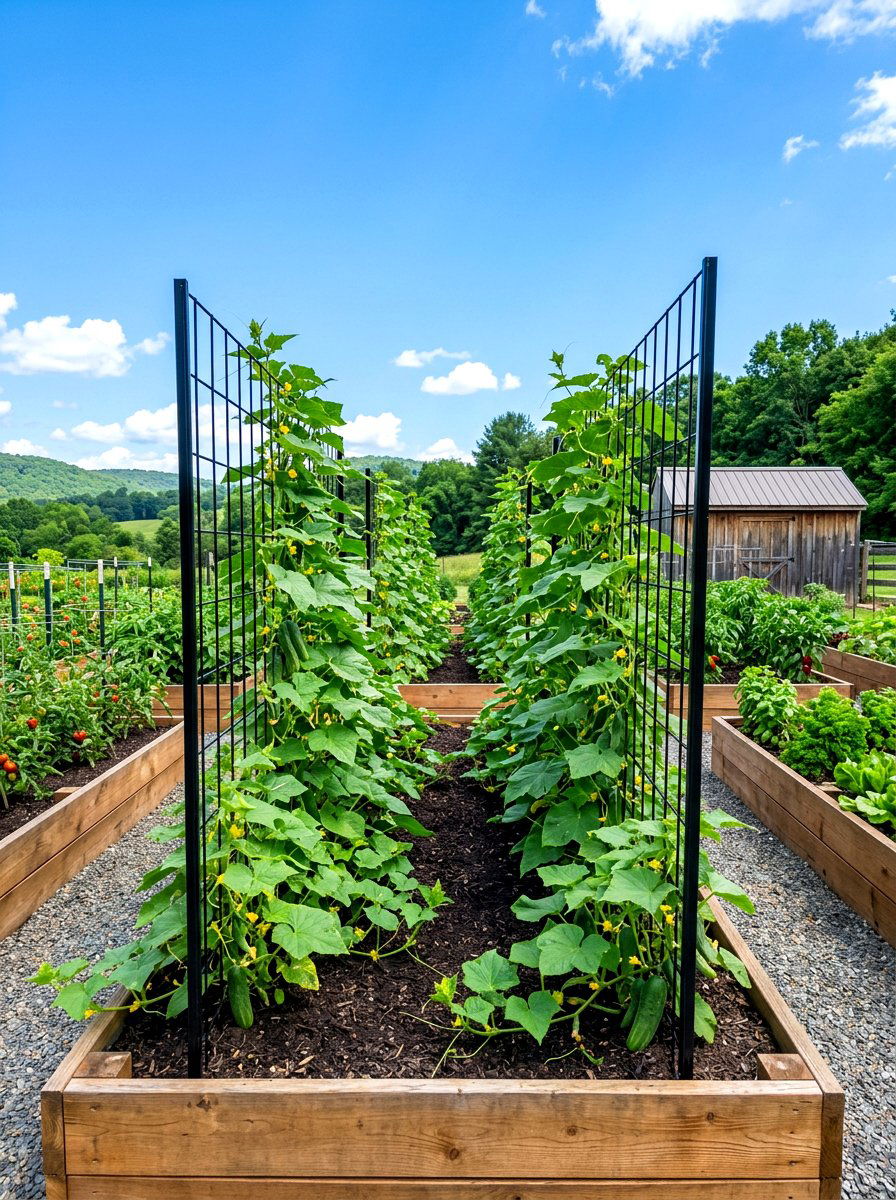
A window box vertical array takes the traditional concept of the window box and multiplies it to cover an entire wall. By mounting several long, narrow planter boxes in a vertical stack, you create a dramatic and organized display of seasonal greenery. This setup is particularly effective for growing kitchen herbs or cascading flowers that can be enjoyed from both inside and outside the home. The repetitive lines of the boxes create a sense of order and modern elegance that enhances the exterior of any building. It is a simple yet powerful way to maximize your growing potential.
26. Cascading Vine Wall
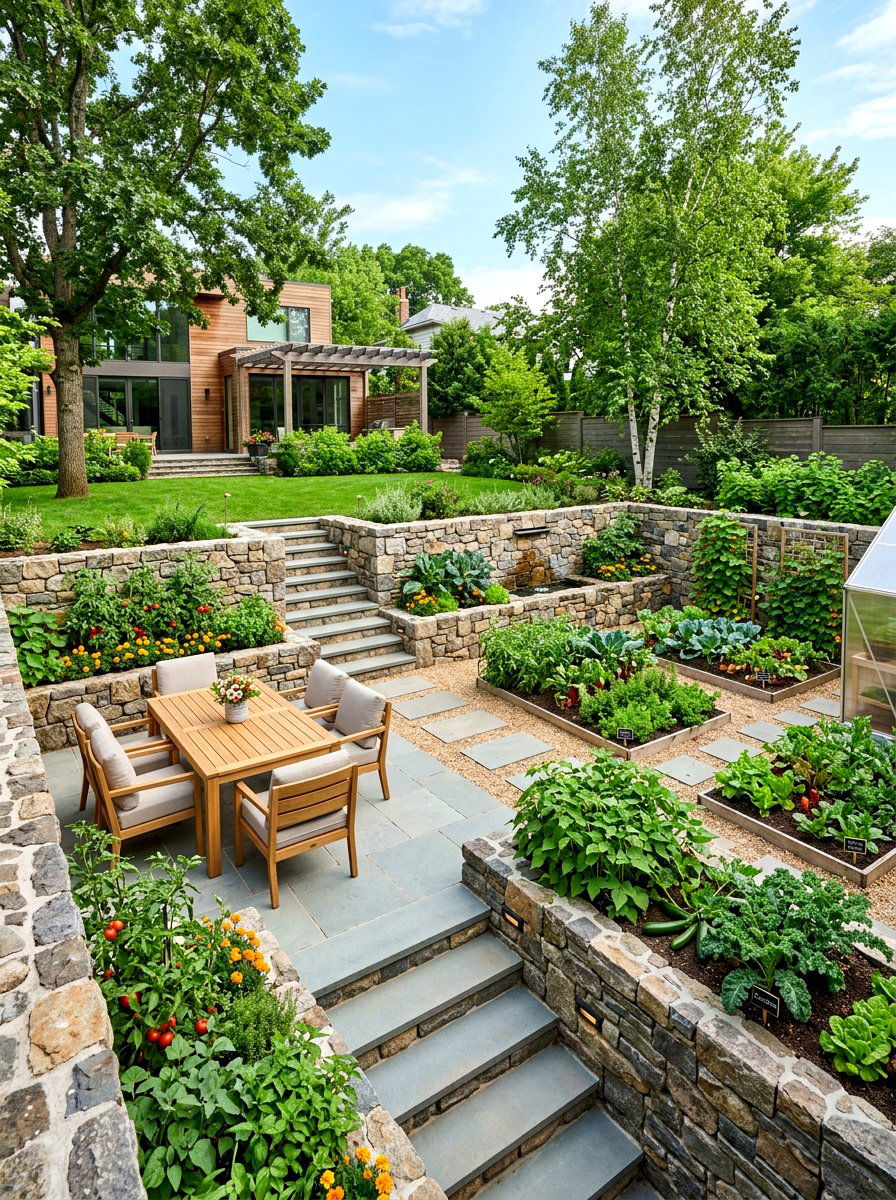
A cascading vine wall is a living curtain of greenery that adds a sense of mystery and romance to any indoor or outdoor space. By planting vigorous climbing vines like ivy, jasmine, or pothos at the top of a wall or structure, you allow them to drape naturally. This creates a soft, organic texture that can hide architectural imperfections or create a cozy, secluded feel in a seating area. As the vines grow longer, they weave together to form a dense and beautiful screen of leaves. It is a low-maintenance way to achieve a high-impact, lush look with minimal effort.
27. Chalkboard Herb Garden
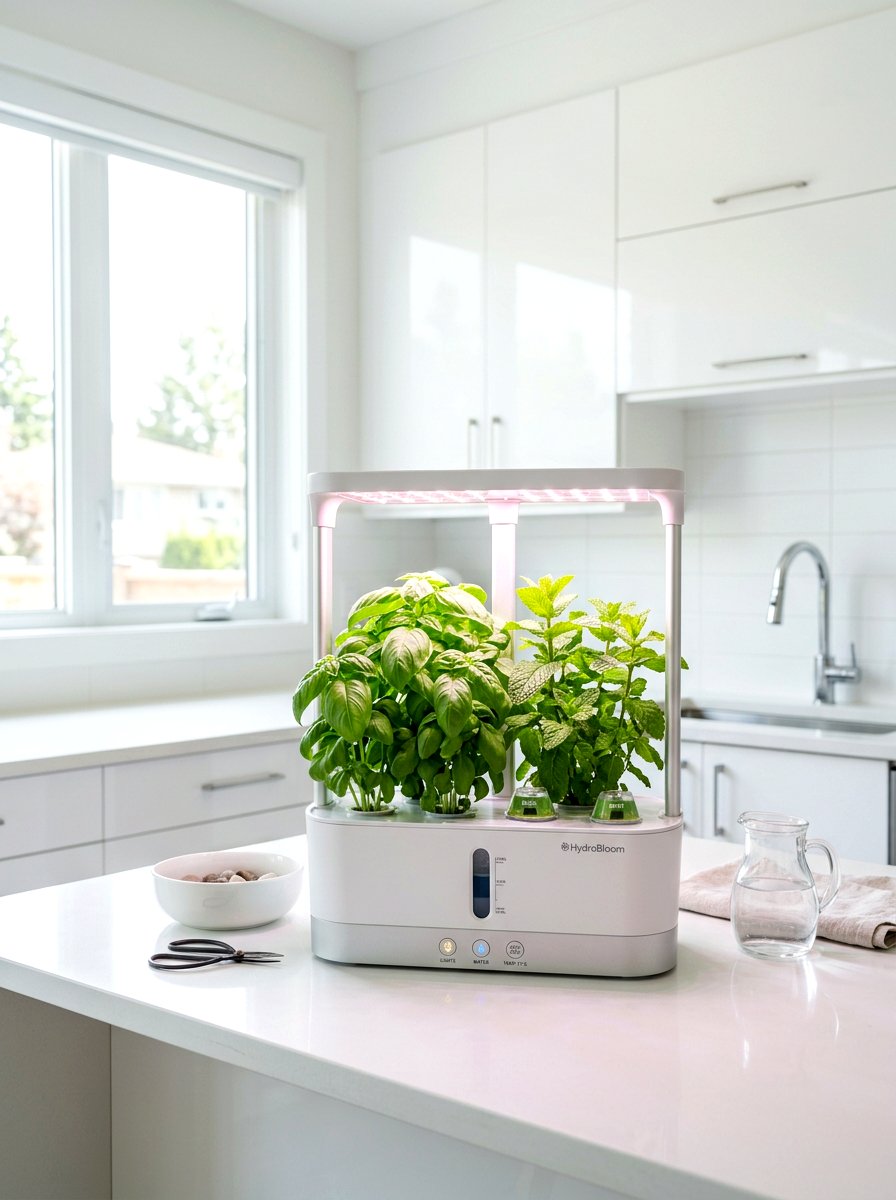
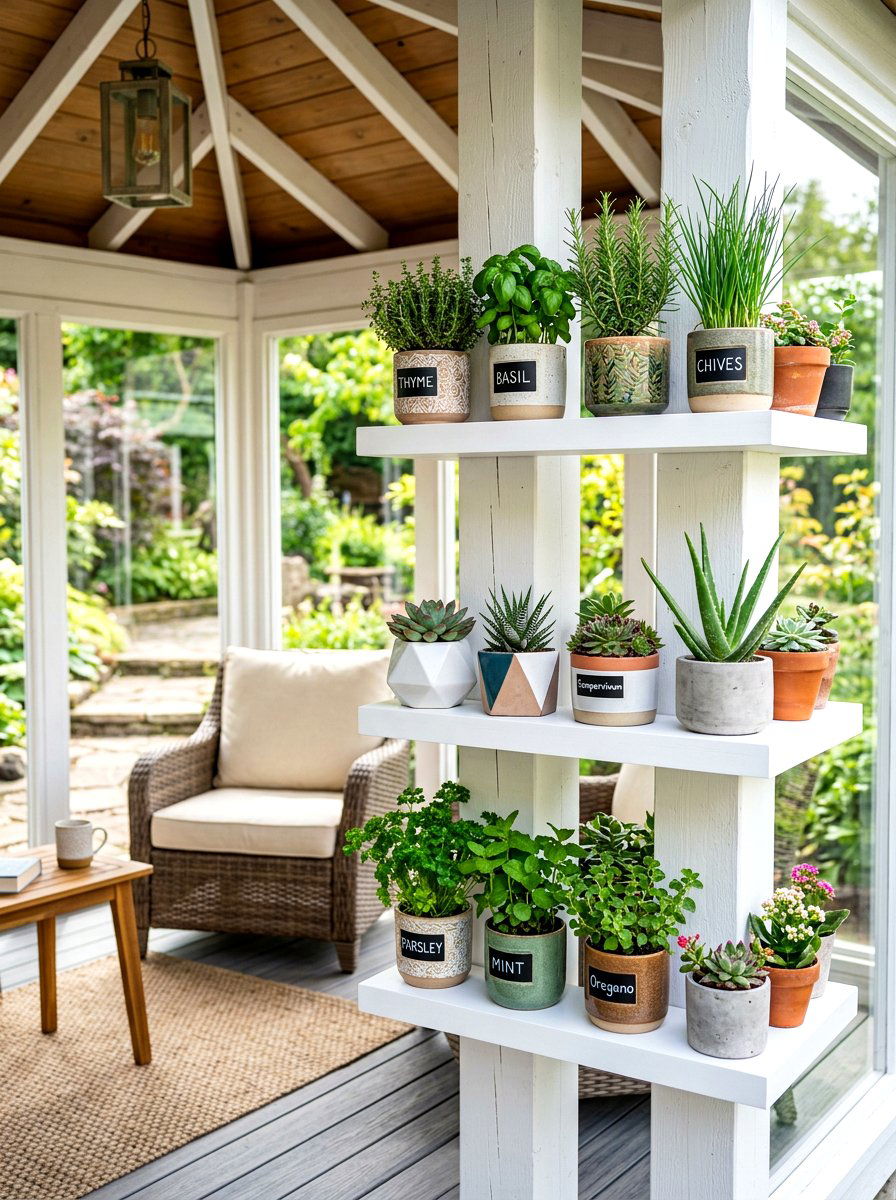
A chalkboard herb garden is a fun and interactive way to organize your vertical garden while adding a touch of personality. By using pots painted with chalkboard paint or mounting a large chalkboard behind your plant display, you can easily label your herbs. This is incredibly helpful for identifying similar-looking plants like parsley and cilantro while you are busy preparing a complex meal. You can also use the chalkboard space to write down watering schedules, harvest dates, or even your favorite recipes. It is a perfect addition to a busy family kitchen or a modern urban dining space.
28. Staircase Railing Planter
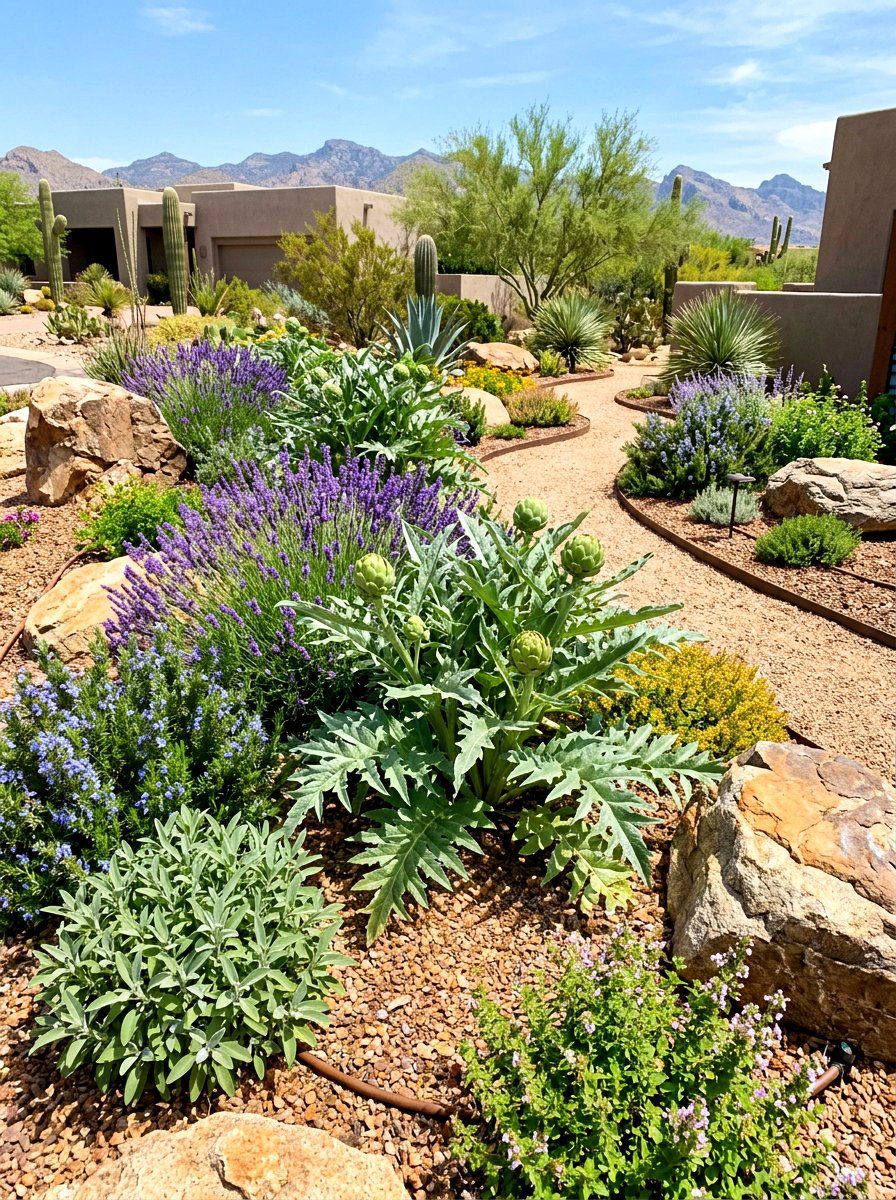
A staircase railing planter is a clever way to utilize the often-wasted space along your home’s interior or exterior stairs. These specialized containers are designed to sit securely on top of the railing, providing a continuous line of greenery as you move between levels. You can plant a mix of upright and trailing plants to create a layered and dynamic look that softens the hard lines of the staircase. This approach brings life into transitional spaces and makes the walk up or down the stairs a more pleasant and refreshing experience. It is a great way to maximize every inch.
29. Minimalist Floating Cube Planter
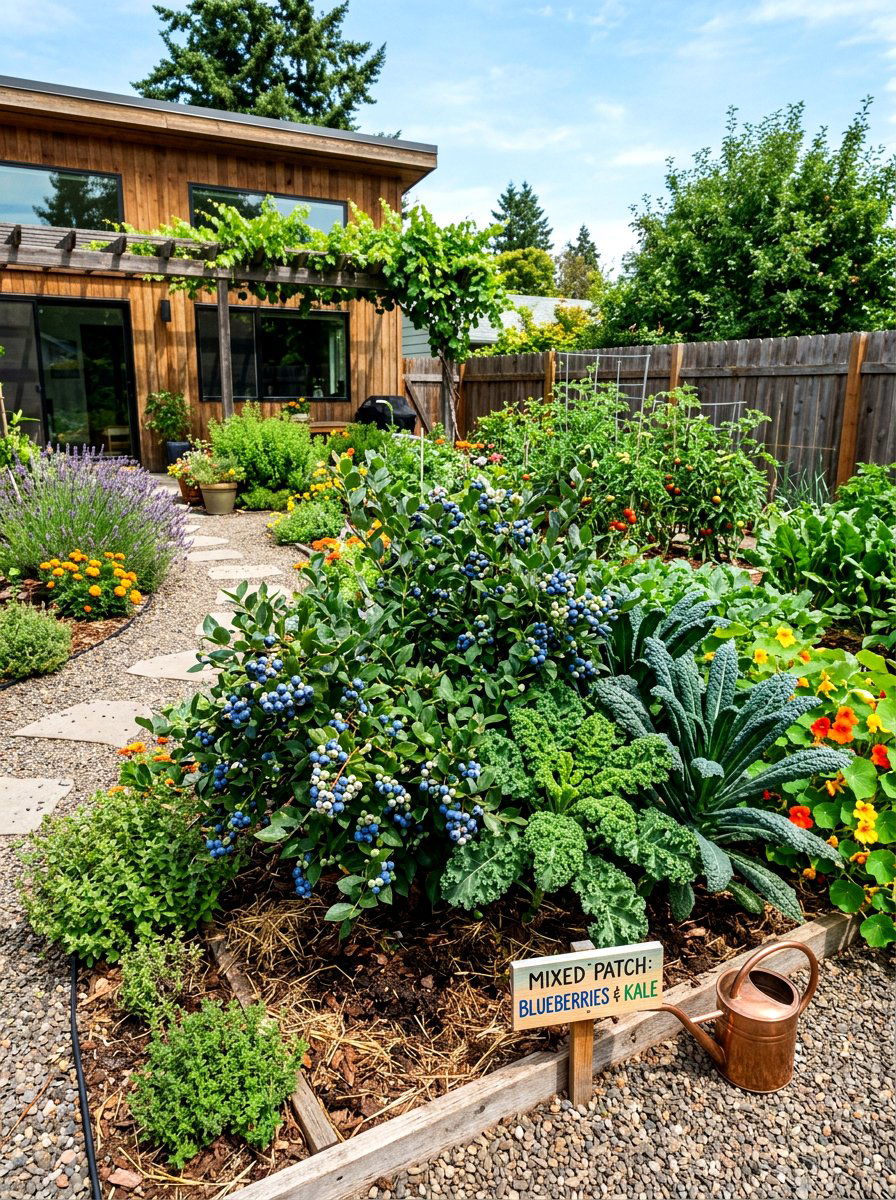
Minimalist floating cube planters offer a clean and architectural way to display individual specimen plants on a wall. These cubes are often made of high-quality materials like brushed metal, matte ceramic, or smooth wood for a premium look. By spacing them out in a deliberate pattern, you can create a sense of rhythm and balance that mimics a modern art gallery. They are ideal for showcasing slow-growing plants like cacti or air plants that do not need a lot of maintenance but have striking shapes. This design choice emphasizes the singular beauty of each plant in your curated collection.
30. Pergola Hanging Garden
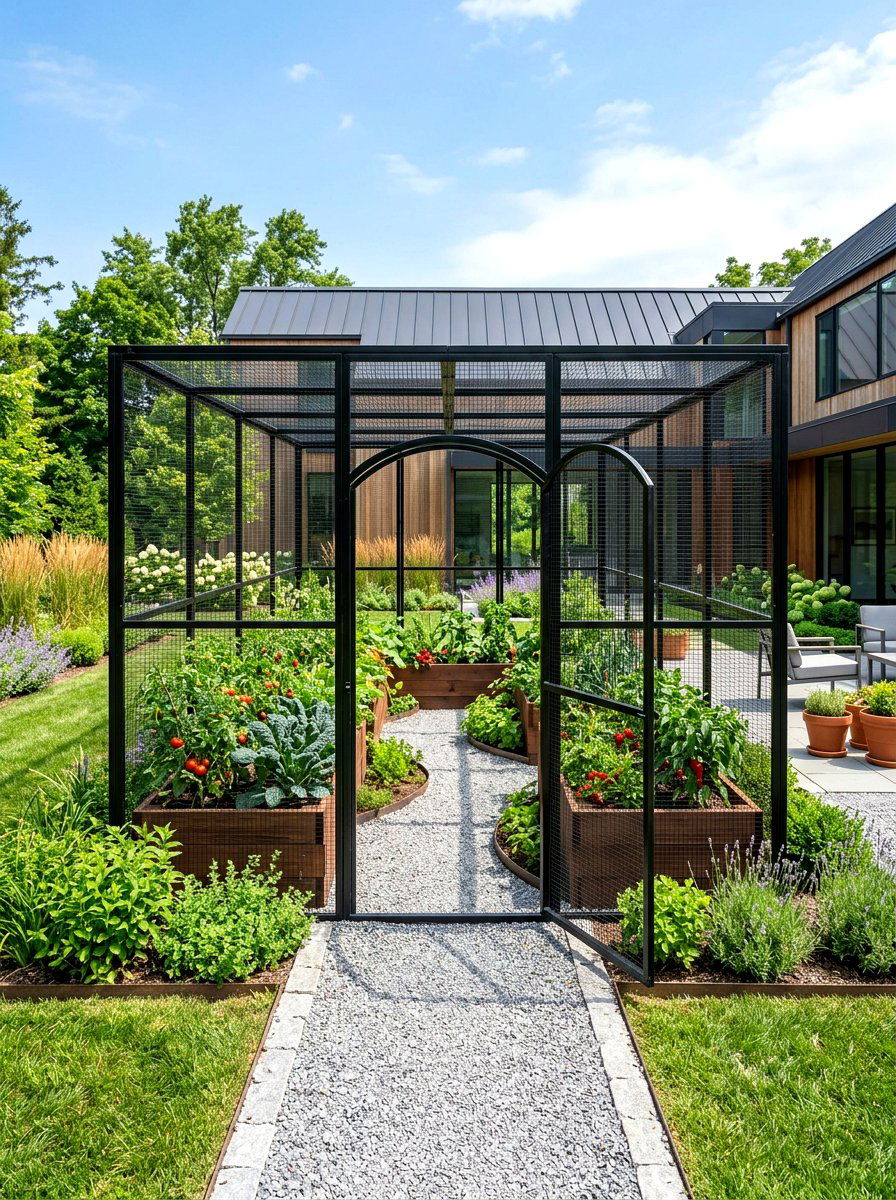
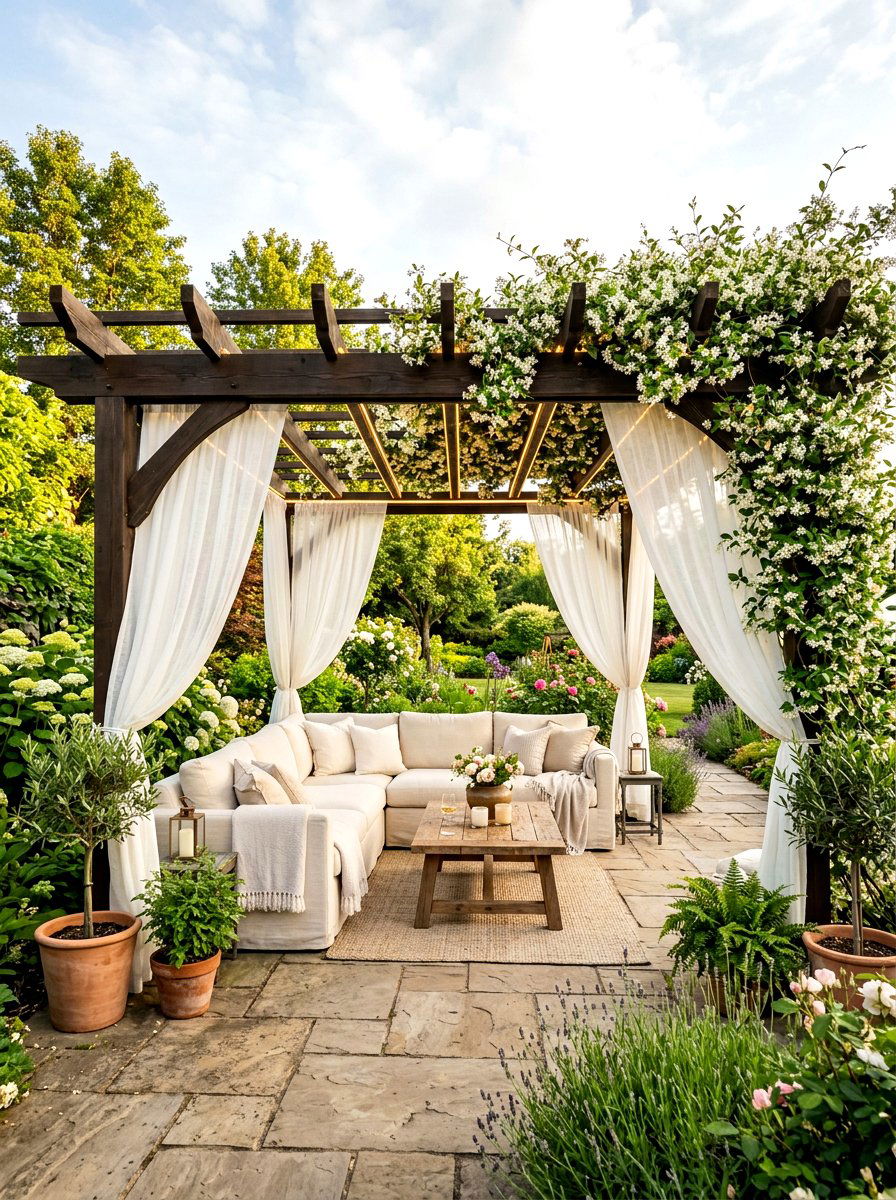
A pergola hanging garden uses the overhead structure of a garden pergola to suspend a variety of plants in a vertical arrangement. By hanging pots and baskets from the beams, you create a lush ceiling of greenery that provides extra shade and beauty for your outdoor living room. You can use a mix of flowering baskets and trailing vines to create a multi-dimensional garden that feels like a natural canopy. This approach is perfect for creating a sanctuary in your backyard where you can relax and feel surrounded by nature on all sides. It is the ultimate vertical garden.
Conclusion:
Modern vertical gardens are much more than just a passing design trend; they represent a fundamental shift in how we integrate nature into our daily lives. By utilizing these 30 creative ideas, you can transform even the smallest apartment or the plainest backyard into a thriving green oasis. These systems empower everyone to become a gardener, regardless of their access to traditional land or horizontal space. Whether you choose a high-tech hydroponic tower or a simple DIY pallet project, the benefits of improved air quality and mental well-being are undeniable. Start your vertical journey today and watch your living space grow into something truly extraordinary.

Related posts: