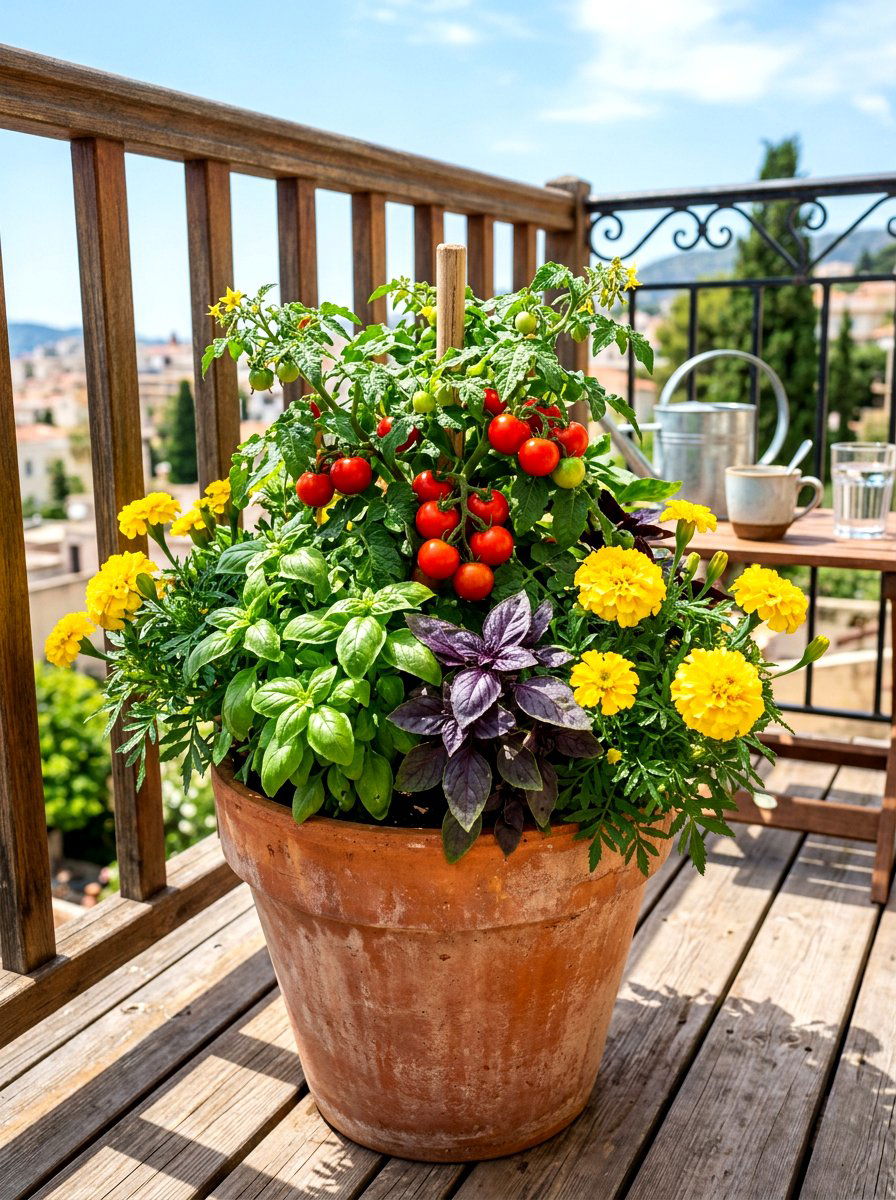
Hanging gardens are a revolutionary way to transform any outdoor or indoor space into a lush sanctuary without sacrificing precious floor area. Whether you live in a tiny city apartment or have a sprawling backyard, utilizing vertical space allows you to grow a diverse variety of plants that would otherwise be impossible. This approach to gardening adds visual interest at eye level, creates natural privacy screens, and can even improve air quality around your home. By choosing the right containers and plant species, you can build a vibrant living ecosystem that thrives in mid-air. It is all about maximizing your environment through smart, creative placement and high-quality materials.
1. Macrame plant hanger
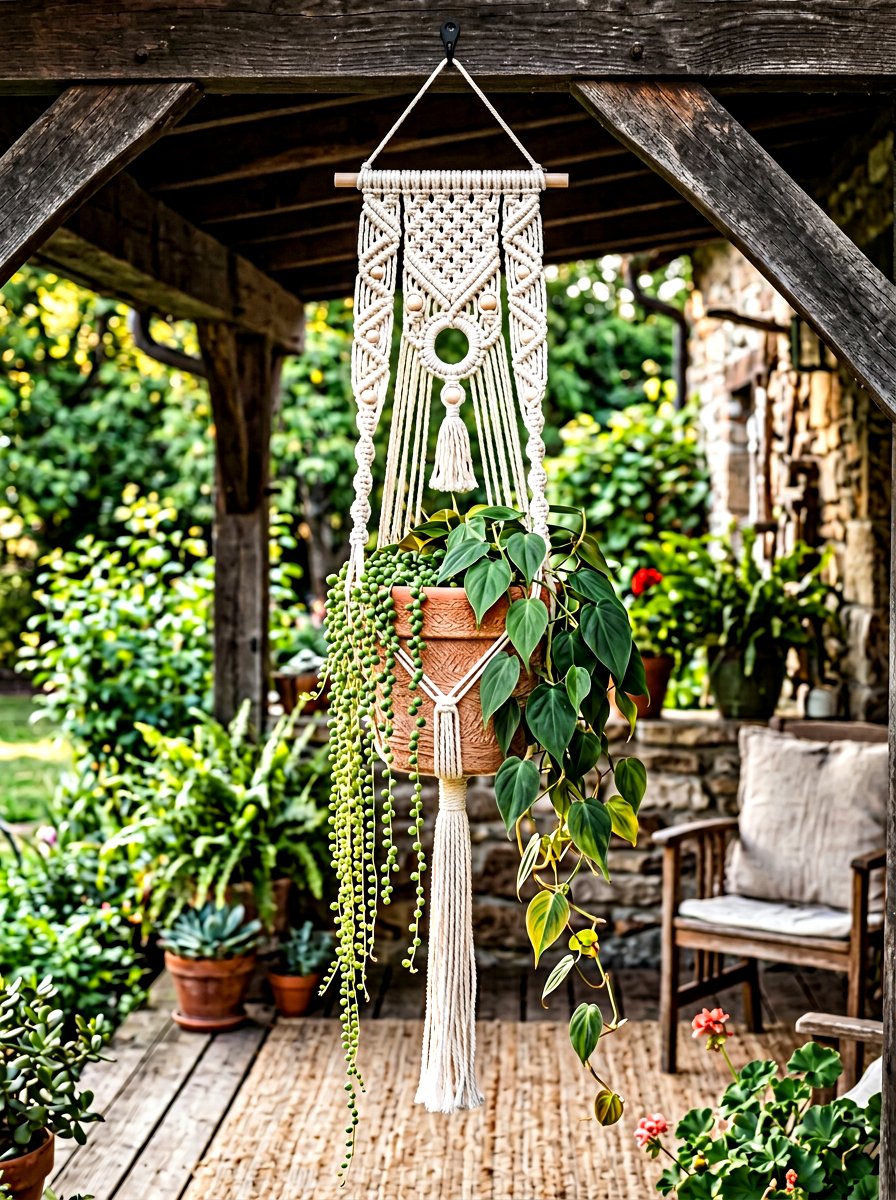
Have you ever noticed how a simple piece of knotted rope can instantly give your patio a relaxed, bohemian vibe? Macrame plant hangers are classic for a reason because they offer a sturdy yet decorative way to suspend your favorite greenery. You can use various cord thicknesses to support different pot sizes, from small ceramic bowls to larger terra cotta vessels. These hangers work beautifully when grouped at different heights, creating a tiered effect that draws the eye upward. When you select plants with trailing vines, like a heartleaf philodendron or a string of pearls, the foliage spills over the edges and blends perfectly with the intricate knots.
2. Window box planter
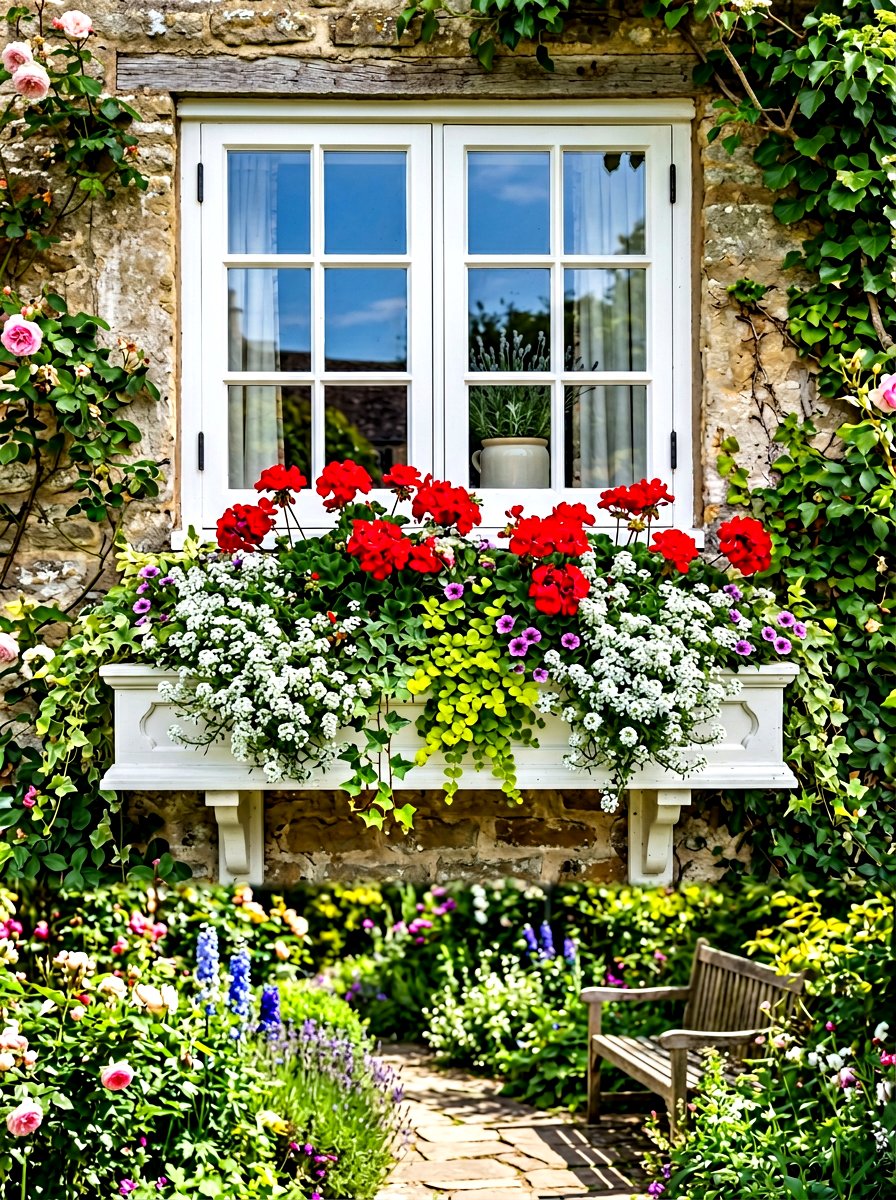
Installing a window box is one of the most effective ways to boost your home’s curb appeal and bring nature closer to your view. These rectangular containers can be mounted directly below your windows or hung from a railing using sturdy metal brackets. They provide enough soil depth for a mix of upright flowers and cascading greenery, allowing you to create a miniature meadow right outside your glass. For a balanced look, try placing taller plants in the back and trailing varieties like sweet alyssum or ivy in the front. This setup ensures that you enjoy a colorful, fragrant display every time you open your window.
3. Hanging pocket garden
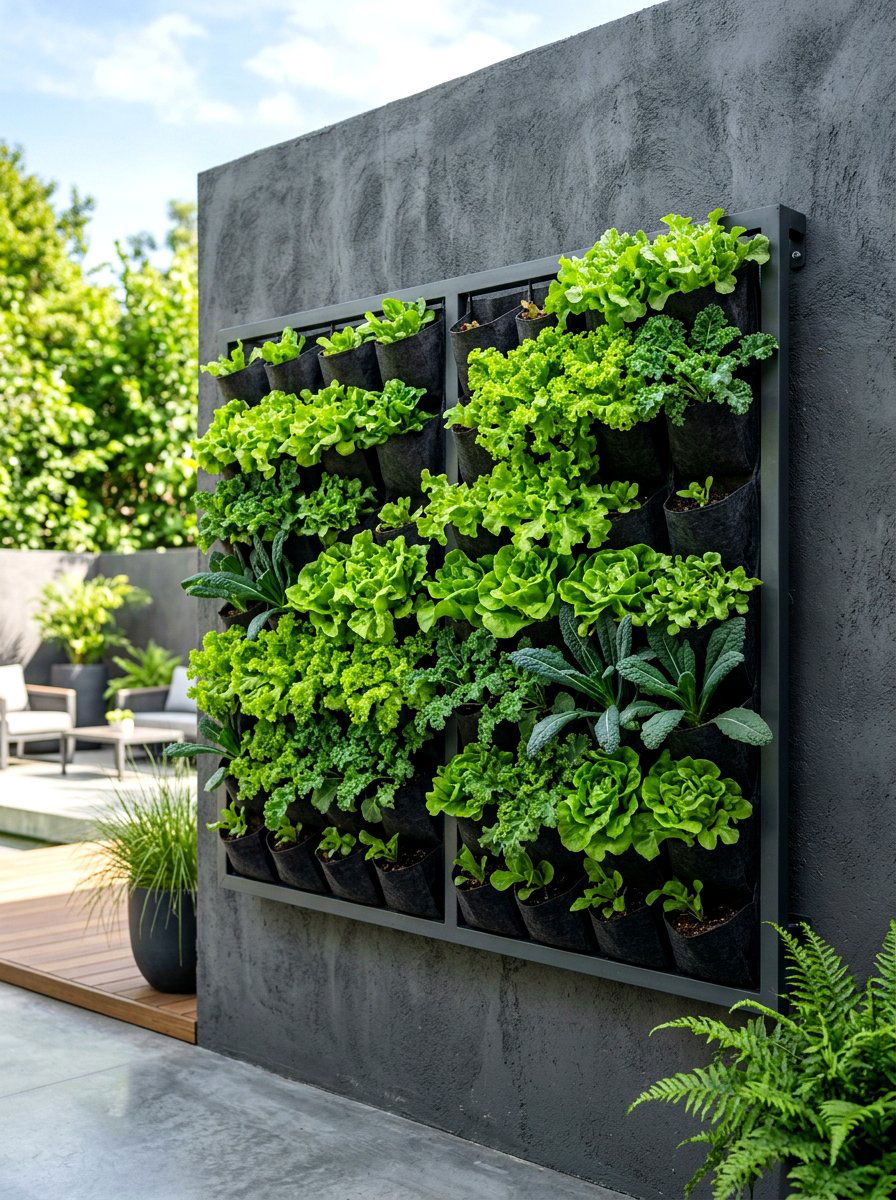
Do you have a bare wall or a sturdy fence that feels a bit too empty and industrial? A hanging pocket garden, often made from breathable felt or durable canvas, allows you to plant a vertical carpet of greenery. Each individual pocket holds a small amount of soil, making them ideal for shallow-rooted plants like lettuce, spinach, or colorful annuals. Because the fabric allows for excellent air circulation, the roots stay healthy and less prone to rot. You can easily mount these modular systems in a grid pattern to cover an entire vertical surface, effectively turning a dull wall into a lush, living tapestry of life.
4. Kitchen herb planter
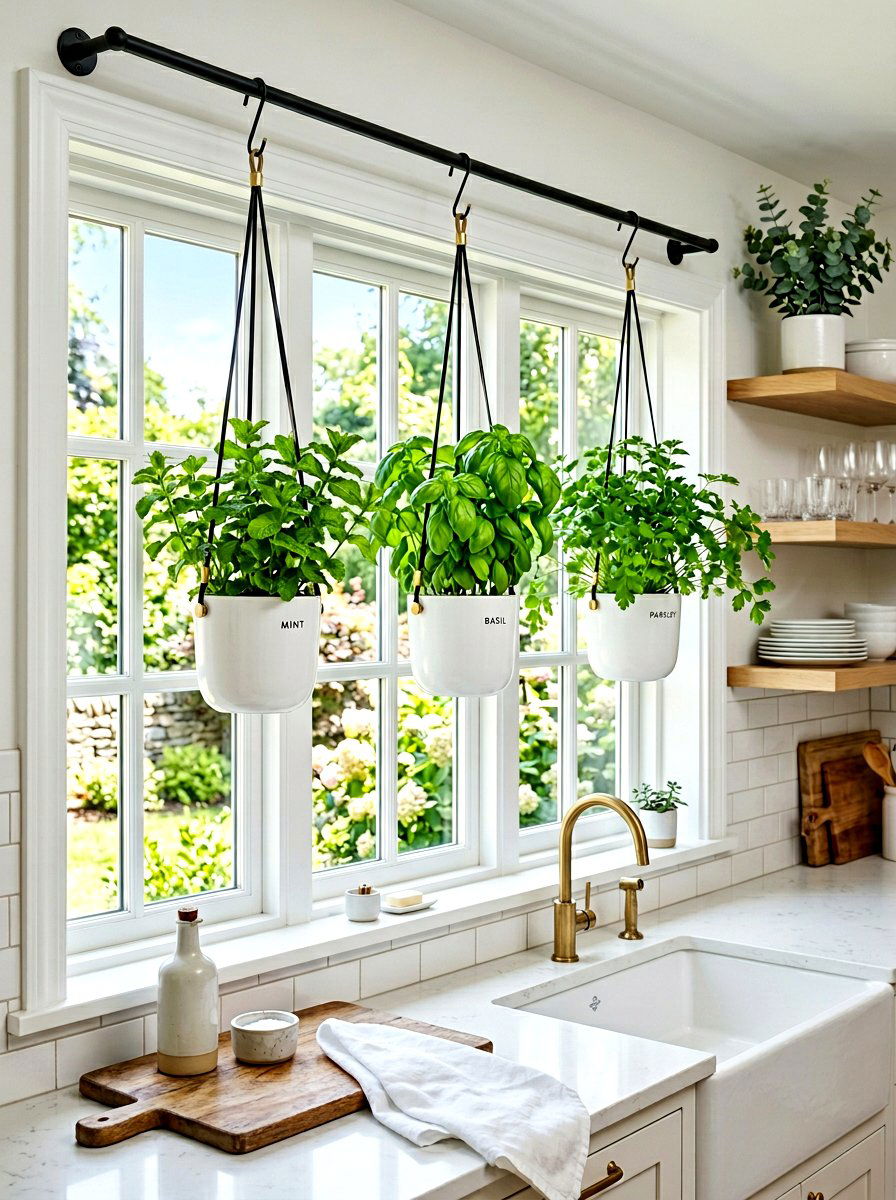
Imagine being able to reach out and pluck fresh basil or mint while you are cooking your favorite dinner. A kitchen herb planter suspended near a sunny window makes this convenience a reality while adding a fresh scent to your home. You can use a series of small, matching pots hung from a sleek metal rod or a wooden dowel. This setup keeps your countertops clutter-free and ensures your herbs get the consistent sunlight they need to thrive. Using clear glass jars or rustic ceramic pots can help you match the herb garden to your kitchen’s specific interior style and color scheme.
5. Front porch basket
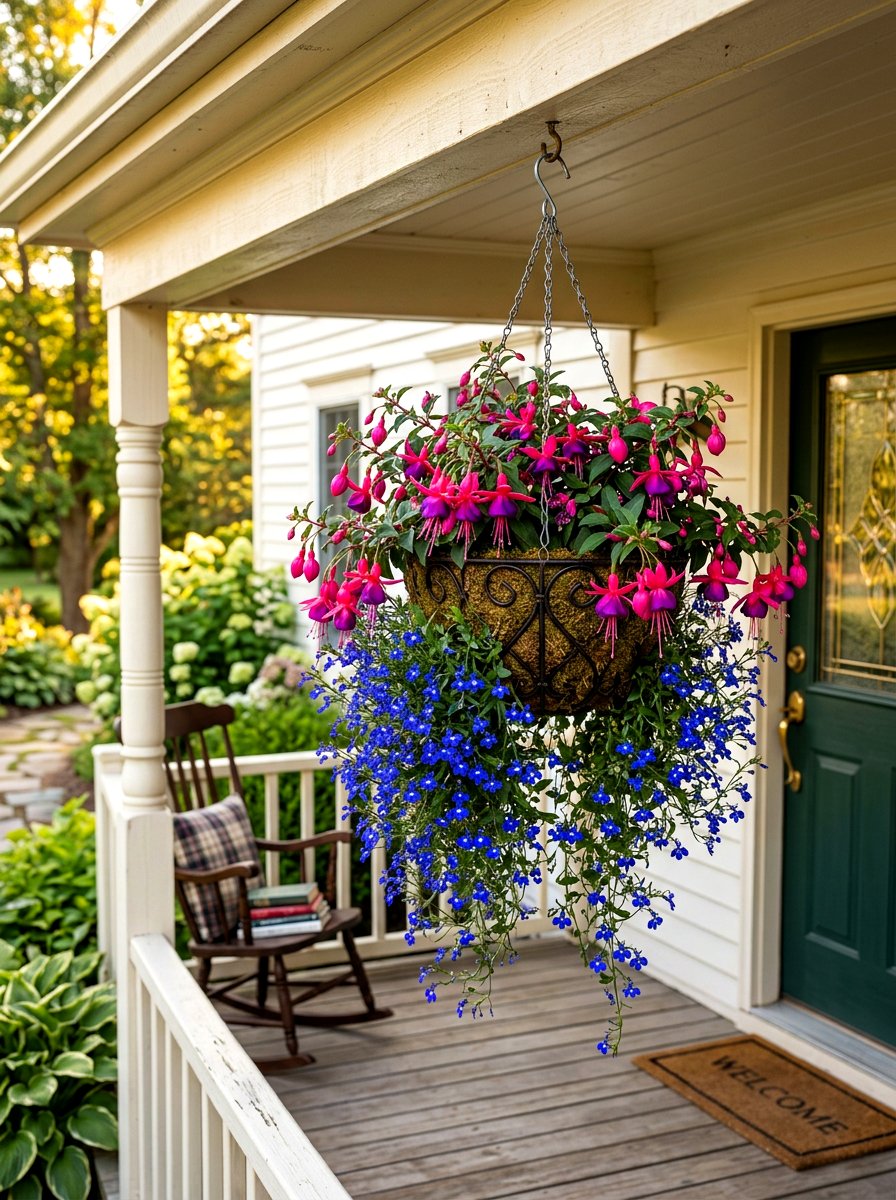
Welcoming guests with a pair of overflowing front porch baskets is a timeless tradition that never fails to impress. These large, round containers are typically lined with coco coir to retain moisture while allowing for proper drainage. They are perfect for high-impact flowering plants like fuchsias or begonias that love the sheltered environment of a covered porch. To keep them looking their best, you should choose a mix of "thrillers, fillers, and spillers" to create a full, rounded shape. Regular watering is essential for these baskets, as they can dry out quickly in the summer breeze, but the visual reward is worth the effort.
6. Glass succulent globe
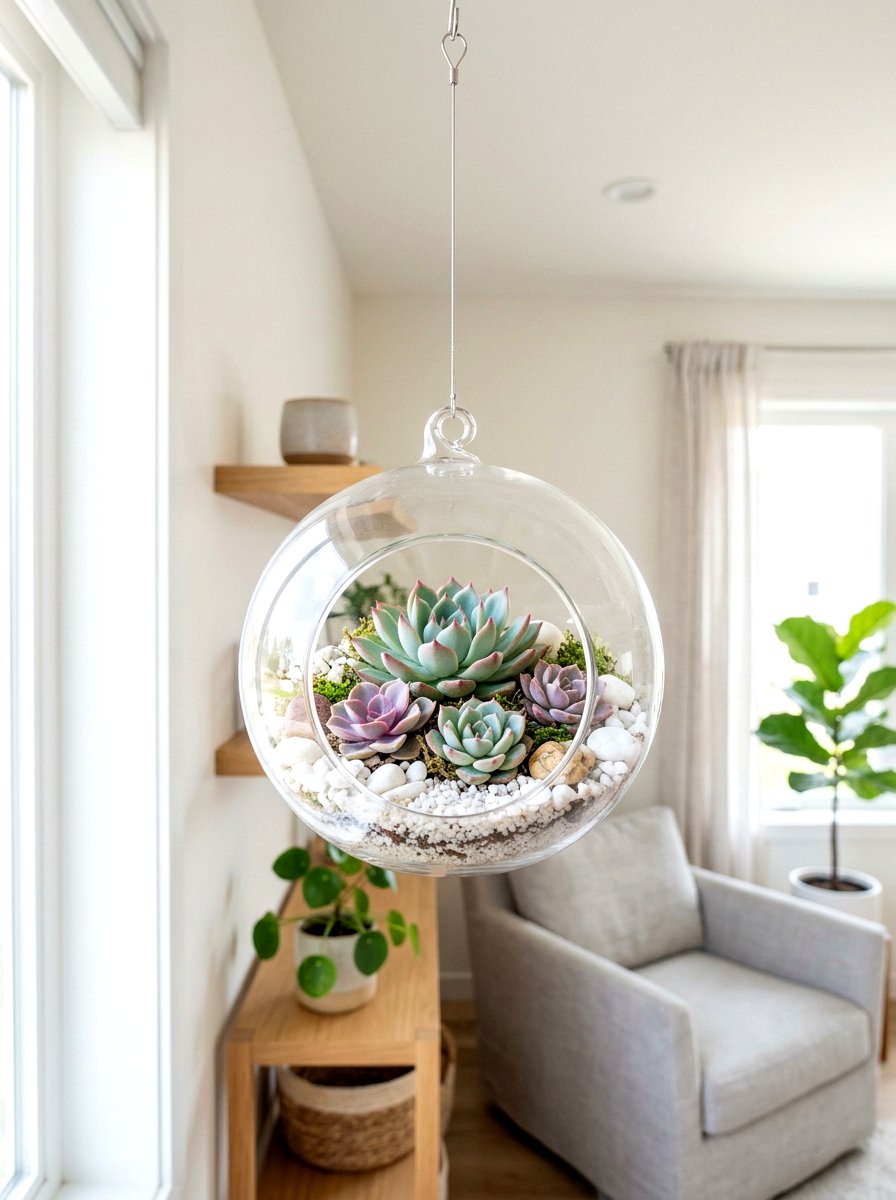
If you prefer a modern and minimalist look, glass succulent globes offer a clean, sophisticated way to display small plants. These transparent spheres can be hung using thin wire or twine, making the plants appear as if they are floating in mid-air. Inside, you can create a miniature desert landscape using colorful gravel, charcoal, and various succulent varieties like echeveria or sedum. These containers are best suited for indoor areas or protected outdoor spots where they won't be tossed by strong winds. Because succulents require very little water, these hanging globes are a low-maintenance option for busy people who still want greenery.
7. Tiered plant holder
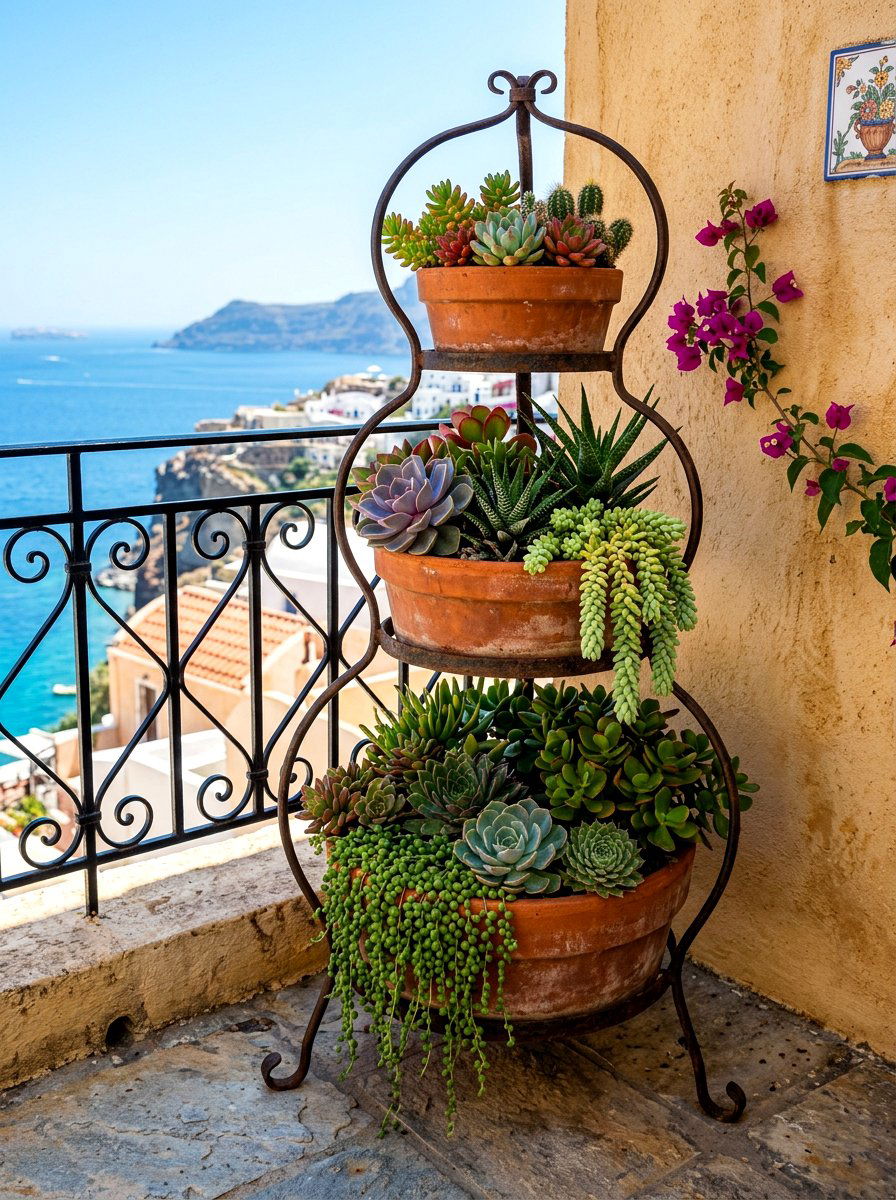
A tiered plant holder is an excellent solution for anyone who wants to display a large collection of plants in a very narrow footprint. By stacking three or more containers vertically using a central chain or rope system, you create a dramatic column of foliage. This design allows water to drip down from the top pot to the ones below, which can help with moisture management if designed correctly. You can mix and match different plant types, placing sun-loving species at the top and shade-tolerant ones at the bottom. This vertical arrangement works perfectly in corners of balconies or next to a doorway.
8. Upside down tomato
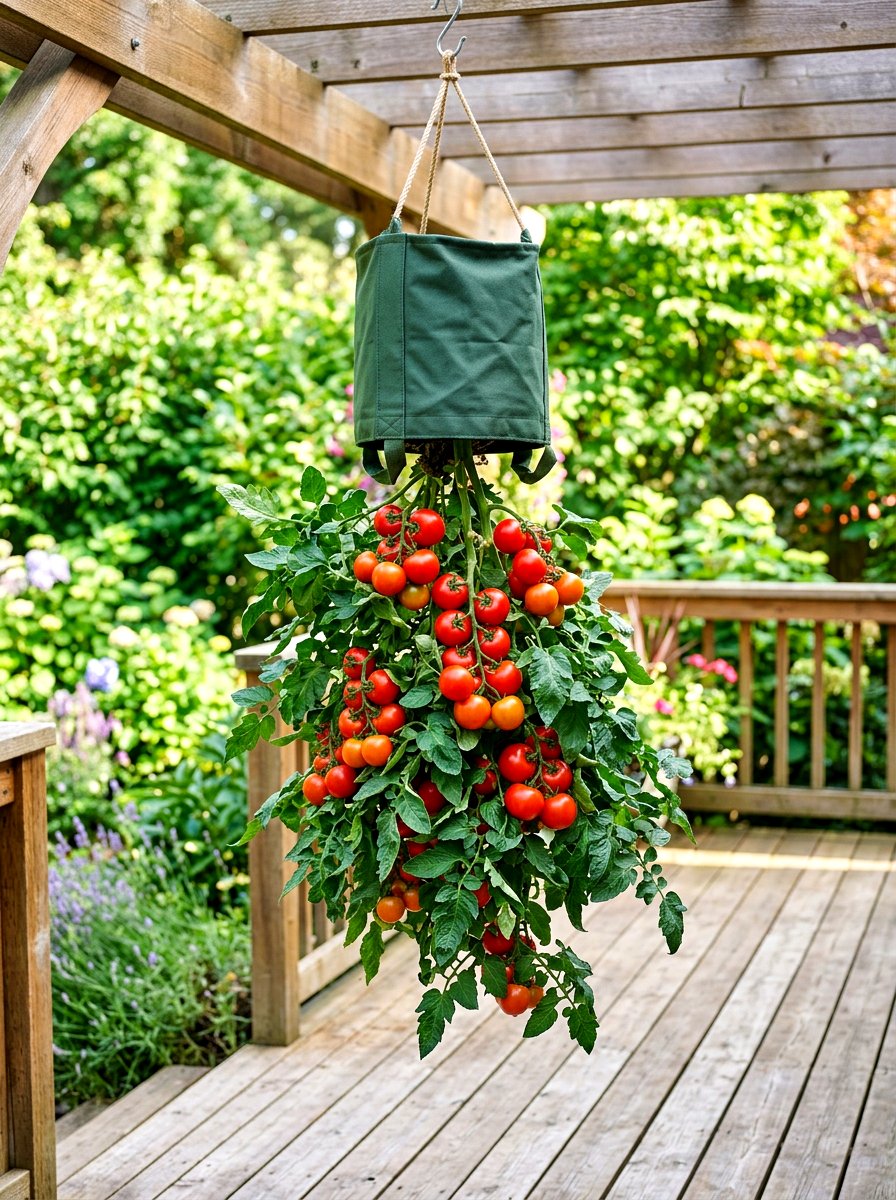
Growing your own food doesn't require a large garden plot when you utilize the ingenious upside-down tomato planter method. This unique container allows the tomato plant to grow downward through a hole in the bottom, while the top can be used for smaller herbs or flowers. Growing tomatoes this way eliminates the need for stakes or cages and reduces the risk of soil-born pests and diseases. Gravity helps the water and nutrients flow directly to the fruit, often resulting in a very productive harvest. It is a fun and practical way to enjoy sun-ripened tomatoes even if you only have a small deck or patio.
9. Tin can planter
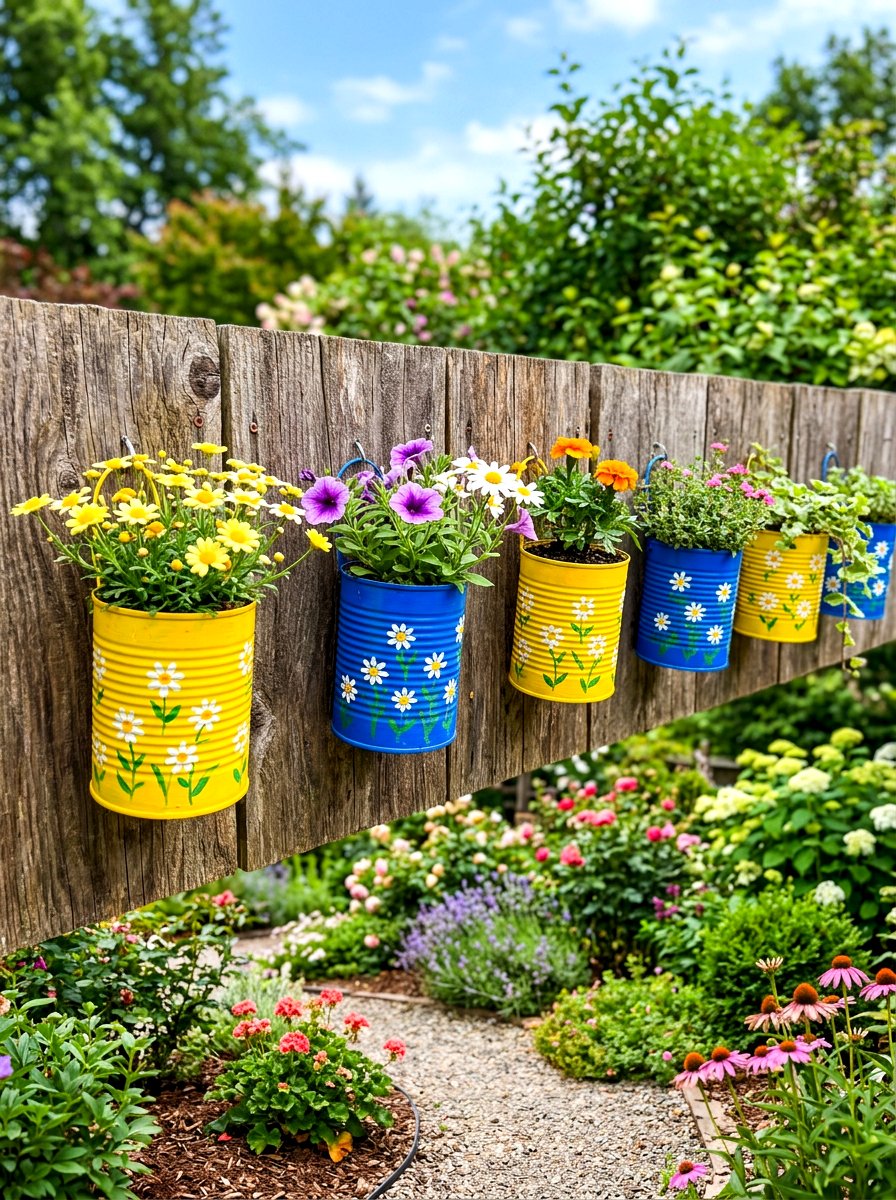
Upcycling everyday items into garden containers is a sustainable and budget-friendly way to add personality to your outdoor space. Old tin cans, when cleaned and painted in bright colors, make charming individual hanging planters for small flowers or succulents. You can punch holes in the sides to attach wire handles or mount them directly to a wooden pallet. This project is a great way to involve children in gardening while teaching them about the importance of recycling. Just remember to drill drainage holes in the bottom of each can to prevent the soil from becoming waterlogged, ensuring your small plants stay healthy.
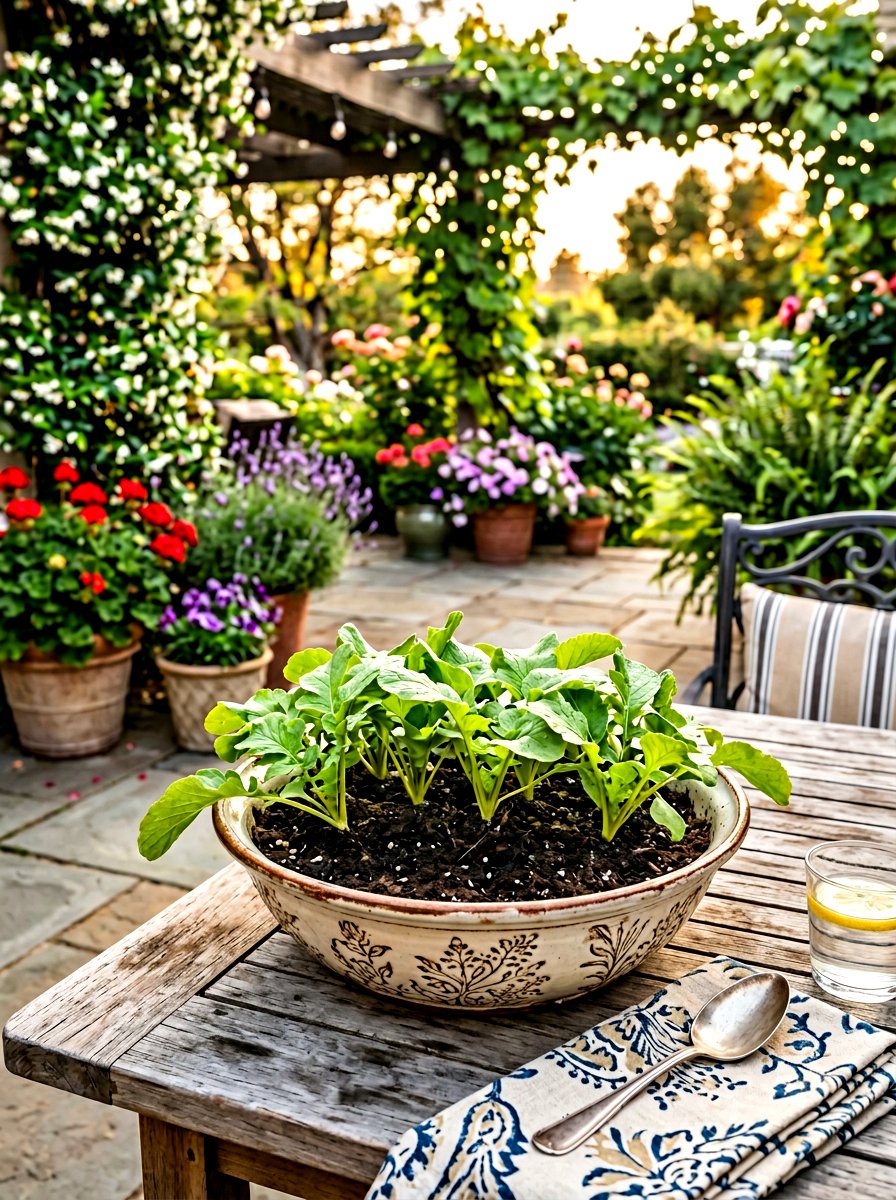
10. Bamboo garden pipe
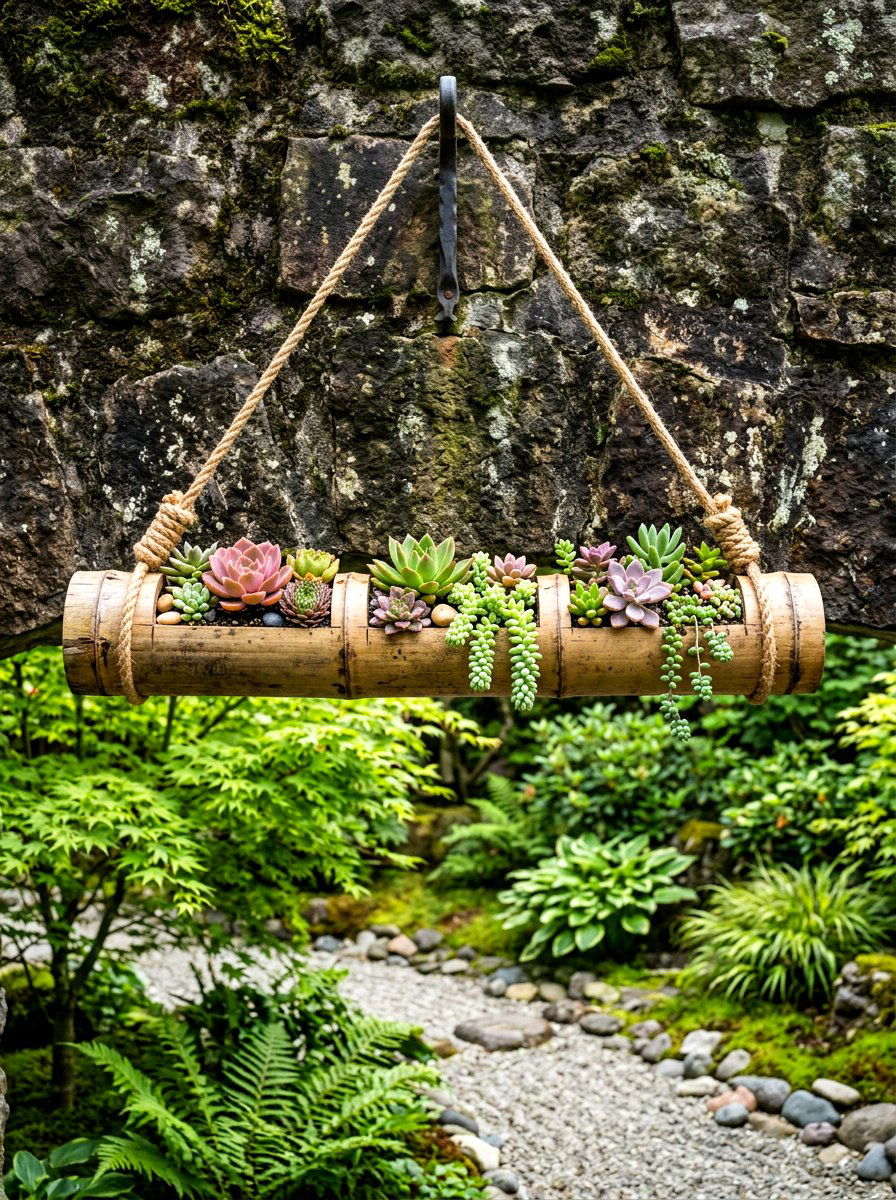
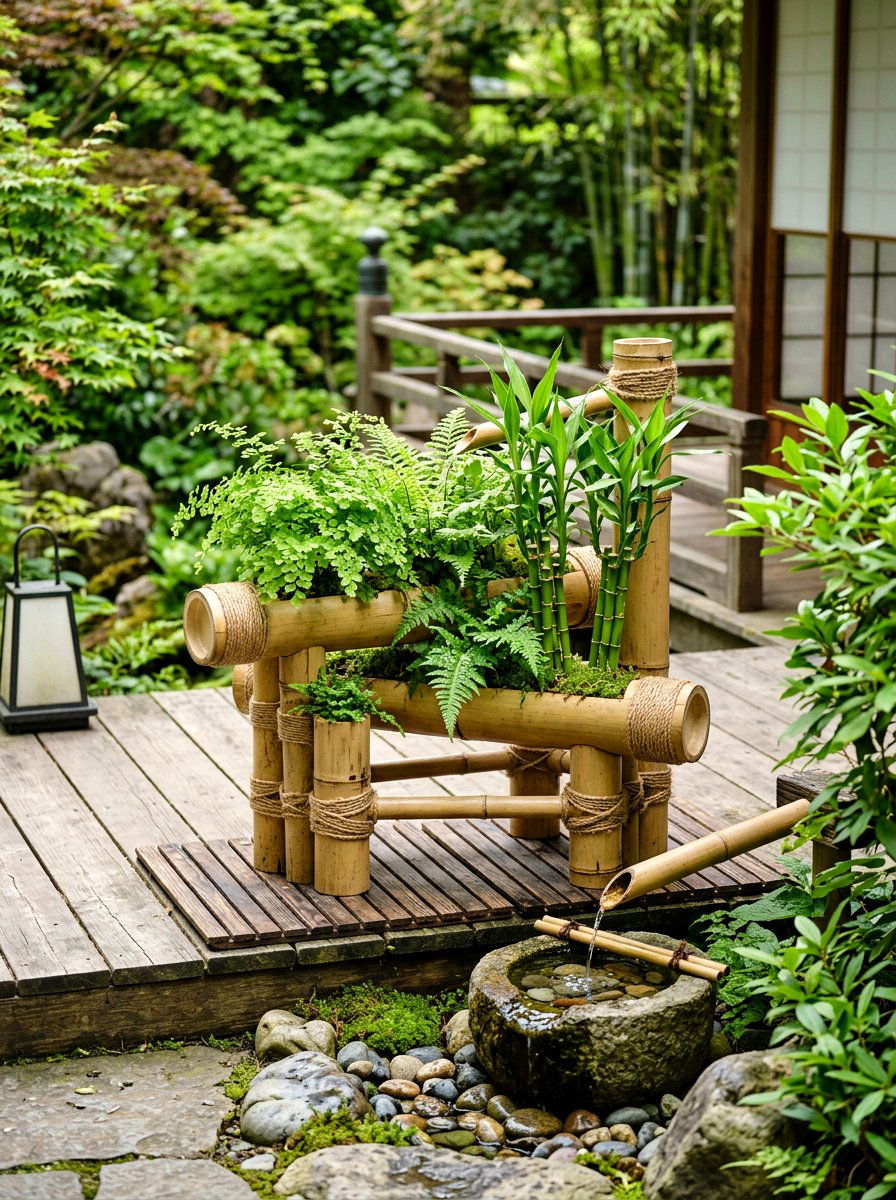
For a natural and Zen-inspired look, consider using thick stalks of bamboo as horizontal hanging containers. By cutting a wide slit along the length of the bamboo and sealing the ends, you create a sleek, organic trough for planting. These bamboo pipes can be suspended using natural jute rope, creating a series of floating garden beds. They are particularly well-suited for growing succulents or small creeping plants that don't require deep soil. The light tan color of the bamboo provides a beautiful contrast against the bright green leaves, making it a peaceful and stylish addition to a balcony or a garden fence.
11. Wood crate planter
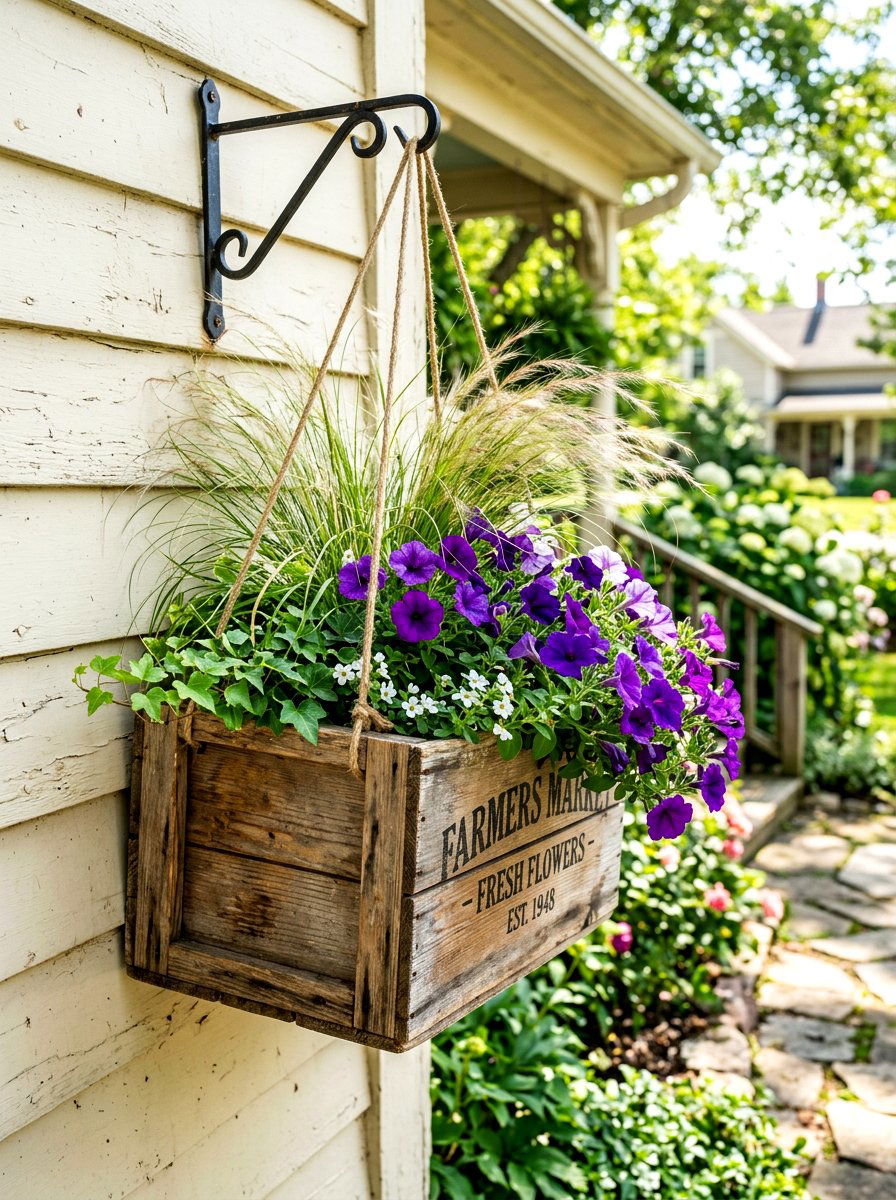
Repurposing vintage wooden crates into hanging planters adds an instant touch of rustic charm and farmhouse style to your porch. You can line the crates with plastic or landscape fabric to protect the wood and keep the soil in place before planting. These larger containers are sturdy enough to hold heavier plants or even a mix of small ornamental grasses and flowering annuals. Hanging them with thick manila rope enhances the rugged, weathered aesthetic. Because crates offer a larger planting surface, you have more freedom to experiment with complex plant combinations and textures, creating a mini-garden that feels substantial and well-established.
12. Coconut shell basket
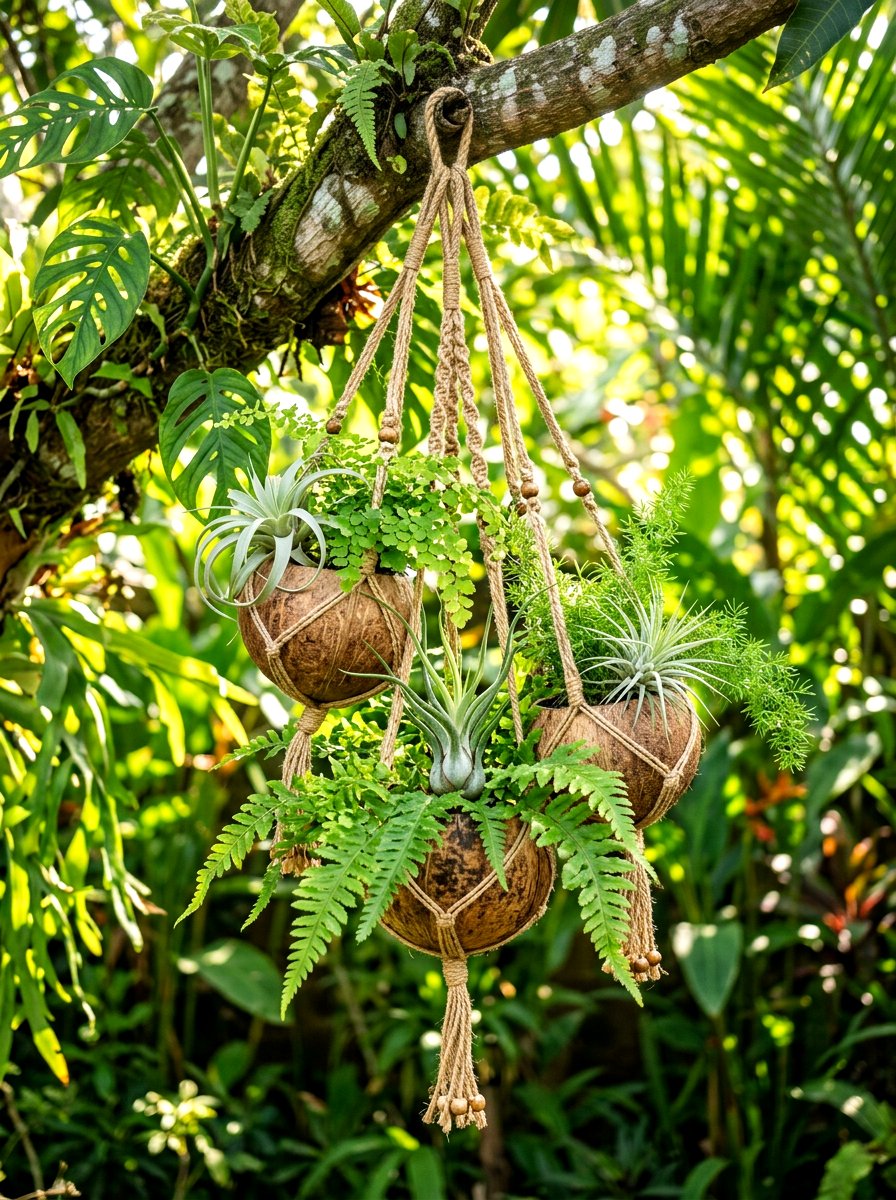
Using natural coconut shells as small hanging baskets is an eco-friendly way to bring a tropical feel to your home. These organic containers are naturally rot-resistant and provide a unique, textured home for air plants or small ferns. You can easily drill three small holes near the rim to attach a thin cord for hanging. They look best when grouped together in clusters, mimicking the way plants grow in a rainforest canopy. Since coconut shells are relatively small, they are perfect for tight spaces where a traditional hanging basket might feel too bulky. They are also completely biodegradable, making them a very sustainable choice.
13. Galvanized metal bucket
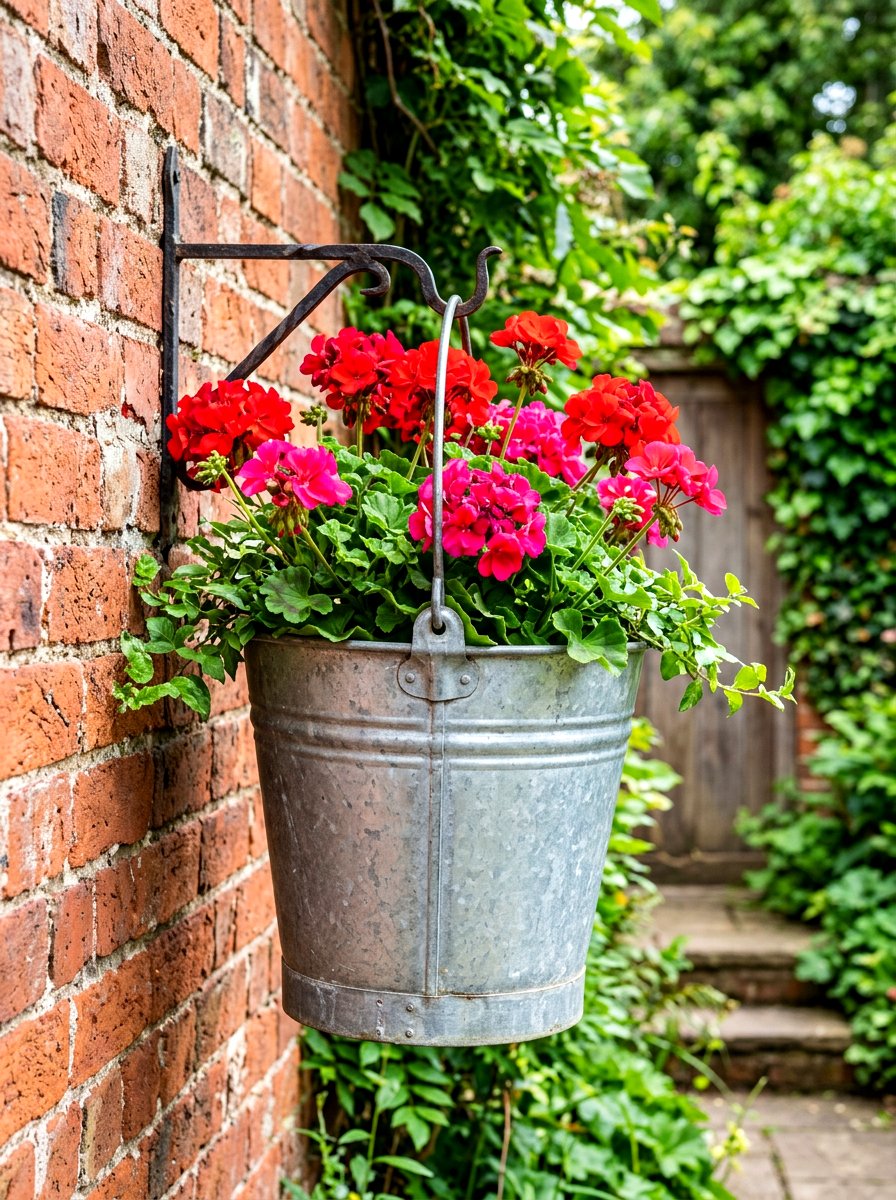
Galvanized metal buckets are incredibly durable and offer a classic, industrial-farmhouse look that stands up well to the elements. You can find these buckets in various sizes, allowing you to create a graduated display of hanging containers along a fence or wall. Their silvery finish reflects light and provides a cool-toned backdrop that makes bright flower colors, like red geraniums or yellow marigolds, really pop. To prevent rust over time, it is a good idea to spray the interior with a protective coating and always ensure there are plenty of drainage holes. These buckets are heavy-duty and can easily handle larger, more vigorous plant varieties.
14. Glass terrarium bulb
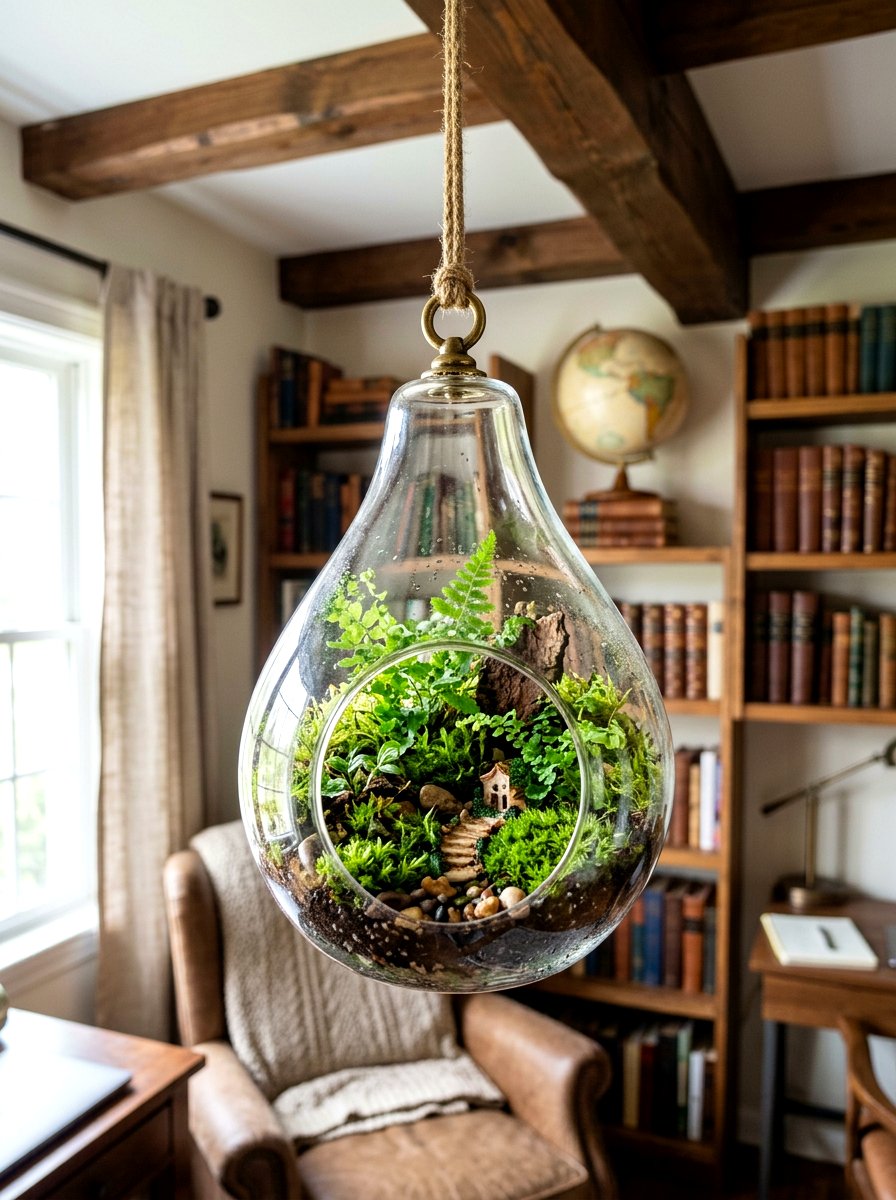
Creating a miniature world inside a glass terrarium bulb is a wonderful way to bring a touch of whimsy to your indoor decor. These small, light-bulb-shaped containers are designed to be suspended from the ceiling or a stand, showcasing tiny mosses, pebbles, and miniature figurines. Because they create a humid environment, they are perfect for tropical plants like fittonia or small ferns that enjoy consistent moisture. The clear glass allows you to see the intricate layers of soil and roots, adding a scientific and artistic element to your garden. These globes are ideal for office spaces or bedrooms where you want a small piece of nature.
15. Trellis basket mount
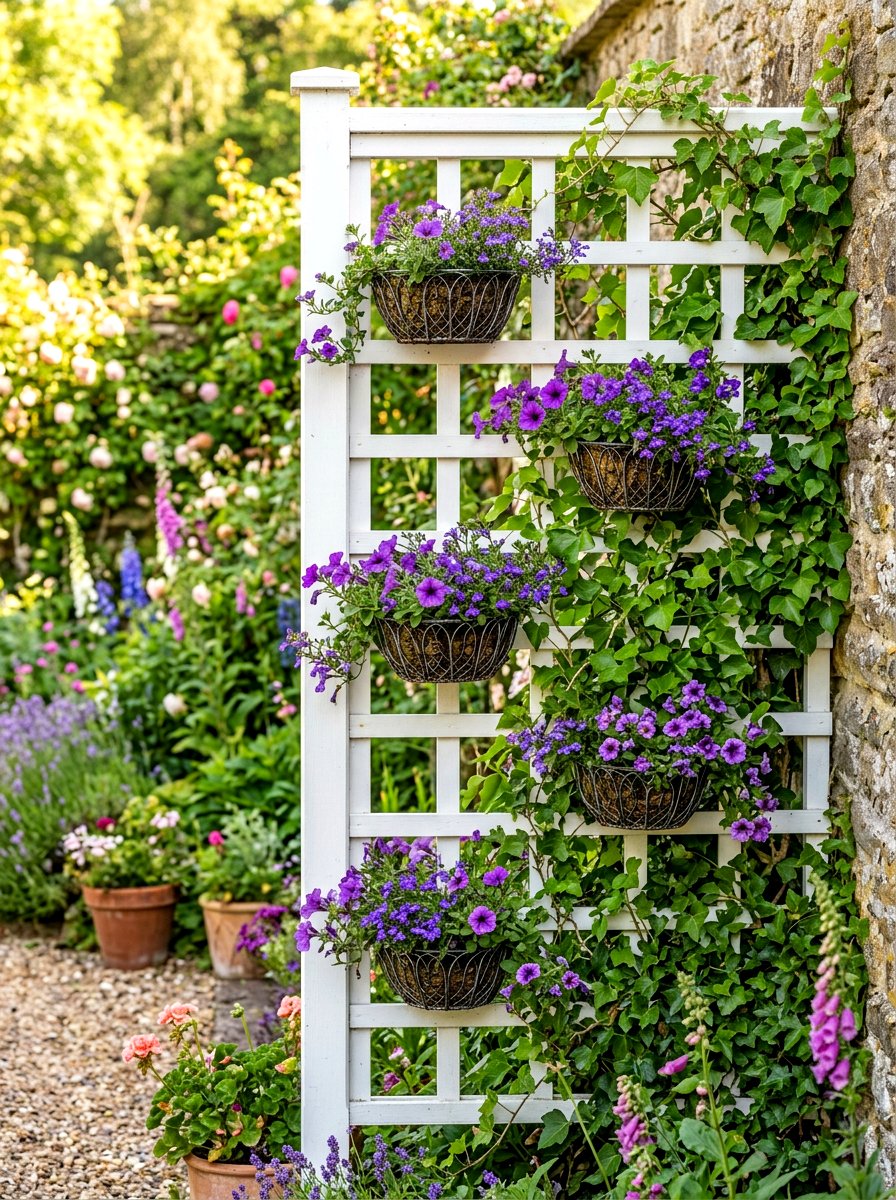
Combining a traditional wooden trellis with hanging baskets allows you to create a multi-dimensional garden wall that provides both height and depth. You can mount small wire or plastic baskets directly onto the slats of the trellis using simple hooks. This setup is perfect for training climbing vines to grow upward around the suspended containers, creating a dense wall of greenery. It is an excellent way to create a privacy screen on a patio or to hide an unattractive wall. By selecting a mix of flowering climbers and trailing basket plants, you can achieve a lush, English cottage garden look in a very small area.
16. Pergola hanging pot
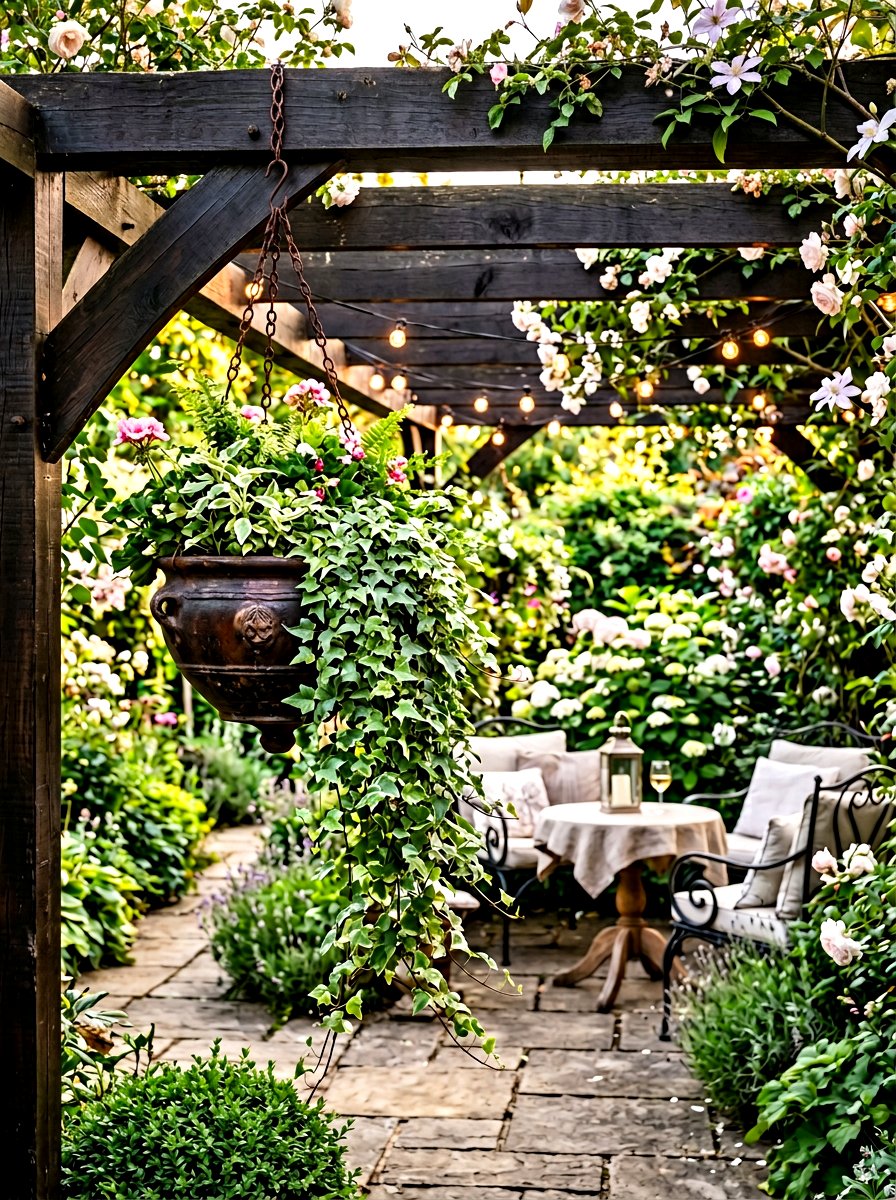
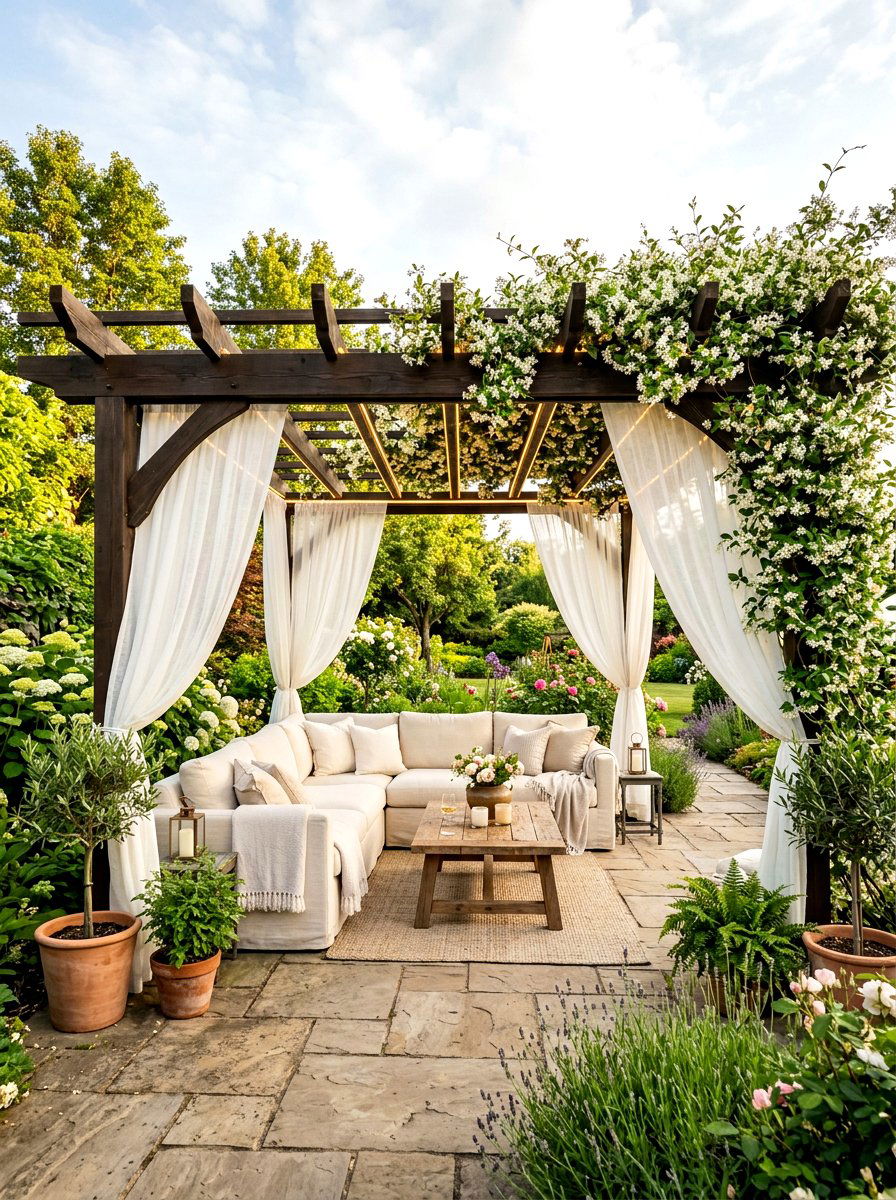
If you have a pergola or an arbor in your backyard, it provides the perfect structural framework for a series of large hanging pots. Suspending heavy baskets from the overhead beams creates a "living ceiling" that provides natural shade and a sense of enclosure. You can use large, classic terra cotta pots or modern resin containers to match your outdoor furniture. Choosing plants with long, dramatic trailers, like ivy or creeping Jenny, will help soften the architectural lines of the pergola. This setup turns an ordinary seating area into a romantic garden retreat, especially when you add some string lights to glow through the foliage.
17. Balcony rail planter
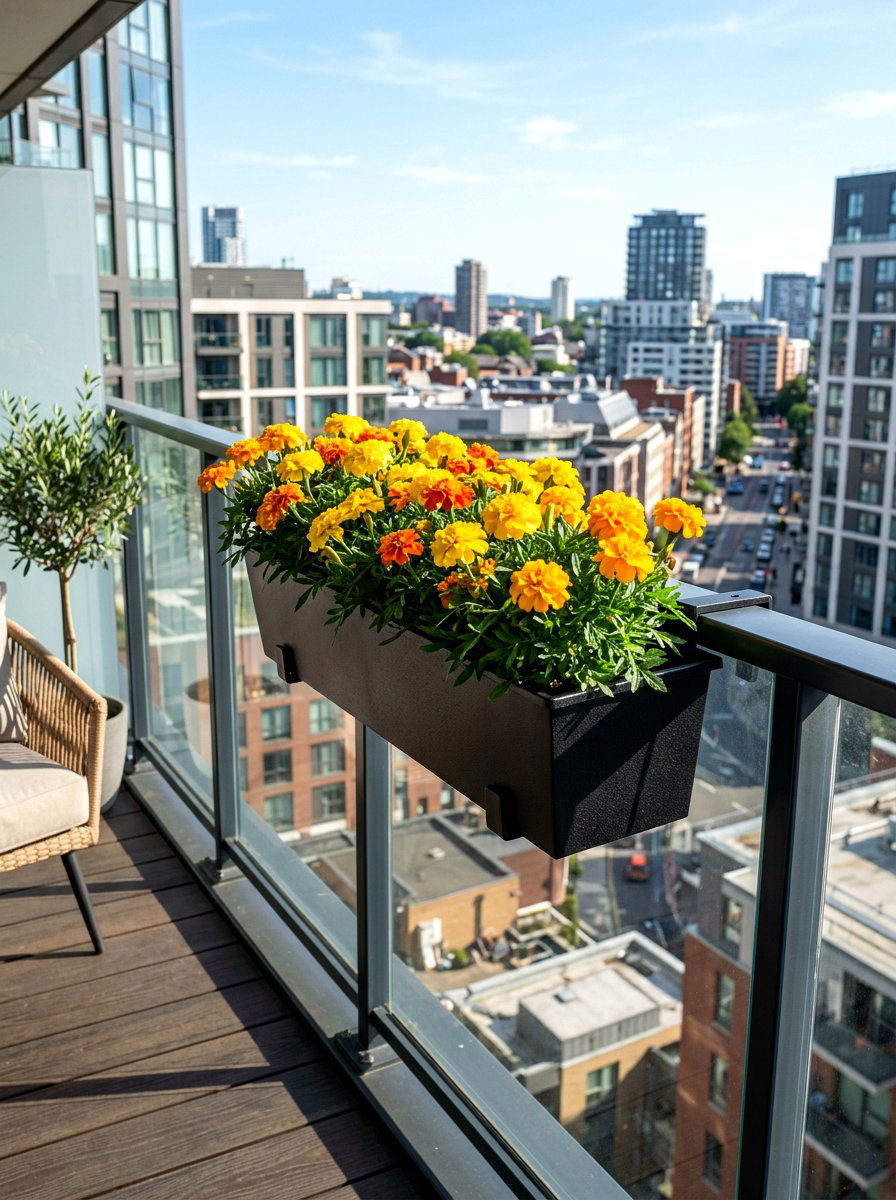
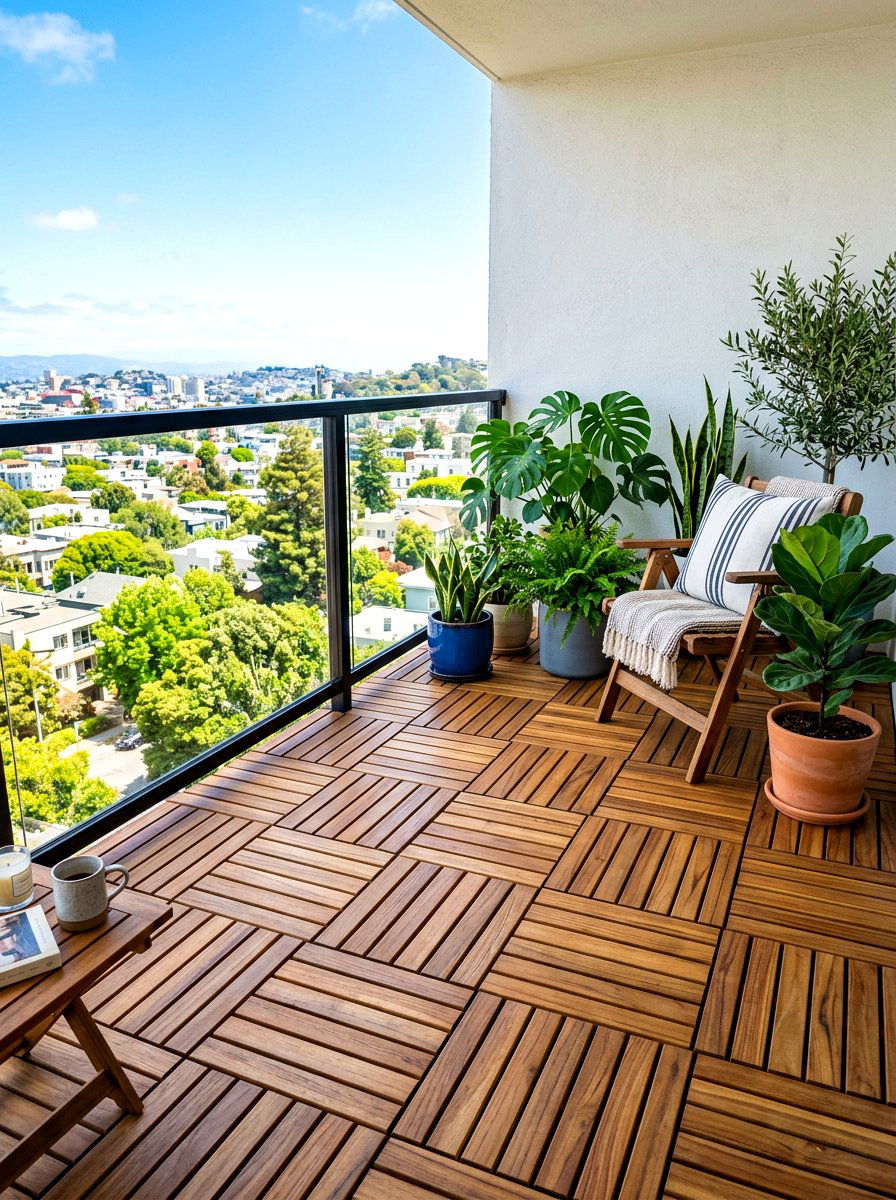
For those living in apartments, the balcony railing is the most valuable piece of real estate for a hanging garden. Specialized rail planters are designed to sit securely on top of or hang from the side of the railing, maximizing every inch of space. These containers are often long and narrow, making them perfect for creating a colorful border of petunias or pansies. Because they are at waist height, they are very easy to water and maintain without any bending. Using high-quality plastic or metal planters ensures they are lightweight enough not to strain the railing while being durable enough to withstand the wind.
18. Driftwood air plant
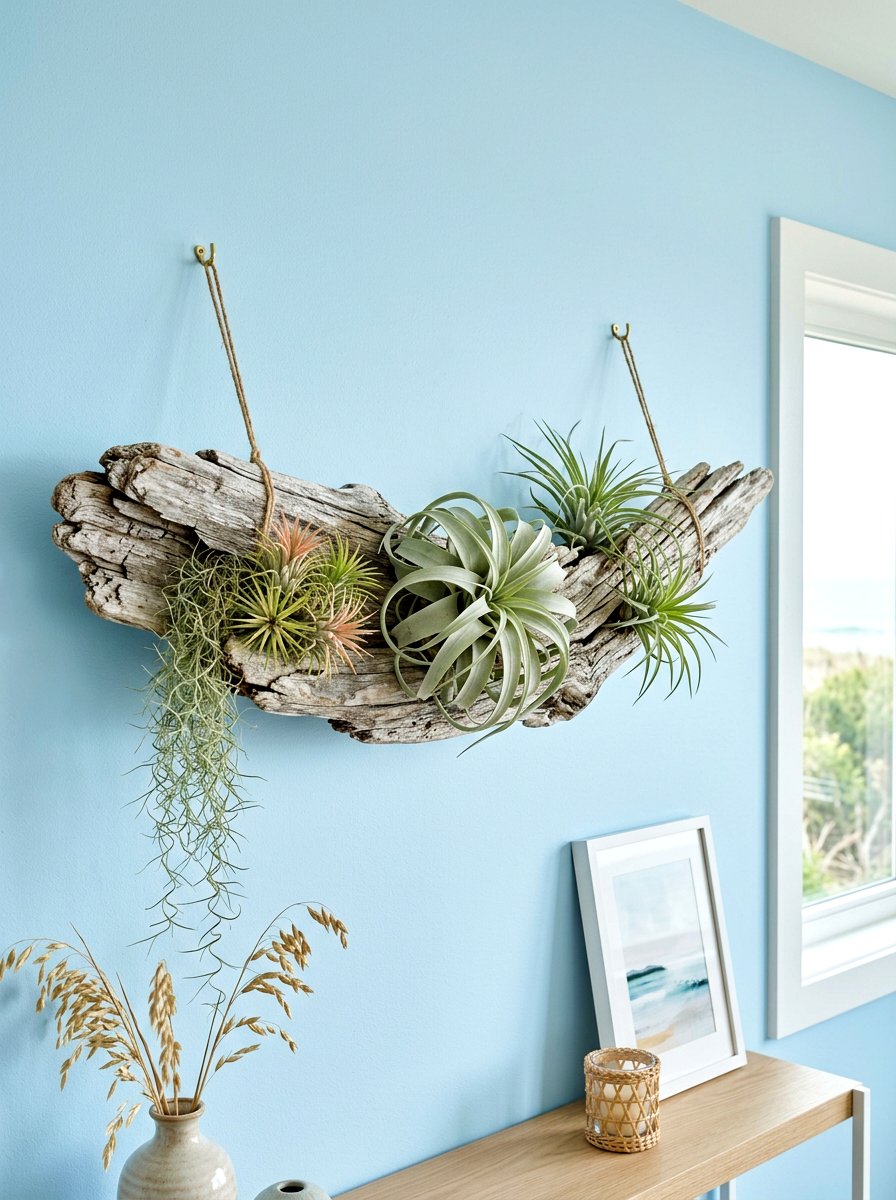
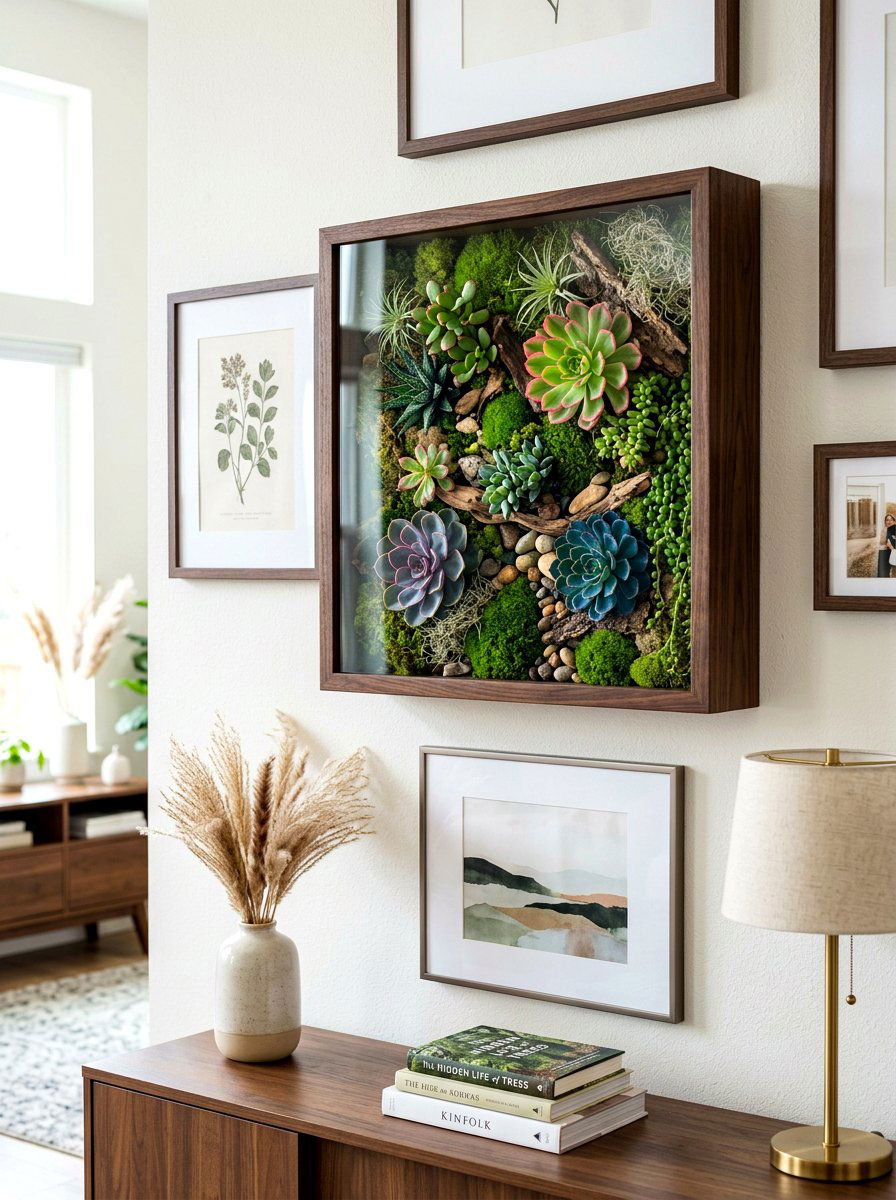
Artistically mounting air plants onto pieces of weathered driftwood creates a stunning, soil-free hanging display that looks like a piece of natural sculpture. Since air plants, or Tillandsia, don't need soil to grow, you can simply tuck them into the natural crevices of the wood or secure them with clear fishing line. These displays can be hung vertically using a small eye hook and wire, making them a unique focal point for a wall. To keep them healthy, you only need to mist them regularly or soak them in water once a week. It is a modern, low-mess way to bring an organic, coastal vibe into your home.
19. Shoe rack garden
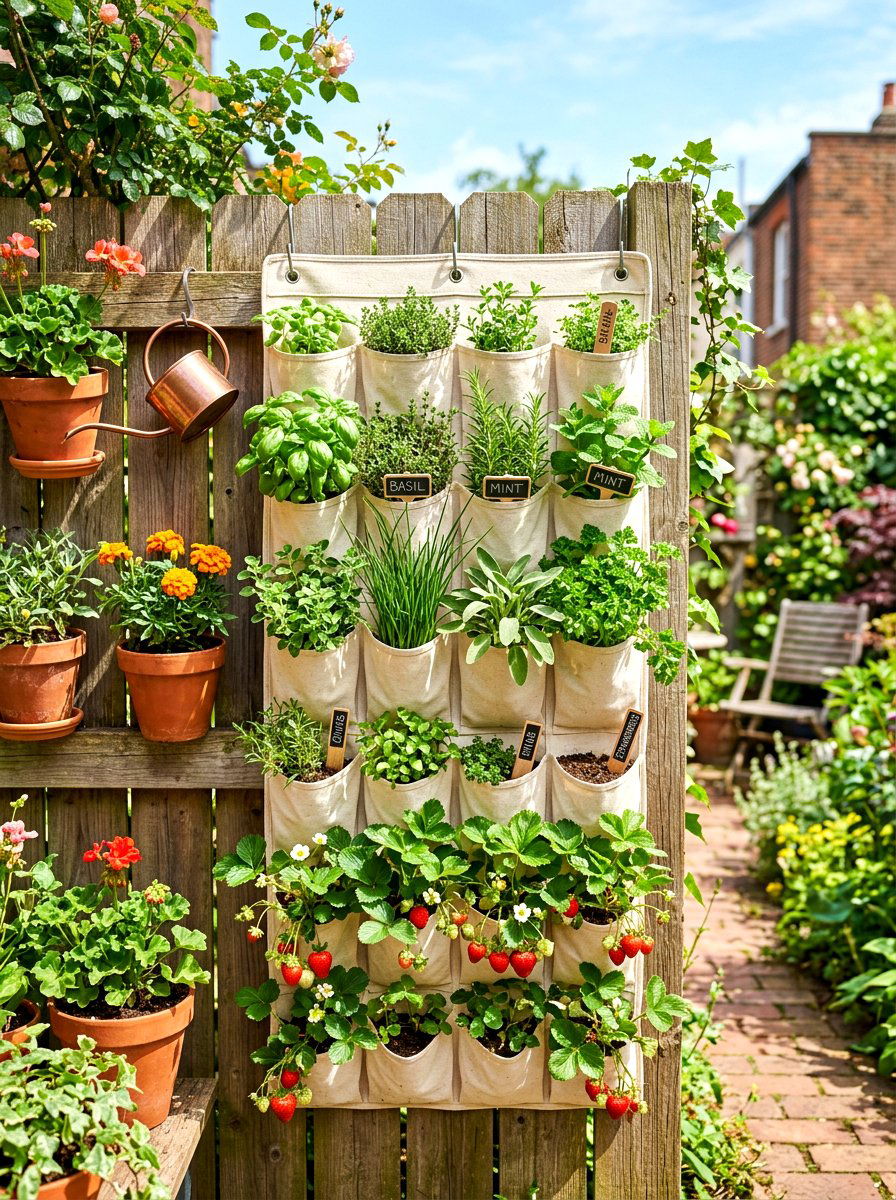
Repurposing an over-the-door fabric shoe organizer into a vertical garden is a brilliant space-saving hack for small patios or balconies. Each shoe pocket provides a perfect individual planting space for herbs, strawberries, or small leafy greens. You can hang the organizer on a sunny fence or the back of a door using sturdy hooks. The porous fabric allows excess water to drain out easily, preventing root rot, though you may want to place a tray at the bottom if using it indoors. This DIY project is incredibly affordable and allows you to grow a surprisingly large amount of food or flowers in a very narrow vertical space.
20. Rain gutter planter
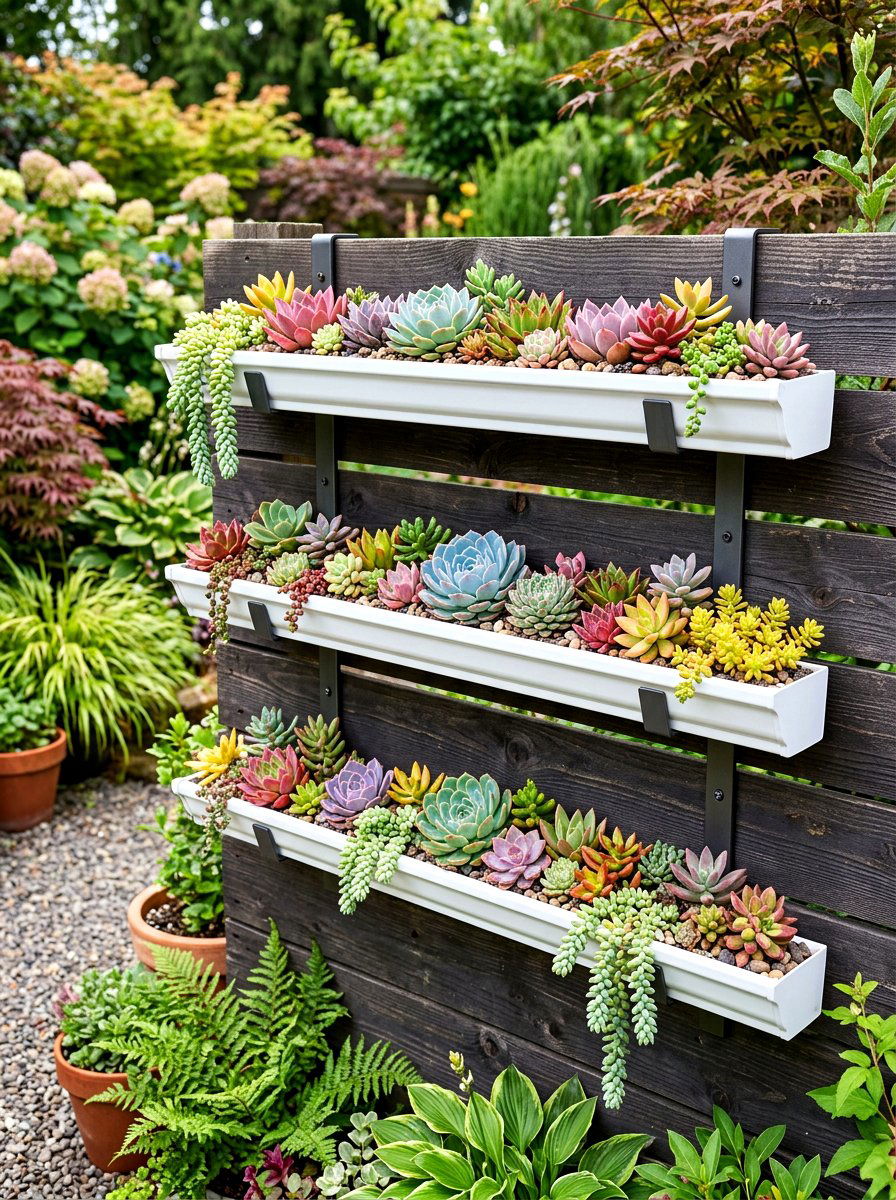
Using sections of vinyl or metal rain gutters as long, horizontal hanging planters is a popular trend for creating modern green walls. These gutters can be mounted in rows on a fence or suspended with steel cables for a floating effect. Because they are shallow, they are ideal for growing succulents, lettuce, or low-growing flowers like alyssum. The clean, linear lines of the gutters give a contemporary feel to the garden and make it easy to install a simple drip irrigation system. This setup is perfect for someone who wants a high-yield herb garden or a sleek decorative feature that doesn't take up any floor space.
21. Decorative birdcage planter
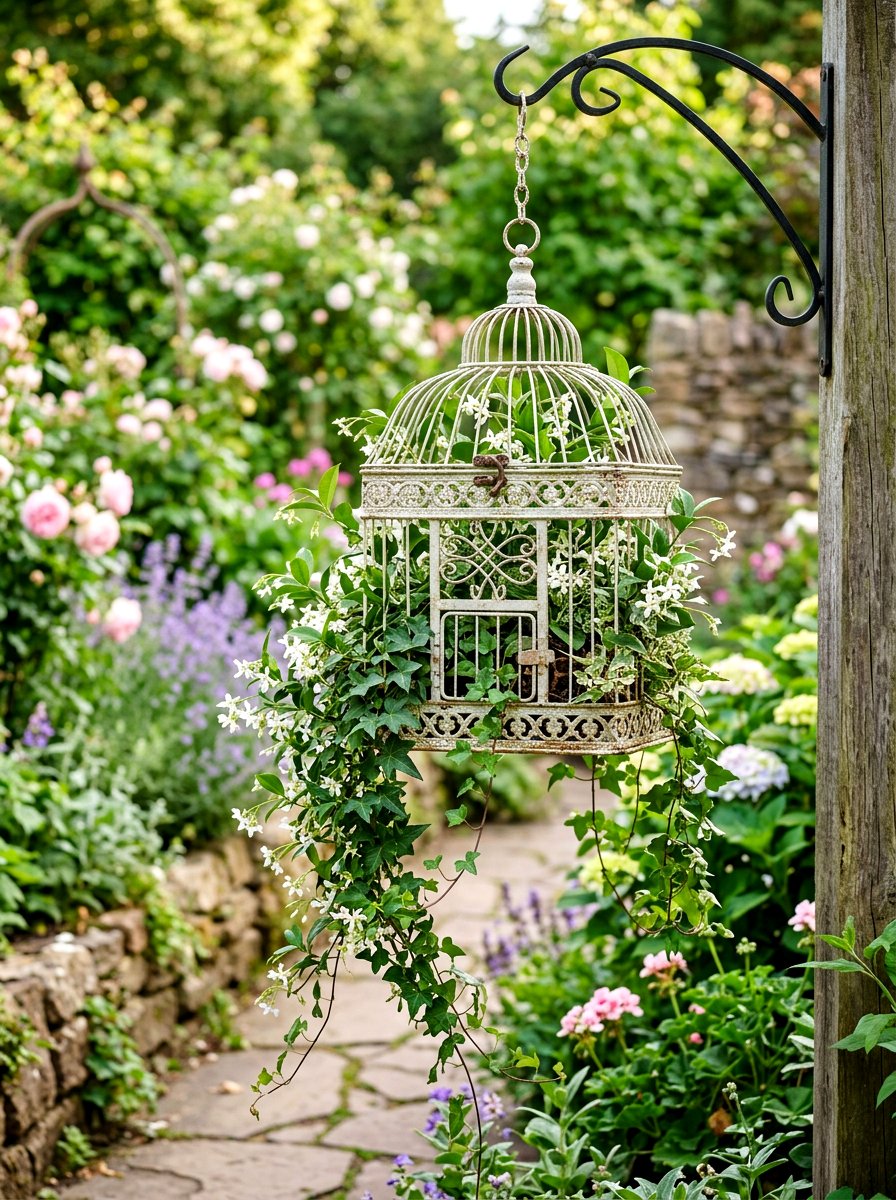
Transforming an antique-style birdcage into a hanging planter adds a touch of vintage elegance and whimsy to your garden. You can place a potted plant inside the cage or line the bottom with moss and plant directly into it. Trailing plants like jasmine or ivy look particularly beautiful as they weave their way through the wire bars and spill out of the cage. Hanging these decorative pieces from a tree branch or a porch hook creates a charming focal point that feels like it belongs in a secret garden. It is a creative way to give a second life to a decorative object while showcasing your plants.
22. Kitchen colander basket
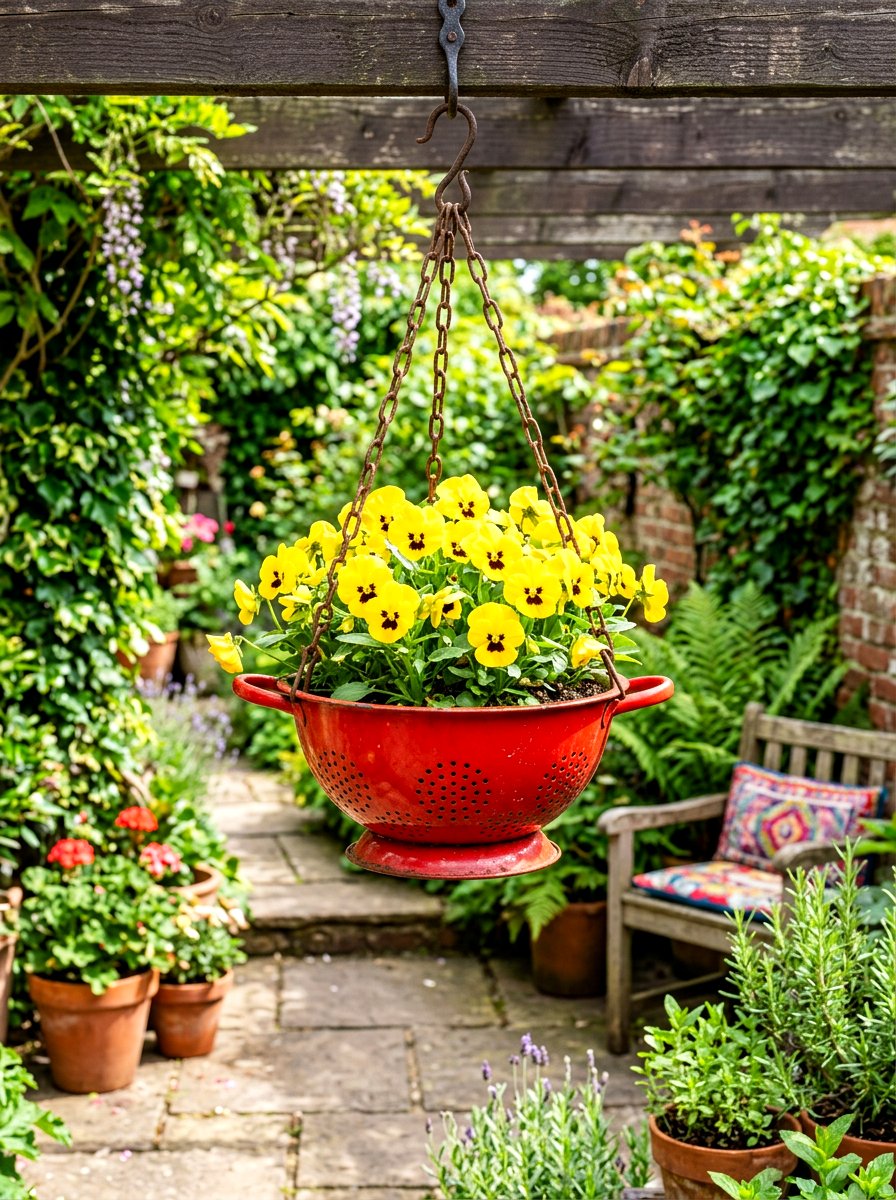
Old metal colanders make fantastic, ready-made hanging baskets because they already have built-in drainage holes. By attaching three sturdy chains to the handles, you can create a unique and functional planter that looks perfect in a rustic or eclectic garden. The many small holes in the colander provide excellent aeration for the roots, which is especially beneficial for plants that don't like to sit in soggy soil. You can leave the colander in its original metallic finish or paint it a vibrant color to match your outdoor decor. They are the perfect size for a bunch of bright pansies or a cascading strawberry plant.
23. Terra cotta rope
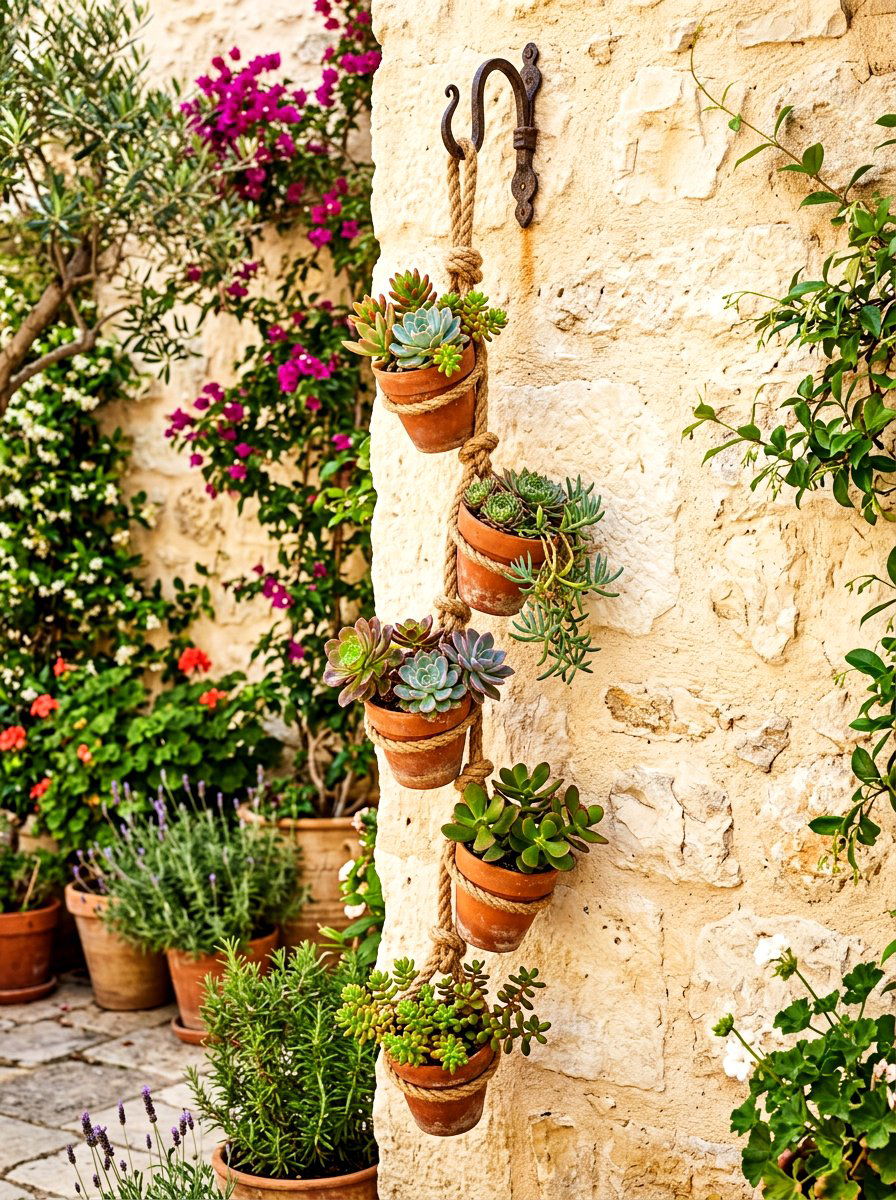
Creating a vertical string of terra cotta pots is a simple yet effective way to add a rustic, Mediterranean feel to a sunny wall. By threading a thick rope through the drainage holes of several pots and securing them with knots, you create a beautiful hanging column of greenery. This design allows you to use standard, inexpensive pots to create a high-impact display. It is important to use a strong rope that can handle the weight of the damp soil and the pots. This setup works beautifully for a collection of different herbs or a series of matching succulents, creating a rhythmic and organized look.
24. Mason jar wall
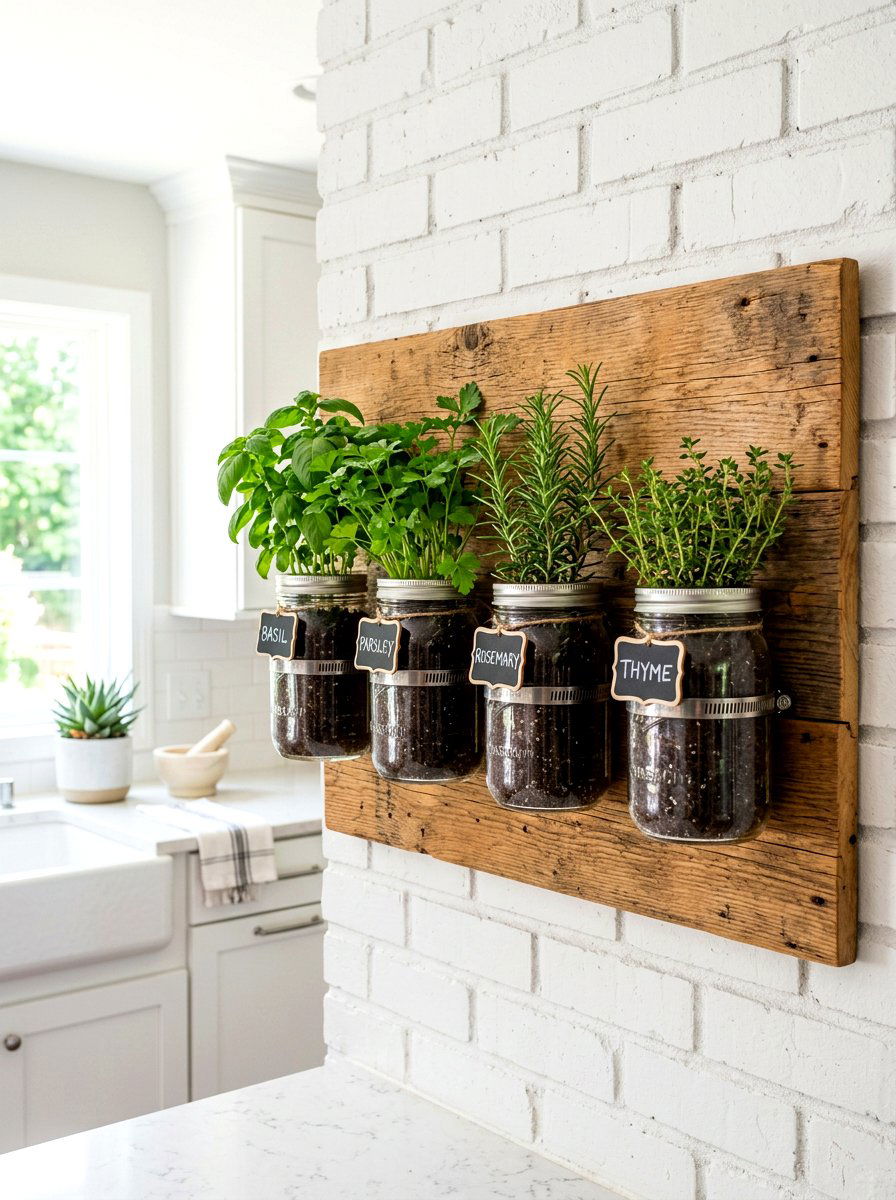
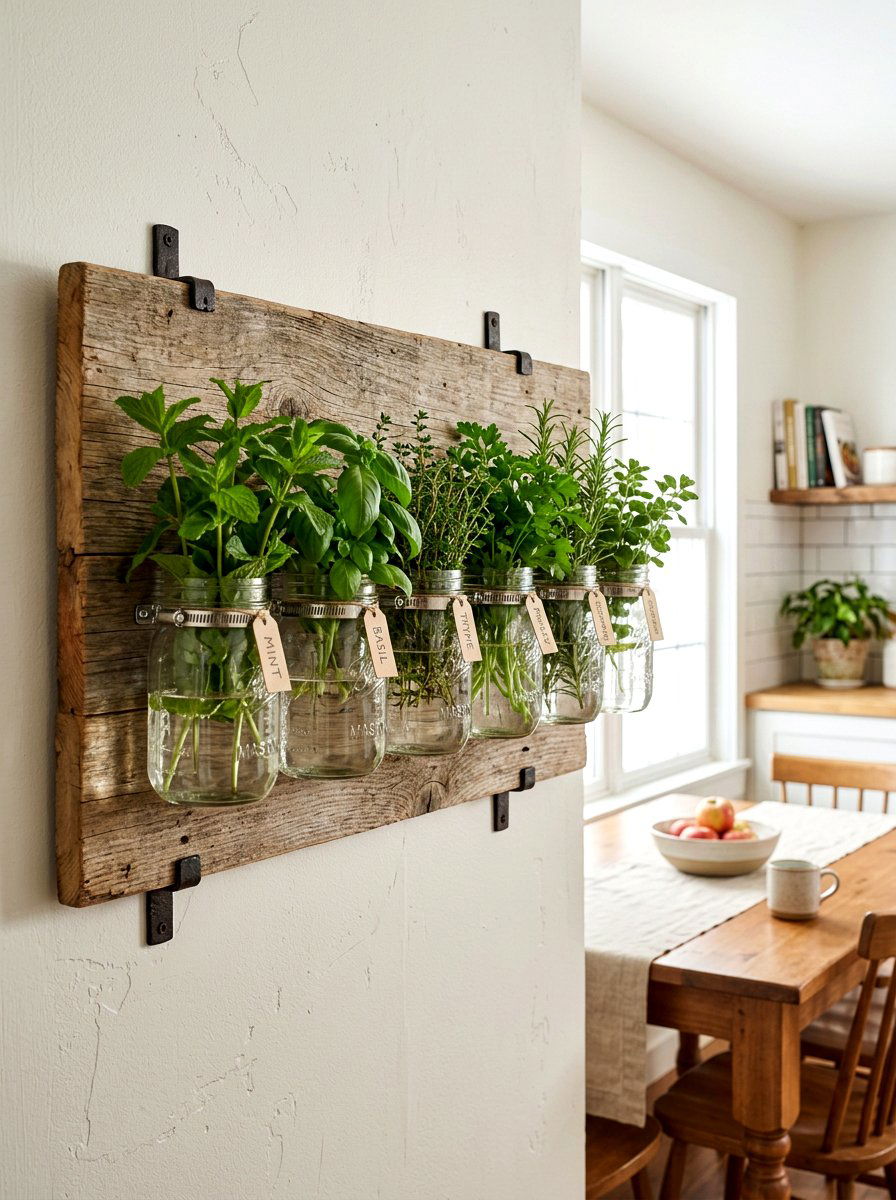
Mason jars are a staple of DIY decor, and they work wonderfully as small, wall-mounted hanging planters for a kitchen or sunroom. You can secure the jars to a wooden board using metal pipe clamps and then hang the entire board on the wall. Filling the bottom of the jars with small pebbles for drainage is essential, as there are no holes in the glass. These clear containers allow you to monitor the soil moisture and root health easily. They are perfect for starting small herb cuttings or for displaying colorful flowers. The combination of glass, metal, and wood creates a popular industrial-chic aesthetic.
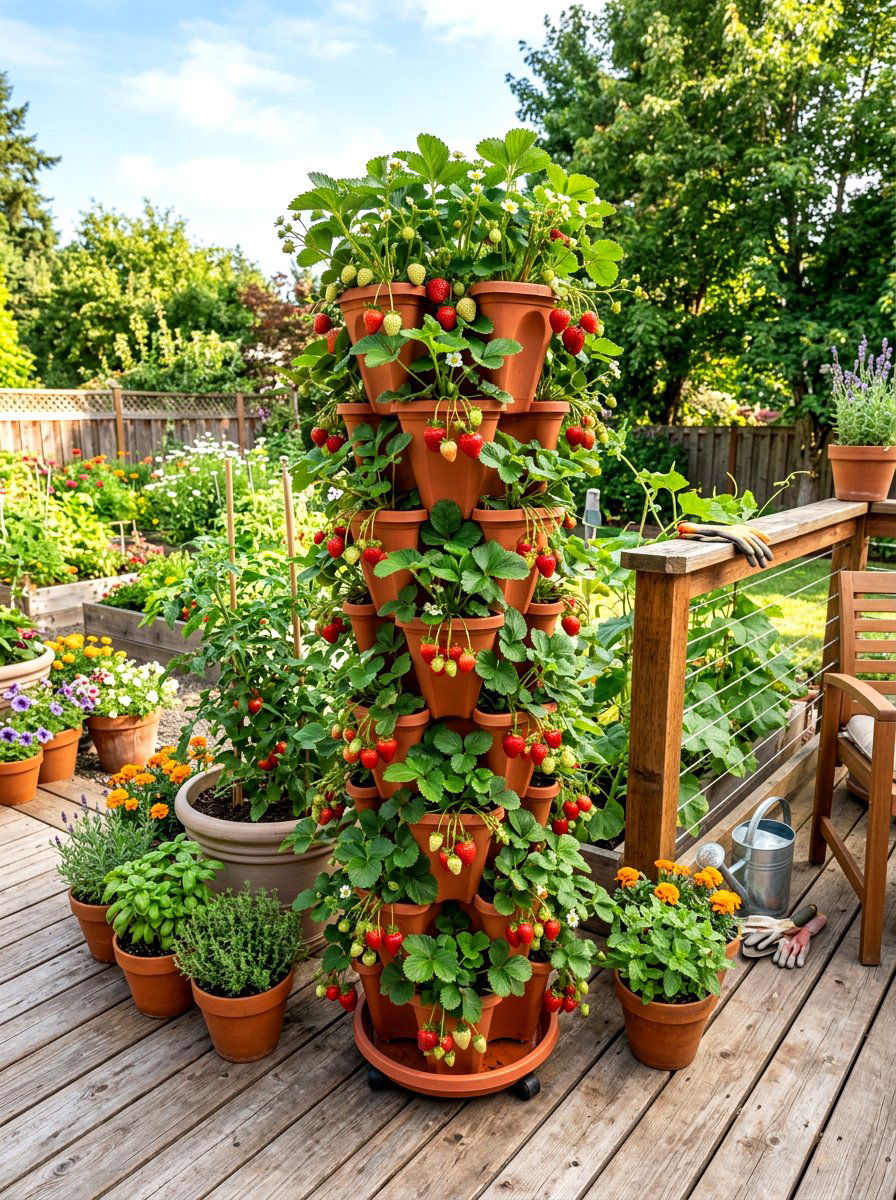
25. Lattice herb wall
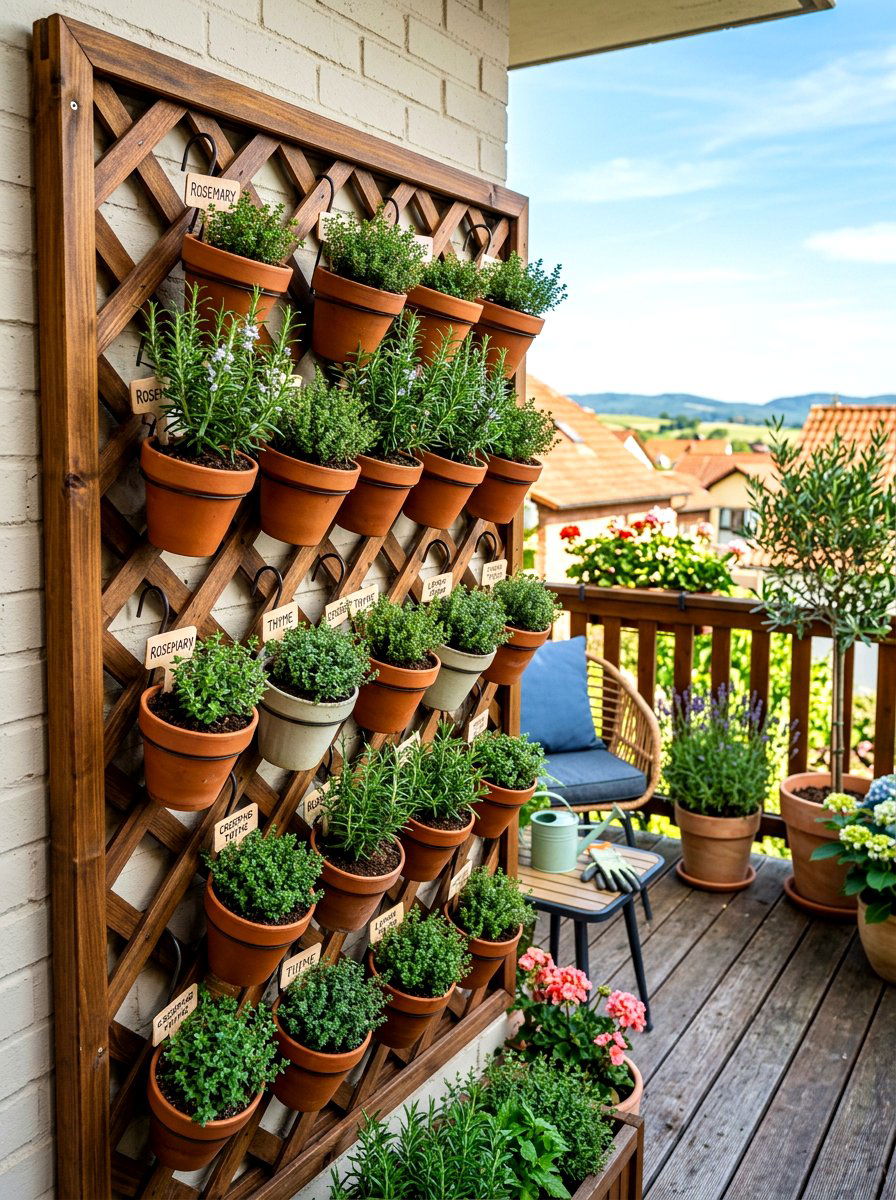
Installing a lattice panel against a wall provides a versatile framework for a customizable hanging herb garden. You can use S-hooks to hang various small pots and containers from the lattice, allowing you to rearrange your garden whenever you like. This system is perfect for a small balcony where you want to grow a variety of different herbs in one central location. As the herbs grow, they will eventually cover the lattice, creating a dense, fragrant wall of green. This approach is highly functional and allows you to keep your most-used cooking herbs organized and within easy reach while adding a decorative element.
26. Boston fern basket
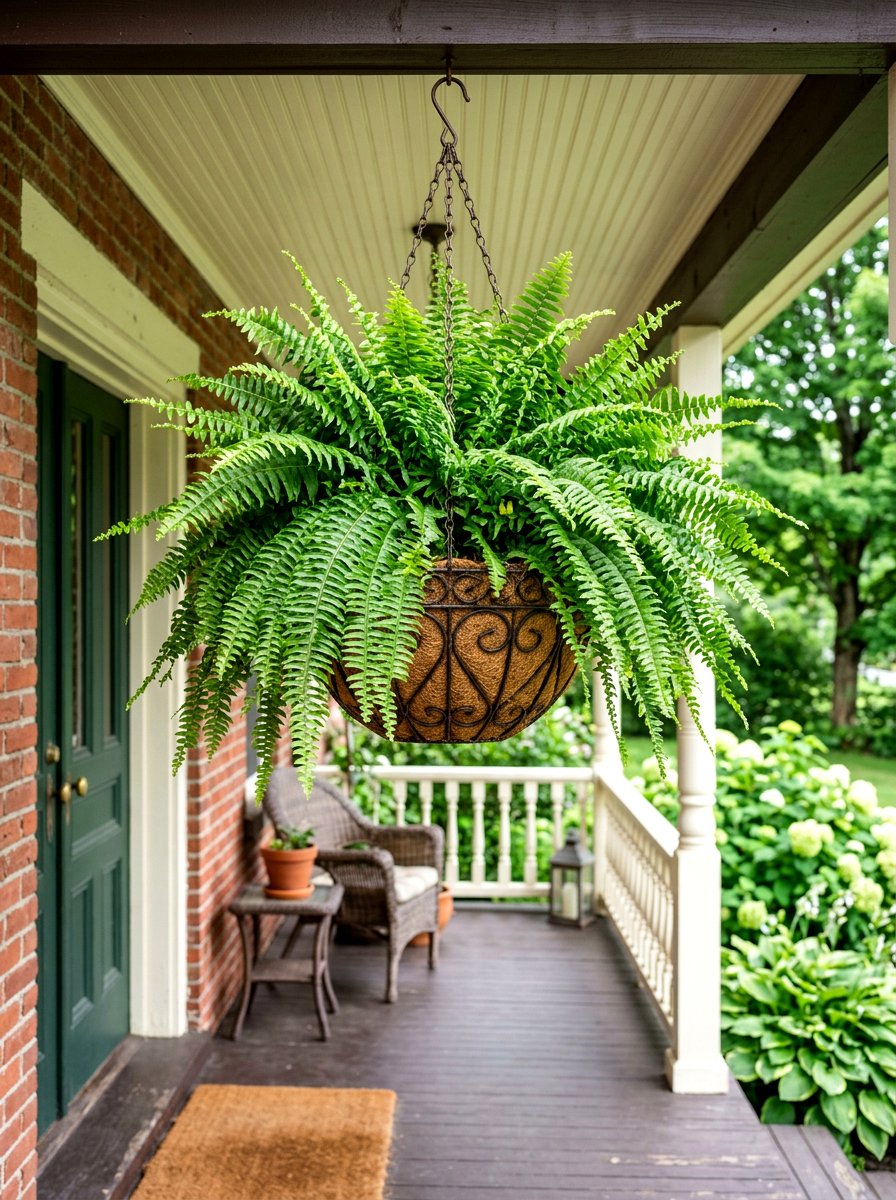
The Boston fern is the ultimate choice for a classic, lush hanging basket that brings a sense of timeless elegance to a shaded porch. These ferns are known for their long, feathery fronds that arch gracefully over the sides of the container, creating a full and voluminous look. They thrive in high humidity and indirect light, making them perfect for areas that don't get much direct sun. Because they can grow quite large, they are best displayed in wide baskets where their foliage has plenty of room to spread. Keeping the soil consistently moist is the key to maintaining their vibrant, deep green color throughout the summer.
27. Trailing petunia pot
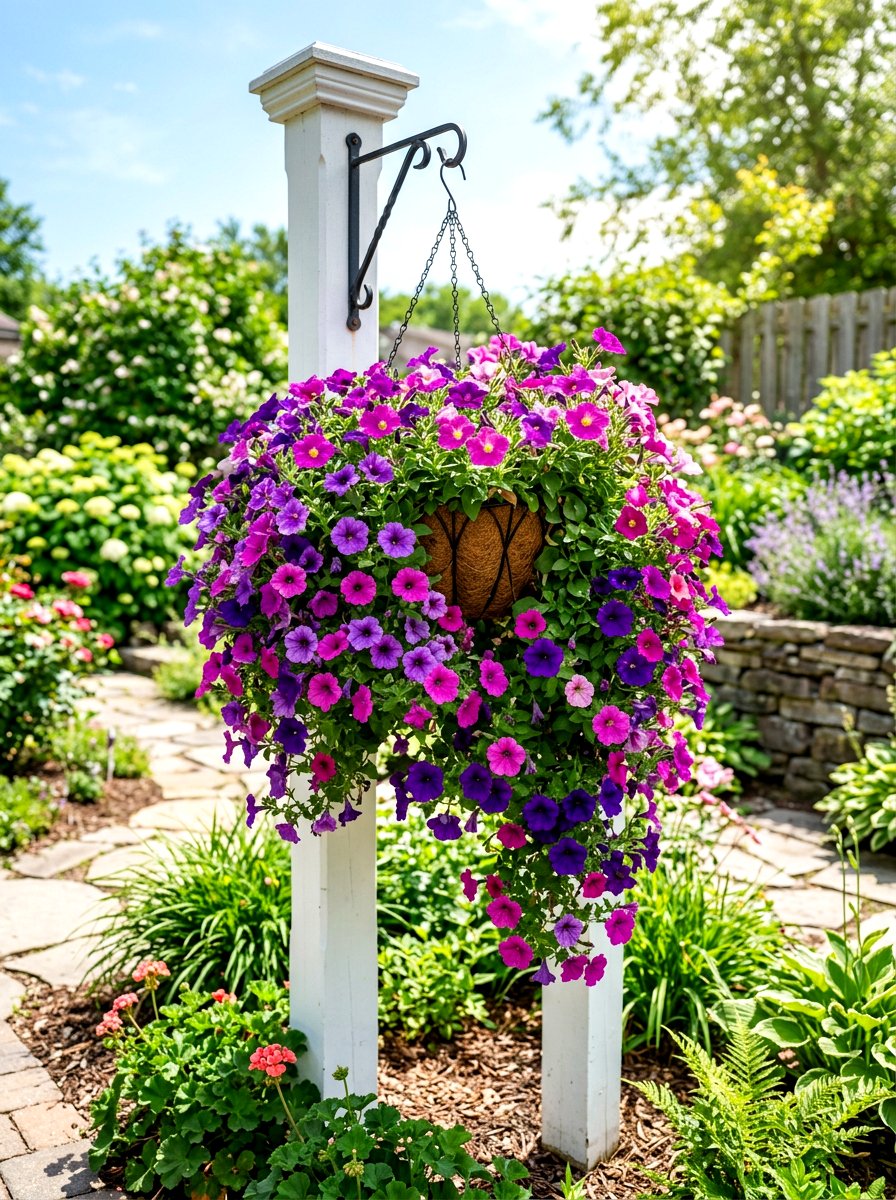
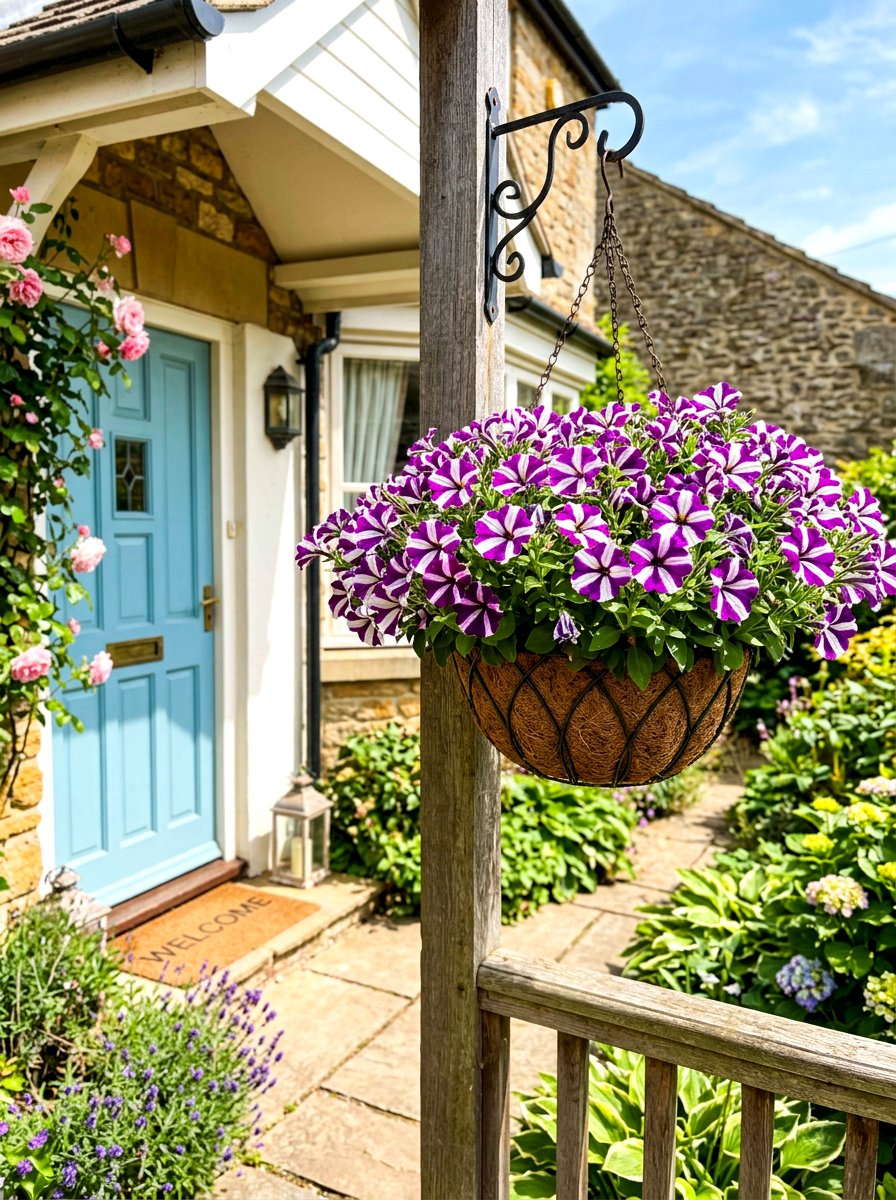
Trailing petunias are the workhorses of the hanging garden world, providing a continuous explosion of color from spring until the first frost. These vigorous plants are designed to cascade downward, often reaching lengths of two or three feet, completely hiding the container beneath a carpet of blooms. They come in almost every color imaginable, from deep velvet purple to bright neon pink. To keep them blooming profusely, they require full sun and regular fertilization. Deadheading the spent flowers will encourage the plant to produce even more buds. They are the perfect choice for high-visibility areas like front entrances where you want a big splash of color.
28. Hanging strawberry bag
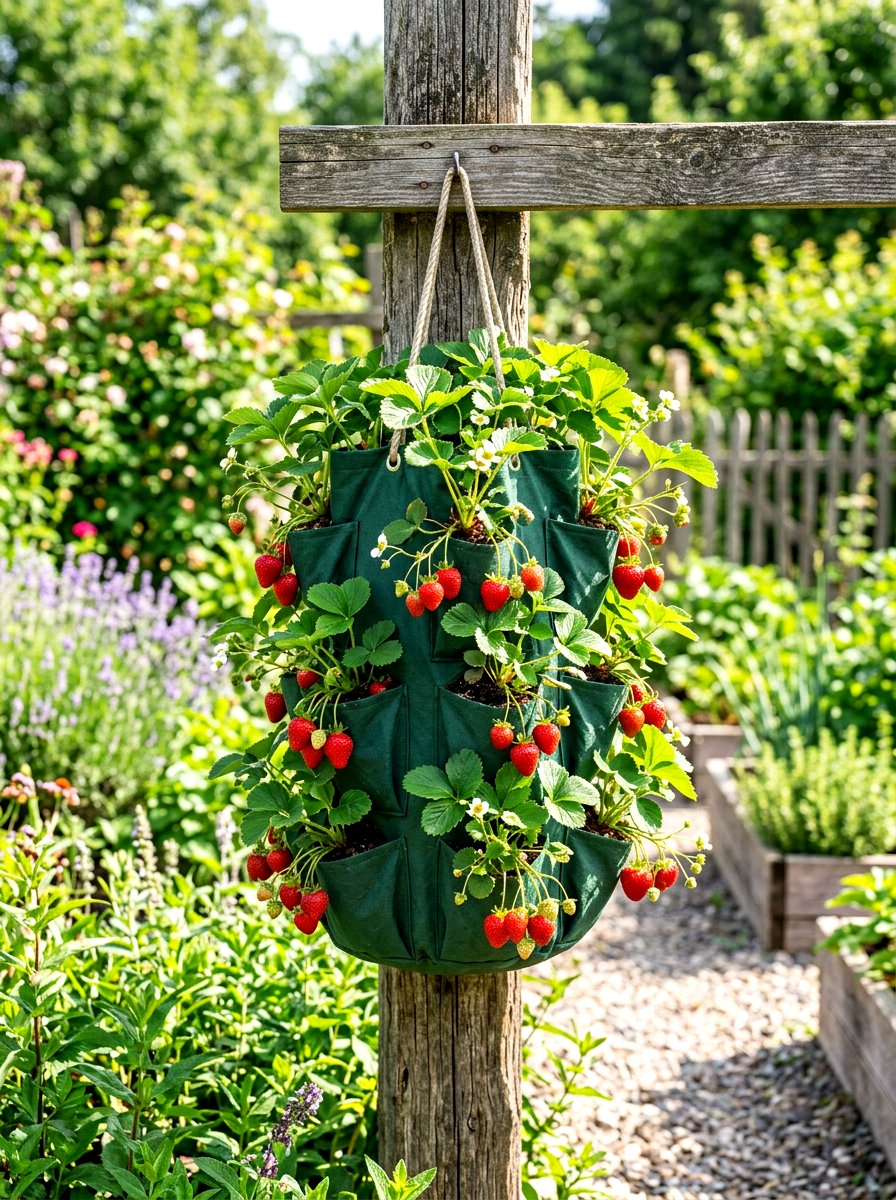
If you love fresh fruit but don't have space for a traditional garden bed, a hanging strawberry bag is a highly productive and space-saving alternative. These specialized bags have multiple openings along the sides, allowing you to plant several strawberry runners in a single vertical container. Hanging the bag keeps the fruit off the ground, which prevents rot and makes it much harder for slugs and other pests to reach your harvest. The berries hang down clearly, making them very easy to pick when they are perfectly ripe. It is a practical and rewarding way to enjoy homegrown treats on a sunny deck or balcony.
29. Woven seagrass basket
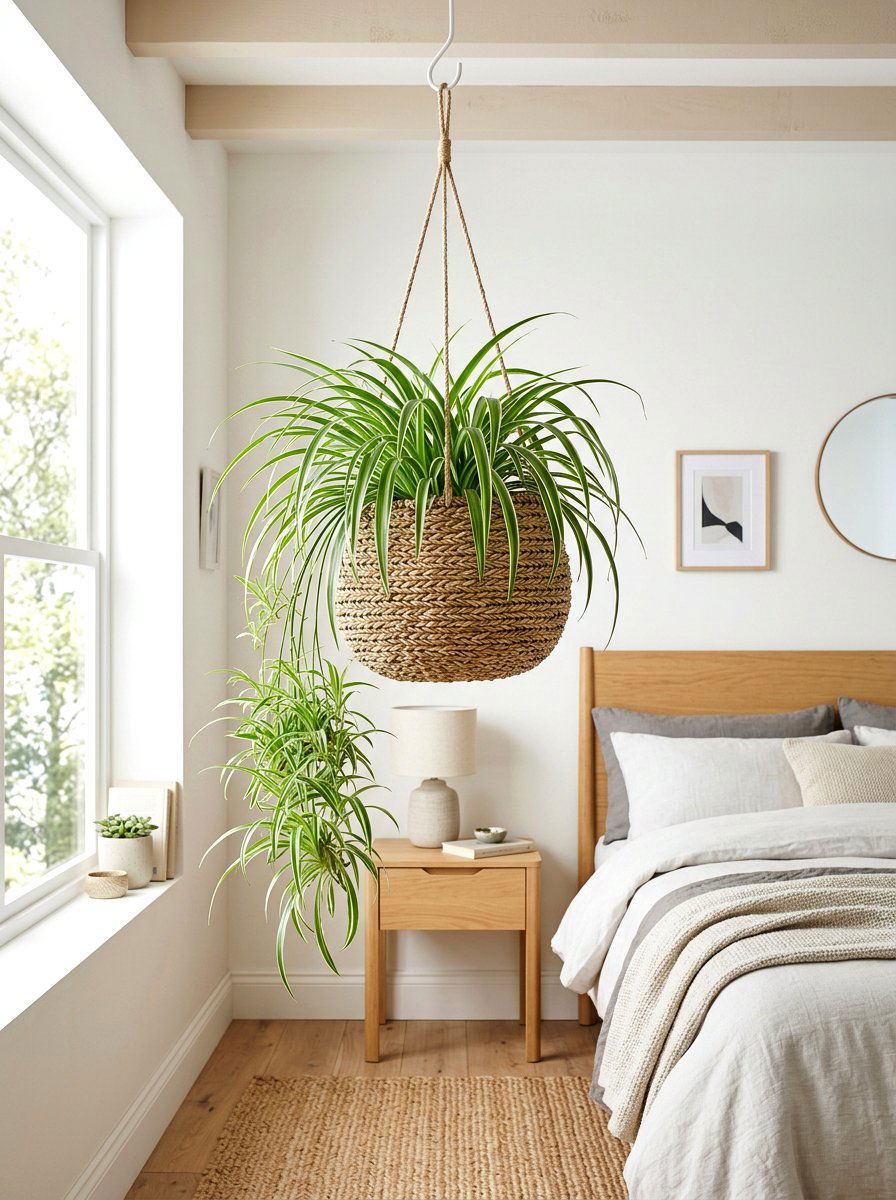
Woven seagrass baskets offer a soft, natural texture that fits perfectly with a coastal or Scandinavian-inspired design theme. You can use these baskets as decorative outer covers for standard plastic pots, giving your hanging plants a more finished and intentional look. The light, sandy color of the seagrass complements almost any plant type, from vibrant flowering annuals to deep green tropical foliage. Because seagrass is a natural material, it is best to use these baskets in covered outdoor areas or indoors to protect them from excessive rain. They add a warm, organic feel to a room and help to soften more modern, hard-edged spaces.
30. Industrial pipe rack
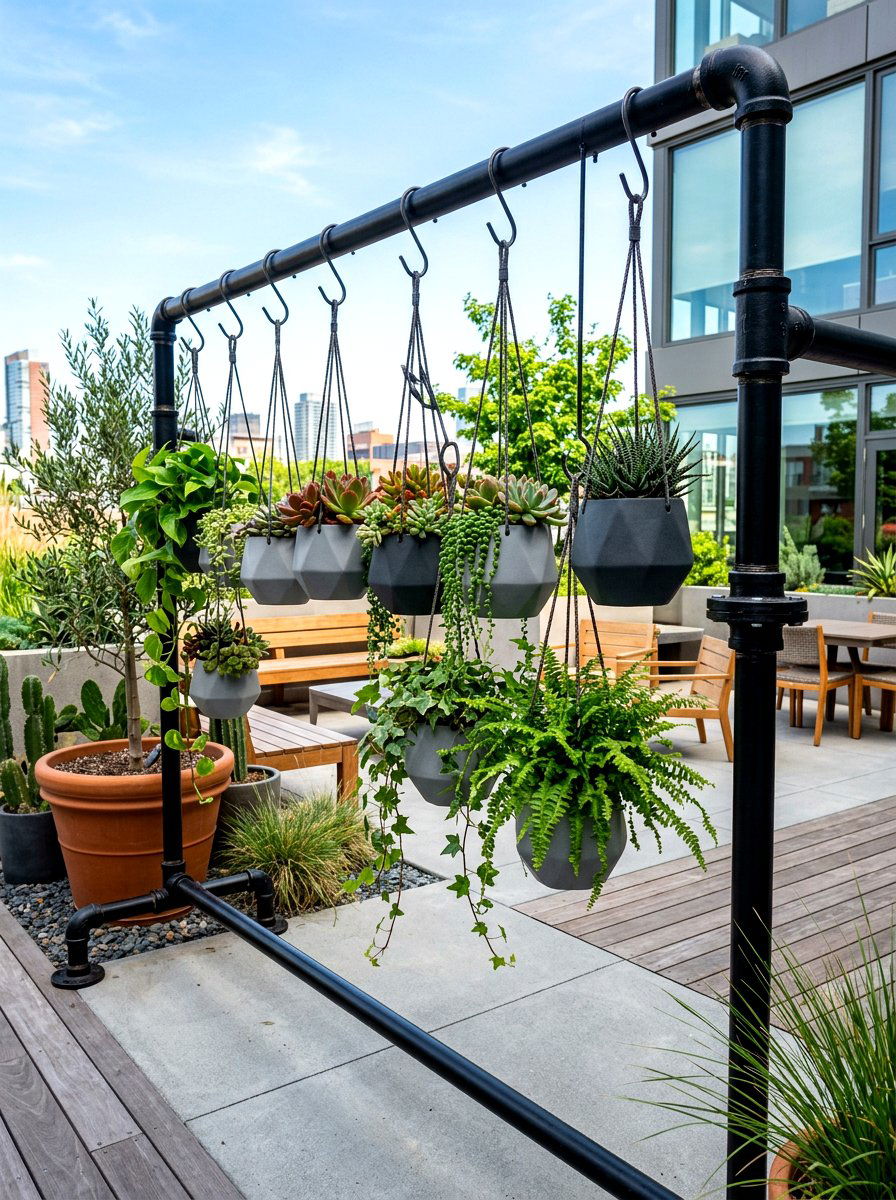
For a truly modern and edgy look, you can build a hanging garden rack using black industrial pipes and fittings. This sturdy structure can be mounted to a wall or ceiling, providing multiple bars from which to hang various containers using hooks or chains. The contrast between the cold, dark metal and the soft, organic plants creates a striking visual balance that is perfect for a loft-style apartment or a contemporary patio. This system is incredibly strong and can support large, heavy pots that might be too much for a standard hook. It is a bold design choice that turns your garden into a statement piece.
Conclusion:
Creating a hanging container garden is one of the most rewarding ways to bring life and beauty into your living environment, regardless of the size of your home. By exploring these thirty diverse ideas, you can find the perfect match for your personal style and local climate. From the rustic charm of repurposed wood crates to the sleek lines of industrial pipe racks, there is a vertical solution for every aesthetic. Remember to consider the specific light and water needs of your plants to ensure they thrive in their elevated homes. With a little creativity and care, your hanging garden will become a vibrant, flourishing sanctuary for years.

Related posts: