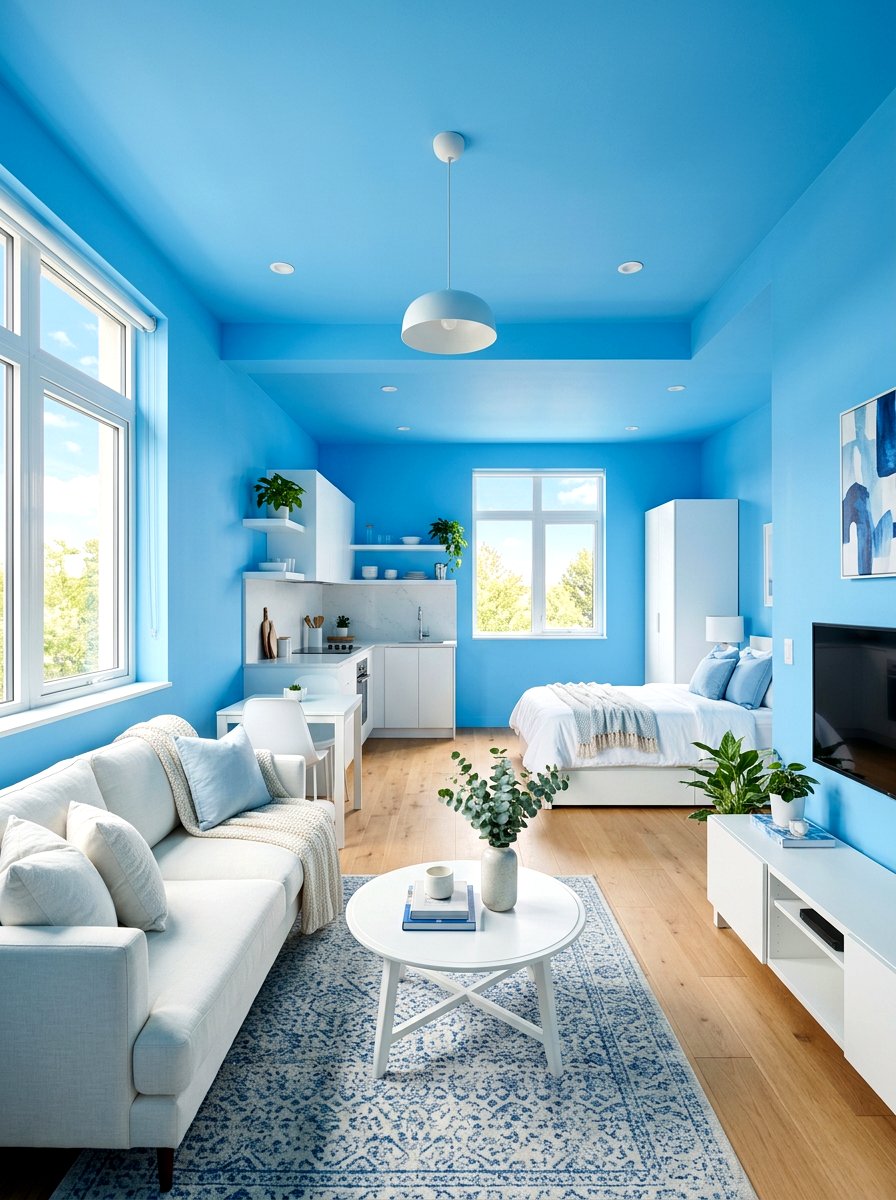
Choosing the right area rug placement can completely transform the aesthetic and functionality of your home interior. It is often more important than the pattern itself because it defines the spatial boundaries of a living area. Whether you are working with a sprawling open-concept floor plan or a cozy studio apartment, the way you position your rug dictates the flow of traffic and visual balance. In this guide, we explore thirty distinct ways to arrange rugs across various rooms to create a professional and polished look. From layering textures to grounding heavy furniture, these strategies ensure every square inch of your flooring serves a clear purpose in your modern home design.
1. Living Room All Furniture On Rug
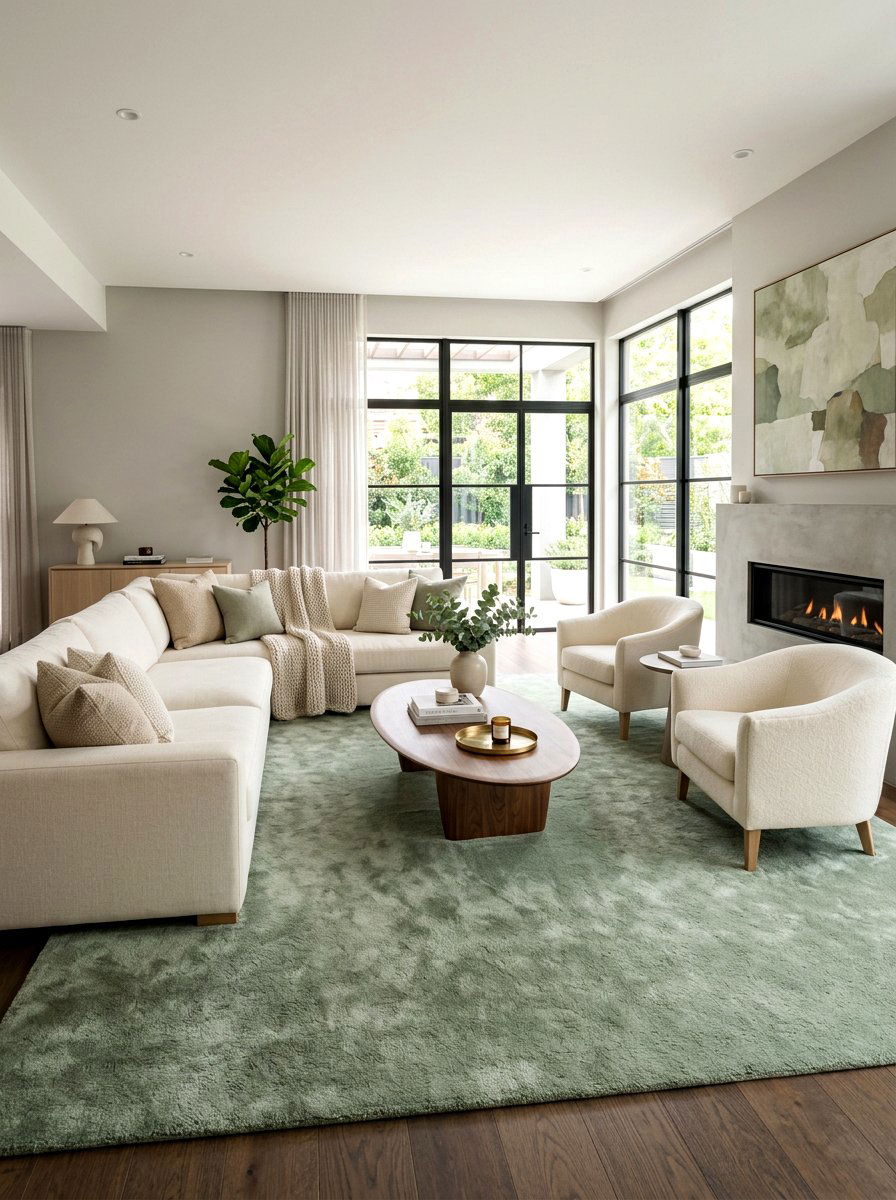
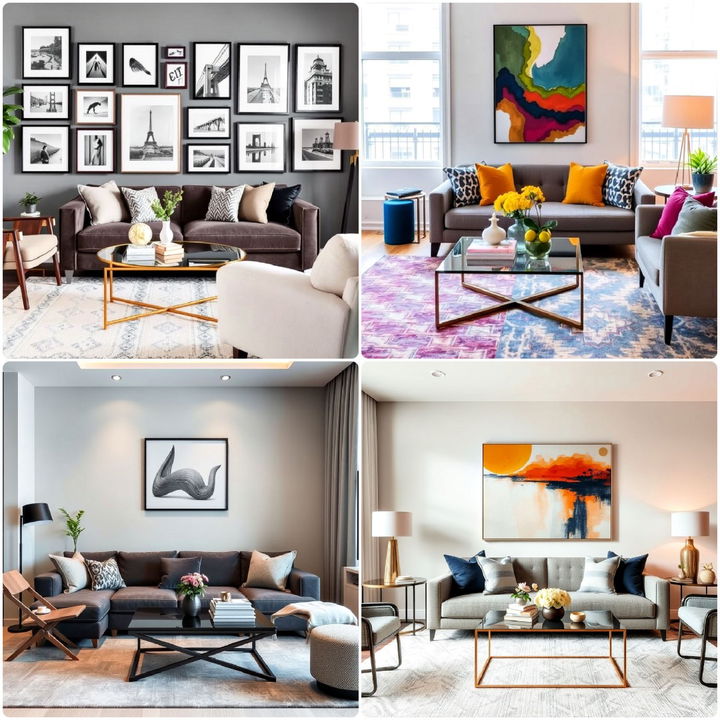
Placing all your living room furniture entirely on a large area rug creates a unified and cohesive island within a larger room. This technique is particularly effective in open-concept spaces where you need to define a specific conversation area without using physical walls. By ensuring the sofa, armchairs, and side tables all sit comfortably on the rug surface, you provide a sense of luxury and scale that feels intentional. It prevents the furniture from looking like it is floating aimlessly in the room. For the best results, leave about twelve to eighteen inches of bare floor around the rug edges to maintain a balanced look.
2. Living Room Front Legs On Rug
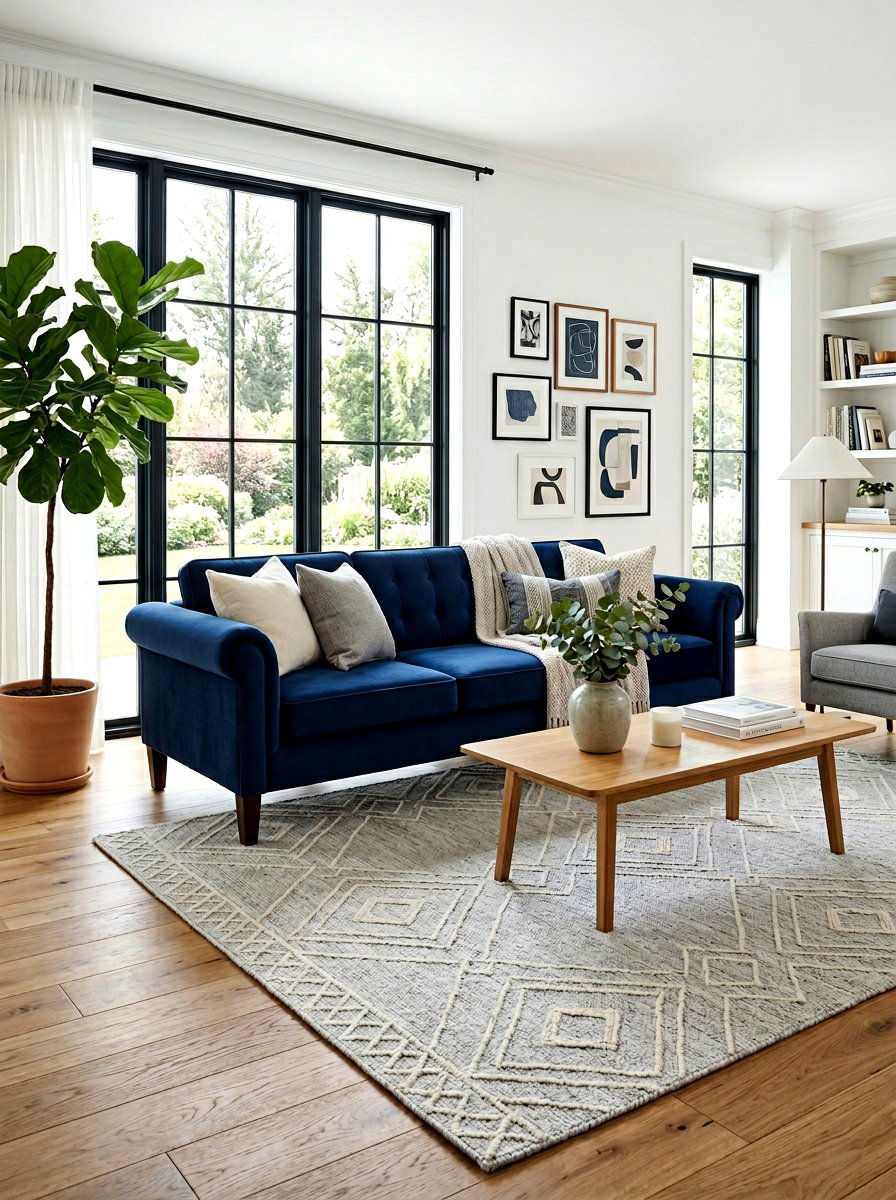
A popular choice for medium-sized living rooms is placing only the front legs of your seating on the rug. This arrangement helps anchor the furniture to the carpet while allowing the back legs to rest on the bare floor. It is a cost-effective solution because it allows you to use a slightly smaller rug without sacrificing the visual connection between pieces. This layout works well when sofas are placed against a wall, as it draws the eye toward the center of the seating group. Ensure the rug extends at least six inches past the sides of the sofa for the best architectural proportion.
3. Living Room Rug Under Coffee Table
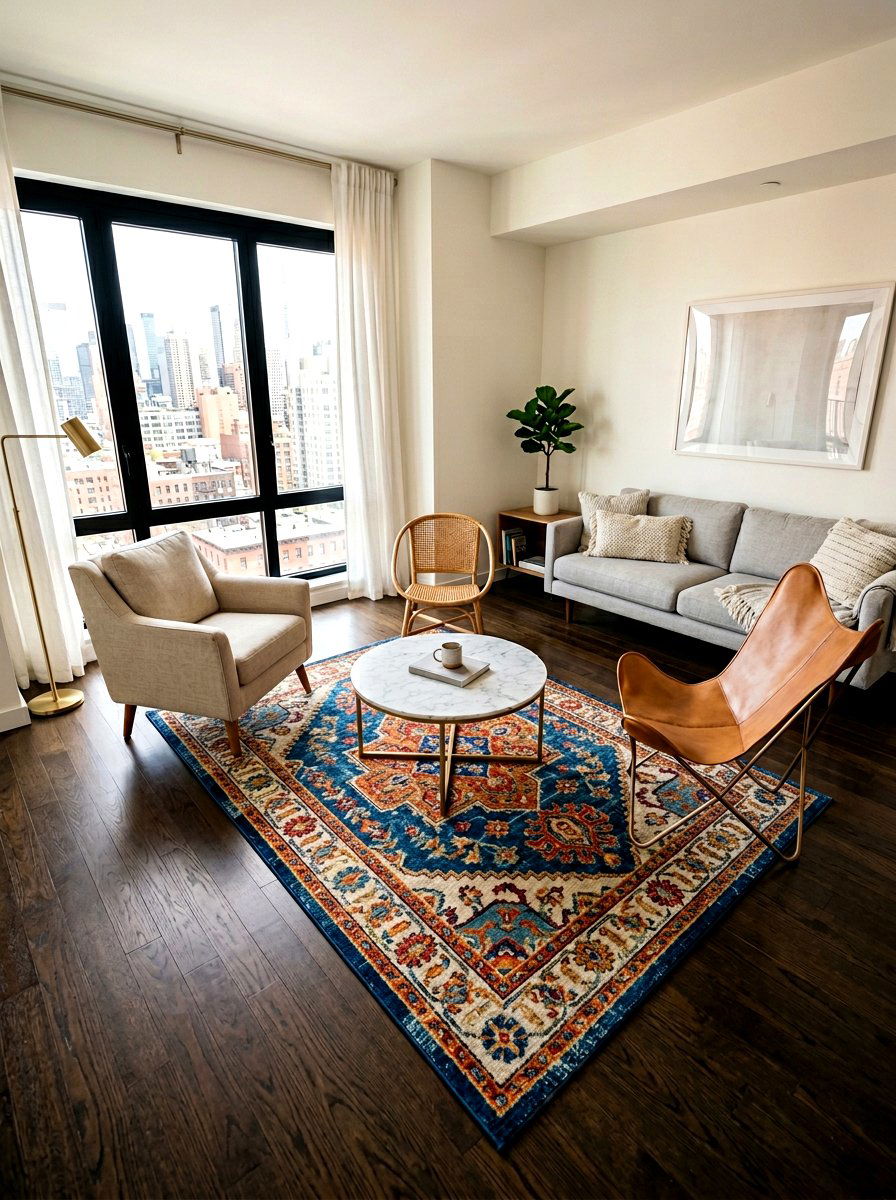
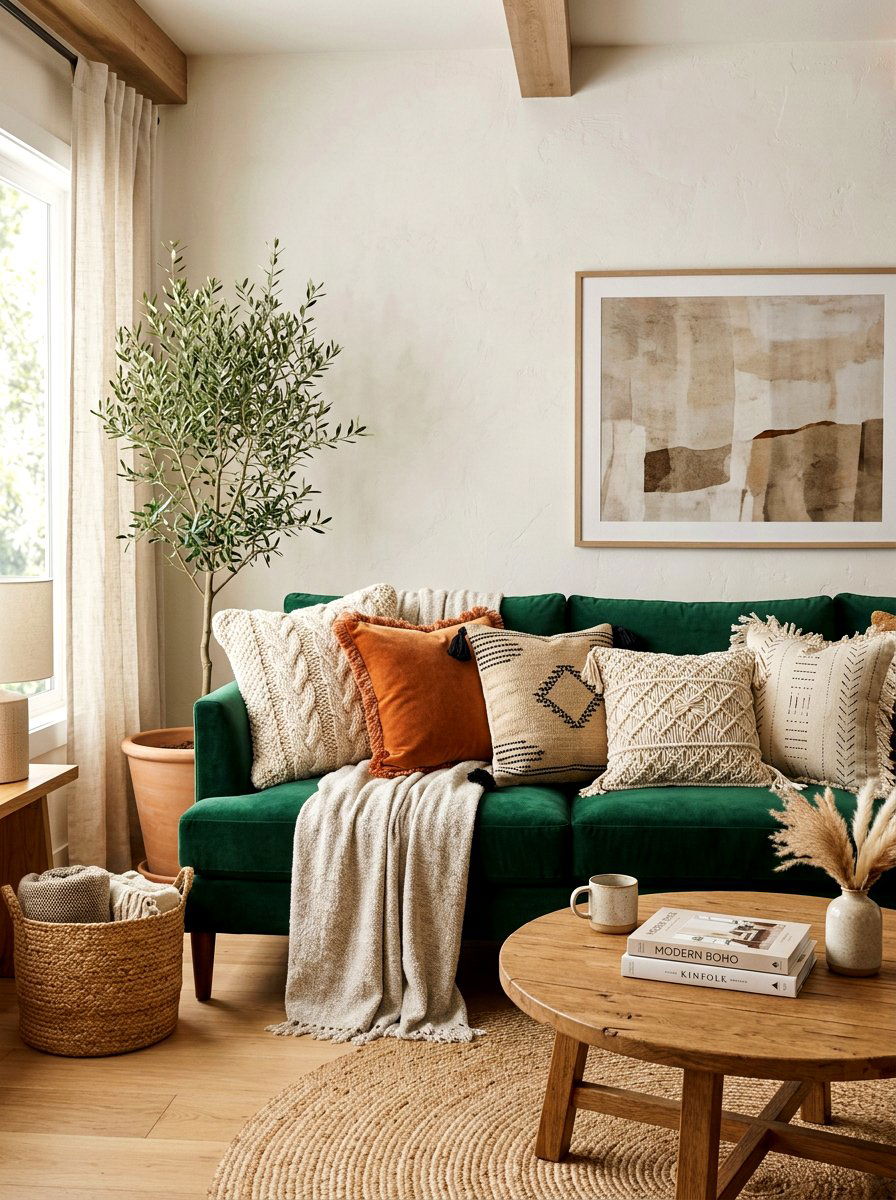
In smaller apartments or minimalist spaces, centering a rug exclusively under the coffee table serves as a strong focal point. This placement style usually involves a smaller rug that does not touch any of the surrounding seating. It works best when the rug has a bold pattern or unique texture that you want to highlight as a piece of floor art. While this layout can sometimes make a room feel smaller, choosing a rug with high visual impact can make the central area feel intentionally curated. It is perfect for showcasing beautiful hardwood floors while still providing a soft touch for the feet.
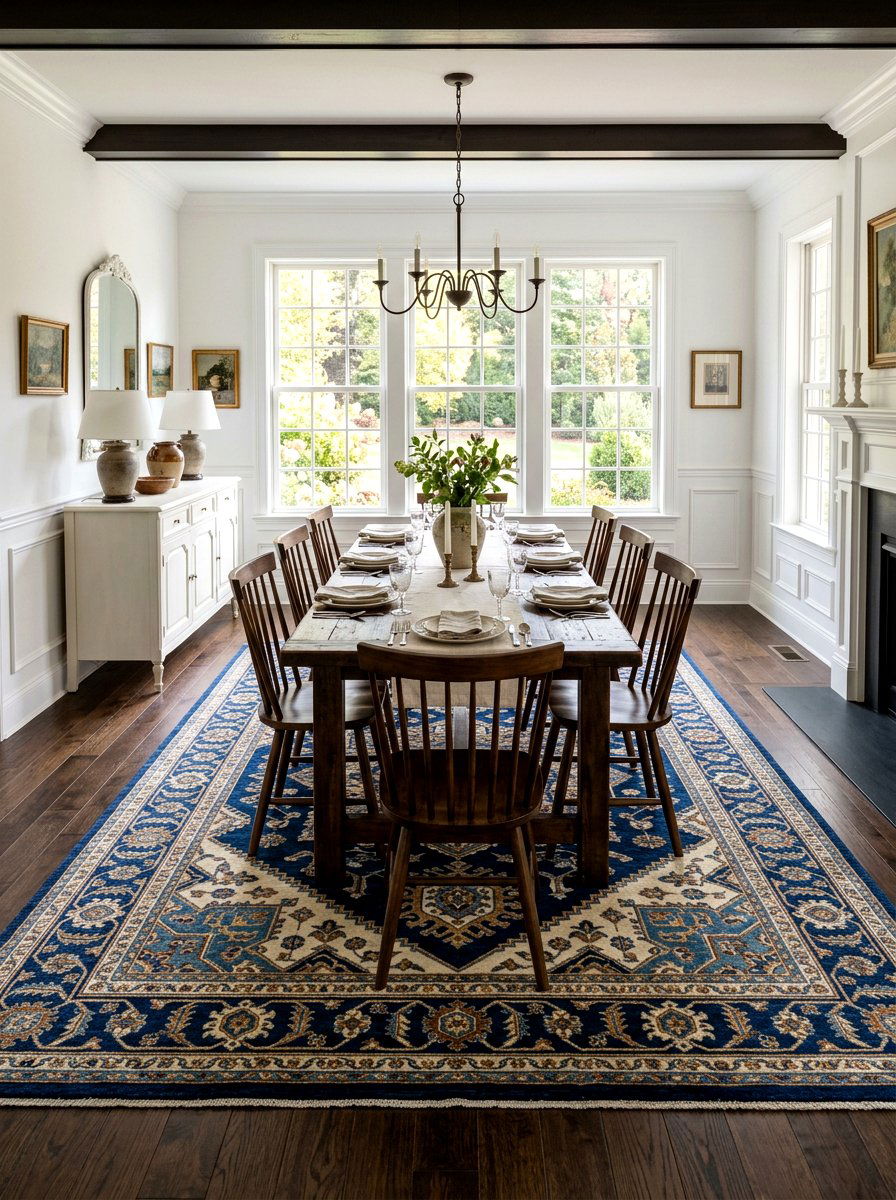
4. Dining Table And Chairs On Rug
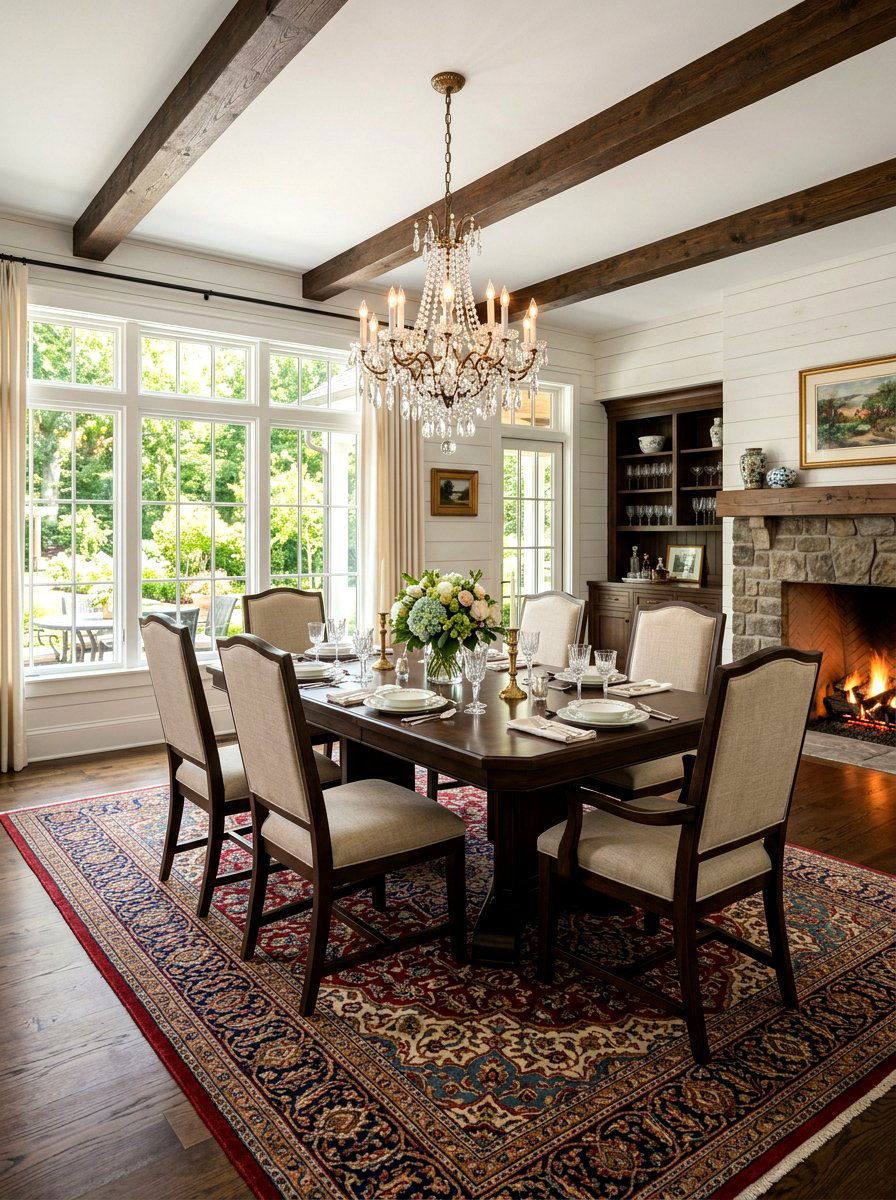
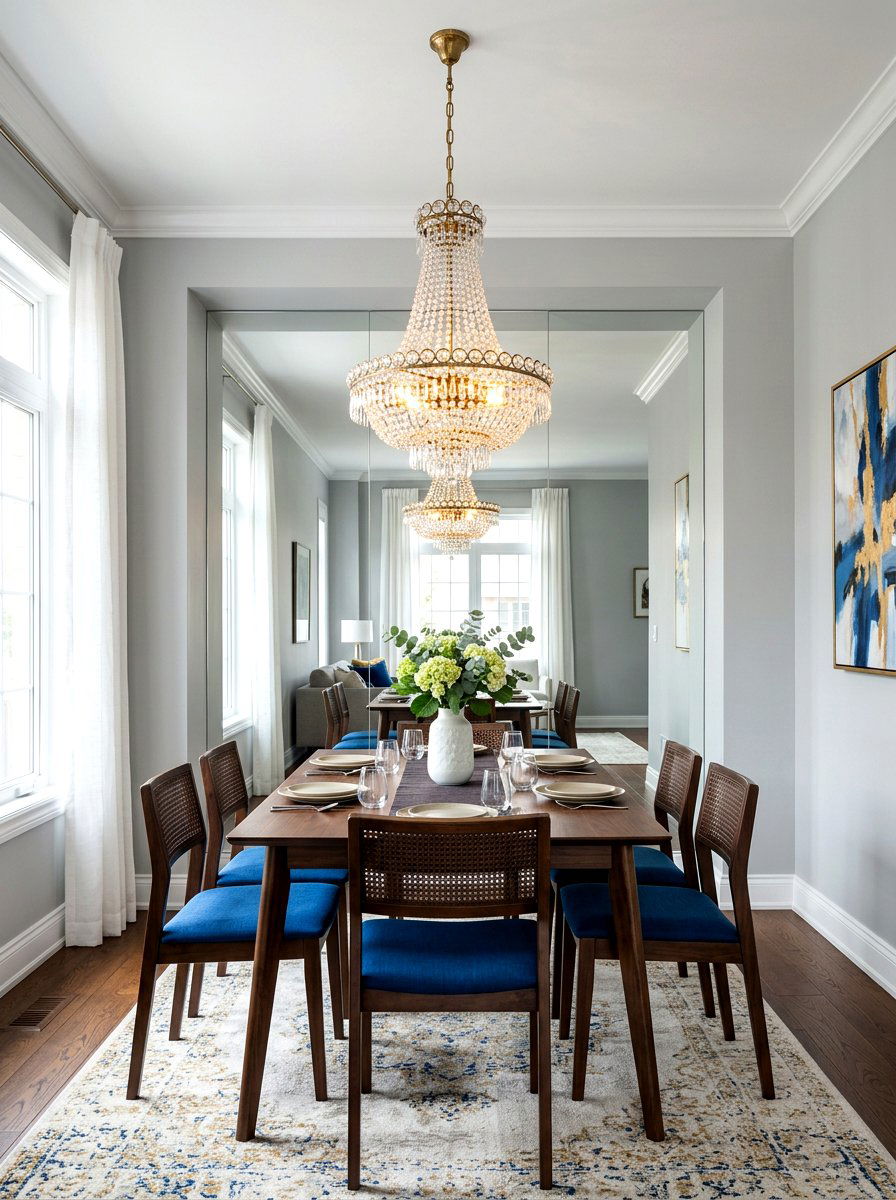
When placing a rug in the dining room, the most important rule is ensuring all chair legs remain on the rug even when pulled out. A rug that is too small can cause chairs to trip or wobble, which ruins the dining experience. Ideally, the rug should extend at least twenty-four inches beyond the table on all sides. This generous sizing provides a comfortable and safe surface for guests to move their chairs. Using a rug in this space also helps muffle the sound of sliding chairs and conversation, making the dining atmosphere feel much more intimate and high-end.
5. Rug Under King Bed Entirely
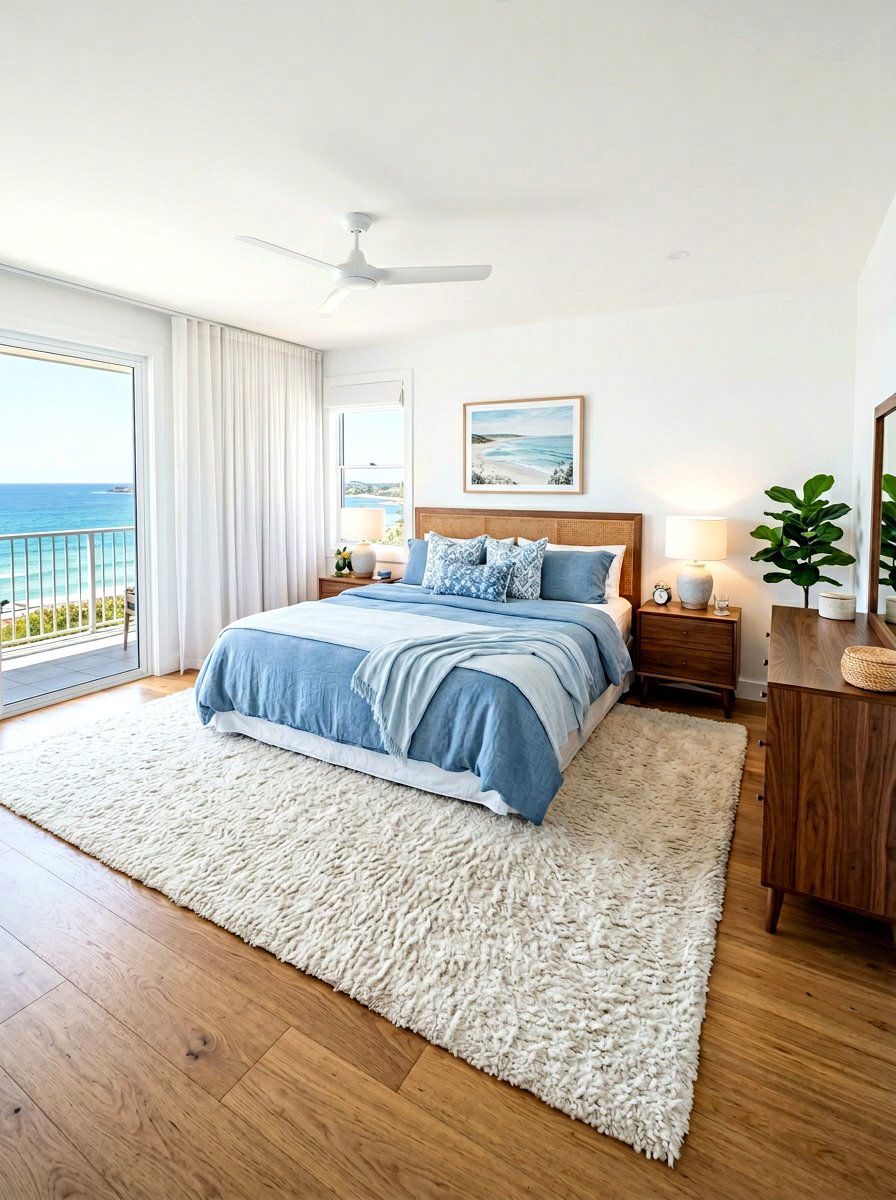
For a master bedroom that feels like a luxury hotel suite, place a massive rug so it fits entirely under the king bed and nightstands. This layout creates a soft perimeter around the entire sleeping zone, ensuring you never have to step onto a cold floor in the morning. To achieve this look, you will typically need a nine-by-twelve or larger rug. The rug should extend evenly on both sides and at the foot of the bed. This grounding technique makes the bed feel like the true centerpiece of the room and helps tie in other decor elements like curtains.
6. Rug Under Bottom Half Of Bed
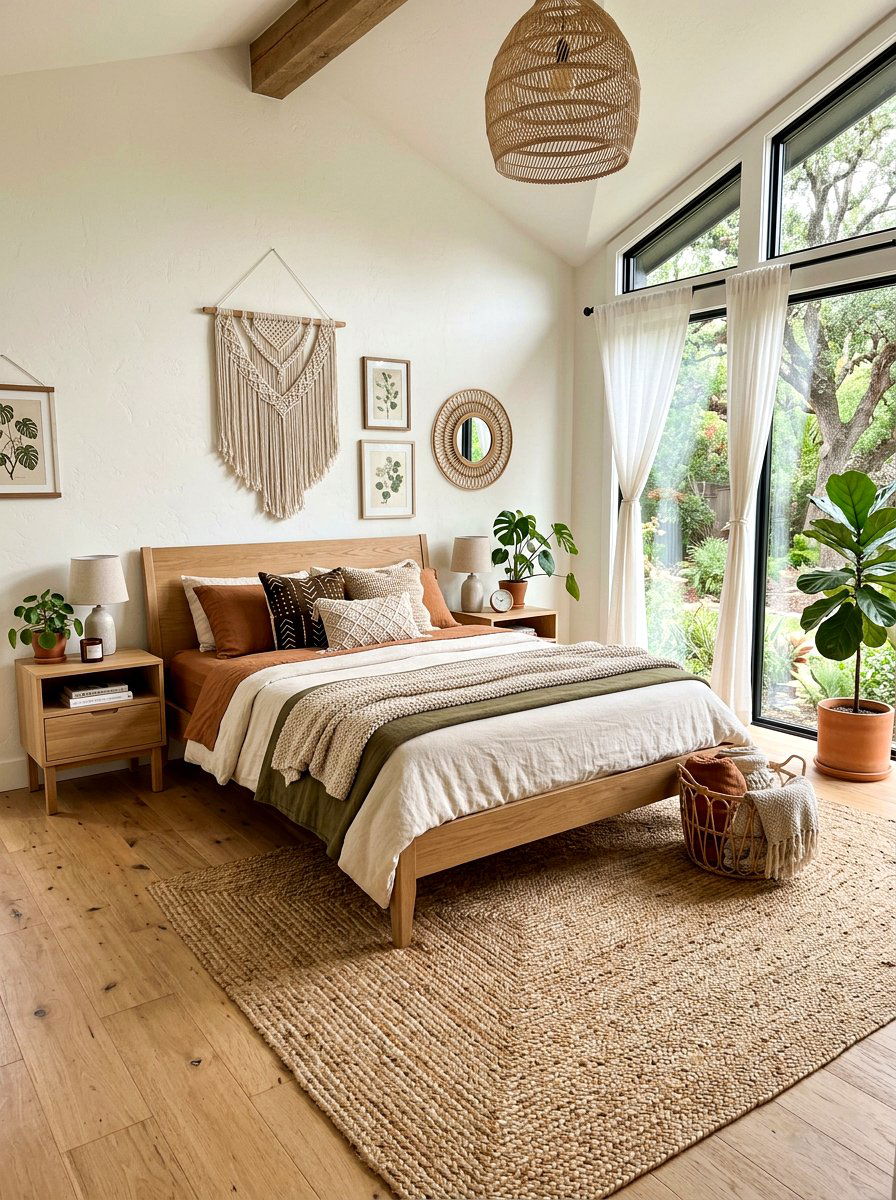
If you want to show off more of your bedroom flooring, consider placing the rug under the bottom two-thirds of the bed. In this configuration, the nightstands and the head of the bed remain on the bare floor, while the rug extends out past the foot. This is a very common and stylish placement that works well with standard eight-by-ten rugs. It provides plenty of soft space for your feet when getting in and out of bed. It also allows you to place a bench at the foot of the bed without it looking crowded or disconnected from the layout.
7. Runner On Side Of Bed
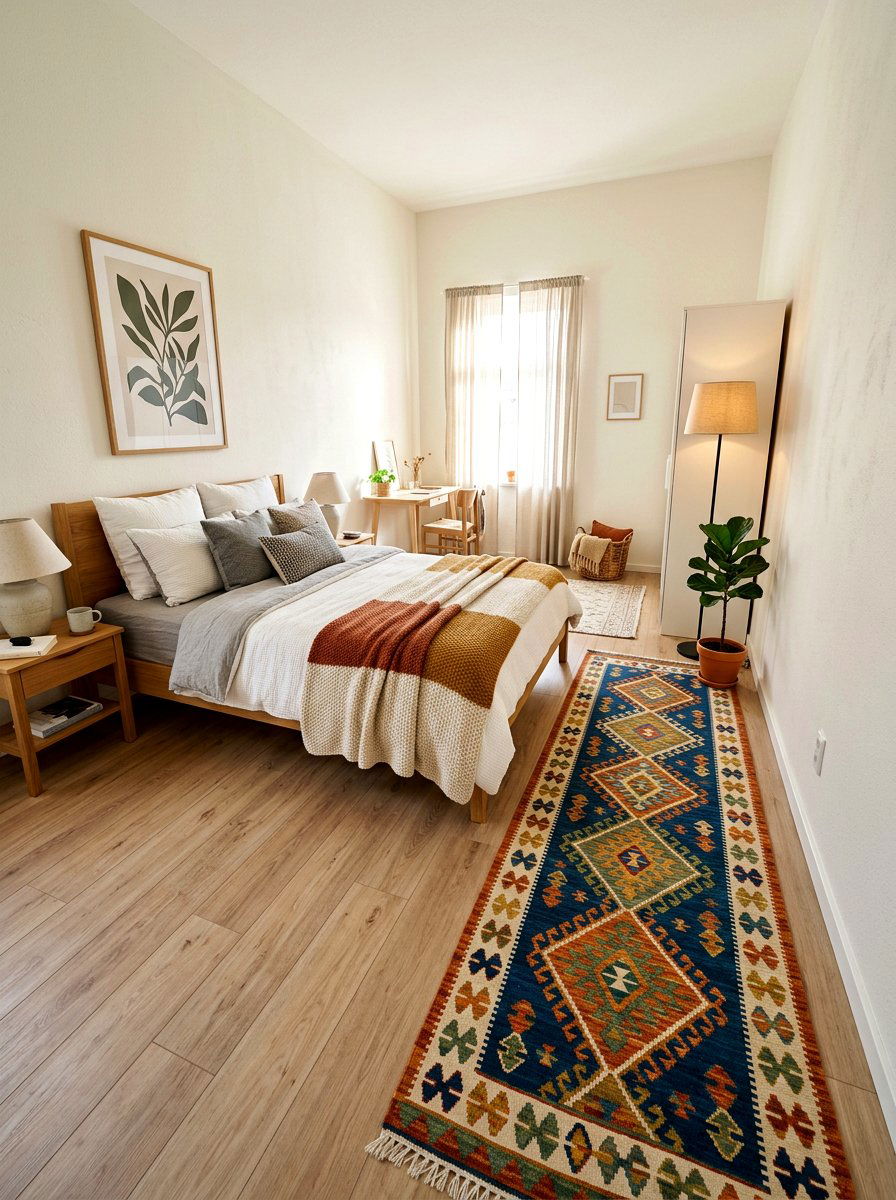
For smaller bedrooms where a large area rug might feel overwhelming, using a long runner on one or both sides of the bed is a smart alternative. This placement provides the necessary comfort for your feet without covering up beautiful floor materials. Runners are particularly useful in narrow rooms where there is not enough space between the bed and the wall for a full-sized rug. You can choose matching runners for a symmetrical look or a single vibrant runner to add a pop of color to a primary walking path. This approach keeps the room feeling airy and uncluttered.
8. Small Rug At Foot Of Bed
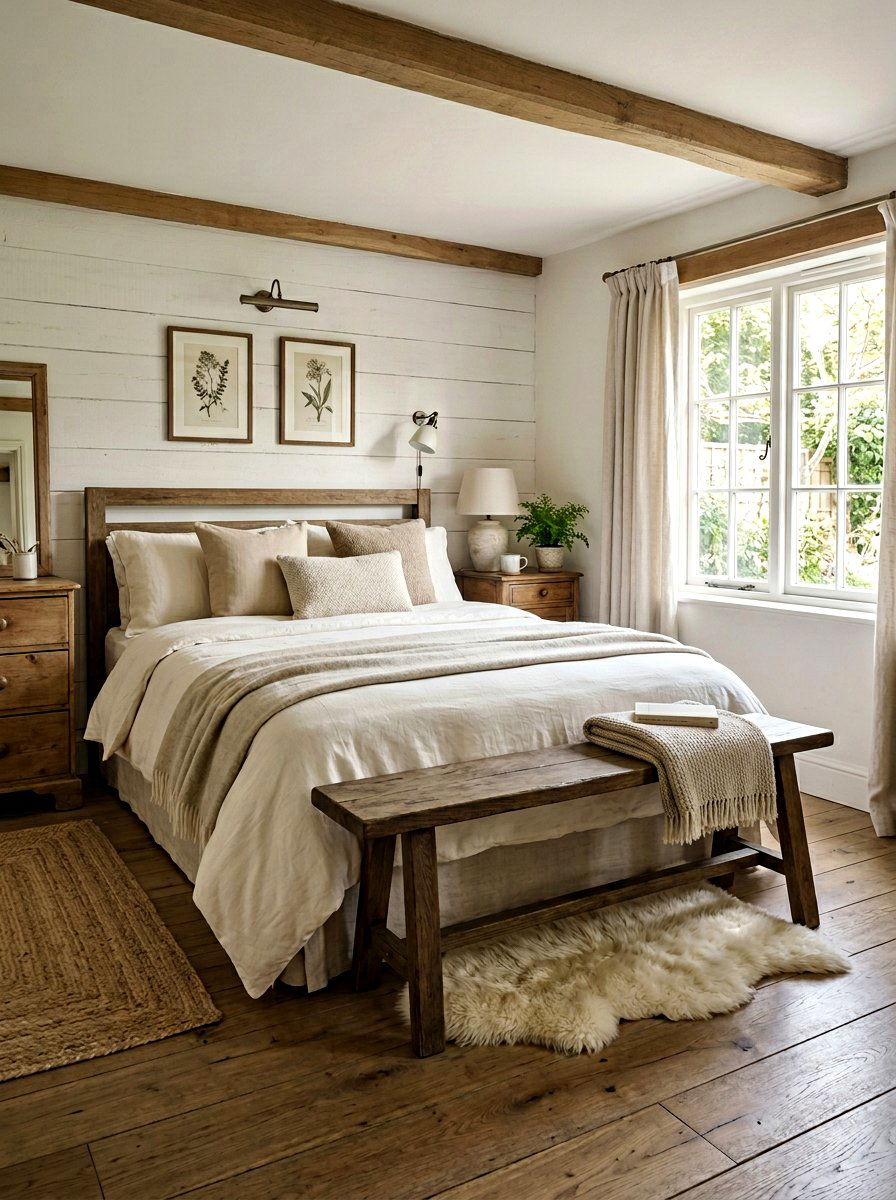
Placing a small accent rug specifically at the foot of the bed is an excellent way to add texture to a bedroom without a huge investment. This works beautifully when you have a seating bench or a small trunk at the end of your bed. The rug acts as a base for these secondary furniture pieces, creating a distinct "zone" within the sleeping area. It is a great opportunity to experiment with sheepskin or cowhide rugs which have irregular shapes. This layout adds a layer of coziness and visual interest that makes the bedroom feel more lived-in and thoughtfully decorated.
9. Runner Rug For Kitchen Island
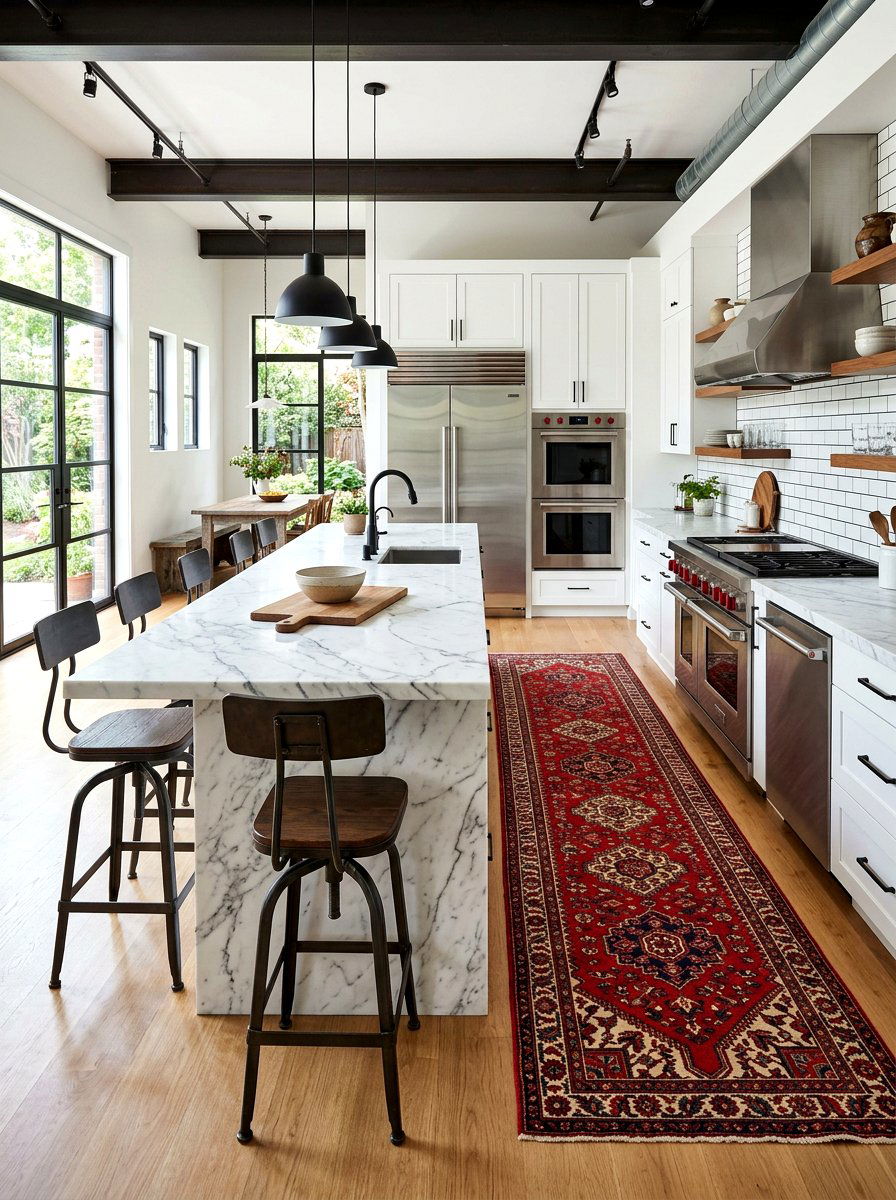
Kitchens are often full of hard surfaces, so adding a long runner rug alongside a kitchen island can bring much-needed warmth and comfort. This placement is ideal for the high-traffic area where you stand to prep food or wash dishes. A runner helps protect the flooring from spills while providing ergonomic support for your legs. Choose a durable, low-pile material that is easy to clean, as this area is prone to messes. The long, lean shape of the runner also helps elongate the kitchen, making it feel more spacious and professionally designed than a standard mat.
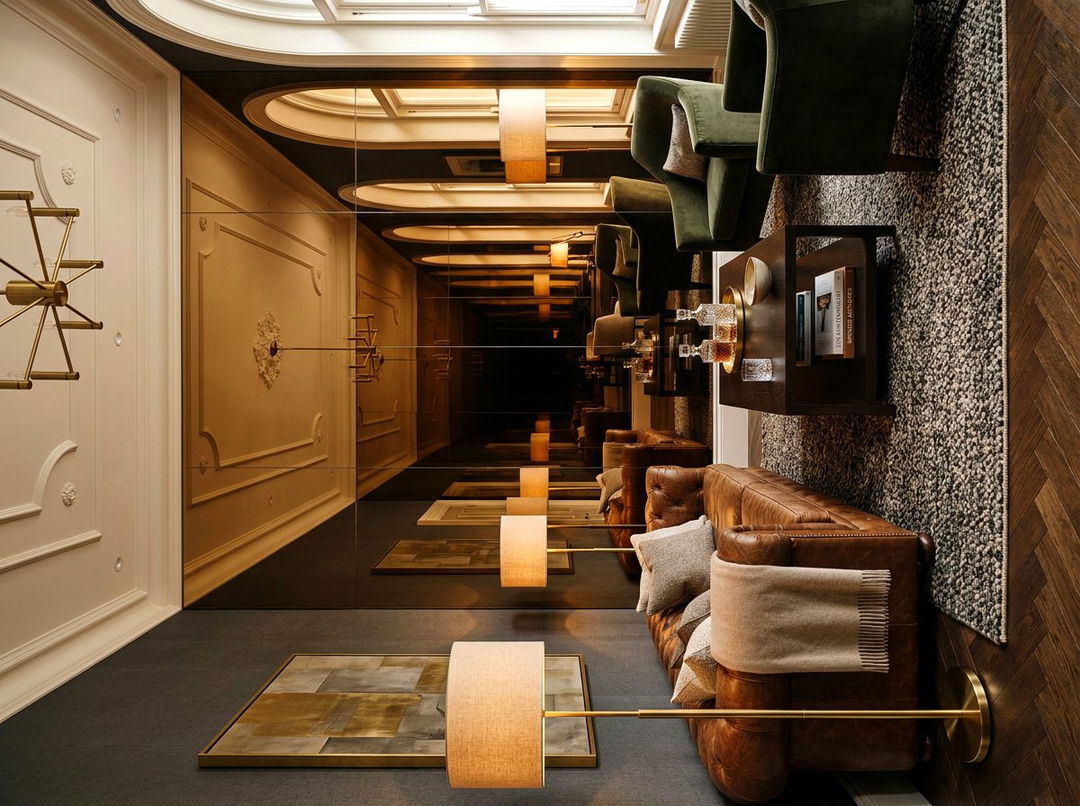
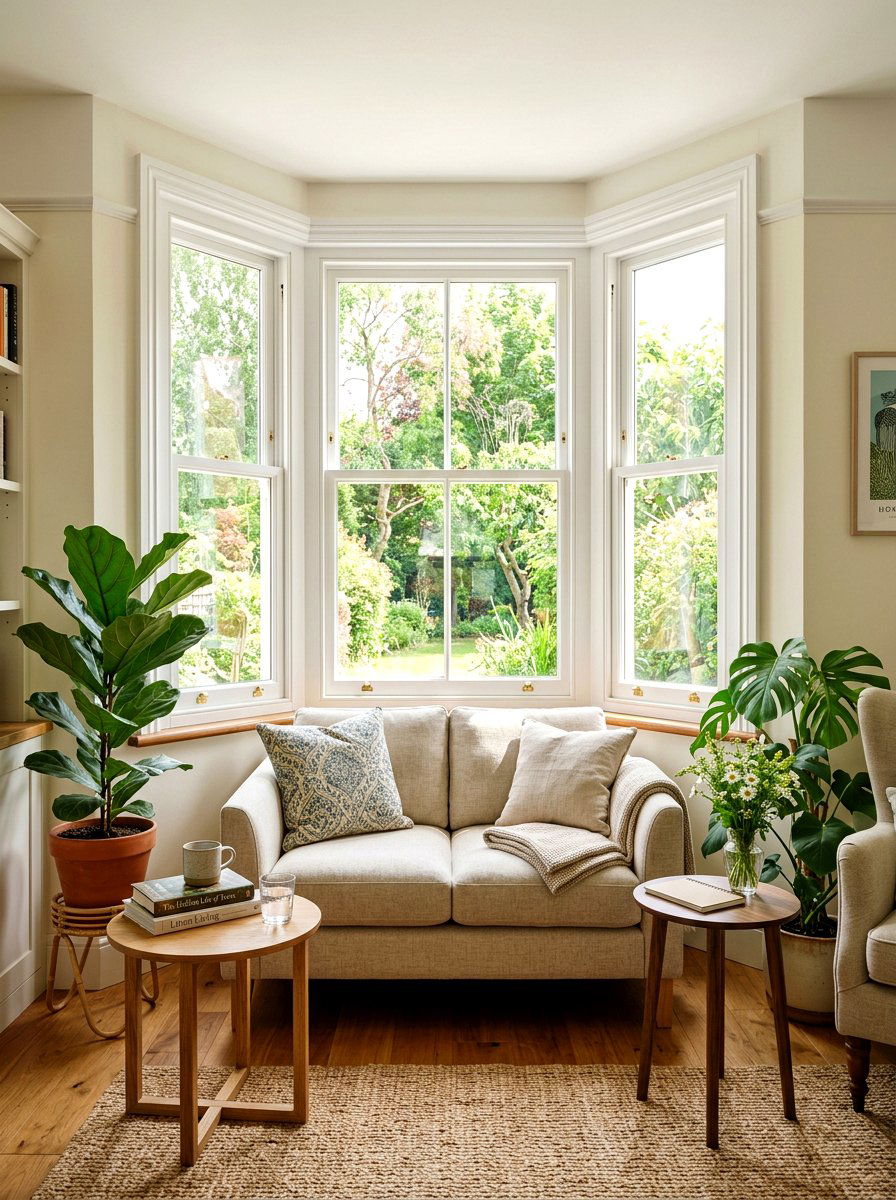
10. Rug For Front Entryway
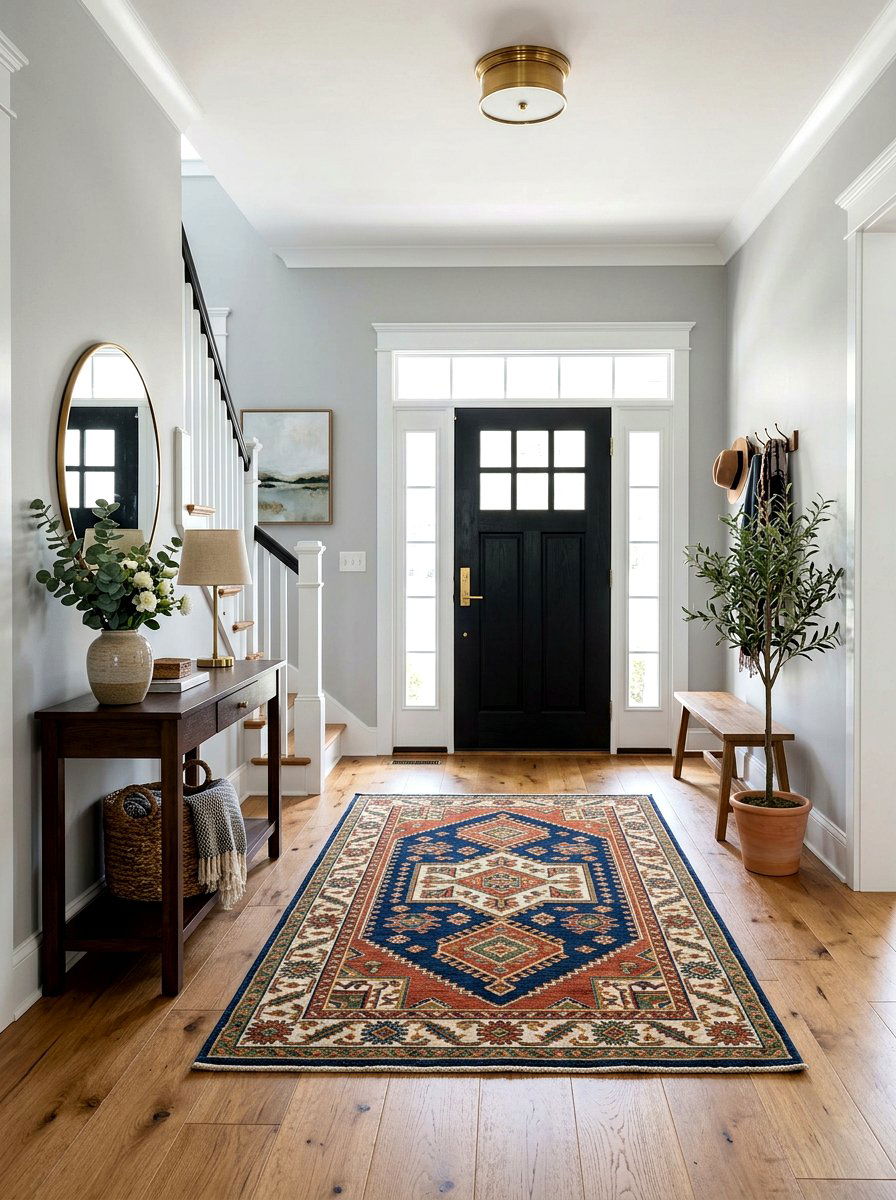
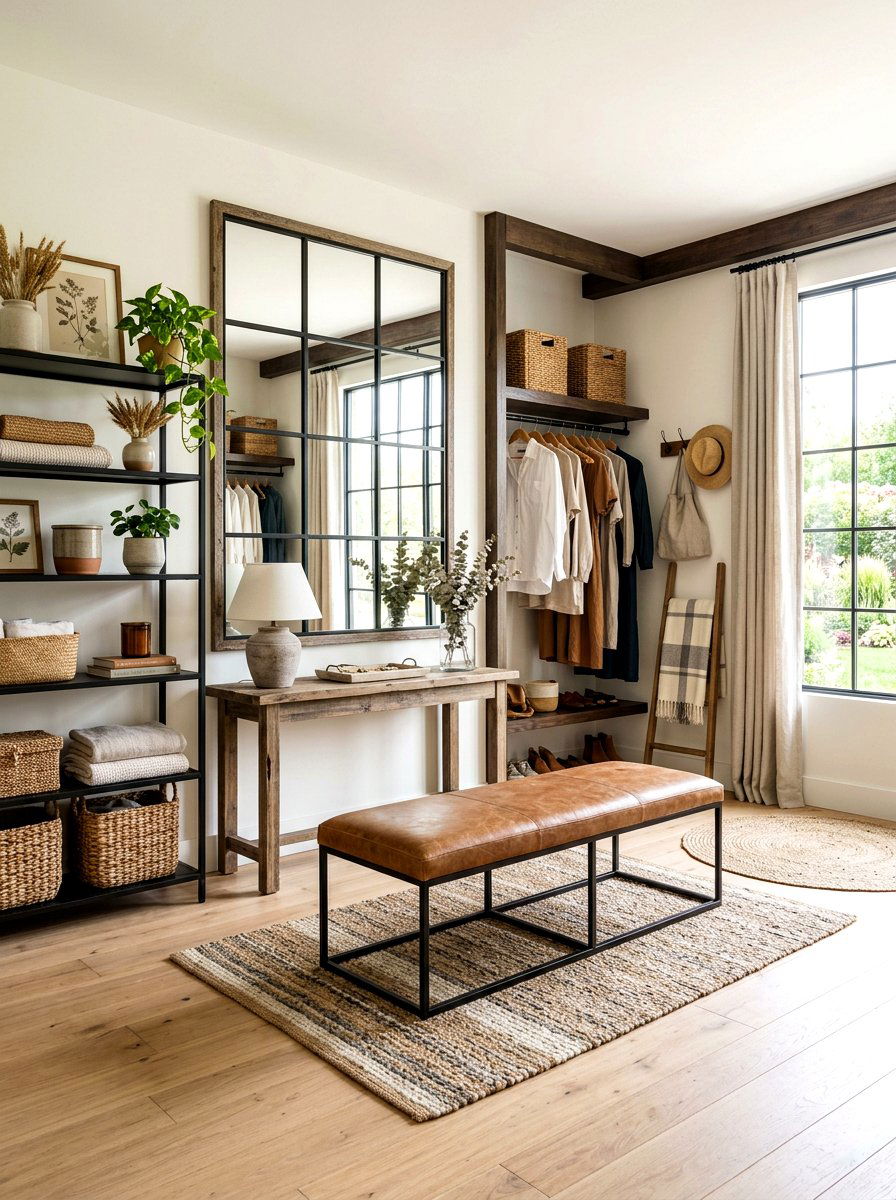
The entryway is the first thing guests see, so placing a well-sized rug in the foyer sets the tone for the entire home. A rug in this area should be centered in the space to create a welcoming landing zone. It serves a functional purpose by catching dirt and moisture before it reaches the rest of the house. Ensure the rug is low-profile enough that the front door can swing open and closed without catching on the fabric. A beautiful rug in the entry also helps define the transition from the outside world into your private, cozy living sanctuary.
11. Runner Rug For Hallway
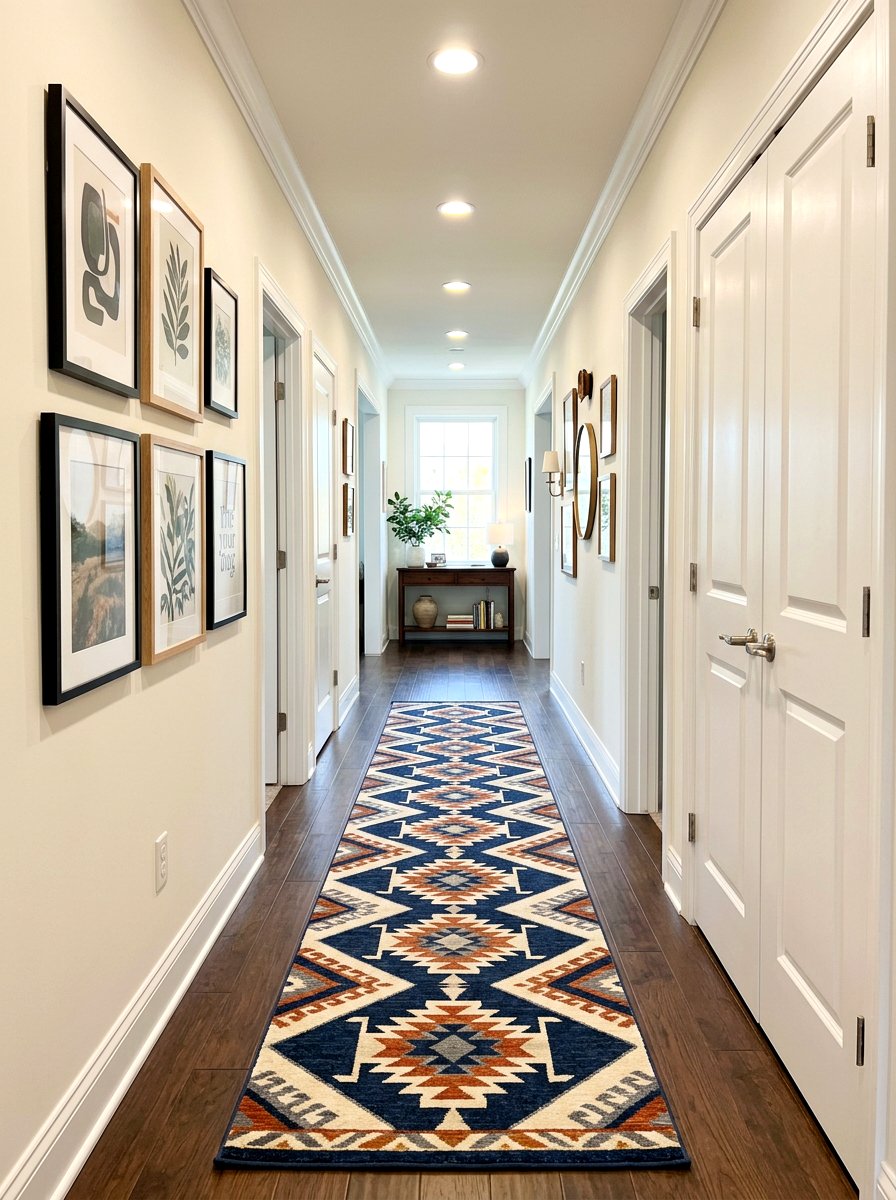
Long hallways can often feel cold and institutional, but a colorful runner rug can instantly make them feel like part of the home. When placing a runner in a hallway, try to leave a consistent border of flooring on all sides to create a "framed" effect. This guides the eye through the house and makes the transition between rooms feel more seamless. If you have a very long hallway, you can even use two matching runners with a small gap between them to break up the distance. This adds rhythm and visual interest to an otherwise overlooked architectural feature.
12. Rug Under Desk And Chair
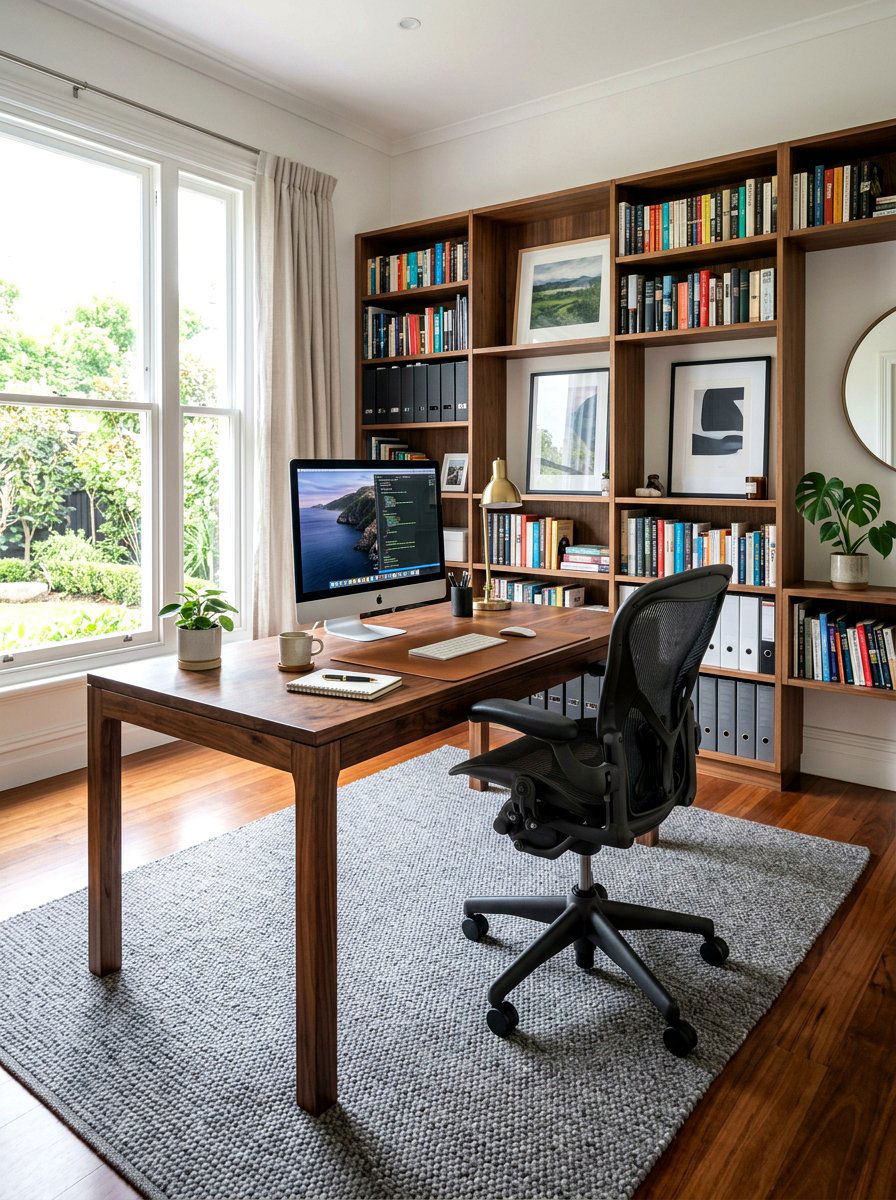
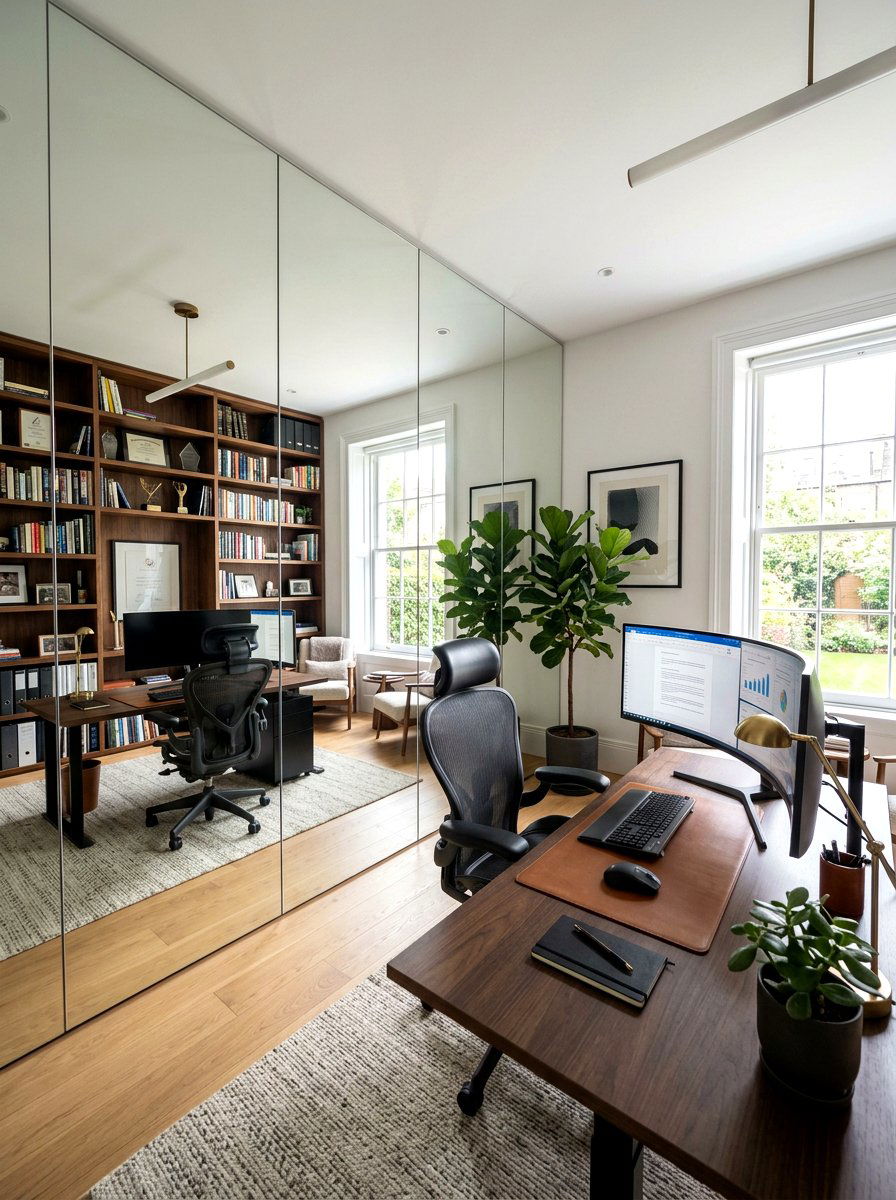
In a home office, placing a rug under the desk and chair helps define your workspace and protects the floor from the constant movement of a rolling chair. The rug should be large enough so that when you push your chair back to stand up, the wheels do not fall off the edge. A flat-weave or low-pile rug is best for this area to ensure the chair can glide smoothly. This placement also provides an opportunity to inject some personality into your office with a bold pattern that inspires creativity during your long and busy work hours.
13. Rug Under Baby Crib
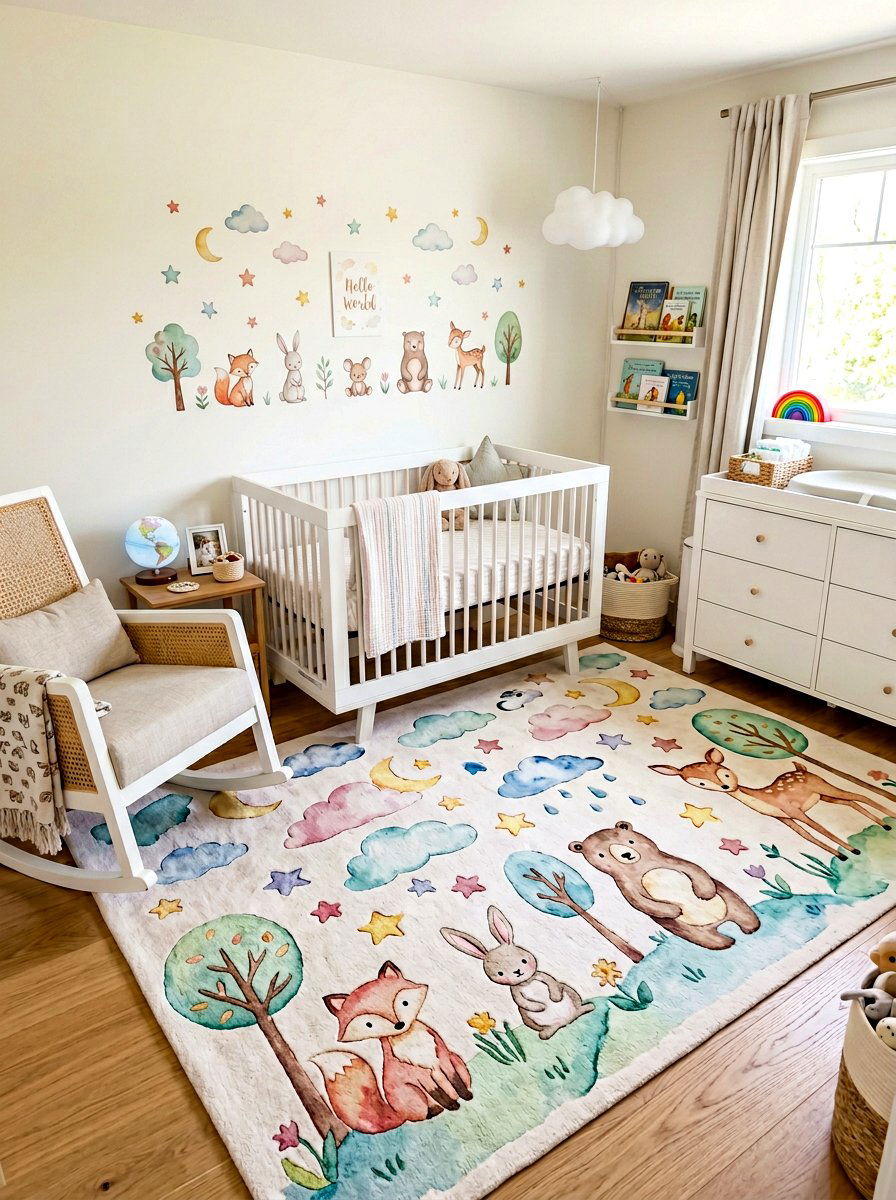
Creating a soft and safe environment in a nursery is essential, and placing a plush rug under the crib is the perfect starting point. The rug should extend out from under the crib into the center of the room to provide a comfortable surface for playtime on the floor. Choosing a rug with a thick pile can also help with soundproofing, which is a huge benefit when you are trying to tip-toe out of the room after the baby falls asleep. This placement anchors the largest piece of furniture in the room and makes the nursery feel incredibly cozy.
14. Round Rug For Reading Nook
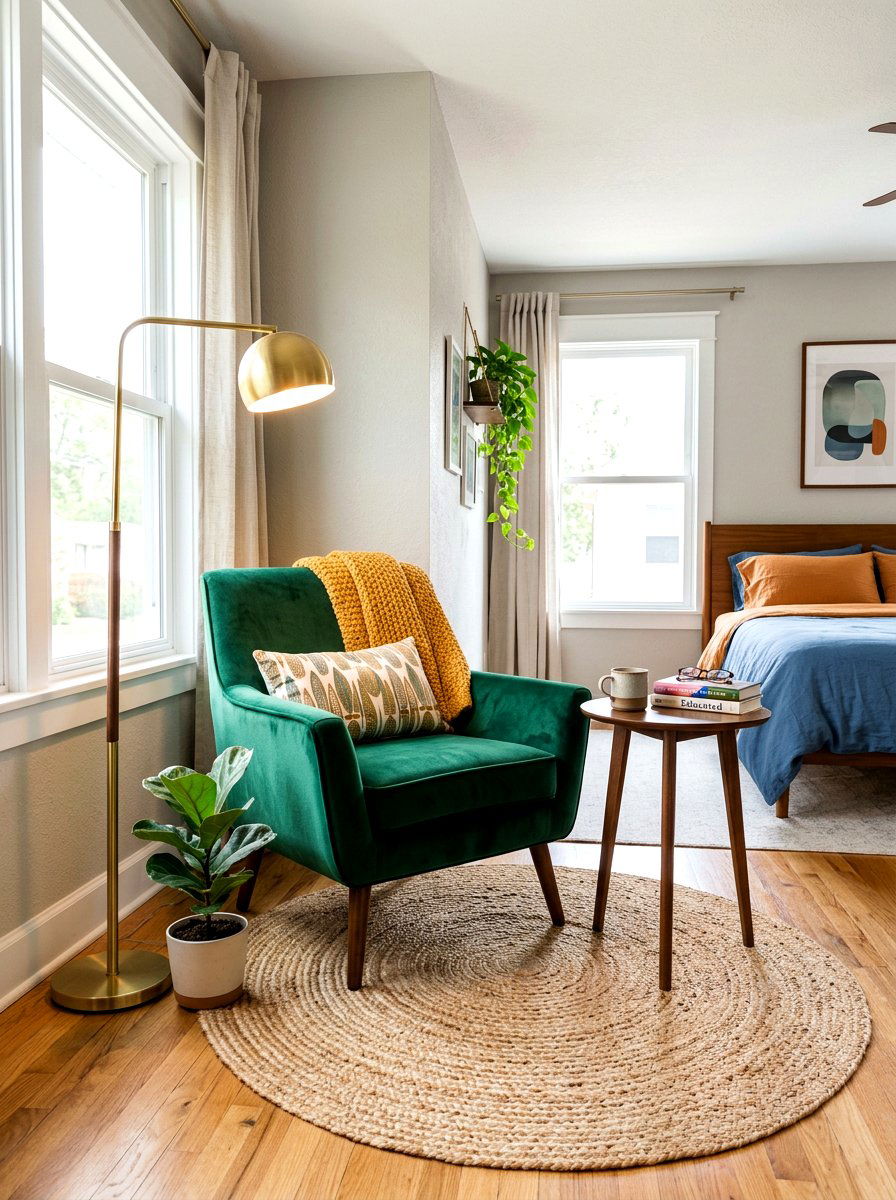
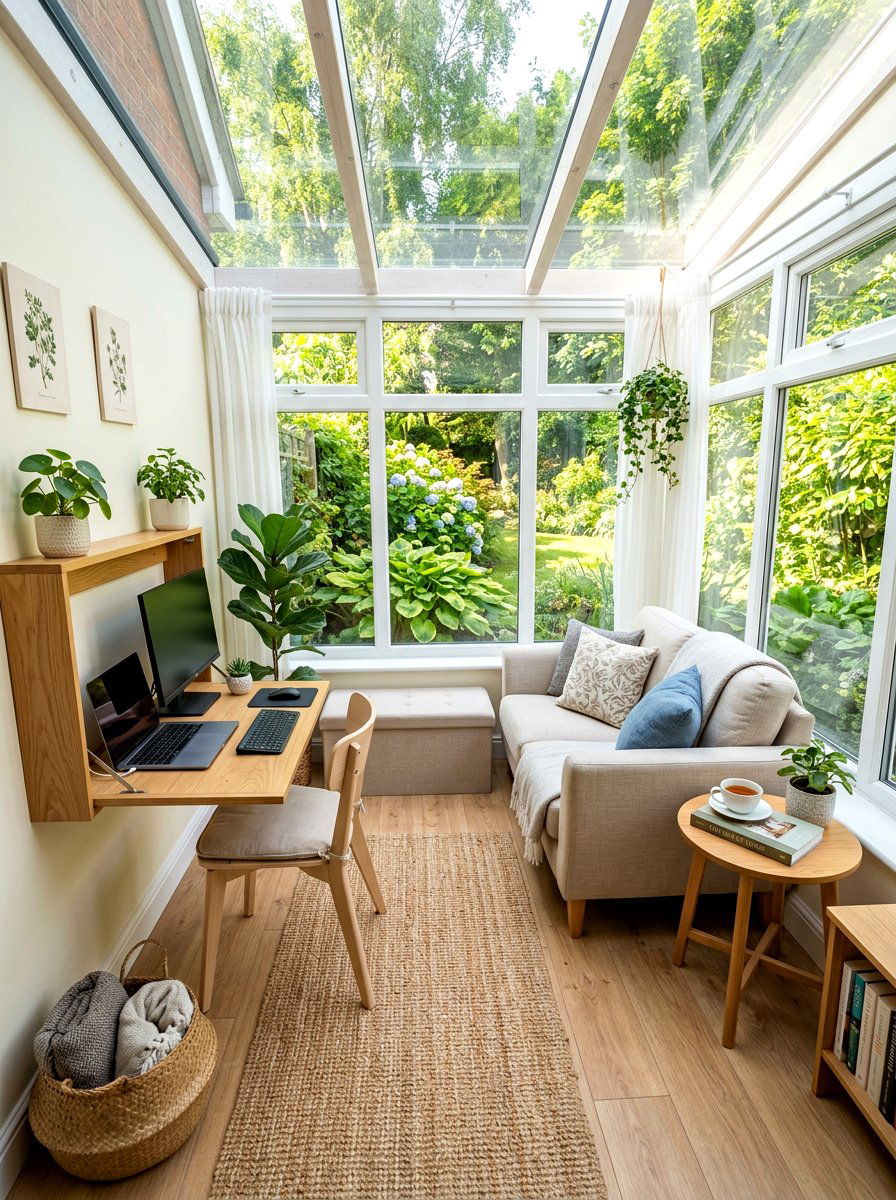
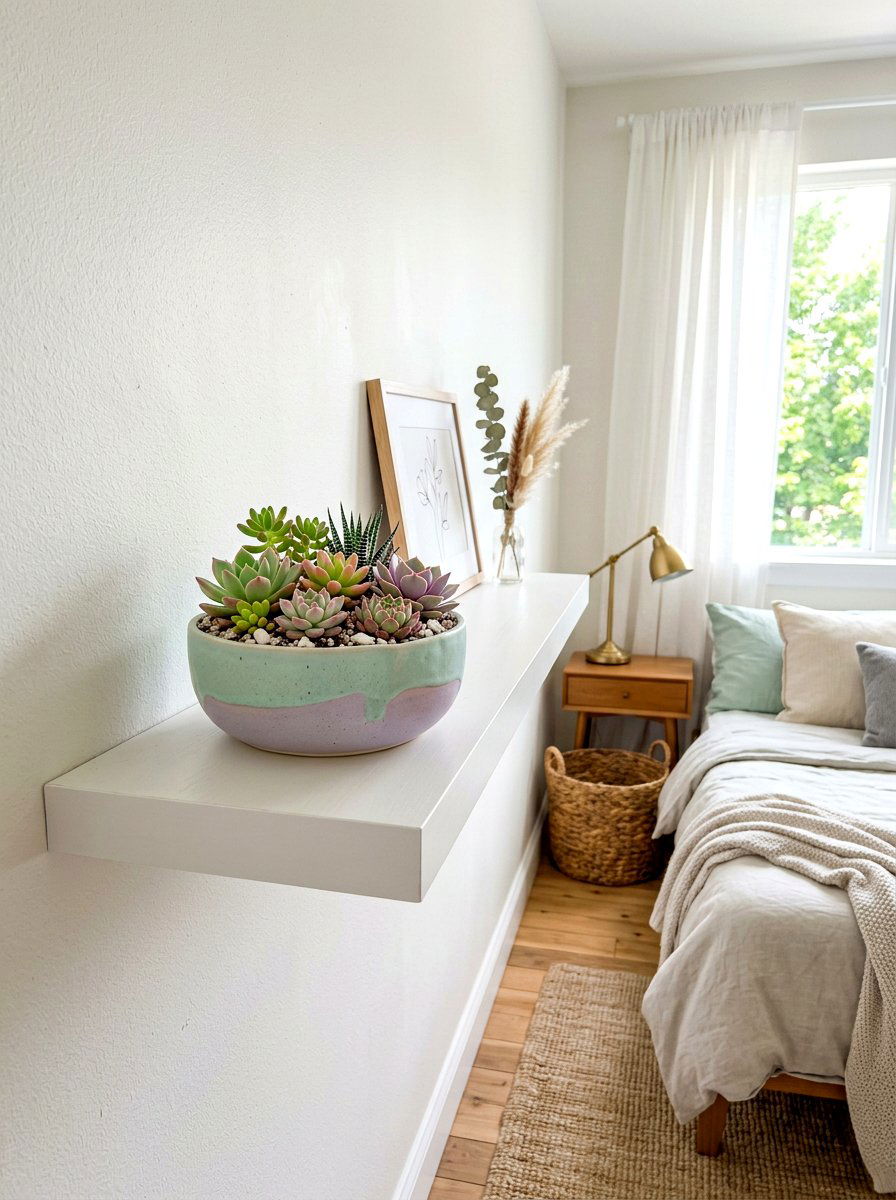
For a small reading corner or an awkward architectural nook, a round area rug is often the best placement choice. The circular shape breaks up the straight lines of the walls and furniture, creating a softer and more inviting vibe. Place a comfortable armchair and a small side table directly on the round rug to define the space as a dedicated relaxation zone. This layout works particularly well in the corners of bedrooms or living rooms where a rectangular rug would feel too cramped. It turns a simple chair into a charming and stylish destination within your home.
15. Rug Layered Over Carpet
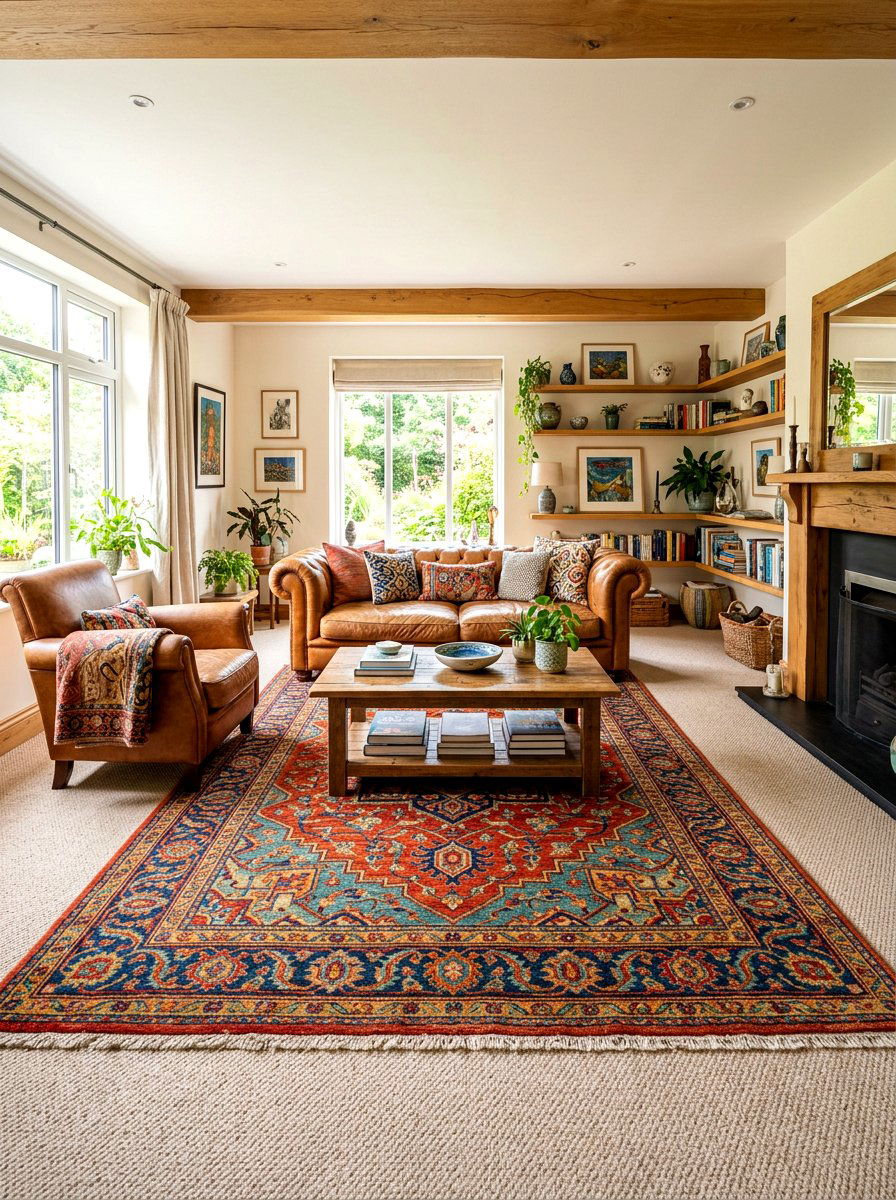
If you have wall-to-wall carpeting but want to add more style, layering an area rug directly over the carpet is a fantastic design trick. This placement allows you to define a specific seating area and introduce patterns that the base carpet lacks. It is also a great way to hide stains or wear in high-traffic spots on your existing carpet. To make this look work, choose a rug with a different texture than the carpet beneath it, such as a flat-weave jute rug over a plush pile. This adds depth and a sophisticated, designer-level dimension to the room.
16. Rug Under Two Seating Areas
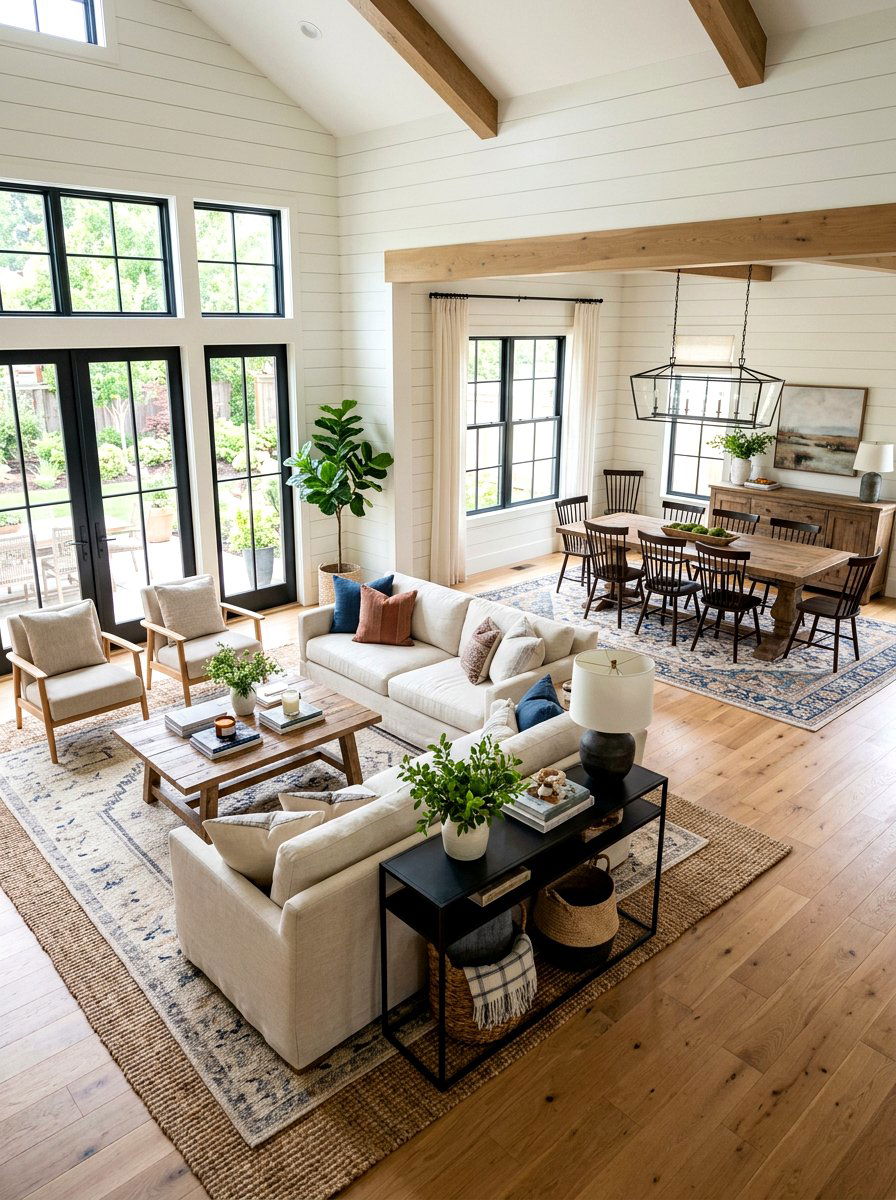
In large, open-concept great rooms, you may have two separate seating arrangements that need to be unified or distinguished. You can use two large rugs to create two distinct islands of furniture, allowing each area to have its own personality. Alternatively, if the areas are close together, a single massive rug can encompass both groups to make the large space feel more cohesive and less fragmented. This placement strategy is essential for managing the flow of a big room and ensuring that guests know where to gather. It provides a structured foundation for complex furniture layouts and designs.
17. Runner For Double Vanity Bathroom
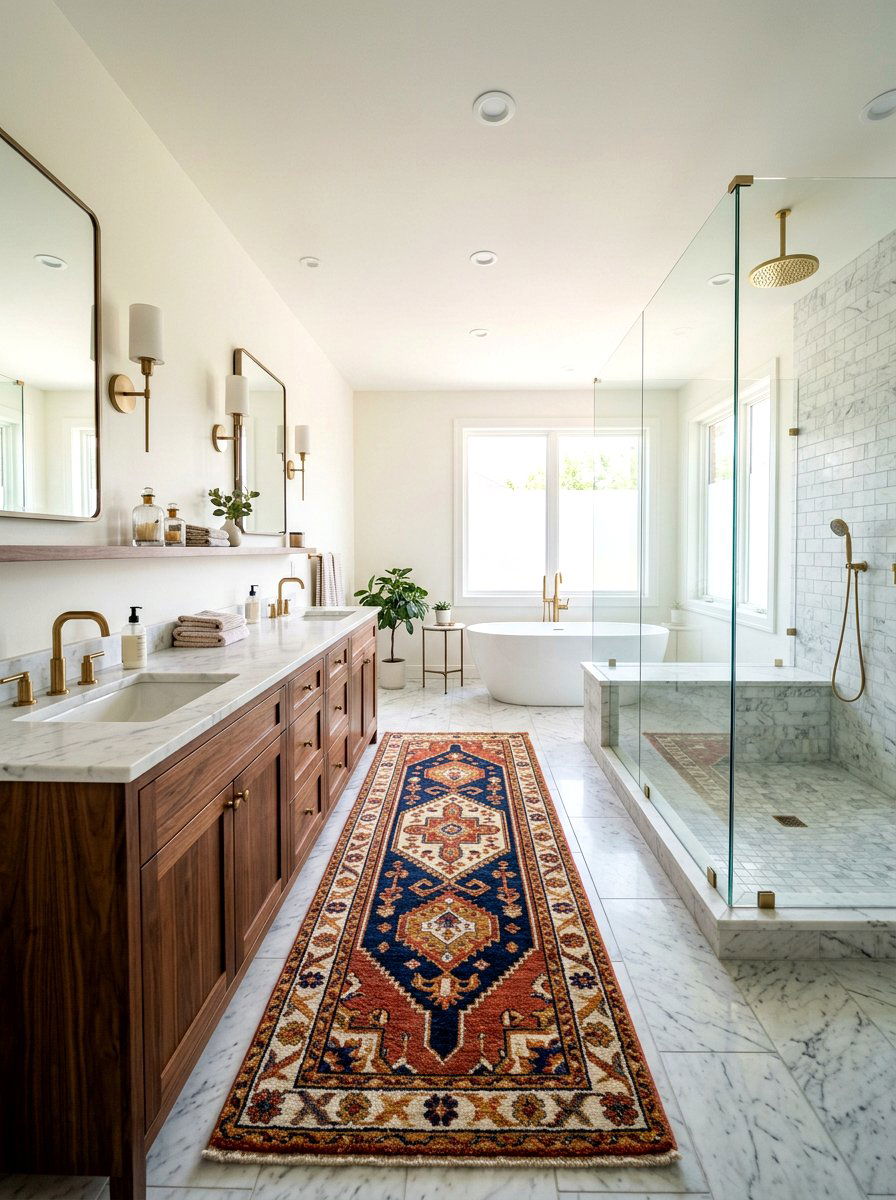
Bathrooms with double vanities can often feel sterile, but a long runner rug placed in front of the sinks adds instant luxury and warmth. Instead of using two small, mismatched bath mats, a single runner creates a continuous and upscale look. This placement protects the floor from water splashes while providing a soft surface for your feet during your morning routine. Look for a rug made from moisture-resistant materials like cotton or treated synthetics to ensure it stays fresh. The long line of the runner also makes a narrow bathroom appear much longer and more expansive.
18. Rug For Mudroom Entrance
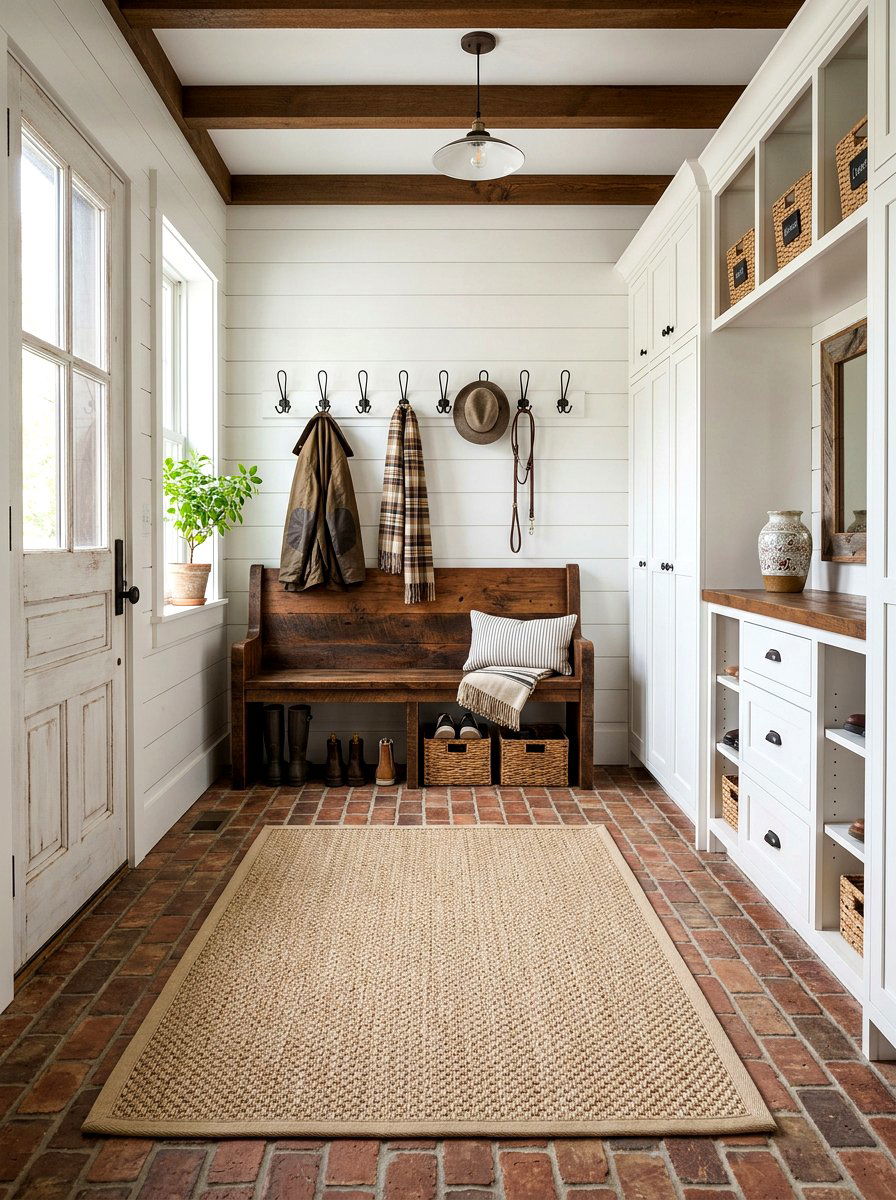
A mudroom is a high-utility space, so placing a durable rug right inside the door is a practical necessity. This rug should be positioned to catch shoes, bags, and coats as family members enter the home. It defines the "drop zone" and helps keep the rest of the house clean by trapping outdoor debris. Because mudrooms often have built-in cubbies or benches, ensure the rug is centered relative to those features for a balanced look. Choose a rugged material like sisal or a washable synthetic that can handle the heavy daily traffic of a busy and active household.
19. Rug For Outdoor Patio Furniture
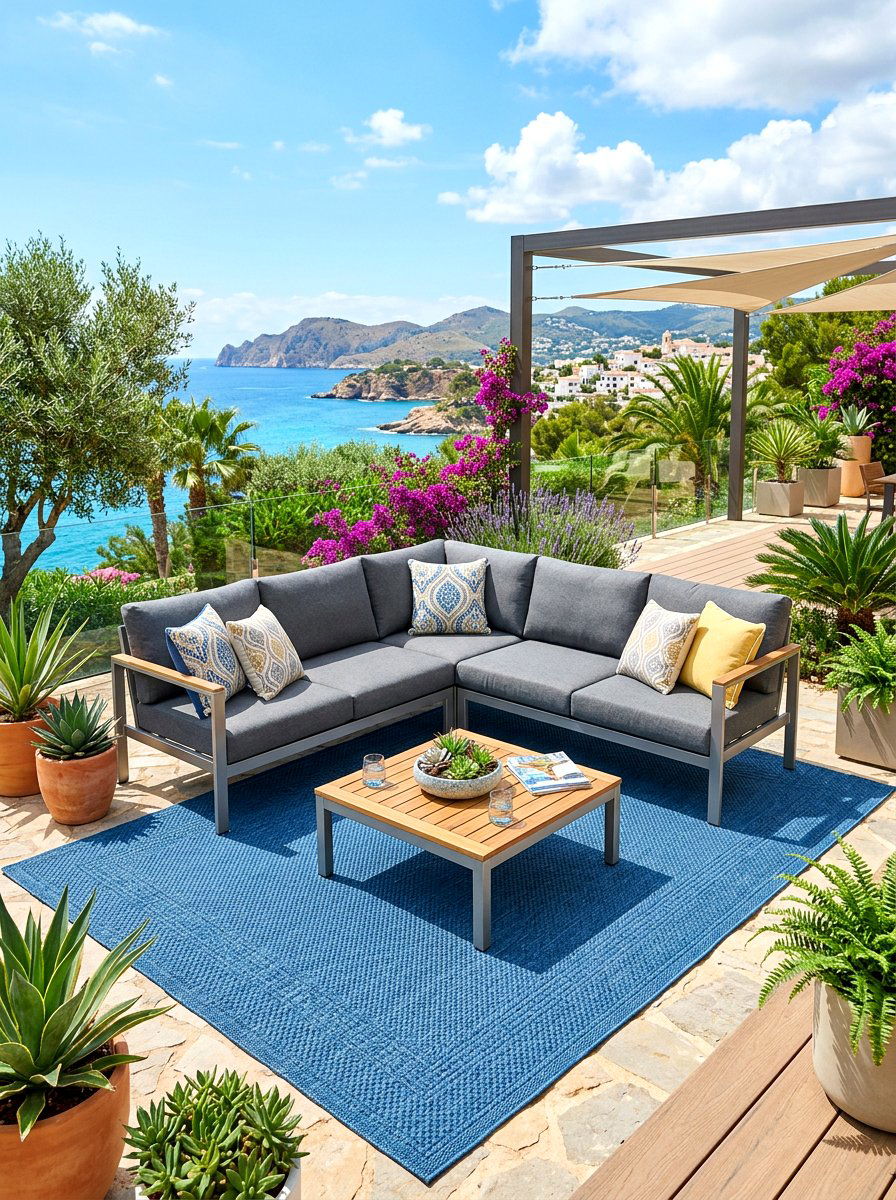
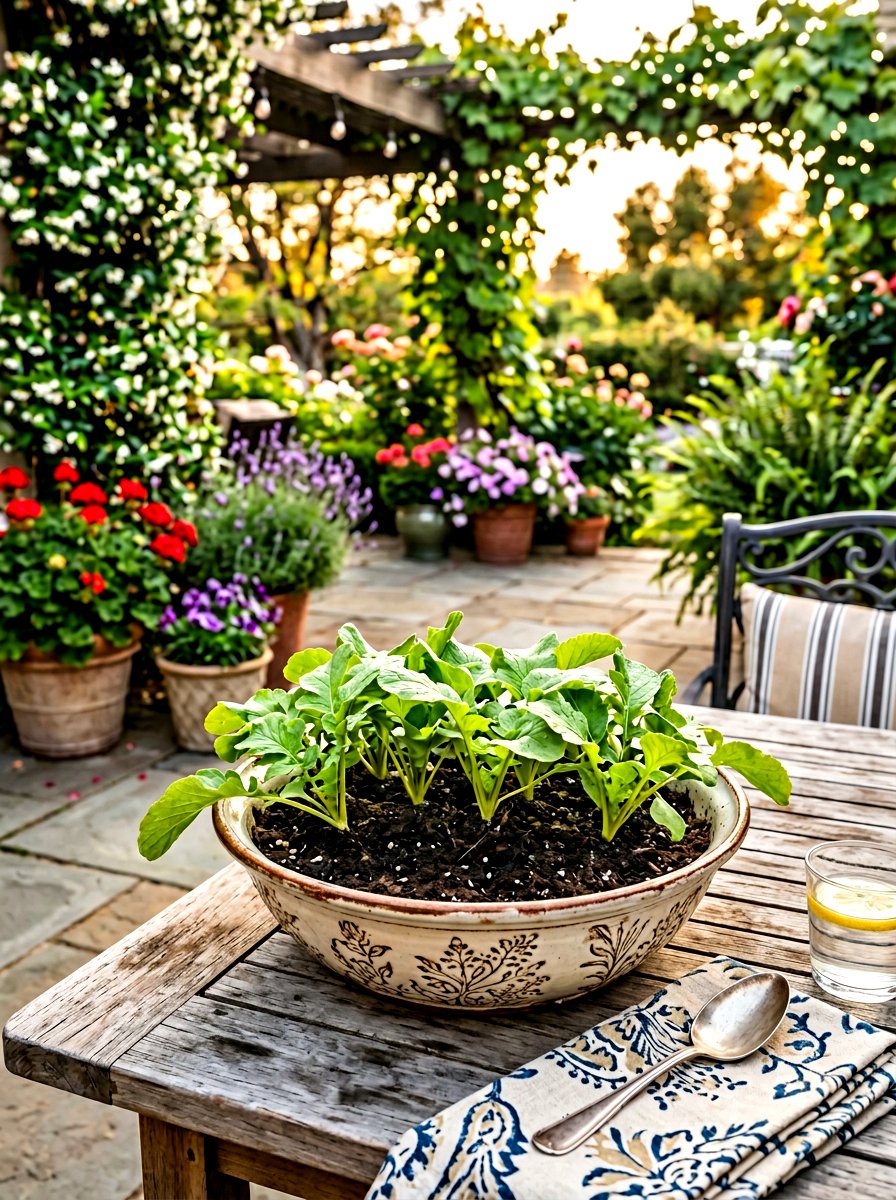
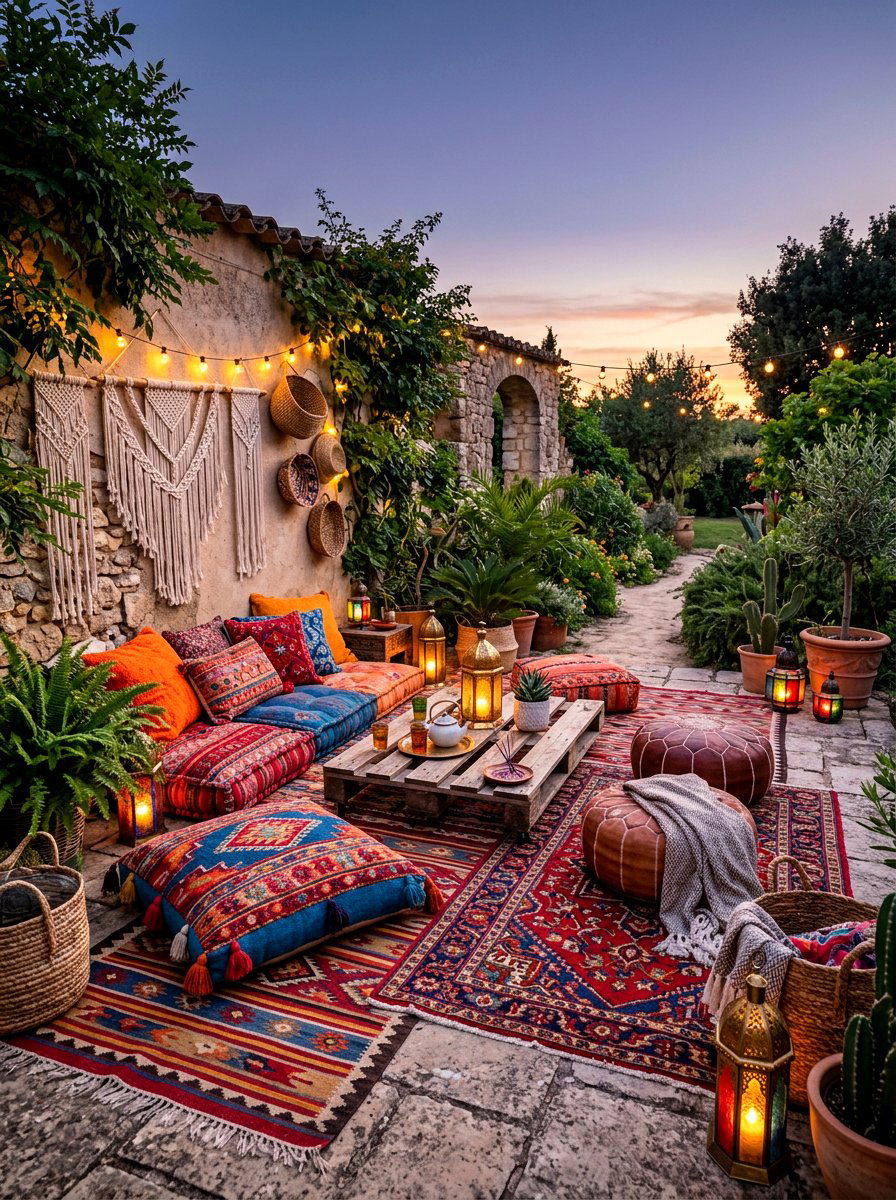
Extending your living space to the outdoors is easy when you place an area rug under your patio furniture. An outdoor rug should be large enough to hold the front legs of your lounge chairs and sofa, just like an indoor layout. This placement anchors the conversation area on your deck or patio and makes it feel like a true outdoor room. It also provides a comfortable surface for bare feet on hot summer days. Make sure to use a rug specifically rated for outdoor use to prevent fading from the sun or mold from rain and moisture.


20. Rug Under Sunroom Wicker Chairs
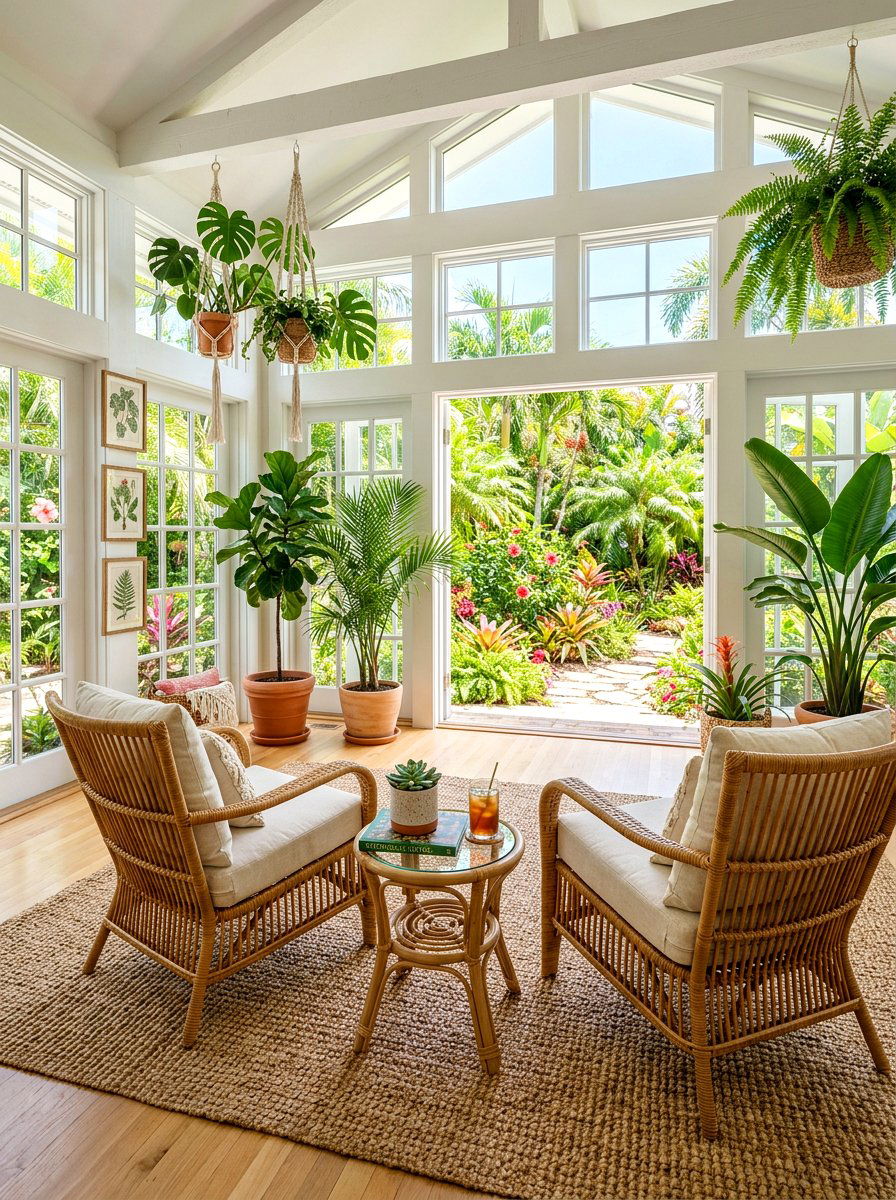
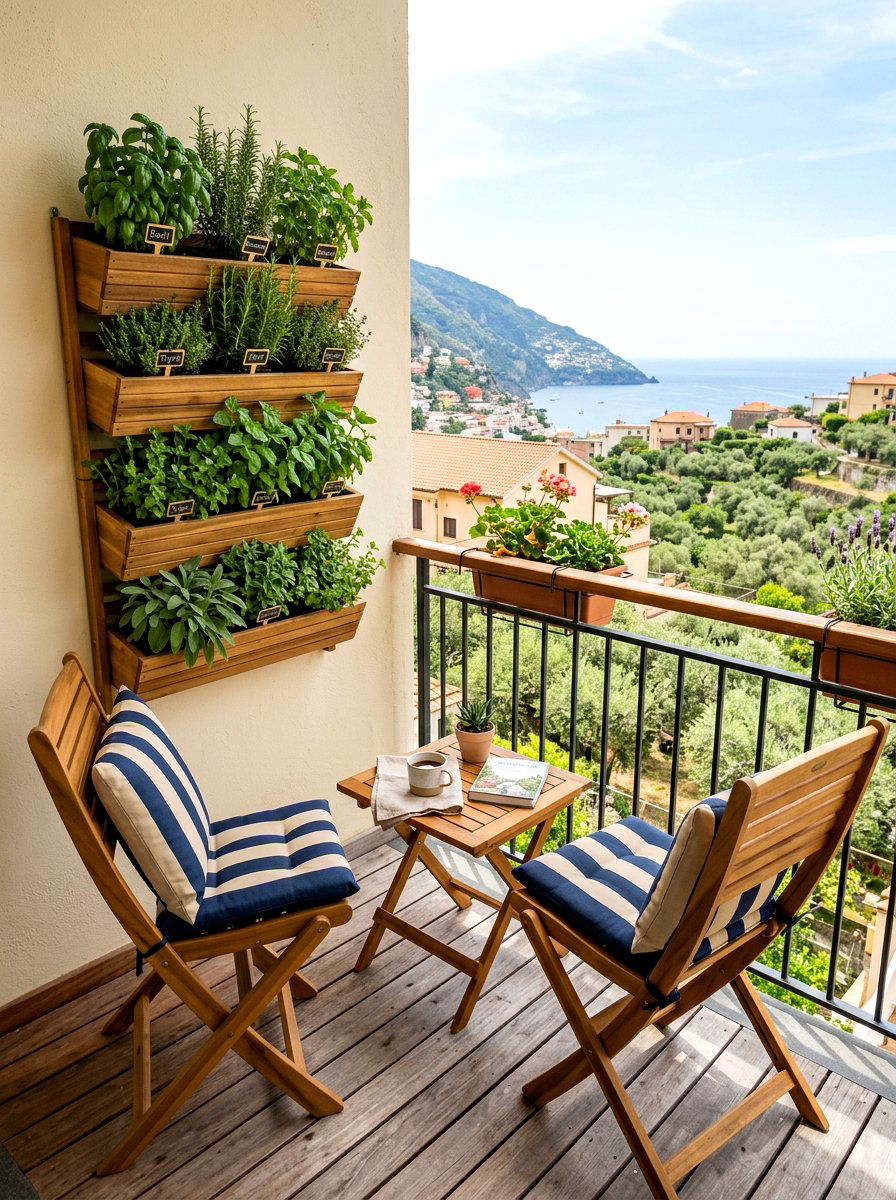
Sunrooms are unique spaces that bridge the gap between indoors and outdoors, making them perfect for a natural-fiber rug placement. Position a jute or seagrass rug under a pair of wicker chairs and a small garden table to create a serene morning coffee spot. The organic texture of the rug complements the light and airy feel of a glass-walled sunroom. Centering the rug in the middle of the seating group helps ground the lightweight furniture and prevents it from looking cluttered. This placement emphasizes the relaxing, nature-inspired atmosphere that sunrooms are known for in traditional and modern homes.
21. Rug For Kids Play Area
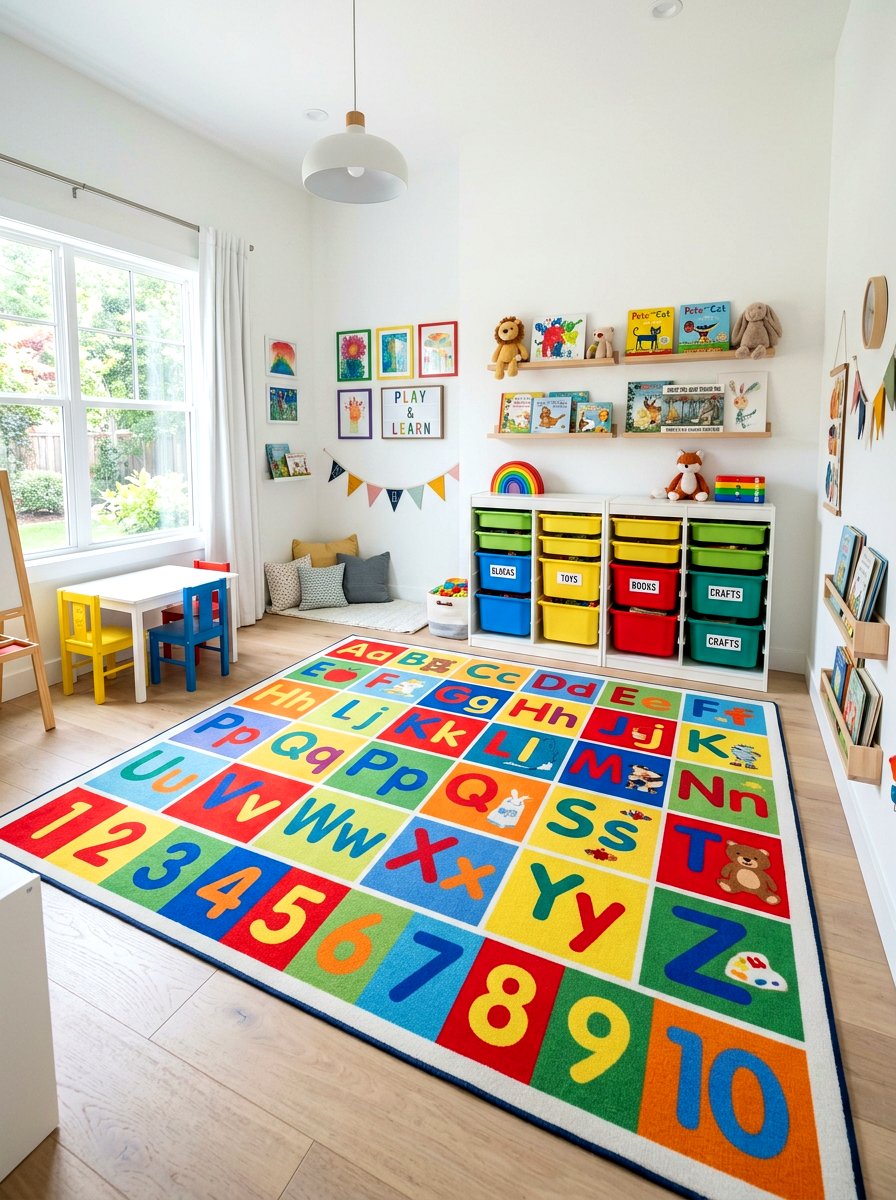
In a dedicated playroom, a large area rug should be placed to cover as much floor space as possible. This creates a soft, cushioned "island" where children can crawl, tumble, and play with toys comfortably. The rug acts as a protective barrier for both the children and the flooring underneath. Placing the rug in the center of the room allows you to arrange toy bins and bookshelves around the perimeter while keeping the main activity area clear. Choose a rug with a fun, vibrant pattern or an educational theme to stimulate their imagination and make the space feel joyful.
22. Runner For Walk In Closet
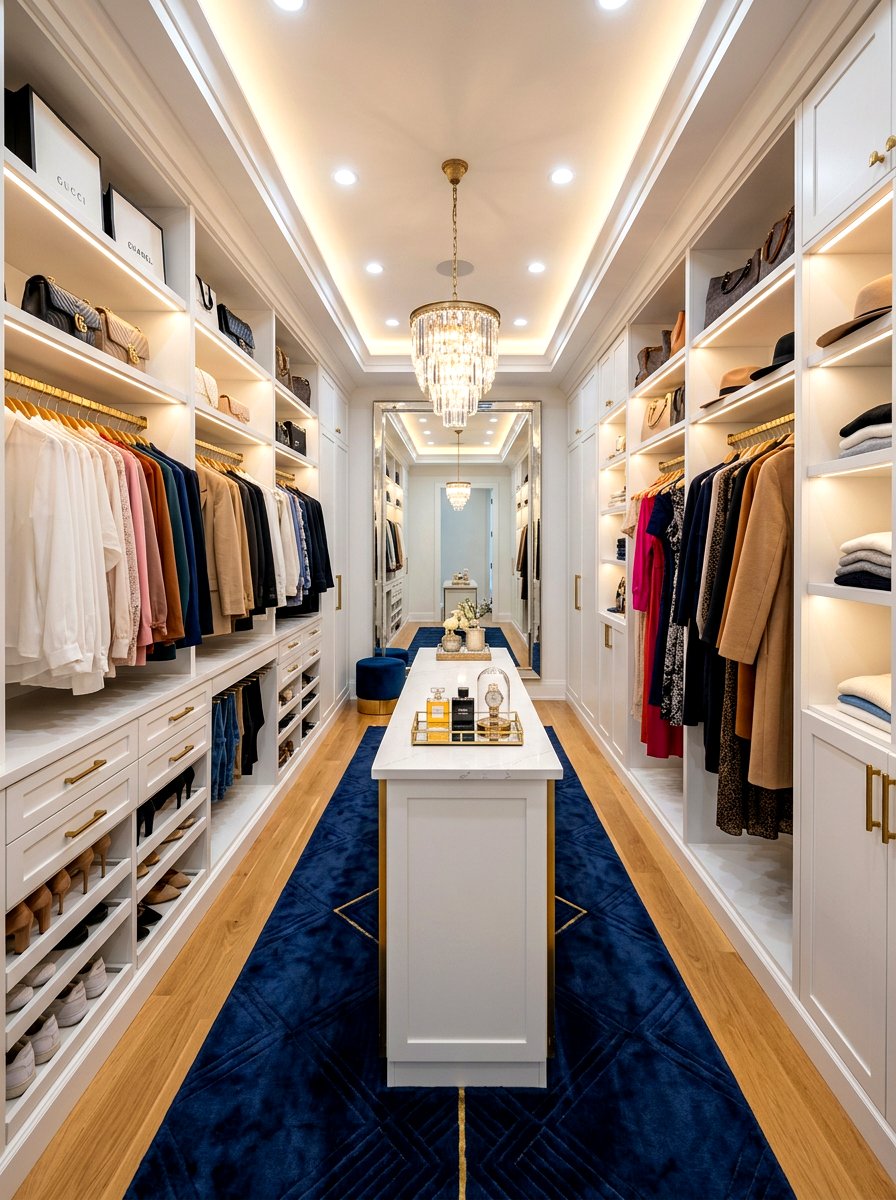
A walk-in closet often feels like a hidden sanctuary, and adding a plush runner down the center aisle makes it feel even more luxurious. This placement provides a soft path for your feet while you are getting dressed in the morning. It also helps dampen the sound in a small, enclosed space, giving it a high-end boutique feel. A runner in a closet is a great way to use a more delicate or expensive material, like silk or faux fur, since it will not see the heavy dirt of an entryway. It adds a touch of glamor to your daily routine.
23. Rug For Studio Apartment Zone
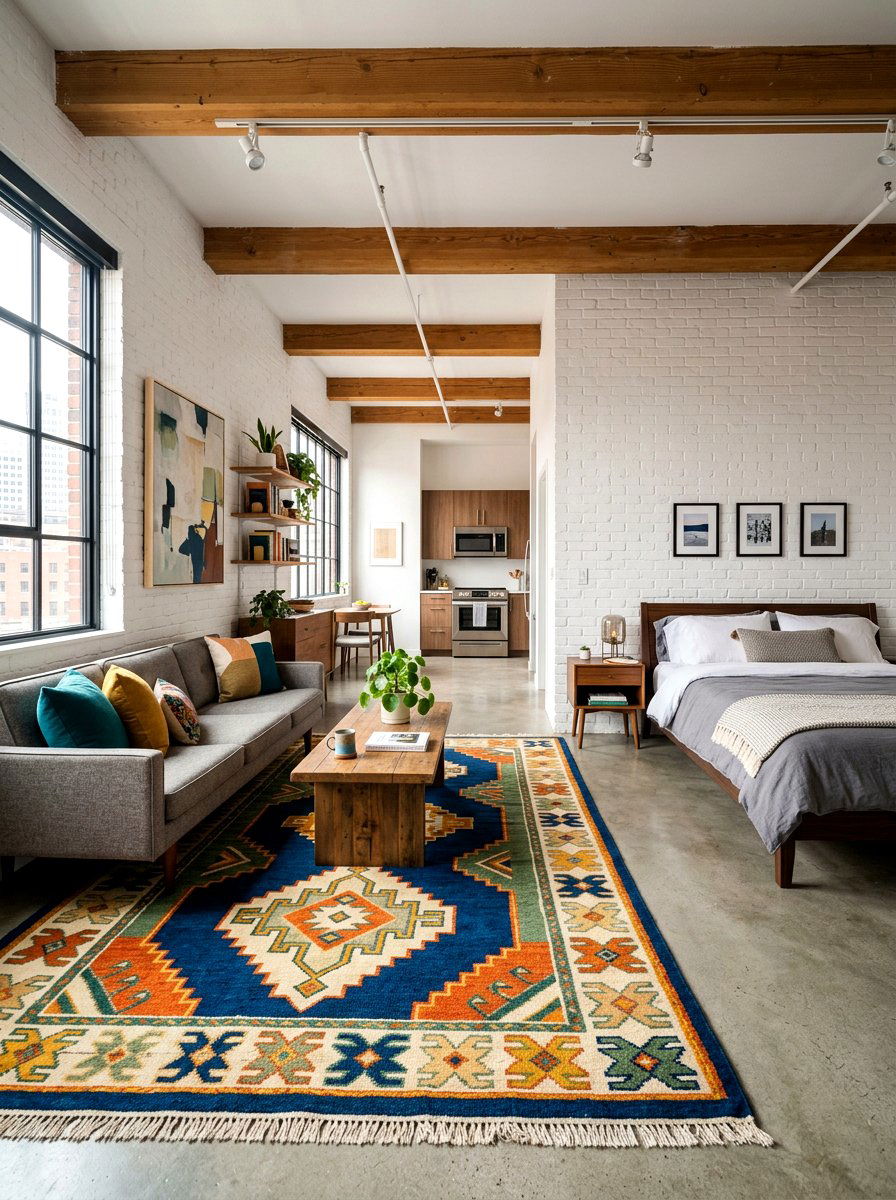
In a studio apartment where one room serves many functions, a rug is the most powerful tool for zoning. Use a large area rug to define the "living room" area, separating it from the "bedroom" and "kitchenette" without the need for walls. By placing the sofa and coffee table on a dedicated rug, you create a visual boundary that tells the brain this is a separate space for relaxing. This placement makes small apartments feel much more organized and spacious. It provides a sense of structure that prevents the different areas of your life from bleeding into one another.
24. Runner For Laundry Room Floor
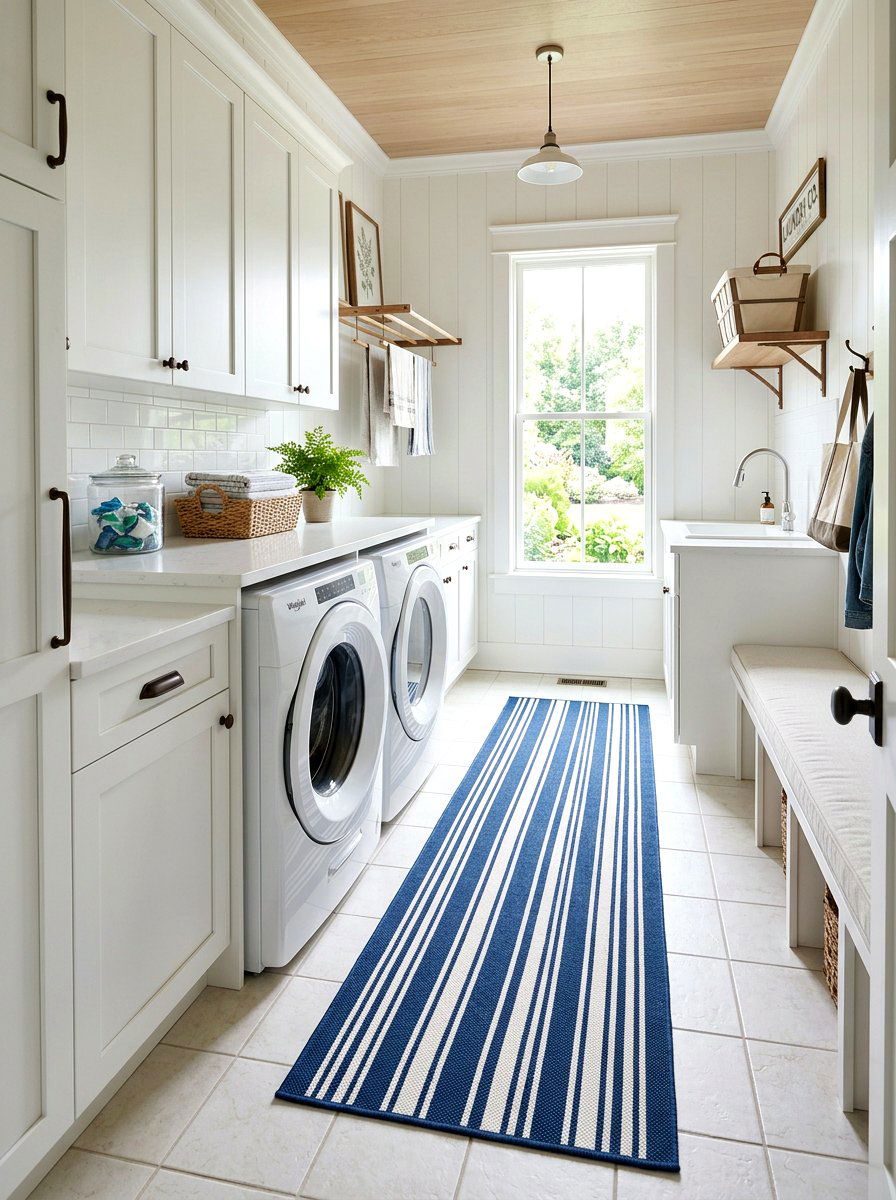
Laundry rooms are often overlooked in home design, but a colorful runner rug can make doing chores feel much less like a burden. Place a runner in front of the washer and dryer to provide cushioning for your feet while you fold clothes. This placement also helps absorb the vibration and noise of the machines, making the room feel quieter. Since laundry rooms are usually narrow, a runner fits the proportions perfectly and adds a much-needed layer of style to a utilitarian space. It is a simple upgrade that makes the entire home feel more finished and cohesive.
25. Runner For Wood Stairs
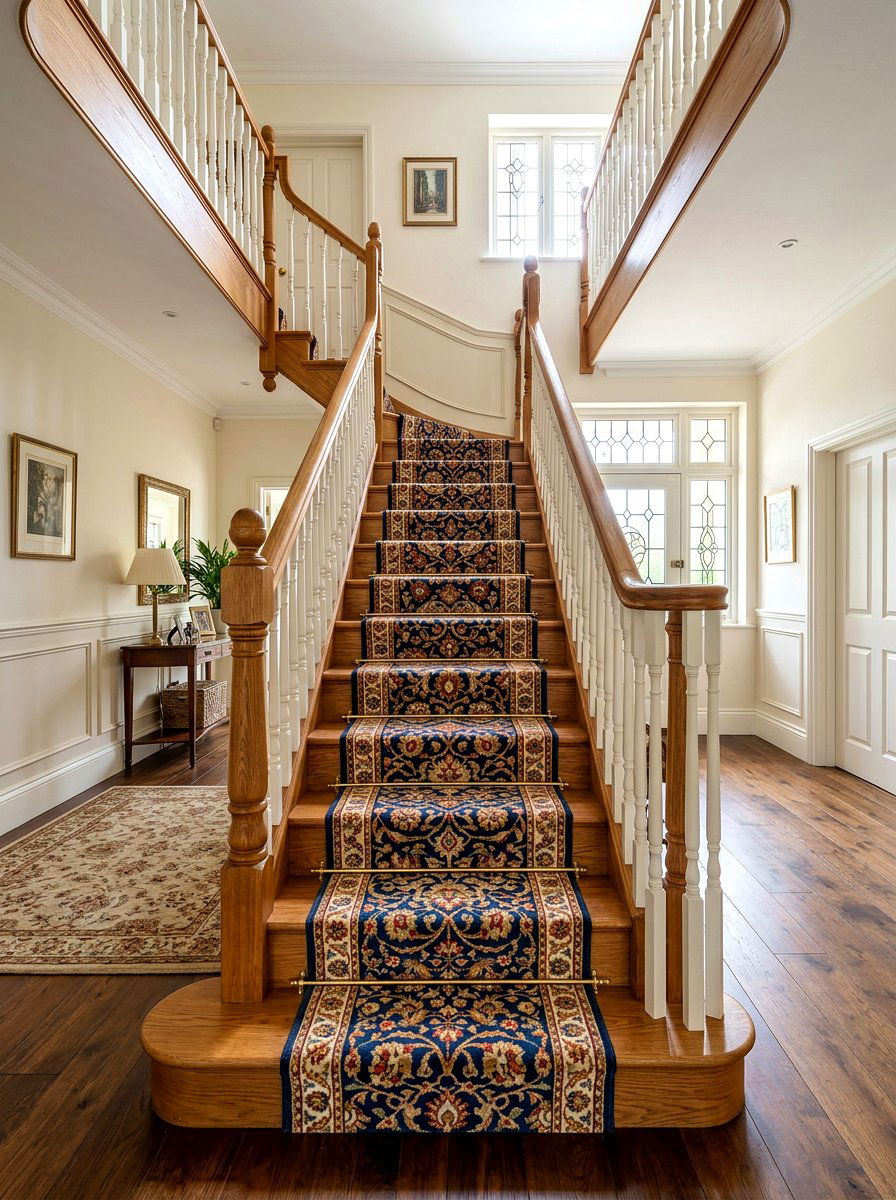
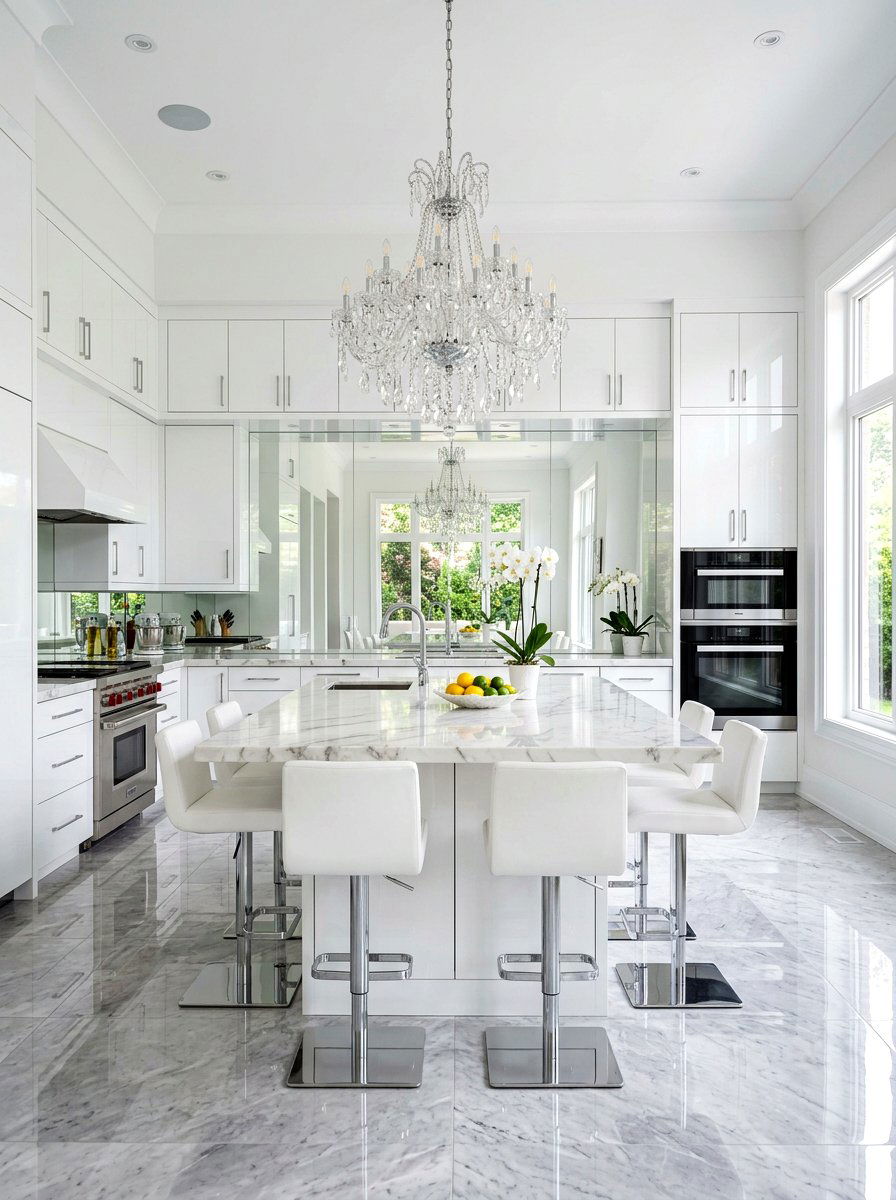
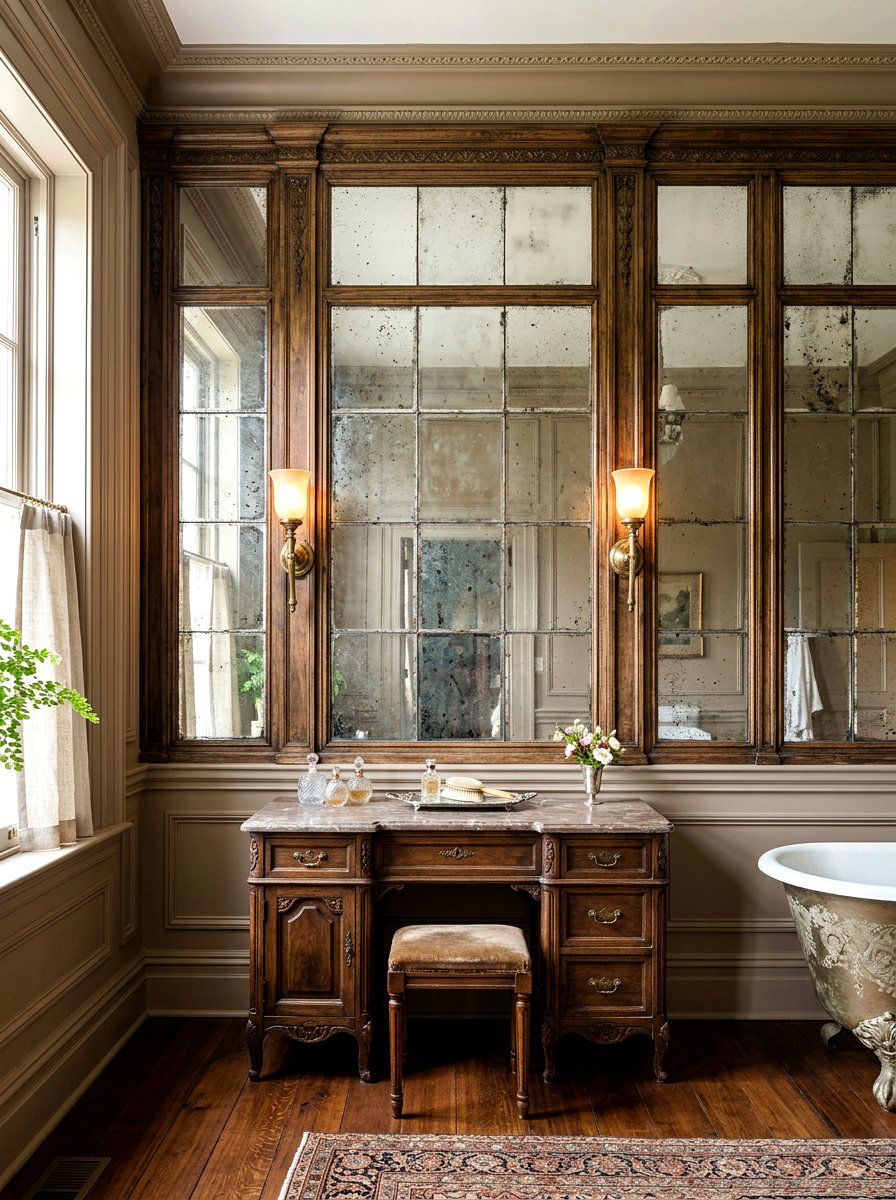
Adding a rug runner to a wooden staircase is a classic placement choice that offers both style and safety. The runner should be centered on the stairs, leaving a few inches of wood visible on either side. This placement provides extra grip and cushioning, which is especially important for households with children, elderly family members, or pets. Beyond safety, a stair runner adds a beautiful vertical element to your home decor, drawing the eye upward and making the entryway feel more grand. It is a sophisticated way to introduce patterns into the central transition point of your house.
26. Rug For Finished Basement
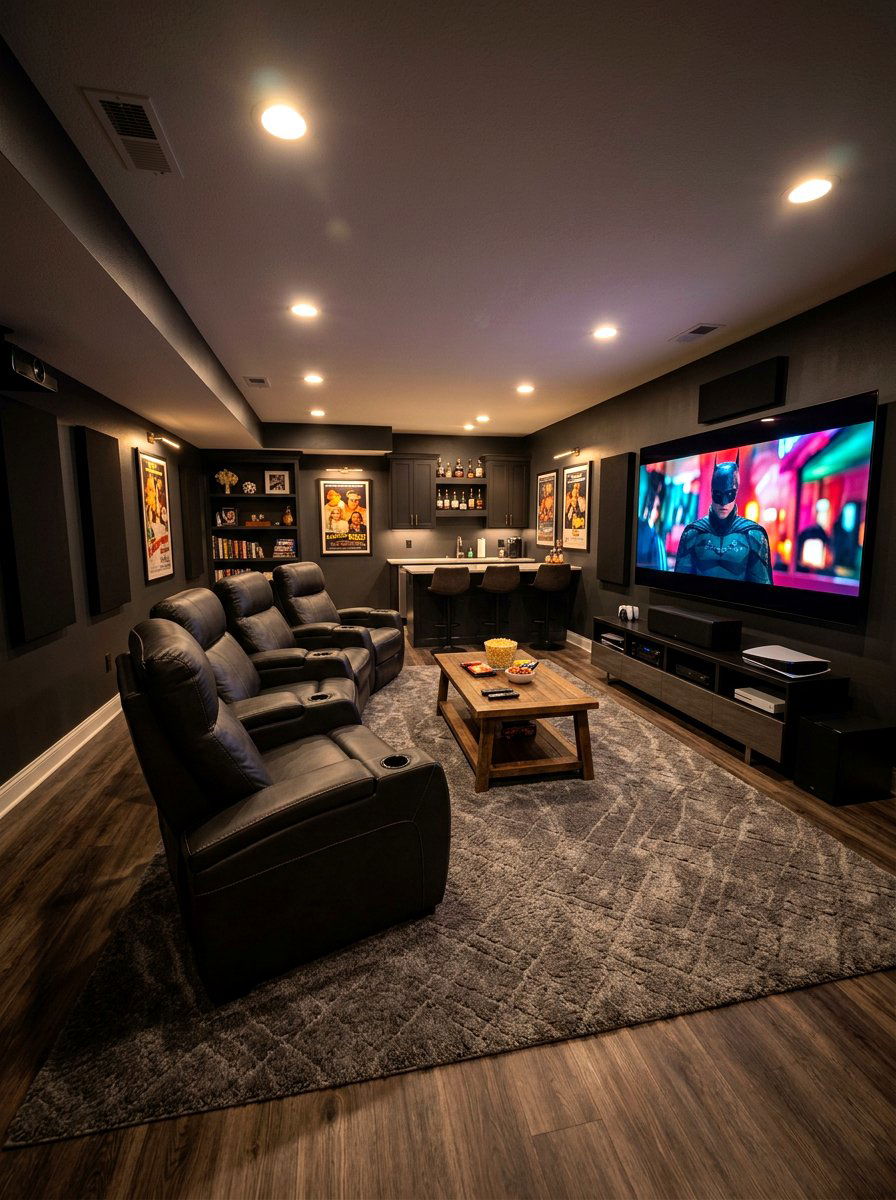
Finished basements can often feel cold or damp due to concrete subfloors, so placing a large, thick rug in the main seating area is essential for warmth. Position the rug under the sectional or media chairs to create a cozy theater-like atmosphere. The rug helps with acoustics by preventing sound from bouncing off the hard basement walls, which improves the movie-watching experience. Because basements can be prone to moisture, look for rugs with synthetic backings that will not trap dampness. This placement turns a potentially sterile basement into an inviting and comfortable family room for everyone to enjoy.
27. Rug For Round Breakfast Table
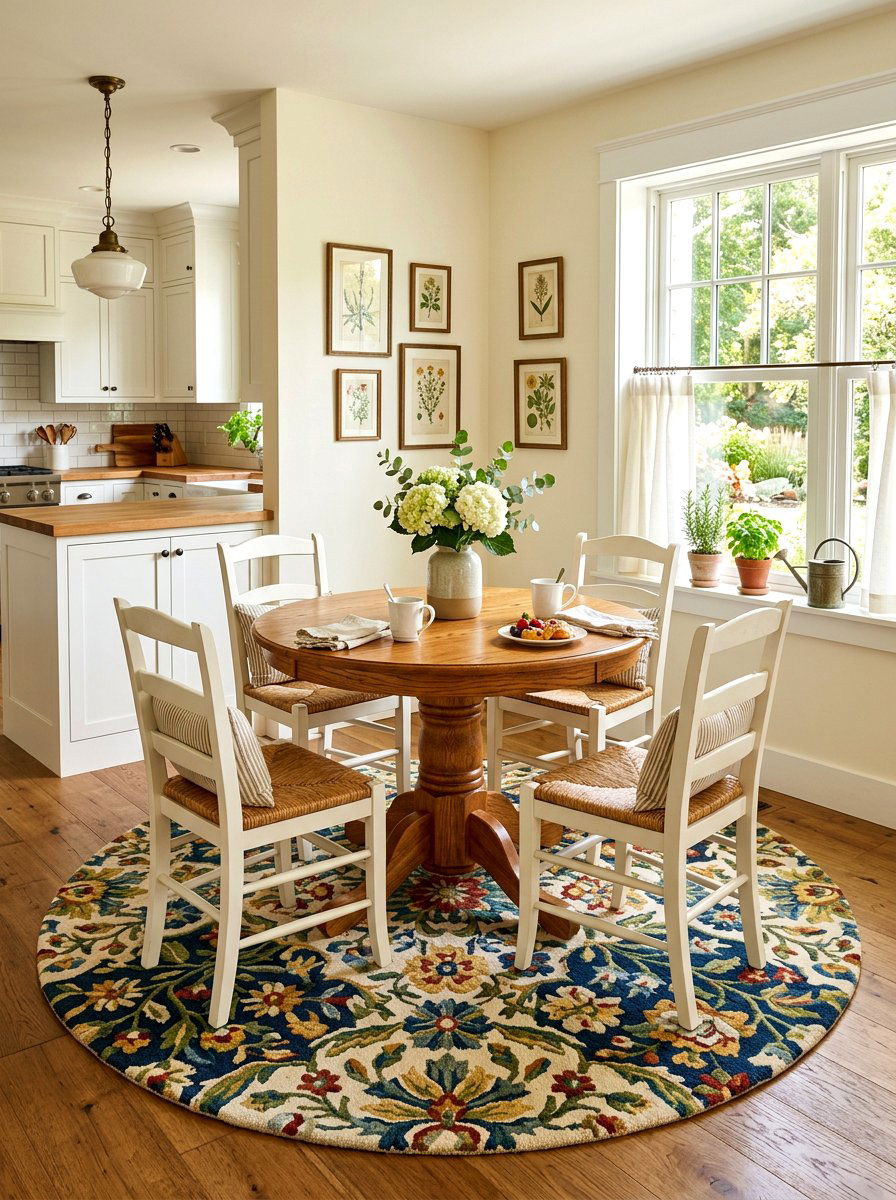
A small breakfast nook with a round table is the perfect place for a matching round area rug. The rug should be large enough to allow the chairs to stay on the surface when they are pulled away from the table. This placement creates a charming and intimate dining circle that feels separate from the main kitchen. It is a great way to introduce a soft texture into a space that is usually dominated by hard tile or wood. A round rug under a round table looks incredibly balanced and helps define a cozy spot for morning meals and casual conversations.
28. Rug For Home Library
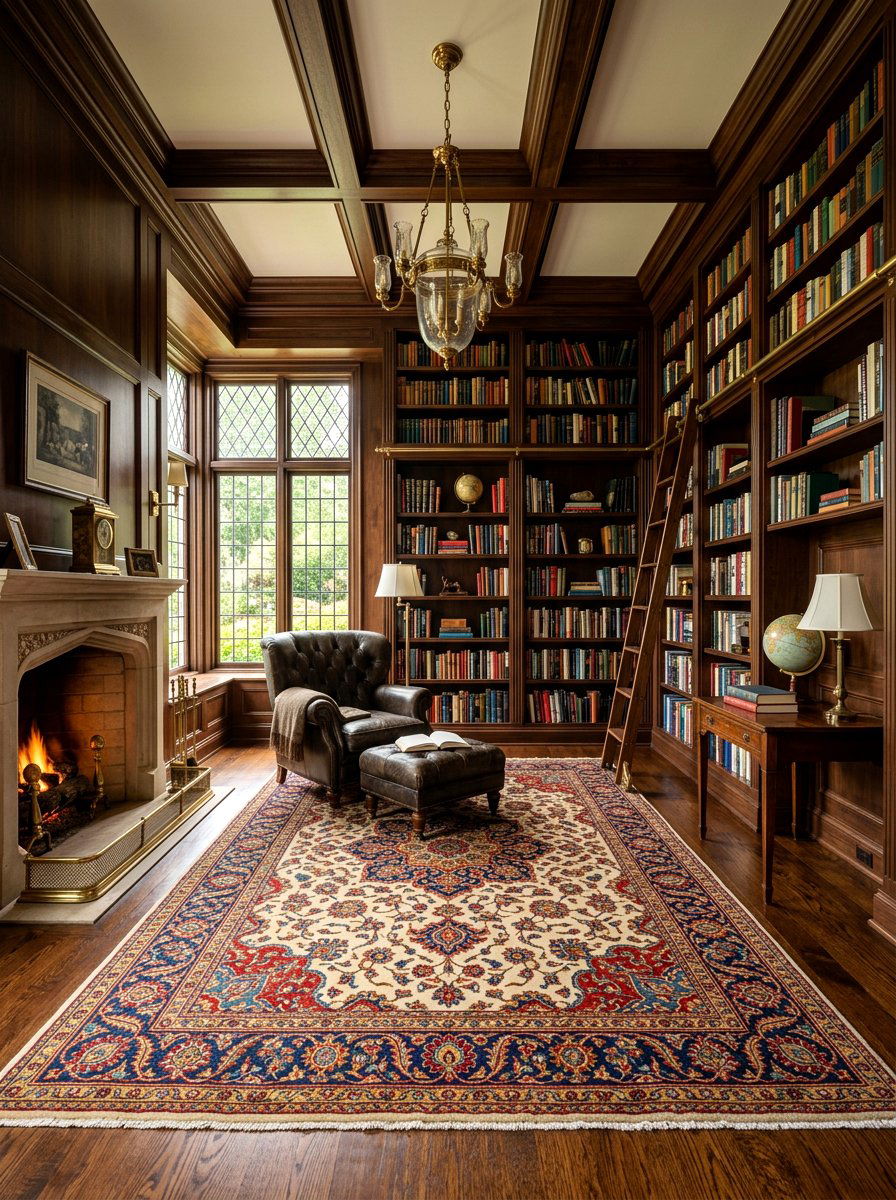
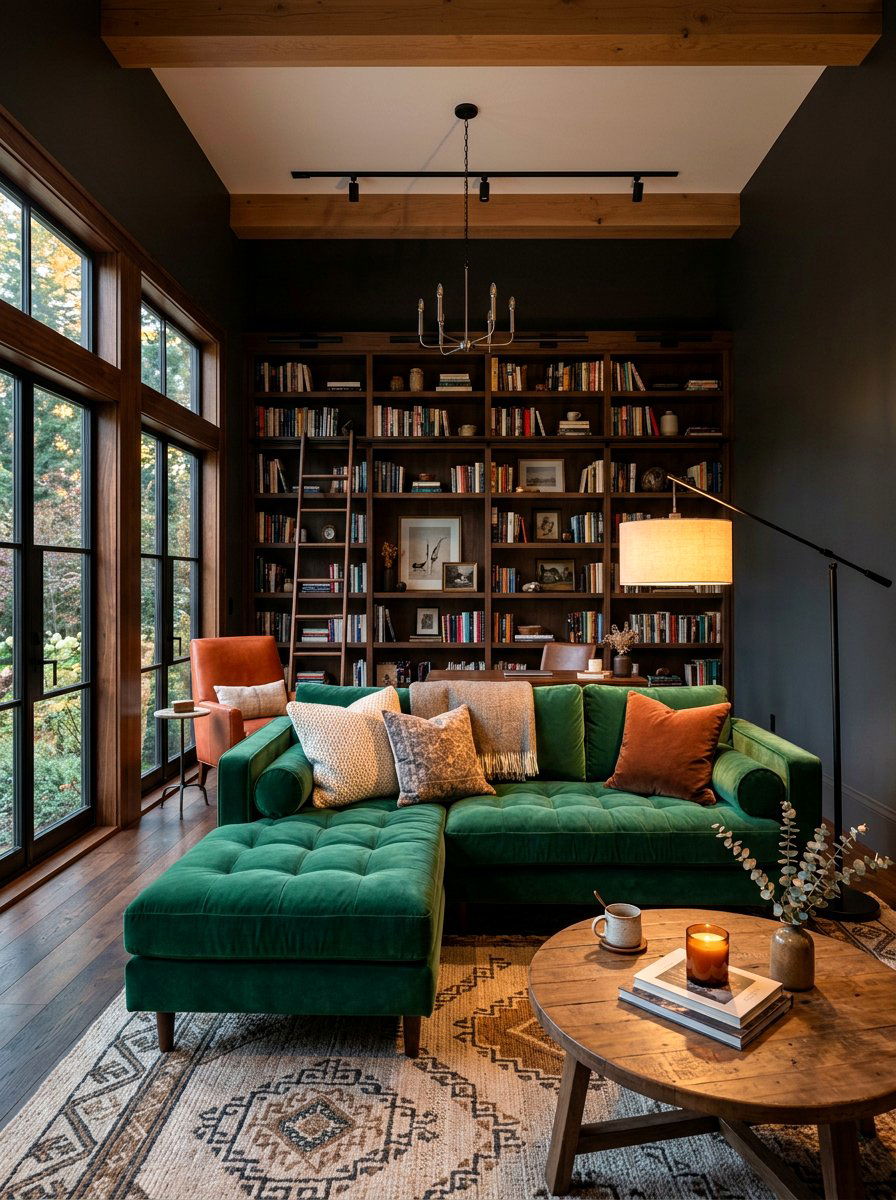
In a home library or study, placing a rug between the bookshelves creates a quiet and studious environment. The rug should be large enough to hold a centered desk or a pair of reading chairs. This placement helps muffle the sounds of footsteps, allowing for better concentration while reading or working. Choose a rug with a traditional pattern, like an Oriental or Persian design, to complement the classic look of rows of books. The rug grounds the heavy shelving and makes the library feel like a warm, private retreat where you can get lost in your favorite literature for hours.
29. Rug For Queen Guest Bed
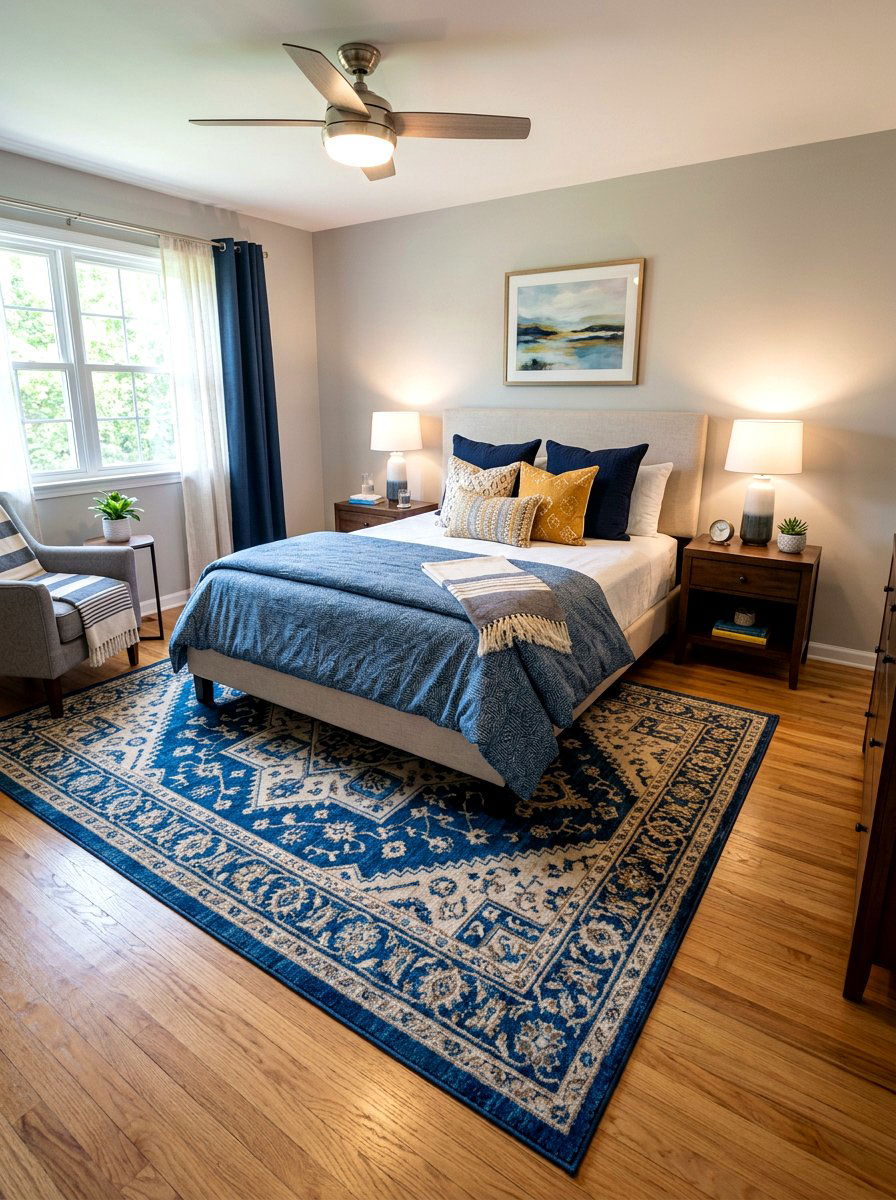
When decorating a guest room with a queen-sized bed, a six-by-nine or eight-by-ten rug is the ideal size for placement. Position the rug so that it begins about a foot away from the nightstands and extends past the foot of the bed. This ensures that guests have a soft landing on both sides of the bed when they wake up. This layout makes the guest room feel prepared and welcoming, rather than like an afterthought. It provides a finished look that shows you have put effort into their comfort, making their stay feel much more like a high-end hotel experience.
30. Rug Under Large Sectional Sofa
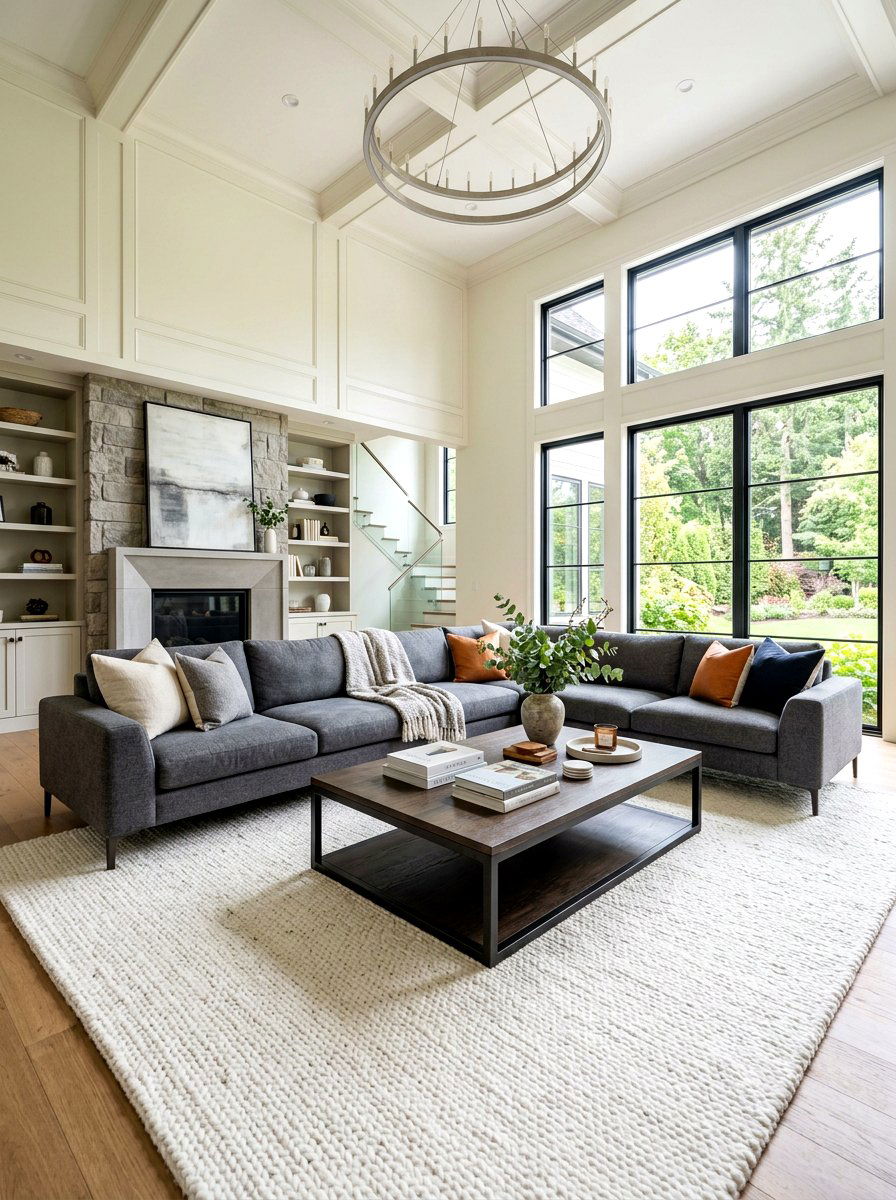
A large sectional sofa requires a very large rug to look proportionate and intentional. The best placement is to have at least the front legs of all sections of the sofa sitting on the rug. This anchors the massive piece of furniture and prevents it from looking like it is overpowering the room. The rug should extend out into the center of the seating area to accommodate a large coffee table or ottoman. This placement creates a massive, comfortable zone that is perfect for large families or frequent entertainers. It makes the entire living room feel grounded, luxurious, and completely cohesive.
Conclusion:
Mastering the art of area rug placement is a fundamental skill for any homeowner looking to elevate their interior design. By following these thirty strategies, you can ensure that every rug in your house serves a functional purpose while enhancing the overall visual harmony of your rooms. Whether you are using a runner to guide the eye down a hallway or a massive area rug to anchor a large sectional, the key is to prioritize balance and scale. Remember that a well-placed rug not only protects your floors but also defines your living spaces and provides the essential comfort that makes a house feel like home.

Related posts: