Transforming your outdoor space into a serene forest retreat is a rewarding journey that connects you deeply with nature. A woodland backyard offers a unique blend of mystery, tranquility, and low-maintenance beauty that traditional lawns often lack. By embracing natural textures and shade-loving plants, you can create a sustainable ecosystem that thrives in dappled light. This approach celebrates the wild charm of the forest while providing a functional haven for relaxation and local wildlife. Whether you have a vast wooded lot or a small shady corner, these concepts help you maximize your home's natural potential. The following guide explores diverse ways to build your own private sanctuary.
1. Native Shade Garden
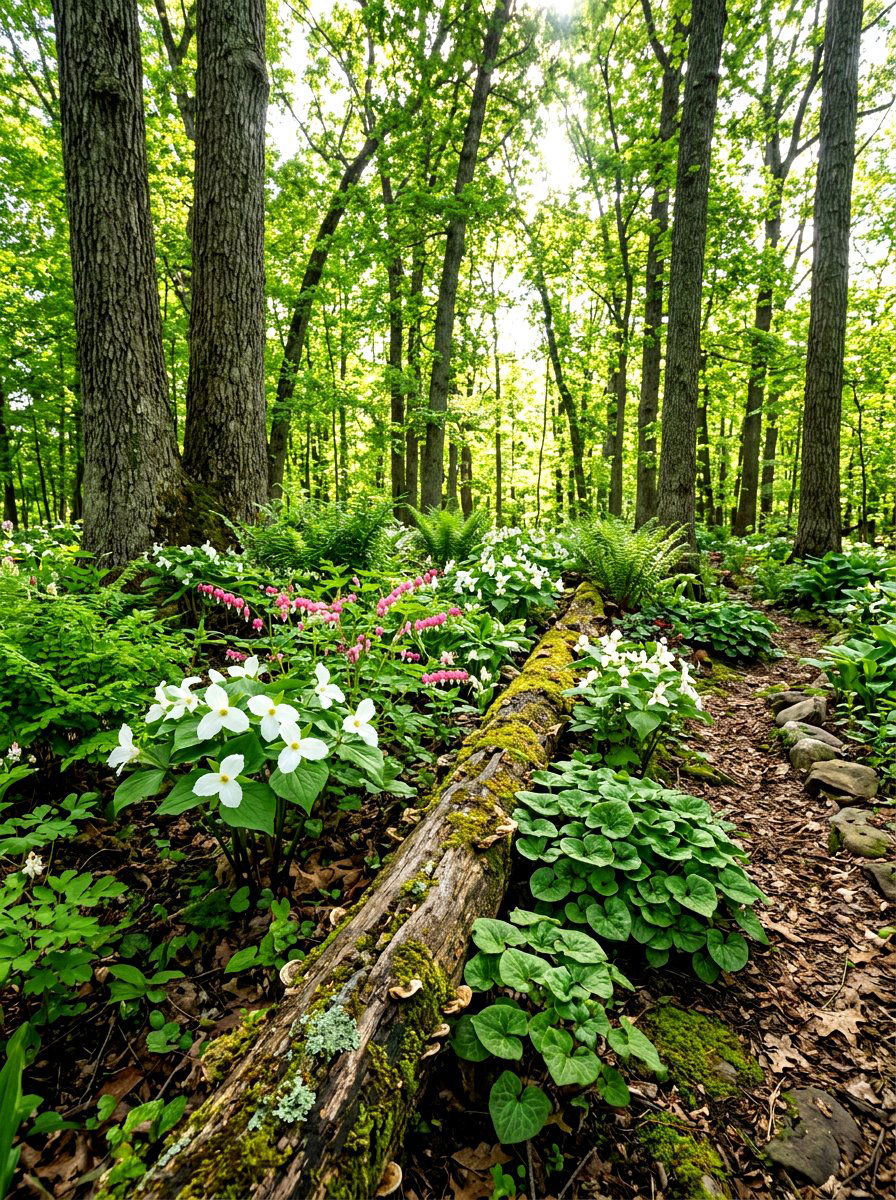
A native shade garden focuses on plants that naturally evolve in your local forest environment to ensure long-term success. These hardy species require less water and fertilizer because they are already adapted to your specific climate and soil conditions. You can incorporate beautiful options like wild ginger, trillium, or bleeding hearts to create a lush green carpet. These plants thrive under the protection of larger trees where sunlight is limited and gentle. By choosing native varieties, you also provide essential food and shelter for local pollinators like bees and butterflies. This creates a balanced ecosystem that looks beautiful and stays healthy with very little human intervention or effort.
2. Moss Walkway
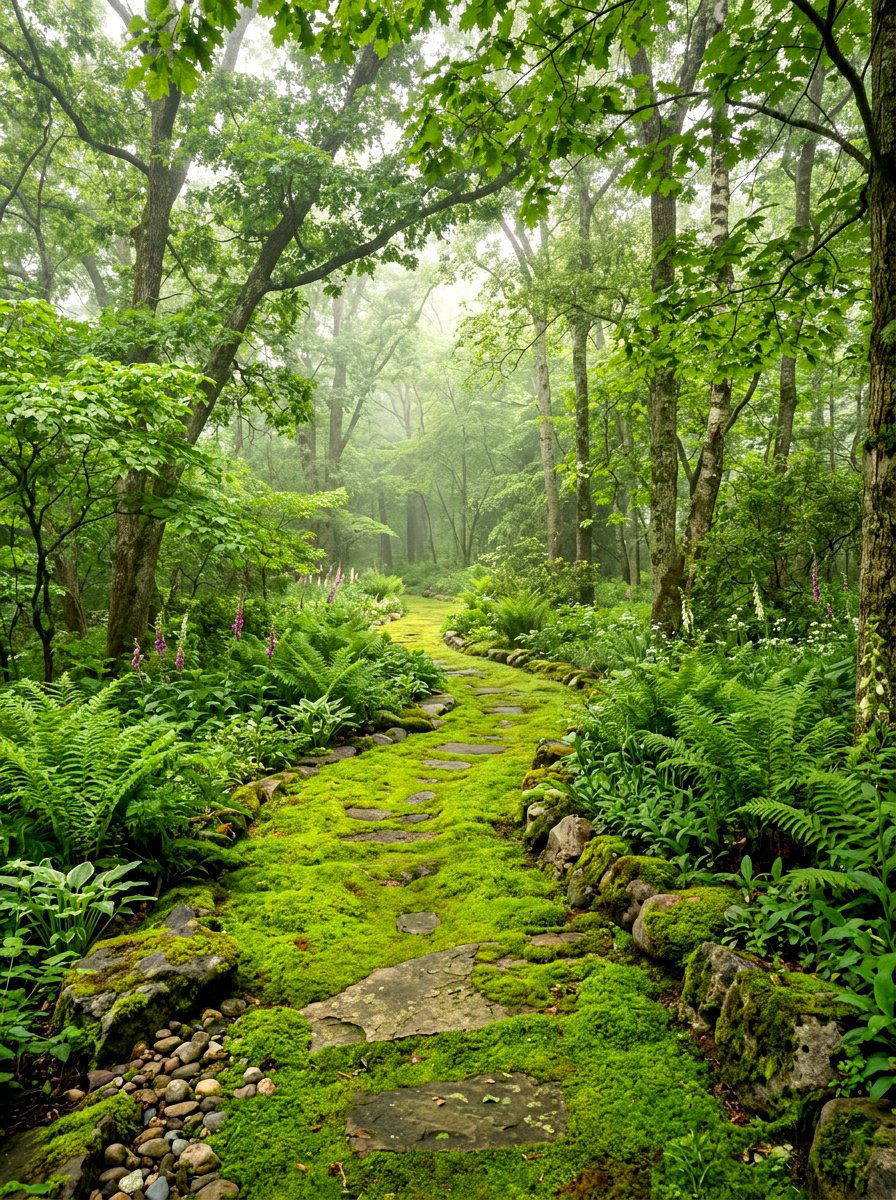
Creating a moss walkway is a perfect way to add a soft and magical feel to your shaded backyard. Moss thrives in damp and low-light areas where traditional grass often struggles to grow or stay green. This living carpet feels wonderful underfoot and stays vibrant throughout the year with minimal maintenance required from you. You can encourage natural growth by keeping the soil moist and clear of heavy debris like fallen leaves. A winding path made of velvet-green moss guides visitors through your garden with a sense of quiet wonder. It is a sustainable and eco-friendly alternative to hard paving that blends seamlessly into the surrounding forest floor.
3. Natural Stone Retaining Wall
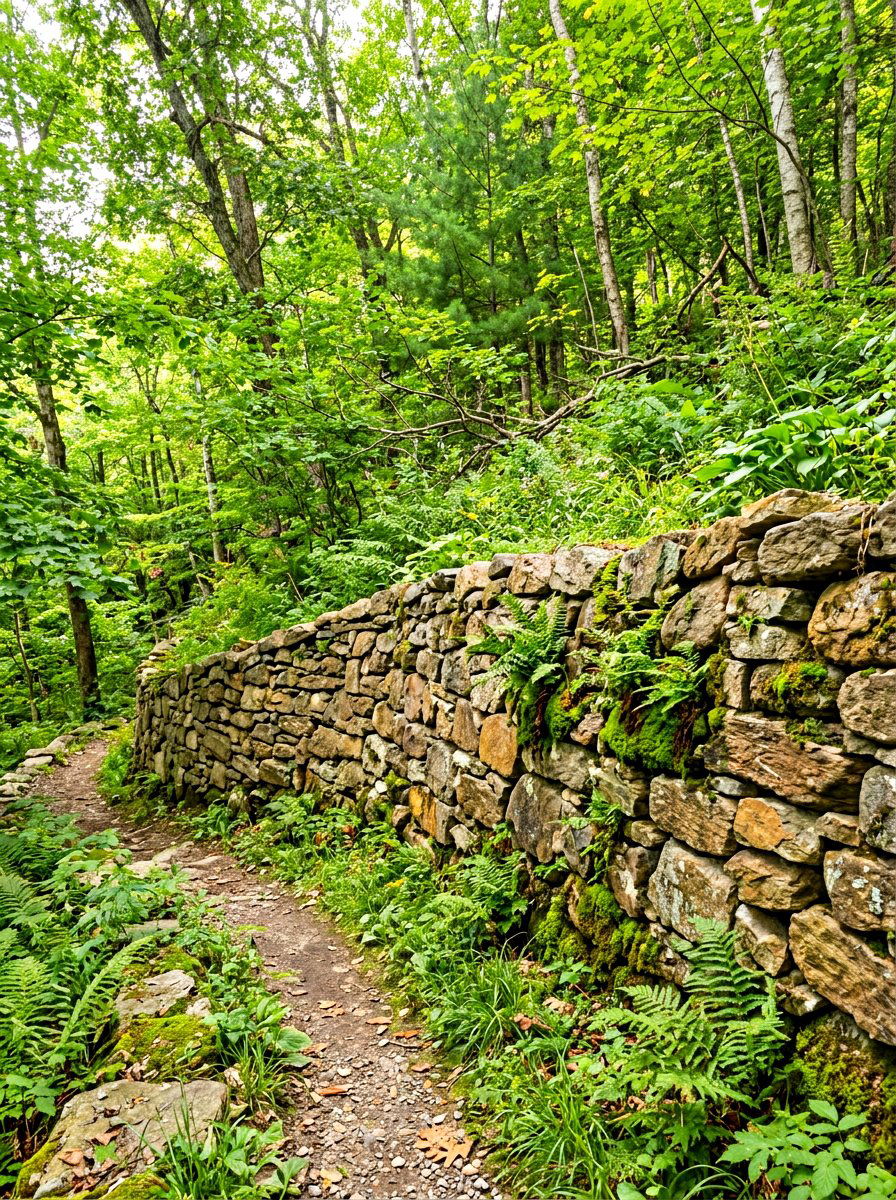
A natural stone retaining wall adds both structural stability and timeless aesthetic appeal to a sloped woodland backyard. Using locally sourced fieldstone or river rock ensures that the structure looks like it has always been part of the landscape. These walls help prevent soil erosion while creating distinct levels for planting various shade-loving shrubs and perennials. You can tuck small ferns or succulents into the crevices between the stones to soften the overall look. Over time, lichen and moss will naturally grow on the rocks to enhance their weathered and organic appearance. This feature provides a sturdy framework that organizes your yard while maintaining a very rustic feel.
4. Fern Garden
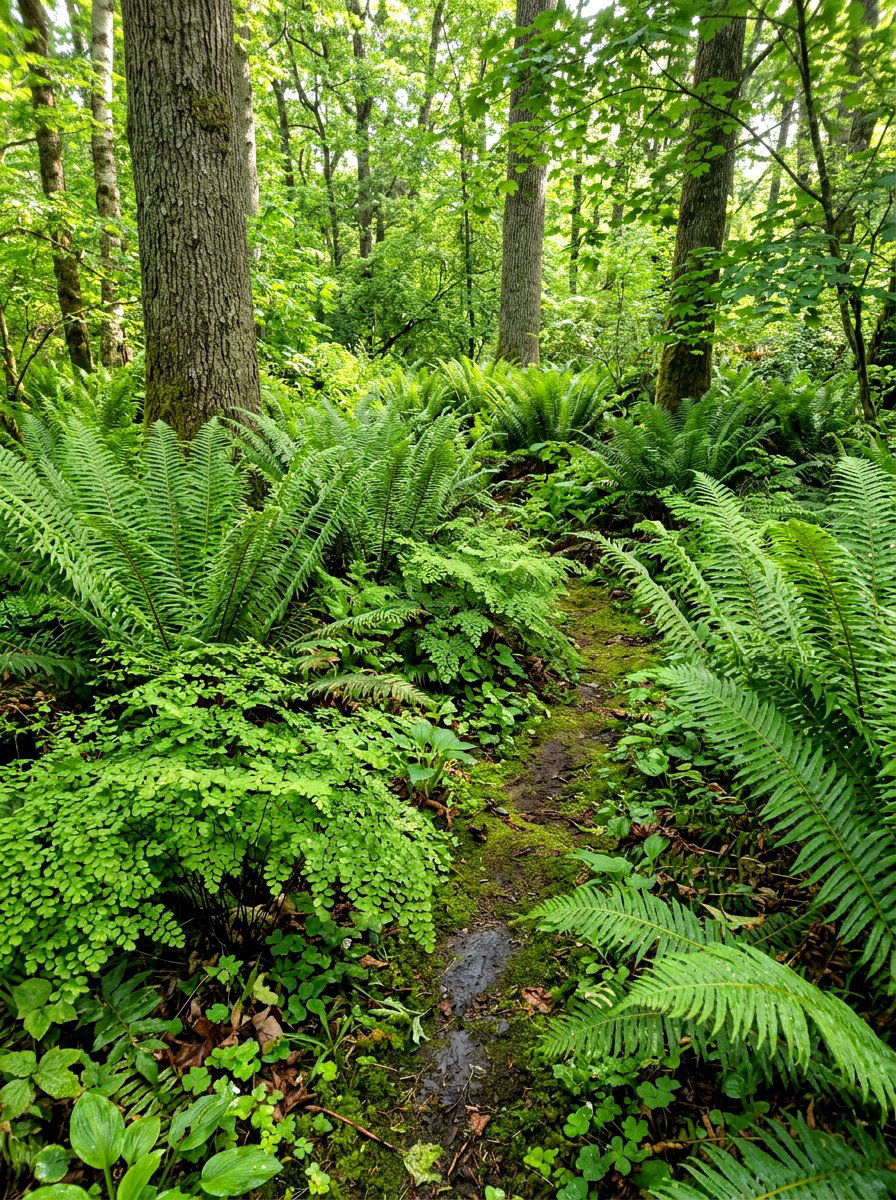
Installing a dedicated fern garden is one of the most effective ways to capture an authentic woodland atmosphere quickly. Ferns come in a stunning variety of textures and sizes, ranging from delicate maidenhair to bold and prehistoric-looking ostrich ferns. They love the moist and acidic soil typically found under large deciduous trees where other plants might fail. By grouping different species together, you create a rich tapestry of green fronds that dance beautifully in the light breeze. Ferns are incredibly low-maintenance once they are established in a shady spot with consistent moisture. They provide excellent ground coverage and give your backyard a very lush and cooling visual effect.
5. Woodland Fire Pit
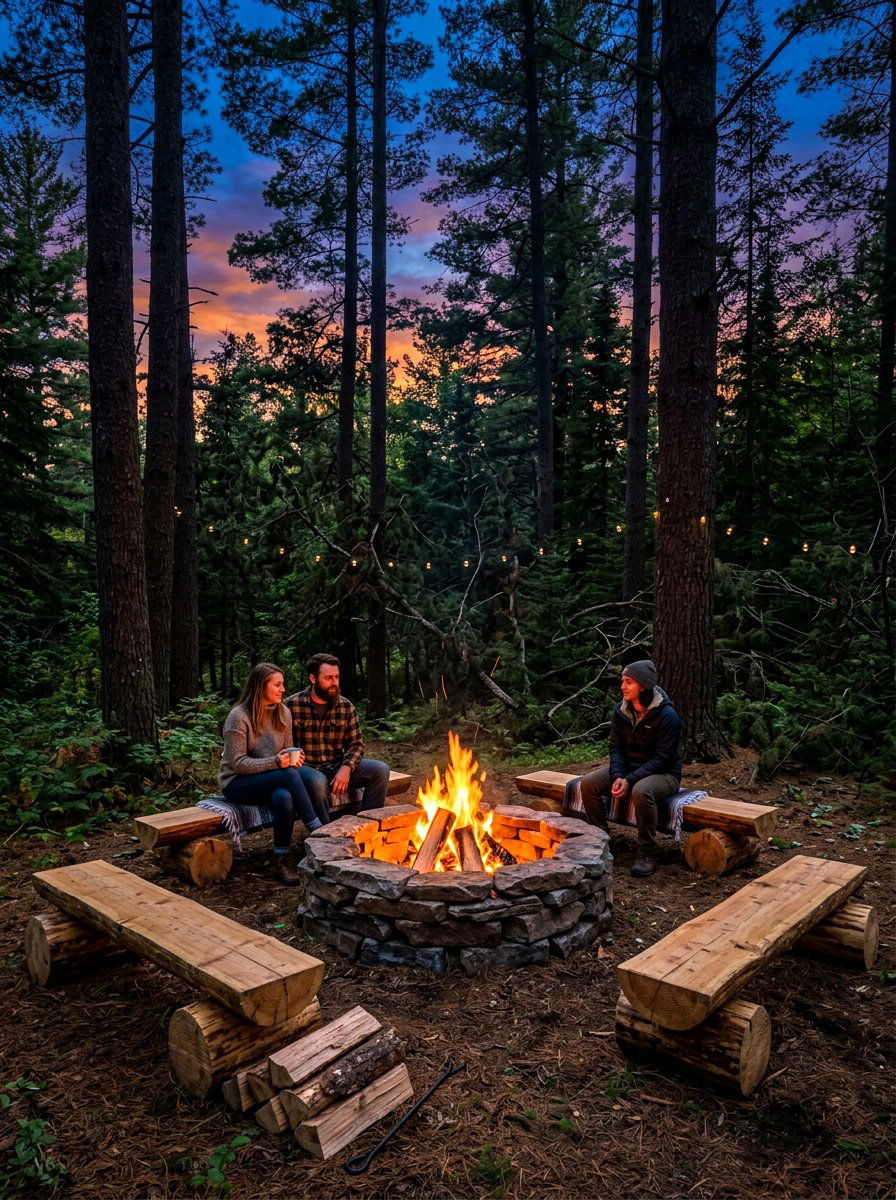
A woodland fire pit serves as a cozy focal point where family and friends can gather during cool evenings. To maintain the forest theme, use natural materials like stacked flagstone or large boulders to define the seating area. Placing the fire pit in a slightly cleared area under the trees creates an intimate and protected feeling. You can surround the pit with rustic log benches or simple Adirondack chairs to complete the rugged look. This setup allows you to enjoy the sights and sounds of the night woods while staying warm and comfortable. It turns an unused corner of your yard into a functional space for making memories.
6. Wildlife Habitat Garden
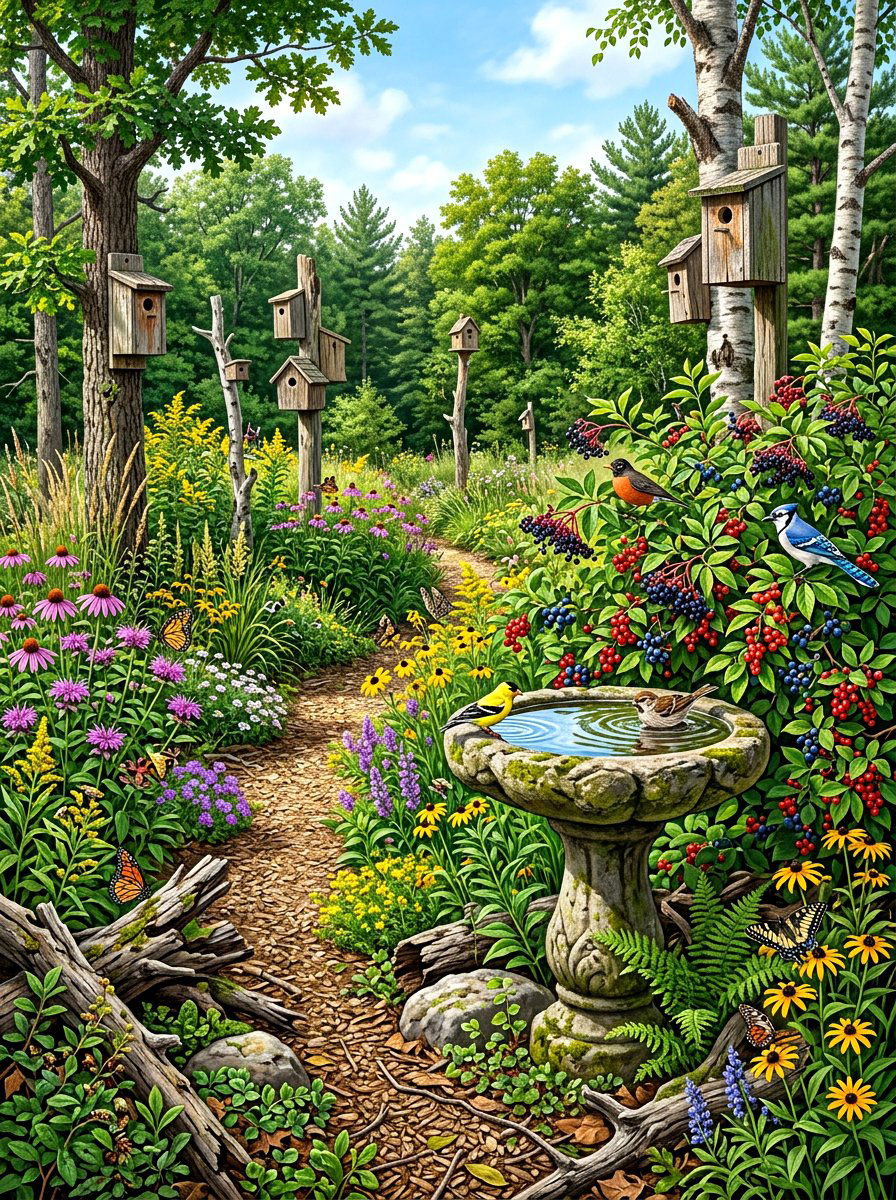
A wildlife habitat garden is designed specifically to invite birds, squirrels, and beneficial insects into your private outdoor sanctuary. You can achieve this by leaving some natural debris, like fallen logs or brush piles, which provide essential nesting sites. Planting berry-producing shrubs like elderberry or serviceberry offers a consistent food source for your feathered neighbors throughout the changing seasons. Including a small, shallow water source or a simple stone birdbath allows animals to drink and bathe safely in the shade. This type of landscaping transforms your yard into a living classroom where you can observe the fascinating rhythms of nature right from your back porch.
7. Forest Path Lighting
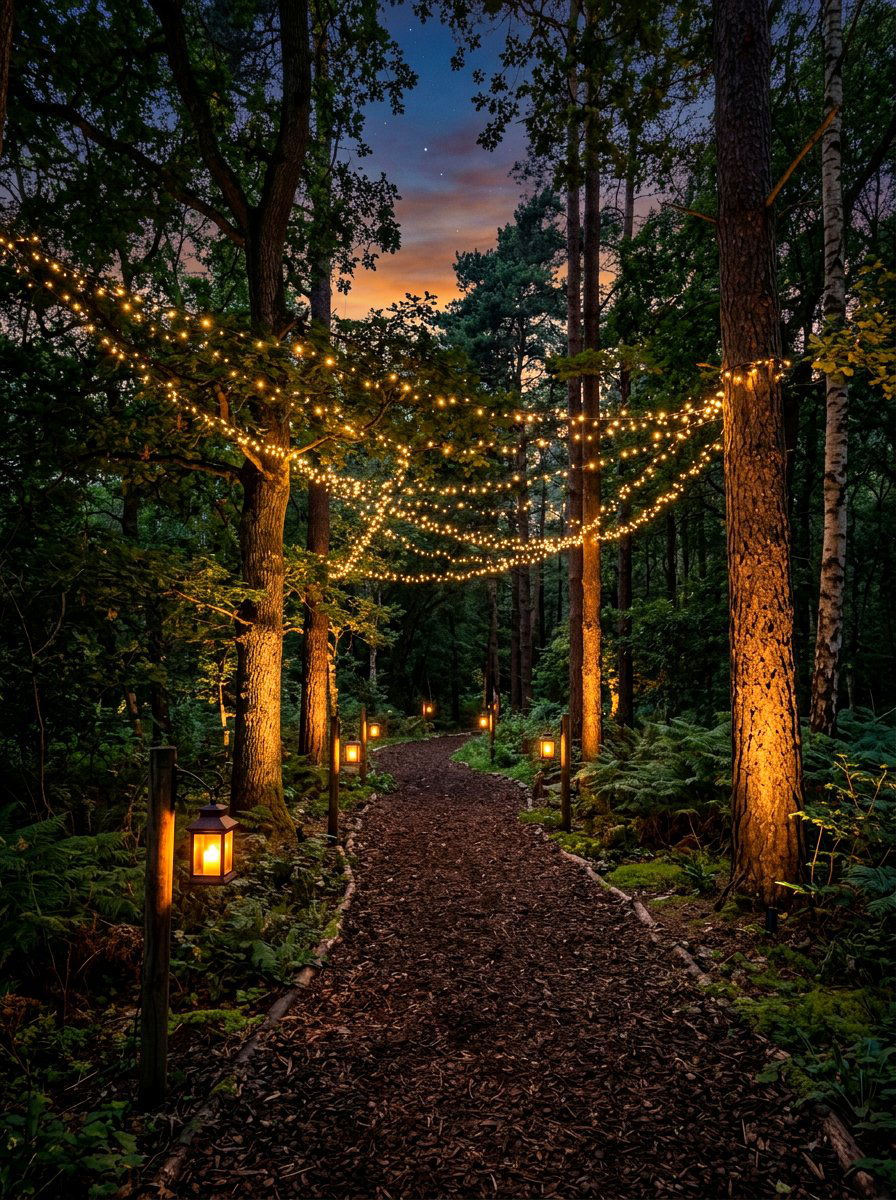
Forest path lighting should be subtle and soft to preserve the mysterious and calm ambiance of a nighttime woodland. Instead of using bright floodlights, consider placing small solar-powered lanterns or low-voltage LED stakes along your garden walkways. Uplighting a few majestic trees can highlight their interesting bark textures and architectural branch structures against the dark night sky. You can also hang delicate fairy lights in the lower branches to create a whimsical and enchanting glow for evening strolls. The goal is to provide just enough light for safety without overwhelming the natural beauty of the shadows. This approach makes your backyard feel like a magical hidden realm.
8. Dry Creek Bed
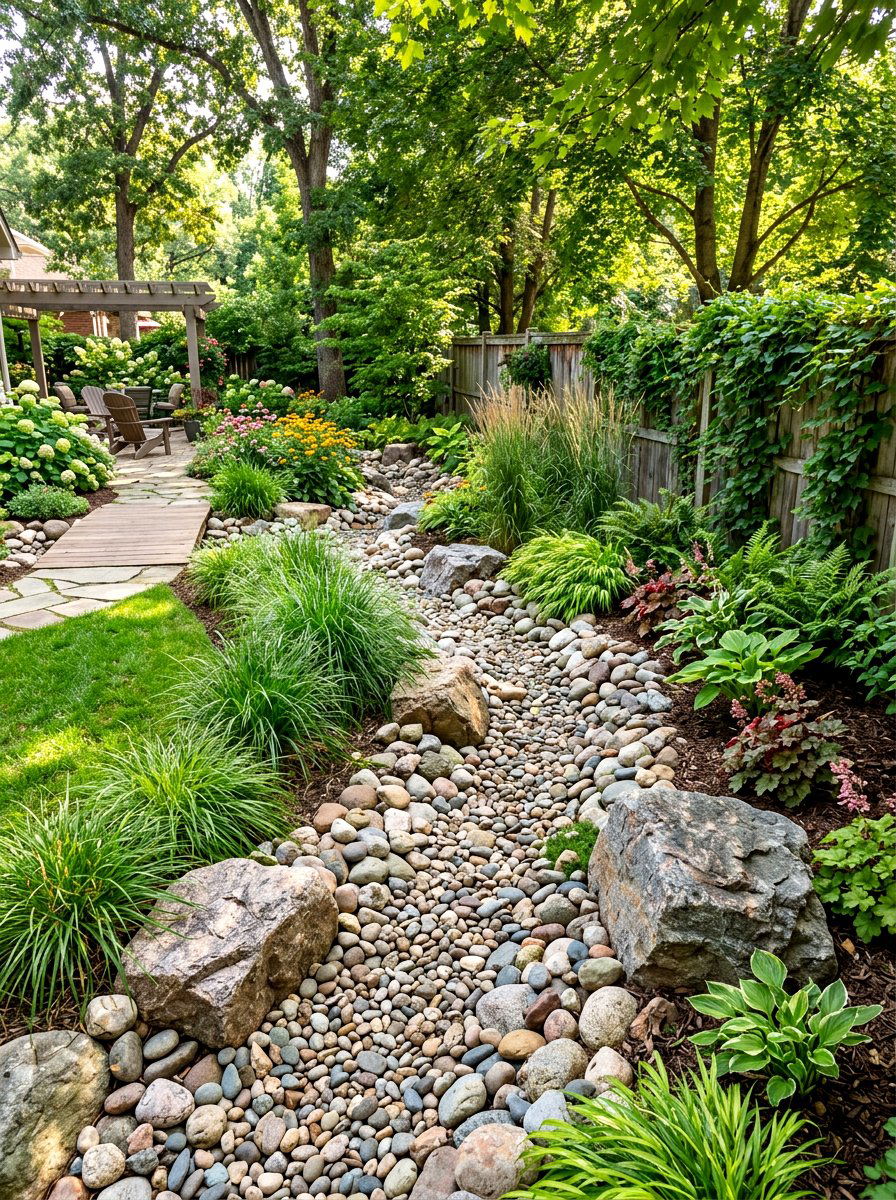
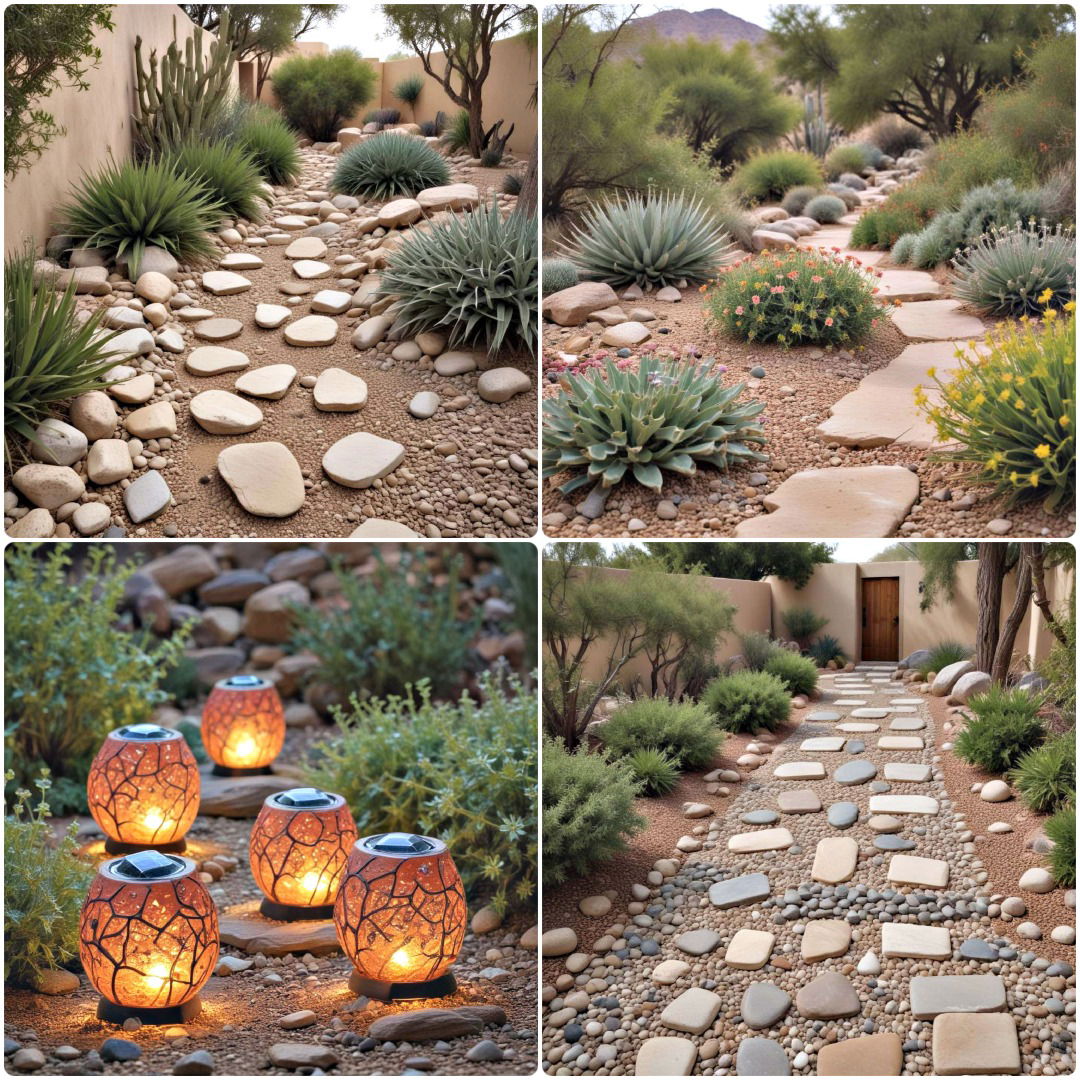
A dry creek bed is a clever landscaping feature that manages drainage issues while adding a beautiful focal point. By using various sizes of river rocks and smooth boulders, you can mimic the look of a natural waterway. This feature works perfectly in areas where grass won 't grow due to heavy runoff or deep tree shade. During rainstorms, the creek bed safely directs water away from your home' s foundation to prevent erosion and puddling. You can plant moisture-loving grasses or iris along the edges to enhance the realistic and organic appearance. It adds a sense of movement and texture to your yard even when it is completely dry.
9. Shade Tree Canopy
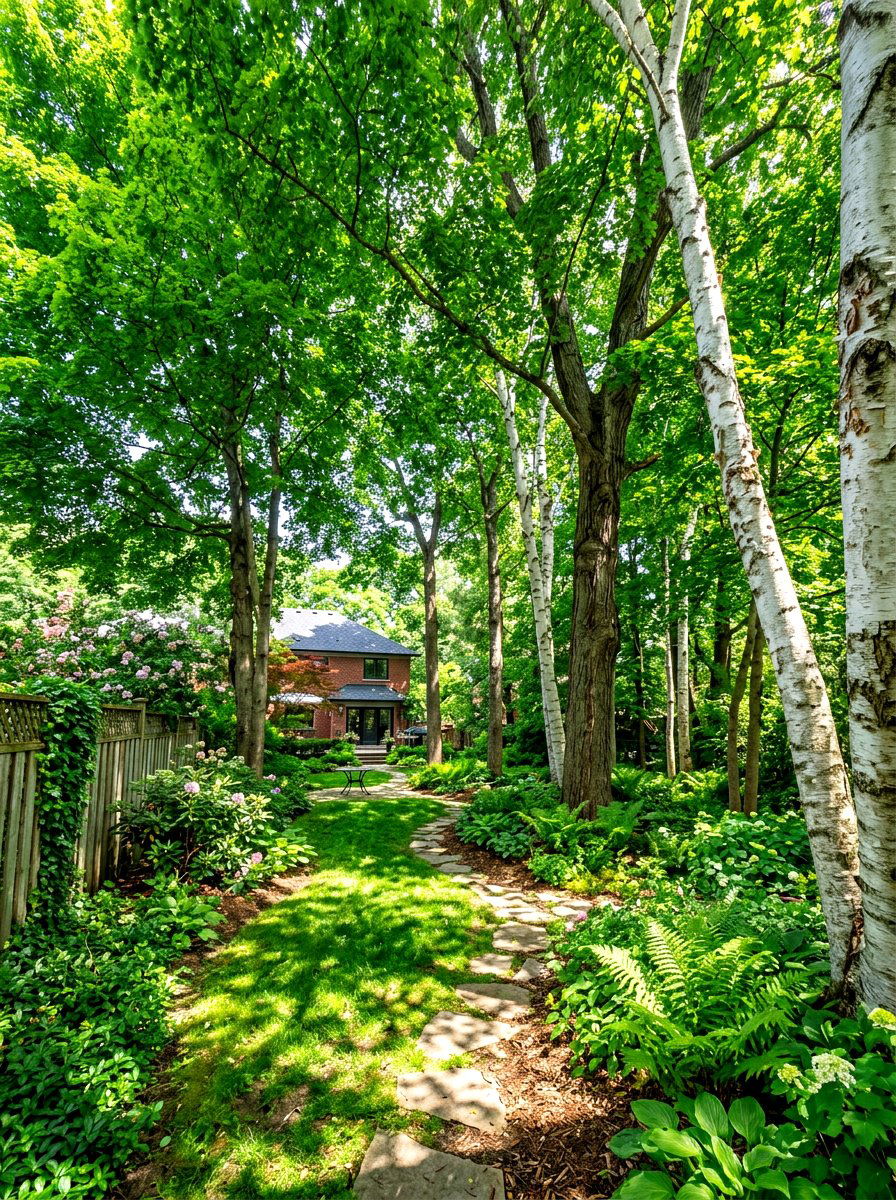
Developing a healthy shade tree canopy is the foundation of any successful and authentic woodland backyard design. If your yard is currently open, planting fast-growing deciduous trees like maples or birches will eventually provide necessary dappled light. For established yards, careful pruning of lower branches can "lift" the canopy to allow more light and airflow for understory plants. A thick canopy naturally cools your home during hot summer months and creates a quiet, sheltered environment for relaxation. The shifting patterns of light and shadow created by the leaves add a dynamic and ever-changing beauty to the landscape. It provides the essential vertical structure that defines a forest.
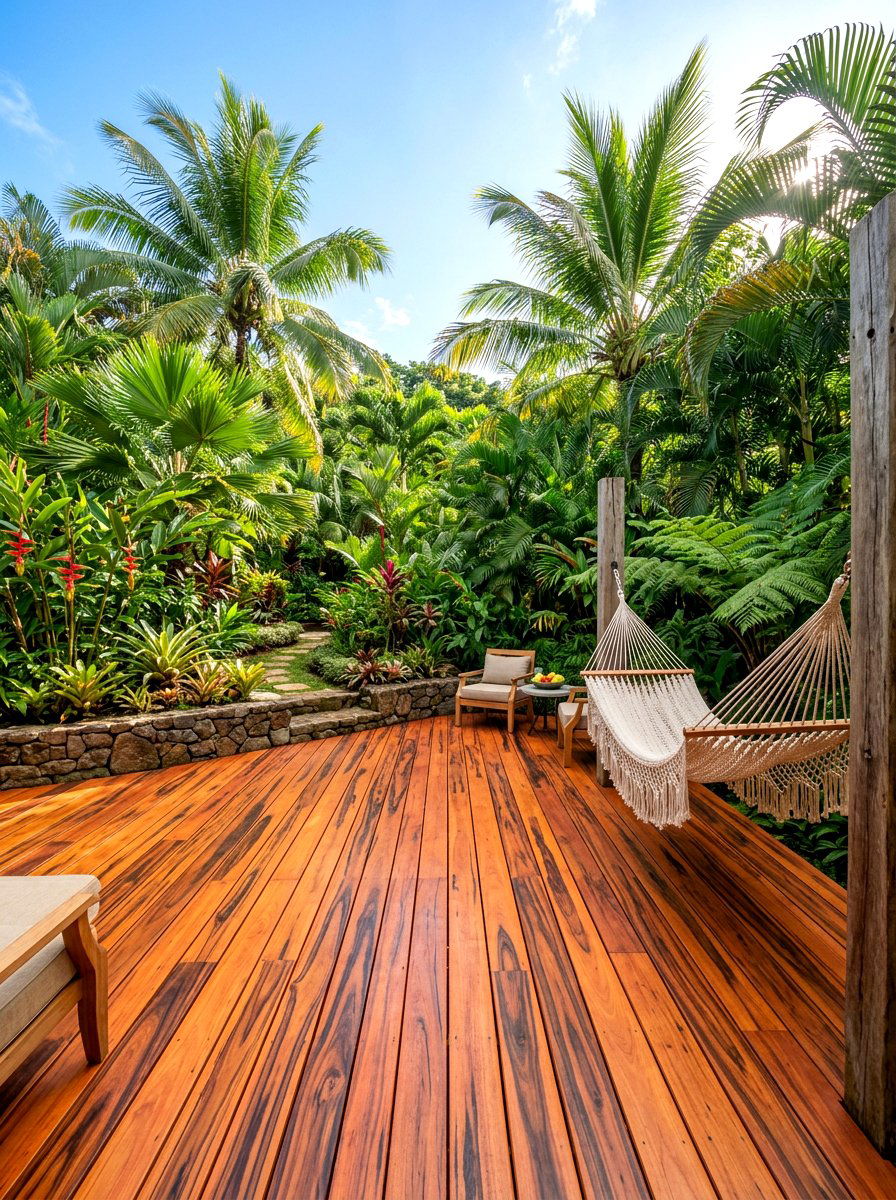
10. Log Bench Seating
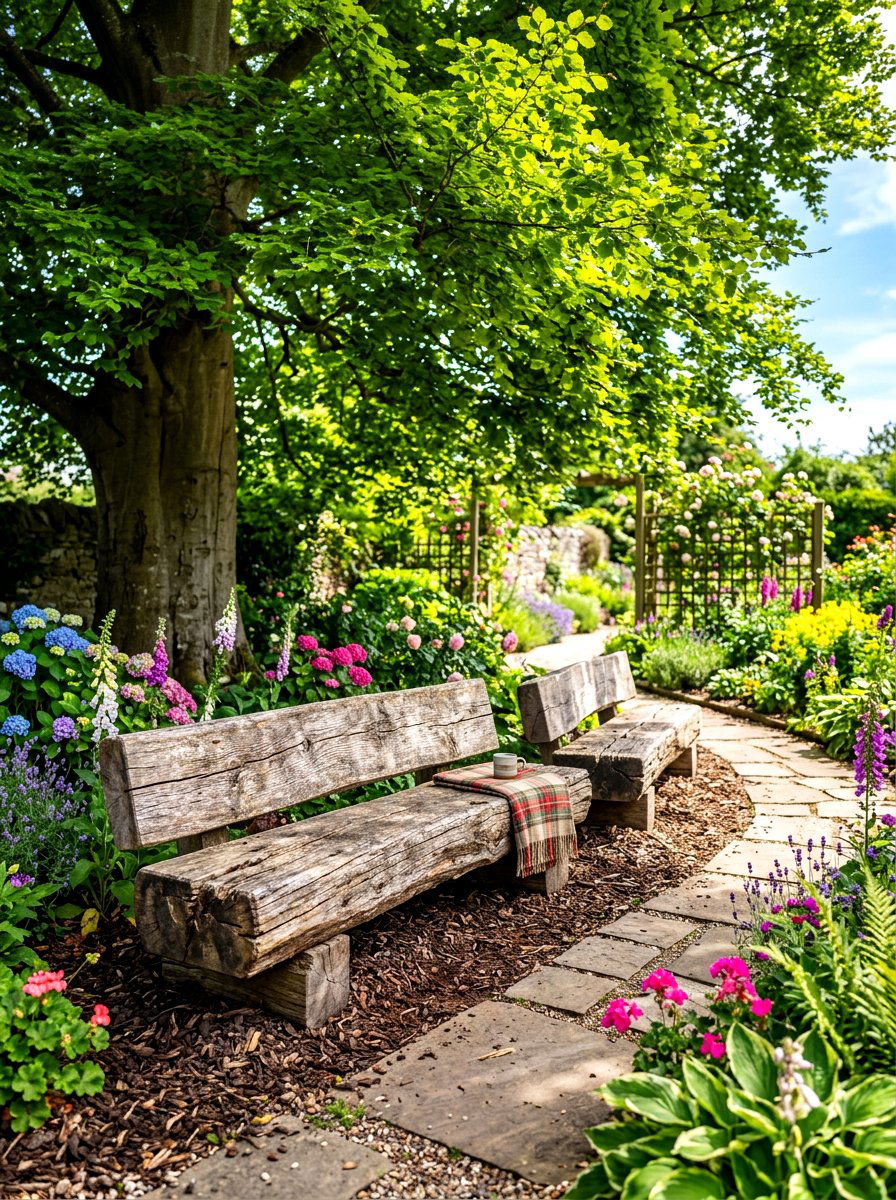
Log bench seating offers a simple and budget-friendly way to add functional furniture that matches a rustic woodland aesthetic. You can use a fallen tree from your own property or source reclaimed timber to create these natural stools and benches. Sanding the top surface smooth makes them comfortable for sitting while leaving the bark on the sides preserves their organic look. Placing a pair of log benches near a garden path or under a favorite tree creates an inviting spot for quiet contemplation. These pieces are incredibly durable and will weather beautifully over time, eventually blending perfectly into the forest floor. They emphasize the sustainable and resourceful spirit of woodland gardening.
11. Wildflower Meadow Edge
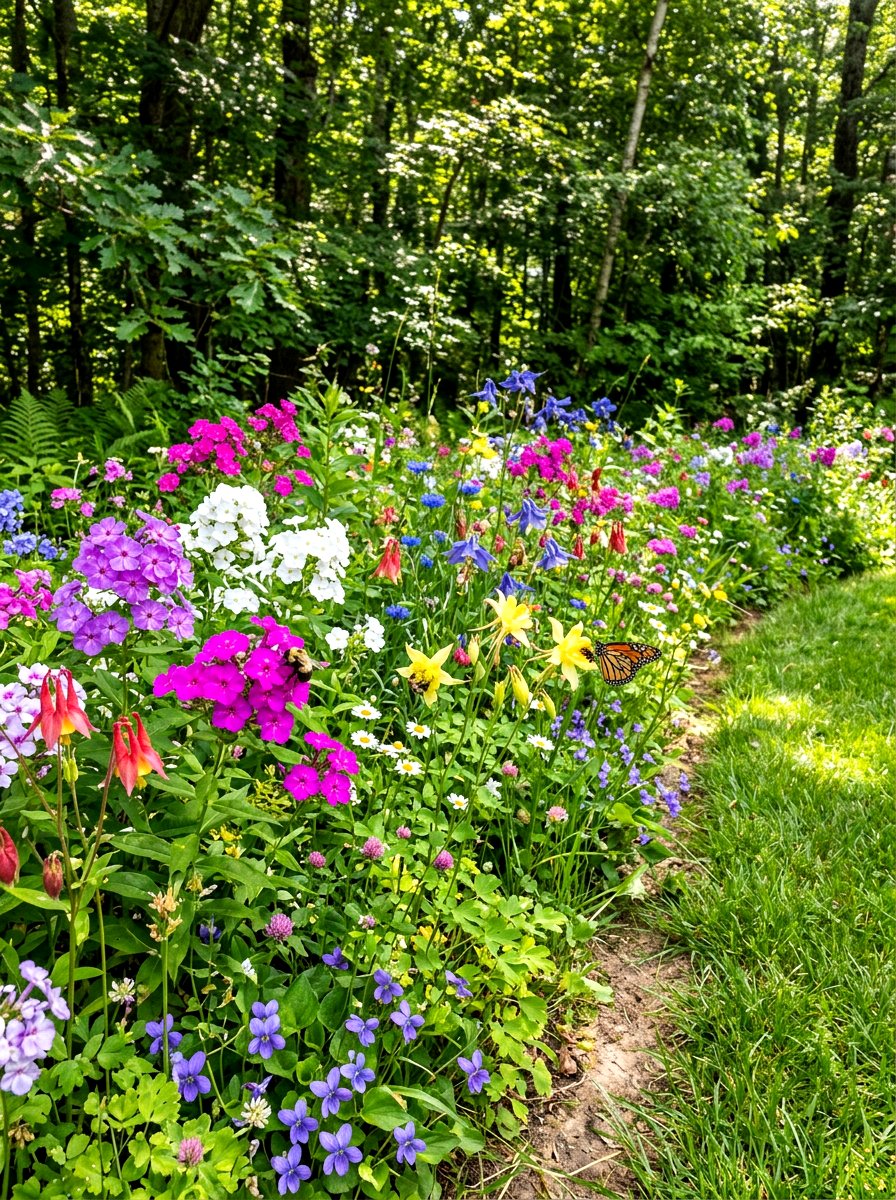
A wildflower meadow edge bridges the gap between your wooded areas and more open parts of your backyard. By planting a mix of native woodland wildflowers, you create a colorful transition that changes beautifully with every passing season. Species like columbine, phlox, and violets thrive in the partial shade found at the very edge of the tree line. These flowers provide vital nectar for pollinators and add a touch of whimsical beauty to the rugged forest landscape. A wildflower edge requires much less mowing than a traditional lawn and helps to build a more diverse and healthy local ecosystem. It brings a soft, romantic feel to the garden.
12. Forest Floor Groundcover
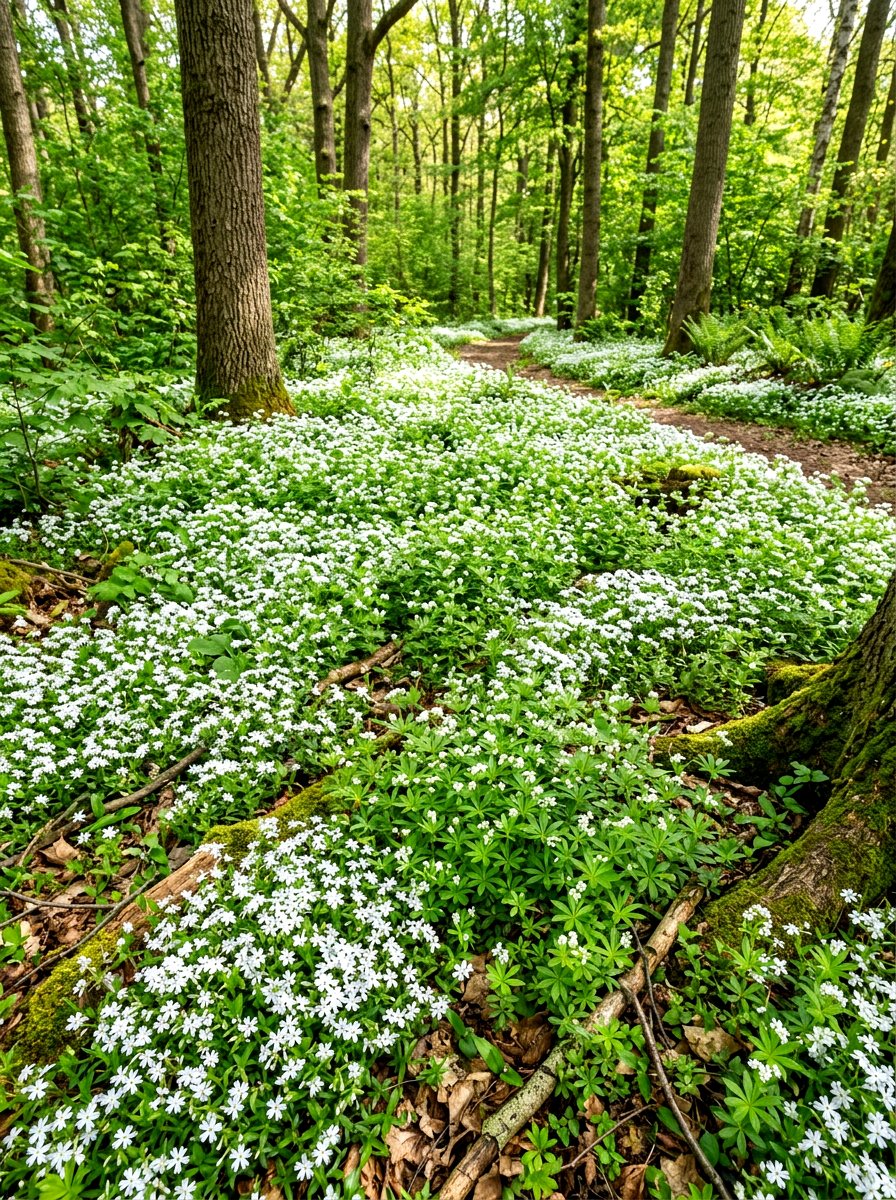
Forest floor groundcover replaces traditional grass with a variety of low-growing plants that love the deep shade of tall trees. Options like creeping phlox, sweet woodruff, or wild ginger create a dense green mat that naturally chokes out unwanted weeds. These plants are excellent for covering large areas where mowing is difficult due to exposed tree roots or steep slopes. Many groundcovers offer seasonal interest with small, delicate flowers or interesting leaf shapes that add texture to the ground. Using a variety of different groundcovers ensures that your backyard stays lush and vibrant even in the darkest corners. It creates a finished and well-maintained look.
13. Decorative Boulders
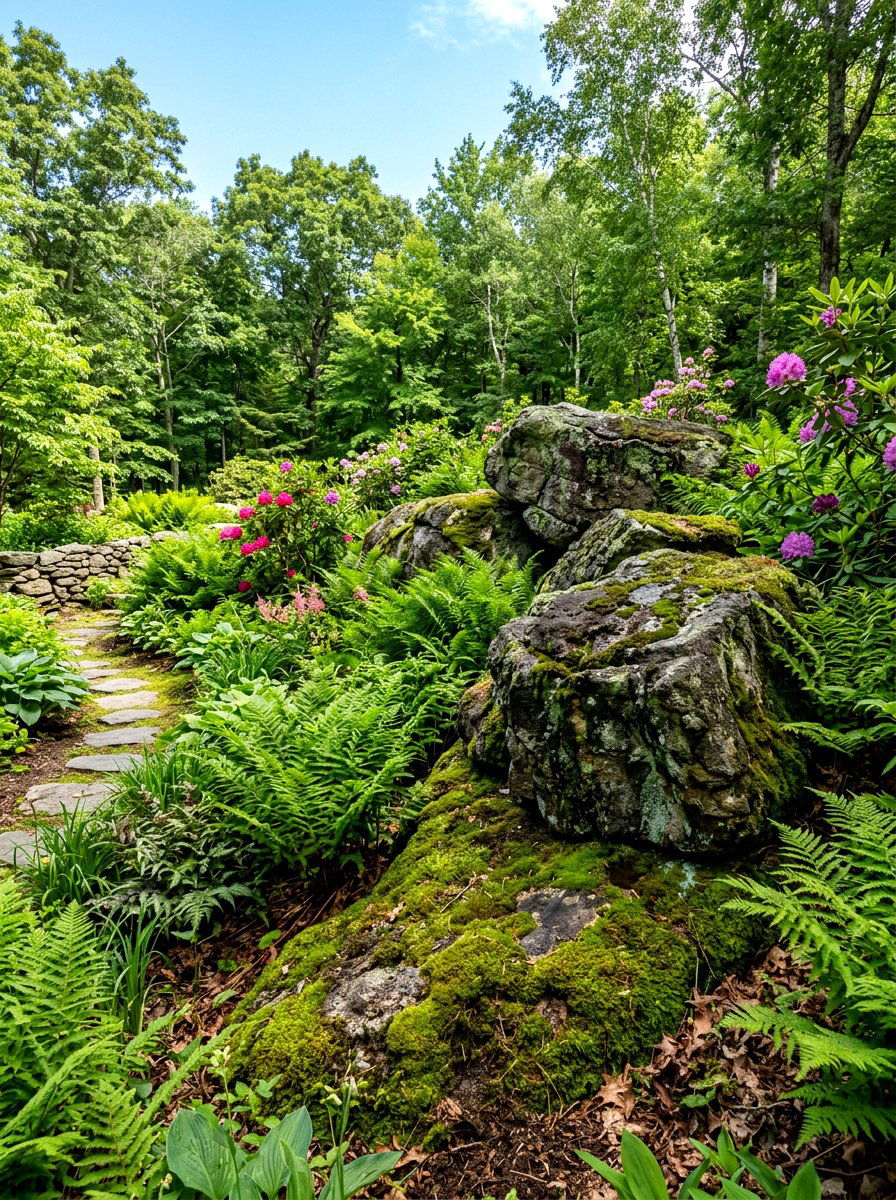
Incorporating decorative boulders into your landscaping adds instant weight, texture, and a sense of permanence to a woodland backyard. Large rocks should be partially buried to look like natural outcroppings that have been there for centuries. You can use them to anchor garden beds, define path entrances, or create natural steps on a sloping hill. Boulders also provide a perfect backdrop for delicate ferns and mosses to grow against, creating beautiful and rugged vignettes. Their cool surfaces offer a resting place for small garden visitors like toads and lizards during the heat of the day. They bring a strong sense of rugged, mountain-inspired beauty to your yard.
14. Natural Pond
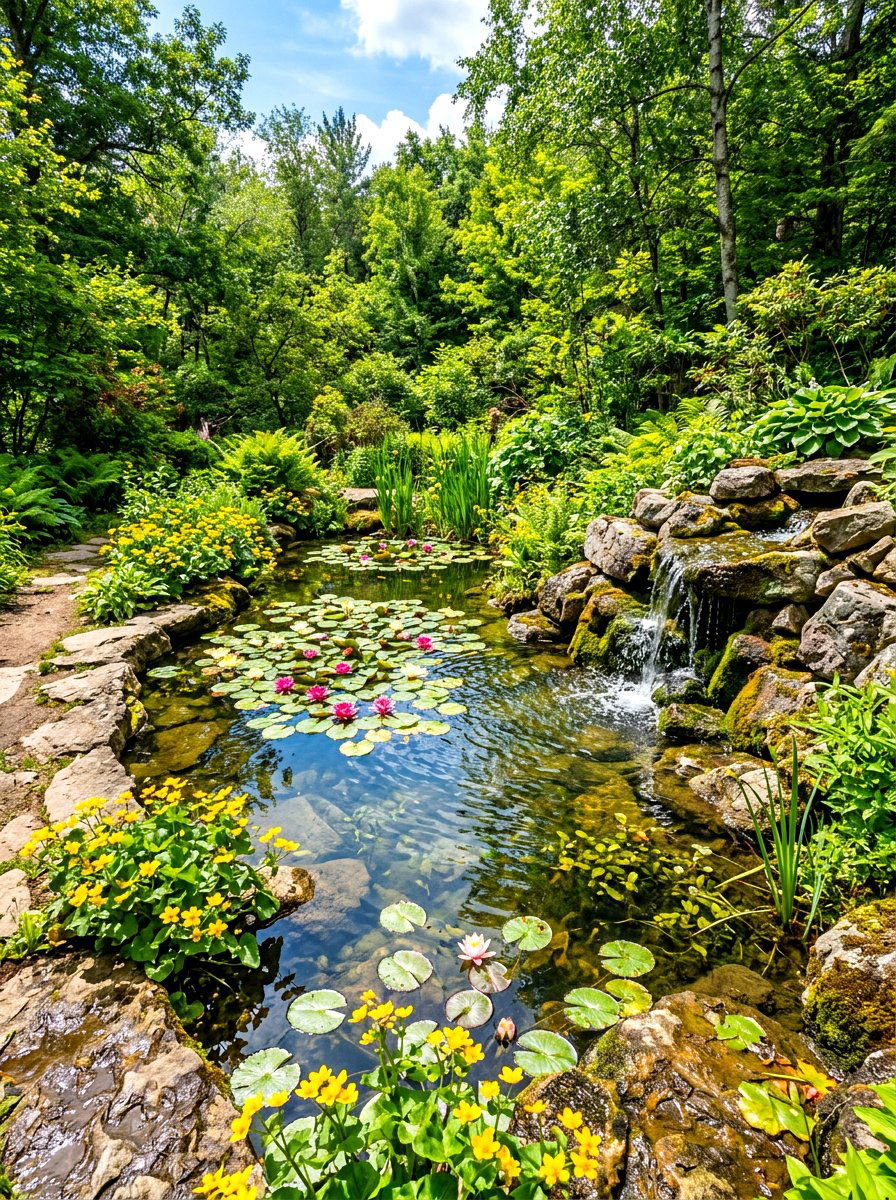
A natural pond serves as the crowning jewel of a woodland backyard, providing a peaceful reflection of the surrounding trees. Unlike formal fountains, a woodland pond should have irregular edges lined with rocks, pebbles, and water-loving plants like marsh marigolds. The sound of a small waterfall or a simple solar bubbler adds a soothing auditory element that masks neighborhood noise. A pond attracts a wide variety of wildlife, from colorful dragonflies to songbirds looking for a quick drink. By including a variety of aquatic plants, you can keep the water clear and healthy without using harsh chemicals. It creates a cool and refreshing microclimate in your garden.

15. Woodland Bridge
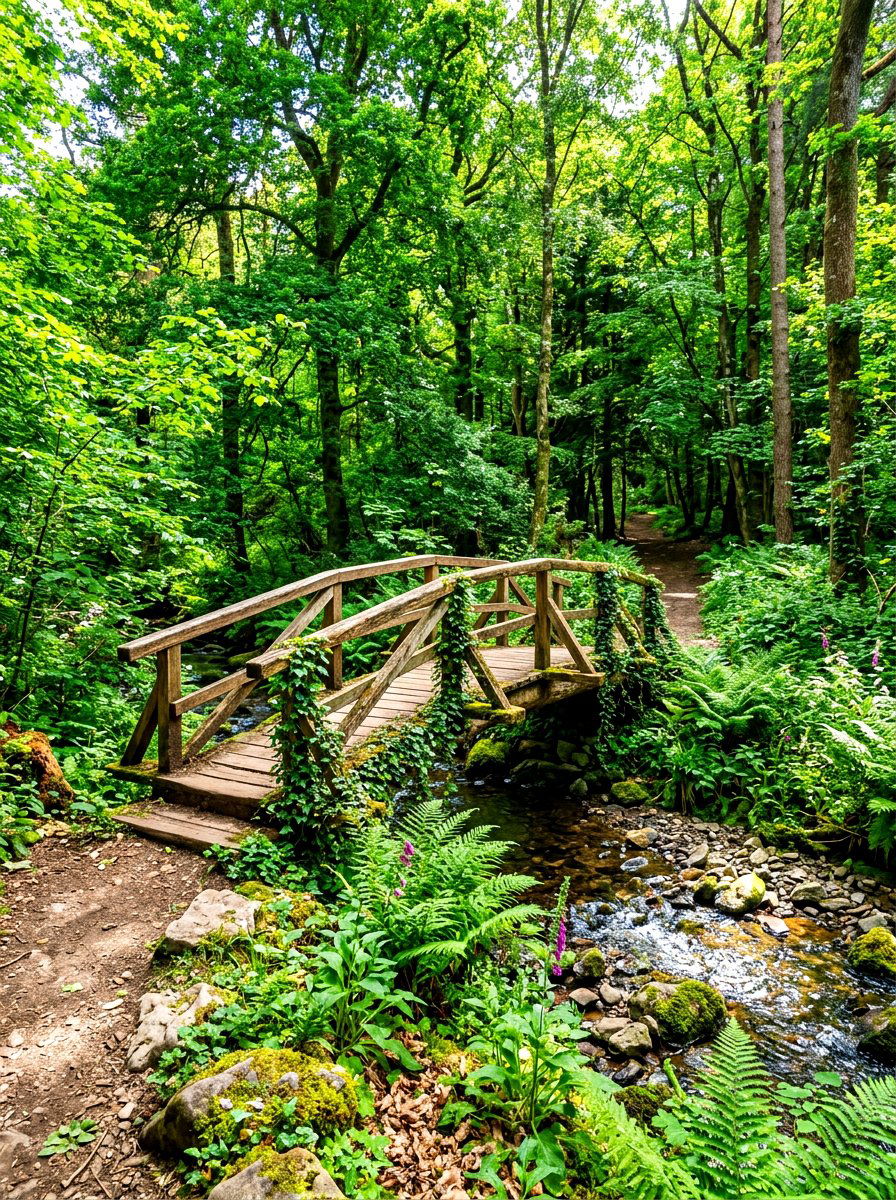
A woodland bridge adds a charming and functional architectural element to your backyard, especially if you have a creek or pond. Using rustic materials like cedar, redwood, or even large flat stones ensures the bridge feels like a natural extension of the path. A simple wooden footbridge allows you to cross over damp areas or garden features with ease and safety. It acts as a visual transition point that draws the eye and encourages visitors to explore deeper into your hidden forest retreat. Even a small bridge over a dry creek bed adds a sense of adventure and storybook whimsy to the overall landscape design.
16. Understory Planting
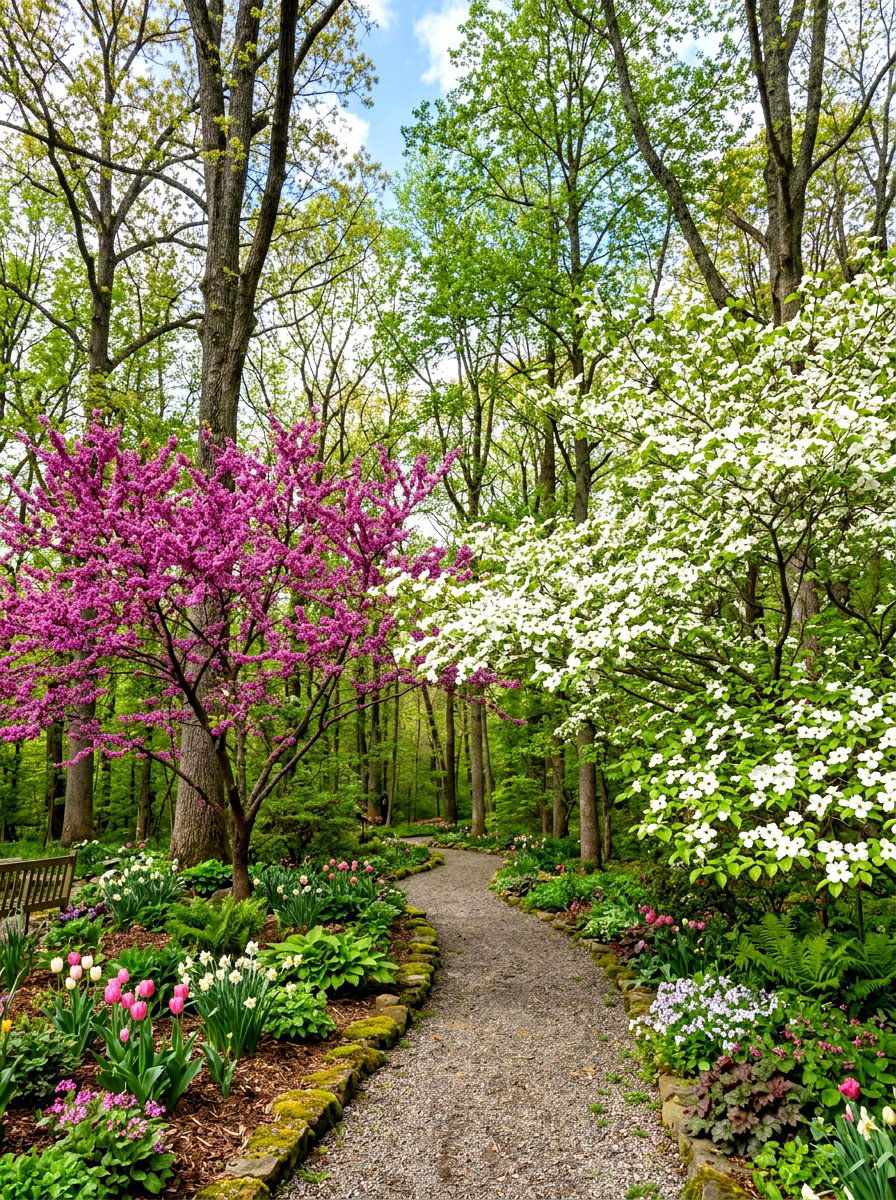
Understory planting focuses on the middle layer of the forest, consisting of small trees and large shrubs that live below the canopy. Species like flowering dogwoods, redbuds, and azaleas are perfect for adding height and seasonal color to your woodland backyard. These plants bridge the visual gap between the tall overhead trees and the low-growing flowers on the forest floor. They provide essential nesting spots for birds and offer beautiful blooms in the spring followed by vibrant foliage in the fall. Strategic understory planting also helps to create privacy by filling in the eye-level gaps in your landscape. It makes the entire garden feel much more full.
17. Hosta Garden
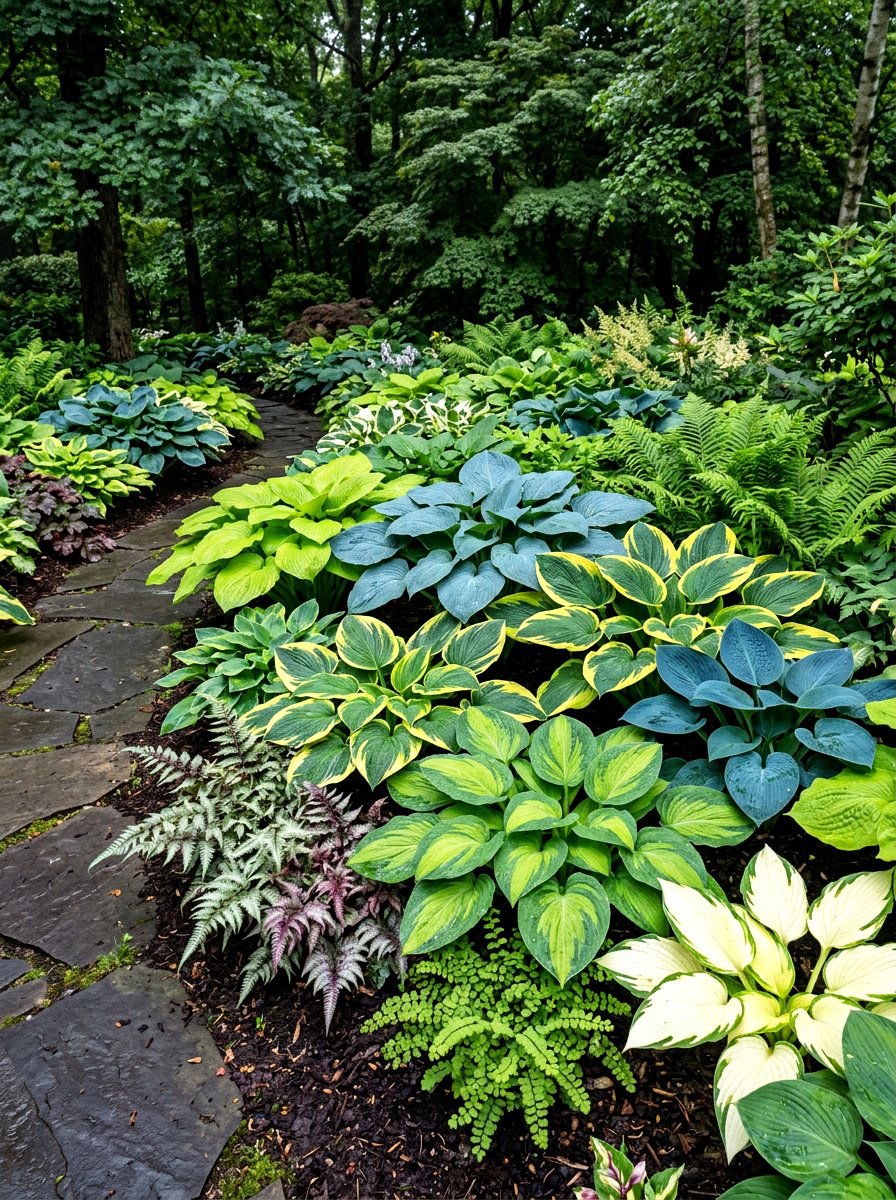
A hosta garden is a classic choice for shaded backyards because these plants are incredibly hardy and come in endless varieties. Hostas offer a huge range of leaf colors, from deep forest green and chartreuse to striking blue-grey and variegated patterns. Their large, bold leaves provide a fantastic contrast to the fine textures of ferns and woodland grasses. Hostas are very easy to divide and spread, making them an economical way to fill large shady borders over several years. In the summer, they produce tall stalks of purple or white flowers that attract hummingbirds to your yard. They are the workhorses of the shade-loving landscape.
18. Mulched Garden Bed
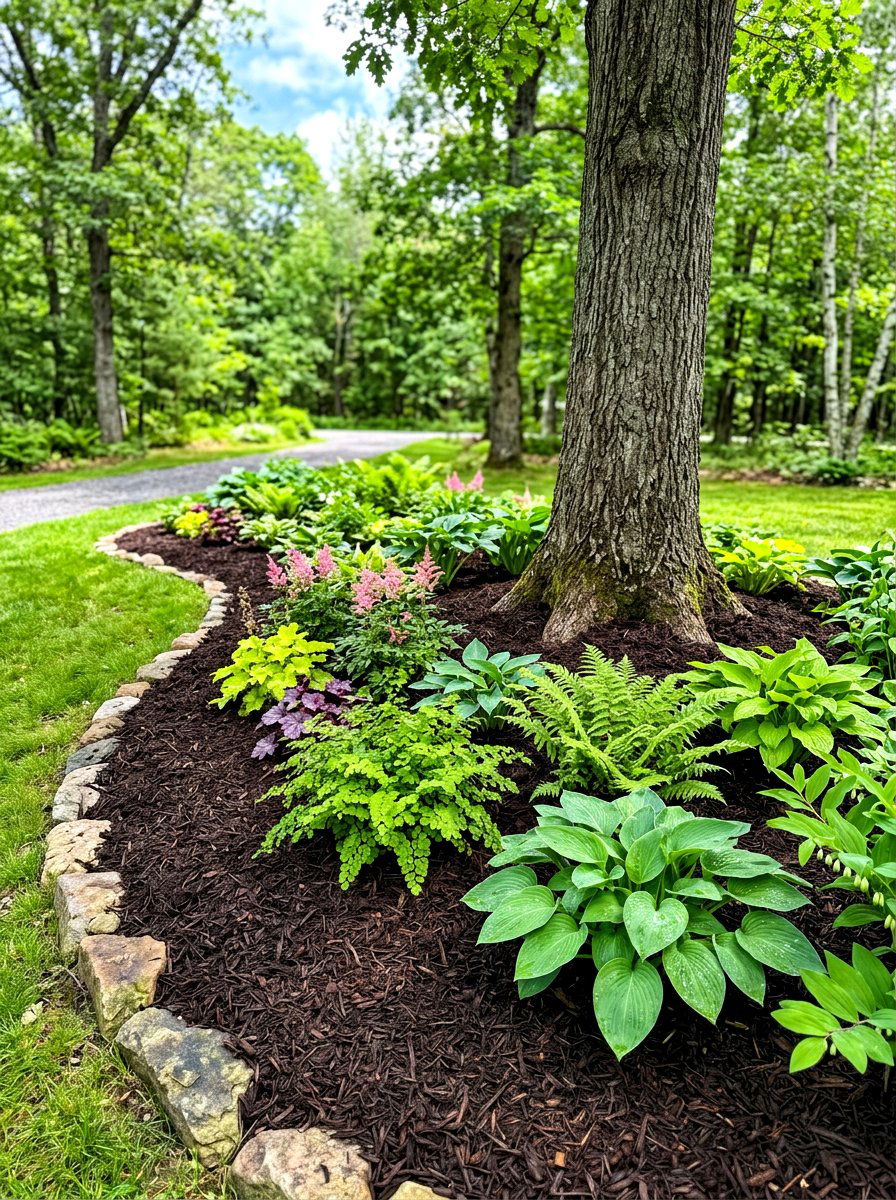
A mulched garden bed is an essential tool for maintaining a healthy and clean-looking woodland landscape with minimal effort. Using organic materials like shredded bark, pine straw, or leaf mold mimics the natural nutrient cycle of a real forest floor. Mulch helps to retain soil moisture, suppress weeds, and protect the delicate roots of your shade plants from extreme temperature changes. As the mulch breaks down over time, it enriches the soil with valuable organic matter that helps your plants thrive. A fresh layer of dark mulch also provides a beautiful, tidy backdrop that makes the vibrant greens of your plants really pop. It is practical and beautiful.
19. Pine Needle Path
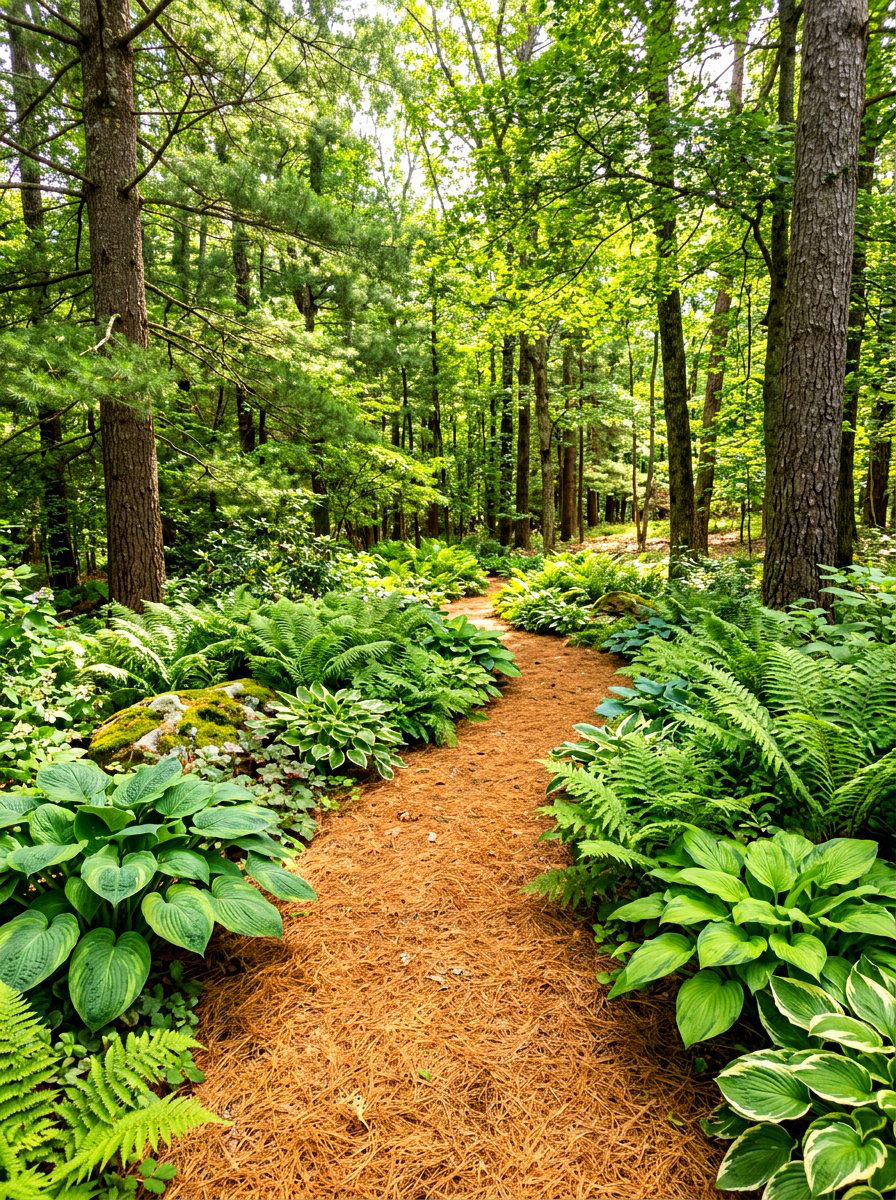
A pine needle path, also known as pine straw, offers a soft and fragrant walkway that feels perfectly at home in a wooded yard. This material is lightweight, easy to install, and provides excellent drainage even during heavy rainstorms. The natural orange-brown hue of the pine needles creates a warm and inviting contrast against the lush green foliage of the garden. Unlike gravel, pine needles stay in place well and don't get stuck in your shoes as you walk through the yard. They also naturally acidify the soil as they decompose, which is beneficial for many woodland plants like azaleas and blueberries. It is a very sustainable choice.
20. Backyard Bird Sanctuary
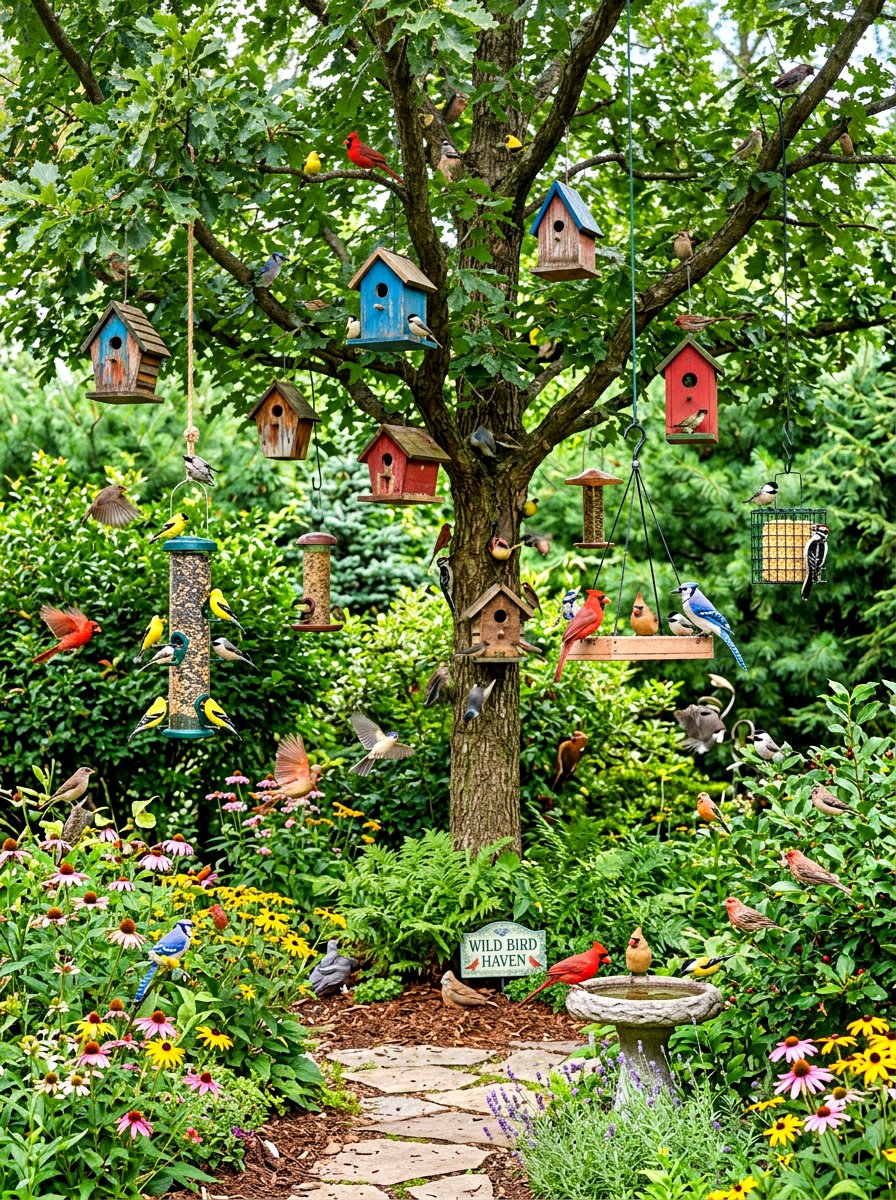
A backyard bird sanctuary turns your wooded space into a lively hub of activity and beautiful song throughout the year. You can easily achieve this by installing several birdhouses at different heights to accommodate various local species. Placing a variety of feeders with different seeds ensures that you attract a diverse range of birds, from tiny chickadees to colorful woodpeckers. Dense shrubs and evergreens provide essential cover from predators and harsh weather, making the birds feel safe enough to stay. Watching the birds interact with your garden brings a sense of joy and connection to the natural world. It is a rewarding project for any nature lover.
21. Tree Stump Planter
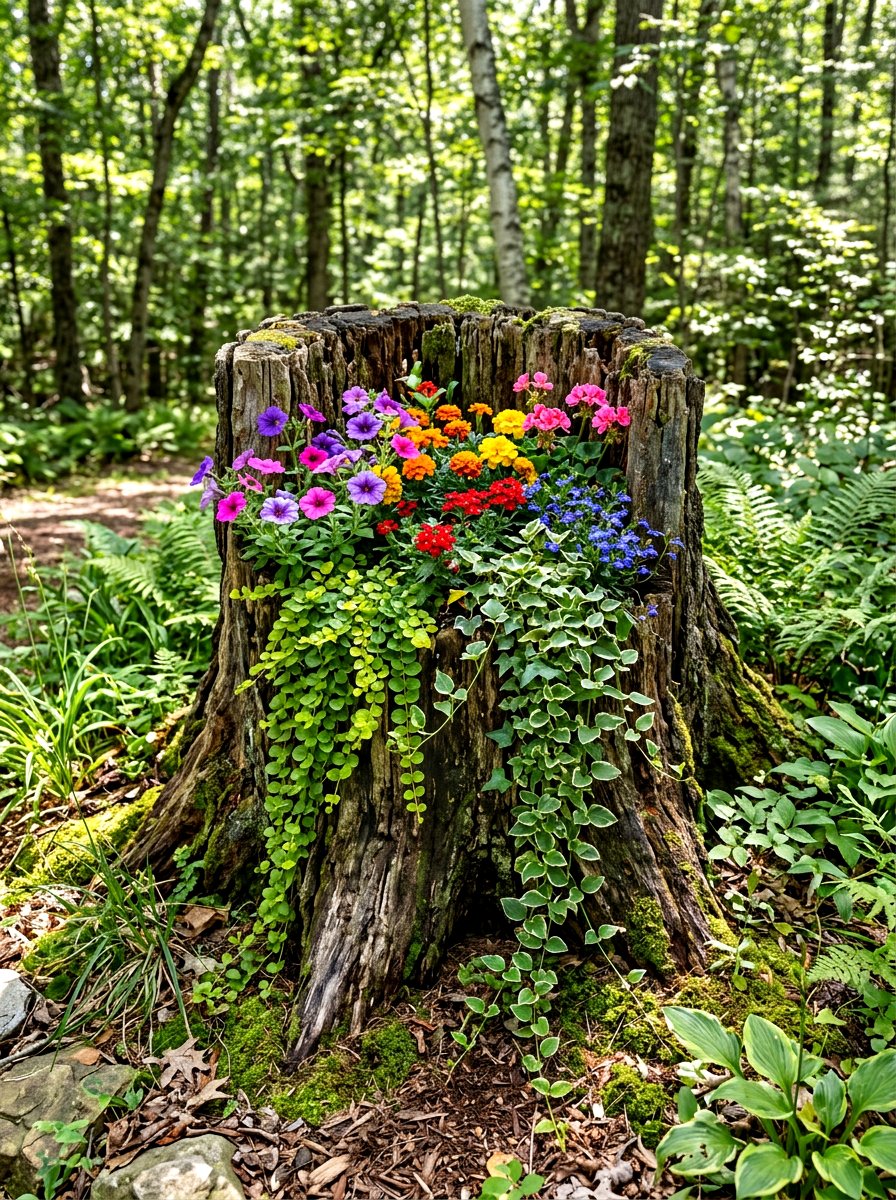
A tree stump planter is a creative and eco-friendly way to repurpose old stumps instead of spending money to remove them. You can hollow out the center of a stump and fill it with rich potting soil to grow cascading flowers or ferns. The decaying wood provides natural nutrients to the plants while adding a rustic, lived-in feel to your garden beds. Over time, the stump will become a habitat for beneficial insects and interesting fungi, further enhancing the forest ecosystem. It serves as a unique and organic focal point that celebrates the full life cycle of the trees in your backyard. It is a beautiful example of nature-inspired art.
22. Layered Garden Landscape
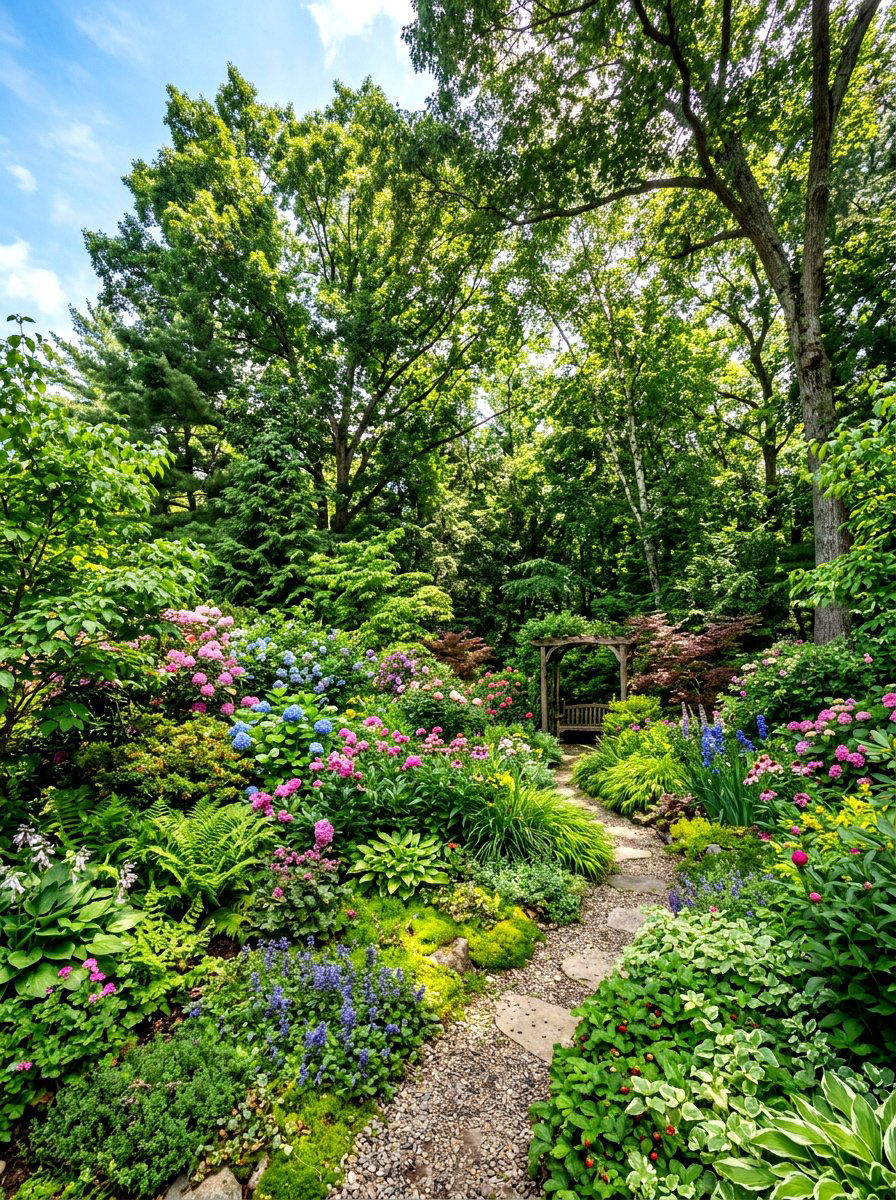
A layered garden landscape mimics the complex structure of a real forest to create a rich and immersive outdoor experience. This design technique involves planting in distinct vertical tiers, starting with groundcovers, moving to perennials, then shrubs, and finally trees. By filling every level of the space, you create a sense of depth and abundance that makes even a small yard feel like a large forest. This density also helps to block out wind and noise, making your backyard feel like a truly private and quiet escape. Layering ensures that there is always something interesting to look at, whether you are gazing up or looking down.
23. Woodland Perennial garden
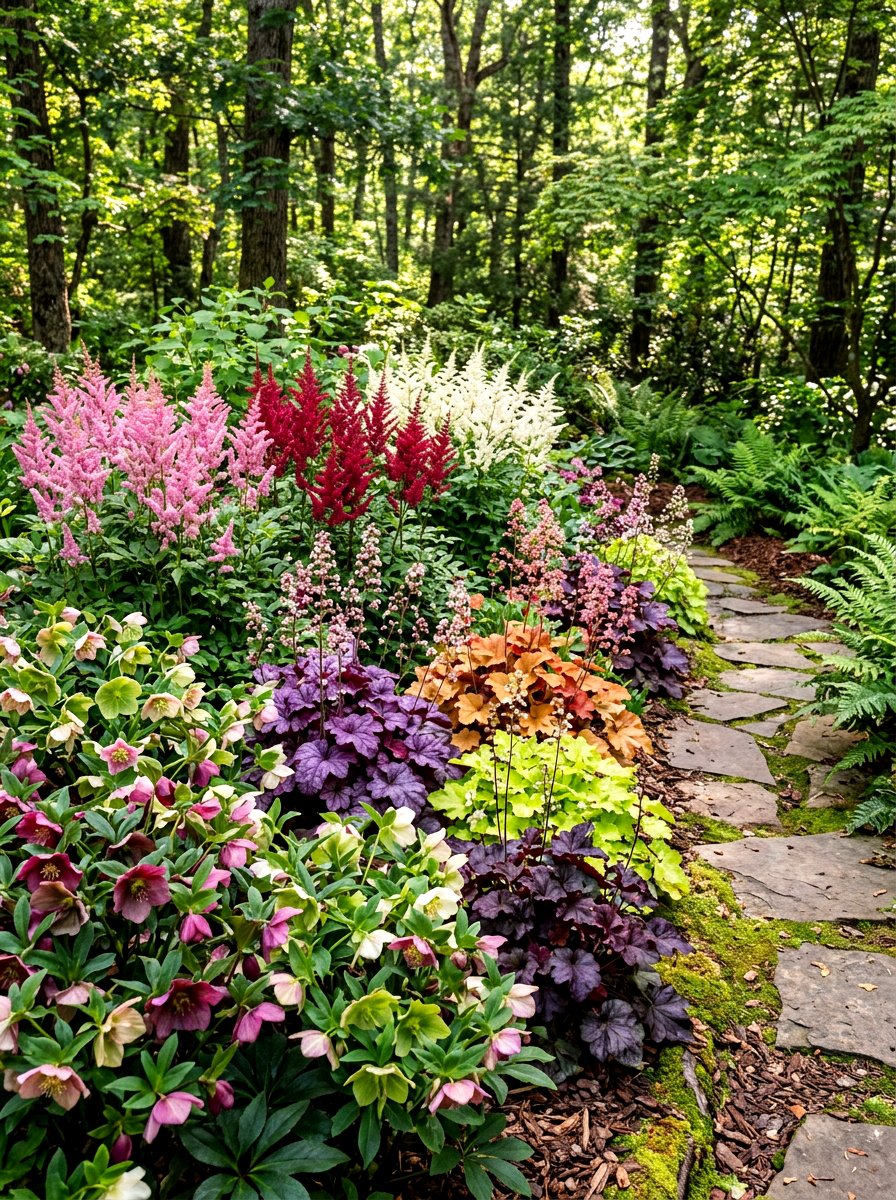
A woodland perennial garden provides reliable beauty that returns year after year with very little help from the gardener. You can choose a variety of shade-tolerant perennials like hellebores, astilbes, and coral bells to ensure a long season of interest. These plants offer a wide range of flower colors and foliage textures that brighten up the darker corners of a wooded yard. By selecting plants with different blooming times, you can enjoy a continuous display of color from early spring through late fall. Perennials are excellent for creating a full and established look that feels settled and natural. They are the backbone of a successful and sustainable shade garden.
24. Rustic Fence
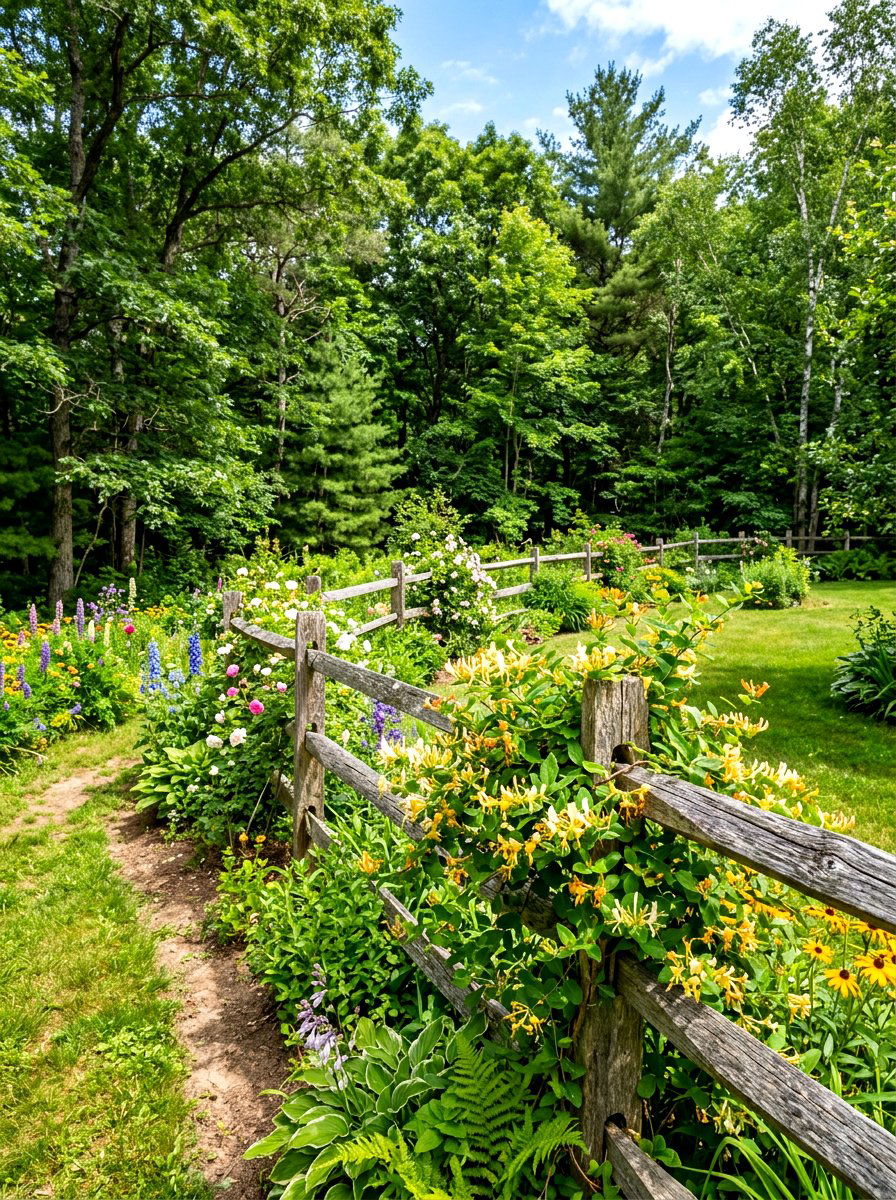
A rustic fence defines the boundaries of your woodland backyard while maintaining a soft and informal look that blends with the trees. Using materials like split-rail cedar, wattle, or even stacked logs creates a functional barrier that doesn't feel overly modern or suburban. These fences are perfect for supporting climbing vines like honeysuckle or clematis, which add more greenery and fragrance to your yard. A weathered wooden fence provides a sense of enclosure and security without blocking the view of the surrounding woods. It adds a touch of classic country charm that perfectly complements the wild and organic feel of a forest-inspired landscape.

25. Shady Patio Retreat
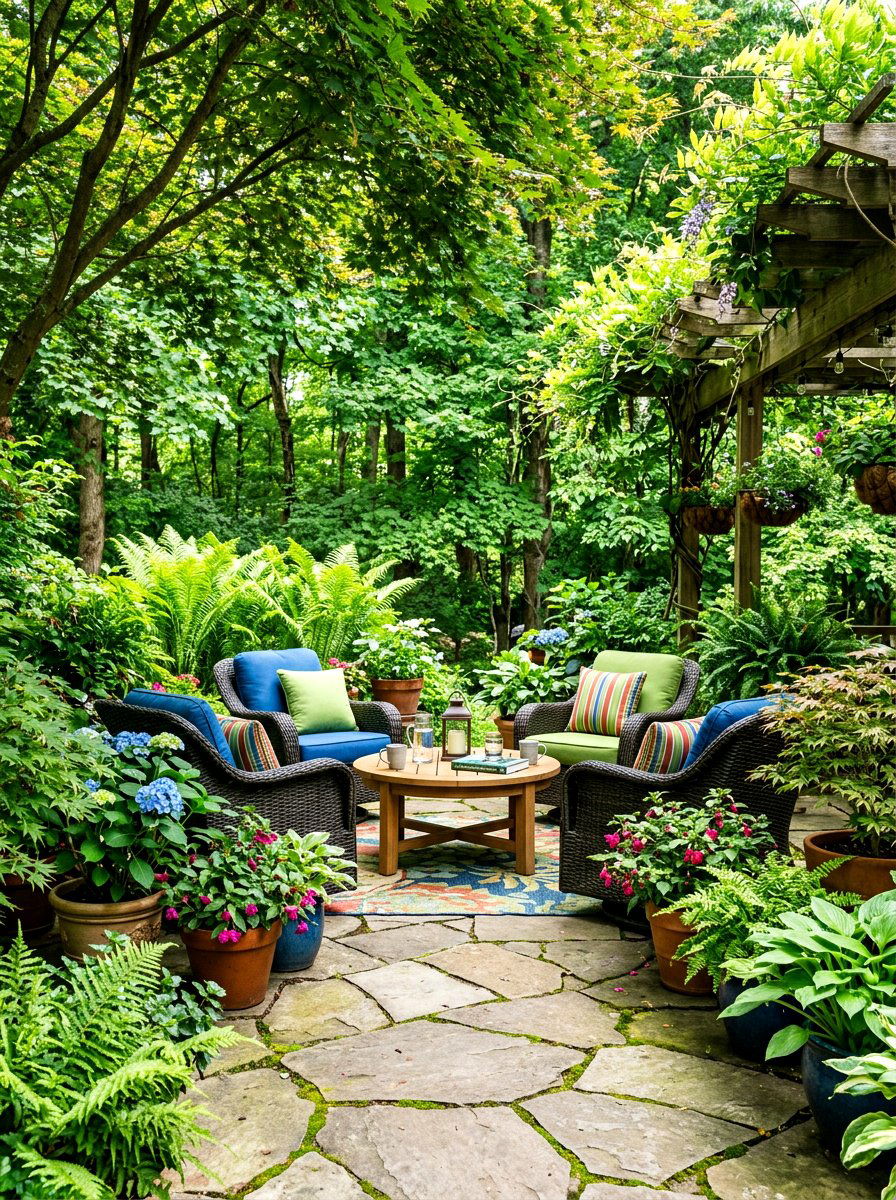
A shady patio retreat offers a comfortable home base where you can relax and enjoy the beauty of your woodland garden. Using natural materials like flagstone, pea gravel, or wood decking ensures the patio feels integrated into the forest environment. Surrounding the seating area with tall ferns and potted hostas creates a lush and intimate outdoor room that feels very private. This is the perfect spot for reading a book, enjoying a morning coffee, or hosting small gatherings in a cool and calm setting. Adding comfortable weather-resistant furniture and soft lighting makes the space feel like a true extension of your indoor living area.
26. Gravel Forest Trail
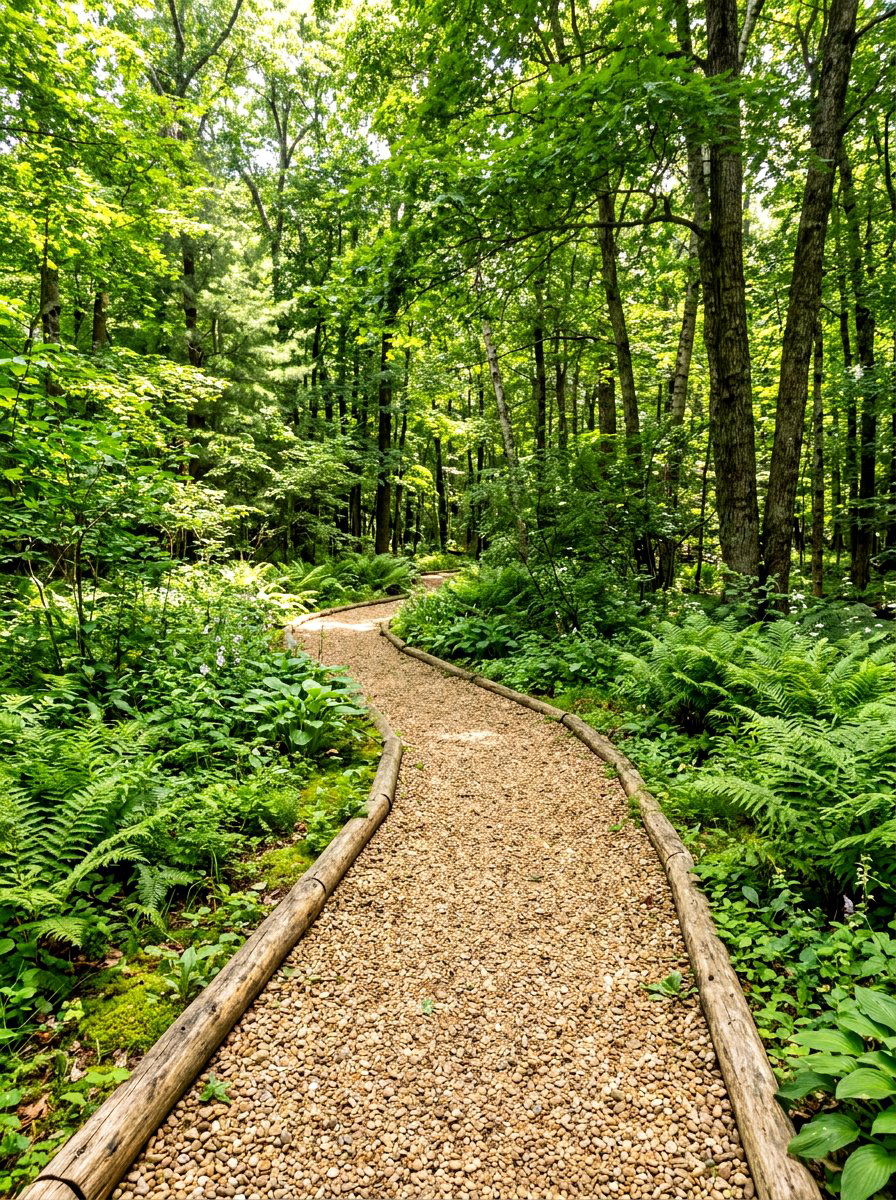
A gravel forest trail provides a durable and low-maintenance pathway that can handle heavy foot traffic in all types of weather. Using small, natural-colored stones like pea gravel or crushed granite allows the path to blend in with the surrounding earth and rocks. Gravel is an excellent choice for woodland paths because it suppresses weeds and allows water to soak through to the tree roots. The crunching sound of gravel underfoot adds a satisfying sensory element to your garden walks. You can edge the trail with logs or larger rocks to keep the gravel contained and give the path a clean and defined shape.
27. Rain Garden
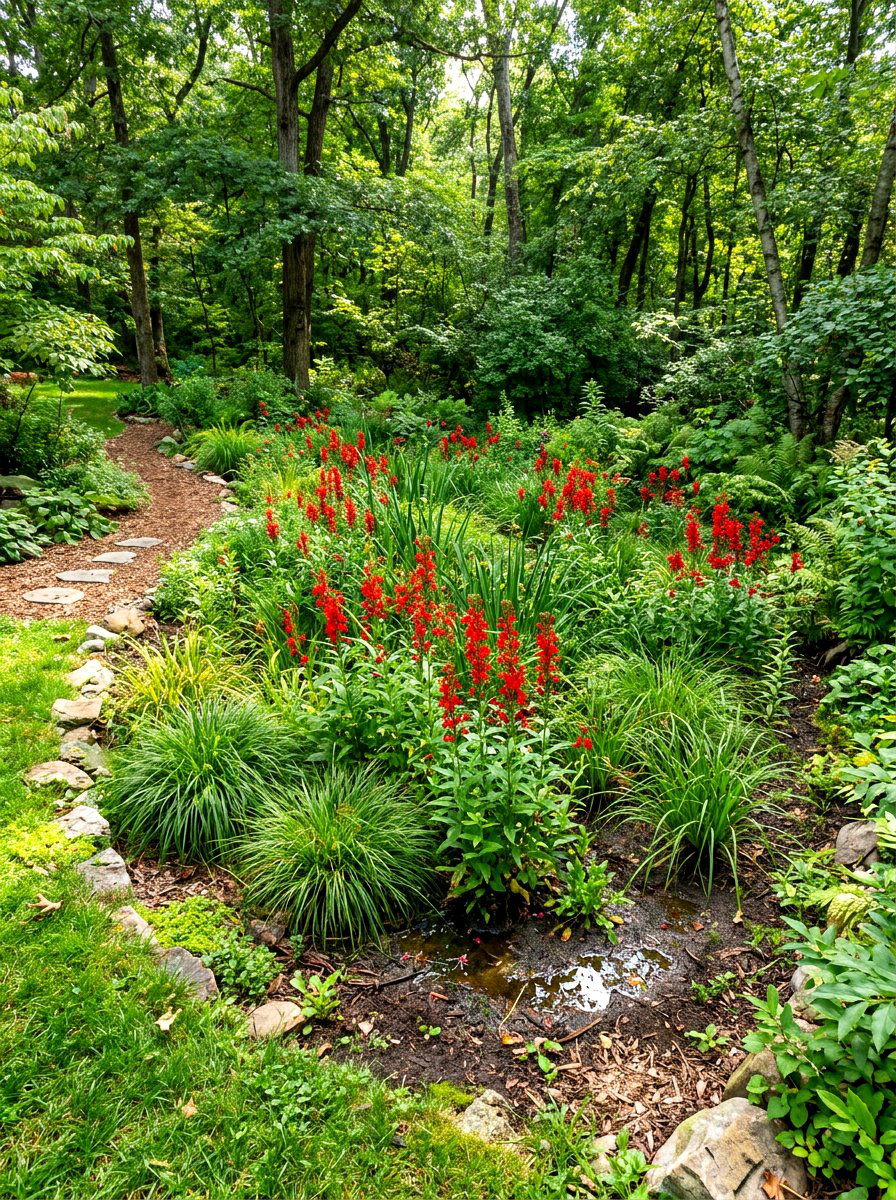
A rain garden is a beautiful and functional solution for managing water runoff in a shady woodland backyard. By creating a shallow depression planted with moisture-loving native species, you can capture and filter rainwater before it leaves your property. Plants like sedges, cardinal flowers, and certain types of ferns thrive in these occasionally wet conditions while helping to clean the water. Rain gardens are excellent for supporting local pollinators and preventing soil erosion during heavy storms. This feature turns a potential drainage problem into a vibrant and lush habitat that requires very little upkeep. It is a smart and eco-friendly addition to any modern landscape.
28. Stone Step Path
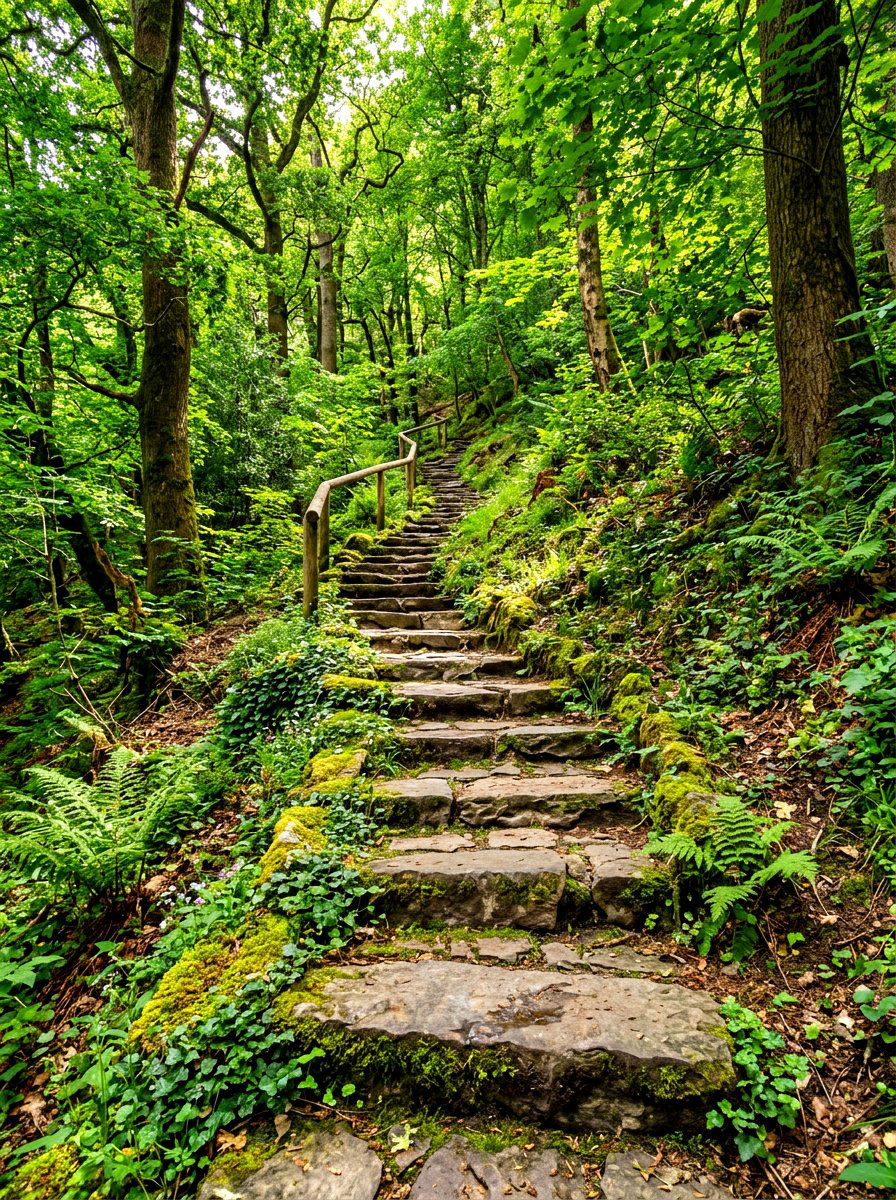
A stone step path is the ideal way to navigate steep slopes or uneven terrain in a wooded backyard safely and stylishly. Using large, flat flagstones or thick pieces of natural rock creates a sturdy staircase that looks like it was carved directly from the earth. You can plant low-growing groundcovers like creeping thyme or moss between the stones to soften the edges and lock them in place. These steps guide the flow of movement through your garden while adding a strong architectural element to the hillside. A stone path encourages exploration and makes it easy to access different levels of your private forest sanctuary.
29. Log Edging Garden
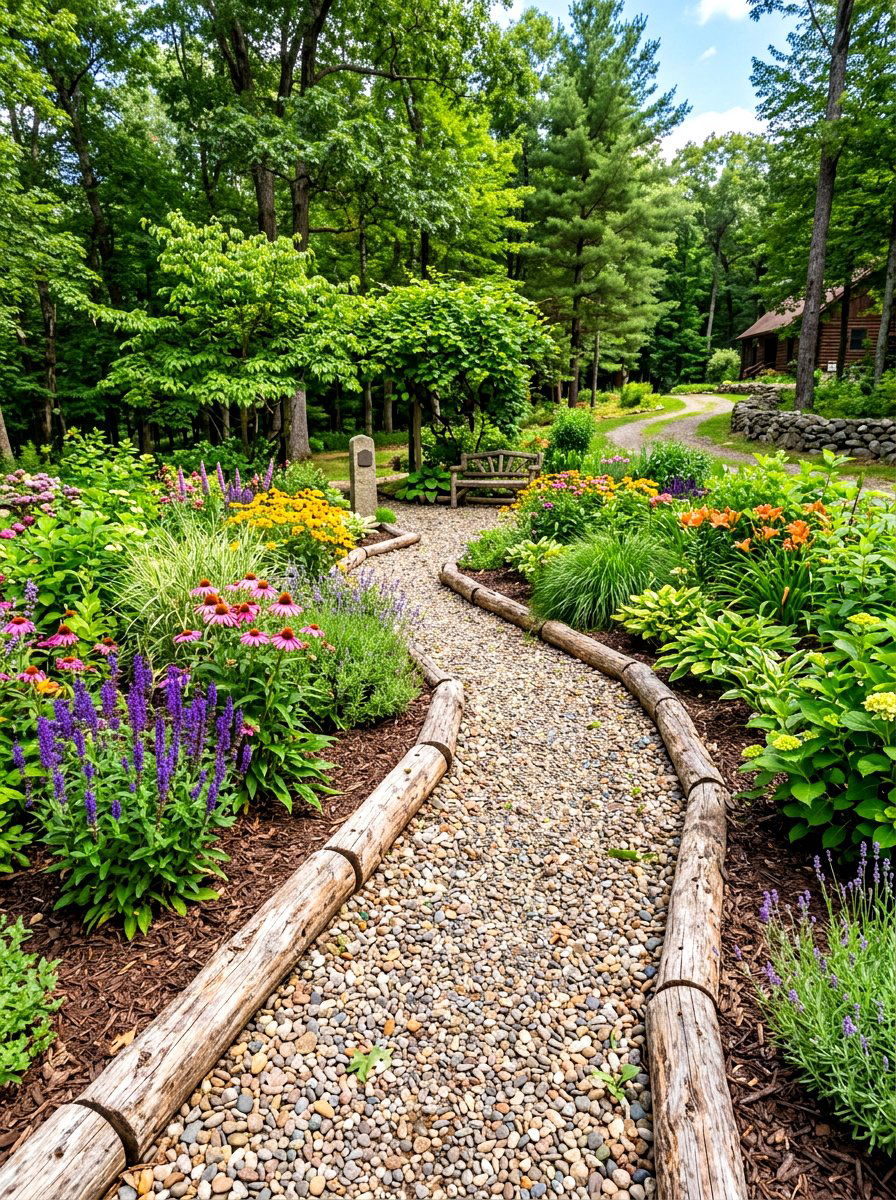
Log edging garden designs use fallen branches or small logs to create natural borders for your planting beds and walkways. This technique is a fantastic way to recycle wood from your own yard while giving your garden a tidy and organized appearance. The logs provide a rustic and organic barrier that keeps mulch in place and prevents soil from washing away. Over time, the wood will naturally decay and return nutrients to the soil, supporting the health of your nearby plants. Log edging is incredibly easy to install and replace, making it a flexible and budget-friendly choice for any woodland-themed backyard. It adds a lovely tactile quality.
30. Woodland Gazebo
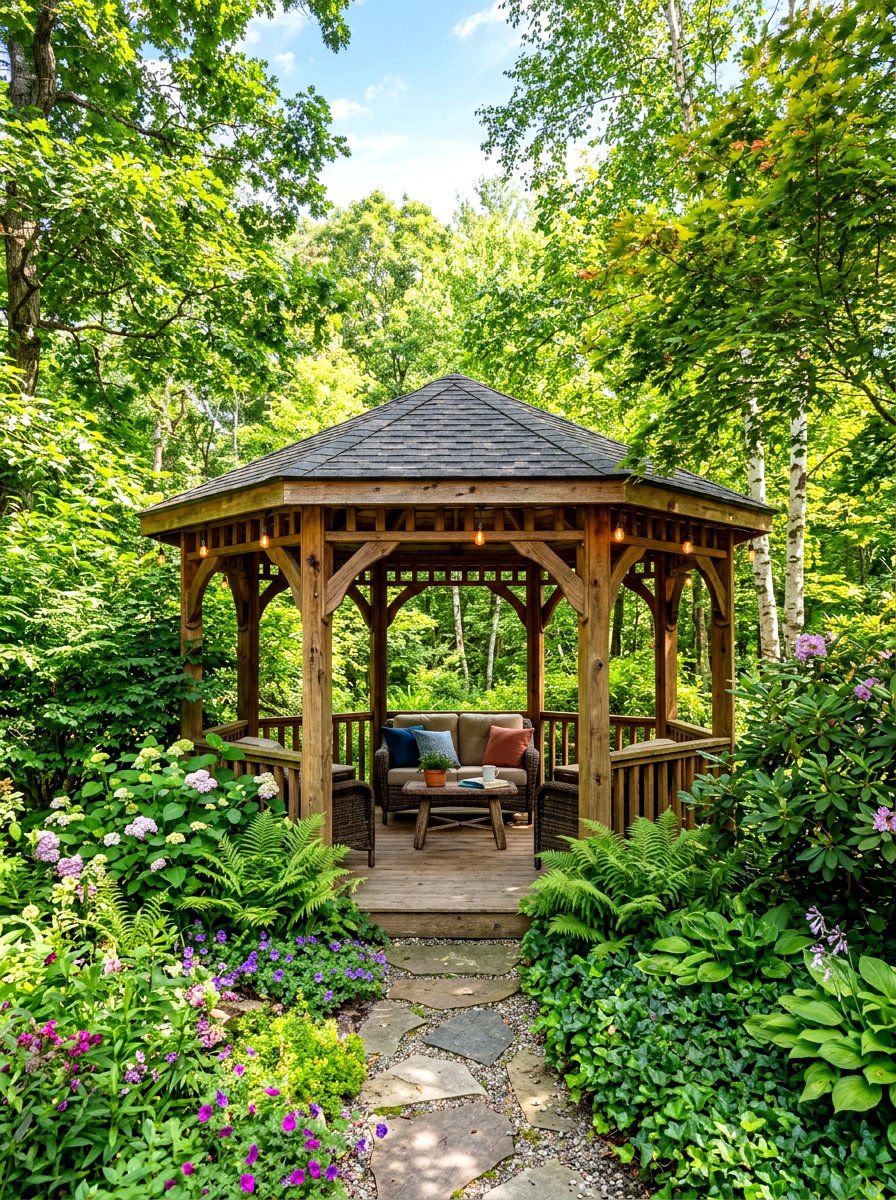
A woodland gazebo provides a stunning architectural focal point and a protected shelter for enjoying your backyard in any weather. To match the forest theme, choose a design with natural wood finishes and simple, clean lines that don't compete with the trees. Placing the gazebo in a quiet corner surrounded by tall shrubs creates a magical "secret garden" feel for your outdoor retreat. This structure offers a shaded place to dine, relax, or even work while being completely immersed in the sights and sounds of nature. It adds a touch of timeless elegance and significant value to your property while serving as a functional sanctuary.
Conclusion:
Designing a woodland backyard is a beautiful way to harmonize your home with the natural world while creating a low-maintenance landscape. By prioritizing native plants, natural materials, and the existing tree canopy, you can build an outdoor space that feels like a timeless forest escape. Each element, from mossy paths to rustic seating, contributes to a peaceful atmosphere that encourages relaxation and invites local wildlife to share your sanctuary. This approach to landscaping is not only aesthetically pleasing but also environmentally responsible and sustainable. Your woodland garden will continue to grow and evolve, providing a lush and cooling retreat for many years to come.

Related posts: