Choosing the perfect wood vent hood is one of the most effective ways to transform your kitchen into a warm and inviting space. These functional statement pieces do more than just clear the air of smoke and grease; they serve as a stunning architectural focal point that anchors the entire room. Whether you are aiming for a rustic farmhouse look or a sleek modern aesthetic, a wooden hood provides natural texture and character that metal simply cannot replicate. By incorporating different wood species, finishes, and shapes, you can easily customize the look to match your cabinetry or create a bold, eye-catching contrast. Modern homeowners are increasingly moving away from industrial stainless steel in favor of the organic beauty found in custom timber designs. This choice allows for a seamless integration of traditional craftsmanship and contemporary performance. From simple boxy shapes to elegant arched silhouettes, the versatility of wood makes it an ideal material for any renovation project. Investing in a quality vent hood will elevate your cooking area while adding significant value and timeless style to your home.
1. Reclaimed Wood Vent Hood
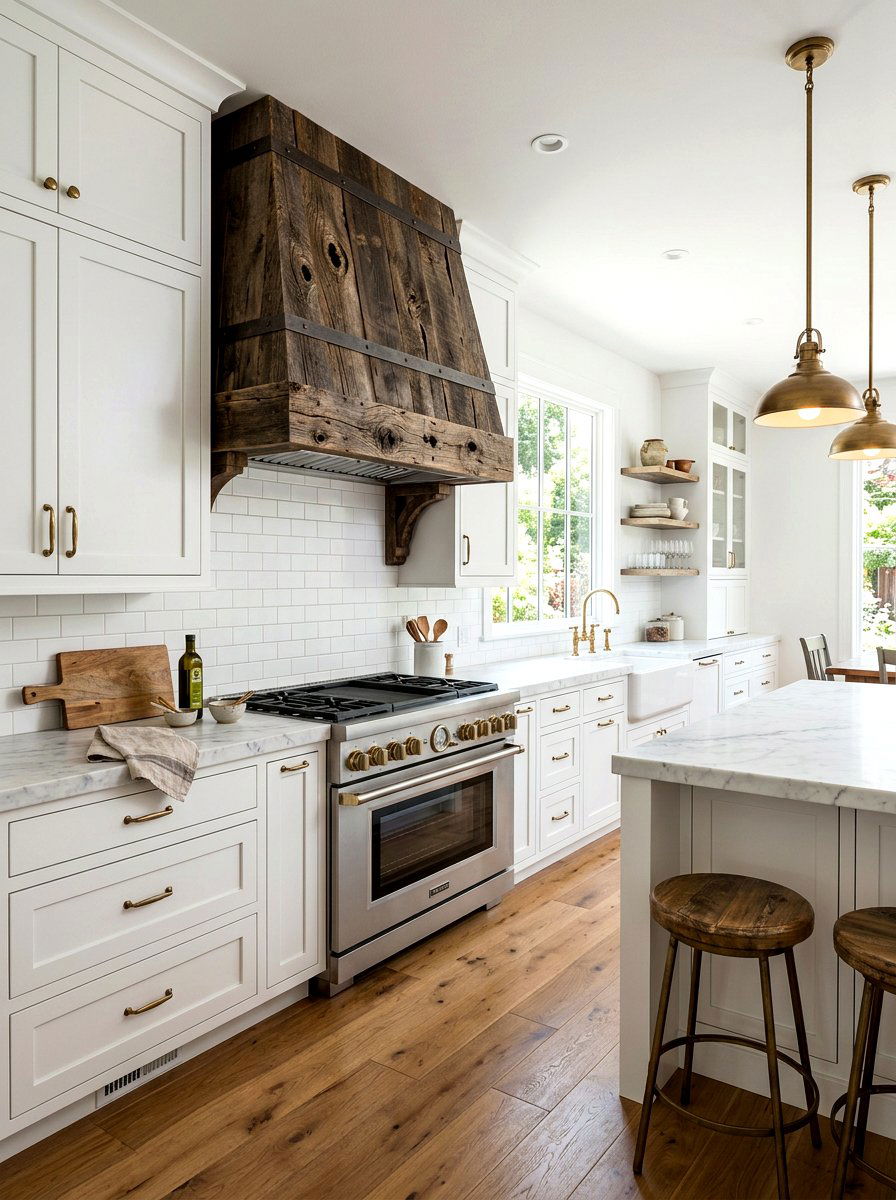
A reclaimed wood vent hood brings a deep sense of history and character into your kitchen space. This design uses salvaged timber from old barns or historic buildings, showcasing unique knots, nail holes, and weathered textures. It works perfectly as a central focal point in a rustic or transitional kitchen, especially when paired with clean, white cabinetry. The natural patina of the wood adds instant warmth and a story to the room. Because each piece of reclaimed timber is unique, your vent hood will be a one-of-a-kind architectural element. This style looks best when left with a natural or light matte finish to highlight the raw, organic beauty of the wood.
2. White Oak Vent Hood
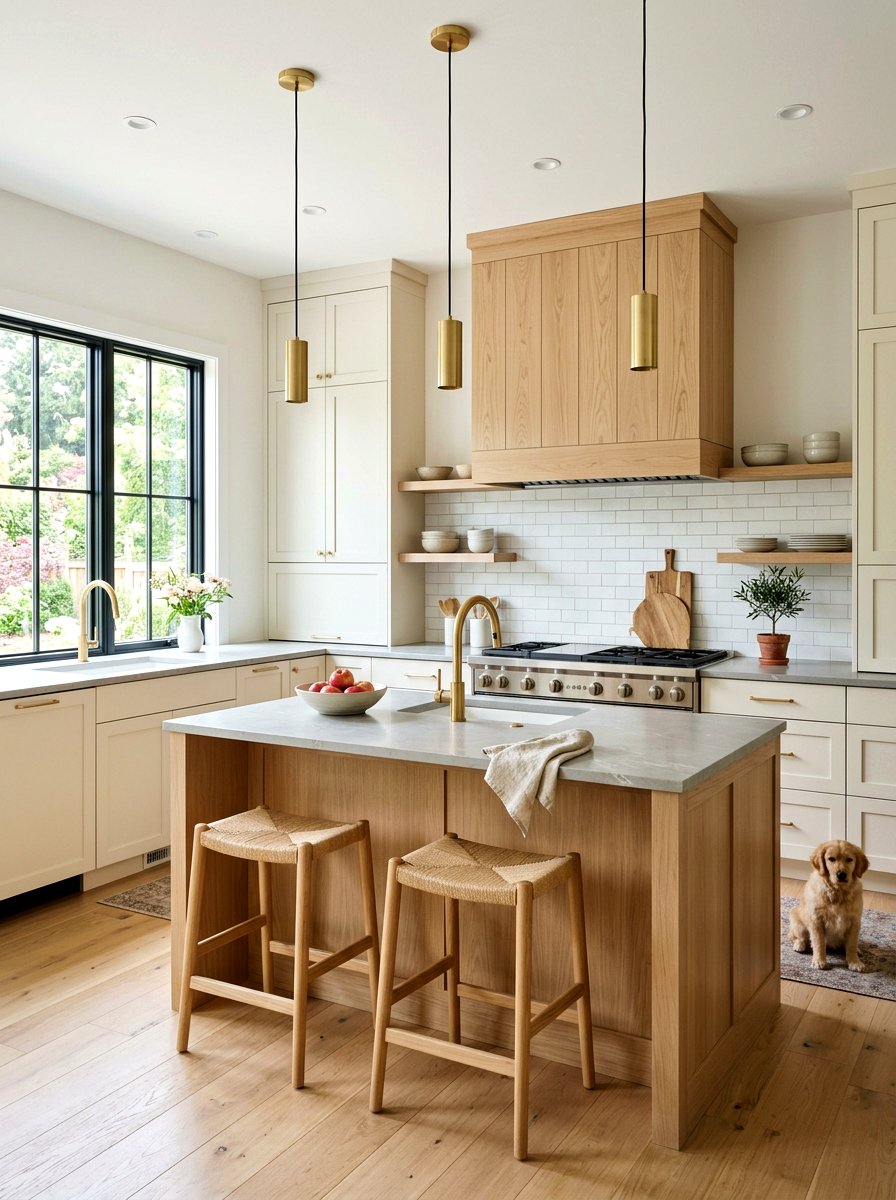
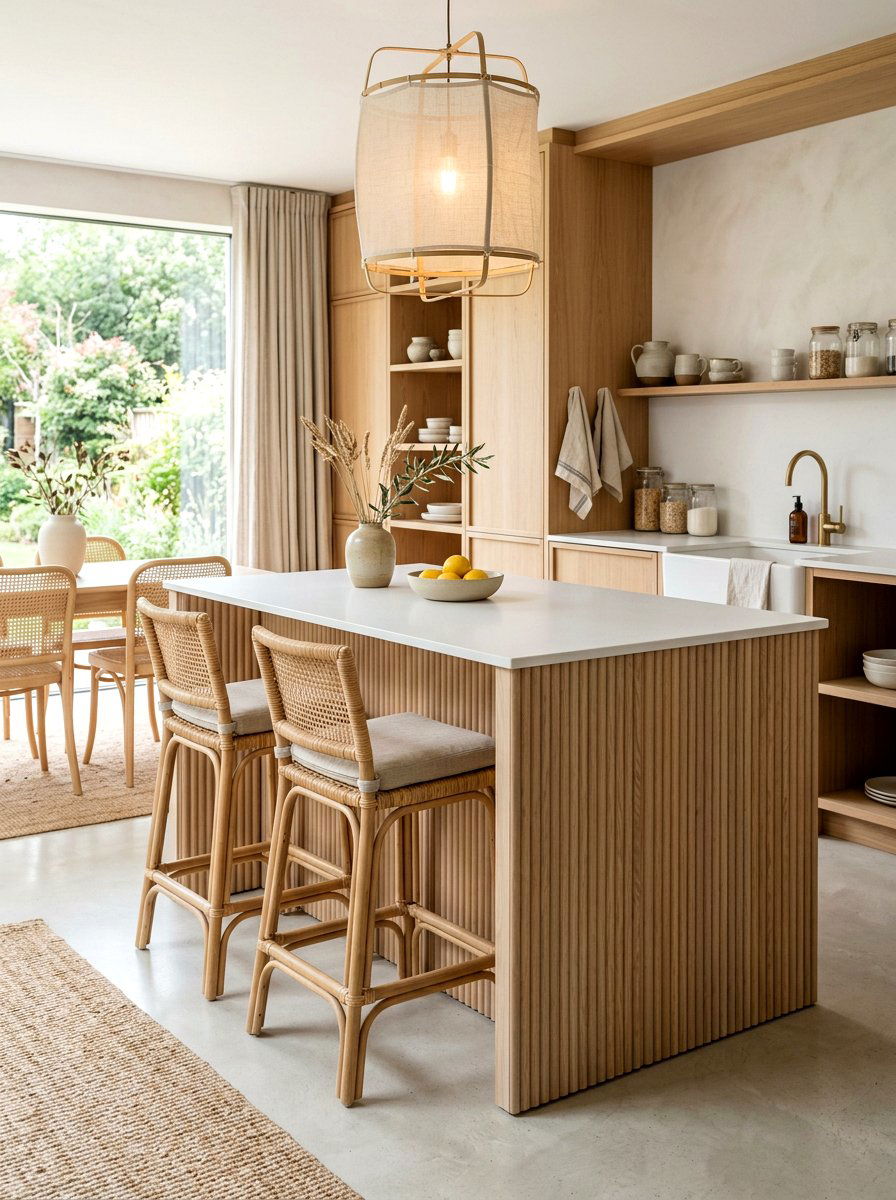
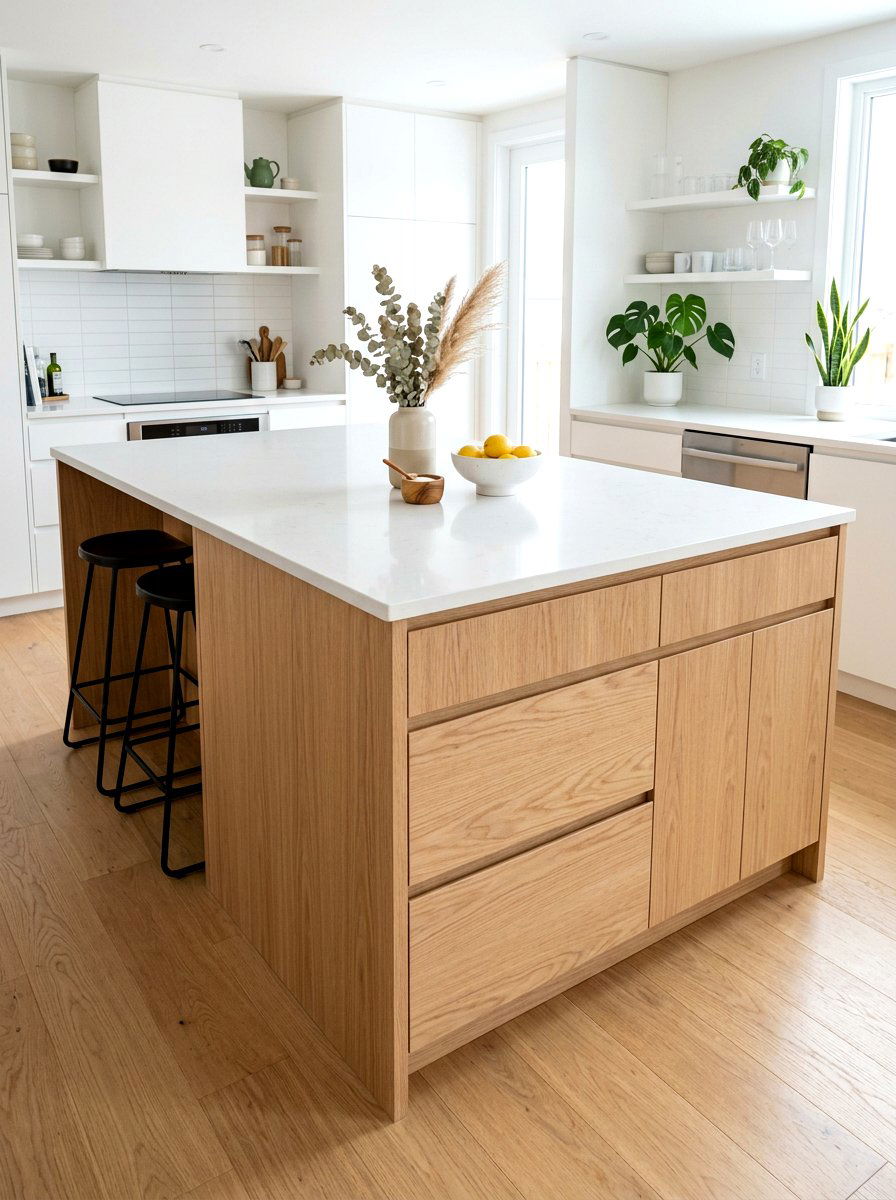
The white oak vent hood has become a staple in modern organic and Scandinavian kitchen designs due to its light, airy feel. This wood species features a tight, linear grain that provides a sophisticated and clean look without feeling too heavy. Often left in its natural state or finished with a clear coat, it complements neutral color palettes and marble countertops beautifully. It is an excellent choice for homeowners who want the warmth of wood but prefer a brighter, more contemporary atmosphere. You can design it with simple, straight lines or a slight taper to maintain a minimalist aesthetic that still feels incredibly high-end and custom.
3. Modern Minimalist Vent Hood
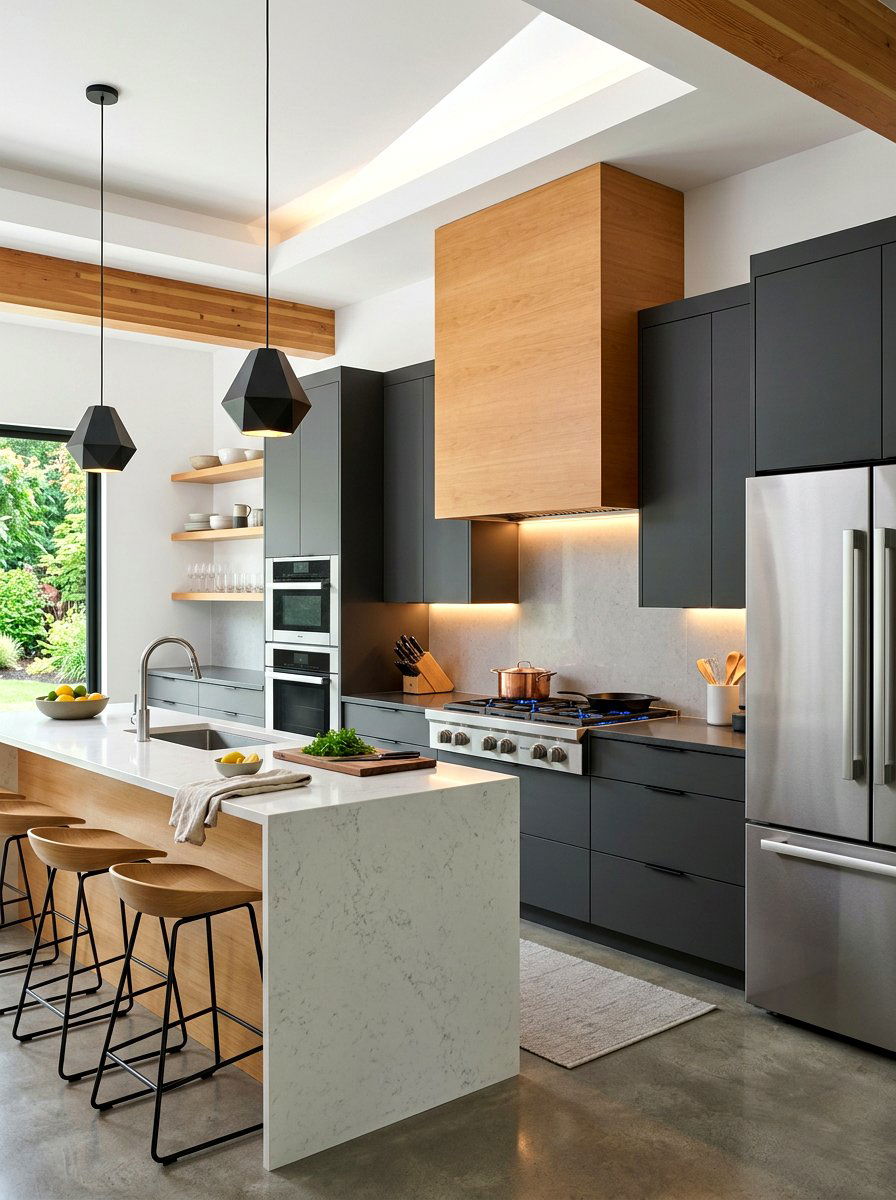
If you prefer a sleek and uncluttered look, a modern minimalist vent hood is the ideal solution for your cooking area. These designs focus on sharp, clean lines and a lack of decorative molding or ornamentation. Typically constructed from smooth-grained woods like maple or birch, they are often finished in a way that makes them blend seamlessly with the surrounding upper cabinets. This creates a monolithic, architectural appearance that feels very intentional and high-design. This style is perfect for open-concept homes where you want the kitchen to feel like a natural extension of the living space rather than a purely utilitarian work zone.
4. Farmhouse Shiplap Vent Hood
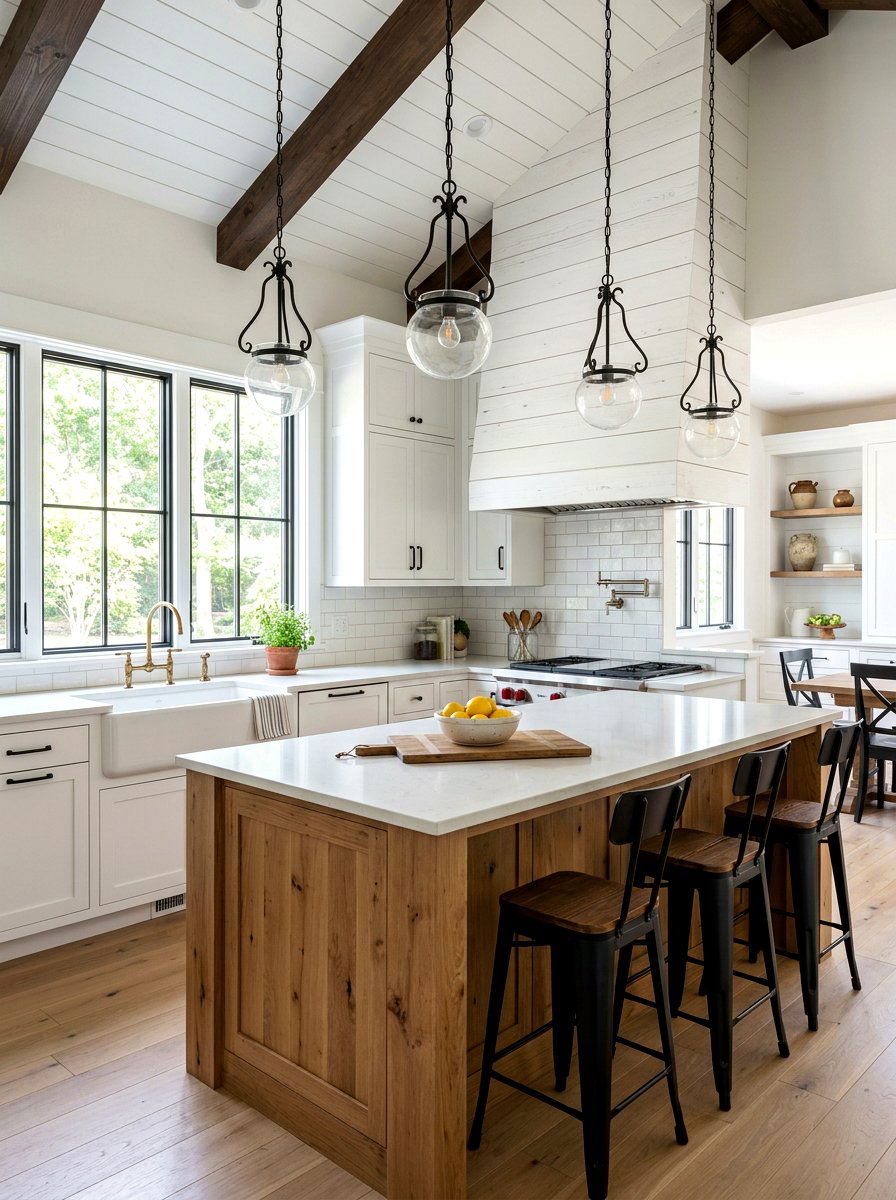
The farmhouse shiplap vent hood remains a popular choice for those who love a cozy, cottage-inspired look. Featuring horizontal wooden planks with distinct grooves, this design adds rhythmic texture and a sense of handmade charm to the wall. While many people choose to paint their shiplap hoods white to match their cabinetry, using natural wood planks can create a stunning rustic contrast. It pairs exceptionally well with apron-front sinks and open shelving, completing the classic farmhouse aesthetic. This style provides a lot of visual interest without being overly complex, making it a timeless addition to any suburban or country kitchen renovation project.
5. Arched Wood Vent Hood
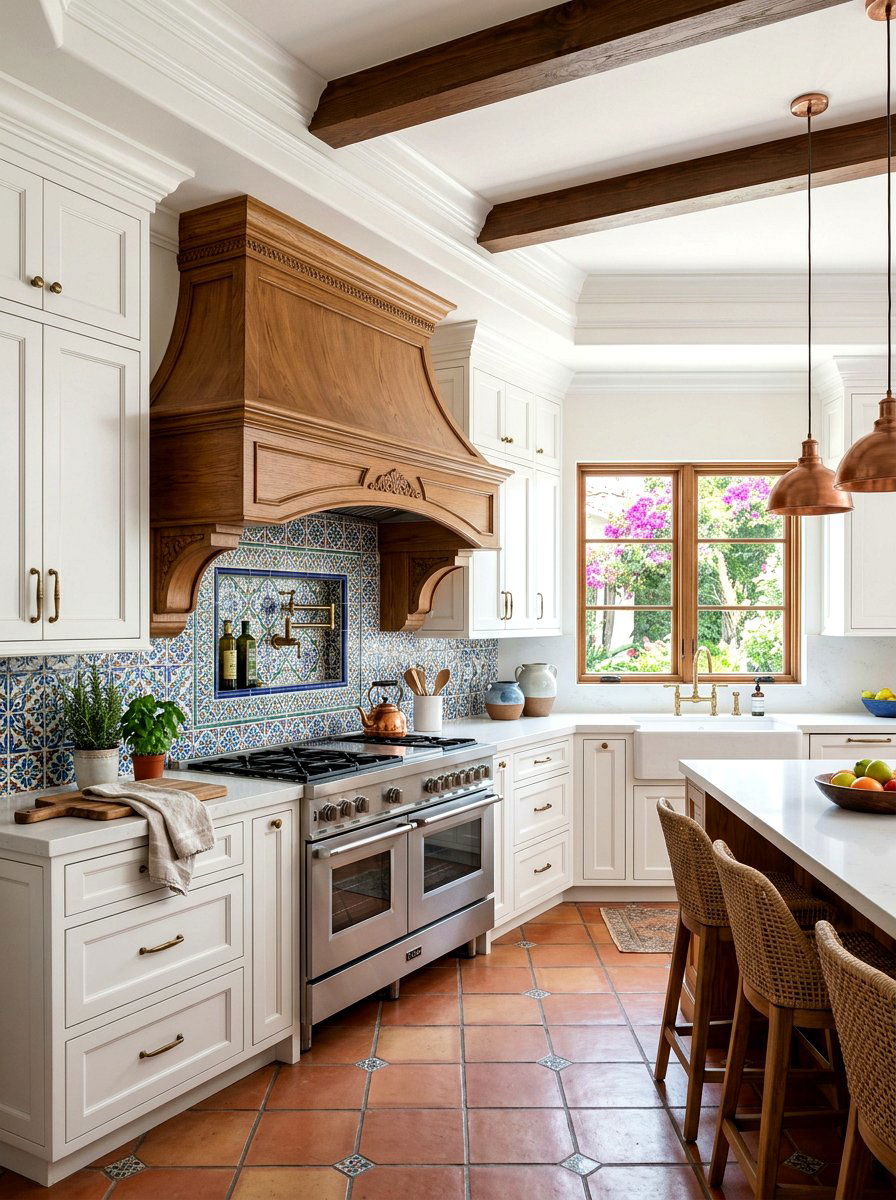
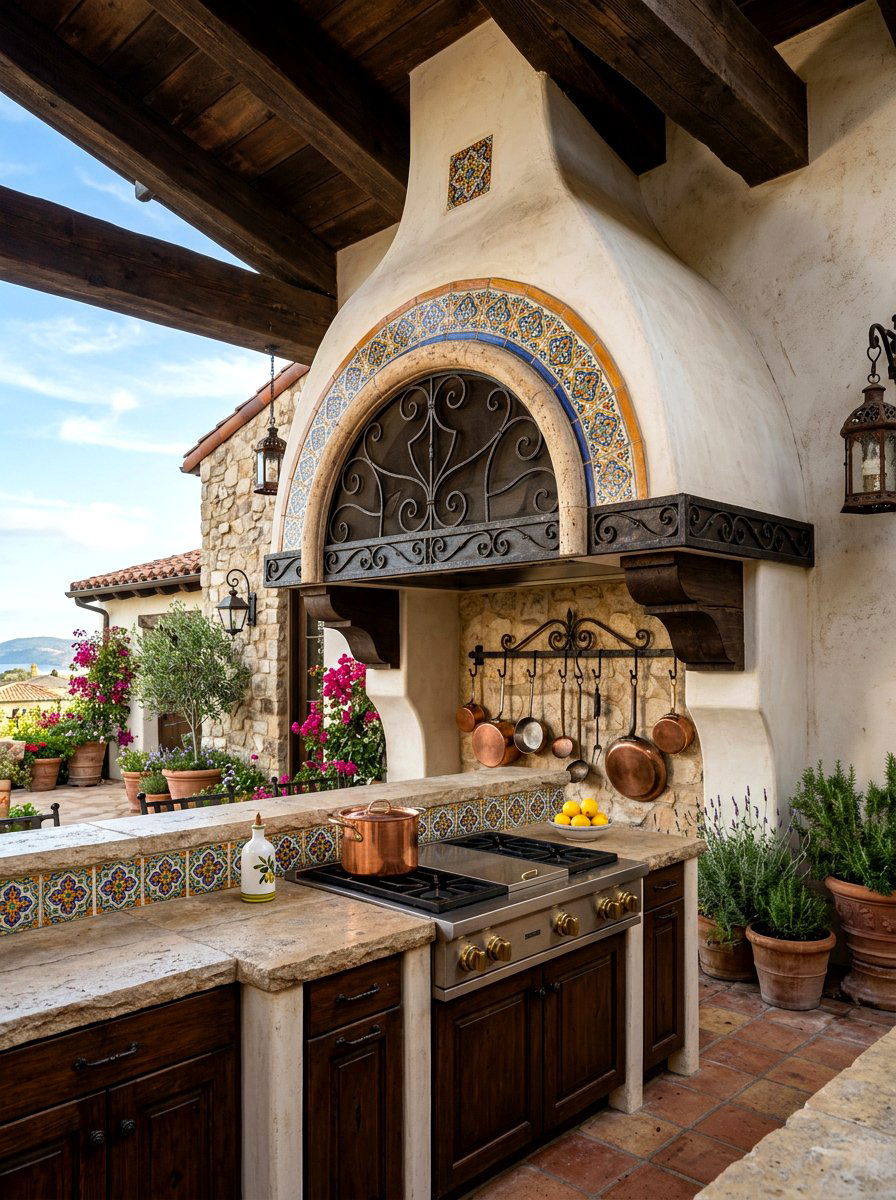
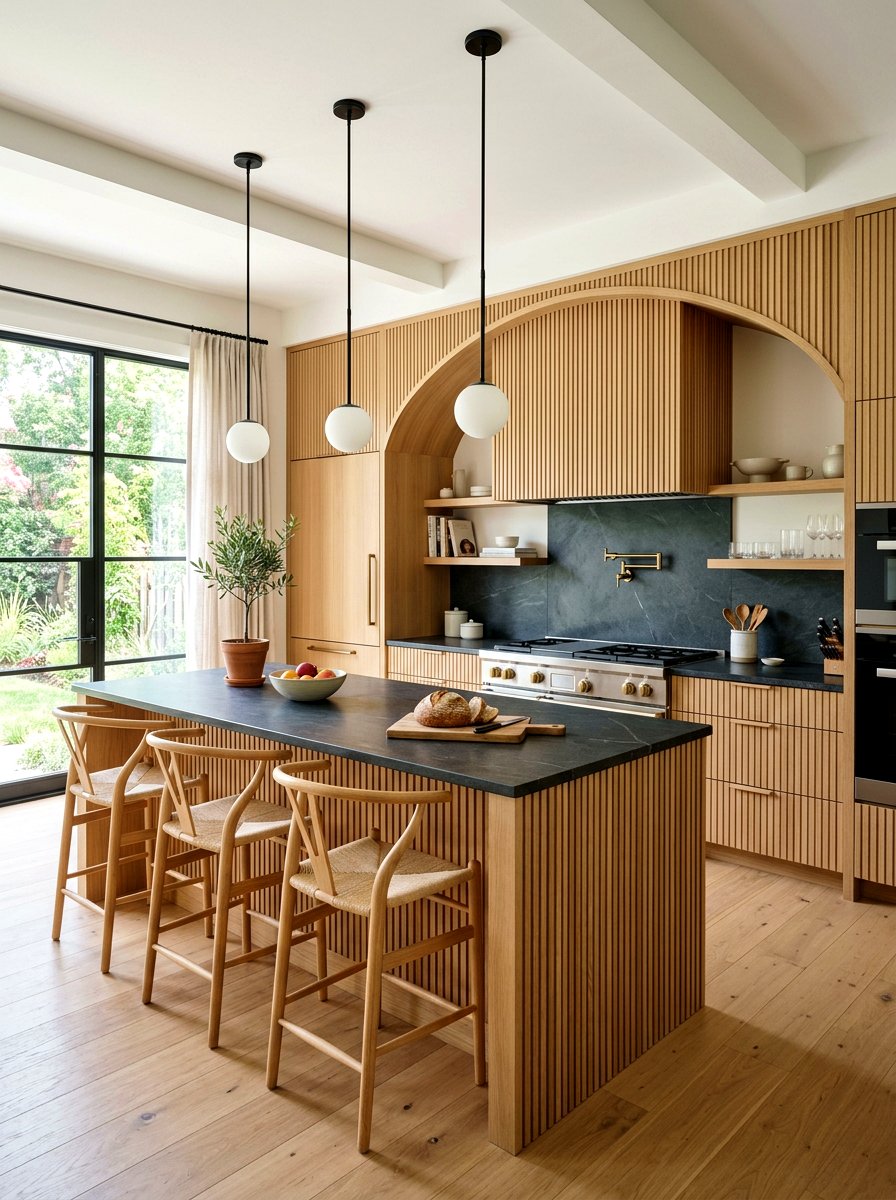
An arched wood vent hood introduces soft, graceful curves into a room that is often dominated by hard angles and straight lines. The gentle curve at the base of the hood provides a sense of elegance and sophistication, making it feel like a custom furniture piece. This design is particularly effective in traditional or Mediterranean-style kitchens where architectural details are highly valued. You can choose a subtle radius for a modern touch or a more dramatic high arch for a grander look. Finishing the arch with a contrasting wood trim or decorative corbels can further enhance its beauty and make it a true showstopper.
6. Slatted Wood Vent Hood
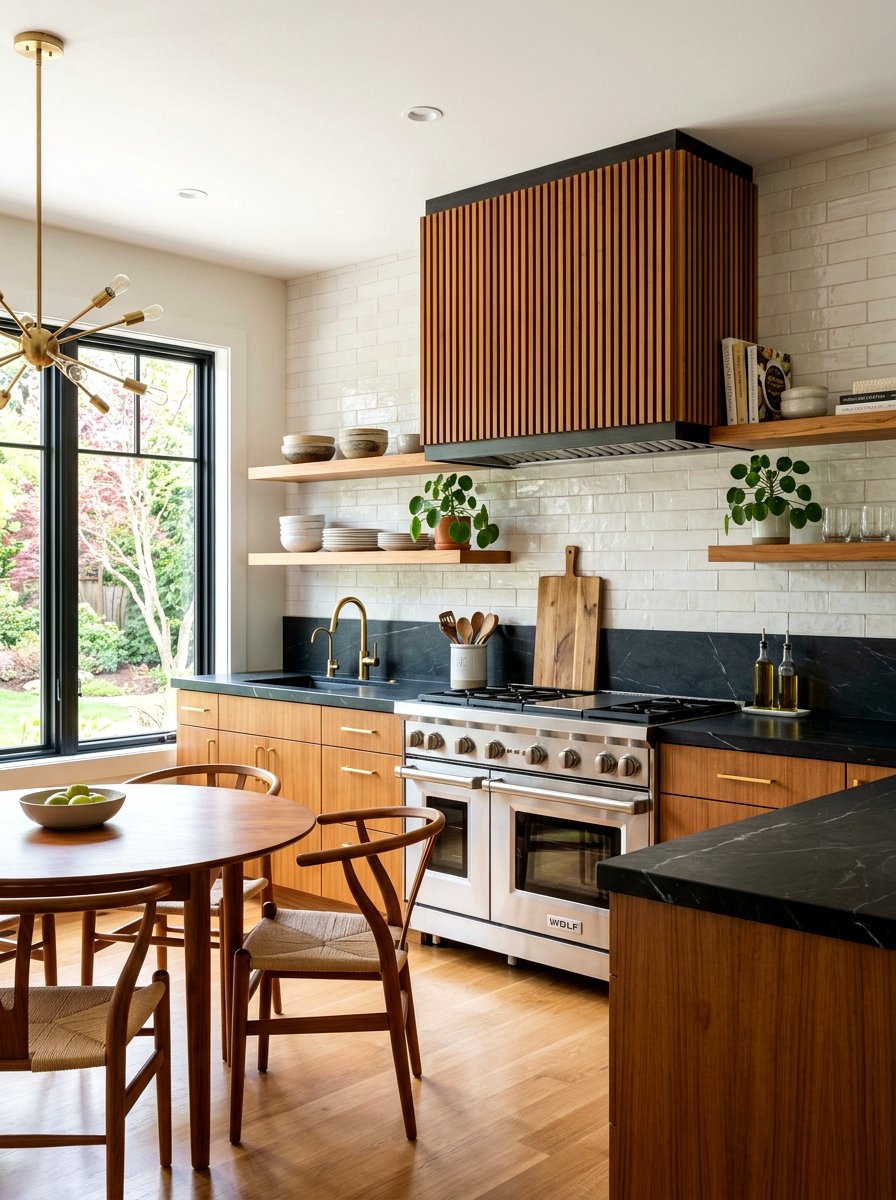
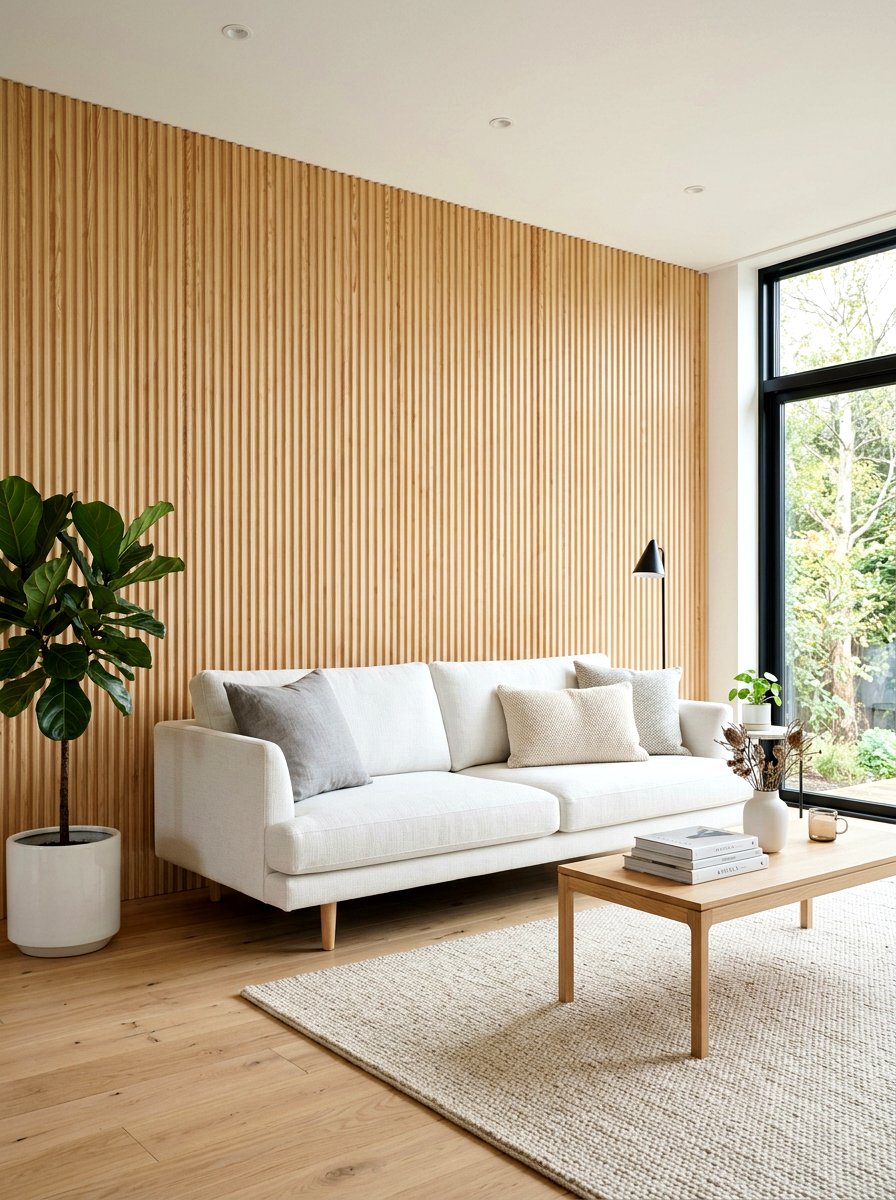
For a touch of contemporary texture, a slatted wood vent hood uses thin vertical or horizontal strips of timber to create a dynamic surface. This design offers a unique visual depth that changes as the light hits it from different angles throughout the day. Slatted hoods are frequently seen in mid-century modern or contemporary organic designs, as they provide a rhythmic, linear quality. They work well when you want to introduce a subtle pattern without using tiles or bold colors. Using a warm wood like teak or walnut for the slats can make the hood feel incredibly rich and luxurious against a simple backsplash.
7. Tapered Wood Vent Hood
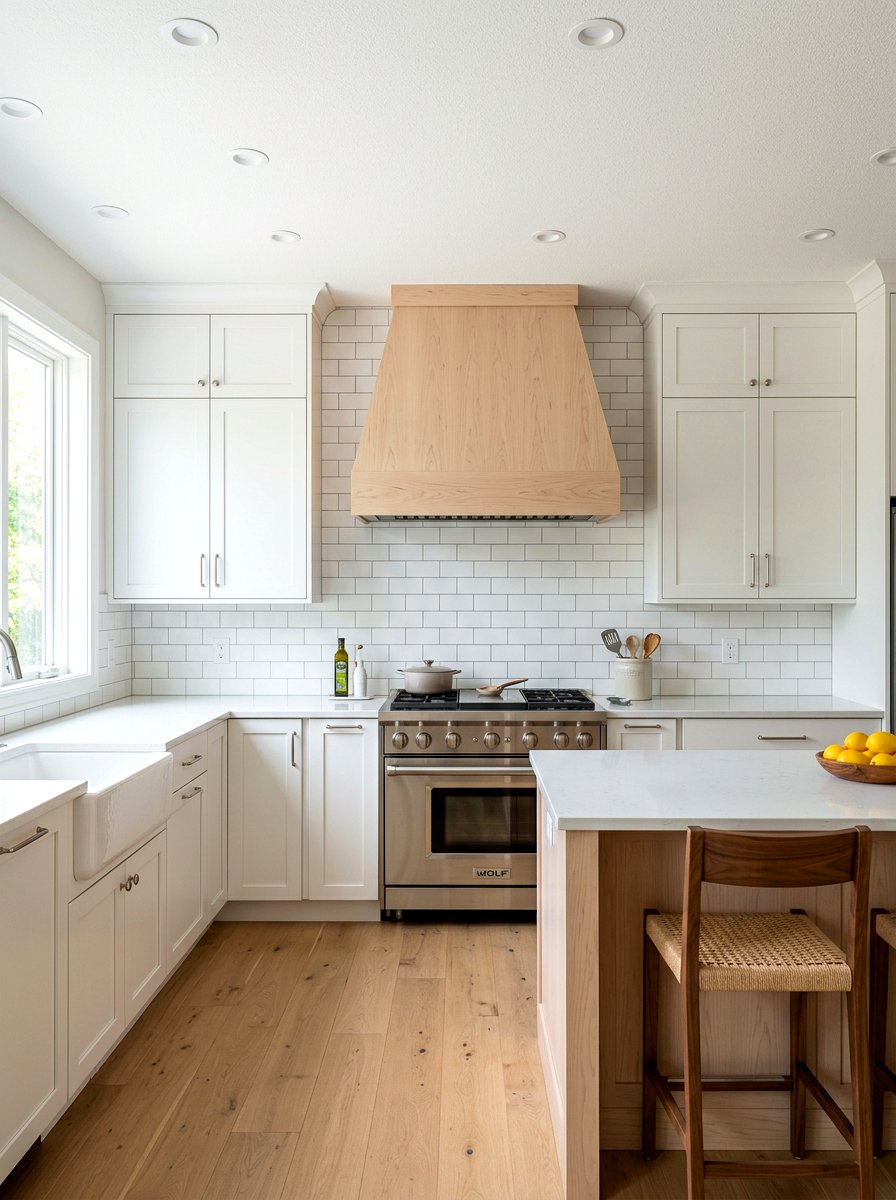
A tapered wood vent hood features sides that angle inward as they go up toward the ceiling, creating a sleek chimney-like silhouette. This shape is excellent for smaller kitchens because the narrower top makes the ceiling feel higher and the space more open. It provides a clean, professional look that fits somewhere between traditional and modern styles. The sloped sides allow for a more dramatic focal point above the range without feeling as bulky as a full box hood. You can add a simple wooden band at the bottom for a bit of extra detail or keep it completely smooth for a truly streamlined effect.
8. Dark Walnut Vent Hood
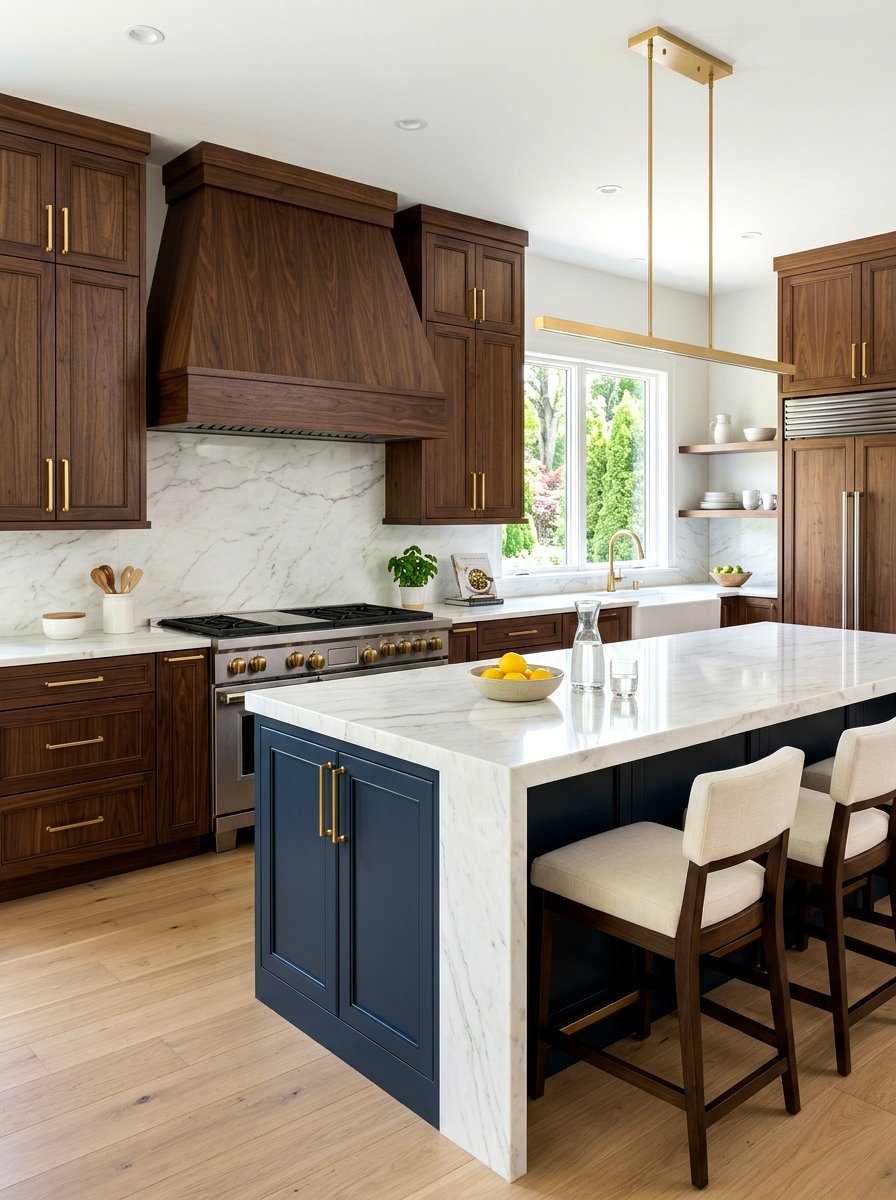
Dark walnut is a premium wood choice that offers an unmatched level of richness and sophistication for your kitchen ventilation. A dark walnut vent hood stands out with its deep chocolate tones and striking grain patterns, instantly making the room feel more expensive and refined. This style is often used as a bold statement piece in kitchens with lighter cabinets to create a high-contrast, luxury look. Walnut is a very durable hardwood, and its natural color only gets better with age. When finished with a high-quality satin sealer, the wood glows beautifully under under-cabinet lighting, highlighting its incredible natural depth and texture.
9. Scalloped Wood Vent Hood
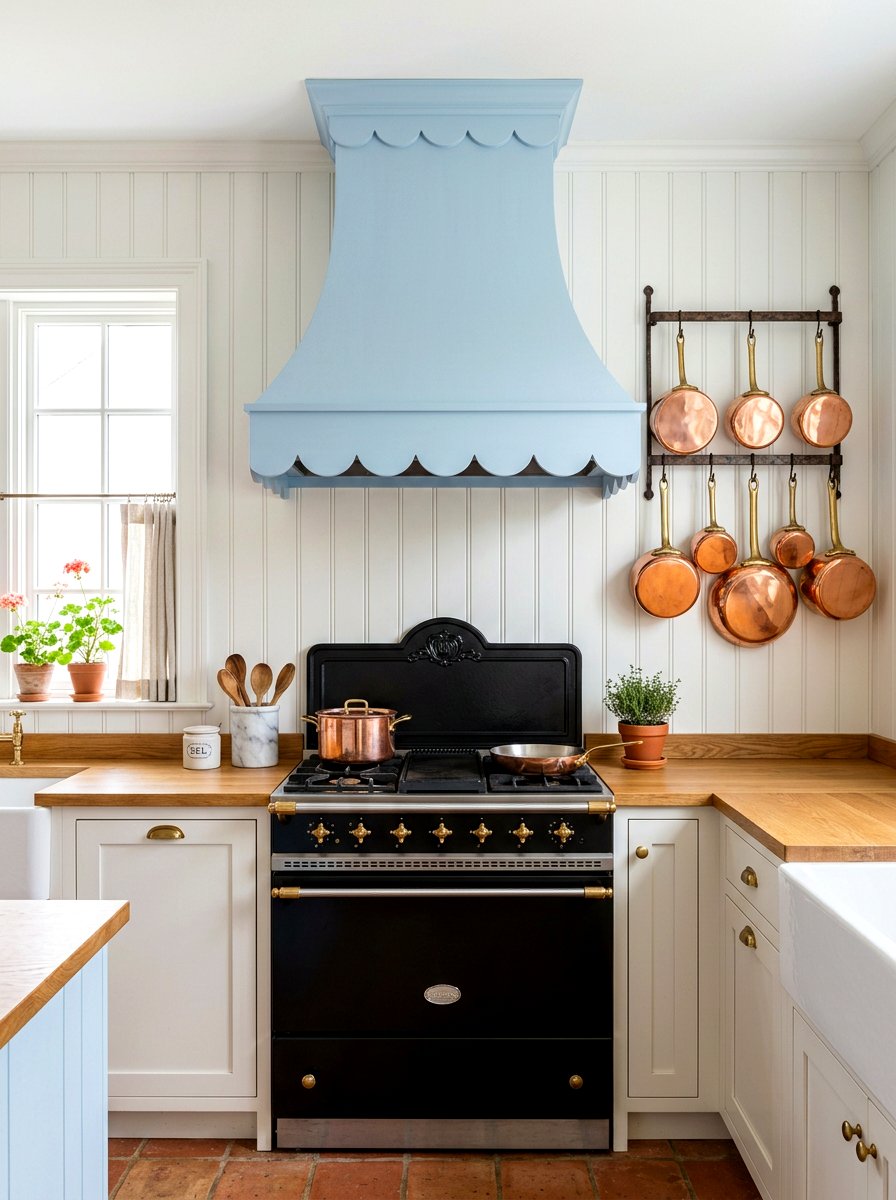
A scalloped wood vent hood features a decorative, wavy edge along the bottom rim, adding a playful and feminine touch to the design. This charming detail is often found in cottage-style or French provincial kitchens where soft, ornamental features are preferred. The scalloped trim can be subtle or quite pronounced depending on your personal taste. It provides a unique architectural break from the typical straight edges of stovetops and counters. This style looks wonderful when finished in a soft pastel paint or a light wood stain, as the shadows created by the curves highlight the intricate craftsmanship of the custom woodworking.
10. Fluted Wood Vent Hood
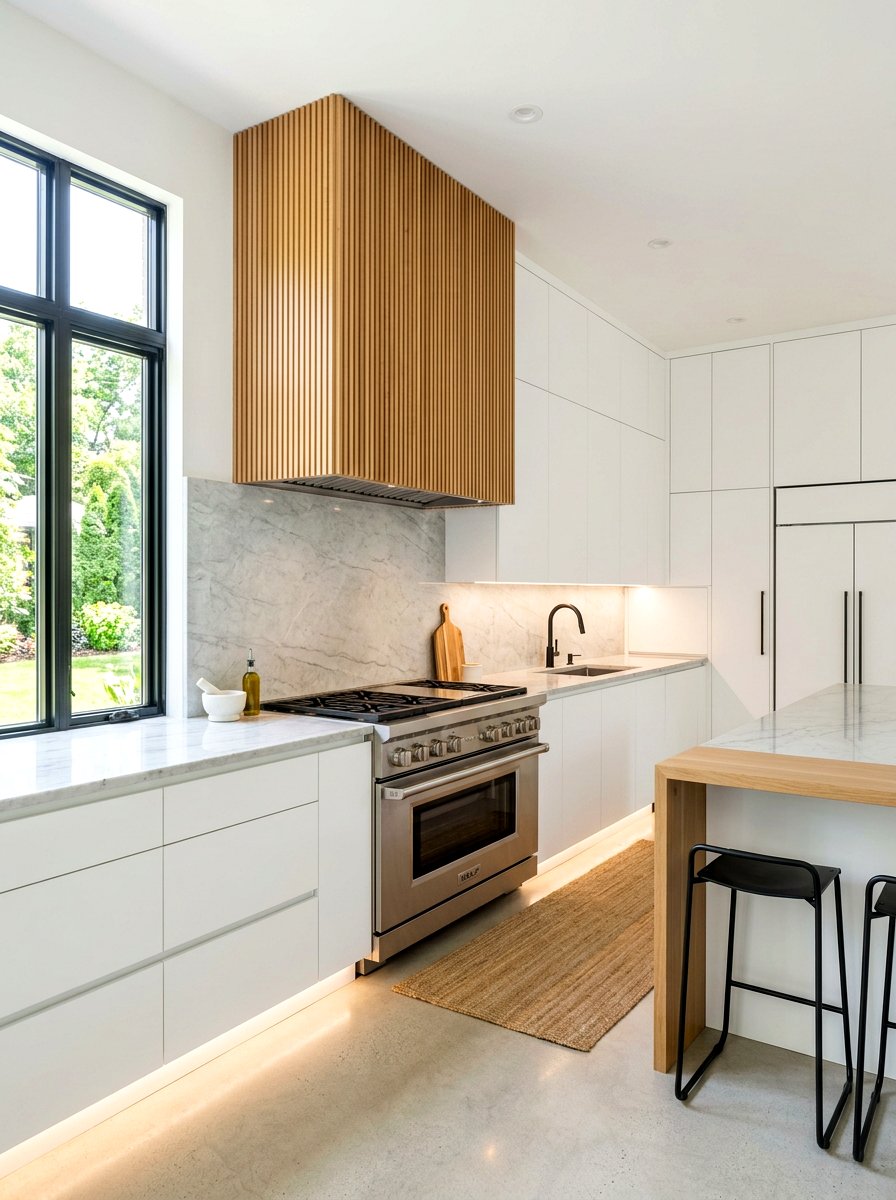
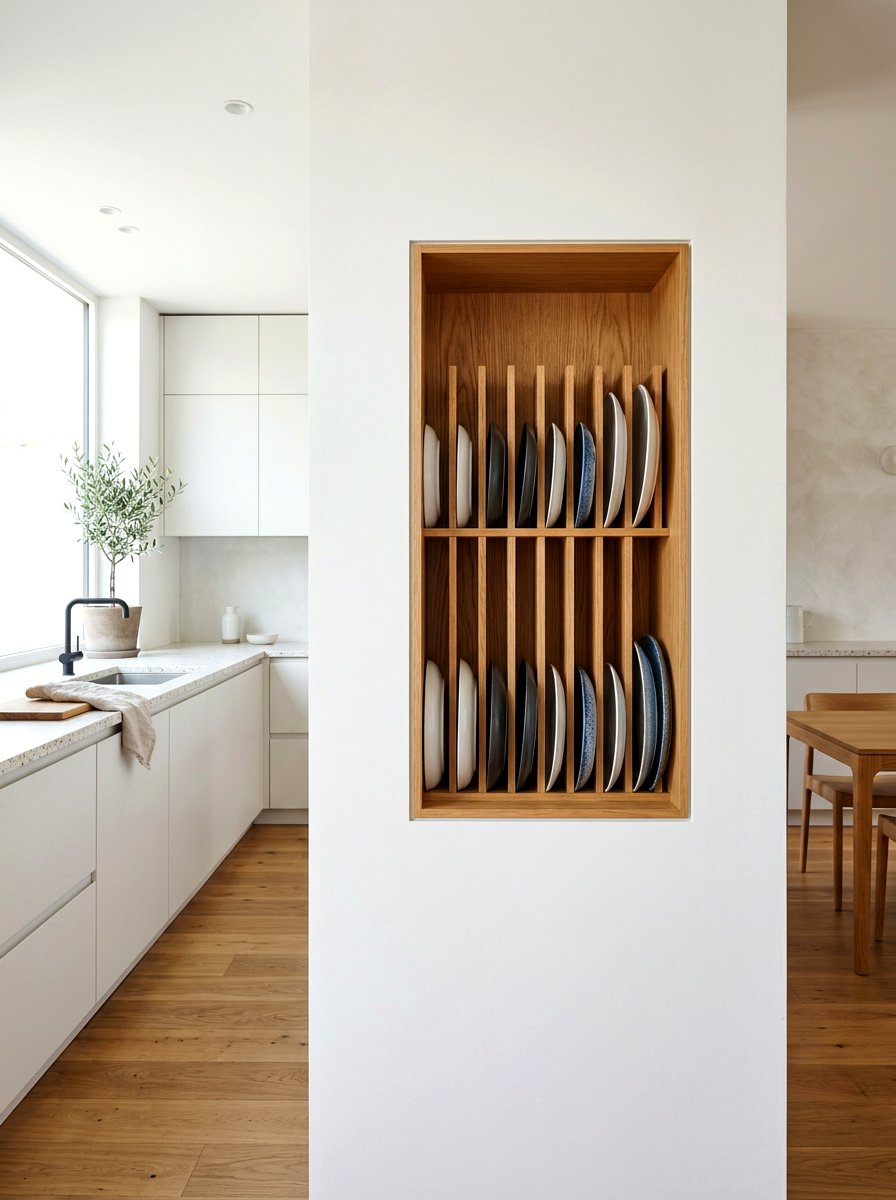
Fluted wood vent hoods are a major trend in high-end interior design, featuring vertical grooves that mimic classical Greek columns. This texture adds a sophisticated, three-dimensional element to the kitchen that feels both historic and incredibly modern. Often crafted from white oak or walnut, the fluting creates a play of light and shadow that makes the hood look like a piece of fine art. It is a fantastic way to add architectural interest to a simple kitchen layout without cluttering the space with unnecessary decor. The vertical lines of the fluting also help to draw the eye upward, making your kitchen feel much taller.
11. Natural Maple Vent Hood
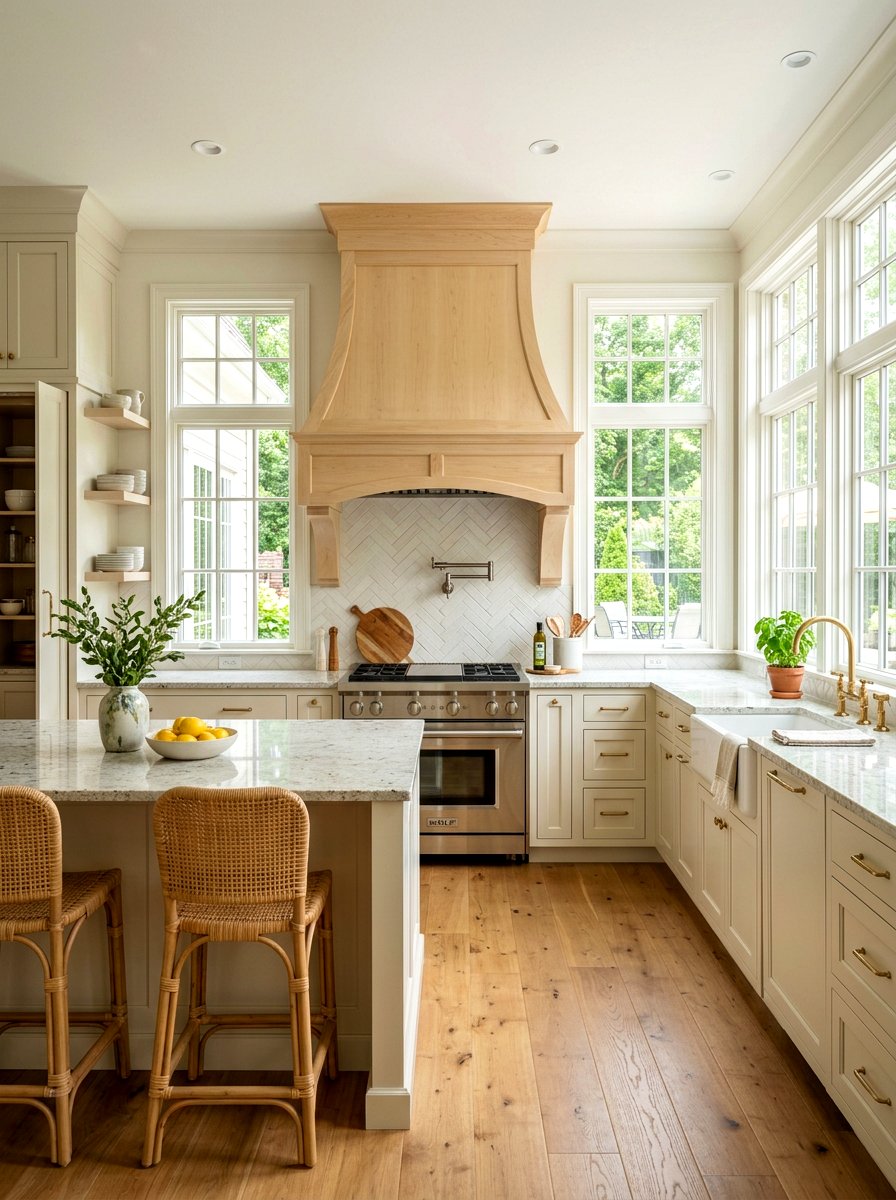
Maple is a fantastic wood choice for a vent hood if you want a clean, bright, and durable surface with a very subtle grain. A natural maple vent hood offers a creamy, light-colored aesthetic that works perfectly in contemporary or transitional kitchens. Because maple is so dense and smooth, it takes finishes very well, resulting in a flawless look that feels very intentional. This wood is ideal for those who want a neutral, warm background that doesn't compete with busy granite or marble countertops. It provides a soft, glowing presence in the kitchen, making the entire cooking area feel fresh, clean, and inviting.
12. Boxy Wood Vent Hood
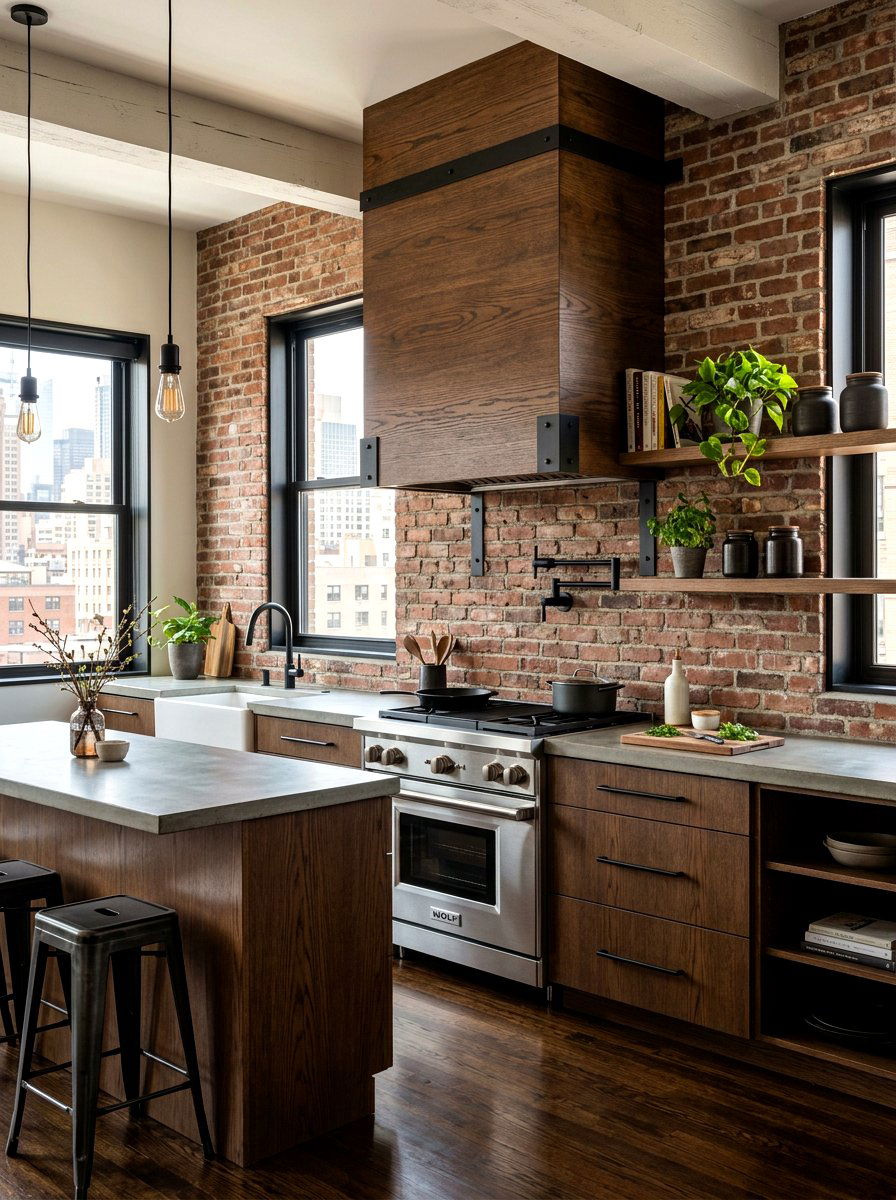
The boxy wood vent hood is defined by its simple, rectangular shape and flat surfaces, making it a favorite for modern and industrial designs. This straightforward approach allows the natural beauty of the wood grain to take center stage without any distracting curves or angles. It feels solid and substantial, providing a sense of permanence and strength to the kitchen layout. You can easily customize a boxy hood by adding a thick wooden mantel or using contrasting wood species for the trim. This style is also very practical to build, making it a great option for custom cabinetry projects where clean lines are the priority.
13. Distressed Wood Vent Hood
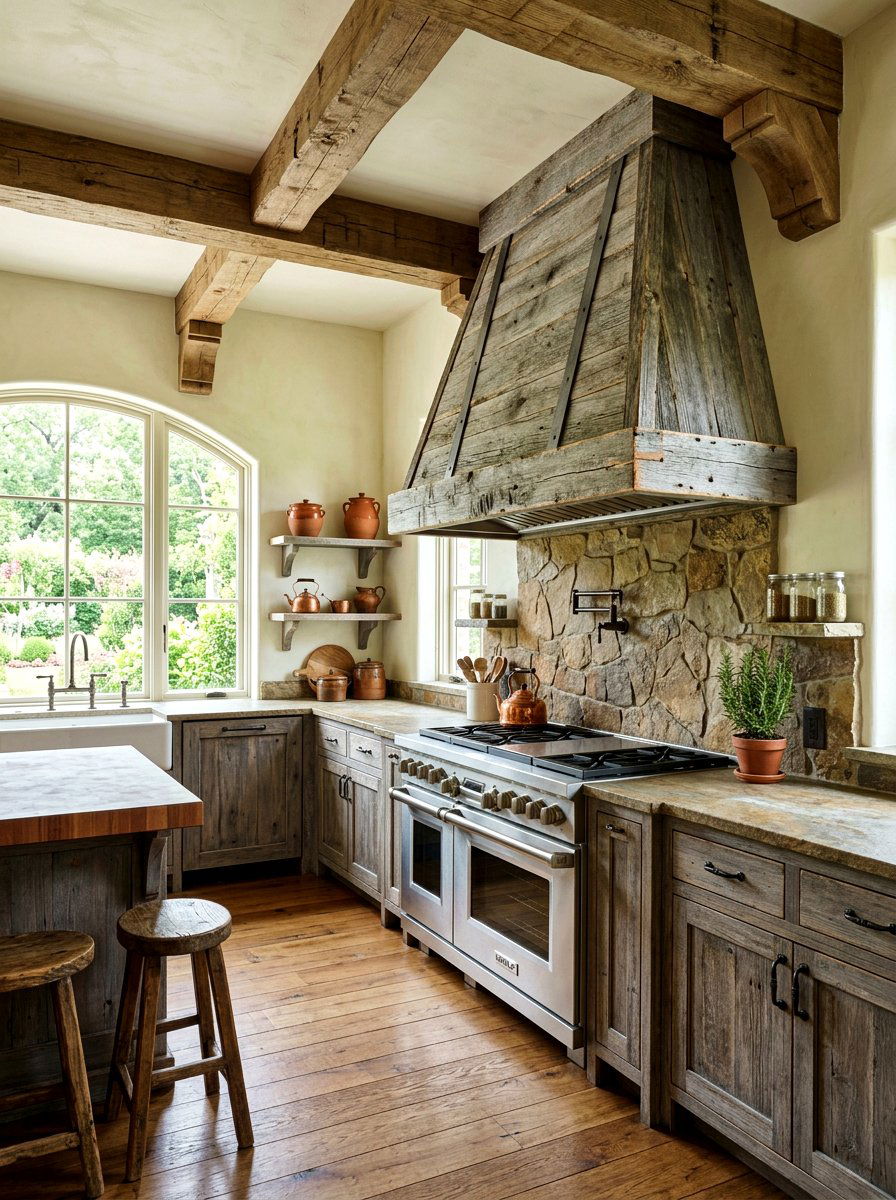
If you want your kitchen to feel lived-in and cozy, a distressed wood vent hood is the perfect choice. This design involves purposefully aging the wood using various techniques like sanding, nicking, or applying a weathered stain. The result is a hood that looks like a vintage heirloom, full of history and rustic charm. It is particularly effective in Mediterranean or old-world kitchen styles where imperfections are celebrated as part of the beauty. Pair a distressed hood with stone backsplashes and wrought iron hardware to create a cohesive, grounded look that feels like it has been part of the home for decades.
14. Two Tone Vent Hood
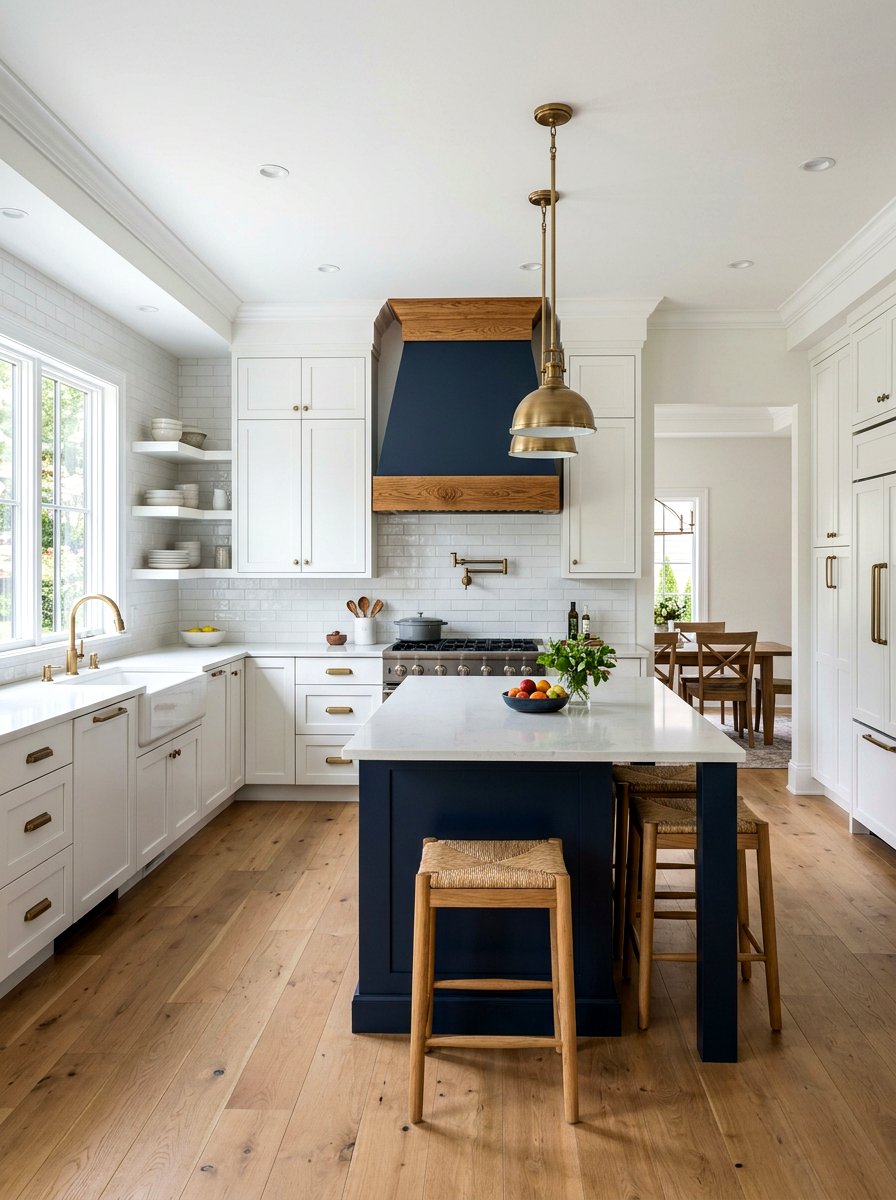
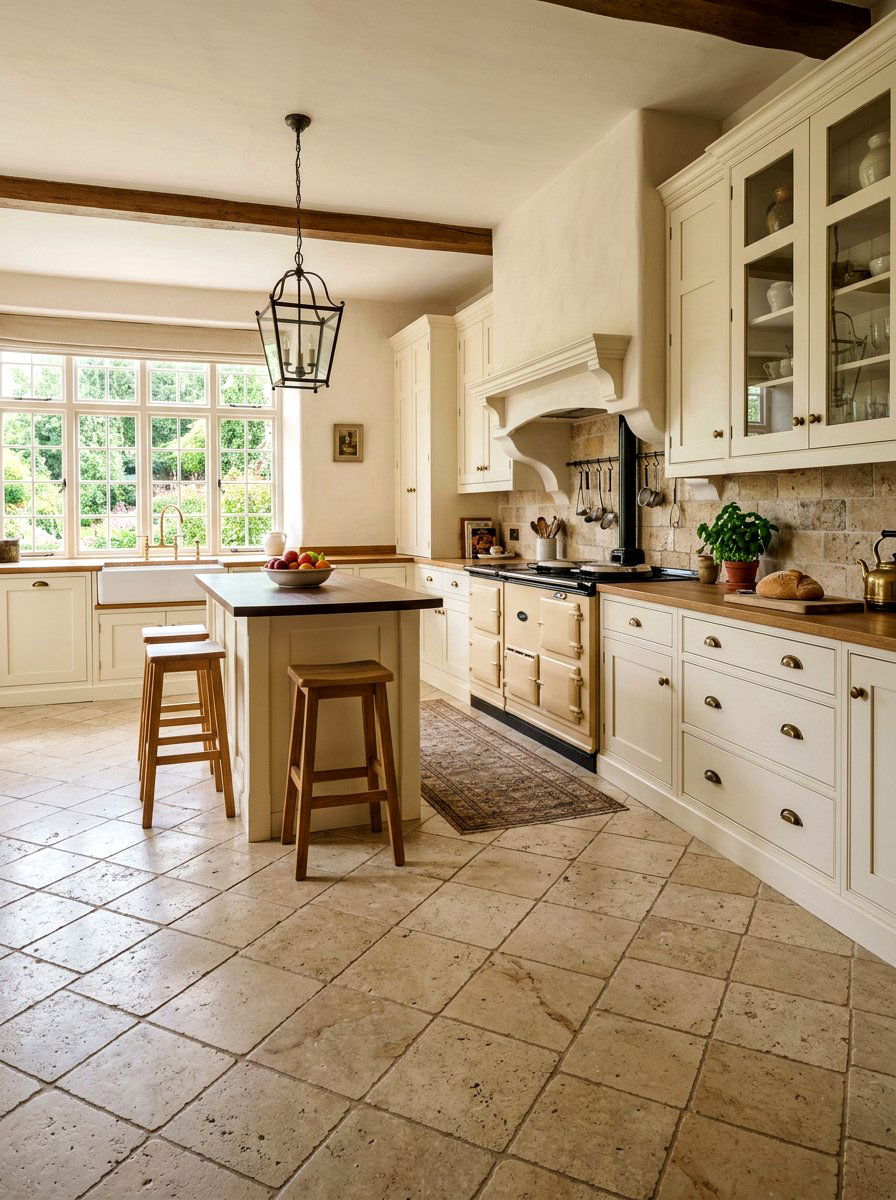
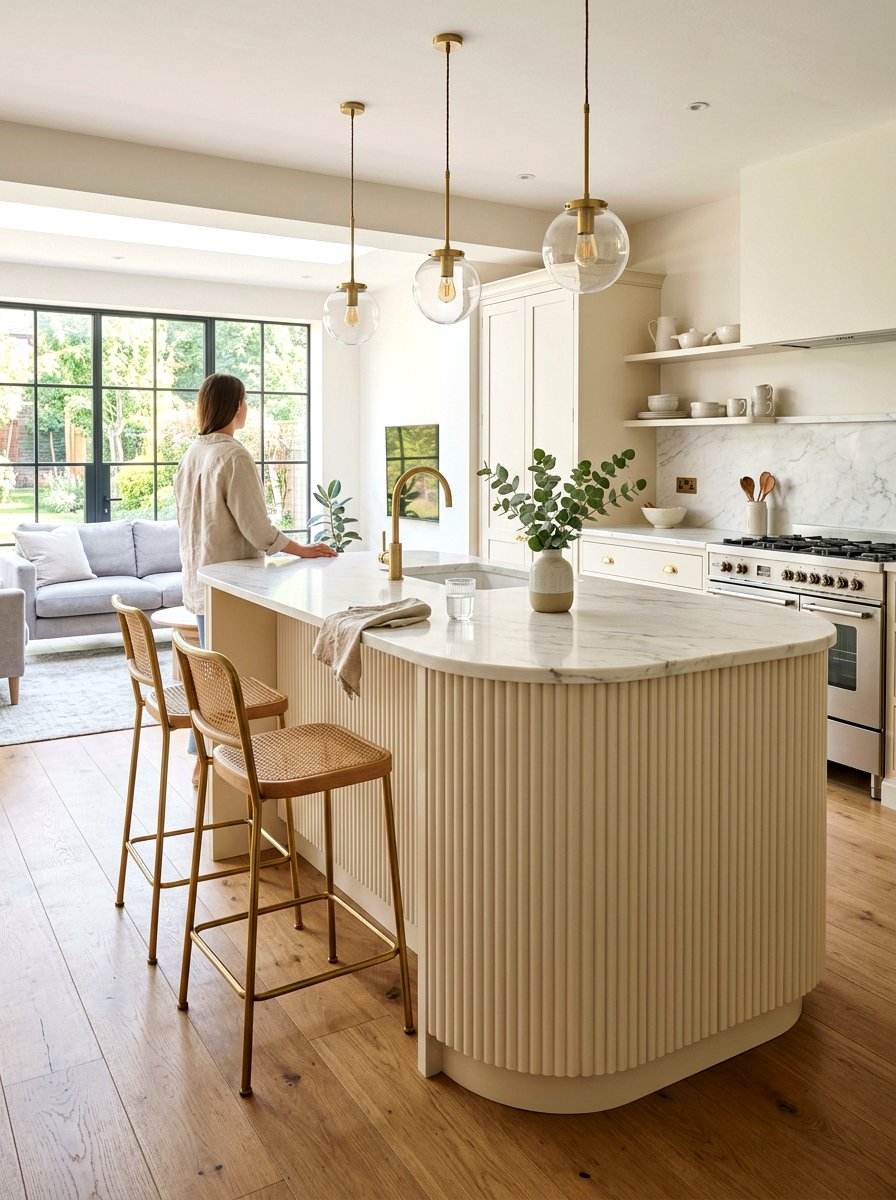
A two-tone vent hood uses a combination of different finishes or materials to create a visually interesting and layered look. For example, you might have a painted white body with a thick, natural wood band at the base. This design is excellent for bridging the gap between your painted cabinets and other wooden elements in the room, such as flooring or island legs. It allows you to customize the hood to match your specific color palette while still getting that touch of organic warmth. The contrast between a crisp paint color and a rich wood stain creates a professional, designer-level finish for your kitchen.
15. Herringbone Wood Vent Hood
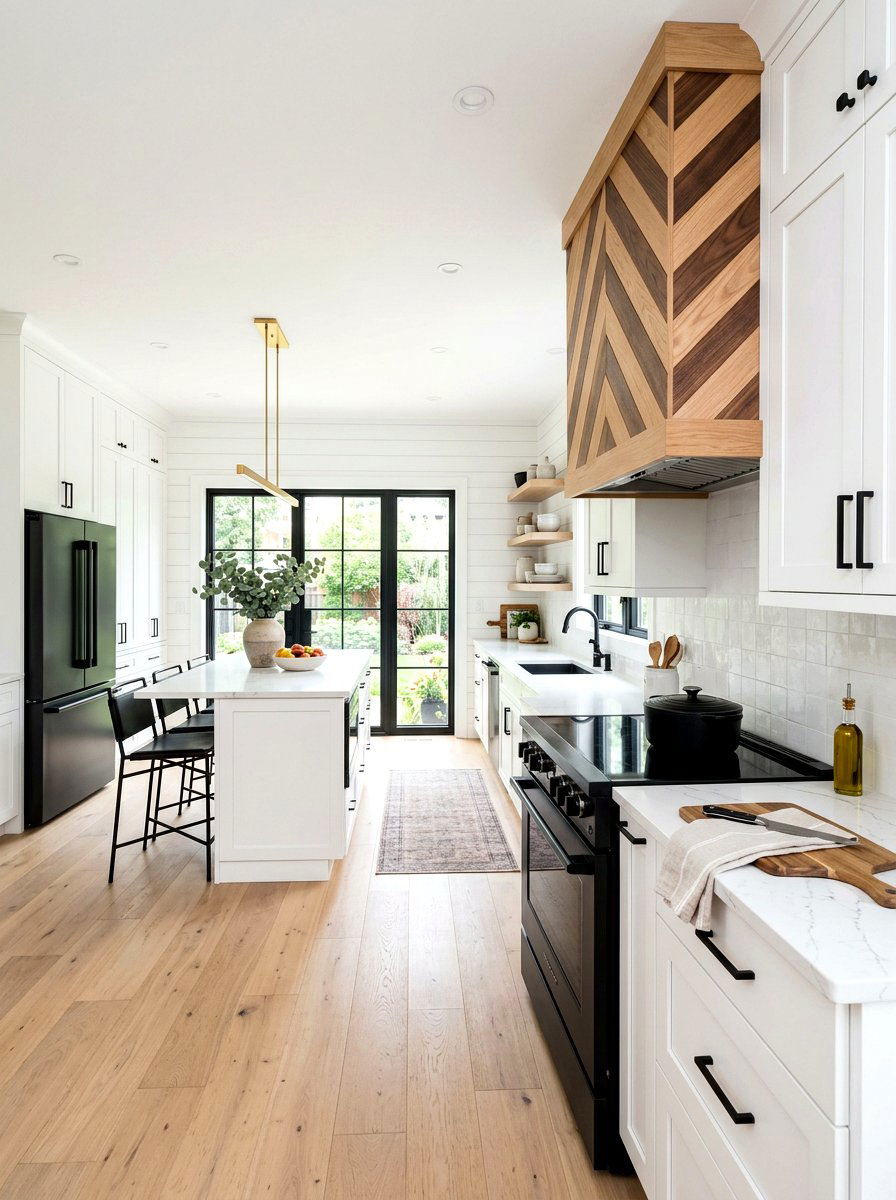
Incorporating a herringbone pattern into your wood vent hood is a clever way to add intricate detail and a touch of luxury. By arranging thin wooden planks in a V-shaped weaving pattern, you create a sophisticated surface that draws the eye immediately. This style works exceptionally well in transitional or modern kitchens where you want to add a high-end, custom-built feel. Because the pattern is so visually striking, it is often best to keep the rest of the hood shape simple to avoid overcomplicating the design. Using woods with a lot of natural color variation, like hickory or walnut, can make the pattern even more dramatic.
16. Curved Bell Hood
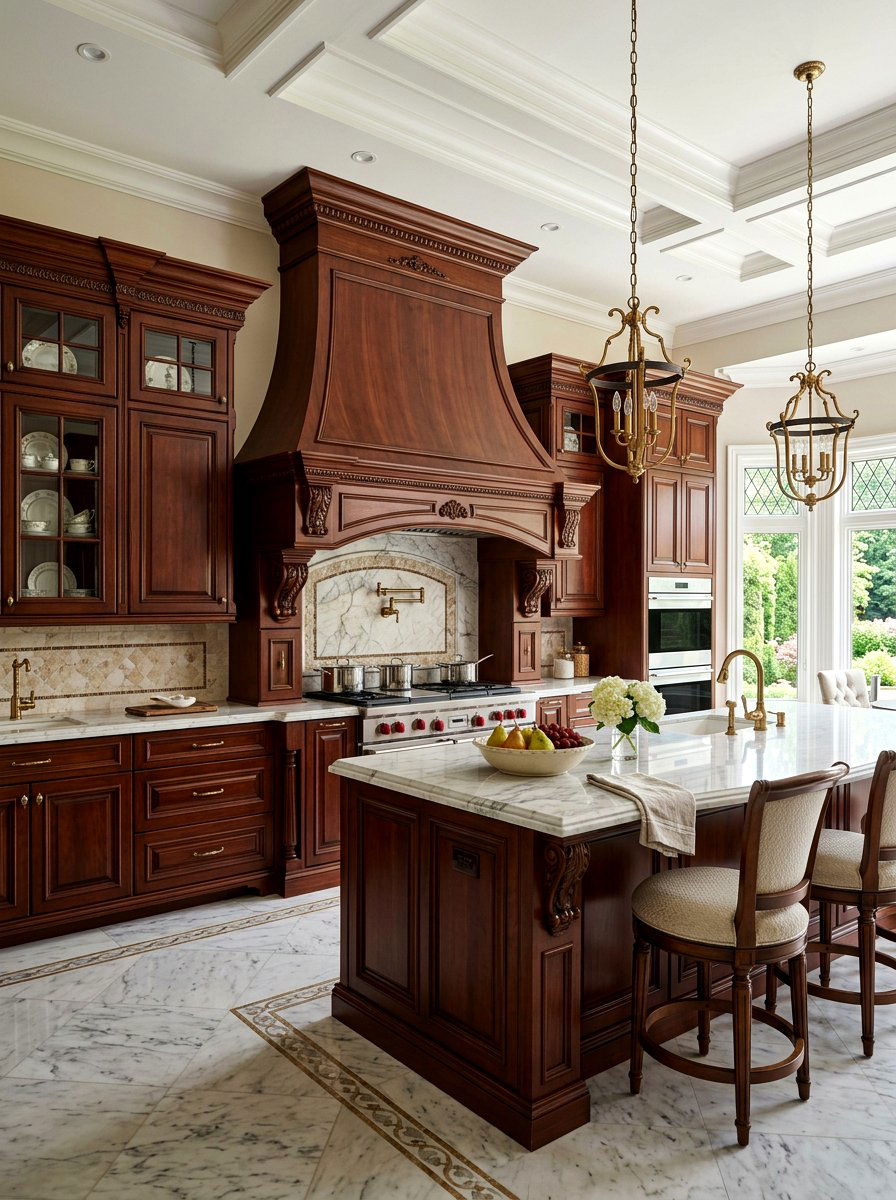
The curved bell hood features a distinct bell-like shape that flares out at the bottom, creating a graceful and traditional silhouette. This design is often considered the peak of custom kitchen craftsmanship because of the complex woodworking required to achieve the smooth, sweeping curves. It provides a grand, professional look that works beautifully as the primary focal point in a large, open kitchen. Bell hoods are frequently finished with decorative molding or metallic straps to further enhance their sophisticated appearance. This style is perfect for homeowners who want their range hood to feel like a significant piece of architectural art rather than just an appliance.
17. Oversized Wood Hood
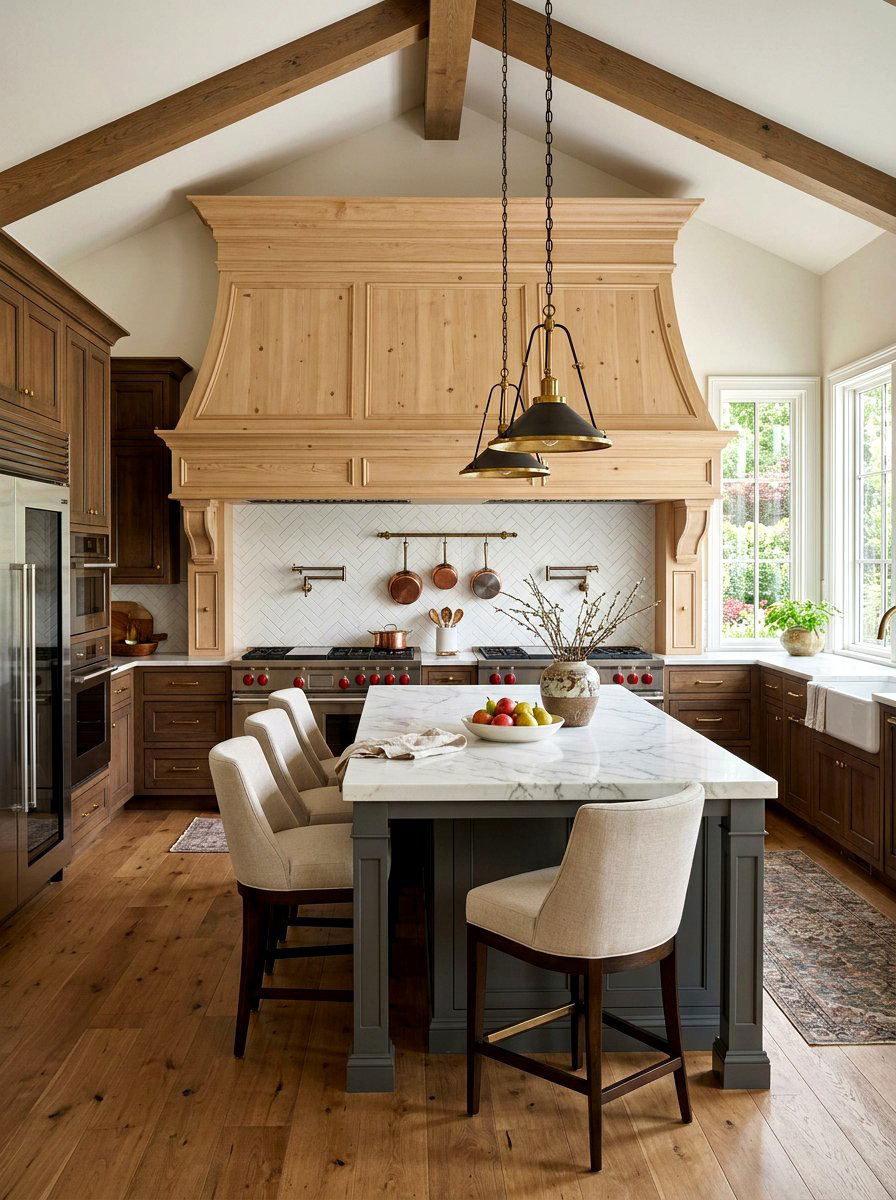
An oversized wood vent hood is designed to be much wider than the cooktop below it, creating a dramatic and commanding presence. This style is often used in luxury custom homes where the kitchen is massive and requires a large-scale element to balance the proportions. By making the hood wider, you can also incorporate built-in spice niches or decorative shelving on the sides. This grand design approach makes the cooking area feel like a professional chef's station. Using a rich, dark wood for an oversized hood ensures it anchors the room, while a lighter wood can keep the large structure from feeling too heavy.
18. Cherry Wood Vent Hood
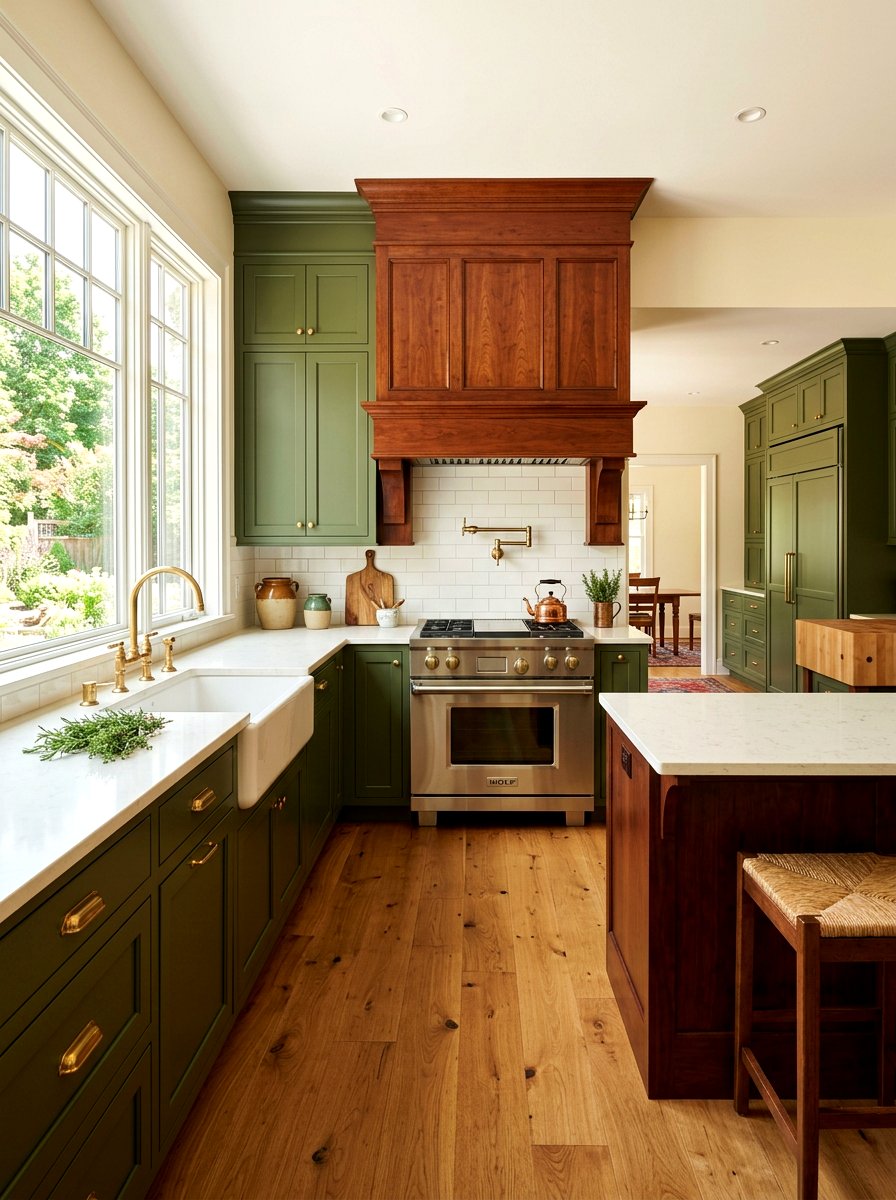
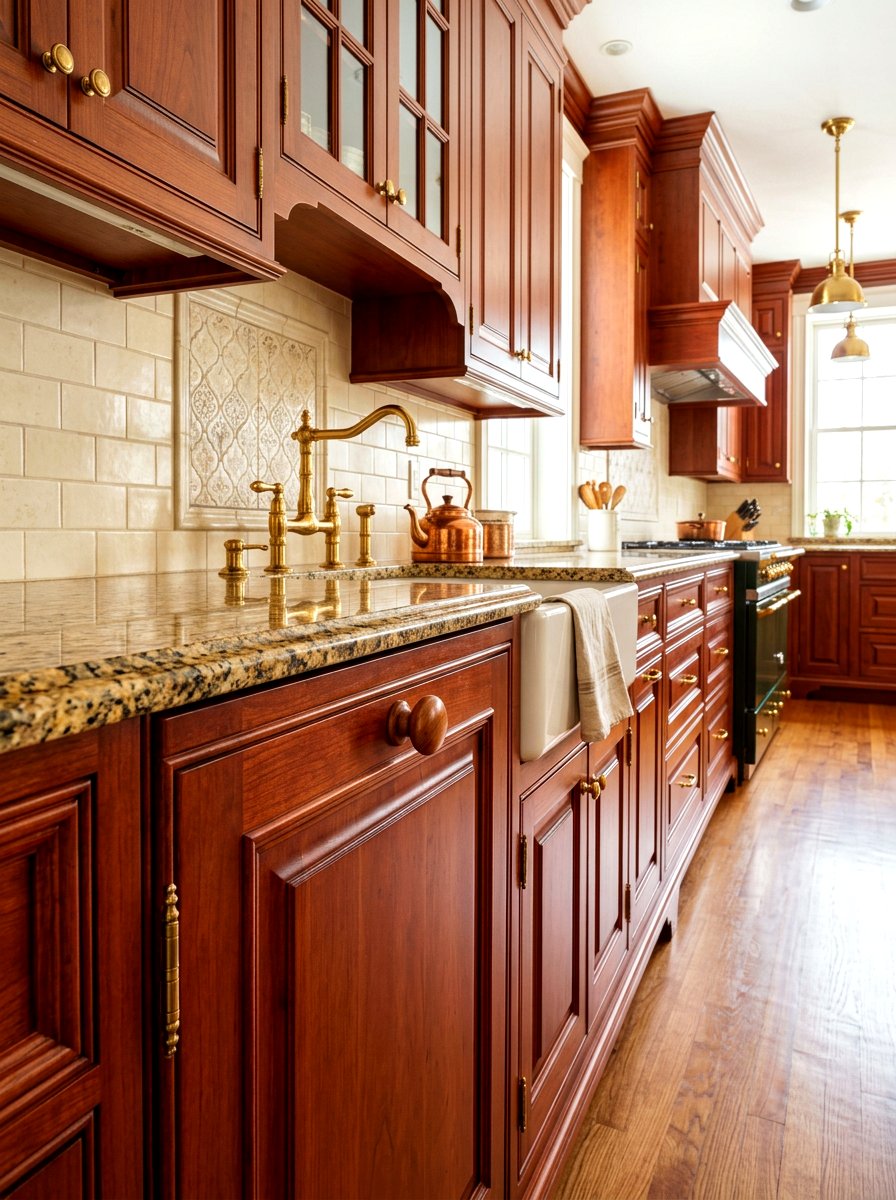
Cherry wood is famous for its smooth grain and its unique ability to darken and redden over time when exposed to light. A cherry wood vent hood adds a traditional, warm, and rich aesthetic to any kitchen, making it feel classic and established. The reddish undertones of the wood pair exceptionally well with warm-toned granites and traditional brass hardware. This wood species is often used in formal or craftsman-style homes where high-quality timber is a key design element. When polished to a soft luster, a cherry hood provides an elegant glow that makes the kitchen feel incredibly cozy and high-end for many years.
19. Painted Wood Vent Hood
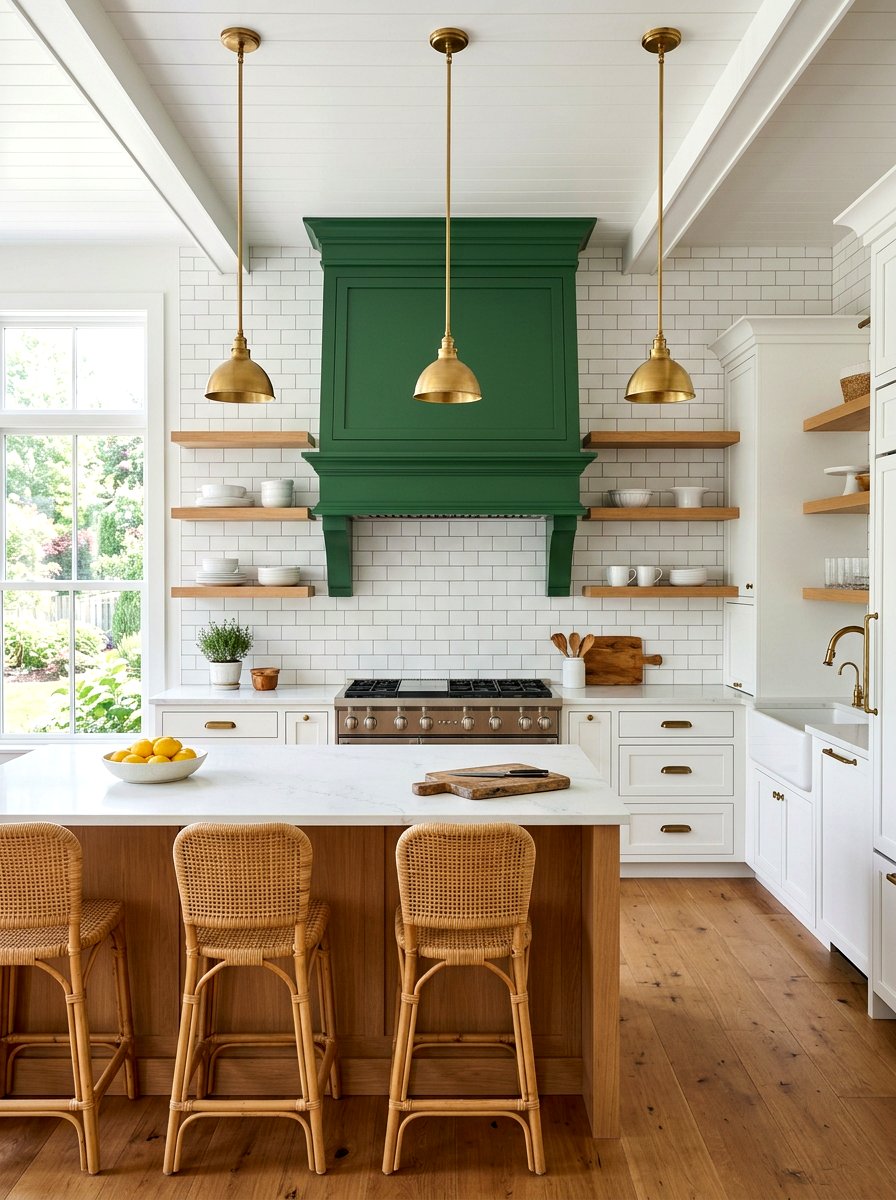
A painted wood vent hood offers the structural benefits and custom shapes of timber while allowing for total color customization. Many homeowners choose to paint their wooden hoods a bold accent color like navy blue, charcoal gray, or forest green to create a striking contrast against neutral cabinets. This approach allows the hood to stand out as a piece of furniture while still feeling integrated into the overall kitchen design. The wood grain can sometimes be left slightly visible through the paint for a more organic feel, or it can be sanded perfectly smooth for a sleek, modern finish that looks like factory-made metal.
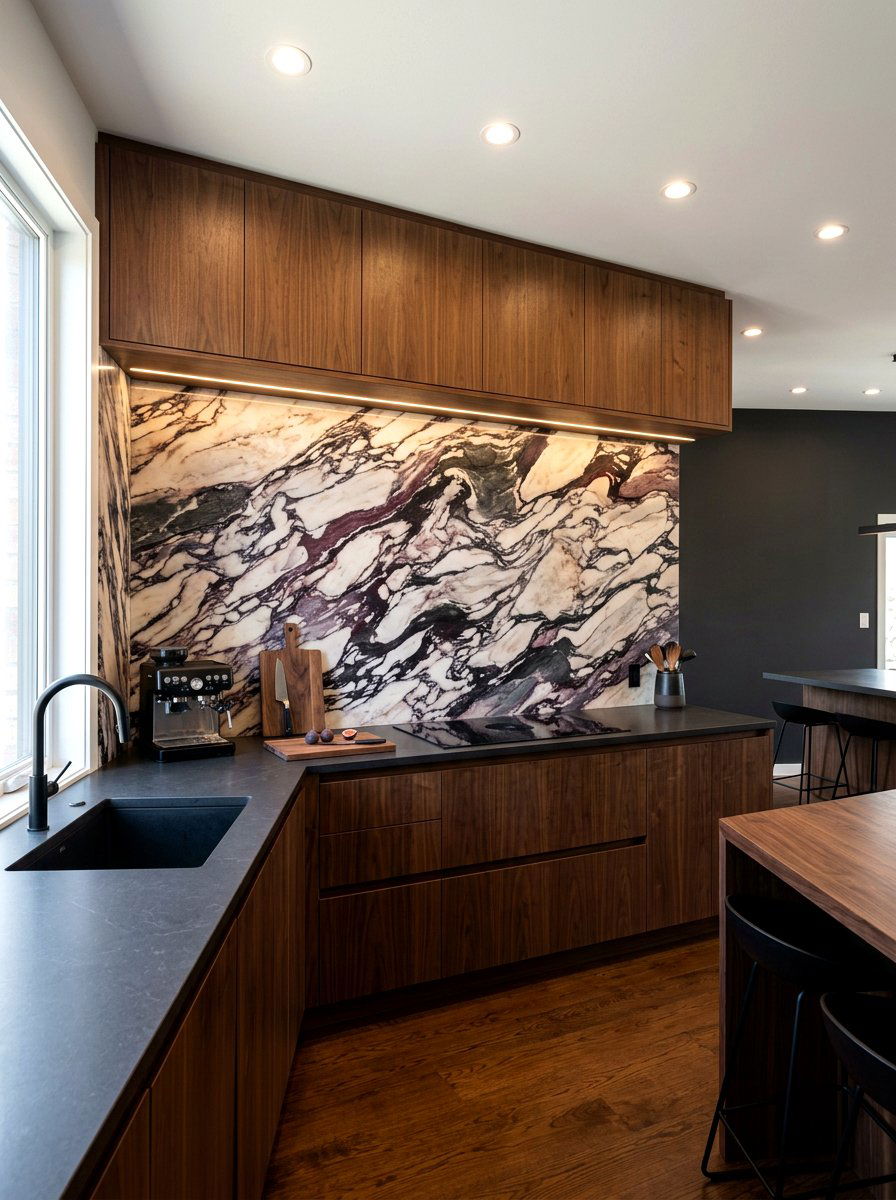
20. Barn Wood Vent Hood
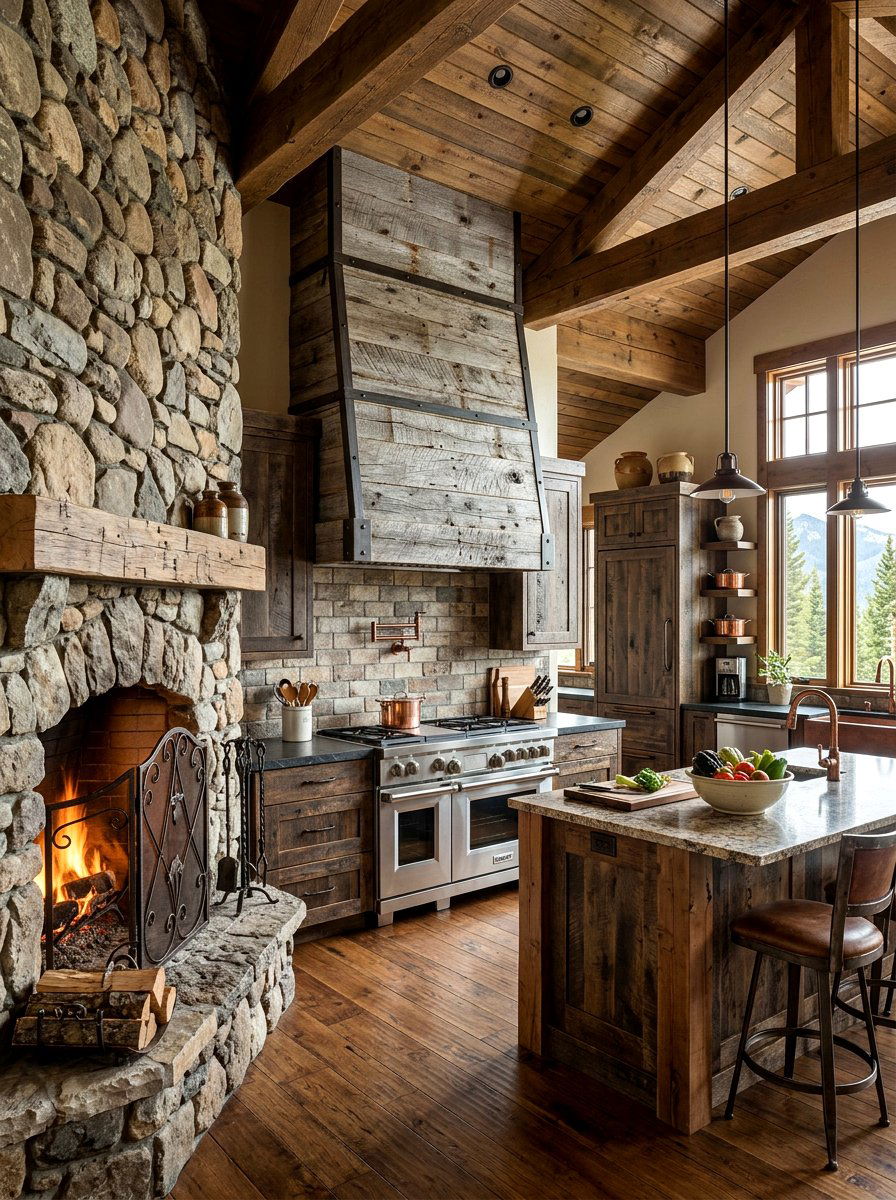
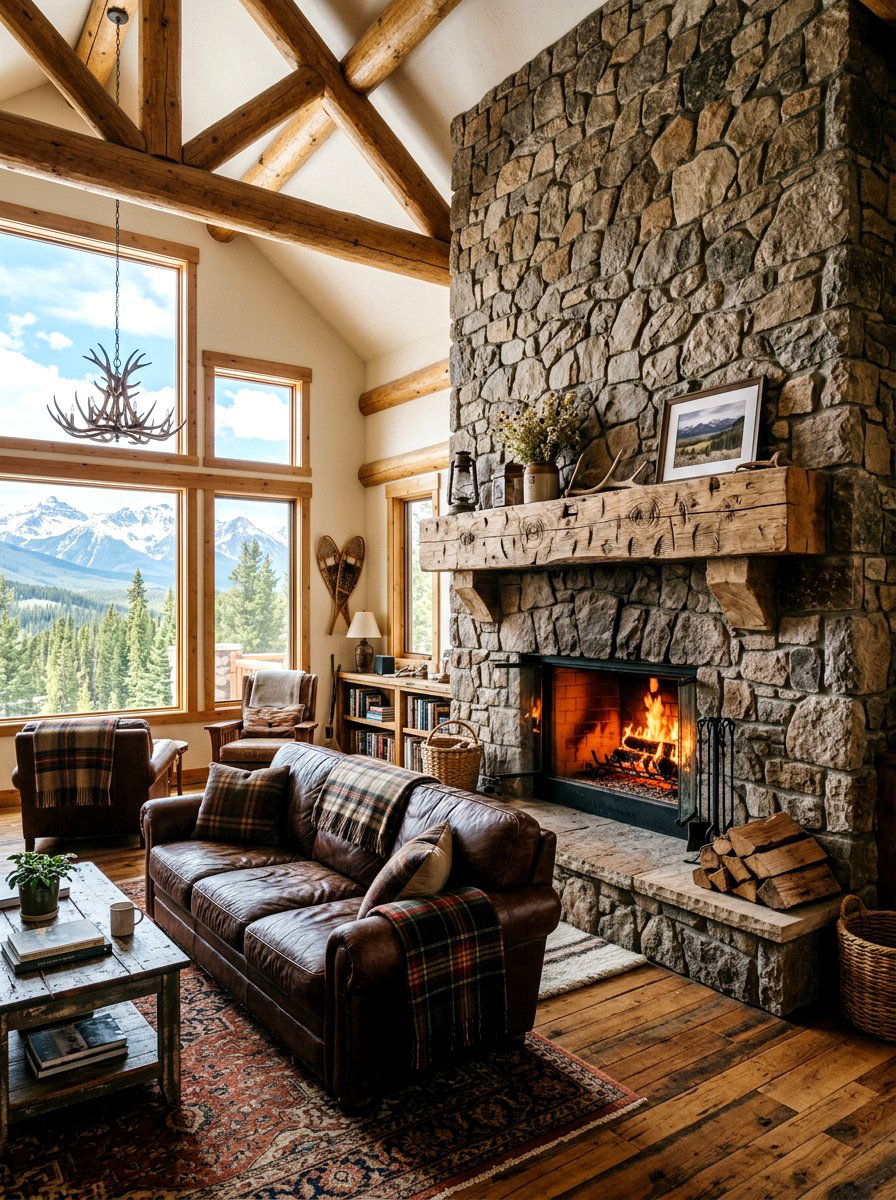
A barn wood vent hood uses authentic, aged timber to provide a rugged and earthy feel to your kitchen. Unlike standard reclaimed wood, barn wood often features original saw marks, silver-gray patinas, and a much rougher texture. This style is the ultimate choice for a true rustic or lodge-style kitchen where natural materials are the star of the show. It pairs perfectly with heavy stone countertops and exposed ceiling beams. Because the wood is so textured, it doesn't show grease or wear as easily as smooth surfaces, making it surprisingly practical for a high-traffic cooking area that sees a lot of daily use.
21. Cedar Wood Vent Hood
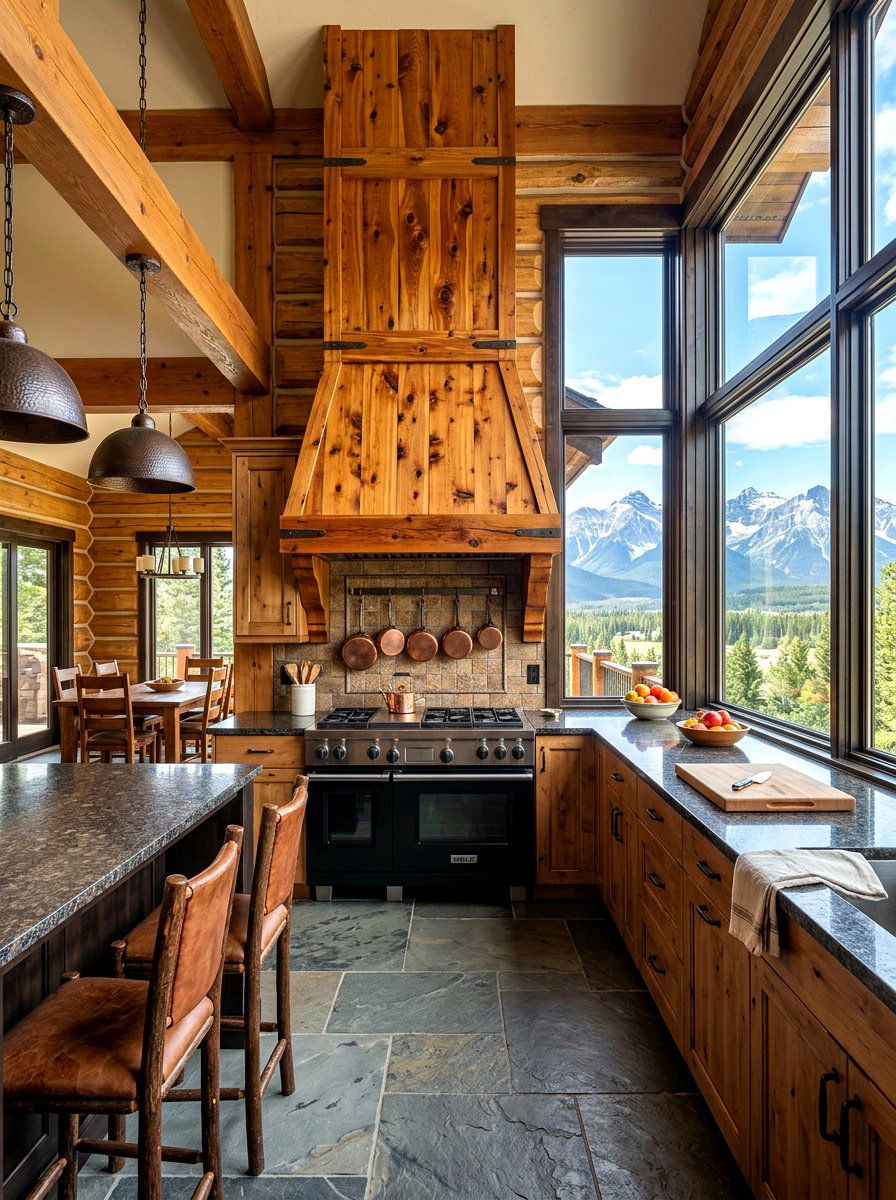
Cedar is a fantastic wood choice for a vent hood because it is naturally resistant to moisture and decay, which is helpful in a humid kitchen environment. A cedar wood vent hood provides a beautiful, knotty appearance and a wonderful, subtle aroma that many homeowners love. The wood ranges in color from light amber to deep reddish-brown, offering a lot of natural variety. It is particularly popular in coastal or mountain-themed kitchens where a natural, outdoorsy feel is desired. Cedar looks best when treated with a clear matte sealer that protects the wood without hiding its characteristic grain and varied color tones.
22. Driftwood Vent Hood
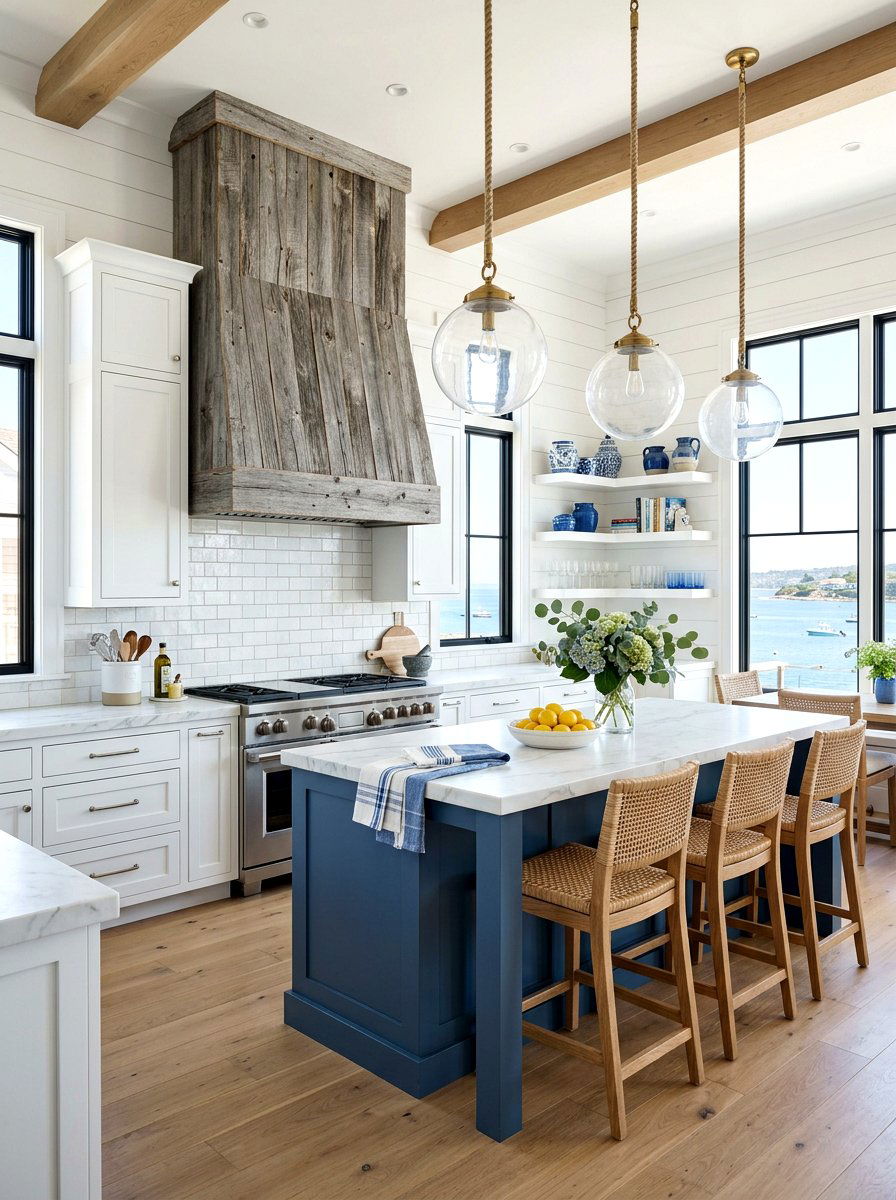
A driftwood-style wood vent hood features a soft, muted gray finish that mimics the look of timber bleached by the sun and sea. This aesthetic is perfect for coastal, beach-themed, or modern farmhouse kitchens that prioritize a light and airy atmosphere. You can achieve this look by using a special gray wash or a reactive stain on light woods like oak or pine. The result is a hood that feels weathered and organic but still sophisticated and clean. This style pairs beautifully with white tile backsplashes and light blue accents, creating a calm and serene cooking environment that feels like a permanent vacation.
23. Floating Shelf Hood
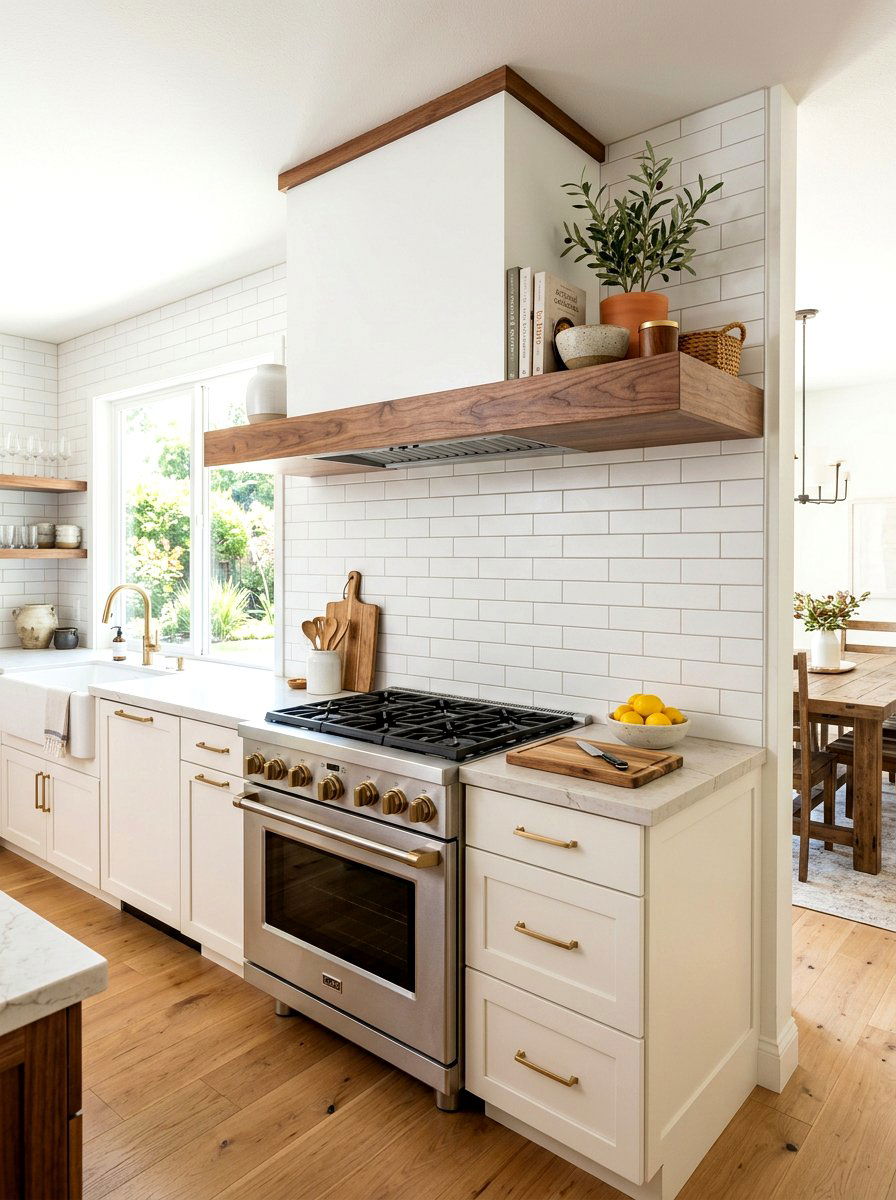
The floating shelf wood vent hood combines a sleek ventilation unit with a thick, integrated wooden shelf that wraps around the front and sides. This design is incredibly functional, providing a place to display decorative oils, spices, or small pieces of art right above the stove. It helps to integrate the hood into the rest of the kitchen's shelving system, making the space feel more cohesive and lived-in. This style is very popular in modern and transitional designs where a "furniture-like" look is preferred over a traditional chimney. It makes the cooking area feel approachable and stylish while providing useful storage space.
24. Horizontal Plank Hood
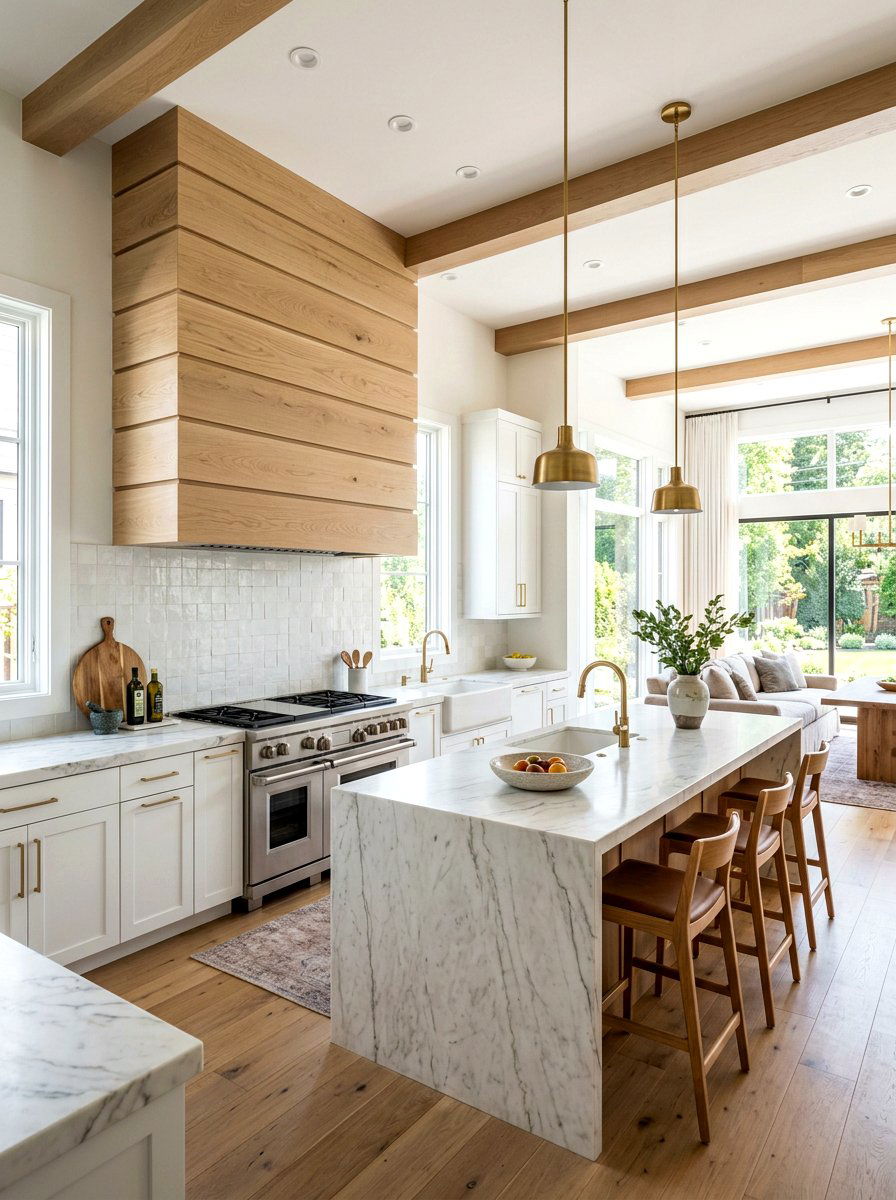
A horizontal plank wood vent hood uses wide pieces of timber stacked on top of one another to create a clean, linear look. This design emphasizes the width of the hood, which can help a small kitchen feel much wider and more spacious. It is a more modern take on the shiplap style, often using smoother wood with tighter seams for a more refined finish. This approach looks particularly striking when you use high-quality woods like walnut or mahogany, where the long horizontal grain can be fully appreciated. It is a great way to add subtle texture and architectural interest without being overly decorative.
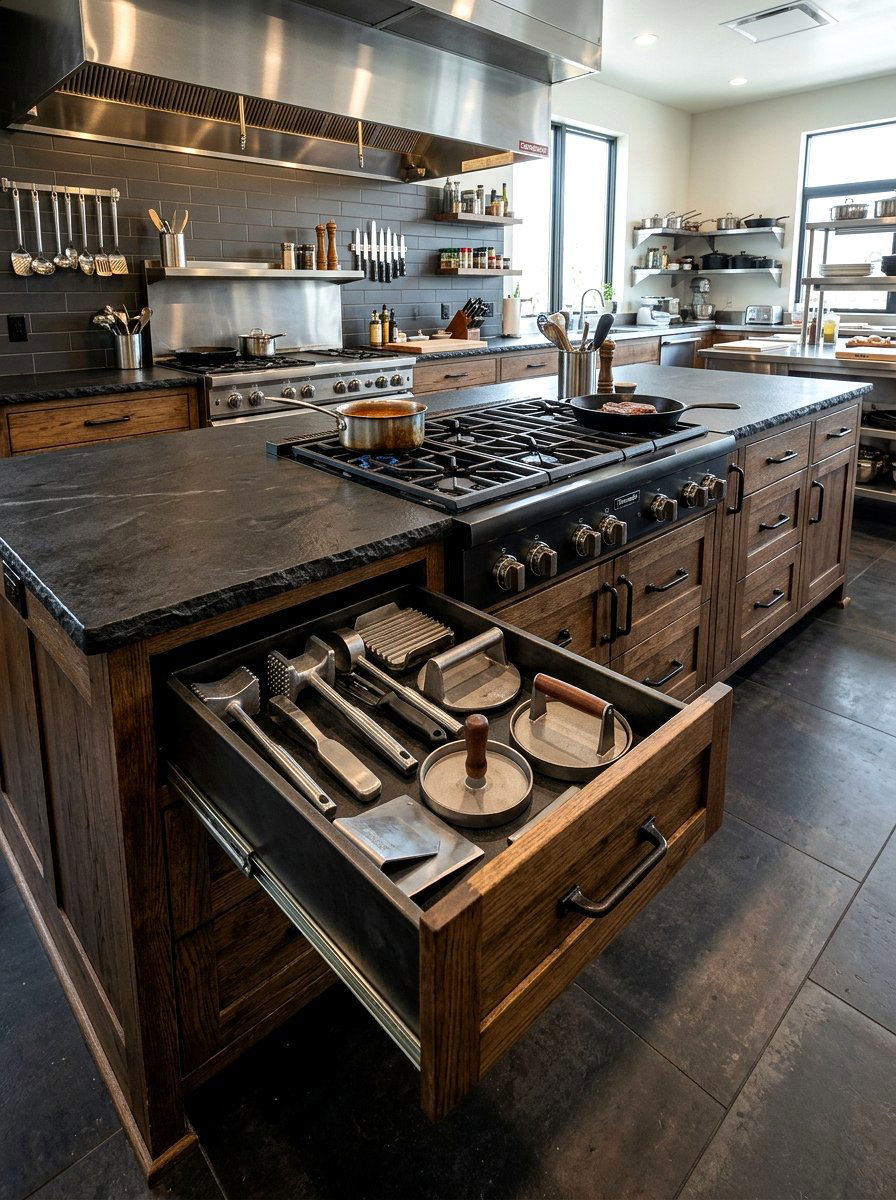
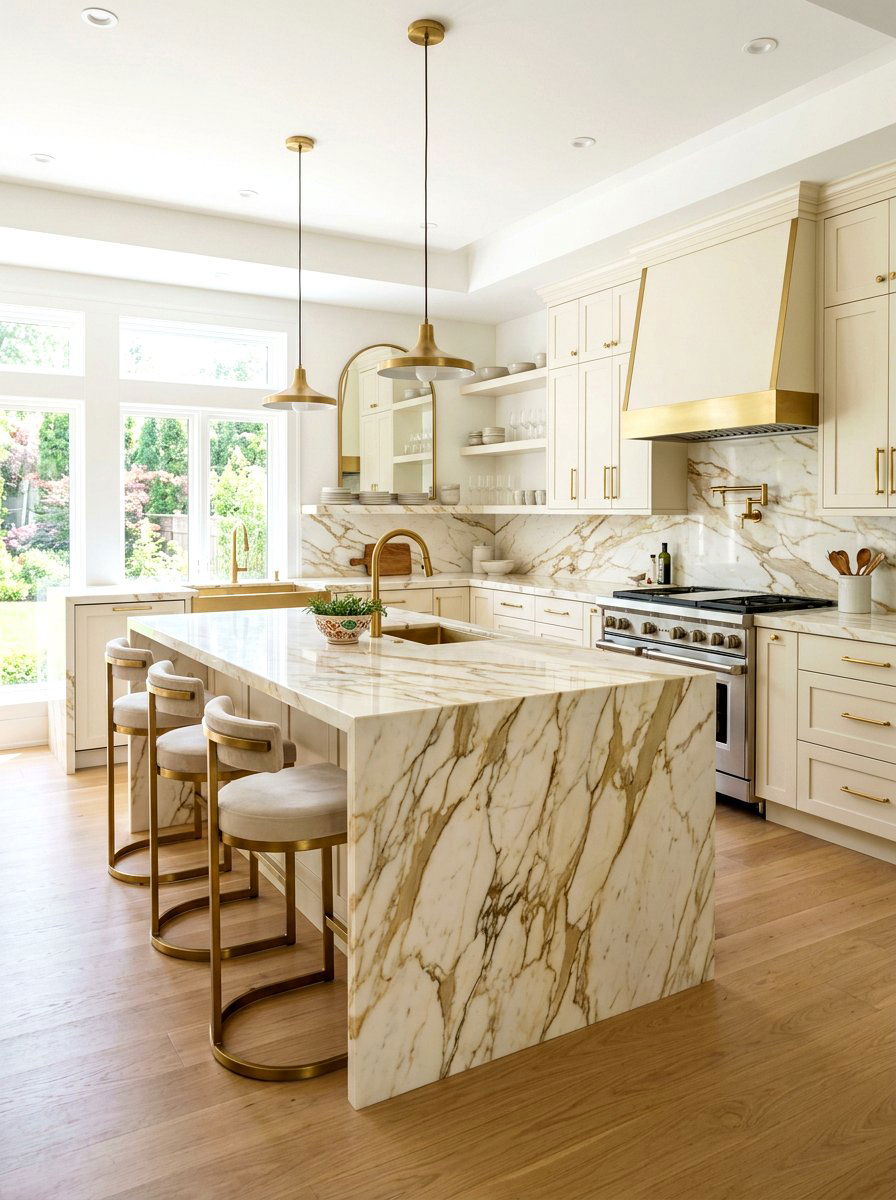
25. Black Stained Hood
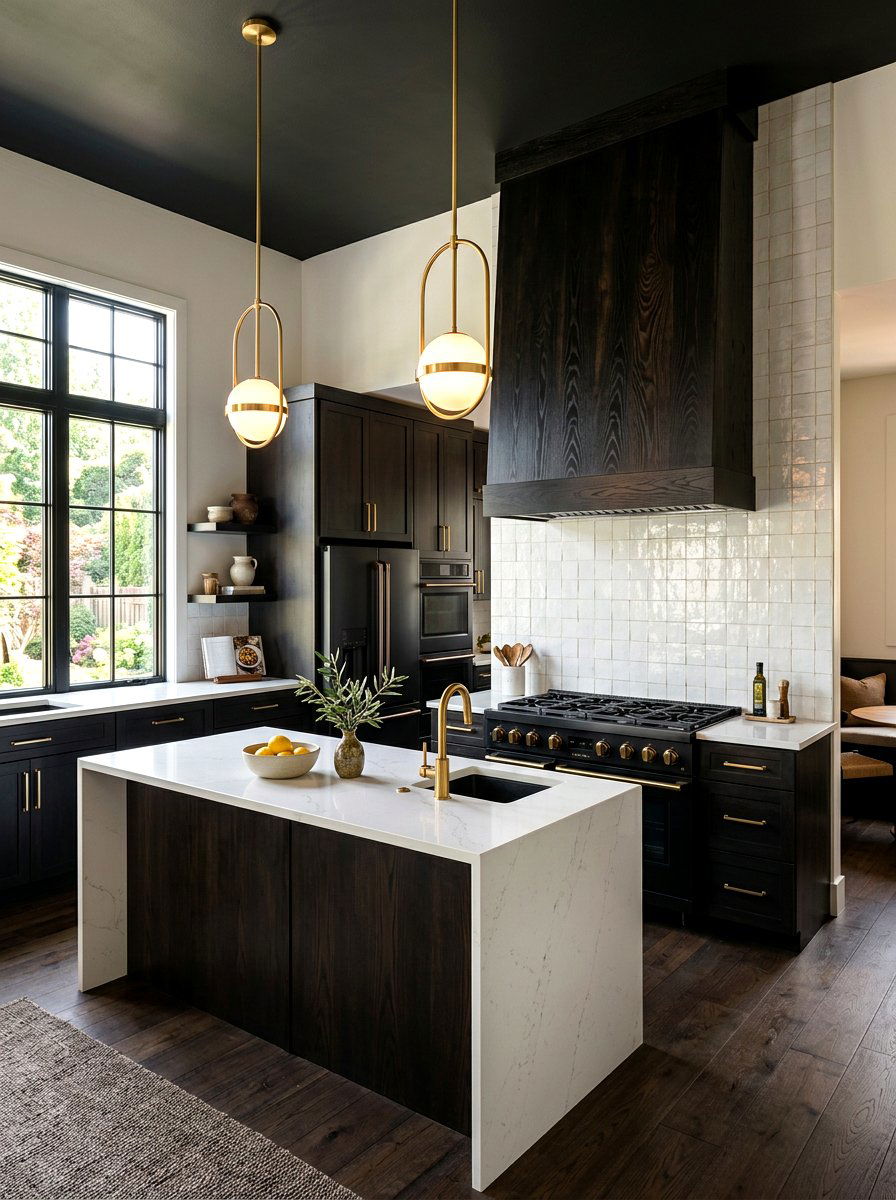
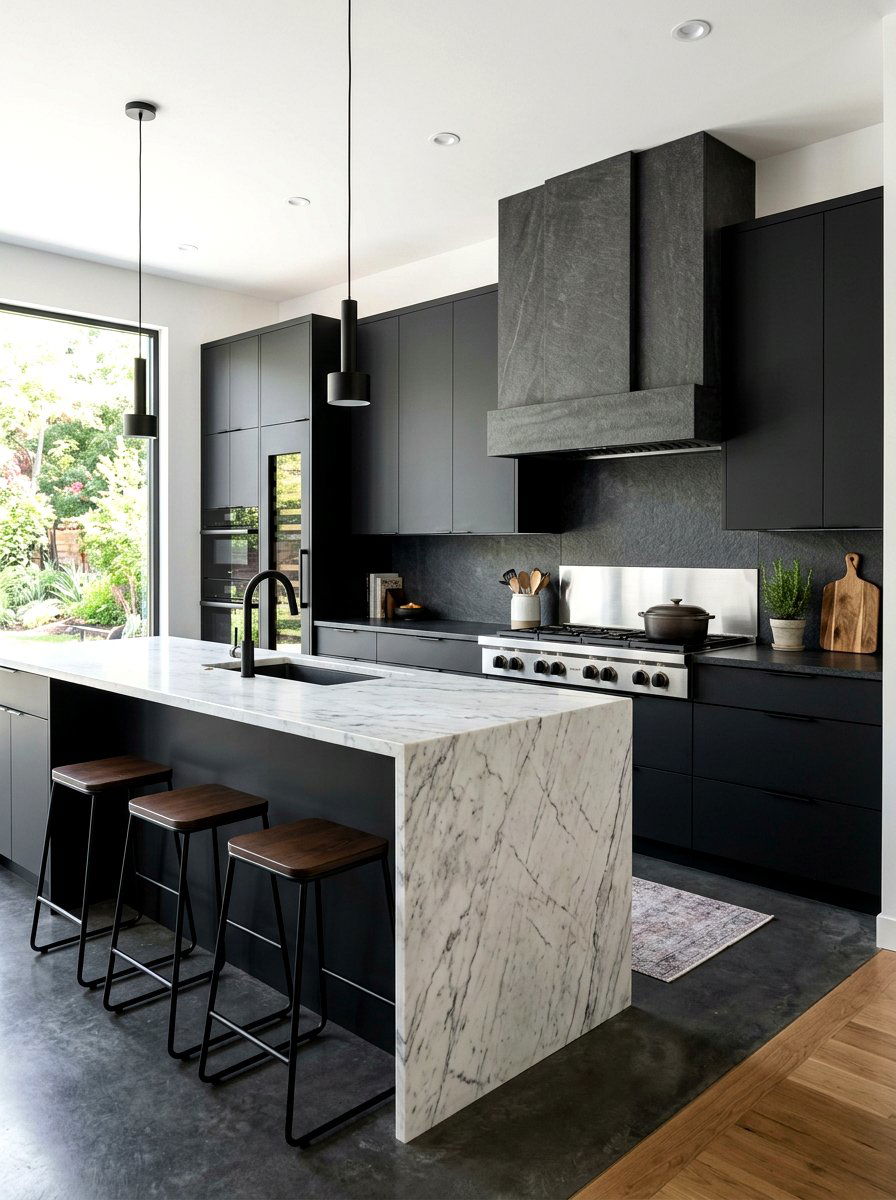
A black stained wood vent hood offers a moody and dramatic look that is perfect for contemporary or industrial-inspired kitchens. By using a dark ebony stain rather than solid black paint, you allow the natural texture and grain of the wood to remain visible beneath the color. This creates a much richer and more interesting surface than plain black metal. A black wood hood acts as a powerful anchor in a kitchen with white walls or light countertops, providing a sophisticated focal point. It looks especially high-end when paired with gold or brass hardware, which pops beautifully against the dark wooden background.
26. Corner Wood Hood
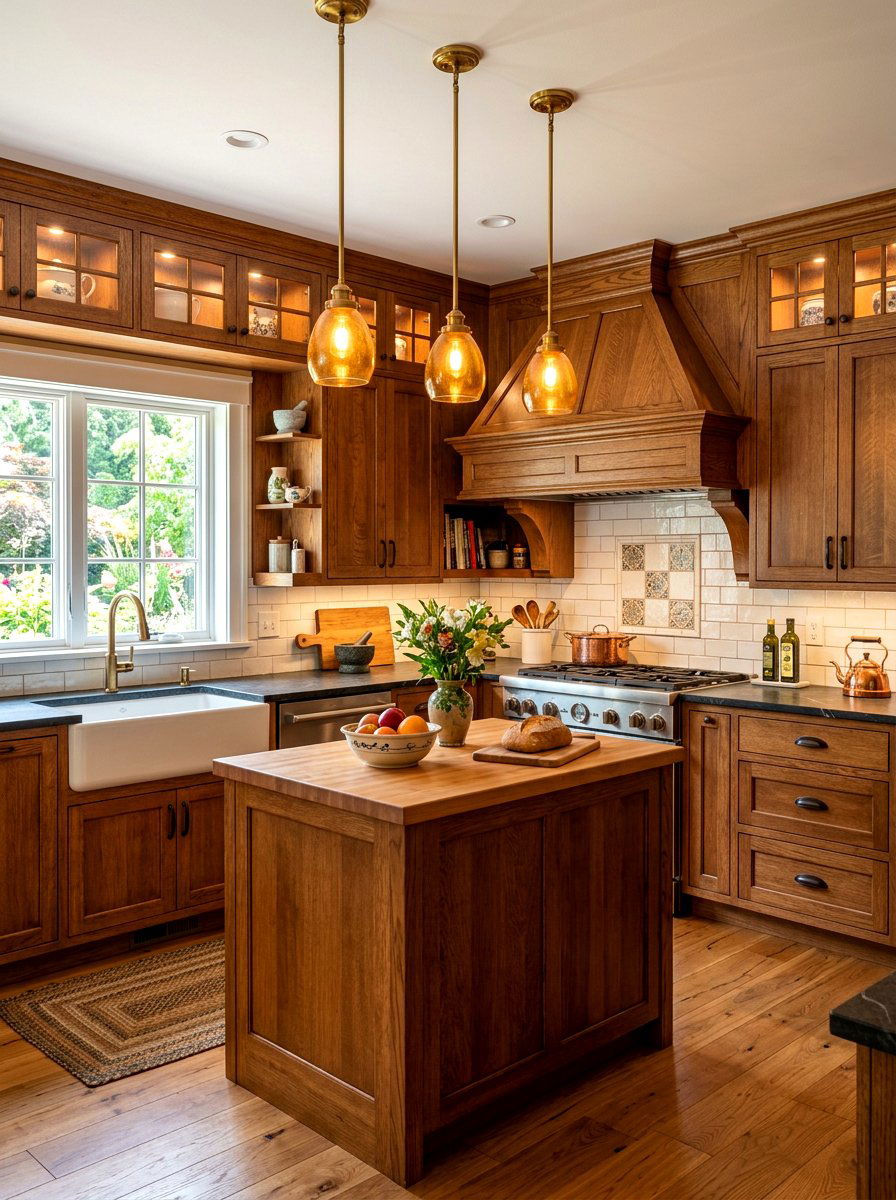
Installing a wood vent hood in a corner can be a great way to maximize space and create a unique architectural feature in your kitchen. A corner wood vent hood is custom-built to fit into the 90-degree angle, often featuring a diagonal face that looks out toward the center of the room. This layout is common in traditional homes where the stove is tucked into a cozy corner. The wood can be finished to match the surrounding cabinets to make the hood feel like a built-in part of the architecture. It provides a warm, sheltered feel to the cooking zone, making it a very inviting space.
27. Traditional Crown Hood
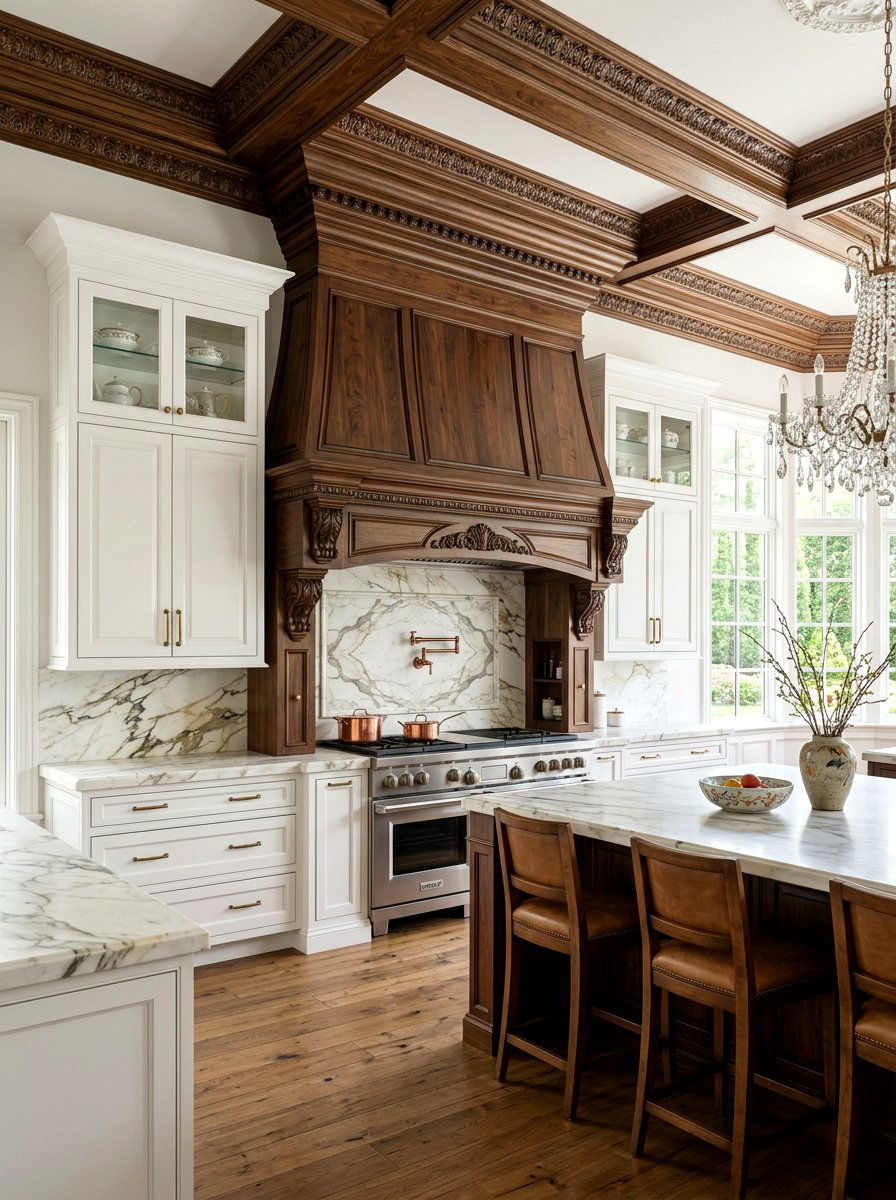
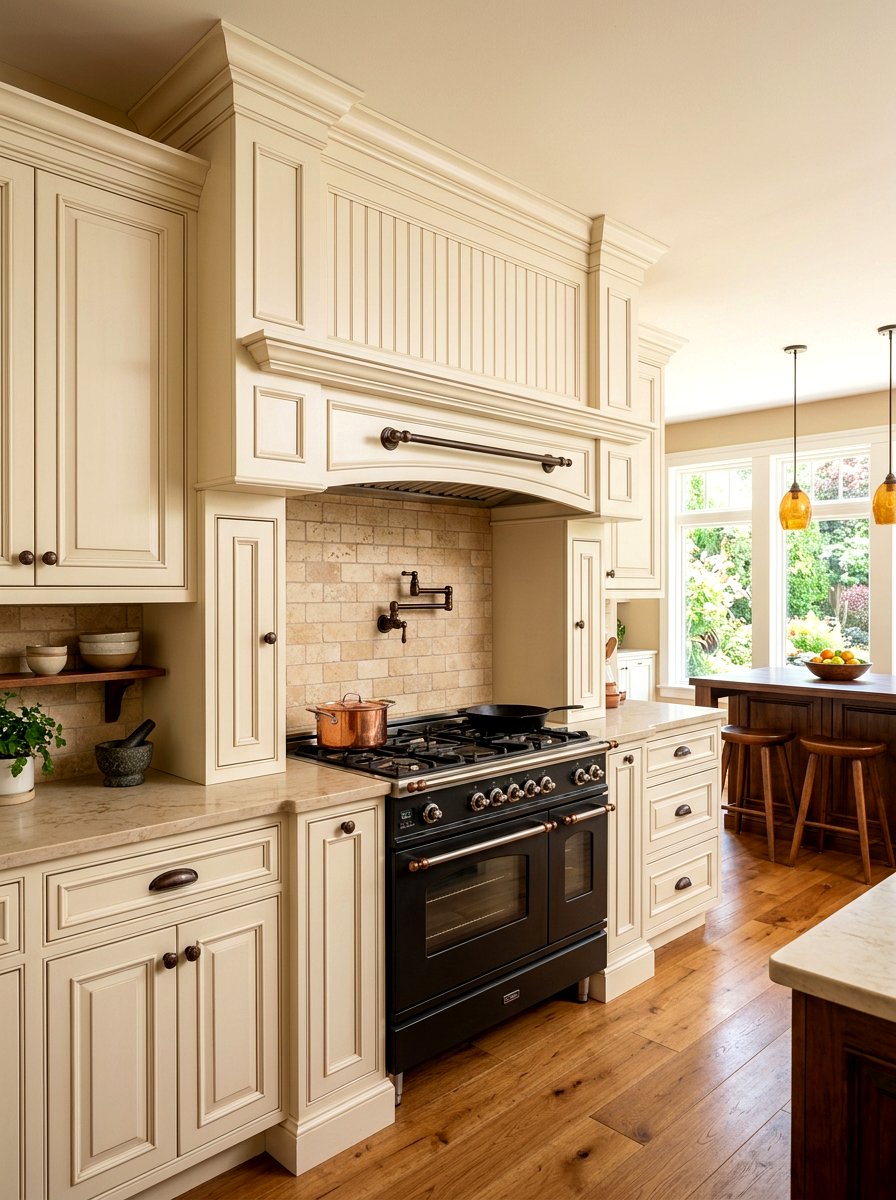
A traditional crown wood vent hood is defined by the inclusion of heavy crown molding at the top, where it meets the ceiling. This detail gives the hood a very formal and grand appearance, reminiscent of a classic fireplace mantel. This style is almost always found in traditional or luxury transitional kitchens where elaborate cabinetry details are a priority. The molding can be painted to match the rest of the kitchen trim or stained to provide a rich, furniture-grade finish. This design is perfect for homeowners who want their kitchen to feel elegant, timeless, and meticulously crafted with high-level architectural details.
28. Rough Hewn Hood
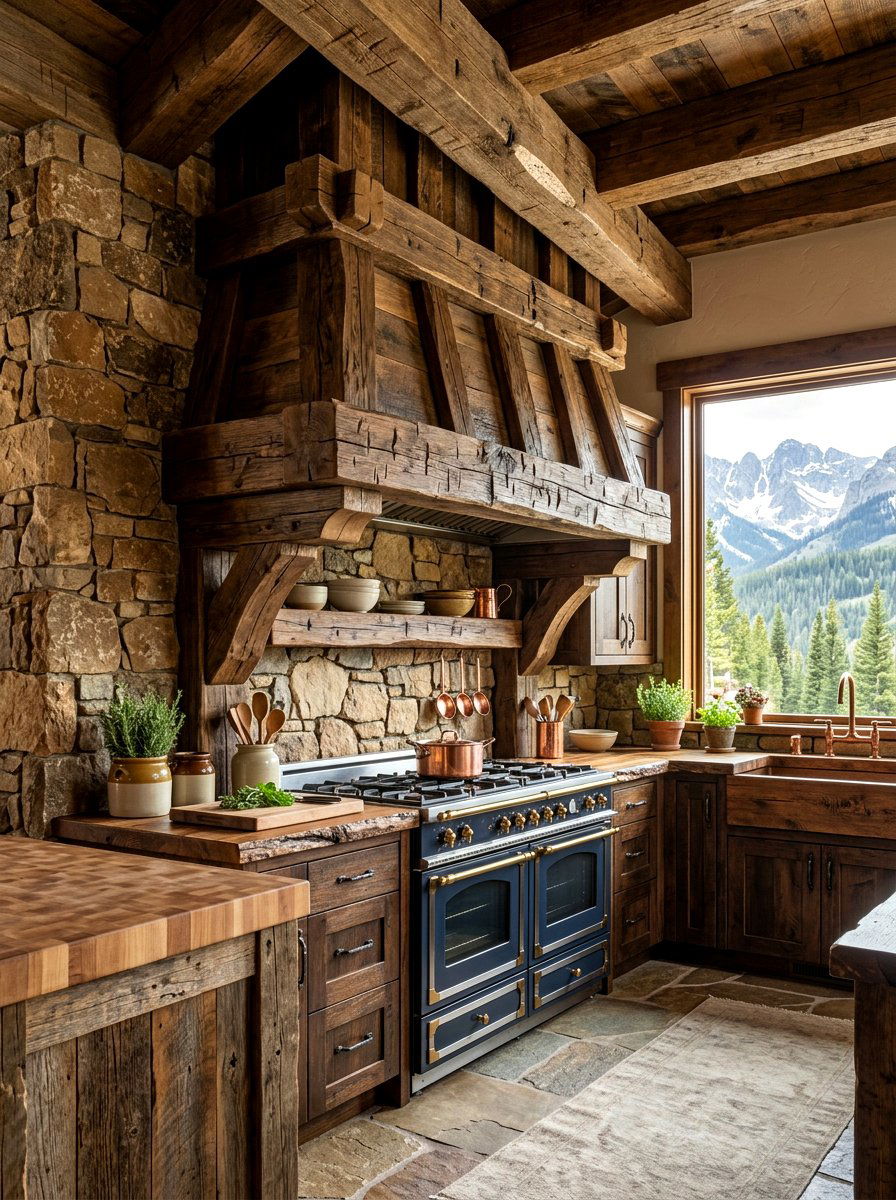
A rough hewn wood vent hood features timber that has been hand-axed or left with original mill marks for an extremely rustic and primitive look. This style is all about celebrating the raw, unrefined nature of the wood. It is often constructed from massive beams or thick slabs to give it a heavy, substantial presence above the stove. This design is ideal for cabins, lodges, or very rustic farmhouse kitchens where you want to emphasize a connection to nature. The rugged surface of the wood provides a wonderful tactile quality that contrasts beautifully with smooth stone countertops and modern glass stovetops.
29. Knotty Alder Hood
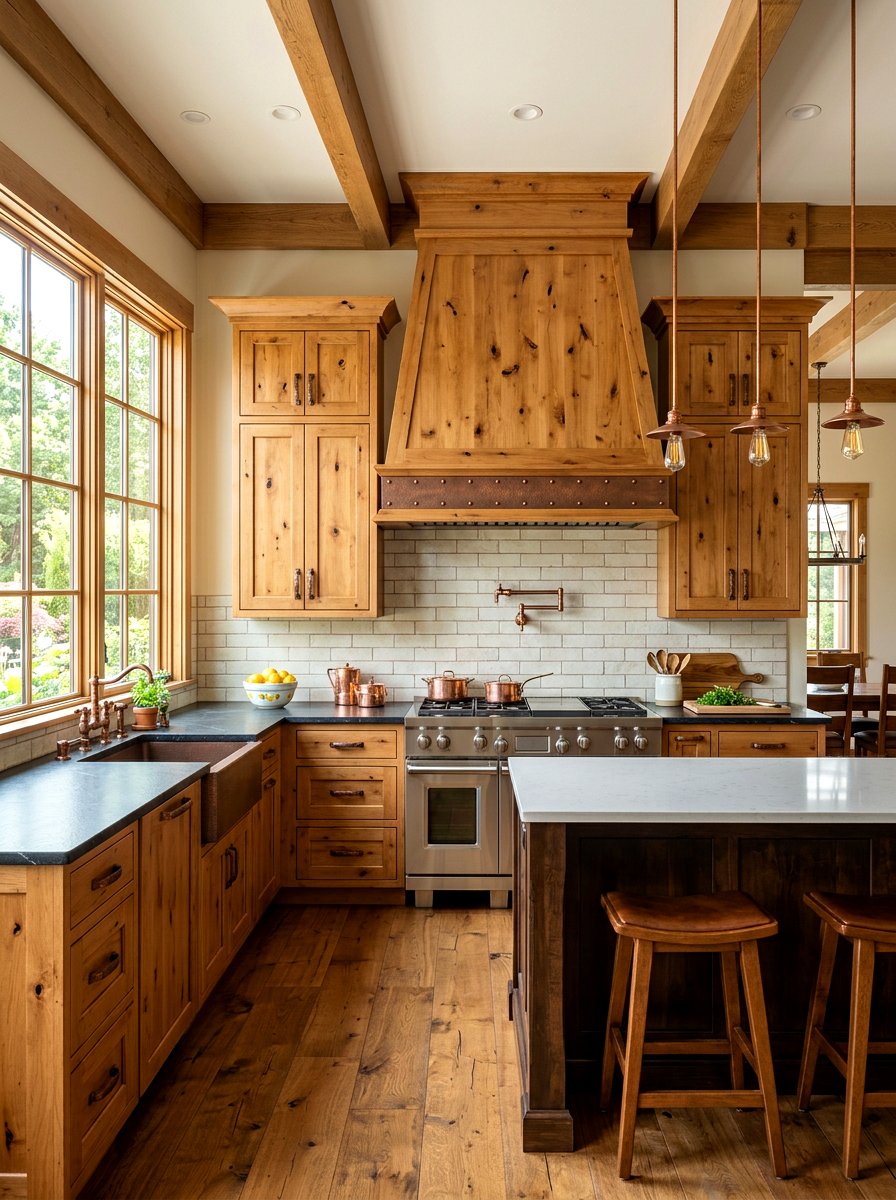
Knotty alder is a favorite wood species for many homeowners because it offers a beautiful, rustic appearance at a more affordable price point. A knotty alder wood vent hood is characterized by its prominent knots, burls, and interesting grain patterns, which give the wood a lot of personality. It has a warm, honey-toned color that takes stains exceptionally well, allowing you to customize the shade to your liking. This wood is soft and easy to work with, making it a popular choice for custom-built hoods with complex details or moldings. It provides a cozy, mountain-home feel that is perfect for comfortable family kitchens.
30. Rustic Pine Hood
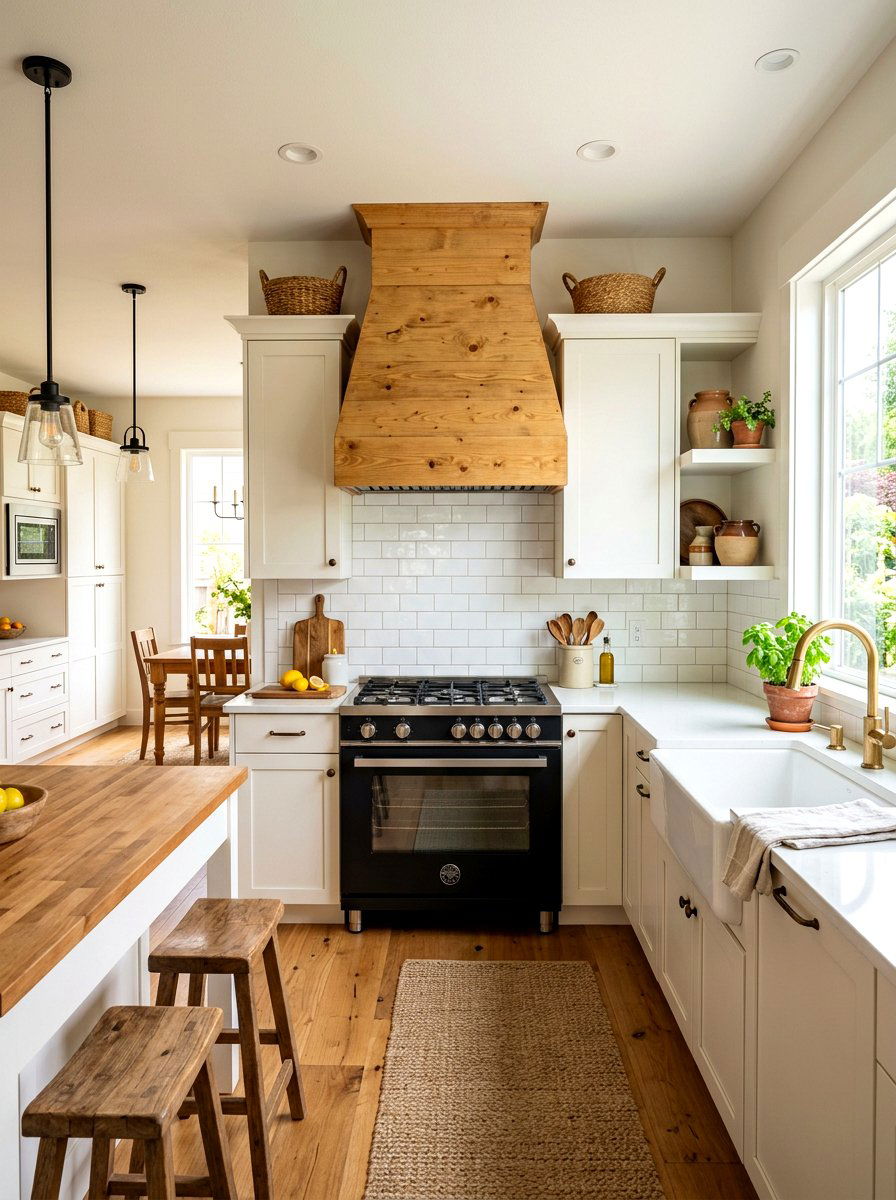
A rustic pine vent hood is a classic choice for those who love the traditional country look. Pine is a relatively soft wood with a wide, flowing grain and distinct dark knots that give it a very casual and inviting feel. It is often finished with a light honey or amber stain to highlight its natural warmth. While it can be prone to small dents and dings, many people feel that this only adds to the character and charm of the hood over time. It is an excellent, budget-friendly option for achieving a high-quality wood look that feels authentic, warm, and perfect for a busy home.
Conclusion:
Selecting the right wood vent hood is a journey toward creating a kitchen that feels both functional and deeply personal. As we have explored, the variety of wood species, shapes, and finishes allows for endless creativity in your home design. A well-chosen hood does more than just provide ventilation; it acts as an architectural anchor that brings warmth and texture to the heart of the home. Whether you choose the rugged charm of reclaimed timber or the sleek elegance of white oak, your choice will stand as a testament to your style. By investing in a custom wooden design, you are choosing a timeless element that will continue to add value and beauty to your kitchen for many years to come. These designs bridge the gap between utility and art, ensuring your cooking space is as beautiful as it is practical. Take the time to consider your kitchen's overall aesthetic and choose a wood vent hood that truly speaks to your unique vision of home.

Related posts: