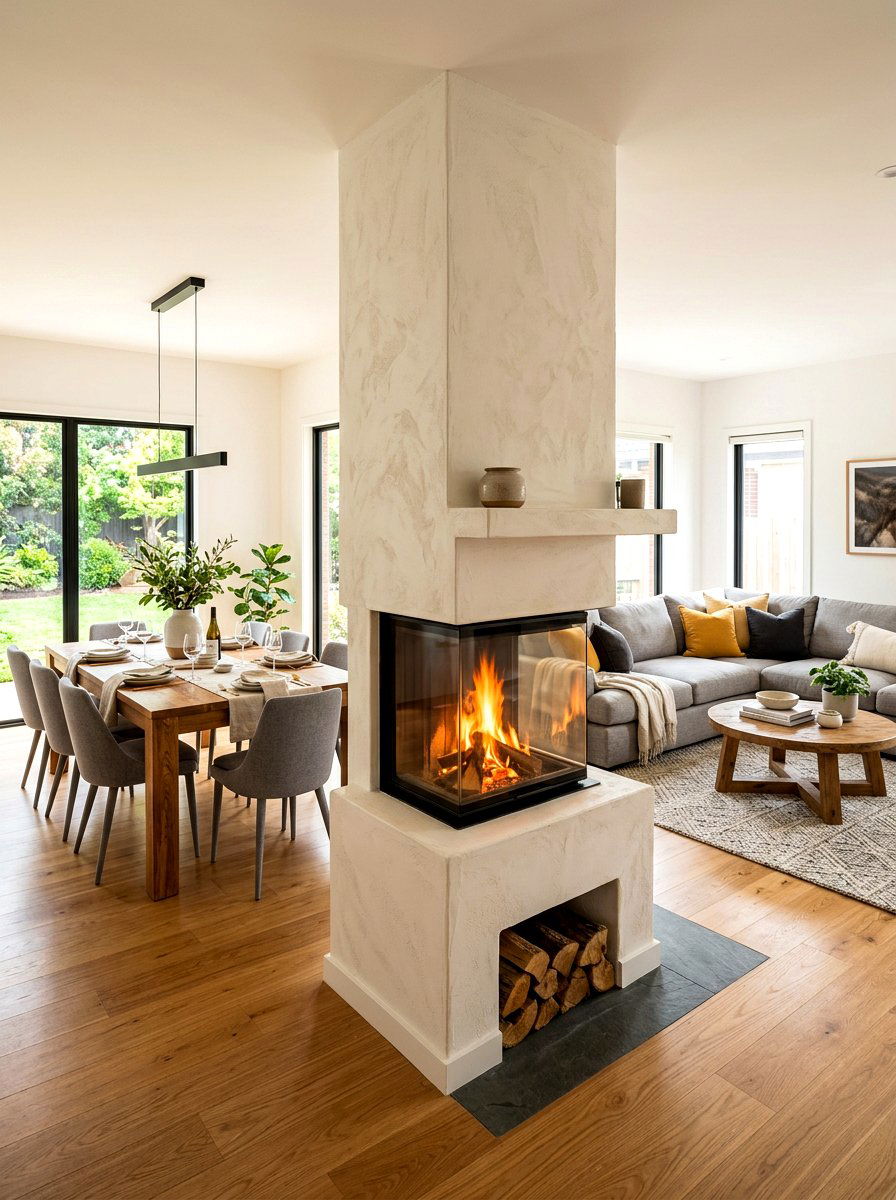
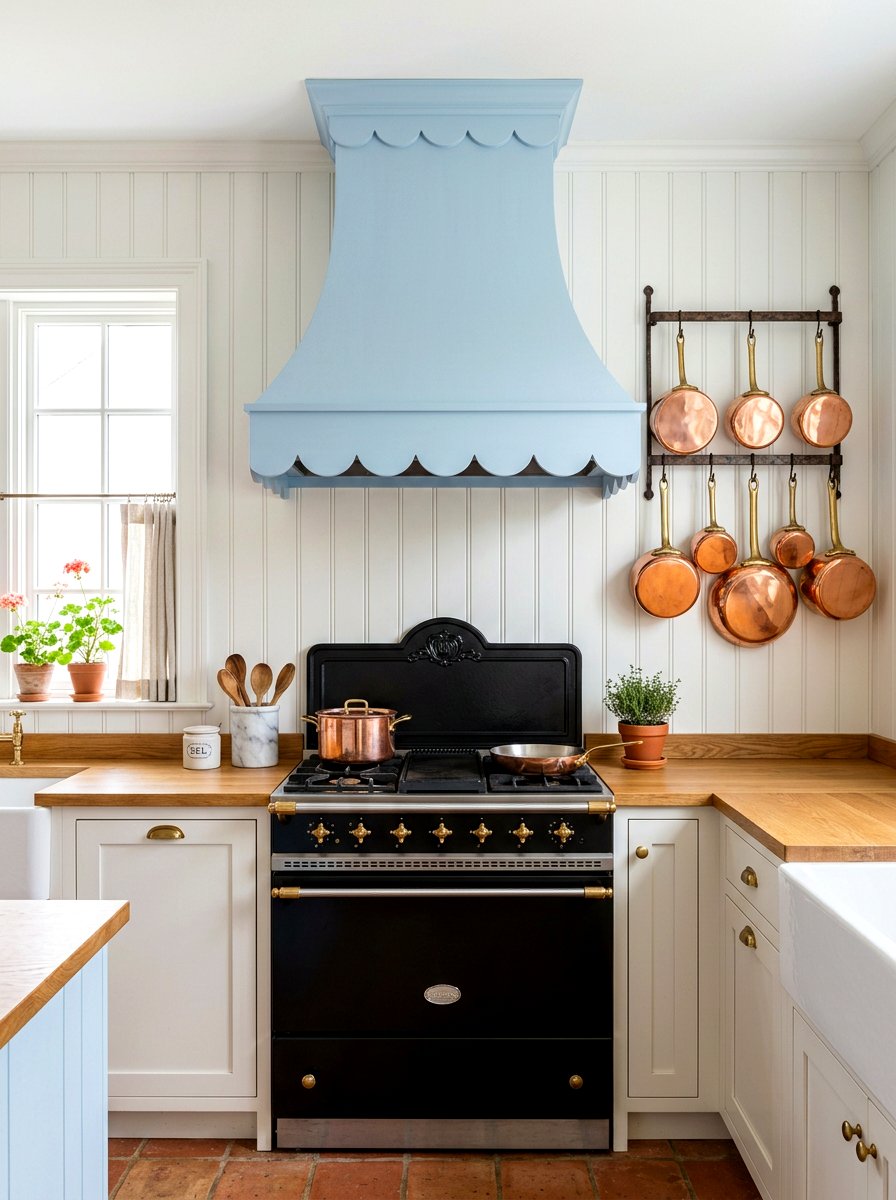
Plaster kitchen walls are redefining modern interior design by introducing a tactile, artisanal quality that standard paint simply cannot replicate. This versatile material offers a unique depth and movement, making it a top favorite for those seeking a soulful, organic aesthetic in the heart of the home. From the high-gloss elegance of Venetian finishes to the rustic charm of earthy limewash, plaster creates a seamless backdrop that ages beautifully over time. Its breathable and often eco-friendly properties provide both health benefits and visual luxury. Whether you are aiming for a minimalist Japandi look or a textured Mediterranean vibe, plaster provides an enduring, sophisticated foundation for any contemporary kitchen renovation project today.
1. Venetian plaster kitchen
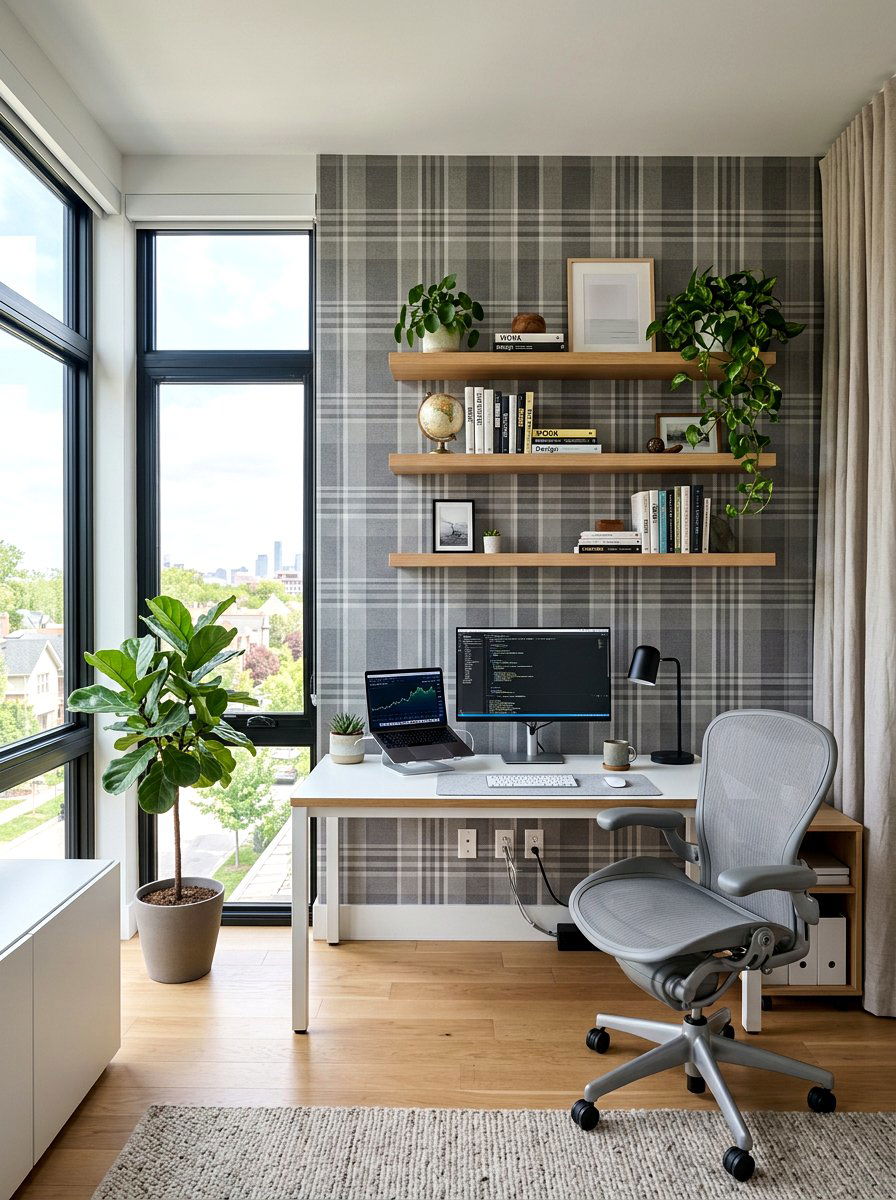
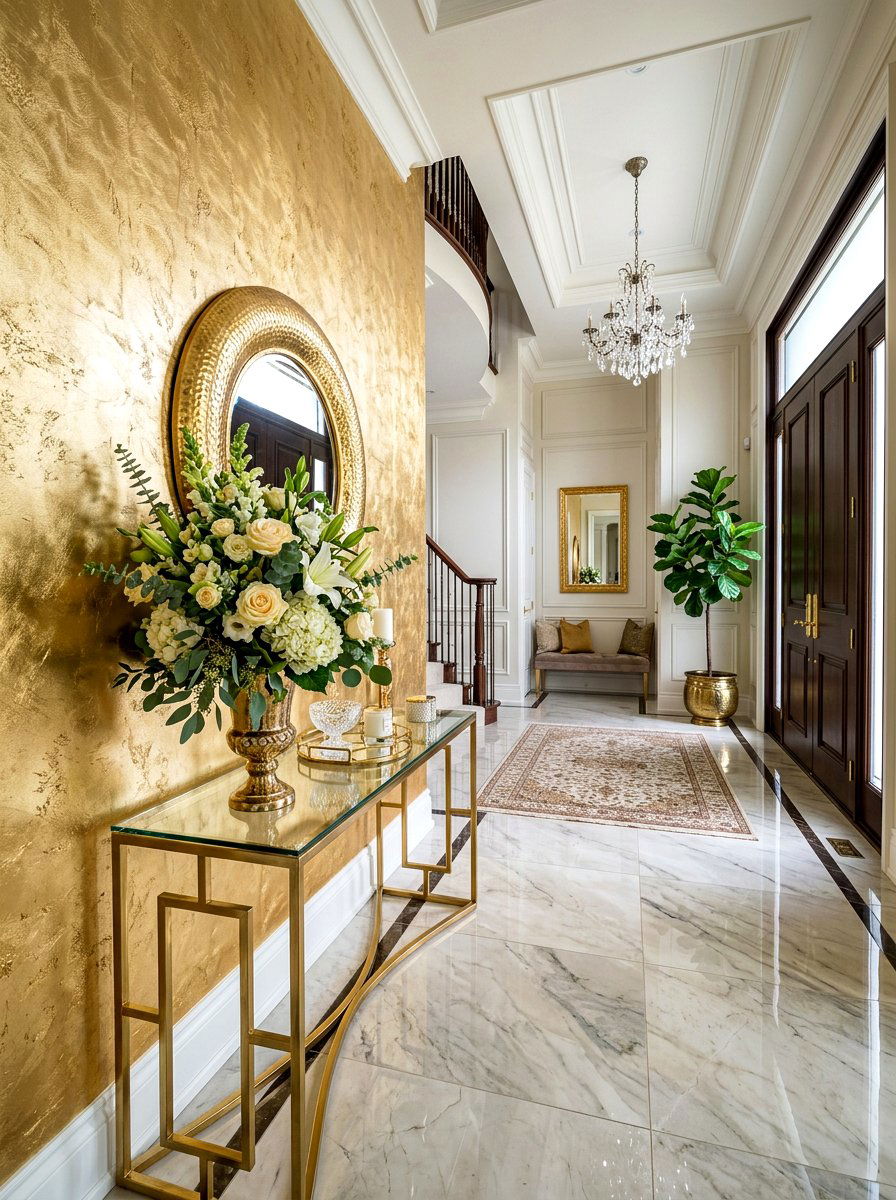
Venetian plaster brings a sense of old-world luxury into a modern cooking space through its multi-layered, polished application. This finish uses thin layers of plaster mixed with marble dust, which are then burnished to create a smooth surface with incredible visual depth. It reflects light beautifully, often mimicking the appearance of natural stone or polished marble without the heavy weight. In a kitchen, this finish works best on focal walls where the subtle color variations can catch the sunlight throughout the day. Because it is highly customizable, you can choose colors ranging from soft alabaster to deep charcoals, ensuring your walls feel both grand and intimately handcrafted.
2. Tadelakt kitchen backsplash

Tadelakt is a traditional Moroccan lime plaster that is prized for its exceptional water resistance and seamless, grout-free appearance. Unlike traditional tile, Tadelakt is finished with a special olive oil soap that reacts with the lime to create a waterproof barrier. This makes it a perfect choice for backsplashes where moisture and grease are common. The finish is incredibly soft to the touch and has a gentle, satiny sheen that glows under under-cabinet lighting. Because it is applied by hand, every inch of the wall carries a unique movement. It creates a serene, spa-like atmosphere that bridges the gap between ancient craftsmanship and modern utility.
3. Limewash kitchen walls
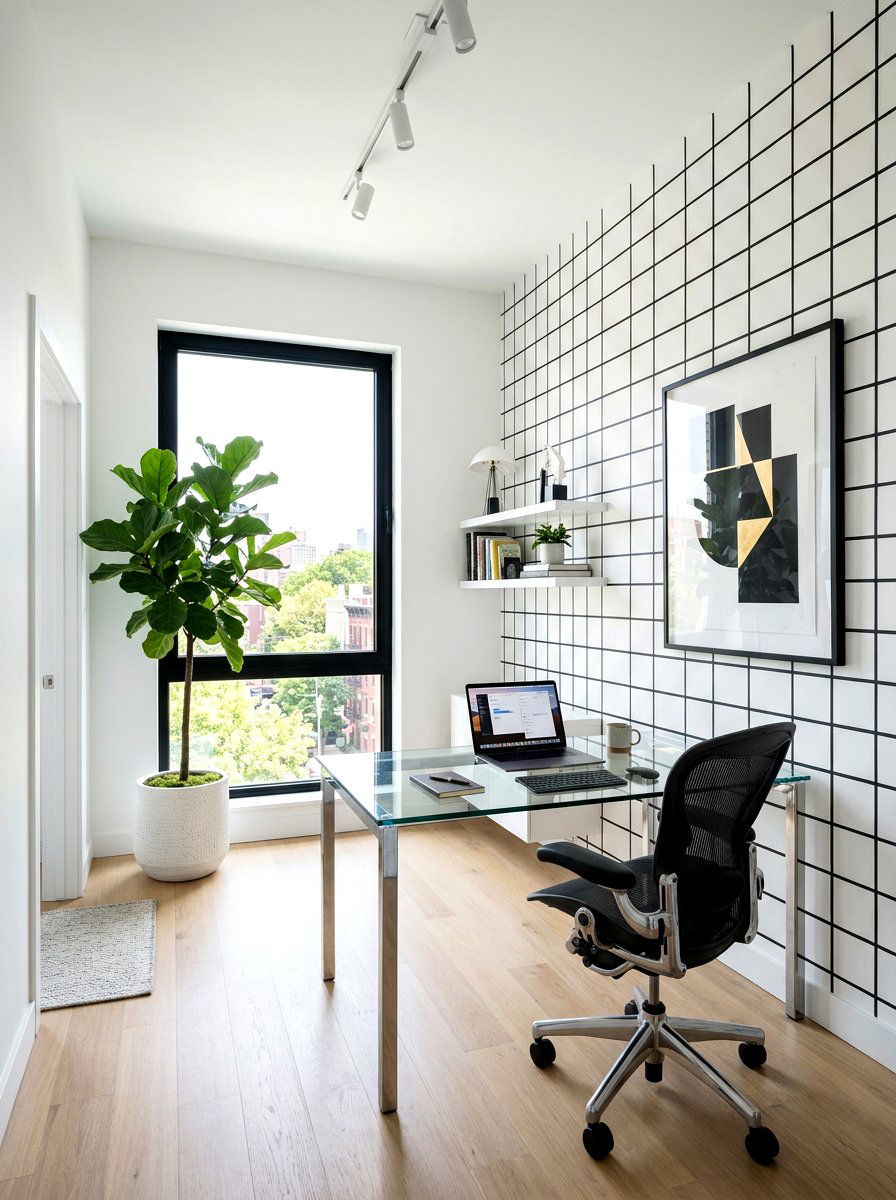
Limewash is a natural, breathable finish made from crushed lime and pigments that provides a soft, chalky texture to kitchen walls. It is celebrated for its matte appearance and the way it creates subtle, cloud-like movement across large surfaces. This finish is particularly popular in minimalist or farmhouse-style kitchens where a flat paint would feel too sterile. Limewash reacts with the carbon dioxide in the air to harden, meaning it becomes more durable and beautiful as it ages. The result is a luminous, lived-in feel that softens the sharp lines of modern cabinetry and stainless steel appliances, making the room feel more inviting.
4. Clay plaster kitchen
Clay plaster is an eco-friendly wall finish that regulates humidity and improves indoor air quality, making it a healthy choice for kitchens. It offers a very raw, earthy aesthetic with a distinctively matte finish that feels warm and grounding. Because clay is a natural material, it provides excellent acoustic properties, helping to dampen the noise of clanking pots and busy meal preparations. The texture is often slightly grainy, which adds a layer of organic sophistication to the room. When paired with natural wood cabinets and stone countertops, clay plaster completes a holistic design that celebrates nature. It is a quiet, powerful way to add character.
5. Microcement kitchen walls
Microcement provides an industrial yet refined look that is perfect for homeowners who want a seamless, concrete-like aesthetic. This material is incredibly durable and can be applied directly over existing surfaces, making it a great option for renovations. It creates a completely smooth, joint-free surface that is easy to wipe down, which is a major advantage in high-traffic kitchen areas. The finish can range from a raw, matte gray to a more polished, sophisticated sheen depending on the application technique. Its minimalist appeal allows architectural features and high-end fixtures to stand out. Microcement is the ultimate choice for a clean, contemporary, and highly functional kitchen environment.
6. Polished plaster kitchen
Polished plaster is a high-end wall treatment that offers a glass-like finish, adding a sophisticated reflective quality to the kitchen. This technique involves troweling on several thin layers of fine plaster and then buffing them to a high shine. The result is a surface that looks like solid stone, providing a sense of permanence and grandeur. It is particularly effective in smaller kitchens as the reflective surface helps to bounce light around, making the space feel larger and more open. This finish is often used on feature walls or range hoods to create a striking architectural focal point that feels both classic and very modern.
7. Textured plaster kitchen
Textured plaster adds a bold, tactile dimension to the kitchen by intentionally leaving visible trowel marks and ridges on the surface. This approach celebrates the hand of the artisan, creating a wabi-sabi aesthetic that finds beauty in imperfection. The heavy texture creates a play of light and shadow, giving the walls a dynamic appearance that changes as the day progresses. It works exceptionally well in rustic or Mediterranean-inspired designs where a more rugged, unfinished look is desired. When combined with simple, unadorned shelving and vintage decor, textured plaster makes the kitchen feel like a historic space that has been thoughtfully preserved for modern living.
8. Marmorino kitchen walls
Marmorino is a classic Italian plaster finish made from lime and ground marble that offers a sophisticated, medium-grain texture. It sits perfectly between the high gloss of Venetian plaster and the matte look of traditional lime wash. This finish has a natural, stone-like feel with a soft satin glow that adds quiet elegance to any kitchen layout. It is naturally breathable and mold-resistant, which is a practical benefit in a room where steam is frequently present. The subtle movement within the plaster provides enough visual interest to keep the walls from looking flat without overwhelming the rest of the kitchen’s design elements.
9. Stucco kitchen walls
Stucco offers a durable and traditionally rugged finish that brings a Mediterranean or Southwestern soul to the modern kitchen. This thicker plaster application can be smoothed out for a clean look or left with a slight grain for added character. Stucco is incredibly tough, making it resistant to the daily wear and tear that occurs in a busy culinary space. It provides a solid, architectural feel that grounds the room, especially when used in warm, sunny shades like cream or sand. By choosing stucco, you are opting for a timeless material that feels substantial and provides a beautiful contrast to sleek, modern kitchen islands.
10. Moroccan plaster kitchen
Moroccan plaster techniques, often inspired by the ancient look of riads, focus on creating deep, saturated colors with a hand-burnished finish. This style often utilizes Tadelakt or similar lime-based plasters to achieve a smooth, almost leather-like texture on the walls. It is a fantastic way to introduce rich, jewel tones or earthy ambers into the kitchen without the need for tiles. The finish is typically applied to both the walls and architectural features like arched doorways or built-in shelving niches. This creates a cohesive, immersive environment that feels exotic and luxurious. It is the perfect choice for a kitchen that aims to be a bold statement.
11. Roman clay kitchen
Roman clay is a specialty plaster finish that offers a soft, swirly aesthetic reminiscent of old European stone walls. It is applied with a putty knife in thin, overlapping strokes to create a variegated look with plenty of depth and movement. This finish is prized for its matte, velvet-like appearance that feels incredibly sophisticated yet relaxed. In a kitchen, Roman clay can soften the hard surfaces of marble and metal, providing a more comfortable and lived-in atmosphere. It is a versatile choice that works well with both traditional and contemporary cabinetry, making it a popular option for those who want a custom, artisanal wall treatment.
12. Matte plaster kitchen
Matte plaster provides a clean, understated finish that focuses on pure form and subtle texture rather than shine. This finish is ideal for minimalist kitchens where the goal is to create a serene and focused environment. The lack of reflection allows the true color of the plaster to shine through, providing a soft backdrop that doesn't compete with other design elements. Matte surfaces are also excellent at hiding minor wall imperfections, making them a practical choice for older homes. The result is a wall that feels soft to the eye and the touch, creating a calming space where cooking and dining feel more intentional.
13. Scalloped plaster wall
Scalloped plaster involves a creative application technique where the plaster is layered to create a repeating, scale-like pattern on the wall. This adds a unique rhythmic quality to the kitchen, turning the wall into a piece of three-dimensional art. It is a great way to add visual interest to a large, blank wall or the side of a kitchen island. The pattern catches the light in different ways, creating a sense of movement that keeps the eye engaged. While more decorative than standard finishes, scalloped plaster remains sophisticated when executed in neutral tones. It is a wonderful choice for homeowners looking for something truly unique.
14. Curved plaster kitchen wall
Plaster is the perfect medium for creating soft, curved walls and rounded corners that break up the boxy feel of a standard kitchen. Because it is applied as a wet material, it can be smoothed over arched entryways, curved islands, or rounded range hoods with ease. These soft lines create a much more organic and fluid flow within the room, making it feel more spacious and welcoming. Curved plaster walls are a hallmark of contemporary high-end design, offering a sculptural quality that feels both modern and timeless. They eliminate harsh shadows and create a gentle transition between different areas of the open-plan home.
15. Earth tone plaster wall
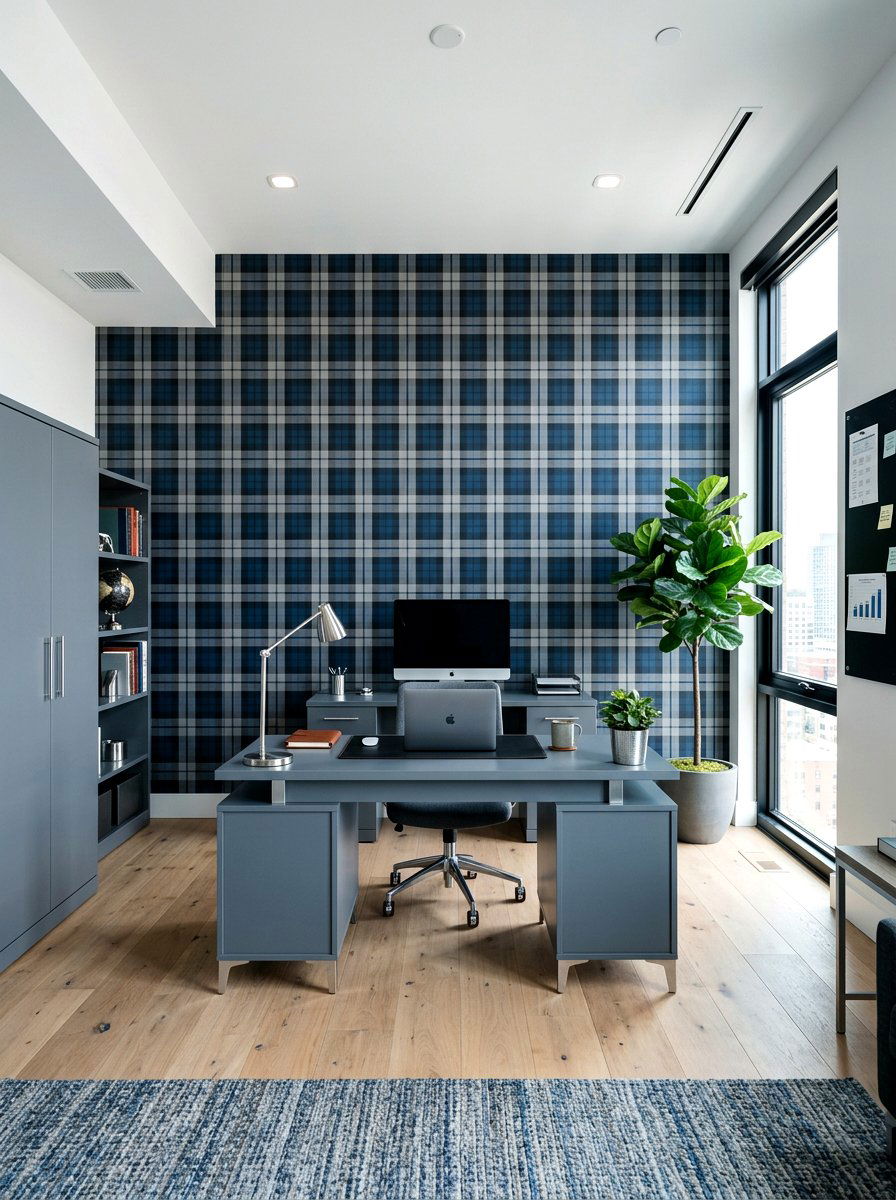
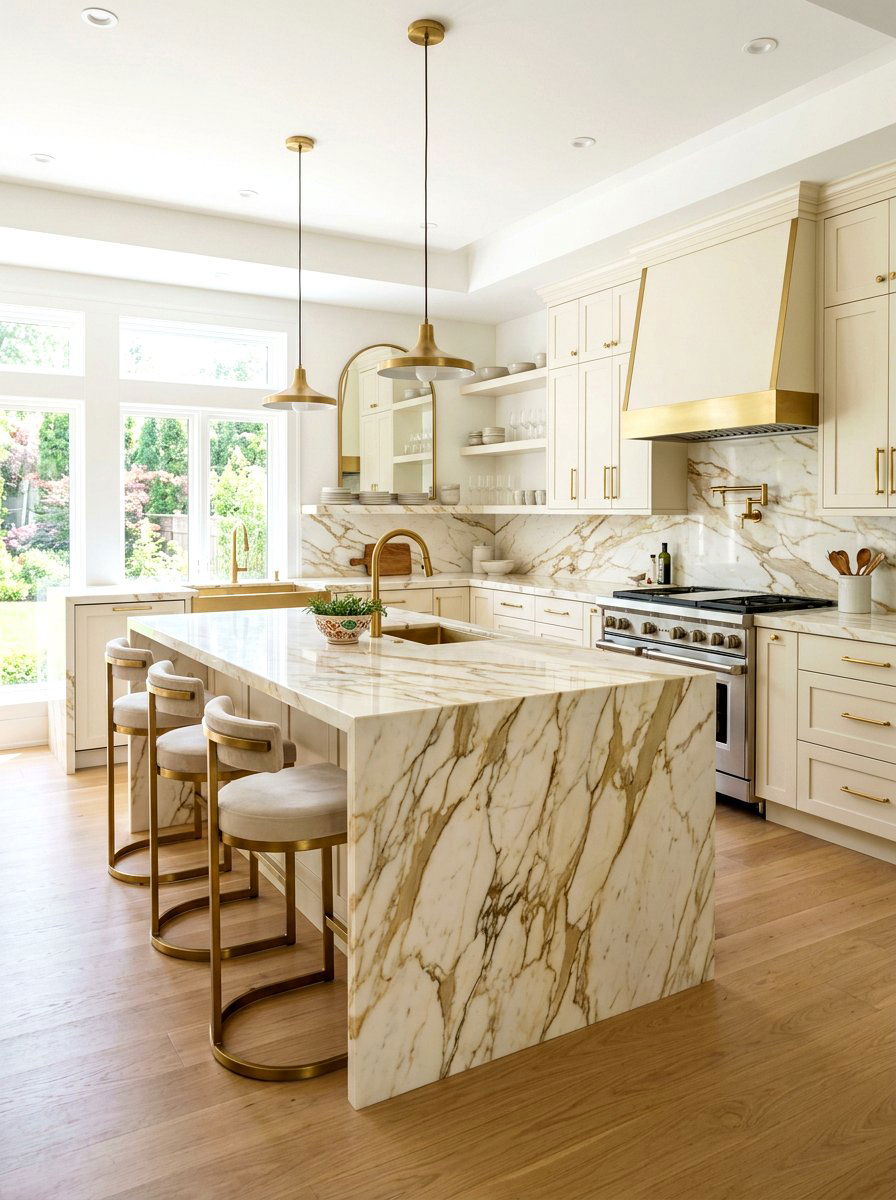
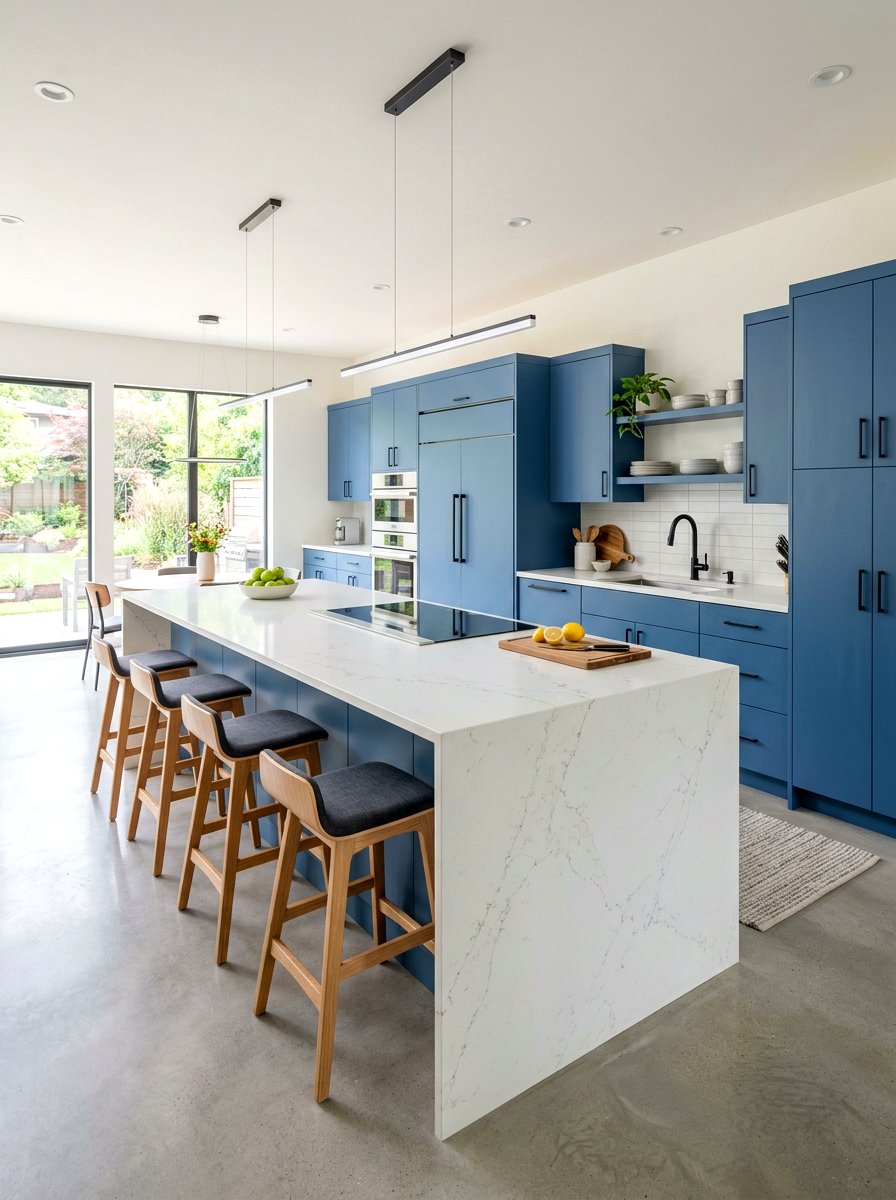
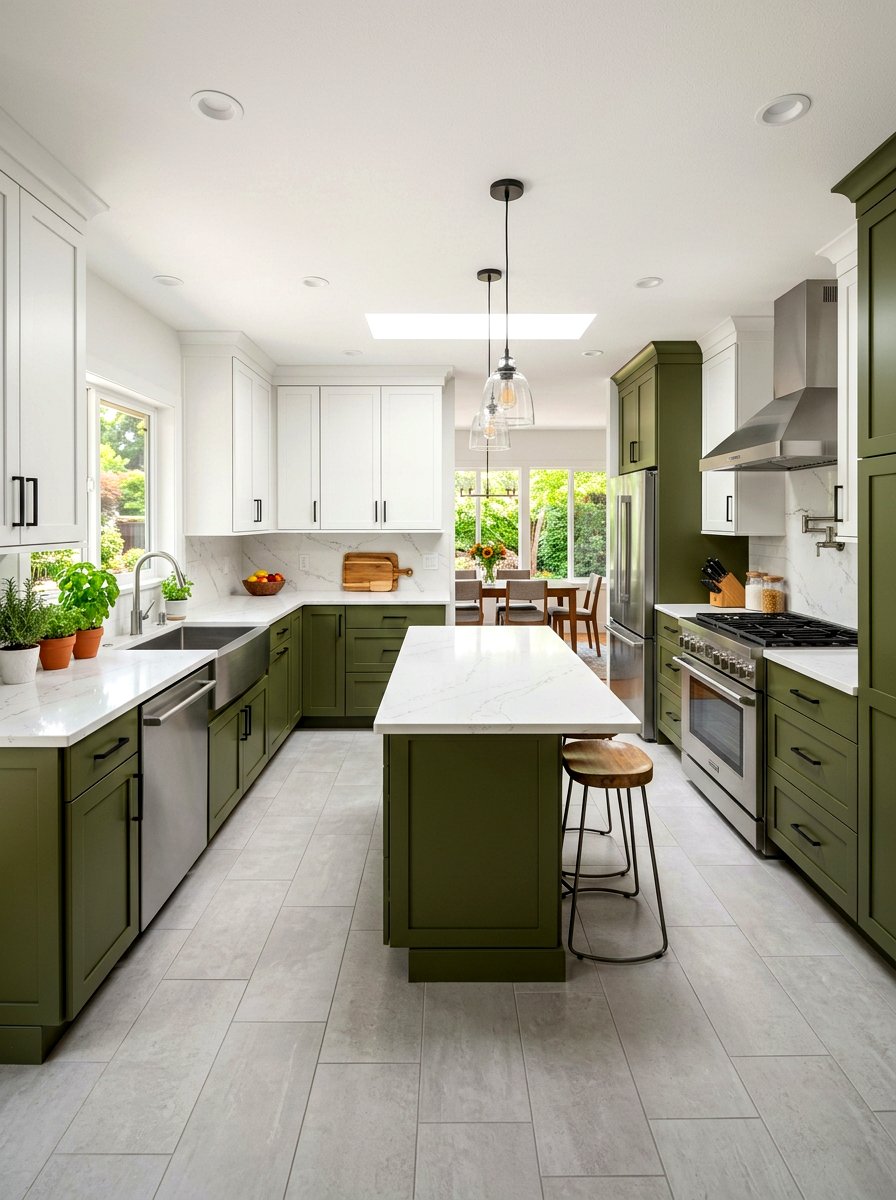
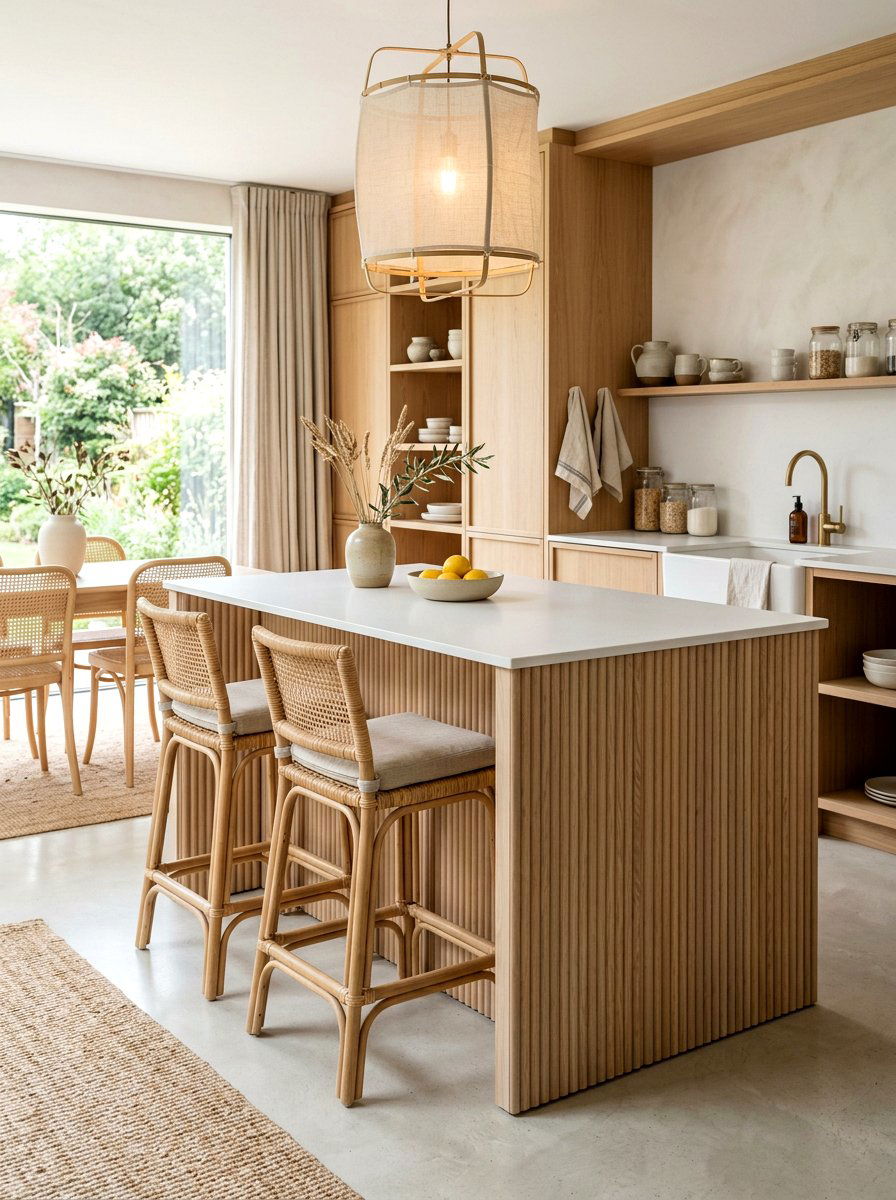
Using earth-toned plaster is a surefire way to bring warmth and a sense of nature into the kitchen. Shades like terracotta, warm ochre, and deep umber create a grounding atmosphere that makes the space feel cozy and lived-in. These colors work beautifully with the natural textures found in plaster, highlighting the subtle variations and hand-applied marks. An earth-toned wall acts as a stunning backdrop for indoor plants, wooden cutting boards, and ceramic dishware. It transforms the kitchen from a utilitarian room into a heart-of-the-home sanctuary. This palette is especially effective in kitchens that receive plenty of natural sunlight to brighten the deep hues.
16. Beige plaster kitchen wall
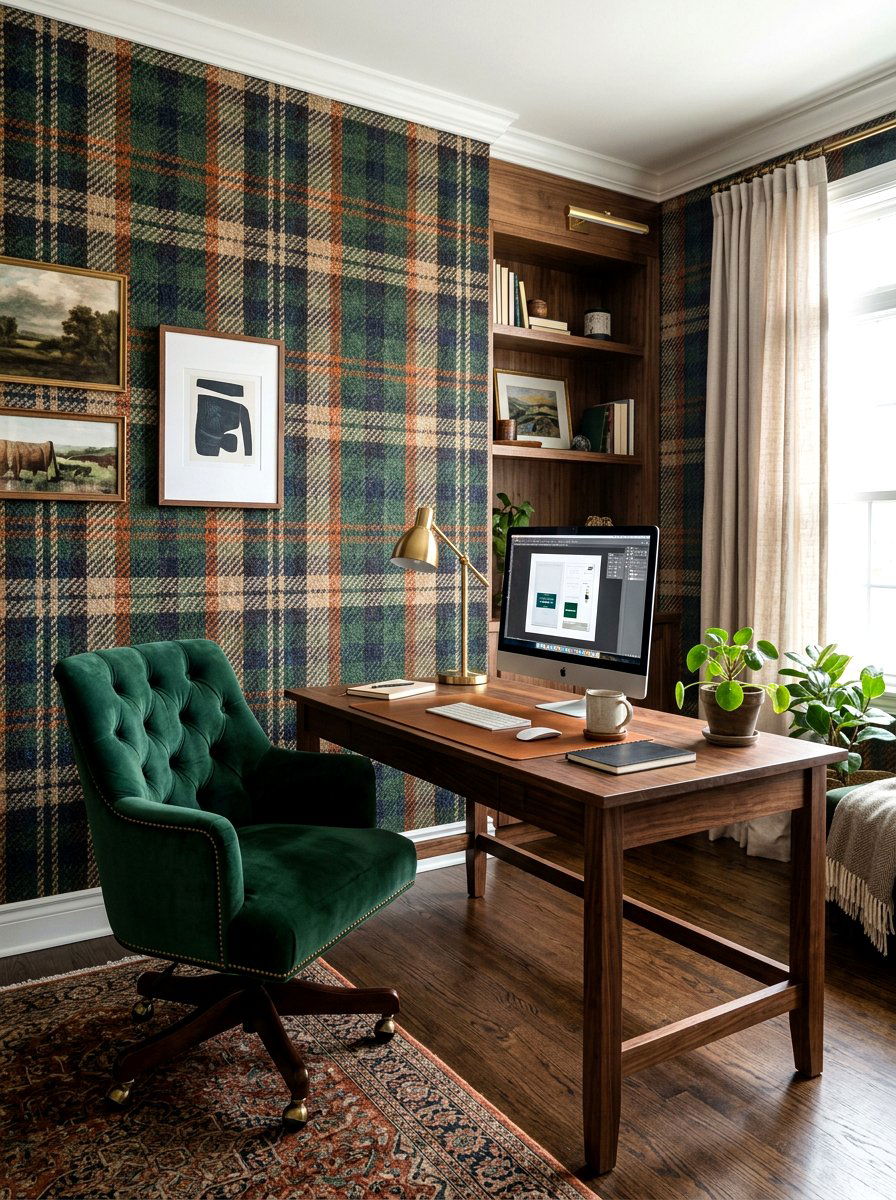
Beige plaster is a timeless and versatile choice that offers a warmer, more textured alternative to traditional white paint. This neutral hue provides a sophisticated backdrop that works with almost any style of cabinetry, from dark wood to light oak. The subtle movement inherent in plaster prevents the beige from looking flat or boring, instead giving it a sandy, organic feel. It creates a luminous quality that makes the kitchen feel bright and airy while still maintaining a sense of coziness. Beige plaster is perfect for creating a "quiet luxury" aesthetic where the focus is on high-quality materials and a calm, cohesive color palette.
17. White plaster kitchen wall
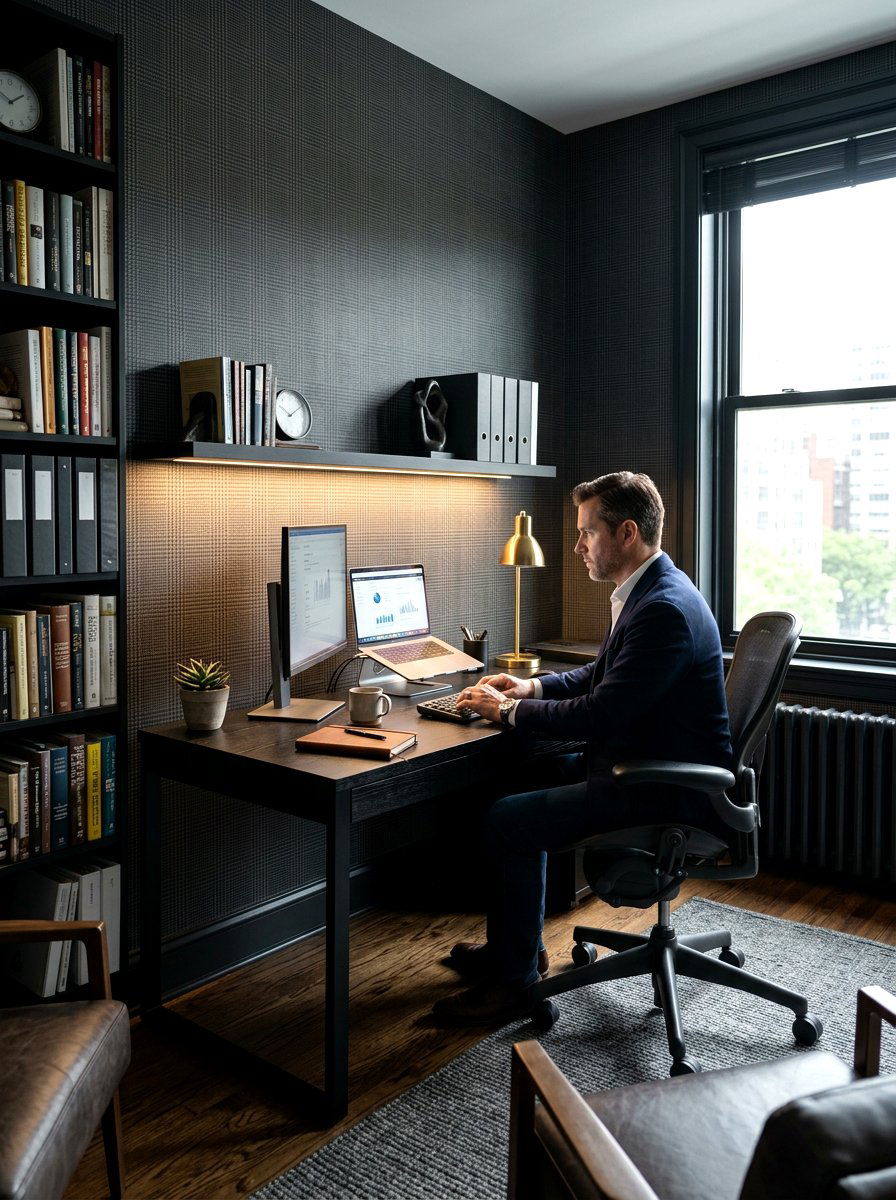
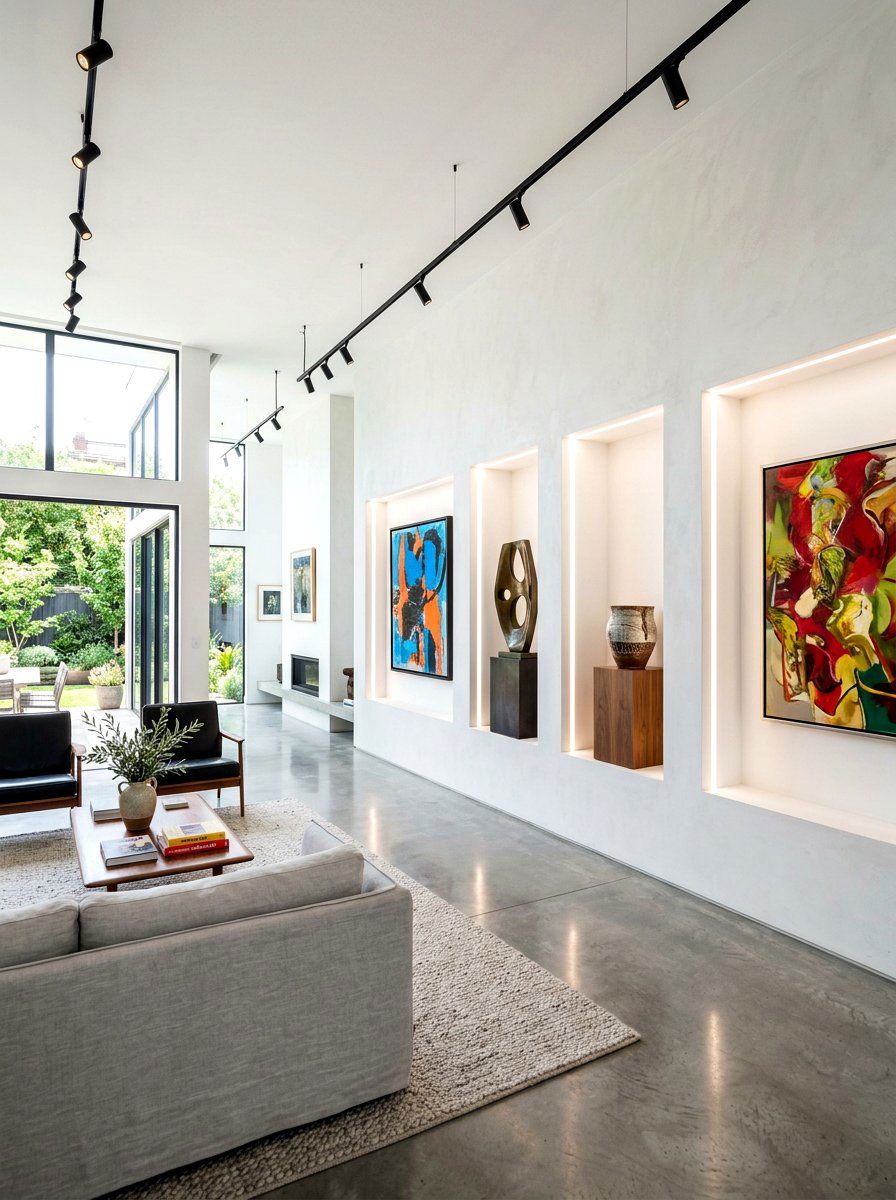
A white plaster wall offers a crisp, clean aesthetic that is elevated by a subtle, artisanal texture. Unlike flat white paint, white plaster has a luminous depth that captures and diffuses light in a soft, flattering way. It provides a gallery-like backdrop for modern kitchen furniture and high-end appliances, making every detail pop. This finish is perfect for Scandi-style or minimalist kitchens where the goal is a bright, open feel. The texture adds just enough warmth to prevent the room from feeling clinical or cold. It is a sophisticated way to achieve a monochrome look while still adding a layer of tactile interest.
18. Gray plaster kitchen wall
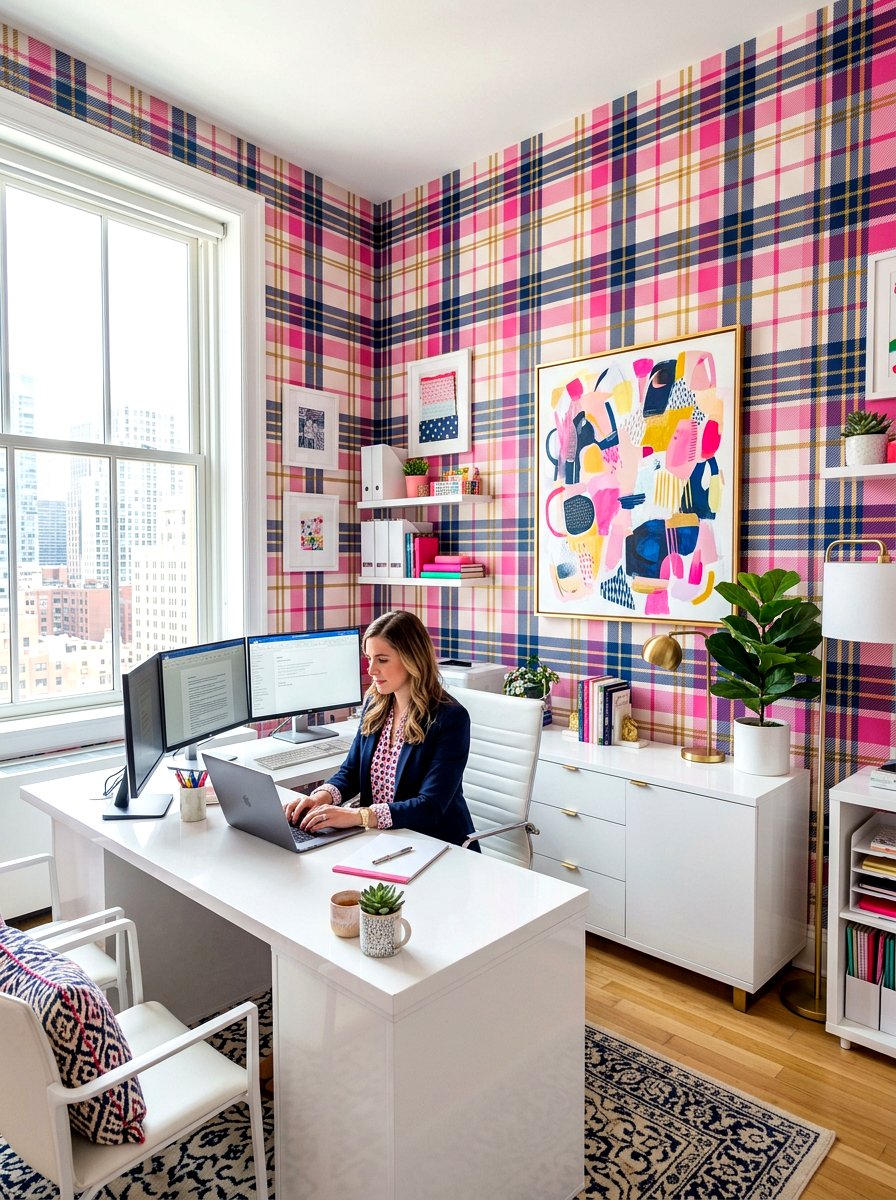
Gray plaster walls bring a moody, industrial-chic vibe to the kitchen that feels incredibly modern and sleek. From light concrete tones to deep charcoal, gray plaster offers a range of possibilities for creating a dramatic atmosphere. The natural variation in the plaster gives the wall a stone-like appearance, adding weight and permanence to the design. Gray is a fantastic neutral that pairs perfectly with stainless steel, black hardware, and marble countertops. It provides a cool, sophisticated base that allows colorful accents like copper pots or vibrant artwork to truly stand out. It is a favorite for urban lofts and contemporary homes.
19. Sage green plaster wall
Sage green plaster is a trending choice for kitchens because it introduces a soft, botanical element that feels refreshing and calm. The muted green hue combined with the organic texture of plaster creates a wall that looks like it belongs in a lush garden pavilion. This color is versatile enough to act as a neutral while still providing a distinct personality to the room. It pairs beautifully with brass fixtures, light wood tones, and white marble. Sage green plaster makes the kitchen feel more restorative and peaceful, providing a beautiful connection to the outdoors that is perfect for a busy family hub.
20. Terracotta plaster kitchen
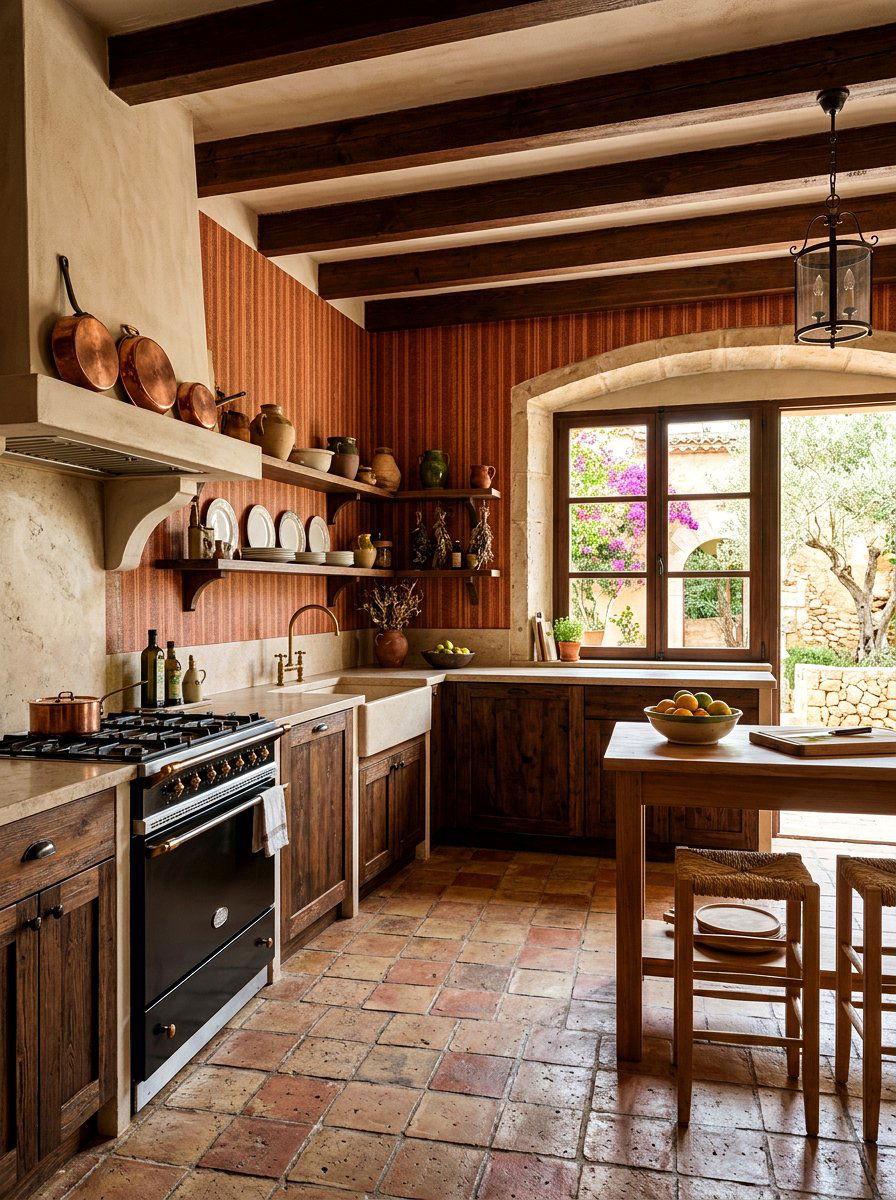
Terracotta plaster brings a vibrant, Mediterranean warmth to the kitchen that feels both rustic and incredibly high-end. This rich, baked-earth color adds a sense of history and sun-drenched charm to the space. When applied with a slight texture, it mimics the look of traditional clay walls found in coastal villas. It is an excellent choice for a large feature wall or a plastered range hood, creating a bold focal point that anchors the entire room. Terracotta works wonderfully with dark wood cabinetry and wrought iron details, providing a soulful and energetic environment that is perfect for gathering and entertaining guests.
21. Metallic plaster kitchen wall
Metallic plaster is a decorative finish that incorporates pearlescent or metallic pigments to create a shimmering, light-reflective surface. This adds a layer of glamour and modern luxury to the kitchen, making the walls appear to glow from within. It is often used on accent walls or within recessed niches to add a touch of drama without being overwhelming. The metallic particles catch the light as you move through the room, creating a dynamic and sophisticated effect. This finish is perfect for homeowners who want to combine the ancient art of plastering with a bold, futuristic twist that feels entirely unique and upscale.
22. Hand troweled plaster wall
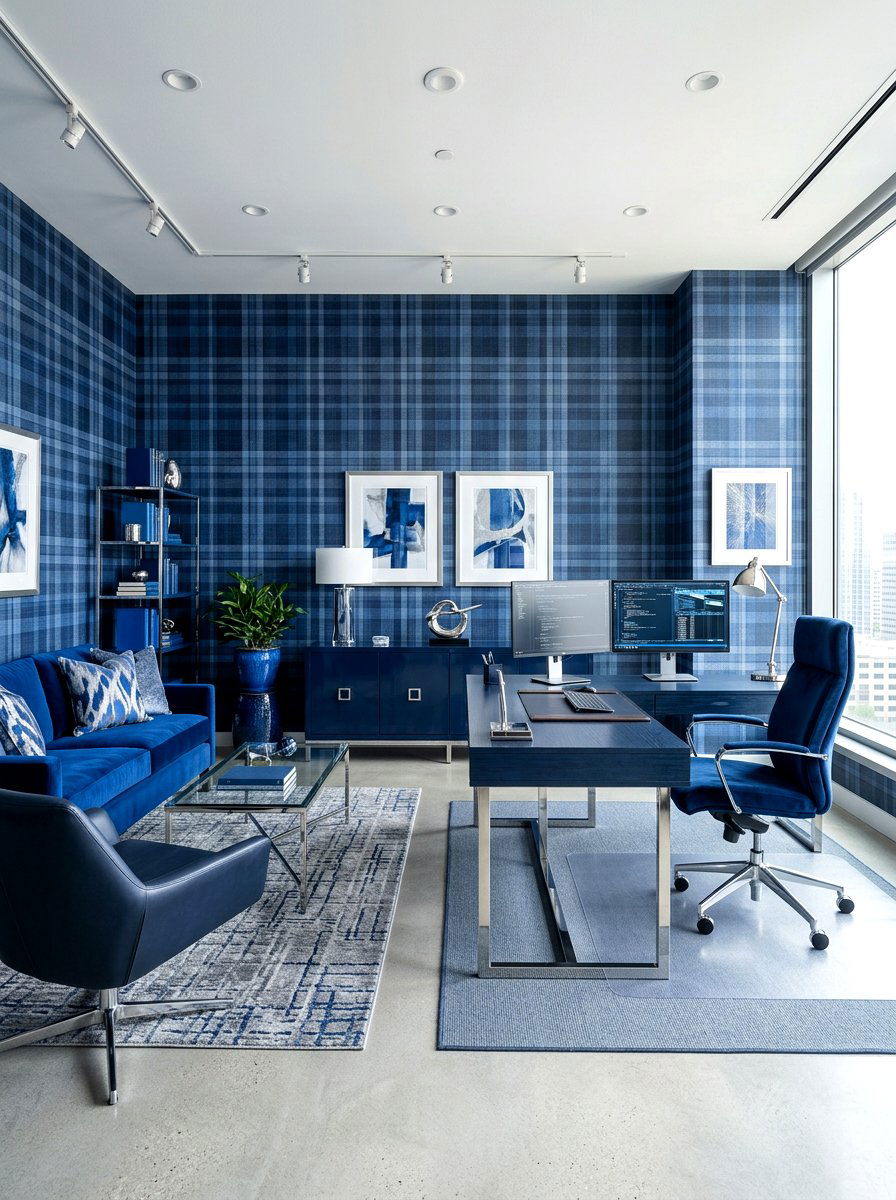
A hand-troweled plaster wall is a celebration of craftsmanship, where every sweep of the tool is visible on the final surface. This technique creates a highly individualized look that cannot be mass-produced, giving your kitchen a truly bespoke feel. The resulting texture is organic and varied, with ridges and smooth patches that create a beautiful interplay of light. This finish is perfect for those who appreciate the "perfectly imperfect" nature of handmade items. It adds a sense of soul and story to the kitchen, making the walls feel more like a piece of art than a mere structural element of the home.
23. Rustic plaster kitchen wall
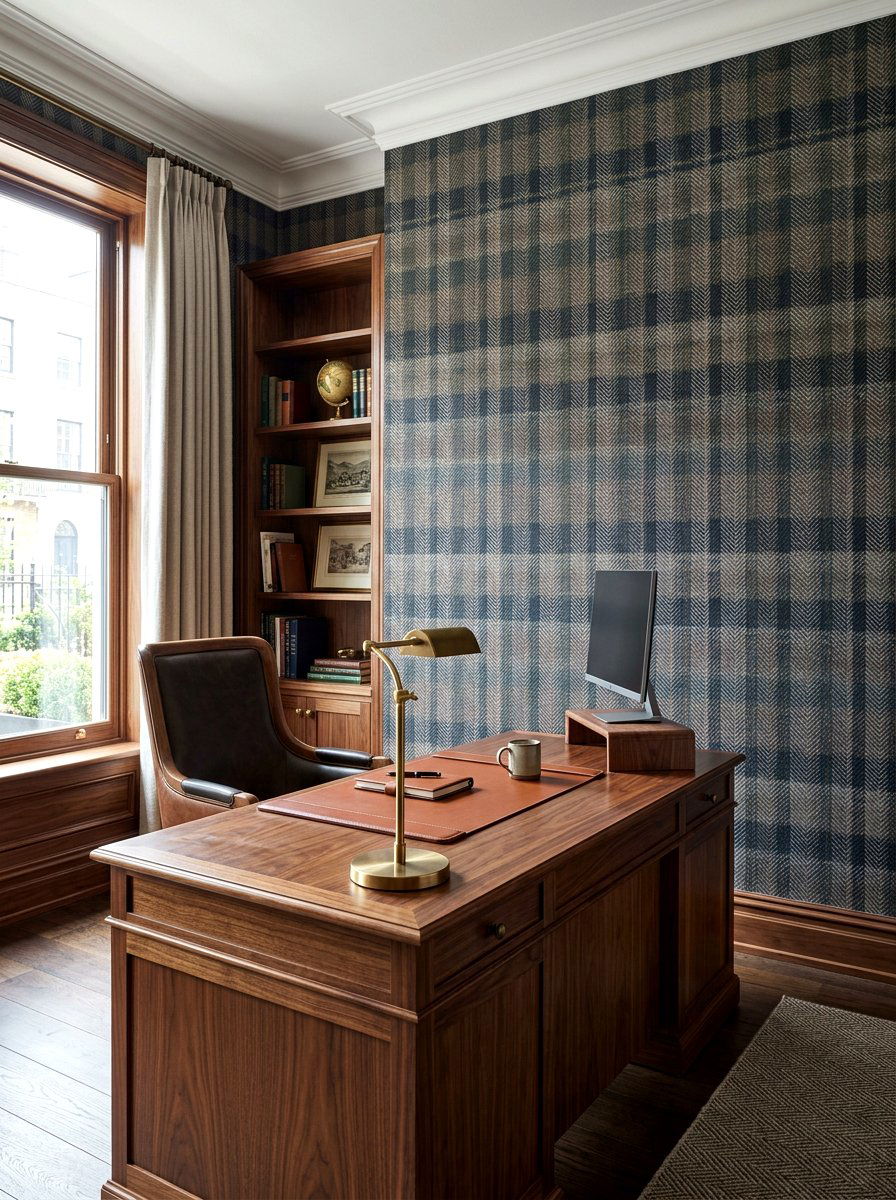
Rustic plaster focuses on creating an aged, weathered appearance that makes a new kitchen feel like it has been there for centuries. This is achieved through heavy textures, uneven edges, and layered colors that mimic the patina of time. It is a fantastic choice for country kitchens or cottage-style homes where warmth and character are the primary goals. When paired with exposed wooden beams, stone floors, and vintage furniture, rustic plaster completes a look that is incredibly cozy and nostalgic. It provides a tactile richness that invites you to touch the walls and feel the history embedded within the textured surface.
24. Minimalist plaster kitchen wall
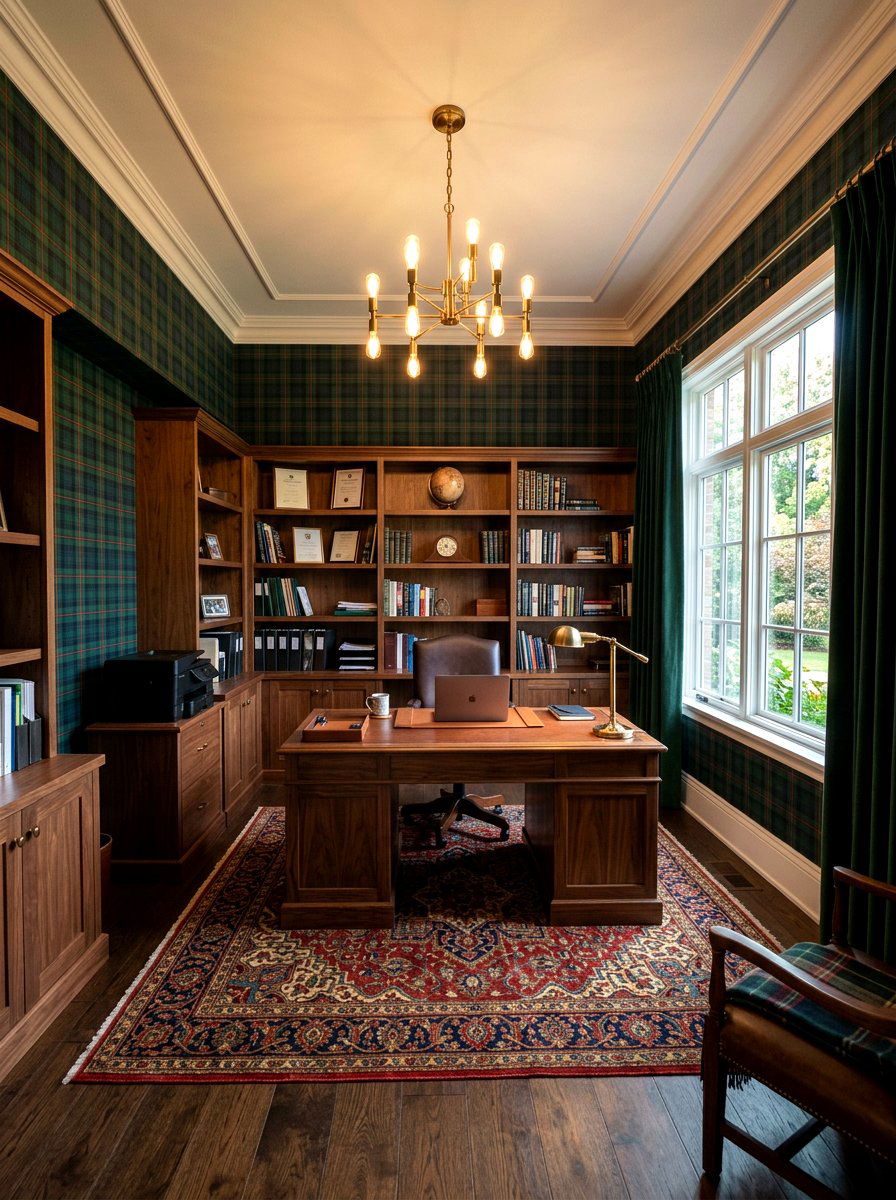
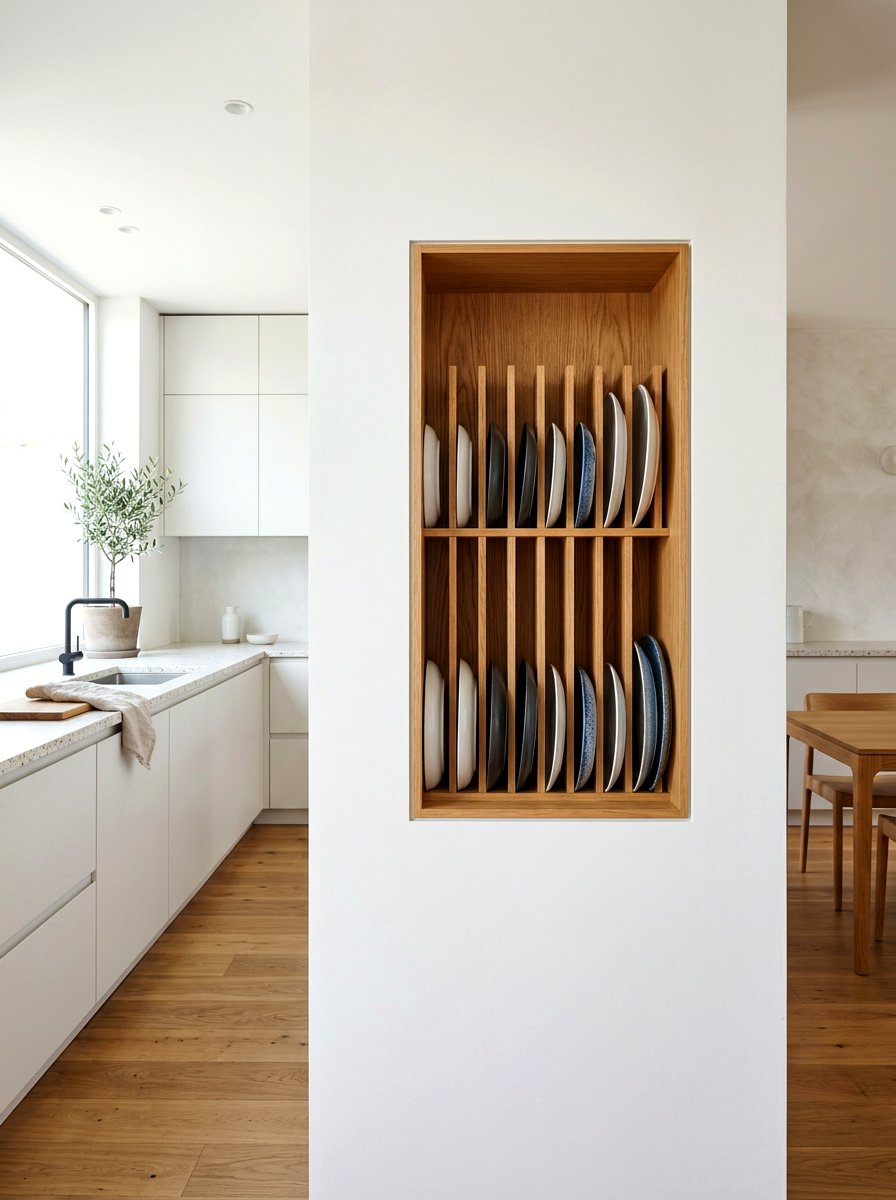
In a minimalist kitchen, plaster walls serve as a subtle yet powerful design element that adds warmth without clutter. By choosing a smooth finish and a neutral color, you can create a space that feels incredibly clean and focused. The lack of grout lines and the seamless transition between surfaces emphasize the architectural purity of the room. Plaster provides a soft, matte backdrop that highlights the quality of the cabinetry and the beauty of the materials used throughout the space. It is the ultimate choice for those who believe that less is more, providing a sophisticated foundation that is both quiet and deeply impactful.
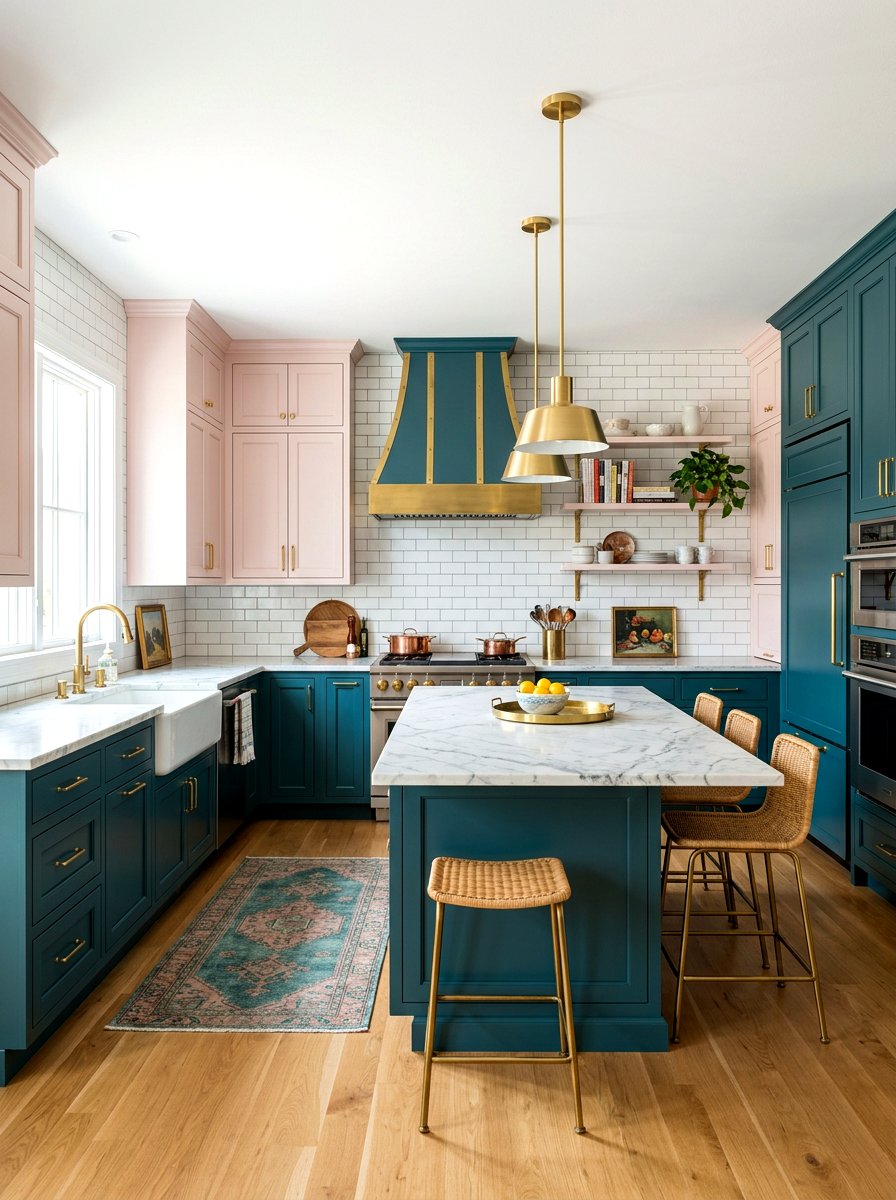
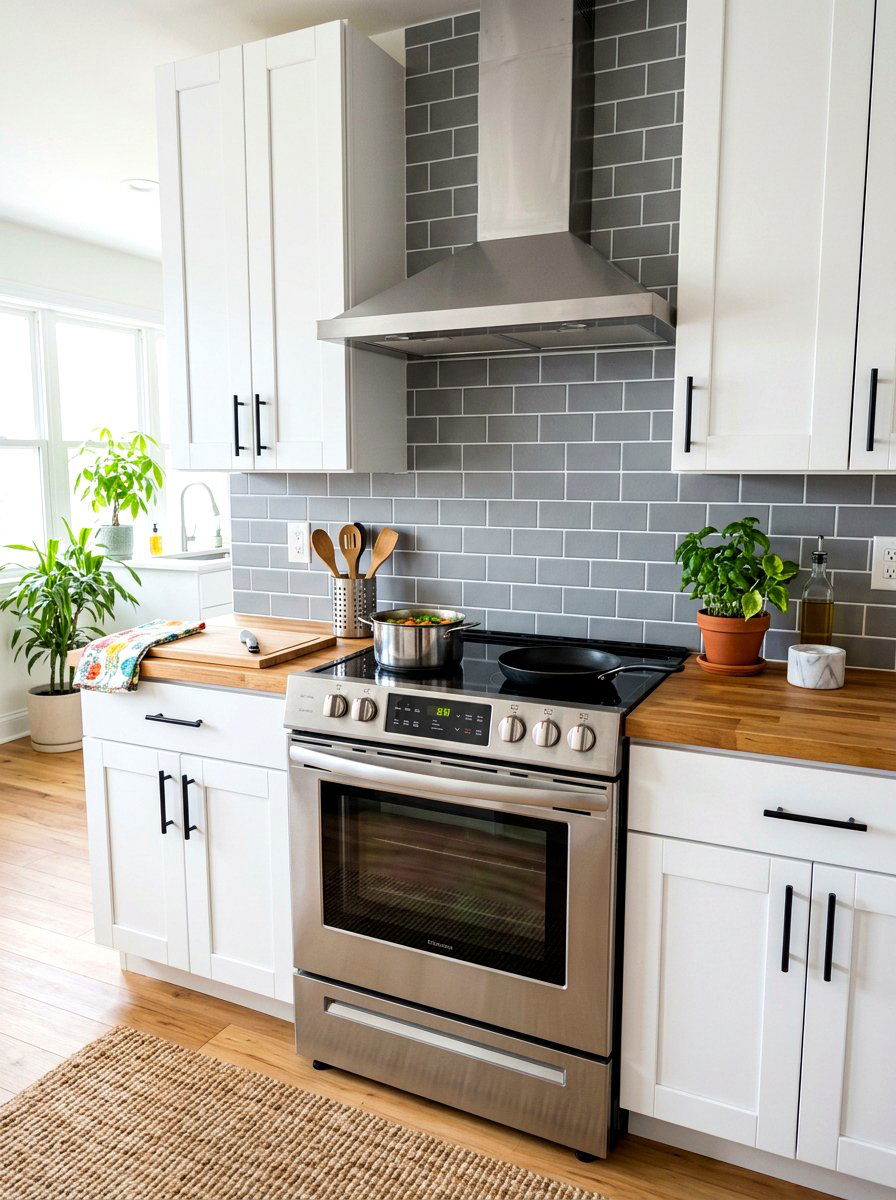
25. Plaster range hood kitchen
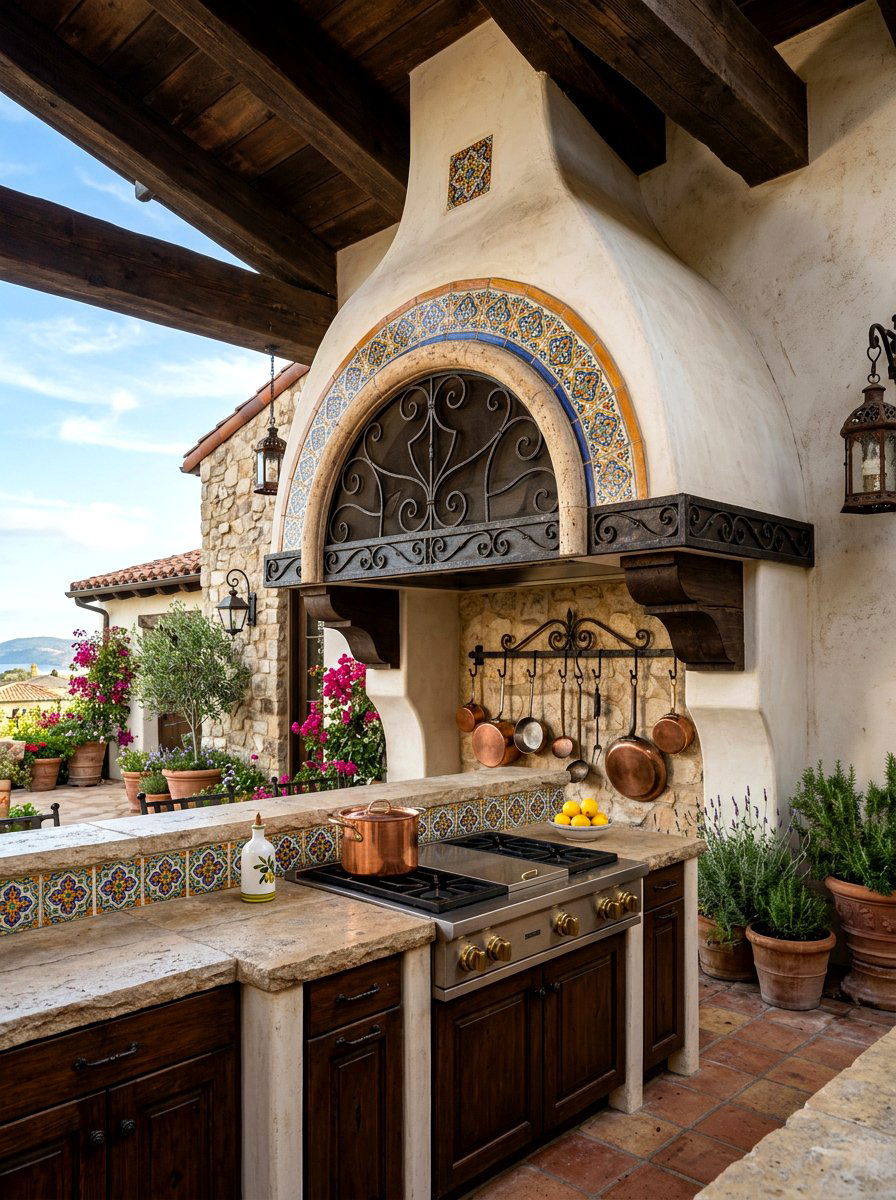
A plastered range hood is one of the most popular ways to incorporate this material into a kitchen design. By coating the hood in the same plaster as the surrounding walls, you create a seamless, integrated look that feels like a natural part of the architecture. This eliminates the need for bulky stainless steel or wood surrounds, resulting in a cleaner and more sculptural appearance. The hood becomes a soft, rounded focal point that adds a sense of elegance to the cooking area. It is a classic design choice that works beautifully in both traditional Mediterranean kitchens and ultra-modern, minimalist spaces alike.
26. Plaster kitchen island wall
Applying plaster to the sides of a kitchen island is a clever way to add texture and a sense of permanence to a central furniture piece. It turns the island into a solid, monolithic structure that grounds the room. You can choose a contrasting color to make the island stand out or match it to the walls for a cohesive, monochromatic look. Plaster is surprisingly durable when sealed correctly, making it a practical choice for the base of an island where feet might kick it. This treatment adds a layer of artisanal detail that elevates the entire kitchen, making the island feel like a custom-built sculpture.
27. Seamless plaster kitchen wall
The hallmark of a great plaster application is the ability to create a completely seamless surface that flows from one wall to the next without breaks. This is particularly effective in kitchens with complex layouts or open-plan designs, as it helps to unify different zones. A seamless finish eliminates the visual noise of seams and joints, making the space feel more expansive and tranquil. It allows the eye to glide across the room, focusing on the overall ambiance rather than individual details. This architectural approach to wall finishing is what makes plaster such a sought-after material for high-end, contemporary kitchen renovations.
28. Wabi sabi kitchen wall
The wabi-sabi aesthetic celebrates the beauty of natural aging and imperfection, making plaster the perfect material for this design philosophy. A wabi-sabi kitchen wall might feature uneven textures, visible trowel marks, and a soft, muted color palette that feels very grounded. This approach is about creating a space that feels honest and unpretentious, where the materials are allowed to speak for themselves. The walls provide a sense of calm and authenticity that is hard to achieve with modern, mass-produced finishes. It is a deeply personal and soulful way to design a kitchen, focusing on the sensory experience of the space above all else.
29. Japandi kitchen wall
Japandi design combines the functional minimalism of Scandinavian style with the rustic warmth of Japanese aesthetics. Plaster walls fit perfectly into this trend by providing a clean, matte surface that still feels organic and handcrafted. The focus is on soft neutrals, natural light, and a sense of balance. A smooth, light-colored plaster wall acts as the perfect backdrop for black accents, light oak cabinetry, and simple, functional decor. It creates a serene and orderly environment that is both beautiful and highly practical for daily life. Japandi kitchens feel light, airy, and incredibly intentional, with plaster providing the essential layer of warmth.
30. Mediterranean plaster kitchen wall
Mediterranean style is all about sun-drenched spaces and natural textures, and plaster is the absolute core of this look. These walls are often finished in warm whites, ochres, or soft terracottas with a slight, sandy texture that mimics traditional coastal architecture. The plaster often wraps around corners and into window sills, creating a thick, solid feel that is very evocative of European villas. When paired with terracotta tiles and bright blue accents, these walls make the kitchen feel like a summer getaway. It is a timeless and joyful design choice that brings a sense of warmth and vacation vibes to your home every single day.
Conclusion:
Plaster kitchen walls offer an unparalleled blend of artistic beauty and practical durability, making them a standout choice for modern homes. By moving away from flat paint and embracing the depth of lime, clay, and marble finishes, you can transform your kitchen into a textured sanctuary. Each technique, from the polished glow of Venetian styles to the rugged charm of rustic stucco, provides a unique way to express your personal taste. This material not only enhances the visual appeal of your space but also adds a layer of tactile luxury that improves with age. Investing in plaster is a commitment to timeless design and high-quality craftsmanship.

Related posts: