Plaster wall niches are transforming the way we think about home storage and decor. These architectural features provide a seamless, built-in look that eliminates the need for bulky, external shelving units. Often associated with Mediterranean or minimalist aesthetics, these niches offer a sense of permanence and intentionality to any room. Whether you are looking to display prized ceramics in a living area or create a functional spot for toiletries in a bathroom, plaster niches blend into the wall for a cohesive finish. They add depth to flat surfaces and create a unique play of light and shadow that enhances the overall atmosphere of your living space effortlessly.
1. Arched Wall Niche
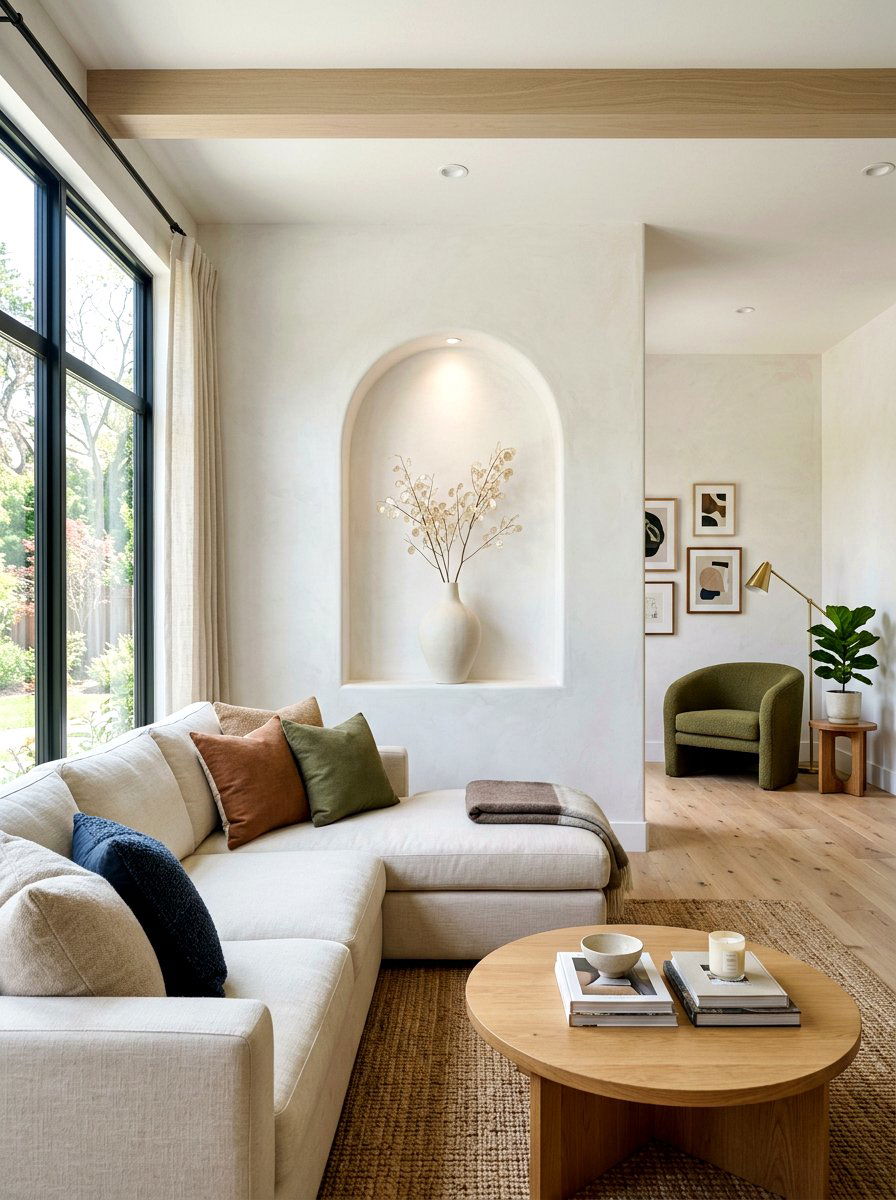
Incorporating an arched wall niche is one of the most popular ways to add soft curves to a modern home. These graceful structures break up the harsh straight lines often found in contemporary architecture. By using plaster, the arch feels like a natural extension of the wall rather than an afterthought. You can use these to highlight a beautiful vase or a curated selection of books. The smooth finish of the plaster reflects light softly, making the recessed area feel deep and inviting. It is a timeless design choice that works beautifully in entryways, living rooms, or even at the end of a long, narrow hallway for visual interest.
2. Bedroom Headboard Niche
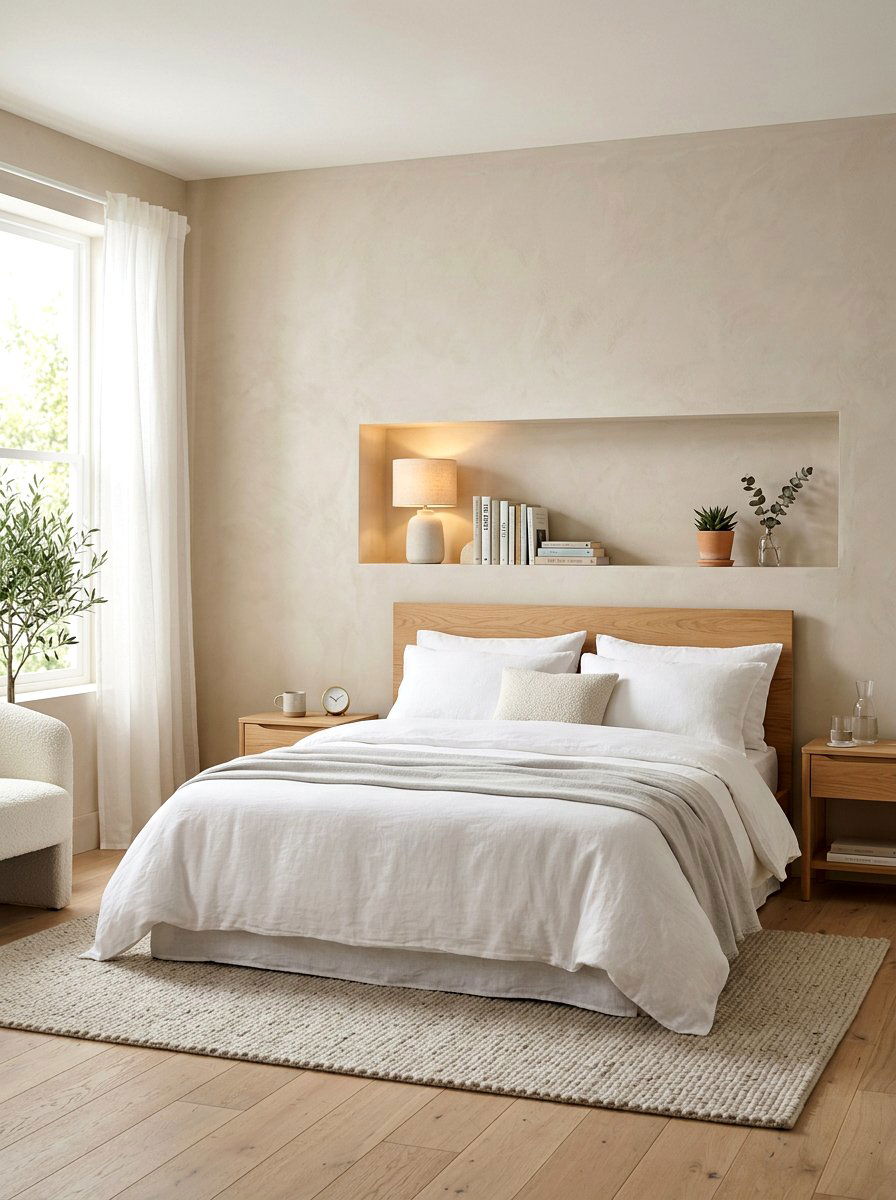
Creating a bedroom headboard niche is a brilliant way to replace traditional nightstands in a compact sleeping space. This recessed area sits directly above or behind the bed, providing a convenient surface for lamps, phones, and books. Because it is built into the wall, it keeps the floor area clear, making the bedroom feel much larger and more organized. You can finish the interior of the niche with a slightly different plaster texture or a soft paint color to create a subtle focal point. This setup looks particularly stunning in minimalist or Japandi-style bedrooms where clean lines and functional simplicity are highly valued by homeowners.
3. Bathroom Shower Niche
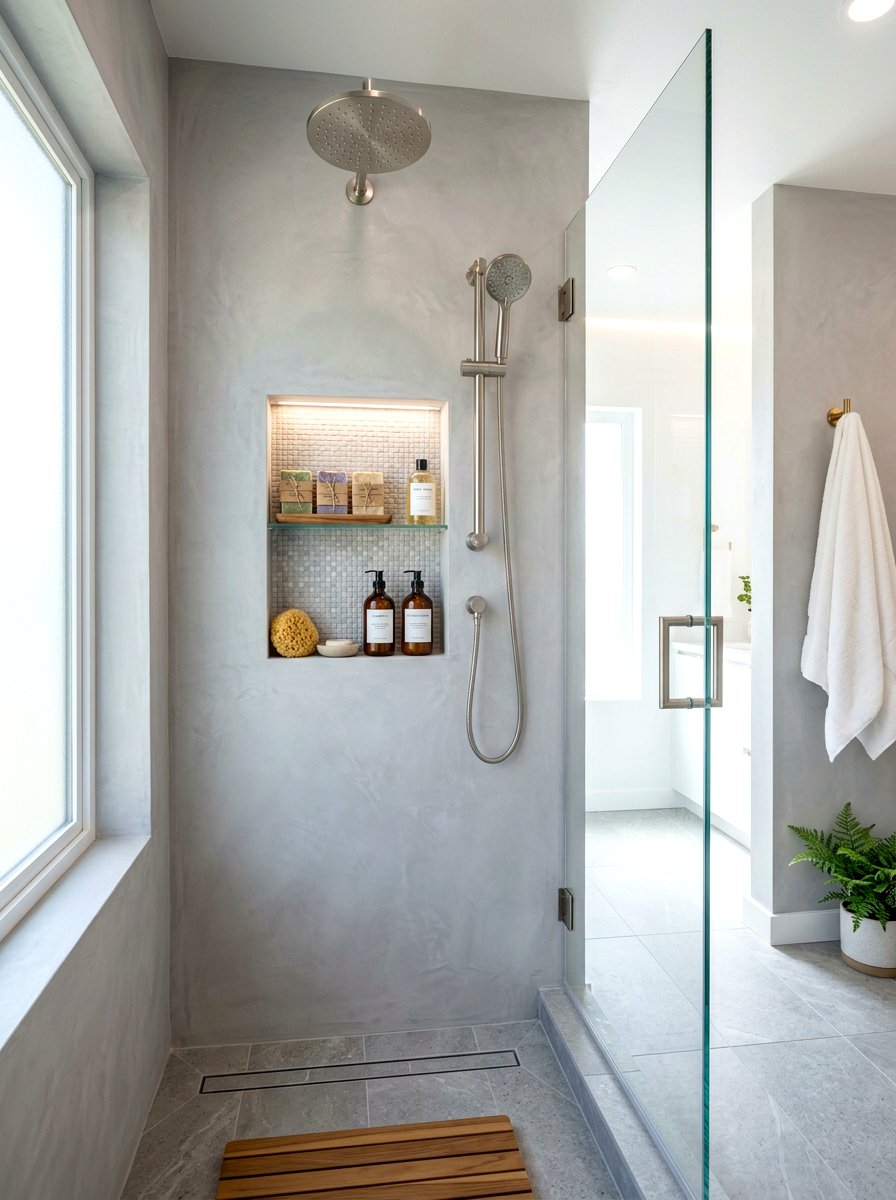
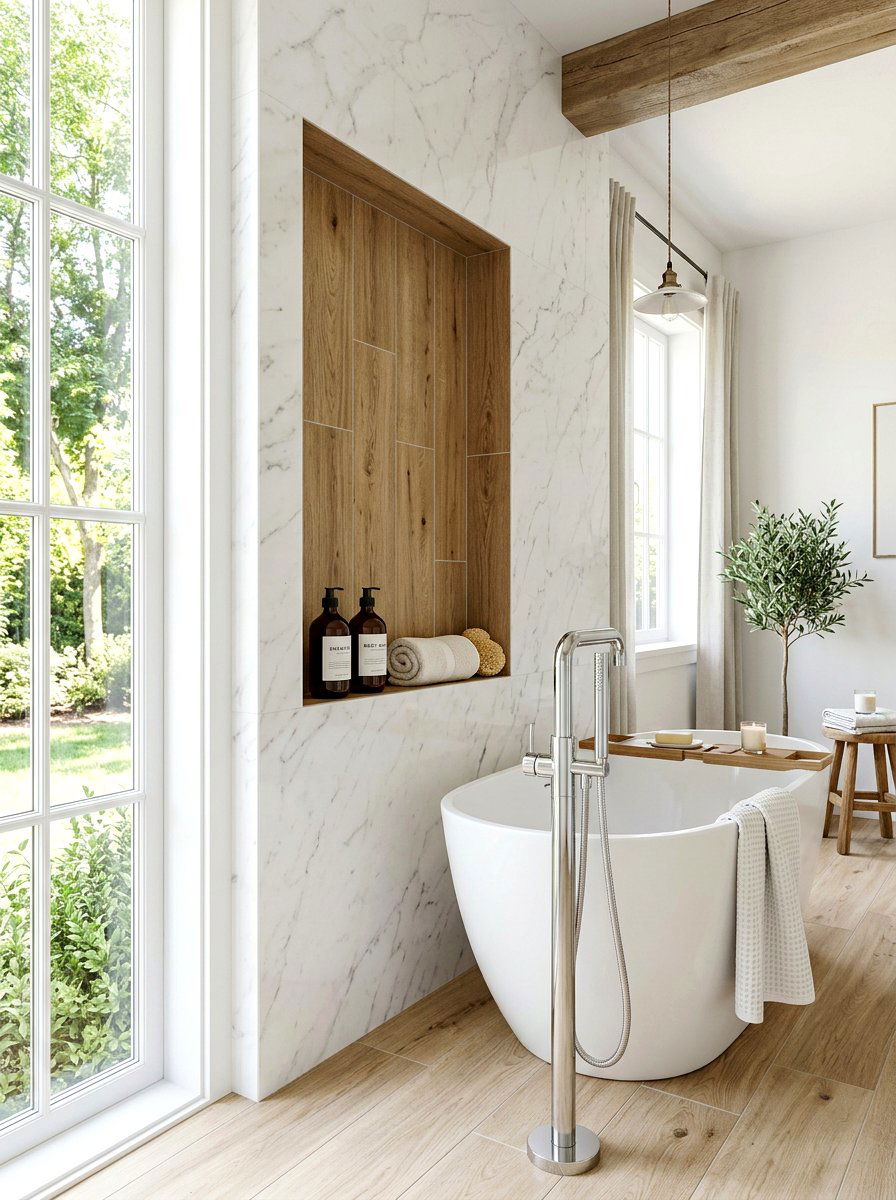
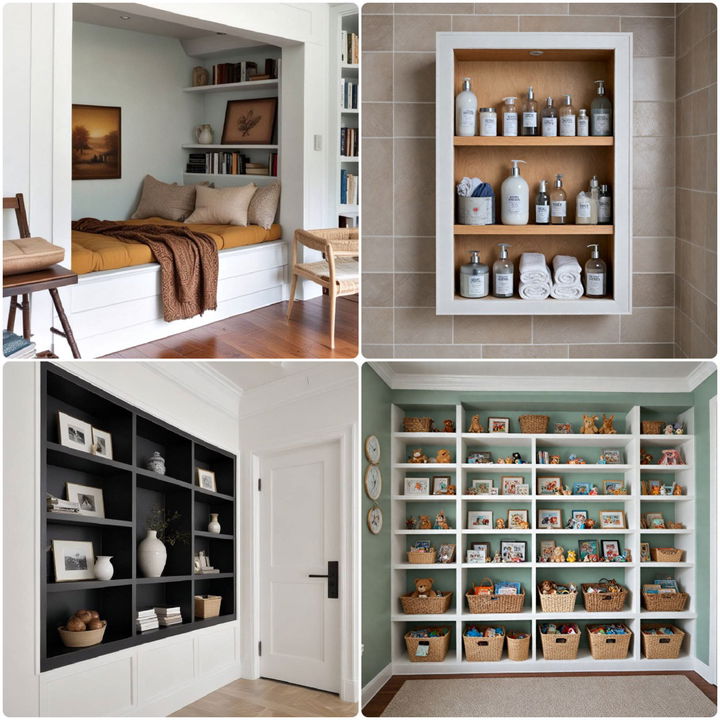
A bathroom shower niche is an essential feature for a clean and functional bathing area. Instead of using hanging metal caddies that rust or plastic shelves that clutter the space, a plaster niche provides a permanent home for soaps and shampoos. It is important to ensure the niche is properly waterproofed before the final plaster finish is applied. Many designers choose to run the same wall tile into the back of the niche, but a seamless plaster look offers a more spa-like, high-end feel. This small architectural detail significantly improves the daily experience of the bathroom while keeping the shower area looking incredibly tidy.
4. Entryway Wall Niche
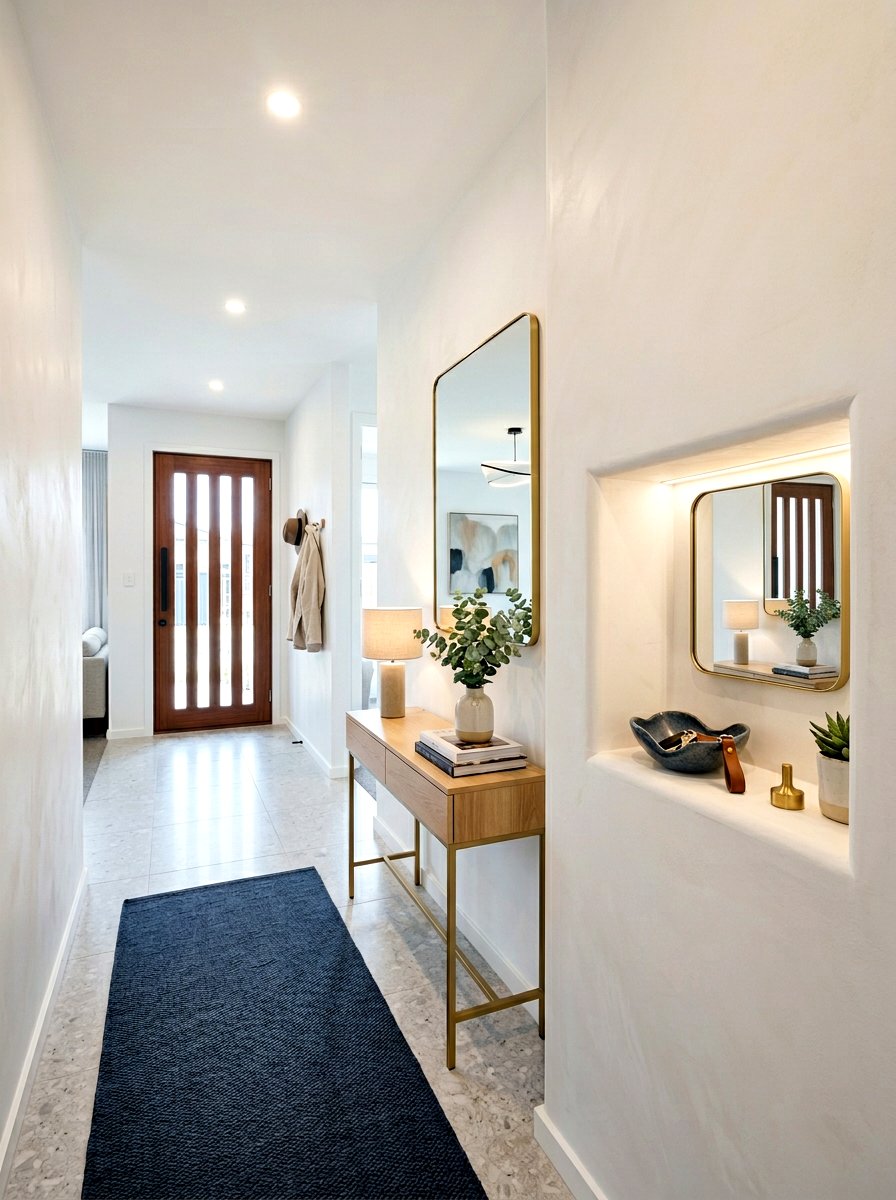
Installing an entryway wall niche creates an immediate sense of character as soon as guests step through the front door. This small recessed area acts as a dedicated landing strip for keys, mail, or a sculptural bowl. It serves as an architectural greeting, making the foyer feel intentional rather than just a pass-through space. You can pair the niche with a small overhead light to cast a warm glow on the objects inside. This subtle lighting helps to define the entrance and provides a welcoming atmosphere. It is a practical and stylish way to add a bit of luxury to one of the most used areas.
5. Living Room Display Niche
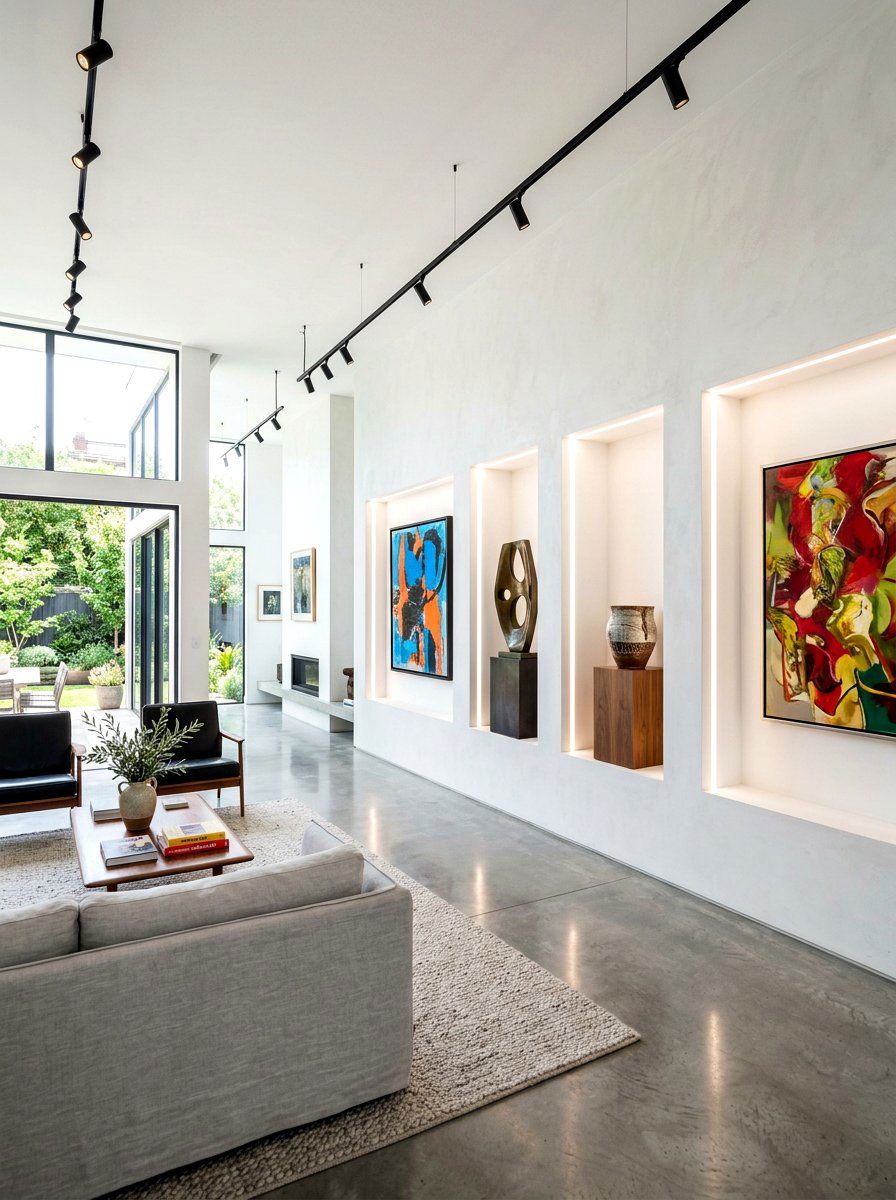
The living room display niche often serves as the main focal point for art lovers and collectors. Rather than hanging heavy frames that stick out from the wall, a recessed niche allows the artwork or sculpture to sit flush or slightly recessed. This creates a gallery-like feel that is both sophisticated and integrated. You can design multiple niches of varying sizes to create a dynamic wall composition. The use of plaster ensures that the transitions between the flat wall and the recessed areas are smooth and soft. This approach works exceptionally well in large, open-plan living rooms that need a sense of architectural definition.
6. Kitchen Spice Niche
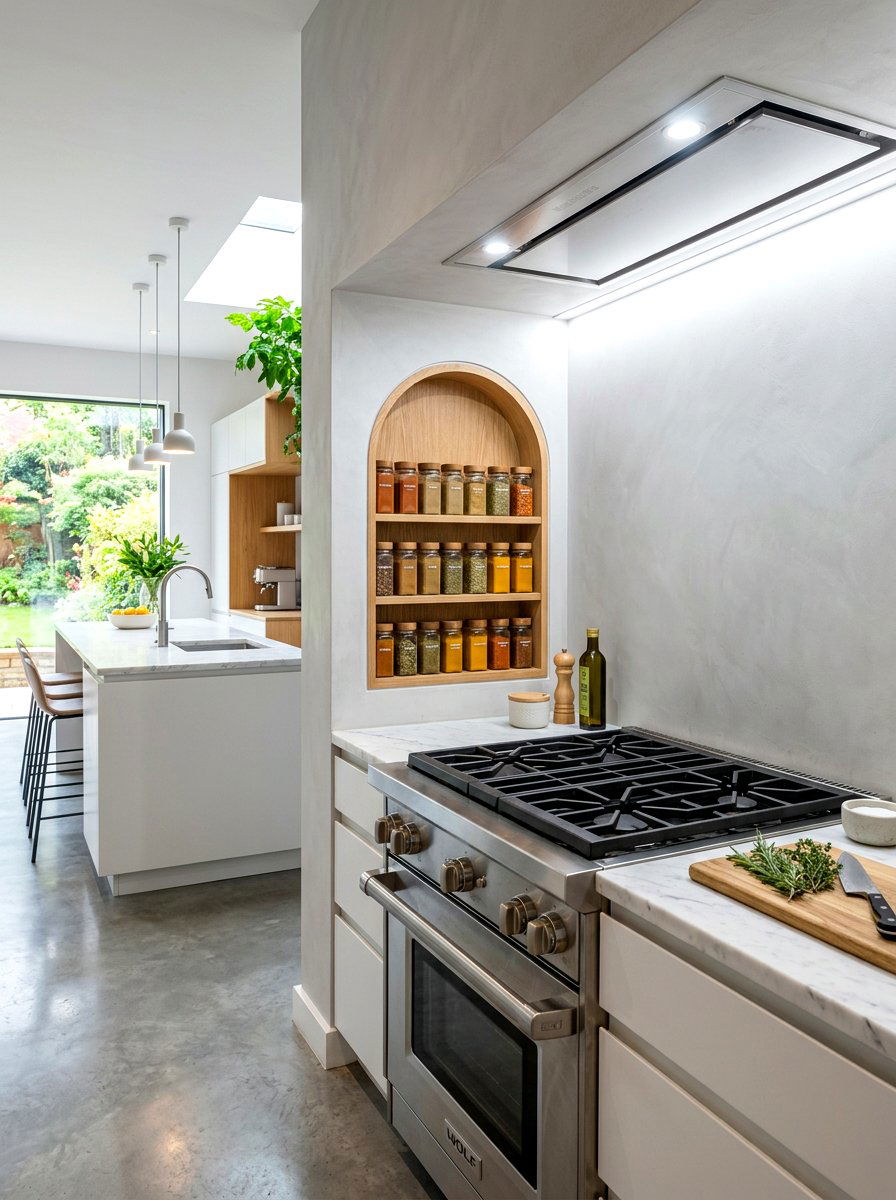
A kitchen spice niche is a functional dream for home cooks who want their most-used ingredients within easy reach. Usually located near the stove, this small recessed shelf keeps the countertop clutter-free while adding a professional, custom touch to the kitchen. The plaster finish can be wiped clean easily if maintained correctly, making it a durable choice for a busy cooking environment. By building the storage directly into the wall, you save valuable cabinet space and create a visually interesting element in the kitchen layout. It is a simple yet effective way to blend utility with high-end architectural design in a modern home.
7. Minimalist Plaster Niche
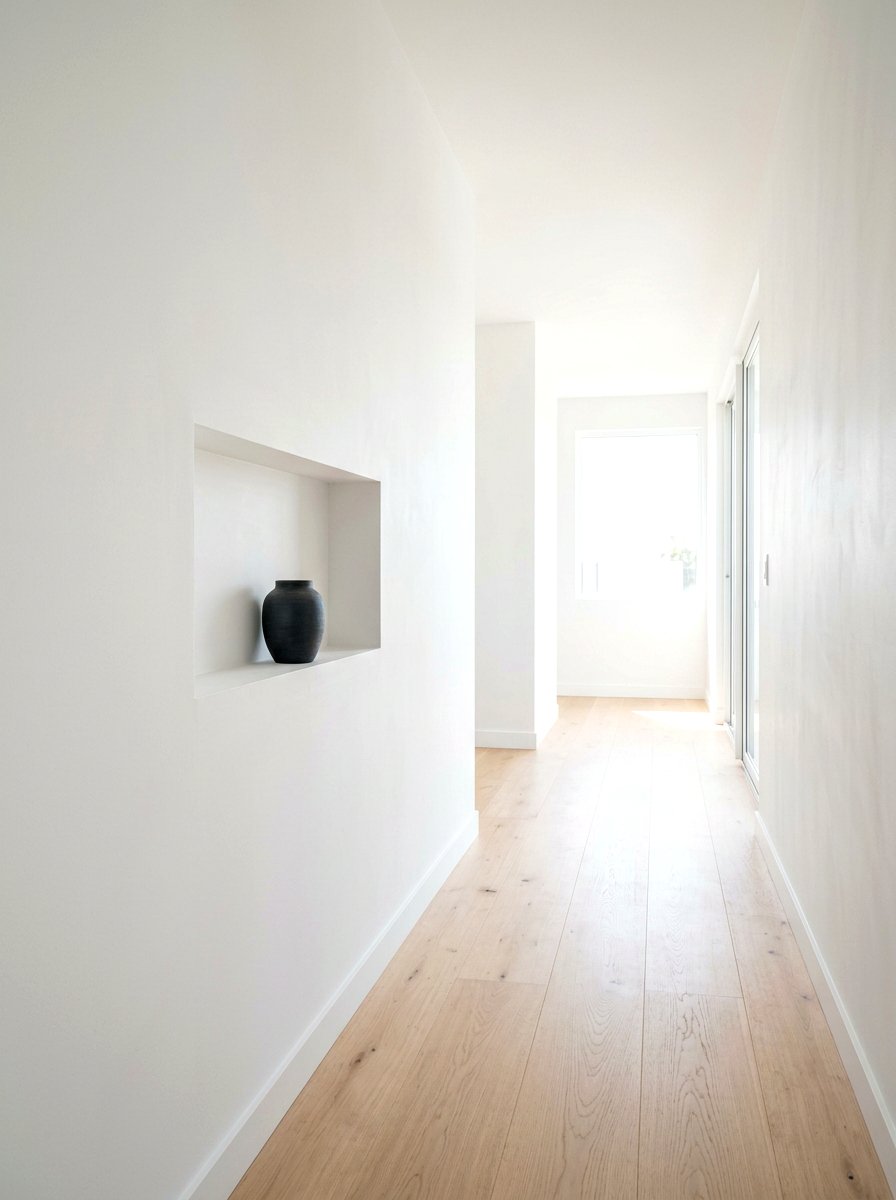
Embracing the minimalist plaster niche means focusing on clean lines and a monochromatic color palette. This style of niche is often rectangular and lacks any decorative trim or molding, allowing it to disappear into the wall when empty. It is the perfect solution for homeowners who want to maintain a calm and serene environment without unnecessary visual noise. These niches are typically used to hold just one or two significant objects, emphasizing the beauty of space and shadow. The simplicity of the design makes the quality of the plasterwork even more important, as every smooth edge and corner becomes part of the art.
8. Double Arched Niche
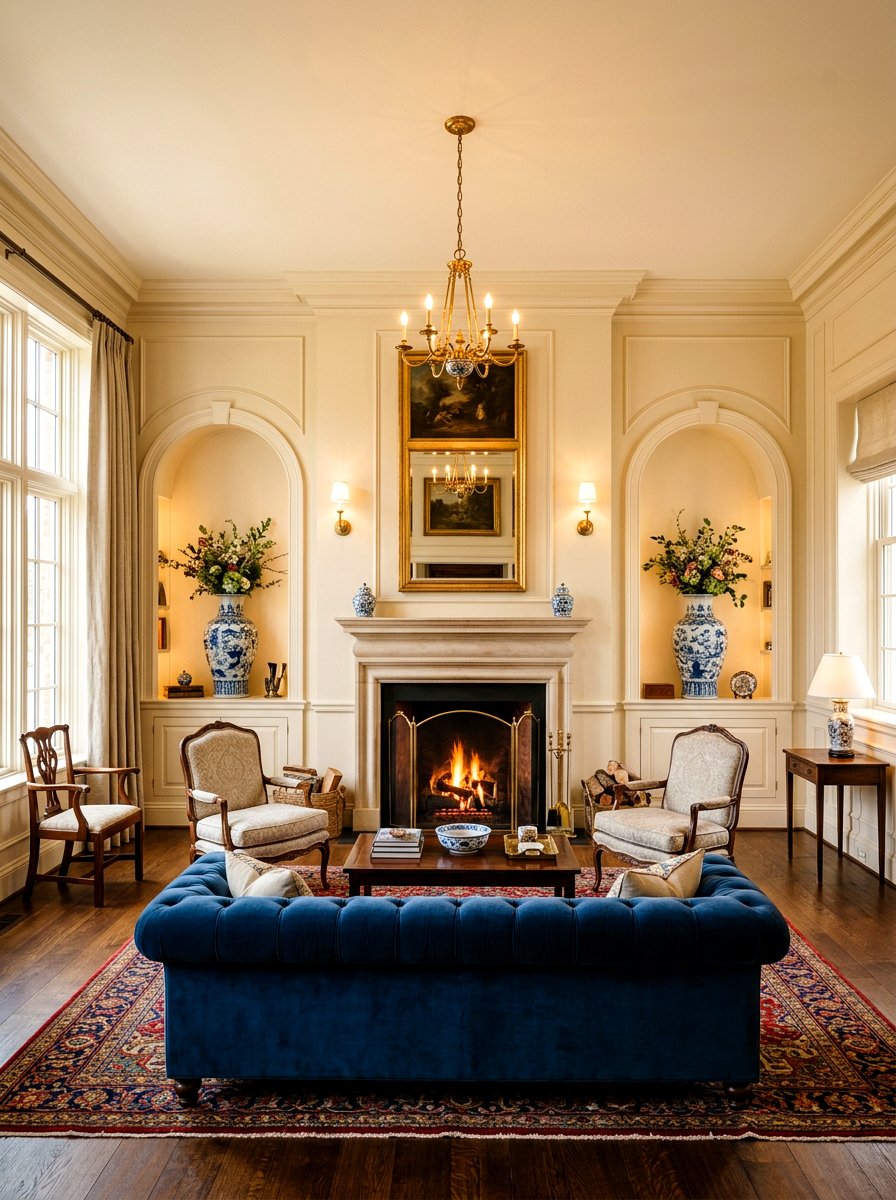
Choosing a double arched niche adds a layer of symmetry and classical elegance to any room. By placing two identical arched recesses side-by-side, you create a balanced look that naturally draws the eye. This configuration is often used to frame a central piece of furniture like a sofa, a console table, or a fireplace. The repetition of the arched shape provides a sense of rhythm and harmony that is very pleasing to the senses. It works particularly well in traditional or transitional homes where classical architectural elements are celebrated. These niches offer a beautiful way to display matching lamps or a collection of similar ceramics.
9. Large Vertical Niche
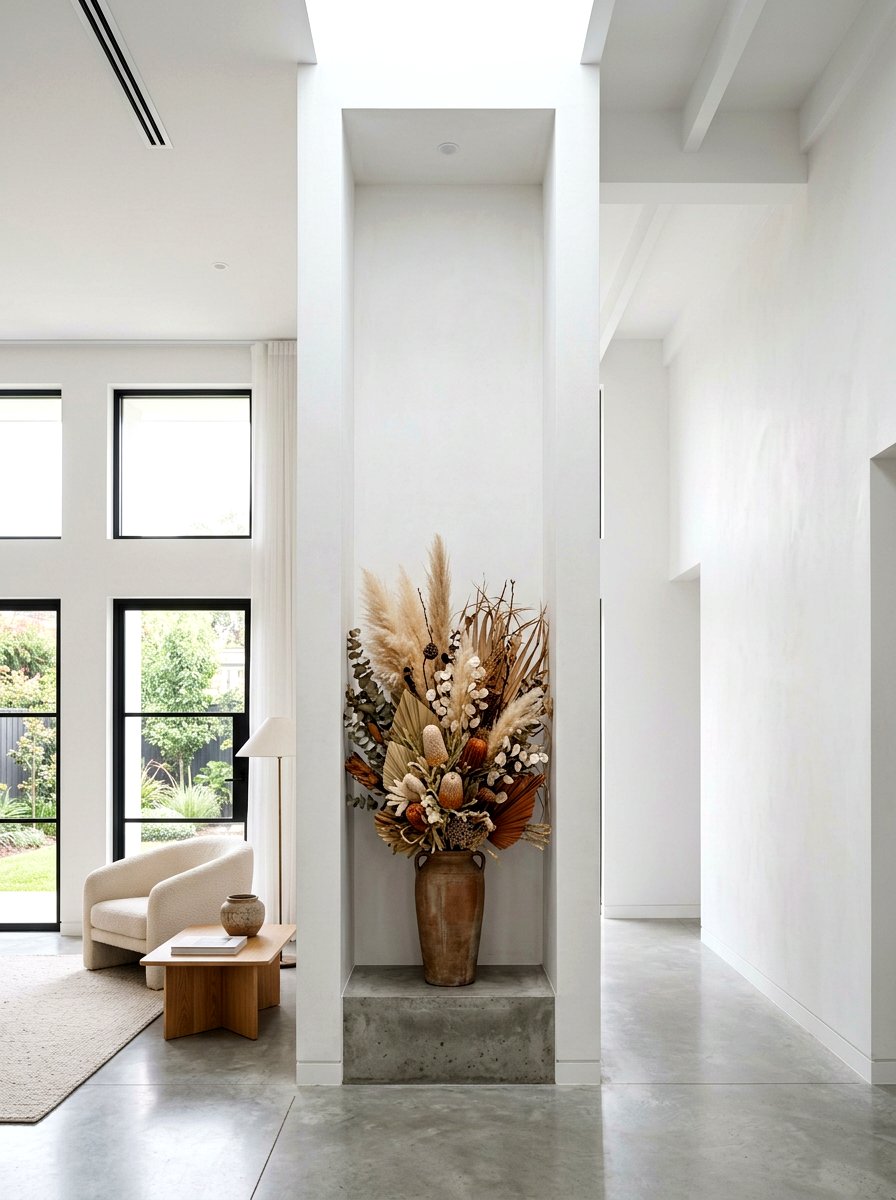
The large vertical niche is a bold architectural choice that can make a ceiling feel much higher than it actually is. By extending a tall, narrow recess from the floor or waist height toward the ceiling, you create a strong vertical line that guides the eye upward. This type of niche is ideal for displaying tall sculptures, large dried floral arrangements, or even a collection of vintage walking sticks. Because of its scale, it often becomes a major part of the room’s structural identity. In a narrow room, a vertical niche adds much-needed depth without taking up any actual floor space, which is a big advantage.
10. Small Decorative Niche
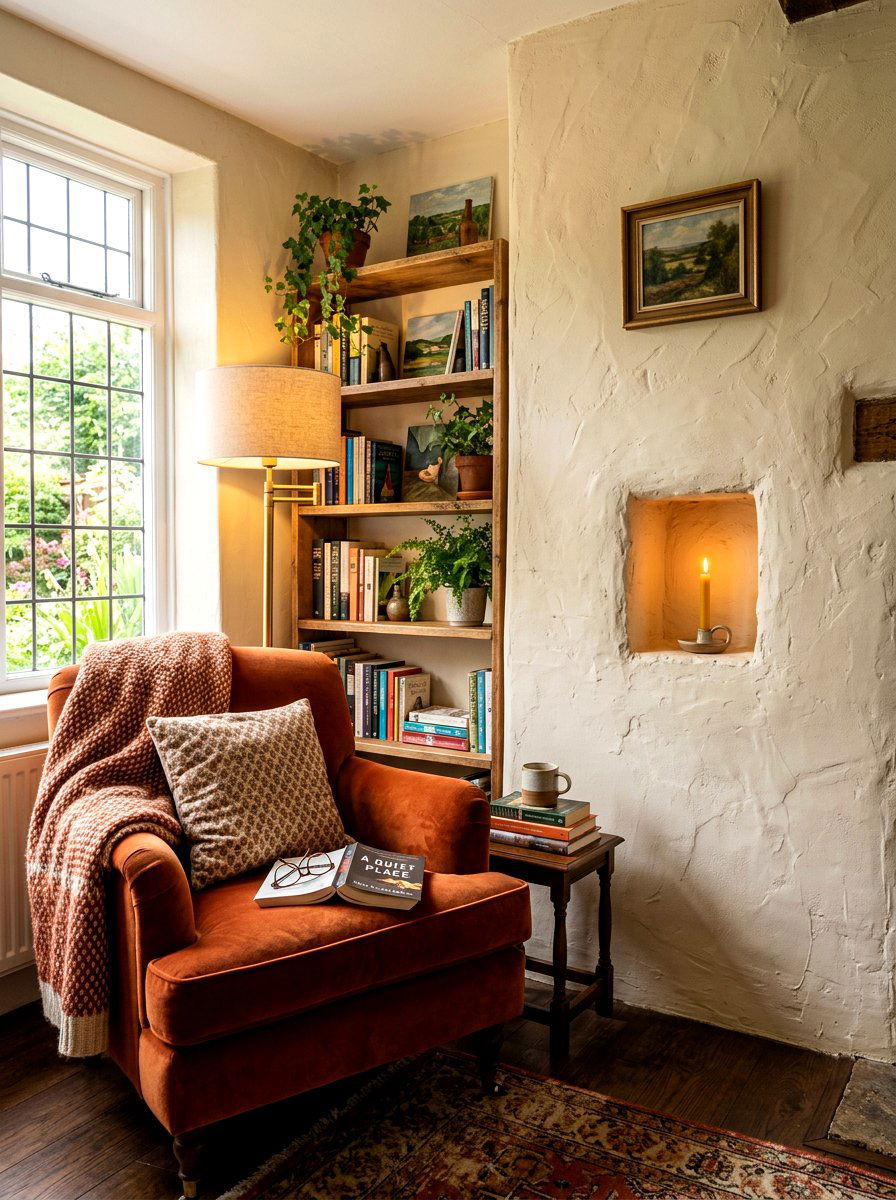
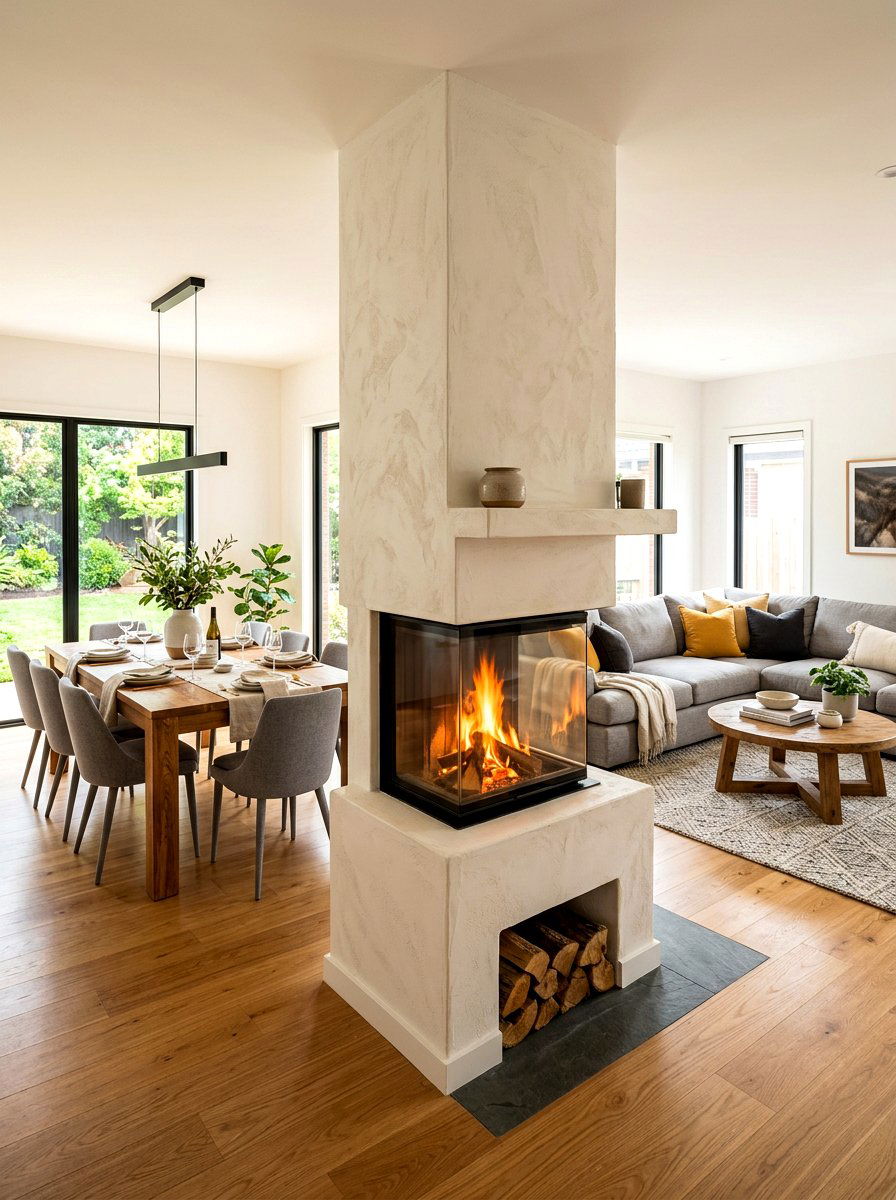
A small decorative niche is perfect for those tiny corners of the home that often get overlooked. These miniature recesses are meant for singular, special items like a small piece of pottery, a single candle, or a tiny framed photograph. They act like little "surprises" within the architecture, adding a sense of discovery as you move through different rooms. Despite their small size, they require precise plastering to look sharp and intentional. You can place them at unexpected heights, such as near the floor or high up on a wall, to add a playful and artistic element to your overall interior design scheme.
11. Lighted Wall Niche
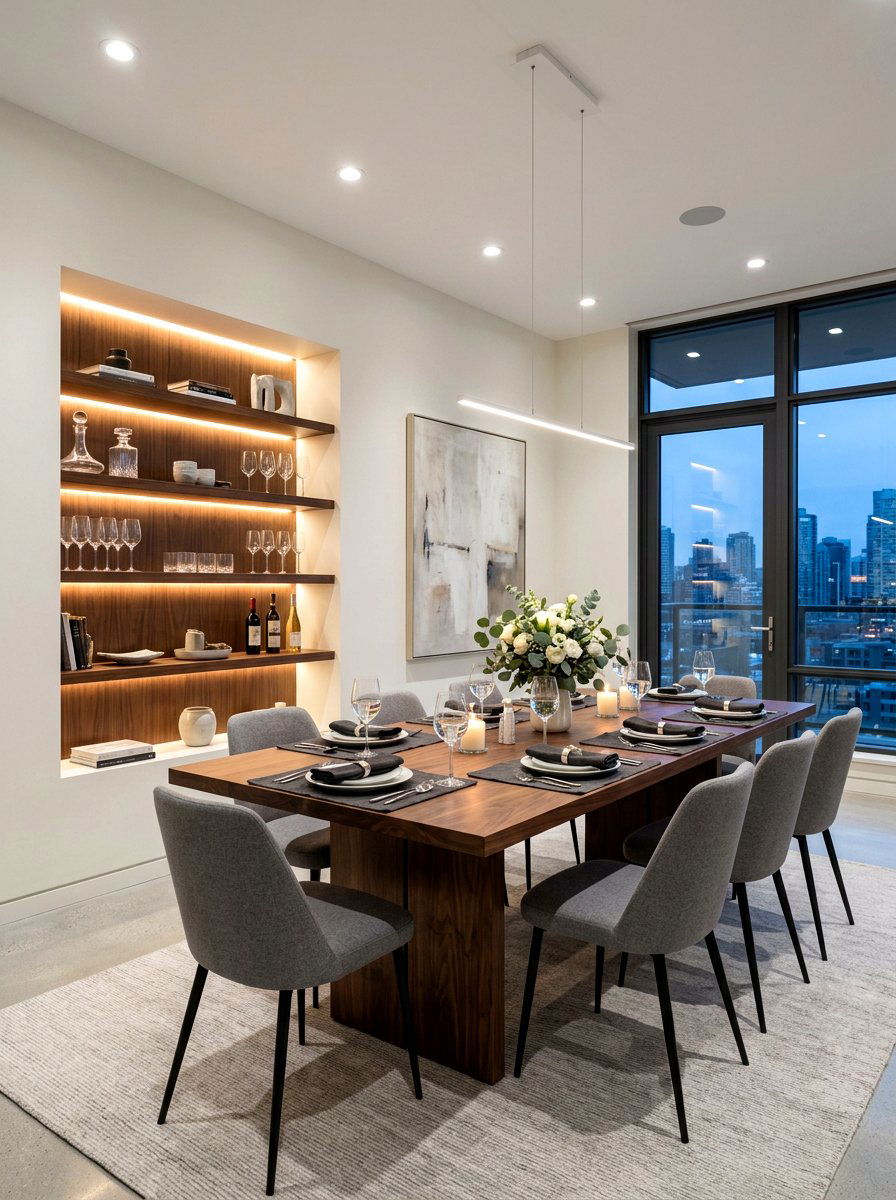
A lighted wall niche combines architecture with functional illumination to create a dramatic effect. By installing hidden LED strips or small spotlights inside the top or sides of the recess, you can transform the niche into a glowing box. This is particularly effective at night, as it provides soft ambient light that enhances the mood of the room. The light highlights the textures of the plaster and the objects displayed within, making them stand out as a central feature. This design is highly recommended for dark hallways or living rooms where you want to create a cozy and sophisticated atmosphere after the sun sets.
12. Curved Plaster Shelf
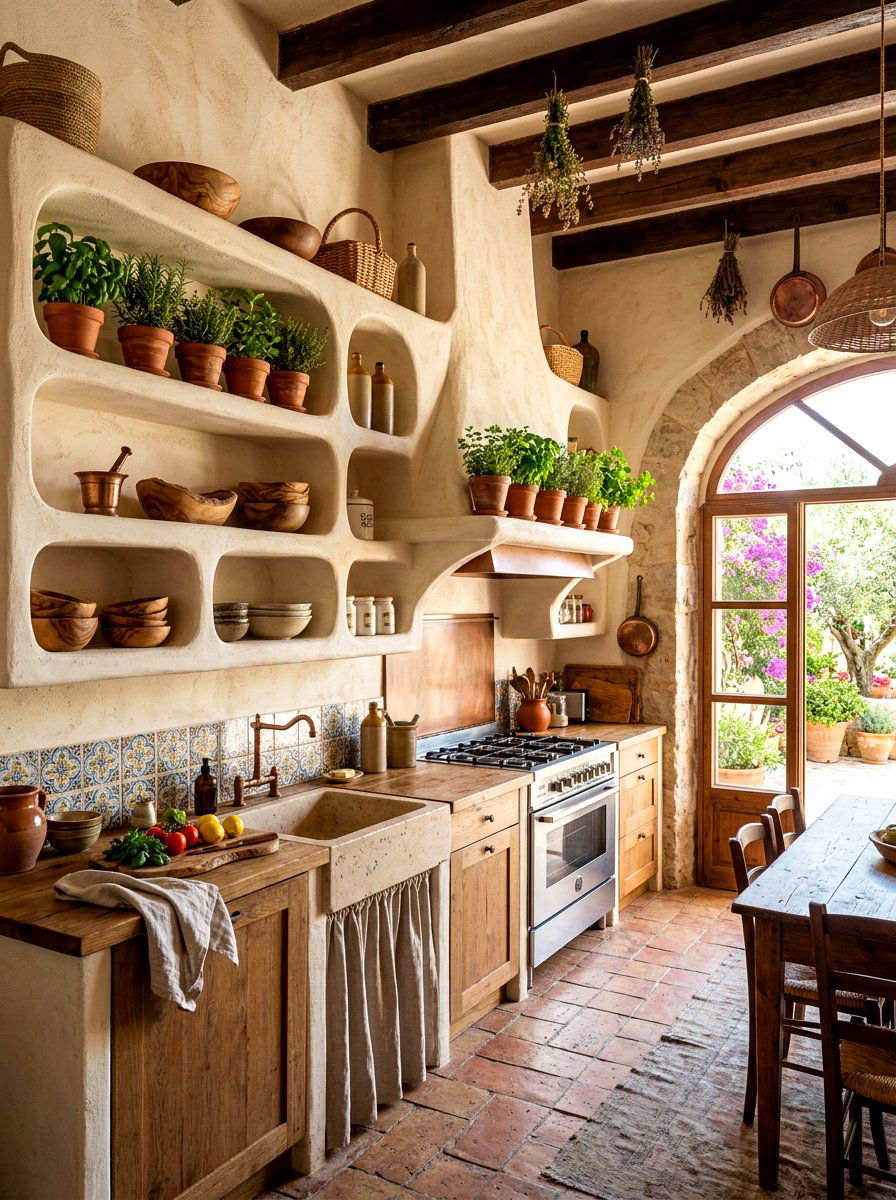
The curved plaster shelf is a unique take on the niche concept where the shelf itself is built directly into the recessed area. Instead of using wood or glass, the shelf is formed from the same plaster as the walls, creating a completely seamless and organic look. This style is very popular in Mediterranean and Southwestern designs because it feels handcrafted and rustic. The soft edges and integrated feel make it look like the wall has naturally grown to hold your belongings. It is a sturdy and beautiful way to store books, plants, or kitchen items while maintaining a cohesive and tactile aesthetic.
13. Staircase Wall Niche
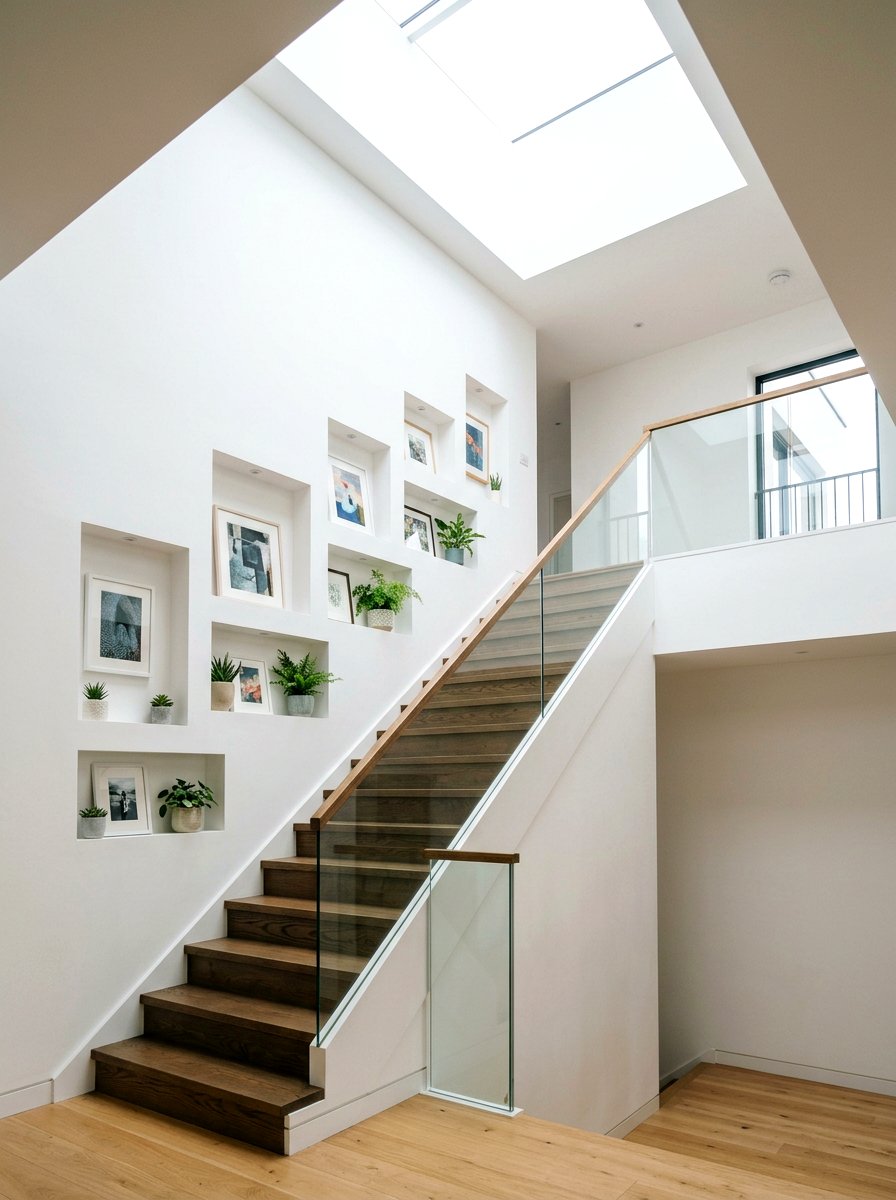
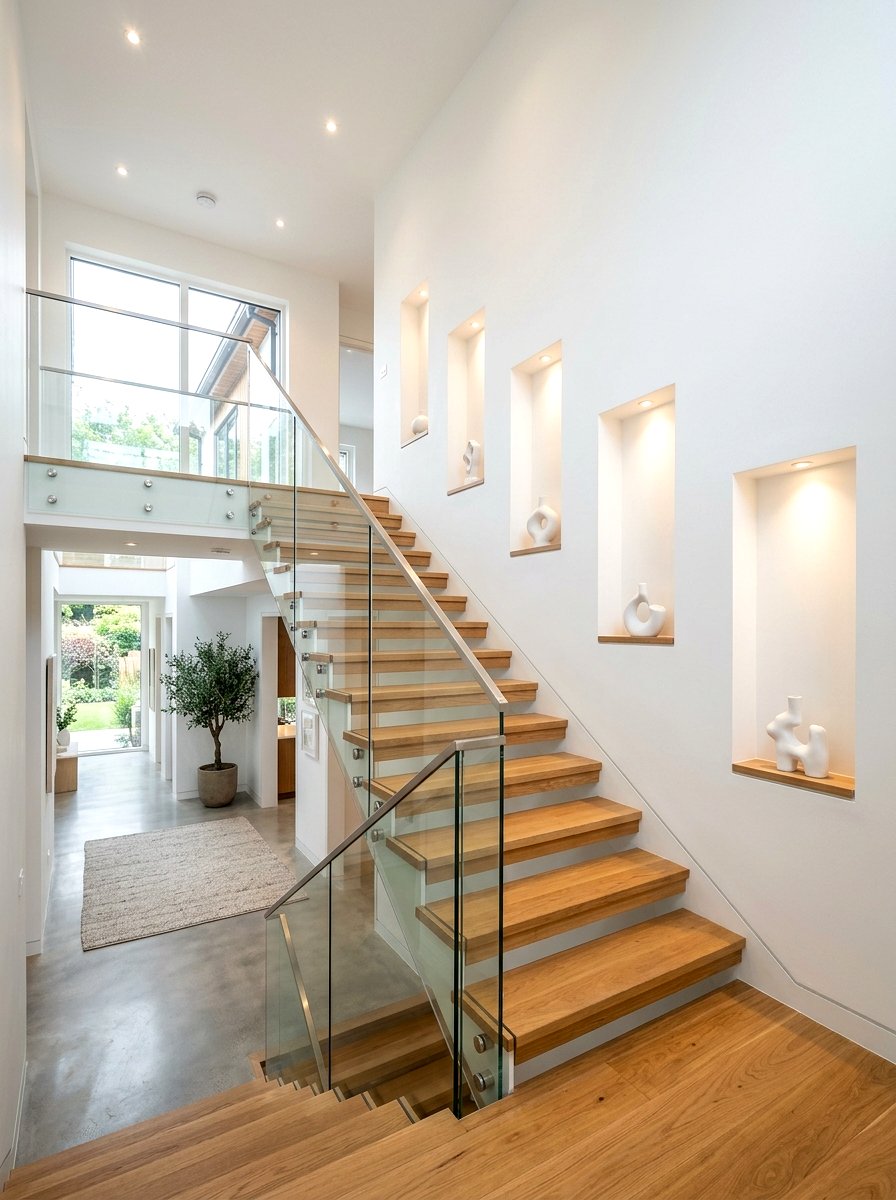
Utilizing the space along a staircase wall with a series of niches is a great way to add interest to a transitional area. Staircases are often seen as purely functional, but adding recessed plaster niches turns them into a vertical gallery. You can follow the angle of the stairs with staggered niches to create a sense of movement. This is a clever way to display family photos or small artworks without the risk of knocking frames off the wall as you walk by. The niches provide a safe, recessed place for decor that keeps the narrow walkway clear and visually engaging for everyone.
14. Organic Shaped Niche
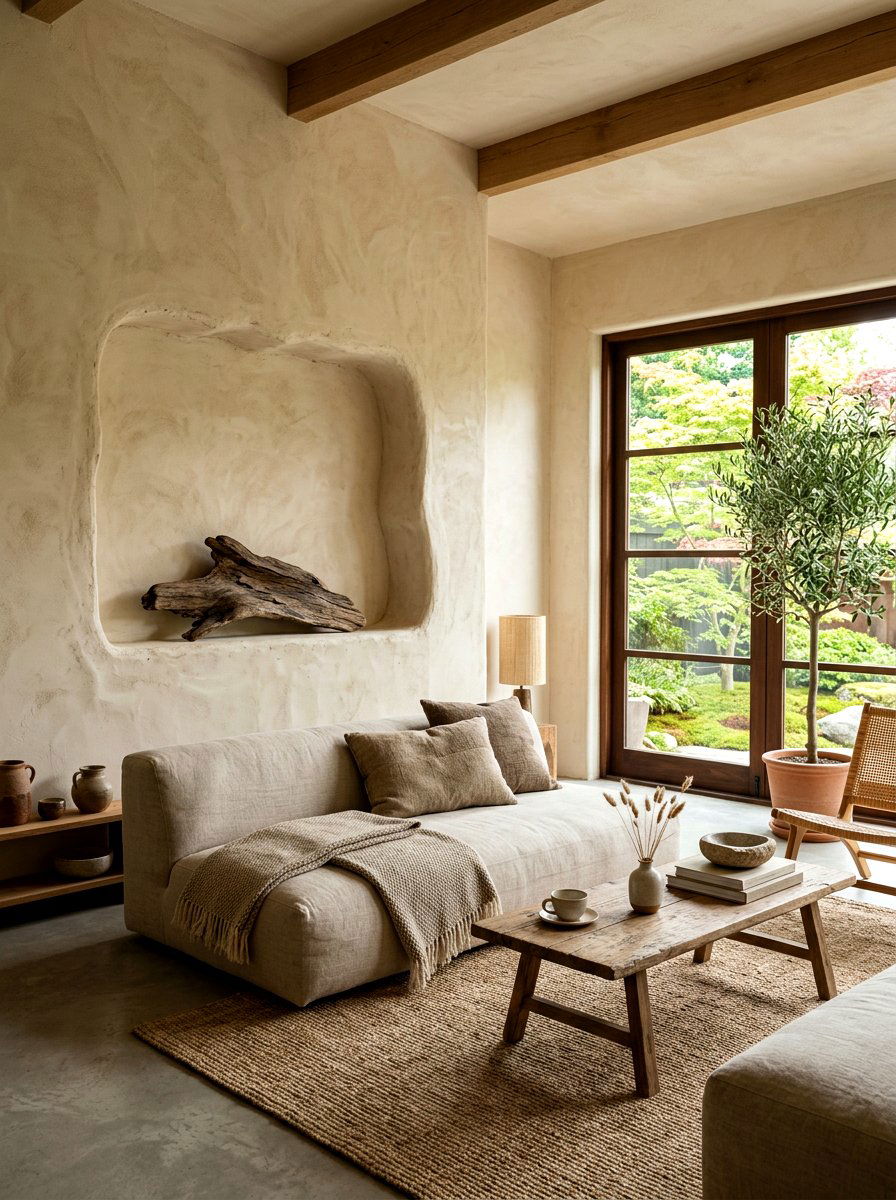
An organic shaped niche moves away from traditional squares and circles in favor of free-form, hand-sculpted outlines. These niches look like they were carved out of a cave or a piece of stone, giving them a very earthy and grounded feel. They are perfect for homes that embrace wabi-sabi or boho-chic styles, where imperfection is celebrated as a form of beauty. Because these shapes are not standard, they often require a skilled plasterer to achieve the desired look. They work beautifully when left empty, as the irregular shadow play inside the niche provides enough visual interest to stand on its own.

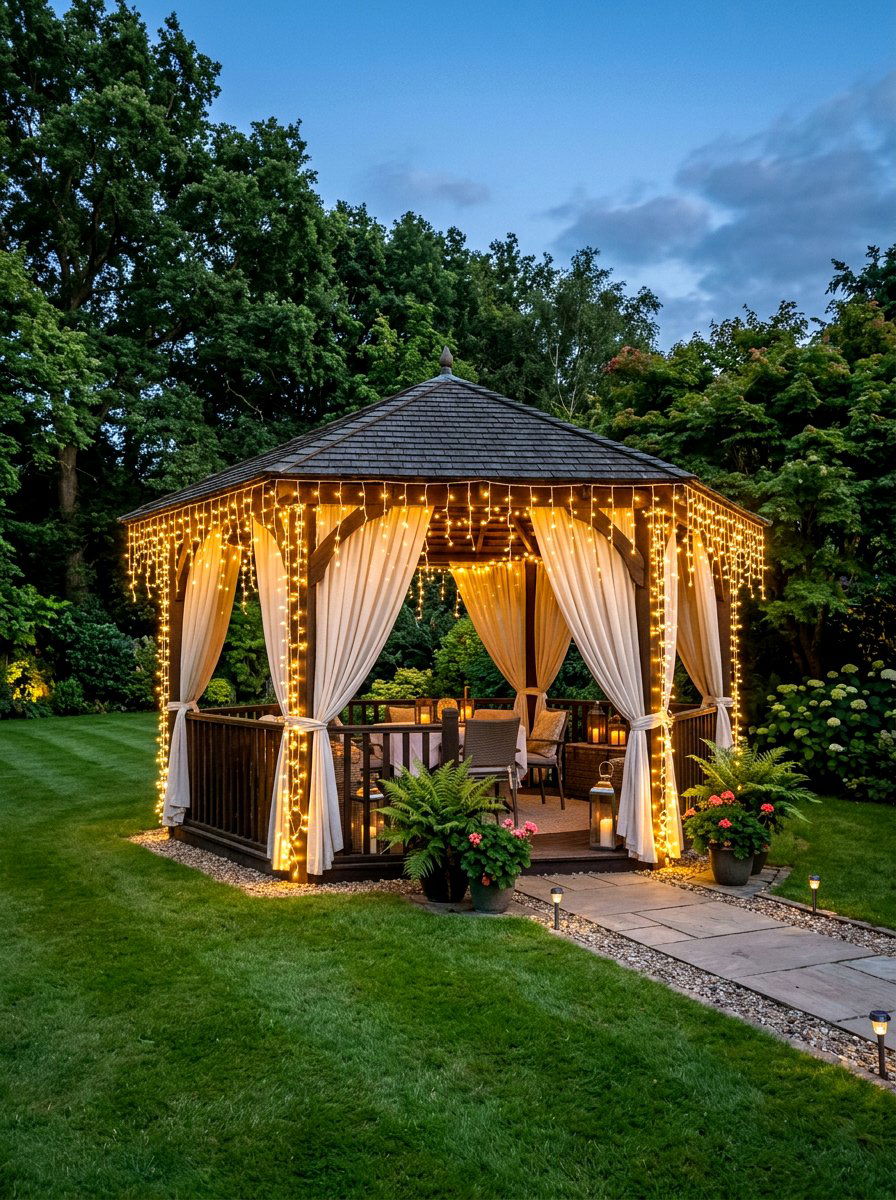
15. Dining Room Buffet Niche
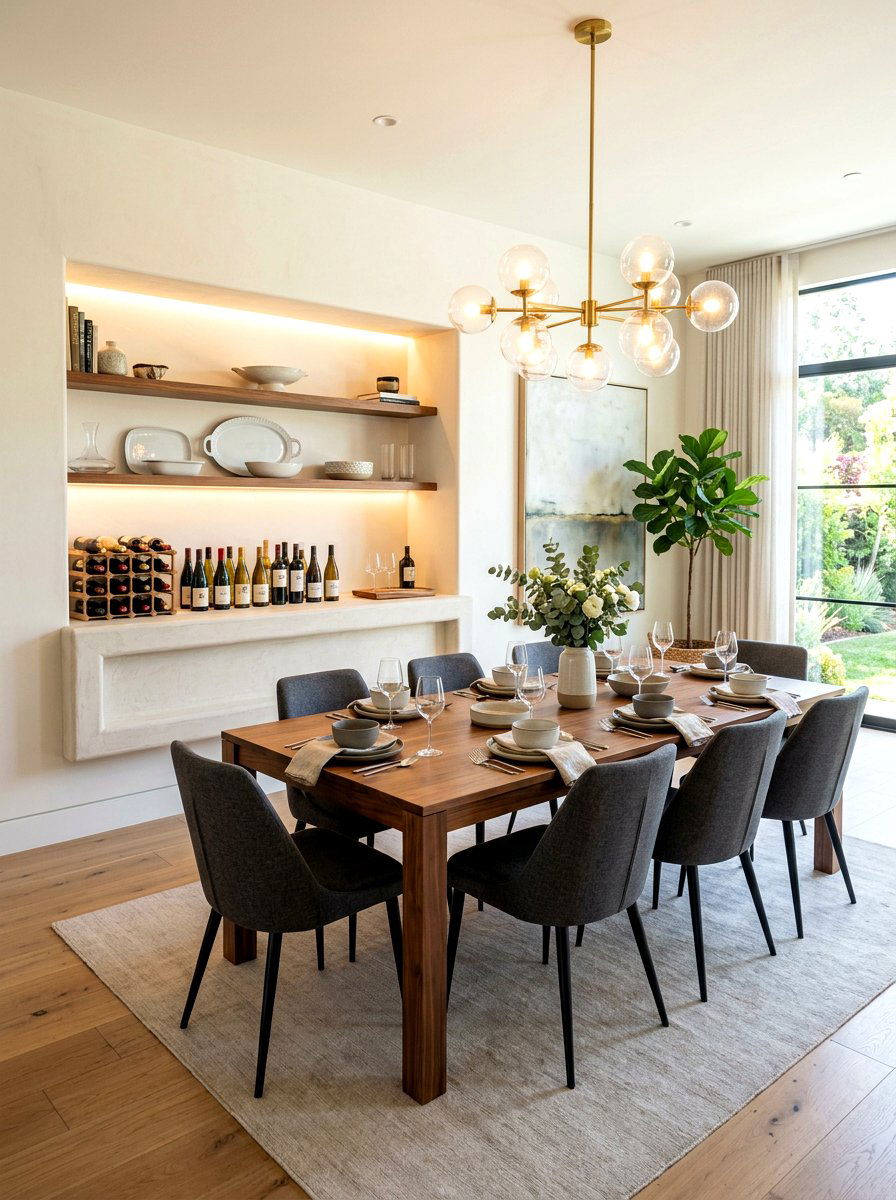
A dining room buffet niche is a practical and stylish alternative to a bulky freestanding sideboard. By carving out a large recess in the dining area, you create a dedicated space for serving dishes, wine bottles, or decorative bowls. This niche can be designed with an integrated plaster shelf at waist height, providing a sturdy surface for food during dinner parties. It keeps the dining room feeling open and airy while still offering the utility of a traditional buffet. You can even add a mirror to the back of the niche to reflect light and make the dining space feel much larger.
16. Mudroom Storage Niche
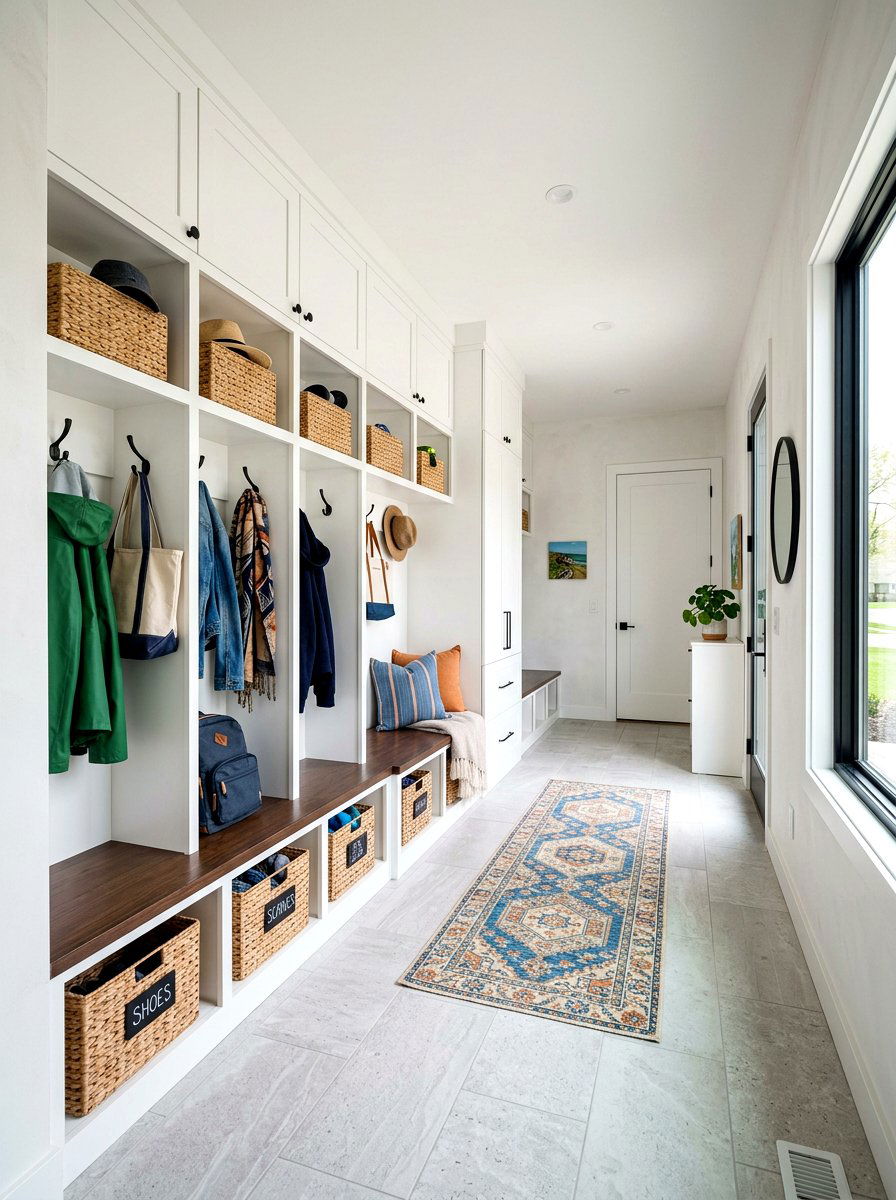
In a mudroom, a plaster storage niche provides a durable and organized spot for everyday essentials. These niches can be designed to hold baskets for hats and gloves or act as a dedicated cubby for individual family members. Unlike wooden lockers that can show wear and tear from moisture and dirt, a well-sealed plaster niche is incredibly resilient. It offers a clean, architectural look that prevents the mudroom from feeling cluttered and chaotic. By building the storage into the walls, you maintain a wider walkway, which is essential in high-traffic entry zones where people are often rushing in and out.
17. Reading Nook Niche
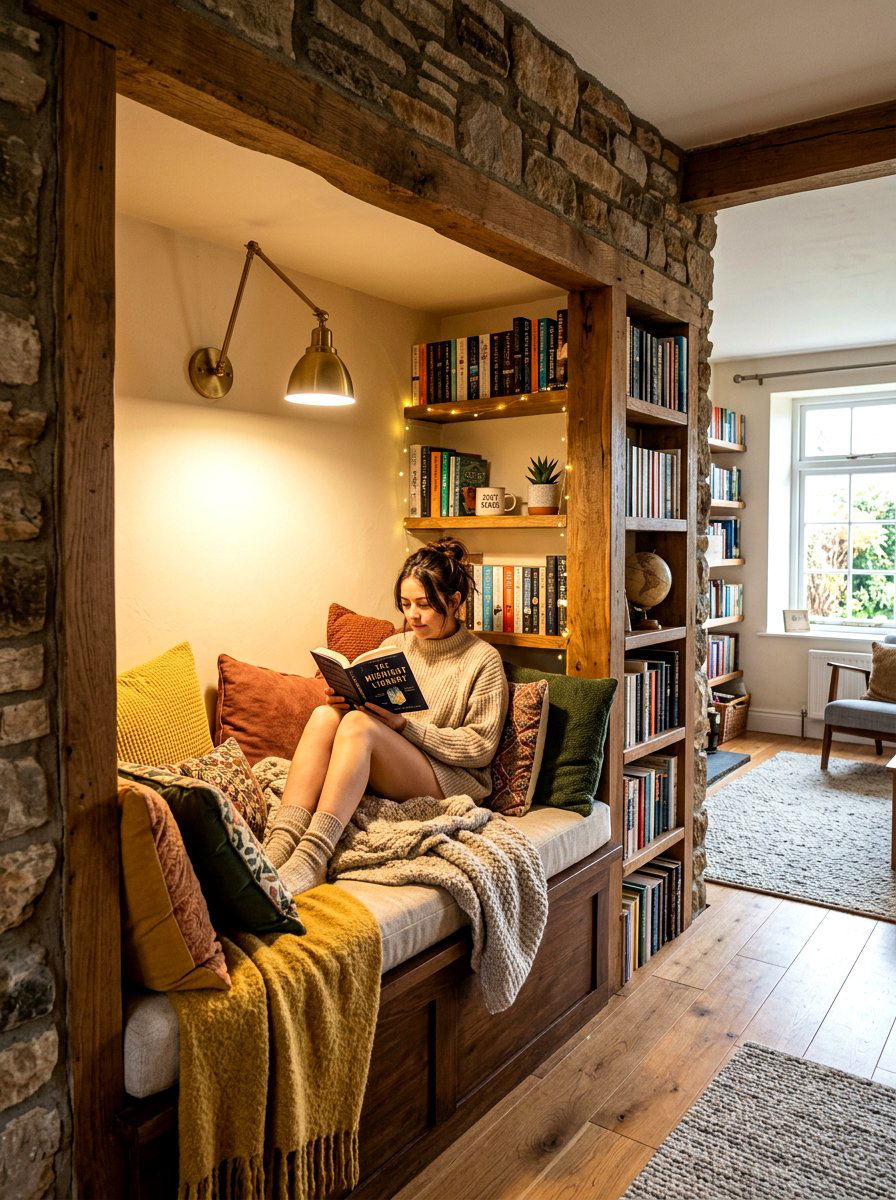
A reading nook niche is a larger recessed area designed specifically to hold a comfortable seat or a bench. This architectural feature creates a "room within a room, " providing a cozy and private spot to curl up with a book. The plaster walls around the niche help to dampen sound, making it a peaceful retreat. You can build small niches within the larger one to act as bookshelves, keeping your favorite titles within arm's reach. This is a wonderful way to utilize an unused alcove or a space under the stairs, turning a dead zone into the most popular spot in the entire house.
18. Home Office Niche
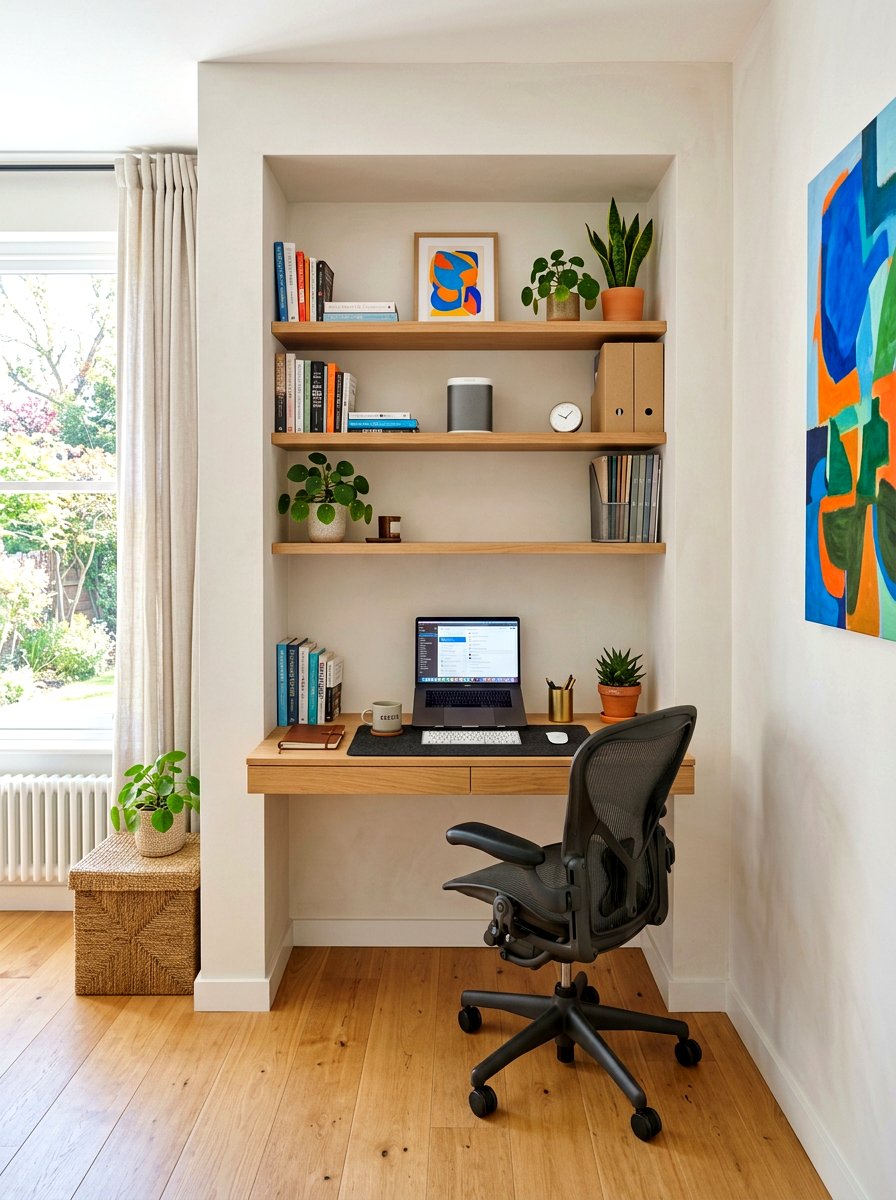
Integrating a home office niche into a living area or bedroom is a smart way to create a workspace without needing a dedicated room. This recessed area can hold a built-in desk and shelving, all finished in smooth plaster for a cohesive look. When the workday is over, the office feels like part of the wall rather than a separate, cluttered desk area. It is a fantastic solution for small apartments or modern homes where multi-functional spaces are a necessity. The clean lines of the plaster help to minimize visual distractions, allowing you to focus more effectively on your tasks throughout the day.
19. Sculptural Wall Niche
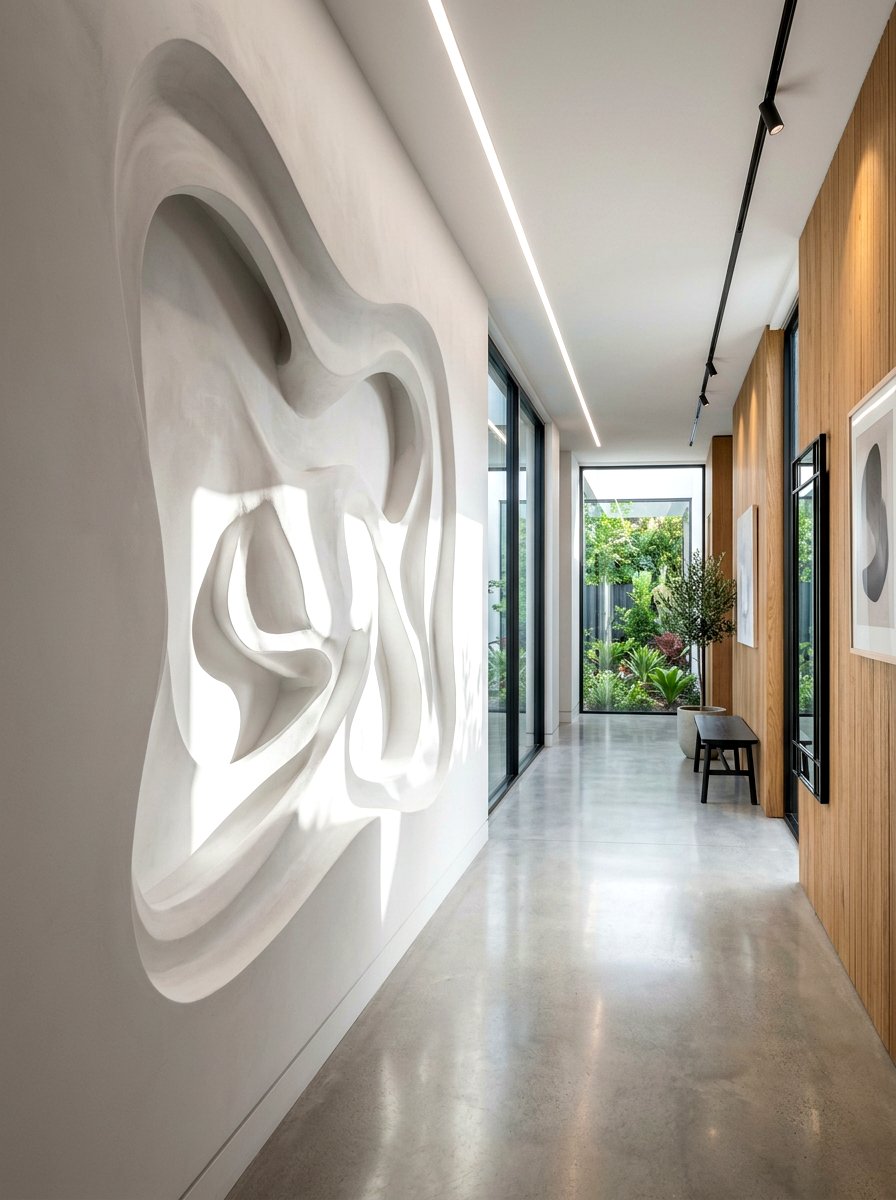
A sculptural wall niche is designed to be a work of art in itself, often featuring deep recesses and complex internal curves. These are not just for storage; they are meant to interact with light and shadow to create a three-dimensional effect on a flat wall. The plaster can be built up in layers to create different depths, making the wall feel more dynamic and alive. This type of niche works best in rooms with plenty of natural light, as the changing angle of the sun will create different shadows throughout the day. It is a sophisticated way to add architectural drama to a minimalist home.
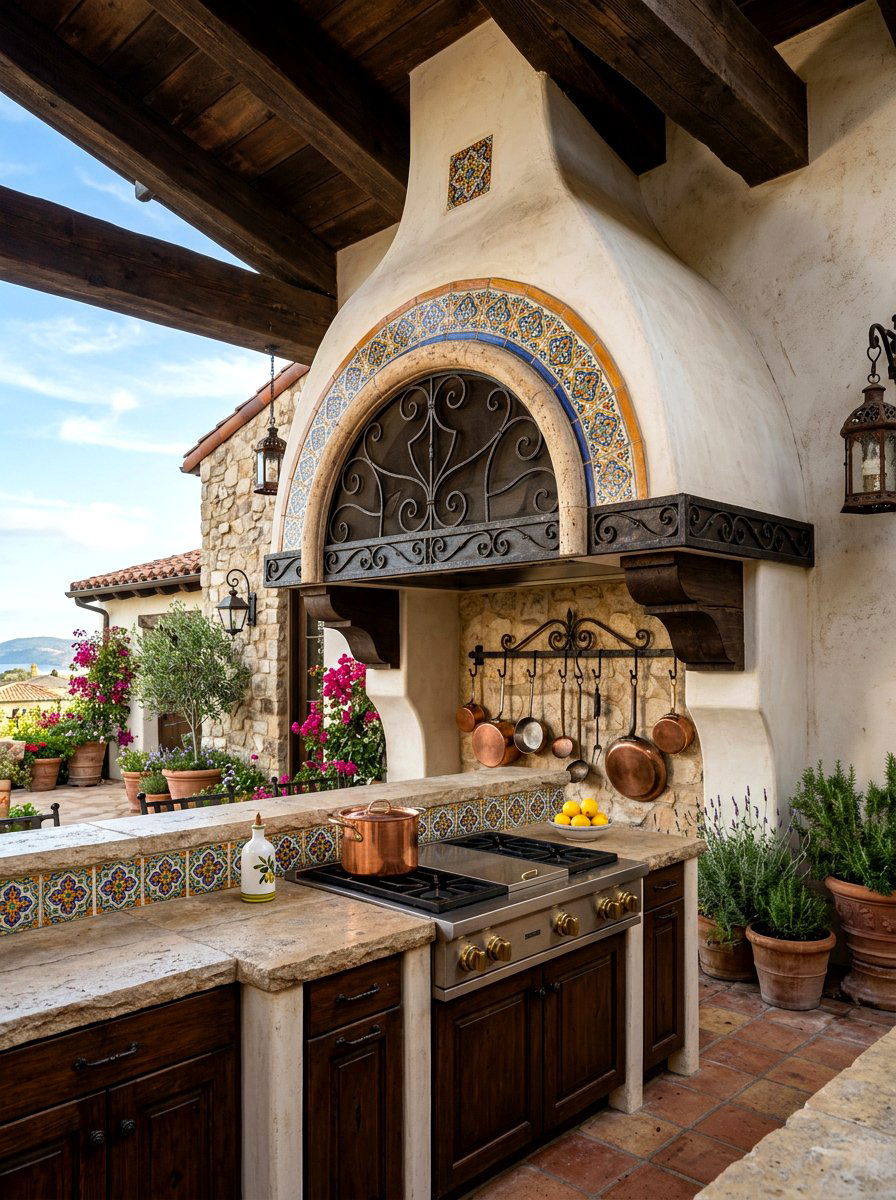
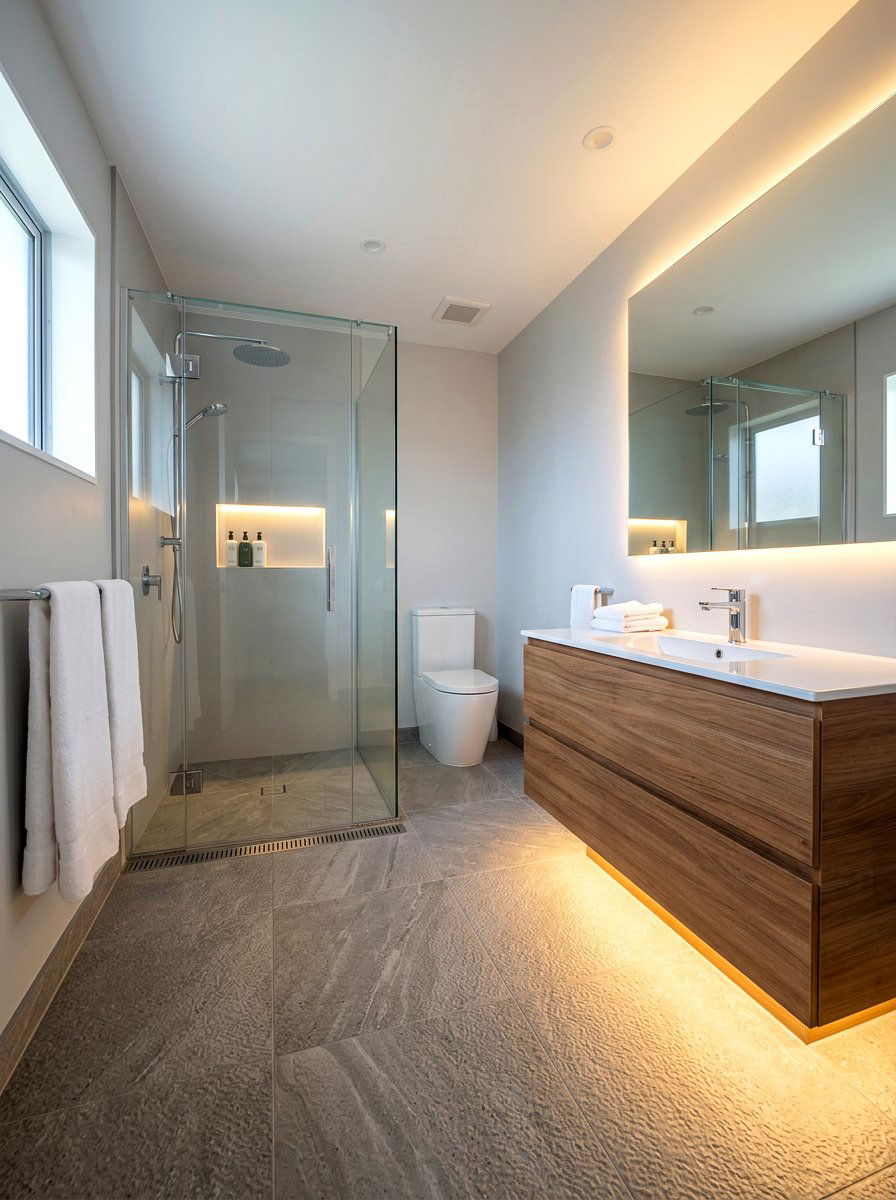
20. Symmetric Wall Niches
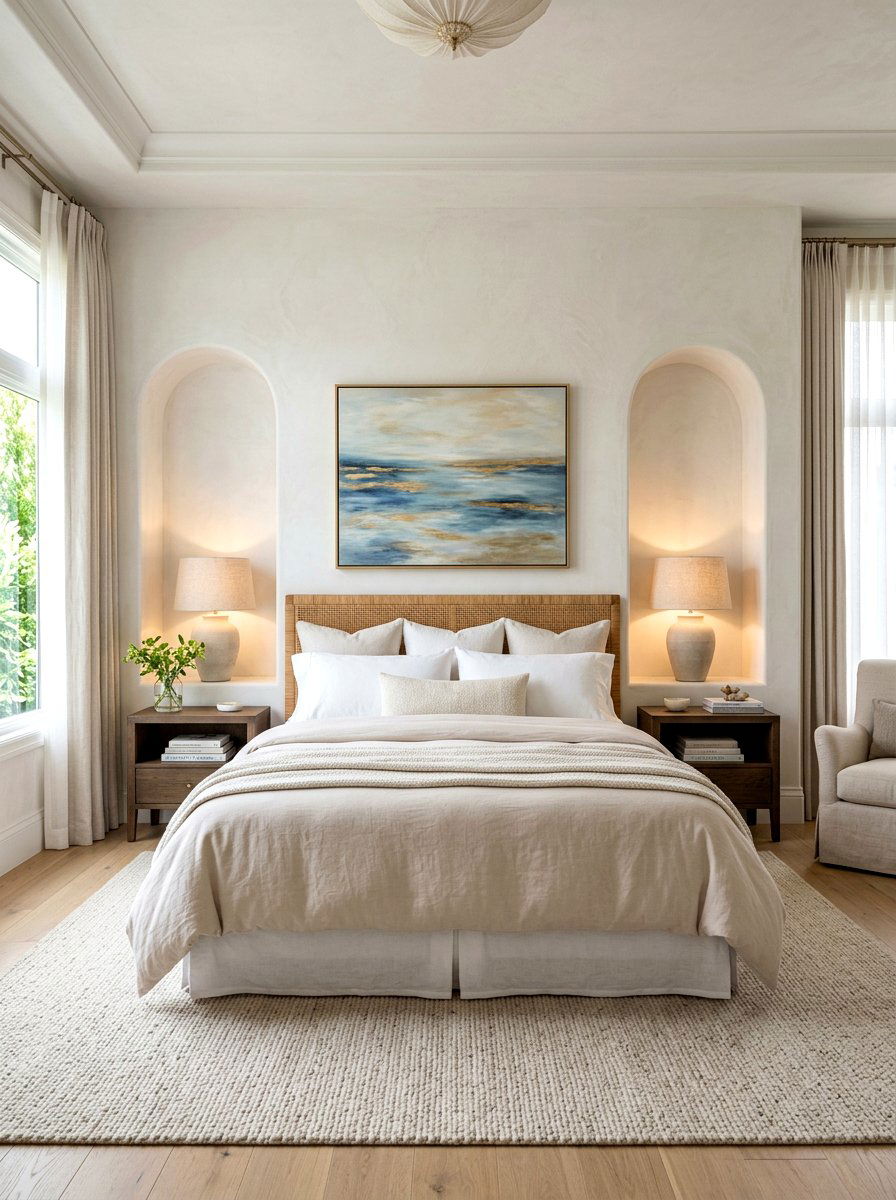
Using symmetric wall niches on either side of a central element, like a doorway or a bed, creates a sense of order and formality. Symmetry is a classic design principle that makes a room feel balanced and well-planned. These niches can be used to hold identical lamps, vases, or sculptures, reinforcing the mirrored look. In a master bedroom, placing two niches on either side of the bed provides individual storage for each person while maintaining a high-end, hotel-like aesthetic. The use of plaster ensures that these features feel like a permanent part of the room’s structure, adding value and style to the home.
21. Floating Plaster Shelf Niche
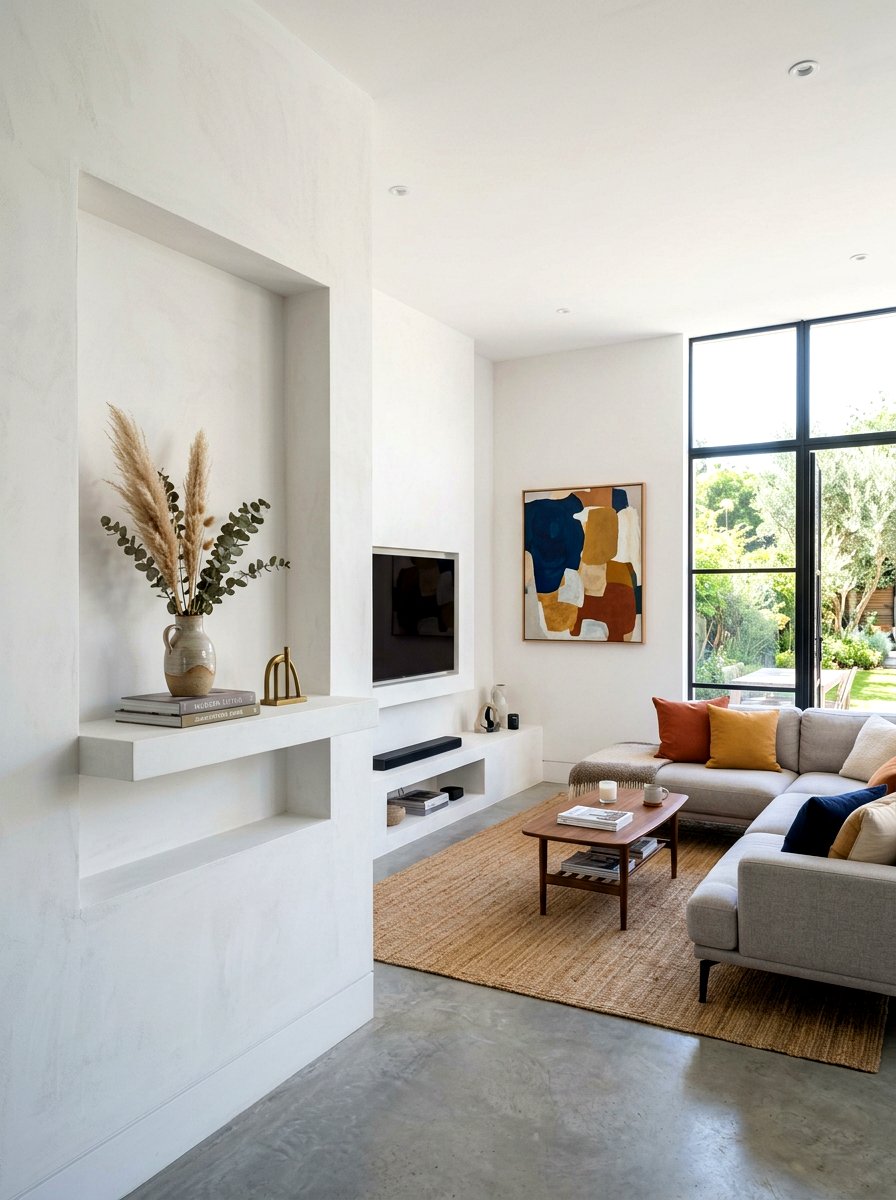
A floating plaster shelf niche features a recessed area with a shelf that appears to hover without any visible supports. This is achieved by building the shelf directly into the wall structure and finishing it with the same plaster as the surrounding surfaces. The result is a clean, gravity-defying look that is perfect for modern and contemporary interiors. It eliminates the need for brackets or hardware, which can often clutter a design. This style of niche is excellent for displaying lightweight items like small plants, framed art, or decorative objects, providing a sleek and unobstructed view of your most prized possessions.
22. Floor To Ceiling Niche
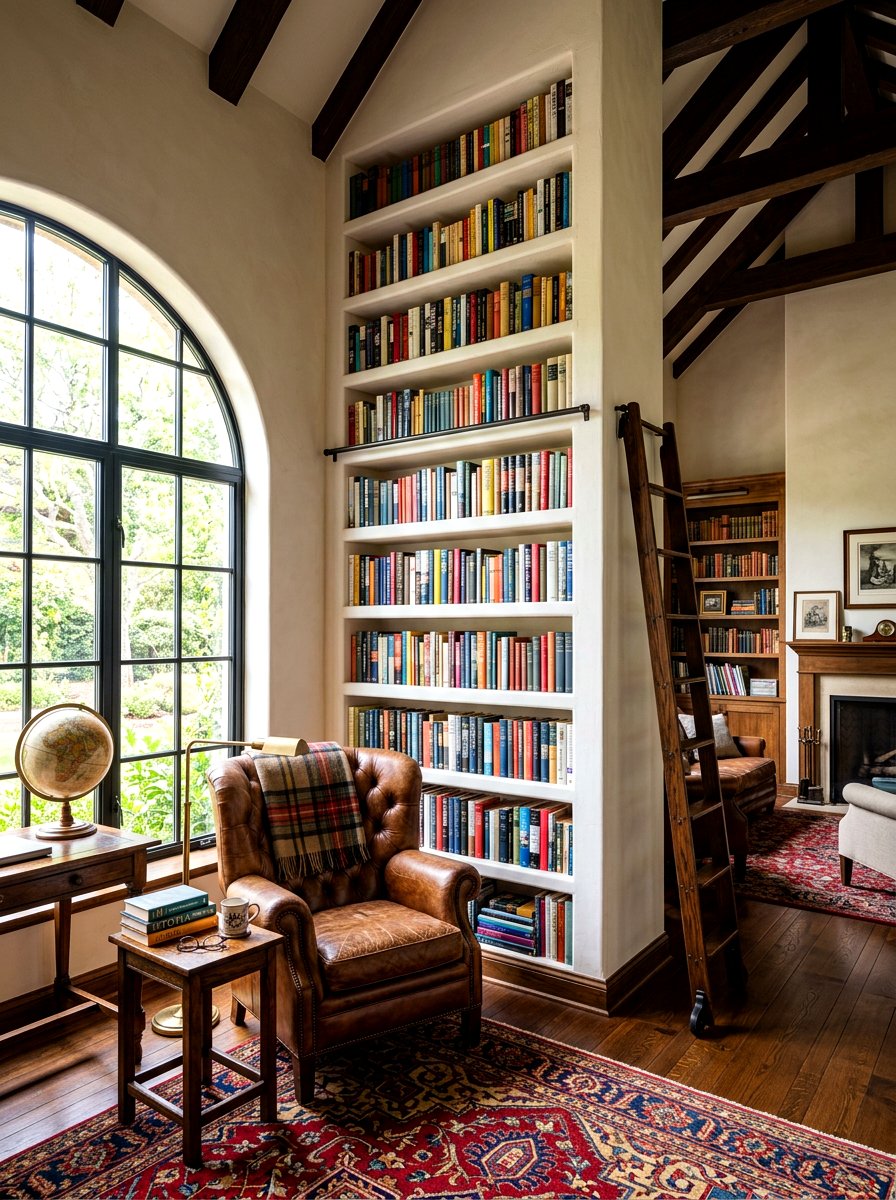
The floor to ceiling niche is a dramatic architectural feature that spans the entire height of a wall. This tall recess creates a powerful focal point and can be used to store a large collection of items, such as a full library of books or a series of tall sculptures. Because it reaches from the floor to the ceiling, it emphasizes the height of the room and adds significant depth to the space. You can divide the niche with multiple plaster shelves to create organized sections. This is an excellent choice for a living room or a study where you want to make a bold and sophisticated design statement.
23. Half Moon Wall Niche
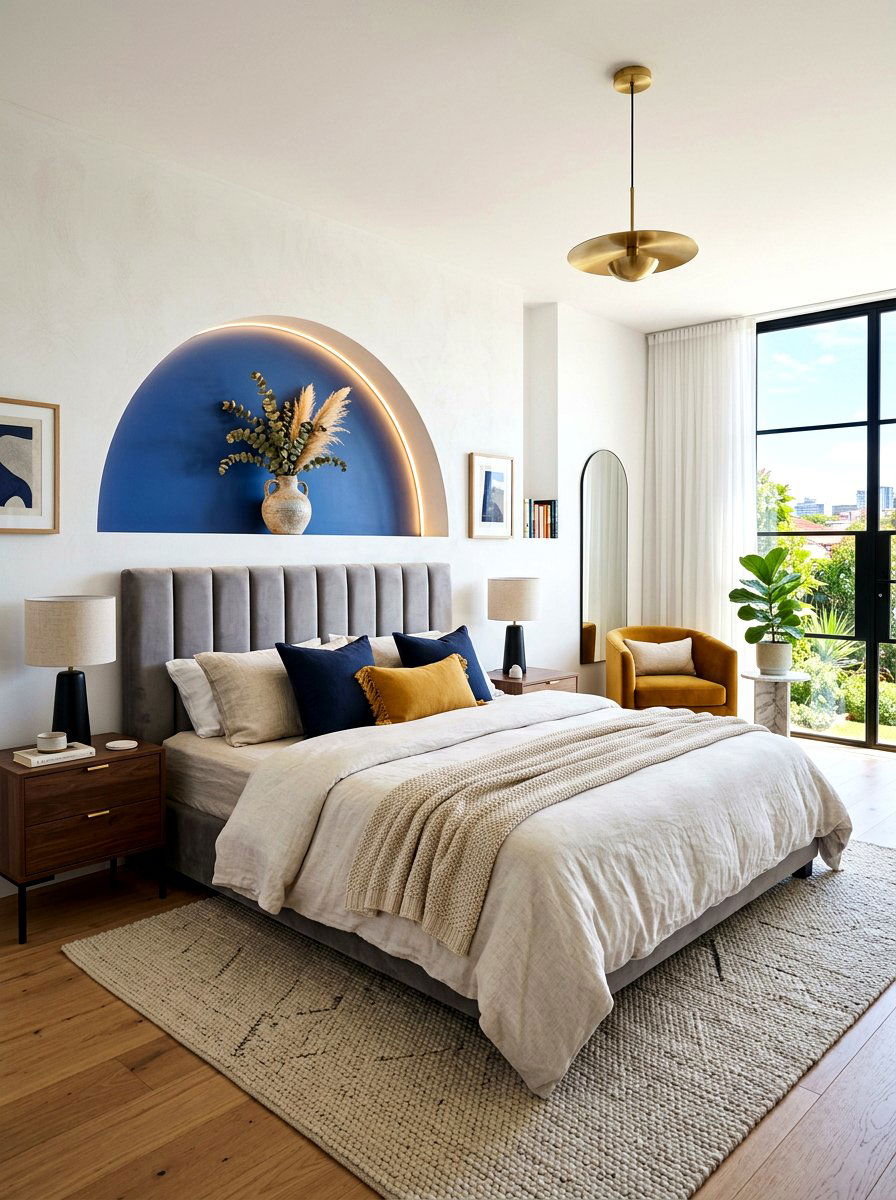
A half moon wall niche offers a unique semi-circular shape that adds a touch of whimsy and elegance to a room. This shape is a beautiful alternative to full circles or arches, providing a soft curve that feels modern yet classic. It is often used above a console table or a bed to create a decorative crown-like effect. The plaster finish allows the half moon shape to blend seamlessly into the wall, making it look like a natural architectural detail. It is a perfect spot for a singular statement piece, like a large candle or a unique piece of ceramic art, that deserves special attention.
24. Corner Wall Niche
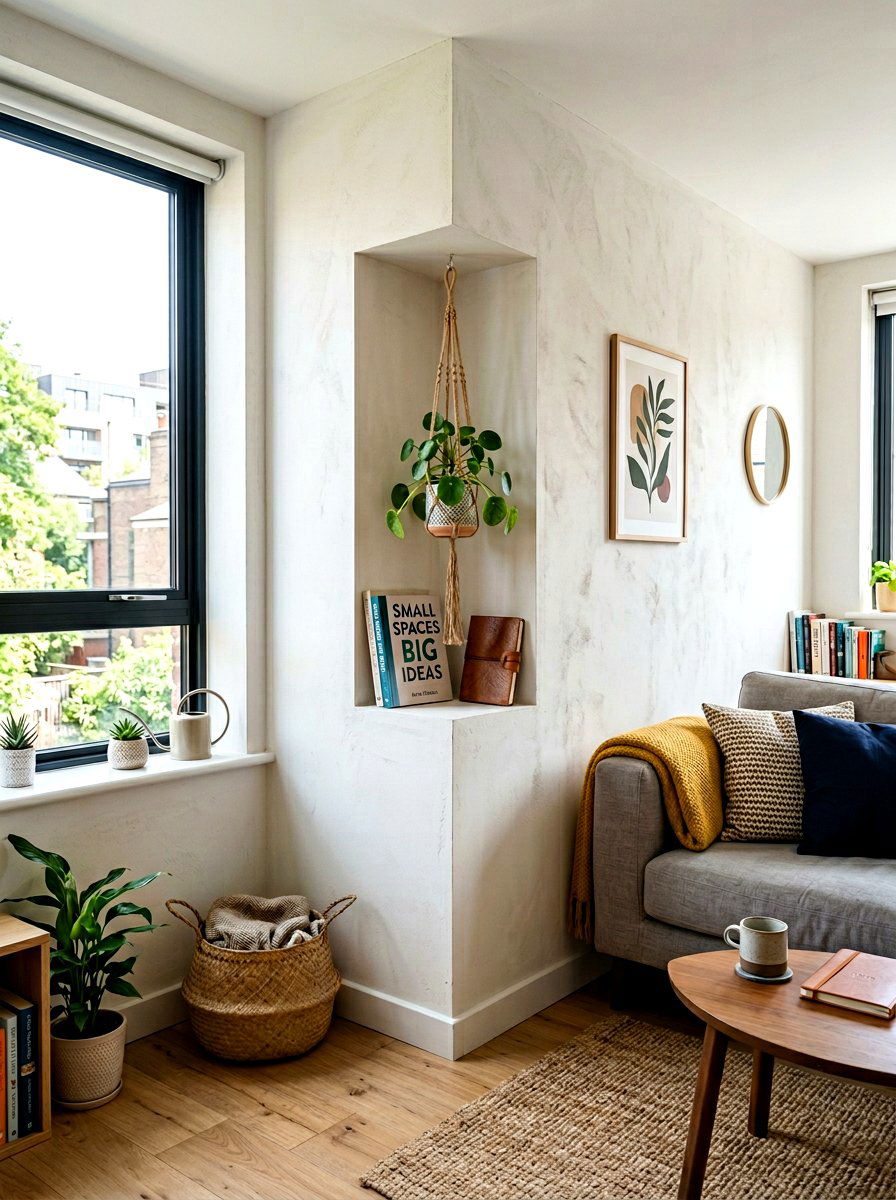
A corner wall niche is a clever way to utilize the often-wasted space where two walls meet. By carving out a recess in the corner, you create a unique display area that can be seen from multiple angles in the room. This is a great solution for small rooms where every inch of space counts. You can use the niche to hold a small plant, a lamp, or a collection of small trinkets. The plastering in a corner niche requires careful attention to detail to ensure the curves or angles are perfectly smooth. It adds an unexpected and charming element to the room’s overall architecture.
25. Circular Wall Niche
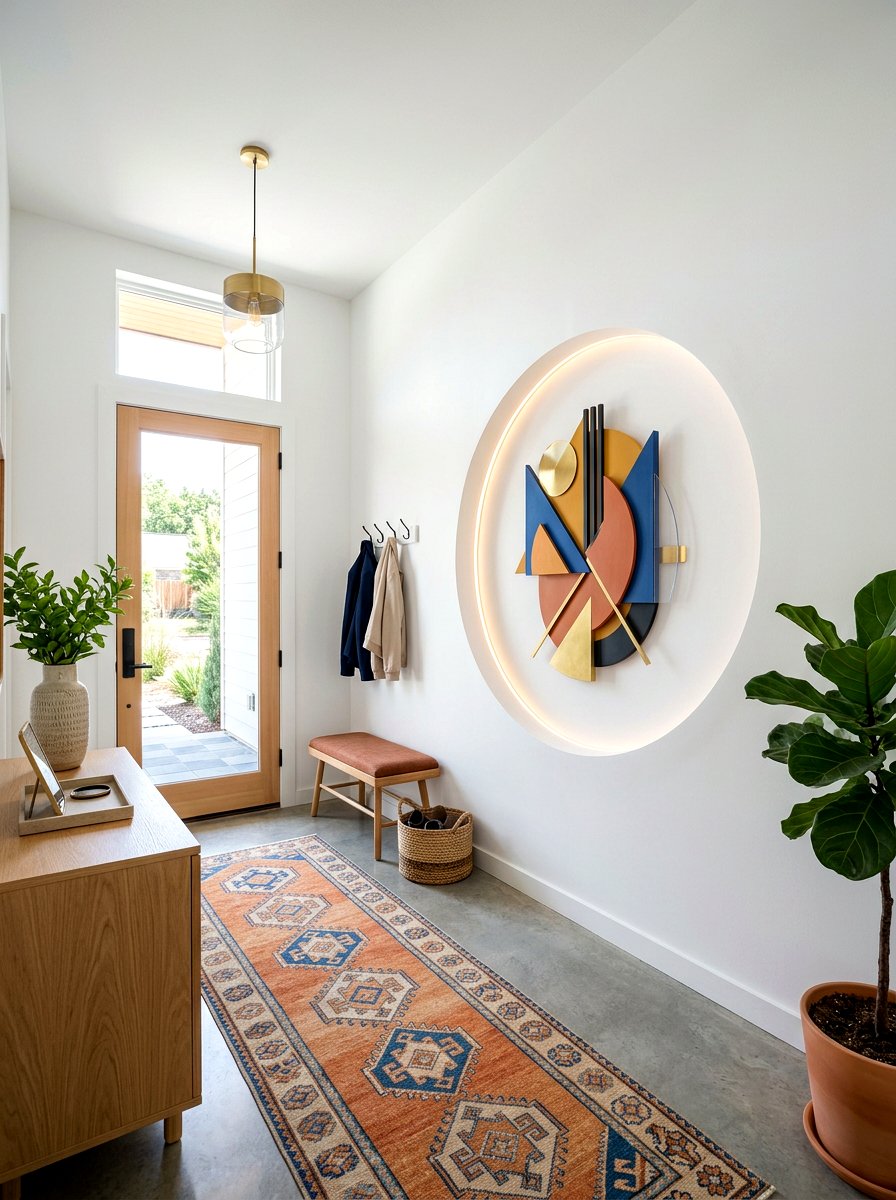
The circular wall niche is a bold and modern choice that introduces a perfect geometric shape into your interior design. Circles are naturally eye-catching and provide a stark contrast to the straight lines of most furniture and walls. A circular niche acts like a porthole, drawing the viewer in to see what is displayed inside. It is particularly effective in entryways or as a series of small circles along a hallway wall. The plaster finish gives the circle a soft, smooth edge that feels very contemporary and clean. This shape is ideal for showcasing round objects like bowls, clocks, or circular artworks.
26. Textured Plaster Niche
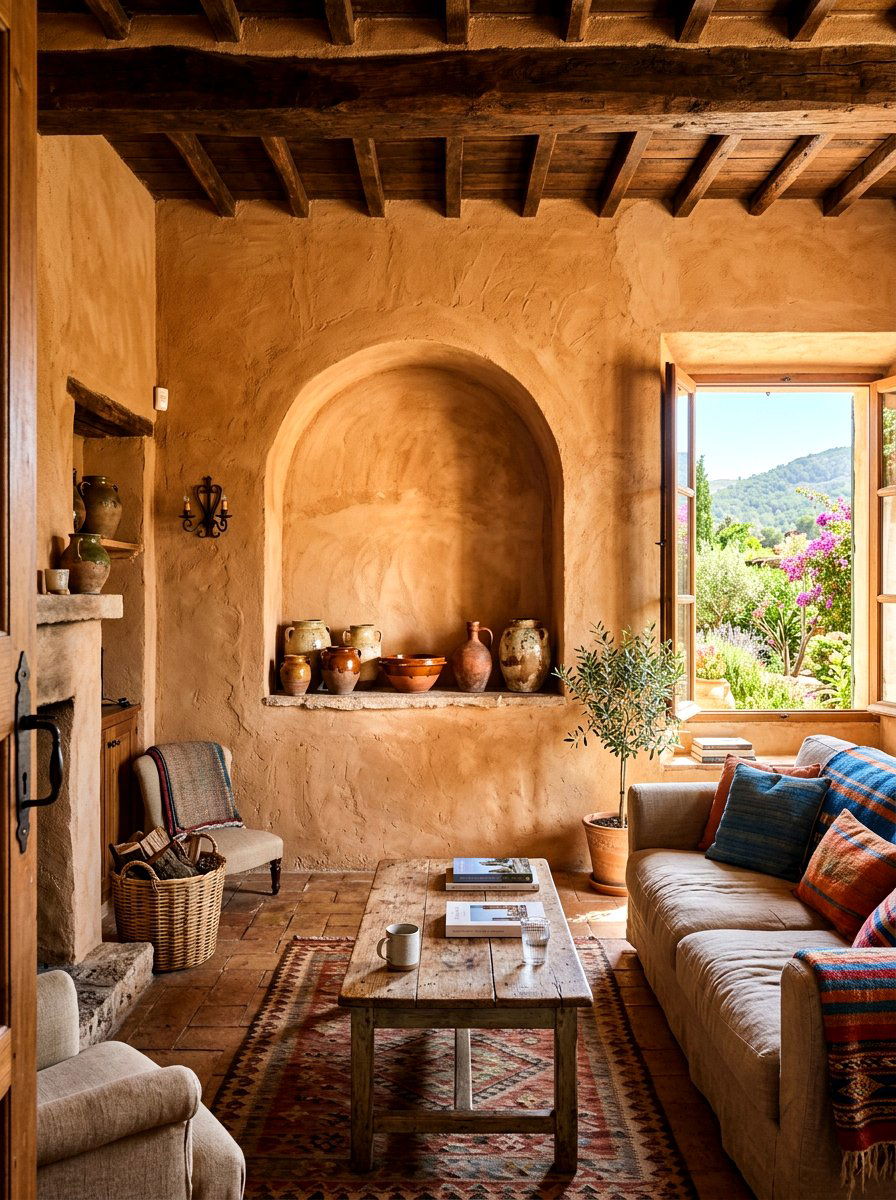
A textured plaster niche moves away from perfectly smooth finishes in favor of something more tactile and organic. By using a rougher plaster application or a specialized technique like Venetian plaster, you can add depth and character to the interior of the niche. This texture catches the light in different ways, making the recessed area feel more prominent and interesting. It is a great way to introduce a bit of rustic or Mediterranean charm into a room without overwhelming the entire wall. The contrast between a smooth outer wall and a textured niche creates a sophisticated and layered look that is very popular today.
27. Built In Media Niche
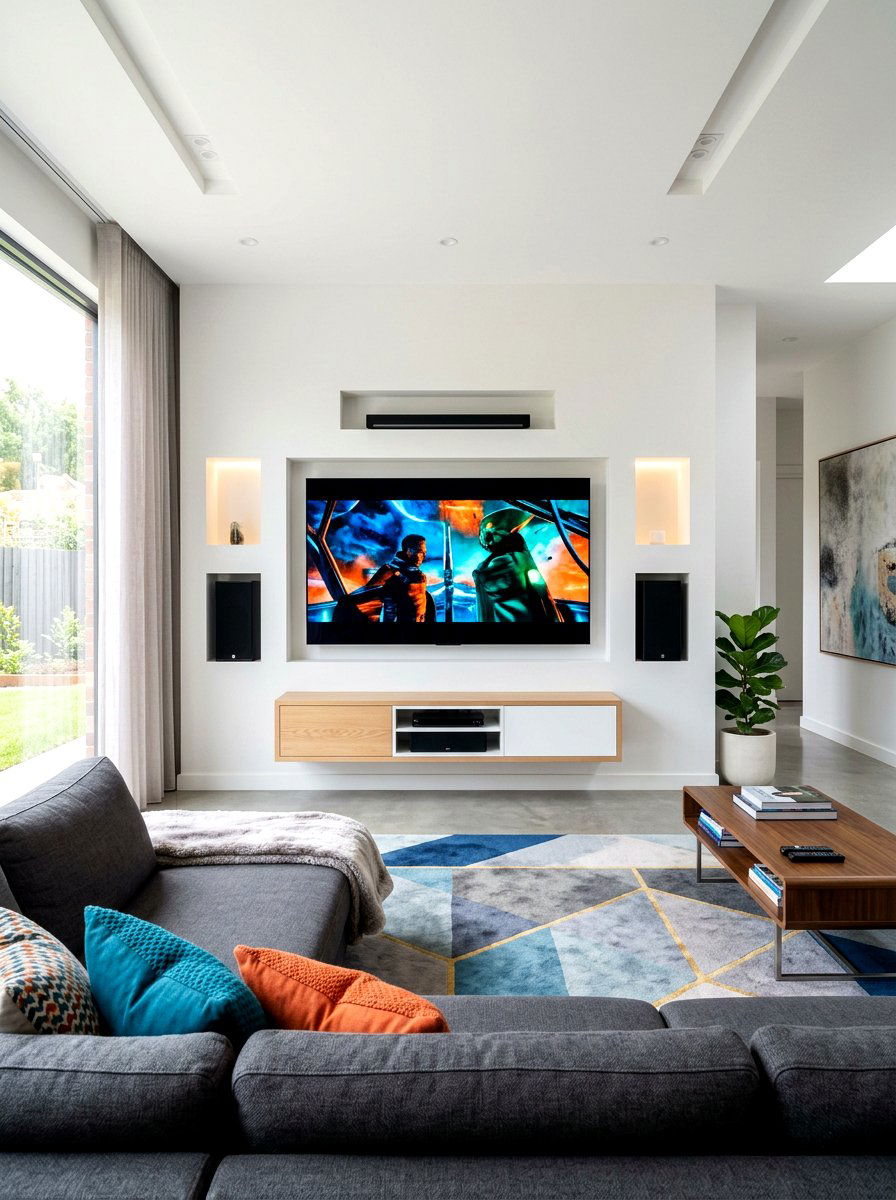
The built in media niche is a functional and sleek way to house your television and electronic components. By creating a large recessed area for the TV, you can make it sit flush with the wall, preventing it from sticking out and dominating the room. Smaller niches can be built below or to the sides to hold soundbars, game consoles, and remotes. The plaster finish ensures that the entire media setup looks integrated and intentional. It hides messy cables behind the wall, resulting in a clean and organized living area that is perfect for movie nights and entertaining guests without any visible clutter.
28. Hallway Gallery Niche
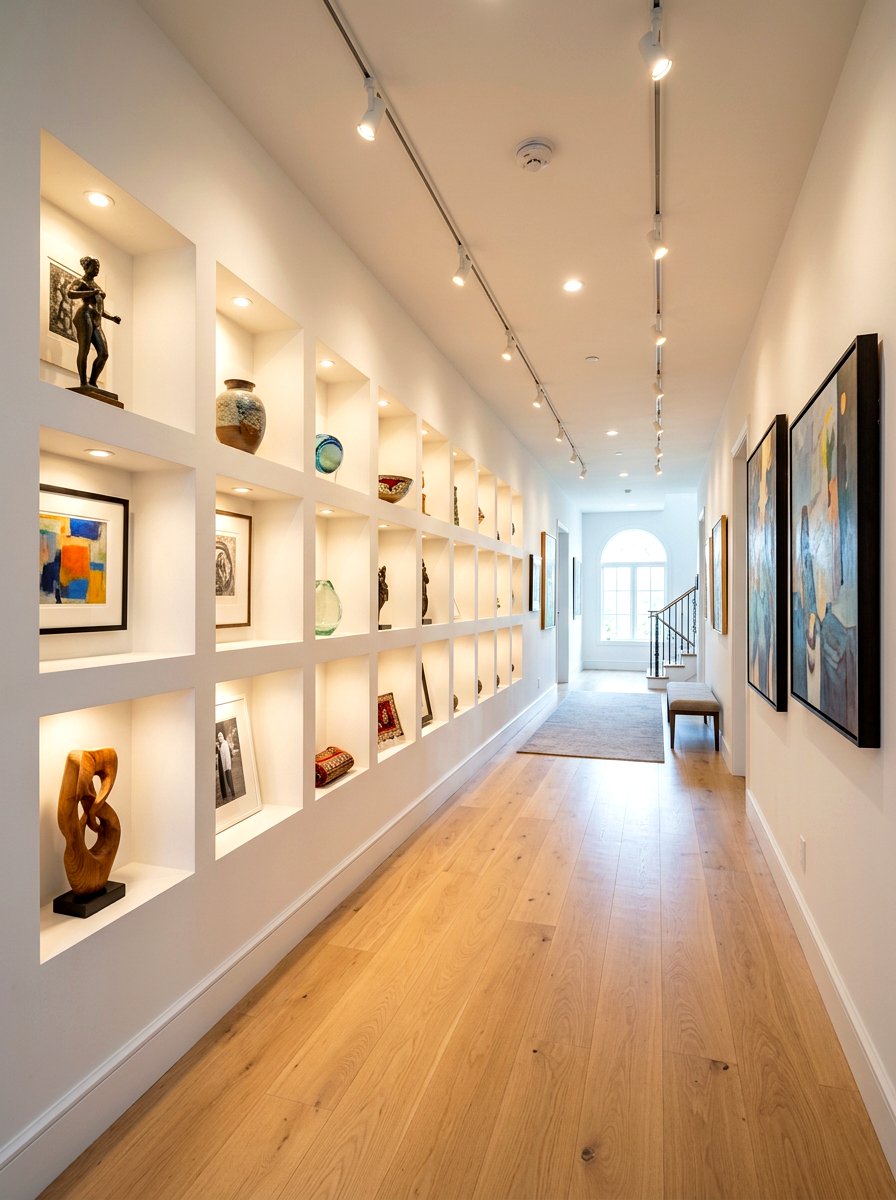
A hallway gallery niche turns a long, narrow passage into an engaging walk-through art exhibit. By installing a series of small or medium-sized niches along the wall, you can display a curated collection of items without taking up any walkway space. This is a much safer and more streamlined option than hanging bulky picture frames in a tight area. Each niche can be individually lit with a small LED to highlight the art inside. This approach makes the hallway feel more like a destination rather than just a way to get from one room to another, adding significant architectural value to your home.
29. Fireplace Wall Niche
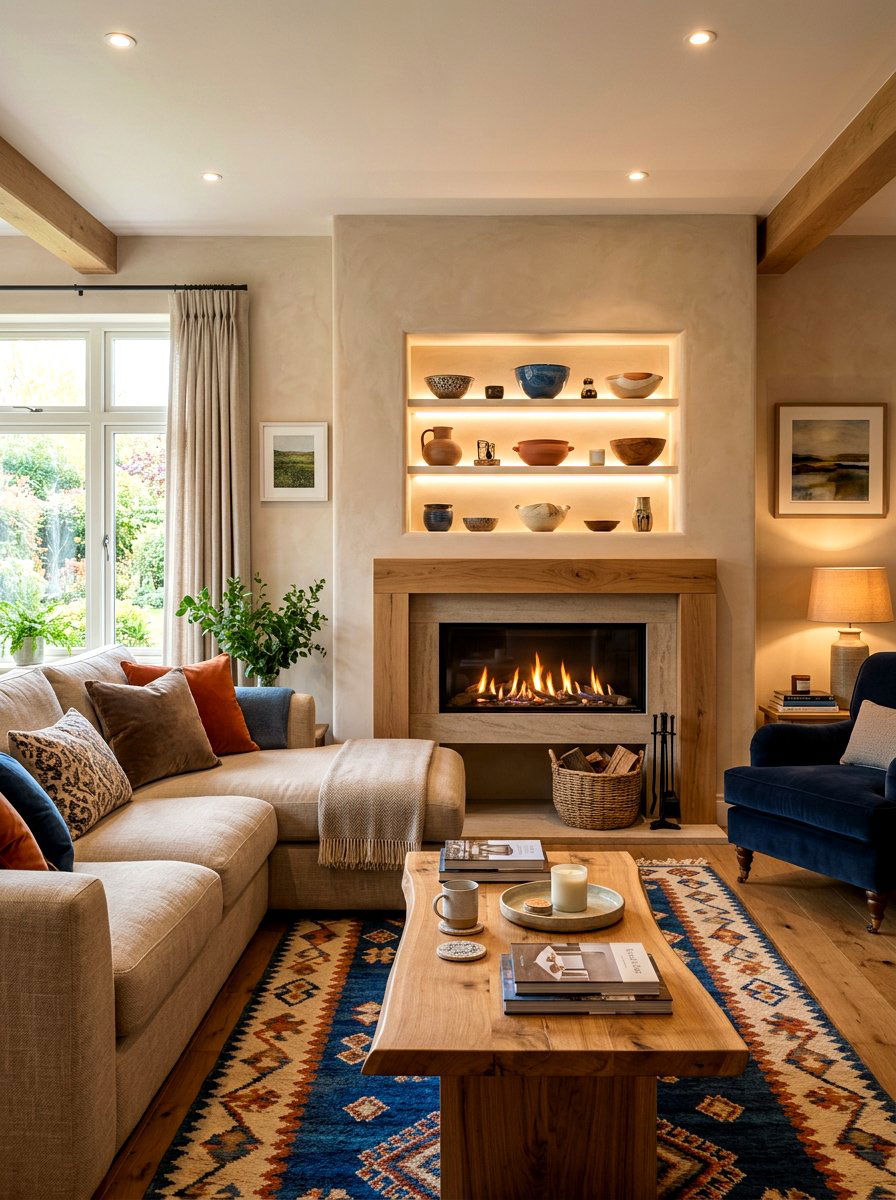
Creating a fireplace wall niche is a wonderful way to complement the warmth and central focus of a hearth. These niches are typically placed directly above the mantel or on either side of the chimney breast. They provide a beautiful spot for decorative items that enhance the cozy atmosphere of the fireplace. The plaster finish can be matched to the fireplace surround for a monolithic and modern look. Because the fireplace is already a natural gathering spot, these niches will receive a lot of attention, making them the perfect place for your most beautiful and meaningful pieces of home decor.
30. Nursery Wall Niche
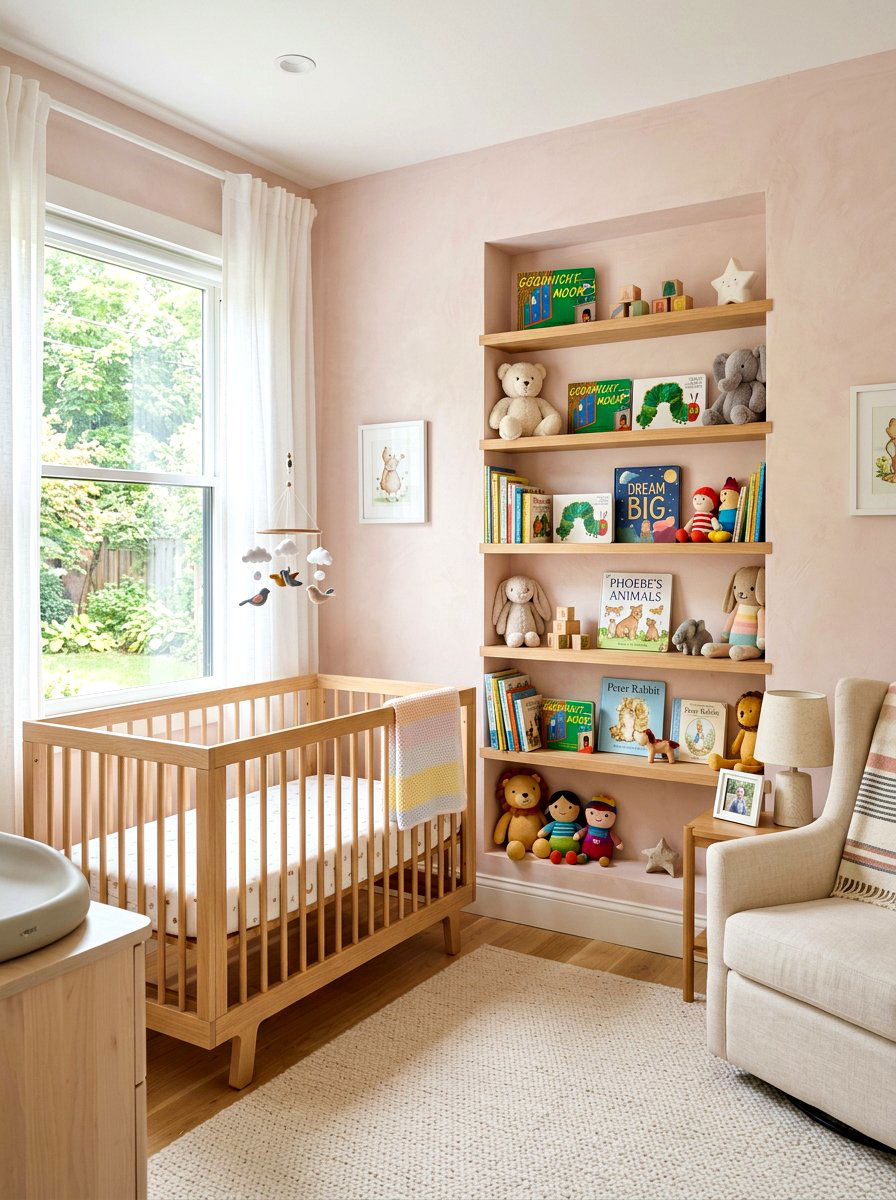
A nursery wall niche offers a safe and charming way to display toys and books in a child 's room. Because the shelves are built into the wall, there are no sharp corners or heavy furniture pieces that could pose a risk to a curious toddler. You can paint the inside of the niche in a soft pastel color to match the nursery' s theme. These niches provide a permanent home for a child's favorite bedtime stories and plush toys, keeping the room tidy and organized. As the child grows, the niches can be easily updated with more mature decor, making them a versatile and lasting feature.
Conclusion:
Plaster wall niches are more than just a passing trend; they are a timeless architectural solution that brings both beauty and function to a home. By seamlessly integrating storage and display areas into the walls, you create a space that feels more open, intentional, and high-end. Whether you prefer the classic look of an arched niche or the sleek lines of a minimalist design, there is a plaster niche idea that can elevate your interior. These features allow you to showcase your personality through curated objects while maintaining a clean and uncluttered environment. Investing in quality plasterwork will ensure these niches remain a stunning focal point for years to come.

Related posts: