Hydrangeas are the ultimate choice for creating a stunning first impression when they are used as foundation plantings around your home. These versatile shrubs offer a unique combination of lush foliage and massive, long-lasting blooms that can transform a plain house exterior into a picturesque retreat. Whether you prefer the classic cottage look or a more modern aesthetic, there is a variety that fits perfectly against your home's walls. Choosing the right hydrangea involves considering your local climate, the amount of sunlight your foundation receives, and the architectural style of your house. These plants bridge the gap between hard structures and soft lawns beautifully.
1. White Annabelle Hydrangea
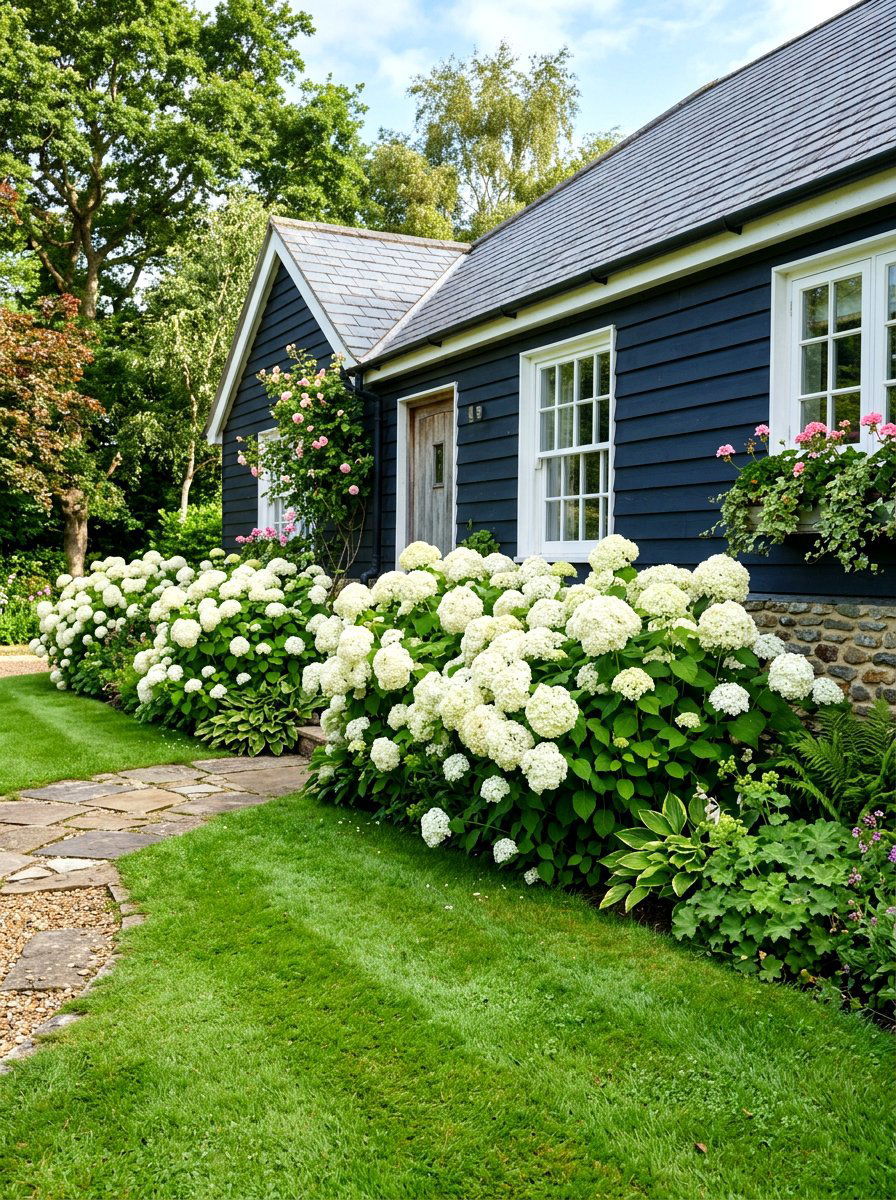
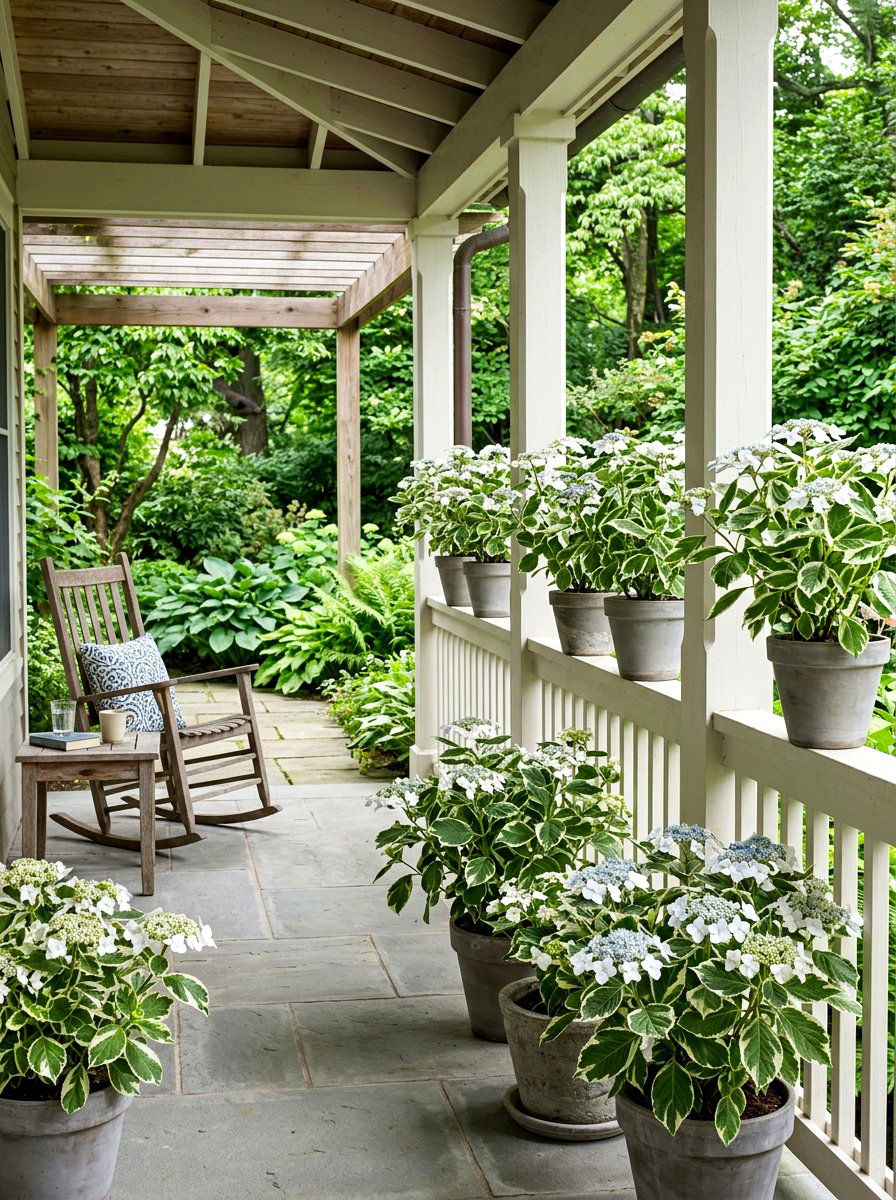
The classic white Annabelle hydrangea creates a timeless look along any home foundation. These shrubs produce massive, snowball-like clusters of white flowers that brighten up shady spots near your front porch. You should plant them in groups to create a soft, cloud-like hedge that softens the hard lines of your siding. They look particularly stunning against dark-colored houses where the white petals can really pop. Because they bloom on new wood, you can prune them back in winter without losing next year’s flowers. Adding a layer of dark mulch underneath helps maintain moisture and keeps the roots cool during hot summer days.
2. Limelight Panicle Hydrangea
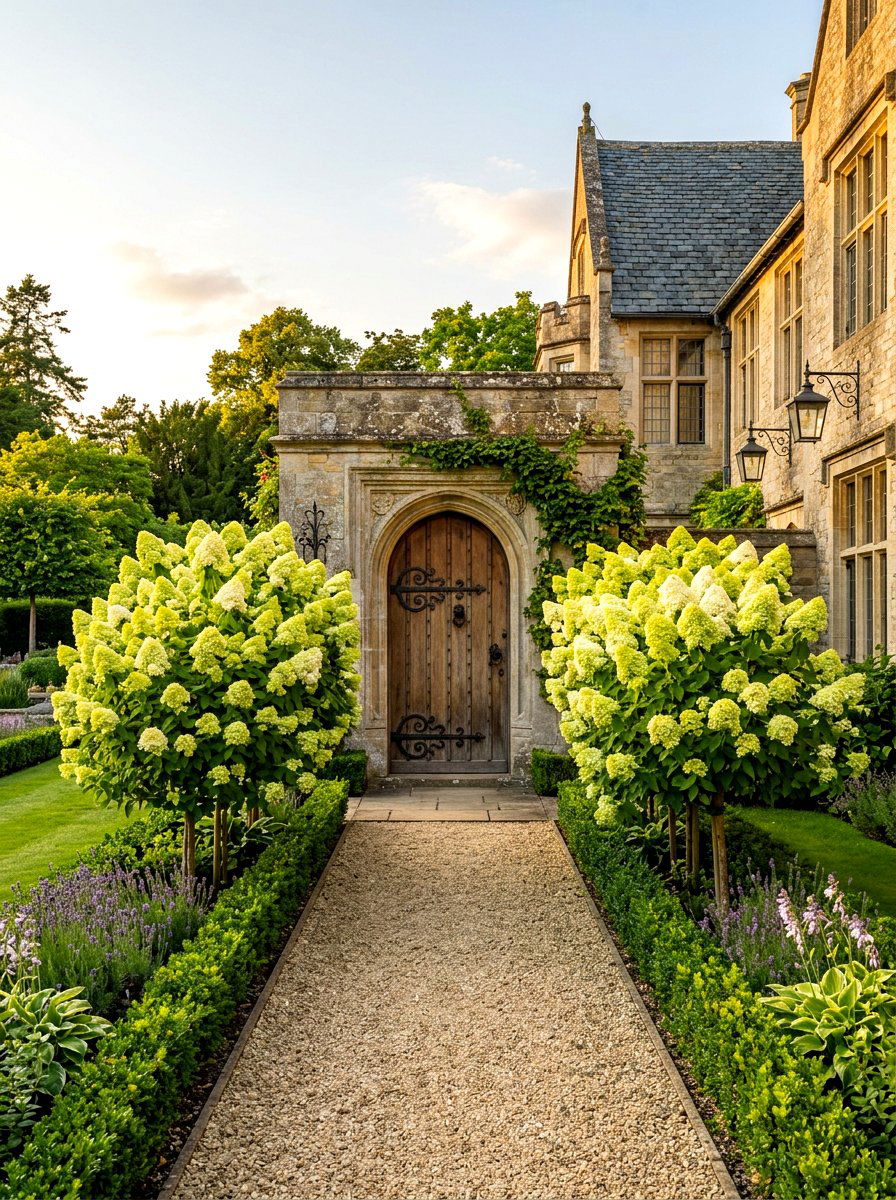
For a sunnier foundation, the Limelight panicle hydrangea is a vigorous grower that provides structural height and elegance. Its unique cone-shaped blooms start as a refreshing lime green before maturing into a crisp white and eventually a soft pink in autumn. These shrubs are incredibly sturdy and do not flop over even after a heavy summer rain. Their upright habit makes them ideal for covering taller foundation walls or framing a high entryway. To keep them looking their best, give them plenty of space to reach their full six-foot width. They create a sophisticated, formal appearance when planted in a straight row.
3. Blue Bigleaf Hydrangea
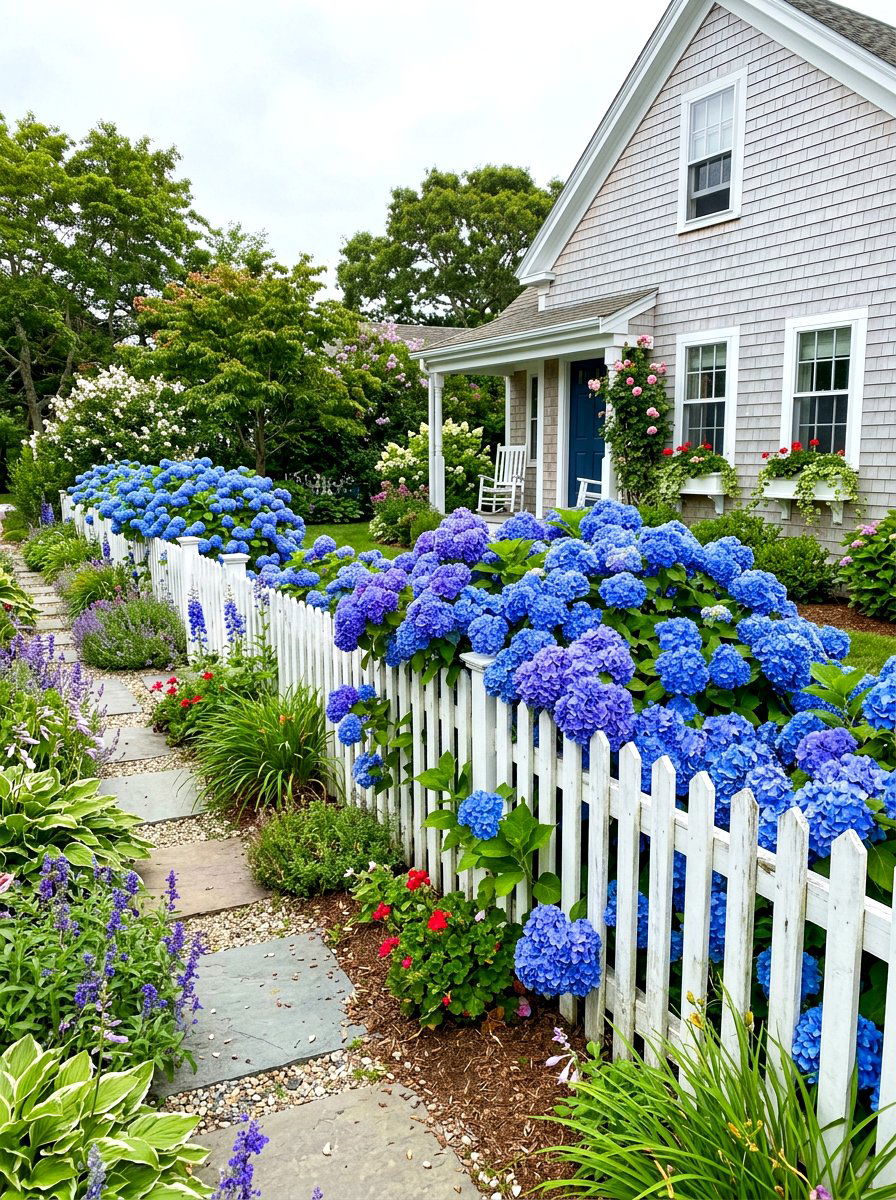
If you live in a coastal area or have acidic soil, the blue bigleaf hydrangea offers a vibrant splash of color. These mophead varieties are famous for their deep azure or sky-blue clusters that symbolize classic summer charm. They thrive in locations that receive morning sun but are protected from the harsh afternoon heat by the house. To maintain that signature blue hue, you may need to add aluminum sulfate to the soil around the foundation. Their large, glossy green leaves provide excellent coverage for lower windows or brickwork throughout the growing season. They create a welcoming, traditional vibe for any cottage-style home.
4. Hydrangea And Boxwood
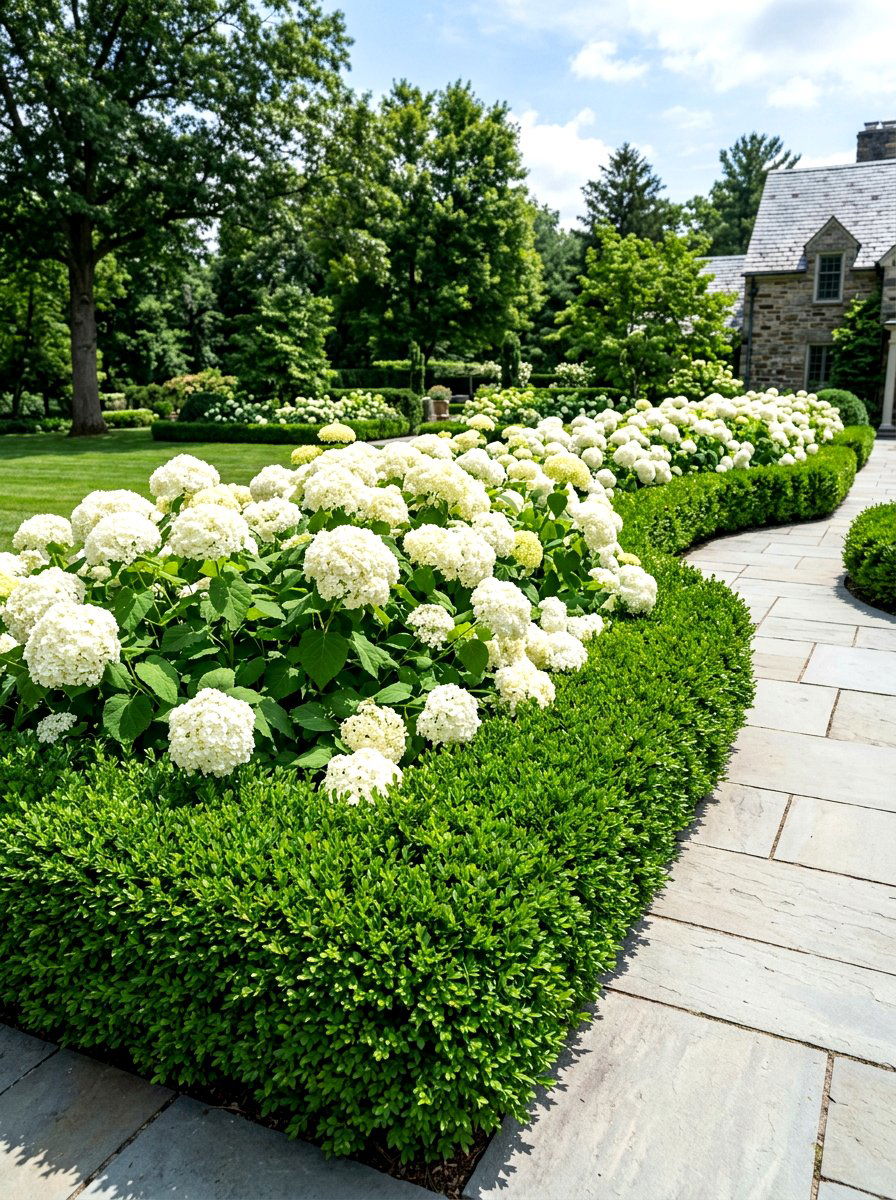
Combining hydrangeas with evergreen boxwoods is a popular choice for homeowners who want year-round structure. The boxwoods provide a low, green border that looks neat during the winter when hydrangeas are dormant. In the summer, the wild and fluffy hydrangea blooms rise above the clipped boxwood hedge for a beautiful contrast in textures. This pairing works exceptionally well for formal landscapes where symmetry is key. You can plant the boxwoods in the front and the taller hydrangeas in the back. This layered approach ensures that your foundation always looks intentional and professionally designed, regardless of the current season or weather.
5. Dwarf Bobo Hydrangea
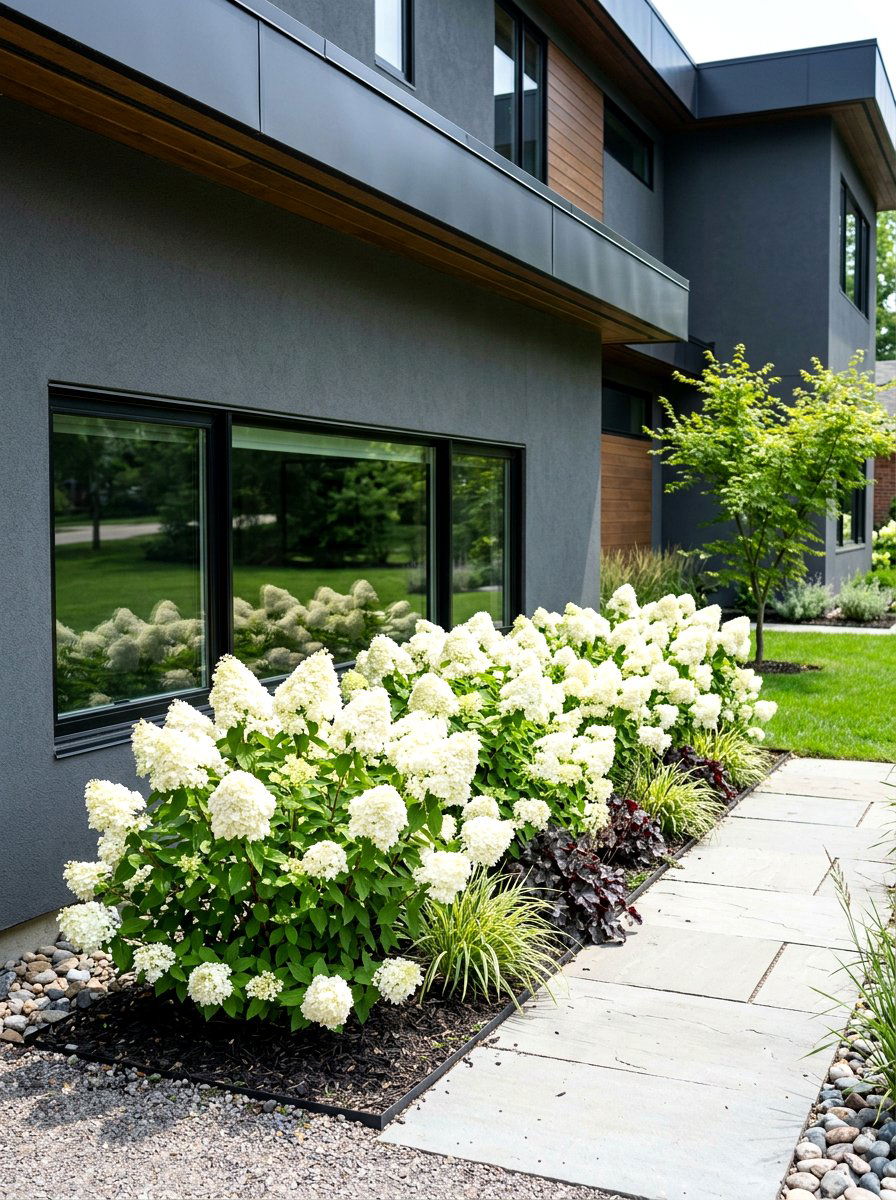
Small homes or modern townhouses often benefit from the compact size of the dwarf Bobo hydrangea. This variety stays under three feet tall, making it the perfect choice for planting under low-sitting windows or in narrow garden beds. Despite its small stature, it produces a staggering number of white flowers that completely cover the foliage in mid-summer. It is a very hardy panicle variety that can handle more sun than the traditional mophead types. Because it does not require much pruning, it is an excellent low-maintenance option for busy homeowners. Its tidy growth habit keeps your foundation looking clean and organized.
6. Oakleaf Hydrangea
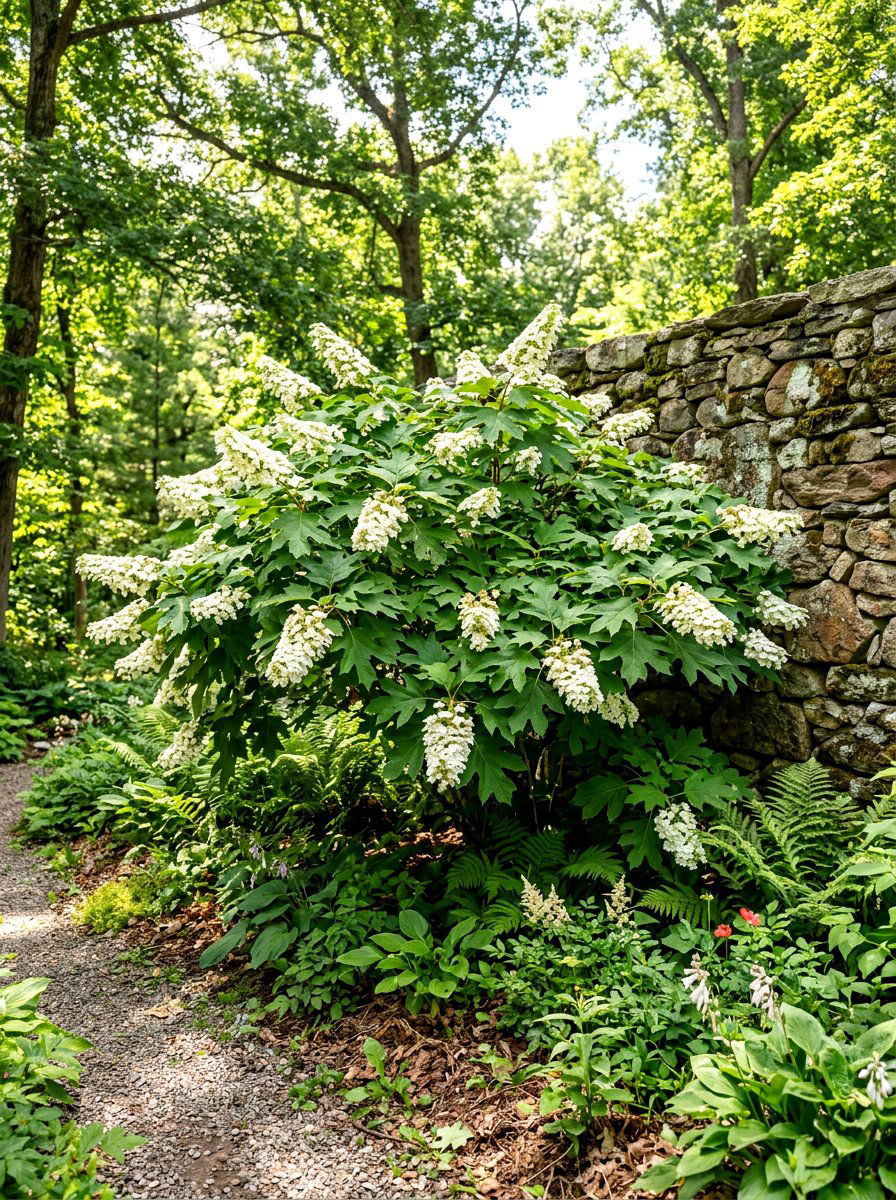
The oakleaf hydrangea is a fantastic foundation plant for those who love woodland-inspired aesthetics and multi-season interest. Unlike other varieties, this shrub features unique leaves shaped like those of an oak tree, which turn a stunning burgundy-red in the fall. The creamy white flower panicles are long and elegant, aging to a beautiful dusty rose. It is native to North America and is quite hardy once it becomes established in your yard. It works well on the corners of a house to soften the sharp edges and add architectural depth. The peeling cinnamon-colored bark also provides visual interest during the cold winter months.
7. Hydrangea And Hosta
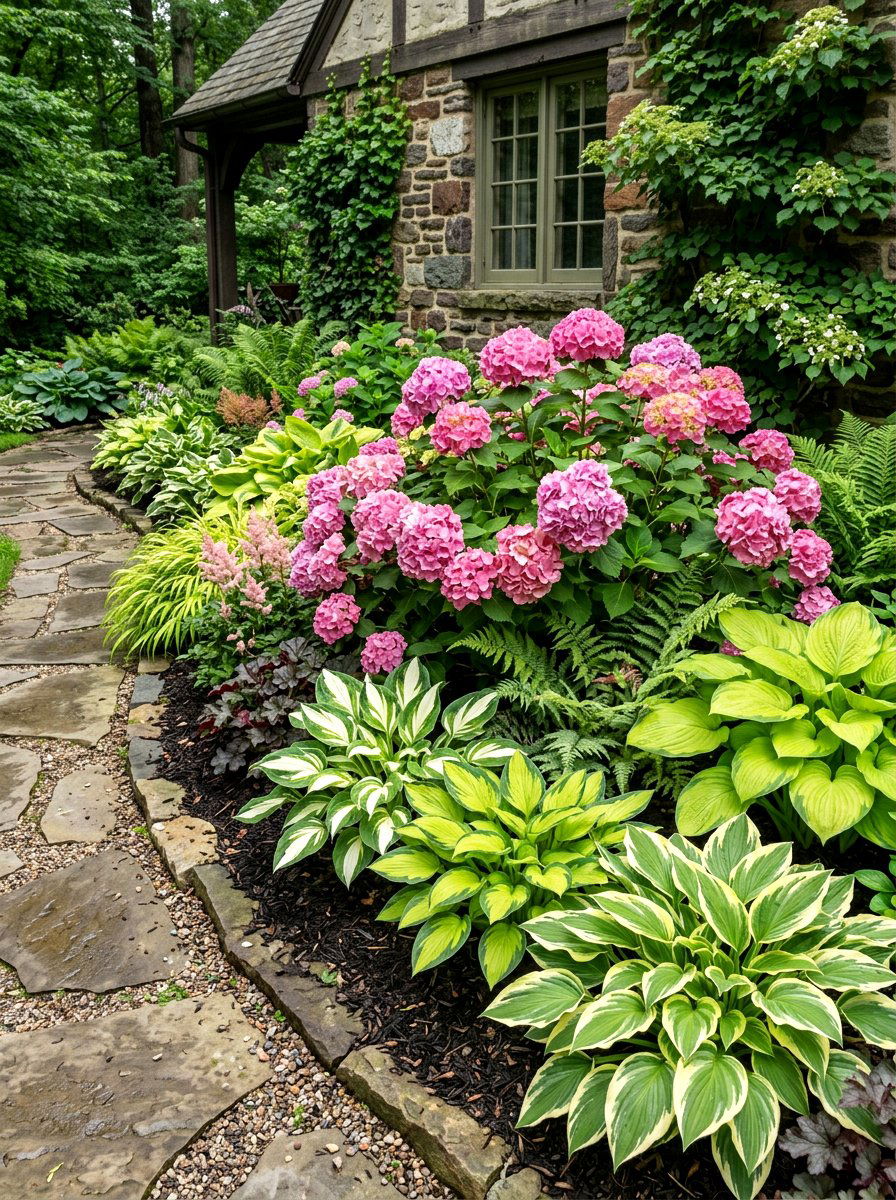
Creating a lush, layered look is easy when you pair shade-loving hydrangeas with varied hostas at the base. Hostas come in many colors, from chartreuse to blue-grey, which can complement the flower tones of your hydrangeas perfectly. The broad, flat leaves of the hosta act as a beautiful ground cover that hides the woodier stems of older hydrangea bushes. This combination is ideal for the north side of a house where sunlight is limited. It creates a cool, tranquil atmosphere that feels like a private forest glen. Using variegated hostas can also add brightness to dark corners near your home's foundation walls.
8. Pink Macrophylla Hydrangea
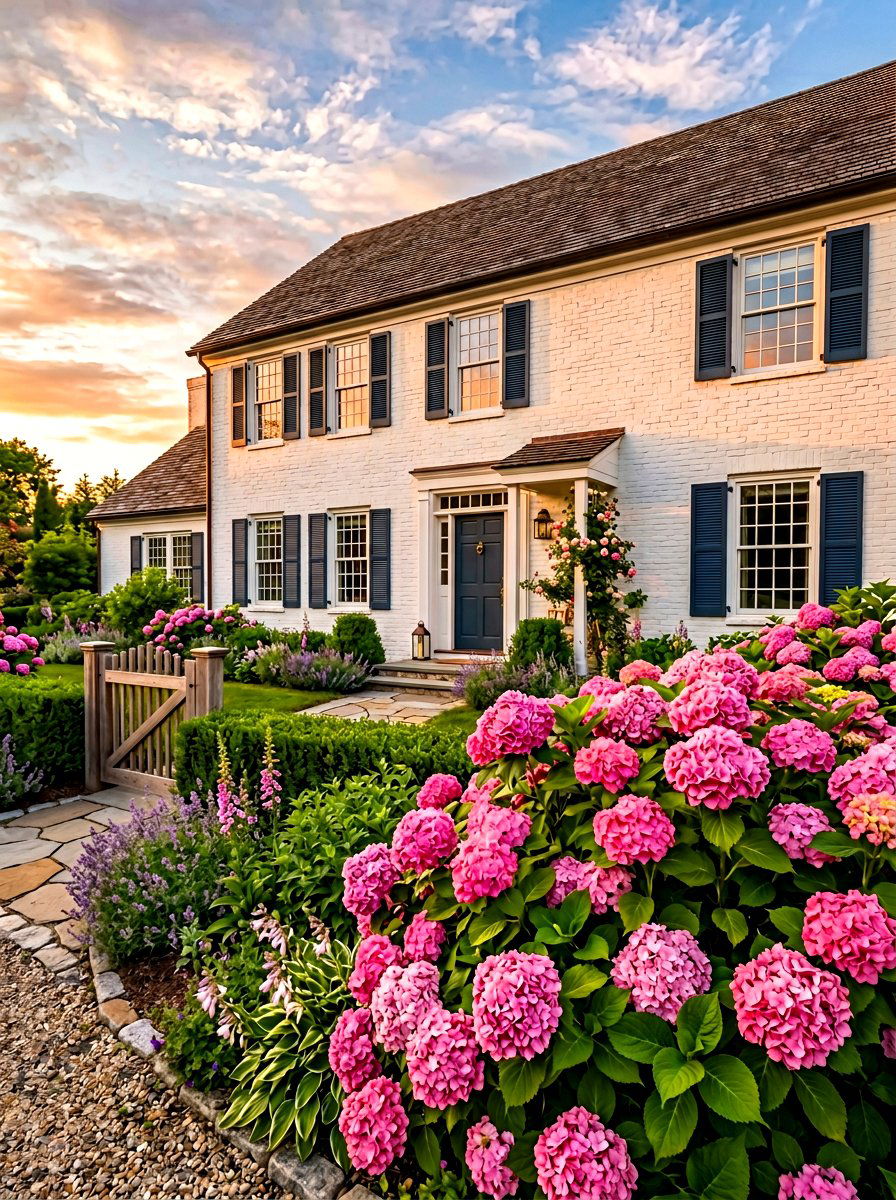
A pink macrophylla hydrangea brings a romantic and feminine touch to your home 's exterior design. These plants produce large, round flower heads in shades ranging from soft blush to deep raspberry, depending on your soil' s alkalinity. They are perfect for framing a front door or filling in the space under a bay window. To keep the flowers pink, ensure your soil pH stays slightly above neutral by adding garden lime. The vibrant pink blooms contrast beautifully against white or grey siding, creating a cheerful curb appeal. These shrubs are showstoppers that will surely draw compliments from everyone who visits your lovely home.
9. Little Lime Hydrangea
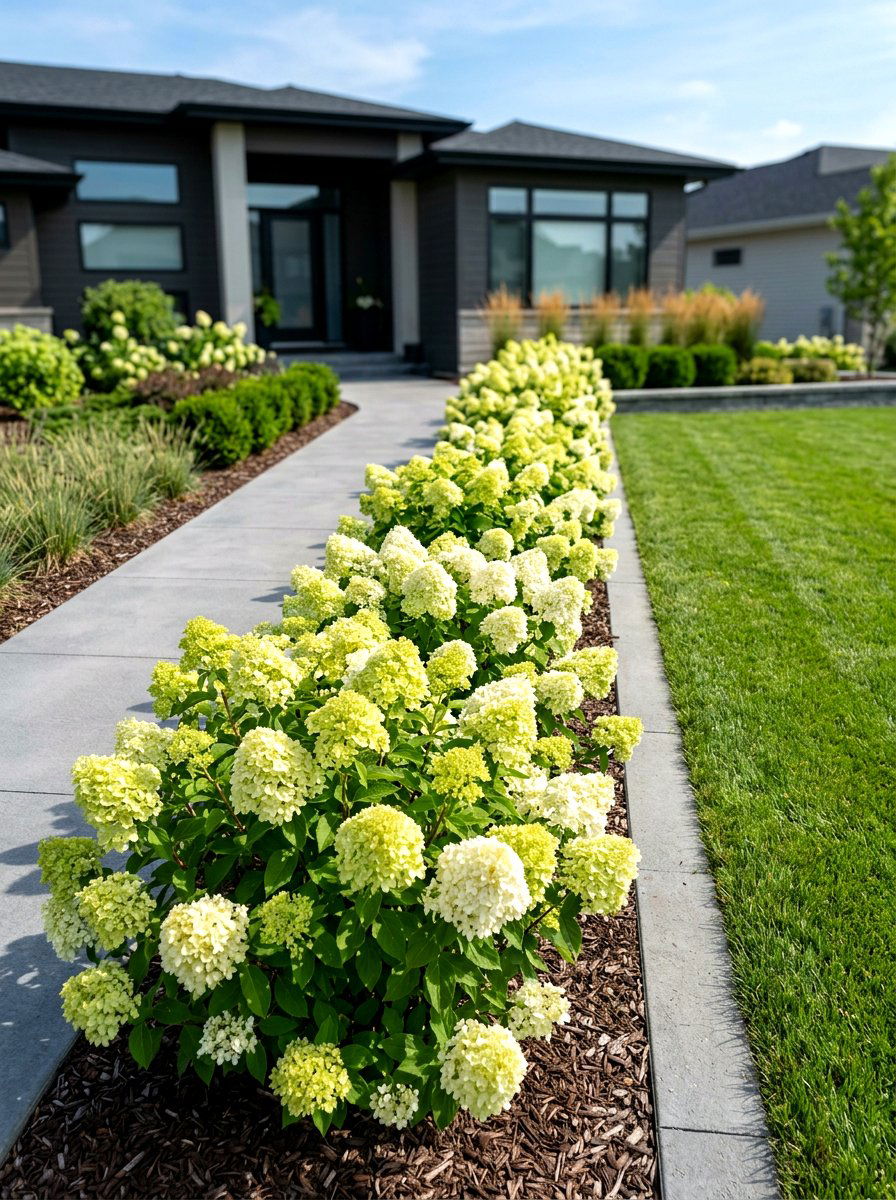
The Little Lime hydrangea is a smaller version of the famous Limelight, offering the same stunning color transitions in a manageable size. It typically reaches about three to five feet in height, which is ideal for standard foundation heights. The blooms emerge in a soft green and slowly turn to white and then a light pink as the nights get cooler. This variety is very reliable and blooms every single year regardless of how harsh the previous winter was. Its compact and upright form means it won't lean over and block your walkways or paths. It is a smart, versatile choice for suburban landscapes.
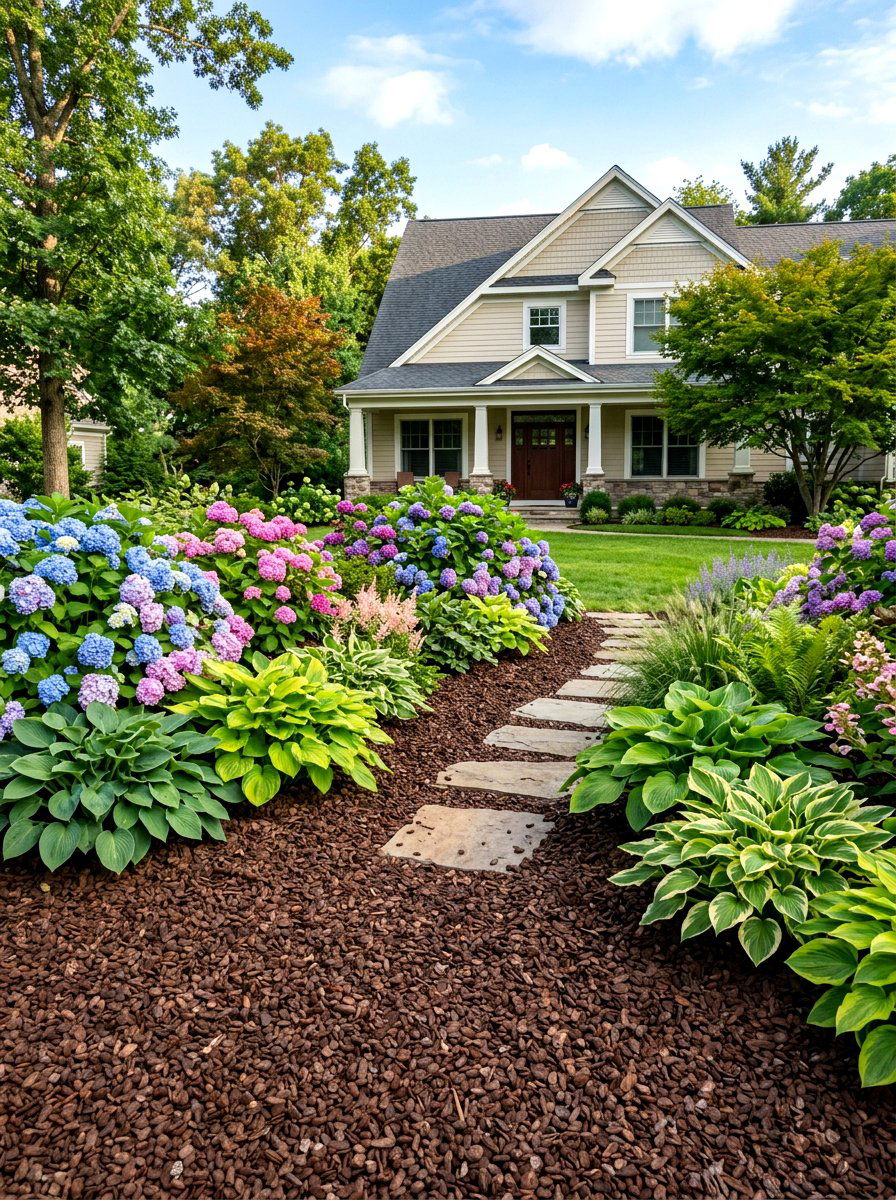
10. Climbing Hydrangea
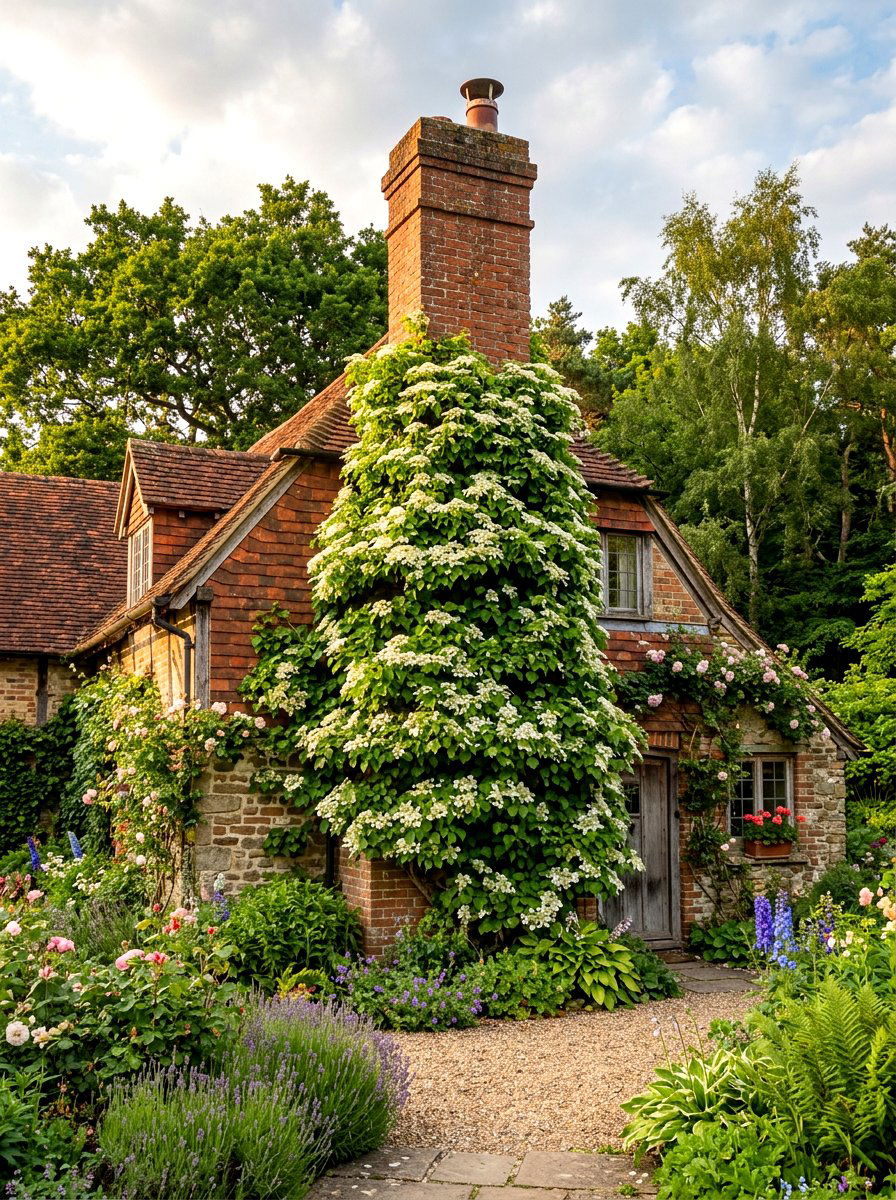
If you have a tall, bare brick or stone wall, the climbing hydrangea is a magnificent way to add vertical greenery. This vine uses small aerial roots to cling to surfaces without the need for a trellis. It produces beautiful, lacey white flowers that have a light and pleasant fragrance during the early summer months. While it starts growing slowly, it eventually becomes a lush green tapestry that covers large areas of your home's foundation and walls. It is a sophisticated way to hide architectural flaws or simply add a touch of European elegance. The heart-shaped leaves remain attractive until the first frost.
11. Hydrangea And Fern
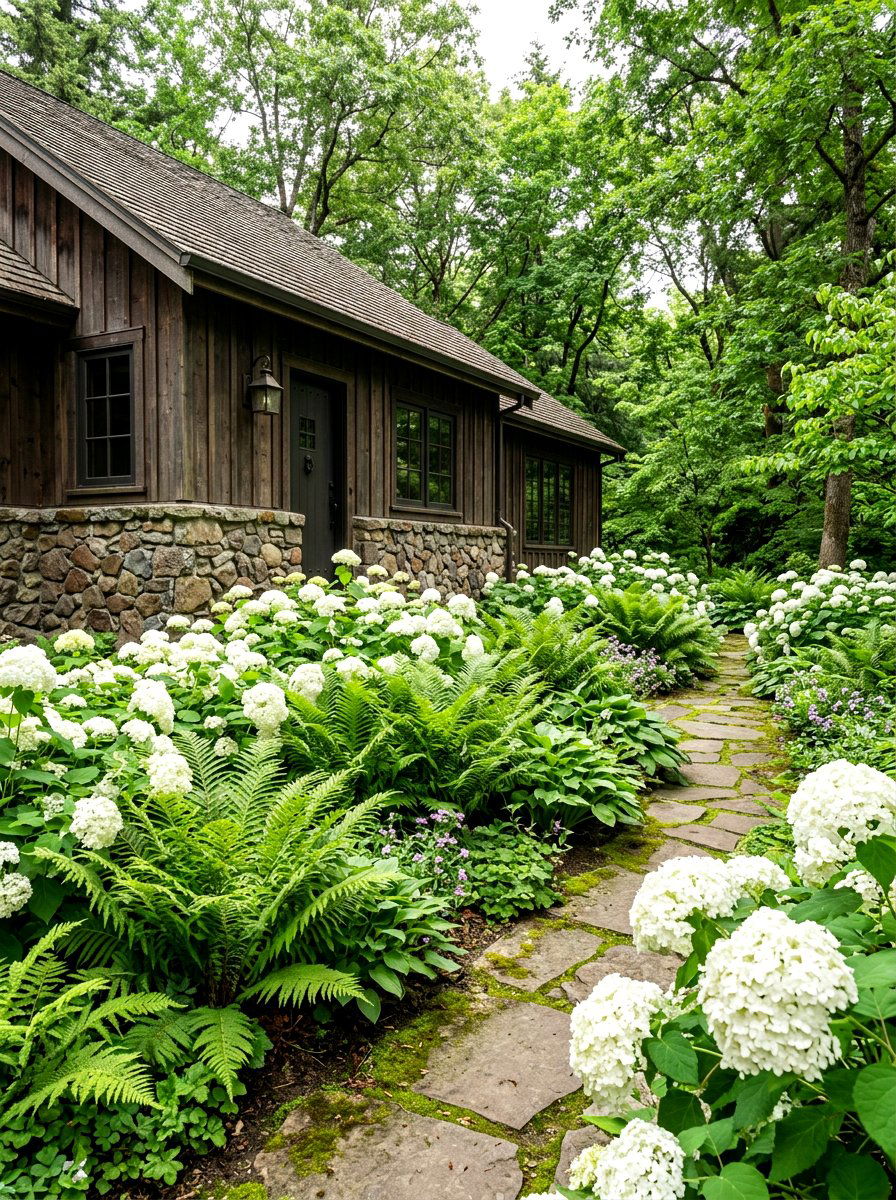
For a truly natural and organic look, try interspersing delicate ferns among your established hydrangea bushes. The feathery texture of the ferns provides a sharp but pleasing contrast to the heavy, solid leaves of the hydrangea. This duo thrives in moist, shady conditions, making them a perfect match for the damp areas often found near a house's foundation. You can use native wood ferns or colorful Japanese painted ferns to add a splash of silver and purple to the ground level. This combination makes your foundation garden feel established and timeless, as if it has been part of the landscape for many decades.
12. Incrediball Smooth Hydrangea
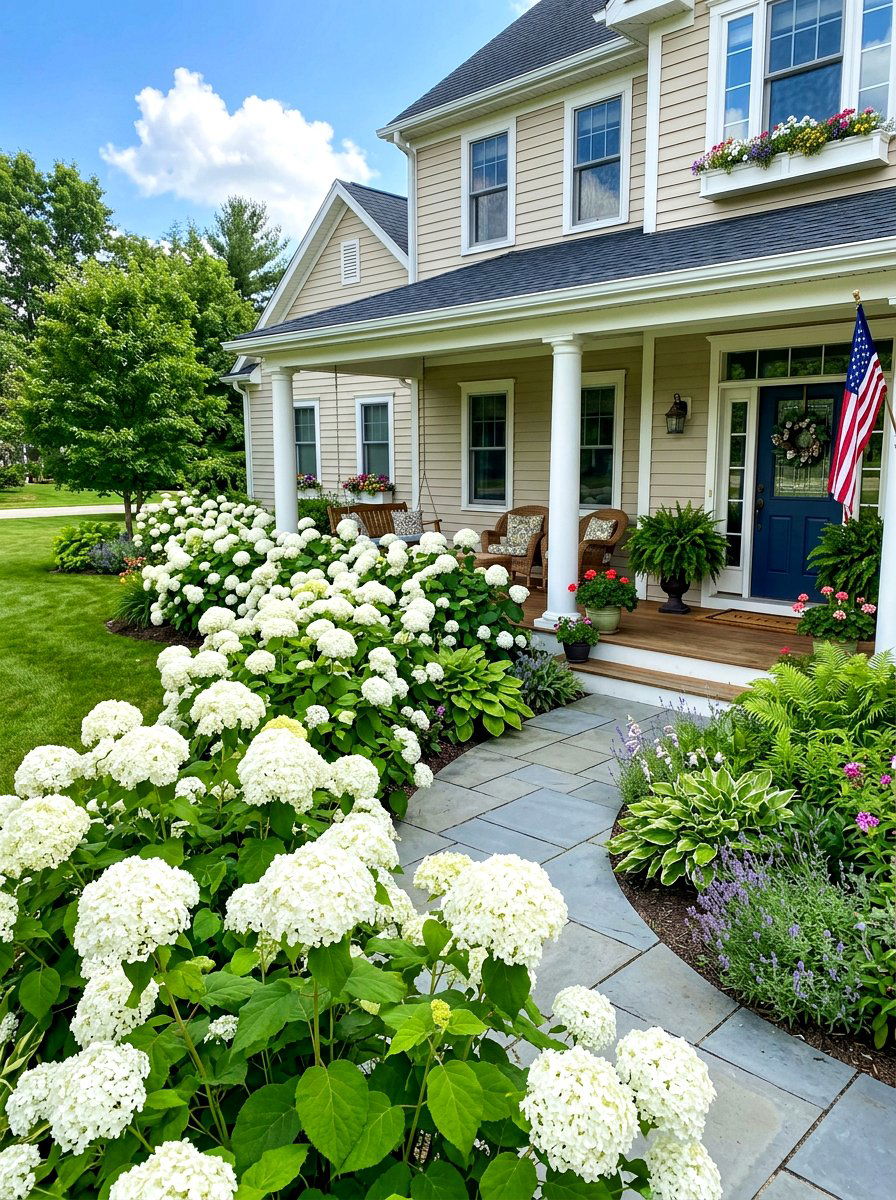
The Incrediball smooth hydrangea is a significant upgrade to older varieties because it features much stronger stems. This means the massive, basketball-sized white flower heads stay upright even after intense thunderstorms or heavy winds. It is a very reliable bloomer that handles cold climates exceptionally well, being hardy down to zone three. Plant it along the foundation to create a bold, high-impact display that can be seen clearly from the street. The pure white flowers eventually fade to a soft green, providing visual interest well into the autumn season. It is a top choice for gardeners who want the biggest blooms possible.
13. Hydrangea And Ornamental Grass
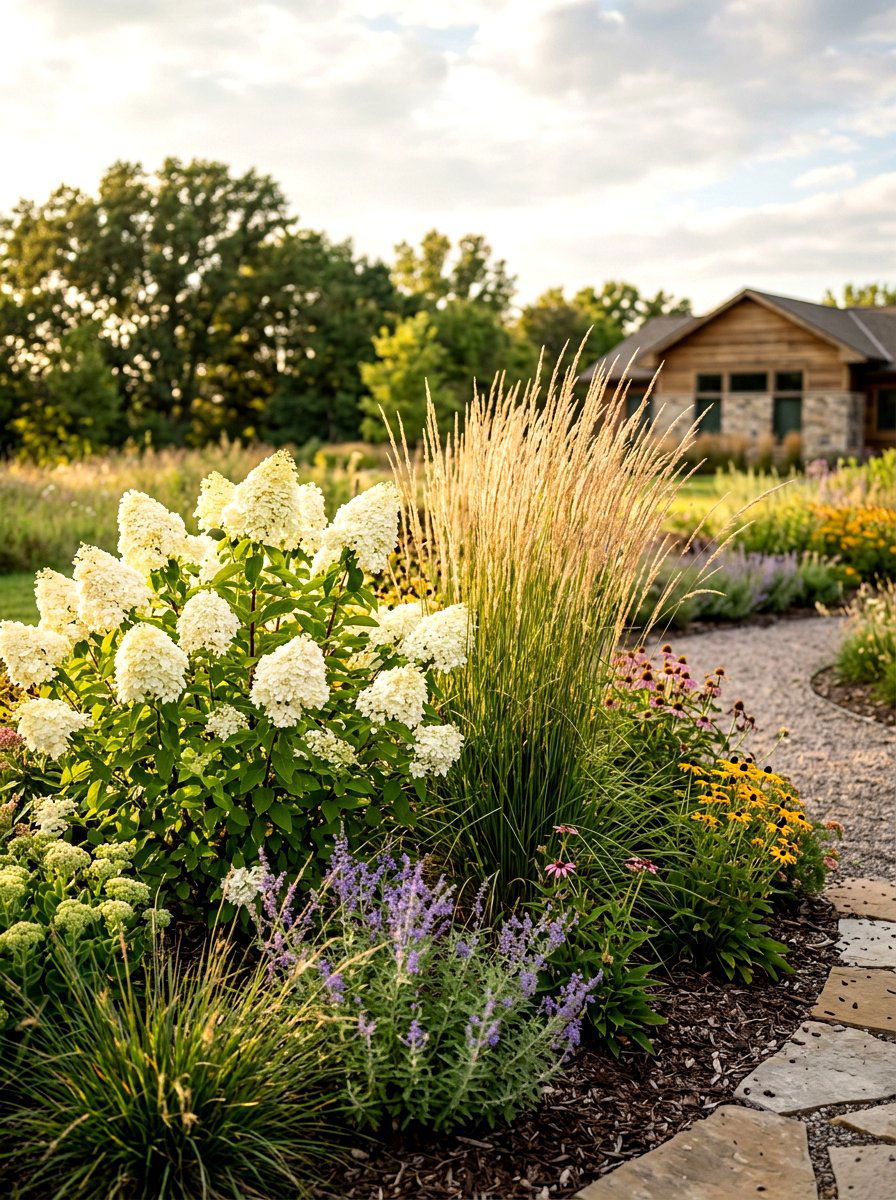
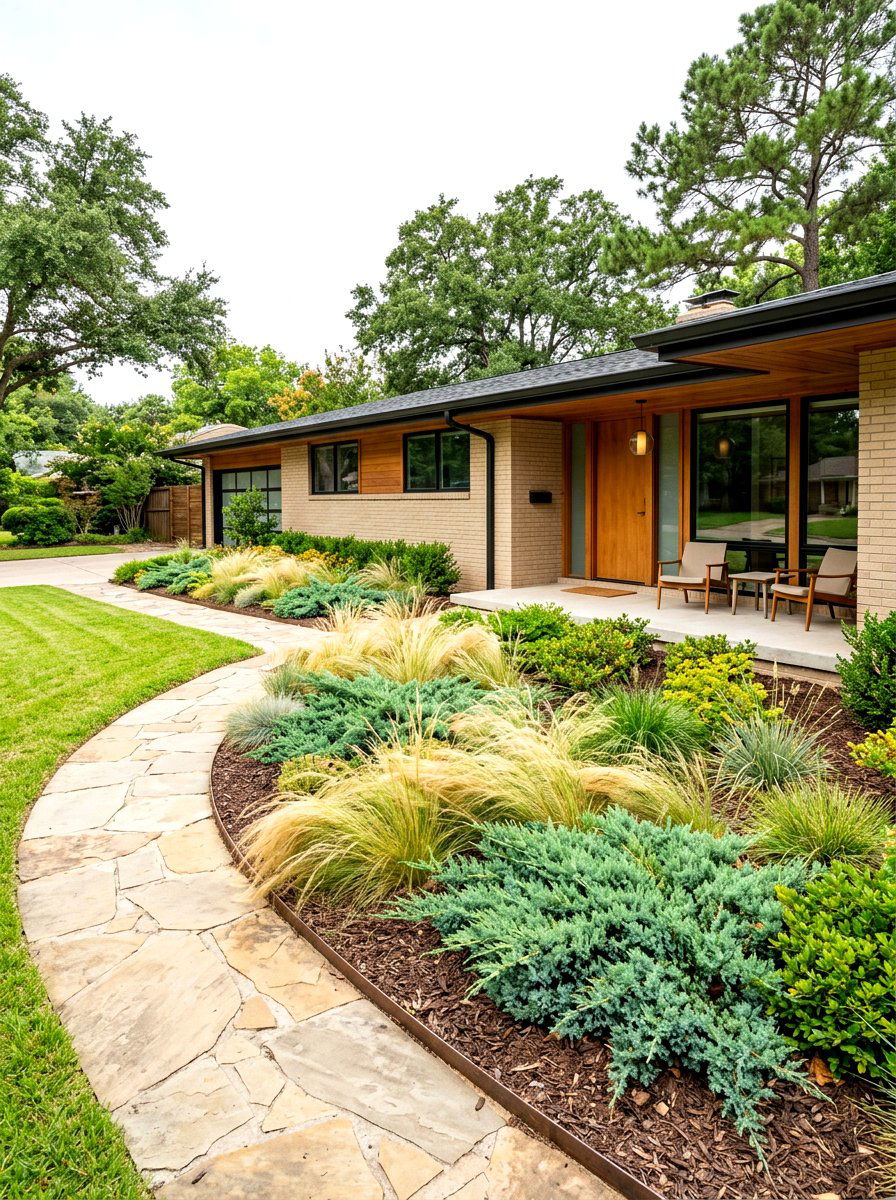
Mixing hydrangeas with ornamental grasses creates a modern and dynamic foundation garden with plenty of movement. Taller grasses like Karl Foerster provide a vertical element that contrasts with the rounded, bushy shape of the hydrangea. The fine, wispy blades of grass catch the breeze and add a sense of life to the garden bed. This pairing is particularly effective in late summer and fall when the grass seed heads mature into golden tones. It works well for contemporary home designs that favor clean lines and a mix of textures. The grass also provides winter interest long after the hydrangea leaves have fallen.
14. Pee Gee Hydrangea Tree
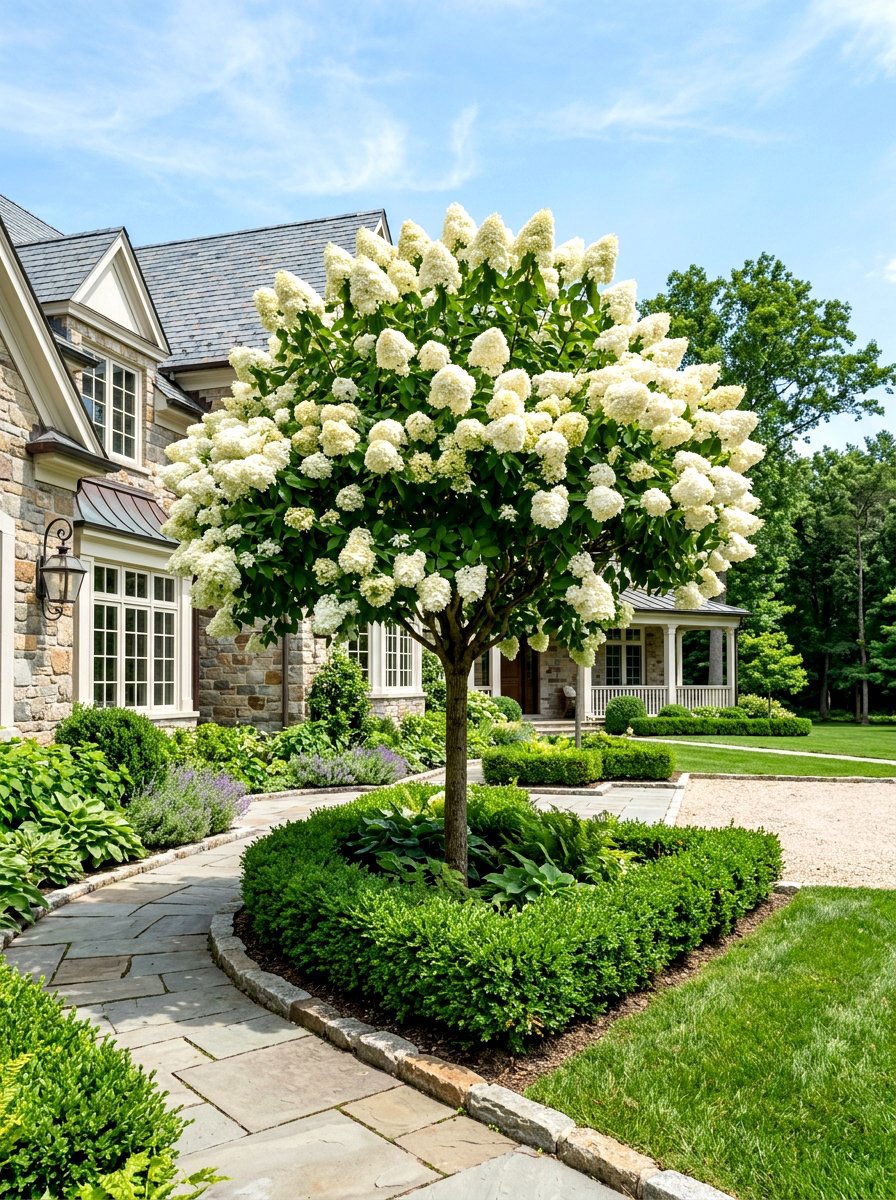
A Pee Gee hydrangea can be trained into a small tree form, making it a wonderful focal point for the corner of your foundation. These standard trees offer a height that regular shrubs cannot reach, allowing you to plant lower perennials underneath them. The large, cone-shaped flowers hang gracefully from the branches and change color as the season progresses. Using a hydrangea tree is a great way to add a sense of luxury and height to a small front yard. It anchors the corner of the house and draws the eye upward, making your home appear larger and more impressive to passersby.
15. Hydrangea And Daylily
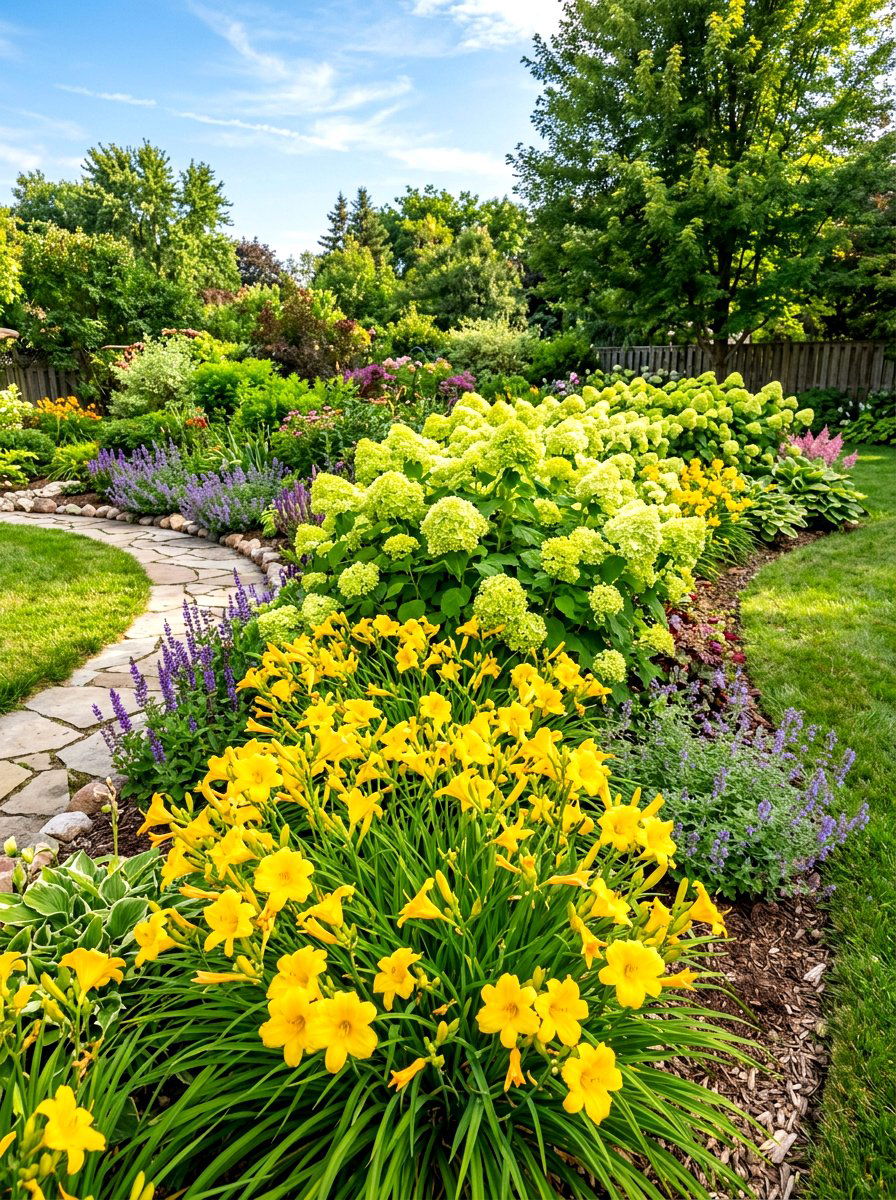
Daylilies are tough, sun-loving perennials that make excellent companions for panicle hydrangeas. By planting them together, you ensure that your foundation garden has a long season of continuous color. The daylilies typically bloom in early summer, just as the hydrangea buds are starting to form and grow. Their grassy foliage also helps fill in any gaps around the base of the larger shrubs. Choose yellow or orange daylilies to create a warm and vibrant contrast against white or lime hydrangea flowers. This combination is very resilient and requires minimal maintenance once the plants have established their deep root systems in the soil.
16. Mountain Hydrangea
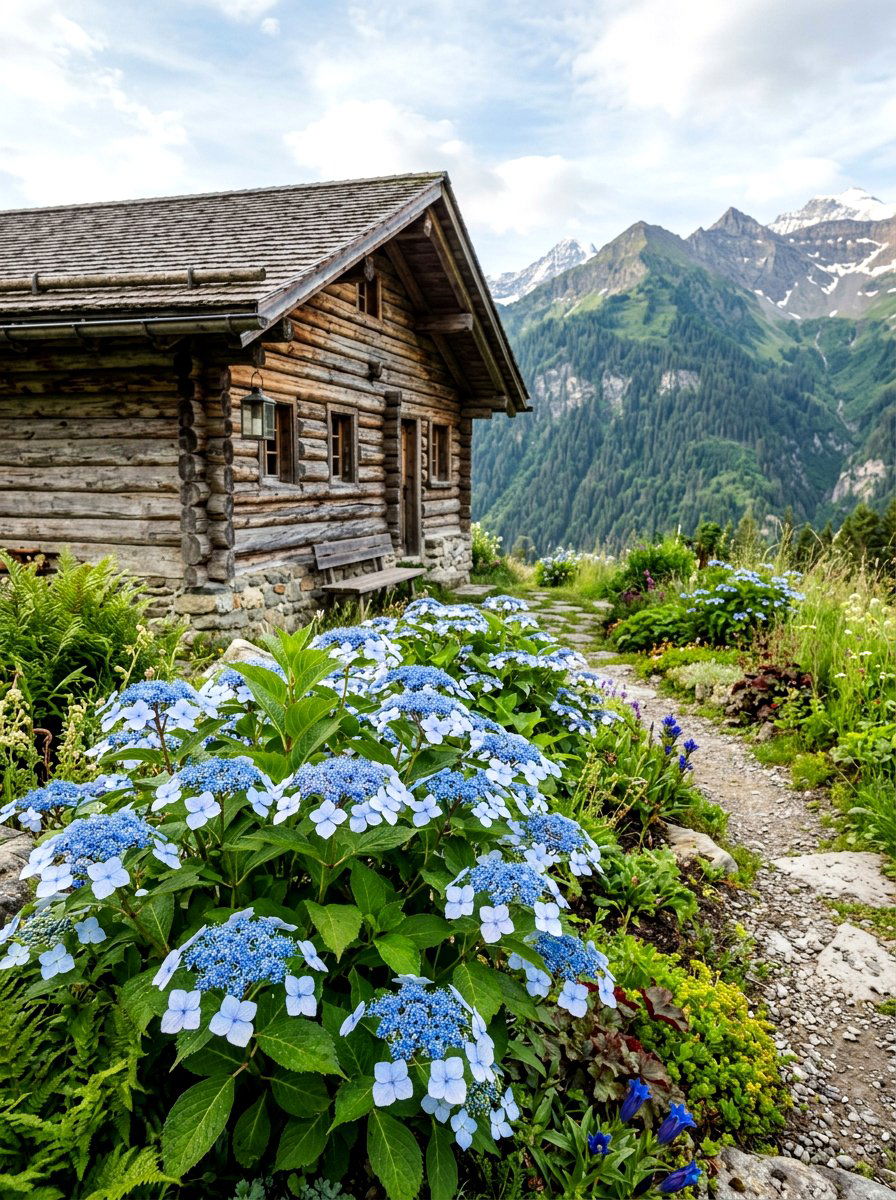
The mountain hydrangea is a smaller and tougher relative of the bigleaf variety, making it perfect for colder regions. It produces delicate lacecap flowers that have a more subtle and natural appearance than the giant mopheads. This variety is less likely to lose its flower buds to late spring frosts, ensuring a reliable show every year. It thrives in partial shade and looks wonderful when planted in a mixed border along the side of a house. The foliage often takes on a dark, reddish tint in the fall, adding extra value to your autumn landscape. It is a charming choice for rustic or traditional homes.
17. Hydrangea And Lavender
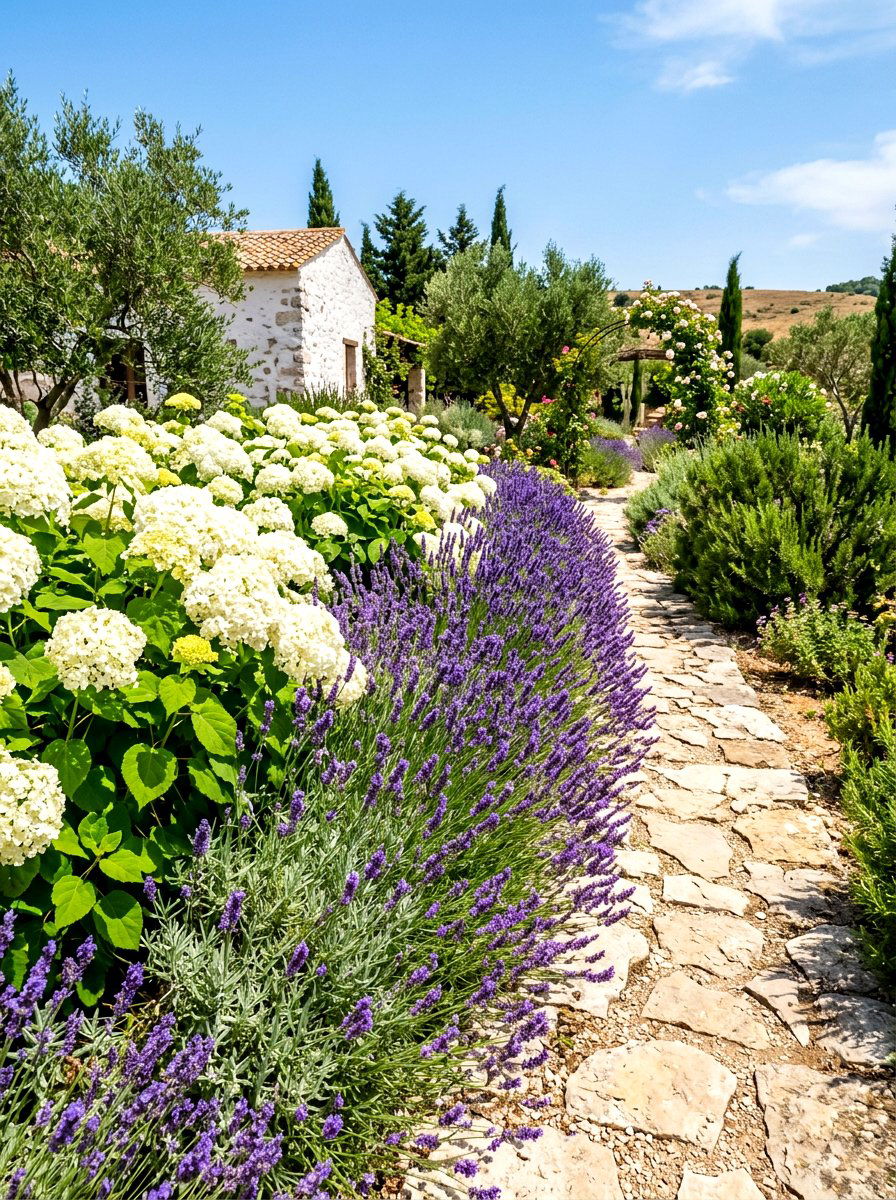
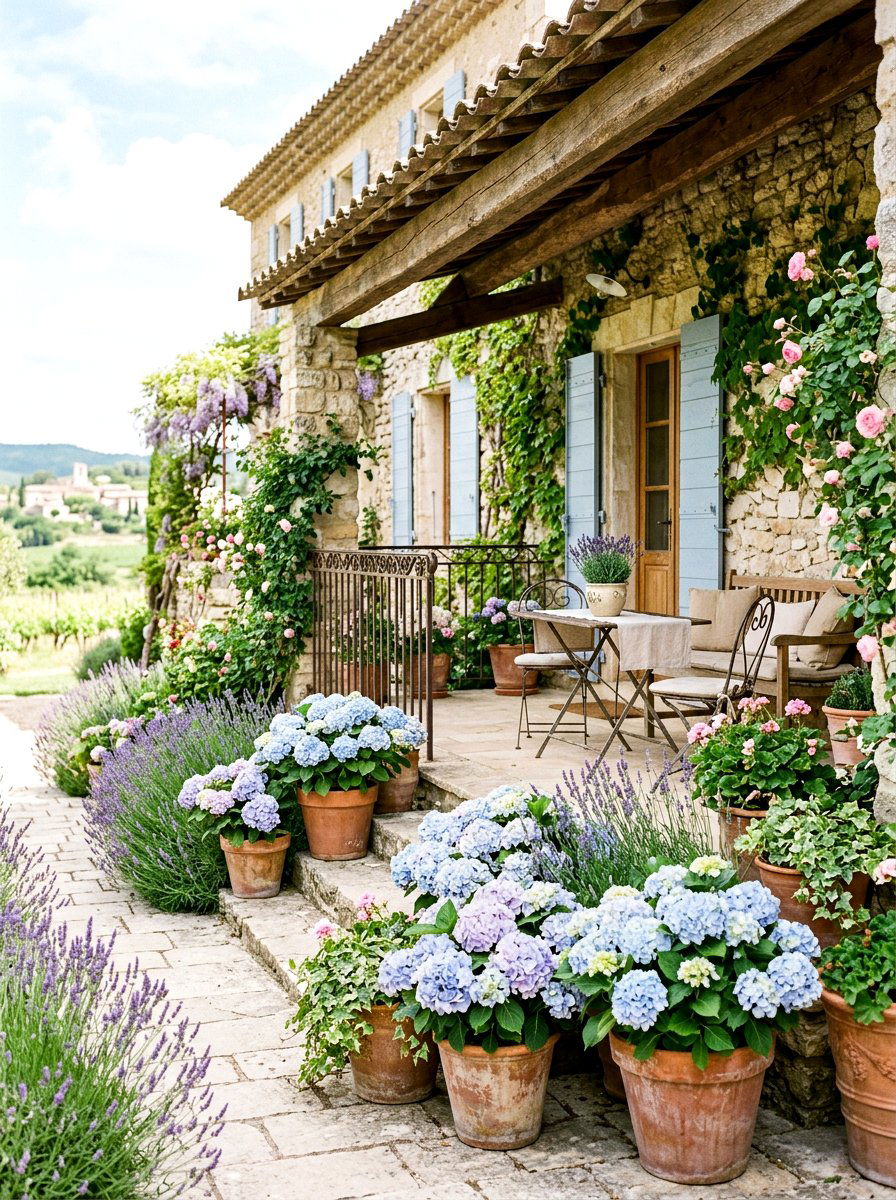
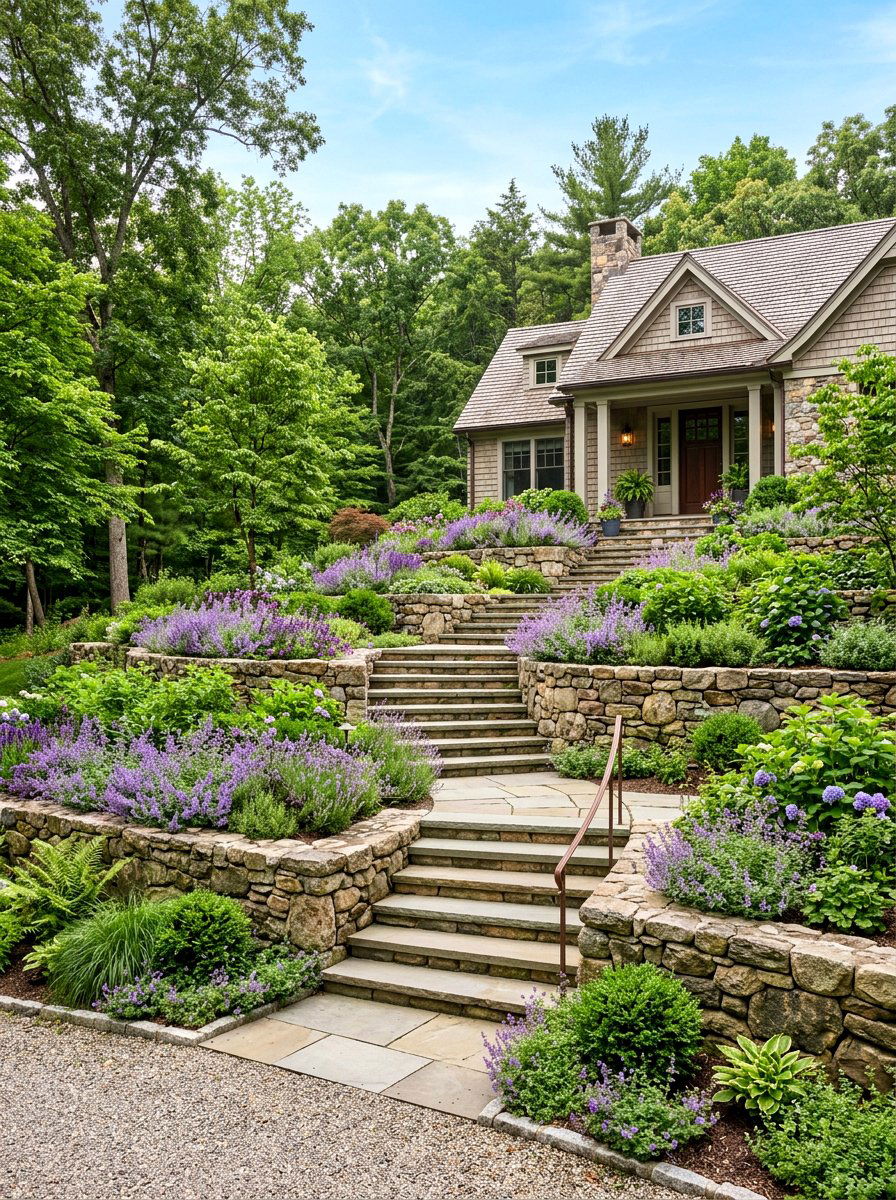
While it might seem unusual, planting lavender near sun-loving hydrangeas can create a beautiful sensory experience near your entryway. The silver-grey foliage and purple spikes of the lavender provide a Mediterranean feel that complements white hydrangea blooms. It is important to plant the lavender slightly further away from the foundation or in a raised spot to ensure it has the well-drained soil it requires. The fragrance of the lavender combined with the lush look of the hydrangeas makes your front porch a delightful place to sit. This pairing works best in sunny locations where both plants can receive at least six hours of light.
18. Quick Fire Hydrangea
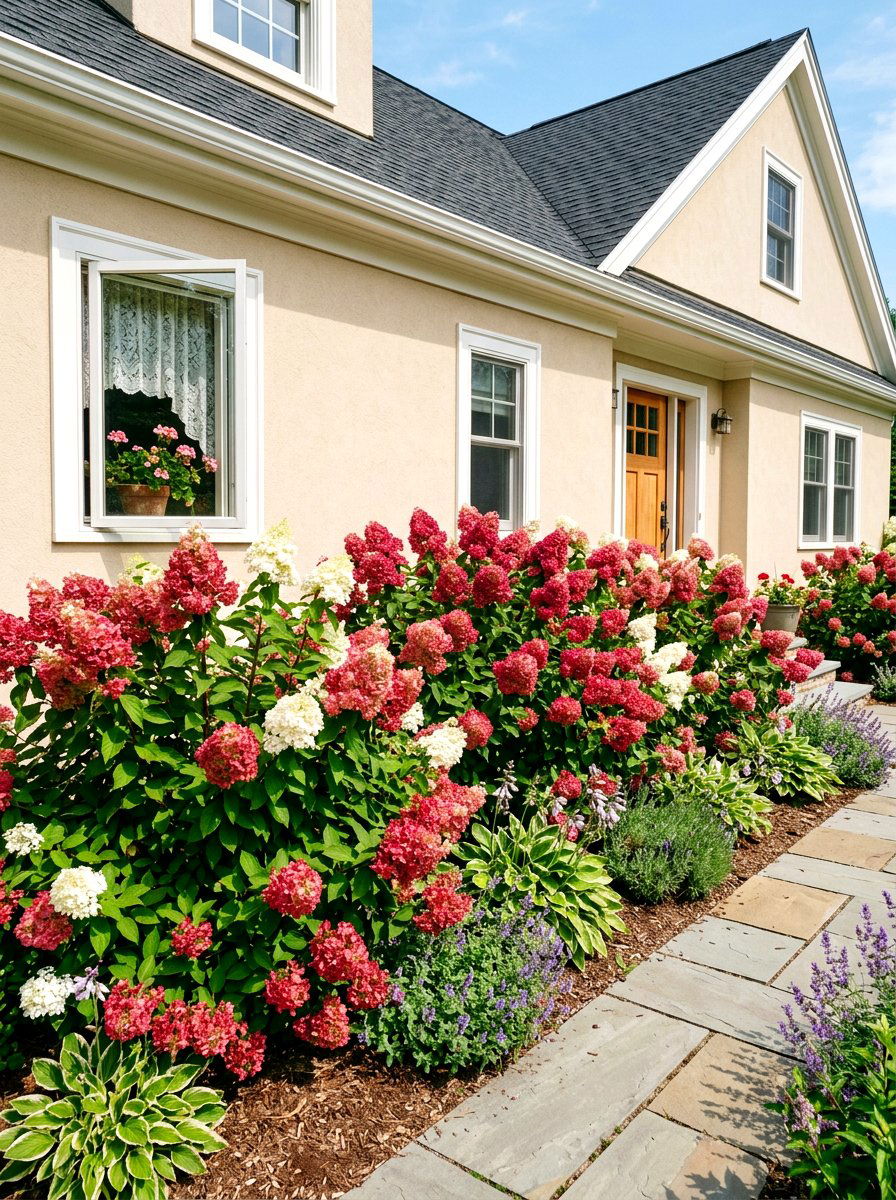
Quick Fire is one of the earliest blooming panicle hydrangeas, often starting its show a full month before other varieties. The flowers begin as a pure white but very quickly transition into a rich, deep rosy pink. This rapid color change is perfect for homeowners who want to see their garden evolve throughout the summer months. Because it is a panicle type, it is very easy to grow and can tolerate a wide range of soil conditions. Its open and airy flower structure gives it a more natural look compared to the densely packed Limelight. It is a great choice for a casual, friendly landscape.
19. Lacecap Hydrangea
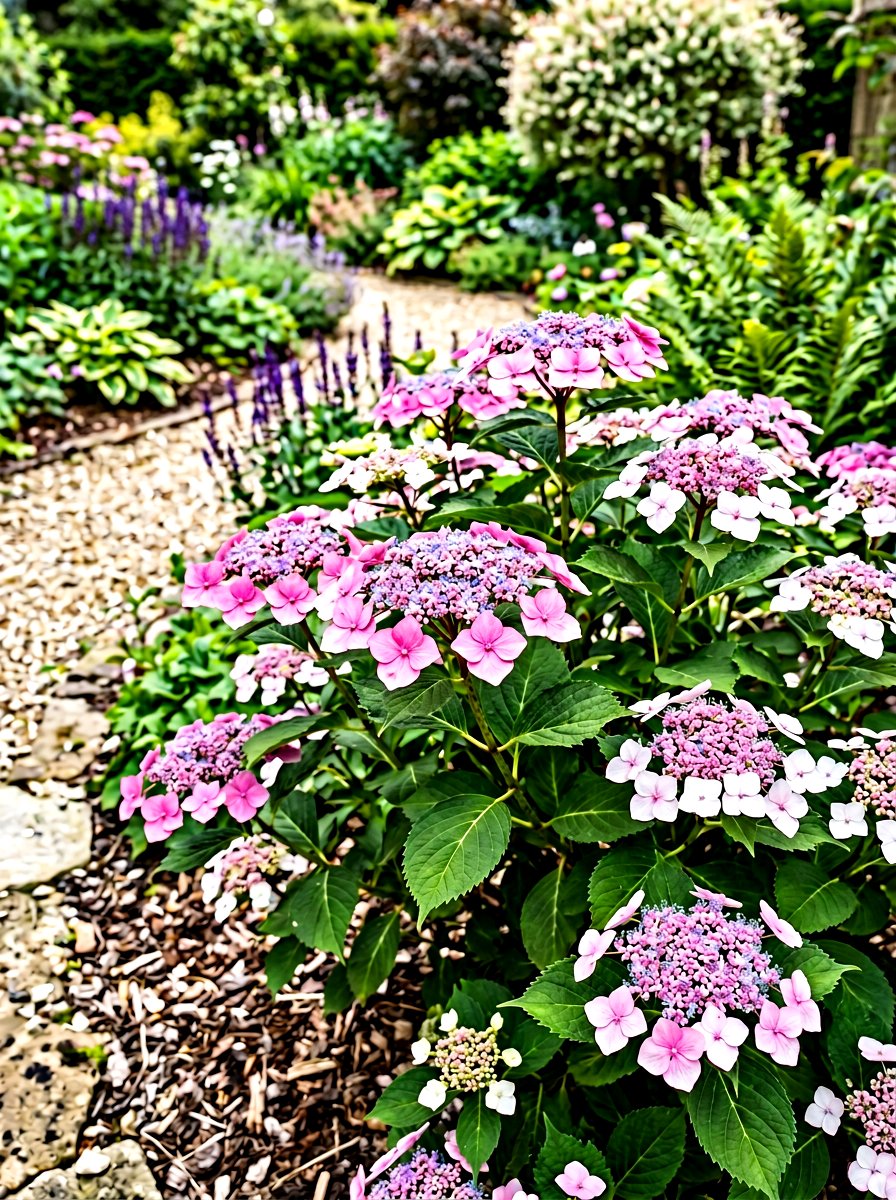
Lacecap hydrangeas offer a sophisticated and delicate alternative to the heavy mophead varieties. Their flowers consist of a flat center of tiny fertile blooms surrounded by a ring of larger, showy petals. This creates a refined and elegant texture that is highly valued in modern garden design. They are also excellent for attracting pollinators like bees and butterflies to your foundation garden. Plant them in a spot where you can view the intricate details of the flowers up close, such as near a walkway or window. They provide a lighter, more ethereal feel to the landscape while still offering the lushness of a hydrangea.
20. Hydrangea And Coral Bells
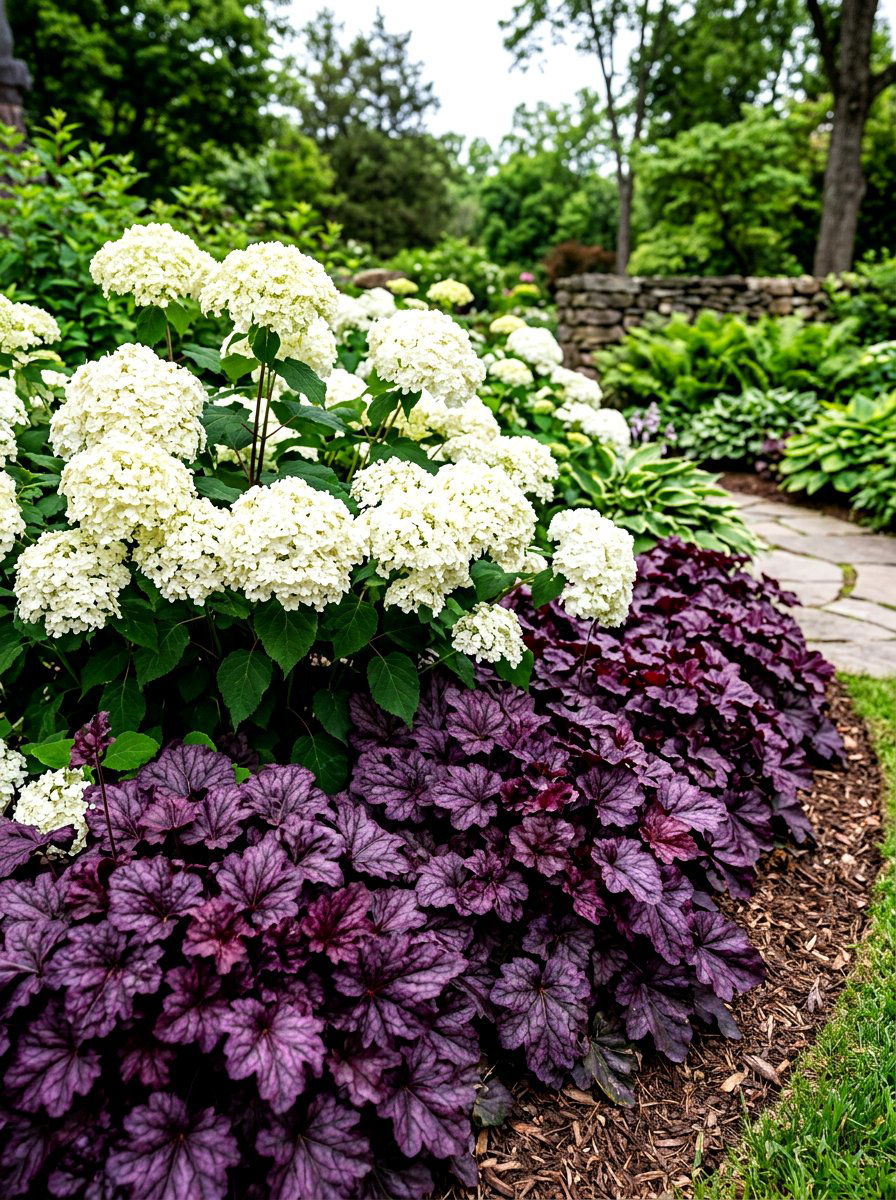
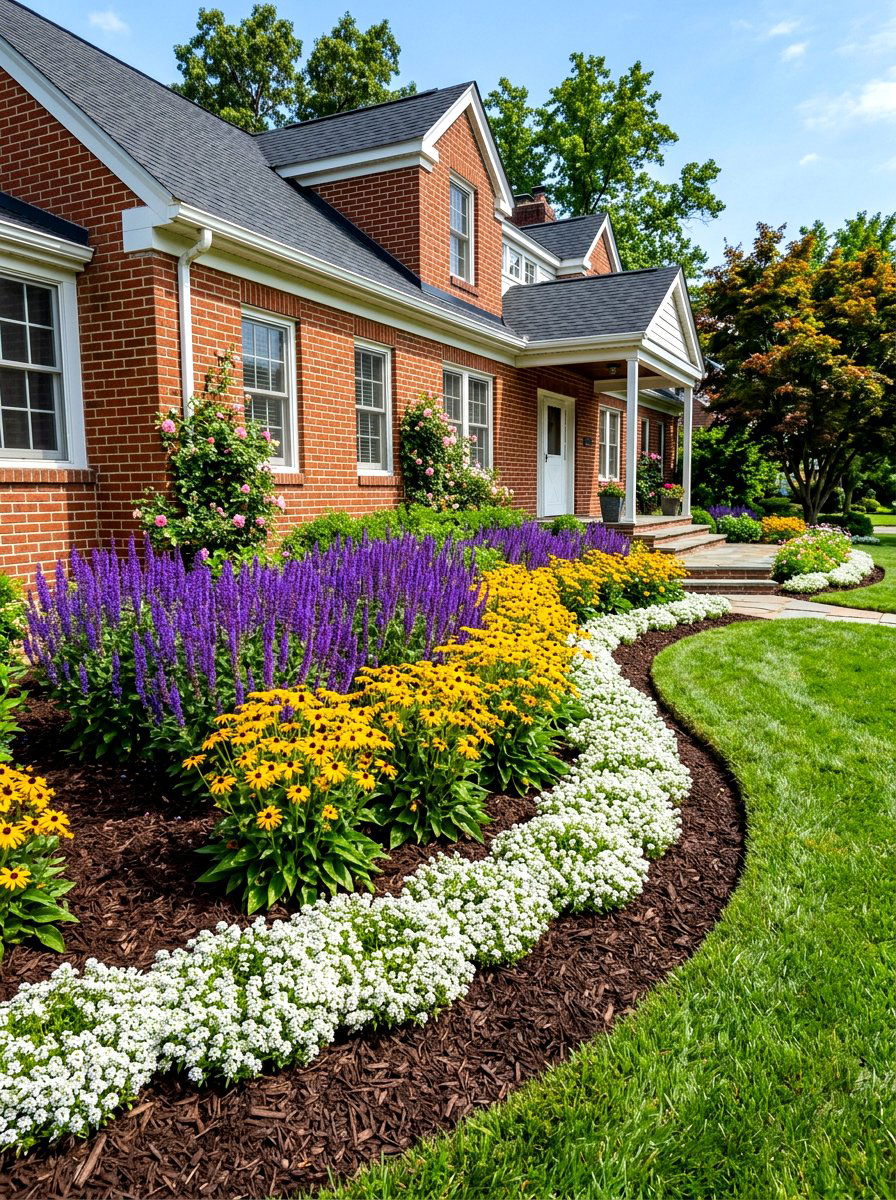
Coral bells, also known as Heuchera, are fantastic foliage plants that can add year-round color to the base of your hydrangeas. They come in an incredible array of colors including purple, silver, lime green, and even bright orange. By selecting a color that contrasts with your hydrangea's leaves, you can create a high-impact foundation bed. The low-growing mounds of coral bells hide the bare lower stems of the hydrangeas and provide interest even when the shrubs are not in bloom. This combination is very effective in shady or partially sunny areas where bold foliage is the primary goal of the garden design.
21. Mixed Color Hydrangea
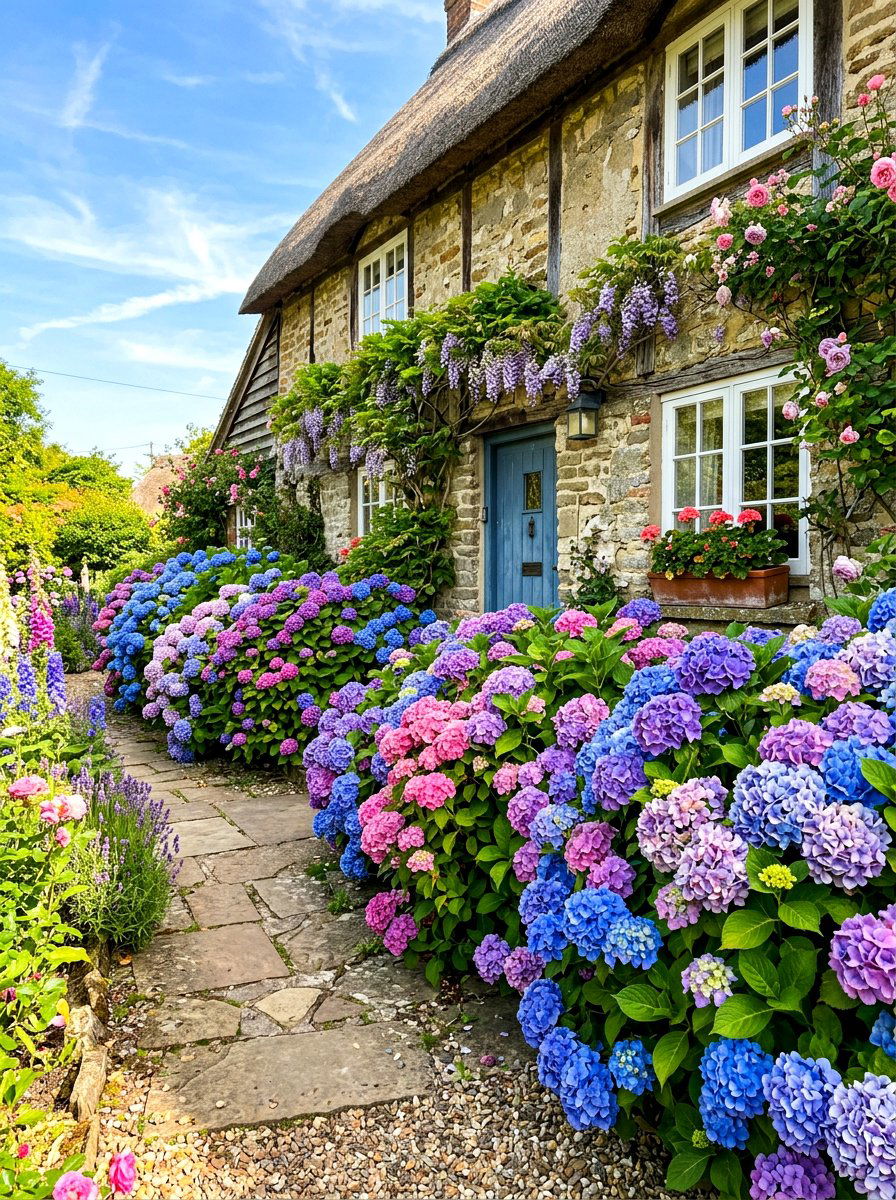
You can create a playful and eclectic look by planting several different varieties of bigleaf hydrangeas together along your foundation. By mixing blue, pink, and purple varieties, you create a vibrant tapestry of color that looks like a lush floral arrangement. This works best if you have soil with varying pH levels or if you use specific soil amendments in different spots. The different shades of the mophead flowers will blend together beautifully during the peak of summer. This approach is perfect for a whimsical cottage garden where you want to emphasize a sense of abundance and variety in your outdoor living space.
22. Hydrangea And Spirea
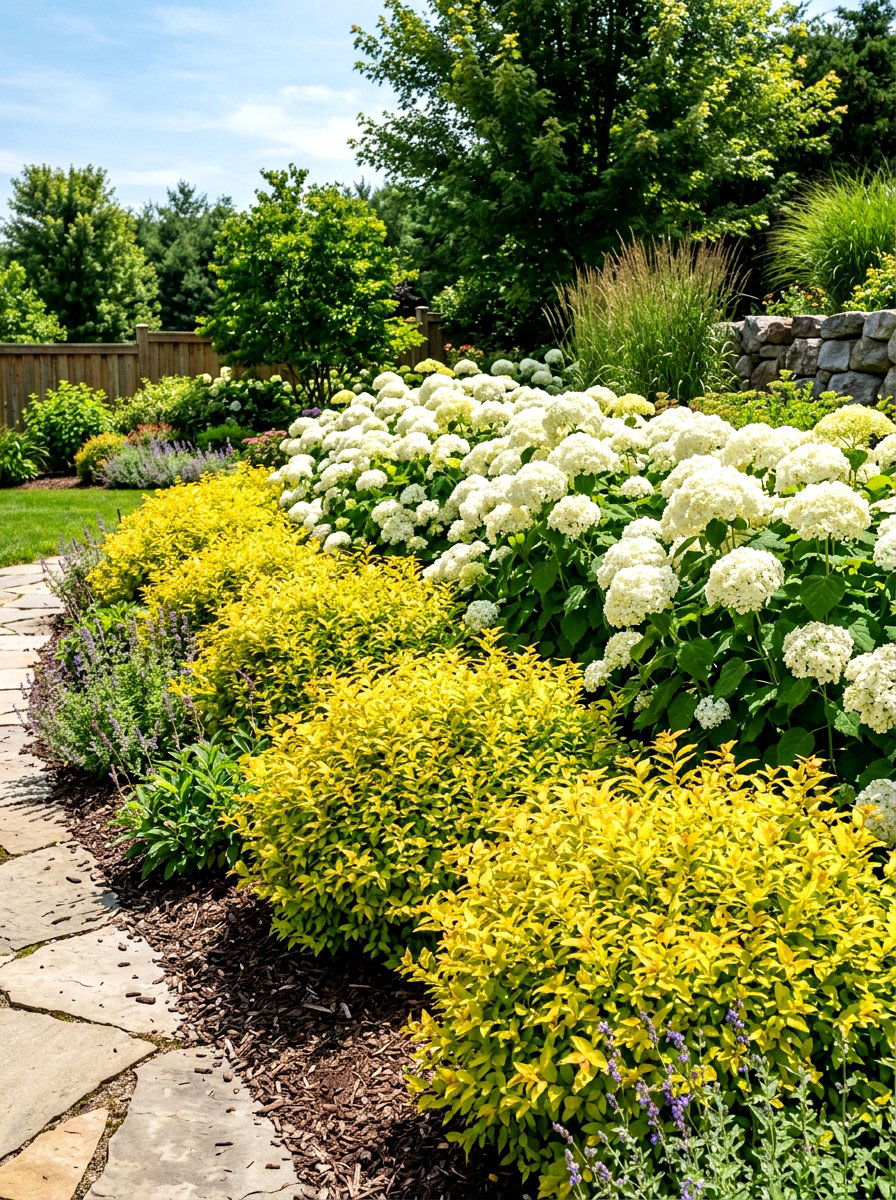
Spirea is a hardy and colorful shrub that pairs perfectly with the upright form of panicle hydrangeas. Many spirea varieties have bright yellow or gold foliage that creates a stunning contrast against the green leaves of the hydrangea. They typically bloom in the spring, providing color before the hydrangeas take over in the summer. Their small, fine leaves offer a different texture that breaks up the large-leaved look of a pure hydrangea bed. Planting a row of low spirea in front of taller hydrangeas creates a tiered effect that adds depth and professional styling to your home's foundation and front yard.
23. Strawberry Sundae Hydrangea
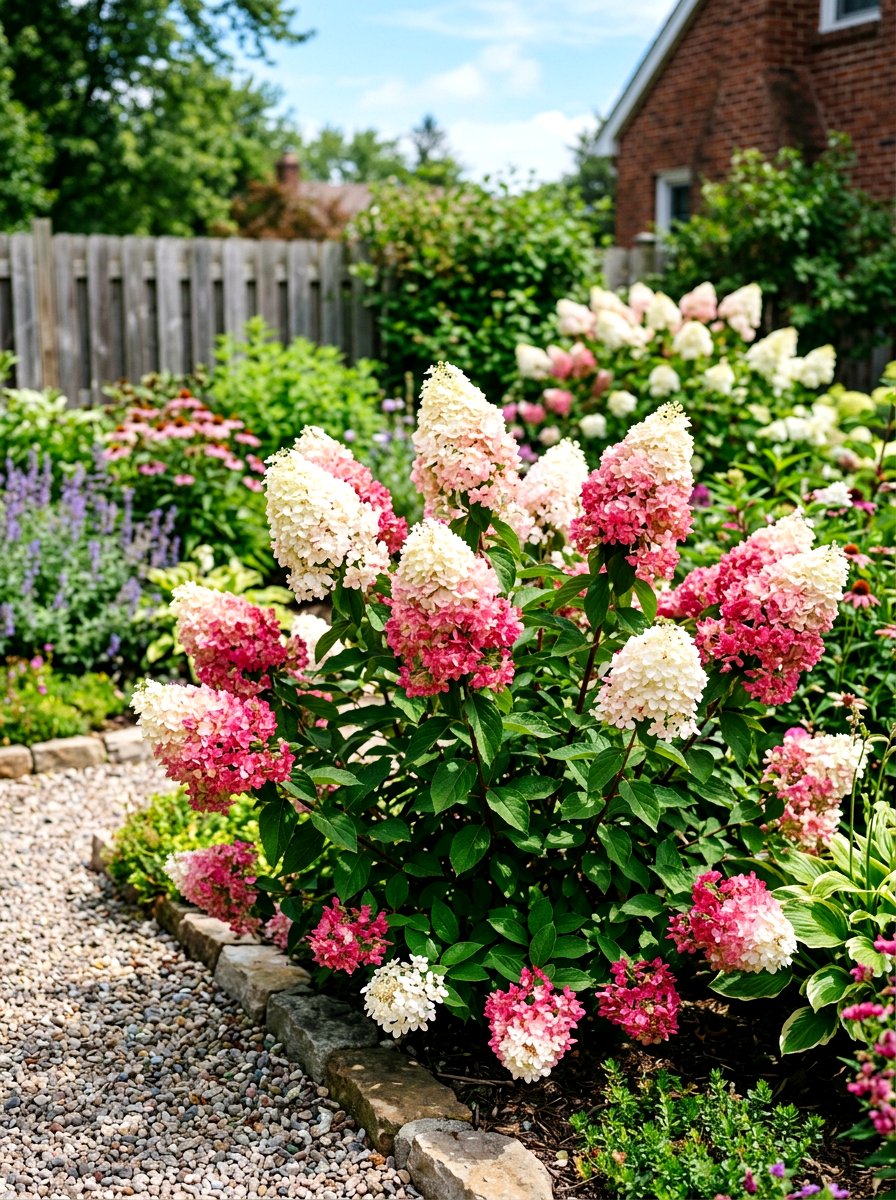
The Strawberry Sundae hydrangea is a compact variety that is famous for its incredible color transformation. The blooms start out as a creamy white and then slowly turn to a delicious strawberry pink from the bottom up. This creates a bicolored effect that looks just like a scoop of ice cream on a cone. Because it only grows to about four feet tall, it is a perfect fit for smaller foundation spaces. It is a very sturdy plant that maintains its shape without needing a lot of pruning or support. This variety adds a fun and colorful element to your home's curb appeal.
24. Hydrangea And Japanese Maple
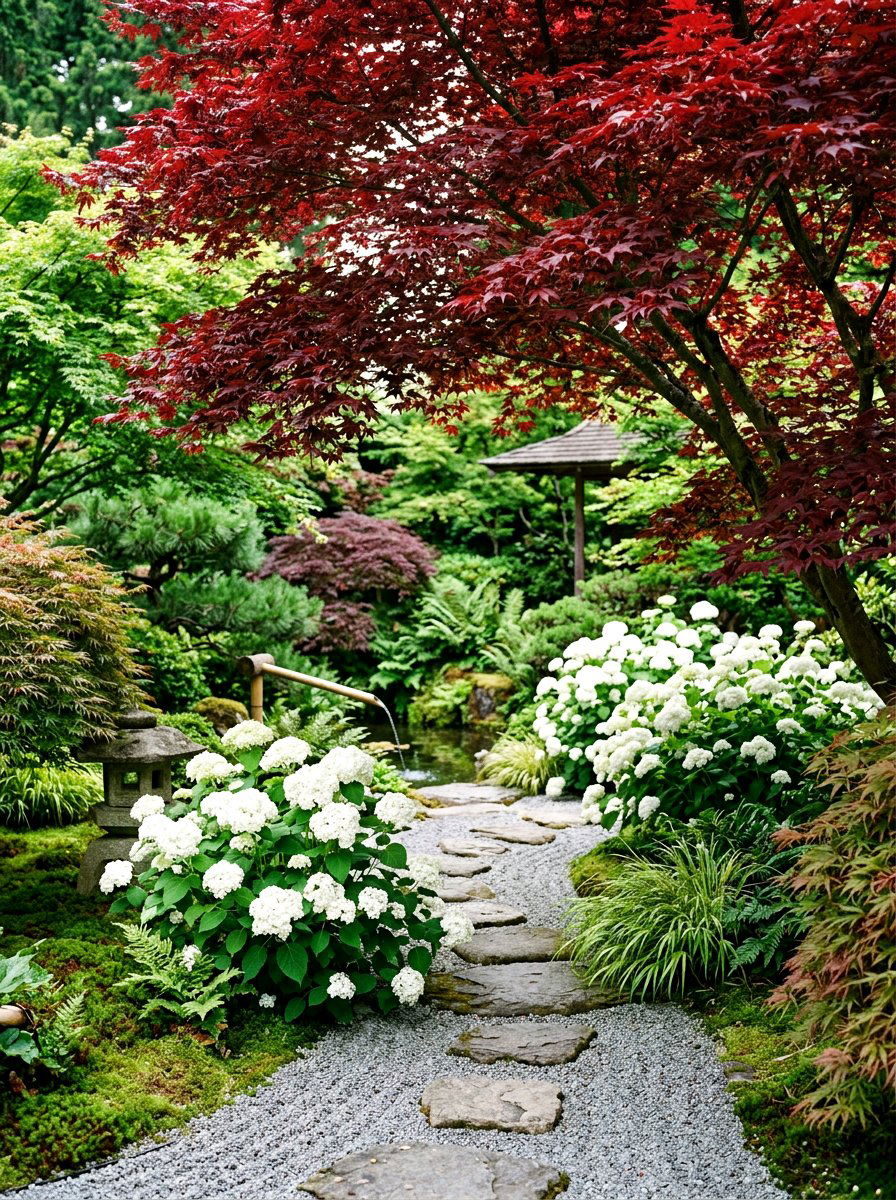
For a high-end and artistic look, plant a graceful Japanese maple near your hydrangea foundation bed. The fine, lacy leaves of the maple provide a sophisticated backdrop for the heavy blooms of the hydrangea. Choose a red-leaved maple variety to create a dramatic color contrast with green hydrangea foliage and white or blue flowers. This combination works particularly well on the corners of a house or in a large island bed near the foundation. The different heights and textures create a layered landscape that looks carefully curated and expensive. Both plants appreciate similar soil conditions and a bit of afternoon shade protection.
25. Cityline Mars Hydrangea
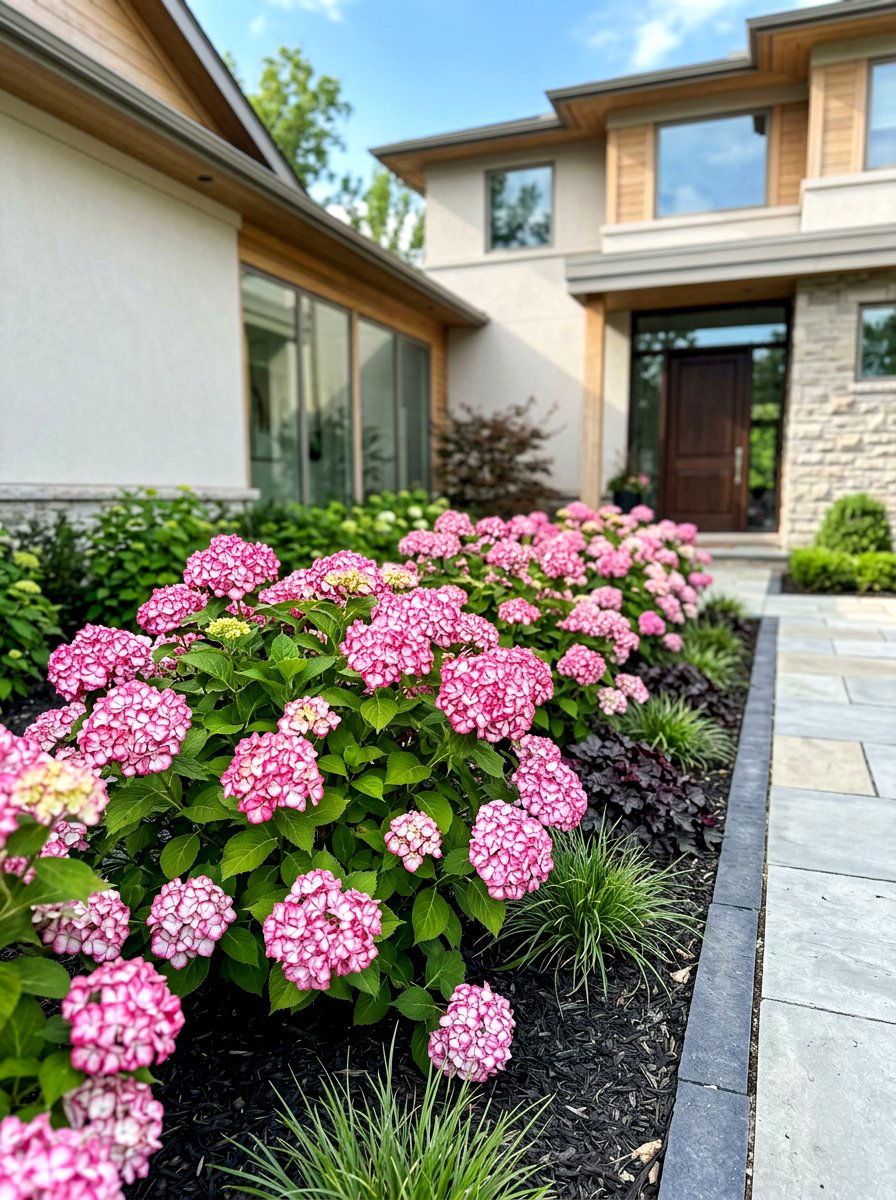
Cityline Mars is a unique dwarf variety of bigleaf hydrangea that features stunning bicolored blooms. Each individual flower is a deep pink or blue with a crisp white edge, creating a striking patterned effect. This shrub is bred to stay very small and compact, usually reaching only two feet in height. This makes it an ideal choice for the very front edge of a foundation bed or even for large containers on your front porch. Despite its small size, the flowers are large and very impactful. It is also quite resistant to common diseases like powdery mildew, making it a very low-maintenance option.
26. Hydrangea And Catmint
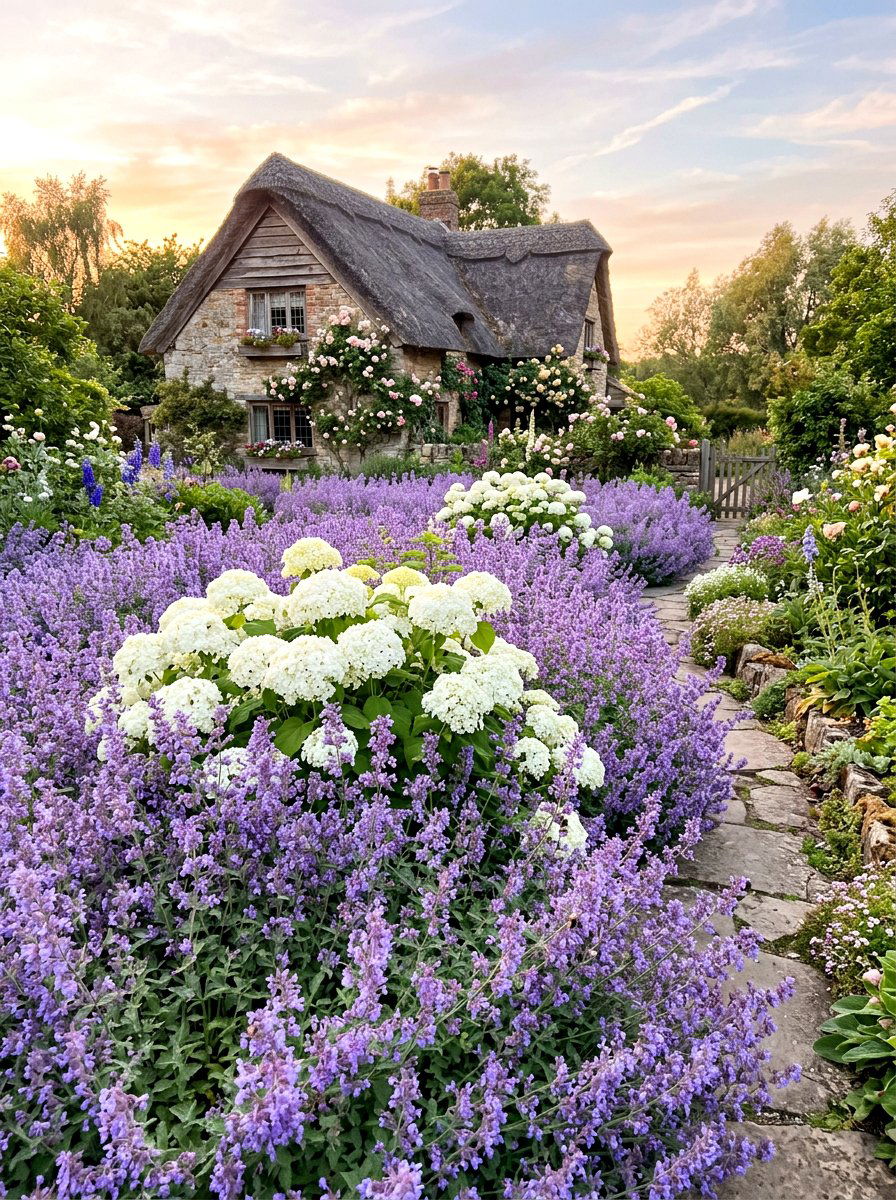
Catmint is a tough and reliable perennial that creates a soft, hazy blue border around the base of white hydrangeas. The aromatic grey-green foliage and tiny purple flowers of the catmint provide a cool and relaxing color palette. It blooms for a very long time, often starting in late spring and continuing through the summer if it is sheared back once. This pairing is excellent for attracting beneficial insects and adding a touch of romance to your home's exterior. The low, mounding habit of the catmint helps to ground the taller hydrangea shrubs and creates a seamless transition to the lawn.
27. Little Quick Fire
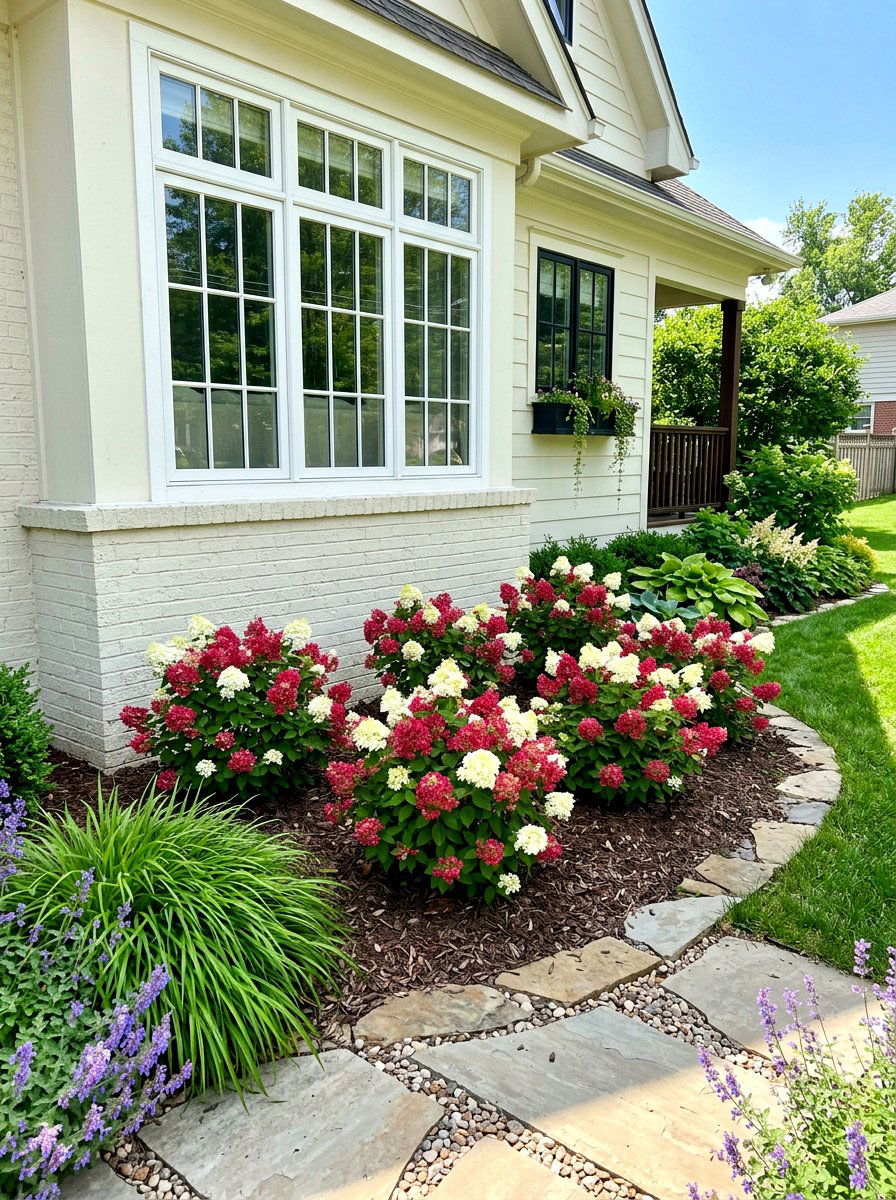
If you have a small space but love the look of the early-blooming Quick Fire, then Little Quick Fire is the answer. It offers the same white-to-red color transition but on a much smaller plant that stays around three feet tall. It is perfect for tight foundation beds or for planting underneath windows where you don't want to block the view. The flowers are delicate and airy, giving it a refined and natural appearance. This variety is incredibly cold-hardy and very easy to care for throughout the year. It is one of the most reliable performers for northern gardeners who want summer color.
28. Hydrangea And Allium
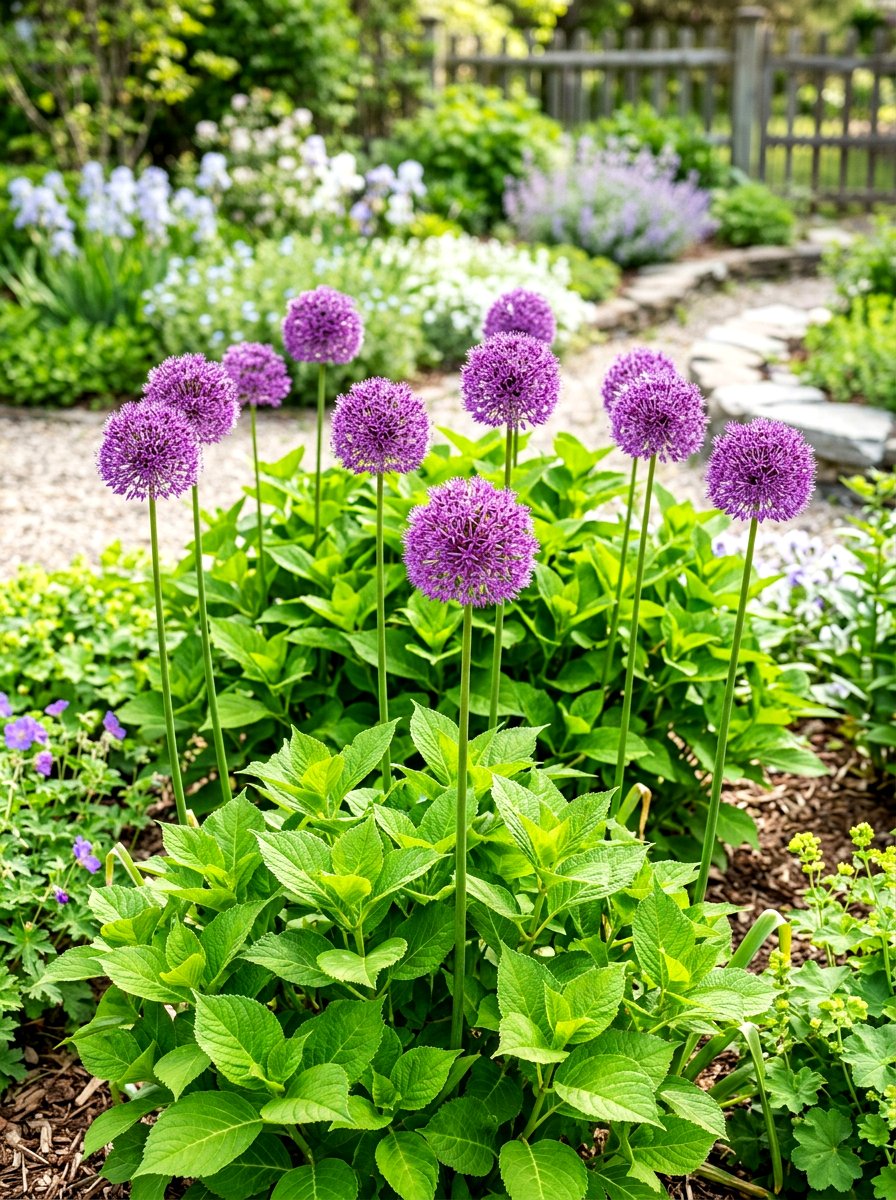
Adding ornamental alliums to your hydrangea bed is a great way to introduce a burst of spring color and geometric interest. The tall, round purple flower heads of the allium rise above the emerging hydrangea leaves in late spring. This provides visual excitement before the hydrangeas are ready to bloom. Once the allium flowers fade, their drying seed heads still look interesting and are eventually hidden by the growing hydrangea foliage. This "underplanting" technique maximizes the use of space in your foundation garden. It is a clever way to ensure there is always something interesting to look at near your front door.
29. Let's Dance Sky View
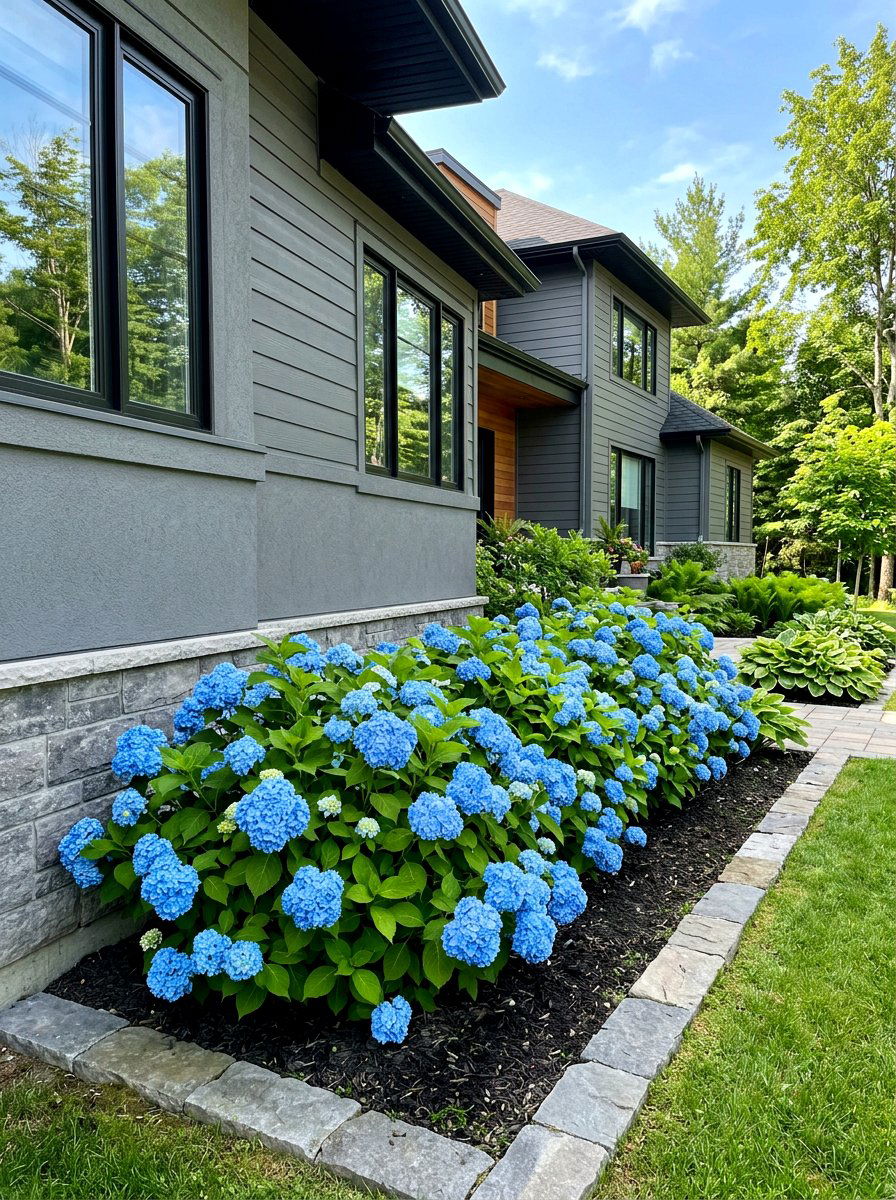
Let's Dance Sky View is a newer reblooming variety that is specifically bred to be a consistent blue performer. It blooms on both old and new wood, which means you will get flowers even if a late frost kills the first set of buds. This makes it a very reliable choice for foundations in many different climates. The flowers are a beautiful sky blue that lasts for a long time during the summer months. Its compact and rounded growth habit makes it easy to fit into existing landscapes without needing much pruning. It is a modern solution for gardeners who have struggled with traditional mopheads.
30. Invincibelle Spirit II
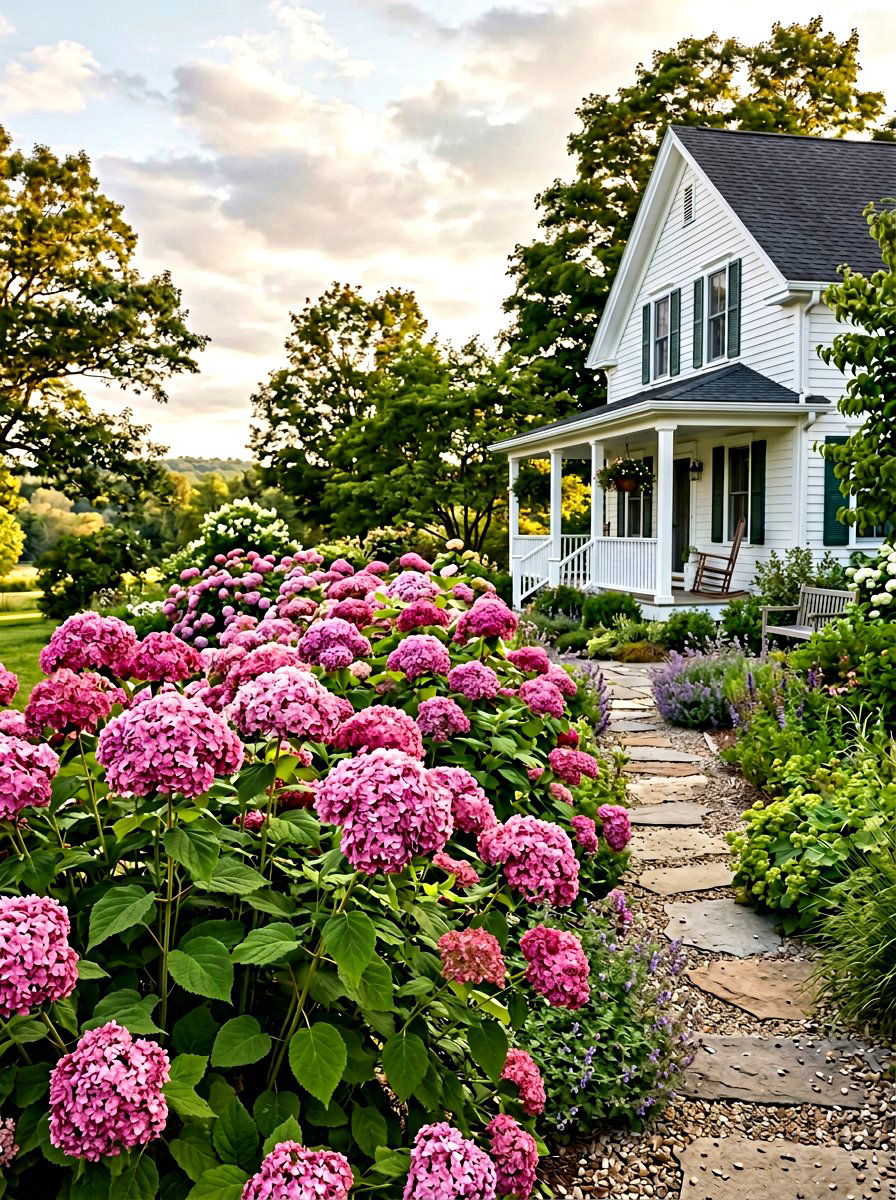
Invincibelle Spirit II is a beautiful pink version of the classic smooth hydrangea that supports a great cause. A portion of the proceeds from this plant goes toward breast cancer research, making it a garden choice with a heart. It produces large, dark pink flowers on very sturdy stems that do not flop over in the rain. This variety is incredibly hardy and will bloom every year, regardless of the winter temperatures. Planting it along your foundation creates a soft and welcoming look that stays vibrant until the first frost. It is a resilient and meaningful addition to any home's landscaping plan.
Conclusion:
Investing in hydrangea foundation plantings is a wonderful way to enhance the beauty and value of your property for many years. These shrubs provide a structural backbone to your landscape while offering a level of floral beauty that few other plants can match. By selecting the right variety for your specific sun exposure and soil type, you can enjoy a low-maintenance garden that looks professional and lush. Remember to provide adequate water and a layer of mulch to keep your hydrangeas healthy and thriving. A well-planned foundation garden with hydrangeas will make your home the star of the entire neighborhood.

Related posts: