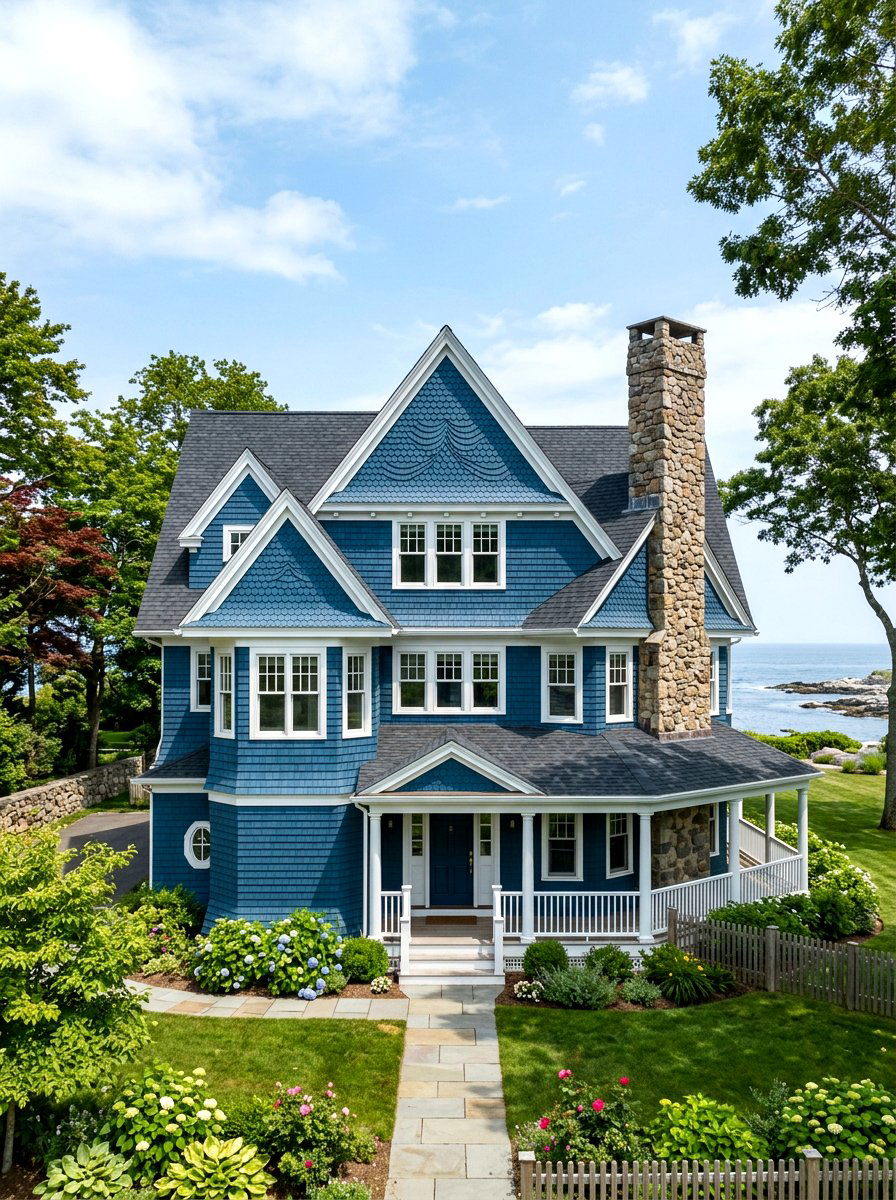
Foundation landscaping is the essential finishing touch that grounds your home and seamlessly connects its architecture to the surrounding environment. By choosing the right combination of plants, textures, and structures, you can dramatically enhance your property's curb appeal and even increase its overall market value. A thoughtful design does more than just hide unsightly concrete or crawl spaces; it creates a welcoming atmosphere and softens the harsh vertical lines of your exterior walls. Whether you prefer a manicured formal look or a lush, wild-flower aesthetic, the right foundation plan provides year-round interest and structural beauty. Investing time in planning your layout ensures a professional result that feels both intentional and inviting for guests.
1. Low maintenance foundation plants
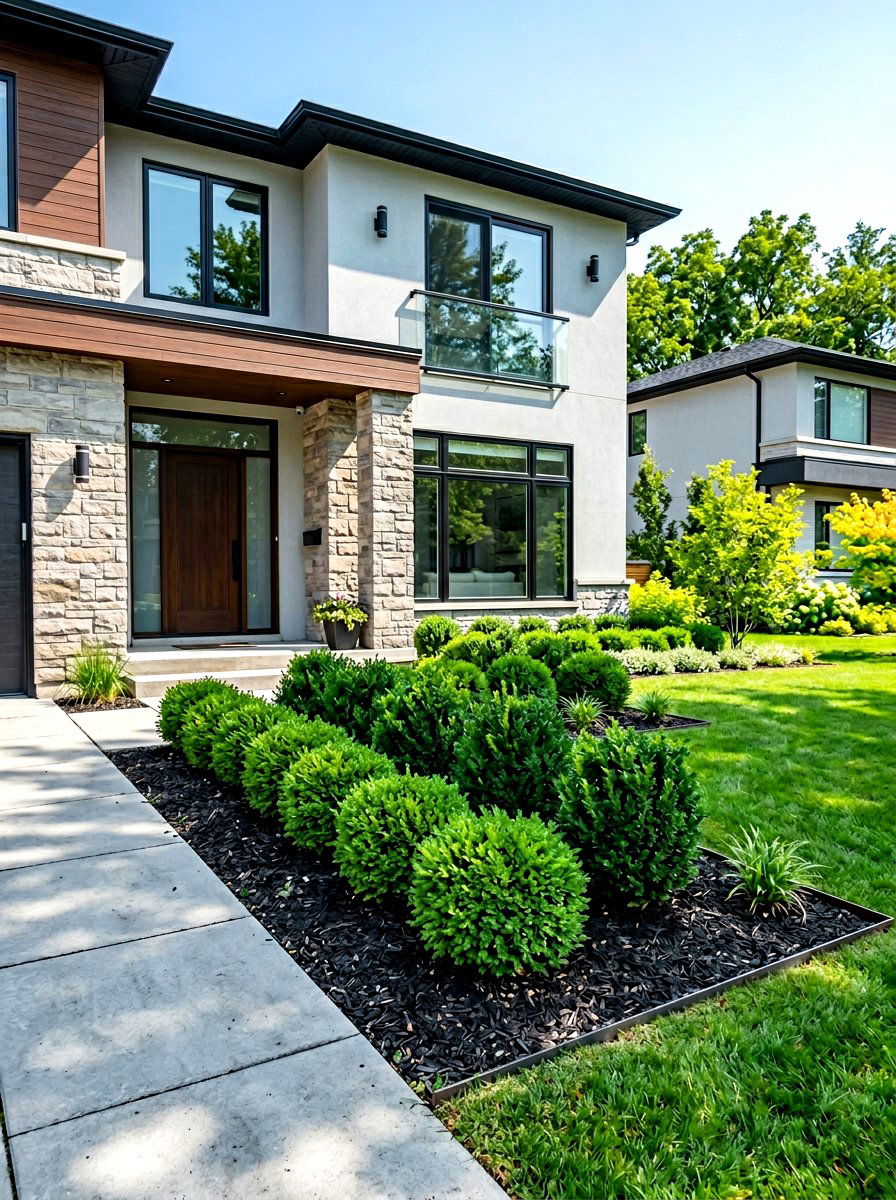
Do you want a beautiful front yard without spending every single weekend weeding and pruning? Choosing hardy, slow-growing species is the smartest way to achieve a high-impact look with minimal effort. Evergreens like the Boxwood or the Compact Japanese Holly are excellent choices because they maintain their shape and vibrant green color throughout the seasons. These plants are known for their resilience and ability to thrive in various soil conditions with very little intervention. By selecting varieties that naturally stay small, you avoid the tedious task of constant trimming to keep them from blocking your windows. This approach allows you to enjoy a polished, professional landscape while keeping your Saturday mornings completely free for relaxation.
2. Modern front yard landscaping
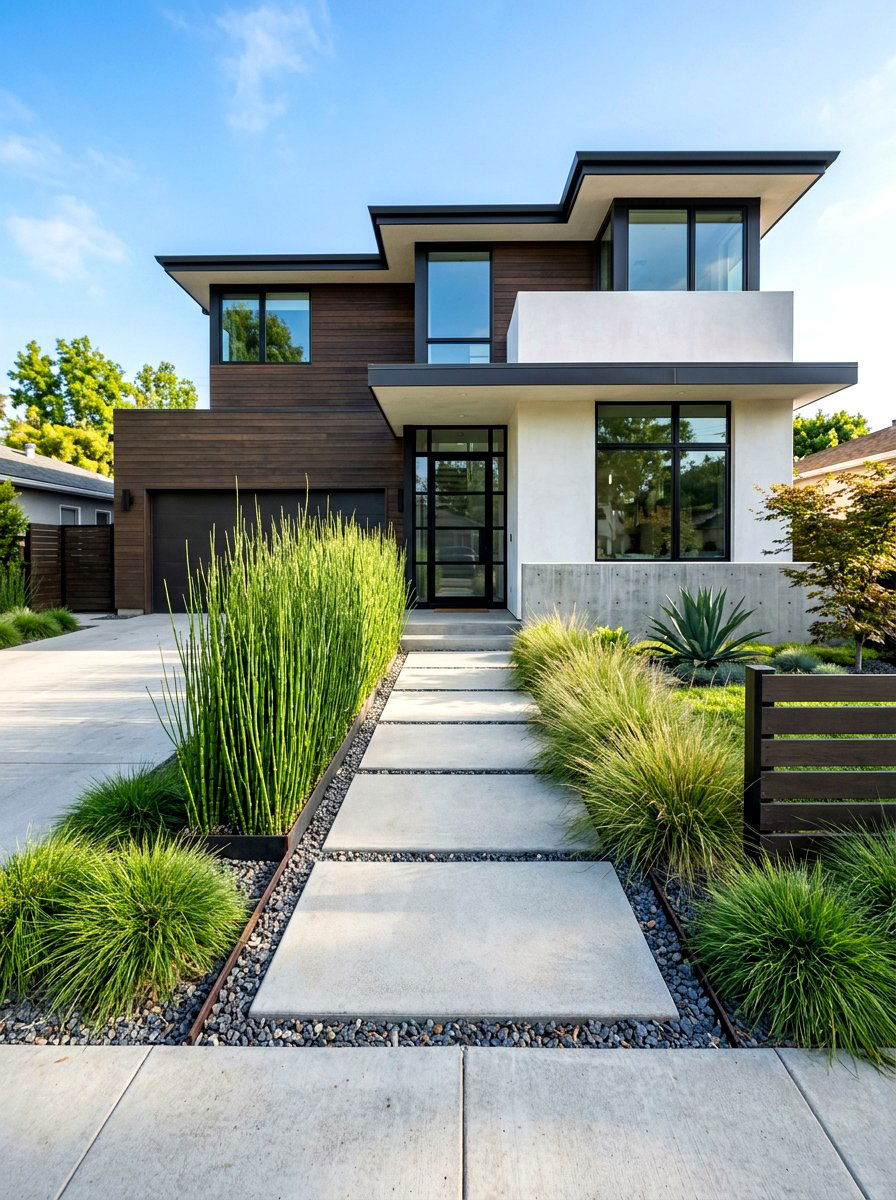
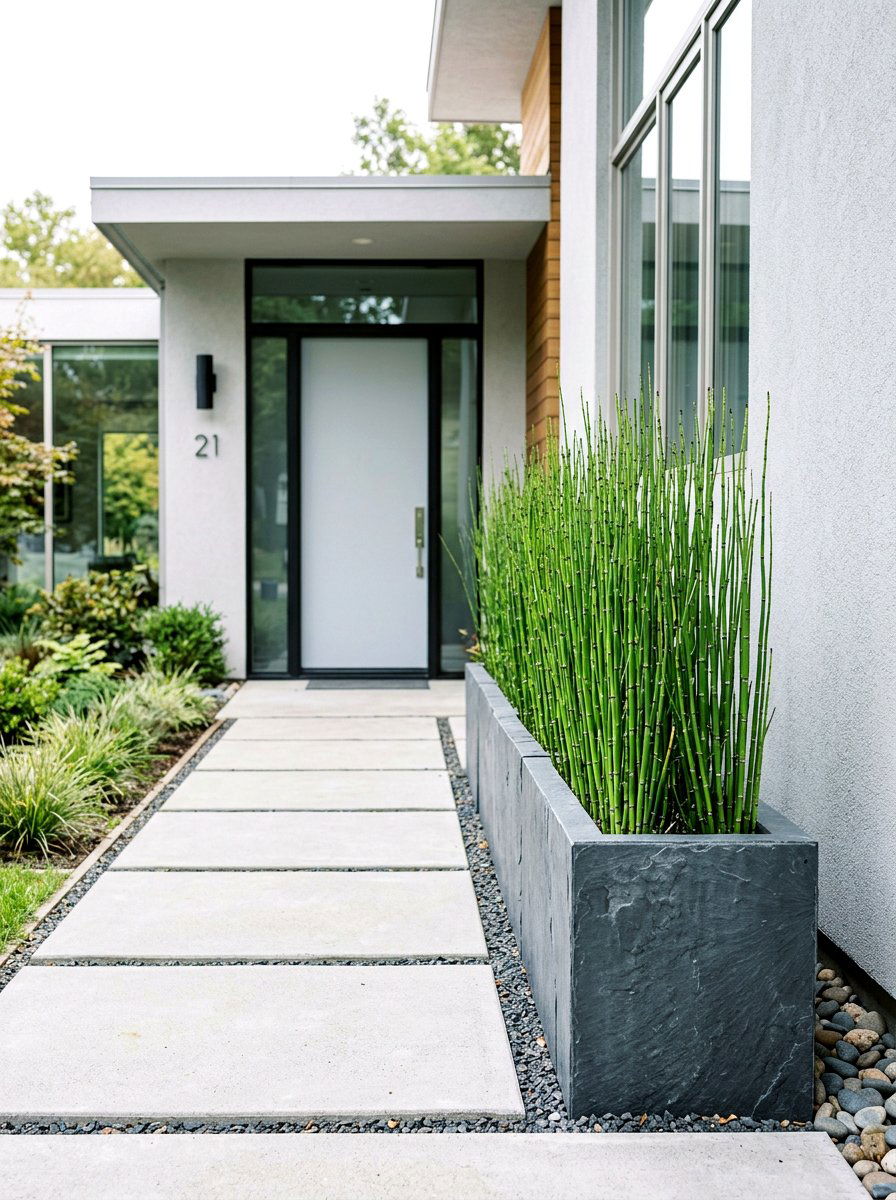
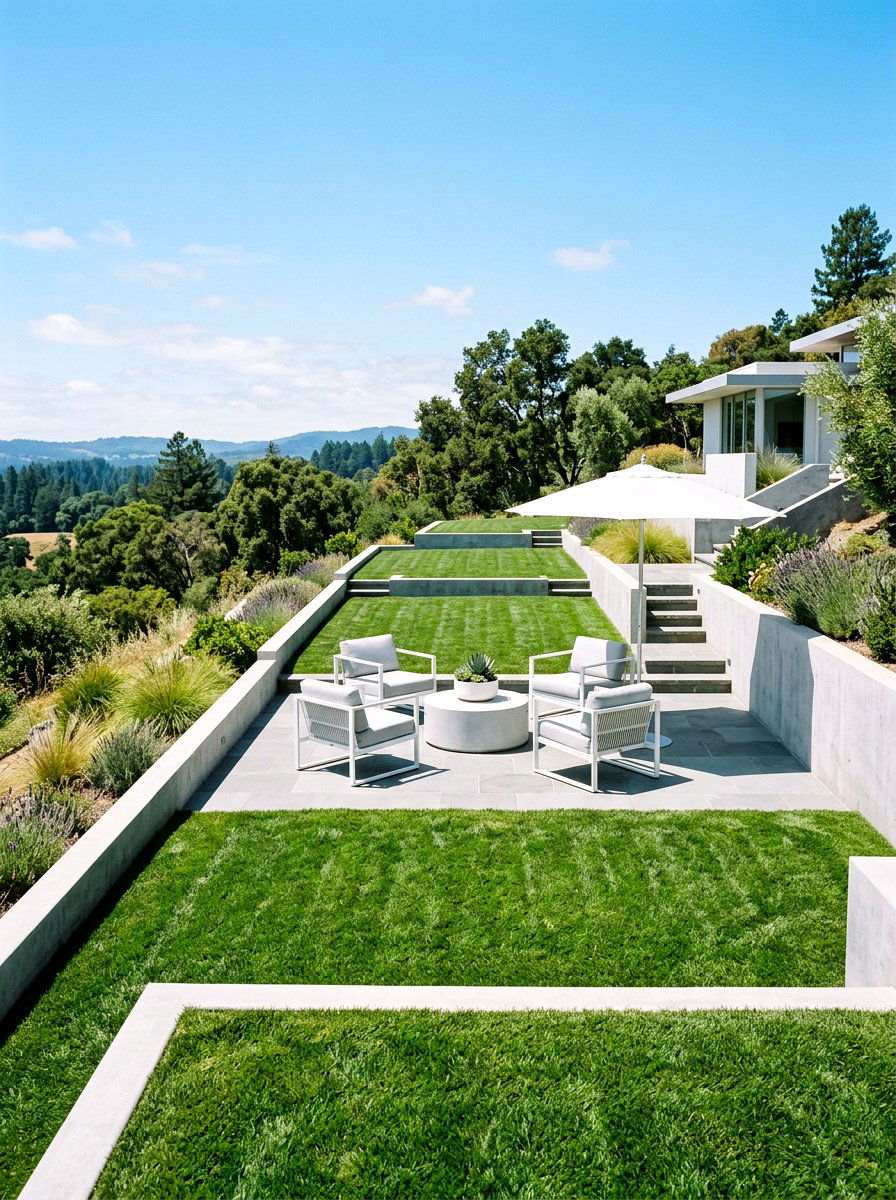
Imagine clean lines and sharp contrasts that make your home look like a contemporary masterpiece the moment you pull into the driveway. Modern styles often prioritize architectural shapes and a limited, sophisticated color palette to create a sense of order and tranquility. You might use structural plants like Horsetail or tall Ornamental Grasses to provide vertical interest against a minimalist backdrop. Dark charcoal mulch or light grey river stones can be used to emphasize the geometric layout of the planting beds. This style works exceptionally well with homes that feature large windows, flat roofs, or mixed-material siding. By focusing on form rather than a riot of color, you create a timeless and high-end aesthetic.
3. Evergreen shrubs for house front
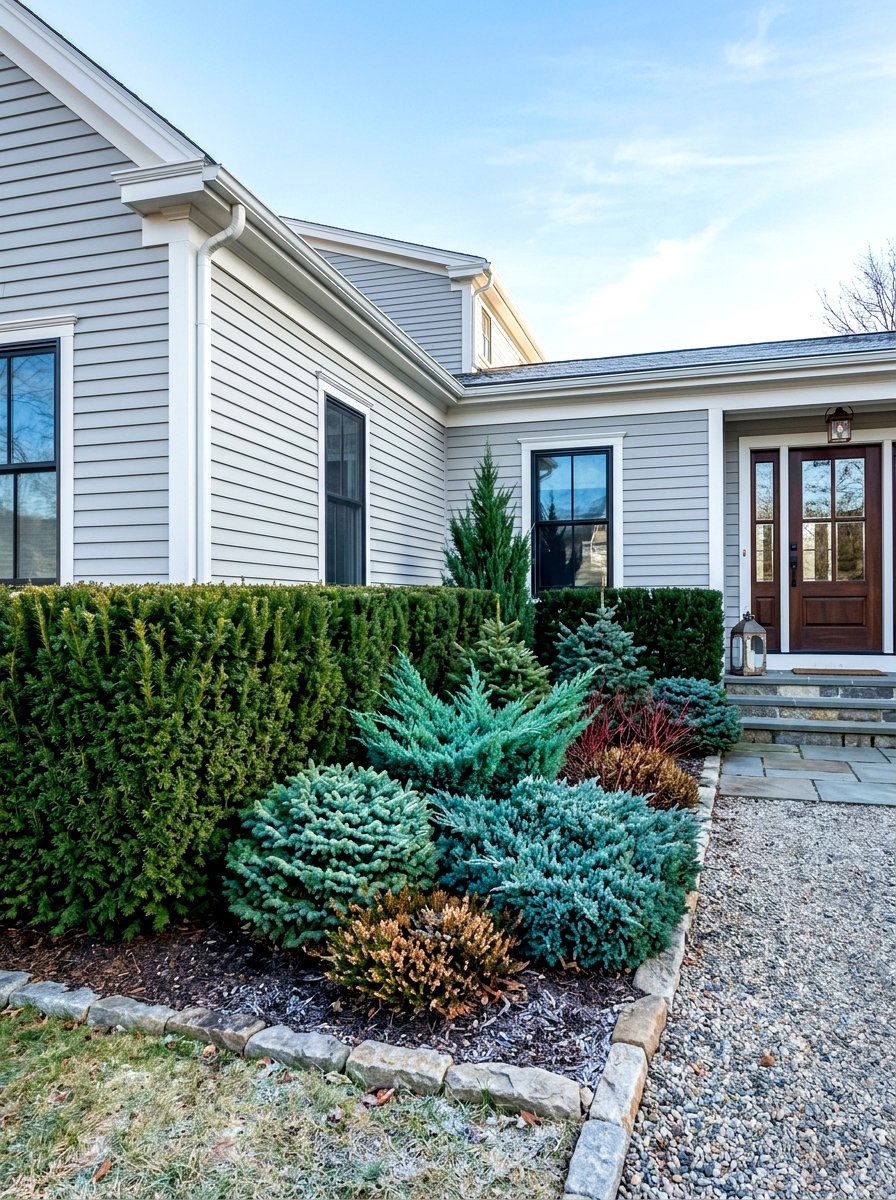
Have you ever noticed how some yards look barren and cold once the winter snow begins to fall? Using evergreen shrubs ensures that your home remains vibrant and framed with life even during the most freezing months of the year. Varieties such as Yews, Junipers, and Hollies provide a permanent green structure that serves as the backbone of your entire garden design. These plants offer a variety of textures, from soft needles to glossy leaves, which can be layered to create depth. Because they do not lose their foliage, they also provide excellent insulation for your foundation and a safe habitat for local birds. Incorporating evergreens ensures your curb appeal never takes a seasonal vacation.
4. Flower bed around foundation
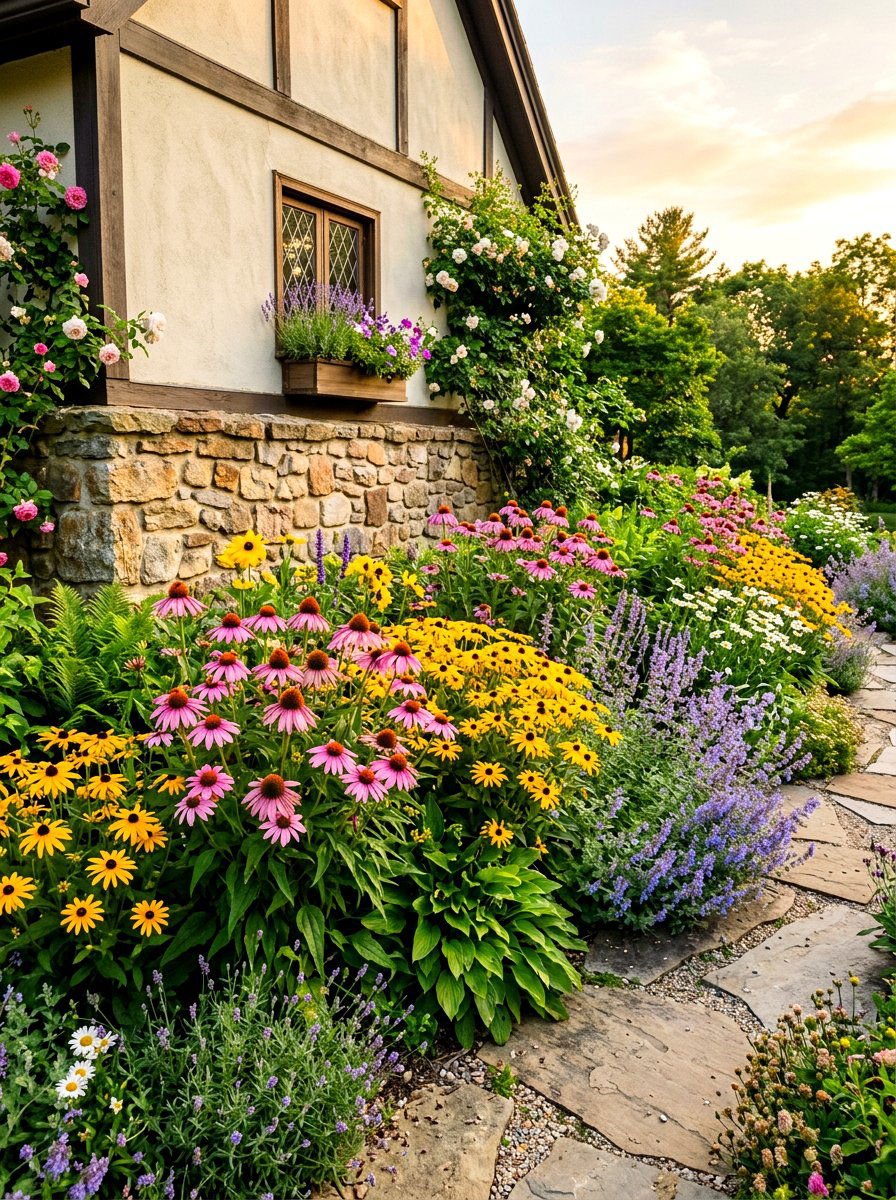
Are you looking for a way to add a sudden burst of joy and color to your home’s exterior? A dedicated flower bed along the foundation allows you to experiment with seasonal blooms that reflect your personal style and personality. You can mix long-blooming perennials like Black-eyed Susans with colorful annuals to ensure there is always something beautiful to look at. Adding height with taller varieties like Delphiniums in the back and shorter creeping Phlox in the front creates a professional, tiered effect. These floral displays not only smell wonderful but also attract butterflies and hummingbirds right to your front door. A well-maintained flower bed turns a plain wall into a living, breathing work of art.
5. Boxwood hedge for curb appeal
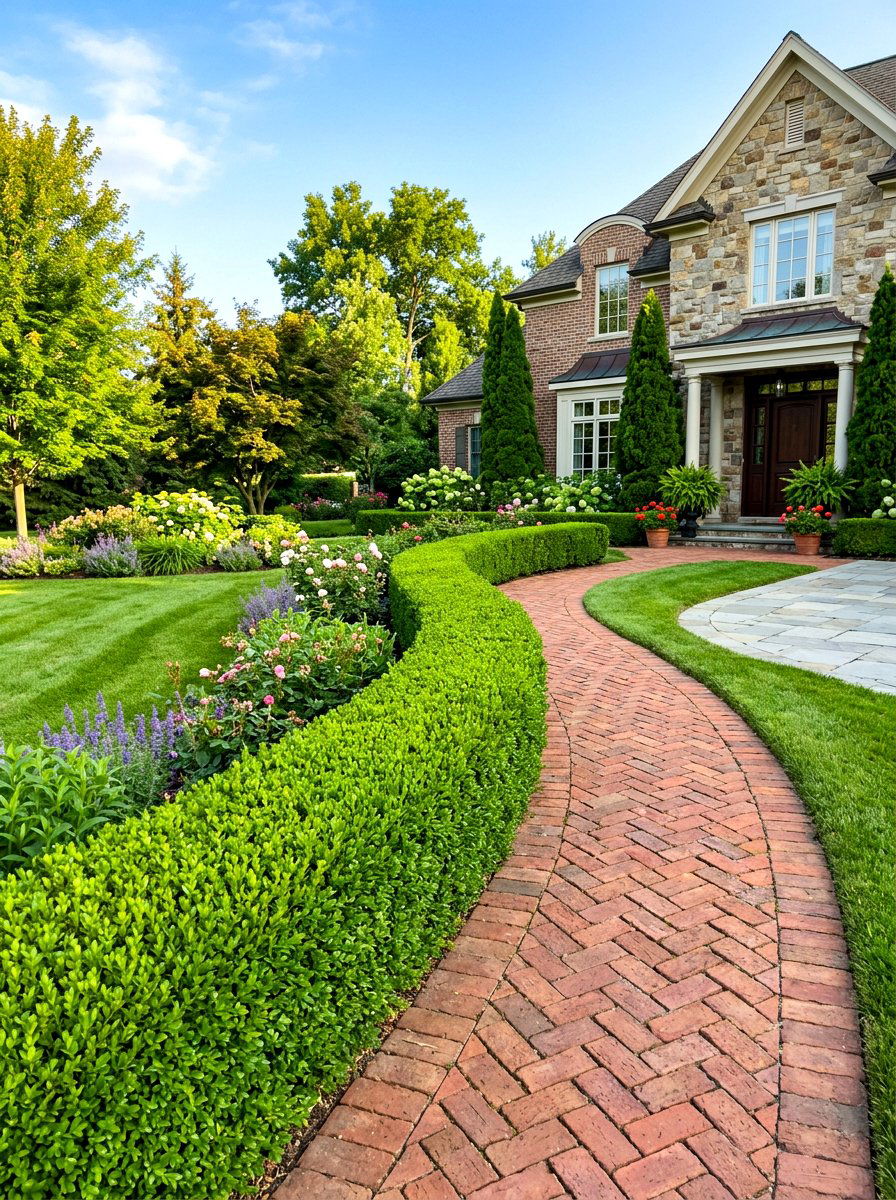
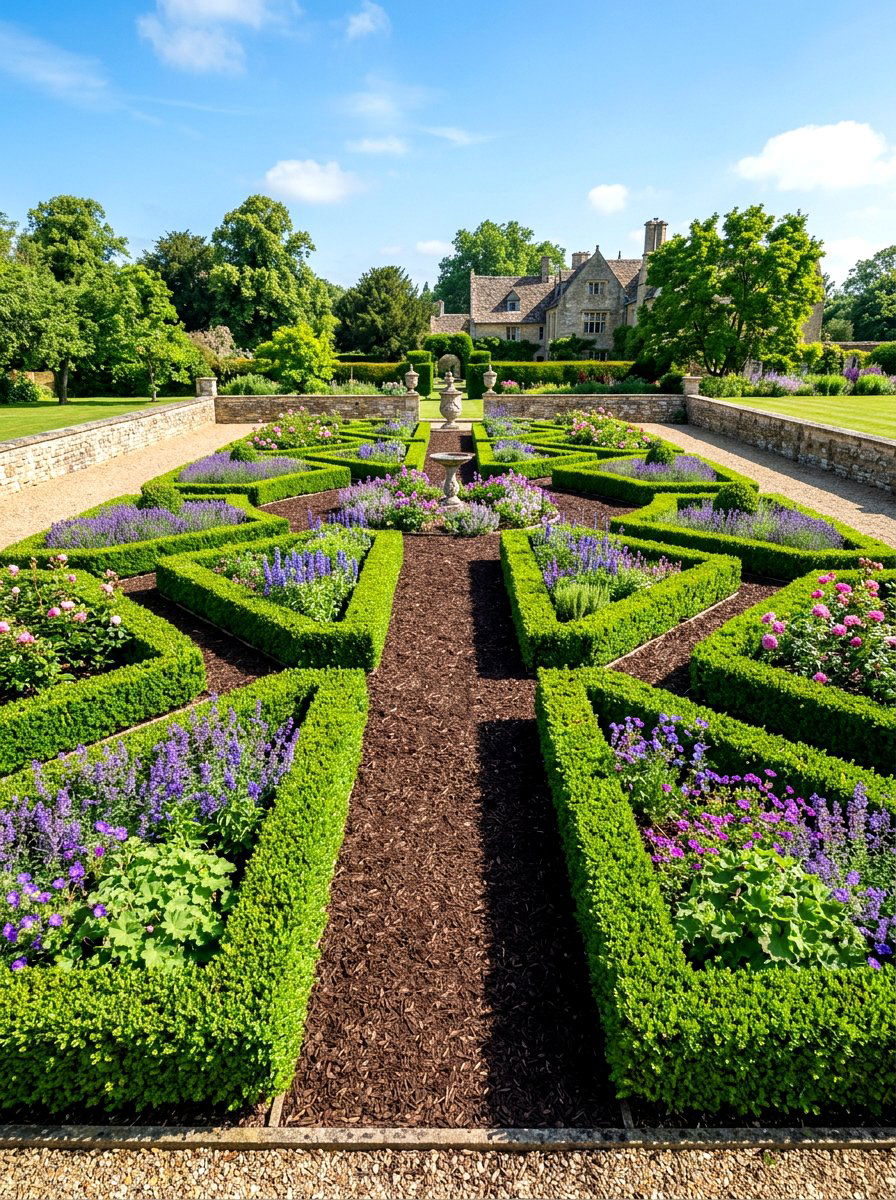
There is something incredibly sophisticated about a perfectly manicured hedge that follows the architectural lines of a classic home. Boxwoods are the gold standard for creating these tidy, formal borders because they are dense, easy to shear, and hold their shape remarkably well. You can keep them trimmed into tight spheres for a whimsical look or maintain a straight, low wall for a traditional English garden feel. This structure provides a clean edge that separates your lawn from your planting beds, making the entire yard look more organized. Pairing a green hedge with white or brick siding creates a high-contrast look that always feels upscale and expensive. It is a timeless choice for any homeowner.
6. Native plants for foundation landscaping
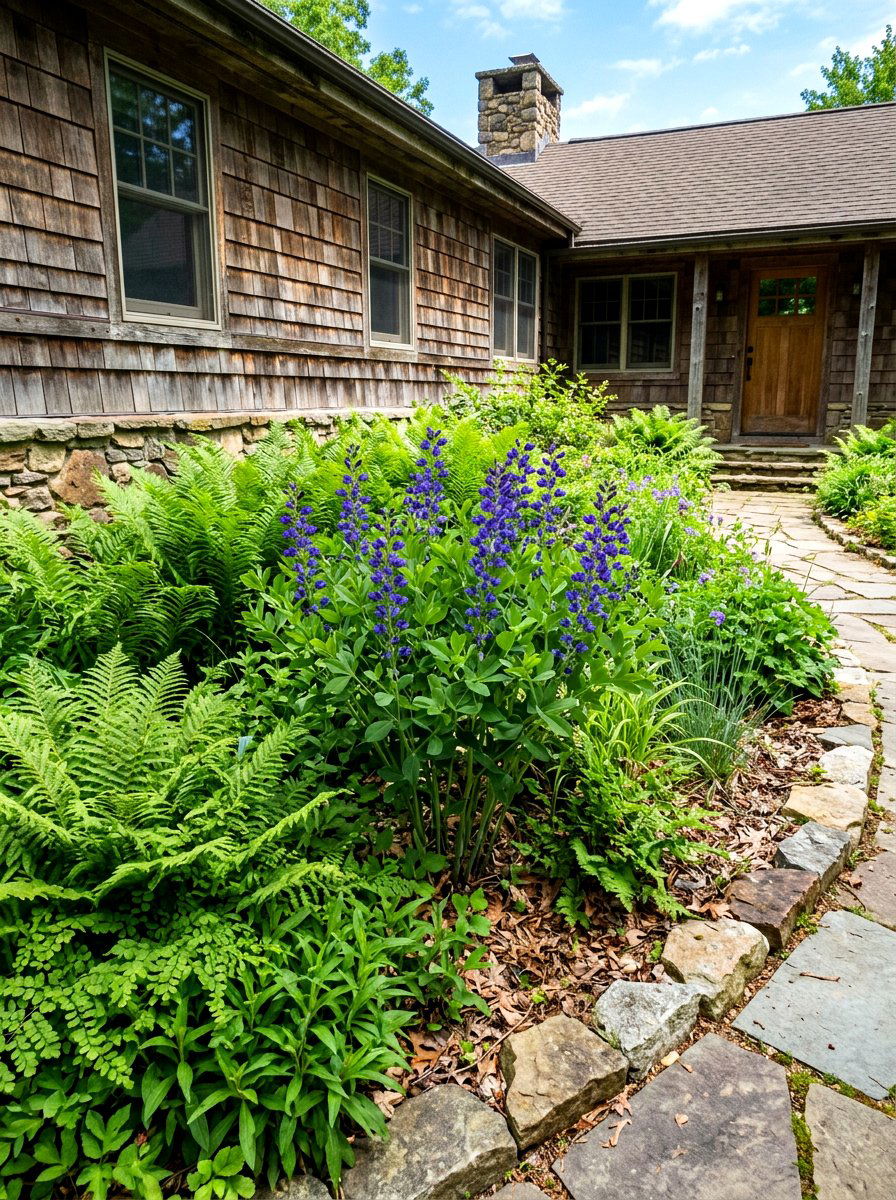
Why struggle with finicky exotic species when you can choose plants that are perfectly adapted to your local climate and soil? Using native plants for your foundation beds is an eco-friendly choice that significantly reduces the need for supplemental watering and chemical fertilizers. These plants have deep root systems that help manage rainwater runoff and prevent soil erosion around your home’s base. Common choices include Coneflowers, Blue False Indigo, or native ferns, depending on your specific geographic region and light levels. Because they evolved alongside local wildlife, these gardens provide essential nectar for bees and nesting sites for beneficial insects. Supporting your local ecosystem while beautifying your home is a win-win for every modern gardener.
7. Ornamental grass along house wall
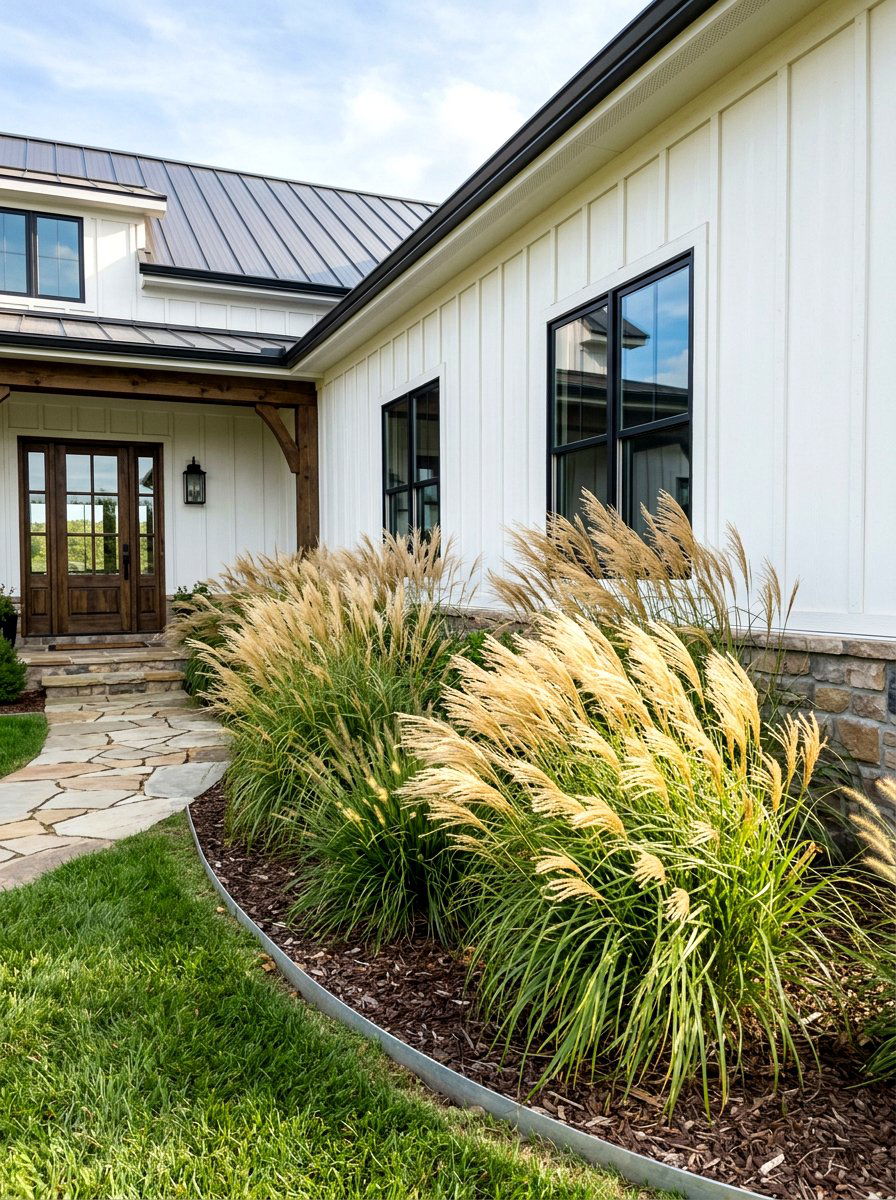
If you love the idea of movement and sound in your garden, ornamental grasses are a fantastic addition to any foundation plan. These plants sway gently in the breeze, creating a relaxing rustling noise and adding a soft, ethereal texture to the landscape. Taller varieties like Switchgrass or Maiden Grass can be used to hide utilities or soften the corners of a tall house. Many grasses also provide beautiful plumes in the late summer and maintain their golden structure throughout the winter months. They are incredibly durable and can withstand heat, wind, and poor soil conditions with ease. Their vertical habit provides a lovely contrast to rounded shrubs and flat groundcovers.
8. Hydrangea garden for house foundation
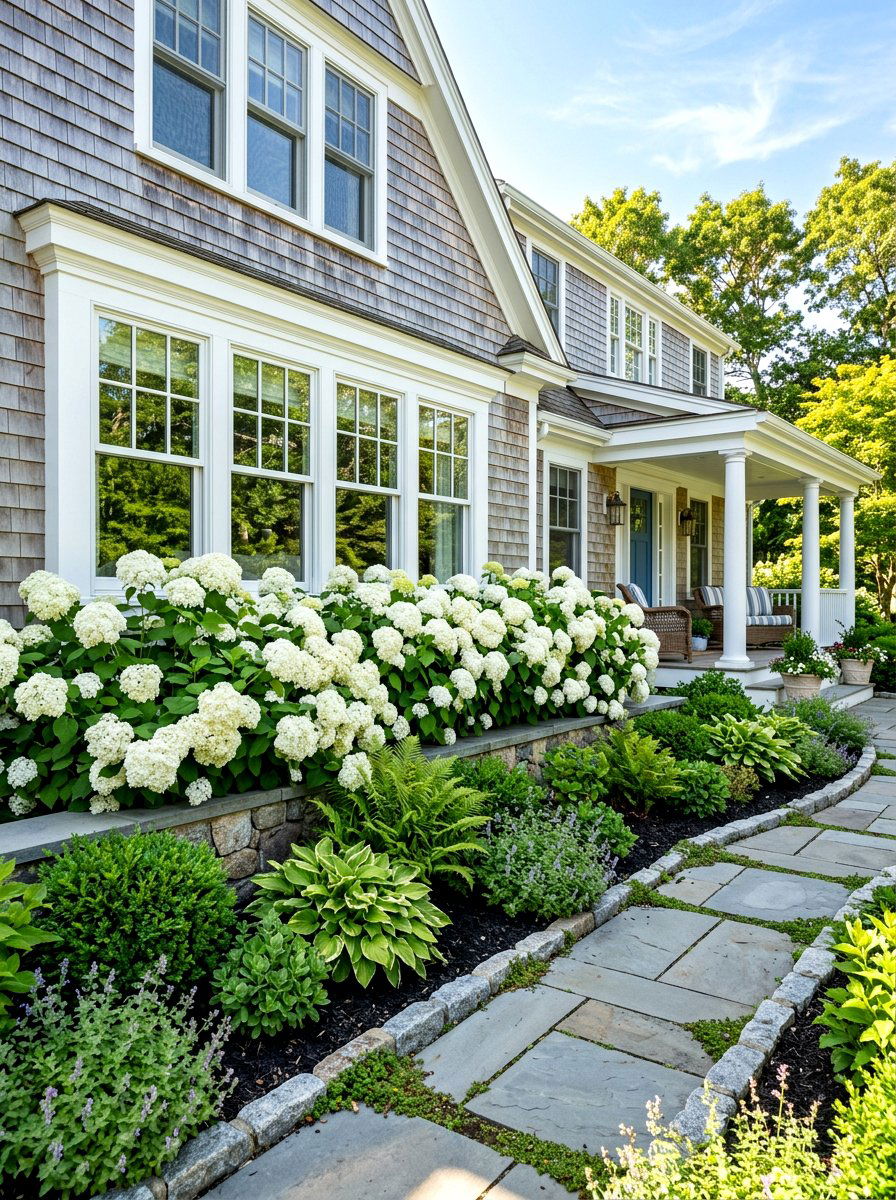
Is there anything more iconic and romantic than a row of lush, blue or white hydrangeas blooming under a front window? These flowering shrubs are beloved for their massive flower heads and ability to thrive in the morning sun and afternoon shade. Panicle hydrangeas offer a more upright, cone-shaped bloom, while mophead varieties provide the classic rounded look that many homeowners crave. Because they grow relatively quickly, they can fill a large space along your foundation in just a few seasons. Their large, green leaves provide excellent coverage for the base of your home, and the dried flower heads can even be left on the plant for unique winter interest.
9. Small front yard landscaping
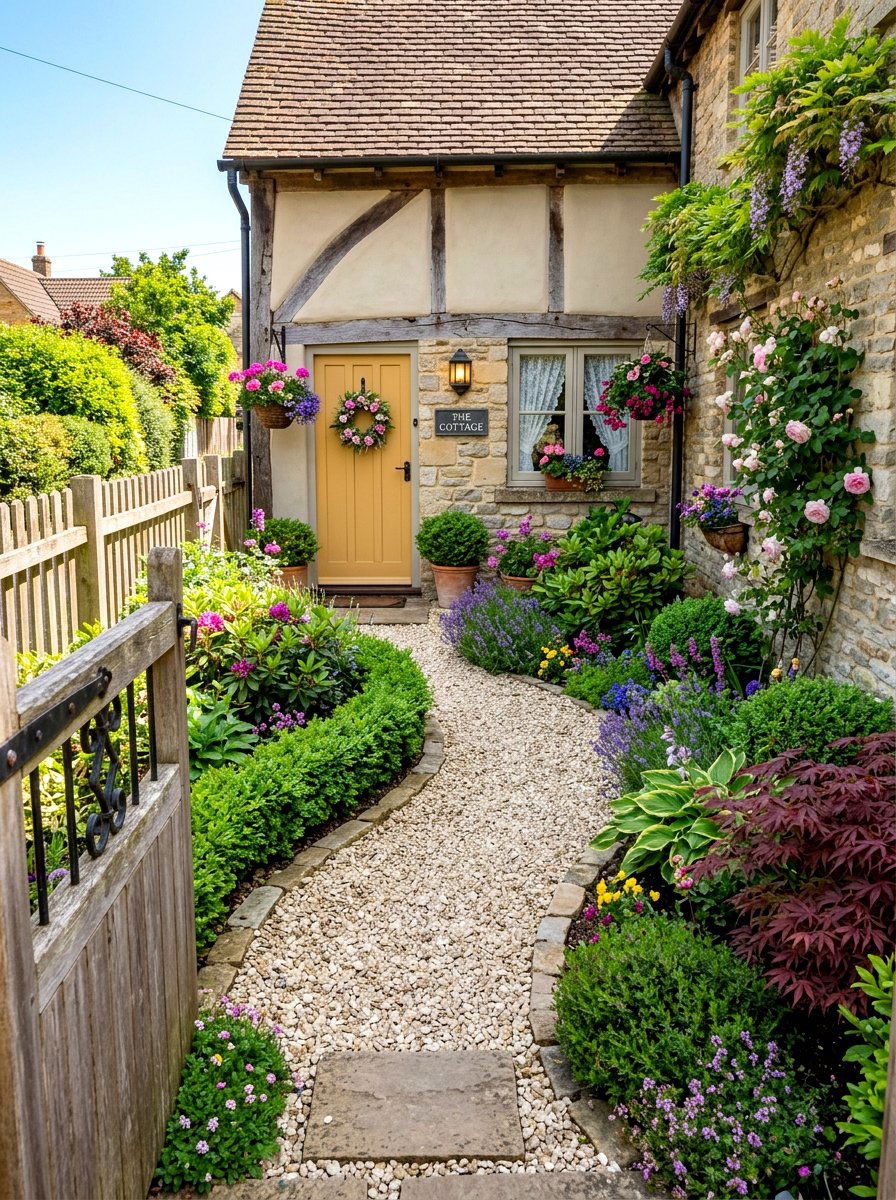
Do you feel limited by a tiny patch of grass between your sidewalk and your front door? Small-scale landscaping requires a strategic approach to ensure the space feels cozy rather than cluttered or overwhelmed. Using compact or "dwarf" varieties of your favorite shrubs ensures that the plants don't outgrow their welcome or block your view. You can use vertical elements like a single slender arborvitae or a decorative trellis to draw the eye upward and maximize the available footprint. Adding a few high-quality containers on the porch can complement the foundation plantings and create a cohesive look. Every square inch counts when you are designing for a compact and charming entryway.
10. Stone mulch for foundation beds
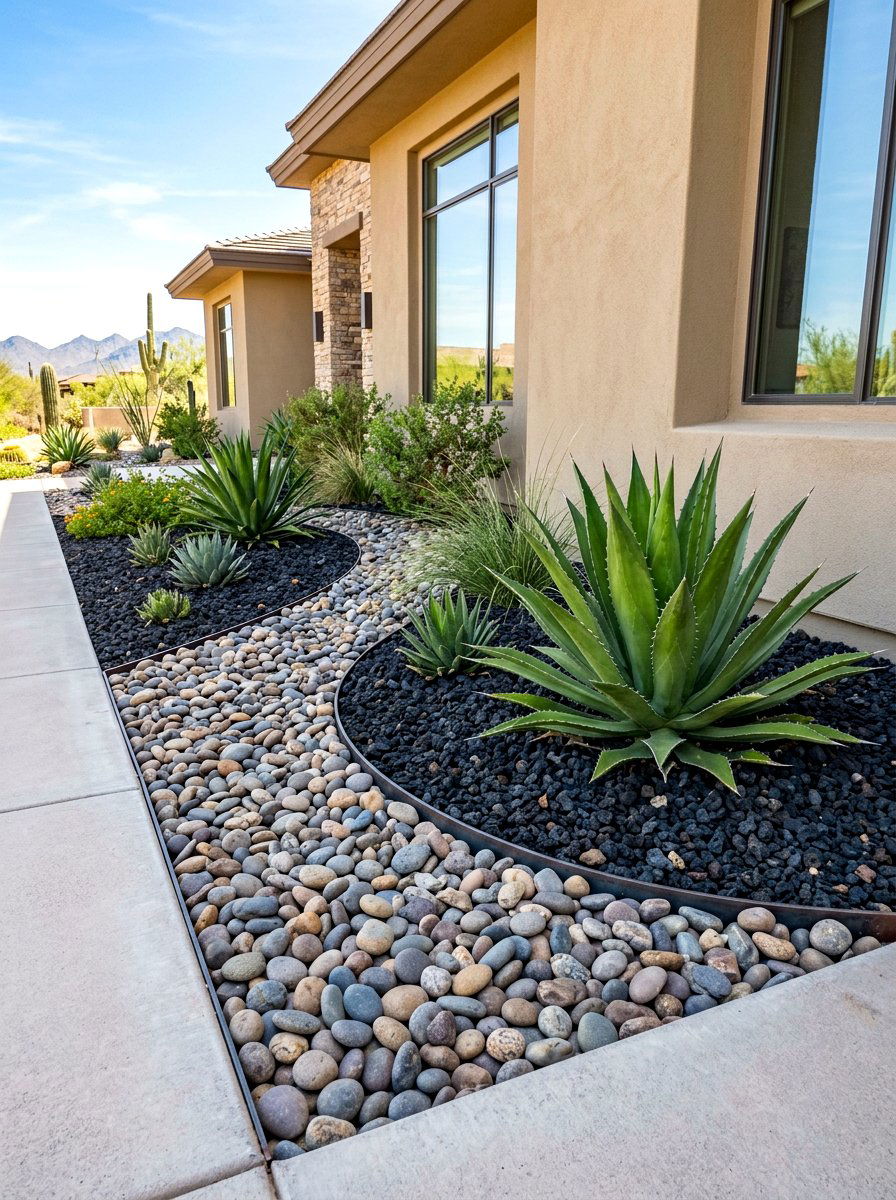
Are you tired of replacing wood mulch every single spring because it has faded or washed away during heavy rains? Switching to stone mulch or river rock is a permanent and stylish solution that offers a clean, modern look for your foundation. Rocks come in a wide variety of colors, from snowy white to earthy tan and sleek volcanic black, allowing you to match your home’s palette perfectly. Stone mulch is excellent for drainage, as it allows water to seep through easily while preventing soil from splashing up onto your siding. It also suppresses weeds more effectively than organic options when paired with a high-quality landscape fabric. This choice is perfect for a truly low-maintenance exterior.
11. Perennial flower border along house
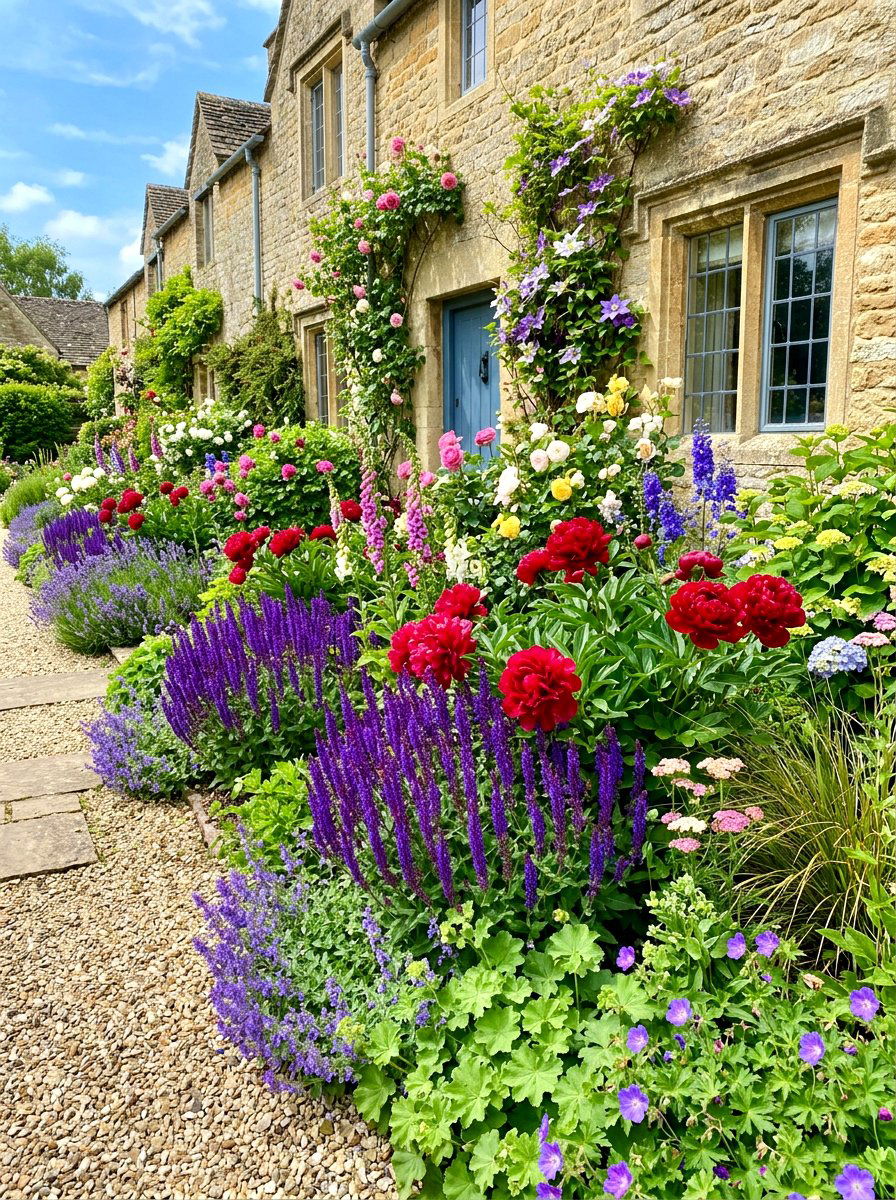
Creating a perennial border is like making a long-term investment in the beauty and health of your home’s curb appeal. Unlike annuals that need to be replaced every year, perennials like Salvia, Peonies, and Daylilies return season after season with even more vigor. By selecting plants with staggered bloom times, you can ensure that your foundation bed is colorful from early spring through the first frost. These plants often require less water once they are established because they have developed extensive root systems. A well-planned perennial border creates a lush, cottage-like feel that gives your home a sense of history and permanence. It is a rewarding way to watch your garden evolve.
12. Dwarf conifer foundation planting
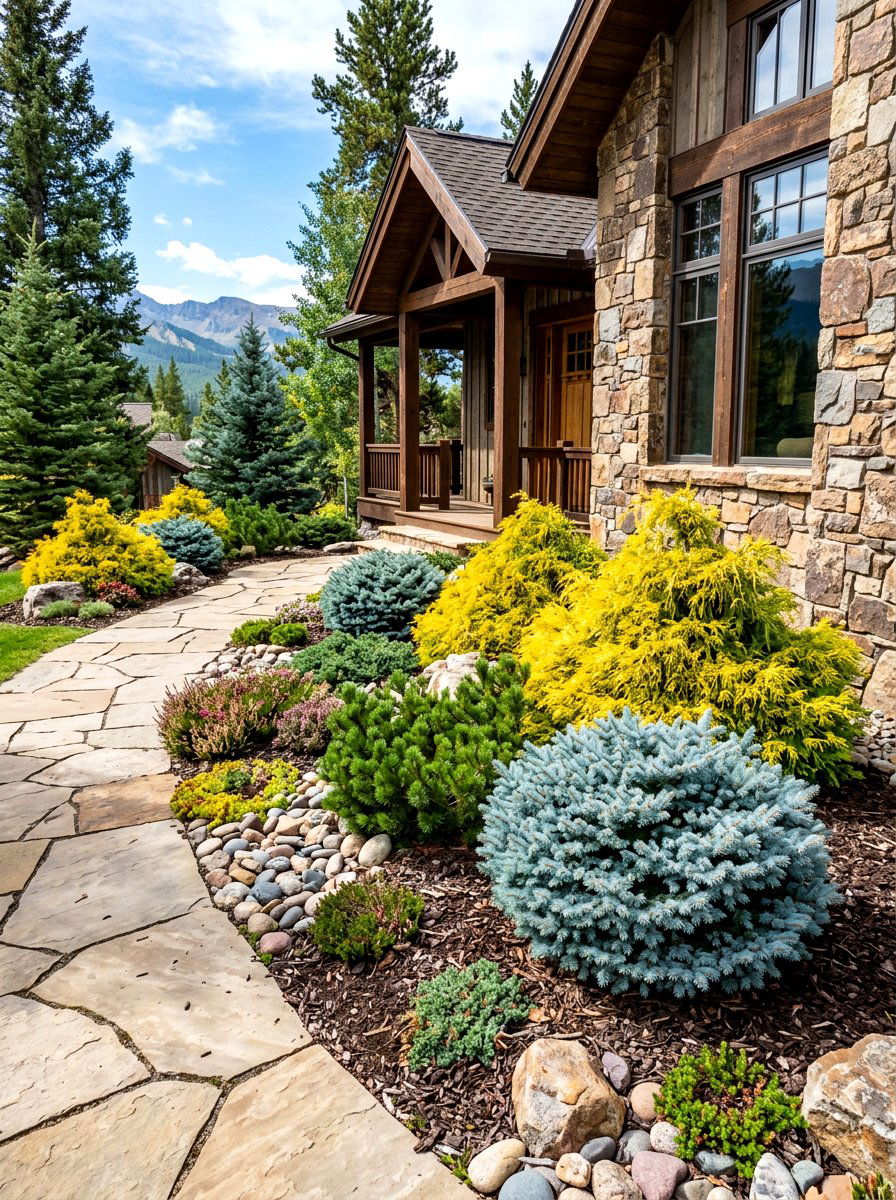
If you love the look of majestic pine or spruce trees but don't have the space for a fifty-foot giant, dwarf conifers are your best friend. These miniature versions of classic evergreens grow very slowly and stay in a compact, manageable size for decades. They offer an incredible array of colors, including silvery blues, bright golds, and deep emerald greens, which can be mixed for visual variety. Their unique shapes — ranging from perfect globes to weeping forms — add a touch of artistic flair to your foundation beds. Because they are so hardy, they can withstand harsh winter winds and heavy snow loads without losing their architectural beauty. They are the perfect "anchor" plants for any design.
13. Shade plants for north side house
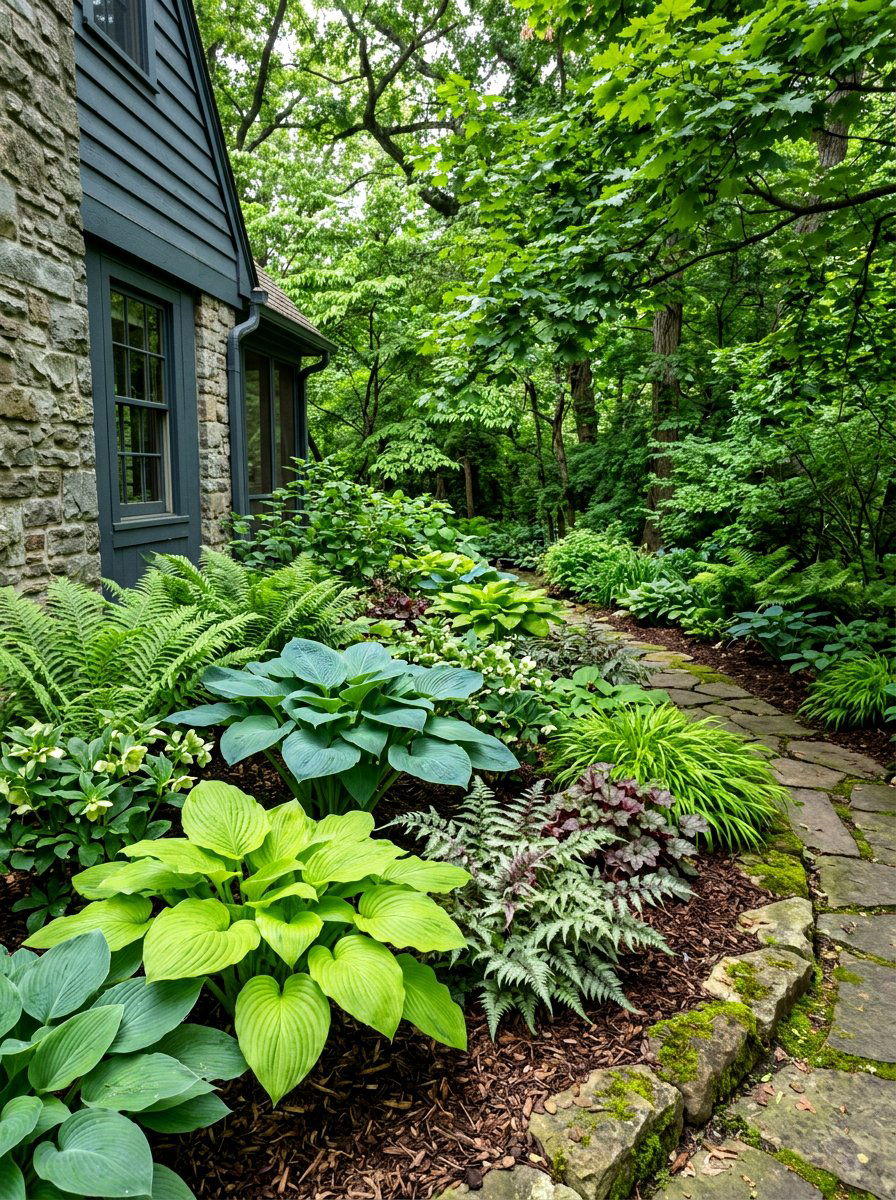
Does the north side of your home stay dark and damp, making it difficult for traditional sun-loving flowers to survive? Transforming a shady foundation area into a lush, woodland-inspired retreat is entirely possible with the right plant selection. Shade-loving stars like Bleeding Hearts, Astilbe, and various species of Ferns thrive in low-light conditions and actually prefer the cooler soil. These plants often focus on interesting foliage textures and subtle, elegant blooms rather than flashy, sun-drenched colors. Adding a few light-colored stones or light-green foliage can help brighten up the dark corners of your yard. A shade garden feels like a private, cool oasis during the heat of the summer months.
14. Drought tolerant foundation garden
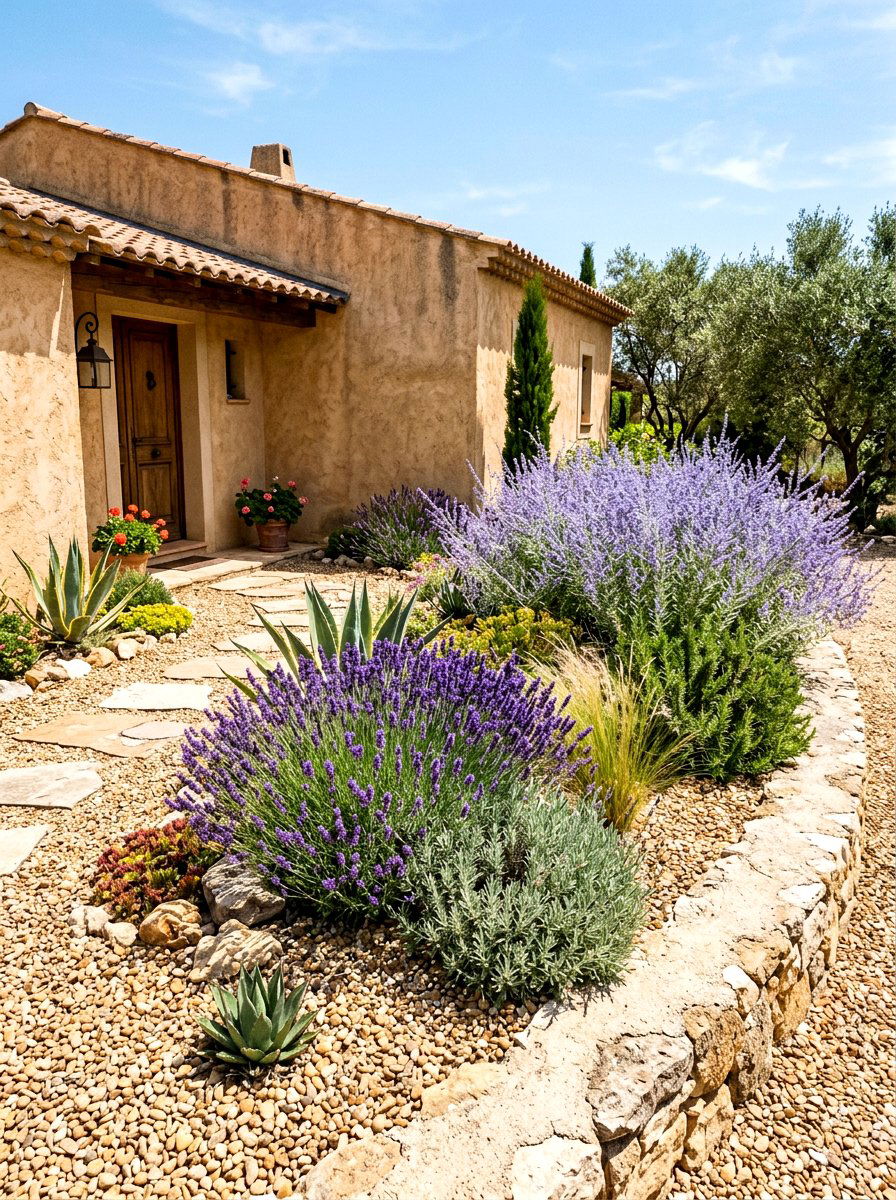
Are you living in an area with water restrictions or simply want to reduce your environmental footprint while maintaining a gorgeous yard? A drought-tolerant or "xeriscape" foundation garden focuses on plants that store water in their leaves or have deep roots to survive dry spells. Succulents, Lavender, and Russian Sage are all stunning options that require very little supplemental irrigation once they are established. These plants often have silver or grey-green foliage, which looks sophisticated and modern against most home exteriors. Using a gravel mulch further helps to retain moisture in the soil and prevents evaporation. This approach is not only practical and eco-friendly but also results in a unique and texture-rich landscape.
15. Hostas under front window
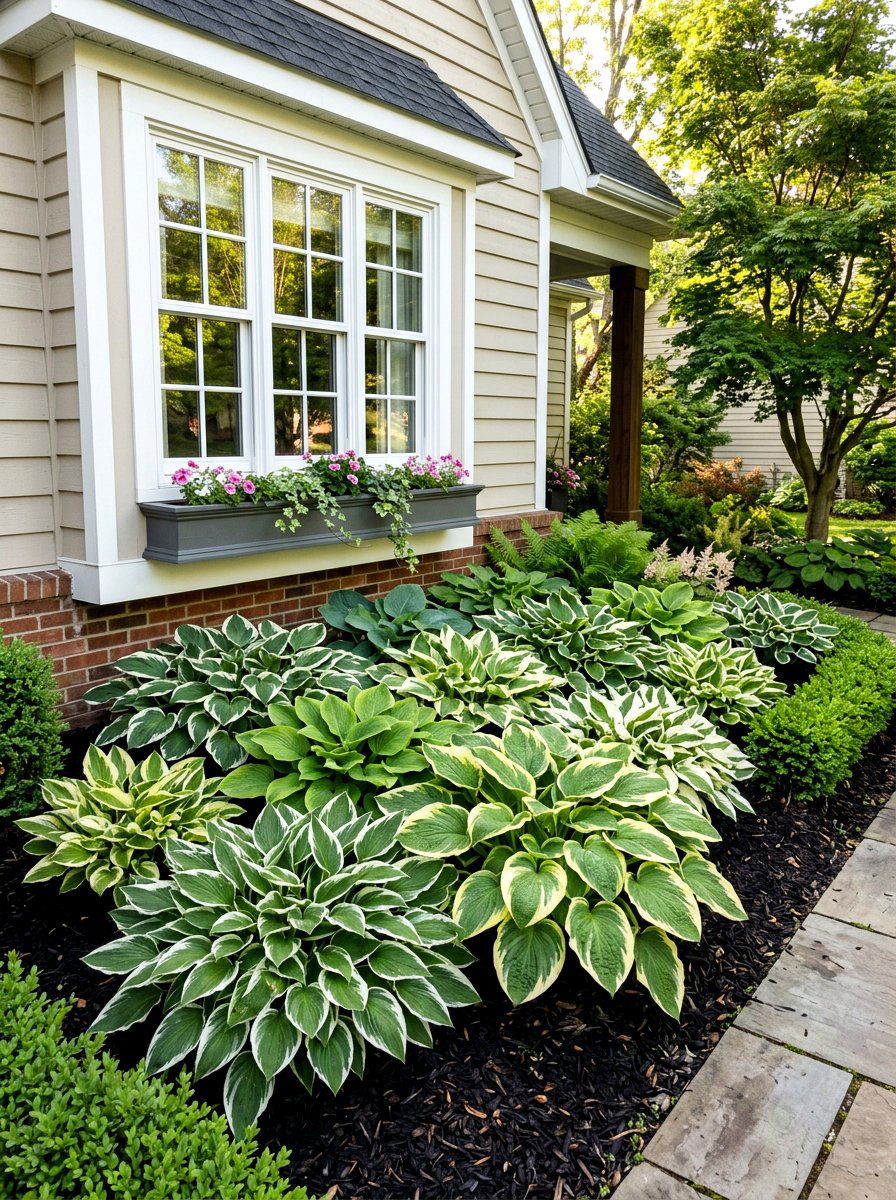
Hostas are often called the "queen of the shade garden" for a very good reason: they are incredibly reliable and come in hundreds of leaf patterns. Whether you choose the giant, blue-leaved varieties or the smaller, variegated white-and-green types, they provide a thick carpet of foliage that beautifully hides your foundation. Because they grow in neat, mounded clumps, they create a rhythmic and organized look when planted in a row under your windows. They are also excellent at suppressing weeds because their large leaves shade out the ground beneath them. Hostas are exceptionally easy to divide and share, making them an affordable way to fill a large foundation area over time.
16. Layered foundation plant beds
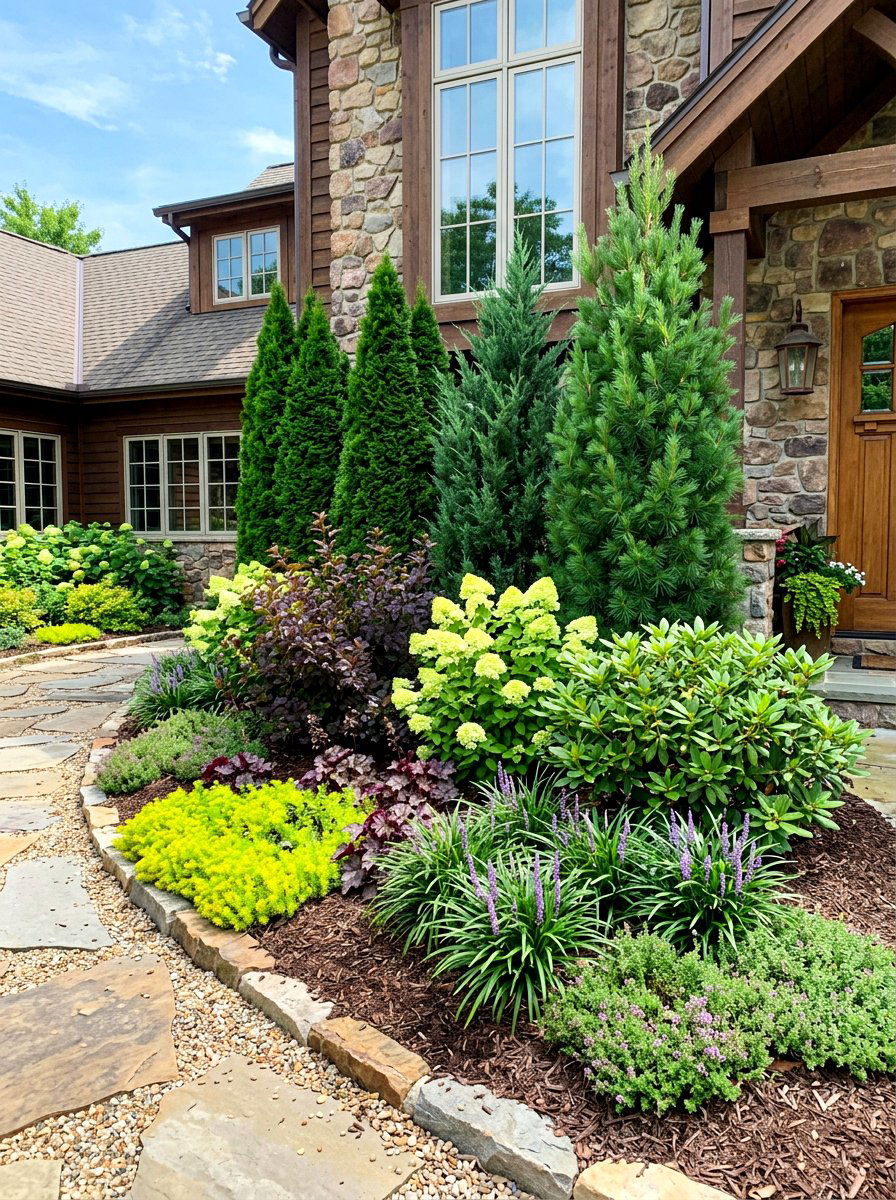
Professional landscapers almost always use a "rule of three" to create depth and visual interest in a garden bed. This involves placing the tallest plants in the back against the wall, medium-sized shrubs in the middle, and low groundcovers or flowers along the front edge. This tiered approach ensures that every plant is visible and creates a lush, full appearance that doesn't feel flat. You might use a tall Arborvitae as a backdrop, followed by flowering Spirea in the center, and finished with a border of creeping Jenny. This layering technique mimics how plants grow in nature, making your foundation landscaping look established, intentional, and much more expensive than it actually is.
17. Foundation planting for brick house
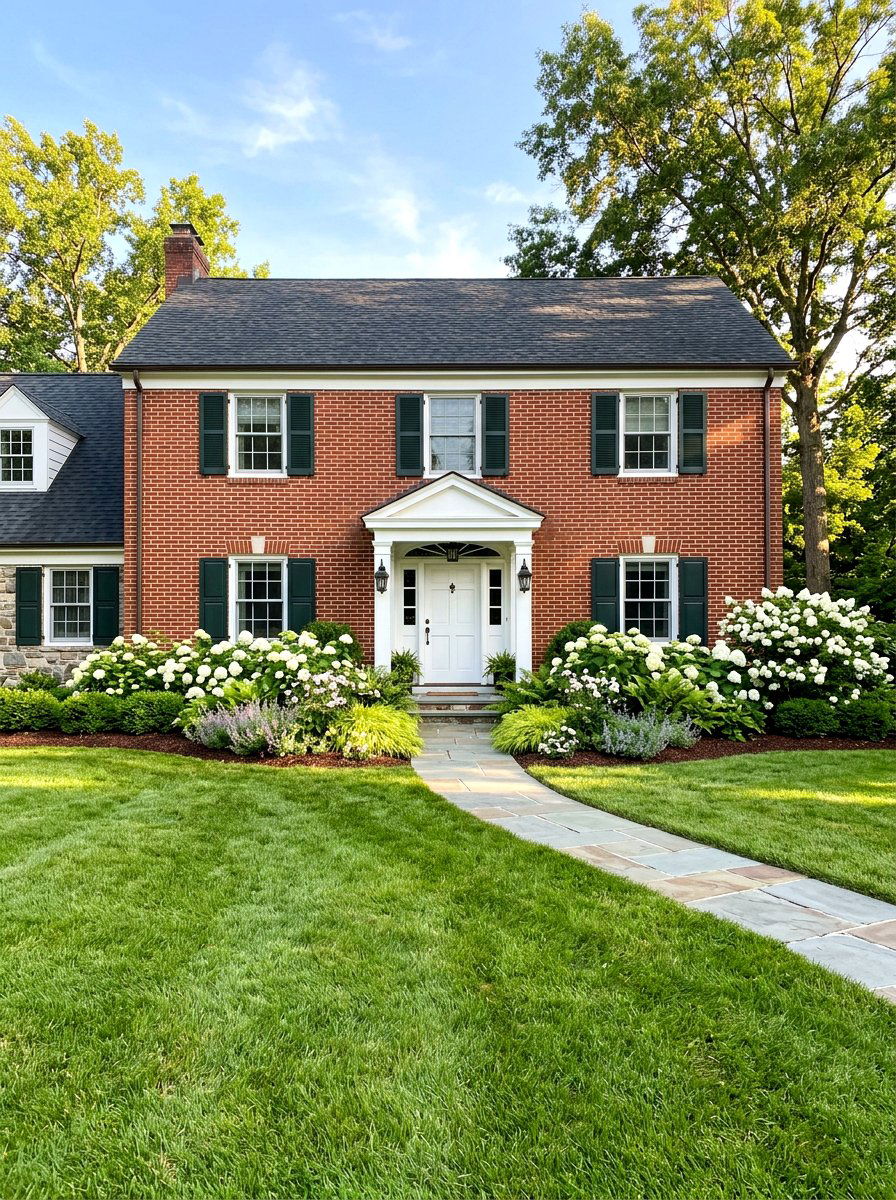
Brick homes have a wonderful texture and warmth, but they can sometimes look a bit heavy if the landscaping isn't carefully chosen to complement the masonry. Selecting plants with fine, airy foliage — like Threadleaf Coreopsis or Japanese Maples — can provide a soft contrast to the solid, geometric patterns of the brick. Colors also play a vital role; for example, white flowers and silvery-green leaves pop beautifully against traditional red brick. If your brick has orange or brown tones, consider using deep purple foliage like Ninebark to create a sophisticated and moody color scheme. Choosing the right plants helps to balance the visual weight of the building and makes the architecture feel more approachable.
18. Tropical landscaping around house
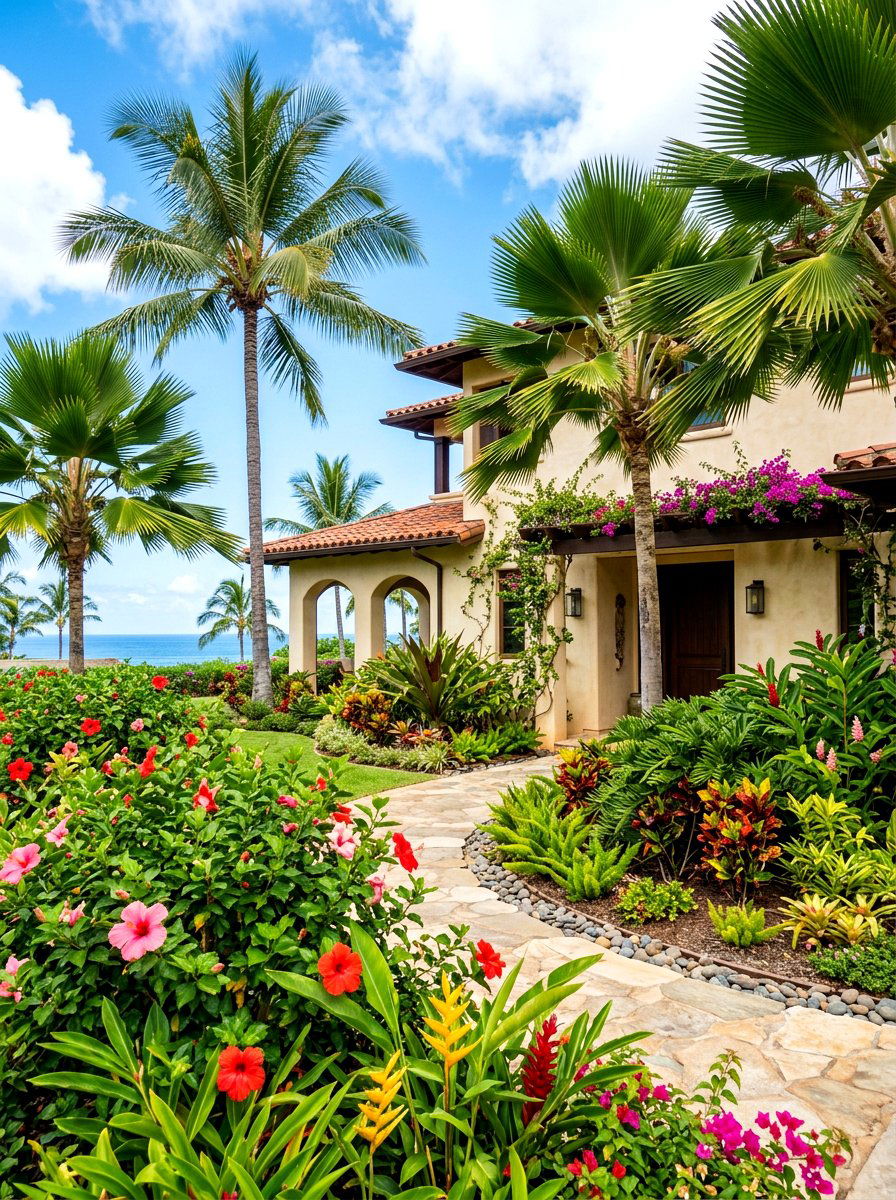
Do you dream of living in a vacation paradise every time you step out of your front door? If you live in a warmer climate, you can use bold, large-leafed plants like Hibiscus, Bird of Paradise, or Canna Lilies to create a tropical vibe. These plants provide vibrant, exotic flowers and lush greenery that can quickly transform a plain foundation into a jungle-inspired getaway. Even in cooler regions, you can achieve this look during the summer by using large containers of palms and elephant ears that are moved indoors for the winter. Pairing these bold plants with bright mulch or decorative sand creates a high-energy look that feels cheerful and sunny all year long.
19. Minimalist foundation landscaping
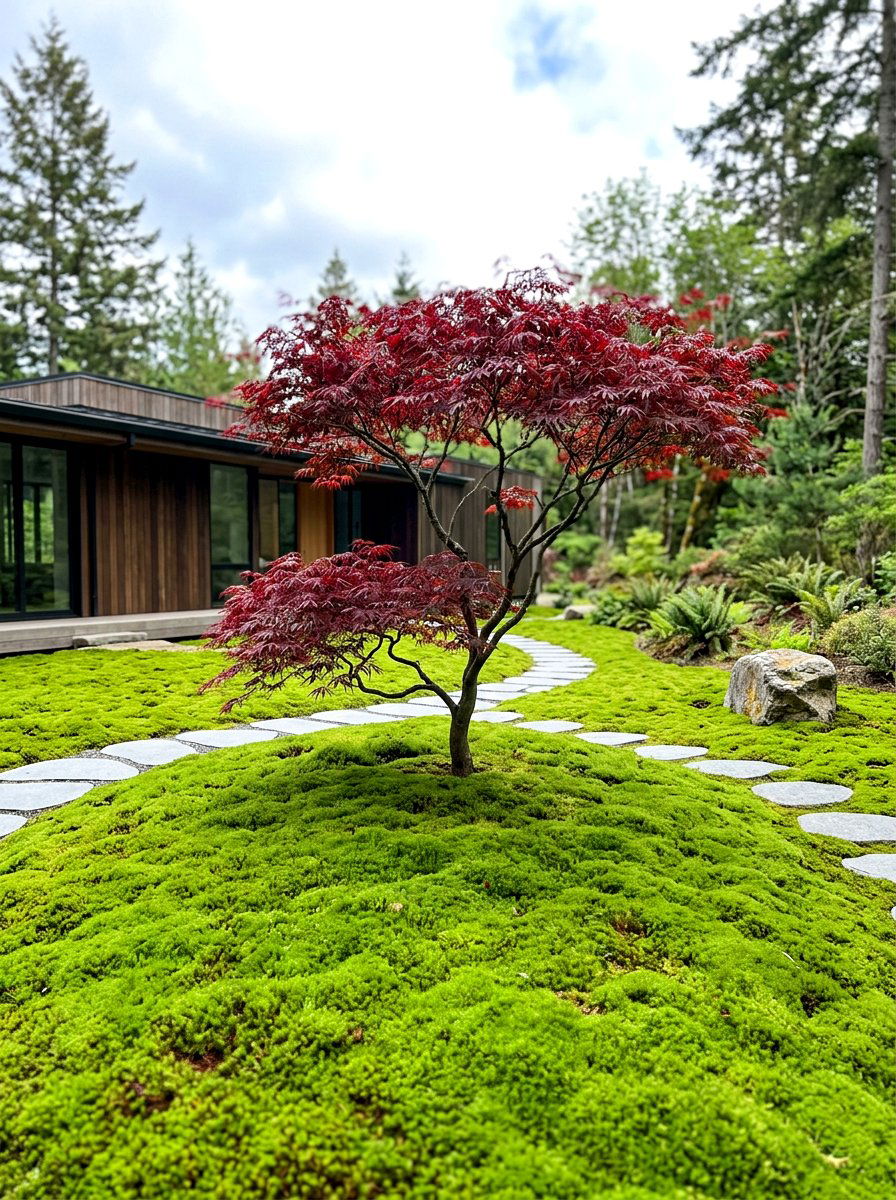
In a world that often feels cluttered and busy, a minimalist foundation design offers a sense of peace and modern clarity. This style focuses on a few high-quality specimens rather than a crowded mix of many different types of plants. You might see a single, perfectly placed ornamental tree surrounded by a uniform carpet of one type of groundcover, such as Mondo Grass or Pachysandra. The emphasis is on negative space and the clean lines of the home’s architecture. This approach is incredibly easy to maintain and ensures that the focus remains on the beauty of your house. It is the perfect choice for homeowners who appreciate the "less is more" philosophy of design.
20. Cottage garden foundation border
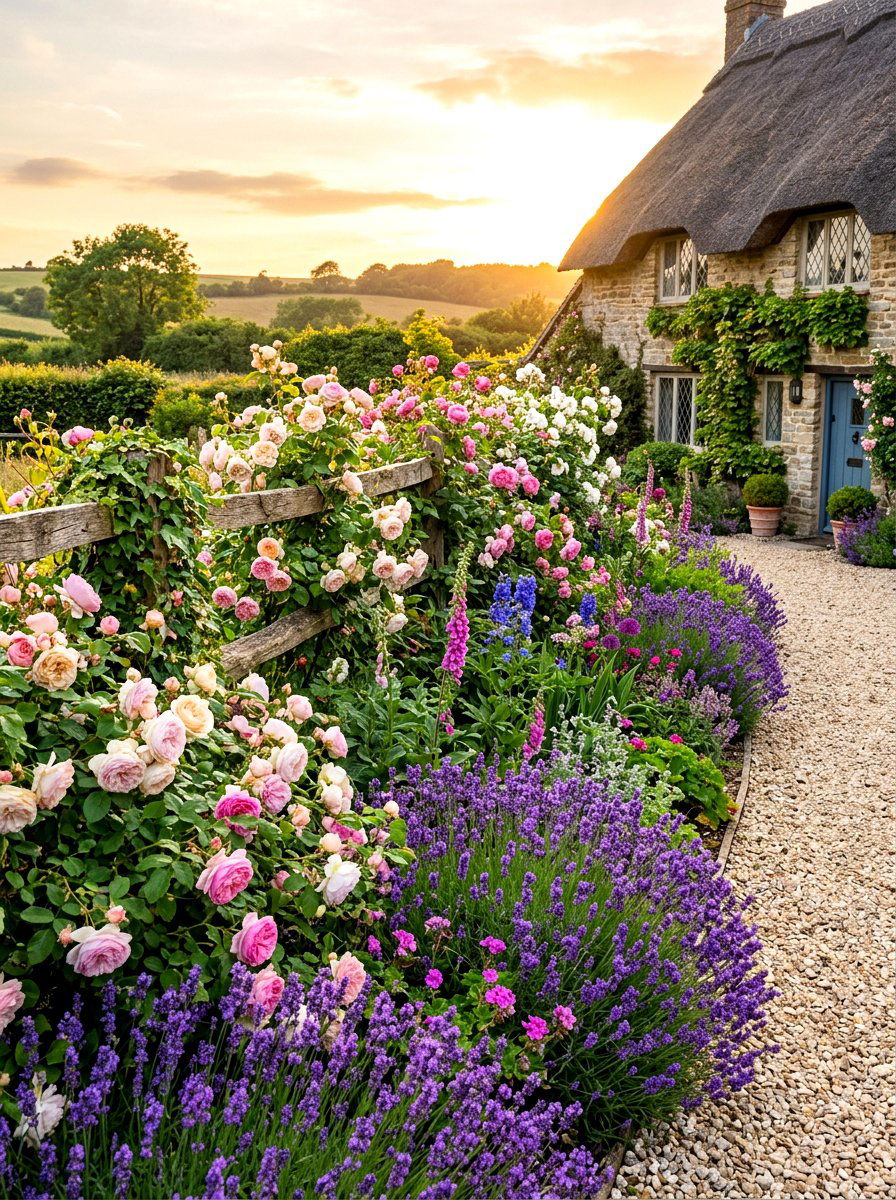
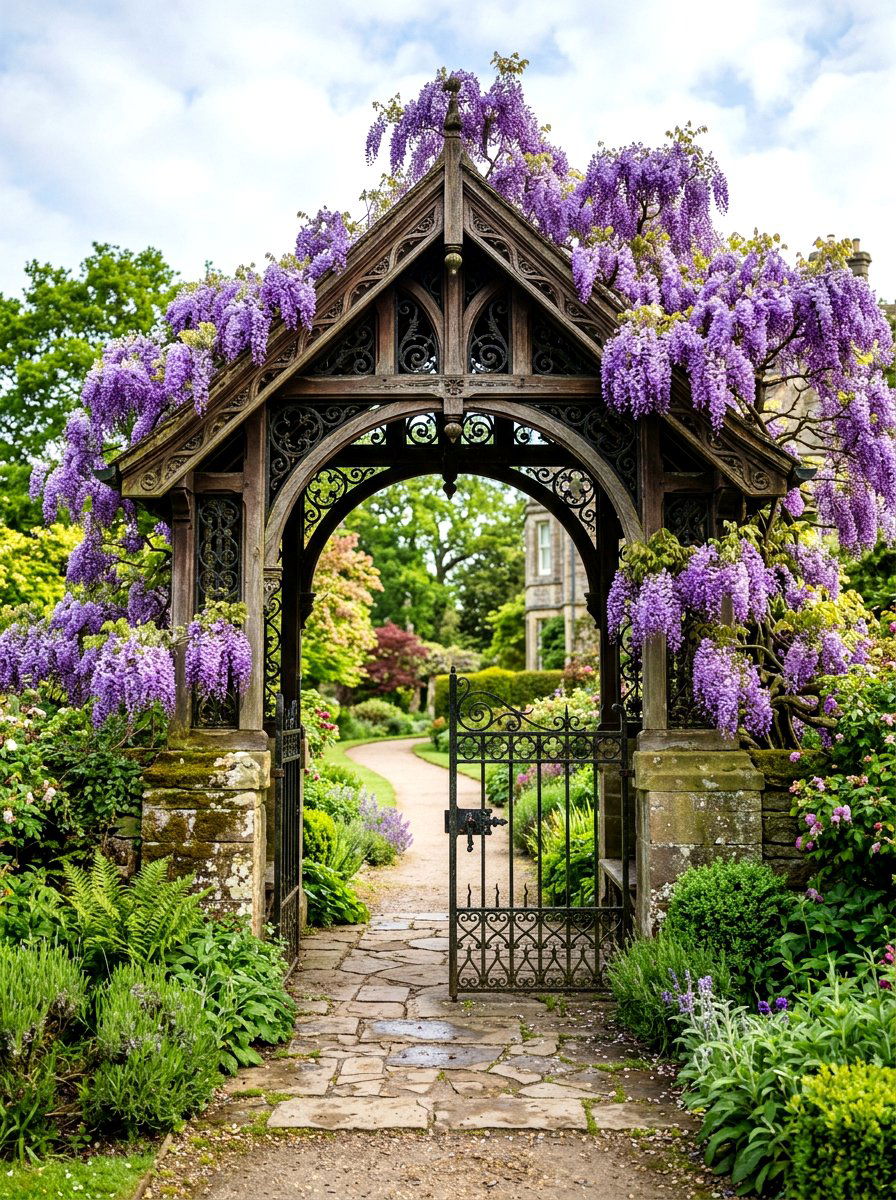
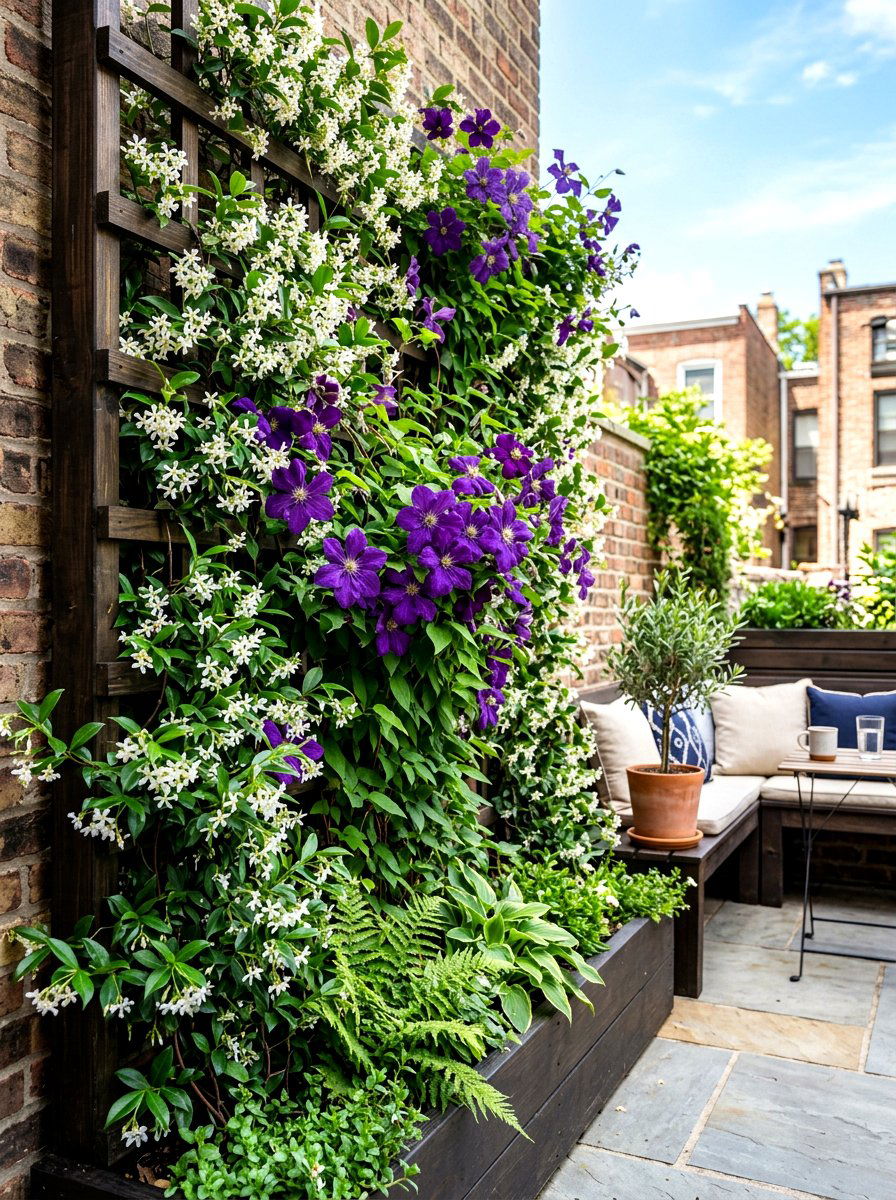
A cottage garden is all about abundance, charm, and a slightly wild aesthetic that feels personal and romantic. Instead of straight lines and clipped hedges, this style uses an overflowing mix of roses, lavender, foxgloves, and herbs. The goal is to have plants spilling over the edges of the beds and climbing up the walls on trellises. This creates a soft, blurred transition between the house and the yard that feels incredibly welcoming and lived-in. Cottage gardens are also fantastic for pollinators, as the variety of blooms provides a constant source of food for bees and butterflies. It is a wonderful way to express your creativity and love for nature right at home.
21. Azalea bushes for front yard
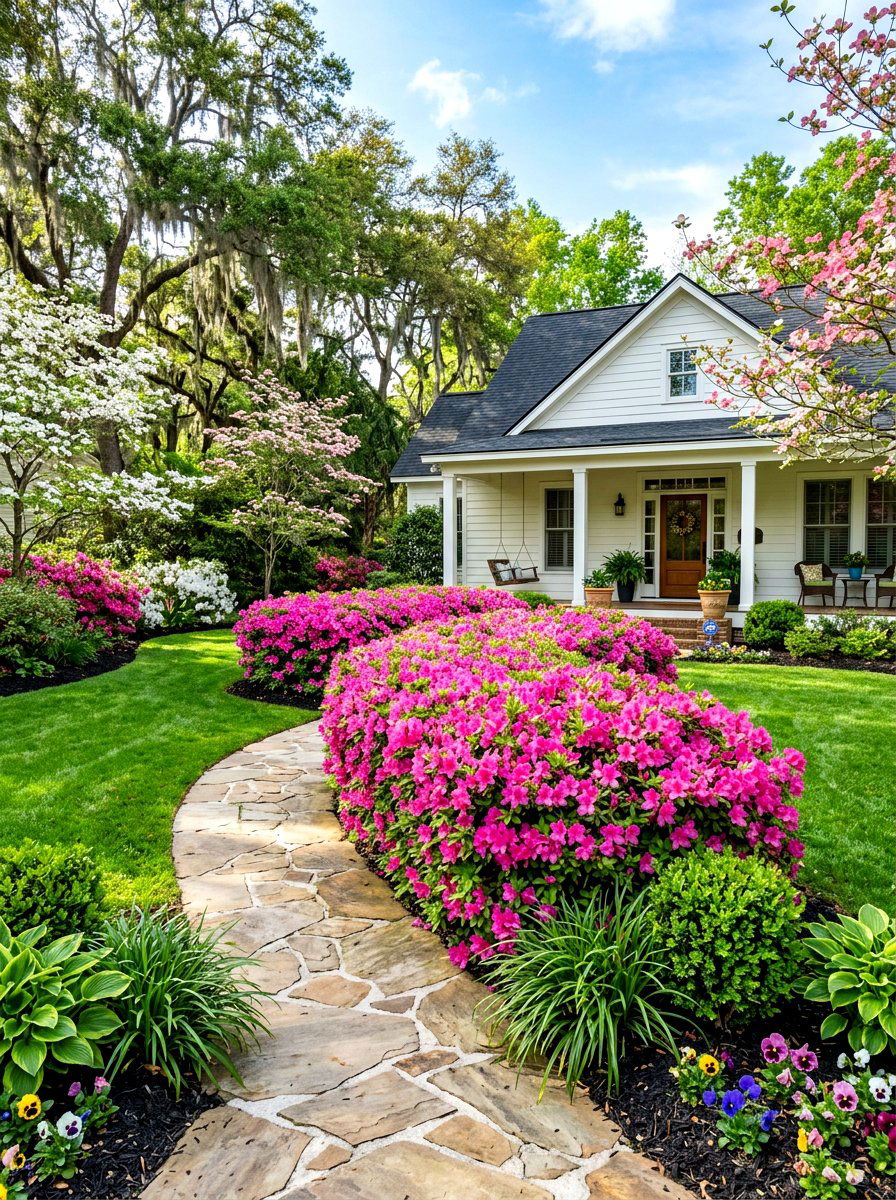
If you want your home to be the talk of the neighborhood every spring, there is no better choice than a mass planting of azaleas. When these shrubs are in full bloom, their foliage is almost entirely hidden by a cloud of vibrant pink, purple, red, or white flowers. They come in both evergreen and deciduous varieties, allowing you to choose the level of winter coverage that fits your needs. Azaleas prefer slightly acidic soil and dappled shade, making them perfect for planting under large trees near your foundation. Their rounded growth habit provides a soft, organic shape that complements both traditional and modern homes. They are a true classic of Southern and woodland landscaping.
22. Corner house foundation landscaping
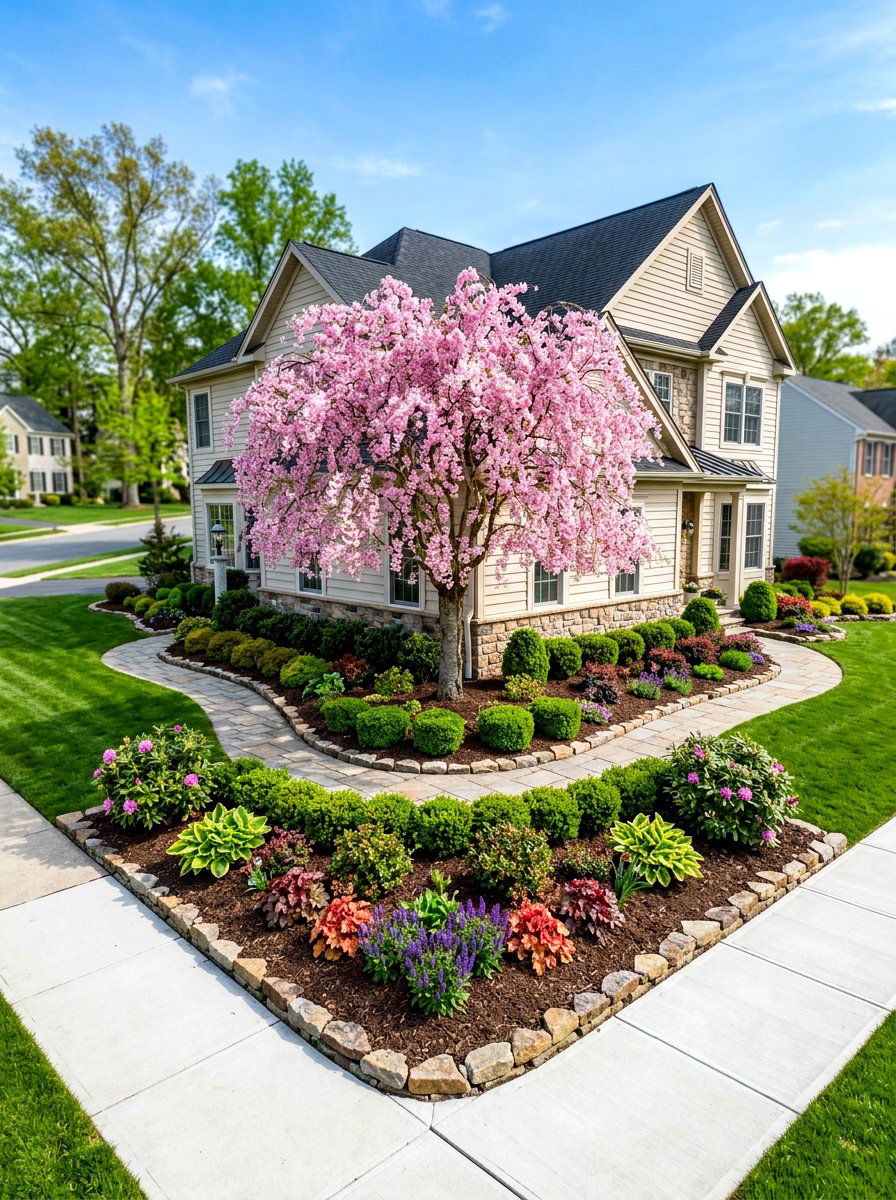
Landscaping a corner lot presents a unique challenge because your foundation is often visible from two different streets. To create a cohesive look, you need a design that wraps around the corner and provides a smooth transition between the front and side yards. Using a large, focal-point plant — like a weeping cherry or a tall evergreen — at the very corner of the house can help anchor the entire design. From there, you can extend your planting beds outward, using repeating patterns of shrubs and flowers to tie the two sides together. This approach ensures that your home looks beautiful from every possible angle and increases the privacy of your side yard from passing traffic.
23. Formal foundation garden layout
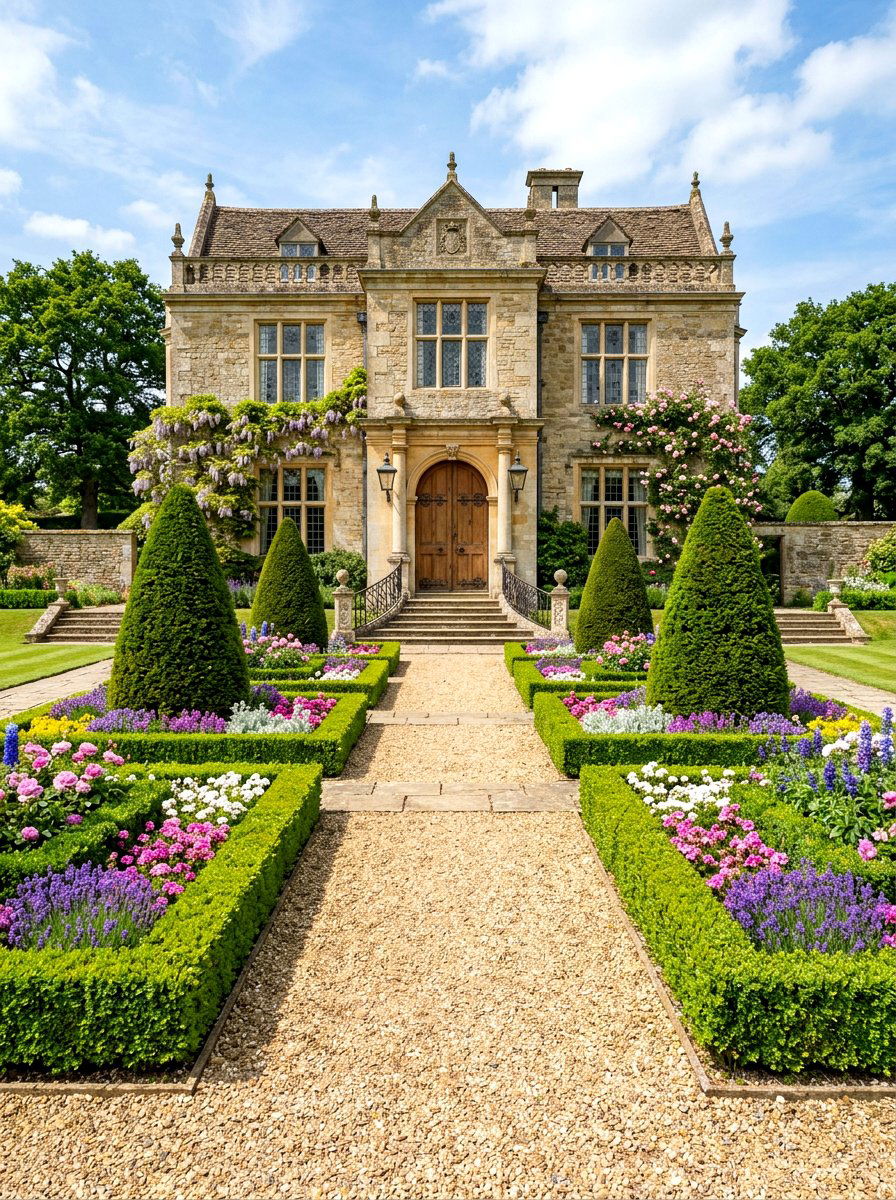
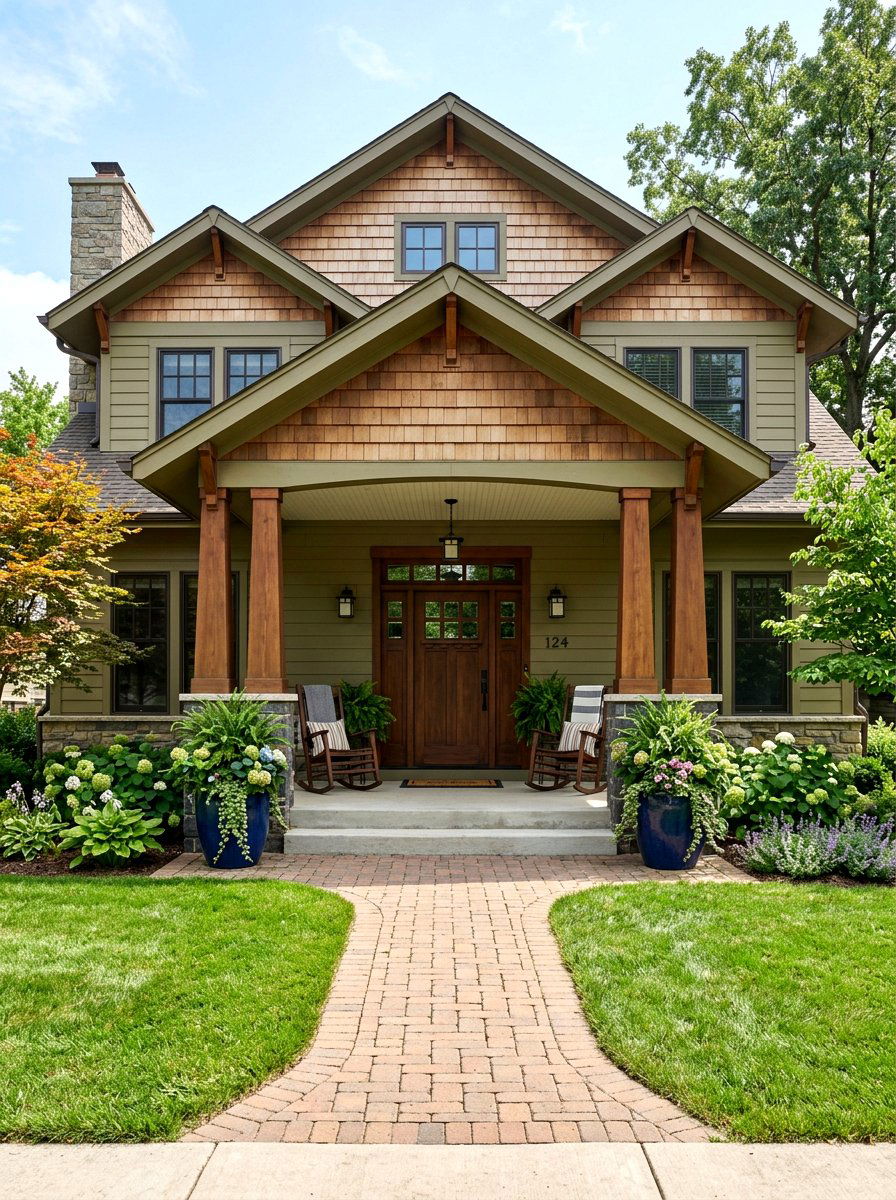
For those who love order, symmetry, and a sense of historical elegance, a formal garden layout is the ultimate choice. This style typically features mirrored plantings on either side of the front door, creating a balanced and grand entrance. You might use pairs of conical topiary trees or identical stone urns filled with manicured greenery to frame the entryway. Straight paths, neatly clipped boxwood borders, and a very limited color palette of greens and whites are hallmarks of this sophisticated look. A formal garden makes a powerful first impression and suggests a sense of luxury and careful attention to detail. It is a high-end aesthetic that never goes out of style.
24. Lavender border for house front
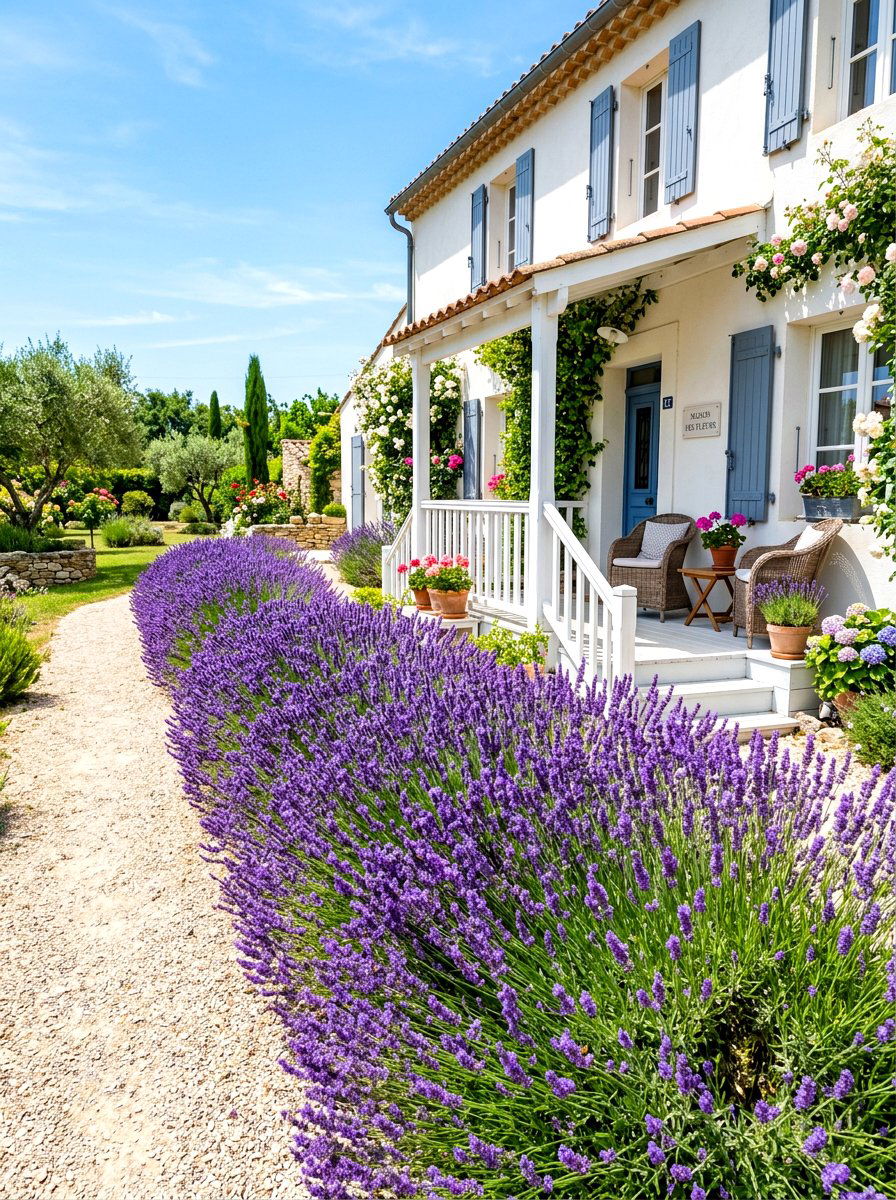
Imagine walking to your front door and being greeted by the relaxing and heavenly scent of fresh lavender every single day. Planting a border of lavender along your foundation or walkway is a sensory delight that offers both beauty and functionality. Lavender thrives in sunny, well-drained spots and features beautiful silvery-grey foliage that looks great even when the purple flower spikes aren't in bloom. Because it is naturally deer and rabbit resistant, it is a practical choice for rural or suburban areas where wildlife might be an issue. The dried flowers can be harvested for sachets or cooking, making this a truly "useful" addition to your home’s exterior landscape.
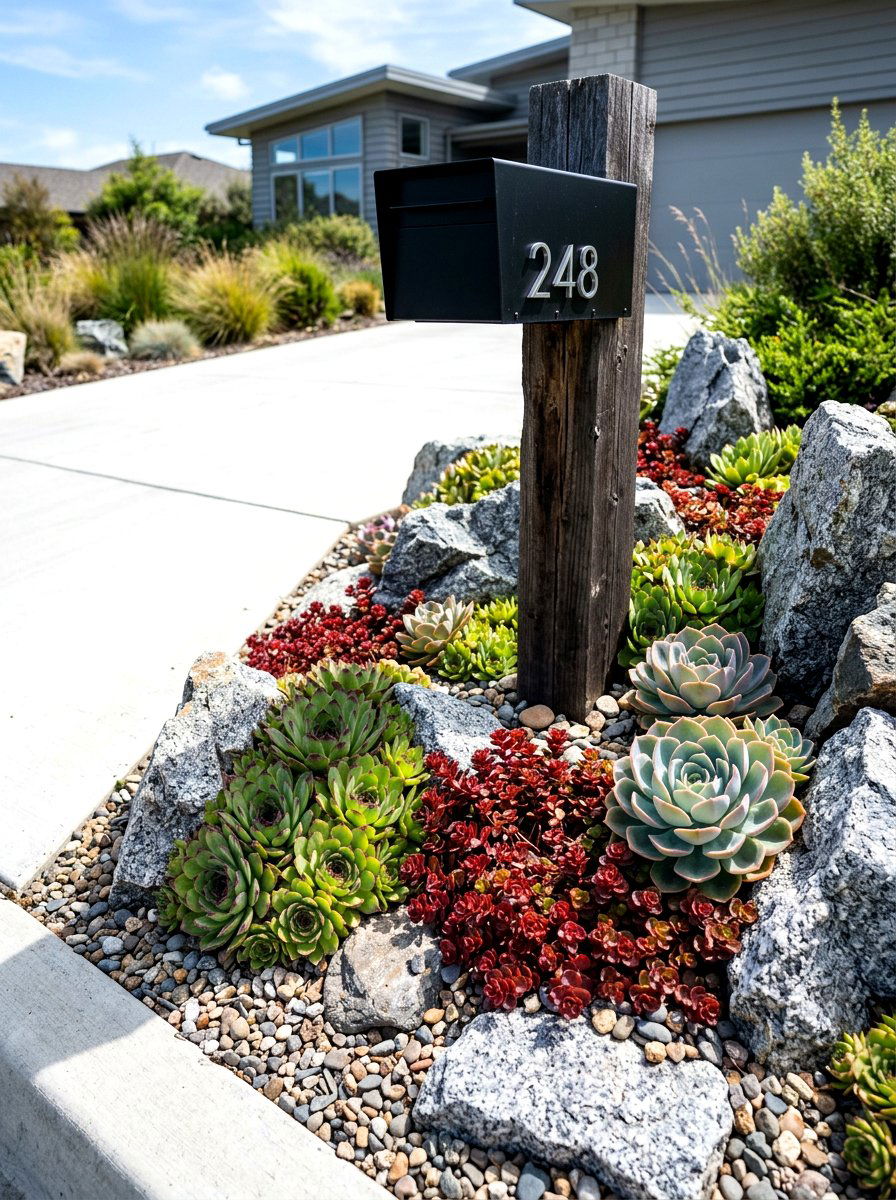
25. Rock garden foundation landscape
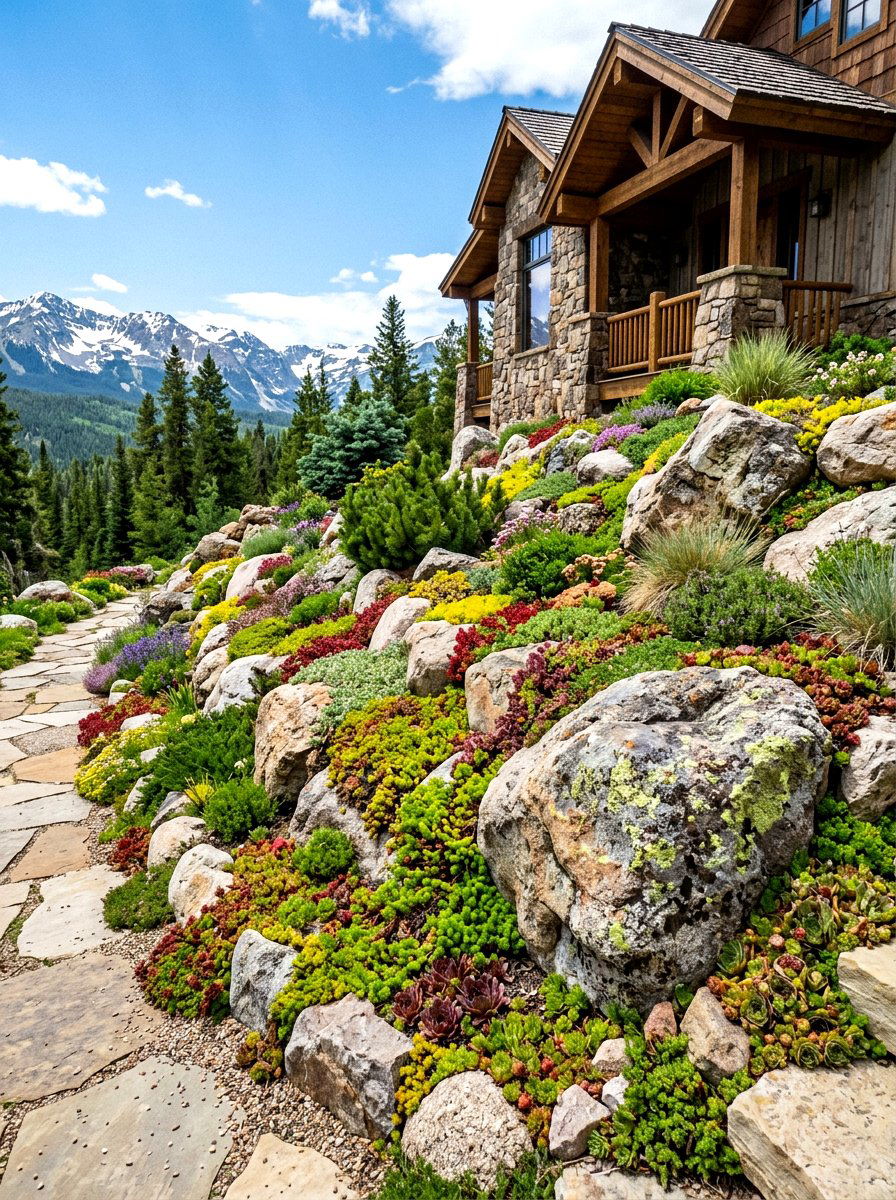
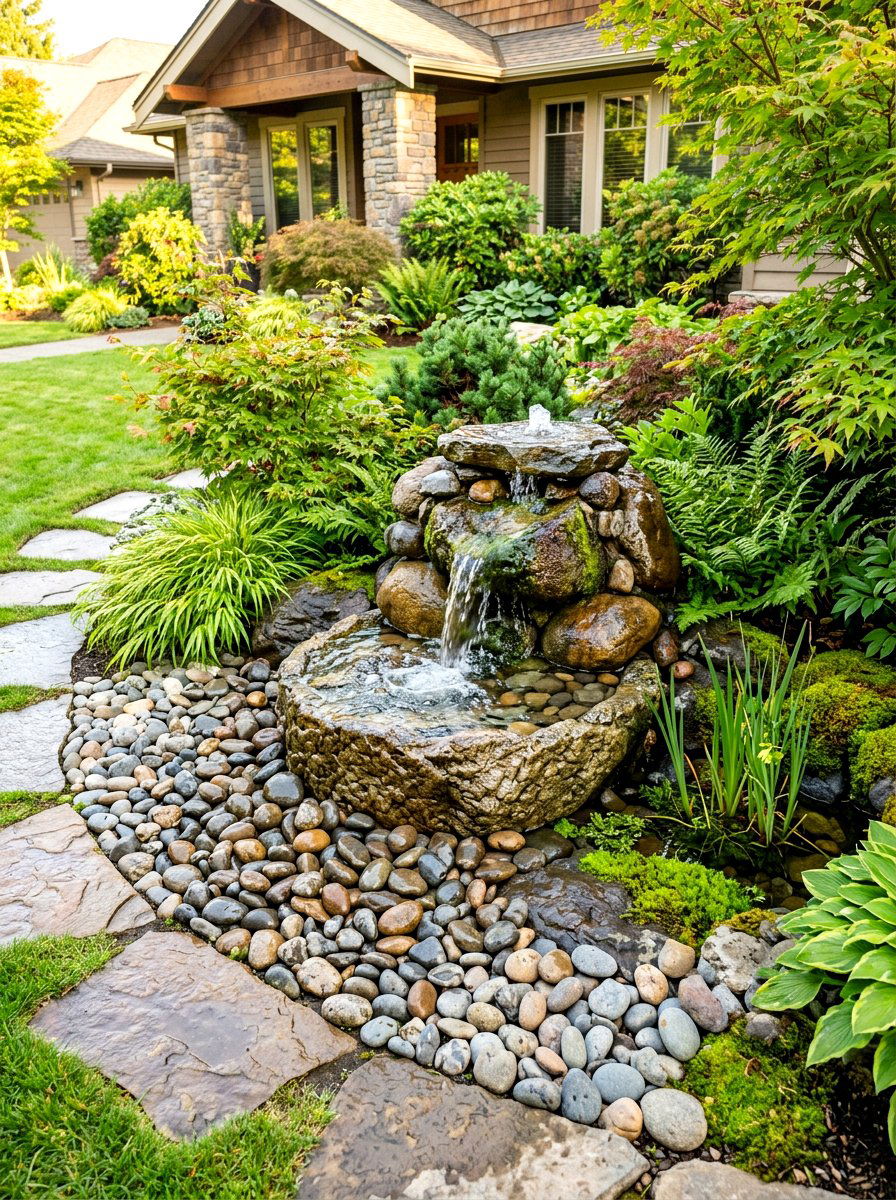
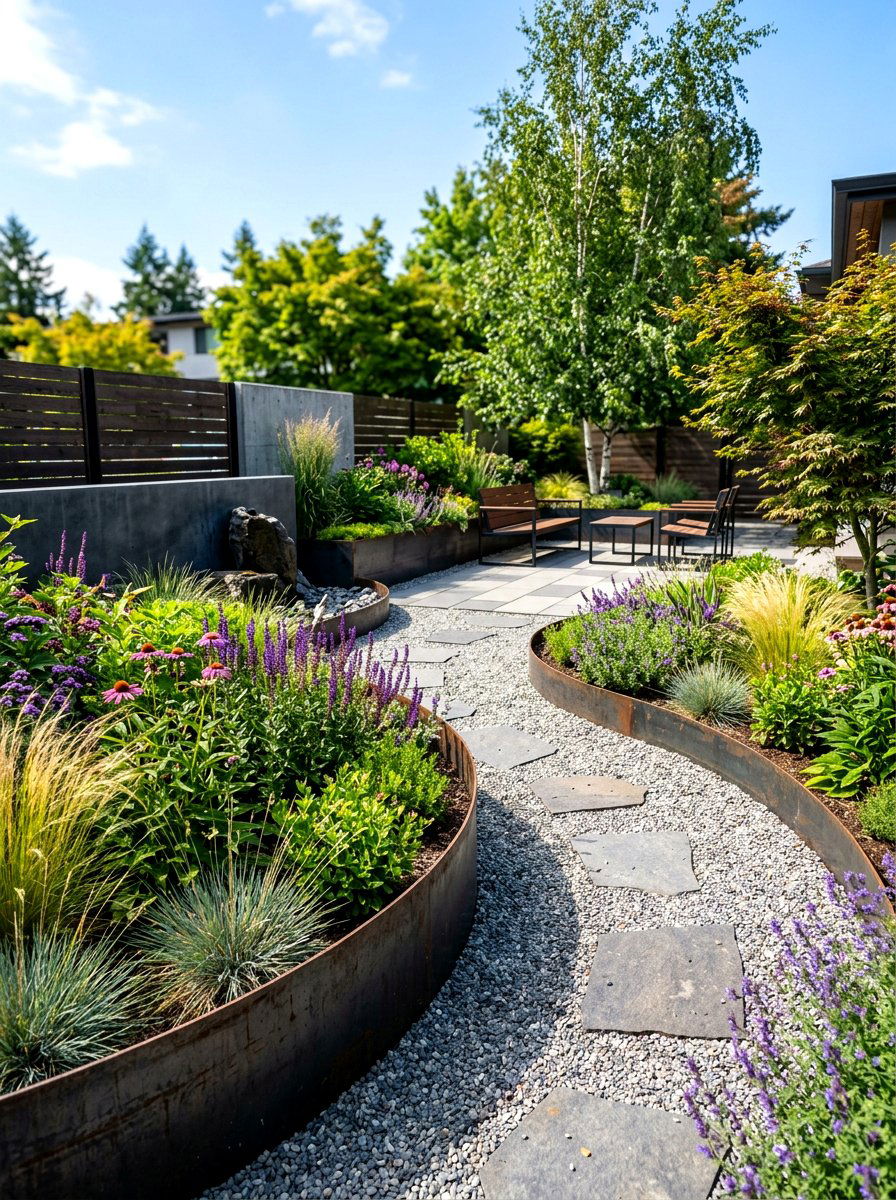
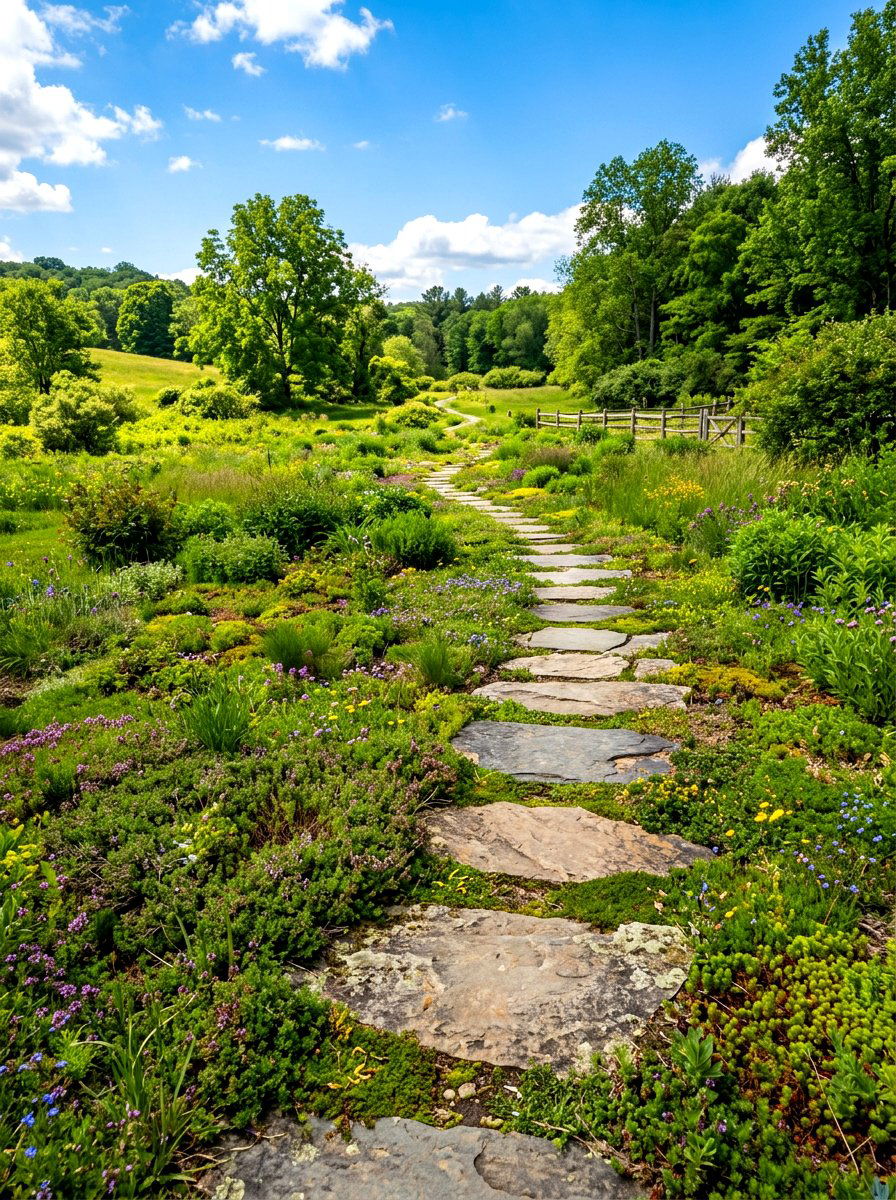
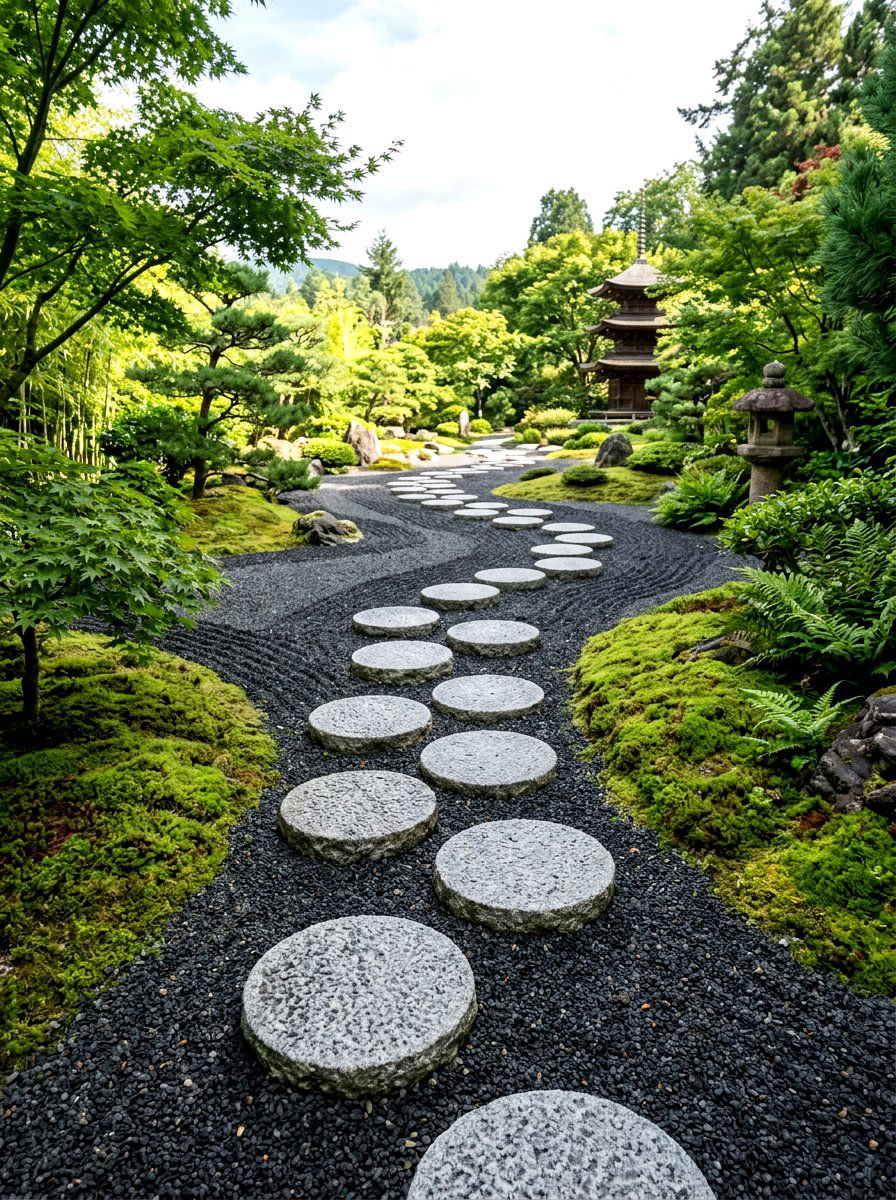
If you have a sloping yard or a very rocky soil type, a rock garden is a creative and natural way to handle your foundation landscaping. This involves nesting large boulders into the earth and planting hardy alpines, sedums, and creeping groundcovers in the crevices between them. The rocks provide a permanent structural element that never needs watering or pruning, while the plants add life and seasonal color. Rock gardens are excellent for drainage and can help prevent erosion on steep grades near your home’s base. This style has a rugged, "high-mountain" feel that looks particularly stunning with craftsman-style homes or houses that feature natural stone siding or wood accents.
26. Foundation planting for ranch house
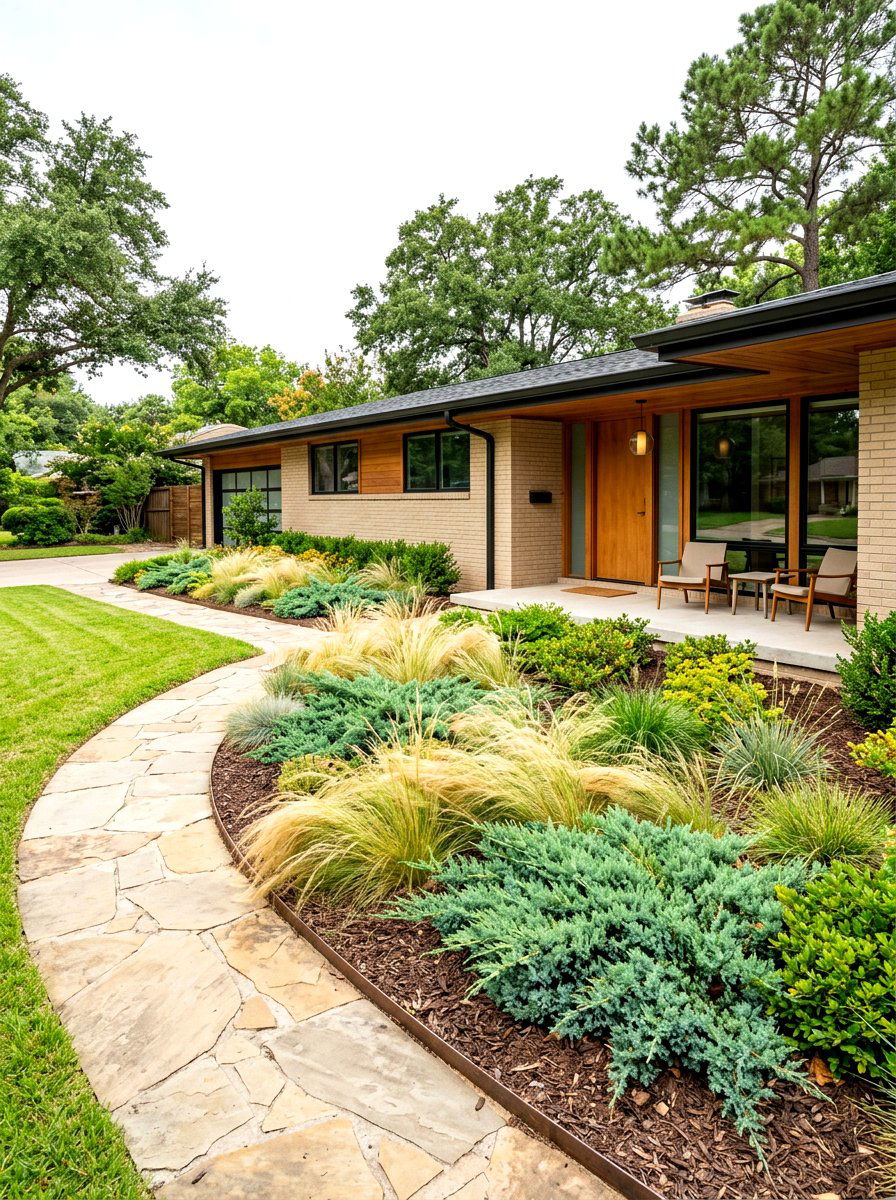
Ranch-style homes are known for their long, low profiles, which means your landscaping should focus on horizontal lines rather than tall, vertical elements. Using low-growing shrubs and spreading groundcovers helps to emphasize the architecture without overwhelming the single-story height. You might choose wide-spreading junipers or a series of repetitive, mounded grasses to create a sense of rhythm along the lengthy walls. To add interest, you can vary the textures of the plants while keeping the overall height relatively uniform. Adding a few taller specimens at the very ends of the house can help frame the building and prevent it from looking like it is floating on a sea of grass.
27. Raised bed foundation landscaping
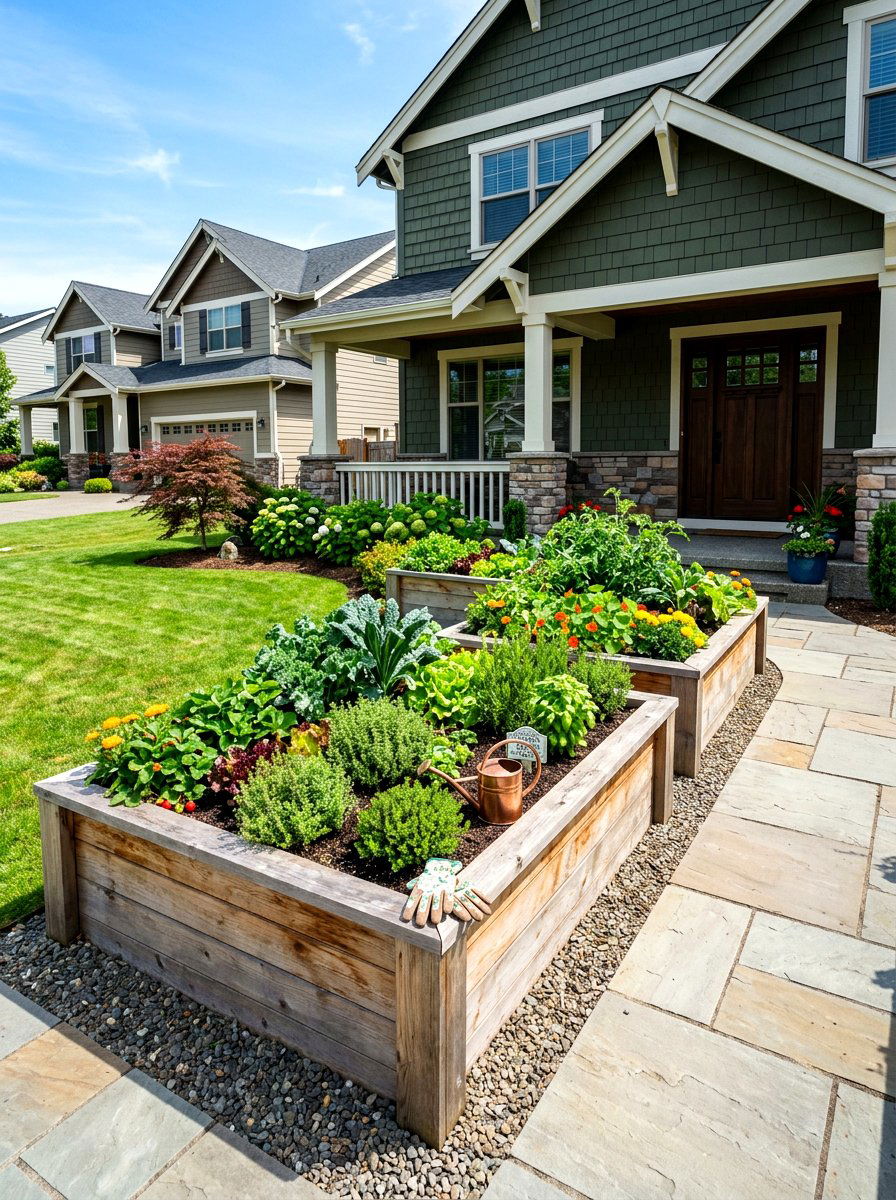
Sometimes the soil directly next to a house foundation is poor, compacted, or full of construction debris, making it difficult for plants to thrive. Building raised beds along your foundation allows you to bring in high-quality garden soil and provides perfect drainage for your plants. These beds can be constructed from stone, cedar, or decorative concrete blocks to match your home’s aesthetic. Raised beds also bring the plants closer to eye level, making it easier to enjoy small details and fragrant blooms without bending over. This structured look provides a very clean and organized appearance that can help define your entryway and provide a clear separation between your garden and your lawn.
28. Japanese maple foundation focal point
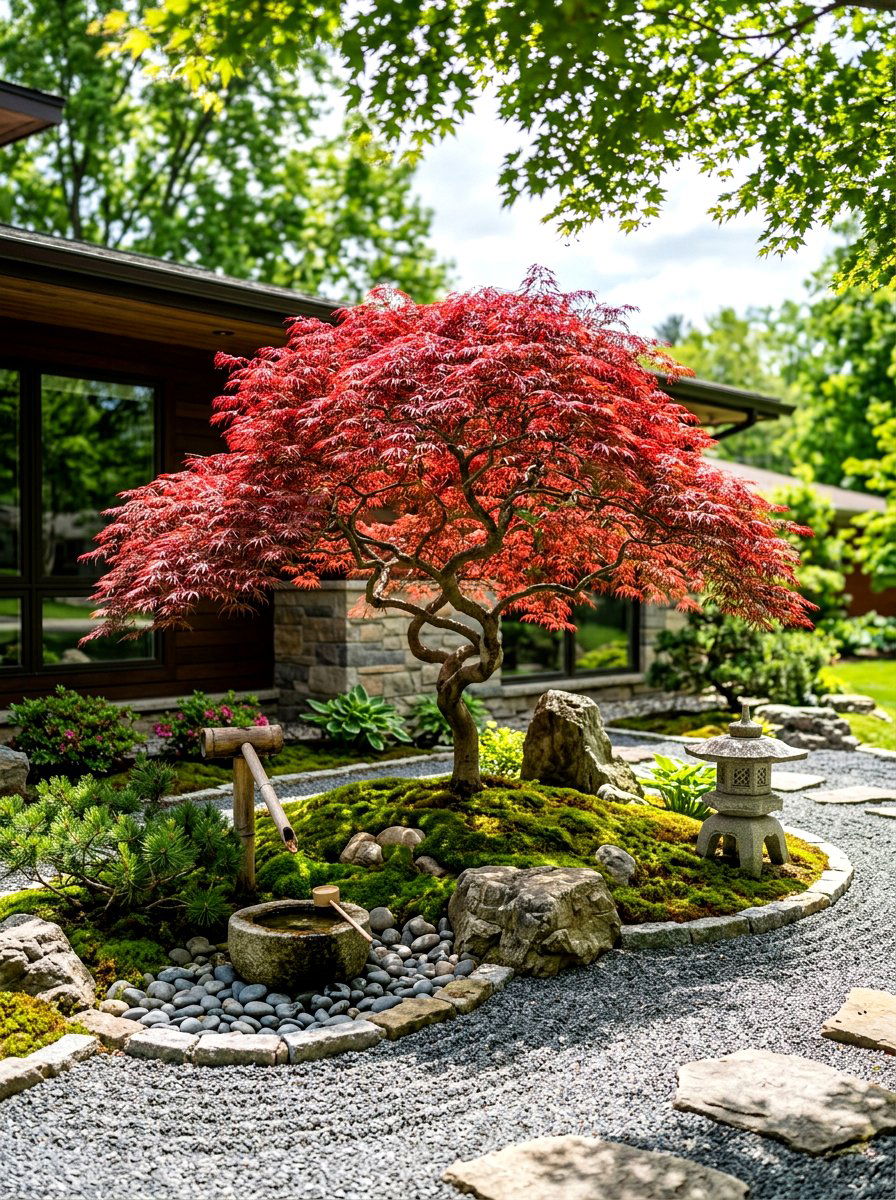
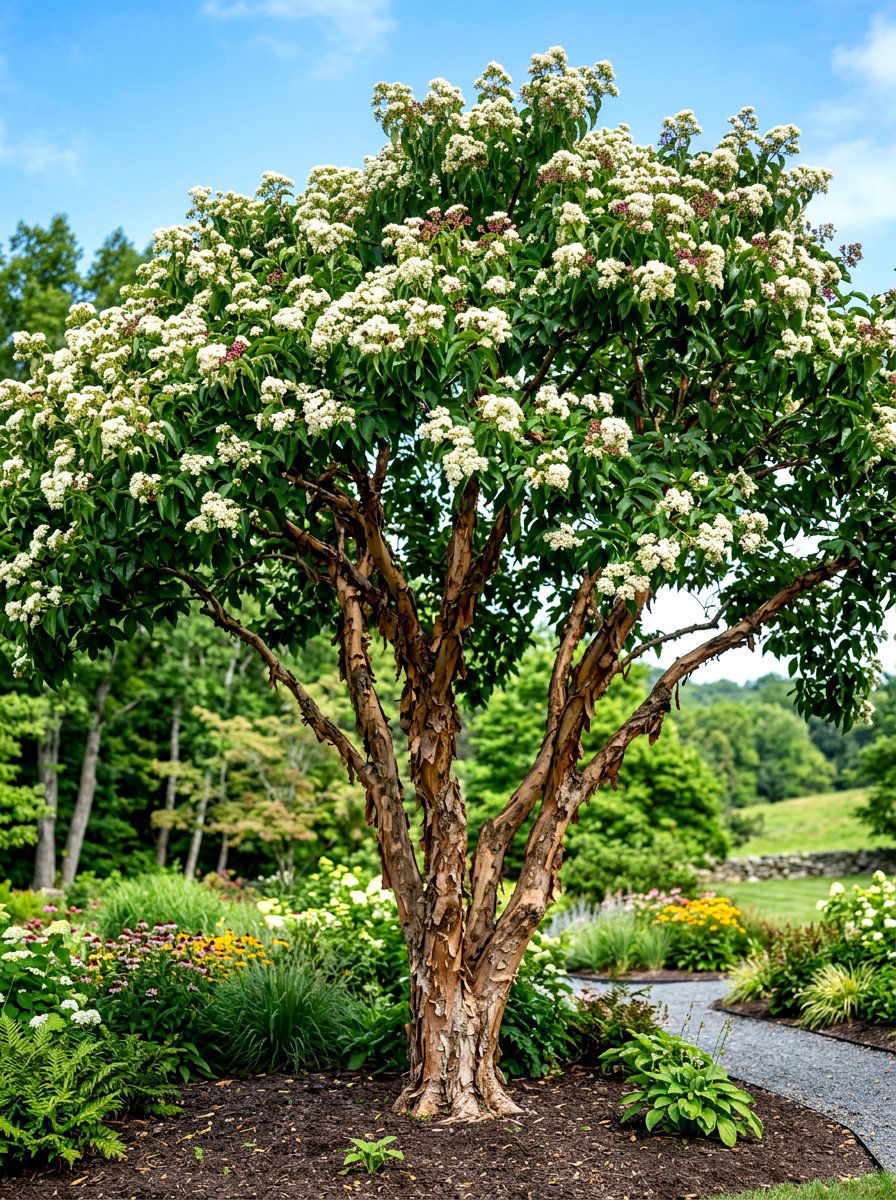
A single, well-placed Japanese Maple can serve as the "crown jewel" of your foundation landscaping. These small, ornamental trees are prized for their delicate, lace-like leaves and their spectacular fall colors, which range from brilliant orange to deep burgundy. Because they grow slowly and have a graceful, artistic branching habit, they are perfect for planting near a corner or next to a main entrance. They provide a sense of refined elegance and a touch of Asian-inspired tranquility to any yard. Pairing a Japanese Maple with a simple groundcover and a few large stones creates a professional, "designer" look that adds significant character and a high-end feel to your property.
29. Mixed shrub border for house
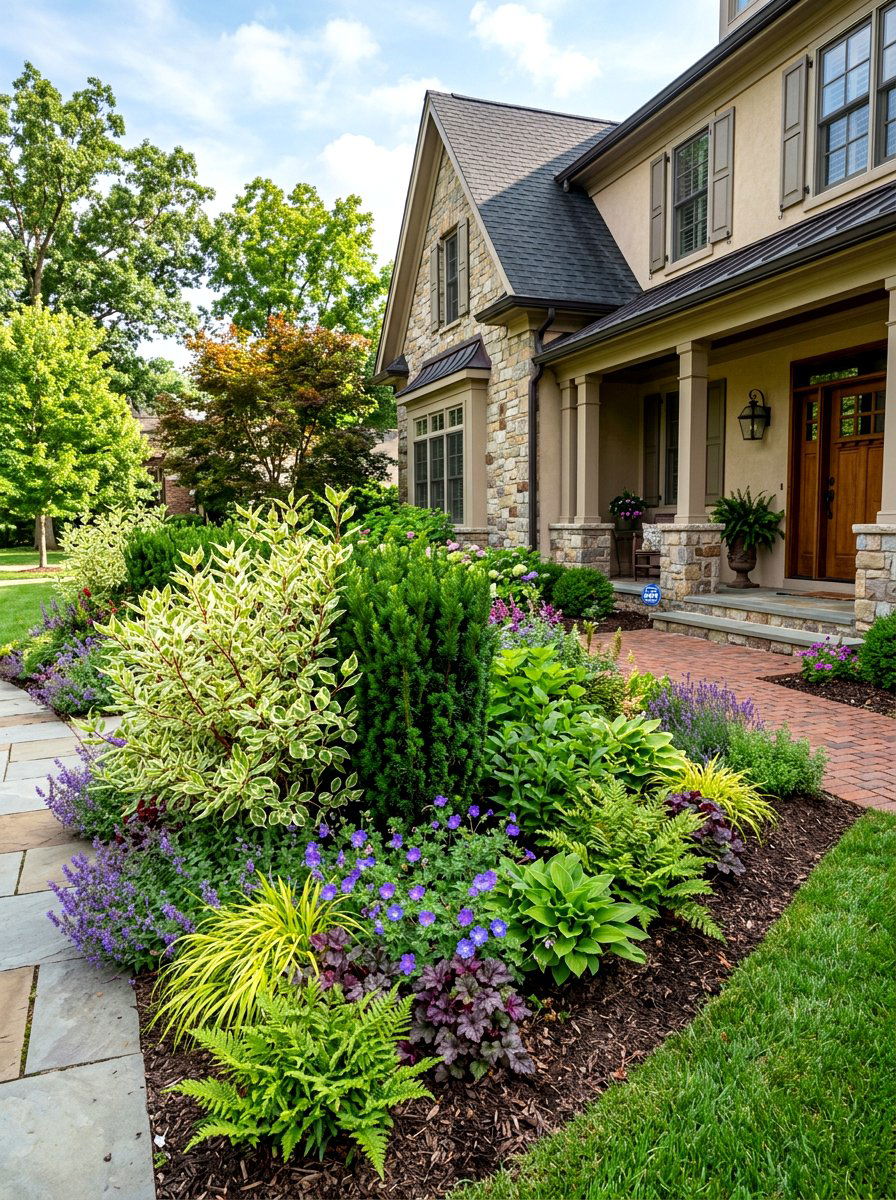
If you can't decide on just one type of plant, a mixed shrub border allows you to combine various textures, colors, and bloom times for a diverse look. By mixing evergreens for structure with deciduous shrubs for seasonal interest, you ensure that your foundation beds are never boring. You might pair the dark green needles of a Yew with the bright yellow foliage of a Spirea and the summer flowers of a Weigela. This variety makes the garden more resilient, as a single pest or disease is unlikely to affect every different type of plant. A mixed border feels lush and established, offering something new to look at every time you walk outside.
30. Window box and foundation pairing
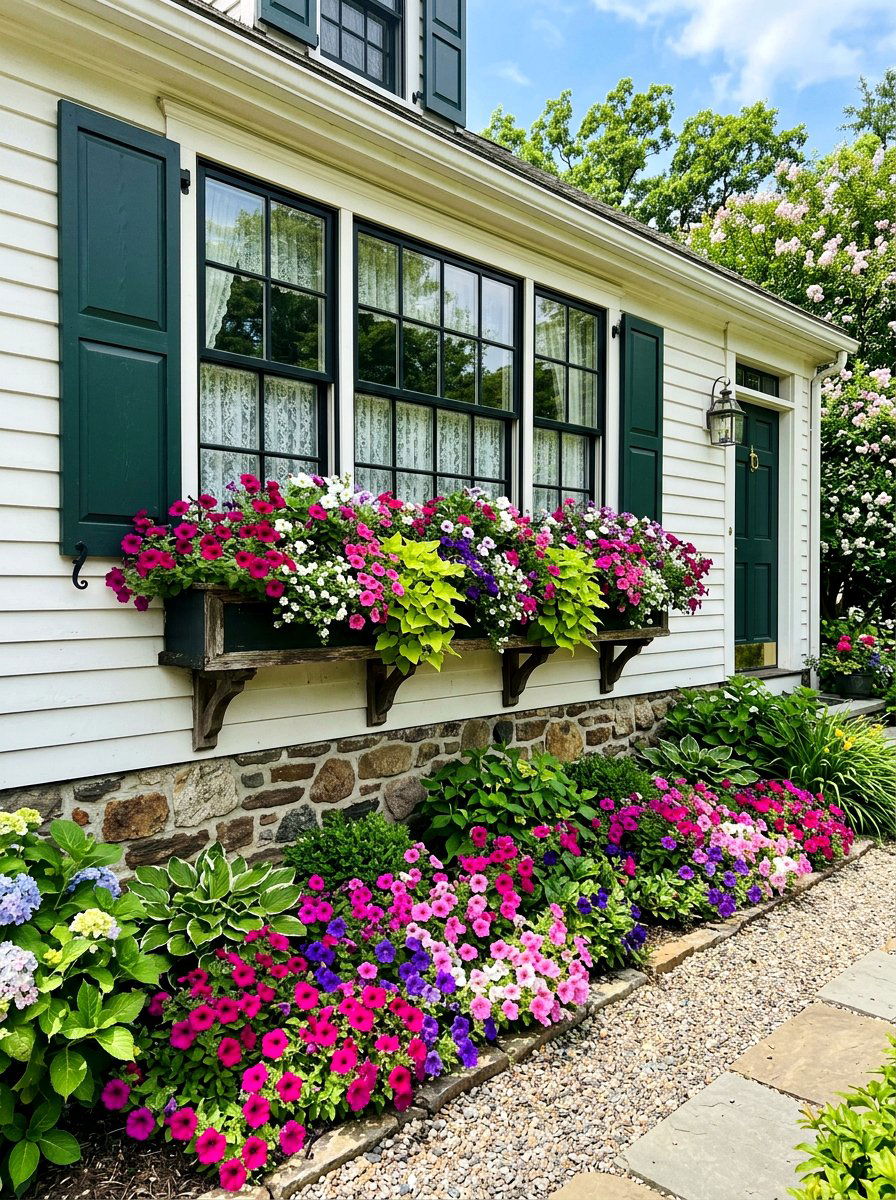
Why limit your landscaping to the ground when you can draw the eye upward with beautiful window boxes? Coordinating your window box plantings with the shrubs and flowers in your foundation beds creates a cohesive and professional "top-to-bottom" design. For example, if you have purple salvia along the foundation, you might include trailing purple petunias in your window boxes above. This repetition of color and texture ties the architecture of the house directly to the garden below. Window boxes also allow you to add a splash of seasonal color to areas that might be paved or otherwise inaccessible. It is a charming way to add vertical interest and a touch of European flair.
Conclusion:
Investing in high-quality foundation landscaping is one of the most effective ways to transform the overall look and feel of your home. By thoughtfully selecting plants that complement your architecture and suit your maintenance style, you create a lasting first impression that welcomes you every day. Whether you choose the timeless elegance of a boxwood hedge or the vibrant energy of a native flower garden, your choices reflect your personality and care for your property. Remember to consider factors like mature plant size, light requirements, and year-round structure to ensure your design remains beautiful for many years to come. A well-planned landscape truly turns a house into a home.

Related posts: