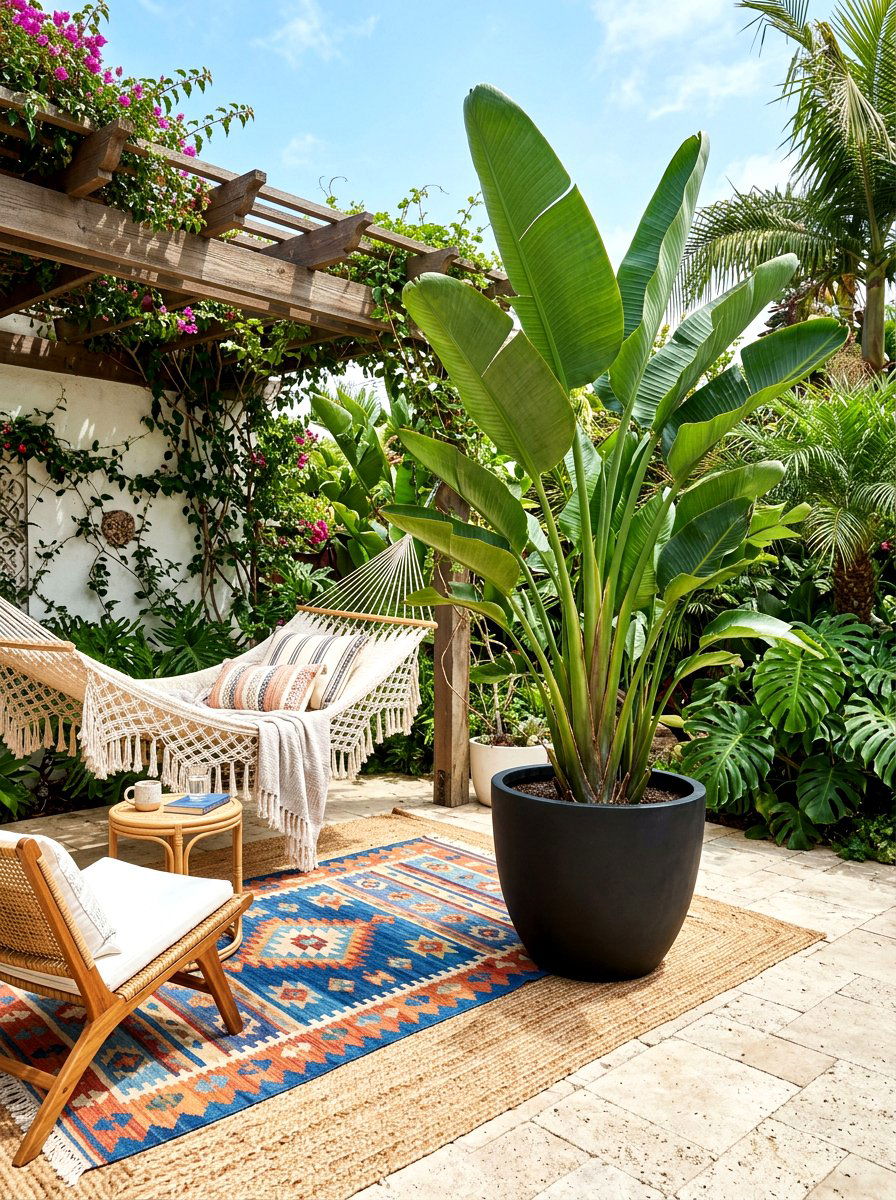
Container gardening offers a unique opportunity to transform any outdoor or indoor space into a vibrant sanctuary without the need for a sprawling backyard. Whether you are working with a tiny urban balcony, a wide front porch, or a simple windowsill, the versatility of pots allows for endless creativity and seasonal experimentation. By carefully selecting a mix of textures, colors, and growth habits, you can create miniature ecosystems that bring life to every corner of your home. This approach to gardening is perfect for beginners and experts alike, providing a manageable way to enjoy nature 's beauty while enhancing your home' s curb appeal and overall atmosphere.
1. Front porch planter
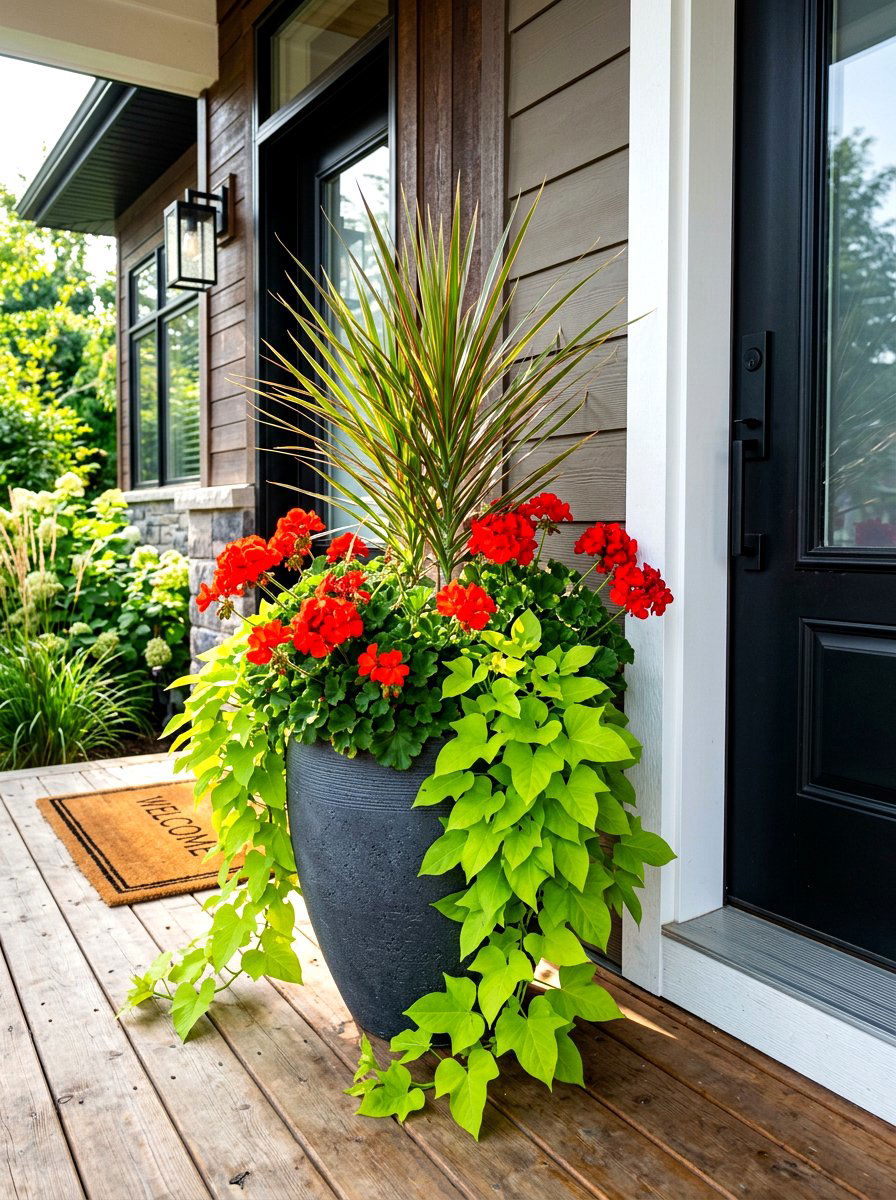
Creating a welcoming entrance starts with a well-curated front porch planter that reflects your personal style. You can choose large, statement-making pots that flank your front door to provide immediate curb appeal for guests. Think about using a mix of heights, starting with a tall center plant like a dracaena or a small cedar tree. Surround this focal point with colorful annuals such as petunias or geraniums that bloom all season long. Adding trailing vines like ivy or sweet potato vine helps soften the edges of the pot. This layered approach ensures that your entryway looks lush and professionally designed throughout the warmer months of the year while providing a cheerful greeting.
2. Hanging basket arrangement
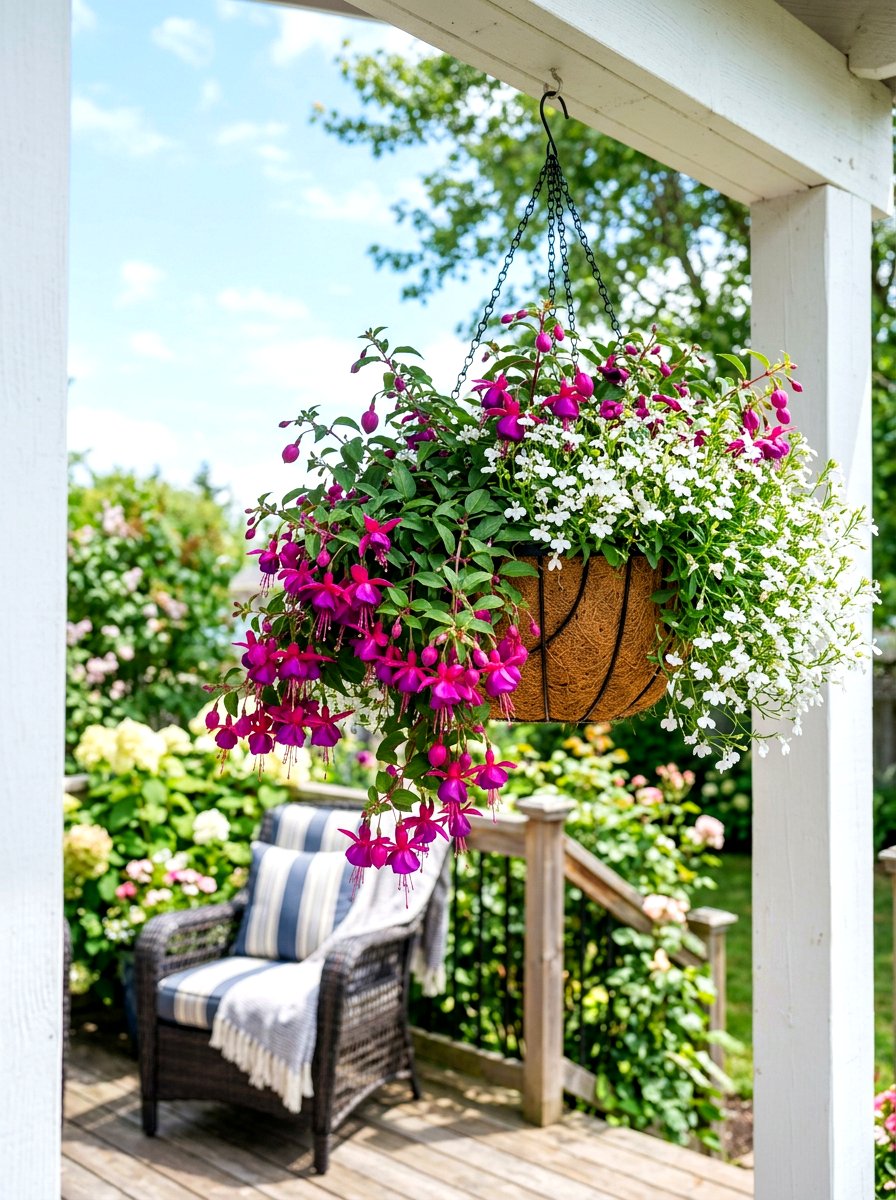
Elevating your greenery with a hanging basket arrangement is a fantastic way to maximize vertical space in small gardens. These suspended displays work beautifully on porches, balconies, or even hanging from sturdy tree branches in the backyard. When choosing plants, look for varieties that naturally cascade over the sides, such as fuchsia, lobelia, or trailing begonias. You should ensure the basket has a high-quality liner, like coco coir, to help retain moisture during hot summer days. Frequent watering is essential for hanging plants because they are more exposed to wind and air. A lush, overflowing basket creates a vibrant canopy of color that draws the eye upward and adds dimension.
3. Window box display
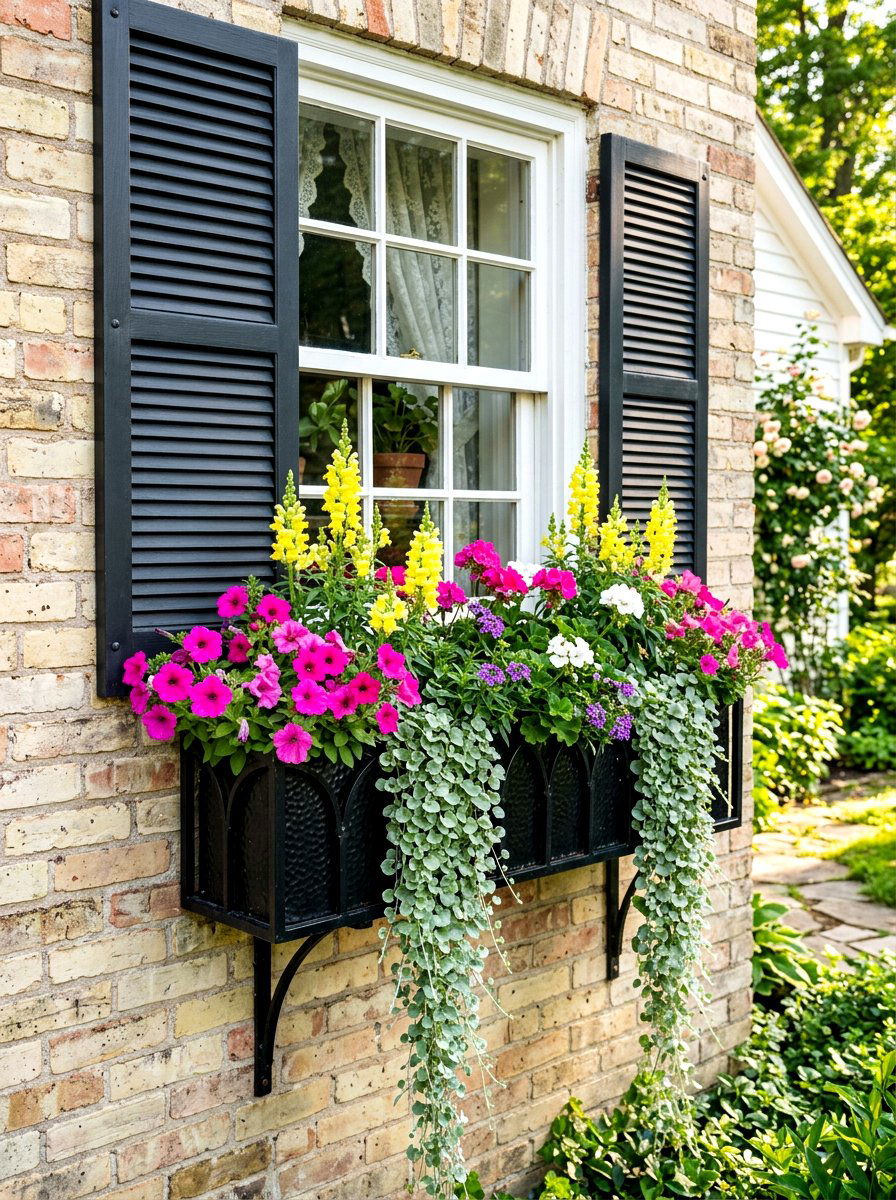
A window box display is a classic way to add charm and character to your home's exterior architecture. These long, narrow containers are perfect for creating a miniature garden right outside your kitchen or living room window. You can mix upright flowers like snapdragons with mounding plants like marigolds to fill the center space effectively. For a truly professional look, include spillers like creeping jenny that drape elegantly over the front edge of the box. Regular deadheading of spent blooms will keep the window box looking fresh and encourage new growth. This simple addition brings the beauty of the outdoors inside by framing your view with natural, seasonal colors.
4. Galvanized bucket planter
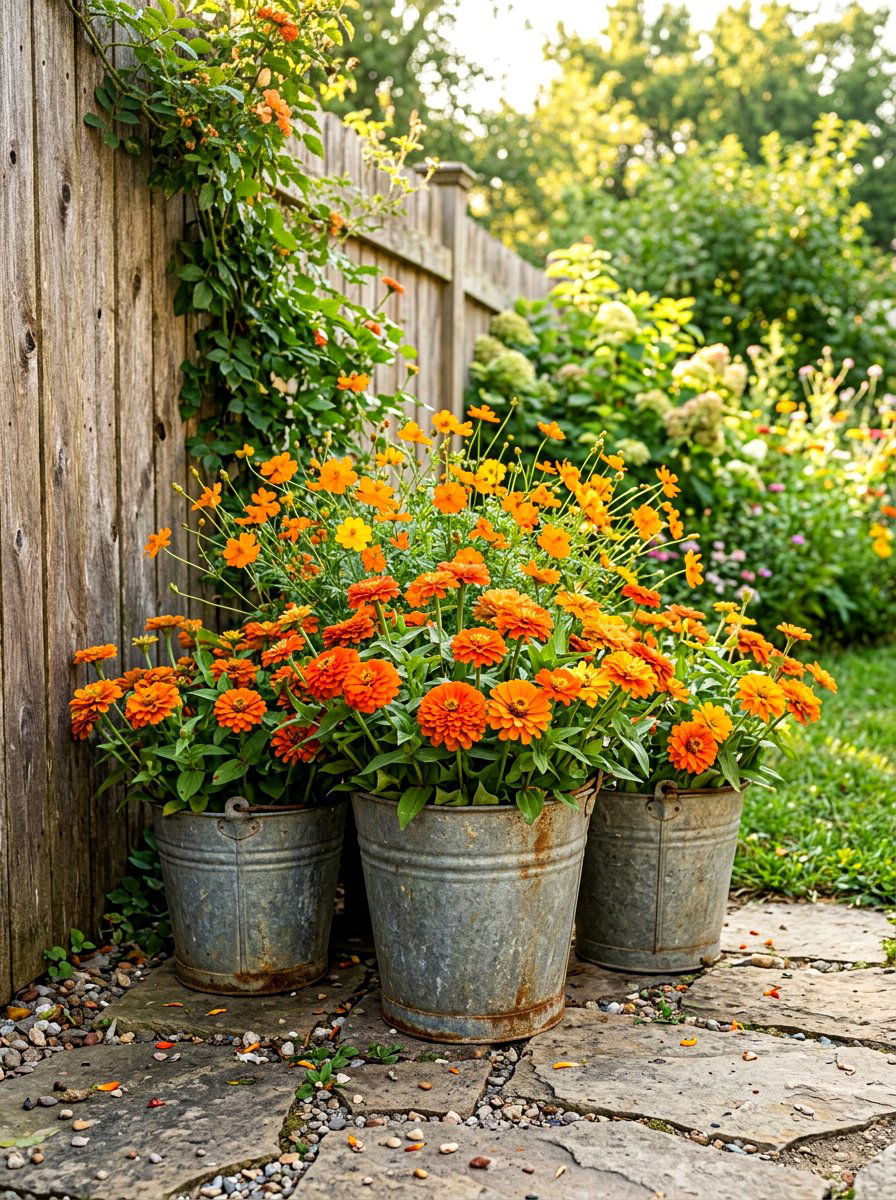
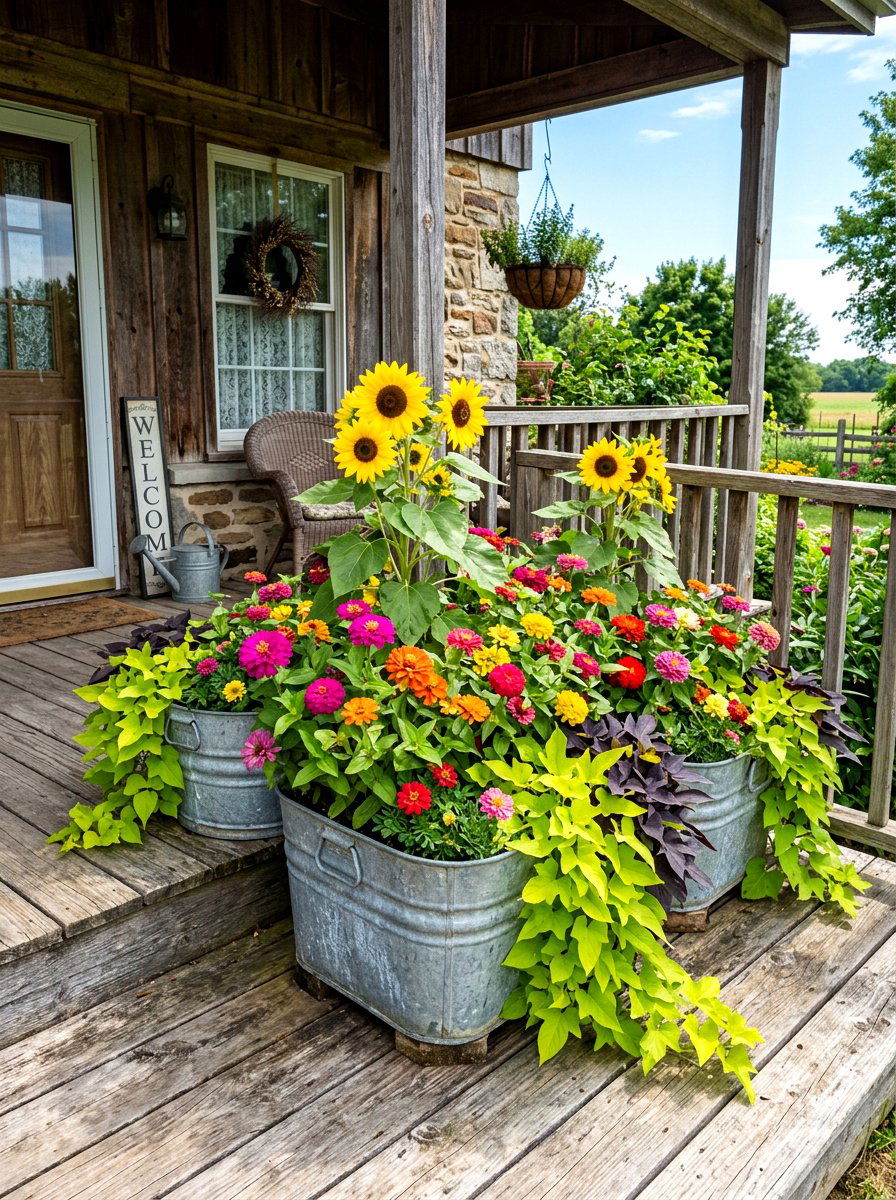
Utilizing a galvanized bucket planter adds a rustic, farmhouse-inspired aesthetic to your garden or patio area. These metal containers are highly durable and provide a neutral backdrop that makes bright flower colors really pop. Before planting, it is crucial to drill several drainage holes in the bottom to prevent water from pooling at the roots. You can fill these buckets with heat-loving plants like zinnias, cosmos, or even ornamental peppers for a unique look. The metallic finish develops a beautiful patina over time, enhancing the vintage feel of your outdoor space. Grouping several buckets of different sizes together creates a curated, effortless look that feels both cozy and organized.
5. Whiskey barrel garden
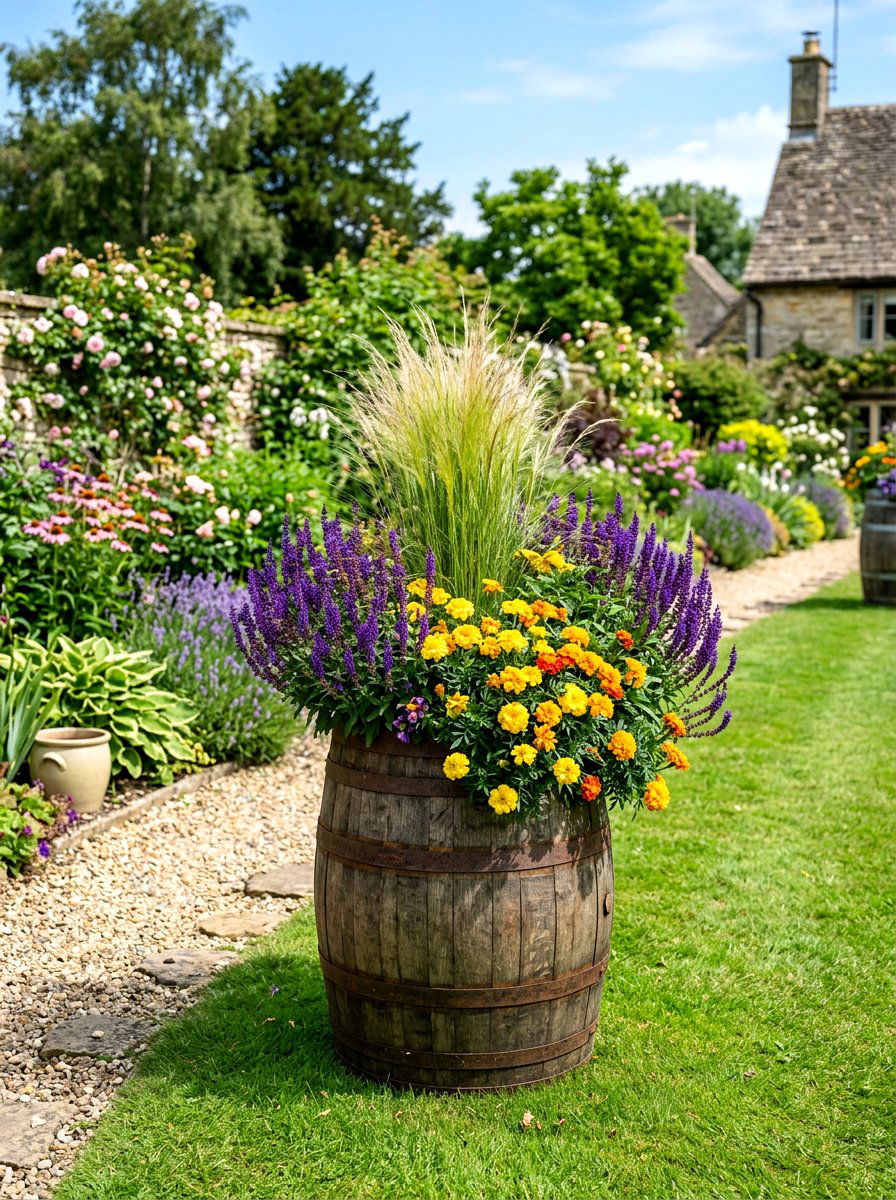
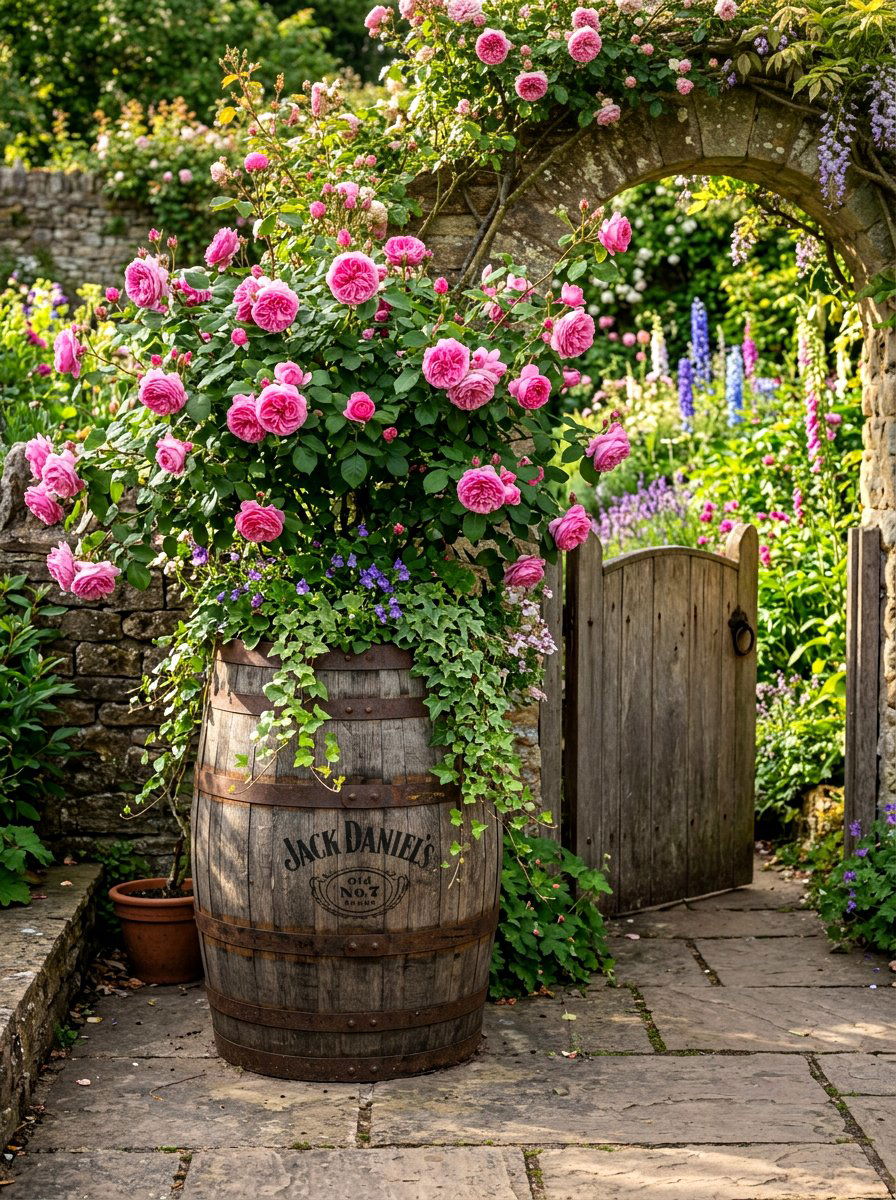
A whiskey barrel garden provides a large volume of soil, making it ideal for planting bigger varieties or complex combinations. These heavy-duty wooden containers offer a traditional, rugged look that fits perfectly in cottage or country-style landscapes. Because they hold a lot of moisture, they are excellent for thirsty plants like hydrangeas or large clusters of petunias. You can also use them to grow a mix of perennials and annuals for a multi-layered effect that lasts all year. The wide opening allows for a "thriller, filler, spiller" design where a tall ornamental grass takes center stage. Placing these barrels at the end of a driveway or path creates a sturdy focal point.
6. Tiered flower stand
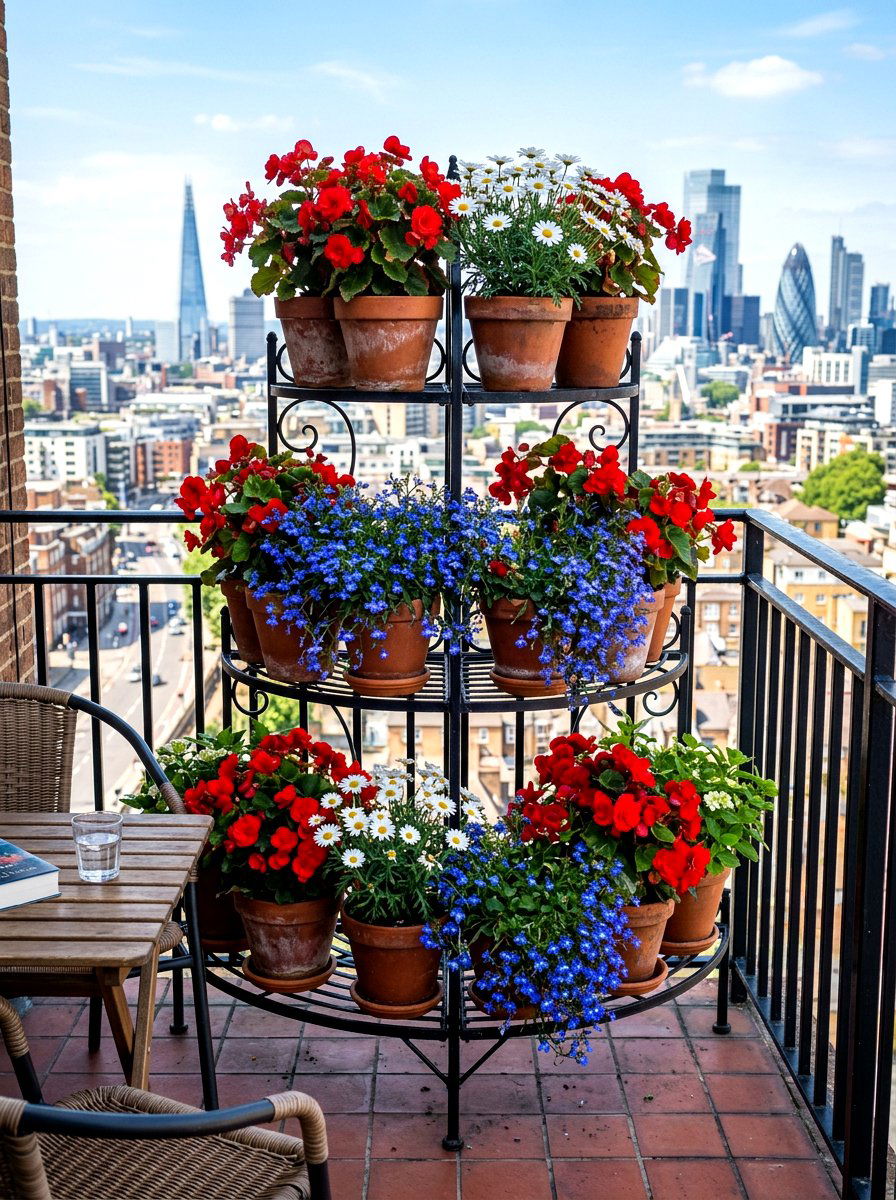
Using a tiered flower stand allows you to display multiple plants in a compact footprint, making it perfect for small patios. This vertical arrangement creates a waterfall of color as different flowers bloom at various levels of the stand. You can organize your plants by color for a coordinated look or mix different species for a more eclectic, wild garden feel. Tiered stands are especially useful for herbs and edible flowers, keeping them within easy reach for cooking. Make sure to place the most sun-hungry plants on the top tier to ensure they receive adequate light. This setup also improves air circulation around your plants, which helps prevent common fungal diseases.
7. Terra cotta pot cluster
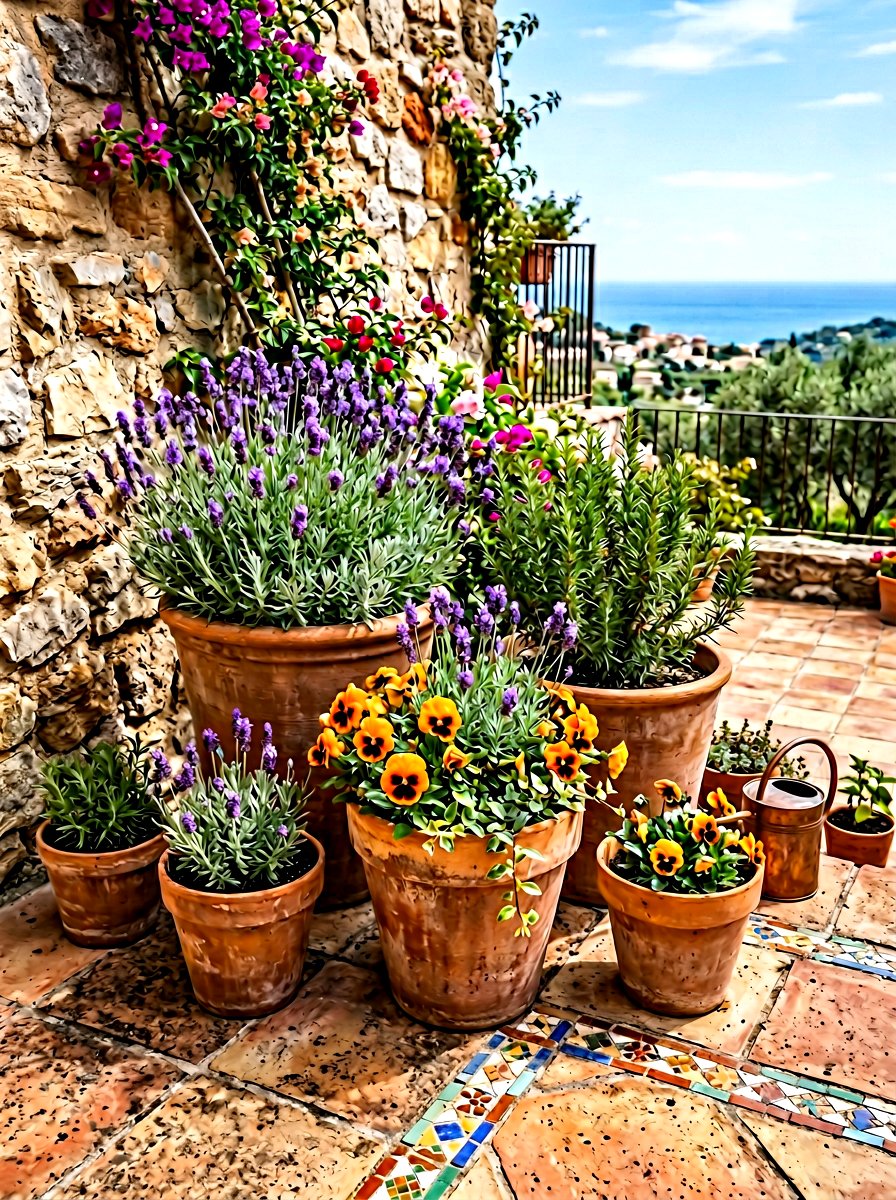
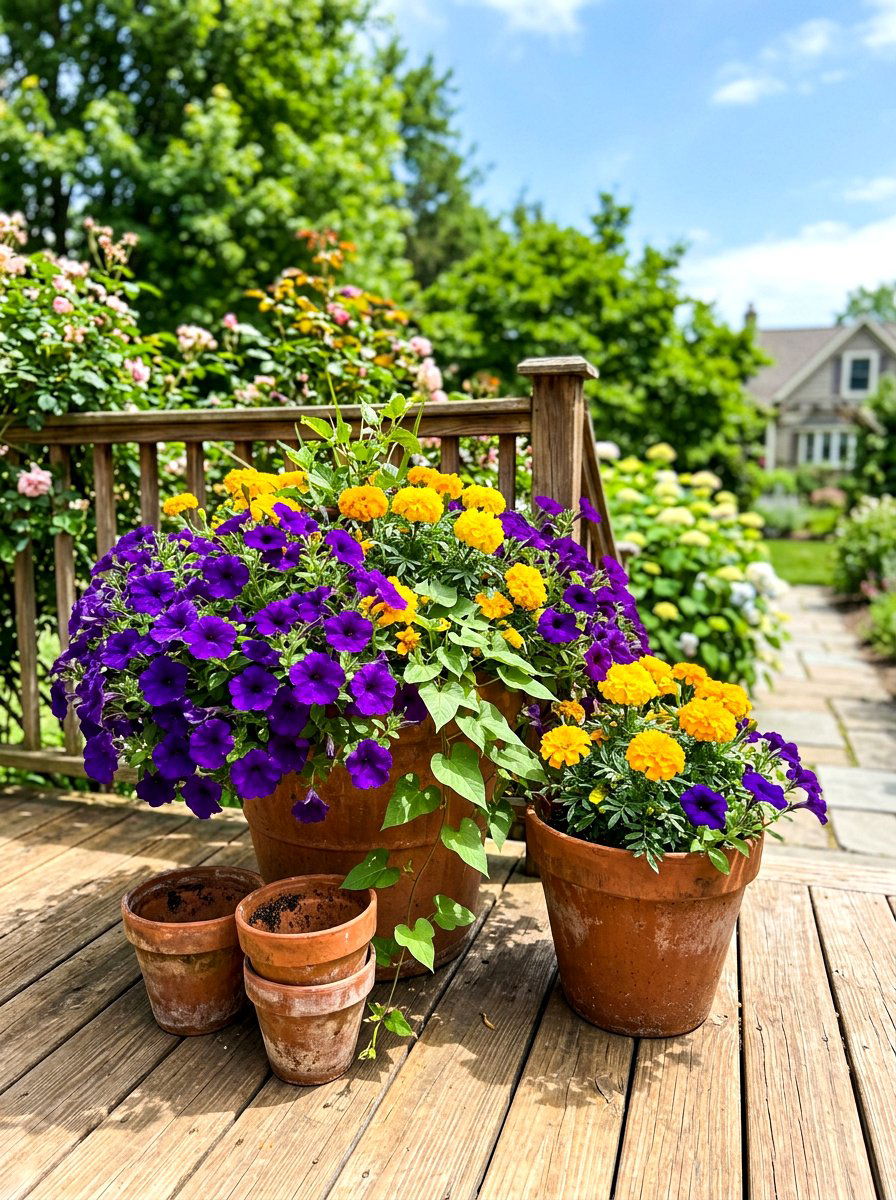
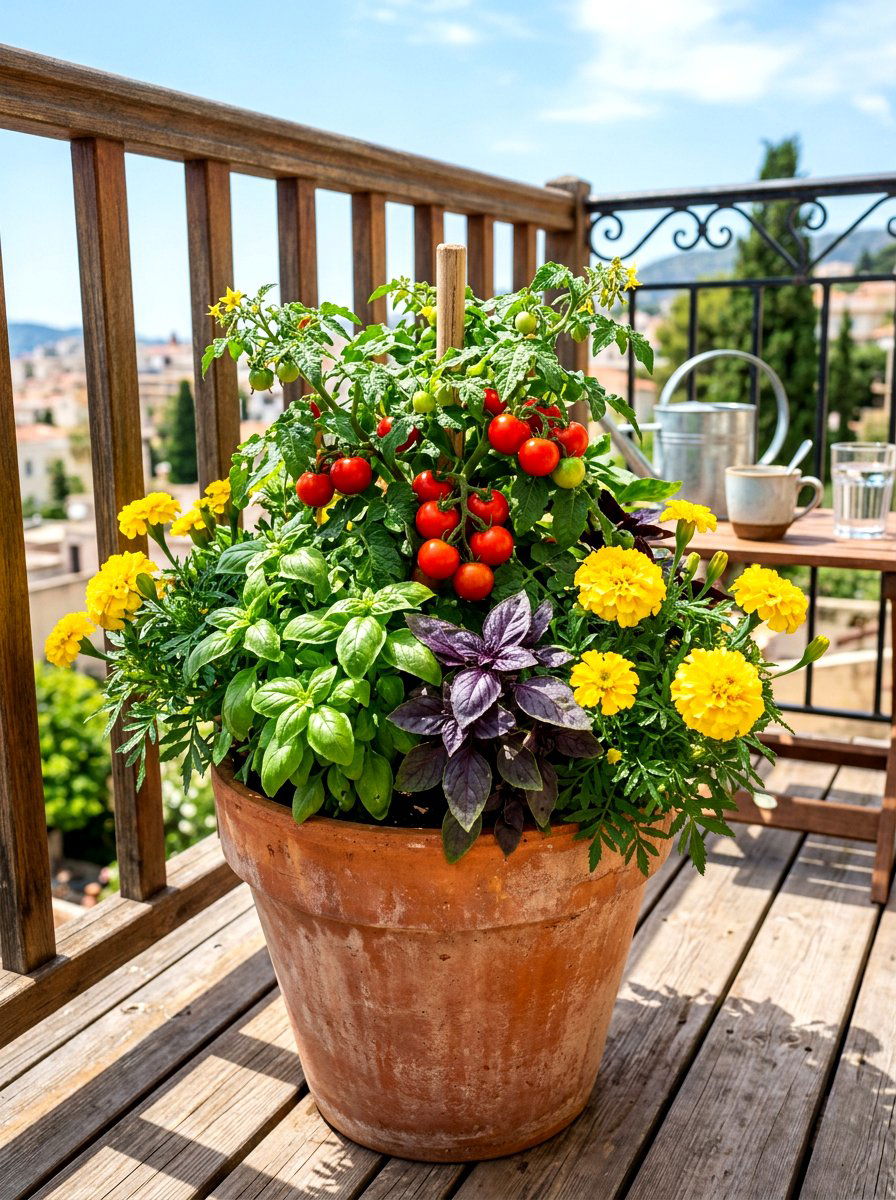
A terra cotta pot cluster brings a warm, Mediterranean feel to any sunny spot on your deck or terrace. These classic clay pots are breathable, which is excellent for plants that prefer well-drained soil, such as lavender or rosemary. By grouping various sizes and shapes together, you create a visual focal point that feels intentional rather than cluttered. You can plant a single variety in each pot to create a bold mass of color or mix them up for variety. The orange-red hue of the clay complements green foliage and vibrant petals beautifully. This arrangement is also easy to rearrange whenever you want to refresh the look of your outdoor living area.
8. Vertical wall planter
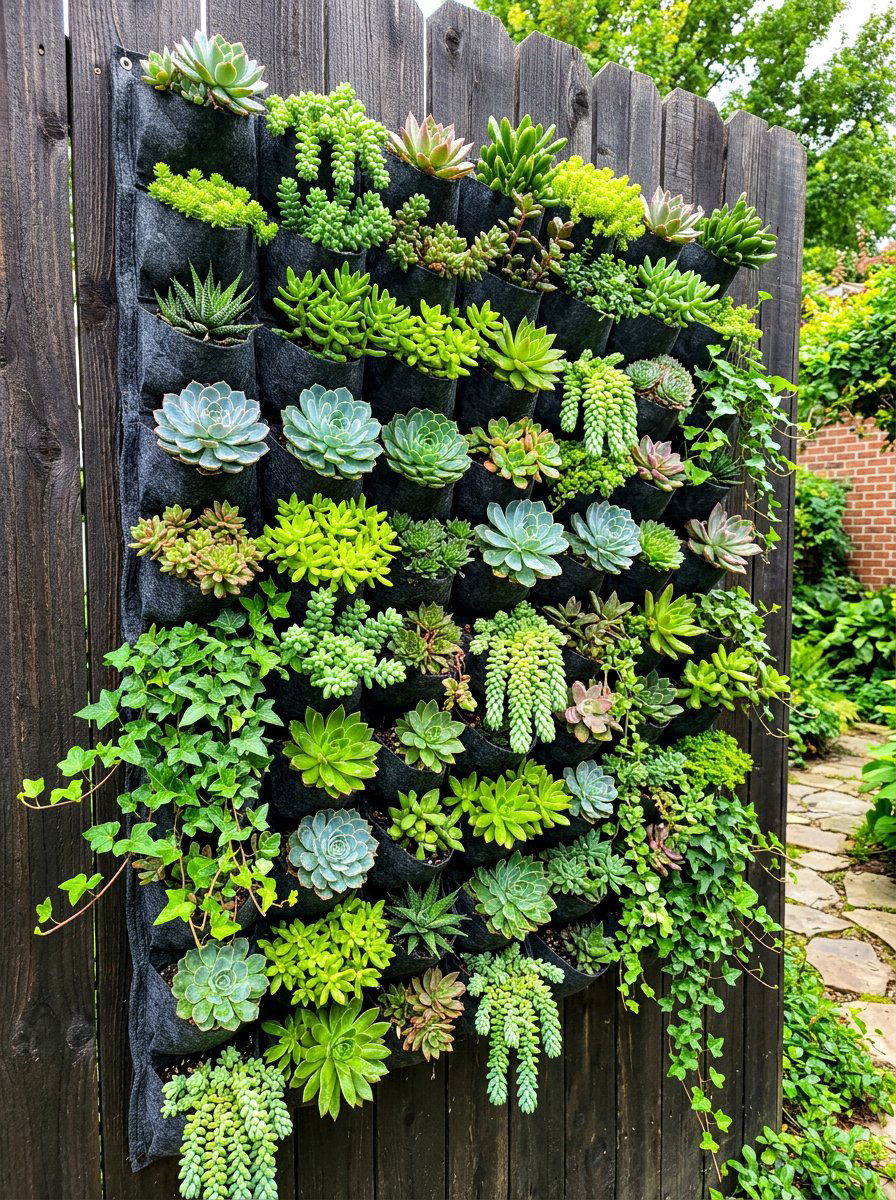
Installing a vertical wall planter is a smart solution for turning a bare fence or exterior wall into a living masterpiece. These systems often use pockets or small mounted containers to hold a variety of shallow-rooted flowers and foliage. Low-growing succulents, pansies, and trailing lobelia are excellent choices for this type of display because they thrive in limited soil. Vertical gardens not only save floor space but also act as natural insulation and sound barriers for your home. You should choose a wall that receives adequate light based on the plant species you select. Automated drip irrigation systems can be added to ensure every plant stays hydrated without constant manual watering.
9. Shade garden container
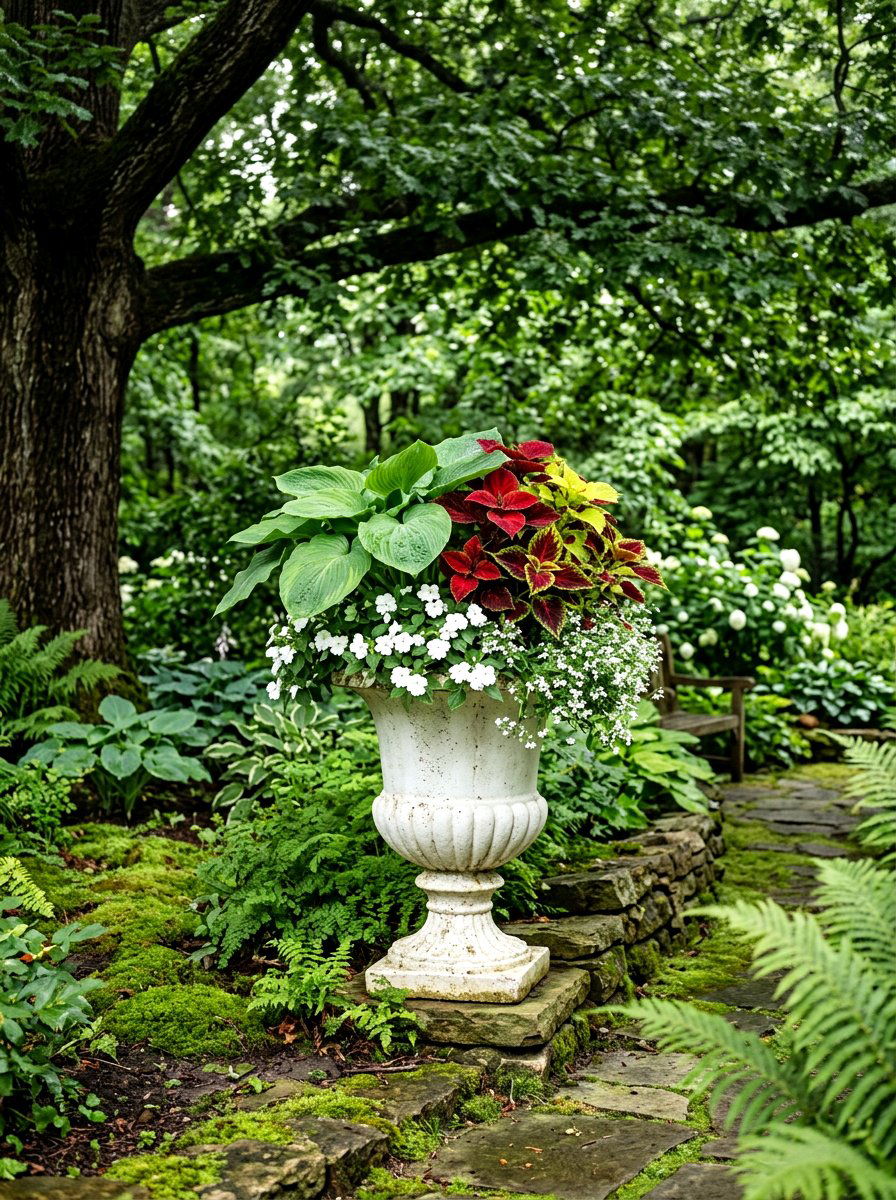
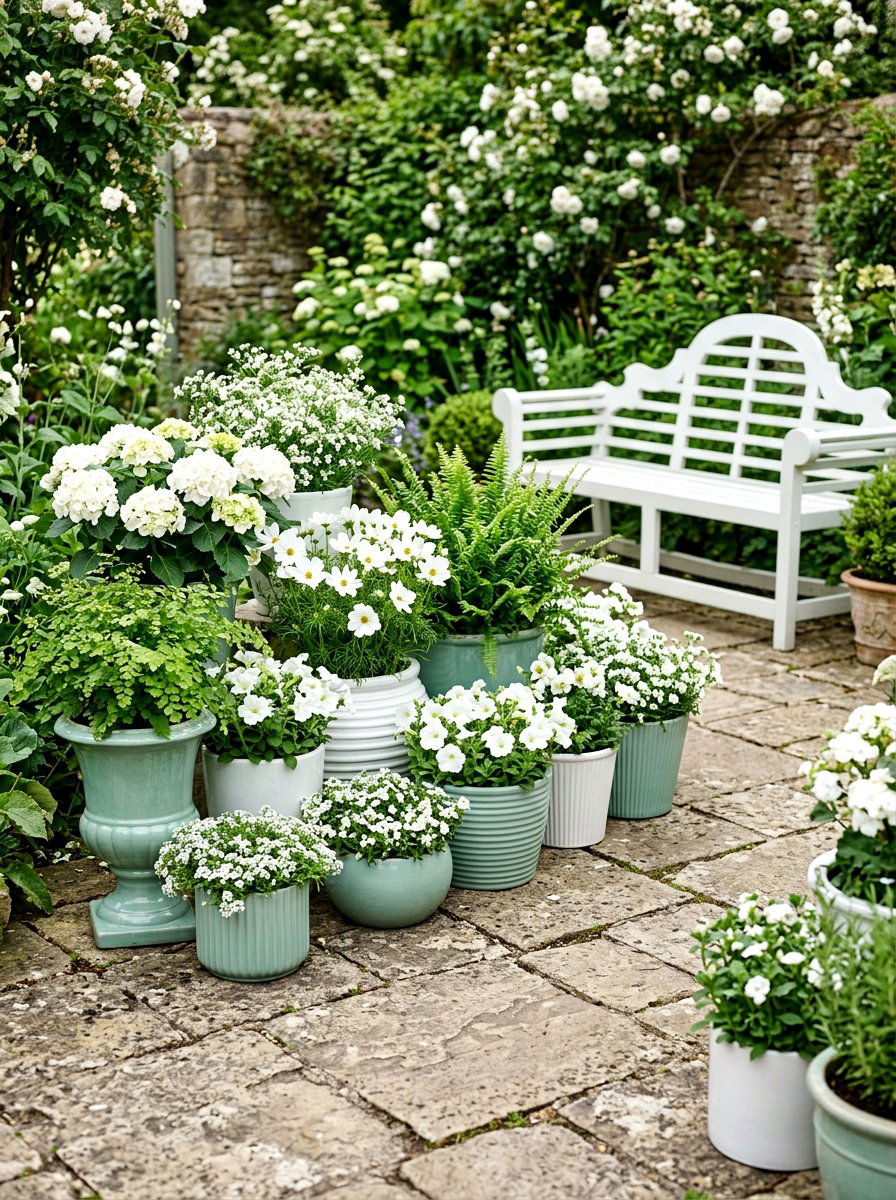
A shade garden container is the perfect way to brighten up dark corners under trees or on north-facing porches. Many stunning plants thrive in low-light conditions, offering lush foliage and delicate blooms that might scorch in the direct sun. Focus on using begonias, impatiens, and coleus to provide a variety of colors and leaf patterns. Hostas and ferns also make excellent additions, providing architectural interest and a cool, woodland feel to the arrangement. To make the colors pop in the shade, try using light-colored pots or white-flowered varieties. This type of container garden creates a serene and refreshing retreat during the hottest parts of the summer afternoon.
10. Full sun planter
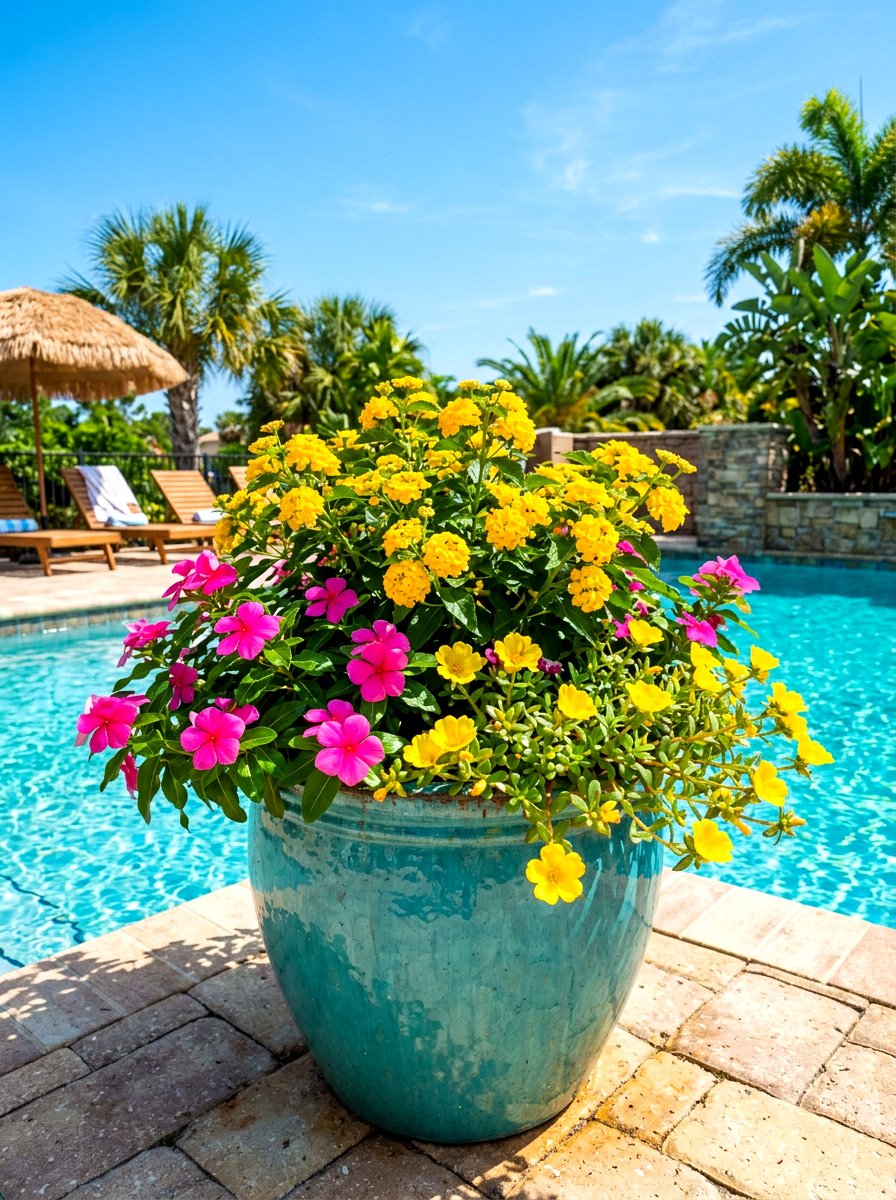
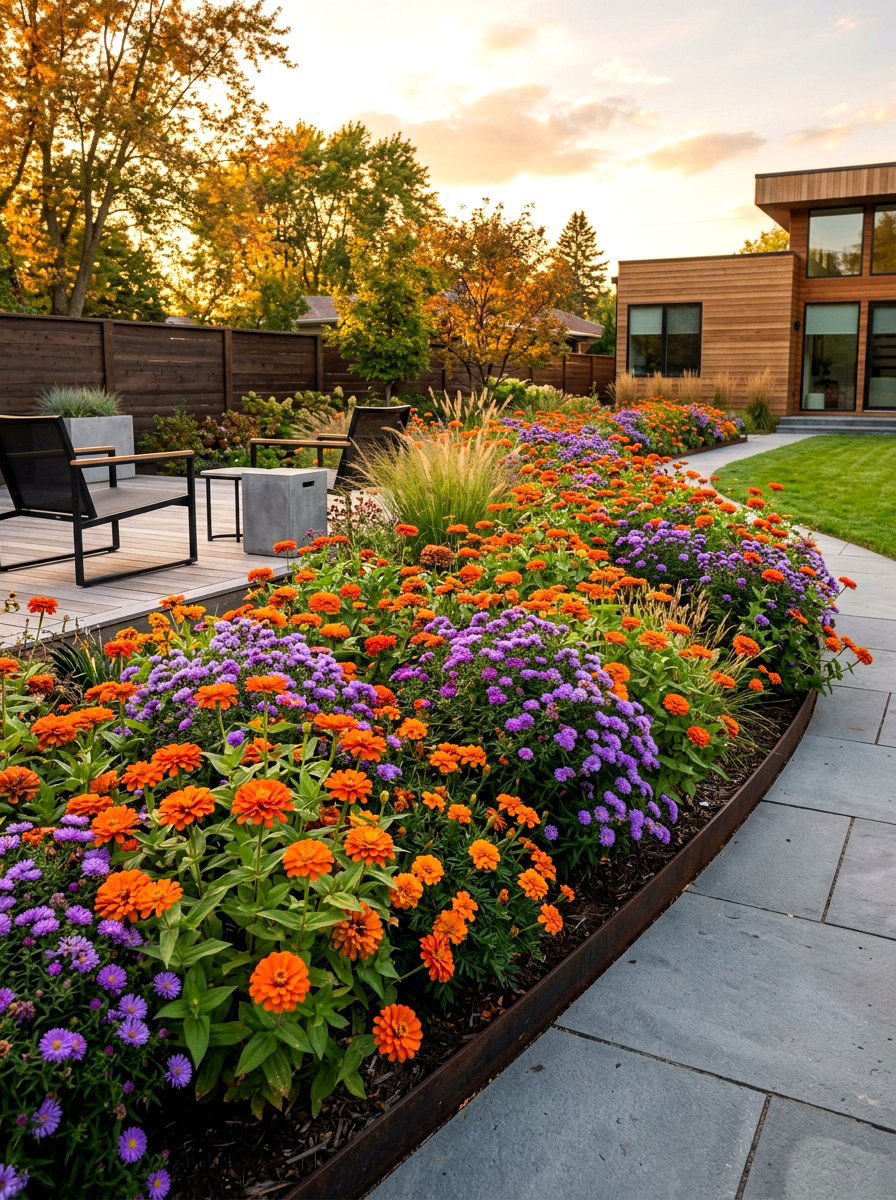
A full sun planter is designed to withstand intense heat and direct rays throughout the longest days of summer. Choosing drought-tolerant plants like lantana, vinca, and portulaca ensures your container remains vibrant even when temperatures soar. These varieties are known for their resilience and ability to produce a constant stream of blooms with minimal wilting. Using a large container helps the soil stay cool and moist longer than smaller pots, which can dry out quickly in the heat. Incorporating silver-foliaged plants like dusty miller can help reflect light and provide a beautiful contrast to bright reds and oranges. This sun-drenched display will provide a high-impact burst of color all season.
11. Monochromatic flower pot
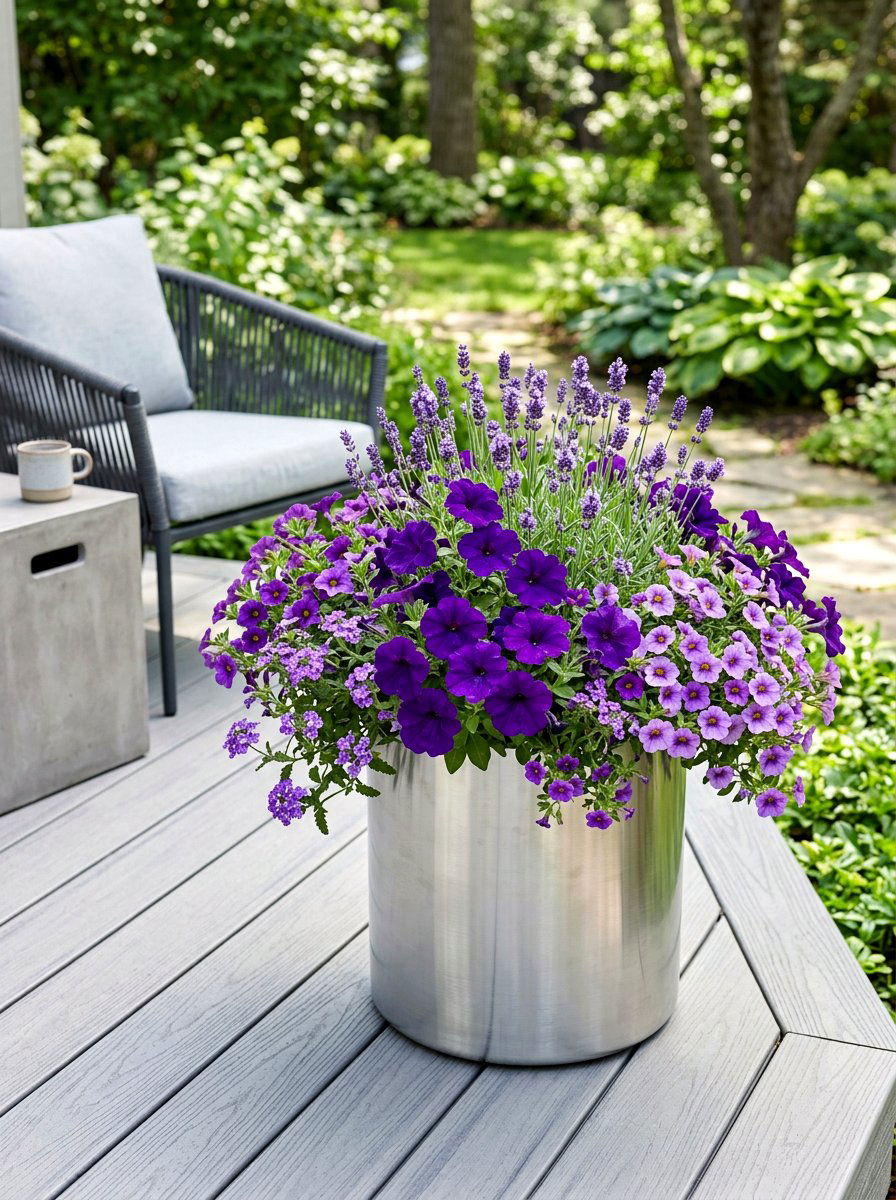
Creating a monochromatic flower pot involves choosing plants that feature different shades and tints of a single color palette. This design technique results in a sophisticated and cohesive look that feels calm and professionally styled. For a purple theme, you might combine deep violet petunias, lavender salvia, and light lilac calibrachoa. Using plants with varying textures and heights within the same color family adds depth without the visual clutter of too many hues. This approach works exceptionally well in modern or minimalist garden designs where simplicity is key. A white-themed "moon garden" container is particularly beautiful at night as the blooms seem to glow in the soft moonlight.
12. Pollinator friendly container
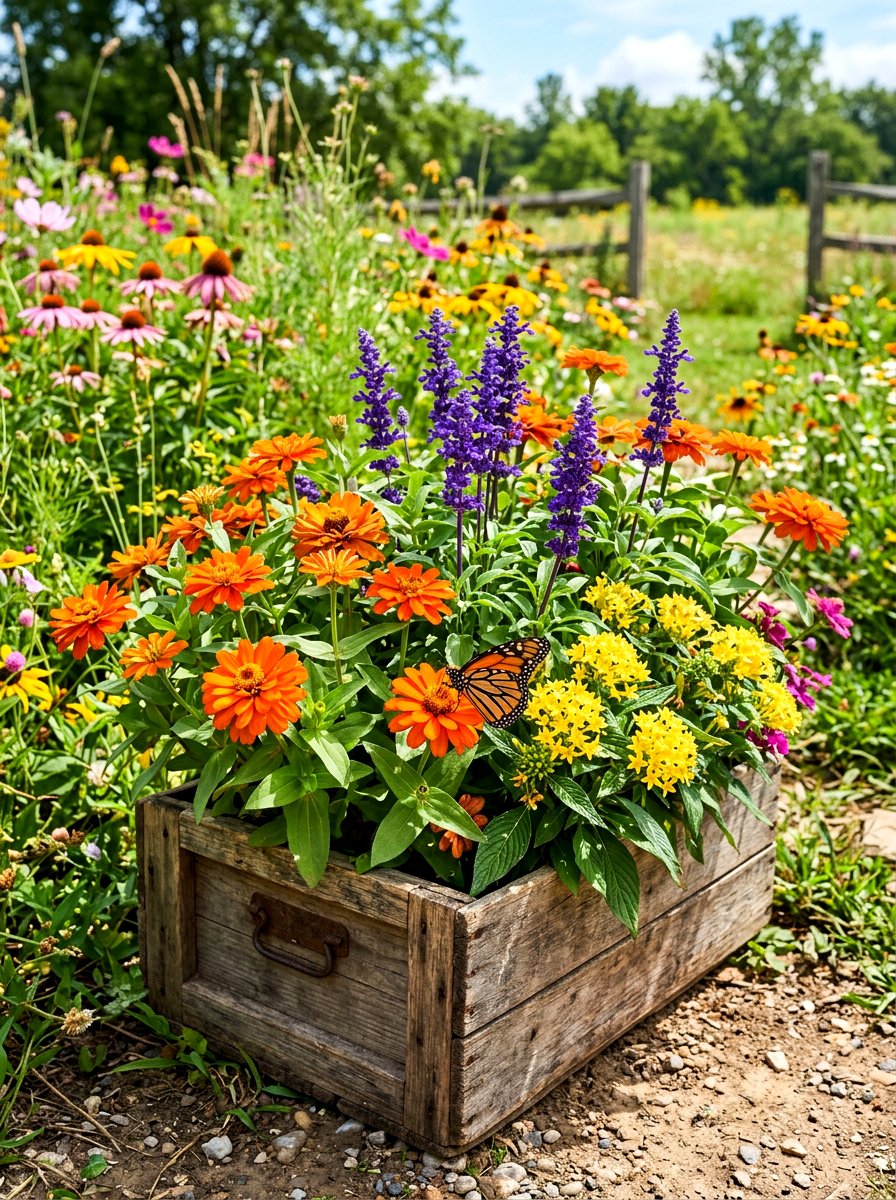
A pollinator friendly container serves a dual purpose by beautifying your space while supporting local bees, butterflies, and hummingbirds. By selecting nectar-rich flowers like zinnias, salvia, and pentas, you provide essential food sources for these important visitors. It is best to choose a variety of flower shapes and sizes to accommodate different types of pollinators throughout the growing season. Avoiding chemical pesticides is crucial to keeping these beneficial insects safe and healthy in your garden. Watching the activity around your pollinator pot adds an educational and lively element to your outdoor experience. This sustainable gardening choice helps promote biodiversity right on your balcony or patio with very little extra effort.
13. Succulent garden bowl
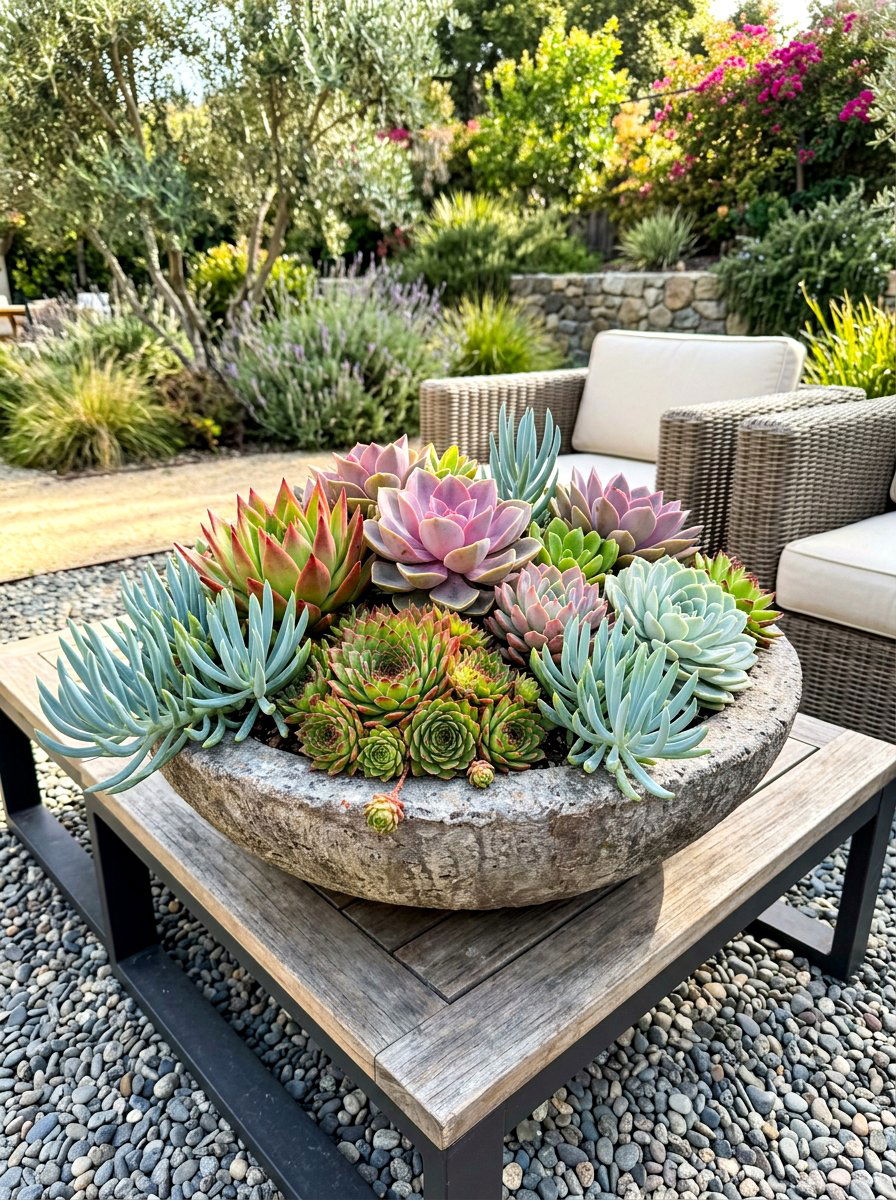
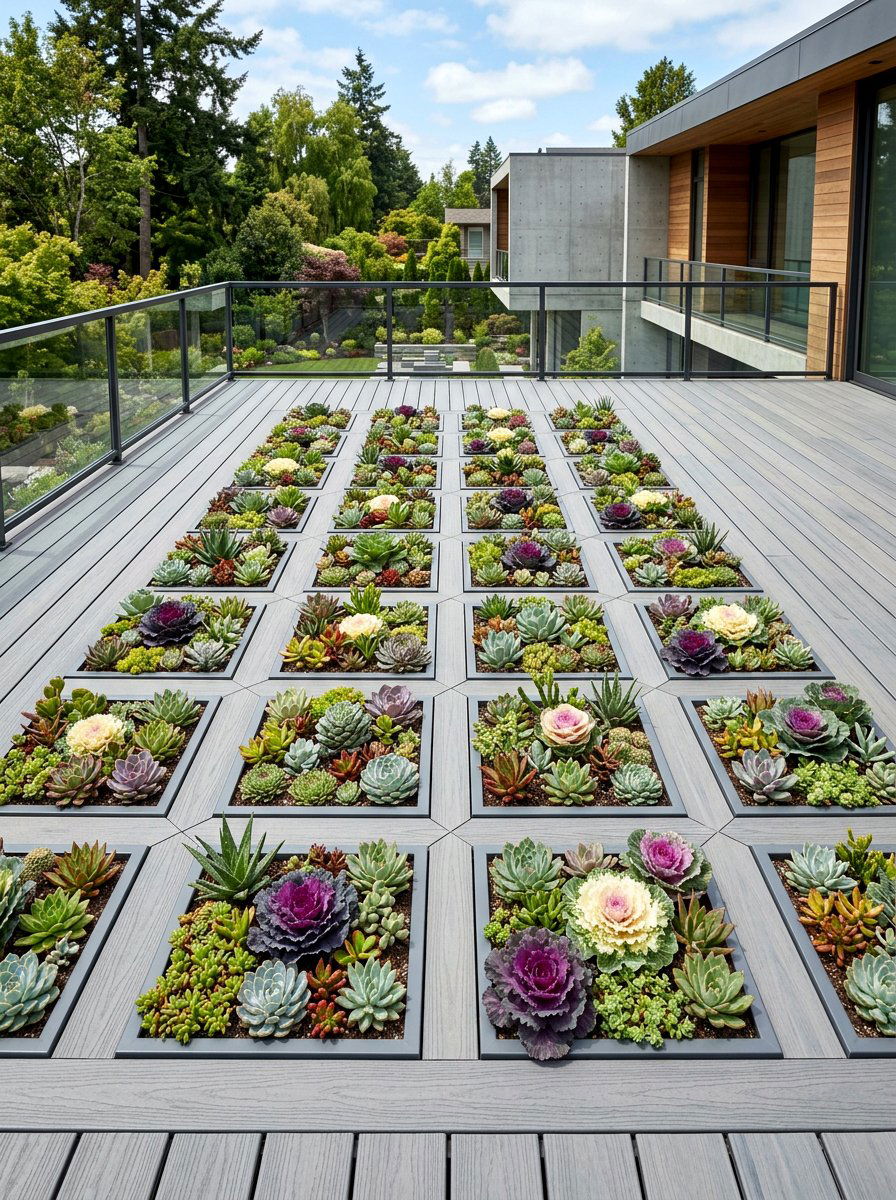
Designing a succulent garden bowl is an excellent choice for those who want a low-maintenance but high-impact display. These fleshy, water-storing plants come in an incredible array of shapes, colors, and textures that resemble underwater coral reefs. A wide, shallow bowl filled with well-draining cactus mix is the ideal environment for hens and chicks, echeveria, and sedum. Because succulents grow slowly, your arrangement will maintain its artistic look for a long time without needing constant pruning. These containers are perfect for sunny tabletops or rocky garden ledges where other plants might struggle with the heat. Their sculptural beauty provides a modern and clean aesthetic to any outdoor seating area.
14. Tropical flower arrangement
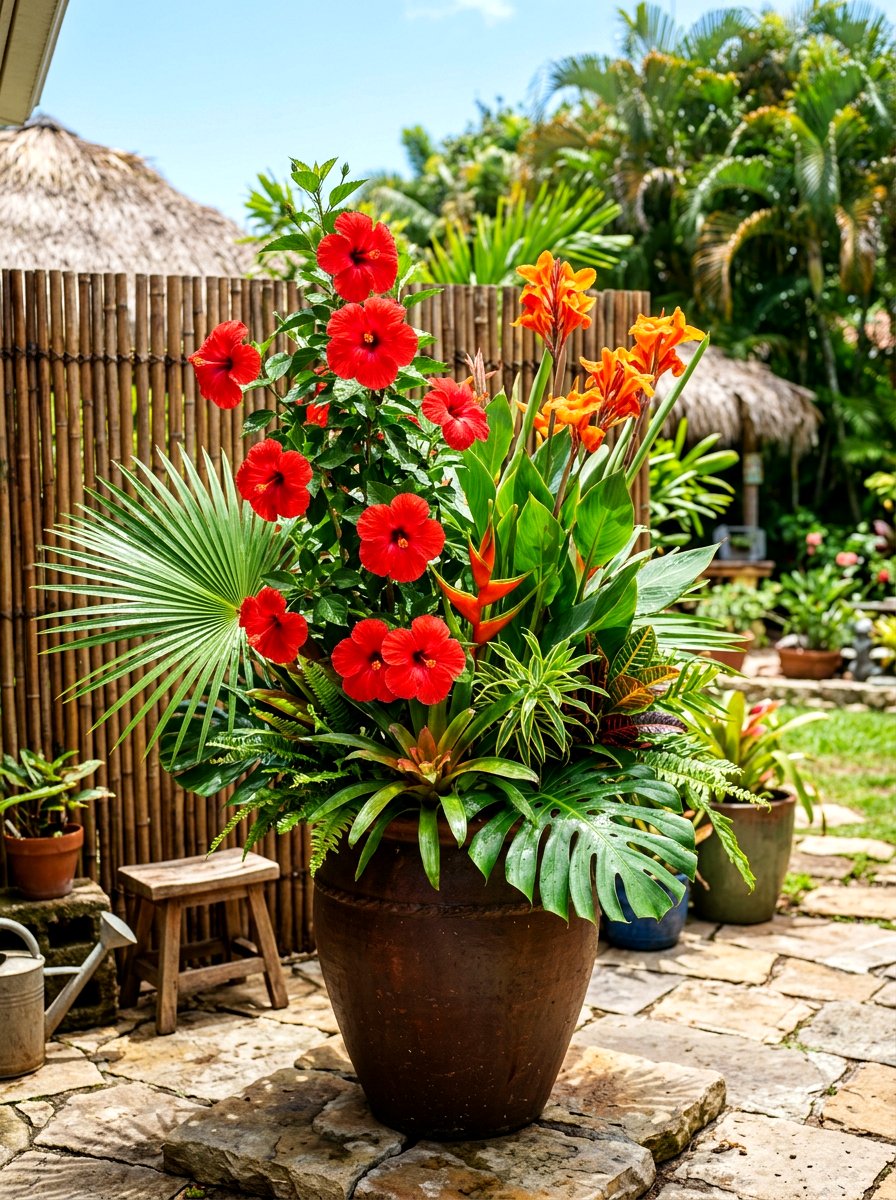
Bringing a tropical flower arrangement to your patio can make every day feel like a vacation in paradise. Focus on using bold, exotic-looking plants like hibiscus, mandevilla, or canna lilies to create a high-drama focal point. These plants thrive in heat and humidity, producing large, showy blooms in saturated shades of red, orange, and pink. To complete the look, incorporate lush foliage plants like bird of paradise or small palms for a layered, jungle-like effect. These containers work best in full sun and require regular fertilizing to support their fast growth and heavy blooming. Adding a tropical touch is an easy way to transform a standard deck into a lush, private island retreat.
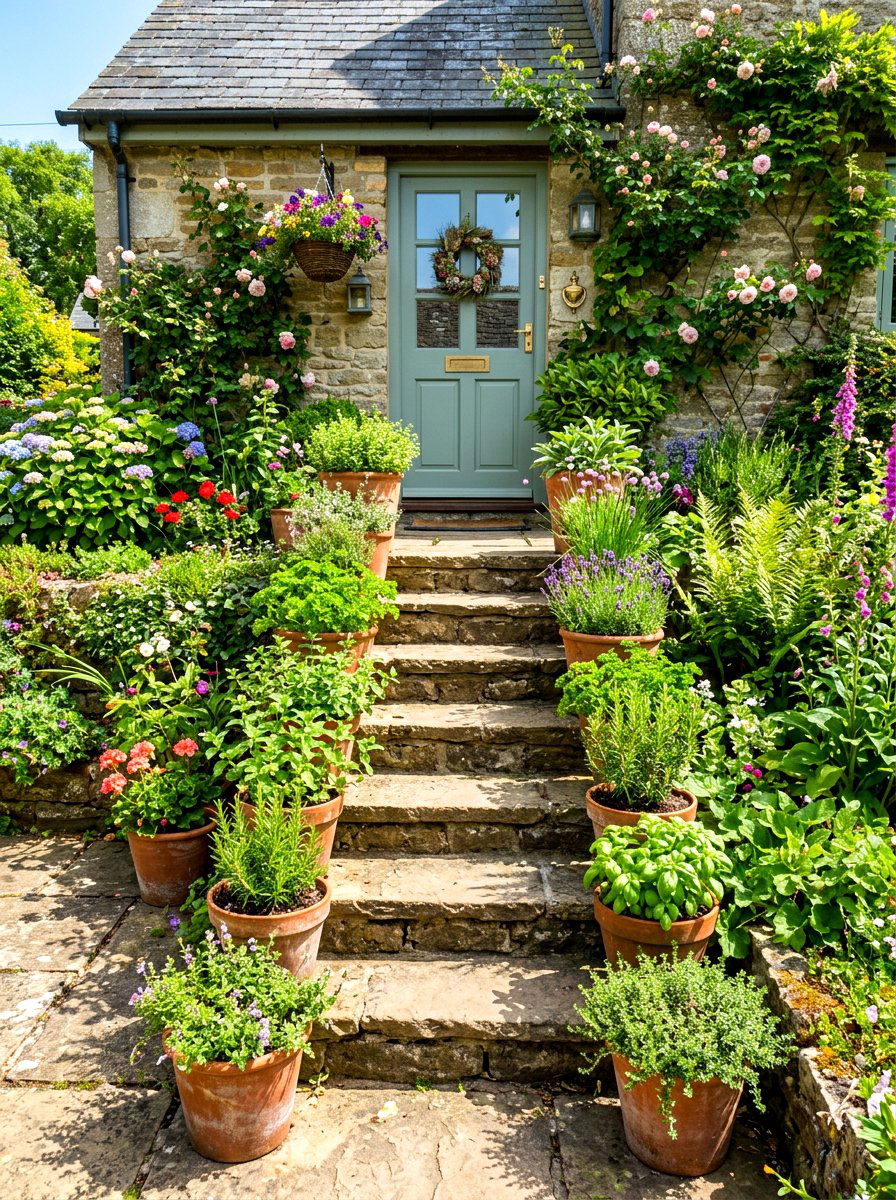
15. Cottage garden planter
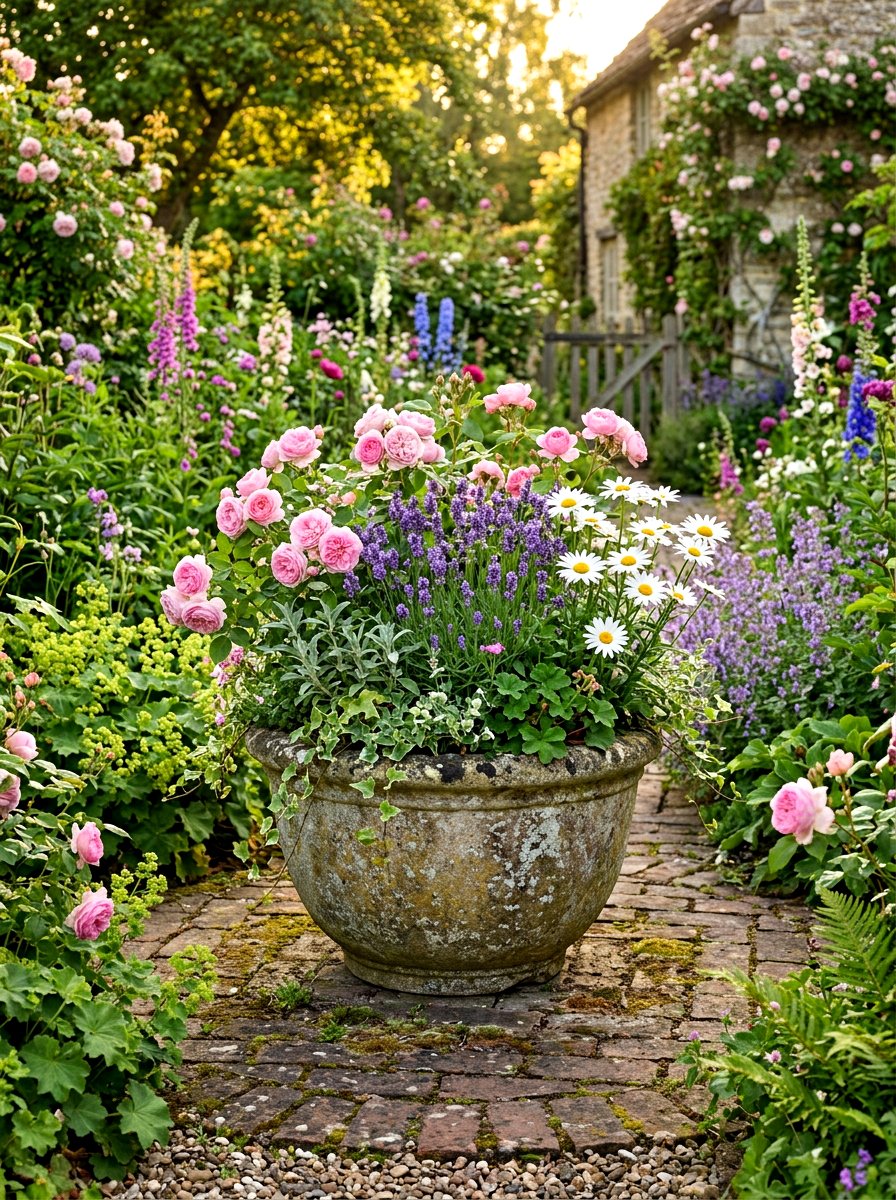
A cottage garden planter captures the charming, informal beauty of a traditional English garden in a portable format. This style emphasizes a "more is more" approach, with a dense and slightly wild mix of soft colors and fragrant blooms. Use classic flowers like roses, lavender, and delphiniums to create a romantic and nostalgic atmosphere. Mixing in some airy plants like baby's breath or cosmos adds to the whimsical, effortless feel of the design. Weathered stone or aged ceramic pots enhance the vintage vibe and ground the arrangement in a sense of history. This type of container garden is perfect for creating a cozy, lived-in feel on a backyard patio or porch.
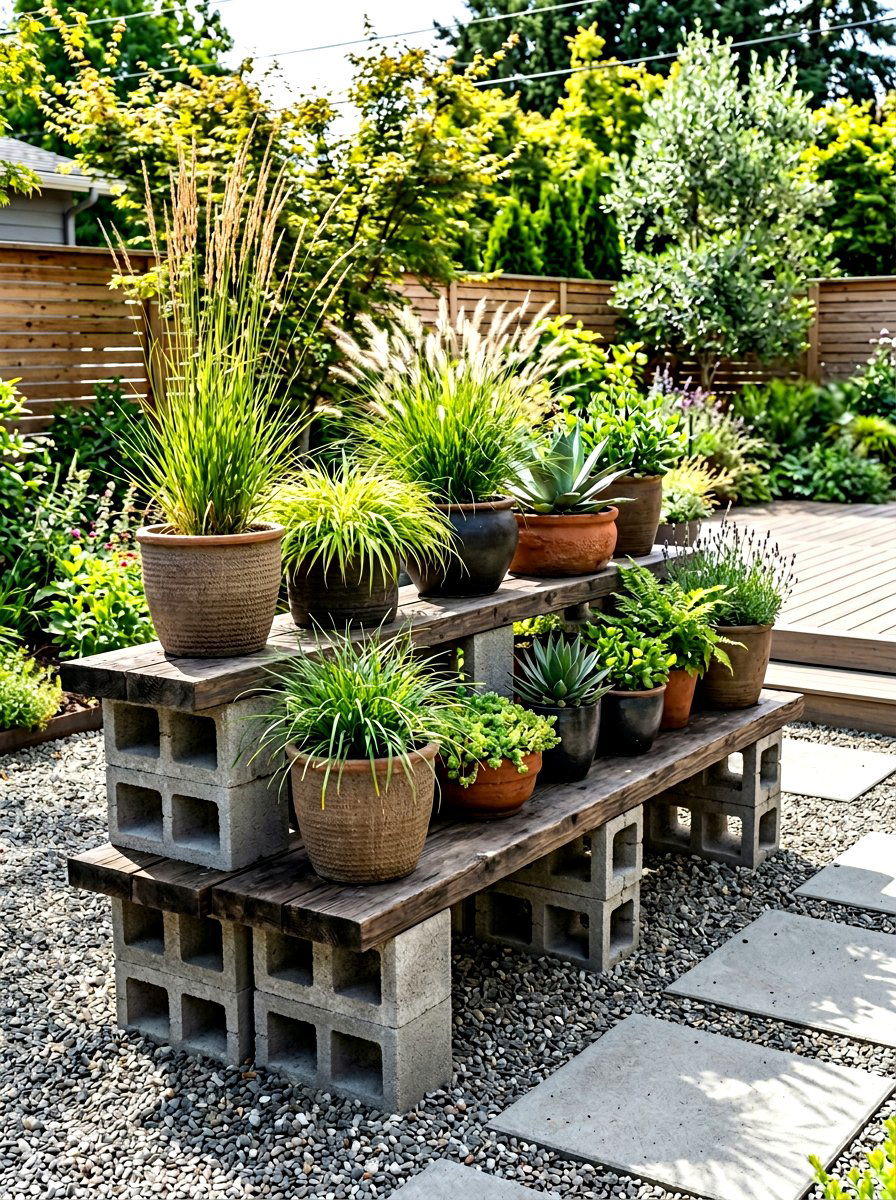
16. Modern concrete planter
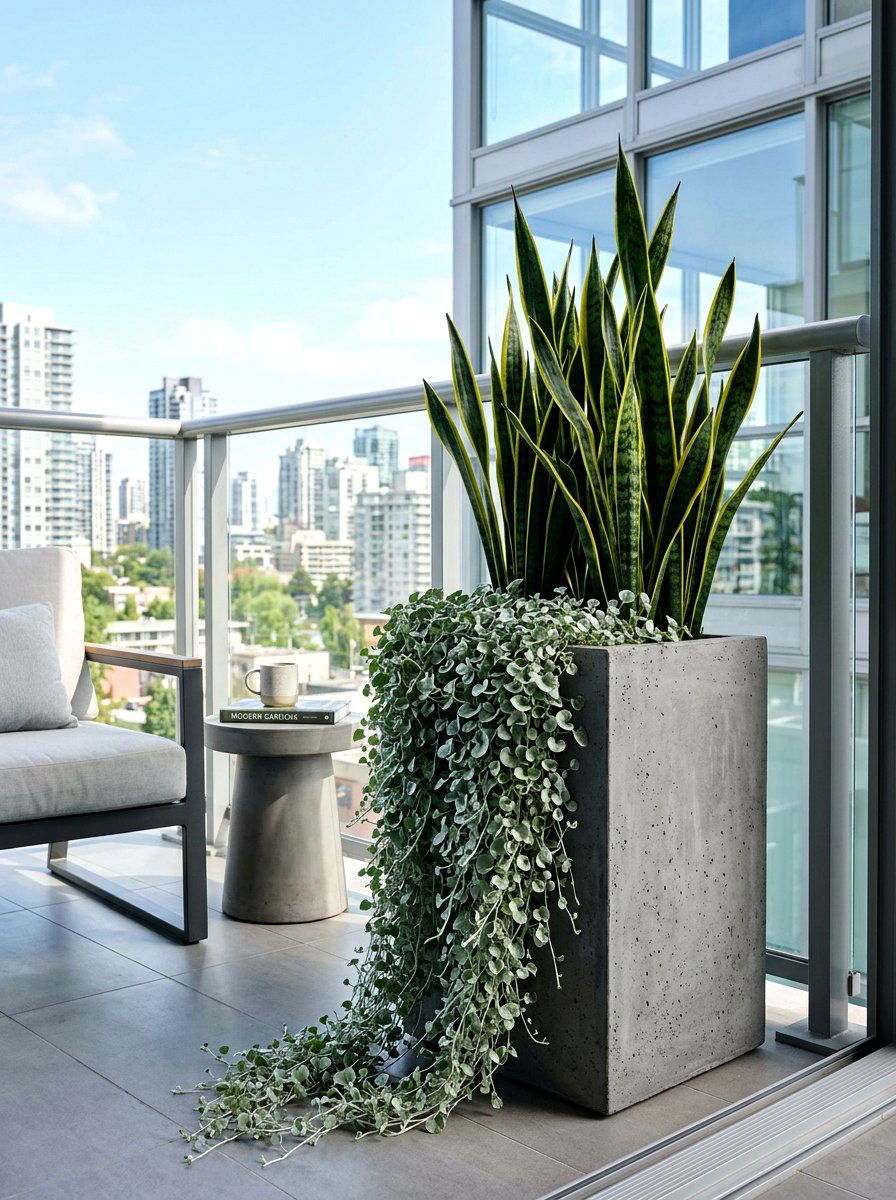
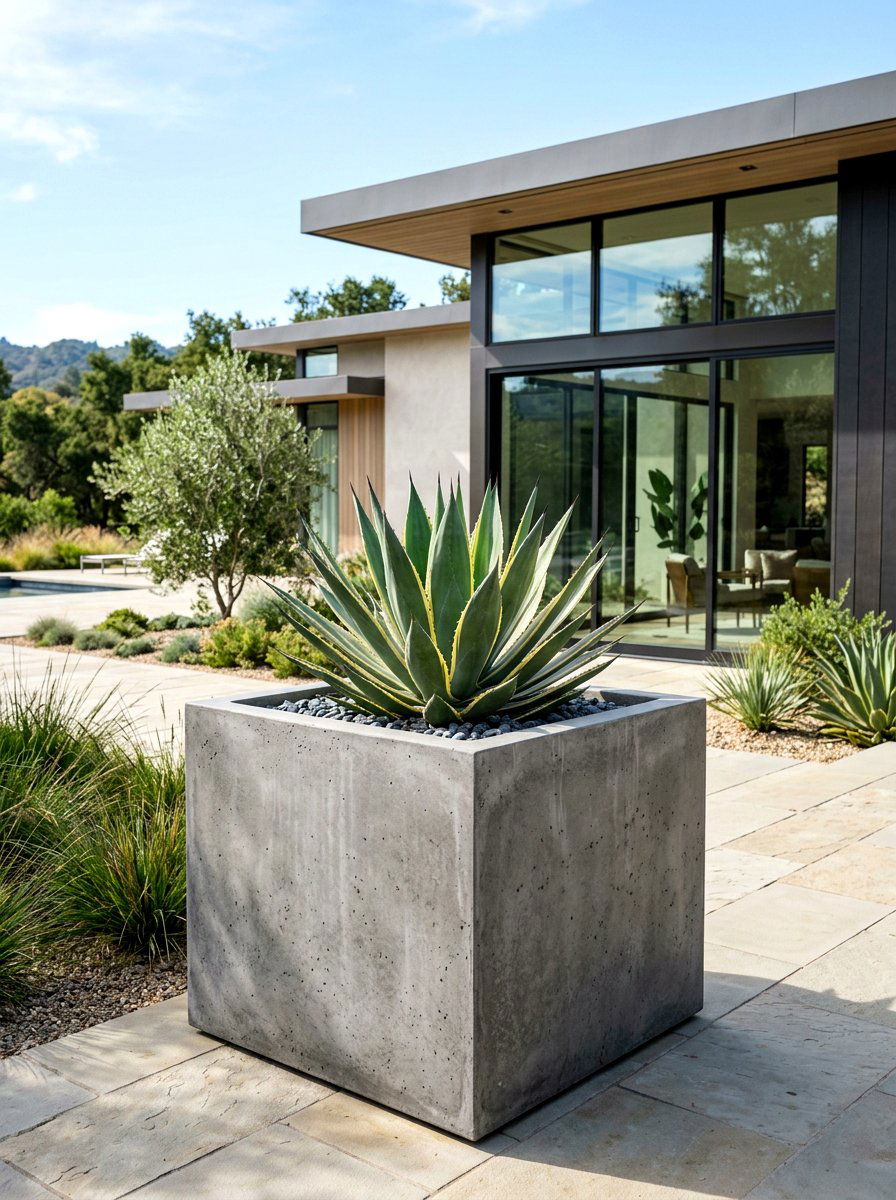
A modern concrete planter offers a sleek, industrial aesthetic that complements contemporary architecture and minimalist outdoor spaces. The heavy, solid look of the concrete provides a grounded base for architectural plants like ornamental grasses or structural agaves. These containers are incredibly durable and can withstand harsh weather conditions without losing their clean lines and neutral gray finish. You can contrast the rough texture of the concrete with soft, trailing flowers or keep the look monochromatic with silver and green foliage. Concrete pots also help regulate soil temperature, keeping roots cooler in the summer. This style is perfect for those who appreciate clean designs and low-maintenance but high-style garden features.
17. Edible flower pot
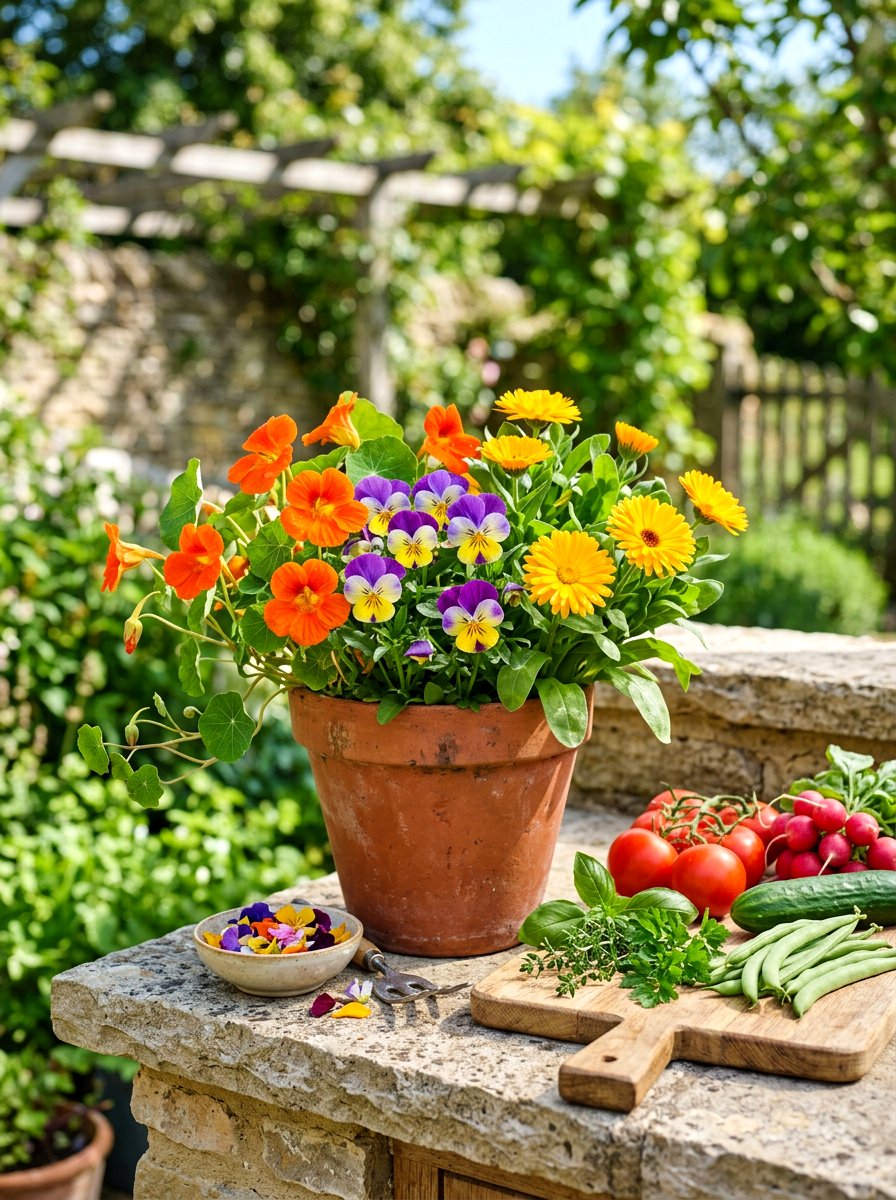
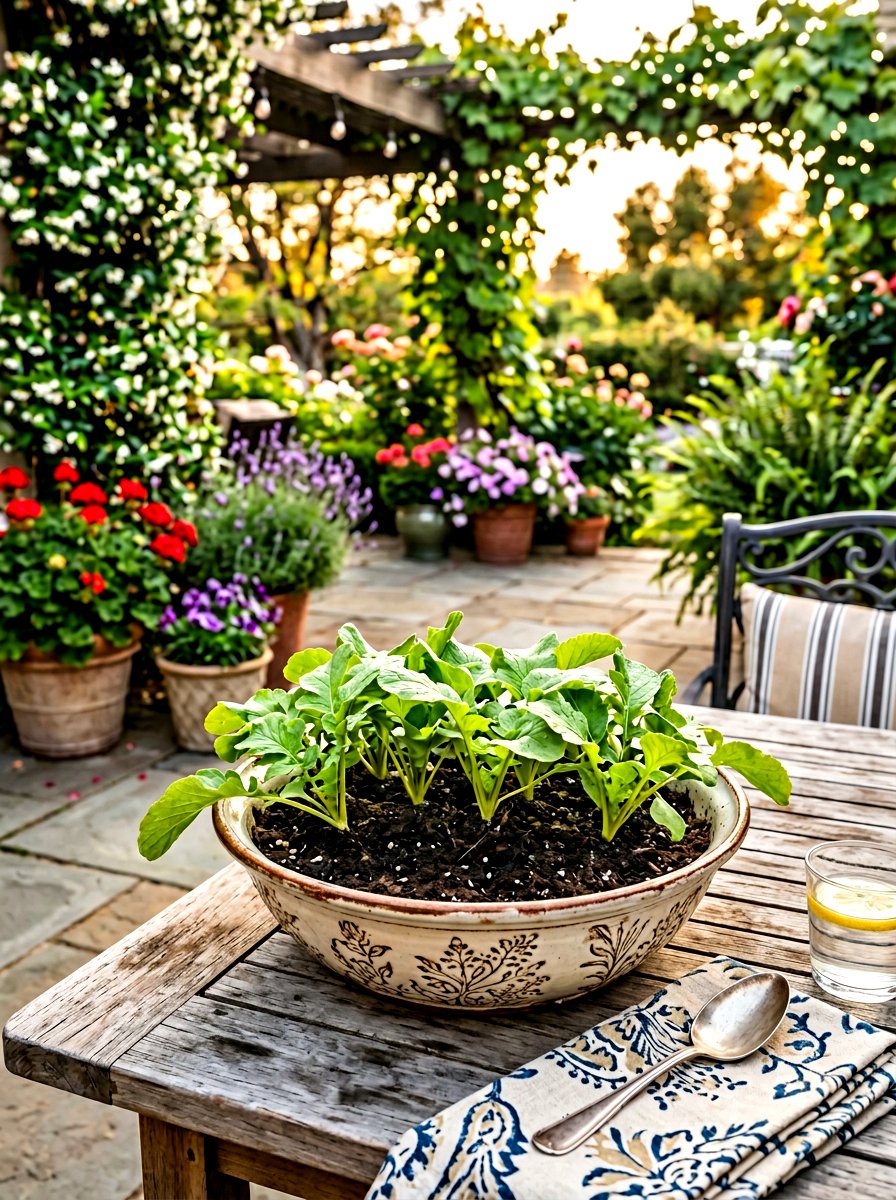
An edible flower pot is a delightful way to combine beauty and utility in a single container. Many popular garden flowers are actually safe to eat and can be used to garnish salads, cakes, or summer cocktails. Varieties like pansies, nasturtiums, and calendula provide bright pops of color and unique flavors ranging from peppery to sweet. Growing them in a pot ensures they stay clean and are easy to harvest whenever you need a fresh touch for your kitchen creations. Ensure you use organic soil and avoid any chemical treatments to keep the blooms safe for consumption. This functional garden idea adds a sensory experience to your patio that is both visual and culinary.
18. Herb and flower mix
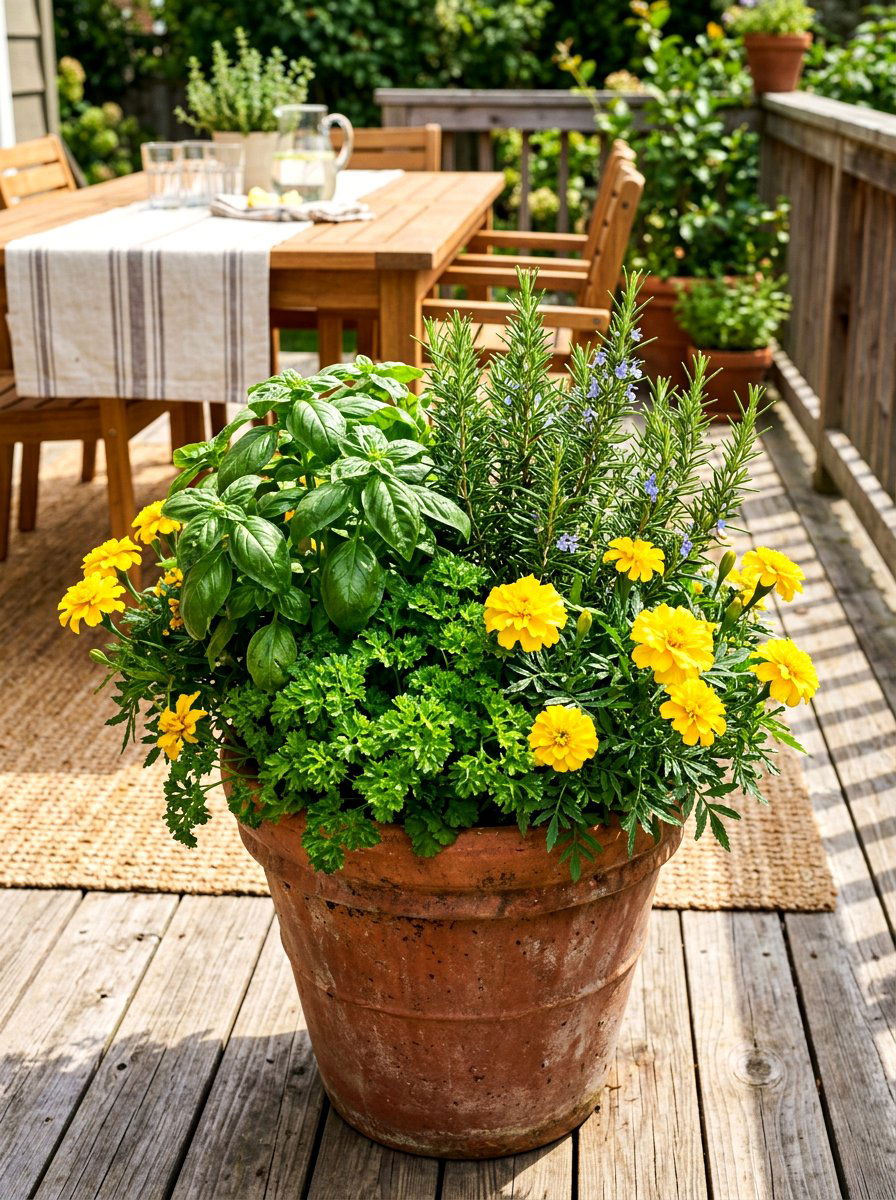
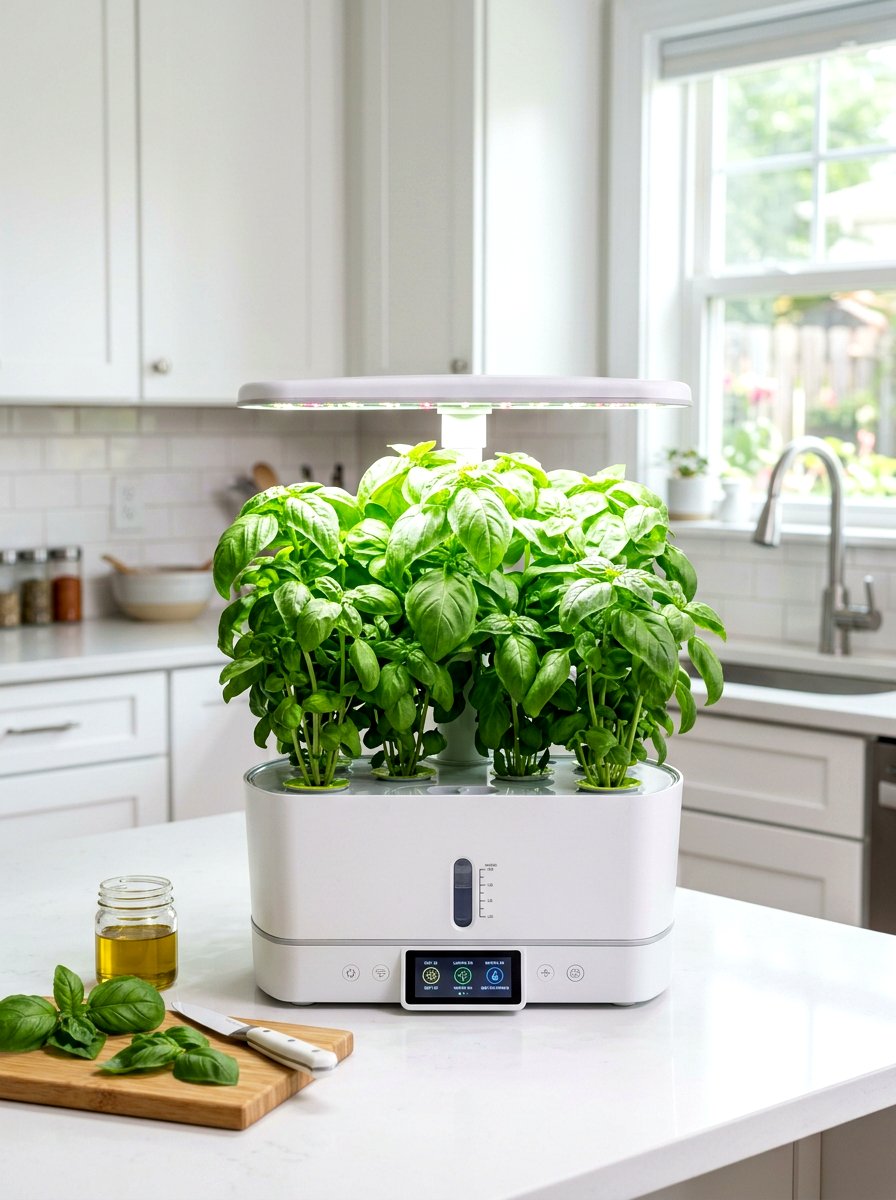
Combining an herb and flower mix in one container creates a fragrant and multi-functional display that appeals to all the senses. You can plant aromatic herbs like rosemary, thyme, and basil alongside colorful annuals like marigolds or zinnias. The flowers help attract pollinators to the herbs, while the varied textures of the herb leaves provide a lush backdrop for the blooms. This type of arrangement is perfect for a small sunny balcony or right outside the kitchen door for easy access while cooking. Choosing a large pot allows enough room for the different root systems to coexist happily. It is a practical yet beautiful way to maximize your growing space efficiently.
19. Trailing flower basket
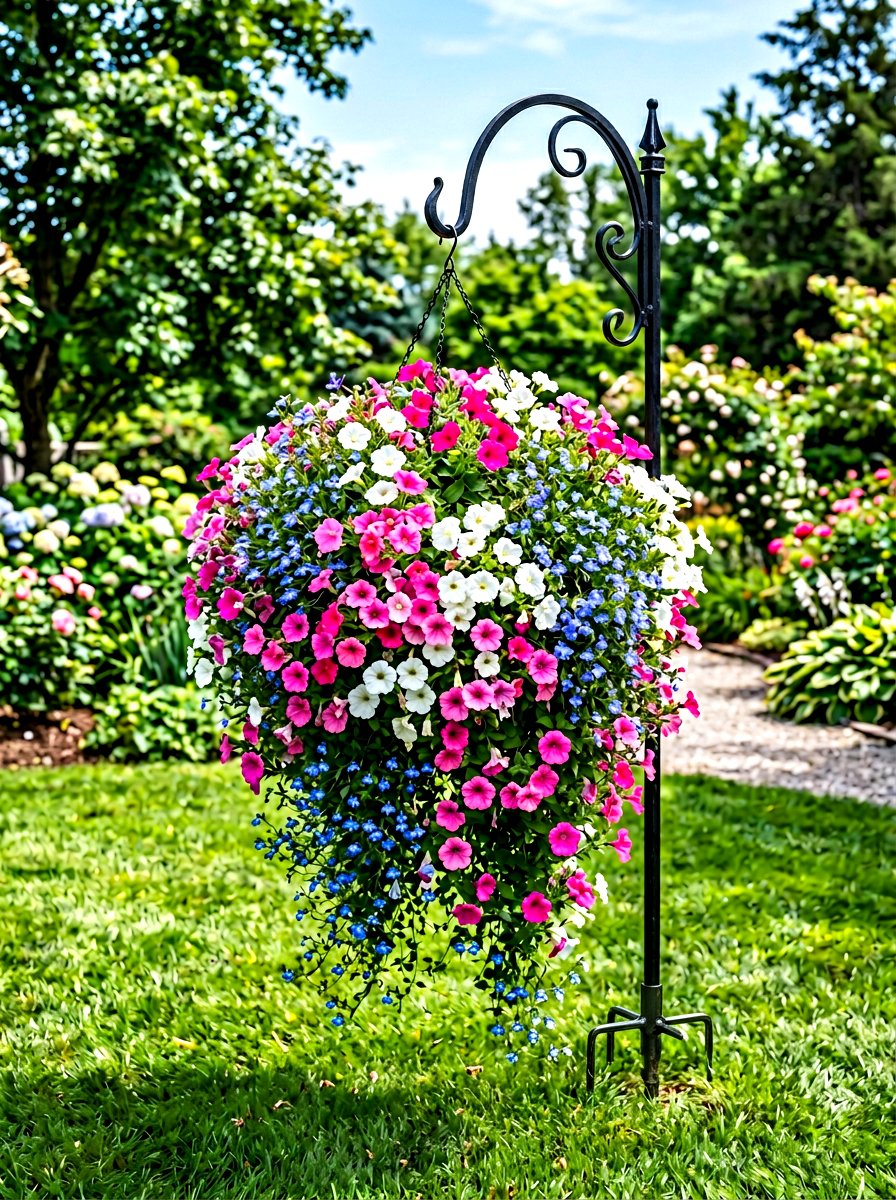
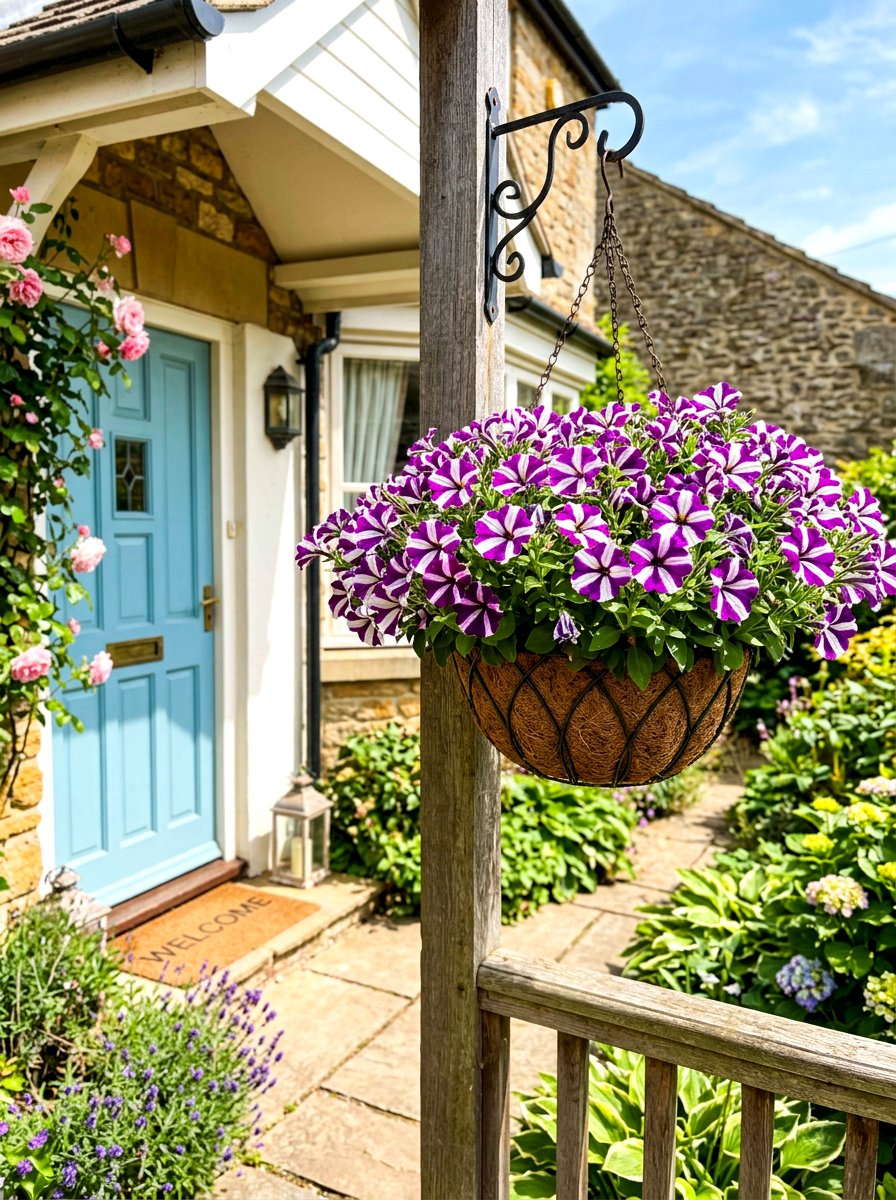
A trailing flower basket is specifically designed to showcase plants that spill elegantly over the sides, creating a waterfall of color. These containers are usually hung at eye level or higher to fully appreciate the cascading growth habit of the selected species. Petunias, calibrachoa, and bacopa are popular choices for their ability to bloom prolifically while trailing several feet downward. To keep these baskets looking their best, consistent watering and weekly fertilizing are necessary throughout the peak of the growing season. The result is a stunning, cloud-like orb of flowers that adds a sense of luxury and abundance to any porch, pergola, or garden entrance without taking up ground space.
20. Winter flower container
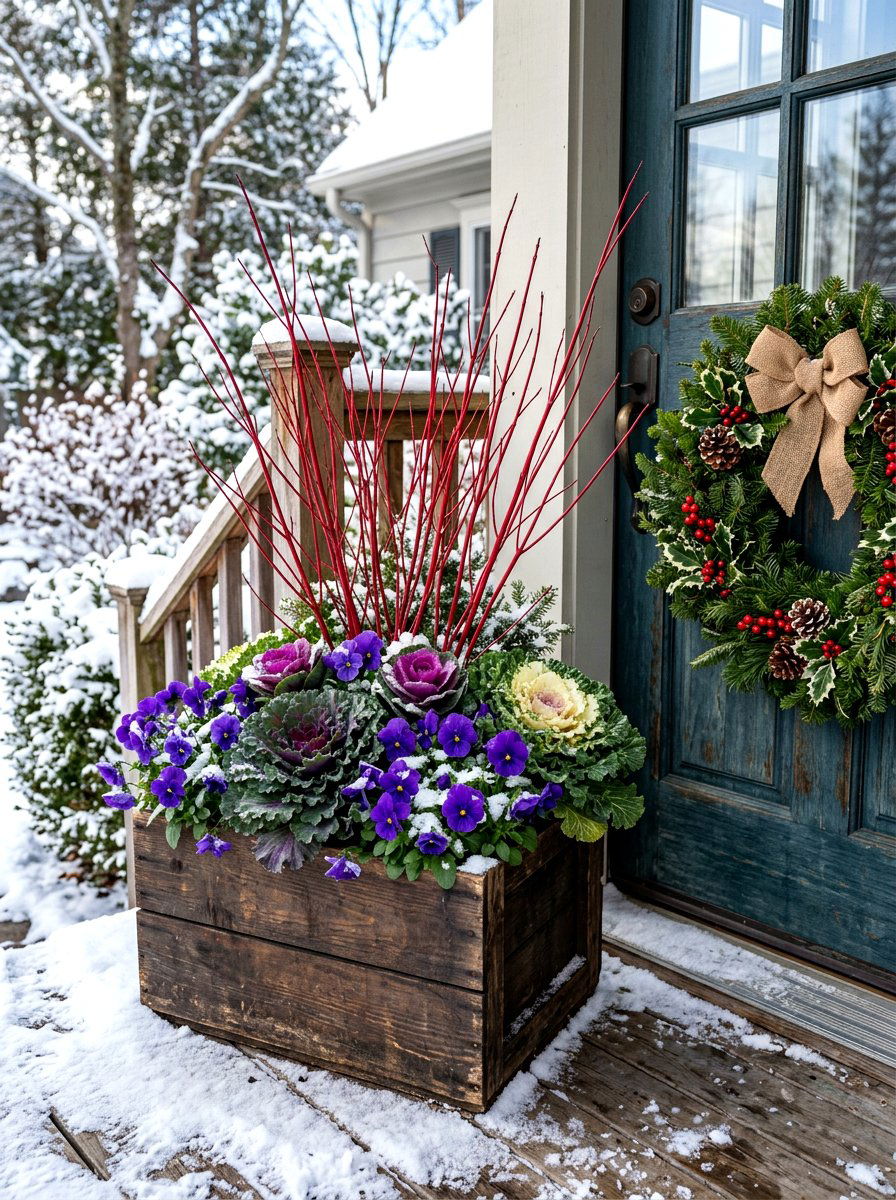
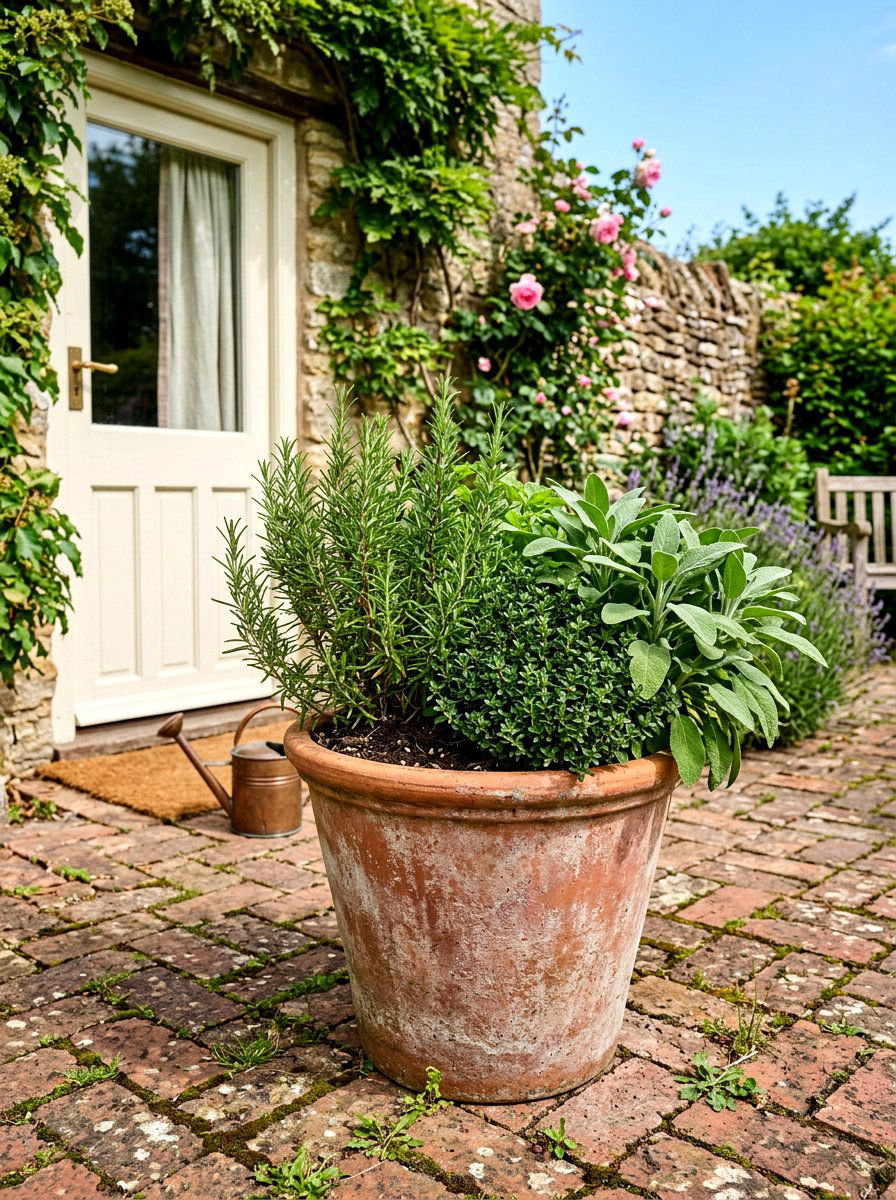
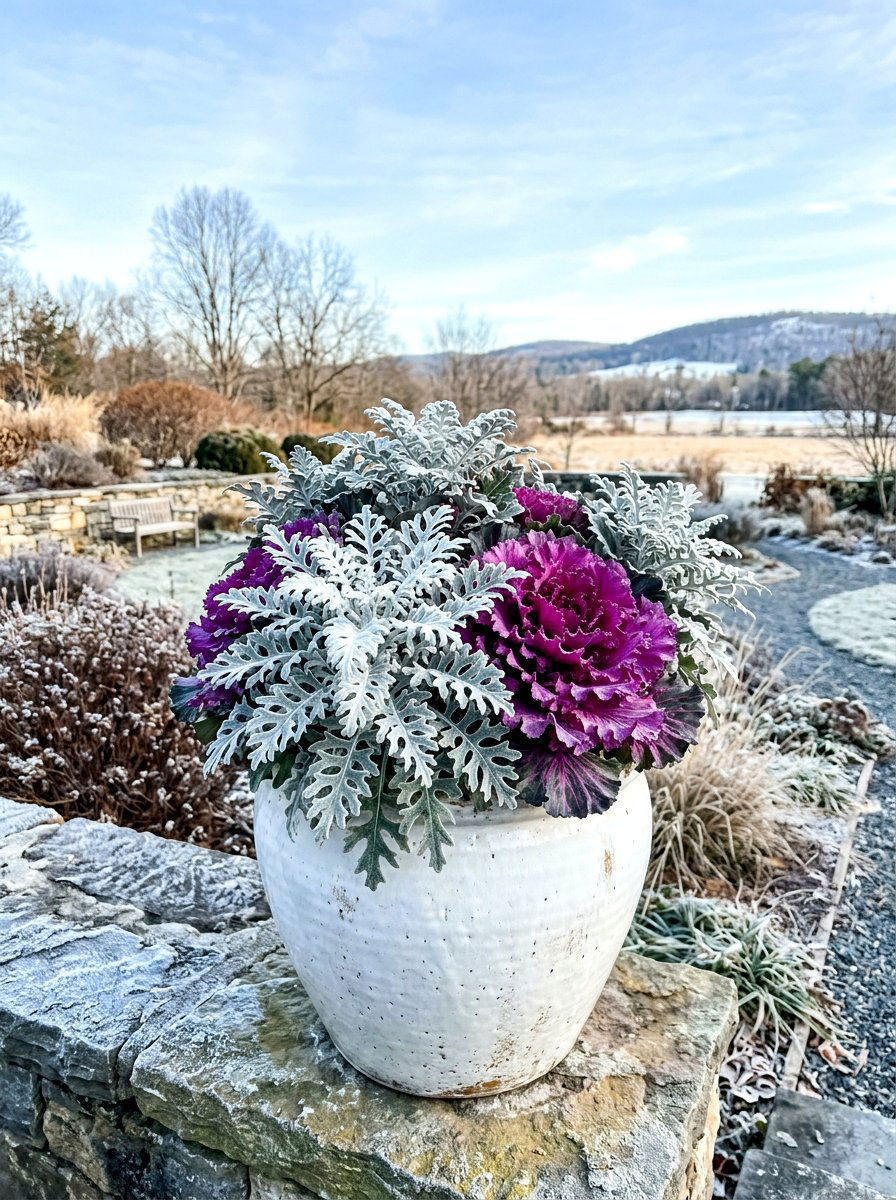
Maintaining a winter flower container allows you to enjoy color and life even during the coldest months of the year. While many plants go dormant, cold-hardy varieties like pansies, violas, and ornamental kale can survive light frosts and provide visual interest. You can also incorporate evergreen branches, bright red dogwood twigs, and pinecones for a textured, seasonal look that requires very little maintenance. These arrangements look especially beautiful when placed near an entryway to provide a cheerful pop of color against the snowy or gray winter backdrop. Choosing frost-proof containers, such as fiberglass or heavy wood, is essential to prevent cracking during freeze-thaw cycles. This year-round gardening approach keeps your home inviting.
21. Spring bulb pot
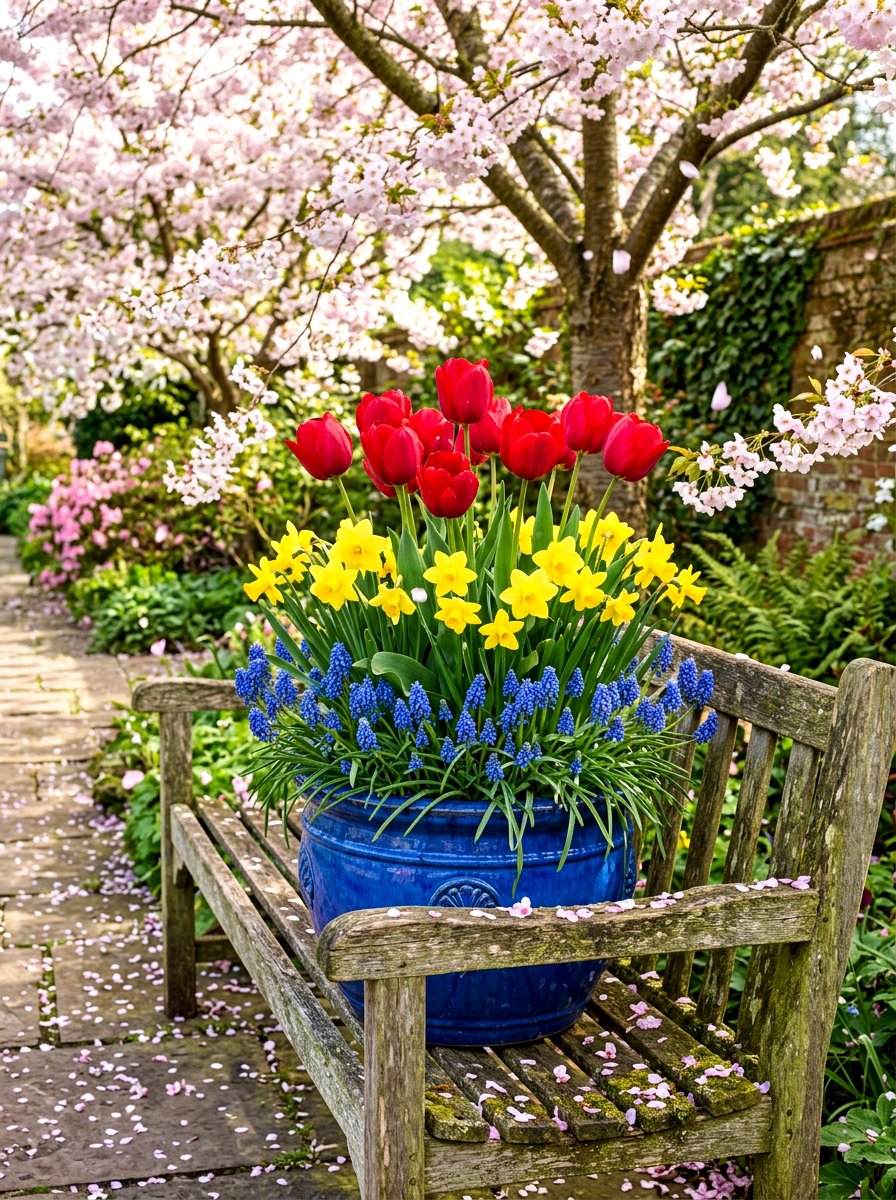
A spring bulb pot is a wonderful way to celebrate the end of winter with a concentrated burst of early-season color. By planting layers of tulips, daffodils, and crocuses in the fall, you can create a "bulb lasagna" that blooms in succession throughout the spring. This technique ensures that as one variety fades, another is ready to take its place, extending the display for several weeks. Once the blooms are finished, you can move the pot to a less visible area while the foliage dies back naturally. These pots are perfect for placing on steps or near a front door where you can enjoy the fresh scent and vibrant petals of the new season.
22. Fall harvest planter
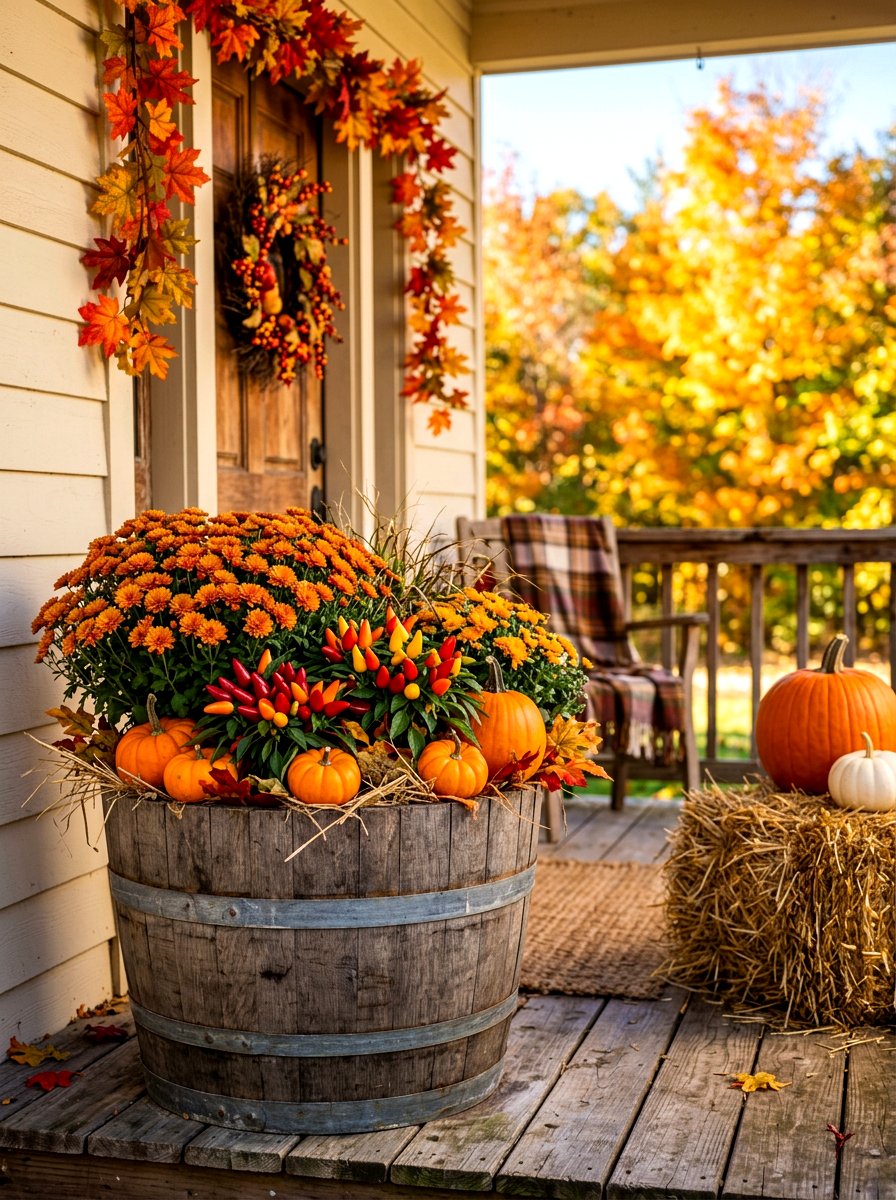
A fall harvest planter transitions your outdoor decor from summer to the cozy, warm tones of autumn. Replace tired summer annuals with cold-tolerant beauties like chrysanthemums, ornamental peppers, and celosia in shades of orange, yellow, and deep red. You can enhance the harvest theme by tucking in small pumpkins, gourds, or dried corn stalks for added texture and height. Ornamental grasses also look fantastic in fall containers, providing movement and a soft, wheat-like appearance as they go to seed. These arrangements are sturdy enough to handle the cooler temperatures and shorter days of late September and October. This seasonal update keeps your garden looking refreshed and festive for the holidays.
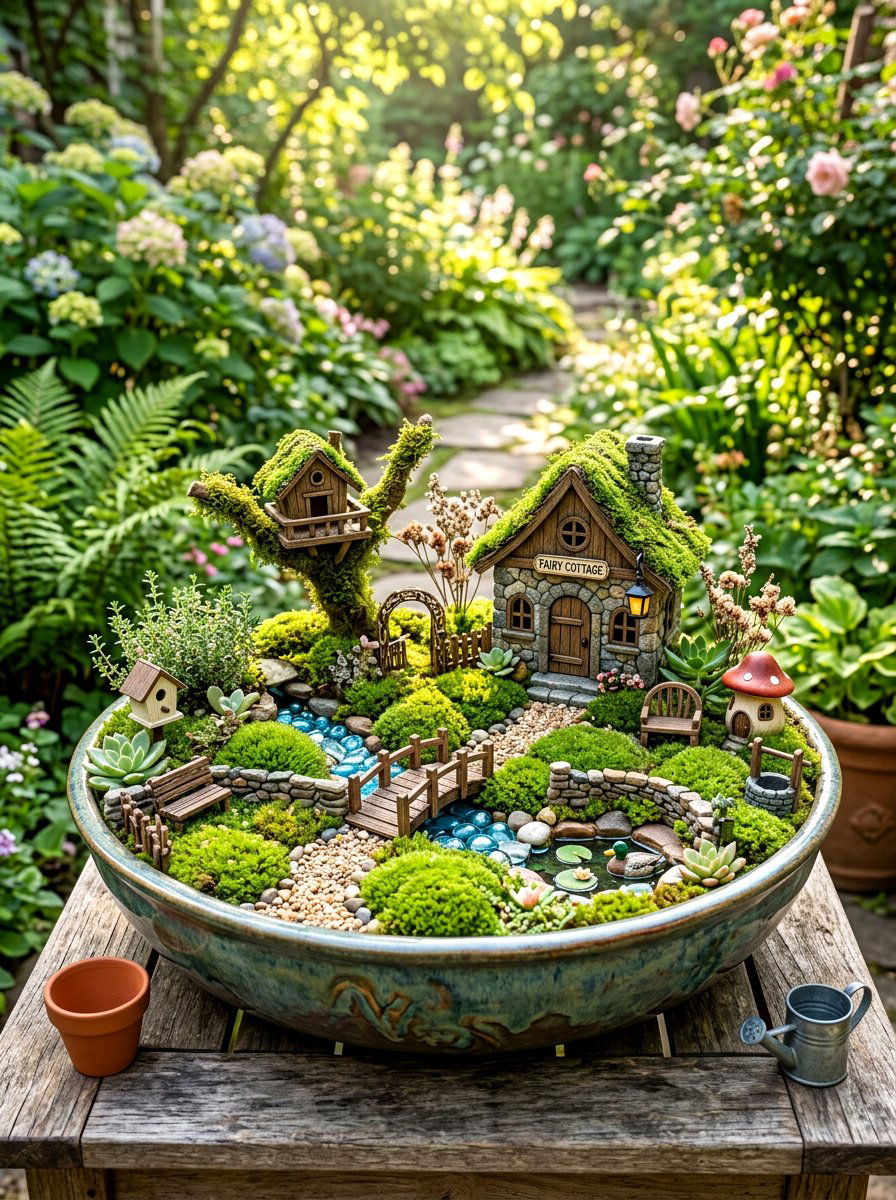
23. Miniature fairy garden
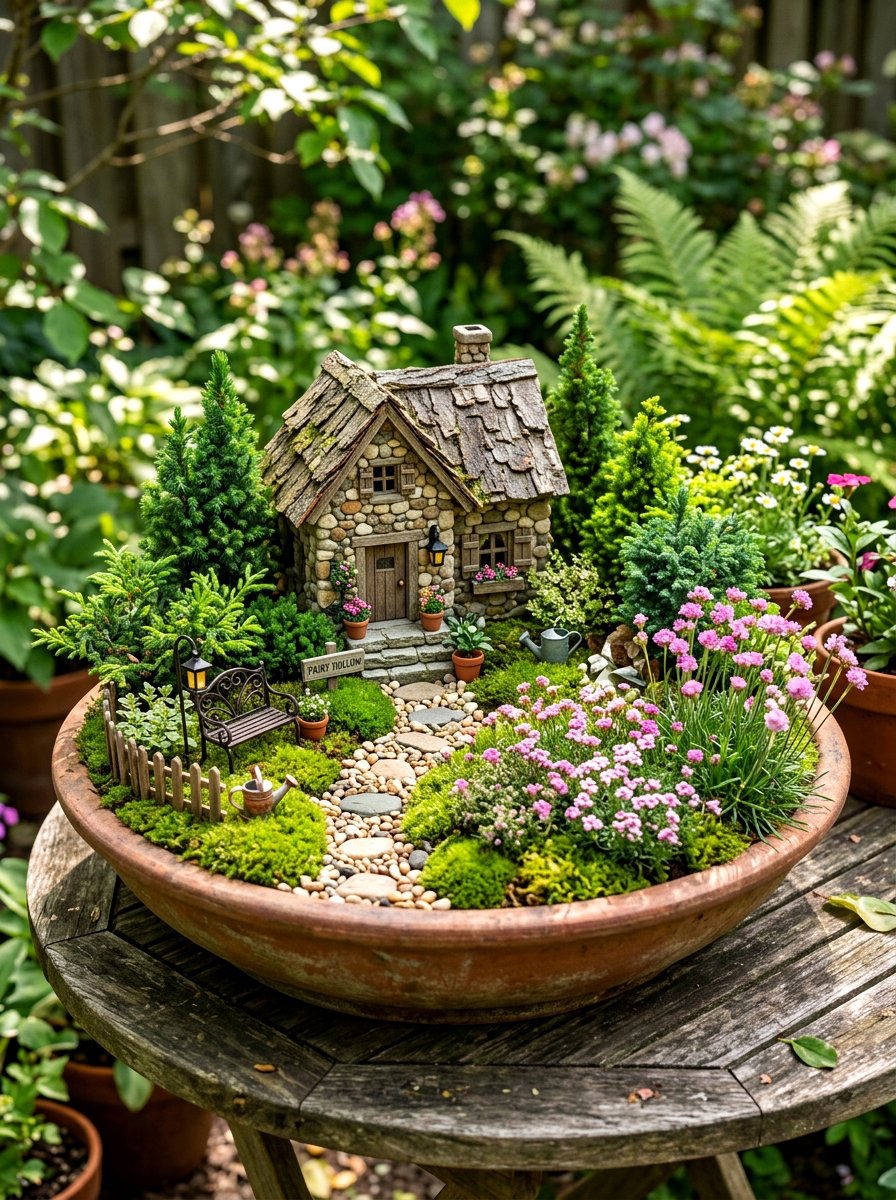
Creating a miniature fairy garden in a container is a whimsical project that captures the imagination of both children and adults. Use a wide, shallow pot to build a tiny landscape complete with small-scale plants like moss, dwarf conifers, and creeping thyme. You can add miniature accessories such as tiny benches, pebble paths, and even a small fairy house to bring the scene to life. This type of container gardening focuses on detail and storytelling, making it a great centerpiece for a patio table or a sheltered garden nook. It is a low-maintenance way to play with garden design on a tiny scale. Regular misting helps keep the delicate moss and small plants thriving.
24. Ceramic glazed pot
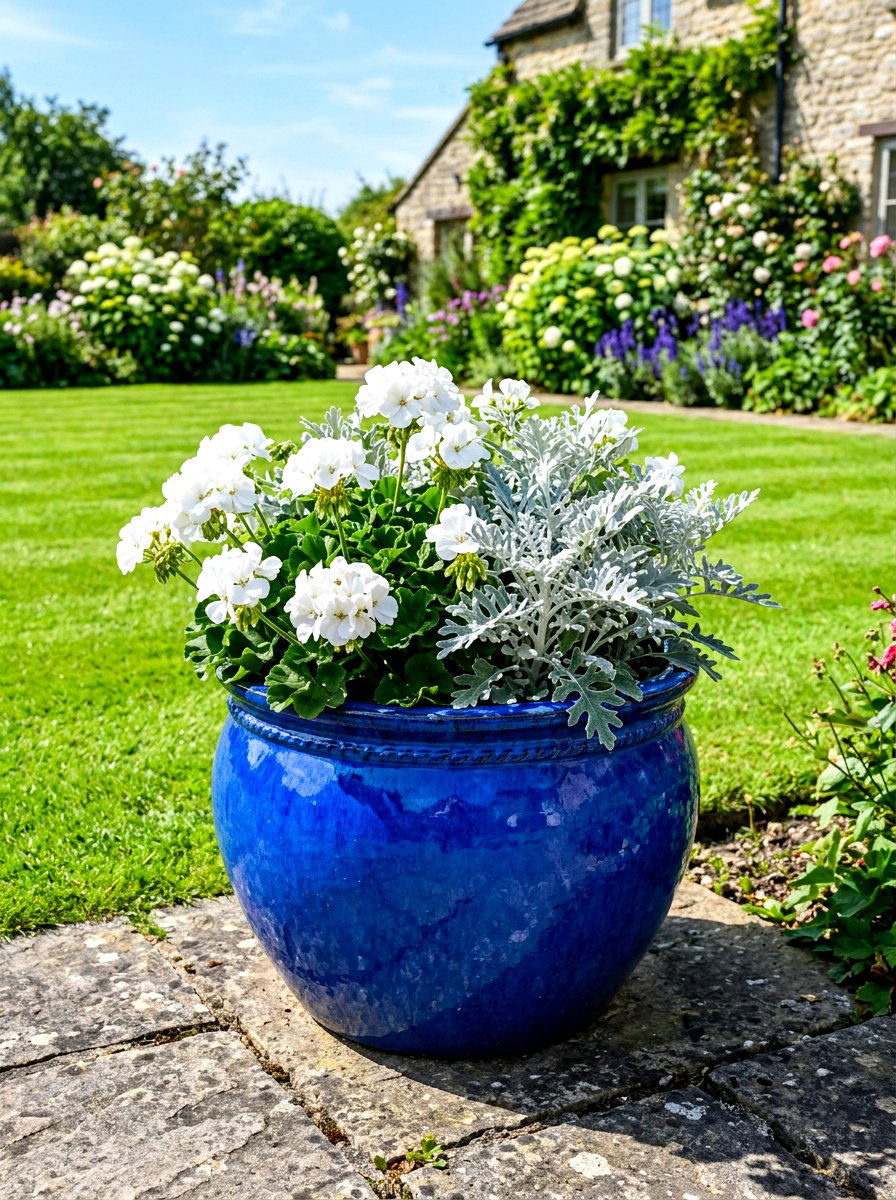
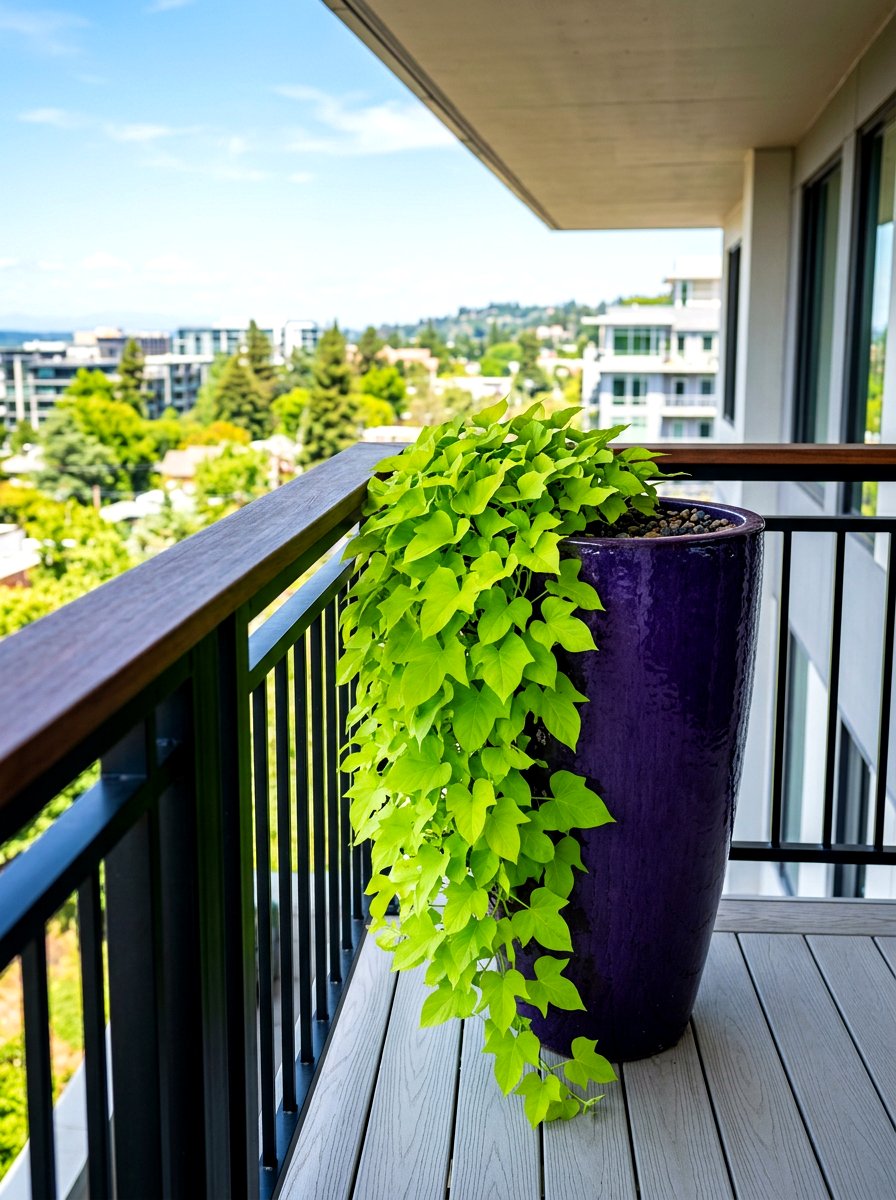
A ceramic glazed pot adds a touch of elegance and a vibrant splash of permanent color to your garden design. These containers come in an endless variety of brilliant glazes, from deep cobalt blue to earthy turquoise and shimmering metallic tones. The glaze not only looks beautiful but also helps the pot retain moisture by sealing the porous clay, making it a good choice for water-loving plants. You can choose a pot color that either complements your flower selection or provides a bold, artistic contrast. These heavy pots are very stable in windy conditions and look sophisticated as standalone pieces or part of a larger collection. They are timeless additions to any patio.
25. Woven wicker planter
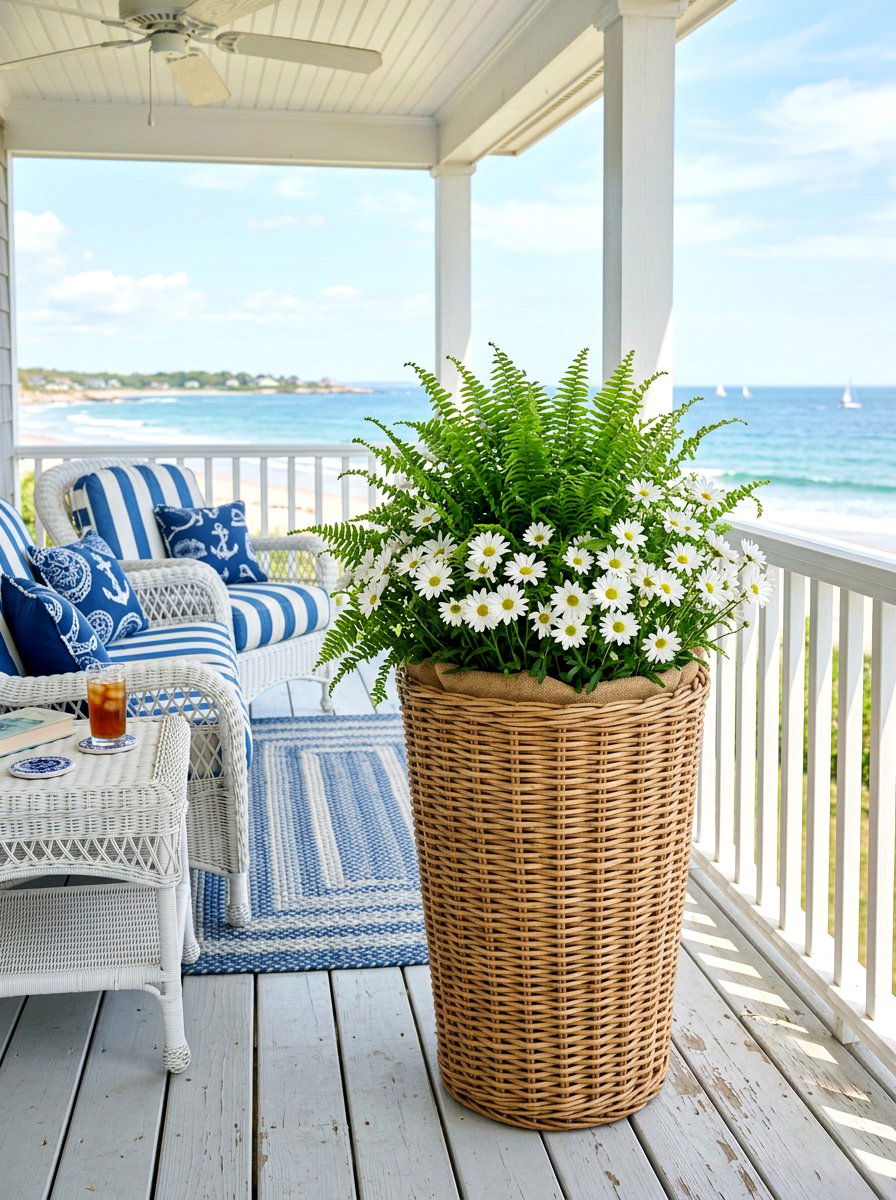
Choosing a woven wicker planter brings a soft, organic texture to your outdoor space that feels relaxed and coastal. These containers are often lined with plastic to protect the fibers and hold the soil, combining a natural look with practical functionality. They are lightweight and easy to move, making them perfect for temporary seasonal displays or adding a cozy touch to a sunroom. Wicker looks best when paired with airy, delicate flowers like daisies or soft ferns that mimic the natural weaving. The neutral tones of the wood or resin wicker provide a beautiful background for any color of bloom. This style is ideal for creating a comfortable, indoor-outdoor living feel on your deck.
26. Stacked strawberry jar
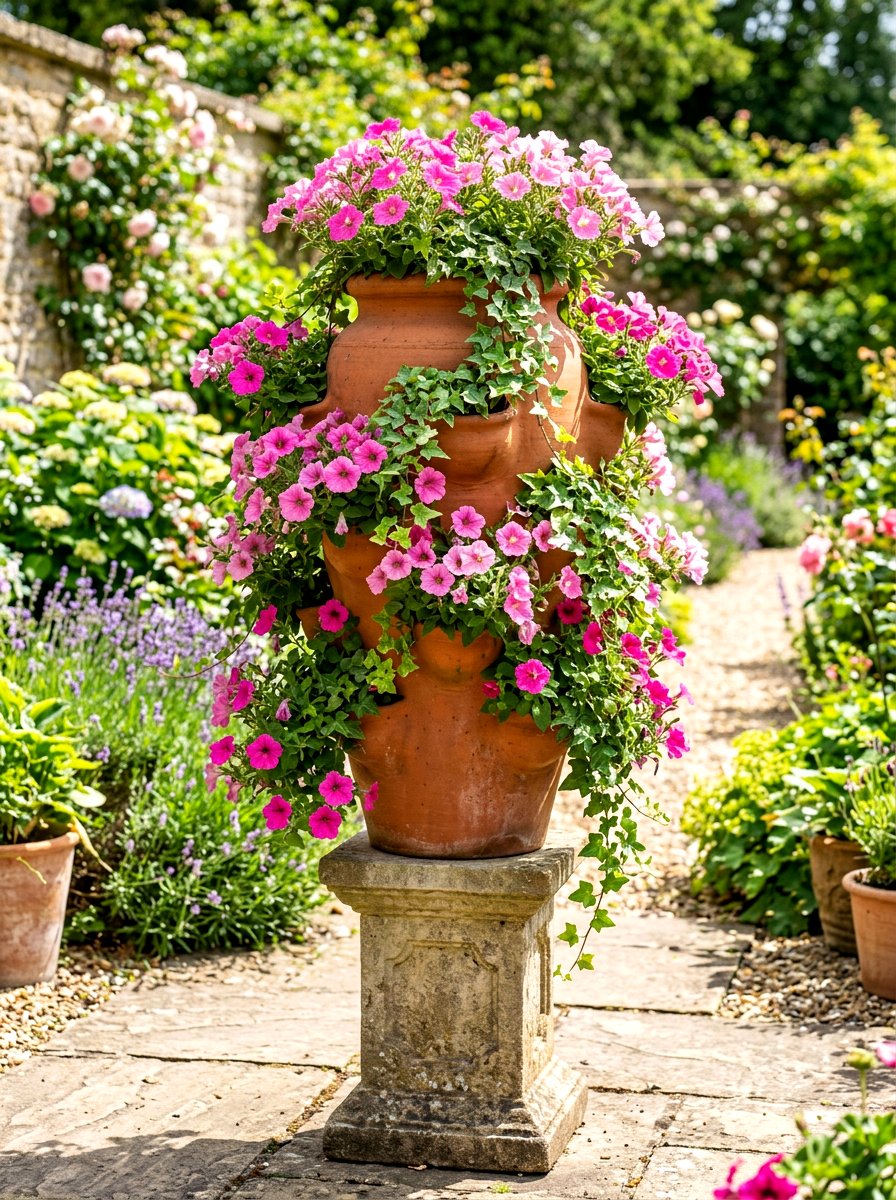
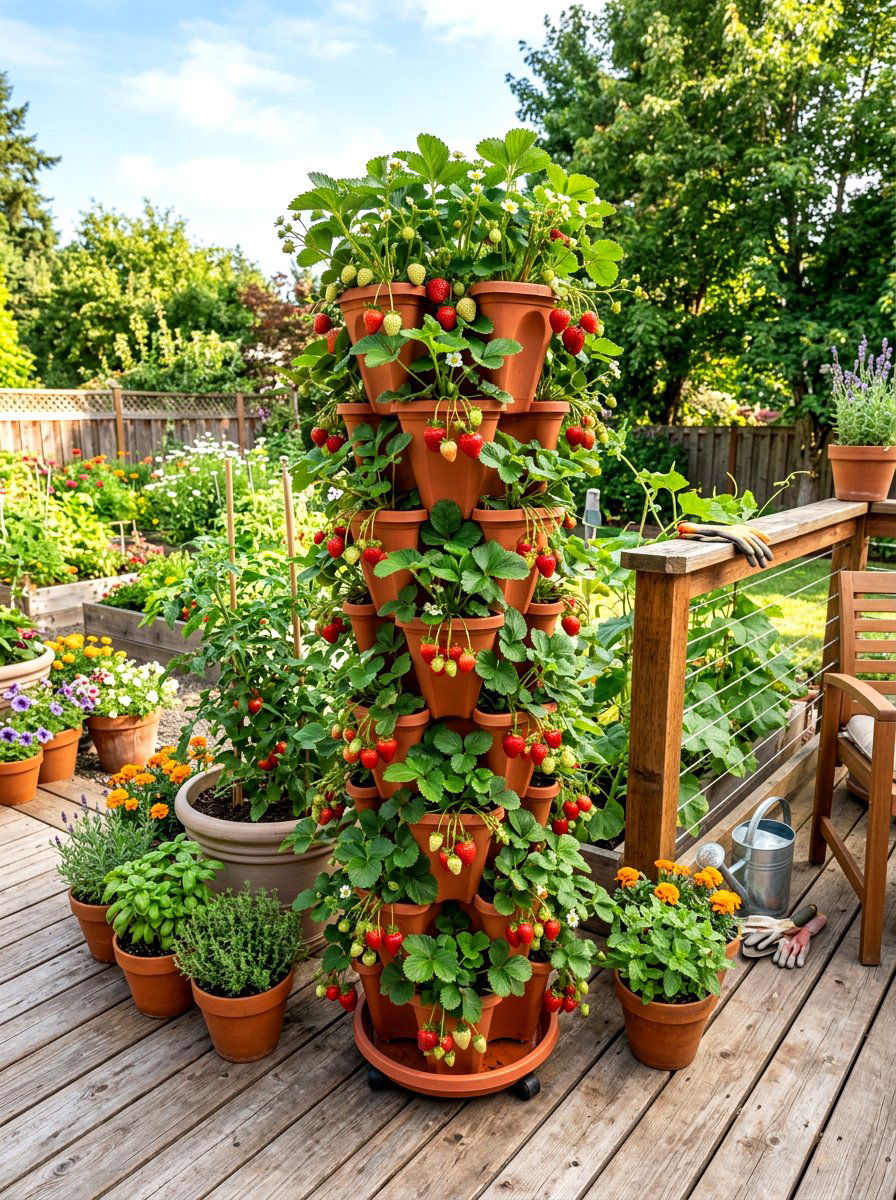
A stacked strawberry jar is a classic and space-saving way to grow multiple plants in a single vertical container. These specialized pots feature several side pockets along with a main top opening, allowing you to plant a variety of species in one small footprint. While originally designed for strawberries, they are perfect for creating a cascading tower of small flowers like alyssum, lobelia, or succulents. This vertical arrangement ensures that every plant gets its own pocket of soil and plenty of air circulation to stay healthy. Placing the jar on a rotating base makes it easy to ensure all sides receive equal sunlight throughout the day. It is a functional and visually interesting garden focal point.
27. Driftwood succulent display
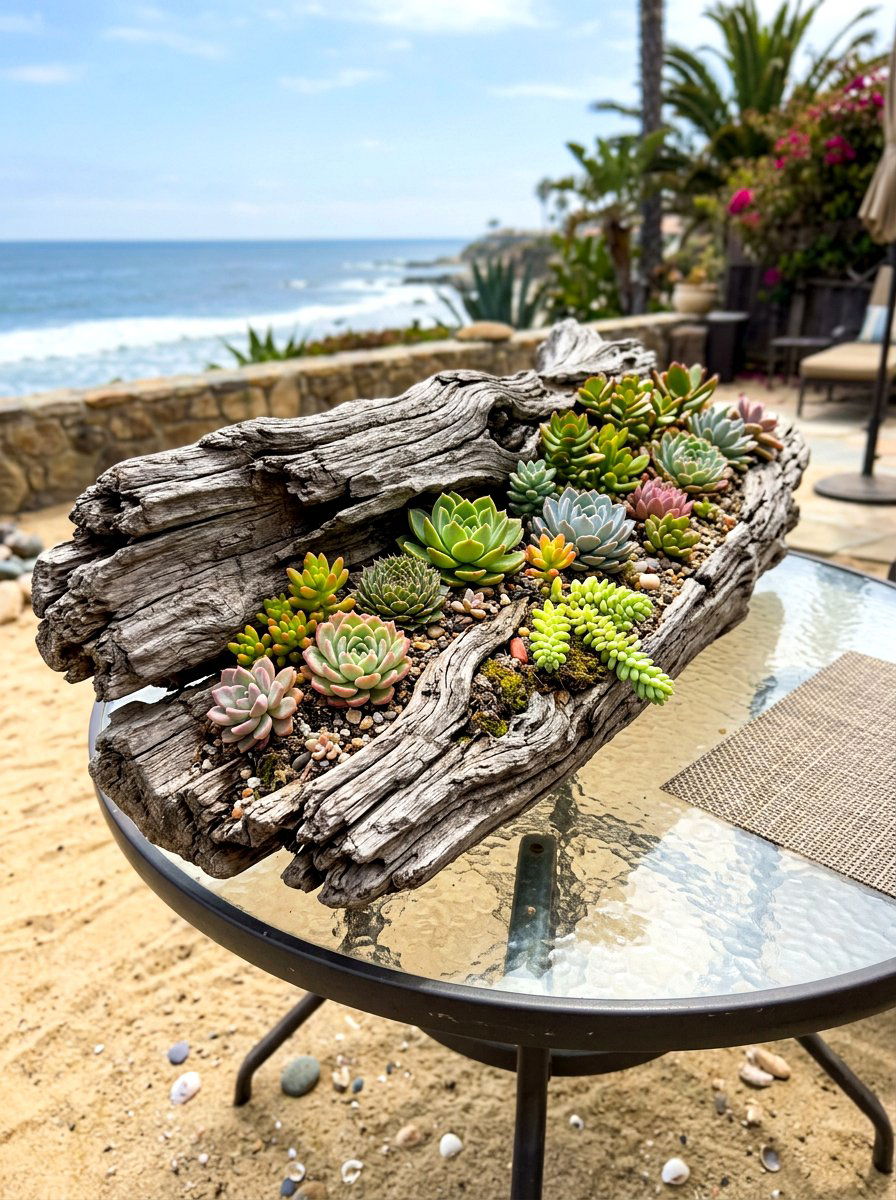
A driftwood succulent display uses natural elements to create a unique, sculptural piece of living art for your patio or tabletop. By hollowing out small sections of a piece of weathered driftwood, you can create natural pockets for planting hardy succulents and air plants. This rustic and coastal-inspired container idea requires very little soil and is exceptionally low-maintenance. The silver-gray tone of the wood provides a perfect neutral base that highlights the intricate geometric shapes of the plants. It is a wonderful way to bring a piece of nature's architecture into your home. This organic arrangement looks best when placed in a sunny spot where the textures can be fully appreciated.
28. Birdbath flower garden
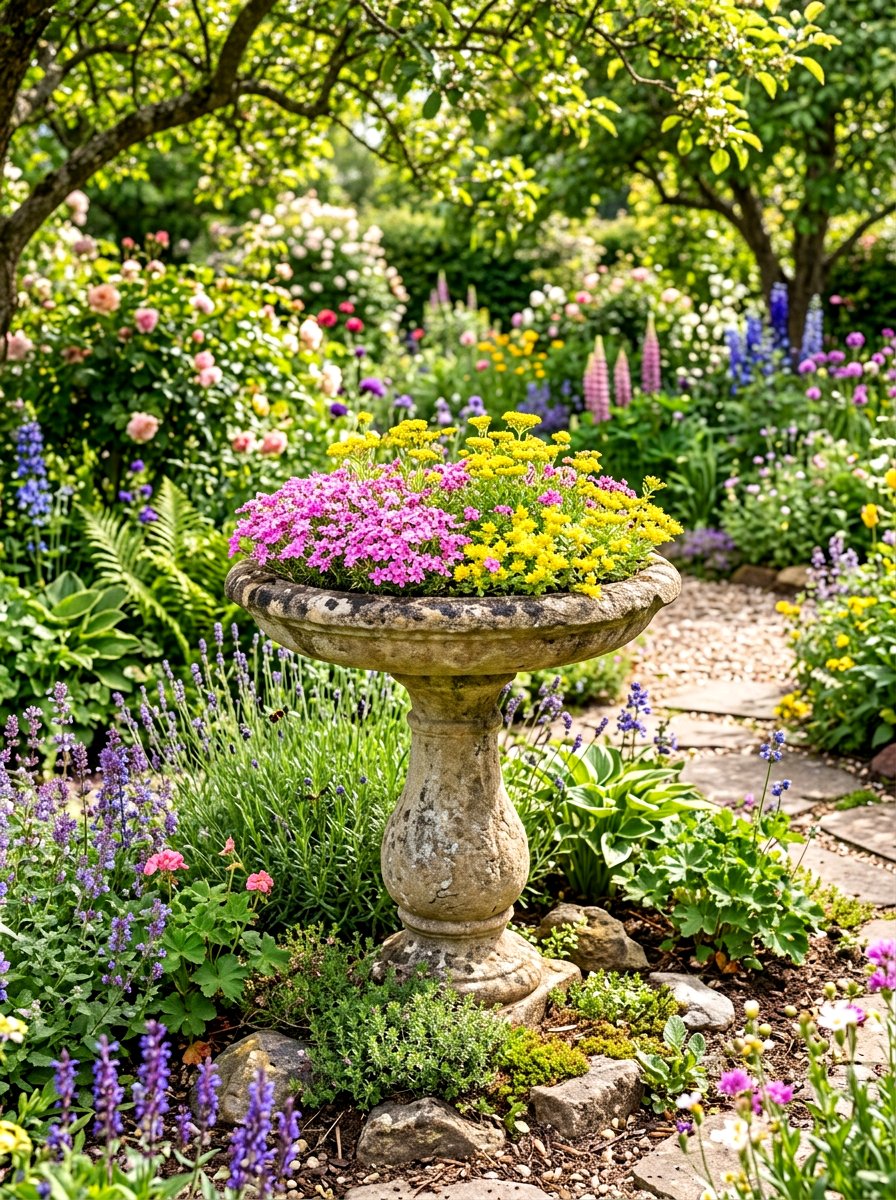
Converting an old or unused birdbath into a birdbath flower garden is a creative way to repurpose a garden feature into a stunning focal point. Because birdbaths are usually shallow, they are ideal for planting low-growing varieties like sedum, creeping phlox, or moss roses. This elevation puts the flowers closer to eye level, allowing you to see the intricate details of the blooms more clearly. You can create a miniature landscape with rocks and tiny figurines or keep it simple with a lush carpet of colorful petals. Since drainage can be an issue in solid stone baths, it is best to use plants that can handle moist conditions or drill small drainage holes.
29. Ladder plant stand
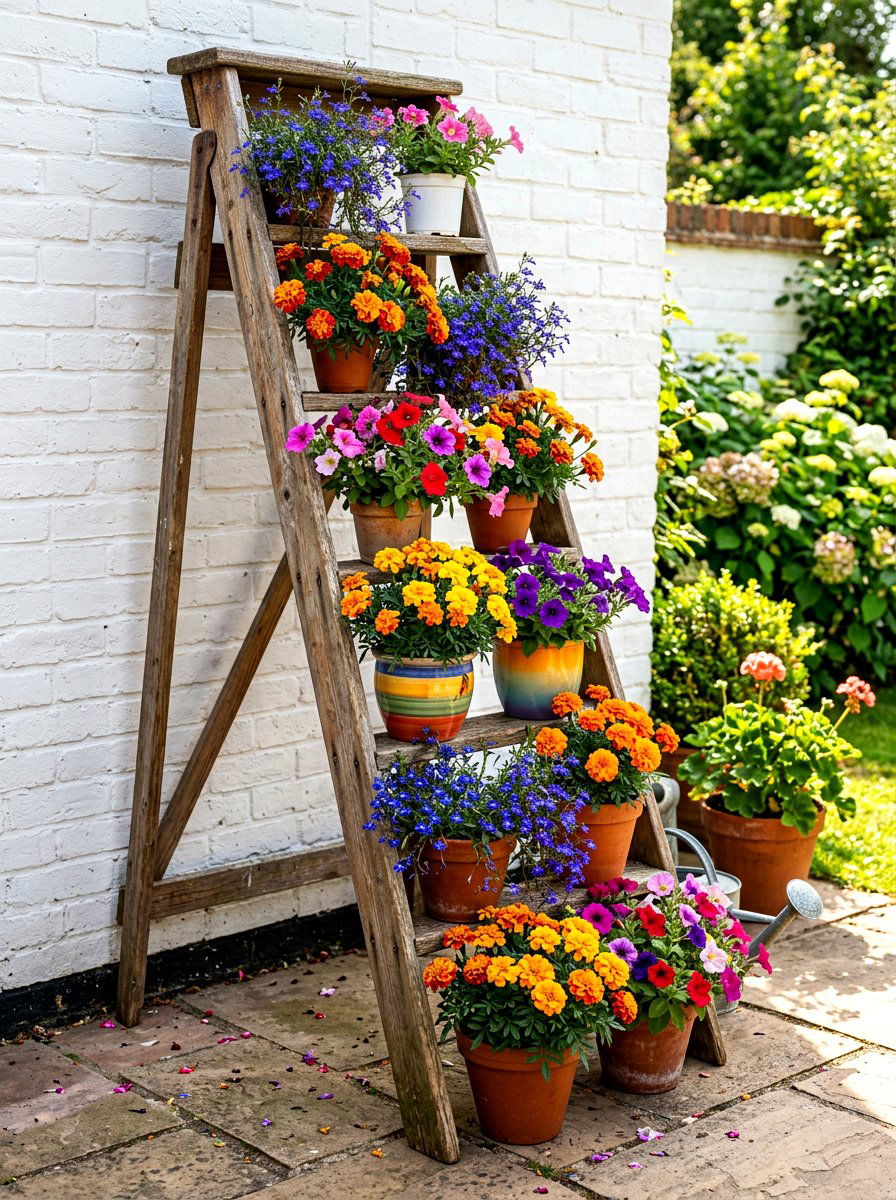
A ladder plant stand is an excellent vertical solution for displaying a variety of potted flowers in a stylish and organized way. You can use an old wooden ladder for a rustic, vintage look or a sleek metal version for a more modern aesthetic. Each rung provides a shelf for a different pot, allowing you to create a tiered wall of greenery that saves precious floor space. This setup is particularly effective for small balconies where you want to grow a wide variety of plants without cluttering the walk area. By placing trailing plants on the higher steps, you can create a beautiful green curtain that adds privacy and shade to your outdoor seating area.
30. Wheelbarrow flower display
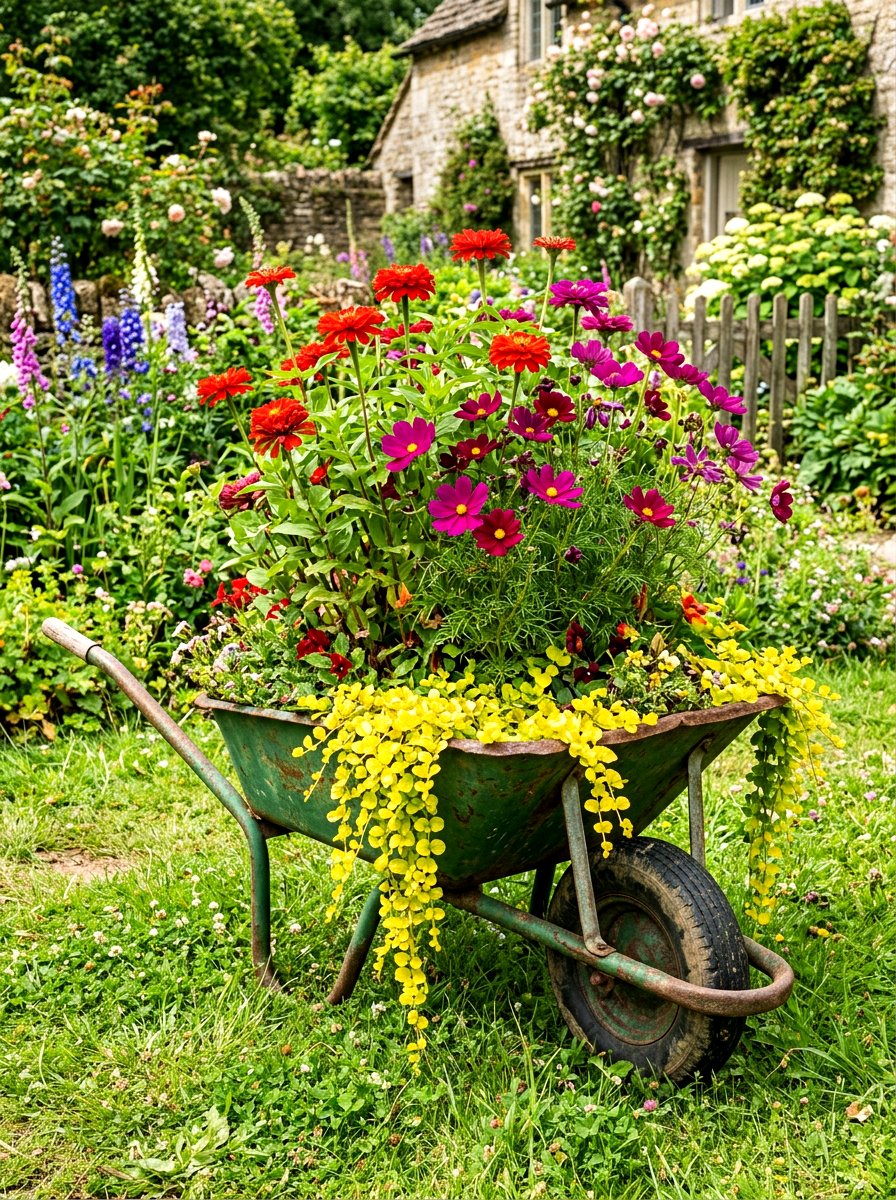
A wheelbarrow flower display adds a charming and nostalgic touch of whimsy to any large yard or garden corner. Using an old wooden or metal wheelbarrow allows you to create a large-scale portable garden that can be moved to follow the sun or highlight a specific area. Fill the bed with a mix of tall thrillers like zinnias and cascading spillers like petunias for a lush, overflowing appearance. This large volume of soil supports heavy feeders and keeps moisture levels more stable than small pots. It is a fantastic way to give new life to a retired garden tool while creating a conversation piece that guests will surely admire for its creative rustic beauty.
Conclusion:
Flower container gardening is a rewarding and accessible way to bring natural beauty into your daily life, regardless of your living situation. By exploring these thirty diverse ideas, you can find the perfect match for your space, climate, and personal style. From the rustic charm of whiskey barrels to the sleek lines of modern concrete, each container tells a unique story and adds a layer of character to your home. Remember that successful container gardening relies on proper drainage, consistent watering, and choosing the right plants for your light conditions. With a little care and creativity, your pots will thrive and provide a stunning, ever-changing display of seasonal color and texture.

Related posts: