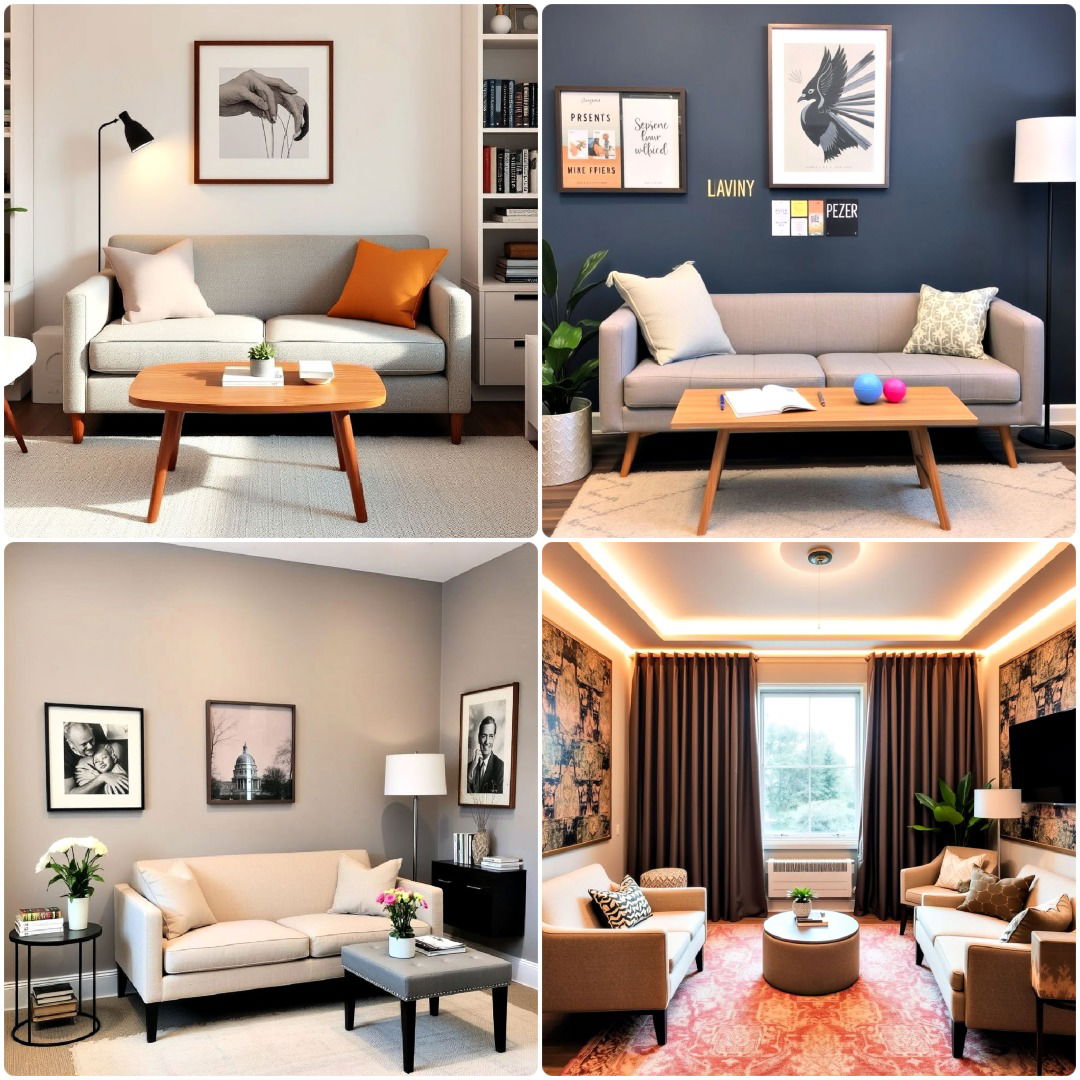
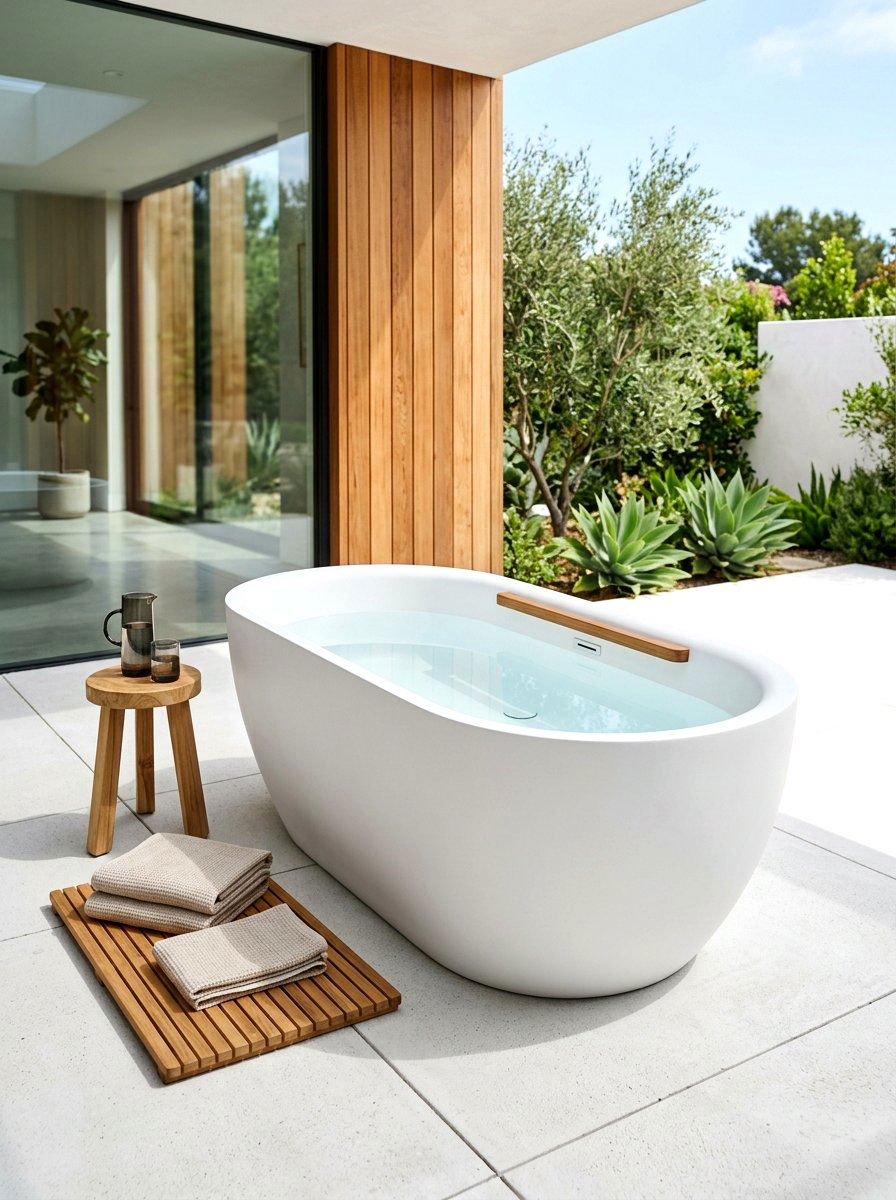
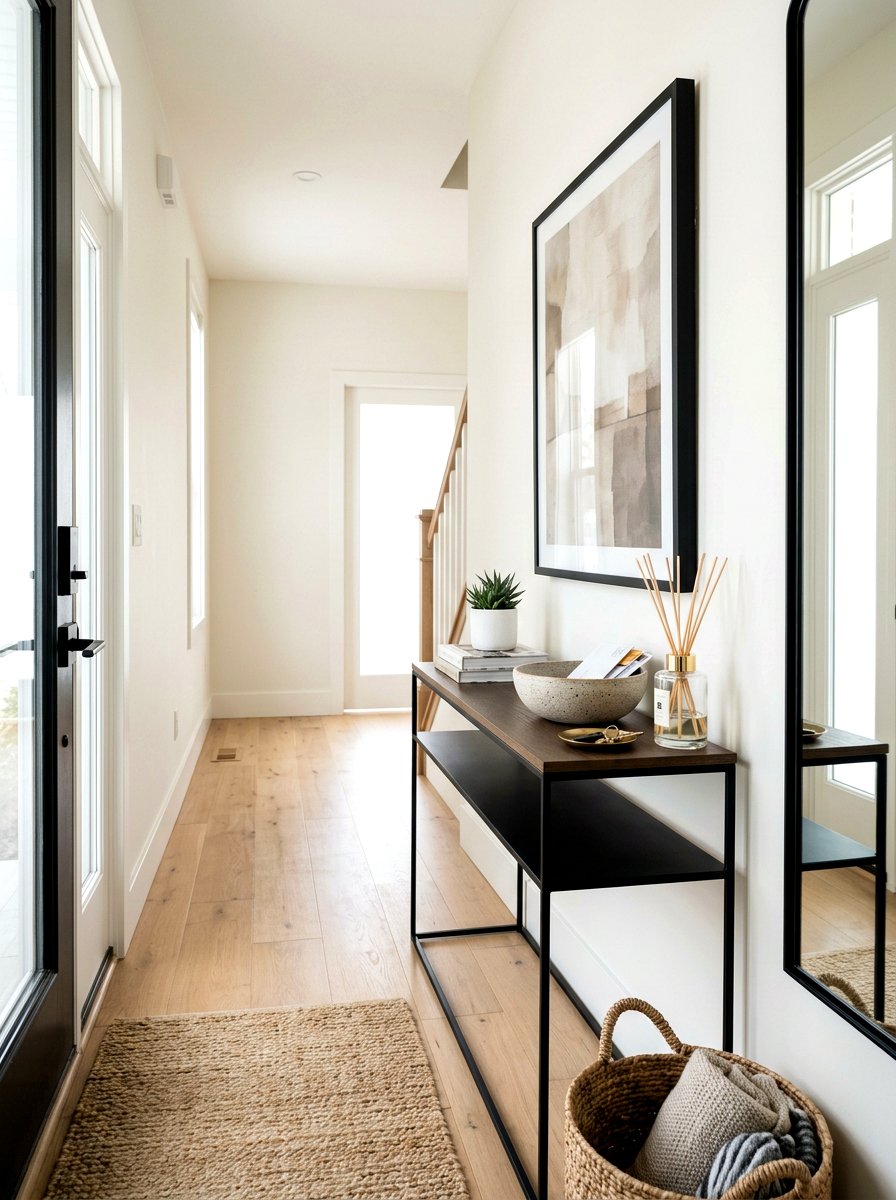
Creating a dedicated space for healing is a powerful way to support your physical and mental well-being during any recuperation process. Whether you are dealing with a post-surgical journey, an athletic injury, or simply need a sanctuary for mental restoration, the right environment makes a massive difference. A well-designed recovery area focuses on comfort, accessibility, and soothing aesthetics to promote faster results and reduce daily stress. By thoughtfully arranging furniture, incorporating specialized equipment, and choosing calming color palettes, you can transform any spare corner into a restorative retreat. This guide explores a wide variety of practical and inspiring concepts to help you build the perfect sanctuary at home.

1. Home medical recovery
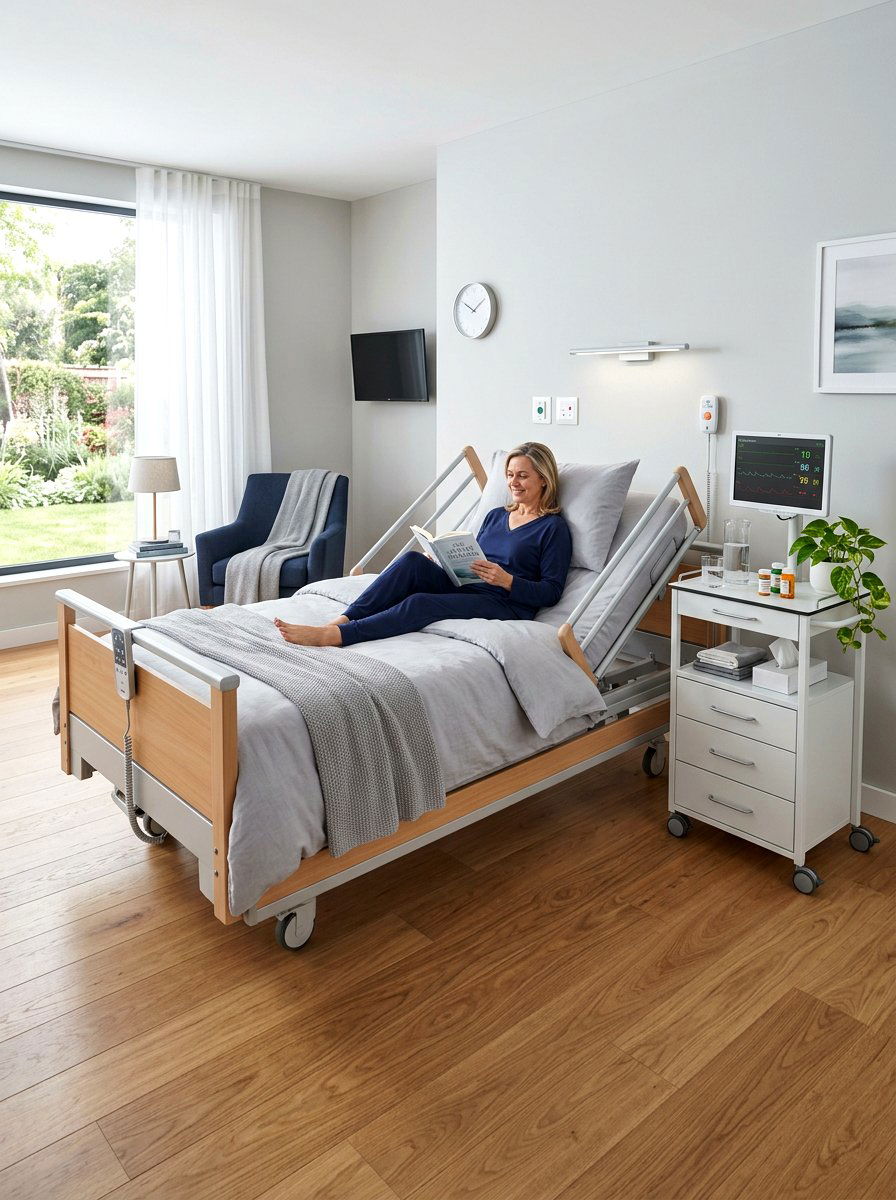
When you are planning for a long-term healing journey at home, setting up a proper medical recovery space is the first step toward success. This specific environment should prioritize functionality and safety to ensure that the patient feels secure at all times. You want to start by selecting a room on the ground floor to eliminate the need for navigating stairs during the early stages. Adding a hospital-grade adjustable bed can make a world of difference for comfort and circulation throughout the day. Ensure that the layout allows for plenty of space for a caregiver to move around the bed easily. Keep medical supplies and emergency contact numbers clearly visible and within reach.
2. Athletic recovery room
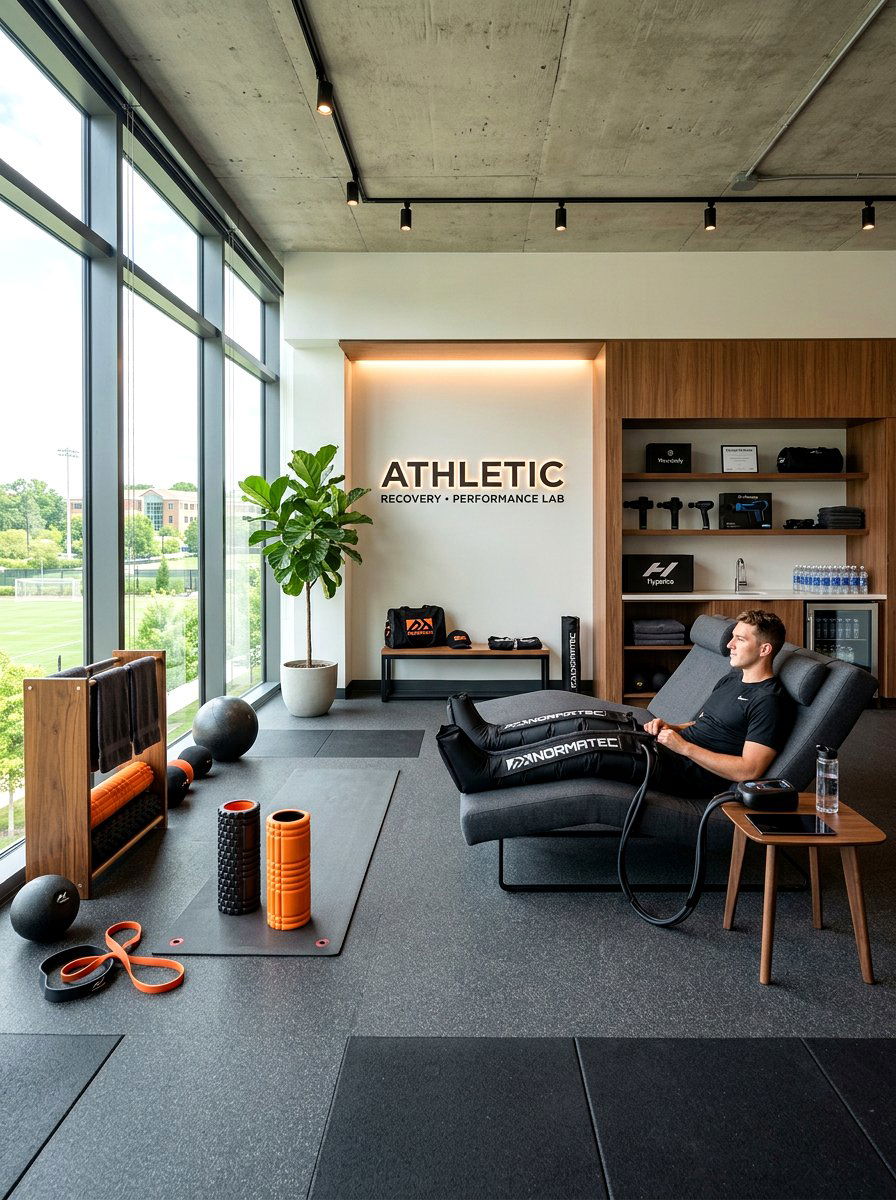
Imagine having a professional-grade training facility right in your own house to help your muscles bounce back after a tough workout. An athletic recovery room focuses on high-performance tools that target inflammation and muscle soreness. You should include plenty of open floor space for stretching and using foam rollers on a daily basis. Many athletes also find it beneficial to incorporate compression boots and massage guns into their routine for better circulation. Using rubber flooring can help absorb the weight of heavy equipment while keeping the space easy to clean. Bright, natural light and a dedicated hydration station will keep your energy levels high during your sessions.
3. Wellness sanctuary
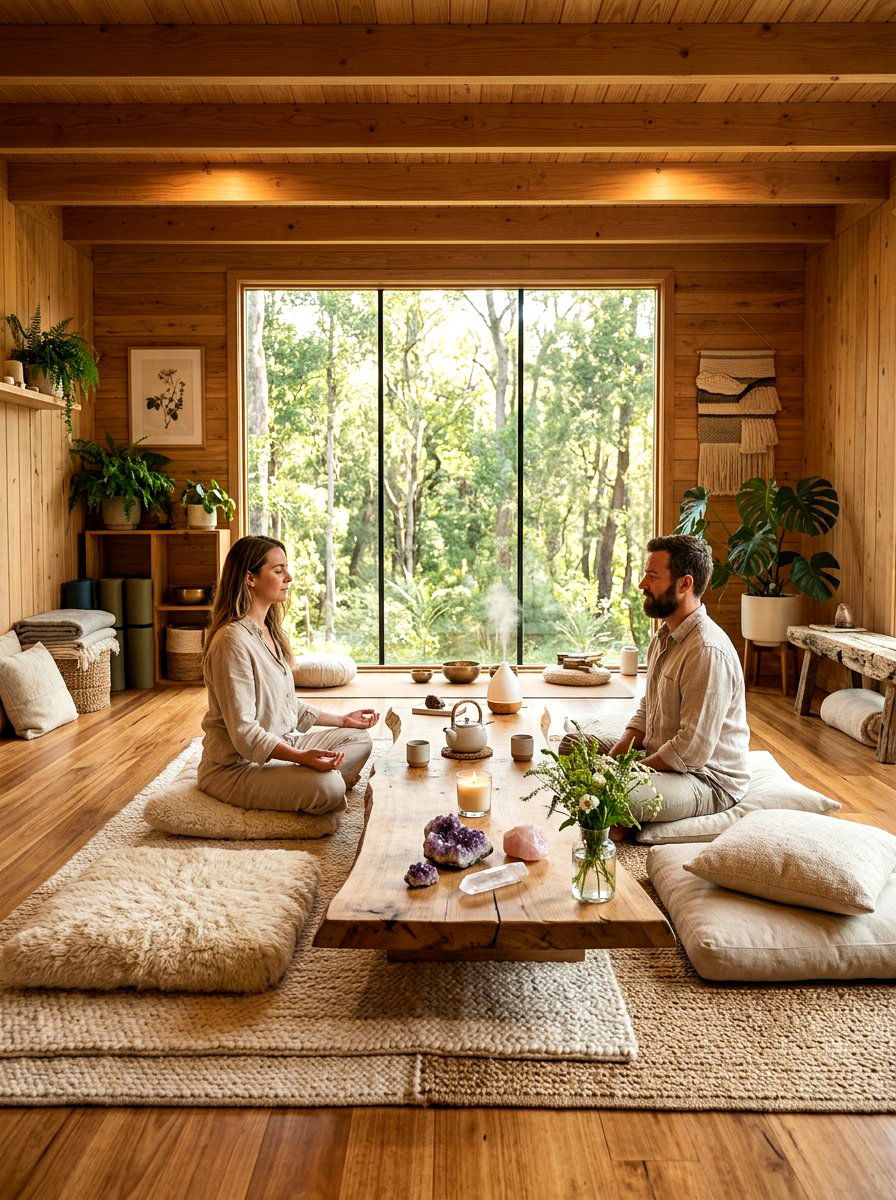
Sometimes the best way to heal is to step away from the noise of the world and enter a quiet wellness sanctuary. This type of space is designed to soothe the nervous system through soft textures and organic shapes. You might want to use low-profile furniture and plush floor cushions to create a grounded feeling in the room. Incorporating elements like crystals, smooth stones, and natural wood accents can help bring a sense of peace to the environment. Soft, warm lighting is essential for creating an atmosphere that encourages deep breathing and introspection. This sanctuary becomes a safe place where you can fully recharge your mind and body.
4. Post surgery bedroom
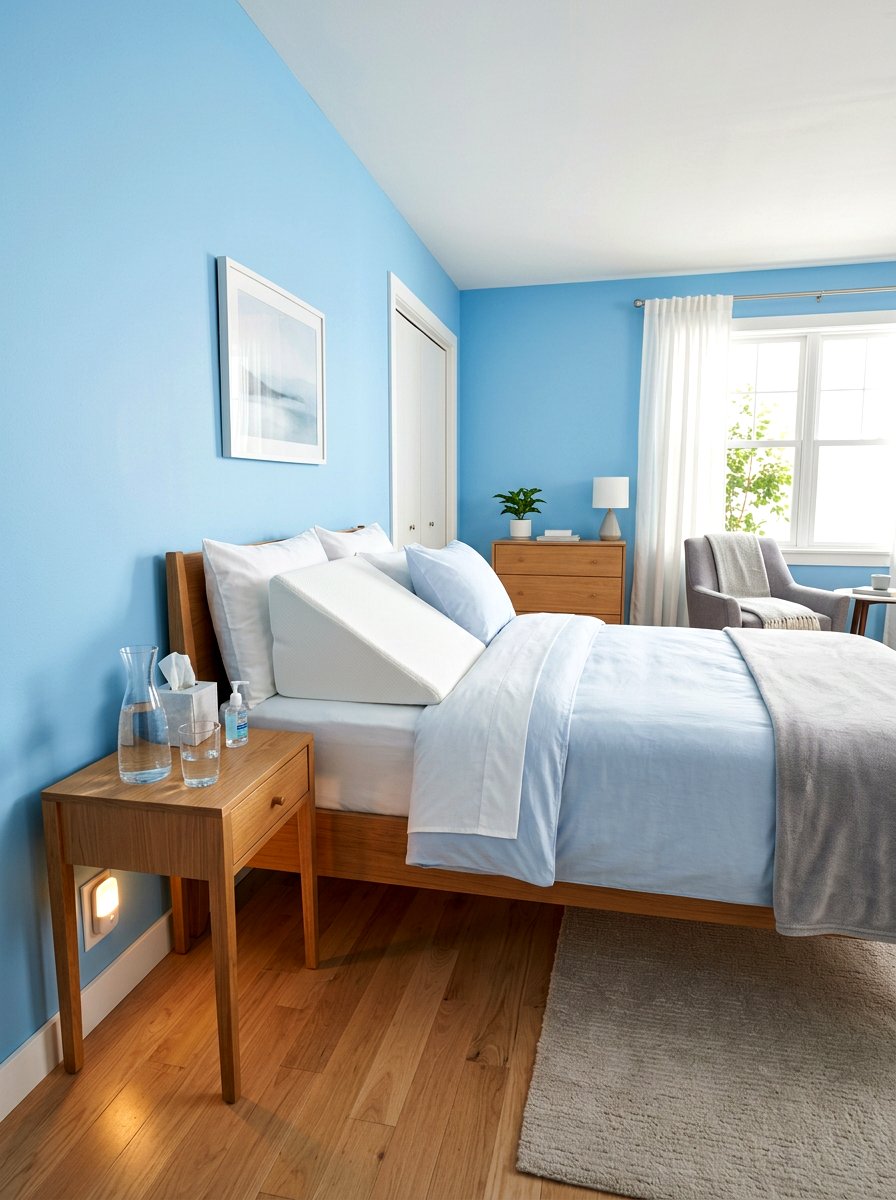
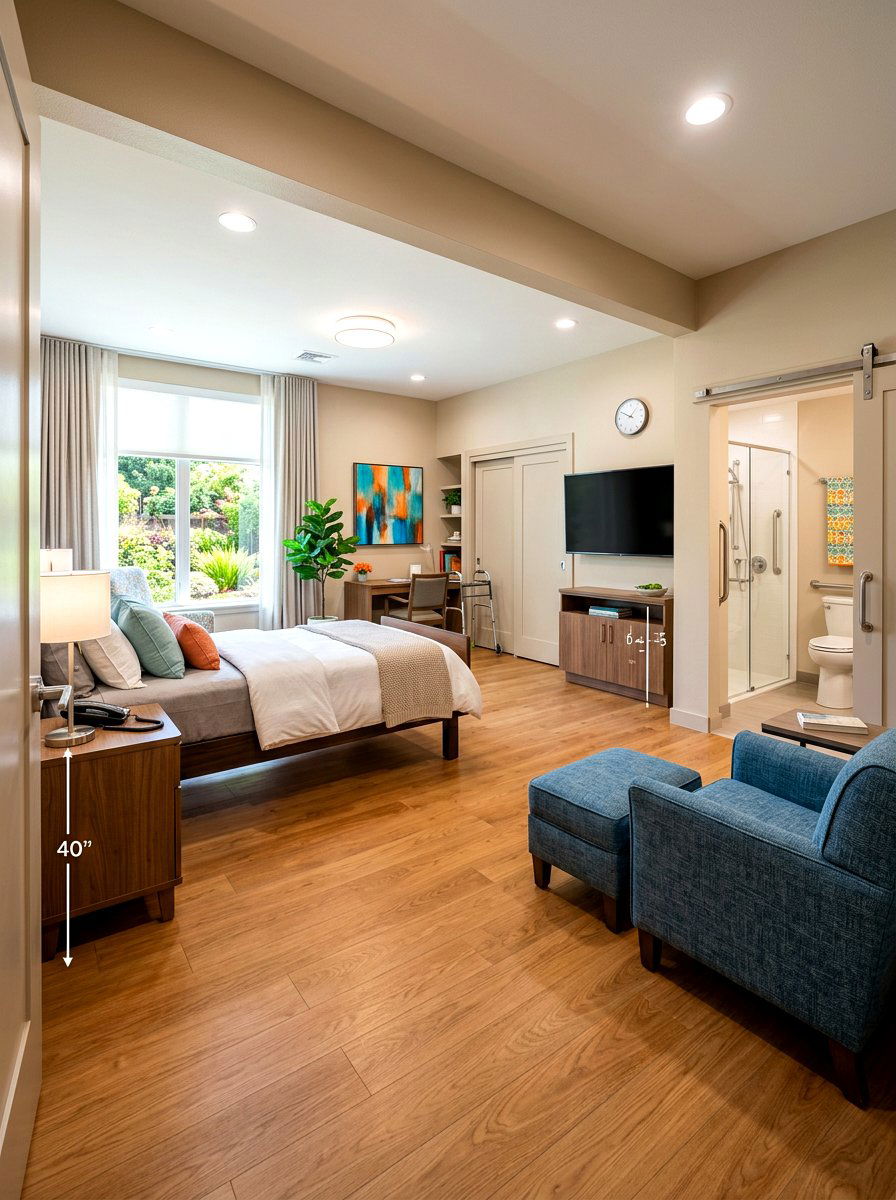
Setting up a post surgery bedroom requires a careful balance between extreme comfort and practical accessibility for limited mobility. You should focus on choosing high-quality linens that are breathable and soft against sensitive skin or incision sites. Using a wedge pillow or an adjustable mattress helps you maintain the specific elevation required for proper healing. It is also helpful to keep a sturdy side table at the exact height of the bed to avoid reaching or straining. Installing a motion-sensor nightlight can prevent falls during late-night trips to the bathroom. This setup ensures that your primary focus remains on resting and getting your strength back.
5. Infrared sauna
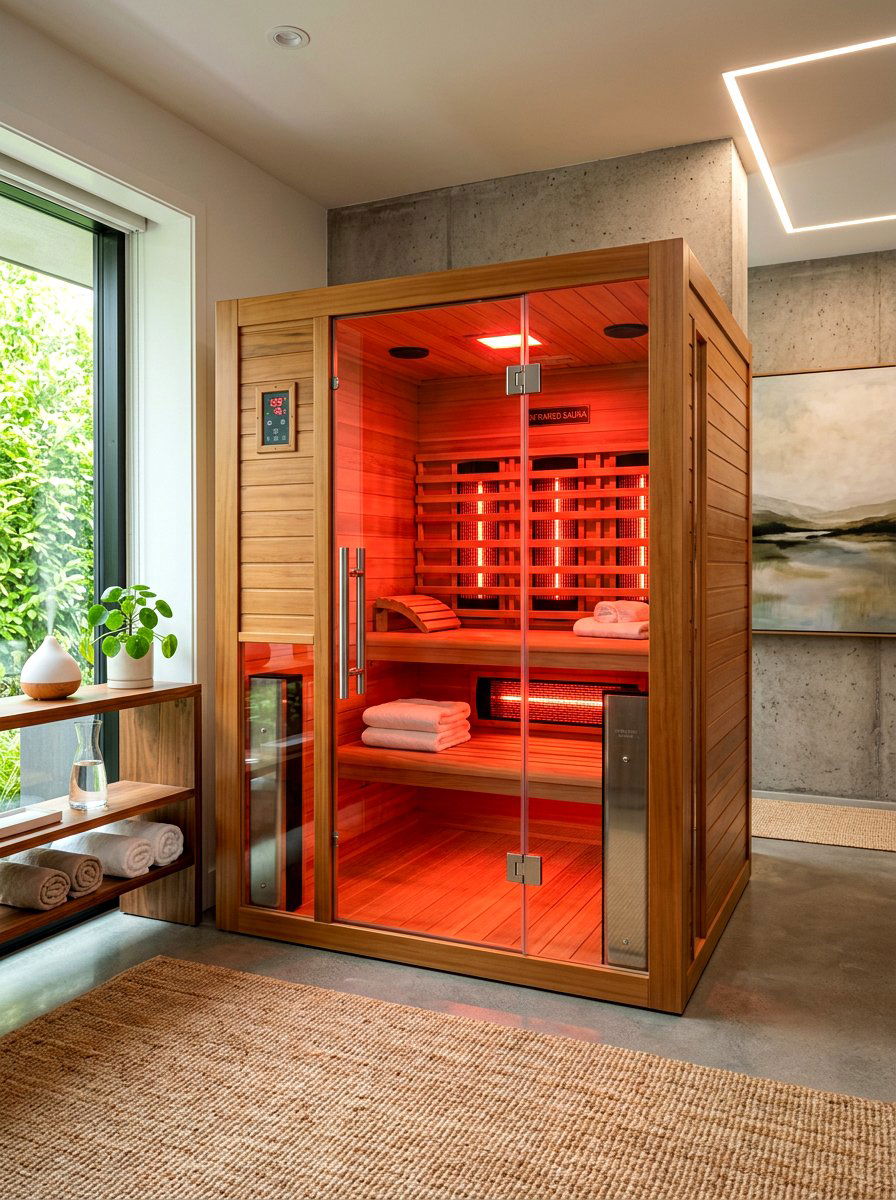
Adding an infrared sauna to your home provides a modern way to experience deep tissue relaxation and detoxification benefits. Unlike traditional steam saunas, these units use light to heat your body directly, which often feels much more tolerable for longer sessions. You can find compact models that fit perfectly into a corner of a master bedroom or a finished basement. The wood-lined interior creates a cozy, natural atmosphere that instantly signals your brain to relax. Many people find that regular use helps with joint pain and improves skin health over time. It is a luxurious addition that turns your recovery routine into a spa-like experience.
6. Cold plunge tub
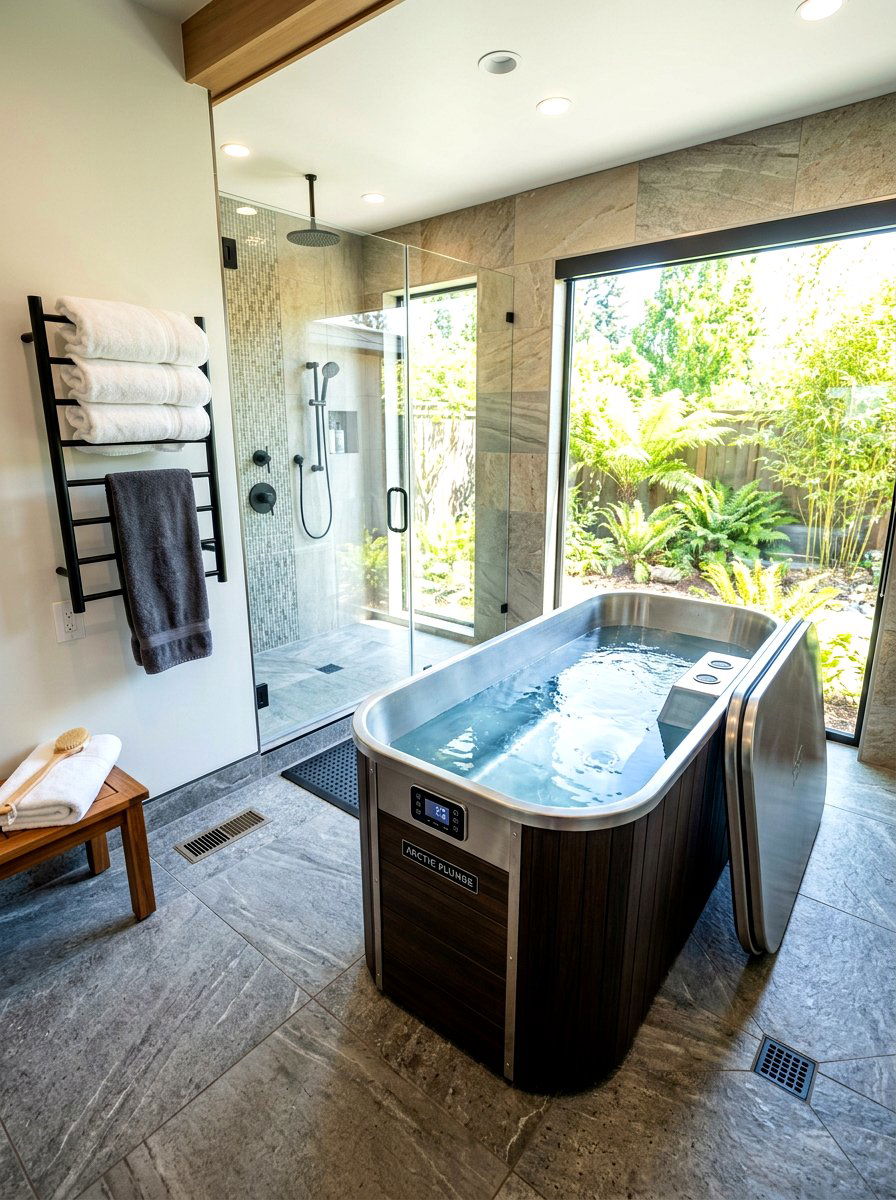
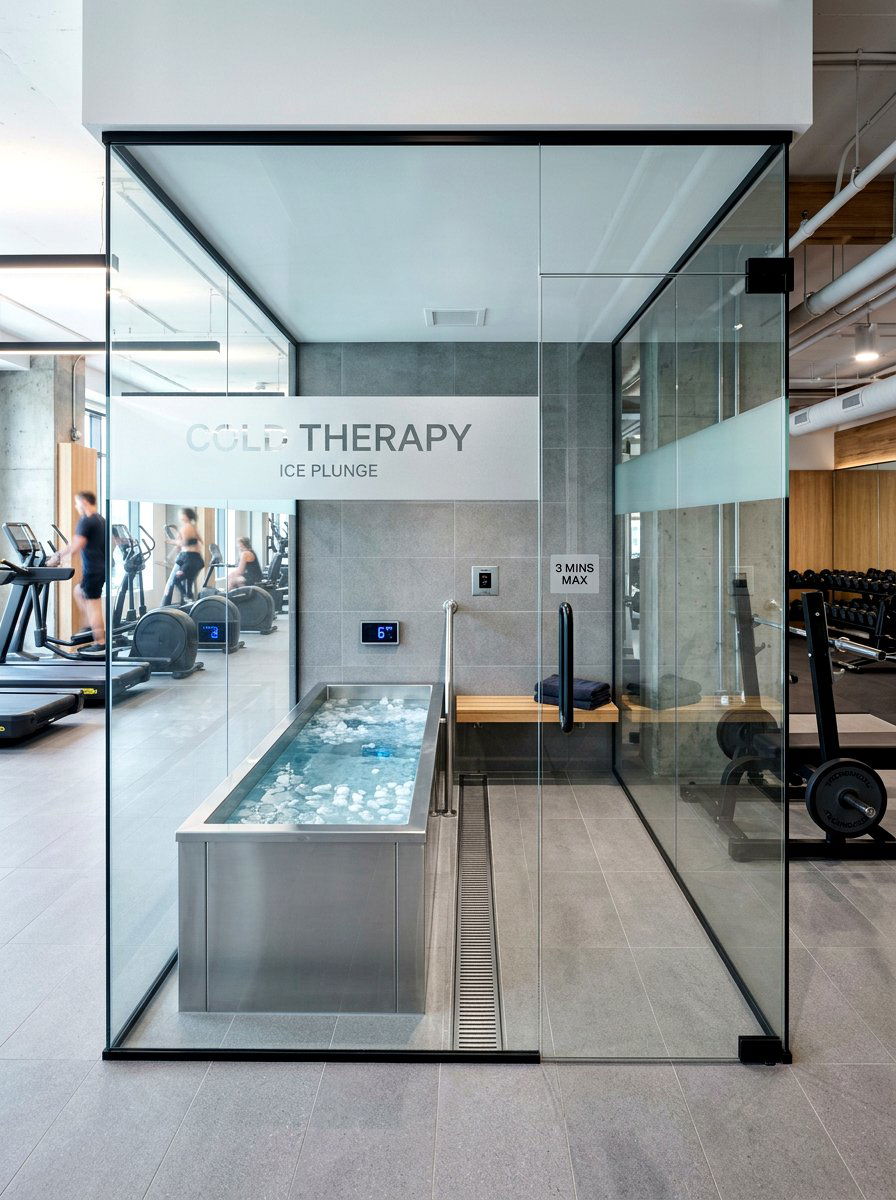
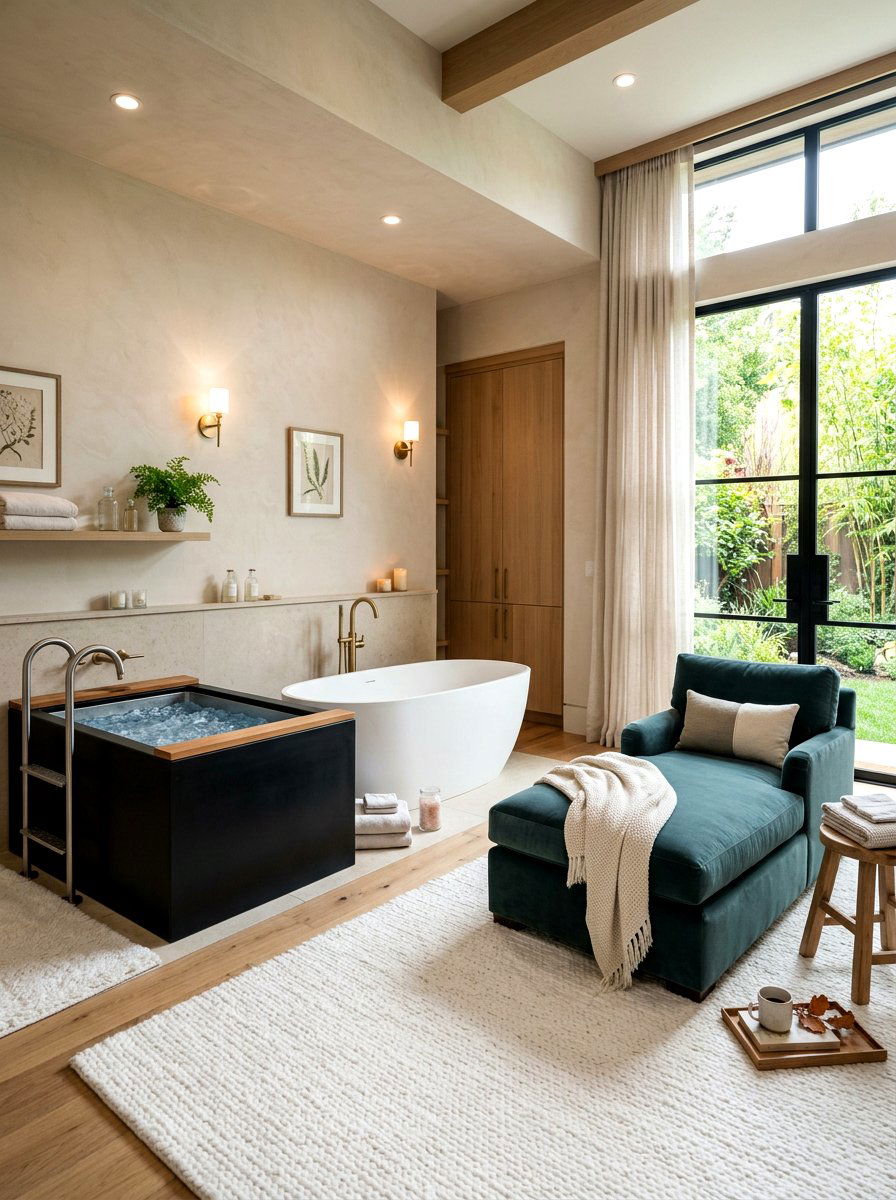
Taking the leap into a cold plunge tub is a popular method for reducing inflammation and boosting your overall mood. This dedicated recovery area should be built on a waterproof floor with proper drainage to handle any splashing during use. You can choose a sleek, modern tub that matches your home’s aesthetic while providing consistent temperature control. Many users find that placing the tub near a shower makes the transition between hot and cold therapy much more convenient. Keeping a stack of fresh, oversized towels nearby adds a touch of luxury to the experience. This bold recovery method is perfect for those who want a quick physiological reset.
7. Meditation room
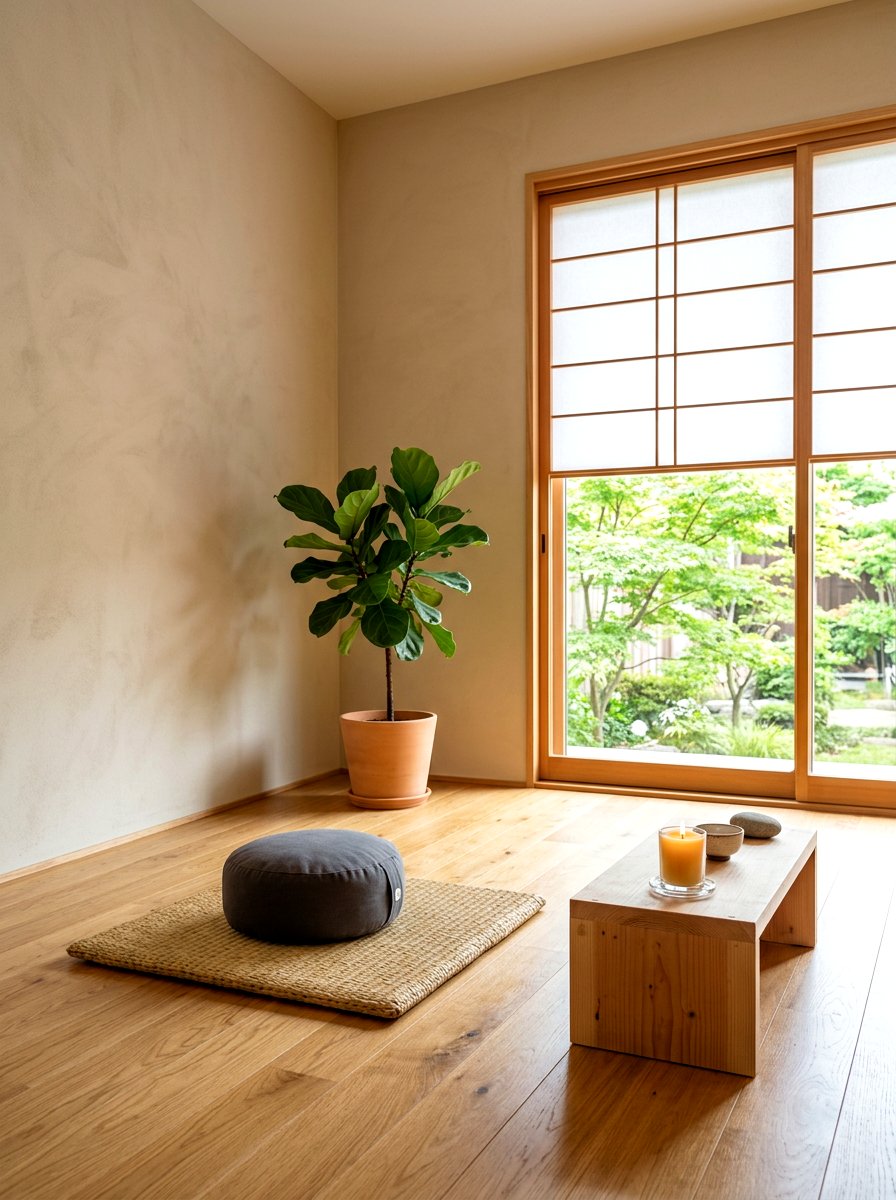
A dedicated meditation room offers a distraction-free environment where you can practice mindfulness and emotional regulation every single day. The key is to keep the space uncluttered and simple to prevent your mind from wandering during your practice. You might choose to include a comfortable meditation bench or a set of thick wool rugs to sit on. Adding a small altar with meaningful items like candles or incense can help you set a clear intention for your session. Soft, neutral wall colors like beige or light grey help to create a visual sense of calm. This room serves as your personal portal to inner peace and mental clarity.
8. Zero gravity chair
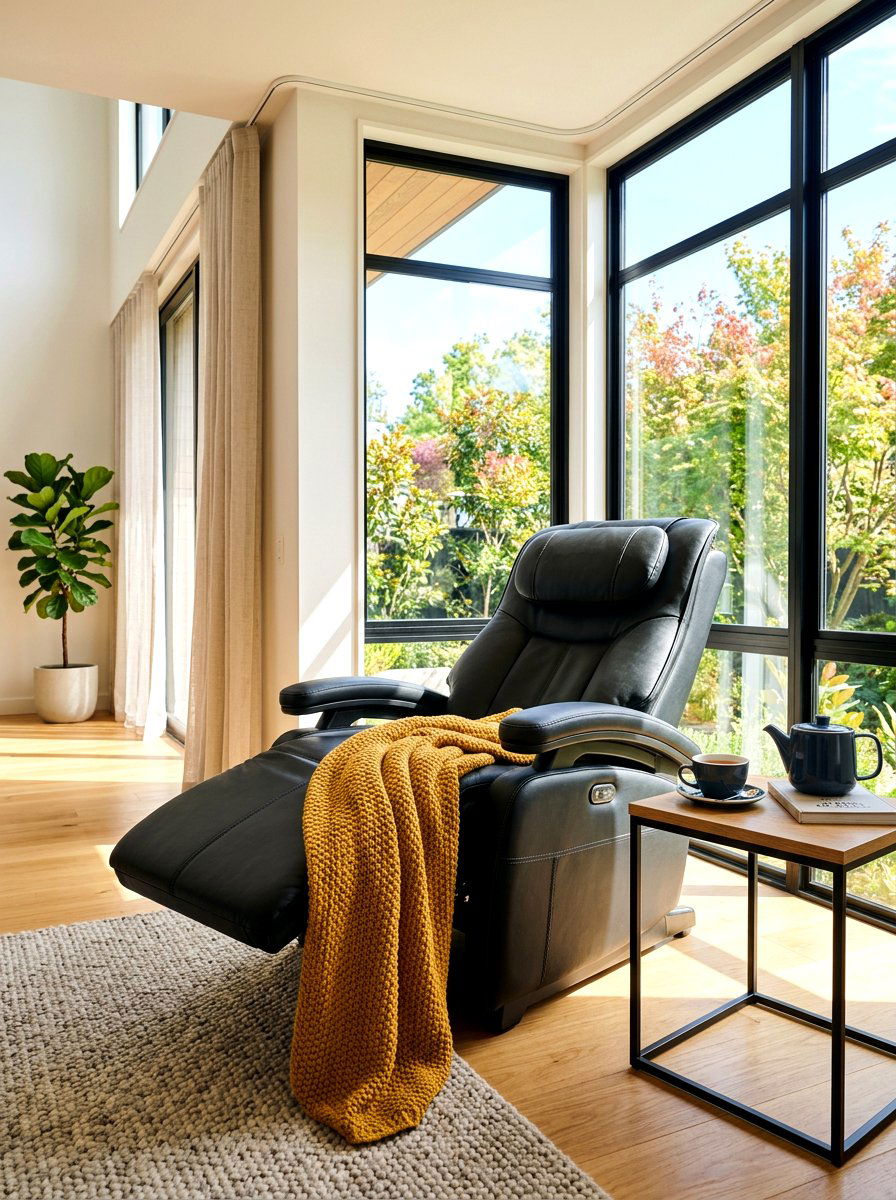
Integrating a zero gravity chair into your recovery space is a fantastic way to alleviate pressure on your spine and joints. These specialized chairs are designed to distribute your body weight evenly, which helps to improve circulation and reduce swelling in the legs. You can place one in a sunroom or a quiet corner of the living room to create a perfect napping spot. Many models come with heat and vibration features that further enhance the physical benefits of the seated position. Using this type of seating allows you to rest deeply without the discomfort often found in traditional recliners. It is an essential tool for spinal health.
9. Soft lighting
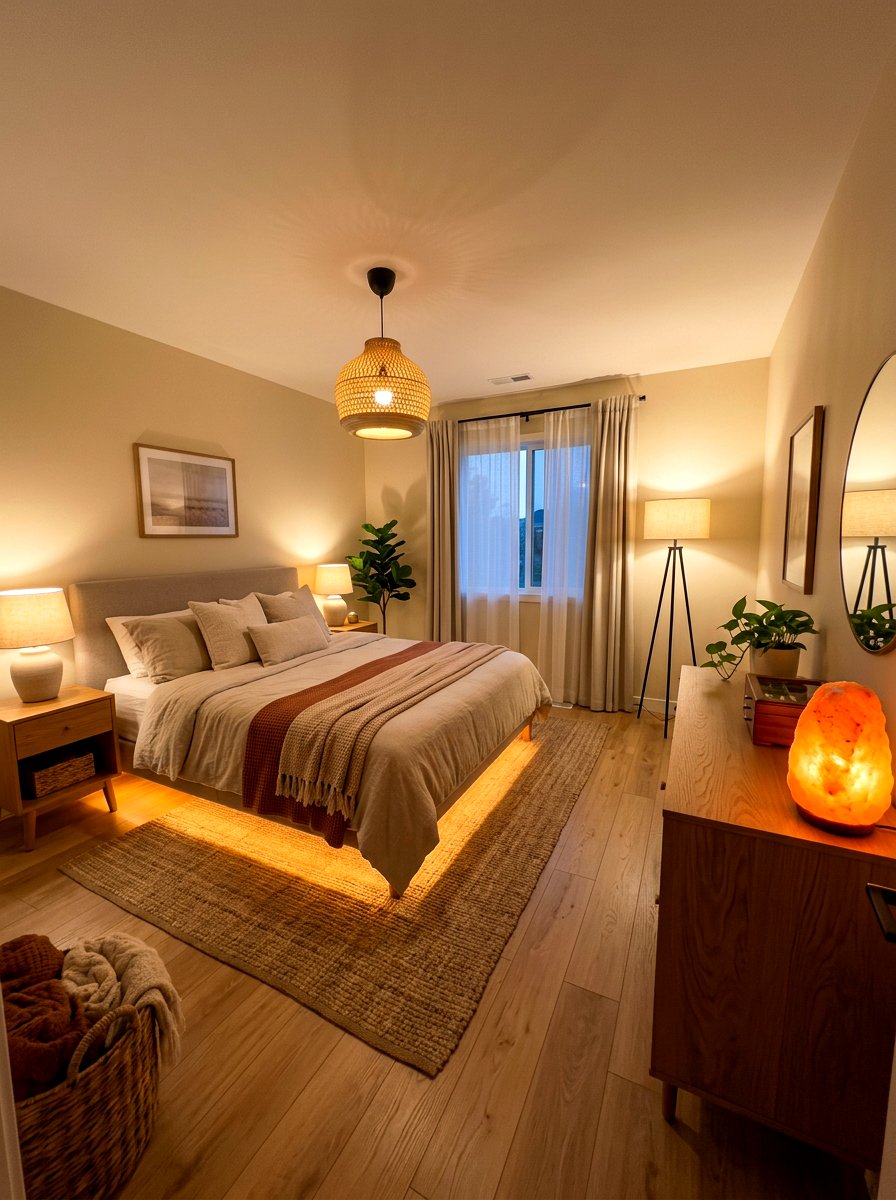
The way you light a room can have a profound impact on your ability to rest and recover effectively. Soft lighting solutions like dimmable floor lamps and warm-toned LED strips help to regulate your circadian rhythm and promote sleep. You should avoid harsh overhead lights that can cause eye strain or headaches during your recovery period. Using salt lamps or paper lanterns can provide a gentle glow that makes the space feel inviting and safe. Layering different light sources allows you to adjust the brightness based on whether you are reading or resting. This thoughtful approach to lighting creates a cocoon-like environment that supports deep healing.

10. Blue and white room

Choosing a blue and white color scheme for your recovery area is a classic way to evoke feelings of serenity and cleanliness. Light blue tones are scientifically proven to lower the heart rate and create a sense of tranquility in the viewer. You can pair these soothing walls with crisp white bedding and curtains to keep the space feeling airy and fresh. This combination works particularly well in rooms with plenty of natural sunlight, as it reflects the beauty of the sky. Adding a few navy blue accent pillows or a patterned rug can provide enough visual interest without becoming overstimulating. It is a timeless choice for any wellness space.
11. Modern zen room
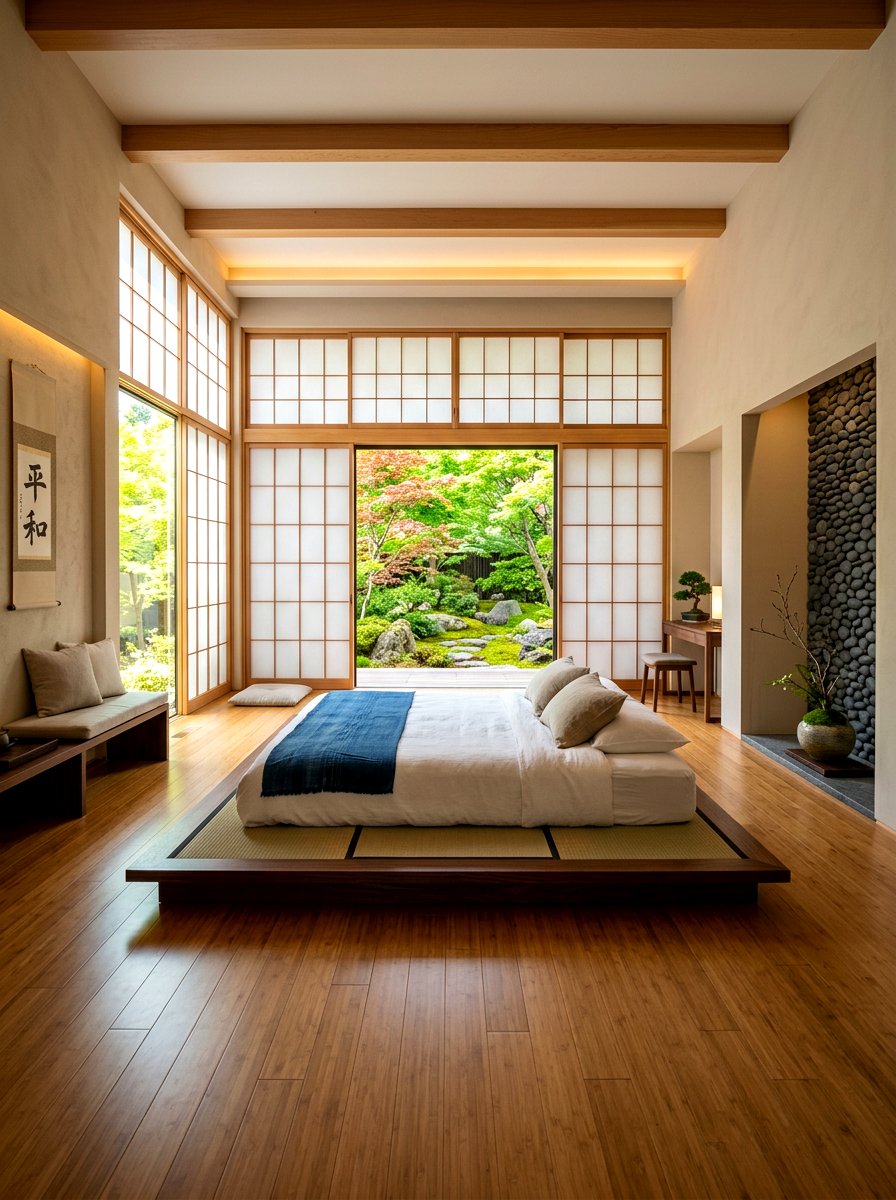
A modern zen room combines the principles of traditional Japanese design with sleek, contemporary furniture to create a balanced environment. You should focus on using low furniture silhouettes and clean lines to maintain a sense of openness in the layout. Incorporating natural materials like bamboo, stone, and light-colored wood helps to ground the space in nature. You might also want to include a sliding shoji screen to provide privacy or to hide any medical equipment when it is not in use. This design style emphasizes the beauty of simplicity and encourages a slow, mindful way of living. It is perfect for those seeking a sophisticated healing retreat.
12. Minimalist recovery space
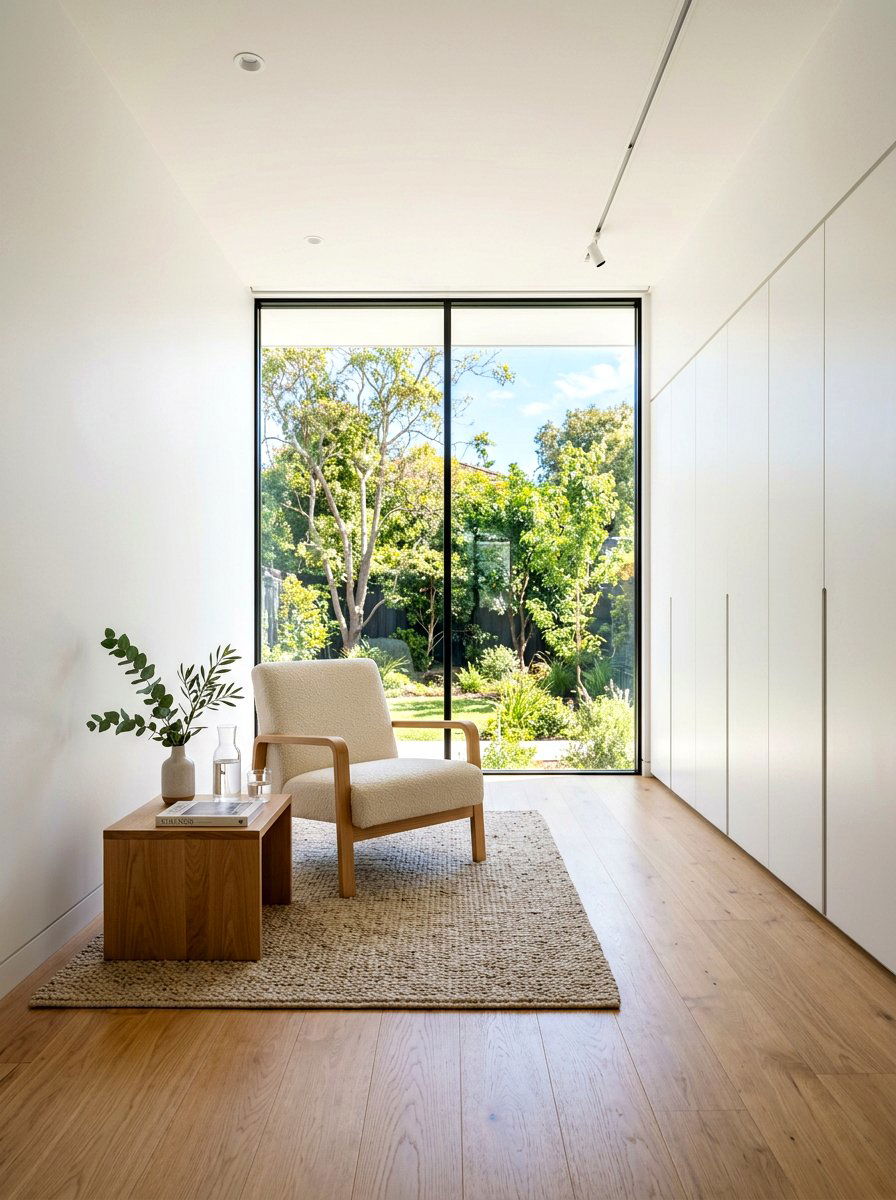
Creating a minimalist recovery space is all about removing the physical and mental clutter that can slow down your healing process. You want to choose only the most essential pieces of furniture to ensure that the room feels spacious and easy to navigate. Plain white walls and hidden storage solutions help to keep the environment looking clean and organized at all times. By reducing visual noise, you allow your brain to focus entirely on resting and regaining your physical strength. This approach is especially helpful for people who feel overwhelmed by busy environments. A clear space leads to a clear mind and a faster recovery journey.
13. Natural wood sauna
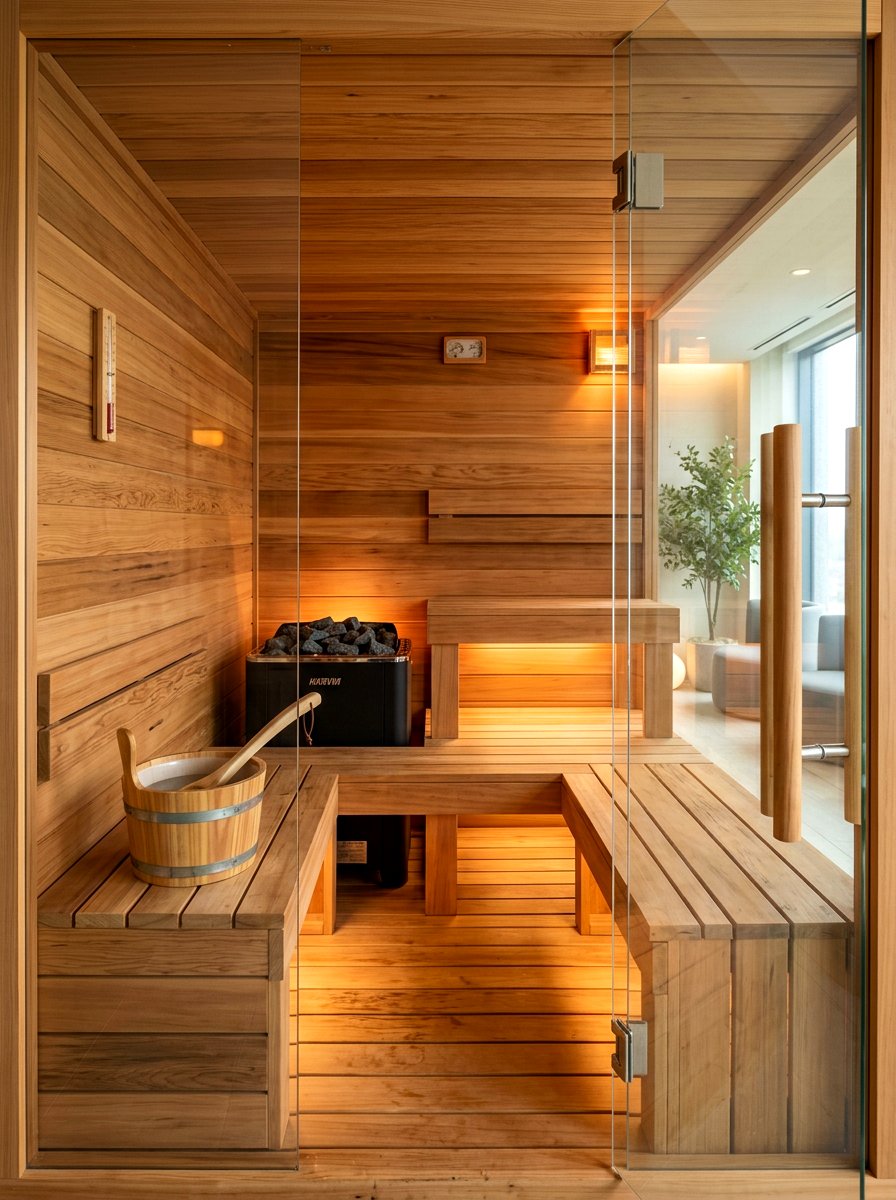
There is something deeply comforting about the scent and texture of a natural wood sauna in your own home. Using cedar or hemlock for the walls and benches provides a traditional look that feels warm and inviting. You can install a glass door to keep the space feeling connected to the rest of the room while still containing the heat. The tactile experience of the smooth wood and the gentle heat creates a multisensory environment that melts away stress. Adding a wooden bucket and ladle for steam allows you to control the humidity levels to your personal preference. It is a beautiful and functional focal point for recovery.
14. Aromatherapy station
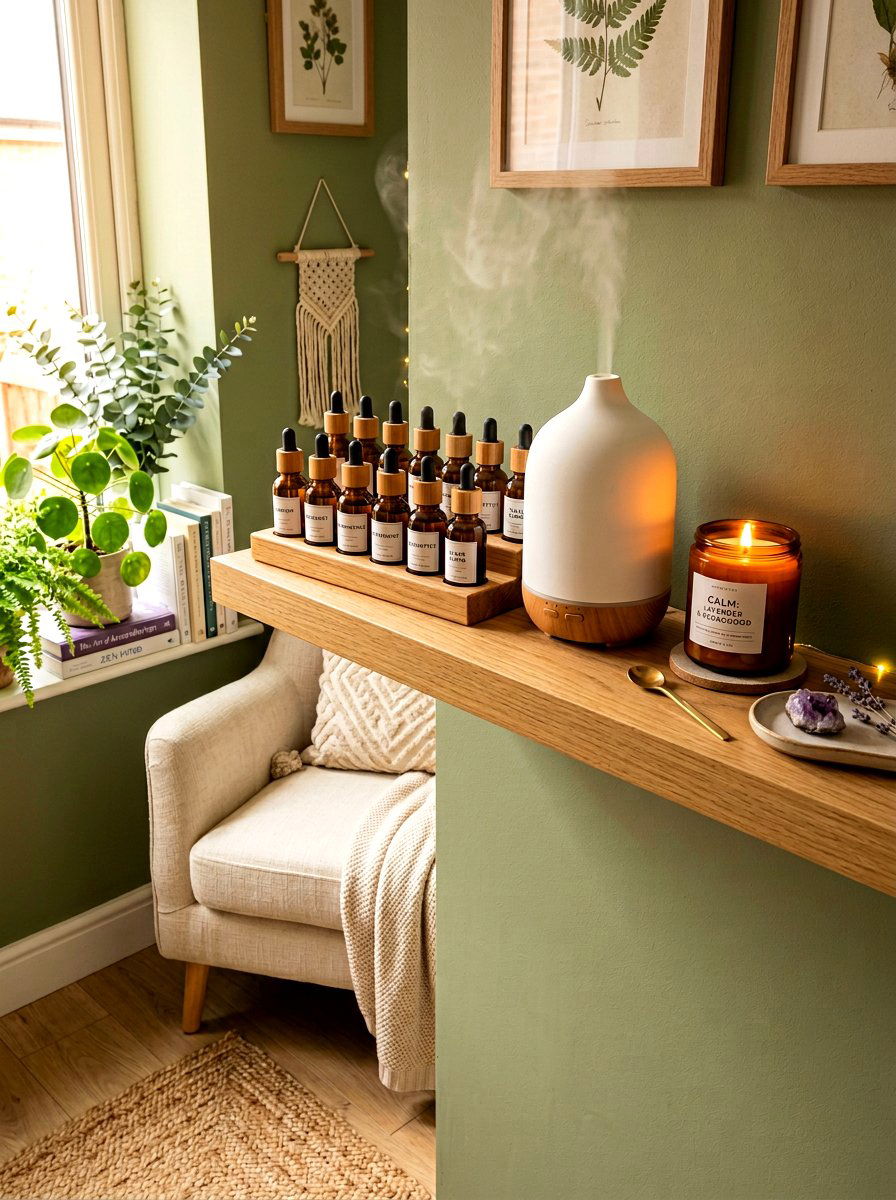
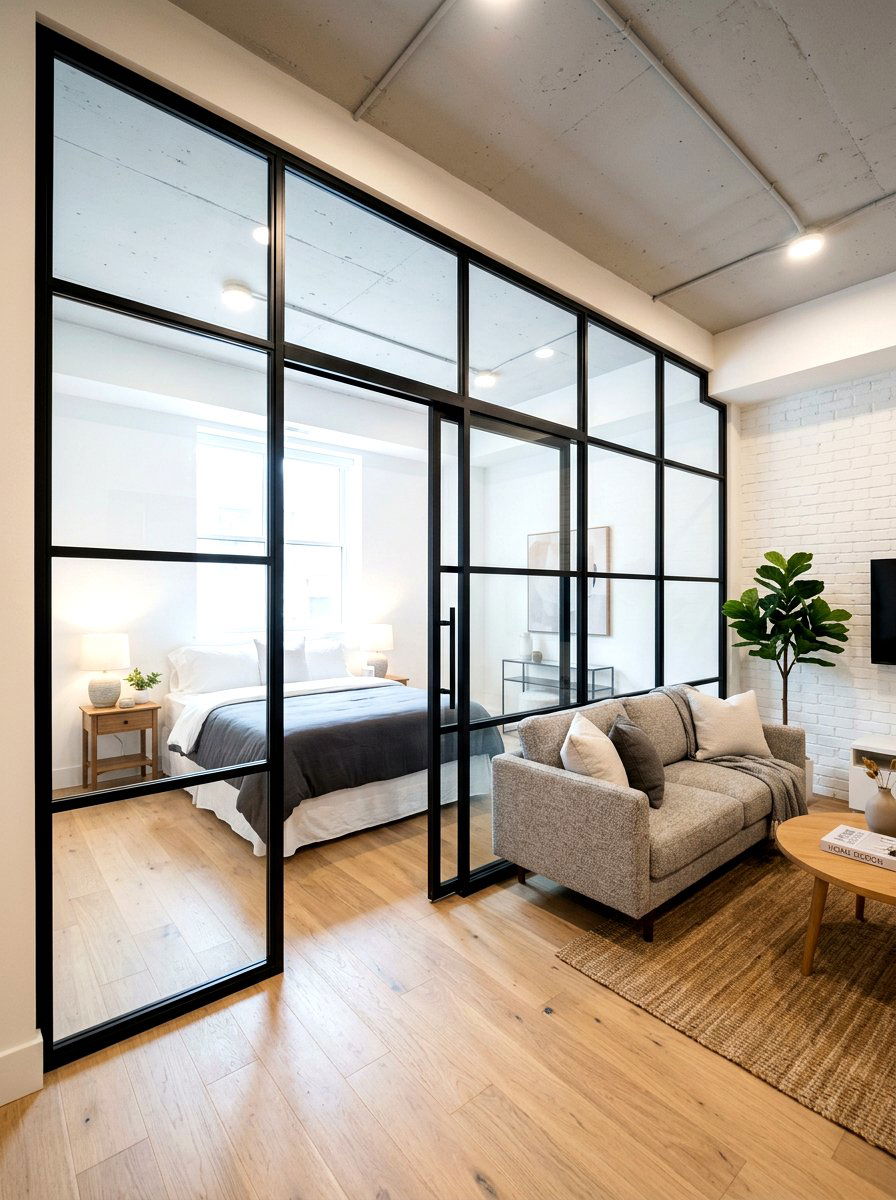
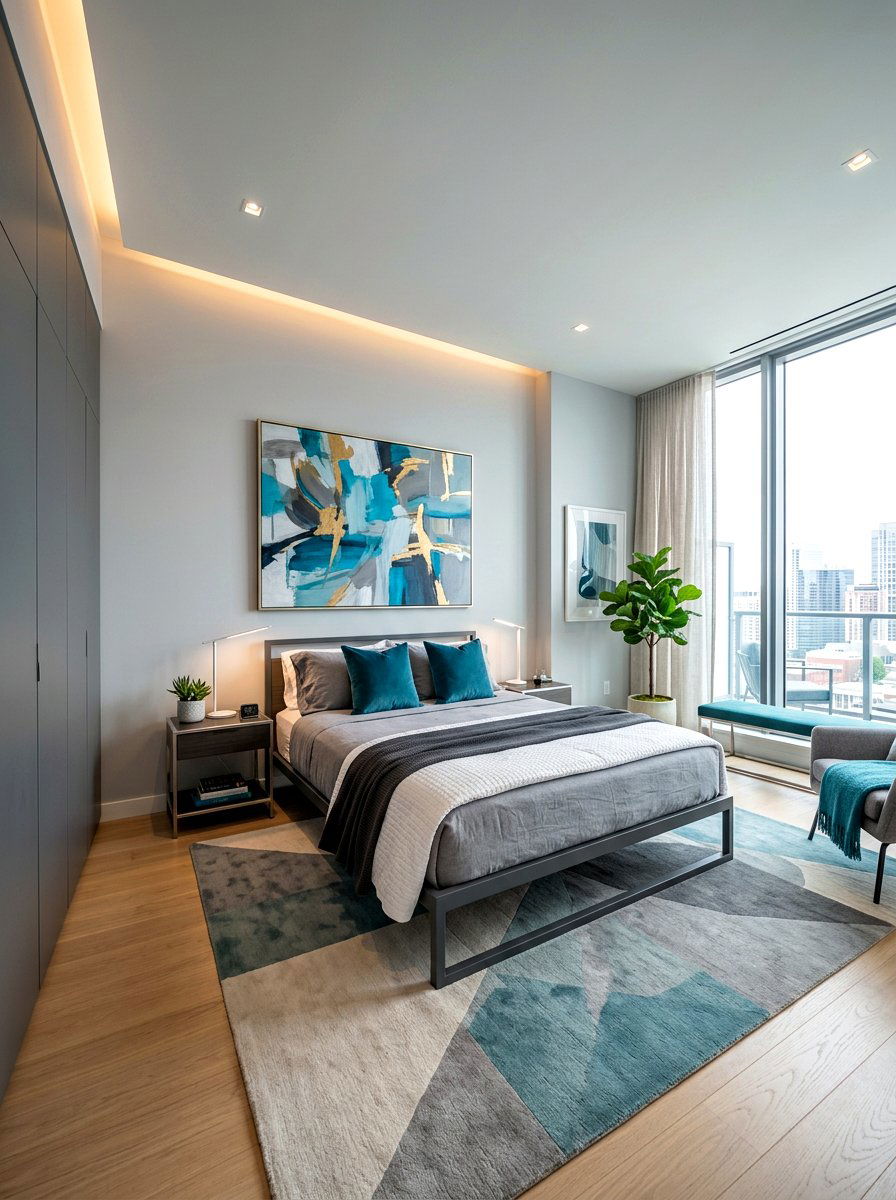
An aromatherapy station is a simple yet effective addition that uses the power of scent to enhance your recovery experience. You can set up a dedicated shelf or small table to hold an ultrasonic diffuser and a collection of essential oils. Scents like lavender and chamomile are excellent for promoting sleep, while peppermint or eucalyptus can help with respiratory issues. Including a few high-quality candles can also provide a soft glow and a pleasant aroma during your relaxation sessions. This sensory approach helps to trigger positive emotional responses and creates a signature scent for your healing sanctuary. It is an easy way to customize your environment.



15. Soundproof wall panels
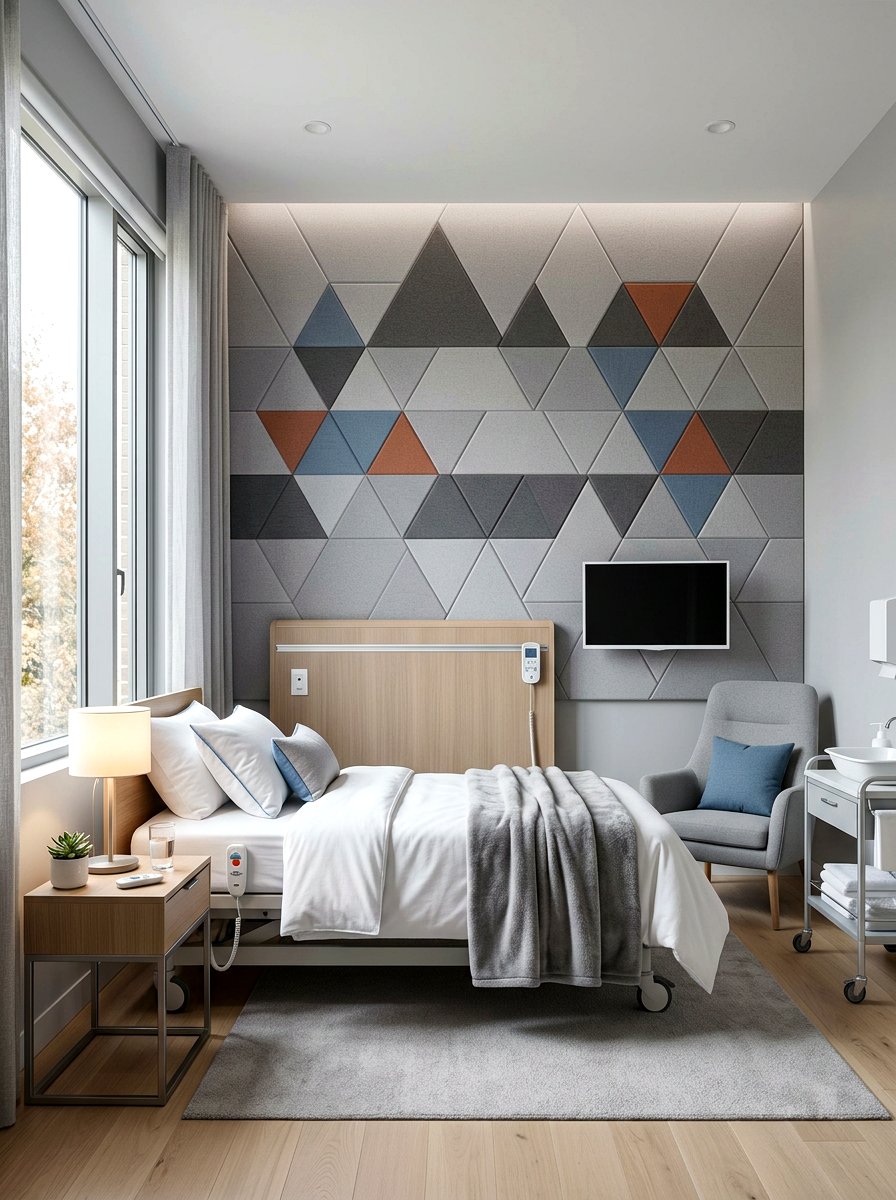
Ensuring that your recovery space is quiet is vital for getting the deep, restorative sleep that your body needs to heal. Soundproof wall panels can be a stylish and functional way to block out household noise and street traffic. You can find panels covered in soft fabrics that come in various colors and shapes to match your existing decor. These panels also help to improve the acoustics of the room, making it a better environment for listening to calming music or guided meditations. By creating a literal barrier against the outside world, you can enjoy a truly peaceful and undisturbed healing experience every single day.
16. Weighted blanket
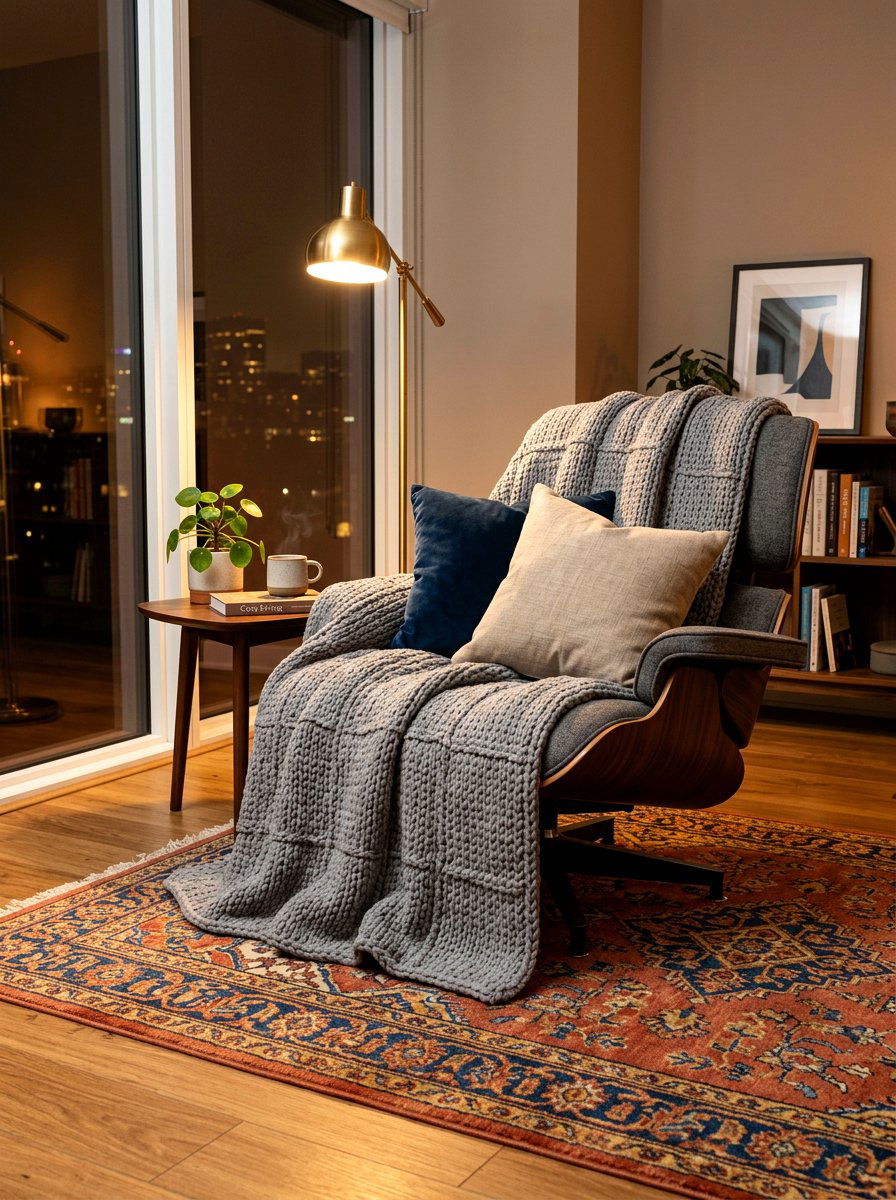
Using a weighted blanket in your recovery area is a simple way to experience the benefits of deep pressure stimulation. This therapeutic technique helps to calm the nervous system and can reduce feelings of anxiety or restlessness during the day. You should choose a blanket that is roughly ten percent of your body weight for the best results and comfort. Placing the blanket at the foot of your bed or on a lounge chair makes it easy to grab whenever you need a sense of security. The extra weight provides a comforting hug-like sensation that makes falling asleep much easier. It is a portable and highly effective recovery tool.
17. Adjustable bed base

An adjustable bed base is one of the most practical investments you can make for a long-term home recovery setup. Being able to change the angle of your head and feet at the touch of a button allows you to find the perfect position for circulation. This is especially helpful if you need to keep your legs elevated to reduce swelling after a surgery or injury. Many modern bases also include massage functions and under-bed lighting for added convenience and safety at night. Pairing the base with a high-quality memory foam mattress ensures that your body is fully supported in any position you choose for your rest.
18. Biophilic design
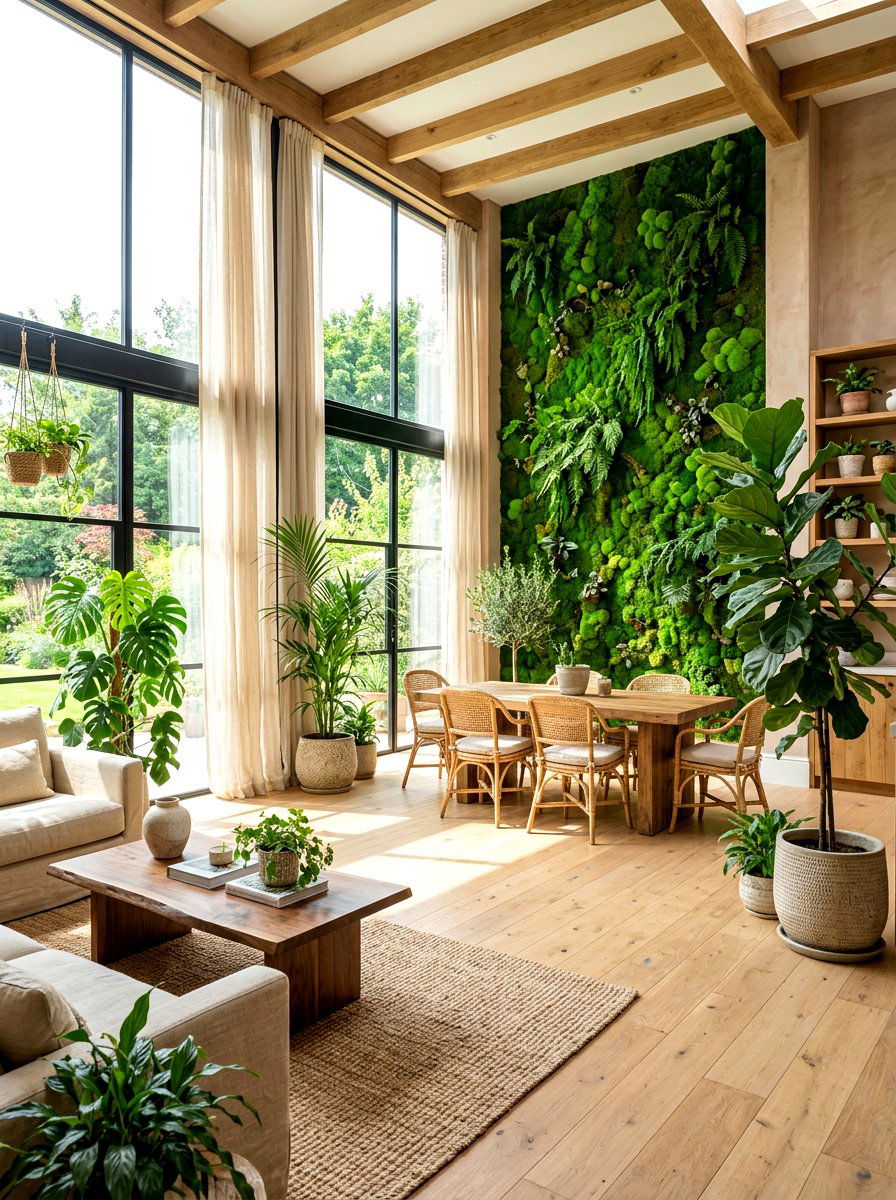
Incorporating biophilic design into your recovery room means bringing elements of the natural world indoors to improve your health and mood. You can start by adding a variety of indoor plants like ferns or snake plants to help purify the air and provide visual beauty. Using natural materials such as stone, wood, and linen helps to create a tactile connection to the outdoors. Maximizing natural light through large windows or skylights is also a key component of this design philosophy. Being surrounded by greenery has been shown to reduce stress levels and can actually speed up the physical healing process. It is a living, breathing sanctuary.
19. Yoga and stretching
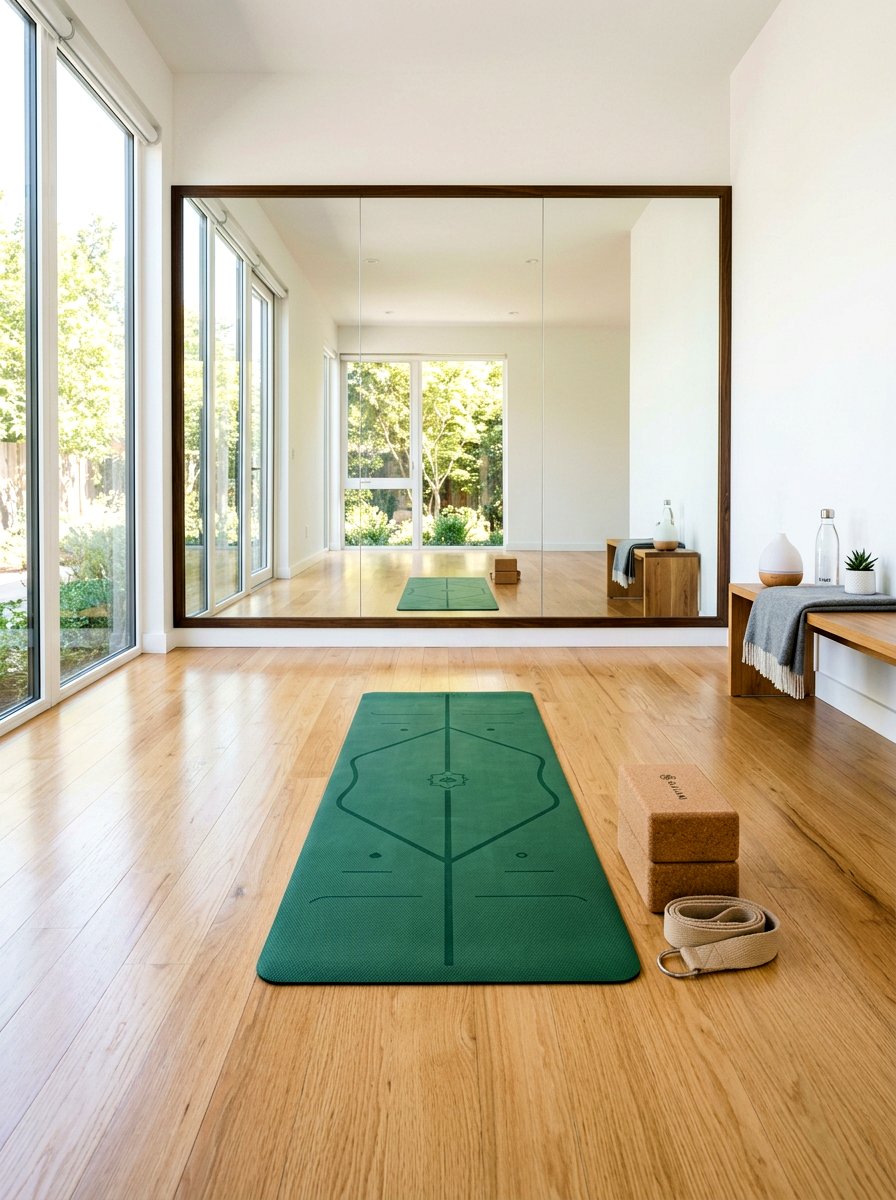
A dedicated yoga and stretching area provides a safe and inviting space for gentle movement as you regain your flexibility and strength. You should choose a high-quality, non-slip mat and keep helpful props like blocks and straps within easy reach. Installing a full-length mirror can help you monitor your form and ensure that you are moving safely during your exercises. Soft, even lighting and a clean floor are essential for making the space feel professional and focused. This area encourages you to stay active within your physical limits, which is vital for preventing stiffness and improving your overall circulation during the long recovery period.


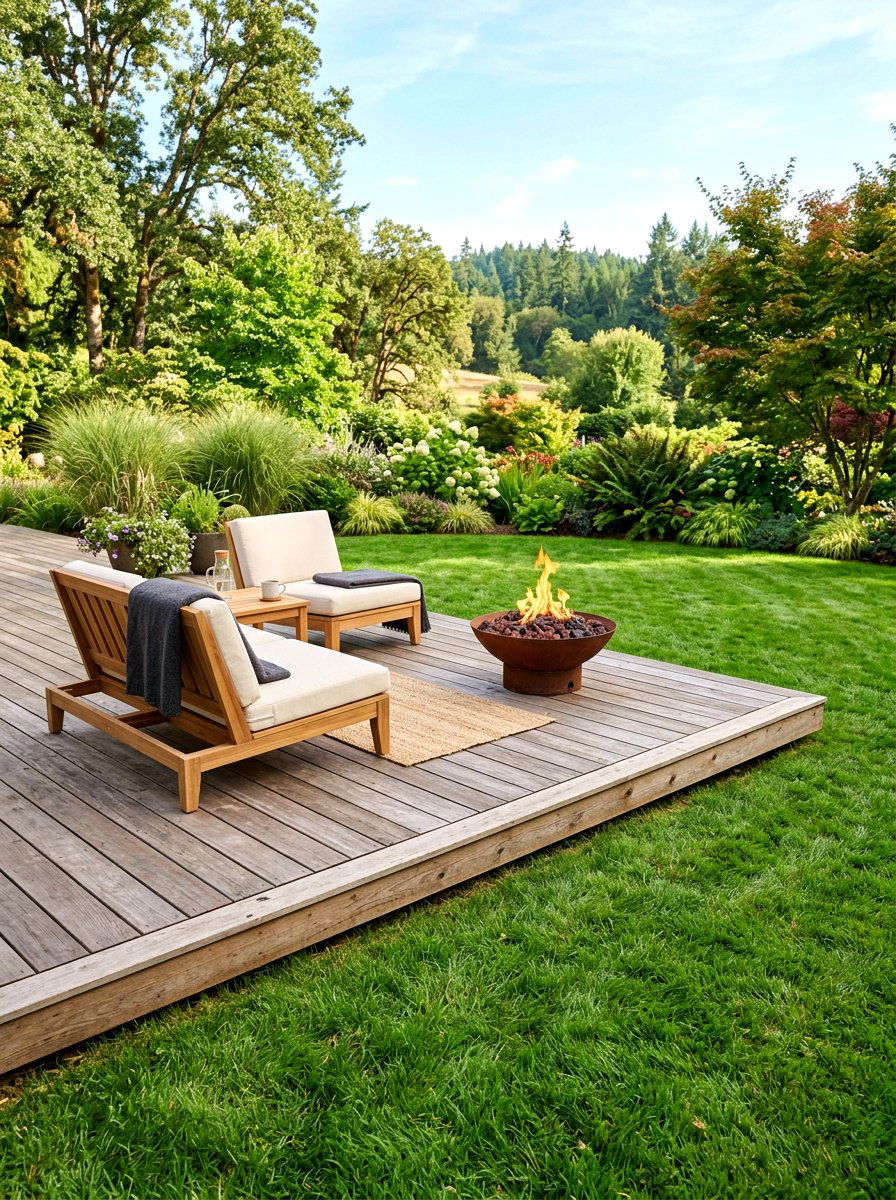

20. Salt therapy room
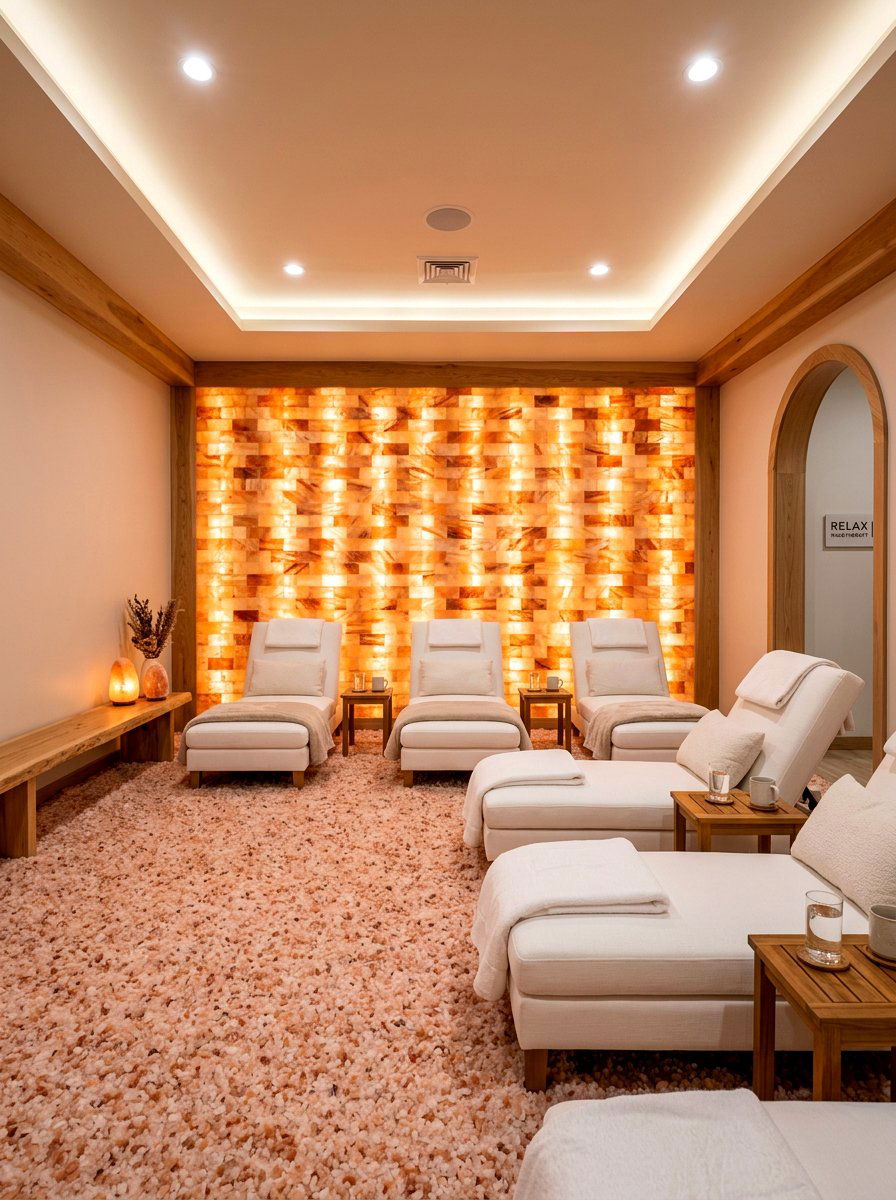
Creating a salt therapy room, also known as halotherapy, can provide significant benefits for your respiratory health and skin condition. You can achieve this look by installing Himalayan salt bricks on a focal wall, which glow with a warm orange hue when backlit. The air in the room becomes infused with microscopic salt particles that help to clear the airways and reduce inflammation. Comfortable lounge chairs and soft rugs complete the space, making it a perfect place to relax for thirty minutes a day. The unique visual aesthetic of the salt wall also serves as a beautiful conversation piece and a calming focal point for the room.
21. Spa bathroom
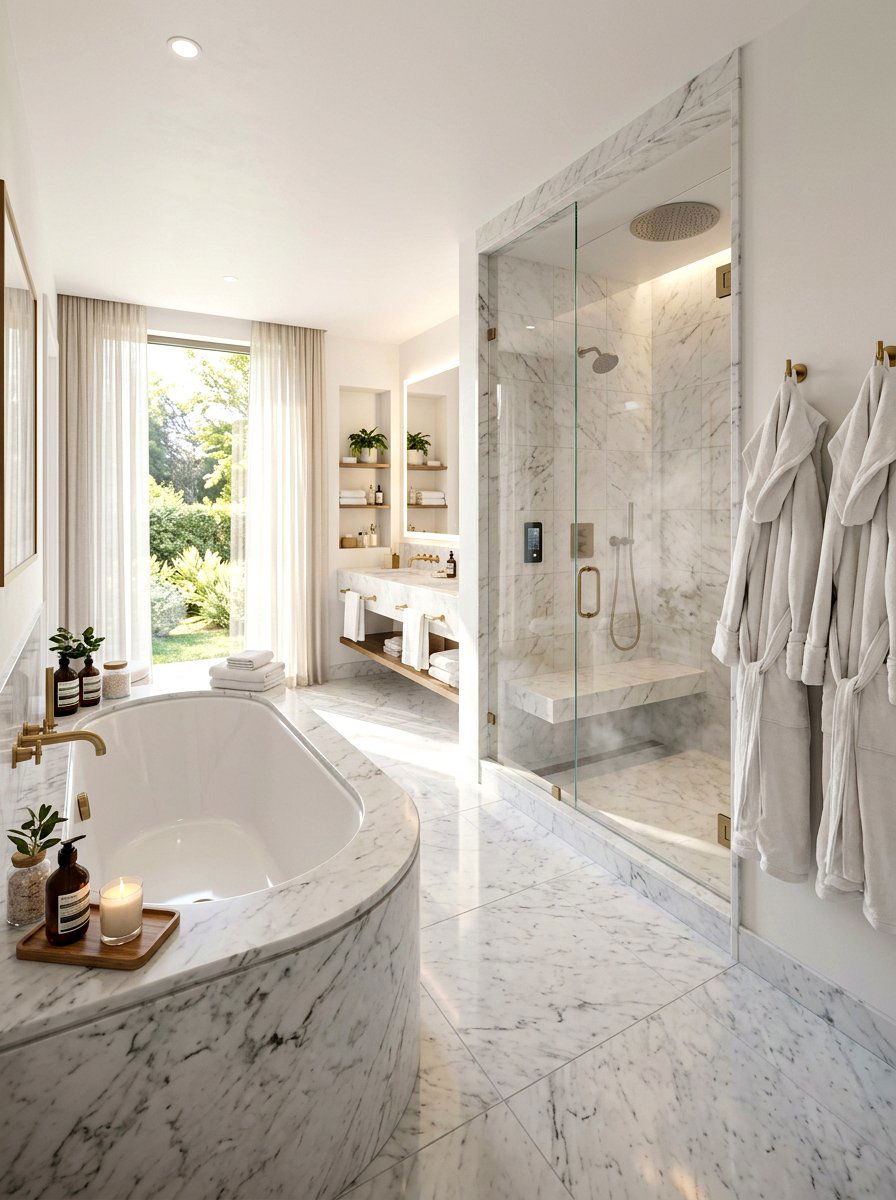
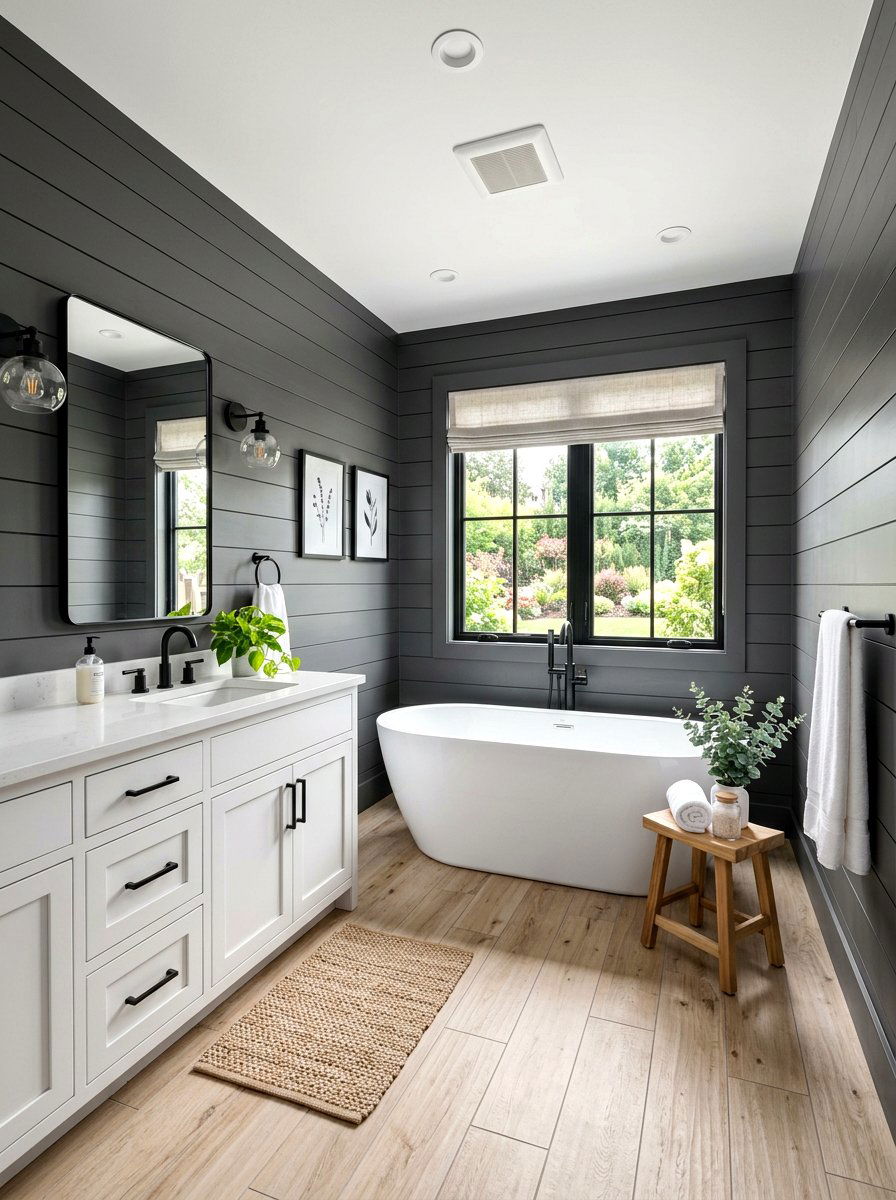
Transforming your bathroom into a spa-like recovery zone allows you to enjoy the healing power of water in total privacy. You might want to install a deep soaking tub with hydrotherapy jets to help massage sore muscles and improve your blood flow. Adding a steam shower with built-in seating provides a wonderful way to relax and detoxify without leaving the comfort of your home. Using high-end materials like marble or natural stone creates a luxurious atmosphere that feels like a professional wellness retreat. Keep plush robes and high-quality bath salts nearby to enhance the experience. This functional space becomes a daily destination for physical and mental restoration.
22. Massage chair nook
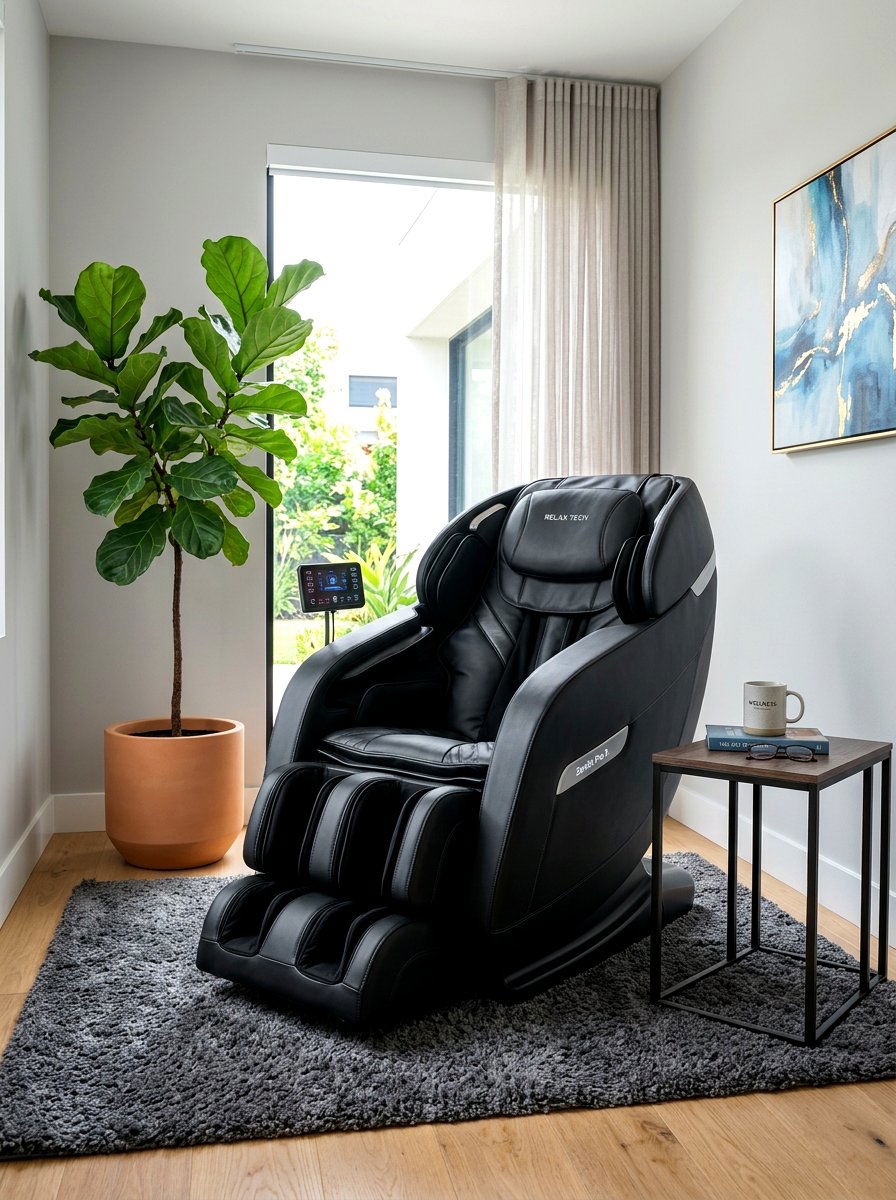
Setting up a massage chair nook provides a dedicated spot where you can receive professional-level physical therapy whenever you need it. You should choose a high-quality chair that offers various settings for kneading, rolling, and air compression to target different muscle groups. Placing the chair in a quiet corner with a view of a window or a piece of art can make the experience even more relaxing. Adding a small side table for your water or tea ensures that you stay hydrated after your massage session. This setup is perfect for those who suffer from chronic back pain or tension headaches. It is a convenient way to manage discomfort.
23. Reading corner
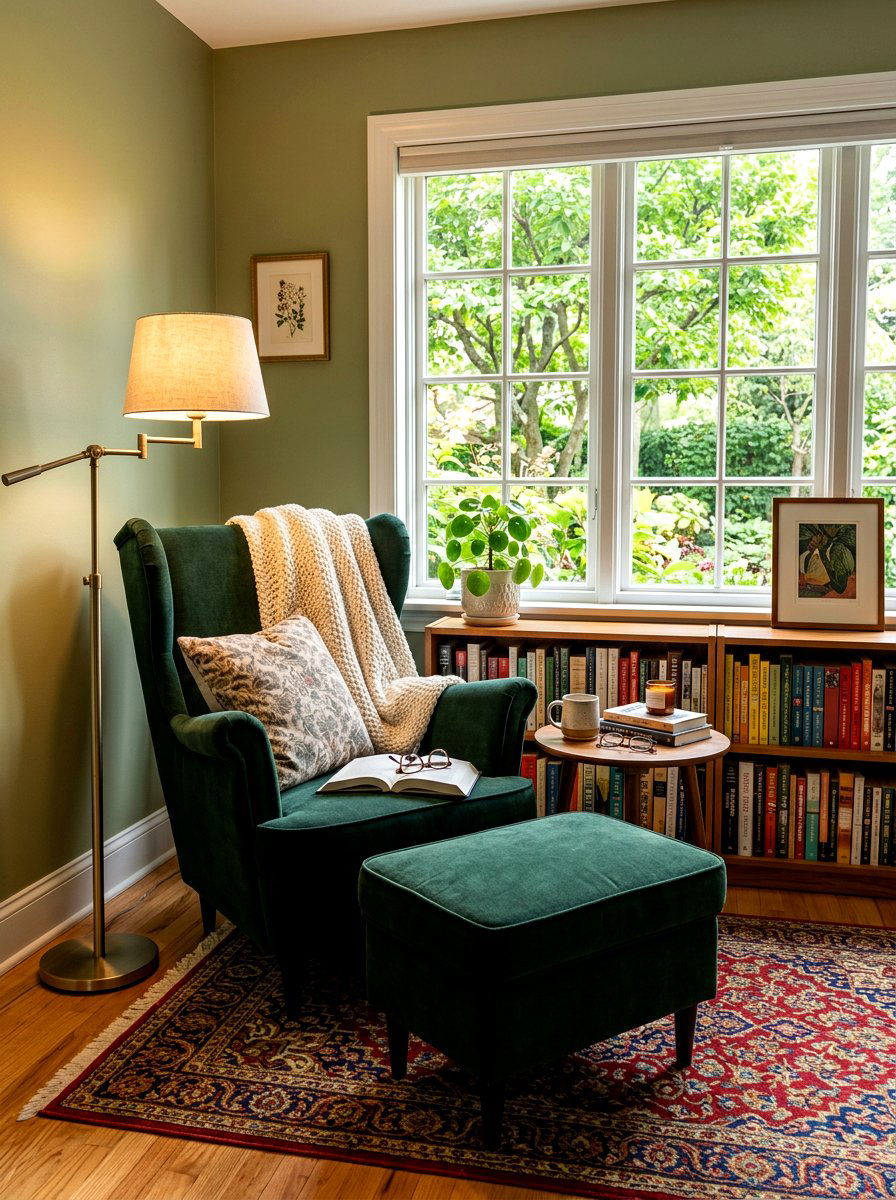
A cozy reading corner is a wonderful addition to any recovery space, offering a way to engage your mind while your body rests. You want to choose a chair that provides excellent lumbar support and a footstool to keep your legs elevated. Positioning the chair near a natural light source like a large window is ideal for daytime reading without straining your eyes. Adding a dedicated floor lamp with an adjustable neck ensures that you have plenty of light for evening sessions. Surrounding yourself with your favorite books and a warm throw blanket creates a comforting environment that makes the time pass more quickly and pleasantly.
24. Indoor water feature
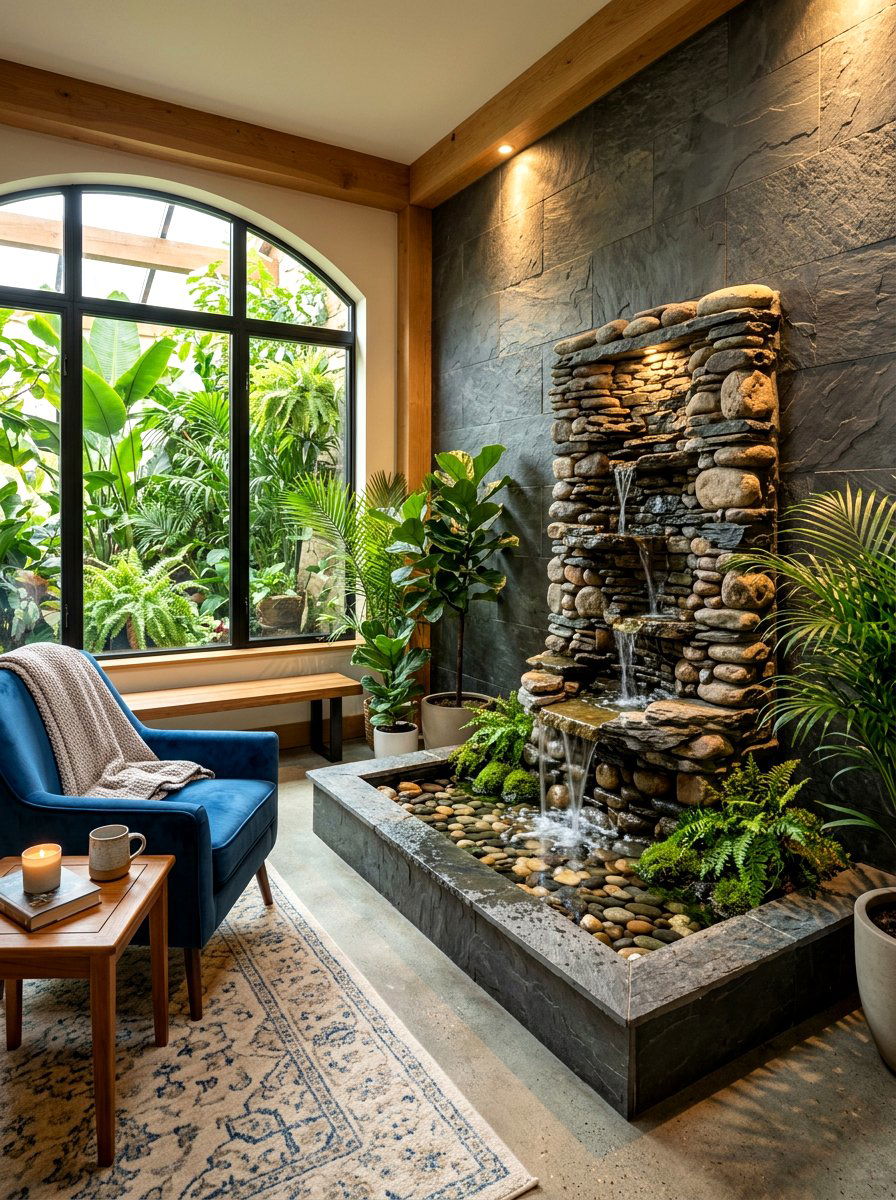
The sound of trickling water is naturally soothing to the human brain, making an indoor water feature a perfect addition to a healing room. You can choose a small tabletop fountain or a larger wall-mounted unit depending on the amount of space you have available. The gentle white noise helps to mask household sounds and creates a consistent, peaceful background for meditation or sleep. Many water features also help to naturally humidify the air, which can be beneficial for your skin and respiratory system. Watching the movement of the water provides a simple, meditative focus that can help to reduce stress and anxiety levels.

25. Neutral color palette
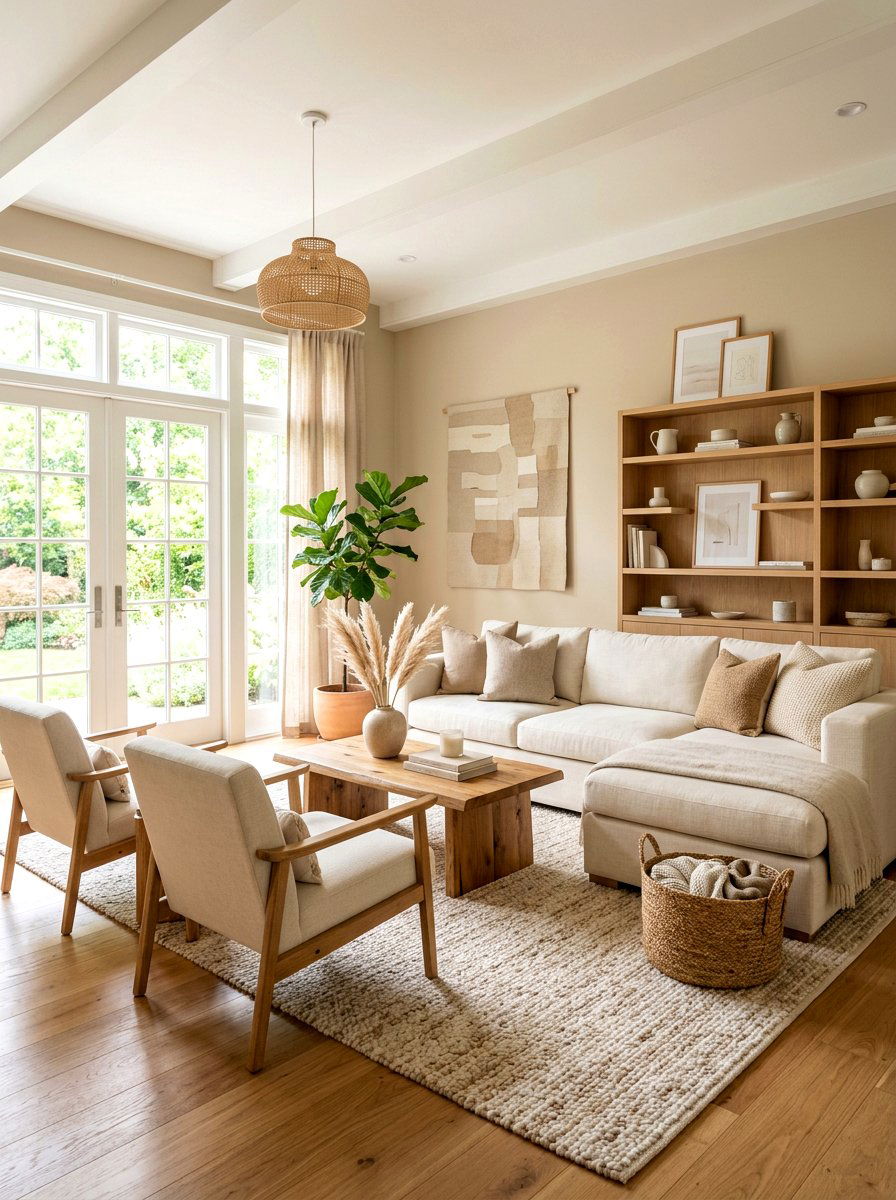
Using a neutral color palette of beige, cream, and soft browns creates a warm and stable environment that feels very safe. These colors do not compete for your attention, allowing your eyes and mind to rest more fully than they would in a brightly colored room. You can layer different textures like wool, cotton, and wood to prevent the space from feeling flat or boring. This design choice provides a flexible backdrop that can easily be updated with small pops of color through plants or artwork. A neutral room feels timeless and sophisticated, providing a calm stage for your personal recovery journey to unfold peacefully.
26. Smart lighting control
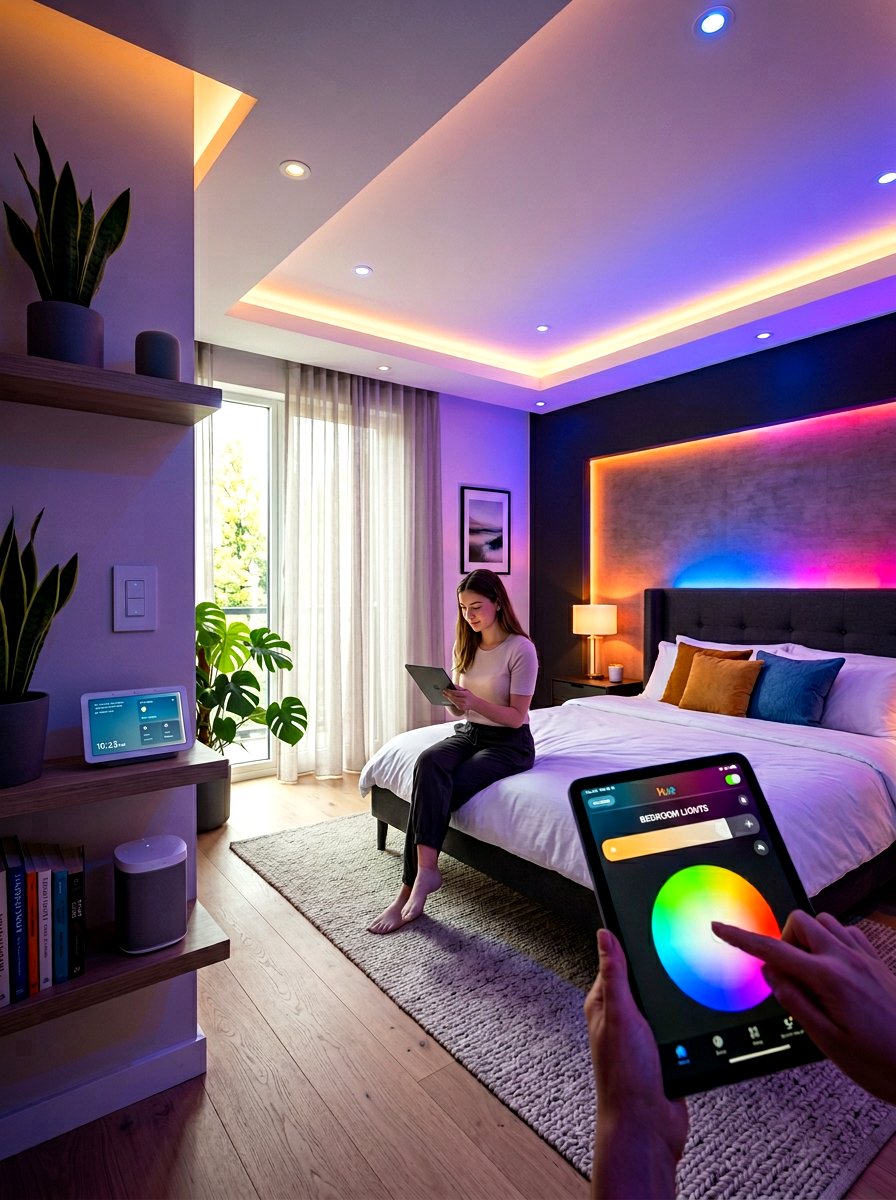
Integrating smart lighting control into your recovery room allows you to manage your environment without ever having to leave your bed or chair. You can use voice commands or a smartphone app to dim the lights, change their color temperature, or set specific schedules for the day. This is incredibly helpful for maintaining a healthy sleep-wake cycle by mimicking the natural progression of sunlight. You can also program "scenes" that set the perfect lighting for activities like reading, meditation, or resting. This level of control reduces physical strain and ensures that your lighting always matches your current mood and needs perfectly. It is a modern convenience.
27. Air purification system
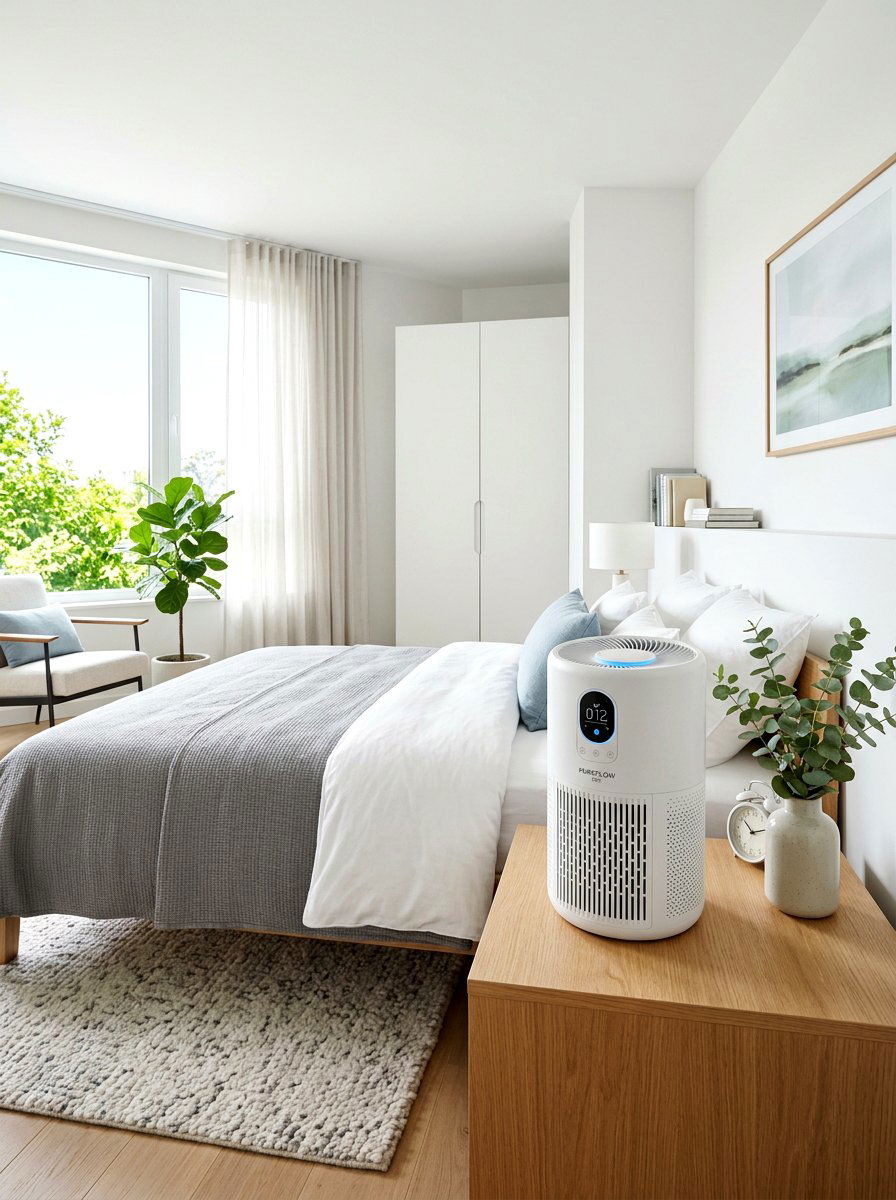
Breathing clean air is essential for a fast and healthy recovery, especially if you are spending most of your time indoors. An advanced air purification system can help remove allergens, dust, and toxins from your environment, providing a much healthier atmosphere for healing. You should look for a unit with a HEPA filter and a quiet operation mode so it does not disturb your rest at night. Placing the purifier in a central location ensures that the air remains fresh and circulated throughout the entire room. Many modern units also come with smart sensors that monitor air quality in real-time, giving you peace of mind and a better environment.
28. Texture focused room

A texture focused room prioritizes the tactile experience of the space to create a deep sense of physical comfort and luxury. You can mix and match materials like chunky knit blankets, velvet pillows, and smooth silk sheets to engage your sense of touch. Using a high-pile rug provides a soft surface for your feet and helps to dampen sound in the room. This approach makes the environment feel more "organic" and lived-in, which can be very comforting during a long period of bed rest. By focusing on how things feel, you create a space that nourishes your body and makes your recovery time feel more like a vacation.
29. Open floor plan
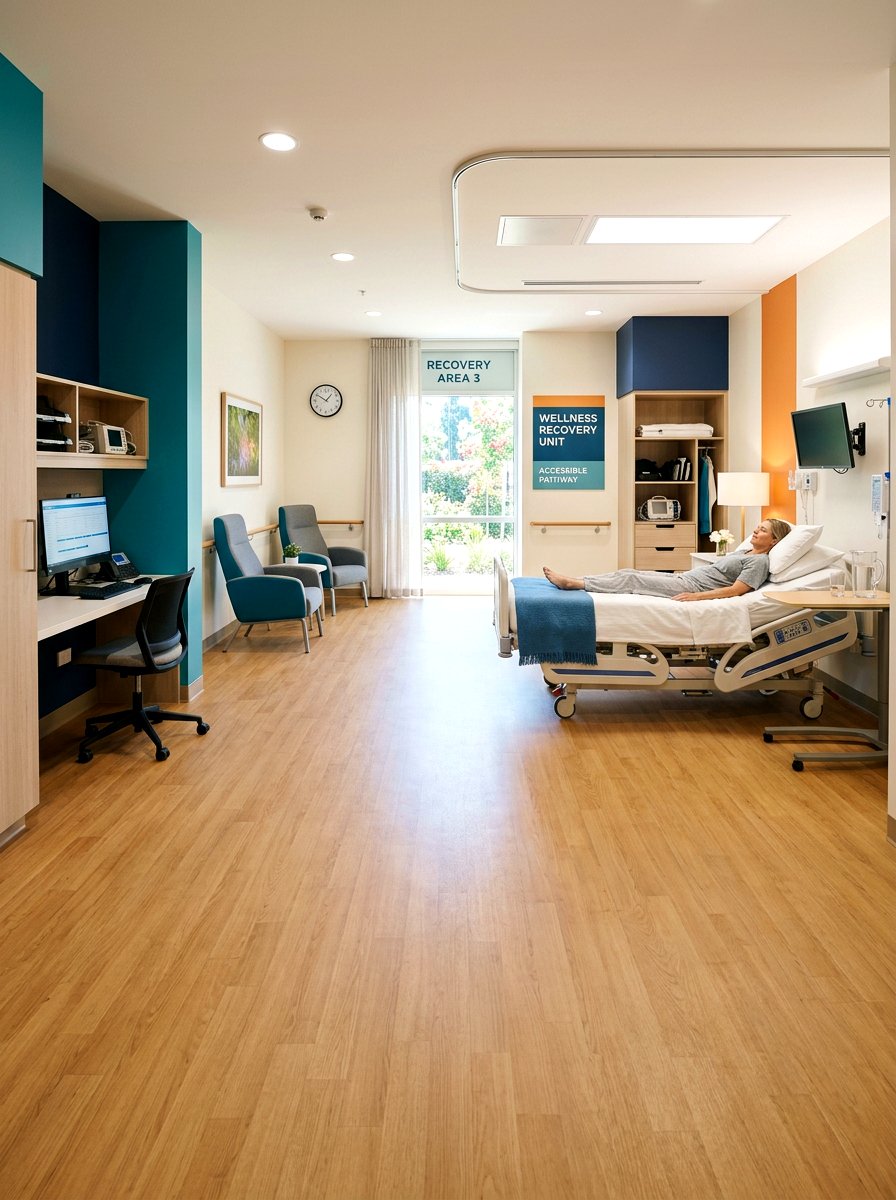
Maintaining an open floor plan in your recovery area is crucial for safety and ease of movement, especially if you are using mobility aids. You should arrange furniture against the walls to create wide pathways that are free of tripping hazards like loose rugs or cords. This sense of openness also makes the room feel larger and less claustrophobic, which can improve your overall mood. If you are using a wheelchair or a walker, ensure that there is enough room for 360-degree turns throughout the space. An organized, open layout reduces the risk of accidents and makes it much easier for caregivers to provide the necessary assistance.
30. Nature view bedroom
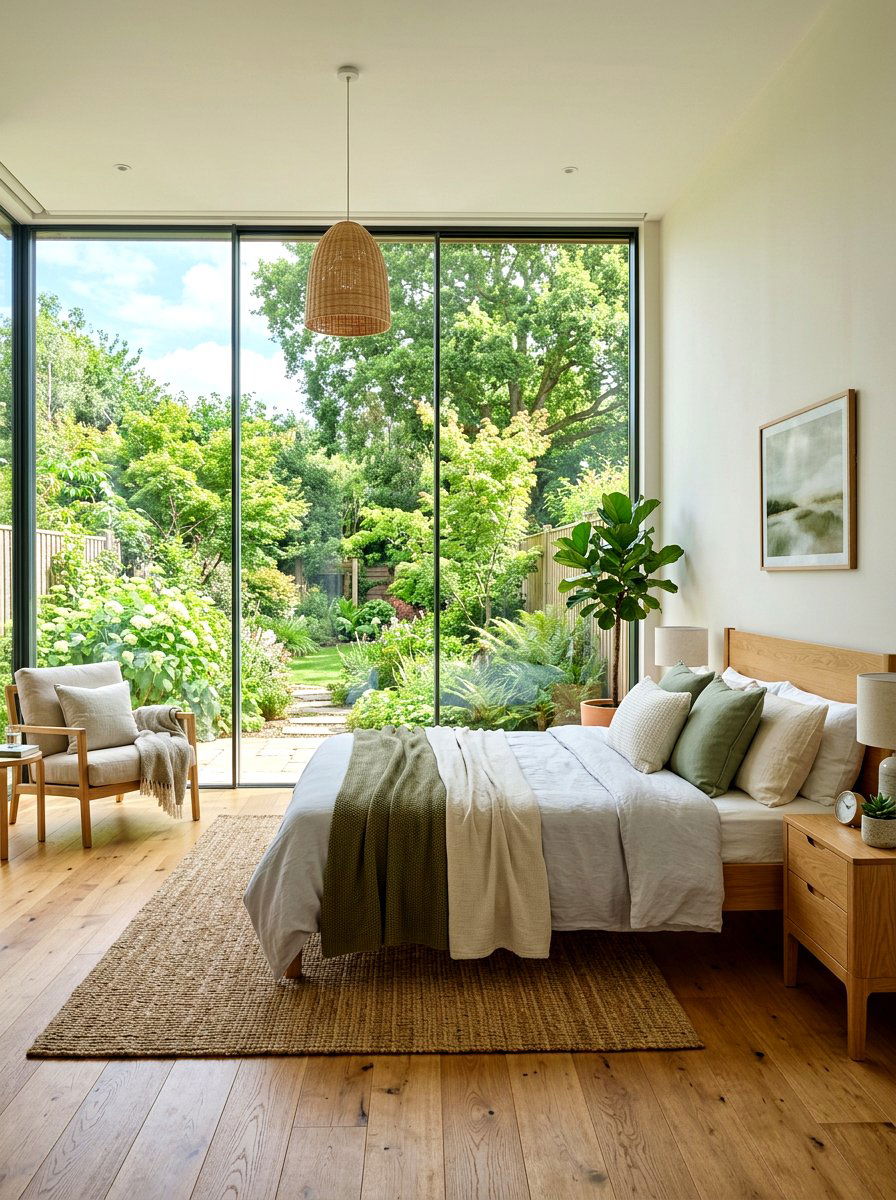
If possible, setting up your recovery space in a nature view bedroom can significantly boost your mental health and speed up physical healing. Being able to see trees, gardens, or the sky from your bed provides a constant connection to the outside world and the passing of time. You should position your bed or lounge chair to maximize the view through the largest window in the room. This visual access to nature has been shown to lower cortisol levels and provide a sense of hope during difficult days. If a real view isn't available, using large-scale landscape photography can provide a similar psychological benefit for your daily recovery.
Conclusion:
Building a dedicated recovery room is an investment in your future health and a commitment to your personal well-being. By combining practical medical needs with soothing design elements, you can create a space that truly supports the healing process from every possible angle. Whether you choose to focus on high-tech athletic tools or simple, minimalist aesthetics, the key is to prioritize your individual comfort and safety. A thoughtful environment not only helps the body mend but also provides the mental sanctuary needed to stay positive during a long journey. Take the time to curate a space that makes you feel cared for, secure, and fully ready to embrace a healthy new chapter of life.

Related posts: