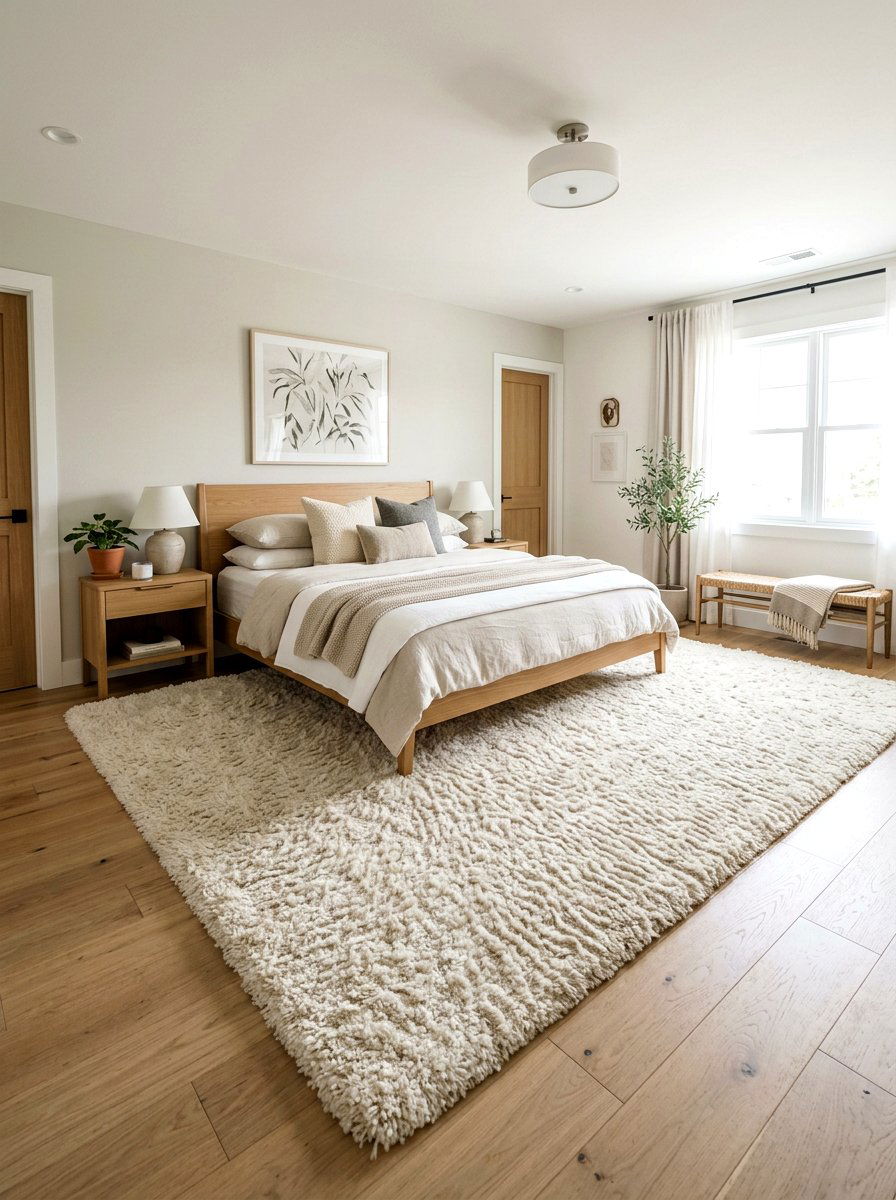
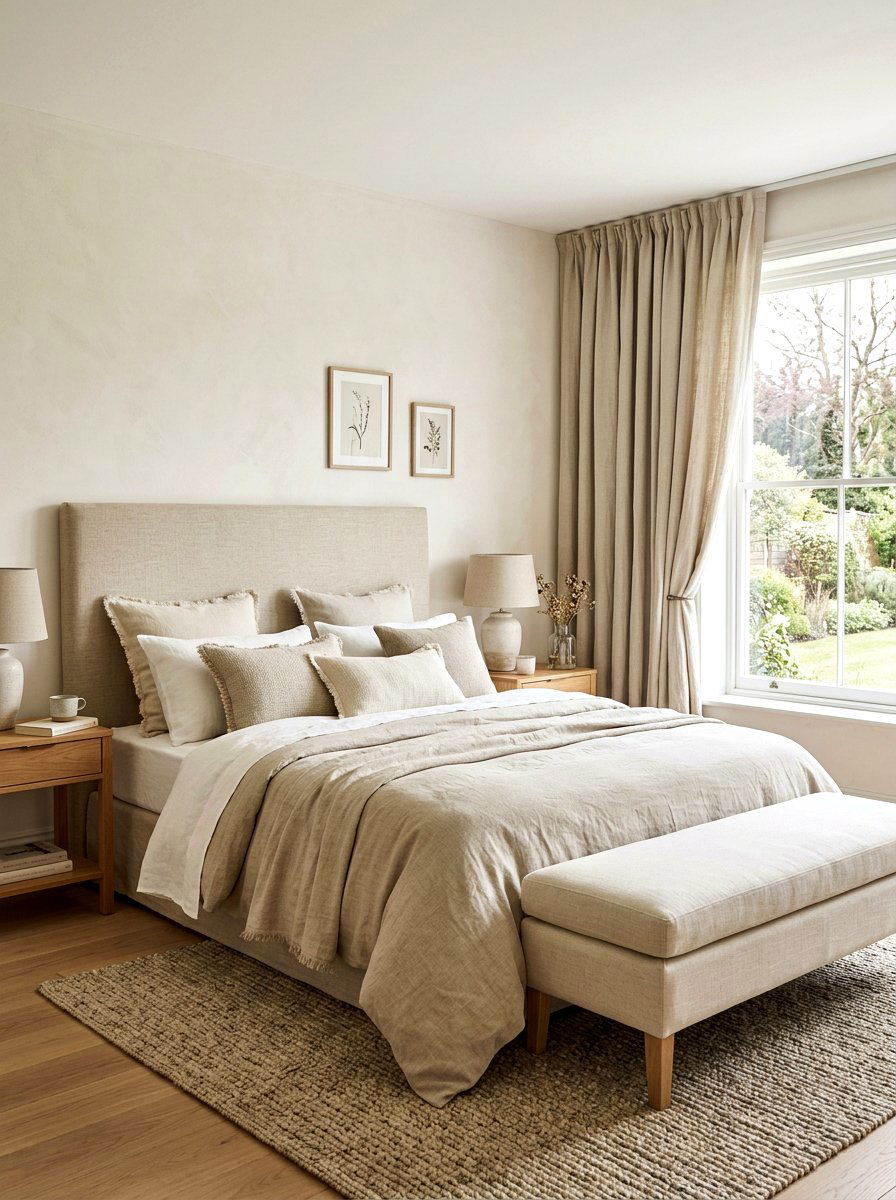
Creating a dedicated recovery room at home is a vital step toward faster healing and better mental health. Whether you are recovering from a major surgery, managing a chronic illness, or resting after a sports injury, your environment plays a massive role. A well-planned space reduces stress and minimizes physical strain on the body. You should focus on comfort, accessibility, and a calming aesthetic to promote deep rest. This guide explores various ways to transform a spare room or a corner of your home into a sanctuary. By prioritizing light, texture, and organization, you can create a functional area that feels like a high-end wellness retreat rather than a hospital.

1. Minimalist Healing Space
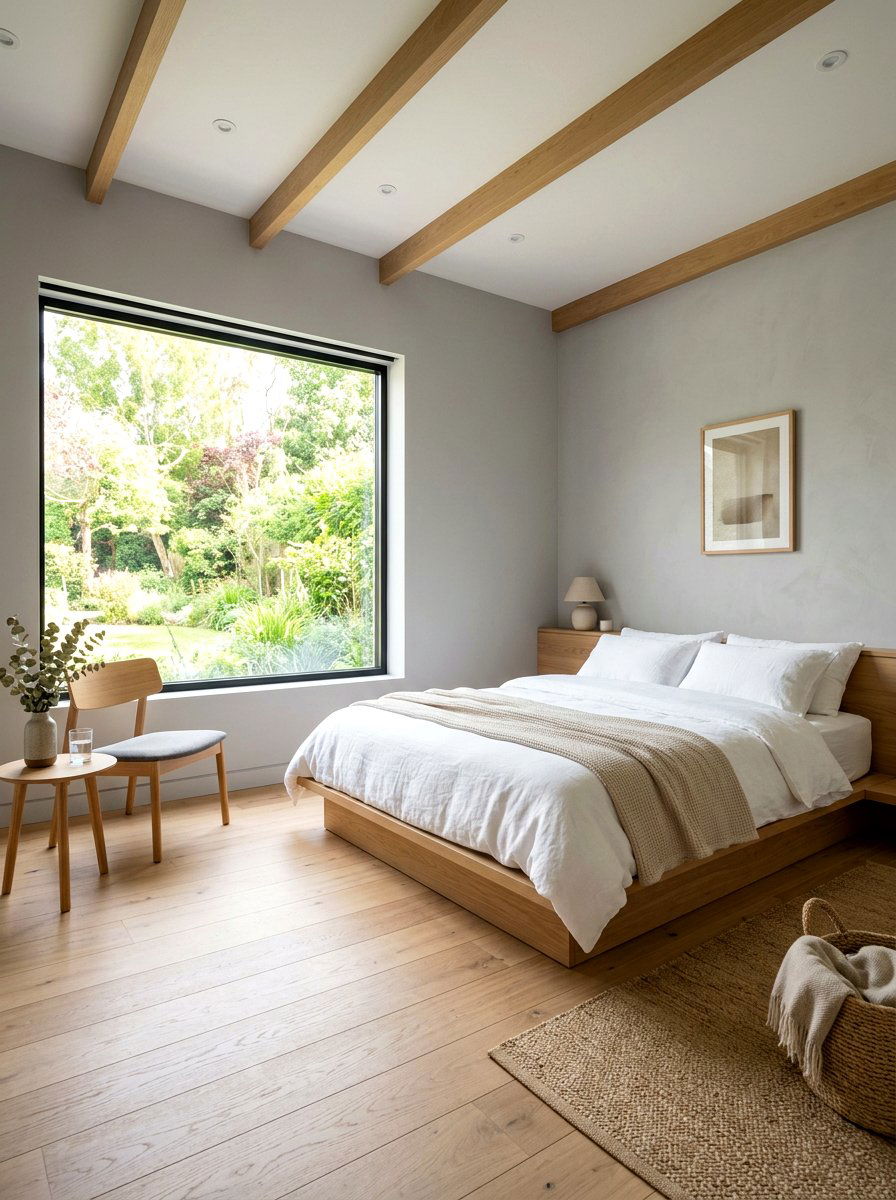
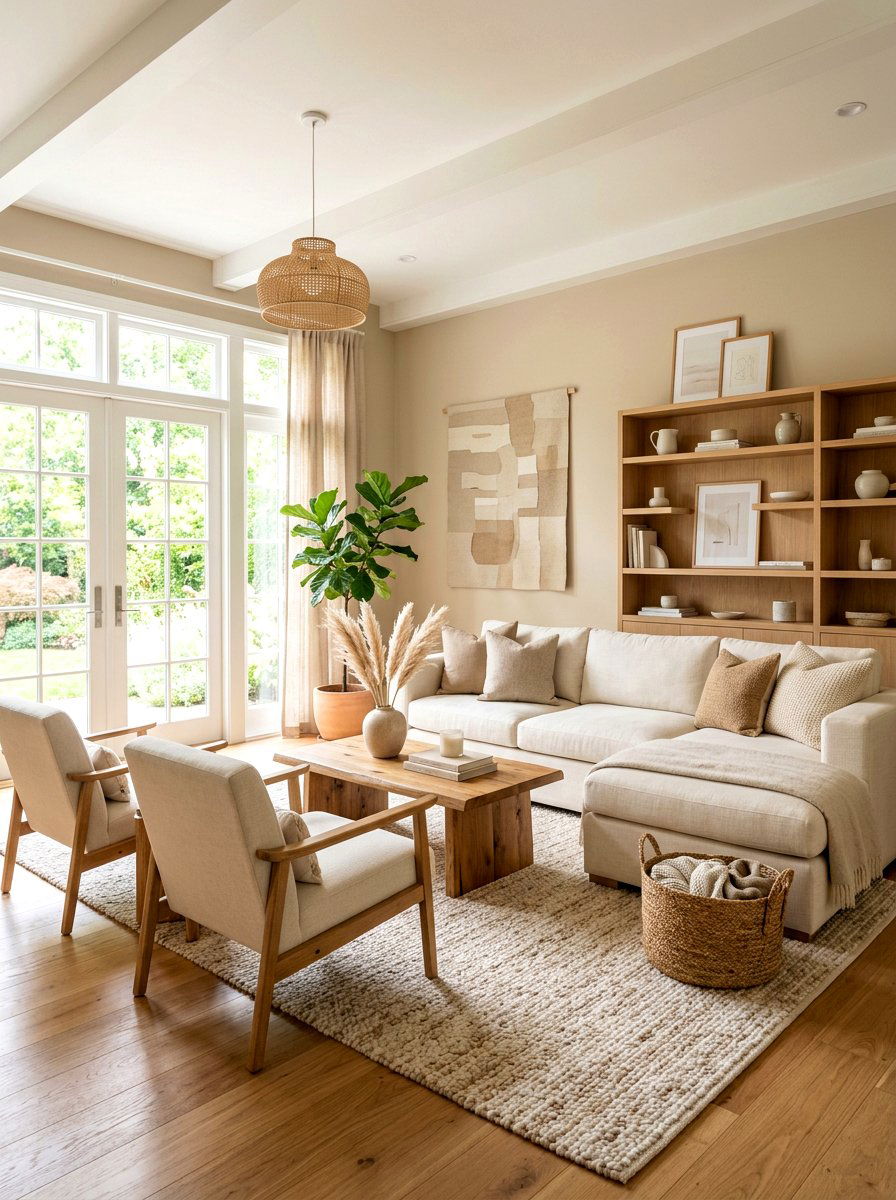
A minimalist healing space focuses on reducing visual clutter to calm the mind. You should use a neutral color palette with whites, creams, and soft greys. This approach ensures that the room feels open and airy. Furniture should be functional and sparse to allow for easy movement. Avoid heavy patterns or bright colors that might cause overstimulation. Instead, choose high-quality materials like organic cotton or smooth wood. A clean environment helps you focus entirely on your physical recovery without distractions. Keeping the surfaces clear of dust and unnecessary items also improves air quality. This simple design creates a peaceful atmosphere that encourages deep, restorative sleep every single night.
2. Post Surgery Bedroom
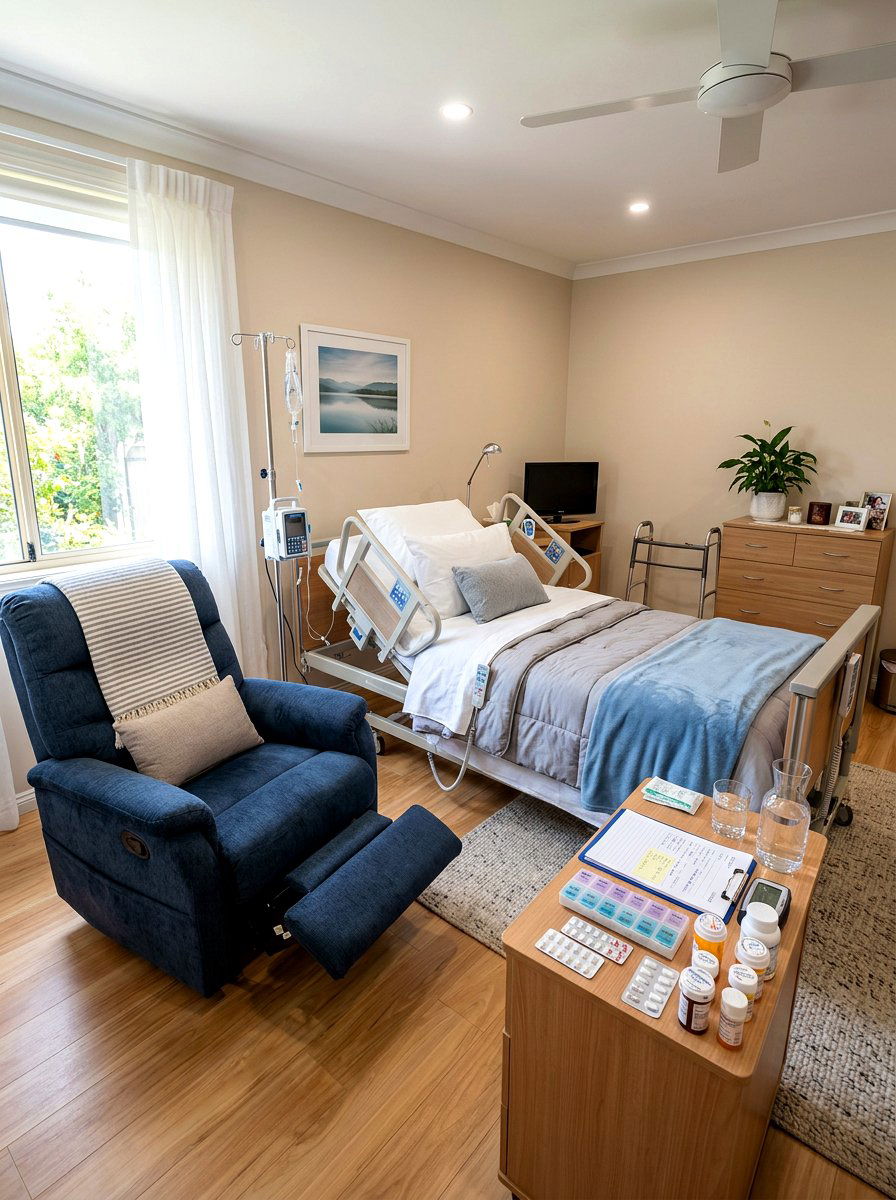
Designing a post surgery bedroom requires a focus on safety and physical ease. You need to ensure the bed height is appropriate for getting in and out without straining. Incorporating sturdy bedside tables allows you to keep medications and water within arm's reach. Soft, adjustable lighting is essential for middle-of-the-night needs. You might include a supportive recliner chair for moments when sitting up is better than lying flat. Use non-slip rugs to prevent any accidents while walking. The goal is to create a layout where everything is accessible. This setup minimizes the need for sudden movements. A well-organized bedroom helps you maintain independence while you heal from your procedure.
3. Sports Injury Zone
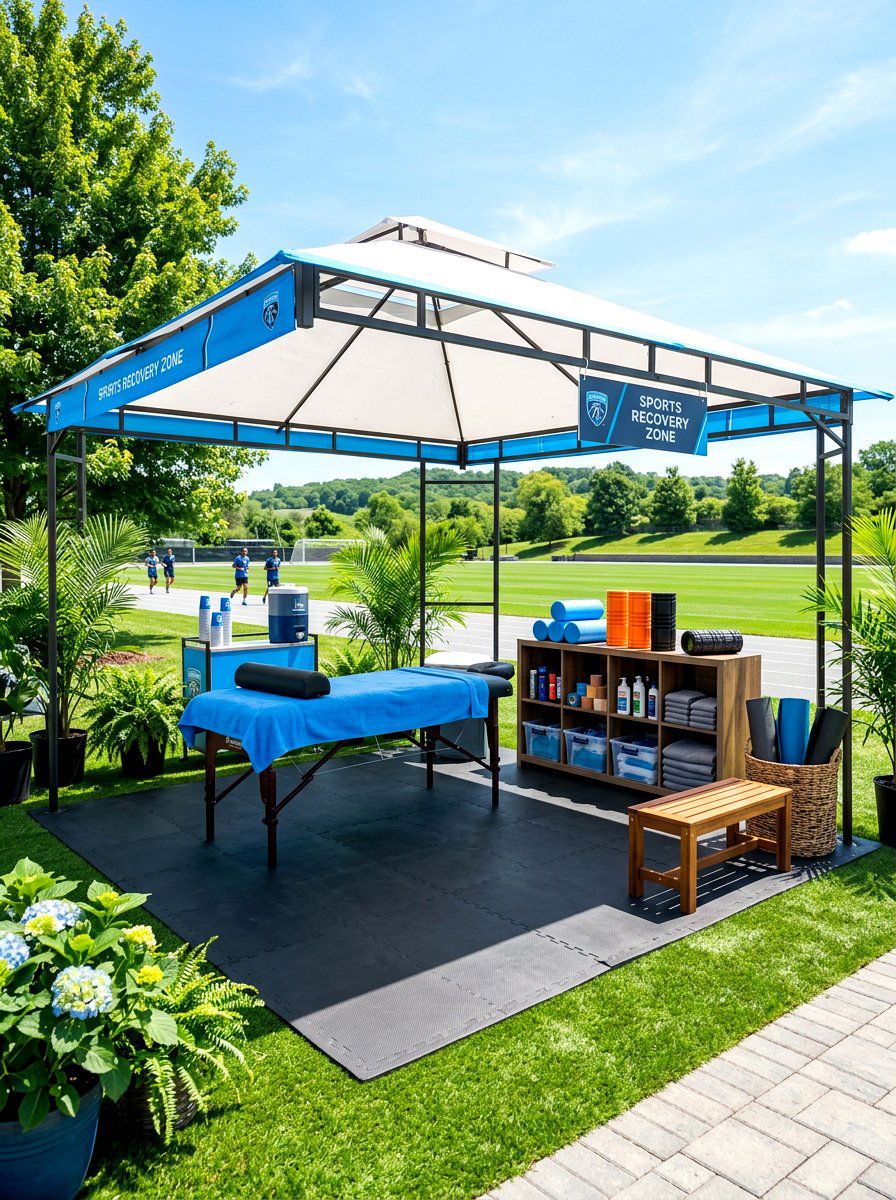
A sports injury zone is perfect for athletes who need a dedicated space for rehabilitation. This area should include plenty of floor space for stretching and light mobility exercises. You can incorporate a massage table or a high-density foam mat. Storage for foam rollers, resistance bands, and ice packs should be organized and visible. Use bright, energizing colors to keep your motivation high during difficult therapy sessions. Proper ventilation is key to keeping the air fresh during movement. You might also want a wall-mounted mirror to check your form during recovery exercises. This functional space helps you stay disciplined with your physical therapy routine while providing a comfortable place to ice and rest.
4. Sensory Friendly Room
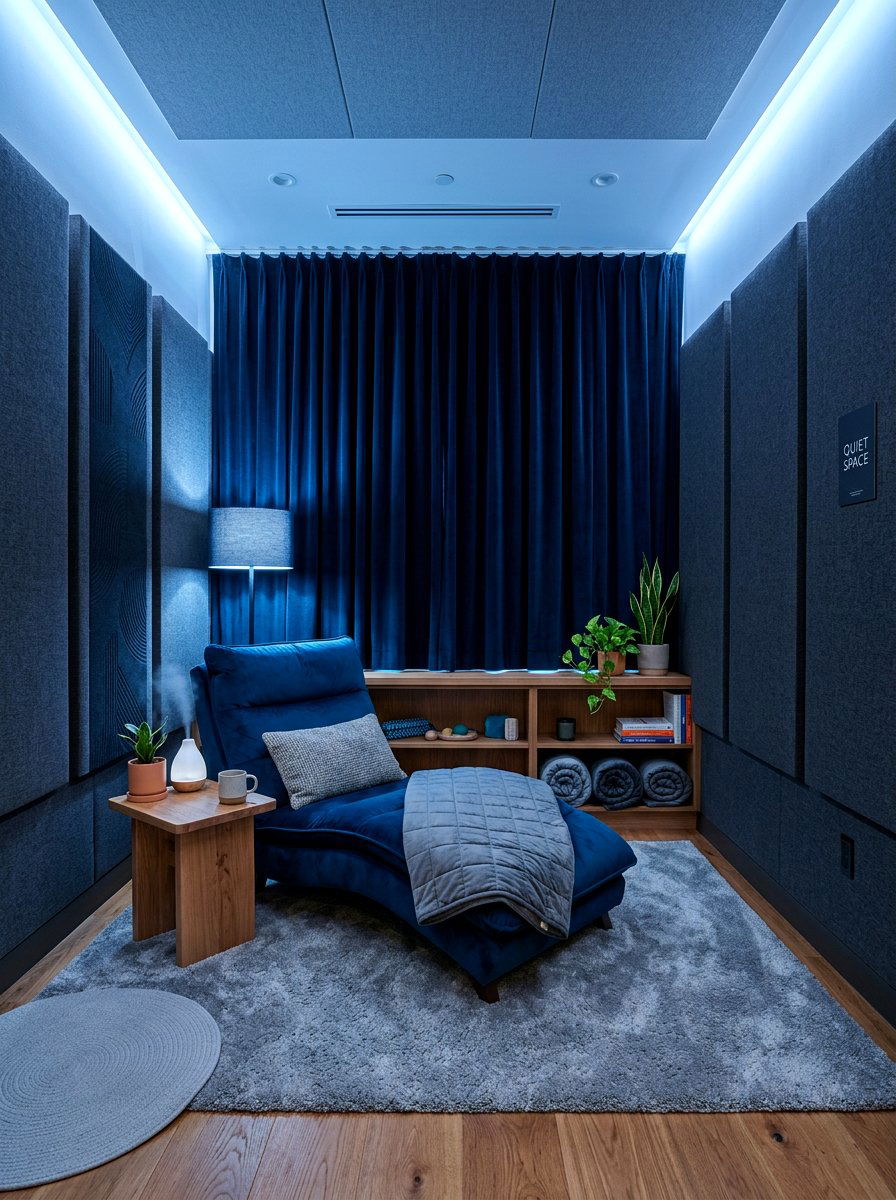
A sensory friendly room is designed to limit external triggers like loud noises and bright lights. This is ideal for those recovering from concussions or neurological issues. Use blackout curtains to control the level of natural light throughout the day. Soundproofing panels or heavy rugs can help dampen household noises. Choose soft, tactile fabrics like velvet or faux fur for bedding and seating. Use a cool color scheme with blues and greens to lower your heart rate. Dimmable warm lights are much better than harsh overhead fixtures. This controlled environment allows your nervous system to rest completely. It provides a safe haven where you can escape the chaotic energy of the outside world.
5. Natural Light Space
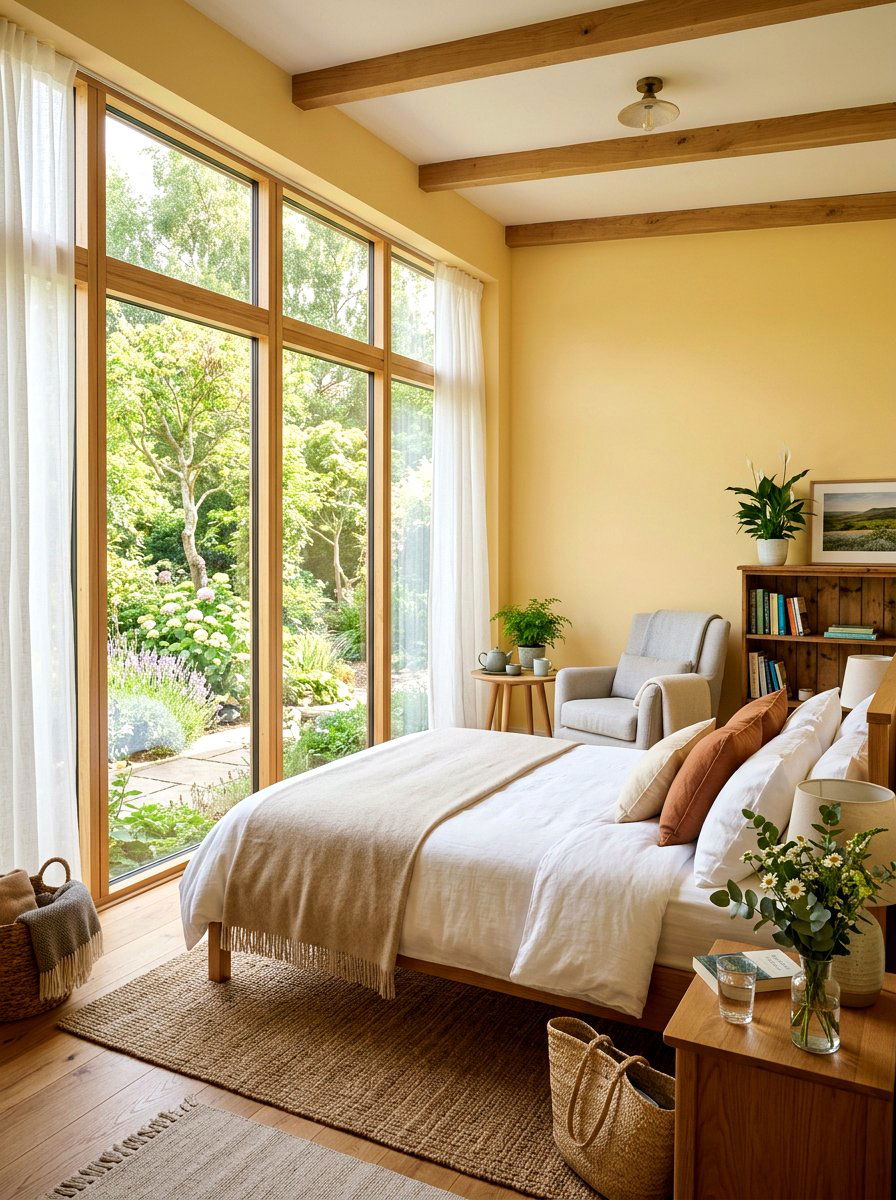
A natural light space utilizes the healing power of the sun to boost your mood. Position the bed or seating near large windows to maximize vitamin D exposure. Use sheer curtains to maintain privacy while still letting light filter through the room. The presence of natural light can help regulate your circadian rhythm and improve sleep quality. Choose light-reflective paint colors like soft yellow or off-white to brighten the corners. You should also ensure a clear view of the sky or trees to feel connected to nature. This connection to the outdoors reduces feelings of isolation during long recovery periods. A bright room feels much more hopeful and life-affirming during a difficult time.
6. Chronic Pain Suite
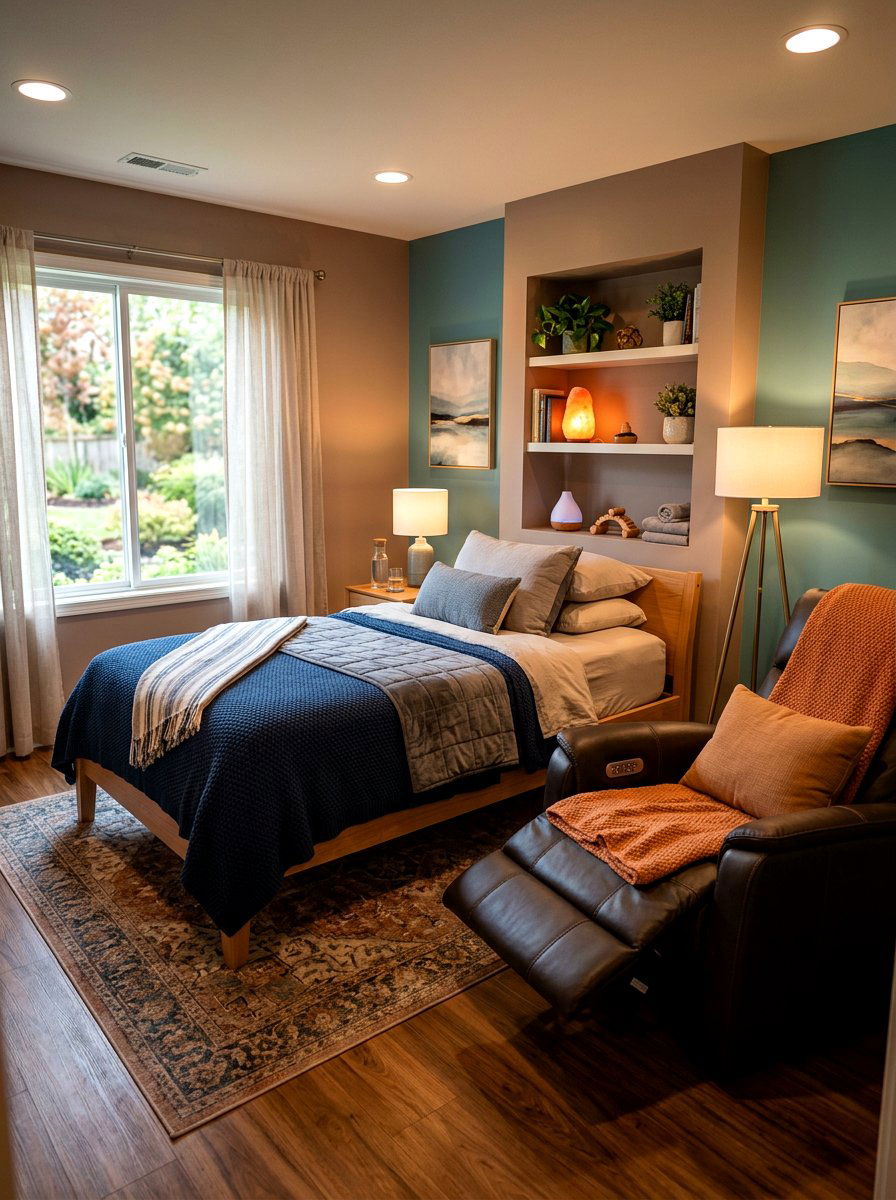
A chronic pain suite focuses on ultimate physical support and comfort. Invest in an adjustable bed or high-quality memory foam mattress to relieve pressure points. The room should feature various seating options, such as an ergonomic lounge chair or a heated recliner. Keep heating pads and cooling wraps in a dedicated drawer near the bed. Soft, layered lighting helps create a soothing ambiance when pain levels are high. Use calming scents like lavender through a subtle diffuser. The layout should minimize the need for bending or reaching. By tailoring the room to your specific physical needs, you can manage daily discomfort more effectively. A supportive environment is crucial for long-term health management.
7. Home Physical Therapy Room
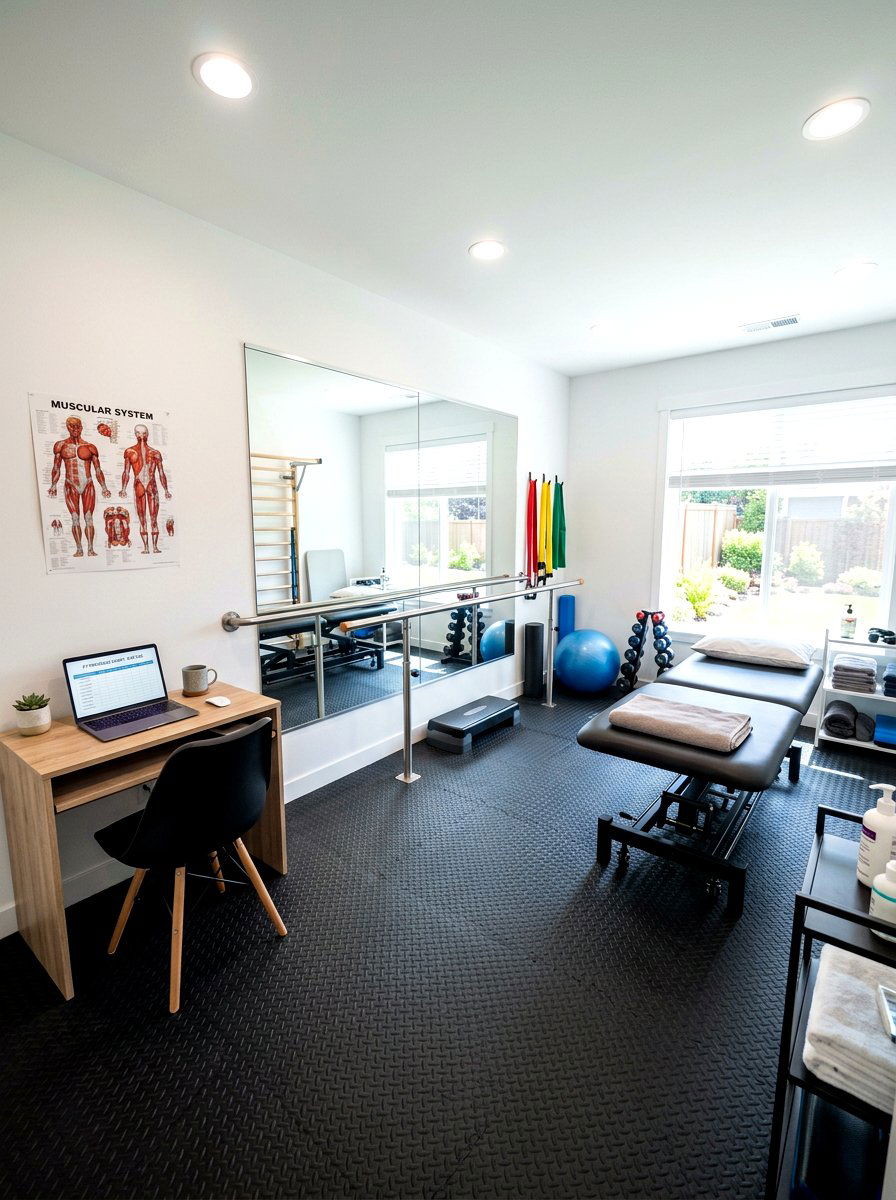
A home physical therapy room provides a professional-grade space for guided movements. You should install grab bars or wall-mounted rails to assist with balance and stability. The flooring should be firm yet cushioned, such as high-quality rubber or low-pile carpet. Keep all your therapy equipment in open shelving for easy access. A small desk can hold a laptop for following online recovery programs or video calls with therapists. Ensure there is plenty of room to move around without hitting furniture. Good lighting is necessary to see your movements clearly in the mirror. This dedicated area makes it much easier to stay consistent with your prescribed exercises. Consistency is the fastest way to regain your strength.
8. Meditation Corner
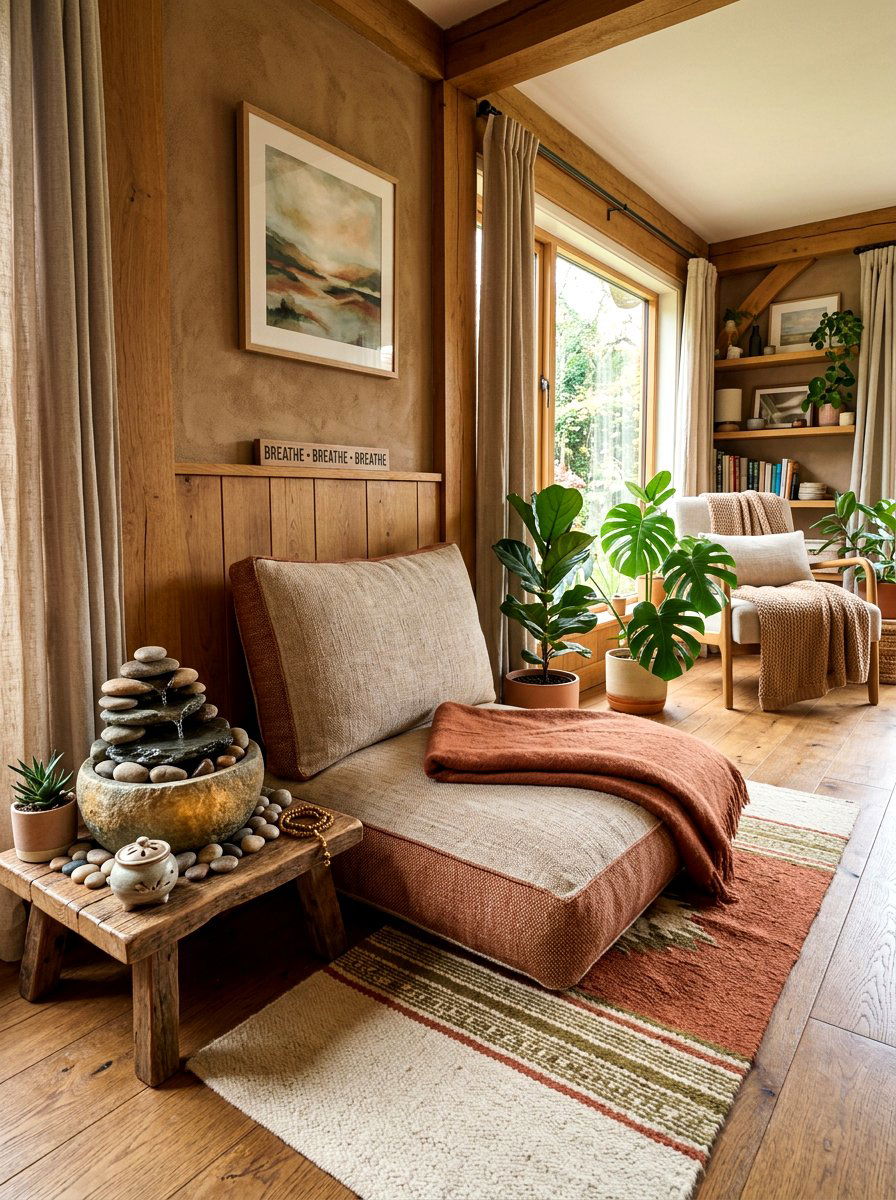
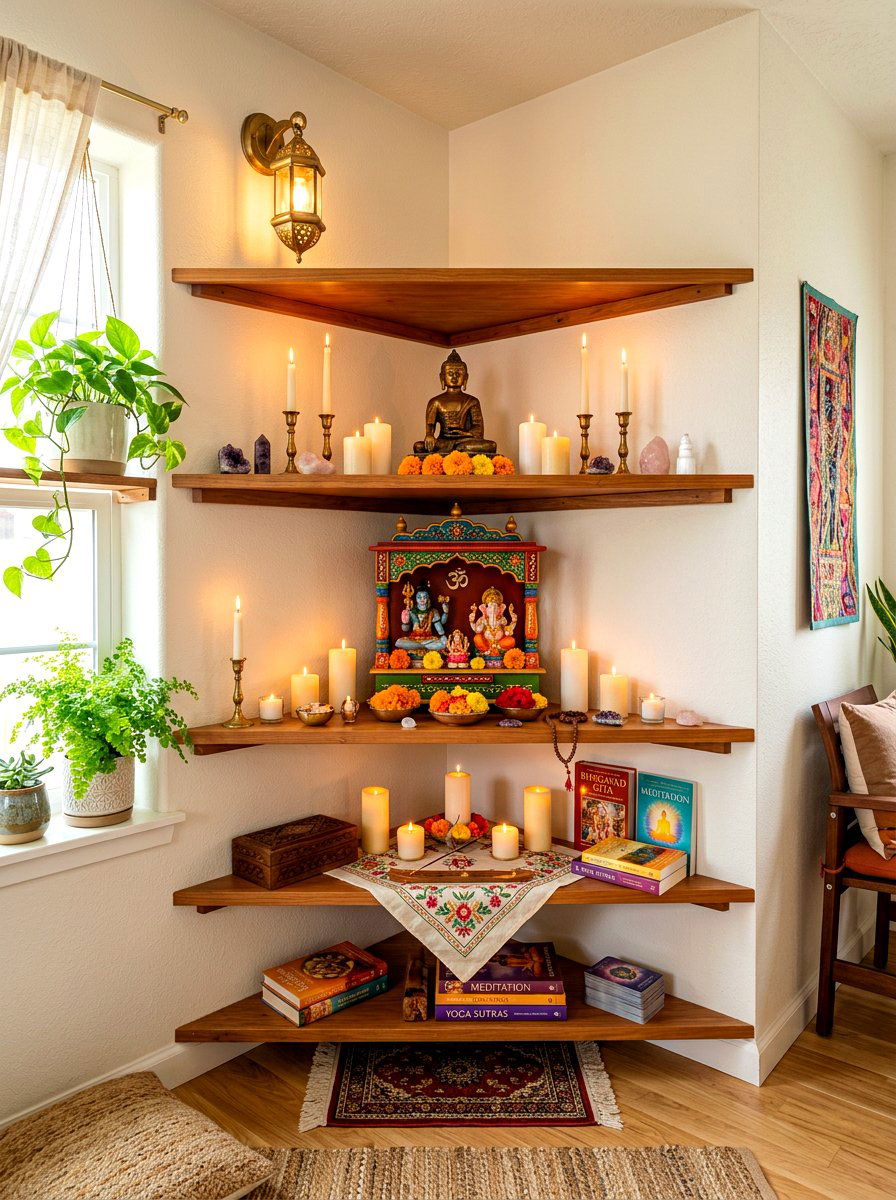
A meditation corner is a small but powerful part of a recovery room. This area should be free from technology and digital distractions. Use a comfortable floor cushion or a low chair to sit quietly. Incorporate natural elements like smooth stones, a small water fountain, or a single plant. Soft, ambient music or a white noise machine can help you focus on your breathing. Use warm wood tones and earthy textures to create a grounded feeling. This space is perfect for practicing mindfulness and reducing the anxiety that often comes with illness. Taking just ten minutes a day in this corner can significantly lower your stress levels. It supports mental healing alongside your physical progress.
9. Soft Textile Room
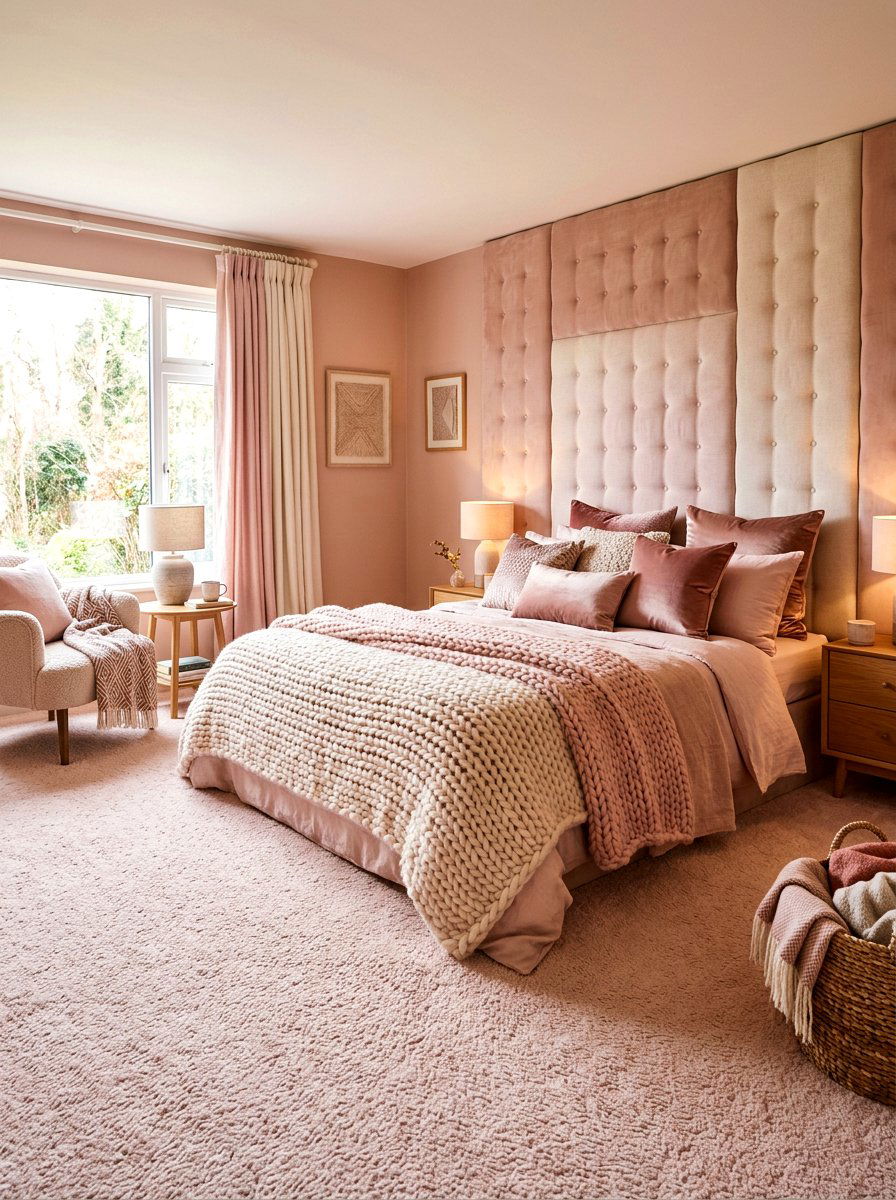
A soft textile room prioritizes touch and physical coziness above all else. You should layer different fabrics like wool, silk, and cotton to create a rich, tactile experience. Plush throw blankets and oversized pillows make the bed feel like a warm cocoon. Use thick, wall-to-wall carpeting or large area rugs to keep the floor warm underfoot. Upholstered headboards and fabric wall panels can add extra softness to the space. Choose a color palette of warm beiges and soft pinks to enhance the cozy vibe. This focus on texture provides a sense of security and physical comfort. It is an excellent way to make a recovery space feel more like a home and less like a clinic.
10. Biophilic Design Room
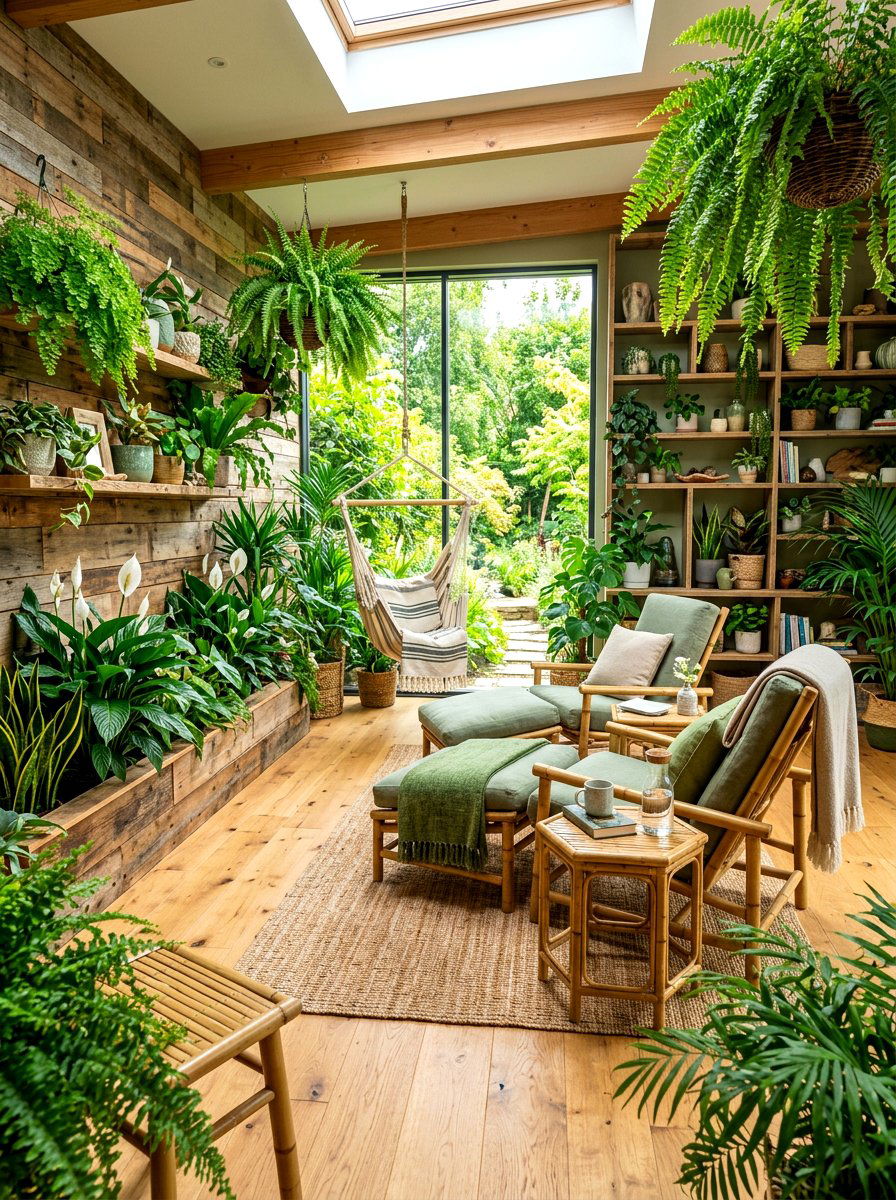
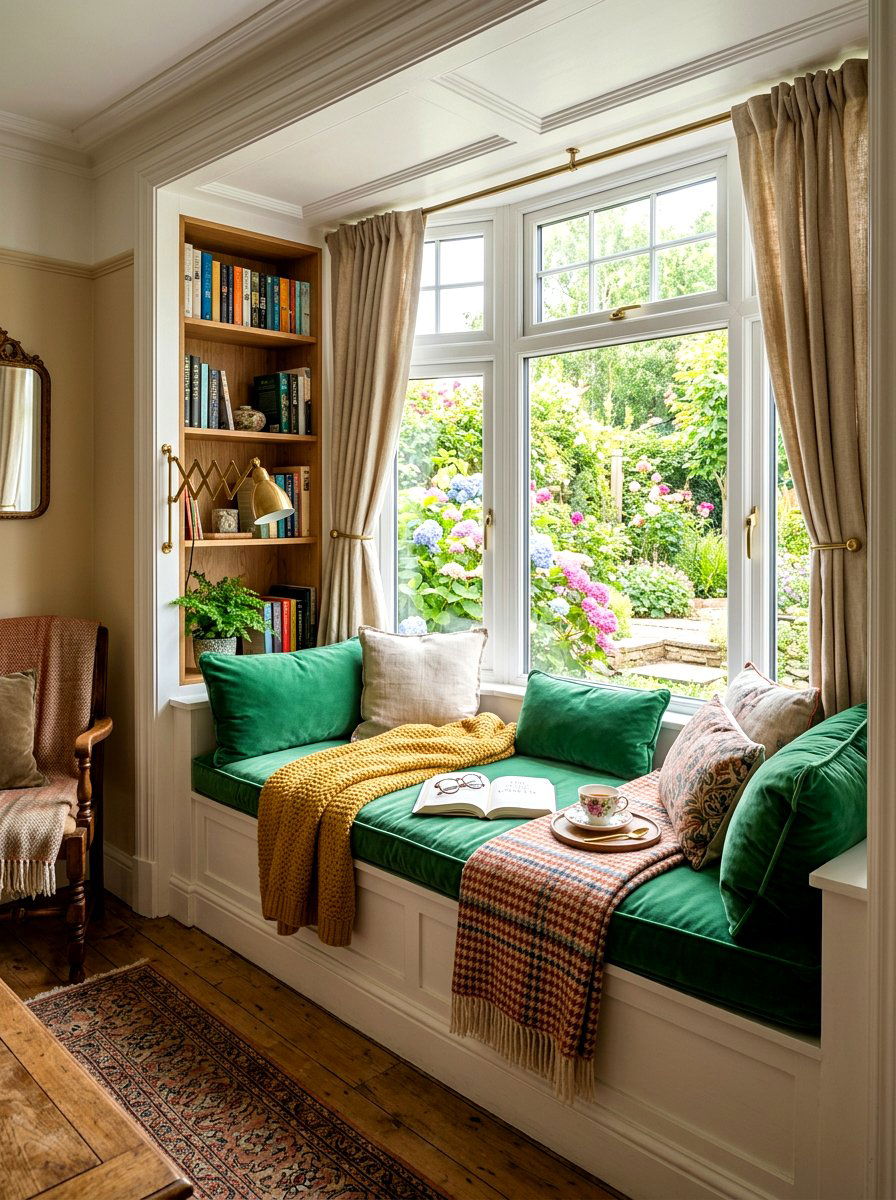
A biophilic design room brings the beauty of the outdoors inside to promote wellness. Fill the space with various indoor plants like peace lilies, snake plants, or ferns. These plants help purify the air and provide a soothing visual focus. Use natural materials like bamboo, stone, and reclaimed wood for furniture and decor. Large windows that overlook a garden or trees are a major plus for this style. Use a color palette inspired by the forest, featuring moss greens and bark browns. The presence of nature has been proven to lower blood pressure and speed up healing times. This organic approach creates a vibrant yet peaceful sanctuary for your recovery journey.
11. Smart Health Suite
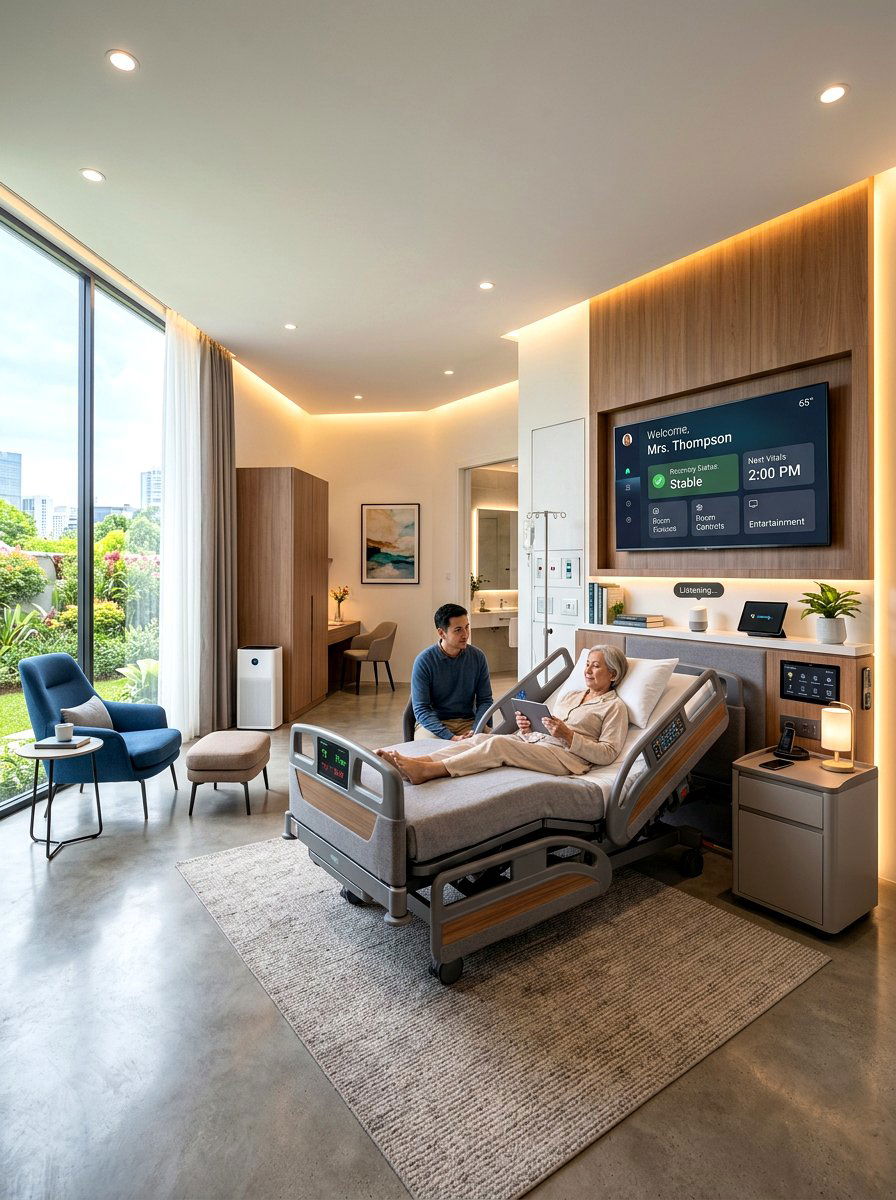
A smart health suite integrates modern technology to make recovery easier and more efficient. You can use voice-controlled assistants to adjust the lights, temperature, or blinds without moving. Smart beds can track your sleep patterns and adjust their firmness automatically. Install a wall-mounted smart TV for easy access to entertainment or telehealth appointments. Use smart plugs to ensure fans or heaters are turned off when not needed. A dedicated charging station keeps your phone and health tracking devices ready at all times. This tech-forward approach reduces the physical effort required to manage your environment. It allows you to focus all your energy on resting and getting better every day.
12. Accessible Bedroom
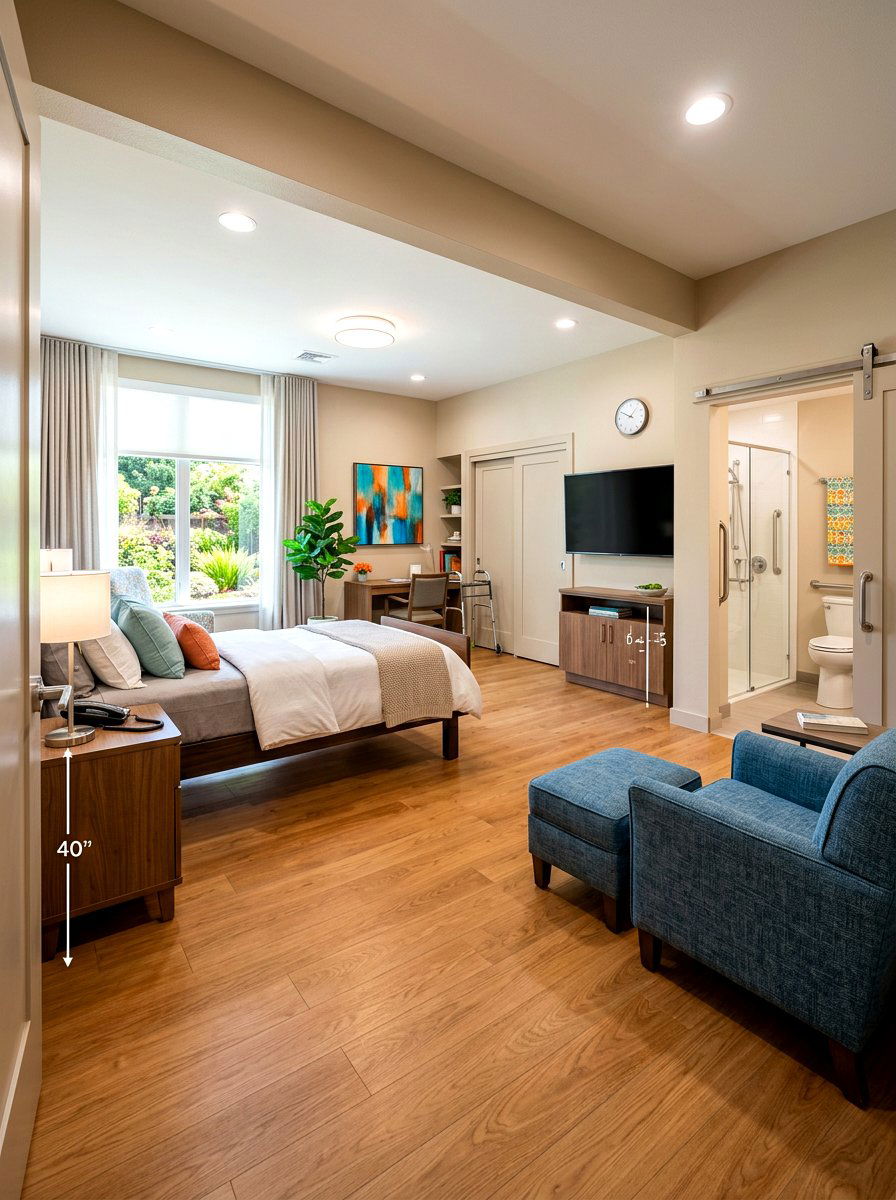
An accessible bedroom is designed specifically for individuals with limited mobility. The room should have a wide doorway to accommodate walkers or wheelchairs comfortably. Choose a bed frame with an open base to allow for lift access if necessary. Flooring should be smooth and hard, such as luxury vinyl or hardwood, to make movement effortless. Install light switches and thermostats at a lower height for easy reaching. The closet should have pull-down rods and open shelving for better visibility. Every element in this room should be chosen for its ease of use. An accessible design promotes independence and reduces frustration during the recovery process. It ensures the space works for you, not against you.
13. Mental Health Space
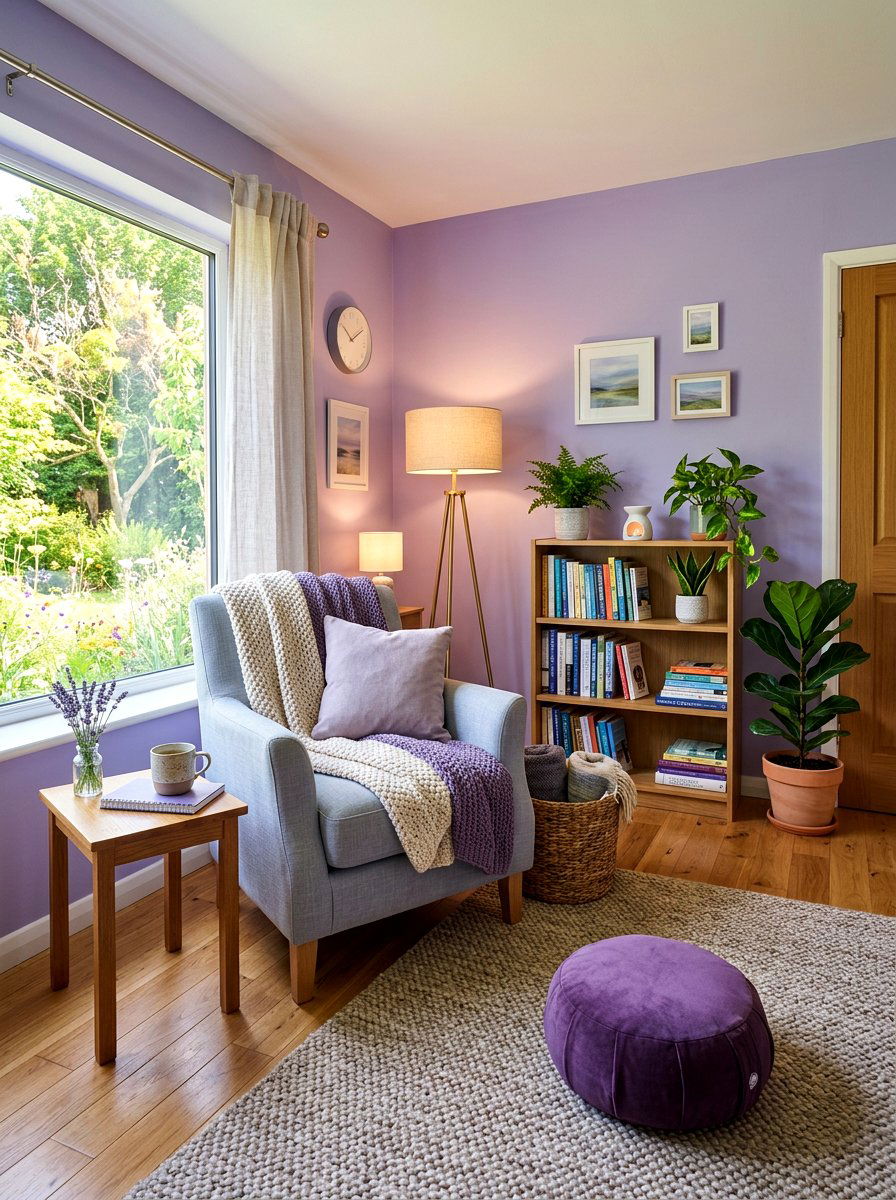
A mental health space is a sanctuary for emotional processing and quiet reflection. Use soft, diffused lighting to create a gentle atmosphere that feels safe and private. Incorporate a comfortable armchair where you can sit and journal about your thoughts. Keep a small library of uplifting books or art supplies within reach. The walls should be a calming color, such as a pale sage or a muted lavender. Avoid clutter, as a messy room can often lead to a messy mind. Personal photos or meaningful art pieces can provide a sense of comfort and connection. This room acts as a retreat where you can prioritize your psychological well-being. Mental rest is just as important as physical rest.
14. Spa Bathroom Recovery
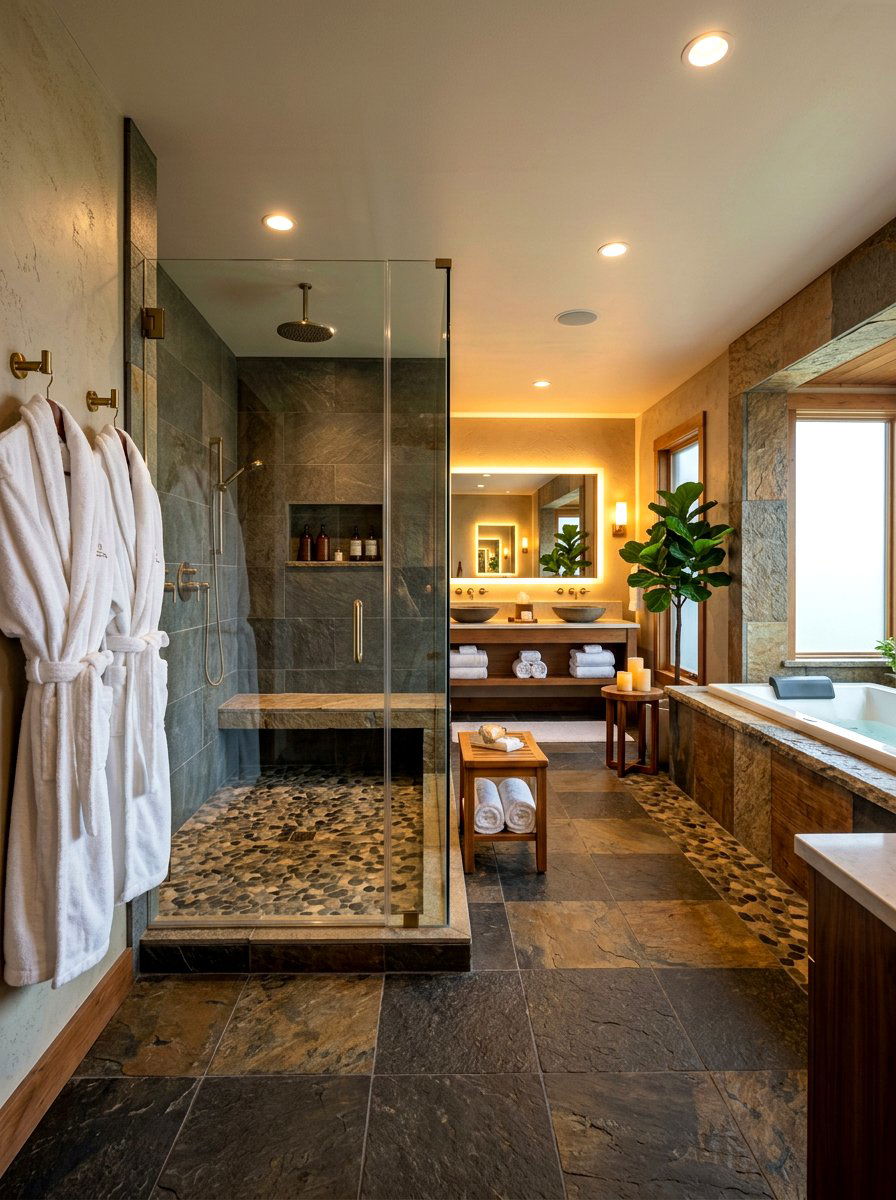
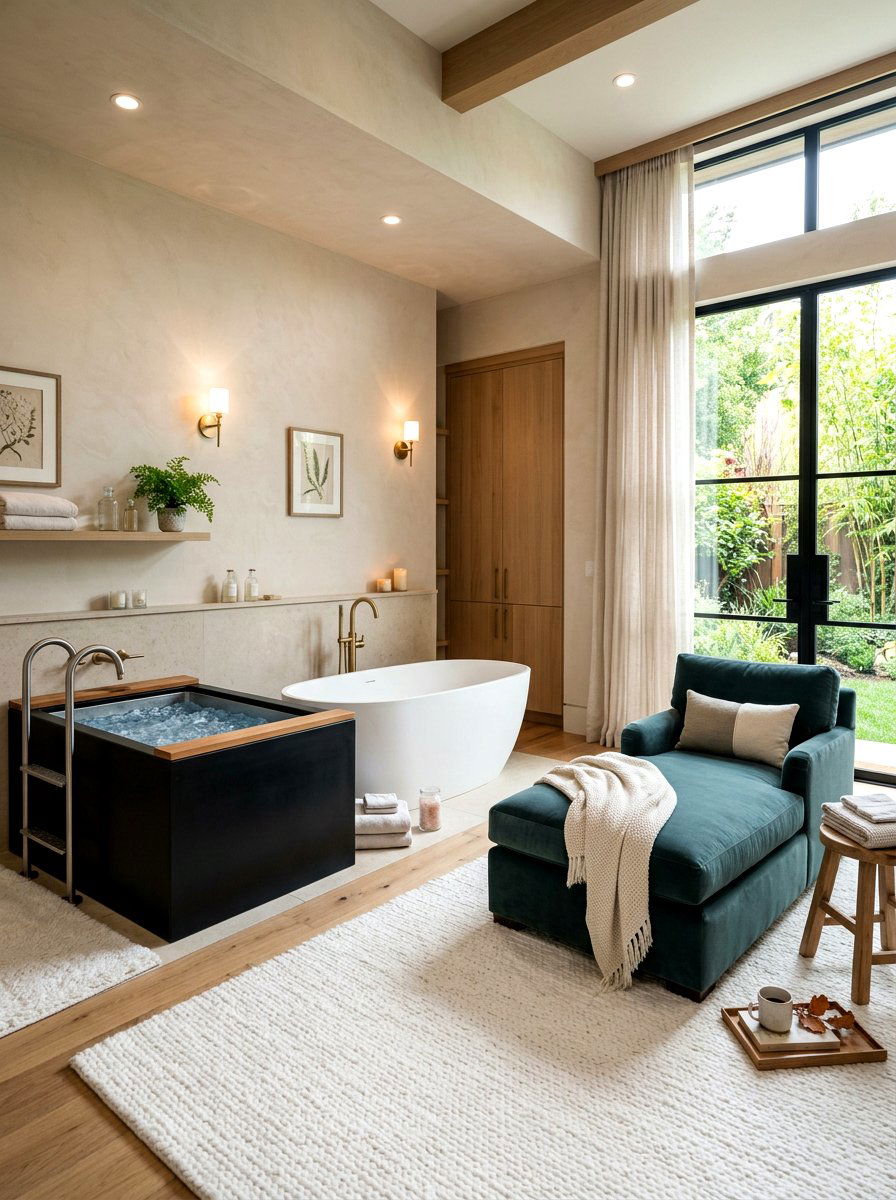
A spa bathroom recovery area turns your daily hygiene routine into a therapeutic experience. Install a walk-in shower with a built-in bench and a handheld showerhead for safety. Use soft, oversized towels and a plush bathrobe to make the experience feel luxurious. Heated floors can provide extra comfort during cold mornings. Incorporate natural stone tiles and wooden accents to create a high-end spa aesthetic. A dimmable lighting system allows you to enjoy a relaxing soak in the tub. Use aromatic bath salts or essential oils to enhance the healing atmosphere. This functional yet beautiful space helps you feel pampered and cared for. It makes the recovery process feel much more positive and restorative.
15. Adjustable Bed Room

An adjustable bed room centers around the most important piece of furniture for recovery. These beds allow you to elevate your head or feet to improve circulation and reduce swelling. This is particularly helpful for those recovering from leg surgeries or respiratory issues. The room should be styled around the bed with matching nightstands and soft bedding. Ensure there is enough space around the bed for medical equipment if needed. Use a neutral color scheme to keep the focus on the functional layout. A wall-mounted television at the correct viewing angle can provide entertainment while you rest. An adjustable bed provides personalized comfort that a standard mattress simply cannot match. It is a worthwhile investment for long-term health.
16. Clutter Free Space
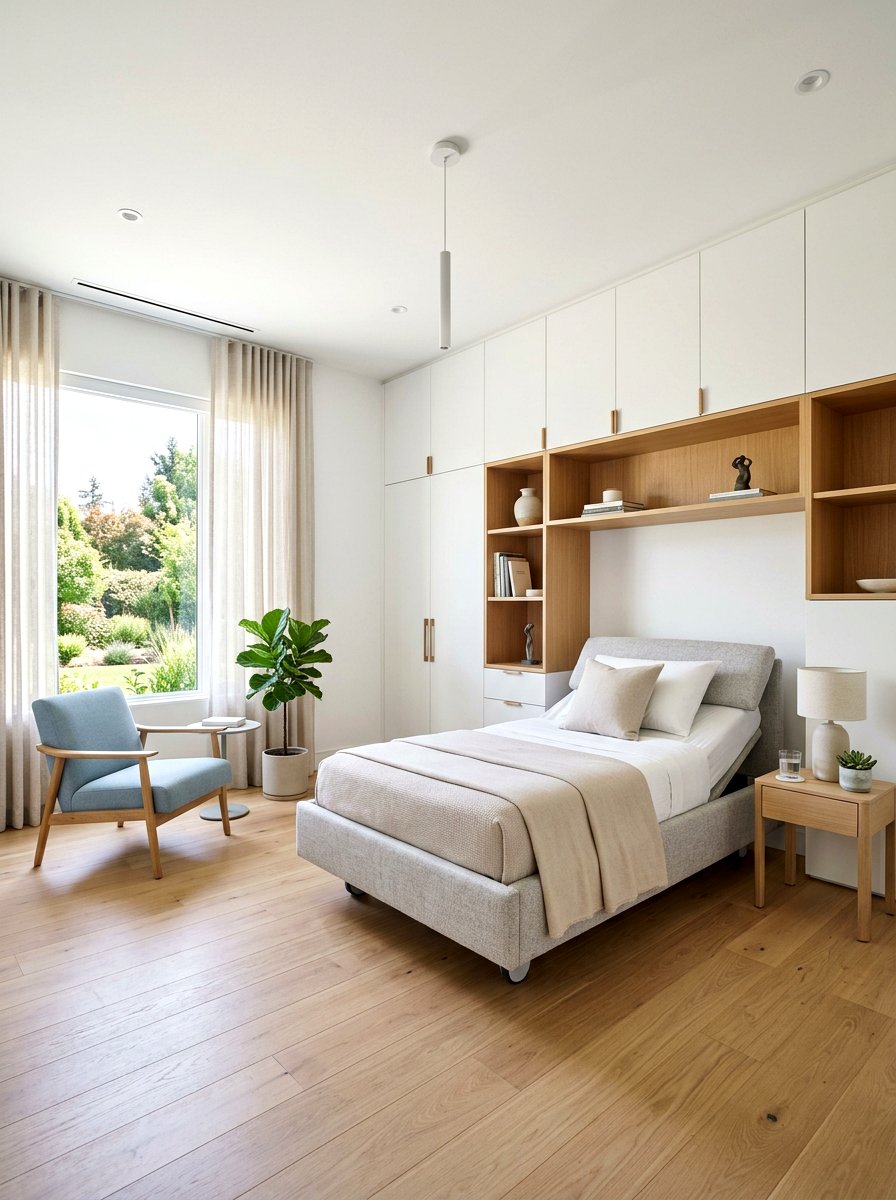
A clutter free space is essential for both physical safety and mental clarity. Use built-in cabinetry or sleek storage bins to hide away medical supplies and daily items. Every object in the room should have a designated home to prevent piles from forming. Use a minimalist desk or side table to keep only the absolute essentials nearby. This open layout makes it much easier to navigate the room with a walker or crutches. A tidy environment reduces the risk of trips and falls significantly. It also helps lower stress levels by providing a clean visual field. This organized approach ensures that your recovery environment remains a peaceful and functional place to heal.
17. Blue Color Palette Room
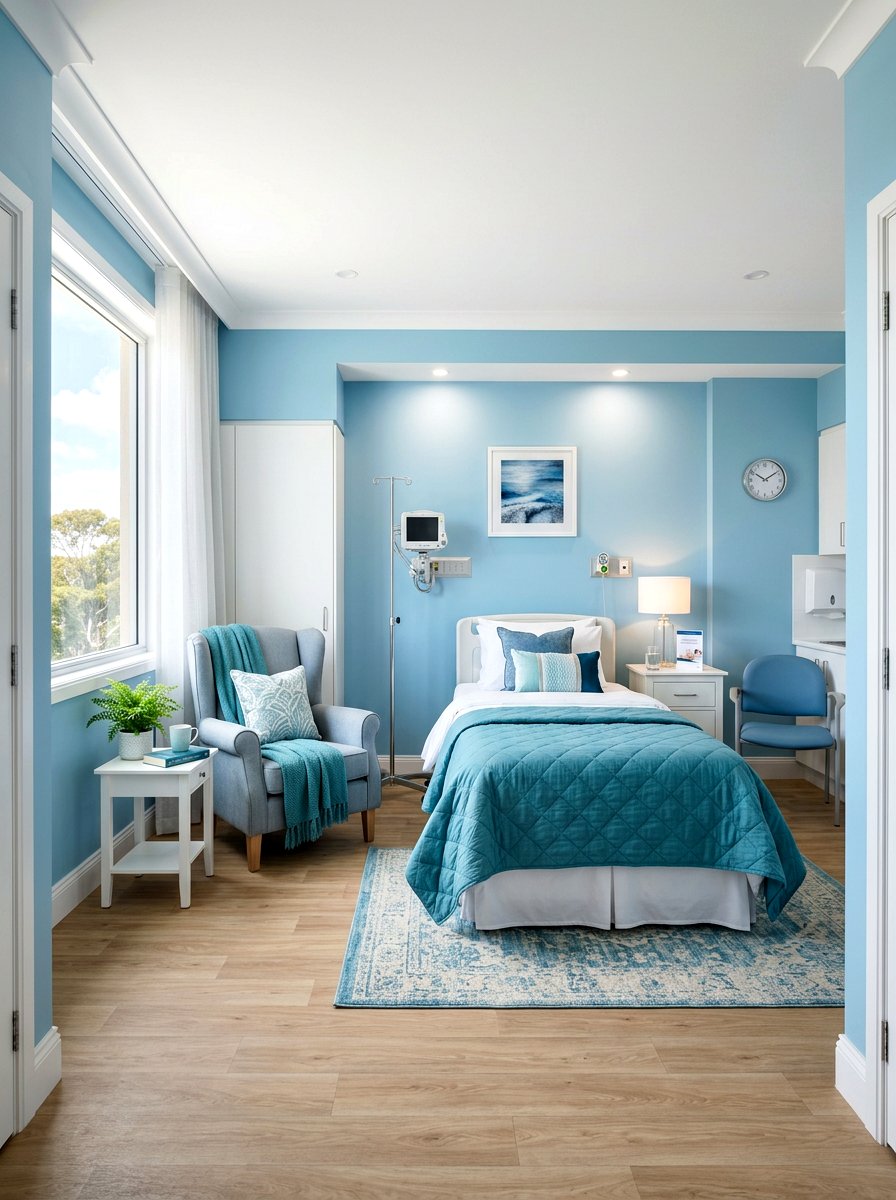
A blue color palette room uses color psychology to create a deeply tranquil environment. Soft shades of sky blue or ocean teal are known to lower heart rates and blood pressure. You can use these colors on the walls, bedding, and decorative accents. Pair the blue tones with crisp white trim for a clean and fresh look. This color scheme is particularly effective for those suffering from insomnia or high anxiety. The coolness of the blue helps the room feel peaceful even on hot summer days. Use different shades of blue to add depth and interest without being overwhelming. This serene atmosphere encourages the body to enter a state of deep relaxation and recovery.
18. Earth Tone Space
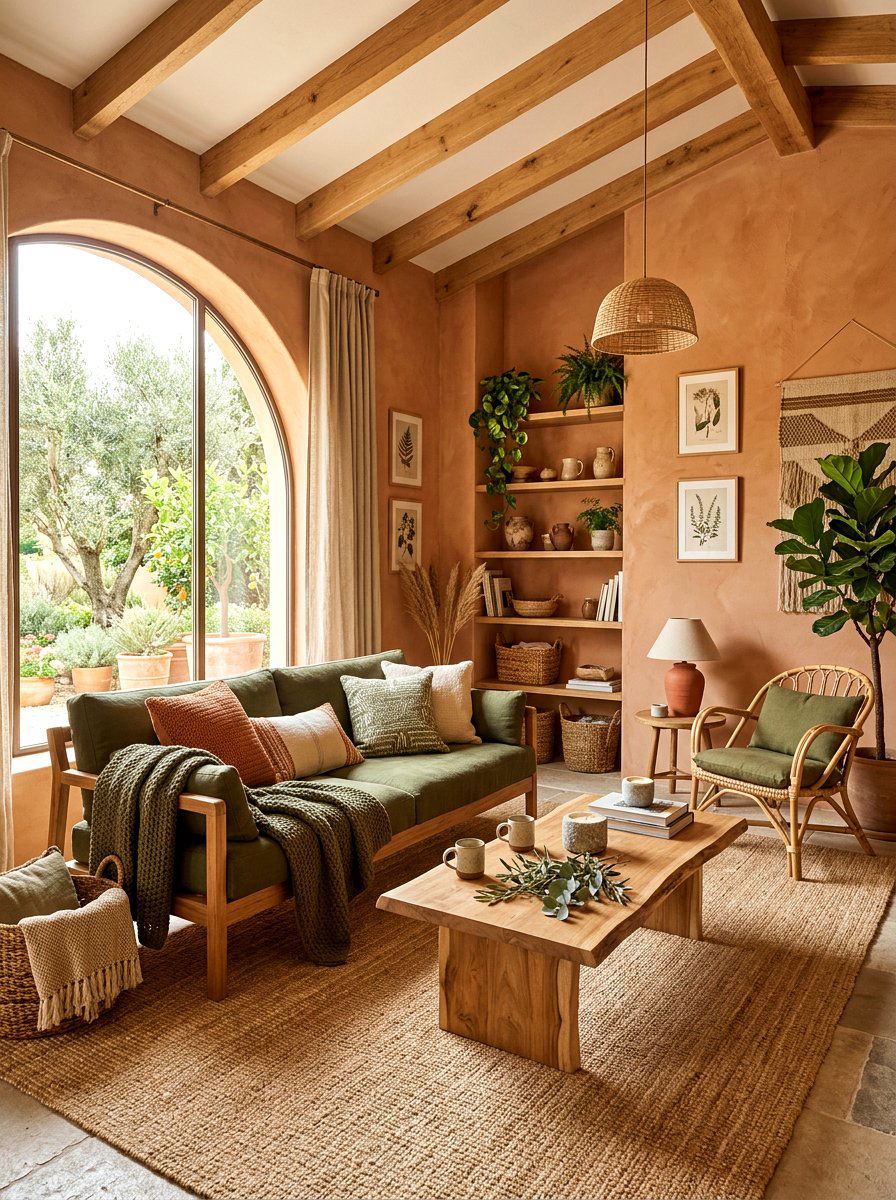
An earth tone space creates a grounded and warm environment that feels very welcoming. Use colors like terracotta, sand, and olive green to bring a sense of stability. These tones work beautifully with natural wood furniture and woven textures. You can incorporate linen curtains and wool rugs to enhance the organic feel of the room. This palette is very forgiving and hides wear and tear better than lighter colors. It creates a cozy, library-like atmosphere that is perfect for long periods of rest. The warmth of the earth tones makes the space feel like a protective hug. This design style is timeless and helps you feel more connected to the natural world.
19. Ergonomic Lounge Room
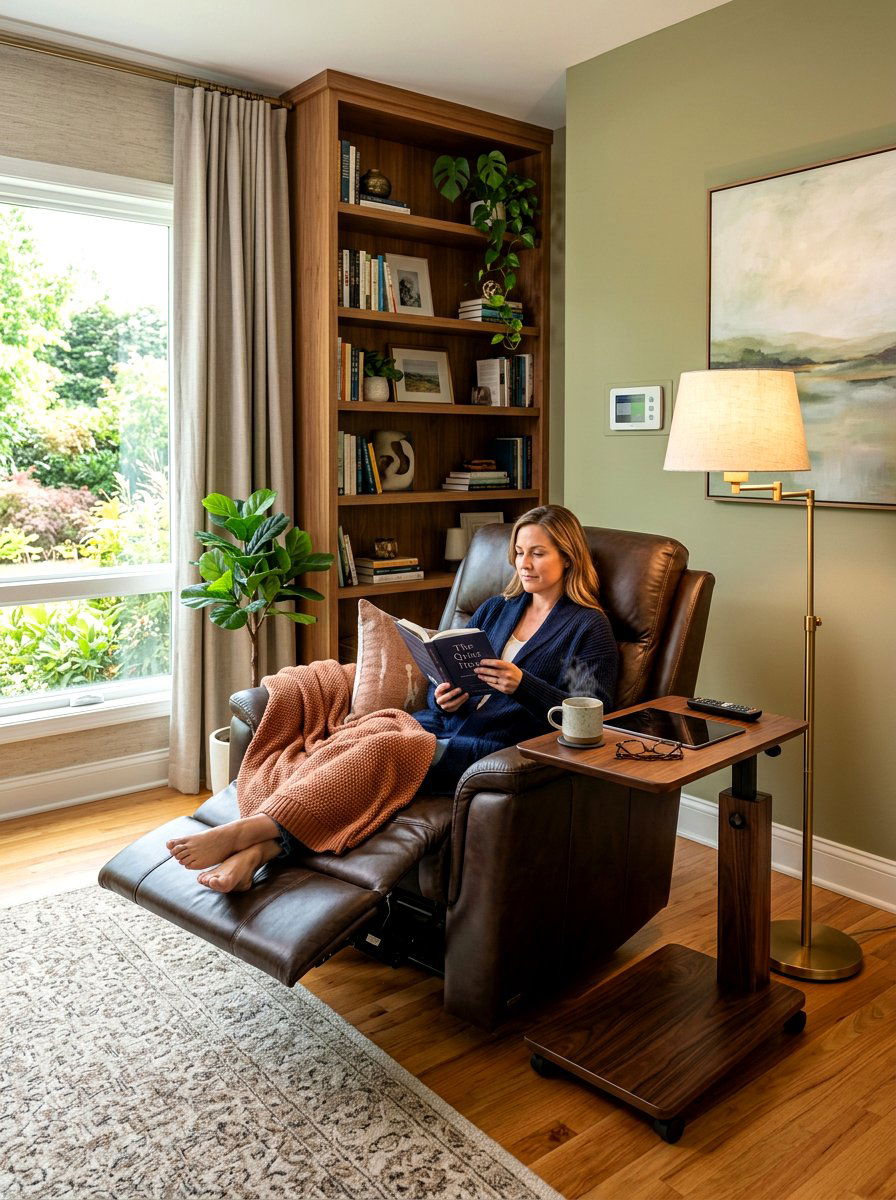
An ergonomic lounge room provides a comfortable alternative to staying in bed all day. The centerpiece should be a high-quality recliner or a lounge chair with excellent lumbar support. Position the chair near a window or a bookshelf to provide a change of scenery. Use a small, height-adjustable side table for your laptop, meals, or books. This allows you to stay productive or entertained without straining your neck or back. Proper lighting for reading is essential in this area. The floor should be clear of any obstacles to allow for easy transitions between sitting and standing. This functional lounge area helps break up the monotony of a long recovery period at home.




20. Soundproof Room
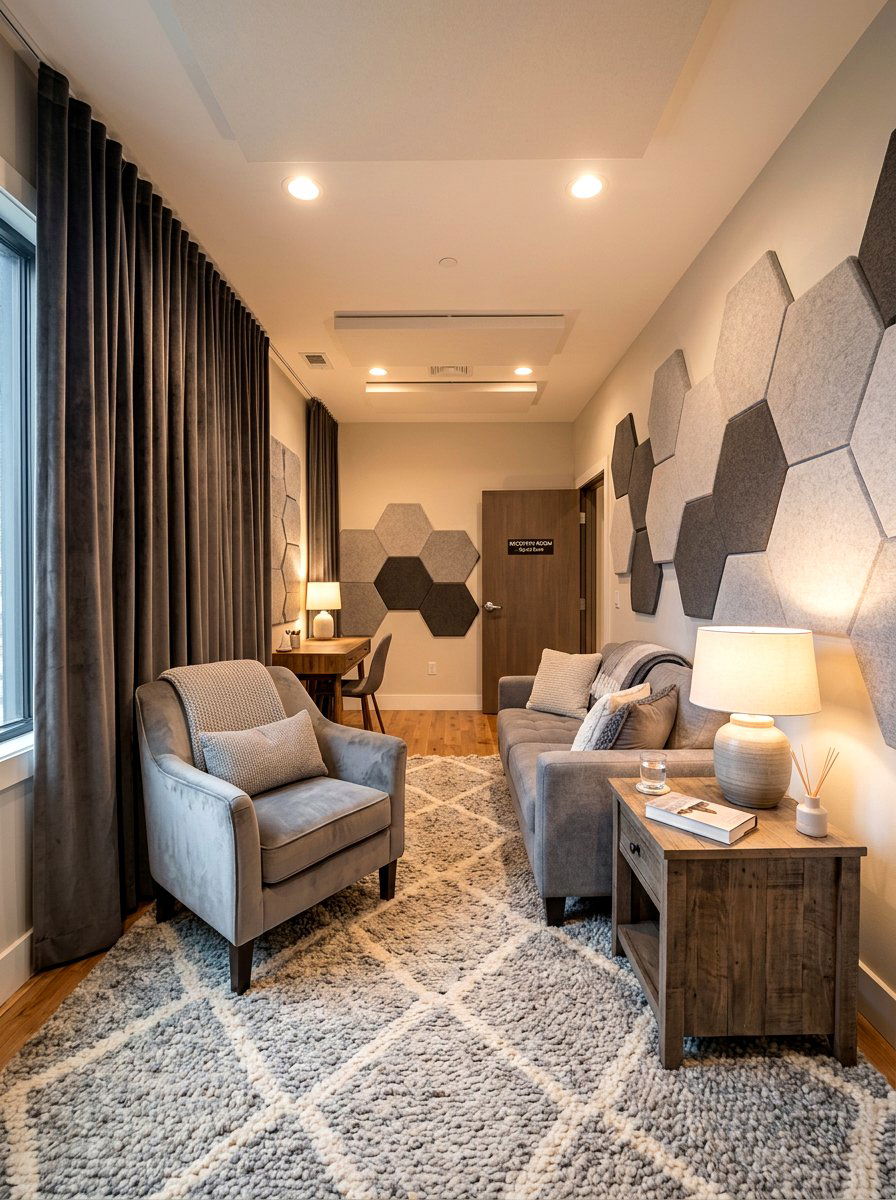
A soundproof room is a necessity for those who are sensitive to noise during their recovery. You can use heavy acoustic curtains to block out street sounds and neighborhood activity. Wall-to-wall carpeting and upholstered furniture also help absorb internal echoes. For a more permanent solution, consider adding specialized insulation or sound-dampening wall panels. This quiet environment is perfect for someone who needs frequent naps throughout the day. It also creates an ideal space for meditation or listening to calming podcasts. High-quality headphones can be a great addition for personal entertainment without disturbing others. A silent room allows your brain to rest deeply without the interruption of sudden loud noises or constant background chatter.
21. Aromatherapy Room
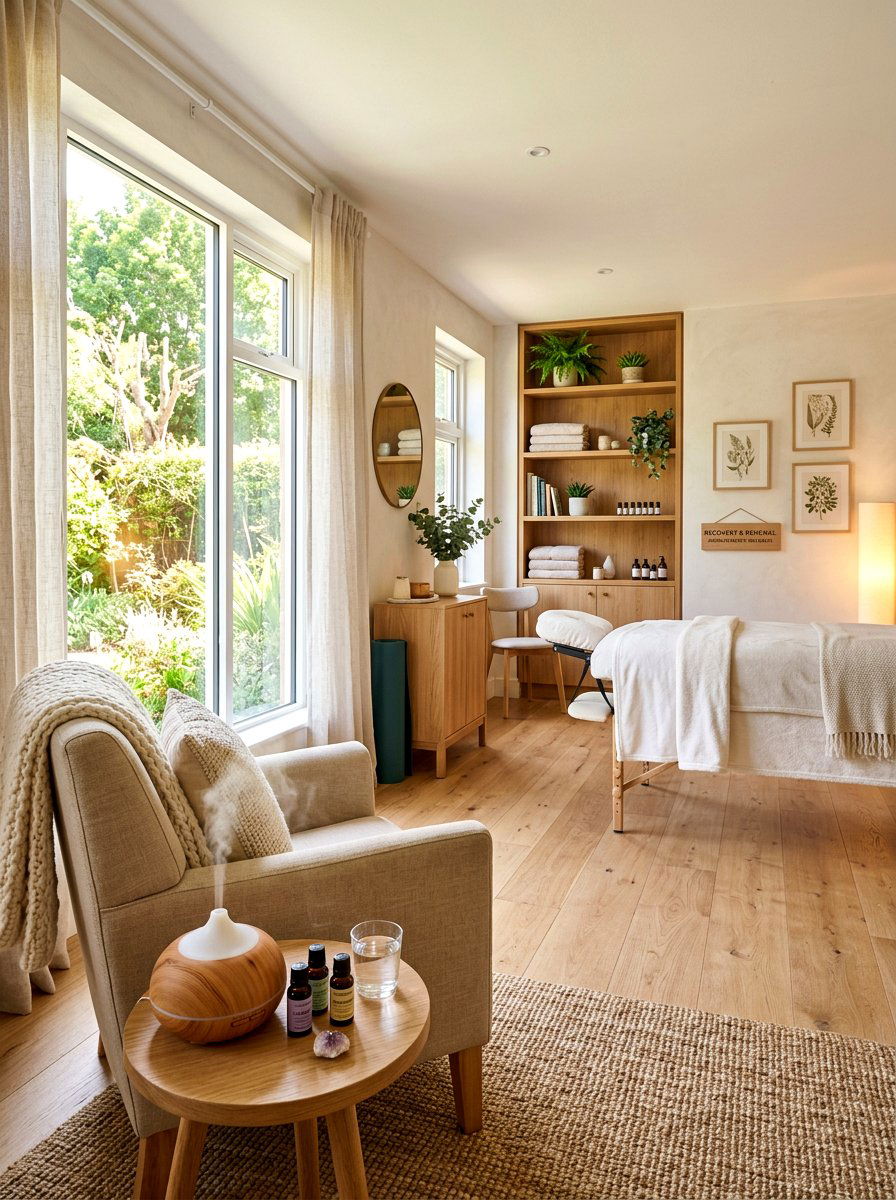
An aromatherapy room uses the power of scent to enhance the healing process. You should include a high-quality essential oil diffuser as a central feature of the space. Use scents like eucalyptus for respiratory health or peppermint for nausea relief. The room should be well-ventilated to prevent the scents from becoming too overpowering. Choose a soft, neutral color palette to let the olfactory experience take center stage. You can also incorporate scented candles or dried herb sachets in the closet. This sensory approach to recovery helps manage symptoms like stress, headaches, and fatigue. It adds a layer of luxury and self-care to your daily routine. A pleasant-smelling room can instantly lift your mood and spirits.
22. Indoor Plant Room
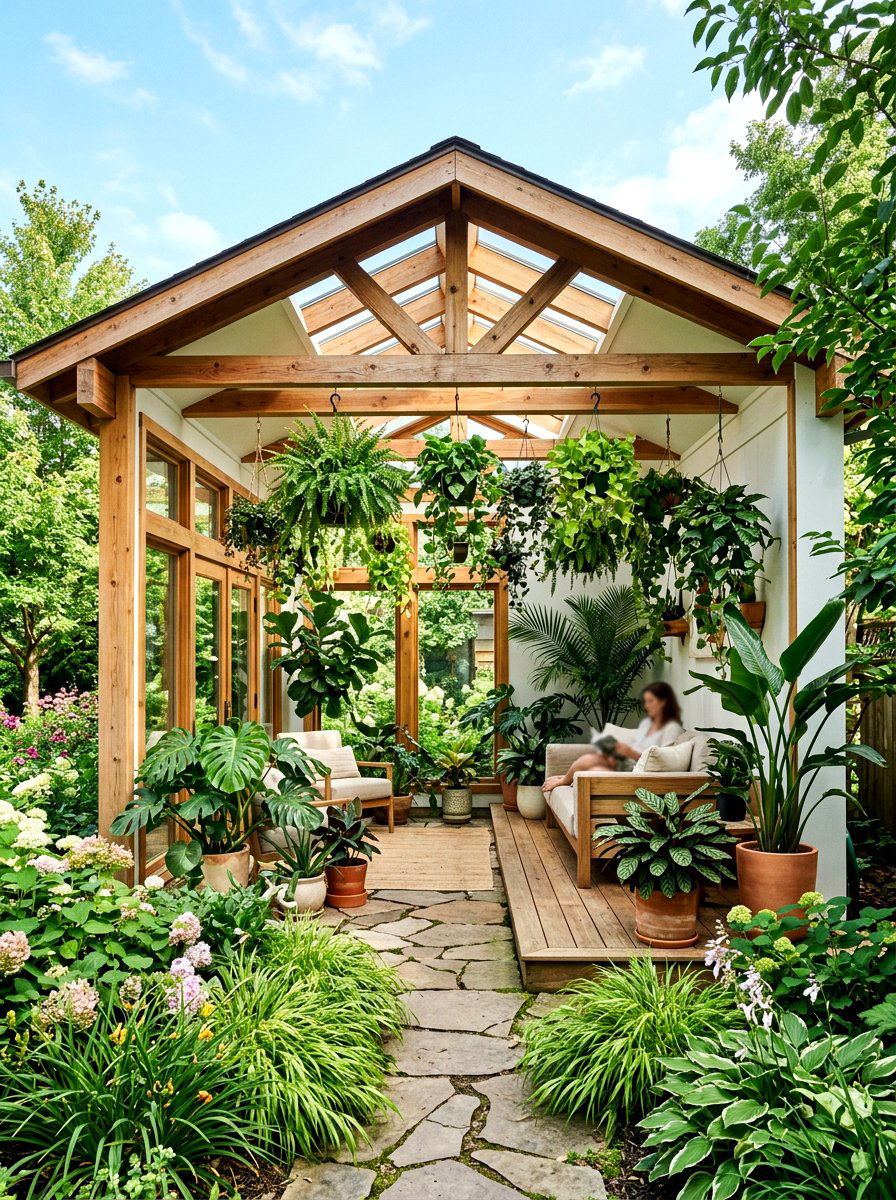
An indoor plant room is a lush, green sanctuary that feels incredibly alive and refreshing. You can use a variety of plants at different heights to create a mini-jungle effect. Hanging planters and tall floor specimens add visual interest to the corners of the room. Ensure the plants are easy to care for so they do not become a source of stress. The green foliage provides a beautiful contrast against white or light-colored walls. Plants also help increase humidity levels, which can be beneficial for those with dry skin or respiratory issues. This vibrant space reminds you of growth and vitality every time you look around. It is a wonderful way to bring life into a quiet recovery room.
23. Modern Home Infirmary
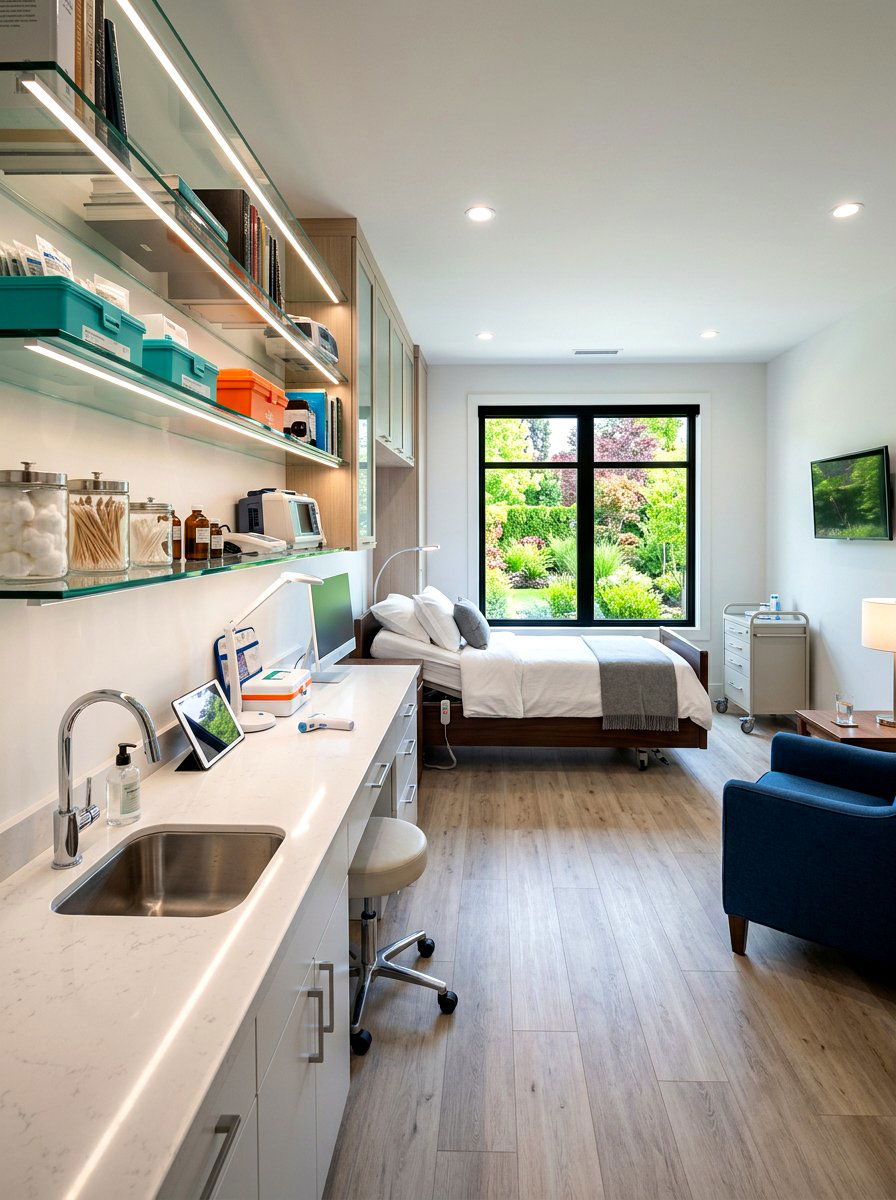
A modern home infirmary combines medical functionality with high-end interior design. You should use sleek, easy-to-clean surfaces like quartz countertops or glass shelving. The room should feature a small sink for handwashing and hygiene tasks. Keep medical equipment like oxygen concentrators or monitors tucked away in stylish cabinets when not in use. Use bright, daylight-balanced LED lighting for medical checks and examinations. The floor should be a durable, non-porous material that can be easily sanitized. This professional setup ensures that you have everything needed for complex medical care at home. It provides peace of mind for both the patient and their caregivers. A well-equipped room makes managing a serious illness much more organized and less stressful.
24. Scandinavian Hygge Recovery
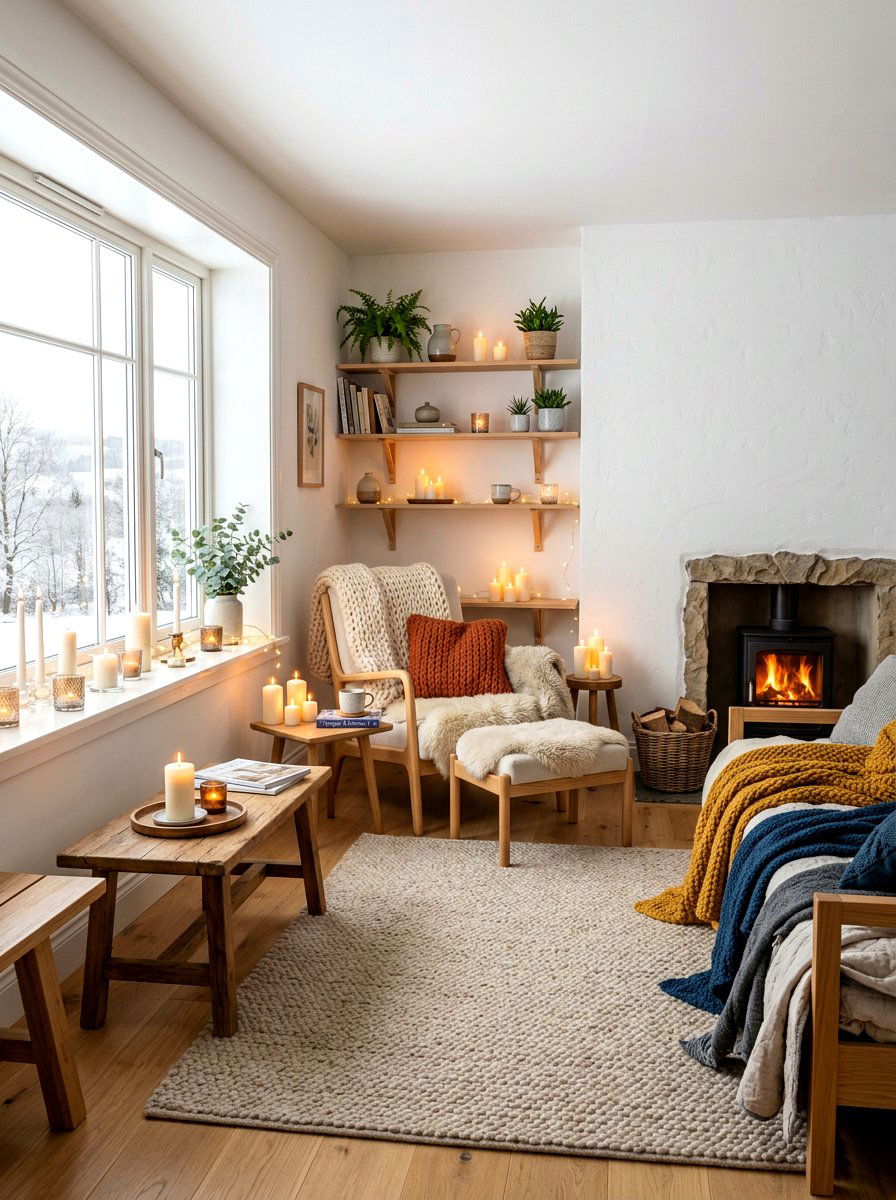
A Scandinavian hygge recovery room focuses on the concept of extreme coziness and contentment. Use a mix of light woods, white walls, and plenty of soft textiles. Candlelight or warm, dimmable lamps create a soft glow in the evenings. You should include a "nook" filled with pillows and blankets for ultimate relaxation. The design should be simple, functional, and deeply comfortable. This style encourages you to find joy in small moments, like sipping tea or watching the rain. The clutter-free yet warm atmosphere is perfect for long-term healing. It makes the recovery period feel like a cozy retreat rather than a period of forced rest. Hygge design is all about creating a space that feels good for the soul.
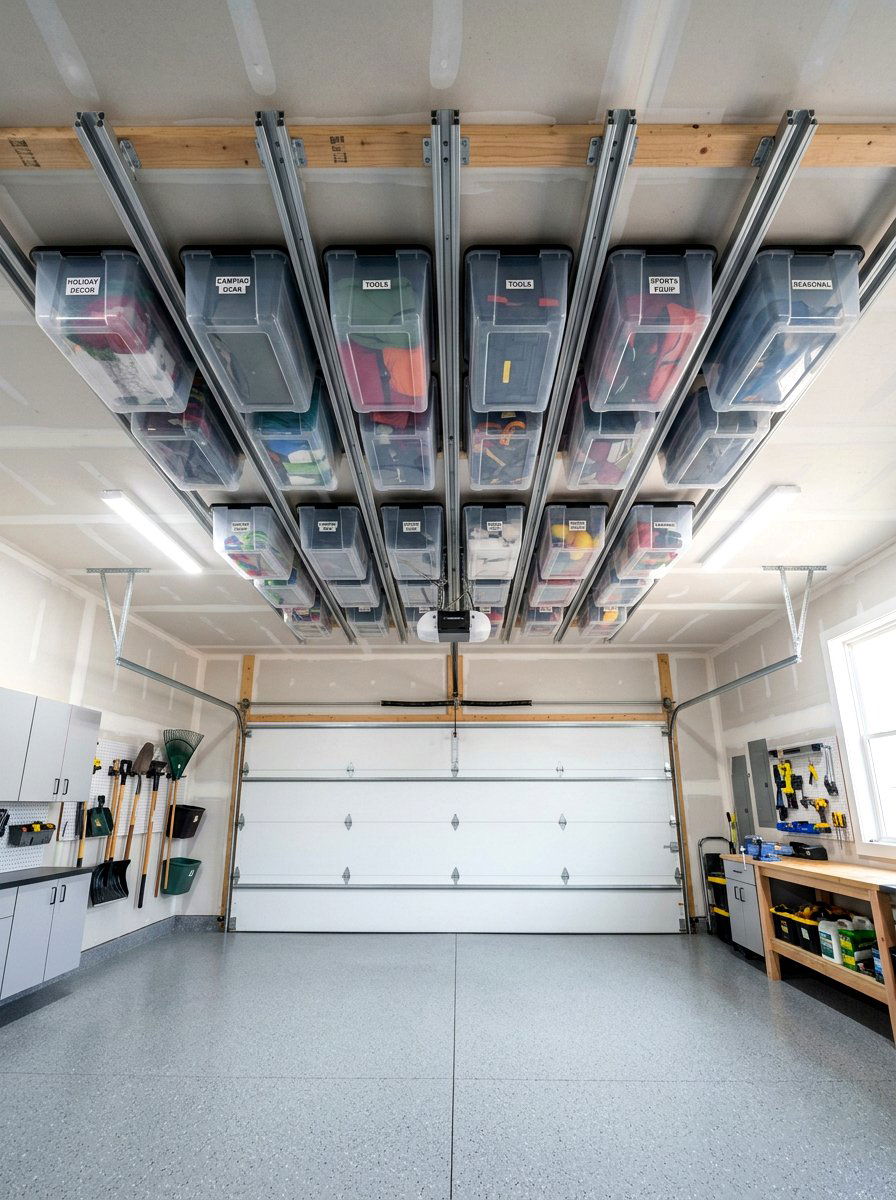




25. Blackout Sleep Room
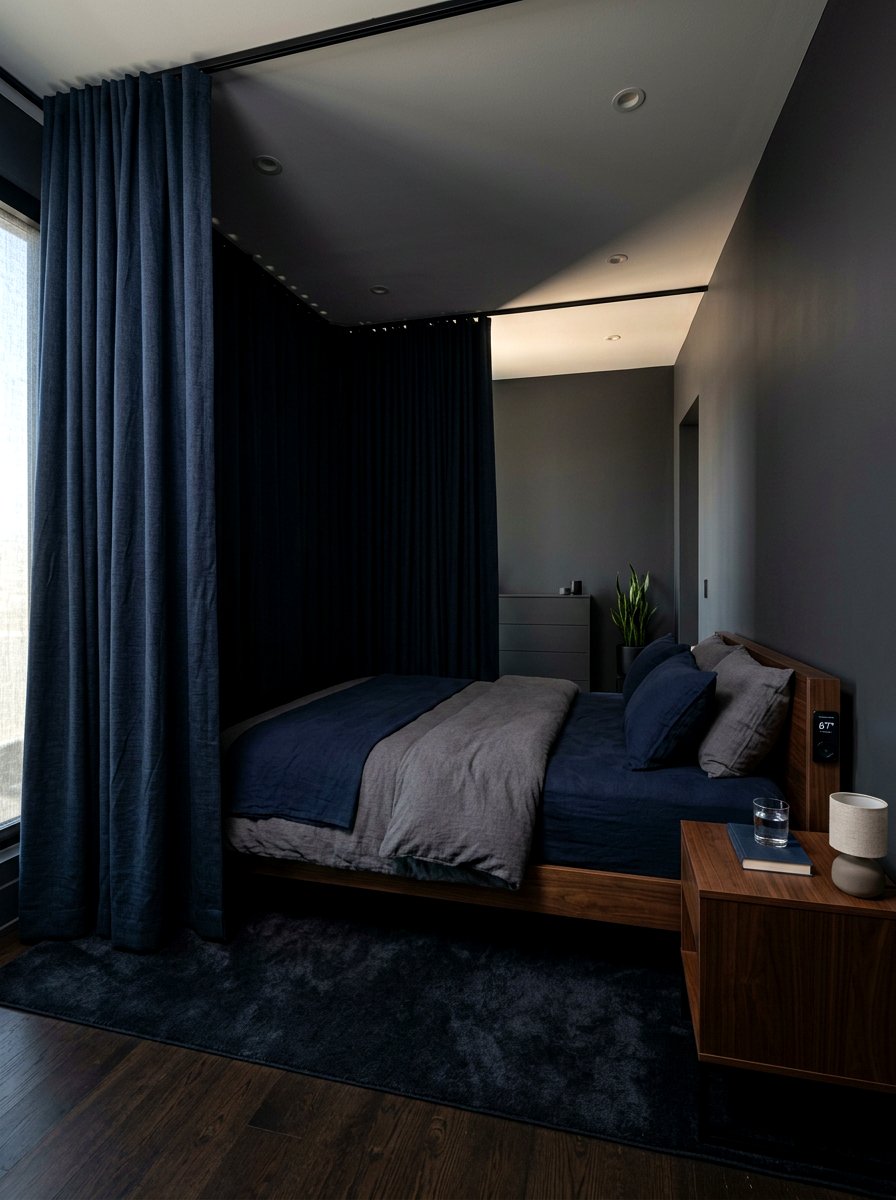
A blackout sleep room is designed to provide the perfect conditions for deep, uninterrupted rest. Install high-quality blackout shades or heavy velvet curtains that seal against the window frame. This is crucial for people who need to sleep during the day or those with light sensitivity. The room should be kept at a cool, consistent temperature for optimal sleep quality. Use a white noise machine to mask any sudden sounds from the rest of the house. The decor should be very simple and dark to signal to your brain that it is time to sleep. This dedicated sleep environment helps your body repair itself much faster. Quality sleep is the single most important factor in a successful recovery.
26. Medical Supply Storage Room
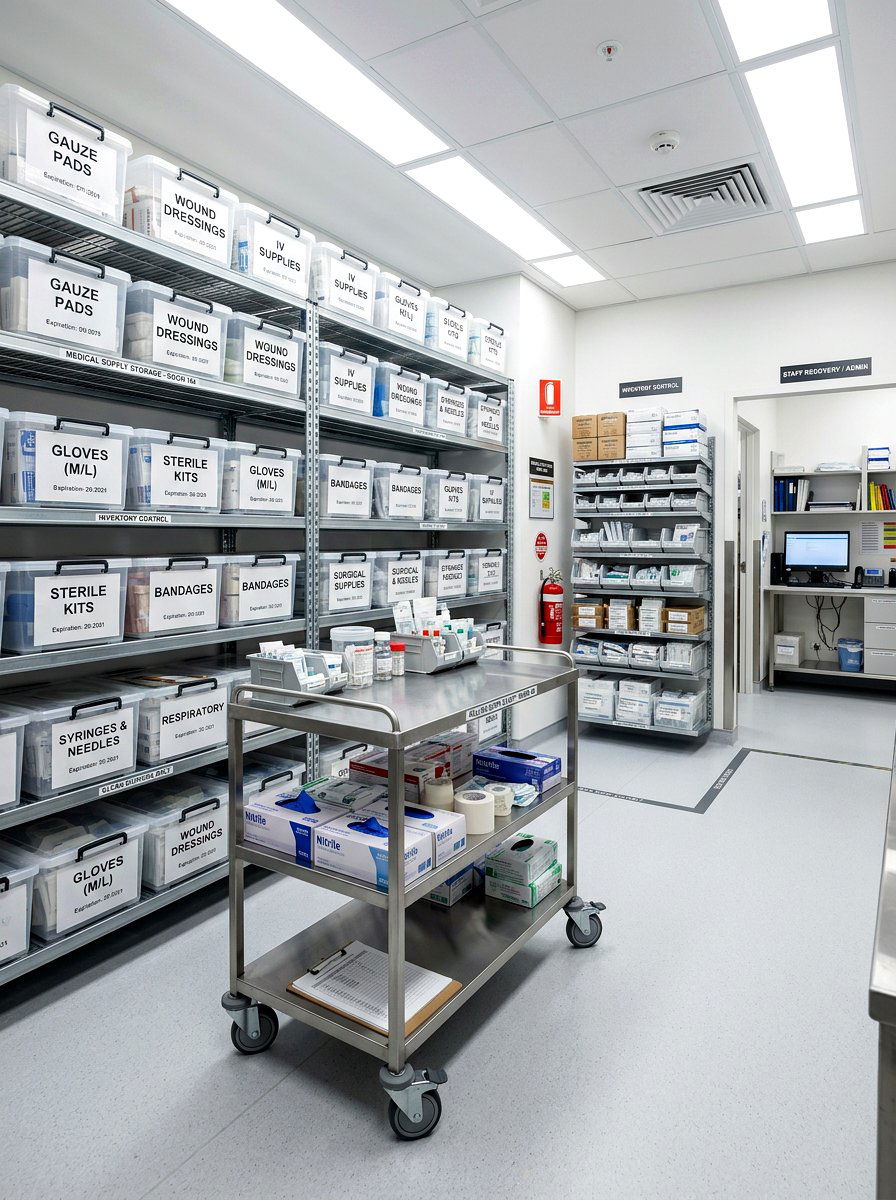
A medical supply storage room ensures that everything you need is organized and ready. Use a rolling cart with multiple tiers to keep daily medications, bandages, and monitors by your side. Clear plastic bins with labels help you find specific items quickly without searching through drawers. The closet should be outfitted with adjustable shelving to hold larger items like walkers or portable toilets. Keeping supplies organized reduces the anxiety of searching for things during an emergency. It also makes it much easier for family members or nurses to help you. A well-stocked and tidy room allows you to focus on your health instead of logistics. Organization is a key component of a stress-free home recovery experience.
27. Entertainment Recovery Suite
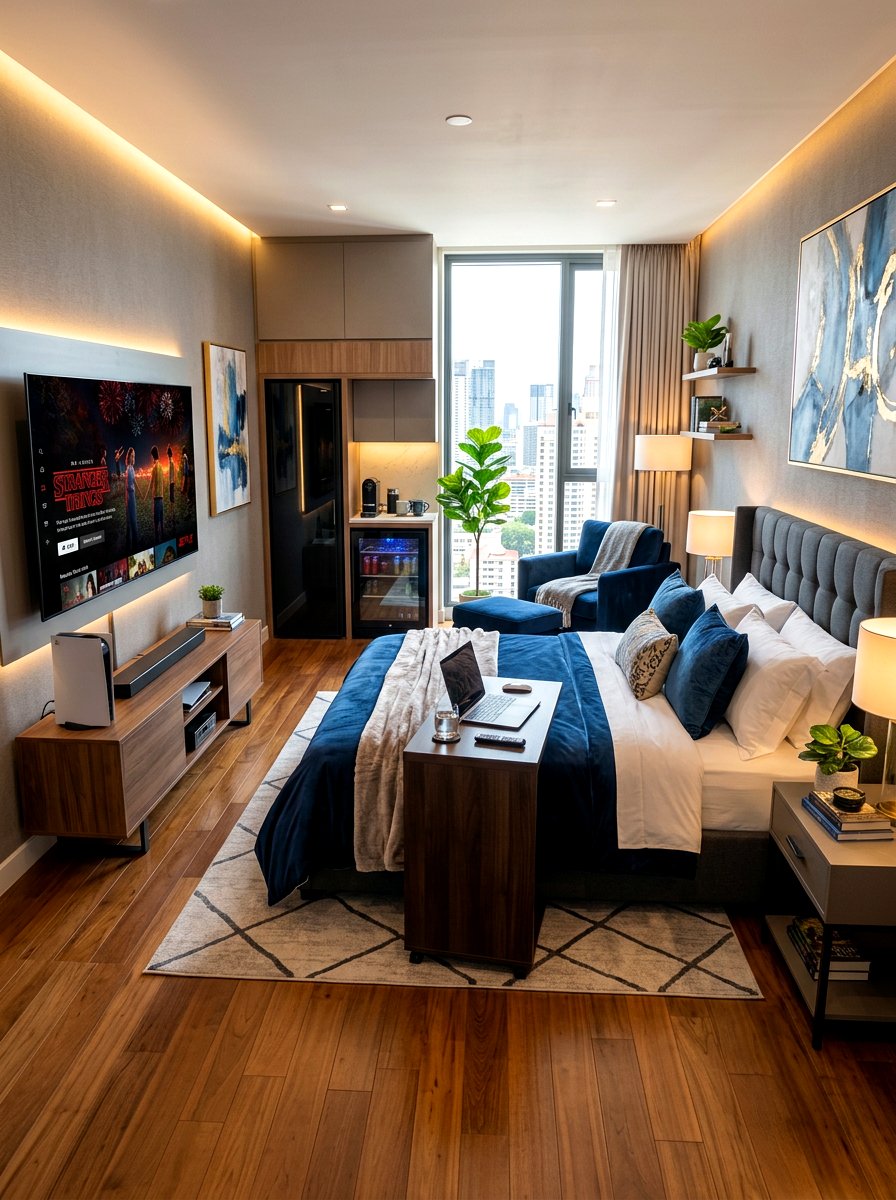
An entertainment recovery suite is perfect for those who will be confined to a room for several weeks. You should install a large, high-definition television and a quality sound system. Ensure you have a comfortable setup for gaming or watching movies from the bed or a chair. A small mini-fridge can hold cold drinks and snacks to minimize trips to the kitchen. Use wireless headphones to enjoy your shows without bothering other people in the house. A sturdy over-bed table provides a perfect surface for puzzles, books, or a laptop. This setup helps prevent boredom and keeps your mind occupied during the long hours of healing. Staying entertained is a great way to keep your spirits high.
28. Floor Seating Space
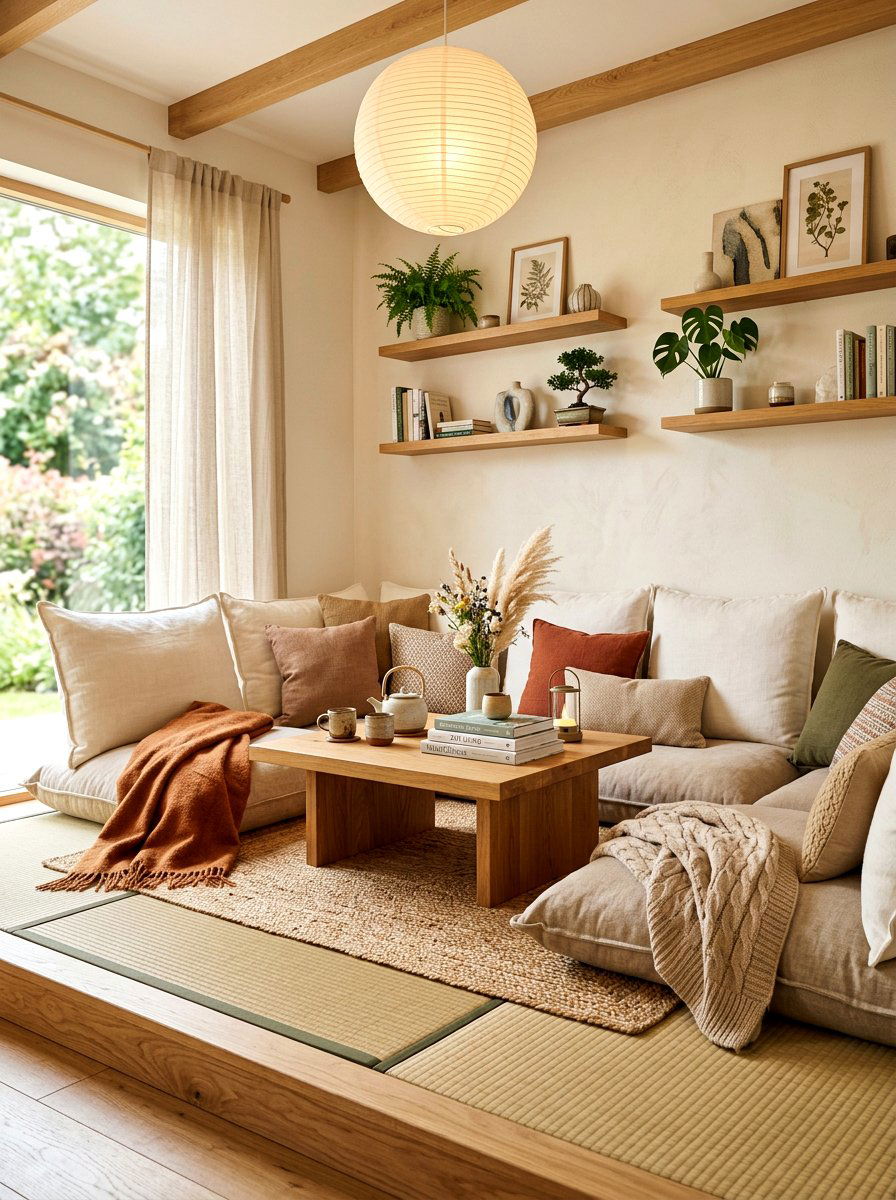
A floor seating space offers a different perspective and a place for gentle movement. Use thick tatami mats or large, firm floor cushions to create a comfortable seating area. This is ideal for those who are working on floor-based physical therapy or yoga. The room should have plenty of open floor space and minimal furniture. Use soft, indirect lighting to keep the atmosphere low-key and grounded. This design encourages you to stay mobile and flexible as you recover. It is also a great place for children or pets to sit with you without crowding the bed. A floor-based layout feels very stable and helps you reconnect with your body through movement.
29. Open Layout Room
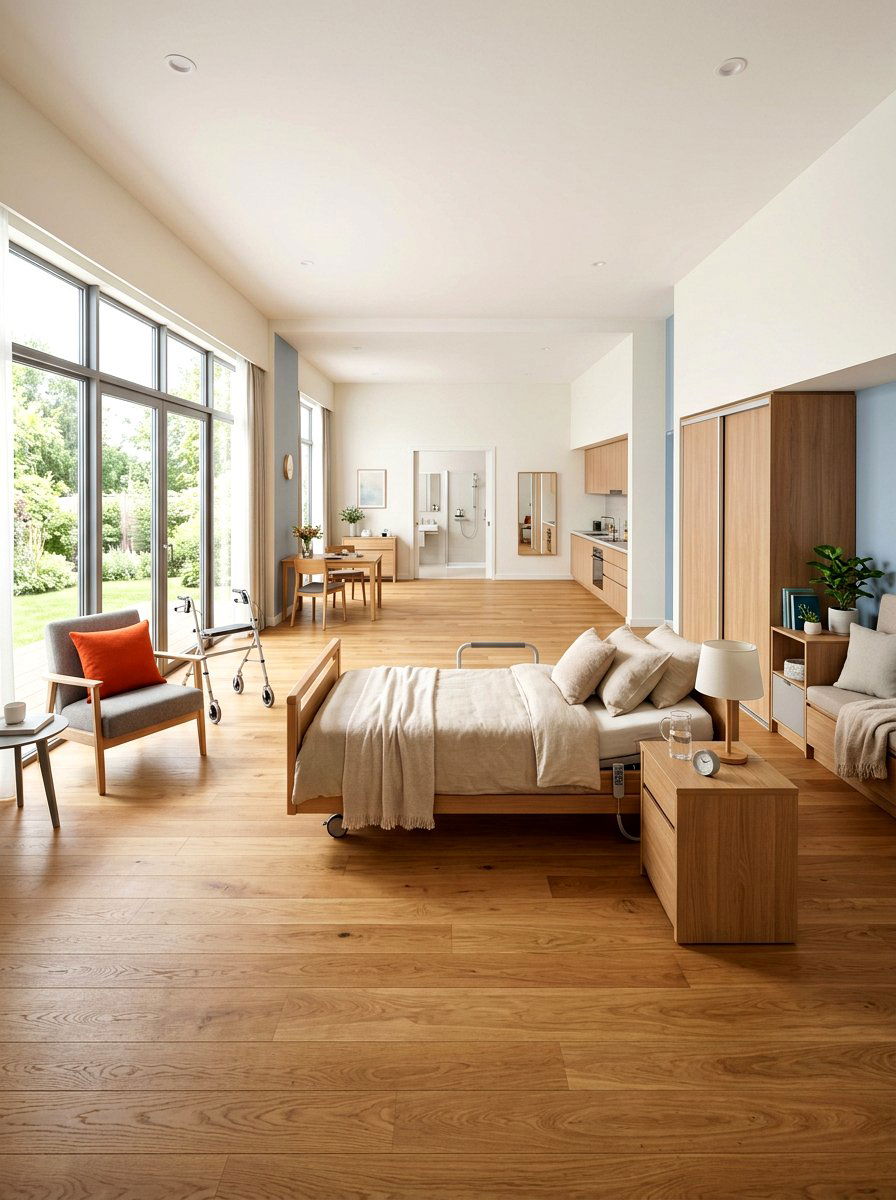
An open layout room prioritizes ease of movement and a sense of spaciousness. You should remove any unnecessary furniture or decor that blocks the path of travel. Use a consistent flooring material throughout to eliminate tripping hazards at doorways. The bed should be positioned so that it can be accessed from both sides easily. Large mirrors can be used to make a smaller room feel much larger and brighter. This airy design prevents you from feeling "boxed in" during a long recovery period. It also makes it much easier for caregivers to move around and provide assistance. An open and clear space promotes a sense of freedom and calm. It is a very practical choice for any home recovery.
30. Zen Recovery Room
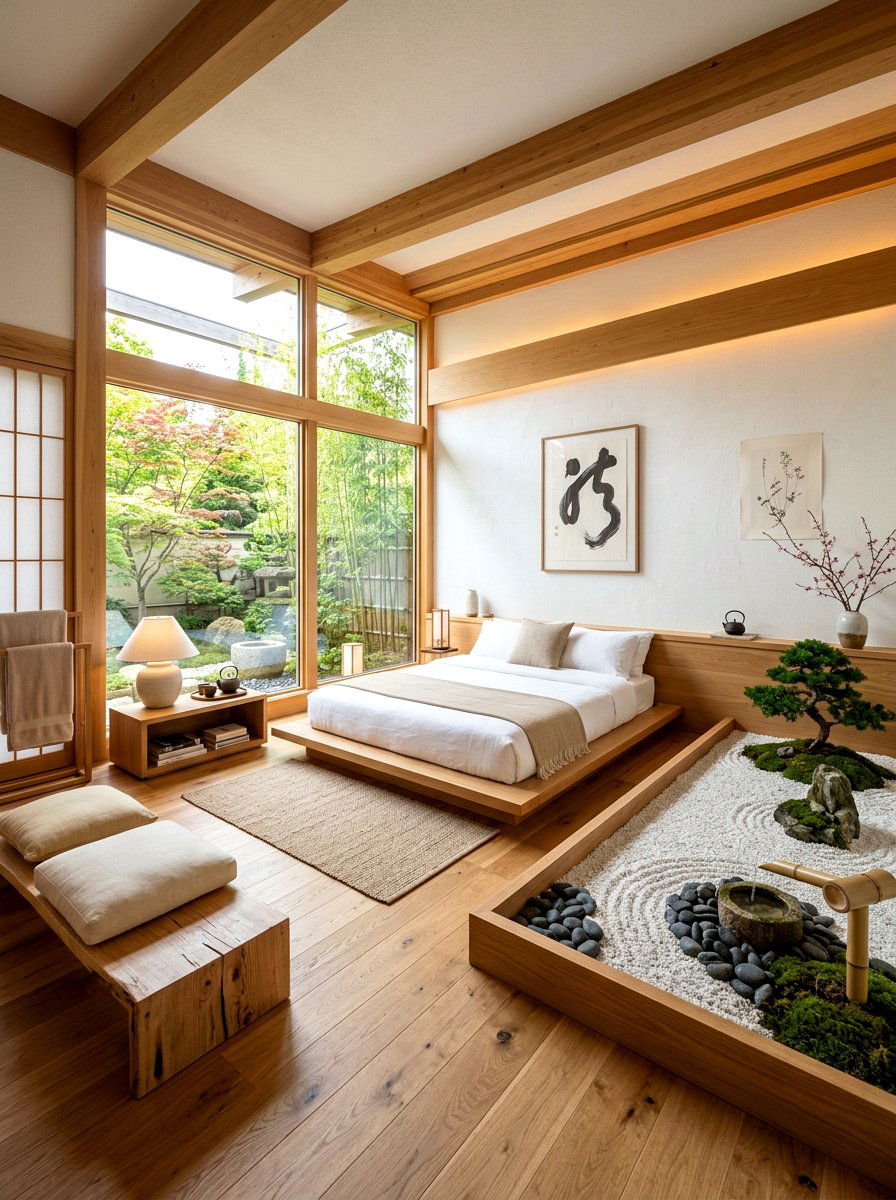
A zen recovery room focuses on balance, harmony, and a deep connection to the self. Use a very limited color palette of whites, grays, and natural wood tones. Incorporate elements like a small rock garden or a piece of minimalist Japanese art. The furniture should be low to the ground and have clean, simple lines. Natural light and fresh air are essential for this style, so keep the windows clear. This environment is designed to be a sanctuary for the mind as much as the body. It encourages stillness and quiet contemplation during the healing process. A zen space helps you find inner peace even when your body is going through a difficult time. It is the ultimate environment for a holistic recovery.
Conclusion:
Building the perfect recovery room is an act of self-care that significantly impacts your healing journey. By focusing on specific needs like accessibility, light, and comfort, you create a space that supports your body and mind. Every detail, from the color of the walls to the placement of medical supplies, matters immensely. You should aim for a balance between functionality and a beautiful aesthetic to make the time spent resting more enjoyable. Whether you choose a high-tech suite or a simple zen retreat, the goal remains the same: deep restoration. A thoughtful environment empowers you to recover with dignity, peace, and more comfort than ever.

Related posts: