thoughtful_thought 30 basement office nook ideas. Expert, high-quality, viral Pinterest content writer (home design/interior design focus).
- Research: Perform a Google Web Search first. * Intro: Exactly minimum 101 words (max 125 words). No heading. * Sections: Exactly 30 sections (as requested by "30 basement office nook ideas"). * Section content: Exactly minimum 101 words per paragraph (max 125 words). * Section headings: Use H2 (##) only. Style must be like Google search queries (plain, natural, singular keyword-focused, no "ideas" or "designs" in heading). Use Heading Case. * Conclusion: Exactly minimum 101 words (max 125 words). Heading: ## Conclusion. * Image Prompts: 30 prompts, each minimum 50 words. * Tone: Helpful, natural, plain, informative. Vary opening sentences. * Language: US English. * Total sections: 30. * Word limits are strict (Min 101, Max 125). *Note: The prompt says "minimum 101 words" and later "Max words limit on any section. . . is 125 words only". This is a very tight window (101-125 words per section). *
- Search query: "basement office nook ideas" , "small basement office layout" , "under stairs basement office" , "basement corner office". * Trends: Under-stairs offices, closet conversions, floating desks in corners, industrial basements, bright white basements, built-in cabinetry, moody basements, partition walls. Working from a basement often provides the quiet and separation needed for high-level focus during a busy workday. By transforming a small corner or unused alcove into a dedicated office nook, you can maximize your home's square footage without needing a full-scale renovation. These small but mighty spaces often benefit from clever lighting solutions, vertical storage, and ergonomic furniture that fits the unique proportions of a lower-level room. Whether you are aiming for a minimalist modern look or a cozy traditional library feel, the right design elements will make your underground workspace feel bright, airy, and professional. Let’s explore thirty creative ways to build your perfect basement office nook today.
1. Under Stairs Workspace
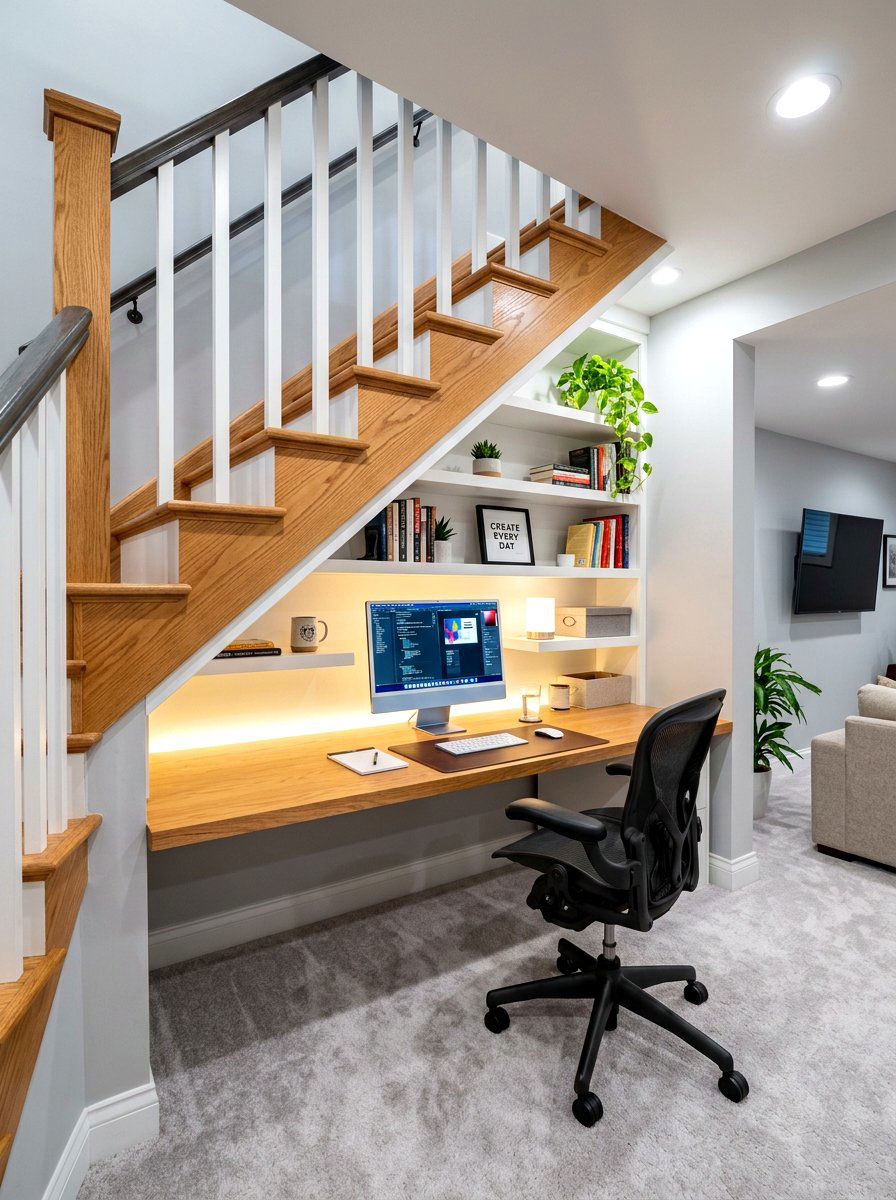
Building a functional office directly beneath a basement staircase is one of the most efficient ways to utilize otherwise dead space. This design strategy typically involves a custom-built triangular desk that follows the angle of the stairs, providing a snug but productive work area. You can add floating shelves along the sloped ceiling to hold books and supplies without taking up valuable floor space. Using a light paint color within this small alcove helps prevent it from feeling too enclosed or dark. Strategic task lighting, such as recessed puck lights or a slim desk lamp, ensures your workspace remains bright and inviting throughout the long working hours of the day.
2. Closet Office Conversion
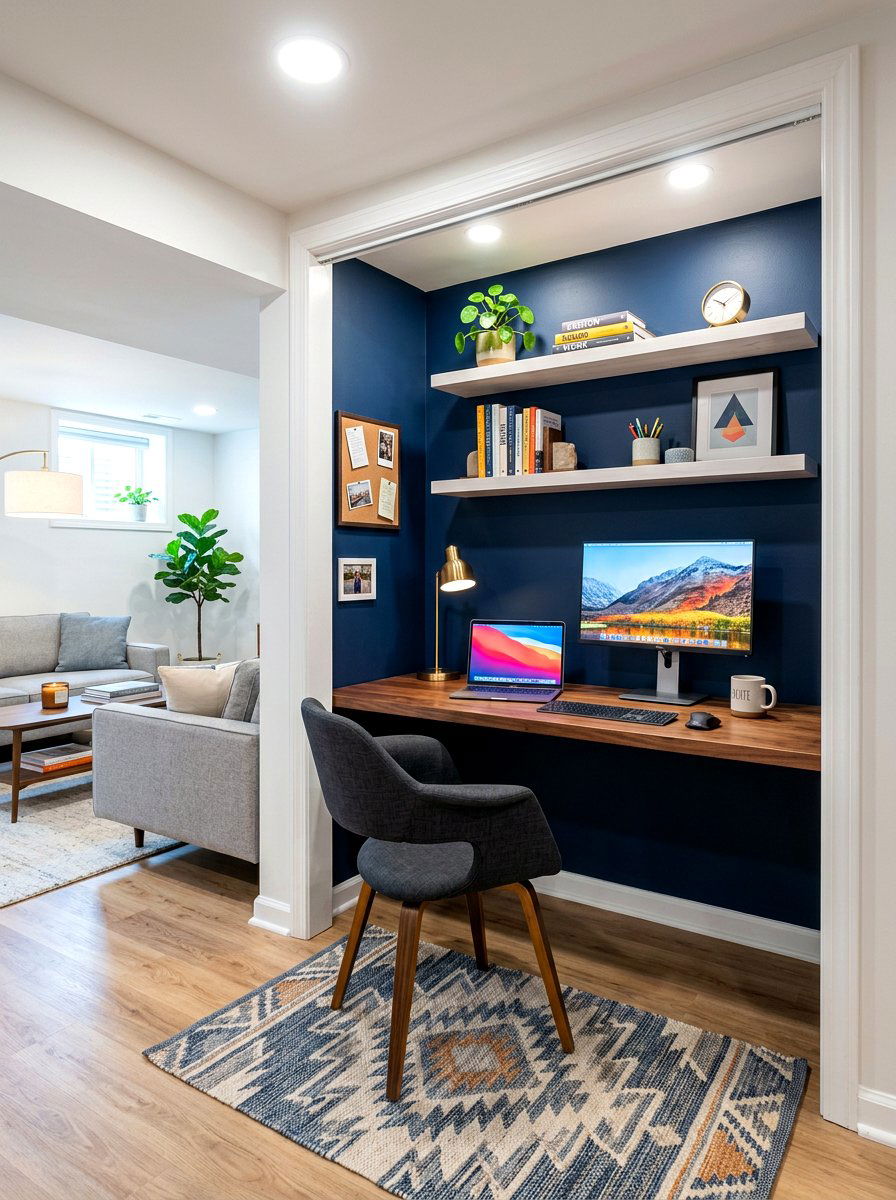
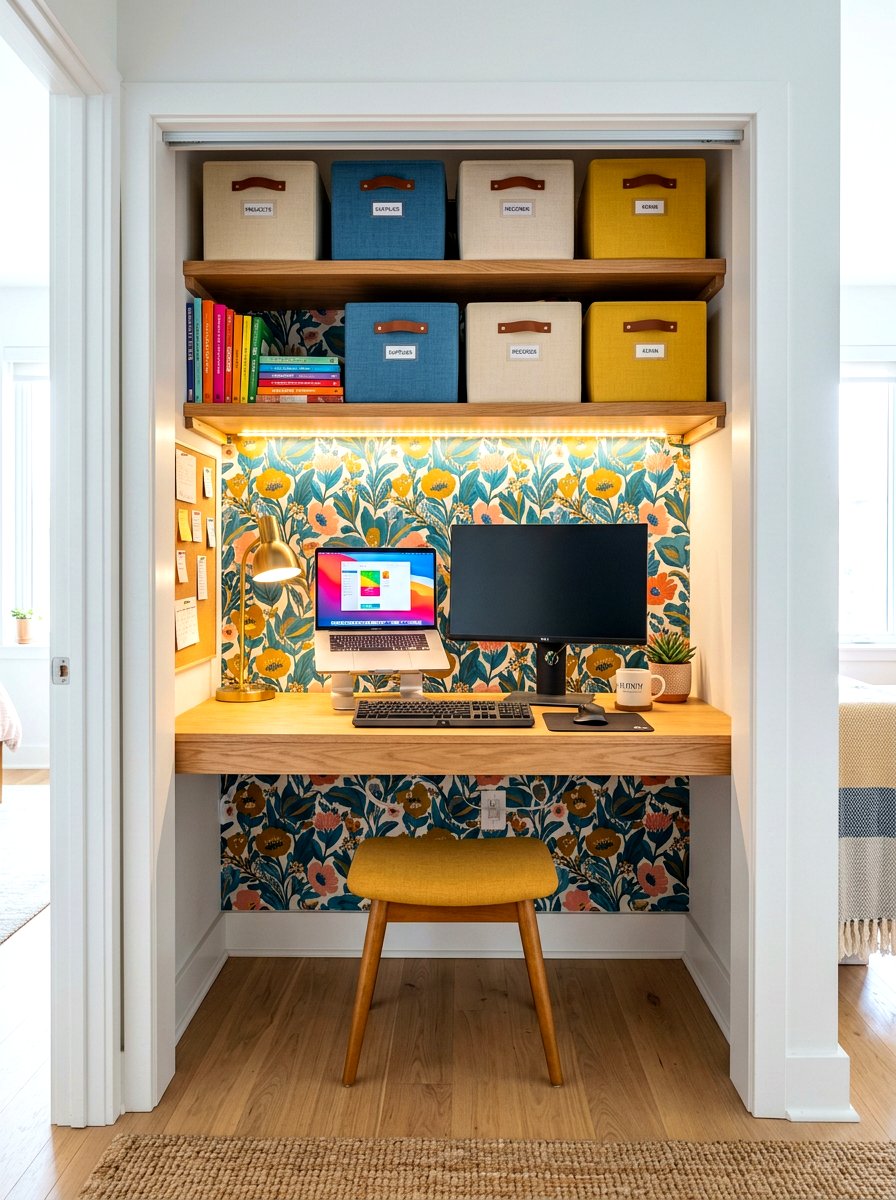
Converting a basement closet into a hidden workspace, often called a cloffice, allows you to maintain a clutter-free living area. By removing the closet doors or replacing them with stylish sliding barn doors, you can fit a full-width desk and several overhead shelves inside the recess. This setup is perfect for those who want to physically close the door on their work at the end of the day. Painting the interior of the closet a bold or contrasting color can create a beautiful visual depth that makes the nook feel like a separate room. Ensure you have adequate power outlets and cord management to keep the small space organized and functional.
3. Basement Corner Desk
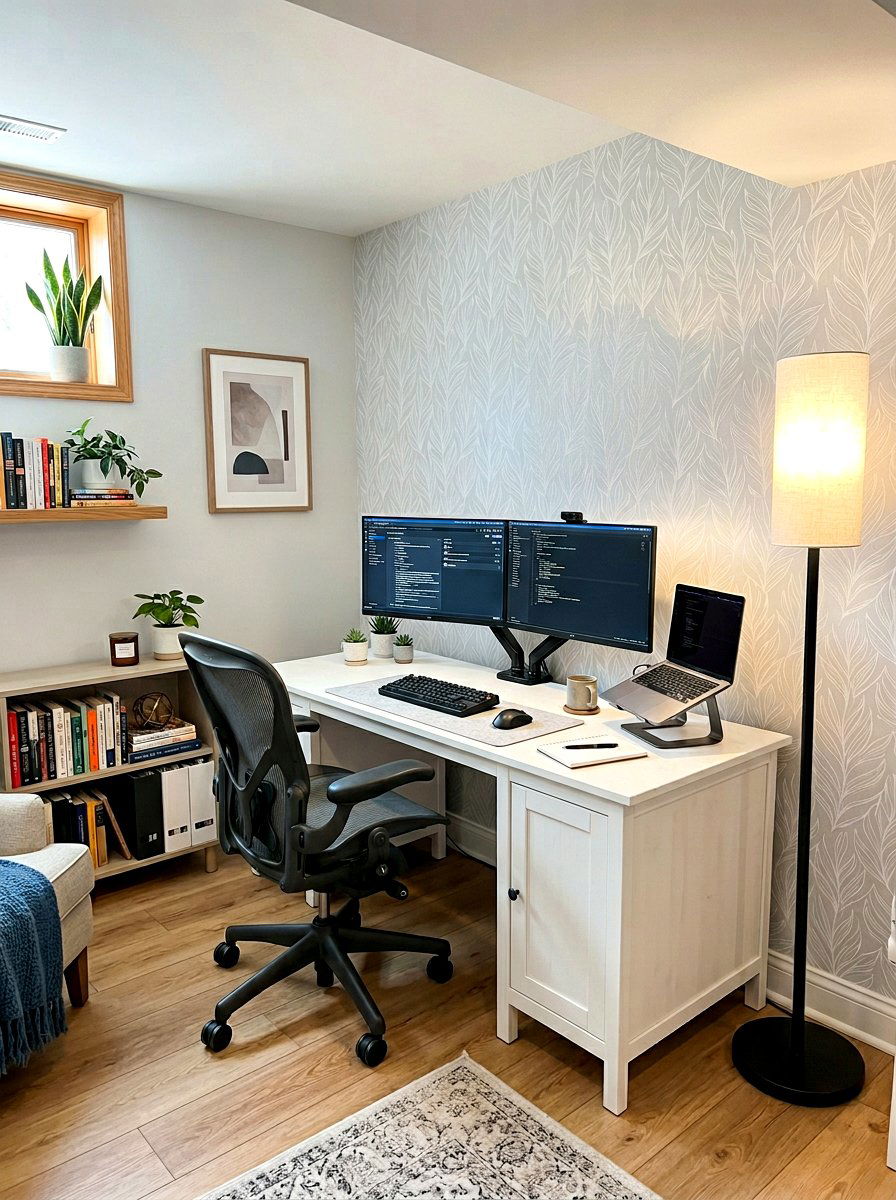
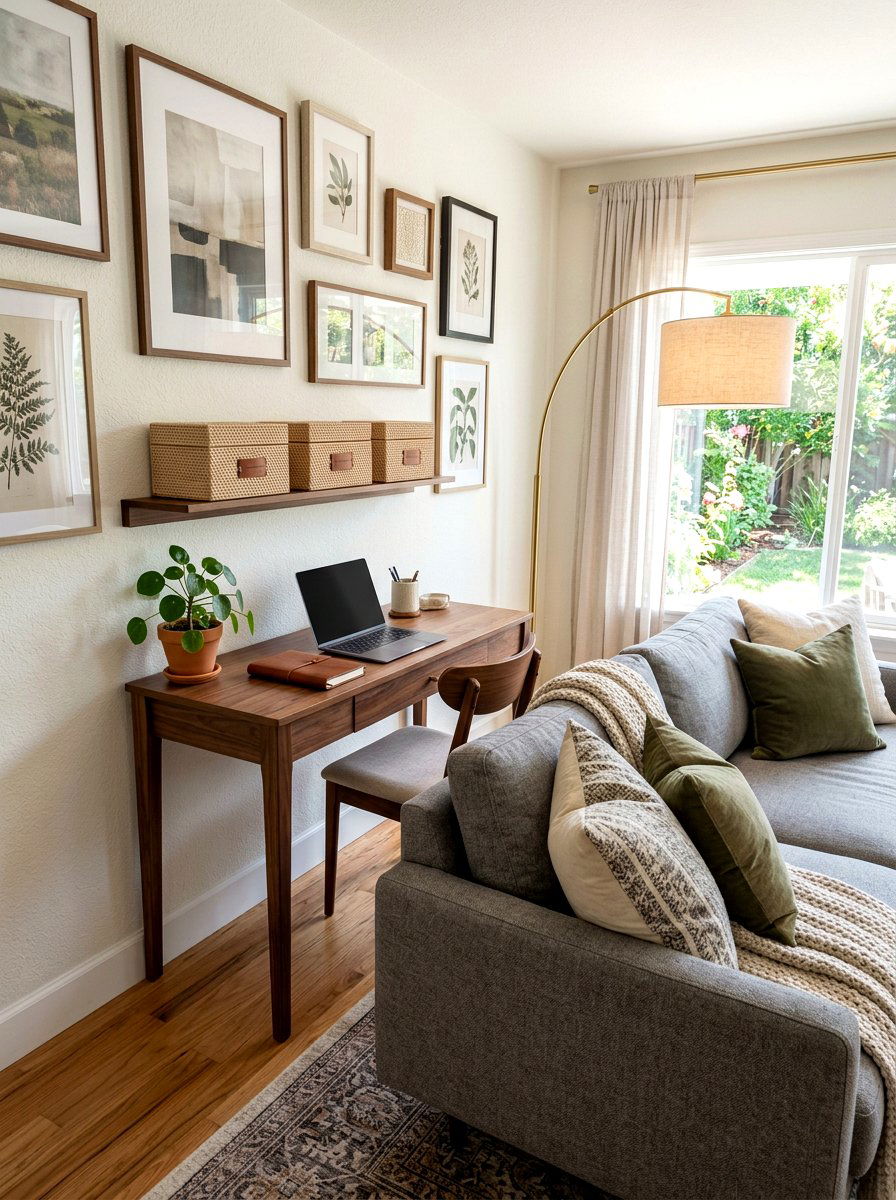
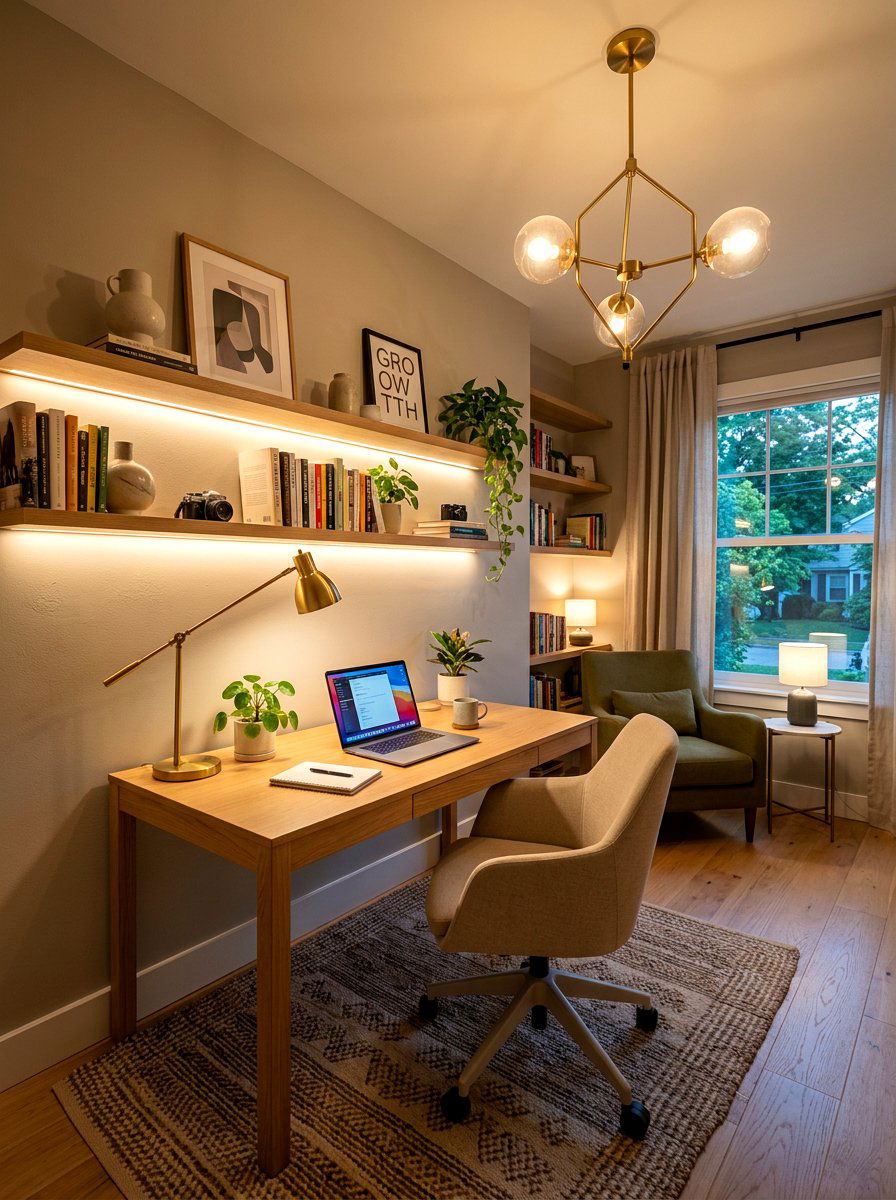
Tucking a desk into a quiet corner of your finished basement is a simple yet effective way to create a dedicated zone for productivity. A corner layout often provides more surface area for multiple monitors and paperwork compared to a standard straight desk. You can define the boundaries of your office nook by placing a small area rug under the chair or using a different wall treatment, such as wallpaper or wood paneling. This visual separation helps distinguish the work area from the rest of the basement’s recreational space. Adding a tall floor lamp in the corner provides essential vertical lighting that brightens the entire desk surface effectively and beautifully.
4. Floating Wall Desk
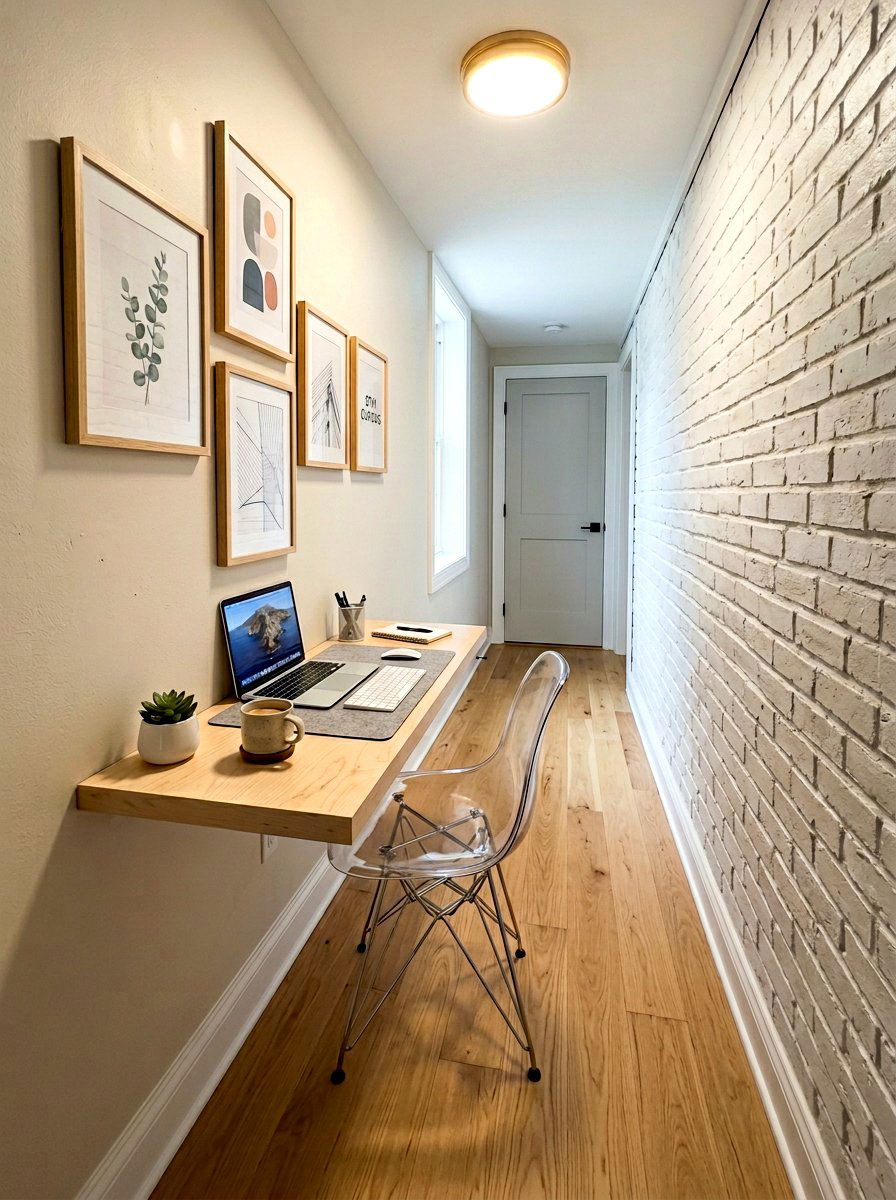
Installing a floating wall desk is an excellent solution for very tight basement spaces where floor real estate is at a premium. These wall-mounted surfaces create an airy and modern aesthetic by keeping the floor clear, which makes the entire room feel much larger. You can pair a sleek wooden or laminate desktop with minimalist brackets to achieve a clean, industrial look. This type of office nook works perfectly in narrow hallways or along a shared wall in a multi-purpose basement. By adding a comfortable stool that can be tucked completely under the desk when not in use, you maintain a high level of mobility and openness within the surrounding living environment.
5. Built In Bookshelf Office
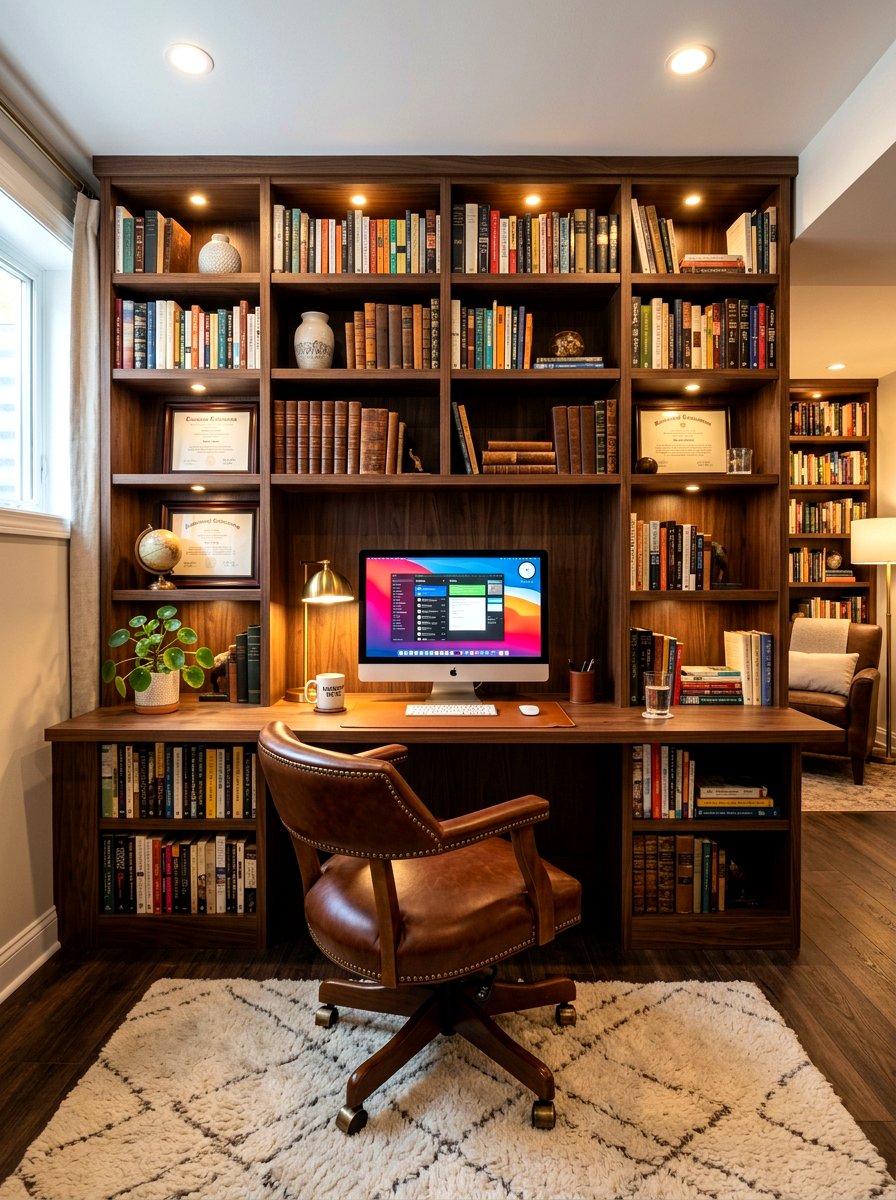
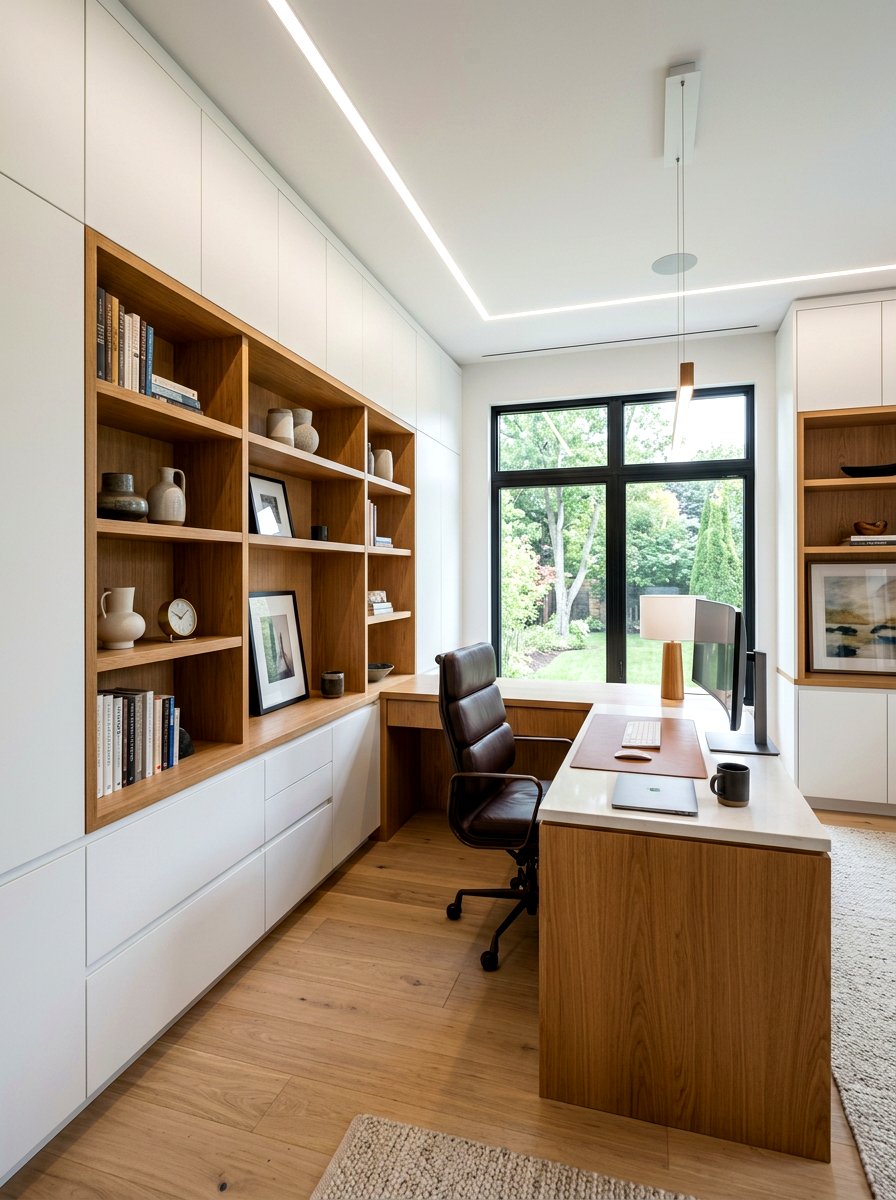
Integrating a small desk directly into a wall of built-in bookshelves creates a sophisticated and high-end look for any basement. This approach provides an incredible amount of storage for reference books, decorative items, and office supplies all within arm 's reach. The seamless transition between the shelving and the workspace makes the office feel like a permanent part of the home' s architecture rather than an afterthought. You can customize the shelf heights to accommodate your computer monitor and hardware while keeping smaller items neatly organized in lower cabinets. Choosing a matching wood finish for both the desk and the shelves creates a cohesive and polished design that elevates the entire basement atmosphere.
6. Industrial Style Basement Office
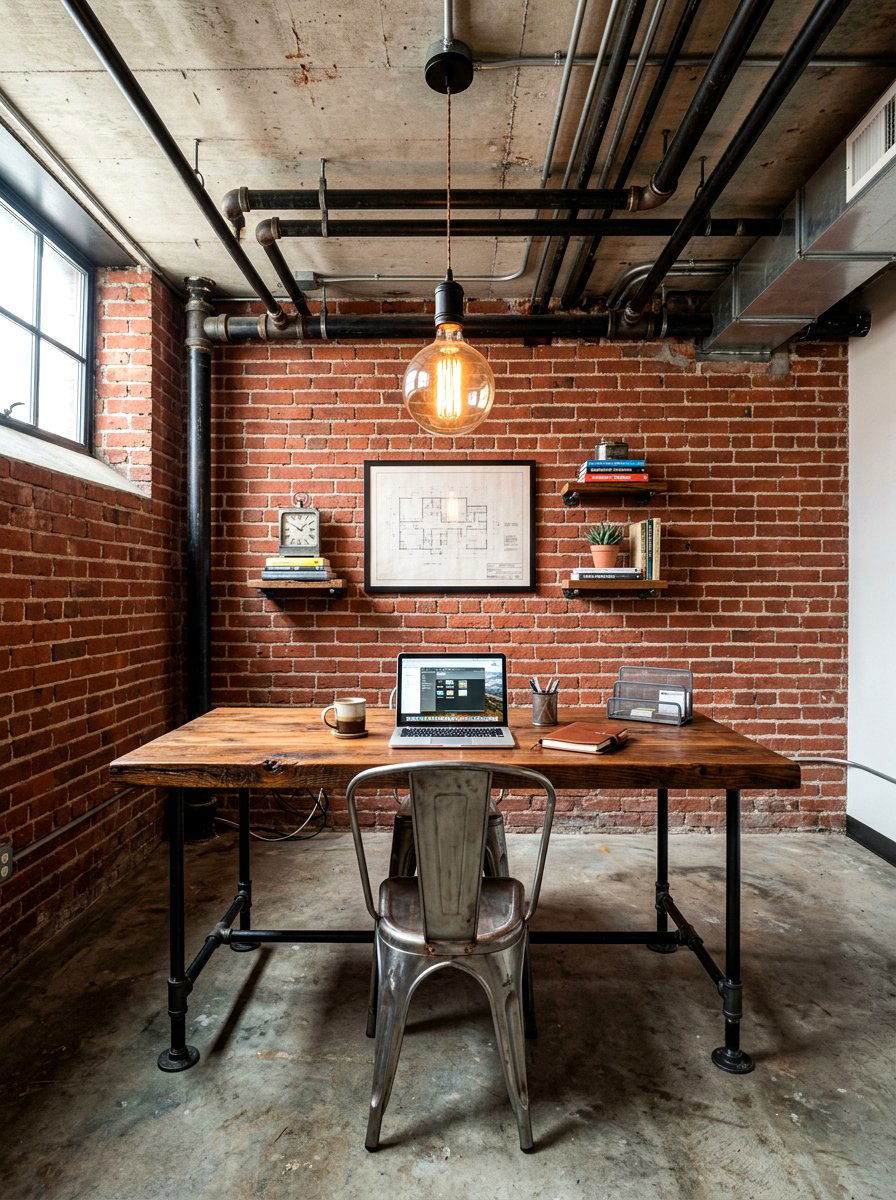
Embracing the raw elements of a basement can lead to a stunning industrial-style office nook that feels both trendy and masculine. If your space features exposed pipes, brick walls, or concrete floors, you can highlight these features rather than hiding them behind drywall. Use a desk made from reclaimed wood and black metal piping to complement the urban aesthetic of the environment. Adding warm-toned Edison bulb lighting can soften the hard surfaces and create a cozy, inviting glow that is perfect for late-night work sessions. This design style is not only cost-effective but also provides a unique, loft-like character that makes working from home feel more inspiring and creatively stimulating.
7. Minimalist White Workspace
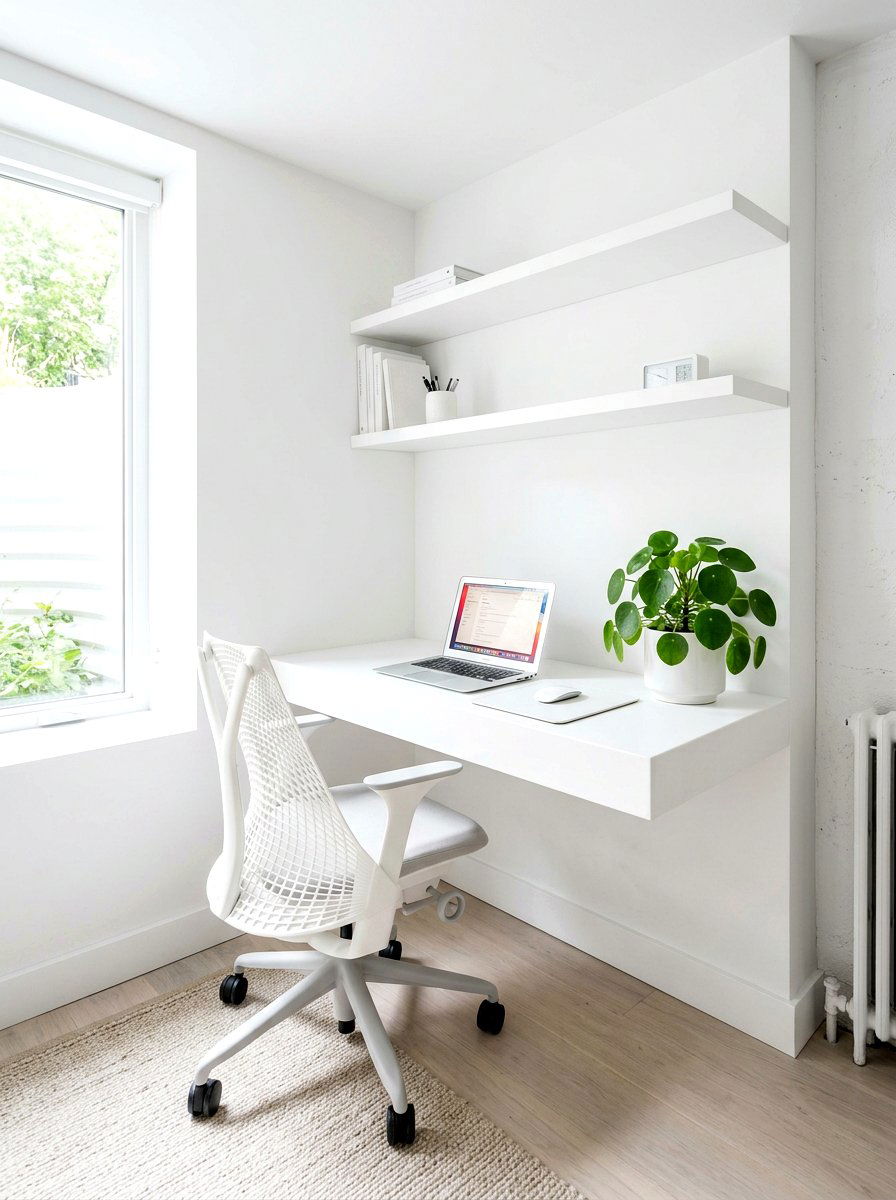
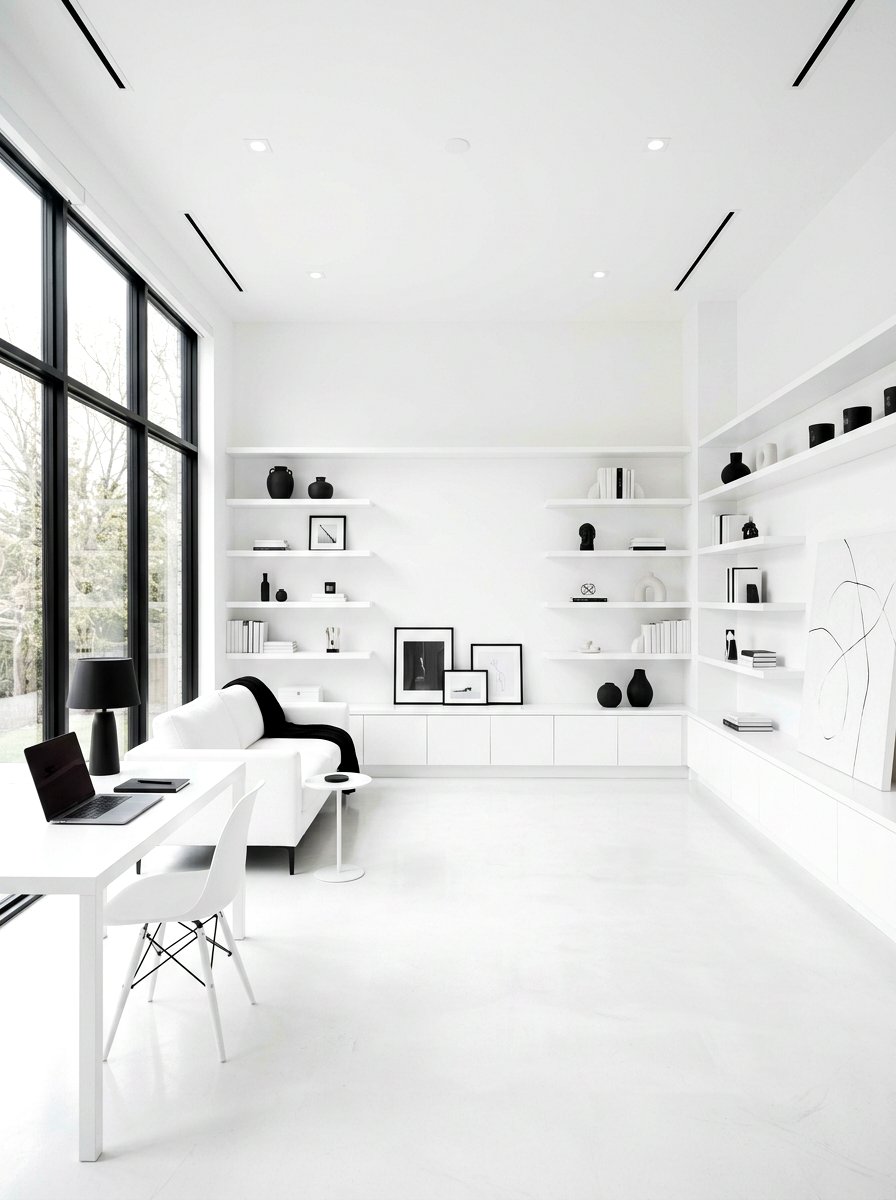
A minimalist white office nook is the perfect way to combat the natural darkness often associated with underground basement spaces. By using a monochromatic palette of bright white for the walls, desk, and chair, you maximize the reflection of available light throughout the room. This clean aesthetic reduces visual distractions, helping you stay focused on your tasks during the day. You can add subtle interest by incorporating different textures, such as a white sheepskin rug or a textured ceramic pencil holder. The result is a crisp, airy environment that feels modern and spacious. This approach works exceptionally well in small alcoves where you want to create a sense of openness and tranquility.
8. Scandinavian Office Nook
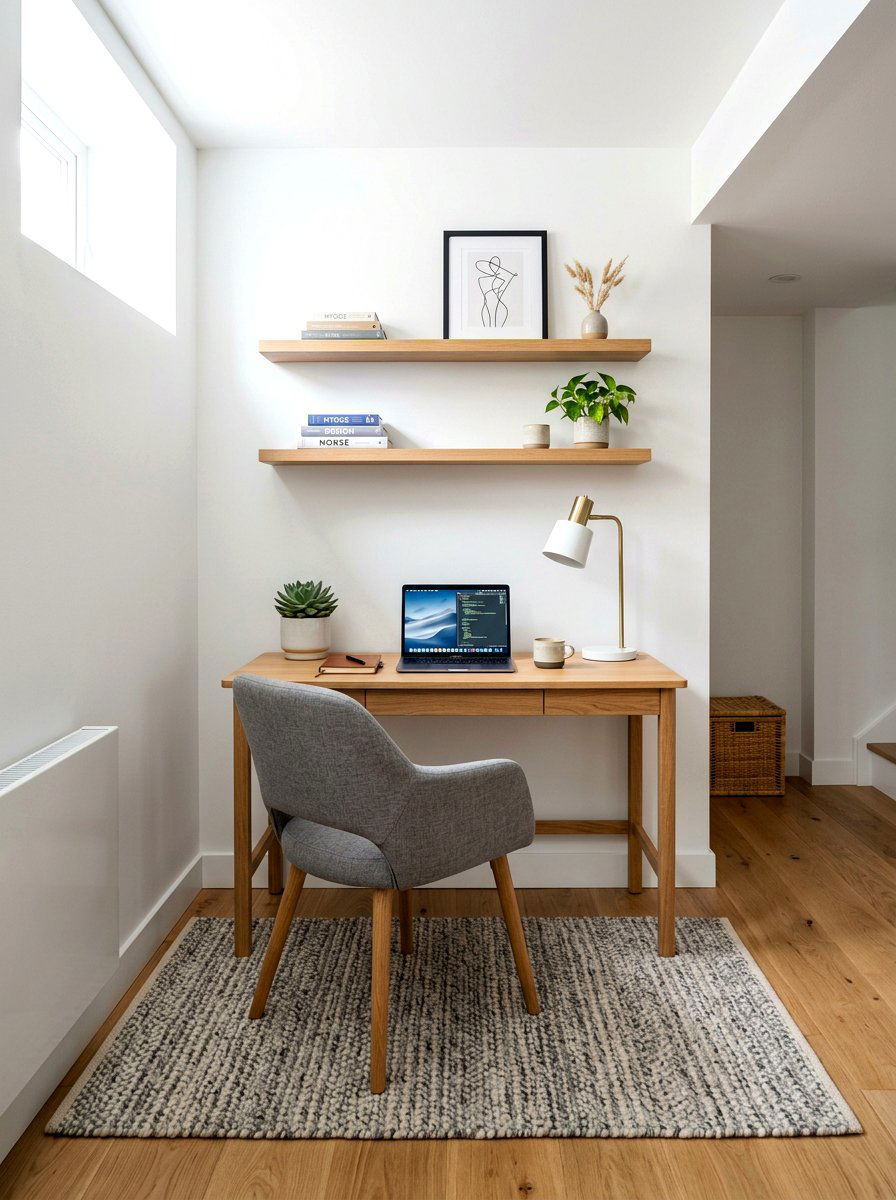
Scandinavian design is world-renowned for combining functionality with a warm, natural aesthetic, making it an ideal choice for a basement workspace. Focus on using light-toned woods like oak or birch paired with clean white surfaces and simple geometric lines. This style prioritizes a clutter-free environment while still feeling cozy and approachable through the use of soft textiles and organic materials. You can enhance the look by adding a few carefully selected plants and a minimalist desk lamp with a matte finish. The combination of natural textures and a bright color scheme helps create a peaceful sanctuary where you can work efficiently without feeling cramped or disconnected from the rest of your home.
9. Coastal Shiplap Office
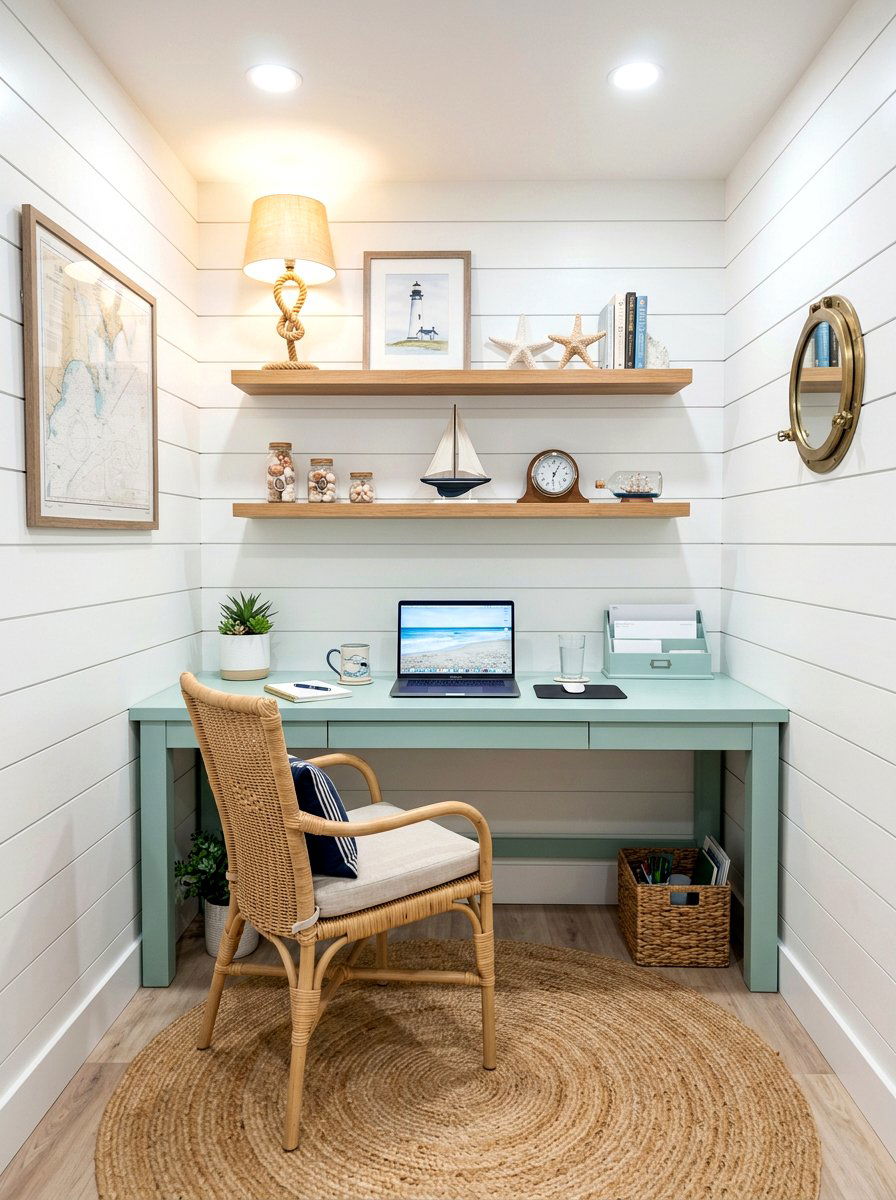
Bringing a touch of the seaside into your basement can make a windowless office nook feel remarkably fresh and energetic. Installing horizontal shiplap on the walls of your workspace creates a coastal vibe that adds architectural interest and a sense of breezy charm. You can pair this wall treatment with a light blue or seafoam green desk to complete the nautical-inspired palette. Adding woven baskets for storage and a natural jute rug under your chair introduces organic textures that ground the space beautifully. This design direction is perfect for those who want their basement office to feel like a relaxing retreat rather than a dark and utilitarian underground storage area.
10. Biophilic Basement Office
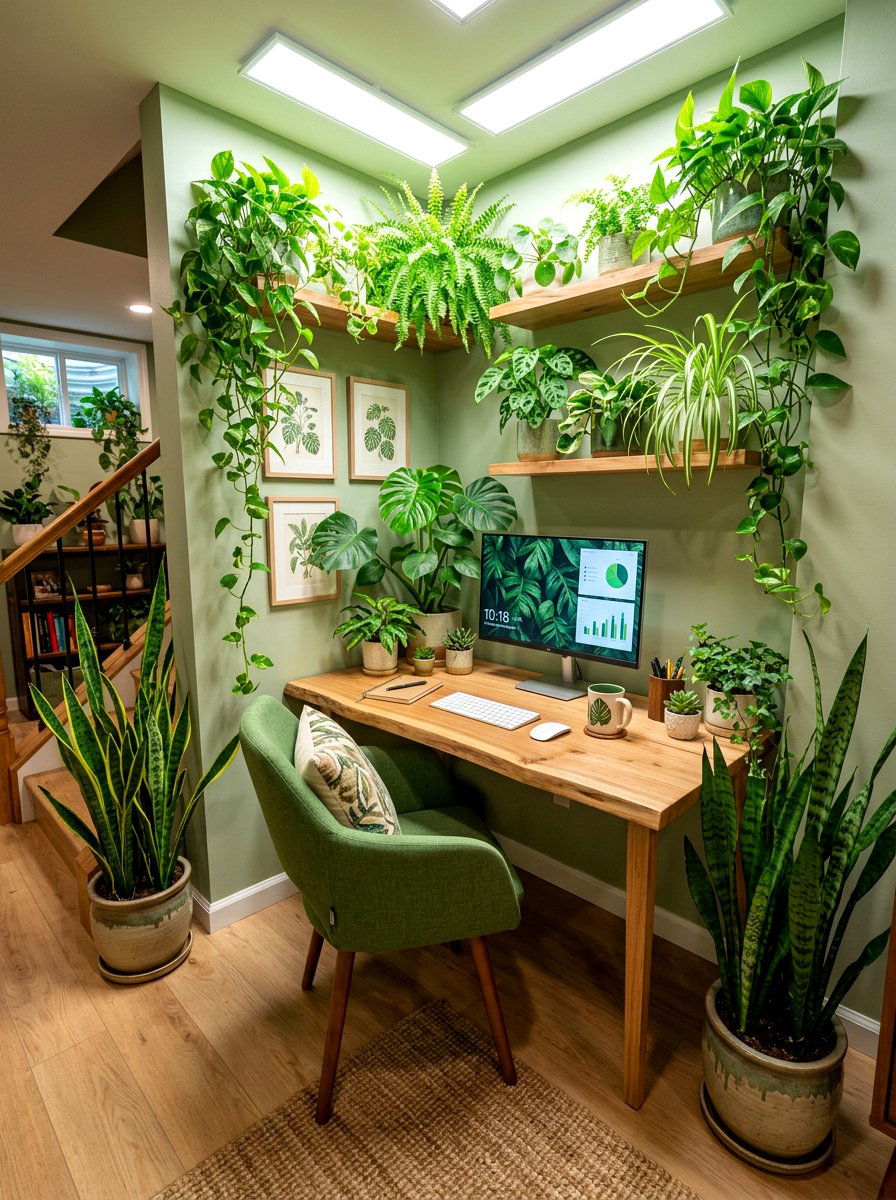
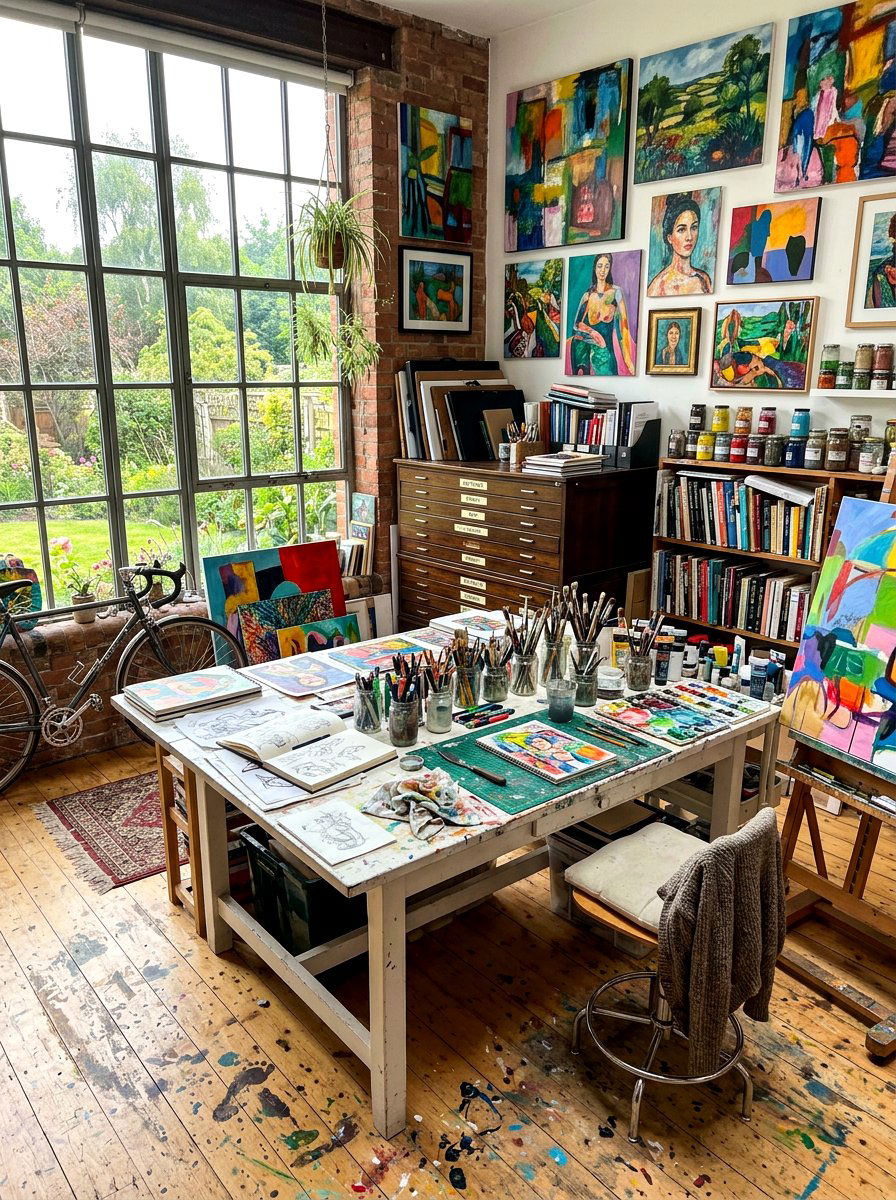
Incorporating biophilic design elements into your basement office nook can significantly improve your mood and overall productivity while working. Since natural light is often limited, focus on using low-light indoor plants like snake plants, pothos, or zz plants to bring life and color to the space. You can arrange these plants on floating shelves or a dedicated plant stand next to your desk to create a lush, green environment. Using natural materials like wood, stone, and woven fabrics further enhances the connection to nature. This green oasis effect helps reduce stress and creates a calming atmosphere that makes spending long hours in your basement workspace a much more enjoyable and refreshing experience.
11. Zen Meditation Workspace
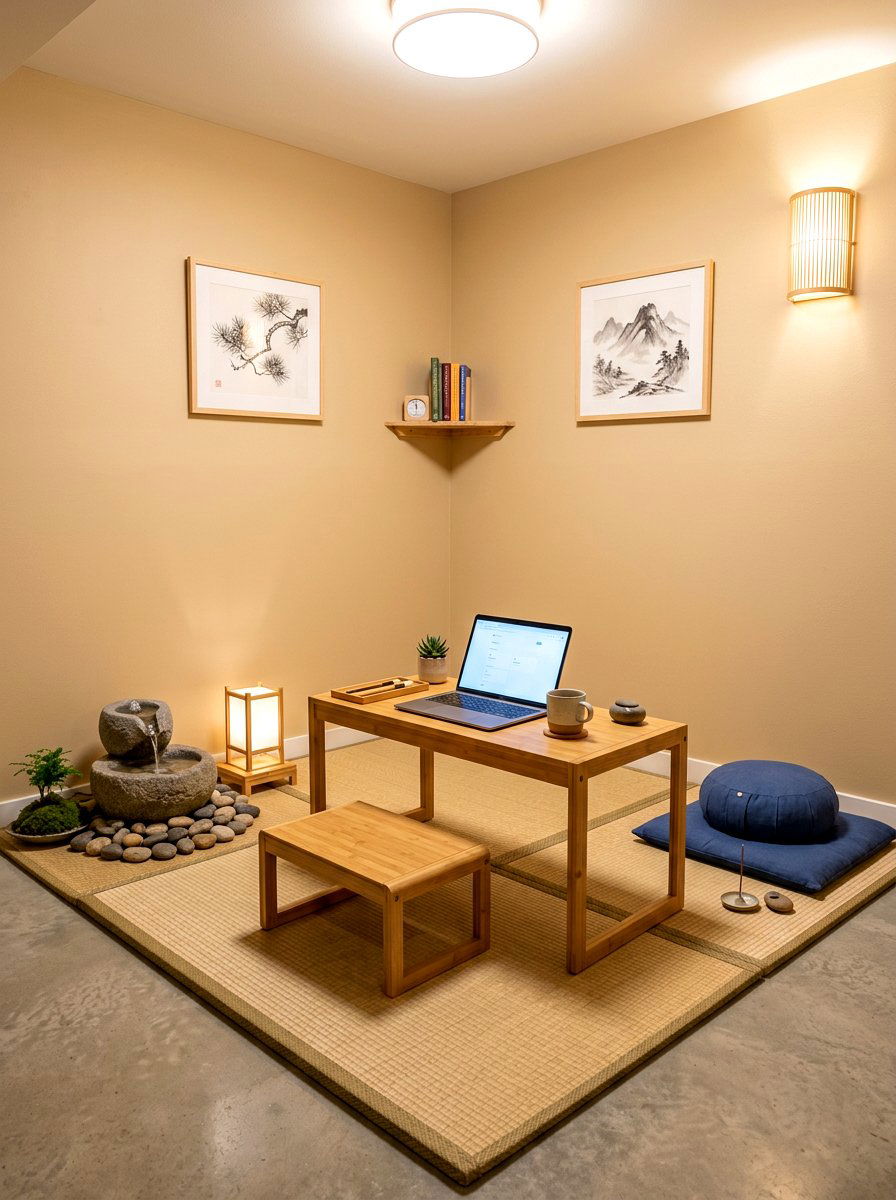
Creating a Zen-inspired office nook in your basement can help you maintain a state of calm and focus throughout the day. This design typically features low-profile furniture and a very simple, uncluttered layout that minimizes distractions. Use a neutral color palette of soft grays, tans, and creams to establish a peaceful atmosphere. Incorporating a small tabletop water fountain or a miniature rock garden can provide soothing background sounds and a visual focal point for short mental breaks. By combining your workspace with a small meditation cushion or yoga mat nearby, you create a holistic environment that supports both your professional productivity and your personal well-being in a quiet, secluded setting.
12. Parisian Style Study
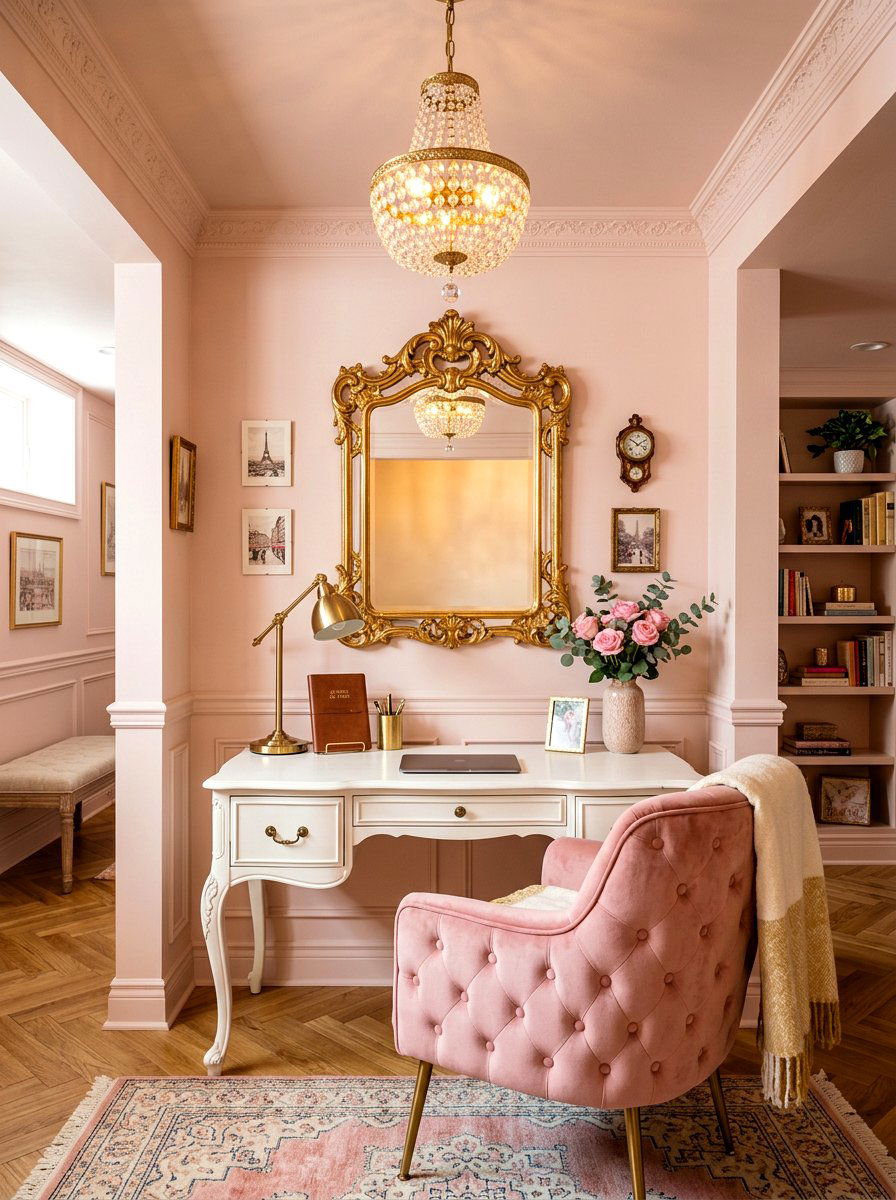
Infusing your basement office nook with Parisian chic elements can transform a standard workspace into an elegant and cultured retreat. Start with a vintage-style writing desk featuring ornate legs and pair it with a velvet-upholstered chair for a touch of luxury. Use soft pastel colors like blush pink or pale lavender on the walls to create a sophisticated and feminine backdrop. Adding a gilded mirror and a small crystal chandelier can help bounce light around the room, making the basement feel much brighter and more opulent. This design style focuses on beauty and character, proving that a basement workspace can be just as stylish and refined as any other room.
13. Fold Down Wall Desk
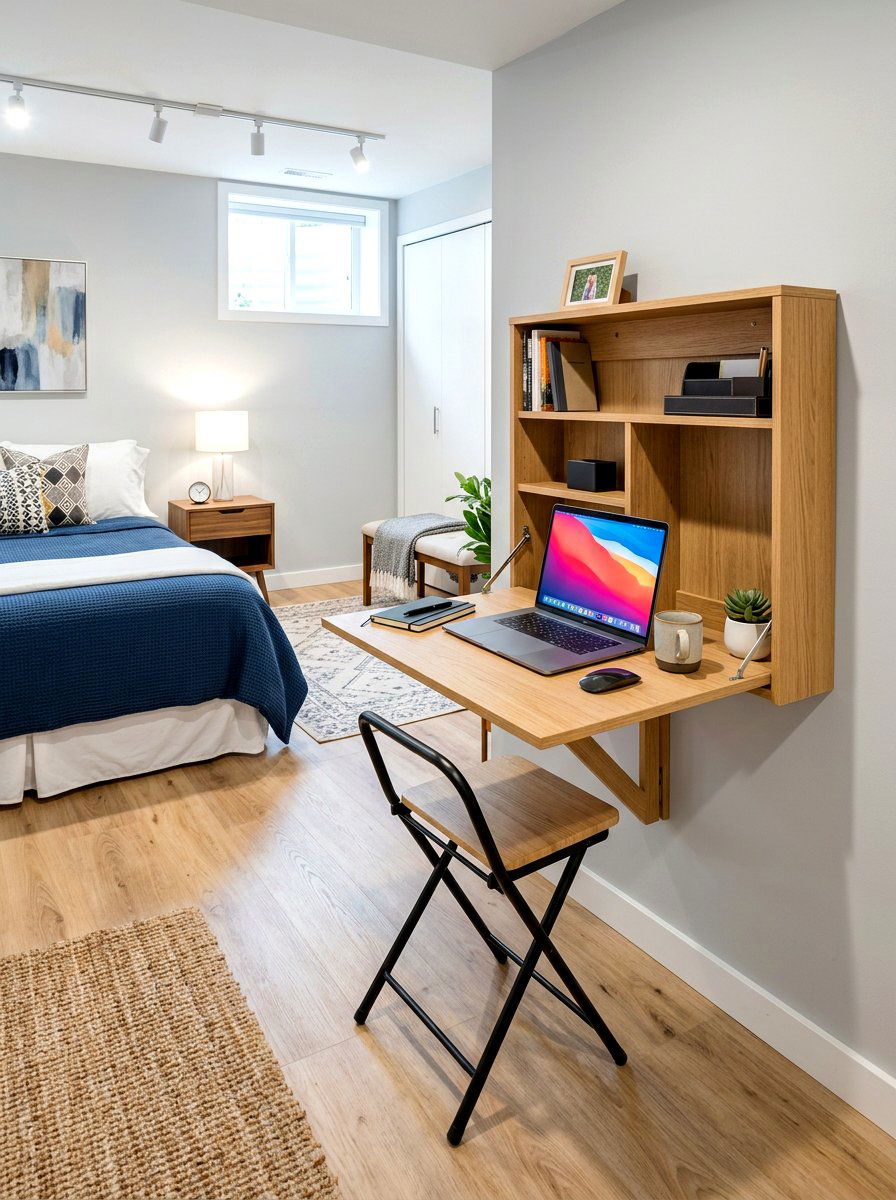
A fold-down wall desk is the ultimate space-saving solution for a basement that serves multiple functions throughout the week. This clever piece of furniture remains flush against the wall when not in use, appearing like a simple cabinet or a piece of wall art. When it is time to work, you simply pull the surface down to reveal a fully functional desktop with integrated cubbies for your laptop and supplies. This setup is particularly effective in shared guest rooms or family play areas where you only need an office for a few hours at a time. It allows the room to remain open and versatile while providing a sturdy work surface.
14. Glass Partition Office
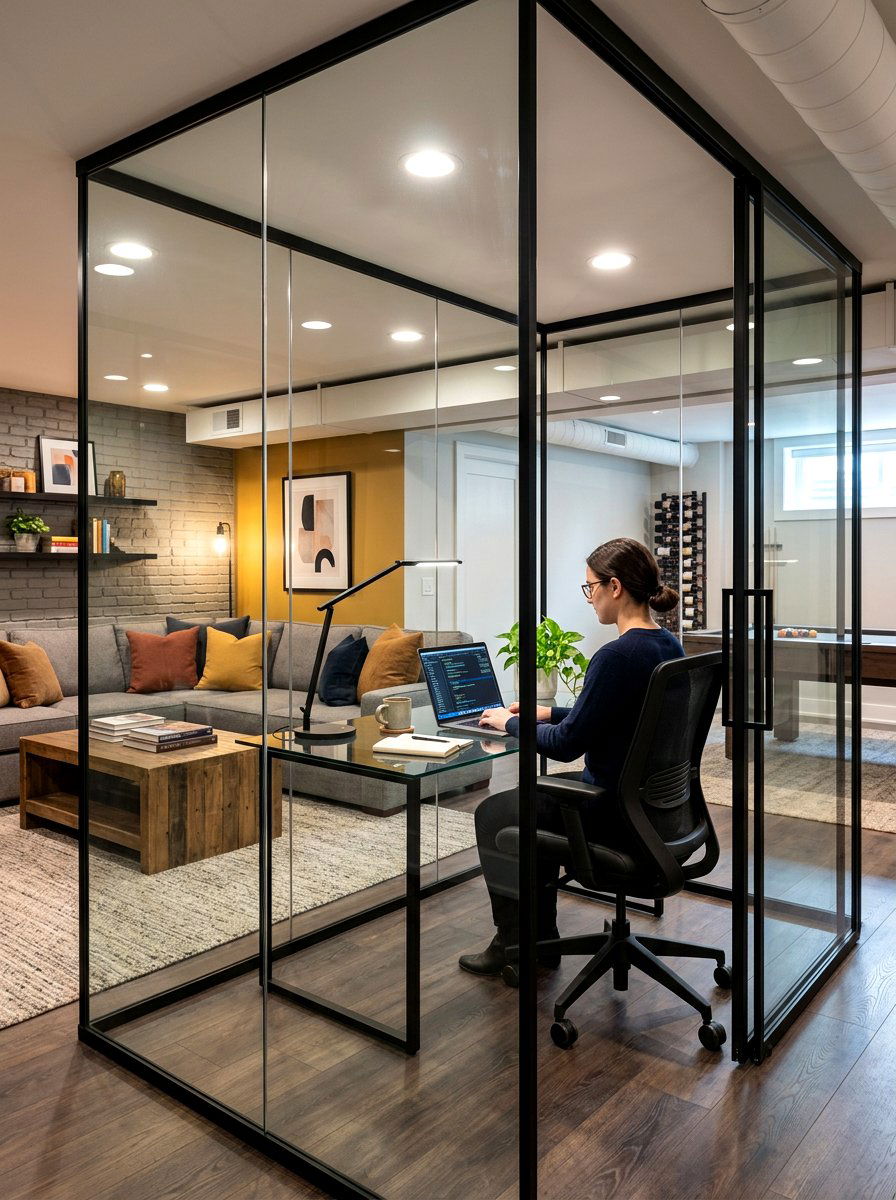
Using glass partitions to define your basement office nook is a brilliant way to create a quiet zone without losing the sense of openness. A glass wall allows light to flow freely across the entire basement, preventing the office from feeling like a dark or isolated cave. You can use black-framed glass panels for a modern industrial look or frameless glass for a more seamless and contemporary aesthetic. This structural element provides a necessary physical barrier for noise reduction while keeping the workspace visually connected to the rest of the home. It is an excellent choice for homeowners who want a professional-looking office that feels expansive and bright.
15. Reading Nook Workspace
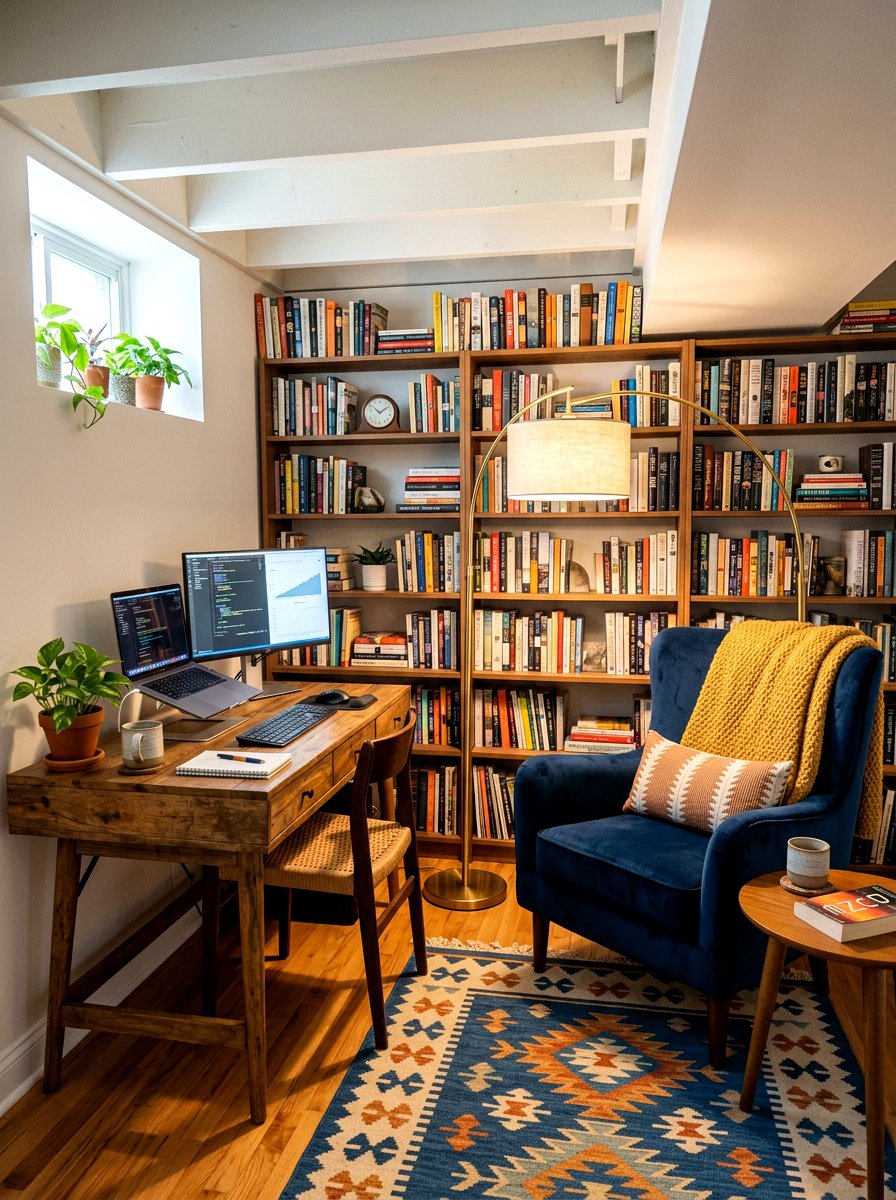
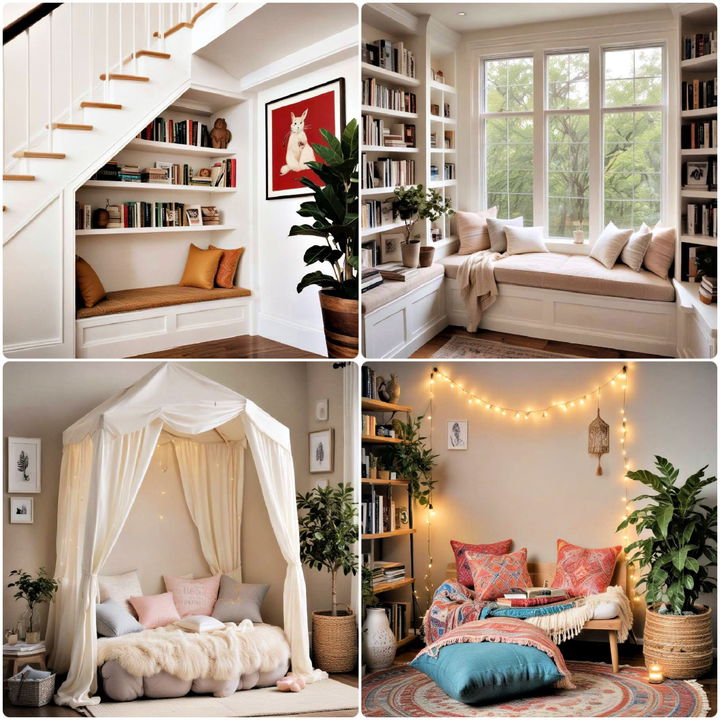
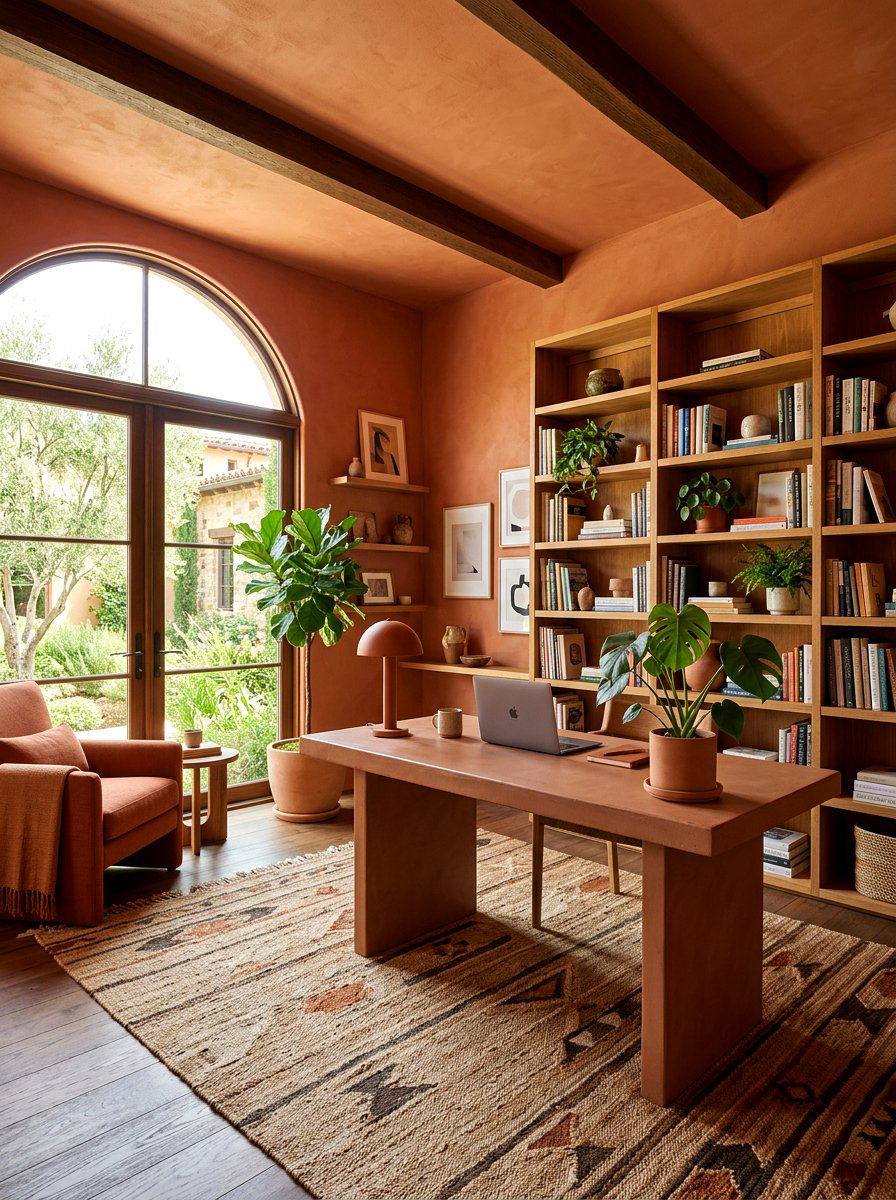
Designing a basement office that doubles as a cozy reading nook provides a versatile space for both deep work and relaxation. You can achieve this by placing a comfortable armchair and a small side table next to a compact desk setup. Use soft, layered lighting such as a floor lamp and a targeted desk light to accommodate different tasks. Adding a built-in bookshelf filled with your favorite novels creates an inviting backdrop that encourages you to step away from the screen for a mental break. This hybrid approach makes the office feel less like a clinical work zone and more like a cherished personal library where productivity and comfort perfectly coexist together.
16. Library Wall Office
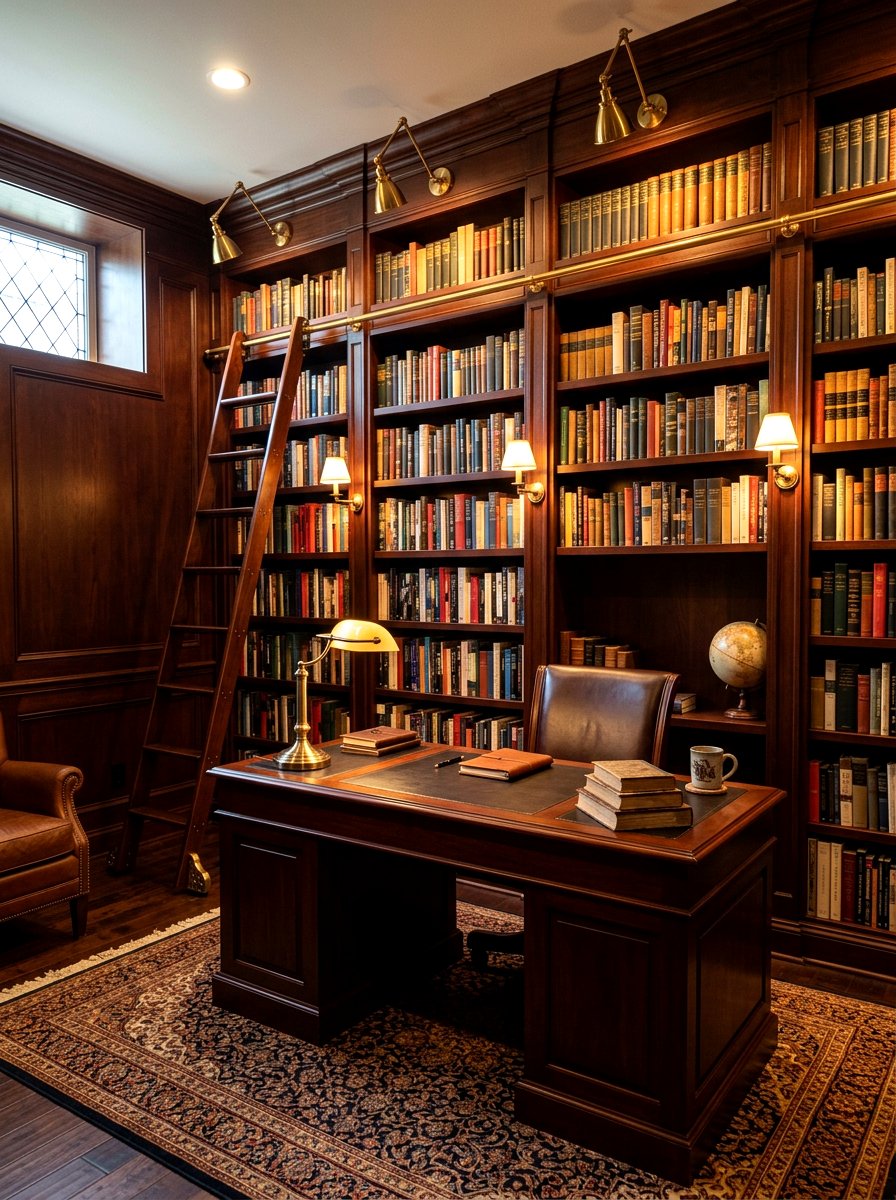
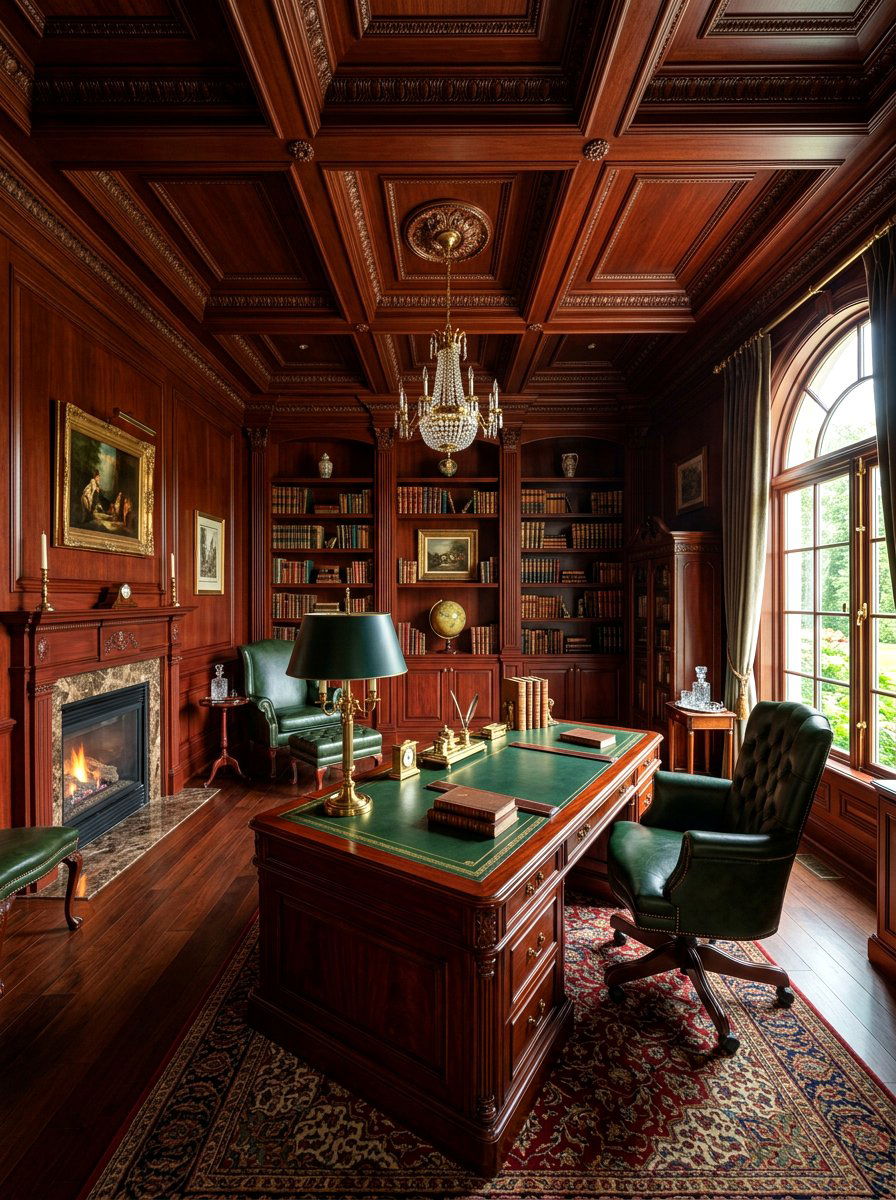
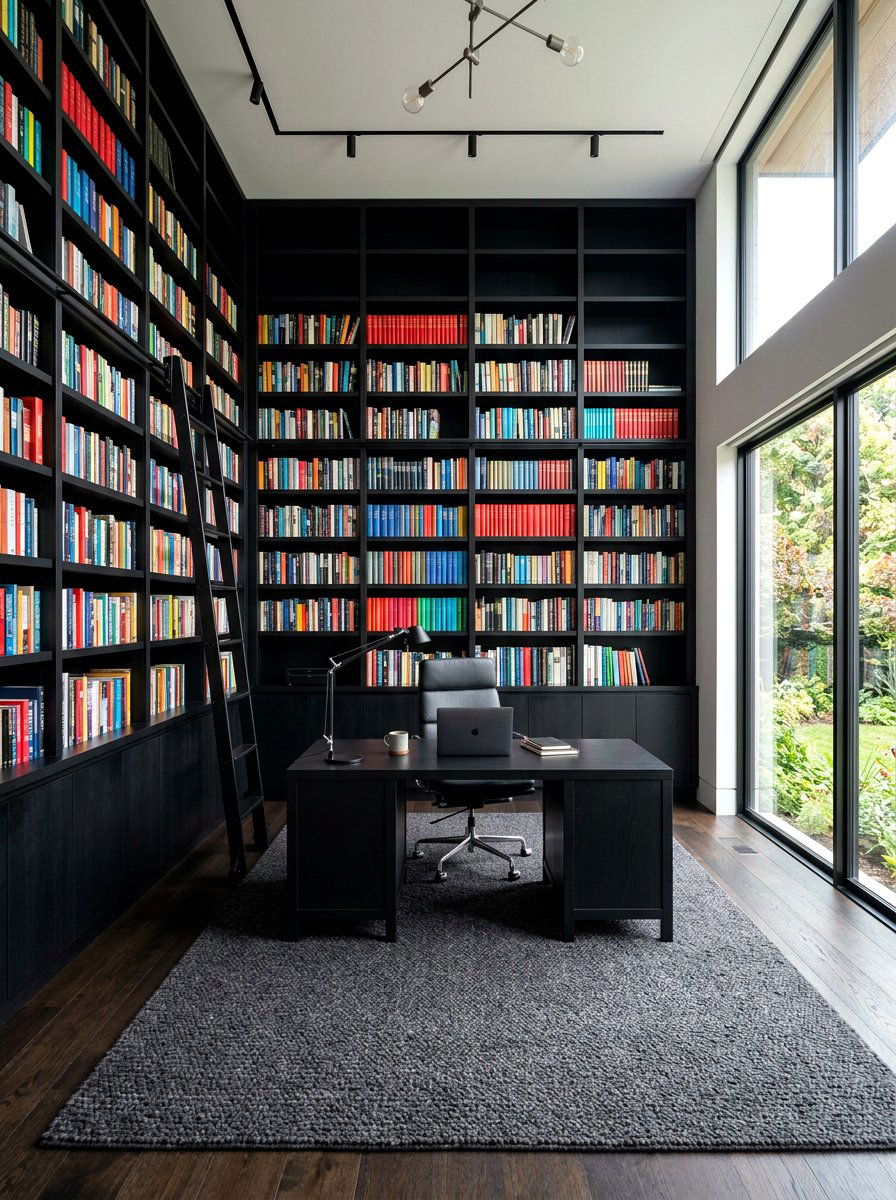
A library wall office nook utilizes floor-to-ceiling shelving to create an impressive and organized environment in your basement. By surrounding your desk with rows of books and curated decor, you create a scholarly atmosphere that is perfect for focused research and creative thinking. This design maximizes vertical space, providing ample storage for files and supplies while leaving the floor area clear and uncluttered. You can incorporate a rolling ladder for a traditional touch that adds architectural charm and functionality to the high shelves. Choosing dark wood tones for the shelving creates a moody, sophisticated look that makes your basement office feel like a high-end private study or a classic executive room.
17. Soundproof Work Zone
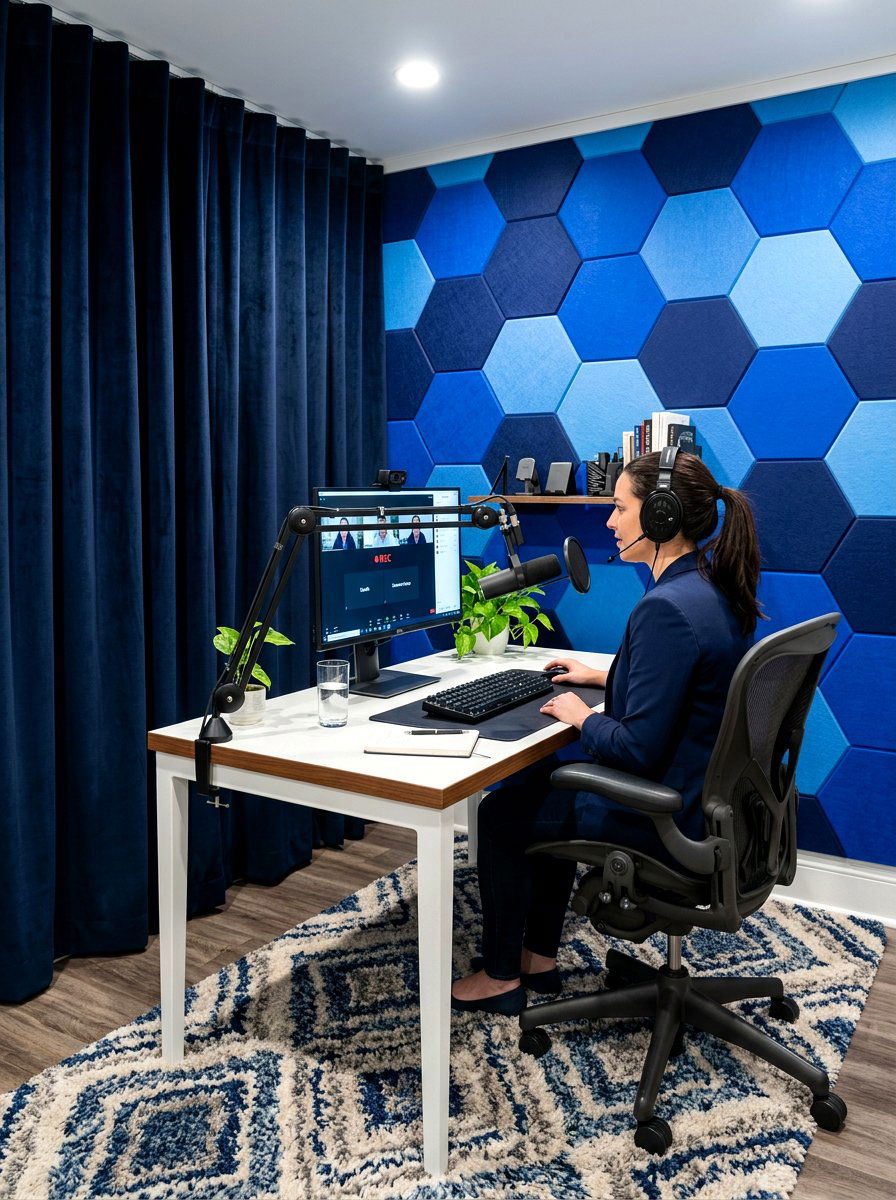
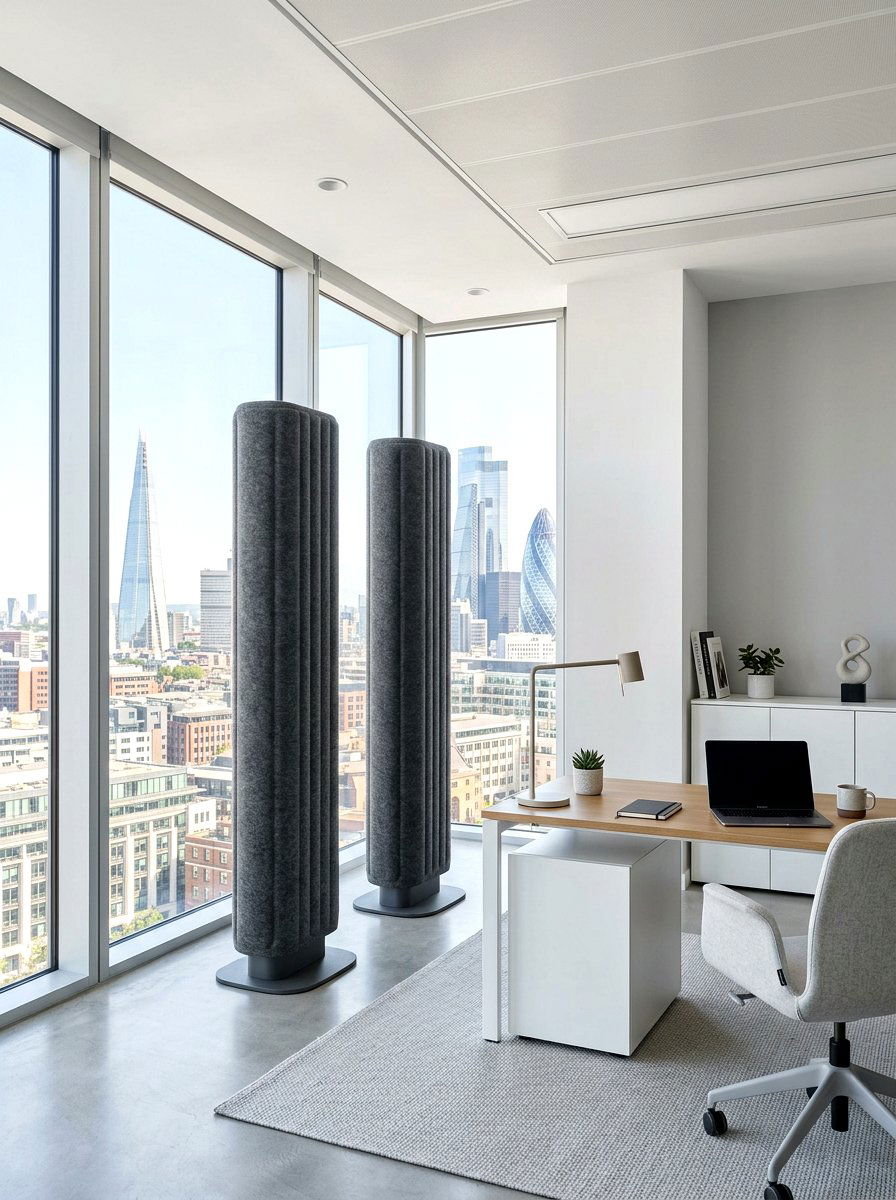
For those who need maximum concentration or frequently take video calls, a soundproofed basement office nook is a game-changing investment. You can install acoustic wall panels in various colors and shapes to absorb echoes and block out noise from the rest of the household. Using a thick area rug and heavy curtains can also help dampen sound and make the space feel much more private and professional. This functional approach ensures that you have a quiet environment where you can work without interruptions, even in a busy family home. The added insulation also helps regulate the temperature of the nook, keeping you warm and comfortable throughout the colder winter months.
18. Tech Focused Desk
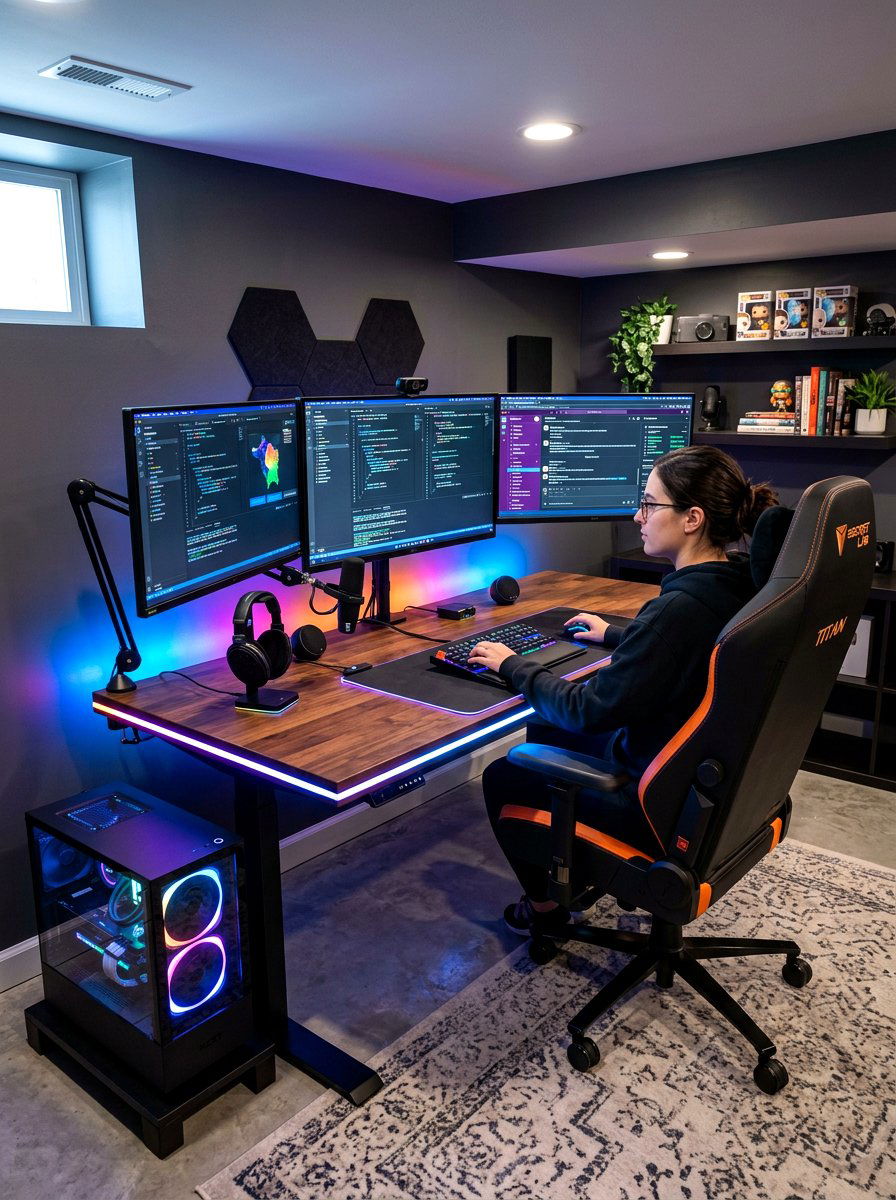
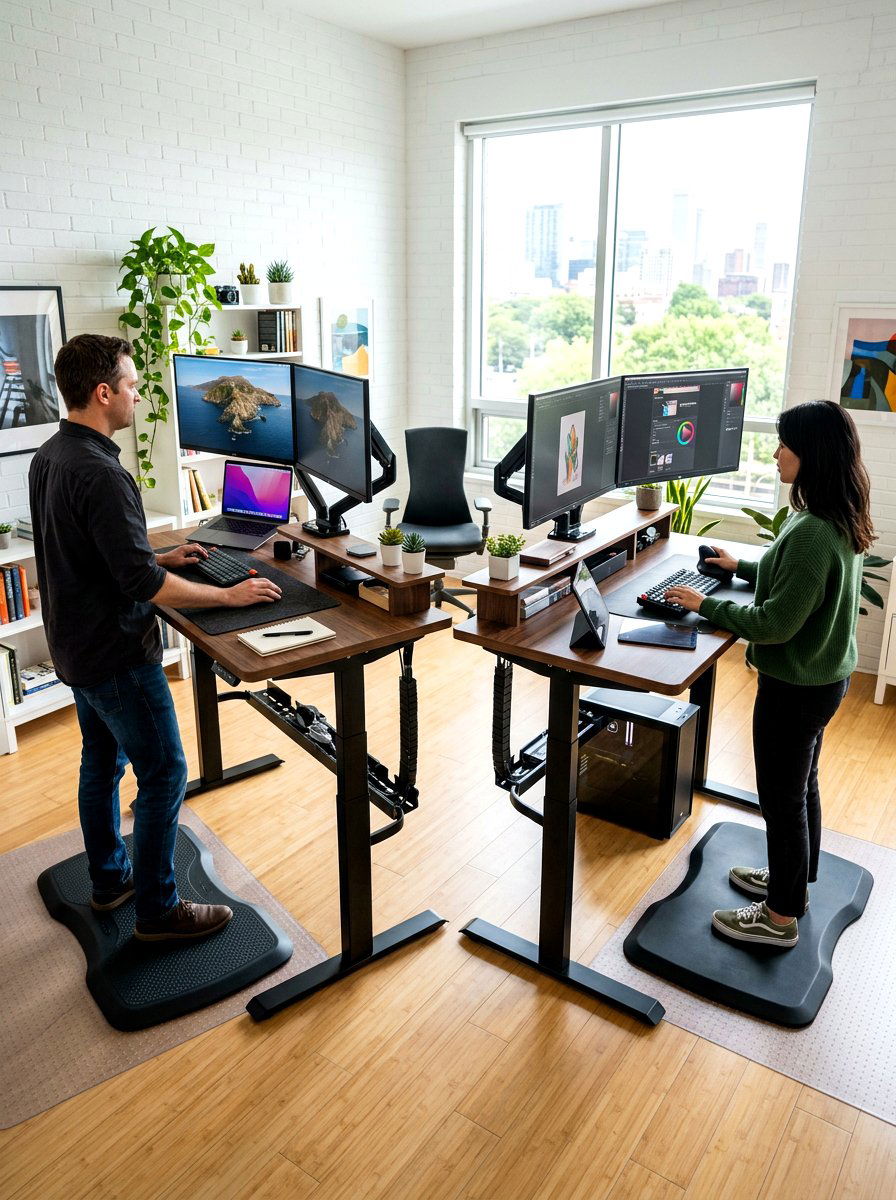
A tech-focused office nook is designed for the modern remote worker who requires multiple monitors and advanced hardware for their daily tasks. This setup prioritizes cable management and ergonomic layouts to ensure a clean and efficient workspace. You can install LED backlighting behind your monitors to reduce eye strain and add a futuristic glow to the basement corner. Using a high-quality standing desk allows you to switch between sitting and standing, promoting better health and energy levels during long workdays. This design approach is all about performance and functionality, providing you with a high-powered headquarters that feels professional, organized, and ready for any digital challenge you might face at work.
19. Modular Office Furniture
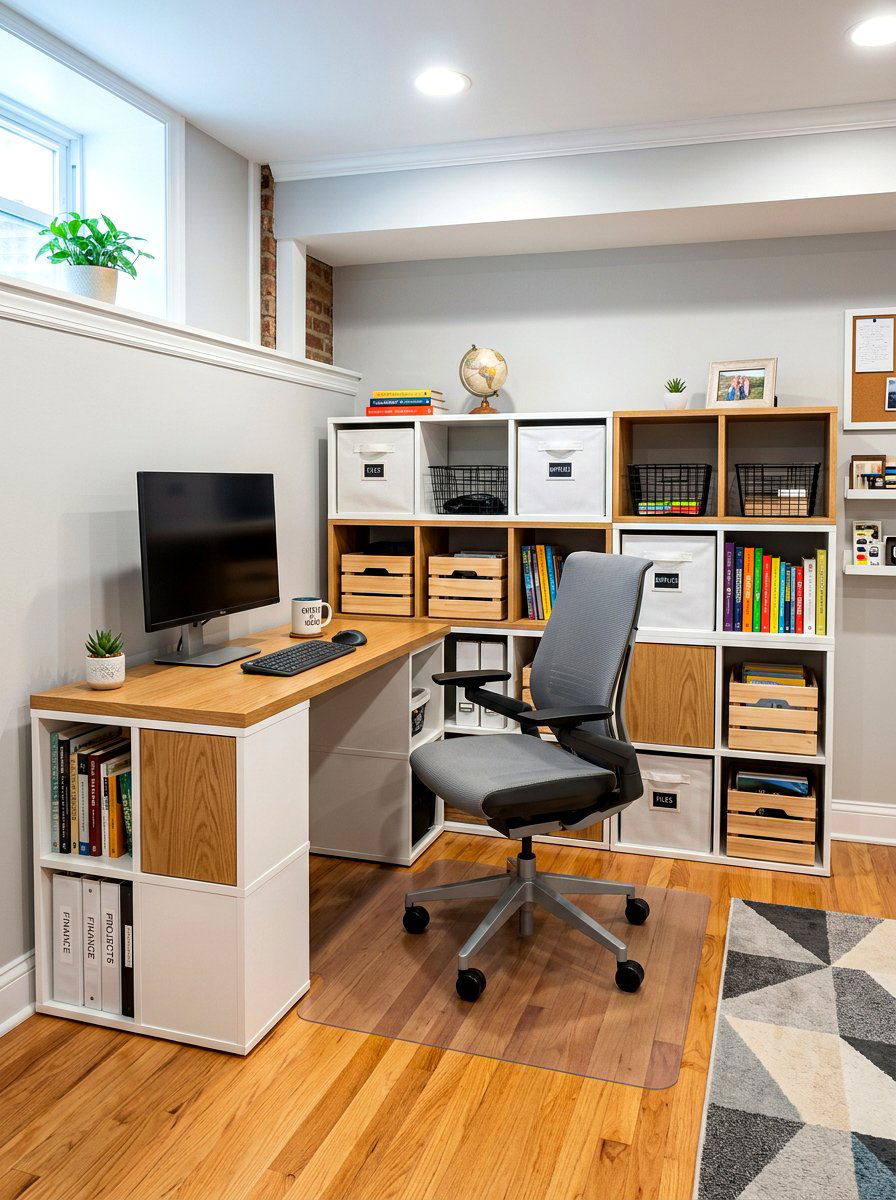
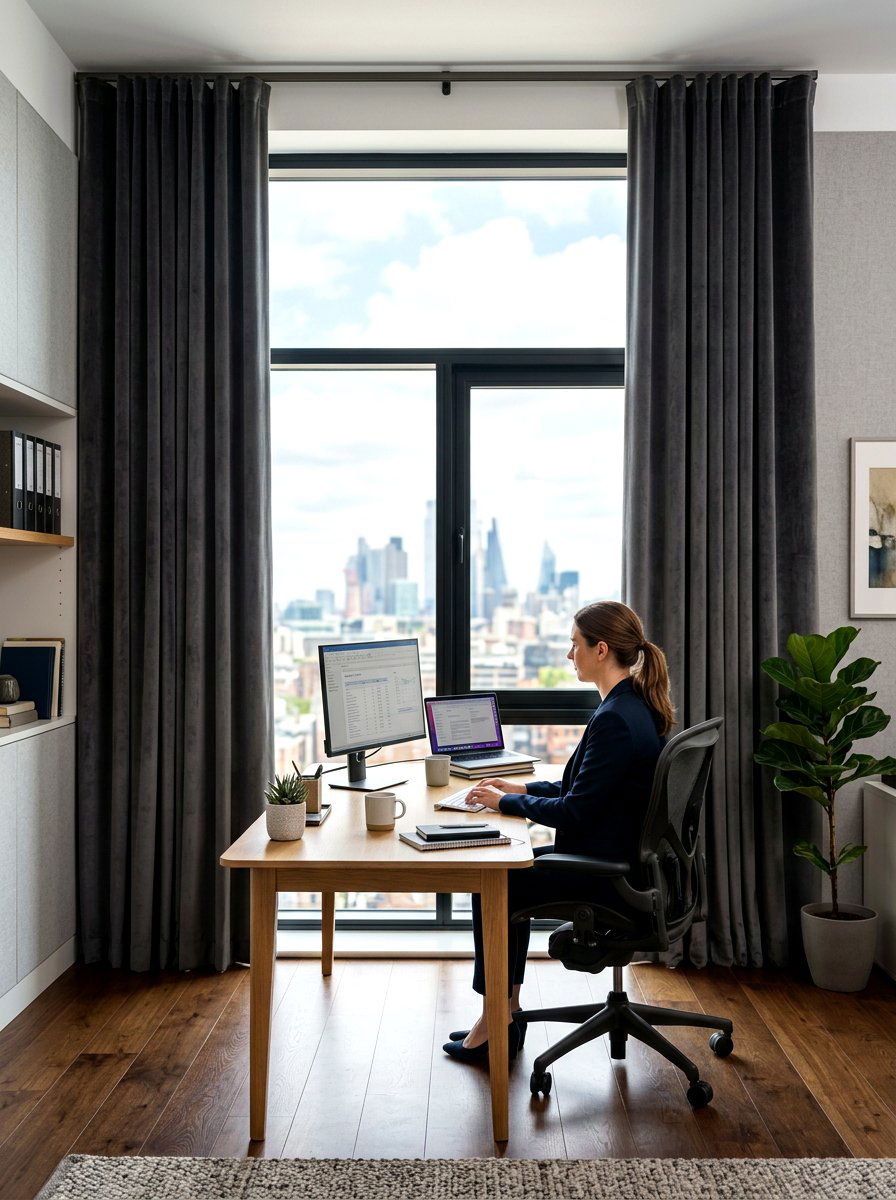
Modular office furniture offers incredible flexibility for a basement workspace that needs to evolve over time as your needs change. You can mix and match different desk components, storage units, and shelving to create a custom layout that fits your specific nook perfectly. These pieces are often lightweight and easy to rearrange, allowing you to experiment with different configurations until you find the most productive setup. Modular designs are particularly useful for growing families or small businesses where the requirements for the space might fluctuate. By choosing a cohesive set of furniture, you can maintain a consistent and professional look while enjoying the benefits of a versatile and highly adaptable home office.
20. Farmhouse Basement Office
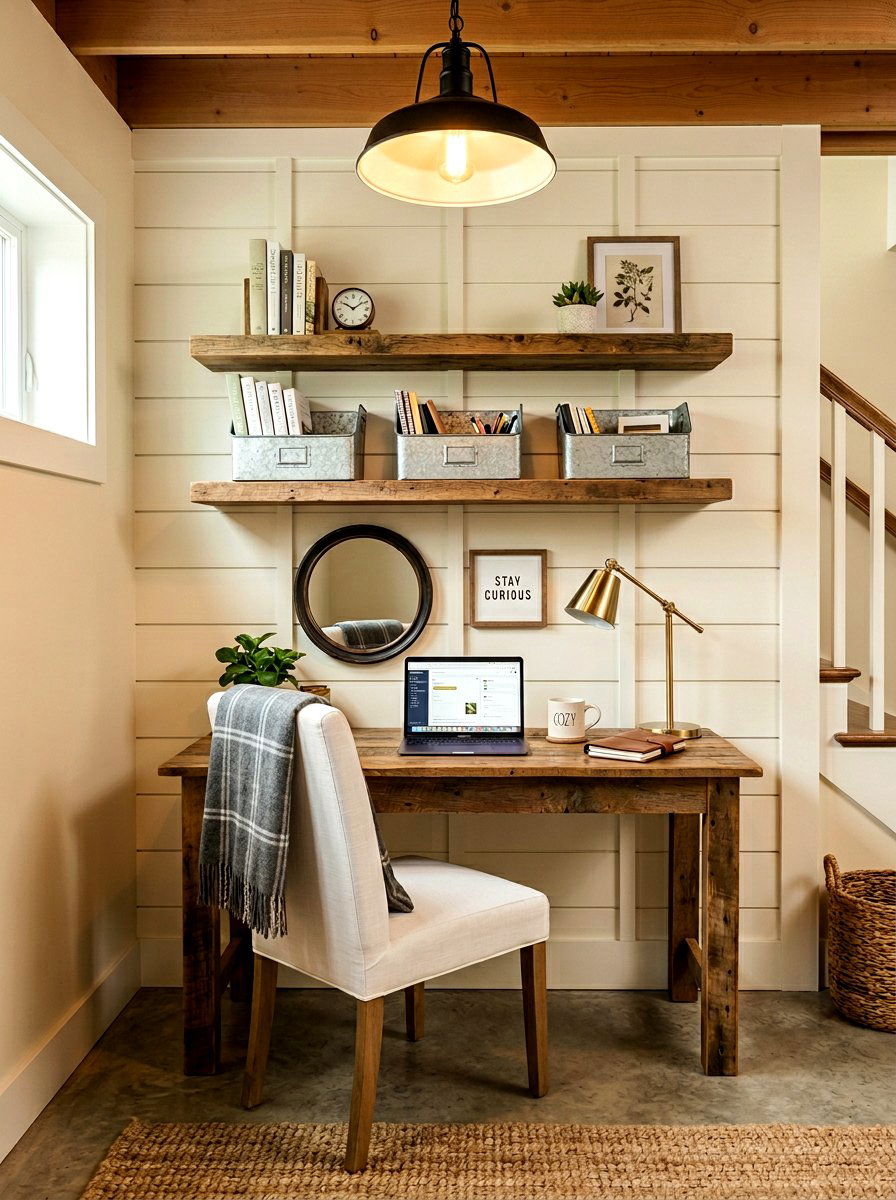
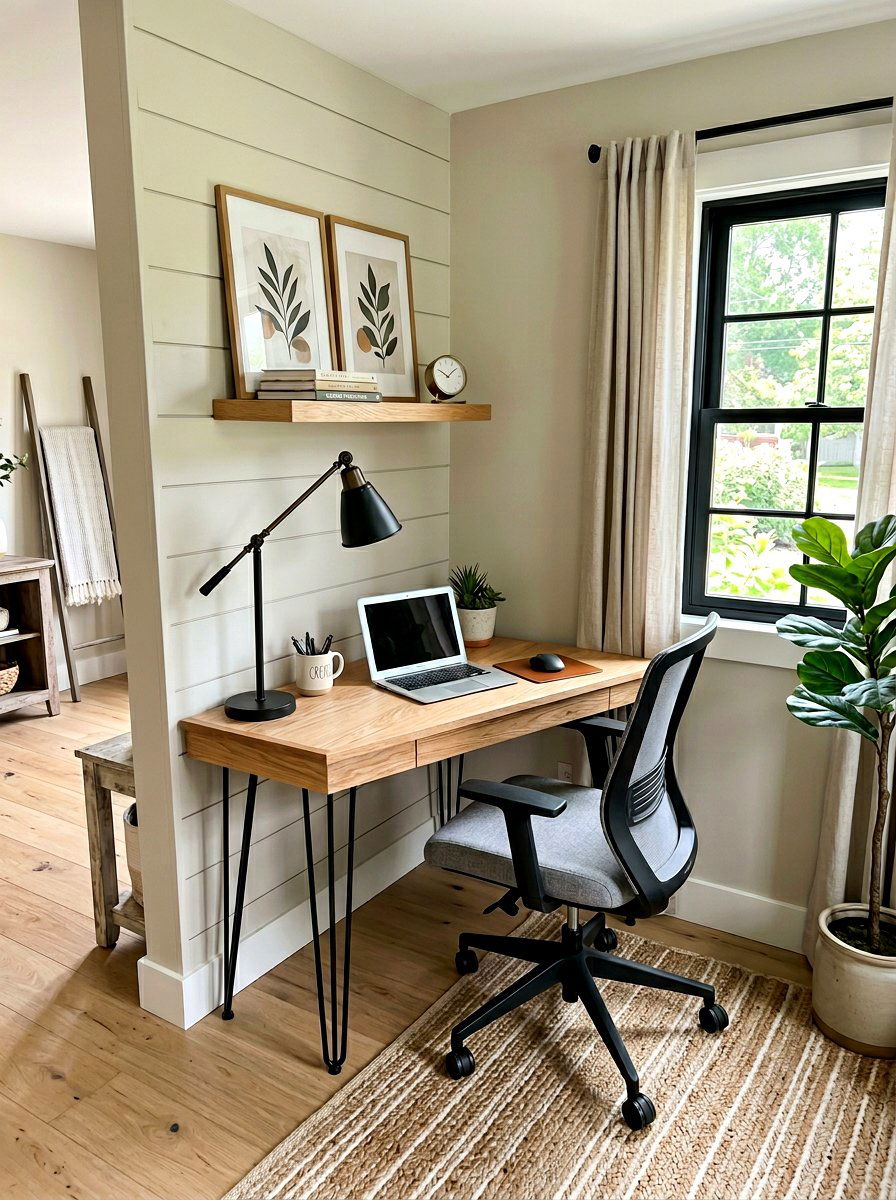
The farmhouse style brings warmth and rustic charm to a basement office nook through the use of natural materials and classic design elements. You can create a beautiful focal point by installing a horizontal board and batten wall behind a sturdy wooden desk. Use a palette of warm whites and natural wood tones to make the underground space feel bright and welcoming. Adding a comfortable chair with linen upholstery and a few galvanized metal accents provides the perfect balance of comfort and utility. This style is incredibly popular for its timeless appeal and its ability to make any small corner feel like a cozy, well-loved part of a traditional family home environment.
21. Hidden Pocket Door Office
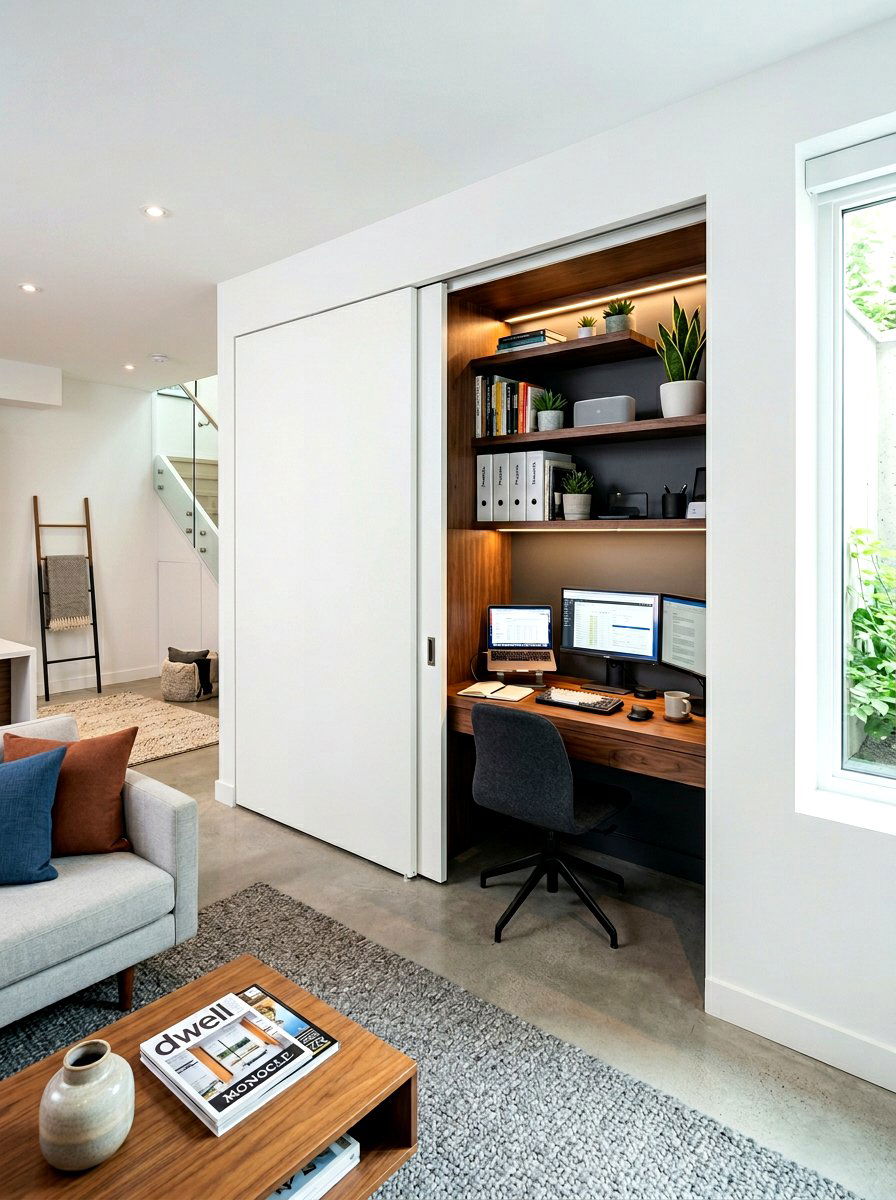
Integrating a hidden office nook behind pocket doors is a sophisticated architectural solution for maintaining a streamlined basement design. This setup allows you to hide your entire workspace behind sleek panels when you are not working, keeping the main room looking clean and uncluttered. When the doors are tucked away, you reveal a fully equipped desk area with built-in lighting and ample storage for all your professional needs. This is an ideal solution for multi-purpose basements that serve as both a family room and a part-time office. It provides a clear boundary between your professional life and your personal time, helping you to achieve a better and more balanced work-life harmony.
22. Deep Alcove Desk
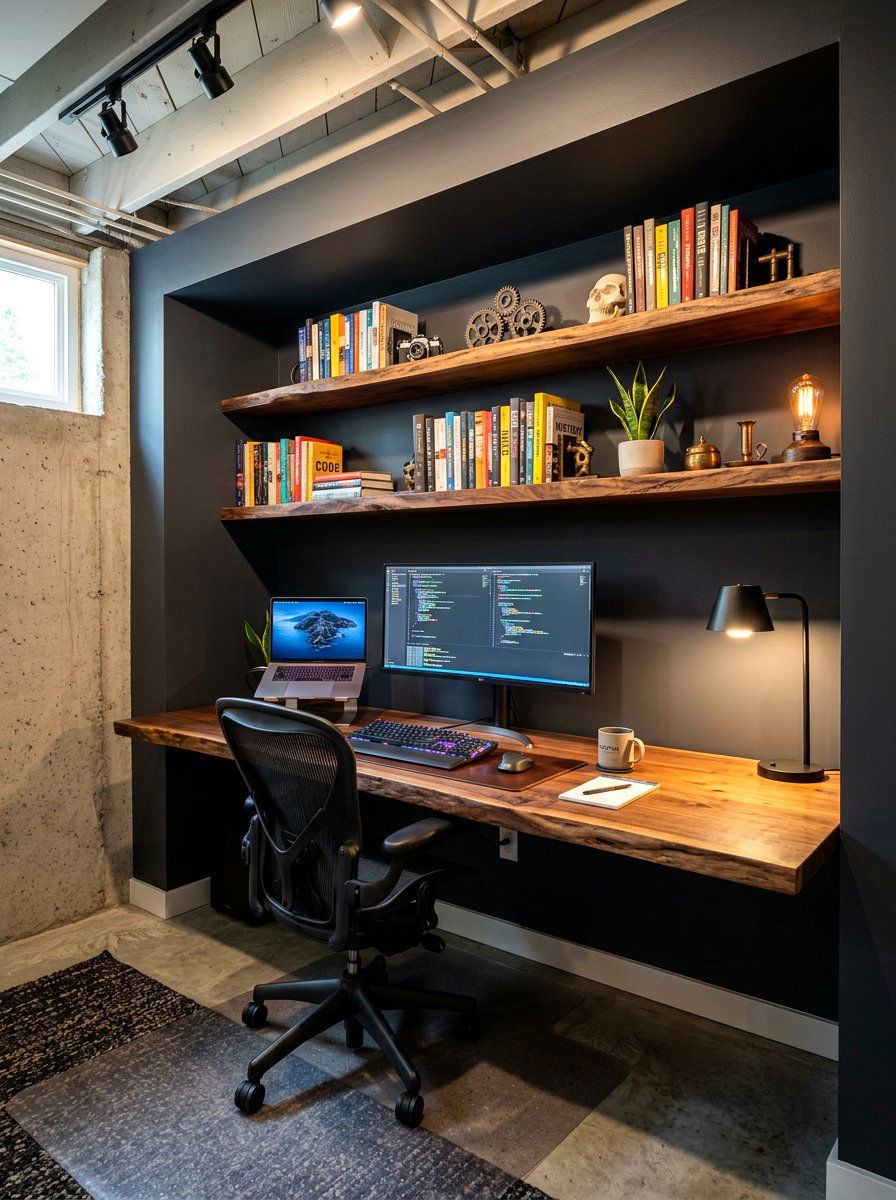
A deep alcove in your basement provides the perfect architectural opportunity to build a wall-to-wall desk surface that offers plenty of room to spread out. By fitting a custom-cut wood slab into the recessed space, you create a seamless and integrated look that feels like an intentional part of the room’s construction. You can use the walls above the desk for cork boards, whiteboards, or extra shelving to keep your surface clear and organized. This tucked-away location naturally reduces visual distractions from the rest of the basement, allowing you to focus deeply on your tasks. Adding a colorful accent wall within the alcove can provide a vibrant pop of personality and energy.
23. Egress Window Desk
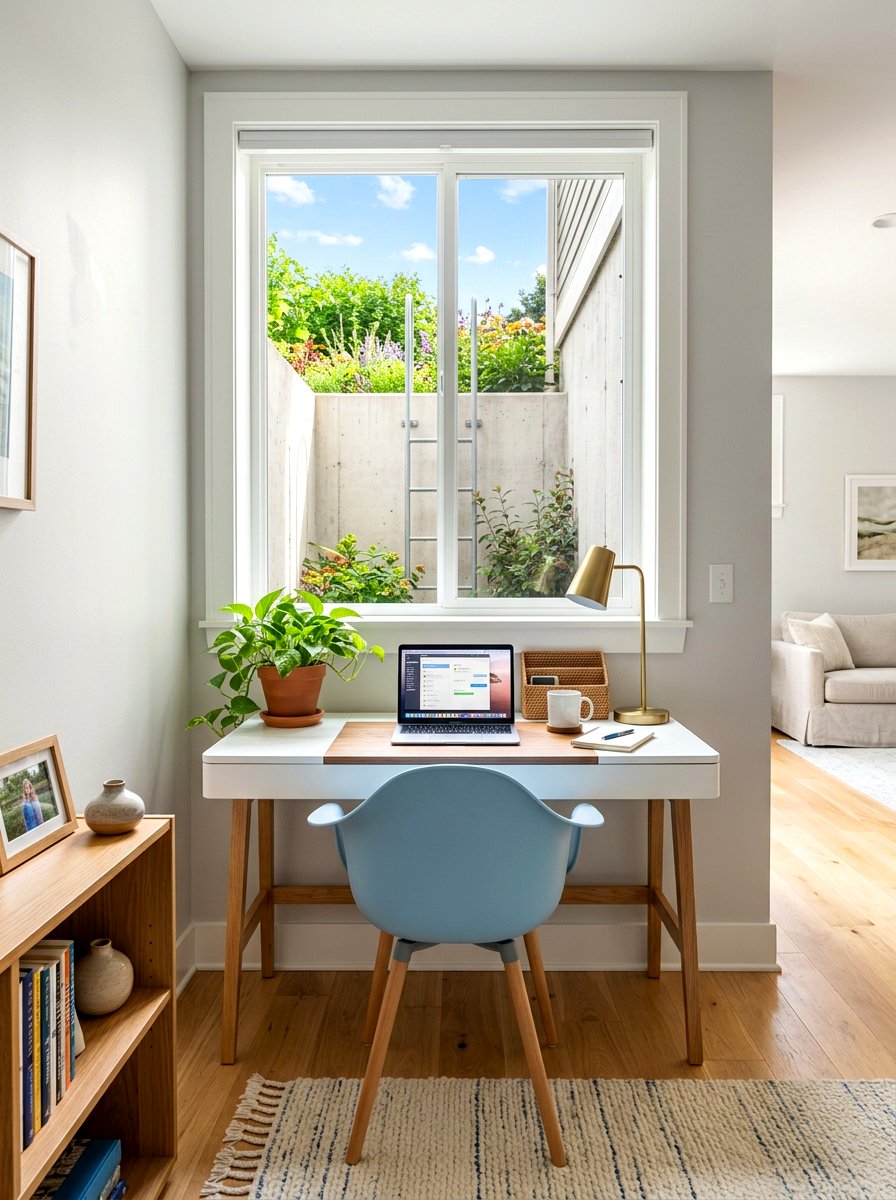
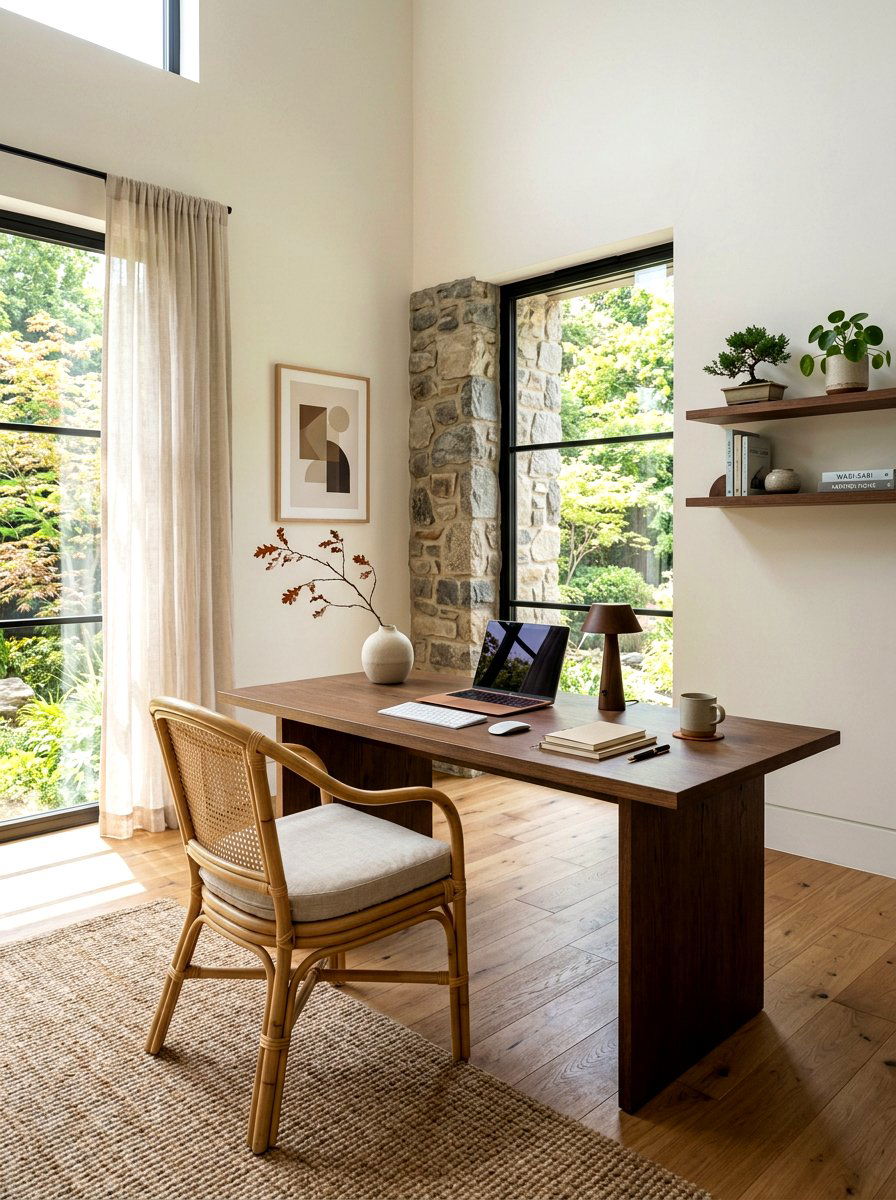
Placing your office nook directly under an egress window is the best way to maximize natural light and ventilation in a basement. The addition of a window well allows sunlight to flood your workspace, significantly boosting your mood and reducing the need for artificial lighting during the day. You can build a slim desk that fits perfectly along the window ledge, giving you a pleasant view of the sky or garden while you work. This connection to the outside world makes the basement feel less like an underground space and more like a standard upper-level room. Using light-filtering blinds allows you to control the brightness and prevent glare on your computer screen.
24. Luxury Lounge Office
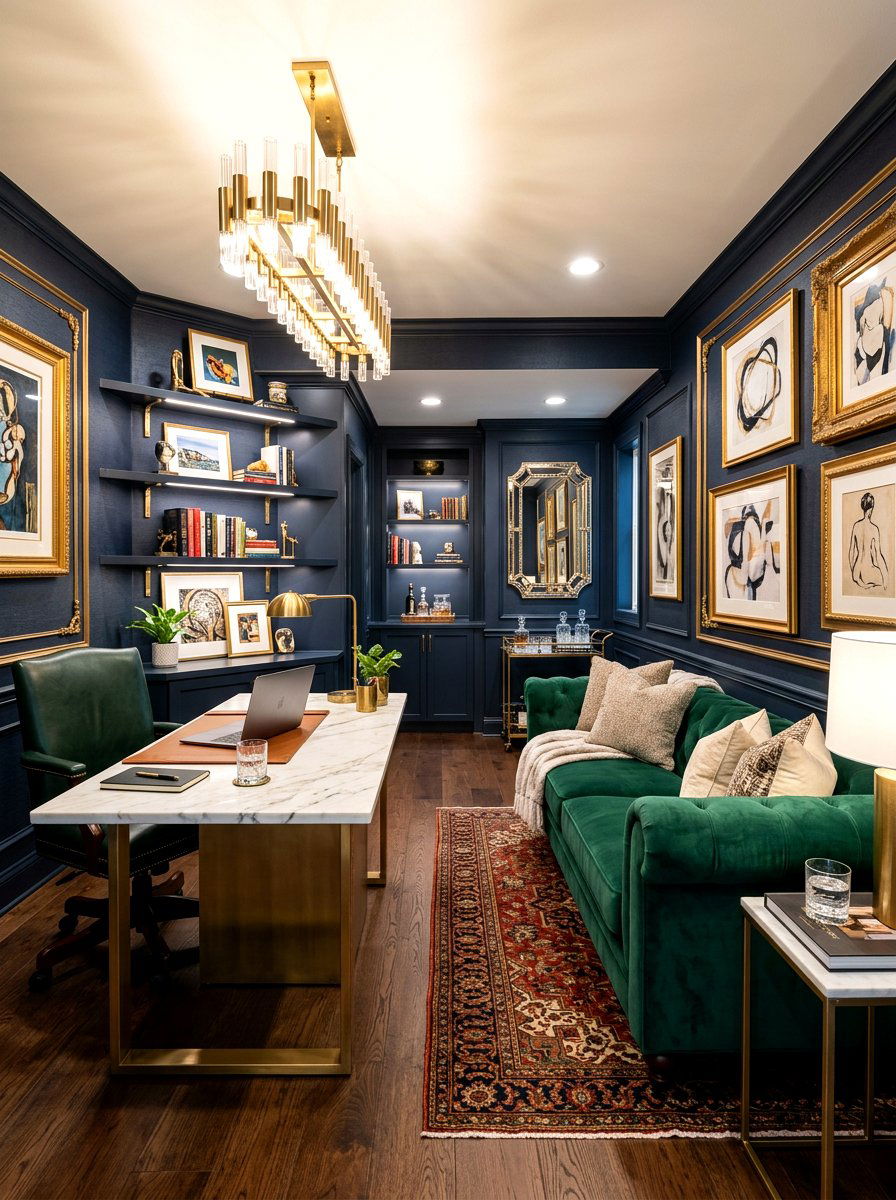
A luxury lounge-style office nook combines a high-end executive workspace with the comfort of a sophisticated sitting area. You can achieve this look by pairing a polished marble or solid wood desk with a plush velvet sofa or a set of designer armchairs. This layout is perfect for professionals who occasionally host clients or simply want a more relaxed environment for reading and brainstorming. Use a rich color palette of deep navy, emerald green, or charcoal gray to create a sense of opulence and drama. High-quality lighting fixtures, such as brass wall sconces and a statement floor lamp, add the finishing touches to a space that feels both professional and incredibly comfortable.
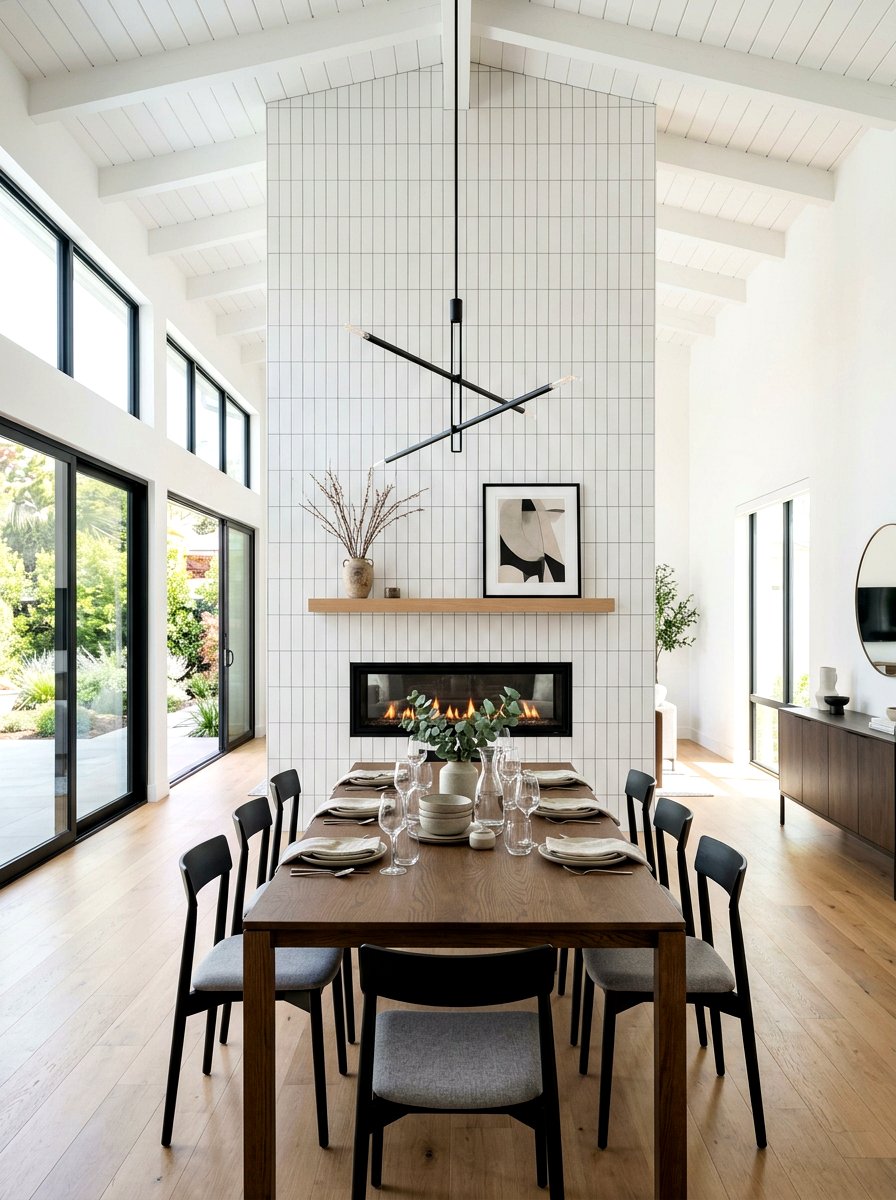
25. Kids Homework Nook
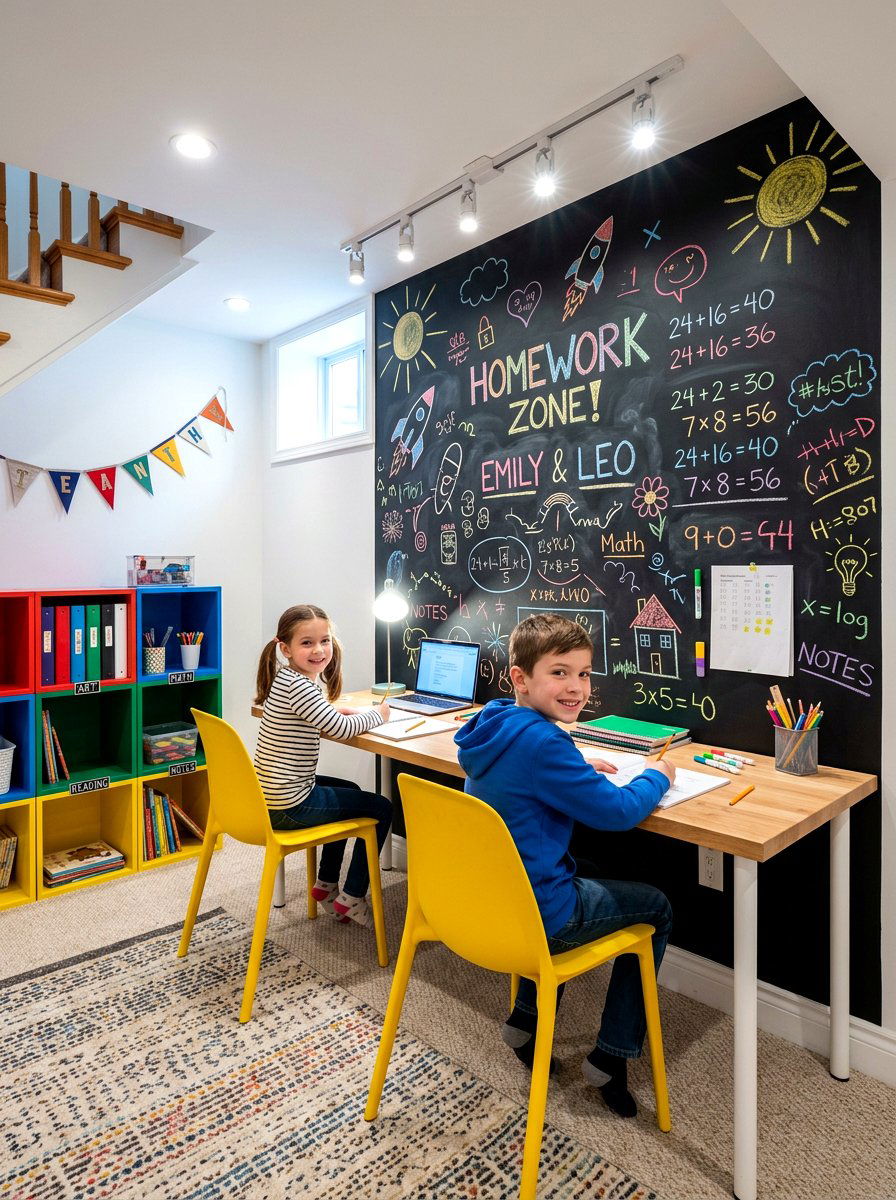
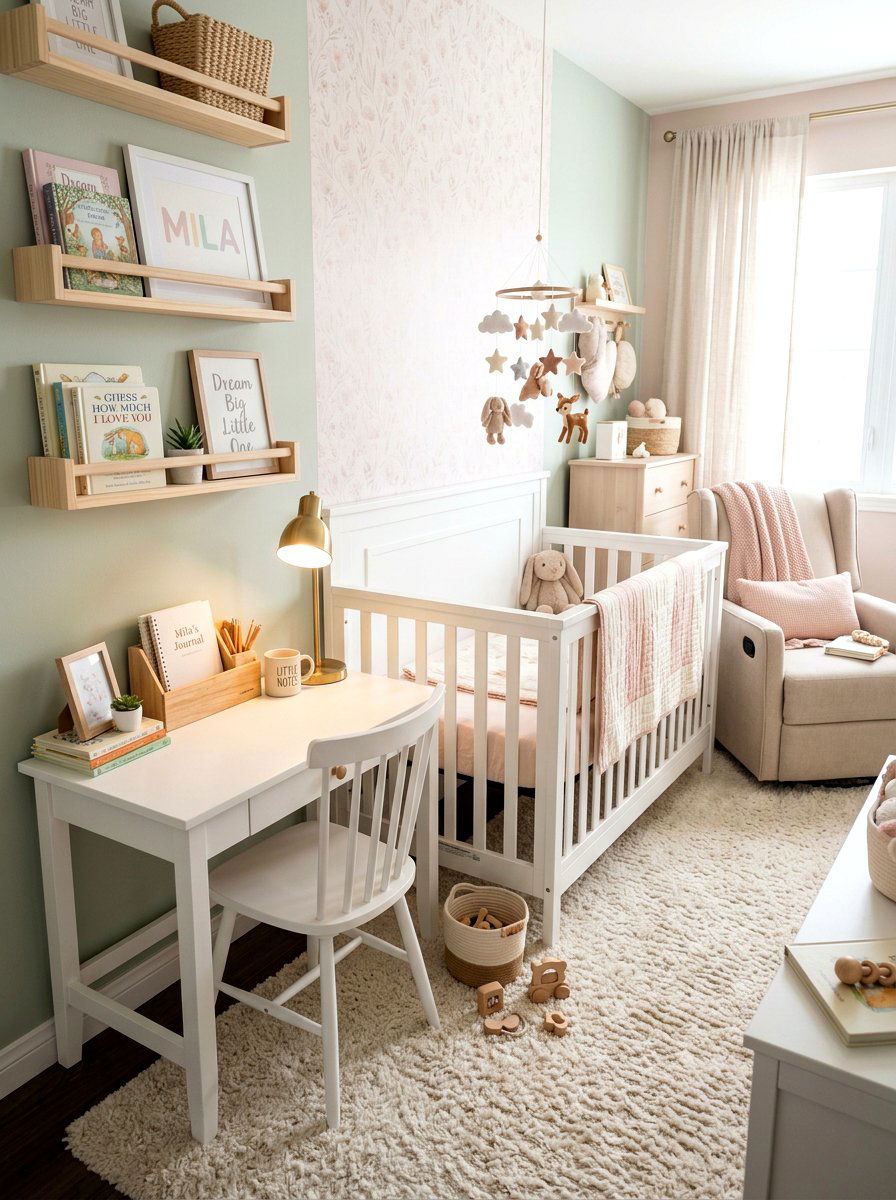
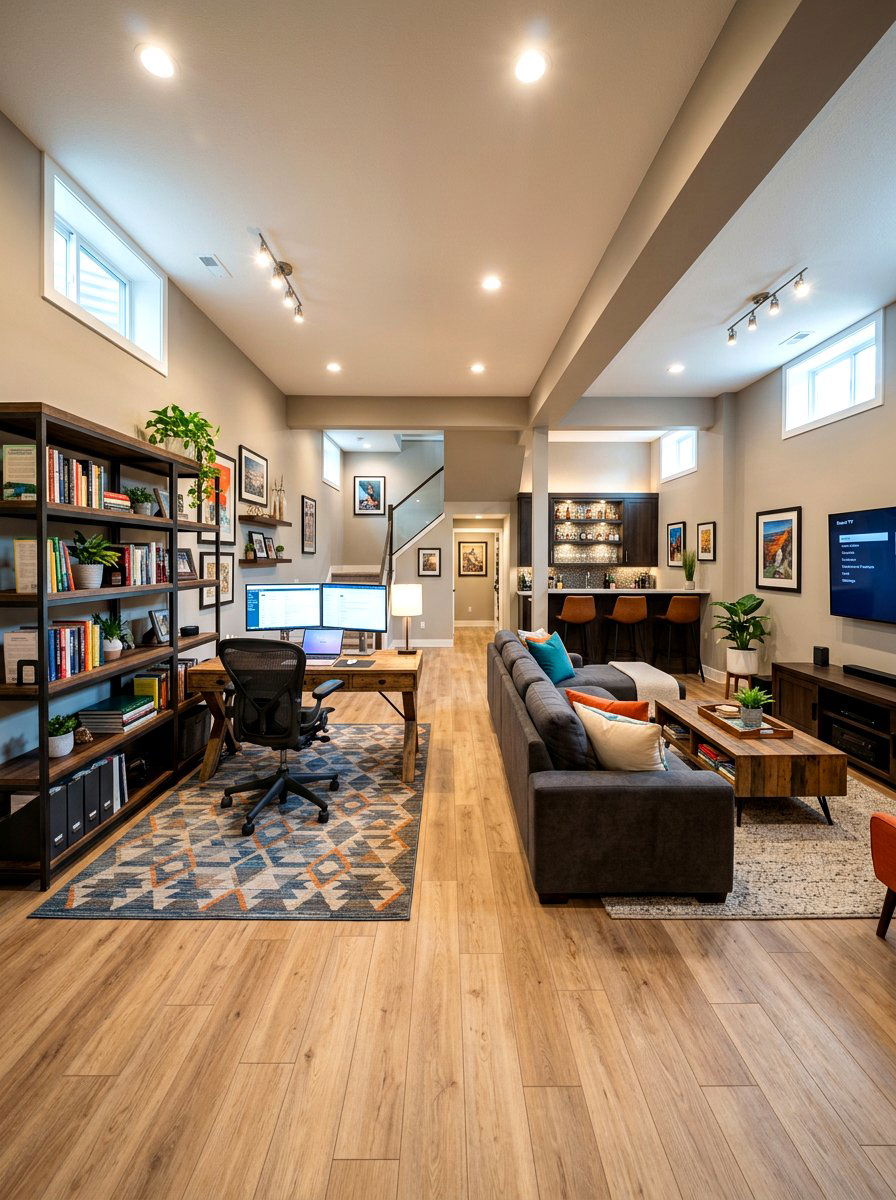
Creating a dedicated homework nook in the basement is a great way to give your children a quiet and distraction-free place to study. You can design a kid-friendly workspace using durable materials and bright, energetic colors that inspire creativity and focus. Adding built-in cubbies for backpacks and school supplies helps keep the area organized and prevents clutter from spreading throughout the house. A chalkboard or whiteboard wall can provide a fun and functional space for working out math problems or drawing creative ideas. By giving your children their own official workspace, you help them develop good study habits while keeping the main living areas of the home free from school-related mess and chaos.
26. Open Staircase Desk
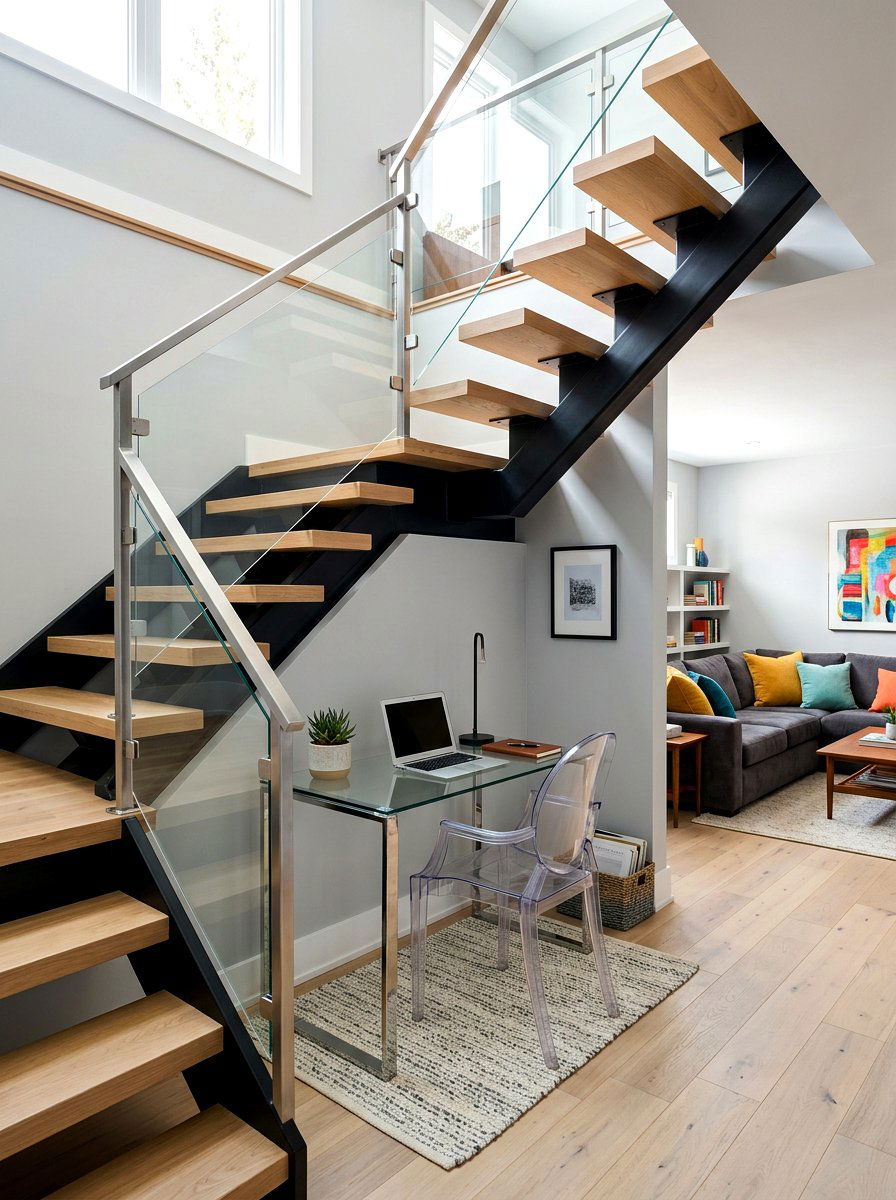
An open staircase design offers a unique opportunity to place a minimalist office nook in a central and visible part of your basement. The lack of risers allows light and air to flow through the workspace, creating a very modern and airy feel that avoids the cramped sensation of traditional alcoves. You can use a slim, contemporary desk and a transparent acrylic chair to maintain the open and light-filled aesthetic of the area. This location is perfect for those who want to stay connected to the rest of the household while still having a dedicated spot to manage daily tasks. The architectural lines of the stairs provide a striking and interesting frame for your workspace.
27. Vertical Storage Office
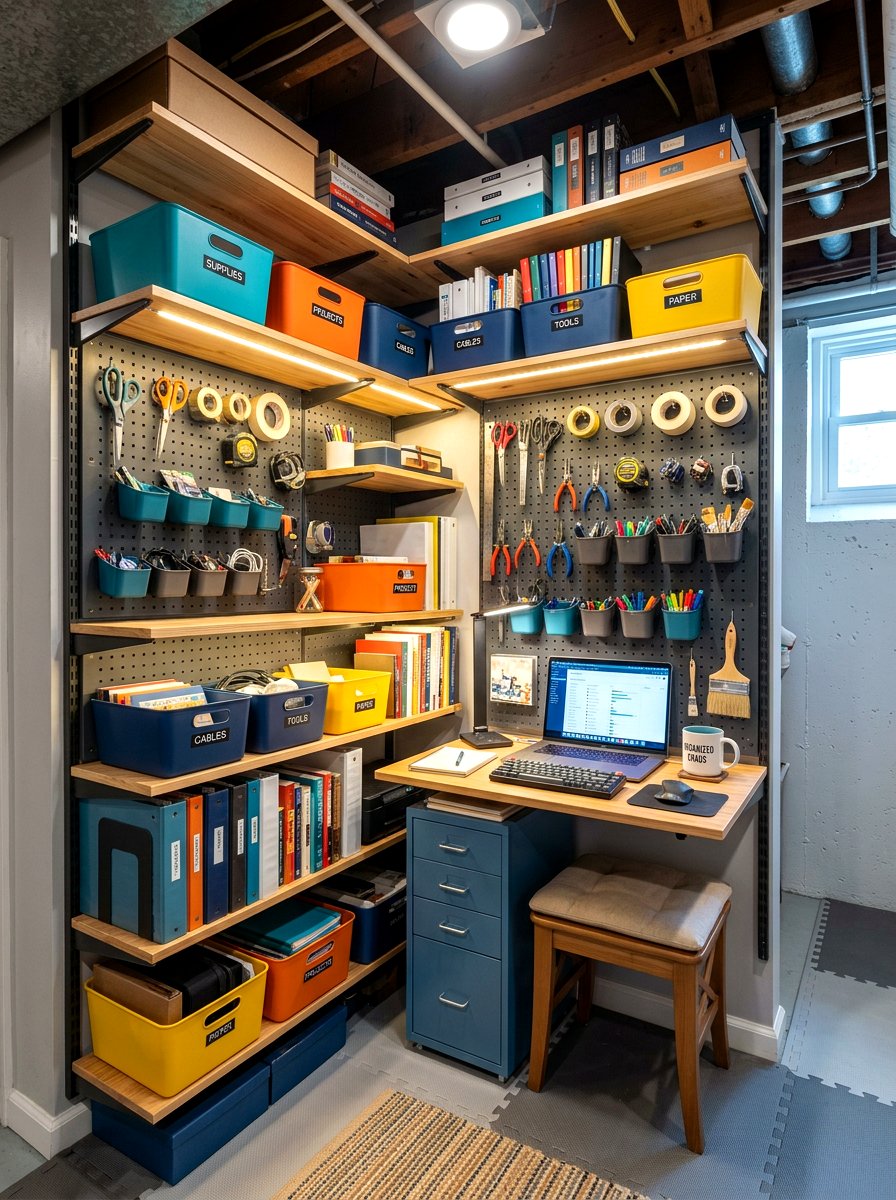
A vertical storage office nook is the ideal solution for basements with very limited floor space but standard ceiling heights. By using tall shelving units and wall-mounted organizers, you can keep all your essential items within reach without cluttering your desk surface. This design approach encourages you to think upward, utilizing every inch of the wall for storage bins, book stacks, and decorative accents. You can even mount your monitor on the wall to free up even more space for writing and other manual tasks. This efficient layout makes the most of a small footprint, proving that you do not need a large room to have a highly functional and well-organized home office environment.
28. Monochrome Office Design
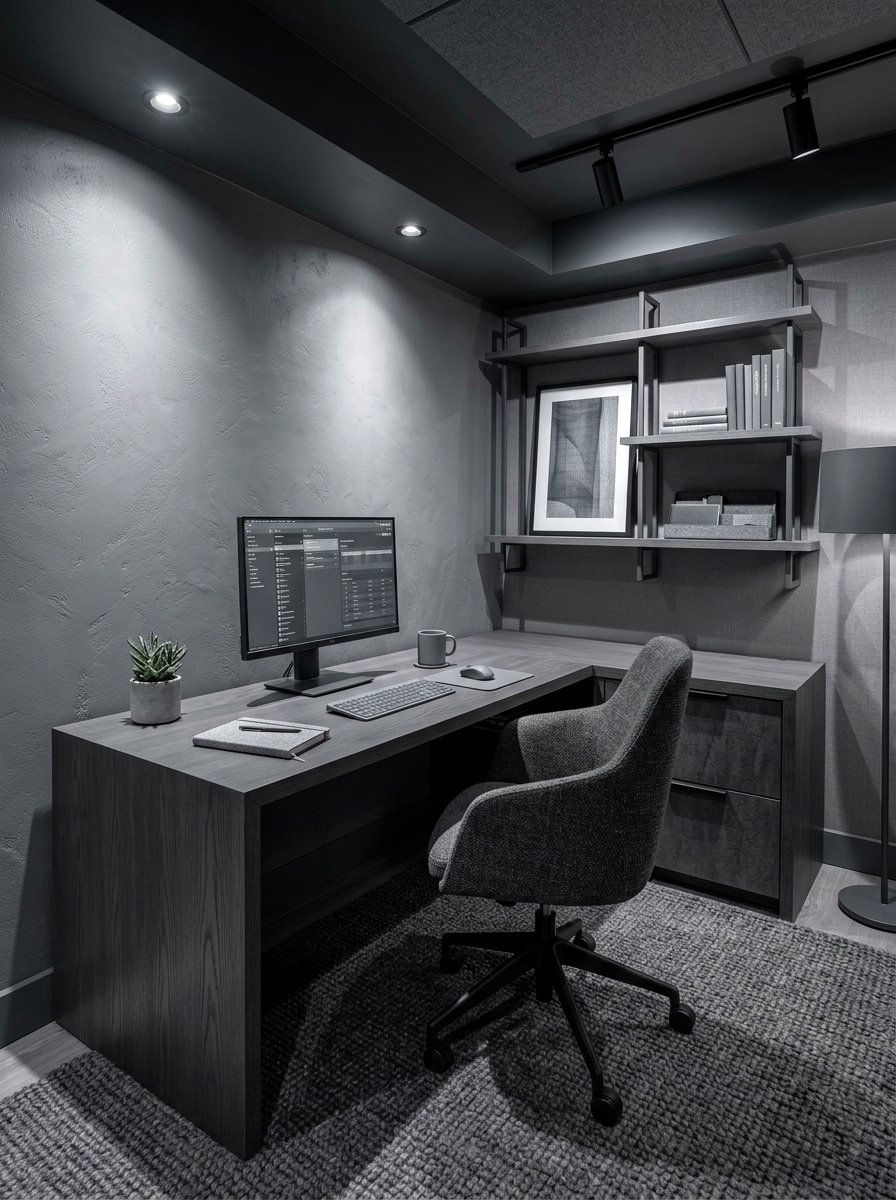
A monochrome office design uses varying shades of a single color to create a cohesive and sophisticated look in your basement nook. By sticking to a palette of grays, blues, or even deep greens, you reduce visual noise and create a calming environment that promotes deep focus. Use different textures, such as a matte-painted wall, a sleek lacquered desk, and a textured wool rug, to add depth and interest without breaking the color theme. This unified aesthetic makes the office feel like a carefully designed sanctuary where every element works together in perfect harmony. It is a chic and modern approach that elevates the look of any basement workspace while maintaining a very professional feel.
29. Integrated Coffee Station
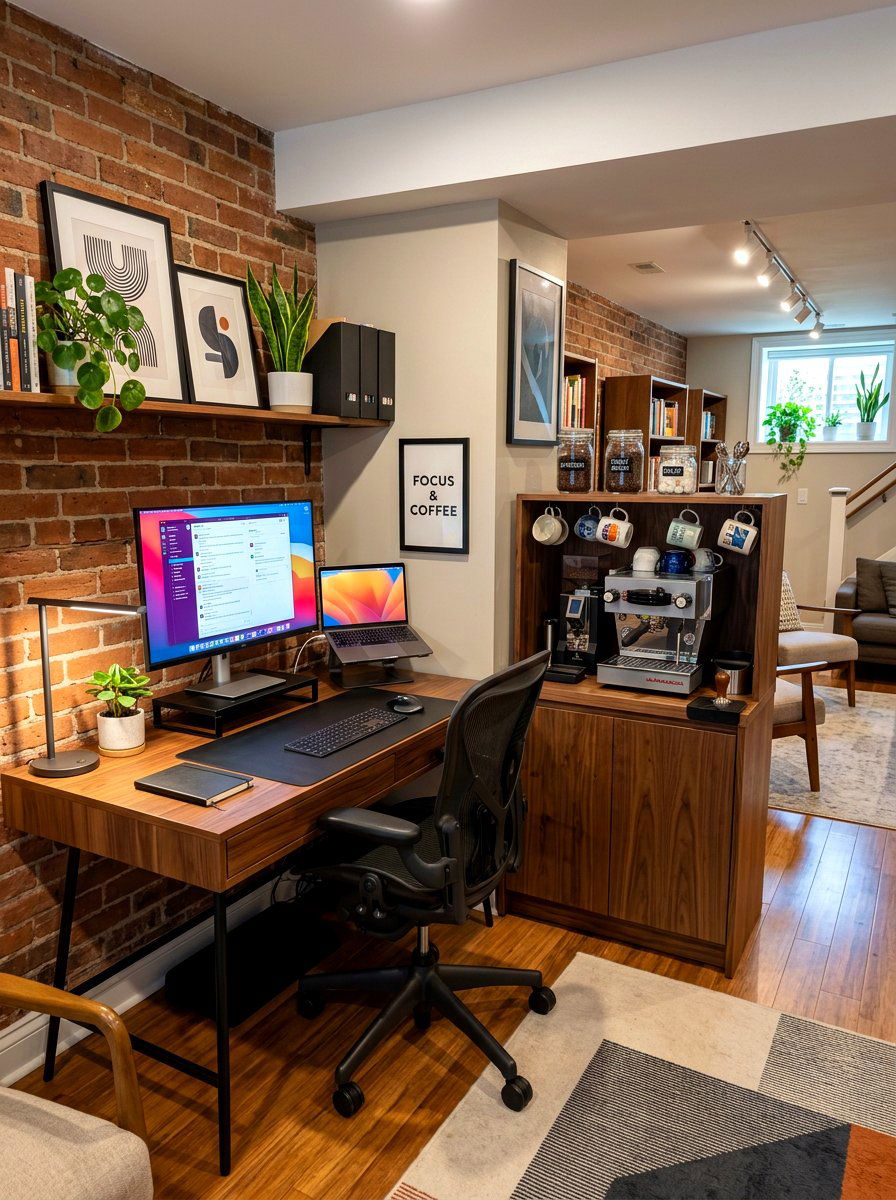
Incorporating a small coffee station into your basement office nook can make your workday feel much more enjoyable and convenient. You can set up a dedicated area for a compact espresso machine and a collection of your favorite mugs on a small side table or a built-in shelf. This allows you to grab a quick refreshment without having to go upstairs to the kitchen, helping you stay focused and productive throughout the morning. Adding a small bar fridge for cold drinks and snacks can further enhance the functionality of your workspace. This setup turns your office into a self-sufficient hub where you can comfortably work, relax, and refuel whenever you need a break.
30. Concrete Wall Office
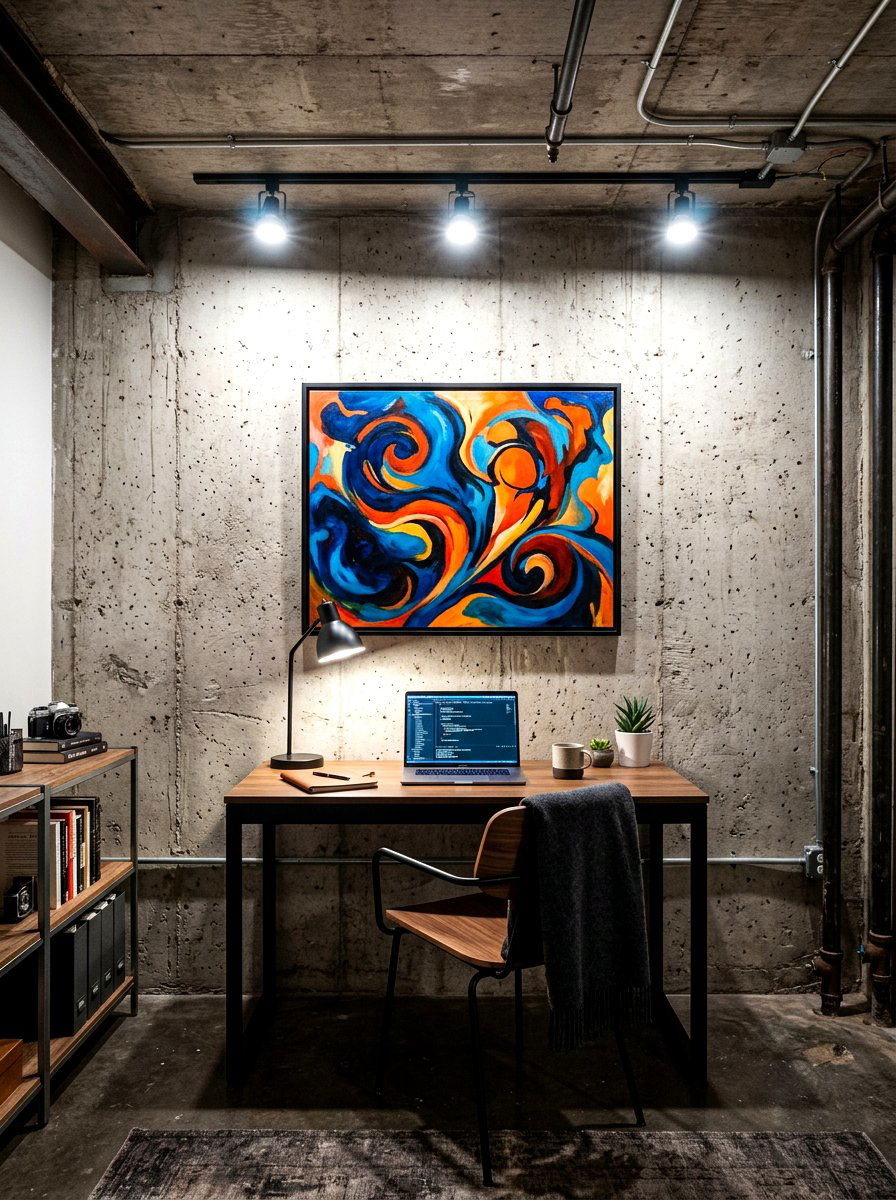
A concrete wall office nook embraces an edgy and modern industrial aesthetic that is perfect for a finished basement. If your walls are made of polished or raw concrete, you can leave them exposed to create a neutral and textured backdrop for your workspace. Pair this rugged look with a sleek metal desk and warm wood accents to prevent the space from feeling too cold or clinical. Using large-scale artwork and a series of warm-toned spotlights can help soften the industrial vibes and make the corner feel more inviting. This design is not only incredibly durable and easy to maintain but also provides a unique, architectural character that sets your home office apart from traditional rooms.
Conclusion:
Designing a functional and stylish basement office nook is an excellent way to maximize your home’s potential while creating a dedicated space for focus and productivity. Whether you choose to build under the stairs, convert a small closet, or embrace a bold industrial aesthetic, the key is to prioritize lighting, storage, and comfort. A well-planned workspace can significantly improve your work-life balance by providing a quiet retreat from the busy areas of your home. By incorporating personal touches and ergonomic furniture, you can turn a simple basement corner into an inspiring sanctuary. We hope these thirty ideas have sparked your creativity for your next home improvement project today.

Related posts: