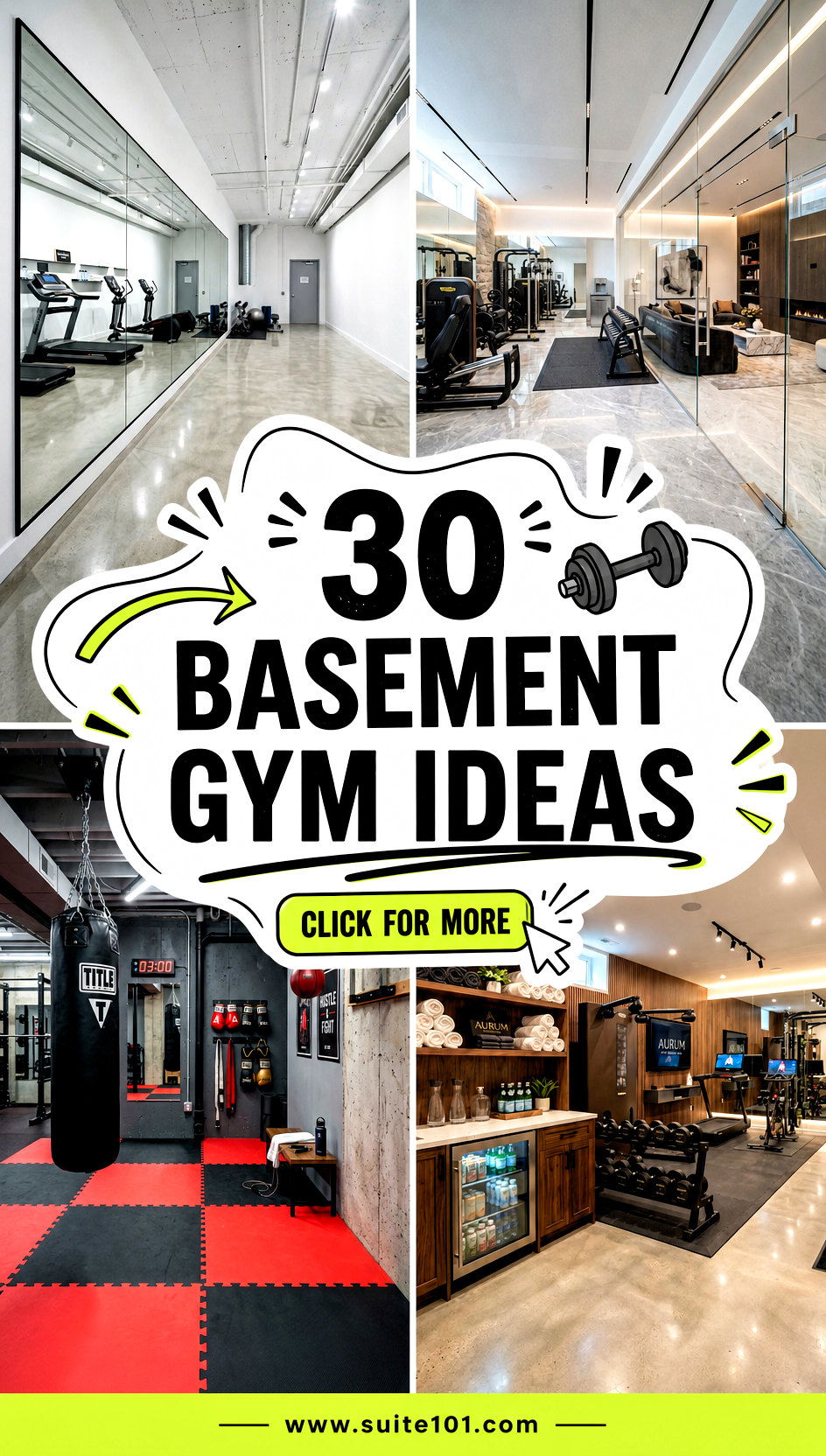
Converting a cold and dark basement into a functional fitness sanctuary is one of the most rewarding home improvement projects you can undertake today. For many homeowners, the lower level offers the perfect footprint for heavy weights and loud cardio sessions that might otherwise disturb the peace on main floors. Designing a basement gym allows you to customize your environment to match your specific health goals while increasing your overall property value. From sleek modern aesthetics to rugged industrial designs, the possibilities for these underground spaces are nearly endless. By focusing on proper lighting, moisture-resistant materials, and smart equipment layouts, you can create an inviting atmosphere that keeps you motivated for years to come.
1. Basement Gym Rubber Flooring
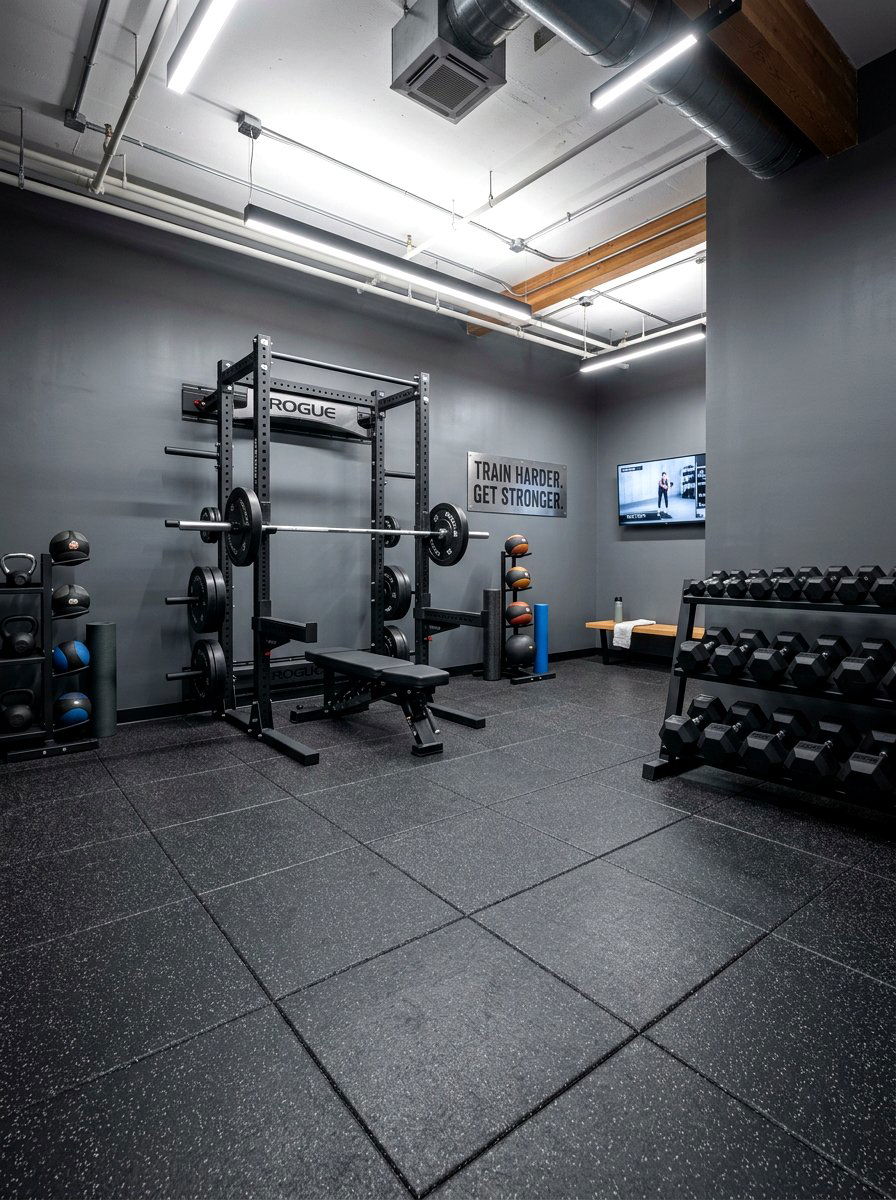
Choosing the right foundation is the most critical step when you are planning your new workout space downstairs. High-quality rubber flooring protects your concrete subfloor from heavy impacts while providing necessary cushioning for your joints during intense movements. You can choose between interlocking tiles which are very easy for DIY installation or large rolls that offer a seamless professional appearance. These durable materials are naturally moisture-resistant, which is vital in a basement environment where humidity levels can fluctuate throughout the seasons. Opting for a thickness of at least eight millimeters ensures your floor can handle dropped dumbbells without causing structural damage to the house foundation.
2. Basement Gym Wall Mirror
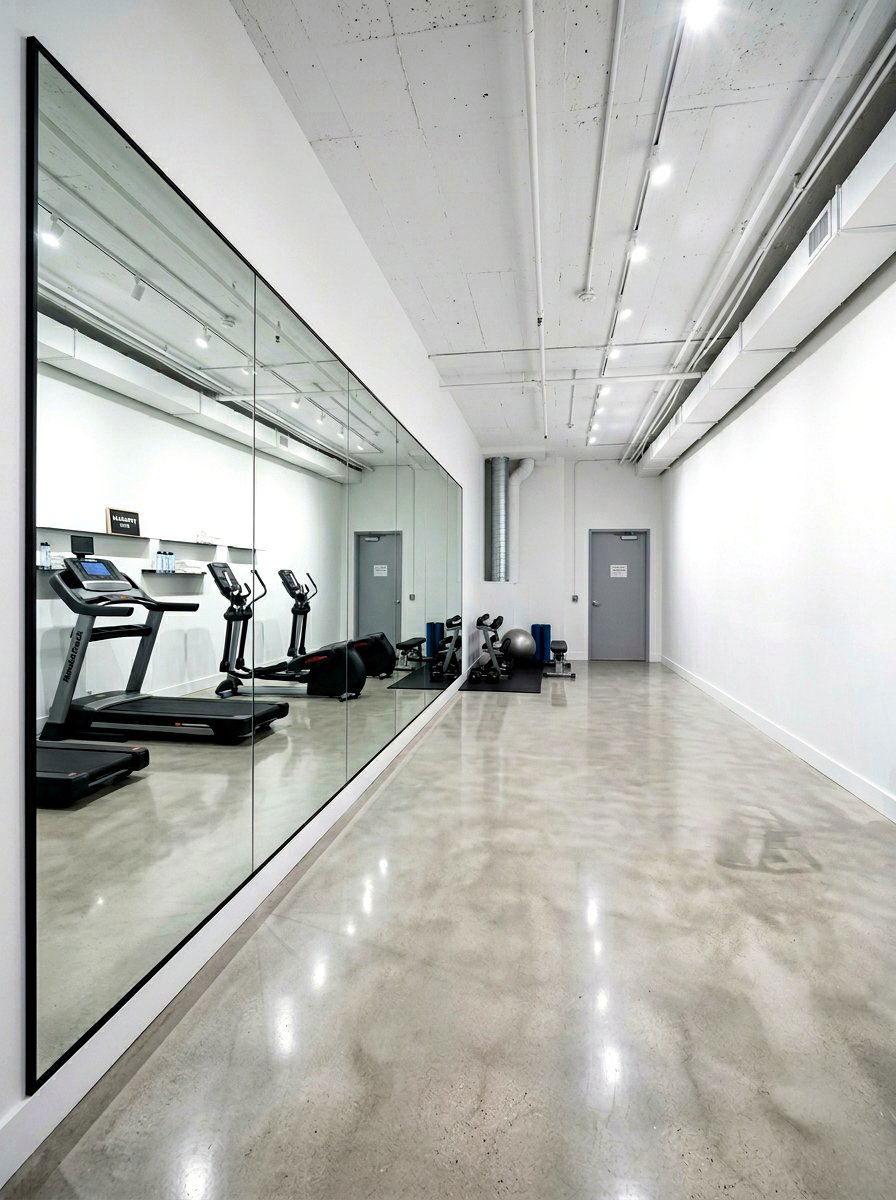
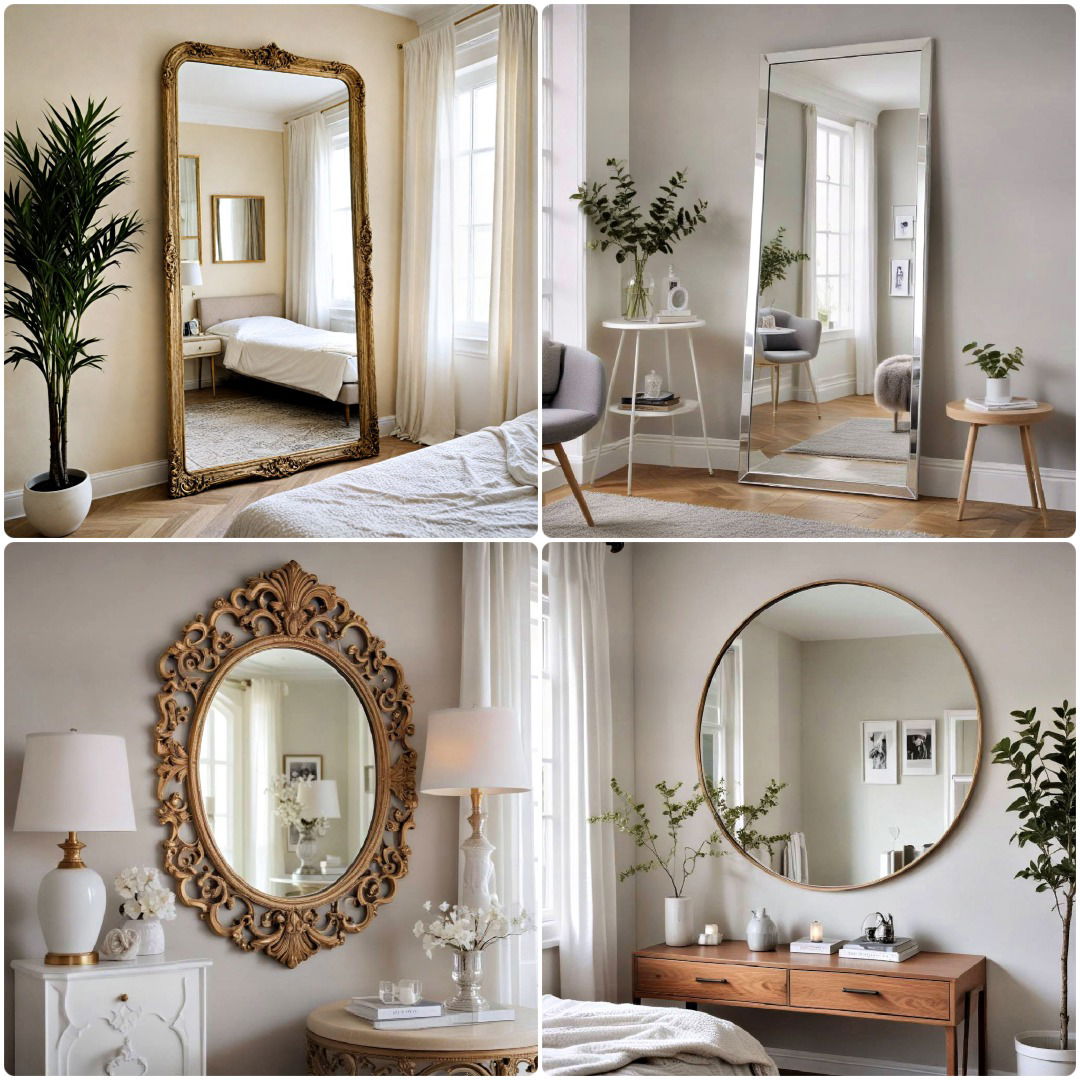
Installing large mirrors is a brilliant way to transform a cramped underground room into a bright and expansive fitness studio. Not only do mirrors help you monitor your lifting form to prevent injuries, but they also reflect light to eliminate dark corners. You can mount several frameless glass panels side-by-side to create a continuous wall-to-wall reflection that mimics a commercial gym setting. For a more budget-friendly approach, leaning large floor mirrors against the wall provides a similar effect with much less installation effort. This design choice effectively doubles the visual size of your basement, making even the smallest workout areas feel much more open and professional.
3. Basement Gym Exposed Ceiling
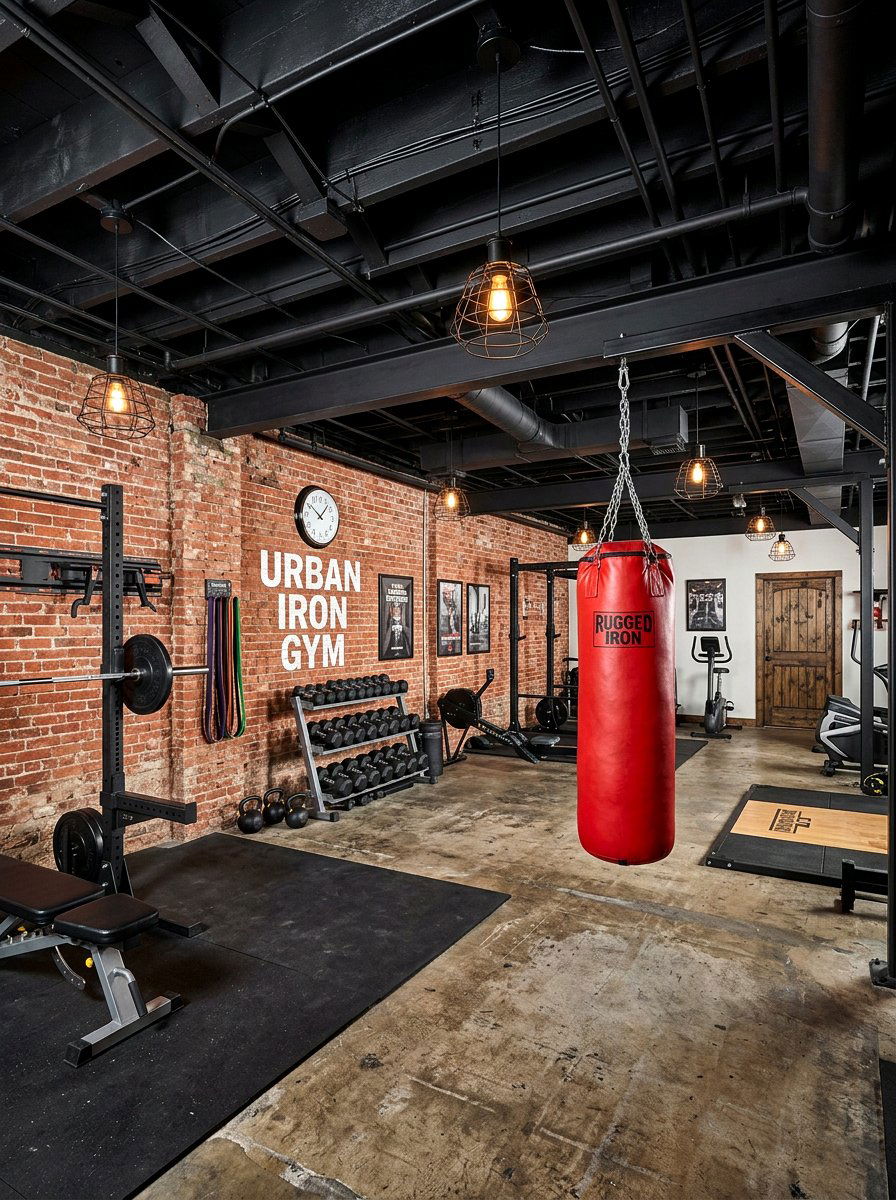
Embracing the industrial charm of an unfinished ceiling can add height and character to your private workout area without the cost of drywall. Painting the overhead joists, pipes, and ductwork in a uniform matte black or dark charcoal creates a modern warehouse aesthetic that is very popular right now. This approach also keeps your utility lines accessible for future repairs while providing convenient spots to hang suspension trainers or heavy boxing bags. If you prefer a cleaner look, painting the entire ceiling white can help reflect more light downward, making the basement feel significantly less like a cave. It is a cost-effective way to finish the space quickly.
4. Basement Gym Corner Layout
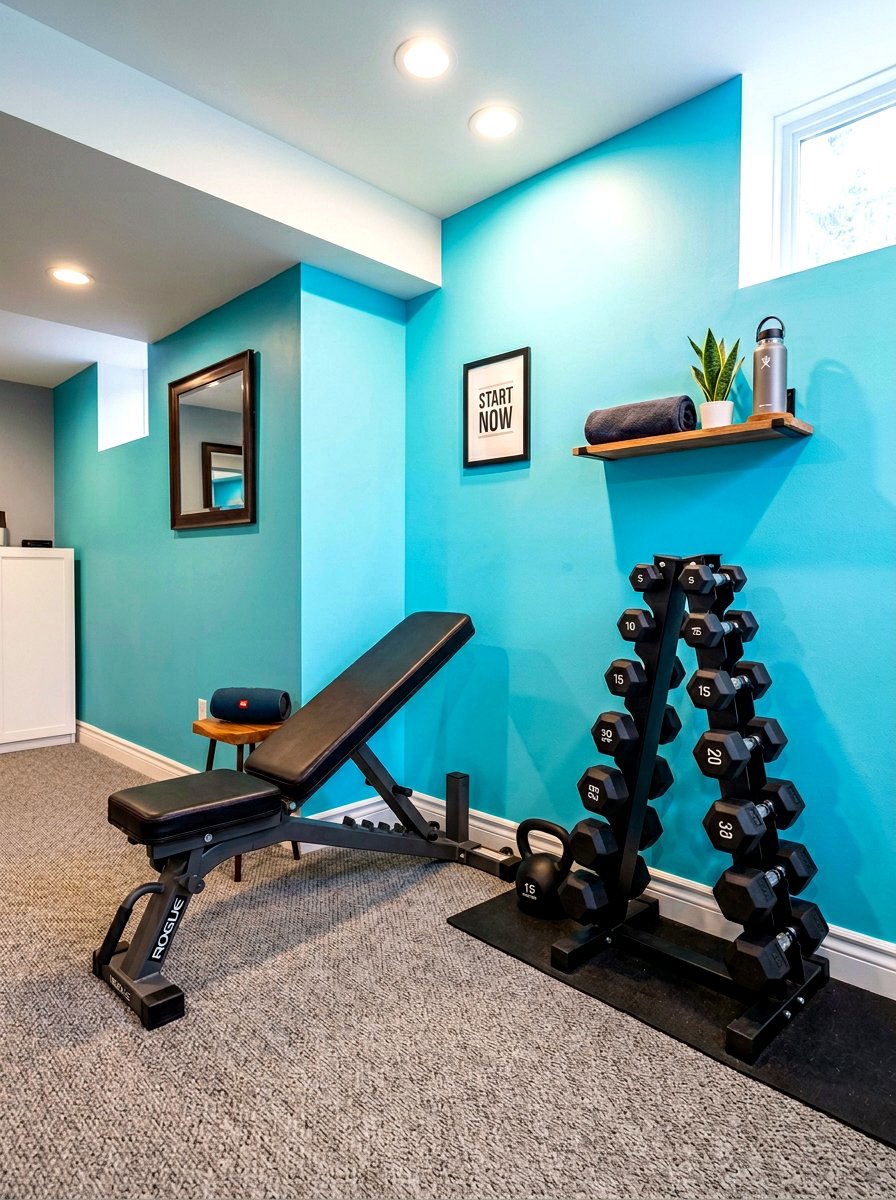
You do not need an entire finished basement to create an effective and motivating place for your daily exercise routine. Dedicated corner gyms are perfect for smaller homes where the lower level must also serve as a laundry room or storage area. By using a heavy-duty area mat to define the boundaries of your zone, you can keep your equipment organized and separate from the rest of the room. Wall-mounted racks for your weights and resistance bands help save valuable floor space while keeping everything within reach. This compact setup proves that consistency is possible regardless of the total square footage available in your unique home layout.
5. Basement Gym Yoga Studio
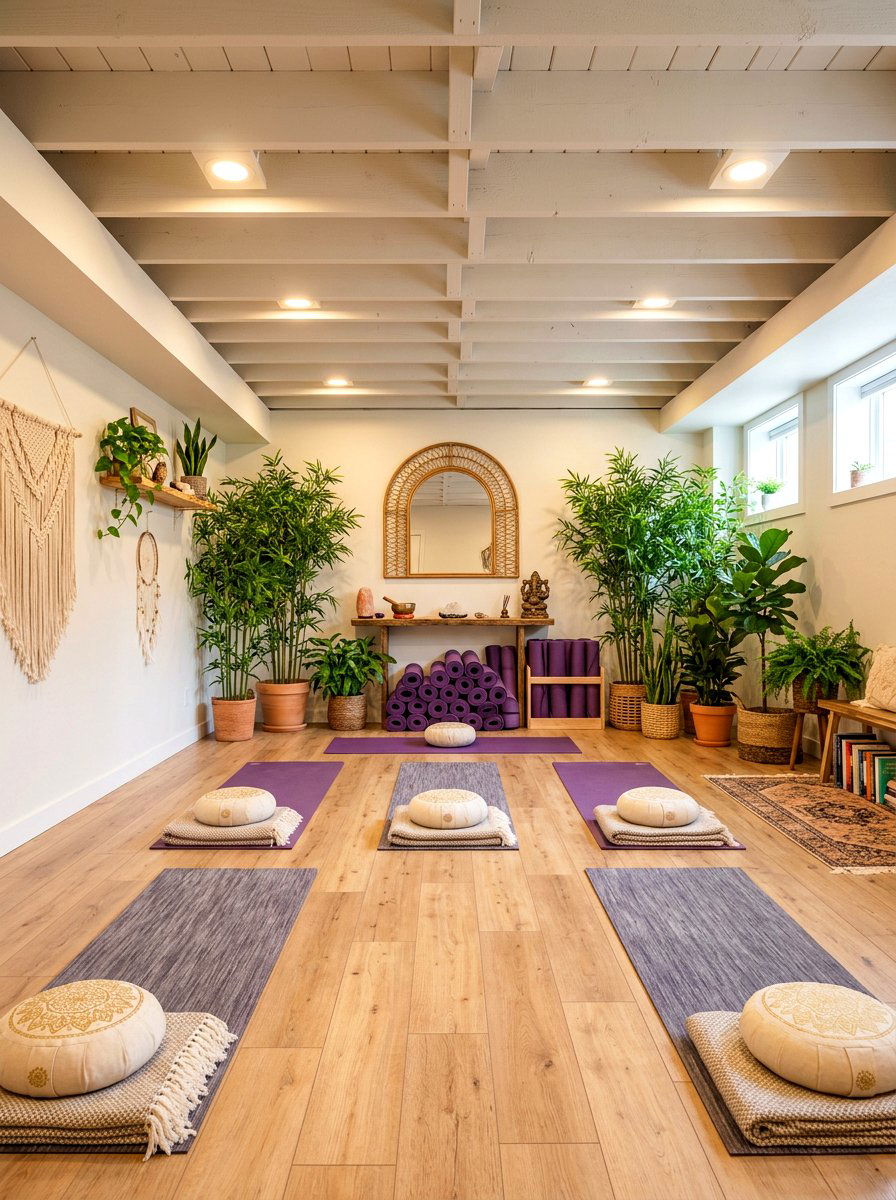
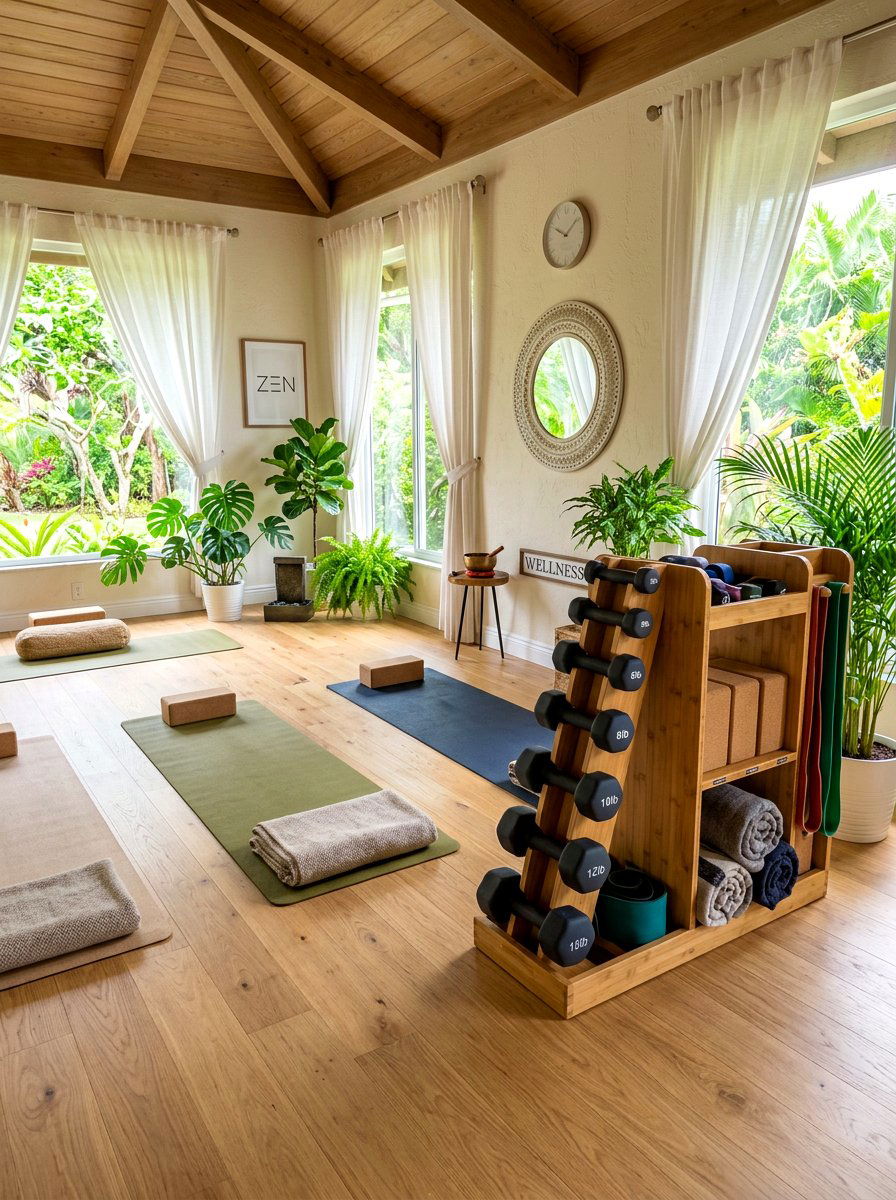
Creating a dedicated space for mindfulness and stretching requires a softer design approach than a traditional heavy lifting zone. Soft foam tiles or smooth bamboo flooring provide a comfortable surface for floor-based movements and long meditation sessions. Consider using warm, adjustable lighting to create a tranquil atmosphere that helps you decompress after a very stressful day. Adding a simple wooden shelf to hold your yoga blocks, rolled mats, and essential oil diffusers keeps the area clutter-free and organized. Minimalist wall art and a few neutral tones can further enhance the zen-like quality of this specific basement corner, making it a true wellness retreat.
6. Basement Gym CrossFit Station
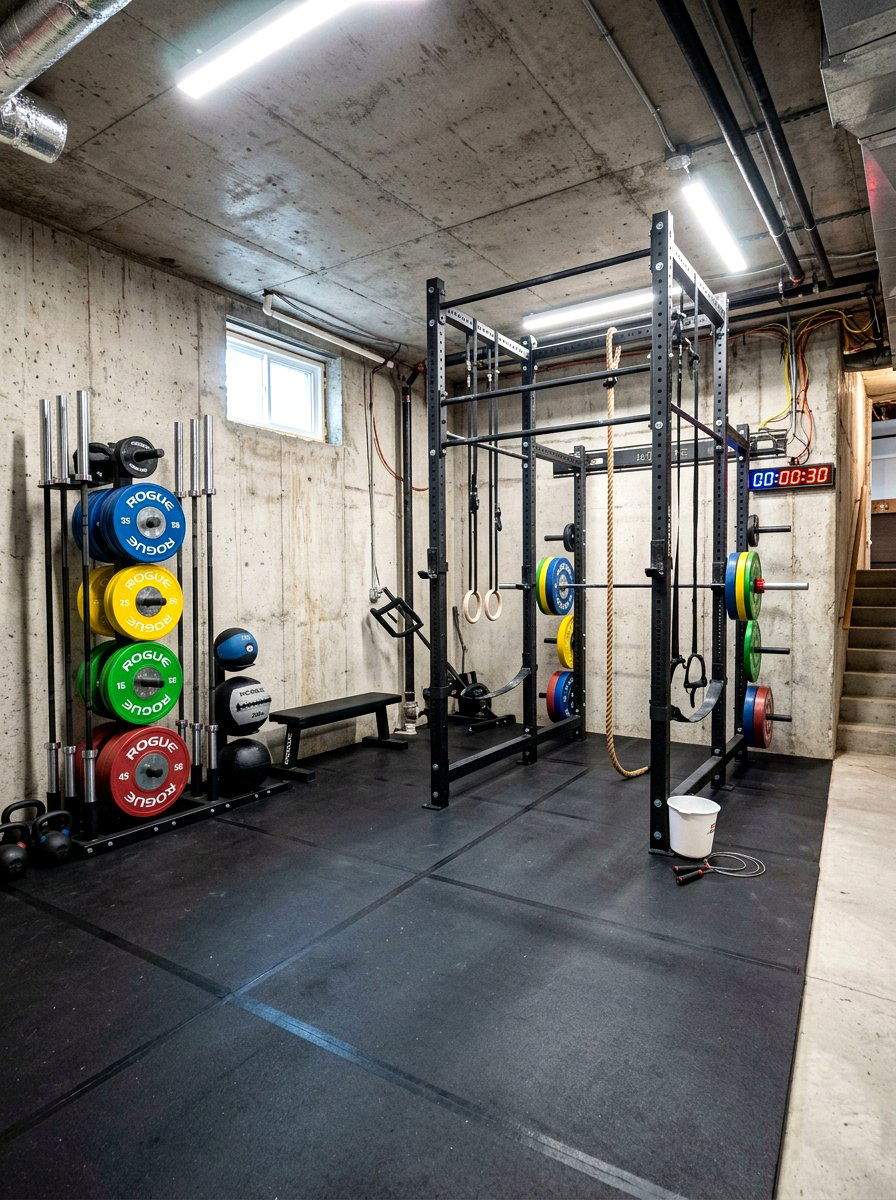
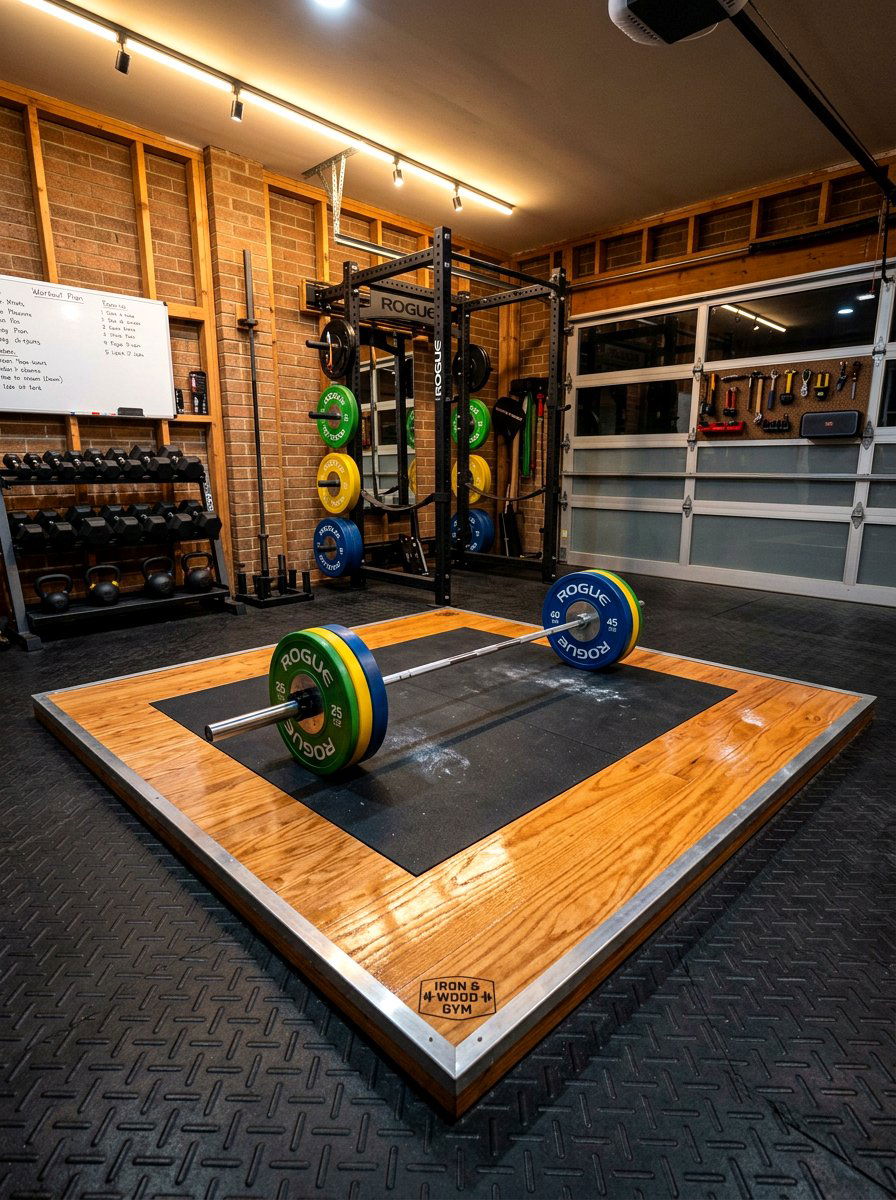
Serious athletes often prefer a rugged setup that can handle high-intensity interval training and Olympic weightlifting sessions every single day. A dedicated CrossFit zone typically features a sturdy power rack bolted into the floor and plenty of open space for dynamic movements like burpees or box jumps. Using thick stall mats provides the ultimate protection for your foundation when you are dropping heavy barbells during your power cleans. You can also mount a pull-up bar directly to the ceiling joists to maximize your vertical space for various gymnastics movements. This high-energy environment is perfect for those who want to push their physical limits in a private setting.
7. Basement Gym LED Lighting
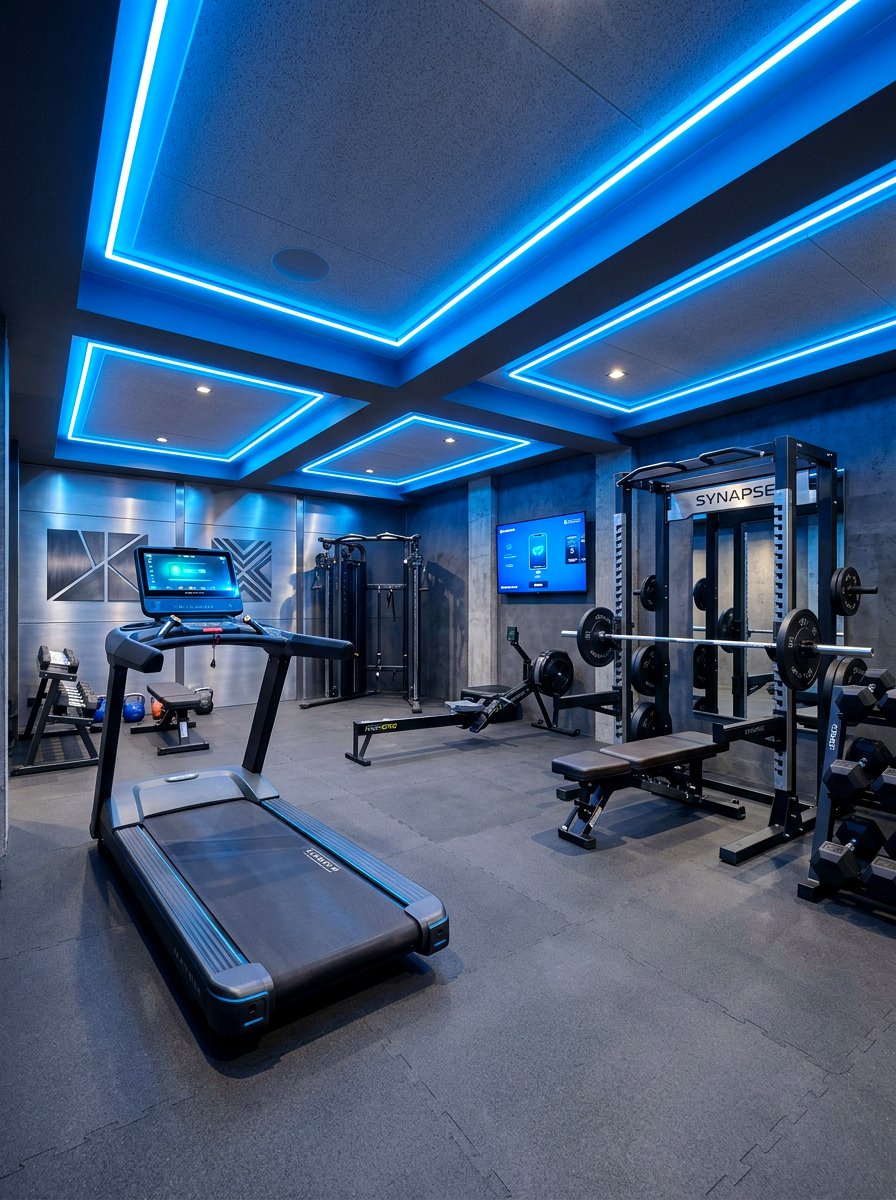
Proper illumination is essential in any underground room where natural sunlight is often limited or completely non-existent during the day. Modern LED strip lights installed along the ceiling perimeter or behind mirrors can create a vibrant, high-energy mood for your workouts. You can also use smart bulbs that allow you to change the color and brightness based on your current activity level. For instance, bright blue tones can boost your energy for cardio, while warm orange hues are better for cooling down and stretching. Layering your lighting with recessed cans and task lights ensures every corner of your gym is visible and safe.
8. Basement Gym Smart Equipment
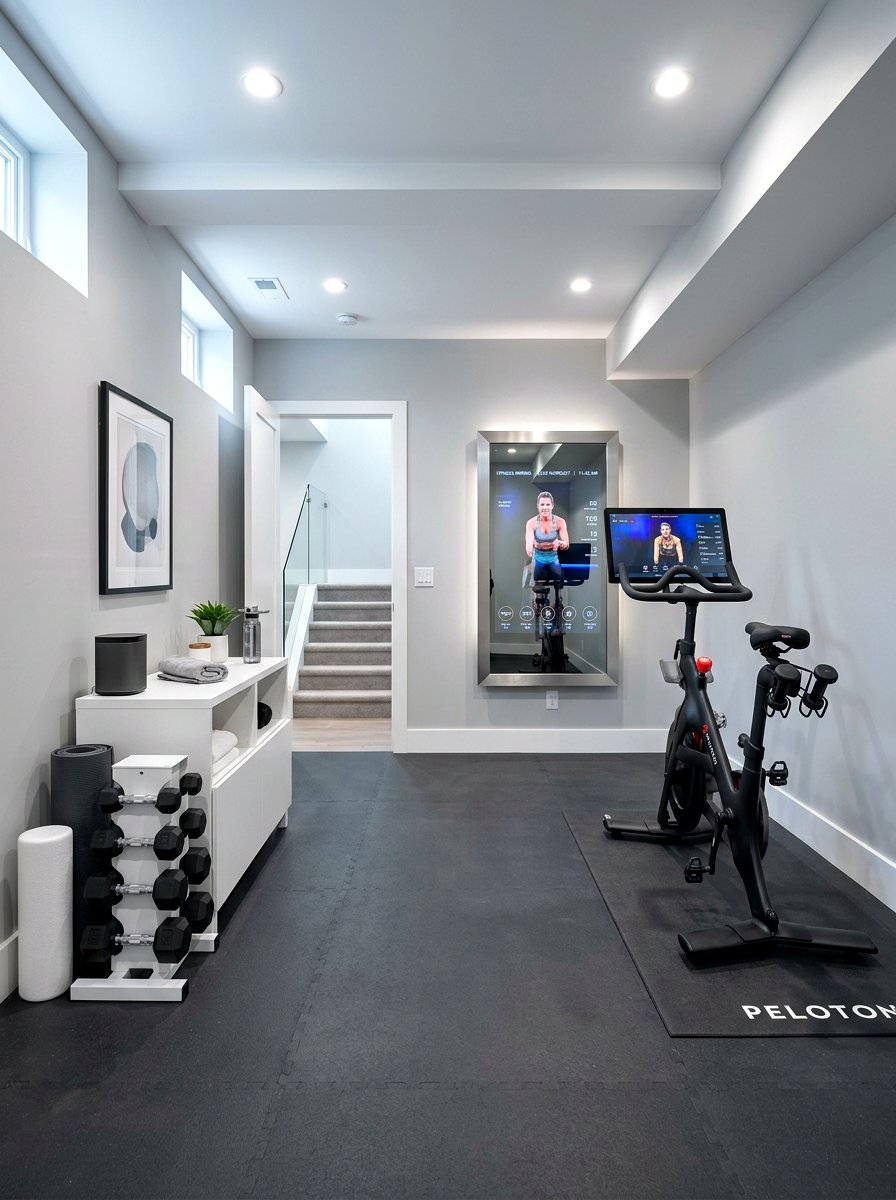
Integrating modern technology into your fitness space can provide the professional coaching and community support found in high-end commercial studios. Wall-mounted smart mirrors or large tablets allow you to stream live classes and track your progress through advanced biometric sensors. These high-tech devices often take up very little physical space, making them ideal for smaller basements where multiple bulky machines might not fit. Pairing these units with Bluetooth speakers creates an immersive experience that keeps you focused on your goals without any outside distractions. This modern approach to training makes it much easier to stay consistent with your workout schedule throughout the entire year.
9. Basement Gym Accent Wall
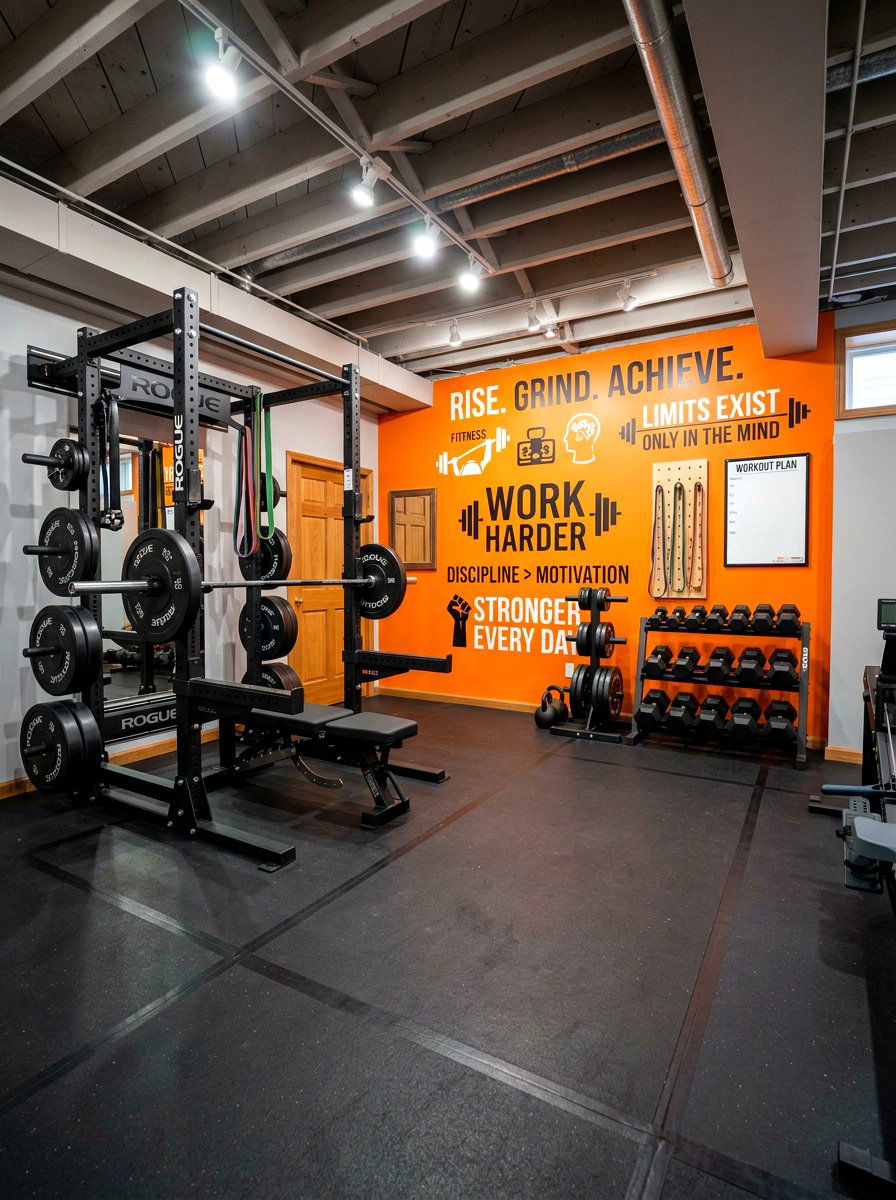
Adding a bold pop of color to one side of your workout room is a simple way to boost motivation. You might choose a vibrant orange or a deep blue to create a focused and energetic atmosphere for your daily sessions. If you prefer a more customized look, wall decals or large scale murals featuring inspiring quotes or landscape photography can serve as a great focal point. Using high-quality semi-gloss paint makes the surface easy to wipe down after particularly sweaty HIIT workouts. This design element defines the gym area within a multi-purpose basement while reflecting your personal style and unique fitness journey.
10. Basement Gym Wood Paneling
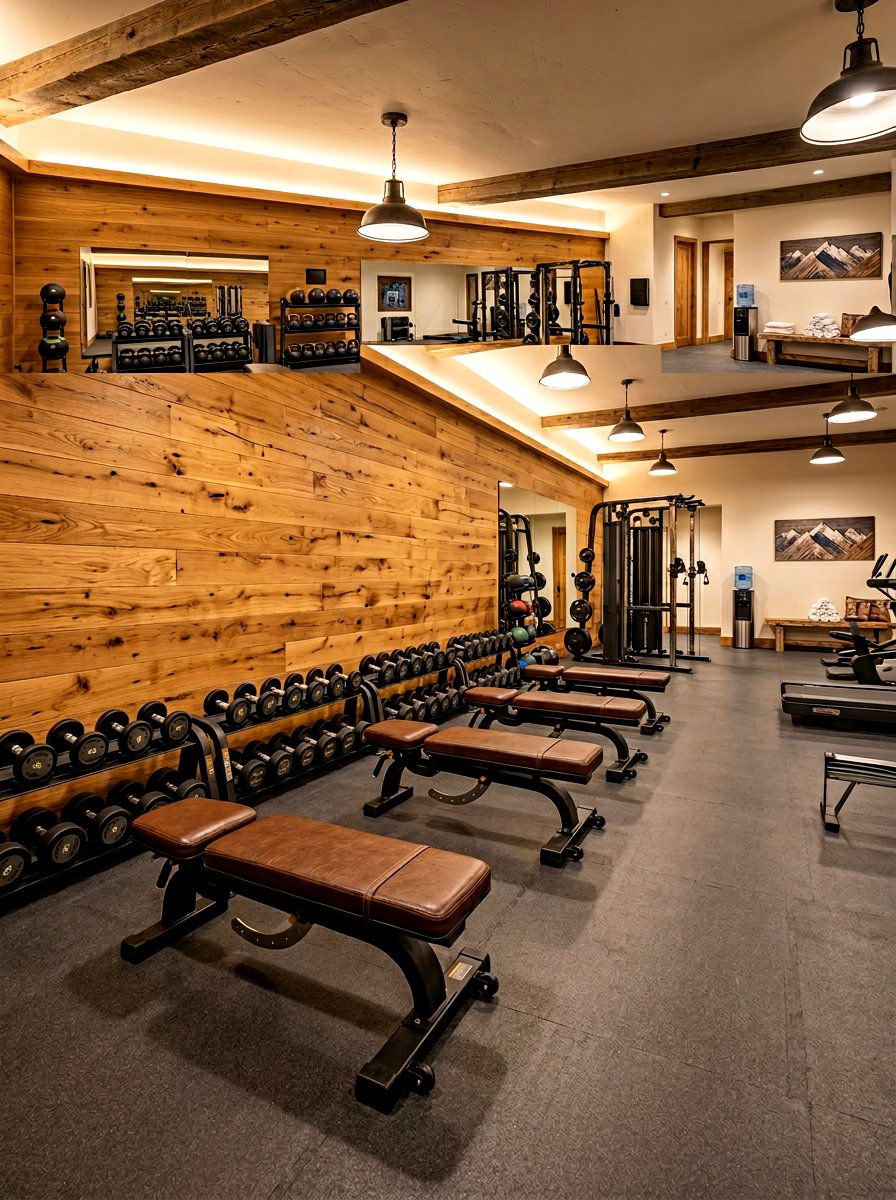
Incorporating natural wood elements on your walls can bring a sense of warmth and luxury to an otherwise cold basement environment. Horizontal slat walls are particularly functional because they allow you to hang various hooks and shelves for your gym accessories. You can choose light oak for a modern Scandinavian look or dark walnut for a more traditional and sophisticated feel. This texture contrasts beautifully with the hard surfaces of weights and metal machines, creating a balanced and high-end aesthetic. Wood paneling also provides a small amount of sound dampening, which is helpful if you enjoy playing loud music during your lifting routines.
11. Basement Gym Office Space
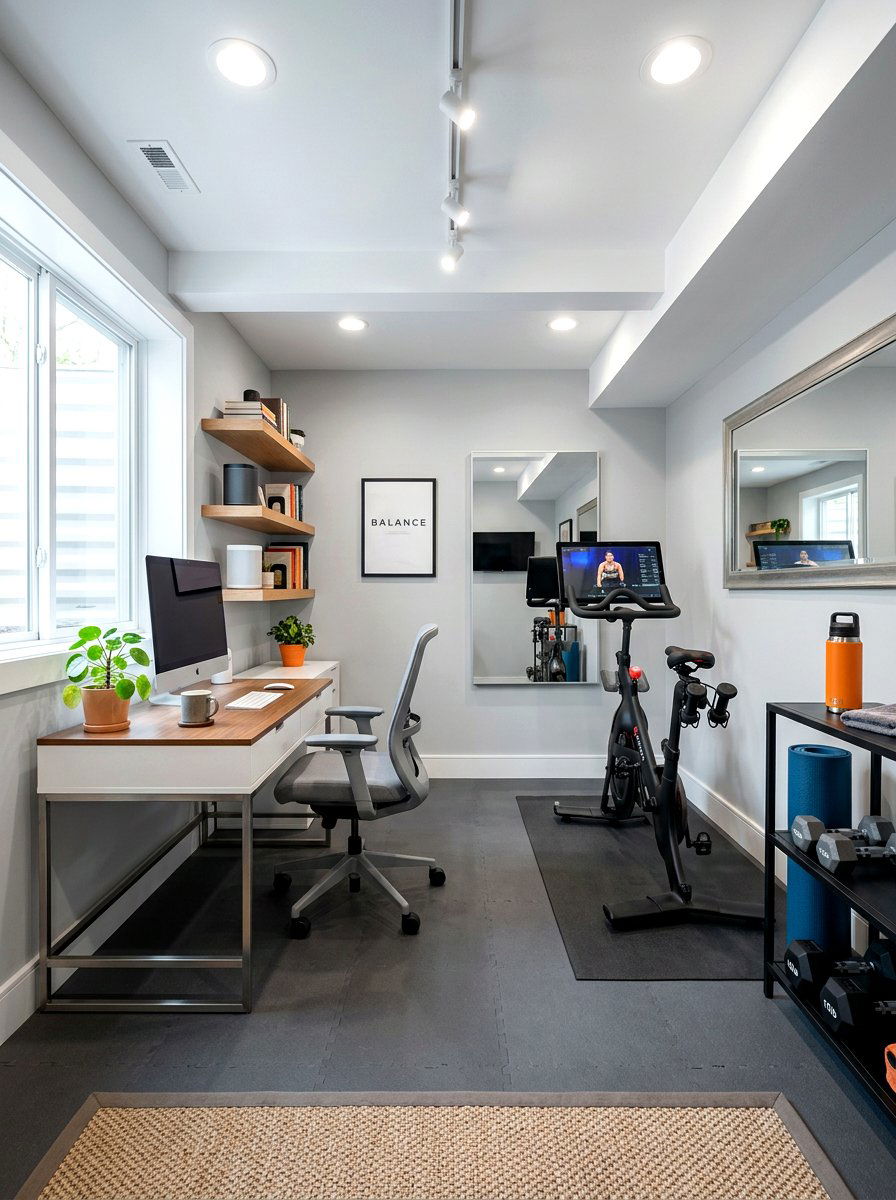
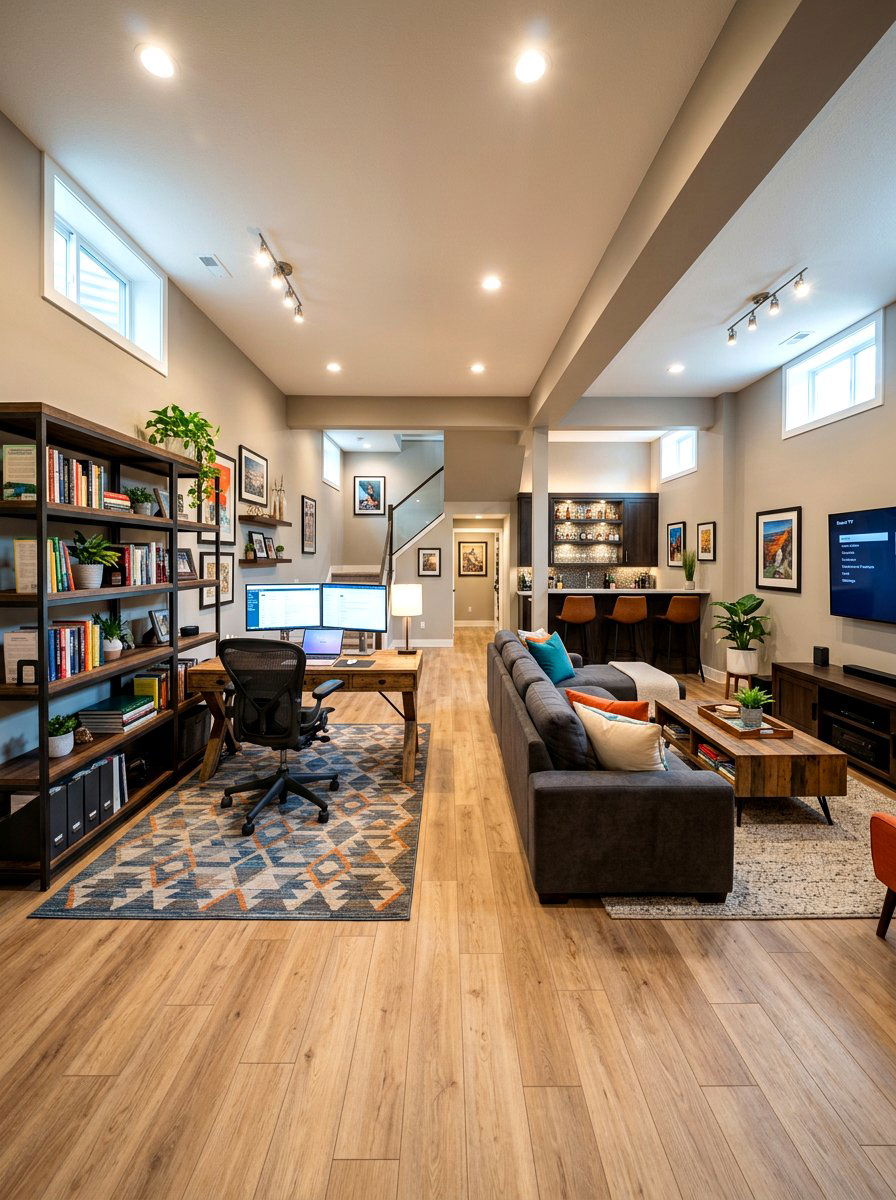
Combining your workspace with your workout area is a smart way to maximize the utility of a finished basement floor plan. You can use a stylish room divider or a strategically placed bookshelf to separate your professional desk from your cardio equipment. This hybrid layout allows you to take active breaks during long workdays, which can significantly improve your productivity and overall mental health. Choosing a consistent color palette across both zones helps the room feel cohesive rather than cluttered or disorganized. It is an ideal solution for remote workers who want to prioritize their physical fitness without leaving their home office.
12. Basement Gym Rustic Decor
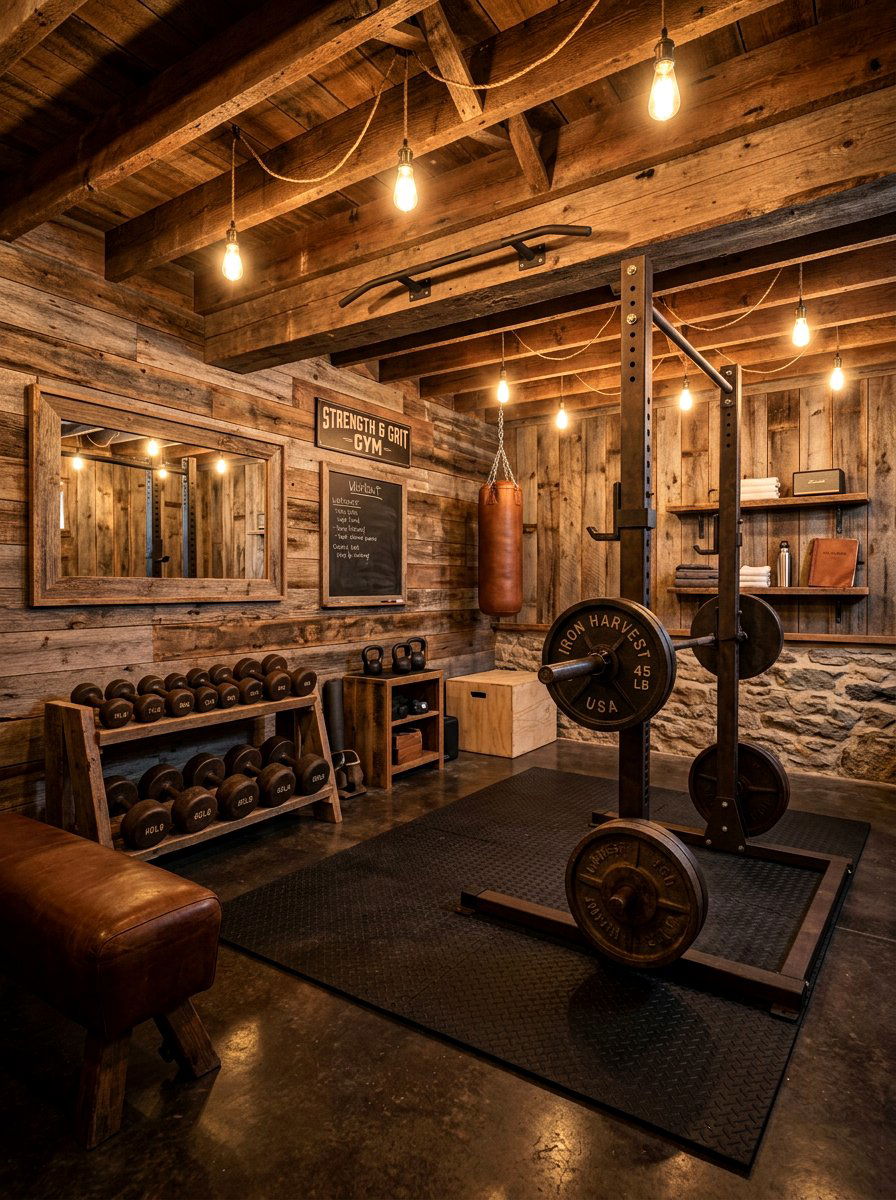
If you enjoy a more cozy and traditional aesthetic, a rustic gym design featuring reclaimed wood and vintage-style lighting might be perfect. You can install barn wood accents on the walls or use old wooden crates to store your towels and smaller equipment. This style pairs exceptionally well with leather-clad weight benches and antique-looking dumbbells for a truly unique and personalized look. The warm tones of the wood help to soften the industrial feel of a typical basement, making it a place where you actually want to spend time. It creates a comfortable environment that feels like a natural extension of your main living space.
13. Basement Gym Minimalist Design
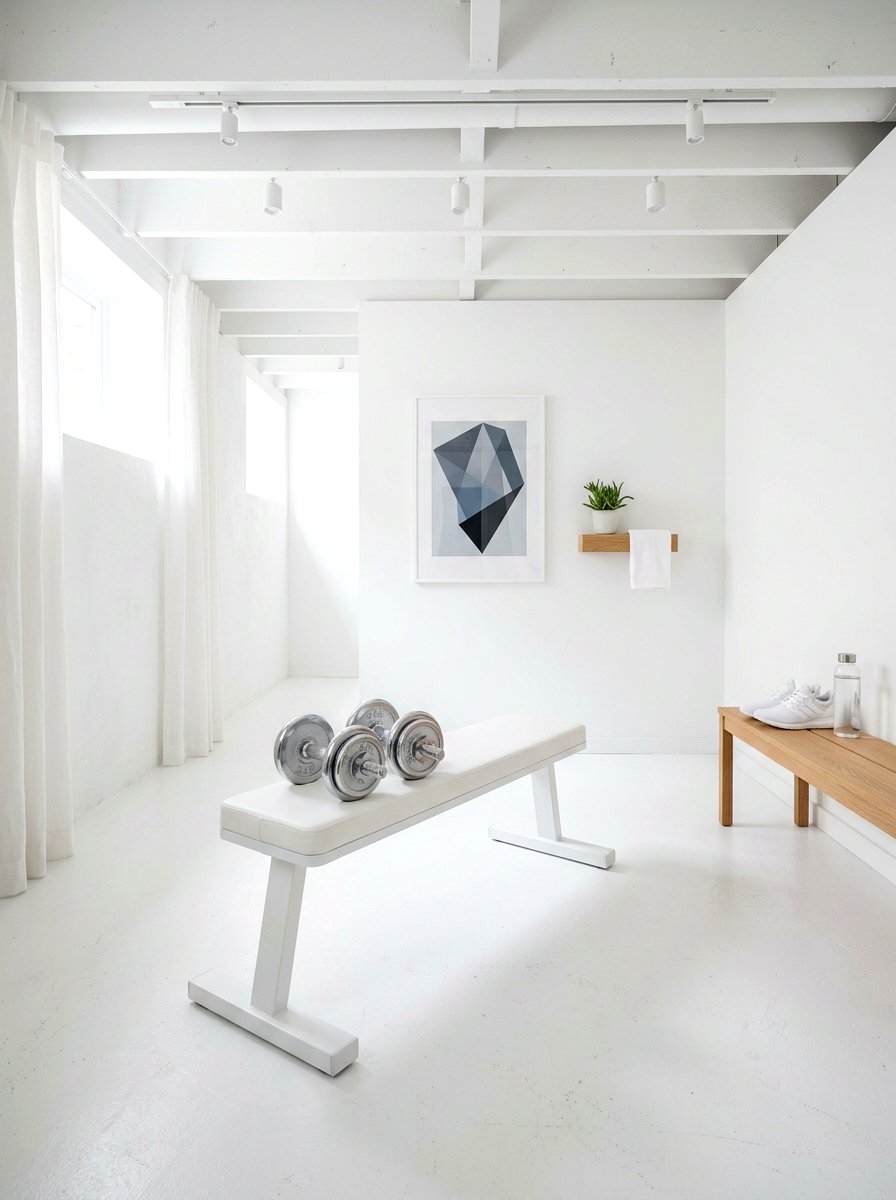
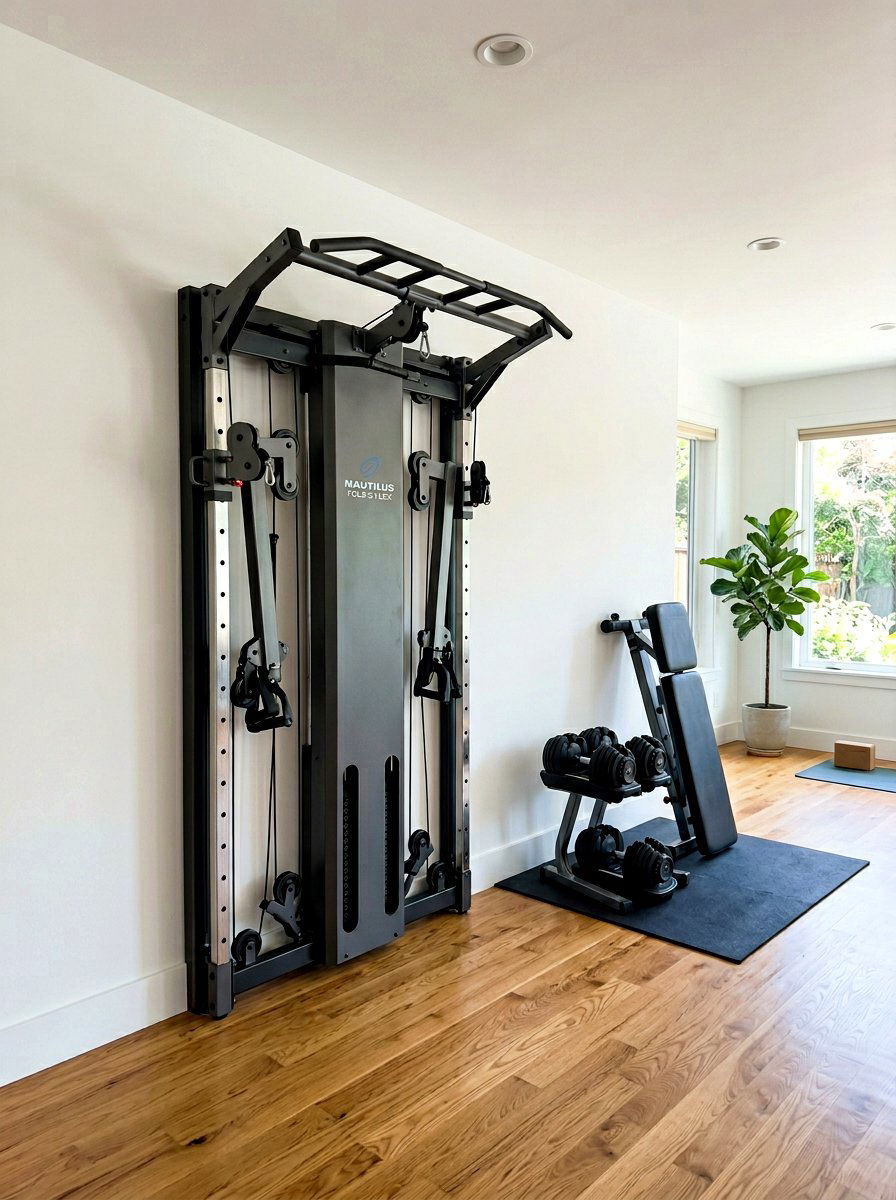
A clean and uncluttered environment can help you focus entirely on your body movements without any unnecessary visual distractions in the room. This design philosophy emphasizes high-quality, multifunctional pieces like adjustable dumbbells and a single sturdy weight bench that can perform many tasks. By keeping the floor clear and using hidden storage for smaller items, you create a sense of calm and order that is very inviting. Neutral colors like soft white and light gray further enhance the airy feel of the space, even in a basement with low ceilings. This approach is perfect for those who value simplicity and efficiency in their fitness.
14. Basement Gym Industrial Theme
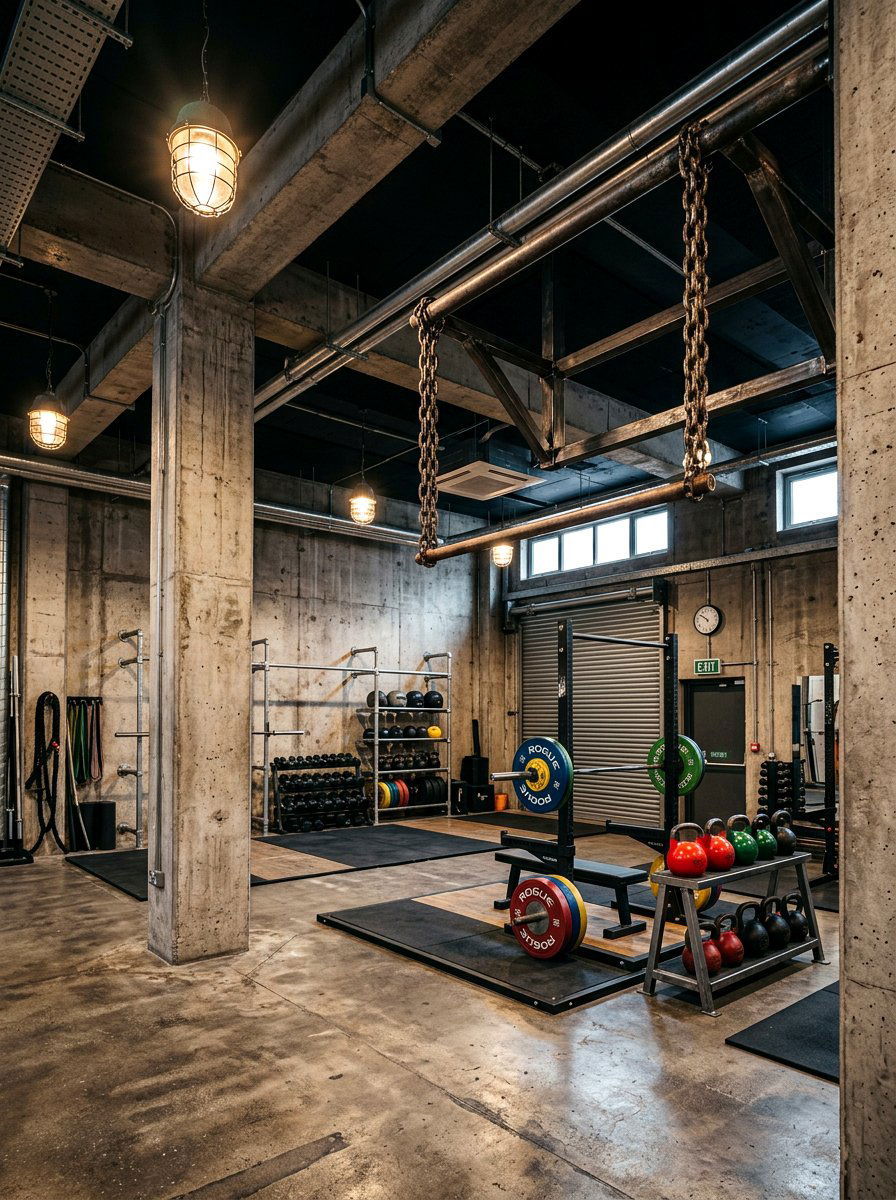
Drawing inspiration from urban lofts, an industrial theme uses raw materials like concrete, steel, and exposed brick to create a tough atmosphere. You can keep your original concrete floors polished and sealed for a sleek look that is incredibly durable and easy to maintain. Metal piping can be used to build custom wall-mounted storage racks for your weight plates and barbells, adding to the authentic warehouse vibe. This style is naturally suited for basements where many of these architectural elements are already present and just need a little bit of finishing. It is a bold choice that communicates strength and dedication to your personal fitness journey.
15. Basement Gym Glass Partition
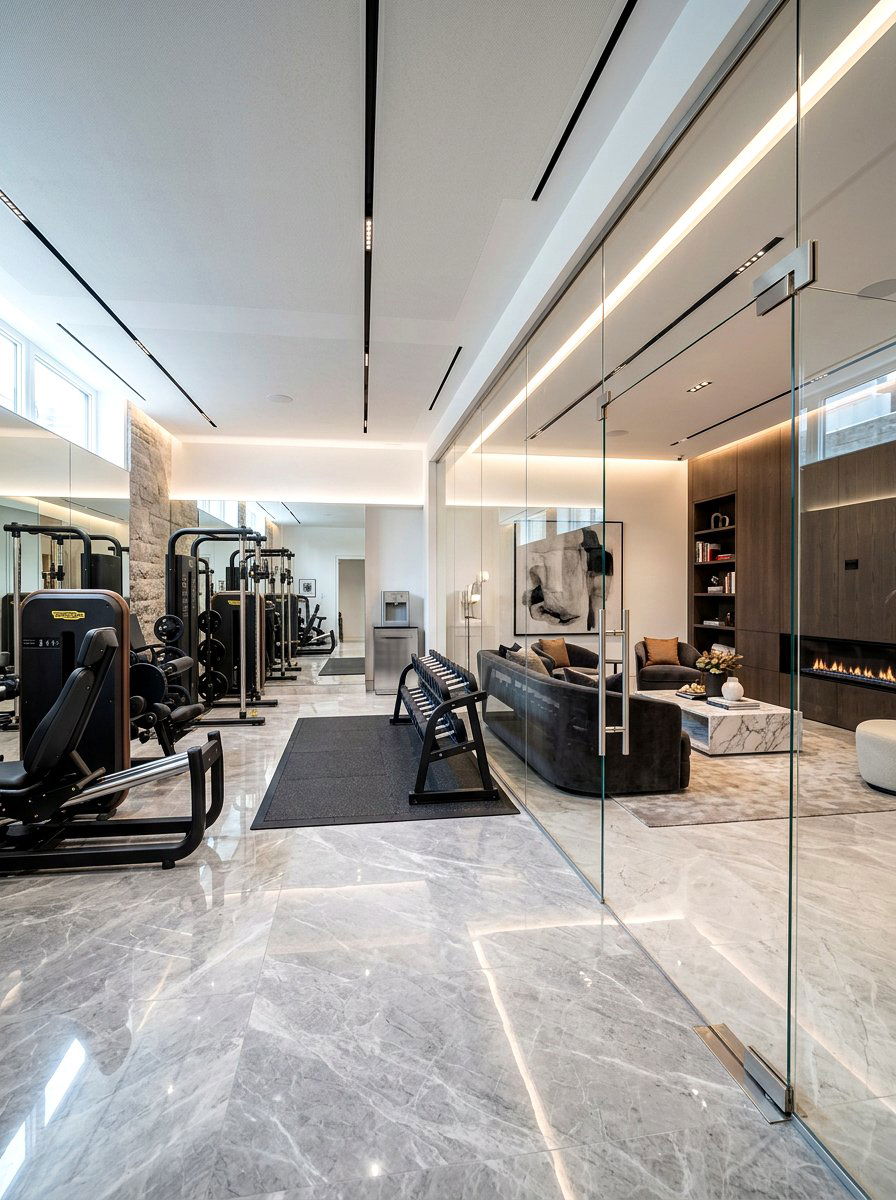
Using glass walls to separate your workout zone from the rest of the basement allows for a seamless flow of light. This architectural choice maintains an open-concept feel while successfully containing the noise and heat generated during your most intense training sessions. You can choose clear glass for maximum visibility or frosted panels if you prefer a little more privacy while you are exercising. Frameless glass doors add a high-end, contemporary touch that makes your home gym feel like a luxury commercial facility. It is a sophisticated way to define your fitness area without making the lower level feel smaller or more divided.
16. Basement Gym Boxing Zone
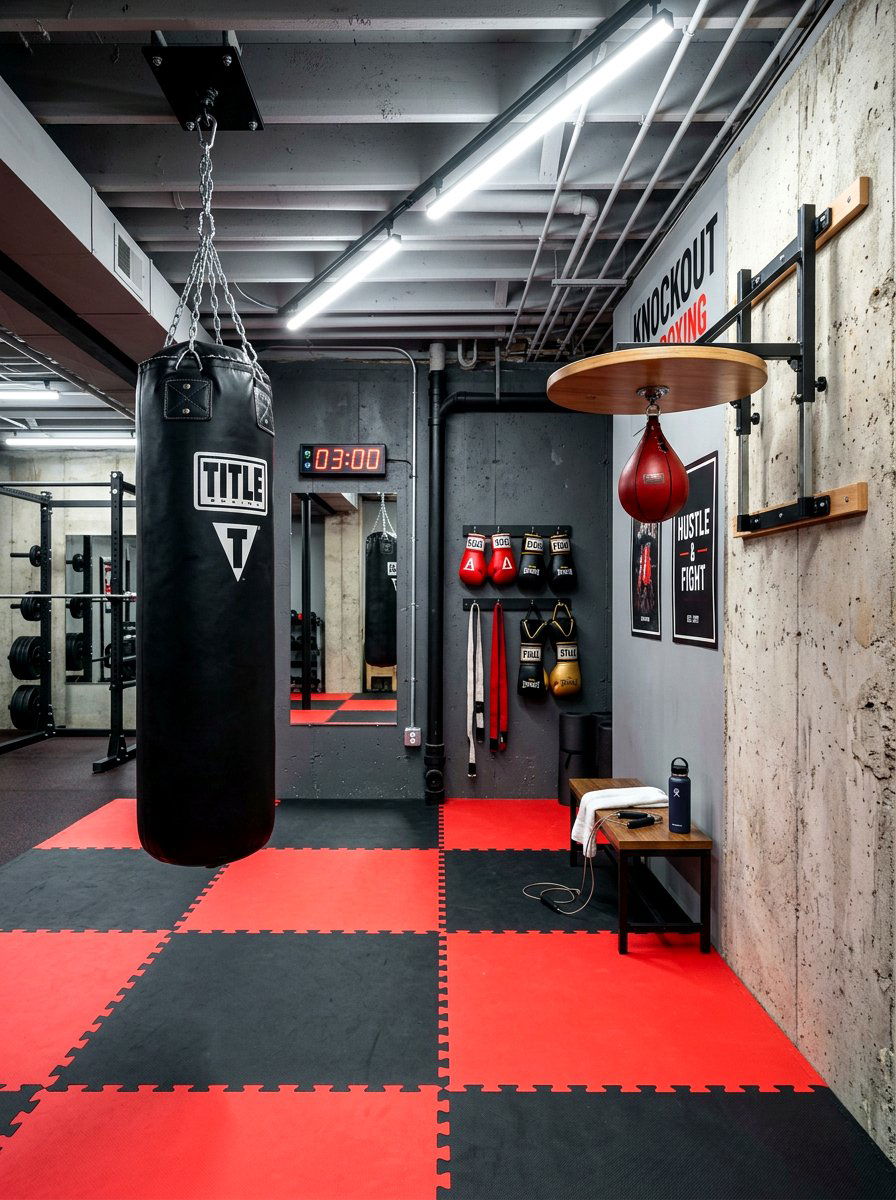
For those who prefer combat sports, a dedicated boxing area can be a thrilling addition to any finished or unfinished basement. You will need a heavy bag mounted securely to a reinforced ceiling joist to handle the constant swinging and impact of your punches. Installing a speed bag platform nearby allows you to work on your coordination and timing in a very compact space. Using padded flooring or traditional boxing mats provides the necessary grip and cushioning for your footwork during long sparring sessions. This high-intensity zone is perfect for relieving stress and building incredible cardiovascular endurance without ever leaving your own private home.
17. Basement Gym Cardio Zone
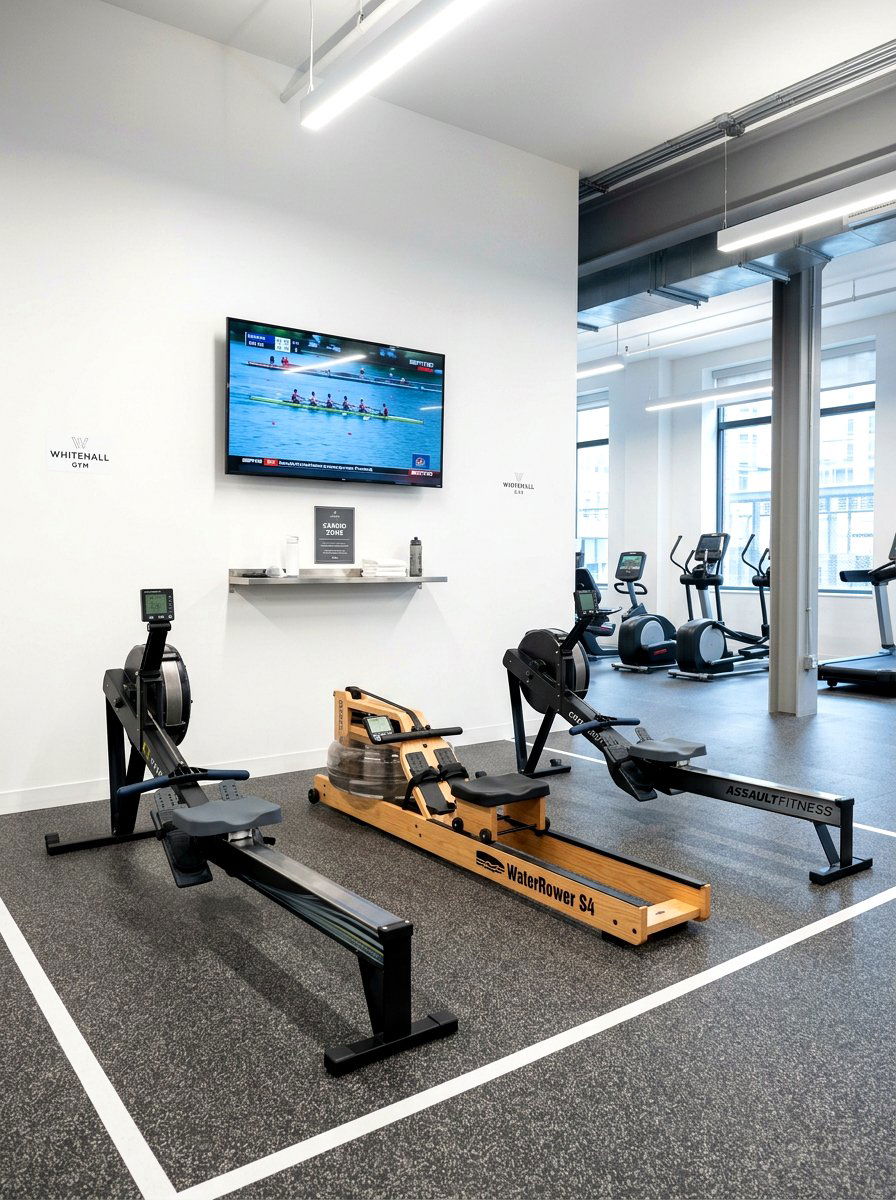
Focusing on your heart health requires a well-planned area for machines like treadmills, ellipticals, or stationary bikes in your lower level. It is important to place these units near outlets and ensure there is enough vertical clearance for you to run comfortably. Position your machines facing a television or a window to keep yourself entertained during long endurance sessions. Adding a powerful floor fan will help maintain airflow and keep you cool when the basement temperature starts to rise during your workout. This dedicated zone makes it much easier to stick to your cardio goals regardless of what the weather is like outside.
18. Basement Gym Squat Rack
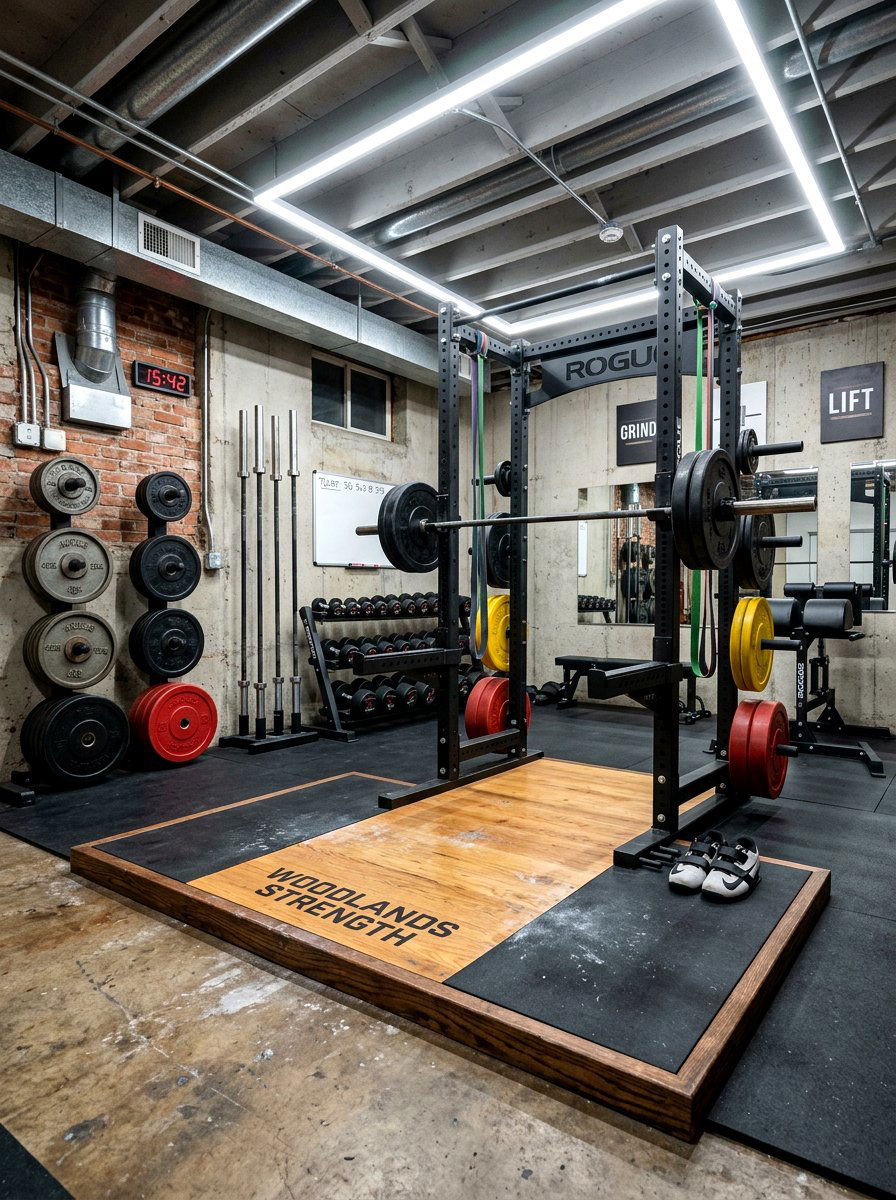
A sturdy power rack is the centerpiece of any serious strength training enthusiast who wants to lift heavy weights safely at home. When you are placing your rack, make sure there is enough space on either side to easily load and unload your barbell. Many homeowners choose to build a dedicated lifting platform with a plywood center and rubber sides to provide the most stable possible surface. This setup protects your basement floor from the immense pressure of heavy squats and deadlifts while dampening the sound of dropping weights. Having a professional-grade rack allows you to perform a wide variety of compound movements with total confidence.
19. Basement Gym Kids Zone
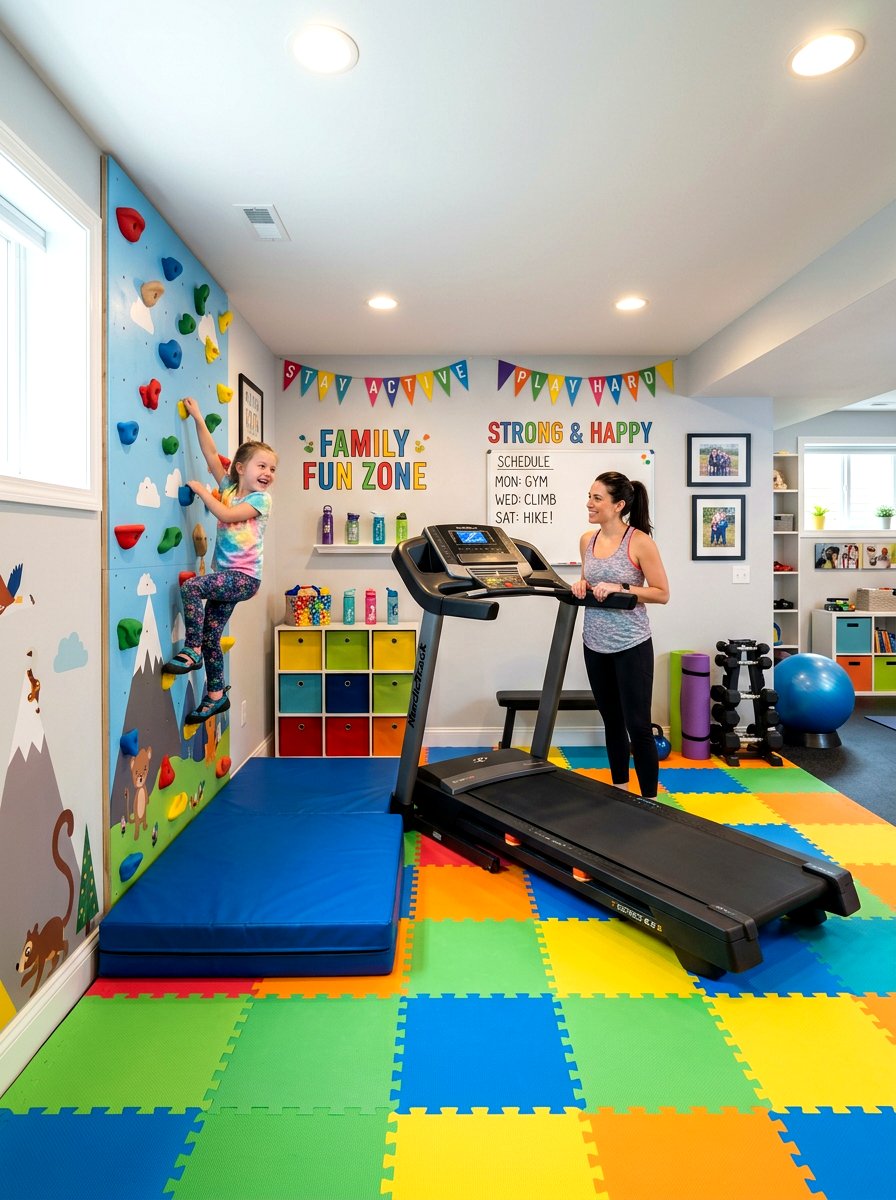
Integrating a play area for your children within your home gym is a fantastic way to model a healthy lifestyle for your family. You can install a set of colorful gymnastics rings or a small climbing wall to keep the little ones active while you finish your sets. Using soft foam mats in this specific area ensures a safe landing surface for energetic play and tumbling sessions. This layout allows you to keep an eye on your kids while still making time for your own physical fitness goals every day. It transforms the basement into a multi-generational activity hub where everyone can move and have fun together.

20. Basement Gym Sauna Recovery
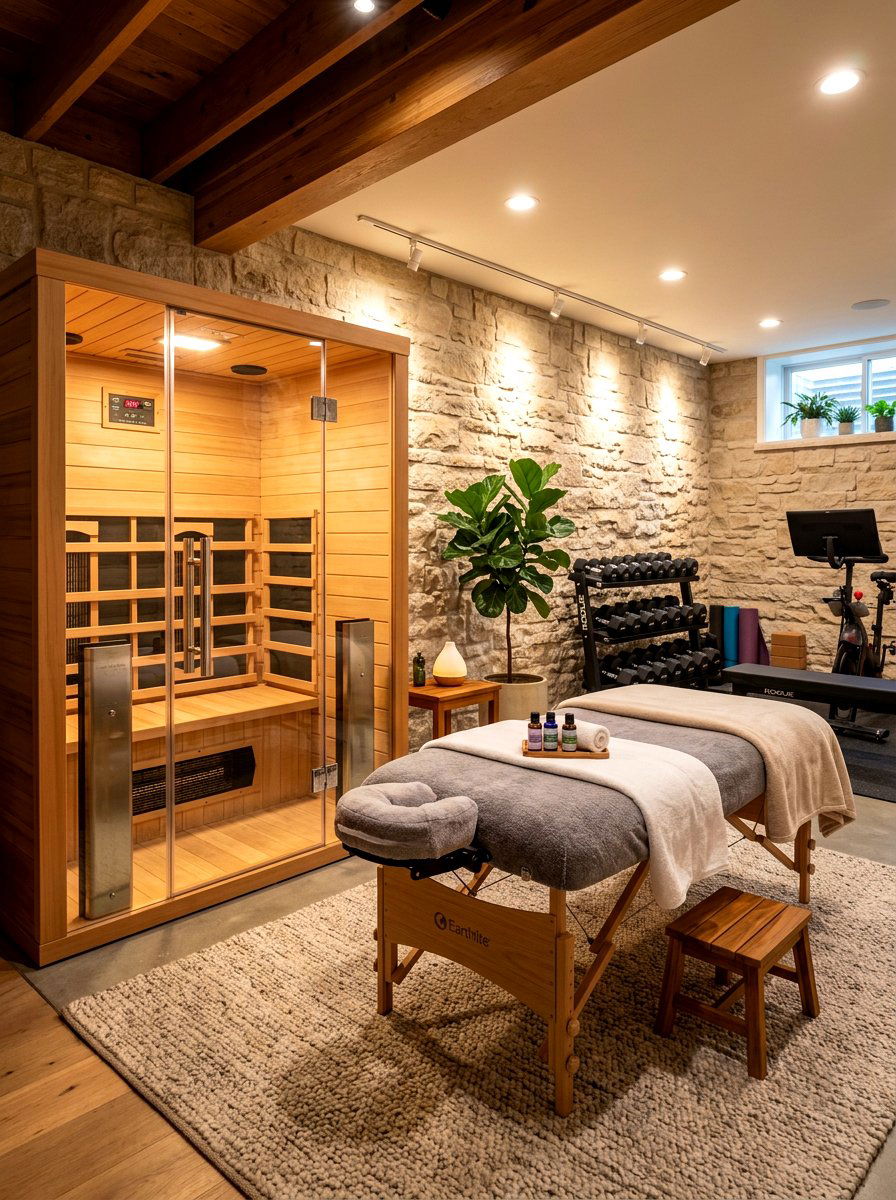
Adding a small infrared sauna next to your workout area can elevate your home gym into a comprehensive wellness and recovery suite. After a tough training session, spending time in the heat helps to soothe sore muscles and improve your overall circulation. Modern pre-fabricated sauna cabins are surprisingly easy to install in a corner and only require a standard electrical outlet for power. This luxury feature creates a spa-like atmosphere that encourages you to prioritize rest and recovery as much as your active training. It is the perfect way to end a workout and ensure you are ready for your next session tomorrow.
21. Basement Gym Soundproof Panels
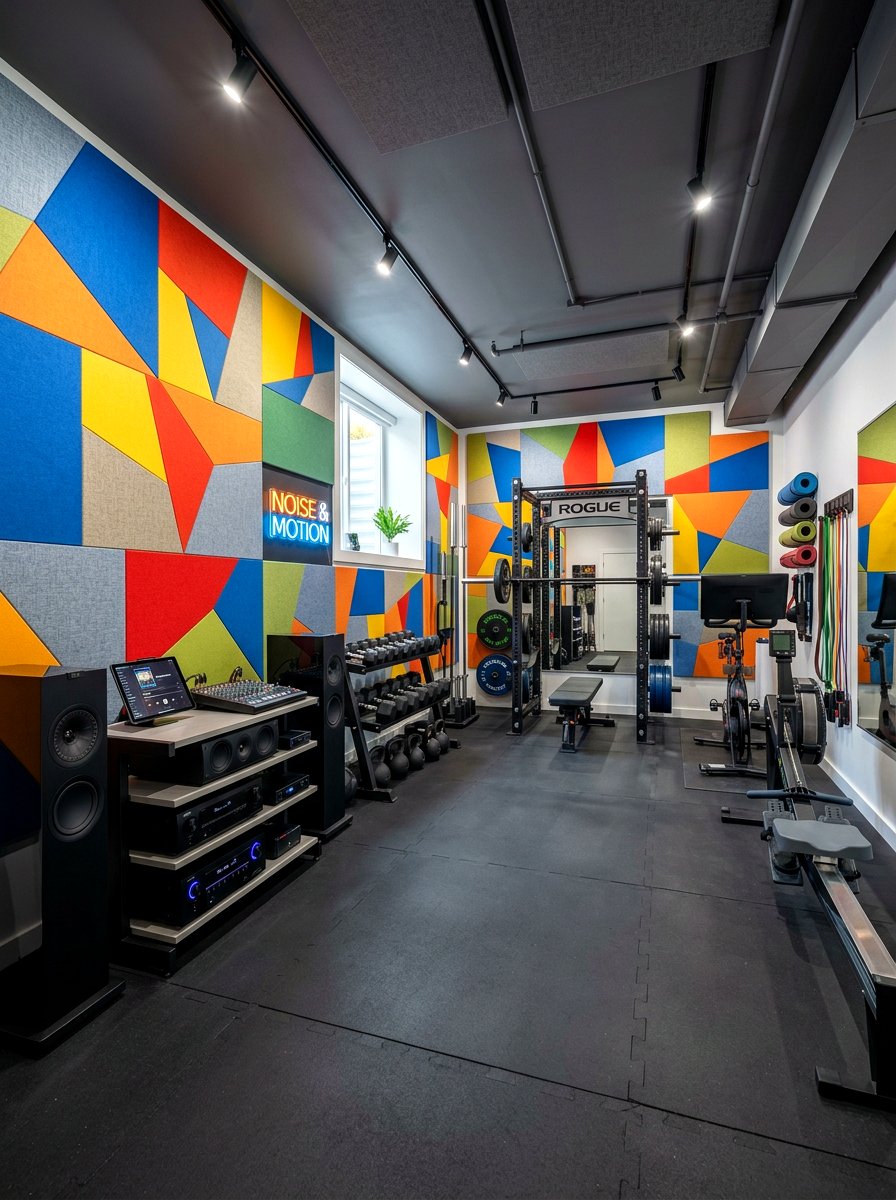
Controlling the acoustics in an underground room is vital if you enjoy listening to loud music or dropping weights during your routine. Installing colorful acoustic foam panels on the walls helps to absorb echoes and prevent sound from traveling to the upper floors of your house. These panels come in many different shapes and sizes, allowing you to create a functional and visually interesting geometric pattern on your walls. You can also use heavy rubber underlayment beneath your flooring to further reduce the vibrations caused by heavy cardio machines. This investment ensures your early morning or late night workouts do not disturb the rest of your busy household.
22. Basement Gym Wall Storage
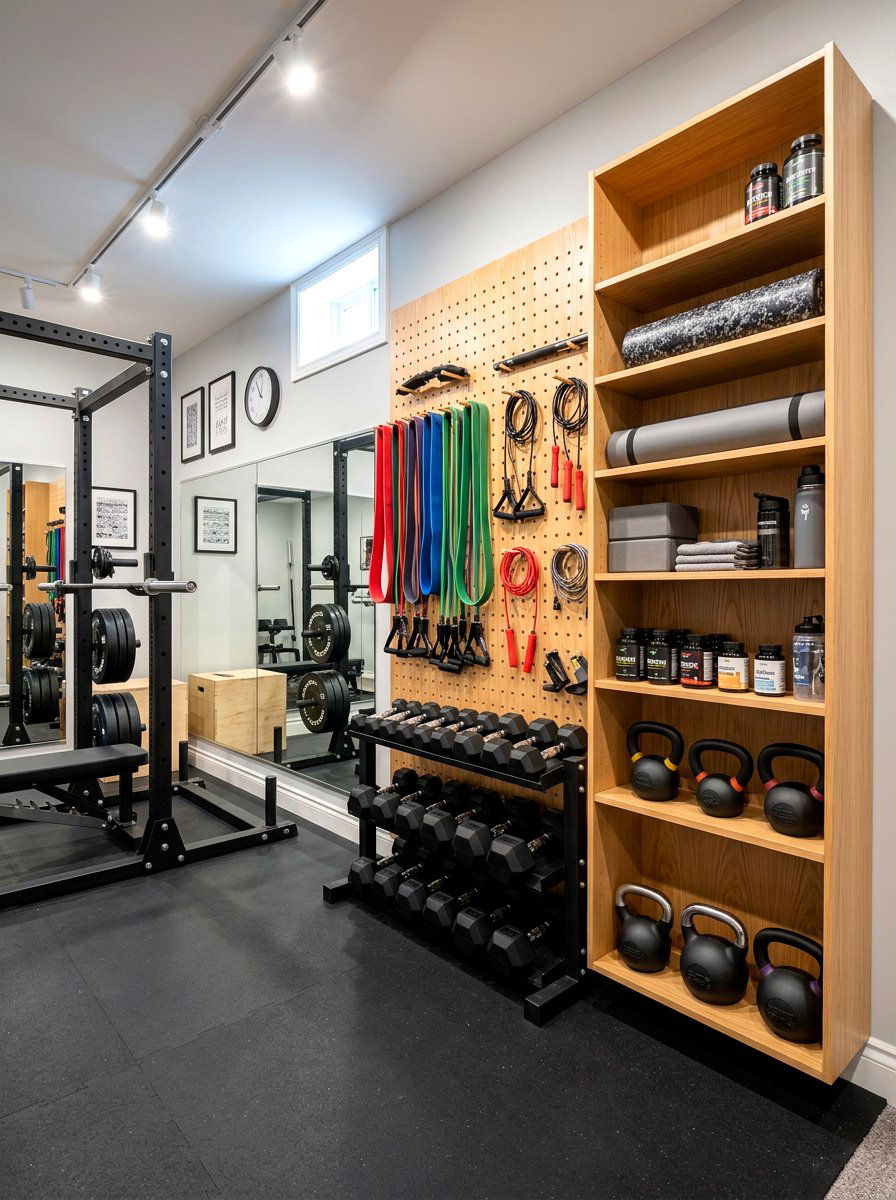
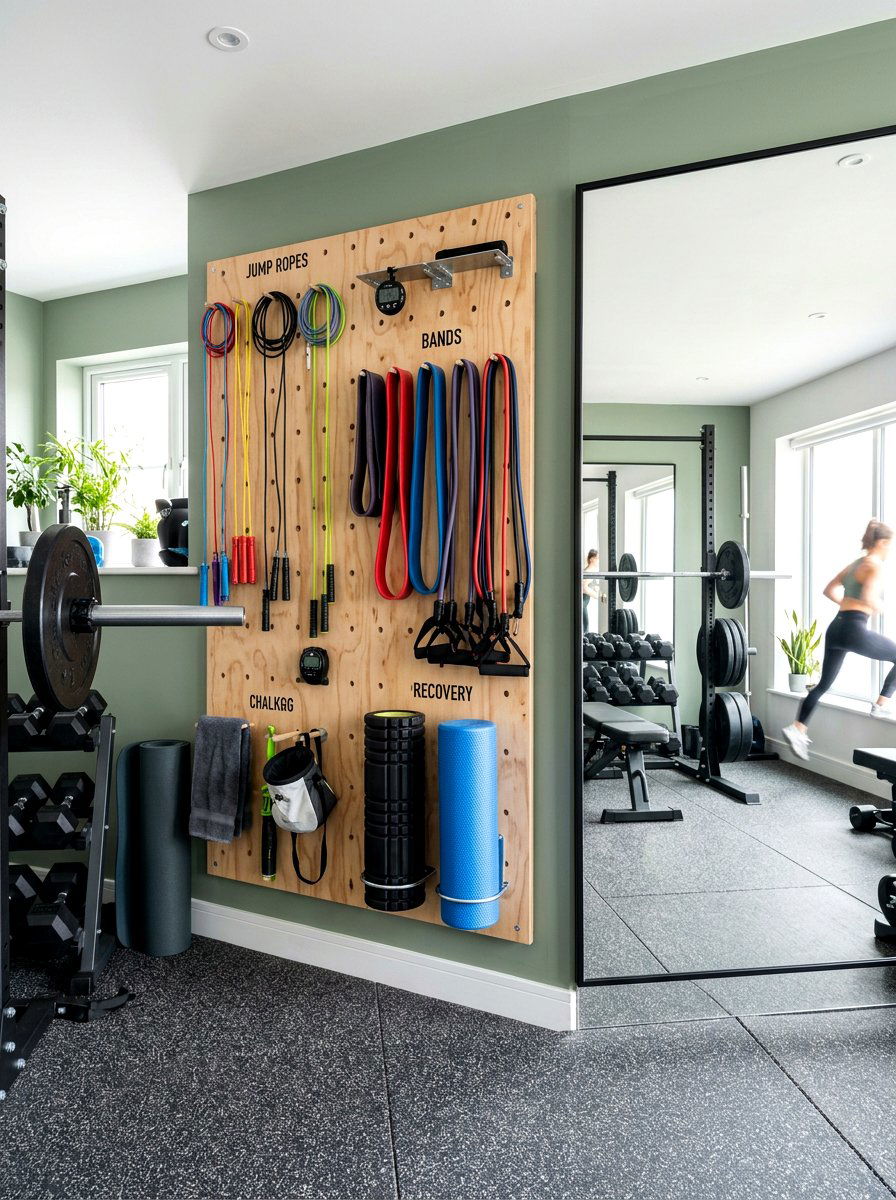
Keeping your workout area organized is much easier when you utilize your vertical wall space for storing smaller equipment and accessories. A heavy-duty pegboard system allows you to hang jump ropes, resistance bands, and yoga blocks in a neat and easily accessible way. You can also install sturdy metal hooks for your weight belts and towels to keep them off the floor and clean. Using wall-mounted racks for your dumbbells and kettlebells saves a significant amount of floor space in smaller basement layouts. An organized gym is a much more inviting place to exercise, as you won't be tripping over clutter during your sets.
23. Basement Gym Chalkboard Wall
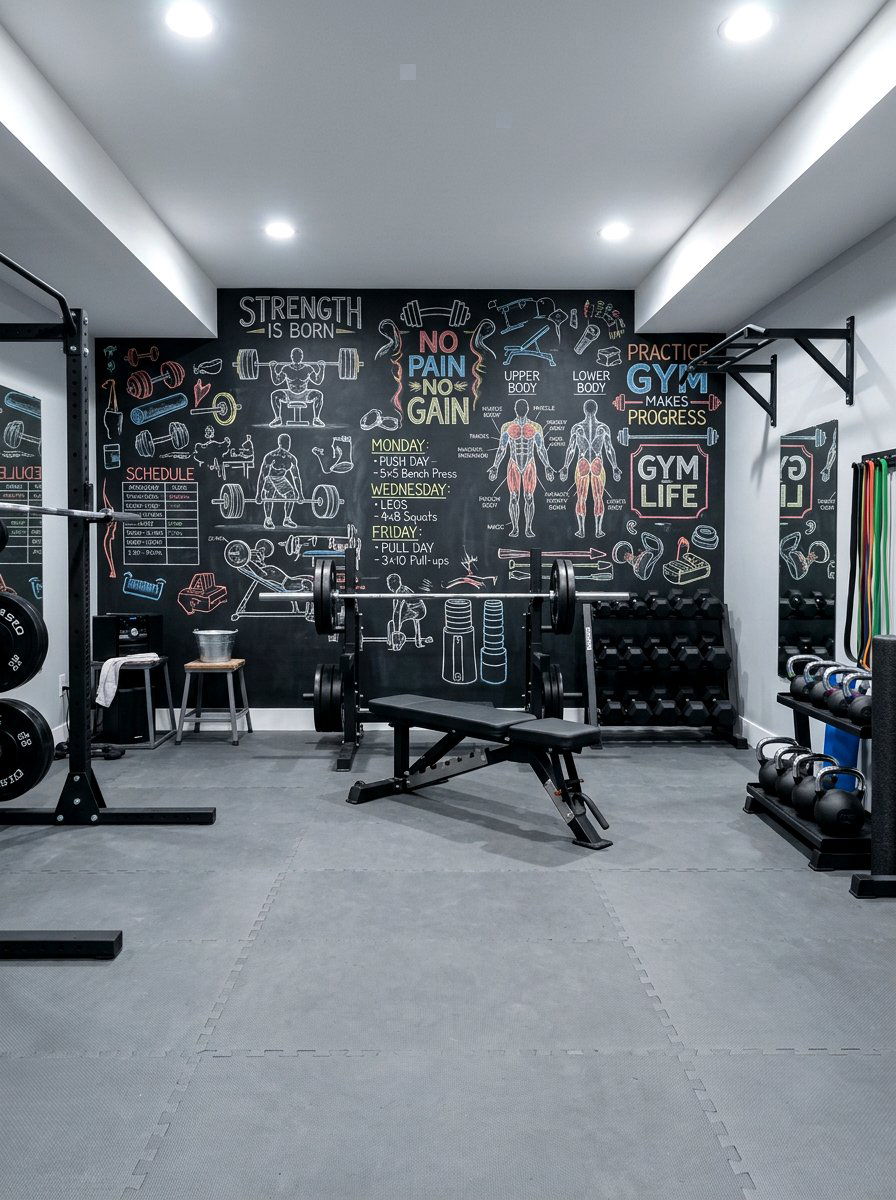
Painting one of your basement walls with chalkboard paint provides a creative surface for tracking your personal records and daily workout plans. You can use colorful chalk to write down your goals, draw motivational quotes, or sketch out your weekly training schedule in big letters. This interactive feature adds a personal touch to the space and helps keep you accountable as you see your progress written out. It is also a fun way for family members to leave encouraging messages for each other during their individual fitness sessions. This simple DIY project is both functional and stylish, adding a unique character to your private home gym.
24. Basement Gym Luxury Suite
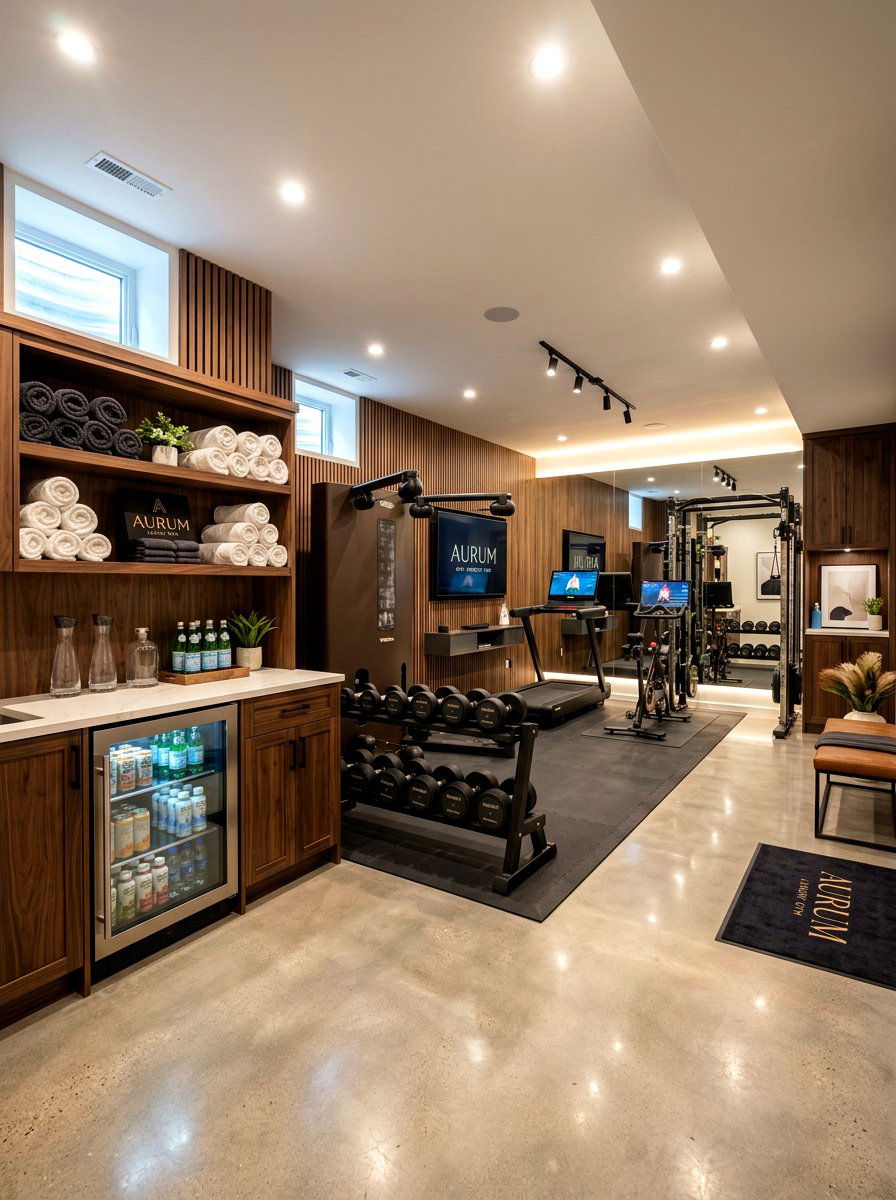
For those who want the ultimate fitness experience, a high-end luxury gym can include premium features like custom cabinetry and marble accents. You might install a small beverage fridge to keep your water and protein shakes cold during long training sessions in the summer. Built-in shelving with integrated lighting can display your equipment like pieces of art, creating a very sophisticated and polished look. Using high-quality materials like designer wallpaper and plush towels adds a level of comfort that you won't find in a standard commercial facility. This type of space feels like a true destination within your home, making every single workout feel special.
25. Basement Gym Brick Wall
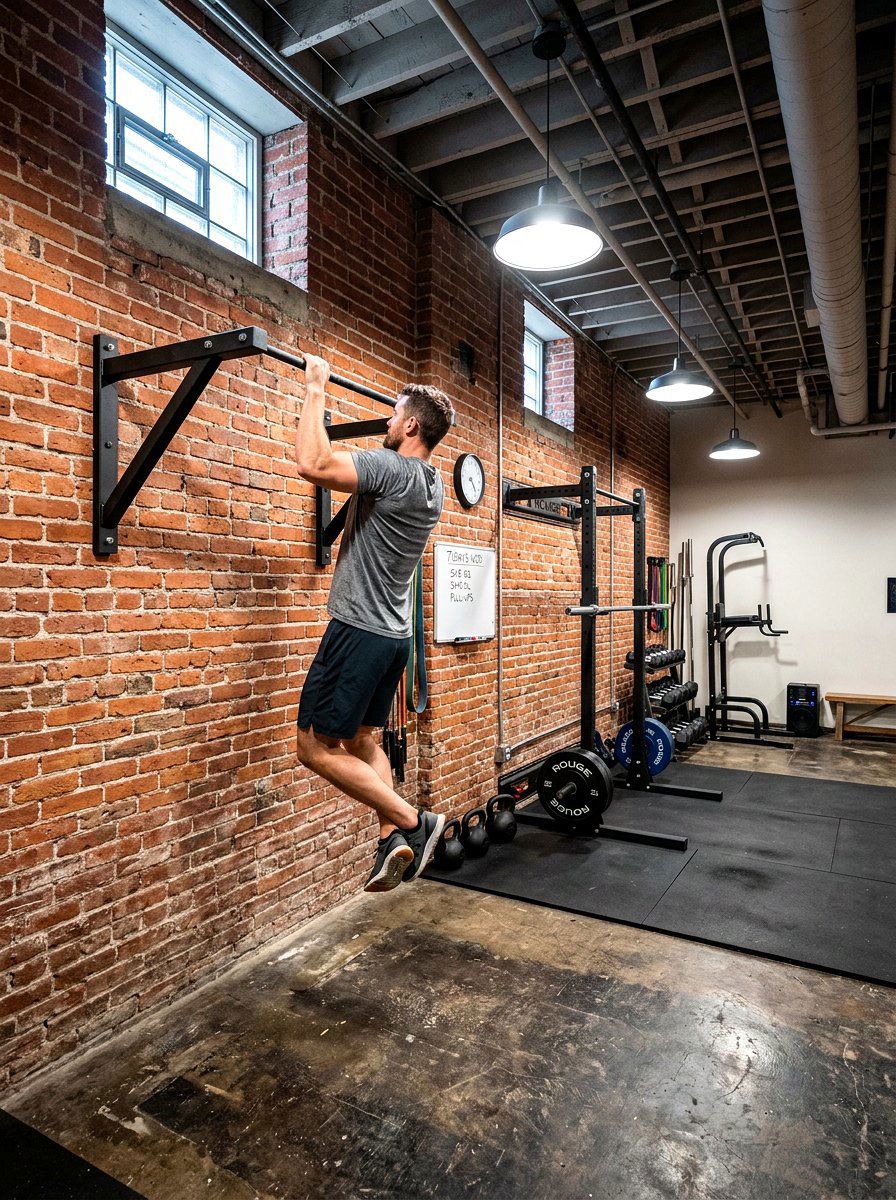
Exposed brick brings a timeless and rugged texture to a basement gym that works perfectly with both modern and traditional equipment. If your basement does not already have original brick, you can easily install thin brick veneers to achieve the same look without losing space. This feature provides a durable and low-maintenance backdrop that can withstand the occasional bump from a stray weight or piece of gear. The natural red and brown tones of the brick add a sense of history and strength to your workout environment. It creates a very masculine and focused atmosphere that is ideal for pushing through your most challenging lifting sessions.
26. Basement Gym White Aesthetic
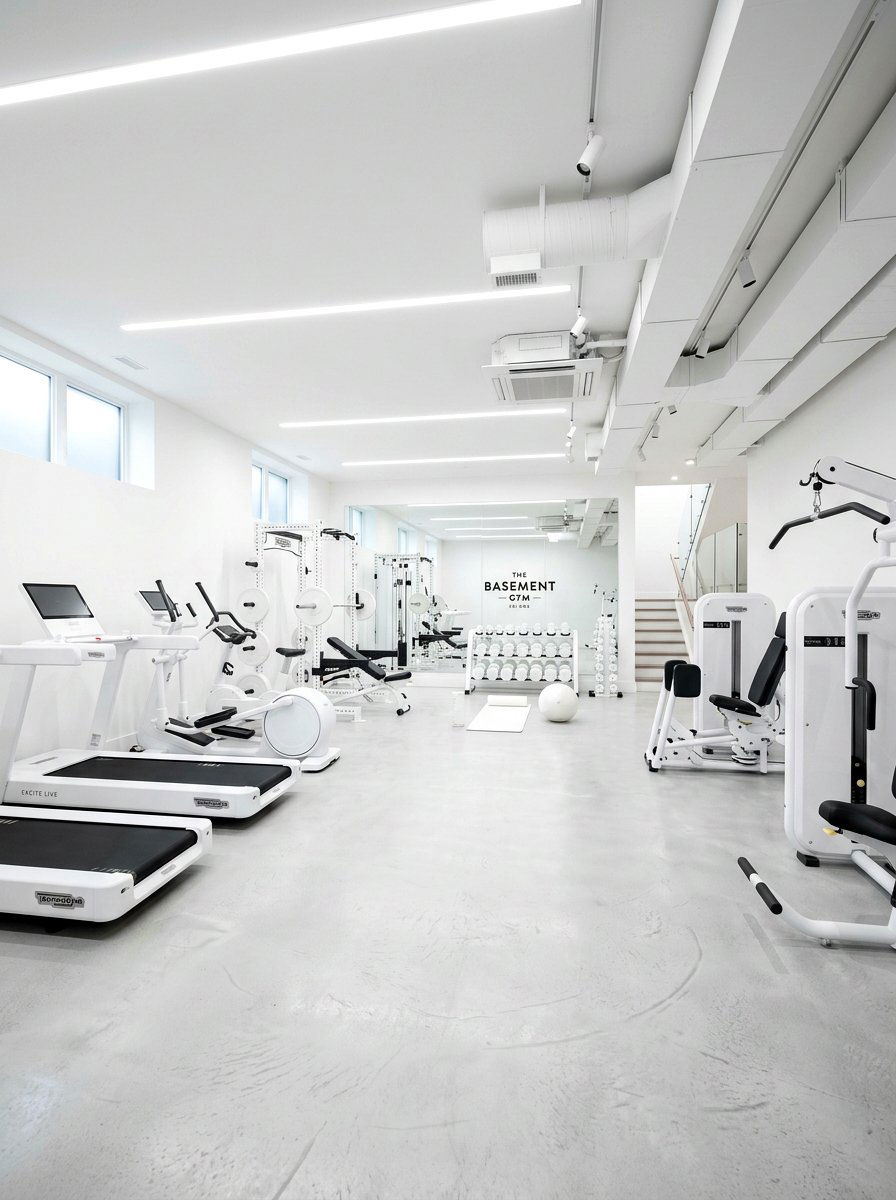
Choosing an all-white color palette is the most effective way to make a dark basement feel bright, clean, and incredibly modern. Painting the walls, ceiling, and even the floor in shades of crisp white helps to maximize any available light in the room. This minimalist look provides a blank canvas that makes your black fitness equipment stand out as a bold and stylish focal point. To keep the space from feeling too sterile, you can add warmth with light-colored wood accents or a few well-placed indoor plants. This airy design is perfect for those who want their home gym to feel like a high-end boutique fitness studio.
27. Basement Gym Dark Interior
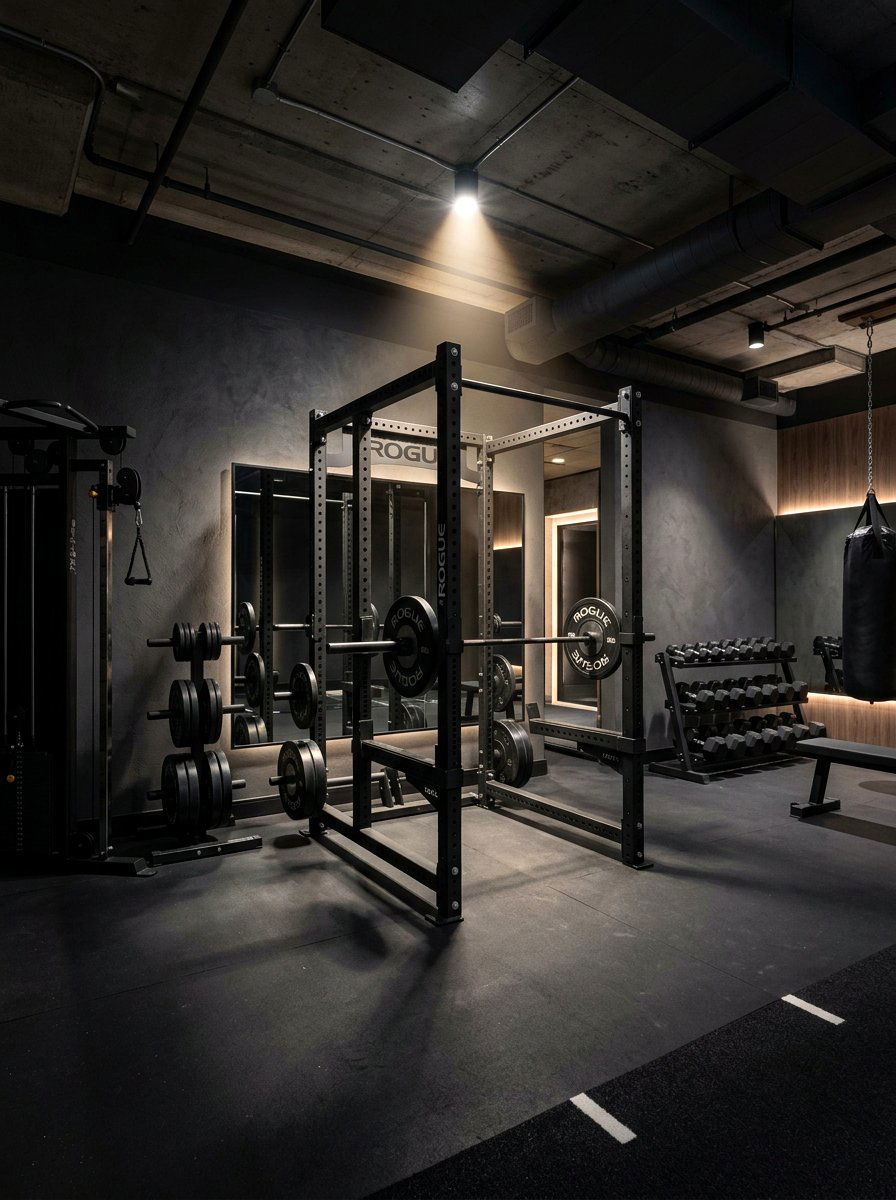
On the opposite end of the spectrum, a dark and moody gym design can create a focused and intense atmosphere for training. Using deep charcoal or navy blue on the walls helps to minimize visual distractions and makes the room feel very private and cocoon-like. You can pair these dark tones with dramatic spotlighting to highlight your favorite pieces of equipment or a specific workout zone. This aesthetic is becoming very popular in modern home designs because it feels sophisticated and powerful, much like a high-end underground boxing club. It is a bold choice that can make your basement gym feel incredibly cool and exclusive.
28. Basement Gym Media Center
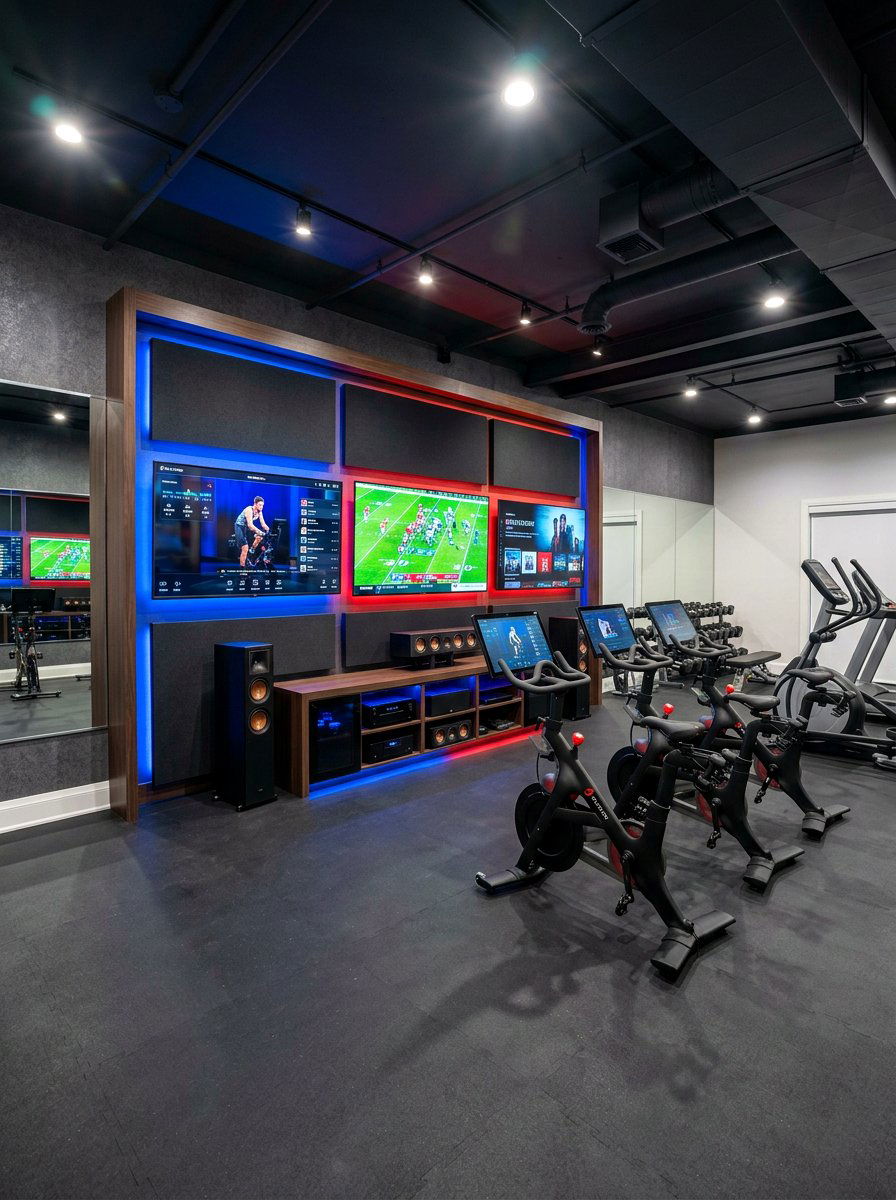
Adding a comprehensive entertainment system to your fitness area can make long cardio sessions much more enjoyable and productive for your mind. A large wall-mounted television allows you to follow along with high-definition workout videos or catch up on your favorite shows while you walk. You can also install a surround sound system to provide immersive audio that keeps your energy levels high during intense interval training sessions. Keeping your remotes and cables organized in a small media console ensures the area remains tidy and professional-looking. This integration of technology makes it much easier to stay motivated and entertained while you are working on your health.
29. Basement Gym Turf Floor
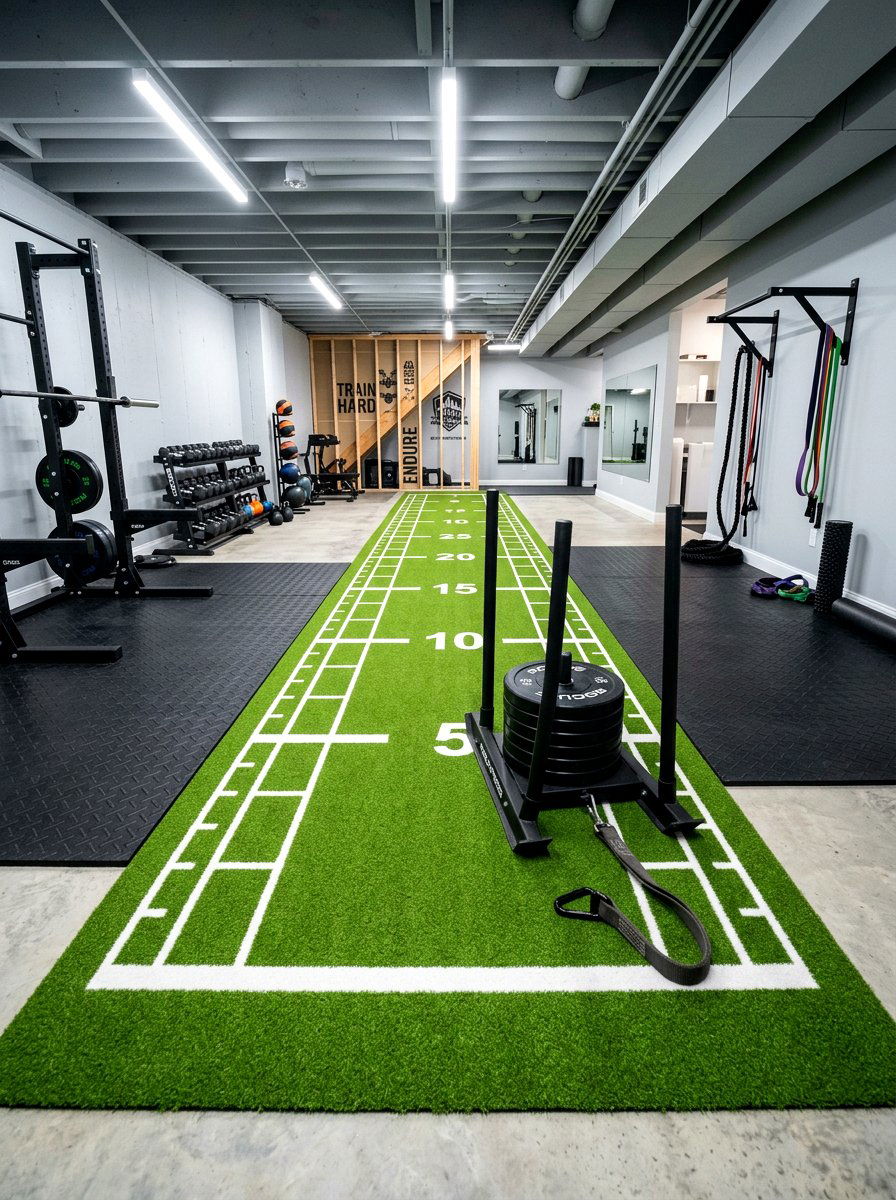
Installing a strip of synthetic turf is a brilliant way to add a functional and colorful element to your basement workout layout. Turf is the perfect surface for sled pushes, lunges, and various agility drills that require a little more grip than standard rubber mats. The vibrant green color also brings a refreshing touch of the outdoors into your lower level, making the space feel more energetic. You can use the turf to define a specific functional training zone within a larger multi-purpose gym area. It is a durable and versatile material that adds a professional athlete feel to any home fitness sanctuary you are building.
30. Basement Gym Indoor Greenery
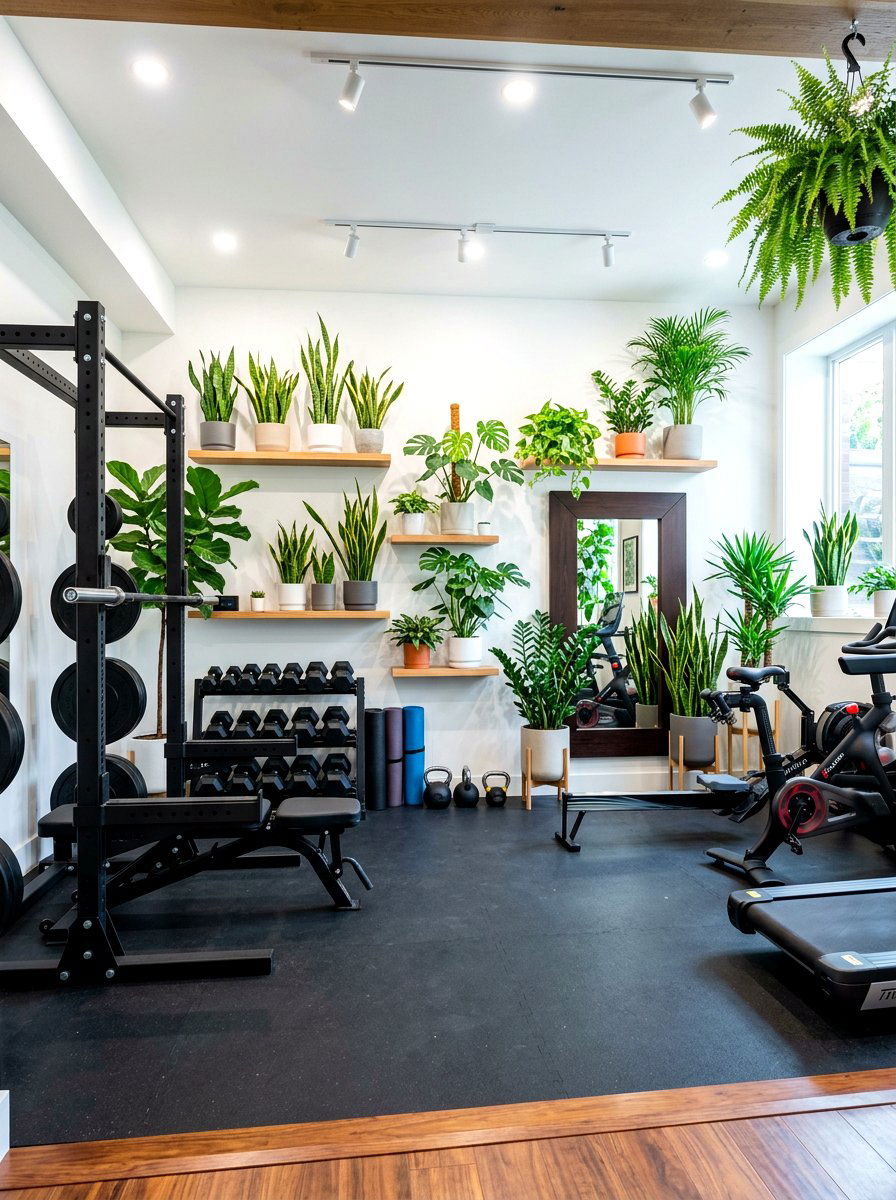
Bringing plants into your basement gym is a simple yet effective way to improve the air quality and overall mood of your space. Since basements often have low light, choosing hardy varieties like snake plants or pothos ensures they can thrive in your underground environment. You can place large potted plants in the corners or hang smaller vines from the ceiling joists to create a lush, jungle-like atmosphere. The natural green colors contrast beautifully with cold metal weights, making the room feel more alive and welcoming. Research shows that being around nature can lower stress levels, which is a perfect addition to any dedicated wellness and fitness area.
Conclusion:
Building a personalized basement gym is an investment in your health that offers unparalleled convenience and long-term value for your entire family. By carefully considering your flooring, lighting, and layout, you can transform an underutilized storage space into a professional-grade fitness studio that rivals any commercial facility. Whether you prefer the raw energy of an industrial lifting zone or the peaceful tranquility of a modern yoga retreat, your basement provides the perfect canvas. The key to a successful design is creating a space that reflects your personality and supports your specific goals. With these thirty ideas, you are now ready to start your journey toward a stronger, healthier version of yourself.

Related posts: