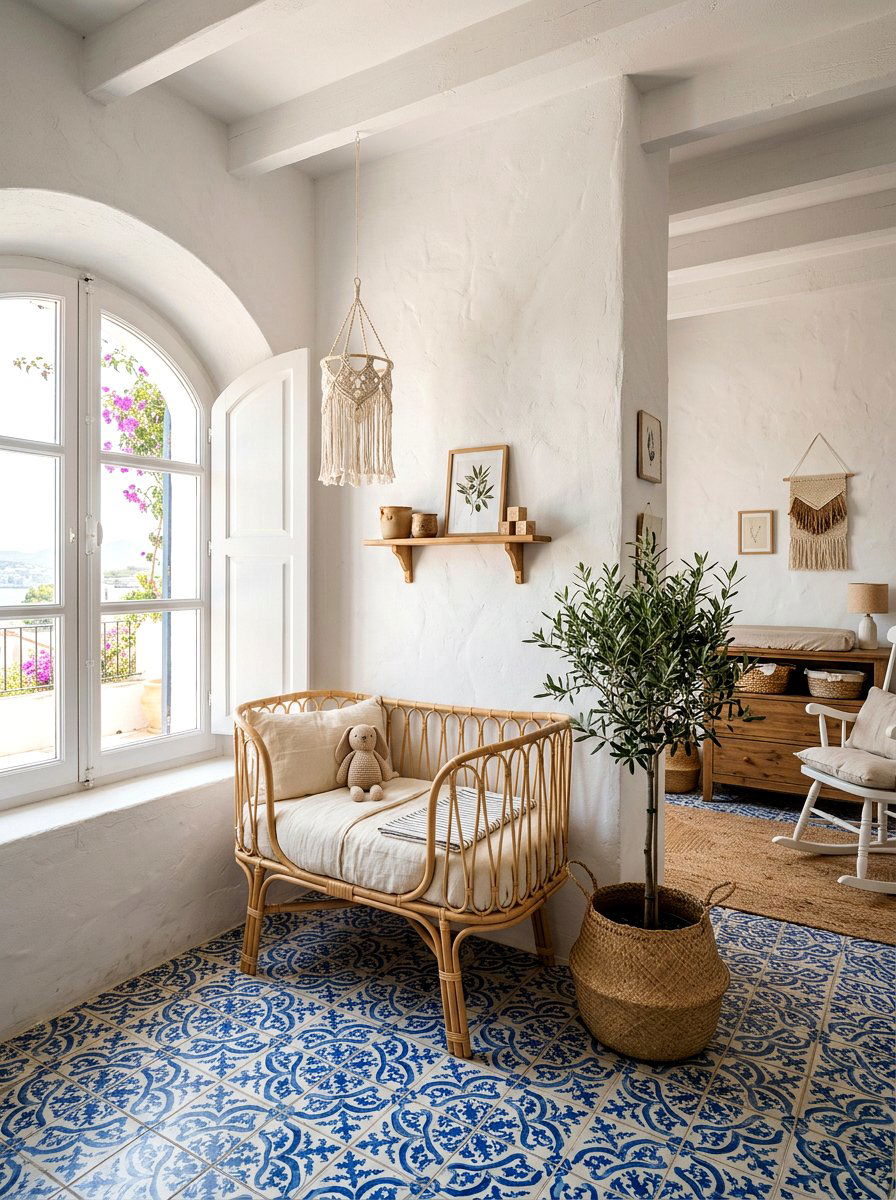
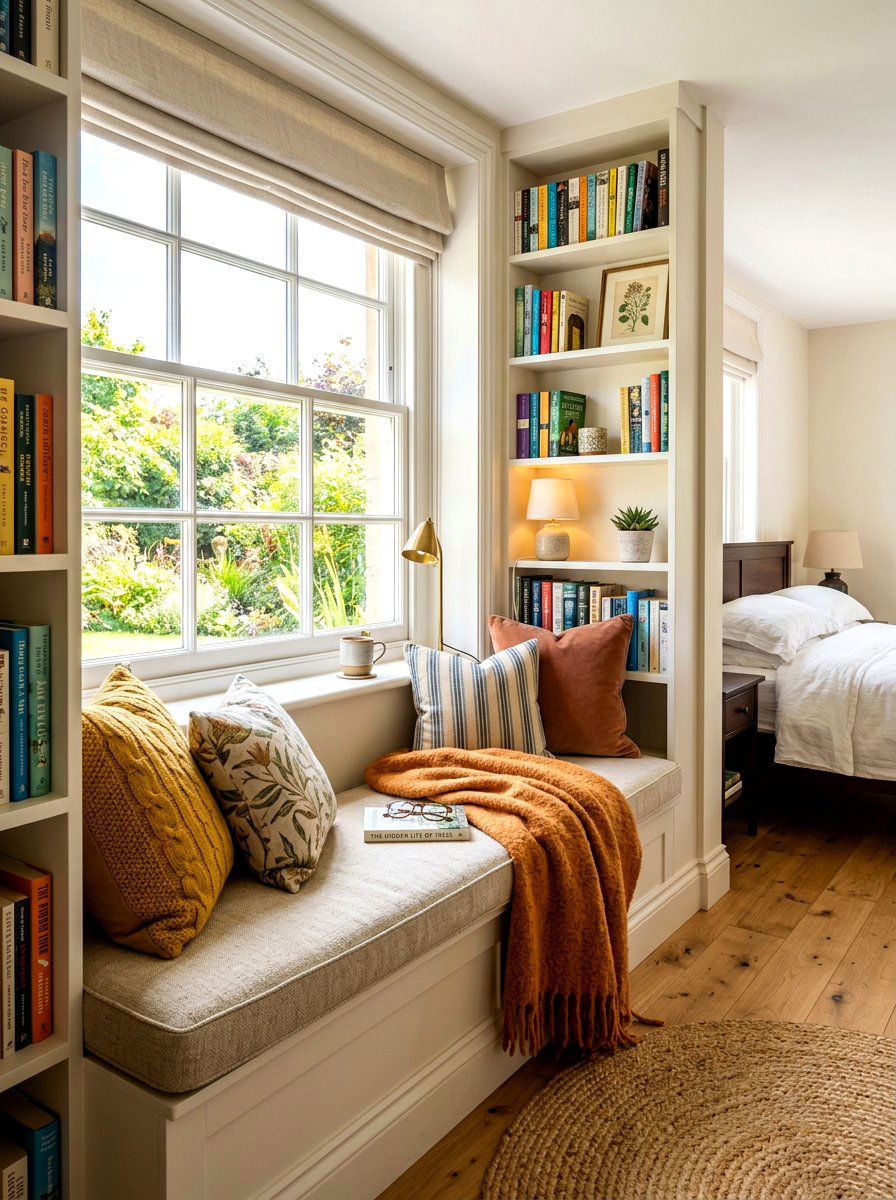
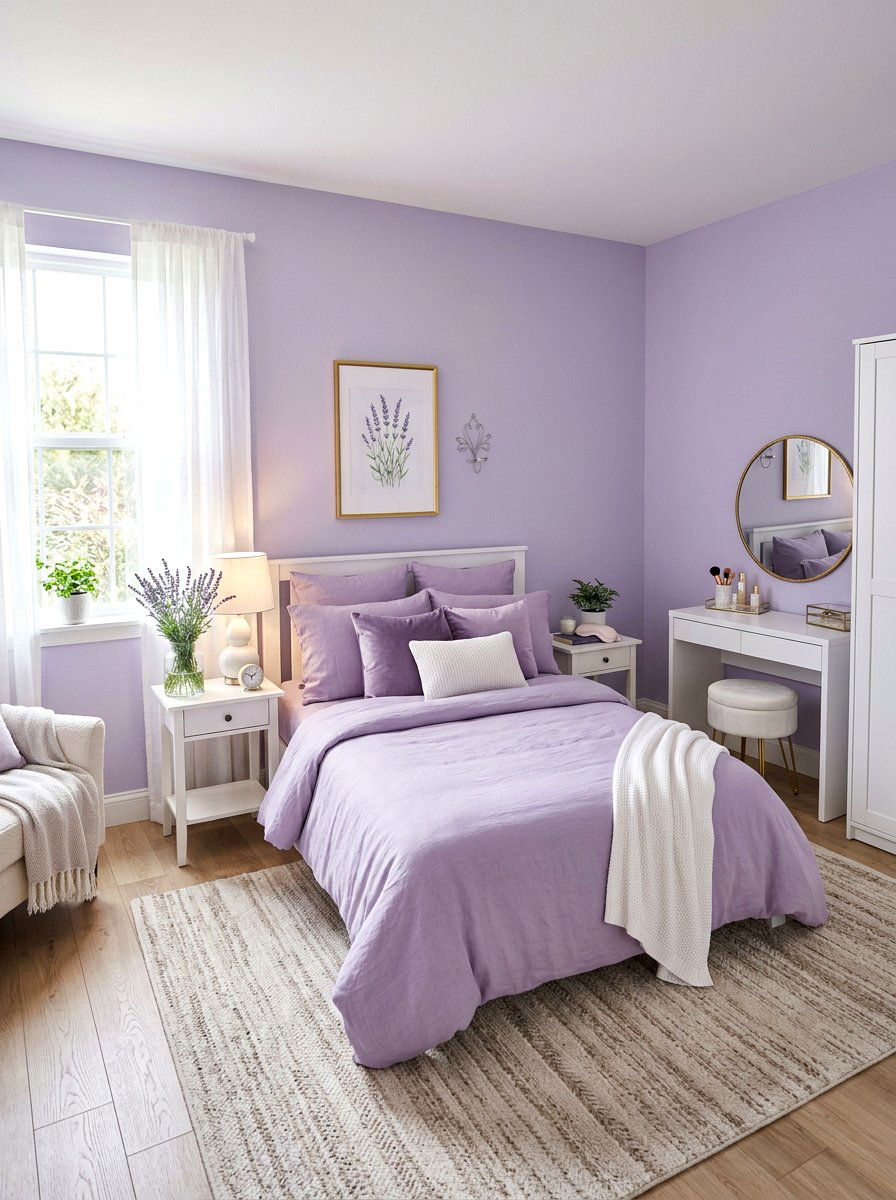
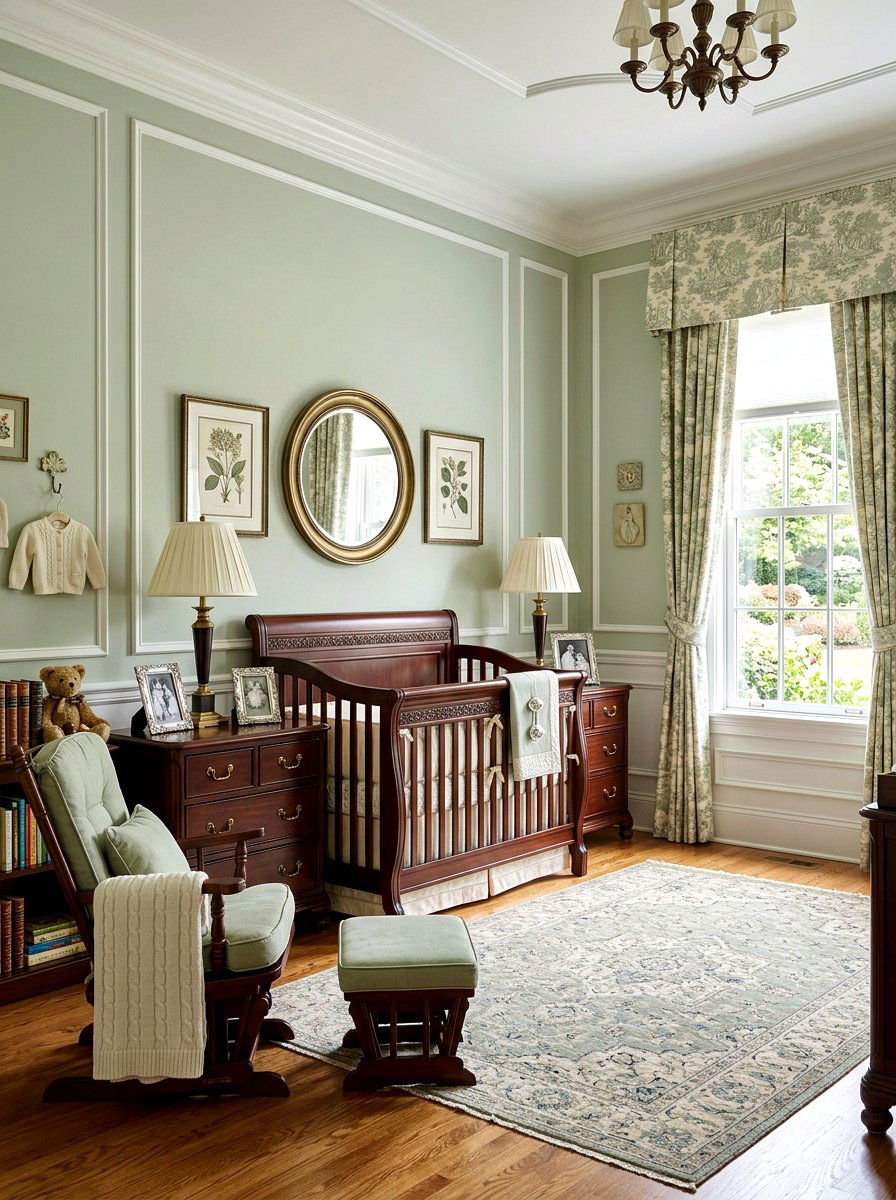
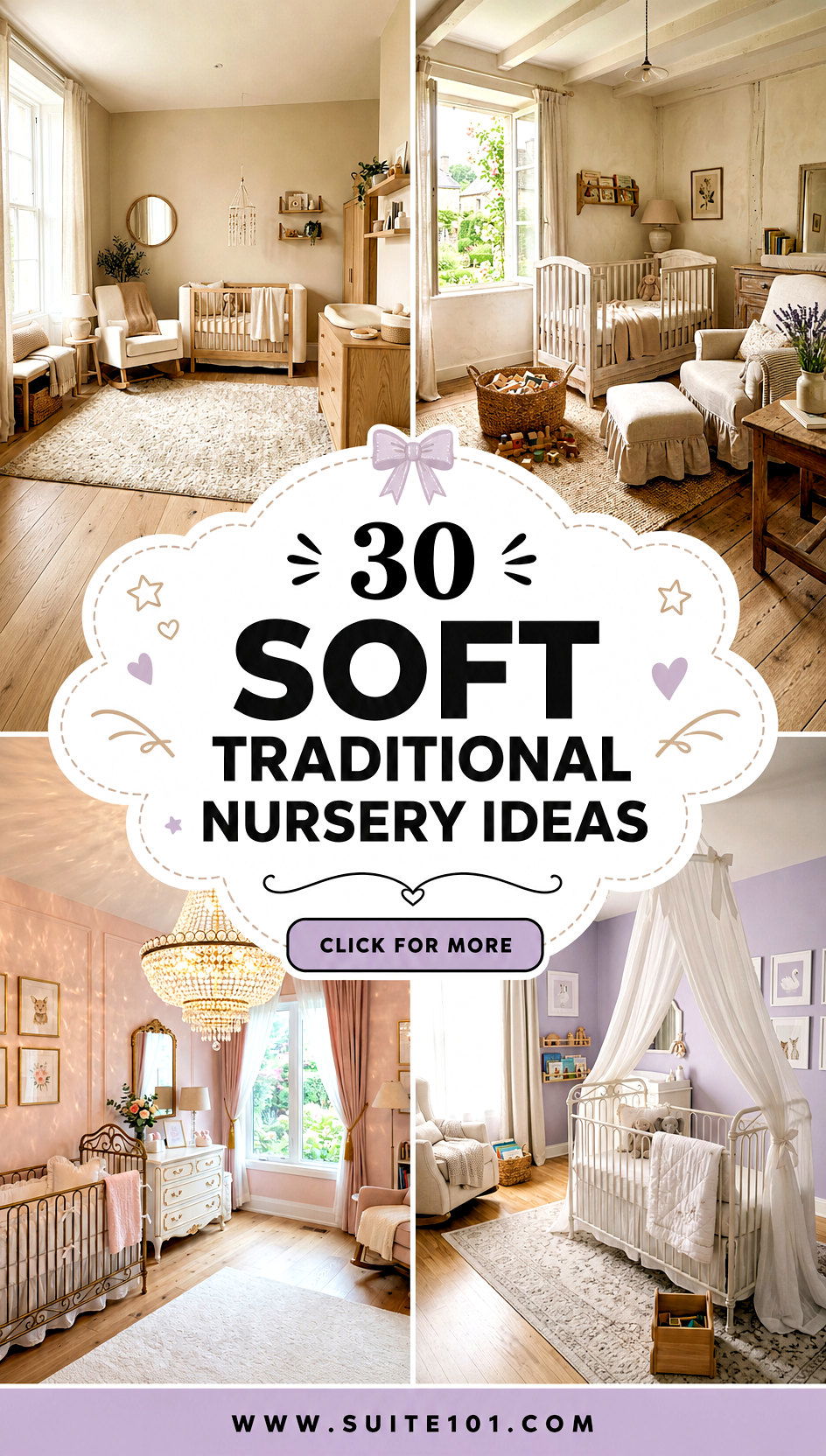
Creating a nursery that feels both timeless and cozy is a beautiful journey for any new parent. A soft traditional nursery blends the elegance of the past with the gentle comforts needed for a modern baby. This style focuses on muted color palettes, classic furniture silhouettes, and tactile textures that create a serene environment. Think of delicate floral patterns, sturdy heirloom-quality cribs, and plush textiles that invite hours of snuggling. By choosing traditional elements, you ensure the room grows gracefully with your child, avoiding fleeting trends while maintaining a sophisticated charm. Let’s explore thirty inspiring ways to design a peaceful sanctuary that feels classic yet incredibly welcoming for your little one.
1. Sage green nursery
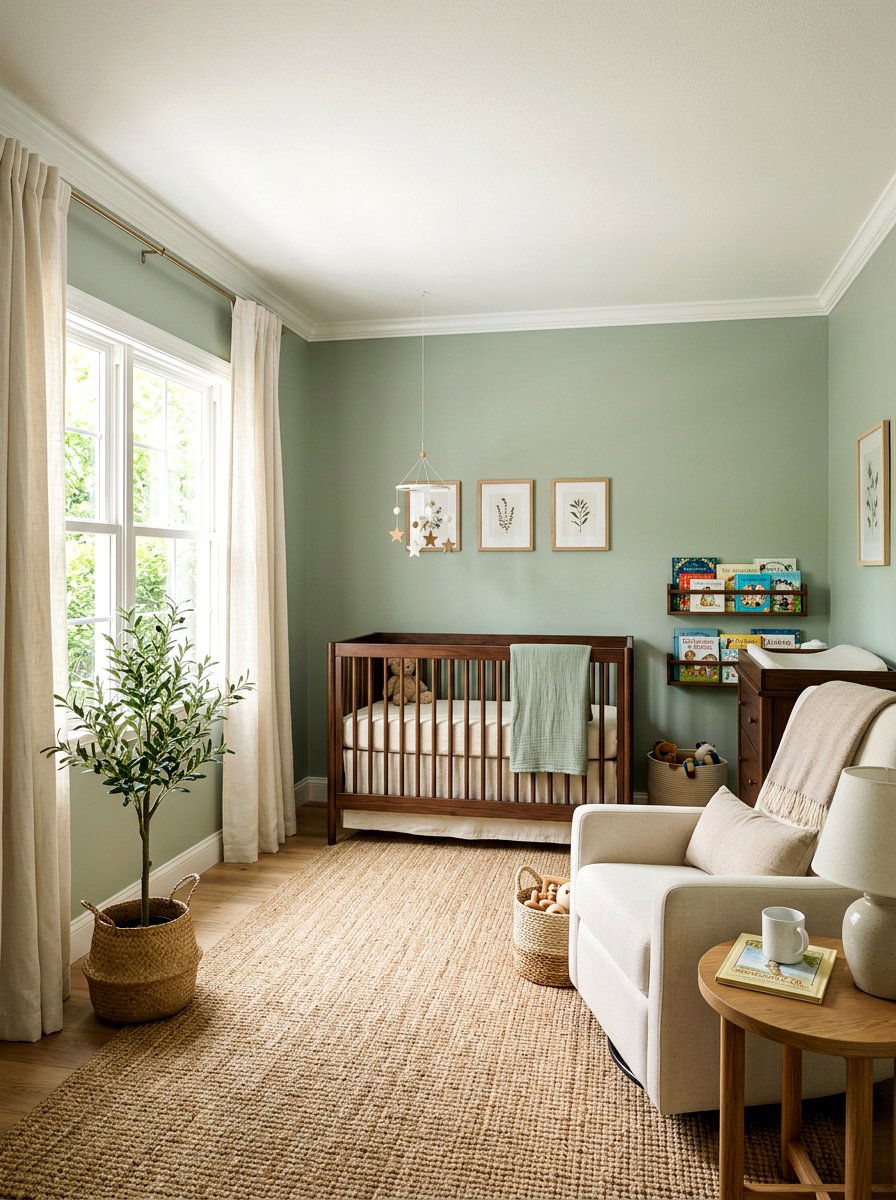
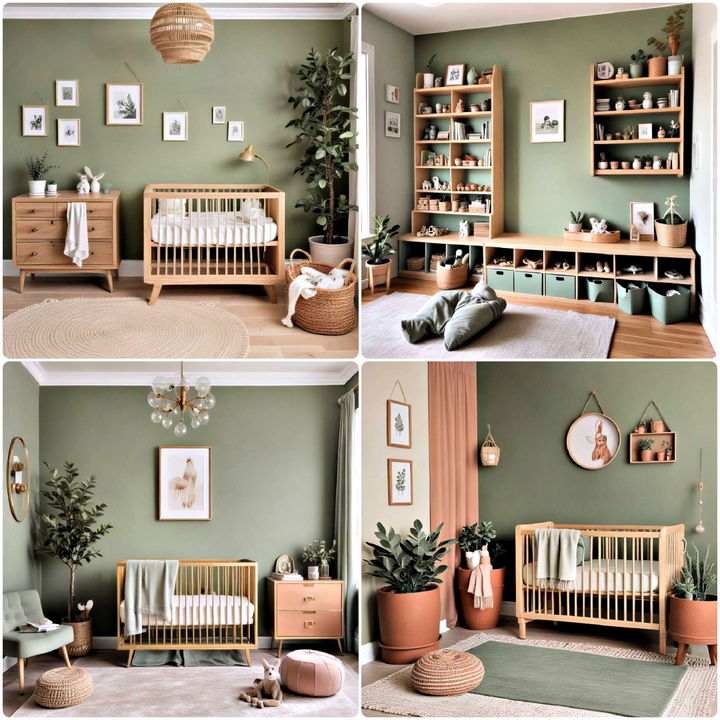
Have you ever noticed how a simple splash of color can instantly calm a room? A sage green nursery offers a botanical-inspired backdrop that feels grounded and gender-neutral. This soft, earthy tone pairs beautifully with creamy whites and natural wood finishes, creating a space that feels like a quiet garden indoors. You can incorporate this hue through full-wall paint or subtle accents like quilted blankets and throw pillows. It provides a sophisticated alternative to brighter greens, keeping the atmosphere tranquil for naptime. When combined with traditional elements like a dark wood crib or a plush white rug, sage green anchors the room with a sense of timeless peace and organic beauty.
2. Dusty rose nursery
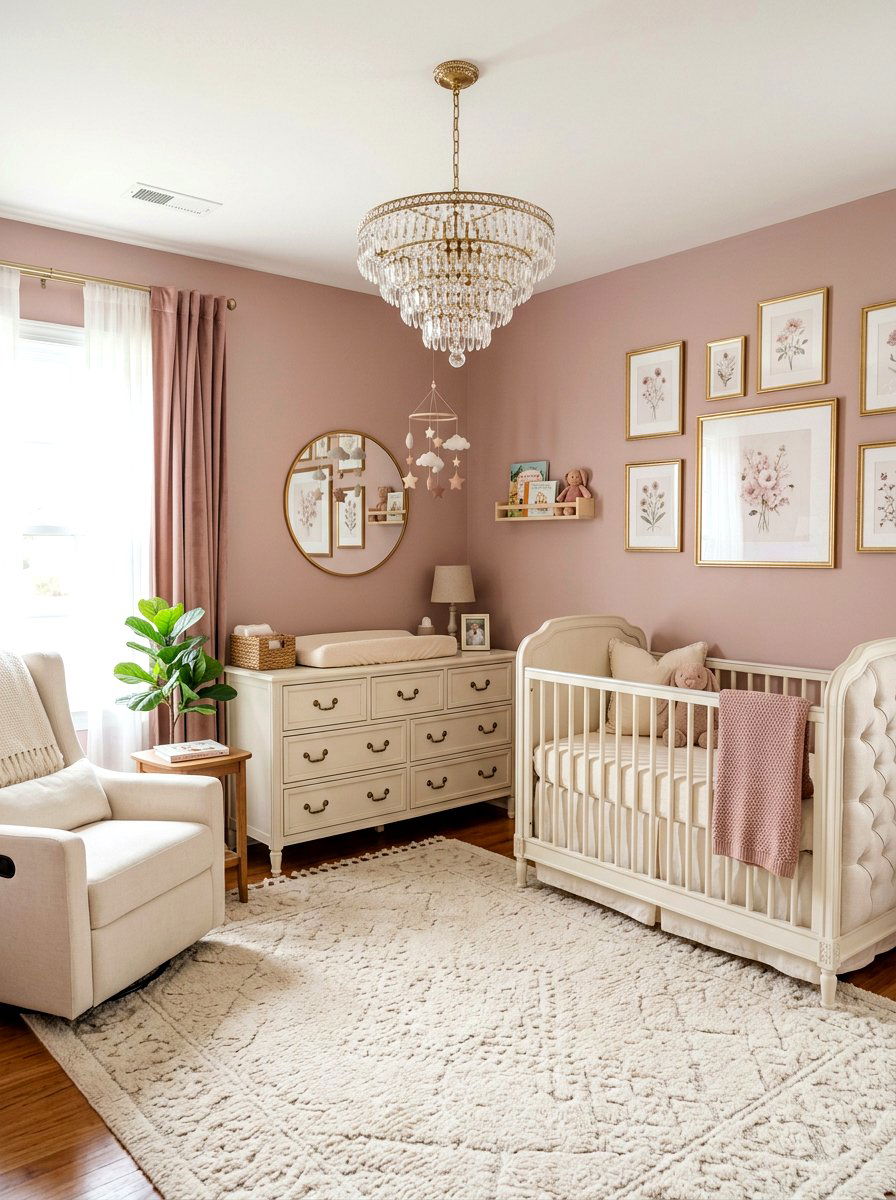
Is there anything more classic than a soft pink room with a sophisticated twist? A dusty rose nursery moves away from bubblegum shades toward a more muted, vintage-inspired palette. This color feels exceptionally cozy and pairs wonderfully with gold accents and ivory furniture. It creates a warm glow in the room, especially when the afternoon sun hits the walls. To keep it traditional, consider adding a floral rug or delicate lace curtains that echo the rosy tones. This approach ensures the space feels sweet and feminine without being overly sugary. It’s a perfect choice for parents who want a girl’s room that feels elevated and enduring through the early childhood years.
3. Spindle crib nursery
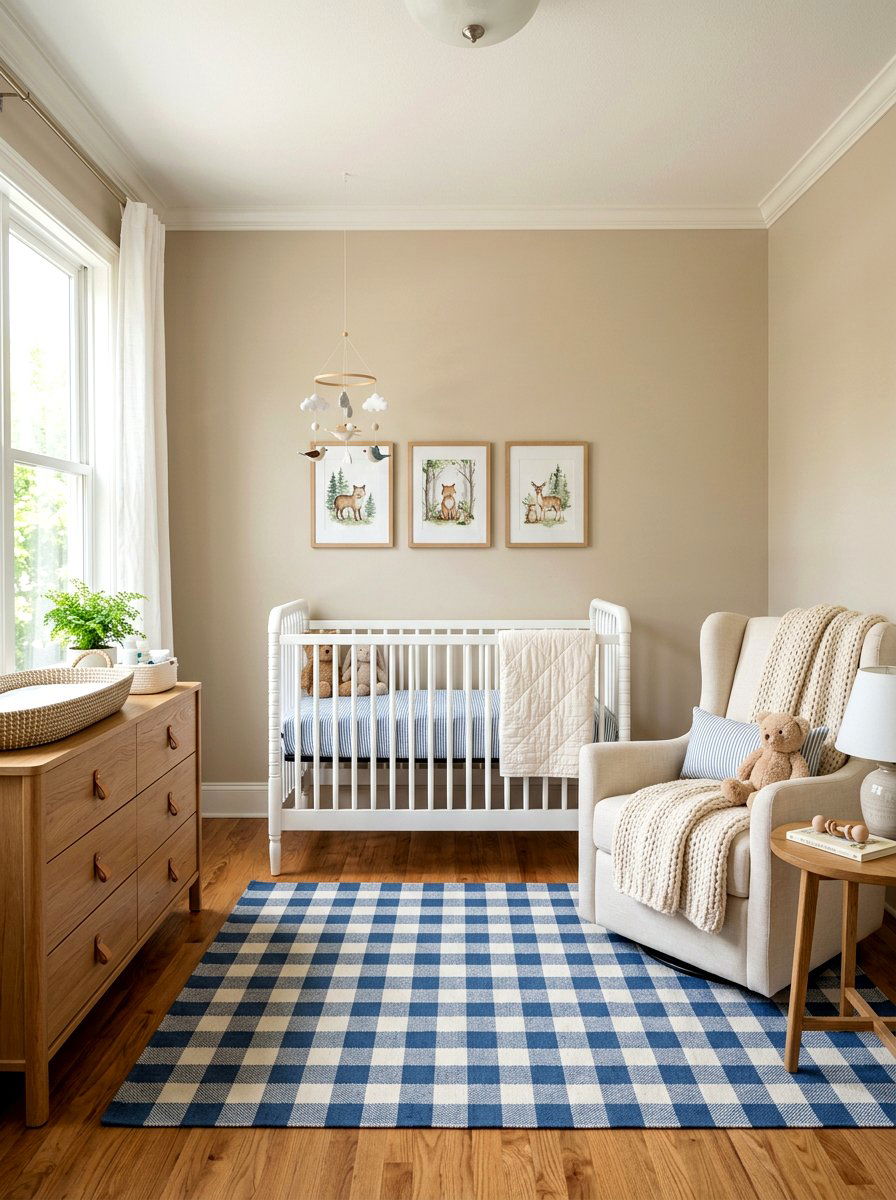
Choosing a centerpiece for the room often starts with the furniture, and nothing says tradition like a classic spindle crib. These pieces feature elegant vertical slats that offer a nostalgic, farmhouse-inspired look that never goes out of style. Whether finished in a crisp white or a warm oak, the spindle design provides a lightweight visual feel while remaining incredibly sturdy. It works perfectly in a room filled with other antique-inspired items, such as a knitted throw or a weathered wooden rocker. This specific crib style helps bridge the gap between old-world craftsmanship and modern safety standards, making it a favorite for those seeking a heritage look for their newborn.
4. Floral wallpaper nursery
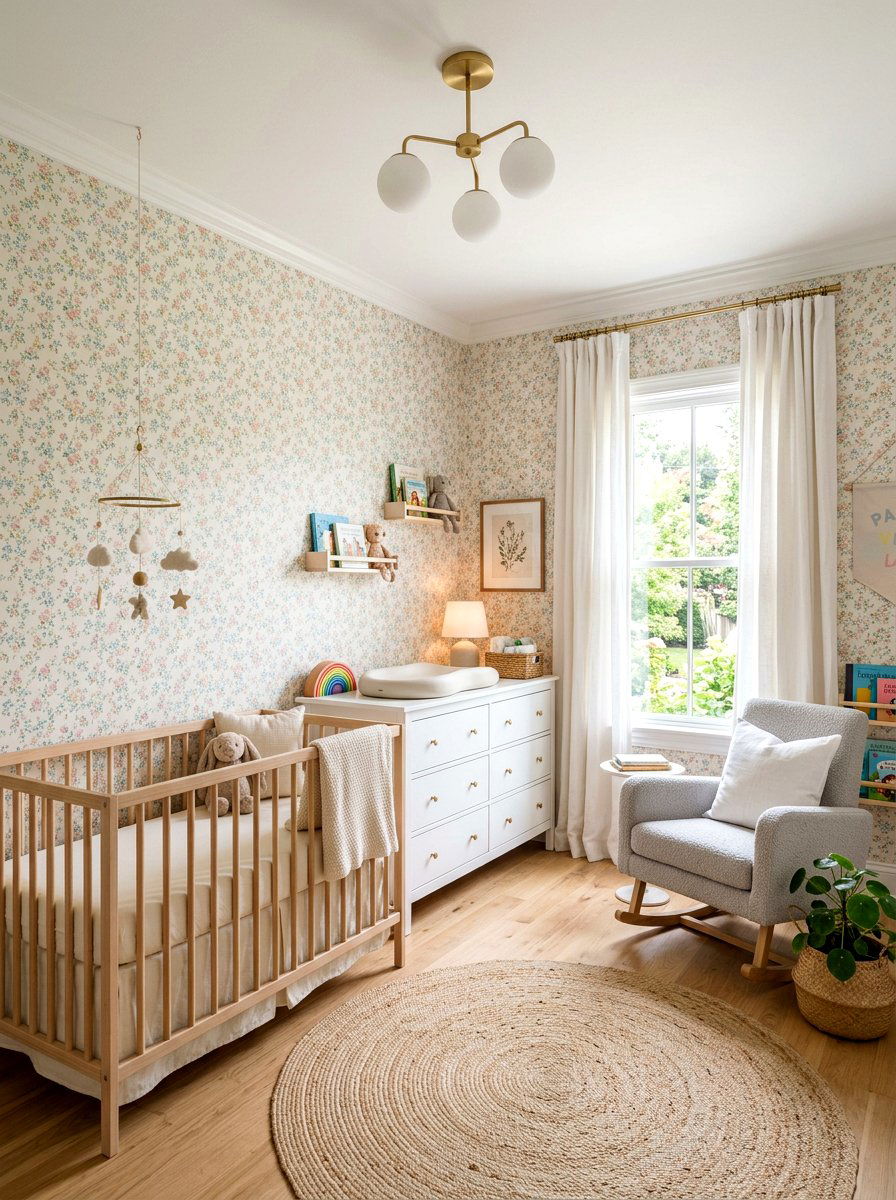
Walking into a room covered in delicate blooms can feel like stepping into a storybook. Floral wallpaper is a hallmark of traditional design, offering a way to introduce pattern and personality without overwhelming the senses. For a soft look, opt for small-scale prints in pastel shades like lavender, peach, or sky blue. Applying the wallpaper to all four walls creates an immersive, cocoon-like effect that feels incredibly intimate. You can balance the busy pattern with solid-colored bedding and simple furniture. This design choice provides a permanent touch of spring to the nursery, ensuring the atmosphere remains cheerful and bright even on the grayest of winter afternoons.
5. Classic wingback glider
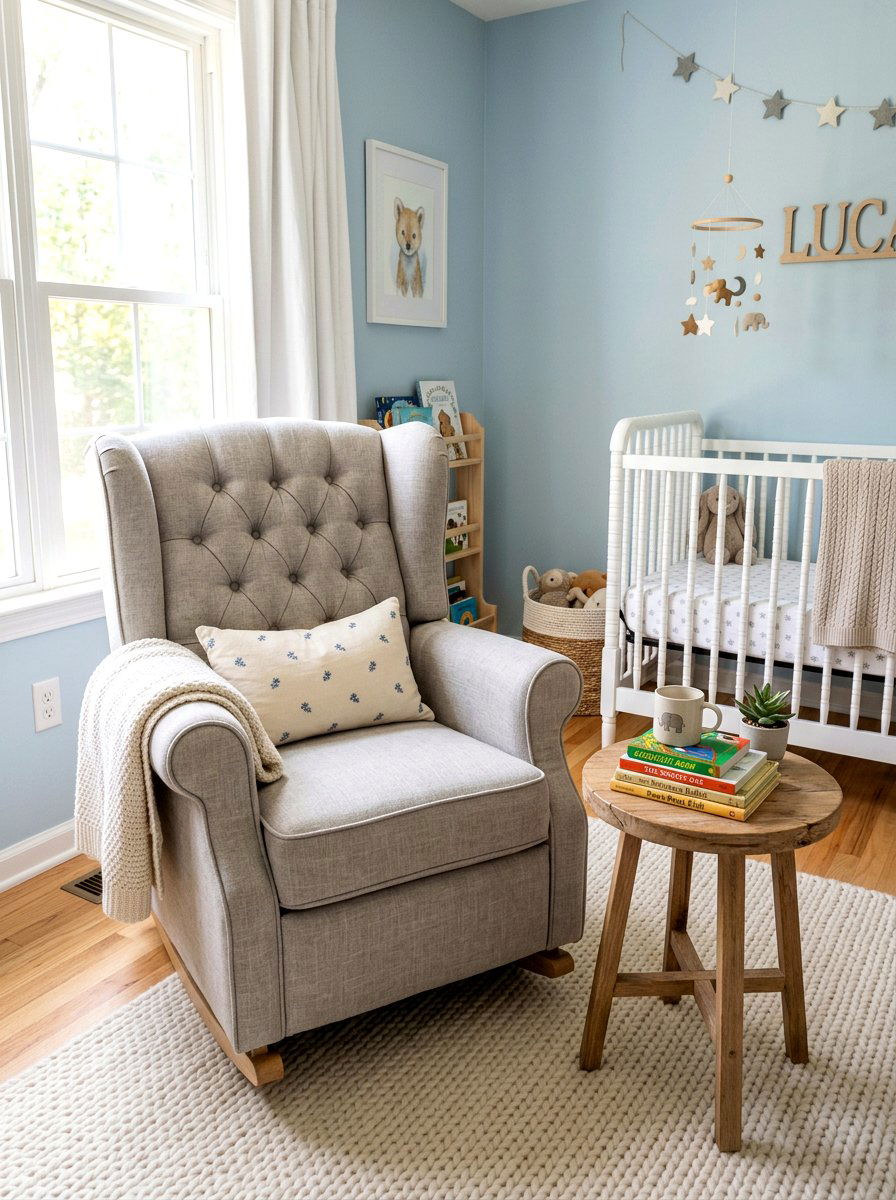
Comfort is the most important factor when you are spending long nights in the nursery. A classic wingback glider offers the perfect blend of traditional formal style and modern ergonomic support. The high back and curved sides provide a cozy spot to rest your head during late-night feedings. Choosing a fabric like soft linen or a durable performance velvet in a neutral tone ensures the chair remains a versatile piece for years. You can style it with a small side table for books and a soft lamp to create a dedicated bonding nook. This furniture piece serves as a functional anchor that adds a sense of luxury to the space.
6. Vintage rug nursery
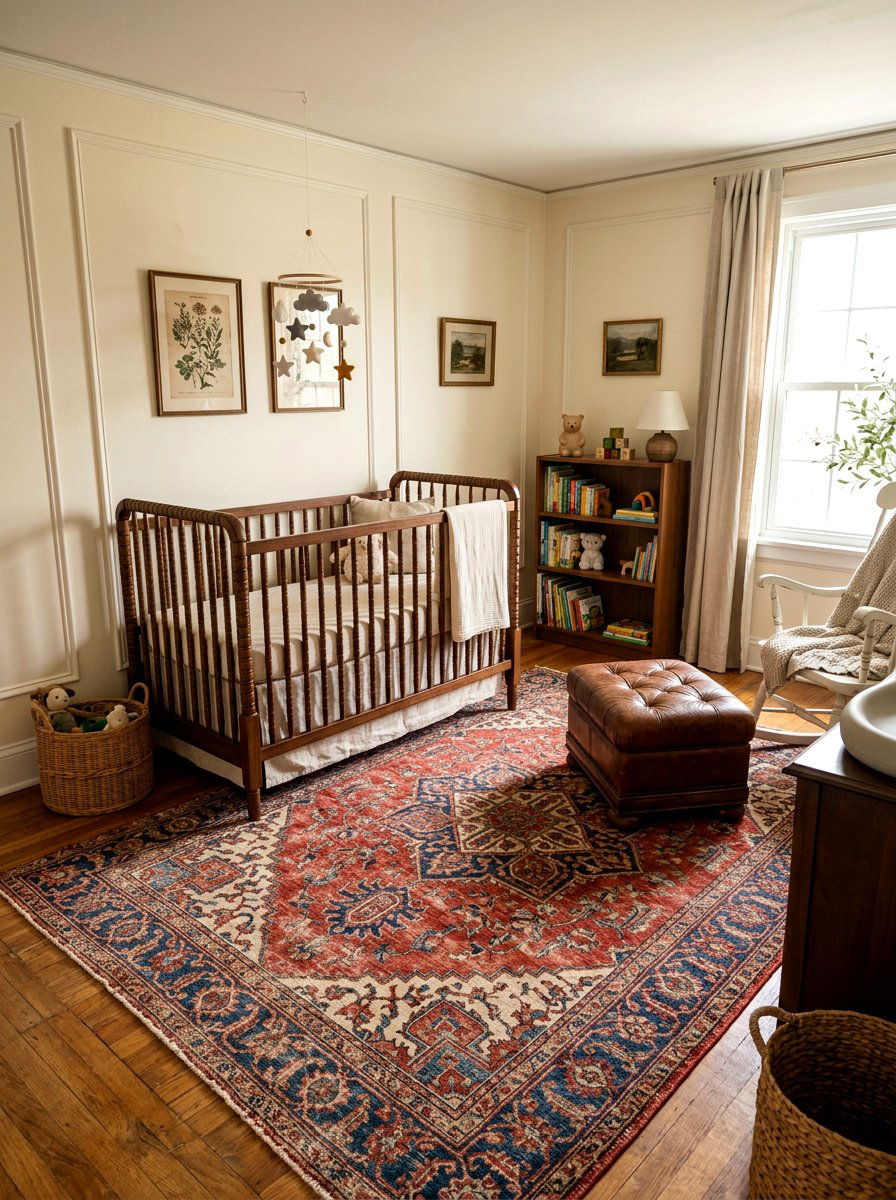
Could a single item tie an entire room together better than a beautiful rug? A vintage rug, or a high-quality reproduction, adds a layer of history and warmth to a traditional nursery. Look for patterns with faded medallions and muted jewel tones that feel lived-in and comfortable. The dense pile of a traditional rug provides a soft surface for tummy time while also acting as a sound dampener for quiet moments. Positioning the rug centrally under the crib or glider helps define the layout and adds a sophisticated touch. These rugs are often very durable, making them a practical choice for a high-traffic room that needs to stay stylish.
7. White wainscoting nursery
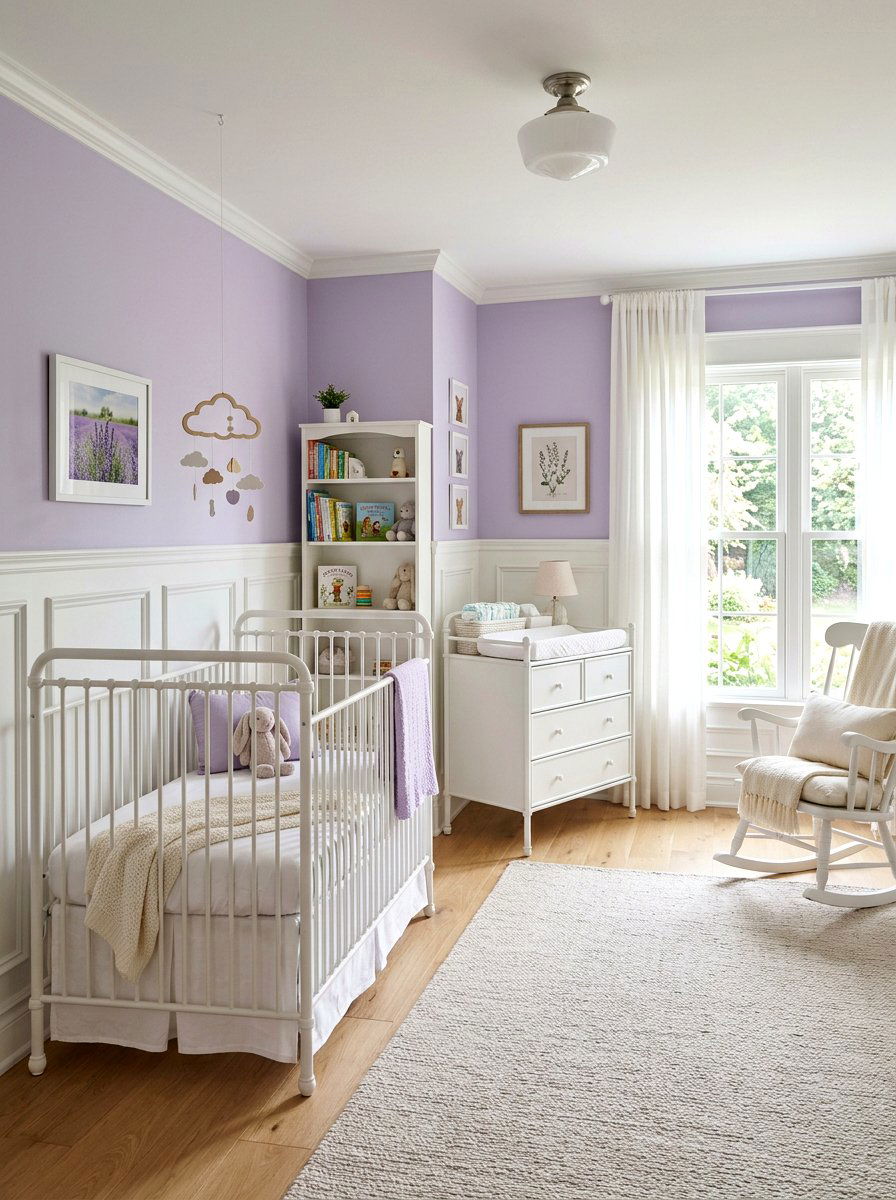
Adding architectural detail can transform a plain room into an elegant sanctuary. White wainscoting is a traditional wall treatment that adds texture and a sense of structure to the lower half of the walls. It creates a clean, polished look that pairs beautifully with any paint color or wallpaper on the upper portion. This classic feature adds a level of sophistication usually found in older homes, giving the nursery a "rooted" and permanent feel. It also provides a durable surface that is easier to clean than painted drywall. When matched with crown molding, wainscoting elevates the entire design, making the nursery feel like a truly intentional and well-crafted part of the home.
8. Light blue nursery
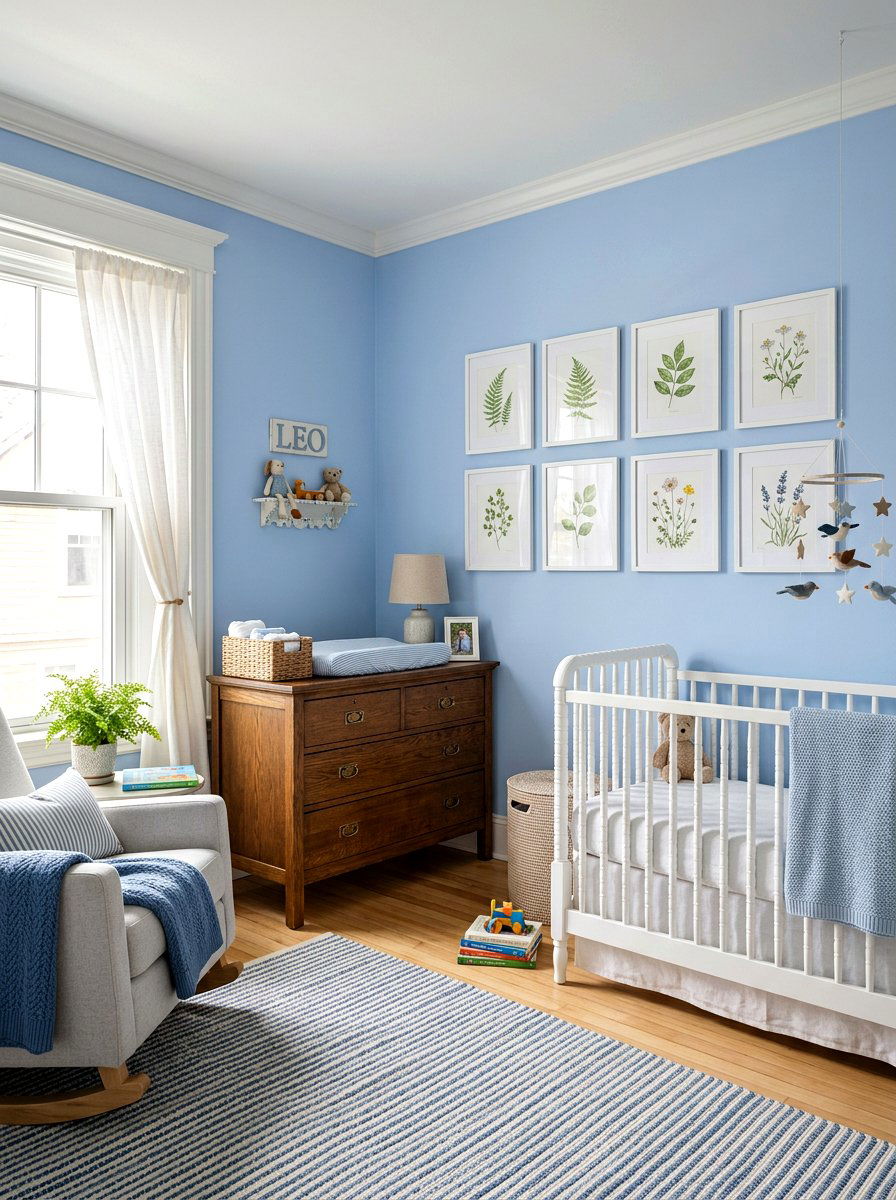
Does a blue room have to feel cold or strictly for boys? A light blue nursery uses soft, watery tones to create a refreshing and peaceful environment for any baby. Think of shades like robin's egg or pale cornflower that mimic the clear morning sky. This color palette works beautifully with silver or pewter hardware and white furniture to keep the look crisp. To maintain the traditional vibe, incorporate classic patterns like stripes or small checks in the bedding. Light blue is a timeless choice that promotes a sense of calm, making it much easier for both parents and babies to relax during the busy first few months.
9. Brass hardware nursery
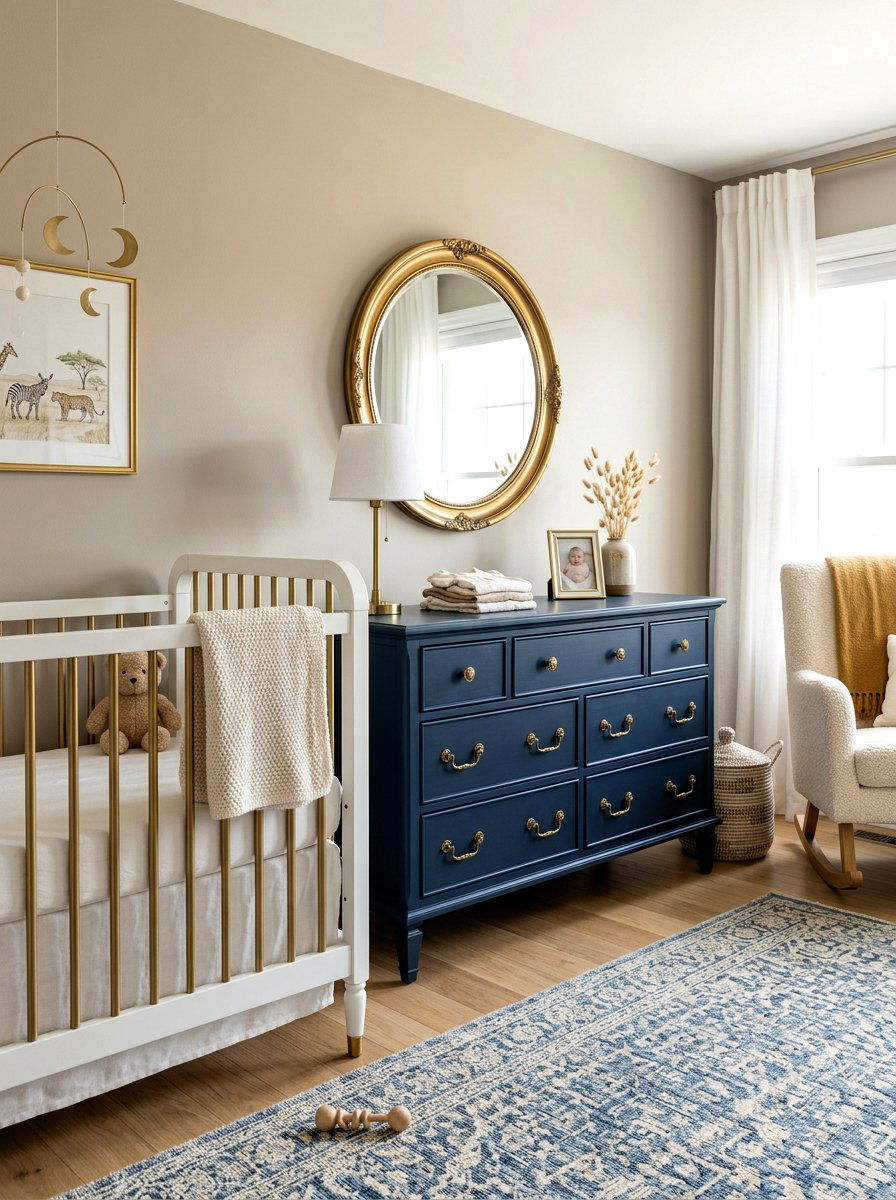
Sometimes the smallest details make the biggest impact on a room's overall aesthetic. Brass hardware, such as drawer pulls, curtain rods, and light fixtures, adds a warm, metallic glow to a traditional nursery. Unlike shiny chrome, aged or brushed brass feels vintage and refined, perfectly complementing soft paint colors like cream or sage. You can easily upgrade a standard dresser by swapping out the handles for ornate brass versions. This simple change adds a touch of "jewelry" to the furniture, making the entire space feel more expensive and curated. Brass ages beautifully over time, ensuring your nursery details remain as charming years from now as they are today.
10. Linen curtain nursery
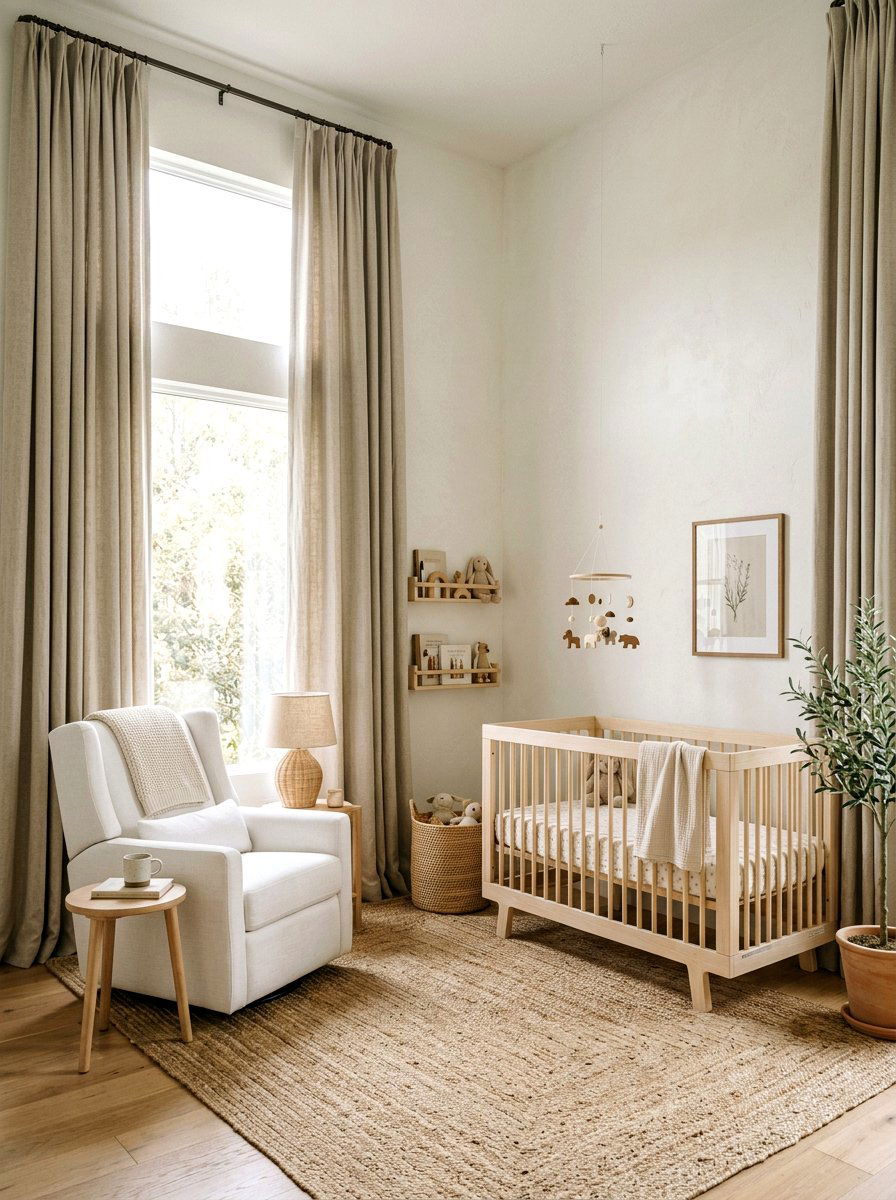
Natural light is a nursery 's best friend, but managing it requires the right window treatments. Linen curtains are a staple in soft traditional design because of their beautiful drape and organic texture. They filter sunlight into a gentle, diffused glow that makes the room feel airy and light. Choosing a neutral color like ivory or oatmeal allows the fabric' s natural weave to take center stage. For added functionality, you can layer them with blackout liners to ensure naptime remains undisturbed. Hanging the curtains high and wide makes the windows appear larger and the ceilings feel taller, contributing to a sense of grand, classic elegance throughout the entire nursery space.
11. Neutral beige nursery
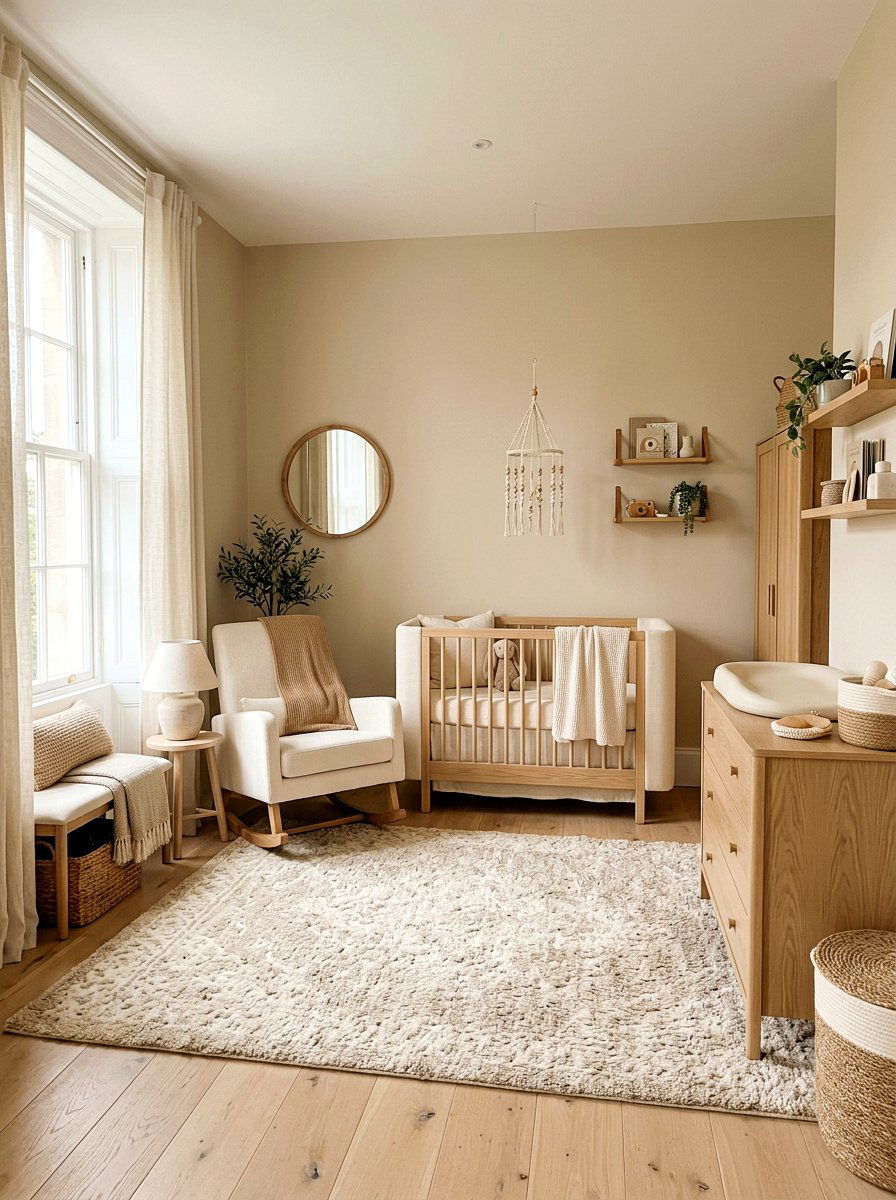
Is there a more versatile choice for a nursery than a warm, sandy neutral? A neutral beige nursery creates a sophisticated and gender-neutral base that allows other design elements to shine. This palette is anything but boring when you layer different shades of tan, cream, and taupe to create visual depth. It provides a quiet backdrop for colorful toys and books without the room ever feeling cluttered. Traditional furniture in dark wood or painted white pops beautifully against beige walls. This color scheme is incredibly easy to update as your child grows, simply by changing out small accessories, making it a smart and timeless investment for a growing family.
12. Heirloom furniture nursery
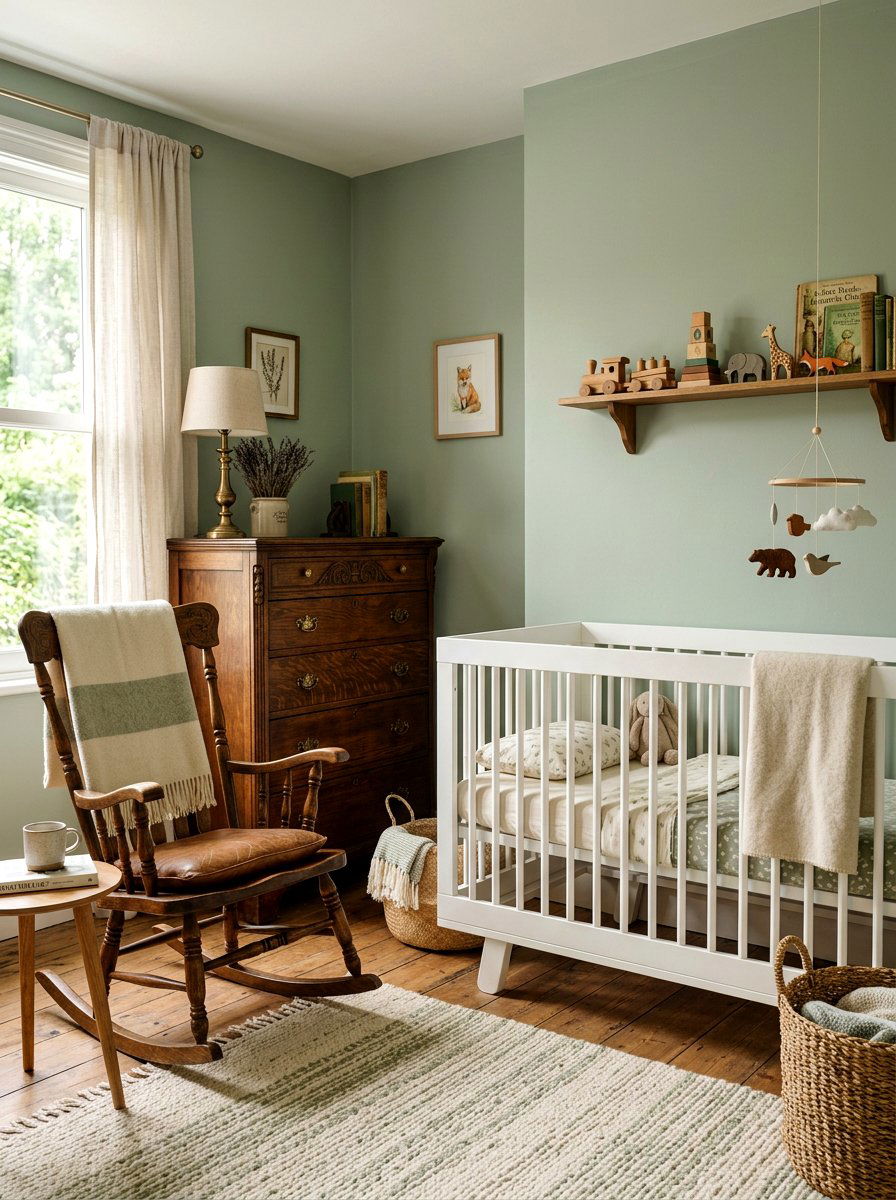
Every nursery feels more special when it includes pieces that tell a story. Heirloom furniture, whether it is a family antique or a high-quality new piece designed to last, adds soul to the space. Think of a solid oak chest of drawers or a hand-carved rocking chair that has been passed down through generations. These pieces often feature intricate details and superior craftsmanship that modern flat-pack furniture cannot replicate. Mixing one or two of these storied items with newer essentials creates a balanced, "collected" look. It teaches a child the value of history and quality from their very first days, making the room feel like a true part of the family legacy.
13. Box molding nursery
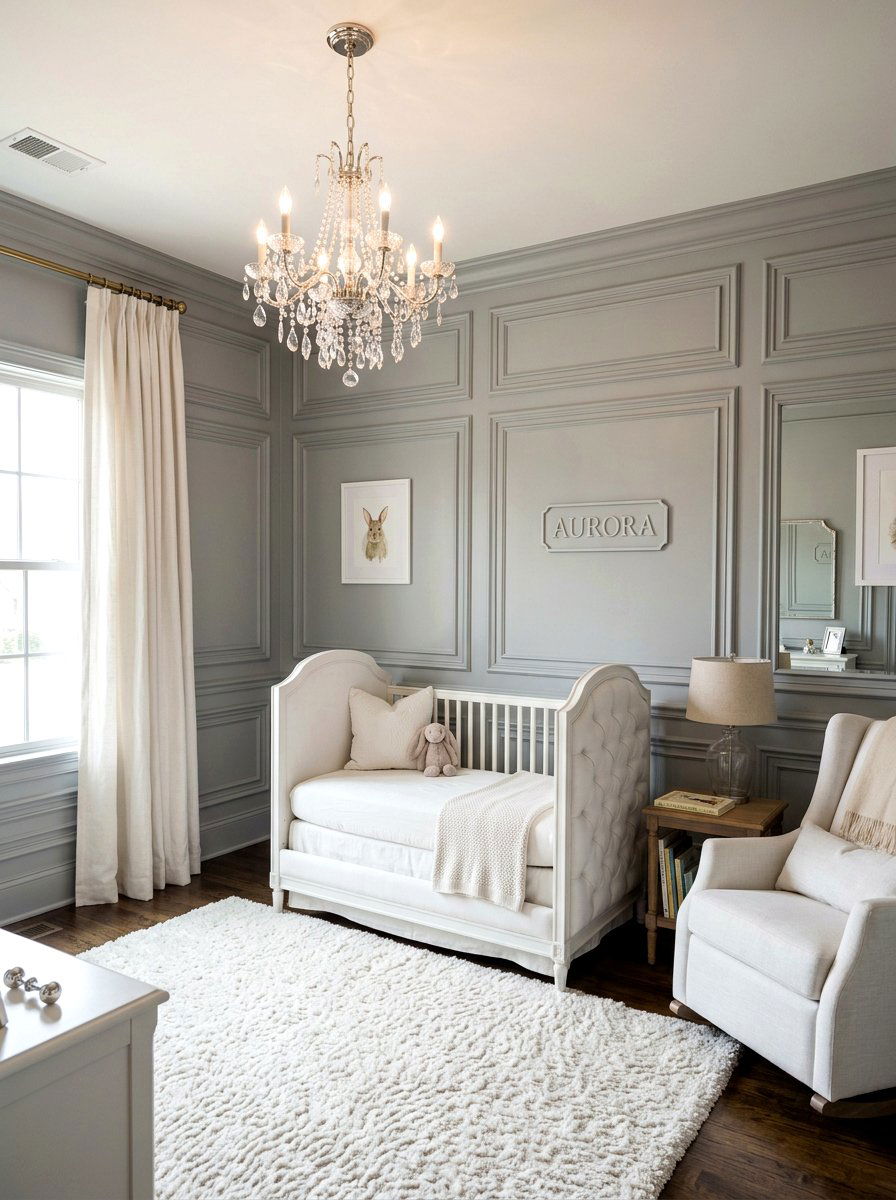
Walls can be more than just a surface for paint; they can be a design feature in themselves. Box molding, or picture frame molding, is a traditional technique that adds a formal and architectural feel to the nursery. By applying thin wooden strips in rectangular patterns across the walls, you create a sense of rhythm and elegance. This look is particularly striking when the molding is painted the same color as the wall for a subtle, textured effect. It adds a layer of sophistication that makes even a small room feel grand. Box molding works perfectly as a frame for wall art or a beautiful mirror, anchoring the room’s decorative elements.
14. French country nursery
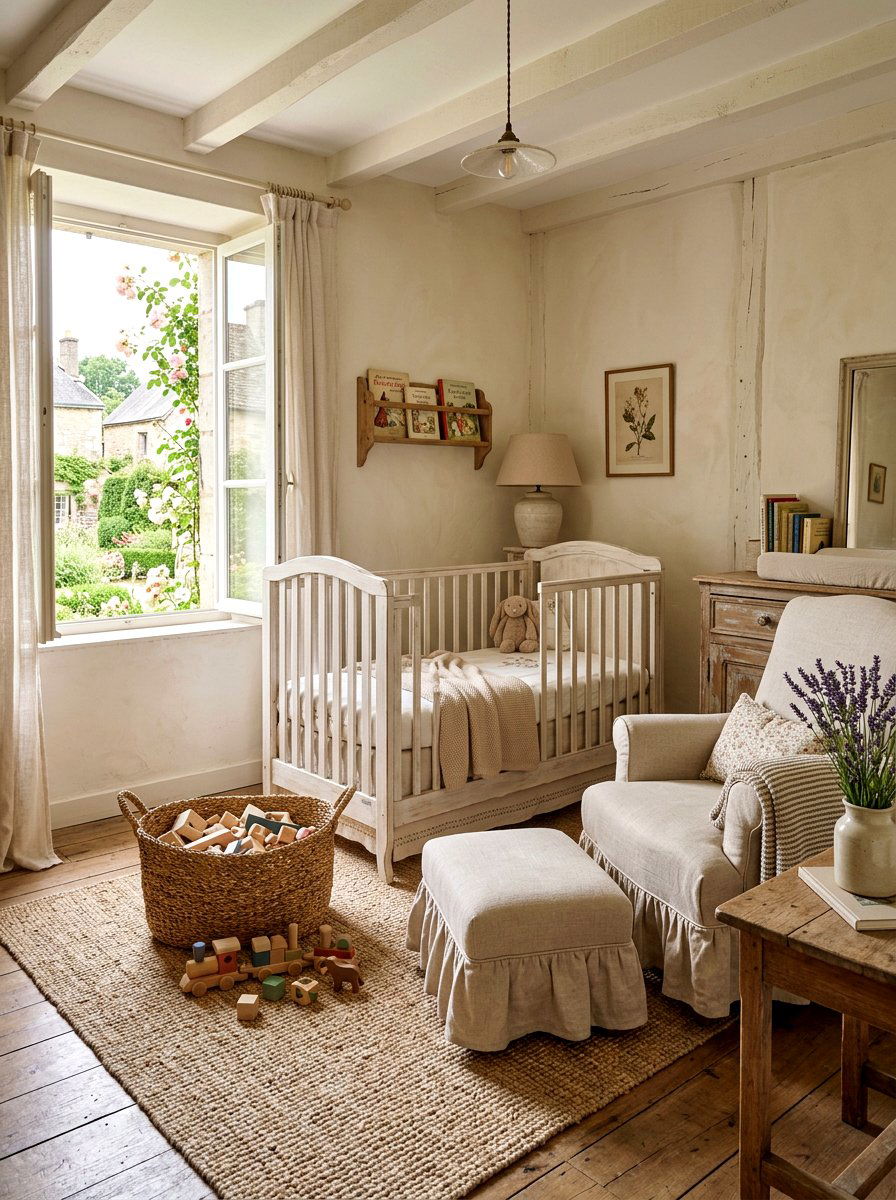
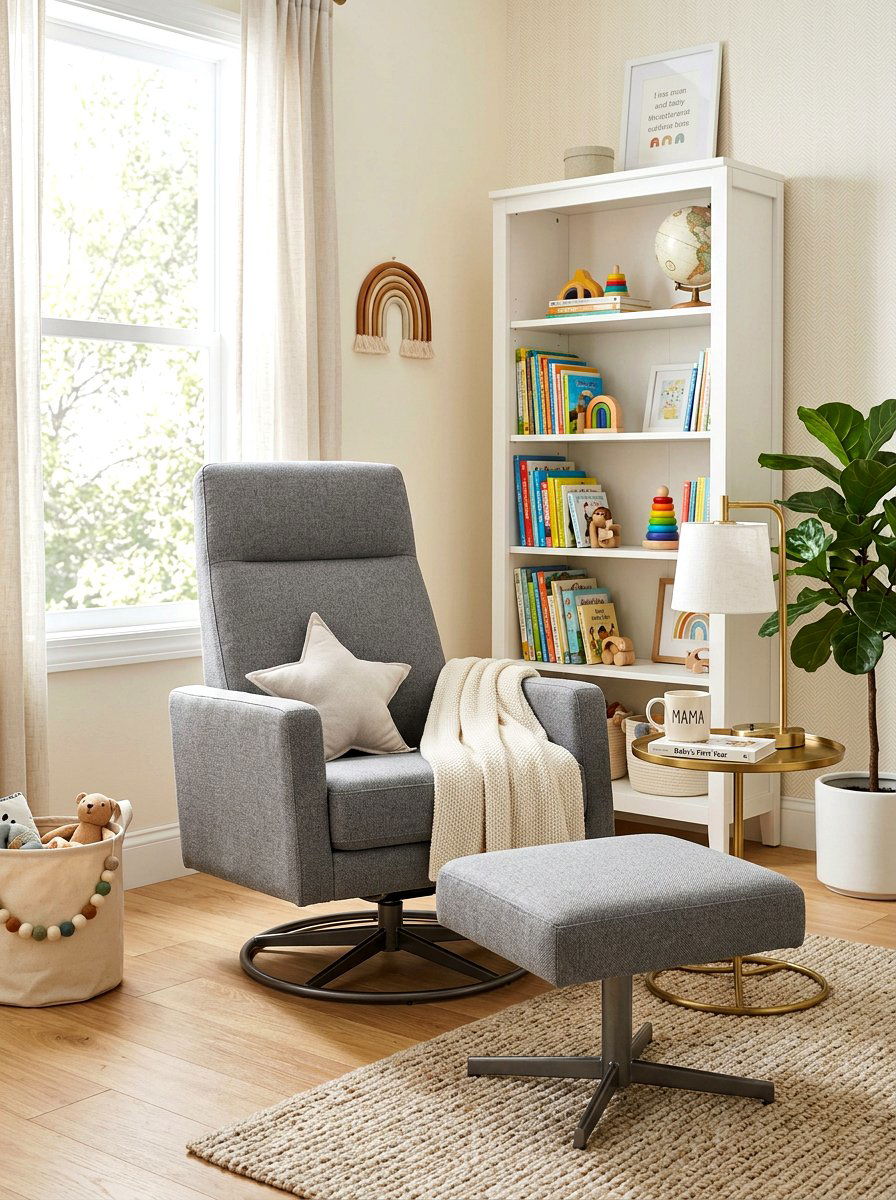
Imagine a space that combines rustic charm with refined European elegance. A French country nursery achieves this by using weathered wood, soft ruffles, and antique-inspired silhouettes. This style often features a palette of cream, lavender, and pale blue, creating a look that is both feminine and timeless. Look for furniture with cabriole legs and distressed finishes to capture that authentic provincial feel. Adding a woven basket for toys and a simple iron crib further enhances the aesthetic. This design approach is perfect for parents who want a nursery that feels romantic and comfortable, like a quiet cottage in the heart of the French countryside.
15. Toile print nursery
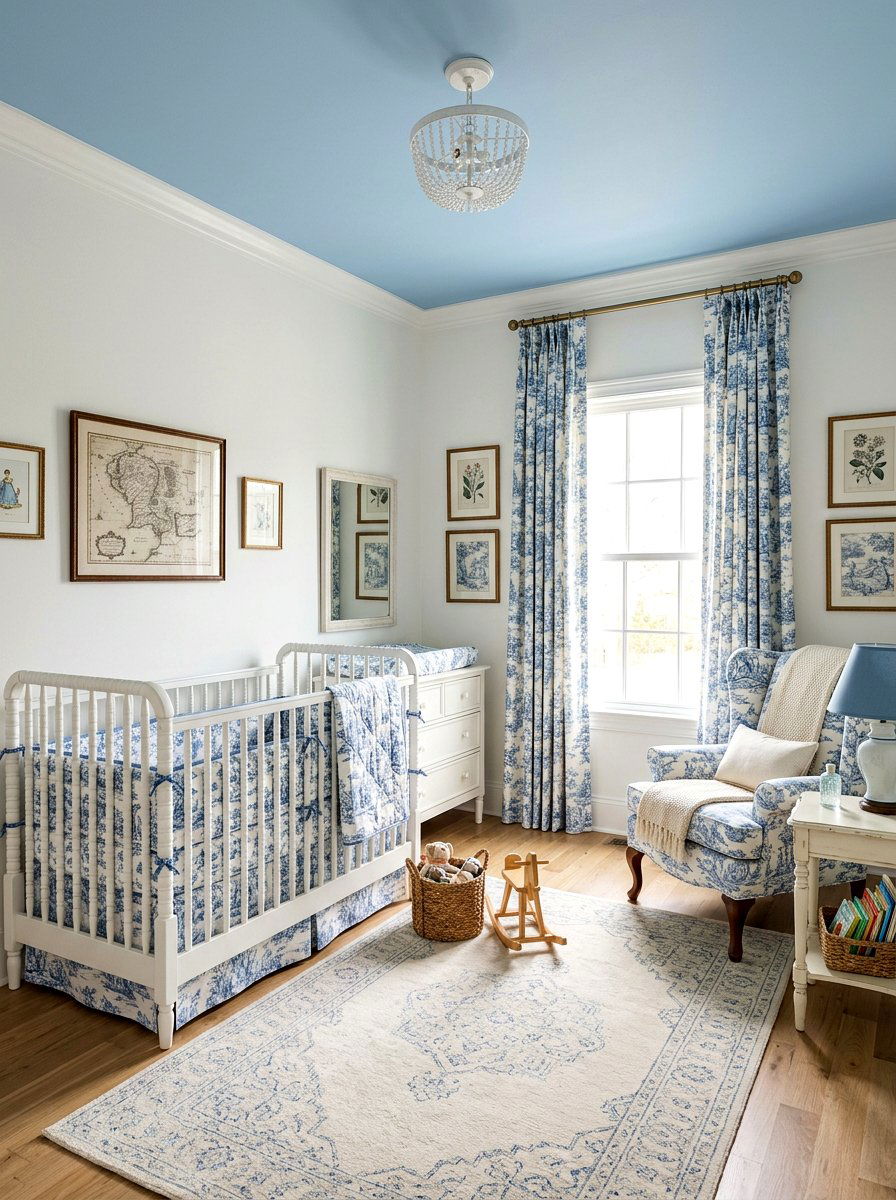
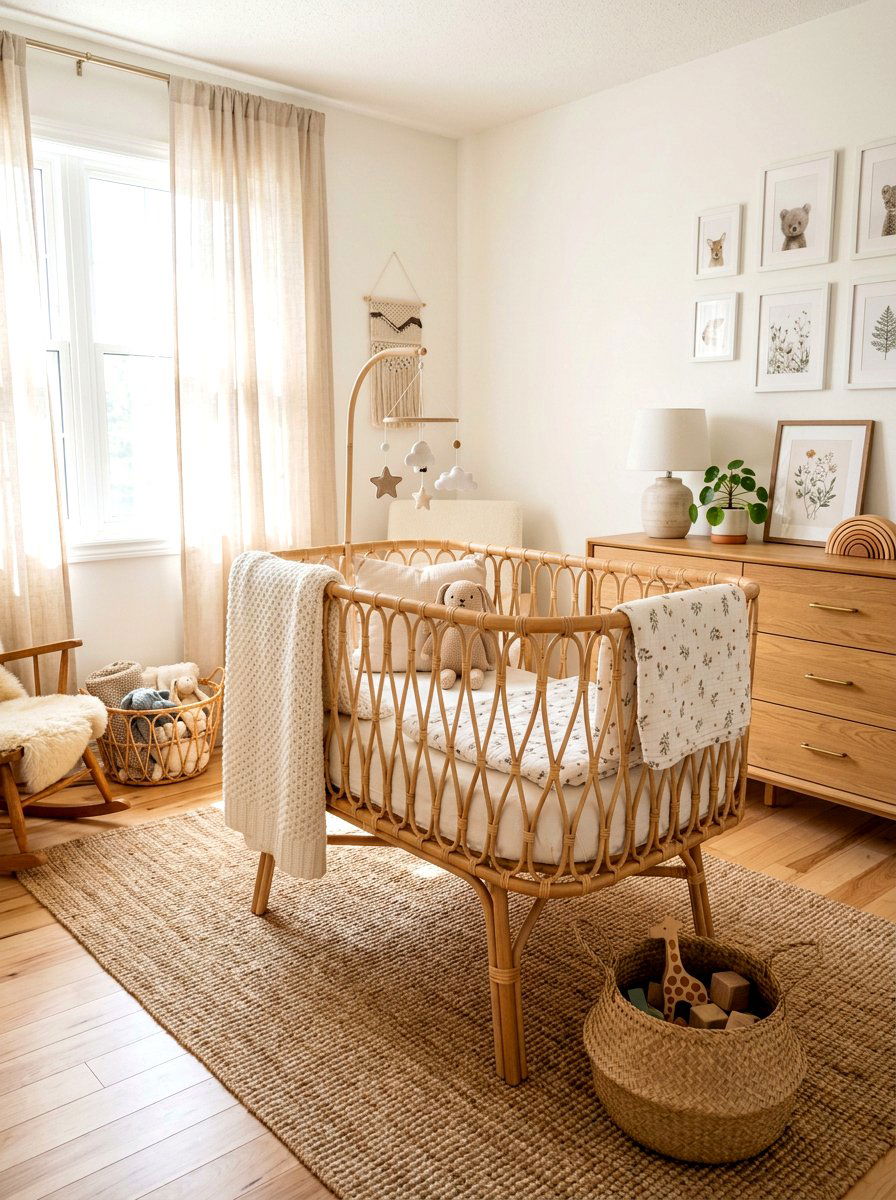
Can a classic pattern transform a modern room into a vintage sanctuary? Toile de Jouy, with its detailed pastoral scenes, is a quintessential traditional fabric that brings instant character to a nursery. Usually featuring a single color like navy or burgundy on a white background, toile is perfect for curtains, bedding, or even a single accent wall. The intricate drawings of trees, animals, and landscapes provide a sophisticated visual interest that fascinates babies as they grow. To keep the look soft, choose a toile with a lighter line weight and pair it with solid textures like velvet or wool. It creates a room that feels both artistic and deeply rooted in design history.
16. Crystal chandelier nursery
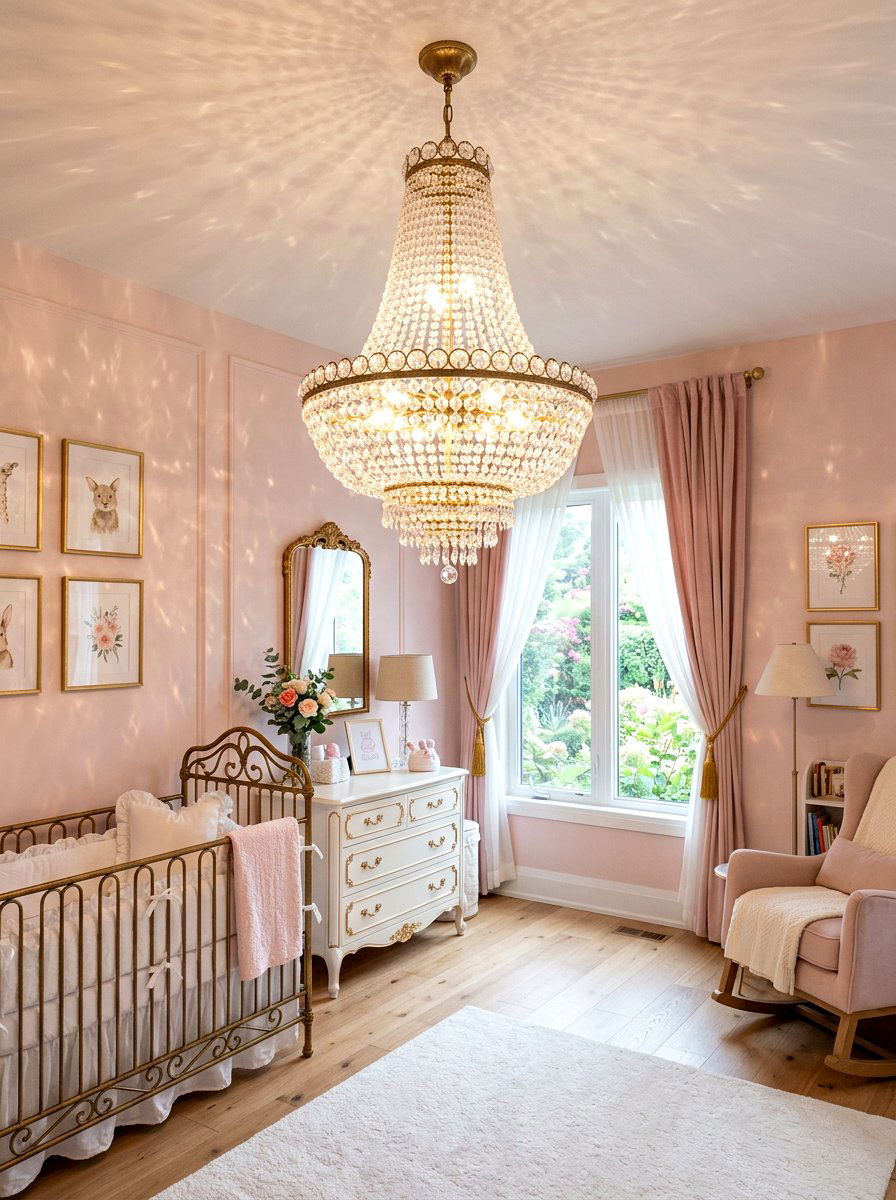
Lighting is the crowning jewel of any well-designed room. A crystal chandelier adds a touch of sparkle and magic to a traditional nursery, making the space feel like a royal suite for your little one. The way the crystals catch the light creates dancing patterns on the walls, providing a gentle and enchanting visual for a baby. Choosing a smaller-scale fixture ensures it doesn't overwhelm the room while still acting as a stunning focal point. For a more traditional look, find a chandelier with a brass or antiqued silver frame. It provides a beautiful contrast to soft fabrics and simple furniture, elevating the entire room’s atmosphere with a bit of old-world glamour.
17. Natural wood nursery
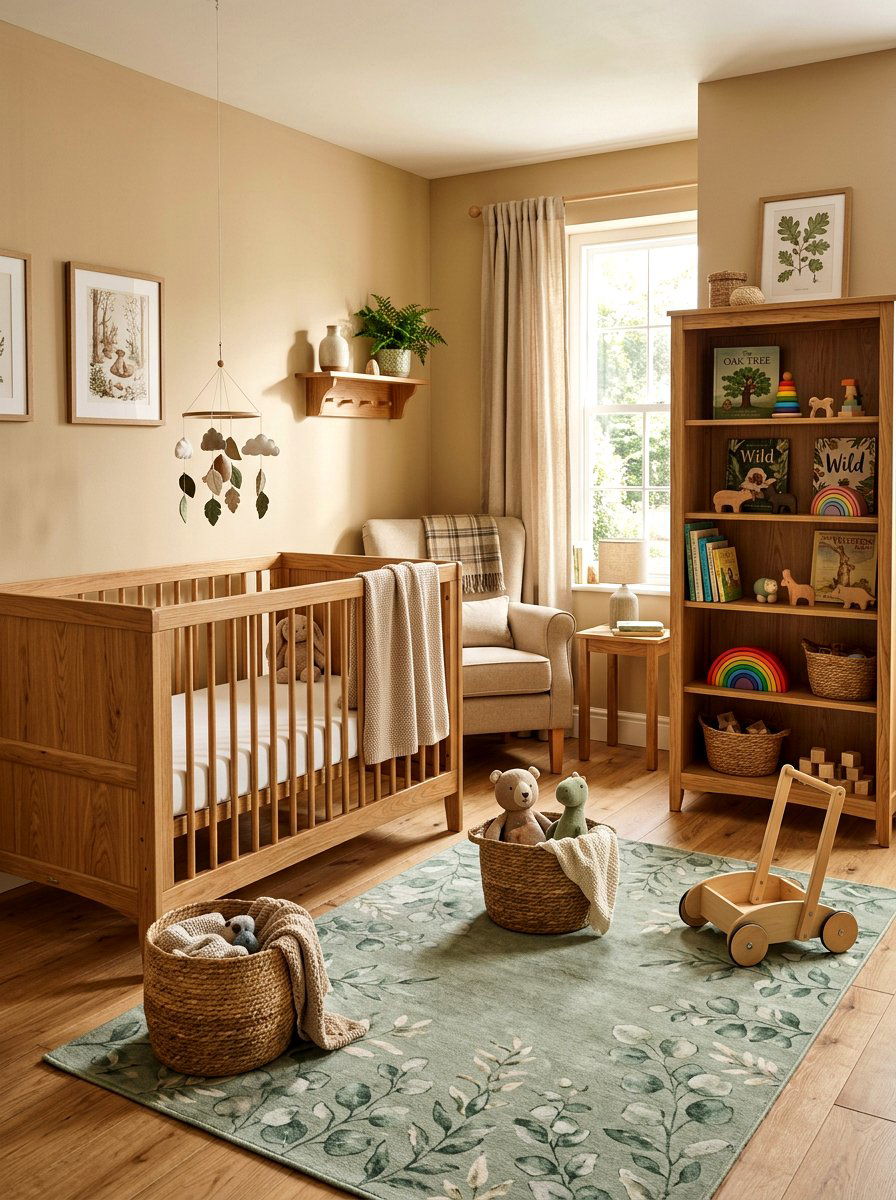
Bringing the warmth of nature indoors creates a grounded and peaceful environment. A natural wood nursery focuses on the beauty of unpainted grain, using furniture made from oak, maple, or walnut. These warm tones pair perfectly with soft textiles and earth-toned walls like sage or cream. Wood adds a tactile element that feels sturdy and reliable, qualities every parent wants in a baby’s first room. You can incorporate natural wood through a large dresser, a floating shelf for books, or even a set of traditional wooden blocks displayed as decor. This approach ensures the nursery feels organic and timeless, providing a cozy and welcoming space for growth and play.
18. Soft gray nursery
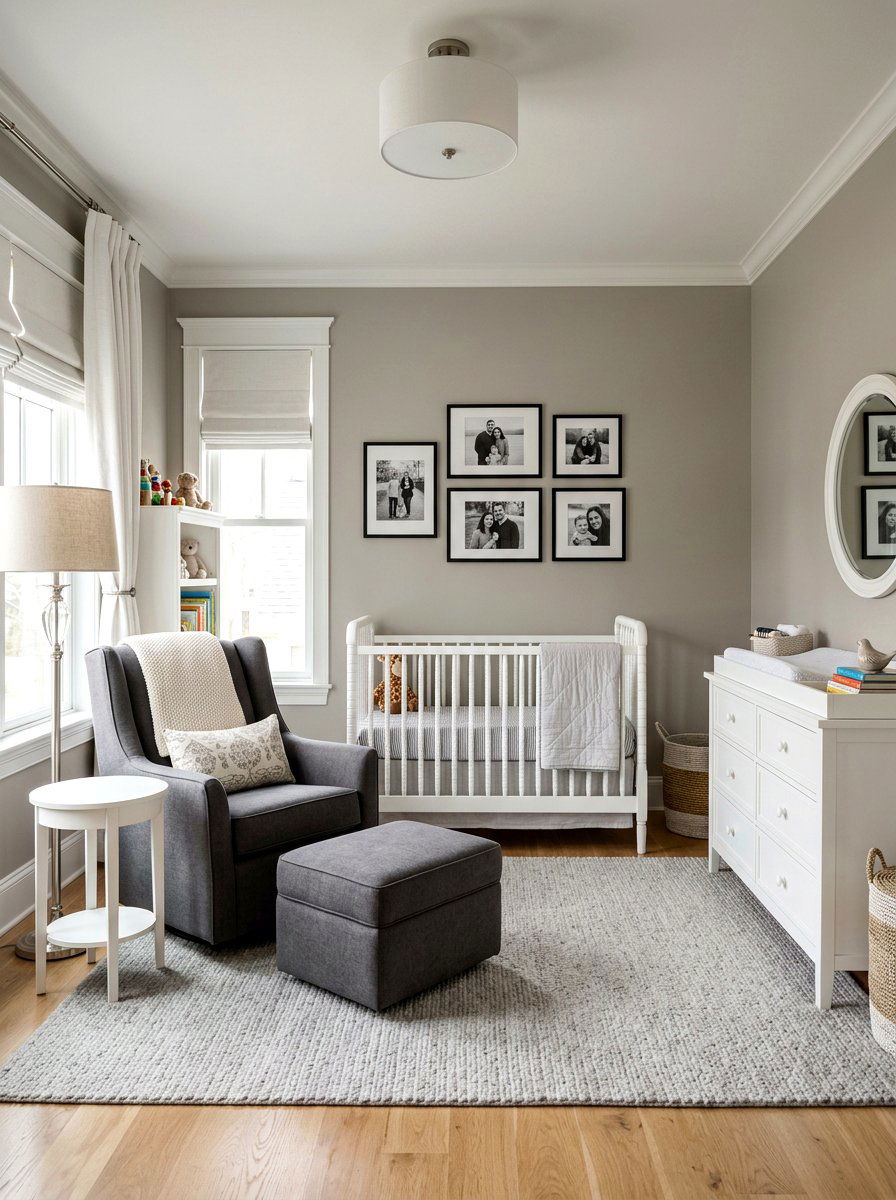
Gray doesn't have to be cold; in fact, a soft gray nursery can be one of the most soothing environments possible. By choosing a "warm" gray with undertones of beige or lavender, you create a misty, calm backdrop that is perfect for sleep. This color works exceptionally well with crisp white trim and dark wood furniture, providing a modern update to a traditional layout. You can add interest by using different textures in the same shade, such as a gray cable-knit throw or a plush charcoal rug. Soft gray is a sophisticated choice that feels peaceful and gender-neutral, allowing the baby’s personality and colorful toys to stand out.
19. Gingham pattern nursery
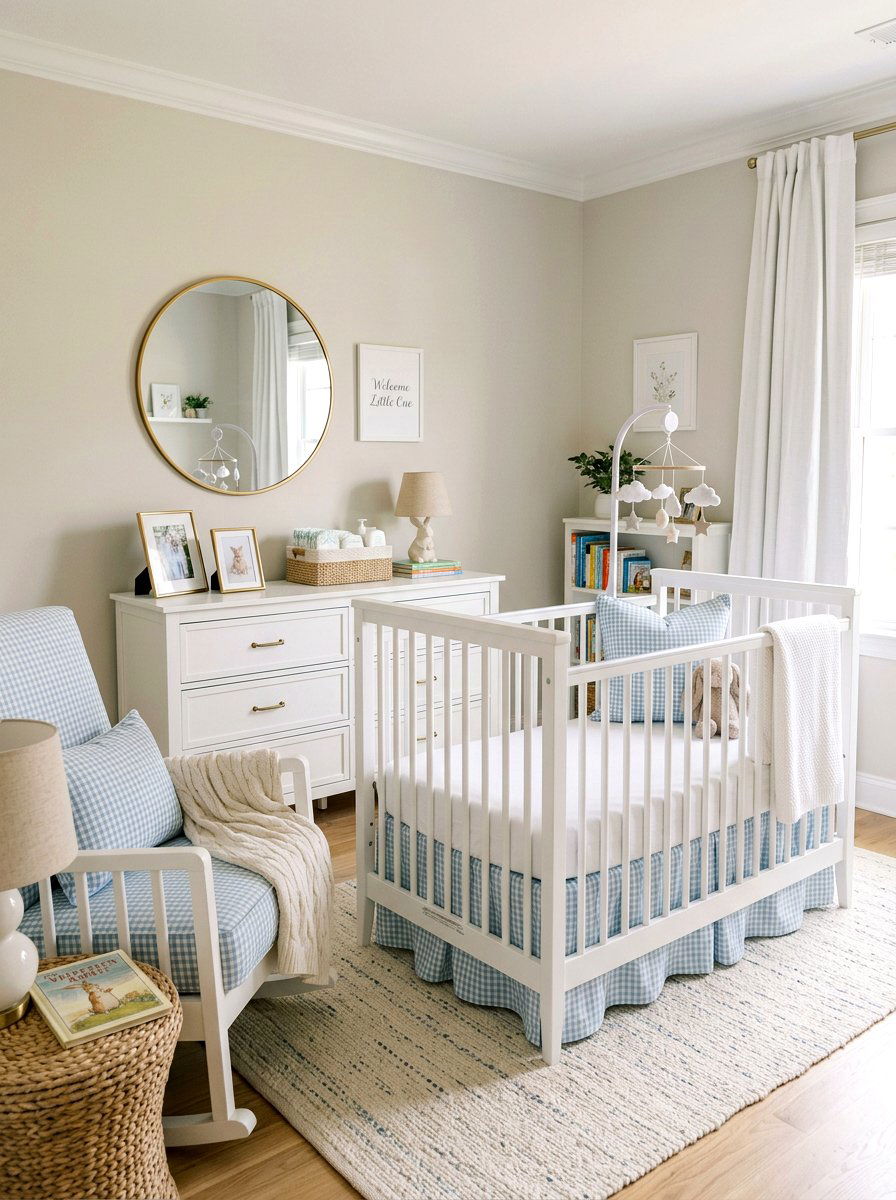
Patterns that remind us of childhood classics always have a place in a traditional nursery. Gingham, with its simple checked design, offers a sense of order and nostalgia that feels incredibly sweet. Whether used on a crib skirt, decorative pillows, or even a set of cozy pajamas, gingham adds a playful touch without being too busy. For a soft look, choose a small-scale check in a muted color like pale yellow or dusty blue. This pattern pairs wonderfully with floral prints or solid linens, creating a layered and curated appearance. It’s a timeless design choice that brings a sense of traditional Americana and comfort to the room's overall aesthetic.
20. Built in bookshelf nursery
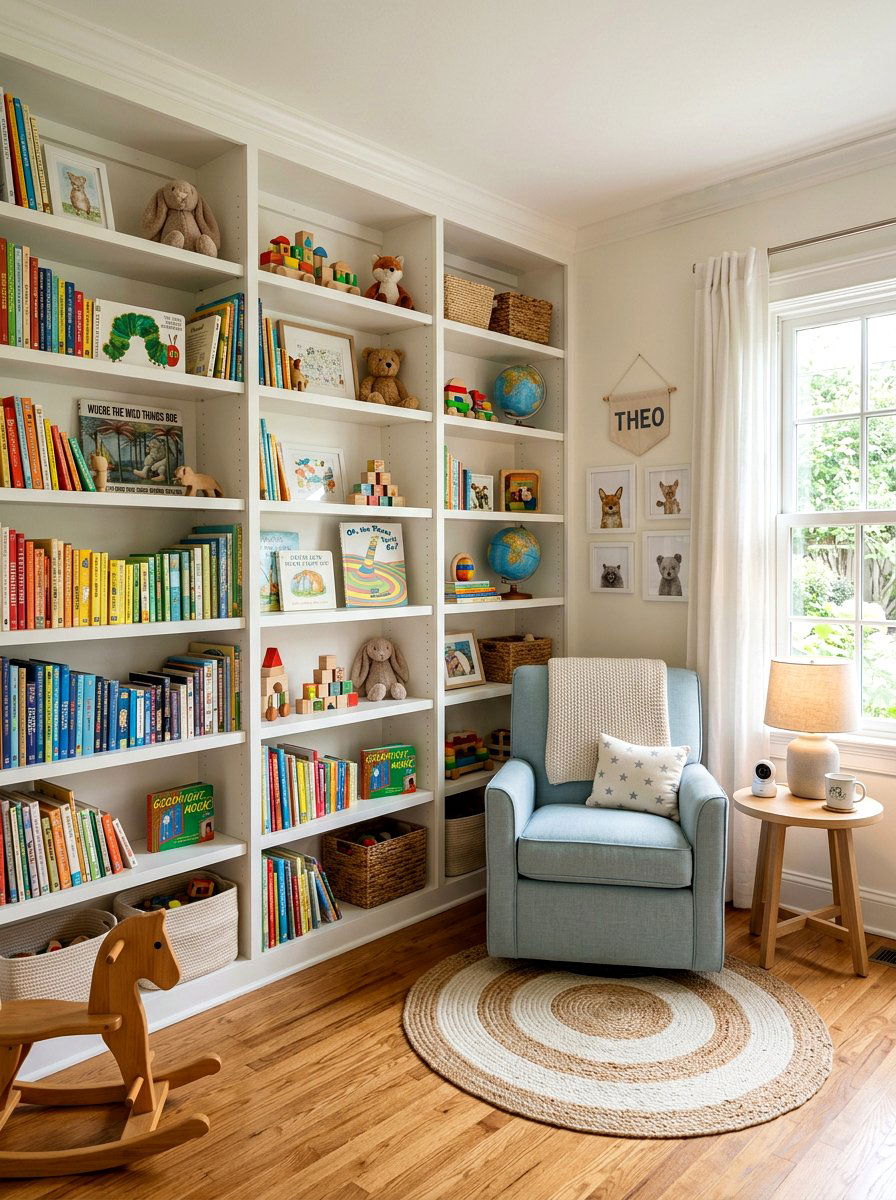
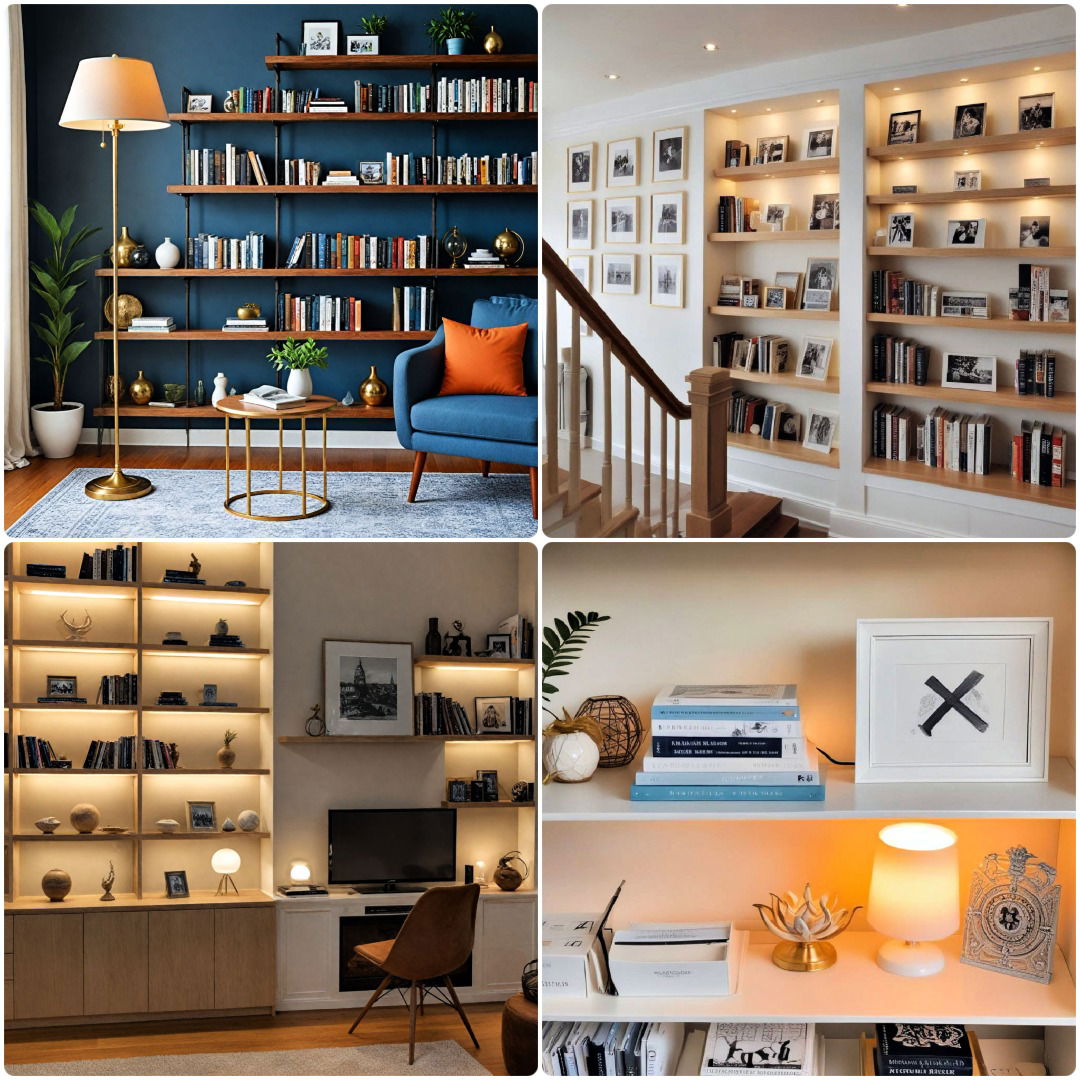
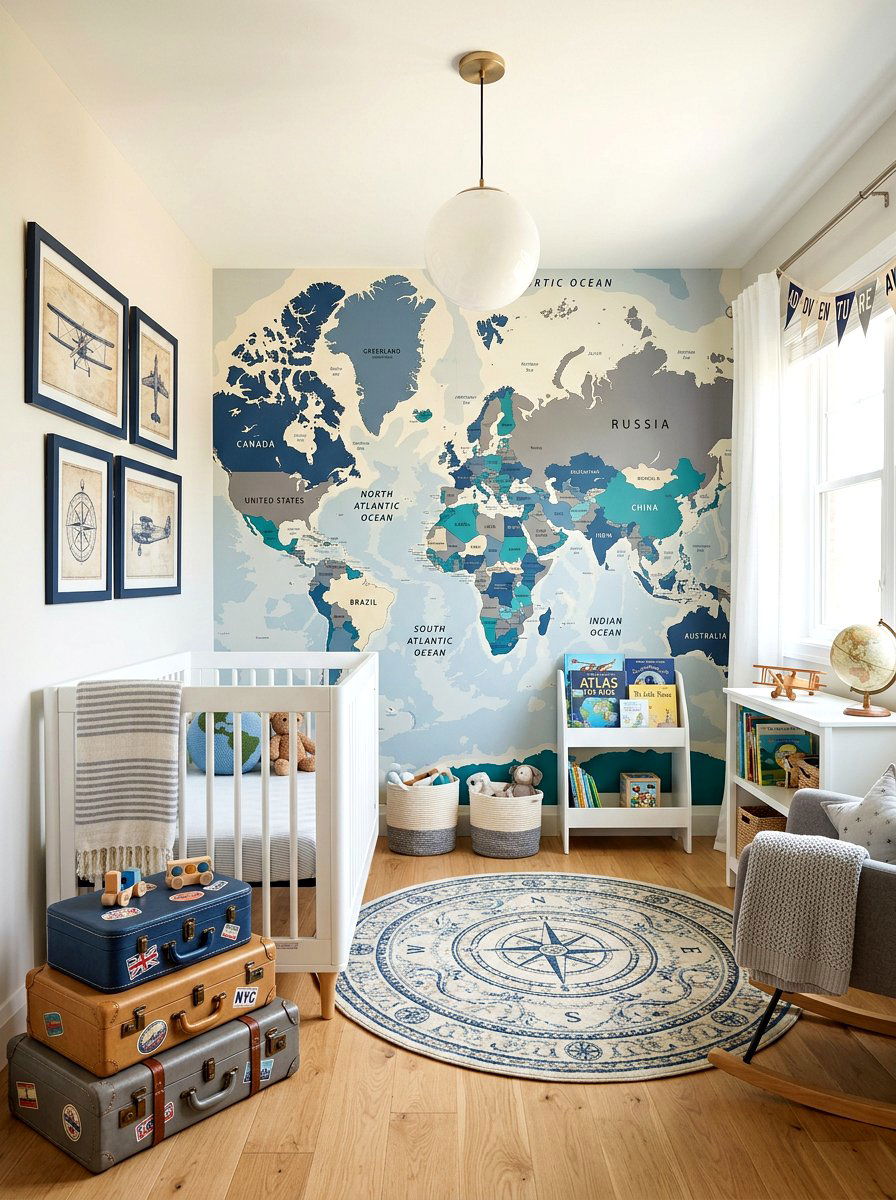
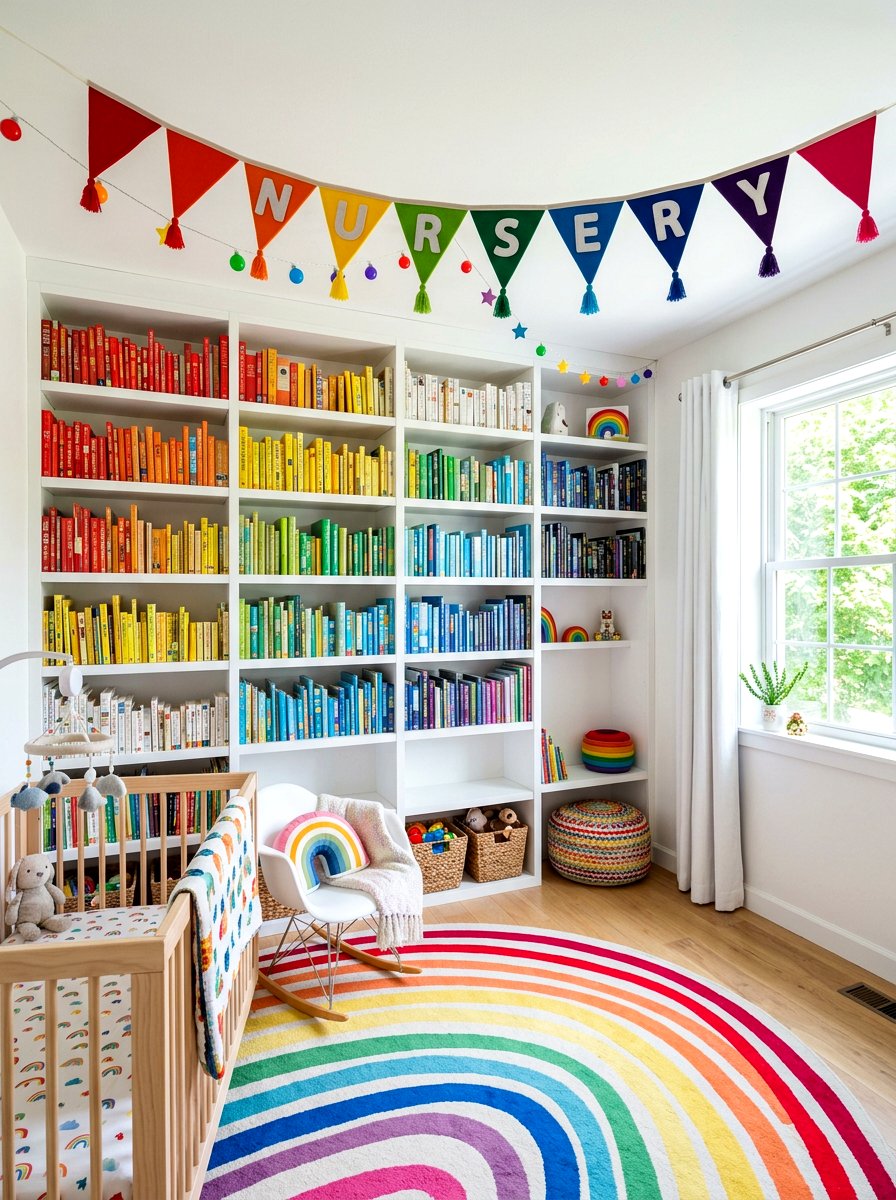
Storage can be just as beautiful as the decor when it’s designed with a traditional touch. Built-in bookshelves provide a permanent and organized home for all those cherished storybooks and heirloom toys. By framing a window or a doorway with shelving, you add architectural interest and maximize every inch of the room. Painting the shelves the same color as the wall creates a seamless look, while a contrasting back panel adds a pop of personality. These shelves can be styled with a mix of books, framed photos, and small baskets, making the nursery feel lived-in and loved. It’s a practical feature that stays useful long after the toddler years.
21. Velvet ottoman nursery
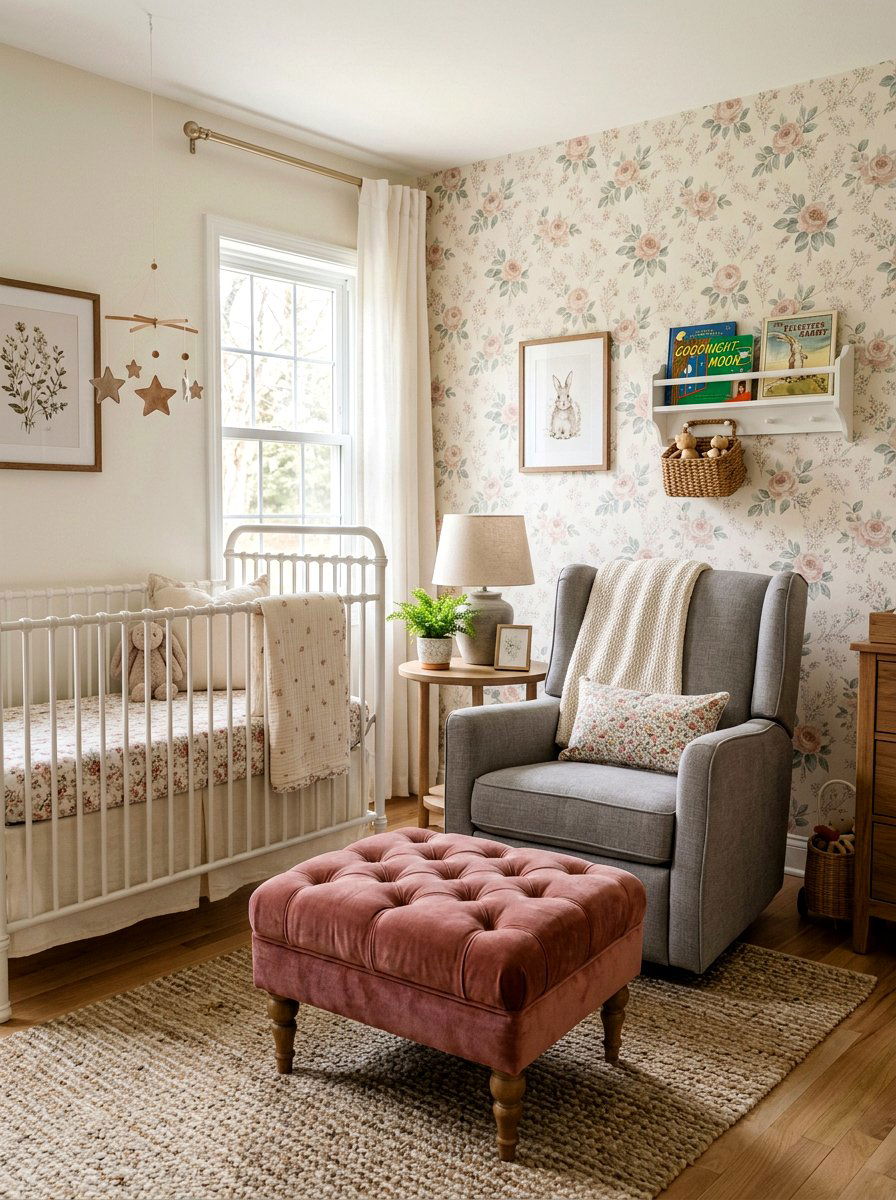
Adding a touch of luxury to a functional space makes those long hours of caretaking feel a little more special. A velvet ottoman is the perfect companion to a classic glider, providing a soft place to rest your feet. Velvet is a traditional fabric that adds a rich, saturated texture to the room, and modern versions are surprisingly easy to clean. Choosing a deep jewel tone or a soft pastel can provide a beautiful accent color that anchors the seating area. An ottoman also serves as a safe, soft surface for a baby to pull themselves up on later. It bridges the gap between high-end interior design and practical, nursery-friendly furniture.
22. Ruffle bedding nursery
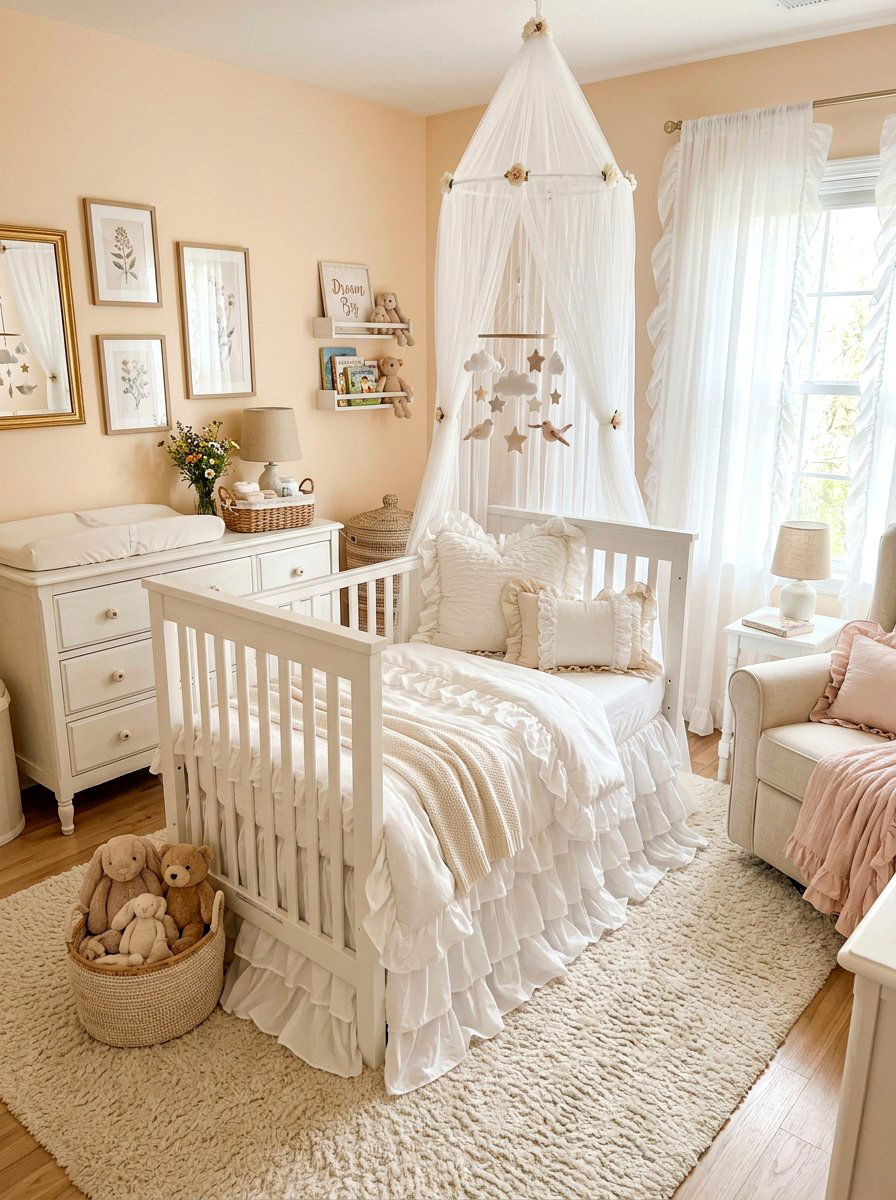
Softness is the priority in any baby’s room, and ruffles add a delicate, romantic touch that is quintessential traditional style. Whether it’s a ruffled crib skirt or a frilled edge on a nursing pillow, these details add movement and femininity to the space. For a sophisticated look, keep the ruffles simple and choose fabrics like high-quality cotton or linen. This prevents the room from feeling too cluttered or "fussy. " Ruffled bedding in a solid ivory or soft pink adds a layer of texture that feels like a vintage dream. It creates a cozy, cloud-like atmosphere around the crib, ensuring the focal point of the nursery is as beautiful as it is comfortable.
23. Gallery wall nursery
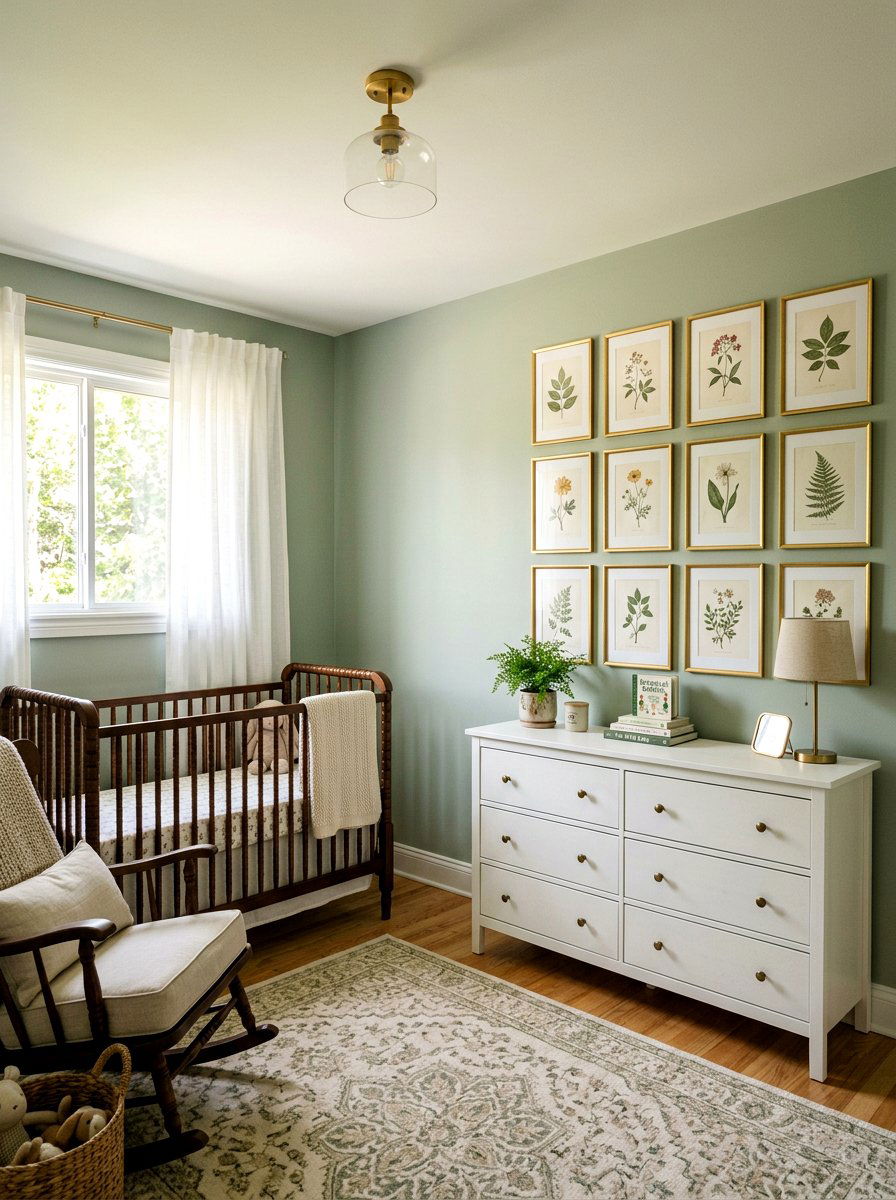
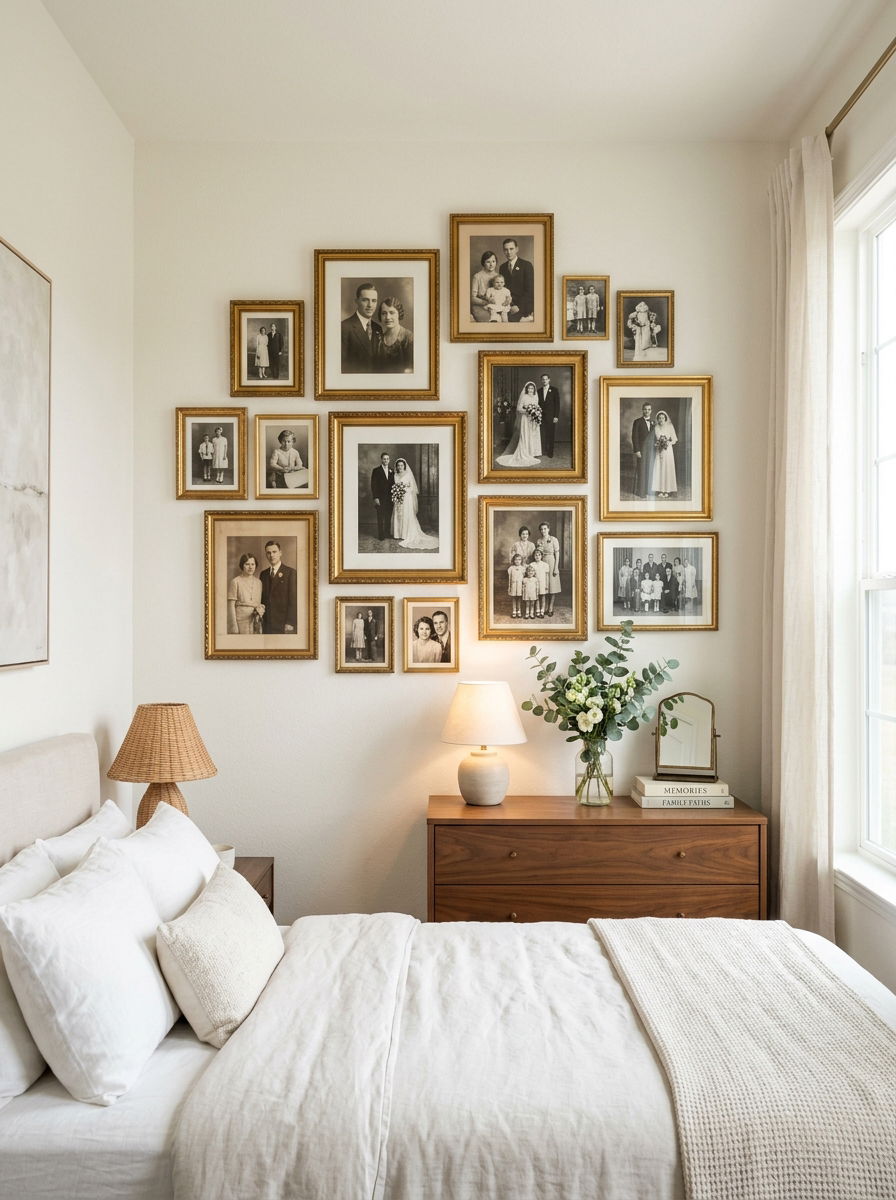
A nursery should be a place that reflects the family's journey and love. A gallery wall is a traditional way to display a collection of art, photographs, and meaningful mementos. By using matching frames in a classic finish like gold or wood, you can create a cohesive look even with different types of art. Consider mixing botanical prints with vintage-style maps or hand-drawn sketches. This arrangement provides a sophisticated focal point that can easily be updated as the baby grows. A gallery wall adds a layer of personality and warmth, making the nursery feel less like a showroom and more like a carefully curated and deeply loved part of the home.
24. Scalloped edge nursery
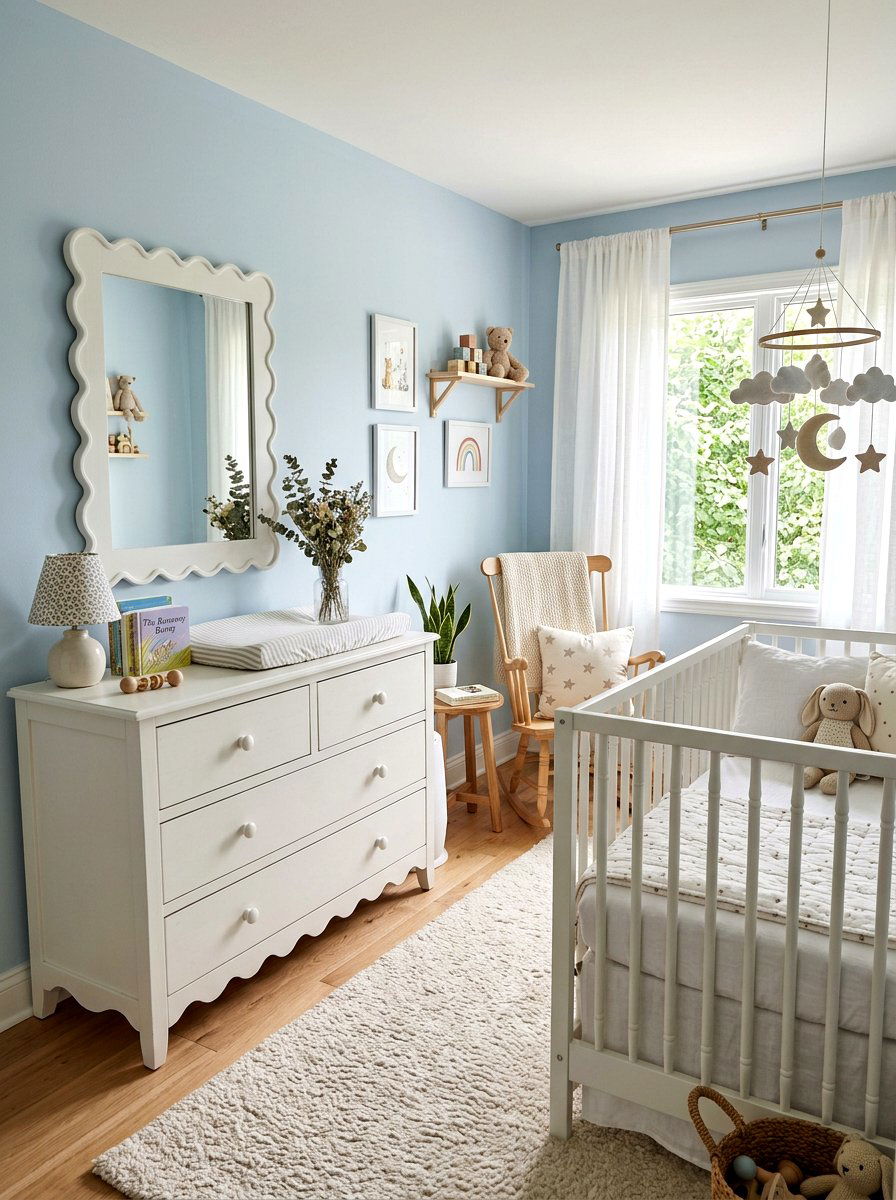
Curves and soft lines are essential for creating a gentle environment for a newborn. Scalloped edges, found on furniture, shelving, or even rug borders, add a whimsical and traditional charm to the nursery. This design detail provides a subtle architectural interest that breaks up the straight lines of a standard room. You might choose a dresser with a scalloped base or a mirror with a wavy frame to introduce this trend. It feels both vintage and playful, adding a "handmade" quality to the space. The soft curves of a scalloped edge echo the gentle nature of infancy, making the room feel like a safe and nurturing cocoon for your baby.
25. Antique dresser nursery
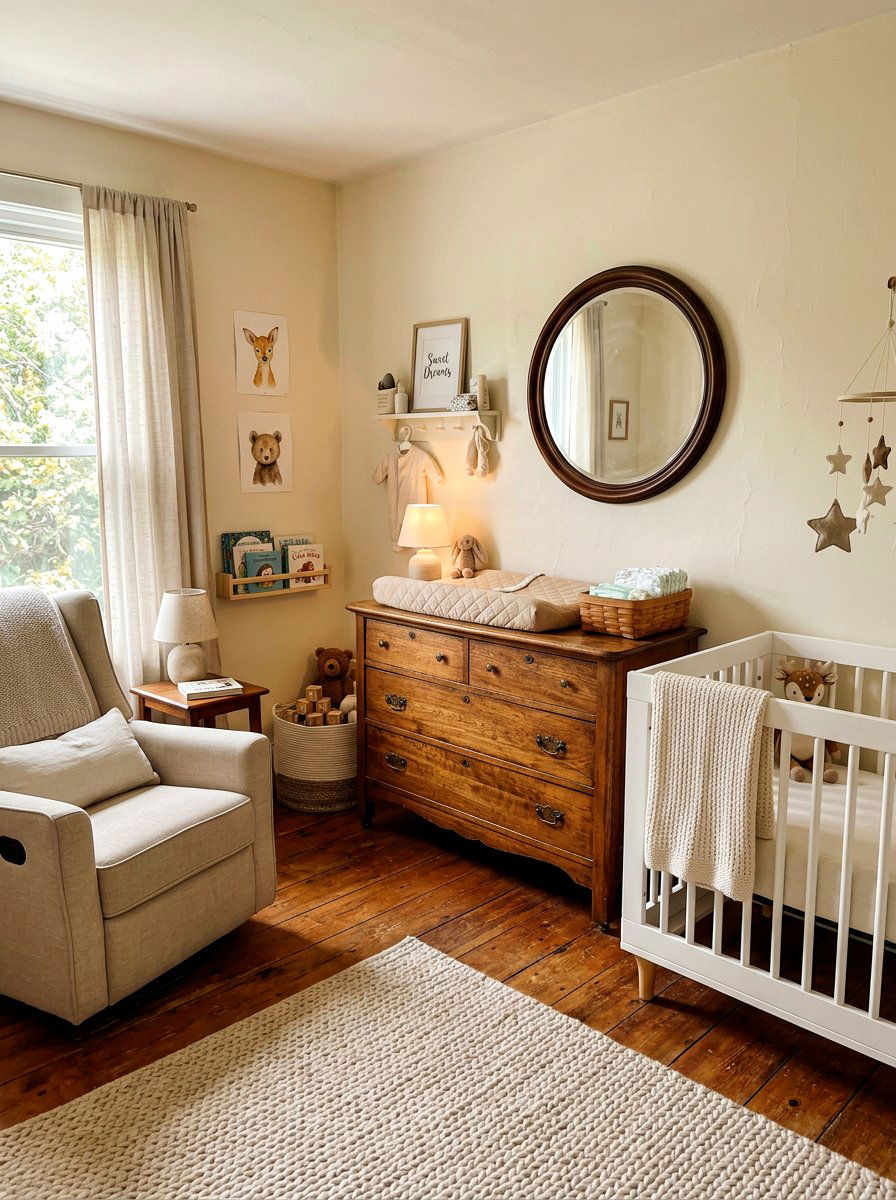
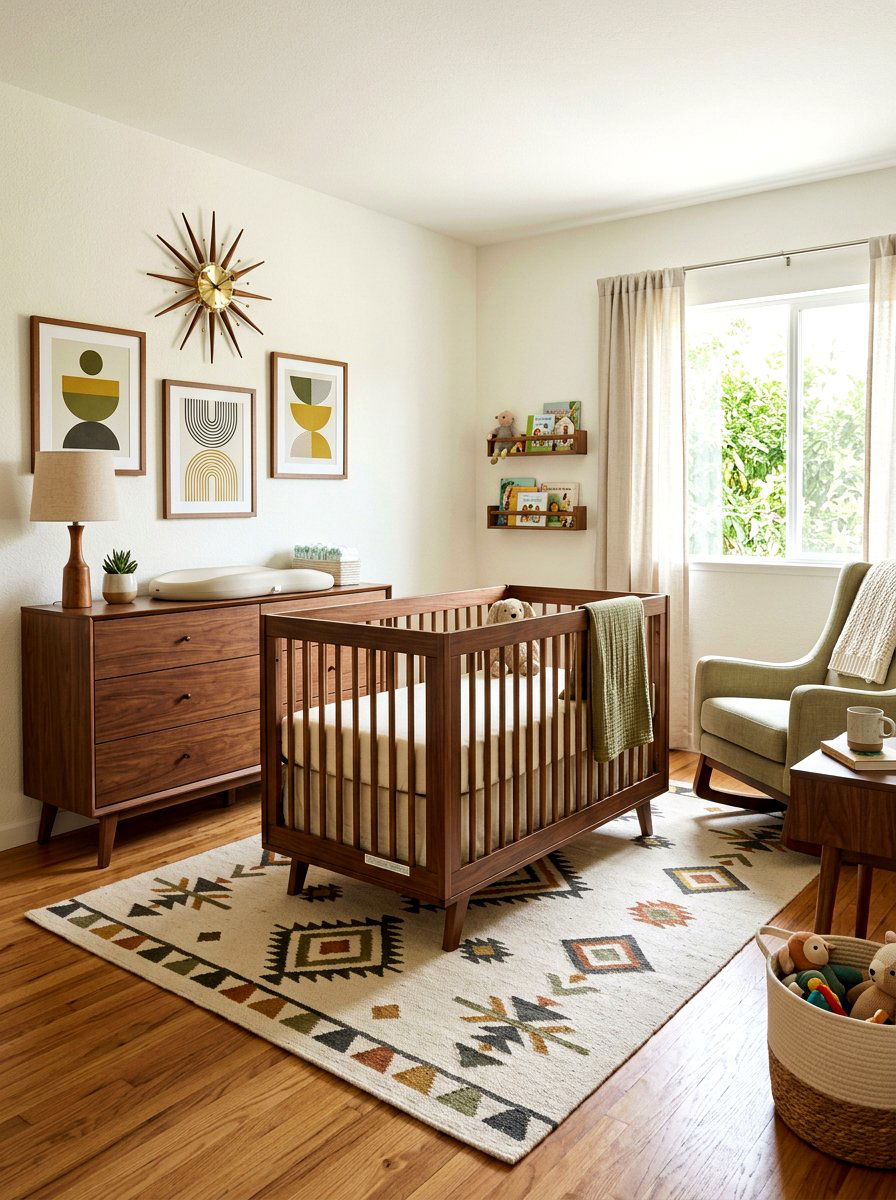
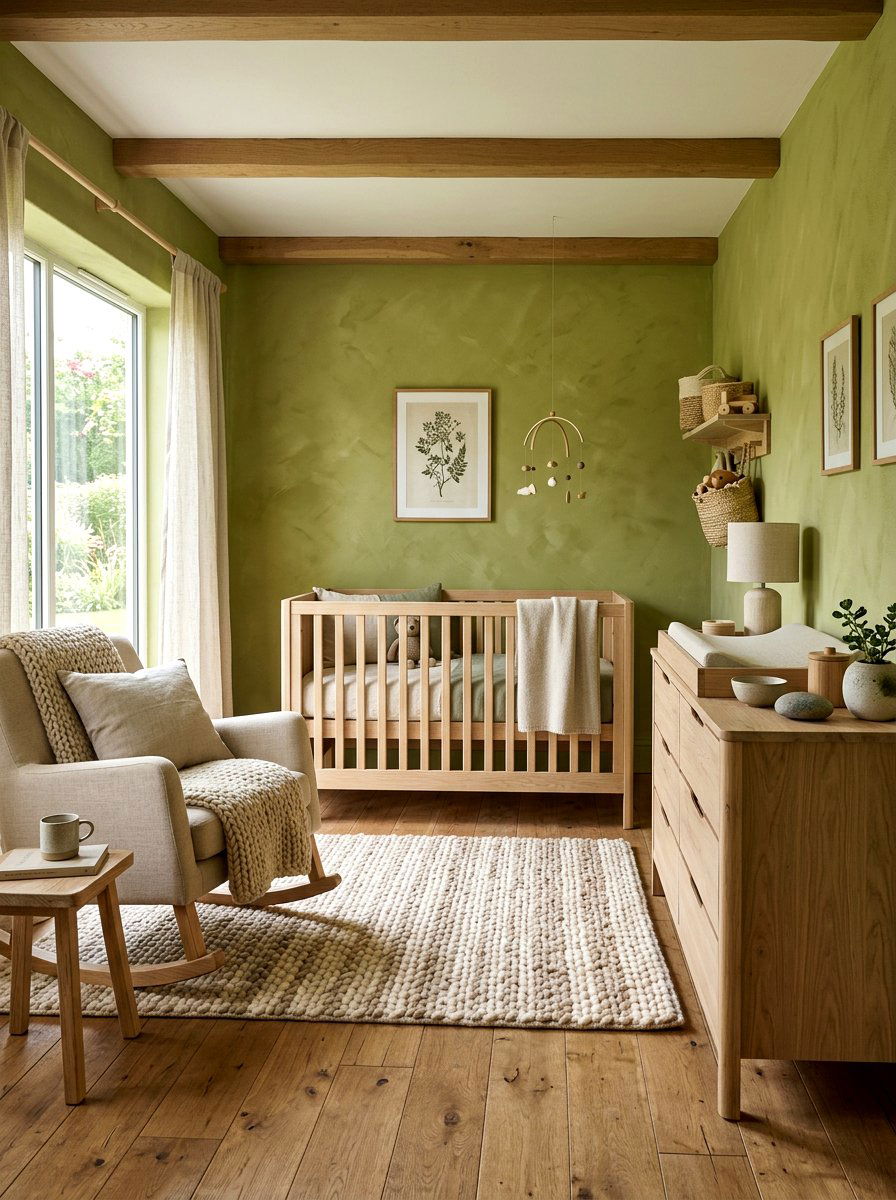
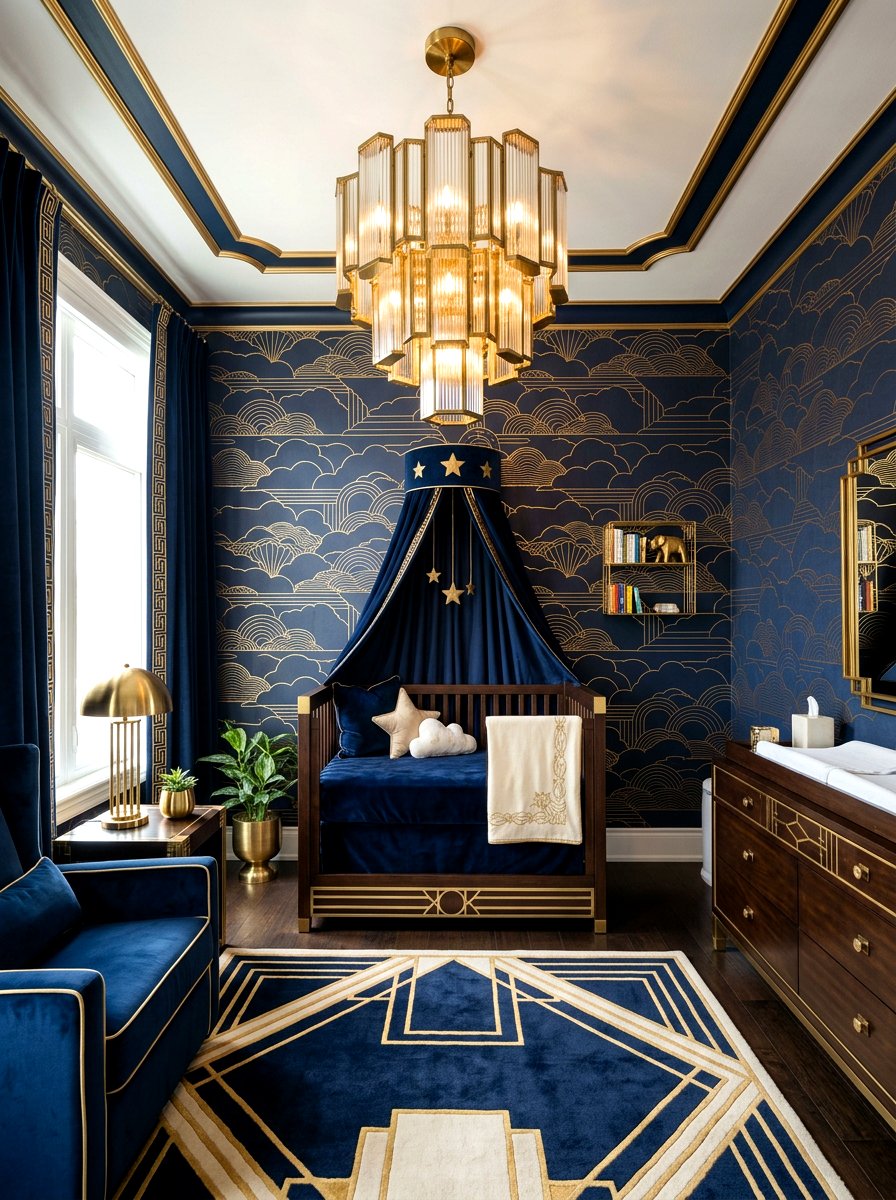
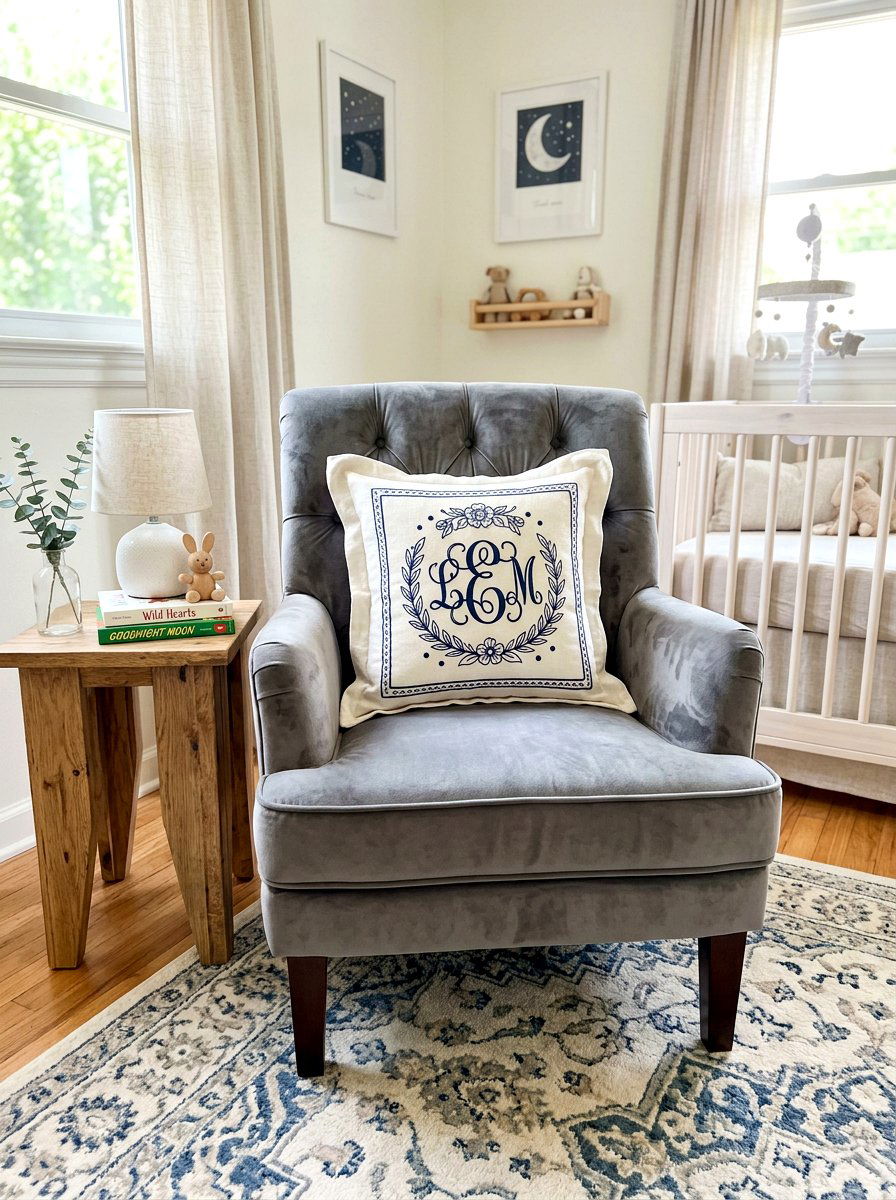
Repurposing a piece of furniture adds an instant sense of history and character to a new room. An antique dresser makes a fantastic changing table when topped with a soft pad, offering more storage and style than a standard nursery unit. Look for dressers with original wood grain, ornate handles, or interesting carvings that showcase old-world craftsmanship. This approach is not only sustainable but also ensures your nursery has a unique centerpiece that no one else has. The height of many vintage dressers is perfect for diaper changes, and the deep drawers provide ample space for clothes and blankets. It’s a beautiful way to blend utility with timeless traditional design.
26. Crib canopy nursery
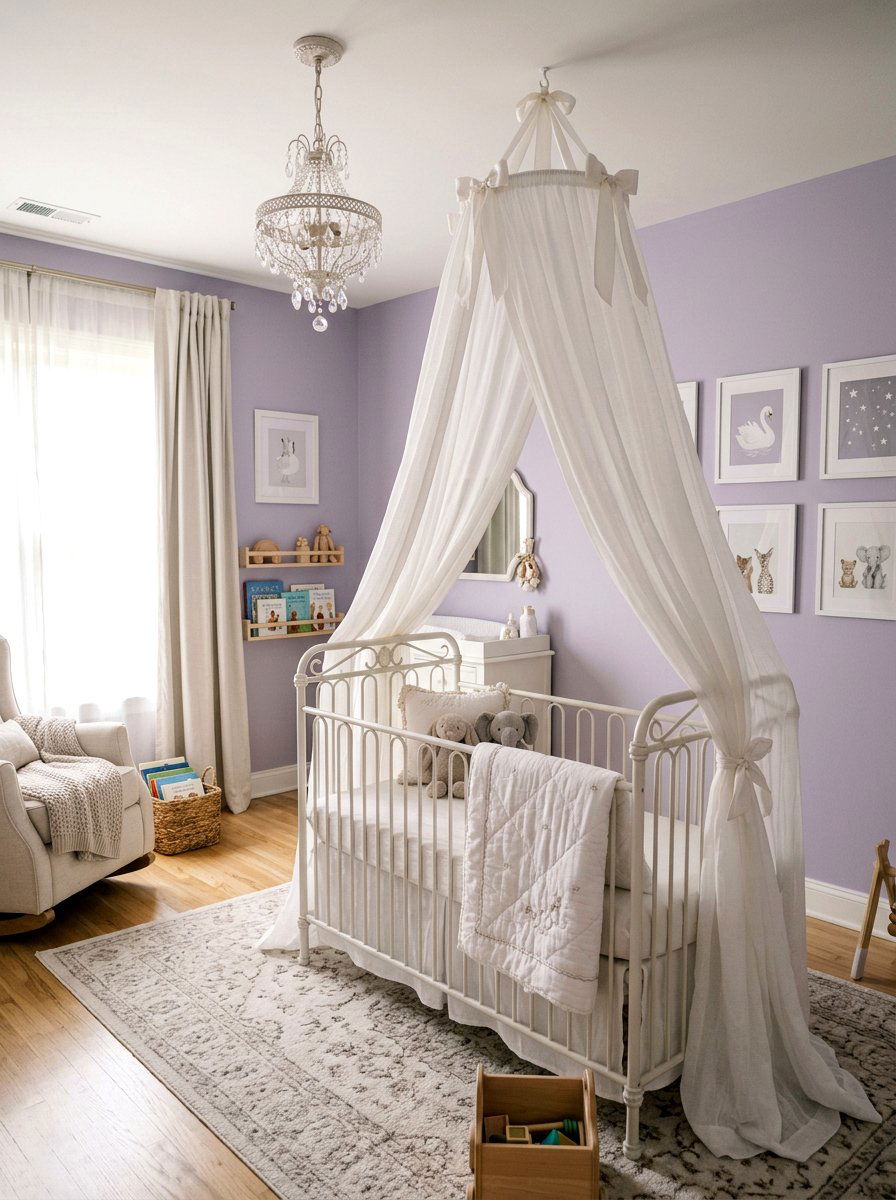
Creating a sense of wonder and privacy can make a crib feel like a true sanctuary. A crib canopy, draped from a tall crown or a simple wall mount, adds a dramatic and traditional flair to the nursery. Soft, sheer fabrics like tulle or linen allow light to filter through while creating a cozy, protected space for sleep. This design element adds height to the room and draws the eye upward, making the nursery feel more grand. Choose a canopy in a neutral tone to keep the look sophisticated rather than theatrical. It’s a beautiful way to introduce a touch of fairy-tale romance to a traditional baby’s room without overwhelming the space.
27. Sheepskin rug nursery
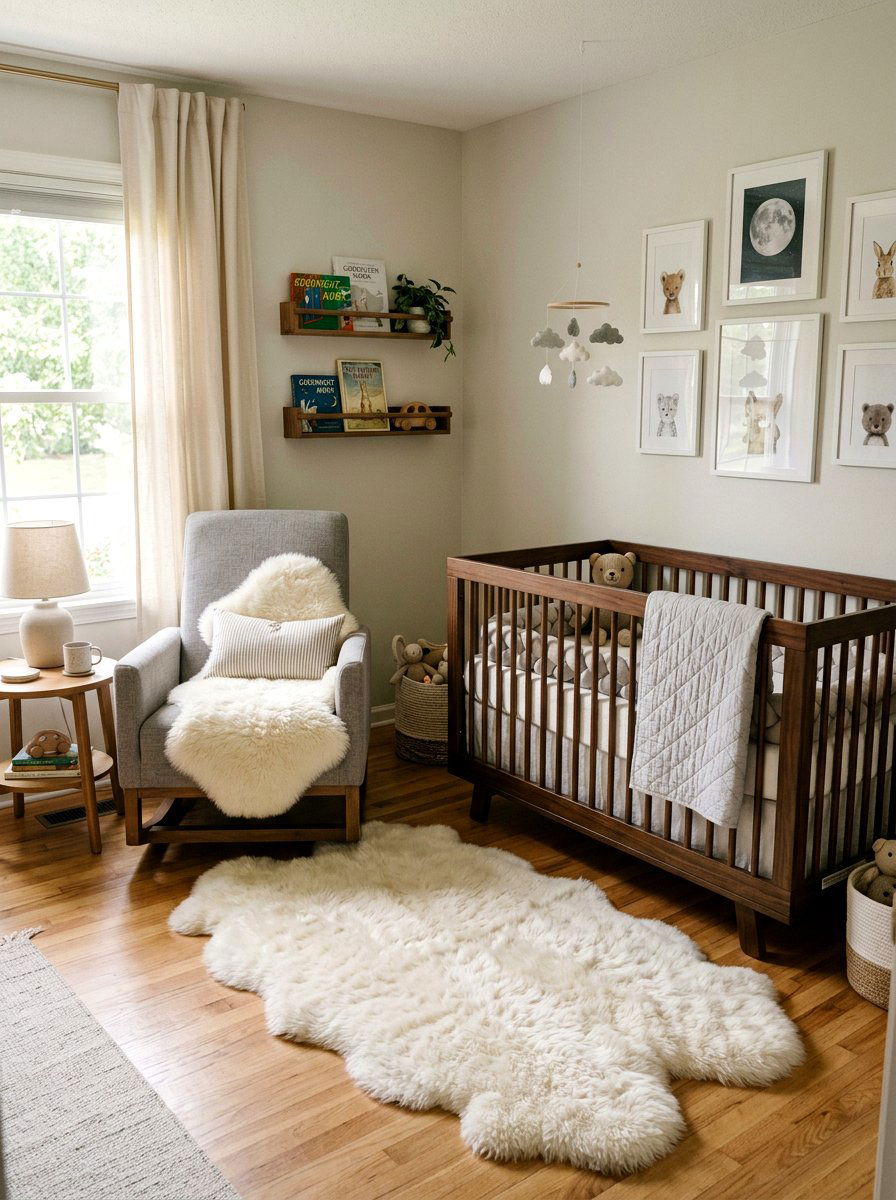
Texture is one of the most powerful tools in a designer’s kit, especially in a soft traditional nursery. A sheepskin rug, whether real or a high-quality faux version, adds an incomparable layer of coziness and warmth. Tossing one over the back of a glider or placing it next to the crib provides a tactile treat for both parent and baby. The soft, fluffy pile creates a visual contrast to smooth wood floors and structured furniture. It’s a traditional element often found in Scandinavian and classic European nurseries for its comforting properties. This small addition makes the room feel immediately more inviting and serves as a perfect spot for gentle floor play.
28. Botanical print nursery
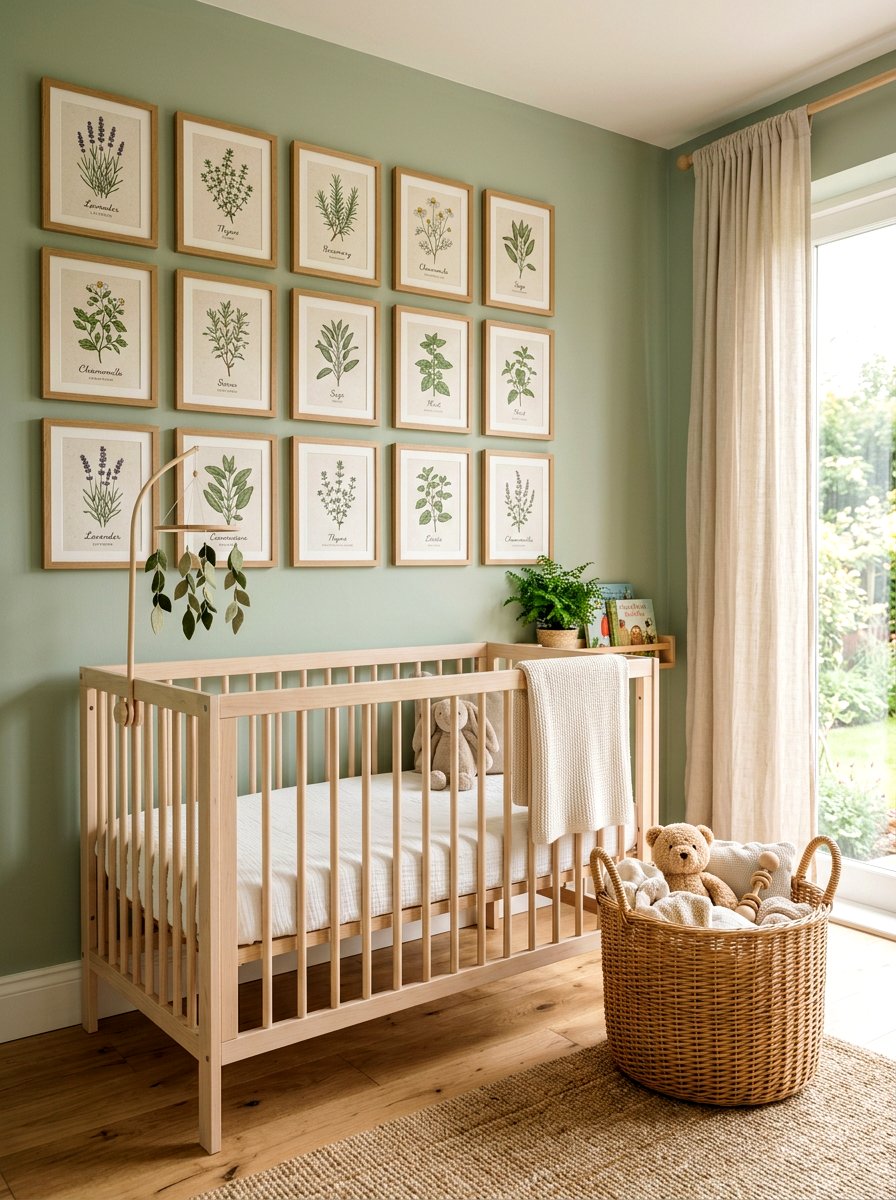
Nature has always been a central theme in traditional art and decor. Botanical prints — featuring detailed illustrations of leaves, flowers, or herbs — offer a sophisticated and timeless way to decorate nursery walls. These prints bring a sense of the outdoors in, promoting a calm and organic atmosphere. For a traditional look, frame a series of four or six matching prints in simple wooden frames and hang them in a grid pattern. This creates a structured yet natural focal point that feels both educational and beautiful. Botanical art is gender-neutral and ages perfectly, remaining a stylish part of the room as your baby transitions into a toddler and beyond.
29. Woven basket nursery
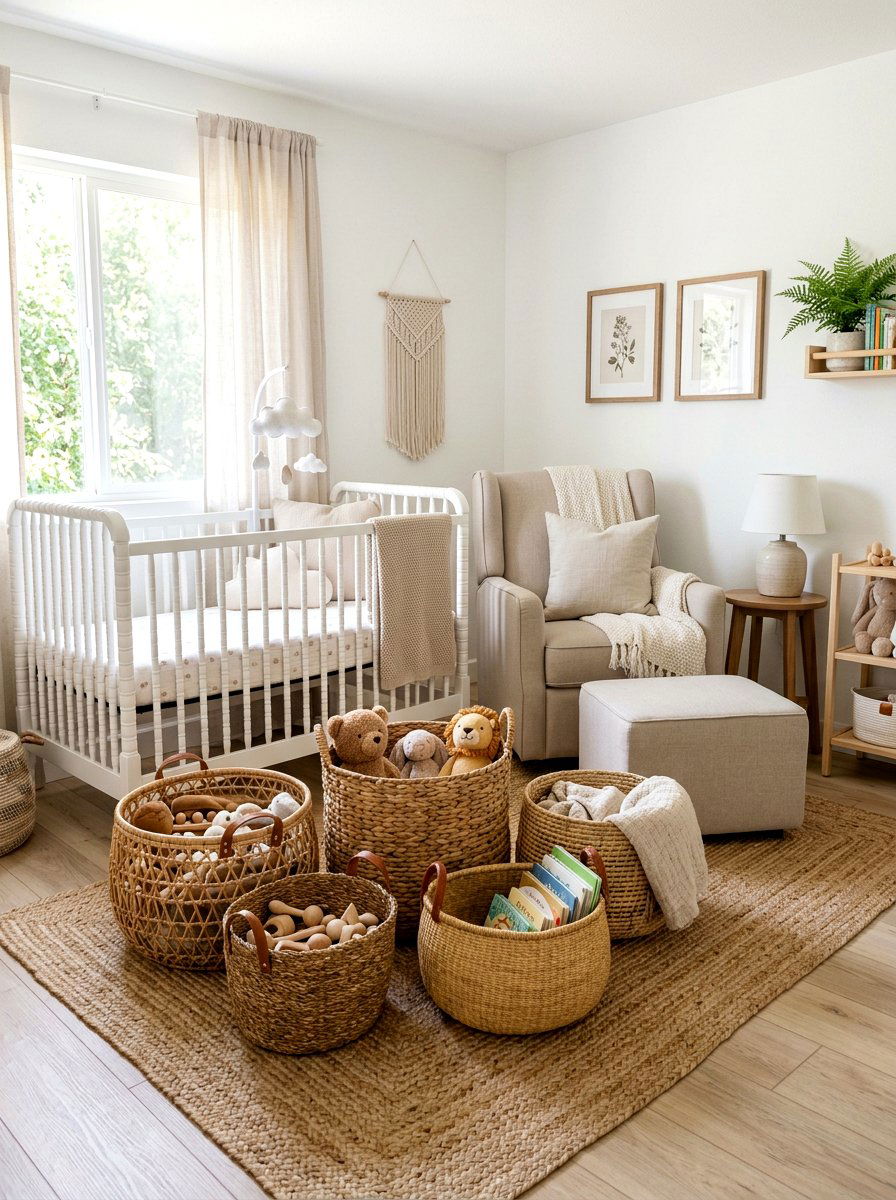
Organization is key to maintaining a peaceful environment, and woven baskets provide a beautiful, traditional solution. Made from natural materials like seagrass, willow, or rattan, these baskets add warmth and an organic texture to the nursery. They are perfect for corralling toys, extra blankets, or diapering supplies, keeping the room clutter-free. Choosing baskets with lids or decorative liners can further enhance the traditional aesthetic. Position a large basket next to the glider for easy access to nursing pillows or books. These functional pieces feel more thoughtful than plastic bins, contributing to a room that feels high-quality, sustainable, and deeply rooted in a natural, classic design language.
30. Pleated lampshade nursery
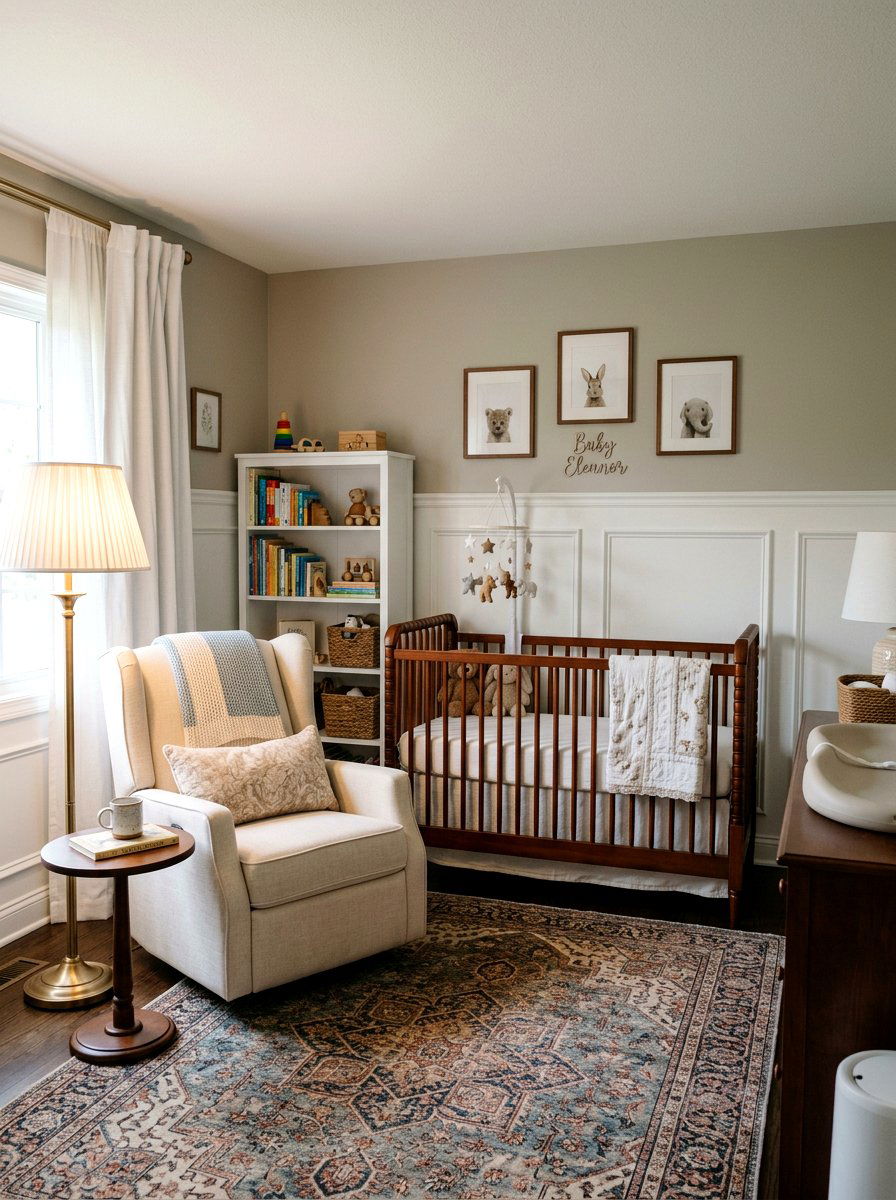
Lighting should be soft, but the fixtures themselves can be full of personality. A lamp with a pleated lampshade is a classic traditional detail that is currently enjoying a major revival. The tiny folds of fabric create a beautiful texture and help diffuse light into a warm, gentle glow that is perfect for nighttime routines. Whether on a floor lamp next to the glider or a small table lamp on the dresser, a pleated shade adds a touch of "grandmillennial" charm. Choosing a shade in a soft color or a subtle pattern like a small floral can tie the room’s themes together perfectly. It’s a small, elegant finishing touch for any nursery.
Conclusion:
Designing a soft traditional nursery is about more than just picking furniture; it is about creating a legacy of comfort and style. By focusing on classic silhouettes, gentle color palettes, and high-quality materials, you build a space that feels intentional and deeply personal. These thirty ideas demonstrate how versatility and tradition go hand-in-hand to produce a room that is as functional as it is beautiful. Whether you lean toward floral accents or structured molding, the goal remains the same: a peaceful haven for your baby to grow. We hope these inspirations guide you in crafting a nursery that will be cherished for many years to come as your family expands.

Related posts: