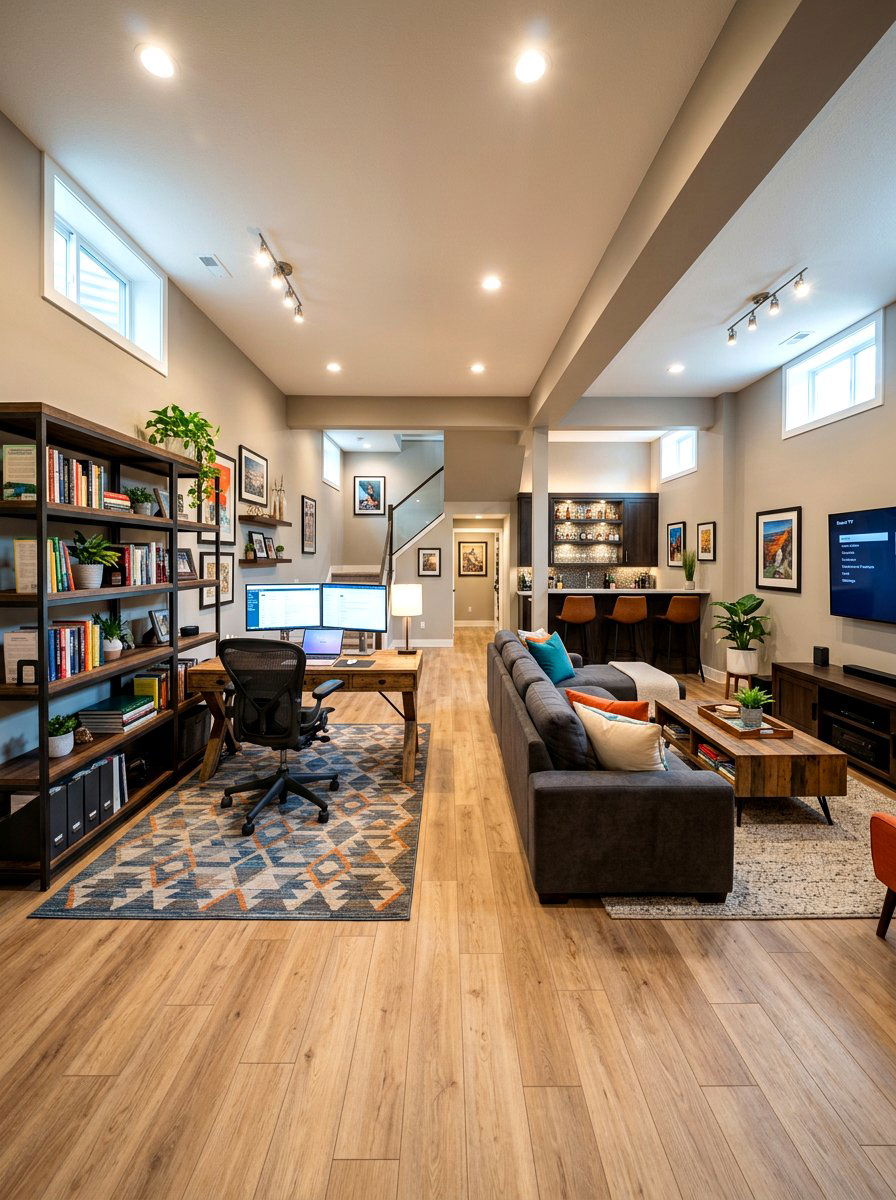
Transforming your underutilized lower level into a functional living space often starts with a well-planned bathroom renovation. A basement bathroom provides essential convenience for guests, enhances the utility of a home gym, and significantly increases your property’s overall resale value. While these subterranean spaces present unique challenges like limited natural light and complex plumbing requirements, they also offer a blank canvas for creative expression. You can experiment with bold textures, moody lighting, or high-end finishes that might feel too daring for the main floor. From compact powder rooms to expansive spa-like retreats, the possibilities for upgrading your basement are endless. This guide explores diverse styles and practical layouts to help you create a beautiful, moisture-resistant sanctuary downstairs.
1. Small Basement Bathroom
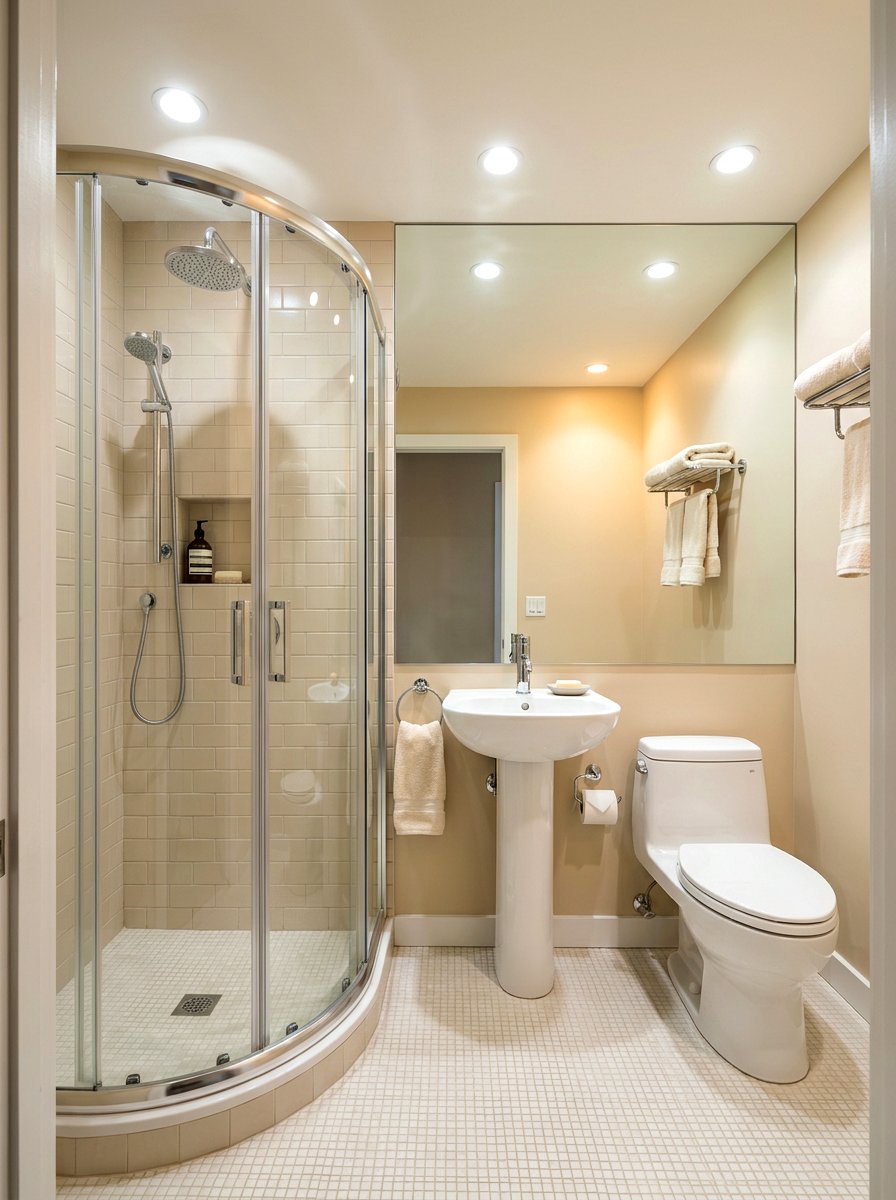
Creating a functional area in a tight corner requires smart spatial planning and a focus on visual openness. You can maximize a small footprint by choosing a corner shower with glass doors, which keeps the sightlines clear and prevents the room from feeling closed in. Using a pedestal sink or a slim-profile vanity further opens up the floor area, making the entire zone feel much larger than its actual square footage. Light-colored walls and large mirrors are essential tools for bouncing what little light is available around the space. These design choices transform a cramped utility area into a polished guest bathroom that feels surprisingly airy and welcoming for visitors.
2. Modern Basement Bathroom
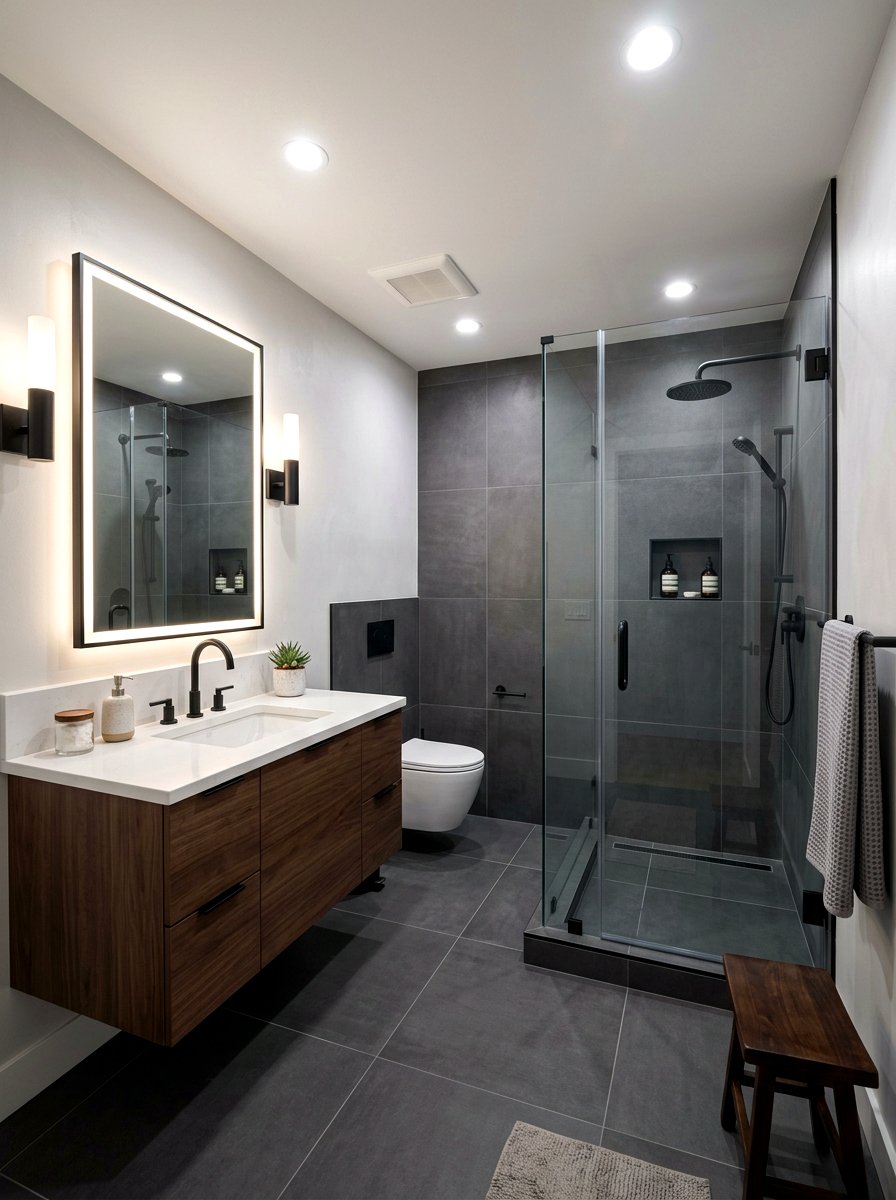
A sleek and contemporary aesthetic often works best in lower levels because it emphasizes clean lines and clutter-free surfaces. You might opt for a monochromatic color palette featuring shades of charcoal, soft grey, and crisp white to establish a sophisticated atmosphere. High-gloss tiles or polished concrete floors can reflect overhead LED lighting to compensate for the lack of windows. Consider installing a frameless glass shower enclosure to maintain a seamless flow throughout the room. Wall-mounted fixtures and minimalist hardware in matte black finishes add a touch of high-end drama. This approach creates a high-functioning space that feels like a luxury hotel suite tucked away in the quietest part of your home.
3. Industrial Basement Bathroom
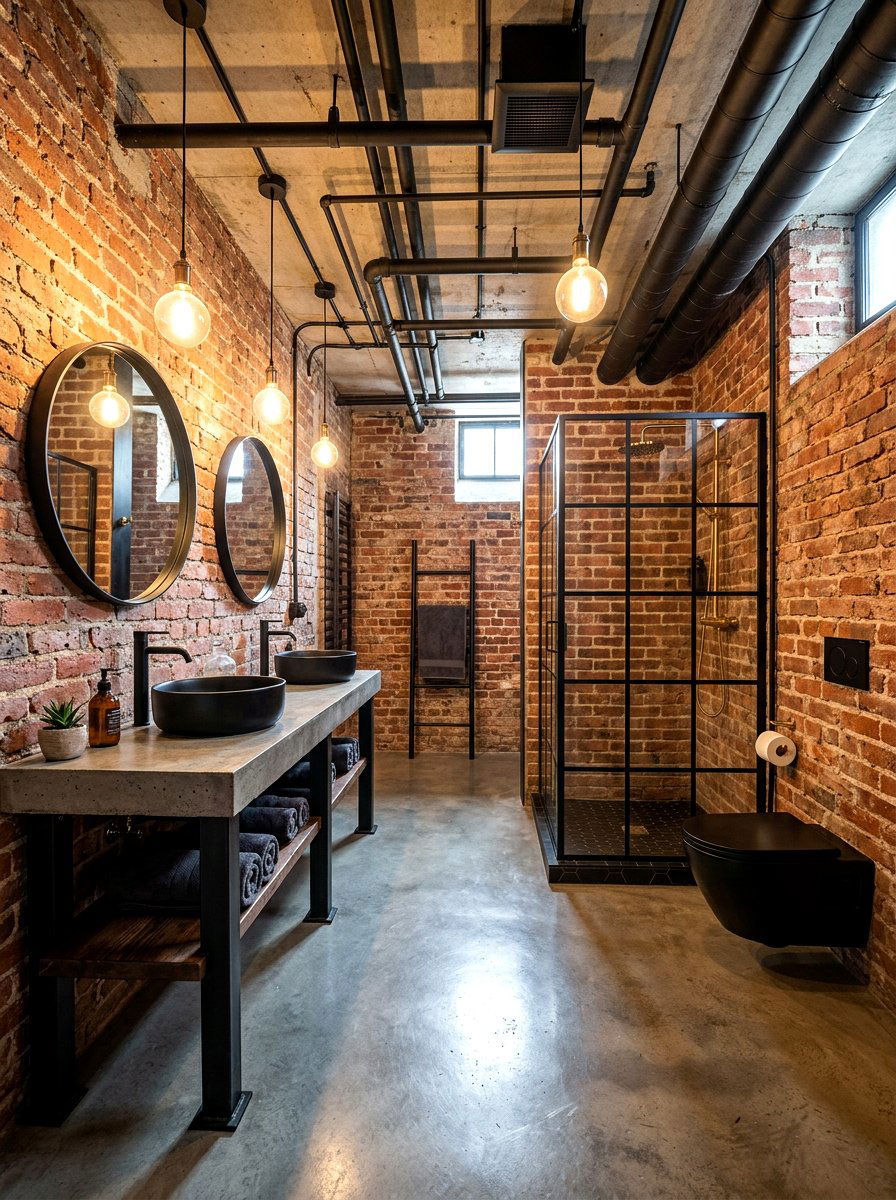
Embracing the raw architectural elements of a lower level can lead to a stunning and edgy aesthetic. You can leave structural features like exposed brick walls or overhead piping visible to lean into the warehouse-inspired look. Incorporating materials like reclaimed wood, blackened steel, and Edison bulb light fixtures adds warmth and character to the subterranean environment. A heavy concrete vanity or a trough-style sink serves as a rugged focal point that handles daily wear with ease. Utilizing matte finishes and textured surfaces helps ground the space, making it feel intentional rather than unfinished. This style is perfect for homeowners who want a durable, low-maintenance bathroom that exudes effortless urban cool.
4. Farmhouse Basement Bathroom
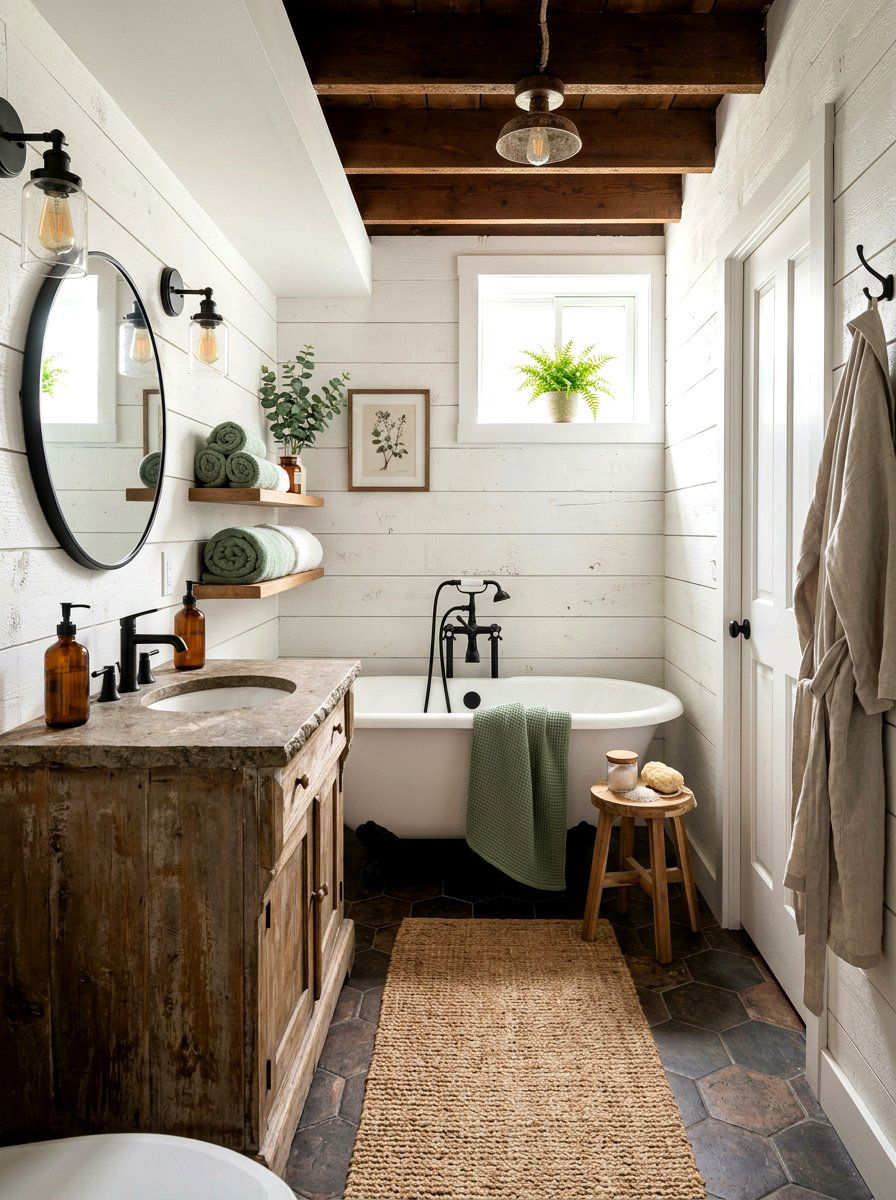
Bringing a touch of rustic charm downstairs creates an inviting and cozy atmosphere that counters the often chilly feel of a basement. You can achieve this look by installing white shiplap on the walls and choosing a classic clawfoot tub as the centerpiece. A wooden vanity with a stone top and antique-inspired bridge faucets adds a sense of history and timelessness to the renovation. Incorporating woven baskets for towel storage and matte black sconces provides the perfect balance of texture and contrast. Soft, neutral tones like cream and sage green keep the room feeling bright and fresh. This design direction turns a functional basement addition into a charming, farmhouse-style retreat for the family.
5. Basement Bathroom Laundry Room Combo
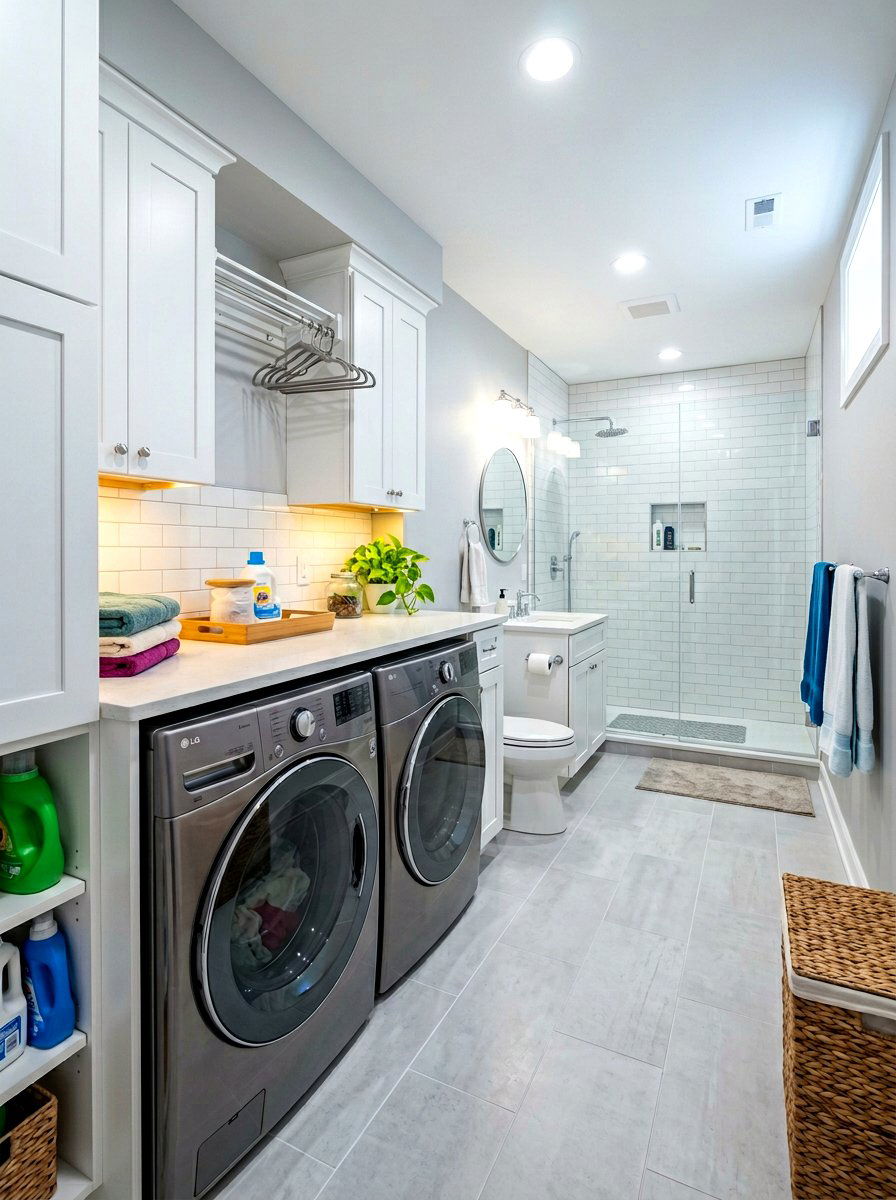
Merging your washing station with a full bath is a brilliant way to maximize the footprint of a finished lower level. You can create a cohesive look by using the same cabinetry for the vanity and the laundry storage units. Installing a long countertop over side-by-side machines provides a convenient folding surface that doubles as extra space for toiletries. Stackable units are another excellent option if you need to save horizontal floor space for a larger shower or bathtub. Bright task lighting and durable porcelain tile flooring ensure the room remains practical for chores while still feeling like a comfortable, well-designed bathroom. This dual-purpose layout is incredibly efficient for busy households.
6. Luxury Basement Spa Bathroom
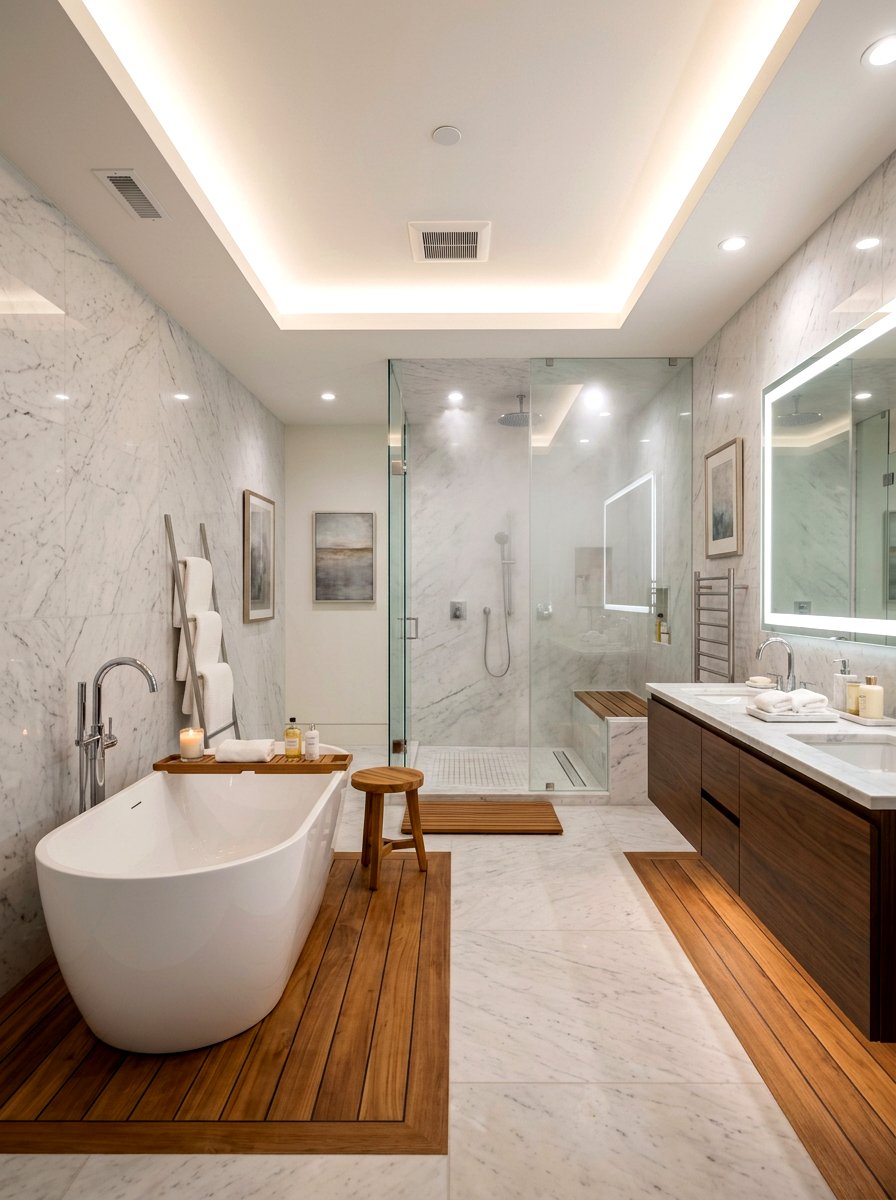
Turning your lower level into a private wellness retreat allows you to escape the stresses of daily life without leaving home. You can install a deep soaking tub or a steam shower equipped with multiple rainfall heads and built-in seating for ultimate relaxation. Using natural materials like teak wood, river stones, and marble tiles creates a sensory experience that mimics a high-end commercial spa. Dimmable lighting and heated floors are essential additions that provide comfort and warmth in a typically cold basement environment. Incorporating a small refreshment bar or a dedicated towel warmer adds those final touches of indulgence. This investment creates a sanctuary where you can recharge in total peace and luxury.
7. Rustic Basement Bathroom
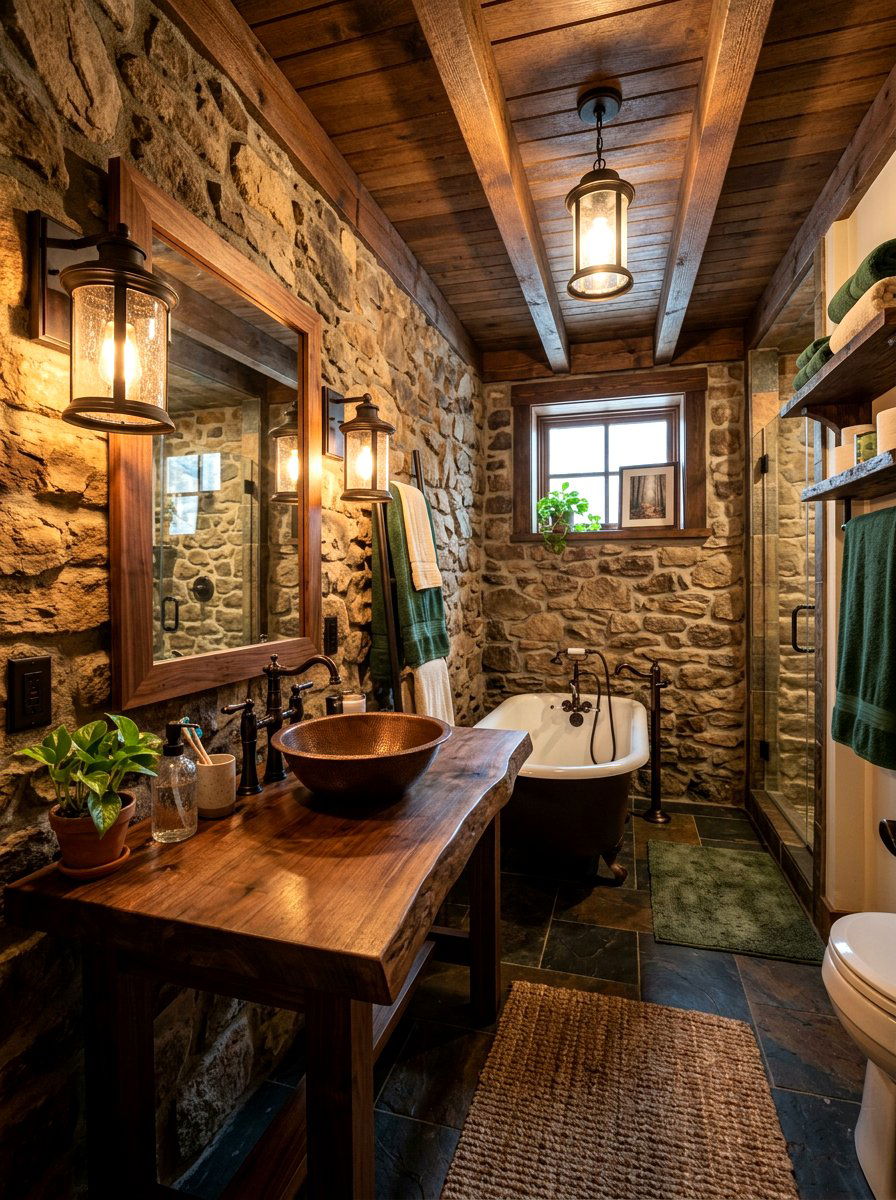
Drawing inspiration from nature can make a windowless space feel more organic and grounded. You can use heavy timber accents, such as a thick wood-slab vanity or exposed ceiling beams, to bring warmth to the room. Stone-effect tiles on the floor and in the shower provide a rugged texture that stands up well to basement moisture levels. Choosing a palette of warm browns, deep greens, and copper finishes helps create a cabin-like vibe that is both masculine and cozy. Antique-style lanterns and oil-rubbed bronze hardware complete the look without feeling overly polished. This design style is ideal for creating a comfortable, lived-in feel that complements a basement den or game room.
8. Black And White Basement Bathroom
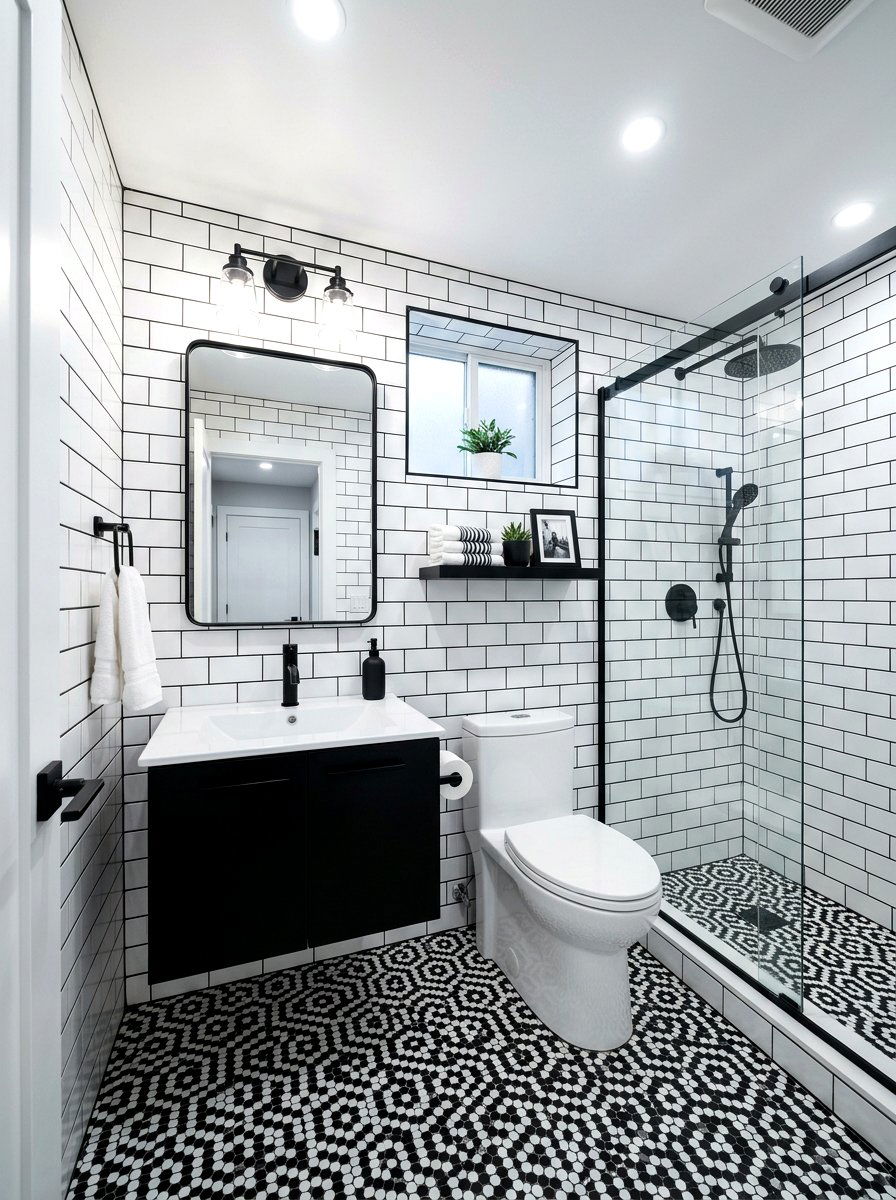
A high-contrast color scheme is a timeless choice that brings instant sophistication to any subterranean renovation project. You can use classic white subway tiles for the walls and pair them with bold black hexagonal tiles on the floor for a graphic look. This combination creates a clean and organized aesthetic that is very easy to style with various accent colors or metallic finishes. Black-framed mirrors and matching faucets provide sharp silhouettes against the bright white surfaces, drawing the eye to key design features. The simplicity of this palette ensures the room never feels dated and remains a versatile backdrop for changing decor trends. It is a foolproof way to achieve a high-end look.
9. Contemporary Basement Powder Room
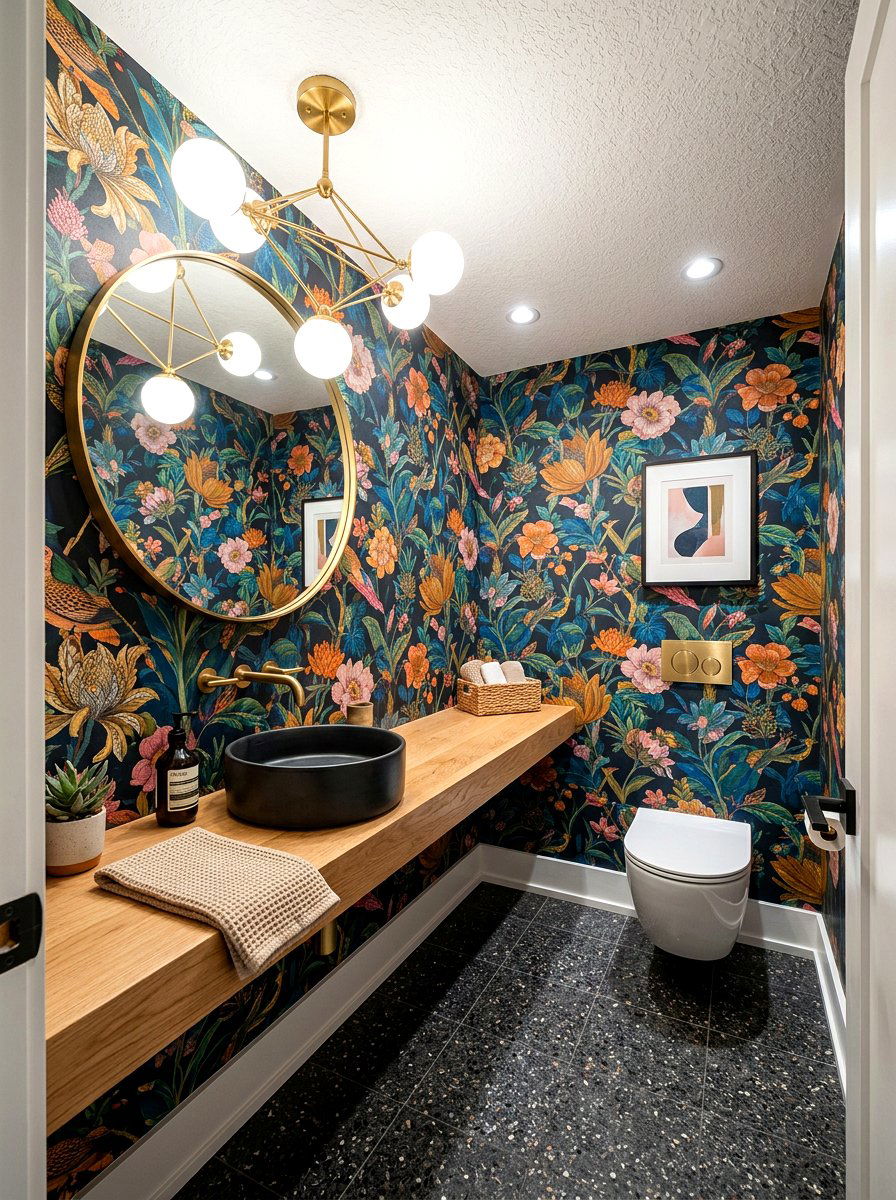
A half-bath is often all you need to provide convenience for guests using your basement entertainment area. You can make a big impact in a small space by using bold wallpaper or a dark, moody paint color that creates a jewel-box effect. A unique vessel sink sitting on a floating wooden shelf serves as a stylish focal point that takes up very little physical room. Large-scale artwork and a designer pendant light can elevate the space from a simple utility room to a curated design moment. Since there is no shower to create humidity, you have more freedom with wall treatments and decorative accessories. This is the perfect place to experiment with daring design choices.
10. Basement Wet Room
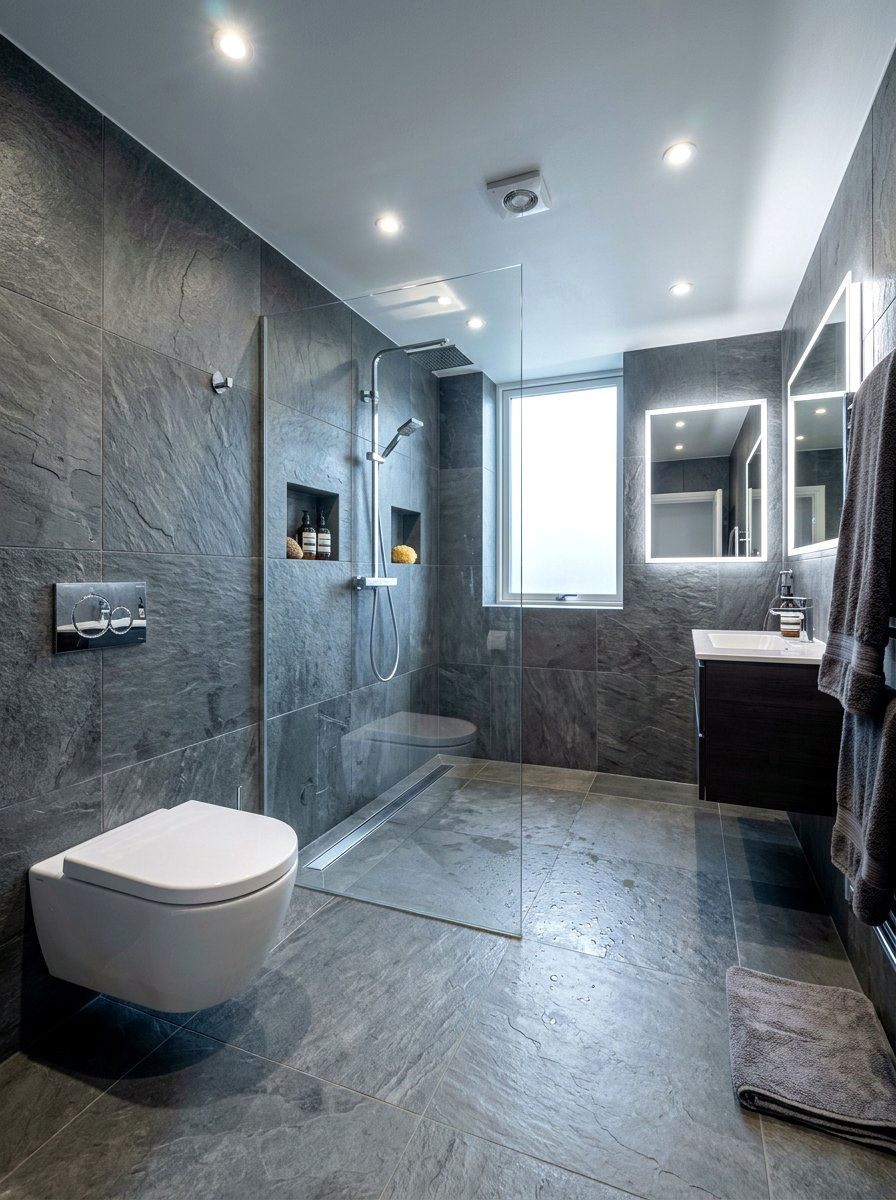
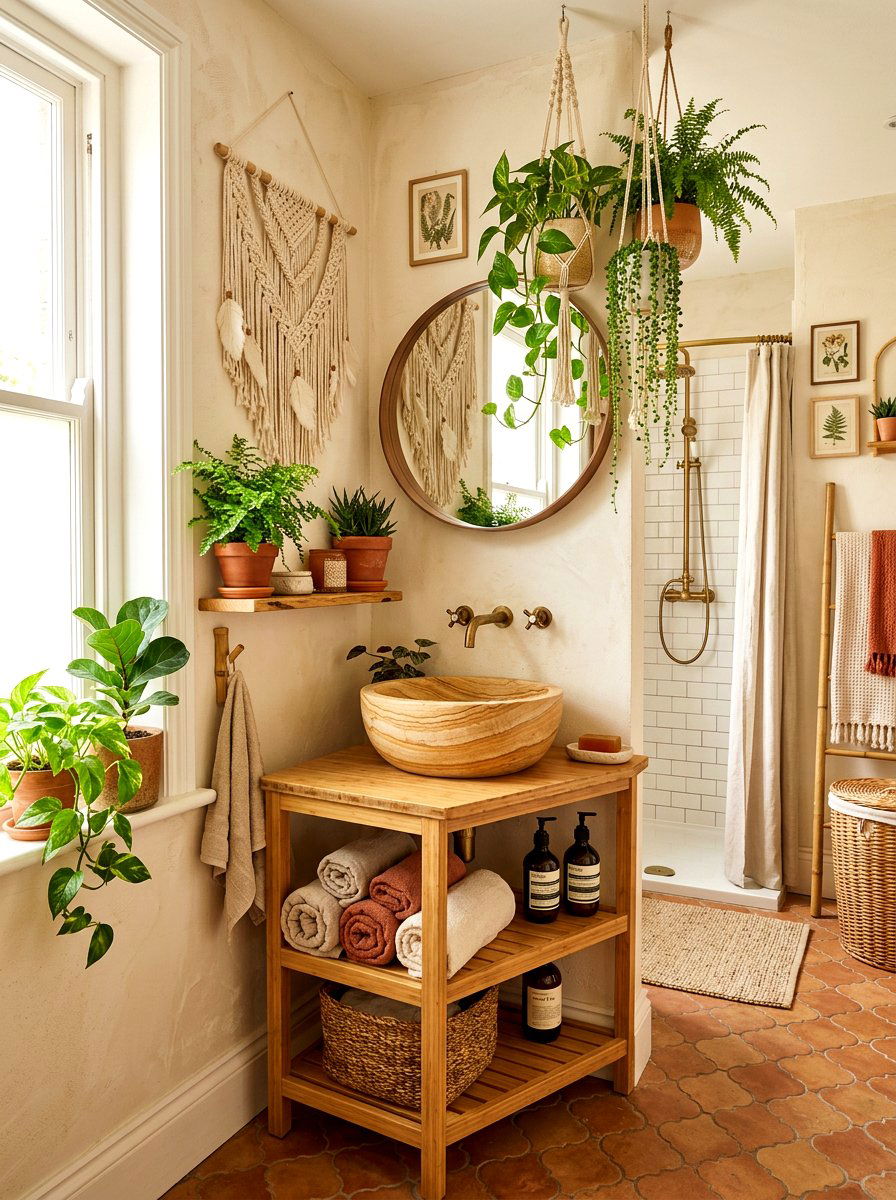
Designing a fully waterproofed space where the shower is not enclosed by a traditional tray or curtain is a modern solution. You can tile the entire room from floor to ceiling, allowing for a seamless and open layout that is incredibly easy to clean. This approach is particularly effective in basements with low ceilings or irregular shapes where standard shower stalls might not fit properly. Using a linear drain and slip-resistant tiles ensures safety while maintaining a high-end, minimalist appearance. A wall-mounted toilet and floating vanity keep the floor clear, further enhancing the sense of space and flow. This waterproof design is both highly practical and visually striking for any modern home.
11. Minimalist Basement Bathroom
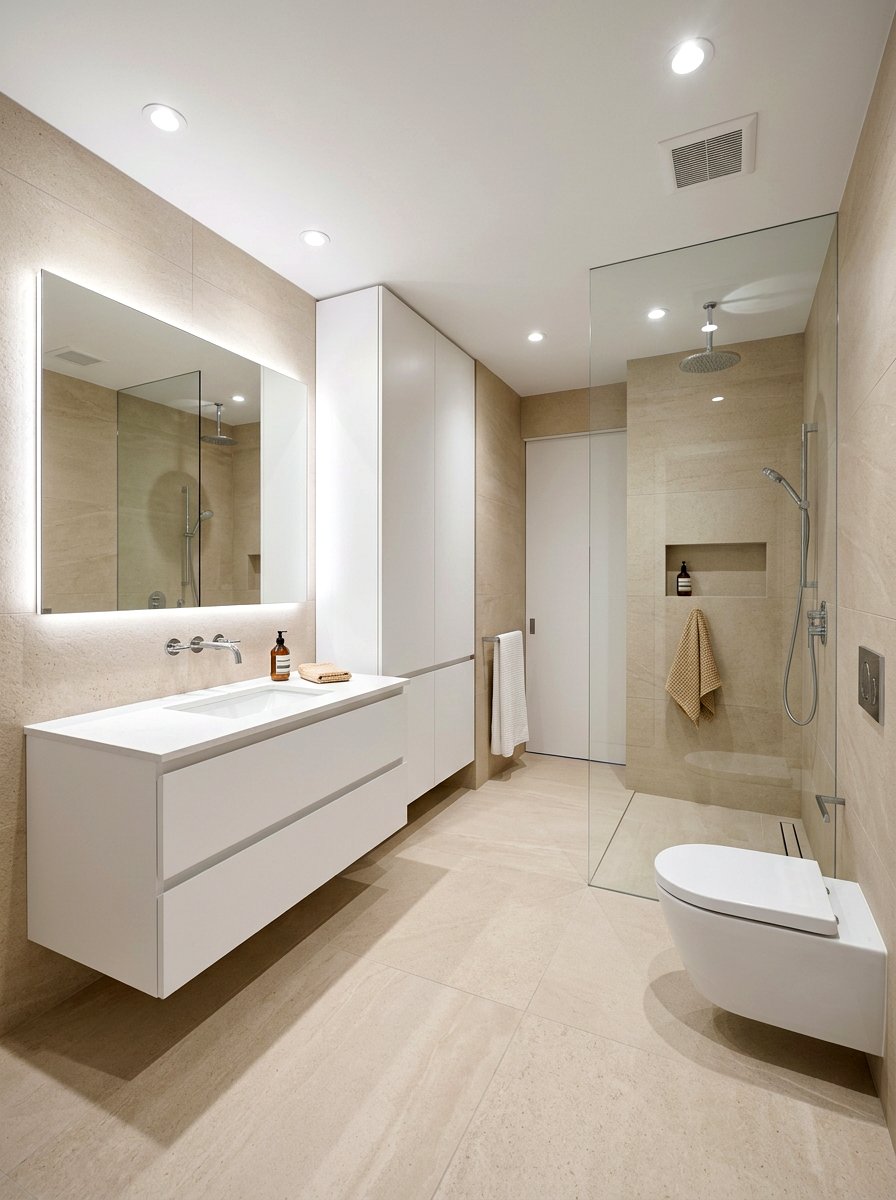
Focusing on essential elements and a restrained color palette can create a sense of calm in a busy household. You can choose a simple floating vanity with integrated storage to hide away daily clutter and keep the room looking tidy. Large-format tiles with minimal grout lines provide a smooth, continuous surface that makes the space feel expansive and modern. Using a single type of stone or porcelain for both the floors and walls creates a unified look that is very soothing to the eye. Natural light might be scarce, so sleek recessed lighting is used to illuminate the room evenly without adding visual bulk. This style prioritizes quality materials over decorative excess.
12. Bohemian Basement Bathroom
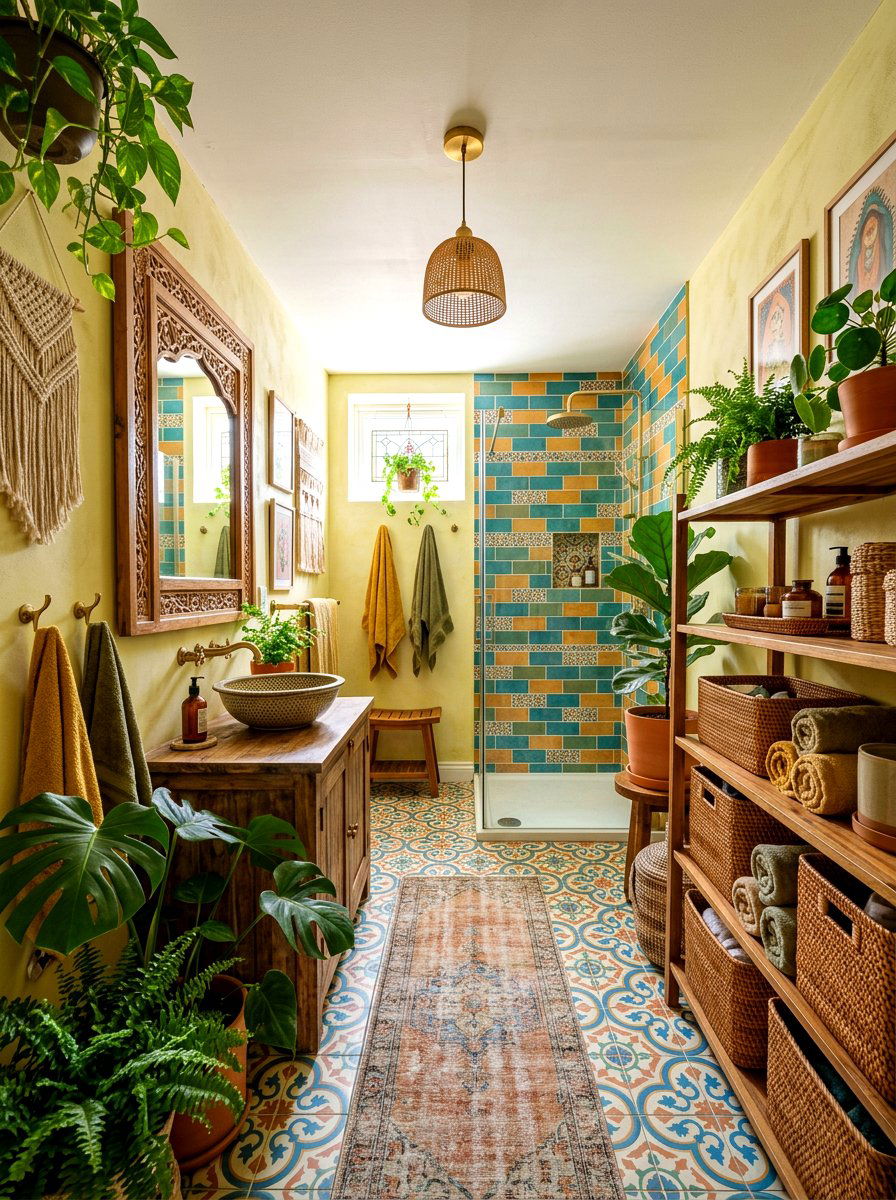
Infusing your lower level with global patterns and organic textures creates a vibrant and eclectic space that feels full of life. You can use colorful cement tiles with intricate designs on the floor to serve as the room’s primary artistic statement. Incorporating natural elements like rattan storage baskets, macramé wall hangings, and plenty of humidity-loving indoor plants adds warmth and softness. A vintage rug and a wooden mirror frame bring a sense of history and personality to the renovation. Mixing various metallic finishes, such as brass and copper, enhances the collected, bohemian vibe. This approach turns a windowless basement bathroom into a joyful and creative sanctuary that reflects your unique personal style.
13. Basement Bathroom With Walk In Shower
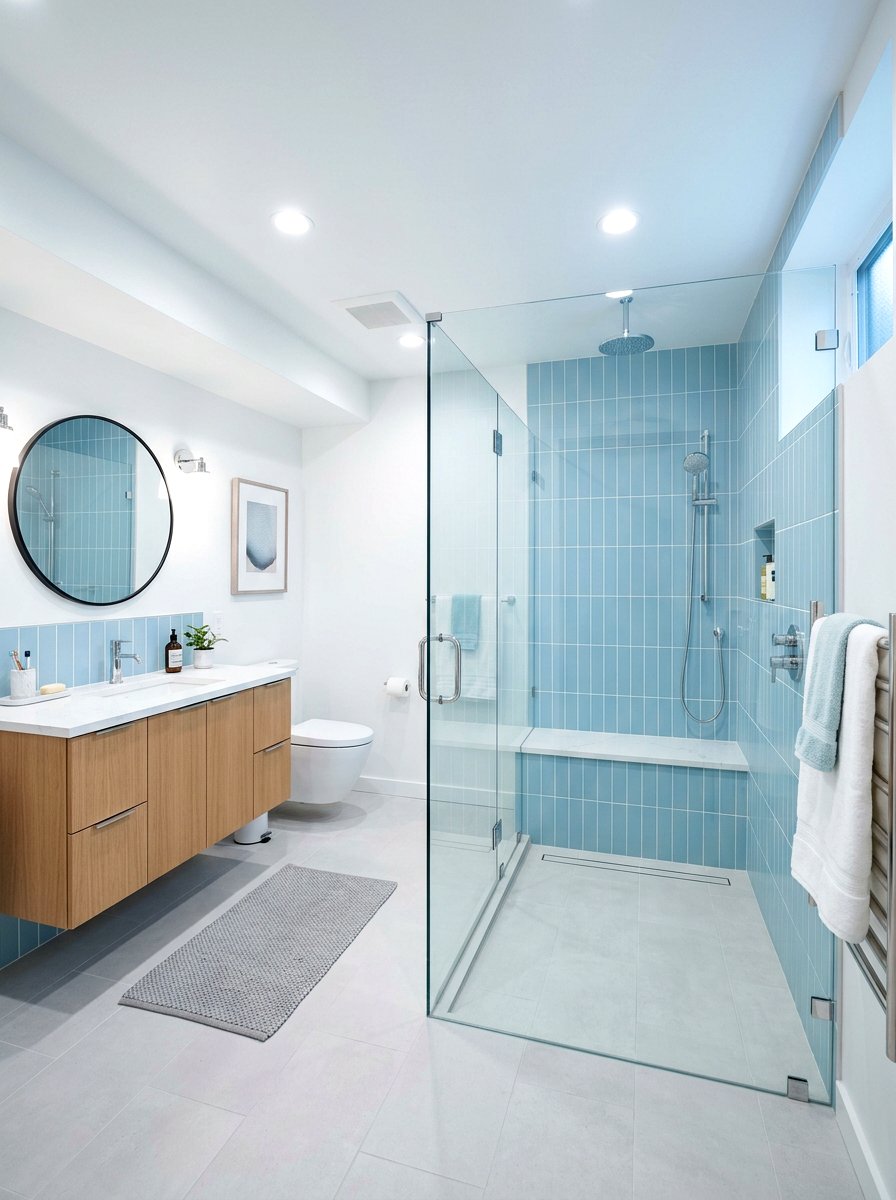
Replacing a traditional tub with a spacious walk-in shower is a popular choice for modernizing a lower-level living area. You can design a curbless entry that creates a smooth transition between the main bathroom floor and the showering zone. This feature not only looks high-end but also improves accessibility for guests of all ages. Using a glass partition instead of a full wall keeps the room feeling open and allows light to reach every corner. Consider adding a built-in bench and a recessed niche for toiletries to enhance the functionality and comfort of the space. Large-format tiles in the shower can make the entire bathroom feel more like a luxurious boutique hotel.
14. Coastal Basement Bathroom
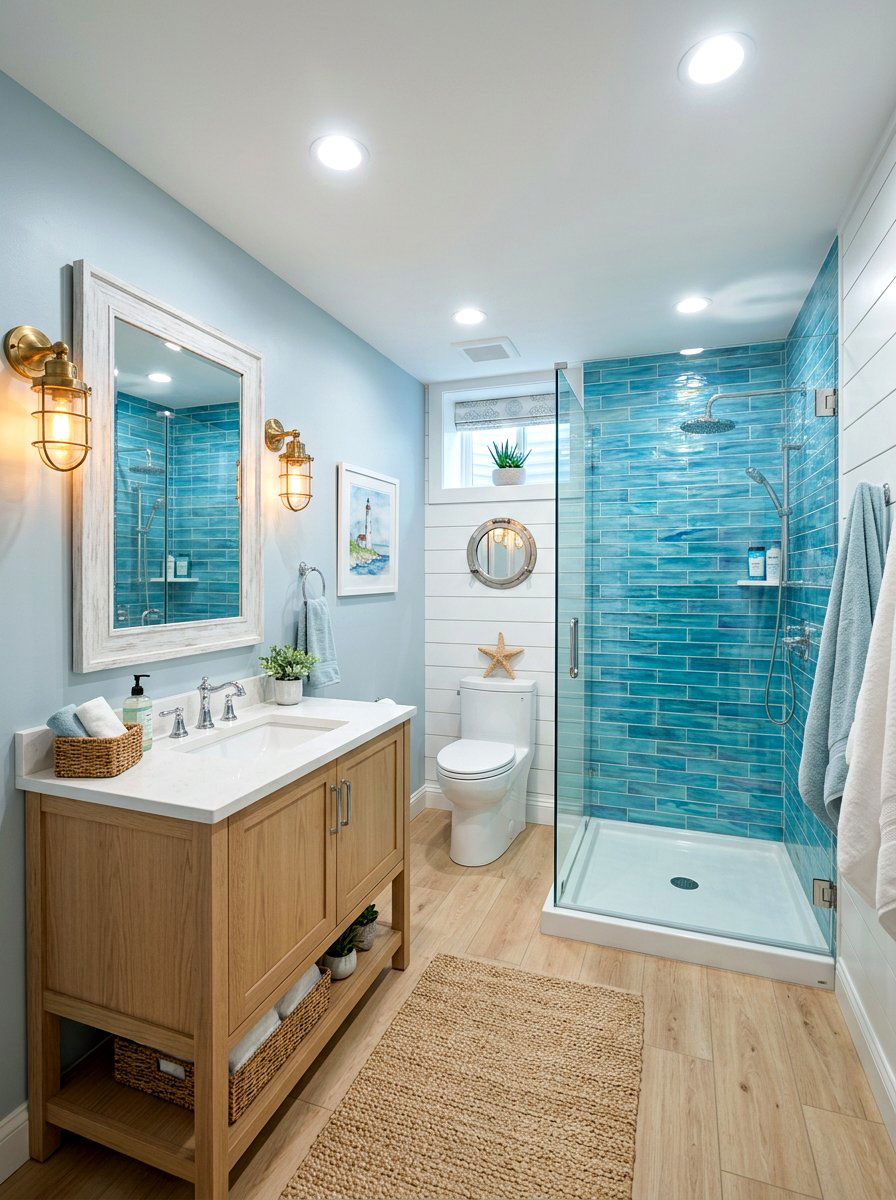
Bringing the breezy feel of the seaside into a basement can help the space feel much lighter and more energetic. You can use a palette of soft blues, sandy beiges, and crisp whites to evoke a relaxing beach house atmosphere. Incorporating textures like shiplap walls, light oak vanities, and woven grasscloth accents adds depth without weighing the room down. A round mirror with a driftwood frame or nautical-inspired sconces provides a subtle thematic touch. Using light-reflecting glass tiles in the shower can mimic the look of shimmering water, adding a beautiful glow to the windowless room. This design direction makes the basement feel like a bright and airy extension of the upper floors.
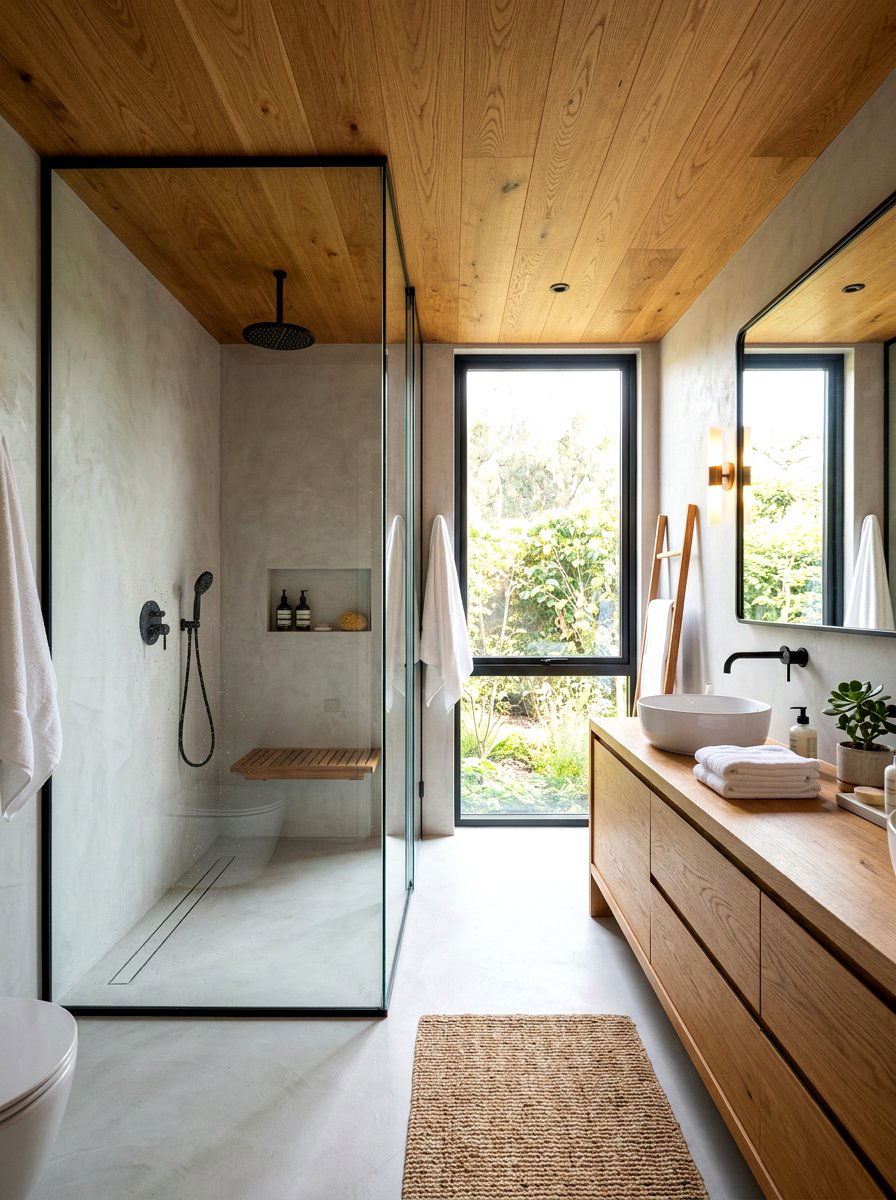
15. Traditional Basement Bathroom
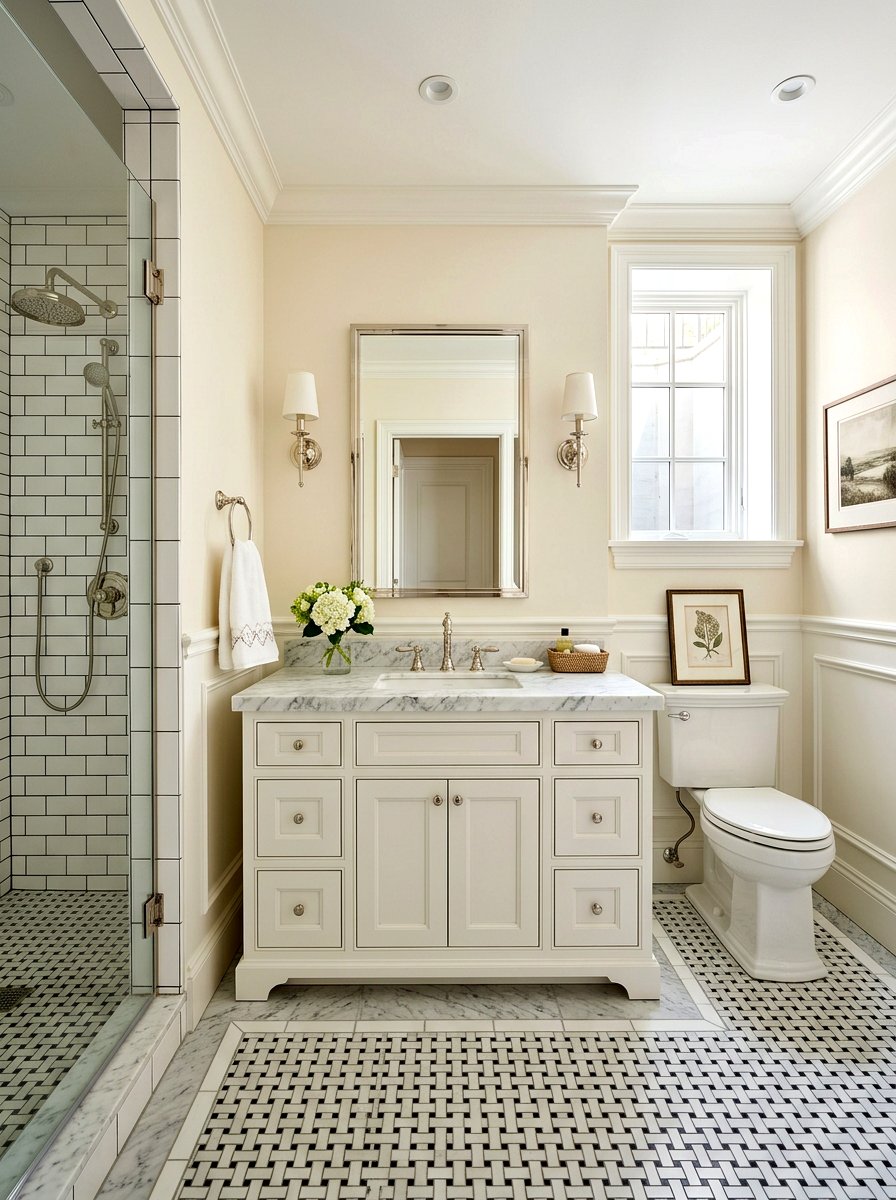
If you want a look that feels consistent with the rest of your classic home, a traditional design is the way to go. You can choose a vanity with raised-panel doors and an elegant marble countertop to establish a sense of permanence and quality. Polished nickel or chrome fixtures with cross-handle designs add a timeless touch that never goes out of style. Using crown molding and wainscoting on the walls provides architectural interest and a sense of formality. A classic basketweave or penny tile floor offers a vintage charm that works beautifully in any basement setting. This approach ensures your new bathroom feels like an original part of the house rather than a modern afterthought.
16. Mid Century Modern Basement Bathroom
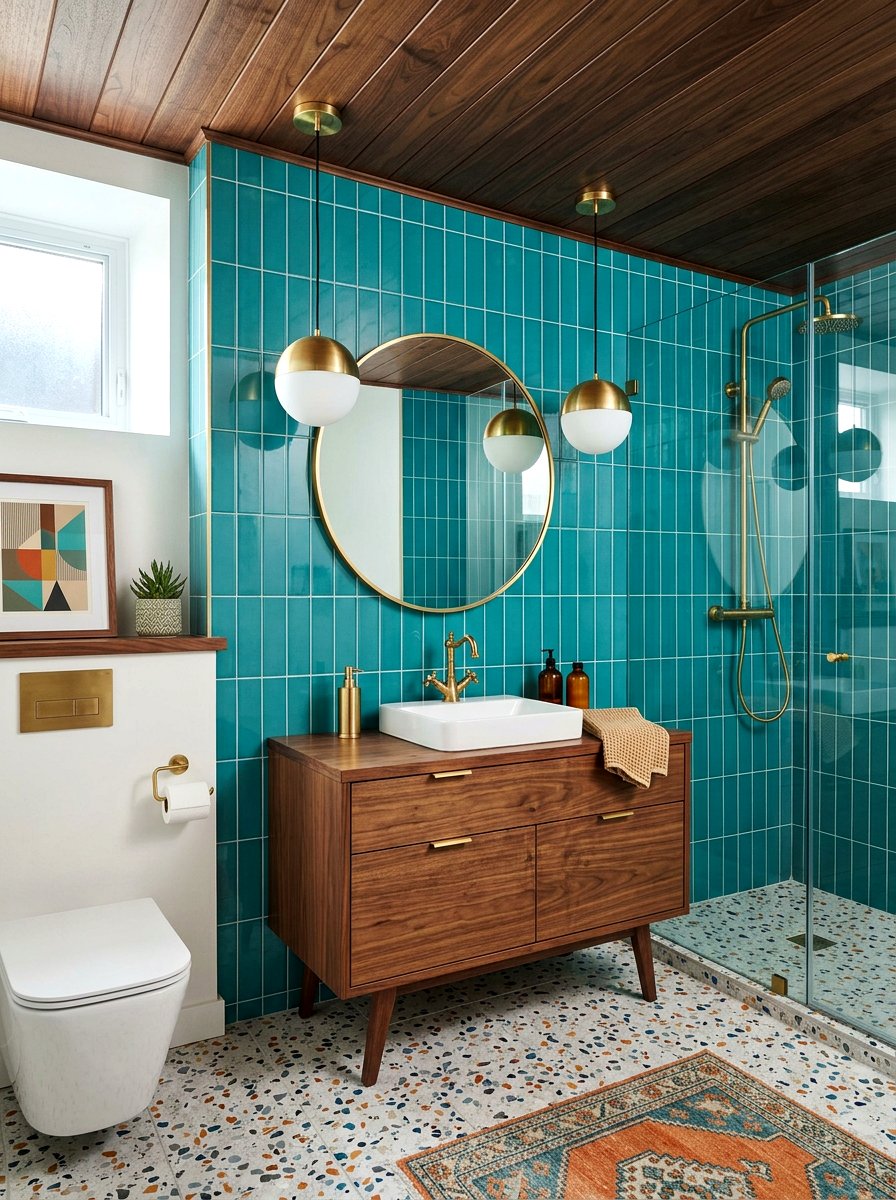
Channeling the design aesthetics of the 1950s and 60s brings a playful yet sophisticated energy to a basement renovation. You can use a floating vanity made of warm walnut wood with tapered legs to create that iconic retro silhouette. Stacked vertical tiles in a soft teal or mustard yellow provide a pop of vintage color while making the walls feel taller. Incorporating a round mirror and globe-style pendant lights adds geometric interest and a touch of mid-century glamour. Terrazzo flooring is an excellent choice for this style, offering a durable surface with a unique, flecked appearance. This design approach is perfect for homeowners who love a mix of classic shapes and bold, artistic expressions.
17. Scandinavian Basement Bathroom
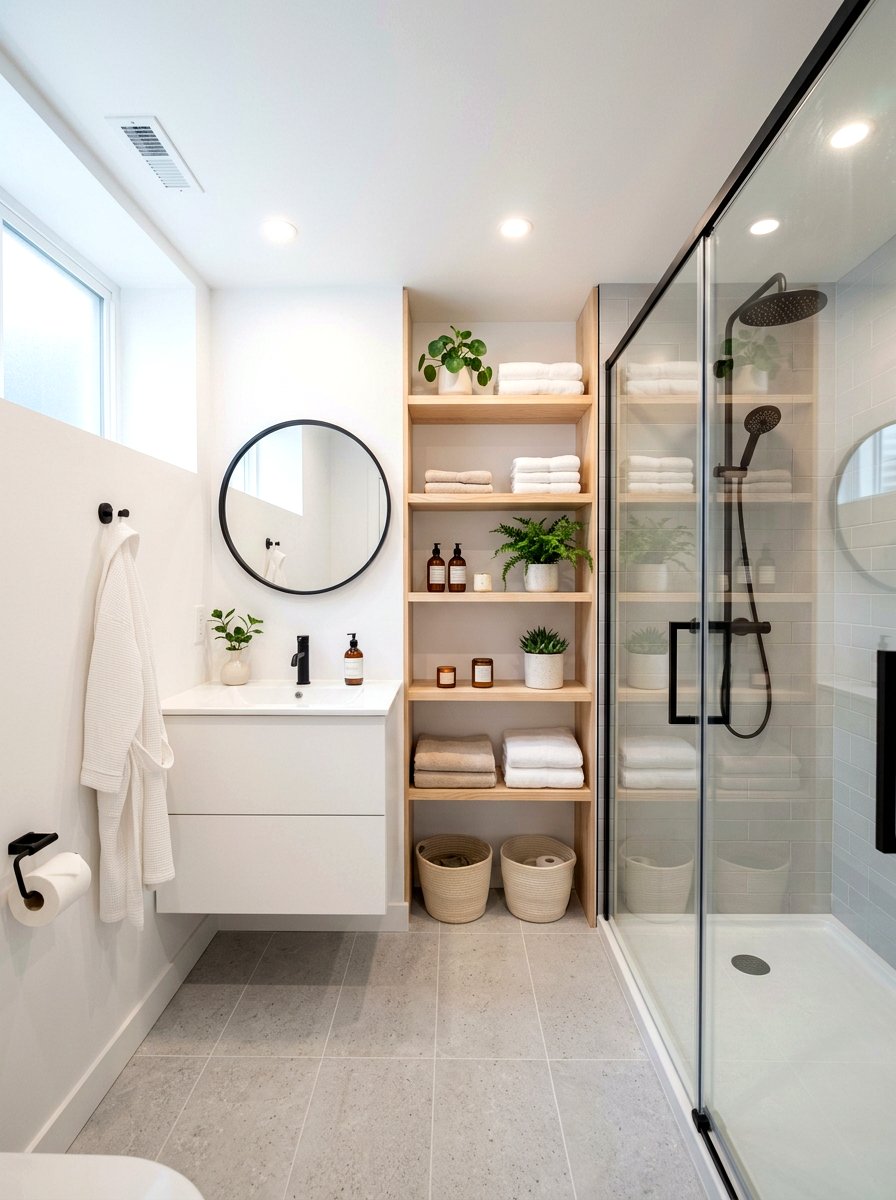
Simplicity, functionality, and a connection to nature are the hallmarks of this popular Northern European design style. You can use light-toned woods like ash or pine for the vanity and shelving to bring a sense of organic warmth to the space. White walls and light grey floor tiles keep the environment looking bright and clean, which is crucial for basement rooms. Minimalist black hardware provides a sharp contrast that grounds the airy color palette. Adding a simple wooden stool and high-quality linen towels enhances the cozy "hygge" feeling of the room. This layout is perfect for creating a clutter-free, practical bathroom that feels calm and restorative for anyone who uses it.
18. Basement Bathroom With Floating Vanity
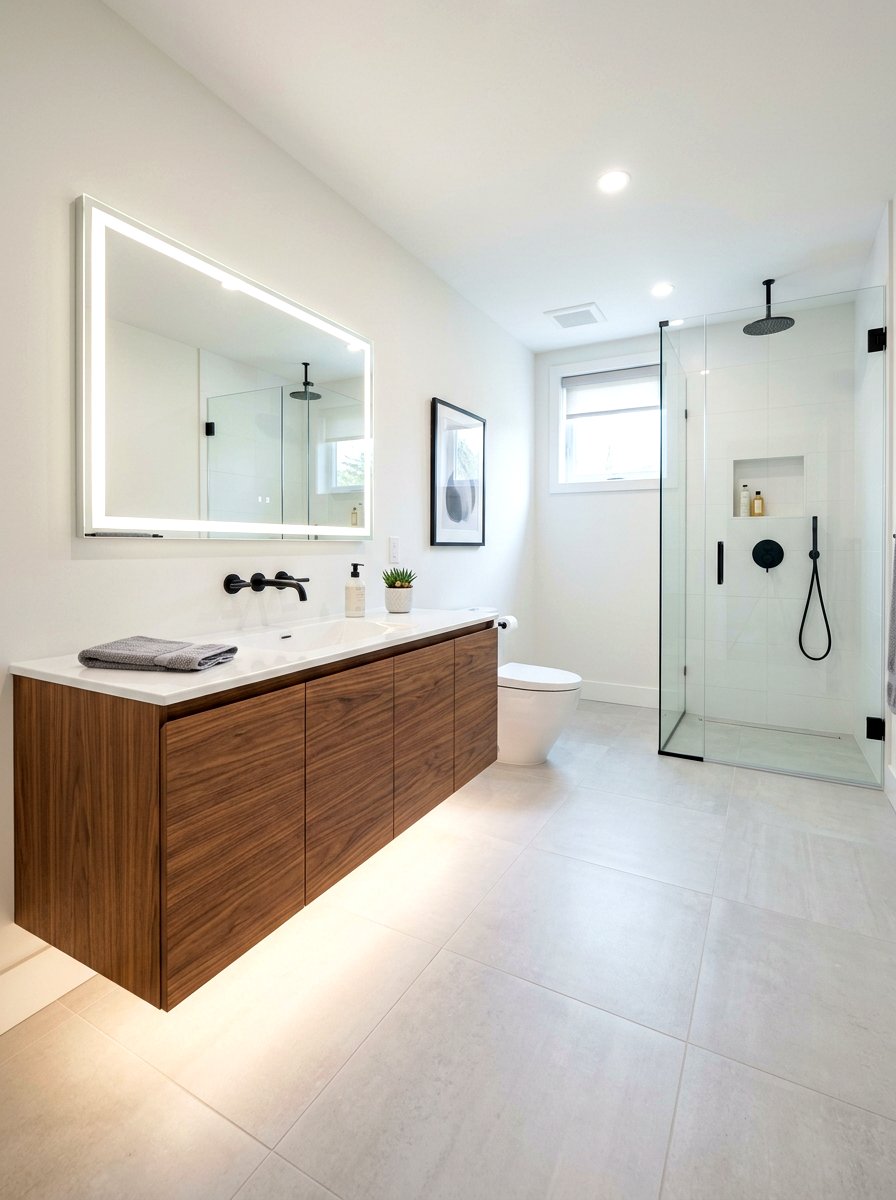
Lifting the cabinetry off the floor is a design trick that instantly makes any small bathroom feel more spacious and modern. You can choose a wide vanity with deep drawers to provide ample storage for towels and toiletries while keeping the floor area visible. This visibility creates an illusion of more square footage, which is particularly helpful in tight basement layouts. Adding LED strip lighting underneath the vanity provides a soft glow that serves as a perfect nightlight for guests. Pairing a floating unit with a wall-mounted faucet creates a very clean and high-end look that is also easy to sweep and mop. It is a stylish solution for maximizing a basement’s potential.
19. Dark Grey Basement Bathroom
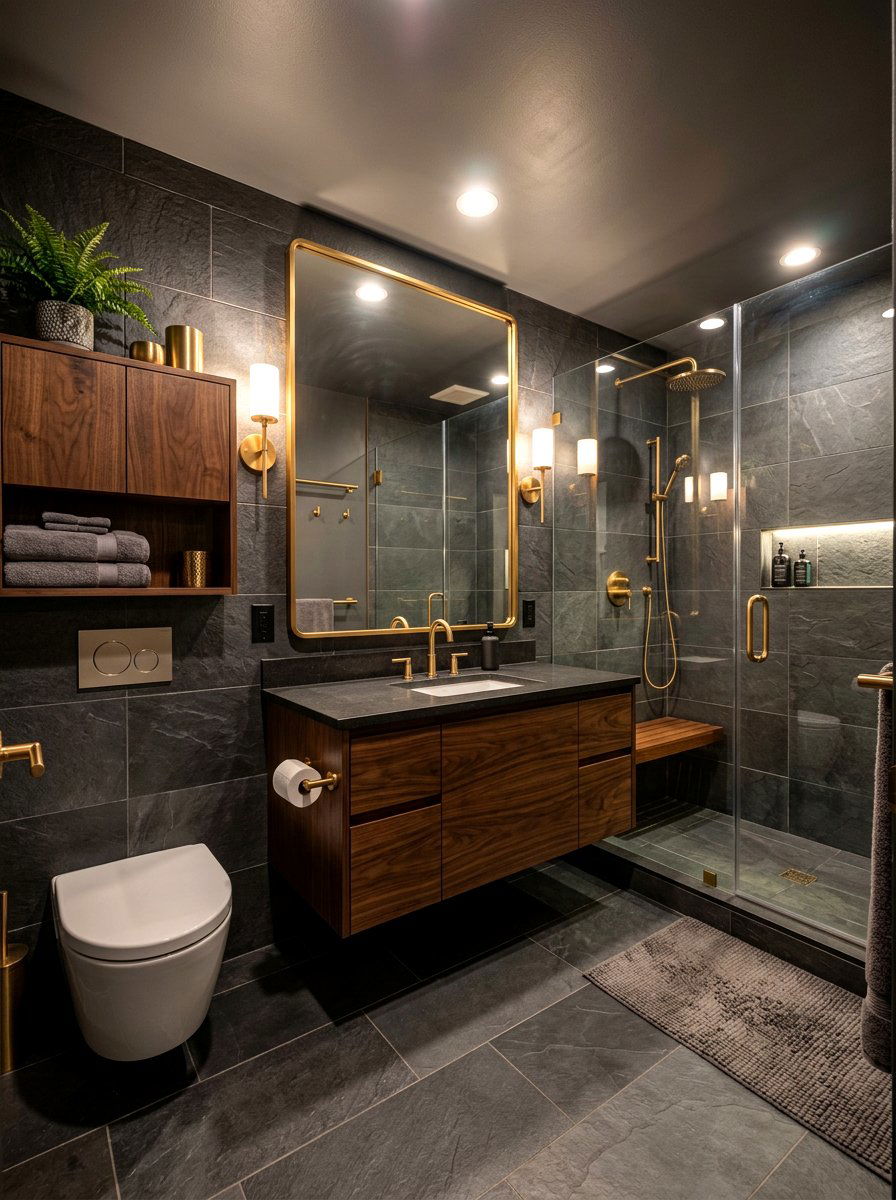
Creating a moody and dramatic atmosphere can turn a windowless basement into a sophisticated and cozy retreat. You can use deep charcoal or slate grey tiles for both the walls and floors to establish a cocoon-like environment. This monochromatic approach feels very high-end and works surprisingly well in small spaces when paired with the right lighting. Choosing warm wood accents and brushed gold fixtures prevents the room from feeling too cold or sterile. Large mirrors are essential in a dark room to reflect light and prevent the space from feeling claustrophobic. This design style is perfect for a primary basement suite or a bathroom located near a home theater or lounge.
20. Bright White Basement Bathroom
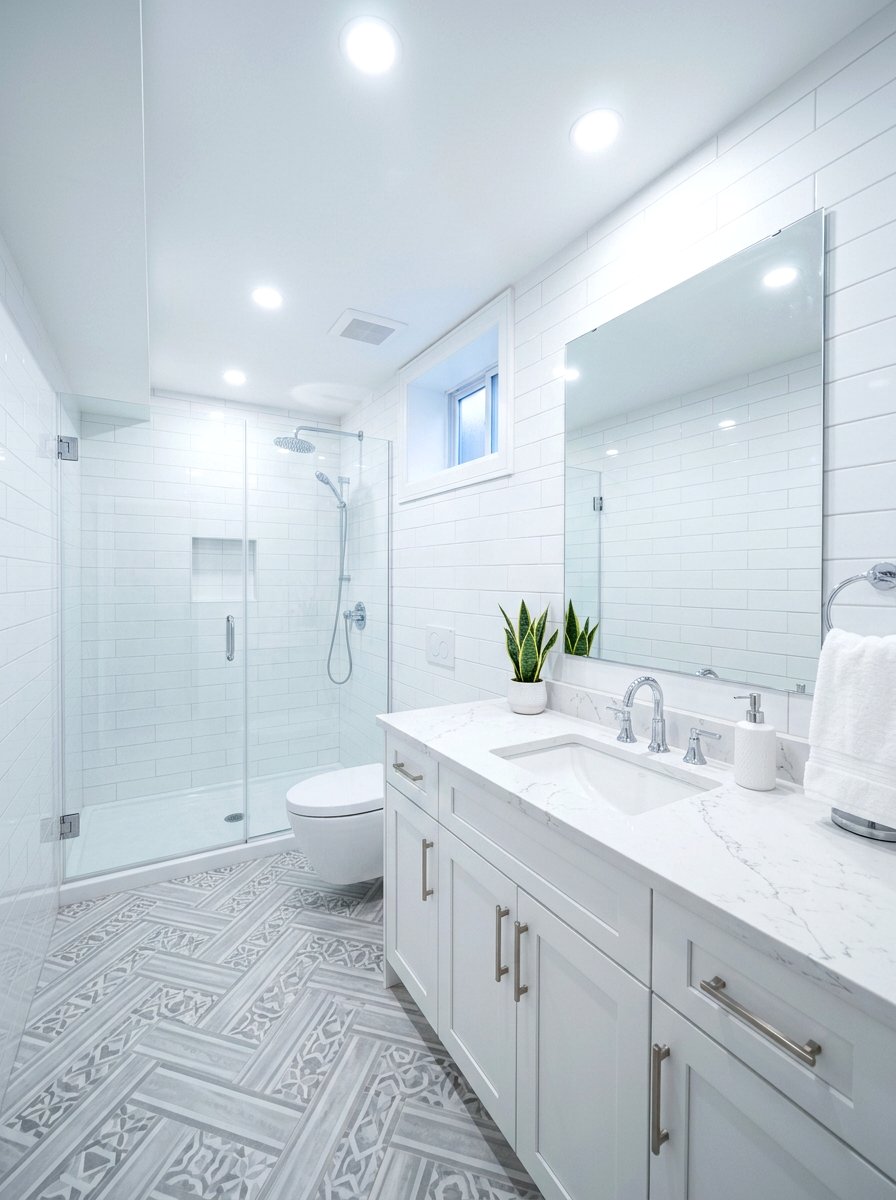
When dealing with a lack of natural light, an all-white design is the most effective way to make a space feel vibrant. You can use glossy white wall tiles that bounce every bit of artificial light around the room, creating a brilliant and clean look. A white vanity with a light quartz countertop keeps the aesthetic seamless and airy from floor to ceiling. To prevent the room from feeling too clinical, you can incorporate different textures like a fluted vanity front or a patterned white floor tile. Adding small touches of greenery and soft grey accents provides just enough contrast to make the white surfaces pop. This timeless approach is always a safe and beautiful bet.
21. Basement Bathroom With Subway Tile
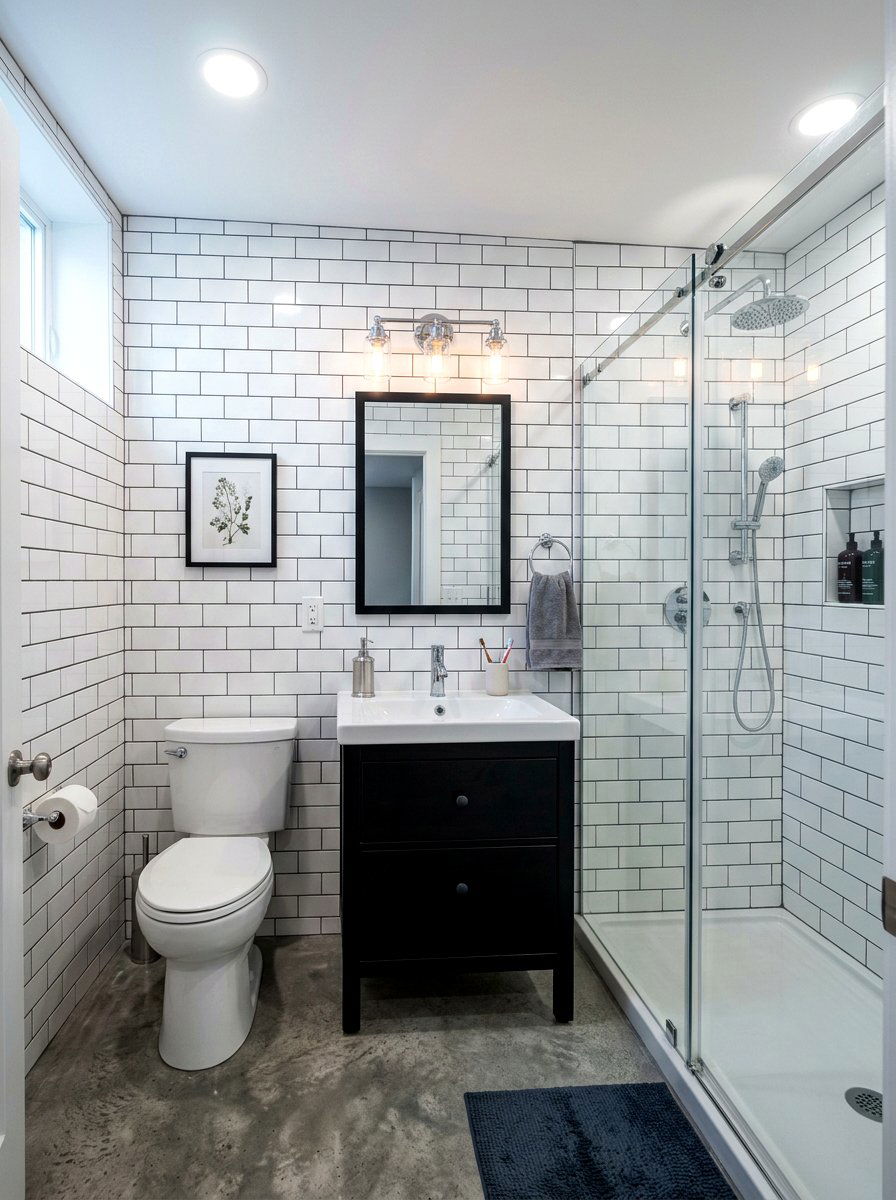
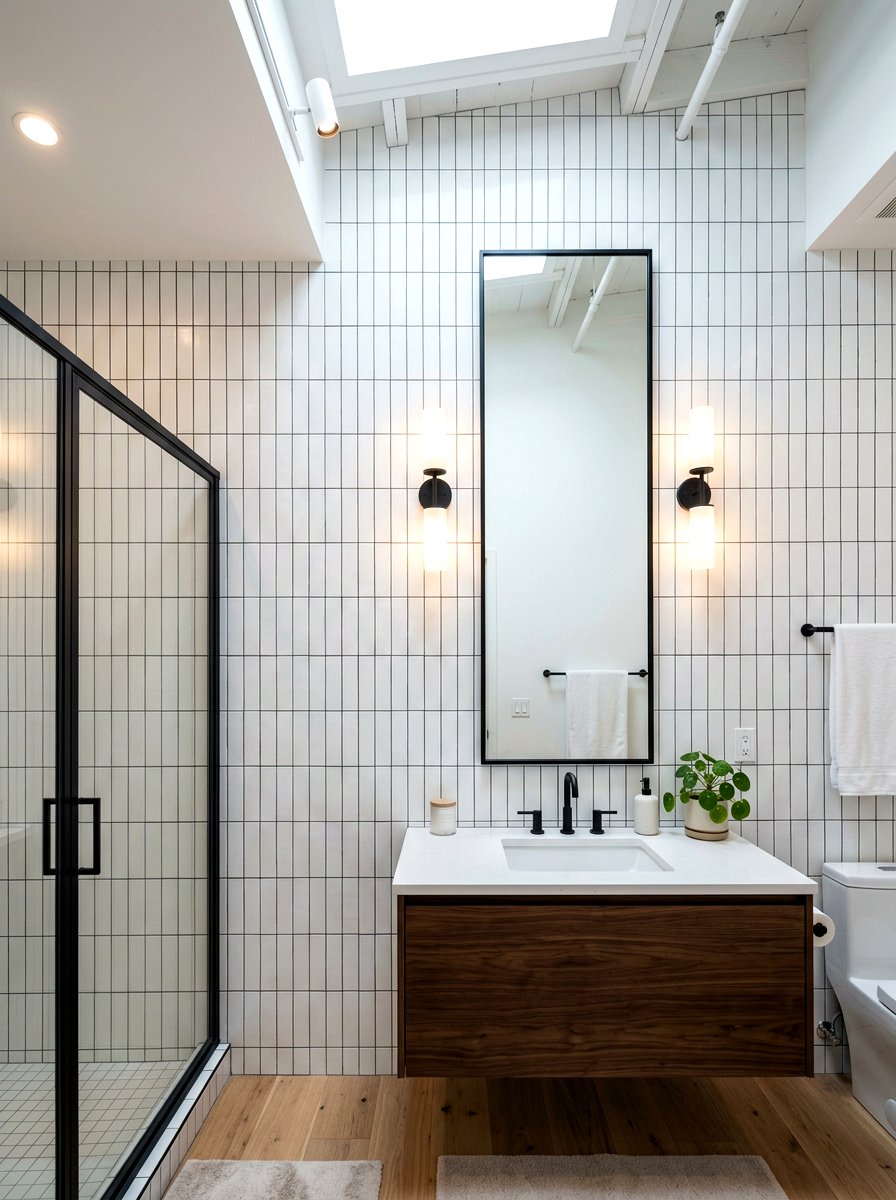
Using classic rectangular tiles is an affordable and stylish way to finish the walls of a lower-level bathroom project. You can arrange them in a traditional brick pattern or try a modern vertical stack to draw the eye upward and make the ceiling feel higher. Choosing a dark grout color adds a graphic element that highlights the geometric shape of the tiles and makes cleaning much easier. Subway tile is incredibly versatile and pairs well with almost any design style, from industrial to farmhouse. It provides a durable, water-resistant surface that looks polished and intentional. This timeless material is a staple in basement renovations for its durability and clean, classic aesthetic.
22. Concrete Basement Bathroom
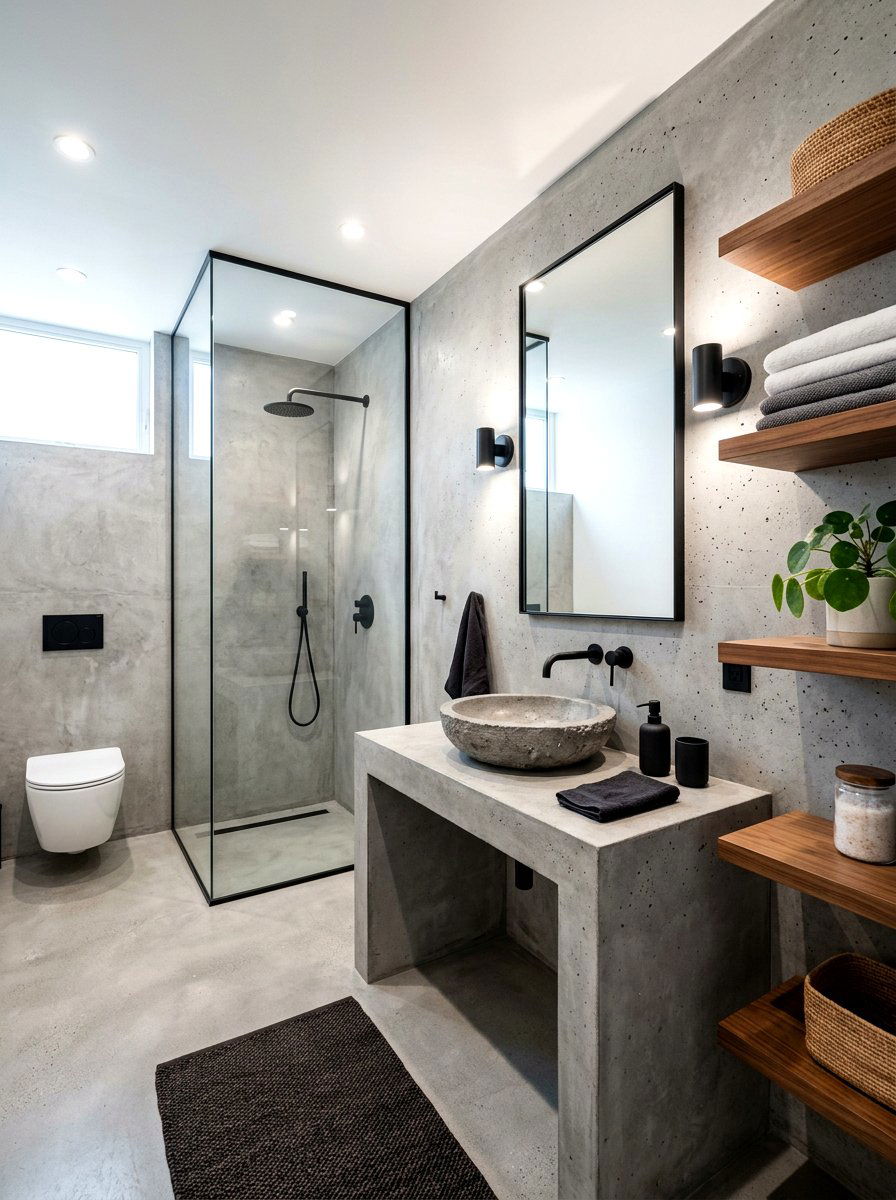
Embracing the structural reality of a basement can result in a very modern and incredibly durable design aesthetic. You can use large concrete-effect porcelain tiles or actual polished concrete for the floors and walls to create a seamless, monolithic look. This material is naturally resistant to moisture and provides a neutral backdrop that allows your fixtures to take center stage. Pairing the cool grey tones of concrete with warm wood elements or matte black hardware creates a balanced and sophisticated atmosphere. A custom concrete sink can serve as a stunning architectural focal point that feels both rugged and refined. This style is ideal for those who appreciate minimalist design and high-functioning, low-maintenance materials.
23. Basement Bathroom With Barn Door
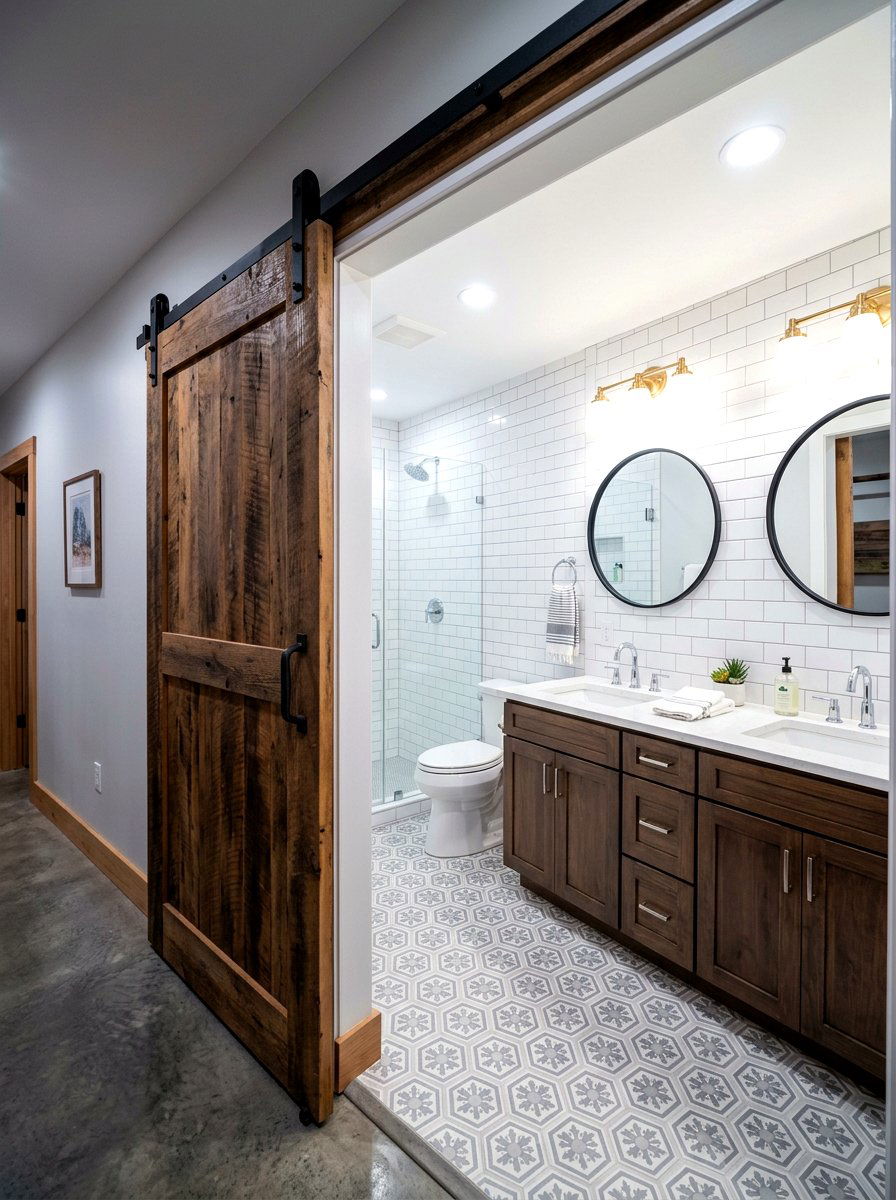
Installing a sliding door is a fantastic way to save space in a basement where a traditional swinging door might be obstructed. You can choose a rustic wooden barn door to add character and a sense of warmth to the entryway of the bathroom. This feature works particularly well if the bathroom opens directly into a hallway or a multifunctional living area. The sliding mechanism allows for easy access without taking up valuable floor space inside the bathroom itself. You can customize the look with different wood finishes or even a modern glass panel for a more contemporary vibe. It is a practical and stylish solution that adds a unique architectural element to your basement.
24. Shiplap Basement Bathroom
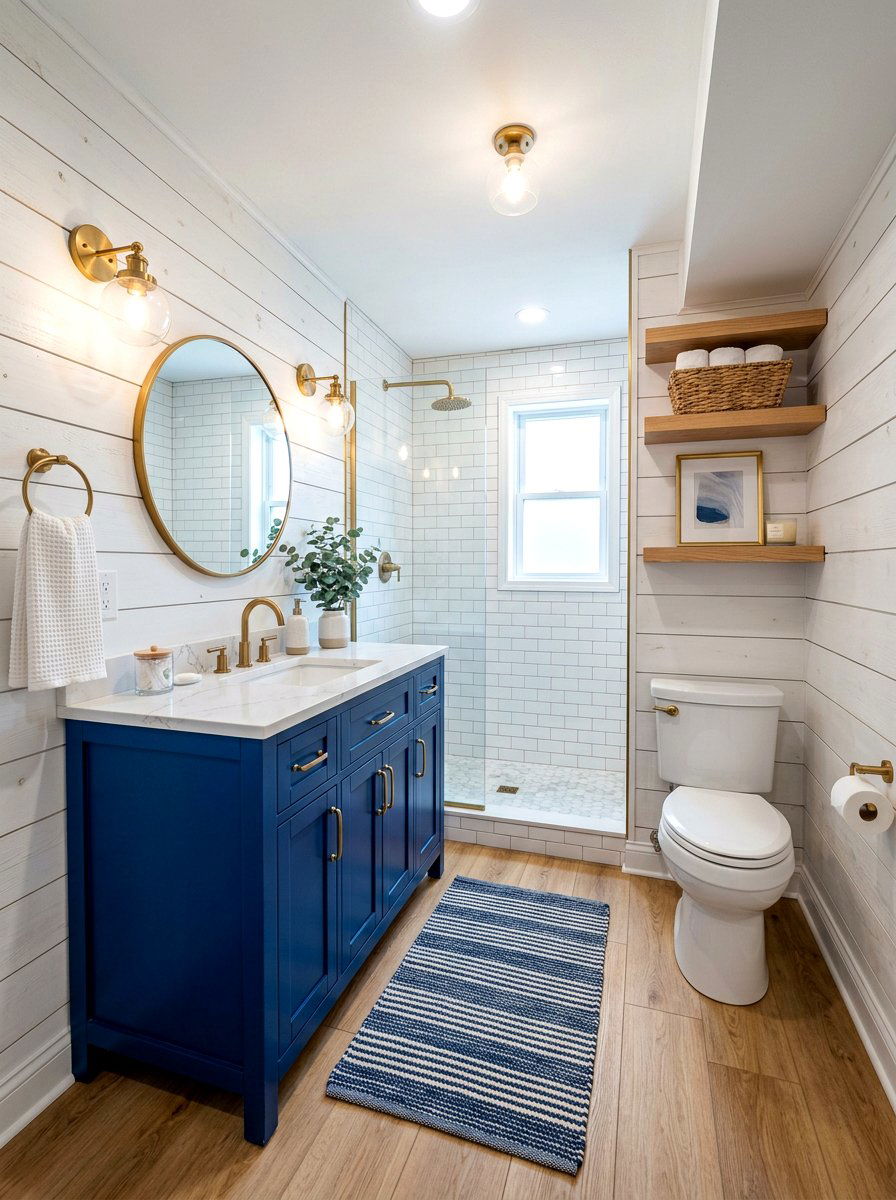
Adding horizontal wood planks to the walls is a great way to introduce texture and a sense of craftsmanship to a lower level. You can paint the shiplap a bright white to help reflect light or a deep navy for a more dramatic and cozy feel. This wall treatment provides a beautiful backdrop for a variety of styles, from coastal to modern farmhouse. It also helps to hide any imperfections in the basement walls while providing a sturdy surface for hanging mirrors and shelving. Pairing shiplap with a simple wooden vanity and black metal accents creates a look that is both trendy and timeless. It is an easy way to make a basement feel finished.
25. Basement Bathroom With Gold Accents
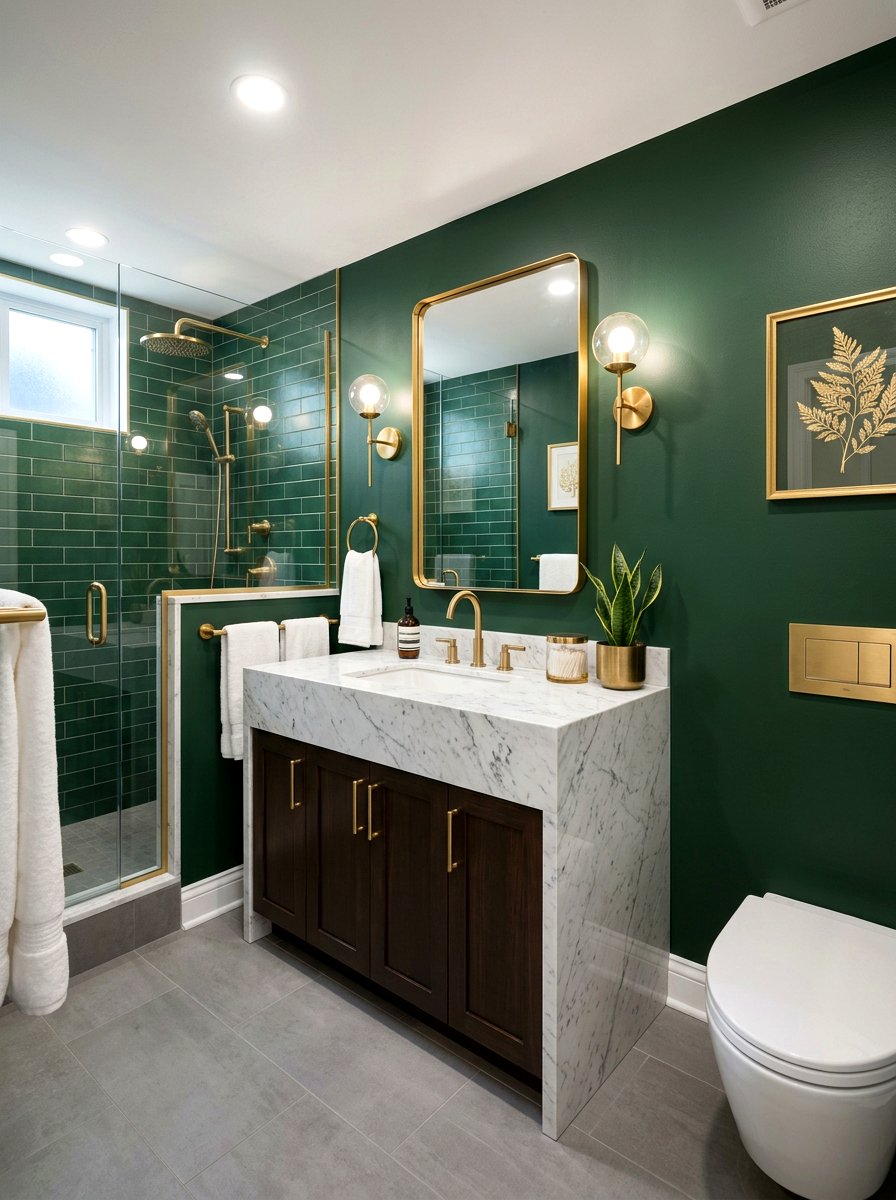
Incorporating warm metallic finishes can bring a sense of luxury and elegance to a space that might otherwise feel utilitarian. You can choose brushed gold faucets, towel bars, and cabinet hardware to add a sophisticated glow to the room. This finish pairs beautifully with a wide range of colors, including navy blue, forest green, and classic white. A gold-framed mirror or a set of elegant sconces can serve as jewelry for the bathroom, elevating the overall design. Using gold accents is an easy way to make a basement renovation feel high-end and thoughtfully curated. These small details provide a touch of warmth that makes the subterranean space feel much more inviting and stylish.
26. Compact Basement Guest Bathroom
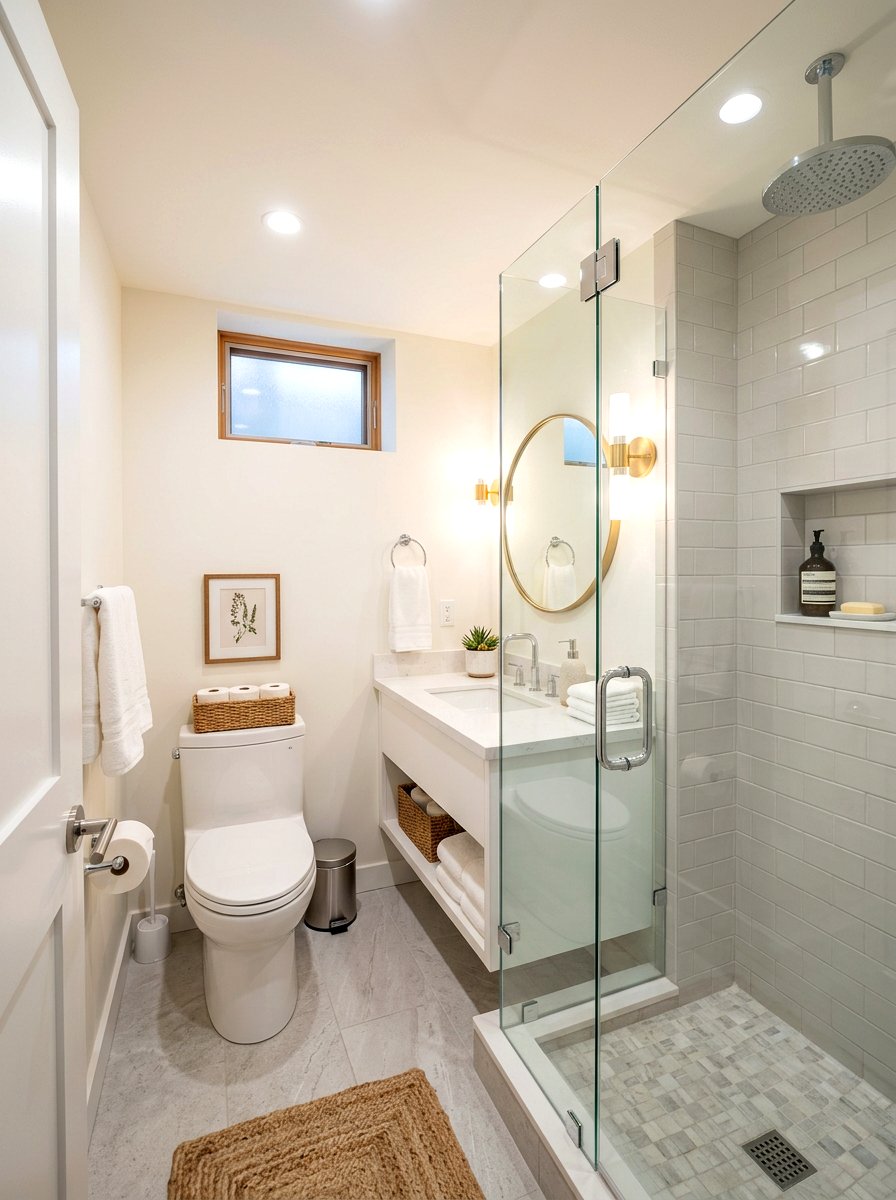
Designing a space specifically for overnight visitors requires a focus on both comfort and essential functionality within a small footprint. You can include a walk-in shower with a simple glass panel to keep the room feeling open while providing all the necessary amenities. A vanity with integrated storage ensures that guests have a place to put their belongings without cluttering the limited counter space. Using light, neutral colors and plenty of layered lighting makes the room feel bright and welcoming, even without windows. Adding thoughtful touches like high-quality towels and a small basket of toiletries can make the stay feel special. This efficient layout maximizes every inch of space for a pleasant guest experience.
27. Basement Bathroom With Wood Accents
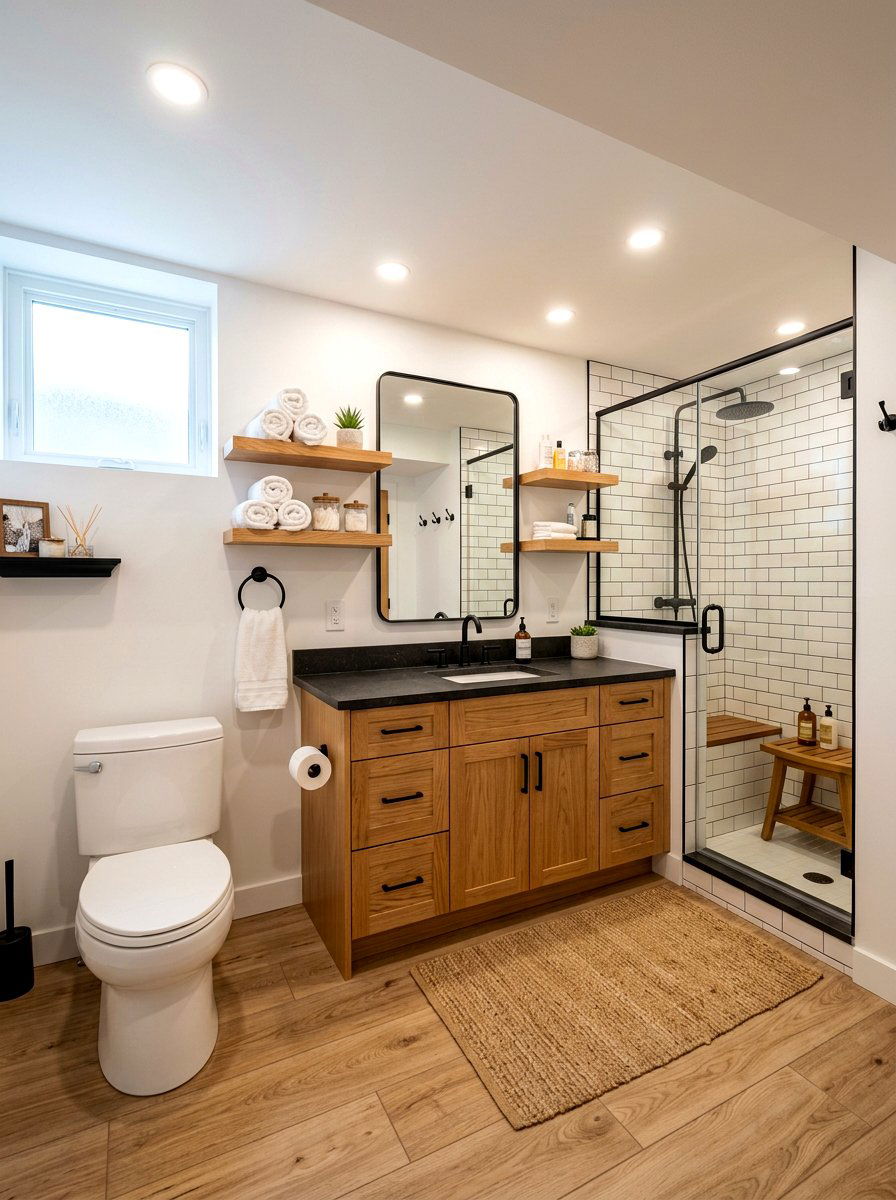
Bringing the warmth of natural wood into a lower level helps to counteract the cold and damp associations of a basement. You can use a beautiful oak or walnut vanity as the primary focal point, providing a sense of organic texture and color. Incorporating open wooden shelving for towel storage adds a decorative element that is also highly practical. Wood-look floor tiles are an excellent choice for basements because they offer the appearance of hardwood with the moisture resistance of porcelain. Pairing these wood elements with white walls and black fixtures creates a balanced, modern look that feels very cozy. This design strategy ensures the basement bathroom feels like a natural extension of the home’s main living areas.
28. Patterned Tile Basement Bathroom
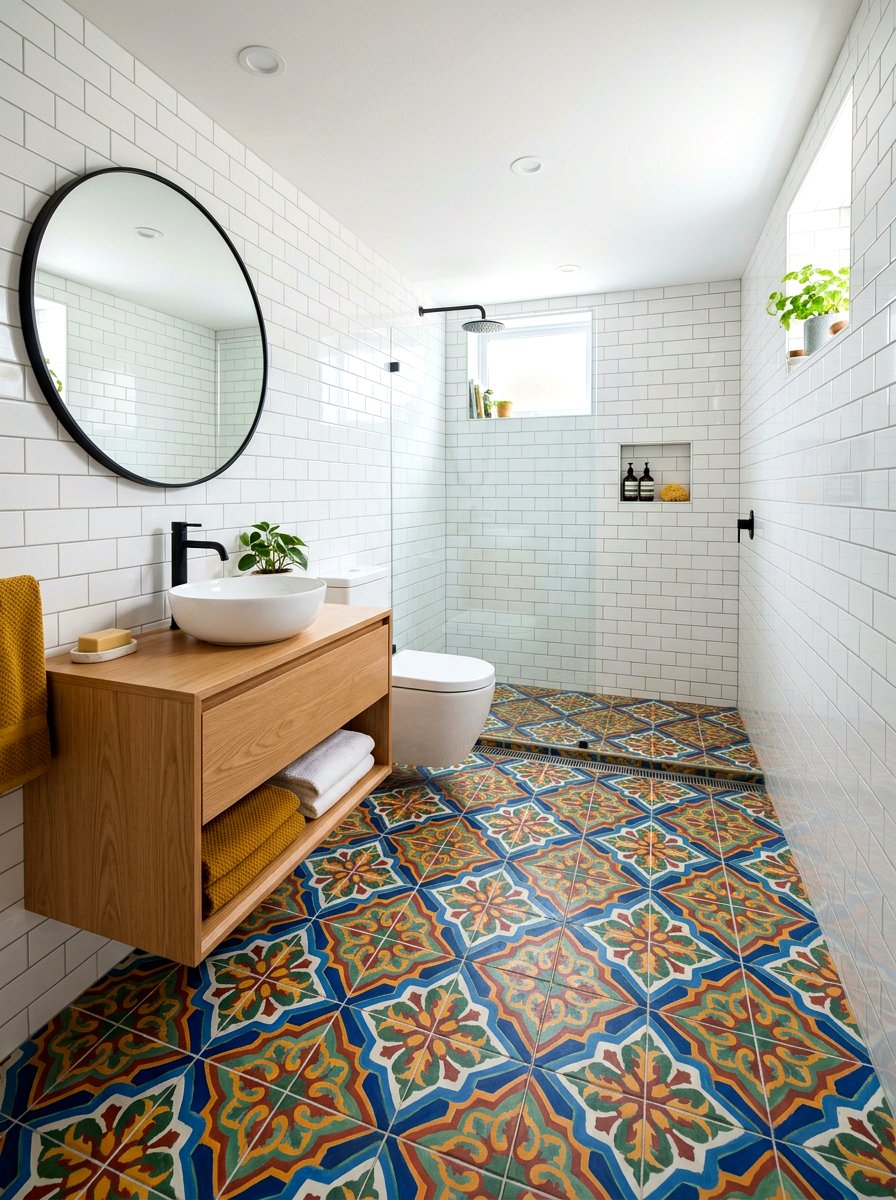
Using a bold and decorative floor can turn a simple bathroom into a stunning design statement that wows every visitor. You can choose a Moroccan-inspired cement tile or a modern geometric print to add personality and visual interest to the room. Keeping the walls simple and neutral allows the floor to take center stage without making the space feel overwhelmed or cluttered. This approach is particularly effective in small basement bathrooms where there is limited room for other decorative features. Patterned tiles are also excellent at hiding small amounts of dirt or dust, making them a practical choice for a high-traffic lower level. It is a fun way to express your personal style.
29. Basement Bathroom With Sauna
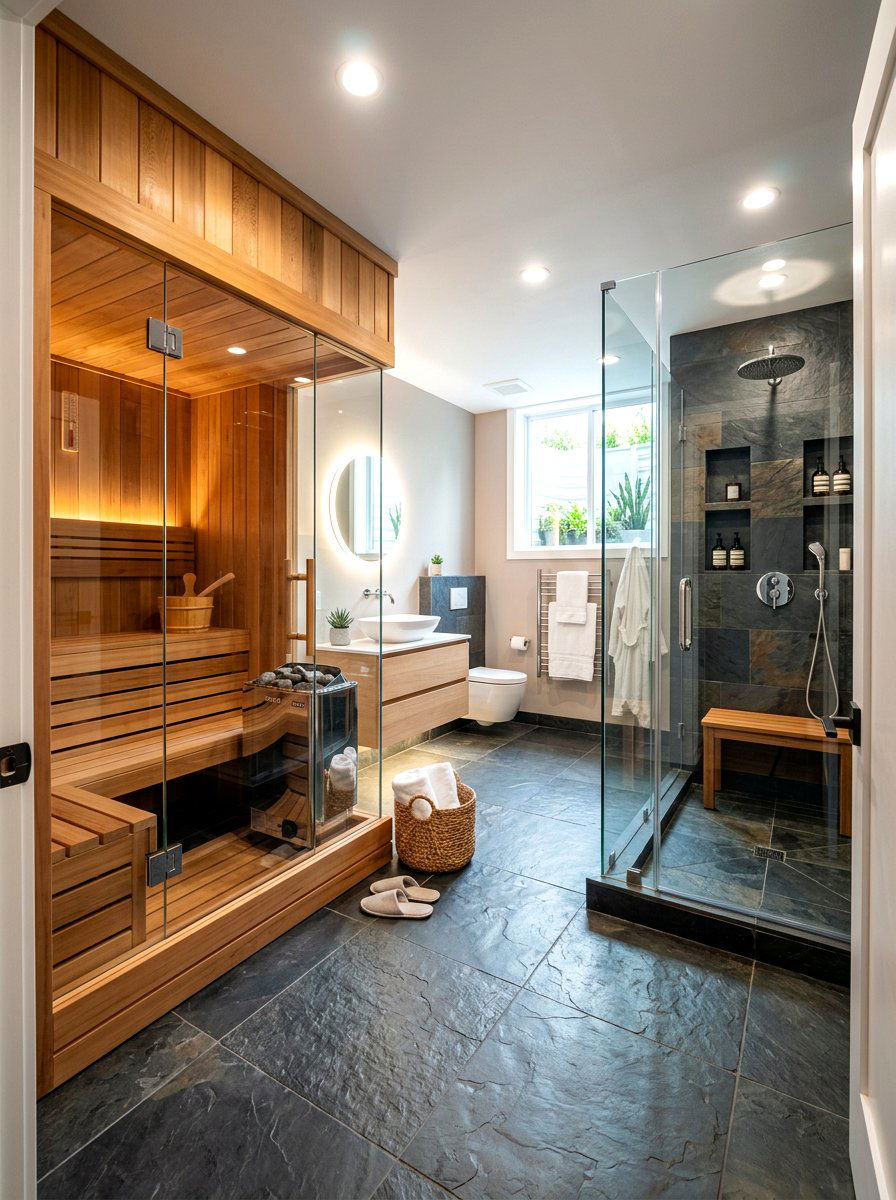
Integrating a private sauna into your basement bathroom renovation creates the ultimate at-home spa and wellness destination for the whole family. You can place the wooden sauna cabin adjacent to a large walk-in shower for a seamless transition between heat and cooling. This layout is perfect for promoting relaxation and health within the comfort of your own home. Using glass walls for the sauna can keep the entire bathroom feeling open and integrated rather than chopped up into small rooms. Complementary materials like slate tiles and cedar wood create a cohesive and luxurious environment that feels like a professional retreat. This addition significantly increases the luxury appeal and functionality of a finished basement space.
30. Small Basement Bathroom With Pocket Door
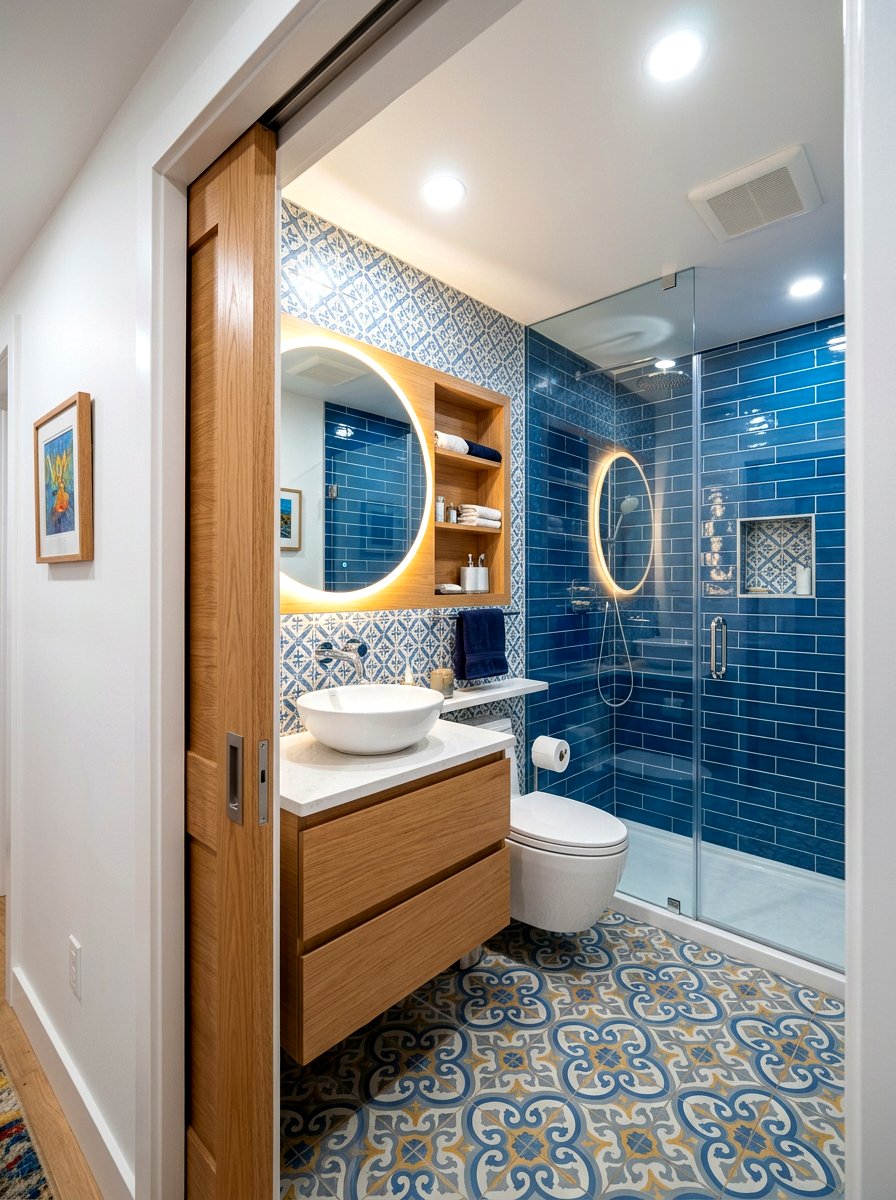
When floor space is at an absolute premium, a door that slides into the wall is the most efficient architectural solution. You can reclaim several square feet of usable space by eliminating the need for a door’s swing radius, which is crucial in tiny basement layouts. This allows you to fit a larger vanity or a more comfortable shower than would otherwise be possible. Pocket doors provide a clean and streamlined look when open, maintaining a sense of flow between the bathroom and the adjacent room. They are a smart choice for powder rooms or small en-suites where every inch of clearance matters. This practical design detail is a hallmark of a well-planned and efficient basement renovation.
Conclusion:
Designing a basement bathroom is a rewarding project that combines technical problem-solving with creative interior styling. Whether you are aiming for a compact powder room or a sprawling luxury spa, the key to success lies in choosing moisture-resistant materials and maximizing the available light. By following these diverse ideas, you can transform a dark and neglected area into a bright, stylish, and highly functional part of your home. Remember to prioritize high-quality lighting and smart storage solutions to ensure the space remains practical for daily use. A well-executed basement bathroom not only improves your quality of life but also stands as a valuable investment in your property’s future.

Related posts: