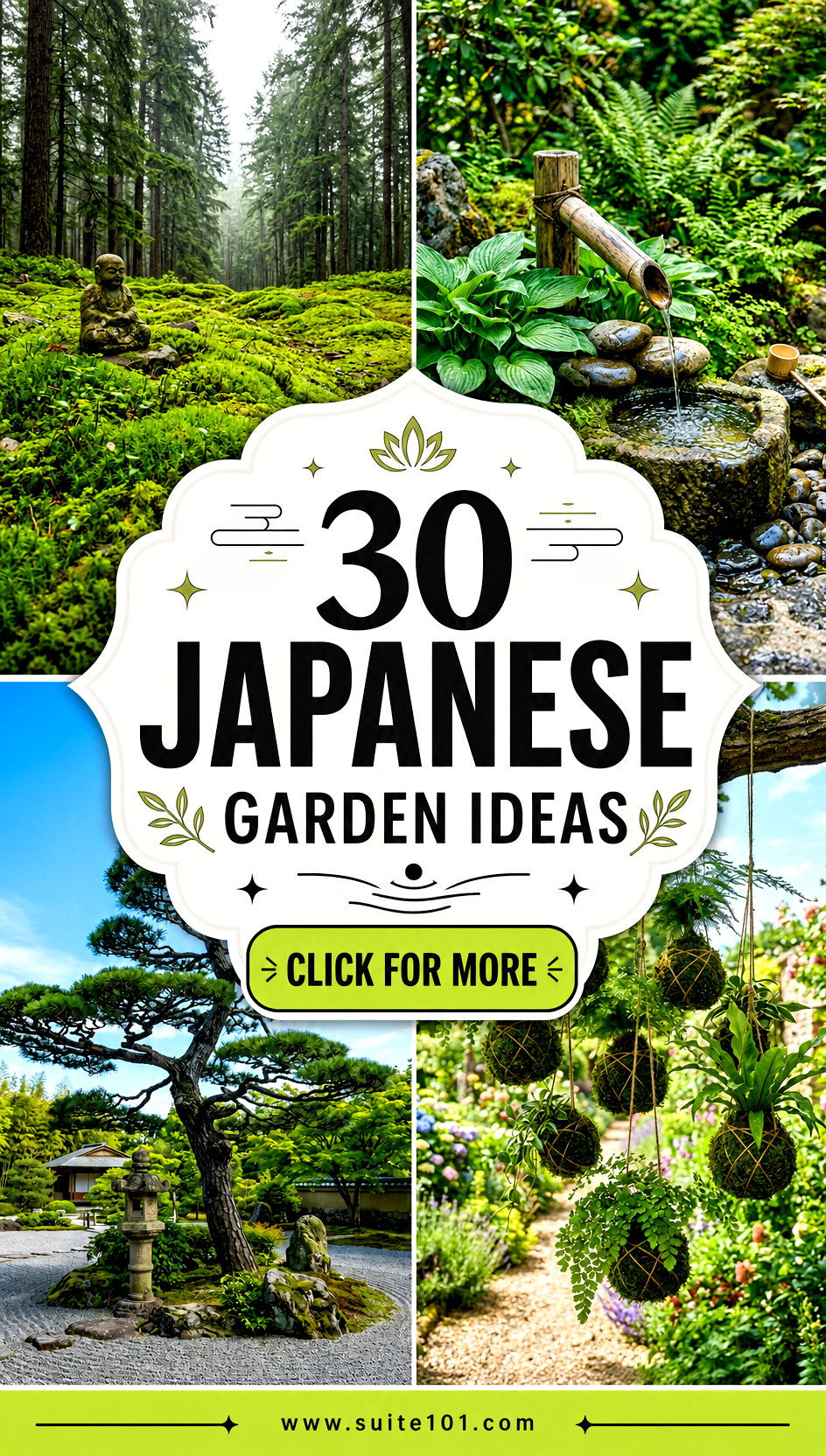
Creating a Japanese garden in your backyard is about finding a balance between nature, peace, and ancient tradition. These spaces are designed to provide a quiet escape from the busy world, focusing on natural elements like water, stone, and greenery. Whether you have a massive yard or a tiny balcony, you can bring the serene spirit of Japan into your home environment. By using specific plants, textures, and structures, you can create a landscape that feels timeless and deeply calming. This guide explores thirty unique ways to transform your outdoor area into a beautiful sanctuary where every single element serves a meaningful purpose for your mind.
1. Zen Rock Garden
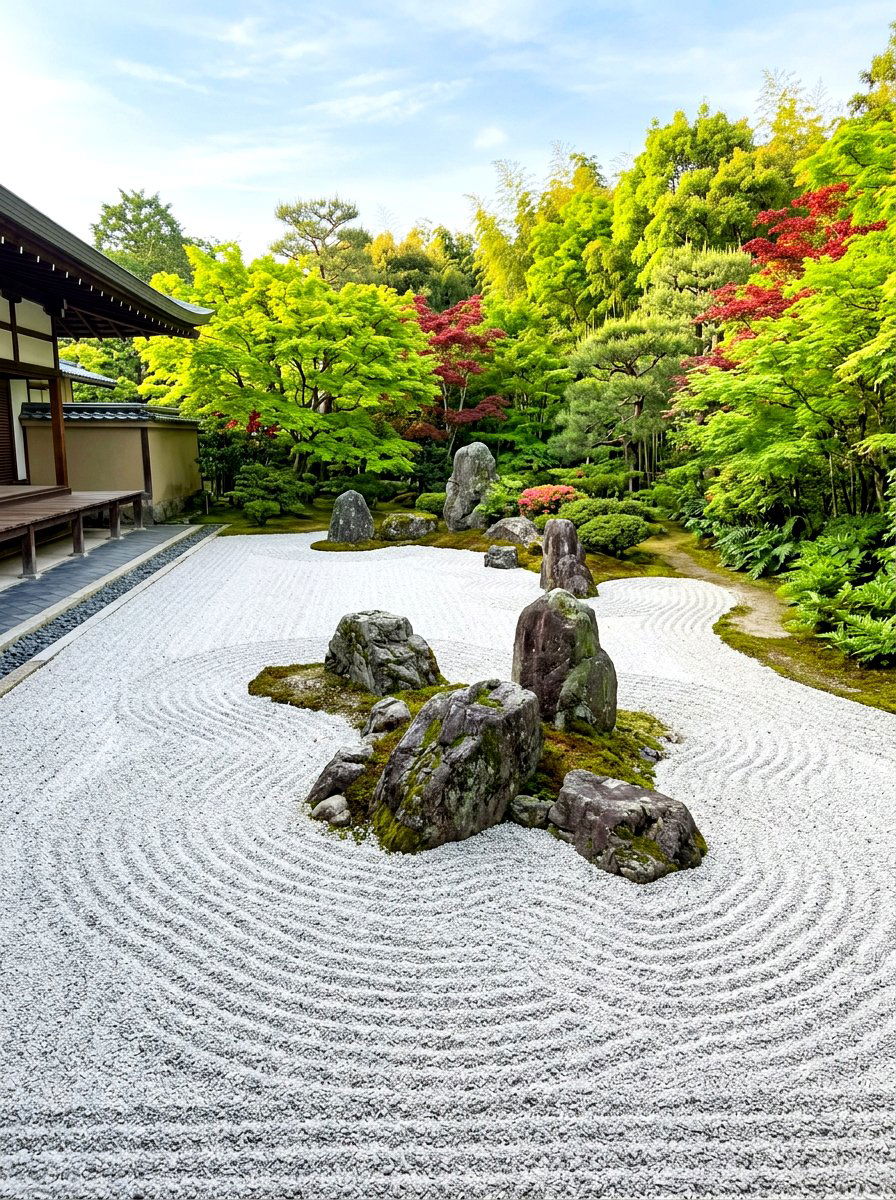
Imagine a space where silence speaks louder than words through the simple placement of rocks and sand. A Zen rock garden, or karesansui, is a dry landscape that uses raked gravel to represent the flow of water around large, stable boulders. This minimalist approach focuses on the beauty of empty space and the texture of the earth. You can create your own version by choosing a flat area and filling it with fine white or gray gravel. Adding three or five carefully selected stones will provide focal points that ground the entire design. Raking the gravel daily becomes a form of moving meditation for many homeowners.
2. Backyard Koi Pond
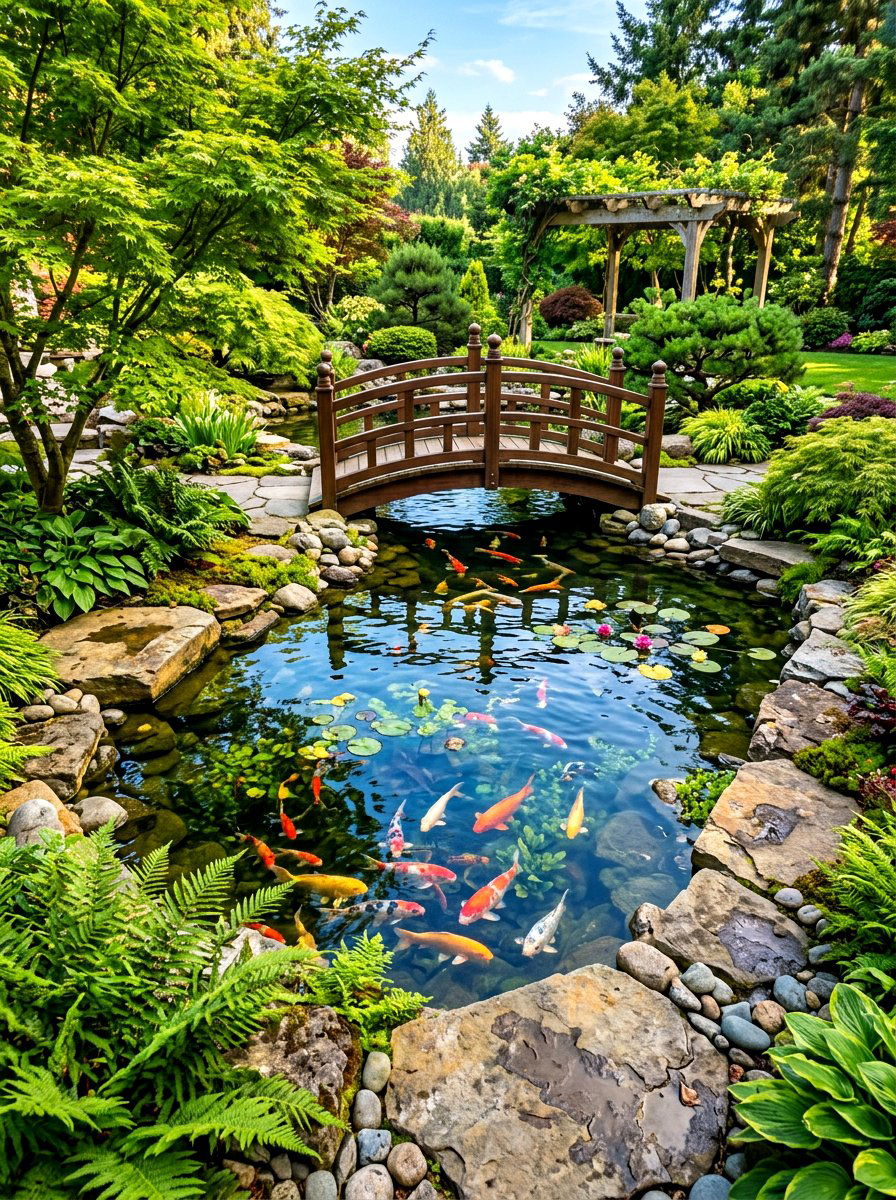
A deep pond filled with colorful koi fish brings life and movement to any outdoor space. These fish are highly valued for their vibrant patterns and graceful swimming, making them a central feature in traditional Japanese landscaping. To build a successful pond, you need to ensure proper filtration and depth so the fish can thrive throughout the seasons. Surround the edges with flat stones and low-growing plants to make the water feel like a natural part of the earth. The sound of moving water combined with the sight of swimming fish creates an incredibly relaxing atmosphere that lowers stress and anxiety.
3. Japanese Stone Lantern
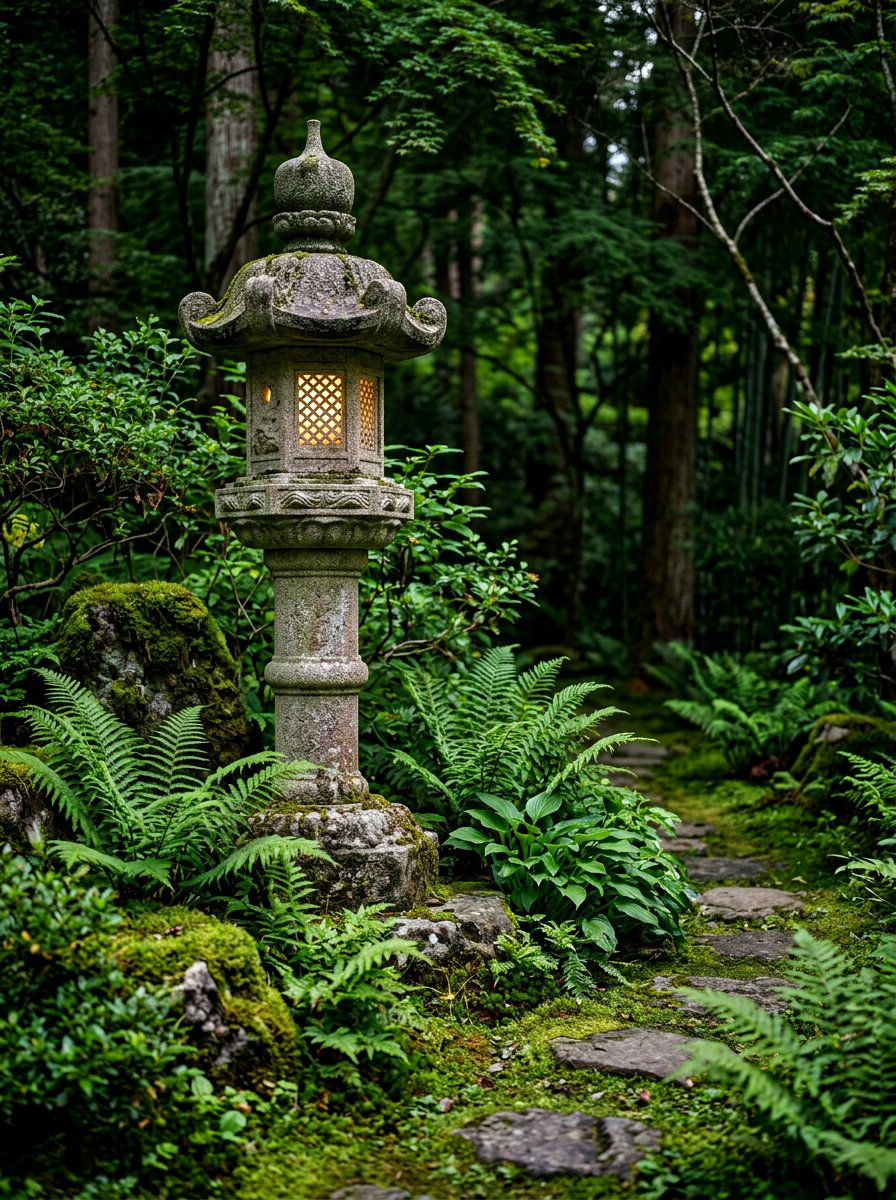
Adding a stone lantern to your garden provides an instant focal point that carries centuries of cultural history. These structures, known as doro, were originally used to light the paths to Buddhist temples during evening ceremonies. Today, they serve as elegant sculptures that look beautiful nestled among ferns or placed near a water feature. You should choose a lantern made from natural granite to ensure it weathers beautifully over time. Placing a small light inside the lantern can create a soft, warm glow that illuminates your garden paths during the night. It adds a sense of mystery and old-world charm to your landscape.
4. Bamboo Privacy Fence
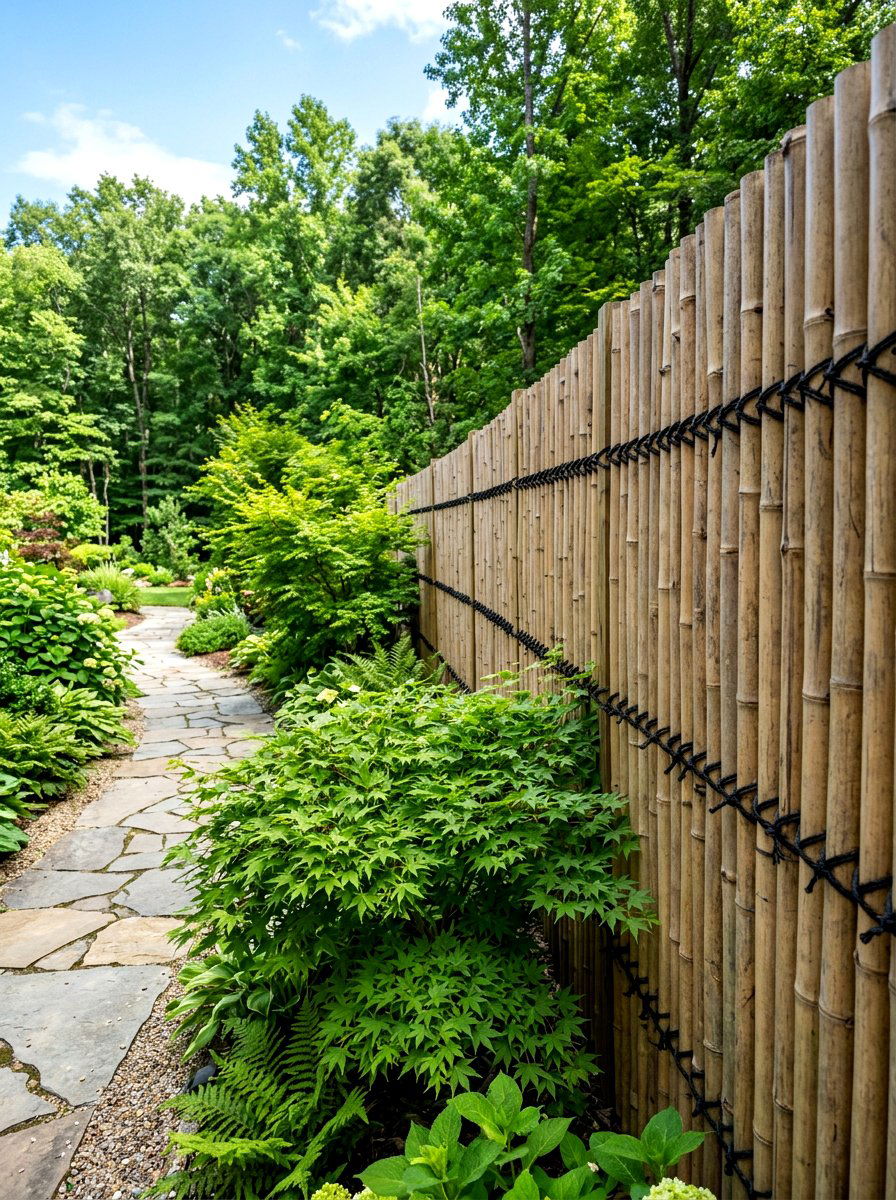
Using bamboo to create a fence or screen is an excellent way to gain privacy while maintaining a natural aesthetic. Unlike traditional wood fences, bamboo offers a unique texture and vertical lines that complement the green foliage of a Japanese-style garden. You can use dried bamboo poles tied together with black twine for an authentic look that feels both rustic and refined. This type of fencing works well to define different zones within your yard or to hide unsightly areas like trash bins. It provides a soft backdrop that allows your colorful plants and stone features to stand out more prominently.
5. Tsukubai Water Basin
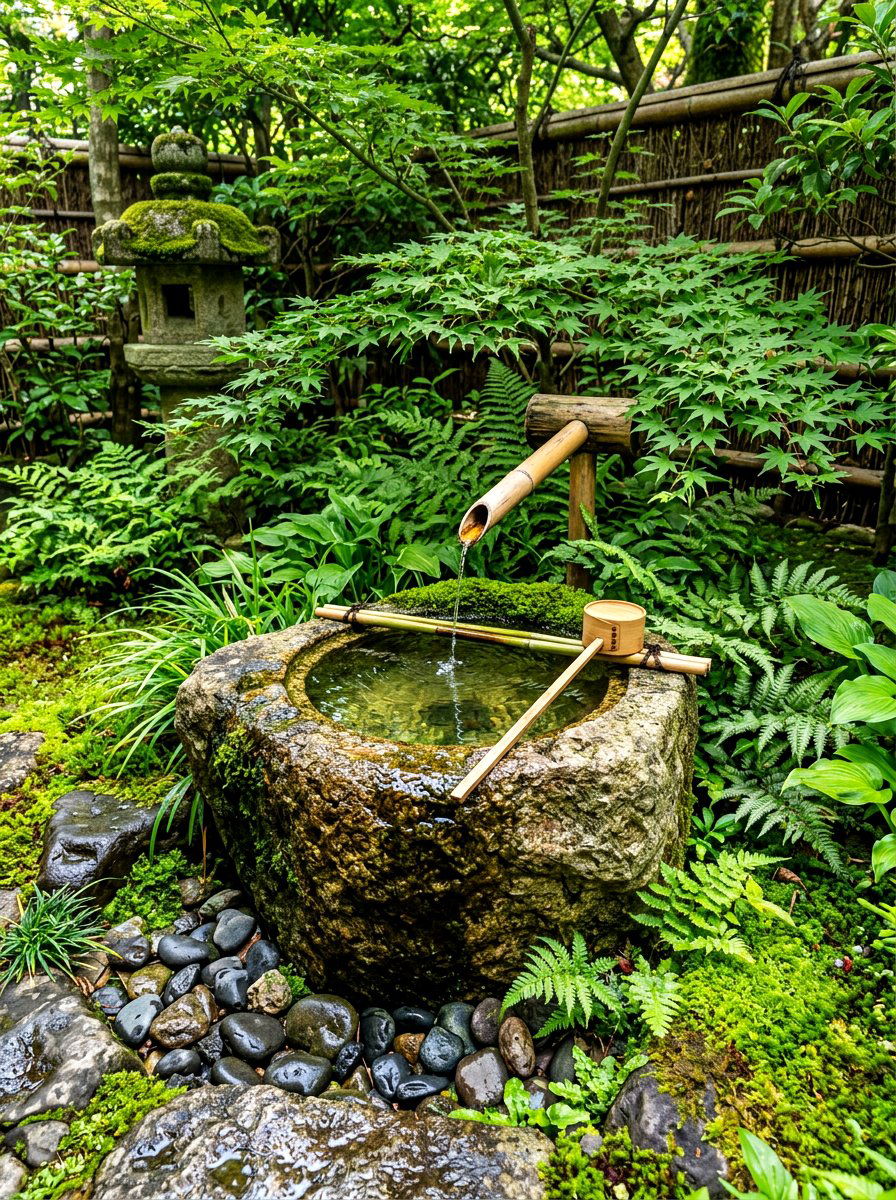
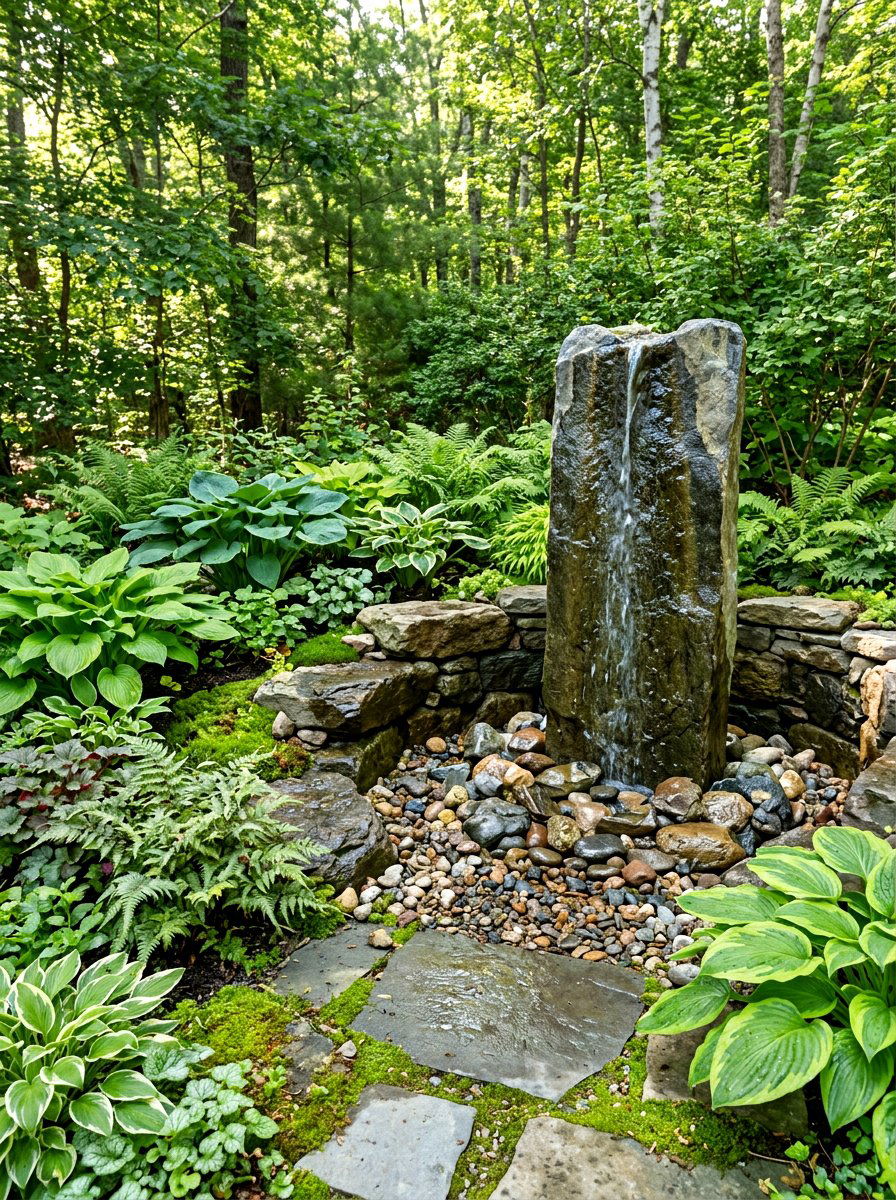
A tsukubai is a traditional wash basin used for purification before entering a tea ceremony. It typically consists of a hollowed-out stone filled with clear water and a simple bamboo ladle resting on top. You can incorporate this feature into a quiet corner of your garden to encourage a moment of reflection. The sound of water dripping slowly into the basin creates a gentle rhythm that is very soothing to the ears. Surround the base with smooth river rocks and lush green moss to enhance the natural appearance. It is a small but powerful way to bring a sense of ritual.
6. Japanese Maple Tree
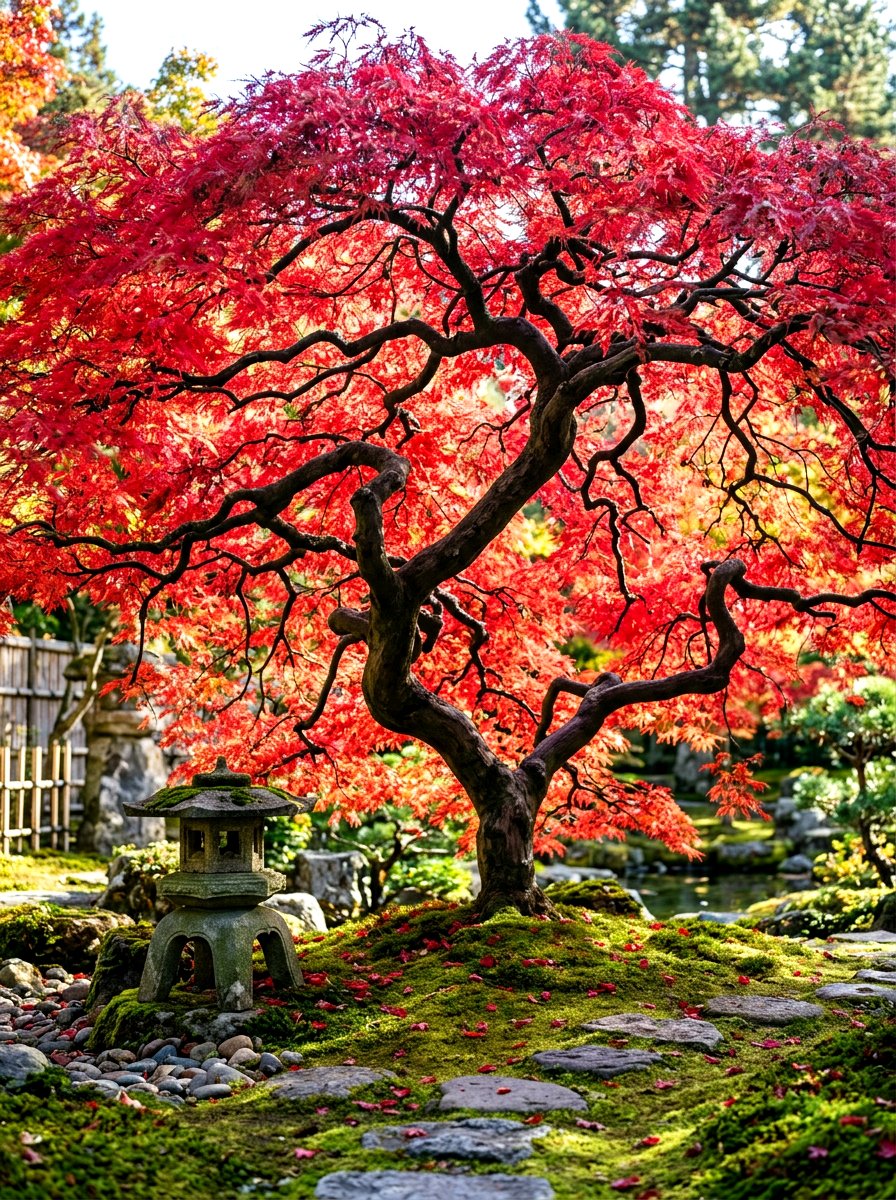
Japanese maple trees are iconic for their delicate, lacy leaves and stunning color changes throughout the year. These trees come in many varieties, ranging from deep burgundy to bright lime green, and they often turn fiery red in the autumn. Their small size makes them perfect for suburban gardens or even large pots on a patio. When planting a maple, consider placing it where the sunlight can filter through the leaves to create beautiful shadows on the ground. The graceful, spreading branches of an older maple tree provide a sculptural element that looks like a living work of art in your backyard.
7. Raked Gravel Path
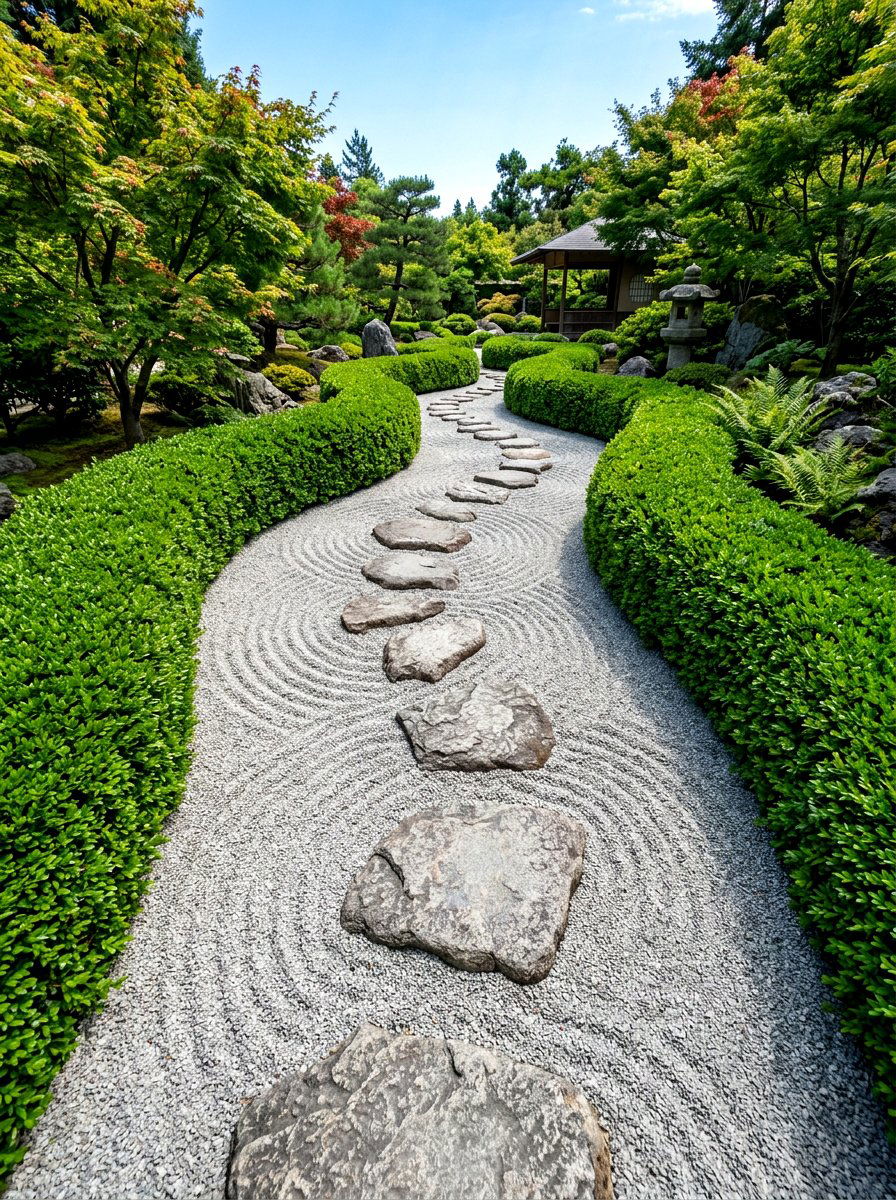
Walking through a garden should be a slow and intentional experience, and a raked gravel path helps set that pace. Using fine gravel instead of solid pavement allows the ground to breathe and creates a satisfying crunching sound under your feet. You can use a wooden rake to create swirling patterns in the gravel that mimic the movement of waves or clouds. This design choice emphasizes the importance of negative space and helps to highlight the more complex features of your garden. It is a low-maintenance option that stays looking neat and tidy with just a few minutes of care each week.
8. Natural Stepping Stones
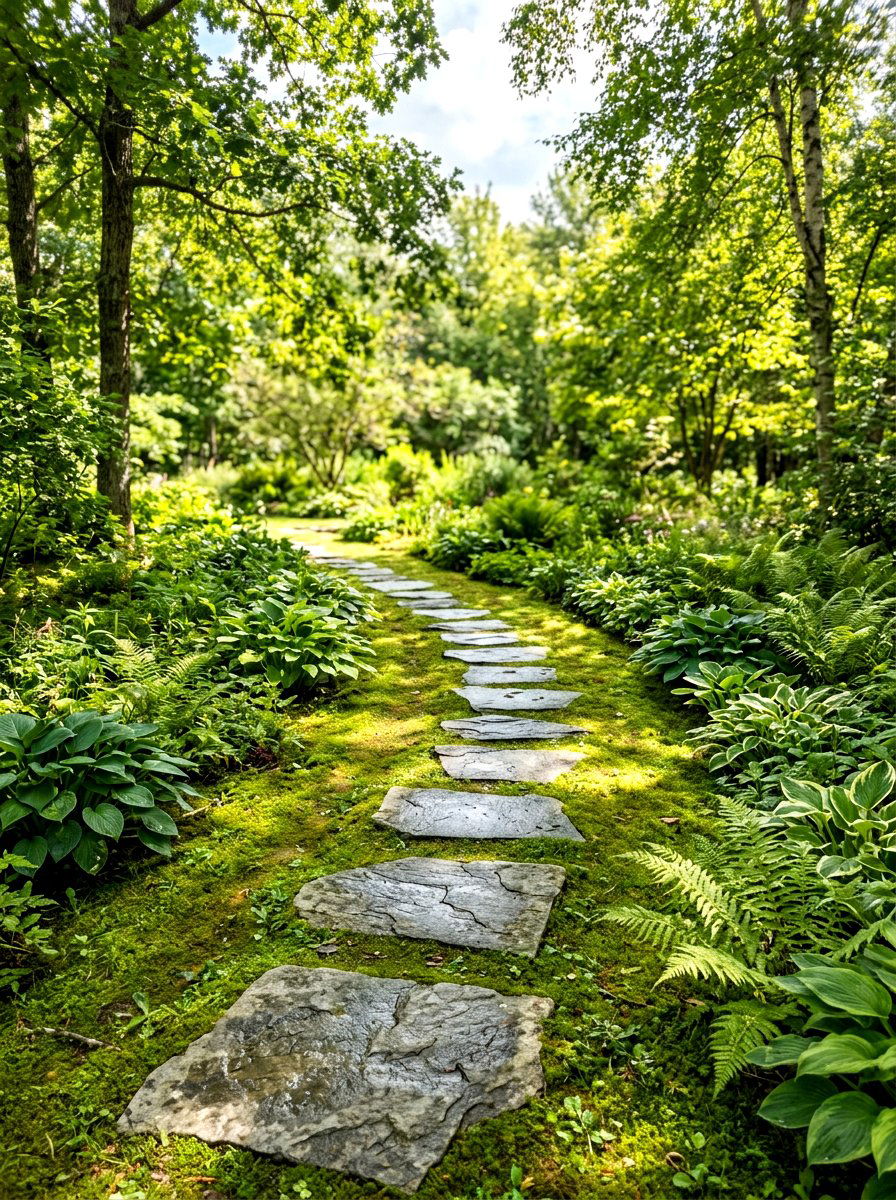
Stepping stones are a practical and beautiful way to guide visitors through your garden without disturbing the delicate ground cover. These paths, known as nobedan, are often made from irregular pieces of flat stone or rounded river rocks. The key is to place them at a comfortable walking distance while maintaining a slightly winding path to encourage exploration. By avoiding straight lines, you create a more natural and organic feel that aligns with Japanese design principles. Growing low moss or small creeping plants between the stones will help soften the edges and make the path look like it has been there for decades.
9. Moss Ground Cover
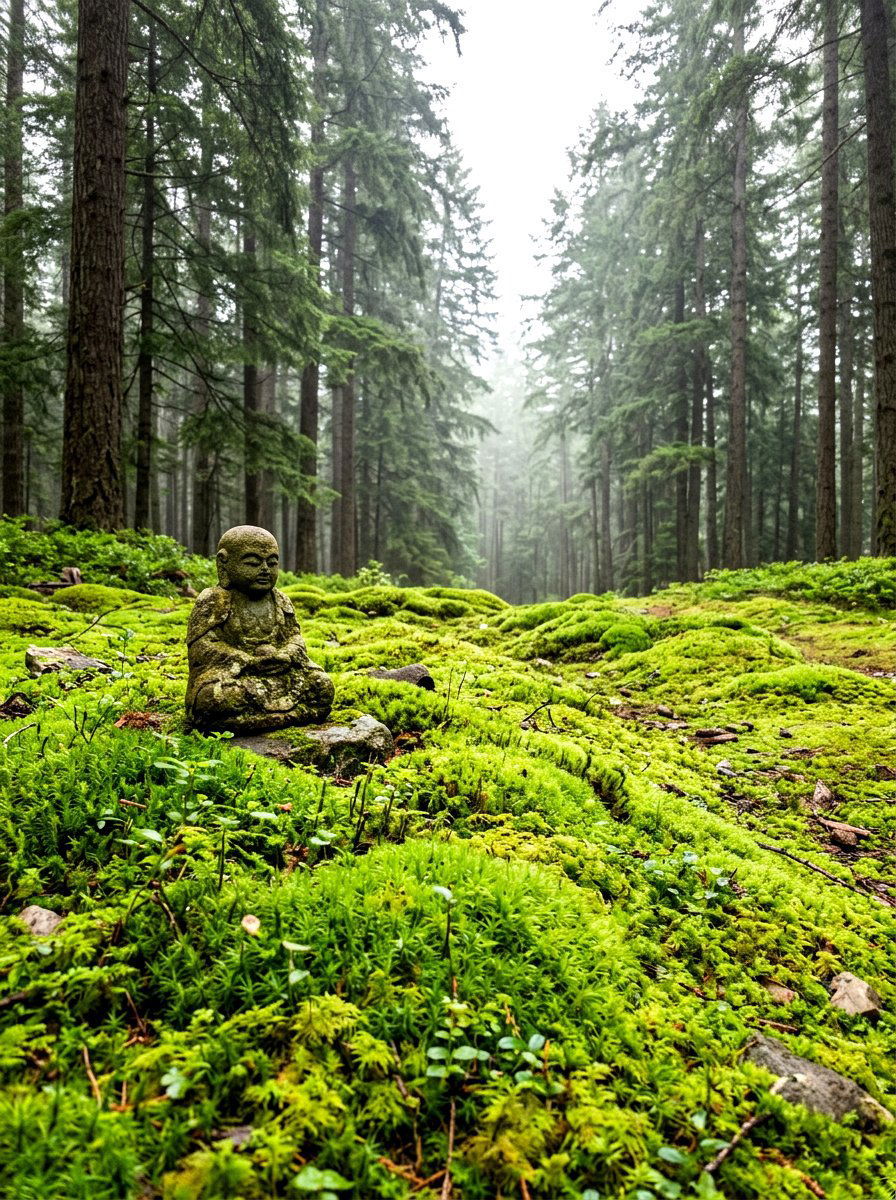
In many Japanese gardens, moss is preferred over grass because it creates a lush, velvety carpet that feels incredibly ancient. Moss thrives in damp, shaded areas where traditional lawn grass might struggle to grow. It comes in many different shades of green and provides a soft texture that contrasts beautifully with hard stone surfaces. To establish a moss garden, you need to keep the soil moist and clear of fallen leaves or debris. Over time, the moss will spread across the ground and over rocks, giving your outdoor space a magical, forest-like quality that is perfect for a peaceful and quiet backyard retreat.

10. Shishi Odoshi Fountain
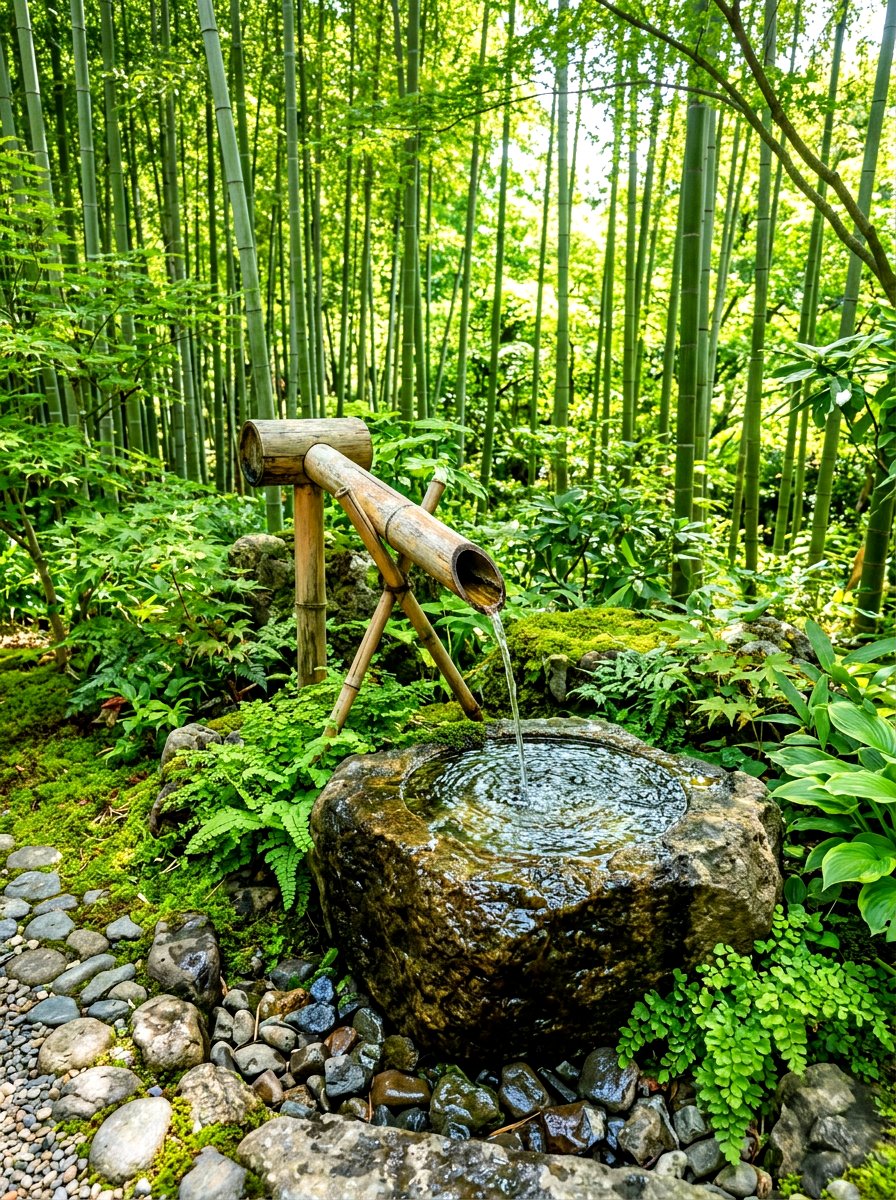
The shishi odoshi, or "deer scarer, " is a clever water feature that uses a hollow bamboo tube to create a rhythmic sound. Water flows into the top of the bamboo until it becomes heavy enough to tilt over and empty its contents. As the tube swings back, it strikes a stone, producing a sharp "clack" sound that was originally meant to frighten away animals. Today, the sound is appreciated for its ability to mark the passage of time and provide a focal point for meditation. It is a charming and interactive element that adds a unique mechanical beauty to a peaceful garden setting.
11. Outdoor Tea House
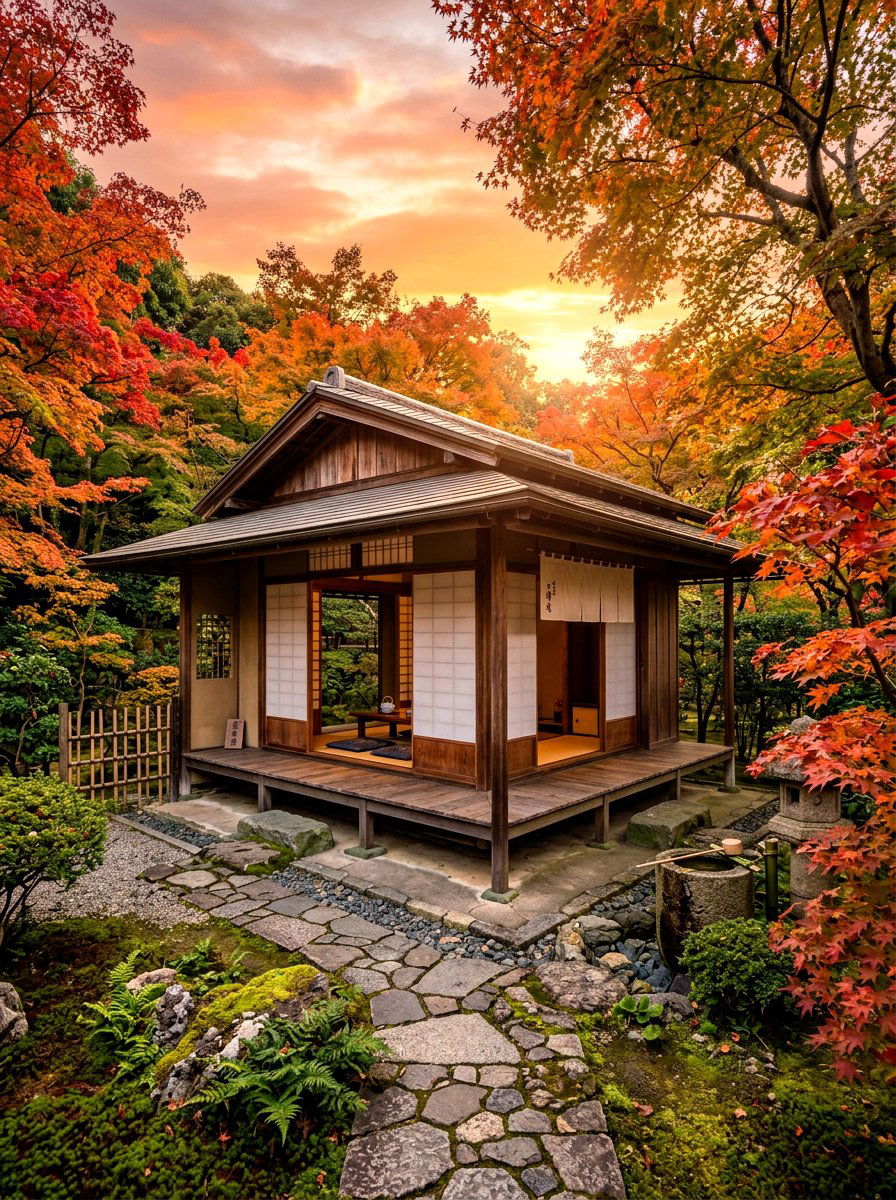
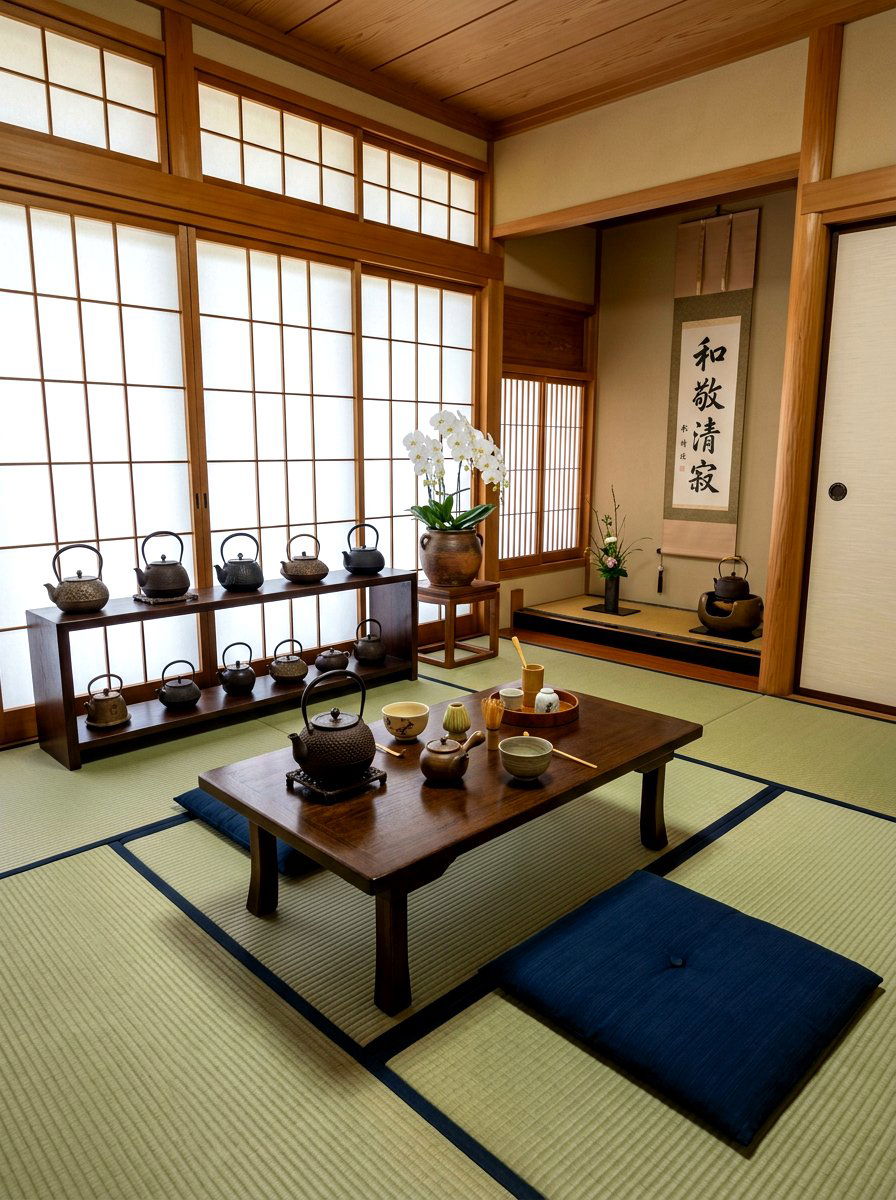
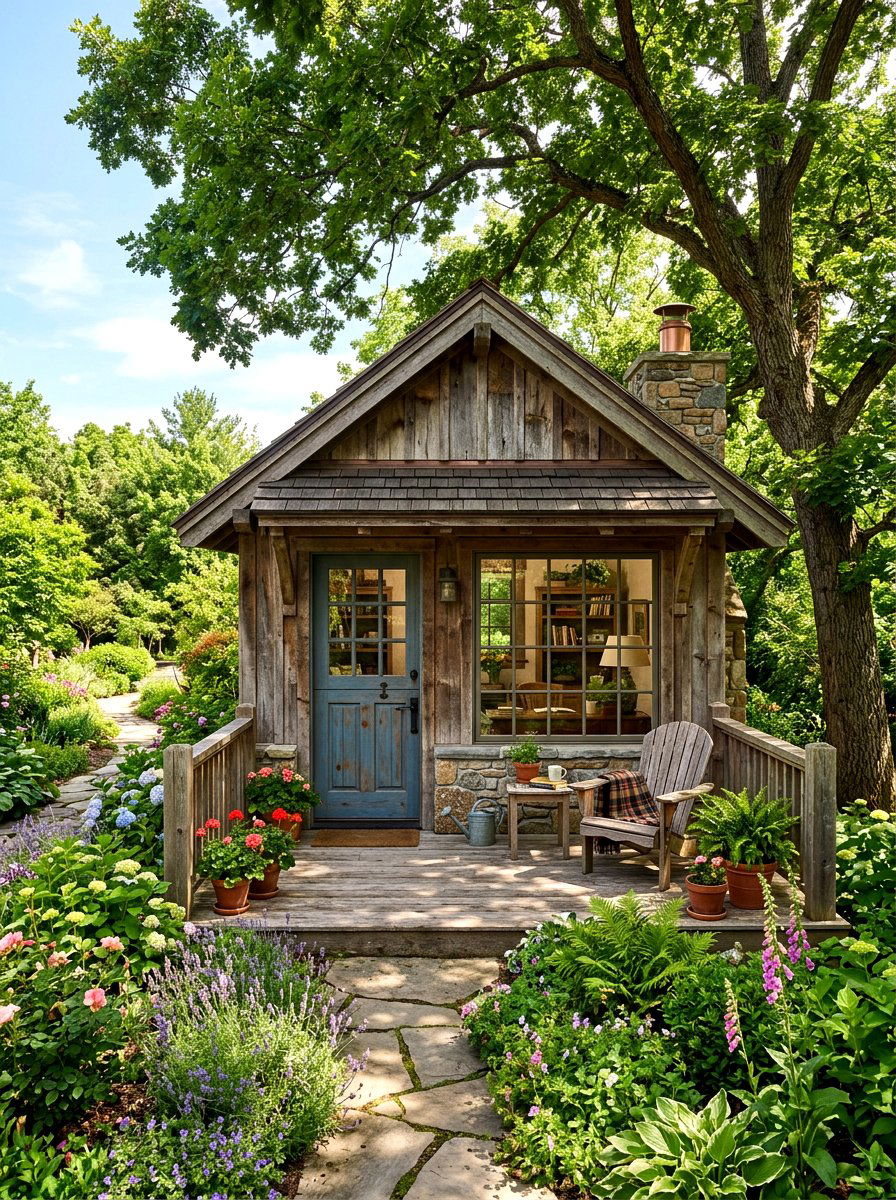
Building a small wooden structure dedicated to drinking tea or meditating can transform your backyard into a true sanctuary. A traditional tea house, or chashitsu, is characterized by its simple design, natural materials, and connection to the surrounding landscape. You can use sliding doors, or shoji, to let in soft light while maintaining a sense of privacy and enclosure. Placing the tea house at the end of a winding path creates a destination that feels far away from the distractions of daily life. It provides a sheltered space where you can enjoy the view of your garden in any type of weather condition.
12. Arched Garden Bridge
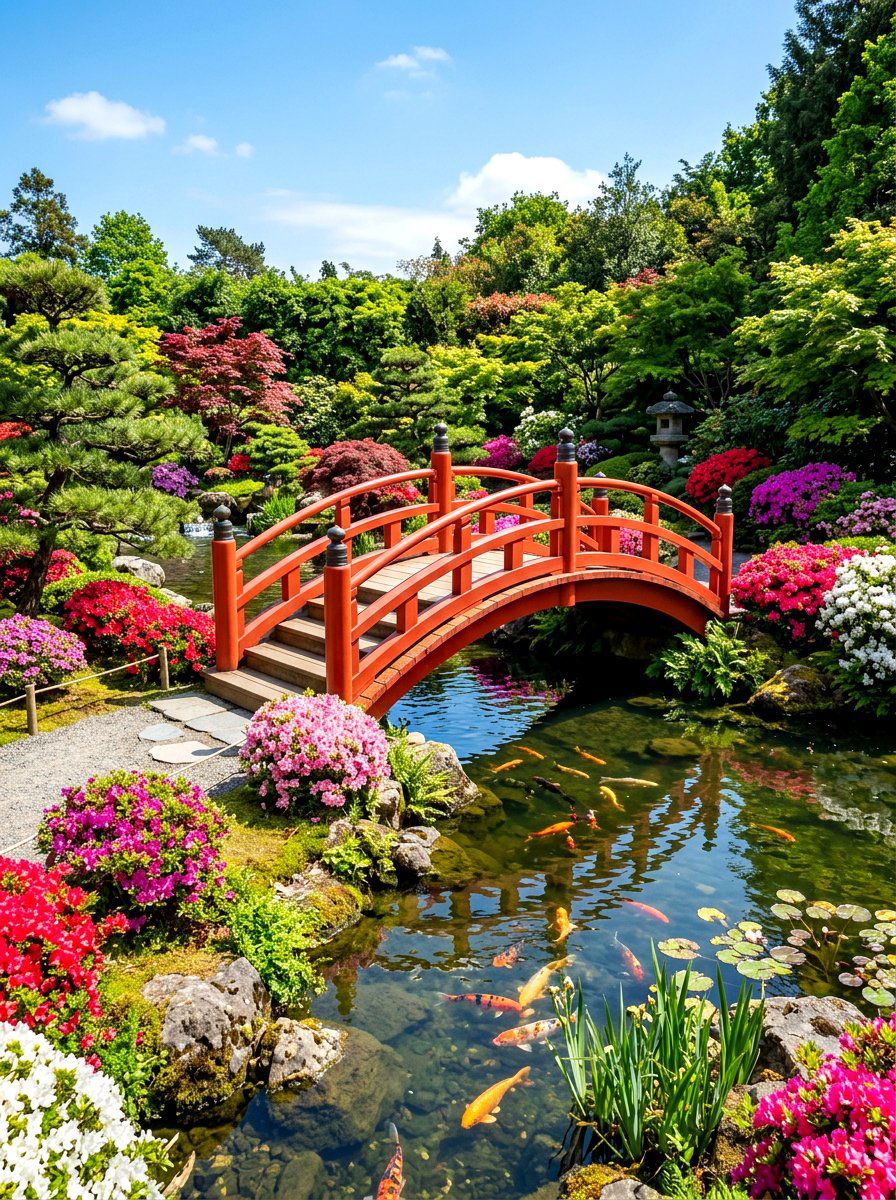
A bridge is a powerful symbol in Japanese culture, representing the transition from one state of being to another. Whether it crosses a real stream or a dry riverbed made of gravel, an arched bridge adds architectural interest and vertical height to your garden. Many people choose to paint their wooden bridges a bright red color to provide a striking contrast against the green foliage. Stone bridges offer a more subtle and permanent look that blends seamlessly into the landscape. Crossing a bridge forces you to slow down and look at the water or stones below, helping you to stay present in the current moment.
13. Stone Pagoda Statue
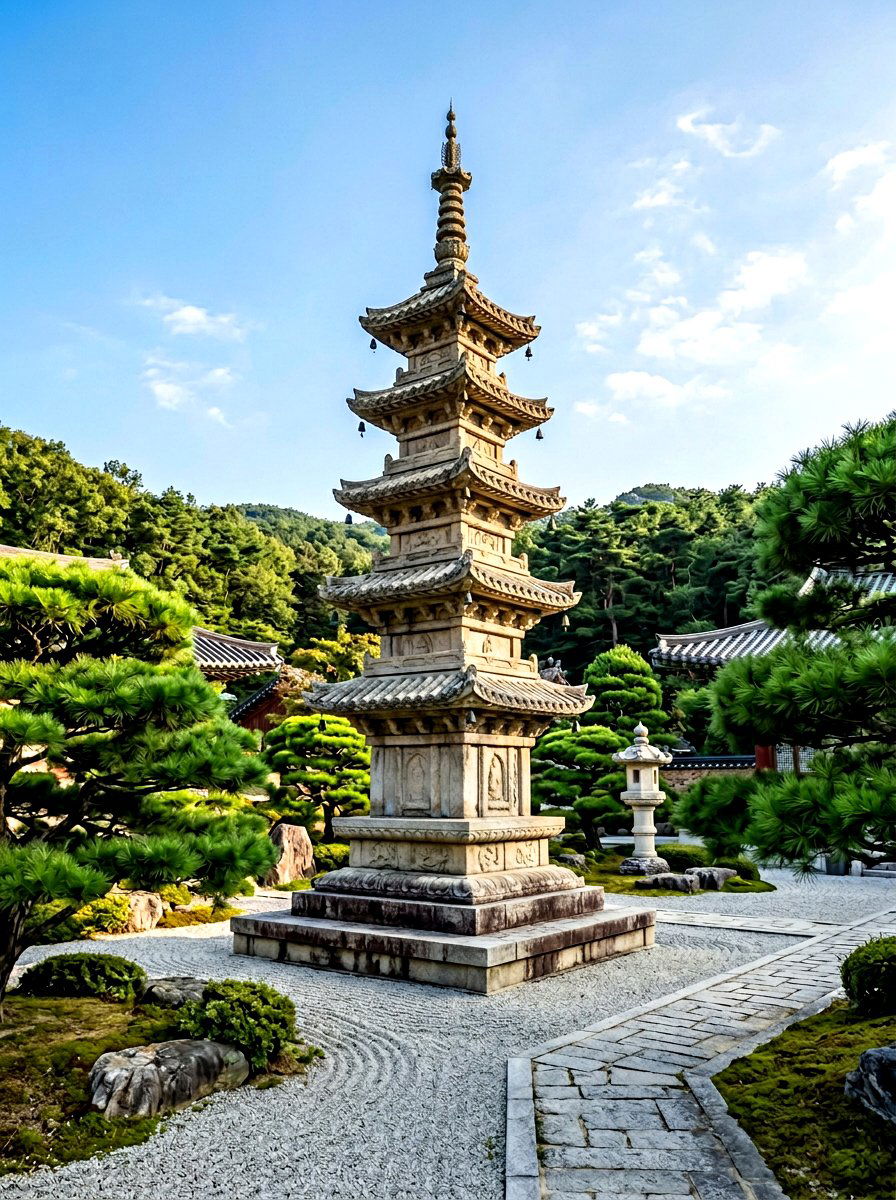
Pagodas are multi-tiered towers that add a sense of verticality and spiritual depth to an outdoor space. In a garden setting, these are usually represented by stone statues that mimic the architecture of larger temples. You can find pagodas with three, five, or even seven tiers, each representing different elements of the universe. Placing a pagoda near a tall evergreen tree or a waterfall creates a balanced composition that draws the eye upward. These stone structures are incredibly durable and will develop a beautiful patina of moss and lichen over time. They serve as timeless reminders of the connection between man, nature, and the divine.
14. Karesansui Dry Landscape
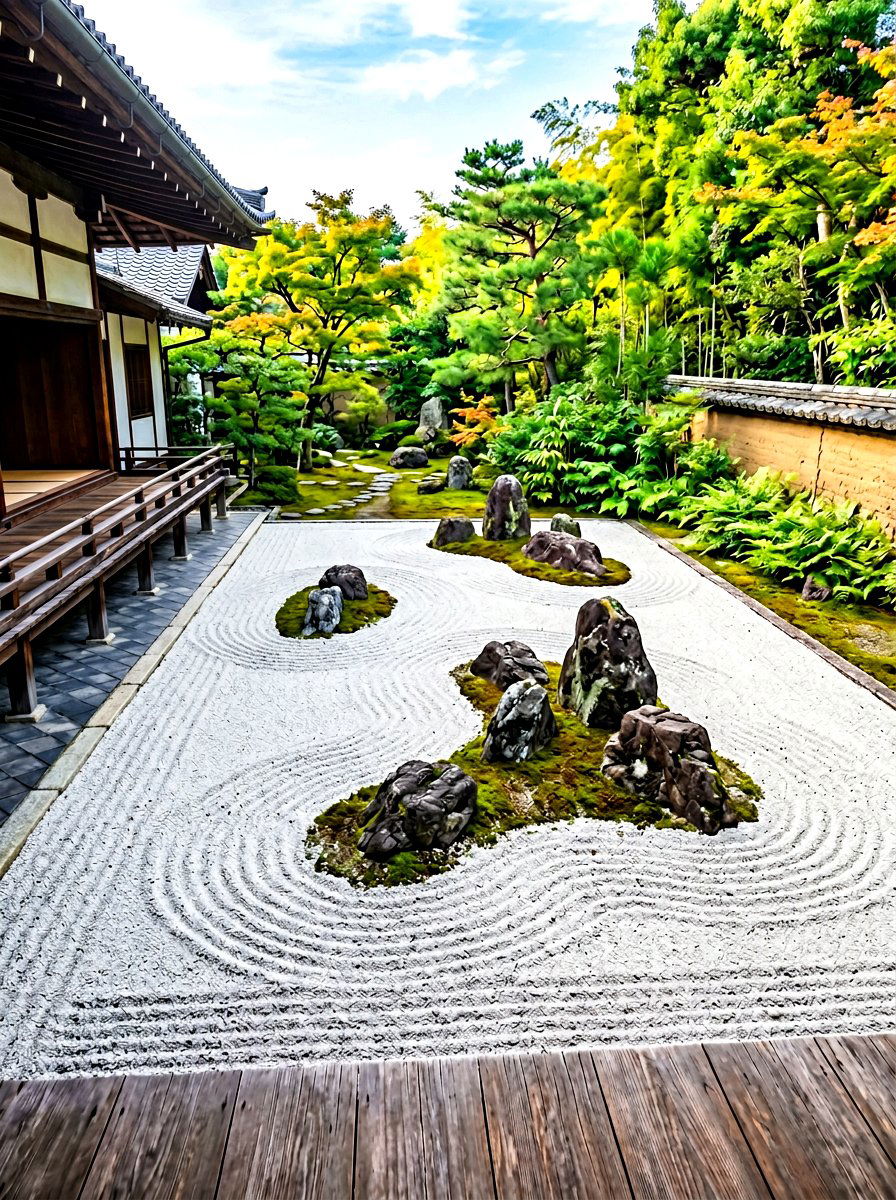
A karesansui garden is a sophisticated form of landscaping that uses no water at all, relying instead on sand and rocks to tell a story. This style is often found in Zen monasteries where it serves as a tool for deep contemplation and spiritual focus. You can recreate this look by using a wooden frame to contain a bed of light-colored sand. Large, weathered rocks are placed in groups to represent islands or mountains emerging from a sea of clouds. The act of raking patterns into the sand is a peaceful task that helps clear the mind and encourages a sense of inner calm and clarity.
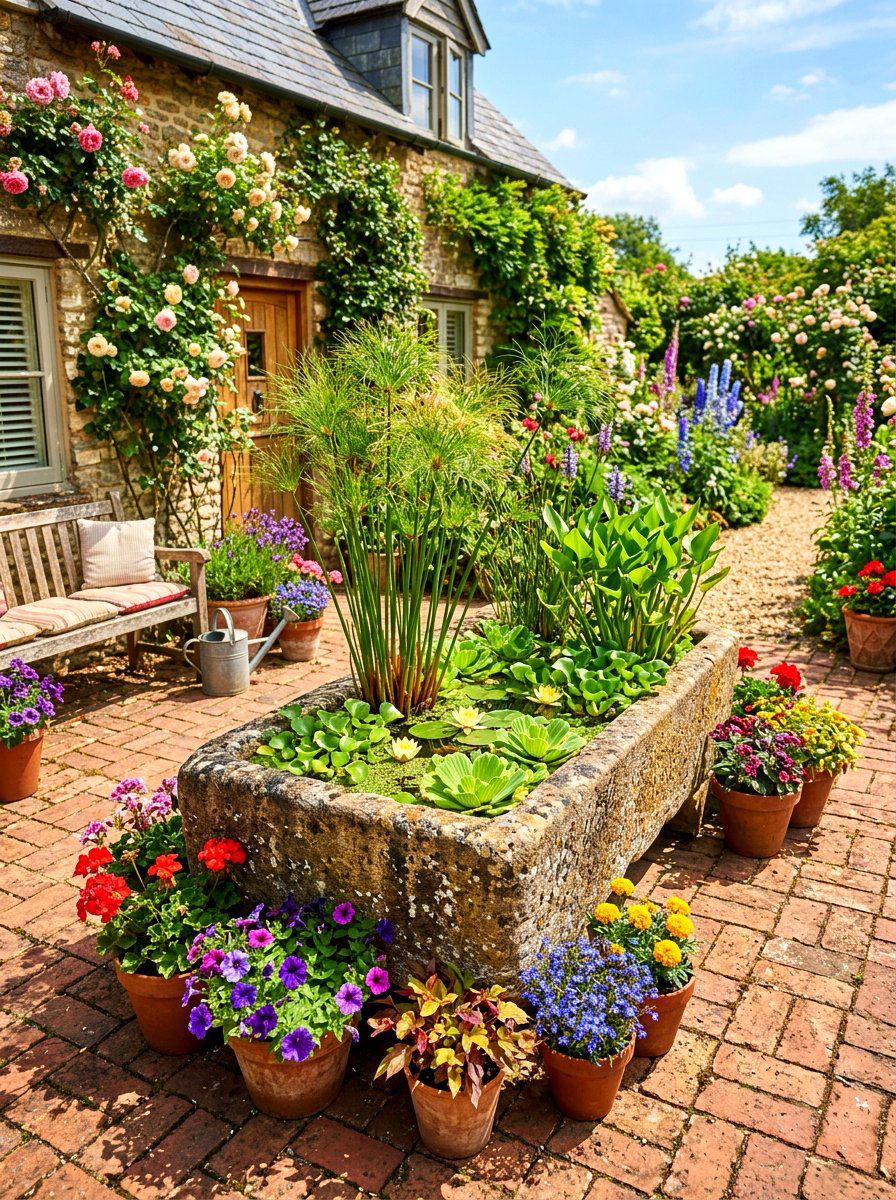
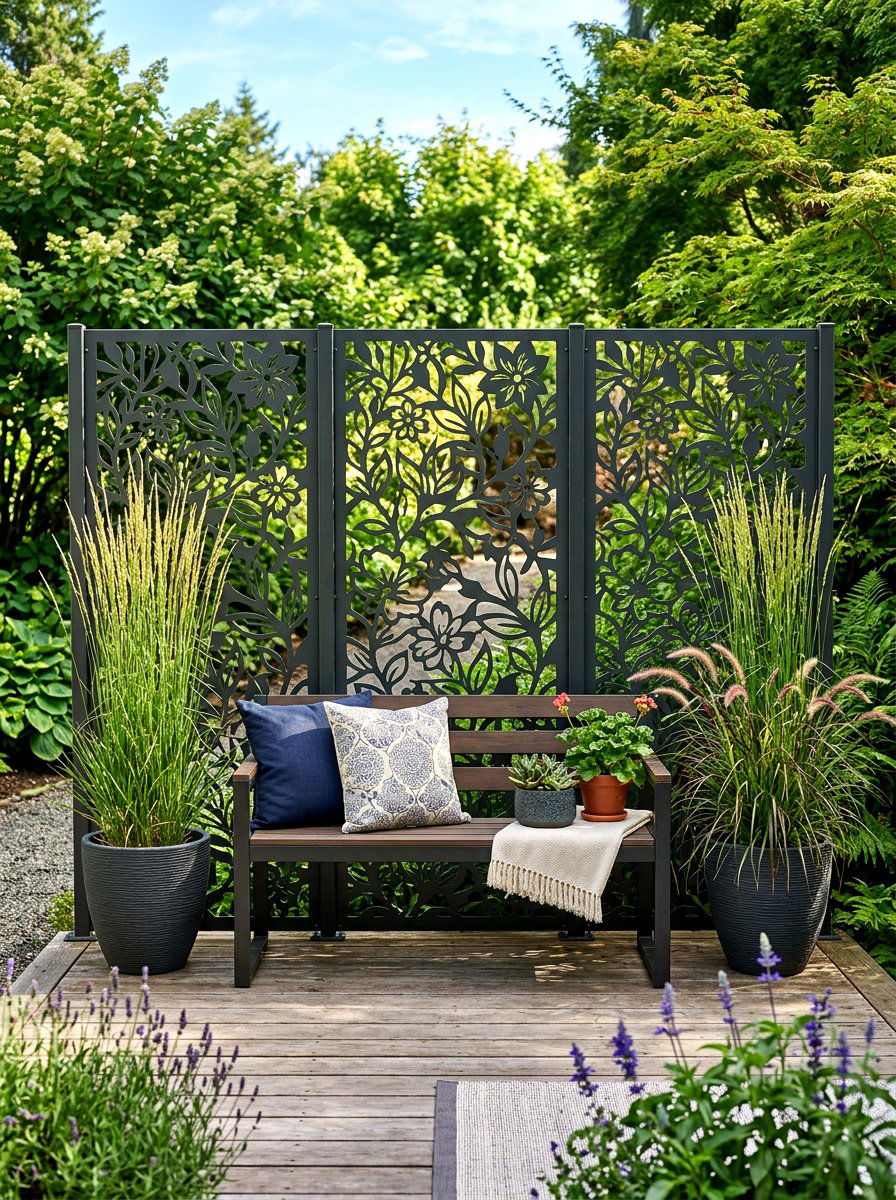


15. Bonsai Tree Display
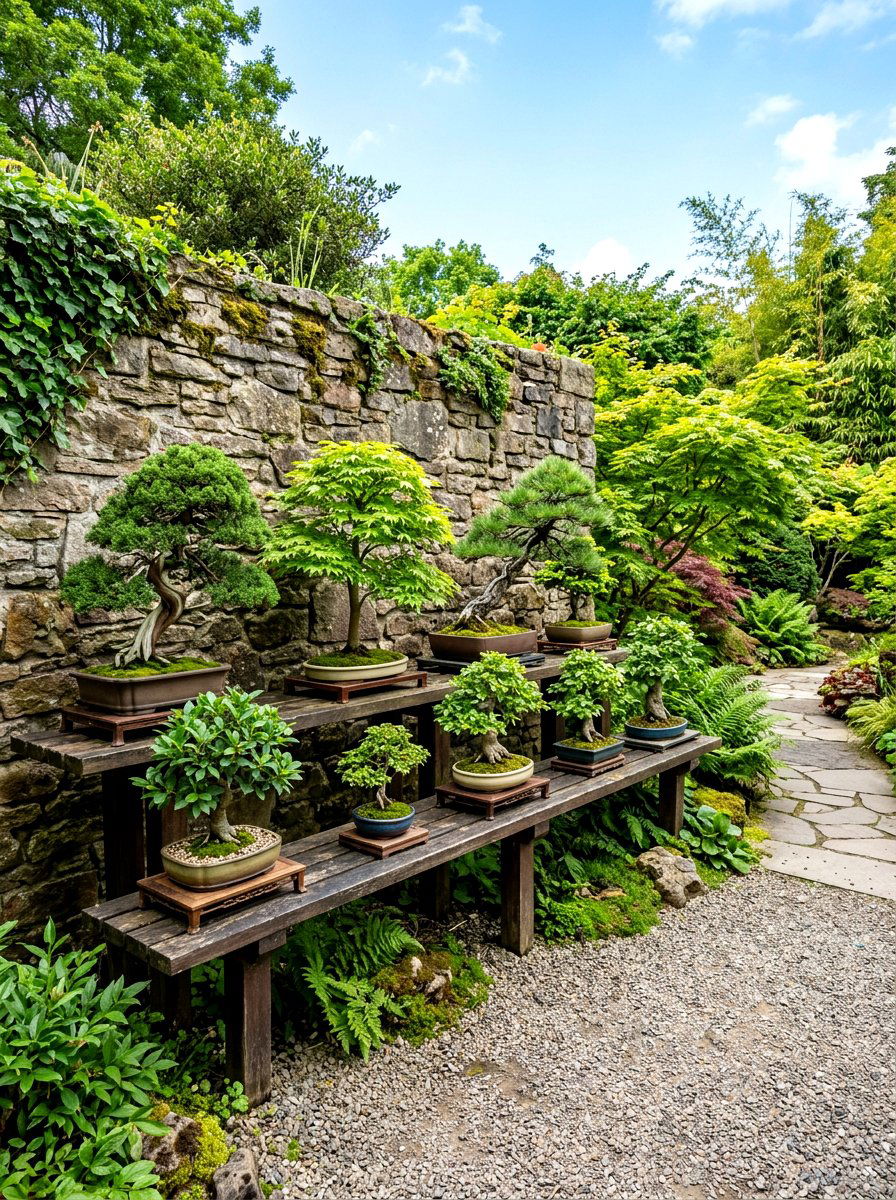
Bonsai is the ancient art of growing miniature trees in small containers through careful pruning and training. Displaying a collection of bonsai trees in your garden adds a level of detail and craftsmanship that is truly impressive. You can build a simple wooden bench or shelf to hold the pots at eye level so visitors can appreciate the intricate shapes of the trunks and branches. Each bonsai tells a story of patience and time, mimicking the form of ancient trees found in the wild. Integrating these miniature masterpieces into your larger garden design creates a fascinating contrast in scale that delights the human eye.
16. Tsuboniwa Courtyard Garden
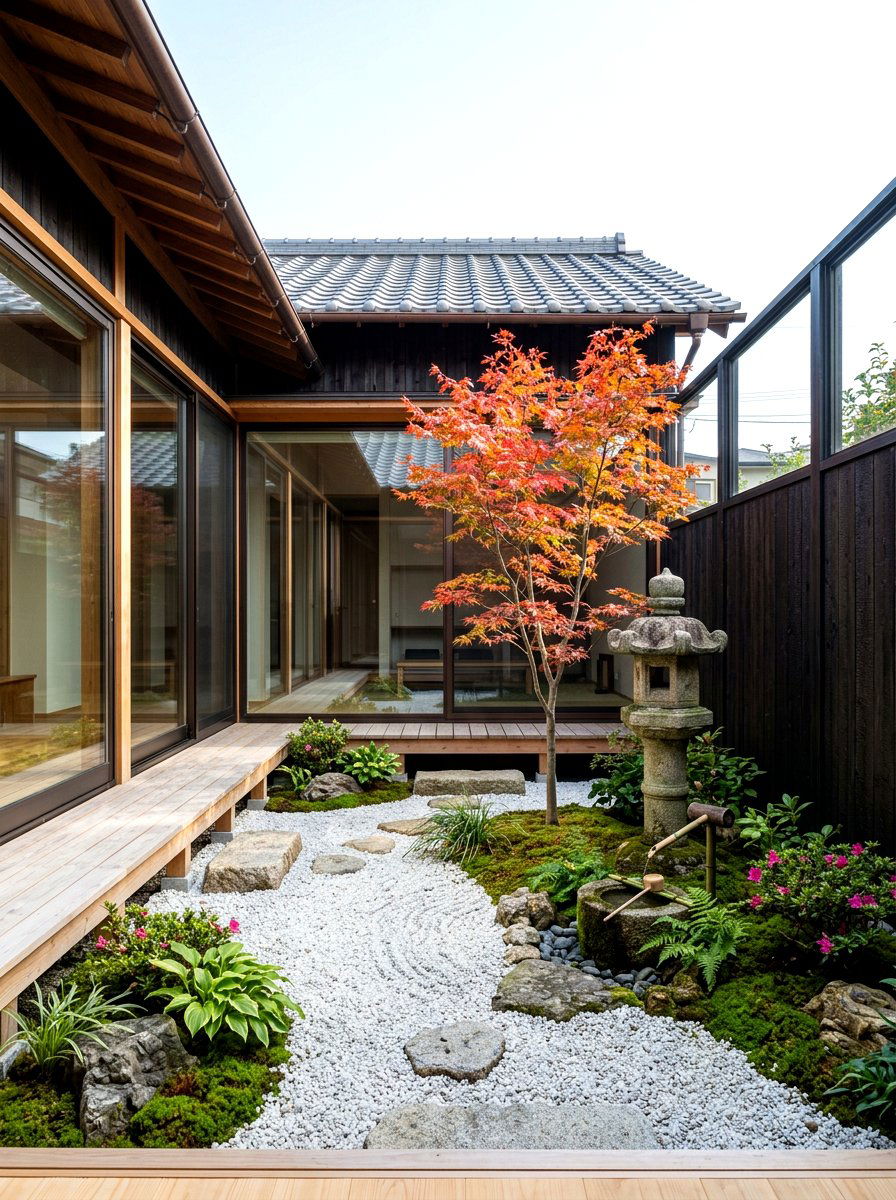
A tsuboniwa is a tiny garden squeezed into a small courtyard or enclosed space, often seen in traditional Japanese townhouses. These gardens prove that you don't need a massive yard to create a peaceful environment. By using just a few essential elements, like a single stone lantern, a small water basin, and one or two shade-loving plants, you can turn a dark corner into a beautiful view. Using glass walls or large windows allows the garden to become a living painting that you can enjoy from inside your home. It is a perfect solution for urban dwellers who want to stay connected to the natural world.
17. Bamboo Spout Water Feature
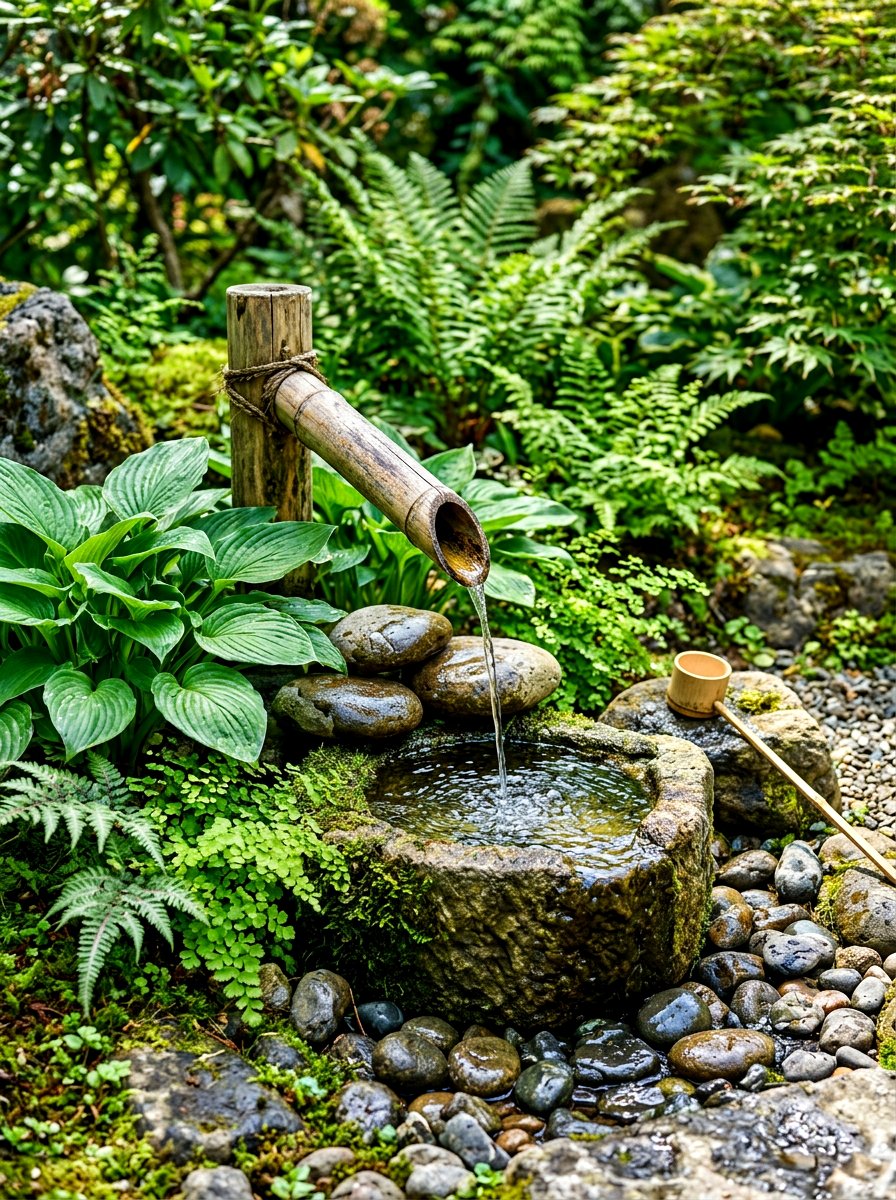
A simple bamboo spout, known as a kakei, is an elegant way to bring the soothing sound of running water into your garden. Water is pumped through a bamboo tube and falls into a stone basin or a small pond below. This feature is easy to install and can be adjusted to create a gentle trickle or a steady stream depending on your preference. The combination of natural bamboo and stone creates a rustic look that fits perfectly with a minimalist or Zen aesthetic. It attracts birds and butterflies to your yard, adding even more life and interest to your private outdoor sanctuary every single day.
18. Wisteria Garden Trellis
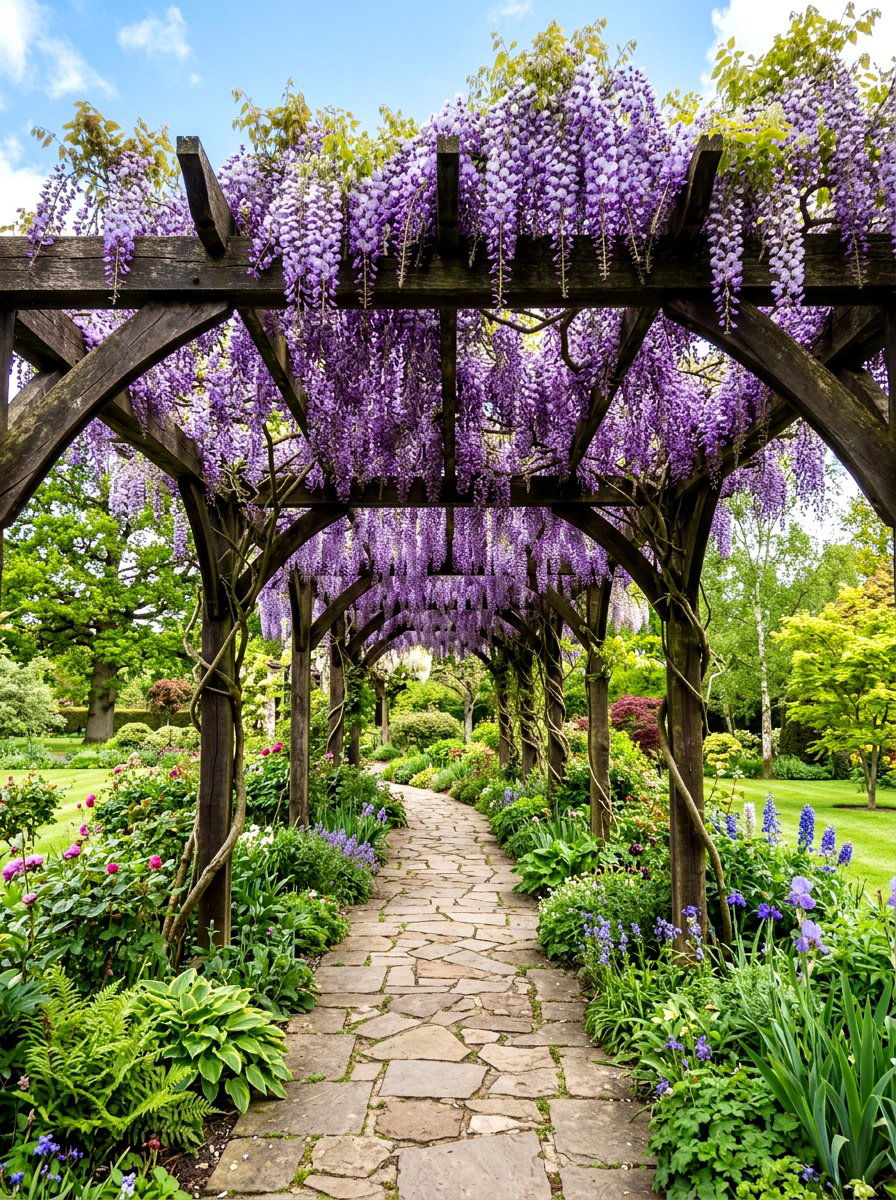
Wisteria is a climbing vine known for its long, cascading clusters of fragrant purple or white flowers. Training wisteria to grow over a wooden trellis or pergola creates a stunning overhead canopy that provides shade and beauty during the spring months. In Japan, wisteria is celebrated for its elegance and longevity, with some vines living for over a hundred years. The twisted, woody stems of the vine provide winter interest even after the leaves have fallen away. Walking under a blooming wisteria trellis is a sensory experience that fills the air with a sweet scent and surrounds you with a curtain of beautiful hanging blossoms.
19. Japanese Black Pine
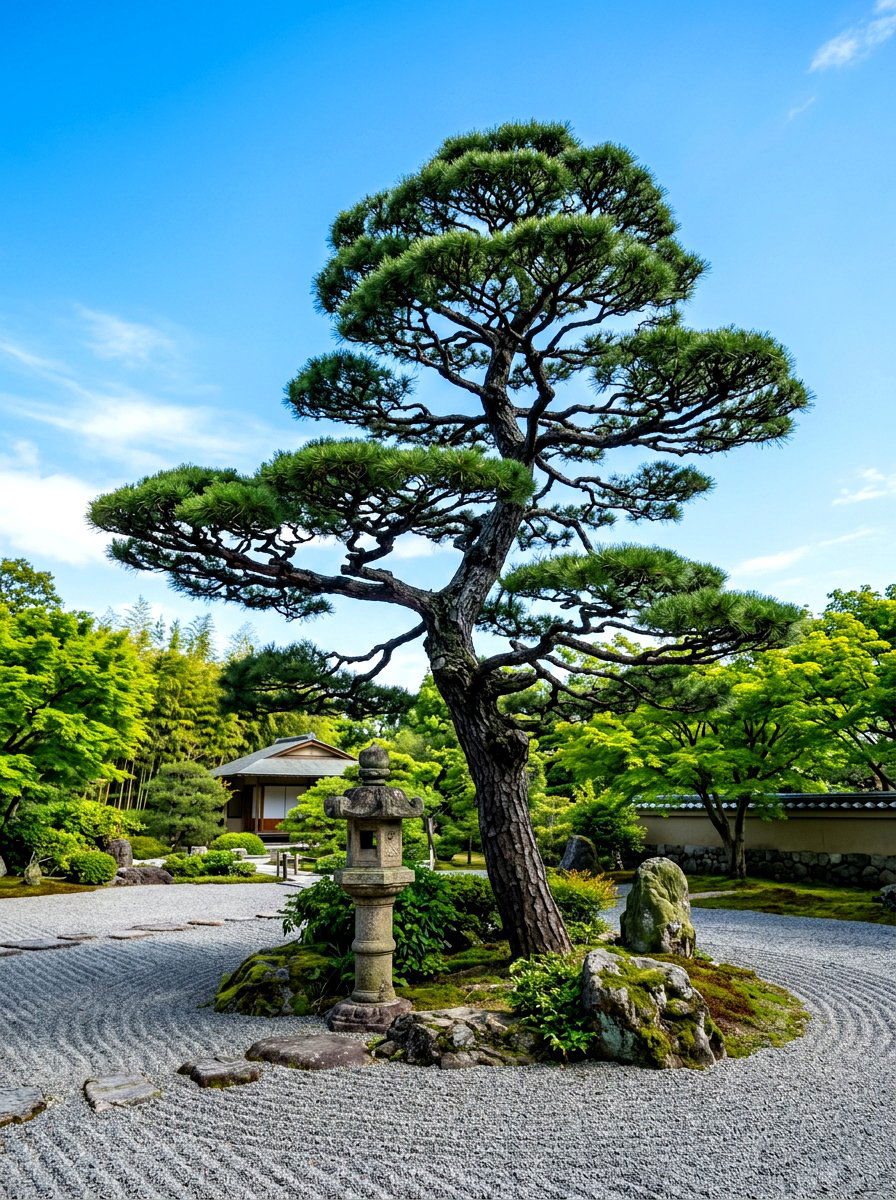
The Japanese black pine, or Pinus thunbergii, is a rugged and sculptural evergreen that forms the backbone of many traditional gardens. These trees are prized for their thick, dark needles and their ability to be pruned into dramatic, wind-swept shapes. Through a process called niwaki, gardeners carefully guide the growth of the branches to create a sense of age and character. A well-maintained pine tree can look like a giant bonsai, standing as a symbol of strength and endurance. Placing a black pine near a rock arrangement or a pond creates a classic look that remains green and vibrant throughout the entire winter.

20. Flowering Azalea Bush
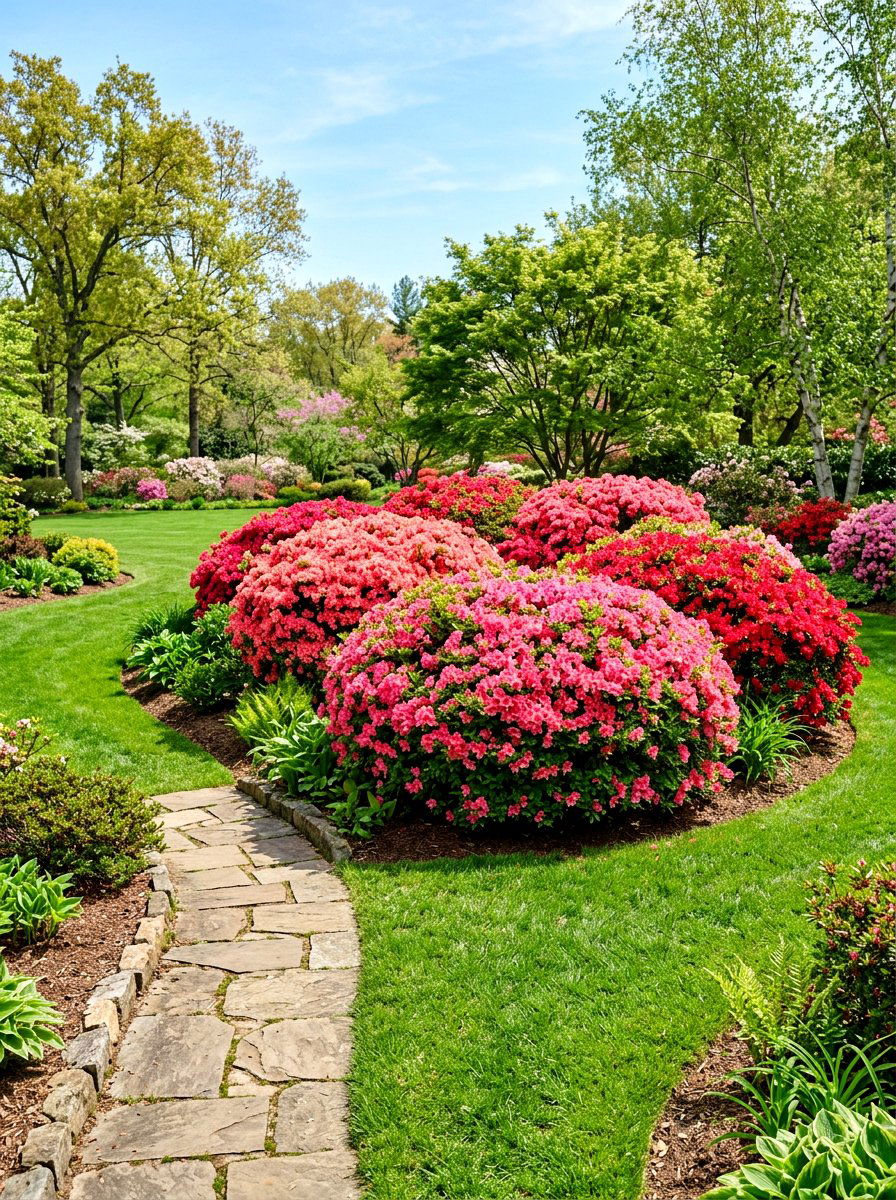
Azaleas are widely used in Japanese landscaping because they can be easily pruned into neat, rounded mounds that resemble green hills. During the spring, these bushes explode with vibrant flowers in shades of pink, red, and white, creating a spectacular display of color. Even when they are not in bloom, the dense green foliage provides a structural element that helps define the edges of your garden beds. Planting several azaleas of different sizes can create a sense of depth and perspective in a small space. They are hardy plants that require relatively little maintenance once they are established in a partially shaded location.
21. Zen Sand Pattern
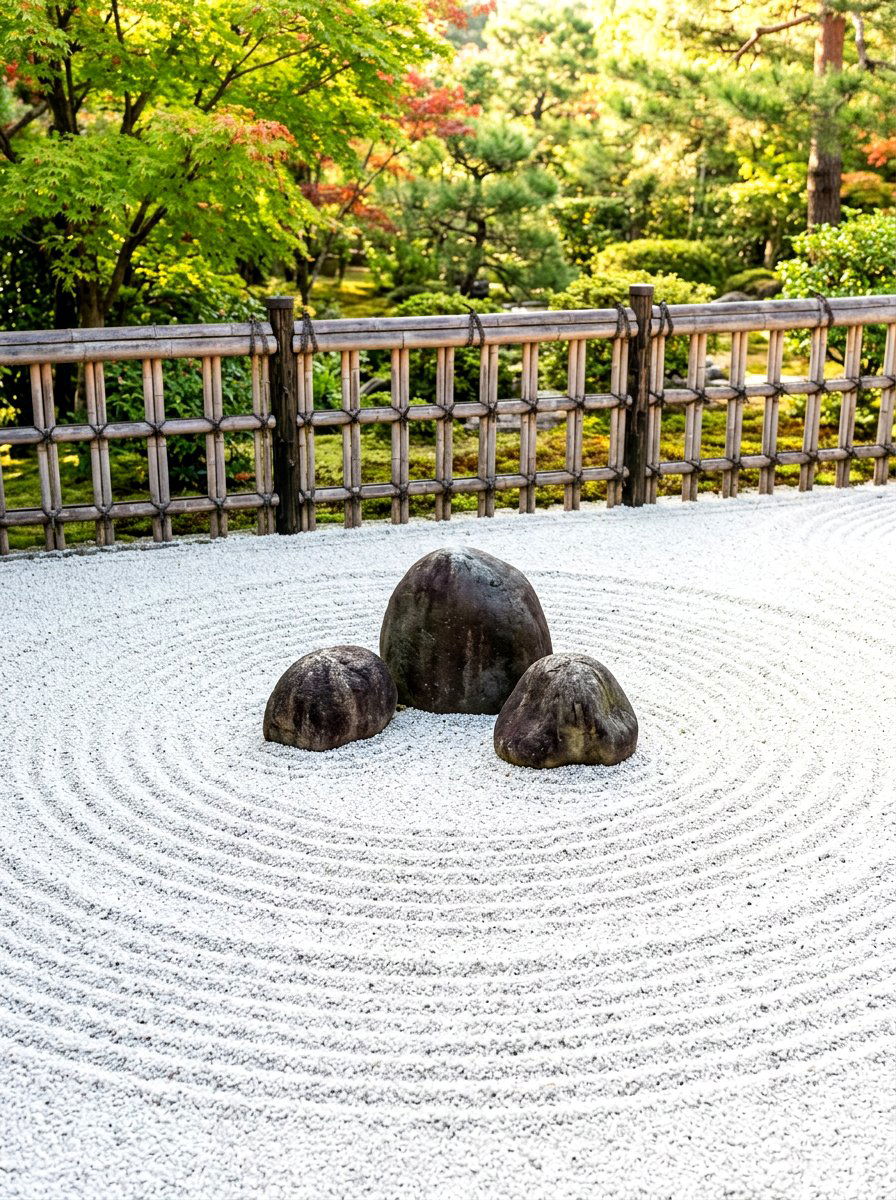
The art of raking sand into precise patterns is one of the most recognizable features of a Japanese Zen garden. These designs are not permanent; they are meant to be changed and recreated as a form of meditation and mindfulness. You can use a wooden rake with wide teeth to create long, straight lines or concentric circles around stones. These patterns represent the ripples of water around an island or the movement of energy through the universe. The clean, crisp lines provide a visual rest for the eyes and help to organize the space. It is a beautiful way to practice being present in the moment.
22. Cobblestone Garden Path
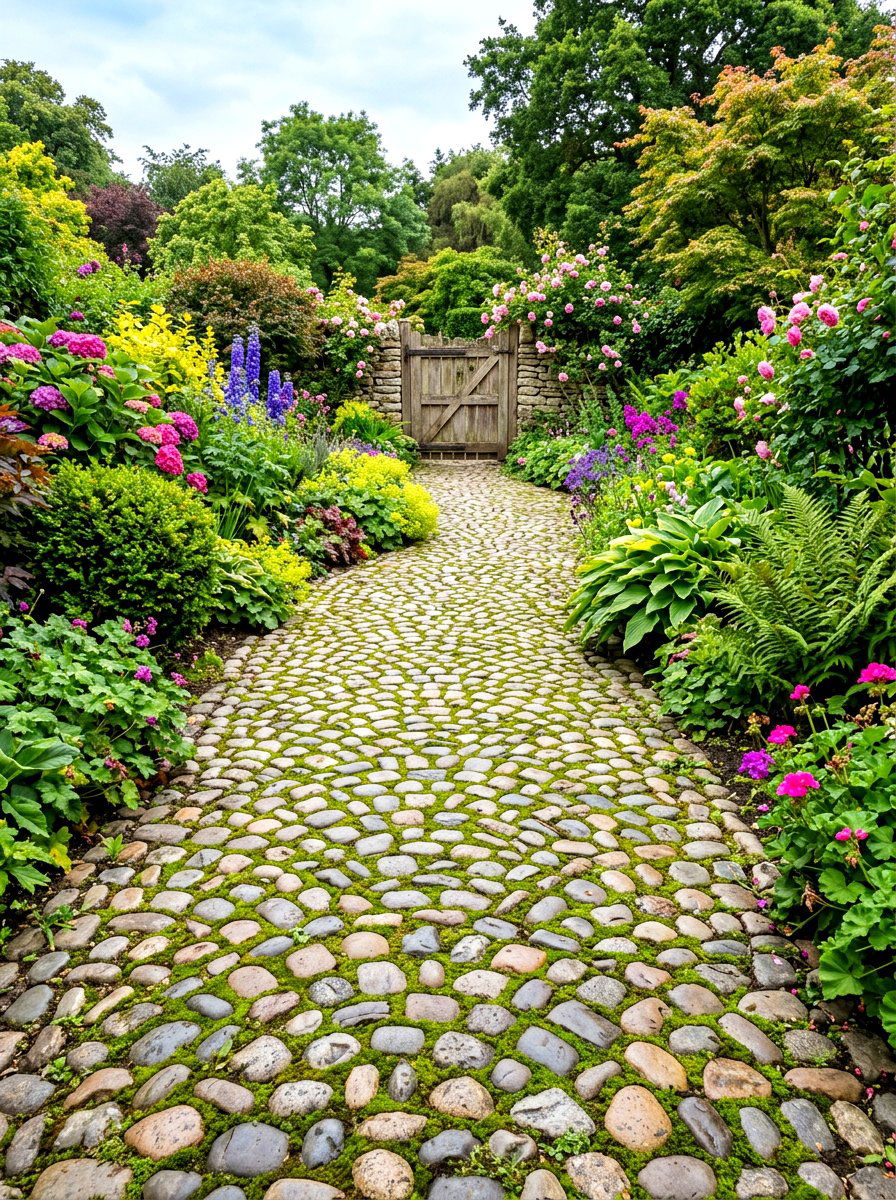
For a more rustic and durable walkway, a cobblestone path made of rounded river rocks is a fantastic choice. These paths feel very grounded and look like they have been carved out by a natural stream over many years. You can arrange the stones in a random mosaic pattern or create more formal designs using stones of different colors. Cobblestones are excellent for areas with high foot traffic because they are stable and easy to walk on. Filling the gaps between the stones with fine sand or moss will help lock them in place and give the path a finished, professional look that enhances your garden.
23. Decorative Torii Gate
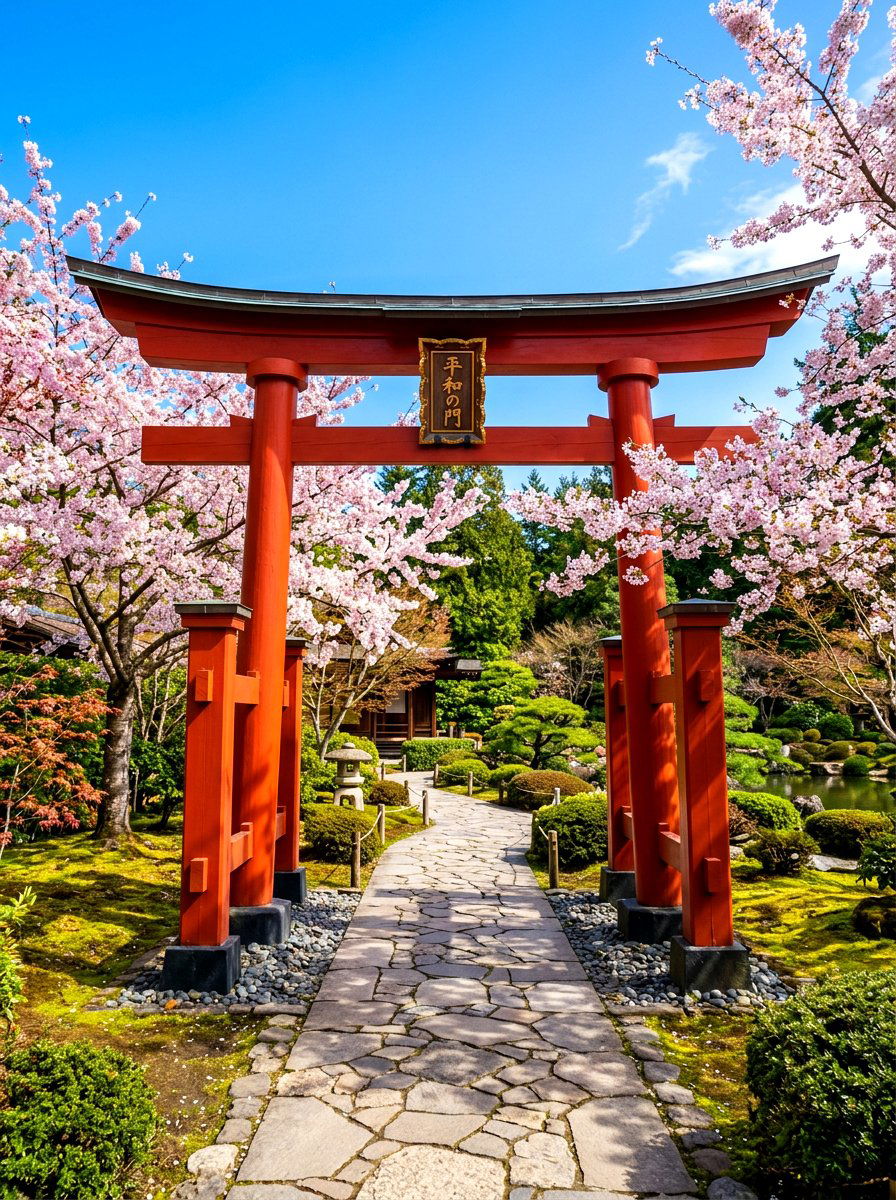
A torii gate is a traditional Japanese gate most commonly found at the entrance of a Shinto shrine, where it symbolically marks the transition from the mundane to the sacred. Adding a smaller version of this gate to your garden entrance creates a sense of ceremony and expectation for visitors. These gates are typically made of wood and can be left natural or painted a vibrant vermilion red. Placing a torii gate at the start of a path helps to frame the view and gives your garden a clear sense of structure. It serves as a beautiful architectural element that honors the rich spiritual heritage of Japan.
24. Zen Meditation Space
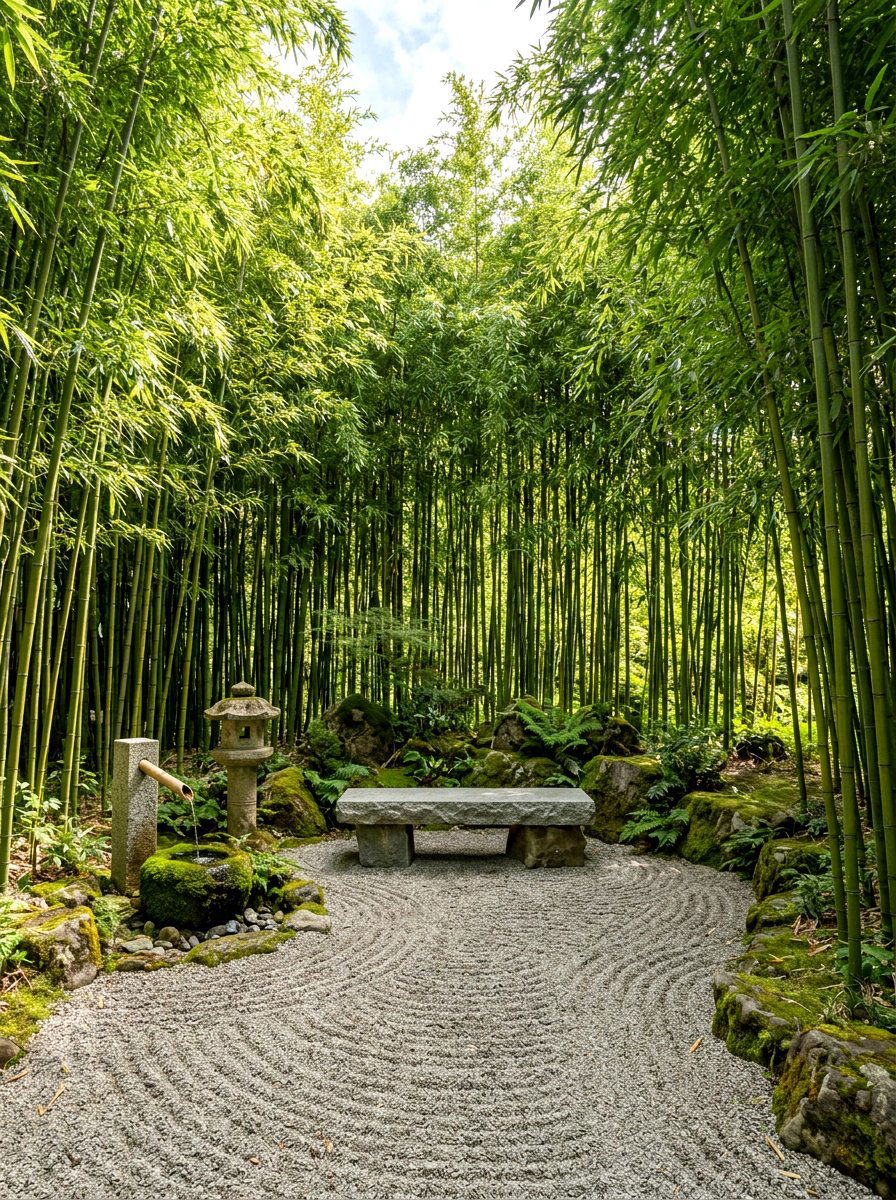
Creating a dedicated area for meditation is the ultimate goal for many people who design a Japanese-style garden. This space should be quiet, private, and free from any visual clutter that might distract the mind. You can use a simple stone bench, a wooden deck, or even a flat rock as a place to sit and reflect. Surround the area with tall bamboo or a fence to block out the rest of the world and focus on the nature within your yard. Adding a small water feature nearby can provide a gentle background sound that helps drown out any noise from the neighborhood or nearby street.

25. Japanese Rock Arrangement
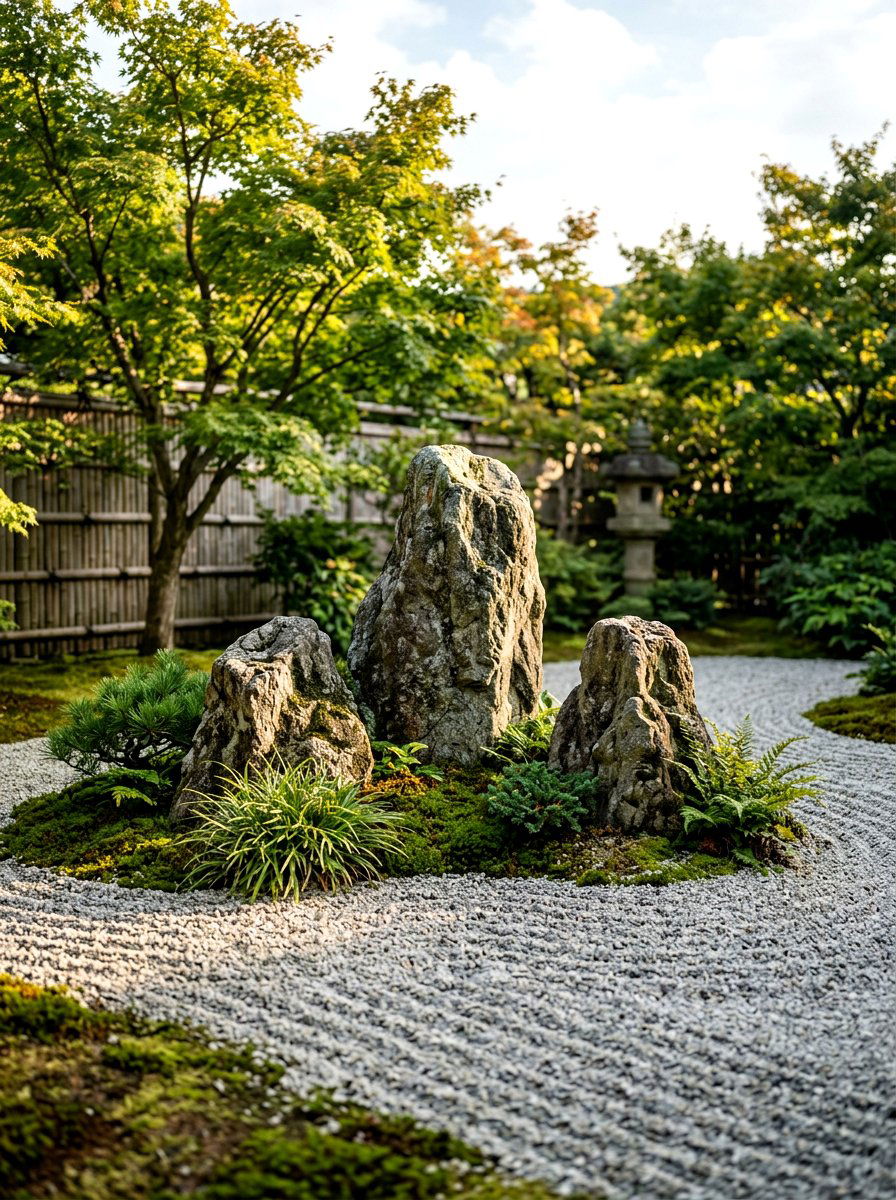
The art of placing rocks, known as ishi gumi, is considered the most important part of Japanese garden design. Rocks are seen as the "bones" of the landscape, providing structure and a sense of permanence. Usually, rocks are grouped in odd numbers, such as triads, to create a natural and balanced look. You should bury the base of each rock slightly in the soil so it looks like it is growing out of the earth rather than just sitting on top. Choosing stones with interesting textures, colors, and shapes will add a layer of complexity and beauty to your garden that lasts through every season.
26. Cherry Blossom Tree
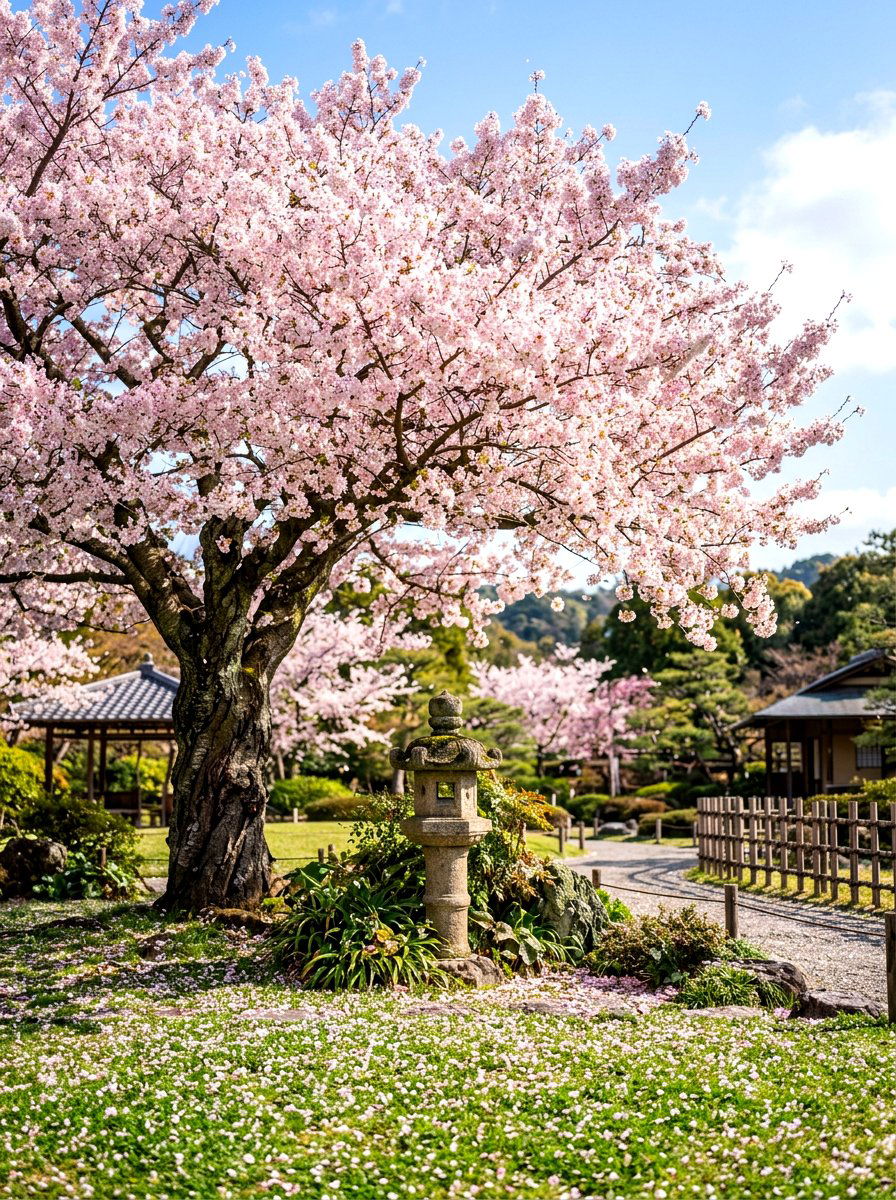
No Japanese-inspired garden is truly complete without the fleeting beauty of a cherry blossom tree, also known as sakura. These trees are celebrated for their delicate pink or white flowers that bloom for just a few weeks each spring. The falling petals create a "snow" effect on the ground that is incredibly romantic and poetic. Planting a cherry tree near a pond or a path allows you to fully enjoy its beauty from multiple angles. While the blossoms are the main attraction, the trees also provide nice shade in the summer and interesting bark textures that look lovely during the quiet winter months of the year.
27. Bamboo Screen Planting
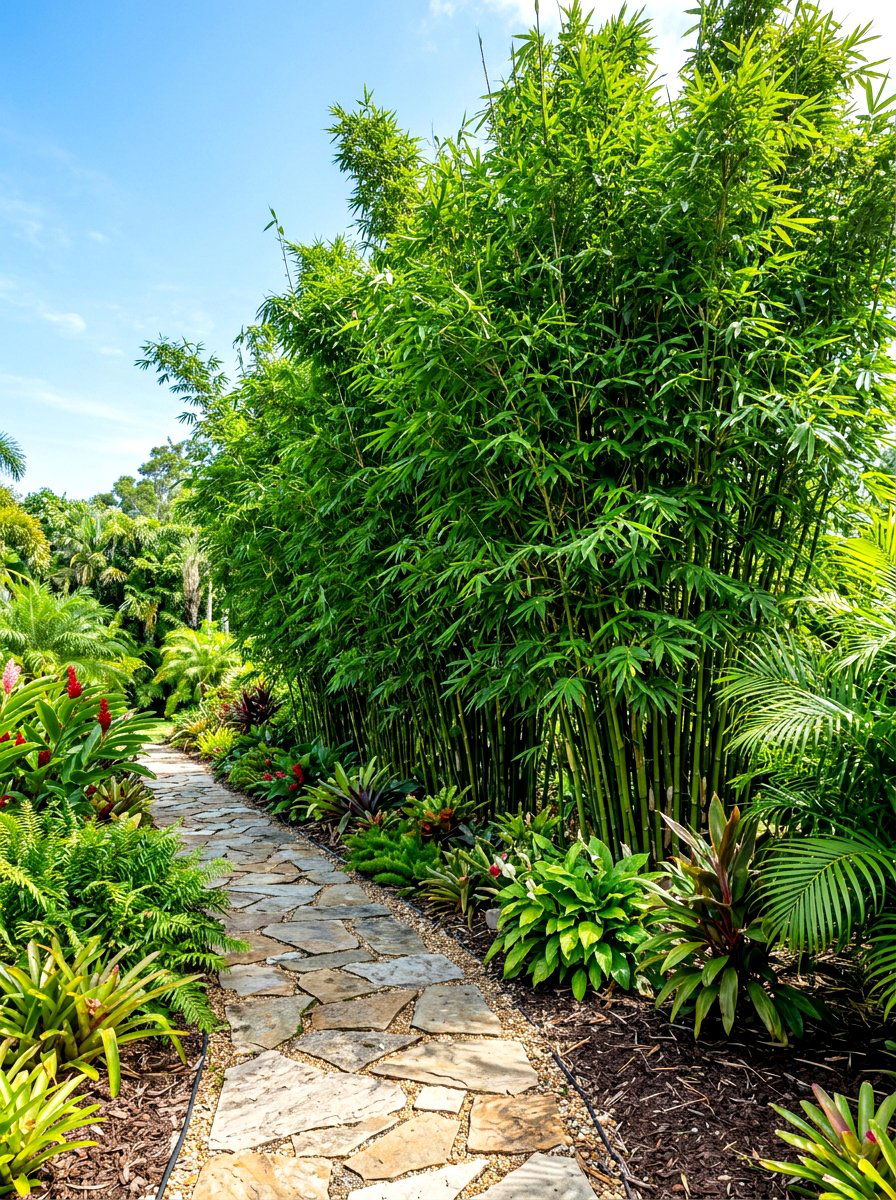
If you prefer a living wall over a wooden fence, planting a row of tall bamboo is a fast and effective way to create a screen. Bamboo grows very quickly and provides a dense curtain of green leaves that sways gently in the breeze. This creates both a visual and an auditory barrier, as the rustling sound of bamboo leaves is very relaxing. You should choose a "clumping" variety of bamboo to ensure it stays in one place and doesn't spread aggressively through your yard. It is an eco-friendly way to define your property lines while adding a lush, tropical feel to your Japanese garden design theme.
28. Kokedama Hanging Plant
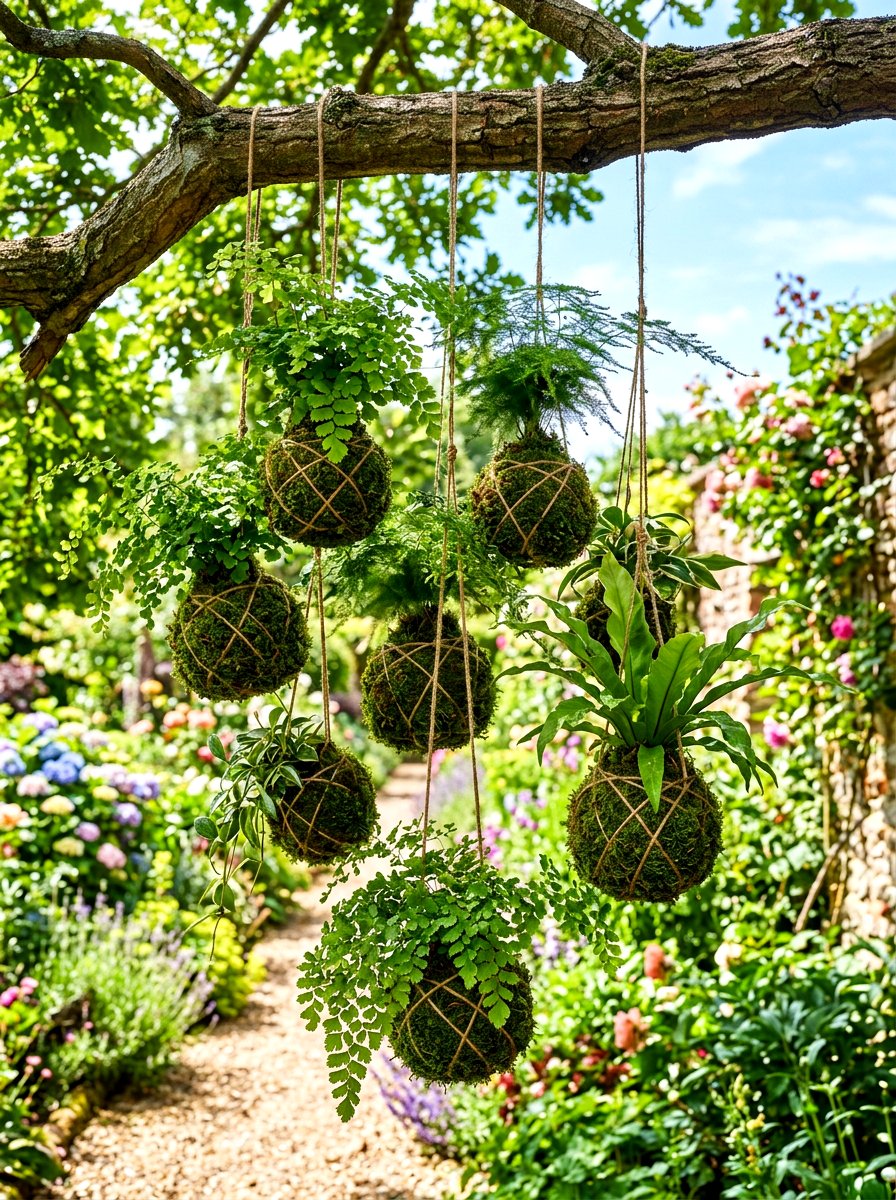
Kokedama is a unique style of Japanese bonsai where a plant 's root ball is wrapped in moss and bound with string. These "moss balls" can be displayed on a decorative plate or hung from the branches of a tree or a porch ceiling. They are perfect for small gardens or indoor spaces because they don' t require a traditional pot. You can use a variety of plants for kokedama, including ferns, ivies, or even small flowering perennials. Hanging several kokedama at different heights creates a whimsical and artistic display that brings a touch of Japanese creativity to your outdoor living area or your backyard patio.
29. Japanese Stroll Garden
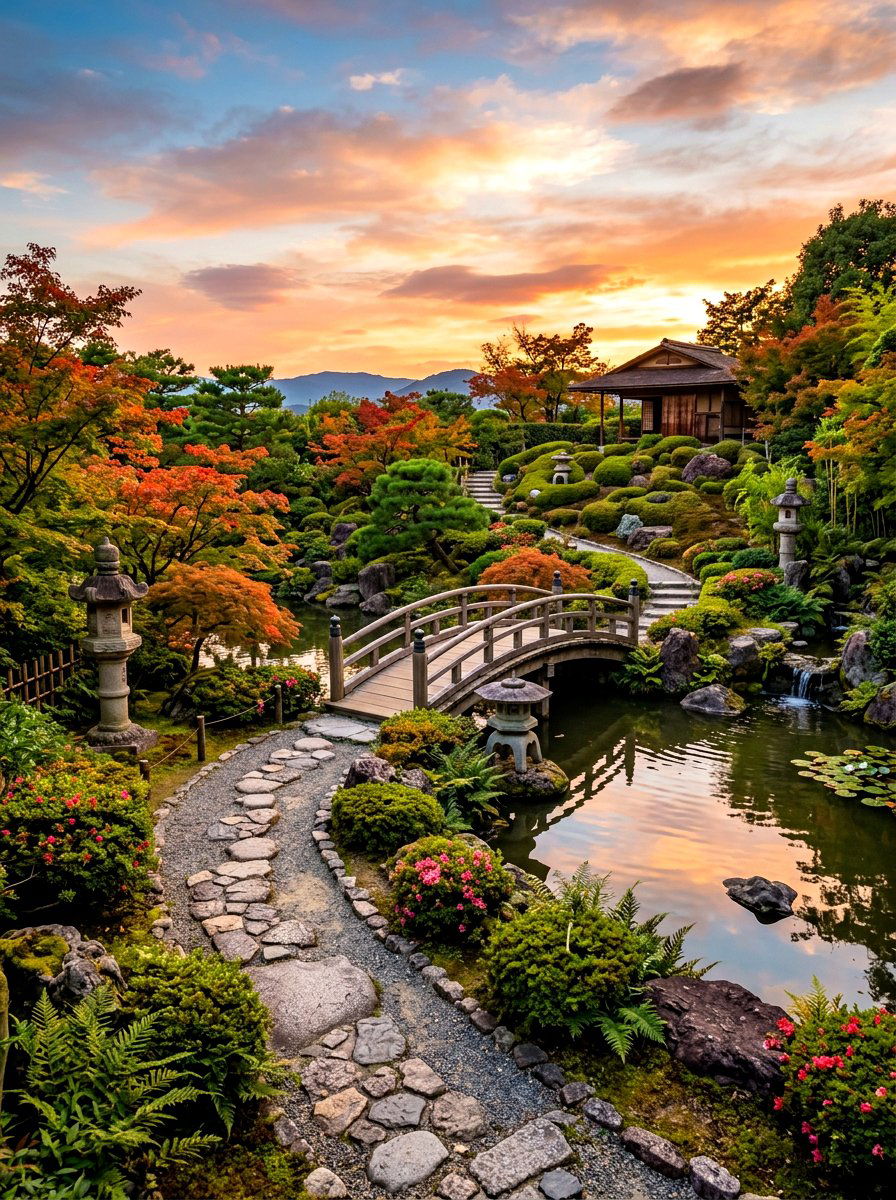
A stroll garden is designed to be experienced while walking along a winding path that reveals different views at every turn. This style of garden uses a technique called "miegakure, " or hide-and-reveal, to keep the visitor engaged and curious. You can achieve this by using tall plants, hills, or structures to partially block the view of what lies ahead. As you walk, you might come across a hidden stone lantern, a small bridge, or a beautiful flowering tree. This dynamic way of experiencing a garden makes even a small space feel much larger and more complex. It encourages a sense of wonder and slow exploration.
30. Garden Seating Area
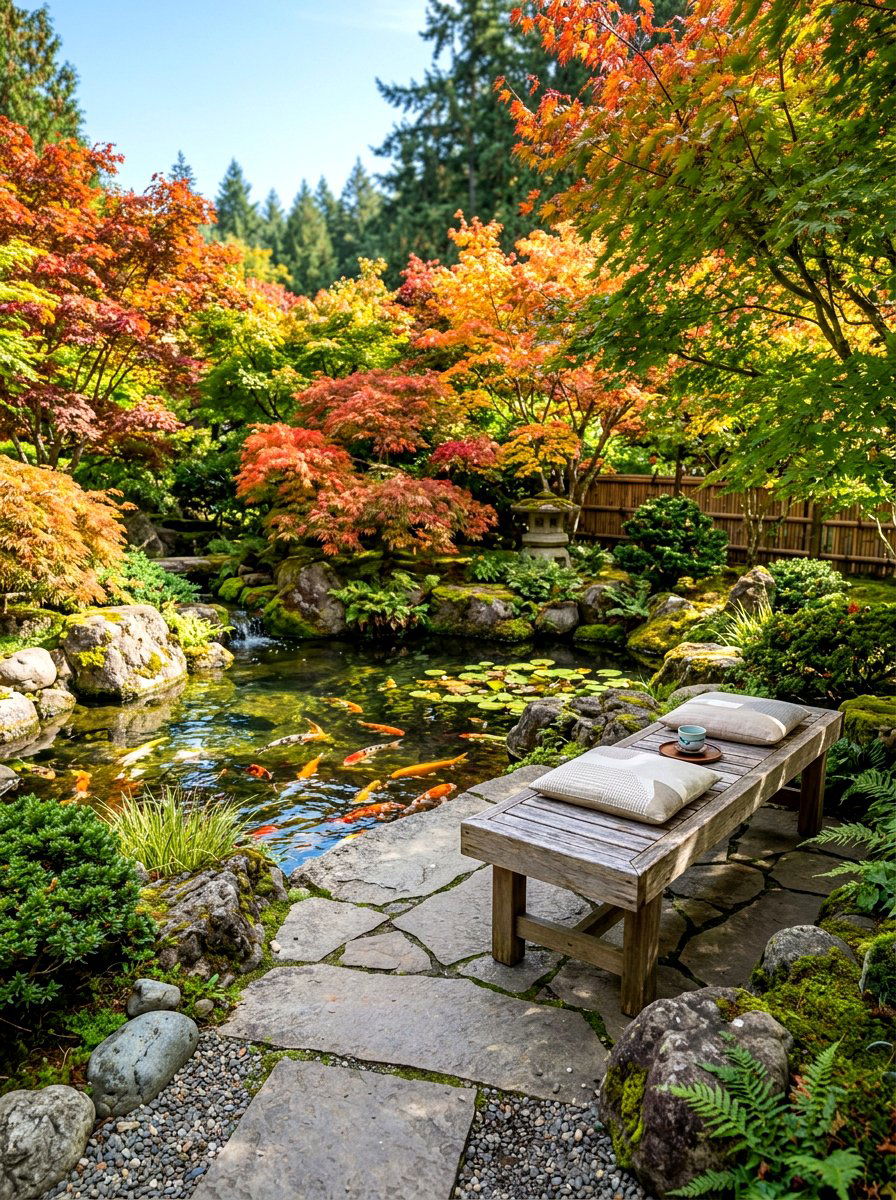
Every garden needs a place where you can stop and enjoy the beauty you have created. A simple wooden bench or a set of low stone seats provides a comfortable spot to sit and soak in the peaceful atmosphere. You should position your seating area to face a specific focal point, such as a pond, a rock arrangement, or a particularly beautiful tree. Using natural materials like cedar or granite ensures that the furniture blends in with the rest of the landscape. It is the perfect place to enjoy a cup of tea, read a book, or simply watch the birds visit your new sanctuary.
Conclusion:
Transforming your outdoor space into a Japanese sanctuary is a deeply rewarding journey that connects you with the natural world. By incorporating these thirty elements, you can create a landscape that is not only beautiful to look at but also nourishing for your spirit. Whether you focus on the stillness of a Zen rock garden or the movement of a koi pond, the key is to prioritize balance and simplicity. Every stone, plant, and water feature should work together to create a sense of harmony. As your garden grows and matures over the years, it will become a timeless place of peace where you can always find rest.

Related posts: