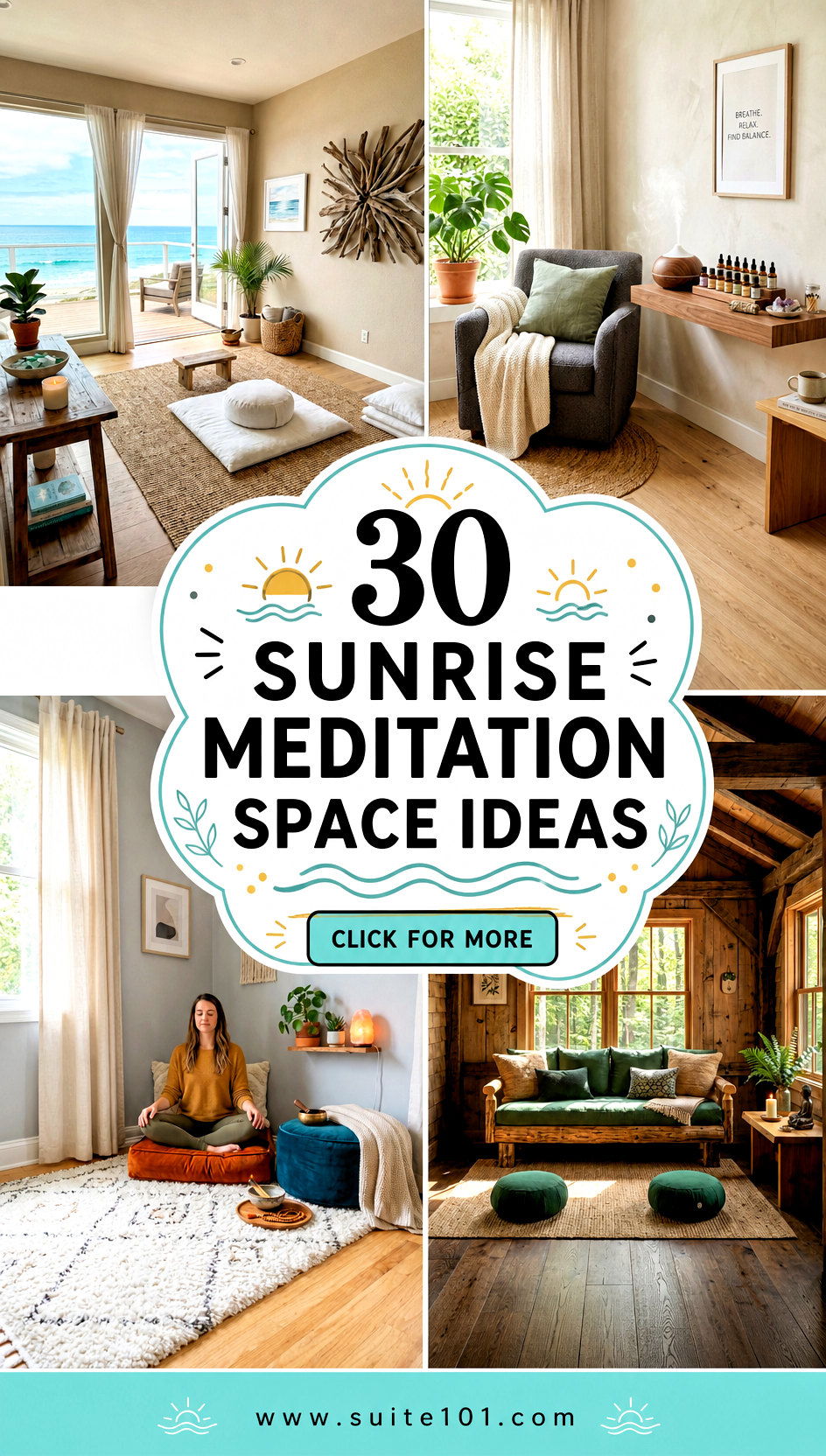
Waking up with the sun is a transformative ritual that sets a peaceful tone for your entire day. Creating a dedicated sunrise meditation space allows you to harness the quiet energy of the morning and build a consistent mindfulness practice. These sanctuaries do not require a massive renovation or a huge budget to be effective and beautiful. Instead, they focus on maximizing natural light, incorporating soft textures, and surrounding yourself with elements that promote inner calm. Whether you have a spacious sunroom or a tiny corner in a studio apartment, these ideas prioritize comfort and visual serenity. By choosing the right materials and placement, you can turn any area into a high-vibe morning retreat.
1. Outdoor wood meditation deck
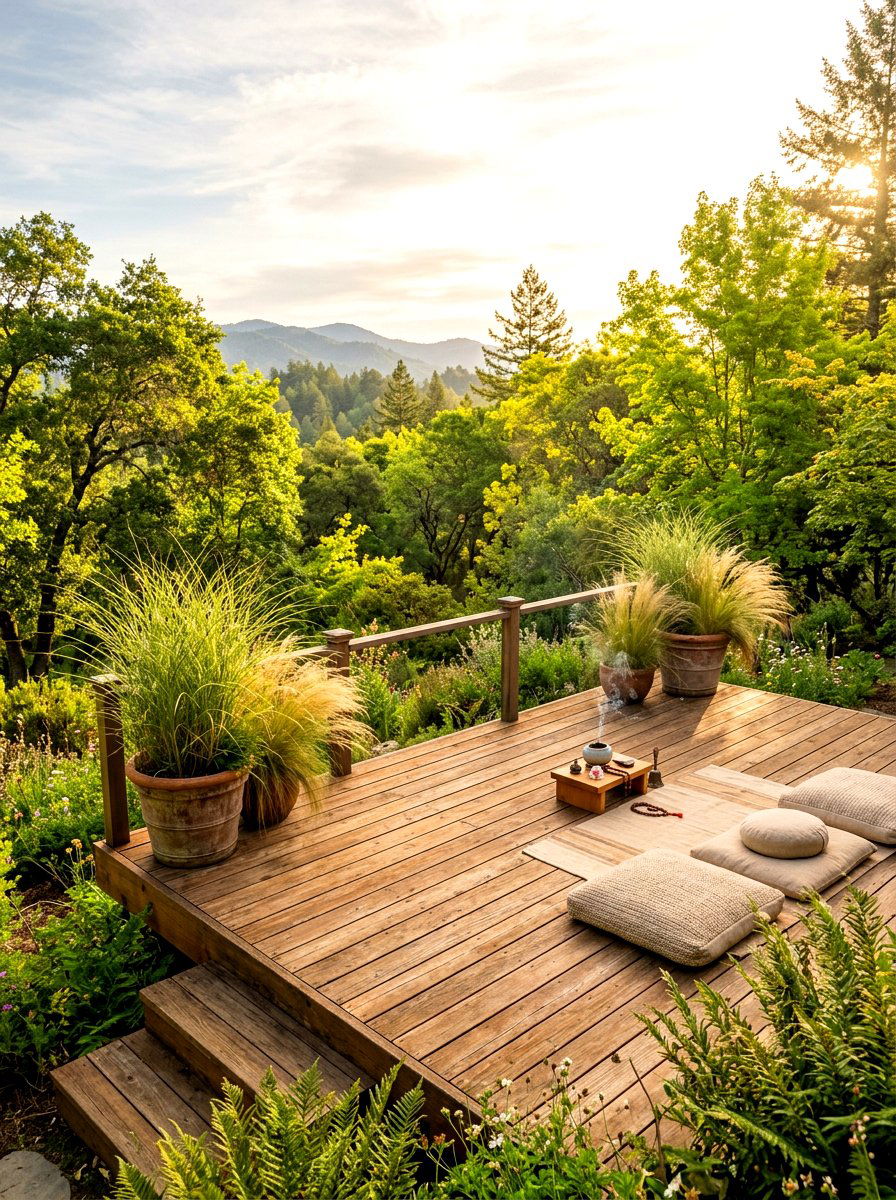
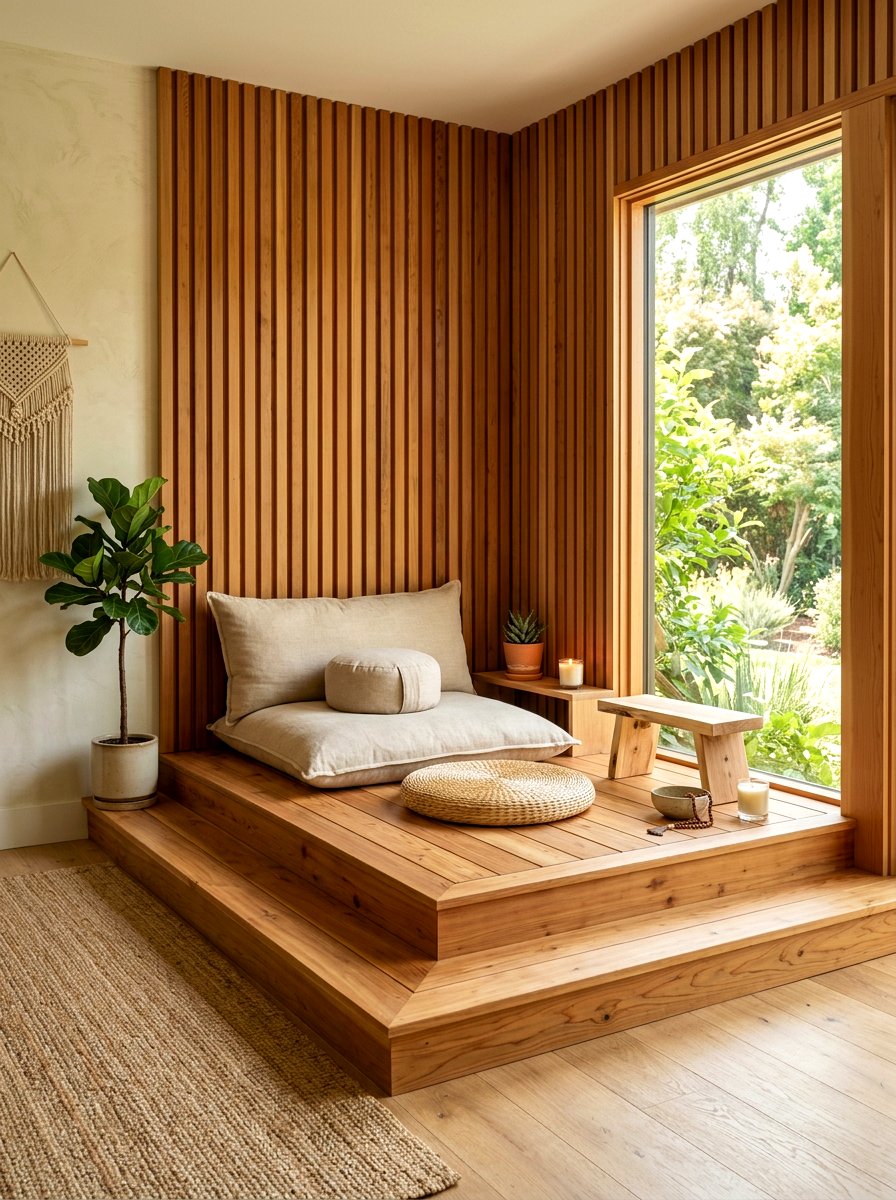
An outdoor wood meditation deck offers the perfect platform for connecting with nature during the early morning hours. Positioning a simple cedar or redwood platform in an east-facing part of your yard allows you to catch the first rays of light. This setup typically features weather-resistant floor cushions and a few potted ornamental grasses to provide a sense of enclosure. The natural warmth of the wood feels grounding under your feet as the cool morning air refreshes your senses. You can enhance the atmosphere by adding a small stone basin or a simple wooden bench for alternative seating. This design emphasizes openness and helps you feel synchronized with the world's natural rhythm.
2. Large window meditation corner
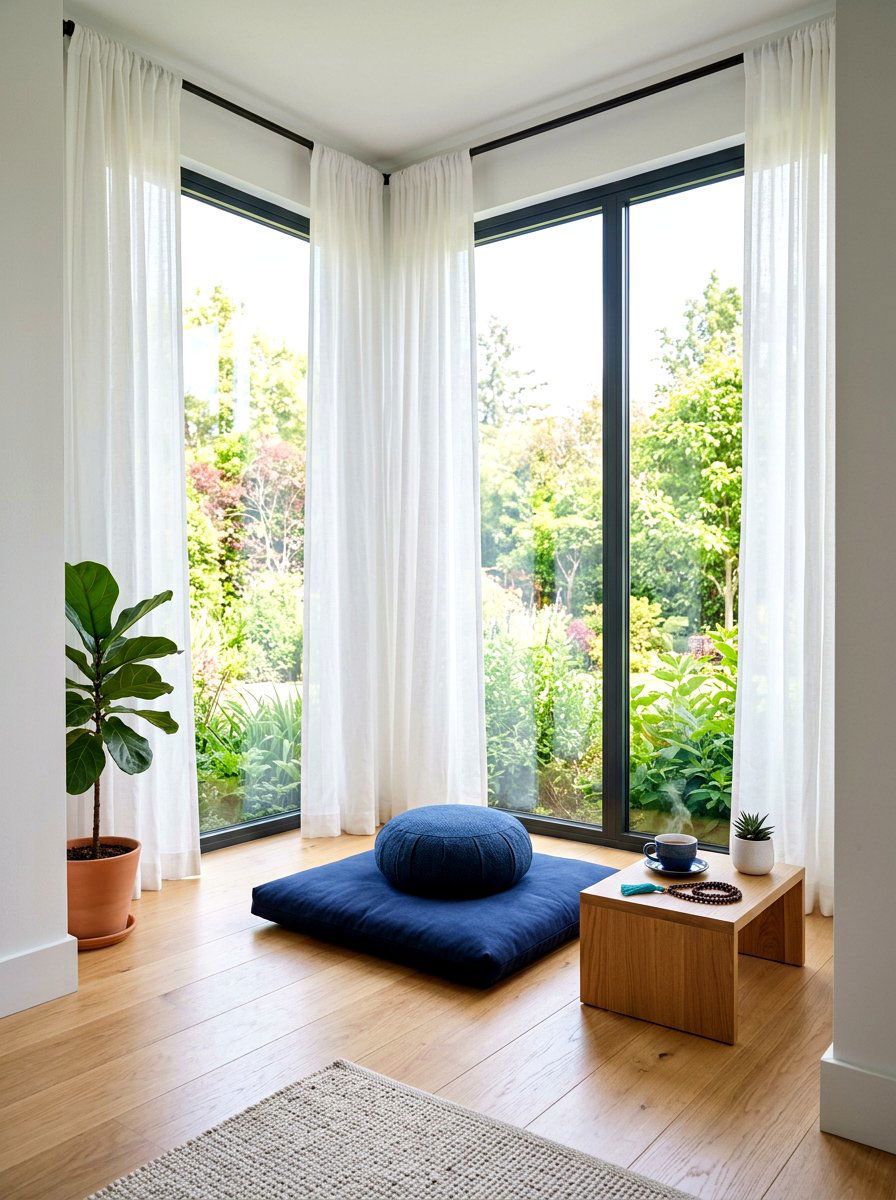
A large window meditation corner utilizes existing architectural features to create a bright and airy sanctuary. Placing a thick linen zabuton and zafu cushion directly in front of floor-to-ceiling windows ensures you are bathed in soft morning light. To manage the brightness, you might use sheer white curtains that filter the sun into a gentle, ethereal glow. Minimalist decor, such as a single low wooden table for a glass of water or a journal, keeps the area clutter-free. This arrangement focuses your attention outward on the shifting colors of the sky, making the transition from sleep to wakefulness feel like a beautiful, slow-motion event.
3. Minimalist zen meditation room
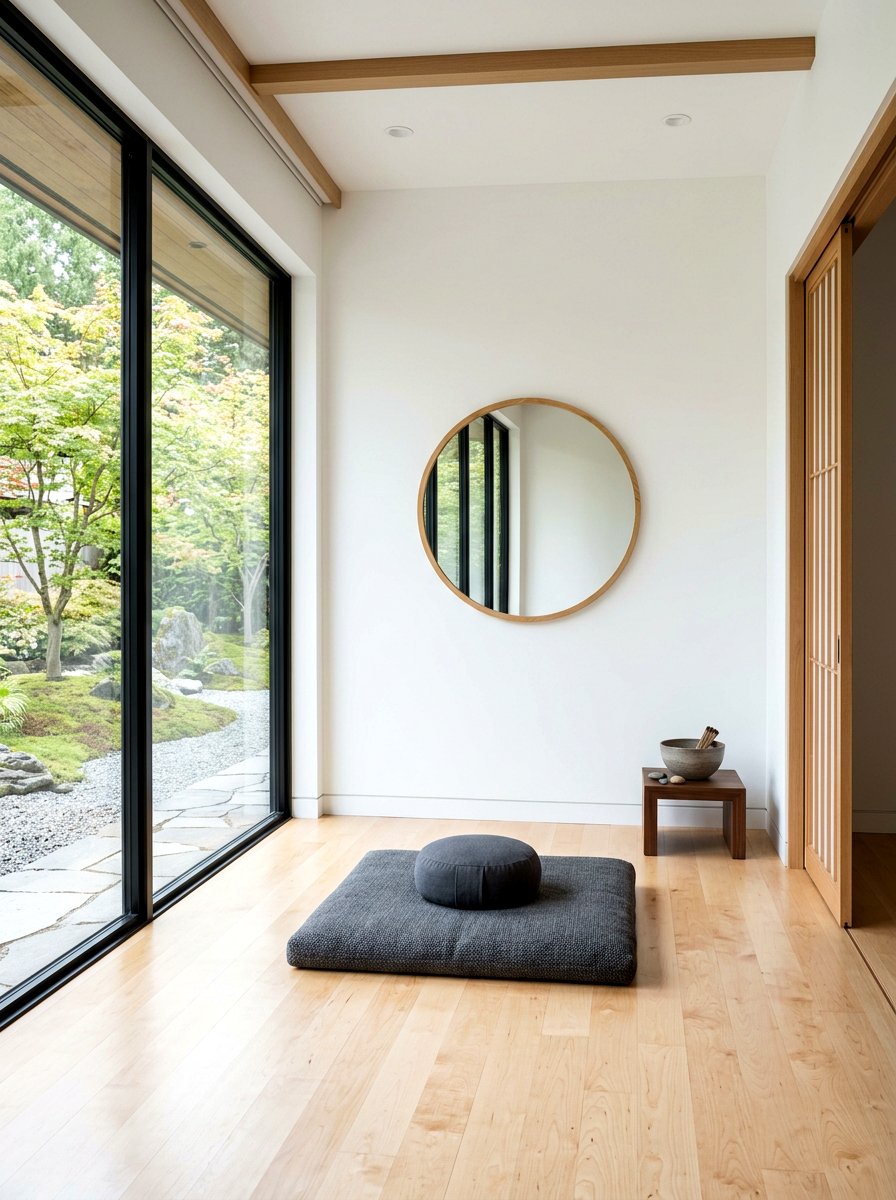
The minimalist zen meditation room prioritizes empty space to help quiet a busy mind. This design usually features clean white walls, light-colored hardwood flooring, and a single focal point like a framed piece of calligraphy or a circular mirror. Furniture is kept to an absolute minimum, perhaps only consisting of a neutral-toned meditation mat and a singular high-quality ceramic bowl. The lack of visual noise allows the morning light to become the primary element of the room, casting long shadows that change as you sit. By stripping away distractions, this space encourages you to look inward and find stillness without the interference of unnecessary household objects.
4. Bohemian floor cushion seating
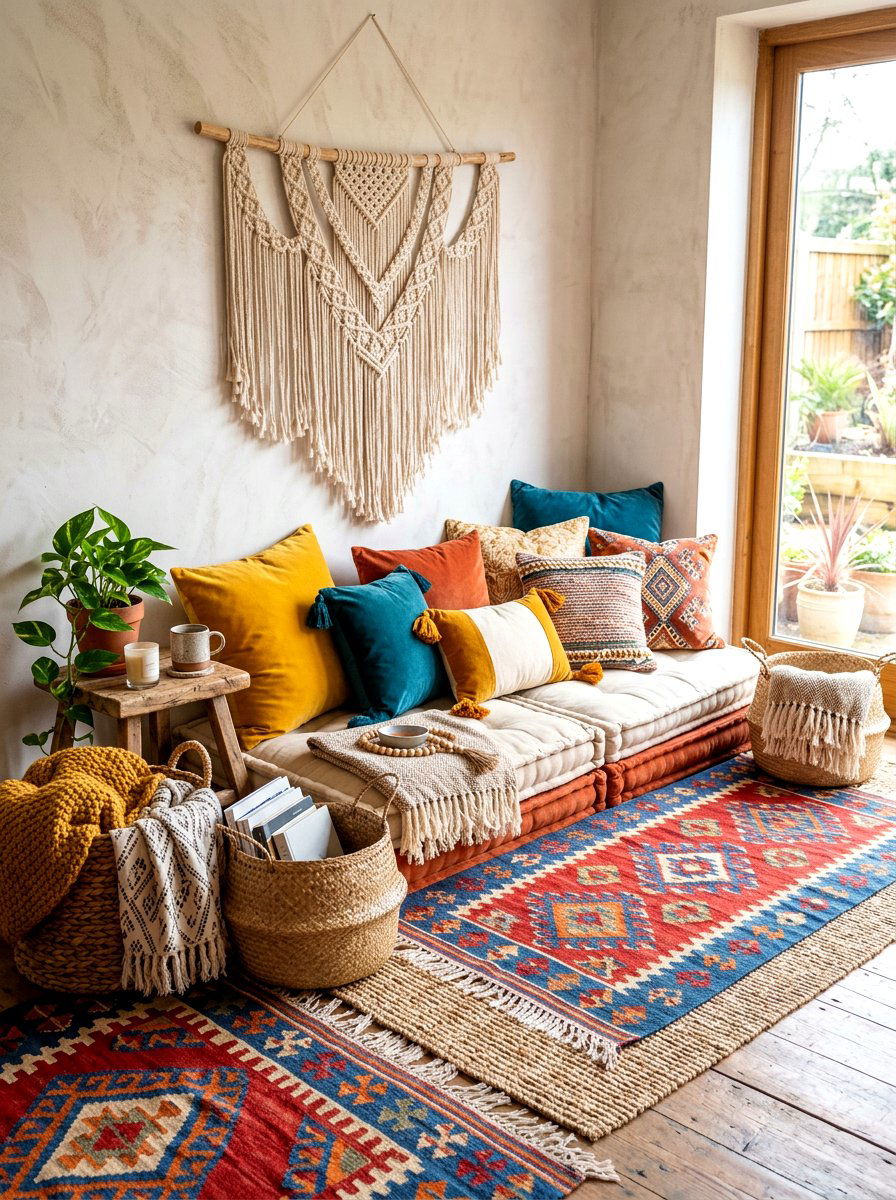
Bohemian floor cushion seating creates a relaxed and cozy atmosphere that feels deeply personal and inviting. You can layer several colorful kilim rugs to provide a soft foundation before adding an assortment of oversized velvet and cotton floor pillows. Incorporating textures like macramé wall hangings and woven baskets filled with soft blankets adds to the tactile comfort of the space. This design often includes a low-profile wooden chest to serve as an altar for meaningful trinkets or mala beads. The eclectic mix of patterns and fabrics fosters a warm, grounded environment that makes your morning meditation feel like a nourishing and artistic act of self-care.
5. Apartment balcony meditation spot
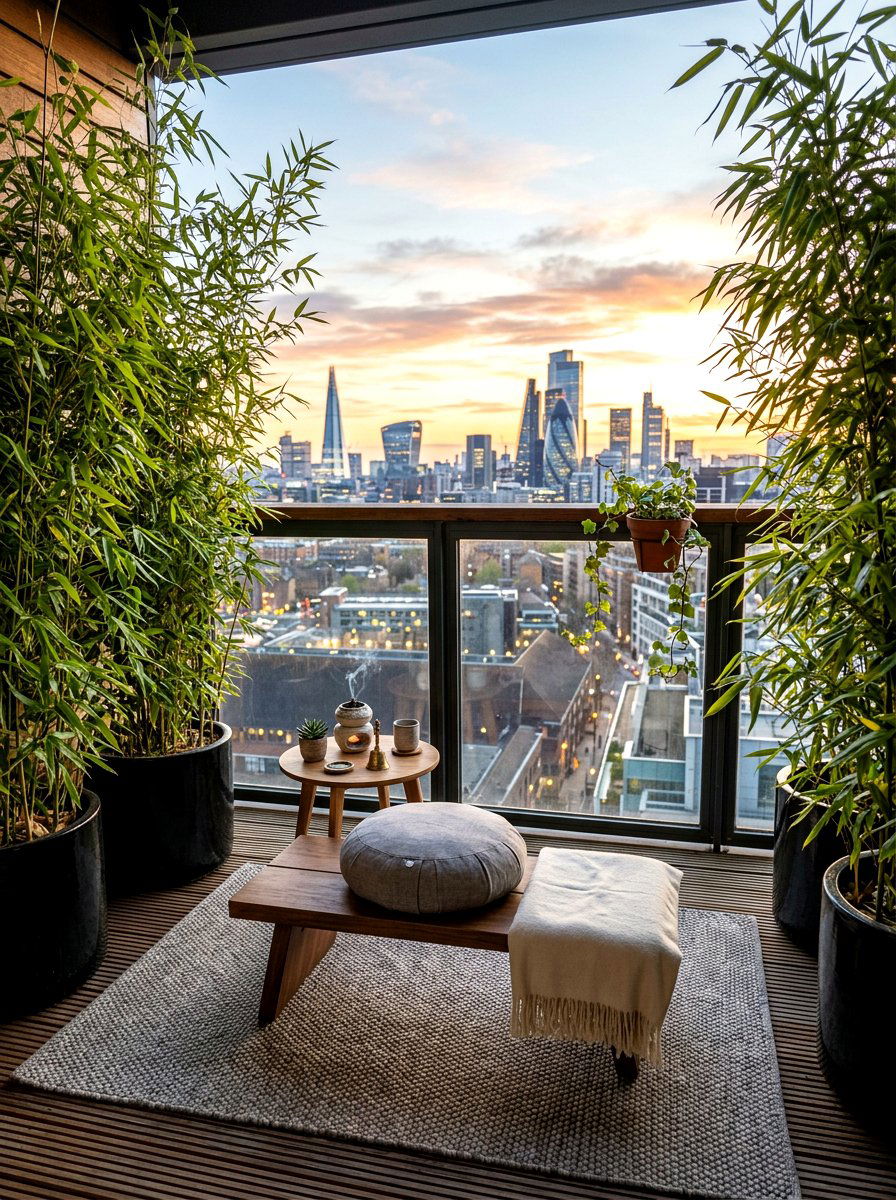
An apartment balcony meditation spot proves that you don't need a large backyard to enjoy an outdoor morning ritual. Using a weather-proof outdoor rug and a slim meditation bench, you can transform even the narrowest balcony into a sky-high sanctuary. Adding a few tall planters with bamboo or leafy ferns can provide a natural privacy screen from neighbors while muffling city sounds. A small folding table is perfect for holding a morning tea or a timer during your session. This elevated space allows you to observe the waking city from a place of peace, providing a unique perspective that bridges urban living with spiritual practice.
6. Indoor plant meditation room
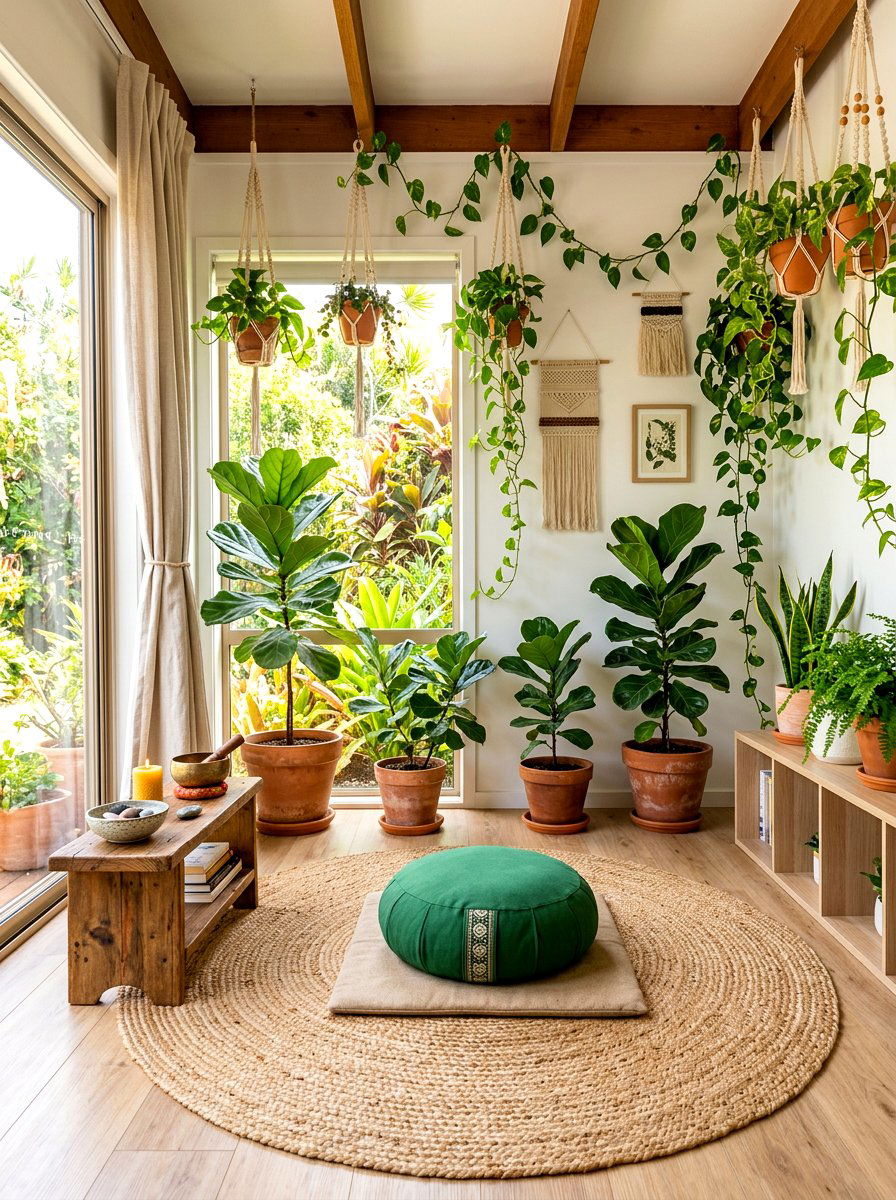
An indoor plant meditation room brings the revitalizing power of the forest directly into your home. This design focuses on biophilic elements, featuring a variety of heights and leaf shapes, from towering fiddle leaf figs to trailing pothos plants. Placing your meditation mat in the center of this "urban jungle" allows you to breathe in the oxygen-rich air produced by your greenery. Natural materials like terracotta pots, wicker baskets, and jute rugs complement the botanical theme perfectly. The vibrant green colors against a neutral wall create a lush, living backdrop that feels incredibly grounding and refreshing as you start your day with deep, mindful breaths.
7. Rooftop sunrise meditation area
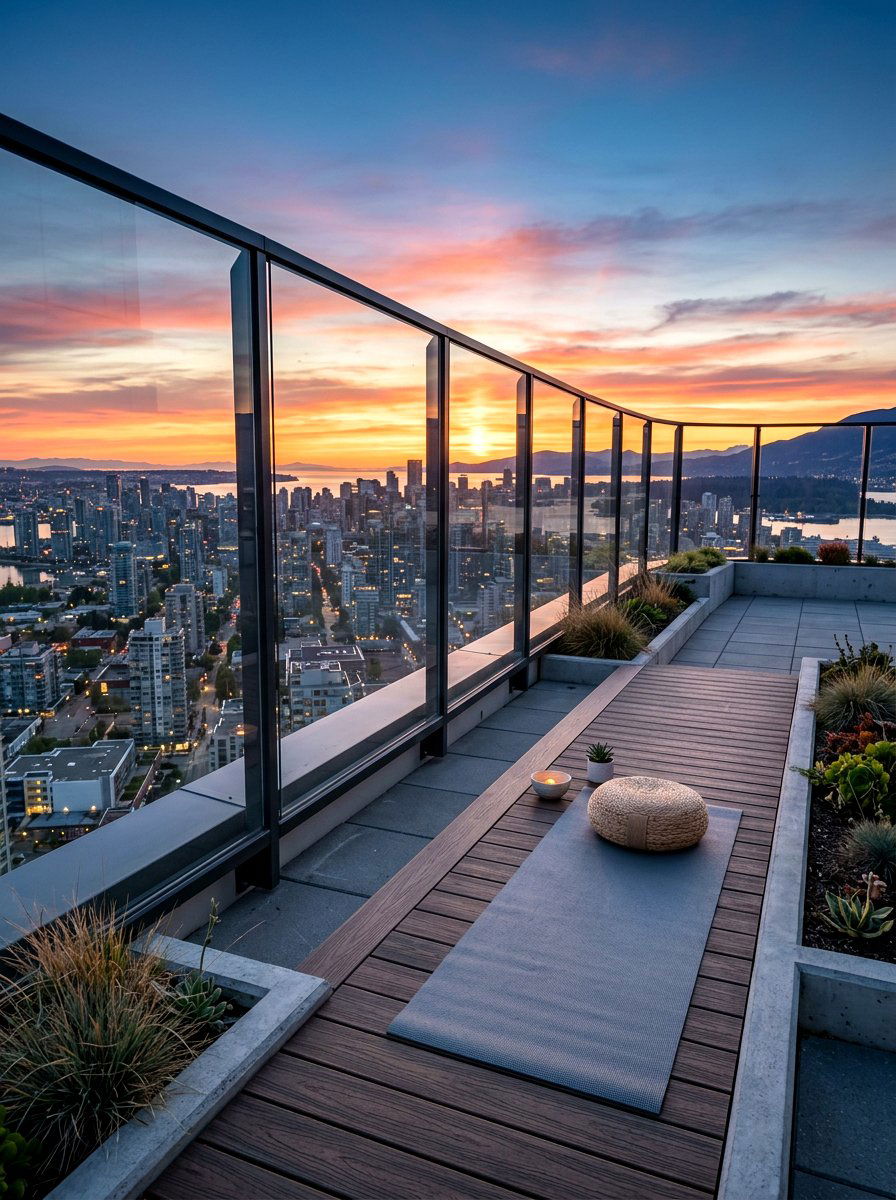
The rooftop sunrise meditation area offers an unobstructed view of the horizon, making it the ultimate spot for sun worshipers. This setup usually involves a durable outdoor mat and perhaps a low-profile lounge chair for post-meditation reflection. Because rooftops can be windy, using heavy stone weights to secure your gear or installing a low glass windbreak is a practical and stylish choice. The vastness of the sky above creates a feeling of expansion and infinite possibility, which is ideal for morning intention-setting. Watching the sun crest over the skyline or hills provides a daily reminder of new beginnings and the beauty of the natural world.
8. Modern sunroom wellness nook
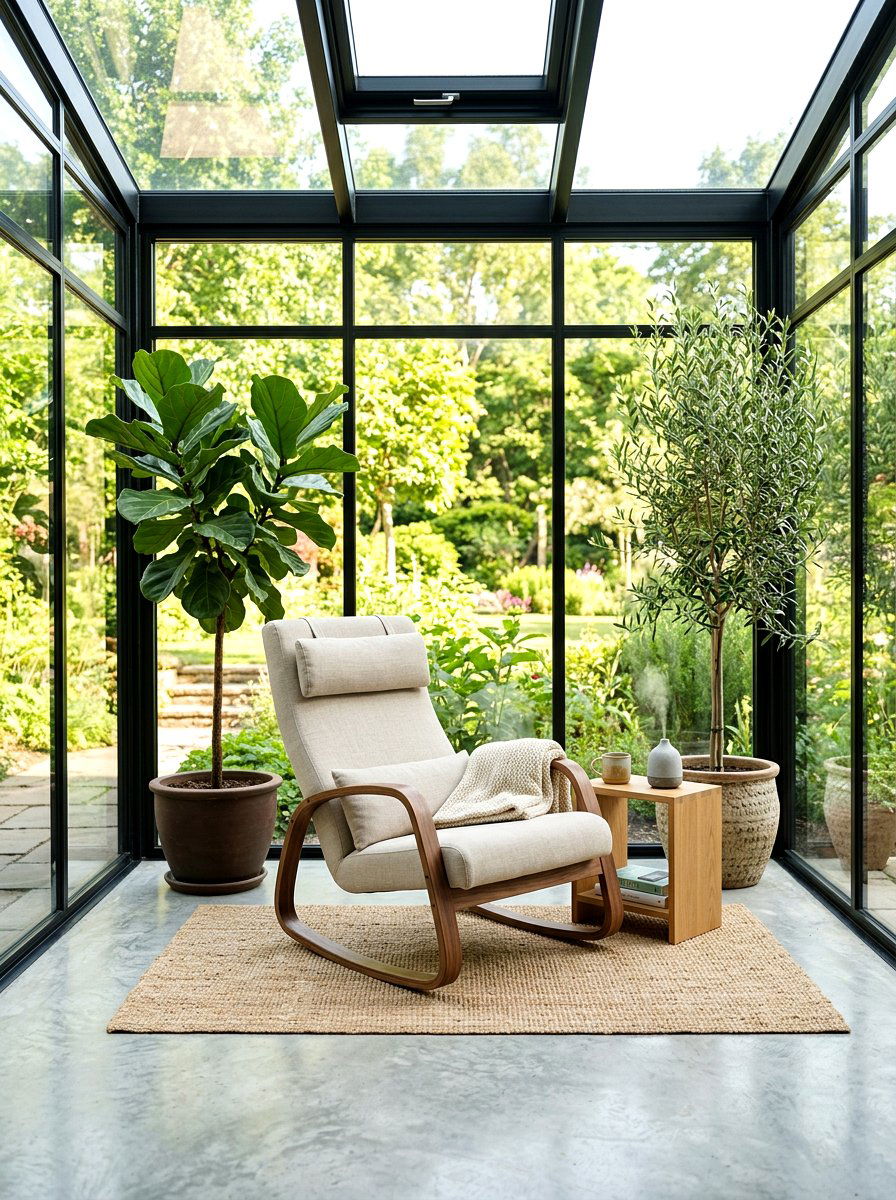
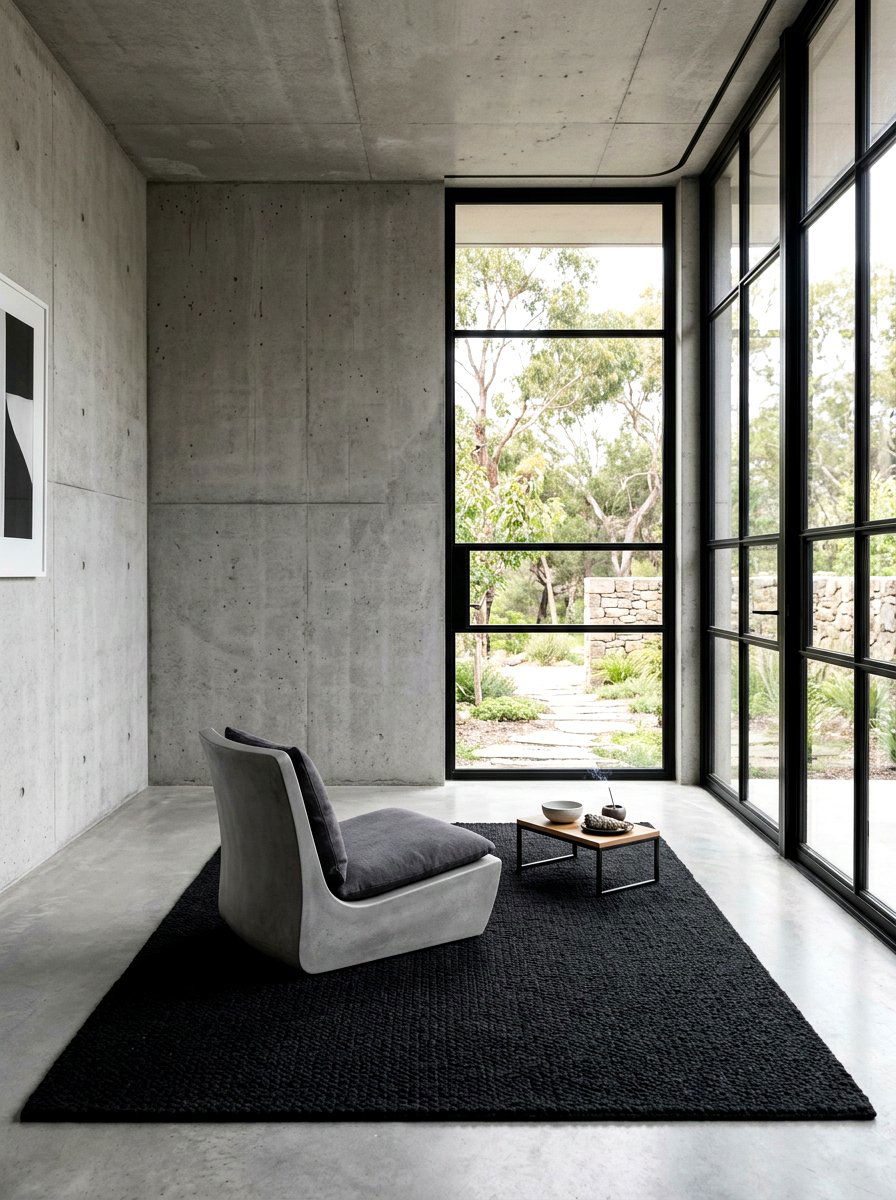
A modern sunroom wellness nook takes advantage of glass-enclosed spaces to provide a year-round connection to the outdoors. This room often features sleek, contemporary furniture like a low-slung ergonomic chair or a high-end yoga mat set on polished concrete floors. Integrated smart lighting can subtly shift color temperatures to match the rising sun, enhancing the natural experience. Large-scale potted trees and a built-in sound system for ambient music or guided meditations add layers of luxury to the space. This environment feels like a high-end spa, offering a sophisticated and climate-controlled setting where you can practice mindfulness regardless of the weather outside your windows.
9. Attic skylight meditation space
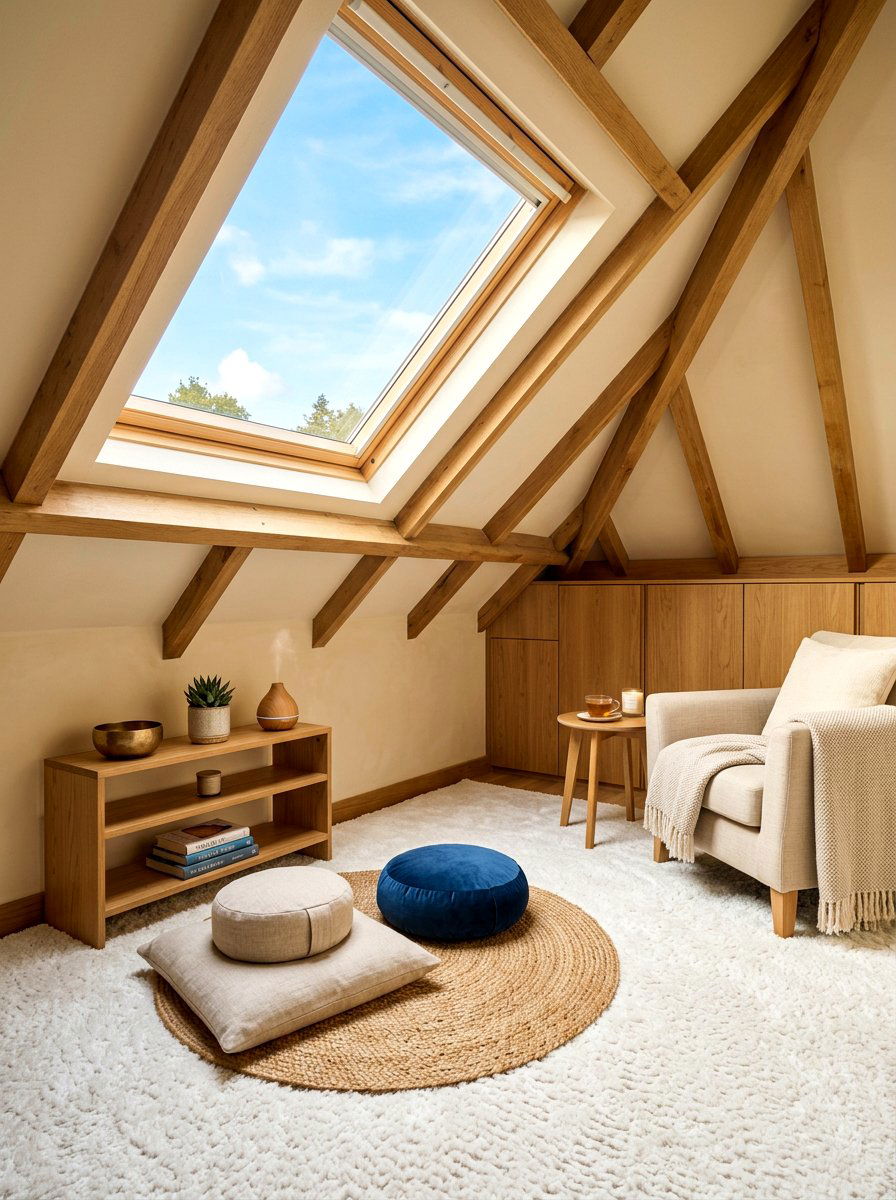
An attic skylight meditation space uses the unique angles of a top-floor room to create a private, hideaway-style retreat. Positioning your cushions directly beneath a large skylight allows you to look straight up at the morning clouds and the brightening blue sky. The slanted walls can be painted in soft, reflective shades like pale blue or warm cream to bounce the light around the room. Because attics are often separated from the main living areas, this space provides a natural acoustic buffer from household noise. It feels like a secret sanctuary where you can disconnect from chores and responsibilities to focus entirely on your inner journey.
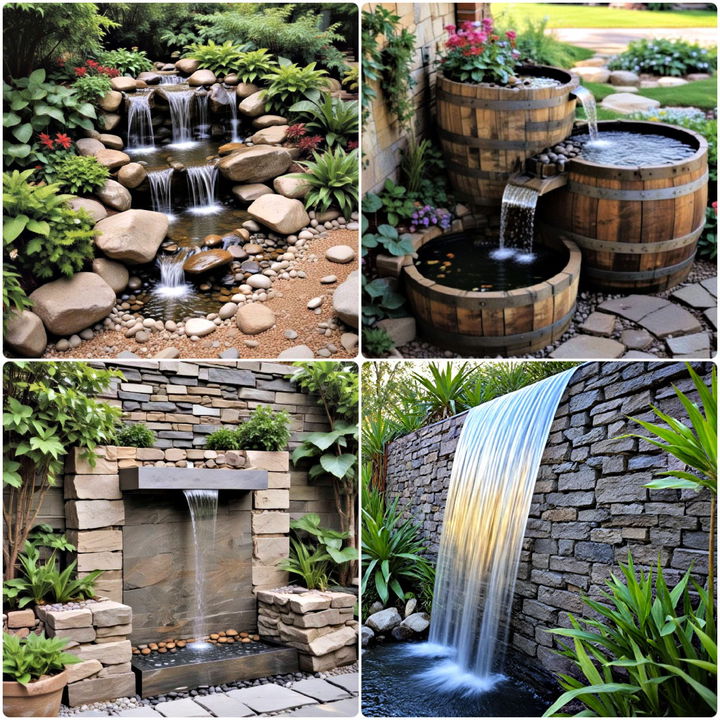
10. Coastal style meditation room
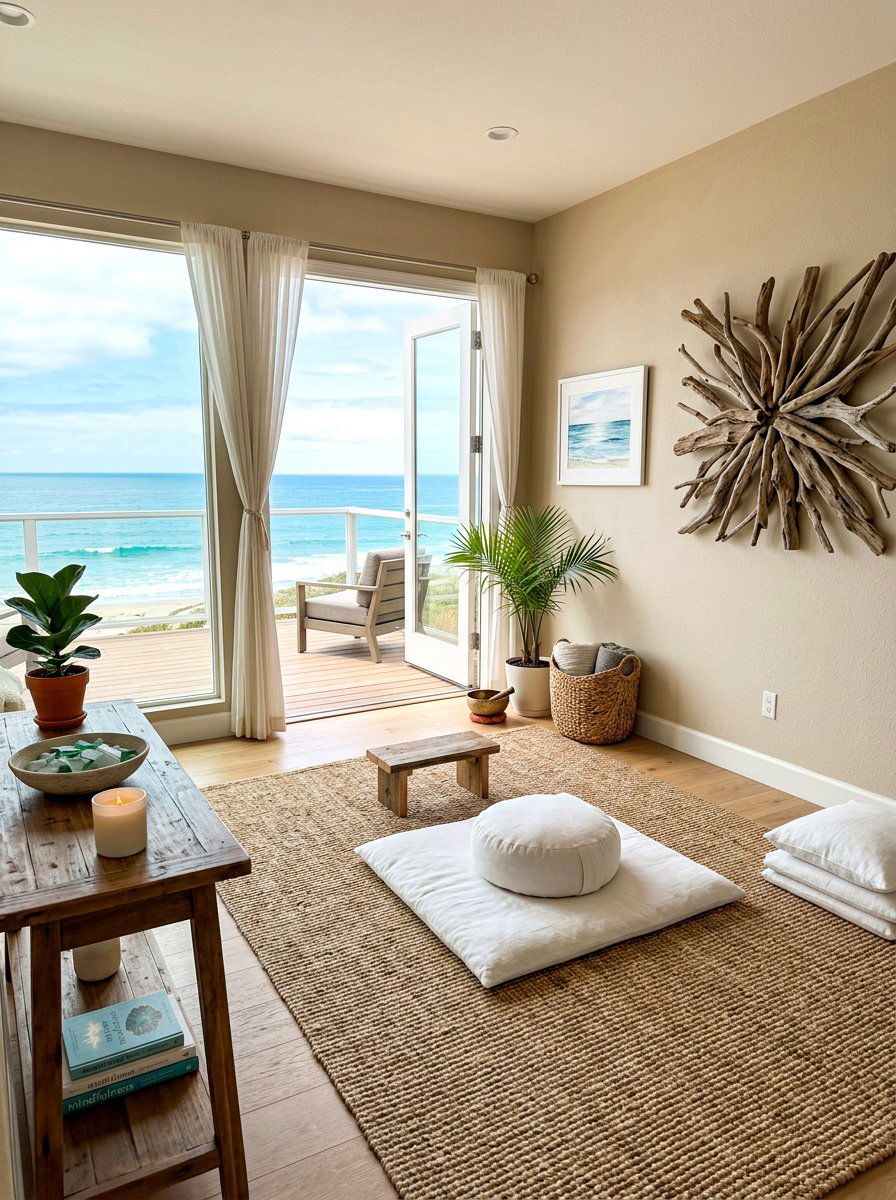
The coastal style meditation room draws inspiration from the seaside to create a breezy and tranquil environment. This design typically uses a palette of sandy beiges, soft whites, and watery blues to evoke the feeling of being at the beach. Light-colored driftwood accents and a natural seagrass rug add organic textures that feel cooling and clean. You might include a bowl of smooth sea glass or a few large shells on a simple white pedestal as focal points. The overall vibe is light and airy, encouraging a sense of fluid movement and ease that mimics the rhythmic flow of ocean waves during your morning practice.
11. Forest view meditation platform
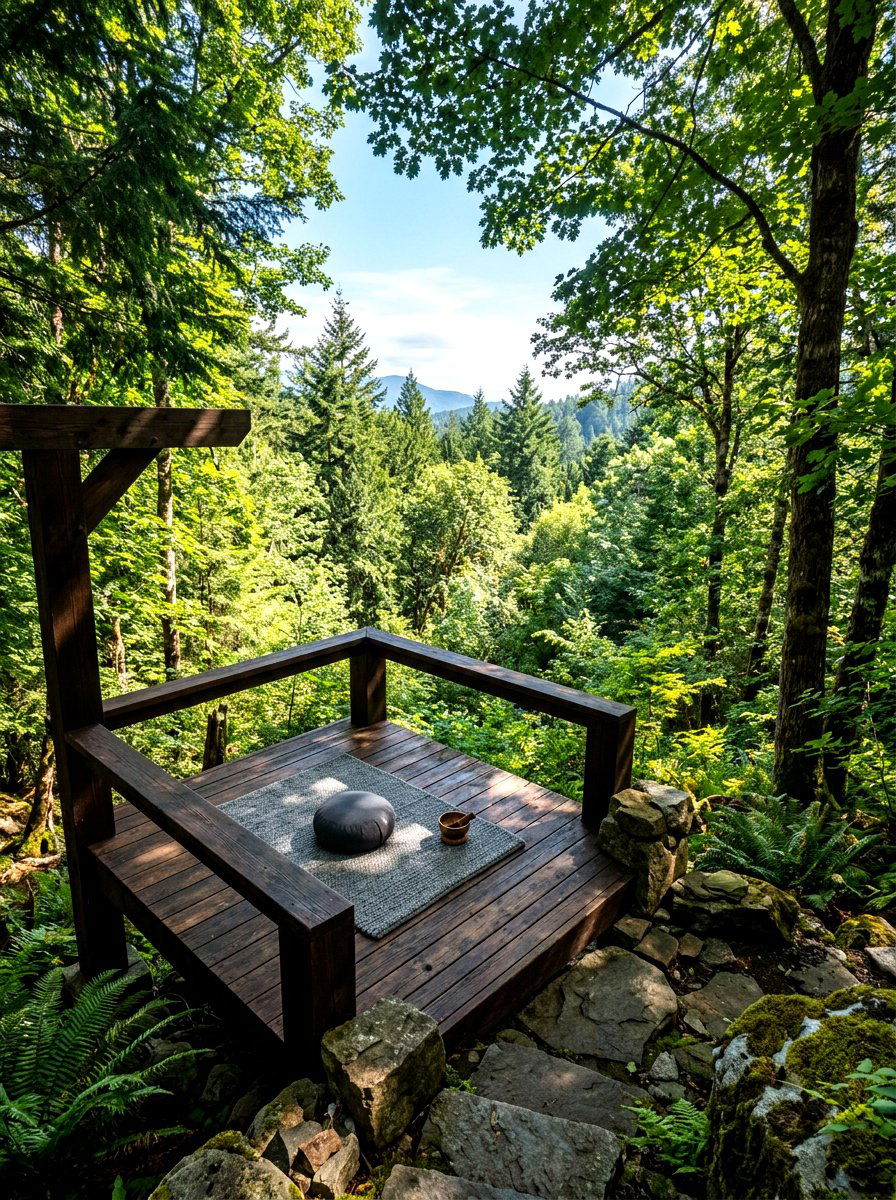
A forest view meditation platform is designed to immerse you in the quiet majesty of the woods. Often built as a small cantilevered deck or a room with massive picture windows, this space prioritizes the sight of tall trees and dappled sunlight. Darker wood tones and forest-green accents help the interior blend seamlessly with the environment outside. Using a simple wool meditation rug and a few stones collected from the nearby landscape creates a deep sense of place. Hearing the morning birdsong and the rustle of leaves provides a natural soundtrack that enhances your focus and helps you feel a profound connection to the earth.
12. Crystal meditation corner decor
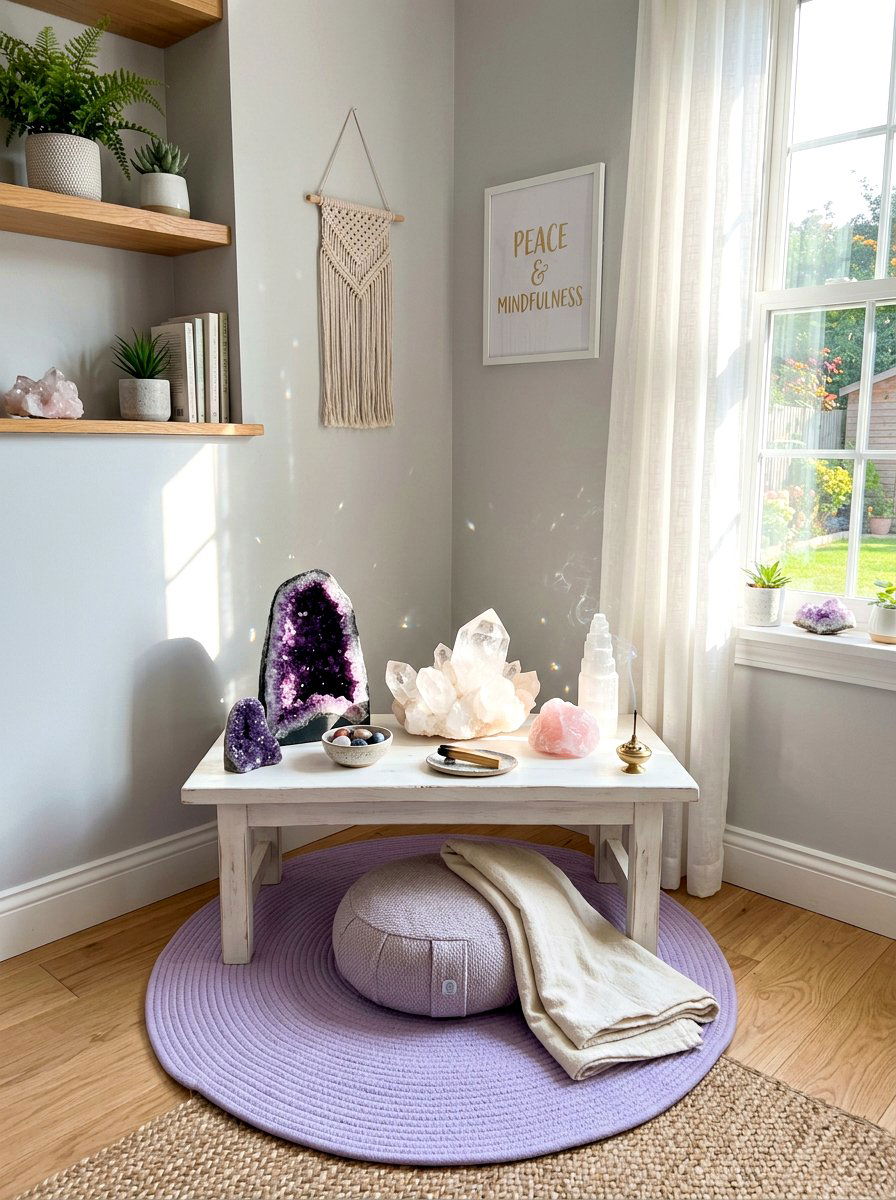
Crystal meditation corner decor incorporates the beauty and perceived energy of natural stones into your morning routine. This space often features a dedicated shelf or a low table where you can arrange large amethyst cathedrals, clear quartz points, or rose quartz spheres. The sunlight hitting the crystals can create beautiful rainbows and light patterns across your walls, adding a magical quality to the room. Using a soft gray or lavender color scheme complements the geological elements without competing for attention. This setup is perfect for those who enjoy using tactile objects to ground their energy and set specific intentions for the day ahead.
13. Essential oil meditation setup
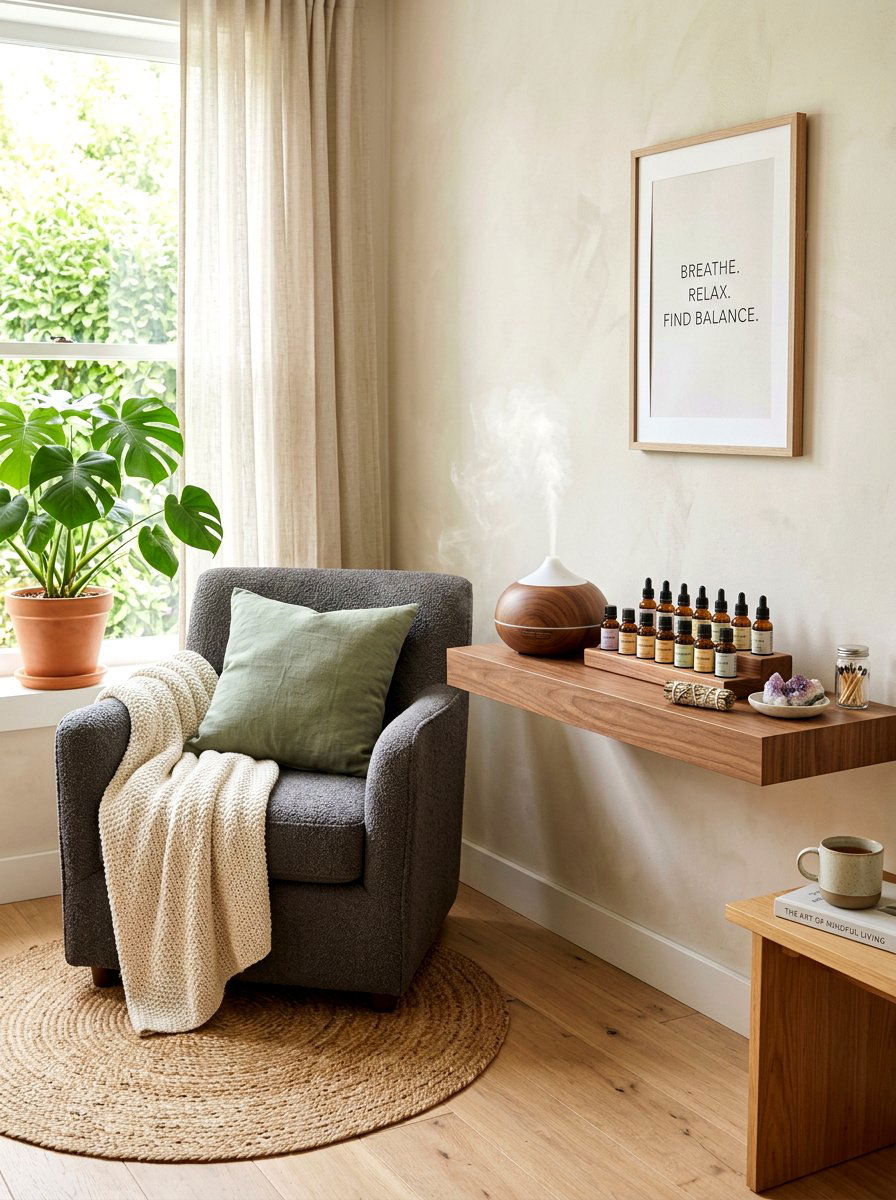
An essential oil meditation setup focuses on the power of scent to shift your mood and enhance your focus. This area features a high-quality wood or ceramic diffuser as the centerpiece, surrounded by a curated collection of morning oils like citrus, peppermint, or frankincense. The furniture is often simple and comfortable, such as a plush armchair or a thick foam mat, allowing you to relax fully into the sensory experience. Storage for your oils is kept organized in a small wooden box or on a dedicated tiered shelf. By engaging your sense of smell, this space helps anchor your practice and creates a powerful mental association with peace.
14. Neutral color meditation room
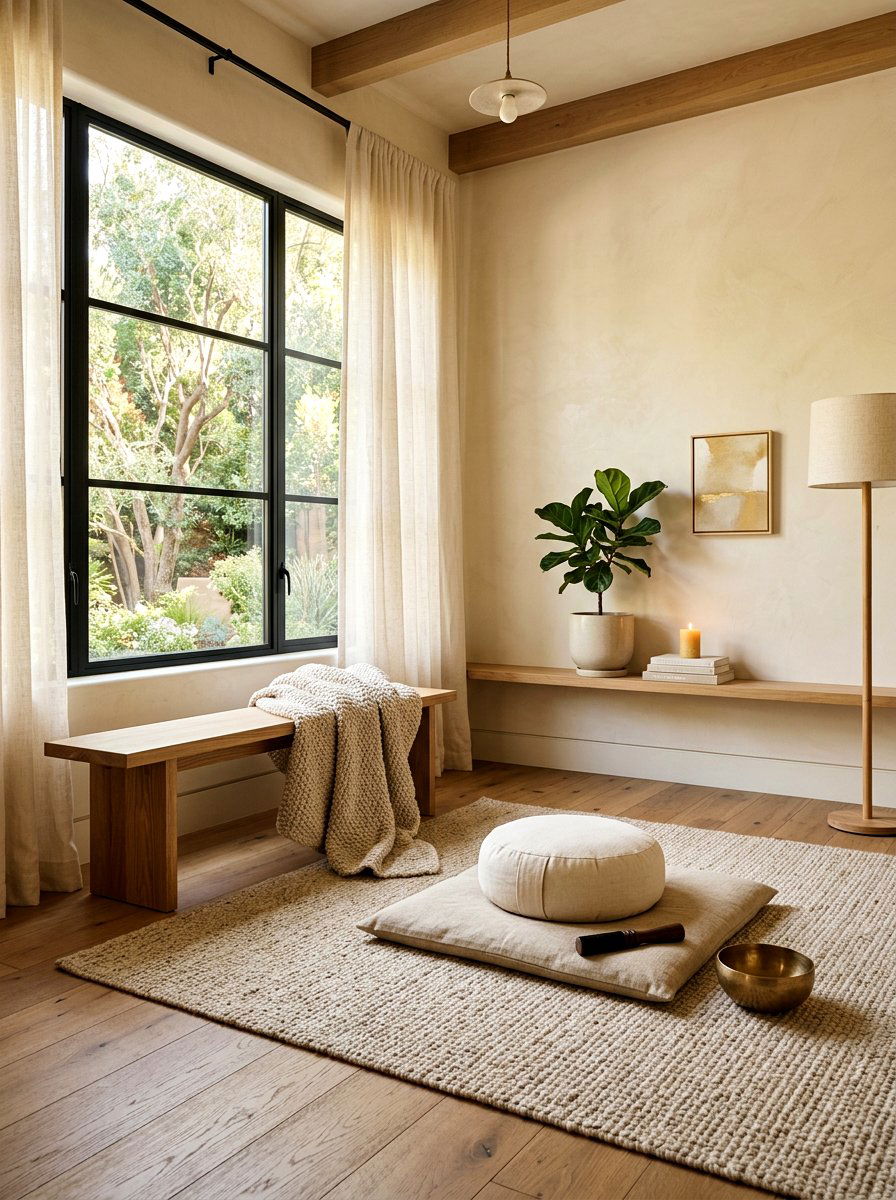
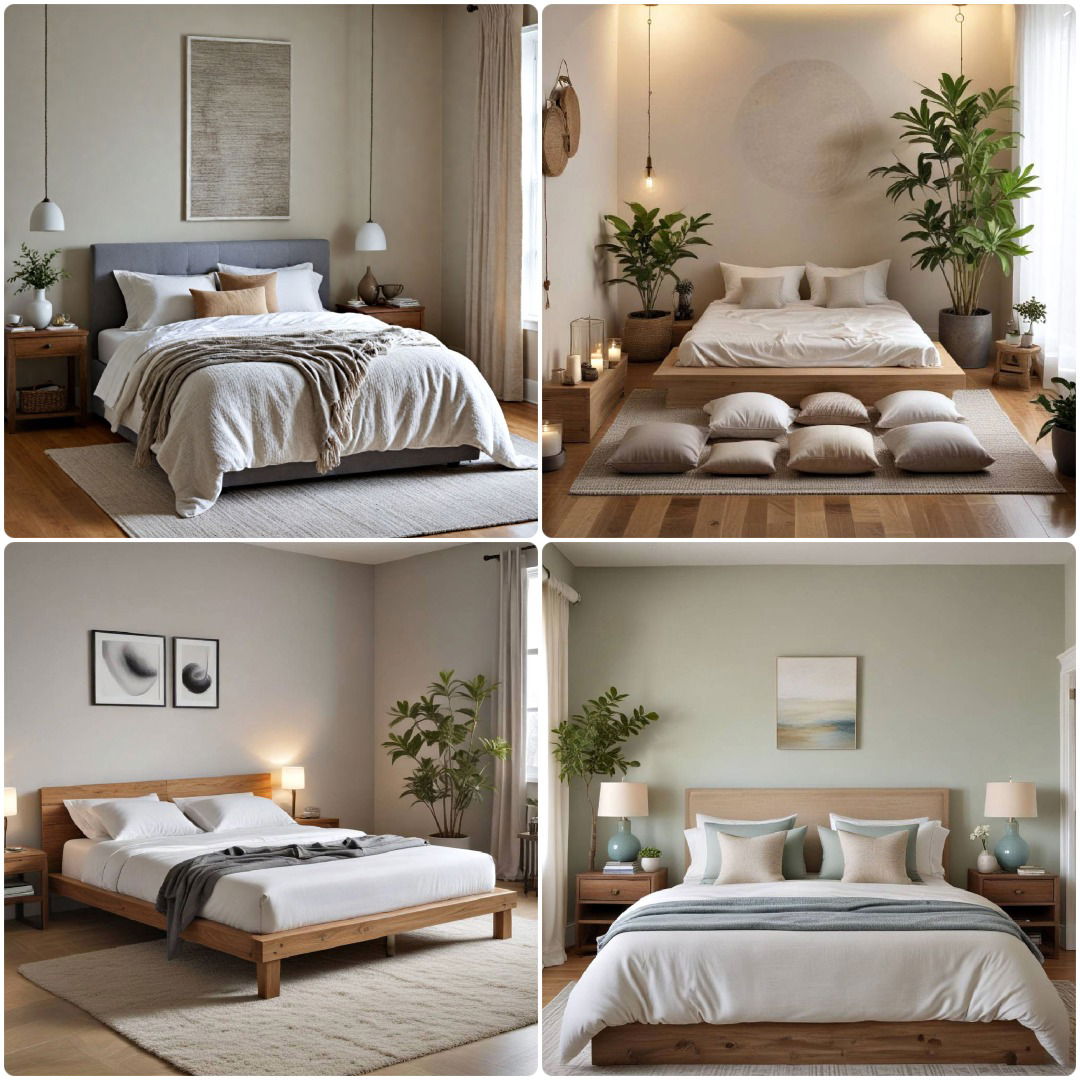
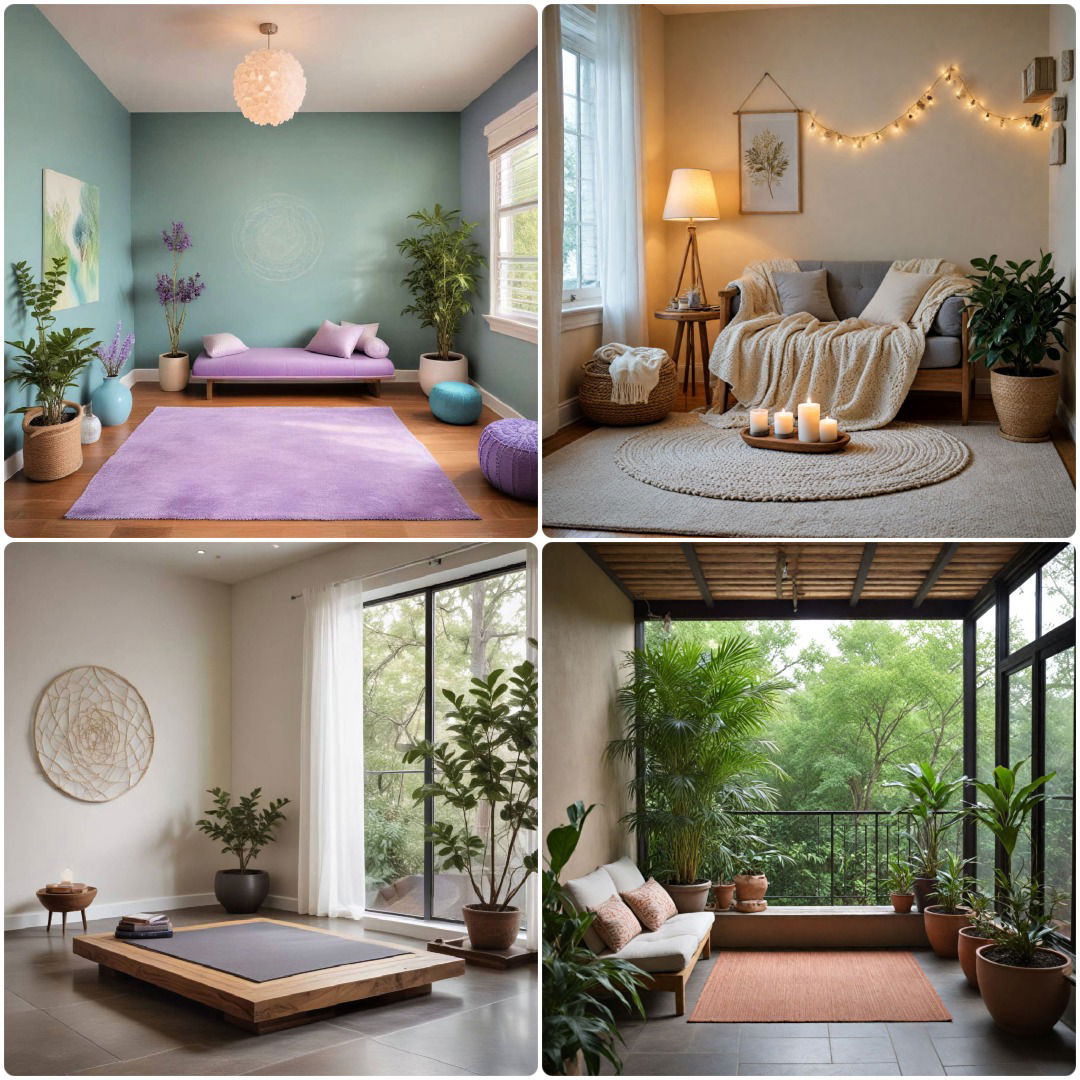
The neutral color meditation room uses a monochromatic palette to create a stable and soothing environment for the eyes. By layering different shades of cream, tan, and oatmeal, you create a space that feels warm and cohesive. This design often features a variety of textures, such as a chunky knit throw, a smooth linen cushion, and a matte-finished wooden floor. The absence of bold colors prevents the mind from being overstimulated, allowing you to settle into a deep state of relaxation more quickly. This timeless aesthetic works well in any home and provides a versatile backdrop that evolves with your changing needs and preferences.
15. Small space meditation nook
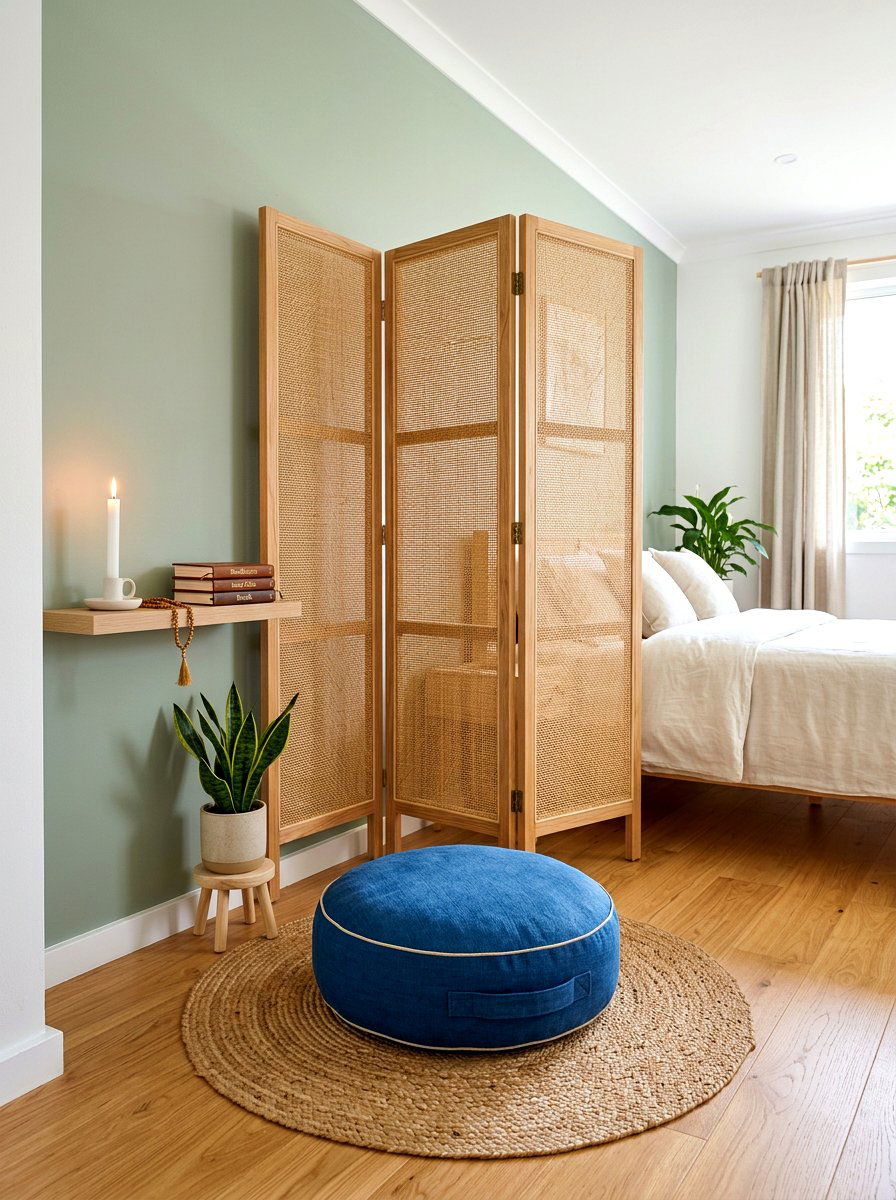
A small space meditation nook proves that even a tiny corner can become a powerful center for mindfulness. By using a stylish folding screen or a tall bookshelf, you can carve out a private area in a bedroom or living room. A single, high-quality meditation cushion and a small circular rug are often all you need to define the space. Wall-mounted shelves can hold a candle or a small plant, keeping the floor clear and open. This design emphasizes that the most important part of a meditation space is the intention behind it, rather than the total square footage or expensive furniture.
16. Japanese tatami meditation room
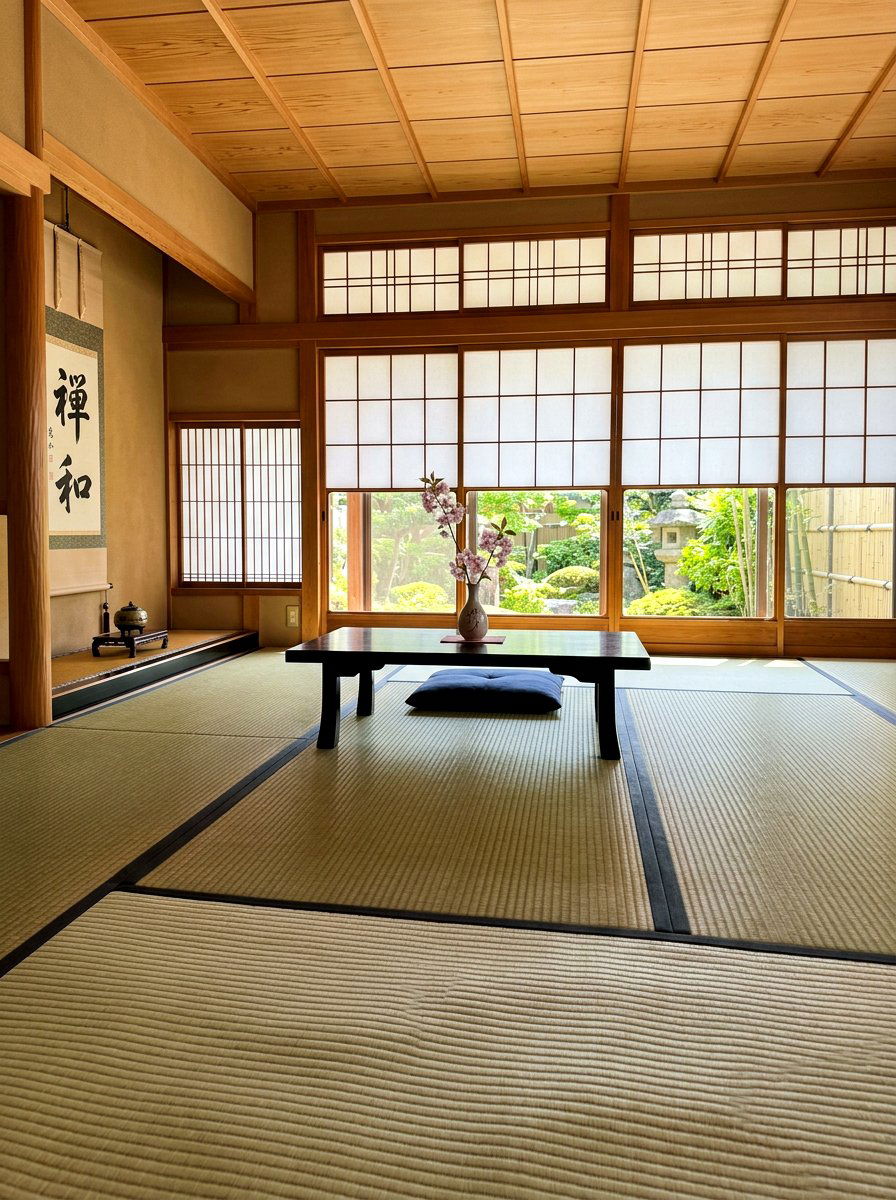
A Japanese tatami meditation room uses traditional design principles to create a balanced and disciplined environment. The space is anchored by woven straw tatami mats, which provide a firm yet yielding surface for sitting or light stretching. A low "chabudai" table might hold a cast-iron teapot or a single flower in a vase, following the concept of wabi-sabi. Sliding shoji screens can be used to filter the morning light into a soft, diffused glow that fills the room evenly. This aesthetic encourages a sense of ritual and respect for the practice, helping you approach each morning with a clear mind and a steady heart.
17. Hanging chair meditation corner
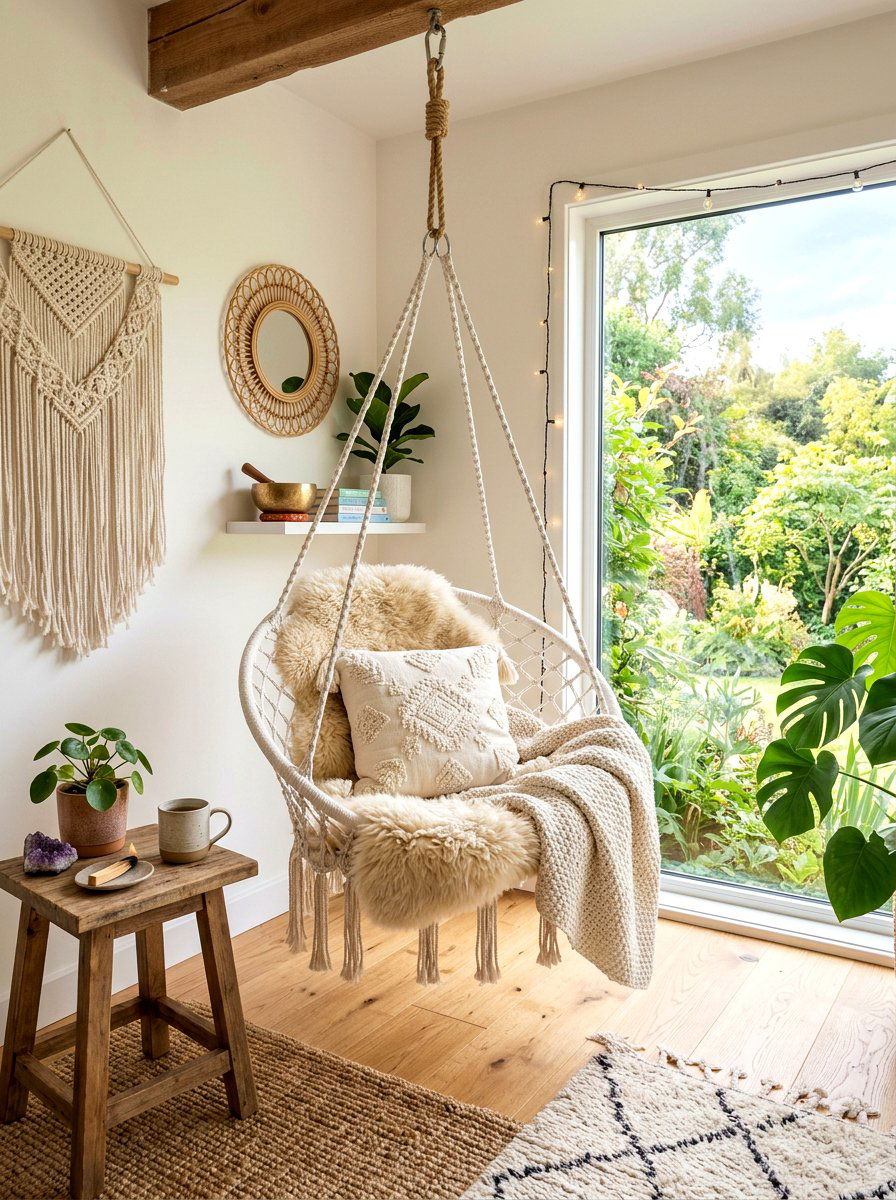
The hanging chair meditation corner adds a playful and weightless element to your morning mindfulness routine. A woven rattan or macramé egg chair suspended from the ceiling provides a gentle swaying motion that can be incredibly soothing for the nervous system. You can line the chair with soft sheepskin rugs and a small lumbar pillow for maximum comfort. Placing this setup near a window allows you to feel like you are floating among the treetops as the sun rises. This unique seating option is perfect for those who find traditional floor sitting difficult, offering a cozy and cocoon-like environment that feels safe and restorative.
18. Indoor water fountain meditation
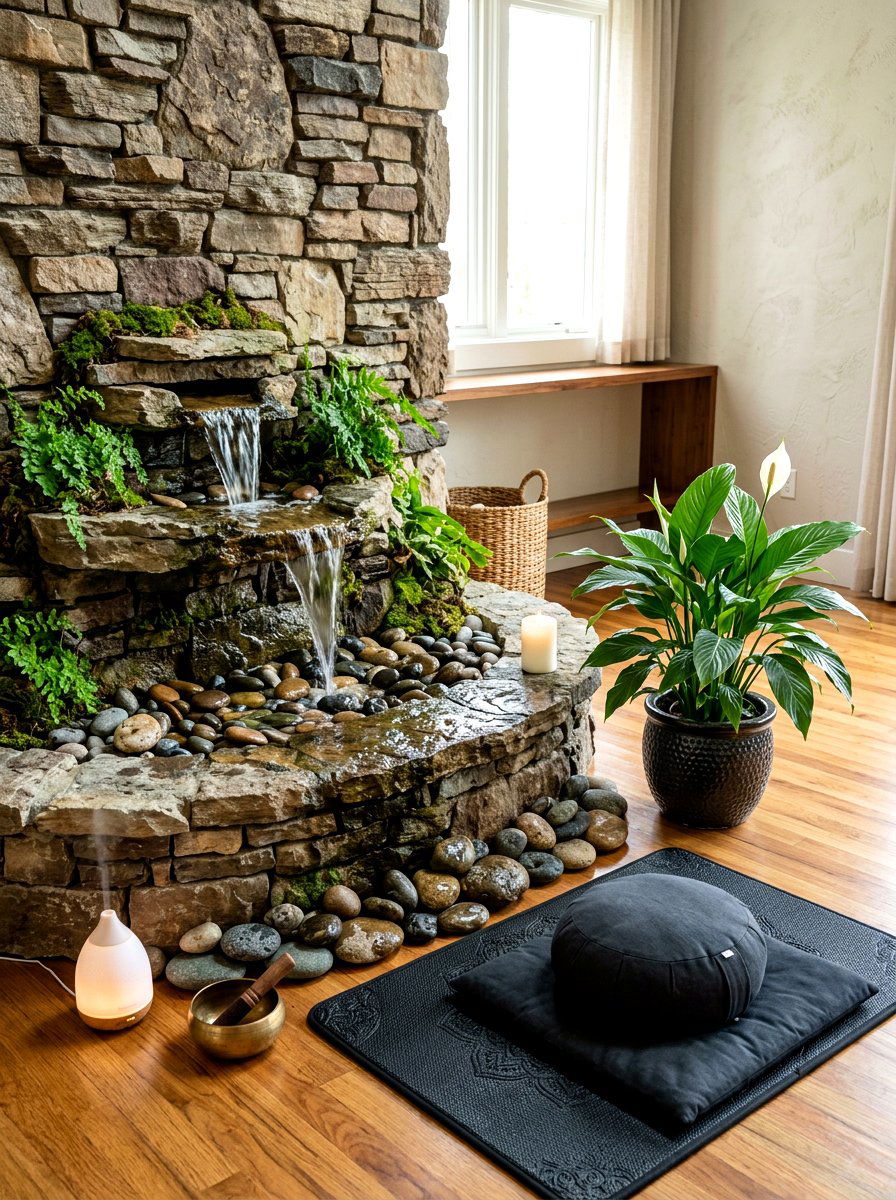
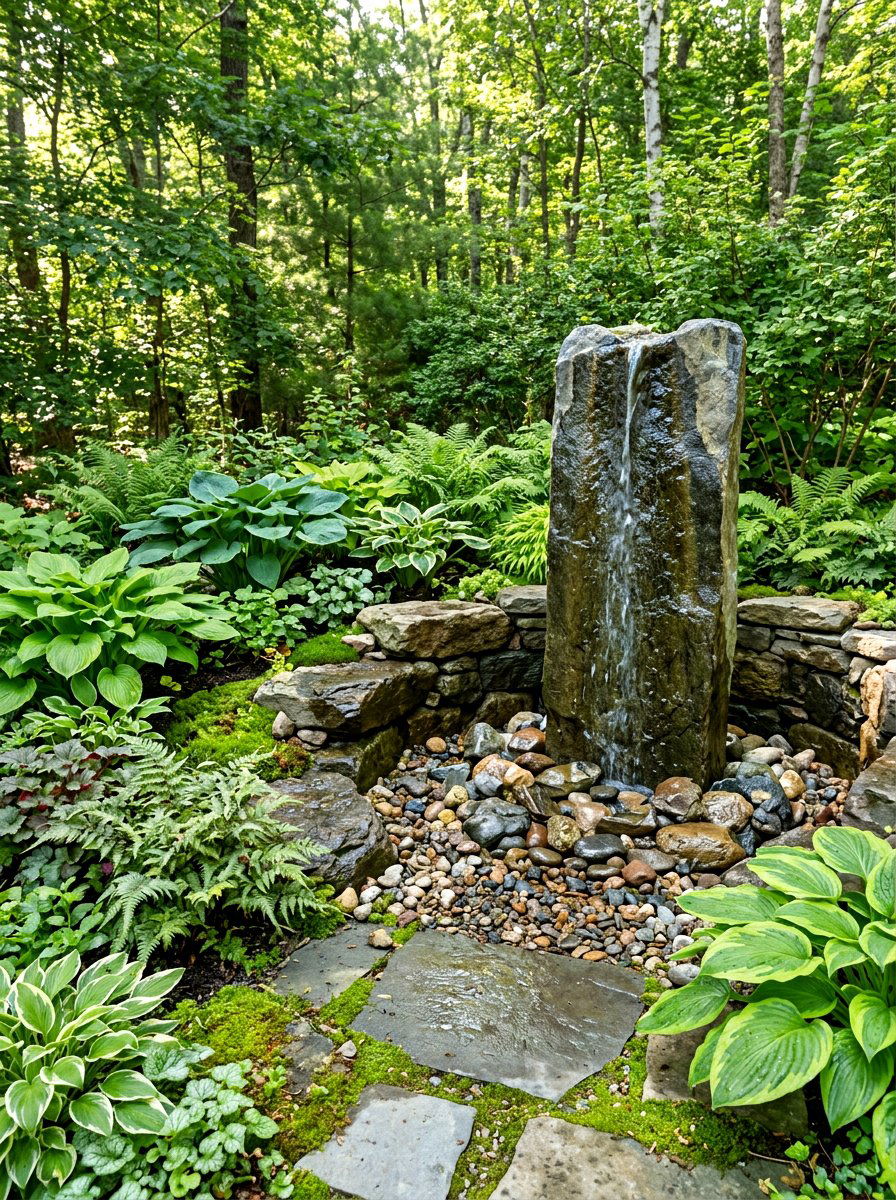
An indoor water fountain meditation space uses the gentle sound of moving water to drown out background noise and promote deep relaxation. A sleek slate or ceramic fountain can serve as the room's focal point, positioned on a low wooden stand or directly on the floor. The furniture around it should be simple, such as a dark-colored meditation mat that echoes the organic tones of the water feature. Adding a few smooth river stones and a moisture-loving plant like a peace lily completes the tranquil scene. The rhythmic trickling of the water provides a natural focal point for your ears, helping you maintain presence.
19. Biophilic meditation room design
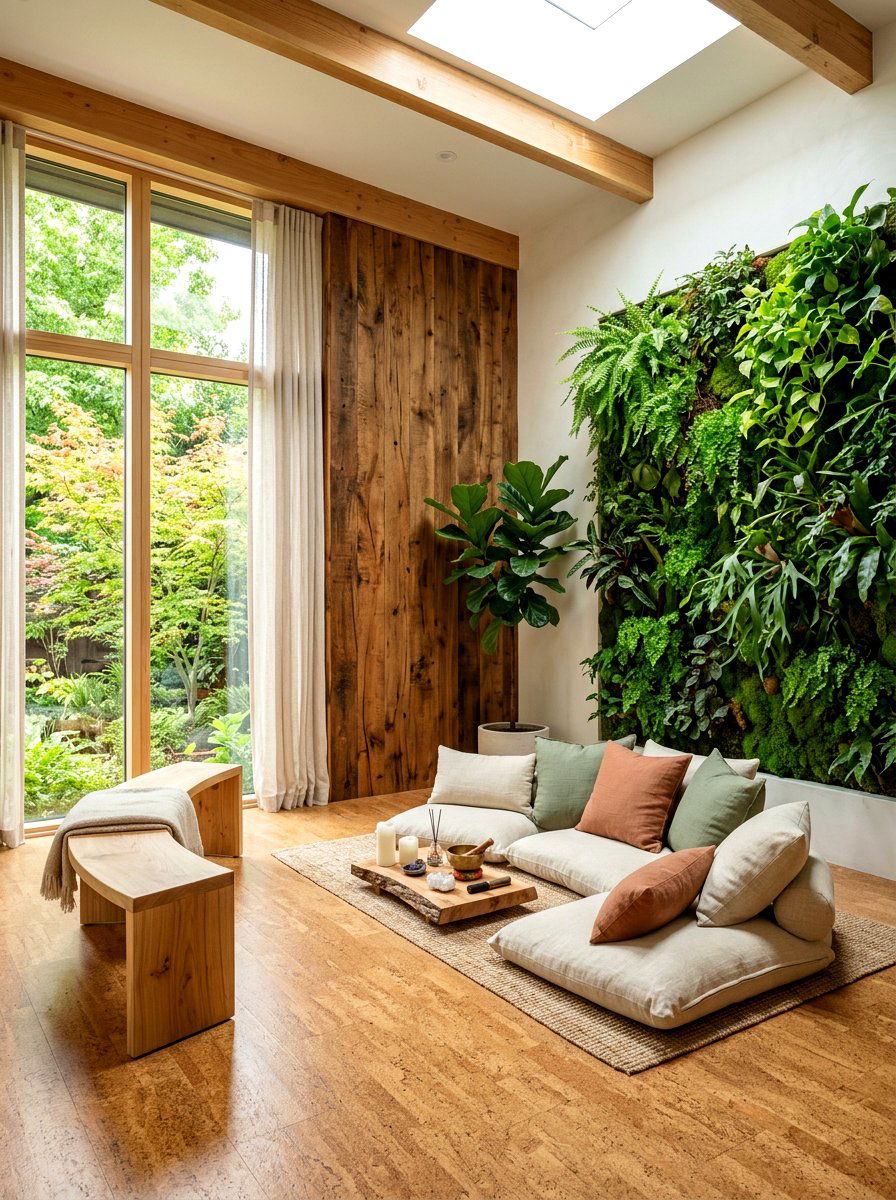
Biophilic meditation room design goes beyond just adding plants; it integrates natural patterns, materials, and light to improve well-being. This might include a feature wall made of reclaimed wood, a cork flooring system, or even a small indoor vertical garden. The space is designed to maximize views of the sky and local landscape, ensuring you feel connected to the outdoor environment. Furniture often features organic, curved shapes rather than sharp angles, mimicking the forms found in nature. This comprehensive approach creates a highly restorative environment that lowers stress and boosts creativity, making it the perfect place to start your morning on a positive note.


20. Shag rug meditation space
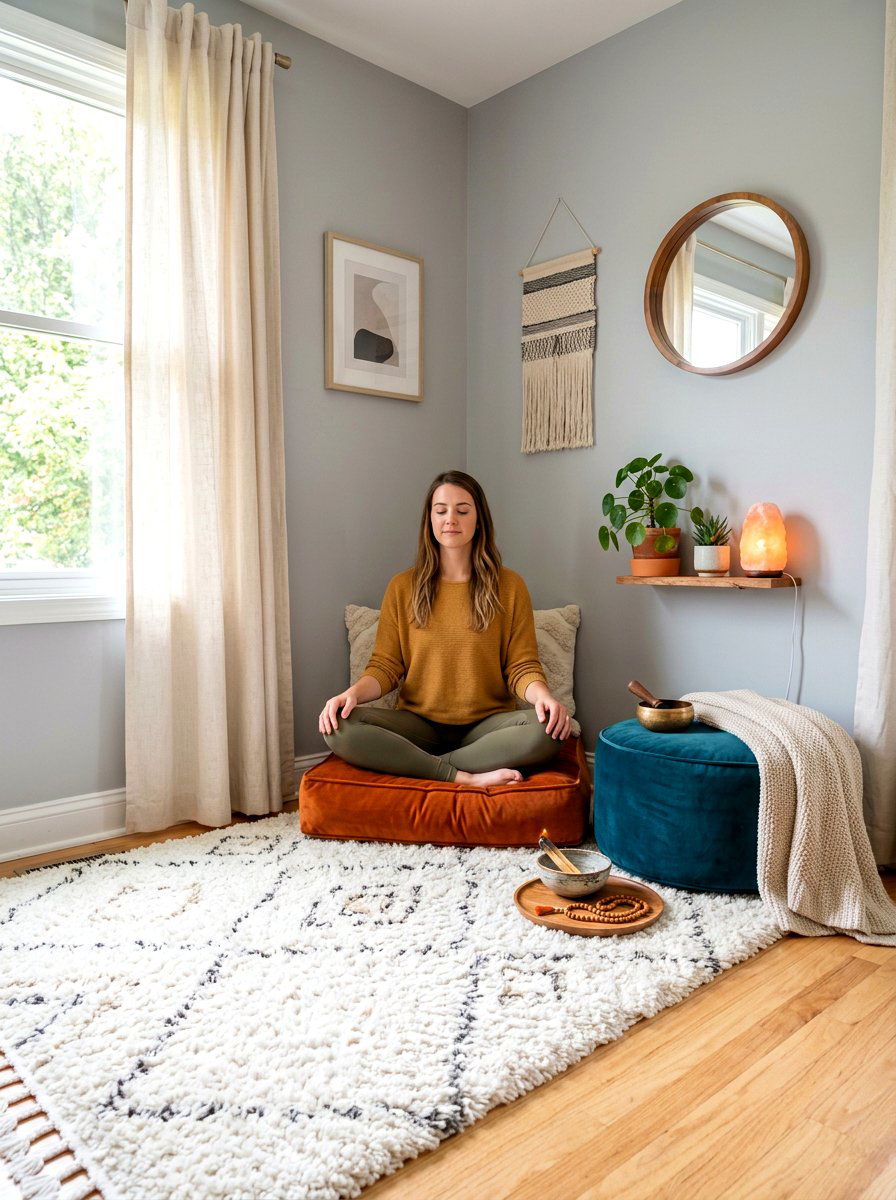
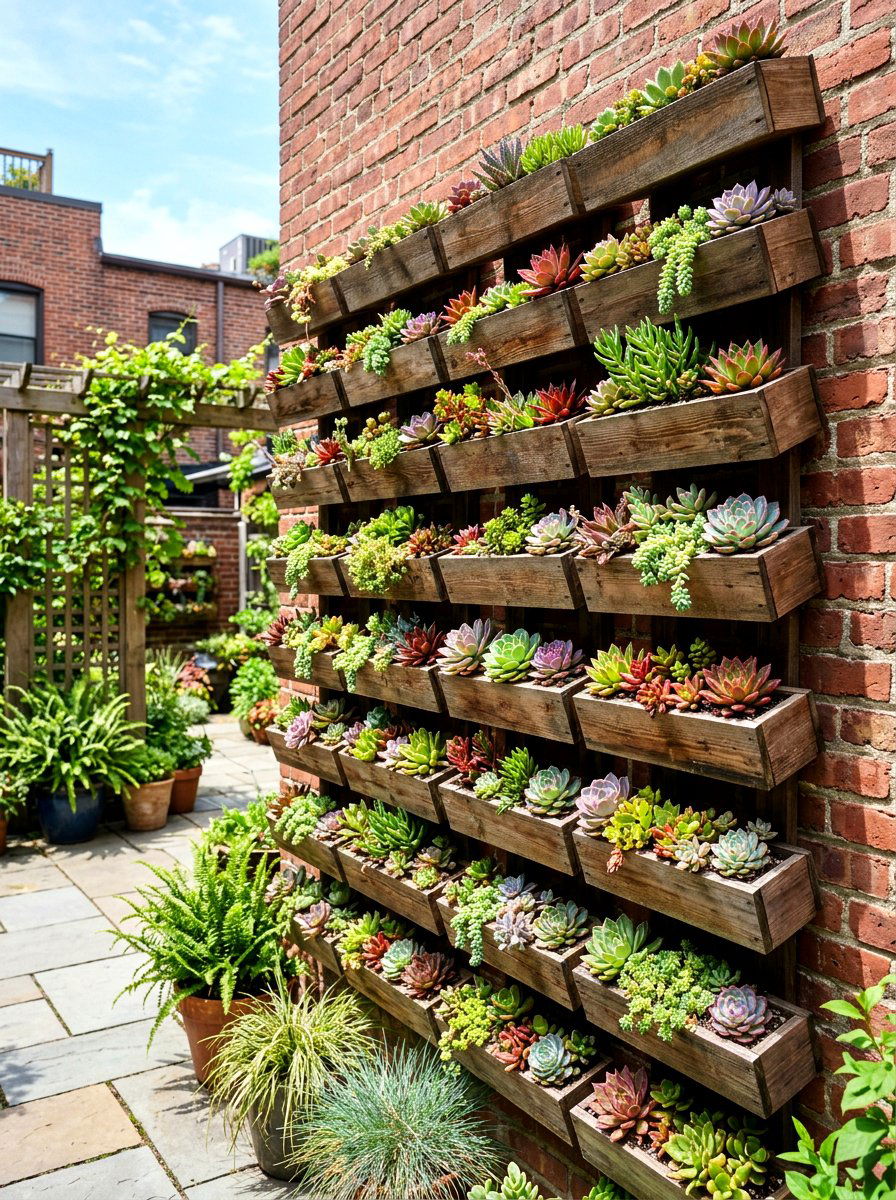
A shag rug meditation space focuses on extreme tactile comfort and a soft, inviting aesthetic. High-pile Moroccan or faux-fur rugs provide a cloud-like foundation that makes sitting on the floor a luxurious experience. This design often incorporates other soft elements, like oversized floor poufs and velvet drapes that help with sound insulation. Using a color palette of warm whites and soft grays keeps the room feeling light and airy despite the heavy textures. This setup is particularly wonderful for cold mornings, as the thick rug provides extra warmth underfoot, making it much easier to leave your bed and commit to your daily seated practice.
21. Sound bowl meditation room
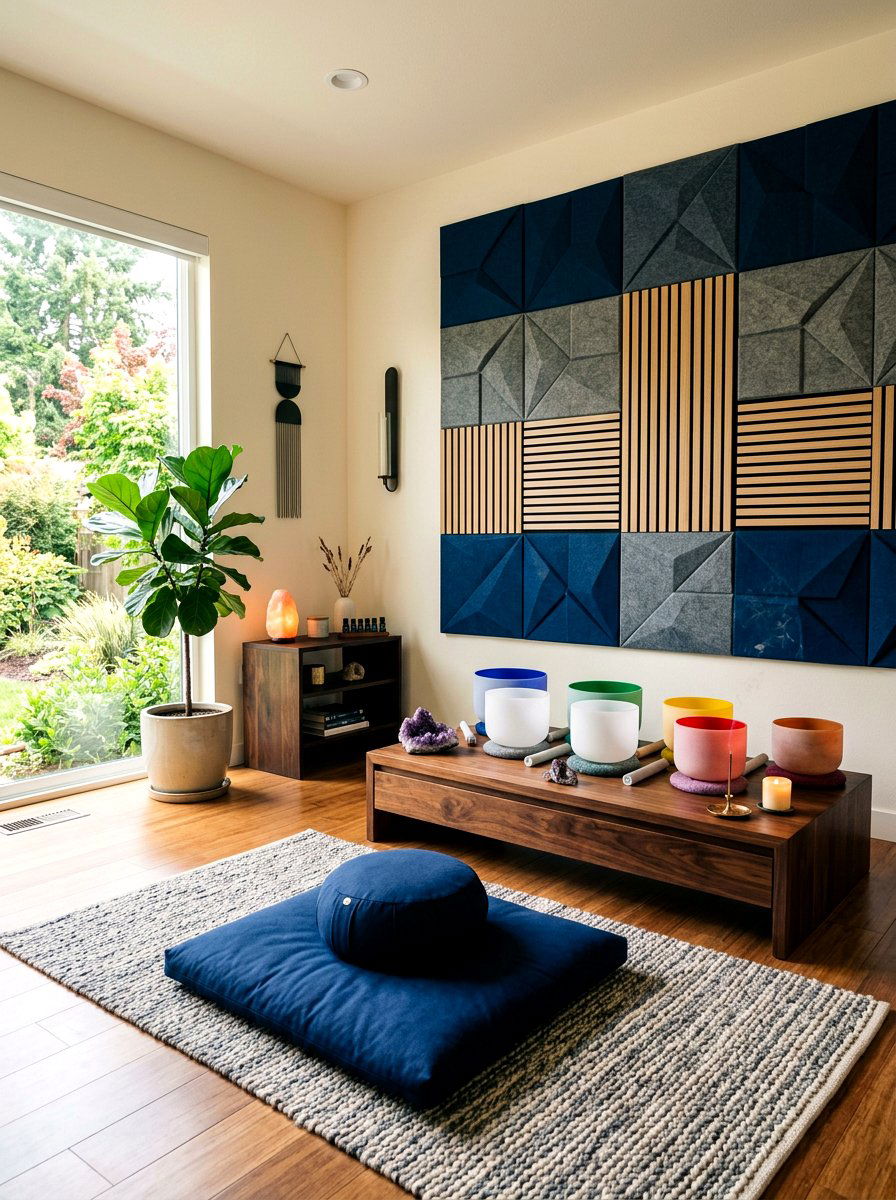
The sound bowl meditation room is a specialized space designed for acoustic resonance and vibrational healing. A dedicated shelf or low altar holds an array of frosted quartz or hammered metal singing bowls, which are used to mark the beginning and end of each session. The room might include acoustic wall panels disguised as art to enhance the sound quality and prevent echoes. Simple, low-profile seating like a zabuton ensures your body is grounded as the sound waves wash over you. This environment is perfect for practitioners who use auditory tools to reach deeper states of consciousness and mental clarity during the quiet dawn.
22. Incense burner meditation corner
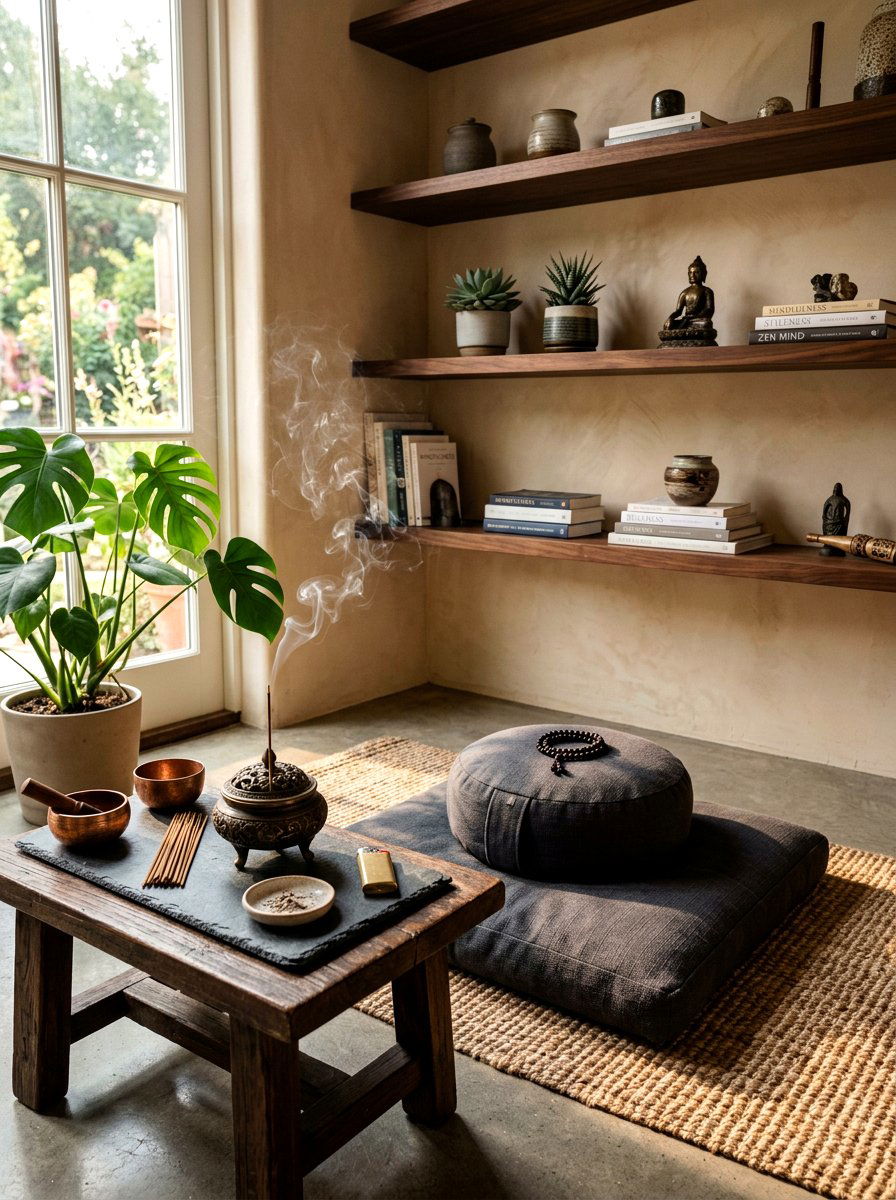
An incense burner meditation corner creates a ritualistic atmosphere through the ancient practice of smudging or aromatherapy. This area often features a beautiful brass or ceramic burner placed on a stone tray to catch ash, surrounded by bundles of sage, palo santo, or high-quality incense sticks. The decor is usually dark and grounding, with rich wood tones and deep blue or charcoal accents. Small drawers or boxes keep your supplies organized and protected from moisture. As the thin wisps of smoke rise in the morning light, they provide a visual anchor for your meditation and help clear the air of stagnant energy.
23. Rattan furniture meditation nook
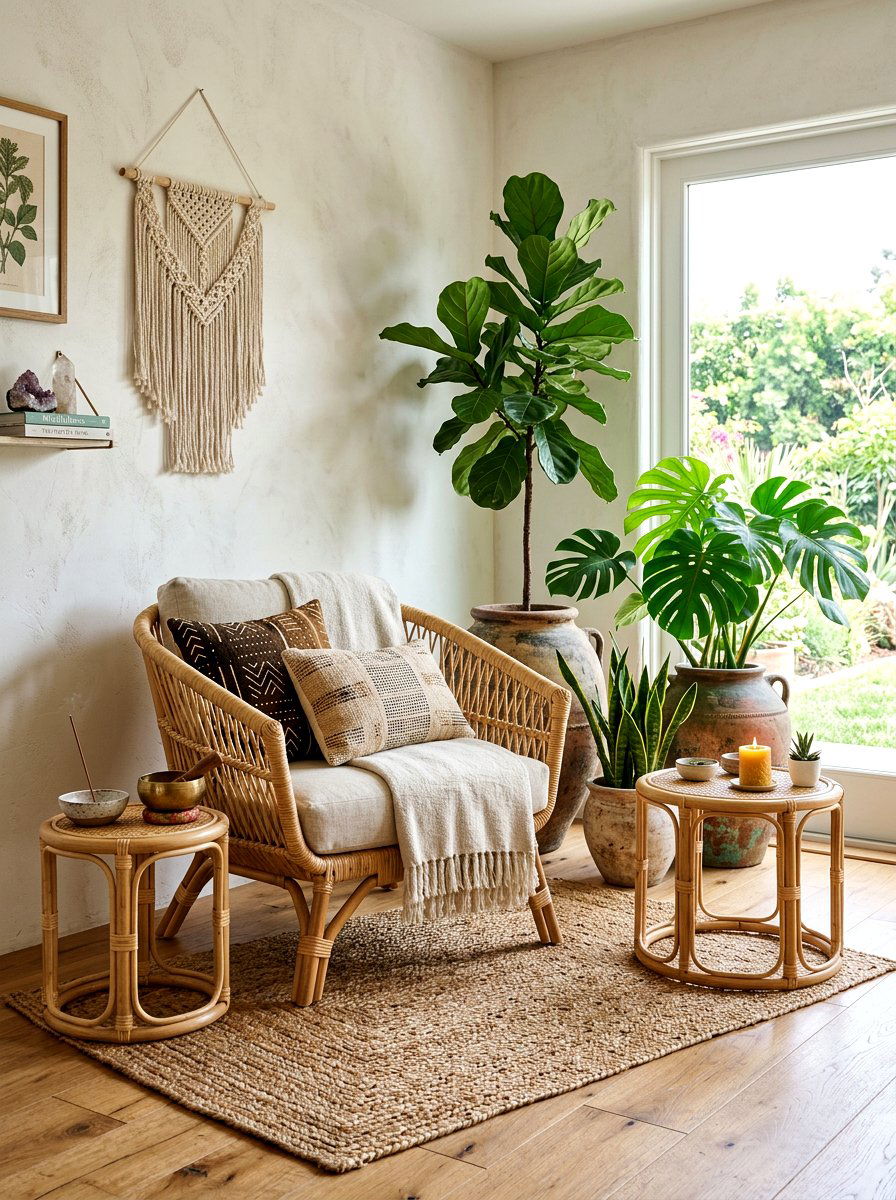
Rattan furniture meditation nooks bring a touch of vintage-inspired warmth and organic texture to your home. A low rattan daybed or a wide-seated wicker chair provides a comfortable place to sit without feeling as formal as traditional furniture. You can style the piece with linen cushions and a light cotton throw for a breathable, natural feel. This design works exceptionally well in sun-drenched corners, as the woven material creates beautiful shadow patterns on the floor. Pairing rattan with a jute rug and a few oversized clay pots creates a cohesive, earthy look that feels timeless and effortlessly chic for a morning wellness routine.
24. Open patio meditation area
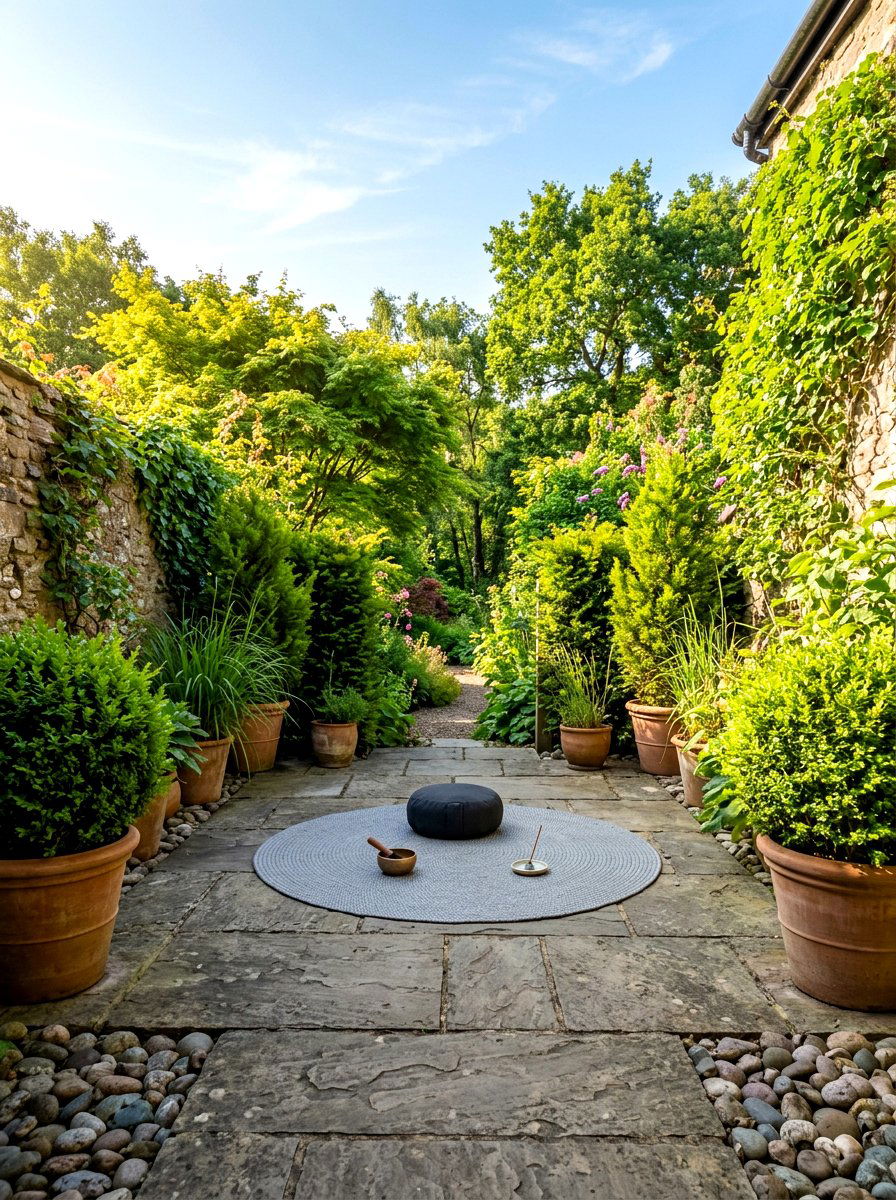
An open patio meditation area is a versatile outdoor solution that can be integrated into your existing porch or courtyard. By clearing a dedicated corner and adding a durable outdoor meditation rug, you create a space that feels separate from the rest of your home life. Using weather-resistant screens or tall potted shrubs can help define the boundaries and provide much-needed privacy. This setup allows you to feel the direct warmth of the sun on your skin and the cool morning breeze, which can be incredibly energizing. It is a simple way to reclaim your outdoor space for health and mental well-being.

25. Rustic wood meditation room
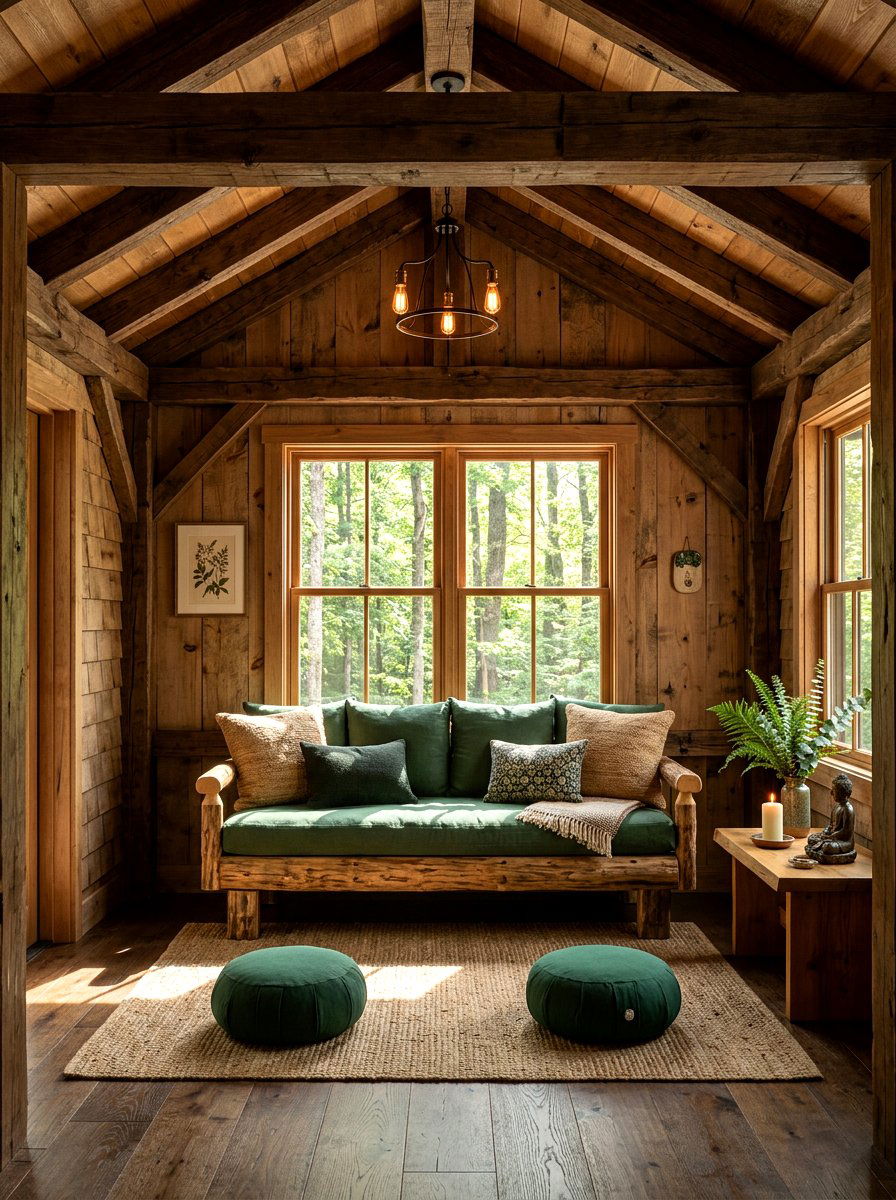
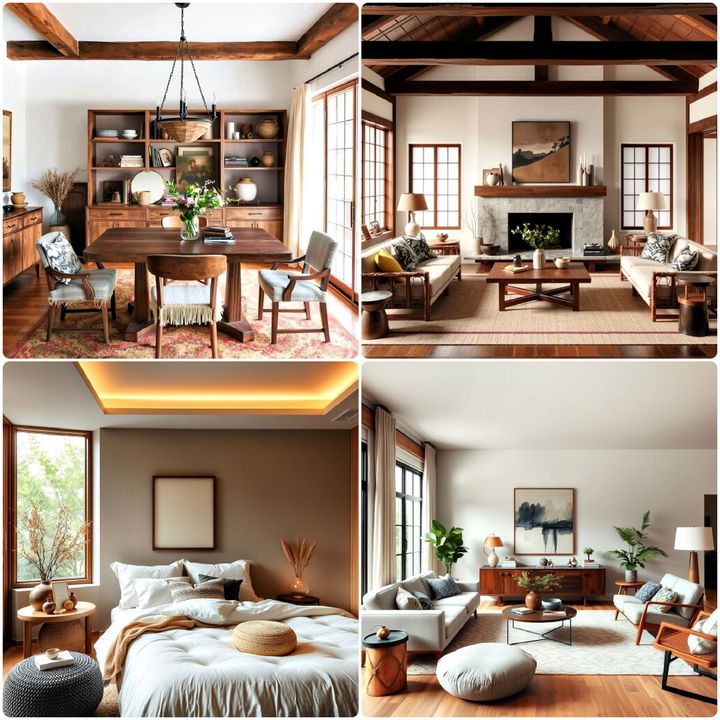
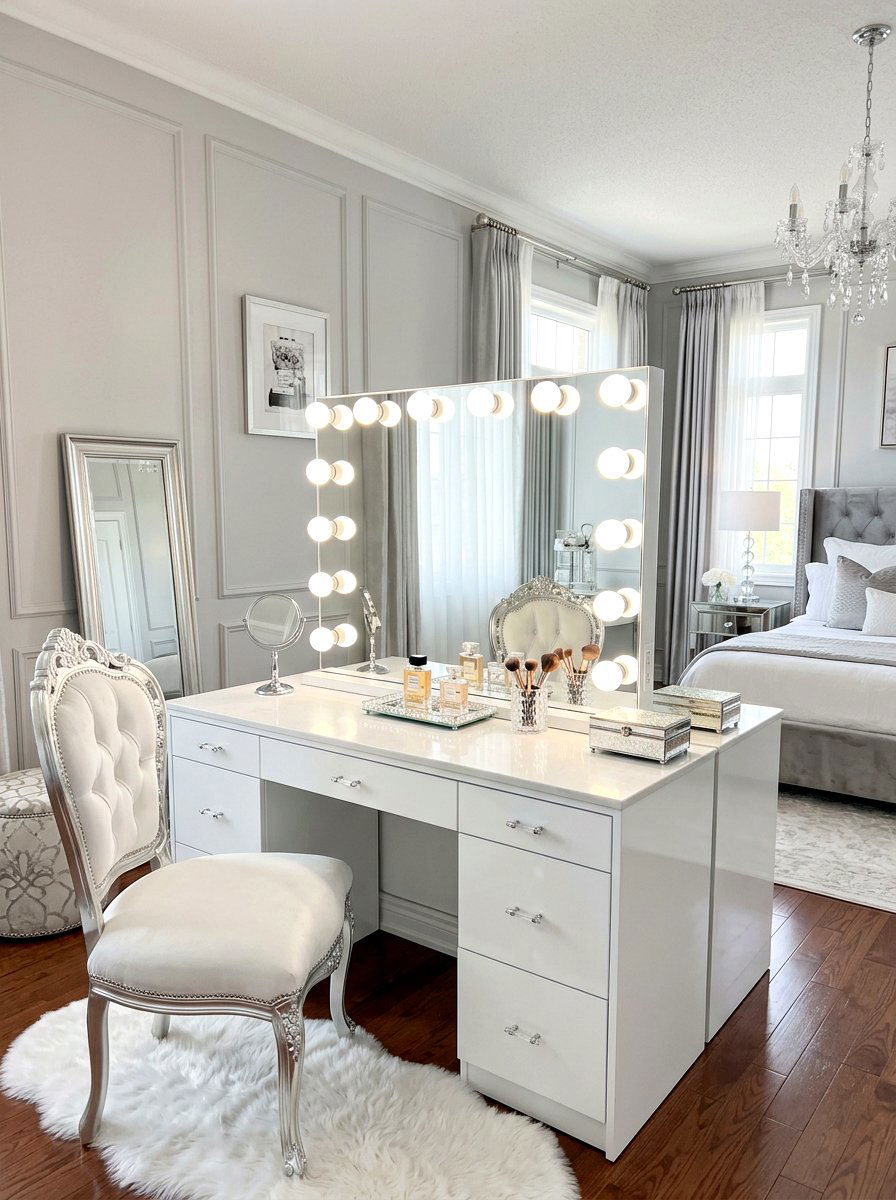
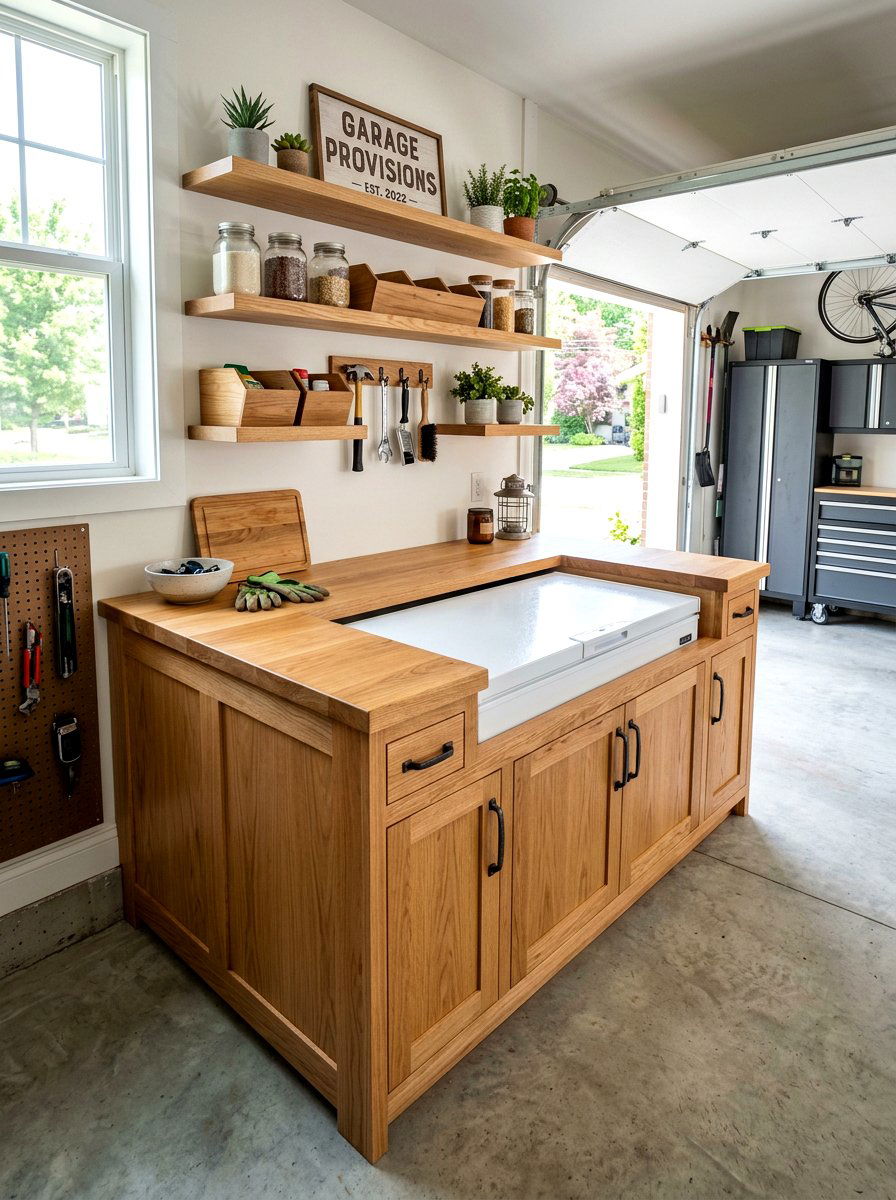
A rustic wood meditation room uses the rugged beauty of natural timber to create a warm and protective sanctuary. This design might feature exposed ceiling beams, shiplap walls, or a heavy barn-style door. The furniture is often chunky and handmade, such as a bench carved from a single log or a low wooden platform for your cushions. Earthy tones like rust, forest green, and deep brown complement the wood grain perfectly. This space feels solid and permanent, providing a strong sense of security that allows you to let go of external worries and focus entirely on your breath and internal state.
26. Master bedroom meditation corner
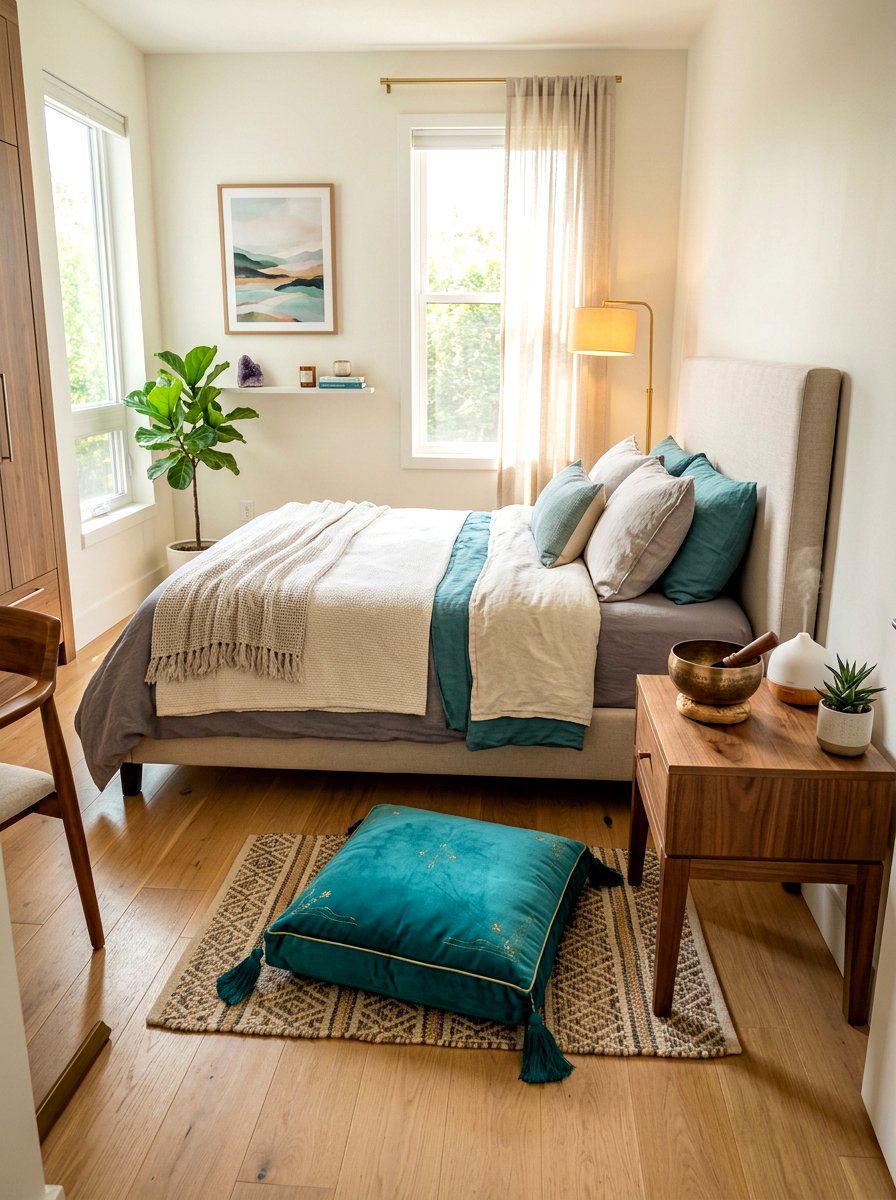
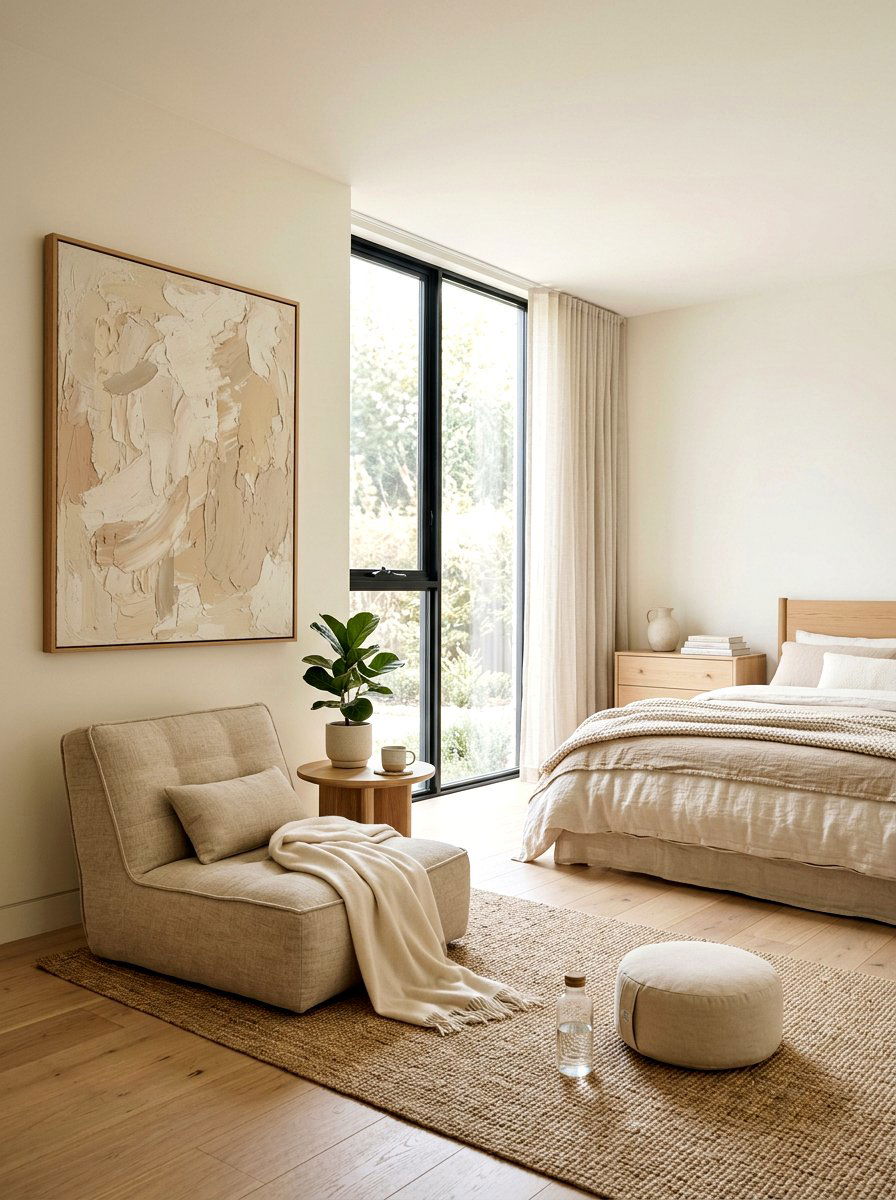
The master bedroom meditation corner is the most convenient option for those who want to jump straight into their practice upon waking. By placing a small rug and a decorative floor cushion in a quiet corner near a window, you create a seamless transition from sleep to mindfulness. This area should be kept free of laundry baskets or work-related items to maintain its sacred feel. A small bedside table can hold your meditation bell and a lamp with a warm-toned bulb for dark winter mornings. This design prioritizes ease of use, ensuring that your morning ritual becomes an unbreakable part of your daily routine.
27. Morning yoga meditation room
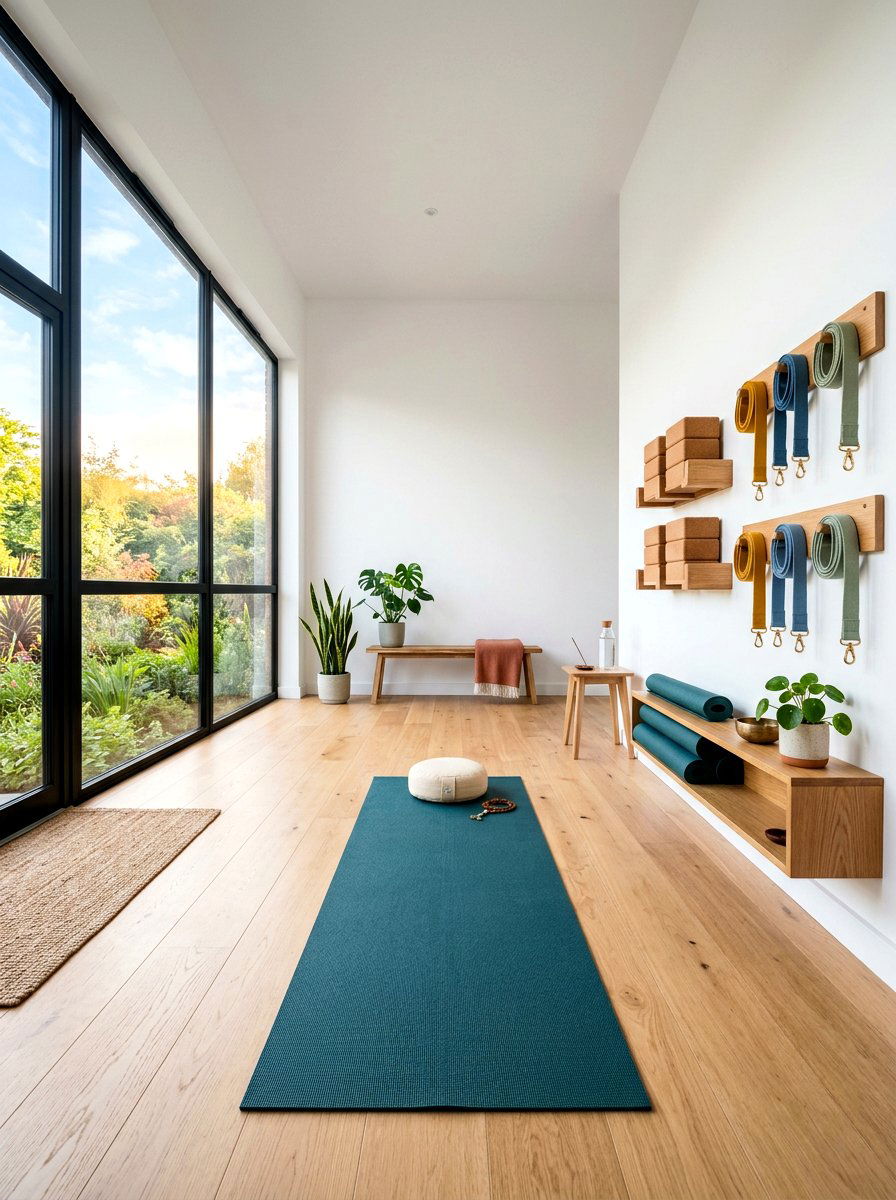
A morning yoga meditation room is a dual-purpose space designed for both movement and stillness. It features a high-quality, non-slip floor or a large area rug that accommodates both a yoga mat and a seated meditation setup. Wall-mounted racks for mats, blocks, and straps keep the room organized and clutter-free. Large mirrors can be used to check your alignment during poses, but they should be positioned so they aren't a distraction during seated meditation. This room often has a vibrant and energetic feel, with bright white walls and plenty of natural light to help wake up your body and mind simultaneously.
28. Sunrise candle meditation space
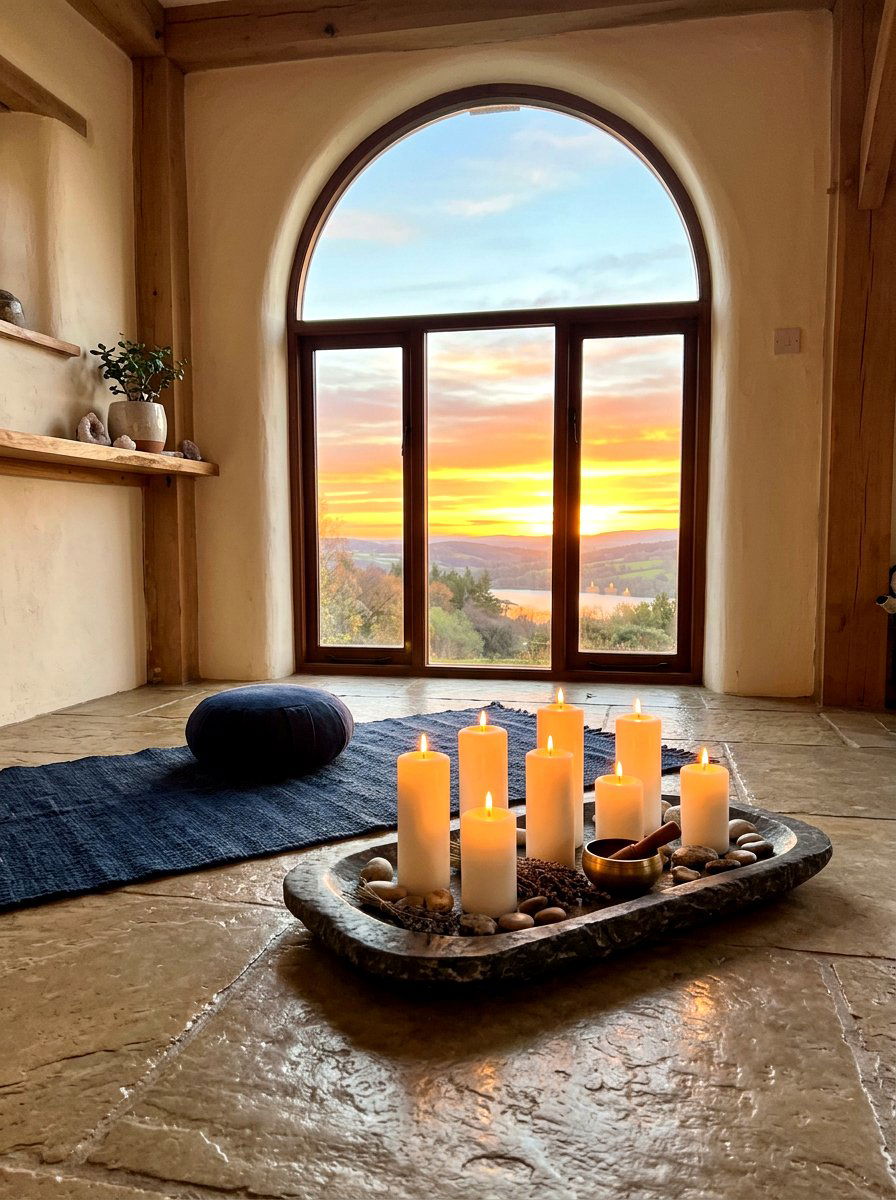
The sunrise candle meditation space is ideal for those who wake up before the sun has fully climbed the horizon. This setup uses a collection of unscented pillar candles or tea lights arranged on a low stone platter to provide a soft, flickering glow. As the room gradually transitions from candlelight to natural sunlight, you experience a beautiful symbolic shift from darkness to light. The furniture should be minimal and dark, allowing the flames to be the primary focus. This practice can be incredibly grounding, as the steady light of the candles helps anchor your gaze and quiet any racing thoughts during the early hours.
29. Modern basement meditation room
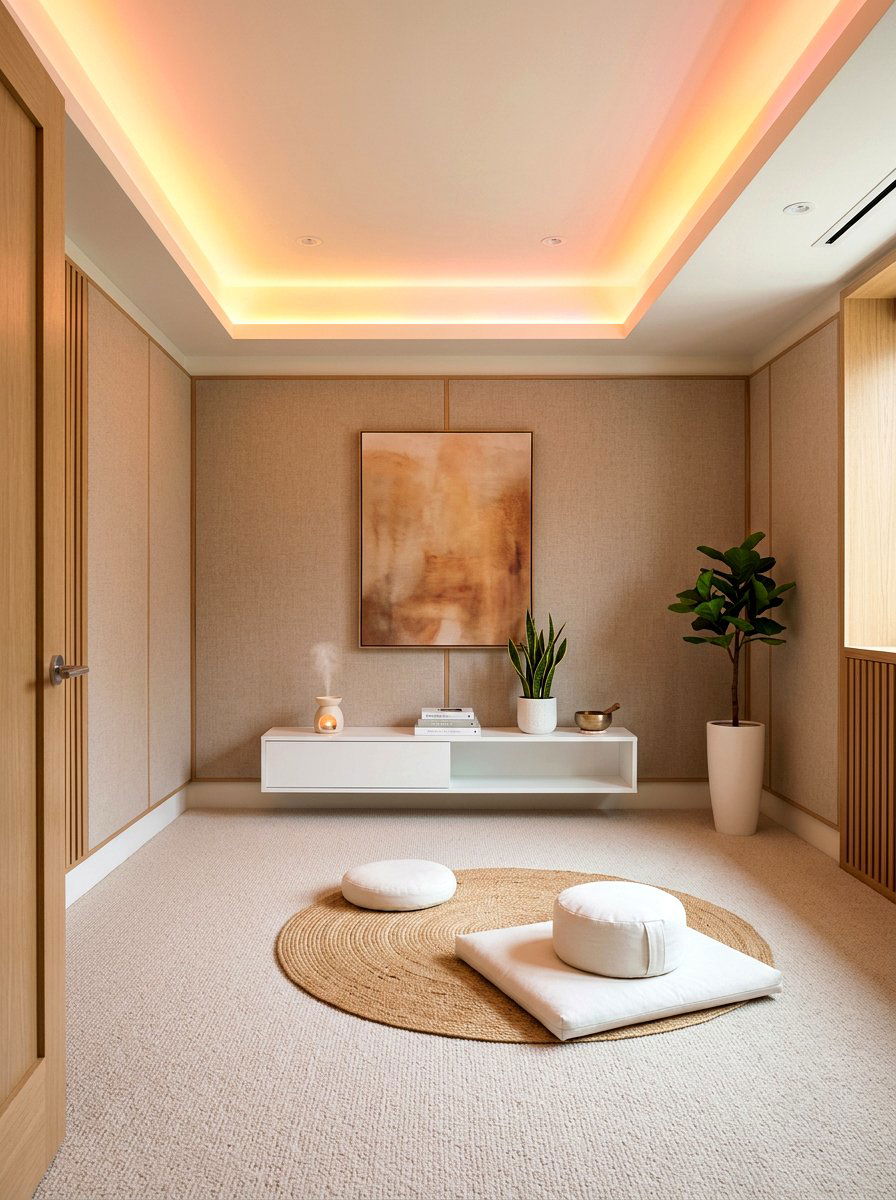
A modern basement meditation room offers a unique advantage: absolute silence and temperature control. By using high-quality lighting that mimics natural daylight, you can create a bright and welcoming environment even without traditional windows. This design often features recessed LED strips that can be programmed to simulate a sunrise, helping regulate your circadian rhythm. Plush carpeting, acoustic wall treatments, and a minimalist color palette turn a once-dark storage area into a high-end wellness sanctuary. This space is perfect for those living in noisy neighborhoods or busy households who need a truly secluded place to find their morning zen and inner peace.
30. Desert view meditation deck
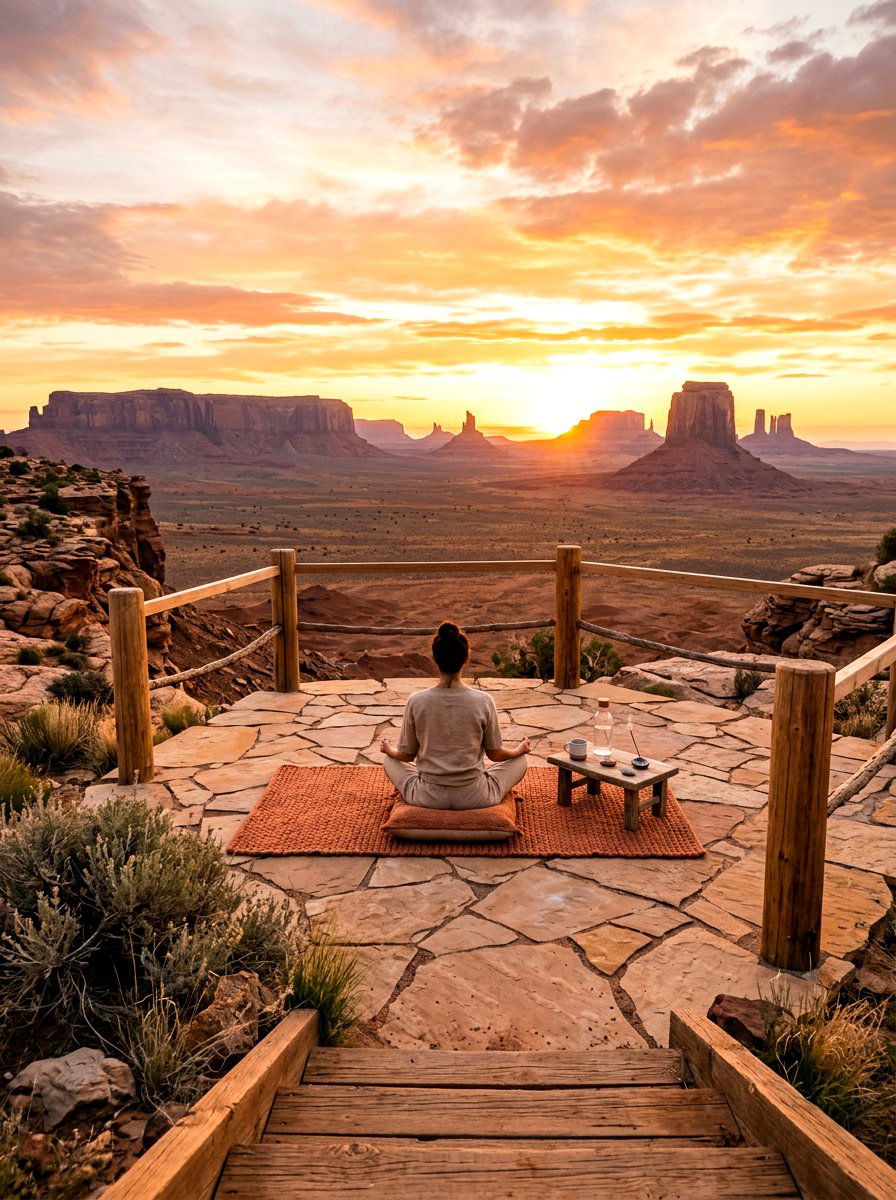
A desert view meditation deck embraces the stark and breathtaking beauty of arid landscapes. This design uses a simple, low-profile wooden or stone platform that blends into the surrounding sand and rock formations. The furniture is kept very minimal to not compete with the vast horizon, perhaps just a single neutral-toned mat and a low table for water. The color palette of the decor should echo the desert's natural hues, such as terracotta, ochre, and sage green. Watching the sun rise over the desert peaks provides a powerful sense of awe and perspective, making each morning session feel like a profound spiritual event.
Conclusion:
Investing time and energy into a sunrise meditation space is one of the most rewarding home projects you can undertake for your mental health. By tailoring your environment to suit your personal style — whether that is a lush indoor garden or a minimalist attic nook — you create a physical anchor for your mindfulness practice. Each of these ideas emphasizes the importance of light, comfort, and the removal of daily clutter to foster a sense of internal peace. As you consistently use your dedicated space, it will begin to hold a calming energy that makes your morning sessions easier and more profound. Start small, focus on what makes you feel grounded, and enjoy the beautiful transformation of your daily routine.

Related posts: