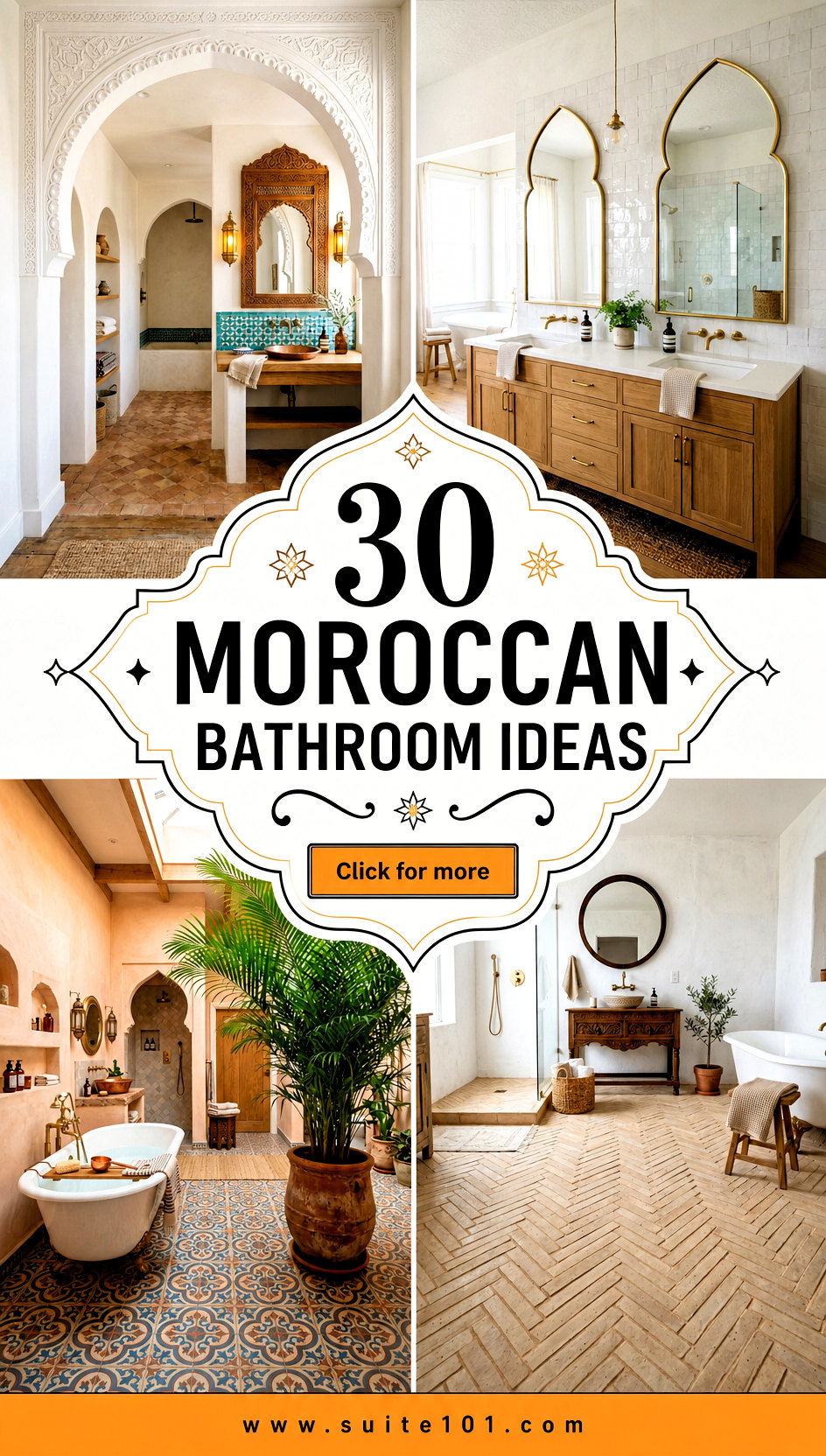
Transforming your bathroom into a personal sanctuary often involves looking toward the rich cultural heritage and vibrant aesthetics of North Africa. Moroccan design offers a unique blend of intricate patterns, earthy textures, and bold colors that can turn any standard bathroom into a luxurious retreat. This style is particularly popular on Pinterest because it combines ancient craftsmanship with modern sensibilities, creating spaces that feel both historic and fresh. Whether you are planning a complete renovation or just looking to add a few exotic touches, these concepts will help you master the look. From the shimmering surfaces of Zellige tiles to the smooth, waterproof finish of traditional Tadelakt plaster, there are endless ways to incorporate Moroccan charm.
1. Blue Zellige Tile Bathroom
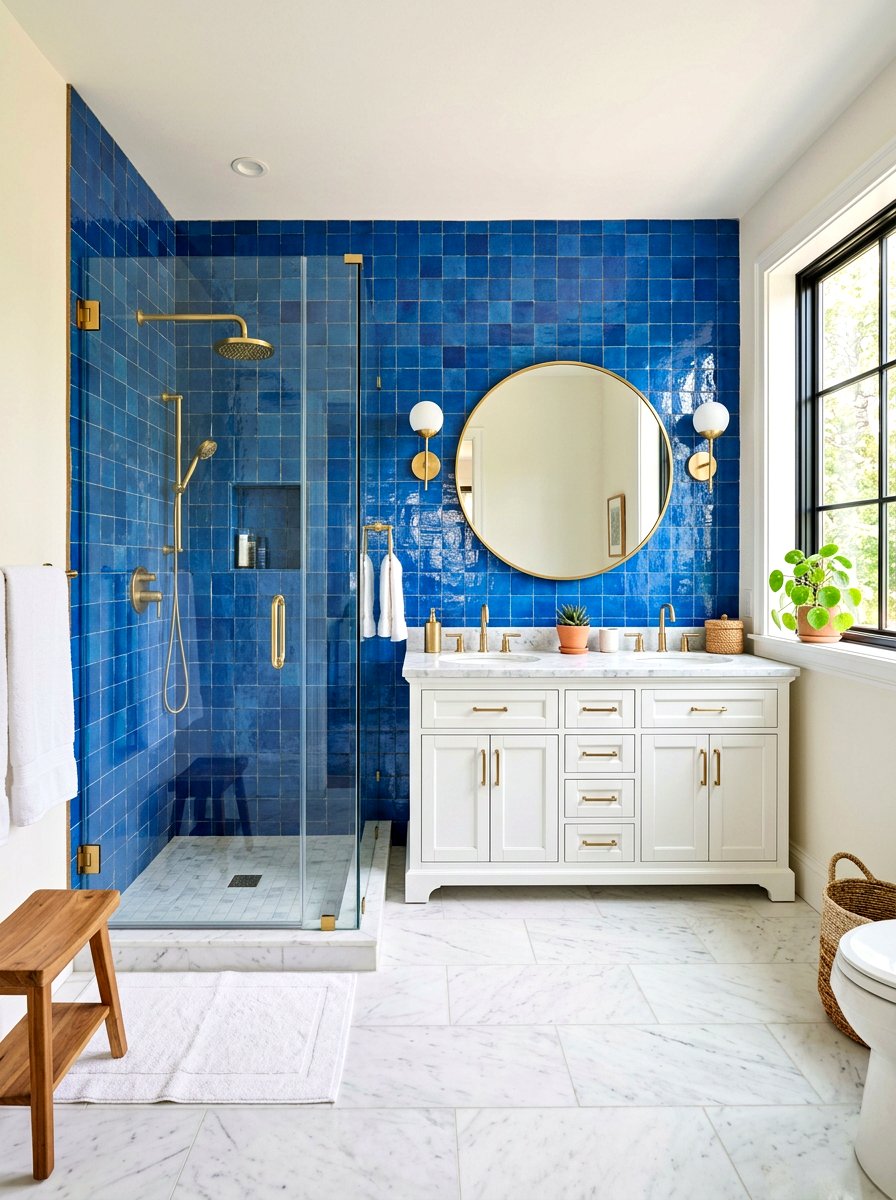
Blue Zellige tiles are a cornerstone of Moroccan architecture, known for their handmade quality and shimmering glazed finish. These tiles are crafted from natural clay and fired in traditional kilns, resulting in distinct imperfections that catch the light beautifully. When used across an entire bathroom wall or inside a shower, they create a deep, watery effect that feels incredibly soothing. Pairing these vibrant blue tiles with crisp white porcelain or warm wood accents helps to balance the space, ensuring the room feels bright, open, and undeniably sophisticated. The artisanal nature of Zellige brings a sense of history and craftsmanship to modern interiors, making the bathroom feel like a true destination within your own home.
2. Tadelakt Plaster Wall Bathroom
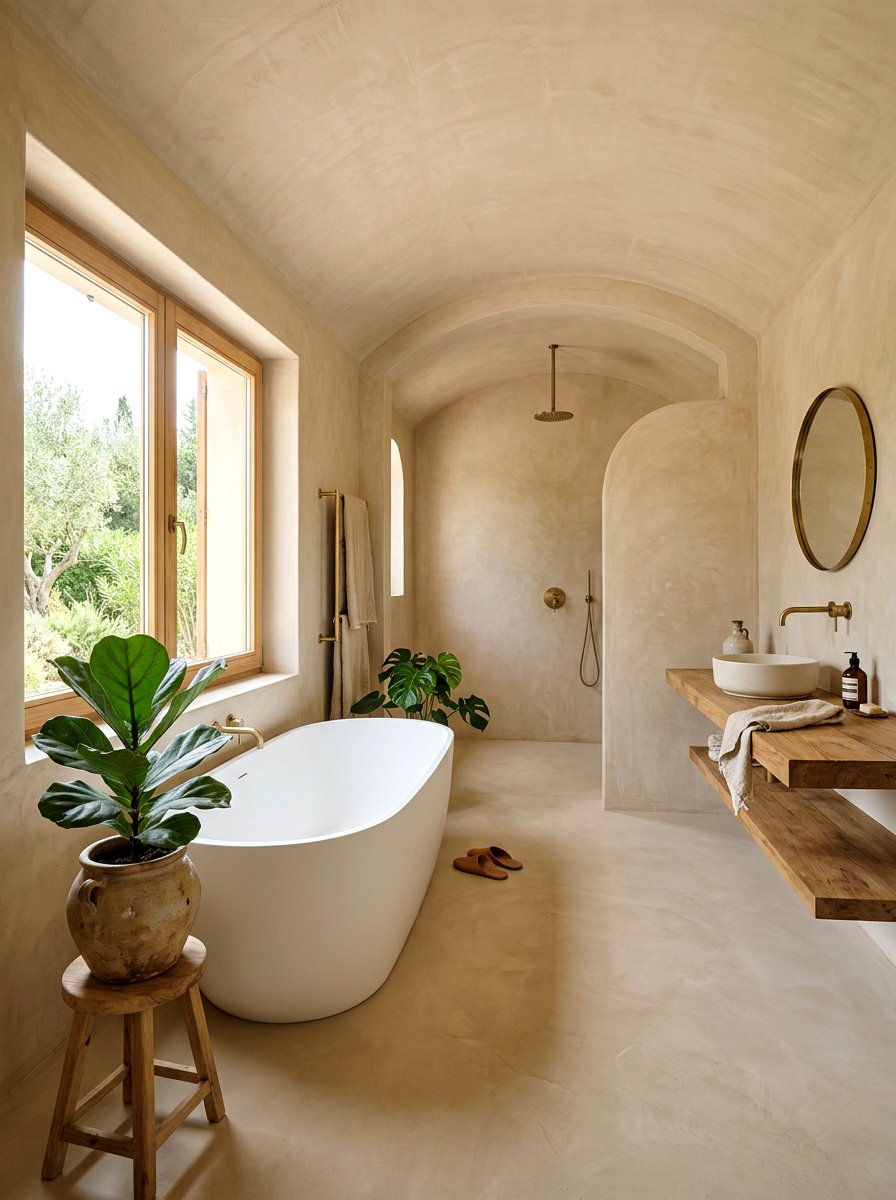
Tadelakt is an ancient Moroccan plastering technique that creates a seamless, waterproof, and slightly glossy surface. This lime-based finish is applied by hand and polished with stones to achieve a smooth, stone-like appearance that feels organic and luxurious. In a bathroom, Tadelakt walls eliminate the need for grout lines, making the space feel more expansive and easier to clean. The natural variations in the plaster provide a subtle depth that works perfectly in minimalist or spa-inspired designs. Often seen in neutral earth tones or soft pinks, Tadelakt offers a tactile quality that invites touch and creates a warm, serene atmosphere. It is the perfect choice for those who appreciate natural materials.
3. Arched Doorway Bathroom
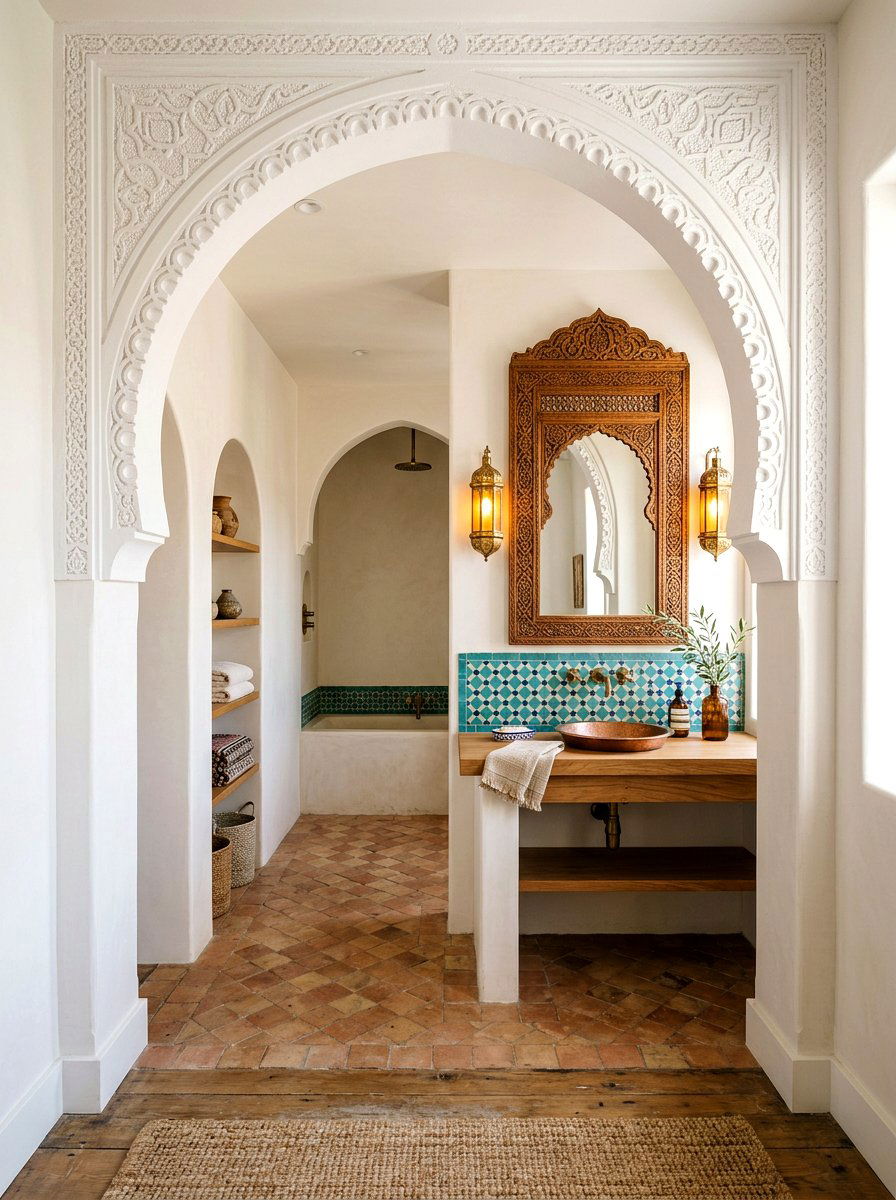
Architecture plays a massive role in the Moroccan aesthetic, and nothing defines the look quite like a traditional Moorish arch. Incorporating an arched doorway or a recessed arched niche for the shower adds instant character and a sense of old-world romance to the room. These soft curves break up the rigid lines often found in modern bathrooms, providing a more fluid and inviting layout. You can enhance the archway with decorative molding or keep it simple with a clean, plastered finish. Whether it serves as the main entrance or a frame for a beautiful freestanding tub, an arch creates a dramatic focal point that feels intentional, architectural, and deeply rooted in Mediterranean history.
4. Brass Moroccan Faucet Bathroom
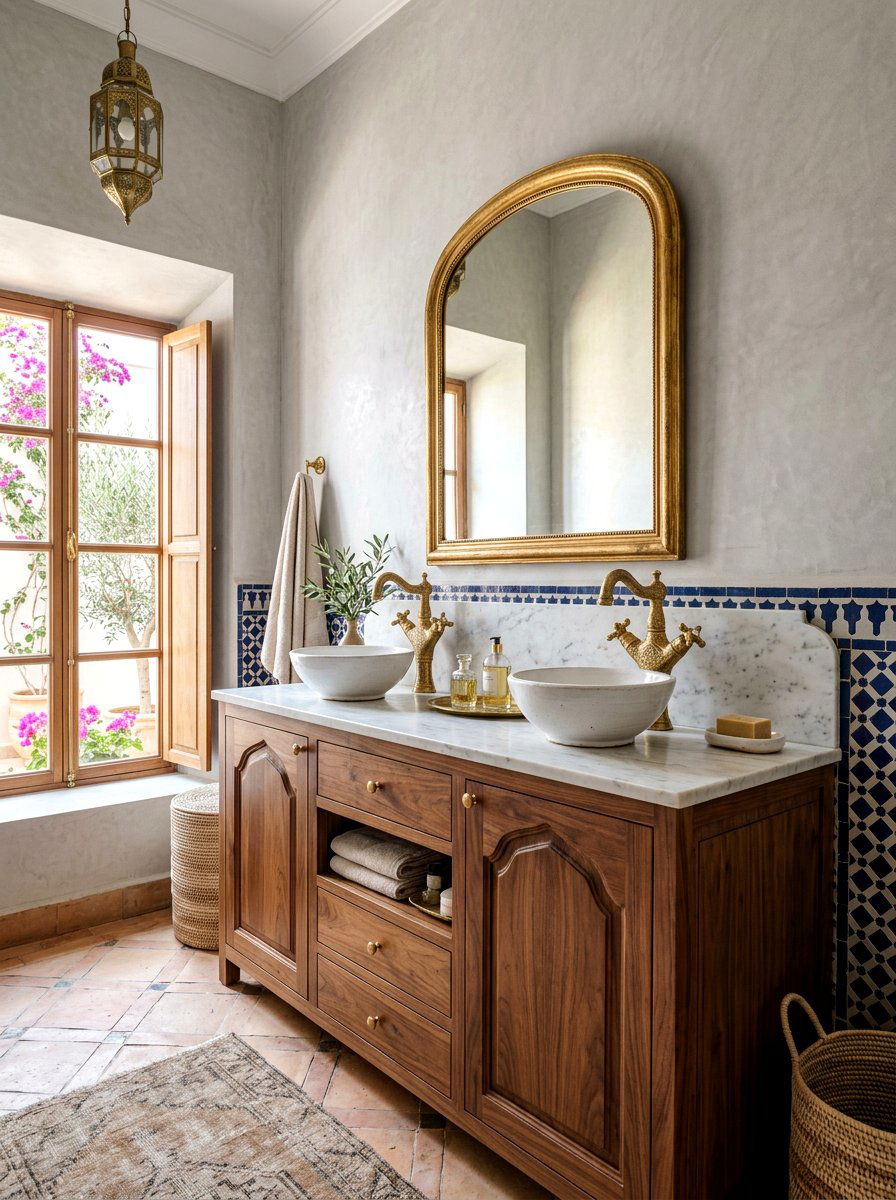
Warm metals are essential for achieving an authentic Moroccan look, and unlacquered brass is the preferred material for high-end bathroom fixtures. Moroccan-style brass faucets often feature intricate engravings or elegant, elongated spouts that mimic the craftsmanship found in Marrakesh souks. Over time, these fixtures develop a beautiful natural patina, adding an aged charm that complements the textured walls and tiles. When paired with a marble countertop or a ceramic vessel sink, brass hardware provides a touch of opulence without feeling overly modern or clinical. The golden tones of the metal help to warm up the space, making even a small powder room feel like a royal suite in a traditional Moroccan riad.
5. Hand Painted Ceramic Sink Bathroom
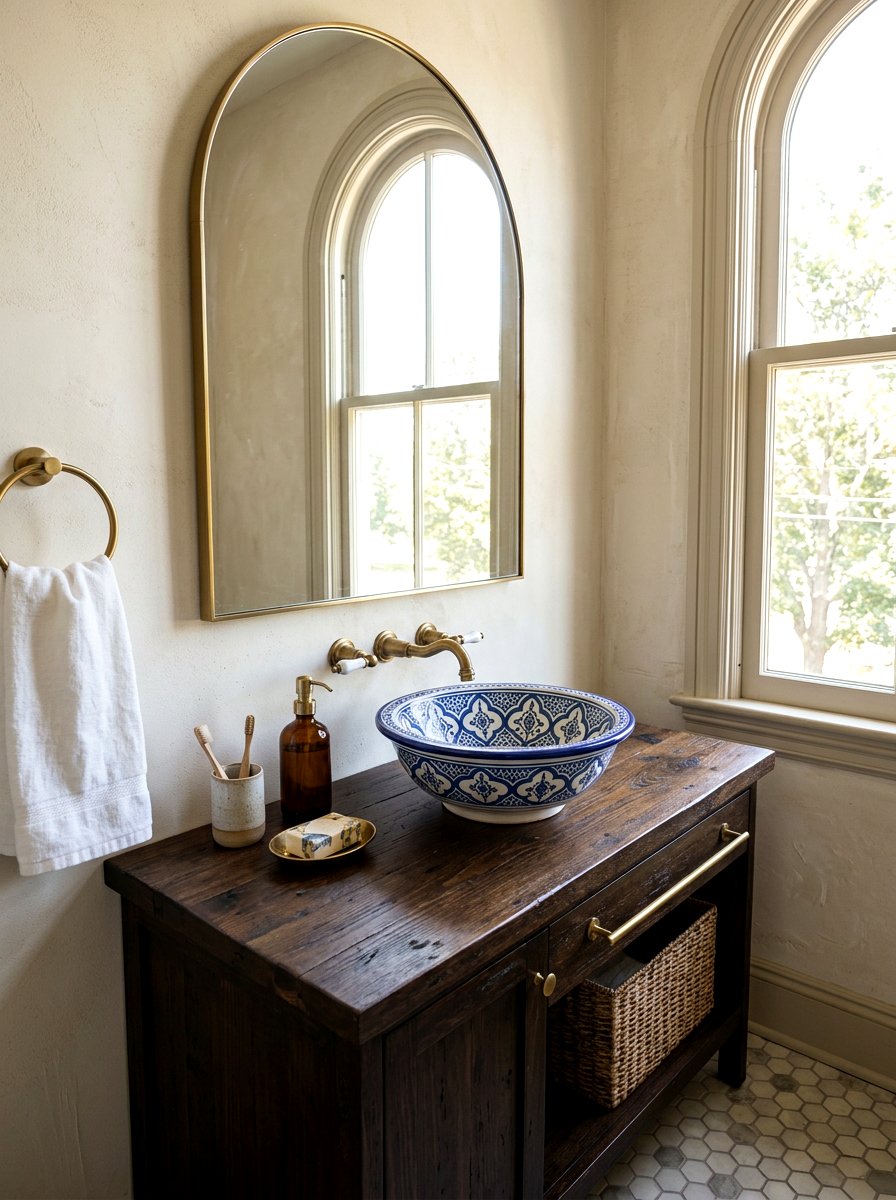
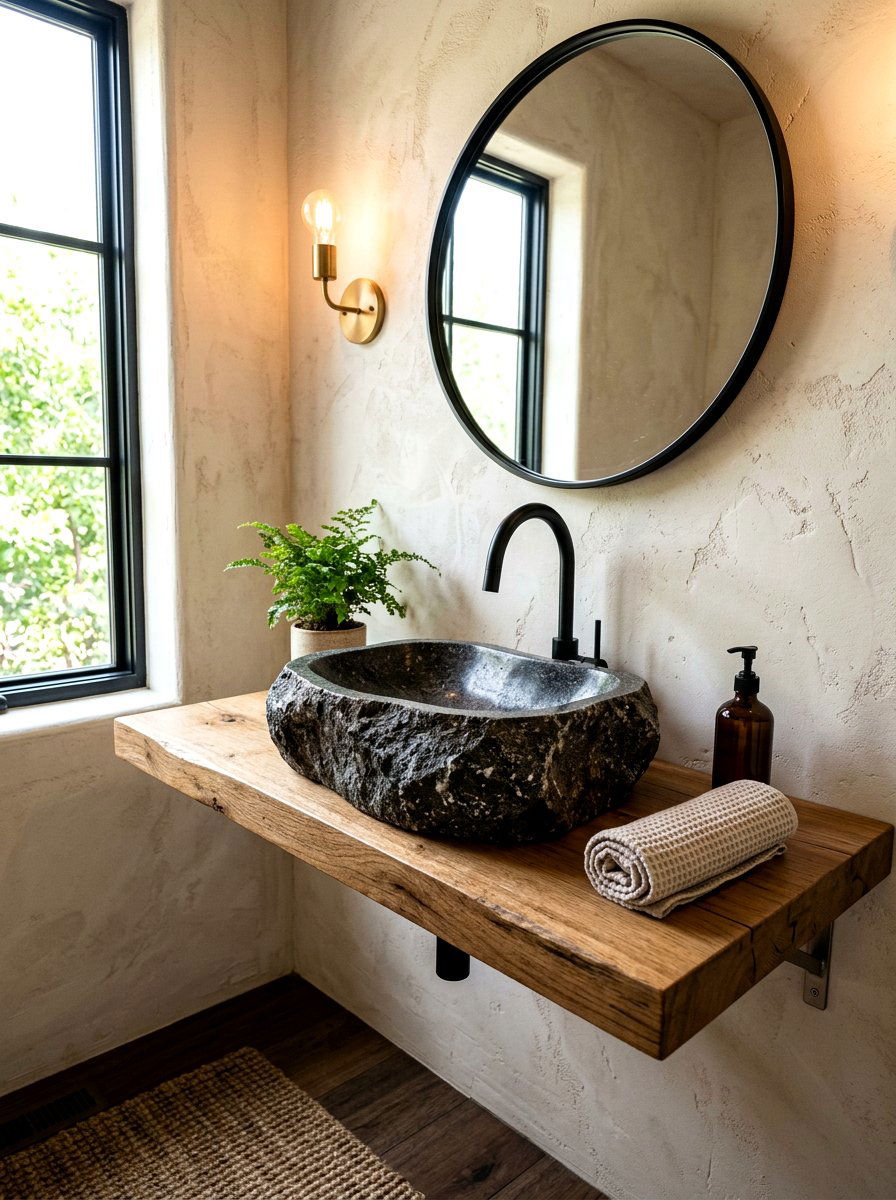
Hand-painted ceramic sinks are a vibrant way to introduce color and pattern into a Moroccan-inspired bathroom design. These vessel sinks often feature traditional Islamic geometric motifs or floral patterns in shades of cobalt, emerald, and saffron. Because each sink is individually decorated by skilled artisans, they act as functional pieces of art that anchor the vanity area. Placing a painted sink on a simple stone or wood countertop allows the intricate details to shine without overwhelming the rest of the decor. This approach is perfect for homeowners who want to embrace the maximalist side of Moroccan style while maintaining a clean and organized layout that feels curated rather than cluttered.
6. Moroccan Lantern Lighting Bathroom
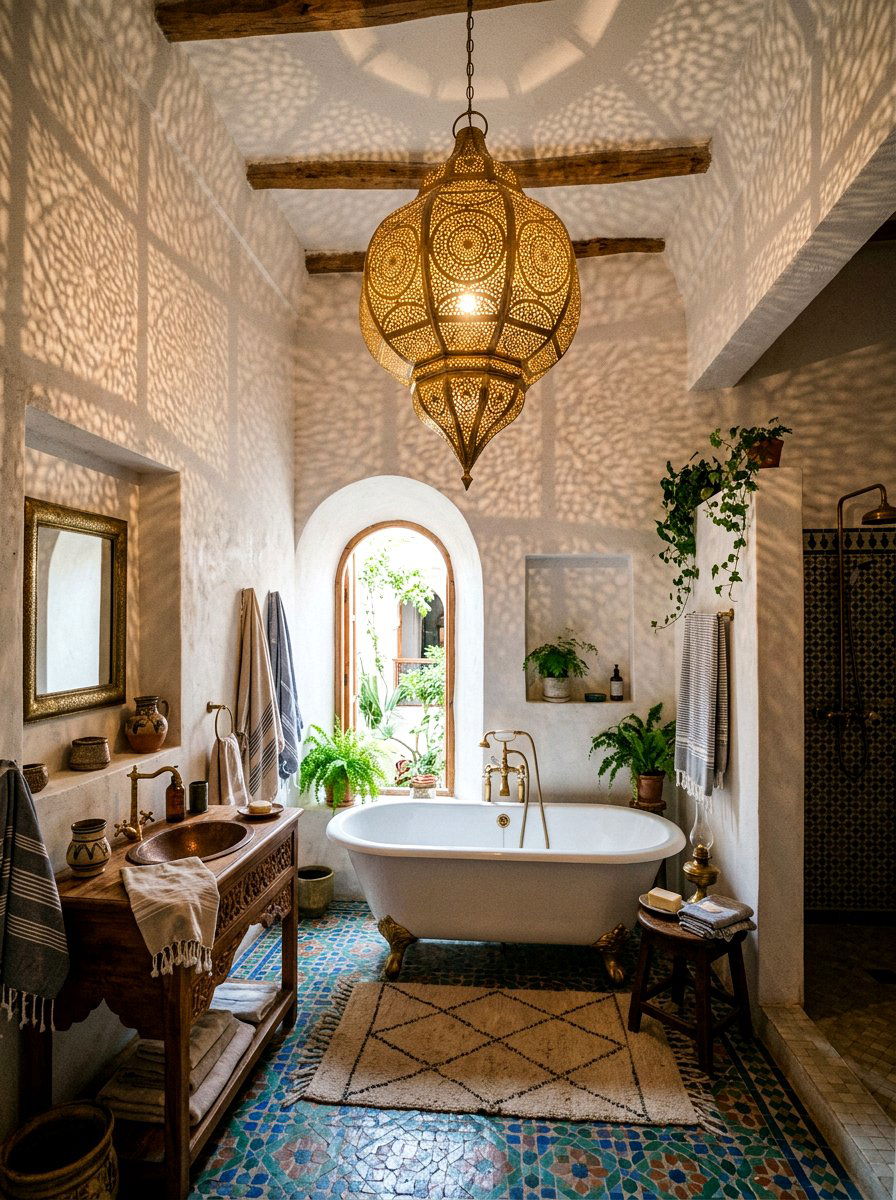
Lighting is key to creating the moody, atmospheric vibe associated with Moroccan interiors. Traditional pierced metal lanterns, often made from brass or copper, cast intricate, lace-like shadows across the walls and ceiling when illuminated. Hanging a large lantern as a central statement piece or using smaller sconces on either side of a mirror adds a layer of depth and visual interest. These fixtures work best when paired with warm, dimmable bulbs to enhance the sense of relaxation and intimacy during a bath. The contrast between the dark metal and the glowing light creates a beautiful play of patterns that transforms the room into a magical, private escape from the outside world.
7. Carved Wood Vanity Bathroom
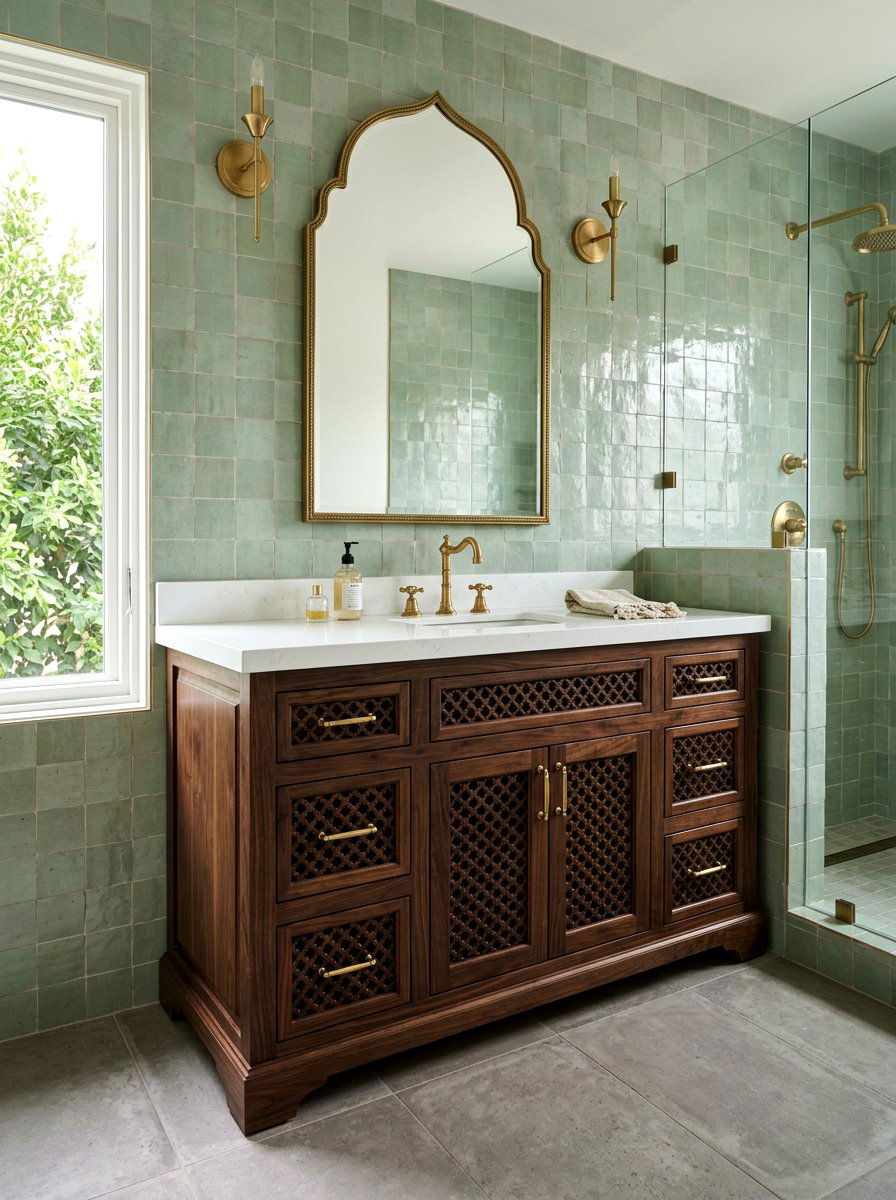
A hand-carved wood vanity is an excellent way to introduce warmth and organic texture into a tile-heavy bathroom environment. Moroccan woodworking often features intricate fretwork, known as Mashrabiya, or geometric carvings that add architectural interest to the furniture. Using a reclaimed wood vanity or one with a dark walnut finish provides a grounding element that balances the brightness of colorful tiles or white plaster walls. The tactile nature of the wood grain brings a sense of nature indoors, while the artisanal carvings reflect the dedication to craftsmanship seen throughout Moroccan culture. It is a timeless choice that adds a sense of solidity and luxury to the overall bathroom design.
8. Geometric Mosaic Floor Bathroom
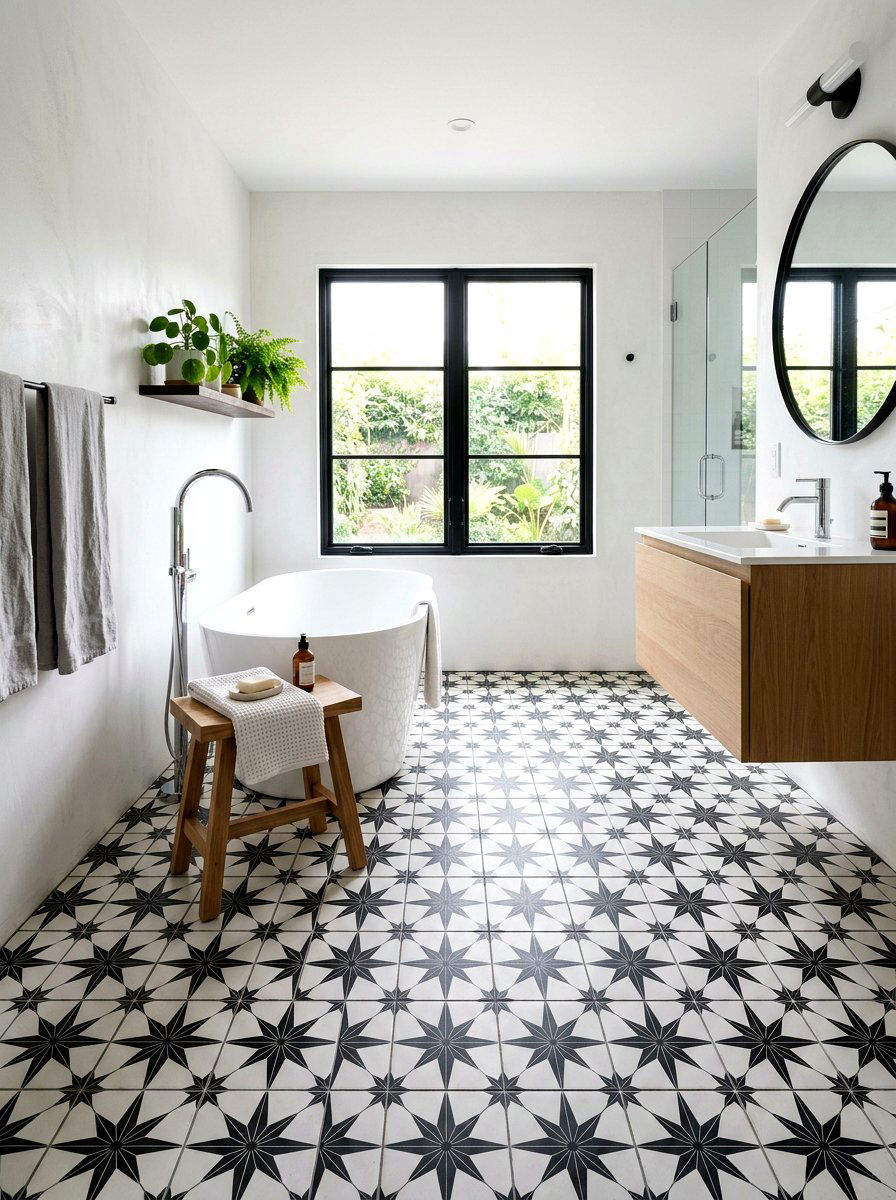
Intricate floor patterns are a hallmark of Moroccan design, often achieved through the use of cement tiles or small mosaic tesserae. A geometric mosaic floor can serve as the primary design statement in a bathroom, allowing you to keep the walls more neutral. These patterns often involve repeating stars, hexagons, or interlacing lines that create a mesmerizing visual rhythm. Using a bold black-and-white palette can offer a modern twist on the classic style, while earth tones like terracotta and ochre keep the space feeling traditional. A well-designed mosaic floor not only hides dirt and wear effectively but also provides a durable and stylish foundation for a high-traffic Moroccan-themed space.
9. Copper Bathtub Bathroom
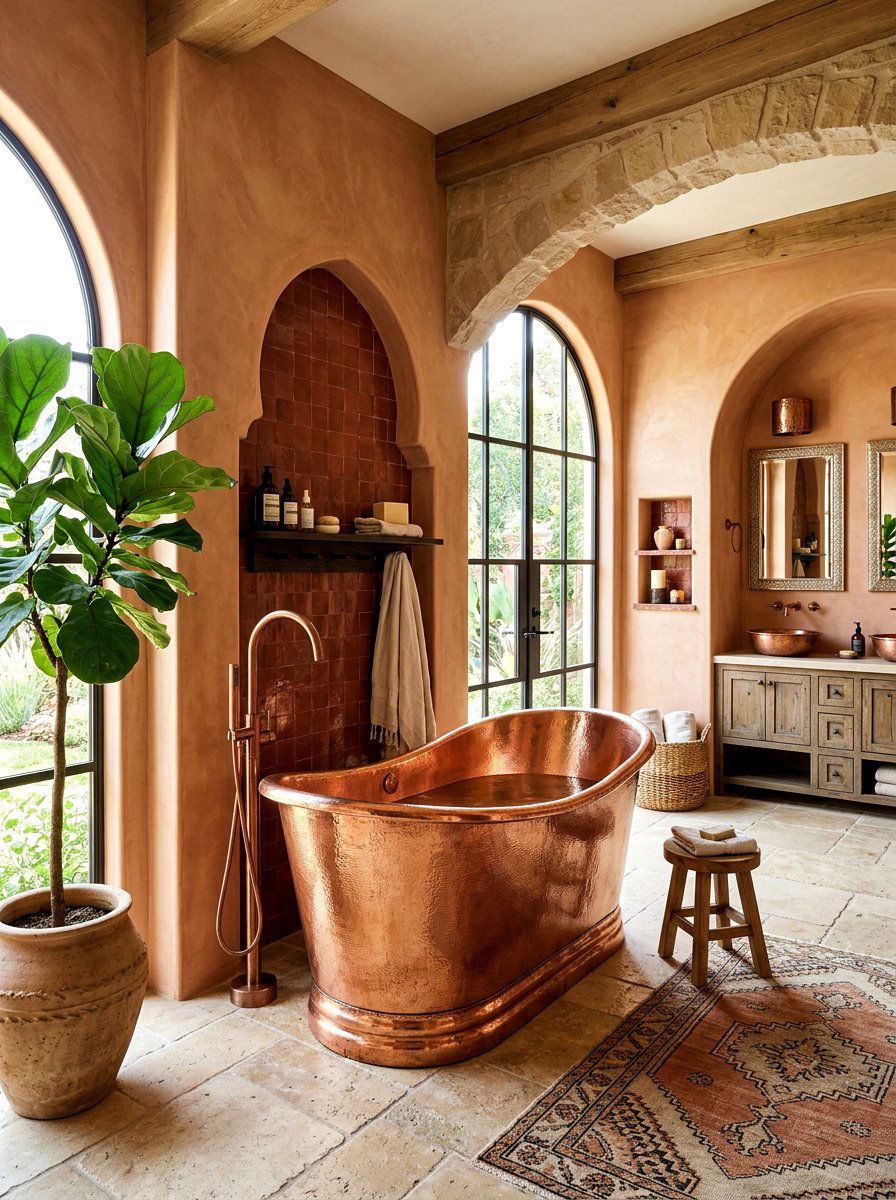
For the ultimate statement of luxury, a hammered copper bathtub is the perfect centerpiece for a Moroccan-inspired master suite. Copper is a material deeply embedded in Moroccan craft, valued for its warmth, durability, and natural antimicrobial properties. A freestanding copper tub with a polished or antiqued finish provides a striking contrast against cool-toned tiles or smooth plaster walls. The reflective surface of the metal catches the light beautifully, while the deep basin invites long, indulgent soaks. Choosing a tub with a slightly flared rim or a traditional slipper shape enhances the exotic feel of the room, turning the act of bathing into a truly regal and sensory-focused experience.
10. Kilim Rug Bathroom Decor
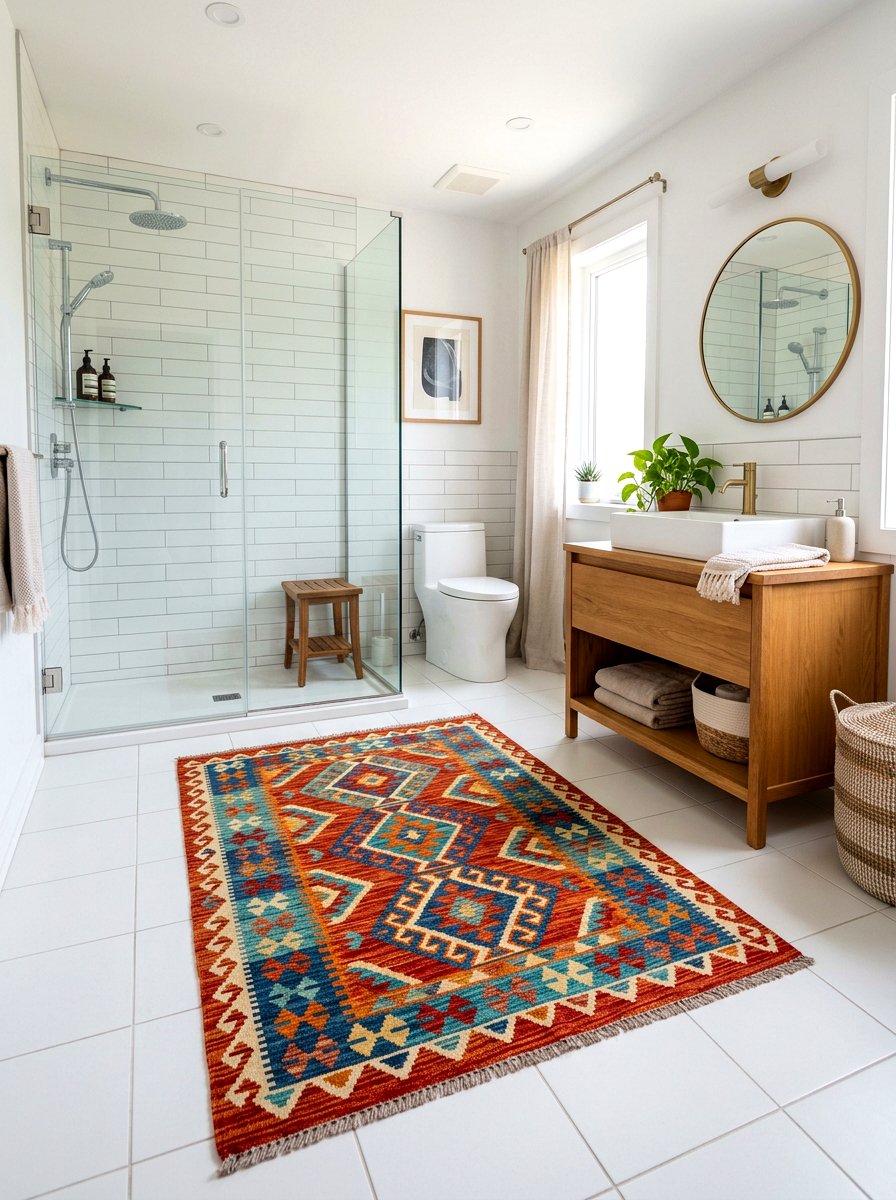
Adding a traditional Kilim rug to the bathroom floor is a simple yet effective way to introduce color, pattern, and warmth. These flat-woven wool rugs feature bold tribal designs and are known for their durability and rich, vegetable-dyed colors. In a room dominated by hard surfaces like tile and stone, a rug provides much-needed softness underfoot and helps to dampen sound. Choosing a rug with deep reds, oranges, and blues can tie together different elements of the Moroccan palette, creating a more cohesive and lived-in feel. It is an easy decor update that brings a layer of comfort and soul to the space, making the bathroom feel like an extension of the home.
11. Terracotta Tile Bathroom
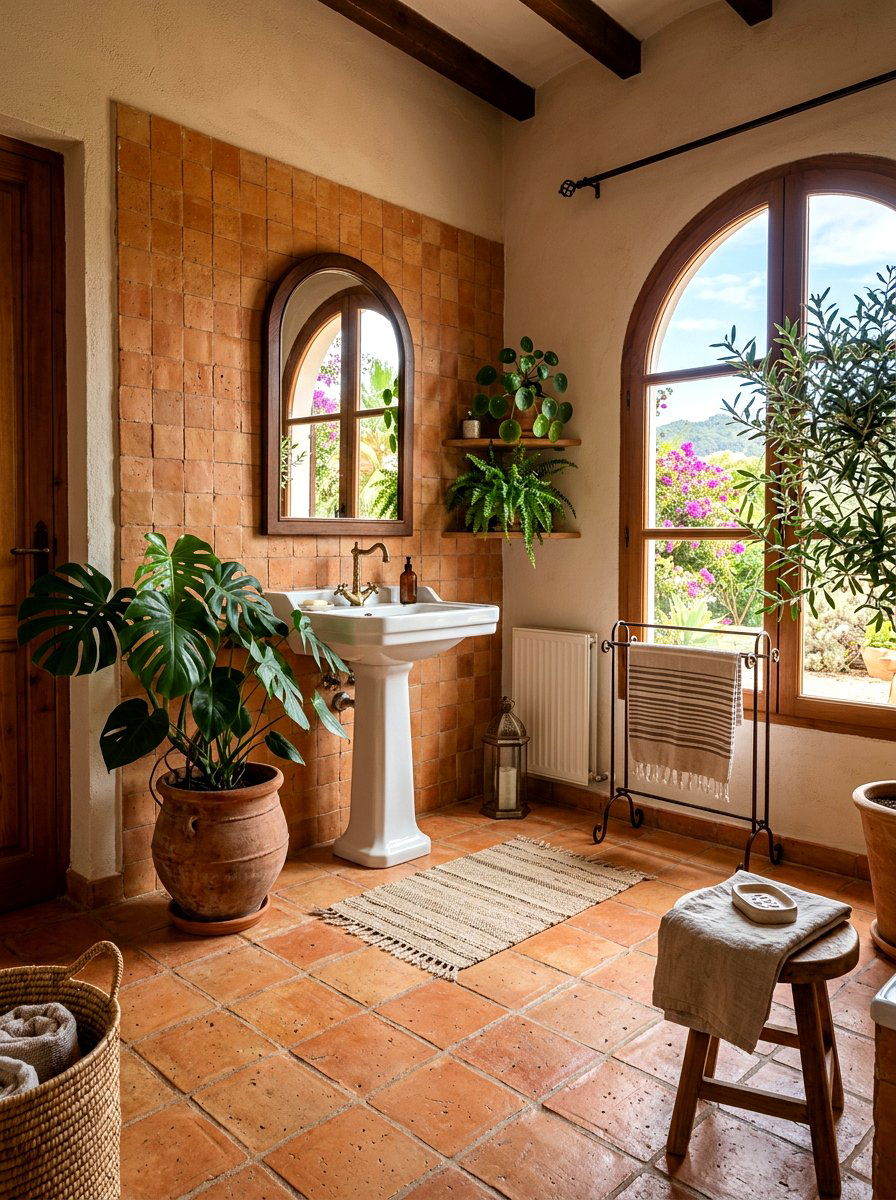
Terracotta tiles bring an unmistakable warmth and rustic charm to any Moroccan bathroom, evoking the sun-drenched landscapes of the Atlas Mountains. These unglazed clay tiles are prized for their earthy color palette, ranging from pale peach to deep burnt orange. When used on the floor or as a feature wall, terracotta provides a natural, grounded aesthetic that complements both modern and traditional fixtures. The matte finish and slightly uneven surface of the tiles add a tactile quality that feels authentic and timeless. Pairing terracotta with white walls and green plants creates a fresh, Mediterranean-inspired look that feels bright and airy while remaining deeply connected to traditional Moroccan building materials.
12. Moroccan Plaster Shower
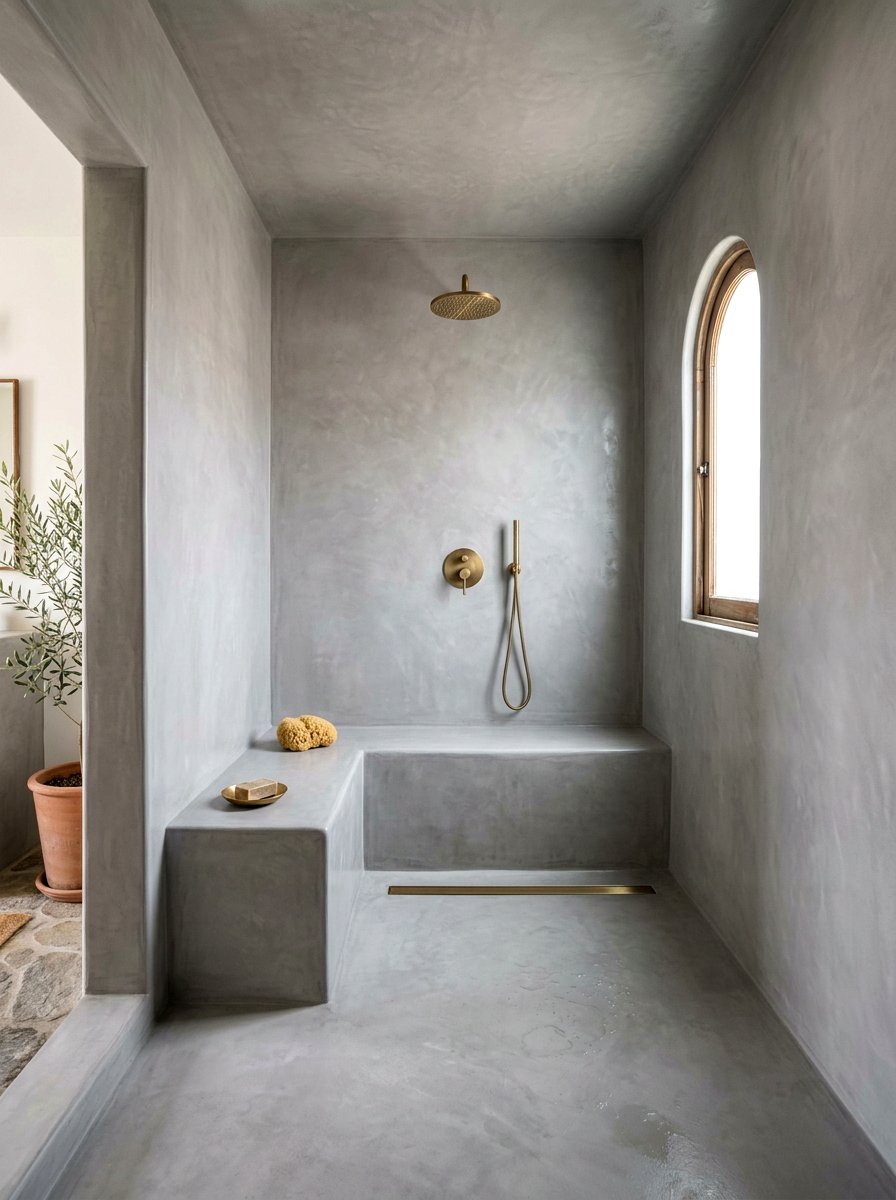
A walk-in shower finished entirely in waterproof Moroccan plaster creates a sleek, spa-like environment that feels both ancient and contemporary. By eliminating the need for a standard shower tray and glass enclosure, you can create a seamless transition from the bathroom floor into the shower area. The continuous surface of the plaster allows the eye to travel uninterrupted, making even a small shower feel much larger. Adding a built-in plastered bench or a recessed niche for toiletries further enhances the functional beauty of the space. This design choice focuses on form and texture over busy patterns, resulting in a serene and meditative showering experience that is easy to maintain.
13. Arched Mirror Bathroom
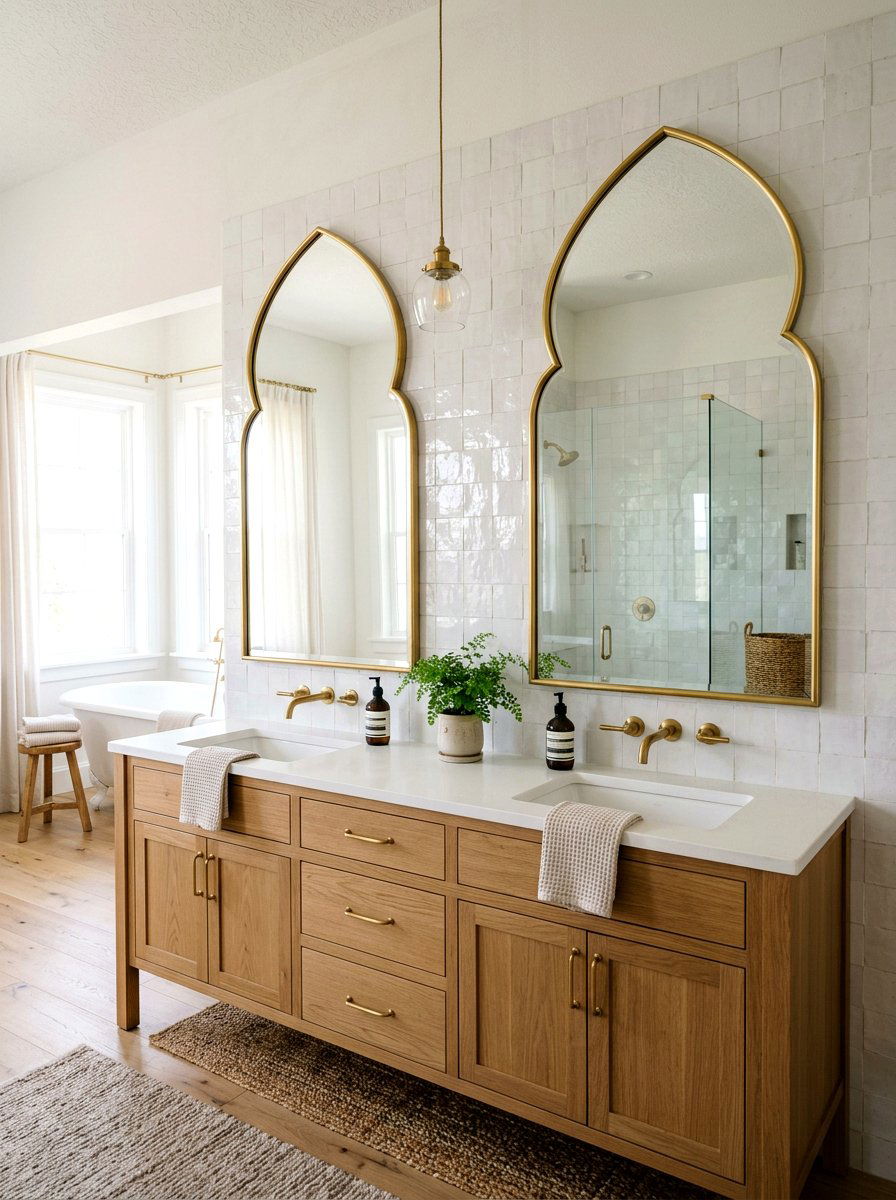
Mirrors are essential in any bathroom, and choosing an arched silhouette is an easy way to incorporate Moroccan architectural shapes. A large mirror with a pointed Moorish arch or a soft horseshoe curve can instantly transform a simple vanity area into a stylish focal point. Frames made from hammered brass, carved wood, or bone inlay add an extra layer of artisanal detail. The arch helps to draw the eye upward, making the ceiling feel higher and the room more spacious. Whether hung as a single statement piece or used in pairs over a double vanity, an arched mirror reflects light and pattern, doubling the visual impact of your Moroccan-themed bathroom decor.
14. Woven Basket Bathroom Storage
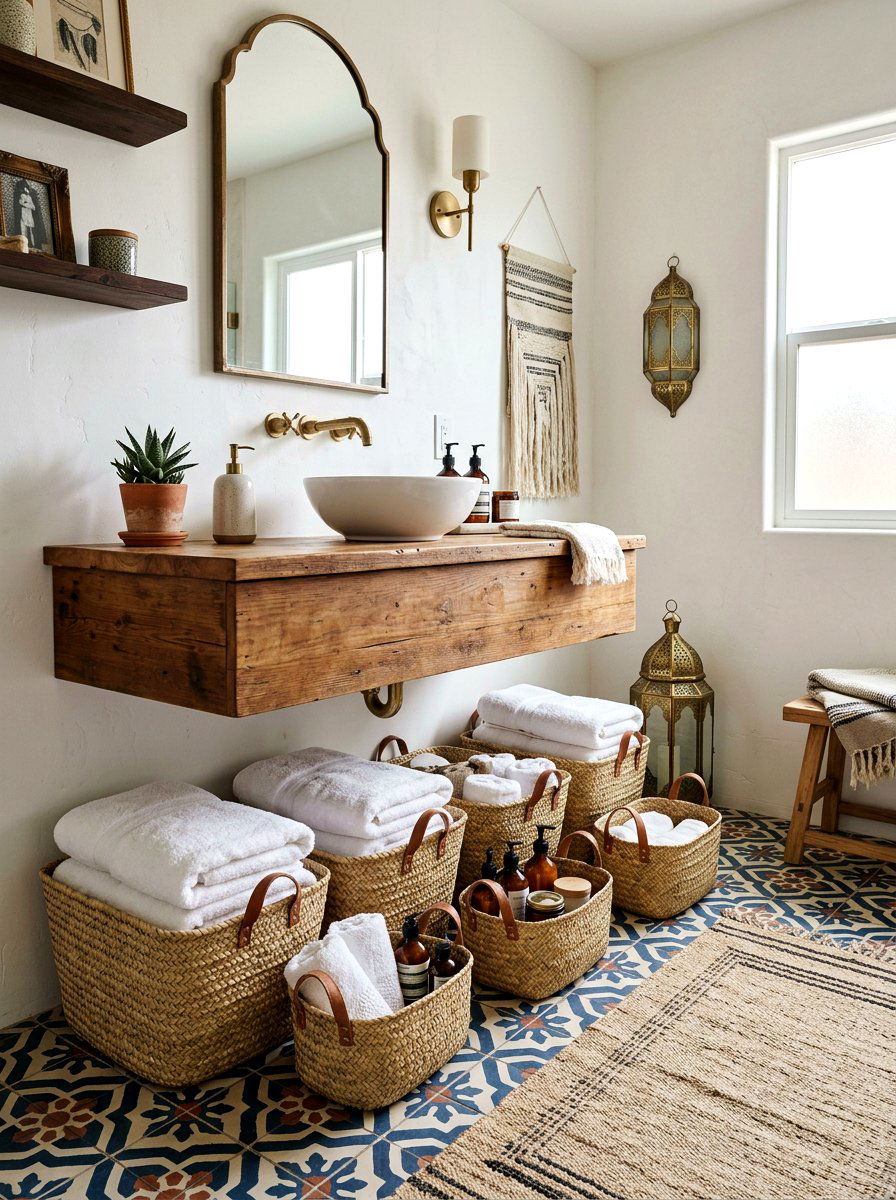
Organization is key to a functional bathroom, and woven seagrass or palm leaf baskets provide a stylish solution that fits the Moroccan aesthetic. These handmade storage pieces introduce natural fibers and organic textures that soften the look of a tile-heavy room. Large baskets can be used to hold rolled-up towels, while smaller ones are perfect for organizing toiletries or extra rolls of paper. The neutral tones of the weaving complement almost any color scheme, from bold blues to earthy terracottas. By using baskets instead of plastic bins, you maintain a sense of craftsmanship and global style throughout the space, ensuring that even the most practical elements look beautiful.
15. Inlaid Bone Mirror Bathroom
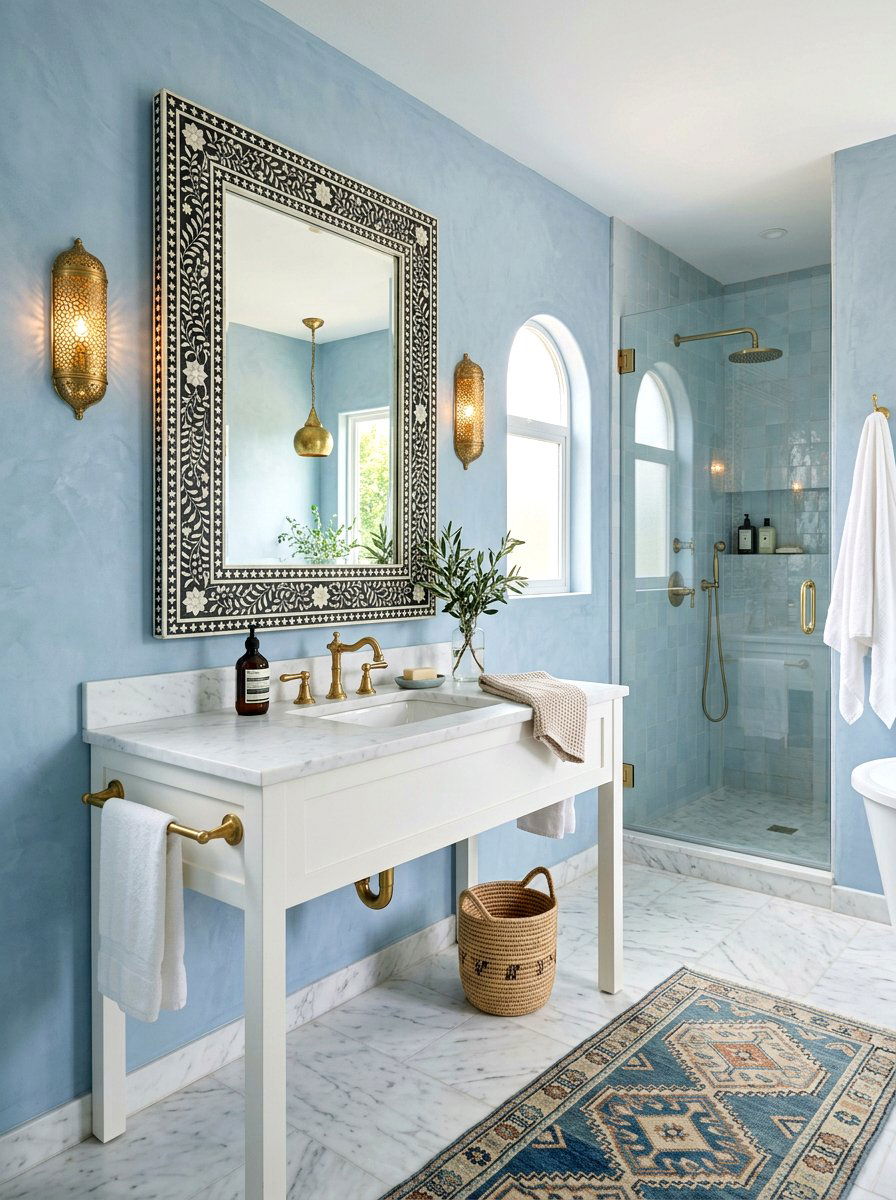
Bone inlay is a traditional Moroccan craft that involves meticulously placing small pieces of camel bone into intricate patterns on wooden frames. An inlaid bone mirror is a stunning decorative accessory that brings a high-contrast, artisanal look to the bathroom vanity. These mirrors often feature delicate floral or geometric designs that add a touch of feminine elegance and sophisticated detail. The white bone against a dark wood or colorful resin background creates a striking visual effect that pairs perfectly with simple white walls or colorful Zellige tiles. It is a unique statement piece that showcases the incredible skill of Moroccan artisans and adds a sense of global luxury to your daily routine.
16. Brass Shower Head Bathroom
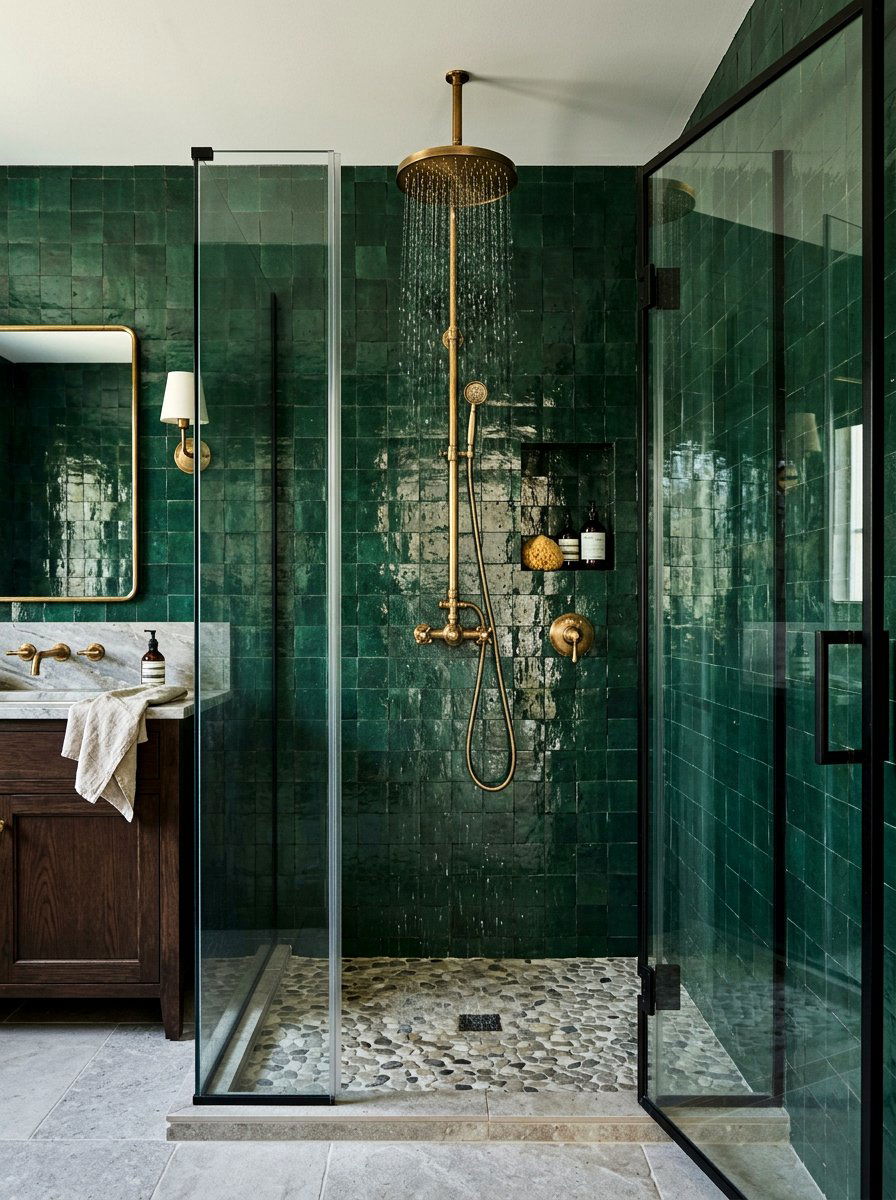
Upgrading your shower with an oversized brass shower head can instantly elevate the luxury level of a Moroccan-themed bathroom. Choose a rainfall-style head with a traditional round shape and an antique brass finish to match the warm tones of the room. The golden hue of the metal stands out beautifully against blue or green tiles, creating a high-end look that feels like a boutique hotel in Marrakesh. Brass is not only aesthetically pleasing but also highly durable and resistant to corrosion in humid environments. This small hardware change can unify the entire room’s design, providing a cohesive look that ties together the faucets, mirror frames, and lighting fixtures for a professional finish.
17. Moroccan Wedding Blanket Bathroom
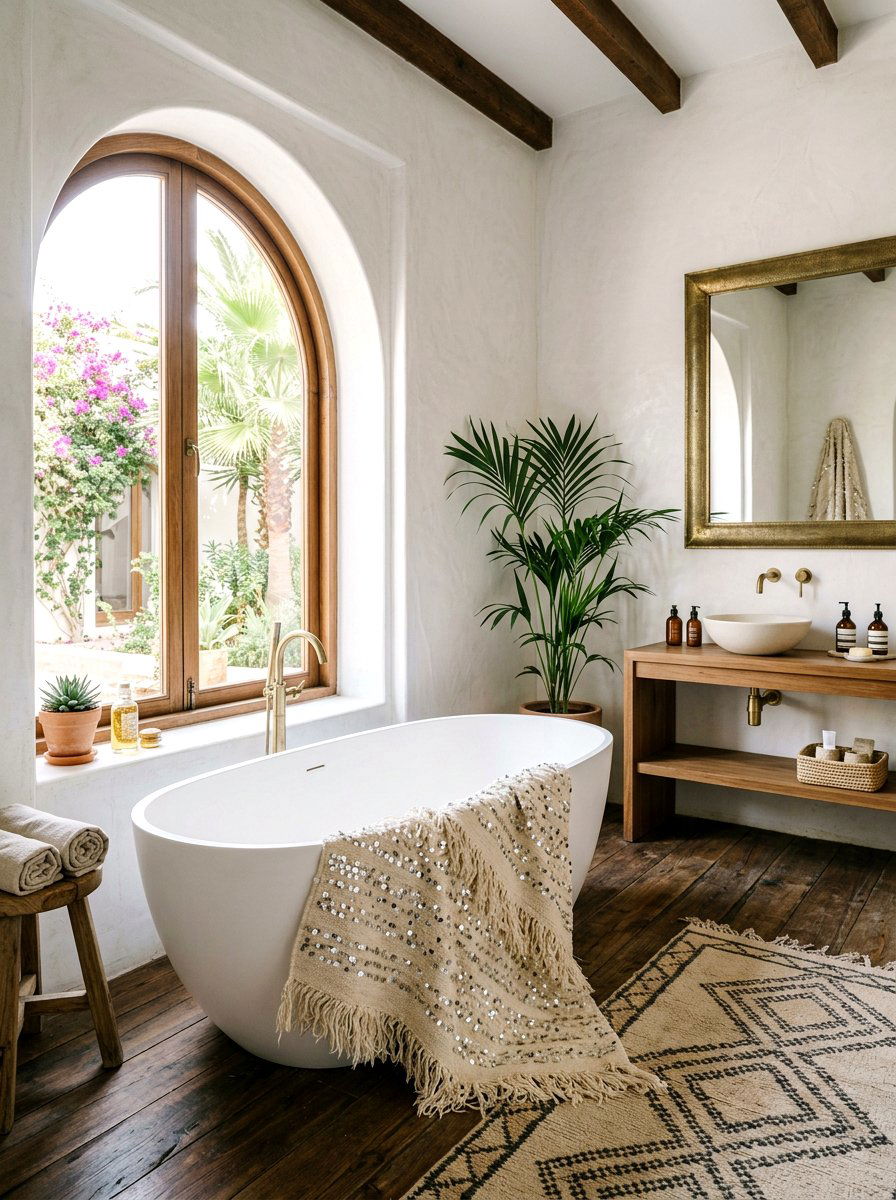
Handira, also known as Moroccan wedding blankets, are beautiful textiles made from wool and cotton, often decorated with hundreds of tiny silver sequins. While traditionally used as capes, they make for stunning wall hangings or decorative throws in a luxurious Moroccan bathroom. The soft white or cream fabric adds a layer of texture and a touch of sparkle that feels glamorous yet bohemian. Draping a blanket over a decorative wooden ladder or a freestanding tub adds instant warmth and visual interest. The reflective sequins catch the light from lanterns, creating a subtle shimmering effect that enhances the magical, sanctuary-like atmosphere of the room while celebrating traditional Berber weaving techniques.
18. Open Walk In Moroccan Shower
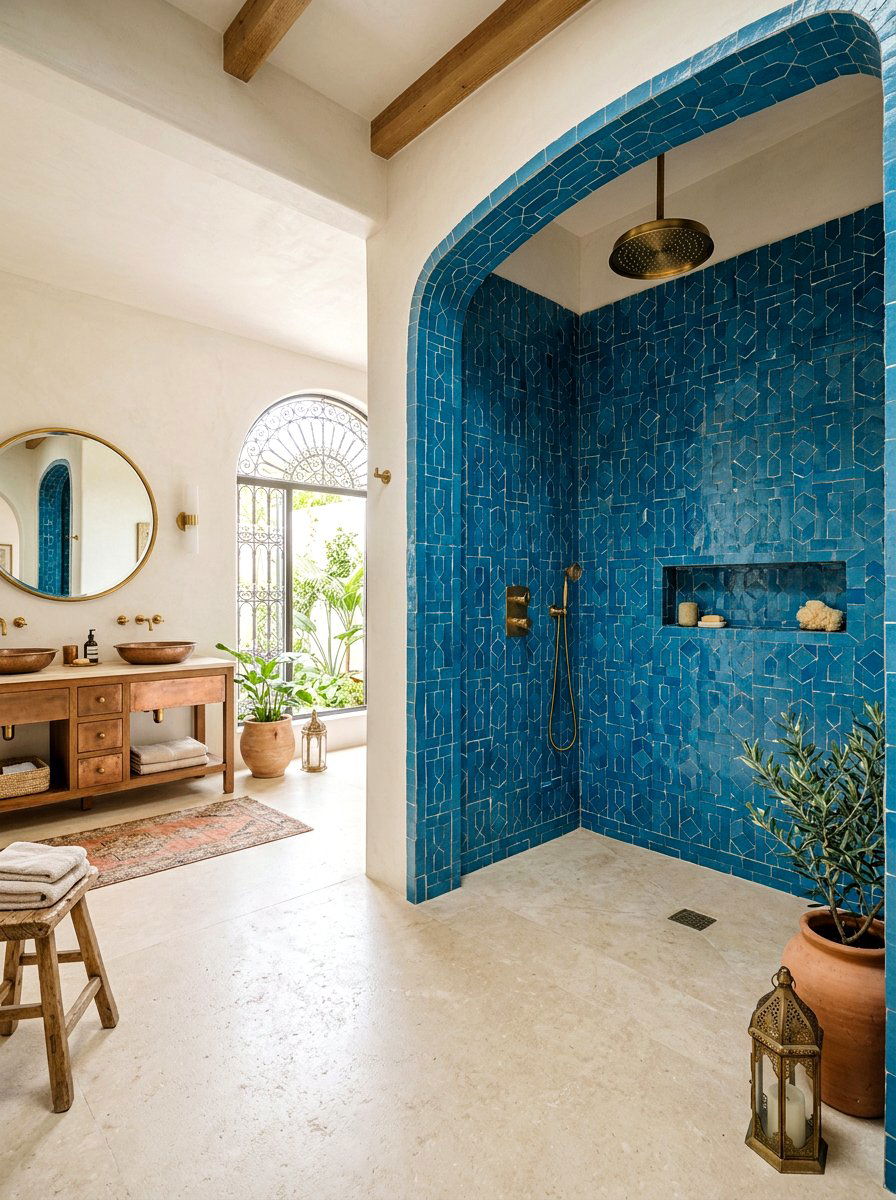
An open walk-in shower is a modern design trend that fits perfectly within the Moroccan concept of a communal hammam. By removing bulky glass doors and frames, you create a sense of flow and openness that makes the bathroom feel more like a dedicated wet room. Using a single wall of vibrant Zellige tiles or a textured plaster finish provides a beautiful backdrop for the shower area. To keep the space functional, ensure the floor is properly sloped toward a central drain and choose a large rain shower head for an immersive experience. This layout promotes a sense of freedom and relaxation, allowing you to move through the space with ease.
19. Blue And White Moroccan Tile Bathroom
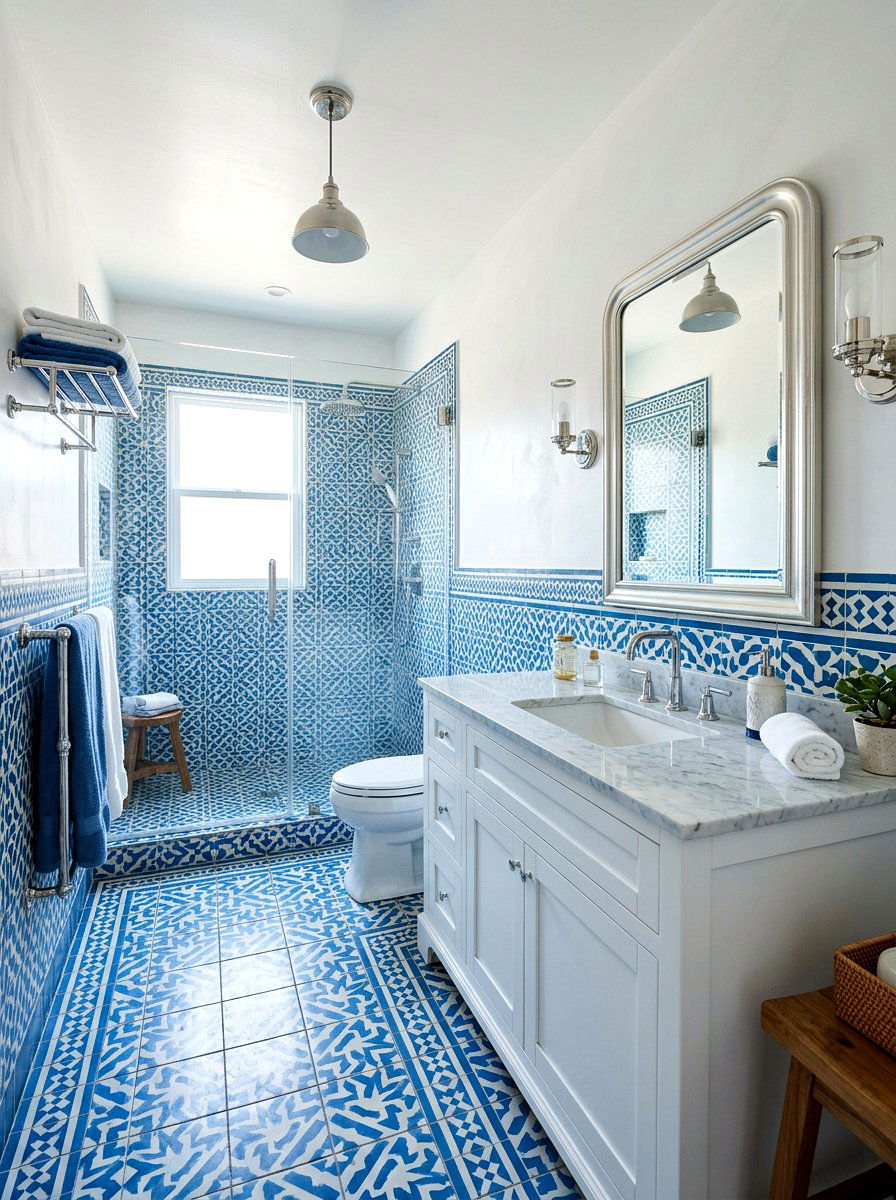
The classic combination of blue and white is a staple of Moroccan design, often seen in the famous pottery and architecture of cities like Chefchaouen. Using blue and white patterned tiles for a feature wall or floor creates a timeless look that feels fresh and energetic. These patterns can range from simple stripes to incredibly complex geometric stars and floral motifs. Pairing these tiles with white cabinetry and chrome or brass fixtures helps to keep the room feeling balanced and not too overwhelming. This color palette is particularly well-suited for smaller bathrooms, as the white elements help to reflect light and maintain an airy, bright, and clean atmosphere.
20. Hammam Style Marble Bathroom
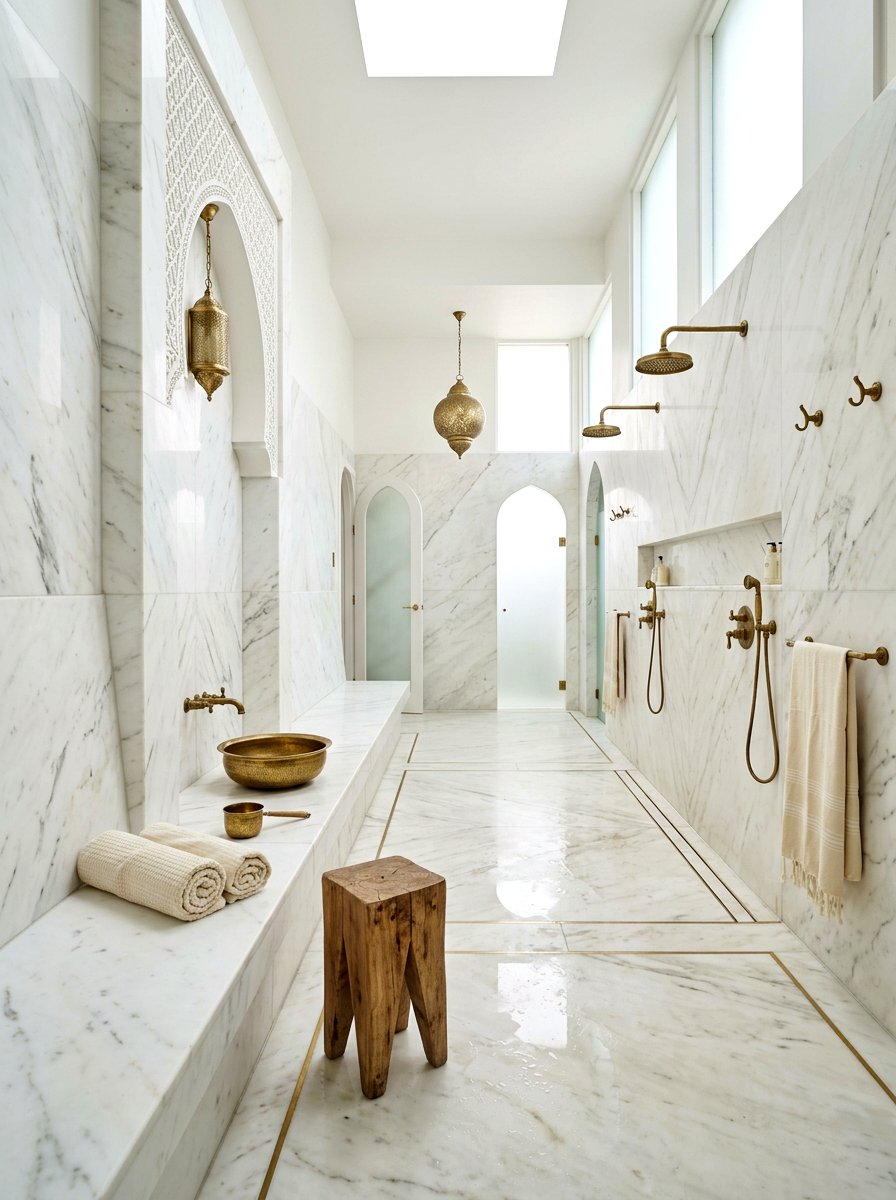
Inspired by the traditional public steam baths of Morocco, a hammam-style bathroom focuses on the use of high-quality stone and a minimalist, serene layout. Large marble slabs or marble-look tiles provide a clean and opulent foundation for the room. To achieve the look, incorporate built-in stone benches and a central soaking area or a massive open shower. The cool touch of the marble contrasts beautifully with the warm steam, creating a sensory experience that is both invigorating and relaxing. Adding a few brass accents and a simple carved wood stool completes the design, resulting in a sophisticated retreat that prioritizes the pure materials and the ritual of bathing itself.
21. Floating Wood Vanity Moroccan Bathroom
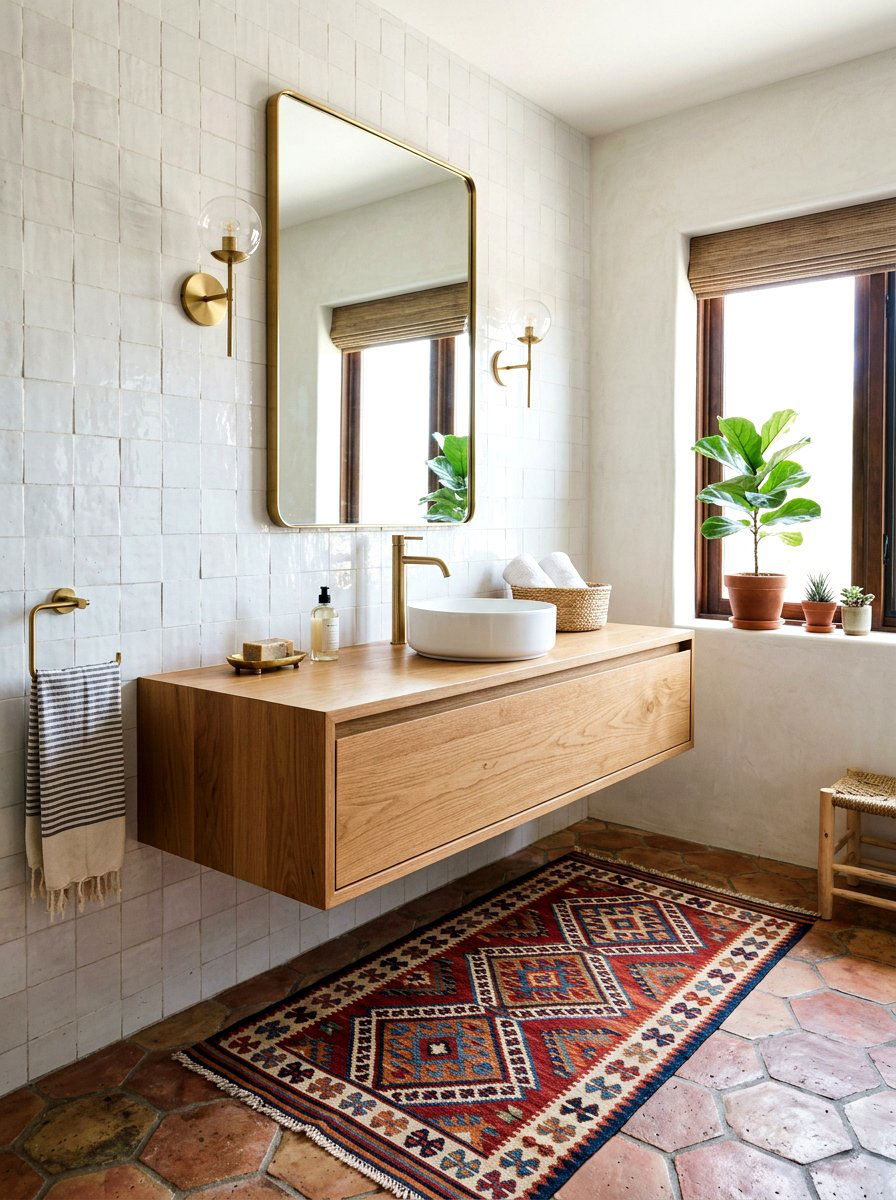
A floating wood vanity offers a modern take on Moroccan style, combining the warmth of natural timber with the clean lines of contemporary design. By mounting the vanity to the wall, you create more visible floor space, which makes the room feel larger and showcases the beautiful floor tiles beneath. Choose a wood with a rich grain, such as cedar or oak, and pair it with a simple white vessel sink. The gap between the vanity and the floor provides a perfect spot for storing woven baskets or displaying a beautiful Kilim rug. This design choice is ideal for those who want a Moroccan-inspired look that still feels sleek and uncluttered.
22. Potted Palm Moroccan Bathroom
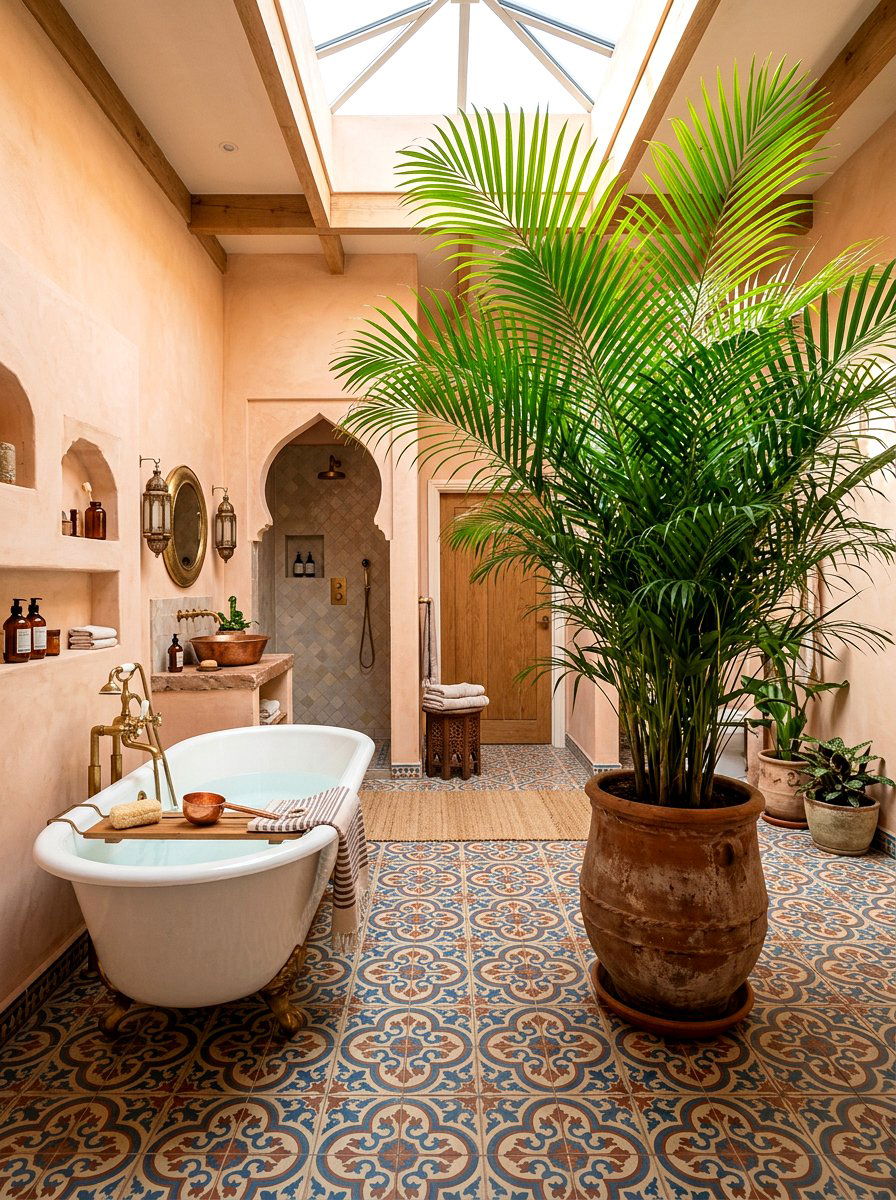
Greenery is a vital component of Moroccan interior design, bringing life and a tropical feel to the space. A large potted palm or a collection of ferns can thrive in the humid environment of a bathroom, adding a lush, organic element to the decor. The vibrant green leaves provide a stunning natural contrast to earthy terracotta tiles or bright blue Zellige walls. Placing a plant in a hand-painted ceramic pot or a woven basket further enhances the global aesthetic. Plants not only improve the air quality but also contribute to the overall sense of tranquility and wellbeing, turning your bathroom into a verdant oasis that feels like a private courtyard.
23. Bejmat Tile Bathroom Floor
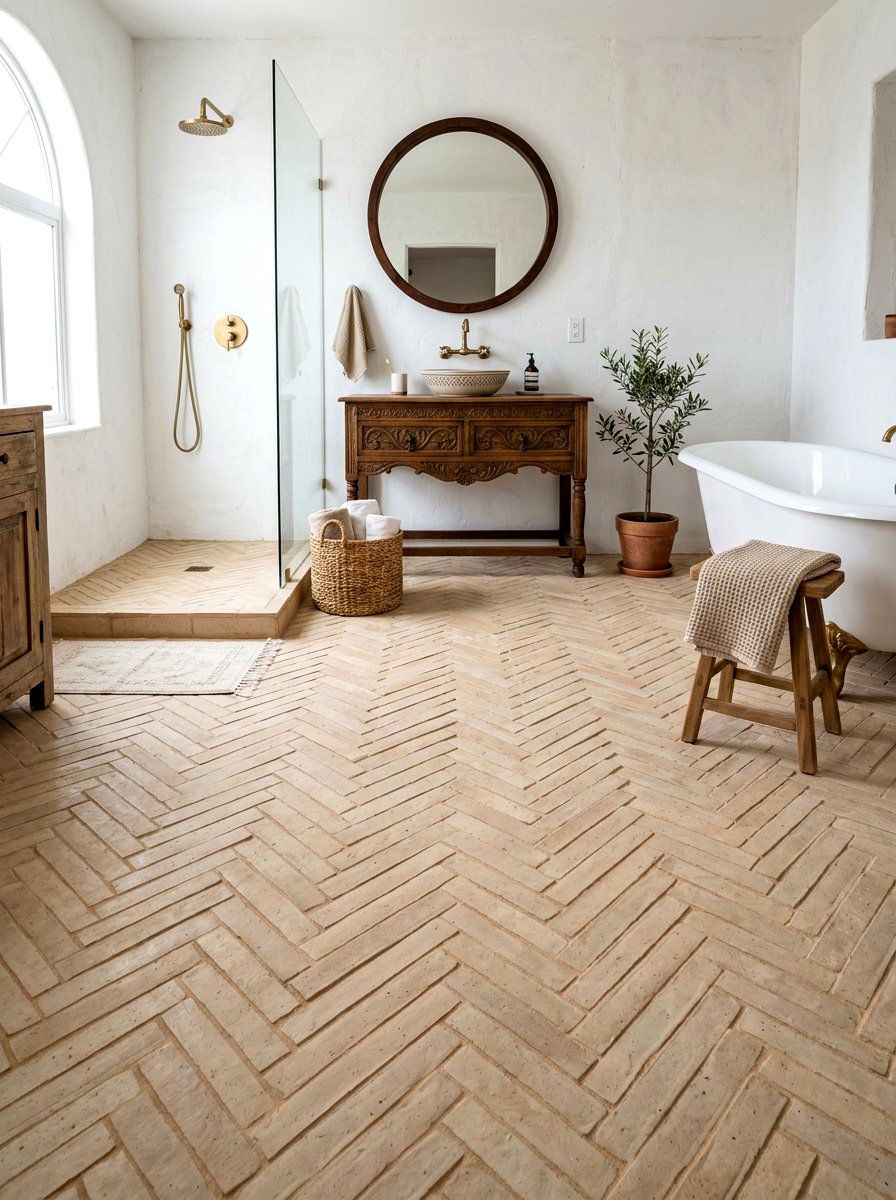
Bejmat tiles are a specific type of handmade Moroccan tile, typically longer and narrower than standard Zellige. They are often used on floors due to their durability and beautiful matte or glazed finish. Laying Bejmat tiles in a herringbone or basketweave pattern adds a sophisticated architectural detail that feels both traditional and modern. Because they are handmade, the slight variations in size and color create a rich, textured surface that a machine-made tile simply cannot replicate. Using a neutral sand or clay color for the floor provides a subtle, grounded foundation that allows other elements, like a carved vanity or a colorful mirror, to take center stage.
24. Moroccan Lattice Screen Bathroom
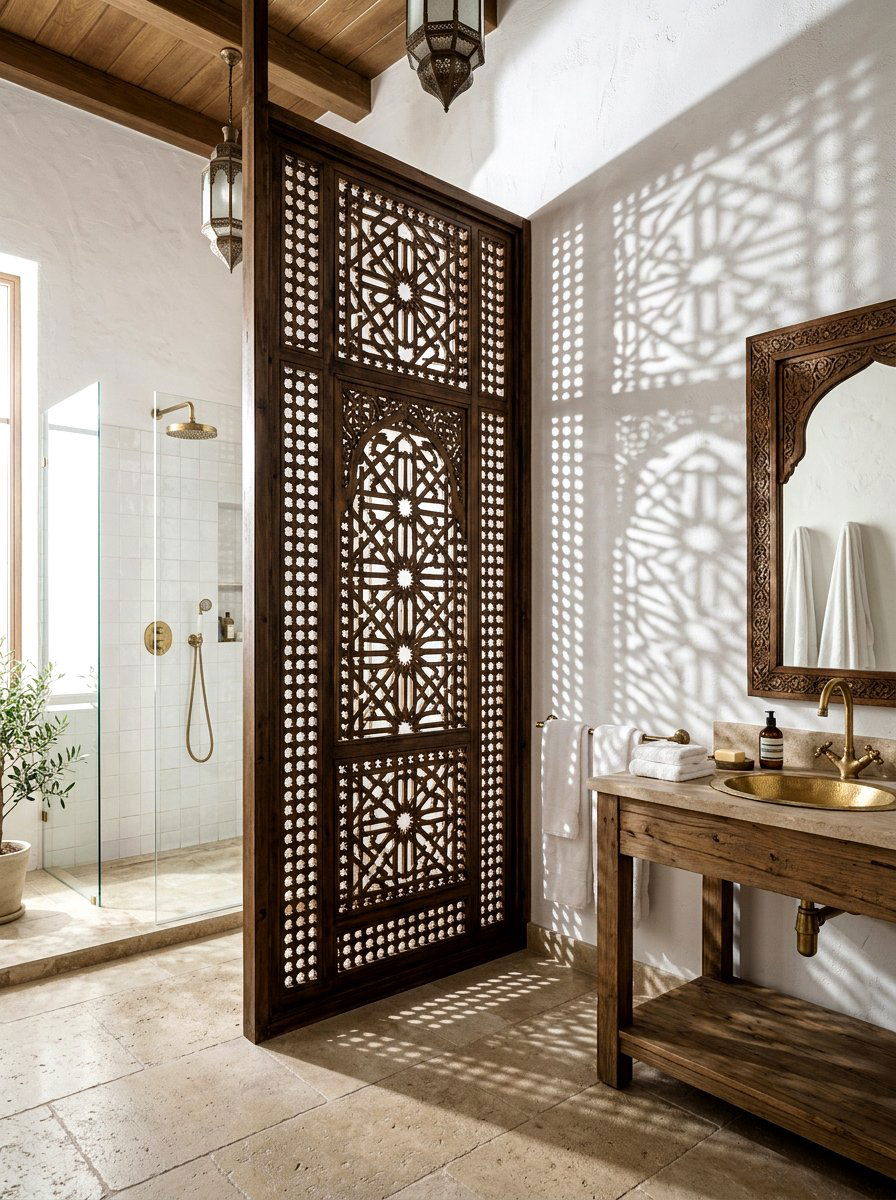
Mashrabiya, the traditional carved wood lattice work found throughout the Middle East and North Africa, can be used as a beautiful privacy screen or room divider in a bathroom. Incorporating a lattice panel to separate the toilet area or to frame a window adds a layer of intricate pattern without blocking light. The geometric cutouts create a beautiful play of light and shadow, much like a Moroccan lantern. Whether left in its natural wood state or painted a crisp white, a lattice screen introduces a high-level architectural element that feels exotic and purposeful. It is a creative way to solve privacy issues while enhancing the cultural authenticity of the room.
25. Dark Green Zellige Bathroom
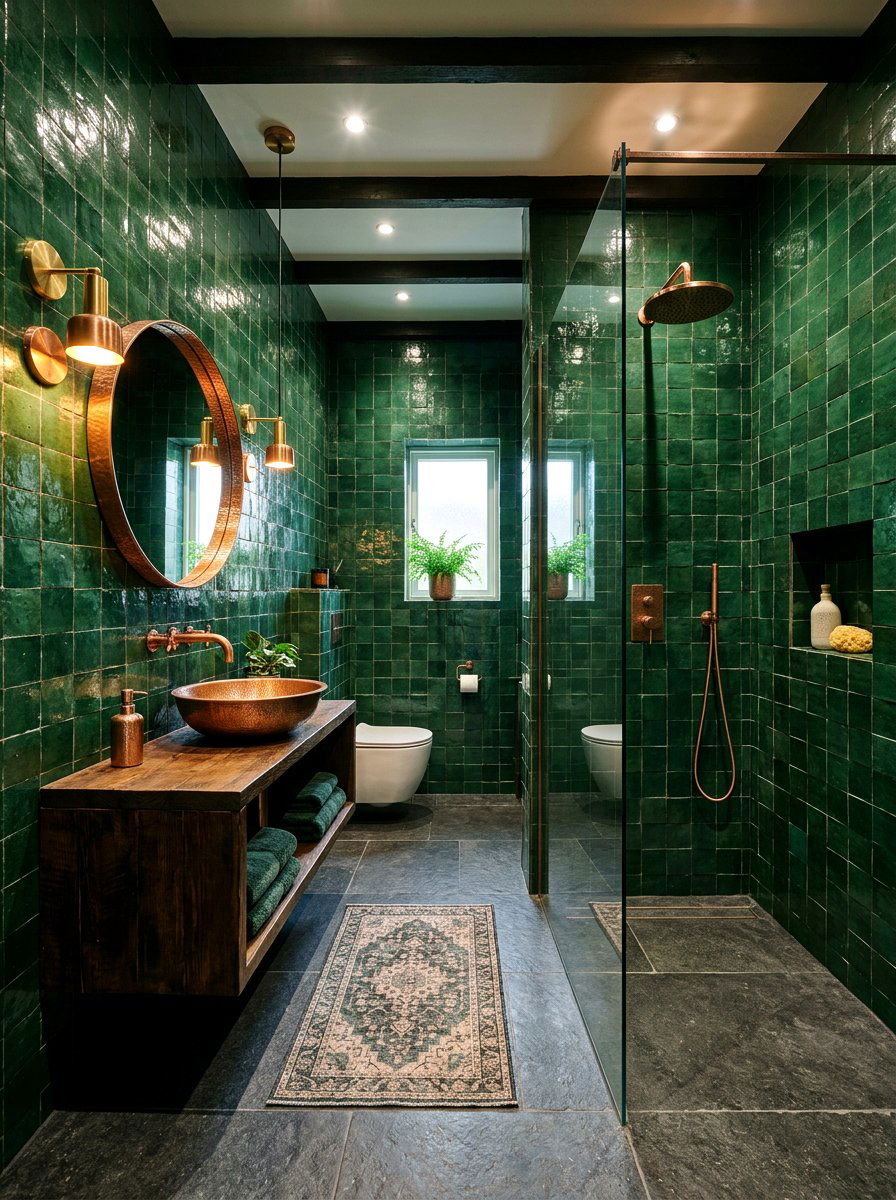
Emerald and forest green are popular colors in Moroccan design, representing nature and paradise. A bathroom featuring dark green Zellige tiles feels incredibly moody, luxurious, and grounded. The deep, rich tones of the tiles provide a sophisticated backdrop for brass or copper fixtures, which pop beautifully against the green. Because Zellige tiles have a glossy finish, they reflect light even in darker shades, preventing the room from feeling too dim. This color choice works exceptionally well in a master bathroom or a walk-in shower, creating an intimate and cocoon-like atmosphere that feels like a secret garden hidden away in the heart of a bustling, vibrant medina.
26. Moroccan Sconce Lighting Bathroom
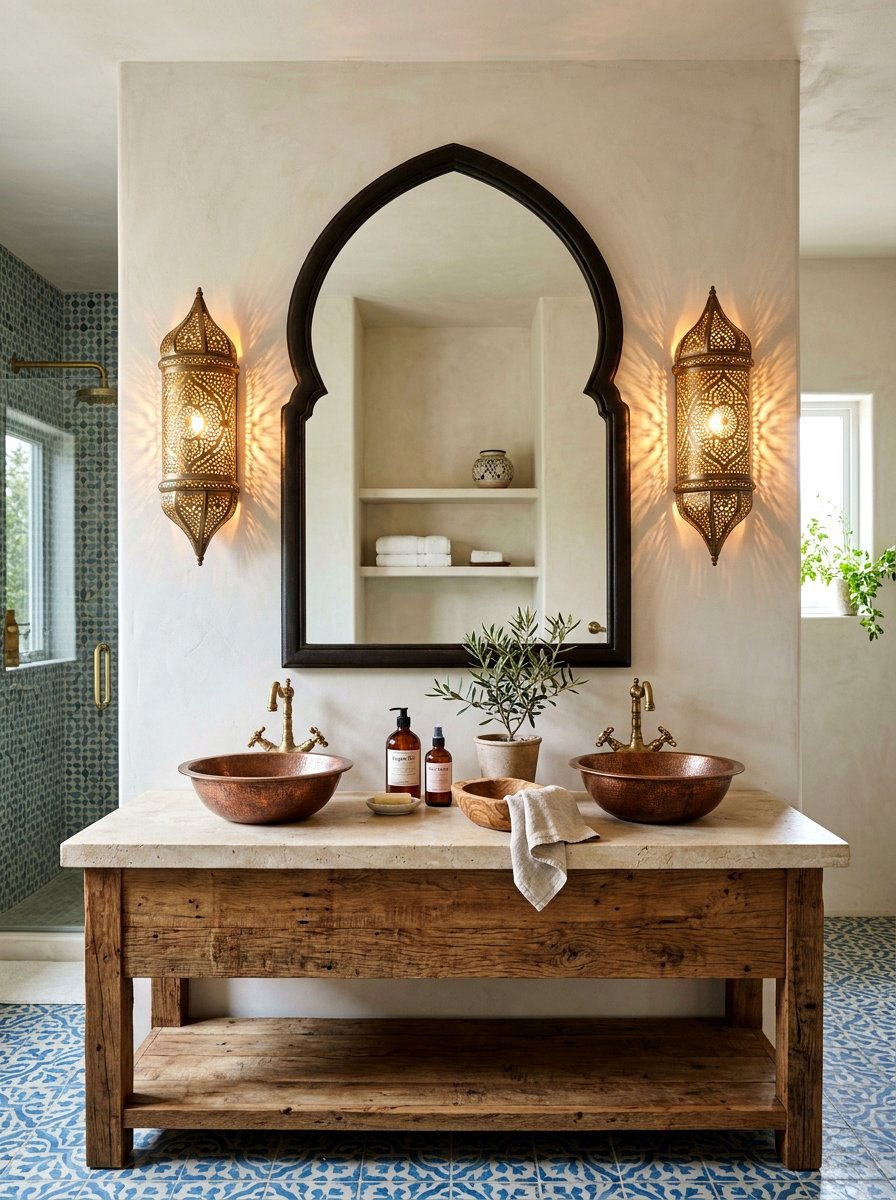
Wall sconces are a practical and stylish lighting solution for a Moroccan bathroom vanity. Choose metal sconces with intricate cutout patterns or glass-encased lanterns with brass frames to frame the mirror. These fixtures provide focused task lighting while also serving as decorative wall art. The use of traditional Moroccan sconces adds a layer of symmetry to the design, which is a common theme in Islamic architecture. When lit, the sconces create a warm, inviting glow that makes the space feel cozy and well-curated. By layering different types of light — such as a central lantern and vanity sconces — you can easily adjust the mood of the room to suit your needs.
27. Brass Framed Mirror Bathroom
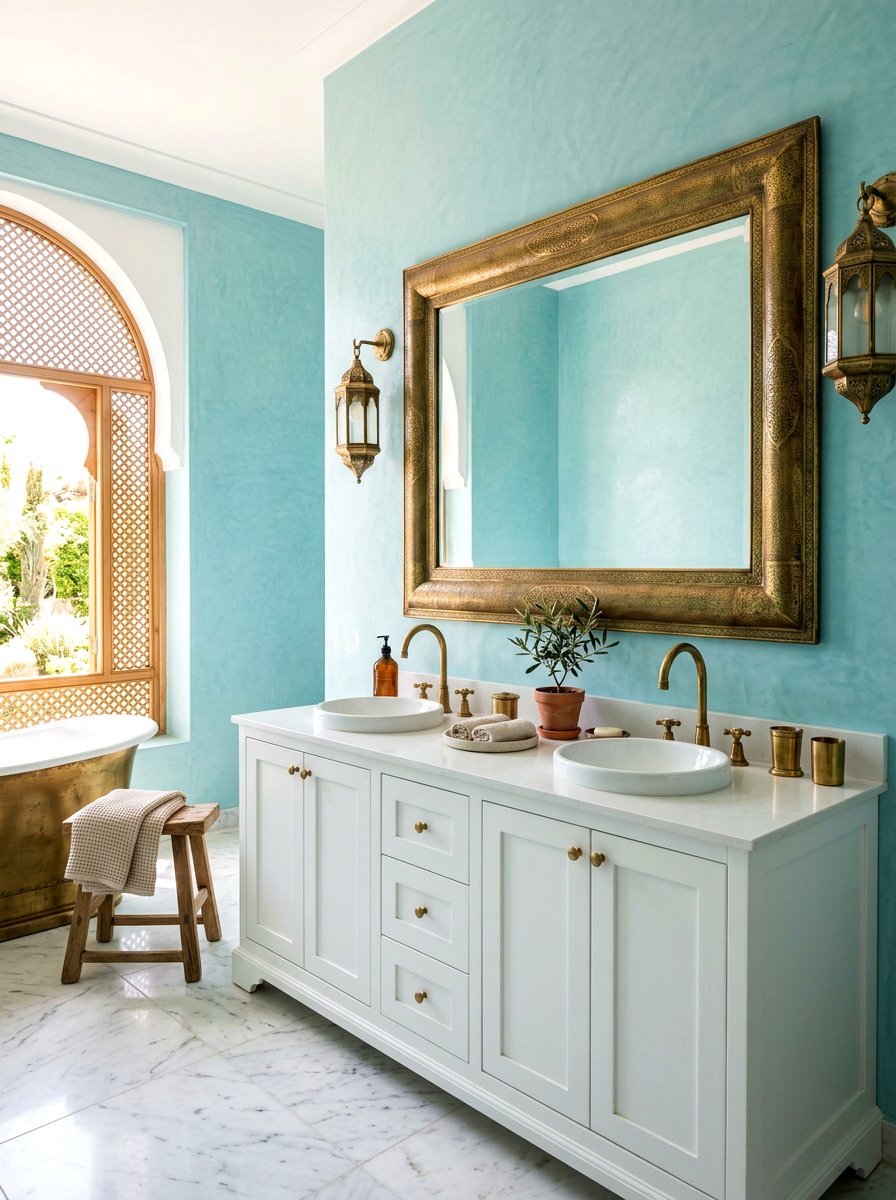
A simple yet elegant brass-framed mirror is a versatile accessory that fits perfectly into any Moroccan-inspired bathroom. Look for a frame with a slightly distressed or antique finish to give it a more authentic, handcrafted feel. A rectangular or circular mirror with a thin brass edge provides a subtle touch of warmth that complements other metal fixtures like faucets and towel bars. If you want a more decorative look, choose a frame with an embossed geometric pattern or a peaked Moorish top. The brass frame acts as a bridge between modern minimalism and traditional Moroccan craft, making it an ideal choice for a variety of different interior design styles and home aesthetics.
28. Cement Tile Pattern Bathroom
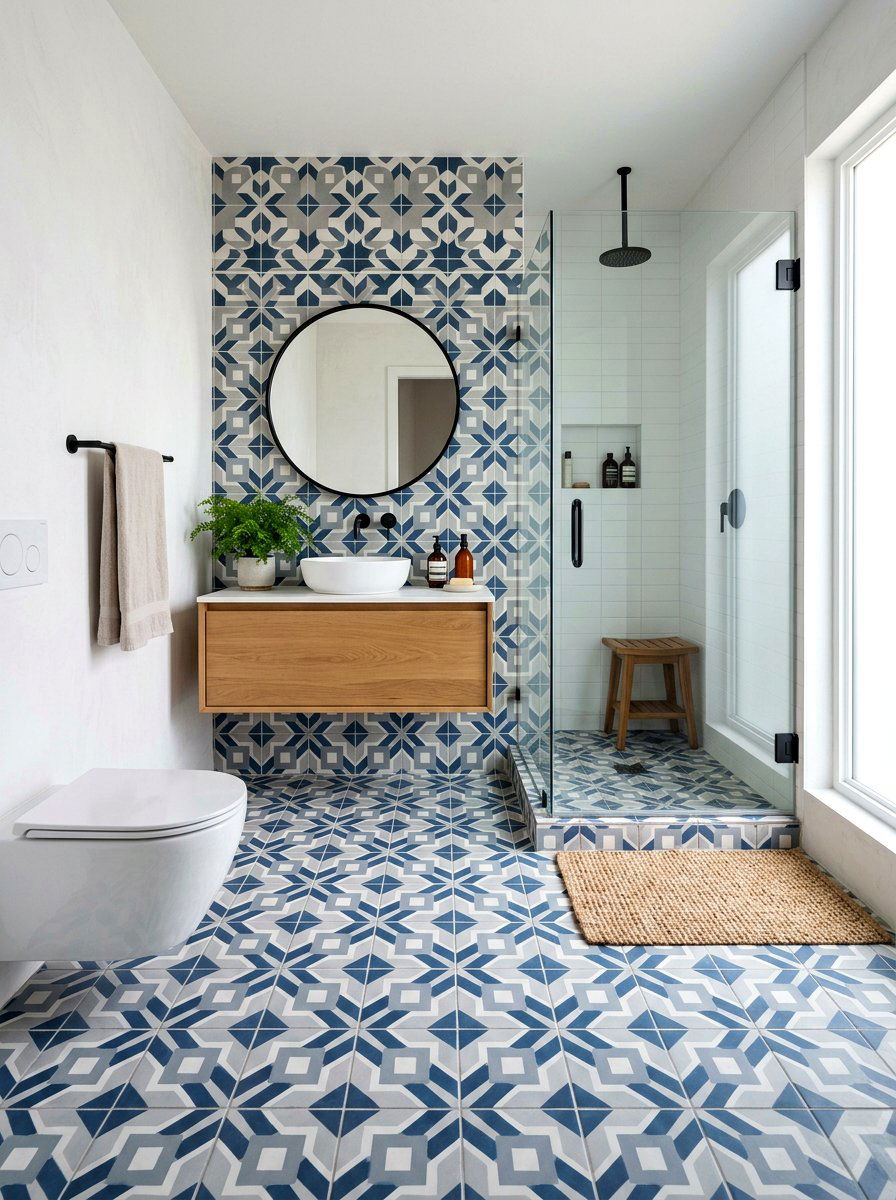
Encaustic cement tiles are a popular choice for Moroccan bathroom floors and walls because they offer endless possibilities for pattern and color. These tiles are made using mineral pigments, resulting in vibrant designs that are incredibly durable and long-lasting. From bold floral motifs to intricate interlocking stars, cement tiles allow you to personalize the space with a design that reflects your own unique style. Using a patterned tile on just one wall or as a "rug" on the floor provides a striking focal point without needing additional decor. The matte finish of cement tiles feels wonderful underfoot and adds a sophisticated, artisanal quality to the overall bathroom renovation project.
29. Small Moroccan Powder Room
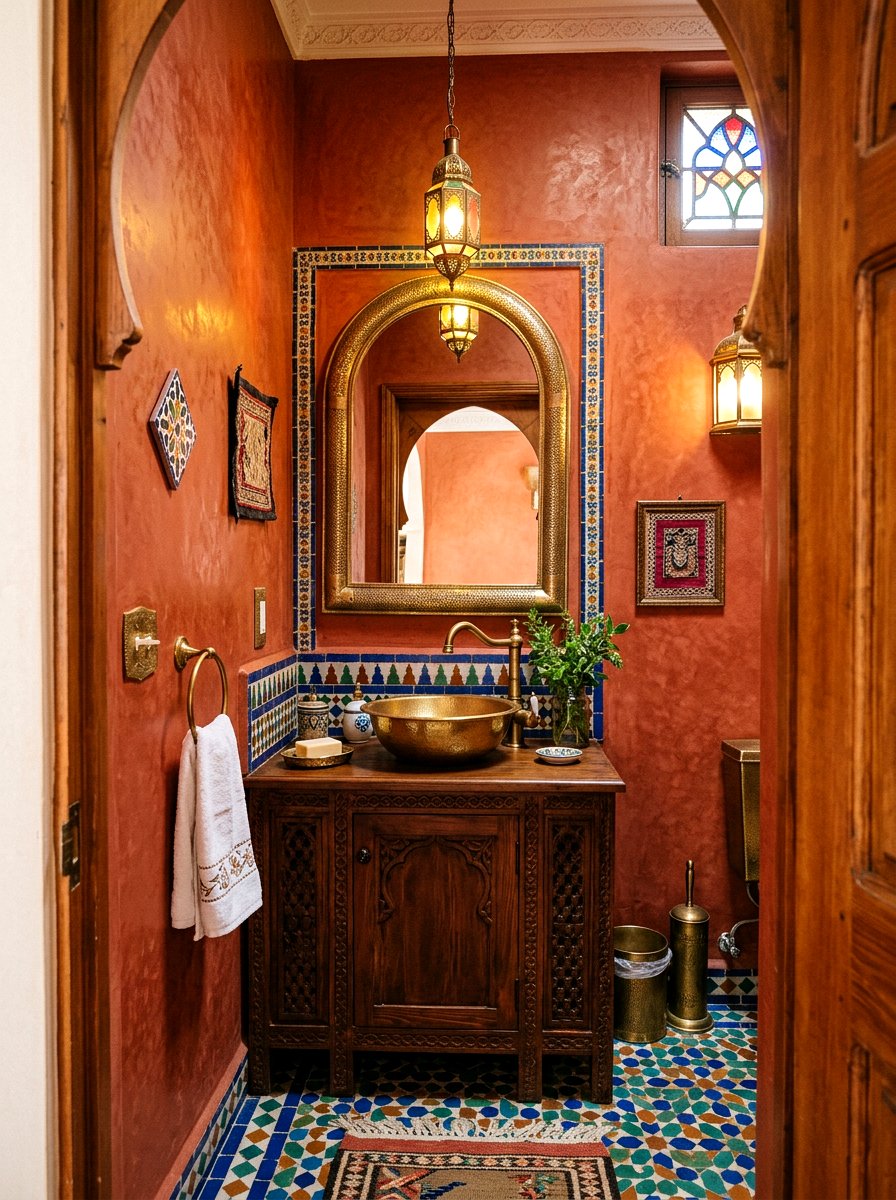
Even the smallest bathroom can benefit from the high-impact style of Moroccan design. In a powder room, you have the opportunity to go bold with wallpaper featuring Moroccan motifs or a floor-to-ceiling application of colorful tiles. A small hammered metal sink paired with a traditional arched mirror can make a big statement in a compact space. Using deep, saturated colors like navy or terracotta creates a "jewel box" effect that feels intentional and luxurious. Because there is less surface area to cover, you can invest in higher-end materials like authentic Zellige or bone inlay mirrors to create a memorable and stylish space that will surely impress all your house guests.
30. Modern Minimalist Moroccan Bathroom
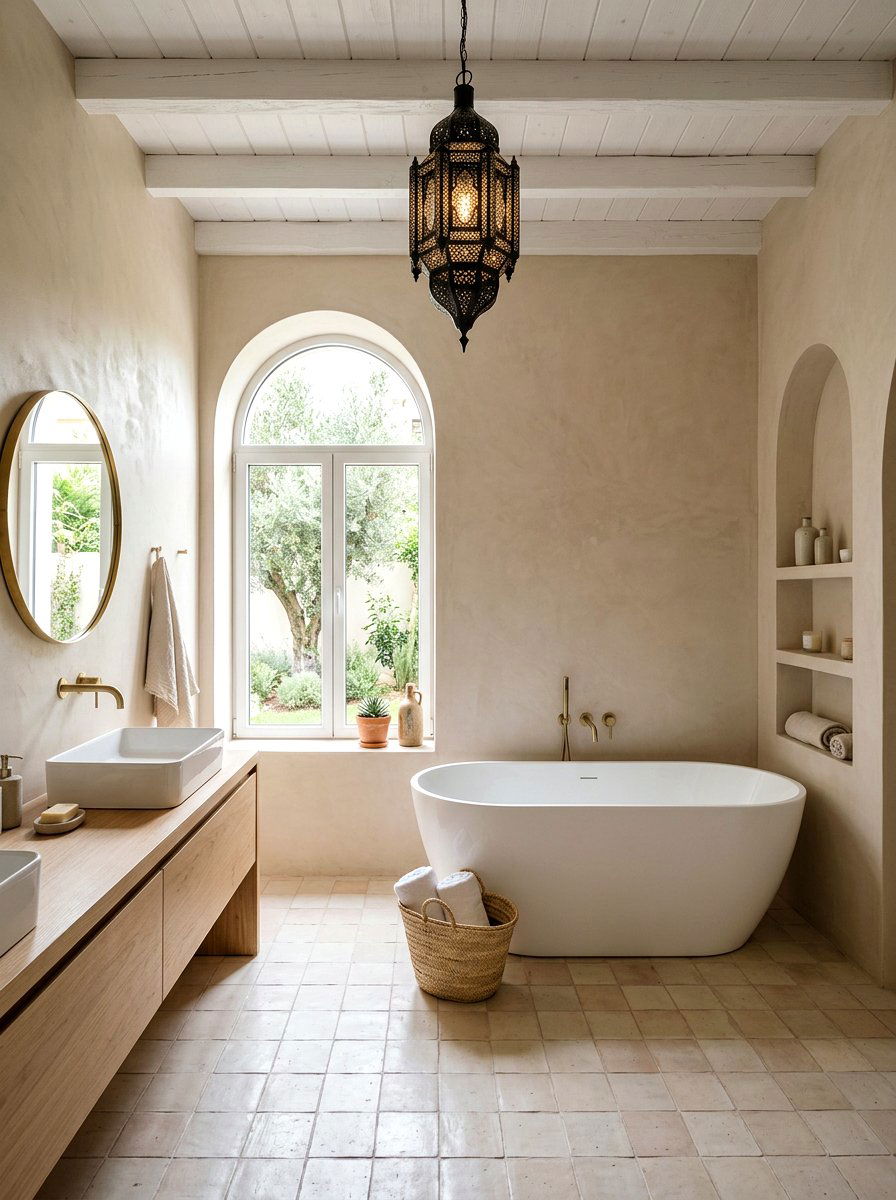
A modern minimalist take on Moroccan style focuses on the use of texture and subtle architectural details rather than busy patterns and bright colors. This look is achieved by using a neutral color palette of whites, beiges, and soft grays, punctuated by a few select Moroccan elements. Think of a seamless Tadelakt wall, a simple arched shower opening, and a single floating wood vanity. The addition of a small Moroccan lantern or a textured Kilim rug provides just enough character to prevent the space from feeling cold. This approach celebrates the core principles of Moroccan design — craftsmanship, natural materials, and elegant forms — in a way that feels clean, contemporary, and incredibly peaceful.
Conclusion:
Bringing the timeless beauty of Moroccan style into your bathroom allows you to create a space that is as functional as it is beautiful. These thirty different approaches show that you can go for a bold, traditional look or a more subtle, contemporary interpretation of the North African aesthetic. By focusing on authentic materials like hand-carved wood, natural plaster, and artisanal tiles, you ensure your bathroom has a soul and a story to tell. We hope these curated concepts inspire you to start your next home improvement project with confidence and creativity. Your dream Moroccan retreat is just a few design choices away, ready to provide daily relaxation.

Related posts: