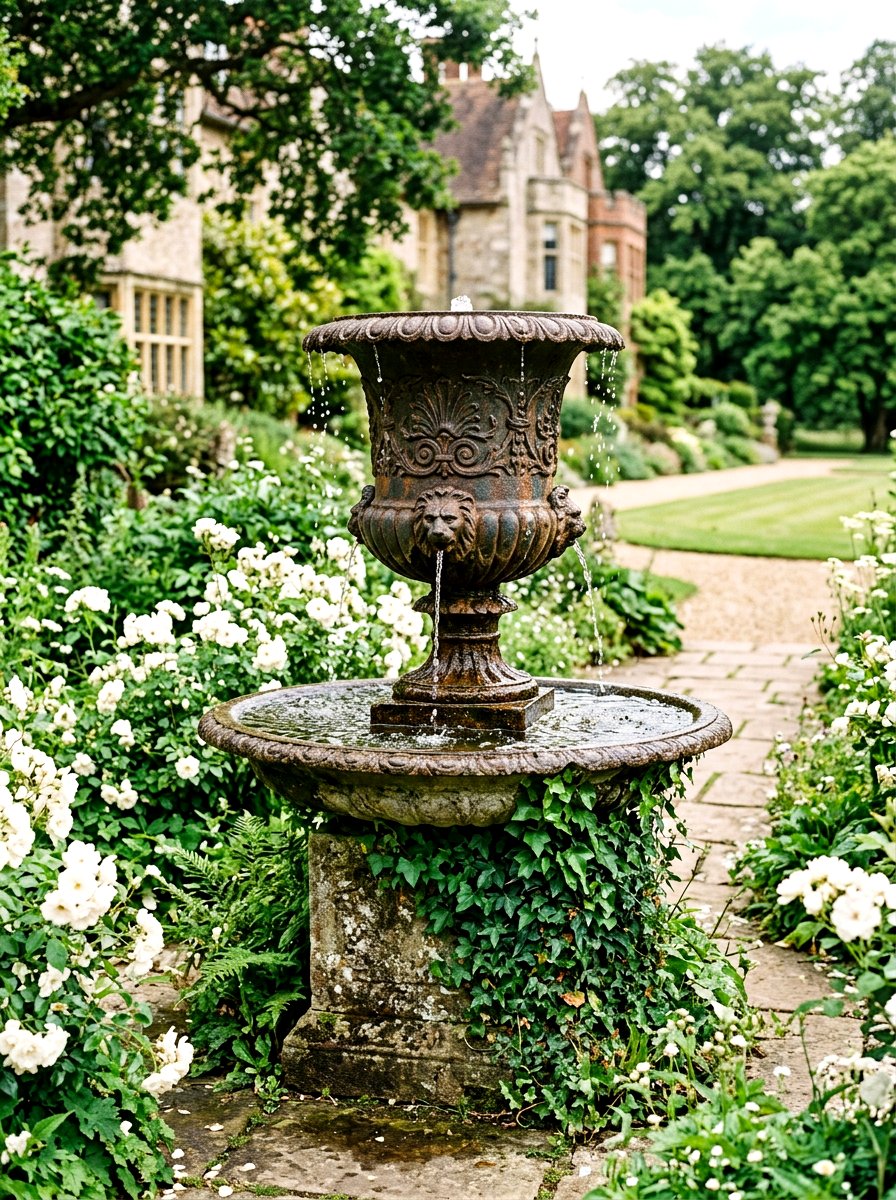
Adding a stream to your garden transforms a static landscape into a living, breathing sanctuary filled with movement and sound. The gentle babble of water over smooth stones provides a natural soundscape that can mask city noise and create a private retreat right outside your back door. Beyond the aesthetic appeal, these water features also serve as vital hubs for local wildlife, inviting birds and beneficial insects to visit your yard. Whether you prefer the rugged look of a mountain brook or the clean lines of a modern architectural channel, there is a design that fits every home style and budget. Exploring these concepts helps you visualize the perfect water feature for your unique outdoor living space.
1. Natural Rock Stream Bed
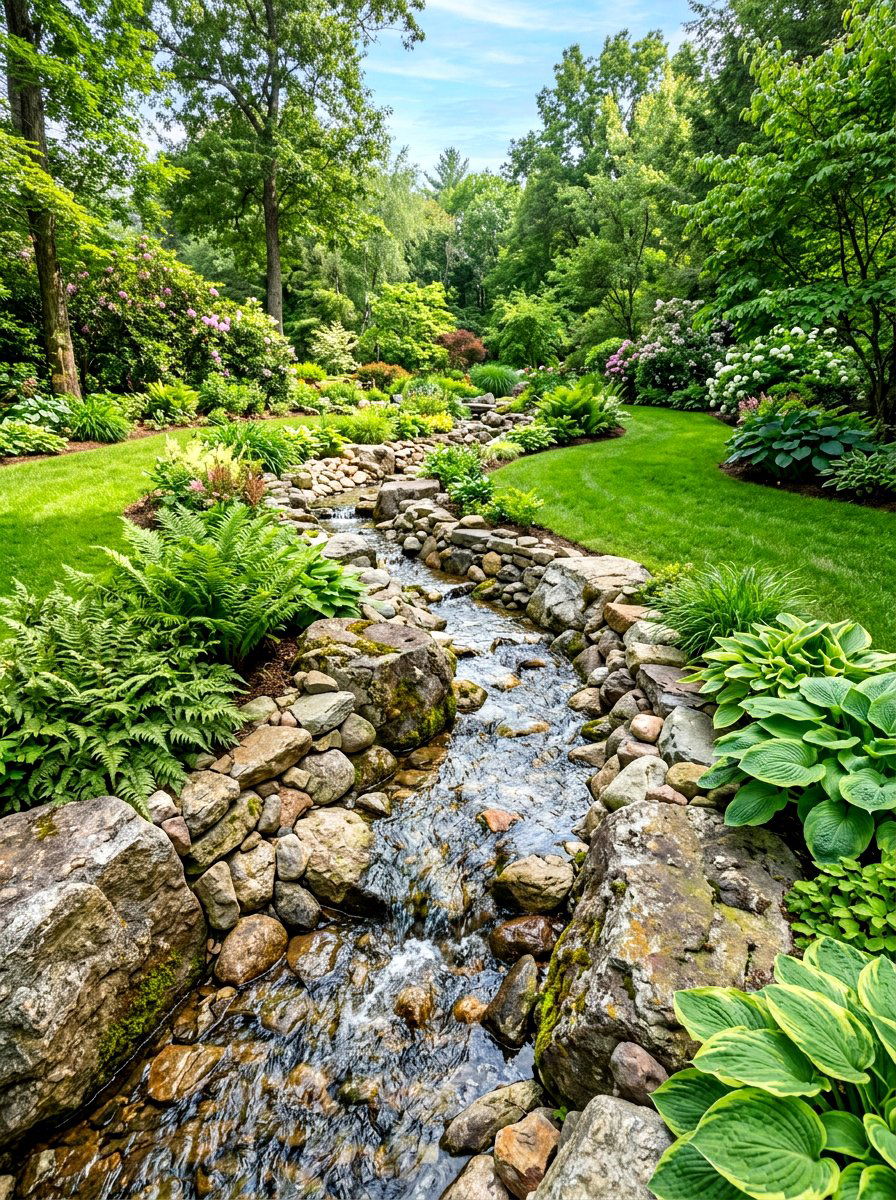
Creating a natural rock stream bed requires careful placement of varied stone sizes to mimic the organic look of a real mountain brook. You should start by excavating a winding path that follows the natural slope of your yard for the best results. Use large boulders as anchor points to direct the water flow and create small, splashing drops that enhance the sound. In between these massive stones, fill the gaps with smaller river rocks and fine gravel to ensure a completely realistic appearance. This layered approach prevents the feature from looking artificial or man-made. Planting low-growing groundcovers along the edges helps soften the hard lines of the stones beautifully.
2. Dry Creek Bed Landscaping
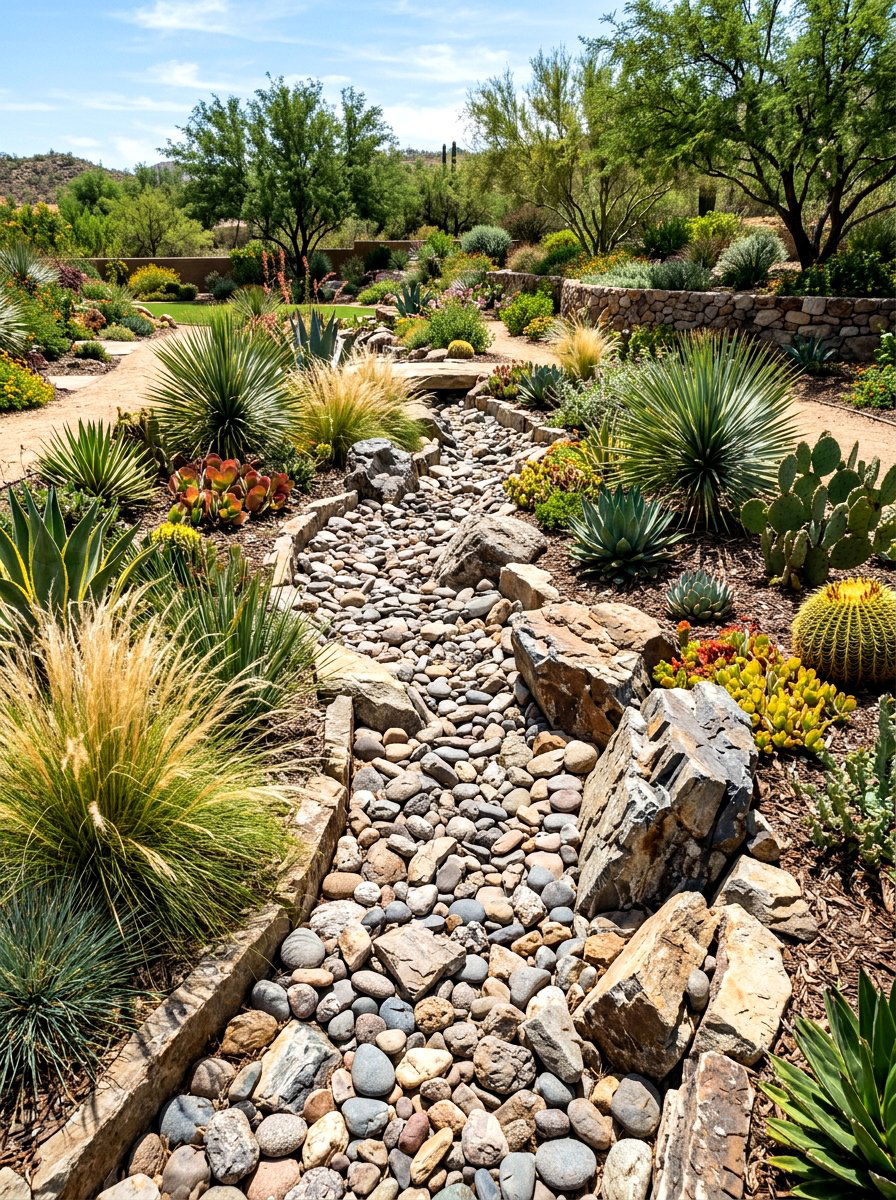
A dry creek bed is an excellent solution for managing drainage issues while adding immense visual interest to your landscape. This functional feature works perfectly in areas where a continuous water pump might be impractical or too expensive to maintain throughout the year. Use a mix of smooth river stones and jagged rocks to define the path where rainwater naturally flows across your property. During dry spells, the textured stones provide a beautiful sculptural element that complements your garden plants perfectly. You can plant drought-tolerant grasses and succulents along the banks to enhance the meadow aesthetic. This feature effectively prevents erosion during heavy rainstorms.
3. Woodland Water Brook
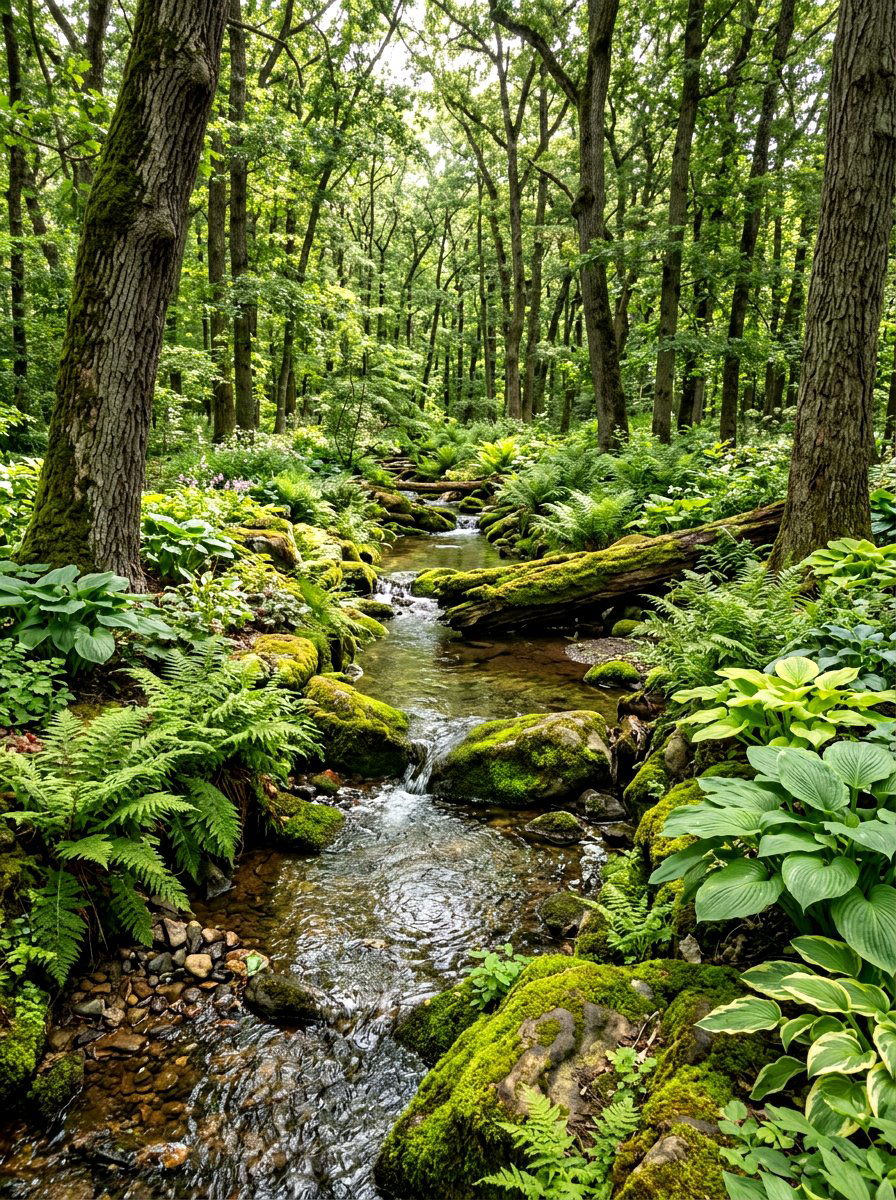
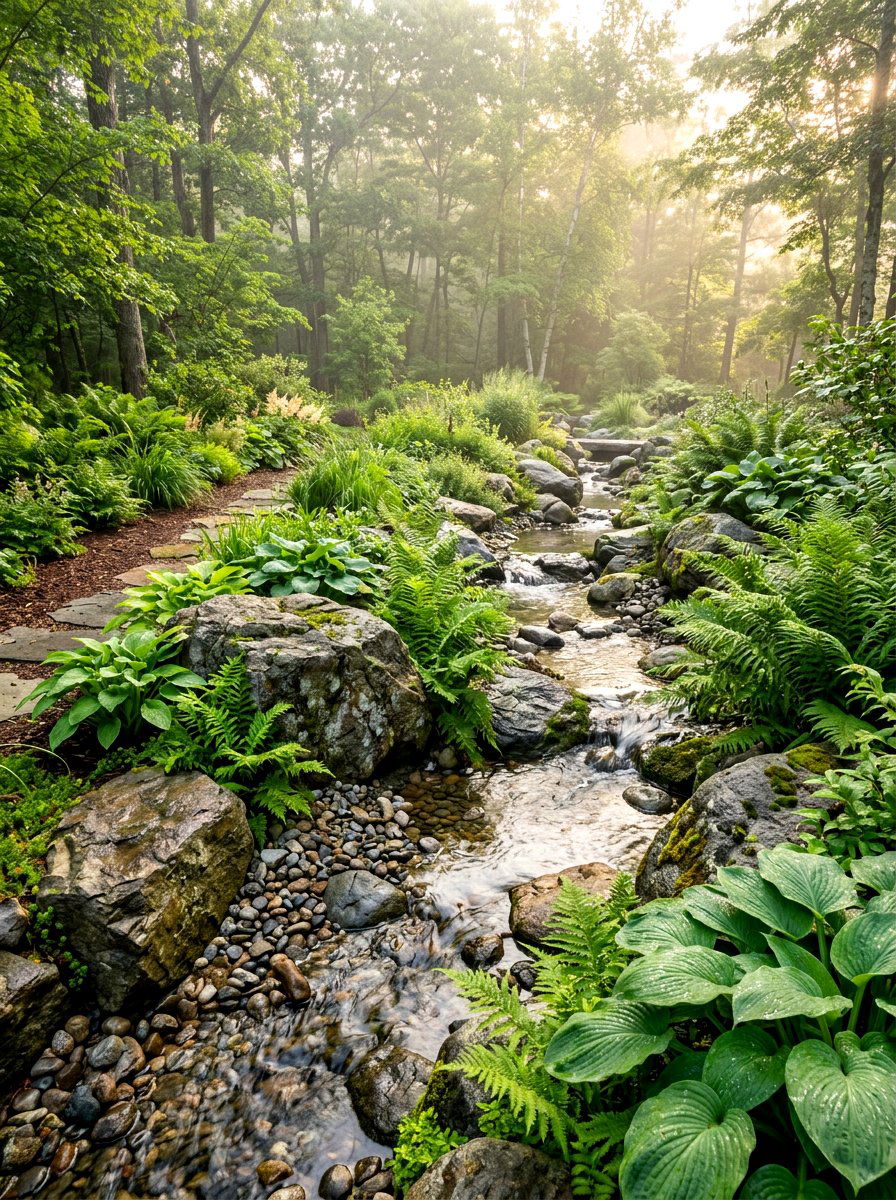
Imagine a gentle stream meandering through a shaded forest corner of your backyard, surrounded by tall trees and lush greenery. A woodland water brook focuses on using shade-tolerant plants like hostas and various ferns to create a cool, damp microclimate. You can use moss-covered logs and weathered stones to make the water feature look like it has been there for decades. The goal is to create a seamless transition between the water and the surrounding forest floor. Keeping the water flow slow and steady mimics the tranquil feel of a natural spring. This setup provides a perfect habitat for frogs and other small woodland creatures to thrive.
4. Modern Geometric Water Channel
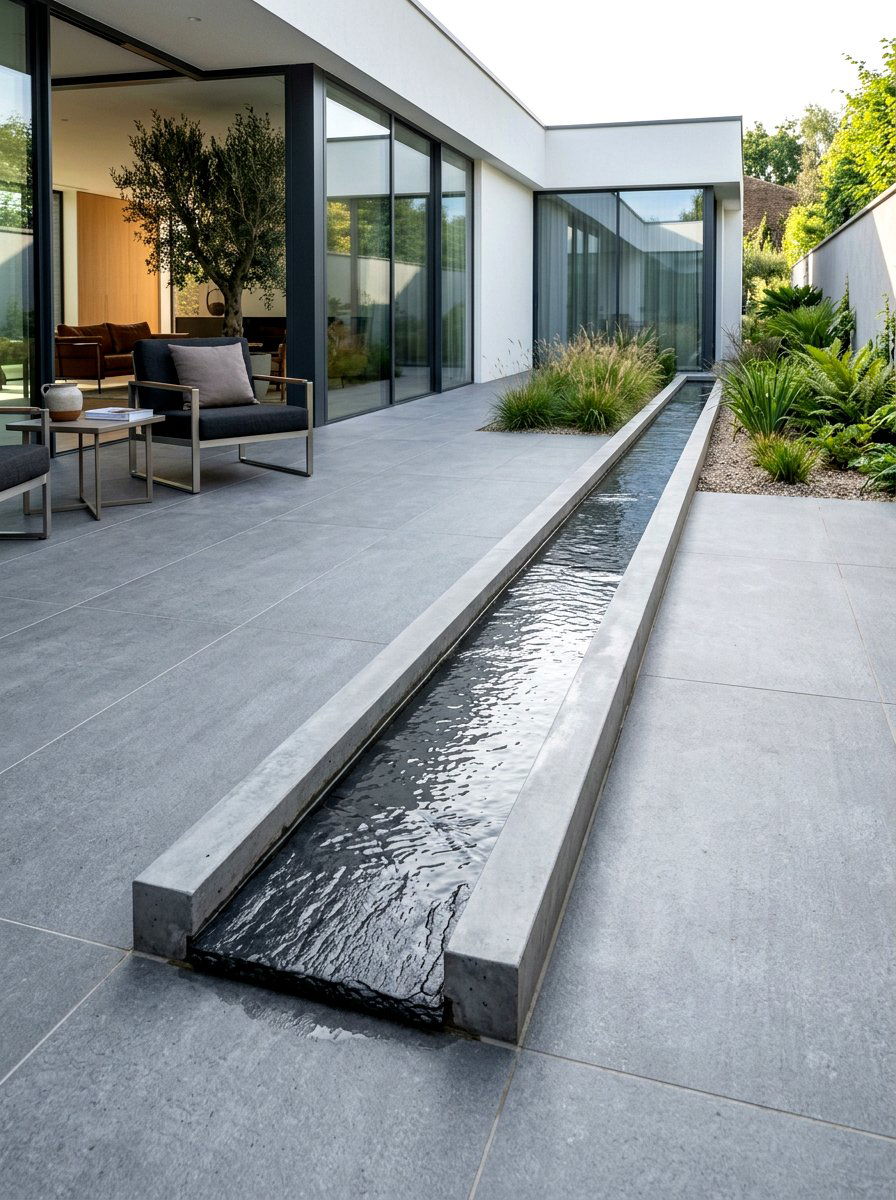
A modern geometric water channel is the perfect choice for homeowners who love clean lines and a minimalist aesthetic in their garden. Unlike naturalistic streams, this design uses straight edges and hard materials like concrete, slate, or polished stone to create a sleek look. The water often flows through a narrow, shallow rill that cuts across a patio or runs alongside a walkway. This architectural approach creates a sense of order and sophistication in any contemporary outdoor space. You can enhance the visual impact by adding hidden LED strip lights along the channel's edge. This design works exceptionally well in smaller backyards with very limited space.
5. Backyard Waterfall Stream
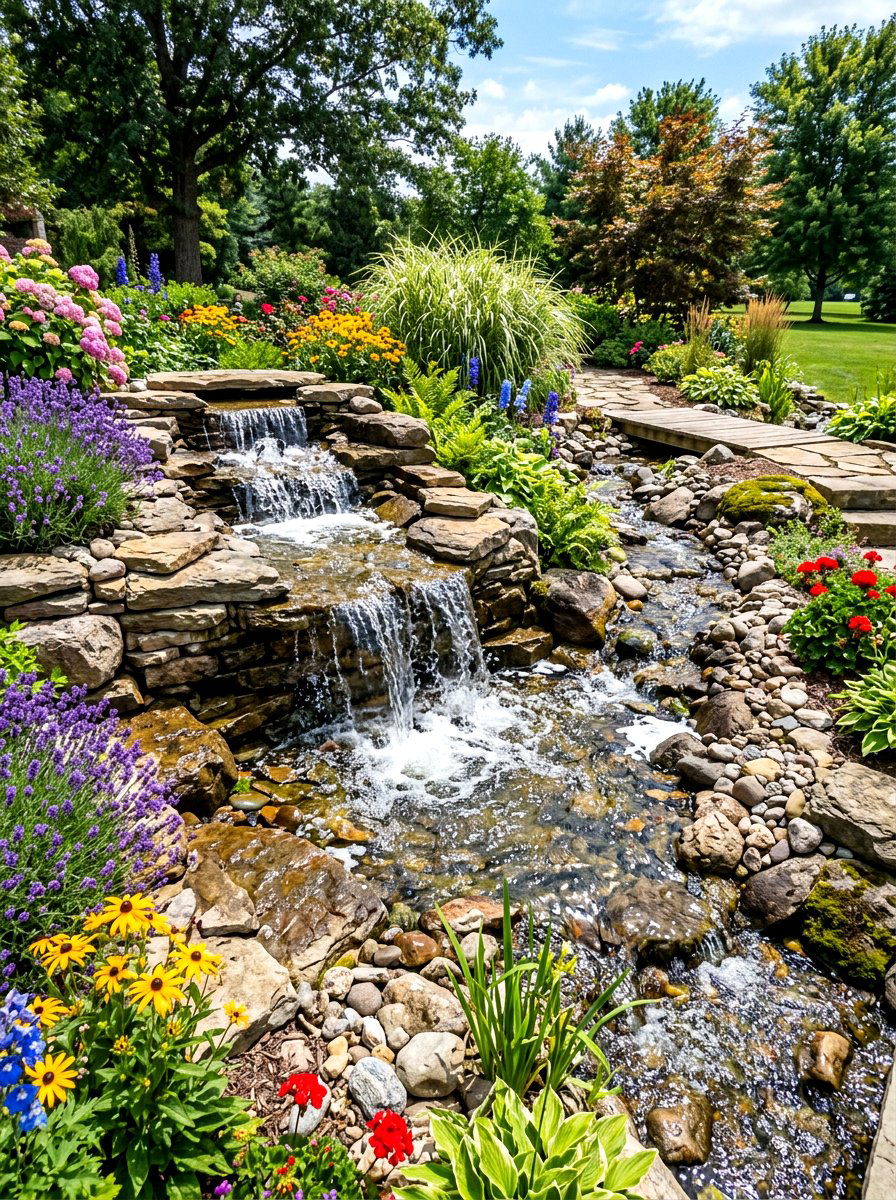
Integrating a waterfall at the start of your garden stream adds a dramatic focal point and increases the volume of the sound. This type of water feature uses gravity to create several small drops before the water transitions into a gently flowing stream bed. You can use flat, stacked stones to build the waterfall levels, ensuring the water spills over in thin, glistening sheets. Placing a bench near the waterfall allows you to fully enjoy the therapeutic benefits of the moving water. The oxygenated water from the falls is also excellent for keeping the stream healthy and clear. It creates a stunning vertical element in your yard.
6. Japanese Zen Garden Stream
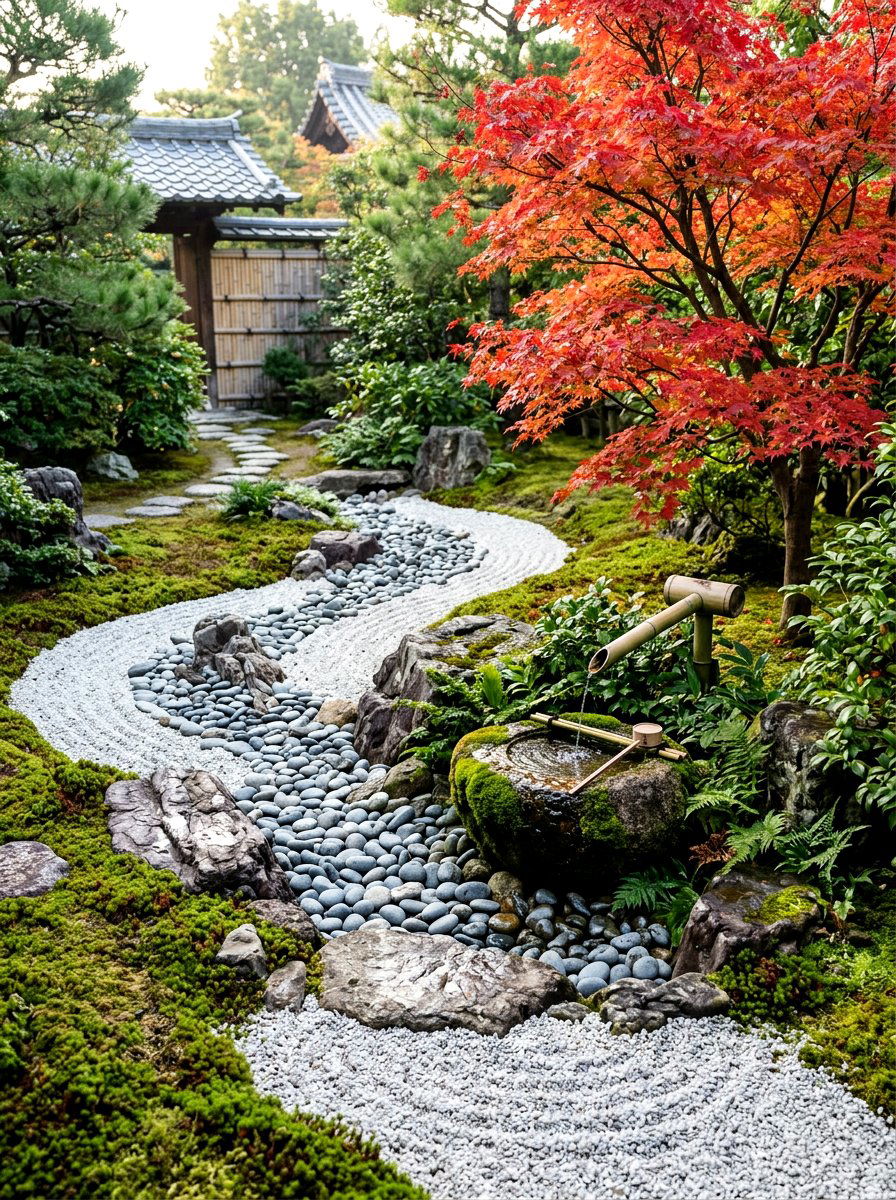
A Japanese zen garden stream focuses on balance, harmony, and the representation of nature in a stylized, symbolic form. These streams are often shallow and feature very clear water flowing over meticulously placed pebbles and sand. Incorporating traditional elements like a bamboo water spout or a stone basin adds an authentic touch to the overall design. The surrounding landscape should remain simple, utilizing evergreen shrubs, moss, and carefully pruned maple trees. This style of water feature is intended to promote meditation and deep reflection. The slow, rhythmic sound of the water helps quiet the mind after a long day. It brings a sense of ancient peace.
7. Pebble Creek Feature
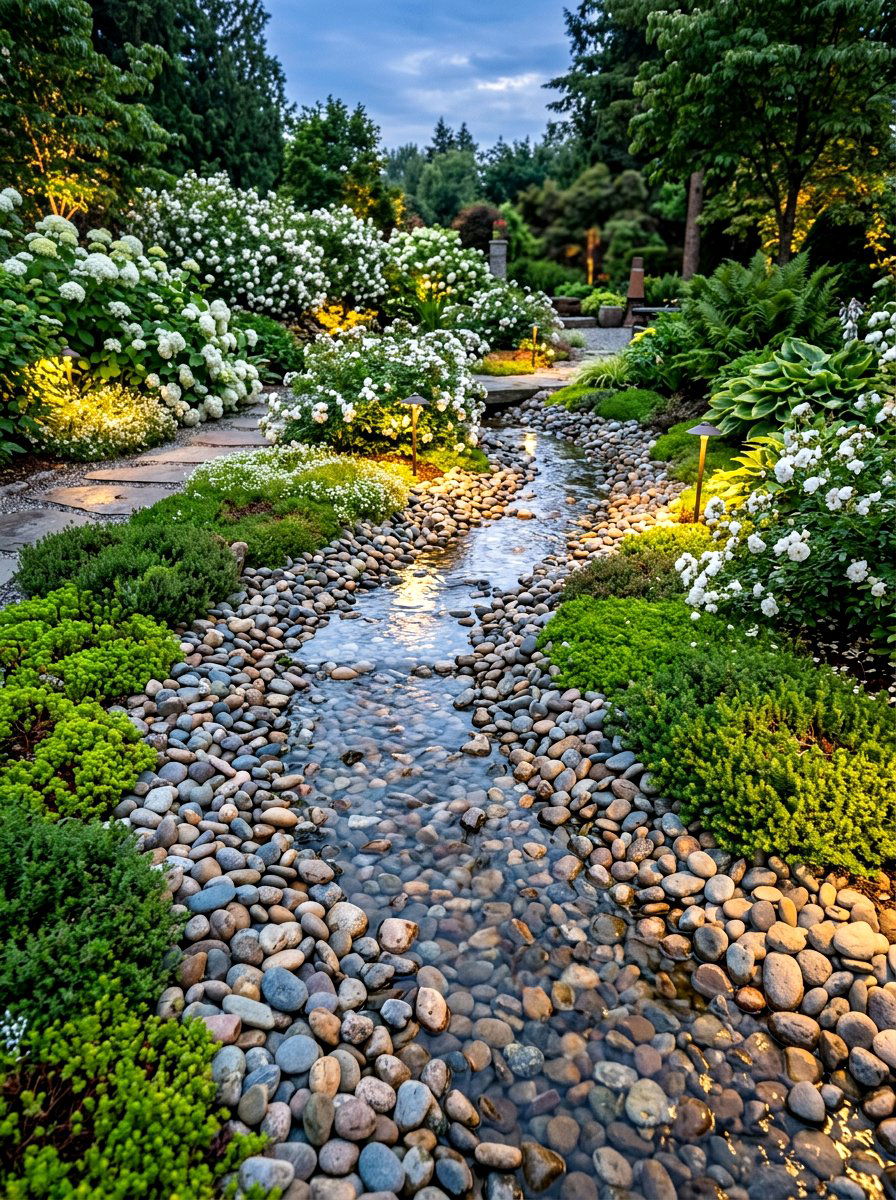
Building a pebble creek feature is a fantastic way to add texture and subtle movement to a small garden corner. This design relies on thousands of small, smooth pebbles to fill the stream bed, creating a soft and uniform look. Because the stones are small, the water tends to ripple gently over the surface rather than splashing loudly. This creates a much more intimate and quiet atmosphere that is perfect for a small patio or balcony setting. You can use different colors of pebbles, such as white, grey, or black, to create interesting patterns in the water. It is a very low-maintenance option for busy homeowners today.
8. Tropical Backyard Stream
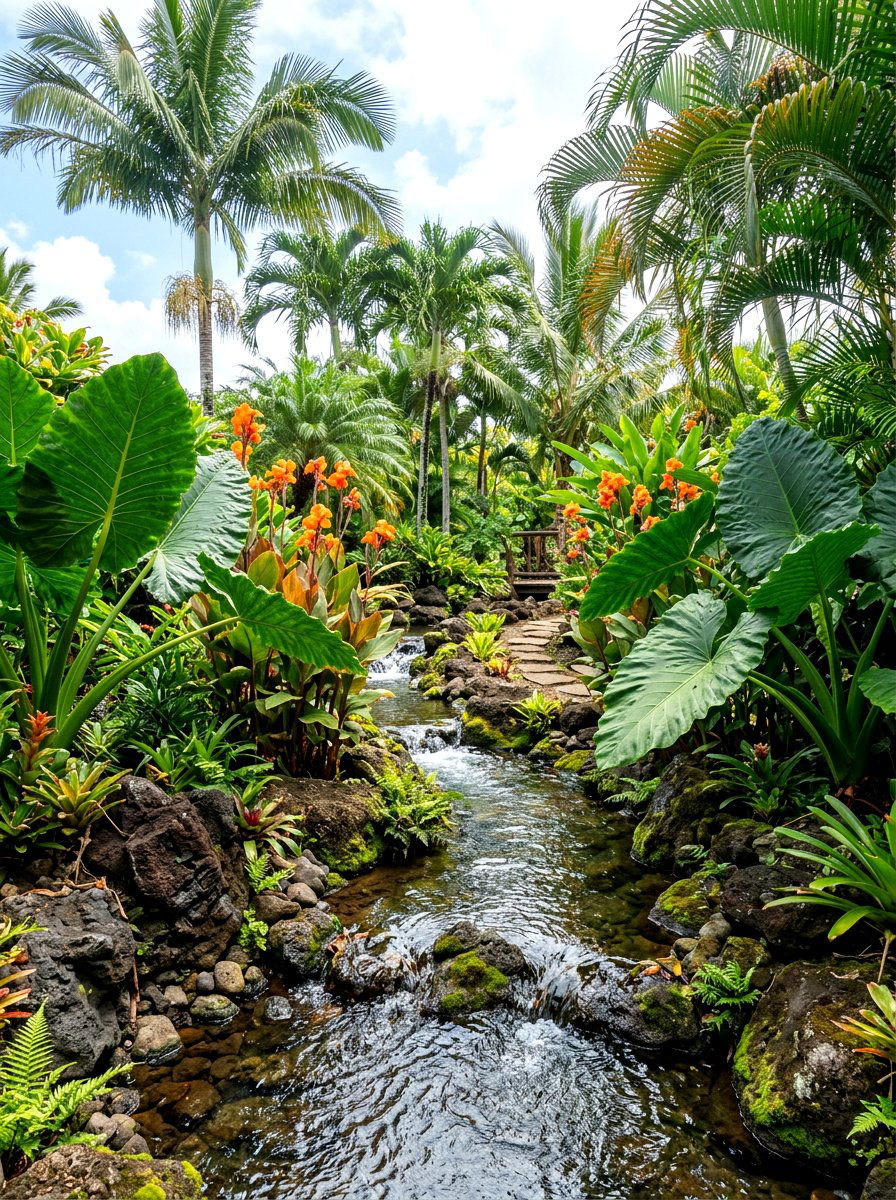
A tropical backyard stream brings the lush, exotic feel of a rainforest island directly to your own outdoor living space. This design uses large-leafed plants like elephant ears, palms, and bright canna lilies to frame the water's edge. The stream itself should feature dark rocks to mimic volcanic stone often found in tropical environments. Adding a misting system can enhance the humidity and create a magical, foggy atmosphere during the warm summer months. Brightly colored fish like koi can be added if the stream flows into a larger pool at the end. This vibrant setup makes your backyard feel like a luxurious, high-end vacation resort every day.
9. Cottage Garden Brook
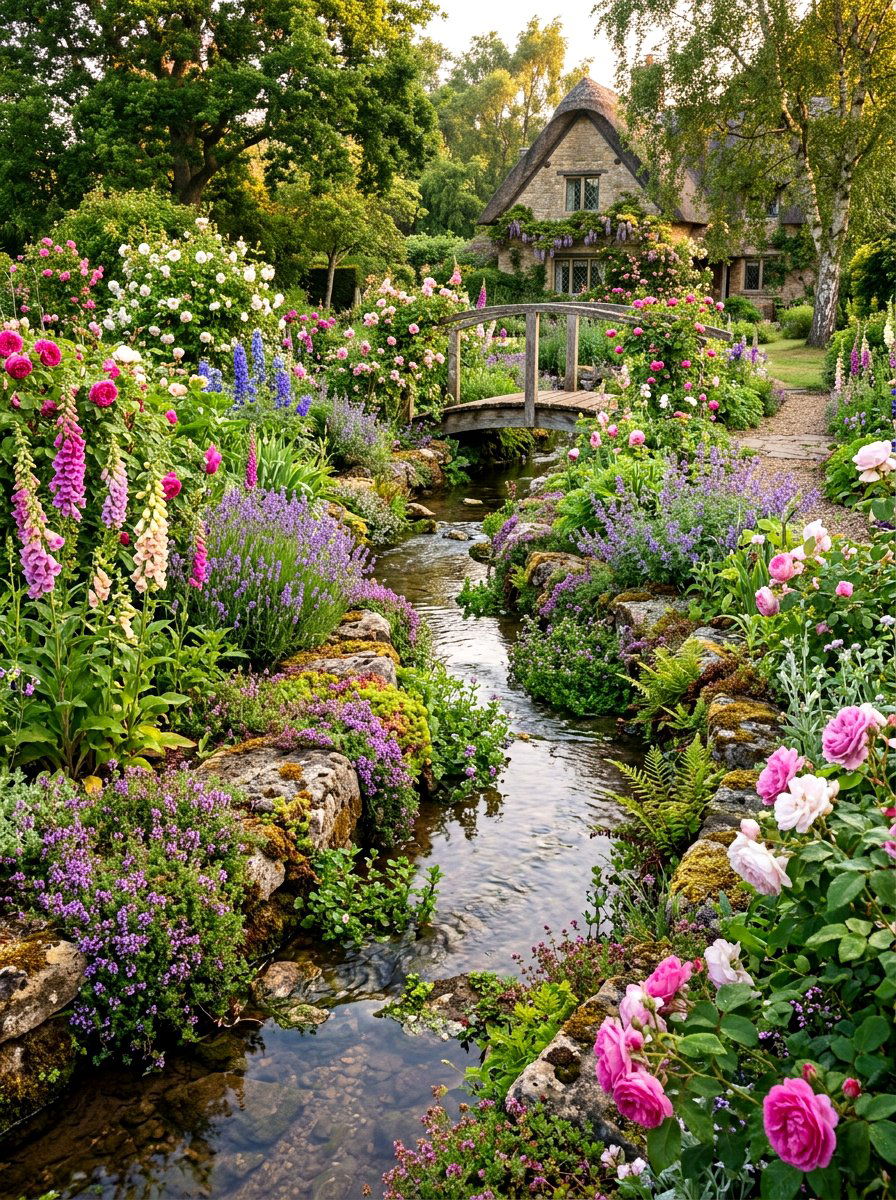
A cottage garden brook is all about charm, abundance, and a relaxed, informal feel that complements a traditional home. The water should wind through a dense border of colorful perennials like roses, lavender, and towering foxgloves. Instead of perfectly placed stones, use weathered rocks that appear to be partially overgrown by creeping thyme or moss. A small wooden bridge or a set of old stone steps can add a whimsical touch to the design. This style of stream is meant to look slightly wild and untamed, as if it were discovered in a secret garden. It provides a romantic backdrop for summer afternoon tea parties.
10. Wildflower Meadow Stream
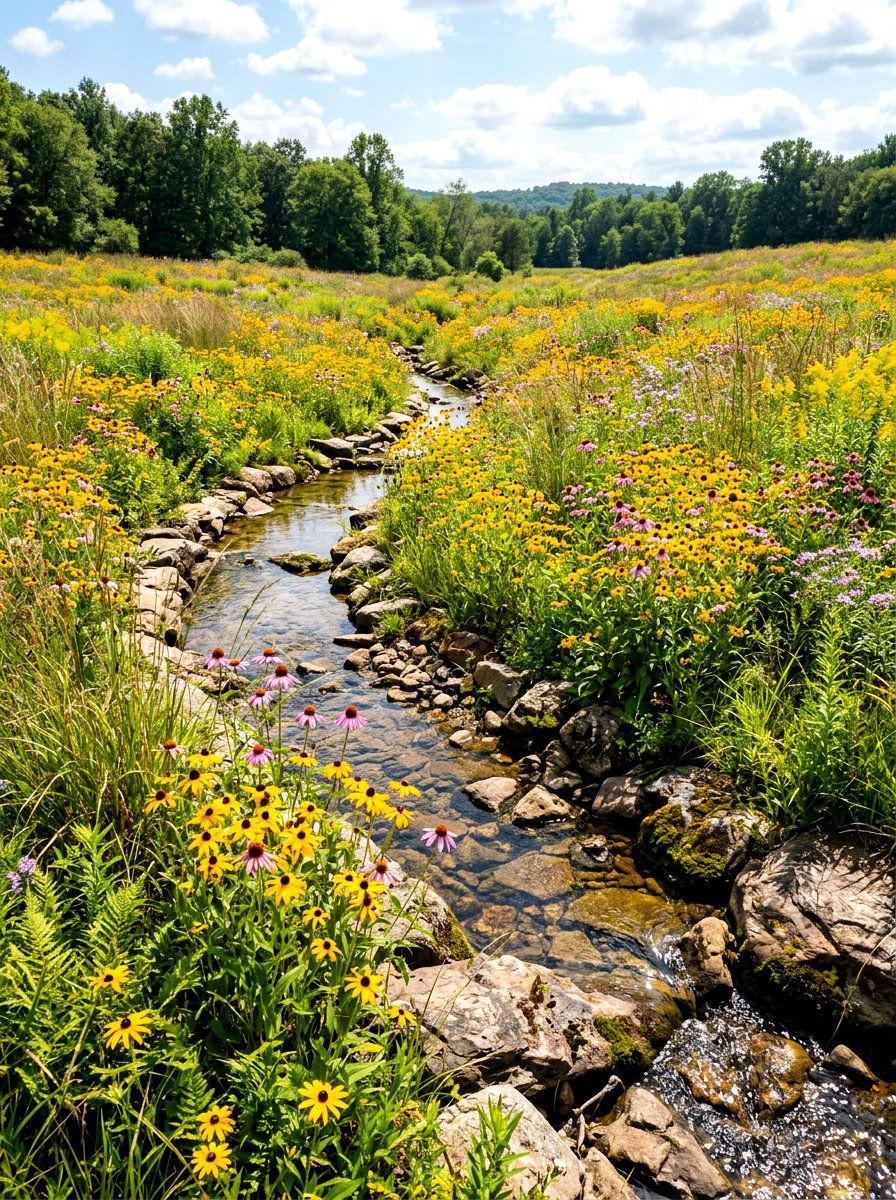
A wildflower meadow stream is a beautiful and eco-friendly choice that supports local pollinators and creates a vibrant, natural landscape. This design features a shallow water channel cutting through a field of tall grasses and native wildflowers like black-eyed Susans and cone-flowers. The stream banks should be left relatively natural to allow plants to grow right up to the water's edge. This setup attracts various butterflies, bees, and birds, making it a living ecosystem. Using simple fieldstones for the stream bed keeps the look authentic and grounded. It is a wonderful way to bring a piece of the wild countryside into a modern suburban backyard space.
11. Stone Bridge Crossing
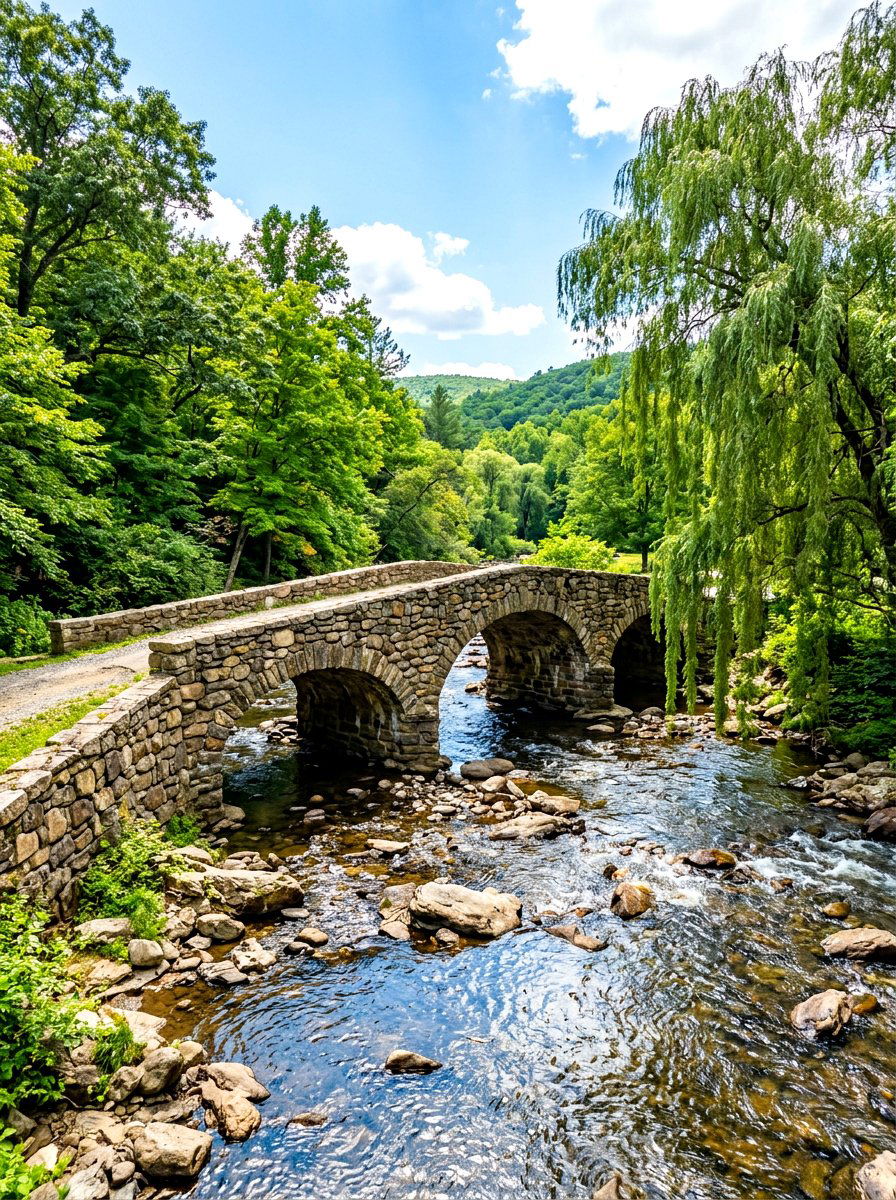
Adding a stone bridge crossing provides both a functional path and a picturesque architectural element to your garden stream. A bridge allows you to traverse the water feature and explore different sections of your yard without getting your feet wet. You can choose a simple flat slab of granite for a modern look or a more traditional arched bridge made of stacked fieldstone. Placing the bridge over a slightly wider or deeper part of the stream creates a sense of drama and importance. It serves as an excellent spot for taking photos or simply pausing to watch the water flow beneath you. It anchors the entire design.
12. Pondless Waterfall System
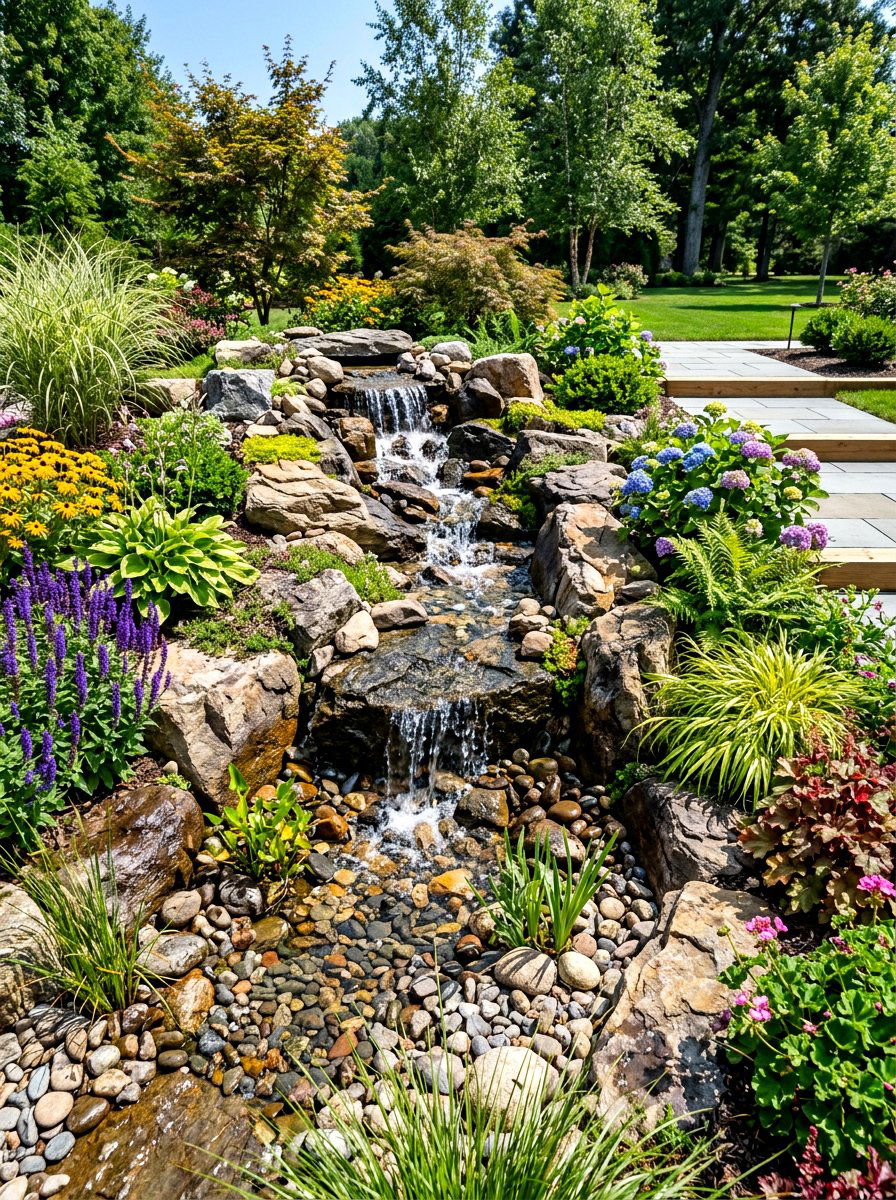
A pondless waterfall system is a smart and safe choice for families with young children or pets who want water features. This design features a stream and waterfall that flows into a gravel-filled basin where the water is collected and recirculated. Because there is no open pool of water, it requires significantly less maintenance and eliminates the risk of accidental falls. The hidden reservoir is located underground, keeping the water cool and reducing evaporation during hot weather. You can still enjoy the beautiful sight and sound of a flowing stream without the worries of a traditional pond. It is a highly efficient and modern landscaping solution today.
13. Flagstone Stream Bed
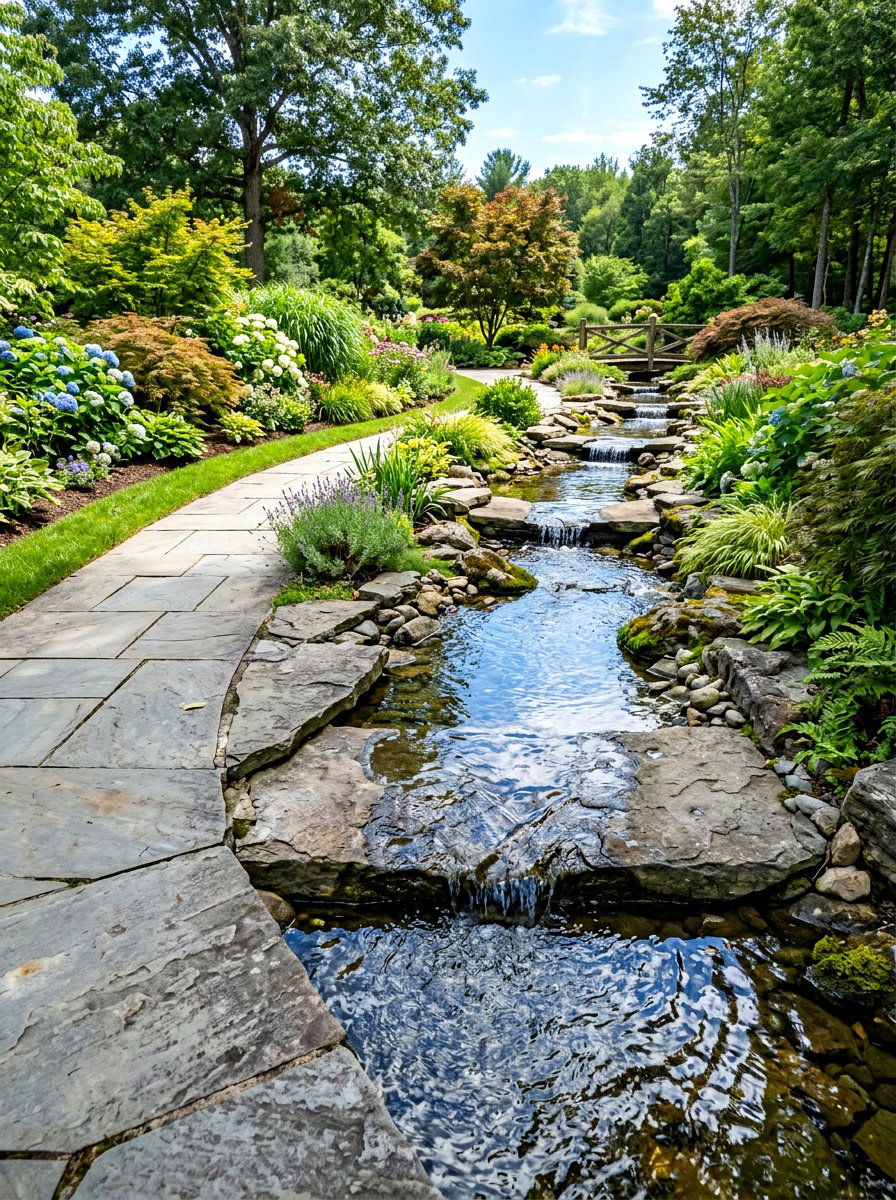
A flagstone stream bed offers a more structured and paved look that works well in formal gardens or along walkways. Using large, flat flagstones for the base of the stream creates a series of shallow pools and flat spillways. The water glides smoothly over the surface of the stone, creating a glass-like appearance that reflects the surrounding plants and sky. This style is very easy to clean as debris can be easily swept or hosed away from the flat surfaces. You can choose flagstones that match your existing patio or garden walls to create a cohesive and integrated look throughout the entire outdoor space very easily.
14. Slate Rock Waterway
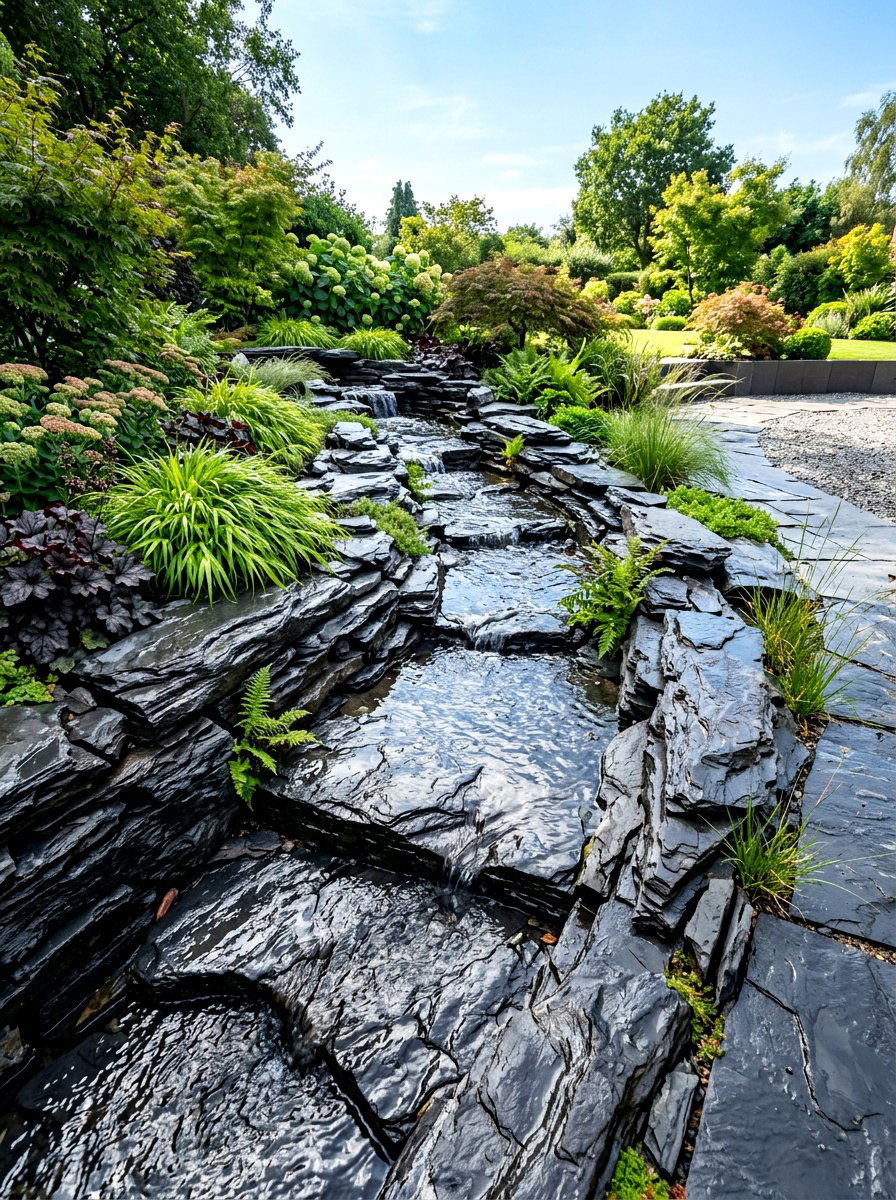
Using slate rock for your garden waterway provides a sophisticated, dark aesthetic that makes the blue and green colors of your garden pop. Slate naturally breaks into flat, sharp-edged pieces that are perfect for creating modern waterfalls or layered stream beds. When wet, the slate takes on a deep, glossy finish that looks incredibly high-end and luxurious. This material is particularly durable and stands up well to various weather conditions and constant water exposure. You can mix different shades of grey and charcoal slate to create a textured and visually interesting water path. It brings a touch of mountain elegance to any modern backyard design.

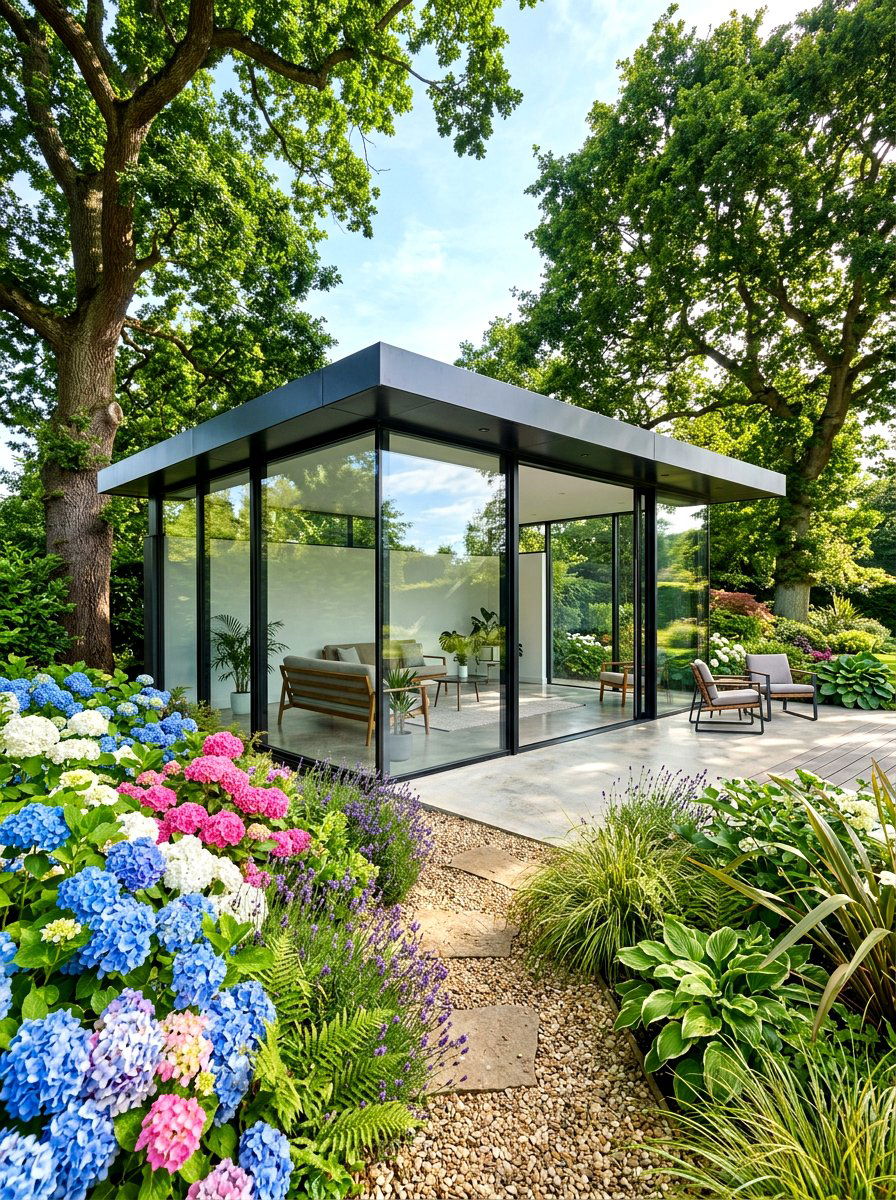

15. Native Plant Stream Border
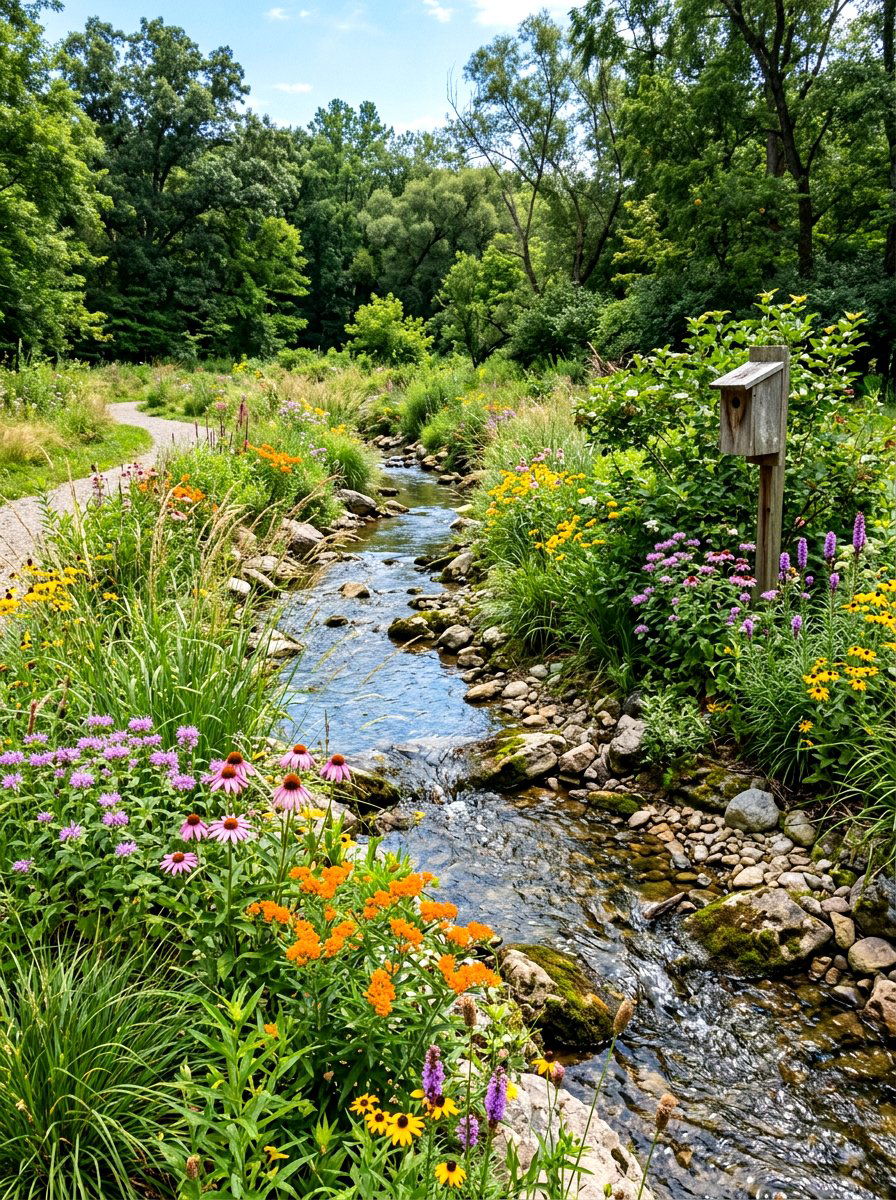
Designing a native plant stream border is the best way to ensure your water feature blends seamlessly with the local environment. By choosing plants that naturally grow near water in your region, you create a low-maintenance landscape that thrives without much help. Native grasses, sedges, and shrubs provide essential cover for birds and beneficial insects that frequent the water. These plants often have deep root systems that help stabilize the banks of your stream and prevent erosion over time. This approach to landscaping is environmentally responsible and promotes local biodiversity. It creates a beautiful, resilient garden feature that looks completely natural and well-established.
16. Tiered Rock Waterfall
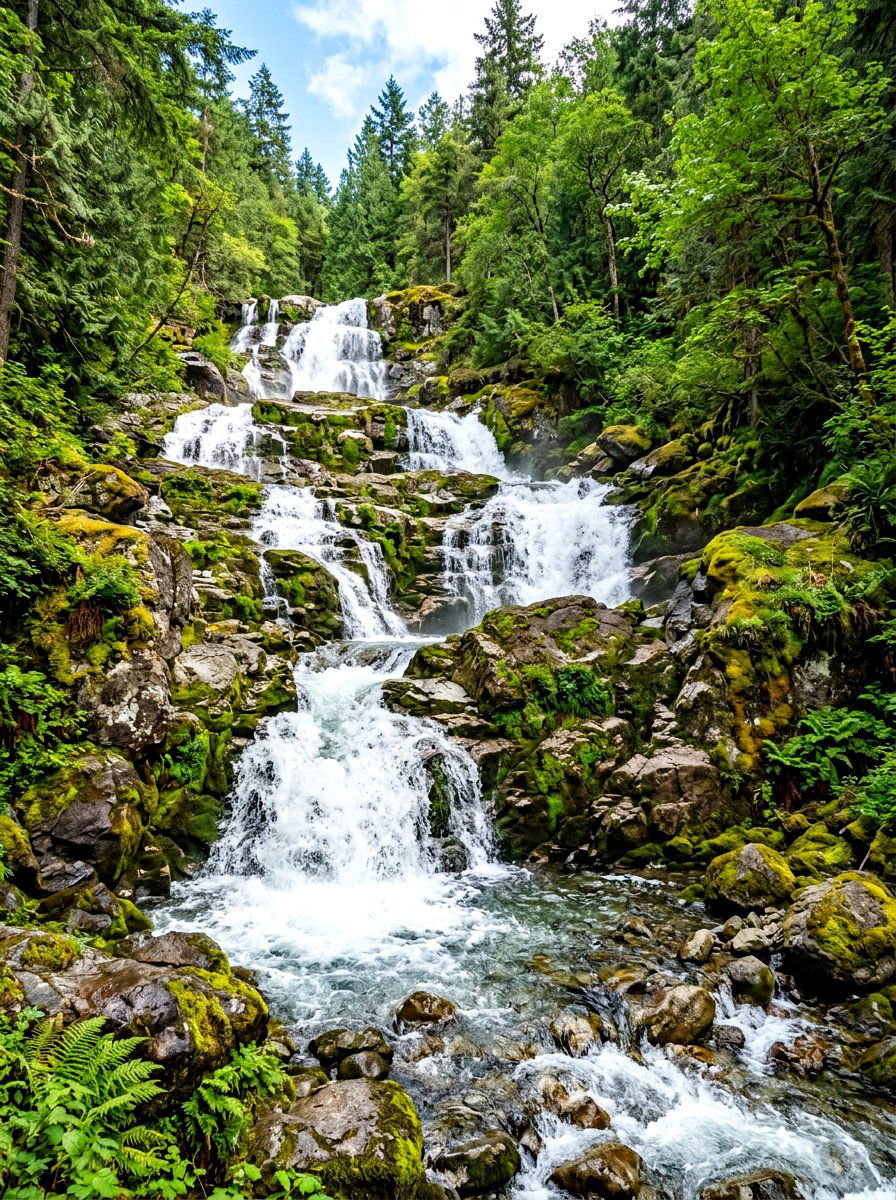
A tiered rock waterfall creates a sense of grandeur and height by allowing water to tumble down multiple levels. Each tier acts as a small collecting pool before the water spills over the edge onto the next stone. You can vary the height of each drop to create different sounds, from a soft trickle to a more powerful splash. This vertical design is perfect for yards with significant slopes where a flat stream might not be possible. Using large, weather-worn boulders for the tiers makes the waterfall look like a natural geological formation. It provides a stunning visual backdrop for any outdoor seating or dining area.
17. Stepping Stone Stream Path
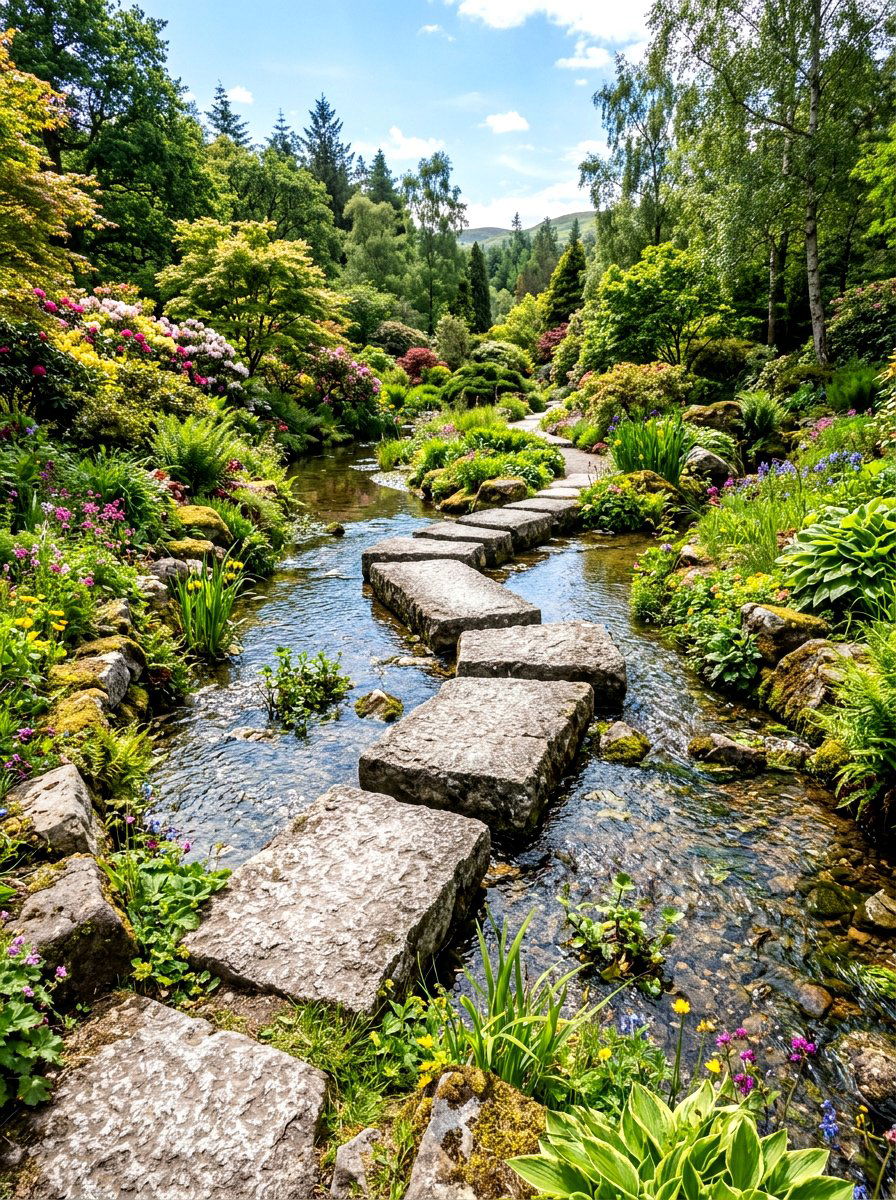
A stepping stone stream path invites people to interact directly with the water by walking across it on large, flat stones. This design turns a simple water feature into an adventurous garden journey for children and adults alike. You should choose stones that are large and stable enough to provide a safe footing while the water flows around them. Placing the stepping stones in a zig-zag pattern adds a sense of playfulness and discovery to the garden. This feature works best in shallow streams where the water level remains consistent throughout the year. It creates a beautiful focal point that connects two different areas of the yard perfectly.
18. Mossy Rock Stream
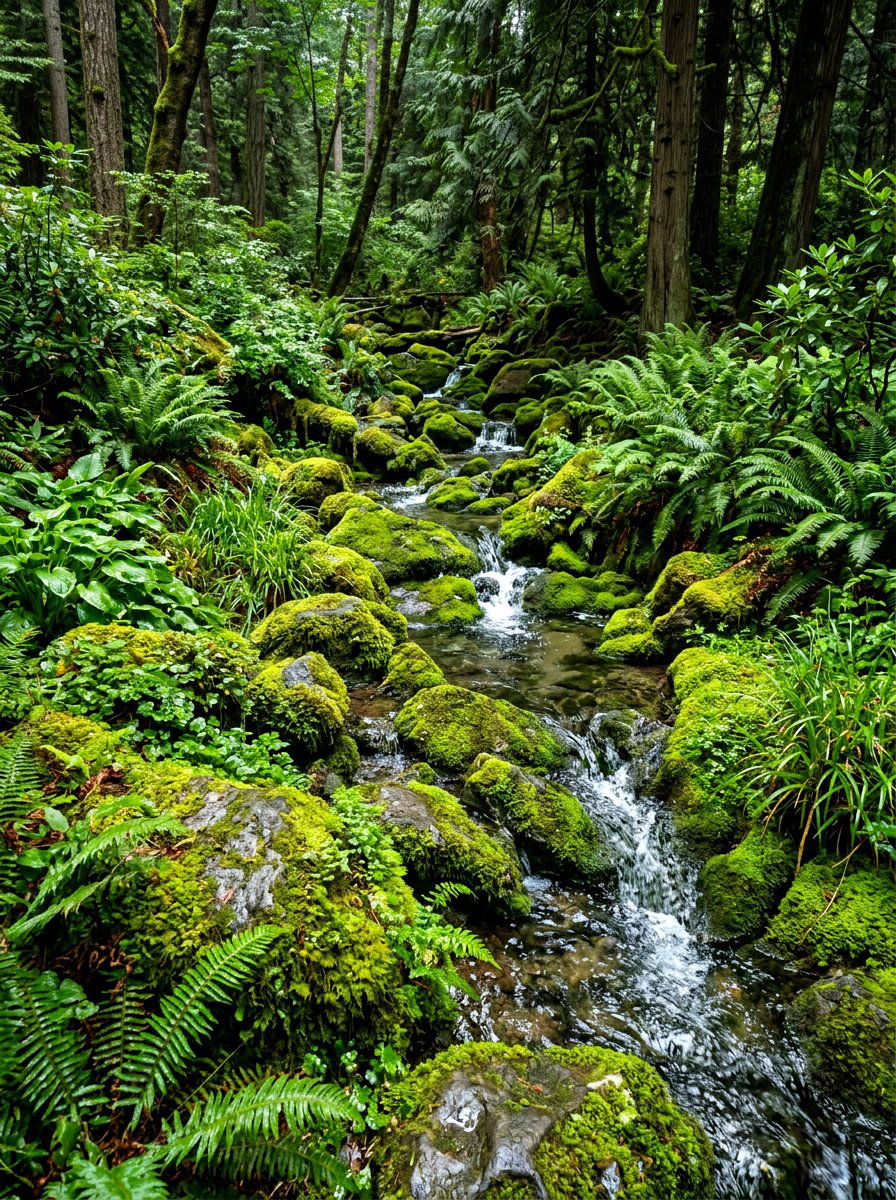
A mossy rock stream evokes the feeling of a hidden, ancient spring found deep within a lush, misty forest. This design focuses on keeping the surrounding environment humid and shaded to encourage the growth of thick, green moss on the stones. You can manually transplant moss onto the rocks or use a specialized moss-growing solution to speed up the process. The soft, velvety texture of the moss contrasts beautifully with the hard surface of the river rocks and the clarity of the water. This style of stream is incredibly peaceful and provides a cool, refreshing atmosphere during the hot summer months. It is truly a magical design.
19. Gravel Stream Bed
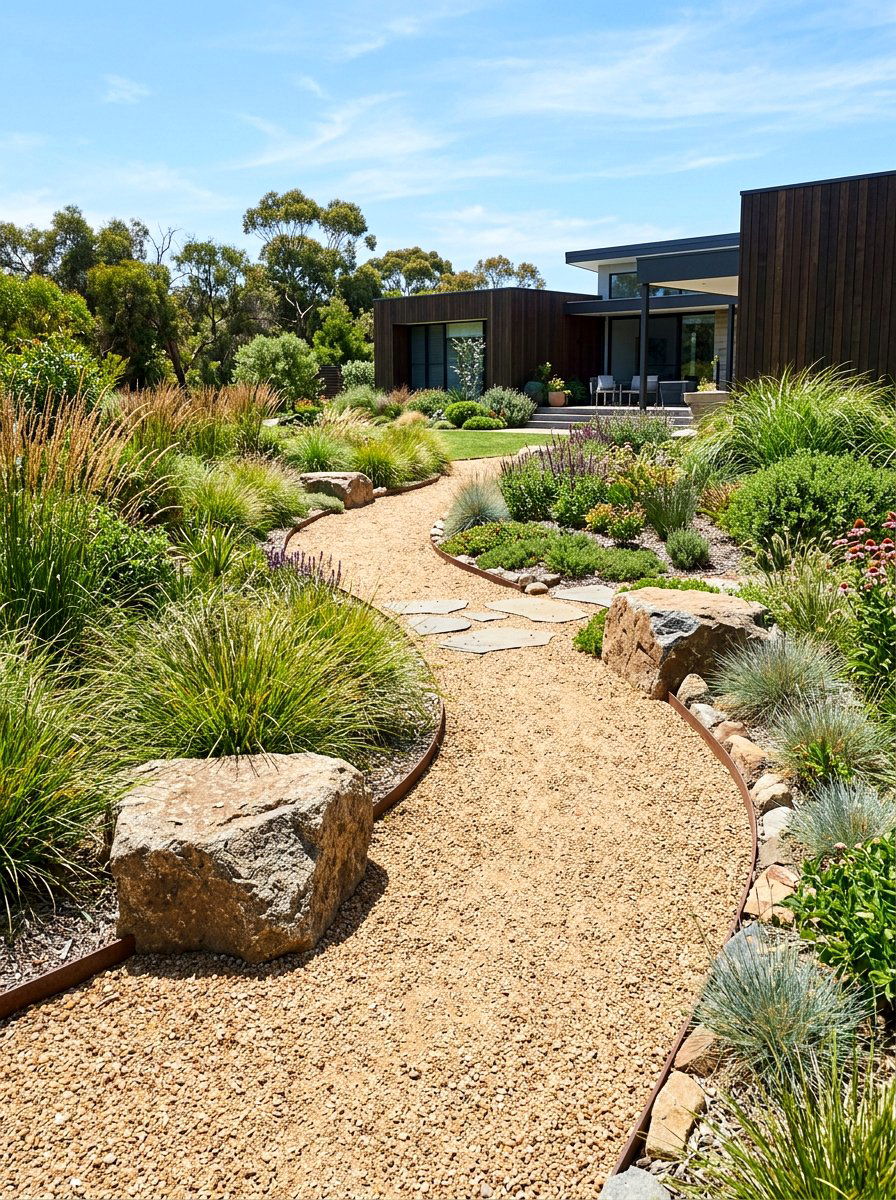
A gravel stream bed is a minimalist and budget-friendly option that provides a clean and modern look for any garden. Using small, crushed gravel in shades of white or tan creates a bright and airy feel that reflects sunlight into the water. This design is particularly effective for dry creek beds where the primary goal is to manage drainage and runoff during rain. You can easily shape the gravel into curving paths that follow the natural contours of your landscape. Adding a few larger boulders at the bends can help anchor the design and prevent the gravel from shifting too much. It is very versatile for homeowners.
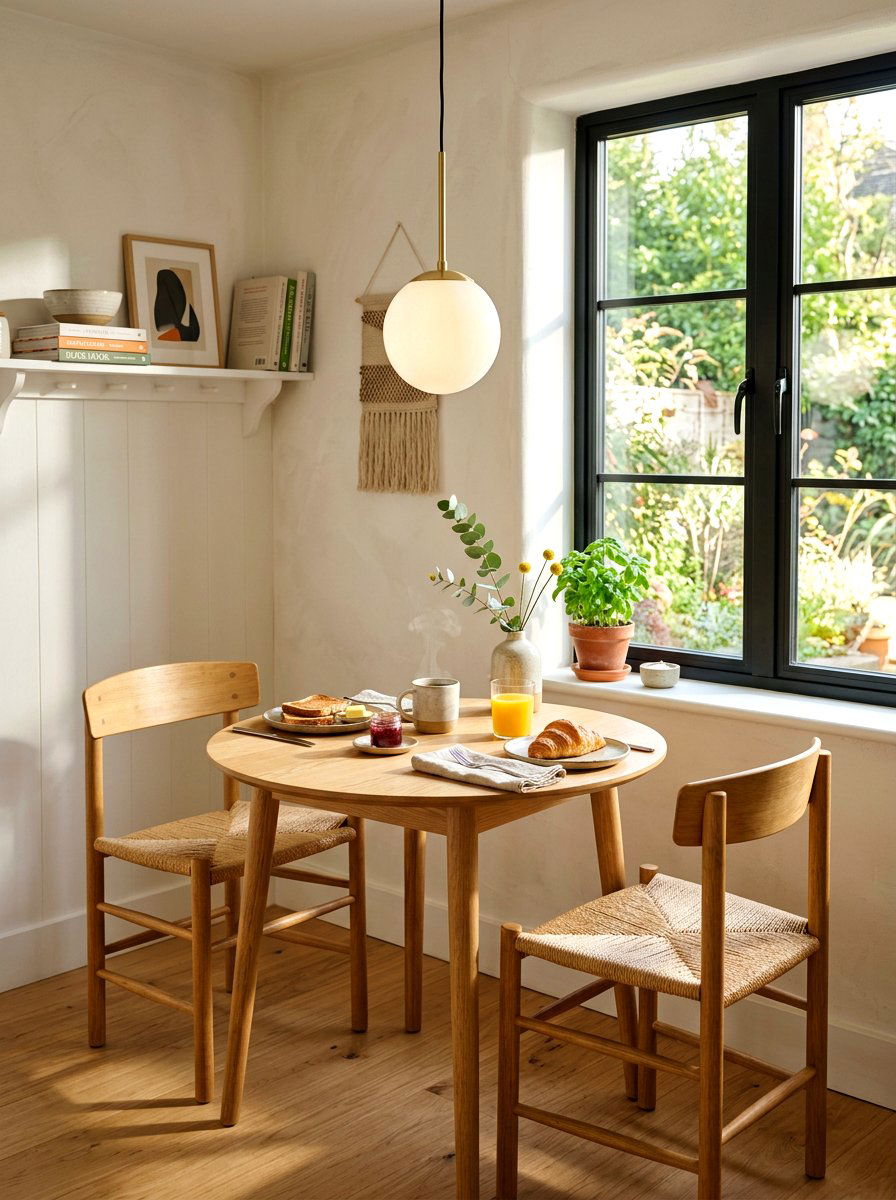
20. Bamboo Water Fountain
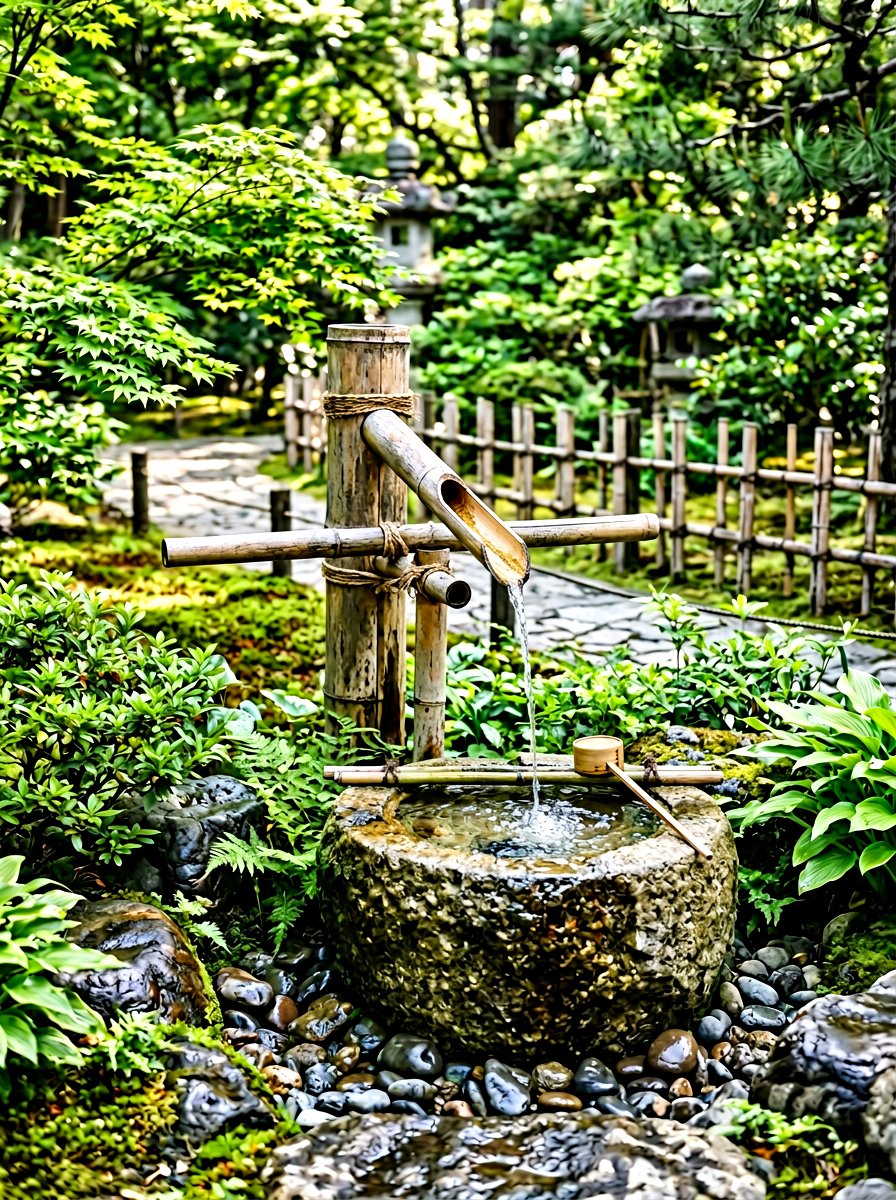
A bamboo water fountain, also known as a shishi-odoshi, adds a unique rhythmic sound and a touch of Asian elegance to your stream. The fountain features a hollow bamboo tube that fills with water and then tips over, striking a stone with a resonant "clack. " This sound was traditionally used to scare away deer and other animals from Japanese gardens. Integrating this feature at the head of your stream creates a sense of tradition and intentionality in your design. The natural bamboo material pairs perfectly with smooth river stones and simple green foliage. It creates a meditative and calming environment that is perfect for daily relaxation.
21. Fern Garden Stream
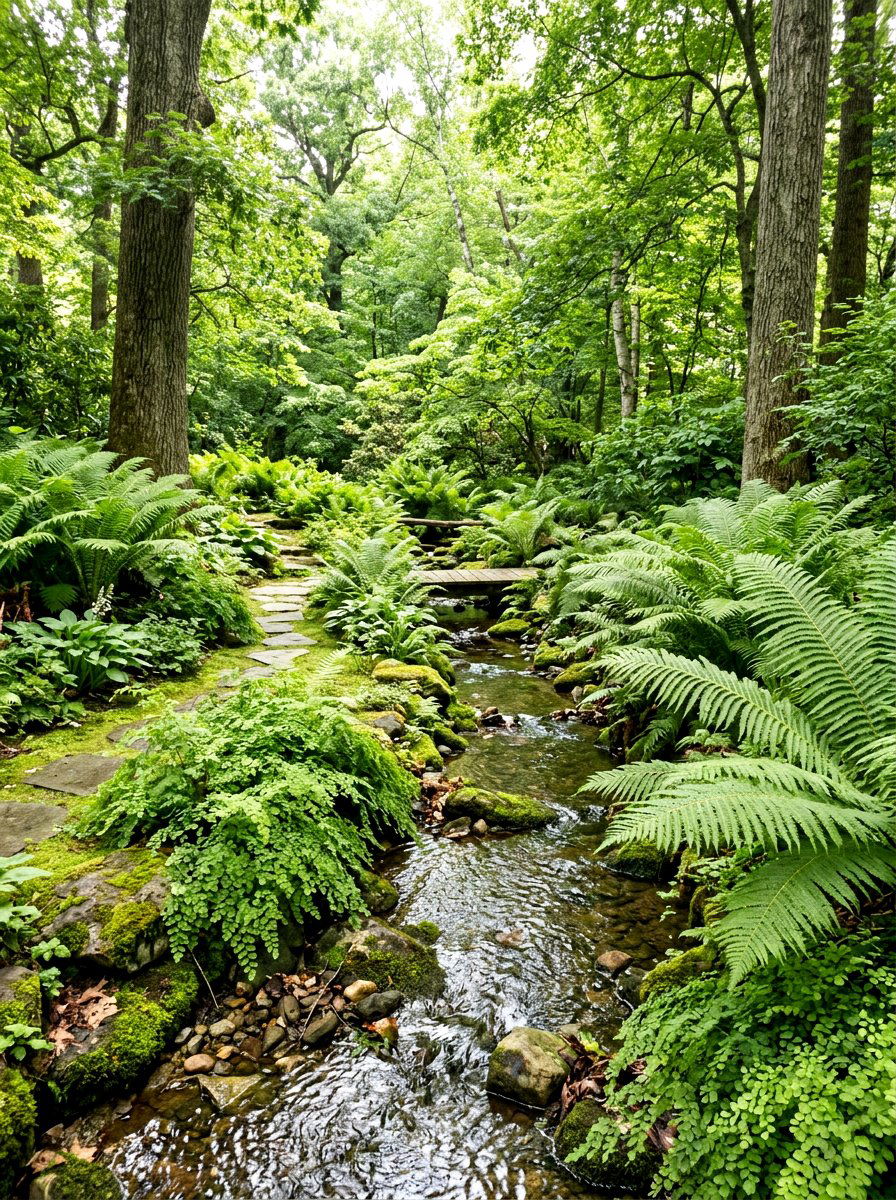
A fern garden stream is the ultimate choice for shaded, damp areas of your yard where grass might struggle to grow. Ferns come in a huge variety of shapes and sizes, from delicate maidenhair to large, dramatic ostrich ferns. Planting these along the edges of a slow-moving stream creates a lush, prehistoric atmosphere that feels cool and refreshing. The soft, arching fronds of the ferns often lean over the water, catching droplets and creating beautiful reflections. This design requires minimal sunlight, making it perfect for narrow side yards or under large canopy trees. It turns a difficult garden spot into a beautiful, green oasis.
22. Landscape Lighting For Streams
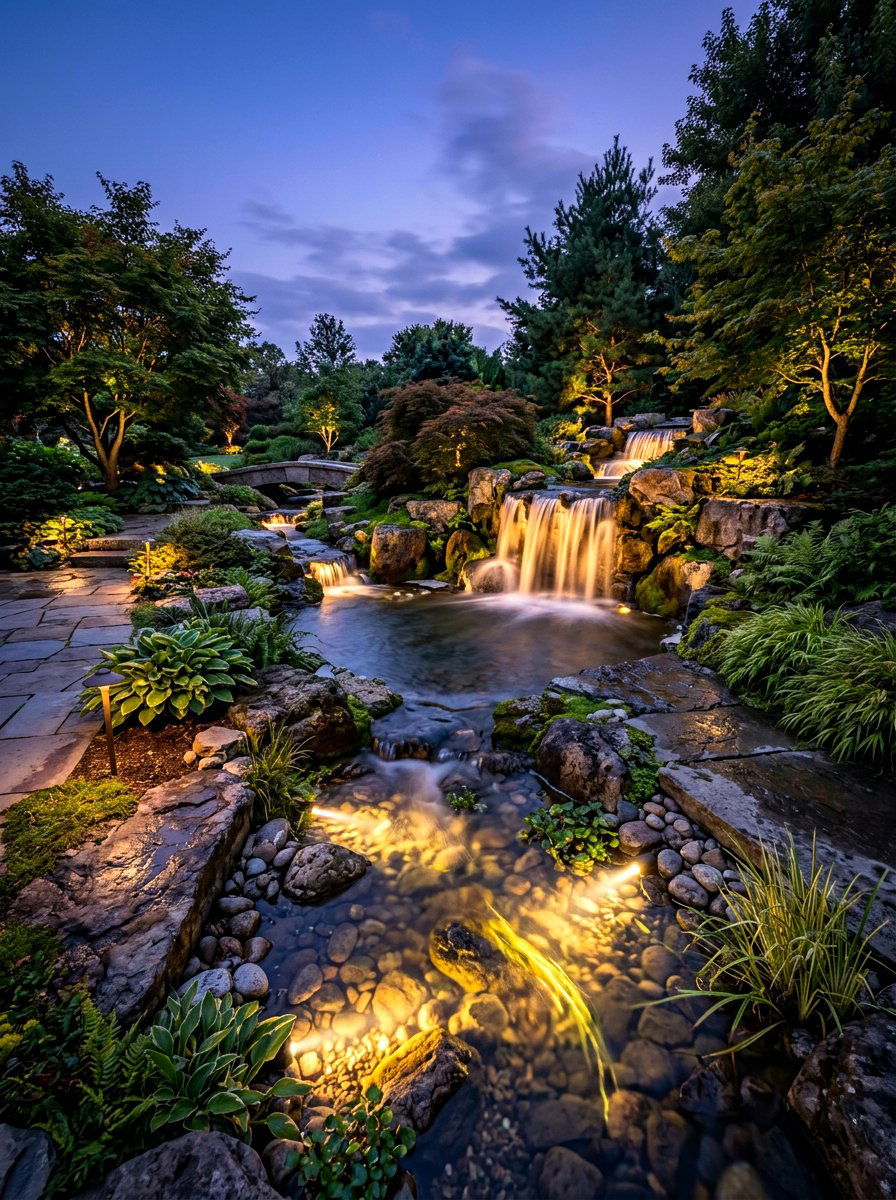
Adding landscape lighting for streams extends the beauty and enjoyment of your water feature into the late evening hours. Subtle, warm-toned spotlights can be placed behind waterfalls to make the moving water glow with a magical, shimmering effect. You can also use submersible LED lights to illuminate the stream bed from below, highlighting the textures of the stones and fish. Path lights along the stream's edge provide safety for nighttime walks while casting beautiful shadows on the surrounding plants. Solar-powered options are available for an eco-friendly and easy-to-install lighting solution. Properly designed lighting transforms your garden into an enchanting and safe nocturnal retreat for the family.
23. Aquatic Plant Stream
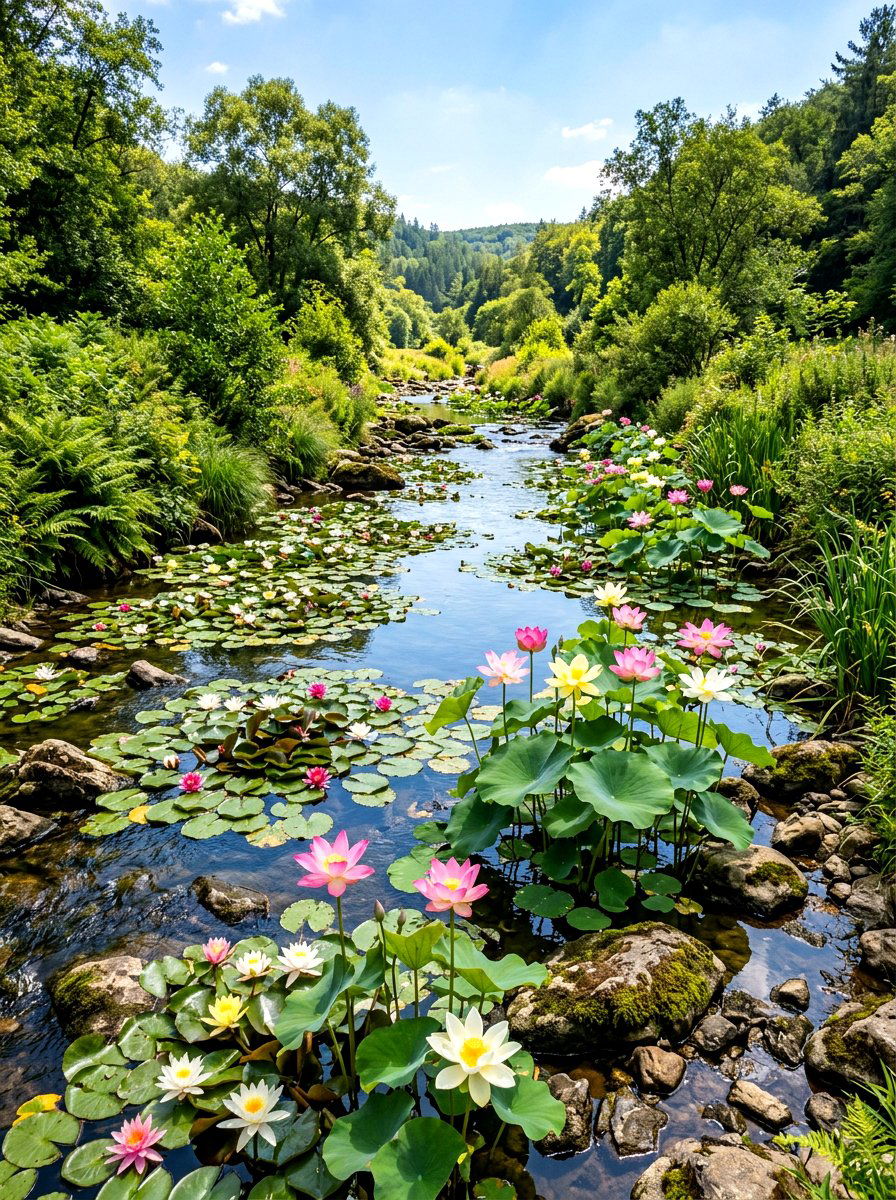
An aquatic plant stream focuses on using vegetation that grows directly in or on the surface of the water. Plants like water lilies, lotus, and floating heart add vibrant colors and interesting leaf shapes to your stream. These plants also play a critical role in maintaining water quality by absorbing excess nutrients and providing shade that limits algae growth. Deep-water plants can be tucked into pockets between the rocks in the stream bed for a more natural appearance. This style of stream looks best when it has several wider, slower-moving sections where the plants can establish themselves. It creates a very lively and colorful water feature.
24. River Rock Water Feature
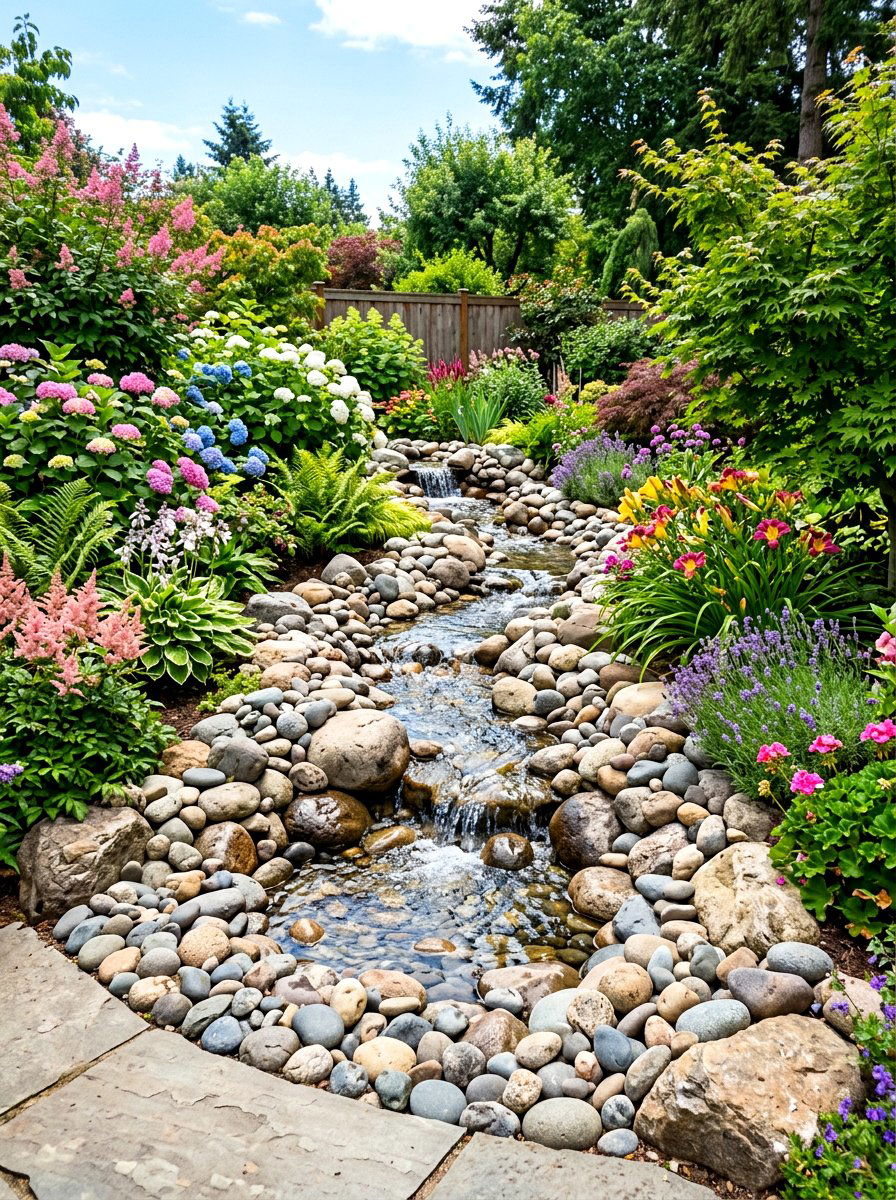
A river rock water feature utilizes smooth, rounded stones of various sizes to create a classic and timeless garden aesthetic. These stones have been naturally polished by water over time, giving them a soft appearance that feels very harmonious in a backyard setting. You can use large river boulders to create small pools and narrow channels that speed up the water flow in certain areas. The different colors and patterns found in river rock, from deep blues to warm tans, add visual depth to the stream. This material is incredibly durable and easy to work with, making it a favorite choice for many professional landscape designers.

25. Small Backyard Stream
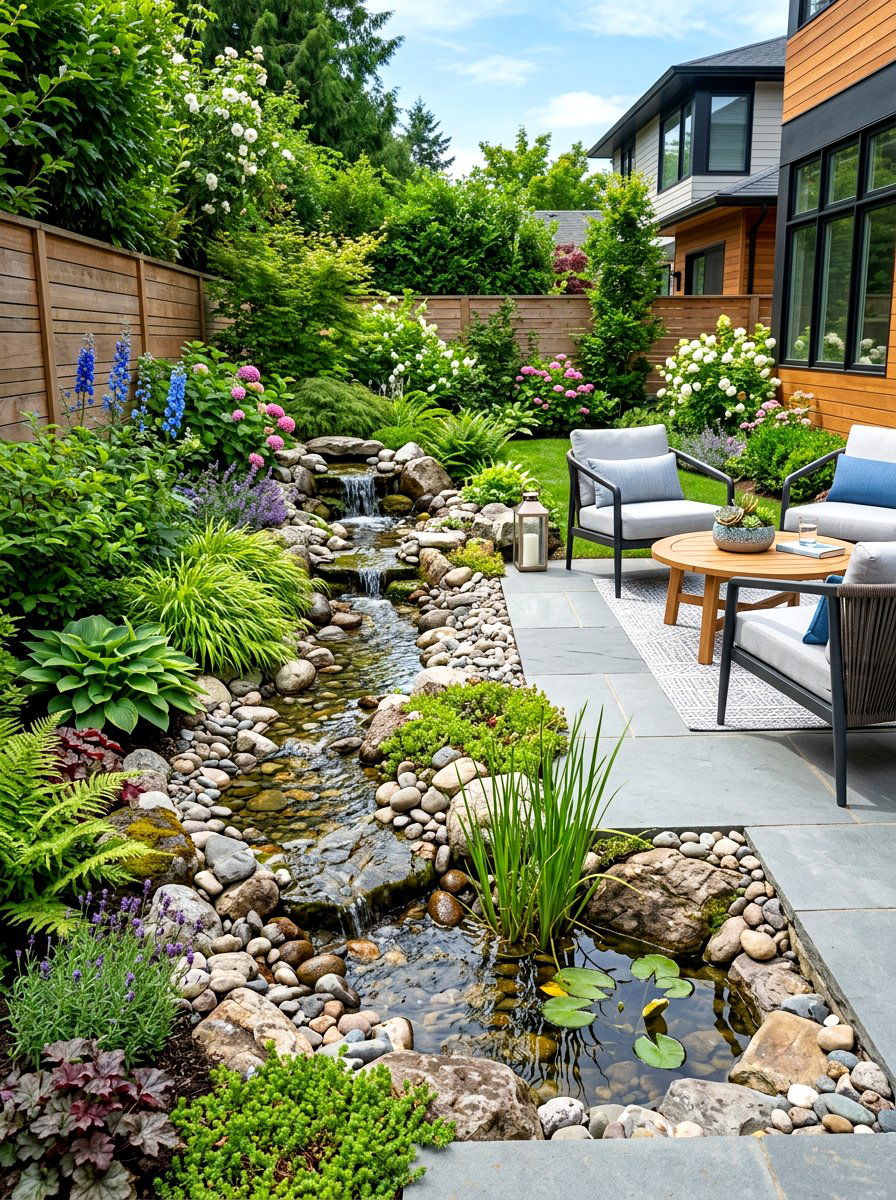
Designing a small backyard stream proves that you do not need a massive estate to enjoy the benefits of flowing water. Even a short, three-foot stream tucked into a corner of a patio can create a significant impact on the ambiance. You can use a small, hidden pump and a simple pre-formed liner to create a compact and efficient water feature. Focus on high-quality materials and detailed planting to make the small space feel special and intentional. Using smaller stones and dwarf plant varieties helps keep the scale appropriate for the area. It is a wonderful way to add luxury to a compact urban lot.
26. Curving Garden Brook
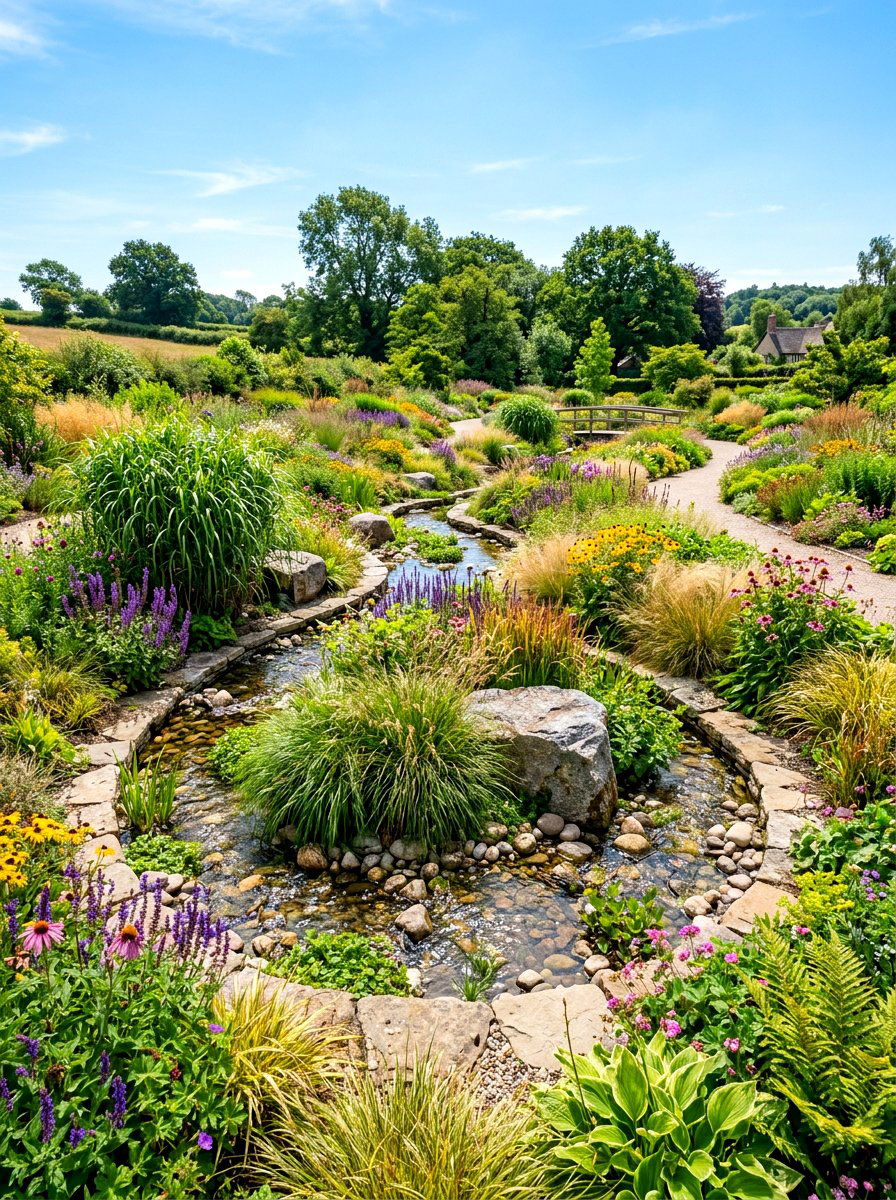
A curving garden brook mimics the natural meandering path of a meadow stream, creating a sense of movement and grace. Instead of a straight line, the water travels in gentle S-curves that lead the eye through the landscape. These bends provide perfect spots for placing larger "anchor" boulders or planting clumps of decorative grasses. The varying speed of the water as it moves around the curves creates different sounds and ripples that add to the sensory experience. This design works particularly well in long, narrow yards where you want to break up the linear feel of the space. It feels very organic and unforced.
27. Courtyard Water Channel
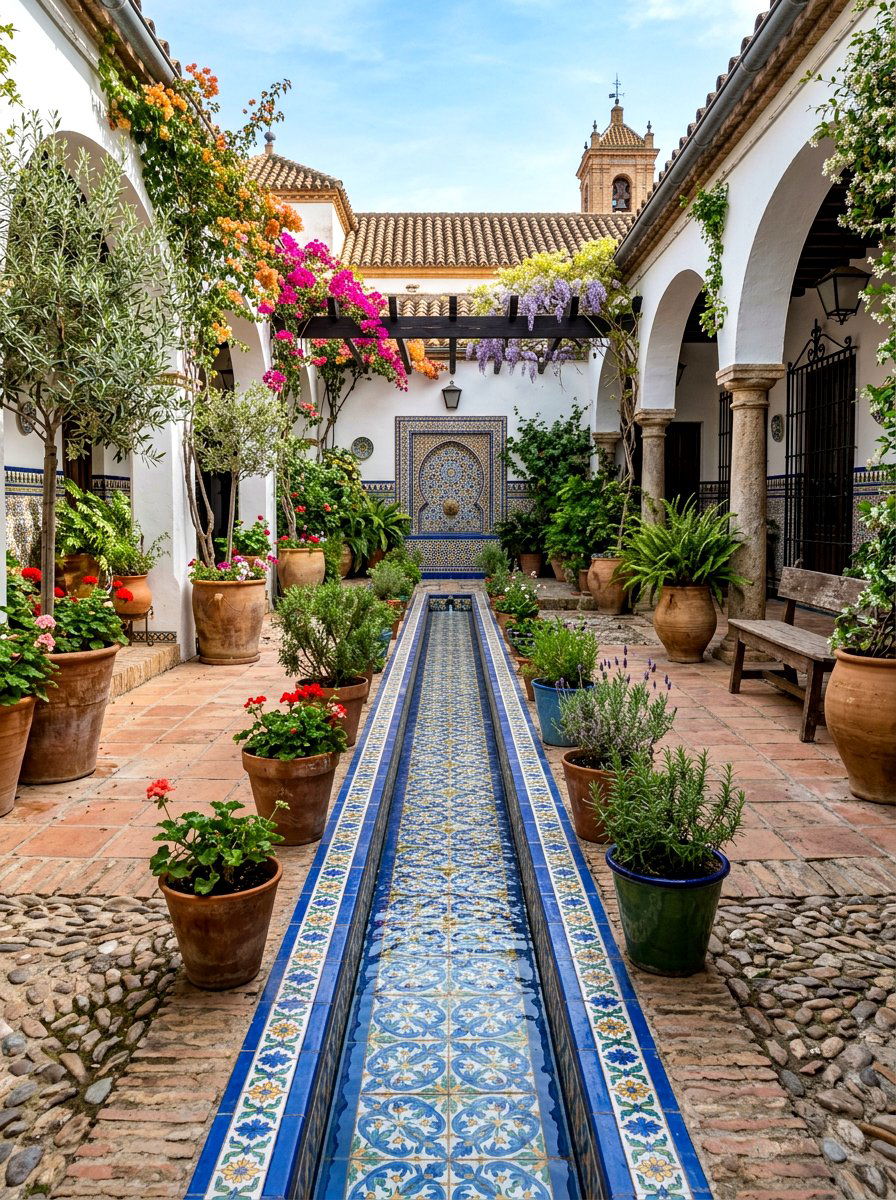
A courtyard water channel is a sophisticated design element that brings the soothing sound of water into an enclosed outdoor room. Often used in Mediterranean or Spanish-style architecture, these narrow channels can run down the center of a paved courtyard or along the walls. The water is usually shallow and clear, flowing over beautiful mosaic tiles or polished stone. This architectural feature helps cool the air in a confined space during hot weather, making the courtyard much more comfortable for dining and entertaining. You can add small fountains or spouts along the channel to increase the sound and visual interest. It is very elegant.
28. Wildlife Friendly Stream
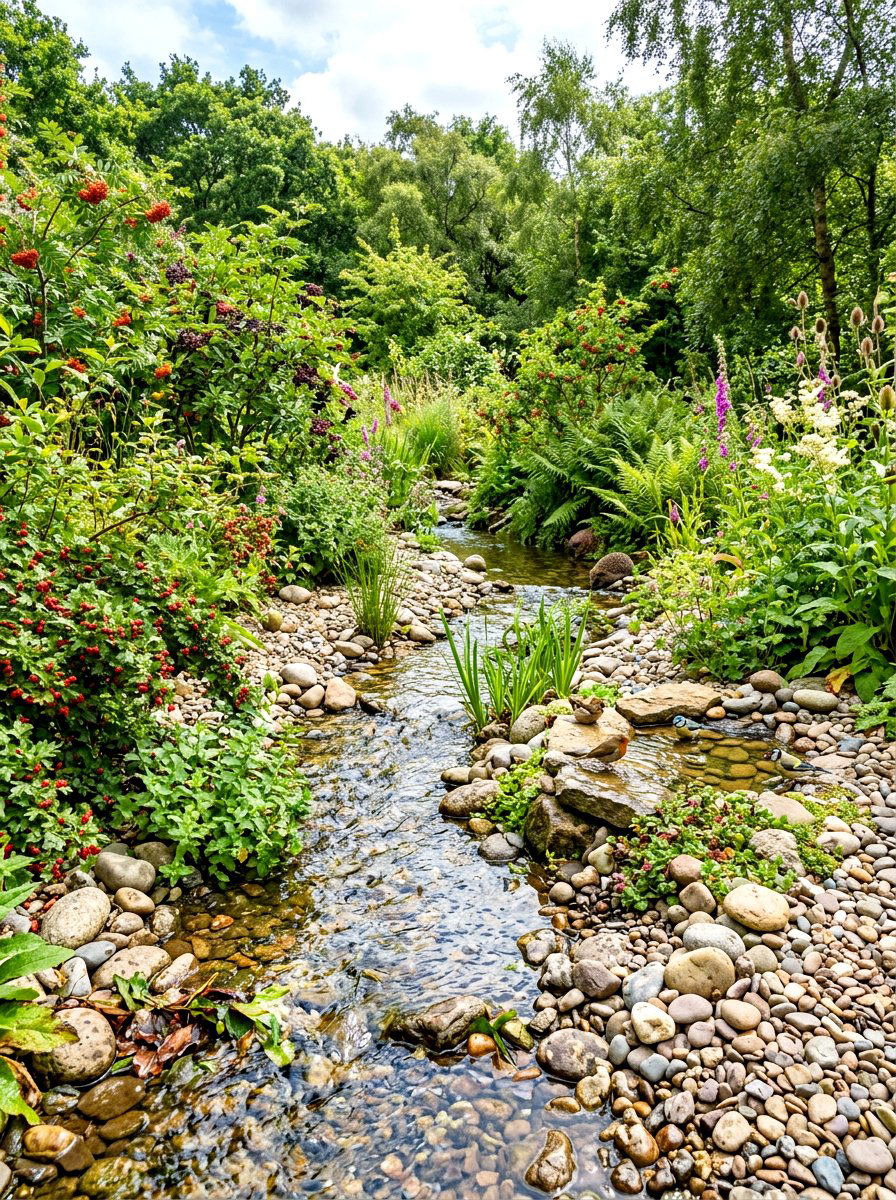
A wildlife friendly stream is designed specifically to attract and support local birds, butterflies, and amphibians in your neighborhood. This water feature should include shallow, sloping edges with small pebbles so that birds can easily land and bathe safely. Avoid using harsh chemicals in the water to ensure it is safe for animals to drink and live in. Planting native shrubs that produce berries and nectar-rich flowers nearby will provide food and shelter for the visitors. A small, quiet pool at the end of the stream can become a breeding ground for frogs and dragonflies. It is a rewarding way to connect with nature.
29. Minimalist Outdoor Stream
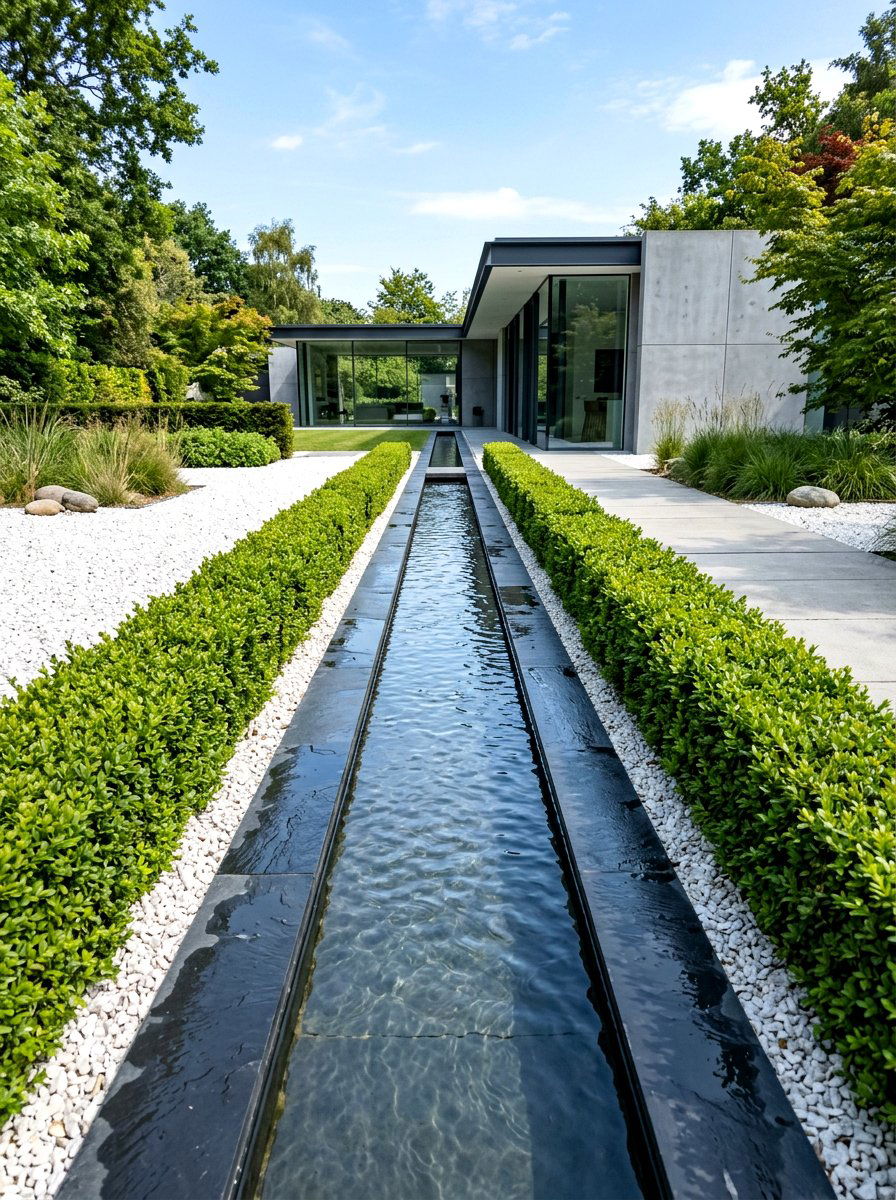
A minimalist outdoor stream focuses on the purity of the water and the simplicity of the materials used in the design. This style often features a single, straight channel made of smooth, dark concrete or black slate for a bold look. There are no cluttered rocks or overgrown plants; instead, the focus is on the reflection of the sky and the sharp edges of the structure. This type of water feature acts like a piece of living sculpture in the garden, providing a sense of calm and order. It pairs beautifully with modern architecture and simple, structured plantings like boxwood or ornamental grasses. It is very striking.
30. Multi Level Garden Stream
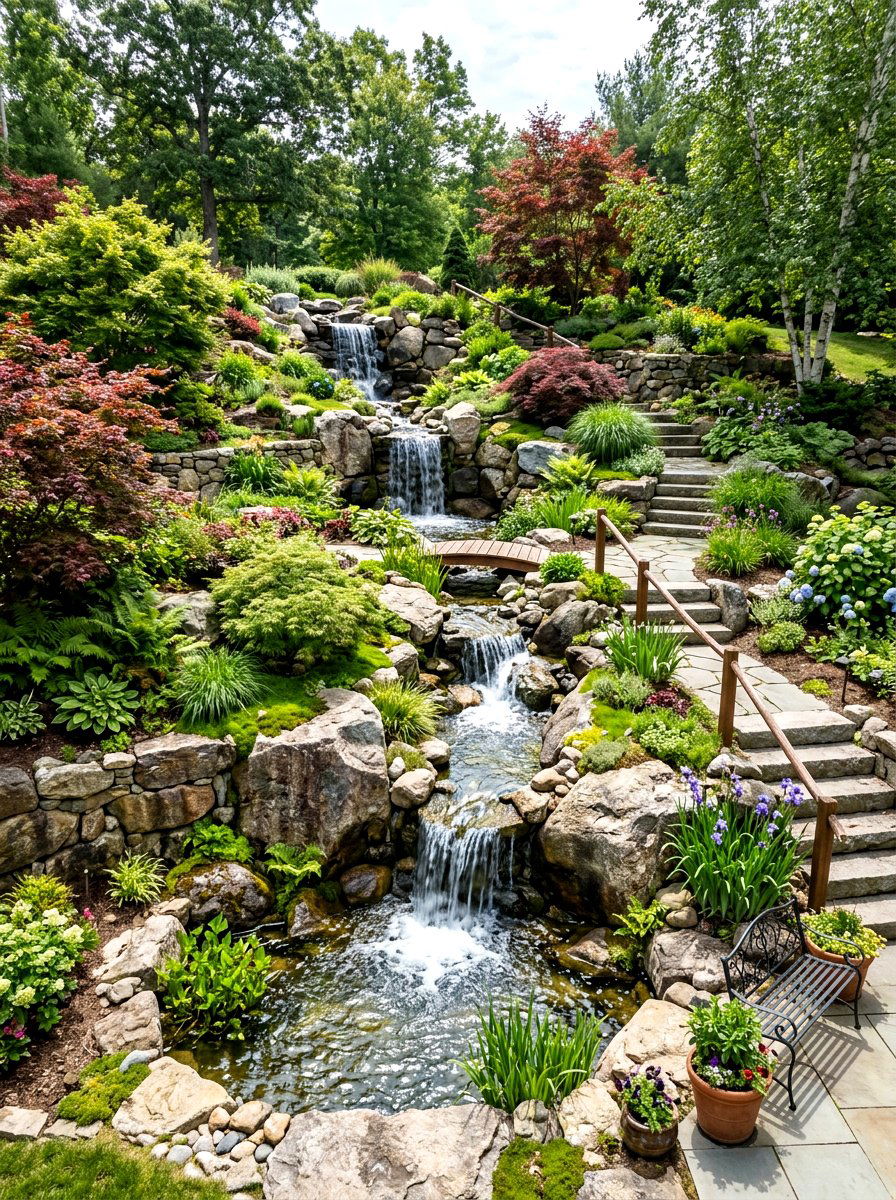
A multi level garden stream takes full advantage of a sloped backyard to create a series of cascading pools and rushing waterfalls. This dynamic design features several flat "rest" areas where the water slows down before dropping over a ledge to the next level. This creates a powerful and impressive soundscape that can be heard from across the yard. Each level can be styled differently, with some areas featuring dense plantings and others showcasing large, dramatic rock formations. Using a powerful pump is essential to maintain a strong flow over the various heights. It is a high-impact feature that completely transforms a hilly or difficult terrain.
Conclusion:
Adding a stream to your garden is a transformative project that brings life, movement, and tranquility to your outdoor environment. Throughout this guide, we have explored a wide variety of styles ranging from rugged naturalistic brooks to sleek modern channels and eco-friendly dry creek beds. Each option offers a unique way to enjoy the sights and sounds of flowing water right at home. Whether you choose a low-maintenance gravel path or a complex tiered waterfall, the key is to match the feature with your home’s architecture. Investing time in quality stonework and thoughtful planting ensures your garden stream remains a beautiful focal point for many years to come.

Related posts: