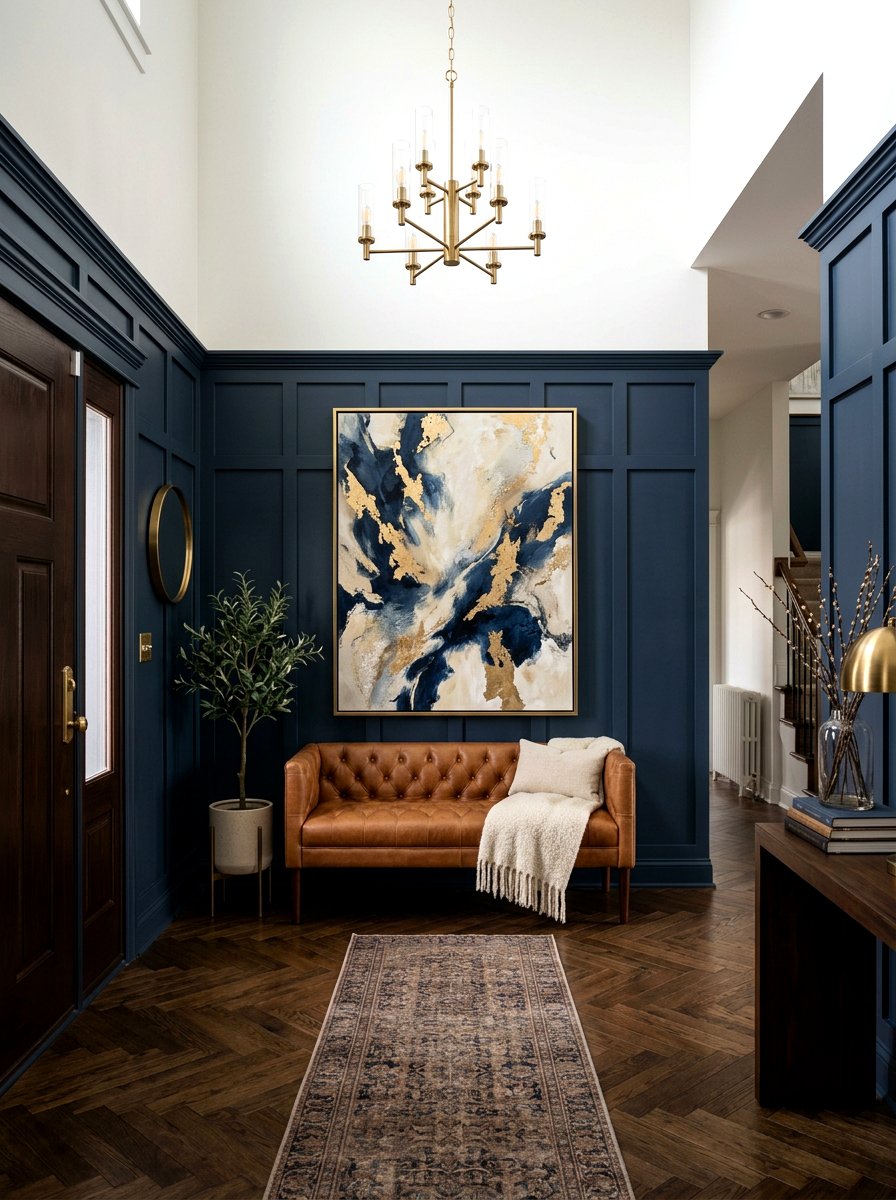
Have you ever entered a room and felt like something was missing despite having beautiful furniture? Often, the secret ingredient is decorative molding, which acts as the architectural jewelry of a home. Molding provides depth, texture, and a sense of permanence that flat walls simply cannot achieve. From traditional crown molding to modern geometric patterns, these details can transform a bland box into a sophisticated sanctuary. Whether you are looking to add value to your property or simply want to elevate your daily living environment, understanding the various types of trim is essential. In this guide, we will explore thirty unique ways to incorporate molding throughout your entire home. Each approach offers a distinct mood, allowing you to customize your space to reflect your personal style and aesthetic preferences perfectly.
1. Picture Frame Molding Wall
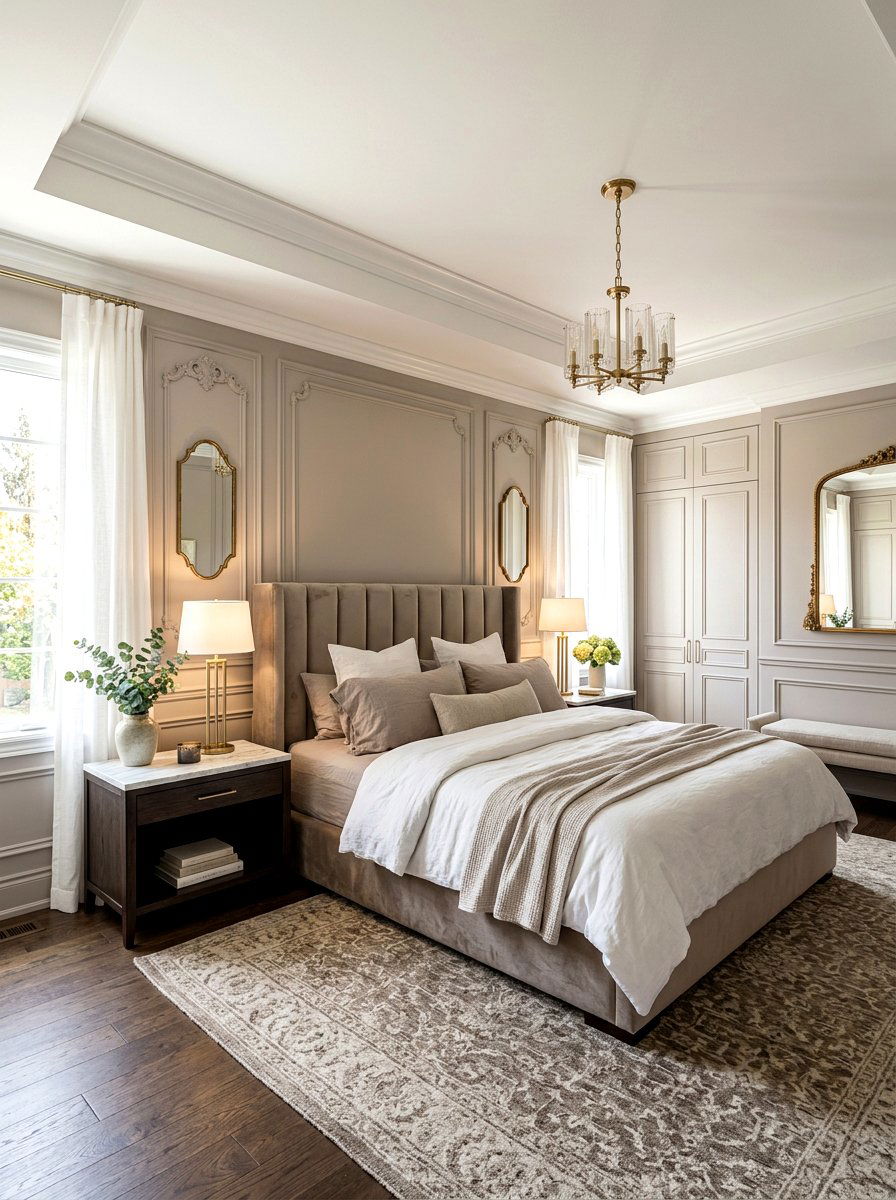
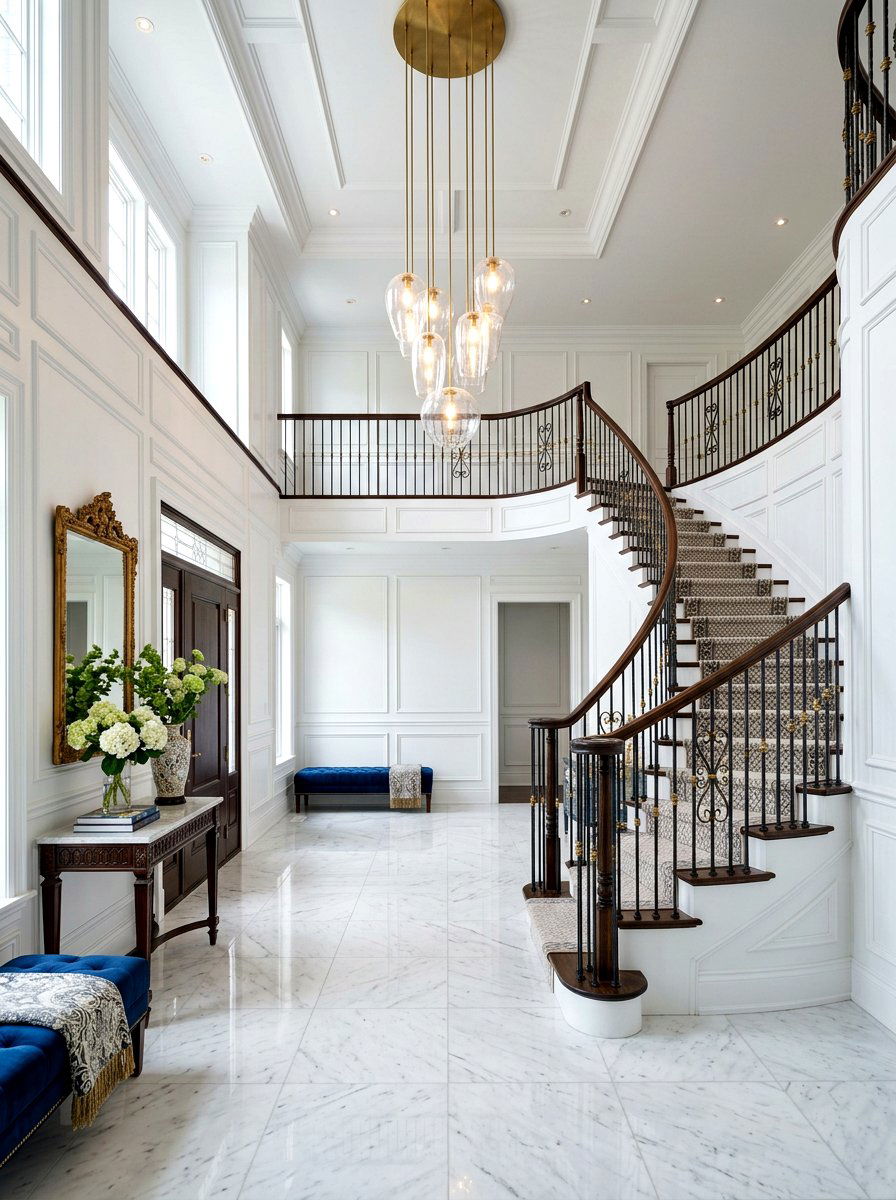
Have you considered how a simple series of rectangles can completely change the atmosphere of your master bedroom or living area? Picture frame molding involves applying thin strips of trim directly to the wall to create symmetrical boxes. This technique mimics the look of high-end European estates and adds instant elegance to any flat surface. To achieve a cohesive look, many homeowners choose to paint the molding the same color as the wall for a subtle, textured effect. Alternatively, using a contrasting color can make the architectural details pop against the background. It is a cost-effective way to create a focal point without needing expensive artwork. This style works beautifully in both modern and traditional settings, providing a sophisticated backdrop.
2. Board And Batten Entryway
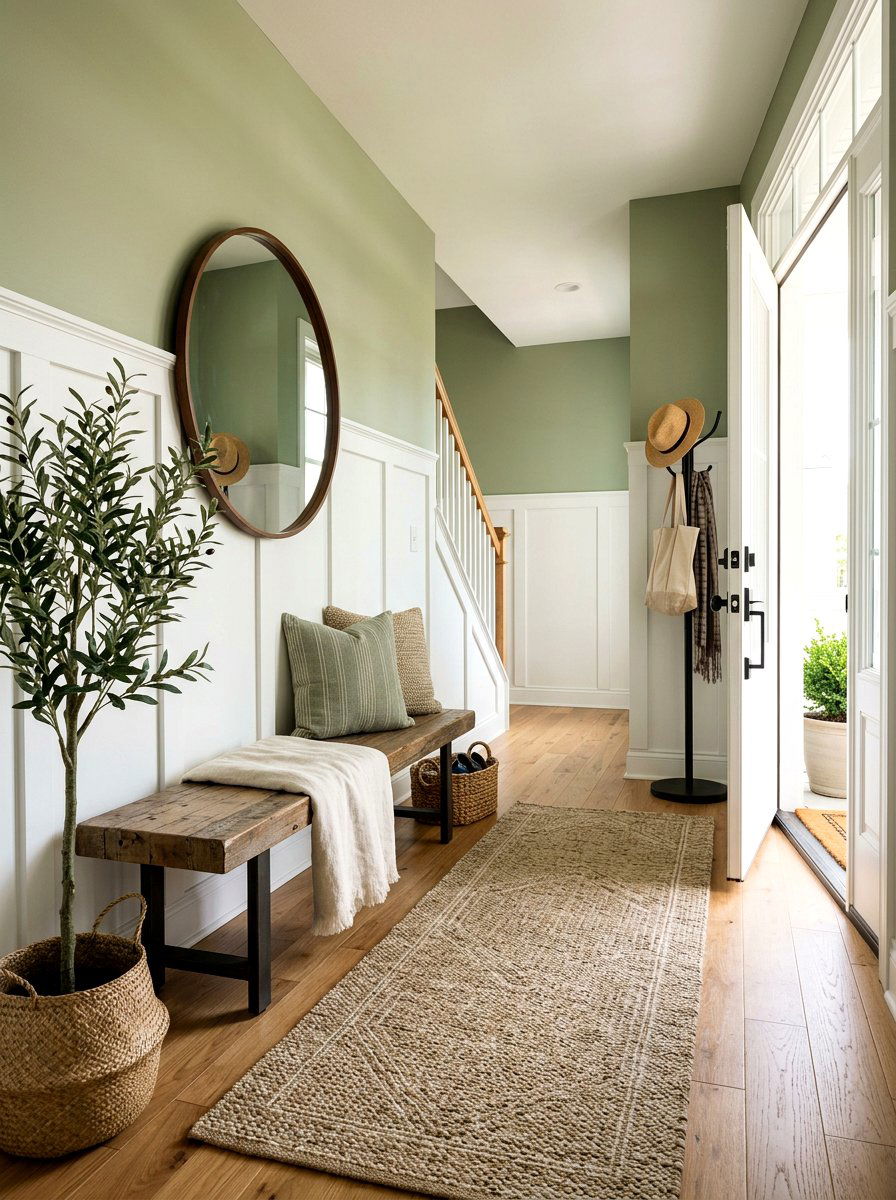
Why leave your entryway feeling plain when you can introduce structural interest with board and batten? This style of molding features vertical strips of wood called battens paired with wider horizontal boards to create a paneled appearance. It is particularly popular in farmhouse and craftsman-style homes because of its clean lines and sturdy feel. When installed in an entryway, it provides a durable surface that can withstand the daily wear and tear of a busy household. You can finish the top edge with a small shelf to hold decorative items or mail. Many people choose to paint the lower portion in a crisp white while keeping the upper wall a bold, welcoming color. It creates a defined transition into your home.
3. Coffered Ceiling Living Room
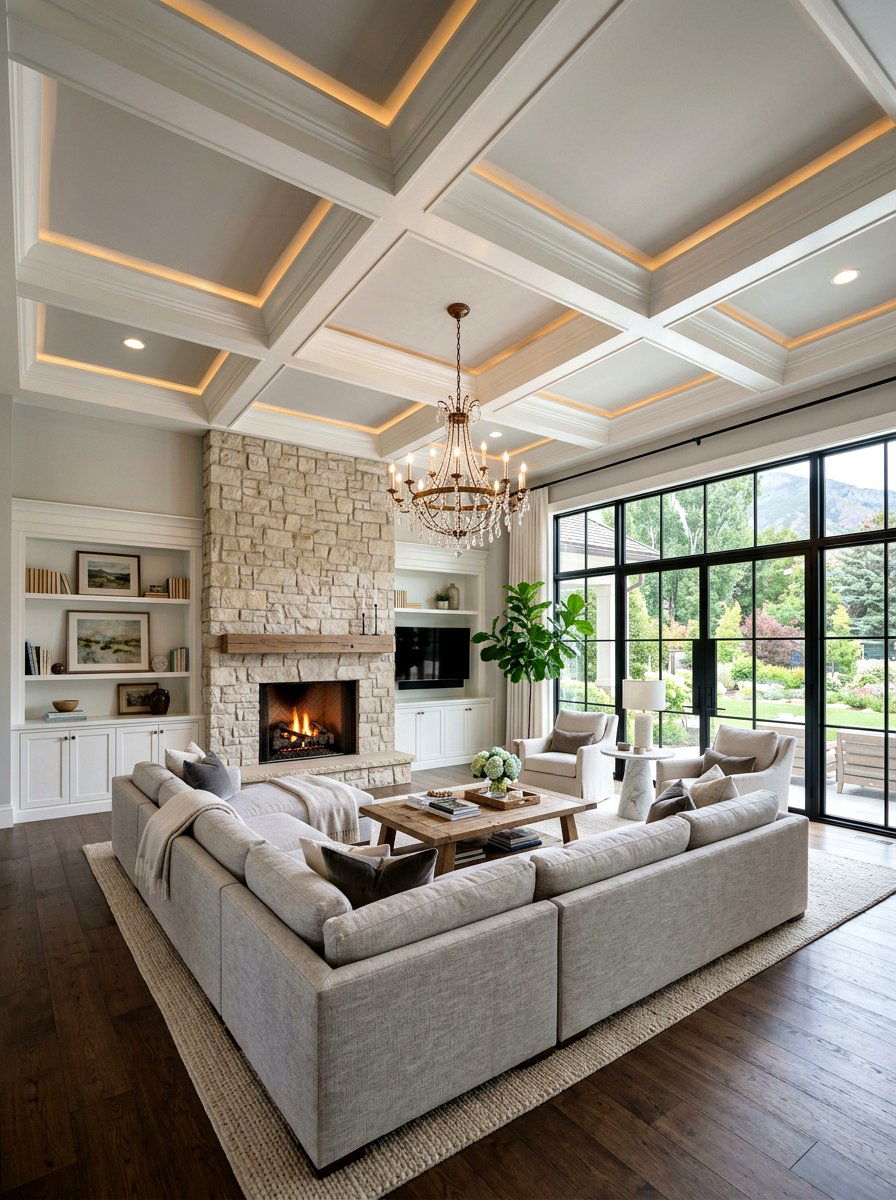
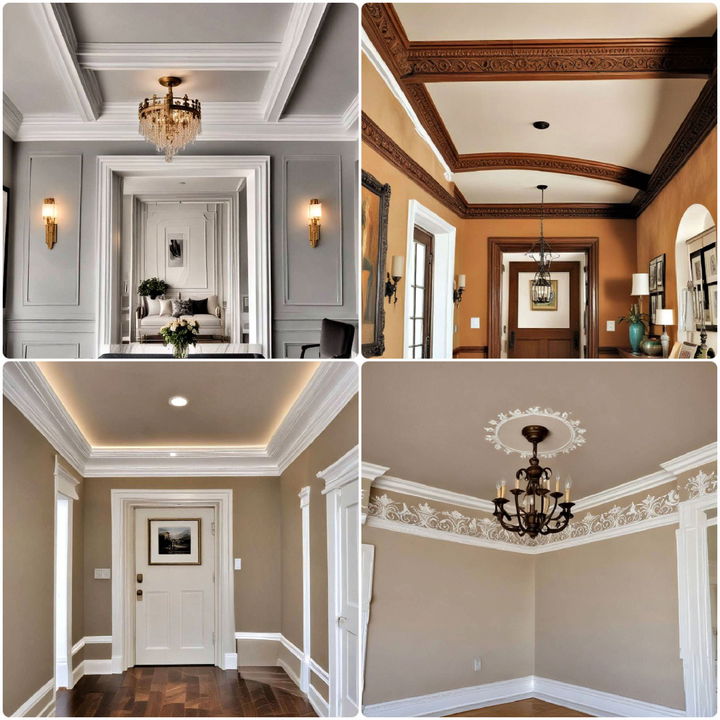
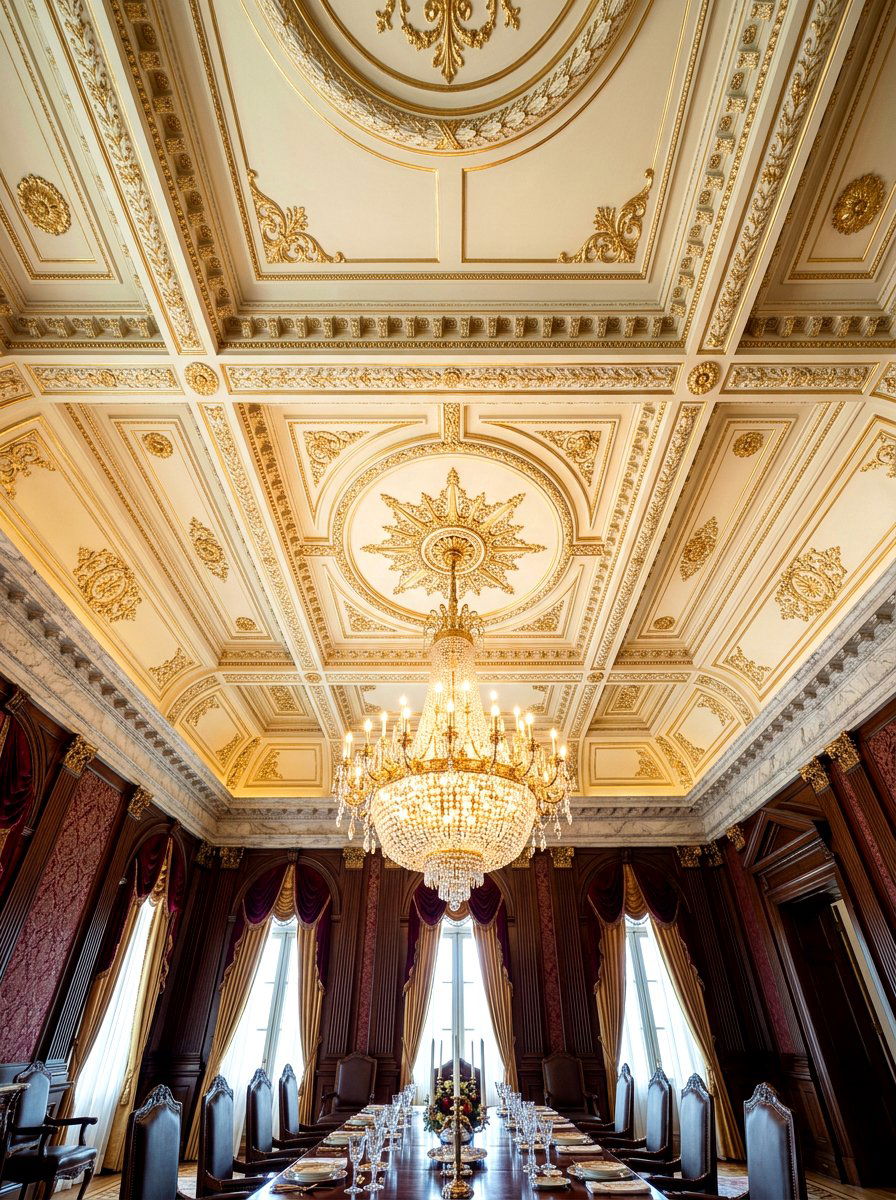
Imagine looking up and seeing a grid of recessed panels that adds immense architectural weight to your main gathering space. A coffered ceiling is a series of sunken panels in the shape of a square or rectangle, bordered by decorative beams. This design not only makes a room feel more intimate but also helps with acoustics by breaking up flat surfaces. In a large living room, a coffered ceiling creates a sense of luxury and grandeur that is hard to replicate with paint alone. You can accentuate the depths of the coffers with subtle lighting or different paint shades to enhance the three-dimensional effect. It is a timeless choice that significantly increases the perceived value of your property.
4. Modern Shiplap Bedroom
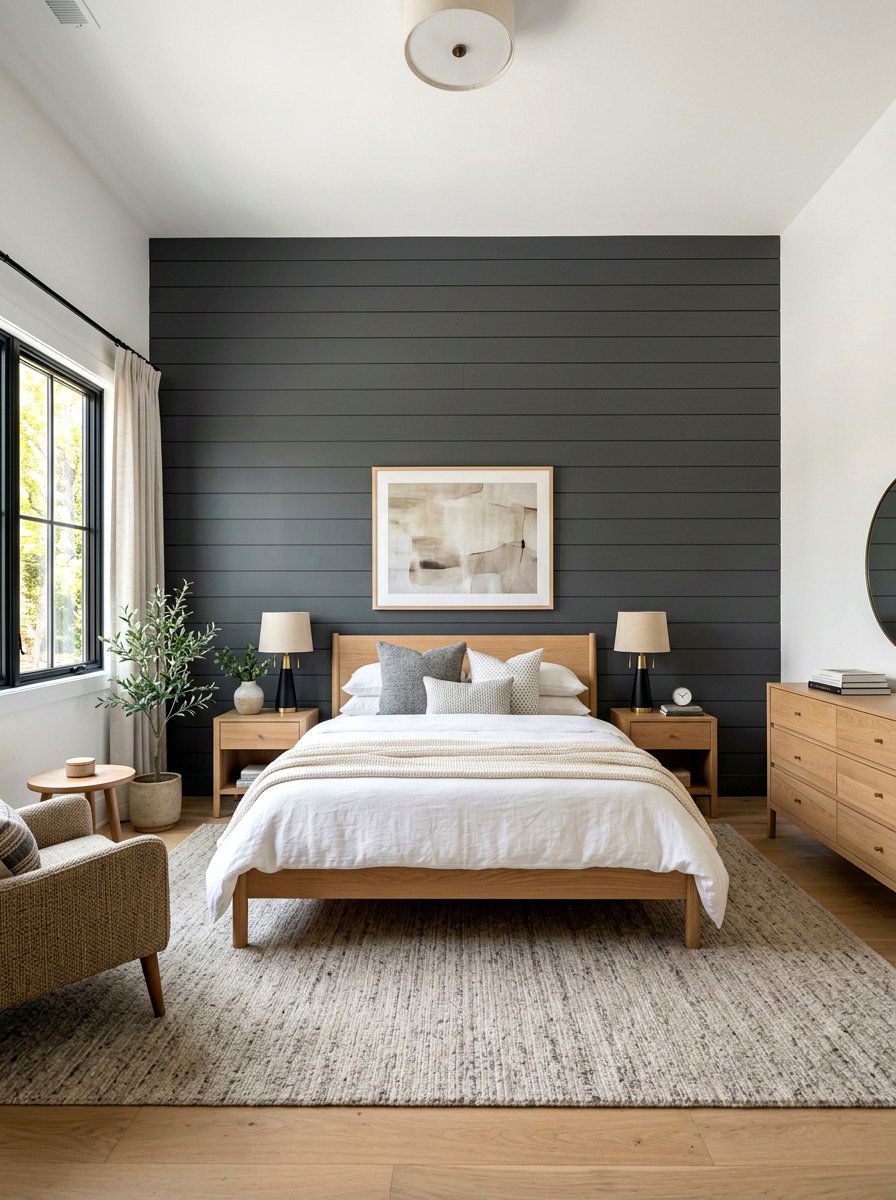
Does your bedroom need a touch of texture without feeling overly traditional or cluttered? Modern shiplap offers a clean, horizontal line that brings a relaxed and coastal vibe to any sleeping space. Unlike the rustic versions of the past, contemporary shiplap often features thinner gaps and a smooth finish for a more refined appearance. Installing it on a single accent wall behind the bed creates a beautiful focal point that grounds the entire room. When painted in soft neutrals like white, light gray, or even a deep navy, it provides a serene atmosphere perfect for resting. This molding style is versatile enough to pair with minimalist furniture or more eclectic, bohemian decor choices effortlessly.
5. Classic Crown Molding Dining Room
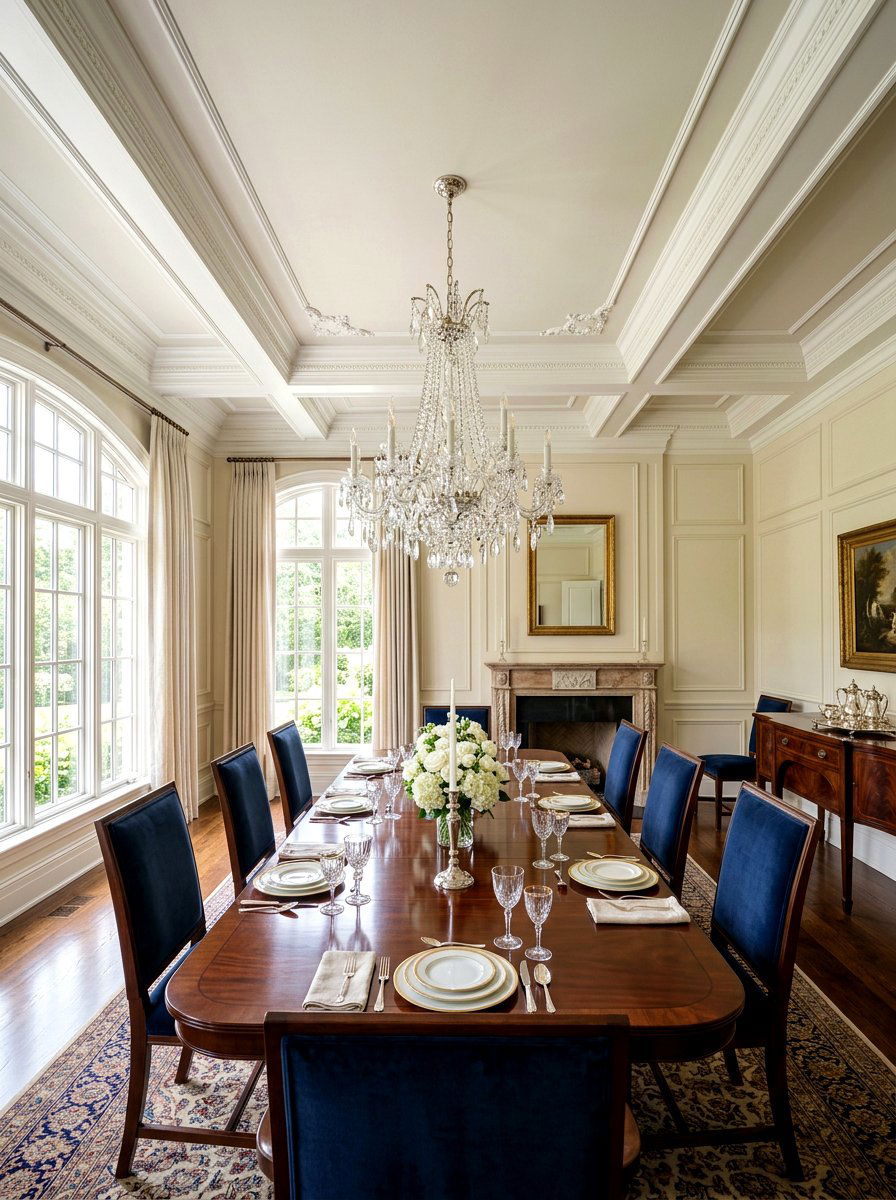
Can a dining room ever truly feel complete without the traditional finishing touch of crown molding at the top? Crown molding serves as a graceful transition between the walls and the ceiling, masking any imperfections while adding a layer of sophistication. In a formal dining room, a larger or more ornate profile can make the space feel anchored and historically significant. It draws the eye upward, making the ceiling appear higher and the overall room more expansive. Whether you choose a simple cove profile or a more detailed dentil design, crown molding provides a finished look that ties all other architectural elements together. It is the definitive way to achieve a polished, high-end aesthetic in your home.
6. Tall Baseboard Hallway
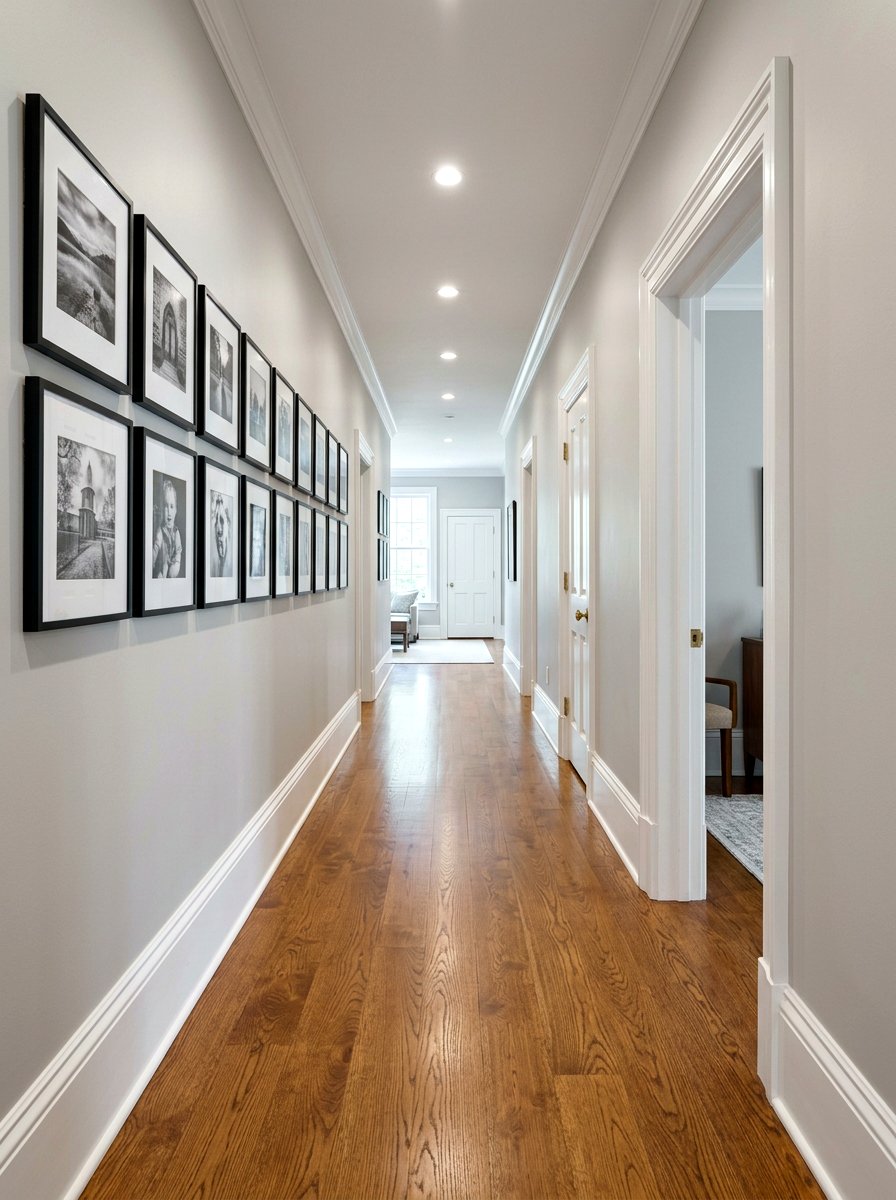
Have you noticed how much more substantial a hallway looks when it features tall, well-defined baseboards? Baseboards are often overlooked, but increasing their height can dramatically change the proportions of a narrow corridor. Standard baseboards are usually short and functional, but upgrading to a seven or eight-inch profile adds a sense of luxury and intentional design. This is especially effective in older homes where higher ceilings demand more significant trim work to maintain visual balance. Tall baseboards also offer better protection for your walls against vacuums and foot traffic. When painted in a semi-gloss finish, they provide a clean, crisp line that guides the eye through the transition areas of your beautiful home.
7. Window Trim Framing
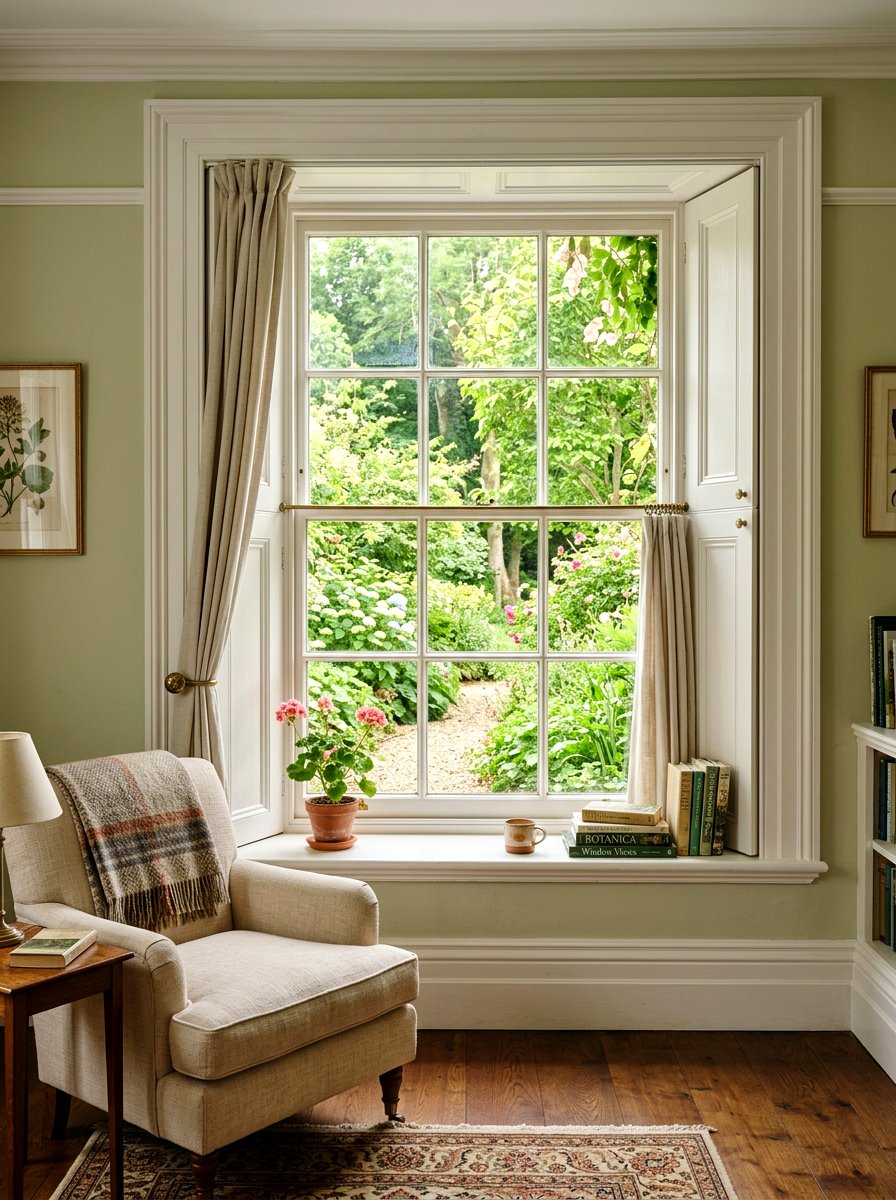
Is there a better way to treat your windows like pieces of art than by using substantial decorative framing? Window trim, or casing, is the molding that surrounds the window frame, and choosing a wider profile can make even small windows look larger and more impactful. For a cohesive look, you can match the window trim to your baseboards and crown molding, creating a unified architectural theme throughout the room. Some modern designs use flat, simple boards for a minimalist feel, while more traditional homes might feature intricate fluting or mitered corners. Adding a prominent sill and an apron beneath the window further enhances the structural beauty. It turns every view into a framed masterpiece within your living space.
8. Door Casing Accent
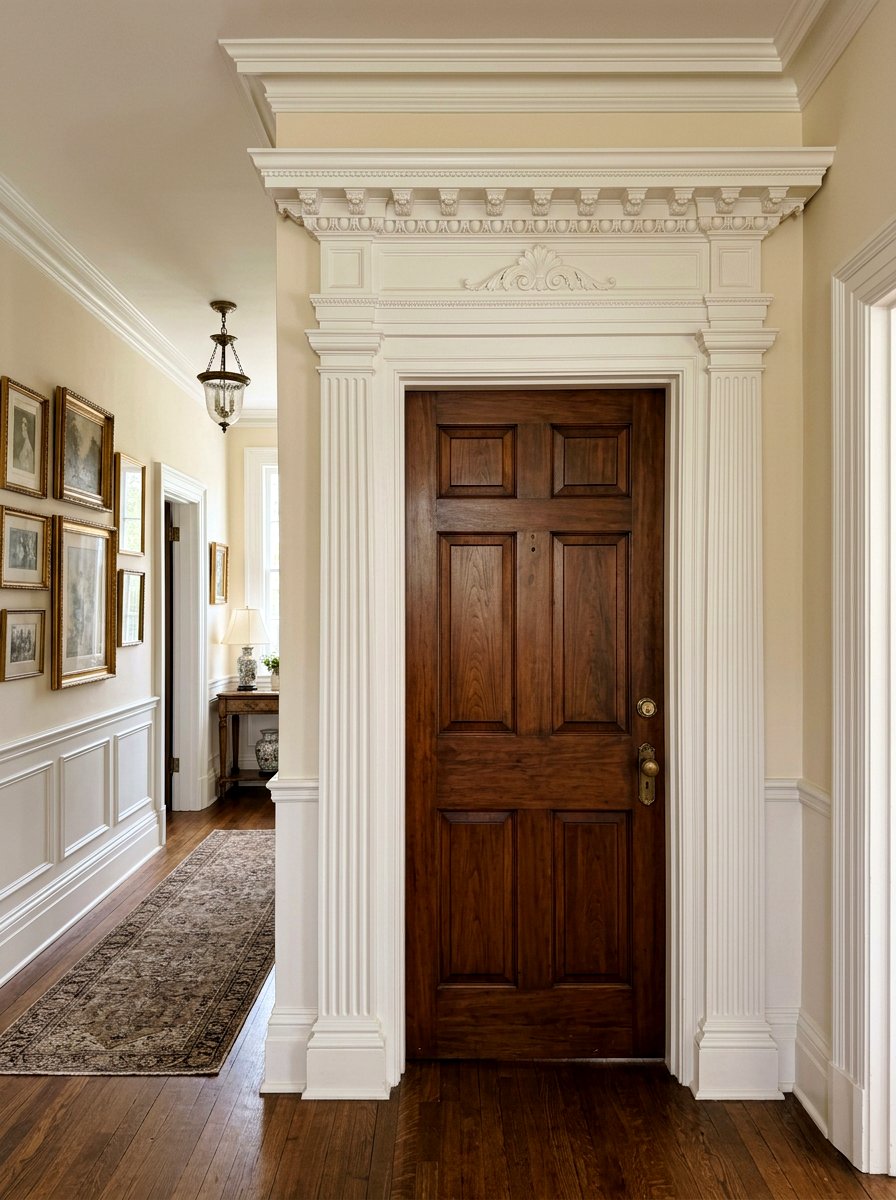
Why should your doors remain basic when they could be framed with beautiful decorative casing that demands attention? Door casing is the molding used to trim door openings, and it plays a vital role in the overall flow of your interior design. By selecting a casing that is wider or more ornate than standard builder-grade options, you can give your home a custom, high-end feel. Many designers recommend using the same profile for both windows and doors to ensure a harmonious look. You can even add a pediment or a decorative header above main entryways to create a grander sense of passage. This simple upgrade provides a finished quality that makes every room transition feel special.
9. Chair Rail Staircase
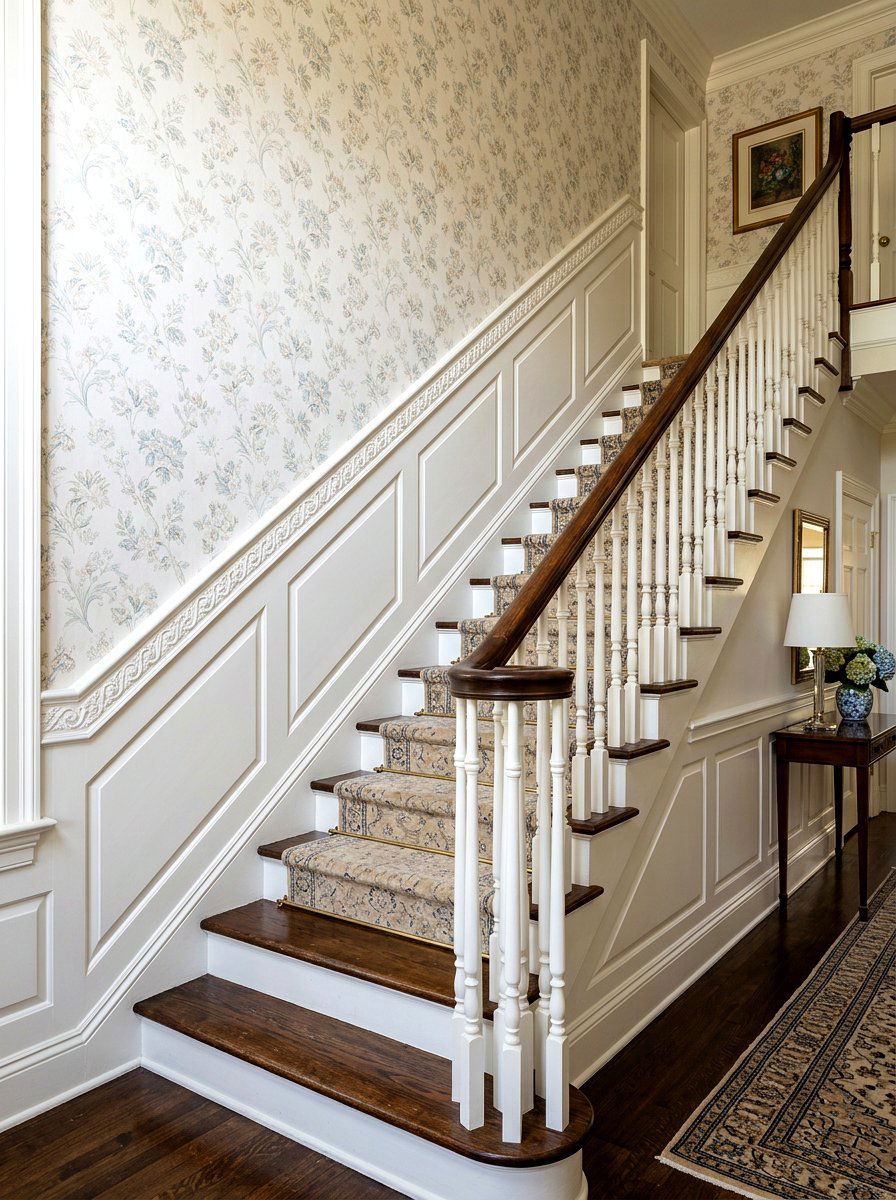
Could your staircase benefit from a functional yet decorative element that breaks up a long, vertical expanse of wall? A chair rail is a horizontal molding applied to the wall, traditionally at the height of a chair back to prevent damage. On a staircase, it serves as a visual guide that follows the incline, adding a layer of architectural interest to an often-forgotten area. Below the chair rail, you can install wainscoting or a different paint color to create a layered look. This technique helps to protect the walls from scuffs while providing an opportunity to introduce more color and texture. It is a classic design choice that adds character and a sense of history to your home.
10. Fireplace Mantel Surround
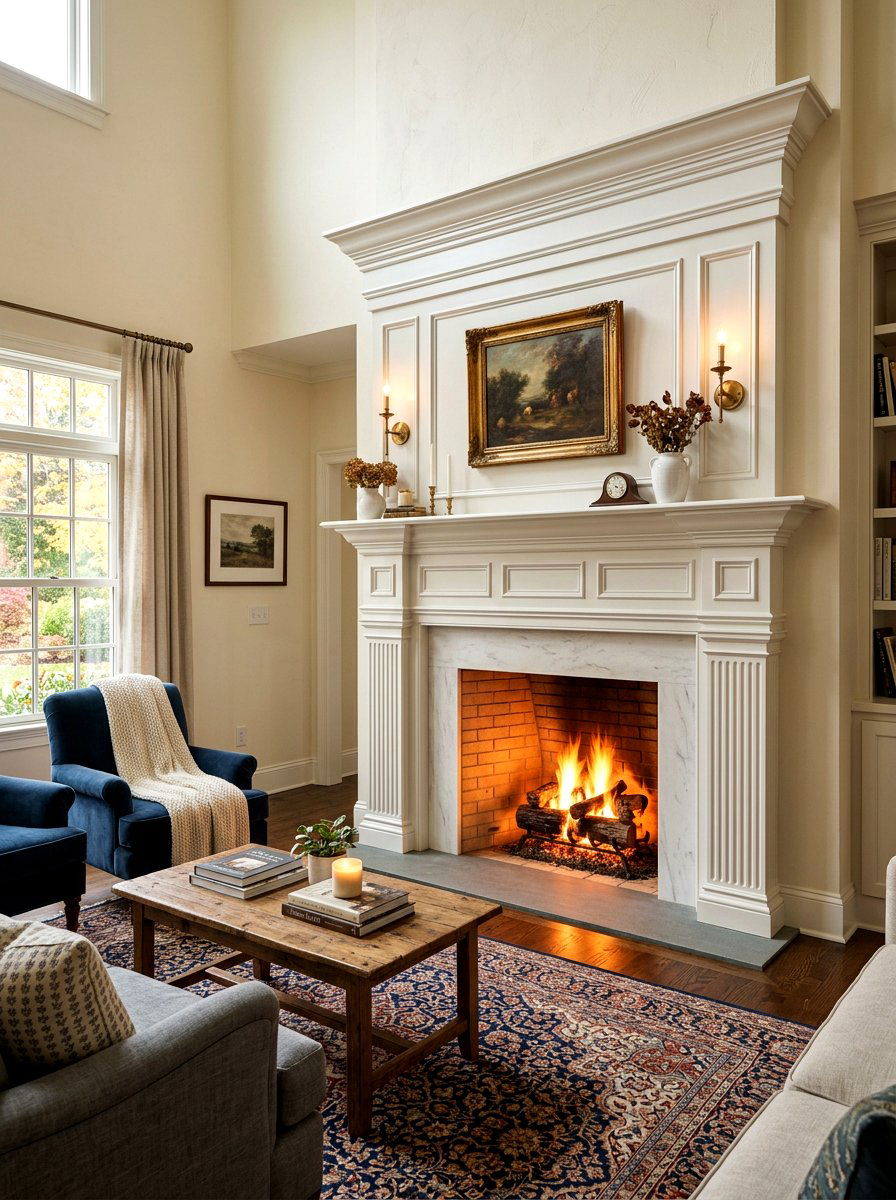
Is your fireplace the true heart of your living room, or does it fade into the background without much presence? A fireplace mantel surround built with decorative molding can transform a functional heating element into a stunning architectural focal point. By layering different types of trim, such as crown molding, pilasters, and recessed panels, you can create a custom mantel that reflects your home’s style. A tall surround that reaches toward the ceiling can make a room feel more grand, while a simpler, chunky wood beam approach suits a modern aesthetic. This use of molding provides a place to display cherished items while giving the fireplace the structural importance it deserves in your main living space.
11. Built In Bookshelf Trim
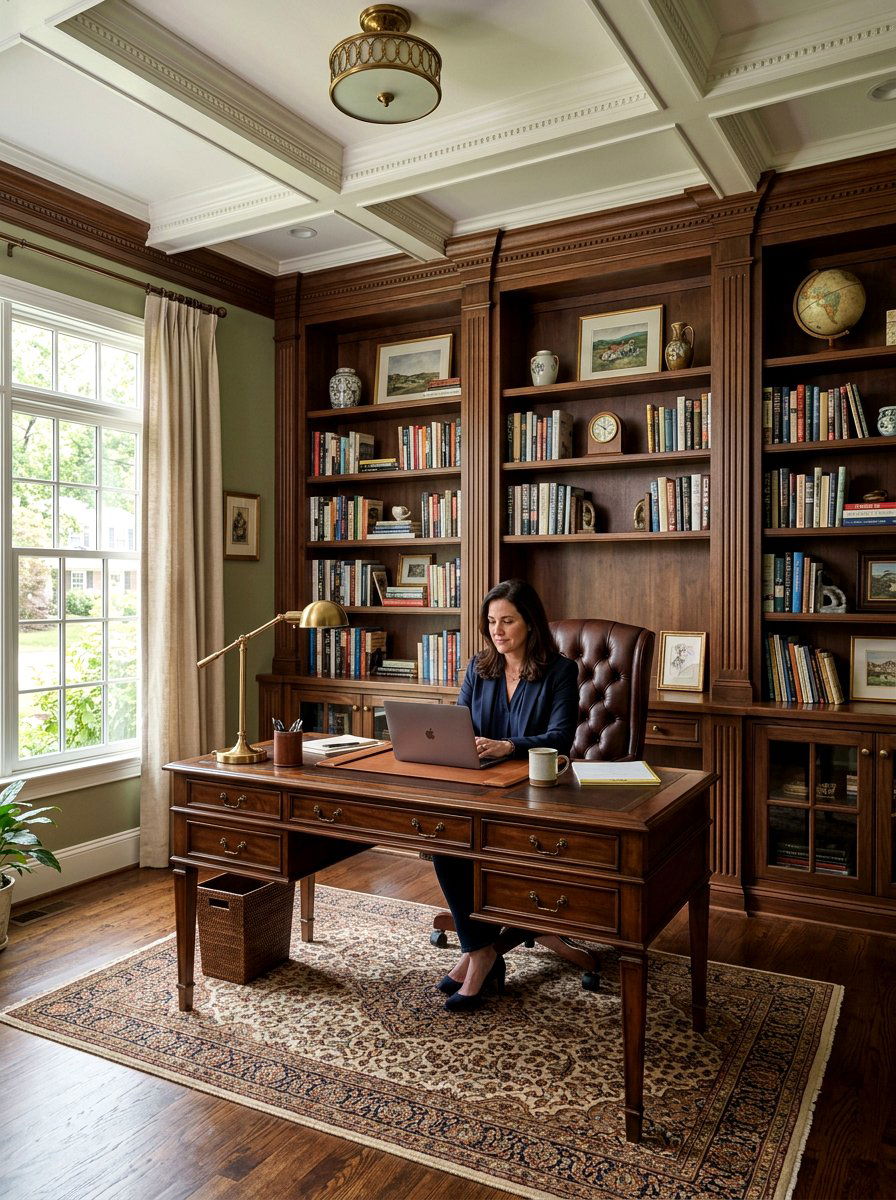
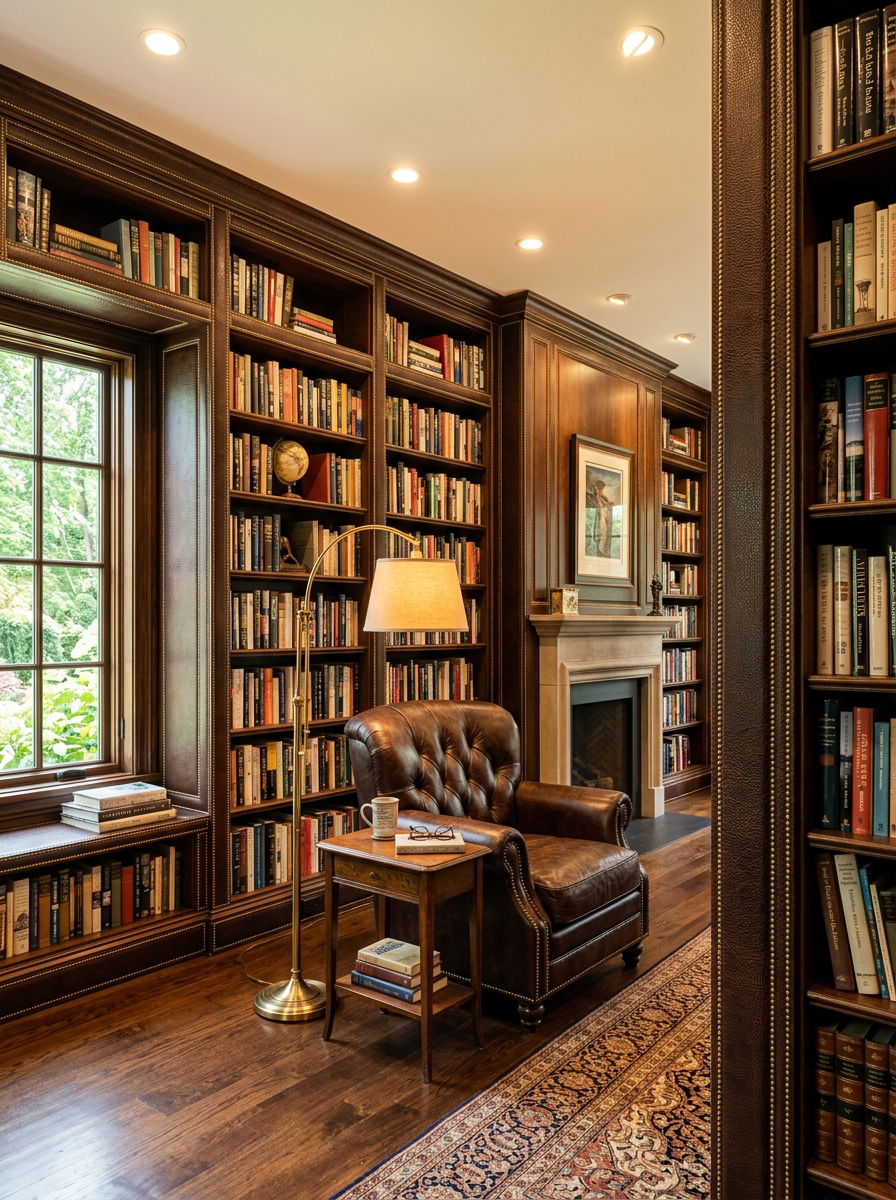
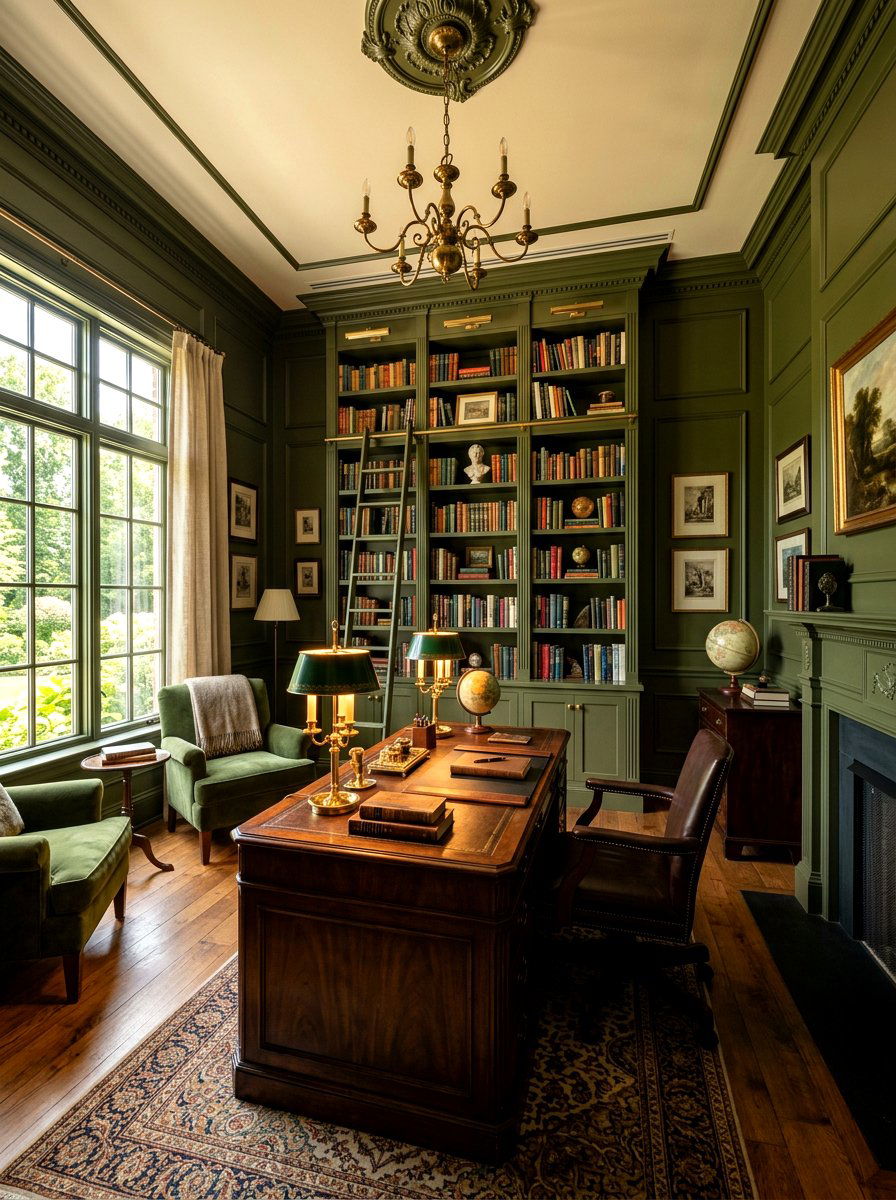
How do you make standard shelving look like it was custom-built for your specific home office or library? The secret lies in the application of decorative molding to the edges and tops of the built-in units. Adding a wide baseboard at the bottom and crown molding at the top allows the bookshelves to blend seamlessly with the walls and ceiling. You can also use thin decorative strips on the front edge of each shelf to hide the thickness of the wood and add a more refined finish. This attention to detail creates a cohesive, integrated look that appears much more expensive than it actually is. It turns a simple storage solution into a permanent and beautiful architectural feature.
12. Archway Architectural Detail
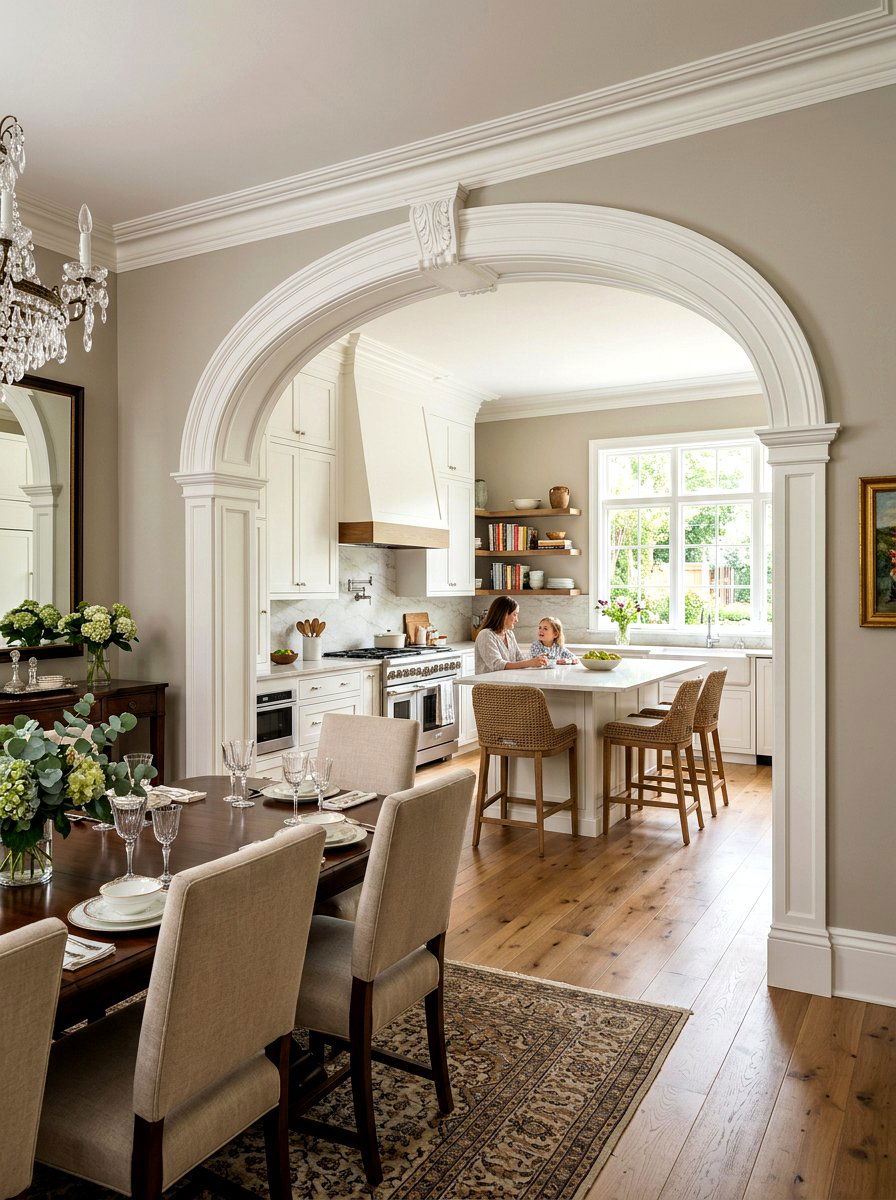
Have you ever walked through a plain opening and wished it had more personality or a sense of grandeur? Adding molding to an archway or a wide doorway can instantly elevate the transition between two rooms. You can use flexible molding to follow the curve of the arch, accented by decorative keystones at the top center. Framing the sides with pilasters or fluted trim adds vertical interest and a sense of structural integrity. This technique is particularly effective in open-concept homes where you want to define different zones without using solid walls. It creates a framed view into the next room, making your entire floor plan feel more intentional and beautifully designed for a sophisticated lifestyle.
13. Ceiling Medallion Focal Point
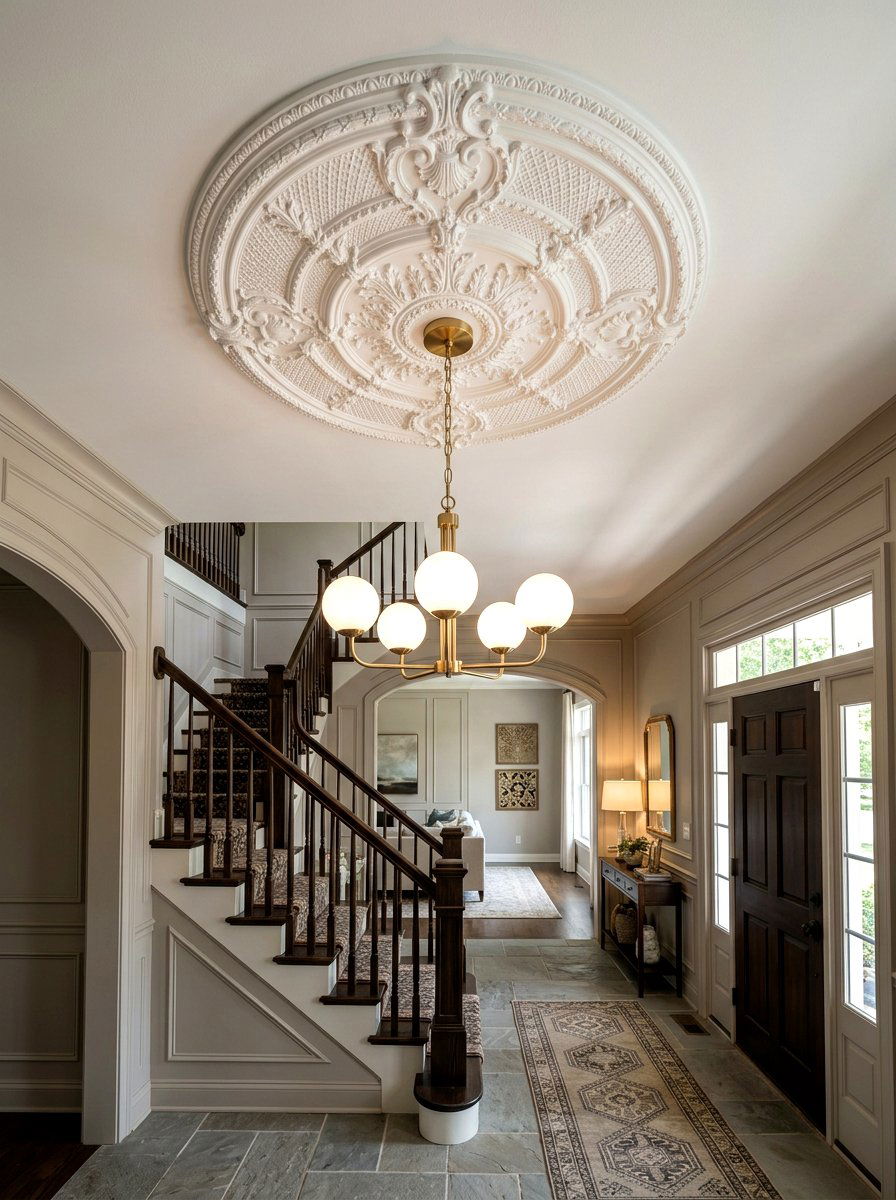
Is your dining room chandelier or entryway light fixture missing that final touch of elegance that anchors it to the room? A ceiling medallion is a decorative disc that sits behind a lighting fixture, providing a beautiful transition between the light and the ceiling. These medallions come in various styles, from simple rings to highly intricate floral patterns inspired by historic architecture. They add a layer of texture and visual interest to a large, flat ceiling, making the light fixture feel more substantial. When painted to match the ceiling or accented with metallic finishes, a medallion becomes a subtle yet powerful design element. It is an easy way to add a touch of old-world charm to any modern room.
14. Wainscoting Bathroom Wall
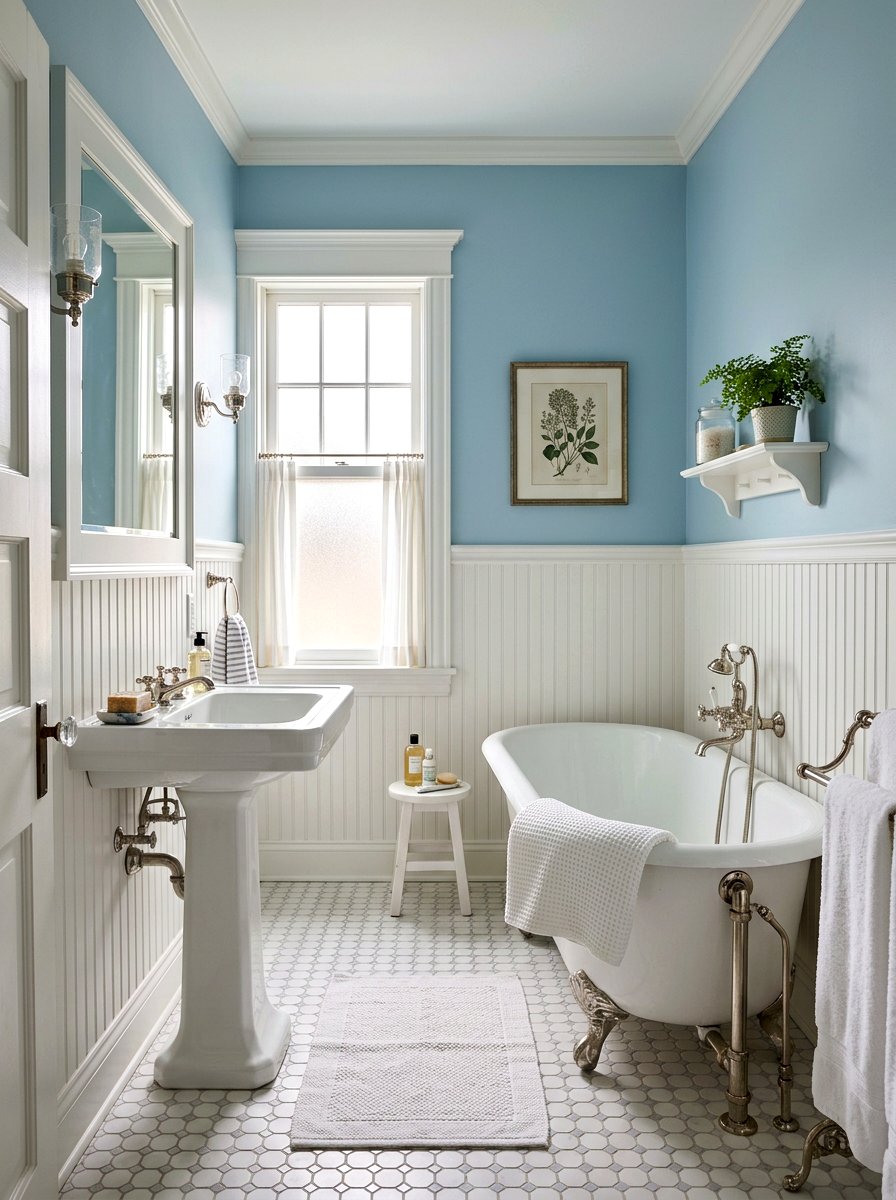
Why settle for plain tiles or flat paint in your bathroom when you can introduce the classic charm of wainscoting? Wainscoting refers to wood paneling that covers the lower half of a wall, and in a bathroom, it provides a durable and stylish alternative to drywall. Using moisture-resistant materials like PVC or treated wood ensures longevity in damp environments. Beadboard is a popular choice for a coastal or cottage feel, while raised panels offer a more formal and traditional aesthetic. This molding style protects the walls from splashes while allowing you to use bold wallpaper or a different paint color on the top half. It creates a cozy, spa-like atmosphere that feels uniquely curated.
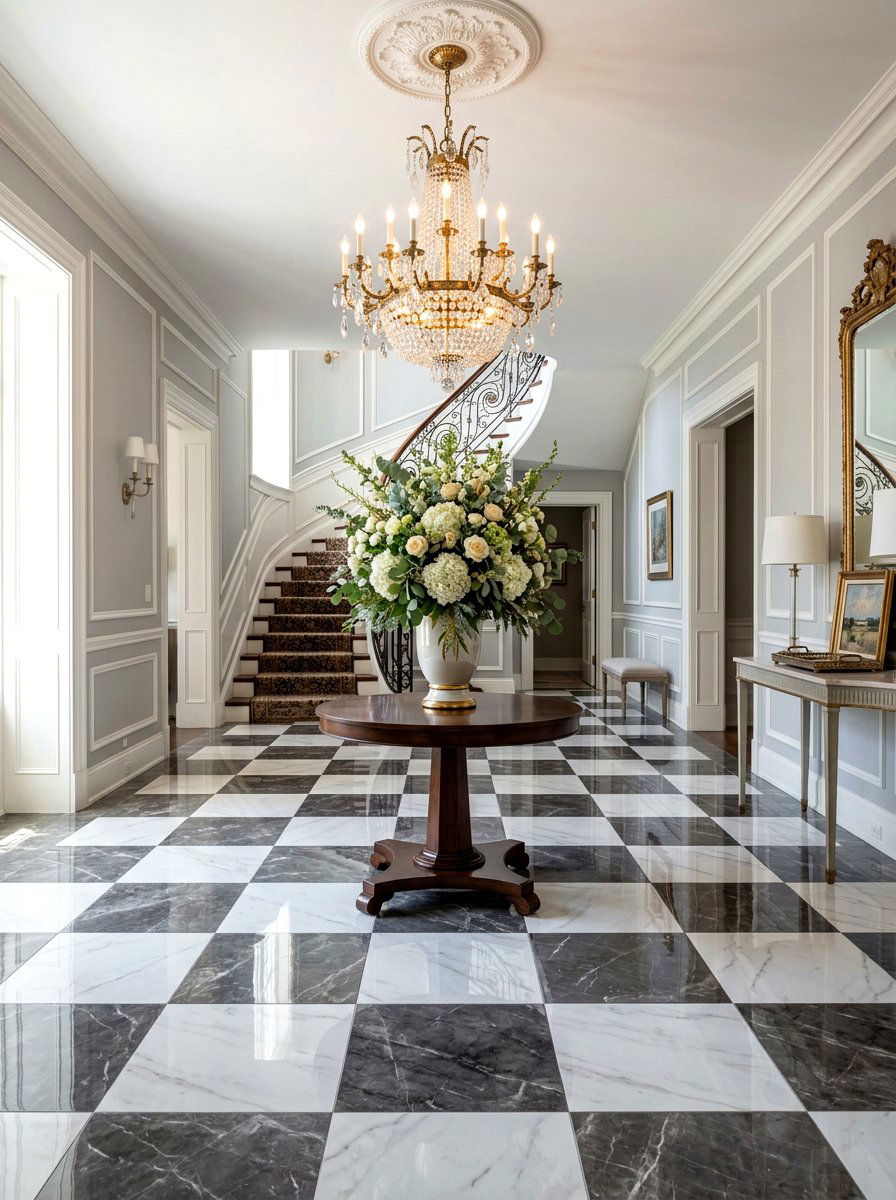
15. Double Layer Crown Molding
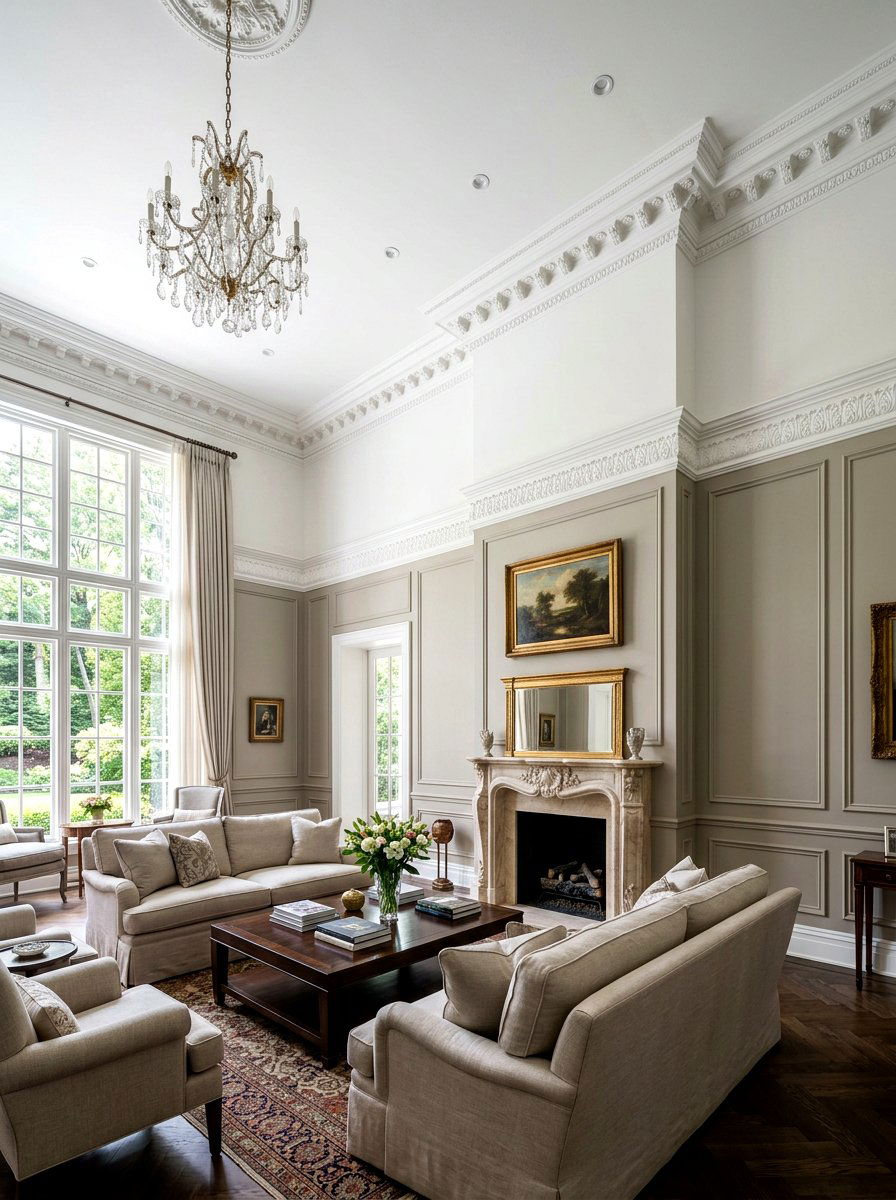
Do you want to achieve a massive, high-end look on your ceilings without the extreme cost of custom millwork? Double layer crown molding is a clever technique where you install a smaller piece of trim on the wall several inches below the main crown molding. When you paint the space between the two pieces the same color as the trim, it creates the illusion of one very thick and expensive architectural detail. This approach adds significant depth and drama to rooms with high ceilings, making them feel more balanced and finished. It is a favorite trick among interior designers to add luxury and architectural weight to modern homes. This layered effect provides a custom, craftsman-style appearance easily.
16. Fluted Wall Panel
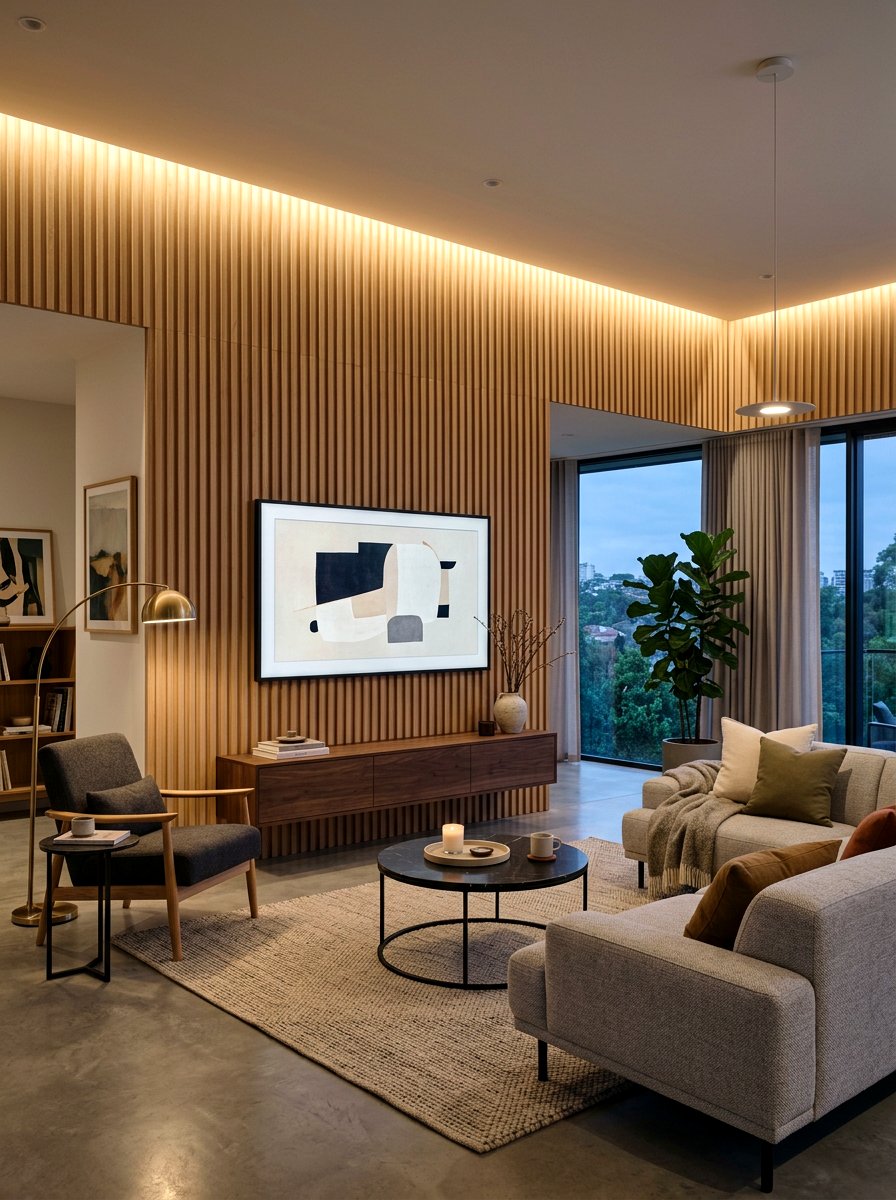
Have you noticed how vertical lines can make a space feel taller and more dynamic in modern interior design? Fluted wall panels consist of a series of narrow, rounded grooves that create a rhythmic, textured surface across a large area. This molding style is gaining popularity in contemporary homes as it adds a tactile element that plays with light and shadow beautifully. It is often used behind a television or as a headboard wall to provide a sophisticated backdrop without the need for busy patterns. When finished in natural wood tones or a soft matte paint, fluted panels bring a mid-century modern or high-end minimalist vibe. It is a perfect way to add subtle architectural interest.
17. Picture Rail Gallery Wall
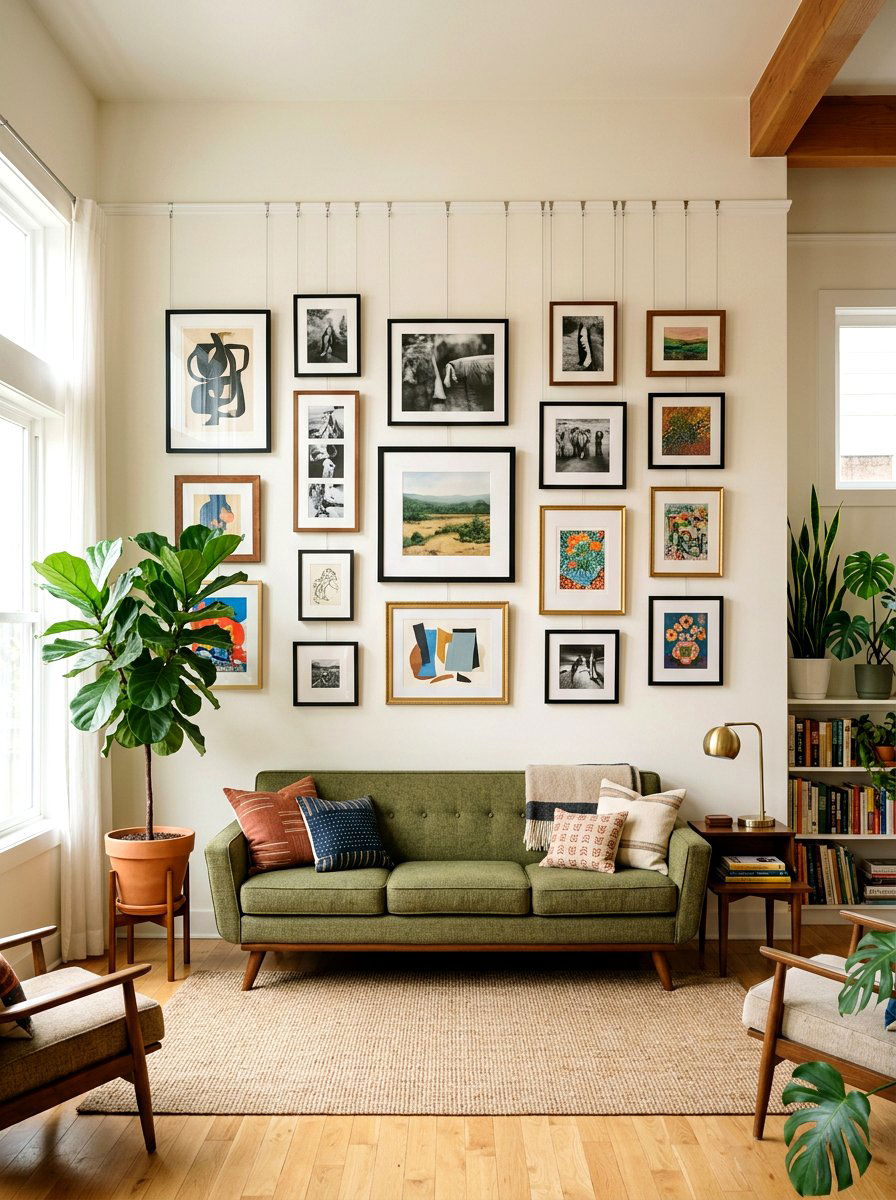
Could your home benefit from a way to hang artwork that is both flexible and steeped in historical tradition? A picture rail is a thin horizontal molding installed high on the wall, traditionally used to hang frames from hooks and cords. This allows you to change your art arrangements without ever putting a single hole in the drywall, which is a dream for art lovers. Beyond its functionality, the rail adds a delicate line of detail that breaks up high walls and complements other trim in the room. In a modern setting, using sleek wires and minimalist frames can create a unique, professional gallery look. It is a beautiful way to combine utility with classic architectural style.
18. Geometric Wall Trim
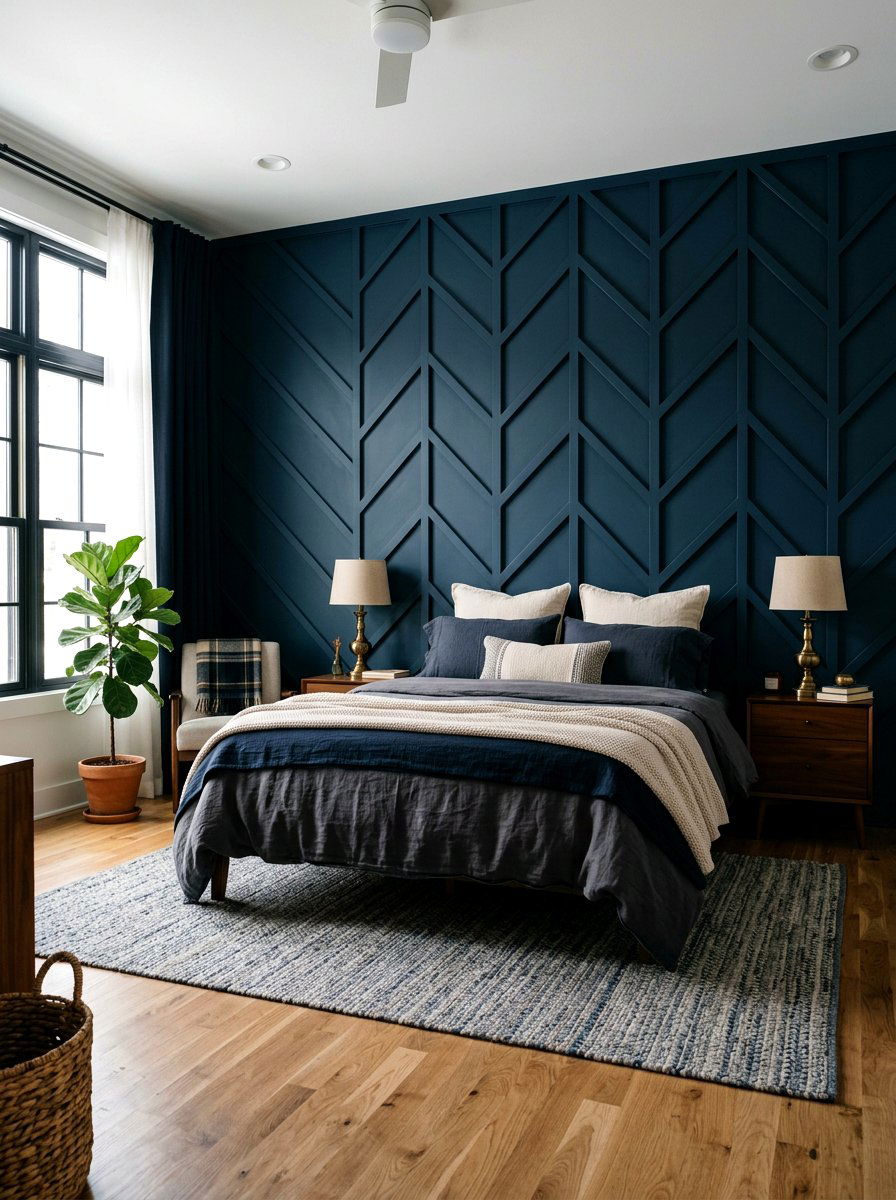
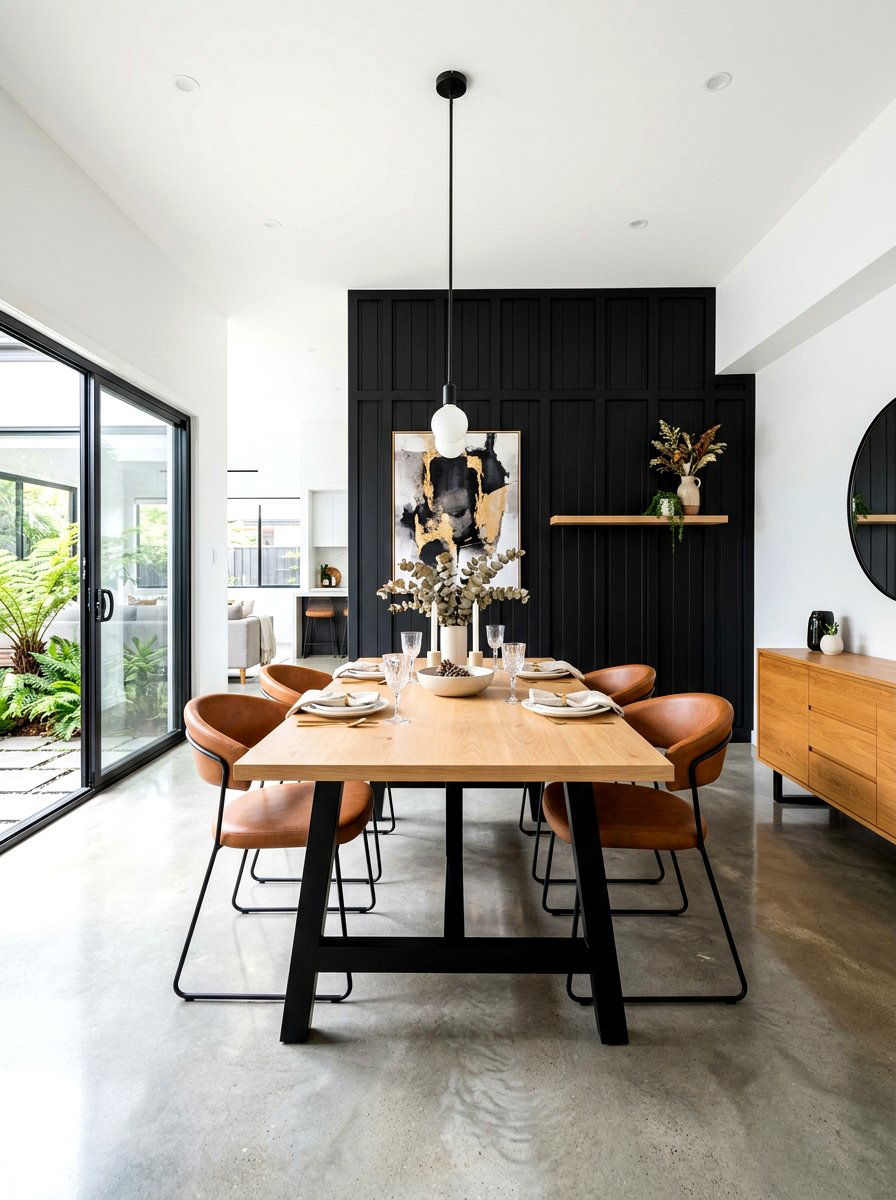
Are you looking for a bold, artistic statement that goes beyond the traditional rectangular boxes of classic molding? Geometric wall trim uses narrow strips of wood to create intricate patterns such as chevrons, hexagons, or abstract asymmetrical designs. This approach is perfect for a modern office or a trendy living room where you want the wall itself to be a piece of art. Because the patterns are created with physical trim, they offer a three-dimensional quality that wallpaper cannot replicate. Painting the entire wall, including the trim, in a single deep color like forest green or charcoal creates a moody and sophisticated feel. It is a fantastic way to showcase your creative and unique design personality.
19. Reeded Wall Accent
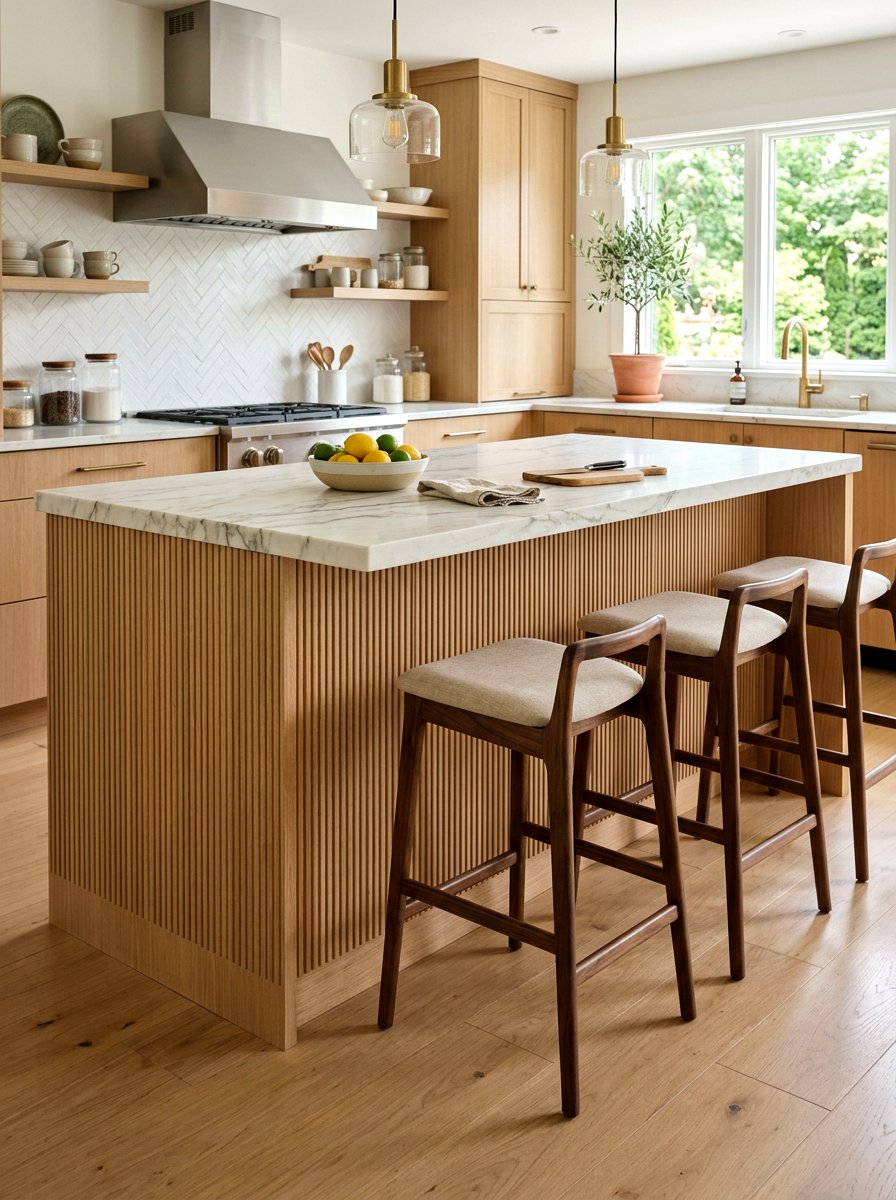
Is there a way to add delicate, fine-tuned texture to a specific area of your home that feels both modern and organic? Reeded wall accents are similar to fluted panels but feature outward-curving vertical ribs that create a soft, undulating surface. This style is incredibly popular for kitchen islands, bar areas, or as a detail on built-in cabinetry. The fine vertical lines draw the eye upward and provide a sense of movement that softens hard architectural corners. When used in a dining nook or a small powder room, reeded molding adds a layer of quiet luxury that is very pleasing to the touch. It works exceptionally well with natural wood finishes or light, airy paint colors.
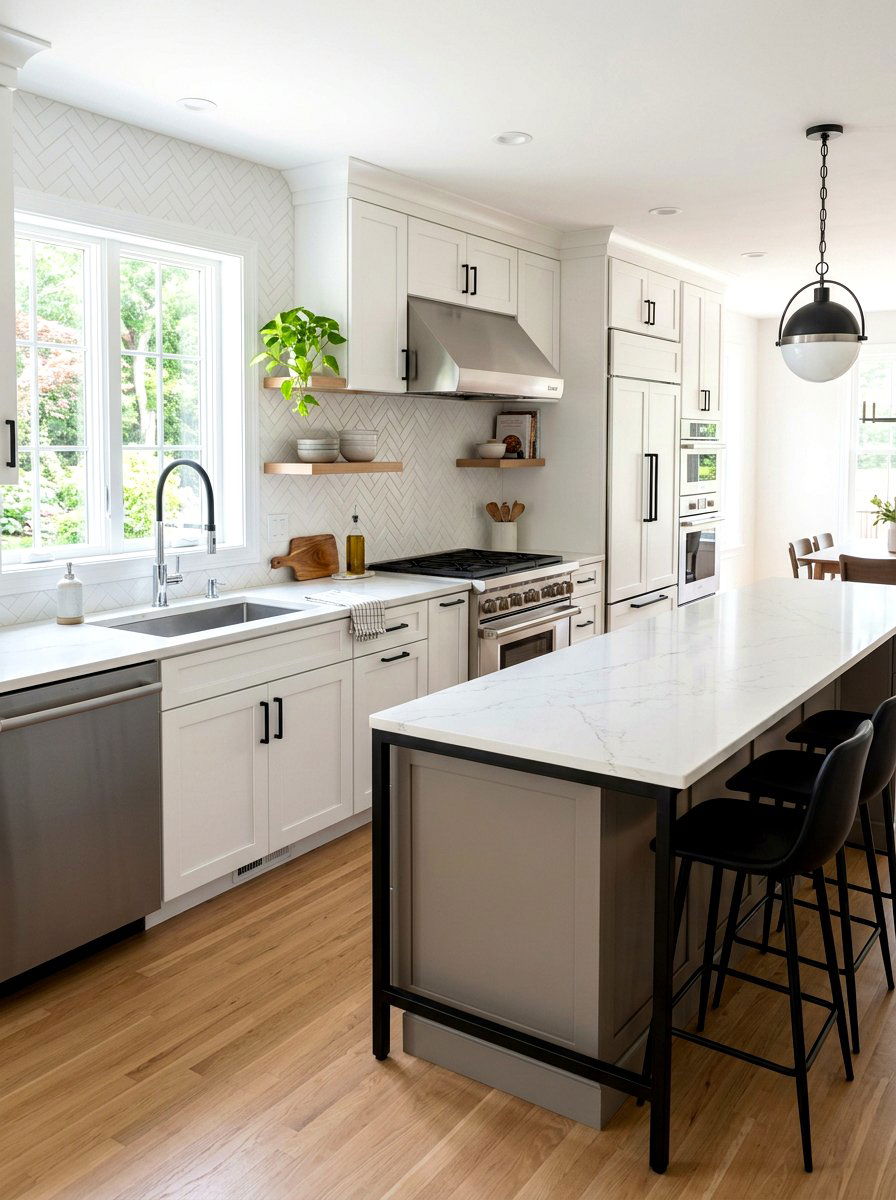
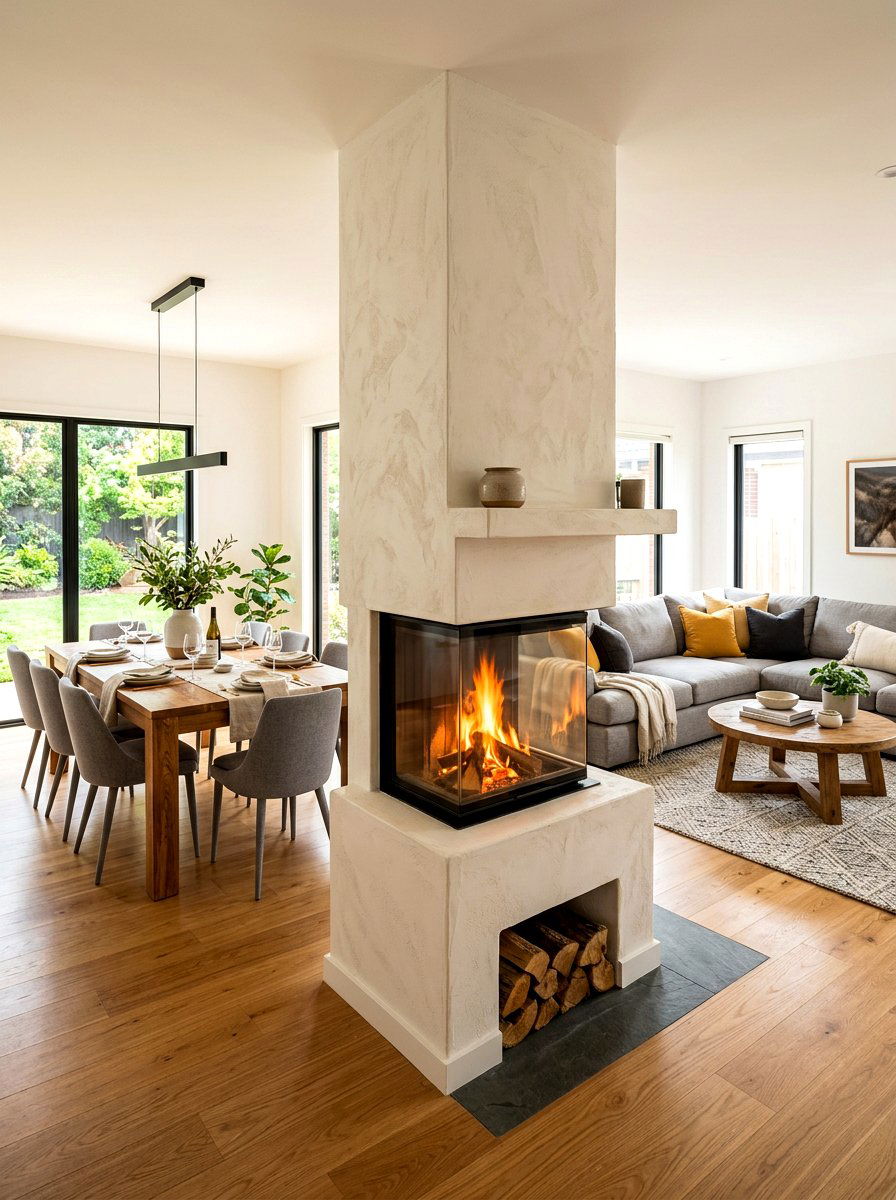
20. Tray Ceiling Lighting
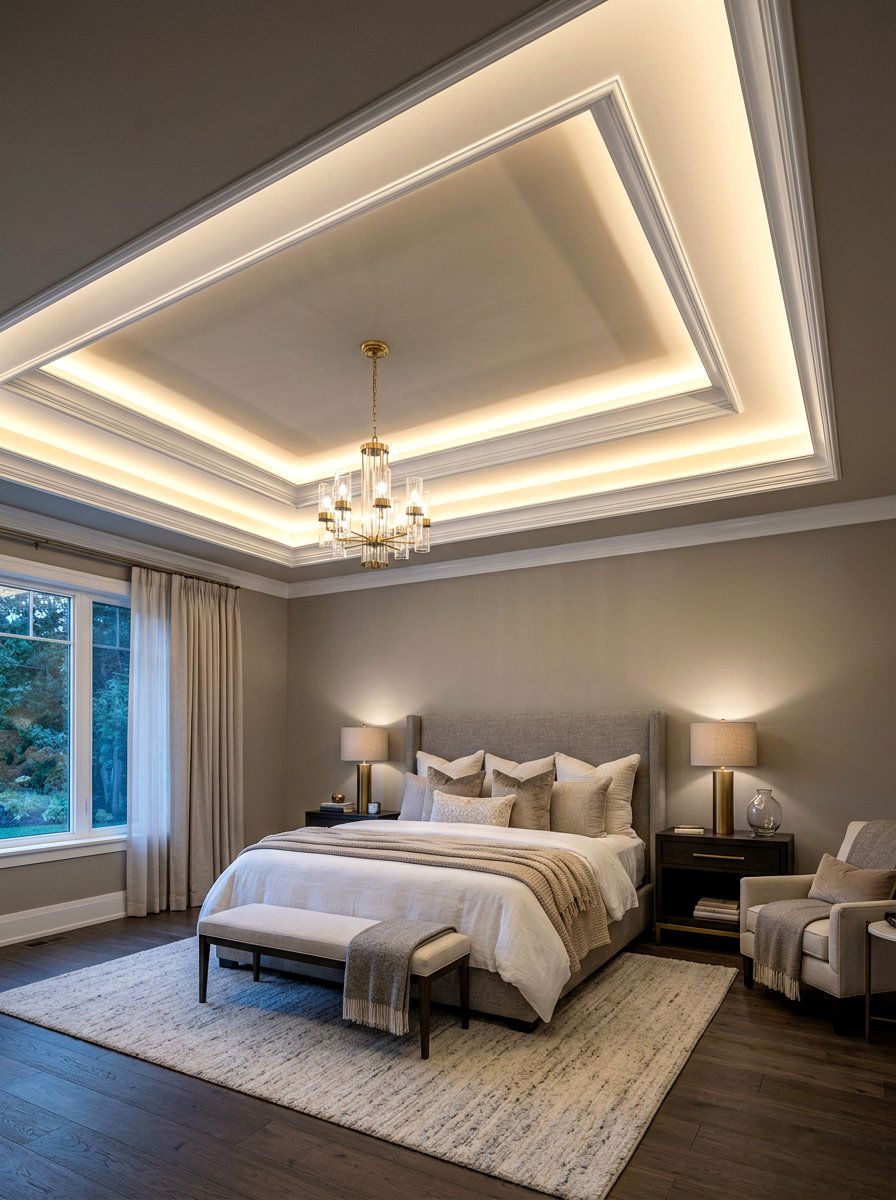
How can you make your ceiling feel like a glowing architectural feature rather than just a flat surface above your head? A tray ceiling features a central portion that is recessed higher than the rest of the ceiling, often bordered by decorative molding. By adding a small gap or "cove" behind the molding, you can install LED strip lighting that reflects off the ceiling, creating a soft, indirect glow. This technique adds incredible depth and a futuristic yet elegant ambiance to a master bedroom or a home theater. The molding hides the light source while highlighting the architectural layers of the ceiling. It is a sophisticated way to combine lighting design with traditional decorative millwork.
21. Mudroom Bench Molding
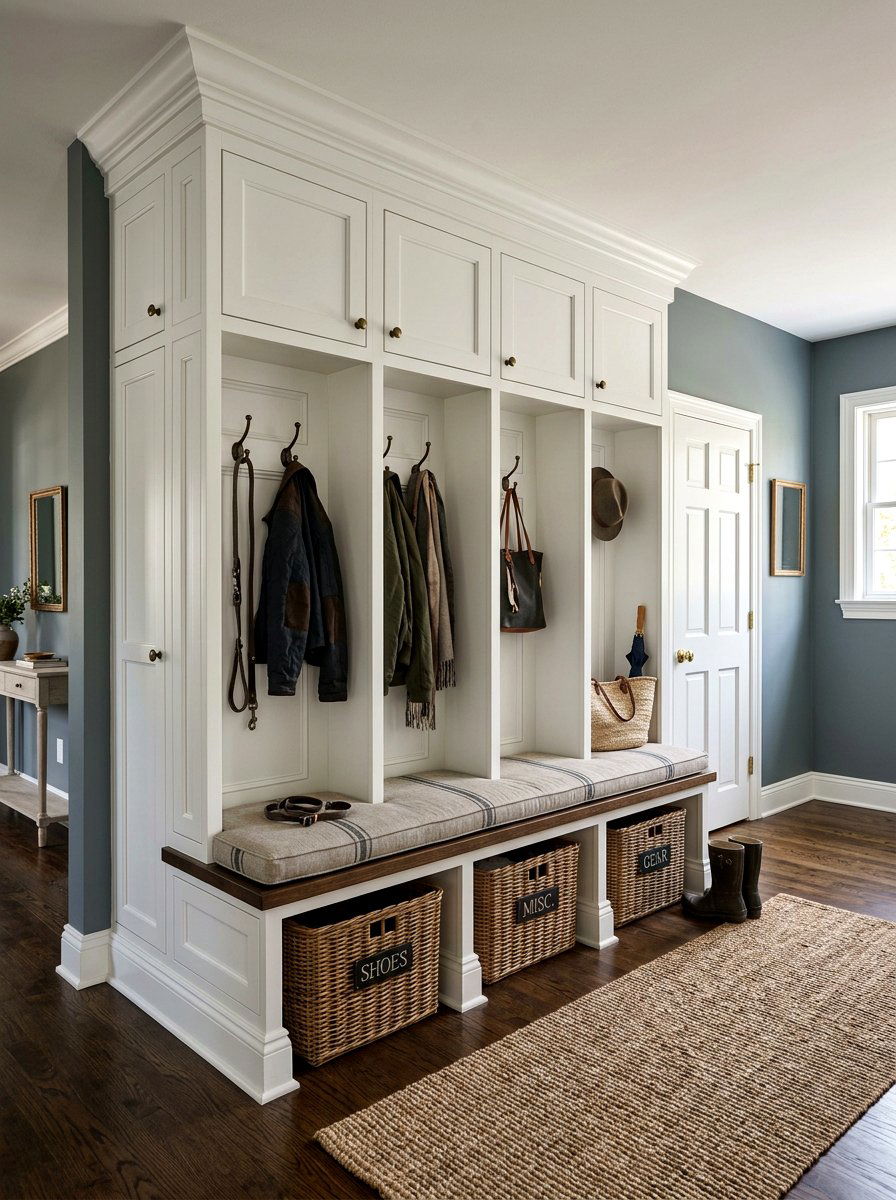
Can a functional mudroom also be a beautiful introduction to your home through the clever use of decorative trim? Many homeowners are choosing to build custom mudroom benches and cubbies that feature the same molding styles found in their living areas. Adding shaker-style trim to the cabinet doors and a thick baseboard at the floor makes the unit feel like a permanent part of the house. Crown molding at the top of the lockers ties the whole structure to the ceiling for a high-end look. This use of molding ensures that your high-traffic entry area feels just as polished as your formal rooms. It turns a utility space into a stunning and organized architectural feature.
22. Kitchen Cabinet Trim
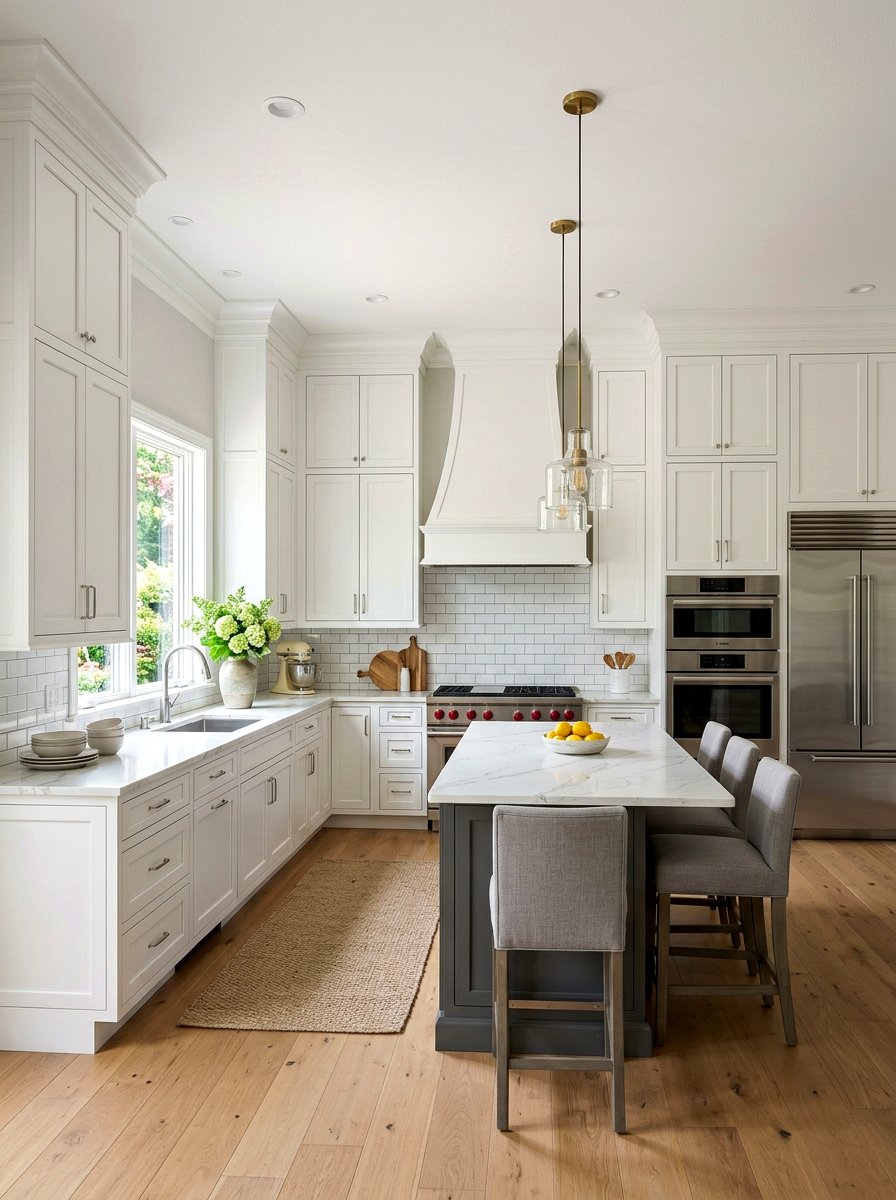
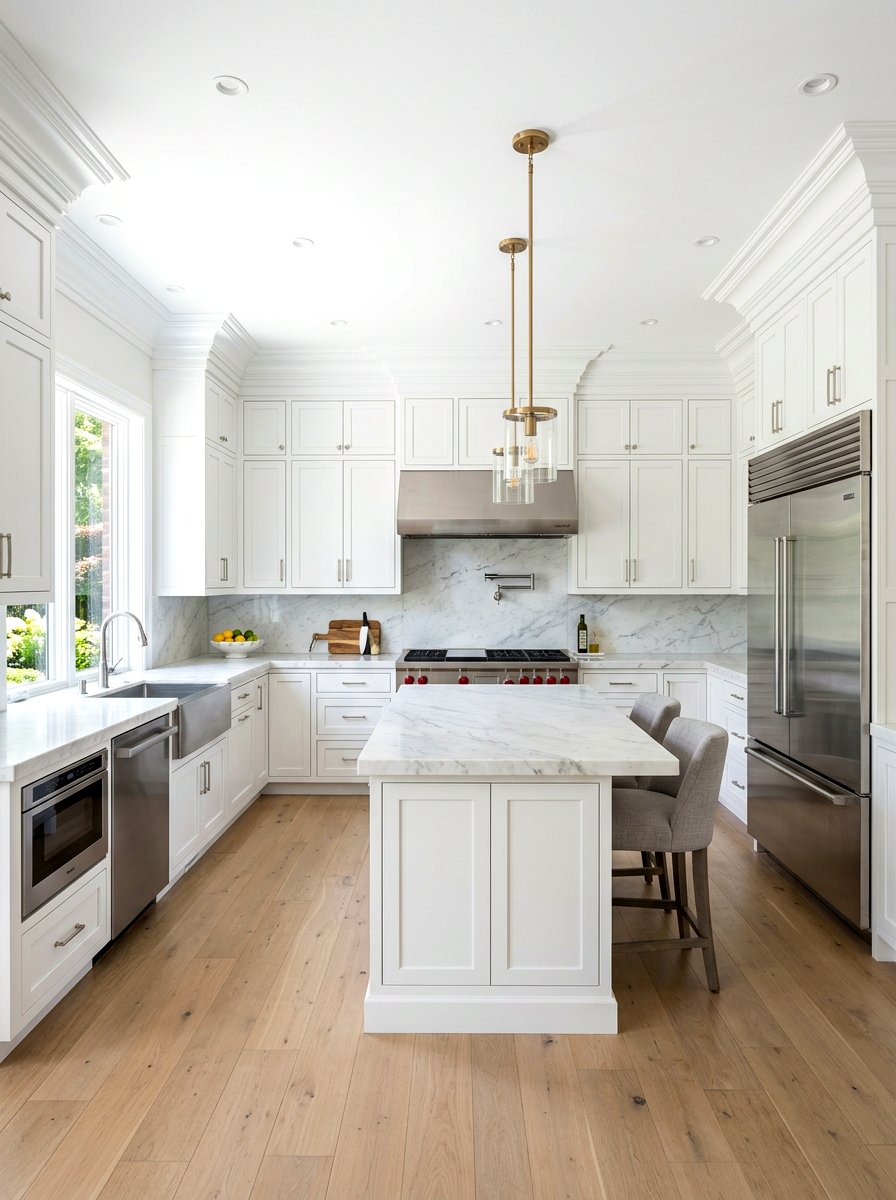
Have you considered how much more expensive your kitchen would look if the cabinets reached all the way to the ceiling? Many standard kitchen cabinets leave a small, awkward gap at the top that gathers dust and looks unfinished. By adding a decorative riser and crown molding to the top of the upper cabinets, you create a seamless transition that makes the kitchen feel custom-built. This simple addition can make even modest cabinetry look like high-end, designer furniture. You can also add light rail molding to the bottom of the cabinets to hide under-cabinet lighting and provide a finished edge. These small details collectively elevate the entire kitchen into a more luxurious and cohesive space.
23. Beadboard Kitchen Backsplash
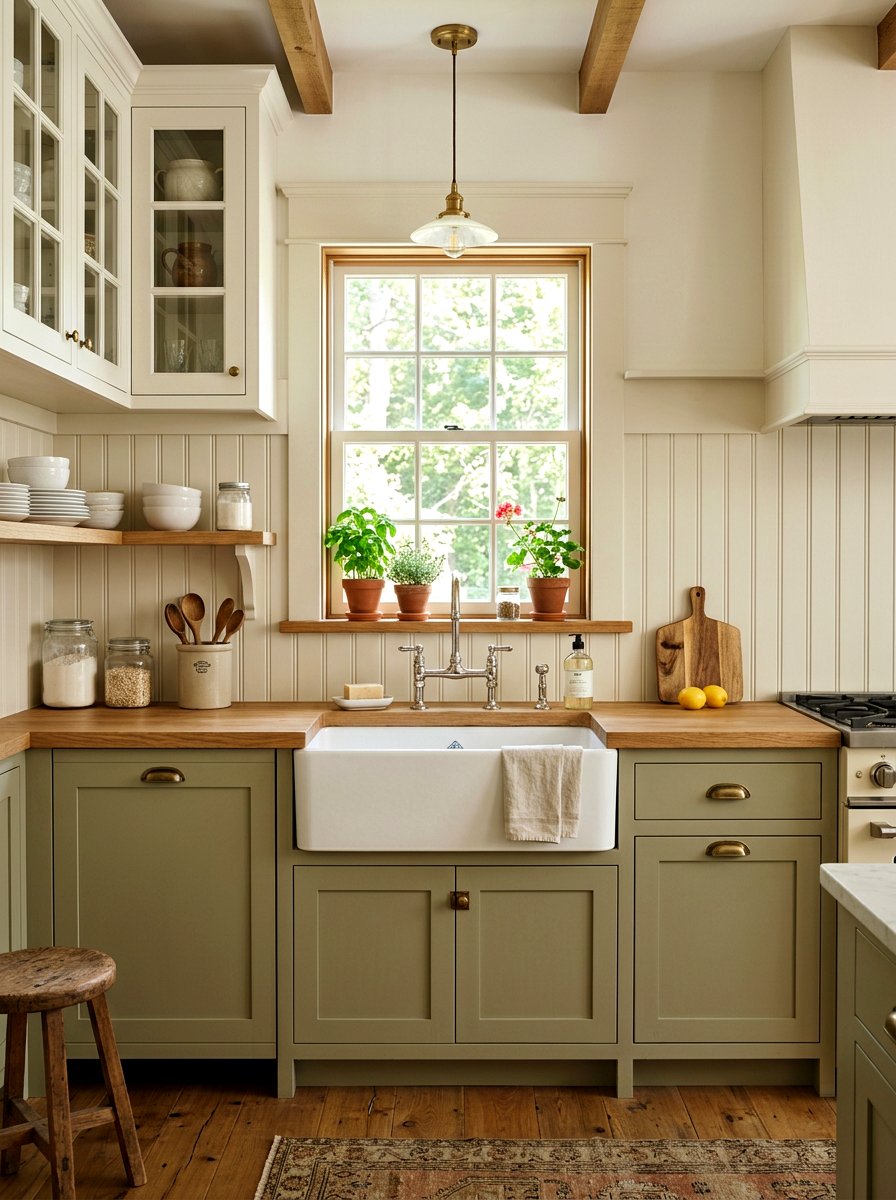
Why stick to traditional tile backsplashes when you can add the warm, inviting texture of classic beadboard to your kitchen? Beadboard consists of narrow vertical planks joined by a small ridge or "bead, " creating a charming and rustic look. When used as a backsplash, it brings a cozy, cottage-style vibe that pairs beautifully with farmhouse sinks and open shelving. It is essential to use a high-quality, washable paint finish to protect the wood from kitchen splashes and heat. This molding choice is often much easier to install than tile and can be painted in any color to match your cabinetry. It provides a soft, tactile alternative to the hard surfaces typically found in a modern kitchen.
24. Cove Lighting Molding
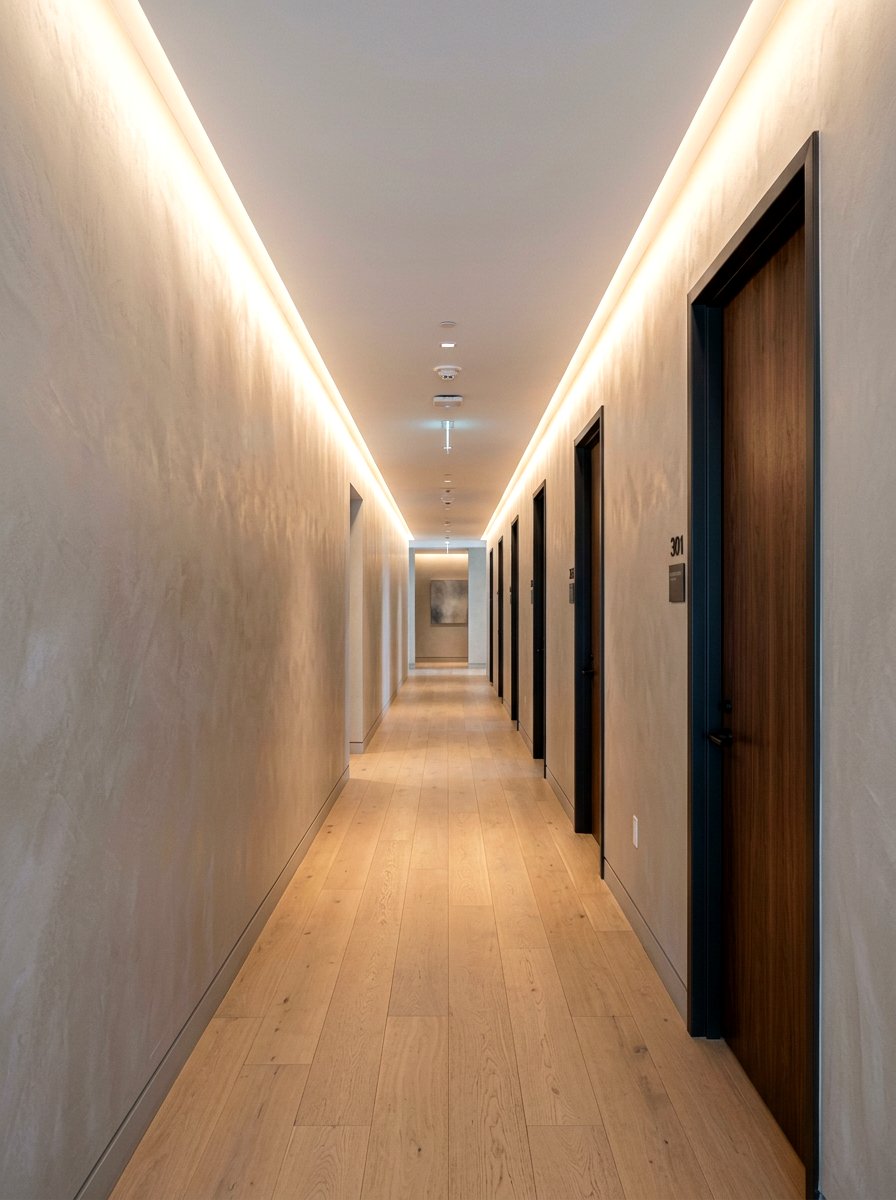
Is there a way to add dramatic, atmospheric lighting to your hallways or living areas without seeing any bulky fixtures? Cove molding is a specialized type of trim that is designed to sit slightly away from the wall or ceiling, creating a hidden pocket for light strips. This allows light to wash over the surfaces in a soft, even glow, highlighting the texture of the walls and the lines of the room. It is a favorite technique in contemporary and luxury homes to create a "floating" ceiling effect. The molding itself acts as a clean, minimalist border that frames the light. It is an excellent way to add modern technology to your home while maintaining a sleek, architectural aesthetic.
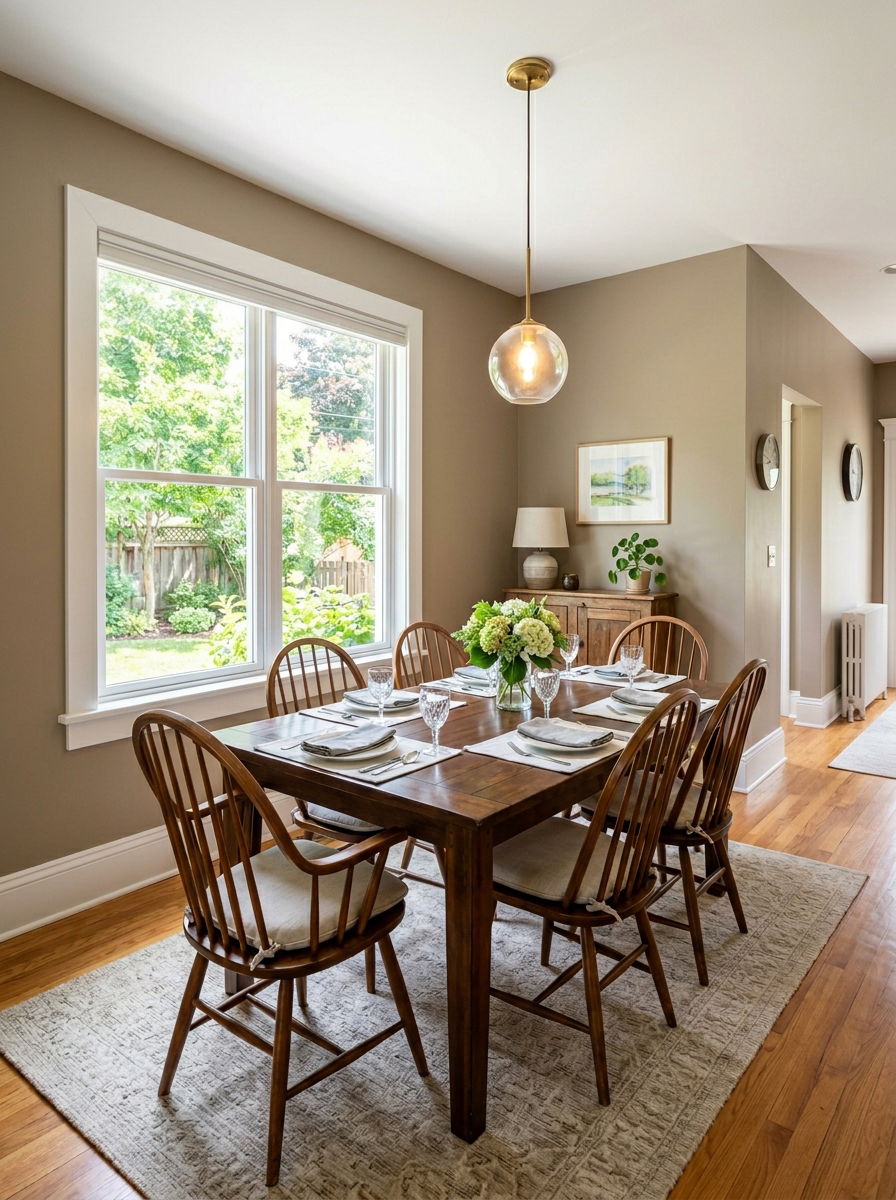
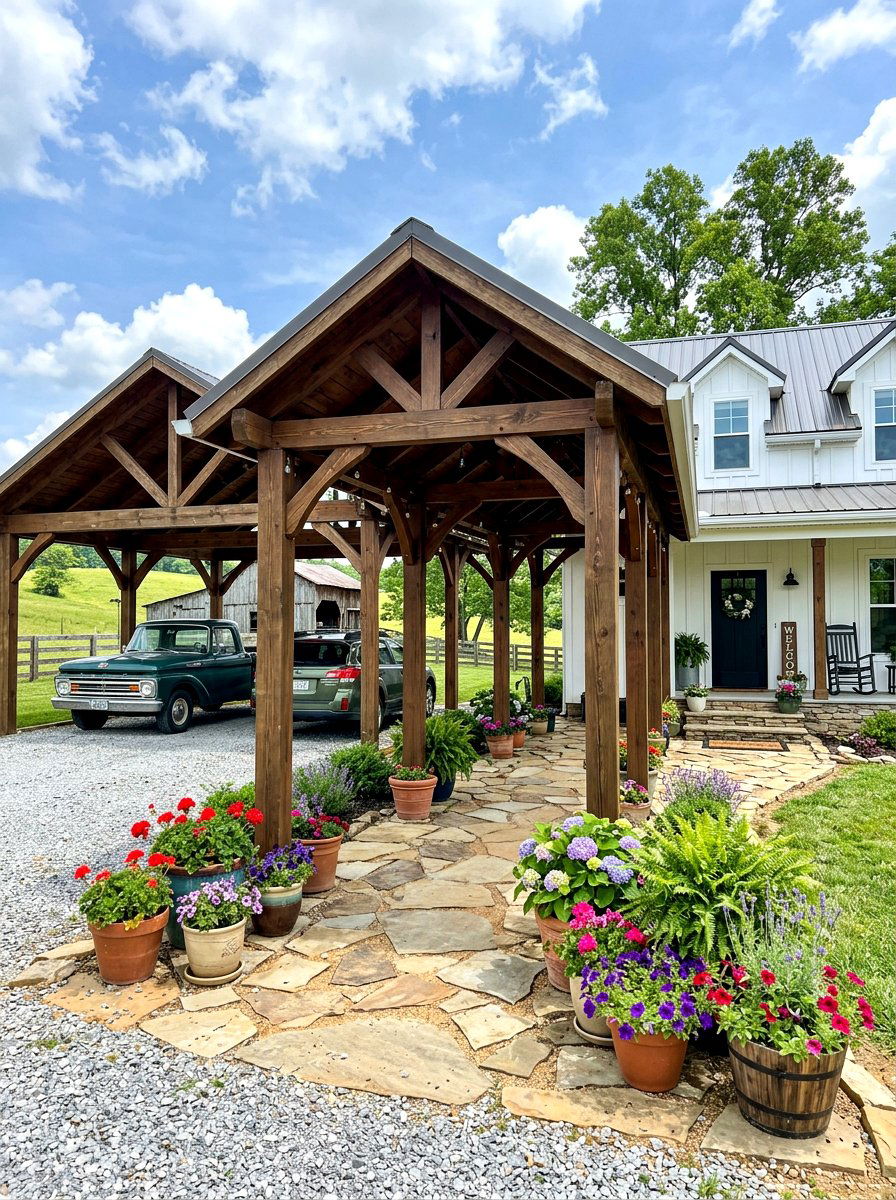
25. Dentil Molding Facade
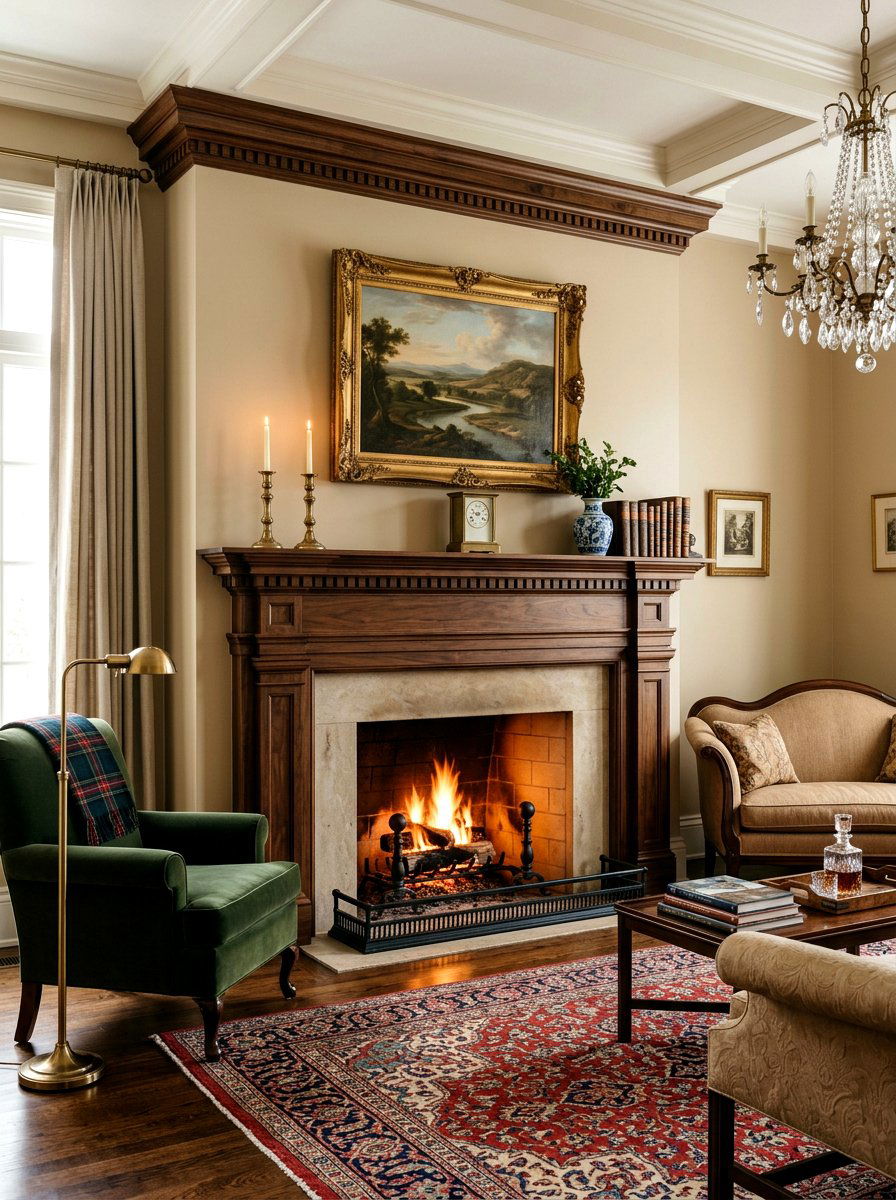
Have you ever looked at a grand, historic building and wondered what gives the exterior such a sense of rhythm and strength? Dentil molding features small, rectangular blocks spaced evenly apart, resembling a row of teeth. While traditionally used on the exterior of neoclassical or federal-style homes, it is also a striking choice for interior crown molding or fireplace mantels. The repetitive pattern adds a strong sense of architectural detail and weight to the space. In a modern home, using dentil molding can provide a touch of classical elegance that balances more contemporary furniture. It is a sophisticated way to introduce historical motifs into your living environment, adding a layer of timeless and grand character.
26. Frieze Molding High Ceiling
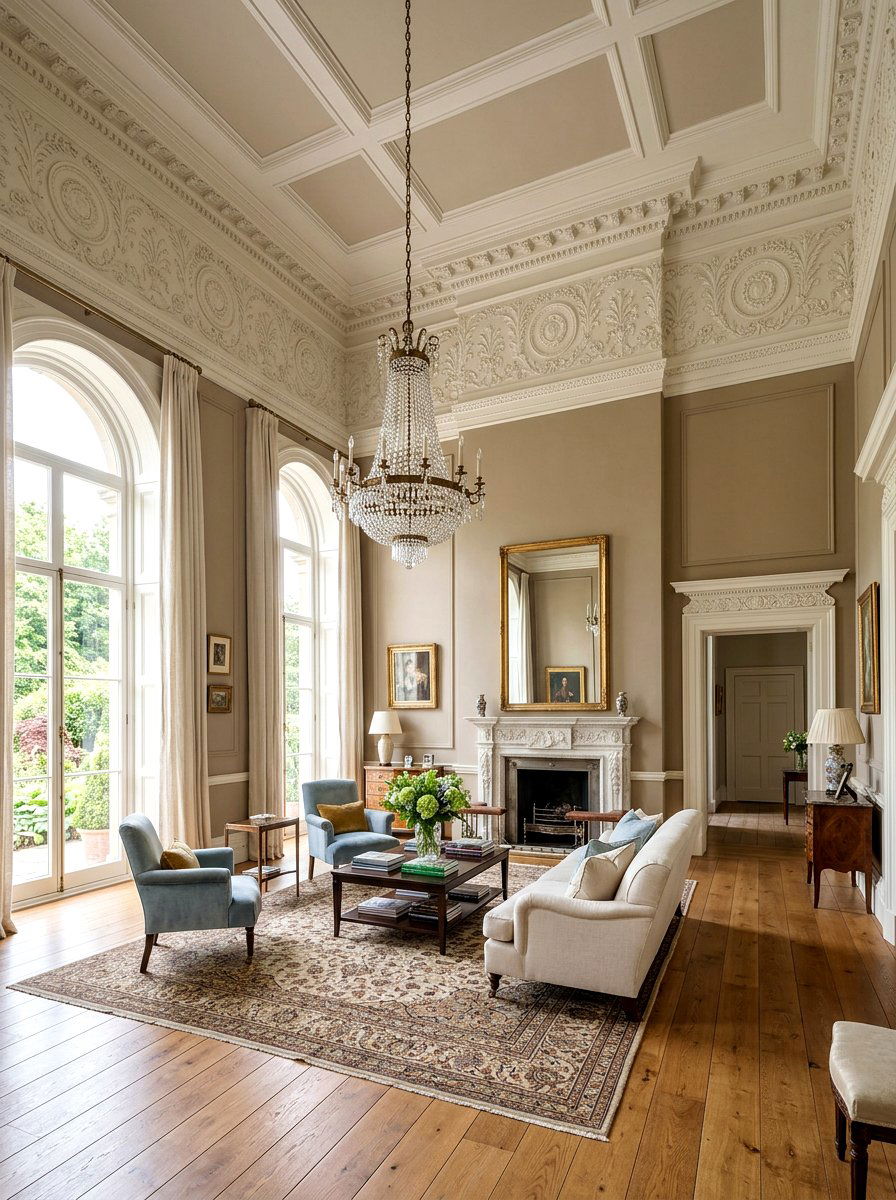
Could your double-height living room or grand entryway benefit from a decorative band that breaks up the massive wall space? A frieze is a wide, horizontal band of molding that sits just below the crown molding, often featuring decorative carvings or patterns. In rooms with very high ceilings, a frieze helps to bring the visual scale down to a more comfortable level, making the space feel more occupied and less cavernous. You can keep the frieze simple for a classic look or choose a highly ornate design to create a Victorian or Parisian atmosphere. It provides a unique opportunity to add intricate detail to an area that is usually left as a vast, empty expanse.
27. Corbels Kitchen Island
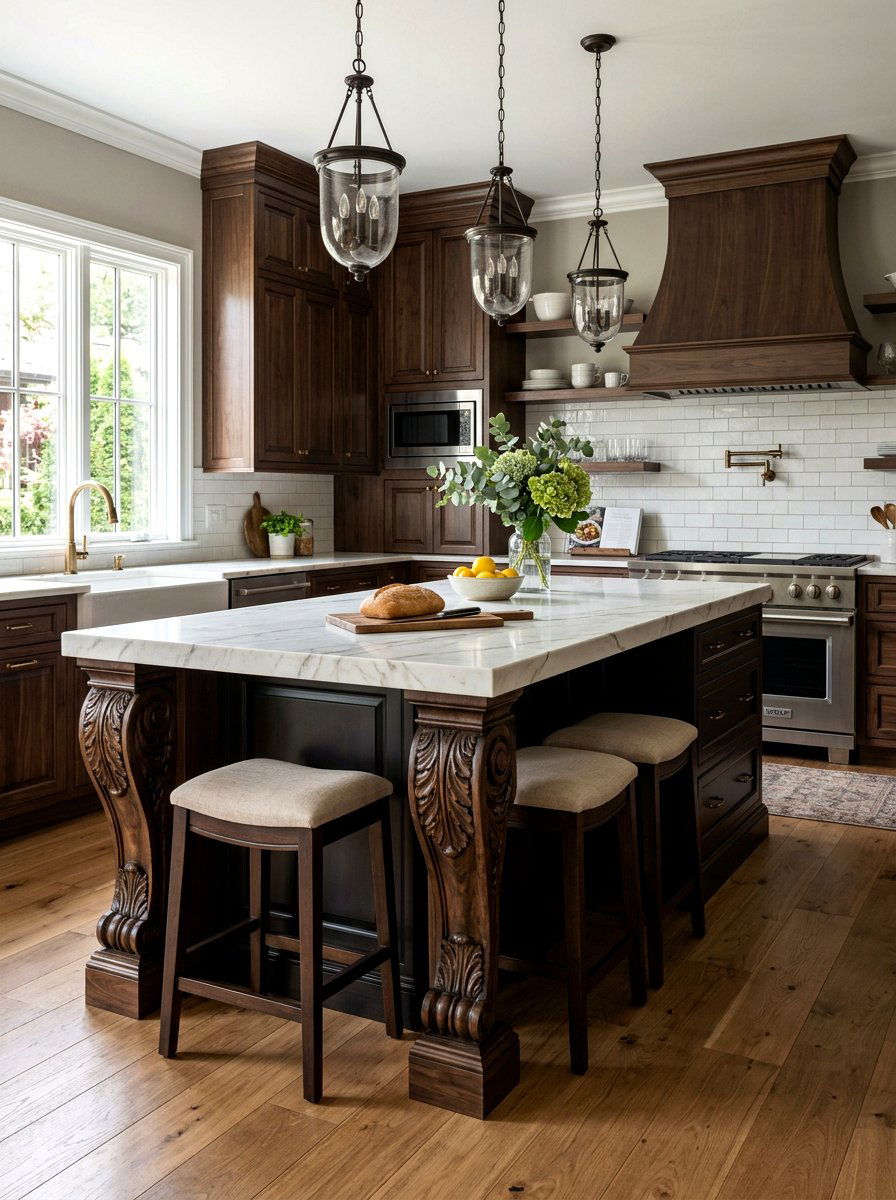
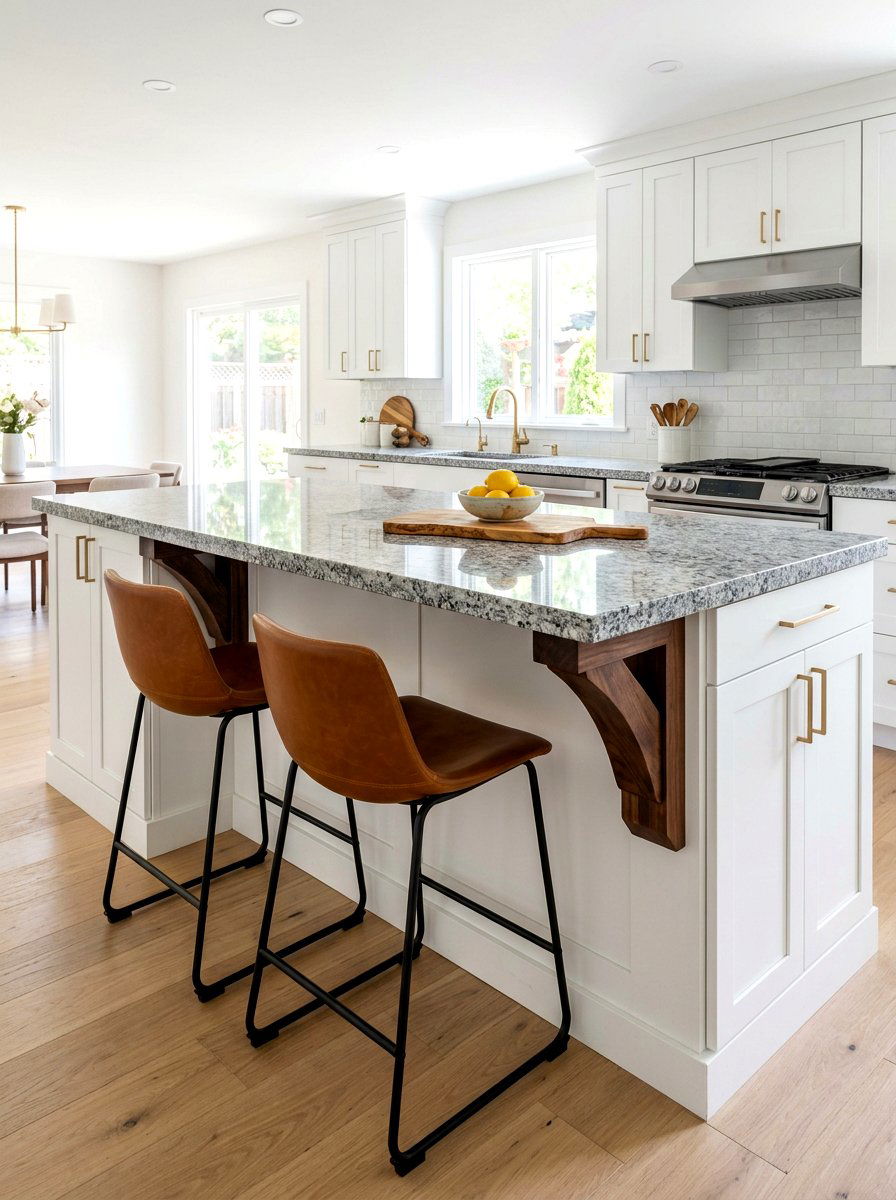
How do you give your kitchen island the appearance of a solid, hand-crafted piece of furniture rather than just a box? Corbels are decorative brackets that appear to support the weight of a countertop or a shelf. Adding large, beautifully carved corbels to the corners of a kitchen island or underneath a breakfast bar adds instant architectural interest and a sense of history. They come in styles ranging from simple, modern curves to highly detailed, traditional scrolls. While they are often purely decorative in modern construction, they provide a visual anchor that makes the island feel more substantial. It is a small detail that makes a massive impact on the overall craftsmanship and style of your kitchen.
28. Plinth Block Door Base
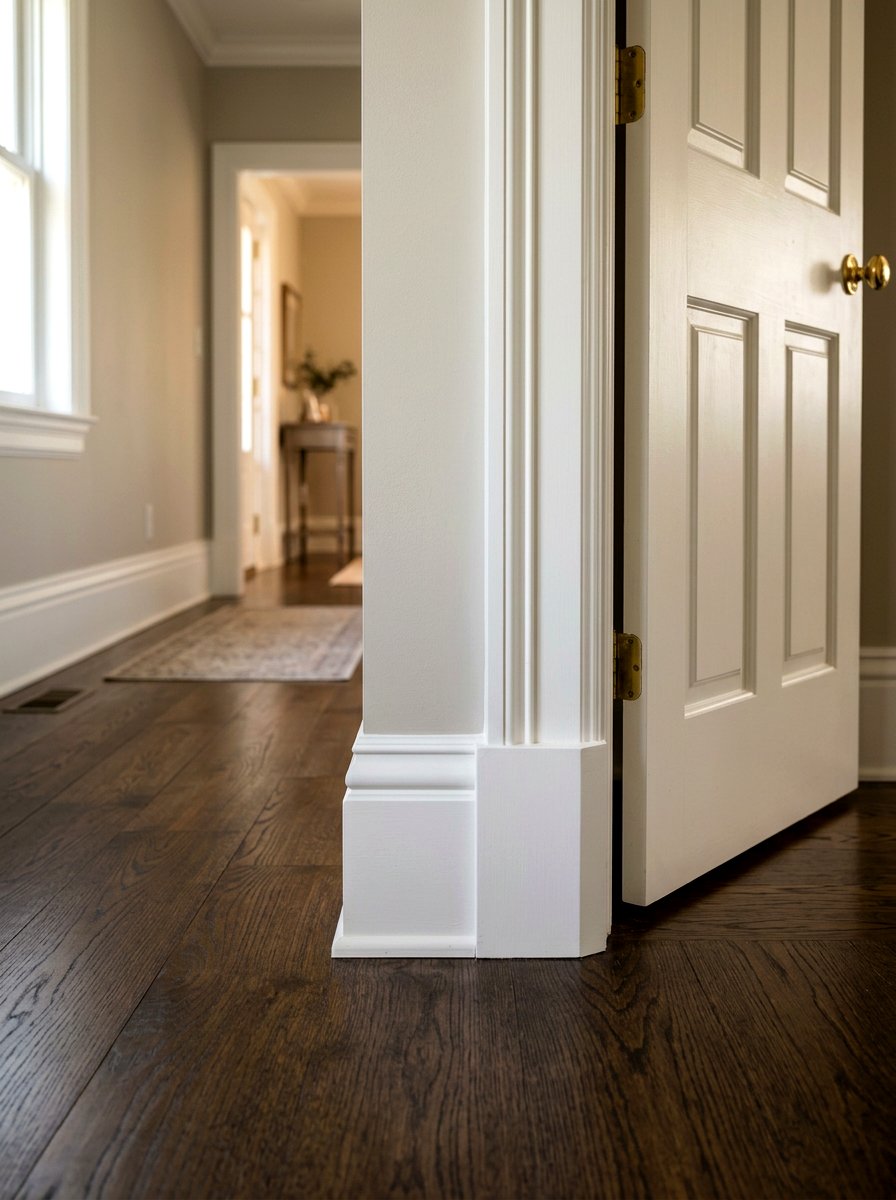
Have you ever noticed a clumsy transition where the vertical door casing meets the horizontal baseboard at the floor? A plinth block is a thicker, decorative square of wood placed at the base of a door frame to provide a clean and intentional transition point. It allows the door trim to sit neatly against a block that is slightly wider and deeper than the molding itself. This small addition prevents gaps and creates a more substantial, custom look for your entryways. It is a hallmark of high-quality millwork and adds a layer of architectural refinement that is often missing in newer homes. This simple detail signals a high level of care and attention.
29. Picture Frame Molding Ceiling
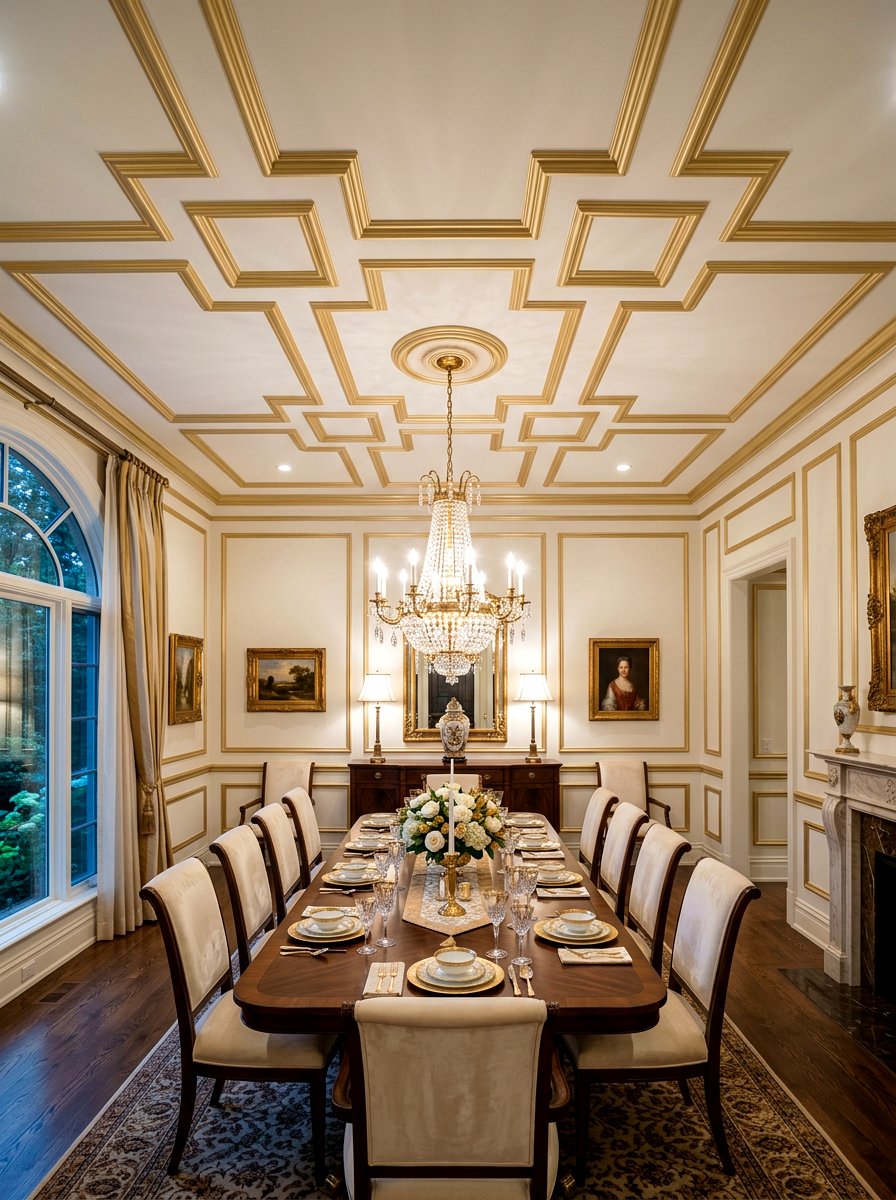
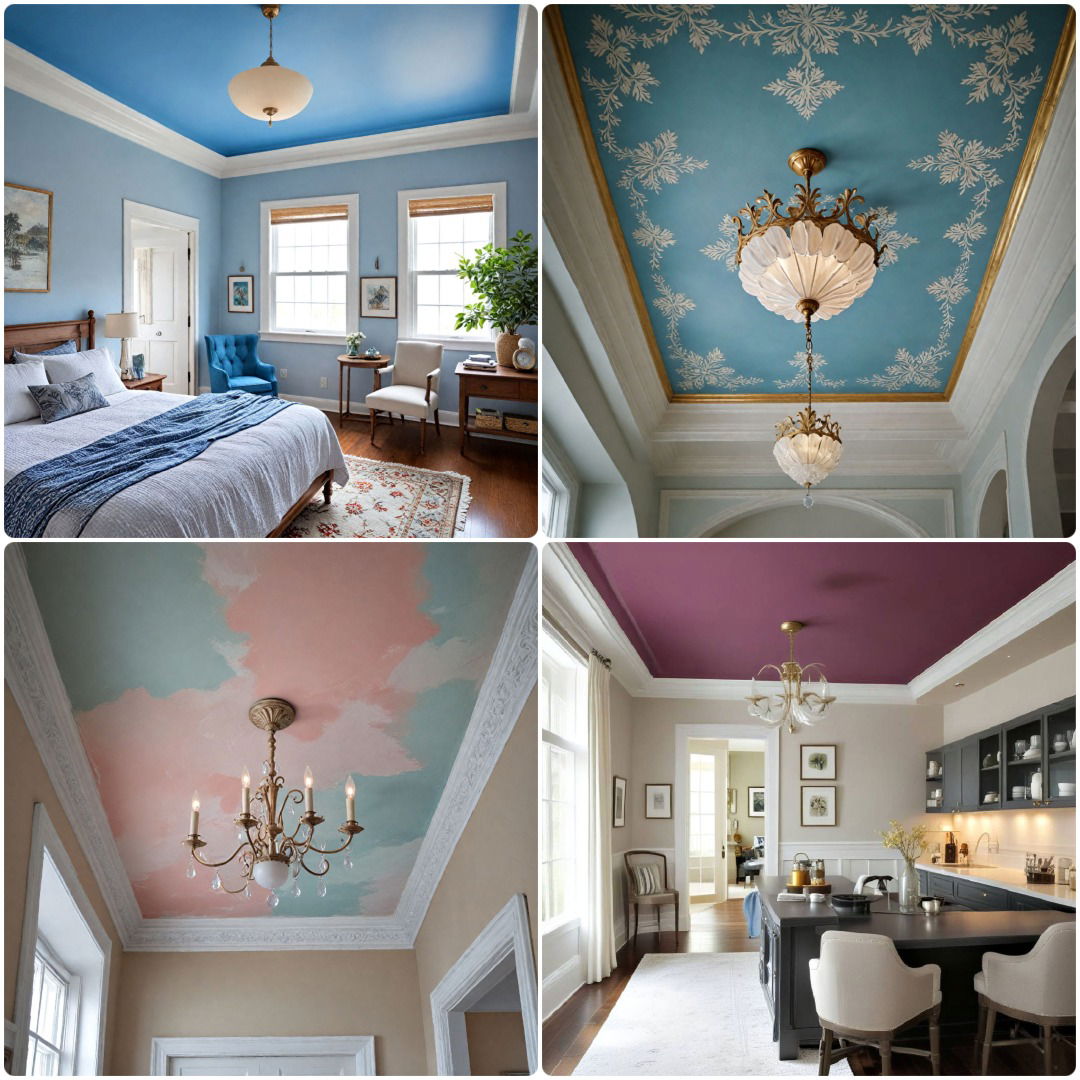
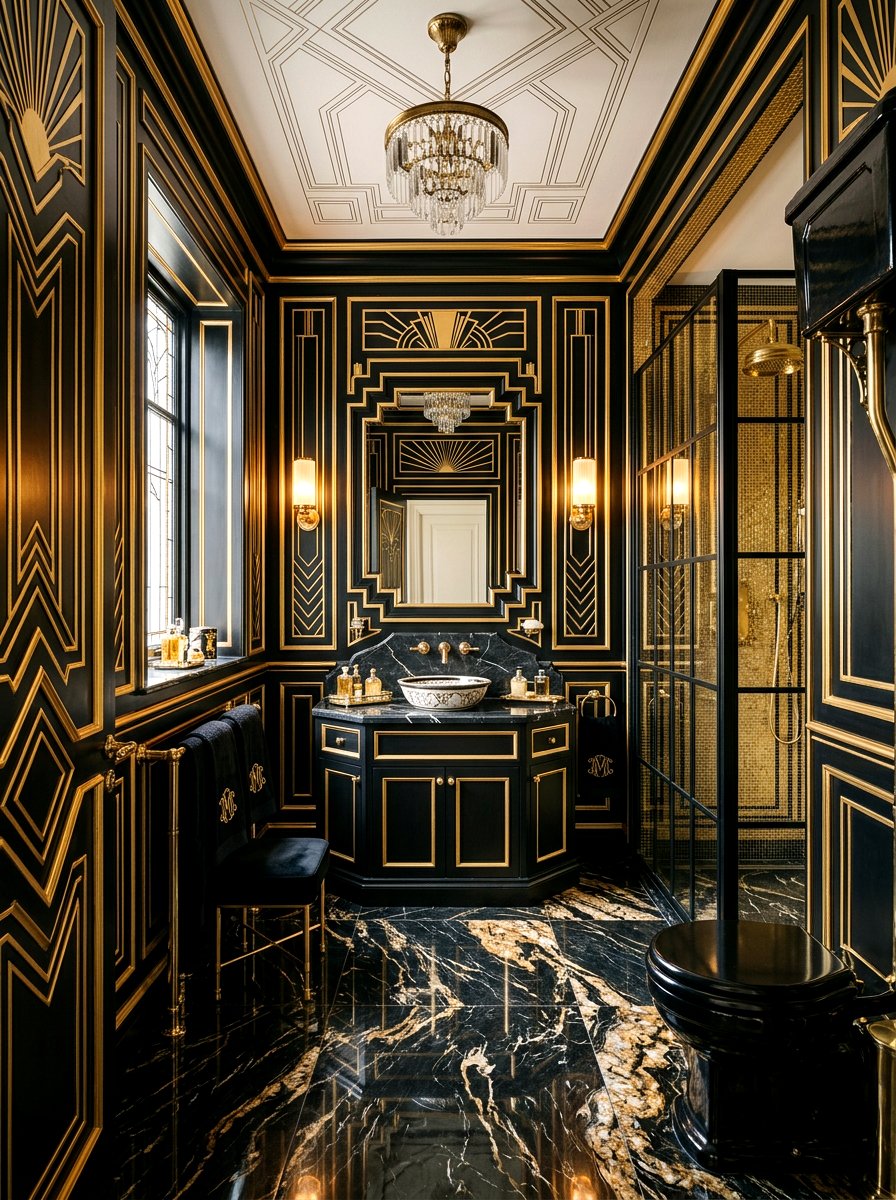
Why limit your decorative wall patterns to the vertical surfaces when the "fifth wall" offers so much potential? Applying picture frame molding to the ceiling is a daring and sophisticated design move that adds incredible texture to a room. This technique involves creating large, symmetrical boxes or geometric patterns directly on the ceiling surface using thin trim. It works exceptionally well in formal dining rooms or master bedrooms where you want to create a sense of intimacy and grandeur. When painted in a contrasting color or a metallic finish, the ceiling becomes the primary focal point of the entire room. It is a creative way to use molding to define the upper limits of your beautiful space.
30. Box Trim Office Wall
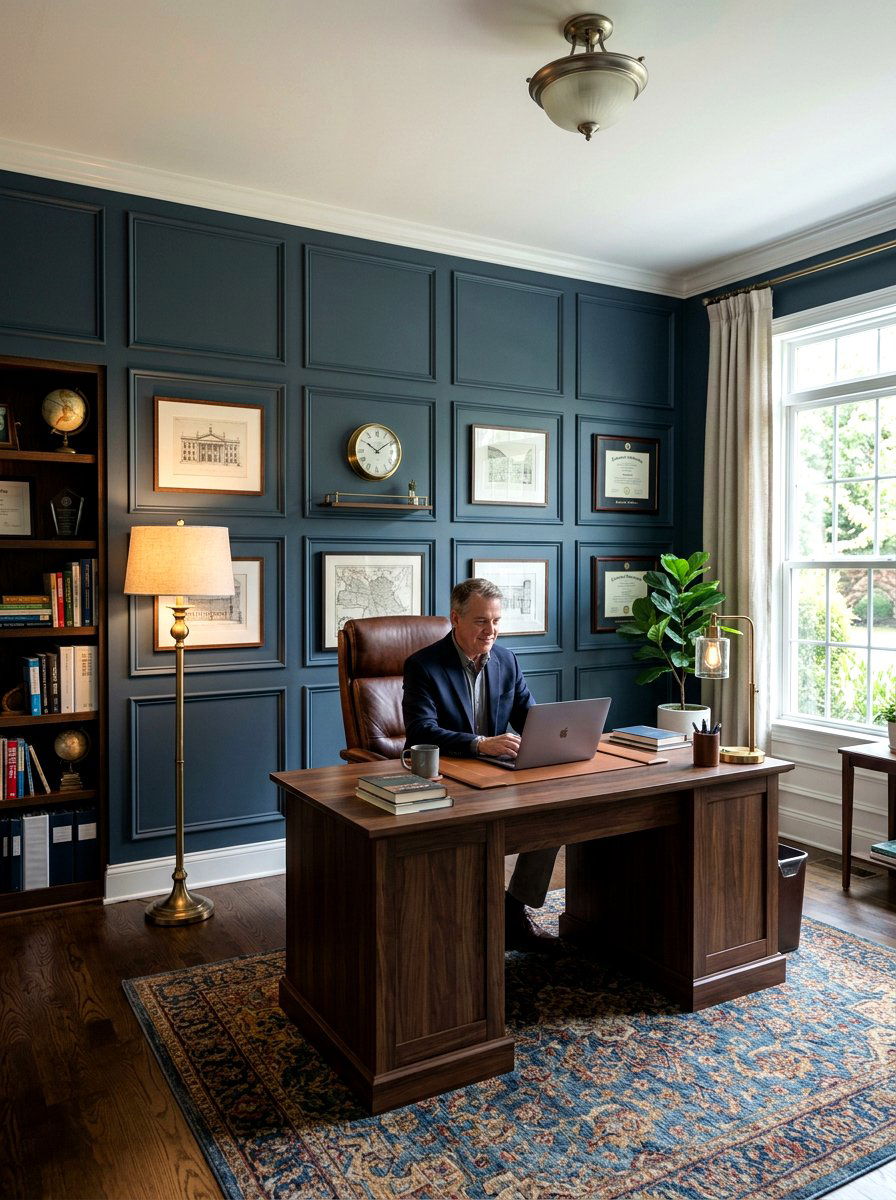
Does your home office feel more like a bland cubicle than a professional and inspiring workspace? Box trim molding is a variation of picture frame molding that uses slightly thicker boards to create a more masculine and structural feel. Installing floor-to-ceiling boxes across an entire office wall provides a professional backdrop for video calls and a sense of permanence for your workspace. You can even paint the interior of the boxes a different color or add fabric panels for a unique, upholstered look. This architectural detail makes the room feel more like a traditional library or an executive suite. It is the perfect way to elevate your productivity environment with a touch of classic design.
Conclusion:
Decorative molding is truly the most effective way to infuse your home with character, depth, and a sense of high-end craftsmanship. Throughout this exploration of thirty different ideas, we have seen how simple strips of wood or composite material can redefine a room 's proportions and mood. Whether you prefer the clean lines of modern shiplap or the ornate grandeur of a coffered ceiling, there is a molding style for every taste. These architectural details not only enhance your daily living experience but also serve as a long-term investment in your property' s value. By thoughtfully layering trim, choosing the right profiles, and experimenting with paint, you can transform any house into a uniquely beautiful home.

Related posts: