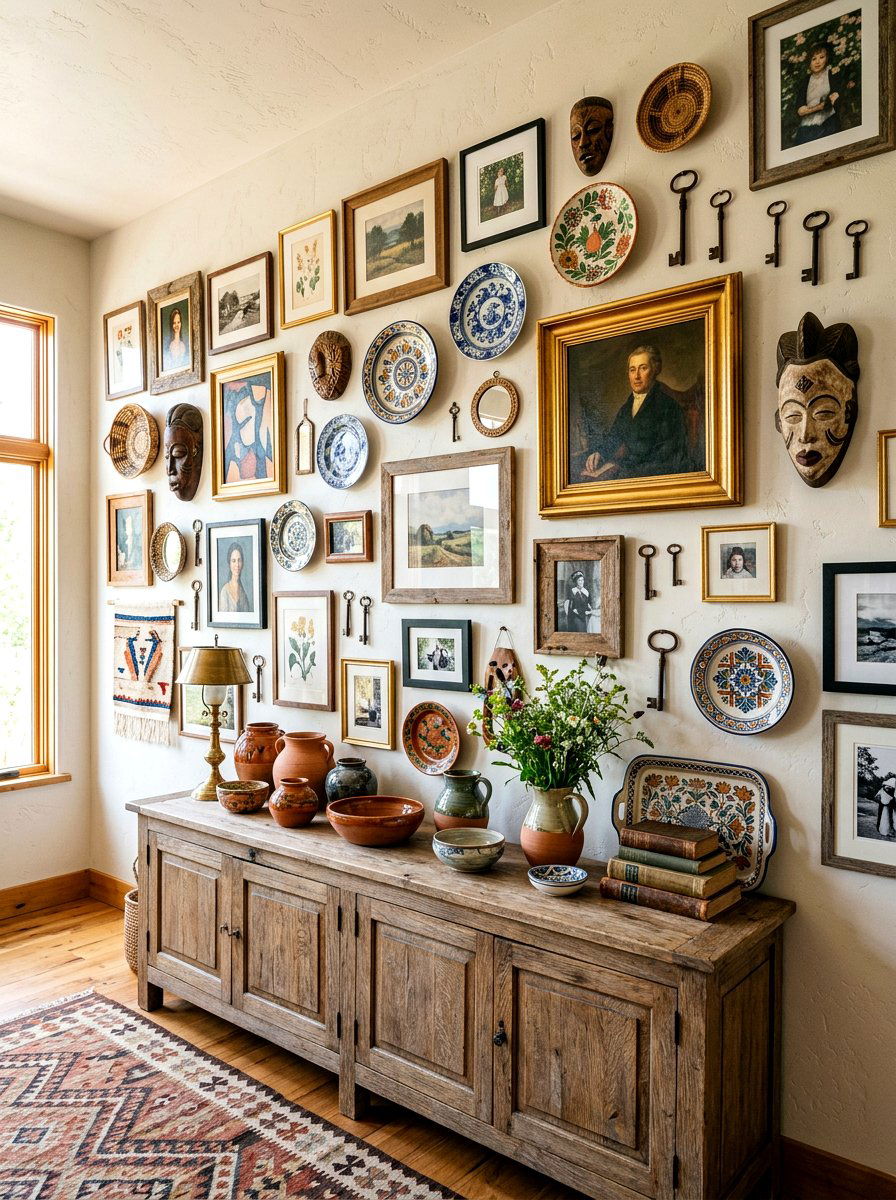
Transforming a flat, boring wall into a masterpiece of architectural detail is easier than you might think with the right inspiration. Picture frame molding is a timeless design choice that adds instant value, character, and a sense of history to any home. Whether you are aiming for a classic Parisian apartment look or a crisp modern vibe, these decorative wall treatments offer endless versatility. By using thin strips of wood or composite material to create rectangular frames, you can play with proportions to make your ceilings look higher or your rooms feel more intimate. This guide explores thirty unique ways to integrate this stunning feature into your living spaces today.
1. White living room picture frame molding
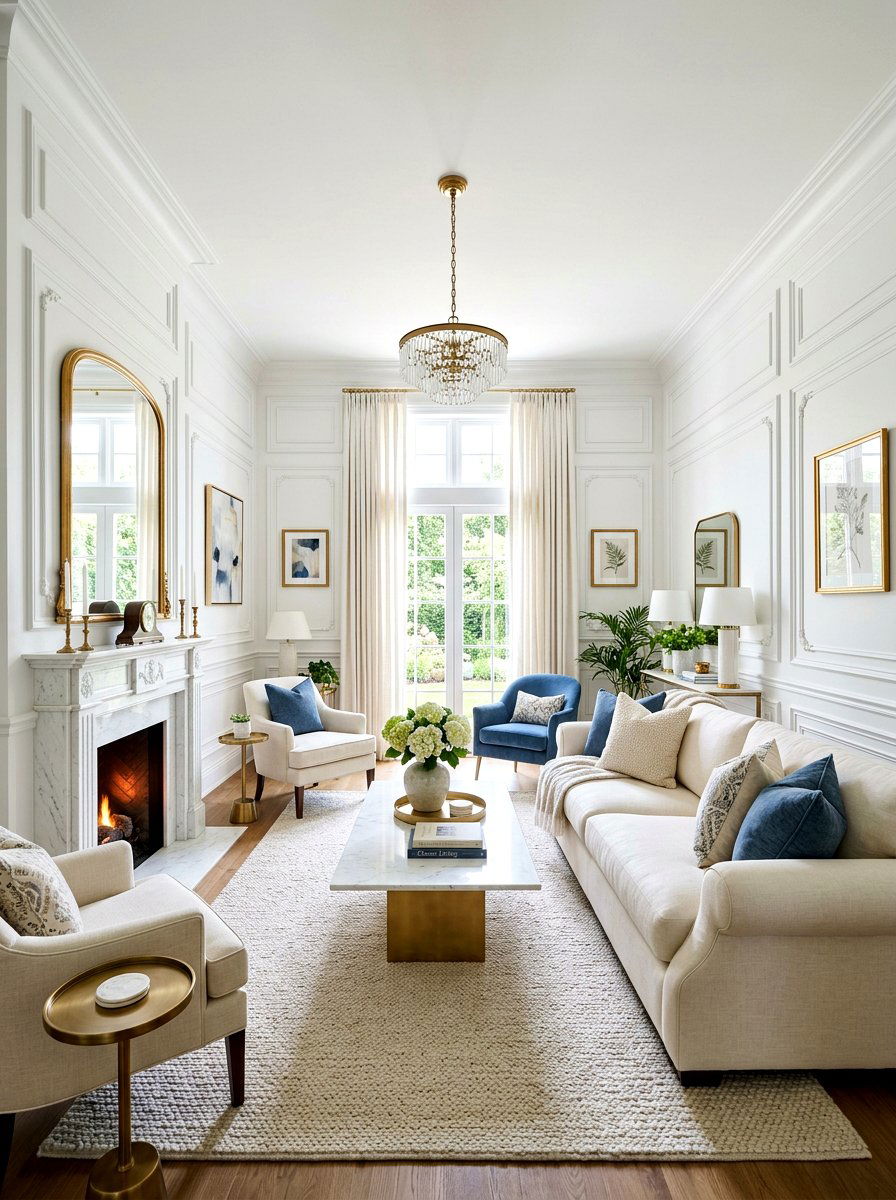
Imagine walking into a bright, airy space where the walls speak of timeless elegance without saying a word. A white living room featuring picture frame molding offers a clean, architectural backdrop that instantly elevates the entire home. This specific style uses thin strips of wood to create rectangular shapes, mimicking the look of classic European manors. When paired with neutral furniture and soft textures, the molding provides a subtle depth that prevents a monochromatic room from feeling flat or boring. You can choose a large, single-box layout for a modern feel or layered boxes for a traditional touch. The result is a cohesive, sophisticated environment that looks incredibly expensive and polished.
2. Navy blue dining room wall molding
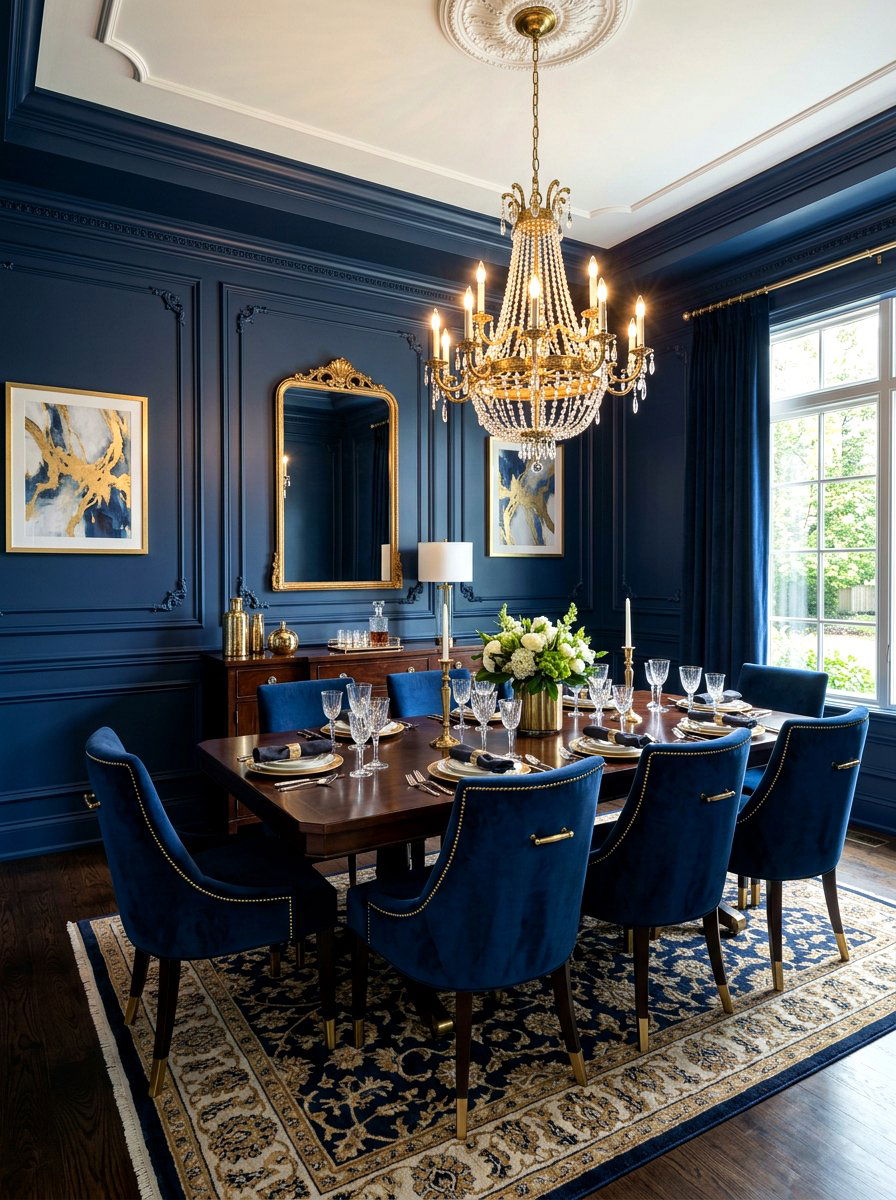
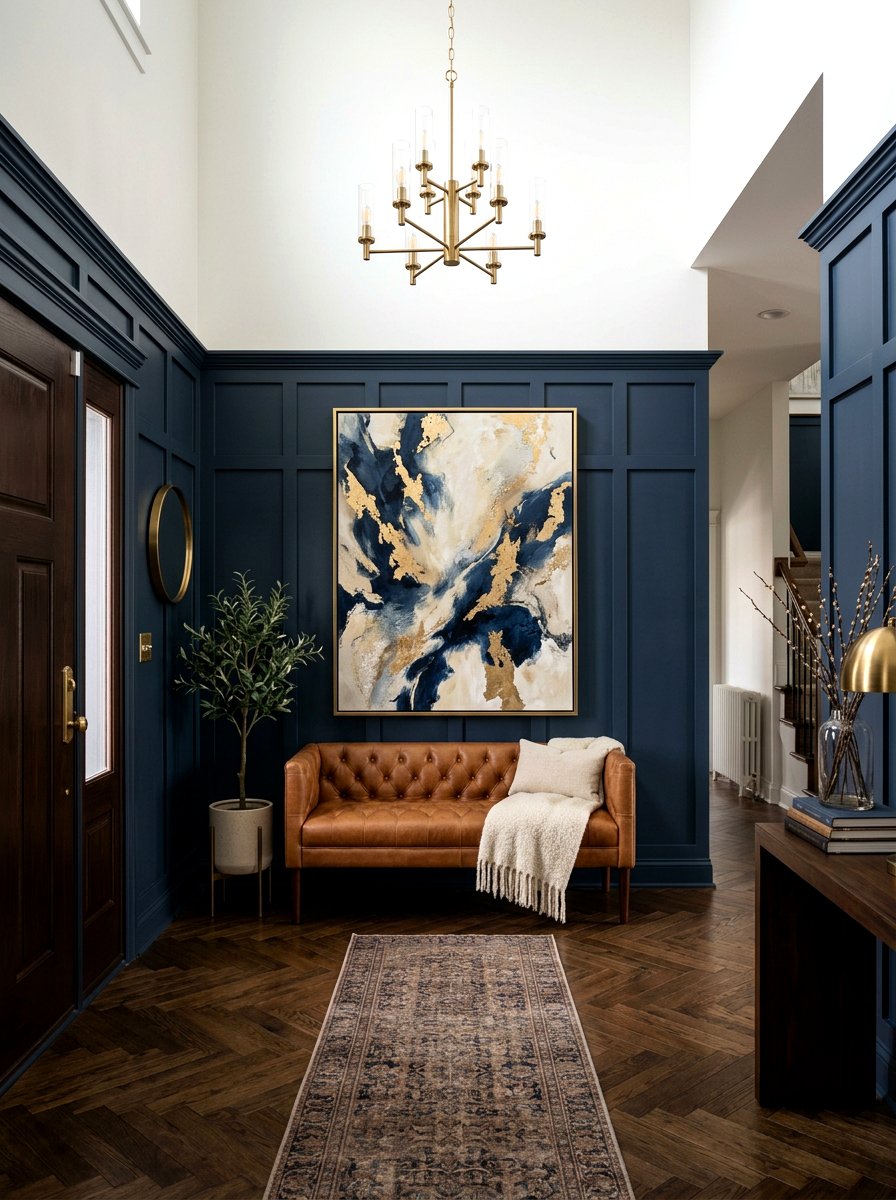
Have you ever wondered how to make a formal dining space feel both moody and sophisticated? Navy blue walls combined with deep picture frame molding create a high-contrast look that is perfect for evening dinner parties. By painting the molding the exact same shade as the wall, you create a seamless, textured effect that plays with shadows and light. This design works beautifully with brass chandeliers and rich wood dining tables, grounding the room in luxury. The molding breaks up the dark color, ensuring the space feels cozy rather than cave-like. It is a bold choice that adds a sense of heritage and architectural permanence to a modern home layout.
3. Master bedroom headboard wall molding
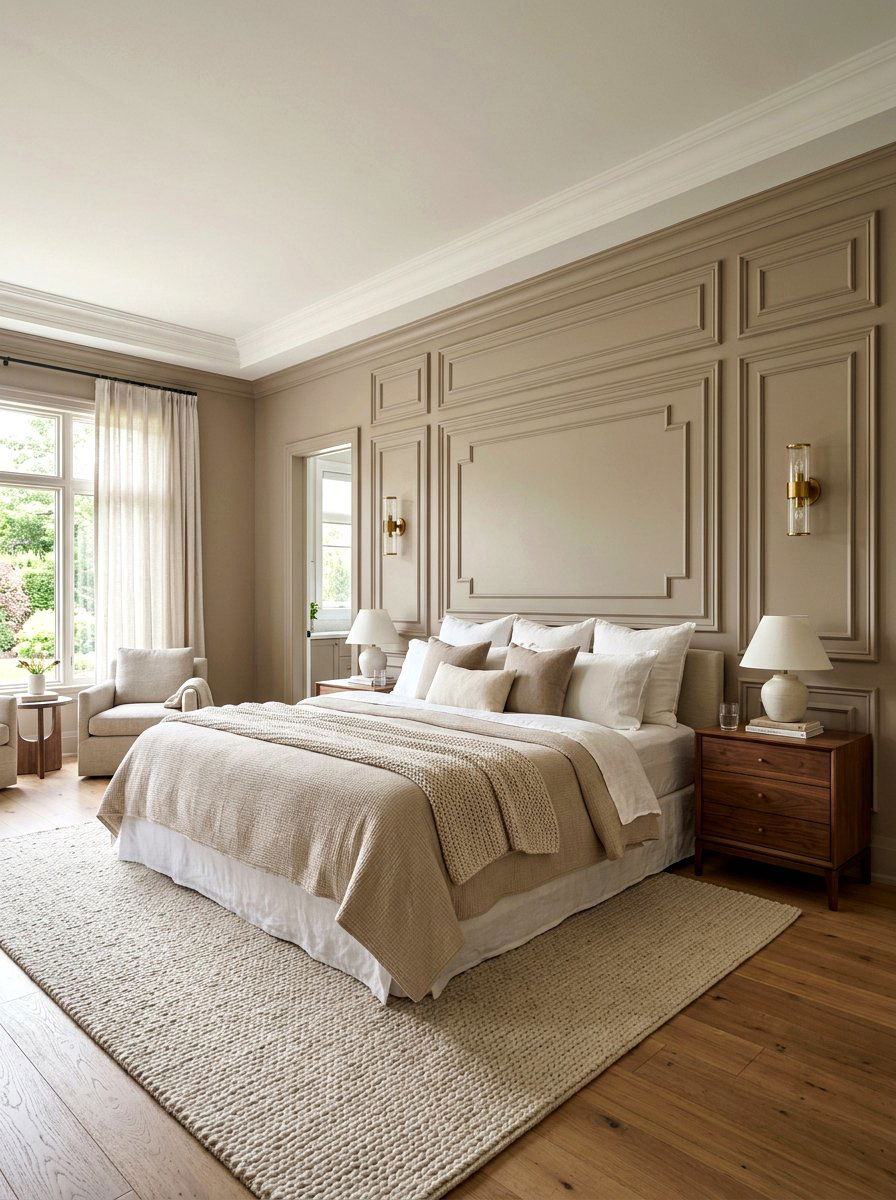
Your bedroom should be a sanctuary, and nothing adds a hotel-like luxury faster than a custom molding accent wall behind the bed. Instead of a standard headboard, use oversized picture frame molding to create a focal point that spans the entire wall. You can design a large central box to frame the bed perfectly, with smaller flanking boxes for nightstands and sconces. This arrangement creates a balanced, symmetrical look that promotes relaxation and order. Soft, muted tones like sage green or warm taupe enhance the tactile nature of the wood strips. It transforms a simple sleeping area into a designer suite with minimal effort and high visual impact.
4. Hallway picture frame wainscoting
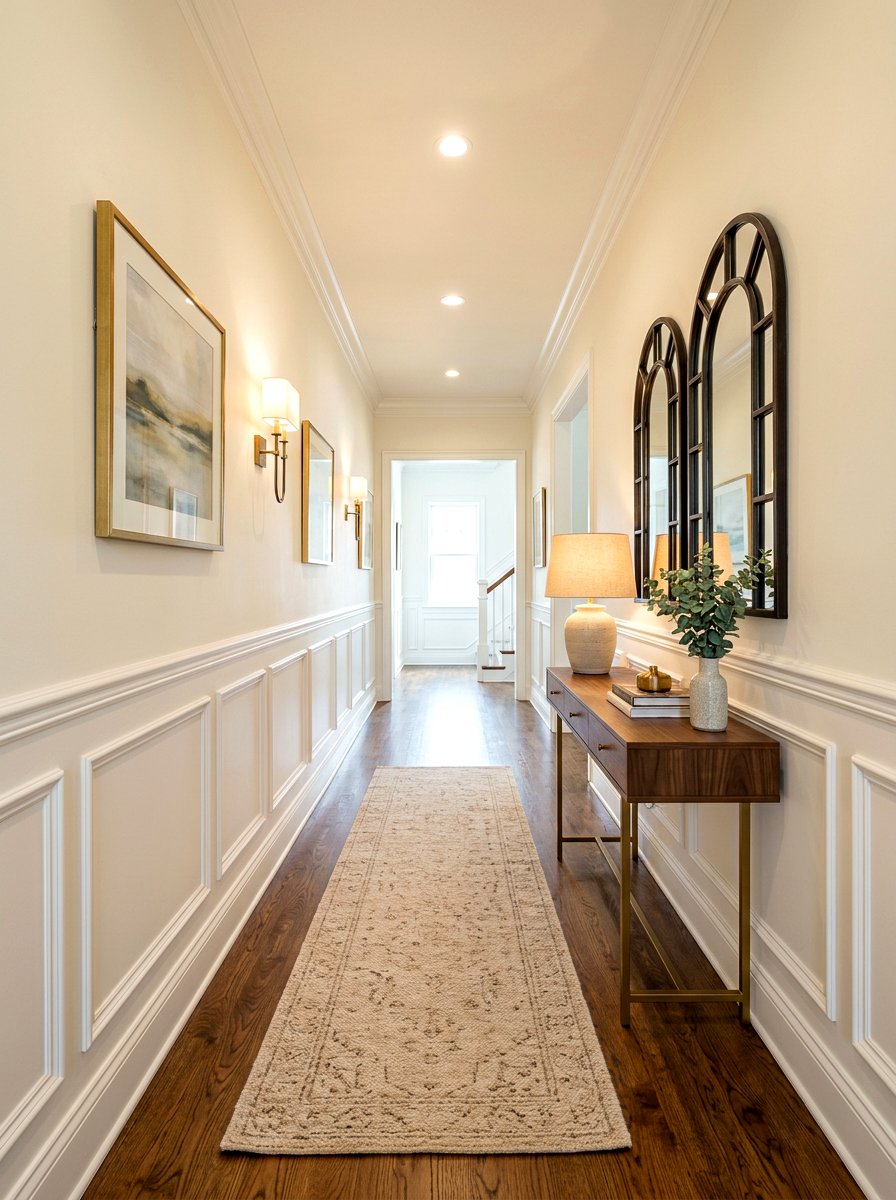
Hallways are often overlooked, yet they are the perfect transition spaces for adding detailed wall molding. Installing picture frame wainscoting on the lower half of the wall protects your paint from scuffs while adding a decorative layer of interest. Typically, this look involves a chair rail with perfectly spaced rectangular boxes below it, finished in a durable semi-gloss paint. This treatment makes a narrow corridor feel wider and more intentional rather than just a path between rooms. It also provides a beautiful opportunity to hang art within the frames or keep the walls bare to let the craftsmanship shine. It is a practical yet beautiful solution for high-traffic areas.
5. Modern nursery wall molding
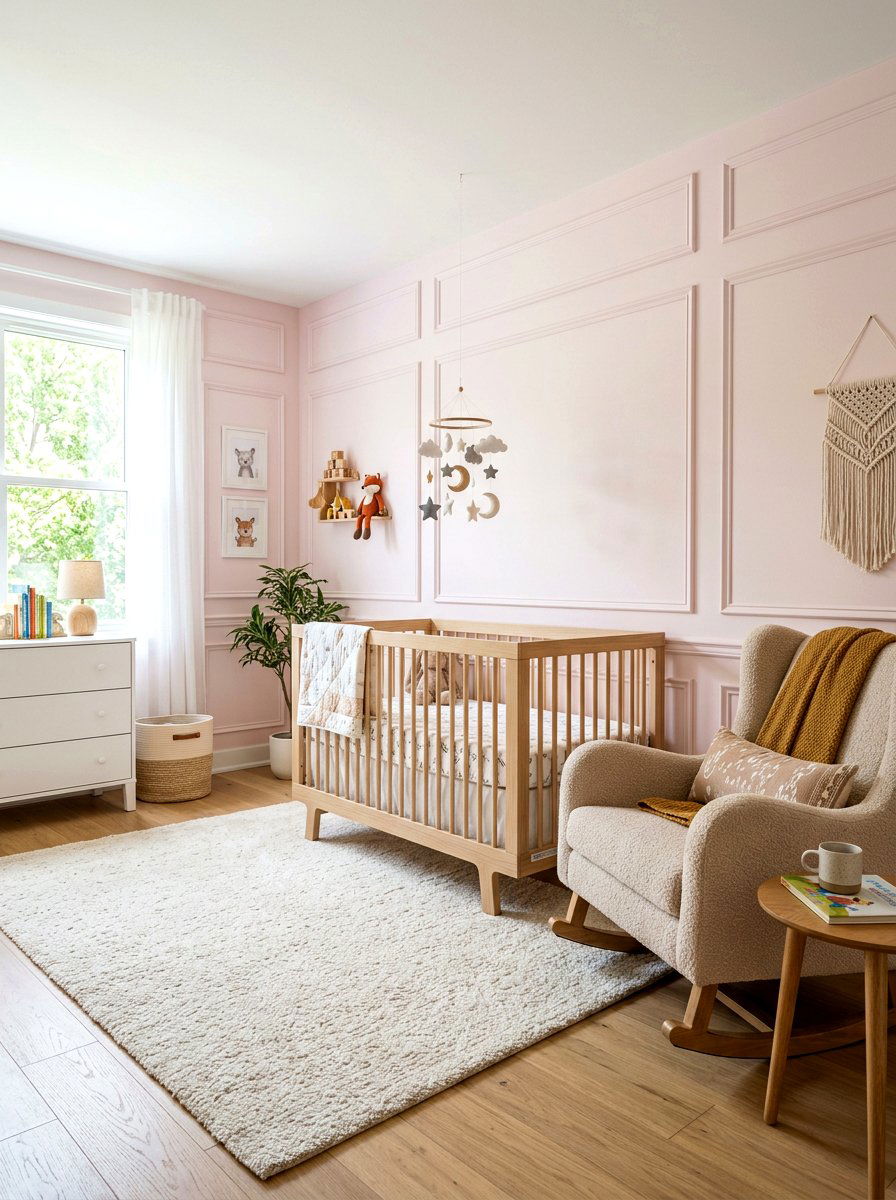
Creating a nursery that grows with your child often starts with sophisticated architectural details like modern wall molding. By using thin, delicate trim to create large boxes, you add a layer of charm that works for a baby and remains stylish through the teenage years. Soft pastel colors or warm whites allow the shadows of the molding to provide the primary visual interest. This design is perfect for framing a crib or a cozy reading nook with a rocking chair. Unlike temporary decals, molding adds permanent value and a sense of craftsmanship to the room. It creates a serene, high-end environment that feels both playful and incredibly well-designed for a growing family.
6. Gray office picture frame paneling
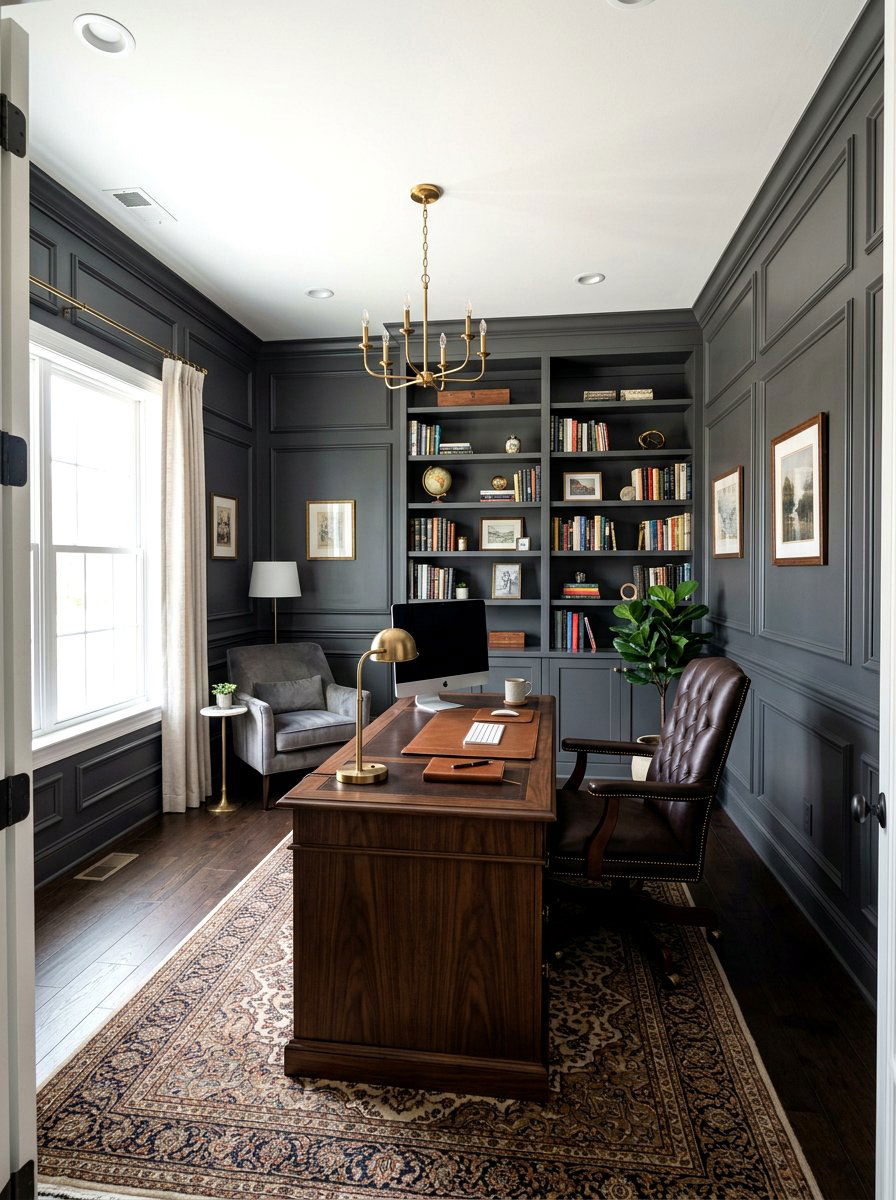
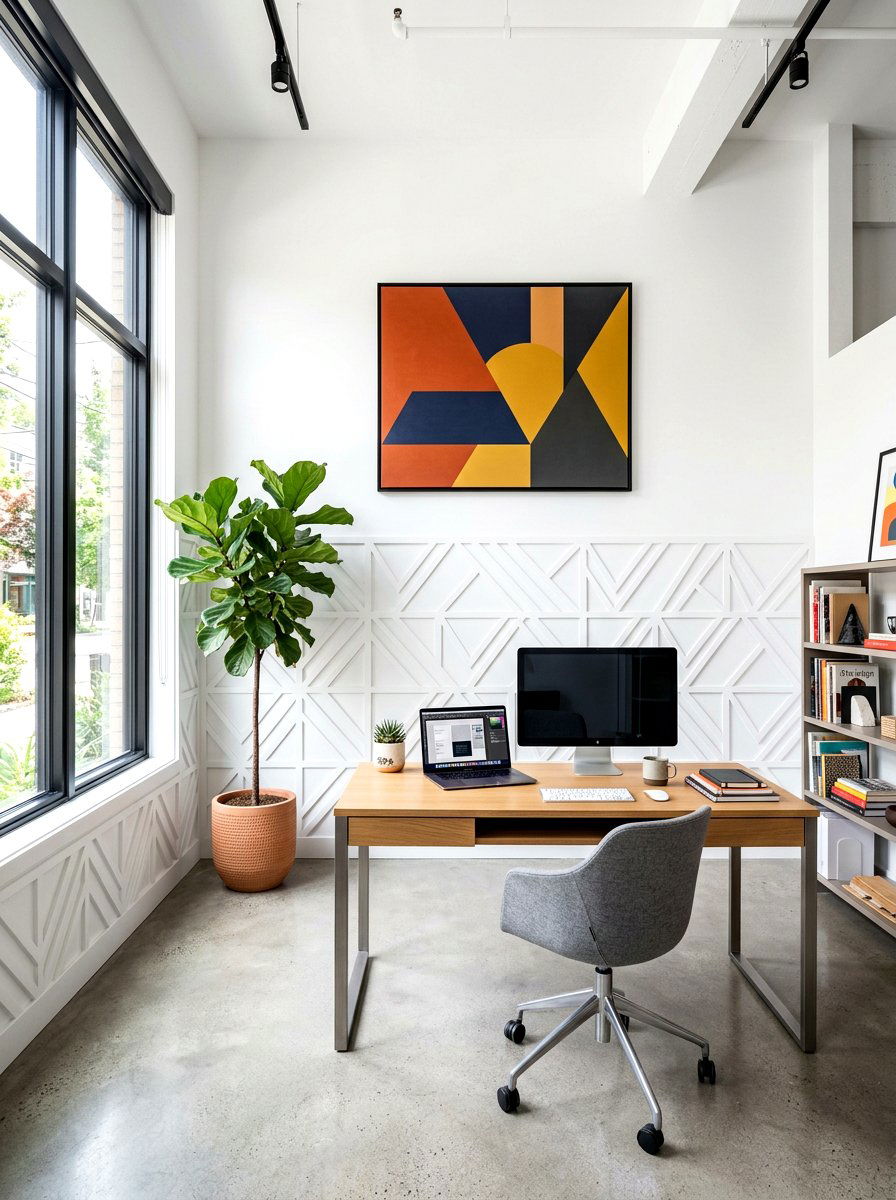
An office should inspire productivity, and a gray workspace with picture frame molding offers a professional yet creative atmosphere. Using a mid-tone charcoal or a soft dove gray on the molding helps define the space and adds a layer of executive polish. The rectangular patterns create a rhythmic, orderly feel that is perfect for a room focused on deep work. You can integrate built-in bookshelves within the molding design to make the entire room feel custom-made. This approach turns a spare bedroom into a dedicated library or study that feels significant. It is a timeless aesthetic that bridges the gap between old-world traditional and sleek, modern professional design.
7. Double box wall molding
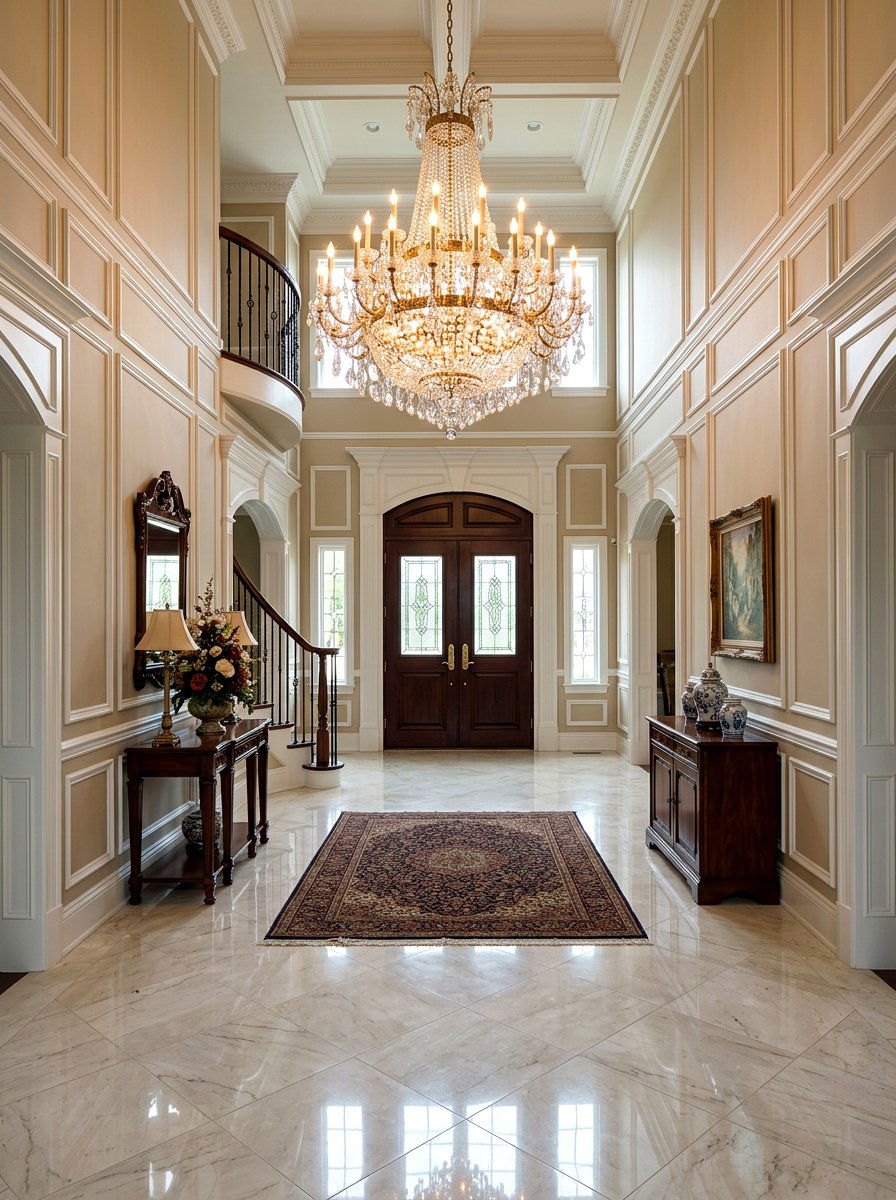
For those who love intricate details, the double box wall molding technique offers an extra layer of luxury. This involves placing a smaller rectangular frame inside a larger one, creating a "frame within a frame" effect that is deeply traditional. This style adds significant architectural weight and works best in rooms with higher ceilings, such as grand entryways or formal parlors. The layered lines catch the light from different angles, creating a rich tapestry of shadows. While it requires more precision during installation, the visual payoff is immense, making the walls themselves the primary art piece. It is a classic technique often seen in historic renovations and luxury estate homes.
8. Floor to ceiling wall molding
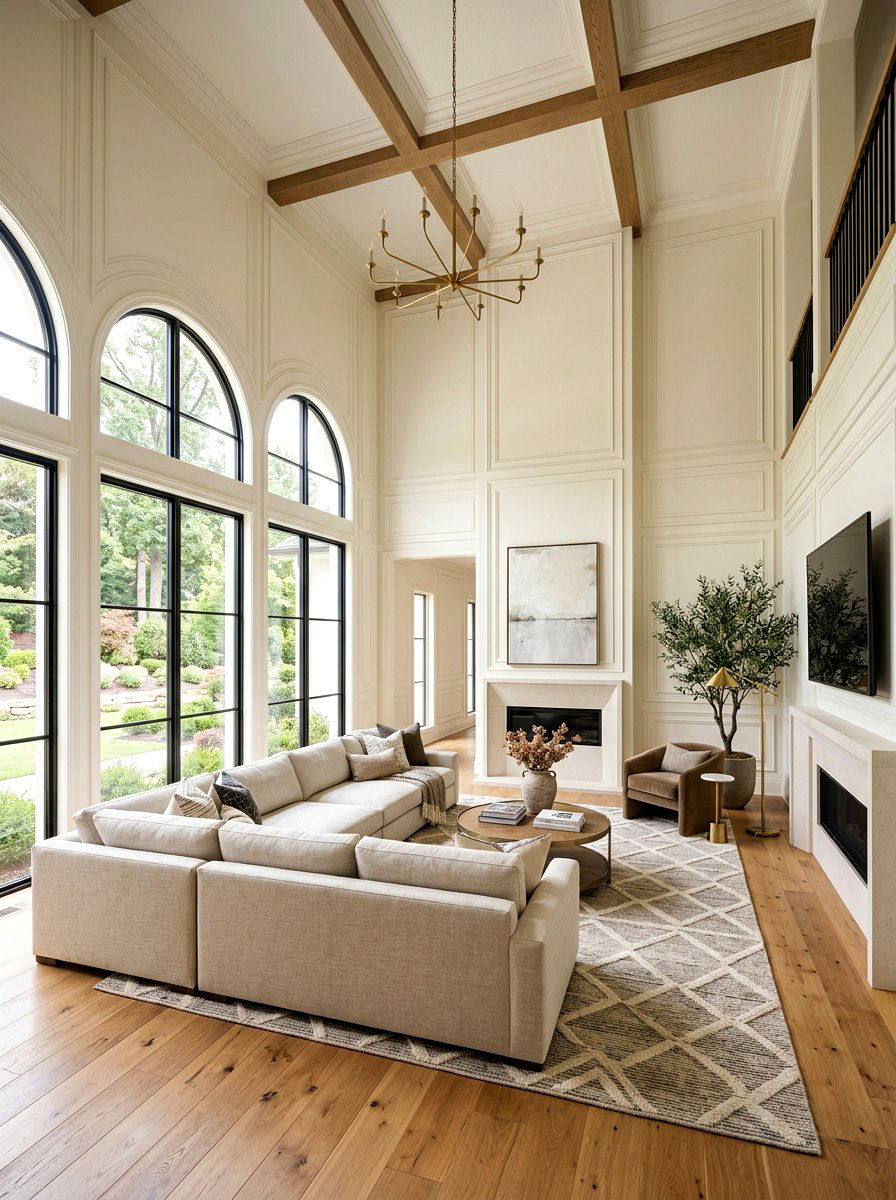
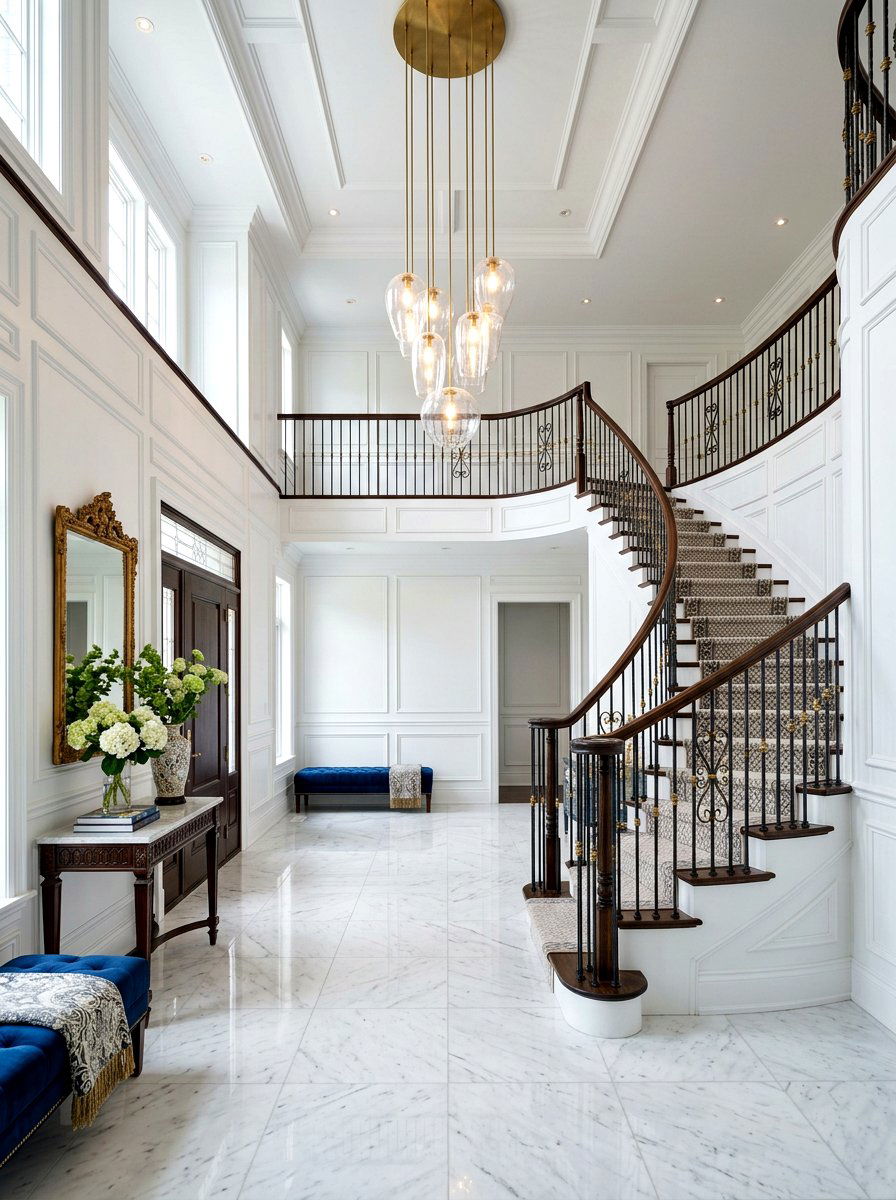
If you want to maximize the height of your room, floor-to-ceiling picture frame molding is the ultimate design trick. By extending the rectangular boxes from the baseboard all the way to the crown molding, you draw the eye upward, making the space feel grand and majestic. This layout often features two or three vertical boxes stacked on top of each other for a balanced look. It works exceptionally well in living rooms with vaulted ceilings or grand staircases. By keeping the molding the same color as the wall, the look remains sophisticated and cohesive rather than overwhelming. It is a powerful way to add structural interest to a standard builder-grade room.
9. Staircase wall picture frame molding
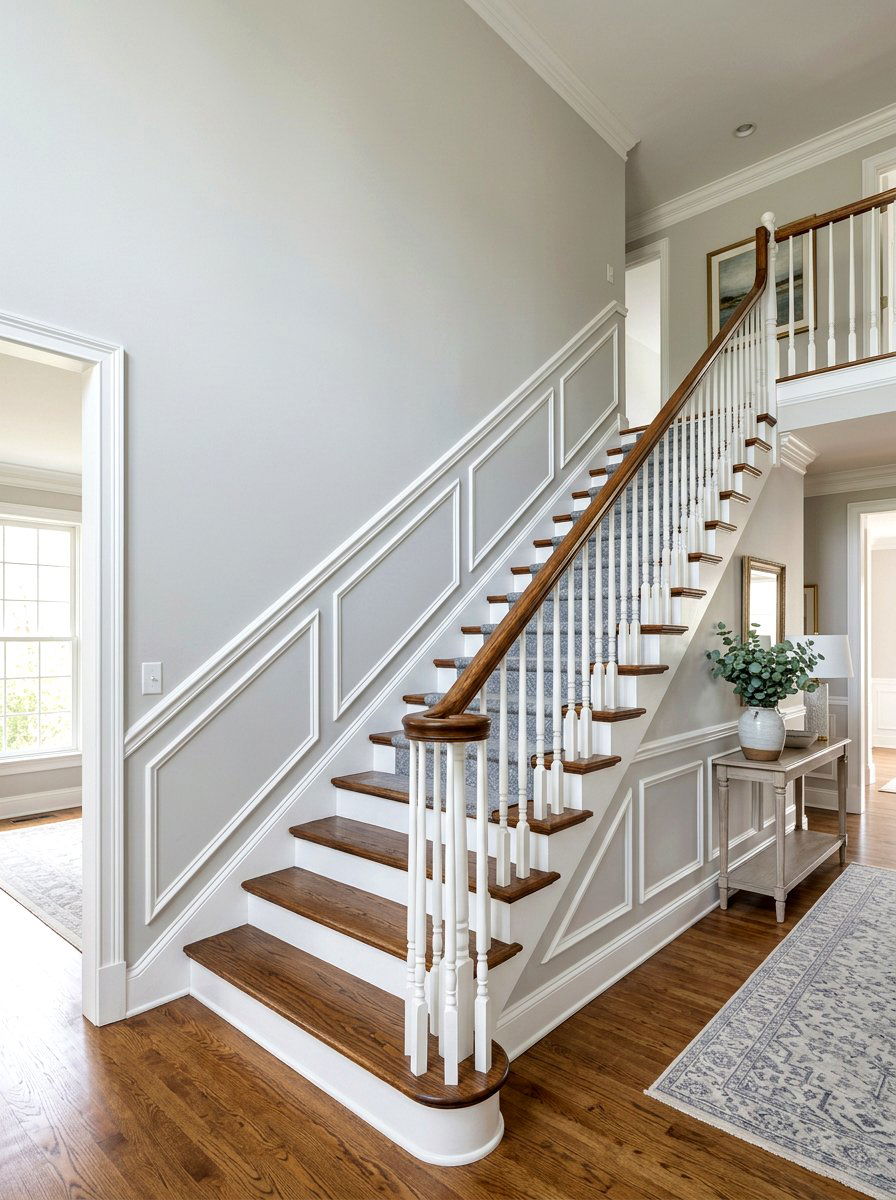
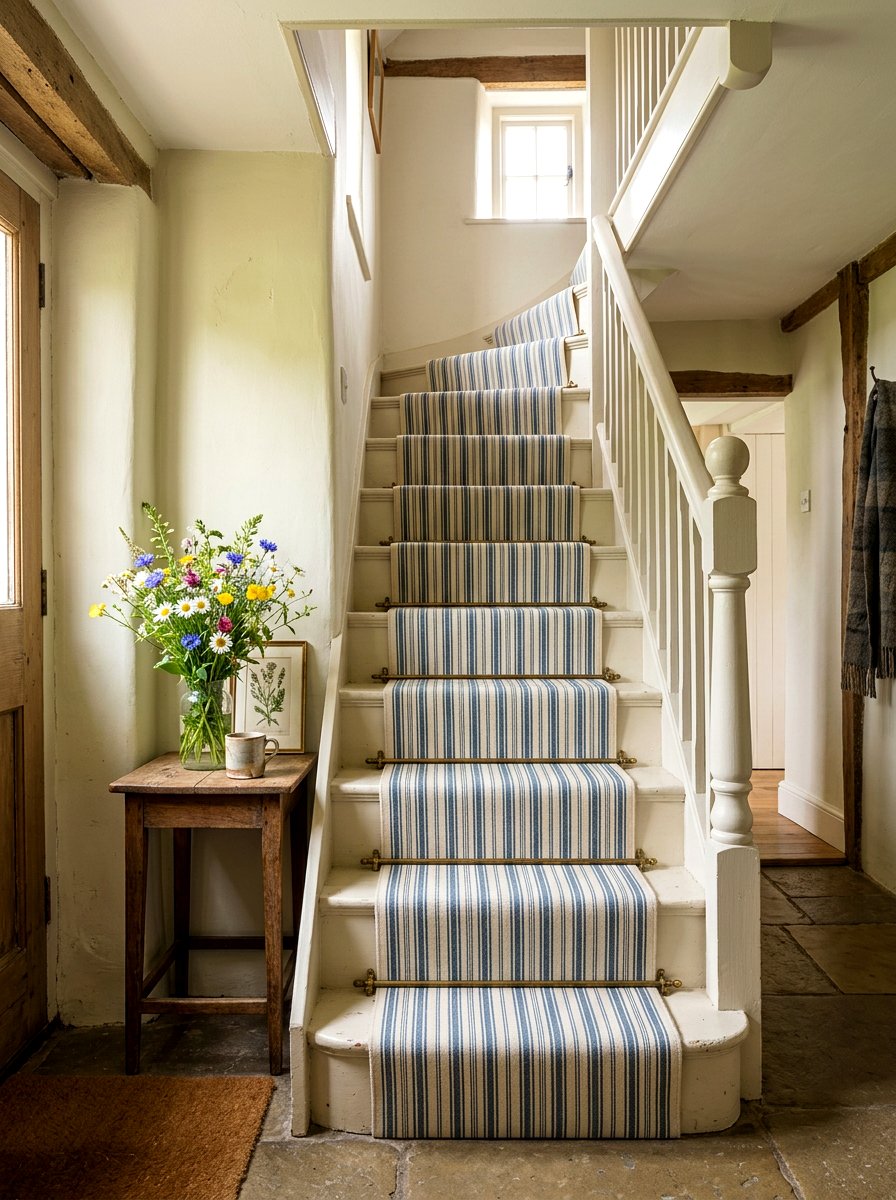
Staircases are the architectural spine of a home, and adding picture frame molding to the angled walls creates a stunning visual journey. The challenge of following the incline of the stairs results in a dynamic series of boxes that add movement and grace to the transition between floors. This treatment instantly makes a home feel more established and custom-built. You can paint the molding a contrasting white against a colored wall to highlight the geometry, or keep it tonal for a subtle, textured look. It is an excellent way to dress up a large, empty wall space that is otherwise difficult to decorate with traditional furniture or large-scale artwork.
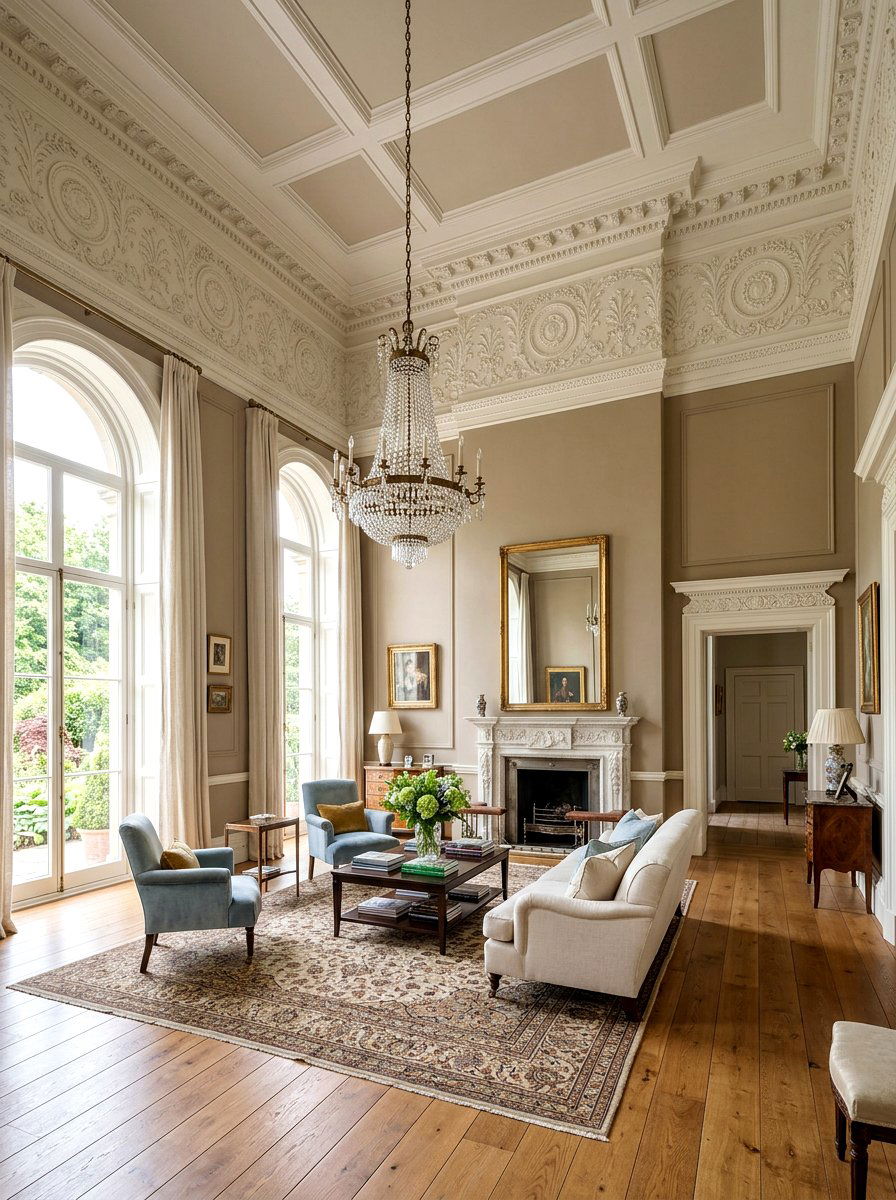
10. Entryway wall paneling
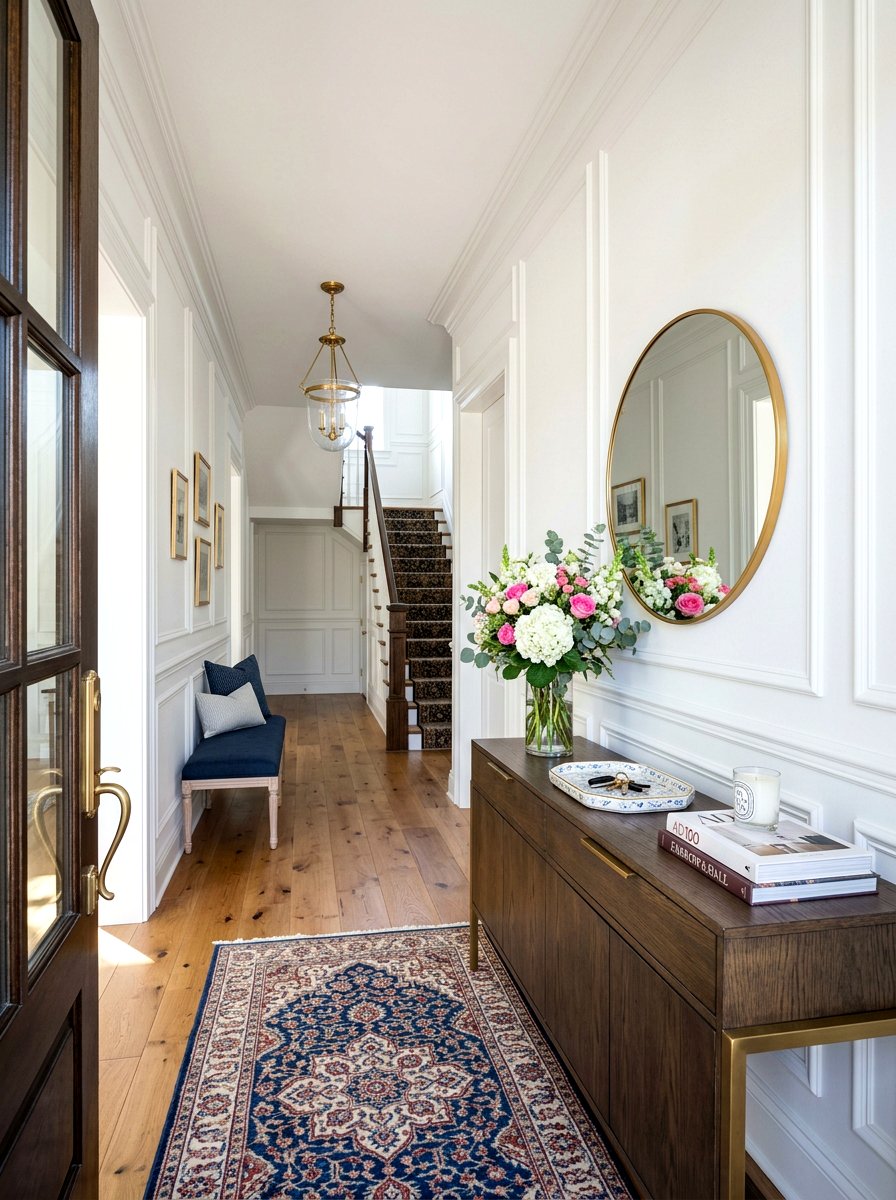
First impressions matter, and a well-designed entryway with wall paneling sets the tone for the rest of your home. Picture frame molding in a foyer provides a sense of arrival and luxury the moment guests step through the door. It defines the space, especially in open-concept homes where the entry might otherwise feel lost. You can pair the molding with a console table and a large mirror to create a classic, symmetrical vignette. The trim adds a layer of durability to the walls where people often lean or drop bags. It is a small investment that makes your entire home feel more organized, expensive, and thoughtfully designed from the start.
11. Powder room wall molding
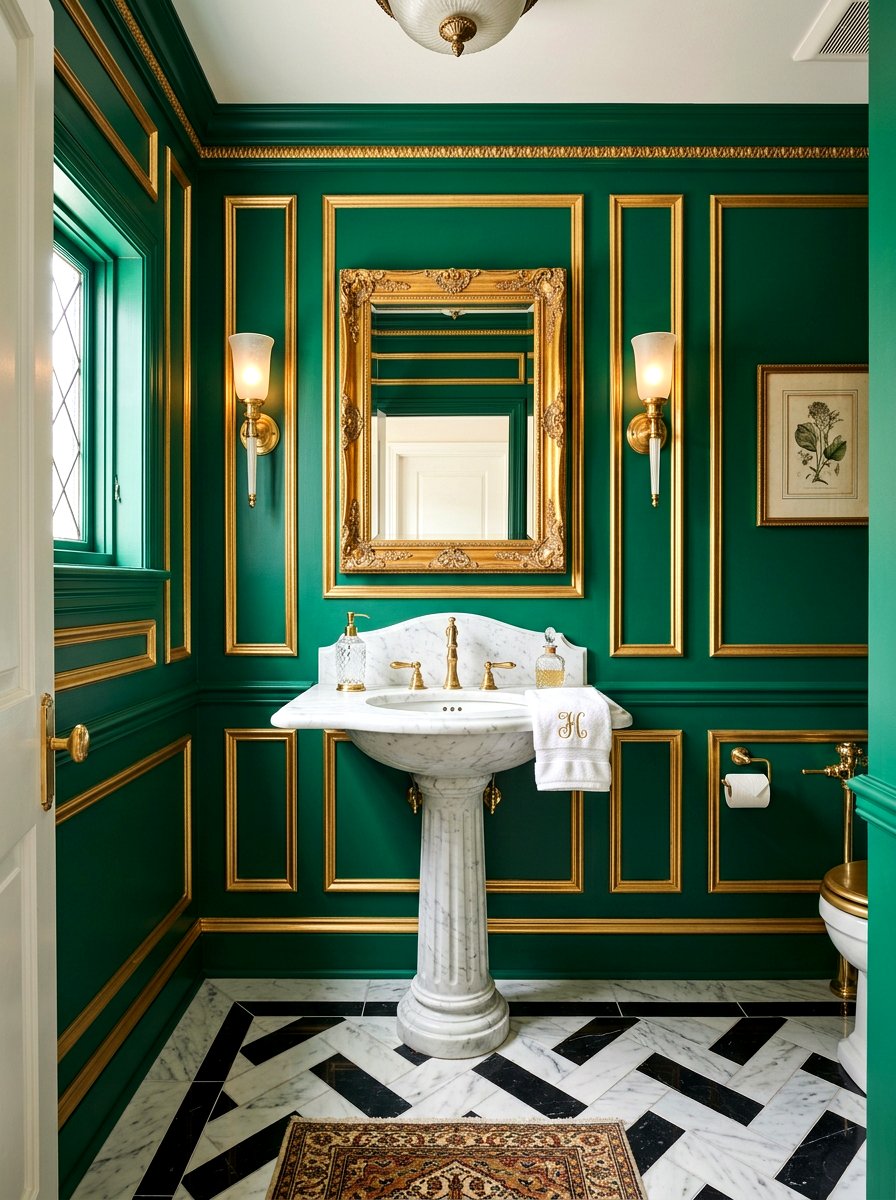
Powder rooms are the perfect place to experiment with bold designs, and adding picture frame molding provides a high-end foundation. Even in a small space, these rectangular frames add a sense of intentionality and "jewelry" to the walls. You can paint the entire room a dark, dramatic color like emerald green or navy to make the molding pop in the light. Alternatively, installing molding on the bottom half and wallpaper on the top creates a classic, layered look. Because the square footage is small, this is a budget-friendly project that yields massive results. It transforms a functional half-bath into a jewel-box space that will surely impress every guest who visits.
12. Transitional living room molding
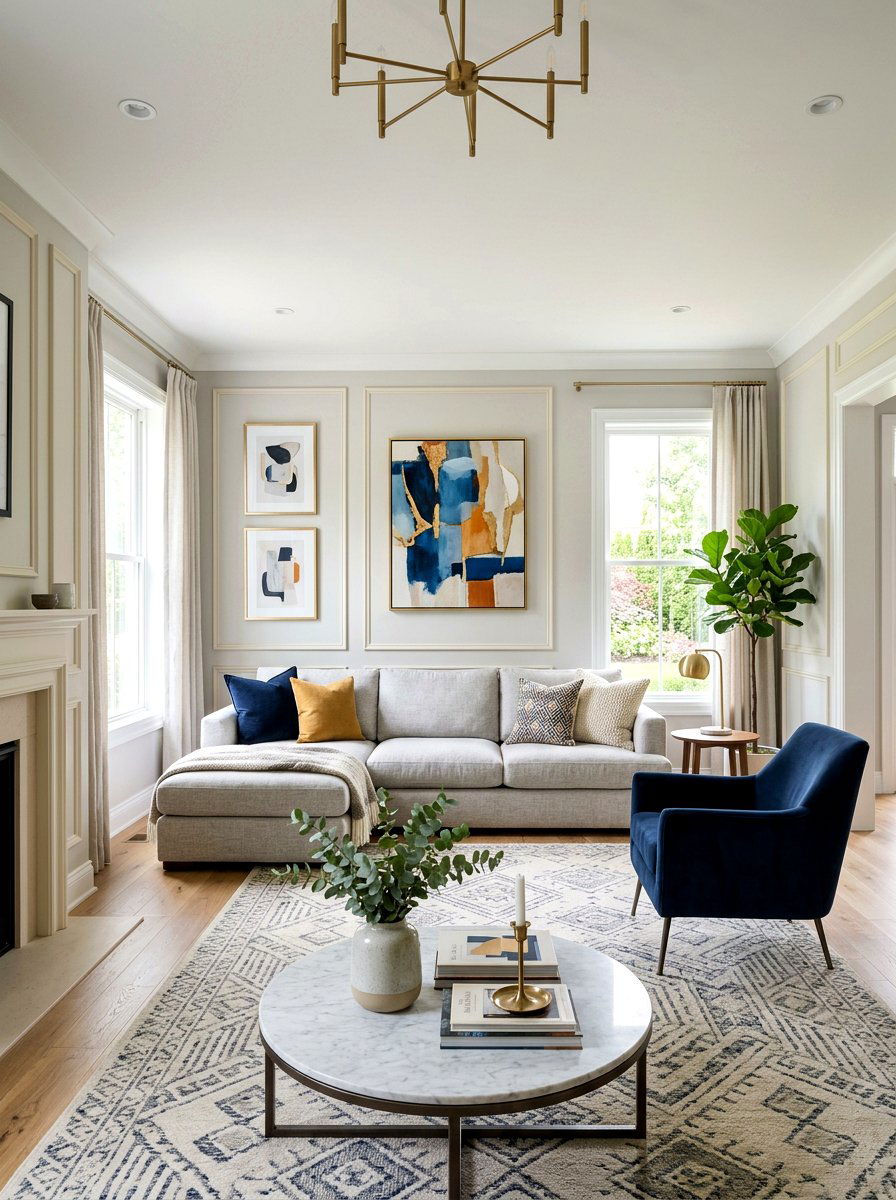
A transitional living room blends modern comfort with traditional details, making picture frame molding the perfect bridge between styles. By using simpler, flatter trim profiles instead of ornate Victorian styles, you achieve a look that feels fresh yet grounded. This design works beautifully with clean-lined sectional sofas and contemporary light fixtures. The molding provides just enough detail to make the room feel "finished" without feeling stuffy or overly formal. It acts as a subtle frame for large-scale modern art or a wall-mounted television. This balance makes it one of the most popular choices for homeowners who want a classic aesthetic that still feels very much like a 21st-century home.
13. Minimalist bedroom wall molding
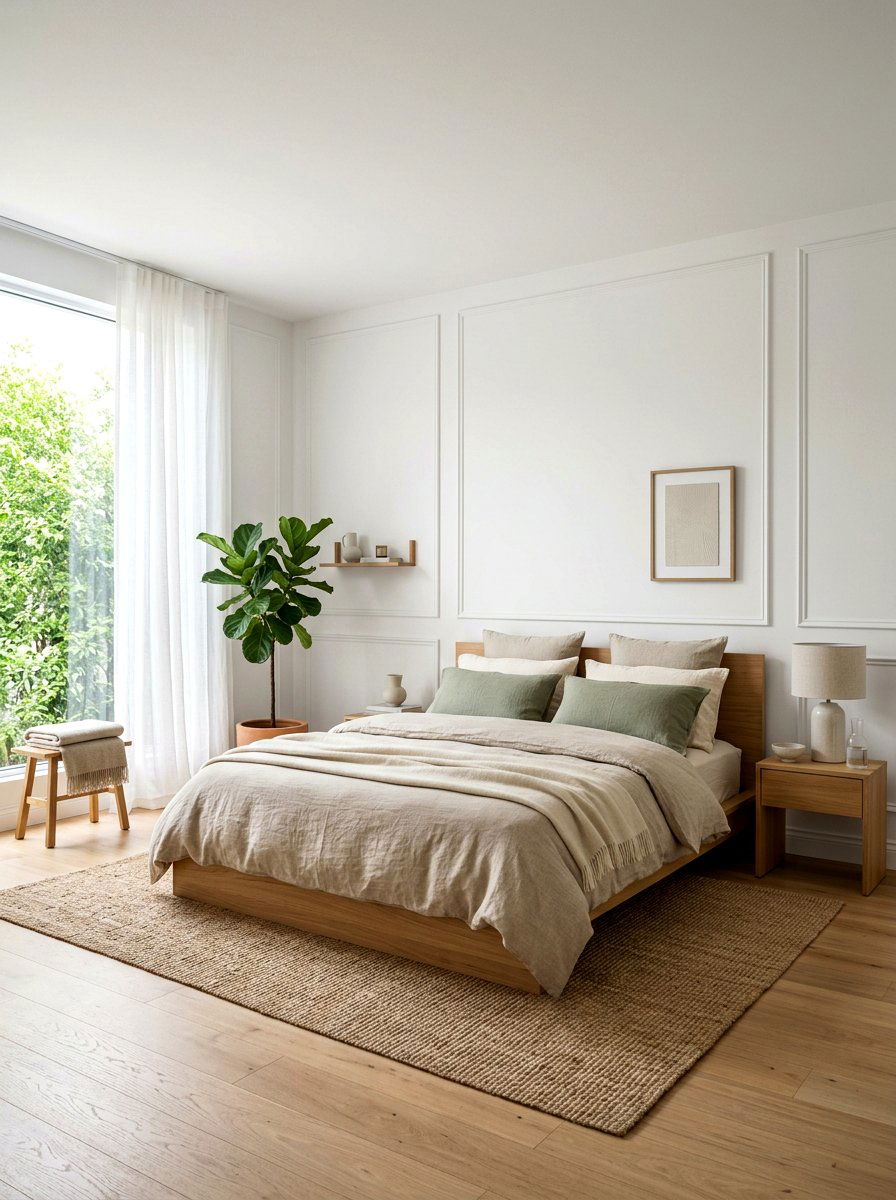
Minimalism doesn't have to mean boring, and a minimalist bedroom with thin wall molding proves that texture is key. By using very slender trim and painting it the same matte white as the walls, you create a "ghost" effect where the patterns only appear when the light hits them. This adds a layer of architectural interest that supports a serene, clutter-free environment. It is the perfect backdrop for a simple platform bed and organic linen bedding. The geometric lines provide a sense of structure and calm, which is essential for a space dedicated to rest. This approach shows how molding can be adapted for modern, quiet luxury and stripped-back design.
14. Dark green accent wall molding
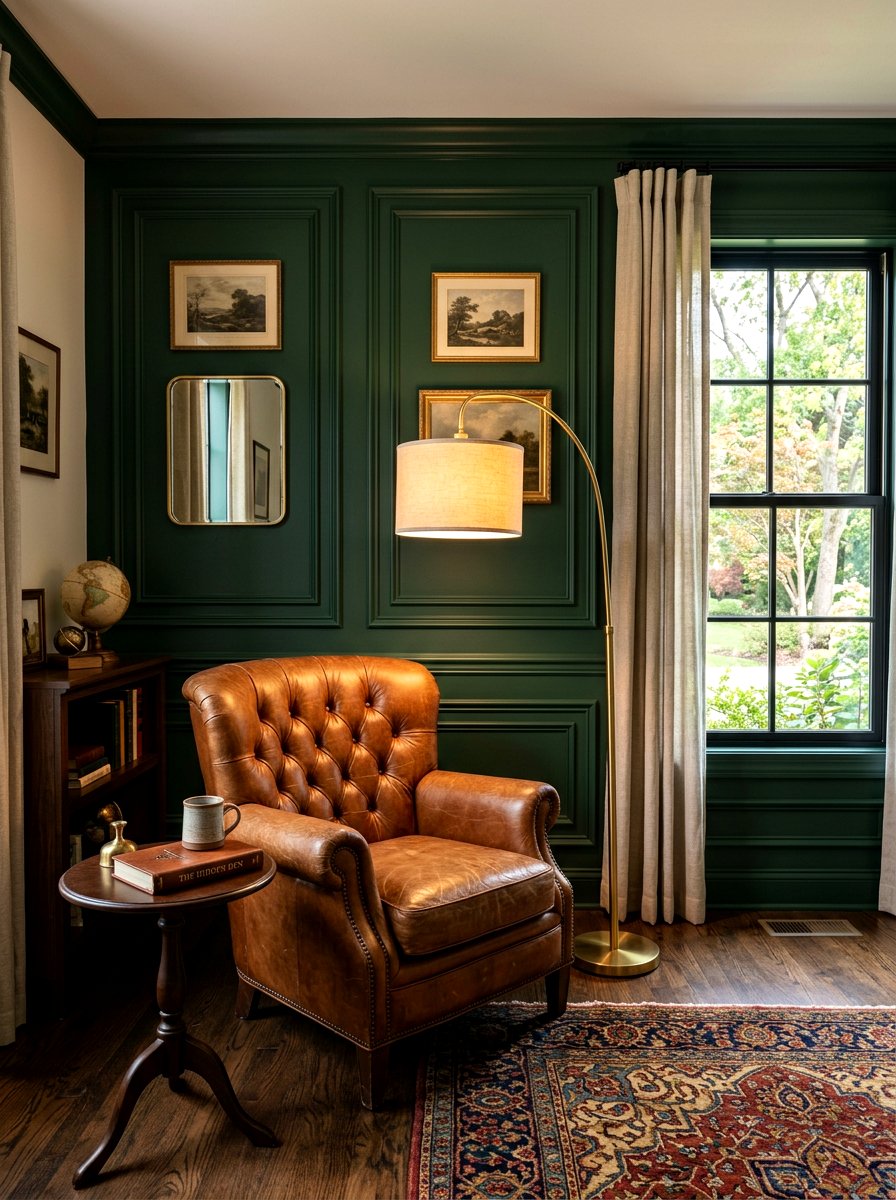
Deep forest or hunter green is a major trend, and adding picture frame molding to an accent wall in this shade creates incredible depth. The molding prevents a dark wall from looking like a flat, heavy block of color by introducing light-catching edges. This setup looks particularly striking in a cozy den or a moody bedroom. Pair the dark green walls with cognac leather furniture and gold accents for a library-inspired vibe that feels warm and inviting. The boxes can be used to frame sconces or a gallery of botanical prints, creating a curated, high-end look. It is a bold way to embrace color while maintaining a sophisticated, structured architectural feel.
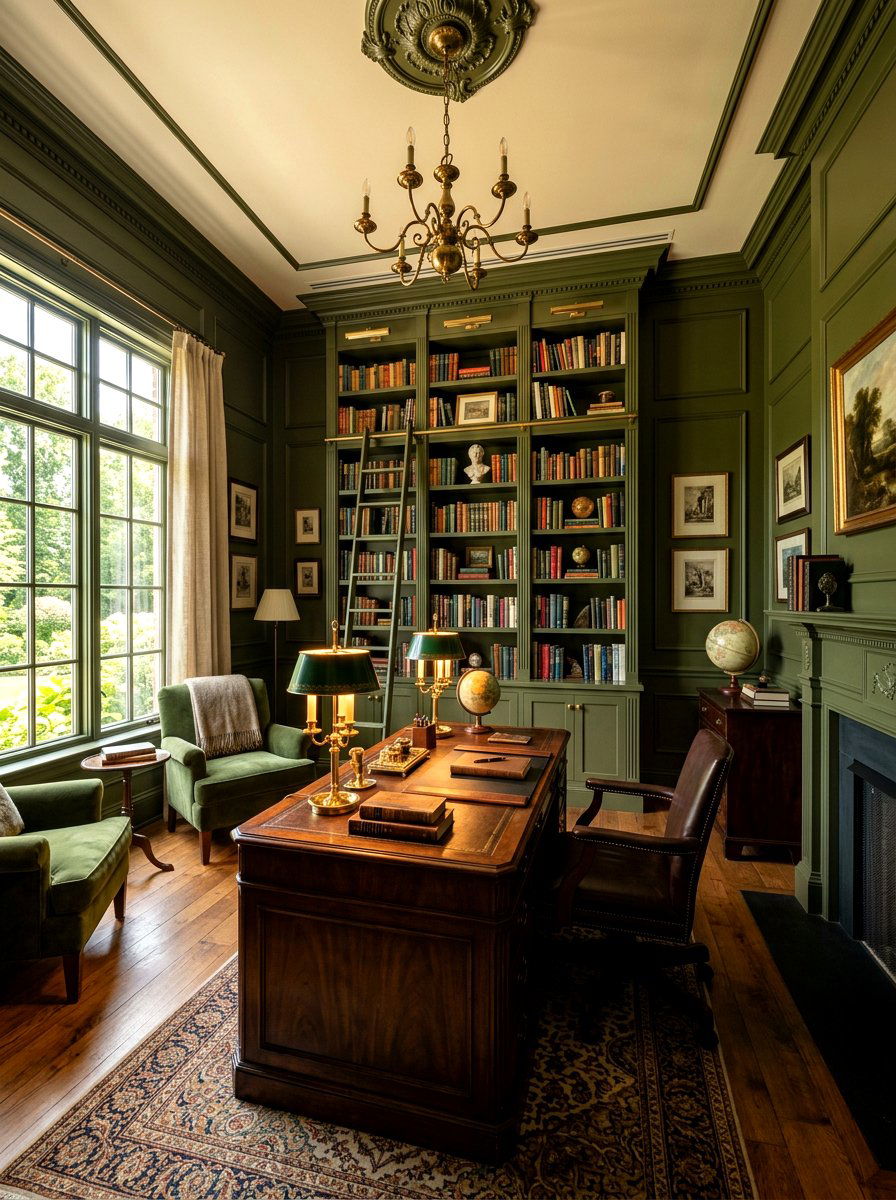
15. Traditional dining room wainscoting
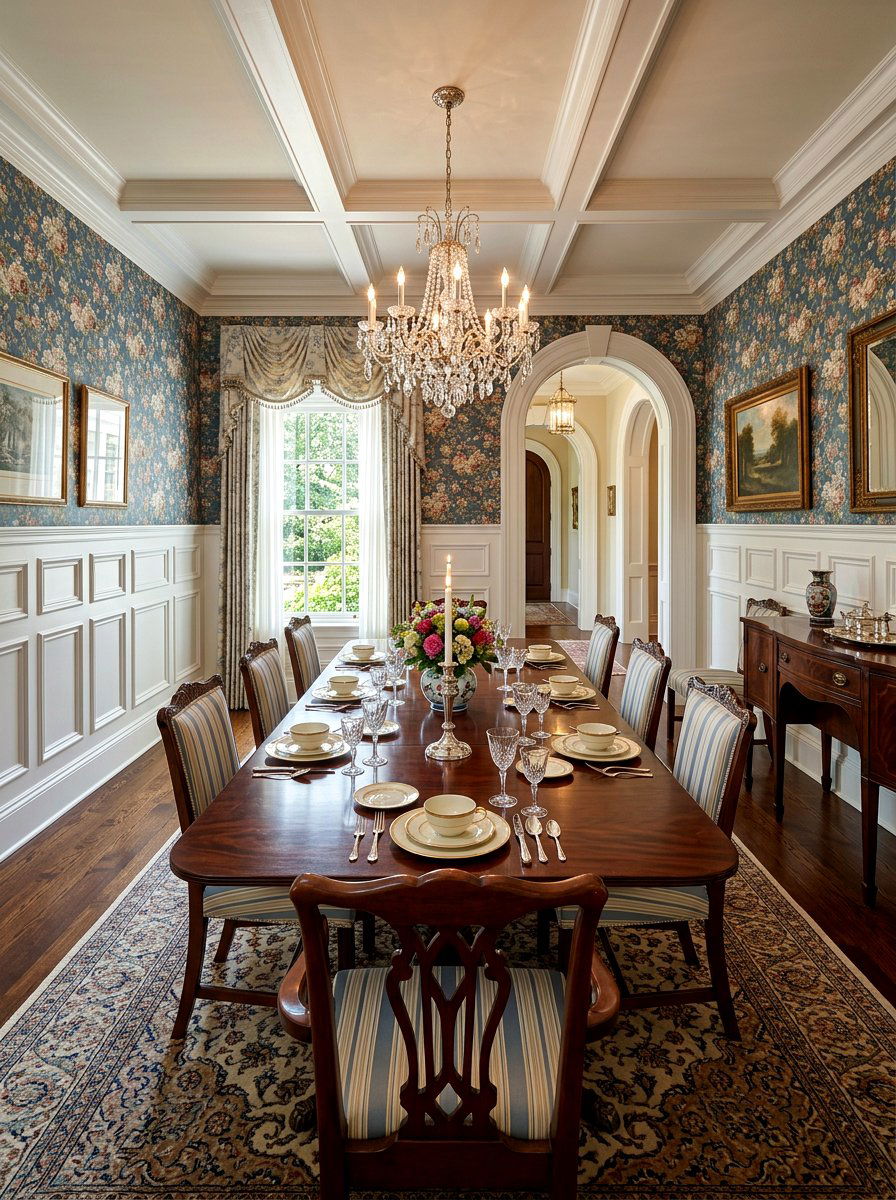
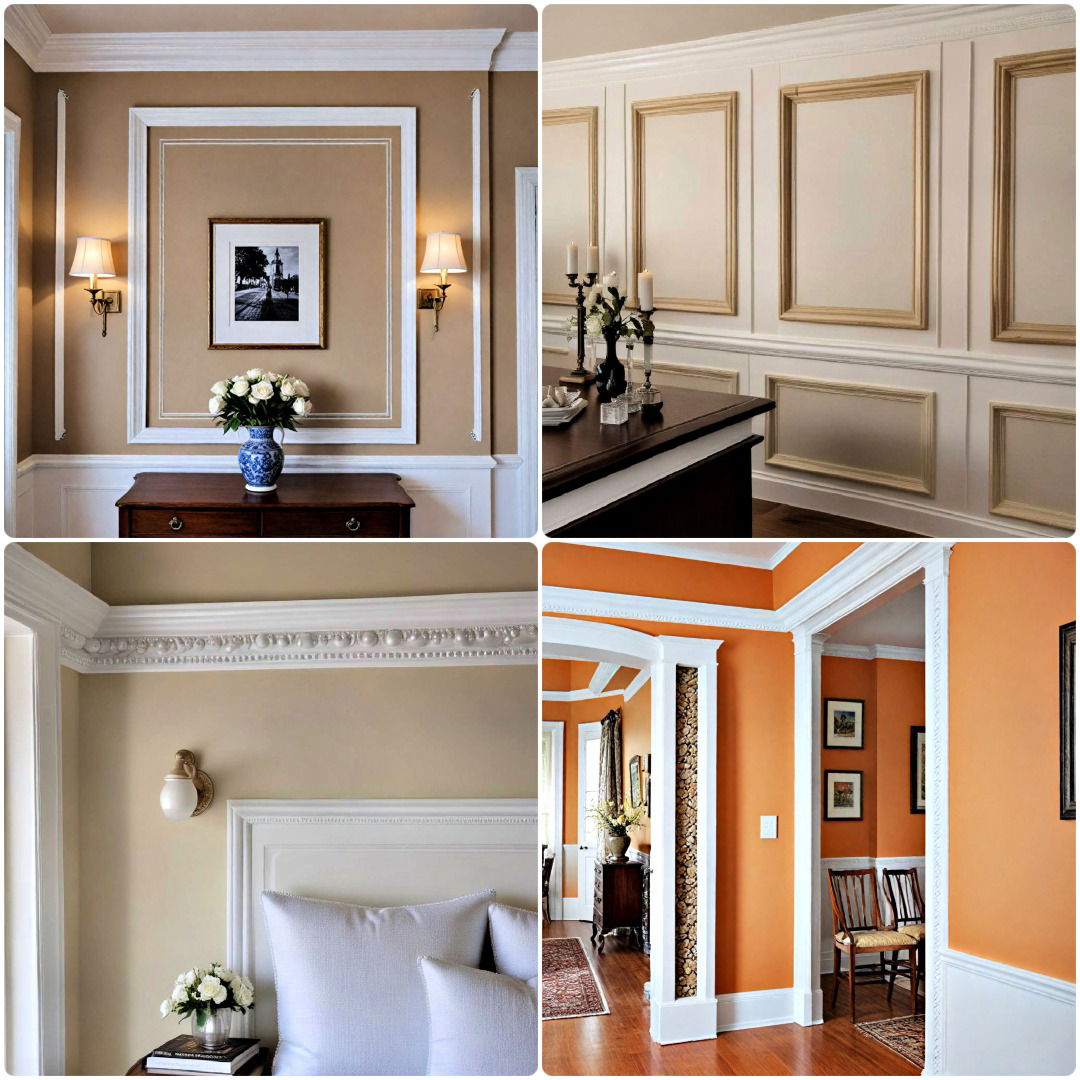
For a truly classic look, traditional dining room wainscoting with picture frame details is a design staple that never goes out of style. This usually features a taller lower section with ornate molding boxes, topped with a decorative chair rail. It evokes the feeling of historic colonial or Georgian homes, providing a perfect setting for family holiday dinners. The wainscoting can be painted a crisp white to contrast with a rich wall color or even a traditional floral wallpaper above. It provides a formal structure to the room that encourages a refined dining experience. This timeless treatment ensures your dining room remains elegant and impressive for decades to come without needing updates.
16. Black wall molding
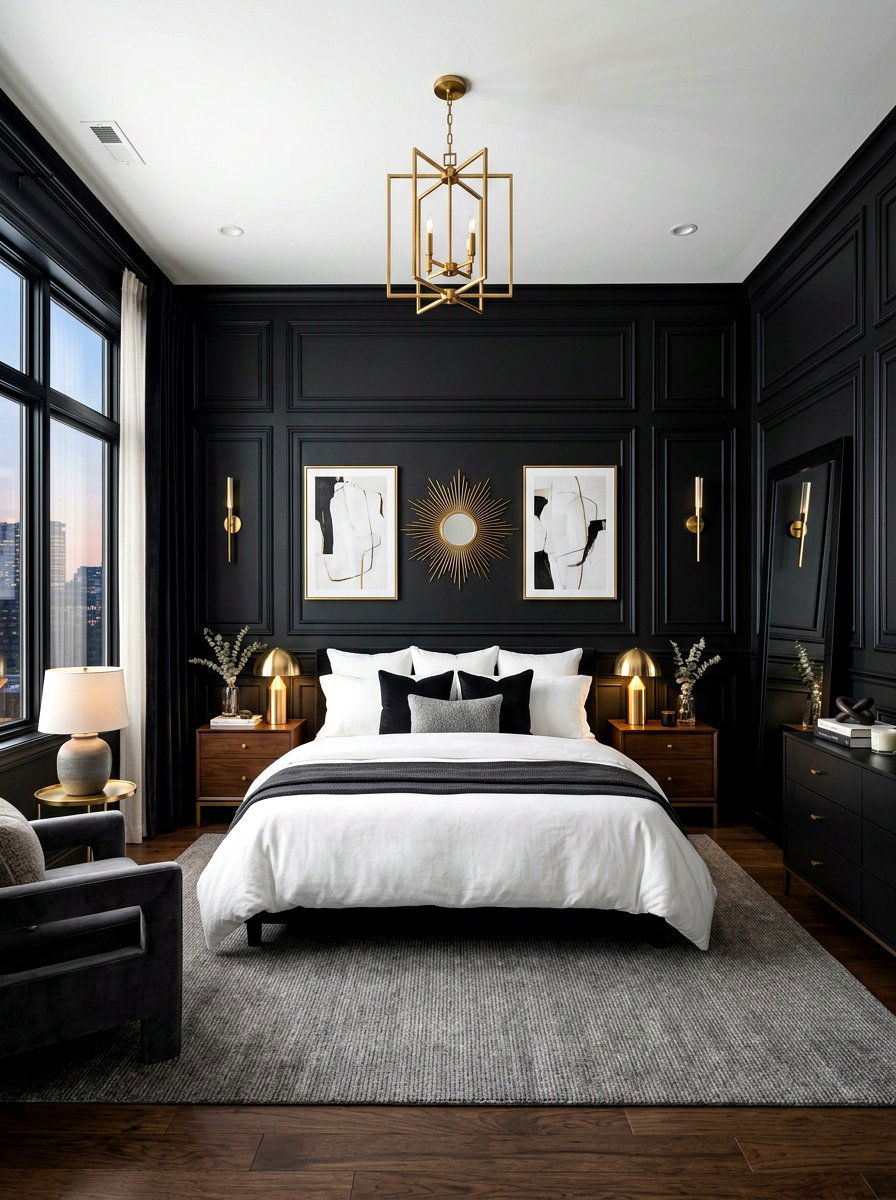
For the ultimate modern statement, black wall molding offers a sleek and dramatic aesthetic that is undeniably cool. While it sounds intimidating, painting both the wall and the molding in a soft black or deep charcoal creates a sophisticated, gallery-like atmosphere. The trim adds a three-dimensional quality that keeps the black from feeling flat, catching glints of light on every edge. This look is perfect for a media room or a bachelor-style bedroom where you want a moody, high-fashion vibe. Pair it with light-colored furniture or metallic accents to create a striking contrast. It is a bold design choice that demonstrates how classic molding can be completely transformed by a modern color palette.
17. Fireplace wall picture frame molding
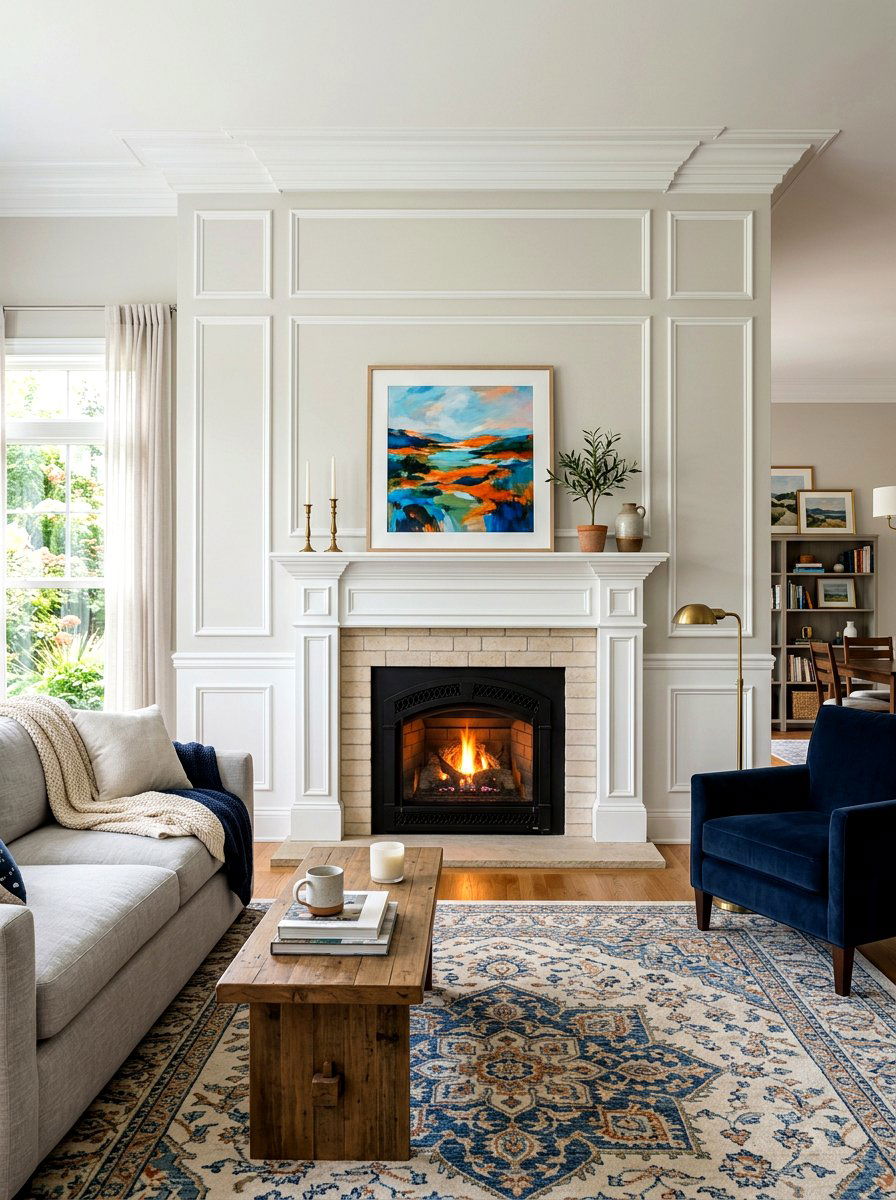
The fireplace is the heart of the home, and framing it with picture frame molding makes it a true architectural masterpiece. By creating large, symmetrical boxes on either side of the chimney breast, you anchor the fireplace and make it feel more substantial. This technique helps integrate a standalone fireplace into the overall wall design, making it look like a custom built-in feature. You can use the boxes to frame art or keep them empty for a clean, sculptural look. This design works in both traditional and modern homes, providing a sense of balance and focal point that centers the entire living area. It creates a warm, high-end feel for cozy evenings.
18. Guest bedroom wall paneling
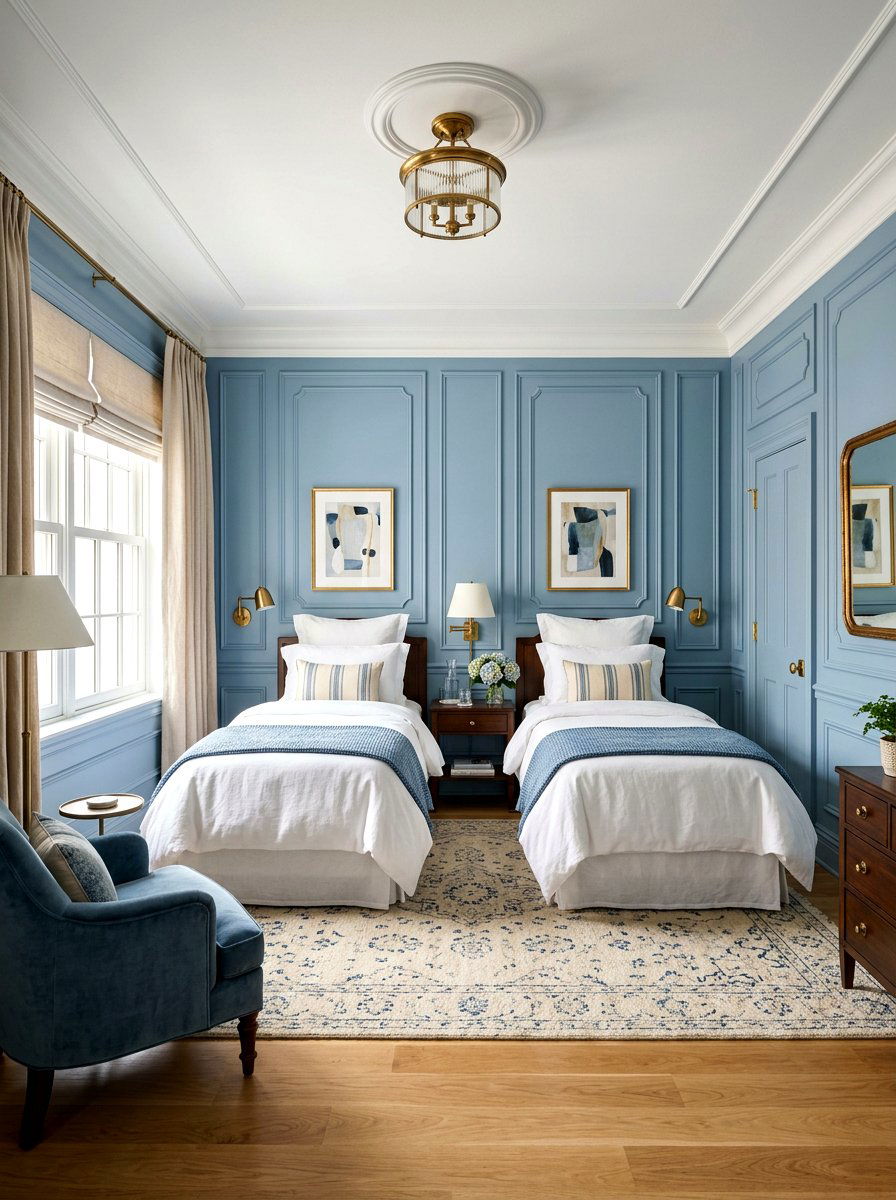
Make your guests feel like they are staying in a luxury boutique hotel by adding picture frame molding to their bedroom. Even a small guest room can be transformed into a high-end suite with the addition of simple wall paneling. By creating a cohesive design on all four walls, you wrap the room in texture and charm. Soft grays, blues, or warm whites work best to keep the space feeling open and inviting for any visitor. The molding provides enough visual interest that you don 't need excessive decor, keeping the room feeling clean and organized. It is a thoughtful touch that shows your attention to detail and care for your home' s overall aesthetic.
19. Mudroom wall molding
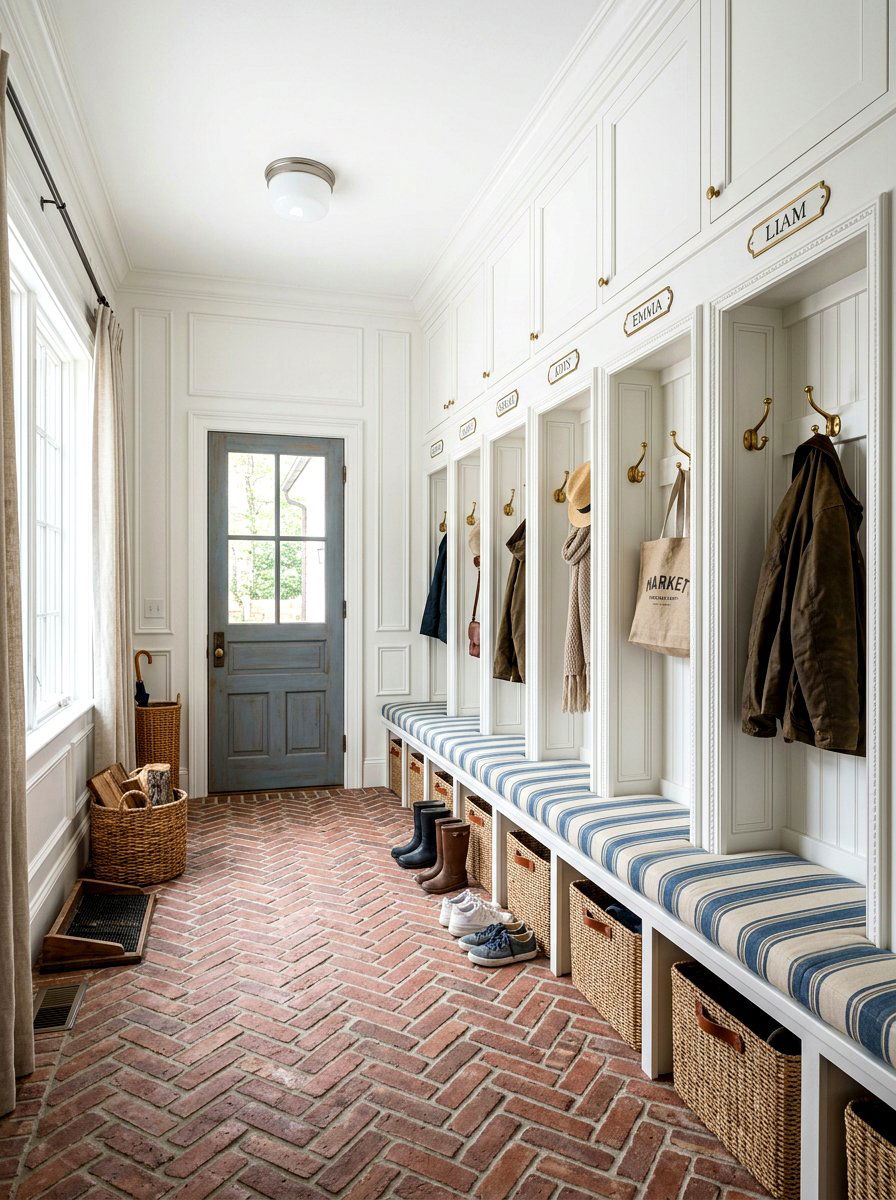
A mudroom is a high-function area, but it doesn't have to sacrifice style, and picture frame molding adds a touch of class to this busy space. By installing molding around hooks and benches, you create a custom look that feels like a high-end English boot room. It makes the functional elements of the room, like storage and seating, feel like they were built into the architecture. Using a durable, easy-to-clean paint on the molding ensures it can handle the wear and tear of daily life. This treatment turns a humble entry point into a beautiful transition space that feels as polished as the rest of your home, proving design matters everywhere.
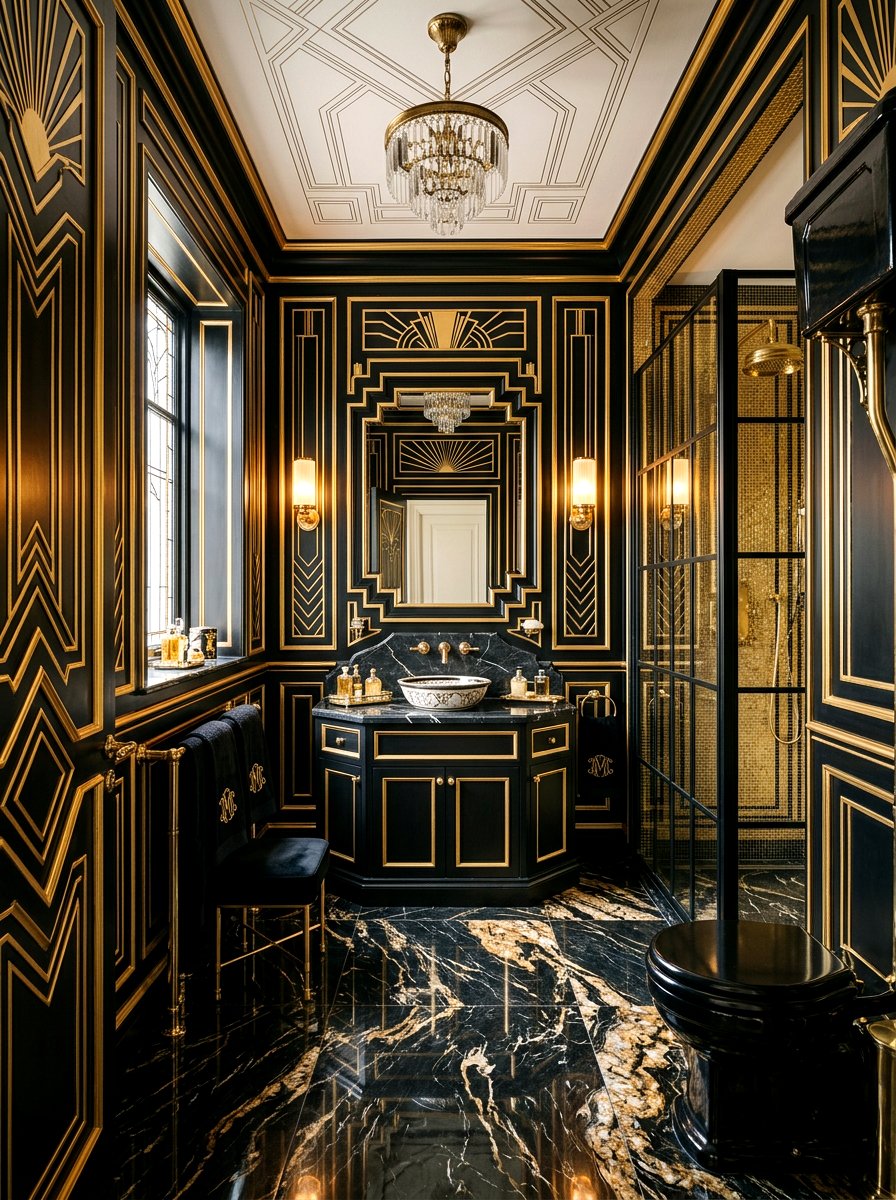
20. Ceiling picture frame molding
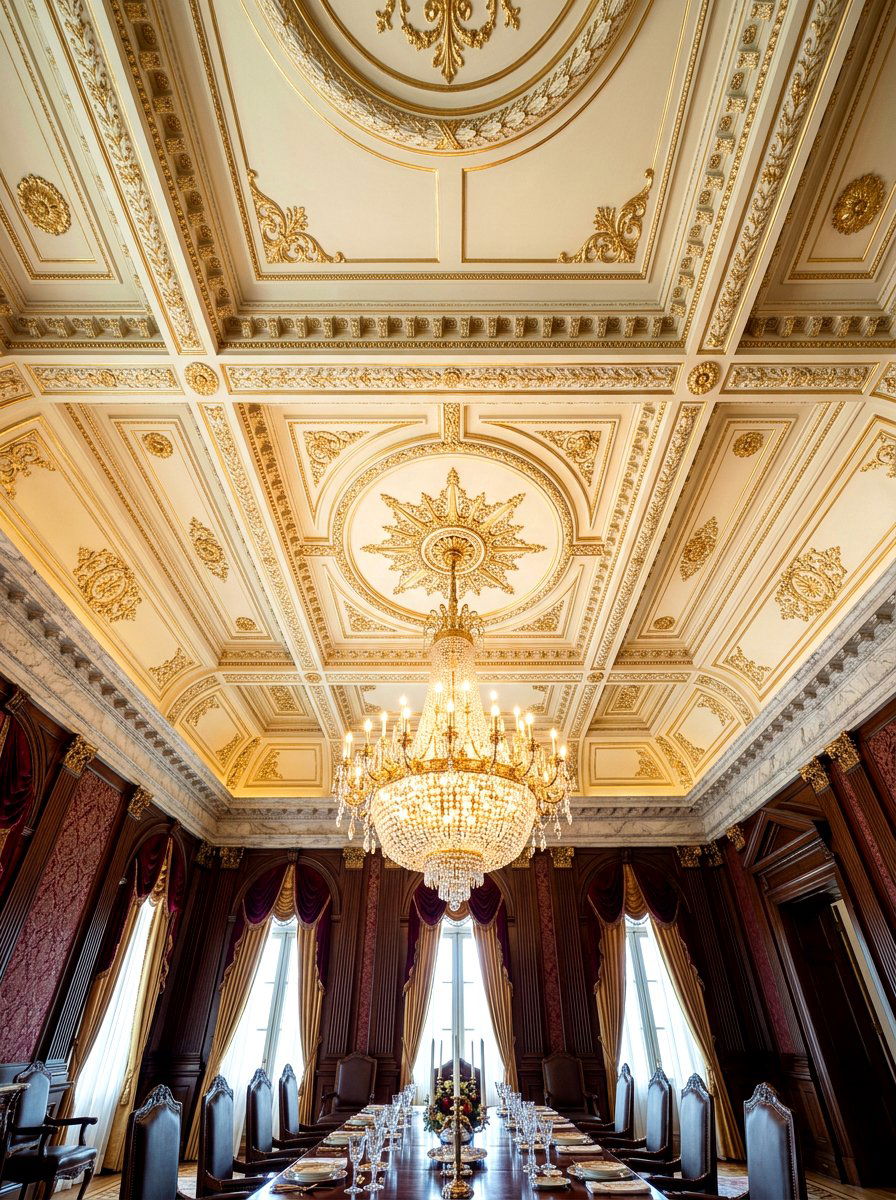
If you really want to surprise your guests, take your molding ideas to the "fifth wall" by adding picture frame molding to the ceiling. This technique, often called a coffered or tray ceiling effect, uses molding to create large rectangular patterns overhead. It adds incredible architectural interest and makes any room feel significantly more grand. This works particularly well in bedrooms or dining rooms where you spend time looking up. You can keep the ceiling white for a subtle look or paint the inside of the boxes a contrasting color for a dramatic effect. It is a high-end design move that adds a level of sophistication rarely seen in standard modern construction.
21. Kitchen island wall molding
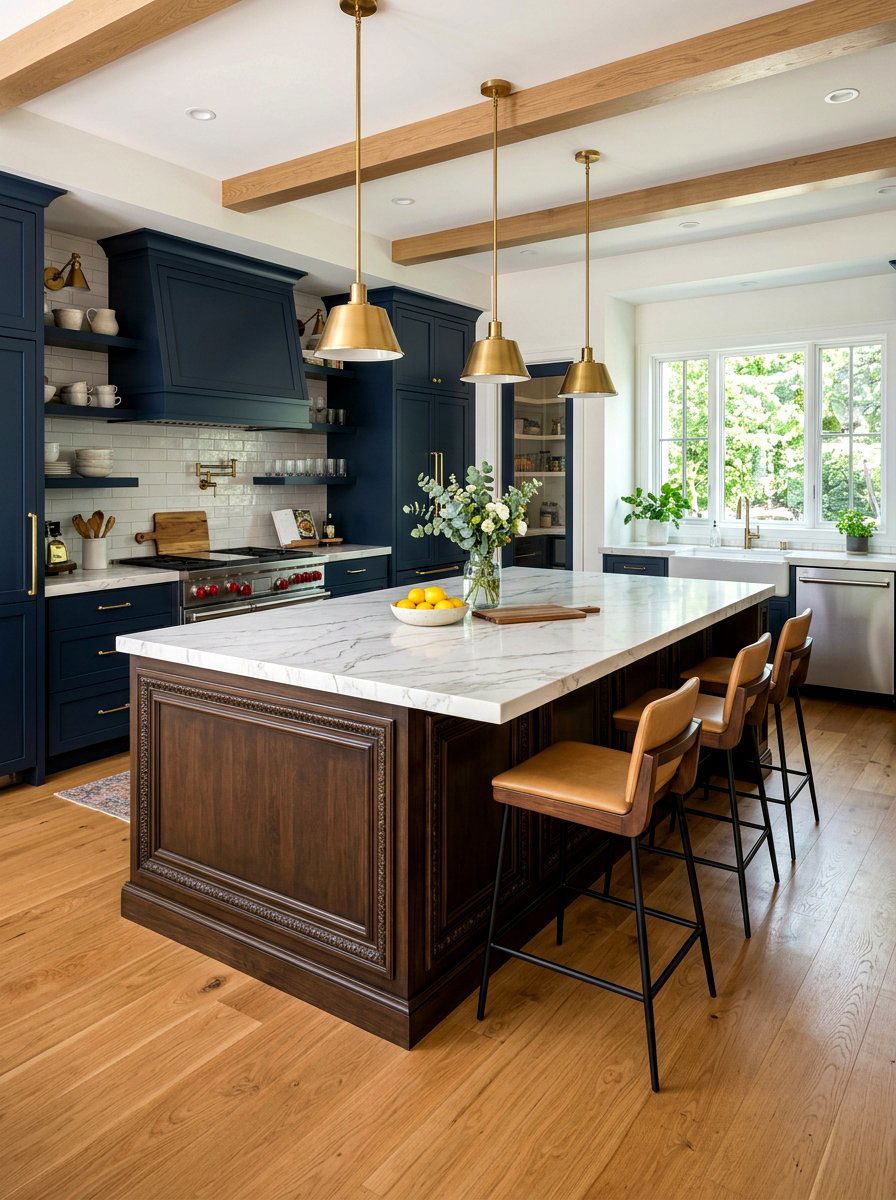
Your kitchen island is often the centerpiece of your home, and adding picture frame molding to its sides can make it look like a piece of high-end furniture. Instead of leaving the back of the island as a flat panel, use trim to create decorative boxes that match your cabinetry. This small detail provides a sense of continuity and craftsmanship that elevates the entire kitchen design. It works beautifully in open-concept homes where the back of the island is visible from the living area. Painting the island and the molding a contrasting color from the rest of the kitchen can further highlight this beautiful architectural feature, making your kitchen feel truly custom and expensive.
22. Media room wall paneling
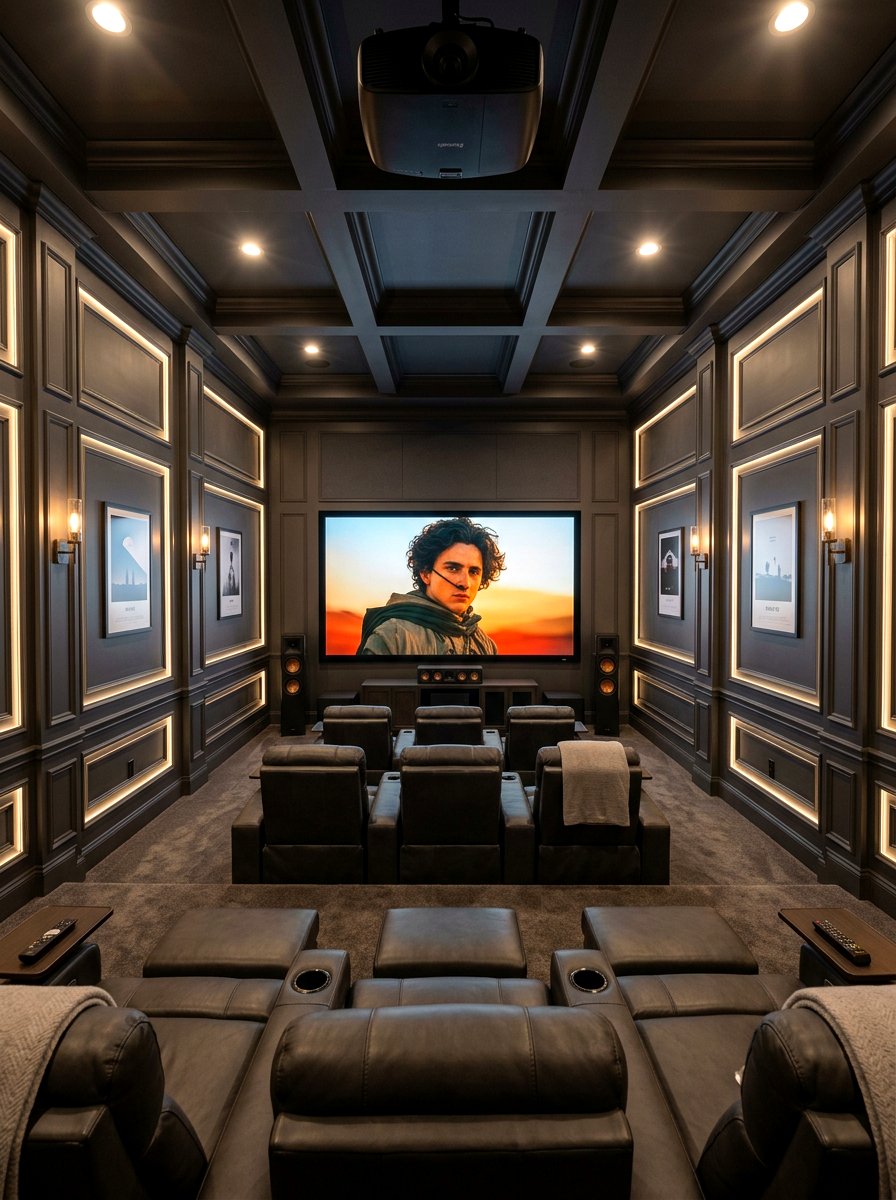
In a media room or home theater, picture frame molding can serve both a decorative and a functional purpose by breaking up large wall surfaces. Using molding to create large panels allows you to integrate acoustic treatments or hidden lighting more easily into the design. A dark, matte finish on the walls and molding prevents reflections while adding a luxurious, cinematic feel to the space. The geometric patterns provide a sense of structure that makes the room feel like a dedicated entertainment destination rather than just a spare room with a TV. It is a sophisticated way to handle a specialized space, ensuring it remains stylish even when the big screen is turned off.
23. Library wall molding
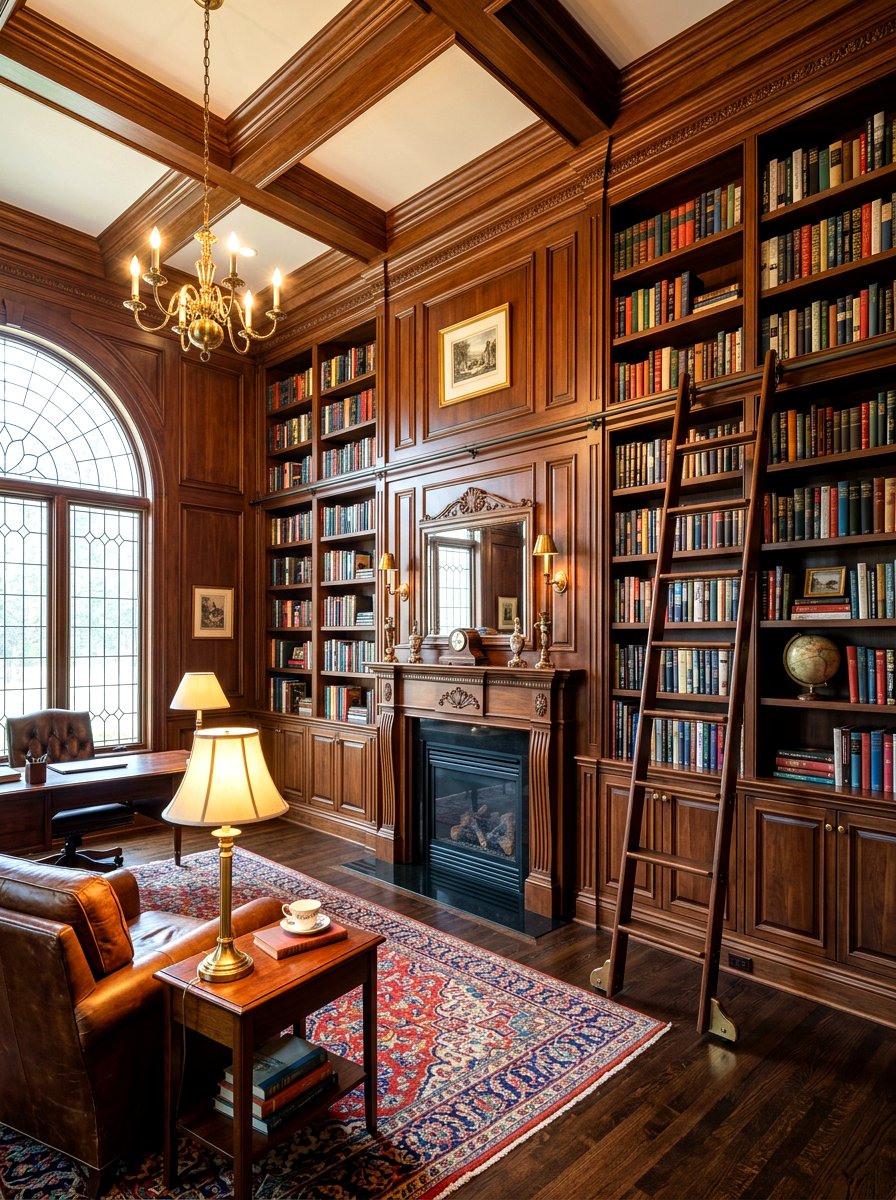
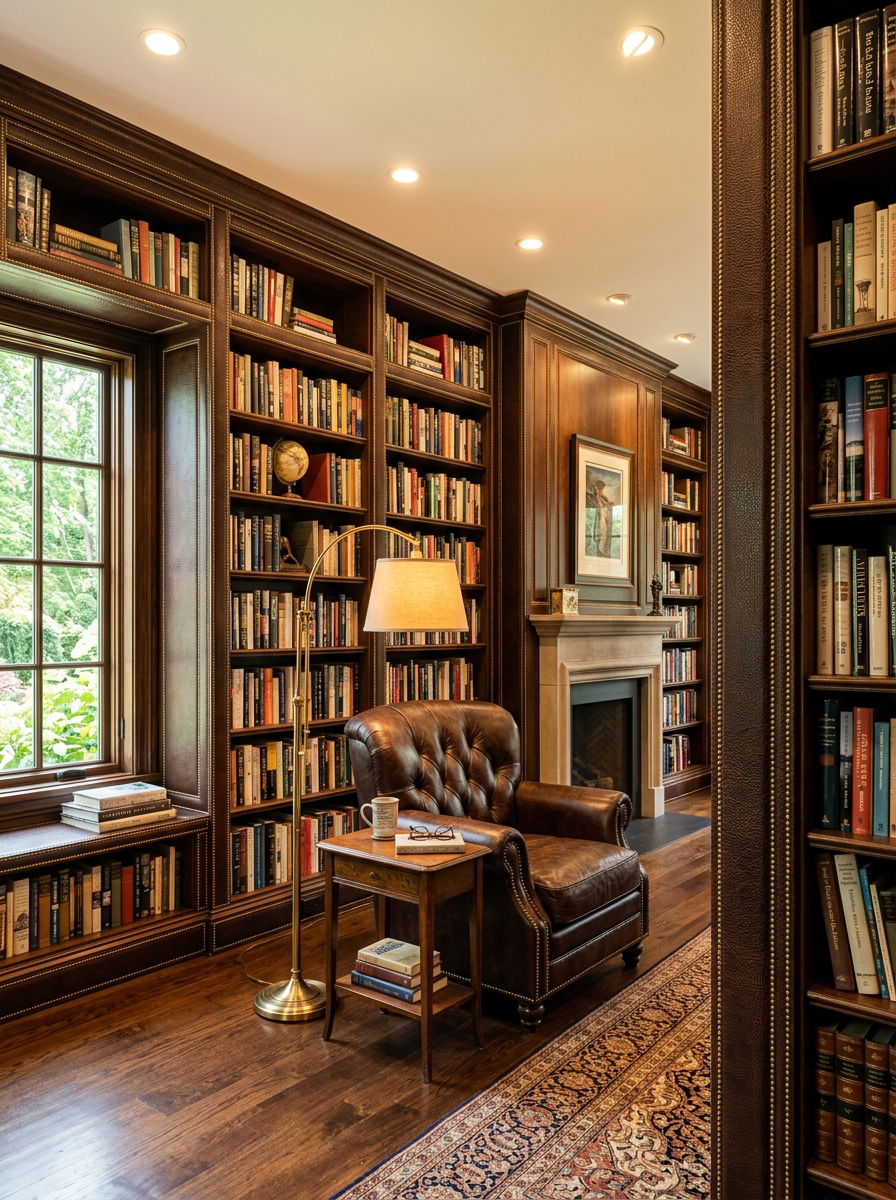
Nothing says "classic home" like a library with rich wall molding that wraps around the room and integrates with the shelving. Picture frame molding on the walls between or above bookshelves adds a sense of history and intellectual charm. This look is best achieved with deep wood tones or moody paint colors like navy, burgundy, or dark teal. The molding creates a rhythmic pattern that complements the vertical lines of the book spines, making the room feel cozy and curated. It is an ideal setting for a leather armchair and a brass floor lamp. This design transforms a simple collection of books into a sanctuary for reading and quiet reflection.
24. French country bedroom molding
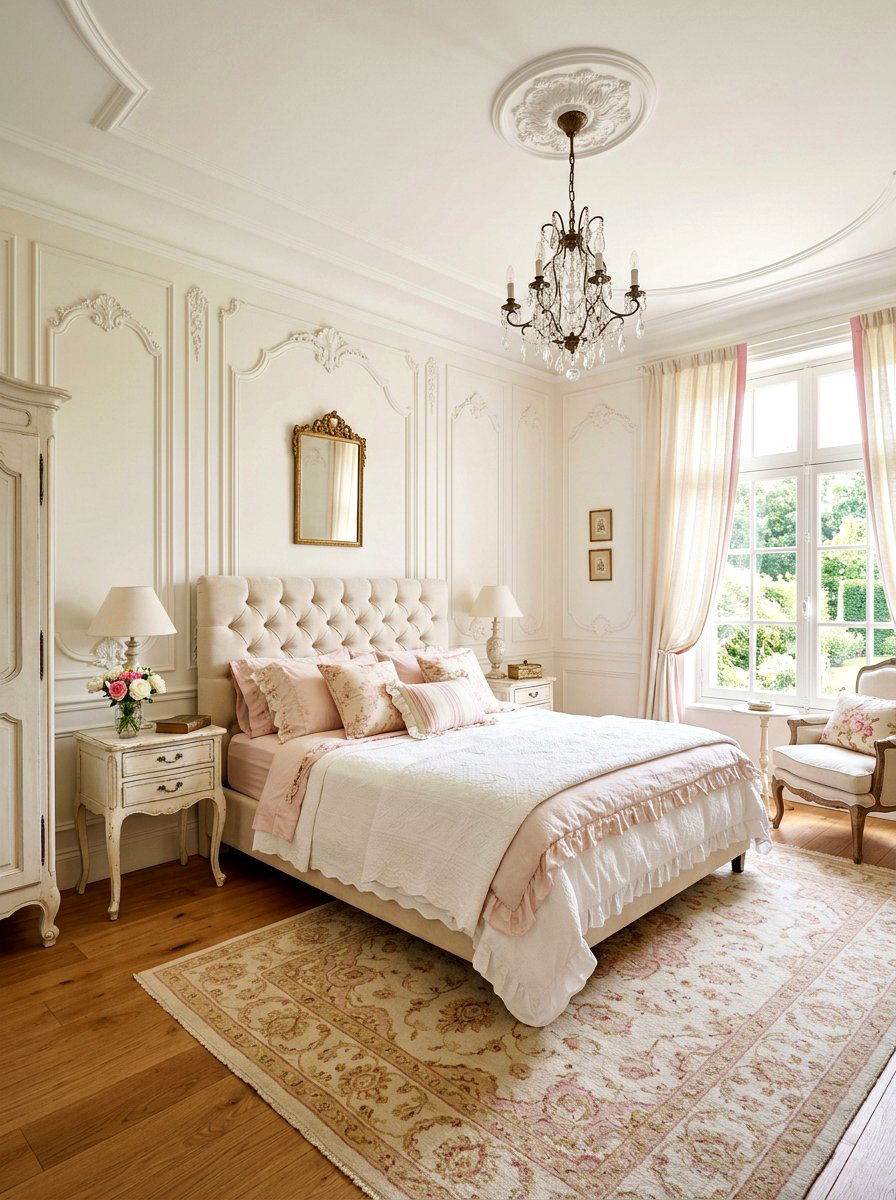
Achieve the romantic look of a French chateau by using delicate, slightly more ornate picture frame molding in your master bedroom. This style often features curved corners or layered trim that feels soft and feminine. When paired with a tufted headboard, floral accents, and a crystal chandelier, the molding completes the vintage-inspired aesthetic perfectly. Use light, creamy colors or soft greys to keep the room feeling bright and airy. The architectural detail provides a sense of old-world charm that feels both cozy and incredibly high-end. It is a beautiful way to bring European elegance into a modern home, creating a space that feels like a permanent vacation in the countryside.
25. Scandi style wall molding
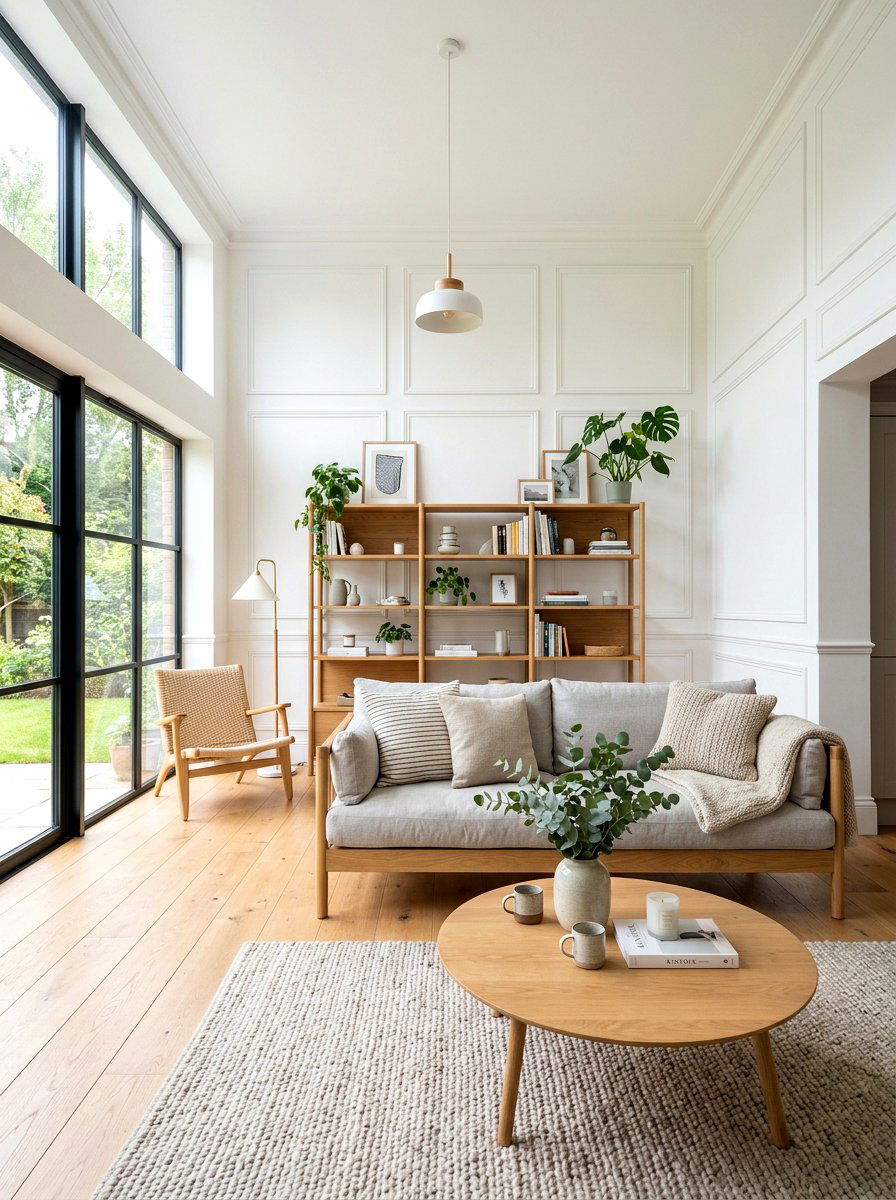
Scandinavian design is known for being clean and functional, but adding very thin, minimalist picture frame molding can add just the right amount of warmth. In a Scandi-style room, use light wood trim or paint the molding a crisp, bright white to maintain the signature airy feel. The boxes should be large and simple, emphasizing the horizontal and vertical lines of the space. This subtle texture prevents a minimalist room from feeling cold or clinical. Pair the walls with light oak furniture, cozy wool rugs, and plenty of natural light. It is a modern way to use a traditional technique, showing that molding can be both "less" and "more" at the same time.
26. Kids playroom wall molding
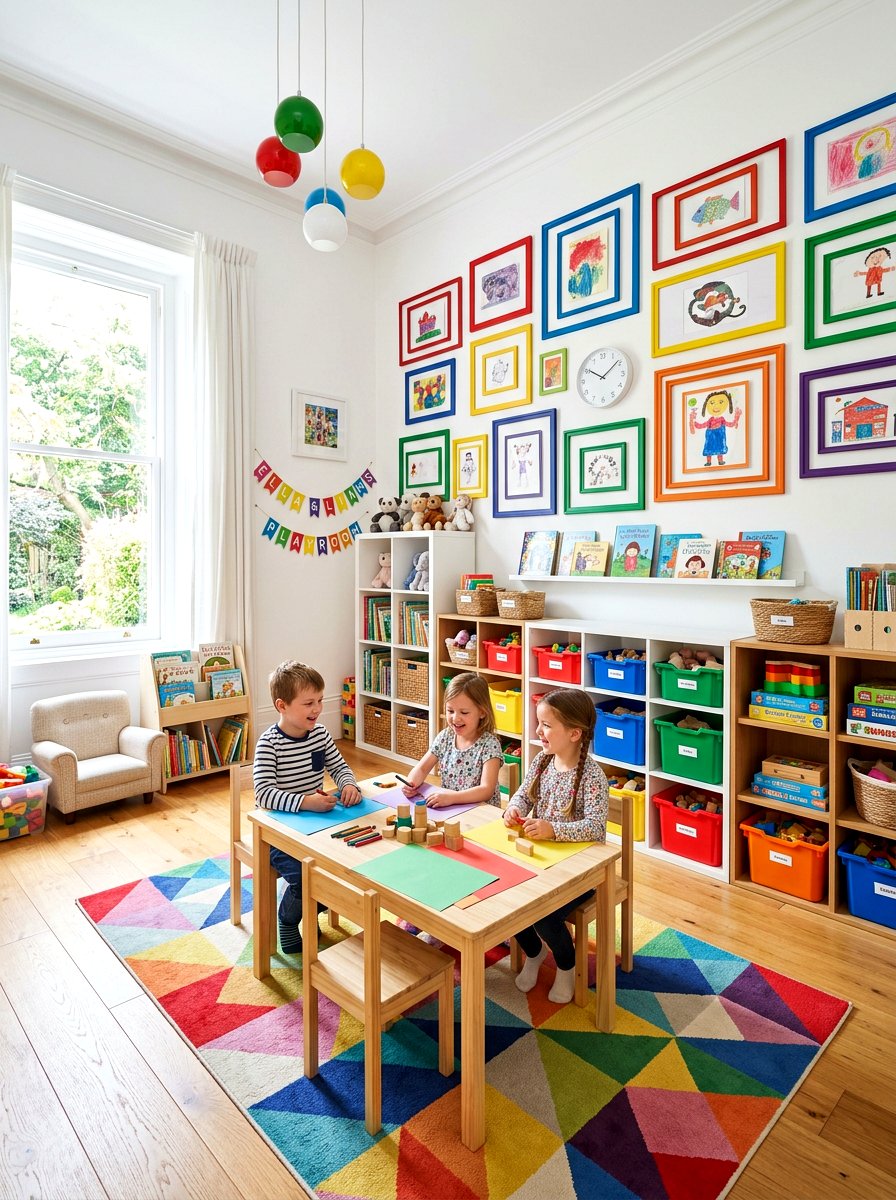
A kids' playroom is often a place of chaos, but adding picture frame molding can provide a much-needed sense of order and sophisticated charm. By using molding to create "frames" on the wall, you can give each child their own space to display artwork or photos. This makes the room feel intentional and organized rather than just a storage area for toys. Painting the molding in a fun, vibrant color against a neutral wall adds a playful touch without being overwhelming. It is a durable way to add character to a high-energy space. As the kids grow, the molding remains a stylish feature that can be easily updated with new paint and decor.
27. Formal parlor wall molding
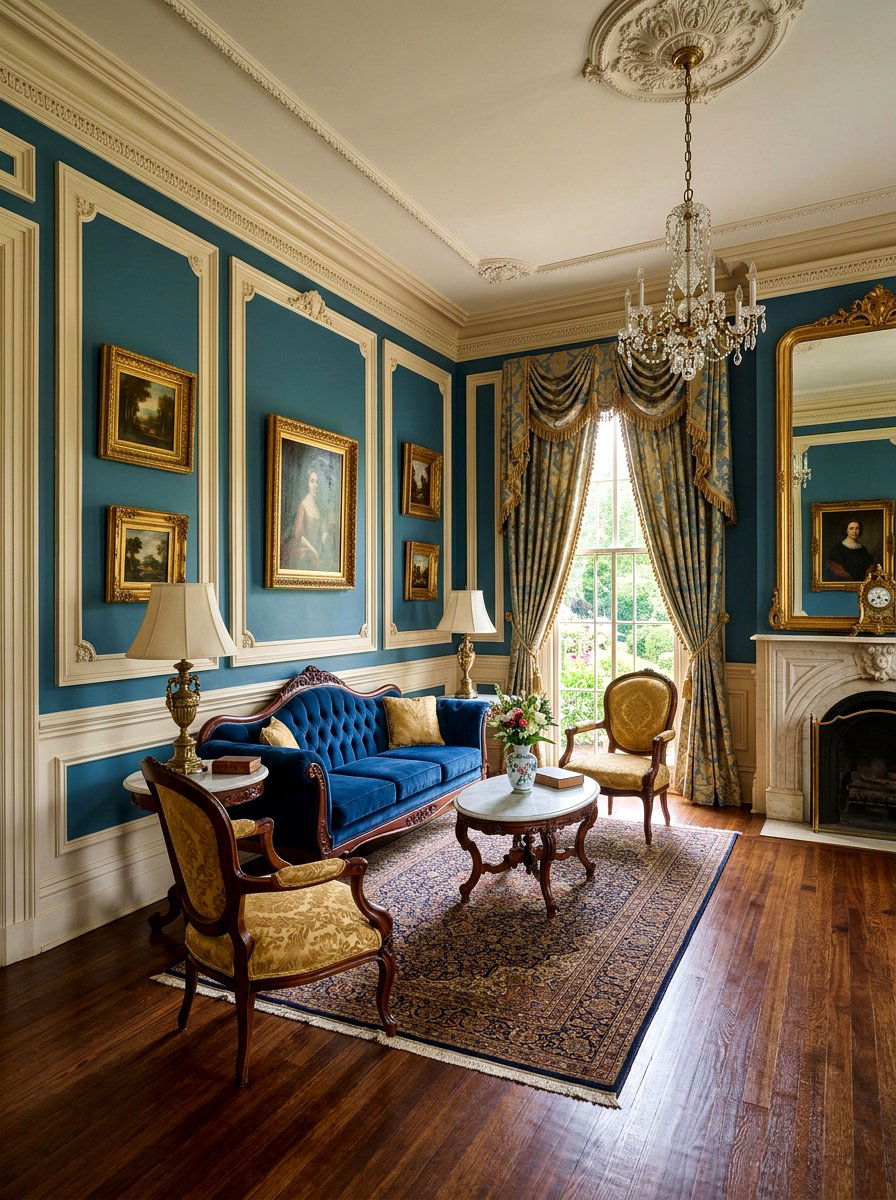
If you have a formal sitting room or parlor, picture frame molding is an absolute necessity to achieve a high-end, traditional look. This room is often the showpiece of the home, and the molding provides the architectural "bones" that support fine furniture and art. Use a classic three-panel vertical stack to create a grand, historic feel. Painting the trim a slightly different sheen than the wall — such as satin against matte — adds a subtle, professional touch that catches the light beautifully. This design encourages a sense of occasion and elegance, making it the perfect place for hosting guests or enjoying a quiet evening in a beautifully structured environment.
28. Bathroom wall wainscoting
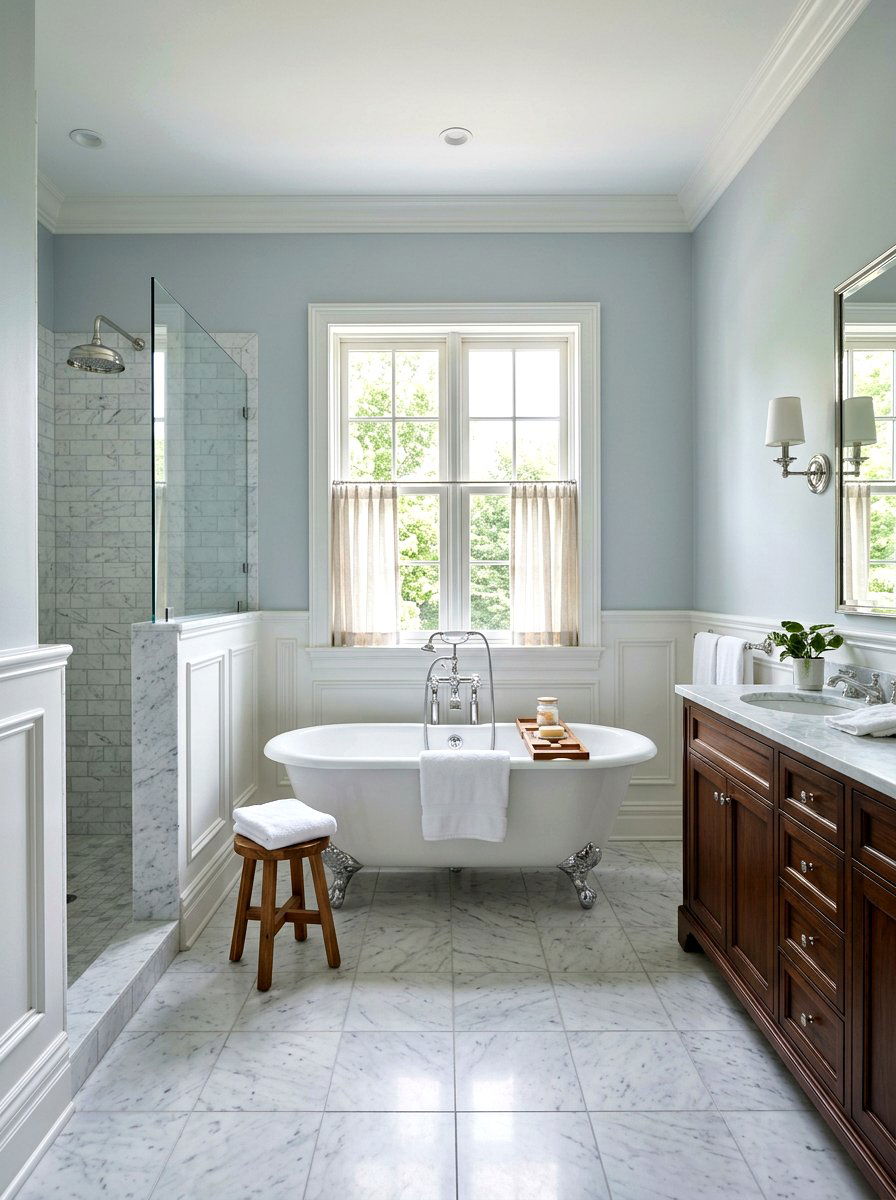
Bathrooms often feel cold due to all the hard surfaces, but picture frame wainscoting adds a much-needed layer of warmth and texture. By installing molding on the lower half of the walls, you create a classic look that pairs perfectly with a pedestal sink or a clawfoot tub. Use moisture-resistant materials and high-quality paint to ensure the trim stays looking fresh in a humid environment. This treatment makes a standard bathroom feel like a luxury spa or a historic hotel suite. It also provides a great break point for adding a bold paint color or even a dramatic tile on the top half of the wall for a layered design.
29. Open concept wall molding
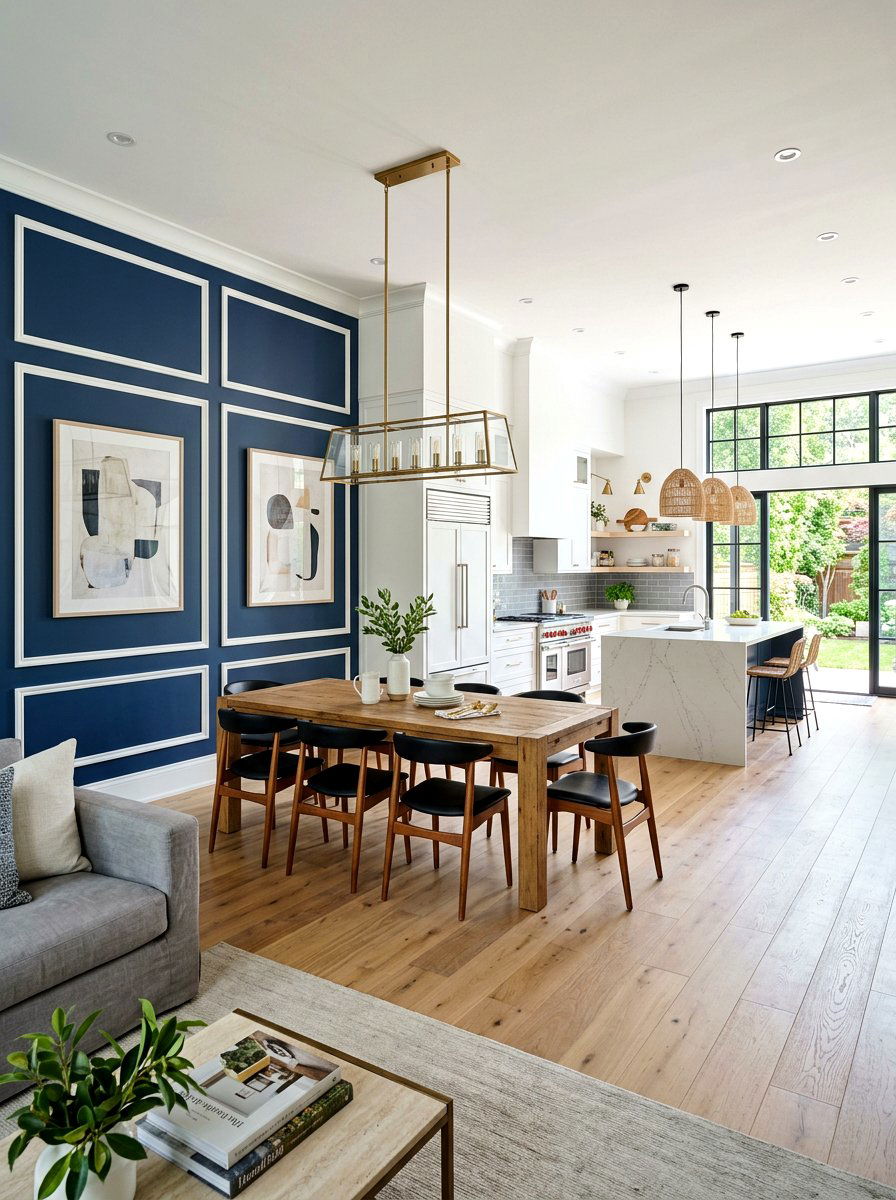
In an open-concept home, it can be difficult to define different "zones, " but picture frame molding is a brilliant tool for creating visual boundaries. By applying molding to the walls of the dining area but not the living area, you create a subtle "room within a room" effect without needing walls. This helps organize the space and makes the different functional areas feel more intentional and cozy. The molding adds a sense of flow and continuity as the eye travels across the large, open space. It is a sophisticated way to handle modern floor plans, providing architectural interest that helps the entire home feel more grounded and thoughtfully laid out.
30. Sunroom wall molding
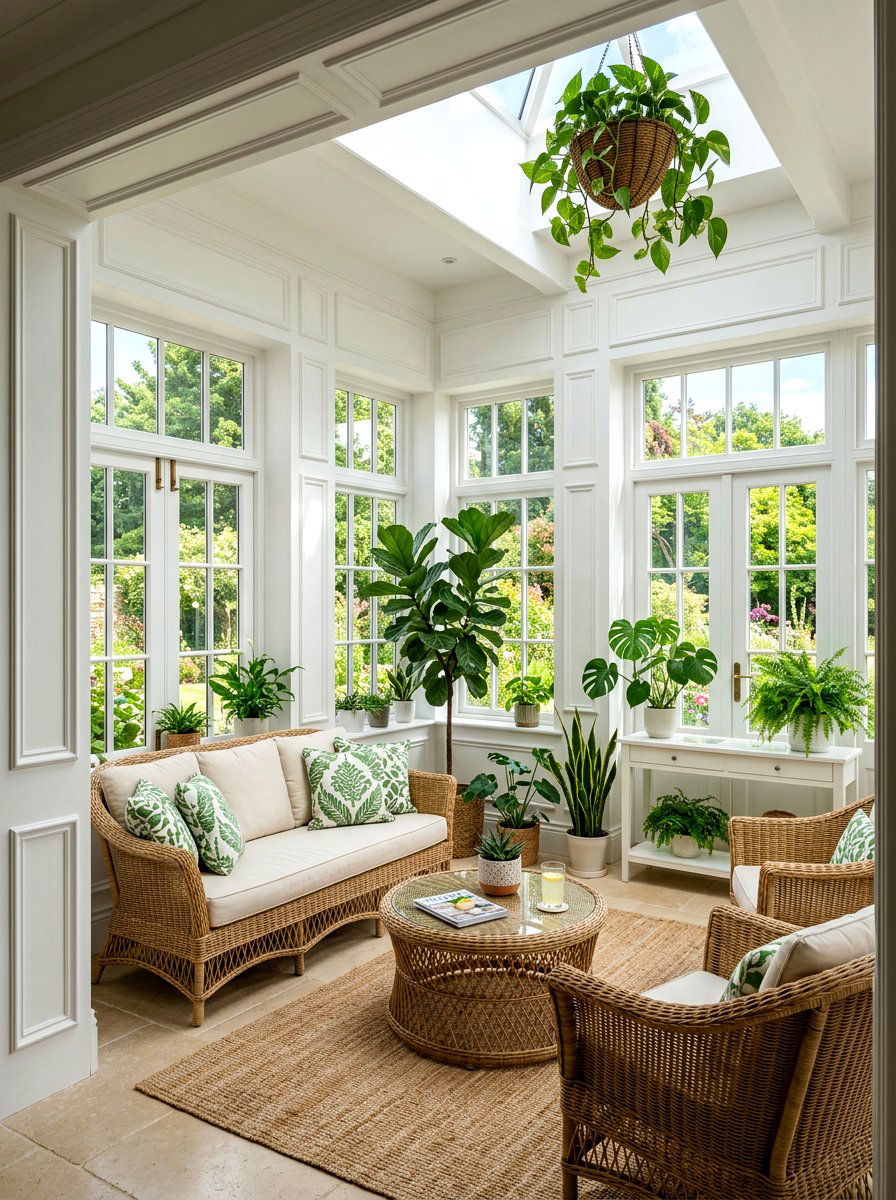
A sunroom is all about the windows, but the wall space between them is a great opportunity for picture frame molding to add architectural grace. By framing the areas around the large glass panes, you make the windows feel more like intentional art pieces. The molding adds a sense of structure to a room that is otherwise dominated by glass and greenery. Use light, breezy colors like pale blue or soft white to keep the space feeling connected to the outdoors. The trim provides a polished look that makes the sunroom feel like a true extension of the home's interior rather than just an enclosed porch or an afterthought addition.
Conclusion:
Incorporating picture frame molding into your home is a transformative design choice that bridges the gap between simple walls and high-end architecture. From the moody elegance of a navy dining room to the serene simplicity of a minimalist bedroom, this versatile trim can be adapted to fit any aesthetic or lifestyle. It provides a sense of permanence and craftsmanship that instantly elevates the value and feel of your living space. By following the lines of your home and playing with scale and color, you can create a custom look that is uniquely yours. Start small with a single accent wall or go bold with a whole-house installation to enjoy timeless style.

Related posts: