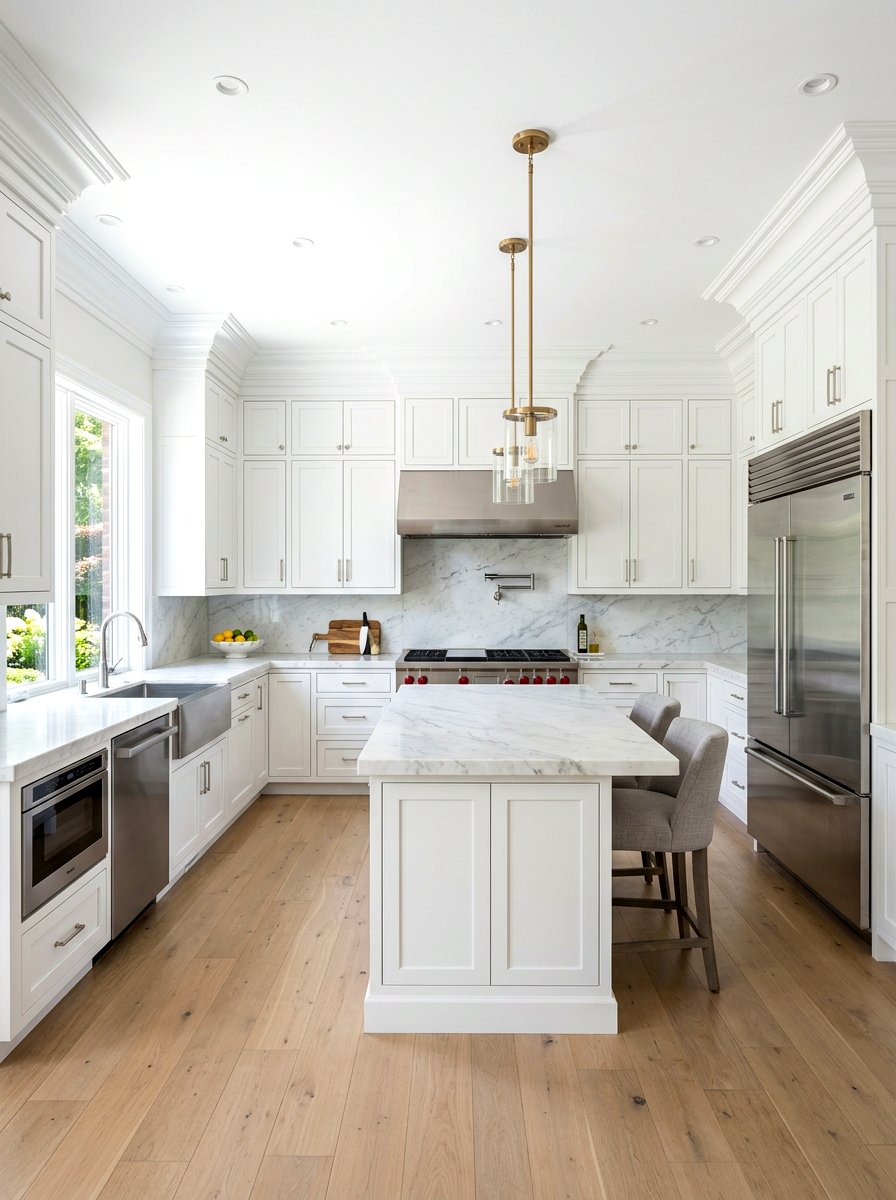
Baseboards are often the most overlooked architectural element in a home, yet they play a critical role in defining the overall style of your living space. These functional pieces of trim do much more than just protect your walls from scuffs and vacuum cleaners; they anchor the room and bridge the gap between your flooring and wall treatments. From sleek minimalist profiles to grand traditional moldings, the right choice can transform a plain room into a sophisticated sanctuary. Modern trends are moving toward either very tall, bold statements or subtle, integrated looks that blend seamlessly with the wall color. Choosing the perfect trim requires a balance of scale, material, and finish to complement your home's personality perfectly.
1. White Shaker Baseboard
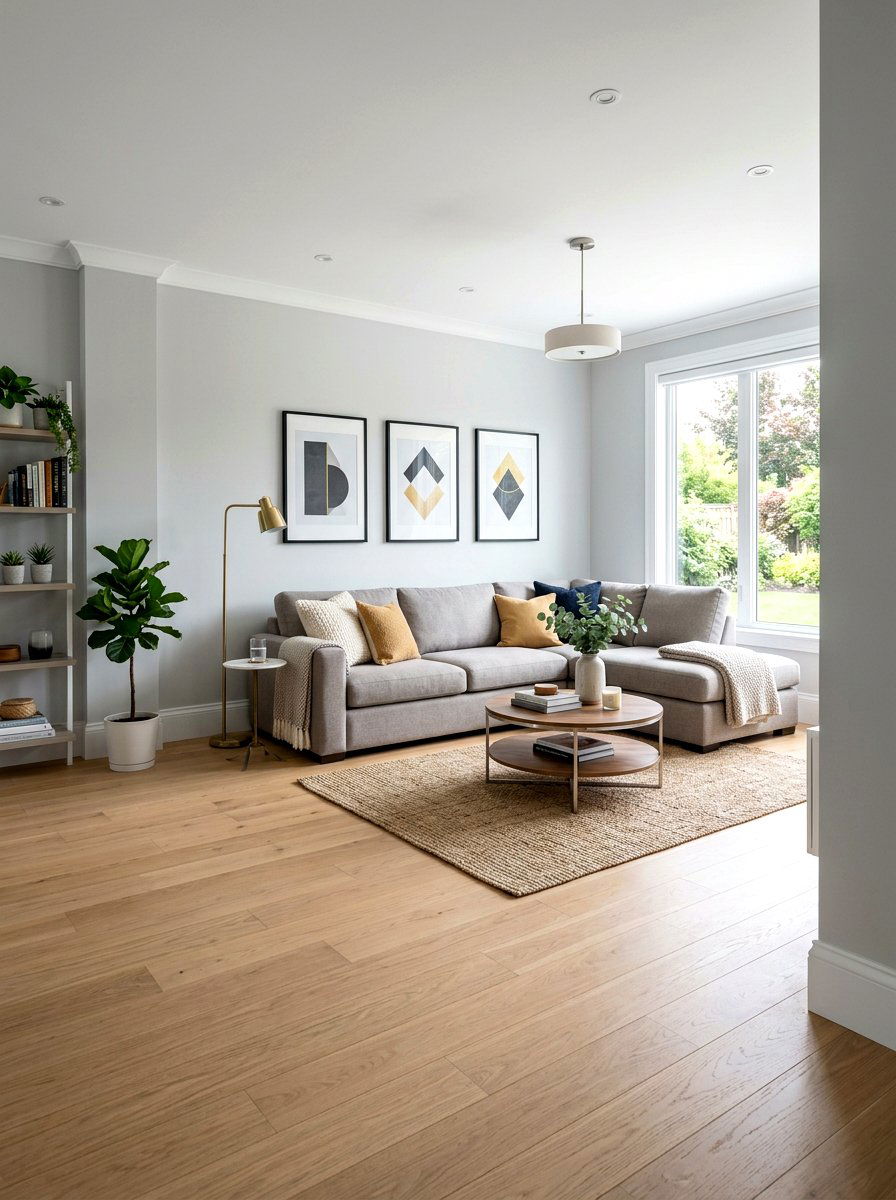
White shaker baseboard styles provide a clean and crisp aesthetic that works beautifully in almost any modern home today. This specific look relies on flat surfaces and sharp right angles to create a sense of order and simplicity along your floors. Many homeowners choose this option because it bridges the gap between traditional craftsmanship and contemporary minimalism quite effortlessly. You will notice that the bright white finish helps reflect natural light throughout the room while making the walls look much taller. It is a timeless choice that resists going out of style even as design trends shift over the years. Choosing this profile ensures your interior feels fresh, airy, and very well-organized.
2. Tall Modern Baseboard
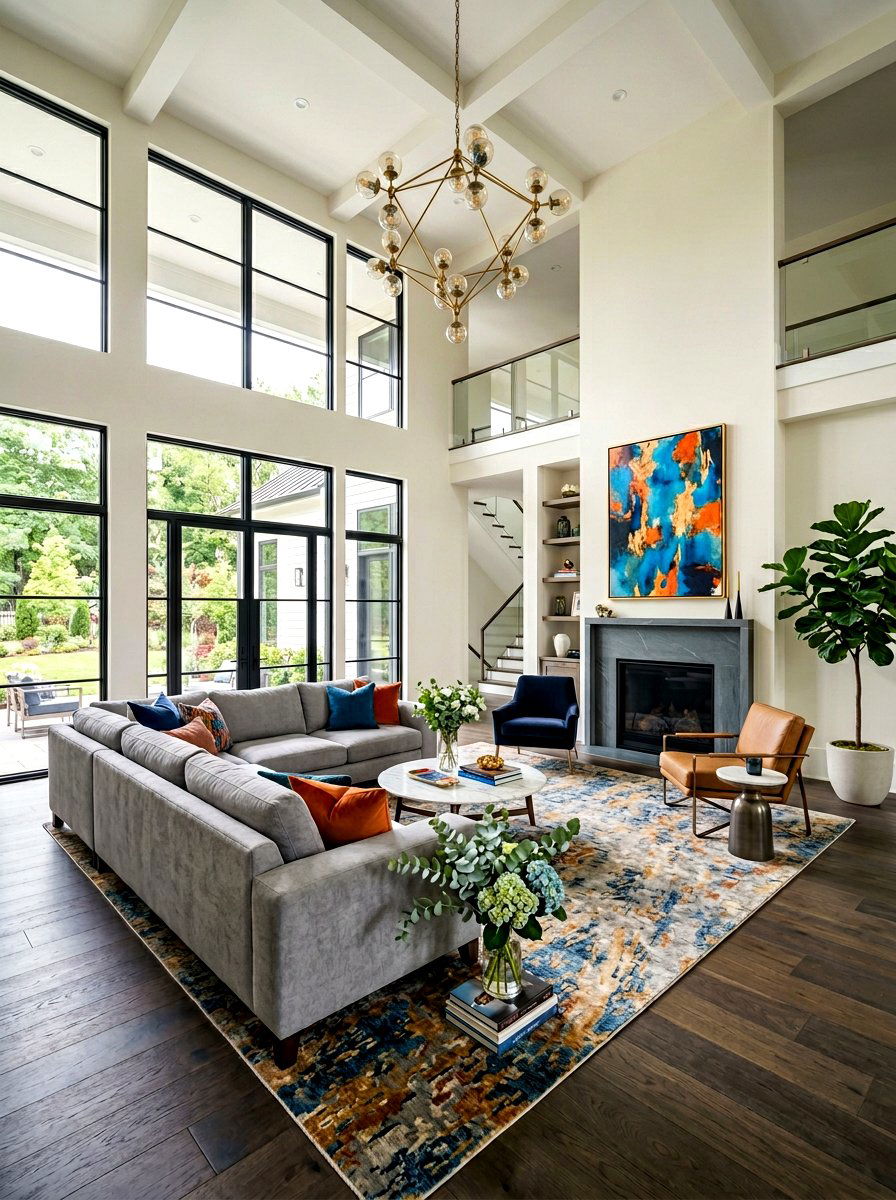
Tall modern baseboard options are making a massive comeback in upscale interior design due to their ability to create an immediate sense of luxury. By choosing a trim that stands seven to nine inches high, you instantly draw the eye upward and make low ceilings feel much loftier than they actually are. These oversized profiles typically feature very simple, flat faces to maintain a contemporary vibe without becoming too distracting or ornate for a minimalist room. They provide a sturdy and substantial foundation for your walls while offering superior protection against heavy foot traffic. Using these in a large, open-concept living area creates a polished and cohesive architectural statement.
3. Natural Oak Baseboard
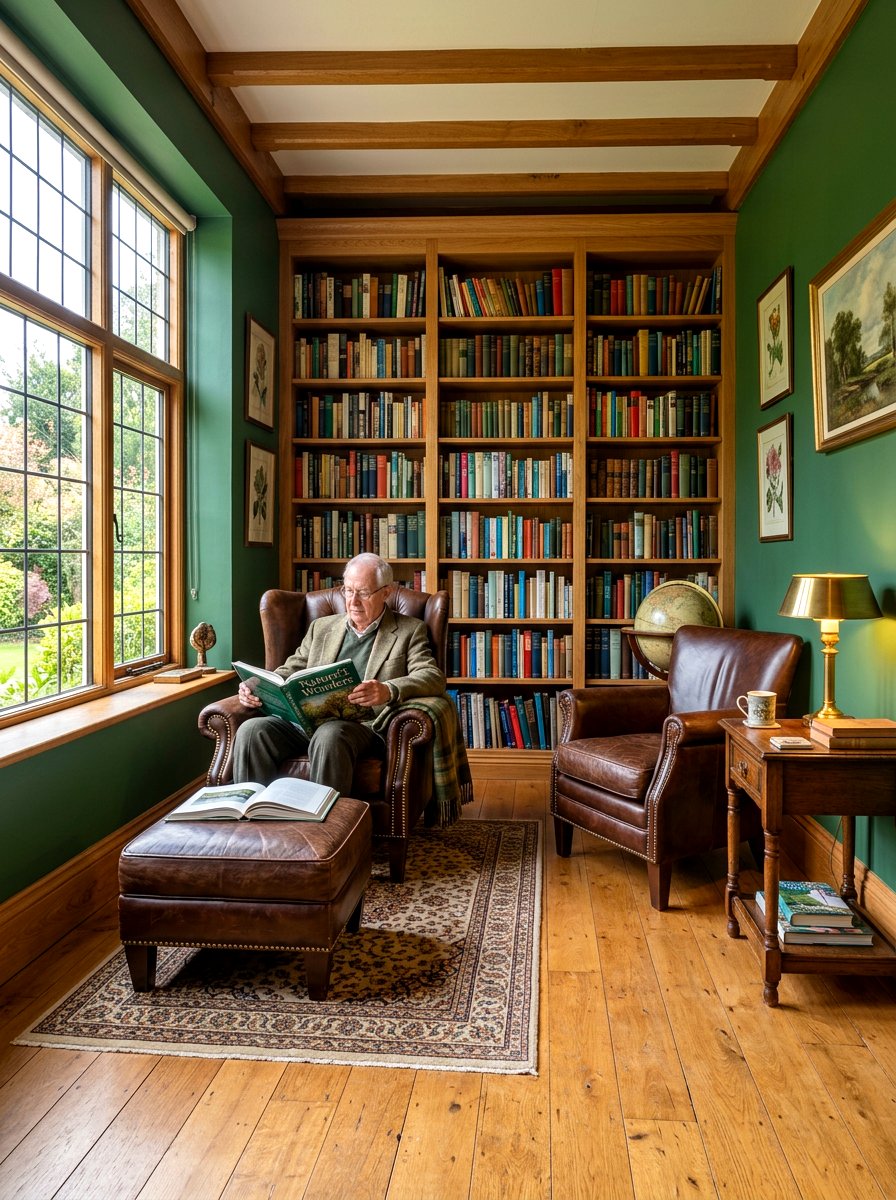
Natural oak baseboard trim brings an incredible amount of warmth and organic texture into a home that painted options simply cannot replicate. The beautiful grain patterns found in real wood add a layer of sophisticated detail that feels both rustic and high-end at the same time. These baseboards pair exceptionally well with hardwood flooring of a similar species or can provide a stunning contrast against light-colored tiles. Because oak is a very durable hardwood, these trims are excellent at resisting dents and scratches in high-traffic hallways. Leaving the wood in its natural state or using a clear sealant allows the inherent beauty of the timber to shine brightly.
4. Black Flat Baseboard
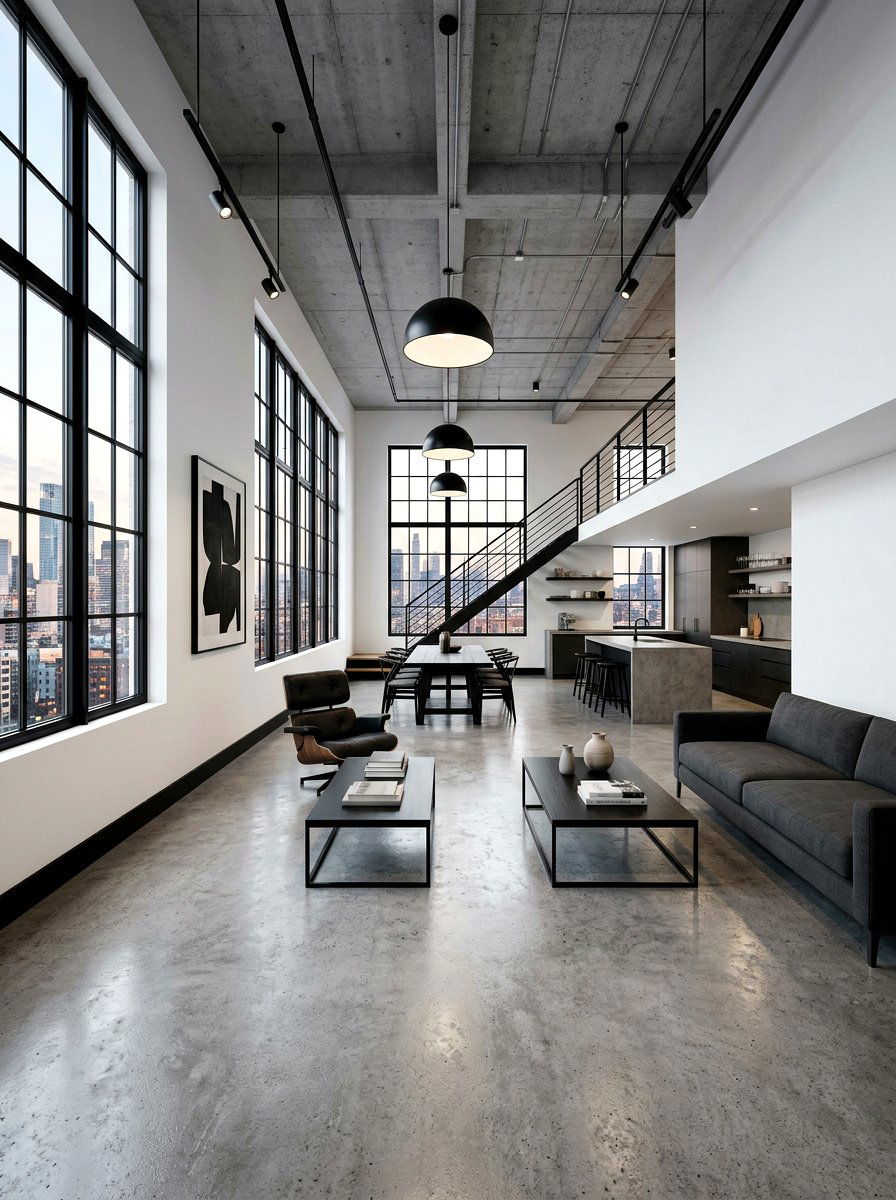
Black flat baseboard designs are the perfect choice for homeowners who want to introduce a bold, graphic element into their interior architecture. This high-contrast look works exceptionally well when paired with crisp white walls or moody, dark paint colors for a truly dramatic effect. The sleek, straight lines of a flat profile in a matte black finish create a modern frame around the room that feels sophisticated and edgy. It is a popular choice for industrial lofts and contemporary urban apartments where architectural details need to be sharp and well-defined. This style provides a grounded feel to the room while acting as a striking visual anchor.
5. Classic Colonial Baseboard
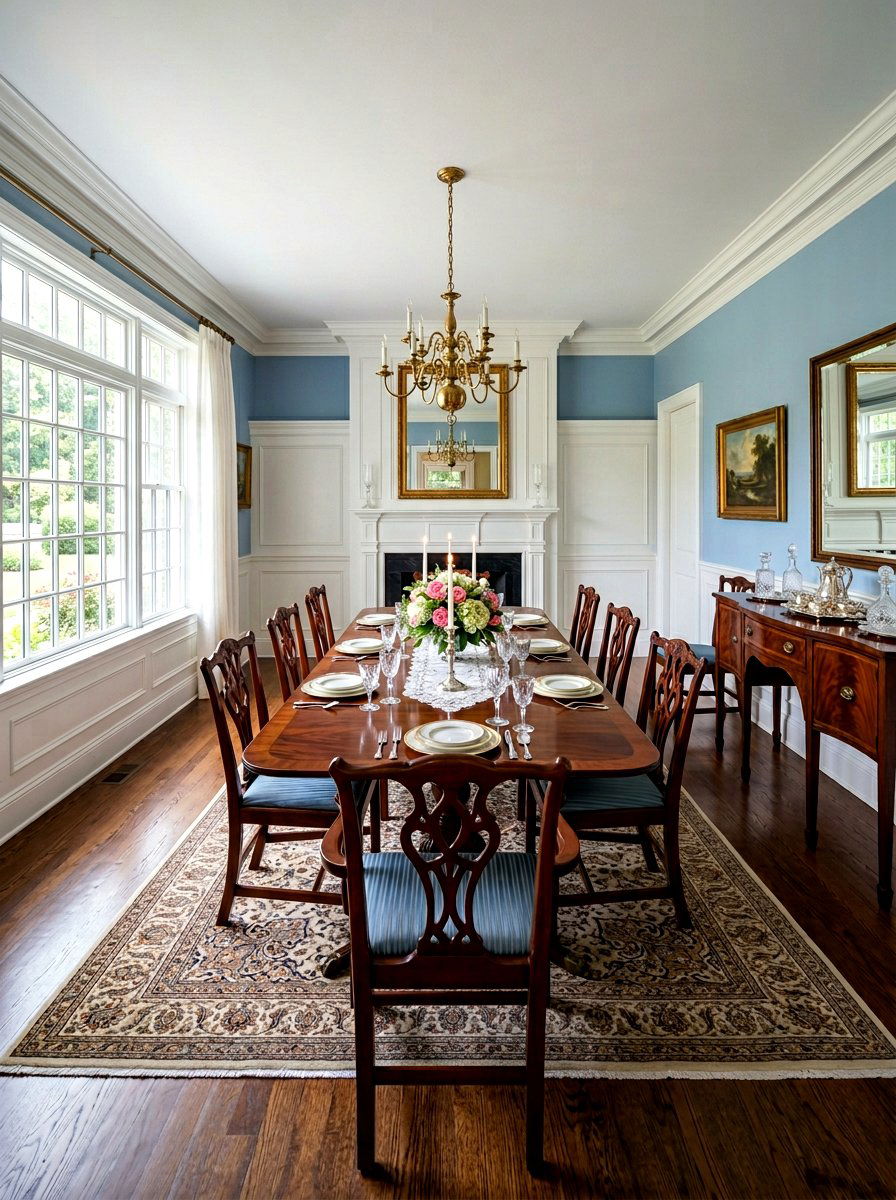
Classic colonial baseboard molding features a distinctive "S" shaped curve at the top that has been a staple in American homes for generations. This traditional profile offers a soft and elegant transition from the floor to the wall, making it ideal for formal dining rooms or historic renovations. The subtle detailing adds architectural interest without being overly flashy or complicated to install. Most colonial trims are medium in height, allowing them to fit comfortably in standard rooms with eight-foot ceilings. When painted in a soft semi-gloss white, these baseboards provide a clean and polished finish that complements traditional furniture and crown molding perfectly.
6. Victorian Style Baseboard
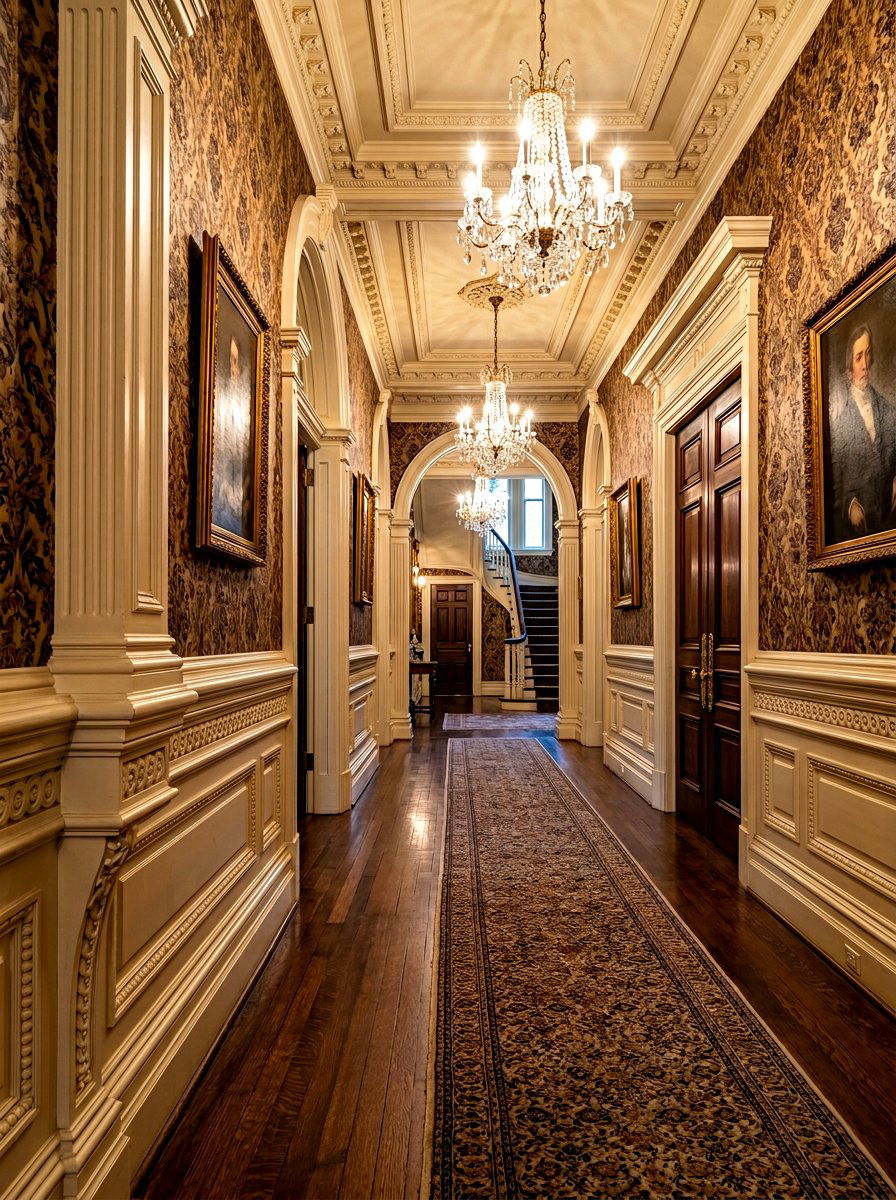
Victorian style baseboard trim is all about opulence, intricate details, and grand proportions that reflect the craftsmanship of a bygone era. These moldings are often quite tall and feature multiple tiers of decorative beads, coves, and steps to create a very formal appearance. If you are living in a historic home or want to add significant character to a new build, this is the ultimate choice for making a statement. They look best when paired with equally ornate door casings and ceiling medallions to create a cohesive period look. The deep grooves and shadows created by the profile add incredible depth and texture to your walls.
7. Flat Stock Baseboard
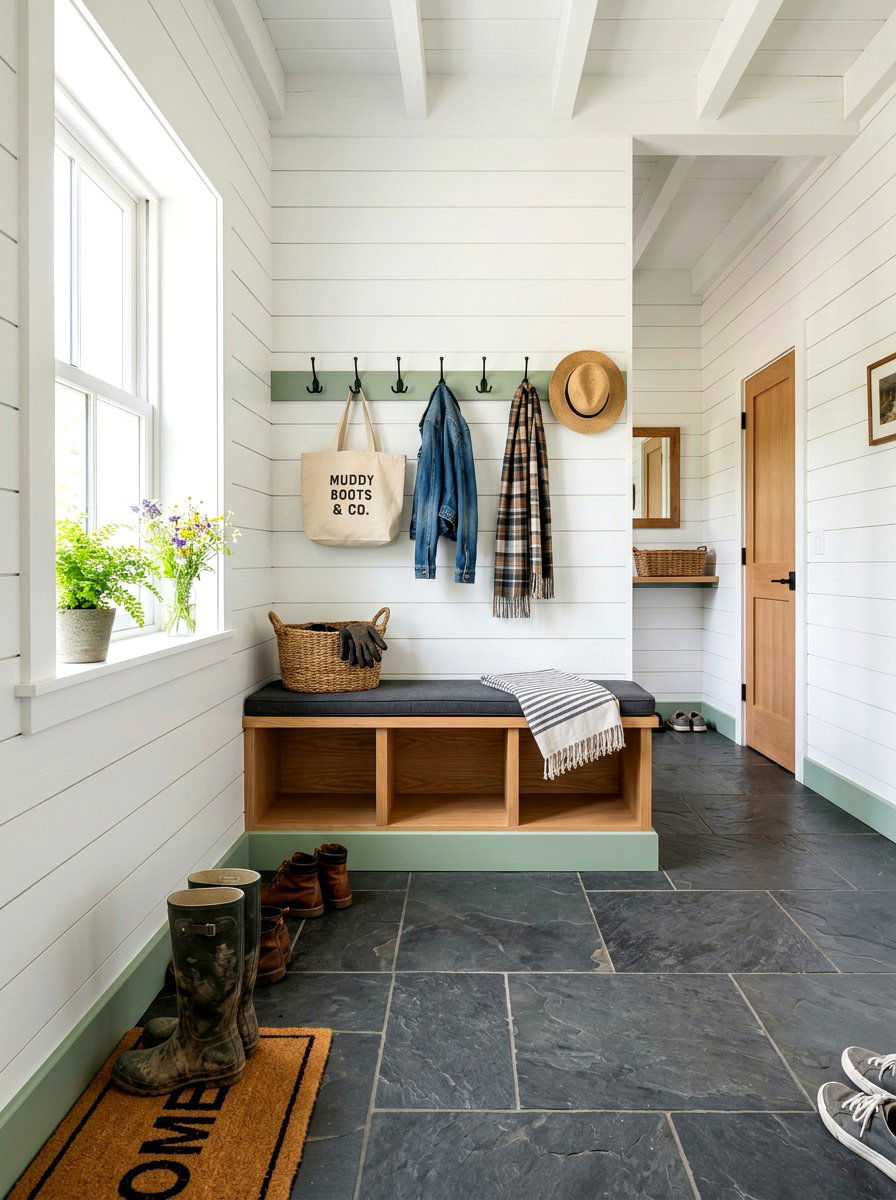
Flat stock baseboard is perhaps the simplest and most versatile trim option available for modern farmhouse or industrial style homes. This trim is essentially a rectangular board with no decorative curves or profiles, offering a very blunt and honest architectural look. It is highly favored by DIY enthusiasts because it is incredibly easy to cut and install without complex miter joints. When painted in a bold color or a soft neutral, it provides a clean border that highlights the natural beauty of the surrounding materials. This "no-fuss" approach to trim design is perfect for those who prefer a minimalist aesthetic that feels grounded.
8. Quarter Round Baseboard
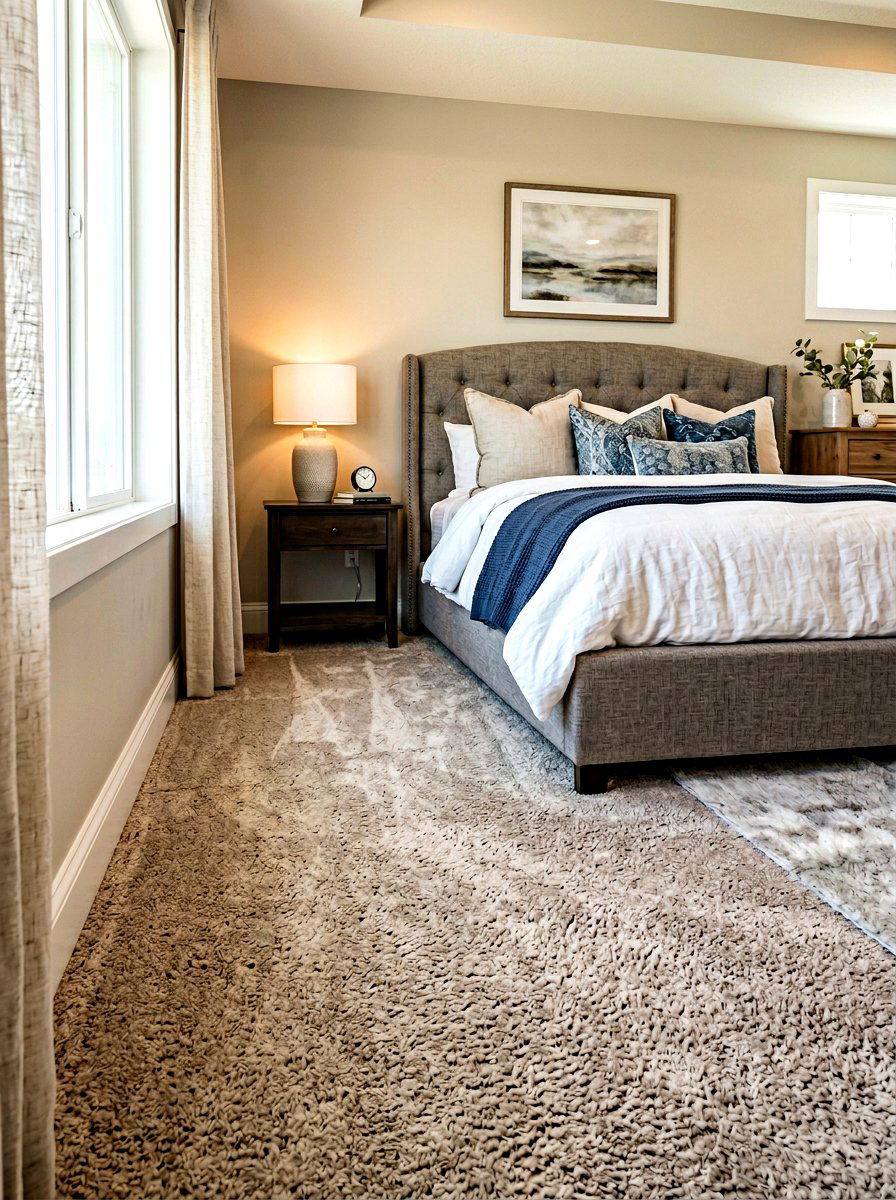
Quarter round baseboard trim, also frequently referred to as shoe molding, is a small but essential piece of the flooring puzzle. This curved molding is typically installed at the very bottom of an existing baseboard to hide gaps between the trim and the floor. It is especially useful in older homes where floors might be slightly uneven or in rooms with newly installed laminate or hardwood. The soft, rounded profile provides a finished look and helps prevent dust from accumulating in the corners. While it is often functional, it also adds a subtle layer of decorative detail that makes the baseboard assembly feel more complete.
9. Shadow Gap Baseboard

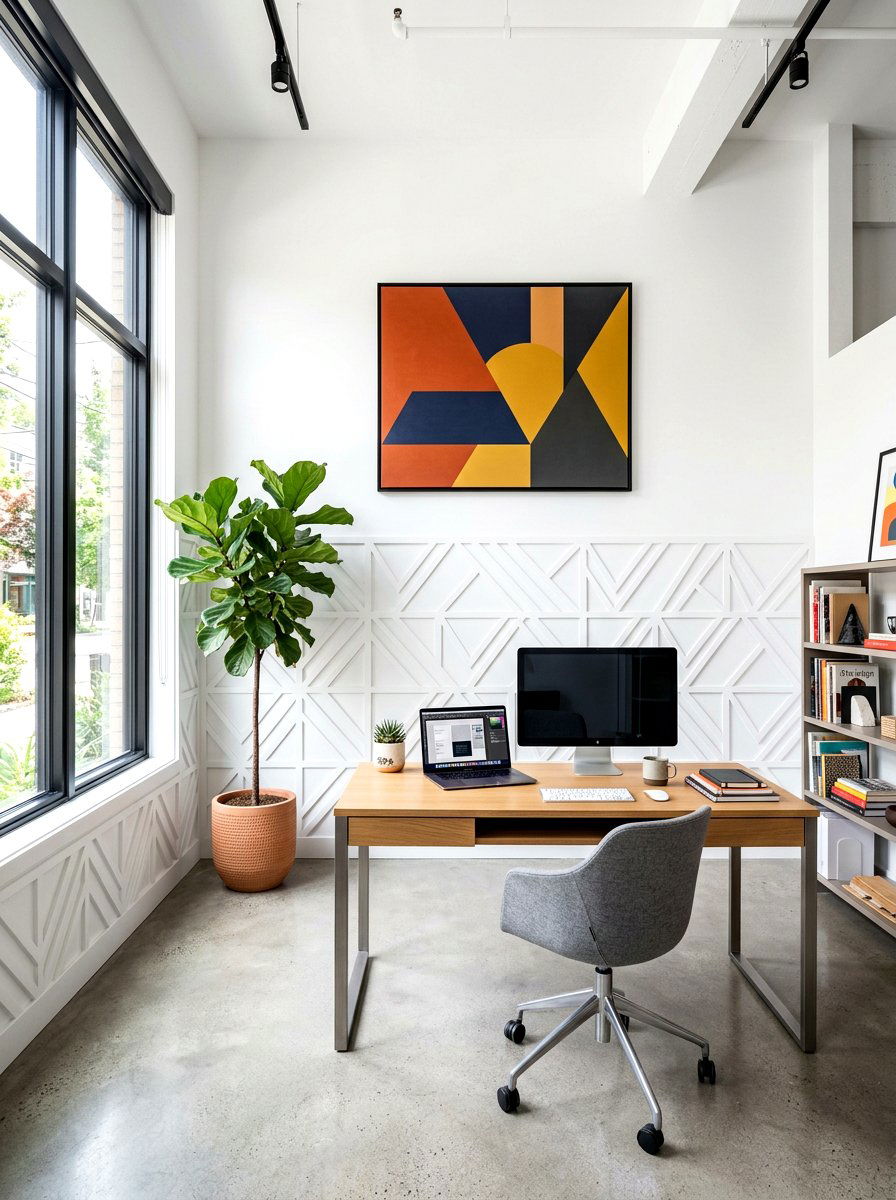
Shadow gap baseboard designs represent the pinnacle of modern architectural minimalism by creating a physical reveal between the wall and the floor. Instead of a traditional protruding board, a small U-shaped channel is installed at the base of the wall to create a thin, dark line. This creates the illusion that the wall is floating slightly above the floor, resulting in a very sleek and futuristic appearance. This style is often used in high-end galleries and contemporary homes where the goal is to have as few visible transitions as possible. It requires precise installation during the drywall phase but offers a stunningly clean finish.
10. Painted Gray Baseboard
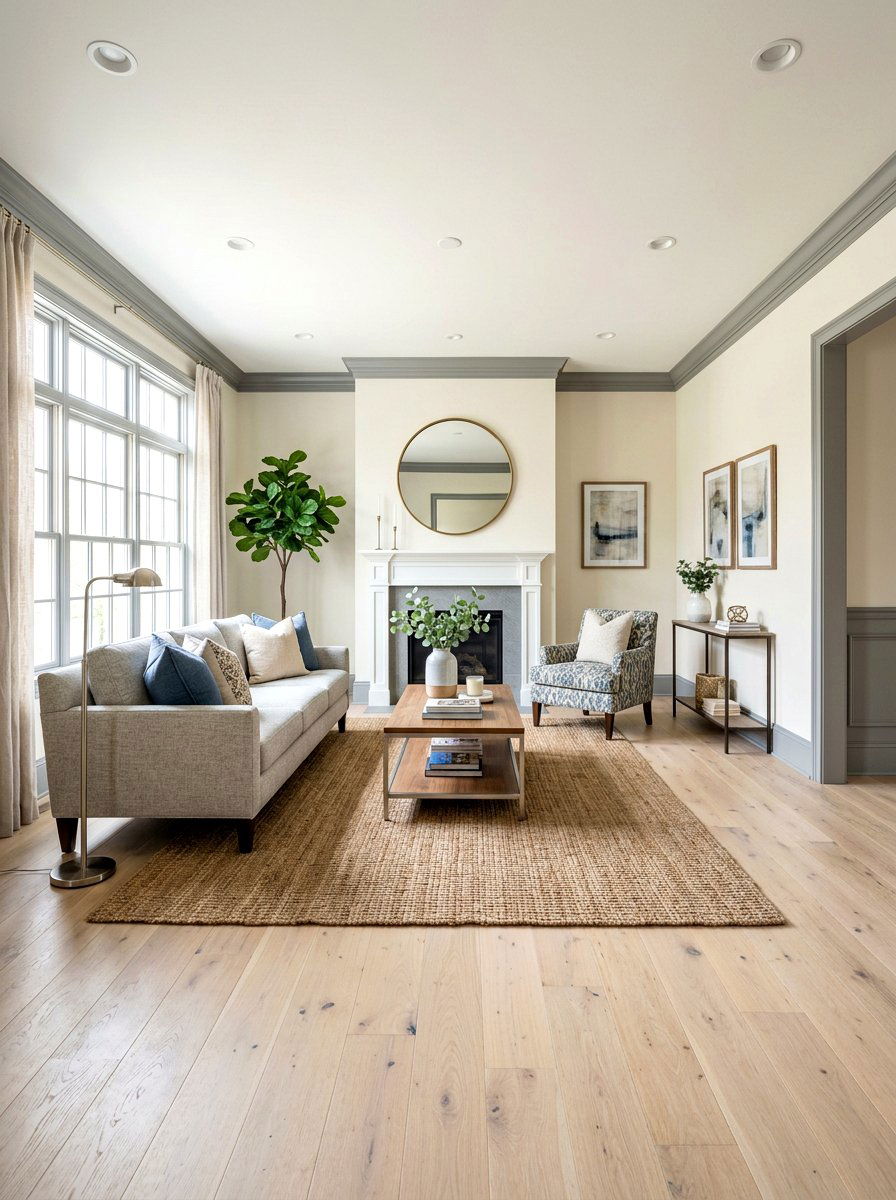
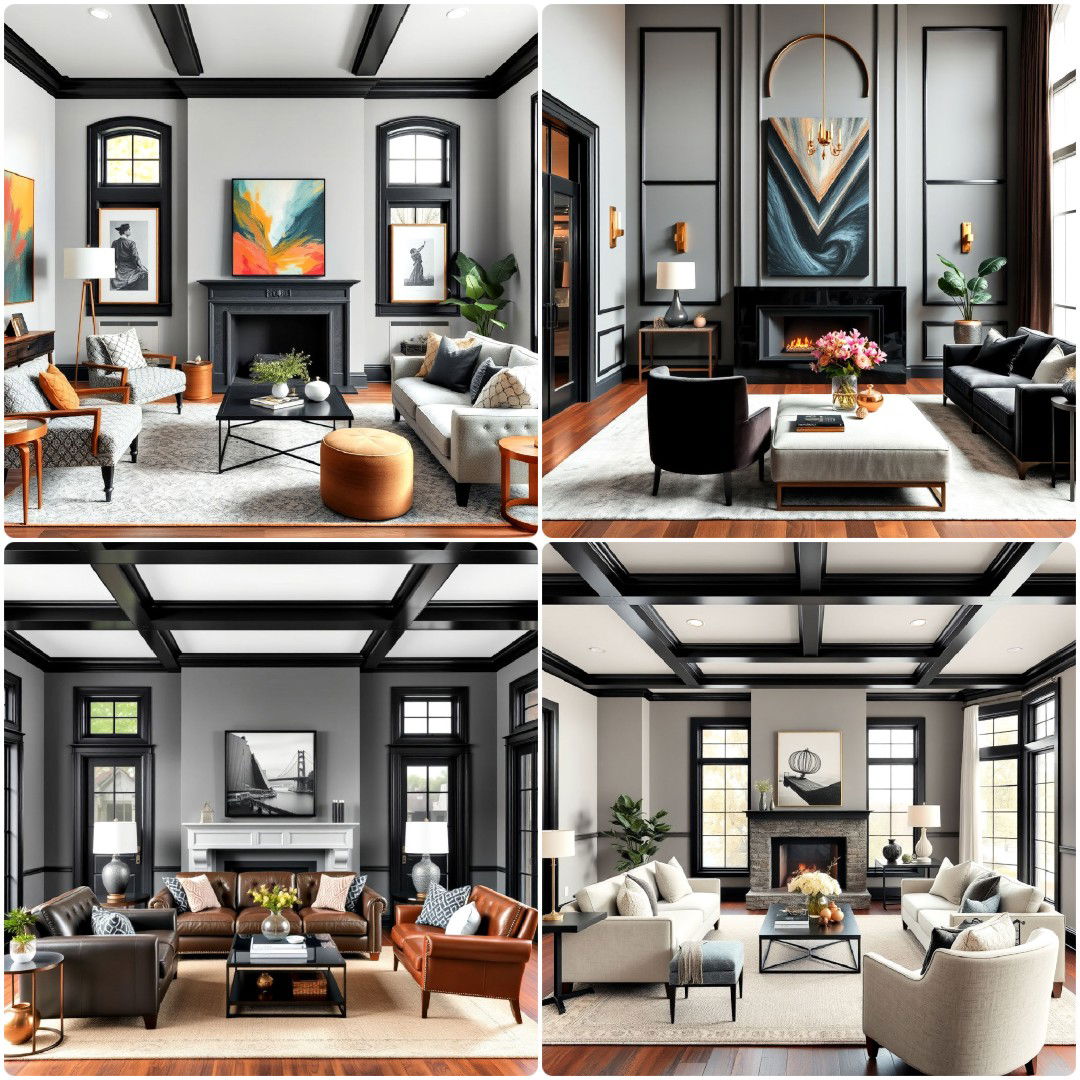
Painted gray baseboard options offer a sophisticated alternative to traditional white trim by providing a softer and more contemporary contrast. Using a mid-tone gray on your baseboards can help ground a room and make wall colors appear more vibrant and well-defined. This look is particularly effective in transitional homes where the goal is to blend classic elements with modern color palettes. Gray trim is also much better at hiding scuff marks and dust compared to bright white finishes, making it a practical choice for busy families. It pairs beautifully with light wood floors and cool-toned upholstery for a very cohesive and calming interior environment.
11. Reclaimed Wood Baseboard
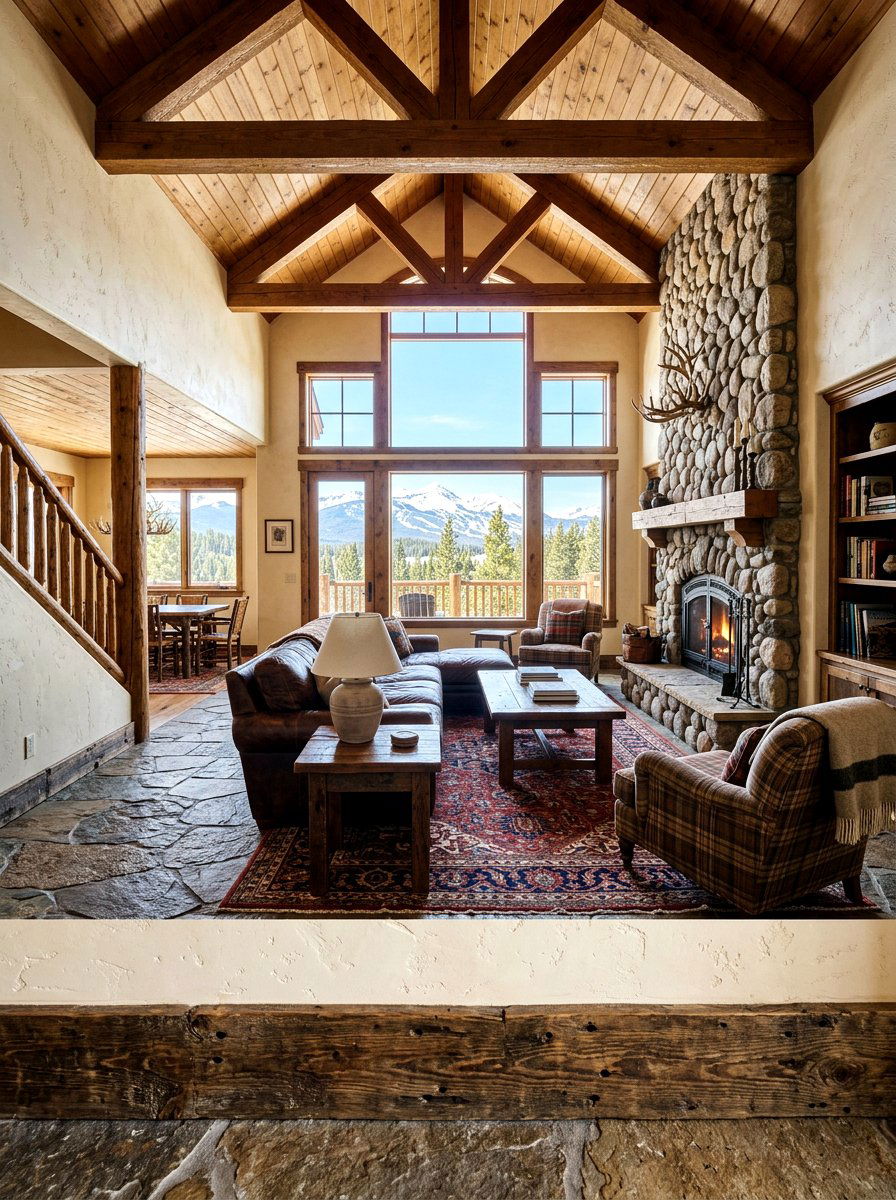
Reclaimed wood baseboard trim adds a rich sense of history and unique character to any room through its weathered textures and natural imperfections. Using timber salvaged from old barns or industrial buildings ensures that no two pieces of trim are exactly alike. These baseboards often feature nail holes, knots, and variations in color that tell a story while providing a rugged foundation for your walls. This style is an excellent choice for rustic cabins, mountain lodges, or even modern homes looking for a touch of organic warmth. The heavy texture of reclaimed wood provides a tactile quality that makes a living space feel very grounded.
12. Bullnose Edge Baseboard
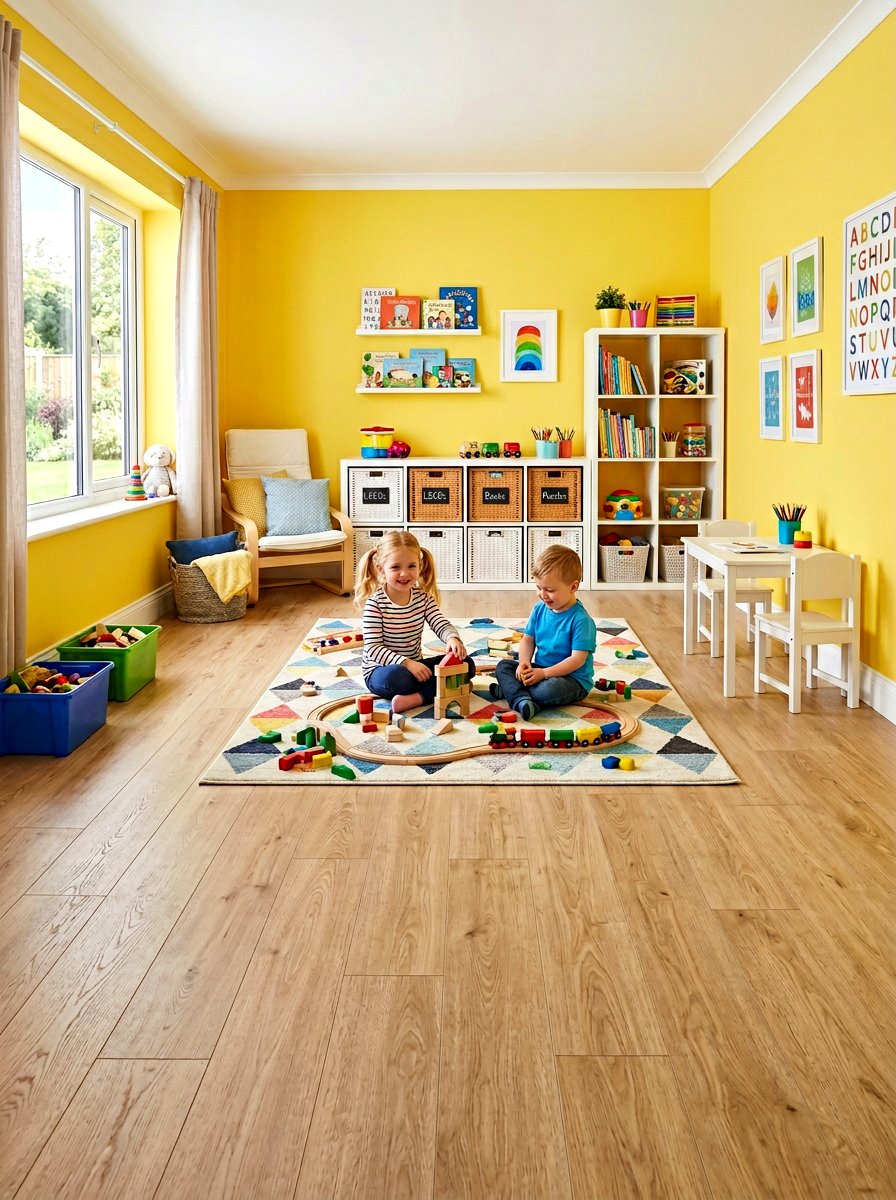
Bullnose edge baseboard trim features a softly rounded top edge that provides a gentle and safe transition between the wall and the floor. This profile is particularly popular in homes with children or pets because there are no sharp corners to bump into. The smooth, curved top is also very easy to clean as it does not collect dust as easily as more intricate, stepped profiles. It offers a subtle decorative touch that is more interesting than a standard flat board but less formal than colonial styles. When finished with a high-quality semi-gloss paint, the bullnose edge catches the light in a very pleasing, soft way.
13. Traditional Cap Baseboard
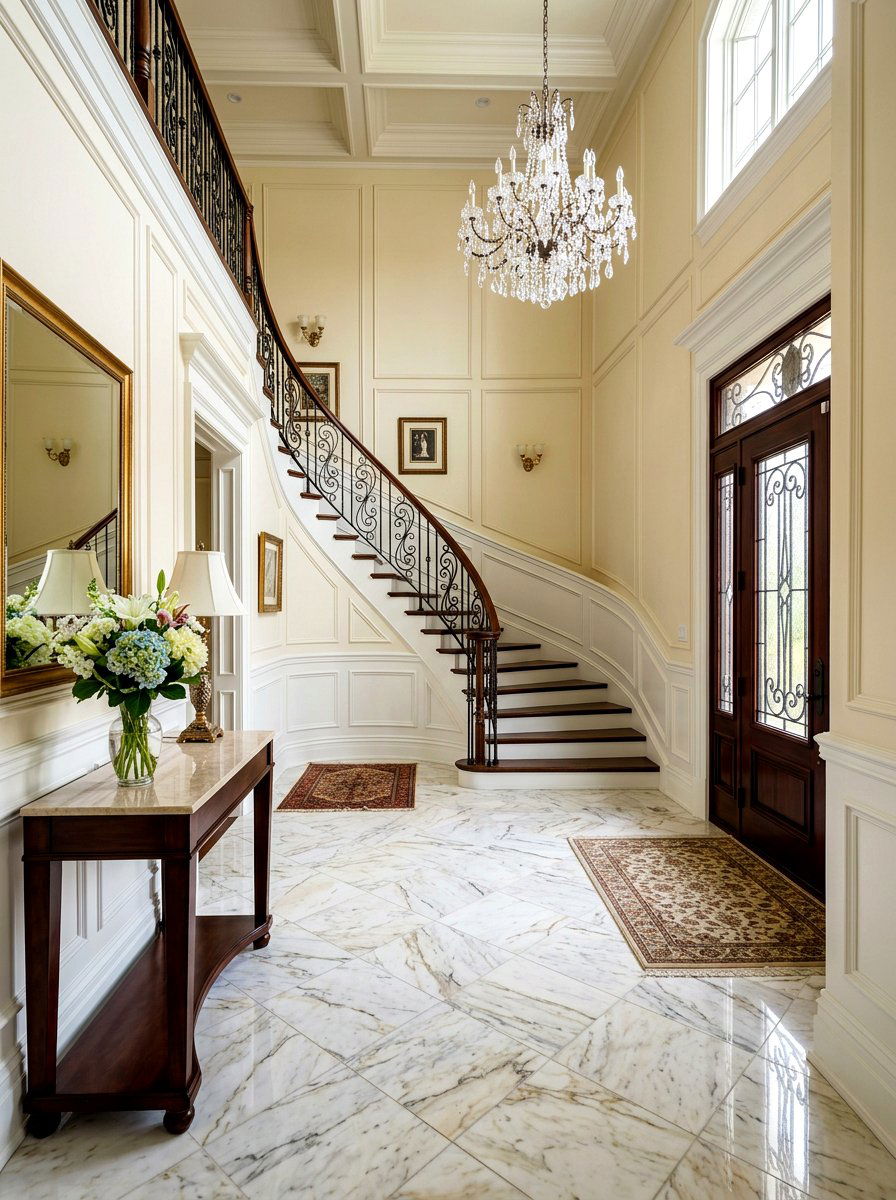
Traditional cap baseboard is a sophisticated two-piece assembly that consists of a flat base board topped with a separate decorative molding piece. This "built-up" look allows for incredible customization as you can mix and match different profiles to achieve the exact height and style you desire. It creates a very formal and substantial appearance that works exceptionally well in large rooms with high ceilings. The extra layer of molding at the top adds a sense of depth and architectural importance to the trim work. This style is often found in luxury estates where every detail is designed to feel custom and carefully considered for maximum impact.
14. Farmhouse Style Baseboard
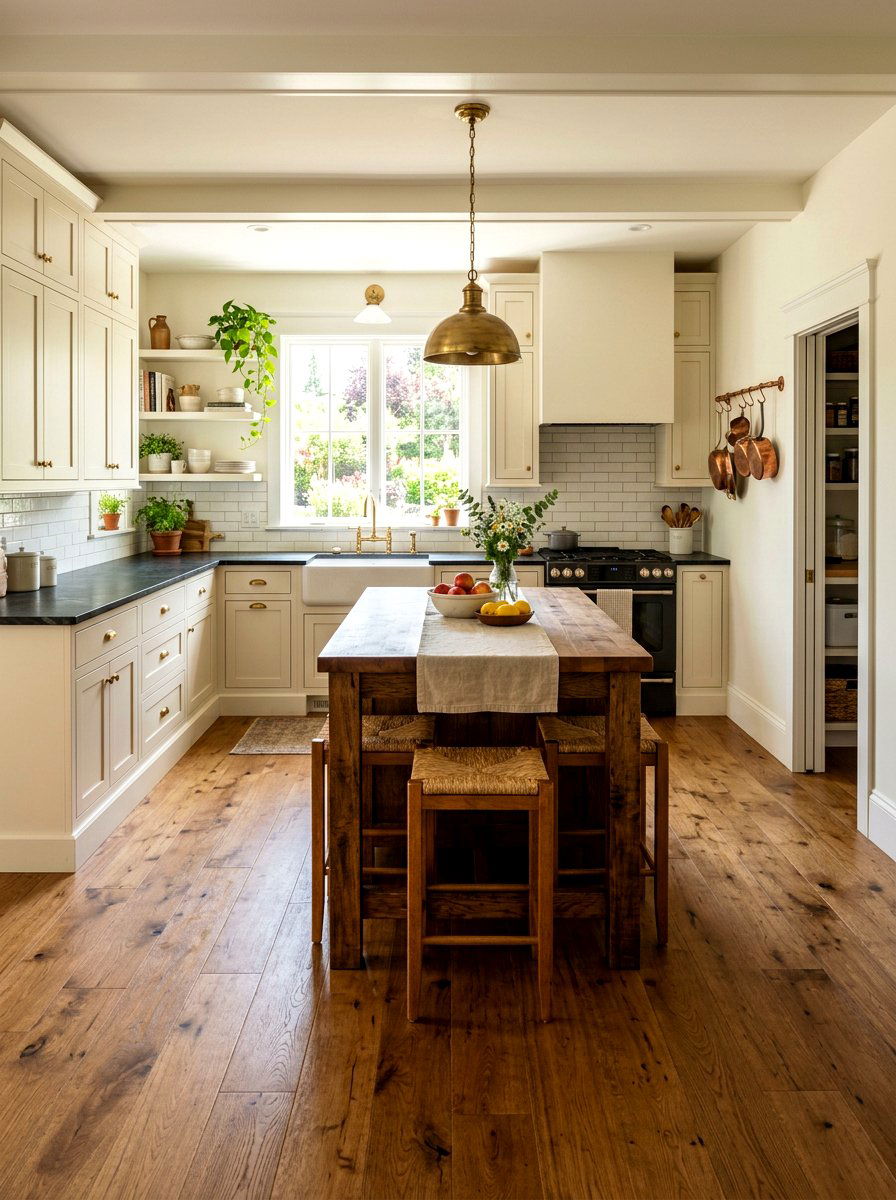
Farmhouse style baseboard trim focuses on sturdy, honest construction and simple profiles that evoke the charm of a classic rural home. These baseboards are usually wider than average and feature very basic stepped or beveled tops to add just enough detail without being too delicate. They are almost always painted in a soft, creamy white or left in a natural wood finish to maintain a cozy and inviting atmosphere. This trim style looks particularly stunning when paired with shiplap walls or wide-plank wood flooring. It provides a solid and reliable border for your rooms that feels timeless, practical, and very comfortable for daily living.

15. Integrated Lighting Baseboard
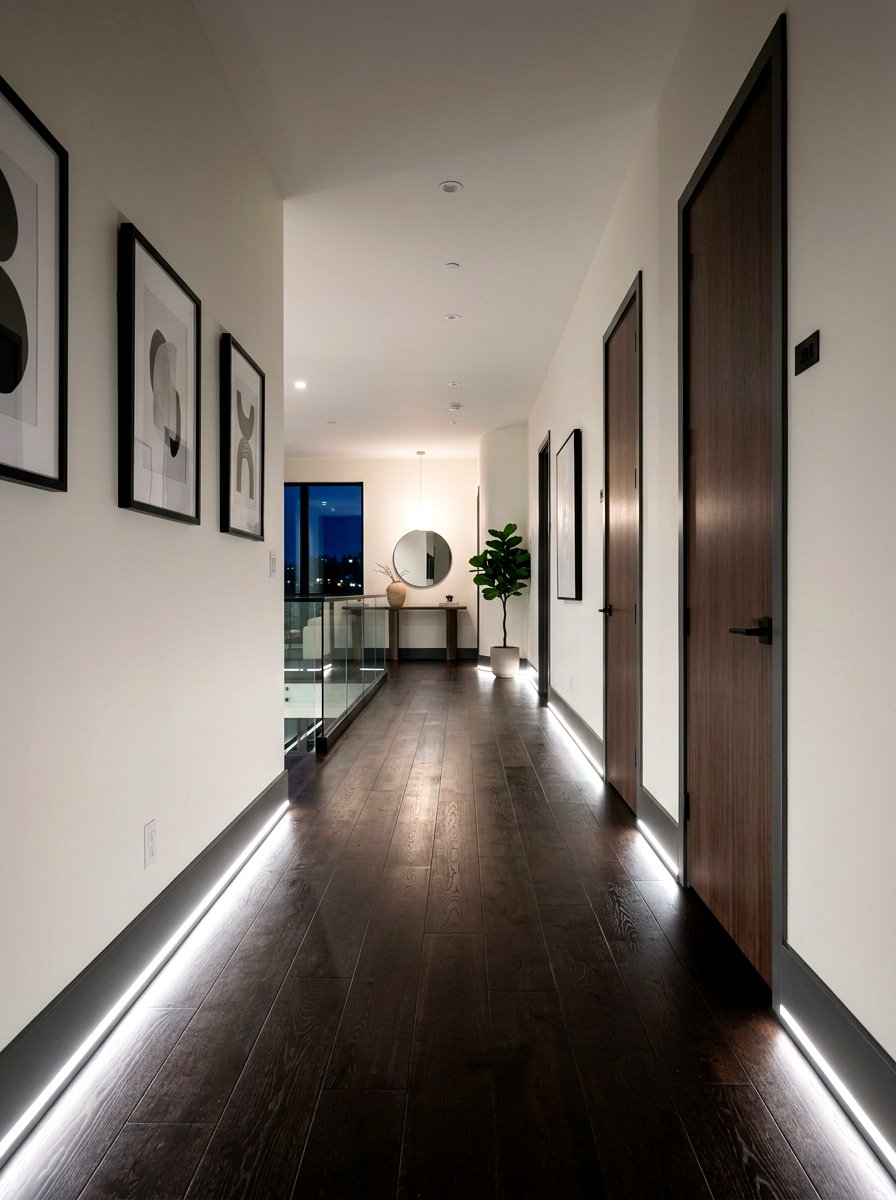
Integrated lighting baseboard systems are a cutting-edge design choice that combines architectural trim with functional ambient illumination. These baseboards feature a built-in channel that houses LED strip lights, casting a soft glow across the floor surface. This creates a stunning visual effect at night and can serve as a stylish wayfinding light in hallways or staircases. The light helps to highlight the texture of your flooring while adding a layer of depth to the entire room. This modern solution is perfect for contemporary homes where technology and design are seamlessly blended to create a unique and highly functional atmosphere for the occupants.
16. Wide Plank Baseboard
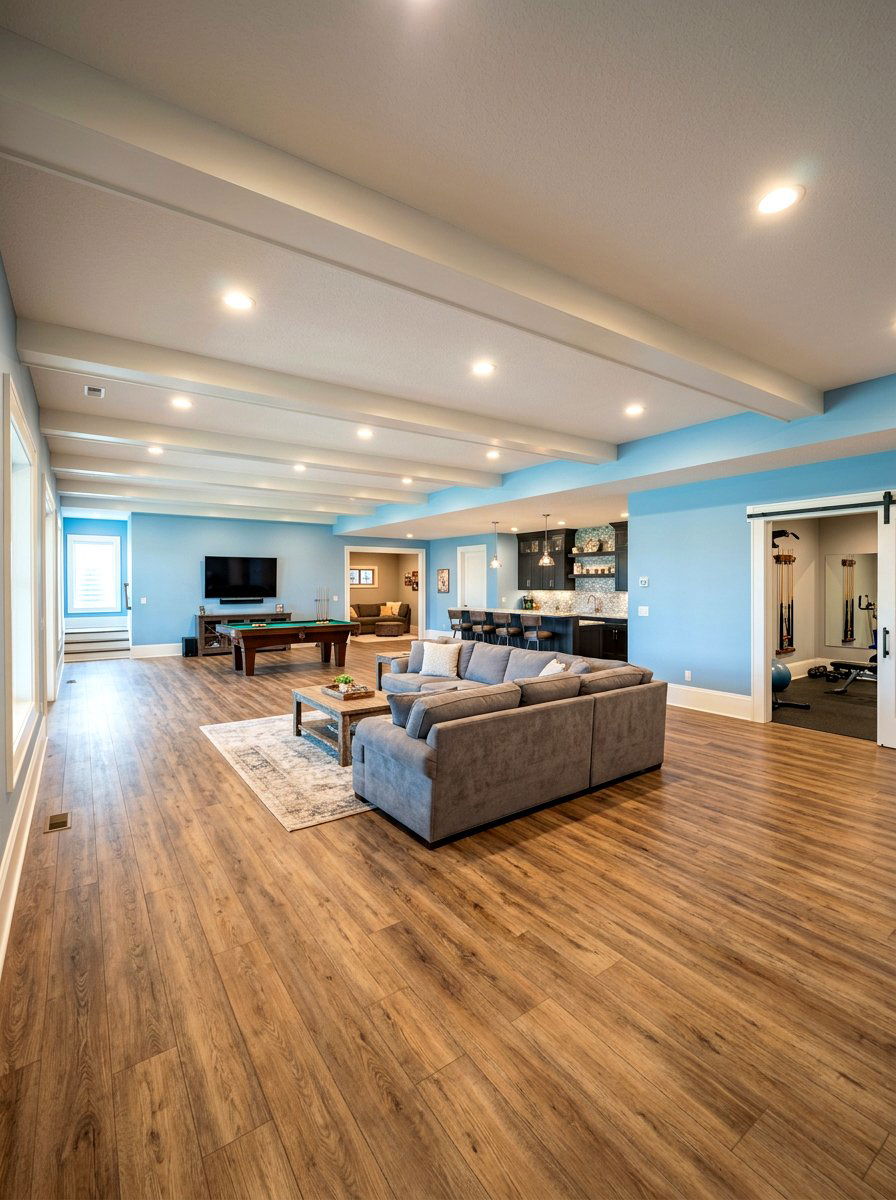
Wide plank baseboard options offer a bold and rustic look that mimics the appearance of oversized floorboards turned on their side. This style is particularly effective in large, open-concept spaces where smaller trim might get lost or look out of scale with the room. The expansive flat surface of the wide plank allows the natural beauty of the wood grain or a custom paint finish to be the focal point. It creates a very grounded and sturdy foundation for the walls, making the room feel more permanent and well-built. This choice is ideal for those who love a heavy, substantial look that feels both historic and modern.
17. Decorative Cove Baseboard
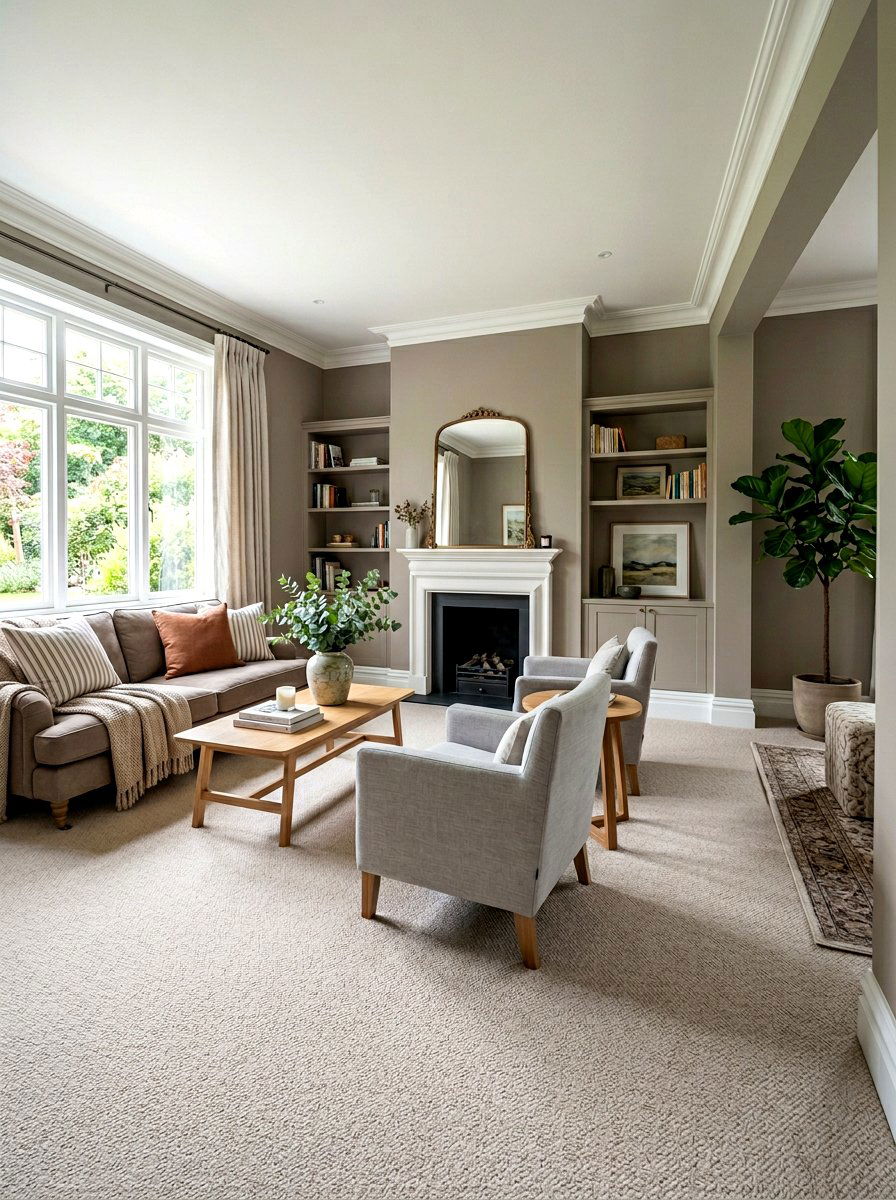
Decorative cove baseboard trim is characterized by its concave, inward-curving profile that creates a soft and elegant shadow line at the base of the wall. This design is excellent for adding a touch of classic sophistication without the busyness of more complex, multi-tiered moldings. The gentle curve of the cove helps to soften the hard angle where the wall meets the floor, making the room feel more fluid and inviting. It is a versatile choice that works well in both traditional and transitional interiors, especially when painted in a soft satin finish. The simplicity of the cove makes it easy to maintain and clean regularly.
18. Monochromatic Painted Baseboard
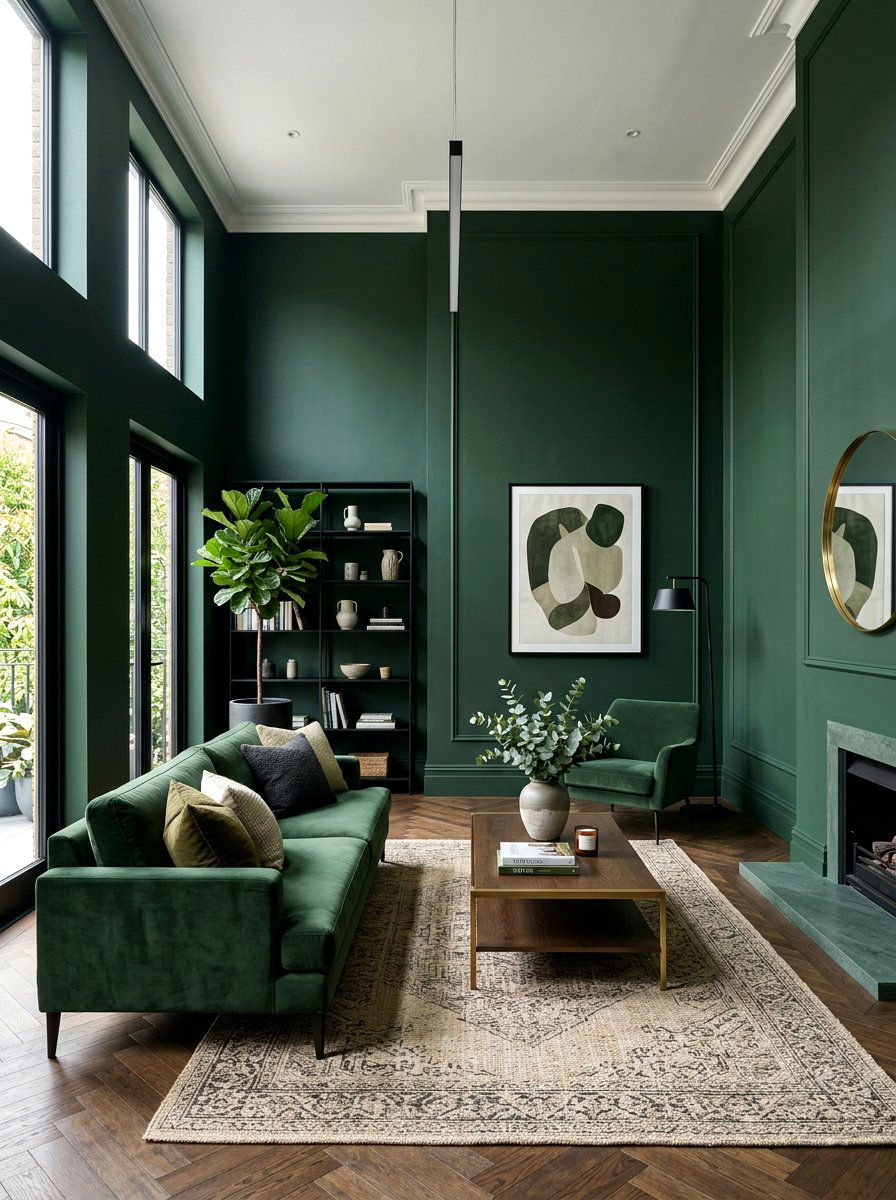
Monochromatic painted baseboard designs involve painting the trim exactly the same color and finish as the walls for a completely seamless look. This modern technique eliminates the visual break at the floor level, making the walls appear much taller and the room feel more expansive. It is a favorite among minimalist designers because it reduces visual clutter and allows furniture and artwork to take center stage. When the baseboards disappear into the wall, the focus shifts to the overall volume and light of the space. This approach is incredibly sophisticated and works beautifully with both neutral tones and very bold, saturated paint colors.
19. Ornate Sculpted Baseboard
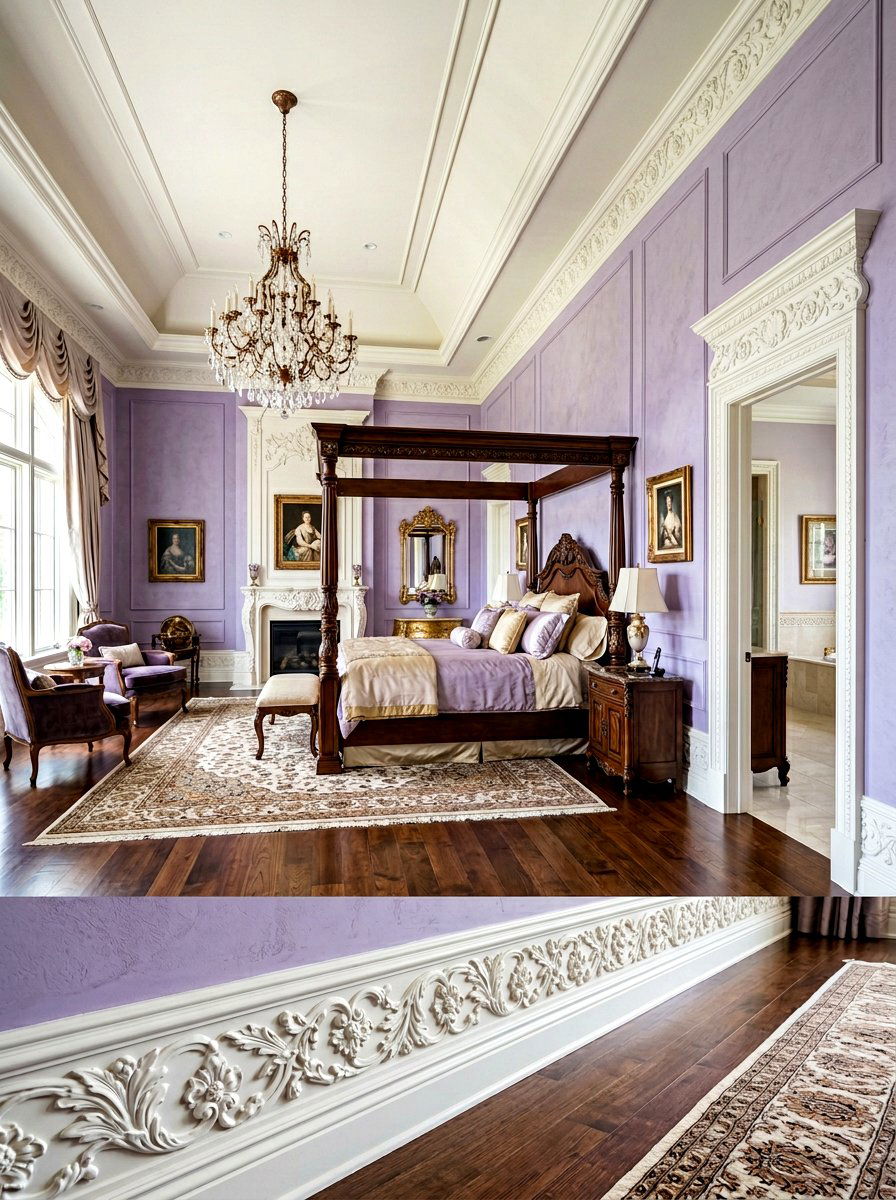
Ornate sculpted baseboard trim is the ultimate choice for homeowners who want their architectural details to be a true work of art. These moldings feature deeply carved patterns, floral motifs, or classical scrolls that add an incredible amount of texture and historical grandeur. Because of their complexity, they are often made from high-quality plaster or dense polyurethane to ensure every detail remains sharp and well-defined. This style is best suited for formal entryways, libraries, or master suites where a sense of luxury is the primary goal. The intricate shadows created by the sculpted designs provide a level of visual interest that is truly unmatched.
20. Modern Metal Baseboard
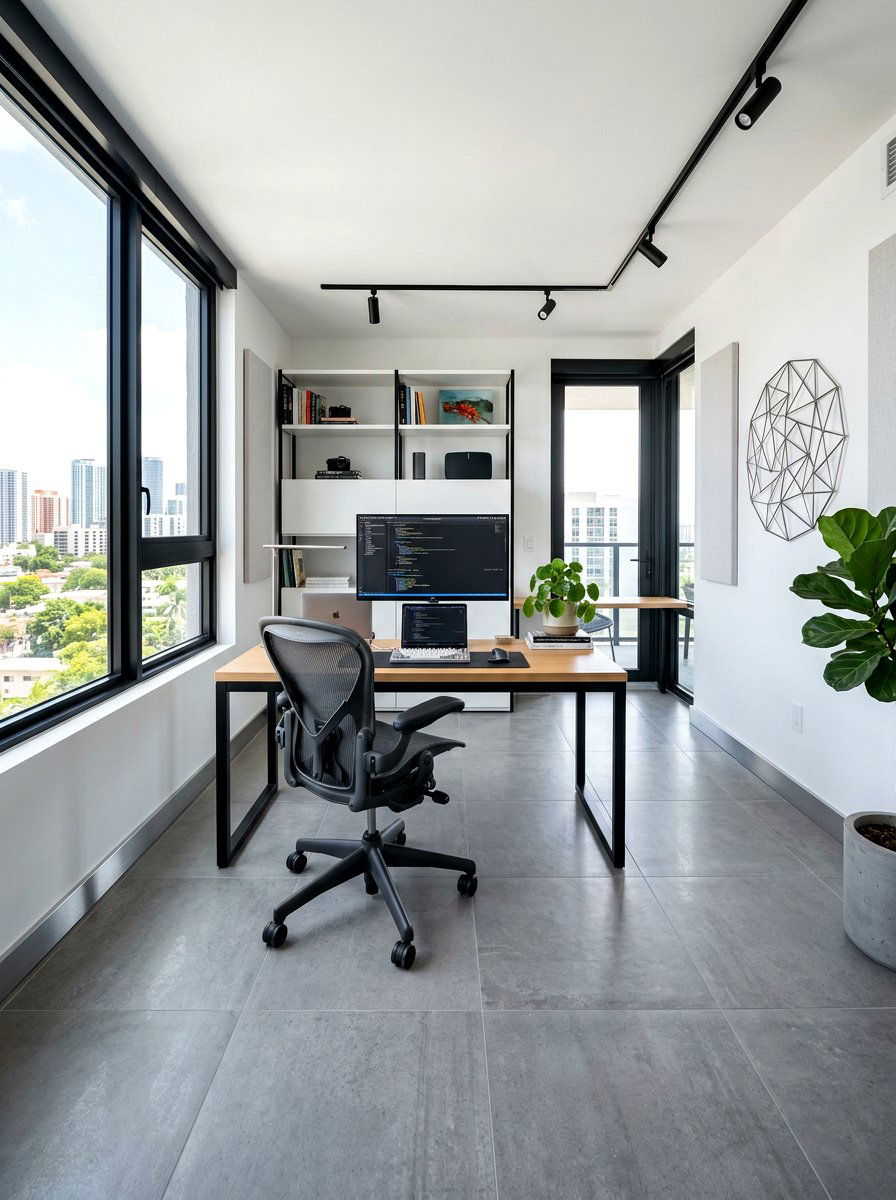
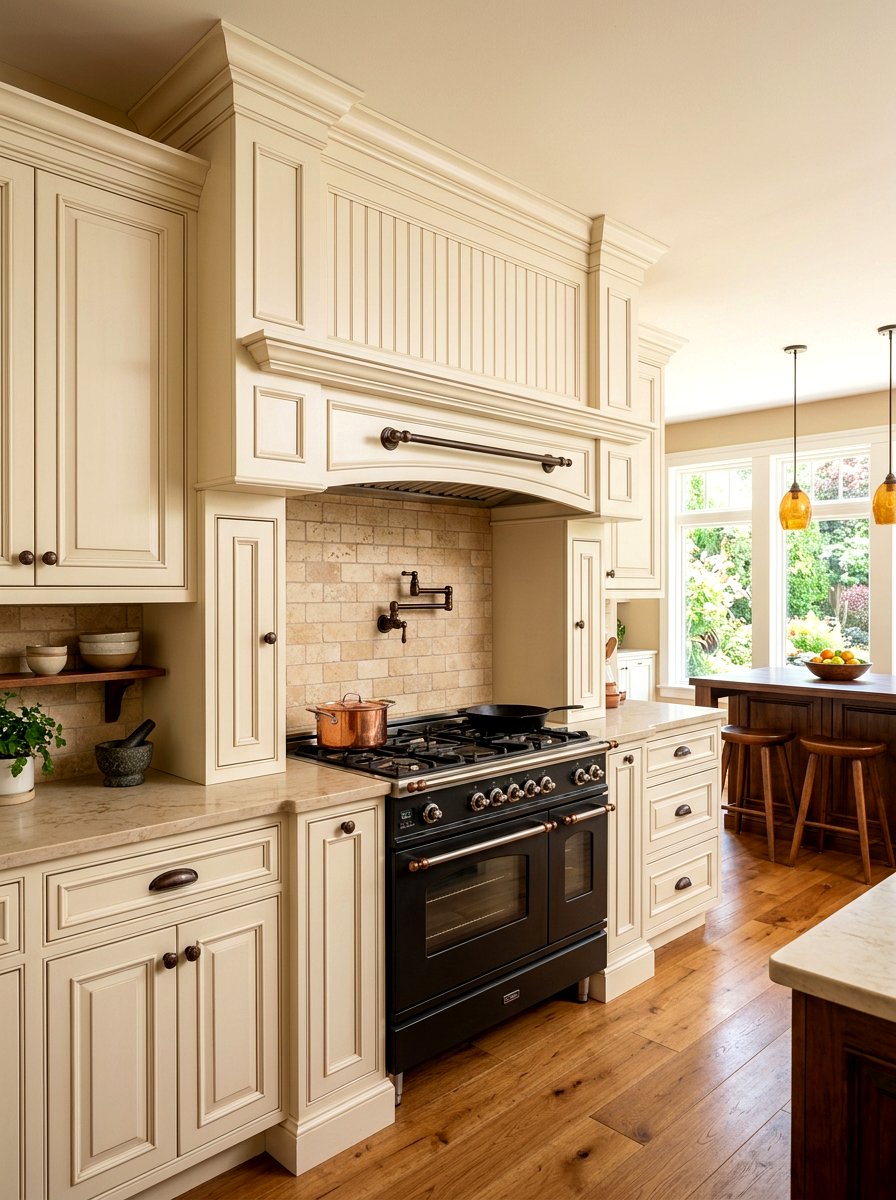
Modern metal baseboard options provide a sleek, industrial, and highly durable alternative to traditional wood or MDF trims. Typically made from brushed aluminum or stainless steel, these baseboards offer a thin and precise border that is perfect for ultra-modern or high-tech interiors. They are incredibly resistant to water, making them an excellent choice for kitchens and bathrooms where moisture is a constant concern. The reflective quality of the metal adds a touch of brightness to the floor level and creates a very clean, professional finish. This trim is ideal for those who want a low-maintenance solution that feels very contemporary and architecturally unique.
21. Slim Profile Baseboard
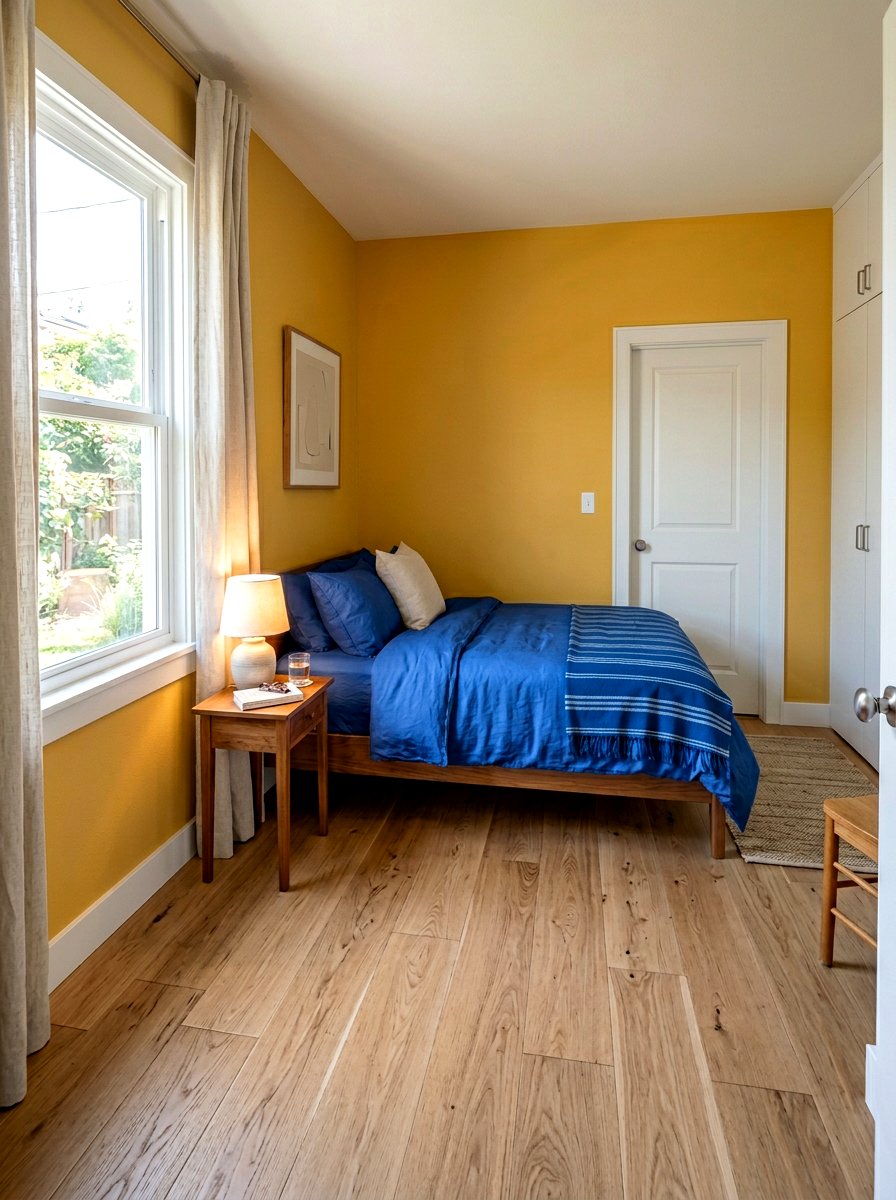
Slim profile baseboard trim is designed for minimalist spaces where the goal is to provide protection for the walls without drawing any unnecessary attention. These trims are typically only two to three inches high and very thin, offering a subtle border that almost vanishes into the background. This is a great choice for small rooms or apartments where bulky moldings might make the space feel cramped or overwhelmed. Despite their small size, they still provide a necessary transition and keep your walls safe from foot traffic. When painted to match the wall, they offer a very modern and streamlined finish that feels effortless.
22. Multi Layered Baseboard

Multi layered baseboard design involves stacking different types of molding together to create a complex and highly customized architectural feature. By combining a tall flat board with various caps, shoes, and mid-molding pieces, you can achieve a look that is completely unique to your home. This approach allows you to control the exact proportions and detail levels for every room, creating a sense of custom luxury. It is particularly effective in high-ceilinged spaces where a single piece of trim would look too small. The multiple layers create interesting shadow lines and a sense of depth that makes the walls feel very substantial.
23. Rustic Pine Baseboard
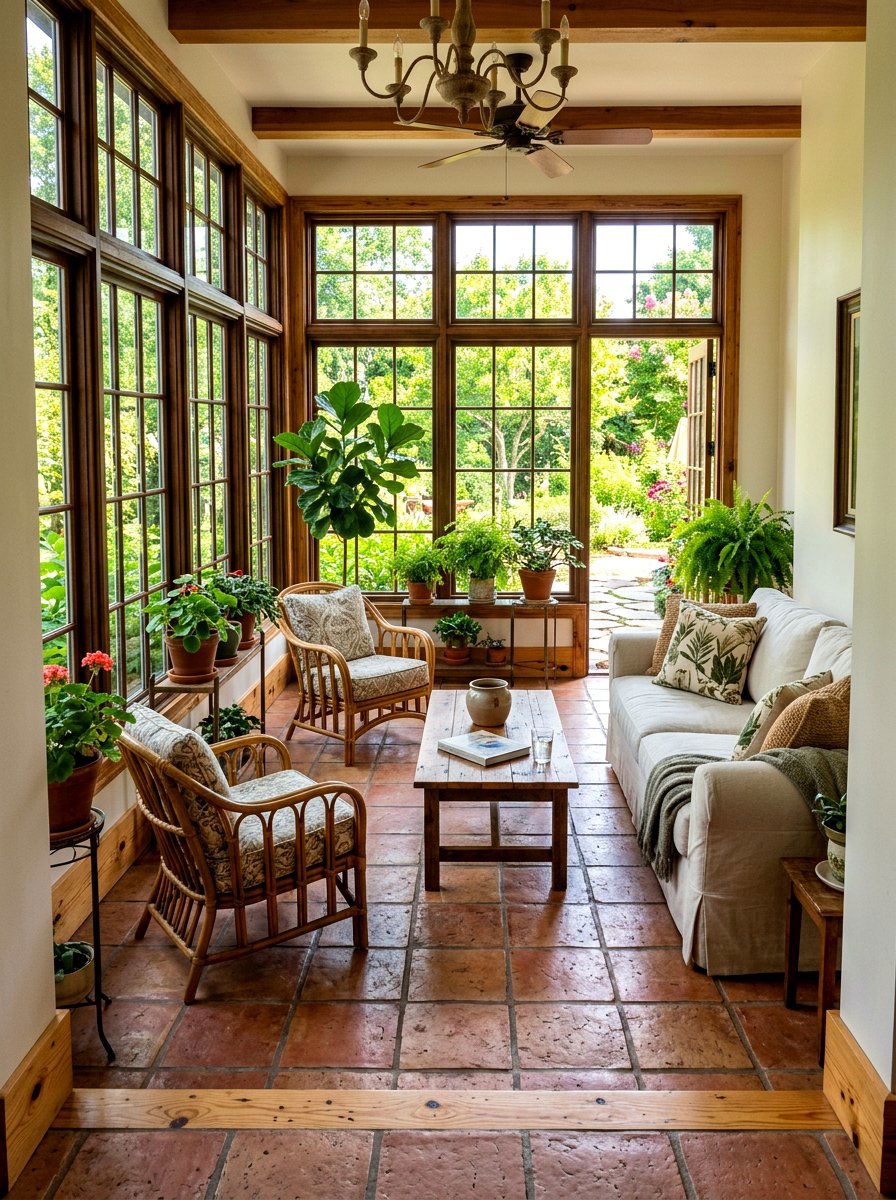
Rustic pine baseboard trim offers a budget-friendly and charming way to add a natural, woodsy feel to your home’s interior. Pine is known for its prominent knots and light color, which can be enhanced with a stain or left natural for a very casual appearance. This trim is perfect for cottages, playrooms, or farmhouse-style spaces where a little bit of imperfection adds to the overall character. Because pine is a softer wood, it develops a beautiful patina over time as it sustains minor wear and tear, making it feel more lived-in. It is a warm and inviting choice that feels very connected to nature.
24. Scalloped Edge Baseboard
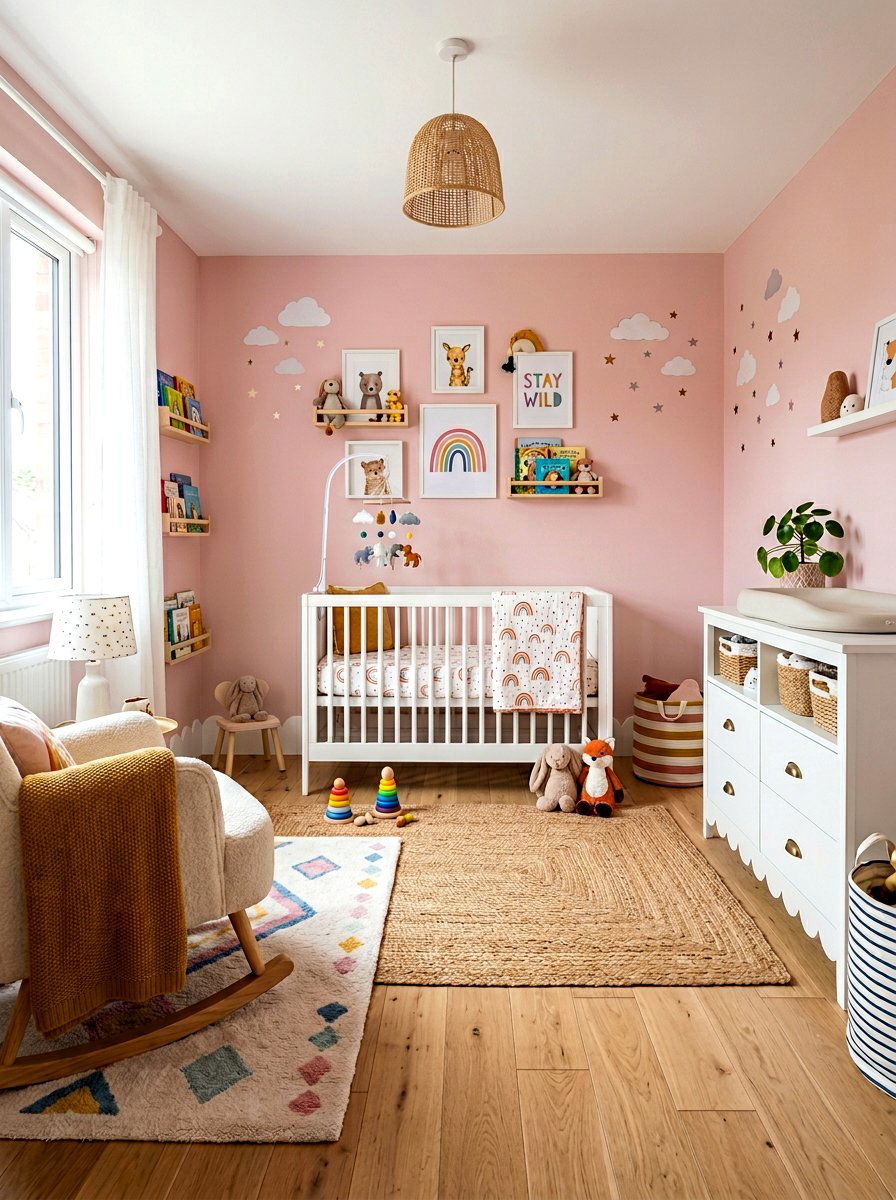
Scalloped edge baseboard trim features a series of soft, repeating curves along the top edge, adding a playful and decorative touch to a room. This style is often used in children's bedrooms, nurseries, or eclectic living spaces where a touch of whimsy is welcome. The gentle waves of the scallops break up the straight lines of the walls and floors, creating a more relaxed and artistic atmosphere. While it is a more niche choice, it can become a wonderful focal point when painted in a contrasting color. It provides a charming detail that makes a house feel like a very personalized and creative home.
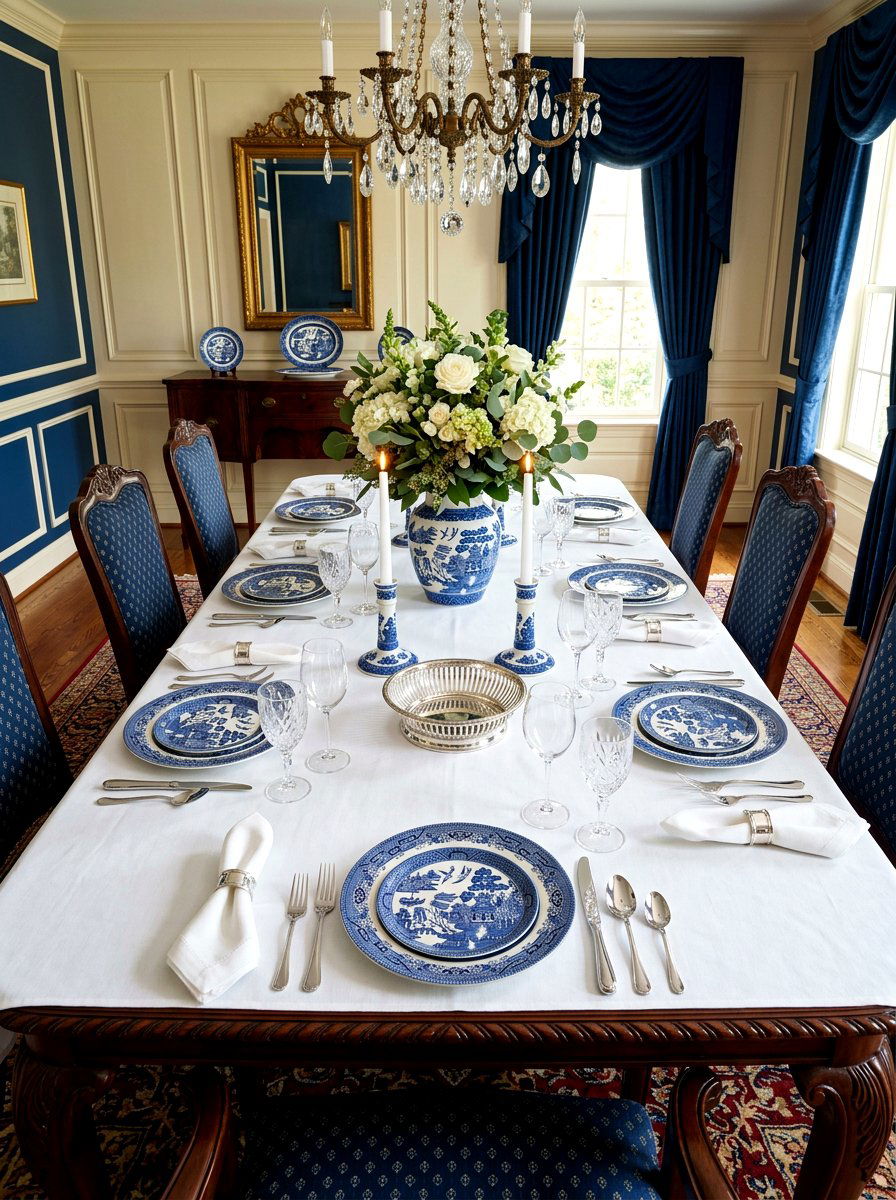
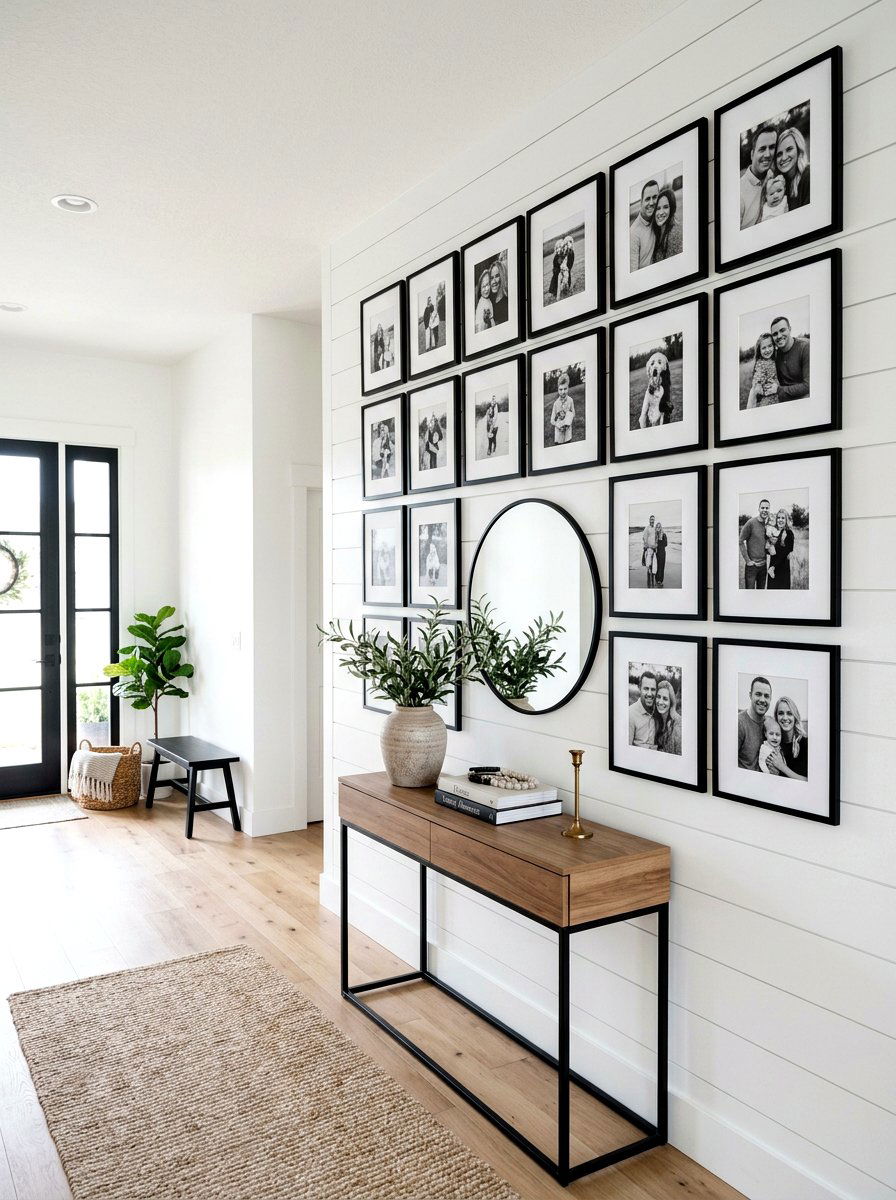
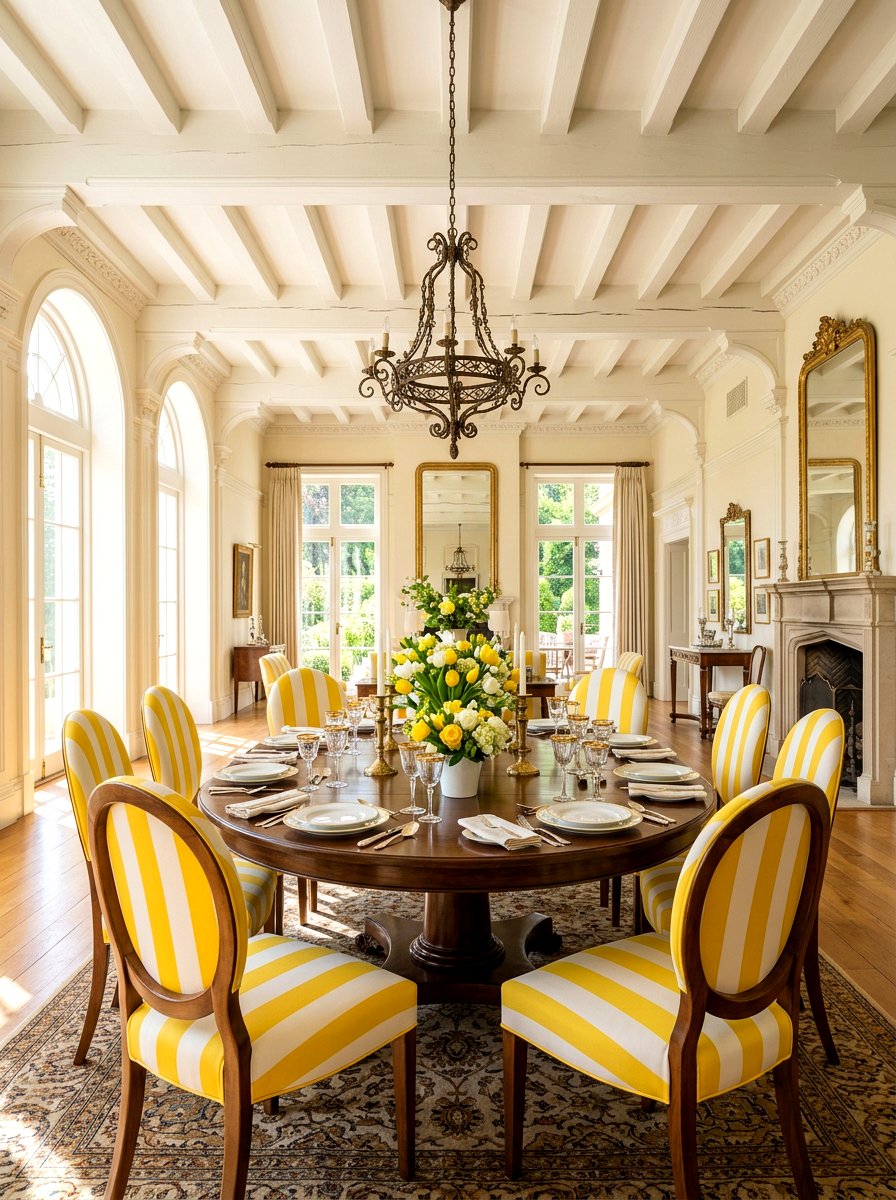
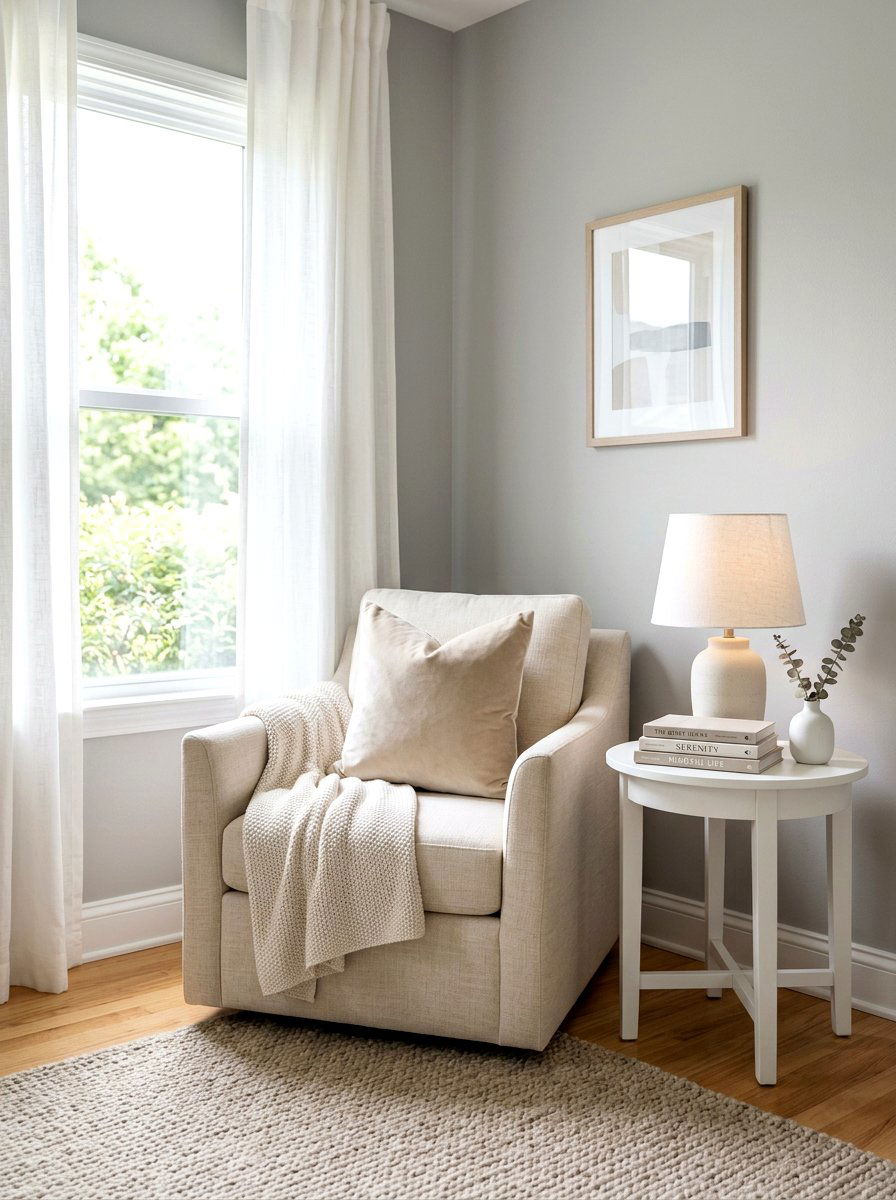
25. Faux Marble Baseboard
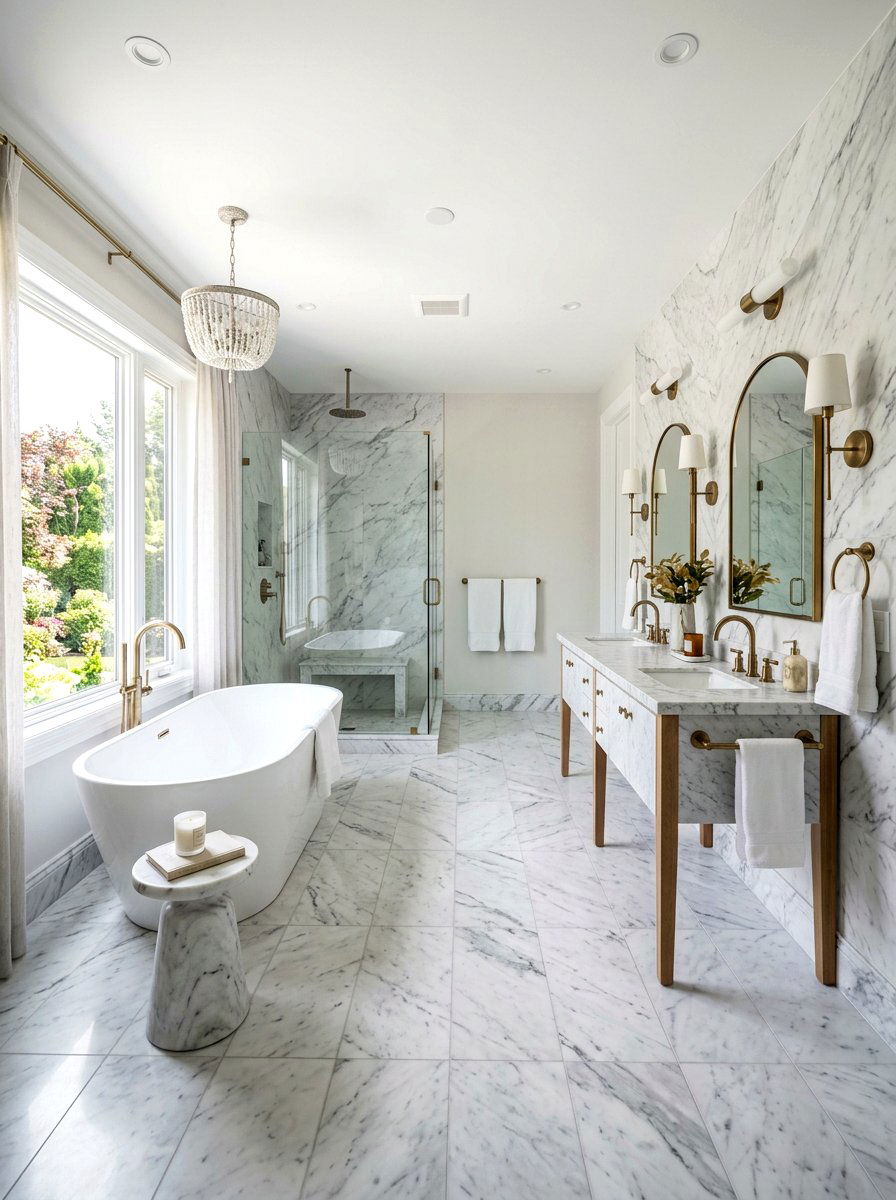
Faux marble baseboard options allow you to achieve the incredibly luxurious look of natural stone without the high cost or difficult installation. These trims are often made from high-quality polymers or porcelain tiles that perfectly mimic the veining and luster of real marble. This choice is stunning in bathrooms, entryways, or formal dining areas where you want to create a sense of timeless elegance. Marble baseboards are exceptionally durable and waterproof, ensuring they stay looking beautiful for many years. Pairing these with marble floors creates a seamless, high-end aesthetic that feels like a classic European villa or a luxury modern hotel.
26. Dark Walnut Baseboard
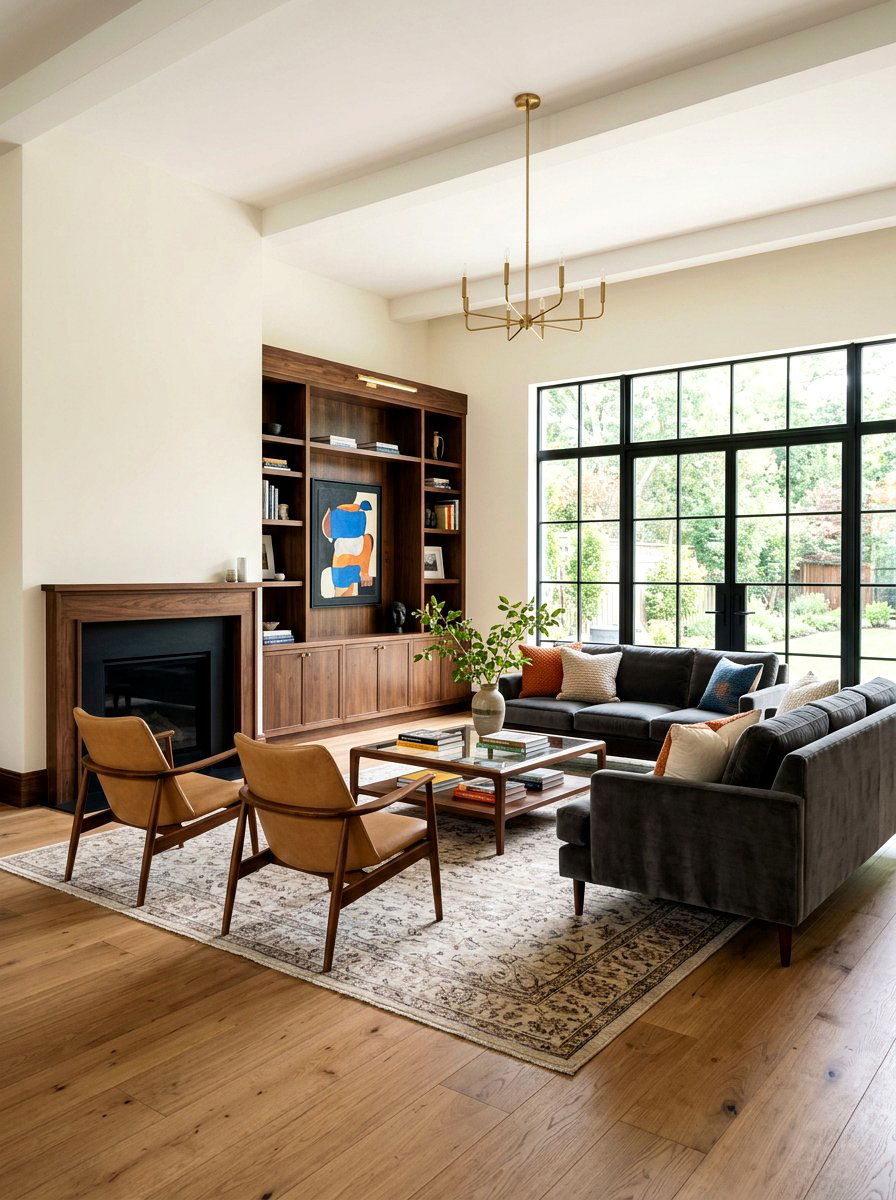
Dark walnut baseboard trim is the gold standard for creating a rich, sophisticated, and masculine feel within a home’s design. The deep chocolate tones and tight grain of walnut wood provide an unmatched level of elegance that feels both modern and historic. These baseboards look incredible when paired with light-colored walls to create a strong, grounding contrast that highlights the architectural perimeter of the room. Walnut is also a very hard and stable wood, making it a premium choice for long-lasting durability. It is an investment in your home’s value that adds a significant amount of warmth and high-end appeal.
27. Square Edge Baseboard
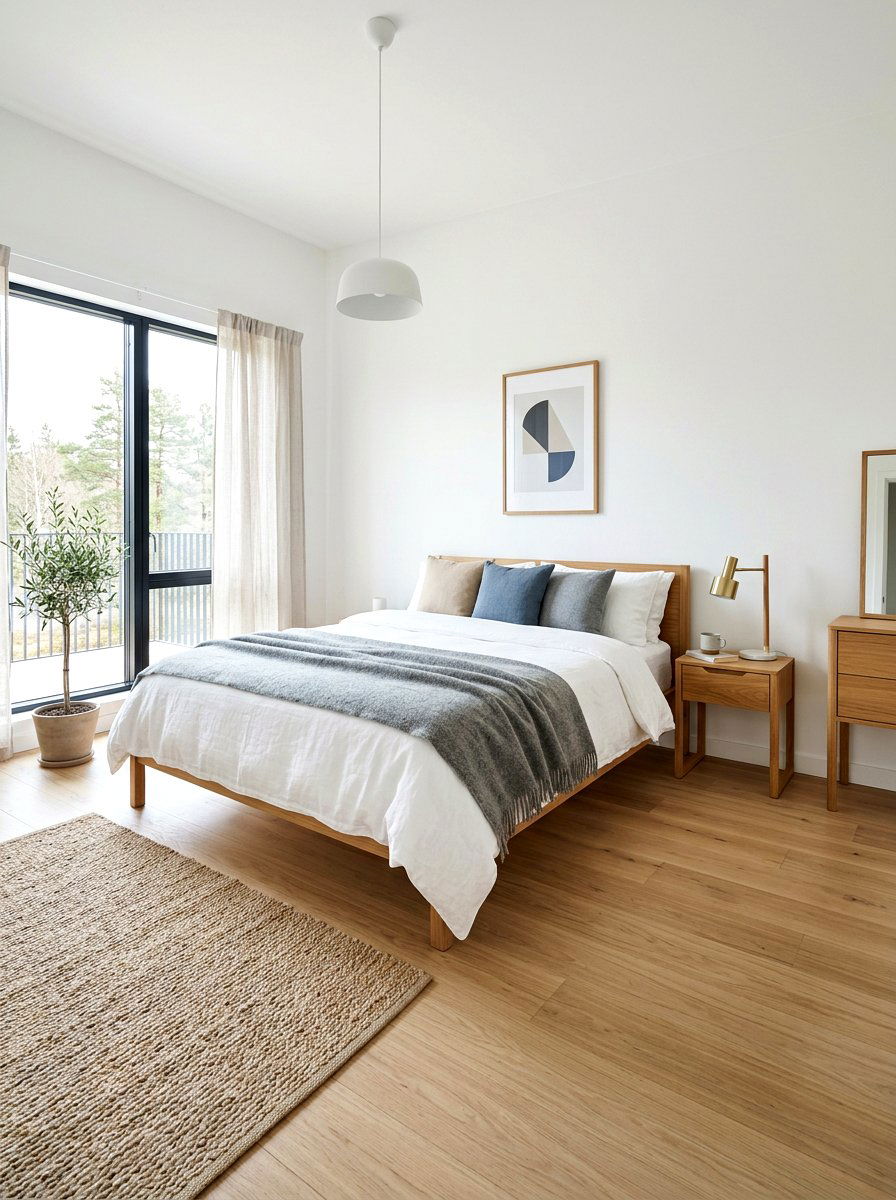
Square edge baseboard trim is the ultimate expression of "less is more" in contemporary interior design. By using a simple rectangular profile with perfectly sharp corners, you create a very disciplined and architectural look along your floors. This style is favored in Scandinavian and modern minimalist homes where clean lines and geometric precision are highly valued. The lack of any curves or decorative elements ensures that the trim does not distract from the overall layout and light of the space. It is a very honest and functional choice that provides a sturdy border while maintaining a very quiet and understated visual presence.
28. Transitional Style Baseboard
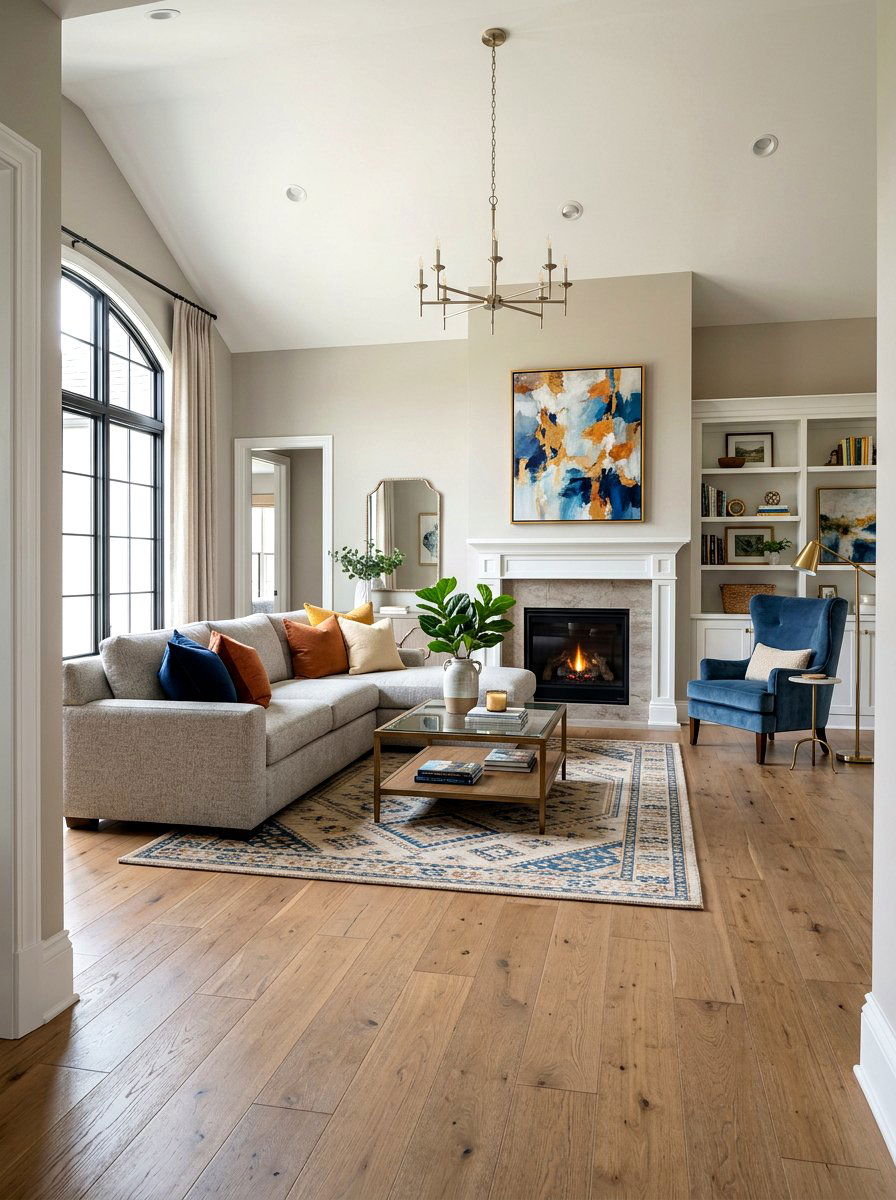
Transitional style baseboard trim is expertly designed to bridge the gap between traditional decorative elements and modern, clean-lined simplicity. These profiles typically feature a flat bottom section with a simple, slightly curved or beveled top, making them incredibly versatile for almost any home. They are the perfect choice if you have a mix of antique and contemporary furniture and want a trim that ties everything together. Transitional baseboards are usually medium in height, allowing them to feel substantial without dominating the room. They offer a balanced and sophisticated look that feels current yet remains deeply rooted in classic design principles for lasting appeal.
29. Retro Mid Century Baseboard
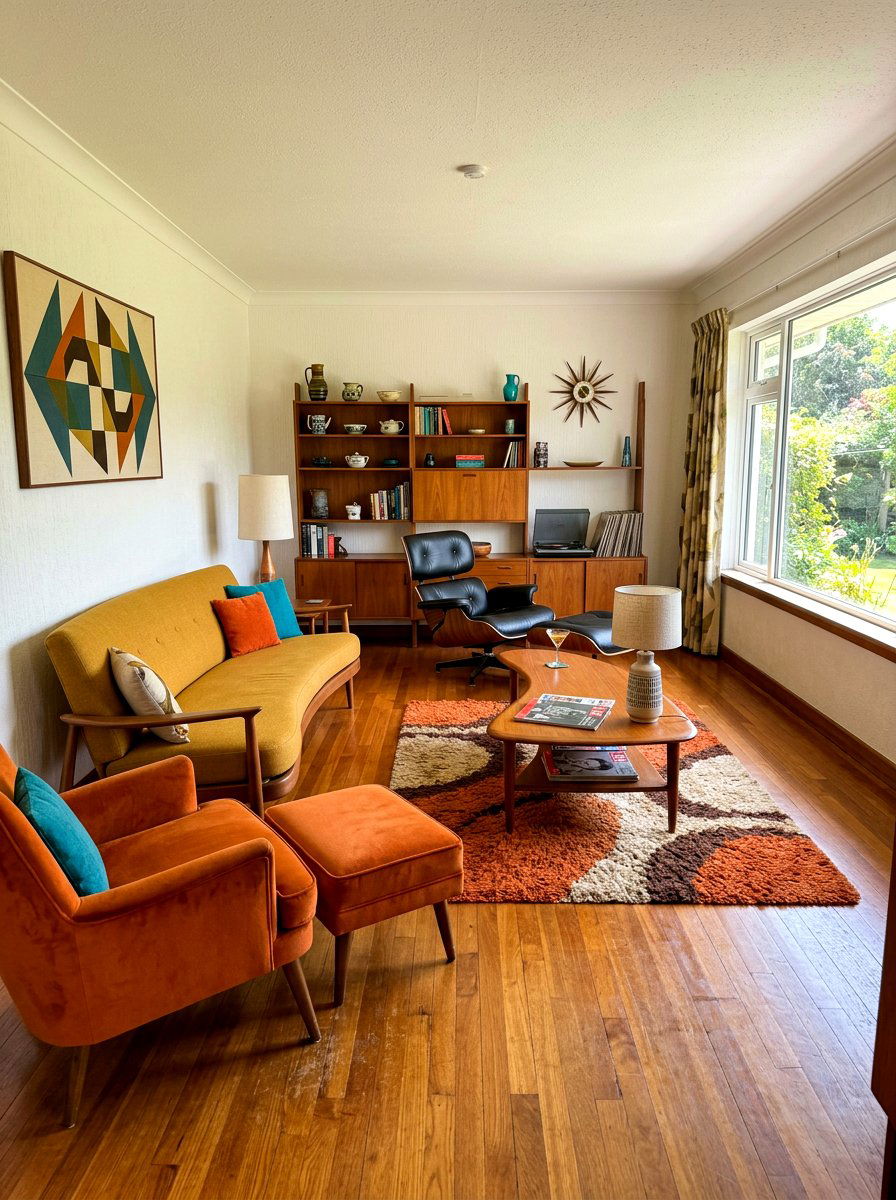
Retro mid century baseboard options often feature slim, tapered profiles and warm wood tones like teak or cherry to match the iconic furniture of that era. During the 1950s and 60s, trim was often kept minimal to let the furniture and architecture speak for themselves. Choosing a thin, slightly angled baseboard in a natural wood finish can help recreate that authentic vintage vibe in a modern renovation. This style is all about sleekness and functionality, providing a clean border that feels very integrated with the rest of the home's wood elements. It is a perfect choice for fans of classic modernism.
30. Bold Color Baseboard
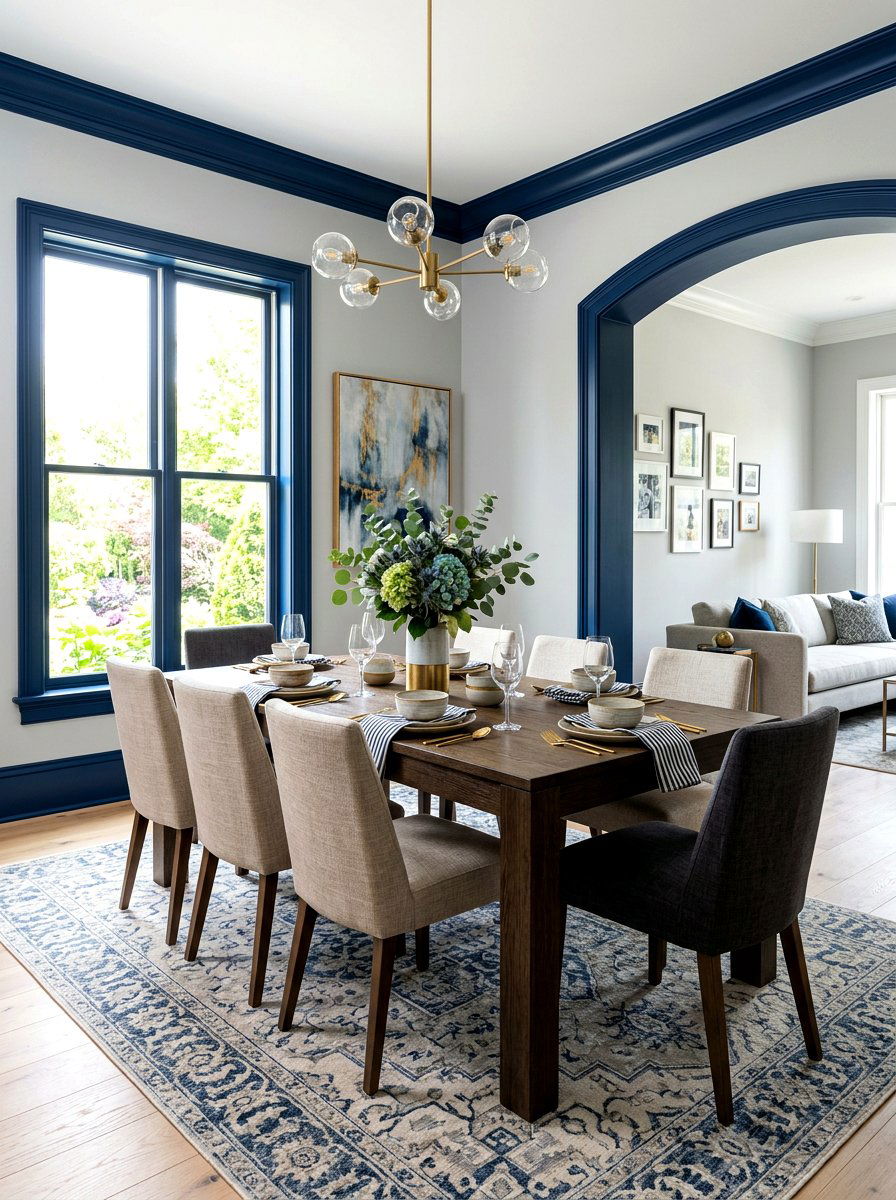
Bold color baseboard designs are for the adventurous homeowner who wants to use architectural trim as a primary design feature. Instead of blending in, these baseboards are painted in vibrant hues like navy blue, emerald green, or deep terracotta to create a striking frame. This technique can be used to delineate different zones in an open-concept house or to add a pop of personality to a neutral room. When the trim is the standout element, it adds a layer of custom styling that feels very intentional and high-design. It is a fun and effective way to transform a standard space into something unique.
Conclusion:
Selecting the right baseboard trim is a vital step in finalizing your home's interior design and ensuring every room feels complete. Whether you prefer the clean lines of a modern square edge or the grand elegance of a tall colonial profile, your choice will set the tone for years to come. By considering the scale of your rooms and the architectural style of your home, you can find a trim that both protects your walls and enhances your aesthetic. Remember that baseboards are the foundation of your wall design, acting as the perfect finishing touch that ties all your decor elements together seamlessly.

Related posts: