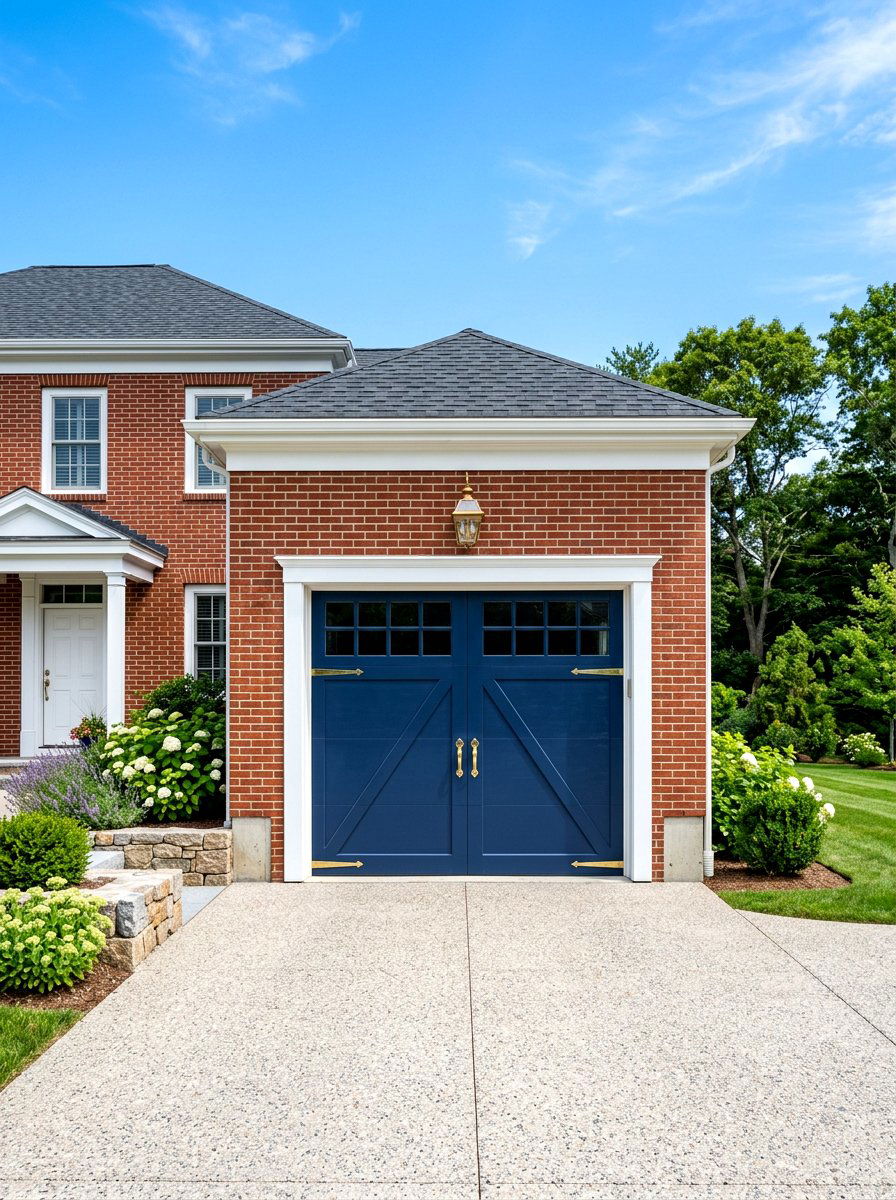
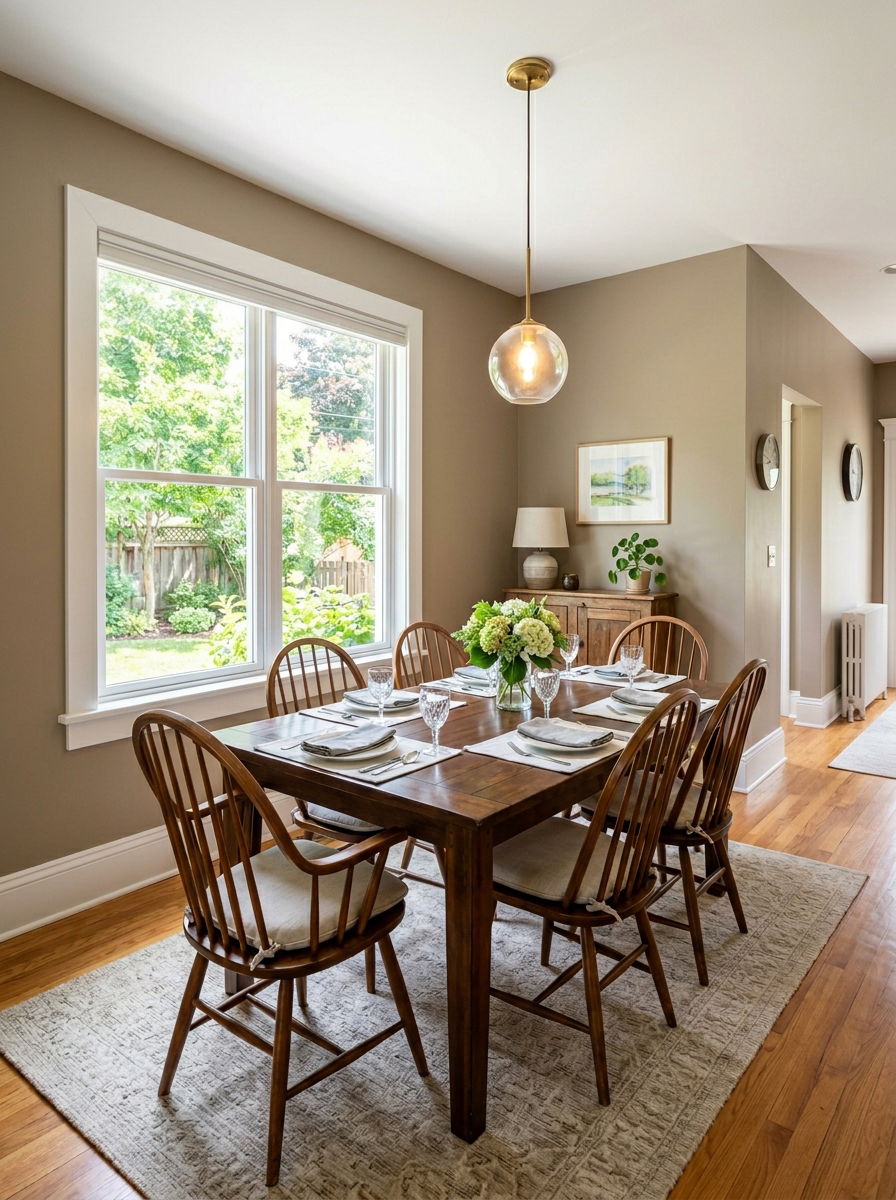
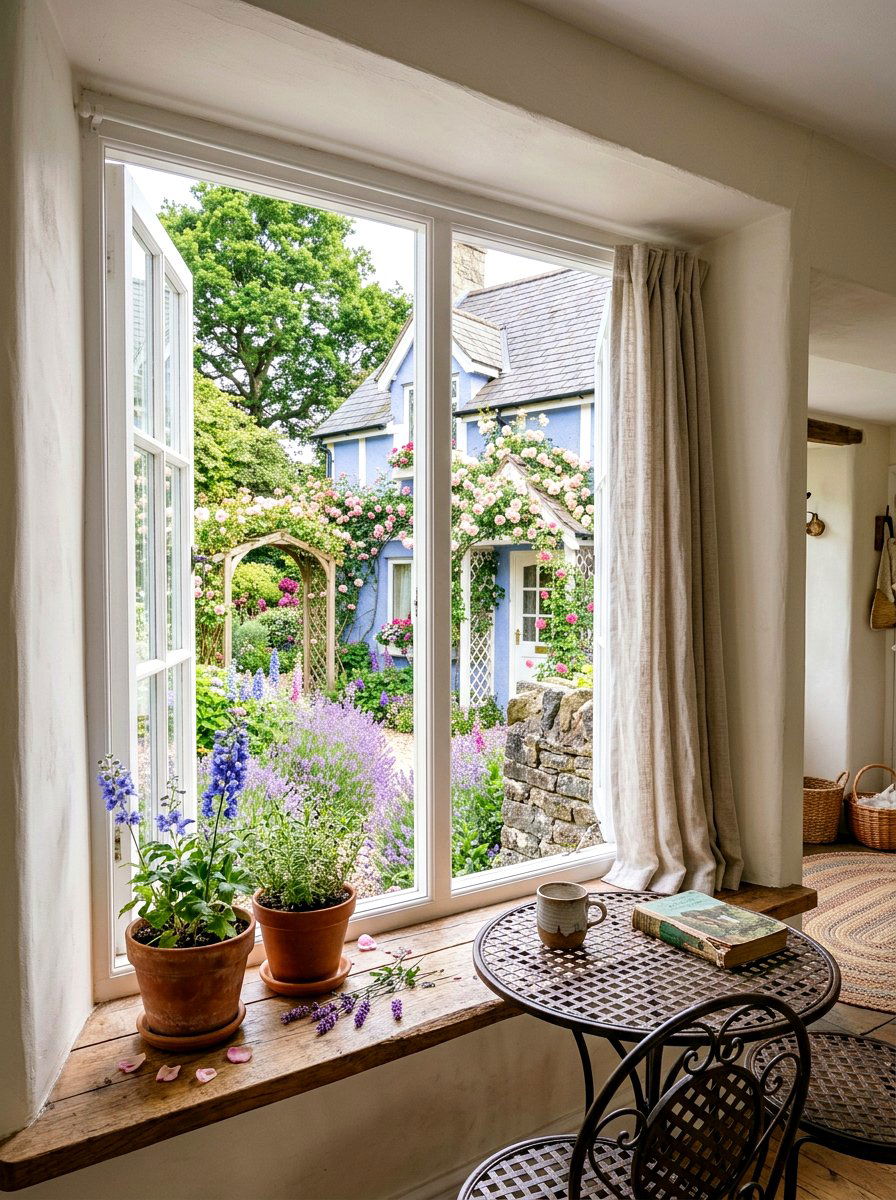
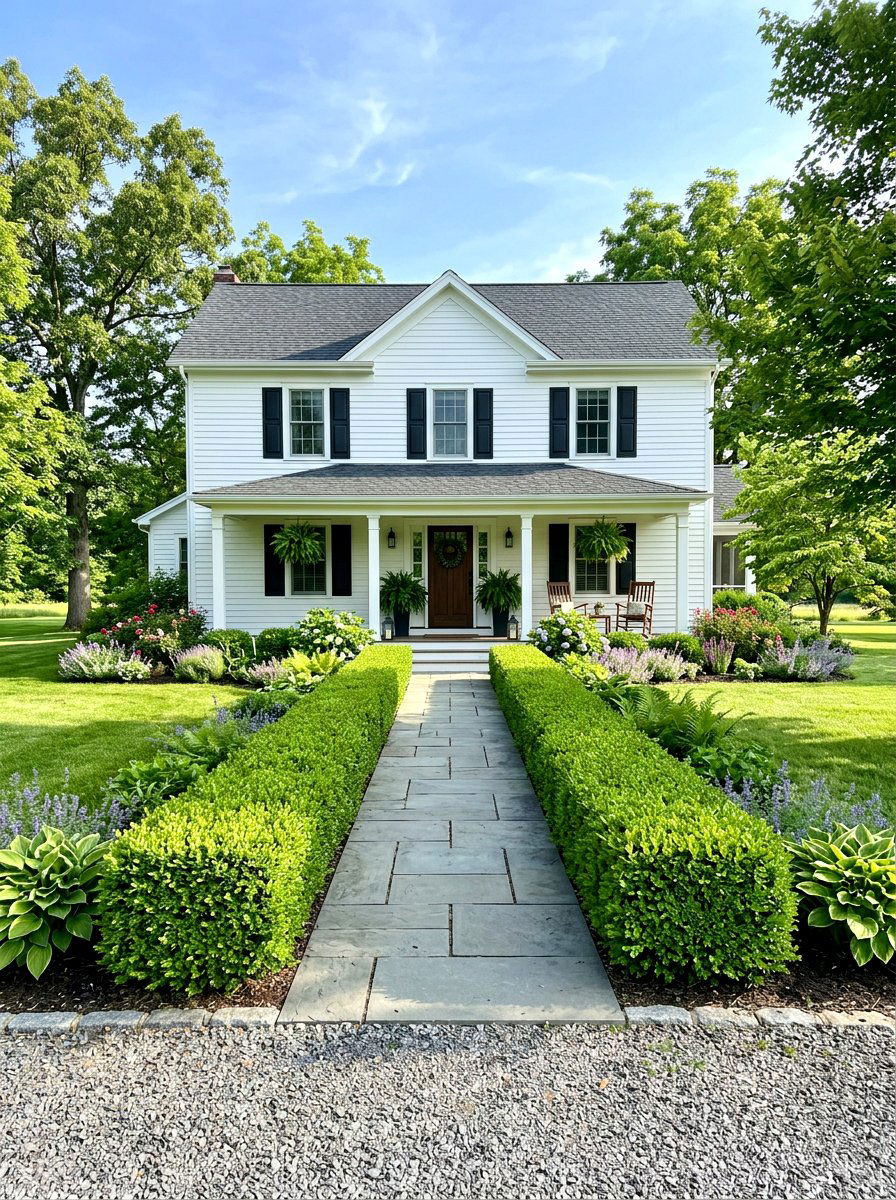
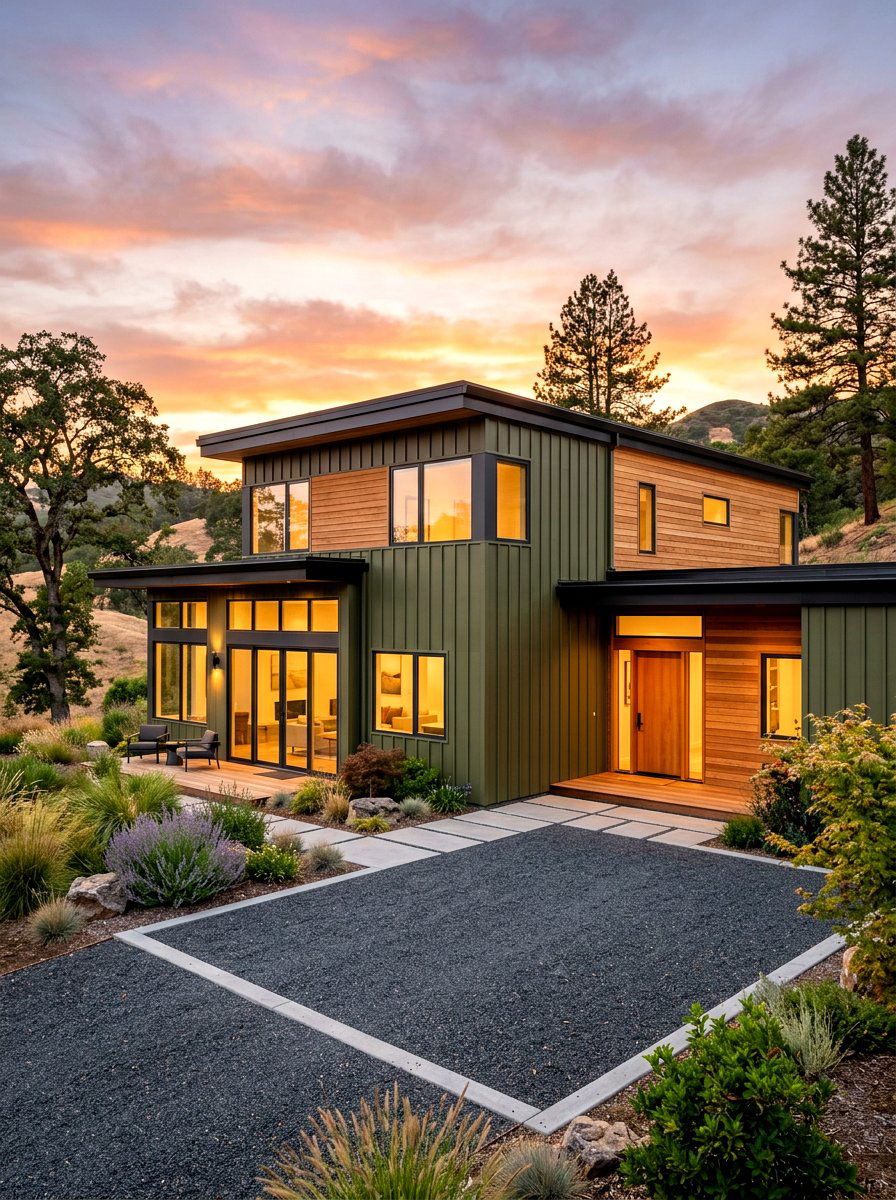
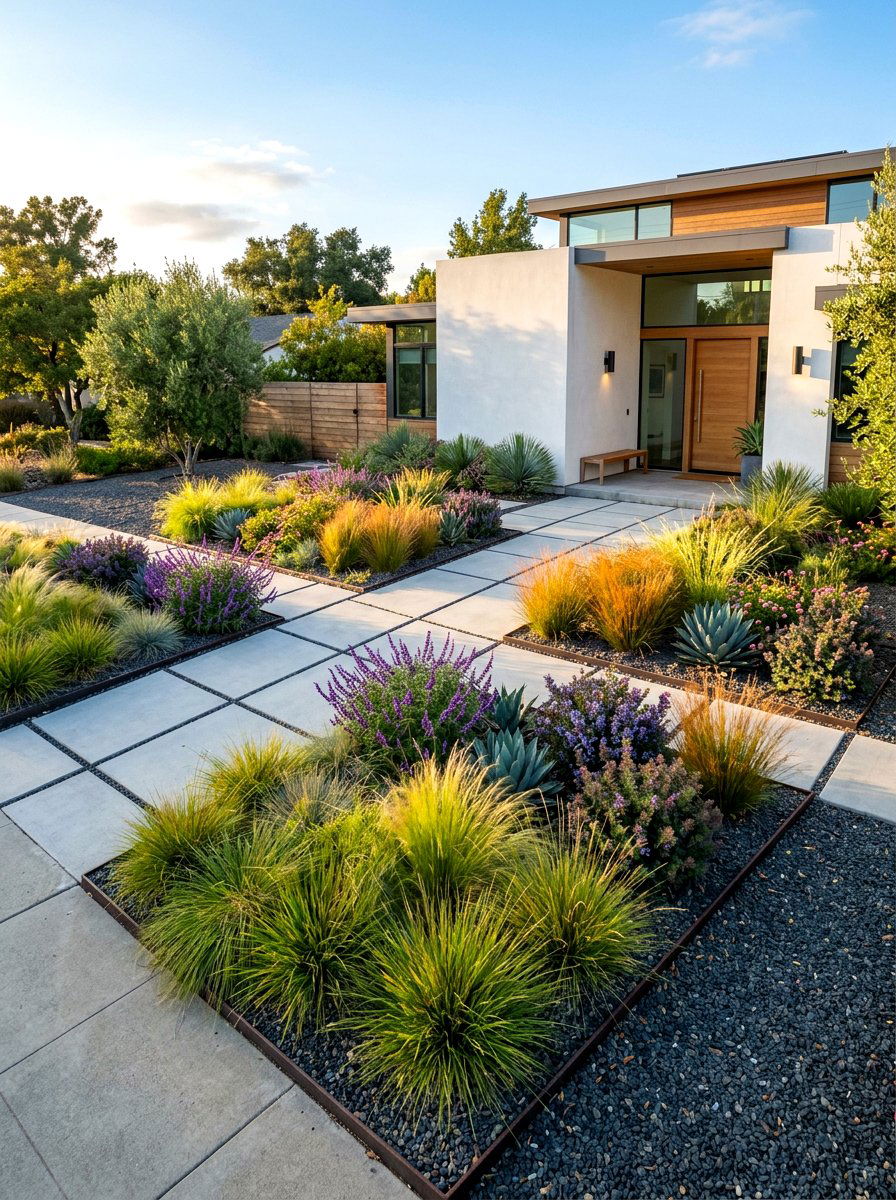
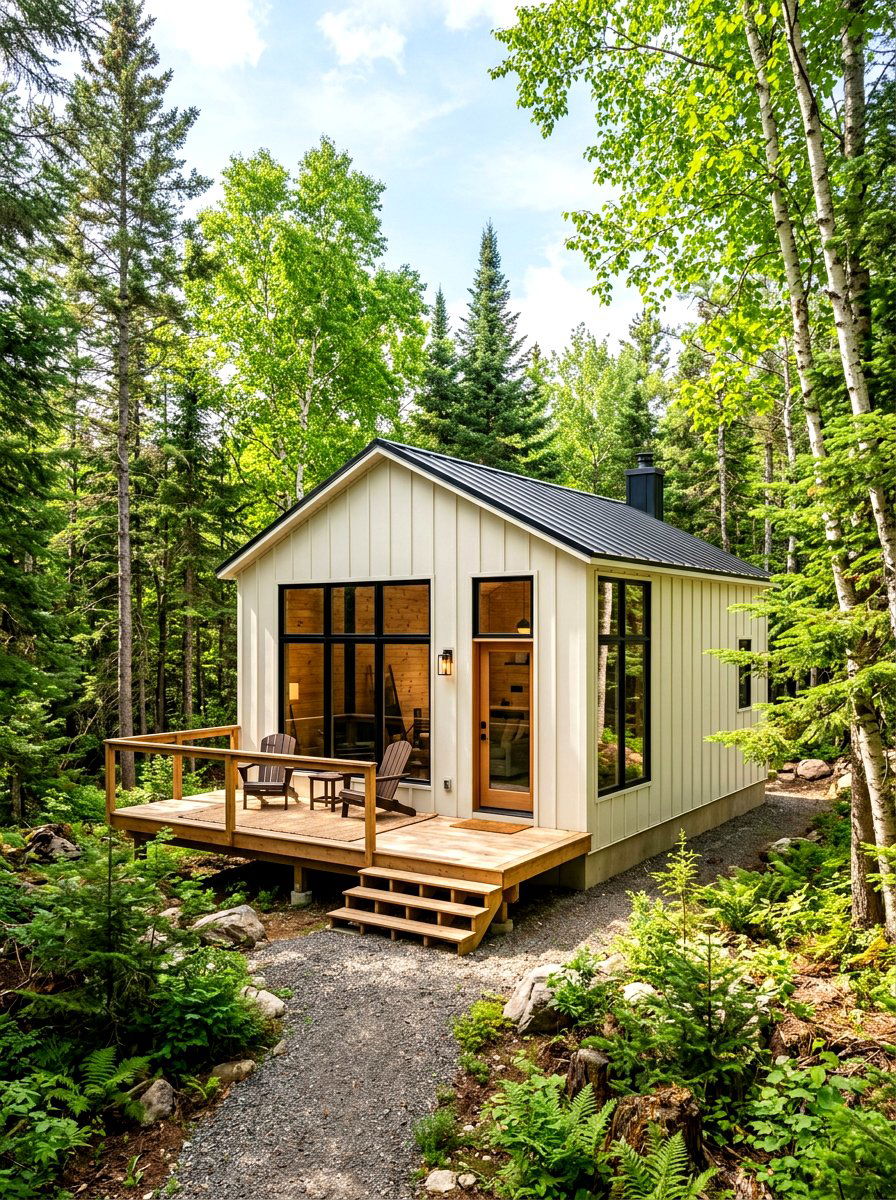
Enhancing your home's exterior is an exciting journey that often begins with the smallest architectural details, and outdoor window trim is arguably one of the most impactful elements you can update. This feature serves as the literal frame for your home’s "eyes, " providing essential protection against the elements while simultaneously defining the entire aesthetic of the facade. Whether you are aiming for a sleek modern look or a charming rustic feel, the right trim can elevate your curb appeal instantly. From bold high-contrast colors to natural wood textures, the possibilities for outdoor window trim are vast and can cater to any architectural style.
1. Black window trim
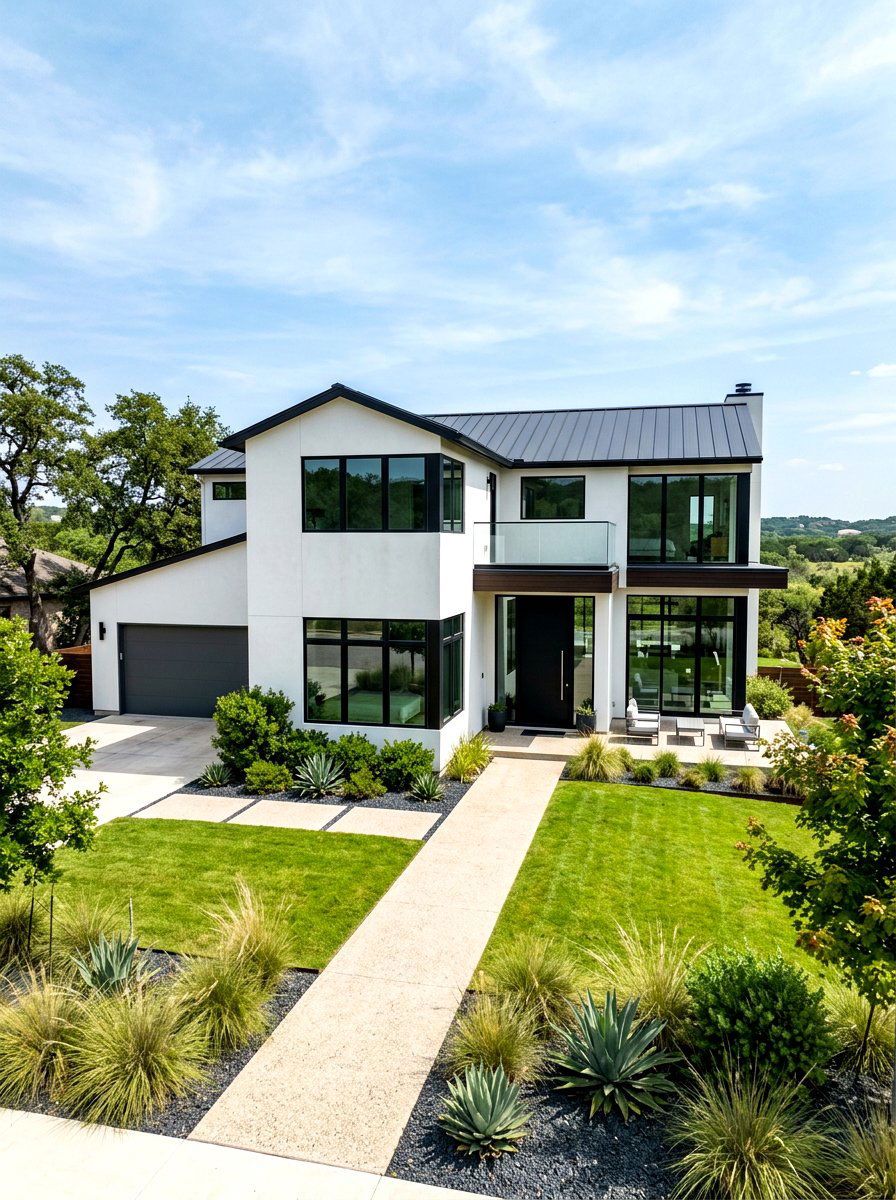
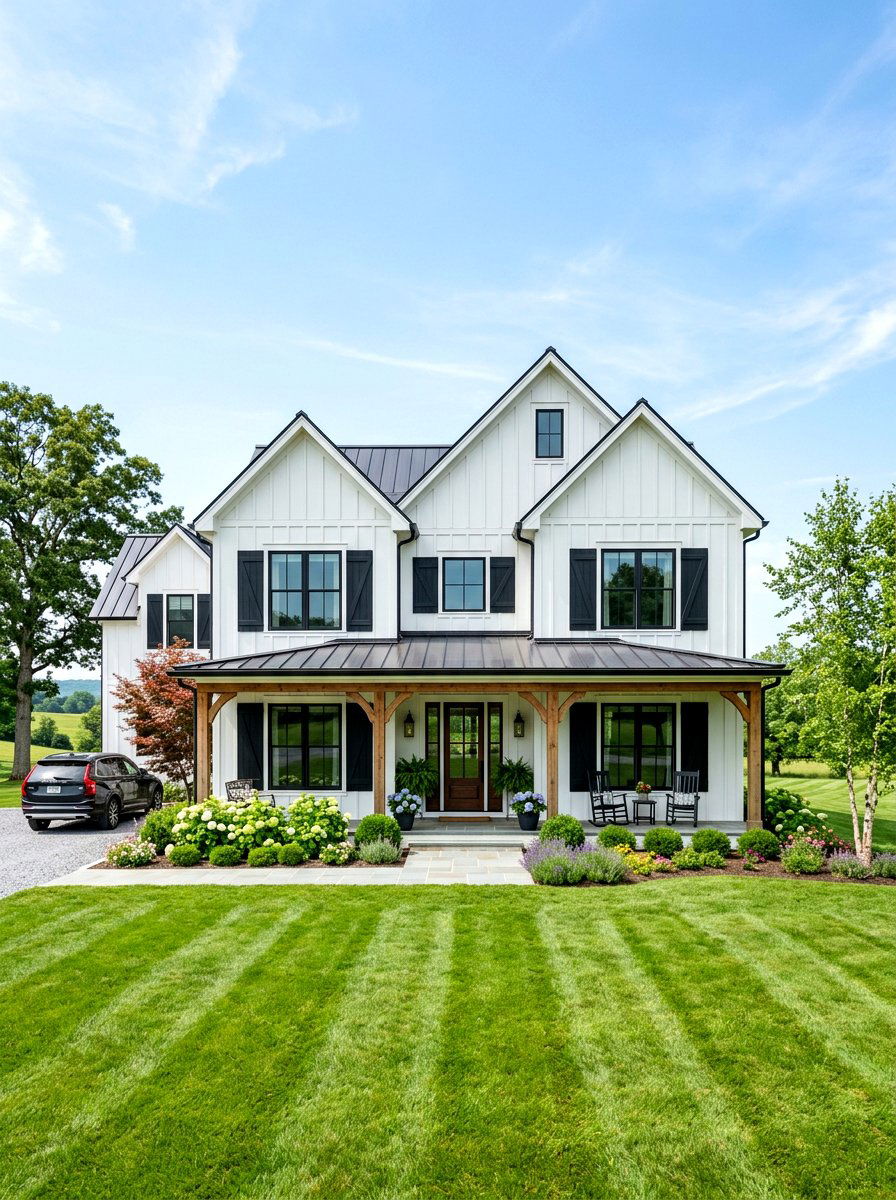
Have you ever noticed how a simple change in color can completely transform the exterior of a home? Black window trim has become a massive trend because it provides a sharp, sophisticated contrast against light-colored siding or white brick. This choice works exceptionally well for modern and industrial-style homes, giving them a sleek and defined appearance that draws the eye immediately. Many designers recommend using a matte finish to prevent the trim from looking too shiny in direct sunlight. Because black is a neutral tone, it pairs beautifully with wood accents and lush green landscaping. It acts like a frame for your view, making the glass pop and adding architectural depth.
2. White window trim
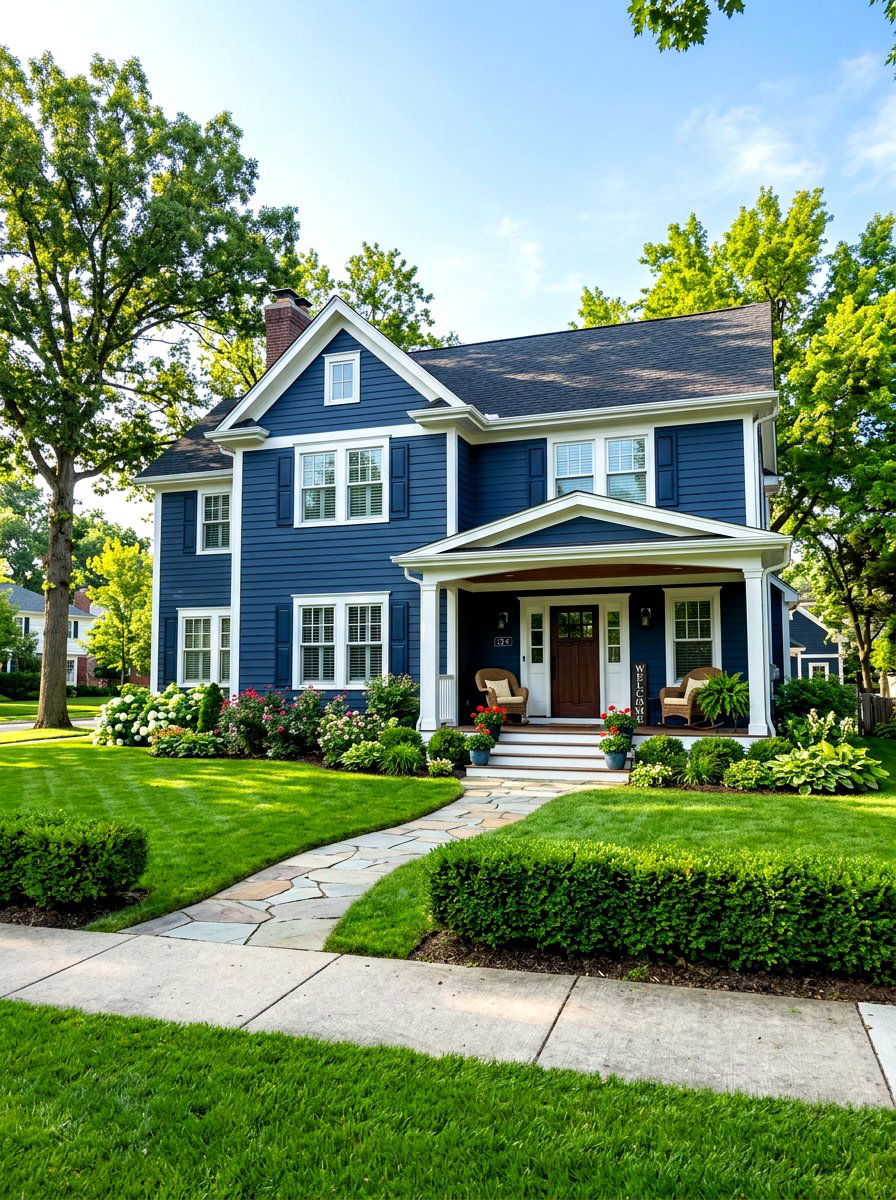
Classic white window trim remains one of the most popular choices for homeowners looking for a clean and timeless aesthetic. This traditional style is incredibly versatile, working seamlessly with almost any siding color, from deep blues to soft grays. White trim helps to make windows appear larger and brighter, which significantly boosts the overall curb appeal of the property. It is particularly effective for farmhouse and colonial-style homes where a crisp, polished look is desired. Using high-quality PVC or fiber cement materials ensures that the white remains bright over time without the constant need for repainting. It offers a fresh, welcoming feel that never goes out of fashion.
3. Natural wood window trim
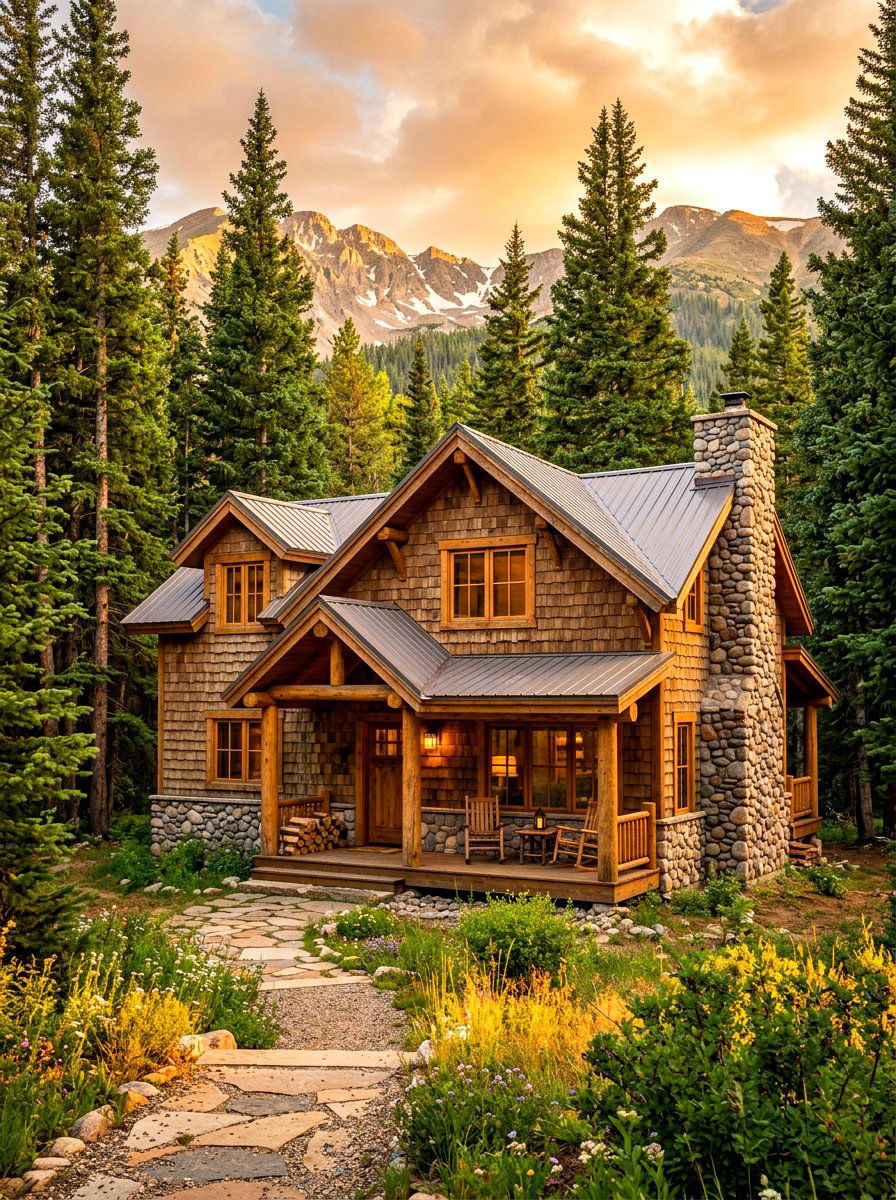
For those who want to embrace a more organic and warm aesthetic, natural wood window trim is an excellent choice. This design idea focuses on the raw beauty of materials like cedar or redwood, which offer unique grain patterns and rich textures. Staining the wood instead of painting it allows the natural character to shine through, making it perfect for rustic cabins, mountain lodges, or craftsman-style homes. Wood trim creates a beautiful connection between the house and its natural surroundings, especially when paired with stone accents. While it requires regular sealing to prevent weather damage, the aesthetic payoff is a cozy, high-end look that adds significant character.
4. Wide window trim
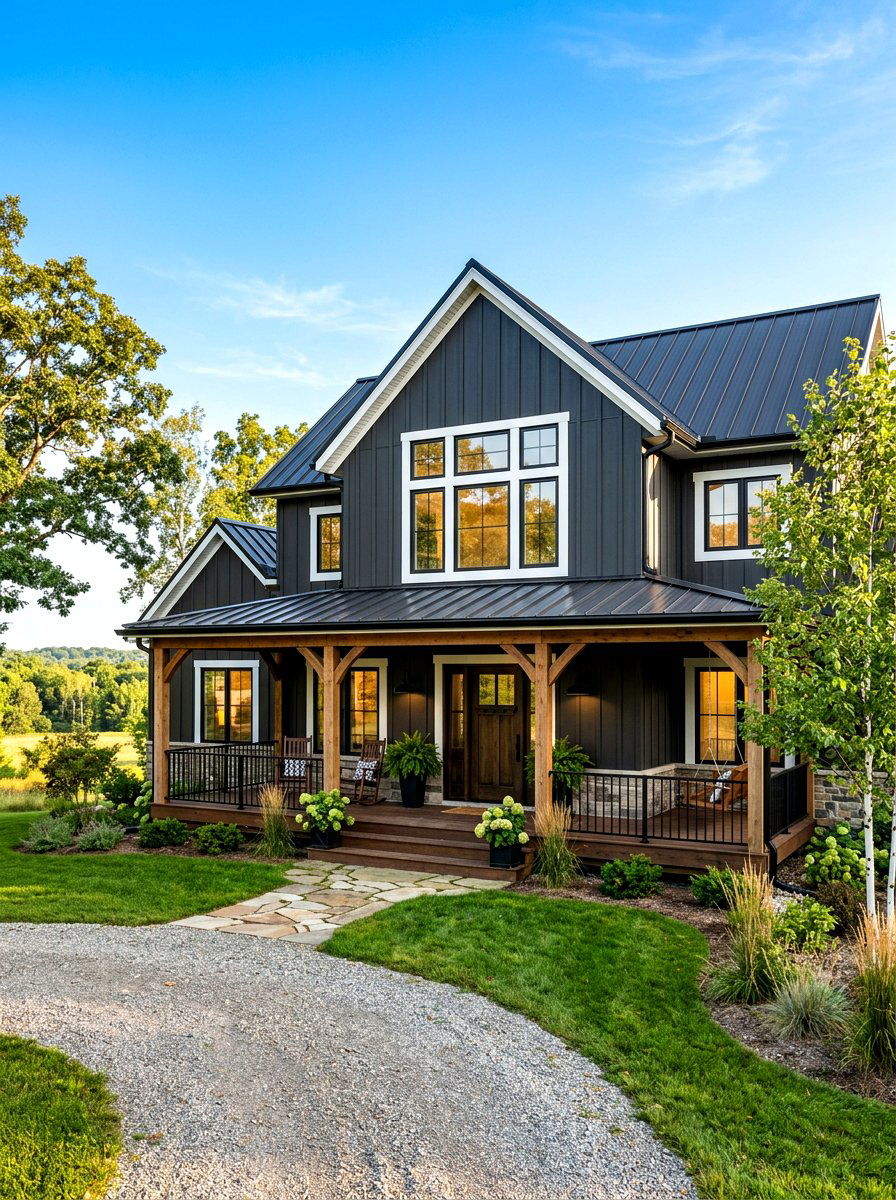
If you want to make a bold statement, opting for wide window trim is a fantastic way to add architectural weight to your home. Increasing the width of the casing to five or six inches creates a more substantial and luxurious look that commands attention. This style is often used in modern farmhouse designs to provide a heavy frame that grounds the windows against large expanses of siding. Wide trim can also help balance the proportions of a large house, making the windows feel more integrated into the overall scale. It provides plenty of space for decorative details or simple, flat profiles that emphasize clean lines and structural strength.
5. Modern minimalist window trim
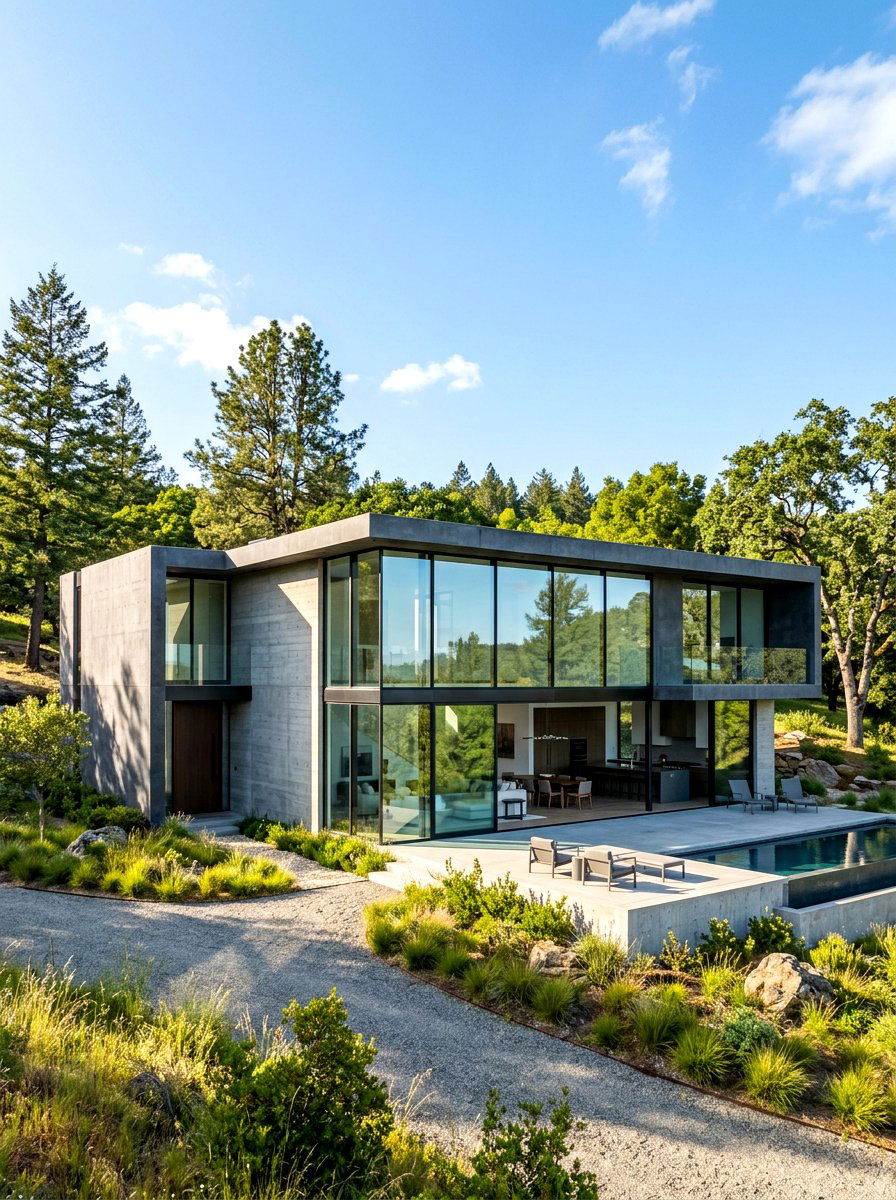
Modern minimalist window trim focuses on the "less is more" philosophy, utilizing thin profiles and flush installations to create a streamlined facade. This design often features recessed frames or very narrow casing that blends into the siding rather than standing out. The goal is to emphasize the glass and the view rather than the frame itself. This approach works perfectly for contemporary homes with large floor-to-ceiling windows and metal finishes. By keeping the lines sharp and the details sparse, the house achieves a high-end, gallery-like appearance. It is a sophisticated choice that highlights the architectural geometry of the building while maintaining a very clean and uncluttered look.
6. Craftsman window trim
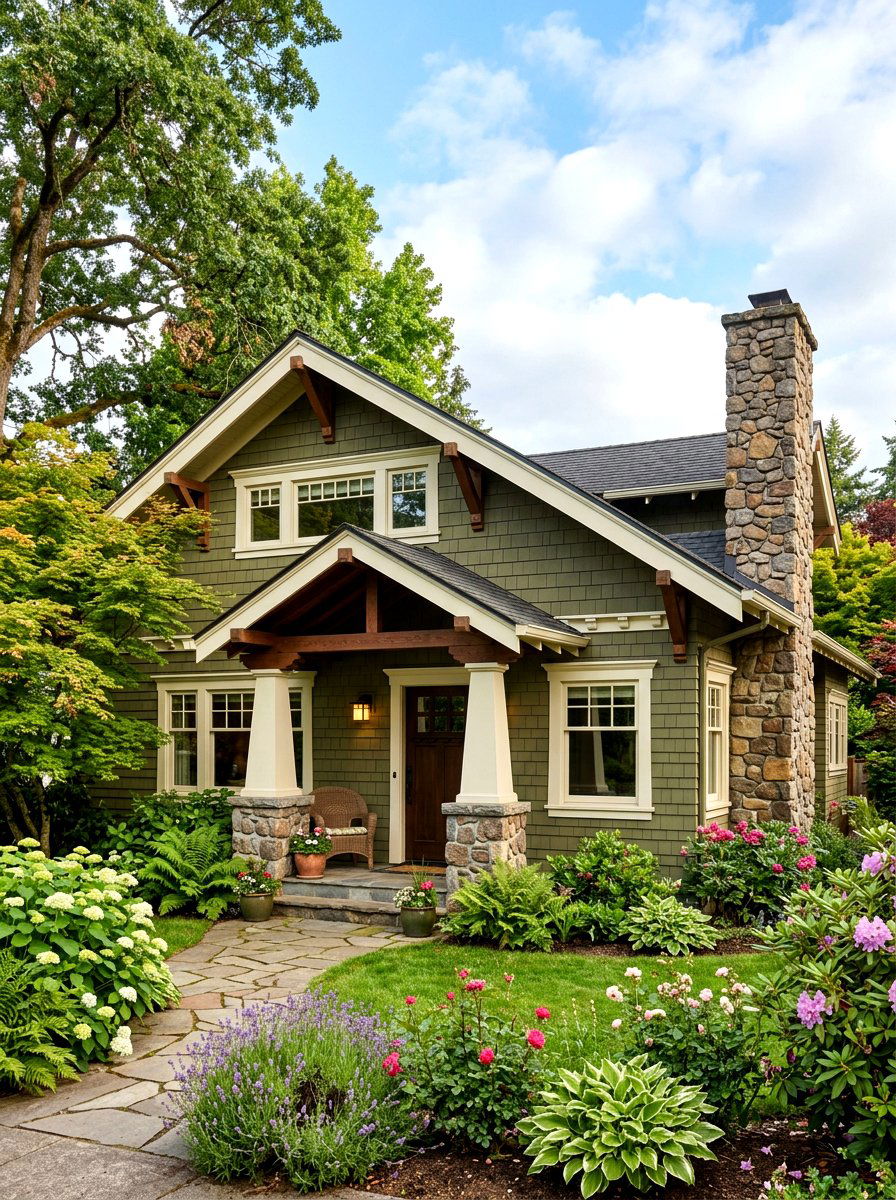
Craftsman window trim is all about celebrating the art of joinery and substantial woodwork. This design typically features a thick header at the top that extends slightly beyond the vertical side casings, often topped with a small cap or crown. The look is sturdy and grounded, reflecting the early 20th-century aesthetic of quality craftsmanship. It is usually painted in earthy tones like olive green, deep burgundy, or creamy off-white to complement natural siding materials. This style adds a sense of history and permanence to a home, making even new constructions feel established and full of character. It is an ideal choice for bungalows and traditional suburban homes.
7. Farmhouse window trim
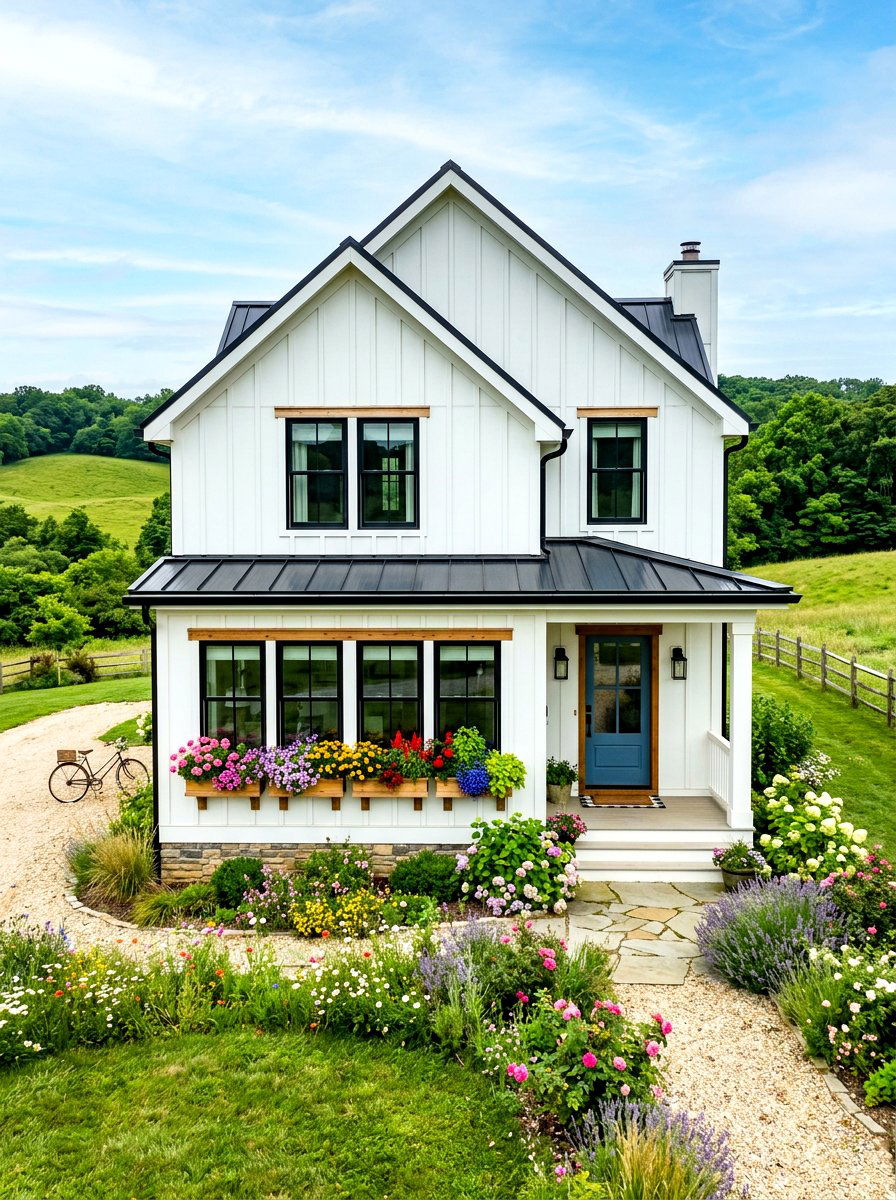
Farmhouse window trim has seen a huge resurgence, characterized by its simple yet functional design that prioritizes a cozy, lived-in feel. Often featuring flat boards with no ornate molding, this style relies on proportion and color to make an impact. Most modern farmhouses use white or light gray trim to create a crisp contrast against dark vertical siding. The trim is usually wide and flat, giving it a sturdy appearance that fits the agrarian roots of the style. You can add a decorative header to give it a bit more elegance without losing the rustic charm. It is a foolproof way to create a welcoming and stylish exterior.
8. Charcoal gray window trim
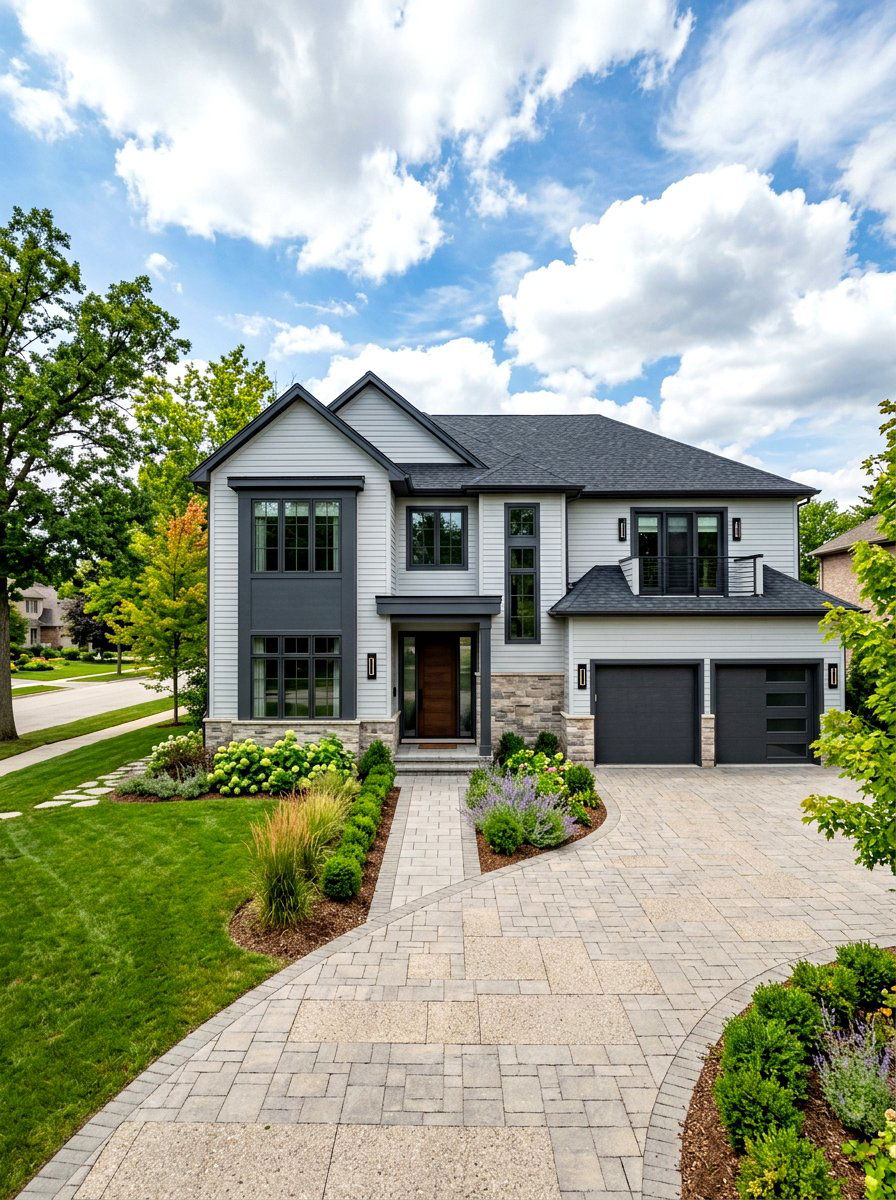
Charcoal gray window trim offers a softer alternative to black while still providing a modern and sophisticated edge. This deep, moody hue works exceptionally well with medium-toned siding, such as light gray, blue, or even natural wood. It provides enough contrast to define the windows without being as harsh as true black. Charcoal trim is particularly effective at hiding dust and small imperfections, making it a practical choice for busy households. It pairs beautifully with stainless steel hardware and modern light fixtures, creating a cohesive and contemporary design scheme. This color choice adds a layer of depth and maturity to the home’s exterior palette effortlessly.
9. Navy blue window trim
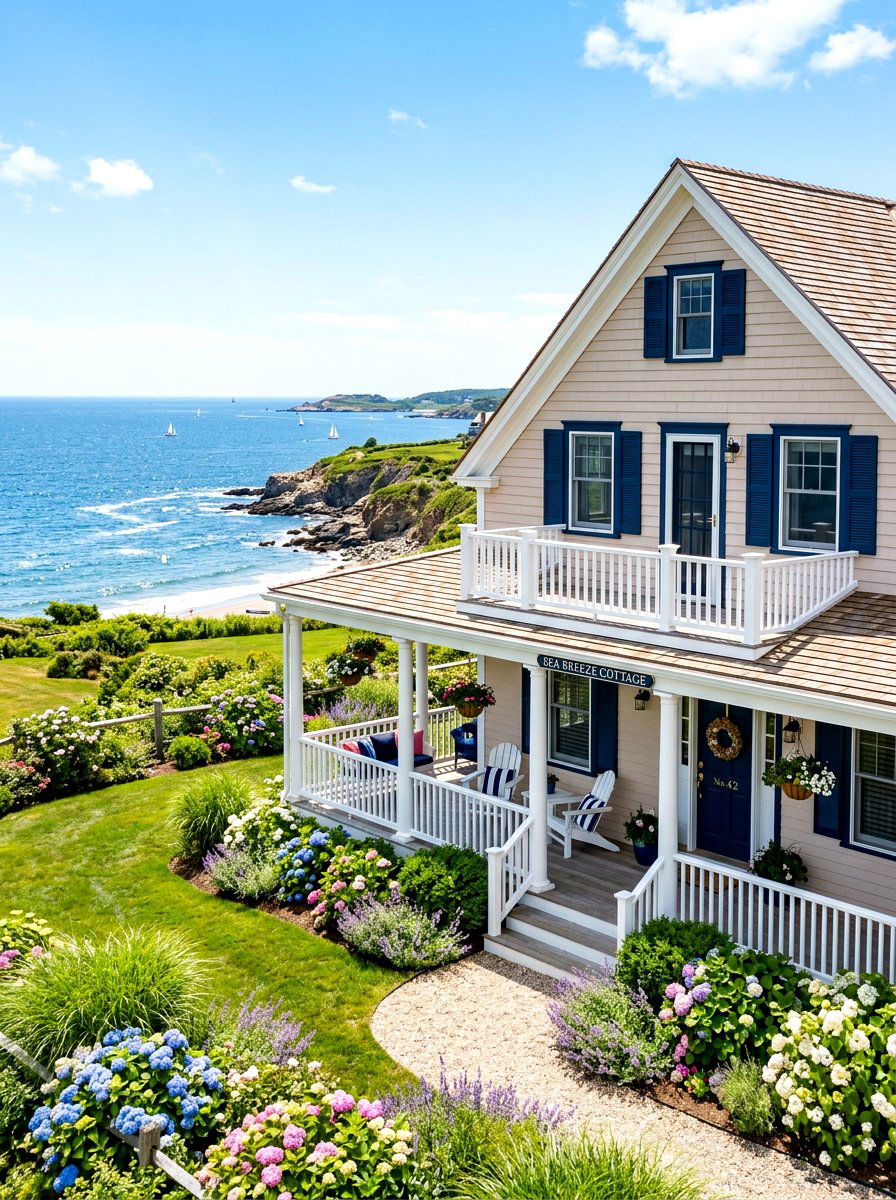
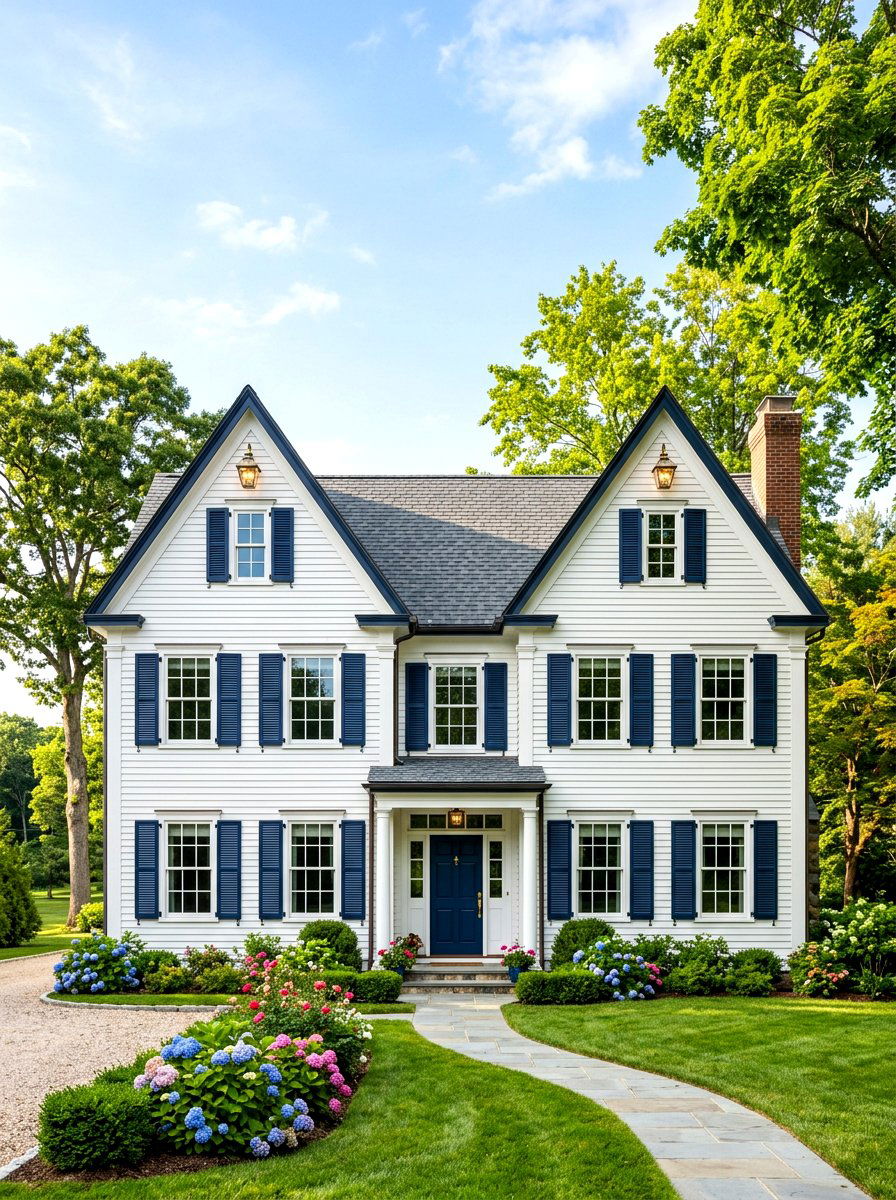
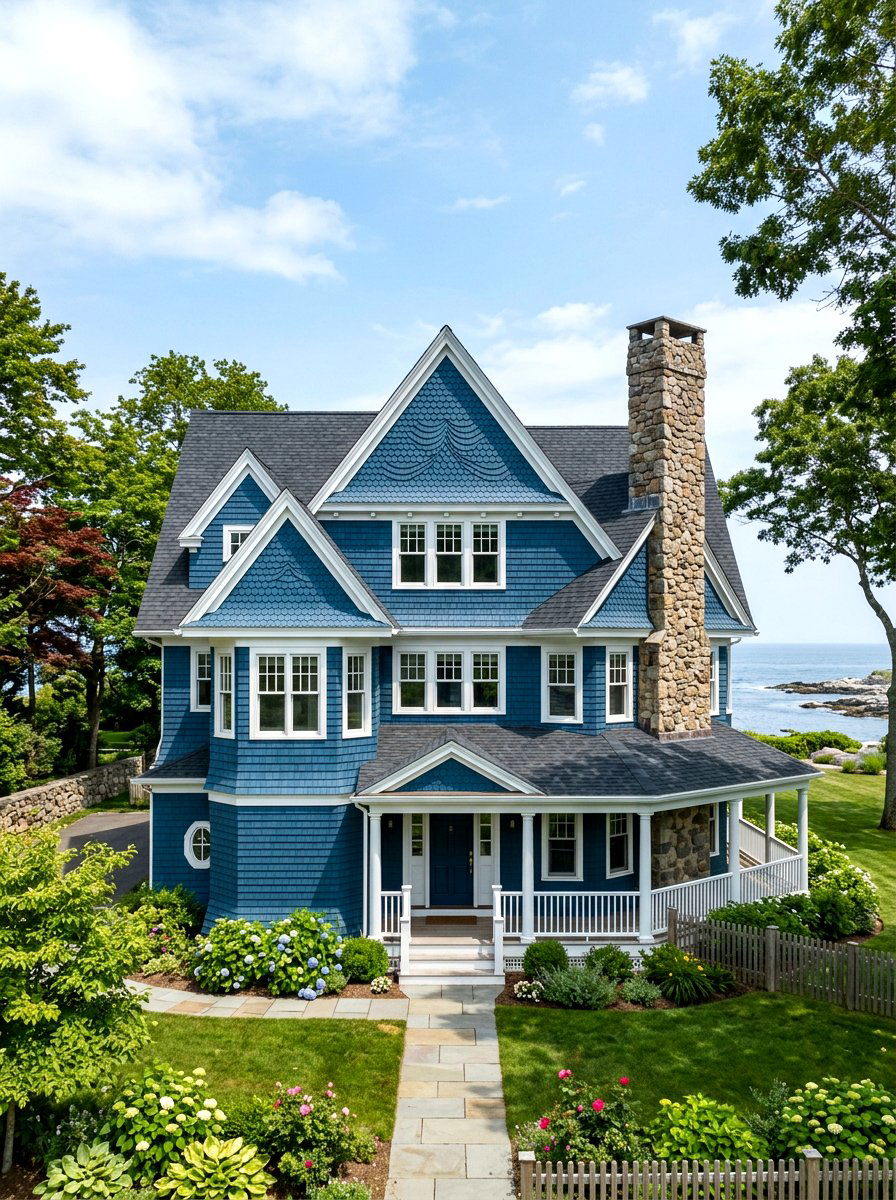
Choosing navy blue window trim is a bold way to inject personality and color into your home's exterior without being overwhelming. This classic shade evokes a sense of coastal elegance and traditional charm, making it a favorite for seaside cottages and suburban colonials. Navy trim looks stunning when paired with white or light beige siding, as the blue tones pop against the neutral background. It also complements natural stone and brickwork perfectly. Because navy is a cool tone, it creates a serene and calming atmosphere. It is a sophisticated way to stray from traditional neutrals while maintaining a timeless and highly polished architectural appearance.
10. Sage green window trim
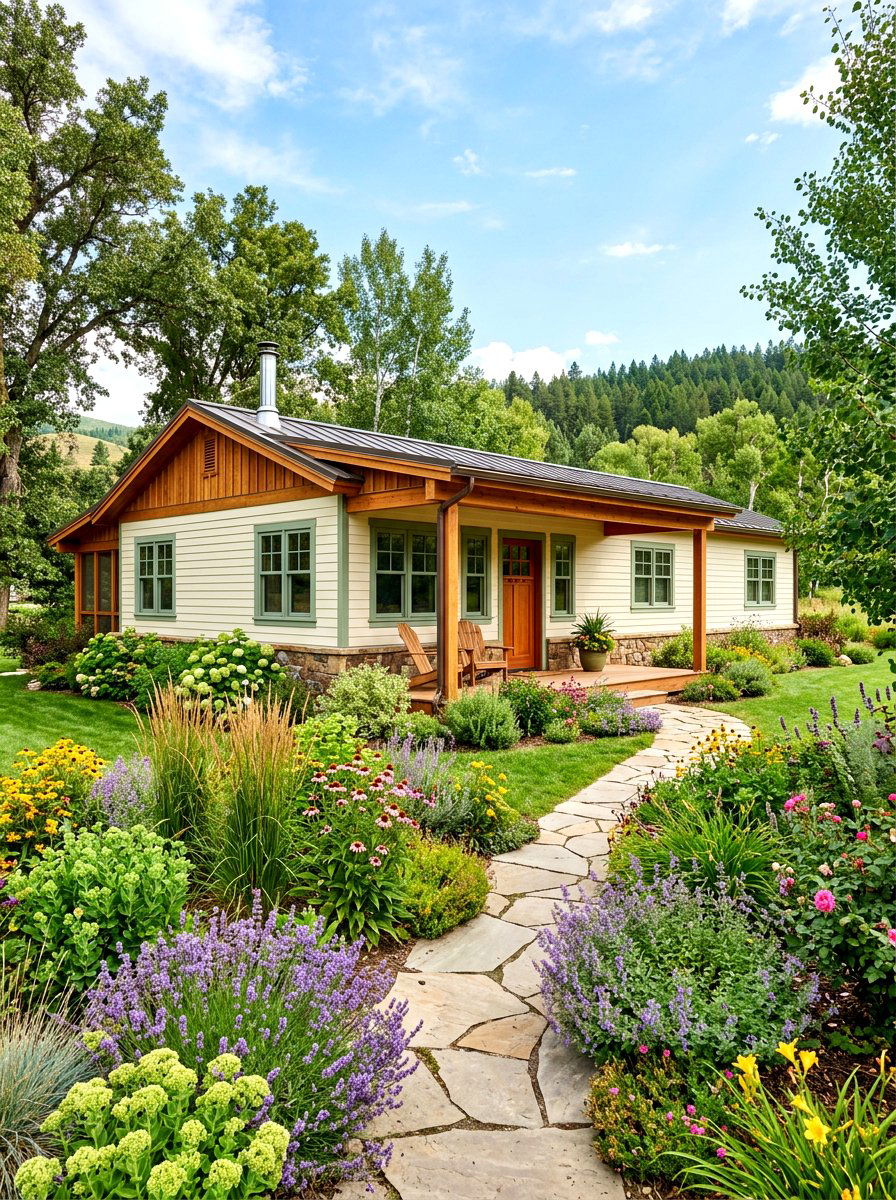
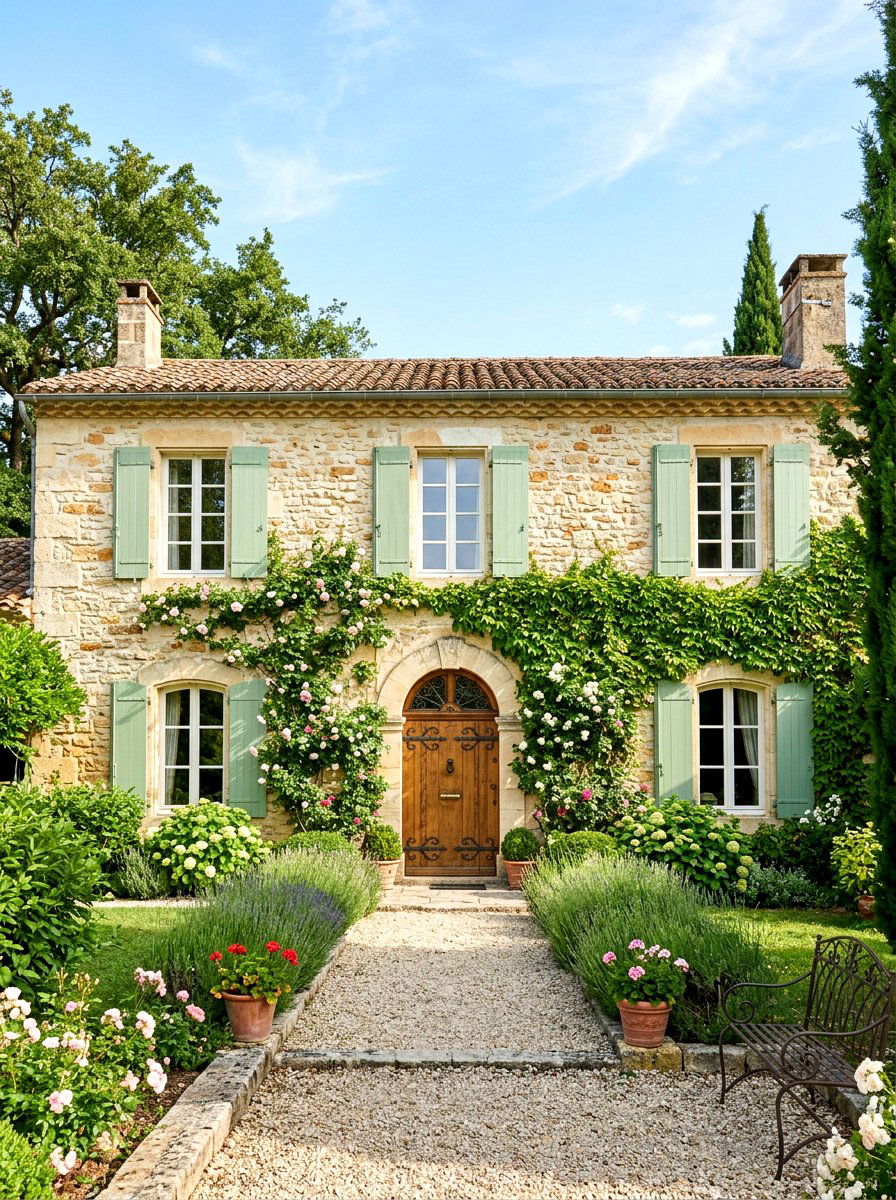
Sage green window trim is currently one of the most sought-after colors for those looking to create a harmonious link with nature. This muted, earthy green works perfectly for craftsman, cottage, and ranch-style homes where a soft and organic look is preferred. It pairs beautifully with cream siding, cedar shakes, or red brick, offering a gentle contrast that feels very grounded. Sage green is particularly effective in wooded or garden-heavy areas, as it allows the home to blend into the surrounding landscape. This choice reflects a calm and peaceful aesthetic, making the home feel like a sanctuary while providing a unique and trendy curb appeal.
11. Brick mold window trim
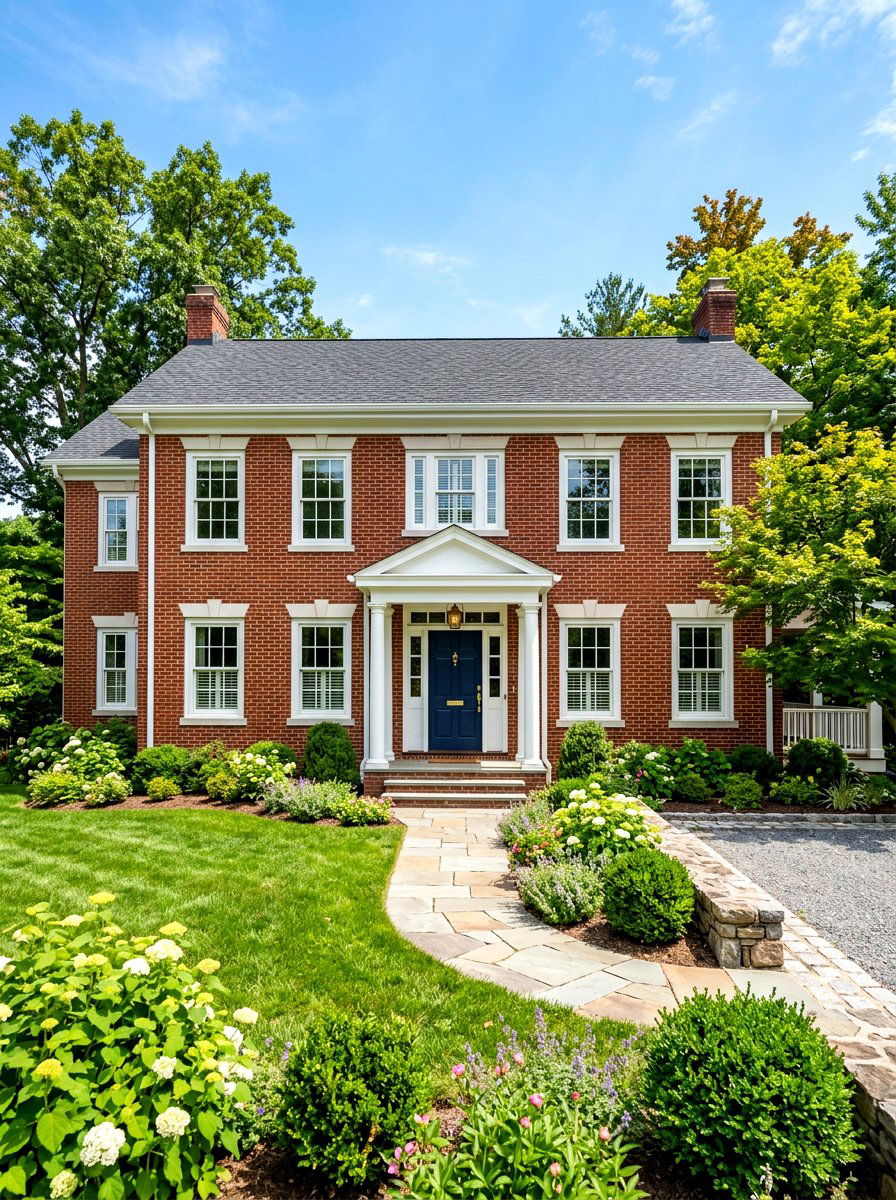
Brick mold window trim is a functional and traditional style specifically designed to transition between a window frame and a brick or stone exterior. This trim features a slightly rounded or "S" shaped profile that adds a touch of classic elegance to the facade. It is typically thicker than standard flat trim, allowing it to sit flush with the masonry for a seamless look. While often used on brick homes, it can also be used on siding to provide a more decorative, three-dimensional frame. Painting brick mold in a contrasting color like white or cream helps to highlight the masonry and gives the windows a finished, professional appearance.
12. Victorian window trim
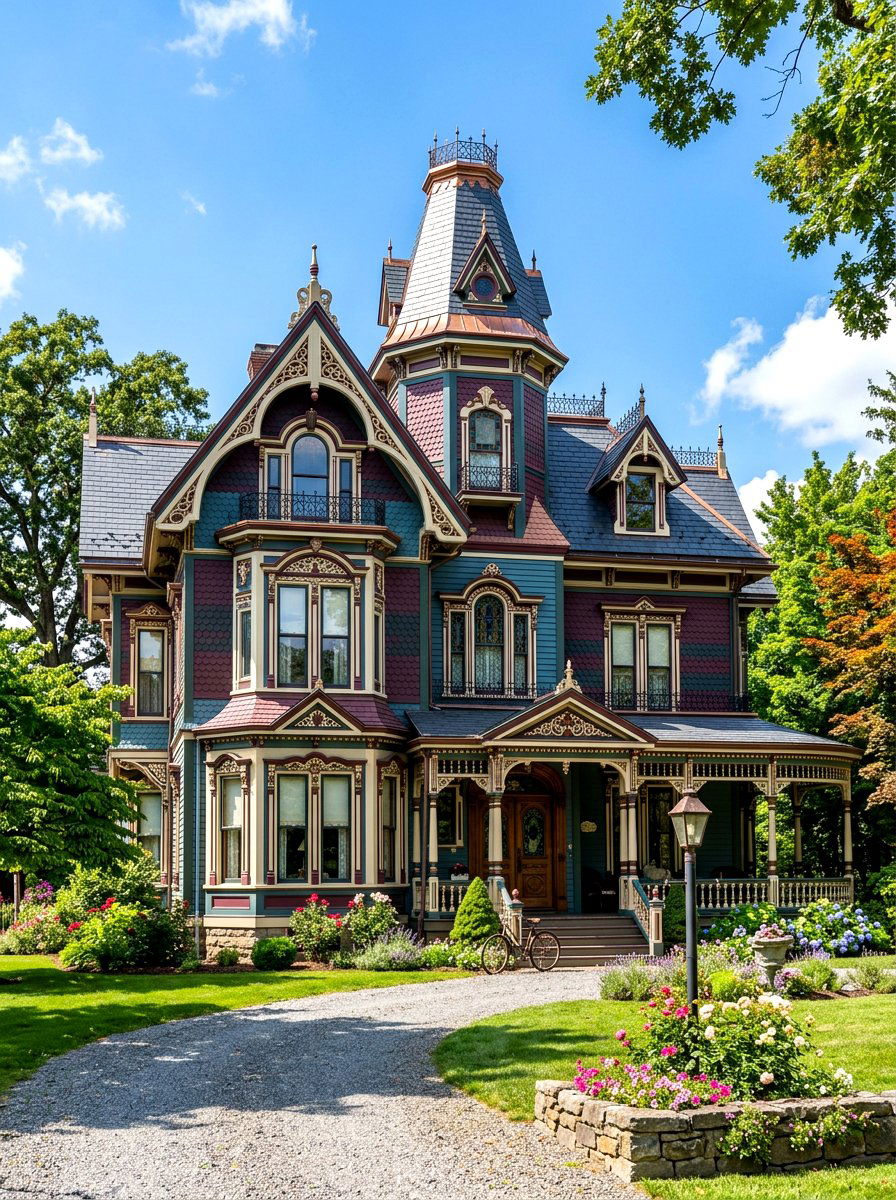
Victorian window trim is the height of decorative architecture, featuring intricate moldings, ornate corner blocks, and elaborate crowns. This style is all about detail and drama, often utilizing multiple layers of trim to create a rich and textured frame. On historic Victorian homes, it is common to see these trims painted in three or four different colors to highlight the various architectural elements. Even on modern homes, adding a simplified Victorian-inspired header can provide a touch of old-world charm and sophistication. It is a perfect choice for those who love traditional craftsmanship and want their windows to be the main focal point of the home.
13. Colonial window trim
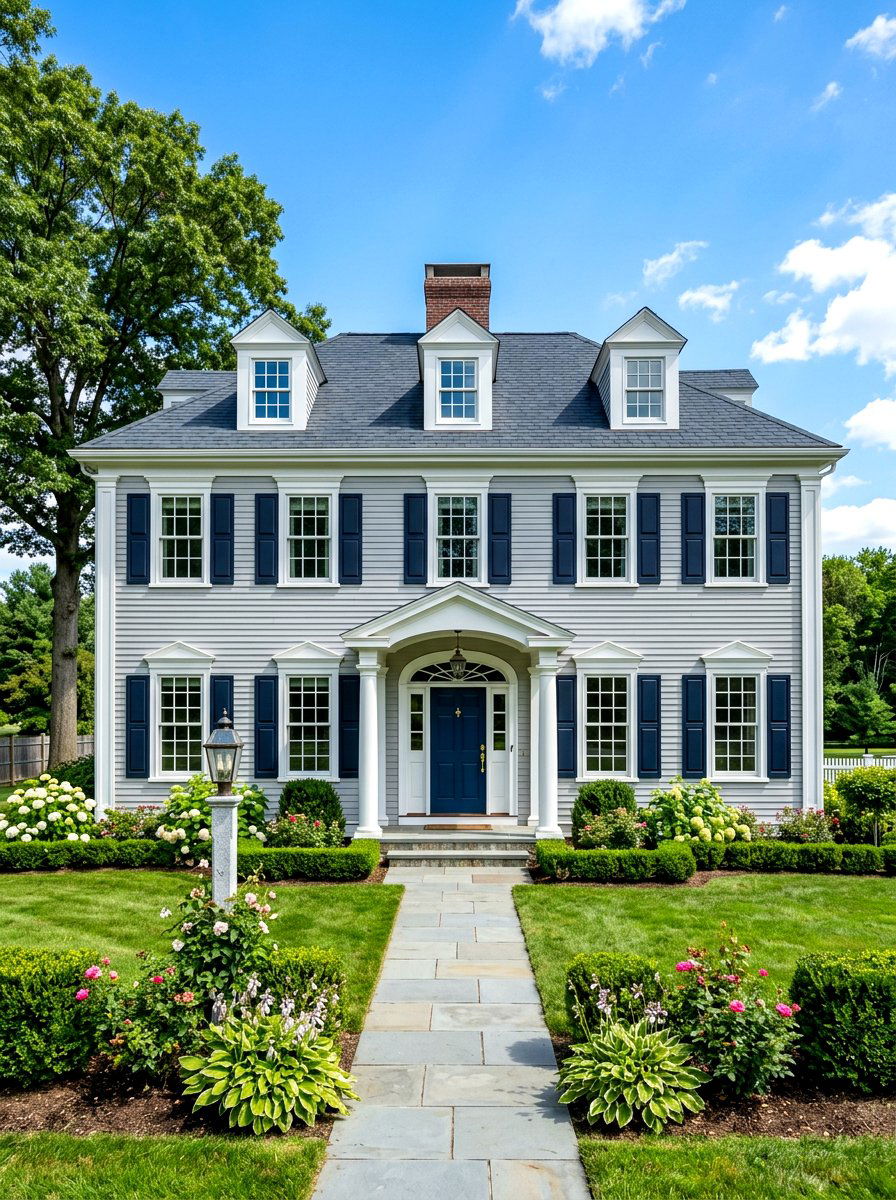
Colonial window trim is defined by its symmetry and stately appearance, often featuring a wider casing with a slightly flared cap at the top. This style is designed to look formal and organized, reflecting the balanced architecture of colonial-style homes. The trim is almost always painted a crisp white or a very light cream to stand out against traditional siding colors like gray, blue, or yellow. This design adds a sense of tradition and elegance to any house, creating a polished and upscale look. By using durable composite materials, you can achieve this classic aesthetic with very low maintenance, ensuring the home looks pristine for years.
14. Stucco window trim
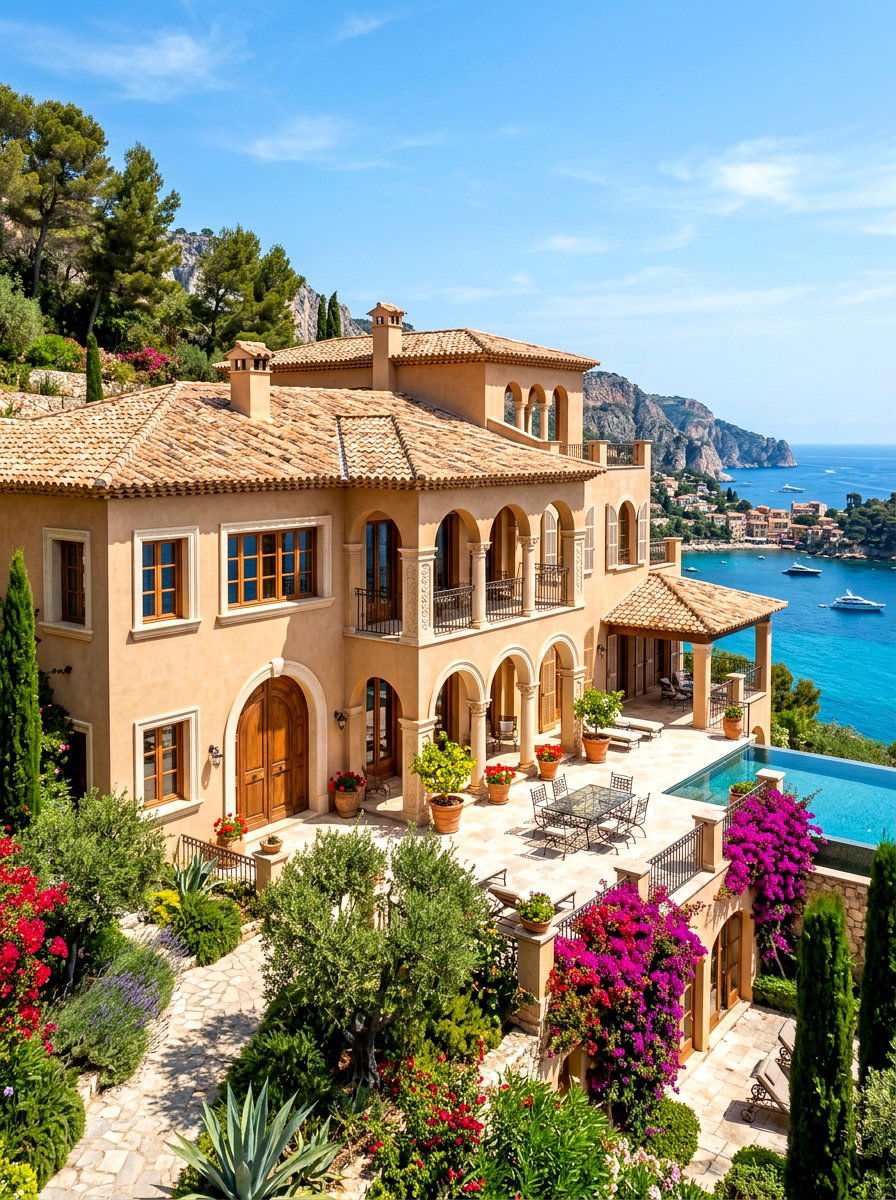
Stucco window trim offers a seamless and integrated look that is common in Mediterranean, Spanish, and Southwestern architectural styles. Instead of using wood or vinyl, this trim is created using the same stucco material as the walls, often built out to create a raised border around the window. This approach creates a clean, monolithic appearance that emphasizes the shape and structure of the building. You can paint the stucco trim a slightly different shade than the walls for a subtle tone-on-tone effect or leave it the same color for a minimalist look. It is incredibly durable and weather-resistant, making it ideal for hot and dry climates.
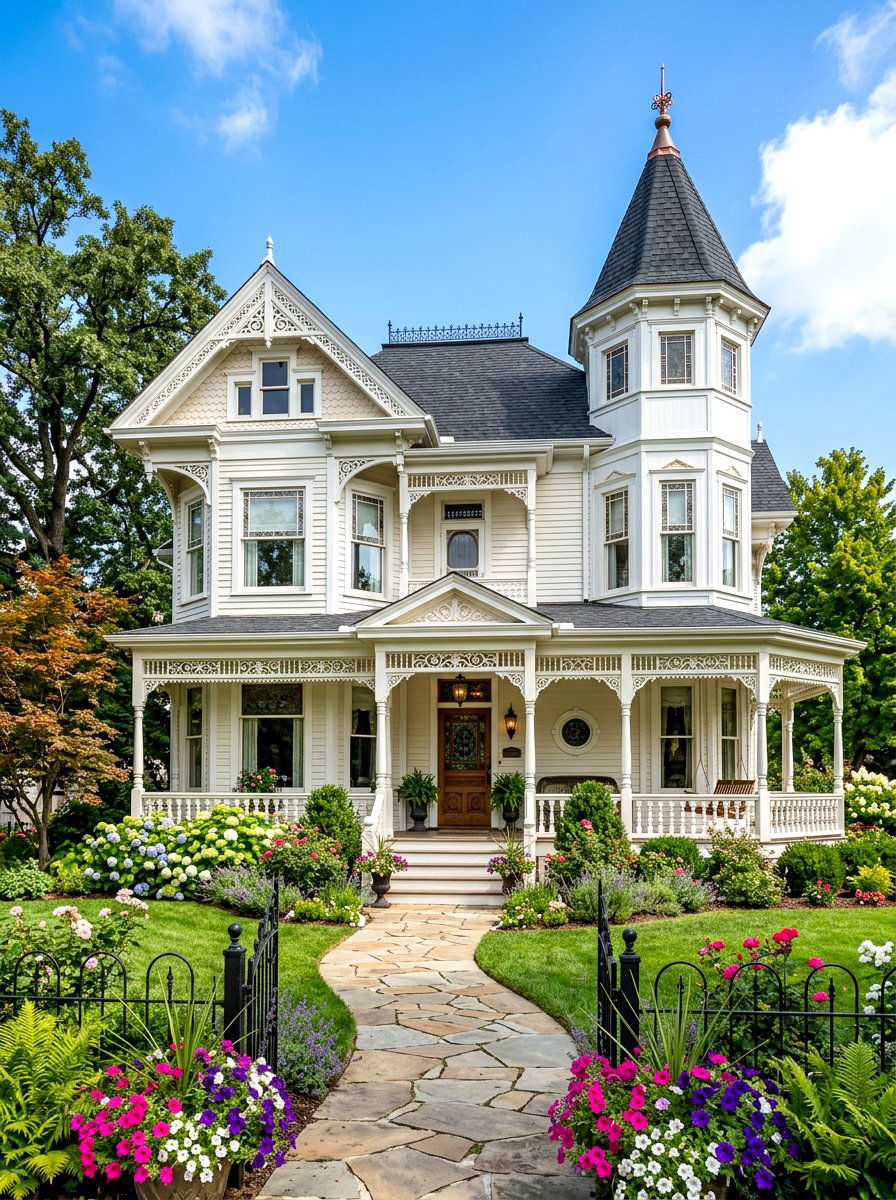
15. Stone window trim
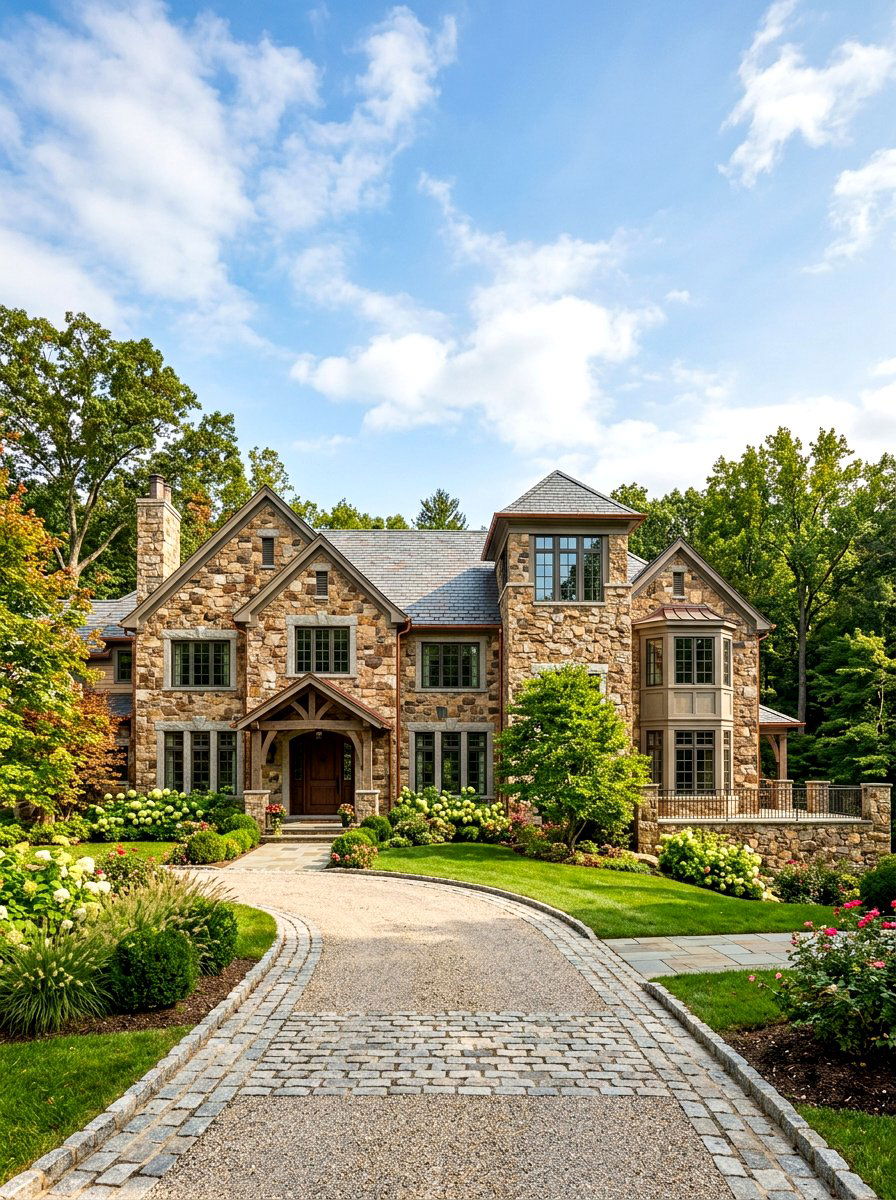
Stone window trim provides an unmatched level of luxury and permanence to a home's exterior. Using natural stone or high-quality stone veneer to frame windows creates a heavy, grounded look that is perfect for European-style villas or modern mountain homes. The texture of the stone adds incredible visual interest and depth, especially when the surrounding walls are a smoother material like siding or stucco. Stone trim is often used in a "surround" style, where large blocks of stone frame the entire opening. While it is one of the more expensive options, the durability and timeless beauty it provides make it a worthwhile investment for high-end properties.
16. Metal window trim

Metal window trim is a hallmark of contemporary and industrial design, offering sharp lines and an ultra-modern aesthetic. Materials like aluminum or steel are often used to create thin, sleek frames that are incredibly durable and low-maintenance. This style is particularly popular for modern homes with large expanses of glass, as the metal can support larger panes without bulky framing. Metal trim is often finished in black, bronze, or silver to enhance the industrial feel. It is resistant to rot, fire, and pests, making it a very practical choice for modern constructions. The result is a high-tech, polished look that emphasizes structural honesty and modern materials.
17. Arched window trim
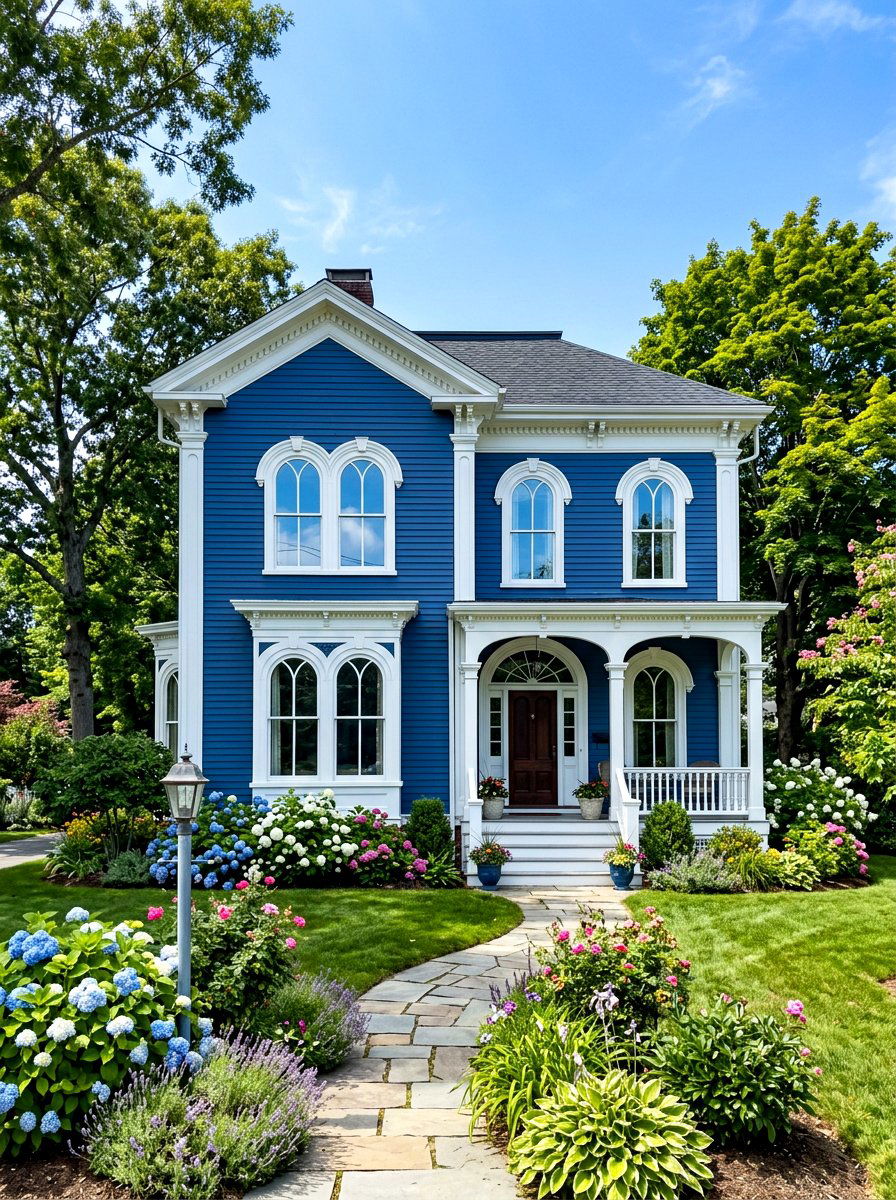
Arched window trim is designed to highlight the beautiful curves of radius windows, adding a touch of softness and elegance to a building's facade. Framing a curved window requires specialized flexible materials or custom-milled wood to ensure a perfect fit. This style is common in Mediterranean and traditional architecture, where arches are used to create a sense of grandeur. By painting the arched trim in a contrasting color, you draw attention to the unique shape of the window and add a layer of sophistication to the overall design. It is a fantastic way to break up the straight lines of a house and create a more dynamic look.
18. Dark bronze window trim
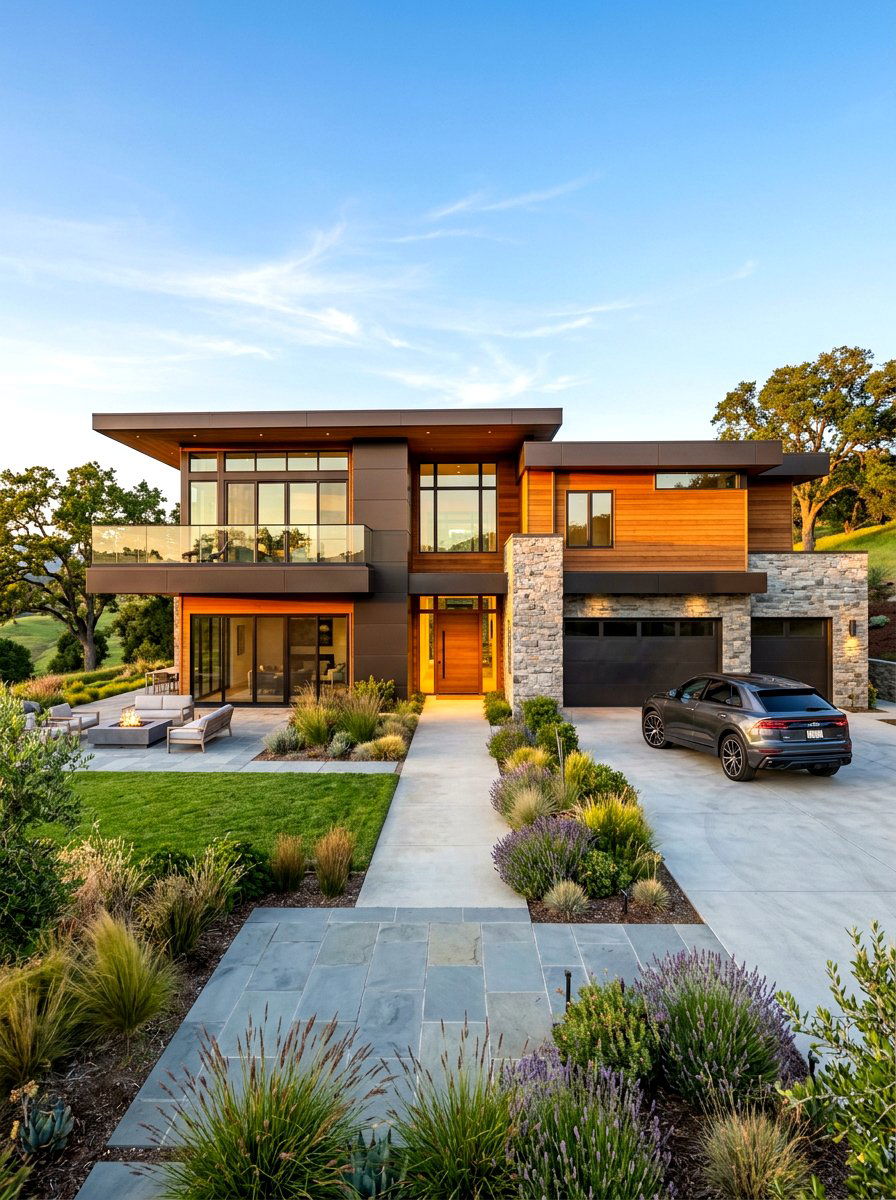
Dark bronze window trim has become a favorite alternative to black for homeowners who want a warm yet modern look. This deep, metallic hue has an oil-rubbed appearance that feels very high-end and luxurious. It works exceptionally well with natural materials like stone, wood siding, and warm-toned brick. Bronze trim provides a subtle shimmer in the sunlight, adding a layer of visual interest that flat colors often lack. It is a very sophisticated choice that bridges the gap between traditional and contemporary styles. Because it is a dark neutral, it offers excellent contrast while maintaining a sense of warmth and approachability on the exterior.
19. Composite window trim
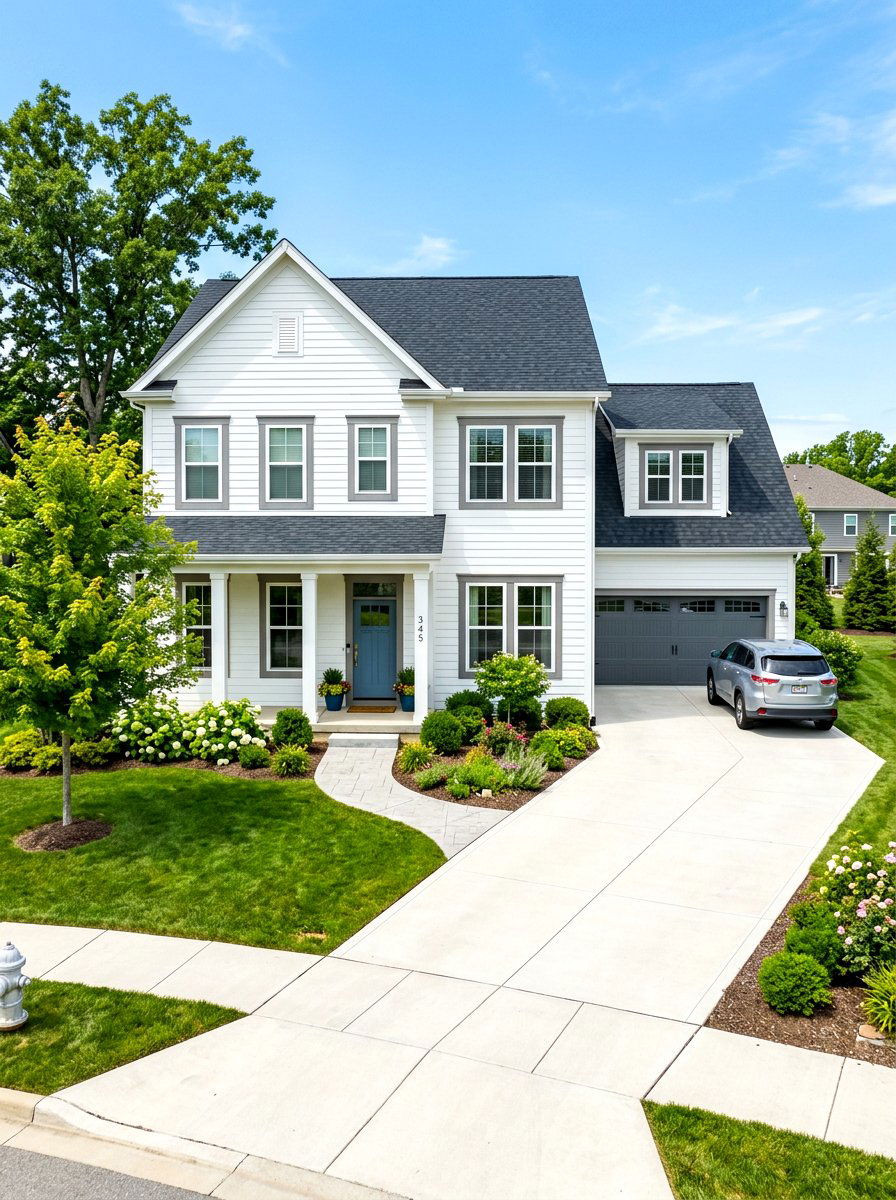
Composite window trim is the modern solution for homeowners who want the look of wood without the high maintenance. Made from a blend of wood fibers and plastic resins, this material is completely resistant to rot, insects, and moisture. It can be manufactured with a smooth finish or a realistic wood grain texture, providing endless design possibilities. Composite trim comes in a wide variety of pre-finished colors, though it can also be painted if you want a custom look. It is a very durable and sustainable choice that won't warp or crack over time. This makes it an ideal option for high-traffic areas and harsh weather conditions.
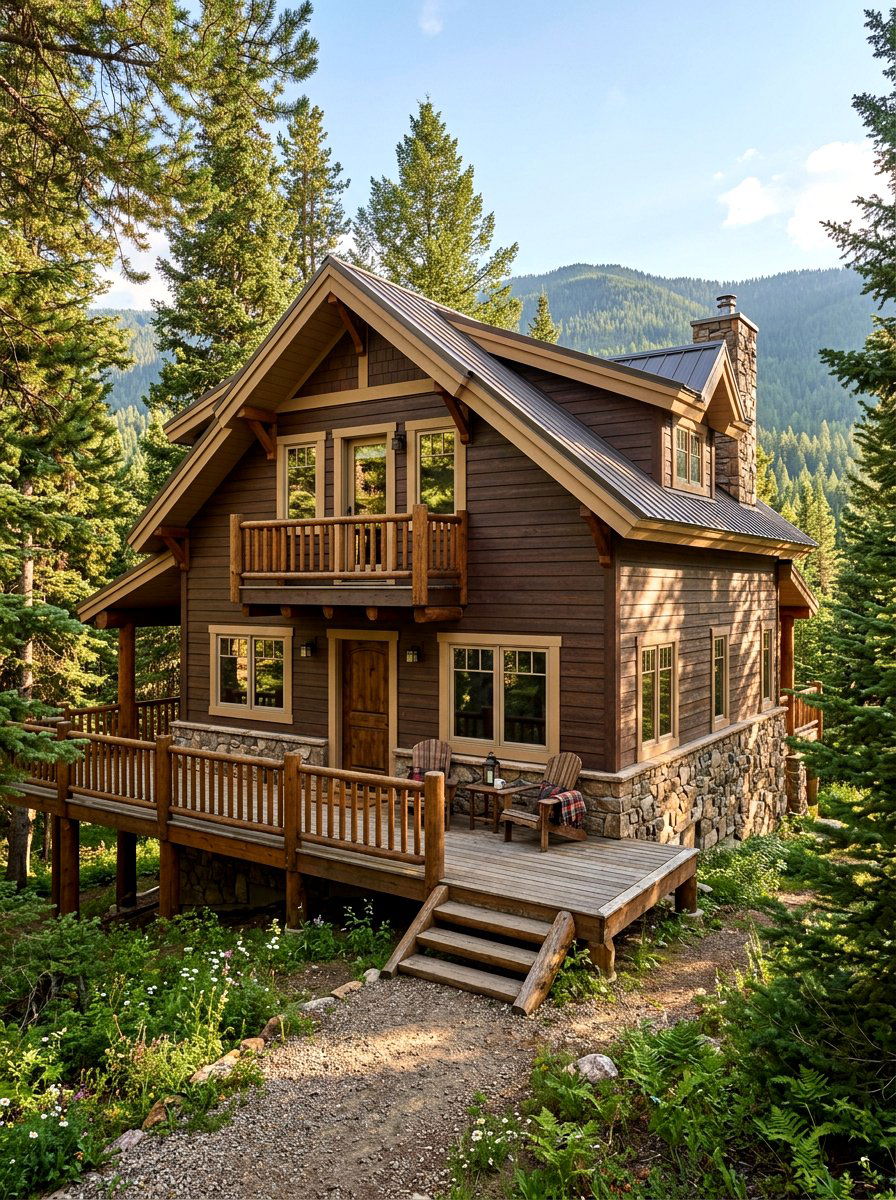
20. Decorative header window trim
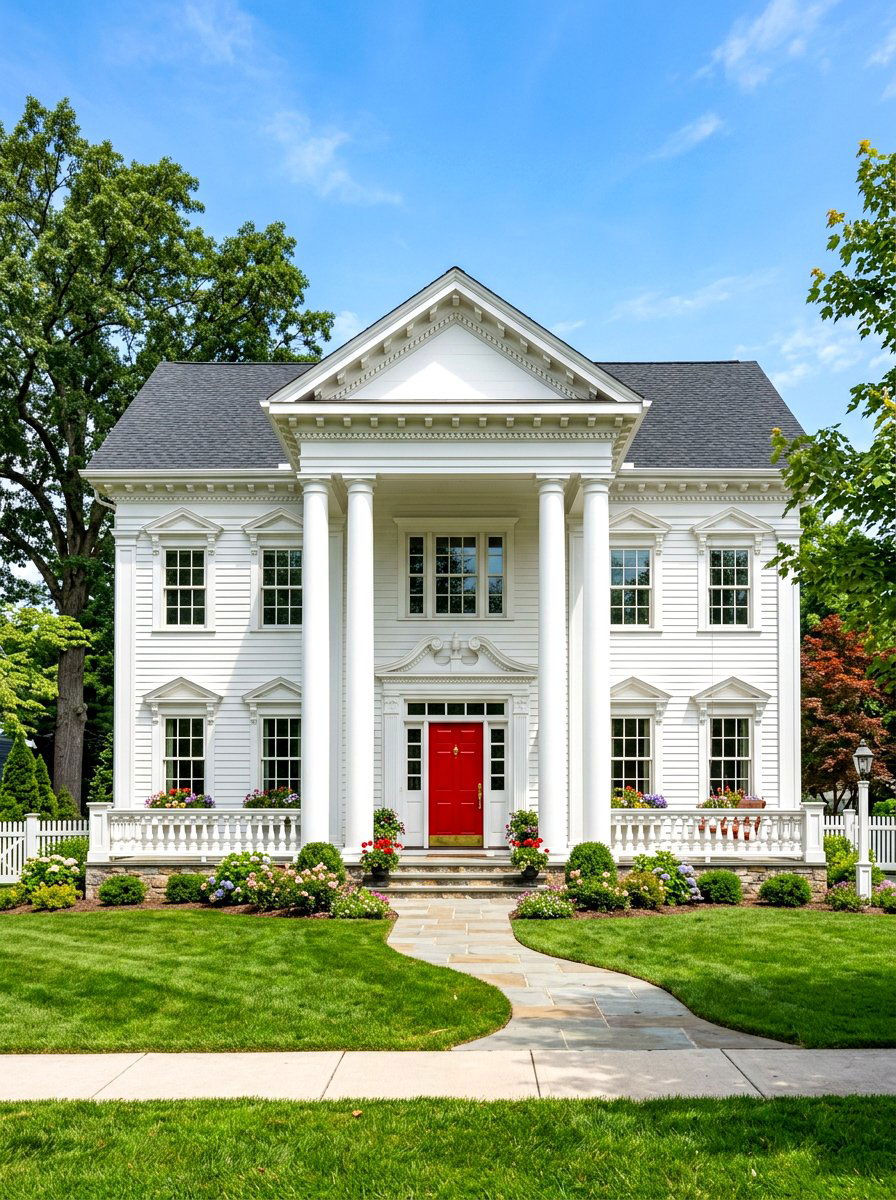
Adding a decorative header to your window trim is a simple way to elevate the architectural style of your home. A header is a horizontal piece of trim that sits above the window, often featuring more intricate molding or a larger profile than the side casings. This can range from a simple, flat "lintel" look to elaborate pediments with scrolls or dental molding. Headers add vertical interest and make the windows feel more important and substantial. This design idea works well on almost any style of home, from simple cottages to grand estates. It is a cost-effective way to add custom architectural detail without a full renovation.
21. Flat stock window trim
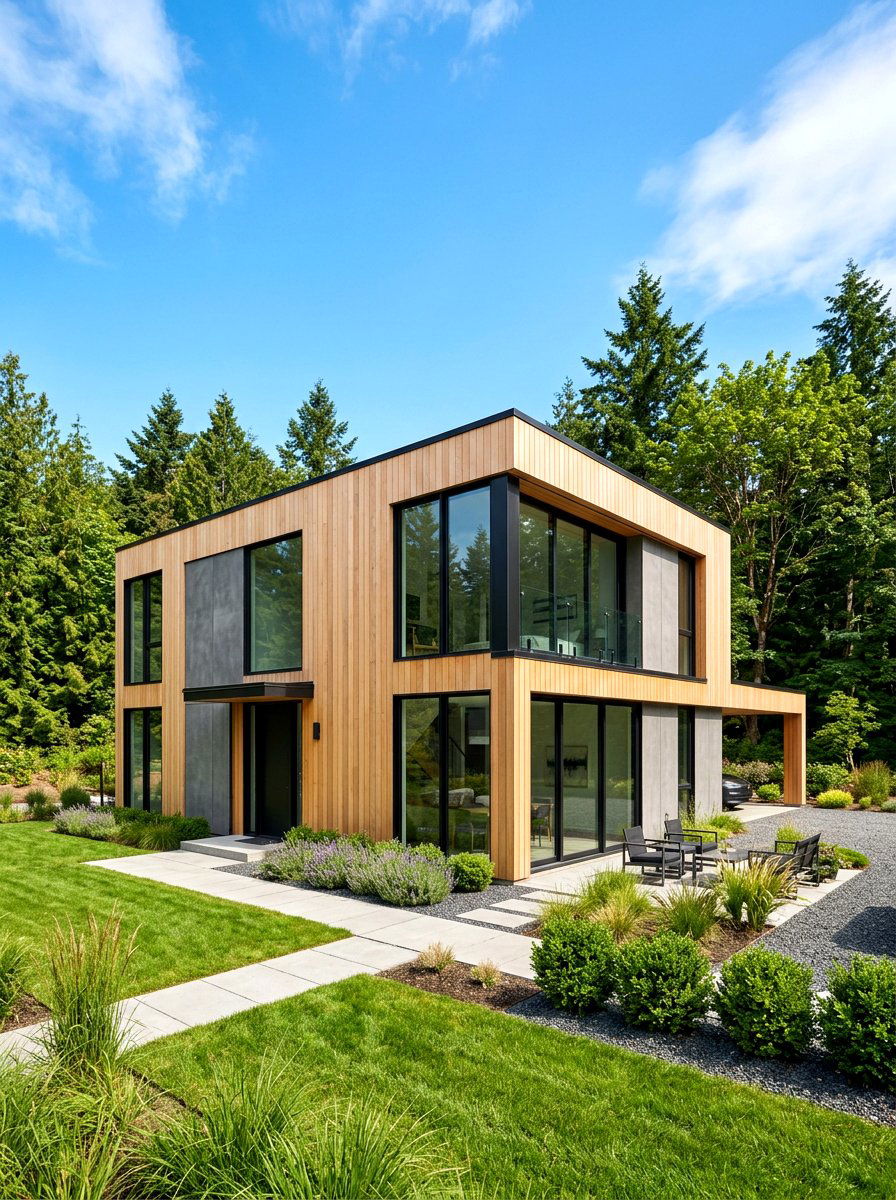
Flat stock window trim is the ultimate choice for those who appreciate clean lines and unembellished design. This style uses simple, rectangular boards with no decorative profiles or curves, creating a very modern and honest appearance. It is a staple of both modern minimalist and farmhouse designs because it emphasizes the structure rather than the ornament. Flat stock trim is very easy to install and maintain, making it a favorite for DIY projects. When painted in a bold color like black or charcoal, it creates a sharp frame that looks incredibly high-end. It is a versatile and timeless option that fits almost any budget.
22. Rustic cedar window trim
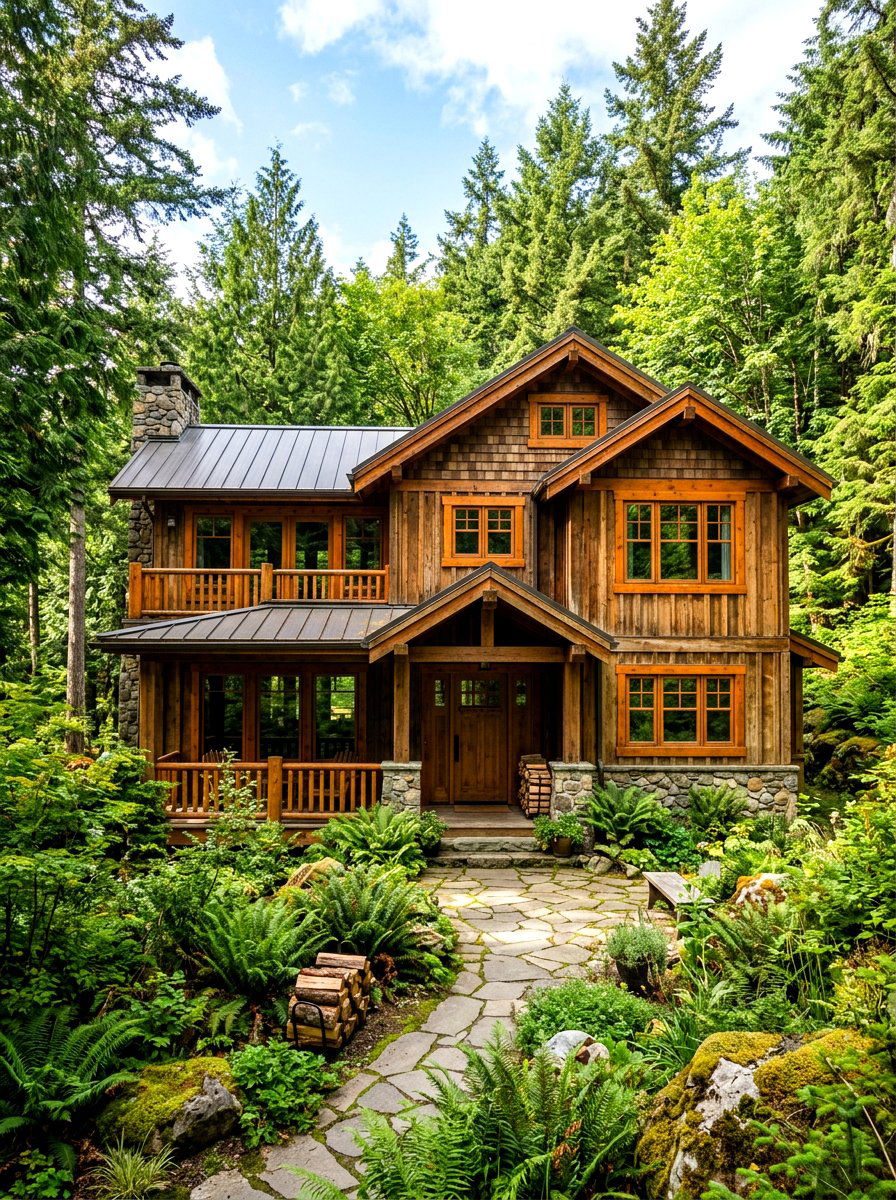
Rustic cedar window trim brings a rugged and natural feel to the home, making it look like it belongs in a forest or mountain setting. Cedar is naturally resistant to rot and insects, which makes it an ideal choice for exterior applications. For a truly rustic look, the trim is often left with a "rough-sawn" texture rather than being sanded smooth. Staining the cedar with a transparent or semi-transparent finish highlights the warm red and gold tones of the wood. This style looks incredible when paired with stone accents and earth-toned siding. It provides a cozy, organic aesthetic that adds instant warmth and character to the house.
23. Coastal window trim
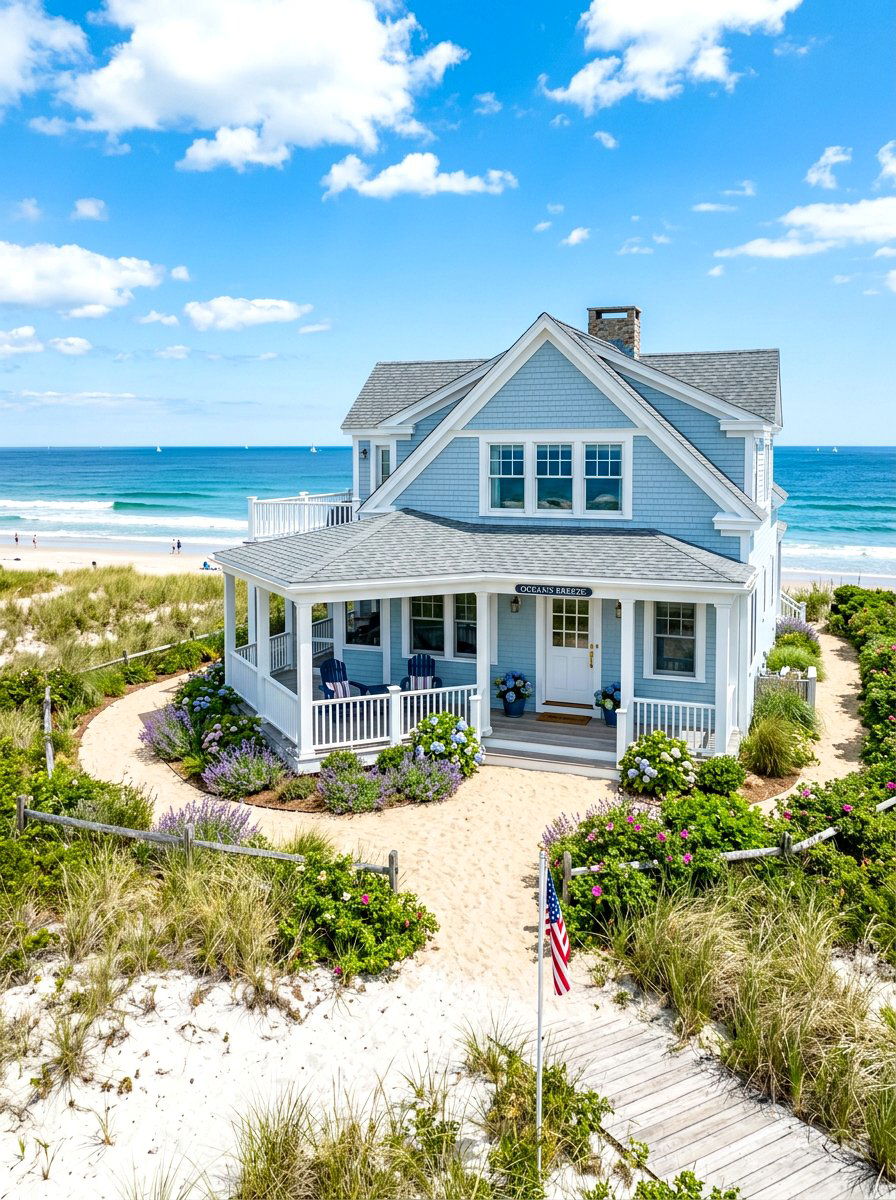
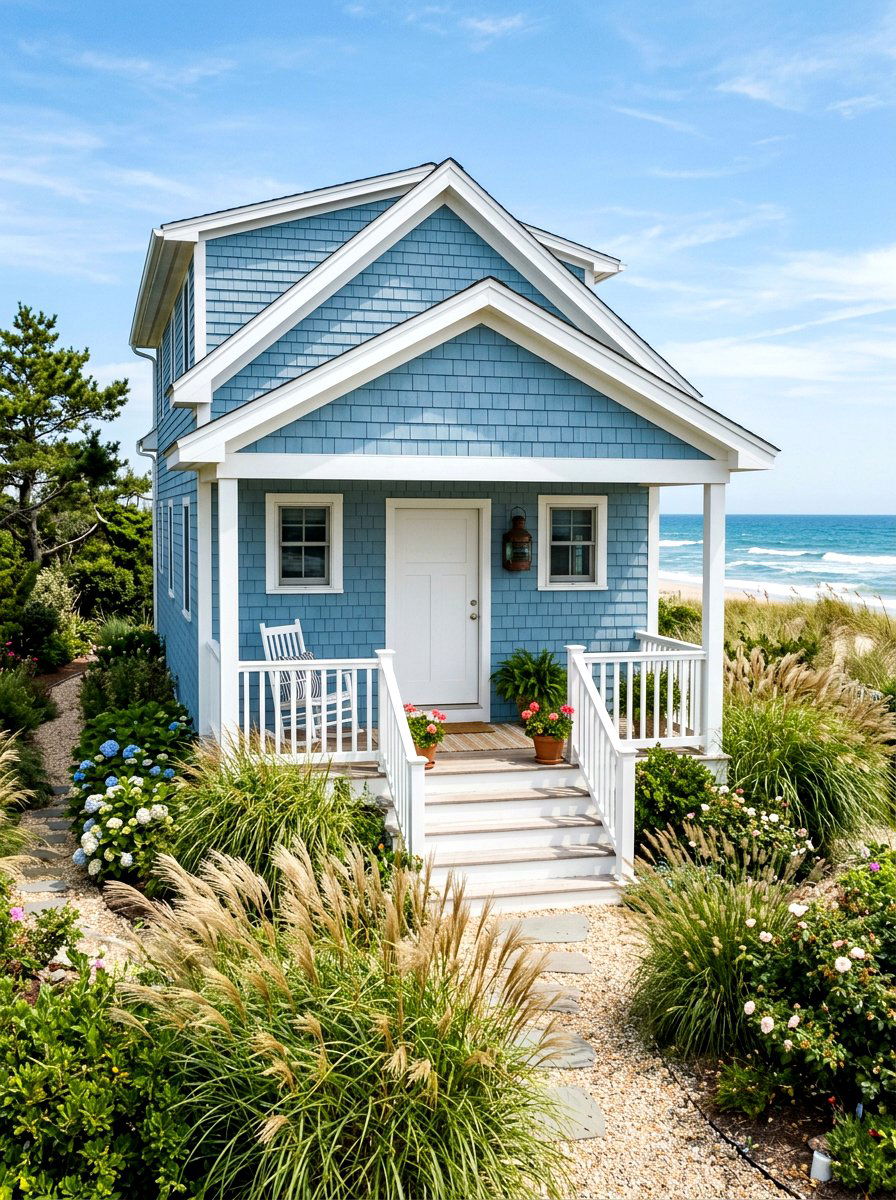
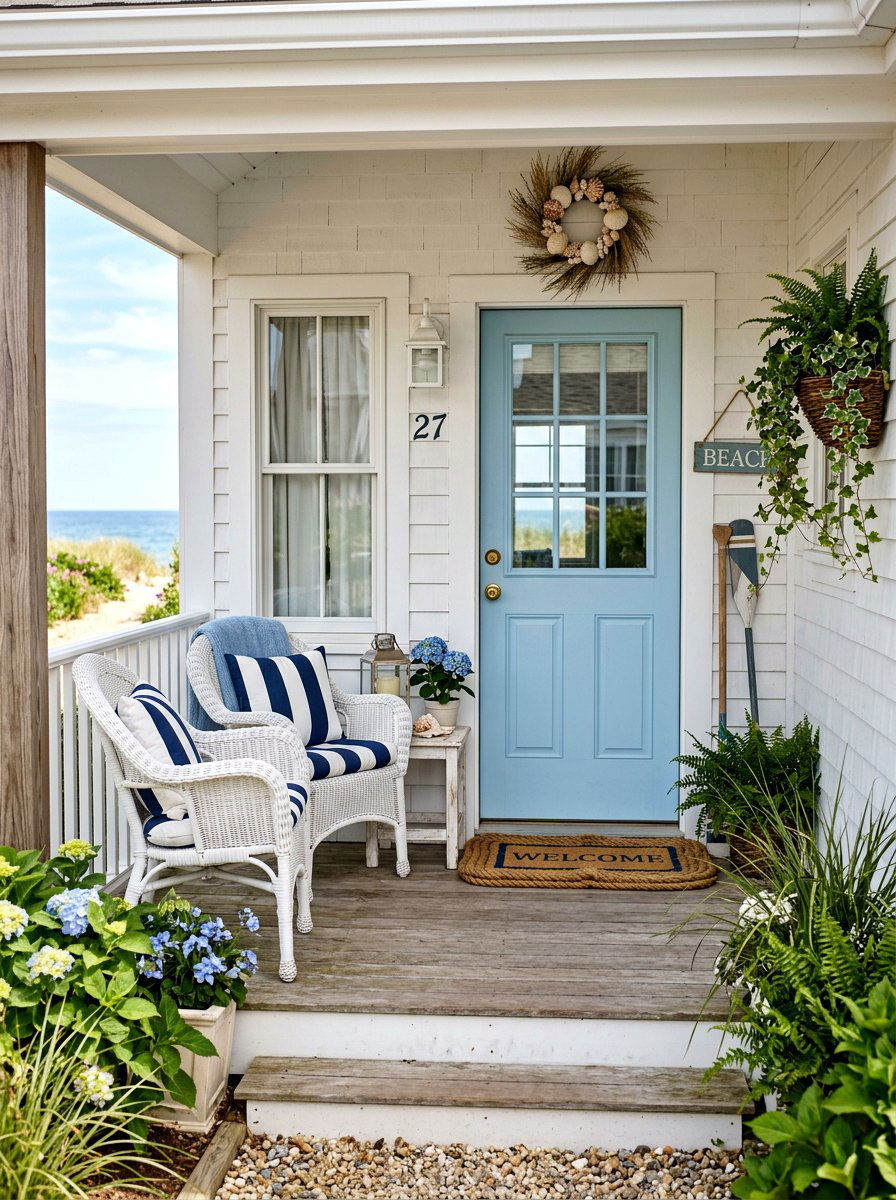
Coastal window trim is all about brightness and light, often featuring wide, flat profiles painted in crisp white or soft, sandy tones. This design is intended to reflect the sun and create an airy, beachy atmosphere. It is common to see coastal homes with larger trim to help protect against salt spray and high winds. Sometimes, decorative elements like "X" patterns or simple shutters are added to enhance the nautical theme. Coastal trim pairs perfectly with light blue or gray siding and natural wood decks. The goal is to create a fresh and inviting look that feels like a permanent vacation at the seaside.
24. Cottage window trim
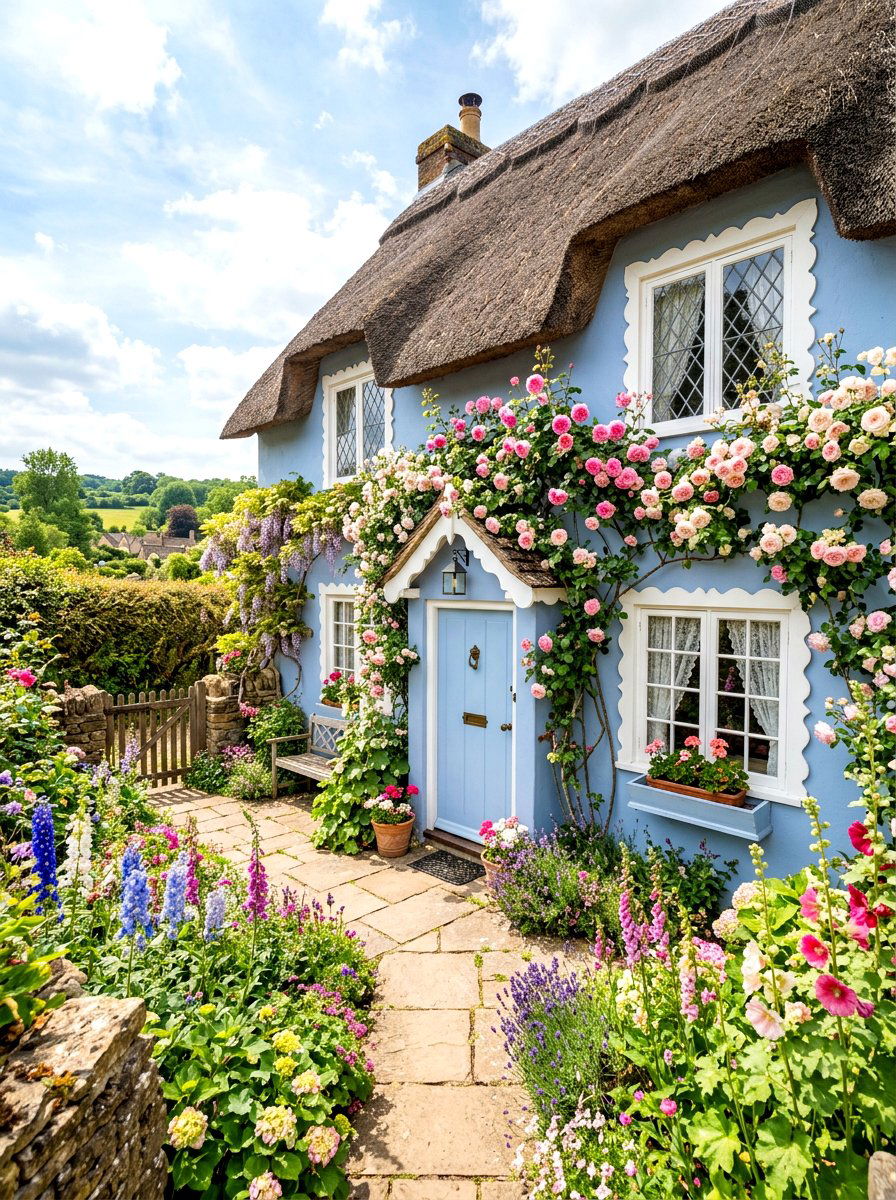
Cottage window trim focuses on charm and approachability, often featuring softer profiles and whimsical details. This style is perfect for smaller homes where you want to create a cozy and welcoming vibe. You might see cottage-style trim with slightly rounded edges or scalloped headers that add a touch of personality. Soft pastel colors like butter yellow, sky blue, or mint green are popular choices for cottage trim, as they add a cheerful feel to the facade. This design works beautifully with flower boxes and climbing vines, creating a picturesque and romantic look. It is a wonderful way to give your home a unique and endearing personality.
25. Mid century modern window trim
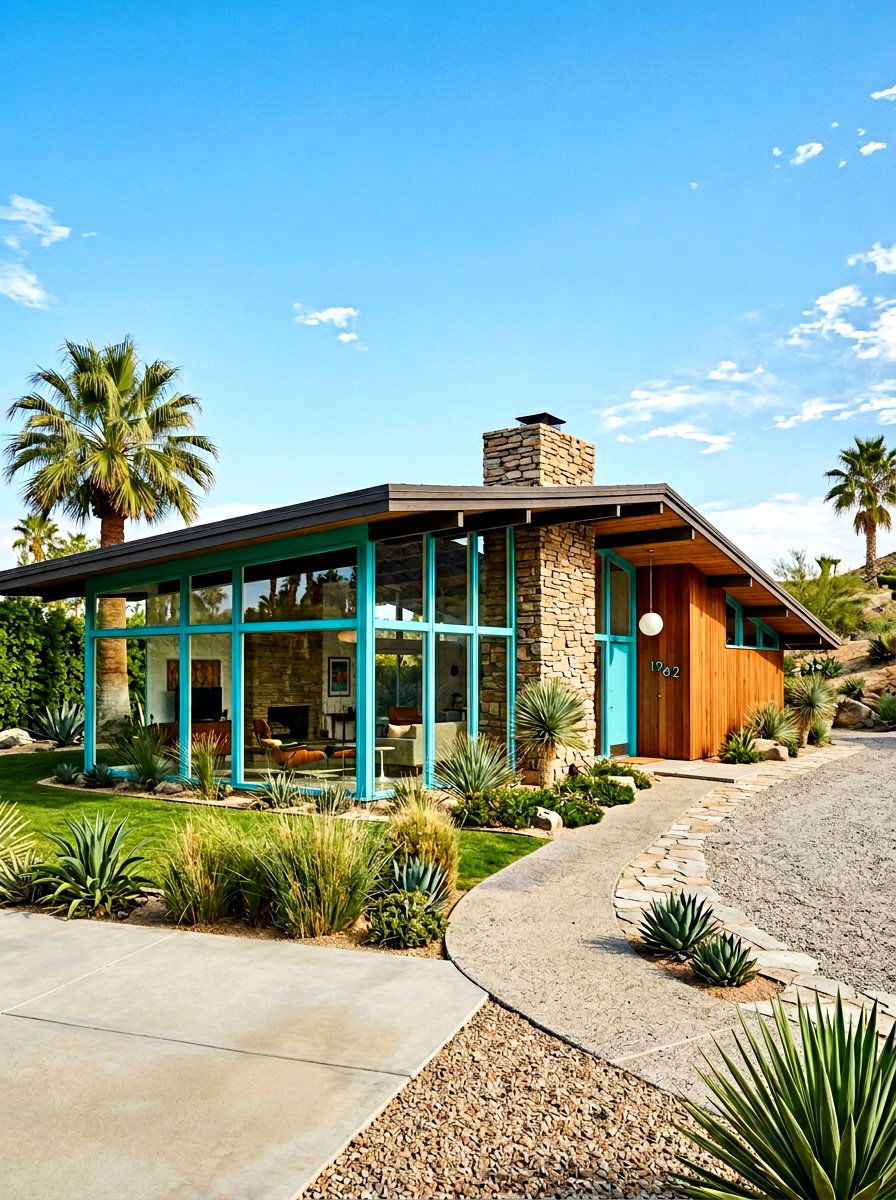
Mid-century modern window trim is characterized by its use of asymmetrical shapes and bold, simple lines. This style often features very thin frames or even frameless "mullion-less" glass to emphasize the connection between indoor and outdoor spaces. When trim is used, it is often painted in a contrasting "accent" color like orange, turquoise, or dark brown to highlight the unique geometry of the windows. This approach celebrates the experimental spirit of the mid-20th century. It is a sophisticated and artistic choice that works best on homes with flat or low-slung roofs and open floor plans. The result is a retro yet futuristic look.
26. Tudor window trim
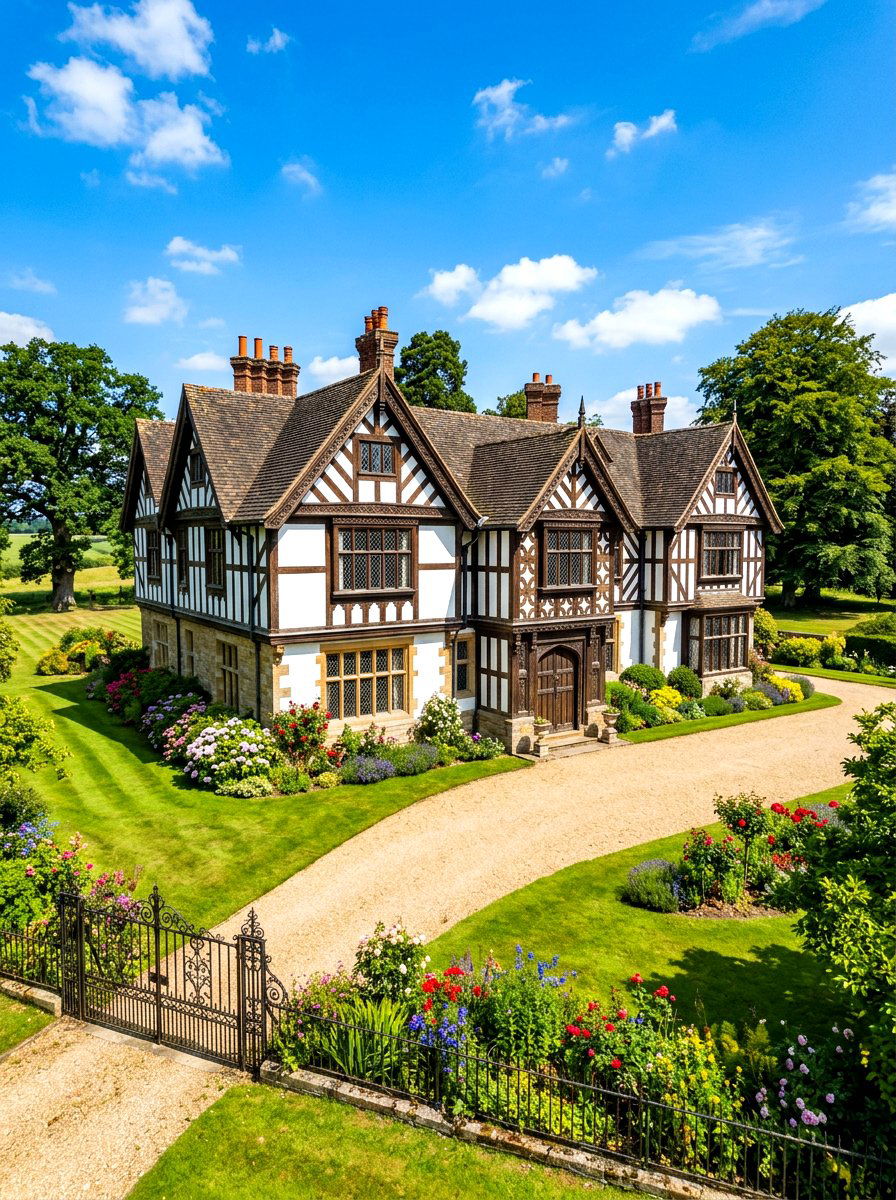
Tudor window trim is a very distinct style that features dark, heavy wood frames often paired with decorative half-timbering on the surrounding walls. The windows themselves are usually small and multi-paned, and the trim is designed to look sturdy and historic. Deep brown or black stains are the standard for Tudor trim, providing a sharp contrast against light stucco or brick walls. This design adds a sense of old-world European charm and structural strength to a home. It is a very formal and traditional look that requires high-quality craftsmanship to execute correctly. Tudor-style trim makes a house feel like a grand, historic manor with immense character.
27. Red brick window trim
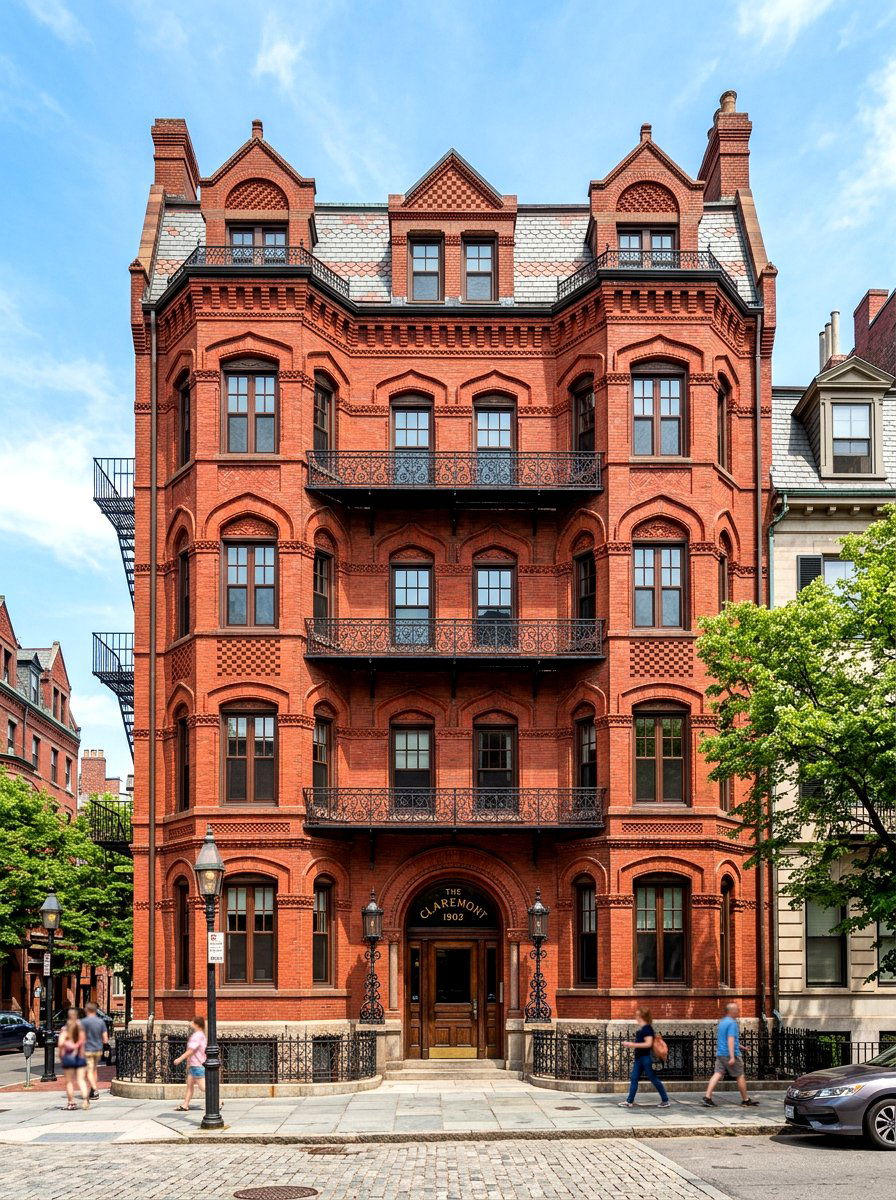
Using red brick as a trim element involves creating a decorative pattern or "header" made of bricks directly into the wall's masonry. This is a very traditional and durable way to frame windows, often seen in historic urban architecture and colonial homes. You can arrange the bricks in a vertical "soldier" course or a slanted "rowlock" pattern to add visual interest. This design idea creates a very integrated and permanent look that requires almost zero maintenance over the lifetime of the home. It highlights the craftsmanship of the masonry and provides a classic, upscale aesthetic that never feels dated. It is the ultimate in architectural longevity.
28. Shadow line window trim
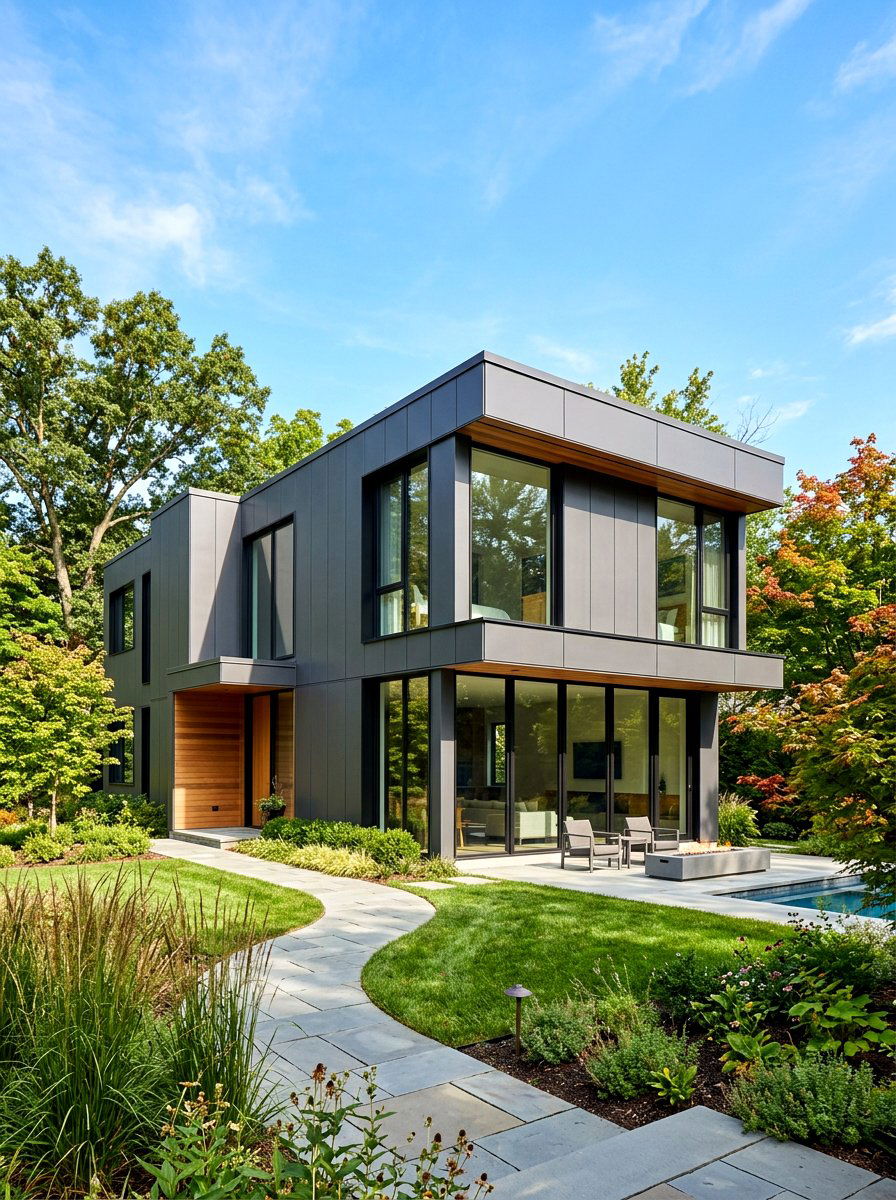
Shadow line window trim is a modern technique where the trim is slightly recessed or features a "reveal" gap between the casing and the siding. This creates a thin, dark shadow line around the window, which adds incredible depth and definition without using bulky materials. It is a very subtle and sophisticated design choice that is popular in high-end contemporary architecture. This style emphasizes the precision of the construction and the sharpness of the lines. By playing with light and shadow, the windows appear to float within the wall. It is an excellent way to achieve a high-design look using very simple and modern materials.
29. Contrast window trim
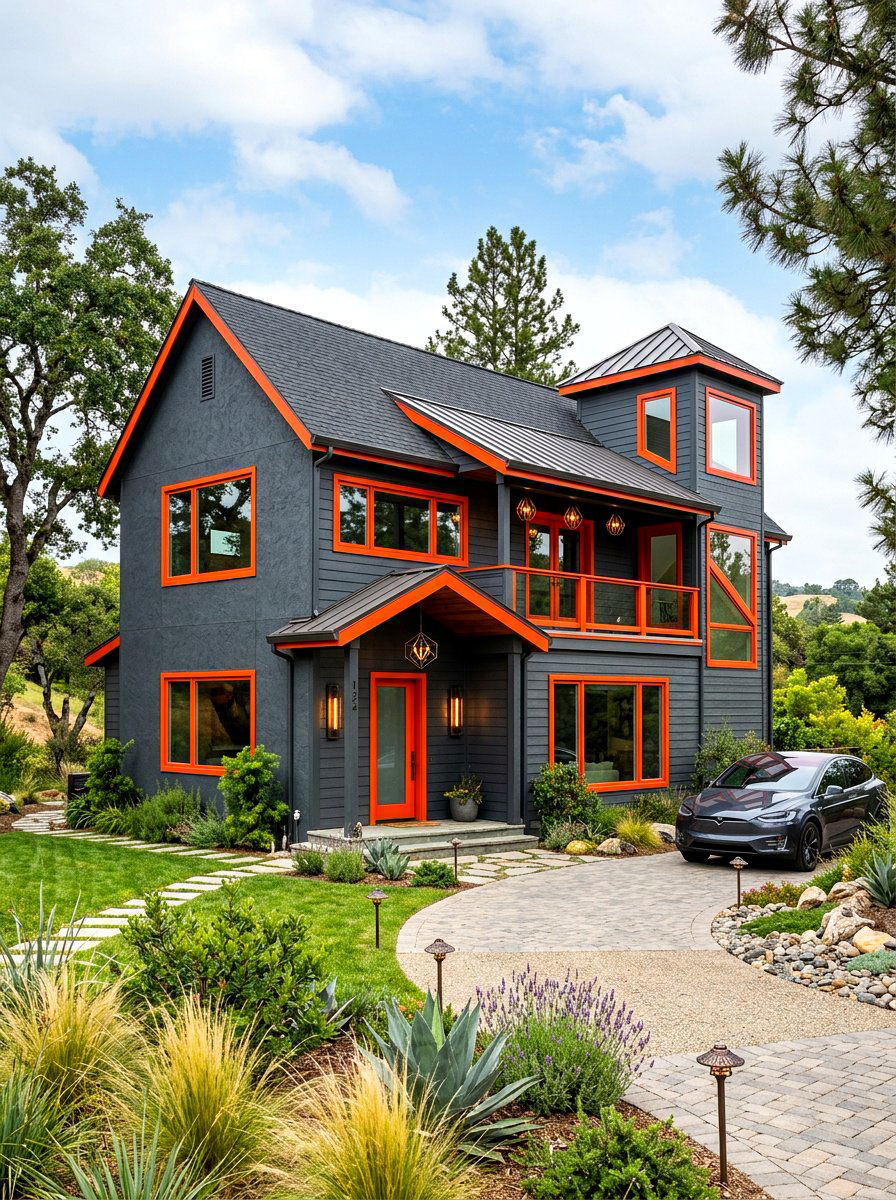
Contrast window trim is a design strategy where you choose a trim color that is drastically different from the siding to create a high-impact look. For example, using bright white trim on a dark navy house or black trim on a cream-colored facade. This approach defines the architectural shape of the house and makes the windows stand out as focal points. It is a great way to update a plain exterior and add immediate visual excitement. The key to successful contrast is choosing colors that complement each other's undertones. This design idea is versatile and can be applied to modern, traditional, or eclectic homes with great success.
30. Traditional window trim
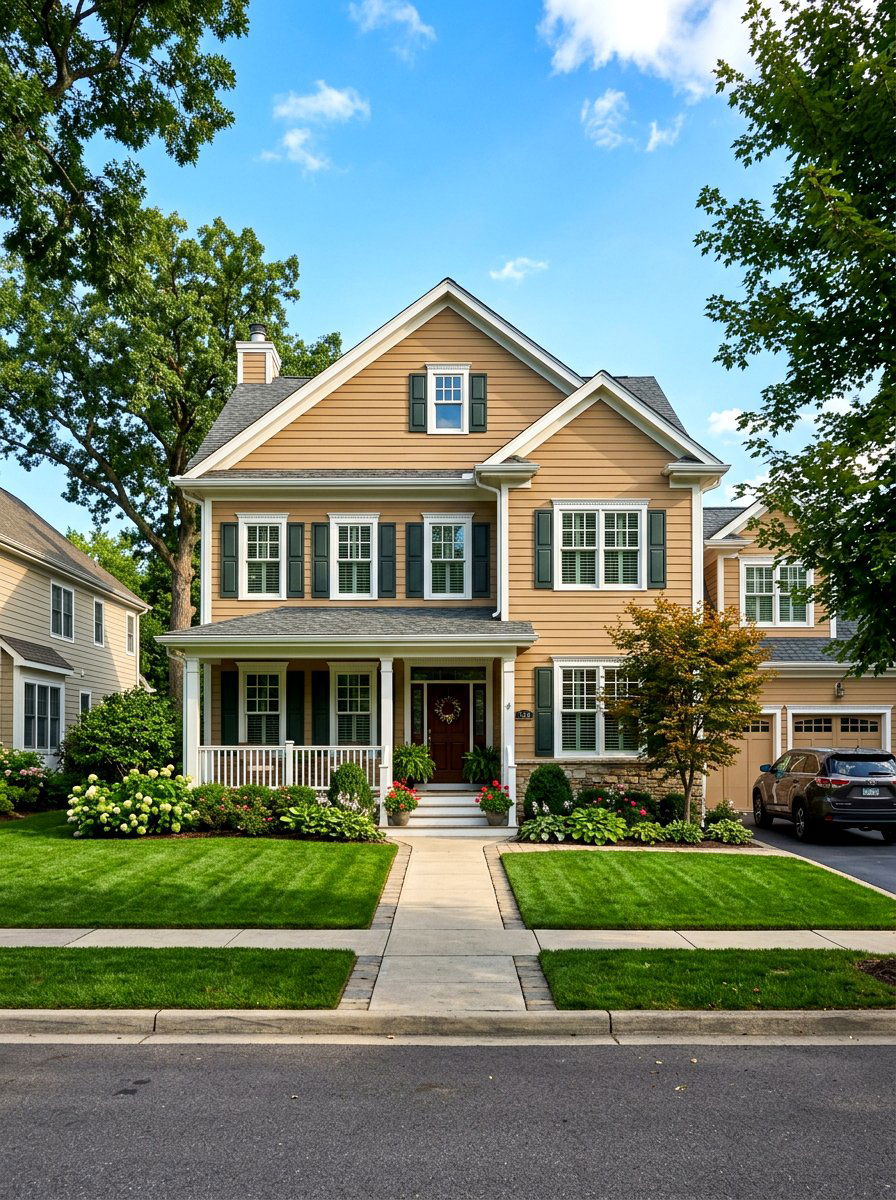
Traditional window trim is a reliable and classic choice that focuses on balanced proportions and simple, elegant molding profiles. This style usually features a standard 3. 5-inch casing with a classic beaded edge or a simple mitered corner. It is a "middle-ground" option that works well for almost any suburban home, offering a finished look that is neither too modern nor too ornate. Most traditional trim is painted in neutral shades like white, almond, or light gray. This style provides a clean and organized appearance that appeals to a wide range of tastes. It is a safe and effective way to ensure your home looks well-maintained and stylish.
Conclusion:
Selecting the perfect outdoor window trim is a transformative decision that can significantly boost your home’s curb appeal and protect its structural integrity. From the sleek elegance of black minimalist frames to the warm, textured charm of natural cedar, the right trim helps define your home's unique architectural personality. It is essential to consider both the aesthetic style of your house and the durability of the materials in your local climate. By thoughtfully choosing colors and profiles that complement your siding and surroundings, you can create a cohesive and inviting facade. High-quality window trim is a smart investment that enhances your daily view and increases your property value.

Related posts: